Saint of the Day – 9 June – St Baithen of Iona (c 536-c 599) Abbot, the disciple and first successor of St Columba, an Irish Monk, especially selected by St Columba, as one of the band of Missionaries who set sail for Scotland in 563. St Baithen of Iona is generally known as Baithen Mor, to distinguish him from eight other Saints of the same name — the affix mor meaning “the Great.” This holy man was closely related to the great St Columba. They were the sons of two brothers and consequently, first cousins. Born in c 536 in Ireland and died in c 599 of natural causes . Patronage – of Tibohin, in Elphin, Ireland. Also known as – Baithéne mac Brénaind, Baithen Mor, Baithen the Great, Baithin, Boethen, Baoithin, Baithenus, Comin, Cominus.We have no images of our Saint, those below, in the main, are images of Monks of Iona.
Baithen was born in around 536, the son of Brenaron. He was an ardent disciple of St Columba and was appointed Abbot of Tiree Island, a Monastery founded by St Comgall of Bangor. St Adamnan, in recording the death of St Columba, tells us that the dying words of the Apostle of Iona, as he was transcribing the fifty-third Psalm, were: “I must stop here, let Baithen write what follows.”
Baithen had been looked on as the most likely successor of St Columba and so it happened, that on the death of that great Apostle, the Monks unanimously confirmed the choice of their Founder. St Baithen was in high esteem as a wise counsellor and his advice was sought by many Irish Saints.
According to his Acts, from the time he was a child, Baithen had been educated by St Columba. Under his holy discipline, he learned how to wage a perpetual war with idleness. As his years advanced, he grew stronger and more perfect, in the exercise of all good works. However, being a junior, by several years, he used to be always along with Columba because they were close in consanguinity and friendship, as they were thoroughly allied in the practice of holy works.
Baithen was always either reading, or praying, or serving his neighbour. Sometimes, for the latter purpose, his devotions were occasionally interrupted. When he used to eat, he was wont to say, “Deus in adjutorium meum intende,” “O God, come to my aid” between every two morsels. His devotions were so continually practised, that even when he was travelling, or working, or eating, or conversing with anyone, this holy man would still be communing with God and, under his tunic, his hands were often clasped in prayer, without anyone present knowing it. When he gathered corn along with the Monks, he held one hand up beseeching God, while the other hand was gathering the corn, as is contained in his Latin Acts, where we are informed, he would not brush away the troublesome midges from his face but rather suffer the bites and discomfort as a penance.
St Adamnan, the Biographer of St Columba, tells many interesting incidents in the life of Baithen but the mere fact of being the immediate successor of St Columba, by the express wish of that holy Apostle, is almost sufficient to attest to his great worth. The “Martyrology of Donegal” records the two following anecdotes.
Baithen also served as Prior over a Monastery connected to Iona on the Island of Tiree. The name of the place where his Monastery was located on Tiree, was Mag Luinge or Campus Luinge. The Monastery was a house for penitents from Iona. Some historians have thought that it may have supplied food to Iona.
St Adamnan also recorded a story about a voyage he took to the island, when Columba first told a Monk who was heading to Tiree, that he should not sail directly from Iona to Tiree because a great whale would frighten him but this monk did not listen to his advice and took the direct route. A huge whale came out of the water and almost destroyed the boat, which was, terrofying! When Baithen departed the following day to Tiree, Columba told him about the whale, and Baithen responded that both he and the whale were in God’s power, to which Columba responded “Go in peace, your faith in Christ will shield you from danger.” And so Baithen then took the direct route and the whale came out of the water which terrified all in the boat, except Baithen, who instead blessed the sea and the whale. The whale immediately departed, descending into the depths.
Iona todat
Baithen wrote a life of his master and some Irish poems, which are now lost but which were seen by St Adamnan. He only ruled Iona for three years, as his death took place in the year 600, though the “Annals of Ulster” give the date as 598. Perhaps the true year may be 599. Some writers assert that St. Baithen of Iona is the Patron of Ennisboyne, County Wicklow but this is owing to a confusion with St Baoithin, or Baithin mac Findech, whose feast is commemorated on 22 May. St Bathen is, however, the official Patron of Tibohin, in Elphin, Ireland.
Madonna, Madre delle Grazie / Our Lady, Mother of Grace (1610) (Also known as Our Lady of the Bowed Head) – 9 June:
Among the many miraculous images of the Mother of God through which she deigns to grant her favours, there is one in the Monastery church of the Carmelites in Vienna, entitled the Mother of Grace. In 1610 a Carmelite, Dominic of Jesus-Mary, found among the votaries of an old Altar in the Monastery Church of Maria della Scala in Rome and oil painting of the Mother of God, dust-covered and somewhat torn, which grieved him. Taking it into his hands, he shook the dust off it and kneeling down venerated it with great devotion. He had the picture renovated and placed it on the shelf in his cell, where he made it the object of his love and supplications, in favour of those who came to him in their necessities and afflictions. One night, while he was praying fervently before the picture, he noticed that some dust had settled on it. Having nothing but his course woolen handkerchief he dusted it with that and apologised:
“O pure and holiest Virgin, nothing in the whole world is worthy of touching your holy face but since I have nothing but this coarse handkerchief, deign to accept my good will.”
Fearing he was under an illusion, Dominic became troubled but Mary assured him that his requests would be heard, he could ask of her with full confidence, any favour he might desire. He fell upon his knees and offered himself entirely to the service of Jesus and Mary and asked for the deliverance of one of is benefactor’s souls in purgatory. Mary told him to offer several Masses and other good works. A short time later, when he was again praying before the image, Mary appeared to him bearing the soul of his benefactor to Heaven. Dominic begged that all who venerated Mary in this image of Our Lady of Grace might obtain all they requested. In reply the Virgin gave him this assurance:
“All those who devoutly venerate me in this picture and take refuge with me, will have their requests granted and I will obtain for them many graces but especially, will I hear their prayers for the relief and deliverance of the souls in Purgatory.”
Dominic soon after placed the image in the Church of Maria Della Scala, so that more devotees of Mary could venerate it. Many wonderful favours were obtained by those who honored and invoked Mary here. Reproductions were made of Our Lady of Grace and sent to different parts of the world. After the death of Dominic the original painting was given to Prince Maximilian of Bavaria. He gave it to the discalced Carmelites in Munich in 1631; they gave it to Emperor Ferdinand II of Austria and his wife Eleanore. After Ferdinand’s death, Eleanore entered the Carmelite Convent in Vienna and took the picture with her. During the succeeding years the image was transferred to various places. Today it is in the Monastery Church of Vienna in Doabling. On 27 September 1931, it was solemnly crowned by Pope Pius XI – its 300th anniversary of arrival in Vienna. To his great surprise, the face of the Mother of God appeared to take on life and smiling sweetly at him, she bowed her head, which thereafter remained inclined.
The Carmelite Monastery Church of Vienna in dsDoabling.
St Comus of Scotland St Cumian of Bobbio St Cyrus Bl Diana d’Andalo OP St Diomedes of Tarsus St Felicianus Bl Henry the Shoemaker St Julian of Mesopotamia St Luciano Verdejo Acuña St Maximian of Syracuse St Pelagia of Antioch St Primus St Richard of Andria Bl Robert Salt Bl Sylvester Ventura St Valerius of Milan St Vincent of Agen
Martyrs of Arbil – 5 Saints: Five nuns who were Martyred together in the persecutions of Tamsabur for refusing to renounce Christianity for sun-worship – Amai, Mariamne, Martha, Mary and Tecla. They were beheaded on 31 May 347 at Arbil, Assyria (in modern Kurdistan, Iraq).
Saint of the Day – 8 June – St Gildard of Rouen (c 456-c 545) Bishop of Rouen from 488 until his death in c 545, France, Confessor * Twin Brother of St Medard Also known as – Gildardus, Godard.
The Roman Martyrology states of St Medard and his twin brother, St Gildard, today: “At Soissons, in France, the birthday of St Gildard, Bishop of Rouen, whose life and precios death are illustrated by glorios miracles – at Rouen, St Gildard, Bishop, twin brother of St Medard,who was born with his brother on the same day, Consecrated Bishops at the same time and being taken away from this life, also on the same day, they entered Heaven together!”
St Medard left and Gildard, right
Gildard assisted at the first Council of Orleans in 511 and governed the See of Rouen with great zeal during the space of around fifteen years, although dates are rather uncertain.
He was buried at St Mary’s in Rouen, which is since called St Gildard’s, or in French St Godard’s. His remains were removed to the Abbey of St Medard in Soissons precisely because of the ibling connection; – when the Monks of St Medard discovered this link, they argued successfully with Charles the Bald, that the brothers be reunited in death. Gildard’s body was, therefore, translated to St Medard’s at Soissons and still remains there, lying in peace, side-by-side with his twin brother. And it is from here that the cult of the twin Saints spread.
That he was twin brother of St Medard was unknown to Saints Fortunatus, Gregory of Tours and other Catholic writers.
But, there are many Churches, Convents, a Museum and more named for the two Saints in France both individually and severally.
St Anne Mary Taigi St Bron of Cassel St Calliope St Clodulf of Metz Bl Engelbert of Schäftlarn St Eustadiola of Moyen-Moutier St Fortunato of Fano St Gildard of Rouen (c 456-c 545Bishop, Confessor * Twin Brother of St Medard below Bl Giorgio Porta Bl Giselbert of Cappenberg St Heraclius of Sens Bl István Sándor
Bl John Davy OC (Died 1537) Deacon Martyr Bl essedJohn Rainuzzi Bl Maddallena of the Conception Bl Mariam Thresia Chiramel Mankidiyan St Maximinus of Aix
St Medard (c 456-545) Bishop and Convessor * Twin Brother of St Gildard above About this iluustrious Saint: https://anastpaul.com/2020/06/08/saint-of-the-day-8-june-saint-medard-c-456-545-bishop/ The Roman Martyrology states of St Medard and his twin brother, St Gildard, today: “At Soissons, in France, the birthday of St Medard, Bishop of Novon, whose life and precios death are illustrated by glorious miracles – at Rouen, St Gildard, Bishop, twin brother of St Medard,who was born with his brother on the same day, Consecrated Bishops at the same time and being taken away from this life, also on the same day, they entered Heaven together!”
St Melania the Elder St Muirchu St Pacificus of Cerano Bl Peter de Amer Bl Robert of Frassinoro St Sallustian St Syra of Troyes St Victorinus of Camerino
Saint of the Day – 7 June – Saint Deochar OSB (Died 847) Monk, Abbot, Hermit, Disciple and Spiritual Student of St Alcuin, Founder of a Monastery and first Abbot in Herrieden, in modern Bavaria, Germany, Royal Messenger and as such, translated the Relics of the great St Boniface to Fulda, Germany. Born in the late 8th century, probably in Bavaria, Germany and died in 847 at his Abbey of Herriedon, Germany of natural causes. Patronages – of the blind and of those with eye diseases. Also known as – Deocarus, Deotker, Dietger, Gottlief, Theotgar, Theutger.
Deochar was a disciple of the blessed Alcuin at the Court of Emperor Charlemagne. He retired to solitude in Haserode (later Herrieden) as a Hermit. In around 782, Charlemagne built him a Chapel and later a Benedictine Monastery on the site opposite the Church in Herrieden, which Church, is dedicated to him today. Here, Deochare became a Monk and the first Abbot. In 793 King Charles visited Deochar and in 796 ,he sent his Court theologian, Alcuin to settle the Abbot’s difficulties with some of his Monks.
Since 802, Deochar was also a Royal Messenger and, therefore, in 819, he was involved, in the transfer of the Relics of the great St Boniface to Fulda. The first image above depicts this event.
In 829, Deochar headed the list of signatories to the Synod of Mainz, being an authority on Sacred Scripture and on the monastic rule,
He died at an advanced age and received his final resting place in a Shrine in the Collegiate Church of St Vitus and St Deochar in Hasareoda / Herrieden. In 1316. a part of his Relics was transferred by King Ludwig as the spoils of victory, to the Chapel in the Church of St Lorenz in Nuremberg, now named after Deochar. In 1845 they came to Eichstätt . The part of the Relics brought by King Ludwig to his residence, the Alter Hof in Munich, was destroyed in World War II.
High grave, 1482, in the Blasisus Chapel of the Basilica of St Vitus and St Deocar in Herrieden
St Deochar’s Patronage of the blind relates to a famous miracle which occurred due to his prayer on behalf of a blind boy child, who was immediately cured.
St Aventinus of Larboust Bl Basilissa Fernandez St Colman of Dromore Bl Demosthenes Ranzi St Deochar OSB (Died 847) Monk, Abbot, Hermit St Gotteschalk St Justus of Condat St Landulf of Yariglia St Lycarion of Egypt
Venerable Matt Talbot (1856 – 1925) (born Matthew Talbot) – Layman, Ascetic, Mystic – known as the “Saint in Overalls” and “the Workers’ Saint” disciple of Eucharistic Adoration and the Blessed Virgin – Patron of Struggling and Recovering Addicts and Alcoholics and many addiction treatment programs, retreats and centres throughout the world bear his name. The Matt Talbot Story: https://anastpaul.com/2017/06/07/saint-of-the-day-7-june-venerable-matt-talbot-ofs/
St Meriadoc I of Vannes St Meriadoc II of Vannes St Odo of Massay St Potamiaena of Alexandria the Younger St Quirinus of Cluny
St Robert of Newminster O.Cist. (c 1100–1159) English Priest, Abbot, Apostle of the poor, Miracle-worker. He was one of the Monks who founded Fountains Abbey in North Yorkshire, England, another at Newminster, Northumbria and 3 other Monasteries Robert ruled and directed the Monks at Newminster for 21 years. St Robert’s Life: https://anastpaul.com/2021/06/07/saint-of-the-day-7-june-saint-robert-newminster-o-cist-c-1100-1159/
St Sergius of Cluny St Vulflagius of Abbeville
Martyrs of Africa – 7 Saints: A group of seven Christians who were Martyred together. No details about them have survived except the names – Donata, Evasius, Guirillus, Januaria, Privata, Spisinna, Victurus. The precise location in Africa and date are unknown.
Martyred in Córdoba, Spain: Habentius of Córdoba Jeremiah of Córdoba Peter of Córdoba Sabinian of Córdoba Wallabonsus of Córdoba Wistremundus of Córdoba
Quote/s of the Day – 6 June – Pentecost Monday and the Memorial of St Norbert (c 1080-1134) Bishop, Confessor, Founder of the Premonstratensian or the Norbertine Canons and Sisters, “Defender of the Eucharist” and “Apostle of the Eucharist,” Exorcist, Reformer, Preacher
On the day of his ordination, St Norbert said:
“O Priest! You are not of yourself because you are of God. You are not of yourself because you are the servant and minister of Christ. You are not your own because you are the spouse of the Church. You are not yourself because you are the mediator between God and man. You are not from yourself because you are nothing. What then are you? Nothing and everything. O Priest! Take care, lest what was said to Christ on the cross be said to you: ‘He saved others, himself he cannot save!”
“You will never enjoy the sweetness of a quiet prayer, unless you shut your mind, to all worldly desires and temporal affairs.”
St Norbert (c 1080-1134)
Why is St Norbert Patron of Expectant Mothers & Infertile Married Couples?
A pious woman once approached St Norbert asking whether she and her husband ought to separate and enter Monasteries because they lived in an infertile marriage. St Norbert prophesied that they would be blessed with children, the first of whom would be dedicated to God. This child, Nicholas, did indeed become a Norbertine at Prémontré. St Norbert is traditionally invoked for a safe childbirth too. The Norbertine Canonesses at Doksany (Czech Republic) in modern times, promote this devotion to St Norbert as ‘Patron of Infertile Couples and Endangered Pregnancies’ and report hundreds of families now blessed with children, the Sisters, having well over 3,000 spiritual children as of 2012. It would be wonderful to find an updated figure 10 hears later.
A Prayer to St Norbert for a Safe Childbirth
St Norbert, great and faithful servant of God! You venerated the holy and miraculous birth of our Saviour, Whom, His Mother, the purest Virgin Mary, conceived without the loss of her virginity and gave birth, ever remaining a virgin. You connected the origin of the Premonstratensian Order with the day of the Birth of Jesus Christ. I humbly pray to you, St Norbert, as a great protector, so that God will give me the grace, through your intercession, to give birth to this conceived child. And so, that He will give me also, the grace that this child will join the Church of Christ through the Sacrament of Baptism and that he/she will serve Almighty God the whole of his/her life so that in the end we both will reach eternal salvation. Through Jesus Christ, Our Lord, in the unity of the Holy Spirit, One God forever. Amen.
(Translated from The Little Hours, 1749, by one of our Norbertine Sisters at Doksany)
Saint of the Day – 6 June – Saint Bertrand of Aquileia (c 1260– 1350) Bishop of Aquileia, Martyr, Confessor, Lawyer, Teacher, Papal Chaplain and Legate, Reformer. Apostle of the poor, Social Reformer, Founder of Monasteries and Protector of the Monks. Born in c 1260 at Saint-Geniès, Quercy, Aquitaine, France and died on 6 June 1350 by being murdered at San Giogio Richionvelda, for his stand, in protecting his people and his Diocese, against feudal rebels. Patronage – Aquileia, Italy. Also known as – Bertrando, Bertrichramnus, Bertram.
Bertrand initially practised as a Lawyer and after further studies, he was Ordained as a Priest and in 1316 became the Dean of the Cathedral Chapter of Angouleme and in 1318, a Canon of Saint Felice in Toulouse and then the Archdeacon of Noyon, France and a Papal Chaplain. At the same time, Bertrand continued to teach Law at the University of Toulouse.
Whilst compiling information for the Canonisation of St Thomas Aquinas, he was appointed as a Papal Legate.
On 4 July 1334, he was Consecrated as the Bishop of Aquileia in Italy where he ministered until his death.
As Bishop, Bertrand was noted for his austere lifestyle and works of charity for the poor. He founded Monasteries to promote learning and encouraged the work of the Benedictines, Franciscans and He worked for the moral reform in his Diocese and supported the olive and wool trade in his region, as a way to improve the lives of his people. Bertrand convened a Council of Bishops in Udine, Italy in 1335 and again, in 1339, one in Aquileia.
These Councils were followed by four Synods, in which he processed reforms in the religious life of his Diocese and established norms against the heresies which had spread in its lands.
Bertrand was also a patron of the arts – in 1334, he established the University of Cividale and restored the Udine Cathedral.
Bertrand took a strong stand against the feudal noble rebels of the region. He devoted himself to suppressing the power and the autonomies gained by the Friulian feudal lords in opposition and against the Church. They, discontented by his policies, formed an alliance against him. Bertrand, as the Papal Legate, attempted to find a diplomatic solution to their problems but once any possibility of a military victory waned, the rebels set a plot against the aged Bishop, who was assassinated by Enrico da Spilimbergo at San Giorgio della Richinvelda on 6 June 1350.
Bertrand was murdered for defending the rights of the Church and is thus considered a Martyr.
The Martyrdom of St Bertrand
He was buried in Udine, Italy and later, his Relics were enshrined in the Undine Cathedral. Bertrand was Canonised by Pope Clement XIII in 1760 and appointed Patron of Aquileia where the Basilica is dedicated to him.
St Norbert (c 1080-1134) Bishop, Confessor, Founder of the Premonstratensian or the Norbertine Canons and Sisters, “Defender of the Eucharist” and “Apostle of the Eucharist,” Exorcist, Reformer, Preacher His amazing life: https://anastpaul.com/2017/06/06/saint-of-the-day-6-june-st-norbert/
St Agobard of Lyon St Alexander of Fiesole St Alexander of Noyon St Amantius of Noyon St Anoub of Skete St Artemius of Rome St Bazalota of Abyssinia St Bertrand of Aquileia (c 1260– 1350) Bishop Martyr Confessor St Candida of Rome St Ceratius of Grenoble St Claudius of Besançon St Cocca St Colmán of Orkney Bl Daniel of Bergamo St Euphemia of Abyssinia St Eustorgius II of Milan Bl Falco of La Cava Bl Gilbert of Neufontaines St Grazia of Germagno St Gudwall Bl Gundisalvus of Azebeyro St Hilarion the Younger
Marytrs of Tarsus: A group of 20 Martyrs who were Martyred together during the persecutions of Diocletian. They were martyred in Tarsus (in modern Turkey).
Mercedarian Fathers of Avignon: Several Mercedarians from the Santa Maria Convent of Avignon, France who worked with plague victims in that city and died of the disease themselves. They died in Avignon, France of plague and are remembered together today for their great charity and commitment to their people.
St Adalar of Erfurt Bl Adalbert Radiouski Bl Adam Arakawa St Austrebertus of Vienne St Claudius of Egypt and Companions St Ðaminh Huyen St Ðaminh Toai St Dorotheus of Tyre St Elleher St Eoban of Utrecht St Eutichius of Como St Evasius of Africa St Felix of Fritzlar
Blessed Ferdinand of Portugal (1402-1443) “The Holy Prince.” Blessed Ferdinand spent as much time as he could in adoration of the Most Blessed Sacrament especially during the Easter Triduum when his habit was to be constantly in adoration, from Holy Thursday to Easter. He was the youngest of the “Illustrious Generation” of 15th-century Portuguese Princes of the House of Aviz and lay Master of the Knightly Order of Aviz. About Blessed Ferdinand: https://anastpaul.com/2021/06/05/saint-of-the-day-5-june-blessed-ferdinand-of-portugal-1402-1443-the-holy-prince/
St Franco of Assergi St Genesius, Count of Clermont St Gregory of Lilybaeum St Gundekar St Hadulph St Luke Loan Bl Meinwerk of Paderborn St Privatus of Africa St Sanctius of Córdoba St Tudno of Caernarvon St Waccar
Martyrs of Caesarea: A group of Christians who converted together, were imprisoned together, tortured together, and martyred together. We know nothing more about them but their names – Cyria, Marcia, Valeria and Zenaides. Died Caesarea, Palestine, date unknown.
Martyrs of Egypt: A group of Christians martyred together in the persecutions of Galerius Maximian. The only other information was have is three of their names – Apollonius, Marcian and Nicanor. Died in Egypt, date unknown.
Martyrs of Perugia: A group of Christians Martyred together in the persecutions of Decius. We know little more than their names – Cyriacus, Faustinus, Florentius, Julian and Marcellinus. Died beheaded in 250 in Perugia, Italy
Martyrs of Rome: 26 Christians Martyred together. We have no details about them but their names – Candida, Castula, Fappa, Felician, Felicitas (2 of), Felicula, Fortunatus, Gagus, Gregor, Hilarius, Ingenuus, Juliana, Martialis, Maurus, Mustilus, Nicander, Prima, Rogata, Rutianus, Sacrinus, Saturnin, Secundian, Secundus, Urbicus, Victurus. Died • Rome, Italy, date unknown • relics transferred to Antwerp, Belgium, date unknown.
Saint of the Day – 4 June – Saint Petroc of Cornwall (Died c 594) Confessor, Abbot, Missionary, Miracle-worker, Founder of Monasteries and Churches, Prince. Petroc also had a great affinity with all animals and had a permanet wolf companion. Born in Wales mid to late Wales and died at Treravel, Padstow, Cornwall (in modern England) of natural causes whilst travelling. Patronages – • Bodmin, Cornwall • Caernarfonshire, Wales • Cornwall, England • Devon, England • Exeter, Devonshire, England • Hollacombe, Devonshire, England • Little Petherick, Cornwall • Nansfenten, Cornwall • Llanbedrog, Wales • Lydford, Devonshire, England • Newton Saint Petrock, Devonshire, England • Padstow, Cornwall • Saint-Méen, France • South Brent, Devonshire, England • Trevalga, Cornwall • West Anstey, Devonshire, England. Also known as – Petrock, Pedrog, Perreuse, Perreux, Petrocus, Petrox.
The most venerated Saint in Cornwall, who is considered to be one of the main Apostles of the region, is St Petroc, who together with the Archangel St Michael and St.Piran, has, for many centuries been the Patron Saint of Cornwall.
An early manuscript describes Petroc as “handsome, courteous in speech, prudent, modest, burning with unceasing love, always ready for all good works for the Church.”
A great deal is known about St Petroc, there having been two ‘Lives of Petroc‘ written in the middle ages and discovered in comparatively recent times in a library in Paris. A translation of the text of ‘The Vita Petroci,‘ written in the 12th century, was published in 1930, called ‘St Petroc, Abbot and Confessor.‘
He was the younger son of King Glywys in Wales. On his father’s death, he was offered the Crown of part of the Kingdom but Petroc wanted to study for a religious life and went to Ireland with a small band of followers.
Having been educated in an Irish Monastery, the major seats of learning in those days ‘Vita Petroci’ describes their stay in Ireland. They then set pit to spread the good news of the Gospel. The winds and tides brought them to the Padstow estuary. Almost immediately, Petroc began to build at the top of the creek, first a Church, and then other buildings, in imitation of the Irish Monasteries, to make a complete Monastery with a school, infirmary, library, farm and cells for the Monks. Having established the Monastery and Church here, Petroc travelled widely, founding many Churches, first in Little Petherick and Bodmin and then in many parts of England, Wales and Brittany.
The Celtic King Constantine, ruled this area at that time and was converted to Christianity by Petroc, when the Saint rescued the deer that the King was hunting. There are many legends and tales about him of miracles, healings, wonderful miracles involving animals and the banishing of demons.
After about 30 years evangelising the region, Petroc travelled to Rome and Brittany. He returned to Britain and as he reached Newton Saint Petroc (in Devon), it began to rain. Petroc predicted it would soon stop but it rained unceasingly, for three days. As a self-imposed penance for presuming to predict God’s weather, Petroc made a penitent pilgrimage on bare feet, returning initially to Rome, then to Jerusalem, then to India where he lived seven years on an island in the Indian Ocean.
When he finally returned to Cornwall, Petroc moved still deeper into the Cornish countryside, where he discovered St Guron living in a humble cell. Guron gave up his hermitage and moved south, allowing Petroc, with the backing of King Constantine, to establish a second large Monastery called Bothmena (Bodmin – the Abode of Monks).
Bodmin Abbey Church
Petroc eventually died at Treravel, while travelling between Little Petherick and Padstow and was buried at Padstow. The Monks there later removed themselves, along with Petroc’s relics, to Bodmin, where his beautiful Norman casket Reliquary can still be seen today.
St Petroc gave his name to Padstow (Petroc’s – stow) and to Little Petherick [between Padstow and Wadebridge]. He was the Founder of Bodmin, which, for some time was an Abbey-Bishopric and remained the religious capital of Cornwall up to the end of the Middle Ages.
St Francis Caracciolo CRM (1563-1608) Priest, Co-Founder of the Congregation of the Clerics Regular Minor with Venerable John Augustine (1551-1587) the “Adorno Fathers,” Confessor, Apostle of the Eucharistic Adoration. His body was given enough preparation for a long journey to Naples. Truly, God has left His own sign on him. When the body was lanced, the blood spouted a red and scented fluid and his vital organs were incorrupt. Around his heart were printed the words of the Psalm: “The zeal of your house consumes me” (Ps 69:10). Wow!: https://anastpaul.com/2020/06/04/saint-of-the-day-4-june-saint-francis-caracciolo-crm-1563-1608/
St Aldegrin of Baume St Alexander of Verona St Alonio St Aretius of Rome Bl Boniface of Villers St Breaca of Cornwall St Buriana of Cornwall St Christa of Sicily St Clateus of Brescia St Cornelius McConchailleach St Croidan St Cyrinus of Aquileia St Dacian of Rome St Degan St Edfrith of Lindisfarne St Elsiar of Lavedan St Ernin of Cluain Bl Francis Ronci Bl Margaret of Vau-le-Duc St Medan Bl Menda Isategui St Metrophanes of Byzantium St Nennoc St Nicolo of Sardinia St Optatus of Milevis
St Petroc of Cornwall (Died c 594) Abbot St Quirinus of Croatia St Quirinus of Tivoli St Rutilus of Sabaria Saturnina of Arras St Trano of Sardinia St St Walter of Fontenelle Walter of Serviliano
Martyrs of Cilicia – 13 Saints: A group of 13 Christians who were Martyred together. The only details about them that have survived are their names – • Cama• Christa• Crescentia• Eiagonus• Expergentus• Fortunus• Italius • Jucundian• Julia• Momna• Philip• Rustulus• Saturnin They were martyred in in Cilicia, Asia Minor (in modern Turkey), date unknown
Martyrs of Nyon – 41 Saints: A group of 41 Christians Martyred together for refusing to sacrifice to imperial Roman idols. We know the names of some but no other details. • Amatus• Attalus• Camasus• Cirinus• Dinocus• Ebustus• Euticus• Eutychius • Fortunius• Galdunus• Julia• Quirinus• Rusticus• Saturnina• Saturninus • Silvius• Uinnita• Zoticus Martyred by being beheaded in Noviodunum (modern Nyon, Switzerland).
Saint of the Day – 3 June – Saint Adam of Guglionesi OSB (c 990-1072) Confessor, Benedictine Monk, Abbot, Social Reformer, Peace-maker and may have been a Priest. Hermit. Born in c 990 in Petazio (modern Petacciato), Italy and,died in 1072 in the Saint Paul Monastery in Petacciato, Italy of natural causes. Patronage – Guglionesi, Italy, Also known as – Adam the Abbot, Adamo Abate, Adamo… Adão…
Unfortunately, despite the fact that St Adam is the Patron Saint of the industrious Town of Guglionesi in the Province of Campobasso in Molise, the texts in hagiography say almost nothing about him.
The only certain information that we have of this Saint, defined as a ‘Confessor,’ is the date of the translation of his relics which took place in Guglionesi, on 3 June 1102.
The Bollandists (Society of Belgian Jesuits that in 1600, co-ordinated by Jean Bolland, from whom they took their name, compiled the ‘Acta Sanctorum’) report this event of the translation of the relics. But they give no further information regarding the time in which our Saint lived, the holiness of his life, the activity carried out by the holy ‘confessor.’ Confessor, a term that initially also included Martyrs, then was reserved for Saints and Blessed who, although not Martyrs, have testified (confessed) by their lives, in word and deed, their faith in Christ the Saviour.
Elsewhere it is recorded that Adam was the Abbot of the Monastery of Santa Maria in the Italian Tremiti Islands. He attended the Council of Melfi on 21 August 1059
Adam worked zealously to unify the people of southern Italy in order to reduce inter-city warring. In 1071, after many years of toil, he retired to spend his remaining months as a prayerful Hermit, at the Monastery of Saint Paul in Petacciato, Italy,.where he died.
The Bollandists do record the story of his relics. They say, that, for a long time, his tomb was kept about a mile from the Town and that the Archpriest Benedict of Guglionesi, had a vision, wherein an Angel instructed him to arrange for the translation of the relics to the City of Guglionesi.
This transfer of the relics took place on the night of 2 June 1102, with the participation of Bishops, Priests and armed men. Legend says, that the oxen pulling the transport cart became thirsty, pawed the road with one hoof and springs erupted from the ground. The next day they were enshrined and in 1153 they were re-enshrined re-enshrined in a gilded bronze bust Reliquary.
In 1456, on the night of the Feast of Corpus Christi, St Adam’s relics were stolen by French supporters of King Charles VIII and taken to Campobasso, Italy where they planned to melt the Reliquary for the precious metal but, the presence of the relics made them hesitate. The City was miraculously besieged by storms until they returned the Reliquary to Guglionesi! An additional Memorial is celebrated on the 2nd Sunday in October to mark this return of the stolen relics.
St Adam of Guglionesi OSB (c 990-1072) Abbot St Albert of Como St Athanasius of Traiannos St Auditus of Braga Bl Beatrice Bicchieri St Caecilius of Carthage
Bl Charles-René Collas du Bignon St Clotilde of France St Conus of Lucania St Cronan the Tanner St Davinus of Lucca Bl Diego Oddi Bl Francis Ingleby St Gausmarus of Savigny St Genesius of Clermont St Glunshallaich St Hilary of Carcassone St Isaac of Córdoba
St Laurentinus of Arezzo St Liphardus of Orléans St Morand of Cluny St Moses of Arabia St Oliva of Anagni St Paula of Nicomedia St Pergentinus of Arezzo St Phaolô Vu Van Duong St Urbicius
Dominicans Martyred in China
Martyrs of Africa – 156 Saints: 156 Christians Martyred together in Africa, date unknown; the only other information to survive are some of their names – • Abidianus• Demetria• Donatus• Gagus• Januaria• Juliana• Nepor• Papocinicus• Quirinus• Quirus Martyrs of Byzantium – 5 saints: A group of Christians, possibly related by marriage, who were martyred together. They were – • Claudius• Dionysius• Hypatius• Lucillian• Paul They were Martyred in 273 in Byzantium.
Martyrs of Rome – 8 Saints: A group of Christians Martyred together. We know nothing else about them but the names – • Amasius• Emerita• Erasmus• Lucianus• Orasus• Satuaucnus• Septiminus• Servulus They were Martyred in Rome, Italy, date unknown.
Martyrs of Rome – 86 Saints: 85+ Christians Martyred together in Rome, Italy, date unknown. The only details that have survived are some of their names – • Apinus • Apronus • Aurelius • Avidus • Cassianus • Criscens • Cyprus • Domitius • Donata • Donatus • Emeritus • Extricatus • Exuperia • Faustina • Felicitas • Felix • Flavia • Florus • Fortunata • Fortunatus • Fructus • Gagia • Gagus • Gallicia • Gorgonia • Honorata • Januaria • Januarius • Justa • Justus • Libosus • Luca • Lucia • Matrona • Matura • Mesomus • Metuana • Nabor • Neptunalis • Obercus • Paula • Peter • Pompanus • Possemus • Prisca • Procula • Publius • Quintus • Rogatian • Romanus • Rufina • Saturnin • Saturnus • Secundus • Severa • Severus • Sextus • Silvana • Silvanus • Sinereus • Tertula • Titonia • Toga • Urban • Valeria • Veneria • Veranus • Victor • Victoria • Victorinus • Victuria • Victurina • Virianus • Weneria • Zetula. They were Martyred in Rome date unknown.
Martyrs of Uganda (Memorial) – 22 Saints: Twenty-two (22) young Ugandan converts Martyred in the persecutions of King Mwanga. They are – • Achileo Kiwanuka • Adolofu Mukasa Ludigo • Ambrosio Kibuuka • Anatoli Kiriggwajjo • Anderea Kaggwa • Antanansio Bazzekuketta • Bruno Sserunkuuma • Charles Lwanga • Denis Ssebuggwawo • Gonzaga Gonza • Gyavire • James Buzabaliao • John Maria Muzeyi • Joseph Mukasa • Kizito • Lukka Baanabakintu • Matiya Mulumba • Mbaga Tuzinde • Mugagga • Mukasa Kiriwawanvu • Nowa Mawaggali • Ponsiano Ngondwe The Lives and Martyrdom of the Ugandan Martyrs: https://anastpaul.com/2017/06/03/saints-of-the-day-3-june-uganda-martyrs-or-st-charles-lwanga-companions/
Saint of the Day – 2 June – Saint Guido of Acqui (c 1004-1070) Bishop of Acqu in north-west Italy from 1034 until his death, zealous Reformer both in the lives of his clergy and his people. He built the Cathedral of Acqui amongst other religious buildings, including a Convent for Nuns. He donated his personal inheritance to the upkeep of the Diocese, the poor and for his building projects. Born in c 1004 in Acqui, Italy and died on 2 June 1070 of natural causes after 36 years as the Bishop of his home town, of which he is the Patron. Patronages – against famine, Diocese of Acqui, Italy, Acqui Terme, Italy. Also known as – Guy, Guisto, Guy, Vido, Wido.
Guido was born around 1004 to a noble family of the area of Acqui, the Counts of Acquesana, in Melazzo where the family’s wealth was concentrated.
He completed his education, by now an orphan, in Bologna. Guido was elected as the Bishop of Acqui in March 1034, aged just 30 years. His career was marked by reform in the areas of the Liturgy, the teaching of his flock and increasing their devotion and morality.
He was generous in donating his own money and possessions to the Diocese, in part to remove the economic pressures which had led to widespread corruption and, in part, to support new projects . The latter included the promotion of the education of young women and the foundation of the Convent of Santa Maria De Campis.
Under his government, too, Acqui Cathedral was erected, dedicated to the Madonna Assunta and consecrated on 13 November 1067.
Guido died on 2 June 1070. His remains are preserved in the Cathedral which he founded. His feast day is recorded in the Martyrologium Romanum as 2 June, the anniversary of his death . In Acqui, however, it is celebrated on the second Sunday of July. He was Canonised in 1853 by Pope Blessed Pius IX .
St Photinus of Lyons St Rogate Bl Sadoc of Sandomierz St Stephen of Sweden
Martyrs of Lyons and Vienne: A group of 48 Christians from the areas of Vienne and Lyon, France, who were attacked by a pagan mob, arrested and tried for their faith, and murdered in the persecutions of Marcus Aurelius. A letter describing their fate, possibly written by Saint Irenaeus of Lyons, was sent to the churches in the Middle East. Only a few names and details of their lives have survived; some of them have separate entries on this date – • Alexander of Vienne • Attalus of Pergamos • Biblis of Lyons • Blandina the Slave • Cominus of Lugdunum • Epagathus of Lugdunum • Maturus the Novice • Photinus of Lyons • Ponticus of Lugdunum • Sanctius of Vienne • Vettius of Lugdunum They were martyred in assorted ways on on various during 177.
Martyrs of Sandomierz: A group of 49 Dominicans, some of whom received the habit from Saint Dominic de Guzman himself. They worked separately and together to bring the faith and establish the Dominican Order in Poland, basing their operations in and around Sandomierz. In 1260 they were all Martyred by the Tartars as they were singing the Salve Regina at Compline; the custom of singing the Salve Regina at the deathbed of Dominicans, stems from this incident. We know a few details about a few of the martyrs, but most survive only as names – • Zadok• Andrea, chaplain• James, novice master• Malachi, convent preacher • Paul, vicar• Peter, guardian of the garden• Simone, penitentiaryfriars • Abel, Barnabas, Bartholomew, Clemente, Elia, John, Luke, Matthew, Philip deacons• Giuseppe, Joachim, Stefanosub-deacons• Abraham, Basil, Moses, Taddeoclerics• Aaron, Benedict, David, Dominico, Mattia, Mauro, Michele, Onofrio, Timothyprofessed students• Christopher, Donato, Feliciano, Gervasio, Gordian, John, Mark, Medardo, Valentinonovices• Daniele, Isaiah, Macario, Raffaele, Tobialay brothers• Cyril, tailor• Jeremiah, shoemaker • Thomas, organist They were martyred in 1260 at Sandomierz, Poland and Beatified on 18 October 1807 by Pope Pius VII (cultus confirmation).
Quote/s of the Day – 1 June – The Memorial of St Angela Merici (1474-1540)
“Keep to the ancient way and custom of the Church, established and confirmed, by so many Saints, under the inspiration of the Holy Spirit. And live a new life!”
“Do not lose heart, even if you should discover that you lack qualities necessary, for the work to which you are called. He Who called you, will not desert you but the moment you are in need, He will stretch out His Saving Hand.”
Saint of the Day – 1 June – Saint Angelica de Merici TOSF (1474-1540) Virgin, Founder the Company of St Ursula, later called the Ursulines, Third Order Franciscan, Mystic, Apostle of the poor, sick and needy, Teacher, Penitent and Ascetic. Patronages – sickness, handicapped people, loss of parents, courage,
Angela de Merici was born of virtuous parents at Decenzano, a town in the Diocese of Verona, near lake Benago, in the Venetian territory. From her earliest years, she kept the strictest guard over the lily of her virginity, which she had resolved should never be taken from her. She had a thorough contempt for those outward deckings, on which so many women set their hearts. She purposely disfigured the beauty of her features and hair, that she might find no favour, save with the Spouse of our souls.
Whilst yet in the bloom of youth, she lost her parents, whereupon, she sought to retire into a desert, that she might lead a life of penance. Being prevented by an uncle, she fulfilled, at home, what she was not permitted to do in a wilderness. She frequently wore a hairshirt and took the discipline. She never ate flesh-meat, except in case of sickness, she never tasted wine, except on the Feasts of our Lord’s Nativity and Resurrection and, at times, would pass whole days without taking any food at all.
She spent much time in prayer and exceedingly little in sleep and that little, on the ground. The devil having once appeared to her in the form of an angel of light, she at once detected his craft, and put him to flight. At length, having resigned her right to the fortune left her by her parents, she embraced the Rule of the Third Order of St. Francis, received the habit and united evangelical poverty, to the merit of virginity.
She showed her neighbour every kind office in her power and gave to the poor a portion of her own food, which she procured by begging. She gladly served the sick. She gained the reputation of great sanctity in several places, which she visited, either that she might comfort the afflicted, or obtain pardon for criminals, or reconcile them that were at variance, or reclaim sinners from the sink of crime.
She had a singular hungering after the Bread of Angels, which she frequently received and such was the vehemence of her love of God, that she was often in a state of ecstacy. She visited the Holy Places of Palestine with extraordinary devotion. During her pilgrimage, she lost her sight on landing on the isle of Candia but recovered it when leaving. She also miraculously escaped shipwreck and falling into the hands of barbarians. She went to Rome, during the Pontificate of Pope Clement the Seventh, in order to venerate the firm Rock of the Church and to gain the great Jubilee Indulgence. The Pope having had an interview with her, he at once discovered her sanctity and spoke of her to others in terms of highest praise, nor would he have allowed her to leave the City, had he not been convinced that heaven called her elsewhere.
Having returned to Brescia, she took a house near the Church of Saint Afra. There, by God’s command, which was made known to her by a voice from heaven and by a vision, she instituted a new society of Virgins under a special discipline and holy rules, which she herself drew up. She put her Institute under the title and patronage of Saint Ursula, the brave leader of the army of virgins.
She also foretold,, shortly before her death, that this Institute would last to the end of the world. At length, being close upon seventy years of age, laden with merit, she took her flight to Heaven and in the year 1540, on 27 January 27. Her corpse was kept for thirty days before being put in the grave and preserved the flexibility and appearance of a living body. It was laid in the Church of Saint Afra, amidst the many other Relics wherewith that Church is enriched.
Many miracles were wrought at her tomb. The rumour of these miracles spread not only through Brescia and Decenzano but also in other places. The name of Blessed was soon given to Angela and her image used, to be put on the Altars of St Charles Borromeo. A few years after Angela’s death, it was affirmed, that she was worthy of Canonisation. Clement the Thirteenth ratified and confirmed the devotion thus paid her by the Faithful, which had already received the approbation of several Bishops and the encouragement of several Indults of Sovereign Pontiffs. Finally, after several new miracles had been juridically proved, Pius the Seventh enroled Angela in the list of holy Virgins, in the solemn Canonisation celebrated in the Vatican Basilica, on the 24th of May, in the year 1807.
“Angela realised the whole meaning of her beautiful name. In a mortal body, she possessed the purity of the blessed Spirits and imitated their celestial energy by the vigorous practice of every virtue. This heroine of grace, trampled beneath her feet, everything that could impede her heavenward march.” – Abbot Dom Prosper Guéranger OSB (1805-1875)
St Agapetus of Ruthenia Bl Alfonso Navarrete Benito Bl Arnald Arench Bl Arnold of Geertruidenberg St Atto of Oca St Candida of Whitchurch St Caprasius of Lérins St Clarus of Aquitaine St Claudius of Vienne Bl Conrad of Hesse St Conrad of Trier St Crescentinus St Cronan of Lismore St Damian of Scotland St Dionysius of Ruthenia St Donatus of Lucania St Felinus of Perugia Bl Ferdinand Ayala St Firmus St Fortunatus of Spoleto Bl Gaius Xeymon St Gaudentius of Ossero St Giuse Túc St Gratian of Perugia Bl Herculanus of Piegare St Iñigo of Oña St Ischryrion and Companions Bl James of Strepar St Jean-Baptiste-Ignace-Pierre Vernoy de Montjournal Bl John Pelingotto Bl John Storey St Juventius Bl Leo Tanaka St Melosa St Pamphilus of Alexandria St Peter of Pisa St Porphyrius of Alexandria St Proculus of Bologna St Proculus the Soldier St Ronan St Secundus of Amelia St Seleucus of Alexandria St Simeon of Syracuse St Telga of Denbighshire St Thecla of Antioch
Blessed Teobaldo Roggeri (c 1100-1150) Layman Shoemaker, Porter, Apostle of the poor and needy, Penitent, Pilgrim. The Roman Martyrology states of him today: “In Alba in Piedmont, Blessed Teobaldo, who, driven by love for poverty, gave all his possessions to a widow and became a porter out of a spirit of humility, to carry the burdens of others on himself.” Biography: https://anastpaul.com/2021/06/01/saint-of-the-day-1-june-blessed-teobaldo-roggeri-c-1100-1150/
St Thespesius of Cappadocia St Wistan of Evesham St Zosimus of Antioch
Martyrs of Alexandria – 5 Saints: A group five of imperial Roman soldiers assigned to guard a group of Egyptian Christians who were imprisoned for their faith in the persecutions of Decius. During their trial, they encouraged the prisoners not to apostatize. This exposed them as Christians, were promptly arrested and executed. Martyrs. Their names are – Ammon, Ingen, Ptolomy, Theophilis and Zeno. They were beheaded in 249 at Alexandria, Egypt.
Martyrs of Caesarea – 3 Saints: Three Christians Martyred together in the persecutions of Galerius. We know little more about them than the name – Paul, Valens and Valerius. They diedf in 309 at Caesarea, Palestine.
Martyrs of Lycopolis – 6 Saints: Five foot soldiers and their commander who were Martyred for their faith by order of the imperial Roman prefect Arriano during the persecutions of Decius. In Lycopolis, Egypt.
Martyrs of Rome – 6 Saints: A group of spiritual students of Saint Justin Martyr who died with him and about whom we know nothing else but their names – Carito, Caritone, Evelpisto, Ierace, Liberiano and Peone. In Rome, Italy.
Saint of the Day – 31 May – Blessed James Salomoni OP (1231-1314) Priest of the Order of Preachers, “Father of the Poor,” “Apostle of the Afflicted,” Miracle-worker graced with the ability to cure sickness. Born as Giacomo Salomoni in 1231 at Venice, Italy and died on 31 March 1314 of cancer at Forli, Italy. Patronages – cancer patients, of the sick. Also known as James the Venetian, Giacomo Salomonio, surname spelled variously as Salomone, Salomonelli, Salomonius,
James was born in Venice, in 1231, the only child of noble parents. His father died when he was very young and his mother became a Cistercian nun, leaving him to the care of his grandmother. She did well by her orphaned grandson and James became a good and studious boy, who responded eagerly to any spiritual suggestions.
Under the direction of a Cistercian Monk, he learned to meditate and on the Monk’s counsel, James became a Dominican at the Convent of Sts John and Paul, in Venice, as soon as he was old enough. He gave most of his money to the poor and arrived at the Convent with just enough left, to buy a few books. Seeing that one of the Lay Brothers there was in need of clothing, he gave his final small sum to the him and entered empty-handed.
James wore the Dominican habit with dignity and piety, if not with any worldly distinction, for sixty-six years. He was humble and good and obedient and there was nothing spectacular about his spirituality. He was well-known for his direction of souls but he fled, even from the distinction this work brought him.
Even his retiring habits did not protect him, for the people of Venice beat a path to his door. In self -defence, he transferred to another house, that of Forli. This was a house of strict observance and very poor. Nothing could suit him better. For the remainder of his life he worked and prayed in Forli, going out to visit the sick in the hospitals and spending long hours in the Confessional. His charity to the poor and the sick gave the name ” Father of the Poor.”
God granted James the grace of miracles during his lifetime. Once, while he was hearing the confession of a pious woman, she saw the Holy Spirit, in the form of a white dove, sitting on his shoulder and whispering into his ear. Another time, a young girl was cured through his prayer for her, of a terrible cancer on her leg.
James was himself afflicted with cancer, during the last four years of his life. At his death, the cancerous wound on his chest disappeared, leaving only a faint scar and from it arose a fragrant aroma.
He died on 31 May 1314, in his eighty-third year. His relics now lie in the Basilica of Sts John and Paul in Venice.
Devotion to Blessed James has been approved and encouraged by several Popes. In 1526 he was officiallt Beatified by Pope Clement VII
Prayer
O BLESSED JAMES, during your life you received, with utmost tenderness, those who came to you with their afflictions of body and soul, consoling them even to the point of working miracles on their behalf. Now that you are in Heaven, listen to my poor prayers and out of your goodness, help me in my needs with your unfailing intercession.
(Here state your intentions)
Obtain for me, I beg you, the grace to imitate your virtues, especially your generous love of God and neighbour, your profound humility, your tender devotion to our Lord in the Blessed Sacrament and to the Blessed Virgin Mary. Obtain for me too, patience in adversity, fortitude in suffering and preserve me from those dreadful ills against which you are invoked as a special protector.
May your assistance help me to live a holy life on earth, so that I may deserve to be with you some day in the glory of Heaven. AMEN
Mary is Queen by grace, divine relationship, right of conquest and singular election. Coming as a crowning event in the beautiful month of May, the Queenship of Mary, we welcome this Feast with spiritual affection and experience a sense of deep interior peace, as we gather in her presence, to rededicate ourselves to our loving Mother and Queen. The Introit of the Mass for the day tells us: “Let us all rejoice in the Lord as we celebrate the feast in honour of our Queen, the Blessed Virgin Mary, on whose solemnity the Angels rejoice and join in praising the Son of God. Alleluia, alleluia.”
The Queenship of Mary is not an empty title or an honourary distinction, showing forth her excellence of virtue, of grandeur, sanctity or glory. Mary is truly a Queen as can be seen in the Gospel of the Mass – the Angel Gabriel greeted Mary with the most startling words ever addressed to a child of Adam: “Hail thou who art full of grace, the Lord is with thee, blessed art thou among women.” Then he continues, “Do not be afraid; thou hast found favour in the sight of God. And thou shalt bear a son and call Him Jesus. He shall be great and men will know Him for the Son of God, the Most High; the Lord will give Him the throne of his father David and He shall reign over the house of Jacob eternally; His kingdom shall never end.” Here is the foundation of our belief in the Queenship of Mary – her Divine Motherhood; – she conceived a King, the King!
Mary is “Queen by grace” because she was immaculately conceived, preserved from the slightest taint of sin, while her soul was literally inundated with divine grace. “Hail, thou art full of grace.”
She is “Queen by divine relationship” for she is related in the first degree of consanguinity in the direct line to Our Lord and Saviour, Jesus Christ, the Son of God. A Queen Mother is one, whose son later becomes king. Mary’s Child, however at the moment of His conception and then His birth, was already a King, the King of the world. Spiritual writers point out for our consolation, that Mary’s maternal relationship to Jesus was more exclusive than any other mother, since He had no human father.
Our Lady is Queen also “by right of conquest;” Our Lord by His Passion and Death recaptured the human race from the slavery of Satan, conquering all as a King. Calvary was the scene of this conquest. Mary, at the foot of the Cross, shared intimately with Him in His Sacrifice and the fruits of the Redemption.
At first it may be somewhat difficult to picture Mary as a Queen, since we think in terms of royalty of the world; yet, when we think of the souls who preceded us in the household of the Faith and glance at Christian art, as it sings of her Queenship, it is not difficult at all.
Majestically, Christ said to Pilate, “My Kingdom is not of this world,” so, too, Our Lady acknowledges herself in humility as a Queen whom all generations call blessed but she, too, would add, “my kingdom is not of this world.” In the Litany of Our Lady, we address her as Queen of Angels, Patriarchs, Prophets, Martyrs, Confessors, Virgins; of Peace, of the Most Holy Rosary; conceived without original sin and, Queen assumed into Heaven. Catholic art represents her, crowned with a diadem holding a scepter, seated on a throne.
The purpose of this Feast, the Queenship of Mary, is to stir up renewed love and devotion to her, to gather before her throne in Heaven and humbly offer her our homage, unreserved, totally, prayerfully and with the simplicity of abandonment, which characterises a devoted child – “Reign over hearts and minds of men that they seek what is true; over their wills, to follow solely the good; over their hearts, to love nothing but what you love…that man may seek and know the truth and follow what is good, Oh Queen!”
St Crescentian of Sassari St Donatian of Cirta St Felice of Nicosia St Galla of Auvergne St Hermias of Comana Bl Jacob Chu Mun-mo Blessed James Salomoni OP (1231-1314) Priest of the Order of Preachers St Juan Moya Collado Bl Kasper Gerarz St Lupicinus of Verona St Mancus of Cornwall Bl Mariano of Roccacasale St Mechtildis of Edelstetten St Myrbad of Cornwall Bl Nicolas Barré Bl Nicholaus of Vangadizza Bl Nicholaus of Vaucelles St Nowa Mawaggali St Paschasius of Rome St Petronilla of Rome Bl Robert Thorpe St Silvio of Toulouse Bl Thomas Watkinson Bl Vitalis of Assisi St Winnow of Cornwall
Martyrs of Aquileia – 3 Saints: Three young members of the imperial Roman nobility and who were raised in a palace and had Saint Protus of Aquileia as tutor and catechist. To escape the persecutions of Diocletian, the family sold their property and moved to Aquileia, Italy. However, the authorities there quickly ordered them to sacrifice to idols; they refused. Martyrs all – Cantianilla, Cantian and Cantius. They were beheaded in 304 at Aquae-Gradatae (modern San-Cantiano) just outside Aquileia, Italy.
Martyrs of Gerona – 29 Saints: A group of Christians Martyred together in Gerona, Catalonia, Spain, date unknown. No details about them have survived but the names – • Agapia• Amelia• Castula• Cicilia• Donatus• Firmus• Fortunata• Gaullenus• Germanus• Honorius• Istialus• Justus• Lautica• Lupus • Maxima• Paulica• Rogate• Rogatus• Silvanus• Tecla• Teleforus• Tertula• Tertus• Victoria• Victurinus• Victurus
Martyrs of the Via Aurelia – 4 Saints: Four Christians Martyred together. No information about them has survived except their names – Justa, Lupus, Tertulla and Thecla. The martyrdom occurred in 69 on the Via Aurelia near Rome, Italy.
Saint of the Day – 30 May – Saint Felix I (Died 274) Pope Martyr, the 26th Bishop of Rome from 5 January 269 to his death in 274. Born and was Martyred in Rome.
The Roman Martyrology reads: “At Rome on the Aurelian road, the birthday of St Felix, Pope and Martyr, who was crowned with Martyrdom under the Emperor Aurelian.”
A Roman by birth, Felix was chosen to be Pope on 5 January 269 in succession to Dionysius, who had died on 26 December 268.
Felix was the author of an important dogmatic letter on the unity of Christ’s Person. He received Emperor Aurelian’s aid in settling a theological dispute between the anti-Trinitarian, Paul of Samosata, who had been deprived of the Bishopric of Antioch, by a Council of Bishops, for heresy and the orthodox Domnus, Paul’s successor. Paul refused to give way and in 272 Aurelian was asked to decide between the rivals. He ordered the Church building to be given to the Bishop who was “recognised by the Bishops of Italy and of the City of Rome” (Felix). (See Eusebius, Hist. Ecc. vii. 30.)
The notice about Felix in the Liber Pontificalis ascribes to him, a Decree, that Masses should be celebrated on the tombs of Martyrs. . The author of this entry was evidently alluding to the custom of celebrating Mass privately, at the Altars near, or over the tombs of the Martyrs, in the crypts of the Catacombs (missa ad corpus). The solemn celebration always took place in the Basilicas built over the Catacombs. This practice, still in force at the end of the fourth century, dates apparently from the period when the great cemeterial Basilicas, were built in Rome and owes its origin to the solemn commemoration services of Martyrs, held at their tombs on the anniversary of their burial, as early as the third century. Felix probably issued no such decree but the compiler of the Liber Pontificalis attributed it to him because he made no departure from the custom in force in his time.
The Acts of the Council of Ephesus give Pope Felix as a Martyr; but this detail, which occurs again in the Biography of the Pope in the Liber Pontificalis, is unsupported by any authentic earlier evidence and is manifestly due to a confusion of names. According to the notice in the Liber Pontificalis, Felix erected a basilica on the Via Aurelian; the same source also adds, that he was buried there. The latter detail is evidently an error, for the fourth-century Roman calendar of feasts says that Pope Felix was interred in the Catacomb of Callixtus, on the Via Appia. The statement of the Liber Pontificalis concerning the Pope’s Martyrdom results obviously from a confusion with a Roman Martyr of the same name, buried on the Via Aurelian and over whose grave, a Church was built. In the Roman “Feriale” or calendar of feasts, referred to above, the name of Felix occurs in the list of Roman Bishops and not in that of the Martyrs.
All-in-all, we have little verified information of St Felix I. As so much confusion exists regarding St Felix I, the mention of Saint Felix I was reduced to a commemoration in the weekday Mass by decision of Pope Pius XII.
In the Church is the large icon of the Mother and Child “of Constantinople” (said to have been brought to Italy by King Baldwin of Jerusalem). Tradition holds that the original was painted by St Luke. The painting, came into the possession of the Monastery in 1310. King Baldwin was only able to take away the upper portion of the large image. The dark figures on the icon of Our Lady of Montevergine stand out strikingly from the gold background – the present lower part of the picture is a later addition. The image is quite large, with a height of over 12 feet and width of over 6 feet, showing the Blessed Virgin seated on a throne with the Divine Infant Jesus seated on her lap. The image is dark, so the icon is often referred to as one of the “Black Madonnas.” There have apparently been several renovations made to the original painting, as in 1621 two crowns were placed on the heads of the Virgin Mary and her child Jesus, and other additions were made in 1712 and 1778. During World War II the Sanctuary was used to hide the famed Holy Shroud of Turin, the burial cloth of Christ. A new Basilica was begun in 1952 in the Romanesque style and this structure was consecrated in 1961. There are over one and one half million pilgrims yearly who come to Monte Vergine to visit Our Lady of Montevergine, most notably at Whitsuntide. There have been numerous miracles attributed to this portrait of the Mother of God and her Divine Son.
St Ferdinand III of Castile (1199-1252) King of Castile and Toledo, Knight, a man of great virtue and goodness who sought sanctity in all things, a man of great justice who sought to elevate even those he conquered, a man who was a great father, bringing his children up in the fear and love of God alone, a diplomatic genius because of his great goodness, a unifier of all, he had a great devotion to Our Lady – born in 1198 near Salamanca, Spain and died on 30 May 1252 at Seville, Spain of natural causes. Patronages – authorities, governors, rulers, engineers, large families, magistrates, parenthood, paupers, poor people, prisoners, Spanish monarchy, tertiaries, Seville, Spain The Life of the Holy St Ferdinand: https://anastpaul.com/2020/05/30/saint-of-the-day-30-may-st-ferdinand-iii-of-castile-1199-1252/
St Joan of Arc (1412-1431) “The Maid of Orléans” Holy Virgin. The Church officially remembers Joan of Arc not as a Martyr but as a virgin—the Maid of Orleans. Of course, Joan was a Martyr, but not in the technical sense. Yes, she died because she did what she thought God wanted her to do. But she was killed for her politics, not for her faith. Pagans did not execute her for refusing to worship their gods. Infidels did not slay her for defying them. Political enemies burned her at the stake for defeating them at war. St Joan! https://anastpaul.com/2018/05/30/saint-of-the-day-30-may-st-joan-of-arc-1412-1431/ AND: https://anastpaul.com/2017/05/30/saint-of-the-day-30-may-st-joan-of-arc/
St Anastasius II of Pavia St Basil the Elder St Crispulus of Sardinia
Bl Elisabeth Stagel St Emmelia St Euplius St Exuperantius of Ravenna St Pope Felix I (Died 274) Martyr, the 26th Bishop of Rome from 5 January 269 to his death in 274.
St Gamo of Brittany St Gavino of Sardinia St Isaac of Constantinople Bl Lawrence Richardson St Luke Kirby St Madelgisilus St Reinhildis of Riesenbeck St Restitutus of Cagliari Bl Richard Newport Blessed Thomas Cottam SJ (Died 1549) Priest Martyr St Venantius of Lérins St Walstan of Bawburgh Bl William Filby Bl Willilam Scott
Martyrs of Aquileia – 3 Saints: Three Christians Martyred together. We have no other details than their names – Cantianus, Euthymius and Eutychius. Aquileia, Italy.
Quote/s of the Day – 29 May – Sunday within the Octave of Ascension – The Memorial of St Maria Magdalena de’ Pazzi O.Carm (1566-1607)
“You will be consoled according to the greatness of your sorrow and affliction; the greater the suffering, the greater will be the reward.”
“By opening the door of our heart to love for God, this love dissolves all self-love in us. But we must open the door!”
“Prayer ought to be humble, fervent, resigned, persevering and accompanied by great reverence. One should consider, that he stands in the presence of God and speaks with a Lord before whom the Angels tremble, from awe and fear.”
“Never utter, in your neighbour’s absence, what you would not say, in their presence.”
One Minute Reflection – 29 May – Sunday within the Octave of Ascension – 1 Peter 4:7-11, John 15:26-27; 16:1-4 and the Memorial of St Maria Magdalena de’ Pazzi O.Carm (1566-1607)
“Yes, the hour is coming, for everyone who kills you, to think he is offering worship to God.” – John 16:2
REFLECTION – “I urge you therefore, brothers, by the mercies of God, to offer your bodies as a living sacrifice” (Rm 12,1). With this plea the Apostle Paul raises all men to participation in the priesthood… We do not look outside ourselves for something to offer God but bring with us and within us, something to sacrifice to God for our own advantage… “I urge you by the mercies of God.” Brothers, this sacrifice is in Christ’s image, He Who laid down His life here below and offered it for the life of the world. Indeed He made a living sacrifice of His Body, Who yet lives after being killed. In so great a sacrifice, death was destroyed, removed by the sacrifice… Hence martyrs are born at the time of their death and begin to live as their life ends; they live when they are killed and shine in Heaven when people on earth think they have been snuffed out…
The prophet sang: “You did not ask for sacrifice or oblation but a body you have prepared for me” (Ps 39[40],7). Become both the sacrifice that is offered and the one who offers it to God. Do not lose what God’s power has granted you. Put on the cloak of holiness. Take up the belt of chastity. May Christ be the veil over your head; the cross, the breastplate that gives you perseverance. Keep in your heart the sacrament of Holy Scripture. May your prayer burn constantly, like a sweet-smelling fragrance to God. Take up “the sword of the Spirit” (Eph 6,17), may your heart be the altar where, without fear, you may offer your whole self, your whole life…
Offer your faith, to make reparation for unbelief; offer your fasting, to put an end to voraciousness; offer your chastity, that sensuality may die; be fervent, that wrongdoing may cease; exercise mercy, to end avarice and to suppress foolishness, offer your holiness. Thus will your life become your offering, if it has not been wounded by sin. Your body lives, yes, it lives, each time that, putting evil to death within you, you offer living virtues to God. ” – St Peter Chrysologus (c 400-450) “Doctor of Homilies,” Bishop of Ravenna, Father and Doctor of the Church (Sermon 108)
PRAYER – O God, lover of chastity, Who endowed with heavenly gifts, blessed Mary Magdalena, a virgin on fire with love for You, grant that we, who keep this feast-day in her honour, may imitate her by purity and love. Through Jesus Christ, Thy Son our Lord, Who lives and reigns with Thee, in the unity of the Holy Ghost, God, world without end. Amen (Collect).
Saint of the Day – 29 May – St Maximinus of Trier (Died c 346) the Fifth Bishop of Trier and Confessor, Defender of the True Faith, Miracle-worker. (Died c 346) Born at Silly near Poitiers, France and died in c 346. Patronage – of the City of Trier and of the Diocese, protection against perjury, loss at sea and destructive rains. Also known as – Maximus, Maximin.
The Roman Martyrology states of him today: “At Treves, the blessed Maximinus, Bishop and Confessor, who received, with honour, the father St Athanasius, banished by the Arian persecutors.”
Maximinus was an opponent of Arianism and was supported by the courts of Constantine II and Constans, who harboured, as an honoured guest, St Athanasius twice during his exile from Alexandria. These two incidents were in 336–37 and again, in 343. In the Arian controversy, Maximinus had begun in the party of St Paul I of Constantinople; however, he took part in the Synod of Sardica convoked by Pope Julius I (c 342) and, when four Arian Bishops consequently came from Antioch to Trier, with the purpose of winning Emperor Constans to their side, Maximinus refused to receive them and induced the Emperor to reject their proposals.
He was born near Poitiers, nobly descended, and related to Maxentius, Bishop of that City before St.Hilary. The reputation of the sanctity of St Agritius, Bishop of Triers, drew him, as a young man. to Trier and after a most virtuous education, he was admitted to Holy Orders. Upon the death of Agritius, Maximinus was chosen as his successor.
When St Athanasius was banished to Triers in 336, Maximinus received him, not as a person disgraced but, as a most glorious Confessor of Christ and thought it a great happiness, to enjoy the company of so illustrious a Saint. St Athanasius stayed with him for two years; and his works bear evidence to the indefatigable vigilance, heroic courage and exemplary virtue, of our Saint, who was before that timem famous for the gift of miracles.
St Paul, Bishop of Constantinople, being banished by Constantius, found also a retreat at Triers and, in Maximinus, a powerful protector. Our saint, by his counsels, precautioned the Emperor Constans against the intrigues and snares of the Arians and on every occasion, discovered their artifice and opposed their faction.
He was one of the most illustrious Defenders of the Catholic Faith in the Council of Sardica in 347 and had the honour to be ranked, by the Arians, together with St Athanasius, in an excommunication, which they pretended to fulminate against them at Philippopolis.
He also sent Sts Castor and Lubentius as Missionaries to the valleys of the Mosel and the Lahn.
Maximinus is said to have died in Poitou in 349, having made a journey thither to see his relatives. His cult began right after his death. His feast is celebrated on 29 May, on which day his name stands in the Martyrologies of St Jerome, St Bede, St Ado,and others. Trier honours him as its Patron. In the autumn of 353 his body was buried in the Church of St John near Trier, where in the seventh century was founded the famous Benedictine Abbey of St.Maximinus, which flourished till 1802.
St Maximinus Abbey at Trier
His body was afterwards translated to Triers on the day which is now devoted to his memory. St Maximinus, by protecting and harbouring Saints, received himself the recompense of a Saint.
Notre-Dame des Ardents / Our Lady of Ardents, Arras, France (1095) – 29 May:
The Abbot Orsini wrote: “A wax candle is kept in the Cathedral of Arras, which is held to have been brought thither by Our Lady, in the year 1095.”
Our Lady of Ardents, or Notre-Dame des Ardents d’Arras in French, is a small, charming red brick Church in the lower part of Town in Arras.. It was built in the beautiful style unique to the twelfth Century, in order to celebrate the appearance of the Blessed Virgin and to commemorate the miraculous assistance, she gave to the people then living in the region. According to Tradition, there was a terrible epidemic that was given the name ‘the hellfire’ that ravaged the countryside in that year of 1105 and all men felt, that they were in the clutches of the specter of Death. The Evil of Ardent, the disease caused a kind of gangrene in the limbs and the strange sickness, caused terrible suffering in all parts of the body and laid low, both men and women and even their children, throughout the whole of the region.
There were, at that time, two minstrels, one named Itier, who lived in Brabant and the other, named Norman, who lived in the Chateau de Saint-Pol. They had vowed a mortal hatred, as Norman had killed Itier’s brother. One night they both had the same dream – the Virgin Mary, dressed in white, appeared to them and told them to go to the Cathedral. Norman, who was closer, arrived first. As he entered the Cathedral he saw all the patients who had taken refuge there. He found the Bishop and told him of the apparition but Bishop Lambert thought that Norman was mocking him and sent him away. Itier arrived the following day and also spoke to the Bishop. When the Bishop told Itier that someone named Norman had come to tell him of the same vision, Itier asked where he was because he intended to kill him on the field, to avenge his brother’s death. Bishop Lambert then understood, that the Blessed Virgin had sent the two men to be reconciled. The Bishop spoke to each separately and then put them in each other’s presence and asked them to give each other, the kiss of peace and then spend the night in prayer, inside the Cathedral.
It was Pentecost Sunday, 28 May 1105, at about three o’clock in the morning, when the Virgin Mary appeared to the two minstrels in the Cathedral. Norman and Itier witnessed a sudden light as the Blessed Virgin descended from the height of the nave, carrying a lighted candle in her hands. She gave the men the candle intended for the healing of the sick and explained to them, what they must do. A few drops of the wax that fell from the candle were to be mingled with water, giving it miraculous properties the people would then drink this water.
All who believed were healed. The two minstrels, now brothers, distributed the miraculous water and the epidemic ceased. There were many prodigies of healing that went on for hundreds of years, especially with wounds, inflammations and ulcers. All of this shows how reconciliation and prayer, are pleasing to God and can precipitate great miracles, as well as ending or preventing wars. The Bishop of Arras wanted to build a Church worthy of Our Lady of Ardents and to receive the relic of the Holy Candle. The Church was consecrated in 1876 just before the definitive establishment of the Third Republic.
The Reliquary of the Holy Candle
This relic, the Holy Candle, can still be seen today. On the eve of Corpus Christi and the four following days, the Holy Candle was lit and shown to the people. It has not diminished! The reliquary of the Holy Candle is a masterpiece of art, which preserves the relic of the Holy Candle. The content of the reliquary has been the object of veneration and every year, it is presented to pilgrims, during the time period which runs between Ascension Thursday and Pentecost.
St Maria Magdalena de’ Pazzi O.Carm (1566-1607) Carmelite Nun and Mystic, Ecstatic, she bi-located and was the intercessor of many miracles, Stigmatist. She was Beatified in 1626 by Pope Urban VIII. At her Canonisation in 1668, her body was declared miraculously incorrupt. Her Feast day was moved in 1969 to 25 May. Biography: https://anastpaul.com/2020/05/25/saint-of-the-day-25-may-saint-maria-magdalena-de-pazzi-o-carm-1566-1607/
St Bona of Pisa St Conon the Elder St Conon the Younger St Daganus St Eleutherius of Rocca d’Arce St Felix of Atares St Gerald of Mâcon Bl Gerardesca of Pisa Bl Giles Dalmasia St Hesychius of Antioch St John de Atarés
St Maximinus of Trier (Died c 346)Bishop and Confessor St Maximus of Verona St Restitutus of Rome Bl Richard Thirkeld St Theodosia of Caesarea and Companions St Votus of Atares St William of Cellone
Martyrs of Toulouse: A group of eleven Dominicans, Franciscans, Benedictines, clergy and lay brothers who worked with the Inquisition in southern France to oppose the Albigensian heresy. Basing their operations in a farmhouse outside Avignonet, France, he and his brother missioners worked against heresy. Murdered by Albigensian heretics while singing the Te Deum on the eve of Ascension. They were beaten to death on the night of 28 to 29 May 1242 in the church of Avignonet, Toulouse, France and Beatified on 1 September 1866 by Pope Pius IX (cultus confirmation). • Adhemar • Bernard of Roquefort • Bernard of Toulouse • Fortanerio • Garcia d’Aure • Pietro d’Arnaud • Raymond Carbonius • Raymond di Cortisan • Stephen Saint-Thibery • William Arnaud • the Prior of Avignonet whose name unfortunately has not come down to us. The Church in which they died was placed under interdict as punishment to the locals for the offense. Shortly after the interdict was finally lifted, a large statue of the Blessed Virgin Mary was found on the door step of church. Neither the sculptor nor the patron was ever discovered, nor who delivered it or how. The people took it as a sign that they were forgiven, but that they should never forget, and should renew their devotion to Our Lady. They referred to the image as “Our Lady of Miracles.” Until recently there was a ceremony in the church on the night of the 28th to 29th of May, the anniversary of the martyrdom. Called “The Ceremony of the Vow”, parishioners would gather in the church, kneel with lit candles, and process across the Church on their knees, all the while praying for the souls of the heretics who had murdered the Martyrs.
Martyrs of Trentino: Three missionaries to the Tyrol region of Austria, sent by Saint Ambrose and welcomed by Saint Vigilius of Trent. All were Martyred – Alexander, Martyrius and Sisinius. They were born in Cappadocia and died in 397 in Austria.
Saint of the Day – 28 May – Blessed Margaret Plantagenet Pole (1473-1541) Martyr, Laywoman, Countess of Salisbury, Married, Mother, Born in 14 August 1473 in Somerset, Wilshire, England as Margaret Plantagenet and died by being beheaded on 28 May 1541 on Tower Hill, London, England. Attributes-Martyr’s palm, Rosary, Tunic or Vestment bearing the Five Wounds of Christ.
The life of Margaret Pole, Countess of Salisbury, was tragic from her cradle to her grave. Nay, even before she was born, death in its most violent or dreaded forms, had been long busy with her family—hastening to extinction, a line that had swayed the destinies of England for nearly four centuries and a half. Her grandfather was that splendid Richard Neville, Earl of Warwick, the mighty King-maker, who as the “last of the Barons,” so fittingly died on the stricken field of garnet and whose soldier’s passing, gave to Shakespeare, a theme worthy of some of his most affecting lines. Her father was the George, Duke of Clarence, brother of Edward IV, whose death in the Tower in January, 1478, has been attributed to so many causes. The murdered “Princes in the Tower,” Edward V and his little brother, the Duke of York, were her first cousins, while her only brother, Edward, Earl of Warwick, was judicially murdered by Henry VII to ensure his own possession of the Crown. The list of tragedies in the family of the Blessed Margaret is still far from complete but sufficient instances have been given, to justify the description we have given of her whole career.
Margaret, Countess of Salisbury, was born at Farley Castle, near Bath, on 14 August, in or about the year 1473. Her mother, Isabel, daughter of the above-mentioned “King-maker,” died on 22 December 1476 and her father, in the Tower only two years later. During the reign of Edward IV, little Margaret and her brother, were brought up at Sheen, with the children of her uncle, King Edward IV. At his death, Margaret and Edward, after a short stay at Warwick Castle—their ancestral home—resided for a short time at the Court of Richard III. When the crook-back King’s son died, the youthful Earl of Warwick, became de jure heir to the Crown and Margaret, his sister, in the same way, Princess Royal. These short-lived honours, however, ended in 1485, when the victory of Bosworth, gave the Throne, to the Tudor Adventurer who, as Henry VII was to introduce a new dynasty and the oldest and most repulsive form of Oriental despotism, into the realm! By the time of the death of Harry Tudor’s appalling son, the country had become abject and prostrate! …
Drawing of Margaret as a child
In 1491, when Margaret was about eighteen years of age, she was married by the King, Henry VII, to a distant relative and thorough-going supporter of his own, Sir Richard Pole. The Order of the Garter was conferred upon this gentleman, who hailed from Buckinghamshire and, in 1486, on the birth of Prince Arthur, the King’s eldest son, he received the high position of Governor to the Prince of Wales.
Lady Pole, as she was now known, appears to have been happy in her union. Five children were born of the marriage and both, she and her husband, stood high in the favour of the cold and calculating King. But, one dark cloud hung ever over her. All this time, her unhappy brother, the true heir to the Crown, lay in the Tower, his only “crime,” of course, being that summed up in the phrase, “the right of the first-born is his!” Secluded from all society and most shamefully neglected, the poor young Earl of Warwick, grew up in almost total ignorance and simplicity, so as not to know, as men said, “a goose from a capon.” … Then, in 1499, came his alleged attempt to escape, together with another claimant, the plebeian Perkin Warbeck and the cruel and selfish despot had a plausible pretext for bringing the “last of the Plantagenets to the scaffold.” This was one of the most brutal and callous State murders in the whole of English history and the absence of any sort of protest, either from the servile hierarchy, or the upstart lords that bowed down before Henry’s throne, shows how deeply the nation had already sunk in political and social slavery! The decapitated corpse of the young man and perfectly innocent Earl, thus foully done to death, was interred at Bisham Priory, near Maidenhead, a place where his grief-stricken sister was to find a home nearer the end of her own sorrow-laden and tragic life.
When the sickly Arthur, married Catharine of Aragon and went to keep his short-lived Court at Ludlow Castle, Lady Pole became one of the ladies of the Princess of Wales. The appointment must have carried with it poignant reflections on both sides. For Catharine herself believed—and was later bitterly to make her foreboding known—that no good could come of her union with the scion of the Tudor House, since that union had been brought about by the price of innocent blood! For the “most Catholic”—and most calculating—King Ferdinand VII, her father, had made it one of the conditions of his daughter’s nuptials, that there should be no claimants to the English Crown. His royal brother of England, had forthwith nobly obliged, by presenting to the Monarch of Castile and Aragon, the head of the innocent Warwick, on a charger—and “all went merry as a marriage-bell”—for a time! Catharine on her side, soon conceived a great affection for the sister of one, so cruelly sacrificed to make smooth her own matrimonial path. She did all she could to forward the interests of the Pole family, notably after the death of Sir Richard in 1503. There can also be little doubt, that when, in November 1513, Parliament reversed the infamous Act of Attainder passed on her murdered brother and restored to Margaret’s family the title and estates, forfeited on that iniquitous occasion, the excellent Queen Catharine again proved herself a friend at Court and facilitated by her influence, the partial undoing of this hideous murder by statute.
When the Princess Mary, afterwards Queen, was baptised in the Church of the Franciscan Observants at Greenwich, the Countess of Salisbury—as Lady Margaret Pole had now become, owing to the reversal of her brother’s attainder and the restoration of the ancestral honours—held the child at the font. Nine years later, she was nominated Governess of the Princess and appointed to preside over the Court of the little royal lady at Ludlow Castle, one of the official residences of the Princes and Princesses of Wales.
Meanwhile, the children of Margaret were growing up and the most interesting of them was undoubtedly Reginald, the future Cardinal and last Catholic Archbishop of Canterbury. Endowed by Providence with great personal beauty and rare mental gifts, he possessed what was greater than these, that sense of principle and that elevated moral standard, which were so conspicuously lacking to the ruling and upper classes, throughout the Tudor period. A boy Bachelor of Oxford at the age of fifteen, he had afterwards studied the Canon Law at Padua. The world, indeed, was at the feet of this singularly gifted youth. Henry was to think of making him Archbishop of York after the death of Wolsey and still later, was even more intensely to think of having him assassinated! Meanwhile, as a most winsome and delectable youth, he was a decided “catch” from the matrimonial point of view and good Queen Catharine, ever eager to serve a family that had suffered so much through her but surely not by her, had ideas of marrying the Princess Mary to the brilliant son of her almost lifelong friend. The “future” of the much-discussed Reginald, however, was settled and settled finally, by the complications and menaces of the royal divorce question, which became acute about 1527-8.
A little later, the French Ambassador, Castillon, horrified at the well-nigh weekly slaughter, which had become almost a mere incident in the life of England at this period, exclaimed: “I think few Lords feel safe in this country!” Reginald Pole, to whom the King looked for learned and moral support at this crisis, was certainly one of the majority, so to save his head, he prudently withdrew to the Continent, under the pretext of pursuing his theological studies.
The immediate effect of the King’s divorce and subsequent “marriage” with Anne Boleyn, was to deprive the Margaret, Countess of Salisbury of her post of Governess to the Princess Mary and, indeed, to cause her forcible separation from her charge, to whom she had become tenderly attached. Robbed thus of the friends of her youth—doomed to see many of them die in prison or on the scaffold—herself declared illegitimate and deprived of her just rights—is it any wonder that Mary learnt to loathe the very name of the “Reformation?” For ,from the first, its aiders and abetters, ever showed themselves, the thick and thin supporters of despotism—the despotism that plundered the Church and the poor—cynically gave the “people” a Bible which most of them could neither read nor understand—and filled the whole country with nauseating phrases and catchwords, redolent of cant and hypocrisy! All this has to be borne in mind in judging of the Queen of “bloody” memory. After the breaking up of the Princess Mary’s household, Margaret, Lady Salisbury went to live for a time at Bisham, close to her murdered brother’s “last long home.”
The greater Abbeys, as is well-known, were not suppressed till 1539 but for many months before this, it was generally understood throughout England, that the Religious Houses were doomed. Henry’s prodigality was enormous and his meretricious Court and the host of extravagances, its pleasures—noble and ignoble—entailed, made him cast envious eyes on the age-long monastic Foundations and their material possessions. This was quite apart from their known dislike of his schismatic policy and ,so the fate of Abbeys and Priories was soon sealed. The Priory of Canons Regular of St. Augustine at Bisham, was dear to Margaret and her family, apart from its sacred character and the fact, that the remains of their murdered relative, the ill-fated Earl of Warwick, lay buried within its precincts. For it had been founded by William de Montacute, Earl of Salisbury, in the reign of Edward III and so, might almost be regarded, as a quasi possession of the house. Margaret now advised the Prior, not to resign the Priory unless the inevitable occurred, when, of course, all would be able to see, that the dissolution had been made by force. The said Prior was ejected to make way for the notorious William Barlow, who, shortly afterwards, “surrendered” the House to the King.
The year that saw the passing of Bisham and the rest of the abodes of “the Monks of Old,” was the year of the appearance of Reginald Pole’s treatise, De Unitate Ecclesiastical The book gave the lie to almost every one of Henry’s recent declarations, on the subject of the Church and, in arraigning him at the bar of Ecclesiastical history and Catholic doctrine, exposed him to the condemnation of Europe. The rage of the royal Nero, of course, knew no bounds. In vain did he command Pole to return to England without excuse or delay, so as to lose his head! Equally in vain, did he instruct Sir Thomas Wyatt and other of his agents abroad, to have his daring relative assassinated! Reginald Pole was now a Cardinal and busy pushing forward the initial negotiations and arrangements, which were to prepare the way for the Council of Trent. His office as Legate to the Low Countries, was all in the same direction—to make peace between the Emperor and France and so facilitate, the opening of the Council, which was to do so much to heal the wounds of Holy Church. He was not, as Lingard shows, (History, vol. v., chap. ii.), engineering a crusade against the Tudor Monster, although, no doubt, the thought of such a movement was uppermost In many minds!
Unable either to get the Cardinal in his toils, or murdered out of hand, Henry struck at his kinsfolk and acquaintances. In November,1538, Henry Lord Montague, Sir Geoffrey Pole, Sir Edmund Neville, the Marquis of Exeter and Sir Nicholas Carew, were lodged in the Tower on the usual charge of “Treason.”
Historic accuracy compels us to admit that Cardinal Pole, like Lord Stafford in 1680, was not “a man beloved of his own relatives,” at least in this crisis. His own mother had seen the danger likely to arise from his book and had even spoken of him as “a traitor.” His brother, Lord Montague had likewise written letters of remonstrance to him. Needless to say, all this was largely pro forma, to divert Henry’s fatal wrath but whatever was the object, all was in vain and this crowd of noble personages, except Sir Geoffrey Pole, were done to death after the usual judicial mummery on Tower Hill, on 3 January, 1539. Before being officially murdered, Lord Montague asked for absolution, for having taken the Oath of Supremacy and this fact is said to have sealed his fate. The “execution” of these gentlemen, as usual, caused universal horror and Henry was widely compared to the worst of the persecutors in the days of pagan Rome, although that heathen city, at least, had the advantage of a Pretorian Guard to deliver its citizens from their tyrants, when these got past all bearing.
While her family was being prepared for the slaughter—to make a Tudor holiday—the now aged Countess of Salisbury was living in retirement at Warblington, near Havant in Hampshire. She was arrested there, by Fitz William, Earl of Southampton and Goodrich, Bishop of Ely, on 13 November 1538 and almost immediately removed to Cowdray, Sussex. Here she remained several months, being treated by the Earl of Southampton, her jailer, with great harshness. Her trunks and coffer, were searched and in one of these was found, a tunic or “vestment,” embroidered with the Five Wounds. It looks as if an ordinary tabard adorned with one of the devices of the Plantagenets, Margaret’s ancestors, had come to light but Cromwell and his Master affected to see in this old raiment, a traitorous connection with the “Pilgrimage of Grace,” the banner of which, was a representation of Our Lord’s Wounds. Another murder by Act of Parliament, of course, went forward and on 28 June 1539, the Margaret, Countess of Salisbury, her eldest son, the Marquis of Exeter and a number of other persons, including three Irish Priests “for carrying letters to the Pope,” were added to the “attainted” victims of the King.
The news of his dear mother’s condemnation, greatly affected the Cardinal. “You have heard, I believe, of my mother being condemned by public Council to death, or rather to eternal life,” he wrote on 22 September, of the same year. “Not only has he, who condemned her, condemned to death, a woman of seventy—than whom he has no nearer relative, except his daughter and of whom, he used to say, there was no holier woman in his kingdom—but, at the same time, her grandson, son of my brother, a child, the remaining hope of our race. See how far this tyranny has gone, which began with Priests, in whose order it only consumed the best, then to nobles and there, too, destroyed the best.” (Epistolae Poli, ii, 191.)
On the very day that the obsequious Divan, misnamed Parliament, passed the Bill of Attainder, Margaret was transferred from Cowdray to the Tower. There for two years, she suffered much from cold and neglect, for she had been hurried to London without any time to make the necessary preparations. At last it was resolved, to add her venerable name to those of the other Martyrs of the Faith. She was sacrificed out of hatred for her son, the great champion of the Church, whose discourses and writings had done so much to expose, to the world, the villainies of the Tudor Tiberius and his Sejanus, Thomas Cromwell, and make all just men shrink with horror, at the very mention of the names of these two oppressors of the human race. Margaret was taken to East Smithfield early in the morning of 28 May 1541 and there beheaded on a low block or log, in the presence of the Lord Mayor, Aldermen and a few other spectators. The regular headsman was away from London at the time and his deputy, an unskilful lout, hacked at the blessed Martyr, in such a way, as to give some foundation to the story, afterwards made current by Lord Herbert of Cherbury, that she had refused to lay her head on the block and was, therefore, struck repeatedly by the executioner till she fell dead. Before her death, she prayed for the King, Queen (Catherine Howard), Prince of Wales (later Edward VI) and the Princess Mary. Her last words were: “Blessed are they who suffer persecution for justice’ sake for theirs is the Kingdom of Heaven.“
The body of the Blessed Margaret, was interred in the Tower, in that Chapel dedicated to St Peter’s Chains, whose illustrious dead and historic associations, are enshrined in Macaulay’s memorable lines . She was declared Blessed, with many of the rest of the English Martyrs, by Pope Leo XIII, on 29 December,1886. Others than her co-religionists, no doubt, like to reflect, that a life, so marked by piety and so full of griefs ever heroically borne, has after the lapse of nearly four centuries, been thus honoured and that the last direct descendant of the Plantagenet line, has her place in the Hagiography of the Church so long associated with their sway. – Fr Alban Butler (1710–1773) English Priest and Hagiographer.
Our Lady, Queen of the Apostles – Celebrated on the First Saturday after the Ascension – 28 May +2022:
After the Ascension, the Apostles returned to the Upper Room to await the coming of the Paraclete, as we read in Acts 1:13-14:
“When they entered the city they went to the upper room where they were staying, Peter and John and James and Andrew, Philip and Thomas, Bartholomew and Matthew, James son of Alphaeus, Simon the Zealot and Judas son of James. All these devoted themselves, with one accord, to prayer, together with some women, and Mary the Mother of Jesus, and his brothers.”
Mary joins the Apostles in the Cenacle. She provides a model of prayer and encourages the Apostles to wait and pray for the Holy Spirit . She models how to be active in preparing for the Holy Spirit. It is in her role in the Cenacle that she was endowed with one of the oldest Titles, Queen of Apostles. Mary leads all men to the Truth and to Christ, just as she brought forth the Light of the World. Through Our Lady, the Apostles bring the Good News of salvation to the whole world .
Pope Leo XIII in Adiutricem Populi wrote of Mary in the Cenacle:
“With wonderful care she nurtured the first Christians by her holy example, her authoritative counsel, her sweet consolation, her fruitful prayers. She was, in very truth, the Mother of the Church, the Teacher and Queen of the Apostles, to whom, besides, she confided no small part of the divine mysteries which she kept in her heart.”
Traditionally, the Saturday after Ascension Thursday is the Feast of Our Lady, Queen of the Apostles (the Feast was removed in the 1969 post Vatican II changes). The Feast was originally requested by the Pallottine Fathers. This title appears in the oldest forms of the Litany of Loreto and many Religious Congregrations include this Title within their names or is part of their devotions, such as Salvatorians, Claretians, Pallottines, Missionaries of Steyl, Paulines and more.
St Accidia Bl Albert of Csanád St Bernard of Menthon St Caraunus of Chartres St Caraunus the Deacon St Crescens of Rome St Dioscorides of Rome St Eoghan the Sage St Gemiliano of Cagliari
Bl Mary of the Nativity St Moel-Odhran of Iona St Paulus of Rome St Phaolô Hanh St Podius of Florence Bl Robert Johnson St Senator of Milan Bl Thomas Ford St Ubaldesca Taccini St William of Gellone Bl Wladyslaw Demski
Martyrs of Palestine: A group of early 5th century Monks in Palestine who were Martyred by invading Arabs.
Martyrs of Sardinia – 6 Saints: A group of early Christians for whom a Church on Sardinia is dedicated; they were probably Martyrs but no information about them has survived except the names Aemilian, Aemilius, Emilius, Felix, Lucian and Priamus. Patrons of the Diocese of Alghero-Bosa, Italy.
Martyred in the Spanish Civil War: Blessed Luís Berenguer Moratona

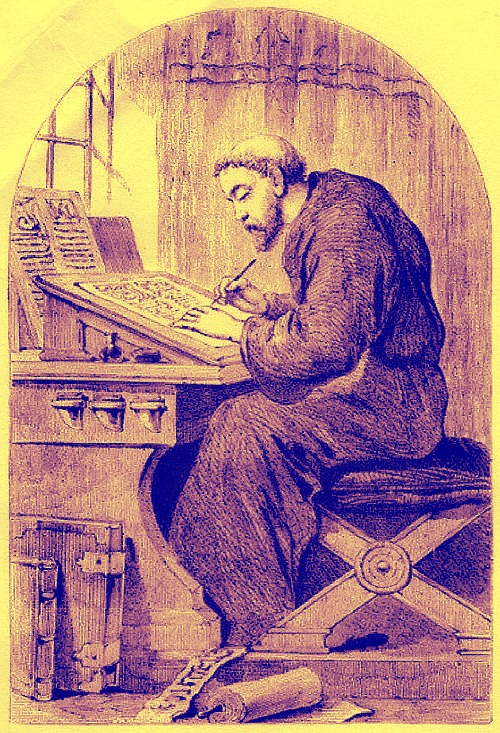
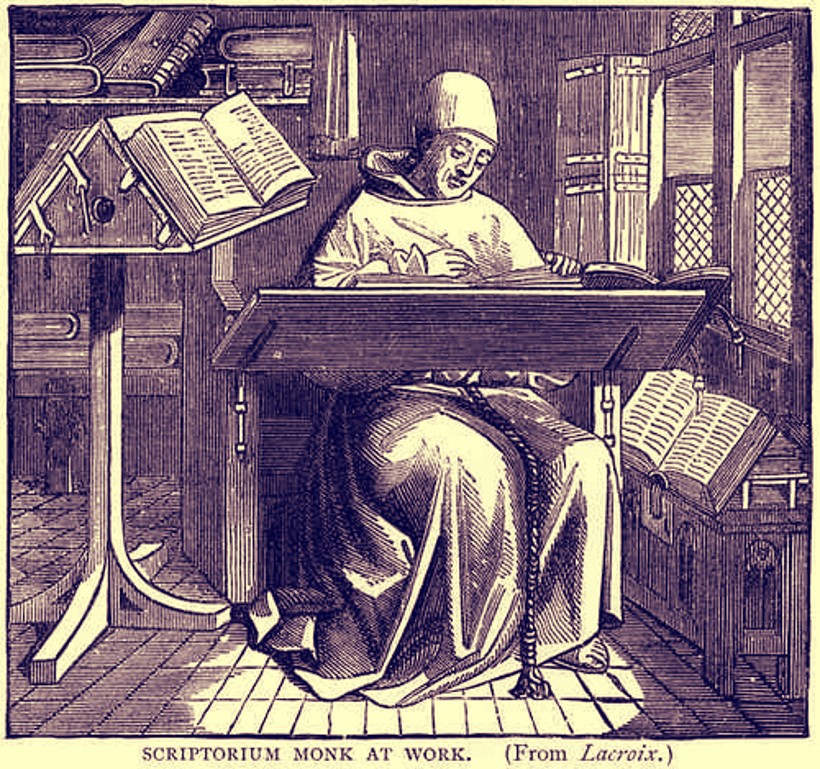
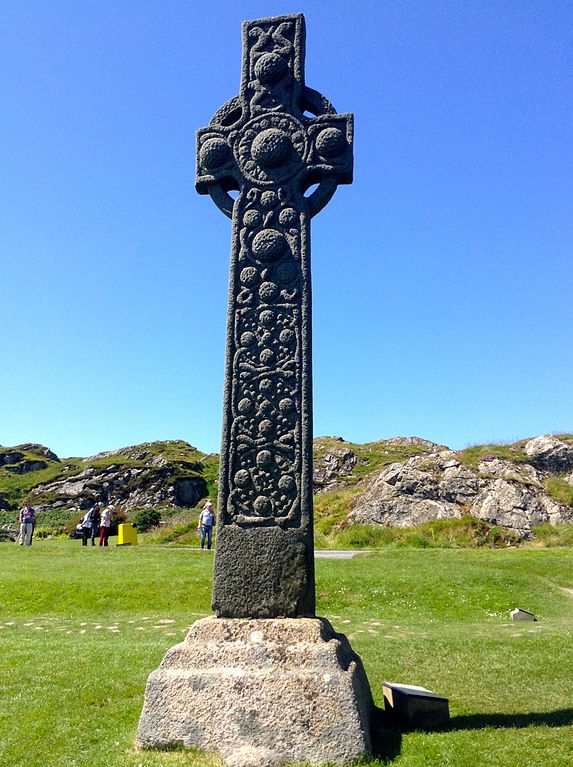
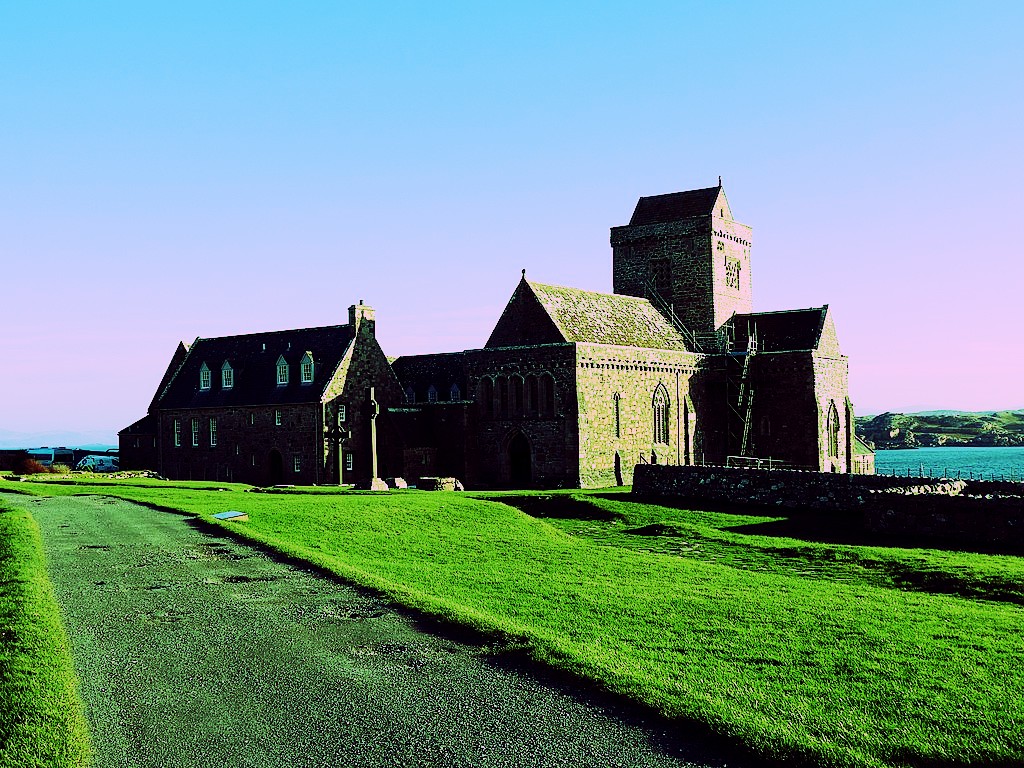
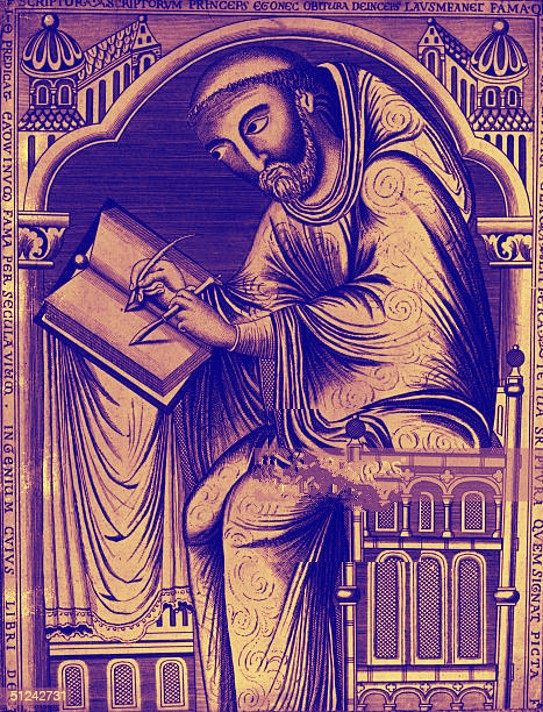

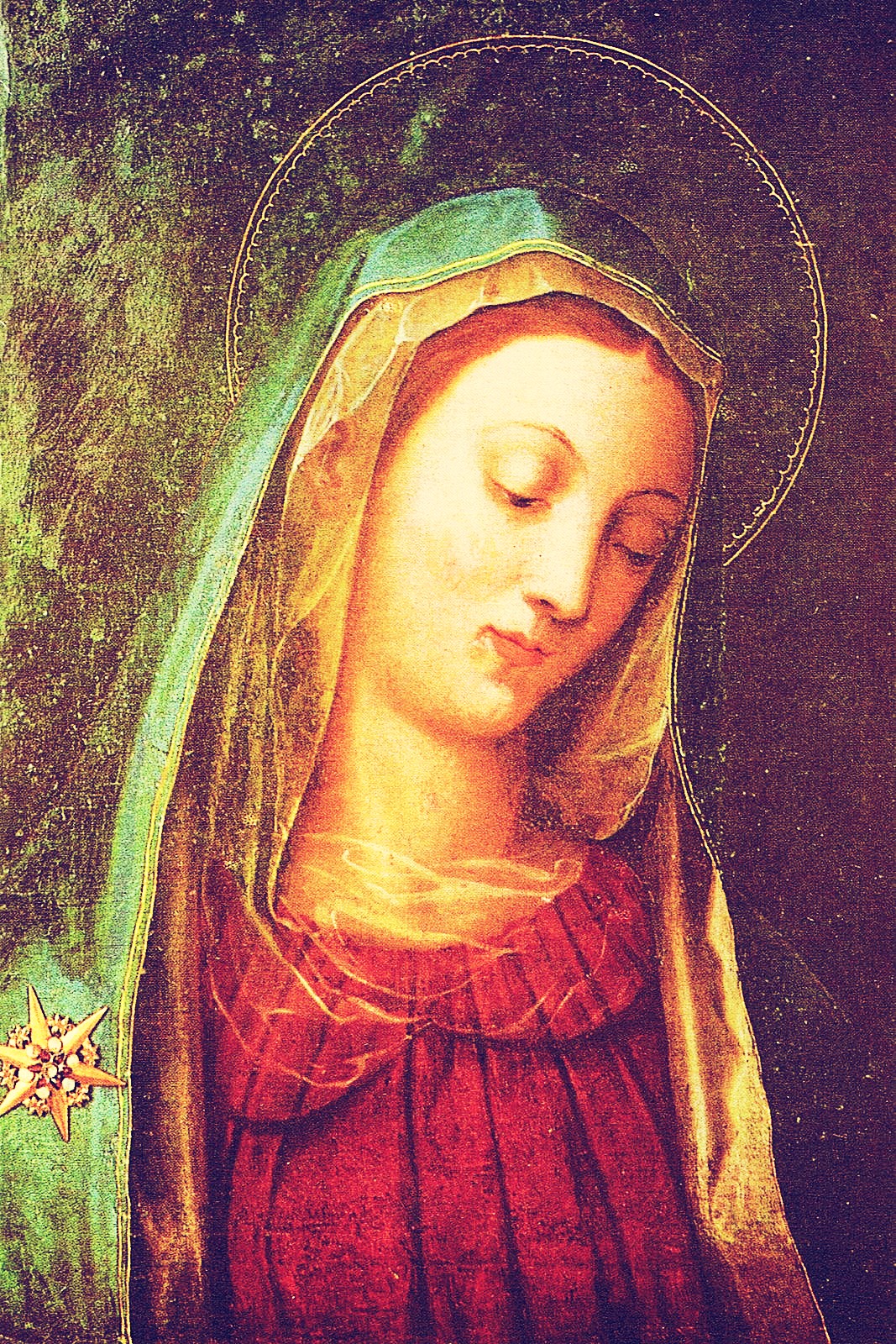
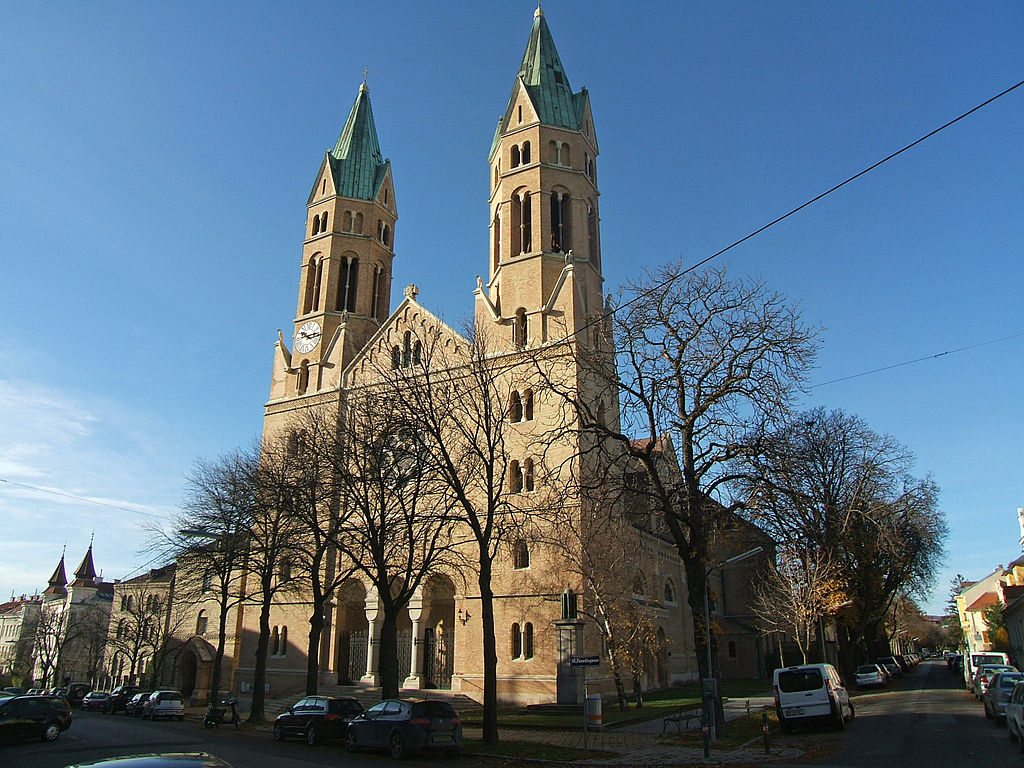

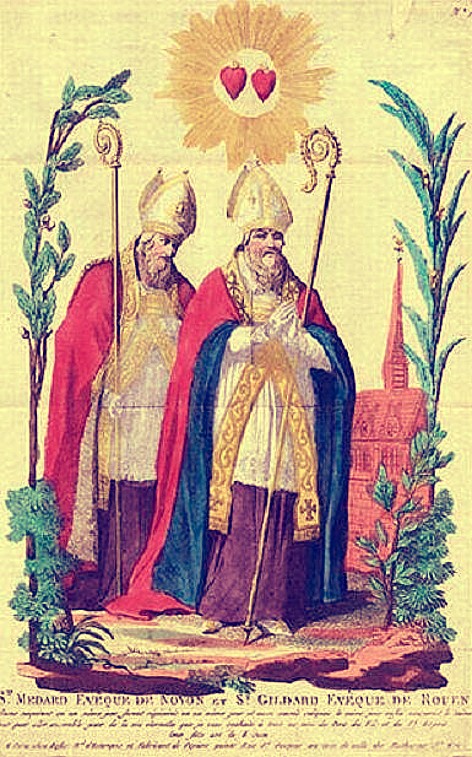
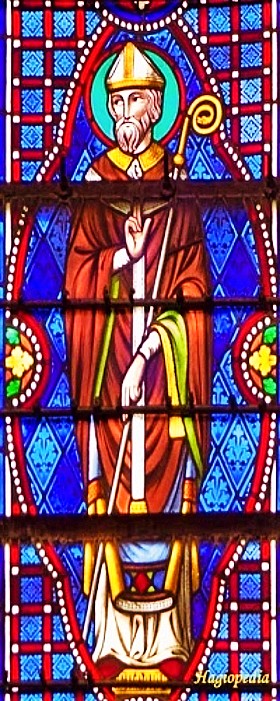
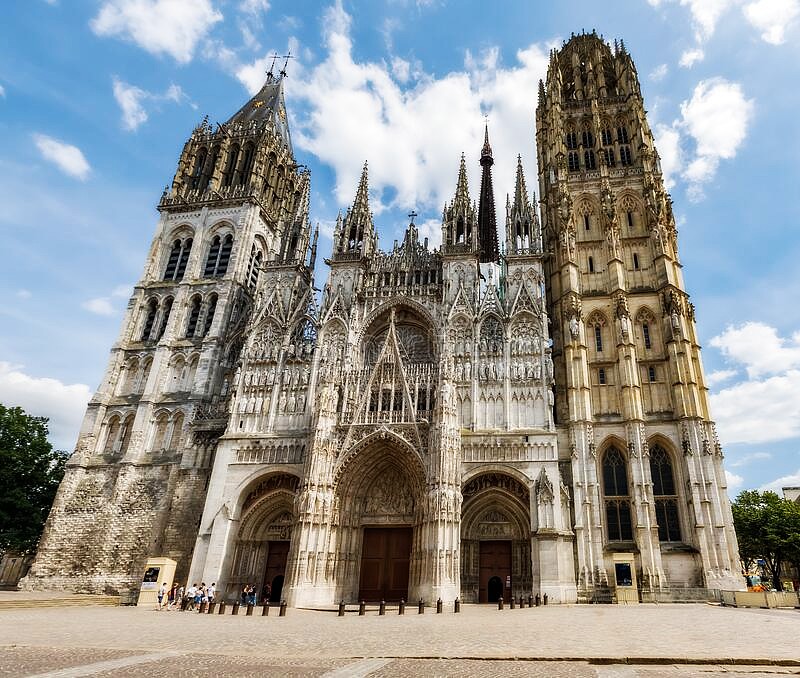

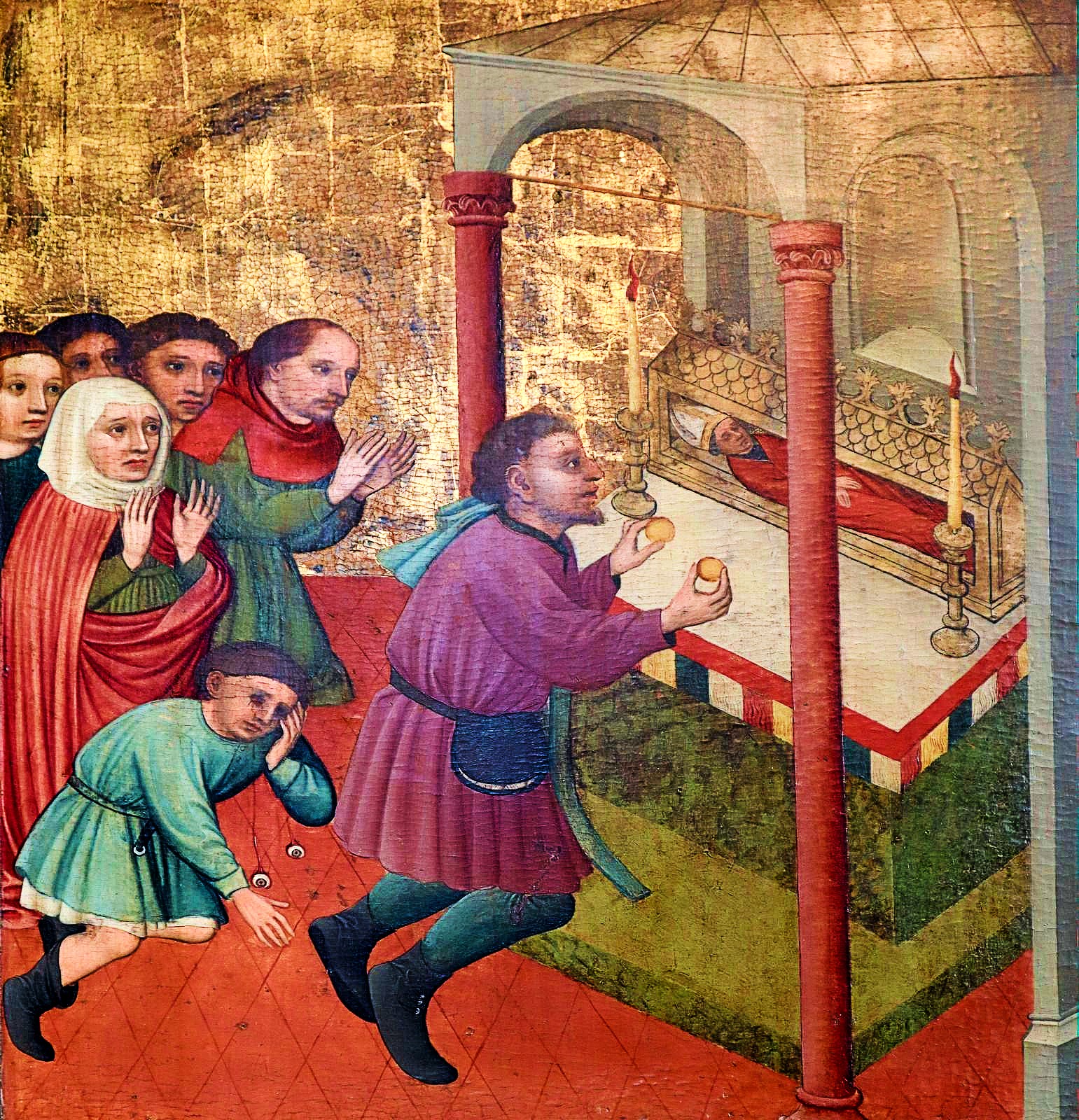
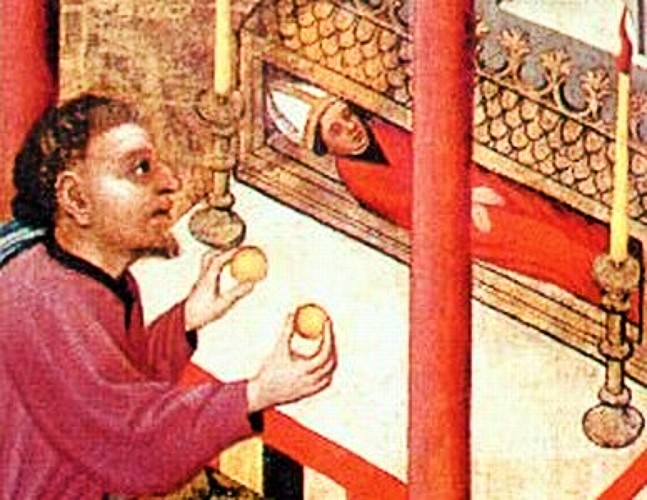
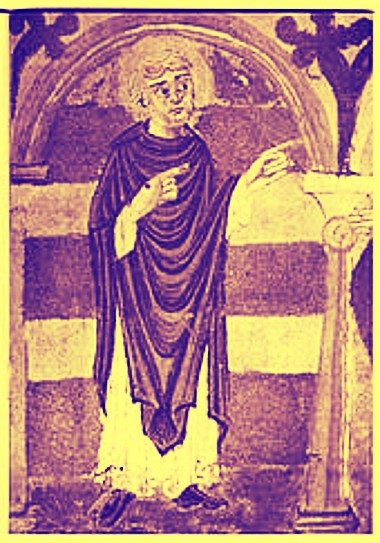
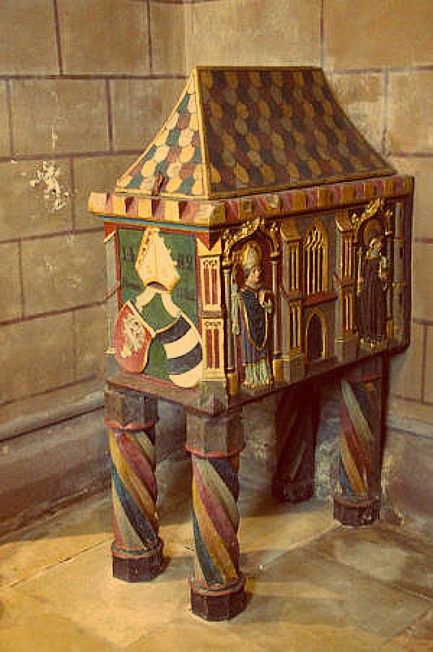
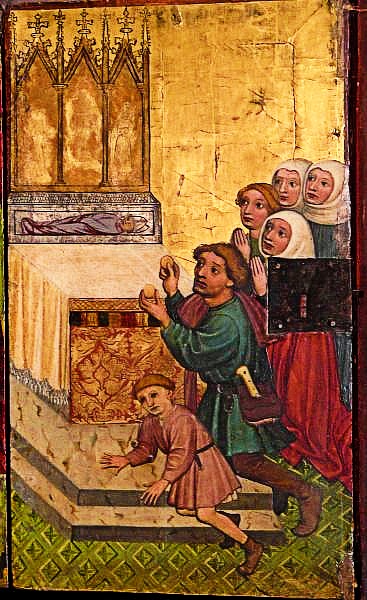
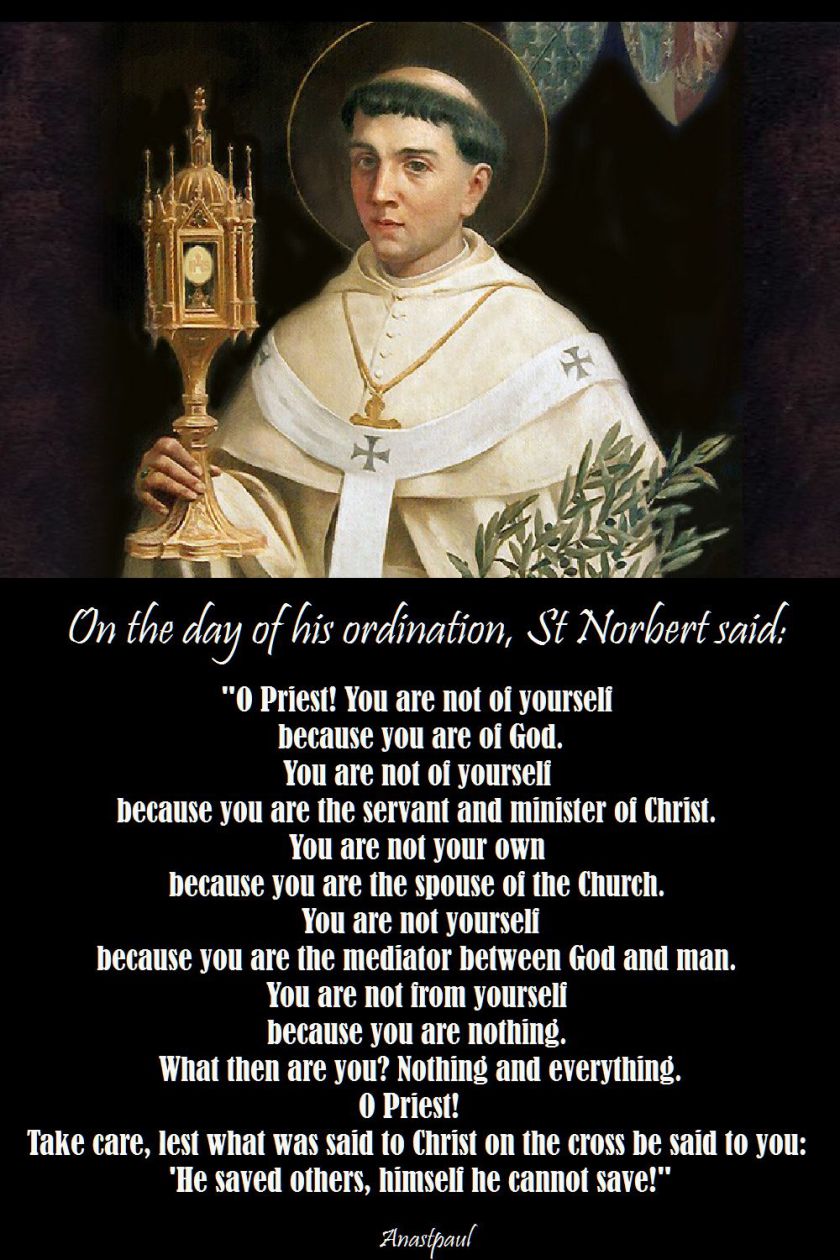
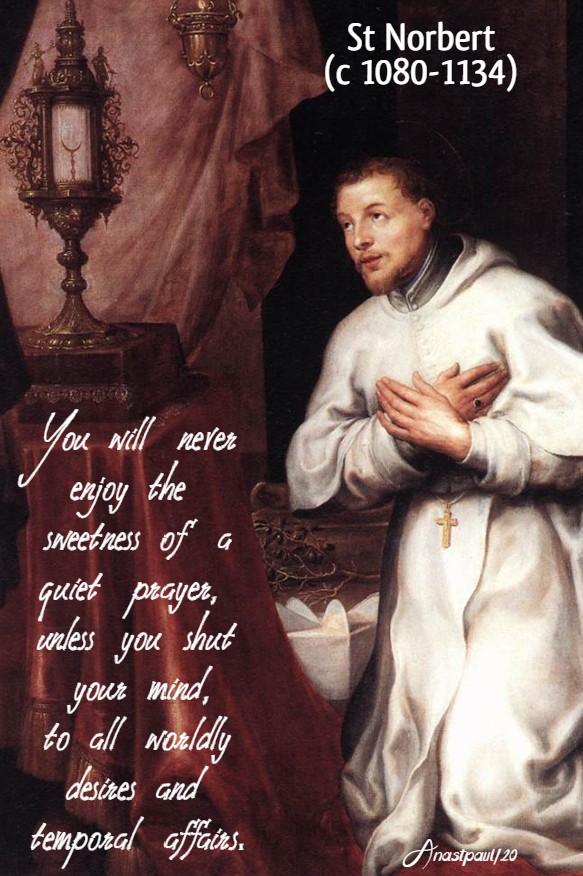
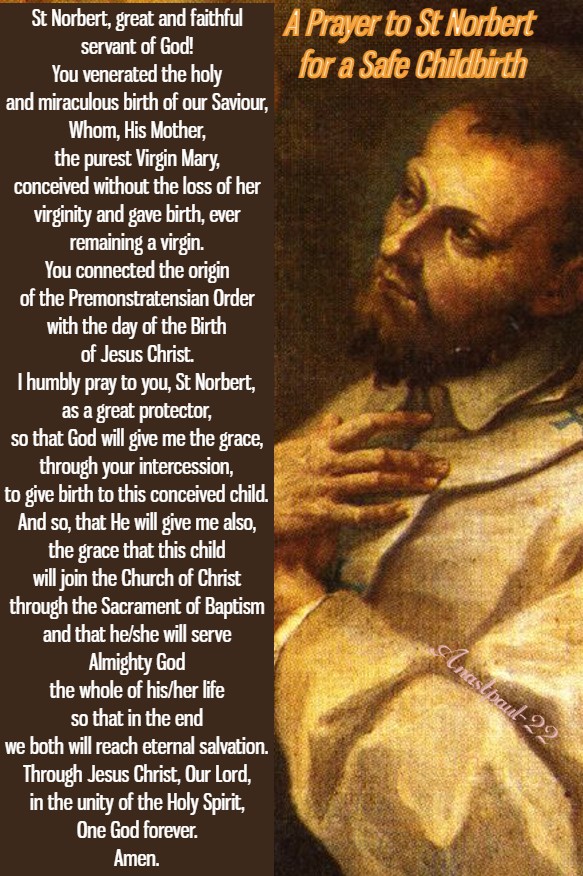
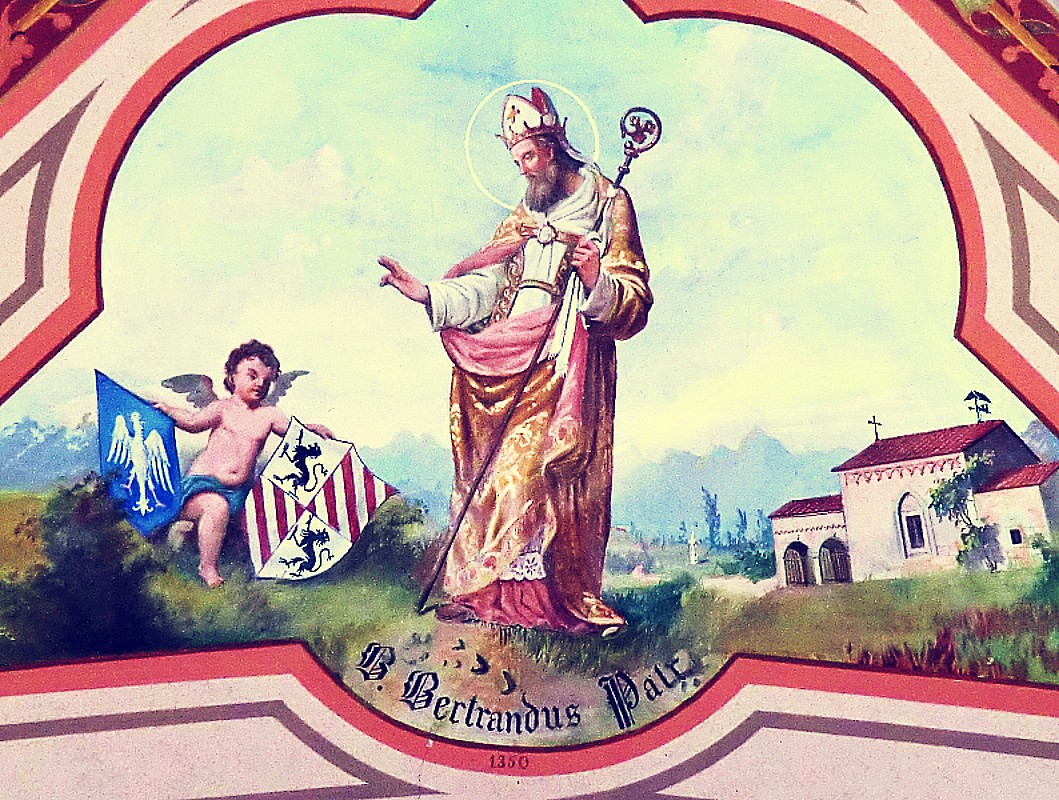
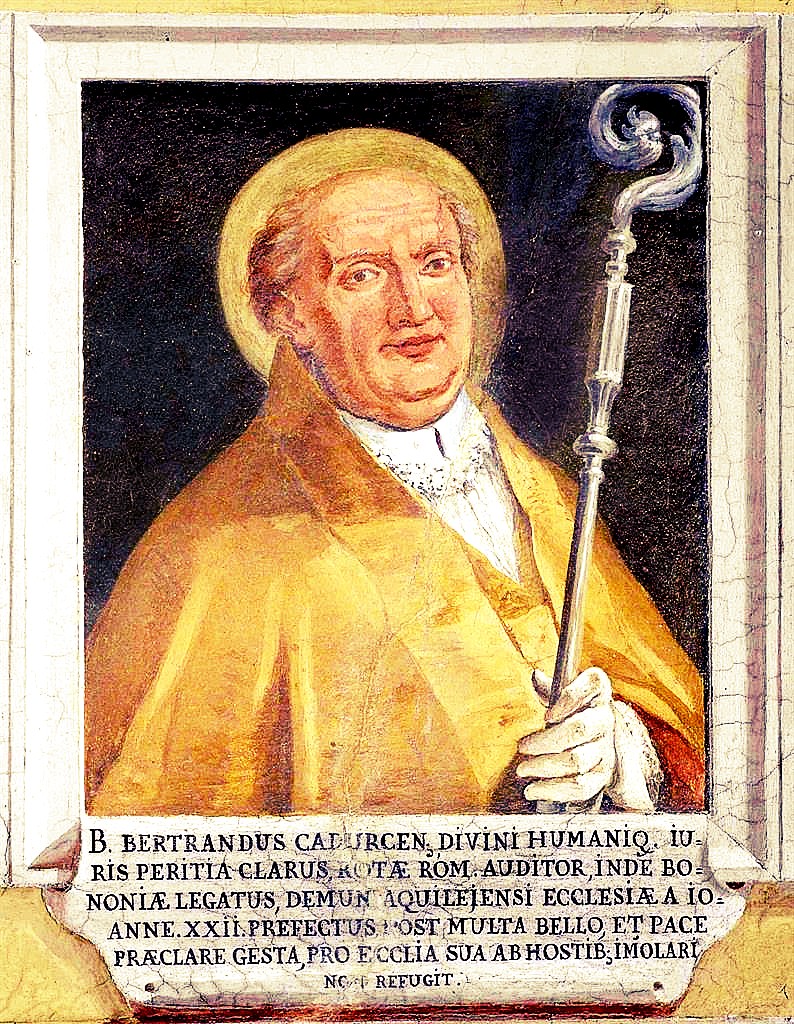
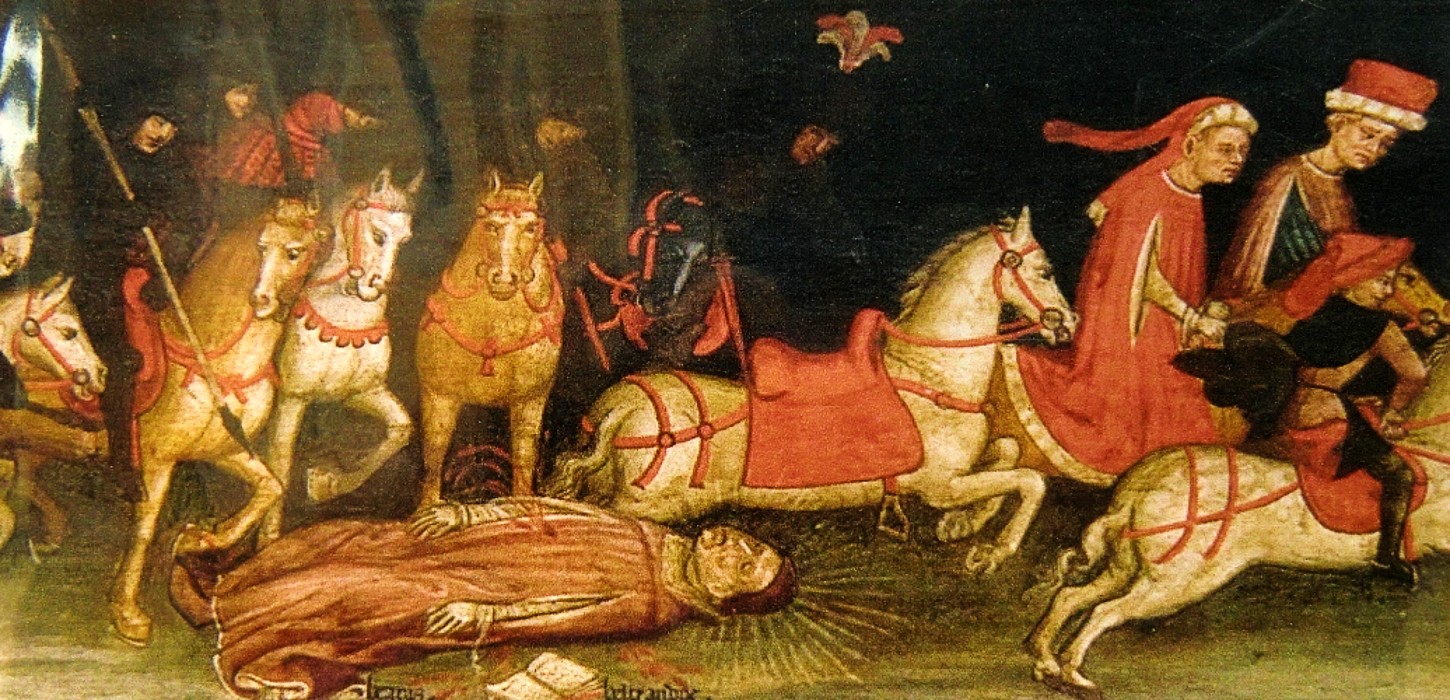

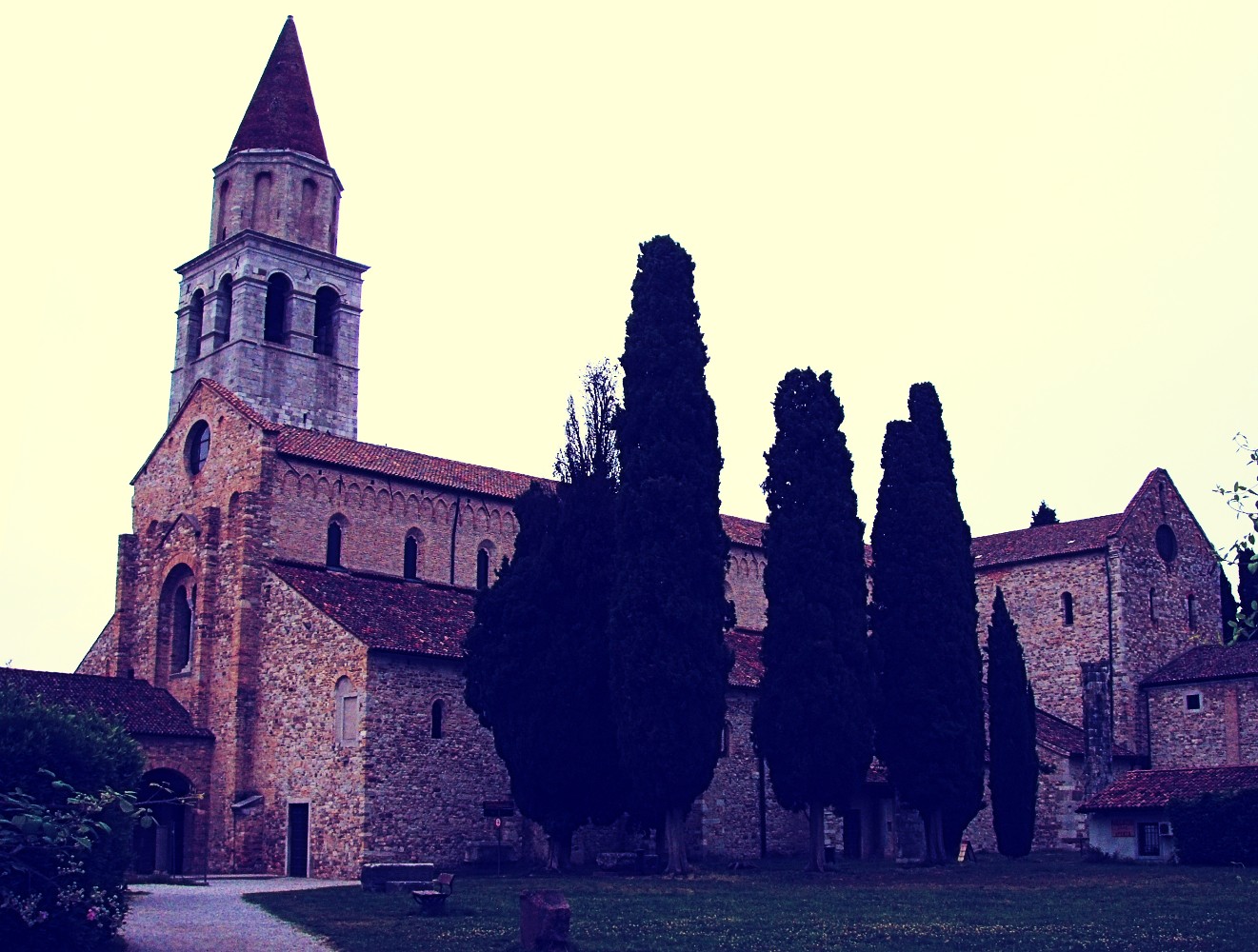

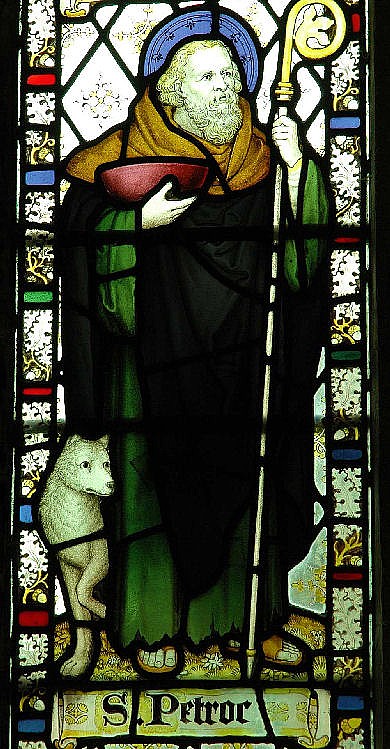
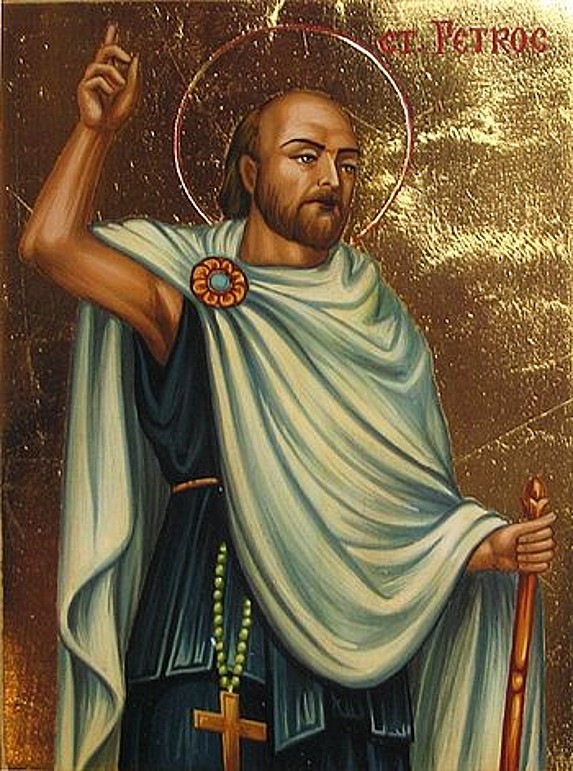

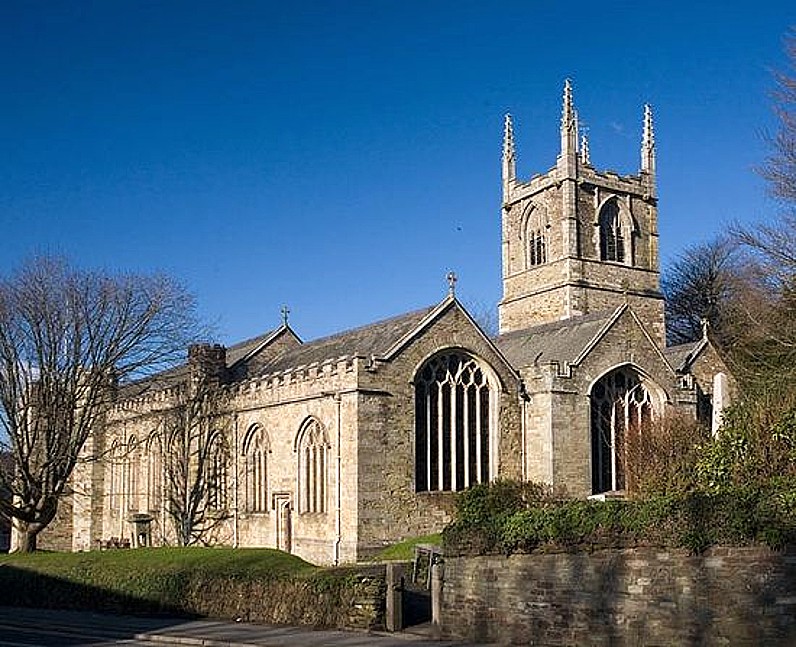
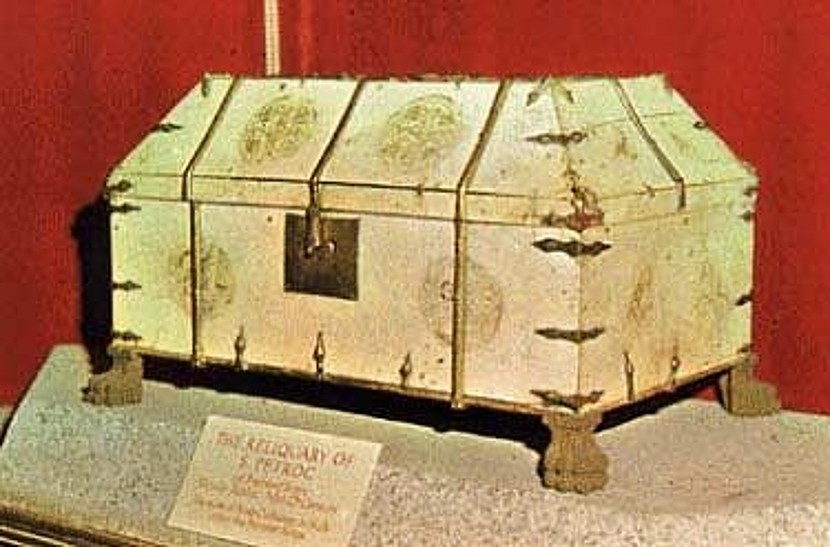




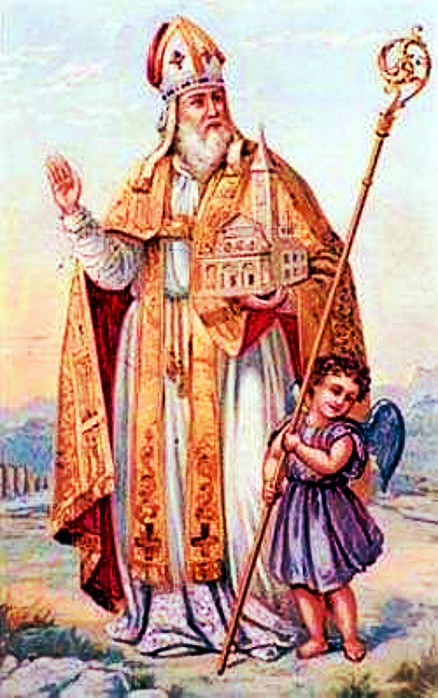
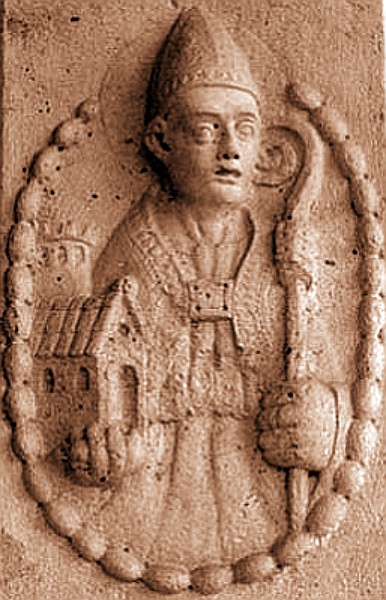
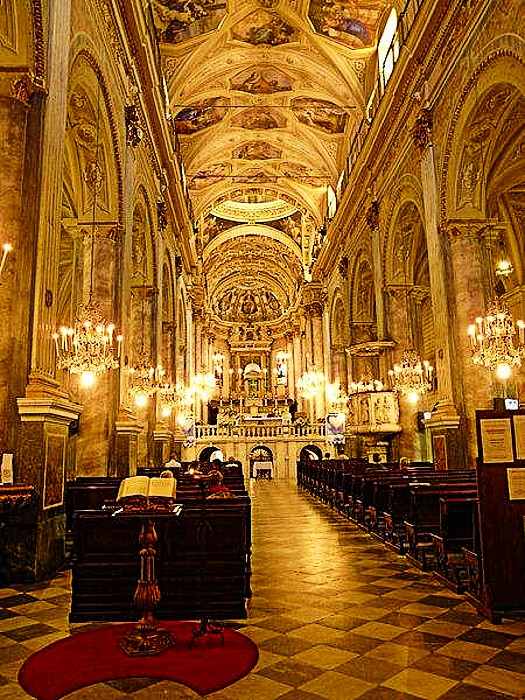
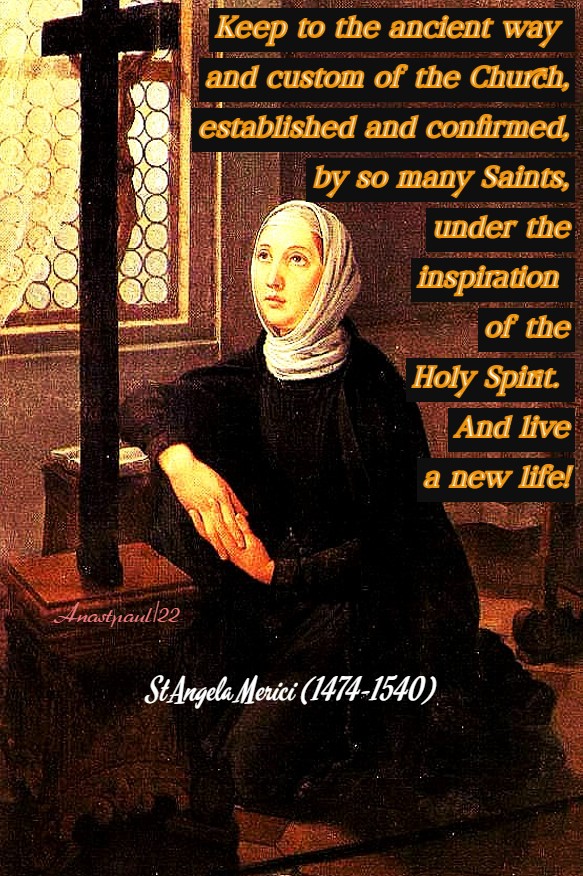

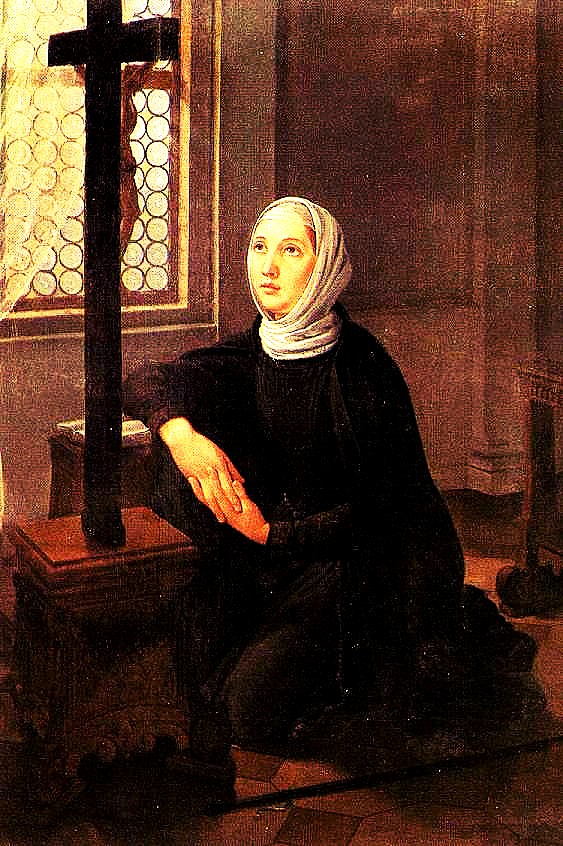
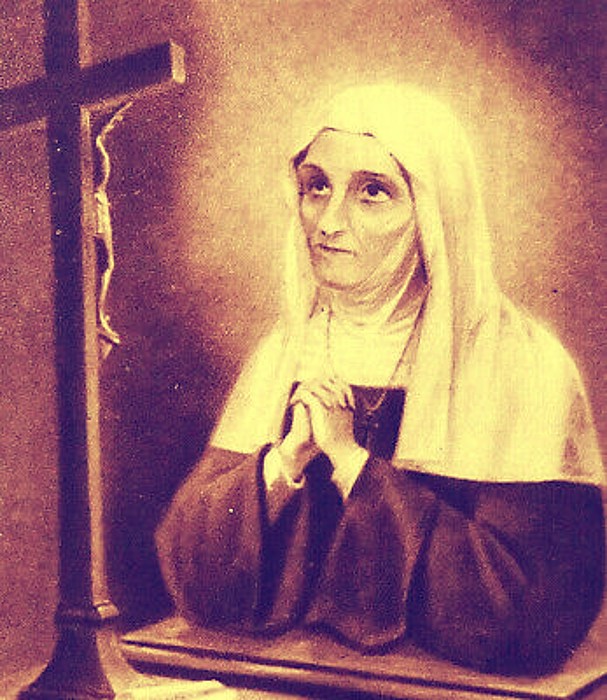
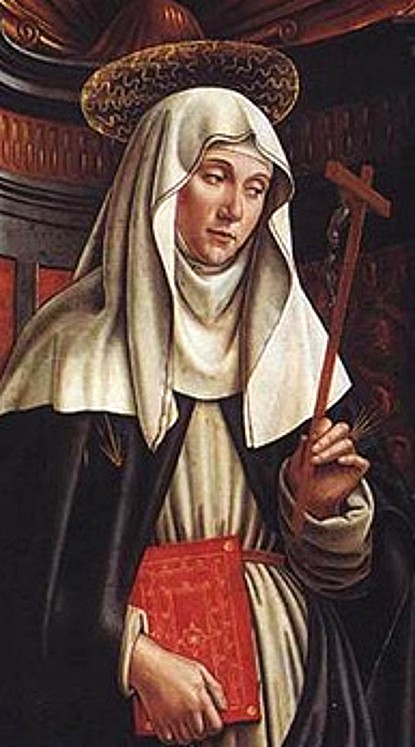
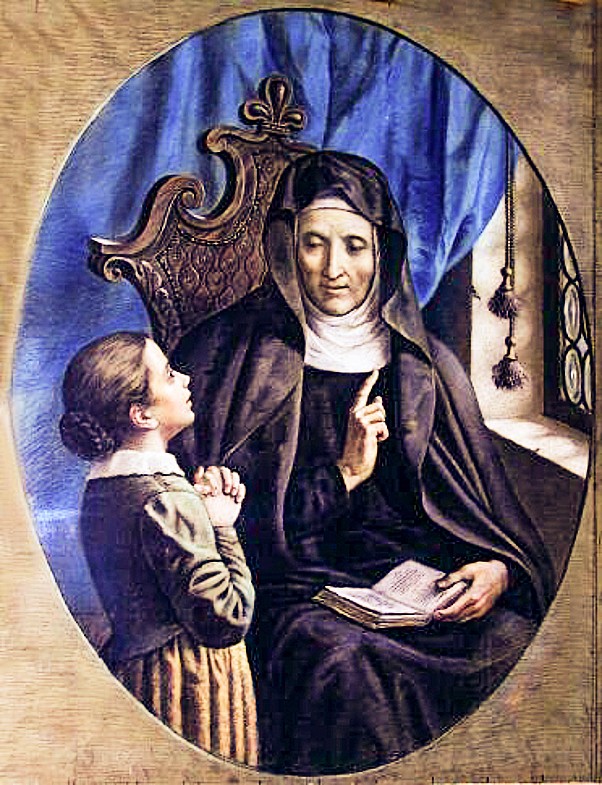
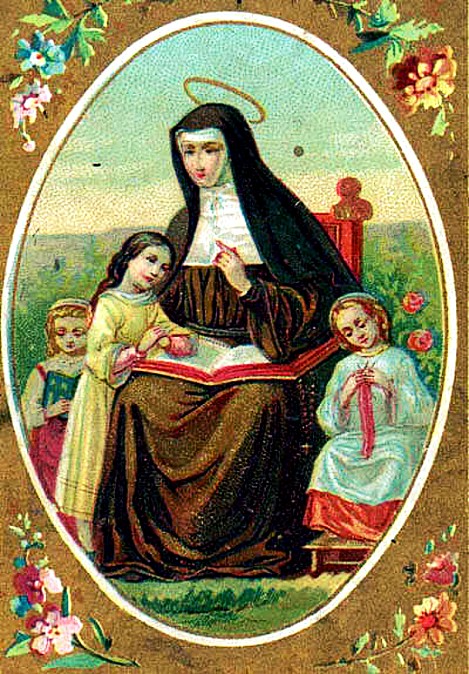
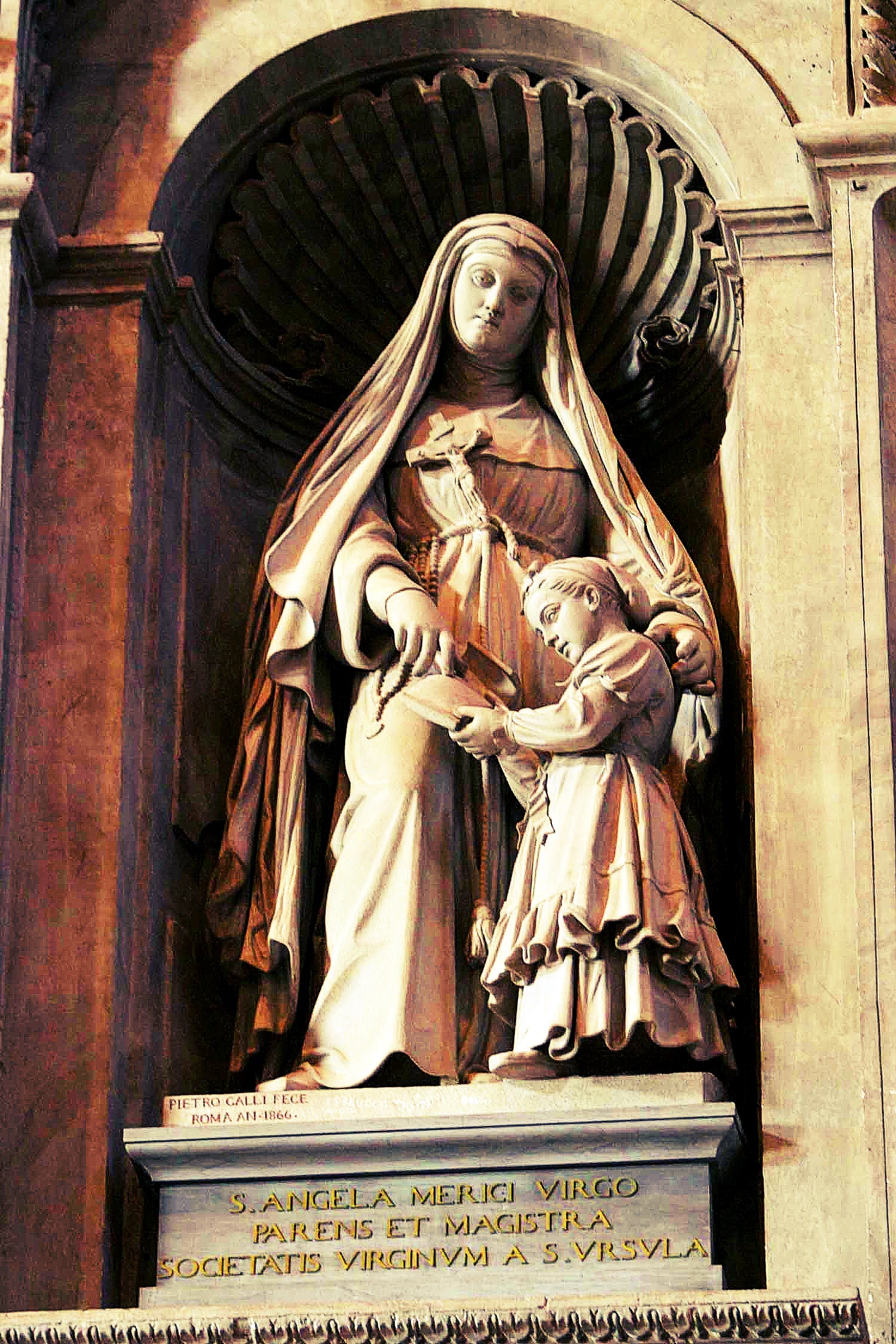
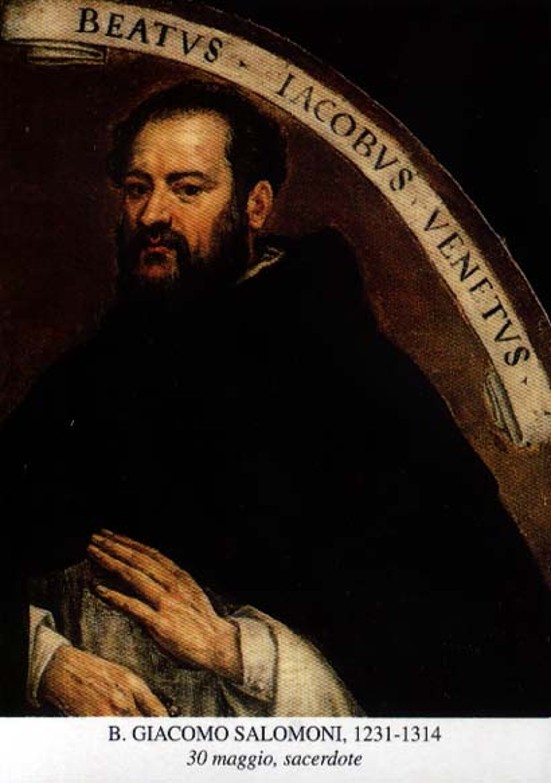




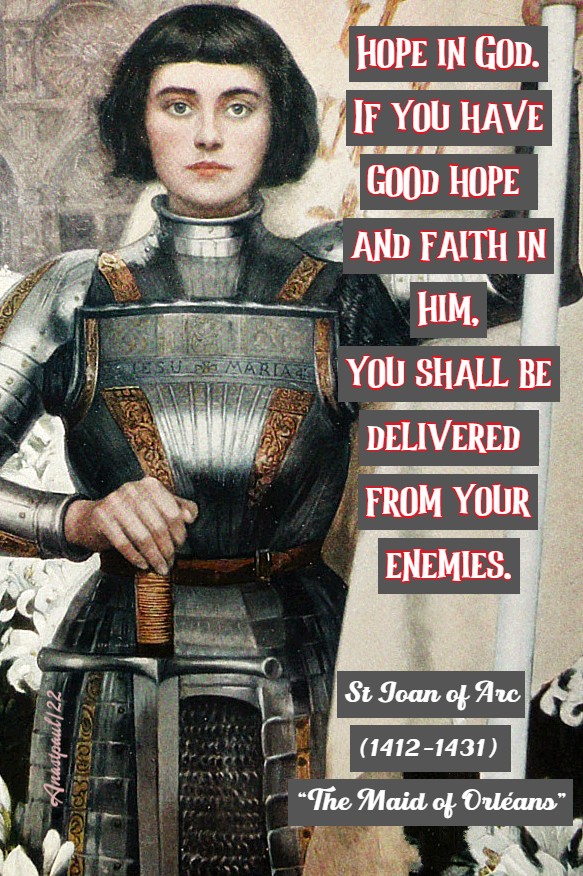



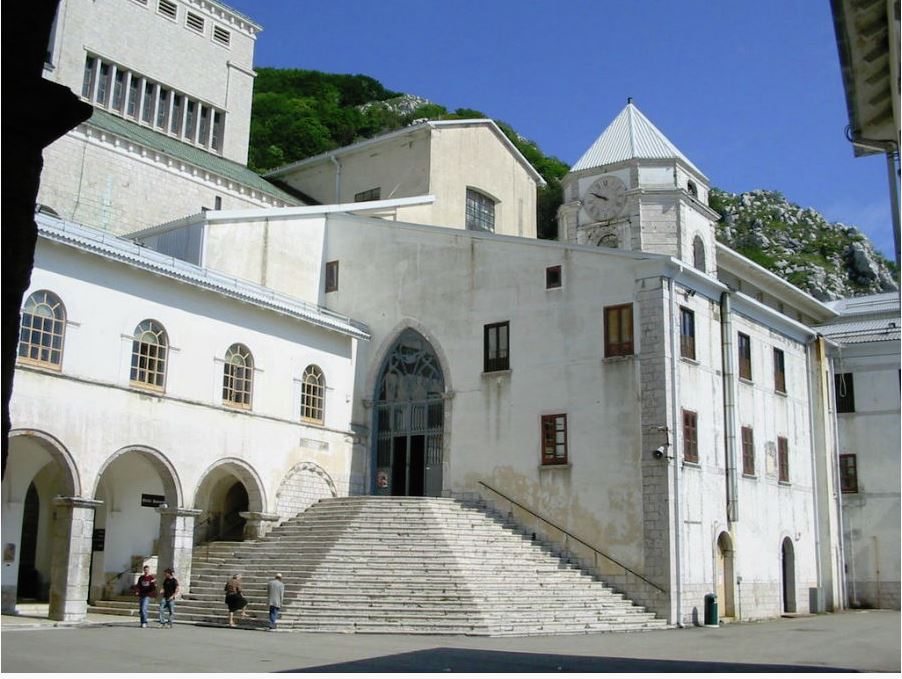


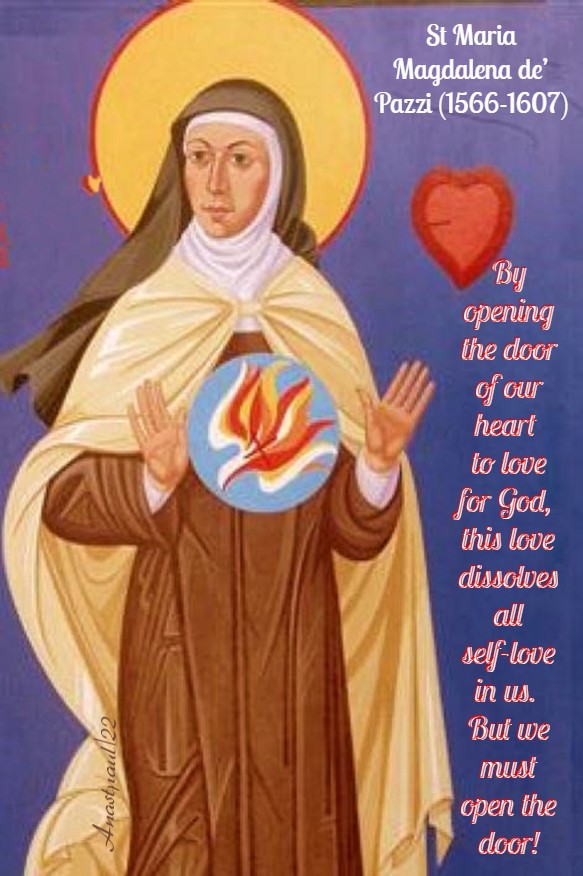
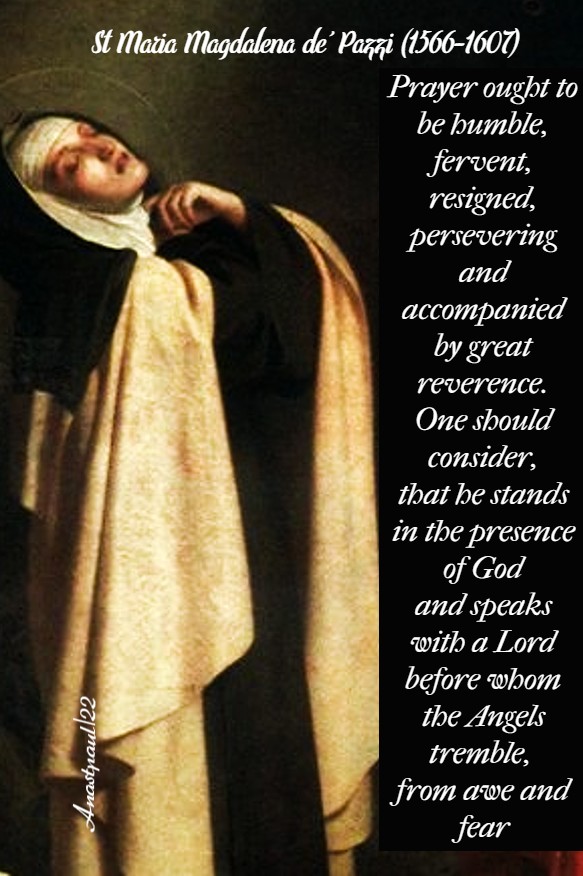
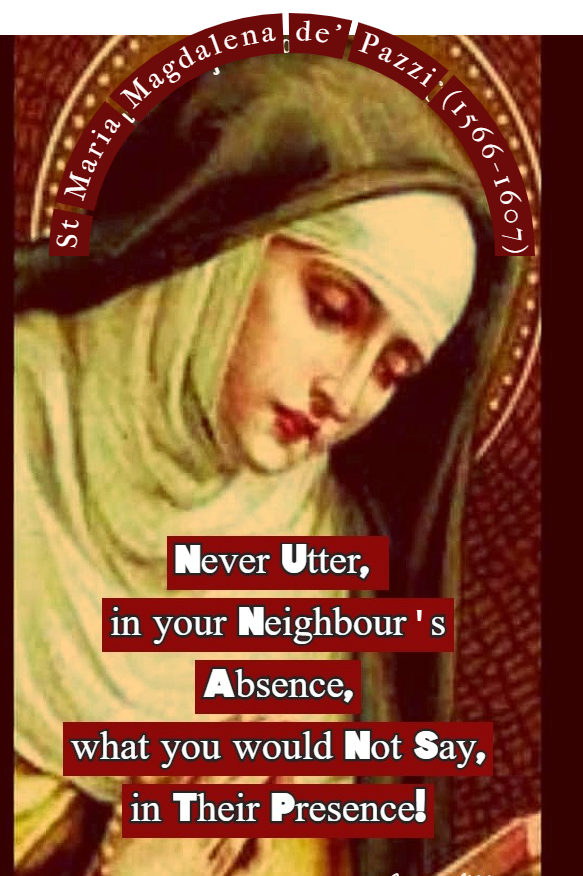

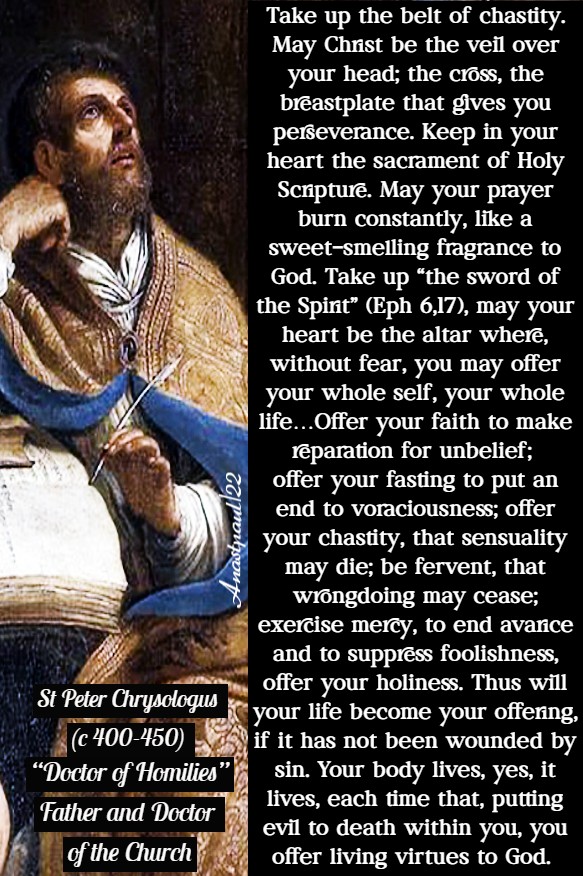
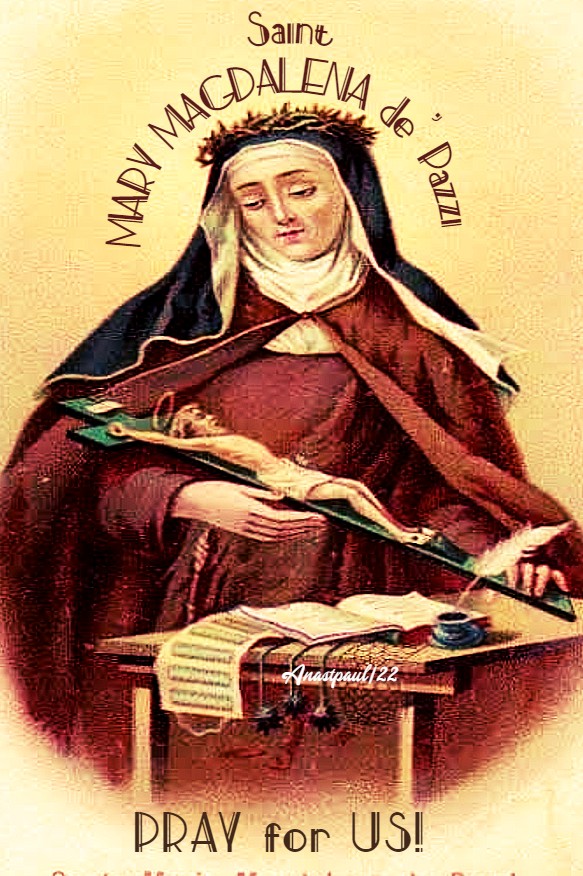

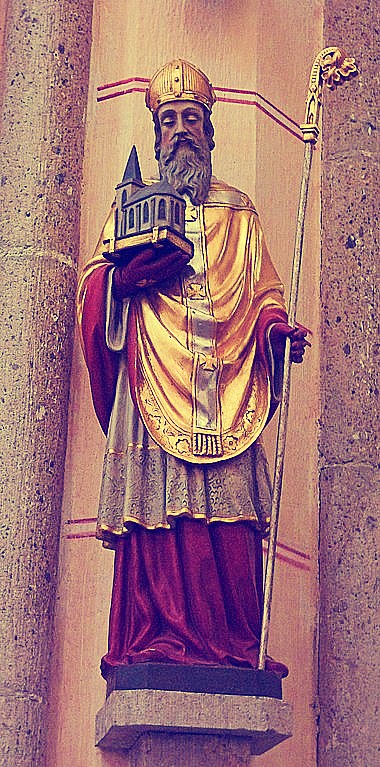
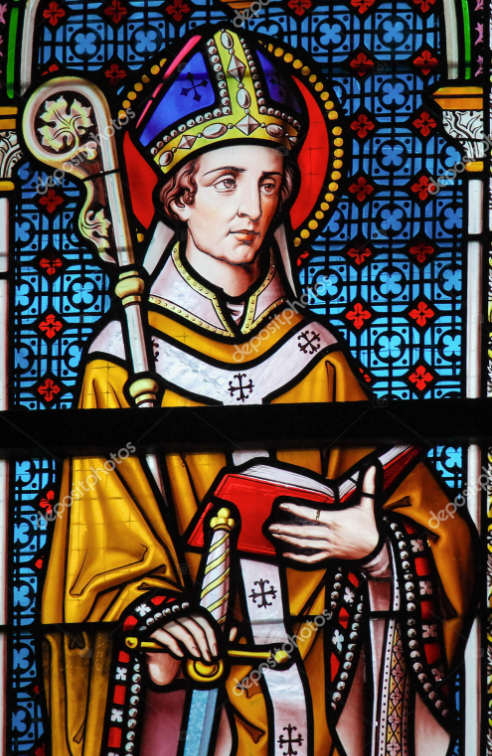
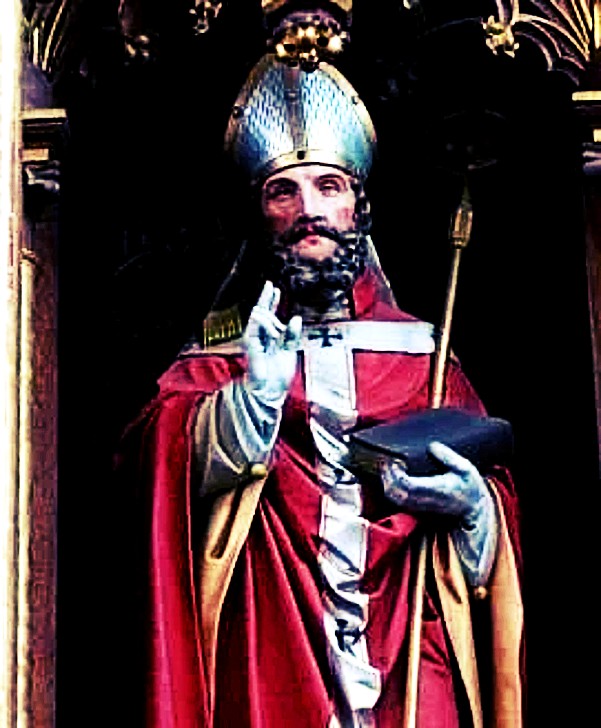
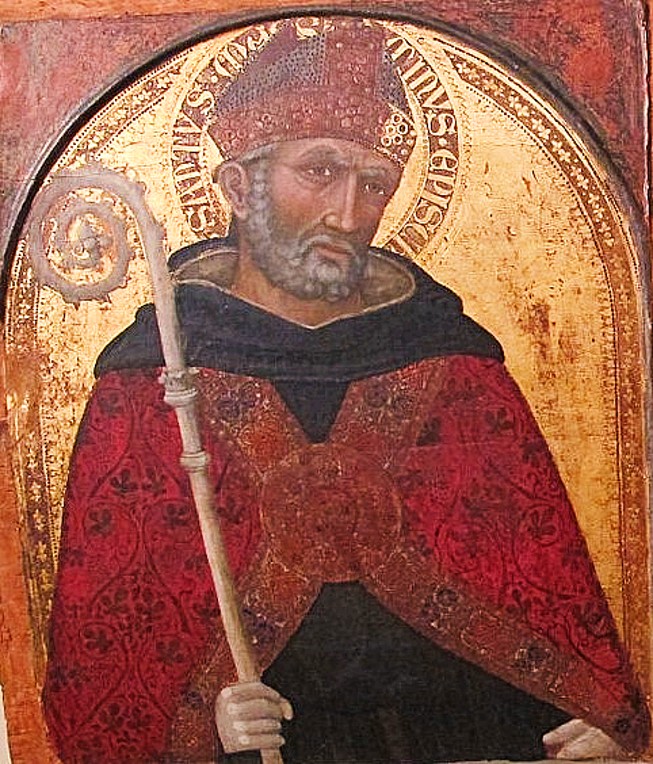
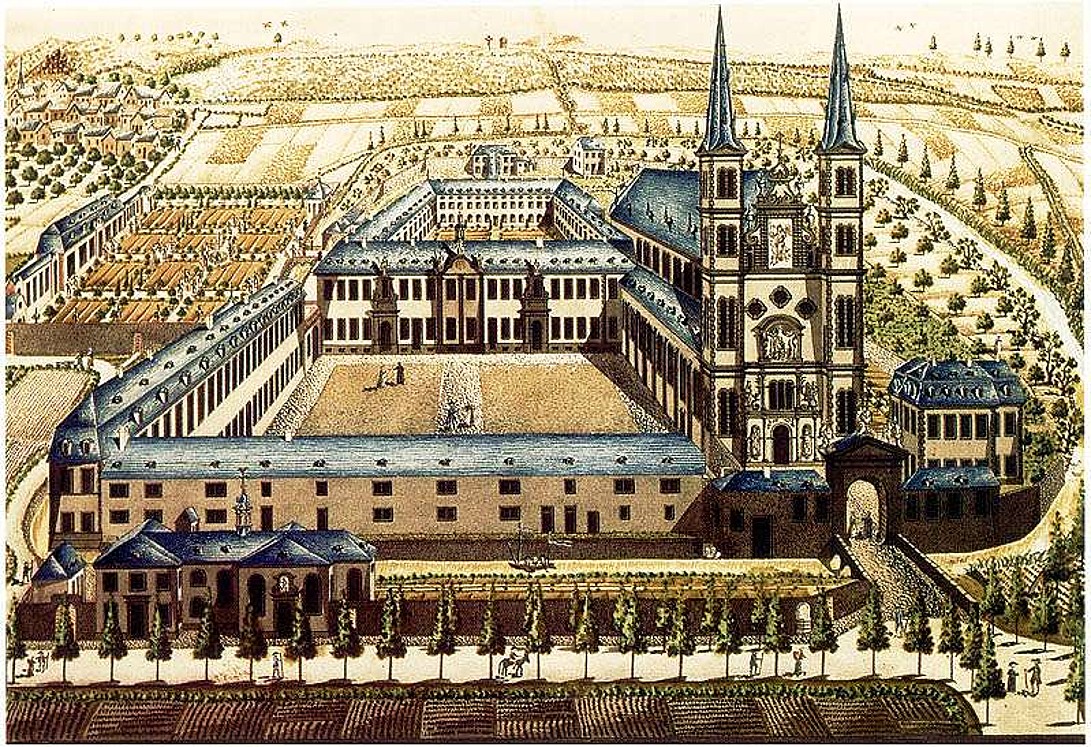
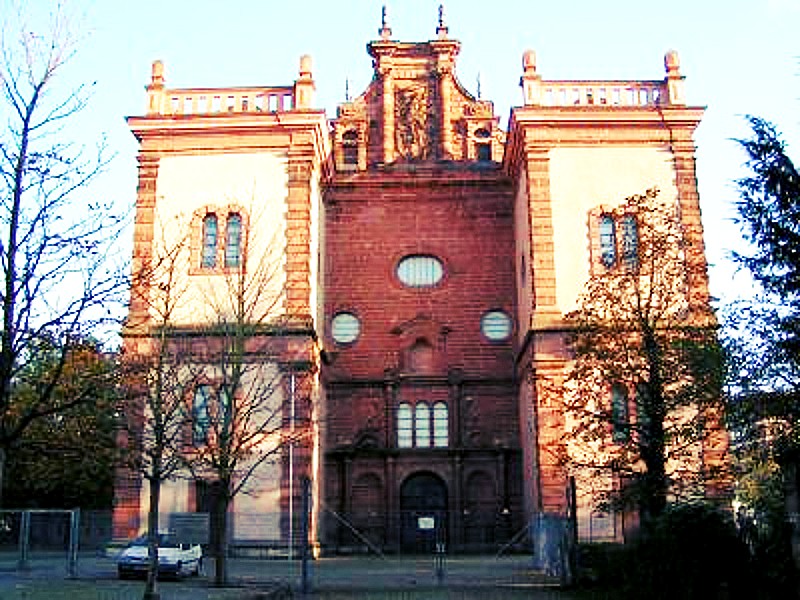

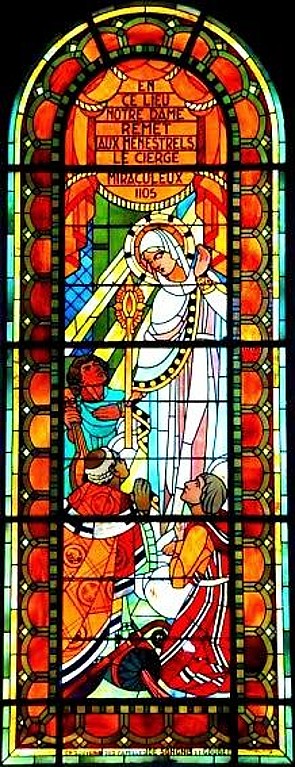
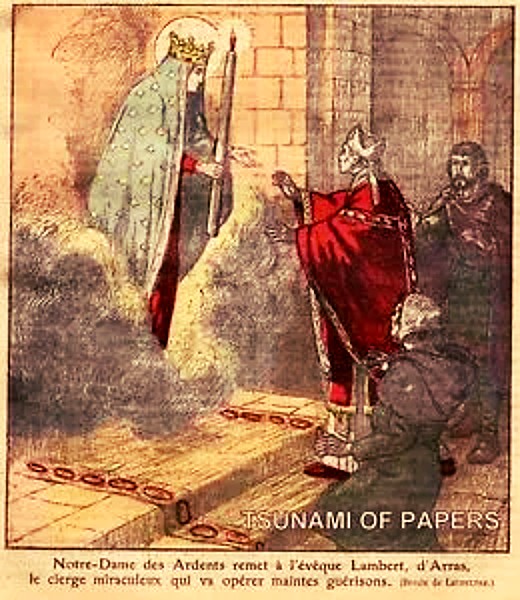
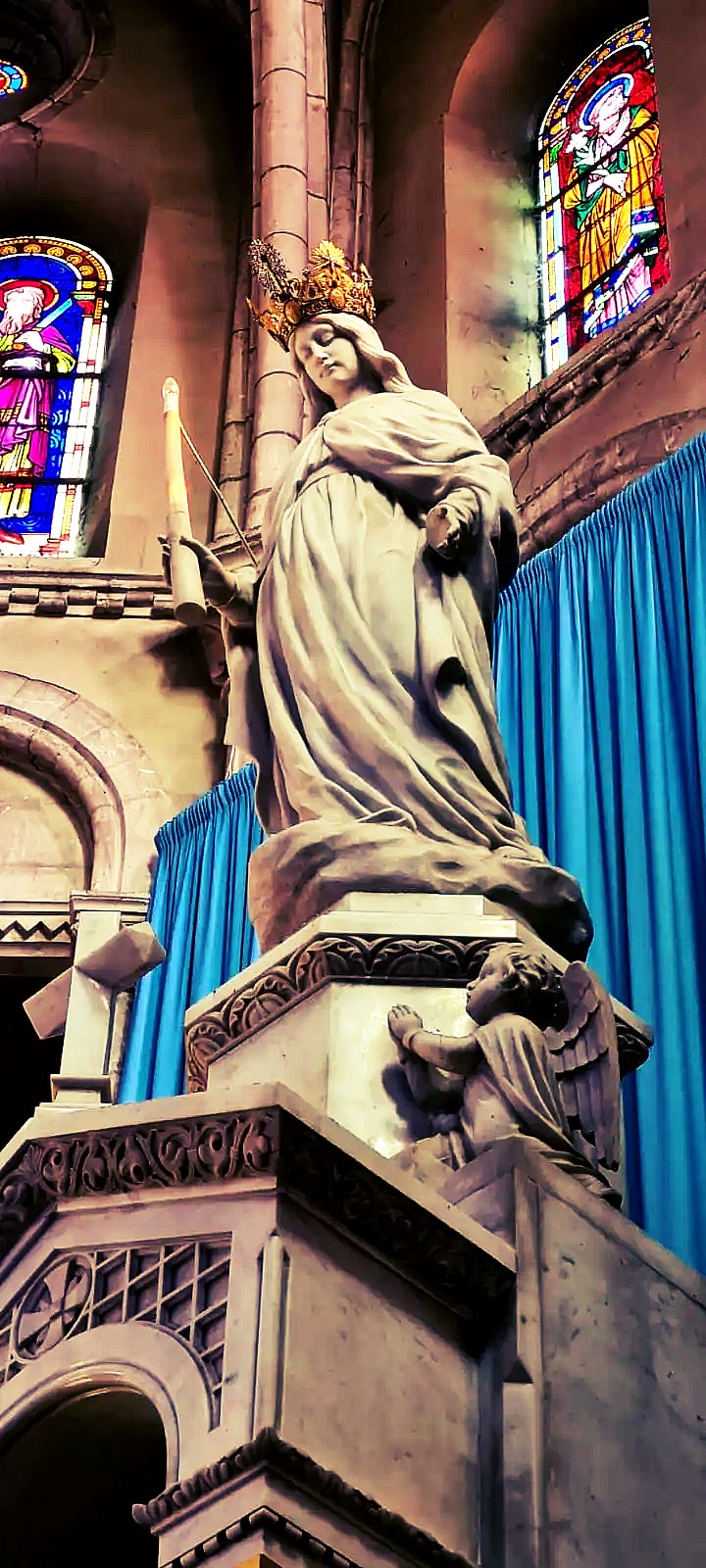
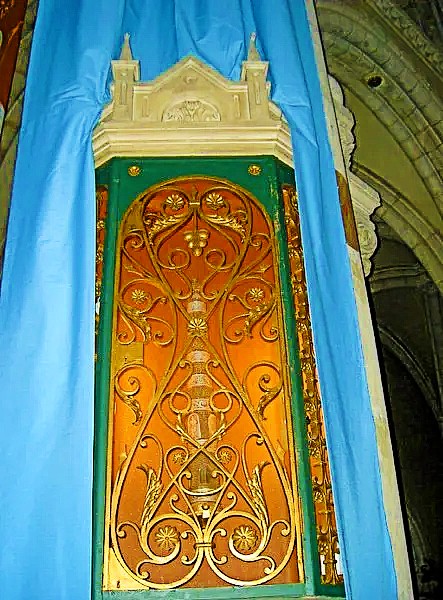


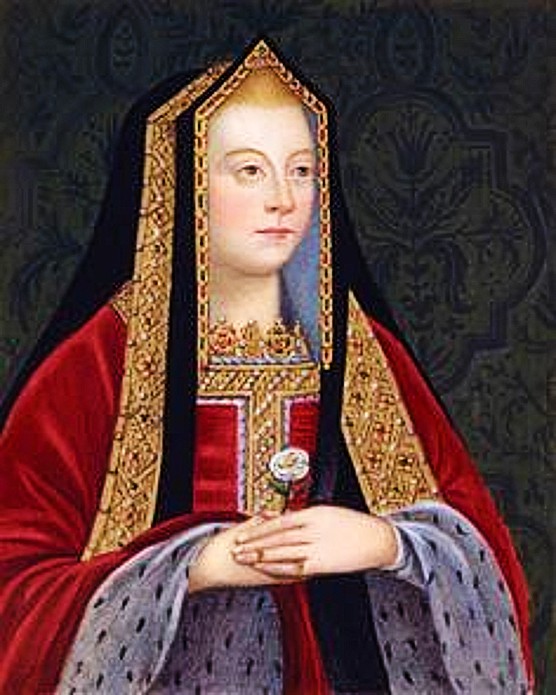


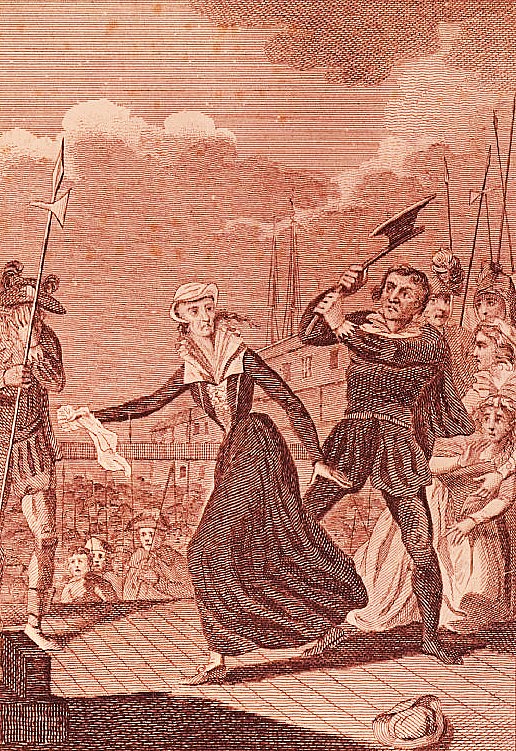


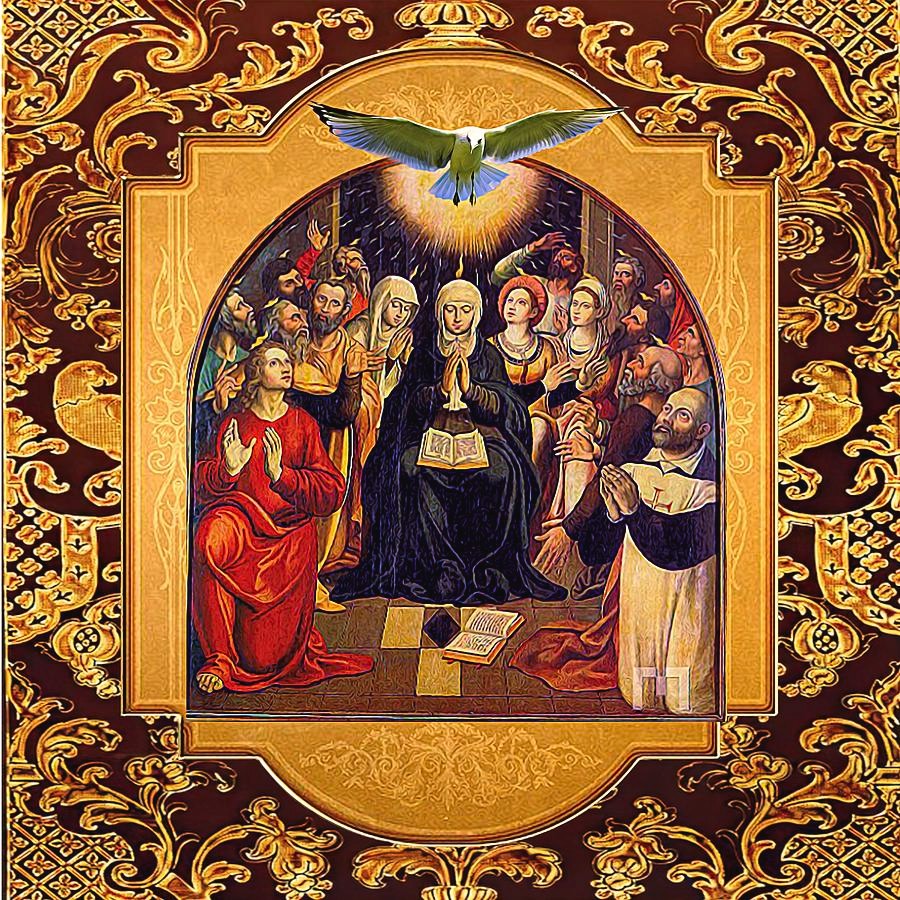
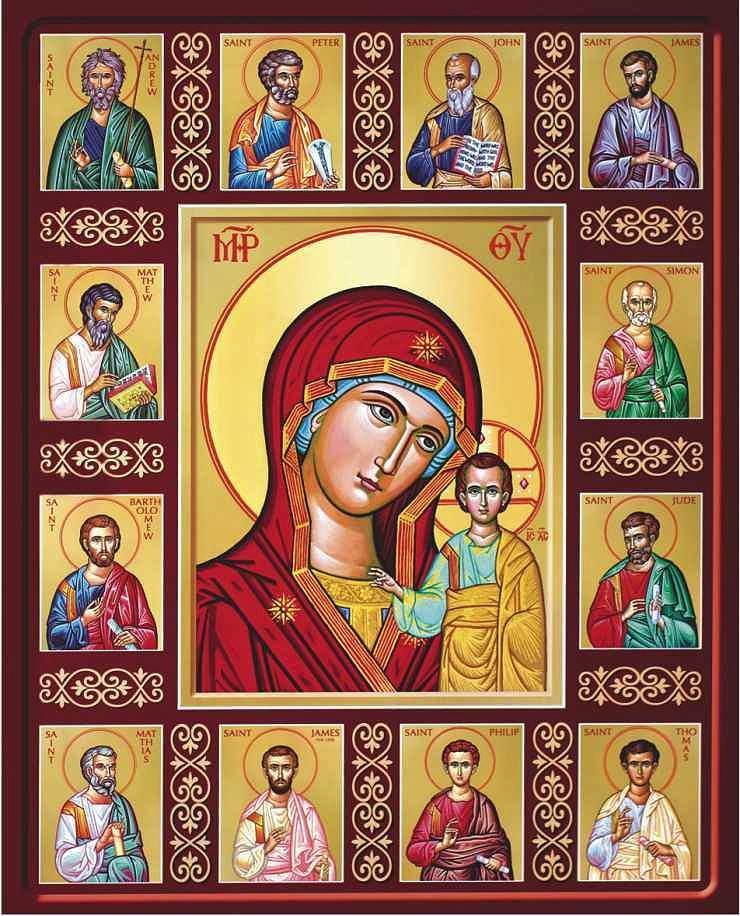
 AnaStpaul
You must be logged in to post a comment.