Quote of the Day – 28 October – Feast of Saints Simon and Jude, Apostles
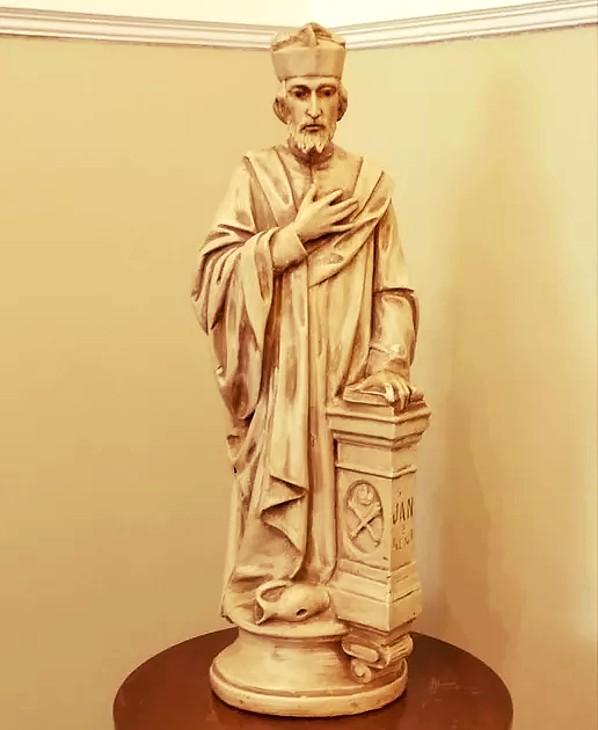
“The Patron Saint of the Impossible:” This practice is thought to stem from the belief that few Christians invoked St Jude in prayer, due to their misplaced fear of praying to Christ’s betrayer, Judas Iscariot, the two names being so similar. Being so seldom invoked and reverenced, St Jude was and is, ready and waiting to hear the prayers of those who call upon him. Ironically, he is probably the Apostle who is the most frequently invoked in prayer and the most memorialised in Churches, with Statues and stained glass windows or other artworks. The ignored St Jude, thus became more eager to assist anyone who sought his intercession and aid, to the point of interceding in the most dire of circumstances. And so, the Title, “The Saint of Impossible Causes, for the Hopeless and the Desperate,” remains, to our benefit with the glorious Saint Jude. St Bernard and St Bridget too, both had visions from God, asking each to accept St Jude as “The Patron Saint of the Impossible.” Today, more than ever before, the merits of the beloved Saint Jude Thaddeus is being revived in people’s minds and hearts. In return, he is proving himself to be more than an ordinary advocate, taking special delight in coming to the aid of persons in desperate need.
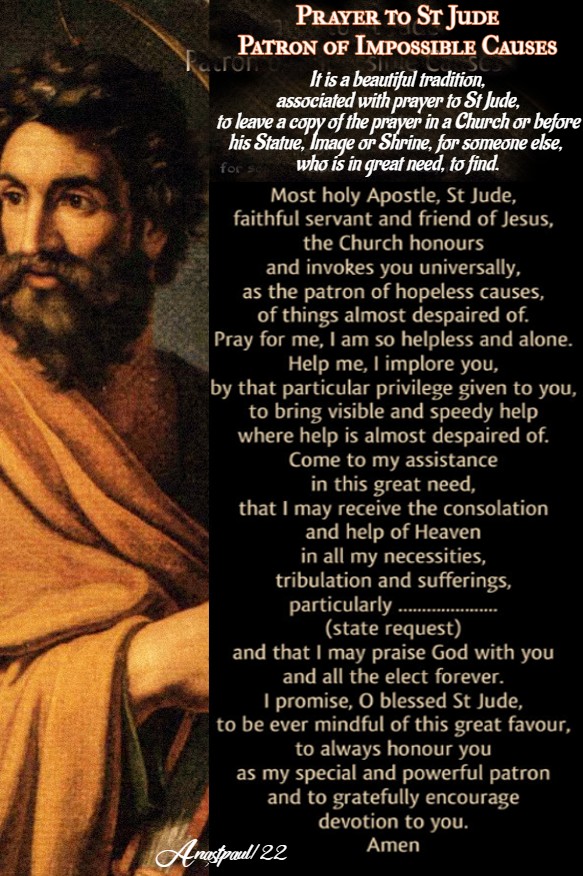
Prayer to St Jude Patron of Impossible Causes
It is a beautiful tradition, associated with prayer to St Jude, to leave a copy of the prayer in a Church or before his Statue, Image or Shrine, for someone else, who is in great need, to find.
Most holy Apostle, St Jude, faithful servant and friend of Jesus, the Church honours and invokes you universally, as the patron of hopeless causes, of things almost despaired of. Pray for me, I am so helpless and alone. Help me, I implore you, by that particular privilege given to you, to bring visible and speedy help where help is almost despaired of. Come to my assistance in this great need, that I may receive the consolation and help of Heaven in all my necessities, tribulation and sufferings, particularly ………………… (state request) and that I may praise God with you and all the elect forever. I promise, O blessed St Jude, to be ever mindful of this great favour, to always honour you as my special and powerful patron and to gratefully encourage devotion to you. Amen
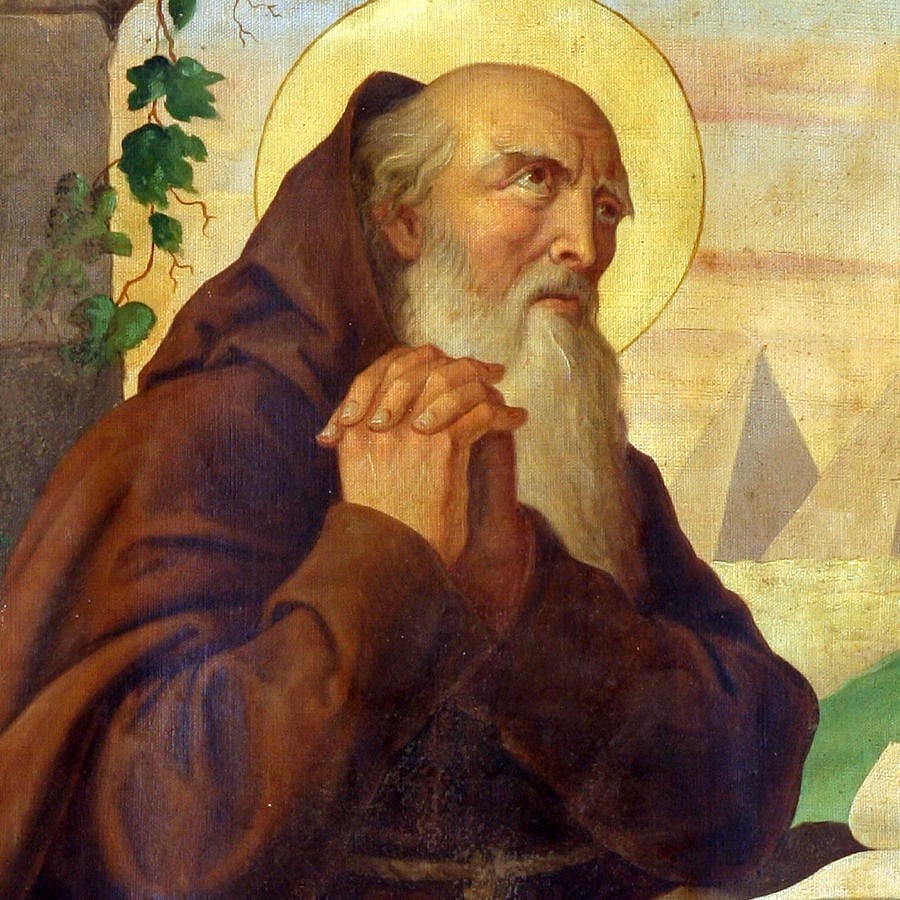
Saint of the Day – 27 October – Saint Odrian (c Died 563) Bishop of Waterford, Ireland, Abbot, Missionary. Born in County Meath, Ireland and died in c 563 at Iona Abbey, Scotland. Patronages – Silversmiths, the City and Diocese of Waterford, Ireland, Also known as – Odrioan of Waterford, Odrian of Iona, Otteran, Odhran, Odran, Oran, Oterano.
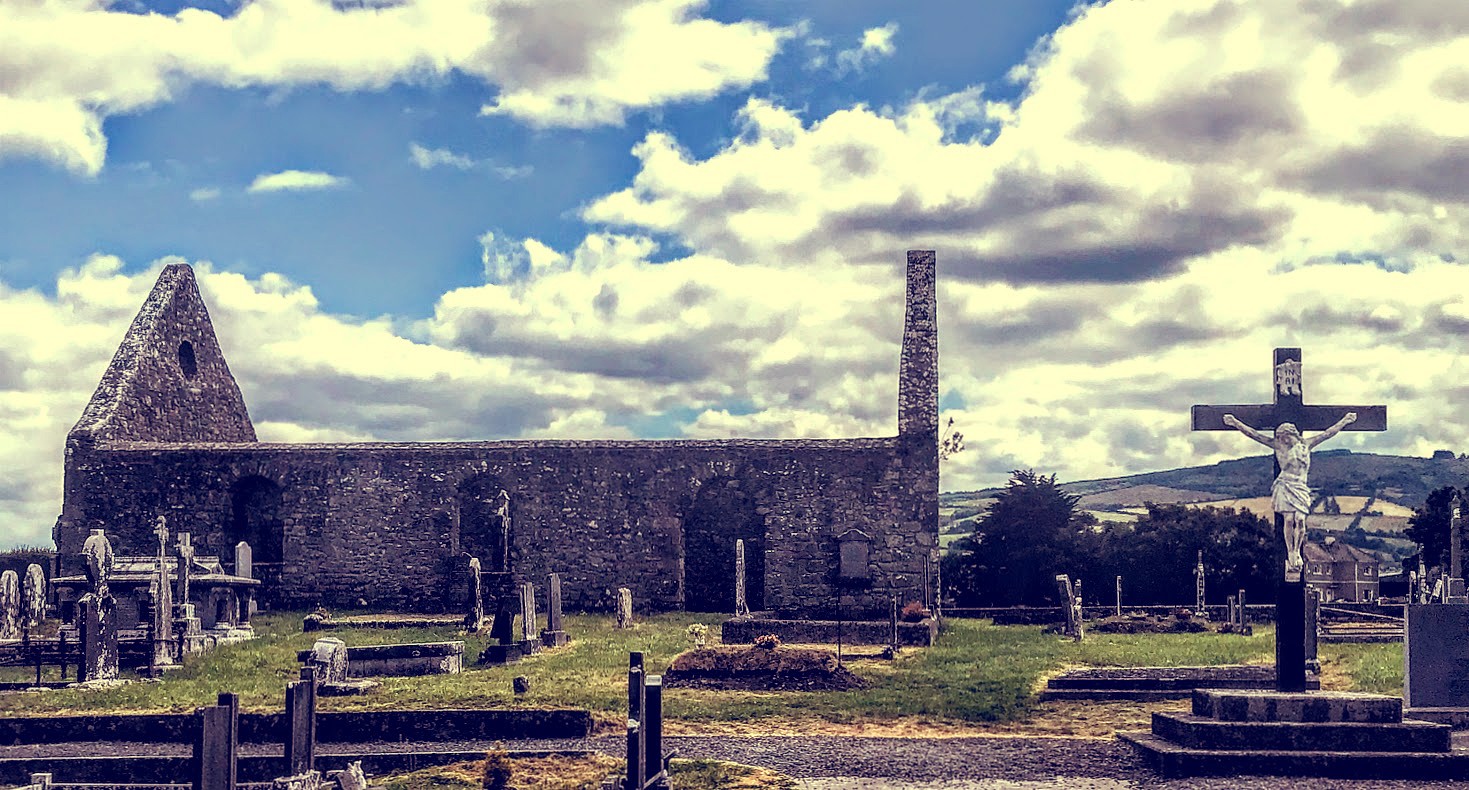
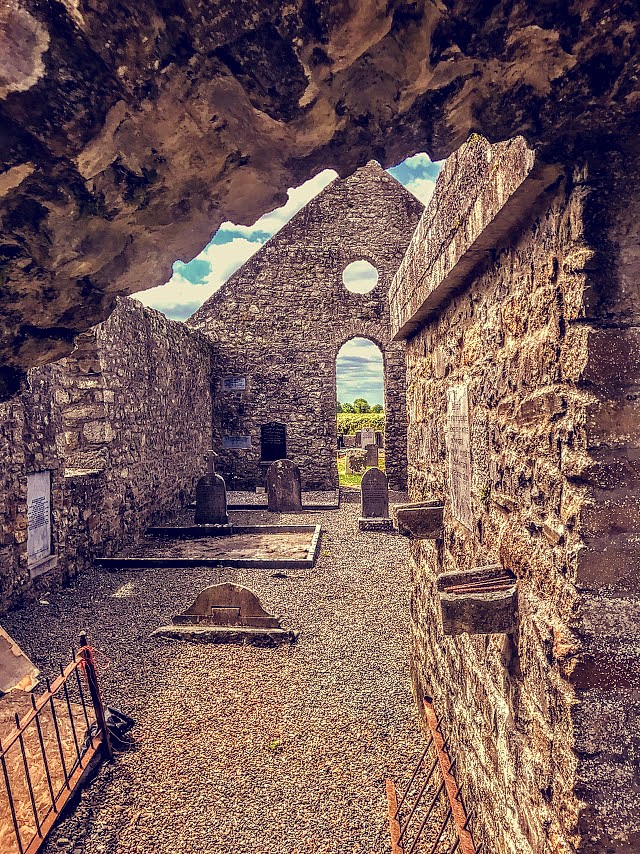
Odrian lived for over forty years in the area now known as Silvermines, in County Tipperary, Ireland, building a Church there in 520. According to Irish tradition, Odrian also served as Abbot of Meath and founded Lattreagh Monastery – images of the ruins below. He became one of the first Bishops of Waterford, Ireland. Waterford was part of an ancient deanery system at the time, ruled by an Abbot Bishop.
In 563, he was among the twelve who accompanied St Columba to the Scottish island of Iona, where he died and was buried. Columba is said to have seen devils and angels fight over Odran’s soul before it ascended into Heaven.
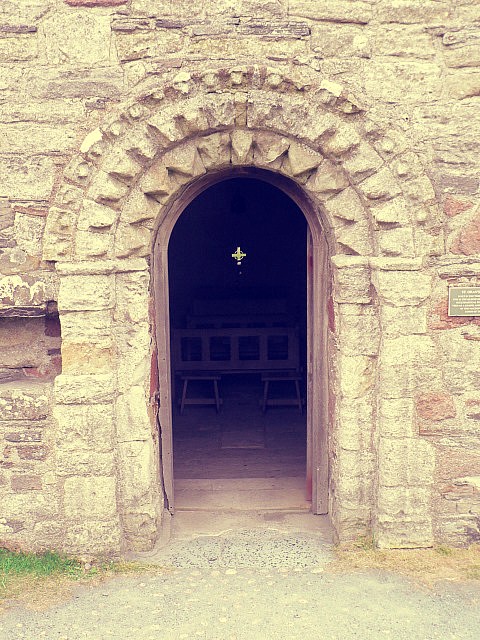
The oldest remaining Church on Iona is dedicated to Saint Odrian, see below. The surrounding cemetery is called Reilig Odhráin in his memory.
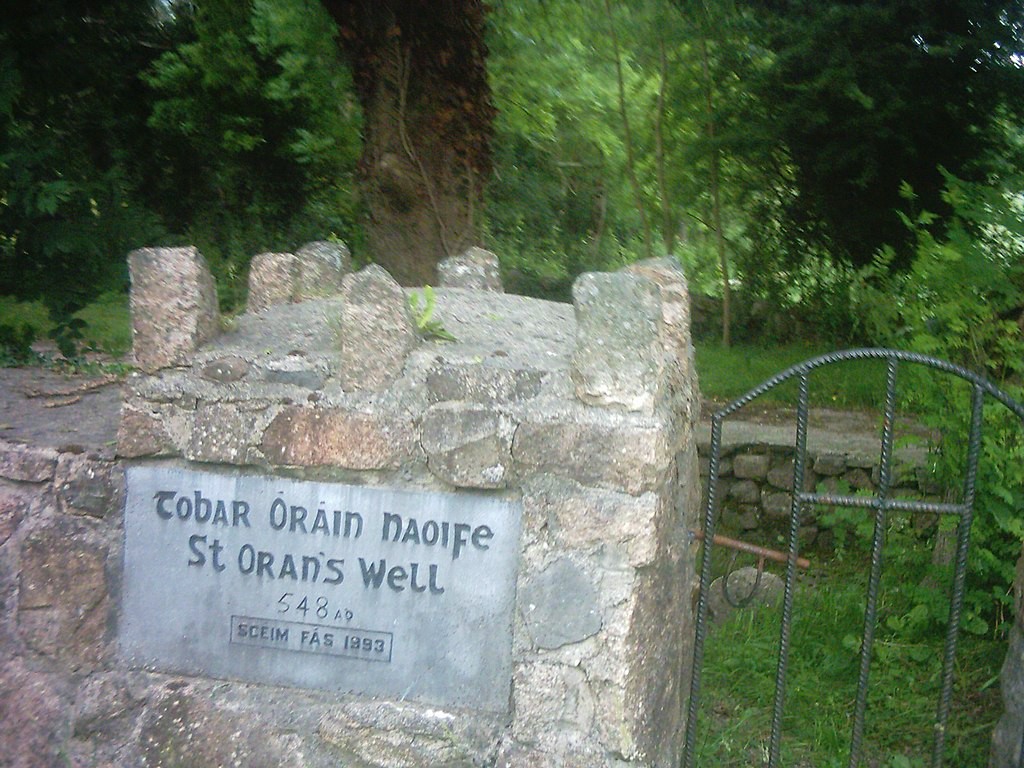
St Odrian is the Patron Saint of the Parish of Silvermines, County Tipperary. He was chosen by the Vikings as Patron of the City of Waterford in 1096 and later chosen as Patron of the Diocese. Below is St Odrian’s Well, Oranmore, County Galway.
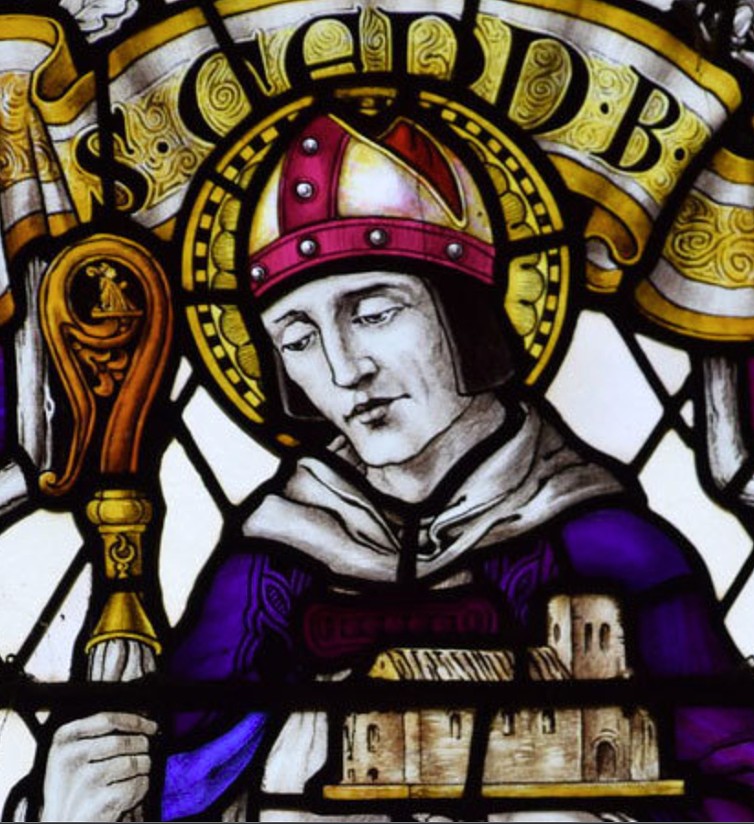
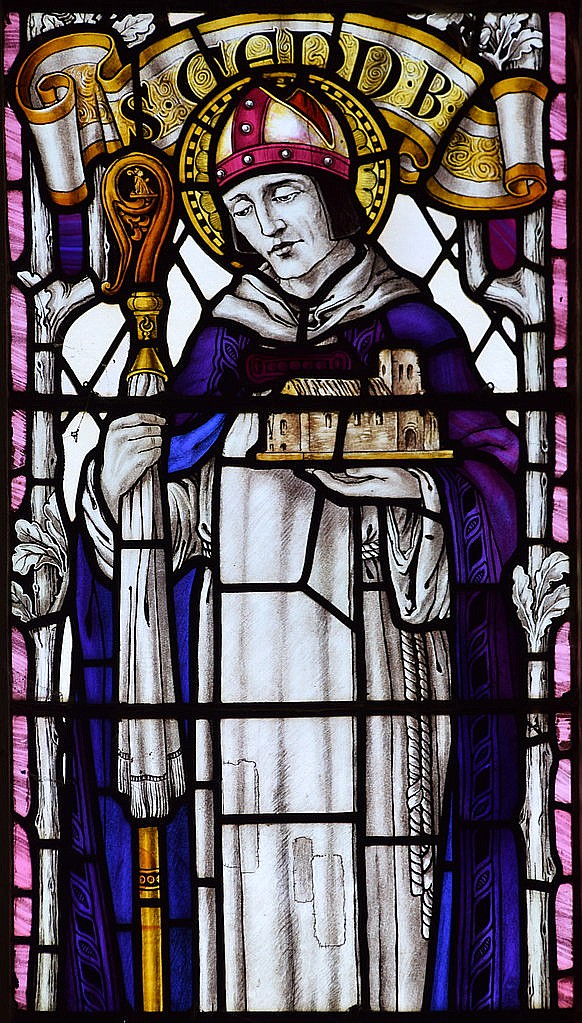
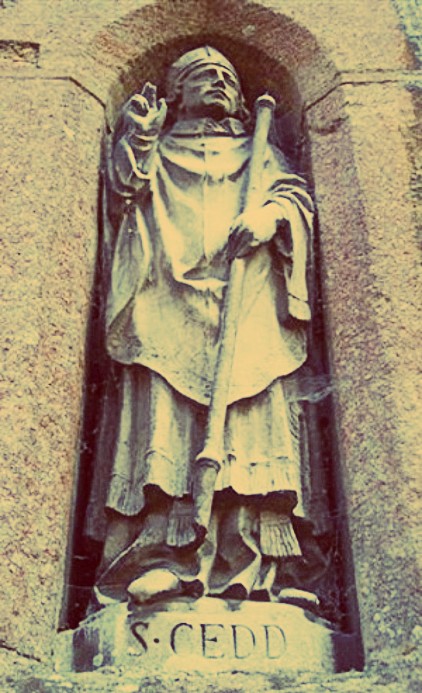
Saint of the Day – 26 October – Saint Cedd (Died 664) Bishop, Monk , Missionary, Evangelist, Founder of Monasteries and many Churches. Born inNorthumbria, England and died on 26 October 664 at Lastingham, Yorkshire, England of the plague. Patronages – of Interpreters, Essex and Lastingham, England. Also known as – Cedda, Cedde, Ceddus, Ceddi, Ceadwalla.
Cedd was the chief Evangelist of the Middle Angles and East Saxons in England and a significant participant in the Council of Whitby, a Council which resolved important differences within the Church in Ireland and England. The little that is known of St Cedd’s life, comes to us mainly from the writing of the Venerable St Bede in his Ecclesiastical History of the English People.
St Cedd, the eldest of four brothers, was born in 620 into a noble Northumbrian family at the beginning of the 7th century. With his siblings, Cynebil, Caelin and St (Ceadda) Chad (who became the first Bishop of York and then Bishop of Lichfield) he entered the school at Lindisfarne Priory at an early ae and learned the ways of the Irish Monks under Bishop St Aidan. St Aidan was well known for his personal austerity and disregard for the trappings of wealth and power. St Bede several times, stresses that Cedd and Chad absorbed St Aidan’s example and traditions. They were eventually sent to Ireland for further study and all four subsequently became Priests.
In 653, Peada, King of the Middle Angles, asked Aidan’s successor at Lindisfarne, St Finan (of Lindisfarne), for a Bishop for his region and St Finan chose four Monks, including Cedd, from Lindisfarne to evangelise Peada’s people. After making some conversions, Cedd returned to Lindisfarne to report to Finan. In recognition of his success, St Finan Consecrated him Bishop, calling in two other Irish Bishops to assist at the rite. Cedd was appointed Bishop of the East Saxons. As a result, he is generally listed among the Bishops of London.
St Bede’s record makes clear that Cedd demanded personal commitment and that he was unafraid to confront the powerful. He excommunicated a noble ,who was in an unlawful marriage and forbade Christians to accept the man’s hospitality. According to St Bede, when King Sigeberht continued to visit the man’s home, Cedd went to the house to denounce the King, foretelling that he would die in that house. St Bede asserts that the King’s subsequent murder (in 660) was his penance for defying Cedd’s injunction.
Cedd founded three Monasteries of his own, the best known being Lastingham, where he became the first Abbot and he died of the Plague in 664. St Bede has a beautiful story of Cedd’s founding of Lastingham, of how Cedd spent forty days in prayer and fasting in a remote spot given to him by King Ethelwald, to purify the site, although urgent royal business took him away after 30 days and Cynibil, his brother Bishop, took over the fast for him.
In 664, Cedd was present at the Council of Whitby and was a member of the Irish party, those wishing to retain the Irish date for Easter. But when the Council decided in favour of the Roman date, Cedd accepted the decision, not wanting to cause any further disunity in the Churches.
After the Council of Whitby, a Plague struck England,and Cedd was among those who died from the Plague. At the news of his death, thirty Monks came from London to spend their lives where their Founder had died. But they, too, caught the Plague and were buried near the little Chapel that had been erected in Cedd’s memory.
Cedd was the second Bishop of the City of London; the first was Mellitus, who came with St Augustine and later became Archbishop of Canterbury. Mellitus was driven from the See by the King of the East Saxons in 616 and London was without a Bishop until Cedd’s arrival about 654.
St Adalgott of Einsiedeln St St Alanus of Quimper St Albinus of Buraburg
St Alfred the Great (849-899) King of Wessex, Confessor, Scholar, Writer and Translator, negotiator. He administered justice with insight and fairness, protected the poor, and encouraged art and the crafts. He tried in all that he did, to rule as a model Christian King. For all this, he alone among the rulers of England is called “the Great.” This Great Saint’s Life: https://anastpaul.com/2021/10/26/saint-of-the-day-26-october-saint-alfred-the-great-849-899/
St Alorus of Quimper St Amandus of Strasburg St Amandus of Worms St Aneurin St Aptonius of Angouleme St Arnold of Queralt St Bean of Mortlach St Bernard de Figuerols
St Eadfrid St Eata of Hexham St Felicissimus of Carthage St Fulk of Piacenza St Gaudiosus of Salerno St Gibitrudis St Gwinoc St Humbert St Lucian St Marcian St Quadragesimus of Policastro St Rogatian of Carthage St Rusticus of Narbonne St Sigibald of Metz
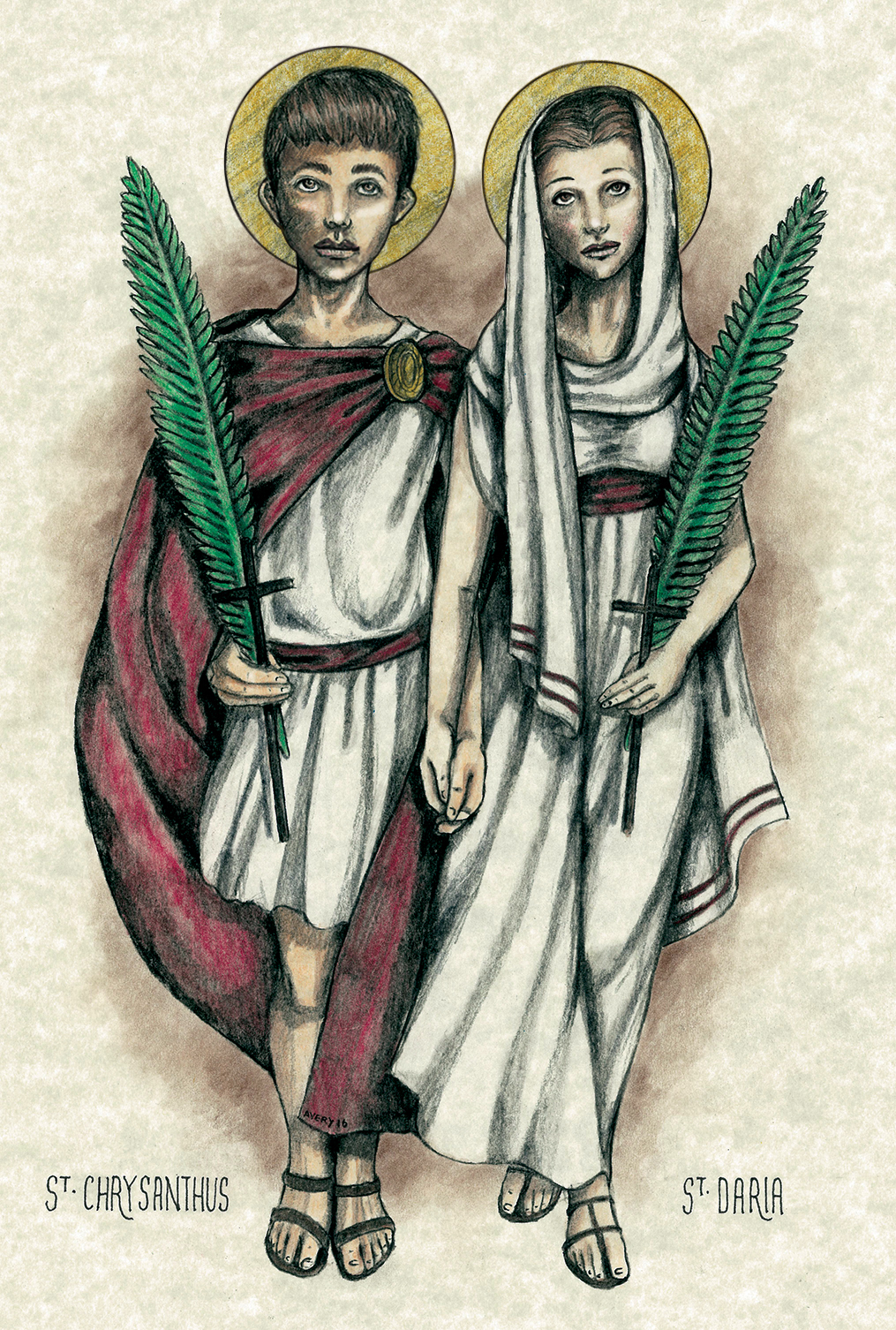
Saints of the Day – 25 October – Saint Chrysanthus and Saint Daria (Died c 282) Martyrs, Married Couple Died in c 282, by being buried alive by stones and sand in a sandpit off the Salarian Way, Rome, Italy. Also known as – Crisaunt, Crescentius, Crisanto, Dariasus. Their names appear in the Martyrologium Hieronymianum, an early martyrs list and a Church in their honour was built over their grave in Rome.
The Roman Martyrology reads: “At Rome, the holy Martyrs, Chrysanthus and his wife, Daria. After many sufferings endured for Christ, under the Prefect Celerinus, they were ordered by the Emperor Numerian, to be thrown into a sandpit on the Salarian Way, where, being overwhelmed with earth and stones, they were buried alive.”
Chrysanthus was the only son of a of an Egyptian patrician, named Polemius or Poleon, who lived in the reign of Numerian. Polemius moved from Alexandria to Rome and Chrysanthus was educated in the finest manner of the era. His superior intelligence was quickly appreciated. Convinced of the vanity of idol-worship, he undertook every means at his disposal to learn the truth and deliver his soul from the doubts afflicting him.
An elderly gentlemen was pointed out to him as a sage and Chrysanthus went to him with his questions. The old man, who was a Christian Priest named Carpophorus,.had no difficulty in opening the eyes of the young man. Chrysanthus instantly embraced the truth with ardour and became an apostle.
His father, at first astonished, became irritated and decided to bring his son back, from what he called his superstitions and errors. No means were effectual for this purpose. Thus, influenced by his associates, the father locked him in his palace and sent a courtesan to seduce his purity.
When the first one did not succeed, others were commissioned for the infamous task and finally a vestal Virgin, Daria, priestess of an idol regarded as the Empire’s bulwark, attempted every artifice to corrupt the young Christian. Instead, she herself became the conquest of grace. The two Christians saw themselves united by the bonds of faith, hope and charity and determined to add to these holy chains, those of a virginal marriage. This decision brought about liberty for Chrysanthus and gave him the means to continue his preaching of Christ.
Many conversions among the officers of the Roman society, with which he was already familiar, were the fruit of the apostolate of the young spouses, including that of the tribune Claudius, with his household and seventy soldiers. For this betrayal, the Emperor had Claudius drowned, his sons beheaded and his wife hanged at the gallows.
But complaints began to be addressed to the Prefect of Rome, who arrested the young couple. After enduring torments, Chrysanthus was shut up in the Mamertine prison and Daria was sent to a house of ill fame. But the Lord watched over both of them, as He had done over many others and they surmounted their trials, intact and pure. To be done with them, the irritated Emperor had them buried alive. It appears this torment was chosen in order to inflict on Daria, the death reserved for unfaithful vestals.
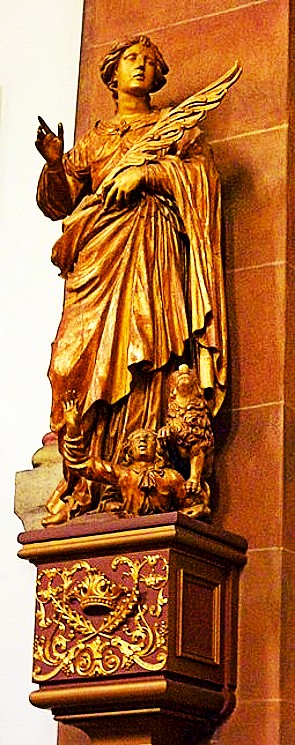
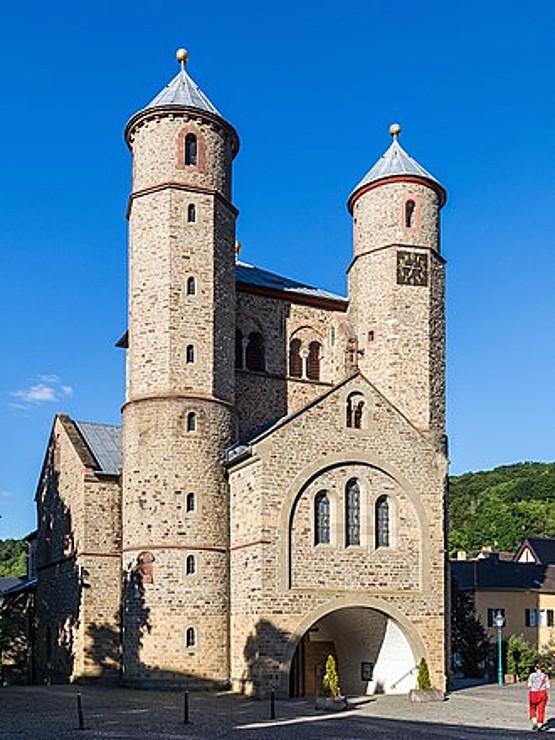
In the ninth Century, the principal relics of Chrysanthus and Daria were brought to the Church of Chrysanthus and Daria, Bad Münstereifel, Germany. This is the Church below which contains a beautiful Statue of St Daria.
St Cyrinus of Rome St Dulcardus St Fronto of Périgueux St Fructus of Segovia
St Gaudentius of Brescia (Died 410) Bishop, renowned Preacher, Theologian, Diplomatic Mediator, The Roman Martyrology states today: “In Brescia, Saint Gaudentius, Bishop, who, Ordained by Saint Ambrose, shone among the prelates of his time for doctrine and virtue, instructed his people with words and writings and founded a Basilica which he called the ‘Council of Saints.‘” Biography: https://anastpaul.com/2021/10/25/saint-of-the-day-25-october-st-gaudentius-of-brescia-died-410/
St George of Périgueux St Goeznoveus of Leon St Guesnoveus Bl Henry of Segusio St Hilary of Javols St Hilary of Mende St Hildemarca of Fecamp St Januarius of Sassari St Lucius of Rome St Lupus of Bayeux St Mark of Rome
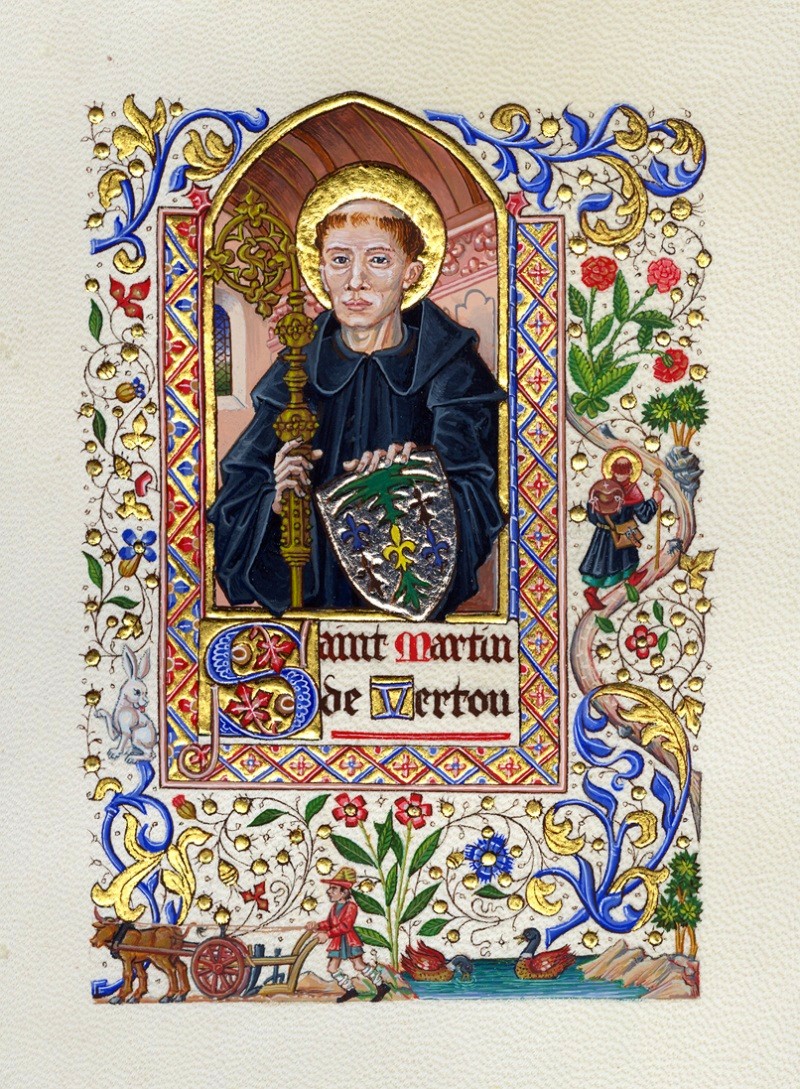
Saint of the Day – 24 October – Saint Martin of Vertou (527–601) Abbot, Hermit, Founder of Vertou Abbey and the Evangelist of the region around Nantes, Miracle-worker. Born in 527 at Nantes, France and died in 601 at Durieu, France of natural causes. Also known as – the Apostle of the Herbauges.
Martin was born into a wealthy family well-known in the region. He was distinguished by his virtue, learning and talent. He was Ordained Deacon by Saint Felix, Bishop of Nantes, who also made him Archdeacon of the Church of Nantes and charged him with converting the inhabitants of the Town and the surrounding area.
In about 577, he withdrew to Dumen forest at Brittany, to live as a Hermit. . There his obvious sanctity attracted so many followers that he was forced to found Vertou Abbey near Nantes whre he served as its first Abbot. Tradition says he was led to the site of the Monastery by an Angel.
Later Martin founded Saint Jouin-de-Marne Abbey, the Convent at Durieu and assisted in the founding of further houses.
It was at Durieu Abbey, where Martin died in 601 at the age of seventy-four.
There is a wonderful miracle told of him – he planted his pilgrim’s staff in the middle of the Abbey courtyard at Vertou and it took root, growing into a yew tree, which appears on the arms of the commune of Vertou.
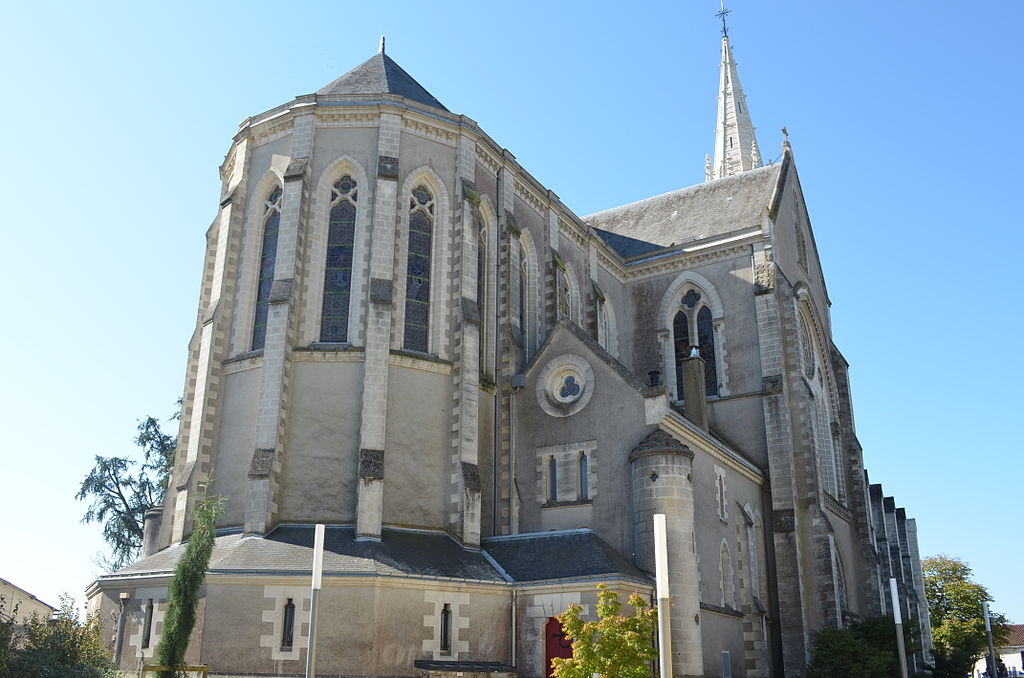
Martin is greatly honoured and venerated for many miracles in Nantes and the beautiful Cathedral below is dedicated to him.
Saint Raphael the Archangel The Feast day of Saint Raphael was included for the first time in the General Roman Calendar in 1921, for celebration on 24 October. With the 1969 revision of the General Roman Calendar, the Feast was transferred to September 29 for celebration together with Archangels Saints Michael and Gabriel. St Raphael: https://anastpaul.com/2021/10/24/saint-of-the-day-24-october-st-raphael-the-archangel/
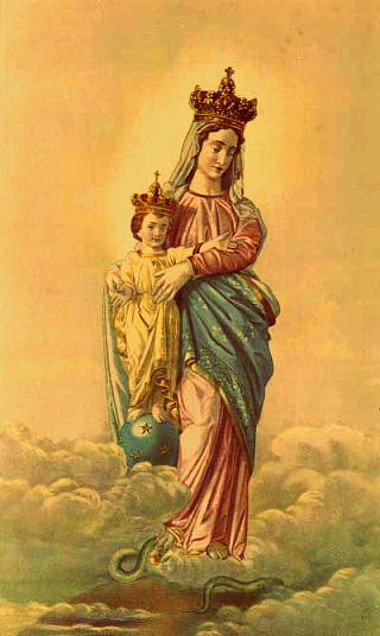
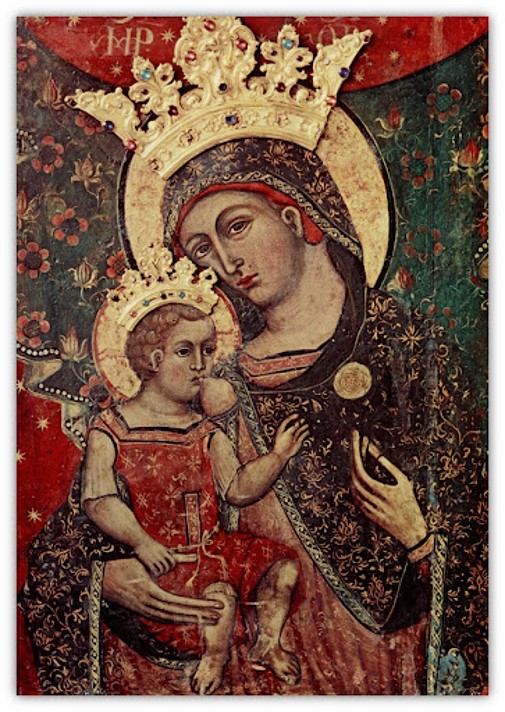
Beata Vergine delle Grazie / The Blessed Virgin of Grace, Udine, Friuli-Venezia Giulia, Italy (1479) – Fourth Sunday of October:
Bl Amado García Sánchez St Audactus of Thibiuca St Cadfarch St Ciriacus of Hierapolis St Claudian of Hierapolis St Ebregislus of Cologne St Felix of Thibiuca St Fortunatus of Thibiuca St Fromundus of Coutances St Maglorius of Wales St Marcius of Monte Cassino St Martin of Vertou (527–601) Abbot, Hermit
St Senoch St Senócus of Tours St Septimus of Thibiuca
Martyrs of Ephesus – 3 Saints: Three Christians Martyred together. All we know about them are the names Mark, Sotericus and Valentina. They were stoned to death near Ephesus, Asia Minor (in modern Turkey). Their relics are enshrined on the island of Tasos.
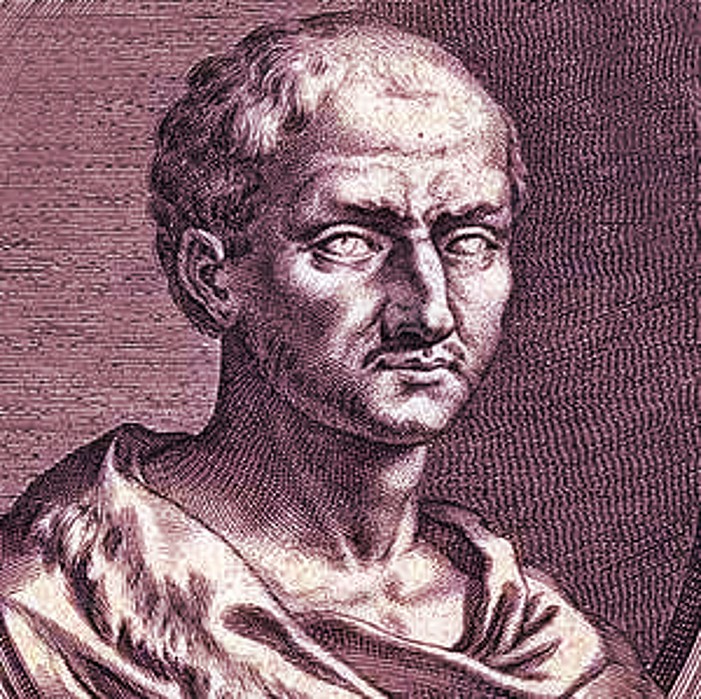
Saint of the Day – 23 October – Blessed Severinus Boethius (c 475-524) Martyr, Layman, Roman Statesman and Philosopher, Theologian, Writer, Rhetorician, often styled “The Last of the Romans”, regarded by tradition as a Christian Martyr, Born in c 475-480 at Rome, Italy as Anicius Manlius Torquatus Severinus Boethius and died in 524-525 at Pavia, Italy. Also known as – Anicius Manlius Torquatus Severinus Boethius, The Last of the Romans, Severino Boezio.
Blessed Severinus Boethius was one of those rare minds that can assimilate knowledge and pass it on in an understandable form. He planned to translate the whole of Plato and Aristotle into Latin, to share the Greek wisdom with his contemporaries. He also wrote a treatise on the Trinity which , is considered a major work of Western Theology. He wrote extensively on matters concerning music, mathematics,and Theology. Although his translations were unfinished following an untimely death, it is largely due to them that the works of Aristotle survived.
He was born when Odoacer, the Ostrogoth, had become Ruler of Italy and when Boethius was thirteen, Odoacer was overthrown by Theodoric. He was left an orphan at an early age and was educated by the pious and noble-minded Symmachus, whose daughter, Rusticana, he married. Severinus entered public life in the footsteps of his father and in 510 was made Consul by Theodoric.
Theodoric began to suspect that certain of his nobles were plotting with the Emperor in Constantinople, to overthrow his government and Albinus, an Ex-consul and friend of Boethius,, was charged with treason. Boethius, defended Albinus in Court but was himself accused, of being part of the plot and imprisoned. It was in prison that he wrote his best known work. He found no defenders, even among his friends and not even his father-in-law, Symmachus, stood up for his innocence.
Boethius was cruelly tortured and died a violent death. He was buried in the Cathedral at Ticinium and his relics are now in the Church of St Peter at Pavia.
Tradition began very early to represent Boethius as a Martyr for the Christian Faith. It was believed that among the accusations brought against him, was devotion to the Catholic Church, which at that time, was championed by the Emperor Justin against the Arian Theodoric. In the eighth century this tradition had assumed definite shape and in many place,s Boethius was honoured as a Martyr and his feast observed on the twenty-third of October.
The reflective manner in which he faced death was an inspiration to others and his works were one of the important sources of writings throughout the Middle Ages. He died in the year 524 and was Beatified in 1883 by Pope Leo XIII .
Saint of the Day – 22 October – Saint Melanius (Died 314) Bishop of Rouen, Confessor, Miracle-worker, Hermit. Born c 229 near Cardiff, Wales and died on 11 November 314 in Hericourt, France of natural causes. Also known as – Mellon, Mallone, Mallonous, Mello, Mellonin, Mellouns, Mellonius.
The Roman Martyrology reads: “At Rouen, St Melanius, Bishop, who was Ordained by Pope St Stephen I and sent to Rouen to preach the Gospel.”
Melanius was the son of local Welsh pagan nobility. He was sent to Rome to accompany the tribute due from his Province to the Roman Emperor.
Whilst in Rome Melanius was converted to Christianity by Pope Stephen 1, who Ordained him Priest and later Consecrated him Bishop. Pope Stephen then sent him to be the Bishop of Rouen in France. In 311, after a long Episcopate, he retired to a Hermit’s cell at a place called Hericourt, where he died
History records that whilst Bishop of Rouen ,Melanius performed many miracles including an exorcism where he cast out devils in their often depicted form – as monkeys!
Melanius was buried at Rouen but, towards the end of the 8th Century, his remains were translated to a Church in Pontoise to protect them from Norse invaders. They remained there until they were lost or destroyed, during the French Revolution.
Both the Village of St Mellons and the Church, in Cardiff are dedicated to Melanius of Rouen. A fair is held on 22 October, his Feast Day in the Village of St Mellons. In Hericourt, where our Saint had lived the last few years as a Hermit, there is now a Church dedicated to him and another in Thiédeville and Plomelin, Brittany.
Saint of the Day – 21 October – Saint Ursula and Companions: (Died c 238) Virgin Martyrs. Died on 21 October 238 in Cologne, Germany. Patronages – British Virgin Islands, Catholic education (especially of girls), Cologne, Germany, of a holy death, students, school children, teachers, University of Paris.
St Ursula and Her Companions, Virgin Martyrs By Father Francis Xavier Weninger SJ (1805-1888)
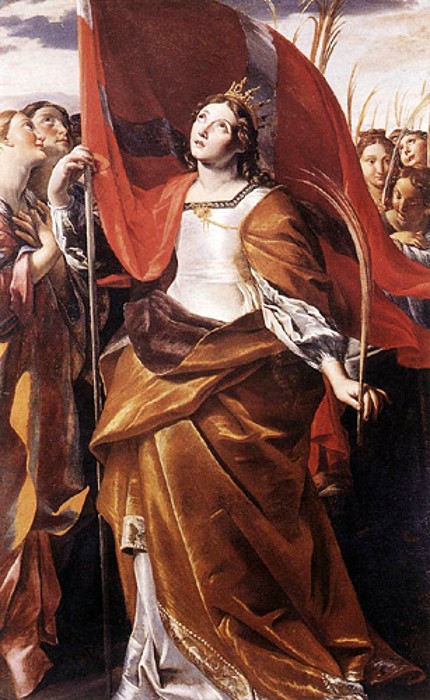
St Ursula by Bernardo Cavalino
To-day we commemorate the festival of St Ursula and her Companions. Although her life and Martyrdom are variously described, by different historians, we cannot, therefor,e conclude, with some heretical writers, that she never existed and that all that has been told of her, are fables; for, although historians differ in some points, yet all unanimously declare that St Ursula and her Companions sacrificed their lives for their faith and, in defence of their Virginity. The short sketch we give of this Saint is partly taken from the works of the celebrated Cardinal Cesare Baronius (1538-1607), the Historian and partly from the Roman Breviary.
The Roman General, Maximus, surnamed Flavius Magnus Clemens, who commanded the Imperial armies in Britain, caused himself, in 383, to be proclaimed Emperor by his soldiers, while the lawful Emperor Gratian was still alive. After this, he crossed the sea, landed on the shores of France, took possession of a large portion of it, drove the inhabitants away and occupied the land with his soldiers, among whom, he divided the conquered towns and villages.
Conanus, a tributary King in Great Britain, who commanded one part of the army of this new Emperor, advised him to bring, from England, Virgins, who might be given in marriage to the new inhabitants of the conquered land, in order to keep them in obedience and fidelity to their master. Maximus, pleased with this advice, sent an embassy to Britain and stating his reasons, demanded a great number of maidens. The Britons hesitated not to consent to the new Emperor’s demand because many of his soldiers were Britons and because, Maximus had given them considerable property. They, therefore, assembled the desired number of Virgins, placed them in several boats and sent them to France. The noblest among them was Ursula, daughter of the King of Wales, who was to become the spouse of Conanus.
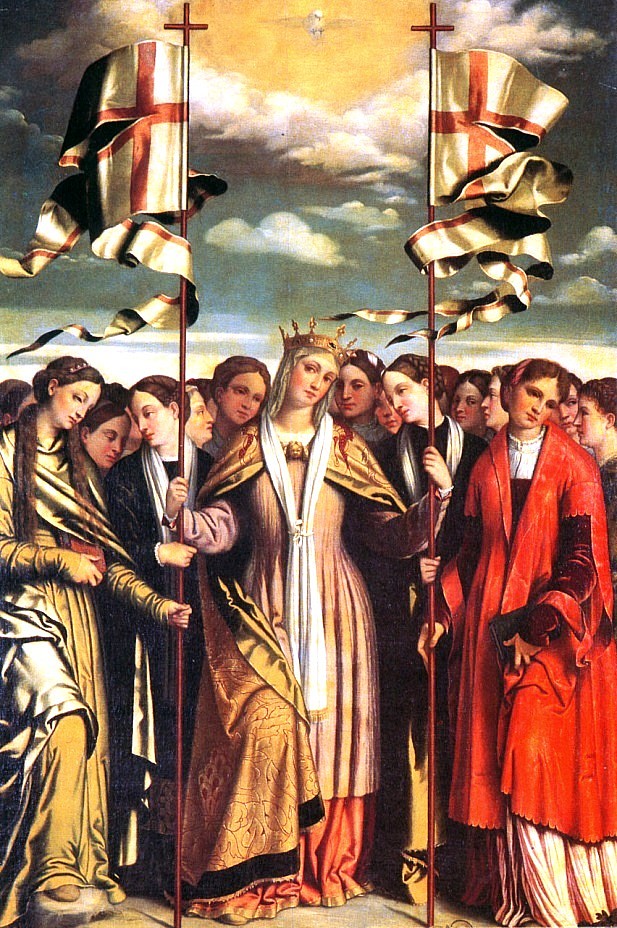
By Moretto, 1530
The wisdom of the Almighty, however, had decreed otherwise; for, whilst the ships sailed from England to France, contrary winds arose, which drove them all to the shores of Germany. It is believed that they went up the Rhine and landed in the neighbourhood of Cologne.
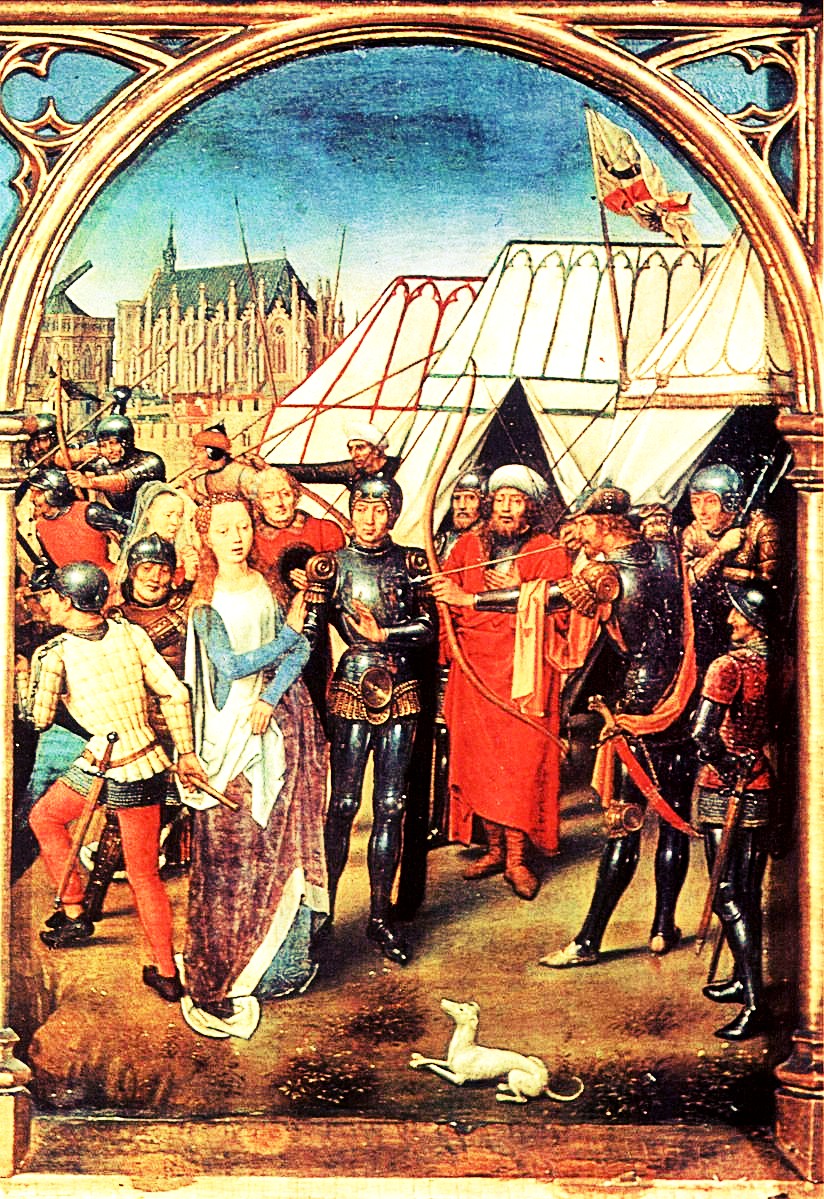
Hans Memling, The Martyrdom of Saint Ursula
At that period, the wild Huns happened to be there, whom the Emperor Gratian had called to his aid against Maximus, who resided for some time at Treves. When these heathens beheld this large number of Virgins, they forced them to land and would have sacrificed them to their lust. Ursula, however, the Christian heroine, exhorted all, rather to suffer the most bitter death than consent to evil. All followed her admonition and courageously resisted the savages, who, in their furious rage, killed the defenceless Virgins with swords, arrows and clubs. Only one of the maidens, Cordula, had escaped and concealed herself during the massacre but repenting of her timidity, she revealed herself on the following day and last of all, she received the Crown of Martyrdom.
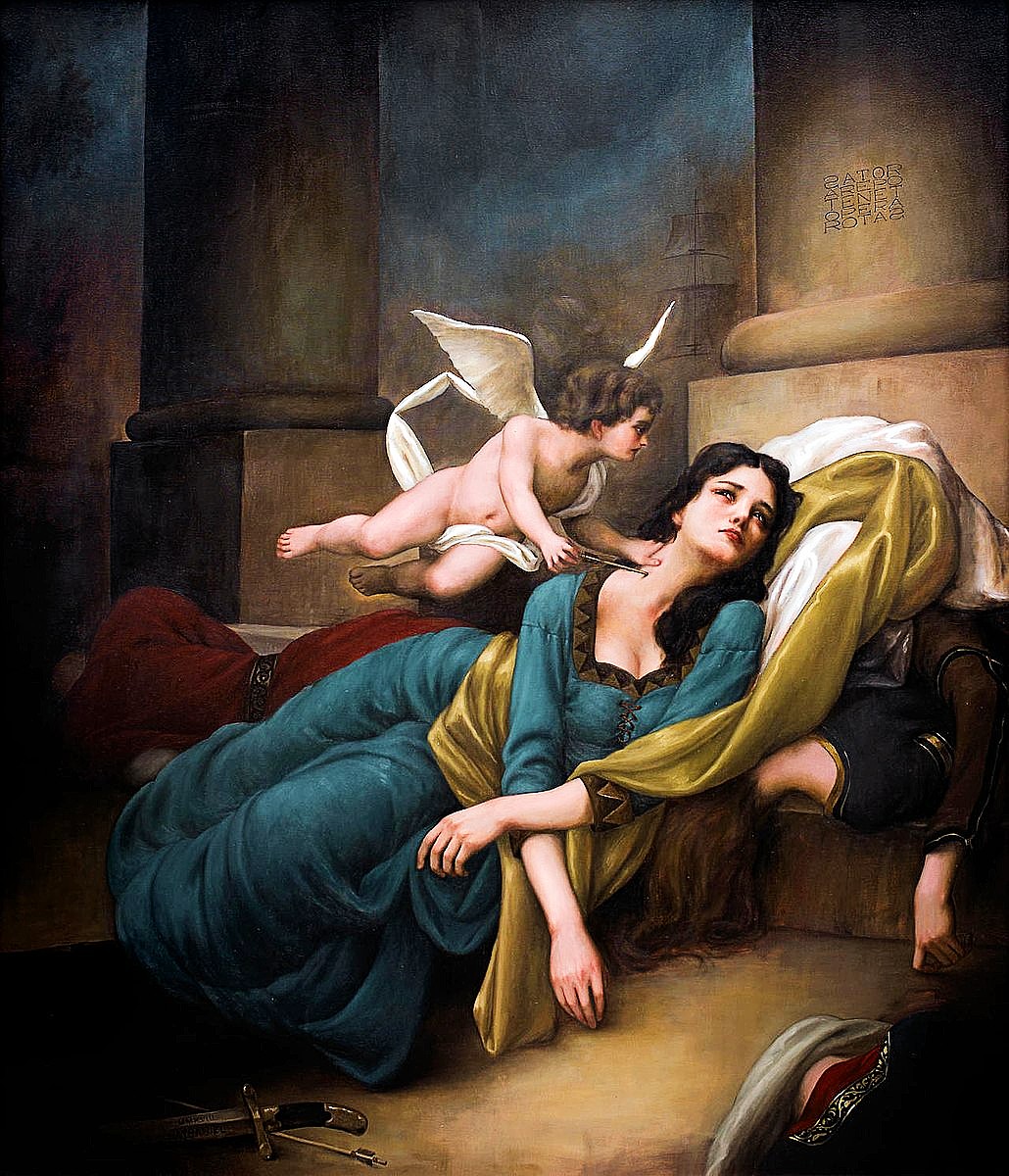
The Martyrdom of St Ursula by Nat Lamina
The bodies of the holy Virgins were buried, with great solemnities, by the inhabitants of Cologne. Their memory, however,and the veneration with which they were regarded, were not confined within the walls of this town but spread over the whole Christian world.
St Ursula encouraged and exhorted her companions to preserve their purity and to give up lif, rather than lose it. Heed it well, the Saint’s advice and exhort others to preserve purity.
Who, therefore, are those that tempt others to violate it? St Bonaventure says: “The mouth of him who tempts others to impurity, is the mouth of a devil!” Hence, those who tempt to impurity are incarnate devils or the devil speaks through their mouths. How senseless are you, therefore, when you listen to them and follow their advice. St Ursula and her Companions did not listen to the savage Huns and followed them not. Thus must you act and neither listen to them, nor obey them who would tempt you to the least sin against purity. “Shun and abhor,” says St Nilus, “all those who would prevent you from the practice of virtue and who tempt you to violate the laws of God and to sin against purity.” Detest them as you would the Evil One himself; for, in truth, “There is no difference between an evil spirit and a human being tempting you to impurity,” says St Cyril of Alexandria.
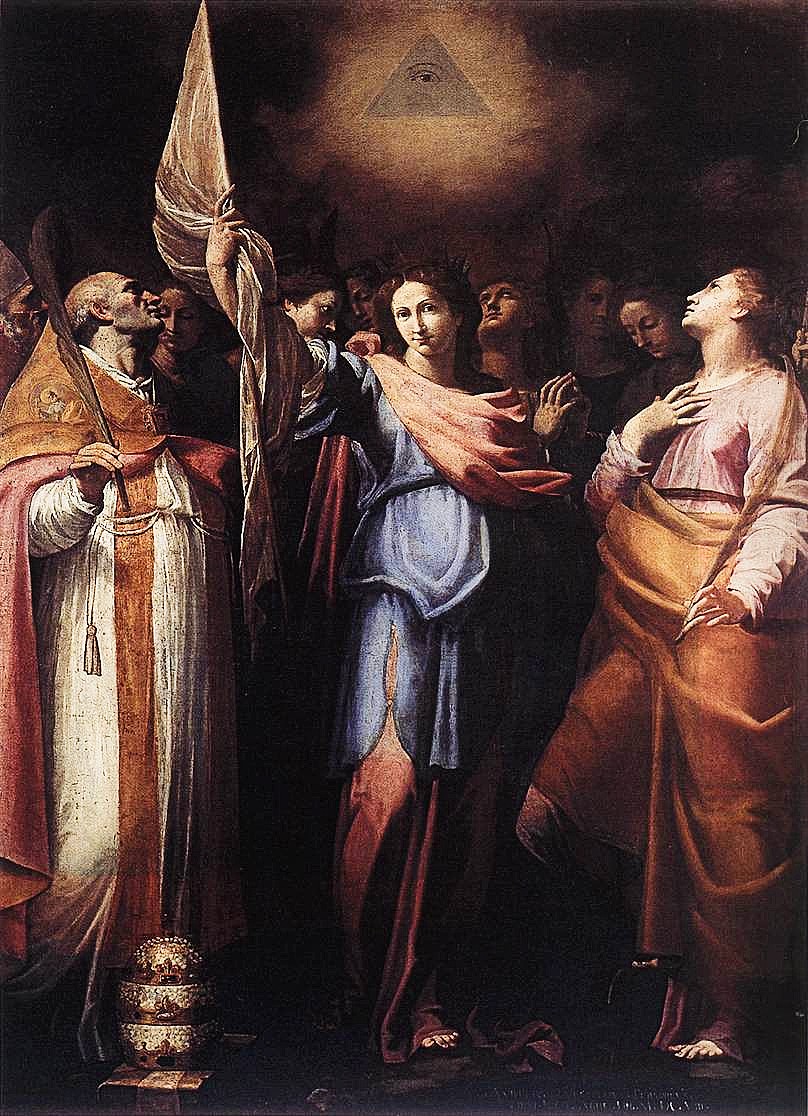
Bartholomeo Cavarozzi – St Ursula with Pope Symmachus and St Catherine of Alexandria
Saint Ursula and Companions: (Died c 238) Legendary Princess, the daughter of a Christian British King and Saint Daria. She travelled Europe in company of either 11 or 11,000 fellow maidens; the 11,000 number probably resulted from a misreading of the term “11M” which indicated 11 Martyrs, but which a copyist took for a Roman numeral. Ursula and her company were tortured to death to get them to renounce their faith, and old paintings of them show many of the women being killed in various painful ways. Namesake for the Ursuline Order, founded for the education of young Catholic girls and women. There are other Saints closely associated with Ursula and her story – travelling companions who were Martyred with her. They are: Antonia of Cologne Cesarius of Cologne Cyriacus of Cologne Daria Fiolanus of Lucca Ignatius of Cologne James of Antioch Mauritius of Cologne Pontius of Cologne Sulpitius of Ravenna Vincent of Cologne Travelling companion, but escaped the massacre: • Cunera led by a dove to the lost tomb of Ursula: • Cunibert of Cologne.
St Agatho the Hermit St Asterius of Périgord St Asterius of Rome St Berthold of Parma St Celina of Meaux St Cilinia St Condedus St Domnolus of Pouilly St Finian Munnu St Gebizo Bl Hilarion of Moglena St Hugh of Ambronay Bl Imana of Loss Bl Iulianus Nakaura St John of Bridlington St Letizia St Maurontus of Marseilles St Malchus of Syria
Saint of the Day – 20 October – St John Cantius (1390-1473) Confessor, Priest, Theologian, Scholastic Philosopher, Physicist, Teacher, Philosopher, Apostle of Charity – Patron of Poland and Lithuania.
St John Cantius, Confessor From the Liturgical Year, 1903
Kenty, the humble village of Silesia which witnessed the birth of St John, owes its celebrity entirely to him. The Canonisation of this holy Priest, who, in the fifteenth century, had illustrated the University of Cracow by his virtues and science, was the last hope of expiring Poland. It took place in the year 1767. Two years earlier, it was at the request of this heroic nation that Clement XIII had issued the first Decree sanctioning the celebration of the Feast of the Sacred Heart. When enrolling John Cantius among the Saints, the magnanimous Pontiff expressed, in moving terms, the gratitude of the Church towards that unfortunate people and rendered to it, before shamefully forgetful Europe, a supreme homage (Bulla Canonisationis). Five years later Poland was dismembered.
John was born at Kenty, a town in the Diocese of Cracow and hence, his surname Cantius. His parents were pious and honourable persons, by name Stanislaus and Anna. From his very infancy, his sweetness of disposition, innocence and gravity, gave promise of very great virtue. He studied philosophy and theology at the University of Cracow and, taking all his degrees, proceeded to professor and doctor. He taught sacred science for many years, enlightening the minds of his pupils and enkindling in them, the flame of piety, no less by his deeds, than by his words.
When he was Ordained Priest, he relaxed nothing of his zeal for study, but increased his ardour for Christian perfection. Grieving exceeingly, over the offences everywhere committed against God, he strove to make satisfaction on his own behalf and that of the people, by daily offering the unbloody Sacrifice with many tears. For several years he had charge of the Parish of Ukusi, which he administered in an exemplary manner but, fearing the responsibility of the cure of souls, he resigned his post and, at the request of the University, resumed the professor’s chair.
Whatever time remained over from his studies, he devoted partly to the good of his neighbour, especially by holy preaching; partly to prayer, in which he is said to have been sometimes favoured with heavenly visions and communications. He was so affected by the Passion of Christ, that he would spend whole nights without sleep, in the contemplation of it and, in order the better to cultivate this devotion, he undertook a pilgrimage to Jerusalem. While there, in his eagerness for Martyrdom he boldly preached Christ Crucified, even to the Turks. Four times he went to Rome on foot and carrying his own baggage, to visit the threshold of the Apostles, in order to honour the Apostolic See, to which he was earnestly devoted and also, (as he used to say), to save himself from Purgatory, by means of the indulgences there daily to be gained. On one of these journeys he was robbed by brigands. When asked by them whether he had anything more, he replied in the negative but afterwards, remembering that he had some gold pieces sewed into his cloak, he called back the robbers, who had taken to flight and offered them the money. Astonished at the holy man’s sincerity and generosity, they restored all they had taken from him!
After St Augustine’s example, he had verses inscribed on the walls in his house, warning others, as well as himself, to respect the reputation of their neighbours. He fed the hungry from his own table and clothed the naked, not only with garments, bought for the purpose but even with his own clothes and shoes; on these occasions hewould lower his cloak to the ground, so as not to be seen walking home barefoot. He took very little sleep and that, on the ground. His clothing was only sufficient to cover him,and his food to keep him alive. He preserved his virginal purity, like a lily among thorns, by using a rough hair-shirt, disciplines and fasting and, for about thirty-five years before his death, he abstained entirely from flesh-meat.
At length, full of days and of merits, he prepared himself long and diligently for death, which he felt drawing near and that nothing might be a hindrance to him, he distributed all that remained in his house, to the poor. Then, strengthened with the Sacraments of the Church and desiring to be dissolved and to be with Christ, he passed to Heaven on Christmas Eve. He worked many miracles both in life and after death. His body was carried to St Anne’s, the Church of the University and there, honourably interred. The people’s veneration for the Saint and the crowds visiting his tomb, increased daily and he is honoured as one of the chief Patrons of Poland and Lithuania. As new miracles continued to be wrought, Pope Clement XIII. solemnly enrolled him among the Saints, on the 17th of August, in the year 1767.
Mater Admirabilis / Mother Most Admirable (1844) – 20 October:
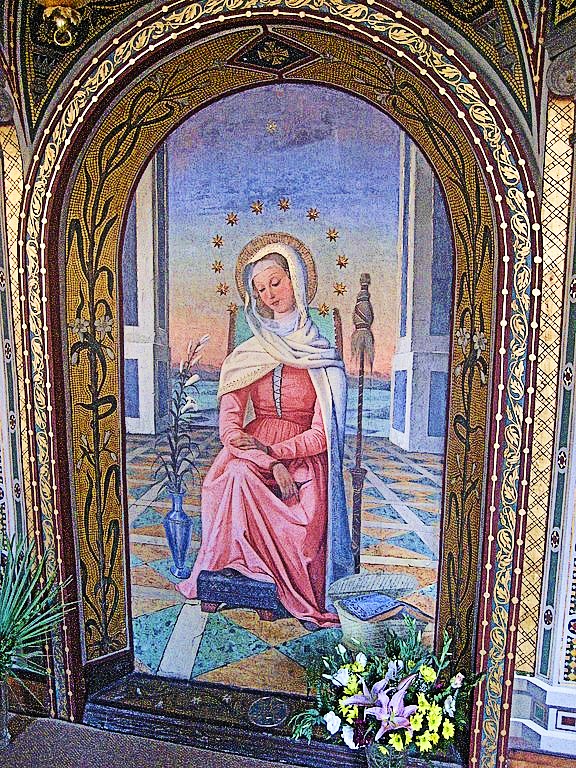
Mater Admirabilis is a fresco depicting the Virgin Mary, in the Monastery of the Trinità dei Monti, in Rome. It was painted by a young French artist, Pauline Perdrau and has been associated with several miracles.
In 1844, a generation after the Society of the Sacred Heart was founded, Pauline Perdrau, a young novice, took it upon herself to produce a fresco of the Virgin Mary on a wall in a recreational area of the convent, Trinità dei Monti in Rome. As a child, Pauline had had a favourite pink dress, so she chose to paint Mary as a young woman in a rose-coloured dress rather than a matronly Madonna in blue. The lily at Mary’s side represented her purity; the distaff and spindle, her love of work; a book, her dedication to study. Unfortunately, although Pauline put herself wholeheartedly into her task, her inexperience with the technique of fresco did not produce the beautiful soft painting for which she had hoped. The too vivid colours, had to be hidden behind a drape. Pope Pius IX, upon visiting the Convent on 20 October 1846, requested that the curtain be removed. Seeing the fresco of our Lady, its colours inexplicably softened, he exclaimed, “Mater Admirabilis!” Miracles soon began with the cure of a missionary Priest who had completely lost the power of speech. Permission was given to offer Mass before the miraculous picture and to celebrate the Feast of Mater Admirabilis on 20 October.
Blessed James Strepar OFM (c 1340-1409) Archbishop of Halicz, Poland from 1392 until his death Religious Priest of the Order of Friars Minor, Missionary. St Pius X proclaimed Blessed James, along with St Anthony of Padua, the Patrons of the Conventual Franciscan Order of Krakow Province. He was given the title of “Protector of the Kingdom, Defender and Guardian of the Homeland,” for his exceptional merits, including civil ones. Such was he considered by all. He was Canonised by by Pope Pius VI on 11 September 1791. His body is incorrupt. His Life: https://anastpaul.com/2020/10/20/saint-of-the-day-20-october-blessed-james-strepar-ofm-c-1340-1409/
St Leopardo of Osimo St Lucas Alonso Gorda St Martha of Cologne St Maximus of Aquila St Orora St Saula of Cologne St Sindulphus of Rheims St Usthazanes St Vitalis of Salzburg
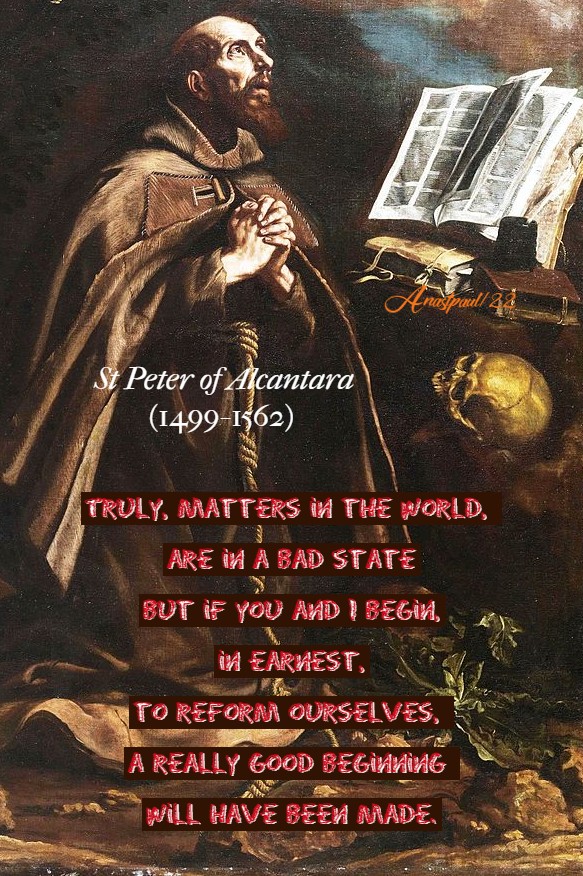
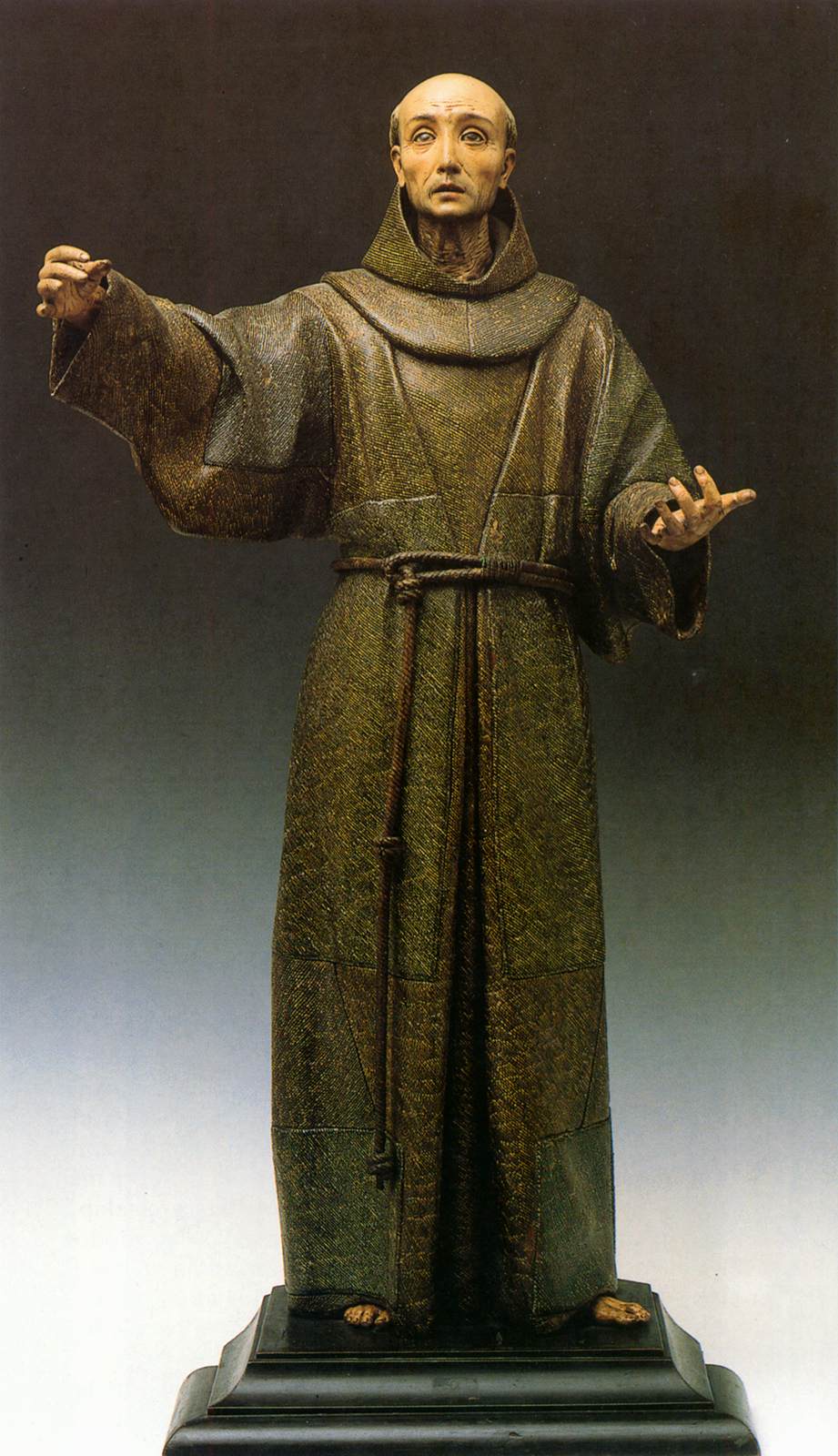
Quote/s of the Day – 19 October – St Peter of Alcantara OFM (1499-1562) Confessor
“Truly, matters in the world, are in a bad state but if you and I begin, in earnest, to reform ourselves, a really good beginning will have been made.”
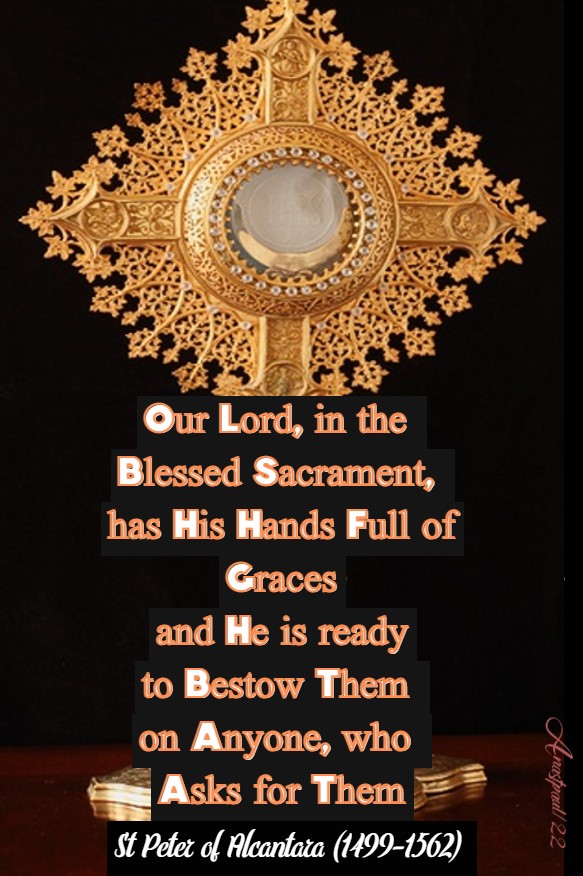
“Our Lord, in the Blessed Sacrament, has His Hands full of graces and He is ready to bestow them on anyone, who asks for them”
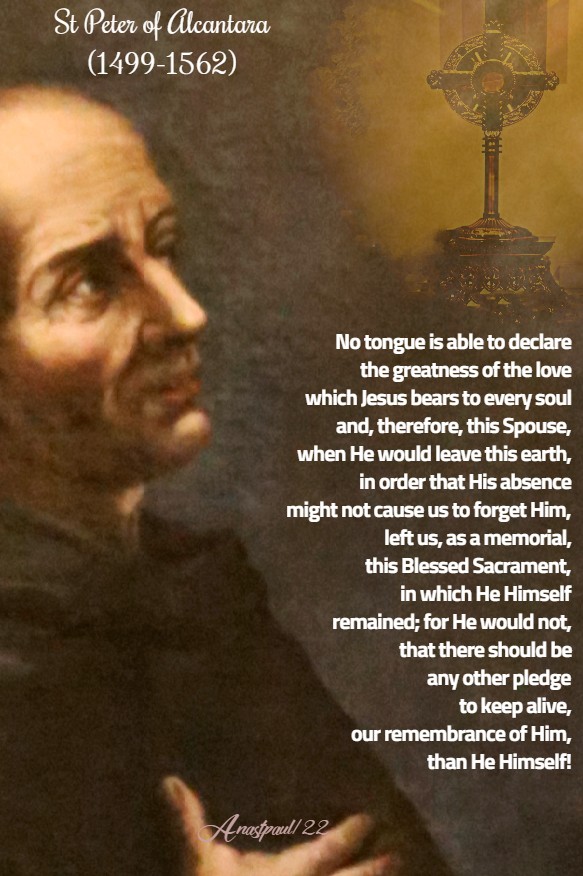
“No tongue is able to declare the greatness of the love which Jesus bears to every soul and, therefore, this Spouse, when He would leave this earth, in order that His absence might not cause us to forget Him, left us, as a memorial, this Blessed Sacrament, in which He Himself remained; for He would not, that there should be any other pledge to keep alive, our remembrance of Him, than He Himself!”
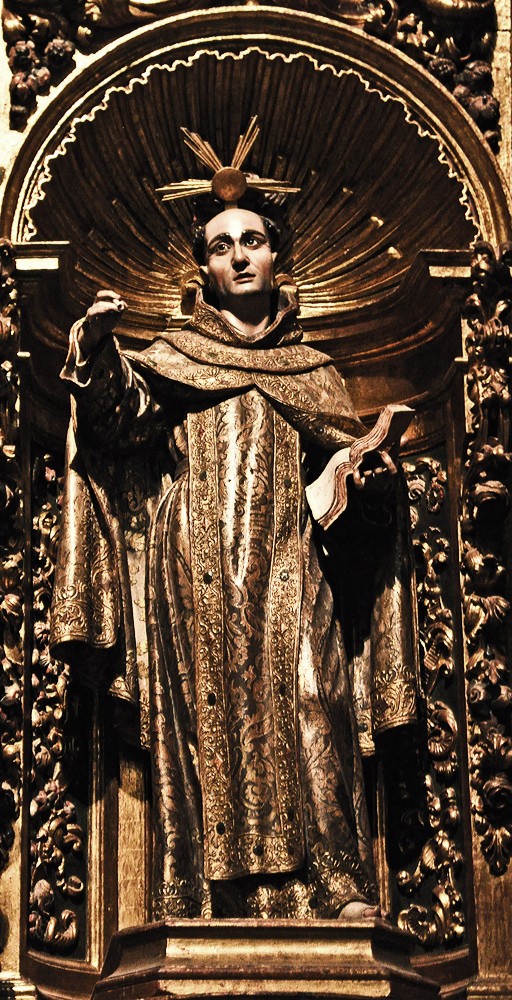
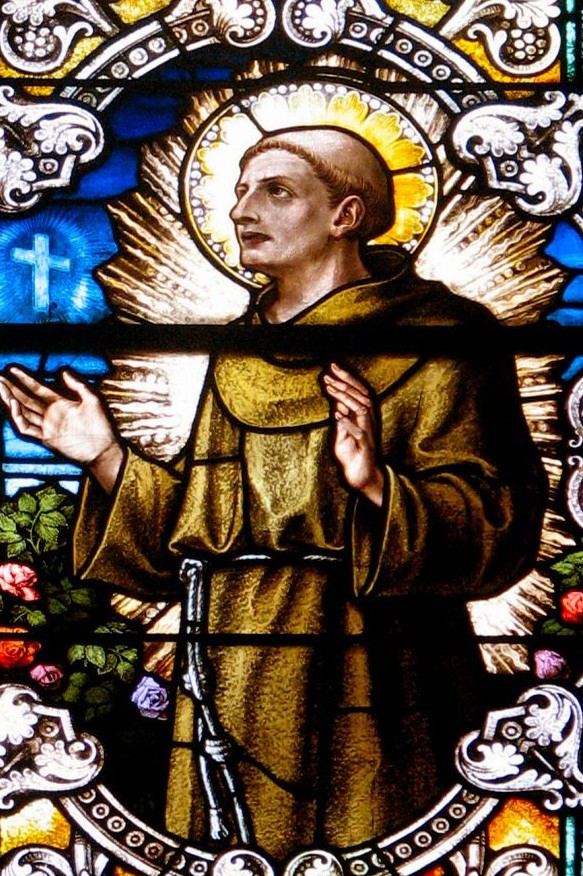
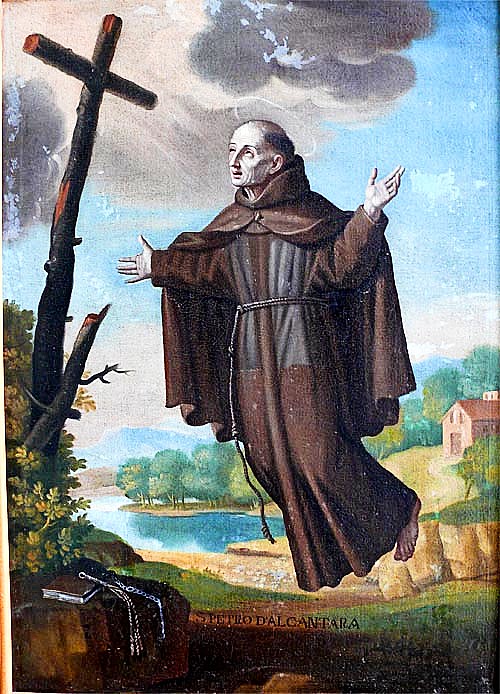
Saint of the Day – 19 October – St Peter of Alcantara OFM (1499-1562) Confessor, Franciscan Friar and Priest, Mystic, Ecstatic, Writer, Preacher, Reformer, Hermit, Apostle of Prayer, Eucharistic Adoration, the Passion and Charity, Miracle-worker. Patronages – Nocturnal Adoration of the Blessed Sacrament, Brazil (named by Pope Pius IX in 1862), Estremadura Spain, night watchmen.
St Peter of Alcantara, Confessor By Father Francis Xavier Weninger (1860-1946)
St Peter was born in the year 1499, at Alcantara, in Spain. He became celebrated for his great piety and the austerity of his life and in order to distinguish him from other Saints of the same name, received the surname, “of Alcantara.”
Besides other signs of future holiness, Peter, when only seven years of age, evinced so great a love for prayer that he sometimes forgot to eat and drink. During the time of his studies, he kept his innocence unspotted in the midst of many dangers, by making prayer, the holy Sacraments and penances, its guardians. When hardly sixteen years old, he secretly left his father’s house and entered the Franciscan Order, in which he soon became a model of all virtues. After having finished his novitiate, he was charged with different functions, all of which he discharged most successfully. The office of preacher was the most agreeable to him. An incredible number of hardened sinners were converted by his sermons, in which he treated of penance and a reform of life.
The fame of his virtues and holiness gave additional weight to every word he uttered. Especially admirable, were the untiring zeal with which he practised all manner of bodily austerities and his continual communion with God in prayer. His whole life was one of extraordinary and almost unexampled mortification. He guarded his eyes so closely that he not only never looked on a woman’s face but knew his brethren only by their voices and, after a long sojourn in the Monastery, could not tell whether the choir and the dormitory were vaulted or covered with boards.
The cell he chose for his dwelling was so narrow that it was more like a tomb than the abode of a living human being and so low that he could not stand upright in it. He kept an almost continual fast and hardly partook, every third day, of some undressed herbs, bread and water. It even happened that during eight days he took no food whatever. He scourged himself twice daily with iron chains. He wore, day and night, a penitential instrument made of tin, pierced like a grater. For forty years, he allowed himself only one hour and a half of sleep at night and this, not lying down but kneeling, or standing with his head leaning against a board. The remainder of the night he occupied in prayer and meditation. As long as he lived in the order, he went barefoot and bareheaded, even in the coldest season. His clothing consisted of his habit and a short cloak, made of rough sack-cloth. He seemed to have made a comtract with his body, never in this world, to allow it any peace or comfort.
His union with God in prayer had reached so high a degree that he was often seen in ecstacy, or raised high in the air and surrounded by a heavenly brightness. The power of his holy prayers was experienced, not only by many hardened sinners but also by many sick, for whom he obtained health and strength. The inhabitants of the City of Albuquerque, ascribed to him their deliverance from the pestilence, for, as soon as Peter had called upon the Divine Mercy, the pestilence, which had most fearfully ravaged the City, disappeared.
The love of God, which filled the heart of the Saint, manifested itself in his intercourse and conversation with men, whom he endeavoured to inflame with the same love. This appeared in all his actions but especially, at the time of Holy Mass, when he stood like a Seraph before the Altar, his face burning and tears streaming from his eyes. When meditating on the Passion and Death of our Saviour, he was frequently so deeply touched, in his inmost heart that for hours, he was like one dead. His devotion to God would sometimes burn his heart so intensely, that to moderate his emotion, he would go into the fields to breathe more freely.
Having reached his fortieth year, he was chosen Provincial but endeavoured to refuse the dignity and when compelled by obedience to accept it, he regarded it as an opportunity to do good to those under his charge. God admonished him to restore the primitive observance in the Order, according to the Rule and spirit of St Francis. Although he could not but foresee, the many and great difficulties which he would encounter in this undertaking, still, trusting in God, he went courageously to work after having obtained the sanction of the Pope.
The Almighty visibly aided His faithful servant, for, in six years, the Saint had founded nine Monasteries, in which the mortification and the perfect poverty, which St Francis especially cherished, were observed in all the rigour of the first Rule. In the course of time, this renewed Order was disseminated throughout all Spain, to the great joy of the Saint. This and other labours which he performed, to the honoir and glory of God, made him greatly esteemed by everyone.
St Teresa, who lived at that period, asked his advice in her cares and doubts, whenever she had occasion and called him a Saint while he was yet upon earth. St Francis Borgia entertained great friendship for him and the praise of his great virtues resounded throughout all Spain. The Emperor Charles V. desired to make him his Confessor but the humble servant of the Almighty knew how to say so much of his incapacity for this office, that the Emperor abandoned the idea, to the Saint’s great joy. This became a new incentive for him to devote himself entirely to the service of God and the welfare of those in his care.
St Teresa of Jesus with St Peter of Alcantara
He had reached his 63rd year, more by a miracle than in a natural way, when he was visited by Providence with a severe illness, which soon left no hope of his recovery, as his body was entirely wasted away by the severity of his life, his painful journeys and his uninterrupted labours. He himself, was informed from on high, of his approaching end and he received the last Sacraments, with so deep a devotion that the eyes of all present were filled with tears. After this he fell into a rapture, in which the Divine Mother and St John the Evangelist, appeared to him and assured him of his salvation. Hence, regaining consciousness, he cheerfully recited the words of the Psalmist: “I have rejoiced in those things which have been said to me; We shall go into the house of the Lord.” Having said this, he calmly gave his soul into the keeping of his Creator, in the year of Our Lord 1562.
St Teresa, who has written much in his praise, says among other things: “He died as he had lived, a Saint and I have, after his death, received many graces from God, through his intercession. I have often seen him in great glory and when I saw him the first time, he said to me: ‘O happy penance, which has obtained so great a glory for me!‘” The Roman Breviary testifies that, St Teresa, although, at the time of his death, far from him, saw his soul gloriously ascend into Heaven.
The biographers of St Peter, relate many and great miracles which he wrought, while he was still living. In the Breviary, we read, among other things, the following. “He crossed rapid rivers with dry feet. In times of great poverty, he fed his brethren with food which he received from Heaven. The staff which he placed in the ground, immediately became a budding fig-tree. Once, in the night-time, when he sought shelter from a snow-storm in a roofless house, the snow remained hanging in the air, above it and thus, formed a roof to protect him from being buried in the snow.” St Peter of Alcantara, pray for Holy Mother Church and for all her faithful Amen, amen!
St Altinus St Aquilinus of Evreux St Asterius of Ostia St Beronicus of Antioch St Desiderius of Longoret St Ednoth St Ethbin St Eusterius of Salerno St Frideswide St Laura of Cordoba St Lucius of Rome St Lupus of Soissons St Pelagia of Antioch
St Asclepiades of Antioch St Athenodorus St Brothen Bl Burchard I St Cadwaladr of Brittany Bl Domenico of Perpignano St Eutychius of Pozzuoli St Gwen St Gwen of Tagarth St Gwendoline
Bl Margherita Tornielli St Monon of Nassogne St Proculus of Pozzuoli Bl Theobald of Narbonna St Tryphonia of Rome
Martyrs of Africa – 9 Saints: A group of Christians Martryed together in Africa. The only details that have survived are the names – Beresus, Dasius, Faustinus, Leucius, Lucius, Martialis, Victoricus, Victrix and Viktor. They were martyred in c.300 in Africa.
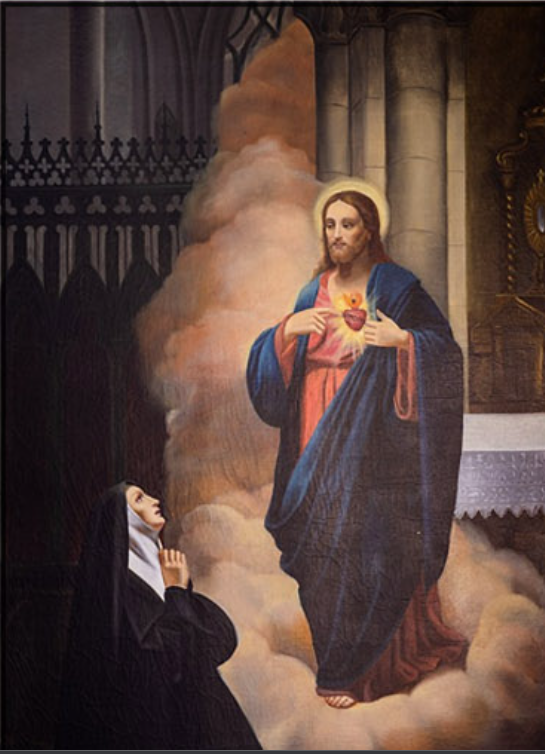
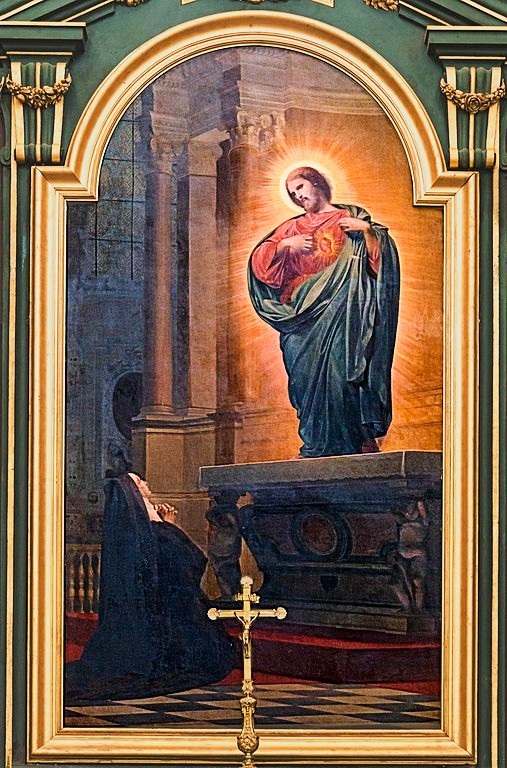
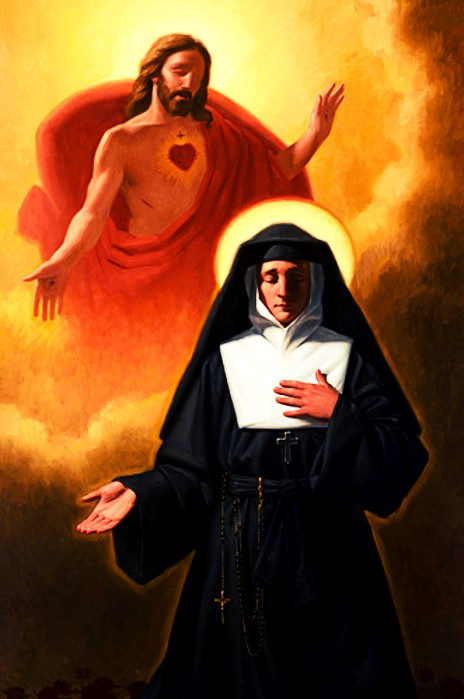
Saint of the Day – 17 October – St Margaret Mary Alacoque VHM (1647-1690) Virgin, Nun of the Order of the Visitation of Holy Mary, Mystic, Visionary and Saint and Apostle of the Sacred Heart.
St Margaret Mary Alacoque (1647-1690) From Little Pictorial Lives of the Saints, 1894
Saint Margaret Mary, a soul of divine predilection, was born at Terreau in Burgundy, on 22 July 1647. During her infancy, she showed a wonderfully sensitive revulsion to the very idea of sin and, while still a young child, always recited the entire Rosary everyday. She lost her father at the age of eight years and her mother placed her with the Poor Clares. She was often sick and for four years was bedridden, losing almost entirely the use of her members. She made a vow to Our Lady to become one of her daughters if she cured her and was suddenly entirely well.
She was of a happy temperament and her heart became easily attached to human affections. God began her purification when the charge of her mother’s house was confided to persons who reduced the family to a sort of servitude. Margaret Mary turned to God for strength and consolation when she was accused of various crimes she had not committed. In short, the Saint of the Sacred Heart learned to suffer for Christ, with patience, what innocence can suffer in such situations.
She desired to be a religious but her mother could not bear to hear a word of that desire. Finally, God came to her assistance through a Franciscan Priest, who told her brother that he would answer to God for the vocation of his sister. In 1671 she entered the Order of the Visitation of Mary, at Paray-le-Monial and was professed the following year. She followed all the practices of the Monastery in perfect obedience, spending as much time as she could in the Chapel with her Lord. After sanctifying her by many trials, Jesus appeared to her in numerous visions, displaying to her, His Sacred Heart, sometimes burning as a furnace and sometimes, torn and bleeding on account of the coldness and sins of men. “Behold this Heart which has so loved men and been so little loved by them in return!“
In 1675, she was told by Our Lord that she, with the aid of Father Claude de la Colombiere of the Society of Jesus, was to be His instrument for instituting the Feast of the Sacred Heart and for spreading the devotion everywhere. This was not accomplished without great sufferings. The good Jesuit did all in his power to make known and loved the Heart of Jesus but when it seemed all obstacles were about to disappear, his Superiors sent him to England. He returned to France exhausted and soon died.
Saint Margaret Mary was for a time Mistress of Novices and in this office, exercised a true apostolate, working to win for the Heart of Jesus, the hearts of the young girls who were aspiring to religious consecration. She was persecuted when she sent one of them home, not having seen in her the indications of a genuine vocation – the family attempted to have her deposed. She remained in the charge but was deprived of Holy Communion on the First Friday of the month. This practice was one of Our Lord’s specific requests – for souls who Communicate Nine First Fridays in succession, He promised the most wonderful graces. The demons also persecuted her visibly, nonetheless, her entire Community and later the entire Universal Church, was finally won over to devotion to the Divine Heart of Jesus.
The Twelve Promises of Jesus to Saint Margaret Mary and to those Devoted to His Sacred Heart:
I will give them all the graces necessary for their state of life.
I will establish peace in their families.
I will console them in all their troubles.
They shall find in My Heart an assured refuge during life and especially at the hour of their death.
I will pour abundant blessings on all their undertakings.
Sinners shall find in My Heart the source of an infinite ocean of mercy.
Tepid souls shall become fervent.
Fervent souls shall speedily rise to great perfection.
I will bless the homes where an image of My Heart shall be exposed and honoured.
I will give to priests the power of touching the most hardened hearts.
Those who propagate this devotion shall have their names written in My Heart, never to be effaced.
The all-powerful love of My Heart will grant to all those who shall receive Communion on the First Friday of Nine consecutive months the grace of final repentance; they shall not die under my displeasure, nor without receiving their Sacraments; My heart shall be their assured refuge at that last hour.
St Margaret Mary Alacoque VHM (1647-1690) Virgin, Nun of the Order of the Visitation of Holy Mary, Mystic, Visionary and Saint and Apostle of the Sacred Heart. Her feast day was moved to after Vatican II and prior to that was 17 October the date of her death. Beatified on 18 September 1864 by Pope Blessed Pius IX and Canonised on 13 May 1920 by Pope Benedict XV. Biography here: https://anastpaul.wordpress.com/2017/10/16/saint-of-the-day-16-october-st-margaret-mary-alacoque-1647-1690-v-h-m/
St Ethelbert of Eastry St Ethelred of Eastry St Florentius of Orange Bl Gilbert the Theologian St Heron of Antioch Bl Jacques Burin St John the Short/Dwarf St Louthiern St Mamelta of Persia St Nothelm of Canterbury St Richard Gwyn St Rudolph of Gubbio St Rufus of Rome St Serafino of Montegranaro St Solina of Chartres St Zosimus of Rome
Martyrs of Nicomedia – 3 Saints: A group of Christians Martyred in the persecutions of Diocletian. The only details about them that have survived are their names – Alexander, Marianus and Victor. 303 in Nicomedia (in modern Turkey).
Martyrs of Valenciennes -5 Beati: A group of Ursuline nuns Martyred in the persecutions of the French Revolution. • Hyacinthe-Augustine-Gabrielle Bourla • Jeanne-Reine Prin • Louise-Joseph Vanot • Marie-Geneviève-Joseph Ducrez • Marie-Madeleine-Joseph Déjardins
Martyrs of Volitani: A group of Martyrs who were praised by Saint Augustine of Hippo. In Volitani, proconsular Africa (in modern Tunisia).
St Amandus of Limoges St Ambrose of Cahors St Balderic St Baldwin St Bertrand of Comminges St Bolonia St Conogon of Quimper St Dulcidius of Agen St Eliphius of Toul St Eremberta of Wierre St Florentinus of Trier
Bl Gerald of Fossanuova St Junian St Lull St Magnobodus of Angers St Martinian of Mauretania St Mummolinus St Saturian of Mauretania St Silvanus of Ahun St Victor of Cologne St Vitalis of Noirmoutier
Martyrs in Africa – 220 Saints: A group of 220 Christians Martyrs about whom we know nothing but that they died for their faith.
Martyrs of North Africa – 365 Saints: A group of 365 Christians who were Martyred together in the persecutions of the Vandal king Genseric. The only details that have survived are the names of two of the Martyrs – Nereus and Saturninus. 450 in North Africa.
Saint of the Day – 15 October – St Teresa of Jesus of Avila OCD (1515-1582) Virgin and Doctor of the Church
Practical Considerations On the Life of Saint Teresa By Fr Francis Xavier Weninger SJ (1805-1888)
I. Teresa began in early youth, after the teachings of her pious parents, to read devout books. From this, she first drew the spirit of piety. No sooner, however, had she become interested in reading worldly books, than she grew, from day-to-day, more indolent in the service of God and she returned, not to her first fervour, until she had cast aside those works and again resumed her pious reading – a proof of the great benefit we may derive from devout books and of the harm which worldly writings may do us. Oh! that those, who desire to, live piously, may understand this and conform their lives to it. Oh! that all Christians would guide their children, from their early youth, to the reading of devout books!
II. Teresa, after the death of her mother, chose the Blessed Virgin to be another mother to her, and sought and found, in her, comfort and assistance in all her needs. Thrugh her intercession and that of St Joseph, she received the grace of being constant in her reform. Love Mary as your mother – seek, with filial trust, consolation and assistance from her. St Joseph should be one of your principal Patrons, as his intercession is very powerful with the Almighty and, especially, as he has now been solemnly declared the Patron Saint of the Universal Church.
III. The sight of the wounded Jesus, filled the heart of St Teresa with great contrition for her former indifferent life. It inflamed her with true love of God and kept her, until her end, in these sentiments. Consider frequently how your Saviour suffered for your sake and repent of your sins sincerely, as they were the cause of Christ’s bitter Passion. Love your Redeemer with all the strength of your heart and make the resolution to serve Him in future most fervently.
IV. Teresa saw the place in hell which would have been hers, if she had not discontinued her idle discourses and her indifference in the worship of the Most High. Hence, she often gave humble thanks to God that He had not condemned her and she learned, by it, how hurtful even a menial sin can become, since it may lead us gradually to the path of everlasting perdition. You have still more reason to give thanks to God that He did not call you away, from this mortal life, in your sin. How long would you already have been in hell? If idle, empty conversation would have led Teresa gradually into hell, what may you not have to fear, if you do not abstain from so much sinful talking, in which you indulge? Learn also that you should not esteem a venial sin, however small it appears to you, as trifling, for, it may slowly lead you to damnation!
V. Many other lessons, which the life of St Teresa contains, I leave to yourself to consider. One thing only I request of you. Call to mind frequently the words which the Saint uttered in her ecstasy: “Only one God! Only one death! Only one soul! Love this only God and do not offend Him. Take earnest care of your only, your precious, your immortal soul. ‘Keep thyself, therefore and thy soul, carefully.’ (Deut., iv.)”
St Callistus of Huesca St Cannatus of Marseilles Bl Cipriano Alguacil Torredenaida St Euthymius the Younger St Fortunatus of Rome Bl Josefa Martínez Pérez St Leonard of Vandoeuvre Bl Narcis Basté y Basté Bl Pere Verdaguer Saurina Bl Ramón Esteban Bou Pascual St Sabinus of Catania St Severus of Trier
Martyrs of Cologne: A group of 360 Christian soldiers Martyred together in the persecutions of Diocletian and Maximian. They were Martyred in 303 outside the city walls of Cologne, Germany.
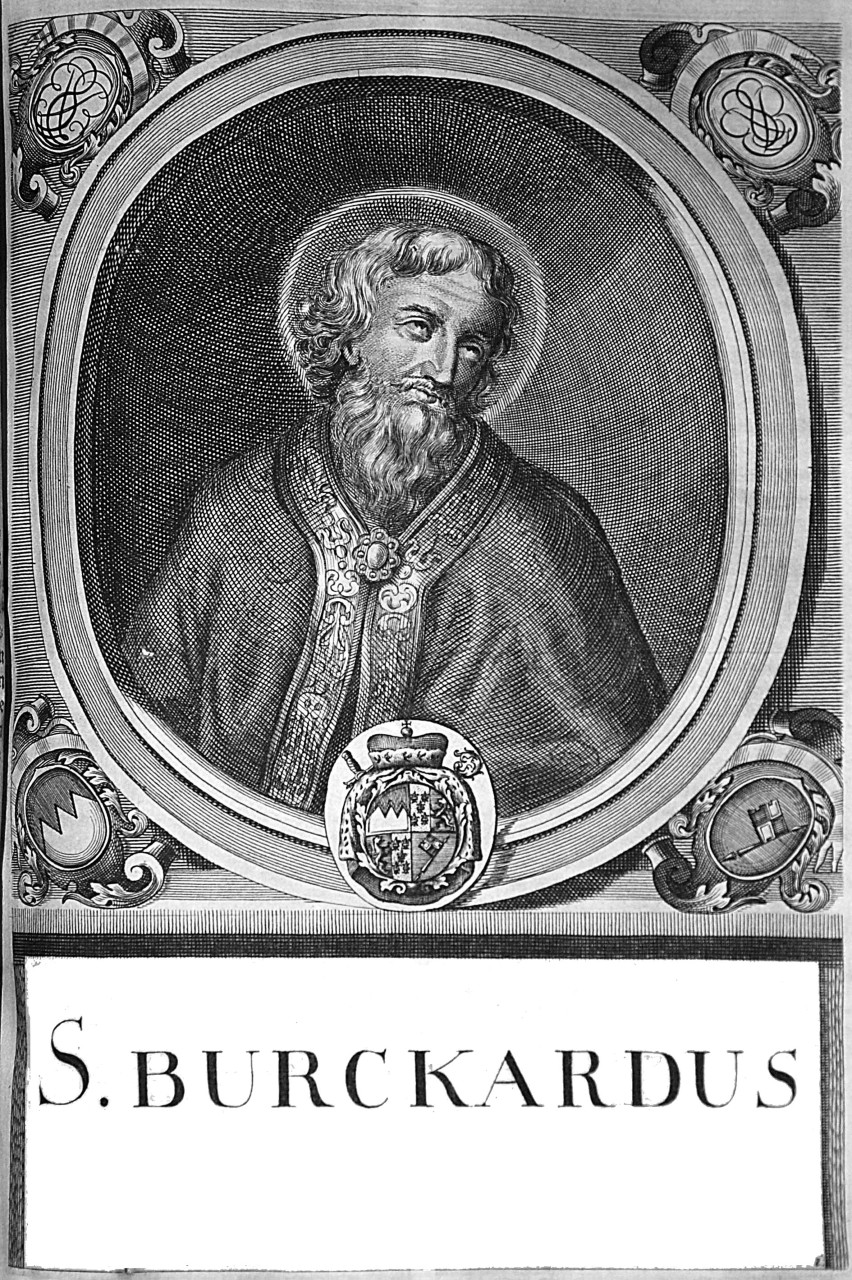
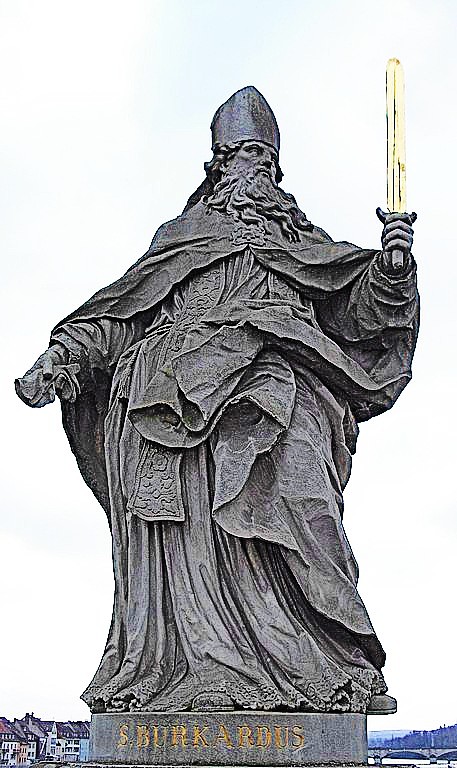
Saint of the Day – 14 October – St Burchard of Wurzburg (Died c752) The First Bishop of Wurzburg, Confessor, Monk, Missionary, English disciple of St Boniface to Germany. Born in an unknown date and location in England and died on 9 February in c 752 in Wurzburg, Germany of natural causes. Also known as – Burkard or Burkhard, Burcard. Additional memorial – 9 February, the day of his death.
The Roman Martyrology states : “In Würzburg in Austrasia, in Germany, St Burcard, a Bishop, who, originally from England, was Ordained by St.Boniface, as the first Bishop of this City.”
In about the year 732, Saint Boniface, standing in need of fellow-labourers, powerful in words and works, in the vast harvest which he had on his hands in Germany, invited from England, Saint Lullus and Saint Burchard, who seem, by this circumstance, to have come from the Kingdom of West-Sussex. They were both persons of an apostolic spirit.
Saint Boniface consecrated Saint Burchard, with his own hands, as the first Bishop of Wurzburg in Franconia, where Saint Kilian had preached the word of life and suffered Martyrdom about fifty years before.
This whole country was converted to Christ, by Burchard’s work. After labouring for twenty years, Burchard exhausted his strength and with the consent of King Pepin and by the approbation of Saint Lullus, (Saint Boniface being gone to preach in Friesland), he resigned his Bishopric to Megingand, a Monk of Fritzlar, and a disciple of Saint Wigbert.
Burchard retiring into solitude in that part of his Diocese called Hohenburg, where he spent the remaining part of his life with six fervent Monks or clergymen, in watching, fasting, and incessant prayer. He died on the 9th of February 752 and was buried near the relics of Saint Kilian at mount Saint Mary’s or Old Wurtzburg, where he had built a Monastery under the invocation of Saint Andrew.
St Burchard’s Abbey c 1400
In 752, out of veneration for his sanctity, King Pepin,declared the Bishops of Wurtzburg as Dukes of Franconia, with all civil jurisdiction. The Emperor Henry IV. alienated several parts of Franconia but the Bishops of Wurzburg retained the sovereignty of this extensive Diocese.
On 14 October 983, Hugh, Bishop of Wurzburg and Chancellor to the Emperor Otho IV. authorised by an order of Pope Benedict VII, made a very solemn translation of Burchard’s relics. This day, on which this ceremony was performed, has been regarded as St Burchard’s principal festival.
Engraving by Johann Salver
The life of Saint Burchard was written by an anonymous author above two hundred years after his death and again, by Egilward, a Monk of Wurzburg. – Excerpted from Father Alban Butler (1710–1773) English Priest and Hagiographer (Lives of the Fathers, Martyrs and Principal Saints, 1866).
The Statue of St Burchard on Wurzburg’s Old Bridge
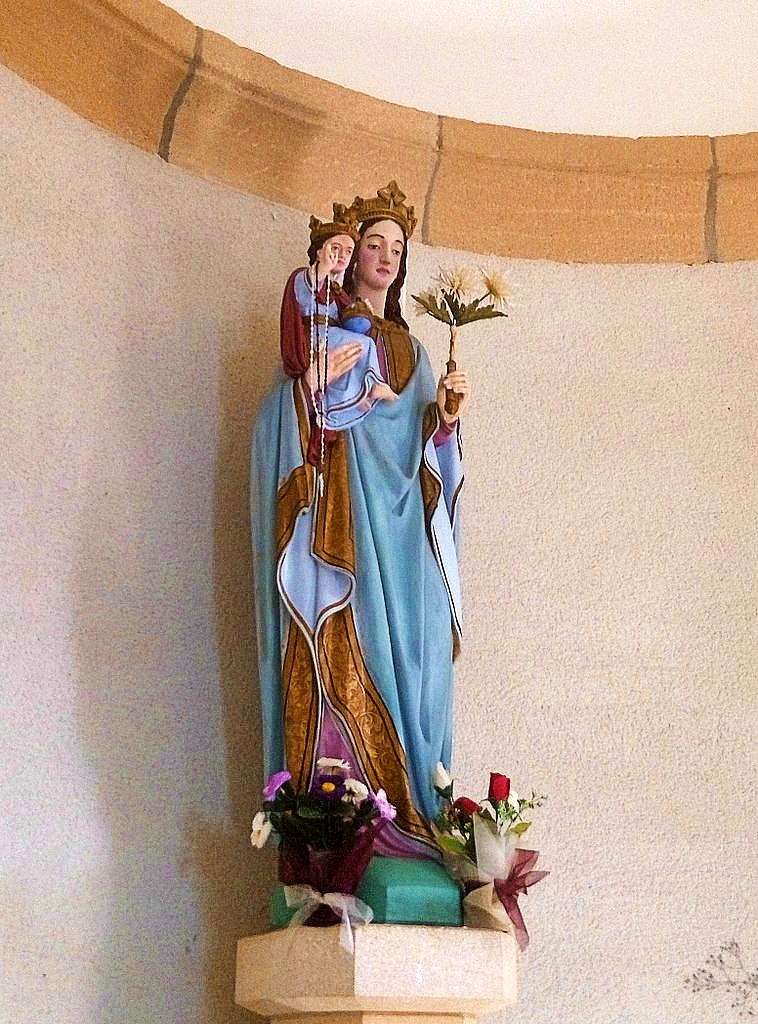
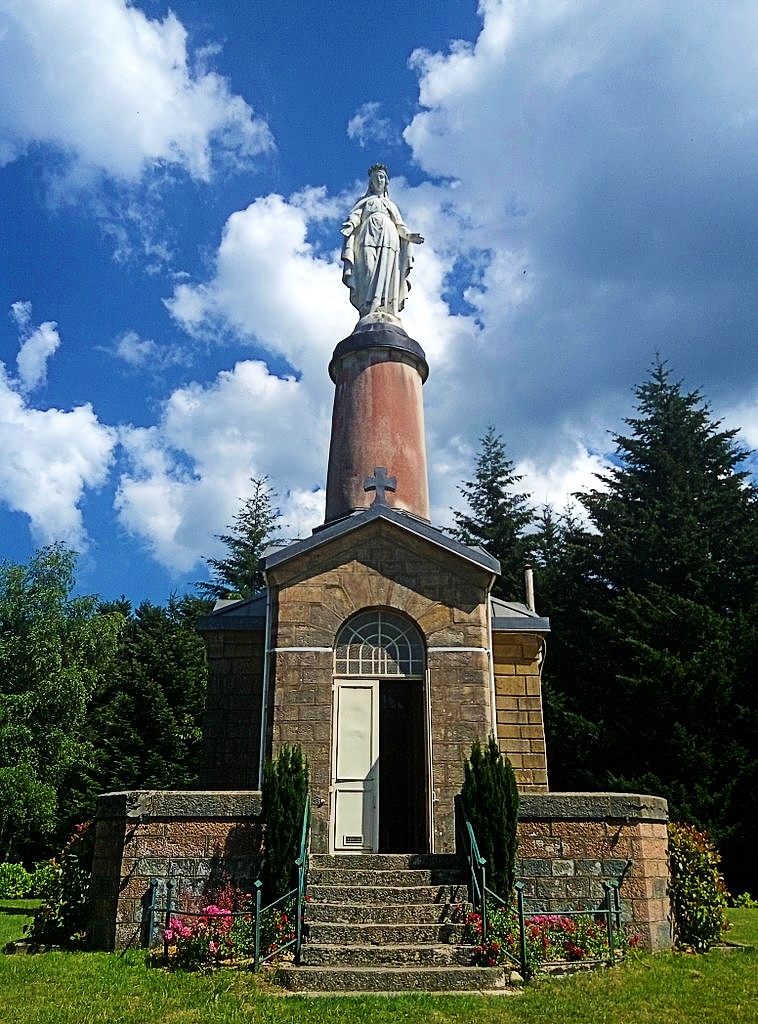
Notre-Dame-de-la-Rochette, Ranchal, France / Our Lady of La Rochette: 14 October
There are no easily translated legends of the above Marian Feast. Hopefully, by next year I will find something somewhere.In the meantime, I have found the beautiful Statues and Church and the little citation by Abbot Orsini:
The Abbot Orsini wrote: “Our Lady of La Rochette near Geneva. A shepherd coming up to a bush, where he heard a plaintive voice, found there an image of the Blessed Virgin, which led to a Church being built there.”
St Bernard of Arce St Burchard of Wurzburg (c 752) Bishop, Confessor, Monk, Missionary, disciple of St Boniface. St Celeste of Metz St Dominic Loricatus
Saint Fortunatus of Todi (Died 537) Bishop, Confessor, miracle-worker. An entry in the Roman Martyrology under 14 October records: “At Todi in Umbria, St Fortunatus, Bishop, who, as is mentioned by blessed Gregory, was endowed with an extraordinary gift for casting out unclean spirits.” About St Fortunatus: https://anastpaul.com/2020/10/14/saint-of-the-day-14-october-saint-fortunatus-of-todi-died-537/
St Gaudentius of Rimini St Gundisalvus of Lagos Bl Jacques Laigneau de Langellerie St Lupulo of Capua St Lupus of Caesarea St Manacca St Manehildis St Modesto of Capua St Rusticus of Trier St Saturninus of Caesarea St Venanzio of Luni
Martyrs of Caesarea – (4 Saints): Three brothers and a sister Martyred together in the persecutions of Diocletian – Carponius, Evaristus, Fortunata and Priscian. In 303 in Caesarea, Cappadocia (in modern Turkey) – their relics enshrined in Naples, Italy.
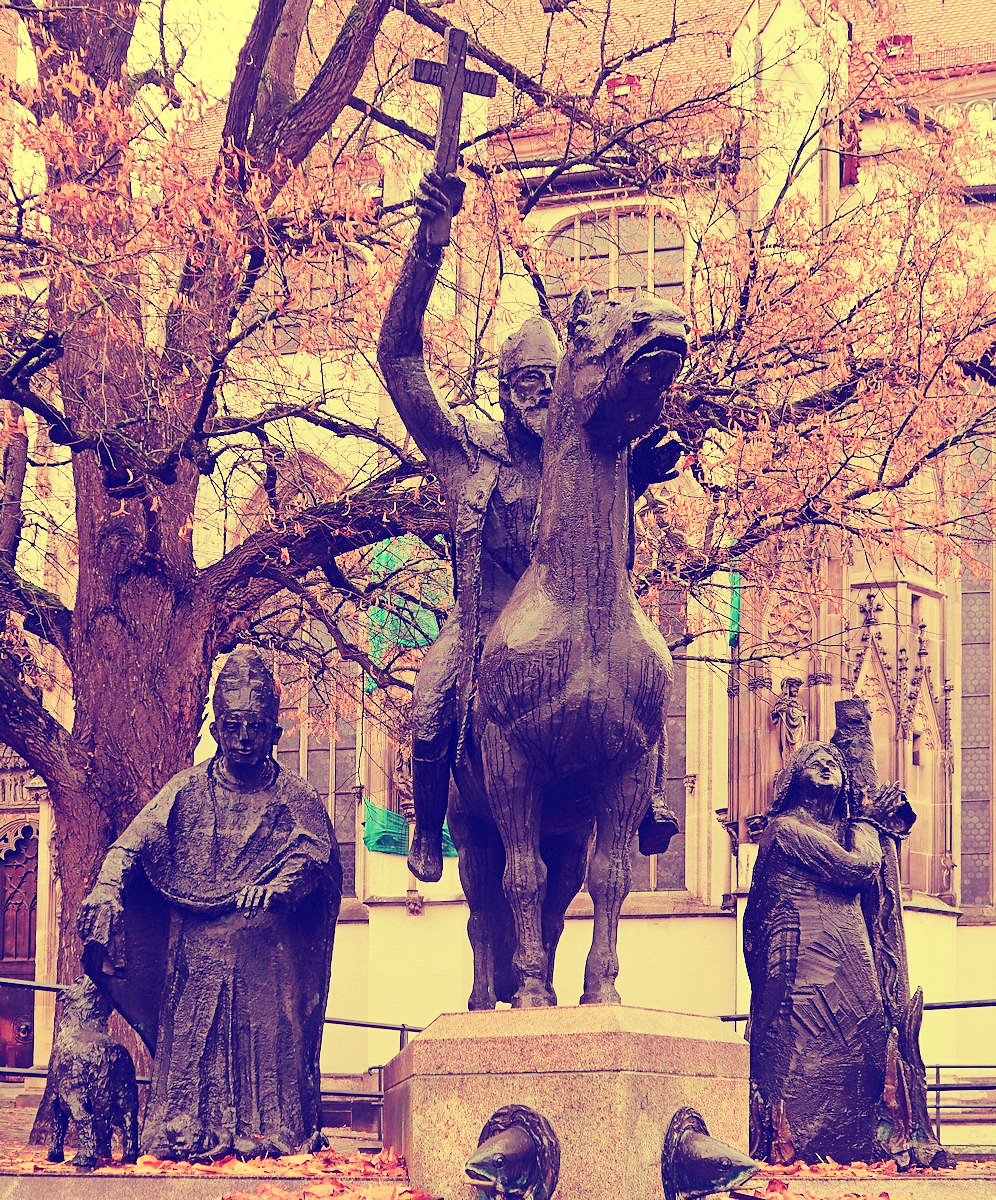
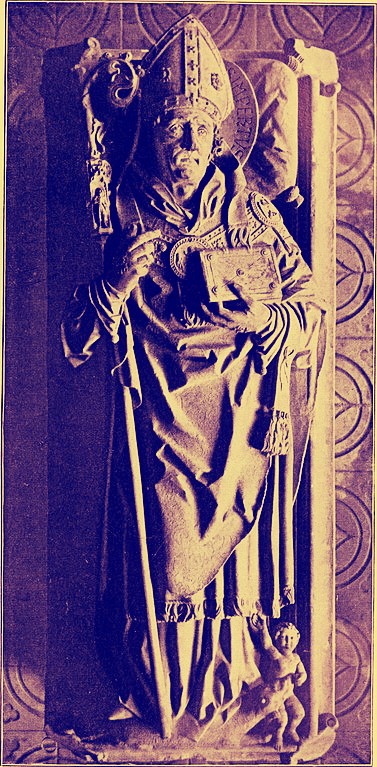
Saint of the Day – 13 October – St Simbert of Augsburg (Died c 809) Bishop of Augsburg, Monk, Abbot, Miracle-worker, he restored and built Churches and the Cathedral of Augsburg, as well as, contributed vastly to the reconstruction of the City after the devastation of war. Simbert – name means: on a brilliant path (old high German) Died on 13 October in c 809 of natural causes. Also known as – Simpert, Sintbert, Sinthert. He was Canonised by Pope Nicholas V. Patronages – against headaches, of children and youth of the Diocese of Augsburg and the third Patron of the Diocese.
The Roman Martyrology reads: “In Augsburg in Bavaria in Germany, St Simbert, who was Bishop and Abbot of Murbach.”
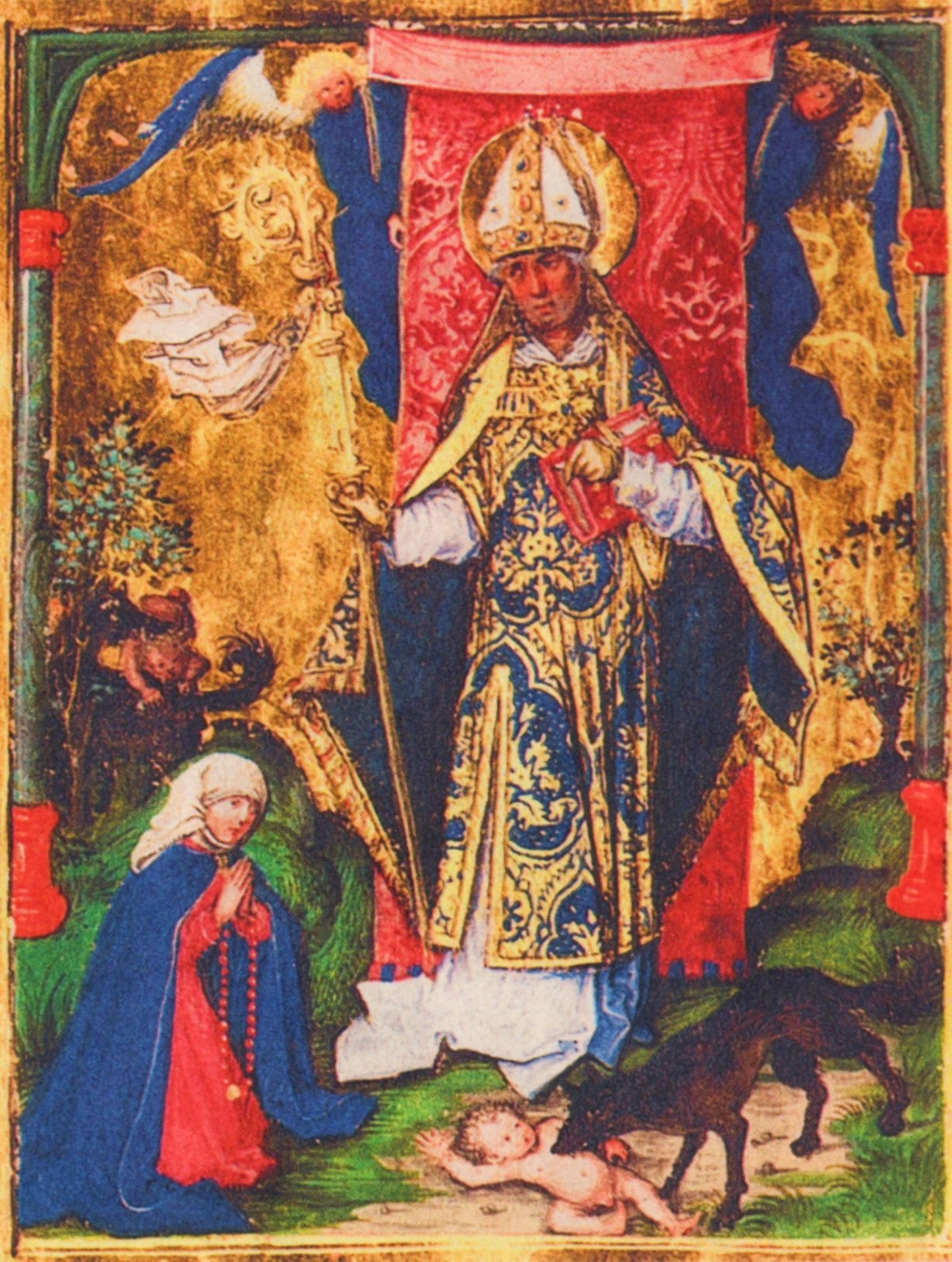
Hans Holbein the Younger: St Simpert and the wolf legend, 1492, in the Bavarian State Library in Munich
Simpert, probably the son of Duke Ambertus of Lorraine and his wife Simphorina, a sister of Charlemagne , was educated in a Monastery. King Karl, with whom he was in close contact throughout his life, appointed him Bishop of Augsburg – probably in 778 – as Bishop Tozzo ‘s successor . In documents from 798 and 799, Simpert was also referred to as Bishop of Neuburg an der Donau , in 800 he became Bishop of Neuburg. It was only between 801 and 807 that the areas of the Diocese east and west of the Lech, which had previously been separated, were united and Augsburg, once again, became the sole Episcopal See – this union was due to the great merit of Simbert.
Augsburg was badly damaged in the fighting between Bavaria and Franconia, at the time, and Simpert contributed greatly to the reconstruction of the City of Augsburg. To renovate his Diocese, he received extensive gifts and goods. In Augsburg, he had the destroyed Church of St Afra – today St. Ulrich and Afra – rebuilt and also completed the new building of the Cathedral, which he accordingly Consecrated in 807. He also founded the Cathedral school.
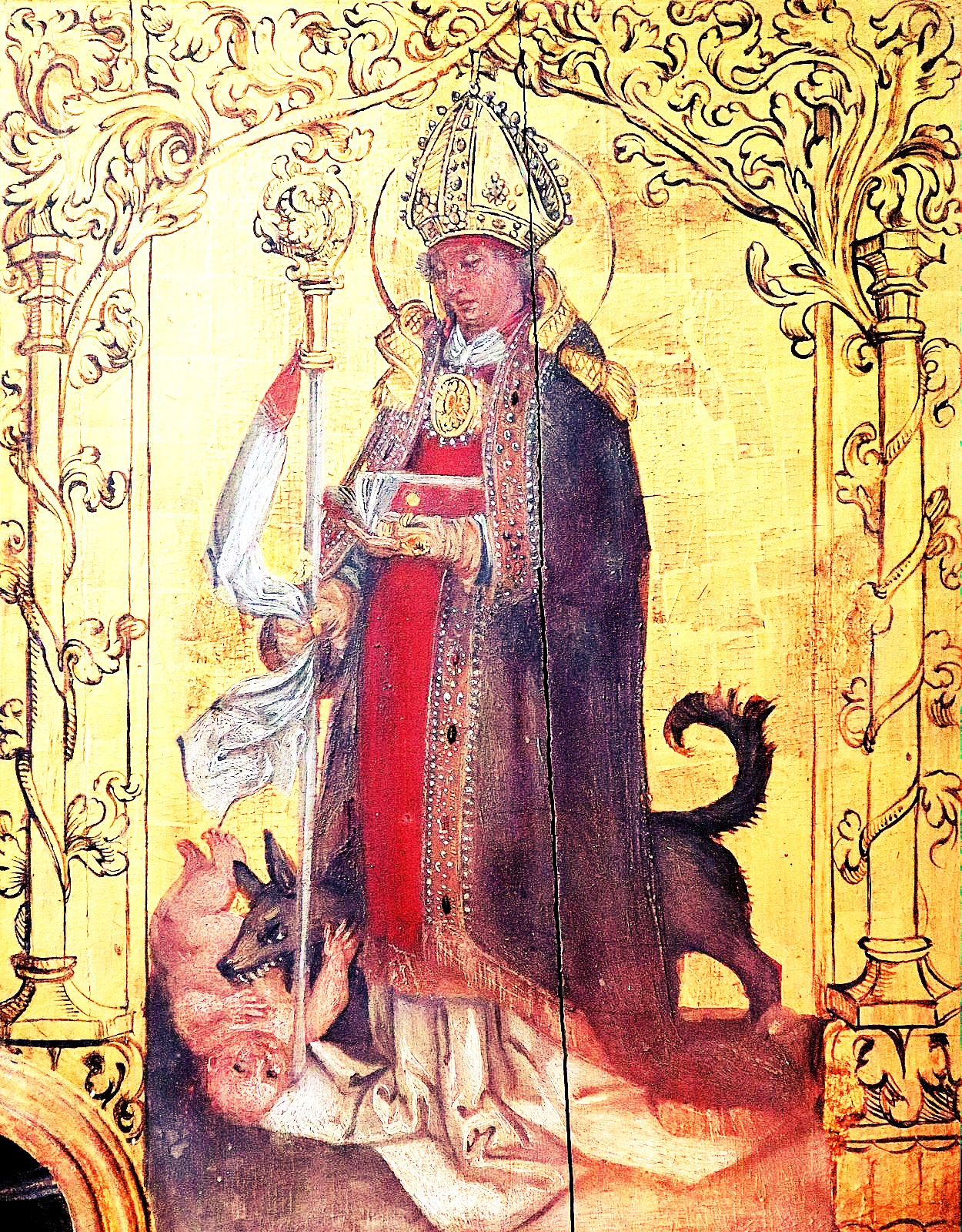
According to his wishes,, Simpert was buried in the Church of St Afra , which he had renovated and Consecrated. In 1064 his bones were raised and reburied. Numerous miracles occurred at his tomb. Records tell us how a mother asked for the intercession of St Simbert because a wolf had kidnapped her child. The wolf then returned the child and left it, unharmed in the Church. Simper’t’s intercession rescued a man who was about to sink in a swamp. Since the late Middle Ages, Simpert has also been revered as a Miracle-worker and regionally, as a unfailing assistant in all needs. Simpert caps were worn for headaches.
St Simpert saves the child from the wolf, artwork in the Church of St. Ulrich and Afra in Augsburg, where St Simbert’s tomb is enshrined
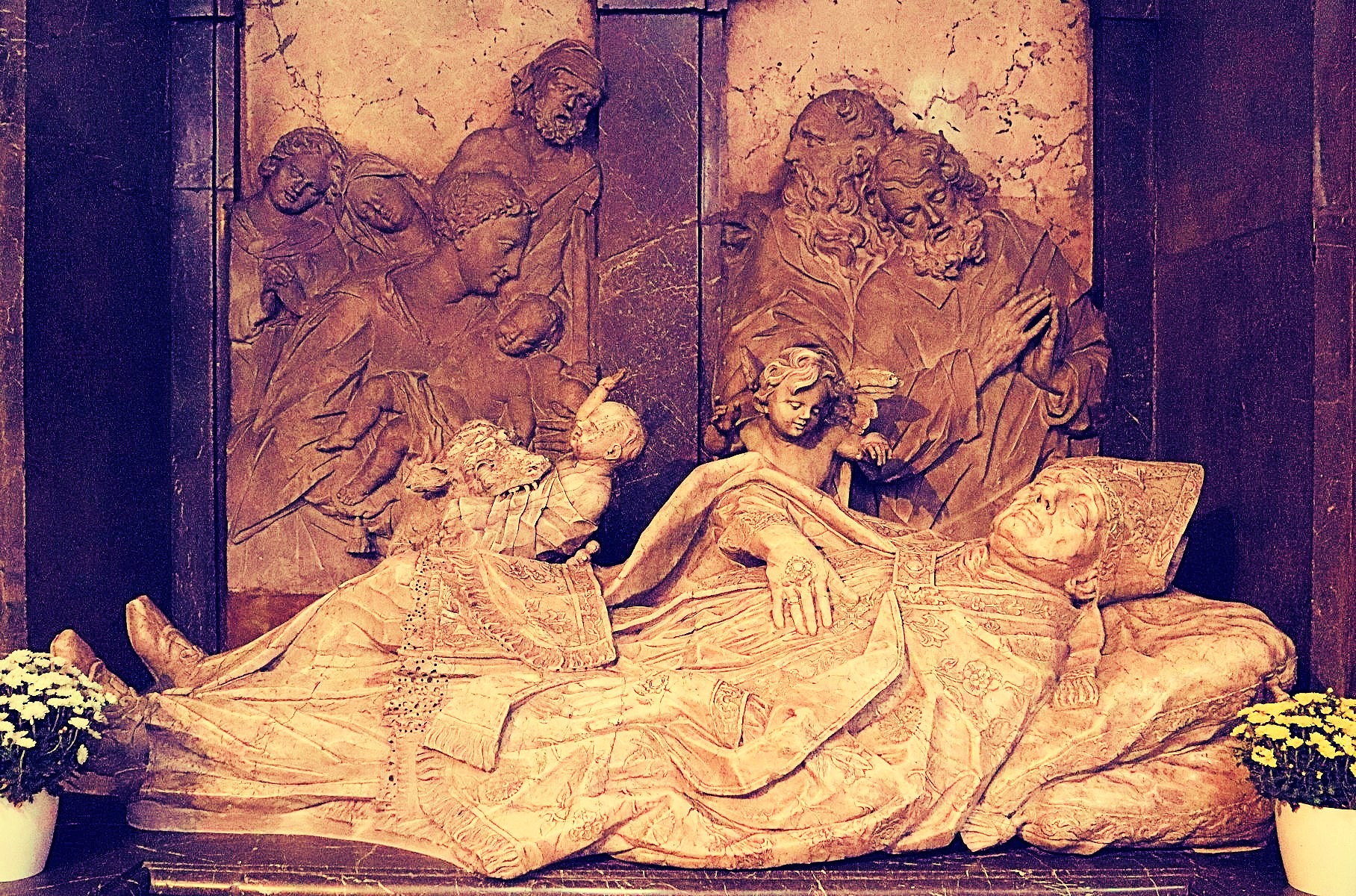
Simpert’s hagiography and reports on the miracles he performed, were written in 1230 by the Abbot of the Monastery in St. Ulrich and Afra. Emperor Maximilian I had a great devotion and veneration for him and included him in his line of ancestors. Emperor Maximillian was present as King when the bones were transferred in 1492. The large marble reclining figure above his grave, dates from 1714. The grave was opened in 1977 and an almost intact skeleton was revealed together with a copy of the biography from 1492 were found. His skull was then transferred to the St Simpert Church , which was newly built in 1978/1979 .
Reclining figure on the St Simpert Shrine and relief of the wolf miracle, 1714, in the Basilica of St. Ulrich and Afra in Augsburg
In 2007, Bishop Walter Mixa placed the Youth ministry of the Diocese of Augsburg and all children and young people under Simpert’s special protection and entrusted them to him as Patron Saint and advocate.
Josef Henselmann 1986: St Simpert with wolf and child (left), Bishop St Ulrich von Augsburg fighting the Hungarians (middle) and St Afra (right). The Group Statue composition stands at the fountain in front of the St Simbert’s Cathedral in Augsburg
In 1450 Pope Nicholas V Canonised St Simbert and allowed Simpert to be venerated as a Saint in his burial Church of St Ulrich and Afra in Augsburg, then in 1622, Pope Gregory XV approved. his veneration in the Diocese of Augsburg and in 1624 he was appointed the third Diocesan Patron.
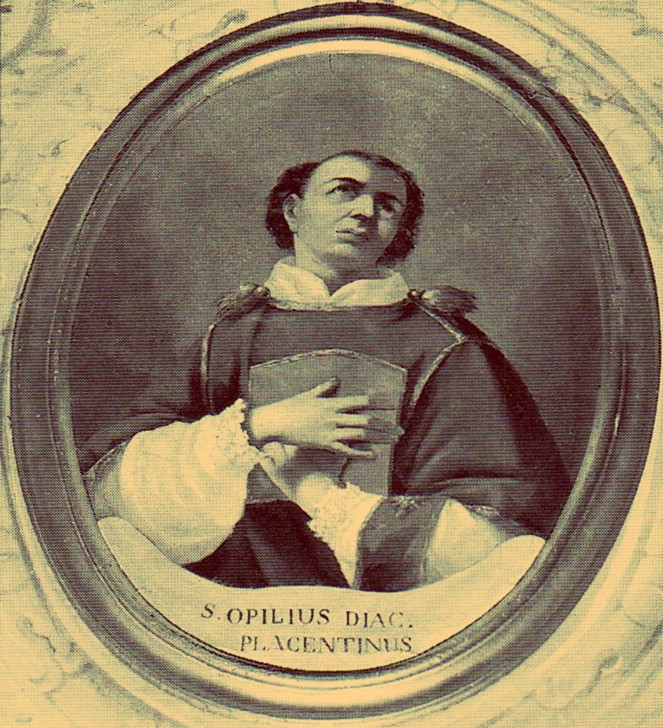
Saint of the Day –12 October – Saint Opilio of Piacenza (Died mid 5th Century) Deacon. Opilio died in Piacenza of natural causes. He is also known as – Opilione.
Opilio is commonly remembered together with his brother St Gelasius and the Piacenza Bishop St Maurus. The three Saints are almost always remembered in a single chapter by the biographers and are always defined with the similar characteristics.
Opilio was a great example ,especially for his piety, his spirit of austere penance and his lively charity towards his neighbour. Tradition has it that he shared with the poor the food that his mother sent him through Sr Gelasius, his brother.
We have no certain information about his biography. Some inform us that as an Acolyte, he participated in the translation of the body of St Antoninus, commissioned by St Savinien.
The date of death of Saint Opilio can be placed in the first half of the 5th century. His bones rest in the Basilica of St Antoninus and some relics were brought by the Bishop Giovanni Battista Scalabrini, to the Chapel of the City’s Seminary.
There are various works depicting St Opilio Deacon, none of which can be traced online. In the Chapel of the Seminary, there is a painting of the late nineteenth Century, by the painter Ghittoni, which depicts the young St Opilio, with an ecstatic face in conversation with the Angels, together with St Gelasius.
Furthermore, there is still the only painting by the artist Bernardo Ferrari that depicts the two Saints and is located in the Basilica of St Antoninus in Piacenza.
The Basilica of St Antoninus in Piacenza where St Opilio’s tomb is venerated
In the Parish Church there is a painting from 1882, by Fedele Toscani, which depicts him alone. Finally, St Opilio is depicted in a portrait in relief in stone, in the Altar of the Crypt of the Piacenza Cathedral.
St Opilio is remembered by the Piacenza Church on 12 October.
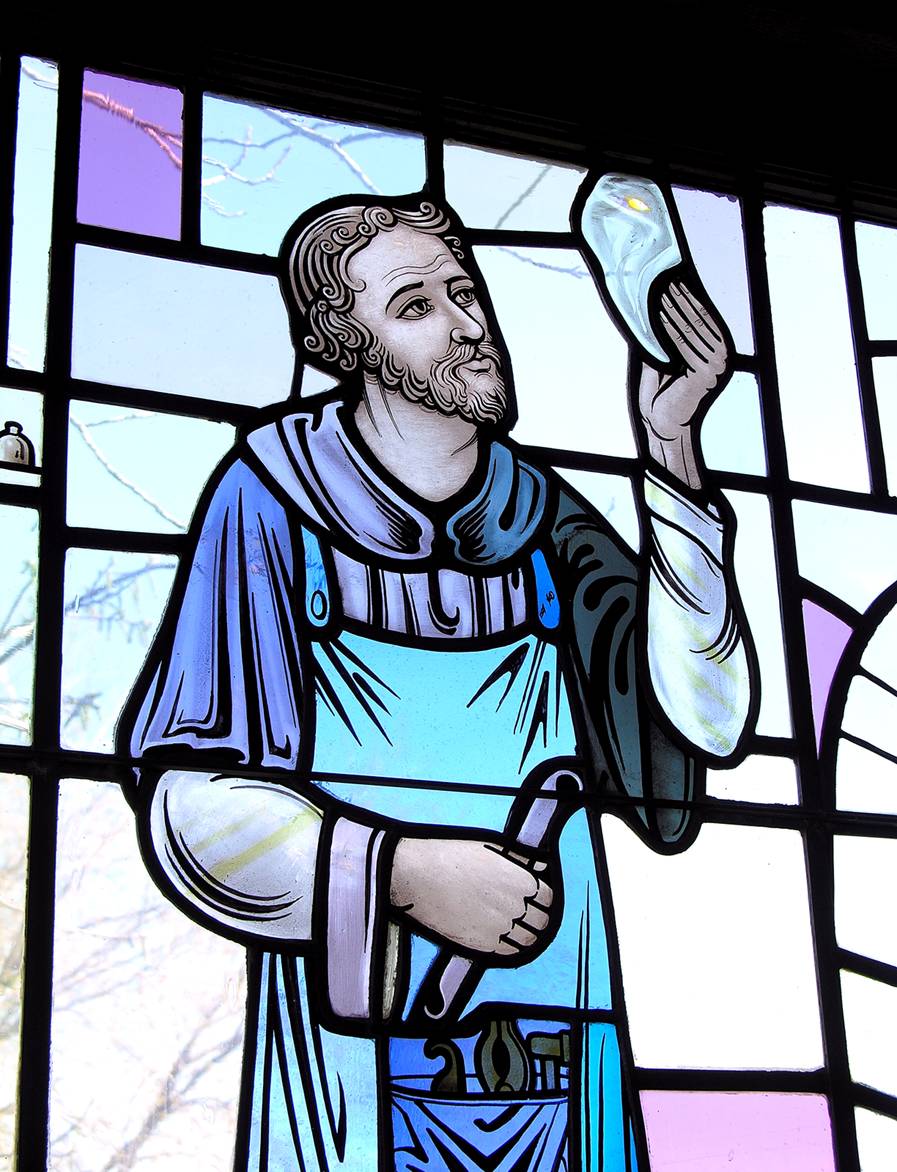
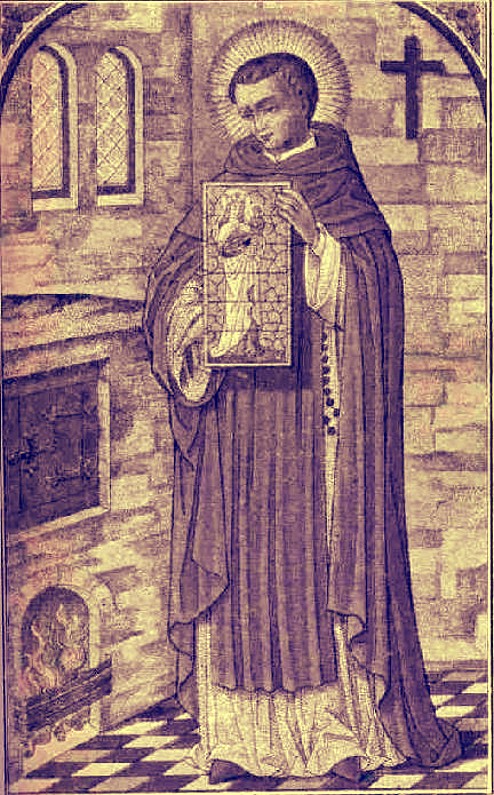
Saint of the Day – 11 October – Blessed James Grissinger OP (c 1407-1491) “The Innocent,” Lay Brother of the Order of Preachers, Artist of Religous imagery, especially stained glass, former Soldier. Born in 1407 at Ulm, Swabia (modern Germany) and died on 11 October 1491, aged 84, in Bologna, Italy of natural causes. Also known as – James Griesinger, James of Ulm.
The Roman Martyrology reads: “In Bologna, blessed Giacomo da Ulm Grissinger, a religious of the Order of Preachers, who, although unlearned, he was a skilled decorator of stained glass windows and for fifty years, offered everyone an example of dedication to work and prayer.”
James, born in Ulm in 1407, had since childhood in his family, the Grissingers, the most precious examples of Christian piety. After a period as a Soldier, being unhappy in that life, at 25 years of age, with the blessing of his parents, from the banks of the Danube, he set out as a pilgrim to Rome to venerate the tombs of the Holy Apostles.
After various wanderings, he passed through Bologna, where he stopped for some time. His favourite destination was the tomb of St Domenic and here, during his devoted visits, he felt a strong inspiration to embrace the Order.
Although he was not completely uneducated, he asked and obtained, in 1441, to be admitted among the lay brothers. Candid and sensitive soul, he understood and knew how to fully implement his holy vocation.
His prayer touched ecstasy and he was often seen surrounded by light But although his heart was foreign to the earth, his hands were always ready to work and to render any humble service with that amiable smile that opens hearts. He was skilled in the art of painting glass, so much so that excellent works remain in remembrance of him. for the benefit of souls.
It is said that one day, while he supervised the firing of some painted glass, the Prior commanded him to go in search of alms. The Blessed one, without opening his mouth, went to fulfill the task in holy obedience. On his return, instead of finding the glass incinerated, as was to be expected, he found them cooked to the right point, by the Divine intercession at which he marvelled in thanksgiving.
He always kept his Baptismal innocence and, having expired his blessed soul, on 11 October 1491, his candour seemed to be communicated also to his body, which shone with celestial light.
On 3 August 1825, Pope Leo XII confirmed his cult. His relics, are preserved in St Domeni’s Basilica in Bologna,
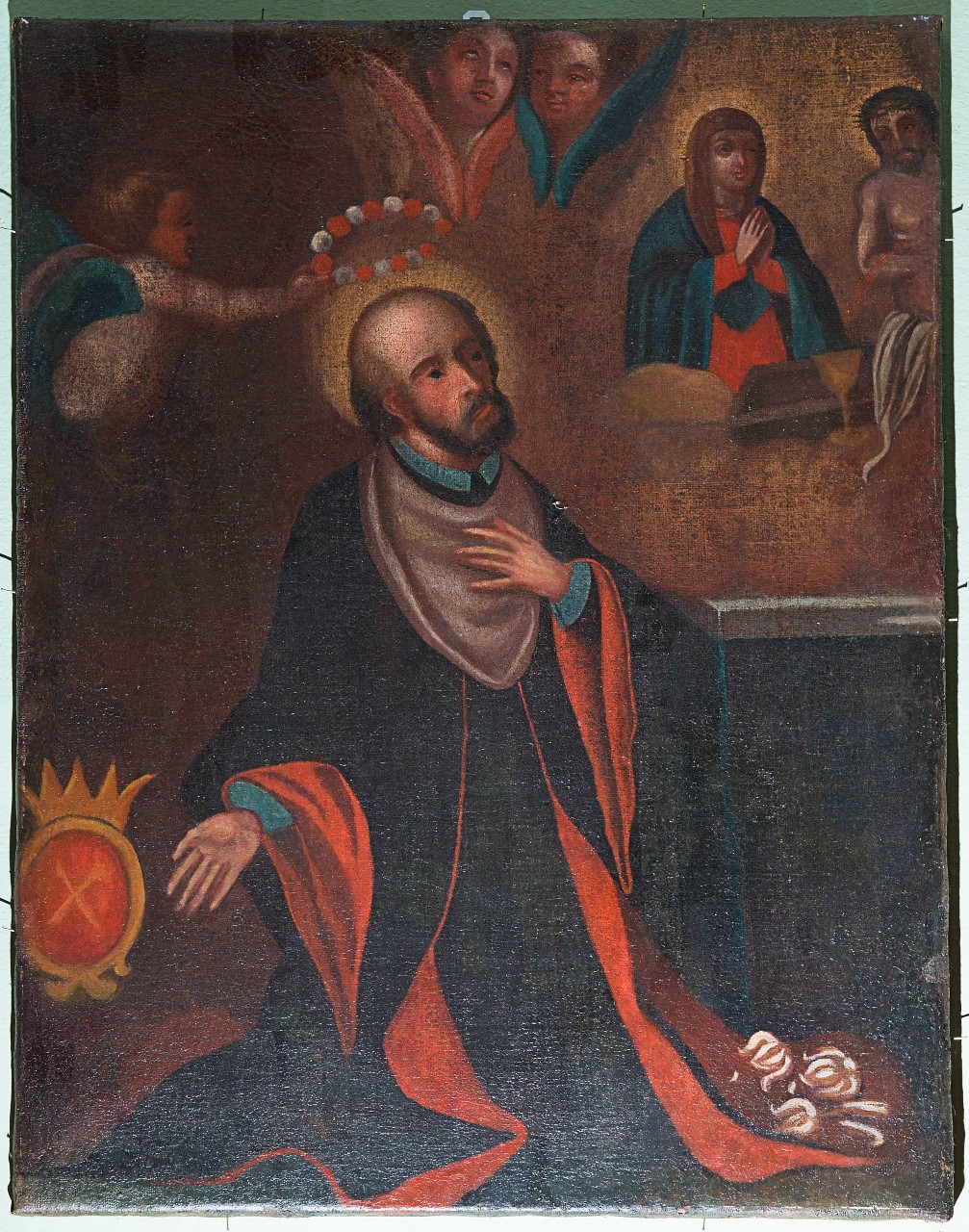
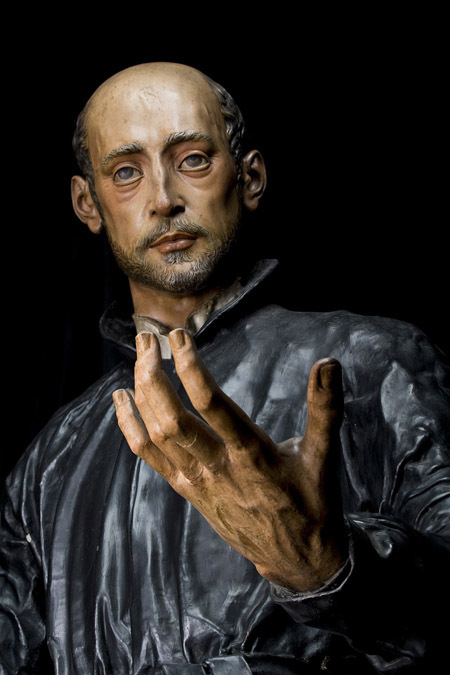
Saint of the Day – 10 October – St Francis Borgia SJ (1510-1572) Confessor, Priest of the Society of Jesus, Advisor, Missionary, Evangelist, Administrator par excelleance. Francisco de Borja y Aragon was the 4th Duke of Gandía, was a Grandee of Spain, a Spanish Jesuit and third Superior General of the Society of Jesus
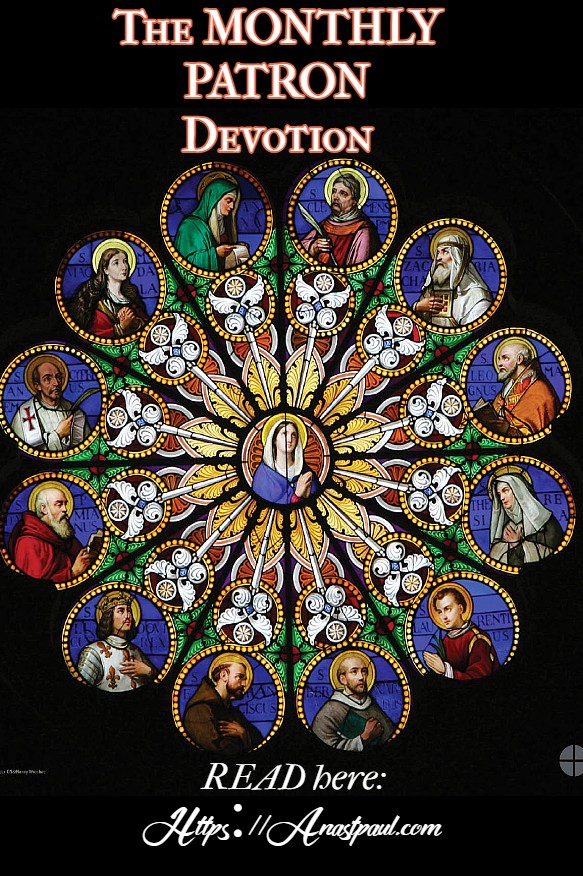
“St Francis instituted at his Court, before he entered the religious life, the veneration of the Saints of the Month. Every Catholic, besides worshipping the Almighty, ought to honour the Saints. We should especially honour the Divine Mother, as the Queen of all the Saints, then, the foster-father of Christ, St Joseph and further,, our Guardian Angel and Patron Saint. Besides this, we ought to select some special Patrons, for whom we feel particular esteem and love. It is also very beneficial, to adopt the practice of the “Monthly Patrons.” This consists in selecting, on the last day of every month, a Saint whose festival will be celebrated during the following month. Daily should he be invoked and honoured. If possible his life should be read and something from it, be selected for imitation. We may also approach the Sacraments on his festival, or on the Sunday after it and employ a little more time than usual, in good works. It is known, that several great servants of God, at the end of their days, called upon the Saints whom they had honoured as their Monthly Patrons during life and it cannot be doubted, that they received benefit and comfort. “Everyone,” says St Bonaventure, “ought to venerate an especial Saint with great devotion. To him, he ought daily, to commend himself and practise some good work, in his honoru.” By Fr Francis Xavier Weninger SJ (1805-1888)
Because the life of St Francis Borgia is rather long for one post, I post below, a part of it on his childhood and youth. Hopefully, we do not have to wait a year before I add to it. It is excerpted from the Lives of the Saints by Fr Alban Butler (1711-1773.)
St Francis Borgia, Fourth Duke of Gandia and Third General of the Jesuits, was son to John Borgia, Duke of Gandia and Grandee of Spain and of Joanna of Arragon, daughter of Alphonso, natural son to Ferdinand V King of Arragon … who was the great-grandfather to our Saint. The family of Borgia or Borja, had long flourished in Spain but in 1455, received a new lustre, by the exaltation of Cardinal Alphonso Borgia to the Pontificate, under the name of Calixtus III.
St Francis was born in 1510, at Gandia, a town which was the chief seat of the family, in the Kingdom of Valencia. His pious mother had a great devotion to St Francis of Assisi and, in the pangs of a dangerous labour, made a vow that if she brought forth a son, he should be called Francis.
As soon as he began to speak, his parents taught him to pronounce the Holy Names of Jesus and Mary, which he used often to repeat with wonderful seriousness. At five years of age he recited, everyday on his knees, the chief parts of the Catechism. All his diversion was to set up pious pictures, make little altars, imitate the ceremonies of the Church and teach them to the little boys, who were his pages. From the cradle he was mild, modest, patient and affable to all. The noble sentiments of gratitude and generosity, which he then began to discover, were certain presages of an innate greatness of soul – the former being inseparable from a goodness of heart and the latter, when regulated by prudence and charity, being the greatest virtue of a Prince, who is raised above others, only that he may govern and do good to mankind.
Francis, at seven years of age, could read his mother tongue and the Latin Office of the Blessed Virgin very distinctly. His father, therefore, thought it time for him to learn writing and grammar, for which purpose he appointed him a preceptor of known prudence, learning and piety, who was called Dr.Ferdinand. At the same time, he was furnished with a governor, whose business it was, at different hours, to fashion the young Prince to the exercises that were suitable to his birth, in proportion as his age was capable of them. It was the first care of the parents, in the choice of the masters whom they placed about their son, that they were persons of uncommon piety, whose example might be a continual lesson of virtue and whose instructions, should all ultimately tend to the grafting, in his mind, true sentiments of morality and religion, without which all other accomplishments, lose their value.
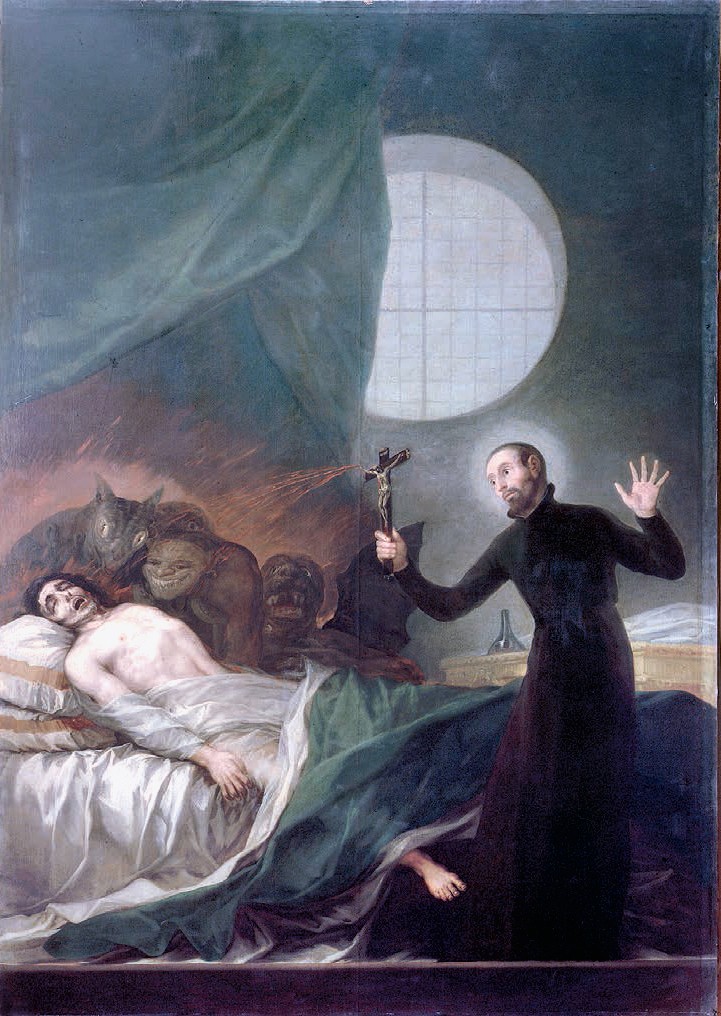
St Francis Borgia assists at the death of a impenitent by Goya
Before he was ten years old , Francis began to take wonderful delight in hearing sermons and spent much time in practising devotions, being tenderly affected to the Passion of our Divine Redeemer, which he honoured with certain daily exercises. In his tenth year, his pious mother fell dangerously ill; on which occasion, Francis, shutting himself up in his chamber, prayed for her with abundance of tears. This was the first time he used that practice of mortification, which he afterwards frequently made a part of his penance. It pleased God that the Duchess died of that distemper in 1520. This loss cost Francis many tears, though he moderated his grief by his entire resignation to the Divine will. Her pious counsels had always been to him a great spur to virtue and he took care never to forget them.
At that time, Spain was filled with tumults and insurrections of the common people, against the regency. The rebels, taking advantage of the absence of the young King, Charles V.(who was then in Germany, where he had been chosen Emperor,) plundered the houses of the nobility in the Kingdom of Valencia and made themselves masters of the town of Gandia. The Duke fled with his whole family. Going to Saragossa, he left his son Francis, then twelve years old, under the care of the Archbishop, John of Arragon, who was his uncle, being brother to his deceased mother. The Archbishop made up a household for his nephew and provided him with masters in grammar, music,and fencing, which he had begun to learn. The young nobleman laboured at the same time, to improve daily in grace and in every virtue.
At the age of fifteen, Francis was sent to Tordesillas, to be taken into the family and service of the Infanta Catharine, sister to Charles V. who was soon after to be married to John III. King of Portugal. The marriage was accomplished in 1525 but when the Infanta went into Portugal, the Duke of Gandia, who had greater plans for his son in Spain, recalled him, and engaged the Archbishop of Saragossa to re-assume the care of his education. When he had finished rhetoric, Francis studied philosophy for two years under an excellent master, with extraordinary diligence and applause. …
By the eighteenth year of his age, Francis had strong inclinations to entera religious state. … But in 1528, his father and uncle, to divert his thoughts from a religious life, removed him from Saragossa to the Court of Charles V. , where they hoped his thoughts would take a different turn. He considered his duty to his Prince, as his duty to God and although he willingly accepted, every mark of his Prince’s regard for him, he was very solicitous in all things to refer himself, his actions,and whatever he received from God, purely to the Divine honour. … (TO BE CONTINUED …)
St Aldericus St Cassius St Cerbonius of Populonia St Cerbonius of Verona St Clarus of Nantes Bl Demestrius of Albania Bl Edward Detkens St Eulampia St Eulampius St Florentius the Martyr St Fulk of Fontenelle St Gereon St Gundisalvus Bl Hugh of Macon
Bl Pedro de Alcantara de Forton de Cascajares St Pinytus of Crete Bl Pontius de Barellis St Tanca St Teodechilde St Victor of Xanten
Martyrs of Ceuta – 7 Beati: A group of seven Franciscan Friars Minor missionaries to Muslims in the Ceuta area of modern Morocco. Initially treated as madmen, within three weeks they were ordered to convert to Islam and when they would not they were first abused in the streets, then arrested, tortured and executed. • Angelo • Daniele di Calabria • Donnolo • Hugolinus • Leone • Nicola • Samuele They were beheaded in 1227 in Mauritania Tingitana (Ceuta, Morocco). Local Christians secreted the bodies away and gave them proper burial in Ceuta. They were Beatified in 1516 by Pope Leo X.































You must be logged in to post a comment.