Our Morning Offering – 3 December – Friday of the First week of Advent and The Memorial of St Francis Xavier SJ (1506-1552)
I Love Thee, God, I Love Thee By St Francis Xavier (1506-1552) Translated by Gerard Manley Hopkins SJ (1844-1889)
I love Thee, God, I love Thee— Not out of hope for heaven for me Nor fearing not to love and be in the everlasting burning. Thou, my Jesus, after me Didst reach Thine arms out dying, For my sake suffered nails and lance, Mocked and marred countenance, Sorrows passing number, Sweat and care and cumber, Yea and death and this for me, And Thou could see me sinning. Then I, why should not I love Thee, Jesu so much in love with me? Not for heaven’s sake, not to be Out of hell by loving Thee, Not for any gains I see, But just the way that Thou didst me I do love and will love Thee. What must I love Thee, Lord, for then? For being my King and God. Amen
Saint of the Day – 3 December – St Birinus of Dorchester (c 660-650) the first Bishop of Dorchester, England, “Apostle to the West Saxons,” for his conversion of the Kingdom of Wessex to Christianity., Benedictine Monk. Born in c 600 in France and died on 3 December 650 at Dorchester, of natural causes. Also known as – Birinus of Genoa. Apostle of Wessex, Berin, Birin, Birch.Patronages – Berkshire county and Dorcester City and Diocese.
In the 7th century, an Italian Monk, (though probably born in France), named Birinus was consecrated Bishop in Milan by Archbishop Asterius. Subsequently, he was sent to Britain by Pope Honorius I to continue the conversion of the Anglo-Saxons to Christianity began so courageously by St Augustine of Canterbury and his fellow Missionaries. Our Saint definitely seems to be endowed with a great Missionary spirit, zeal and charism of a great preacher, for in a very short time after his arrival in what is now Southampton, he had endowed the area with a Church dedicated to the Blessed Virgin Mary, which still remains, although of course, restored many times.
Bishop Birinus’ original plan was to penetrate well into the interior of the country where no teacher had been before. But we know from Bede’s Ecclesiastical History that ‘on arriving in Britain and first coming to the nation of the West Saxons, where he found all to be confirmed pagans, he thought it more useful to preach the word there, rather than to go further looking for people to whom he should preach’.
In 635 King Oswald of Northumbria, who had already been converted to Christianity by Celtic Christians in Iona (Scotland), wanted to marry the daughter of Cynegils, King of the West Saxons and, therefore, came to Dorchester to visit Cynegils. There he found Cynegils receiving instruction in the Christian faith from Birinus. The outcome was that Birinus Baptised Cynegils, with Oswald standing as Godfather. The two Kings then granted land to Birinus in Dorchester for the establishment of his Episcopal See and Cathedral. Birinus thus became the first Bishop of the West Saxons.
St Birnus baptising King Cynegils,
Birinus died in 650 and was buried in Dorchester; he was canonised soon after. His relics (bones) were moved to Winchester around 690 by Bishop Hedda of Winchester but they were moved again to new Shrines in 980, by Bishop Ethelwold and in 1150, by Henri de Blois. In the early part of the 13th century the Augustinian Canons of Dorchester claimed to possess the relics of Birinus and this was accepted on very slender evidence following an enquiry instigated by Pope Honorius III and presided over by Stephen Langton, the Archbishop of Canterbury.
Whatever the truth about the Birinus relics, the Abbey became a popular place of pilgrimage. This led to an extensive programme of rebuilding including in c1320 the south choir aisle and a marble Shrine dedicated to St Birinus. The Shrine was destroyed and the relics lost in 1536 by the excesses of the English reformation but fragments of the vaulting were found in a walled-up doorway in the 1870s and these were incorporated in the 1960s in the reconstructed shrine that stands today in the south aisle of St Birnus’ Cathedral in Dorchester..
The stained glass roundel below, dated c1225, is in the east window of the St Birinus Chapel. It shows Birinus (spelt Bernius) with bowed head being blessed by an enthroned Archbishop, probably Asterius of Milan who consecrated Birinus for his mission to Britain. The third person is a layman, shown praying.
The Great East Window has a panel depicting Birinus preaching before King Cynegils and some of his people.
St Birinus built many Churches and we have records of him laying the foundations for St Mary’s Church in Reading and others such as the Church of St Peter and St Paul, Checkendon, near Reading. Tradition believes that Birinus built the first Church at Ipsden, as a small Chapel on Berins Hill, about two miles east of the present Church. Birinus Baptised King Cynegils’s son Cwichelm in 636 and grandson, Cuthred in 639, to whom he stood as Godfather too. The Catholic Church in Dorchester, one of the first built after the restoration of the Catholic hierarchy in the United Kingdom in 1850 by Pope Pius IX and was dedicated to Birinus.
Vergine di Montesanto / Our Lady of the Holy Mountain, Rome, Italy (1659) – 3 December:
On the Piazza del Popolo in Rome, there used to be a small Church run by Carmelite Friars, called St Mary of the Holy Mountain after Mount Carmel in the Holy Land. The Church housed a miraculous Madonna and Child, believed to have been painted by a young aspiring female painter, Plautilla Bricci, with supernatural help. It is said that Plautilla Bricci, a Roman painter but also to become the first female architect, had some difficulties in shading Mary’s face and, at a certain point, decided to put down her brush and rest – upon awakening from sleep, she found the face of the Virgin finished to perfection!
After the painting was canonically crowned on 3 December 1659, Cardinal Gerolamo Gastaldi decided to build the Madonna a more splended Sanctuary. It was the work of three great architects. Gian Lorenzo Bernini modified Carlo Rainaldi’s original plan to give the building an oval shape more in keeping with its site and Carlo Fontana supervised its completion in 1679. Around the same time the “twin” Church of Santa Maria dei Miracoli was built next door. The painting, hard to date but typical of the 1500s, occupies a large columned Altarpiece with stucco angels by Filippo Carcani. In 1953, Pope Pius XII designated the Basilica di Santa Maria in Montesanto the official Church for artists, who still come before the Virgin seeking divine help.
St Francis Xavier SJ (1506-1552) (Memorial) Priest, Missionary, co-Founder with St Ignatius Loyola (1491-1556) and St Peter Faber (1506-1546) of the Society of Jesus. One of the Greatest Missionaries since St Paul. His body is incorrupt.
St Abbo of Auxerre St Abran St Agapius St Agricola of Pannonia St Alvaro González López St Anthemius of Poitiers St Attalia of Strasbourg Bl Bernard of Toulouse OP Martyr St Birinus of Dorchester (c 660-650) Bishop, “Apostle to the West Saxons,” St Cassian of Tangiers St Claudius of Africa St Claudius the Martyr St Crispin of Africa St Edward Coleman St Eloque of Lagny
St John of Africa St Juan Bautista Ferris Llopis St Julián Heredia Zubia St Lucius St Lucy the Chaste St Magina of Africa St Mamas St Manuel Santiago y Santiago St Marcos García Rodríguez St Maurus the Martyr St Seleucus St Stephen of Africa St Theodore of Alexandria St Theodulus of Edessa St Valeriano Rodríguez García St Veranus Zephaniah the Prophet
Martyrs of Nicomedia: Christians martyred together in the persecutions of Diocletian – Ambicus, Julius and Victor. c 303 in Nicomedia, Bithynia (modern Izmit, Turkey).
Martyred in the Spanish Civil War: Thousands of people were murdered in the anti-Catholic persecutions of the Spanish Civil War from 1934 to 1939. • Blessed Alvaro González López • Blessed Francisco Delgado González • Blessed Francisco Fernández Escosura • Blessed Juan Bautista Ferris Llopis • Blessed Julián Heredia Zubia • Blessed Manuel Santiago y Santiago • Blessed Marcos García Rodríguez • Blessed Valeriano Rodríguez García
Saint of the Day – 2 December – Saint Athanasius of the Caves (Died c 1176) Monk, Hermit, miracle-worker and healer. Also known as – Athanasius of Macedonia, Athanasius of the Resurrection, Athanasius of Kiev, Afanasij of …
Athanasius was grievously ill for a long time. When he died, the Monks prepared him for burial. However, they all saw the dead man alive. He was sitting up and weeping. To all their questions he replied only: “Seek salvation, obey the Abbot in everything, repent each hour and pray to our Lord Jesus Christ, to His All-Pure Mother and to Saints Anthony and Theodosius, to allow you to end your life here. Do not ask me anything else, for I must pray.”
After this he lived for twelve years longer in solitude in a cave. During that time he spoke not a word to anyone. He wept day and night and partook of a little bread and water only every other day. Just before his death, he assembled the Monks and repeated his earlier words to them, and then he peacefully departed unto the Lord (in about the year 1176).
st Athanasius’ cave
The Monk Babylas, who had suffered illness and an infirmity of the legs for many years, was healed at his relics. “As I lay there,” he told the brethren, “I cried out in pain. Suddenly, Saint Athanasius appeared to me and said, ‘Come to me, and I shall heal you.’ I wanted to ask him how and when he had returned her, but he became invisible. I believed his words and asked to be taken to his relics. And indeed, I have been healed.” Saint Athanasius was buried in the Antoniev Cave.
Our Lady of Didinia, Cappadocia, Turkey (363) – 2 December:
The Abbot Orsini wrote: “Our Lady of Didinia is in Cappadocia. It was before this Shrine that Saint Basil had begged the Blessed Virgin to remedy the disorders caused by Julian the Apostate. The Saint was granted a vision from Mary, which foretold the death of the emperor.”
The godless Emperor Julian threatened the City of Caesarea with destruction because of a grudge he bore. Saint Basil the Great (329-379) gathered the frightened inhabitants on Mount Didinia, where there was a Marian Church . After three days of prayer and fasting, Basil had a vision in which he saw Mary surrounded by celestial hosts and heard her say: “Go call Mercury to me. He shall kill the blasphemer of my Son.” Saint Mercurius (Mercury) was a Saint/Martyr who died in the year 250. He was a powerful man physically but also courageous. According to tradition, he was once facing a much superior army of Berbers when St Michael the Archangel appeared to him. St Michael gave Mercurius a sword shortly before the battle, telling him: “Mercurius, servant of Jesus Christ, do not be afraid. Take this sword from my hand and fight the Berbers with it. Do not forget your God when you come back victoriously. I am Michael the Archangel, whom God sent to inform you, that you should suffer for the Lord’s Name. I shall be with you and support you until you complete your testimony. The Name of Our Lord Jesus Christ will be glorified in you.” Mercurius felt a strength and confidence granted to him from the sword of Saint Michael and was invincible in the combat. Not much later, however, he refused to burn incense before the false idols in thanksgiving for the victory and was subsequently tortured and killed for his faith in the true God. After the vision of the Mother of God, both Saint Basil and Libanius went to the Church of Saint Mercury. Upon their arrival they found that the arms of Saint Mercurius, which were usually hung there on display, were now missing. Remembering the words of the Blessed Virgin, they then went back to Mount Didinia rejoicing and spread the news of the death of the tyrant to the inhabitants. When the faithful went back to the City and the Church of Saint Mercurius, they found the lance of Mercury back in its accustomed place, although now it was wet with blood. The Emperor Julian had gone on campaign in Persia,but was forced to retreat from the region. It was later learned that he had died in that foreign land on that same night that Saint Mercurius’ weapons had disappeared. History records that he received a wound from a spear that had pierced his liver and intestines, suffering a major hemorrhage from the wound which killed him.
St Athanasius of the Caves (Died c 1176) Hermit St Avitas of Rouen
St Evasius of Brescia Bl Francisco del Valle Villar St Habakkuk the Prophet Bl Ivan Sleziuk Bl John Amero
Bleared Jan van Ruysbroec (c 1293-1382) Known as John “the Admirable,” “the Ecstatic Doctor,” “the Divine Doctor.” Priest, Hermit, Mystic, Spiritual Director and Spiritual Writer. Beatified on 1 December 1908 by Pope Pius X. About Blessed Jan: https://anastpaul.com/2018/12/02/saint-of-the-day-2-december-blessed-john-van-ruysbroeck/ St Lupus of Verona Bl Maria Angela Astorch St Nonnus of Edessa St Oderisius de Marsi St Pimenio in Rome St Pontian
Bl Robert of Matallana St Silvanus St Pope Silverio — Greek Martyrs of Rome – (9 saints): Several Greek Christians martyred in the persecutions of Valerian – Adria, Aurelia, Eusebius, Hippolytus, Marcellus, Mary Martana, Maximus, Neon and Paulina. They were martyred by various means between 254 and 259 in Rome, Italy and are buried in the Callistus catacombs, Rome.
Martyrs of Africa – (4 saints): Four Christians martyred in Africa in the persecutions of Arian Vandals – Januarius, Securus, Severus and Victorinus.
Quote/s of the Day – 1 December – The Memorial of St Edmund Campion SJ (1540-1581) and Bl Charles of Jesus de Foucauld (1858-1916) Both Martyrs
“To be a Catholic is my greatest glory.”
St Edmund Campion (1540-1581 Martyr
“The Gospel showed me that the first commandment is to love God with all one’s heart and that, we should enfold everything in love; everyone knows, that the first effect of love is imitation.”
“Every person is a child of God, who loves them infinitely: it is, therefore, impossible to want to love God, without loving human beings – the more one loves God, the more one loves people. The love of God, the love of people, is my whole life; it will be my whole life, I hope.”
“When you love, you feel like speaking the whole time with the one you love, or at least, you want to look at Him without ceasing. Prayer is nothing else. It is the familiar meeting with our Beloved. We look at Him, we tell Him we love Him, we rejoice to be at His feet.”
“I would like to be sufficiently good that people would say: ‘If such is the servant, what must the Master be like.’”
From the (Auto)Biography of
Blessed Charles of Jesus de Foucauld (1858-1916) Martyr
Saint of the Day – 1 December – “Good St Eligius”- St Eligius of Noyon (c 588-660) Bishop, Goldsmith, Royal Courtier and adviser to the King, peace-maker, servant of the poor and of slaves. He founded Monasteries and donated his own property for the founding of the first female Monastery in the area. Born in c 588 at at Catelat, near Limoges, France and died on 1 December 660 at Noyon, France of high fever, Also known as – Alar, Elaere, Elar, Elard, Eler, Eloi, Eloy, Eloye, Iler, Loie, Loije, Loy, Additional Memorials – 24 June (translation of relics, and blessing of horses), 8 November as one of the Saints of the Diocese of Evry. Patronages – carpenters, cartwrights, clock/watch makers, coin collectors, craftsmen of all kinds, cutlers, gilders, goldsmiths, harness makers, horses especially sick horses, jewelers; jockeys; knife makers; labourers, locksmiths, metalworkers in general, miners, minters, Royal Electrical and Mechanical Engineers, Royal Australian Electrical and Mechanical Engineers, saddlers, tool makers, Veterinarians, against boils, against epidemics, against equine diseases, against poverty, against ulcers, agricultural workers, basket makers, Eloois-Vijve, Belgium, Sint-Eloois-Winkel, Belgium, Schinveld, Netherlands.
The Roman Martyrology states: “In Noyon in Neustria, now in France, Saint Eligius, Bishop, who, goldsmith and adviser to King Dagobert, after having contributed to the foundation of many Monasteries and built Sepulchral buildings of outstanding art and beauty in honour of the Saints, was raised to the See of Noyon and Tournai, where he zealously evangelised.”
The Legend of Saint Eligius and Saint Godeberta, by Petrus Christus.
Eligius was born around 588, originally from Chaptelat in Limousin. He belonged to a wealthy rural family who worked their own land, unlike many landowners who left the cultivation to slaves. He left the care of the family farm to one of his brothers and entered trade as a Goldsmith apprentice in a shop in which the Royal Coin was hammered, according to ancient Roman methods. He saved some of the income from his family and gave it in charity to the poor and to slaves. He was as clever in enamel as in gold chiselling. These professional qualities went hand-in-hand with a scrupulous honesty. When they asked him to make a golden throne for King Clothair II (613-629), he made a second with the extra gold he did not want to hold for himself.
This gesture, extraordinary at the time, earned him the trust of the King, who asked him to reside in Paris as the Royal Goldsmith, a Royal Court Officer and Court Counselor. Named coinmaster in Marseilles, he would redeem many of the slaves sold at the Port. When Dagobert became King in 629, he was summoned to Paris where he directed the shops of the Frankish kingdom in which coin was minted, which were in Paris on the Quai des Orfèvres at the present-day Rue de la Monnaie. Among others, he had the task of embellishing the tombs of Saint Genevieve and Saint Denis.
He made Reliquaries for Saint Germain, Saint Severinus, Saint Martin and Saint Columba and numerous Liturgical objects for the new Abbey of Saint Denis. Thanks to his honesty, his frankness and his capacity for peaceable judgement, he came so far into the King’s trust, that the latter called him to himself, and entrusted him with a peace mission to the Breton king, King Judicael.
St Eligius Consecrated Bishop of Novon
Great was the piety and prayer life of this layman, who often attended monastic offices. In 632 he founded the Solignac Monastery south of Limoges. While Eligius still lived, the Monastery had grown to count more than 150 Monks under the two rules of St Benedict and St Colomba: – the Monastery was under the protection of the King and not under the authority of the Bishop. The religious fervour and the ardour of the Monks, made it one of the most illustrious Monasteries of the time. One year after the foundation of Solignac, Eligius founded, in his Ile de la Cité home, the first Monastic house for women religious in Paris, whose direction he entrusted to Saint Aurea.
A year after the death of King Dagobert, whom he had seen in the last moments of his life, Eligius left the Court together with Saint Audenus, who had served as adviser and Chancellor under Dagobert . Like Audenus, Eligius also entered formation and was Ordained Priest. On the same day, 13 May 641, they received the Episcopate: Saint Audenus to the See of Rouen; Eligius to that of Noyon and Tournai. Eligius put all his zeal into apostolic mission.
He died in 660, on the eve of his departure for Cahors. Holy Queen Bathilde travelled to greet him but she arrived too late.
There is a wonderful legend of St Eligius – the devil appeared to him dressed as a woman and he, Eligius, quickly grabbed him by the nose with his pincers. This colourful legend is depicted in two French Cathedrals (Angers and Le Mans) and in the Milan Cathedral, with the stained glass window by Niccolò da Varallo, a gift from the Milanese Goldsmiths in the fifteenth century. Ungfortunately, I cannot find any of these artworks.
In Paris, a Church was dedicated to him in the quarter of the blacksmiths, locksmiths and cabinet-makers. The Church of Saint Eligius was rebuilt in 1967. A church destroyed in 1793 was dedicated to him in the Rue des Orfèvres near the Hôtel de la Monnaie (the mint). In Notre Dame Cathedral, in the Chapel of Saint Ann, once home to the jewellers’ and goldsmiths’ confraternity, the jewellers and goldsmiths of Paris have placed his Statue and restored his Altar.
These are the Representations of this our little-known but o so holy and worthy Saint: • anvil • Bishop with a Crosier in his right hand, on the open palm of his left a miniature Church of chased gold • Bishop with a hammer, anvil and horseshoe • Bishop with a horse • Courtier • Goldsmith • hammer • horseshoe • man grasping a devil’s nose with pincers • man holding a Chalice and Goldsmith’s hammer • man holding a horse’s leg, which he detached from the horse in order to shoe it more easily • man shoeing a horse • man with hammer and crown near a smithy • man with hammer, anvil and Saint Anthony • pincers • man with Saint Godebertha of Noyon • man giving a ring to Saint Godebertha • man working as a Goldsmith. (catholicsaintsinfo.mobi).
St Eligius at the feet of the Virgin and Child by Gerard Seghers
Our Lady of Ratisbon, Bavaria (1842) – 1 December:
One of the most famous examples of Our Lady’s bounty in granting favours to the wearers of the Miraculous Medal occurred less than ten years after the Medal had been struck. Alphonse Ratisbonne was a French Jew who had no religion. When his brother, Theodore became a Catholic and then a Priest, Alphonse was filled with aversion. He was a typical intellectual of the nineteenth century, a worshipper of humanity, who sneered at anything spiritual. In November 1841, Alphonse found himself in Rome, although his itinerary had not called for a stop in the Eternal City. There he met Baron de Bussiere. The Baron urgently requested him to wear the Miraculous Medal and to recite daily the prayer of St Bernard, “The Memorare”. Alphonse did so in the spirit of acceptance and of dare but without the slightest bit of faith. On 20 January 1842, Monsieur de Bussiere saw Alphonse walking along the street and invited him into his carriage. They stopped at St Andrea Delle Fratee because the Baron wished to see a Priest there. In order to kill time, Ratisbonne entered the Church. He was not very much impressed and was walking around rather listlessly. Suddenly the Church seemed to be plunged into darkness and all the light concentrated on one Chapel. Very much startled he saw there, our Blessed Mother bathed in glorious light, Her face radiant. He went toward her. She motioned with her right hand for him to kneel. As he knelt, he realised, at last, the sad state of his soul. He perceived, that mankind had been redeemed through the Blood of Christ and he was seized with a great longing to be taken into the Church of Christ. The Blessed Virgin spoke not a word but these things came to him as he knelt before her. The next day Alphonse was baptised by Cardinal Patrizi, Vicar of Pope Gregory XVI. The Holy Father as Bishop of Rome, ordered an official inquiry and after four months, the authenticity of the miracle was recognised. Alphonse Maria Ratisbonne, as he was named after his Baptism,bwcame a Priest too and devoted the remainder of his life to winning over his fellow Jews to Christ.
St Agericus of Verdun St Agnofleta St Alexander Briant Bl Alphonsine Anuarite Nengapeta St Ambon of Rome St Ananias of Arbela St Ansanus the Baptizer Bl Antony Bonfadini Bl Bruna Pellesi St Candida of Rome St Candres of Maestricht St Cassian of Rome St Castritian of Milan
St Eligius (c 588-660) Bishop St Evasius of Asti St Filatus of Rome St Florence of Poitiers St Florentius St Grwst St Jabinus of Rome and Companions Bl John Beche Bl Kazimierz Tomasz Sykulski St Latinus of Rome St Leontius of Fréjus Bl Liduina Meneguzzi St Lucius of Rome Bl Maria Clara of the Child Jesus St Marianus St Marina of Rome St Martinus St Nahum the Prophet St Natalia of Nicomedia St Olympiades St Proculus of Narni St Ralph Sherwin St Resignatus of Maastricht Bl Richard Langley St Rogatus of Rome St Simon of Cyrene St Superatus of Rome St Ursicinus of Brescia — Martyrs of Oxford University: A joint commemoration of all the men who studied at one of the colleges of Oxford University, and who were later martyred for their loyalty to the Catholic Church during the official persecutions in the Protestant Reformation. They are: • Blessed Edward James • Blessed Edward Powell • Blessed Edward Stransham • Blessed George Napper • Blessed George Nichols • Blessed Hugh More • Blessed Humphrey Pritchard • Blessed James Bell • Blessed James Fenn • Blessed John Bodey • Blessed John Cornelius • Blessed John Forest • Blessed John Ingram • Blessed John Mason • Blessed John Munden • Blessed John Shert • Blessed John Slade • Blessed John Storey • Blessed Lawrence Richardson • Blessed Mark Barkworth • Blessed Richard Bere • Blessed Richard Rolle de Hampole • Blessed Richard Sergeant • Blessed Richard Thirkeld • Blessed Richard Yaxley • Blessed Robert Anderton • Blessed Robert Nutter • Blessed Robert Widmerpool • Blessed Stephen Rowsham • Blessed Thomas Belson • Blessed Thomas Cottam • Blessed Thomas Pilcher • Blessed Thomas Plumtree • Blessed Thomas Reynolds • Blessed William Filby • Blessed William Hart • Blessed William Hartley • Saint Alexander Briant • Saint Cuthbert Mayne • Saint Edmund Campion • Saint John Boste • Saint John of Bridlington • Saint John Roberts • Saint Ralph Sherwin • Saint Thomas Garnet • Saint Thomas More.
Saint of the Day – 30 November – Blessed Frederick of Regensburg OSA (Died 1329) Lay Friar of the Order of St Augustine, devotee of the Blessed Sacrament. Born in the late 13th century in Regensburg, Bohemia (in modern Germany) and died on 30 November 1329 in Regensburg, of natural causes. Additional Memorial – 29 November in the Augustinian Order.
The Holy Communion of the Blessed Frederick of Regensburg by Jan van den Hoecke (1611-1651) (detail)
History has not left us a great deal of factual information about Blessed Frederick. Perhaps this is an indication of the ‘ordinariness’ of this servant of God, who spent his religious life in fidelity to the daily cycle of prayer and work, which characterises so many religious of his day and ours. Frederick reminds us that loyal devotion to one’s state in life, lived in fidelity to the Gospel is the means to holiness.
Blessed Frederick was born of poor parents in Regensburg, Germany. He entered the Augustinian Monastery of Saint Nicholas in that City as a lay brother. At that time, the Monastery of Saint Nicholas was considered to be the most important community of the Bavarian Province of the Order and even hosted the General Chapter of 1290, at which the first Constitution of the Augustinians was promulgated.
His life as an Augustinian was marked by humility and generosity, dedication to prayer and great devotion to the Blessed Sacrament.
His talents served the community principally as carpenter and woodcutter, activities in which he demonstrated his concern for his fellow religious and the needs of the Moonastery.
Frederick died on 30 November 1329 in Regensburg where devotion to him continued without interruption and the testimony of miracles attributed to his intercession, were gathered. Frederick is buried at St Cecelia Church in the City of Regensburg.
St Pius X Beatified him on 12 May 1909.
Blessed Frederick’s secret to holiness and message to us, is one of humble service and generous offering of self for the well being of others. His life of prayer and devotion to the Blessed Sacrament were the food that nourished his spirit and strengthened his daily resolve, to live for God and to practice love for his brothers – which is the heart of the Gospel.
PRAYER
Almighty and eternal God, source of all that is good, You gave to Blessed Frederick a wonderful spirit of dedication, of penance and a love for the Holy Eucharist. Through his prayers and example may we grow to be like him as your good and faithful servants. We ask this through our Lord Jesus Christ, your Son, Who lives and reigns with You and the Holy Spirit, one God forever and ever. Amen
The Holy Communion of the Blessed Frederick of Regensburg by Jan van den Hoecke (1611-1651)
Virgen de la Concepción, San Juan de los Lagos / Mary Immaculate of Saint John of the Lakes, Mexico) (1524) – 30 November, 2 February, 24 June, 15 August, 8 December:
Fray Miguel de Bolonia, of the Spanish Netherlands, was one of the first Franciscans to enter Mexico in 1524. A saintly missionary who learned the native languages and stood up for natives when Spanish rulers threatened them, he travelled through Mexico, teaching and building, until his death in 1580. In 1542, he founded the village of San Juan Bautista de Mezquititlán (land of mesquite trees), where he built a hospital and Chapel in which he placed a half metre tall Statue of Mary Immaculate. In 1623, some trapeze artists brought the body of their daughter to the San Juan Chapel for burial. The young acrobat had fallen during practice onto some upright blades, buried blade side upward, in the earth to ensure the show was more dangerous and exciting. The chapel caretaker, an old woman named Ana Lucia put the Virgin’s Statue on the girl’s breast and the child revived. The grateful father took the fragile Statue, made of cornstalks and glue, to Guadalajara for restoration. From then on, the Shrine’s fame and miracles multiplied.
Meanwhile, the Town grew, changing its name to San Juan de los Lagos (St. John of the Lakes). A new Church was built and then another–each larger, more splendid, more worthy of the Immaculate Virgin. On 30 November, 1769, the Statue was installed in the third Church which is now a Basilica.
San Juan de los Lagos began holding a market fair in commemoration, annually around 30 November with festivities extending to the Feast of the Immaculate Conception, 8 December. The celebration eventually became so rowdy that the hierarchy decided to move the feast of the Virgen de San Juan de los Lagos to 2 February (Candlemas). The Candelaria fiesta has evolved into a month-long, mass pilgrimage to the Shrine from all over Mexico but 8 December is still observed, as well as 15 August (Feast of the Assumption). The beauty of the Sanctuary that hosts the Virgin, has become the main promoter of tourism in the region. After Our Lady of Guadalupe, it is the most visited Shrine in Mexico.
St Abraham of Persia Bl Alexander Crow St Anders of Slagelse Bl Andrew of Antioch Bl Arnold of Gemblours St Castulus of Rome St Constantius of Rome St Crider of Cornwall St Cuthbert Mayne St Domninus of Antioch St Euprepis of Rome Bl Everard of Stahleck Blessed Frederick of Regensburg OSA (Died 1329) Lay Friar of the Order of St Augustine St Galganus St Isaac of Beth Seleucia
Bl Joscius Roseus St Joseph Marchand St Justina of Constantinople Bl Ludwik Gietyngier St Mahanes the Persian St Maura of Constantinople St Merola of Antioch St Mirocles of Milan St Sapor St Simeon of Persia St Thaddeus Liu Ruiting St Trojan St Tudwal of Tréguier Bl William de Paulo Zosimus the Wonder Worker — Martyrs of Saxony – 6 saints: Missionaries who worked with Saint Willehad of Bremen. Martyrs. – Attroban, Benjamin, Emmingen, Folkard, Gerwald and Grisold. They were martyred on 30 November 782 at River Weser, Lawer Saxony, Germany.
Martyred in the Spanish Civil War – Martyred Augustinians of Madrid – 51 beati and Martyred Hospitallers of Madrid – 7 beati – Thousands of people were murdered in the anti-Catholic persecutions of the Spanish Civil War from 1934 to 1939.
Saint of the Day – 29 November – Saint Brendan of Birr (Died c 573) Abbot known as “Prophet of Ireland,” Founder of the Monastery at Birr in Central Ireland. Brendan is one of the Twelve Apostles of Ireland and a friend and disciple of Saint Columba. Born in Ireland and died in c 573 at Birr, Ireland of natural causes. Patronage – Birr, Ireland. Also known as – Brendan mac Nemain, Brendan of Biorra, Brendan the Elder, (to distinguish him from his contemporary and friend, St Brendan the Navigator of Clonfert.) Prophet of Ireland, Brandan, Brandon, Breandan, Brenainn, Brendanus. Additional Memorial – 6 January, as one of the Twelve Apostles of Ireland.
In early Christian Ireland the druid tradition collapsed with the spread of the new faith. Study of Latin learning and Christian theology in monasteries flourished. Brendan became a pupil at the Monastic school at Clonard Abbey. During the sixth century, some of the most significant names in the history of Irish Church studied at the Clonard Monastery. It is said that the average number of scholars under instruction at Clonard, was 3,000. Twelve students who studied under Saint Finian became known as the Twelve Apostles of Ireland; Brendan of Birr was one of these.
Brendan of Birr is said to have been of a noble Munster family. It was at Clonard that Brendan became a friend and companion of St Kierán and St Brendan the Navigator.
Brendan founded the Monastery at Birr in central Ireland in about 540, serving as its first Abbot. He emerges from early Irish writings as a man of generous hospitality with a reputation for sanctity and devotion who was an intuitive judge of character. He was considered one of the chief prophets of Ireland. This is evidenced both in his title (‘Prophet of Ireland’) and by his attendance at the Synod of Meltown, in which Saint Columba was brought to trial over his role in the Battle of Cúl Dreimhne in 561. Brendan spoke on Columba’s behalf, prompting the assembled clerics to sentence Columba with exile, rather than excommunication. His friendship and support for Columba resulted in important connections between Birr and the Columban foundations. An adviser of Columba said that the saint saw a vision of Brendan’s soul being carried away by angels after his death. He thereupon ordered a mass to be said in his honour.
Ruins of Birr Monastery
Brendan’s monastery at Birr was later to produce the MacRegol Gospels, which are now housed at the Bodleian Library in Oxford.
Most glorious ascetic and chief of Ireland‘s Prophets, O Father Brendan, thou wast a bright beacon in the western isle, guiding many to salvation. At thy heavenly birthday, the Angels rejoiced and miraculously announced their joy to our Father Columba. The prayers of the righteous avail much for us sinners. Wherefore O Saint, pray to God for us that He will find us a place in the Mansions of the Blest. Amen Hymn of Saint Brendan of Birr
Notre Dame au Coeur d’Or / Our Lady of the Golden Heart of Beauraing, Belgium (1932) – 29 November:
On the evening of 29 November 1932, five children, fun-loving, mischievous playmates, ranging from the fifteen to nine years of age, were walking toward the railway viaduct in the Vallon part of Belgium, in the simple and quiet village of Beauraing. Suddenly one of them exclaimed that there was a bright light moving at the viaduct. First they thought these the lights of a moving car. Very soon, however, they discovered the figure of a lady and they instantly recognised that this could be nothing less than the Blessed Virgin.
Nobody wished to believe what the children related. But the next evening they came home with the same story. The village laughed at them and their parents were angry. The next time the children related with more details that they had seen a lady who was more beautiful than her Statues, dressed in pure white, with a crown of golden rays on her head.
On 2 December the children asked the lady some questions; she, smiling, confirmed that she was the Immaculate Virgin and demanded they “always be good.” As the visions continued, more people came to Beauraing, including police officials, doctors and psychologists. There were thirty-three apparitions in all. On 29 December the children related, the Blessed Virgin revealed, on her breast, a heart of gold. The next evening she asked for more prayers. On 1 January 1933, Our Lady of Beauraing reiterated this request and told Fernande, the fifteen year old girl:
“If you love my Son and love me, then sacrifice yourself for me.”
The Belgian Bishops forbade any processions or cults and started an investigation that was to last for ten years, during which serious objections were brought against the children. Finally, in 1943, a Decree was issued by the Bishop of Namur authorising the cult of Our Lady of Beauraing. On 18 July 1947, Msngr. Charue personally received the Papal blessings for the Sanctuary dedicated to Our Lady of Beauraing – the Virgin of the Golden Heart. This devotion has since taken on new and ever increasing proportions. The final approbation was given on 2 July1949. The cures of Miss Van Laer and Mrs. Acar were declared miraculous by a Decree given by Msgr. Charue. Many conversions and graces have been obtained through the intercession of Our Lady of Beauraing. The editor of the Belgian Communist paper, “Le Drapeau Rouge” (the Red Flag), was one of the first to become Catholic at the Shrine of Our Lady of Beauraing.
All Saints of the Seraphic Order (Franciscan): the Church celebrates the many Franciscan saints who followed in the footsteps of St Francis. It is a special day for all Franciscans to celebrate the feast of ‘All the Saints of the Seraphic Order.’ Also on this day in 1223, the final Rule of life for Franciscan Friars was approved. To commemorate this and all the saintly examples produced in the Franciscan Order, on this day all the saints of the Seraphic order are remembered at Franciscan Churches.
St Blaise of Veroli St Brendan of Birr (Died c573) Abbot St Demetrius of Veroli Blessed Denis of the Nativity OCD (1600-1638) Priest Martyr Bl Edward Burden
Bl Frederick of Ratisbon Bl George Errington St Hardoin of Brittany St Illuminata of Todi St James of Saroug Bl Jutta of Heiligenthal St Paphnutius of Heracleopolis St Paramon St Philomenus of Ancyra St Radbod of Utrecht Bl Redemptorus of the Cross St Sadwen of Wales St Saturninus of Rome St Saturninus of Toulouse St Sisinius of Rome St Walderic of Murrhardt Bl William Gibson Bl William Knight
Quote/s of the Day – 28 November – The Memorial of St Pope Gregory III (Died 741
“The only true riches are those that make us rich in virtue. Therefore, if you want to be rich, beloved, love true riches. If you aspire to the heights of real honour, strive to reach the Kingdom of Heaven. If you value rank and renown, hasten to be enrolled in the heavenly court of the Angels.”
St Pope Gregory III (Died 741)
“When God is our strength, it is strength indeed; when our strength is our own, it is only weakness.”
St Augustine (354-430) Father and Doctor of the Church
Saint of the Day – 28 November – Saint Pope Gregory III (Died 741) Bishop of Rome 11 February 731 until his death on 28 November 741. Born in Syria and died on 28 November 741 of natural causes.
The Roman Martyrology states: “St Rome, the blessed Pope Gregory III, who departed for Heaven with a reputation for great sanctity and miracles.“
Beside the fact that Gregory was a Priest at Saint Crisogono Church in Rome and that he was the son of a Syrian named John nothing else is known about his life prior to being elected the 90th pope. He was elected by popular acclamation in 731, during the funeral procession of his predecessor, because of his reputation for virtue and learninge.
Gregory’s Pontificate, like that of his predecessor, was troubled by the iconoclastic controversy (the deliberate destruction of religious icons and other symbols) in the Byzantine Empire.
Upon his accession as Pope, Gregory immediately appealed to the Byzantine Emperor Leo III, to moderate his position on the Iconoclastic controversy. When Pope Gregory’s representative was arrested on the orders of the Emperor, Gregory called a Synod in November 731, which condemned Iconoclasm outright. Leo responded by trying to bring the Pope under control, although the fleet he sent to enforce the imperial will, was shipwrecked in the Adriatic Sea. Failing, he appropriated Papal territories in Sicily and Calabria, transferring ecclesiastical jurisdictions in the former Praetorian Prefect, to the Patriarch of Constantinople. His attempt to force the Duke of Naples to enforce an imperial decree to confiscate [apal territory in the duchy failed, as the Duke was supportive of the Pope’s stand.
Pope Gregory demonstrated his opposition to Iconoclasm by emphasising his veneration of icons and relics. He repaired numerous beautiful Churches, adorning them with icons and images of Jesus Christ, the Virgin Mary and many Saints. He ordered, in the heart of St. Peter’s Basilica and Iconostasis, (an iconostasis is a wall of artworks and religious paintings, used to separate the Nave from the Sanctuary) situated between six onyx and marble columns. He also built a new oratory in St. Peter’s Basilica, which housed relics of several Saints. He was also an enthusiastic supporter of monasticism – he established the Monastery of S. Chrysogonus and rebuilt the Hospice of Saints Sergius and Bacchus near St Peter’s.
Pope Gregory also promoted the Church in northern Europe. He supported the continuing mission of St. Boniface in Germany, elevating him to the rank of Archbishop in 732. In 732, Gregory banned the consumption of horsemeat, both domestic and wild, comparing it as an “abomination” since it was associated with pagan ritual feastings. He was very conscious of the ongoing Lombard threat but was unsuccessful at stopping their advance. He also undertook and completed, the restoration of the Walls of Rome.
Pope Gregory III died on 28 November 741. He was succeeded by Pope Zachary and was buried in St Peter’s Basilica, in the oratory he had built at the start of his Pontificate.
Nyina wa Jambo – Mother of the Word, Kibeho, Rwanda (1981) – 28 November
The apparitions began in November 1981 when six young girls and one boy claimed to see the Blessed Virgin Mary and Jesus. But only the visions of the first three — 17-year-old Alphonsine, 20-year-old Nathalie, and 21-year-old Marie Claire — have received Bishop Misago’s solemn approval. Because there were reservations about the other four visionaries and the supposed visions of Jesus, Bishop Misago did not confirm the authenticity of either those visions or visionaries. The Virgin appeared to them with the name “Nyina wa Jambo,” that is “Mother of the Word,” which is synonymous with “Umubyeyl W’iamna” that is, “Mother of God,”,as she herself explained to them. In the visions, Our Lady emphasised the call to pray the Rosary. She also asked for penance and fasting. A dreadful vision all three girls received became a key apparition leading to the official acceptance and approval of Kibeho. These girls reported seeing a gruesome picture – a river of blood, people who killed one another, abandoned bodies with no-one to bury them, a tree on fire, an open chasm, a monster, and severed heads. The vision is now considered a prophecy of the ethnic genocide that would take place in the country 13 years later. Tragically, in 1994, visionary Marie Claire became one of its victims.
Description “She had a seamless white dress and also a white veil on her head. Her hands were clasped together on her breast and her fingers pointed to the sky… I could not determine the colour of her skin,” said Alphonsine, “but she was of incomparable beauty.“ From the beginning in Kibeho, in southern Rwanda, there were conversions, prayer meetings, pilgrimages, miraculous cures and favours and abnormal phenomena during the apparitions. Also, the sun appeared to pulsate, spin, or split in two — a miracle reminiscent of Fatima.
Approval “Yes, the Virgin Mary did appear in Kibeho on 28 November 1981″ and then over “the course of the following six months,” proclaimed Bishop Augustine Misago of Gikongoro, Rwanda, Africa, when he announced his official approval of the apparitions. “There are more reasons to believe this than to deny it.”
Prayer Blessed Virgin Mary, Mother of the Word, Mother of all those who believe in Him and who welcome Him into their life, we are here before you to contemplate You. We believe that you are among us, like a mother in the midst of her children, even though we do not see You with our bodily eyes.
We bless you, The Sure Way that leads us to Jesus the Saviour, for all the favours which You endlessly pour out upon us, especially, that, in your meekness, You were gracious enough to appear miraculously in Kibeho, just when our world needed it most.
Grant us always the light and the strength necessary to accept, with all seriousness, Your call to us to be converted, to repent, and to live according to your Son’s Gospel. Teach us how to pray with sincerity and to love one another as He loved us, so that, just as You have requested, we may always be beautiful flowers diffusing their pleasant fragrance everywhere and upon everyone.
Holy Mary, Our Lady of Sorrows, teach us to understand the value of the cross in our lives, so that, whatever is still lacking to the sufferings of Christ, we may fill up in our own bodies for His mystical Body, which is the Church. And when our pilgrimage on this earth comes to an end, may we live eternally with You in the kingdom of Heaven. Amen
St Anrê Tran Van Trông Bl Calimerius of Montechiaro
St Fionnchu of Bangor St Pope Gregory III (Died 741) Bishop of Rome 11 February 731 until his death on 28 November 741. (His Feast was moved to 10 December in 1969), St Hilary of Dijon St Hippolytus of Saint Claude St Honestus of Nimes St Irenarcus
Bl James Thompson St Papius St Quieta of Dijon St Rufus St Simeon the Logothete St Sosthenes of Colophon (1st Century) Bishop, Martyr. St Stephen the Younger Bl Theodora of Rossano — Martyrs of Constantinople – 8 saints: A group of over 300 Christians martyred during the persecutions of the Iconoclast emperors. We have a lot of information on Saint Stephen the Younger, but for the others we have nothing but seven of their names – Andrew, Auxentius, Basil, Gregor, John, Peter and Stefan. They were scourged, stoned and/or dragged to death through the streets of Constantinople in 764.
Martyrs of North Africa – 13 saints: A group of thirteen clerics killed or exiled in the persecutions of Arian Vandals in North Africa – Crescens, Crescentian, Cresconius, Eustace, Felix, Florentian, Habetdeum, Hortulanus, Mansuetus, Papinianus, Quodvultdeus, Urban and Valerian.
Martyrs of Tiberiopolis – 14 saints: A group of fourteen Christian laymen, deacons, priests and bishops who were martyred together in the persecutions of Julian the Apostate – Basil, Chariton, Comasios, Daniel, Etymasius, Hierotheos, John, Nicephorus, Peter, Sergius, Socrates, Theodore, Thomas and Timothy. 361 at Tiberiopolis, Phyrgia (in modern Turkey)
Martyred in the Spanish Civil War – Martyred Augustinians of Madrid – 12 beati; Martyred Hospitallers of Madrid – 15 beati; Oblate Martyrs – 23 beati. • Blessed Ángel Francisco Bocos Hernández • Blessed Ángel Sastre Corporales • Blessed Antonio Hilario Delgado Vílchez • Blessed Antonio Meléndez Sánchez • Blessed Avelino Rodríguez Alonso • Blessed Balbino Villaroel y Villaroel • Blessed Benito Alcalde González • Blessed Bernardino Álvarez Melcón • Blessed Cándido Castán San José • Blessed Cecilio Vega Domínguez • Blessed Clemente Díez Sahagún • Blessed Clemente Rodríguez Tejerina • Blessed Daniel Gómez Lucas • Blessed Eduardo Bautista Jiménez • Blessed Eleuterio Prado Villaroel • Blessed Francisco Esteban Lacal • Blessed Francisco Polvorinos Gómez • Blessed Gregorio Escobar García • Blessed Isidoro Martínez Izquierdo • Blessed José Guerra Andrés • Blessed José Mora Velasco • Blessed José Peque Iglesias • Blessed José Prieto Fuentes • Blessed José Ruiz Cuesta • Blessed José Vega Riaño • Blessed Juan Alcalde y Alcalde • Blessed Juan Antonio Pérez Mayo • Blessed Juan Baldajos Pérez • Blessed Juan Herrero Arroyo • Blessed Juan Jesús Adradas Gonzalo • Blessed Juan José Caballero Rodríguez • Blessed Juan María Múgica Goiburu • Blessed Juan Pedro del Cotillo Fernández • Blessed Julián Plazaola Artola • Blessed Justo Fernández González • Blessed Justo Gil Pardo • Blessed Justo González Lorente • Blessed Lucinio Ruiz Valtierra • Blessed Luis Campos Górriz • Blessed Manuel álvarez Rego • Blessed Manuel Gutiérrez Martín • Blessed Marcelino Sánchez Fernández • Blessed Marcos Pérez Andrés • Blessed Pascual Aláez Medina • Blessed Pedro de Alcántara Bernalte Calzado • Blessed Pedro María Alcalde Negredo • Blessed Vicente Andrés Llop Gaya • Blessed Publio Rodríguez Moslares • Blessed Ramiro Frías García • Blessed Sabino Rodrigo Fierro • Blessed Samuel Pajares García • Blessed Senén García González • Blessed Serviliano Riaño Herrero • Blessed Vicente Blanco Guadilla
Saint of the Day – 27 November – Blessed Bernardine of Fossa OFM (1420-1503) Priest and Friar of the Observant Friars Minor of St Francis, Missionary in Italy and a renowned Preacher, noted Historian, Lawyer, Ascetical Writer, rising within the Order to important positions. Born in 1420 in Fossa, Aquila, Italy as Giovanni Amici and died on 27 November 1503 in the Franciscan Convent in L’Aquila, Italy of natural causes, aged 83. Also known as – Bernardine d’Amici, Bernardine of Aquila, Bernardine of Aquilanus, Fra Bernardino of Fossa, Giovanni Amici. Additional Memorial – 7 November (Franciscans). Patronages – the City and Diocese of L’Aquila.
The Roman Martyrology states: “At L’Aquila, blessed Bernardino da Fossa (Giovanni) Amici, Priest of the Order of Minors, who preached the Catholic Faith in many Provinces of Italy.“
Giovanni belonged to the ancient and noble family of the Amici and sometimes bears the name of Aquilanus on account of his long residence and death in the Town of Aquila.
He was of very lively intelligence and excelled in his studies. He graduated in Canon and Civil Law in Perugia and in 1445, at 21, he entered the Friars Minor of the Observance and completed his novitiate at Gubbio. On 13 March 1446 he made his solemn profession in the Convent of Stroncone taking the name of Bernardine and receiving the Habit from St James of the Marches who was then preaching a course of Lenten sermons at Perugiato. As was the custom of many religious Orders at the time, the place of birth was added, so Giovanni became Fra ‘Bernardino da Fossa.
Bernardine was endowed with outstanding organisational, spiritual and guiding skills and was, therefore, entrusted with various positions in the Franciscan Convents of Gubbio, Stroncone and others, also in Umbria. From there he passed into the Abruzzi, residing especially in his own City of L’Aquila.
He was a zealous Priest and talented Preacher in numerous Umbrian Towns. He was elected Provincial Father of the Friars Minor Observants for the Abruzzi four times , holding the office from 1454 to 1460 and then from 1472 to 1475 : between 1464 and 1467 he was instead Superior of Bosnia and Dalmatia, a Province just established by Pope Pius II and in 1468 he was elected Procurator of the Order at the Holy See .
He was twice elected bishop of Aquila (first in 1472 , on the death of Cardinal Amico Agnifili and then in 1491 , as the successor of Giovanbattista Gaglioffi) but he declined the election both times, from a spirit of humility.
In 1475 he abandoned all office and retired to the Convent of San Giuliano dell’Aquila. On 16 January 1495 , he managed to stop the troops of Charles VIII and persuaded them not to cross the L’ Aquila territory, sparing the population the serious consequences of a military occupation.
Bernardine was also a prolific writer – his writings include several sermons and short ascetical works and focus on themes of history and theology. His nephew, Antonio Amici, who was also his Biographer, published some of Bernardine’s works in 1572 , today of great value due to the extreme rarity of the preserved copies. Bernardine was the Author of the first life of his Patron, St Bernardino of Siena.
Bernardine died in the Convent of L’Aquila on 27 November 1503 and was always given a cult of blessed, both in Italy and throughout the Franciscan Order. The cult was later confirmed by the Beatification of Pope Leo XII on 26 March 1828.
Apparition of Christ to the Blessed Bernardino of Fossa by Francesco da Montereale,
Memorial of Our Lady of the Miraculous Medal / The Medal of the Immaculate Conception (1830) (the correct title is the latter):
This Memorial on the Catholic Calendar commemorates the apparition to St. Catherine Labouré on 27 November 1830. Then a Novice of the Daughters of Charity in Paris, the young woman saw the Holy Virgin in glowing white, standing on a partial sphere, gazing heavenwards, holding up a gold globe as in offering to God. Words formed in an oval around her: “O Mary, conceived without sin, pray for us who have recourse to you.” The image turned around to reveal a cross atop a bar interlacing a letter M, with two hearts beneath. The Virgin spoke: “Have a medal struck after this model; everyone who wears it will receive great graces…”
On 30 June 1832, Aurélien Vachette delivered the first 1500 medals, commissioned by the the seer’s spiritual director and approved by the Archbishop. Vachette. As Catherine reported, rays came from Mary’s hands but here the hands were empty, held out at her sides. A snake appeared under her feet and below, the date 1830. On the reverse, where Catherine quoted the Virgin as saying, “The M and the two hearts are enough,” Vachette added the 12 stars of Revelation 12:1 encircling the whole. Despite these innovations, Sister Catherine approved the new Immaculate Conception medal, soon known as the Miraculous Medal for the many blessings it delivered as it spread rapidly through France, Europe and the world. It is still one of the most beloved and widespread and efficacious sacramentals of Catholic believers.
Two of the most famous conversions due to the Miraculous medal was that of Fr Alphonse Ratisbonne NDS (1814-1884), an anti-Catholic Jewish banker and Claude Newman (1923-1944). Fr Alphonse Ratisbonne received a vision of Our Lady of the Miraculous Medal. After his conversion, he became a Priest and worked for the conversion of the Jewish people.
St Acacius of Sebaste St Acharius of Noyon St Apollinaris of Monte Cassino St Barlaam Blessed Bernardine of Fossa OFM (1420-1503) Priest, Friar of the Friars Minor St Bilhild of Altmünster Bl Bronislao Kostkowski St Eusician St Facundus St Fergus the Pict St Gallgo of Wales St Gregory of Sinai St Gulstan St Hirenarchus of Sebaste St James Intercisus St John Angeloptes St John of Pavia St Josaphat Bl José Pérez González Bl Juan Antonio de Bengoa Larriñaga St Laverius
Martyrs of Antioch – (3 saints): A group of Christians martyred together for their faith. Little information has survived except for their names – Auxilius, Basileus and Saturninus.
Martyrs of Nagasaki – (11 beati): A group of eleven Christians martyred together for their faith during a period of official persecution in Japan. They are: • Blessed Alexius Nakamura • Blessed Antonius Kimura • Blessed Bartholomaeus Seki • Blessed Ioannes Iwanaga • Blessed Ioannes Motoyama • Blessed Leo Nakanishi • Blessed Matthias Kozasa • Blessed Matthias Nakano • Blessed Michaël Takeshita • Blessed Romanus Motoyama Myotaro • Blessed Thomas Koteda Kyumi They were martyred on 27 November 1619 in Nagasaki, Japan and Beatified on 7 May 1867 by Pope Pius IX.
Martyred in the Spanish Civil War: • Blessed Bartolomé Gelabert Pericás • Blessed Eduardo Camps Vasallo • Blessed José Pérez González • Blessed Juan Antonio de Bengoa Larriñaga • Blessed Miguel Aguado Camarillo • Blessed Pedro Armendáriz Zabaleta
Quote/s of the Day – 26 November – The Memorial of St Leonard of Port Maurice OFM (1676-1751)
“I believe, that were it not for the Holy Mass, at this moment, the world would be in the abyss, unable to bear up, under the mighty load of its iniquities. Mass is the potent prop that hold the world on its base.”
“What graces, gifts and virtues the Holy Mass calls down!”
“Oh Most Sacred Name, Name of peace, Balsam of life, which is the centre of all the sighs, of the most fervent lovers of Jesus. The Sign of those who truly love Jesus is to bear Jesus imprinted in the heart and to name often and with devotion, the Most Holy Name of Jesus.”
Saint of the Day – 26 November – Saint Sylvester Gozzolini OSB Silv. (1177– 1267) Priest, Abbot, Founder of the Silvestrini Congration, Mystic, gifted with the charism of prophecy and miracles, but also subject to violent attacks by the devil. Born in 1177 in Osimo, Marche, Italy and died on 26 November 1267 at Monte Fano, Fabriano, Italy of natural causes aged 90. Also known as – Silvestro, Sylvester of Osimo.
Sylvester was born of a noble family at Osimo in the Marches of Ancona and in his boyhood was remarkable for his love of study and his good conduct. As a youth, he was sent by his father to Bologna to study jurisprudence but was admonished by God to devote himself to sacred learning. Thus he abandoned the study of law for that of theology and Holy Scripture, giving long hours daily to prayer. This incited his father to anger, which Sylvester patiently endured when his father would not speak to him for ten years. On account of his remarkable virtue, the Canons of Osimo elected him an honorary member of their chapter, in which position he benefited the people by his prayers, his example and his sermons.
While assisting at the funeral of a nobleman, his relative, who had been unusually handsome, he looked into the open coffin and seeing the corpse all deformed, said to himself: “What this man was, I am now; what he is now, I shall be hereafter.“ As soon as the funeral was over, reading these words of our Lord: “If any one will come after me, let him deny himself and take up his cross and follow me,” he retired into solitude in order to attain greater perfection.
There he gave himself up to watching, prayer and fasting, often eating nothing but raw herbs. The better to conceal himself from men he frequently changed his place of abode;and at length settled at Monte Fano, which, though near to Fabriano, was at that time, a desert. There he built a Church in honour of the most holy father St Benedict and founded the Congregation of Sylvestrians, under the Rule and Habit shown him by St.Benedict in vision.
Satan, roused to envy, strove in many ways to terrify his Monks, making assaults by night at the Monastery gates. But the man of God repressed the enemy’s attacks with such vigour, that the Monks, recognising their father’s sanctity, were more and more confirmed in their holy purpose.
Sylvester was remarkable for the spirit of prophecy and other gifts, which he guarded by deep humility. This so stirred up the devil’s envy that he cast the saint headlong down the oratory stairs and well nigh killed him but the blessed Virgin at once graciously restored him to health. In gratitude for this benefit, Sylvester showed her the tenderest unfailing piety to the end of his life.
In 1247 he obtained from Pope Innocent IV, at Lyons, a Bull confirming his Order and before his death, founded a number of Monasteries.
He died at the age of ninety years, renowned for sanctity and miracles in1267. He was Beatified in1269 by Pope Clement IV who also added him to the Martyrology) and Canonised in 1598 by Pope Clement VIII. His body was disinterred and placed in a Shrine (1275-85) and is still honoured in the Church of Monte Fano. In 1890, the Sovereign Pontiff Leo XIII, extended his Office and Mass to the universal Church, with the rank of Double (third-class feast in the 1960 reform of Pope John XXIII), therefore, reducing today’s memorial to the status of a commemoration, as well as that of Saint Peter of Alexandria, who shares today as his Feast. In 1970, both these were removed altogether and relegated to the local calendars. These wonderful Saints were packed away in dark storage where no-one ever venerates or prays to them for their holy intercession.., but you and I will pray the Collect below and remember .him ..
Collect: May the intercession, O Lord, of blessed Sylvester, the Abbot, recommend us to Thee; that what we cannot hope for through any merits of our own, we may obtain by his prayers. Through our Lord Jesus Christ, Thy Son, Who lives and reigns with Thee, in the unity of the Holy Ghost, God, world without end. Amen
Onze-Lieve-Vrouw van Westrozebeke / Our Lady of Westrozebeke, Staden, West Flanders, Belgium (1482) – 26 November, Third Sunday of June:
On 26 November 1382, opposing armies camped around the Village of Westrozebeke: rebels recently victorious in Ghent vs. Louis II, King of Flanders and French troops brought in to help him. The residents congregated at a forest Chapel to beg the Virgin’s help. At the battle the next day, the rebels fled after their leader was killed. Afterward, a red silk thread encircling the area the King’s forces had occupied, with seven knots equally spaced along it and crosses where the ends met, was discovered – this was interpreted as a sign of the Virgin’s protection. The silk thread was soon distributed for relics and in its place, eight Chapels were built – seven to honour each of Mary’s Sorrows, where the knots had lain and a larger one to honour the Holy Cross. In 1384, Louis II’s son-in-law Philip II of Burgundy, instituted an annual procession and Mass in thanksgiving for the victory. Many pilgrims sought out the circuit of eight Chapels and the help of Our Lady of Roosebeke (“rosy stream“), especially sufferers from the streptococcal skin infection erysipelas, known as St Anthony’s fire in English but as wondroos (“rosy wound“) in Dutch. And they continued to frequent the old forest Chapel of Our Lady of the Fountain, near a spring with waters believed to cure eye diseases. The annual pilgrimage continued for centuries. The faithful from the Provincial Capital of Bruges, brought new clothes for Our Lady’s Statue, while those from Menen, to the south, came in thanksgiving for their deliverance from an epidemic in the early 1500s. In 1566, iconoclasts destroyed the Statue. Believers installed a new one in 1584. During World War I, another miracle came to light. In 1916, when Germans torpedoed the ferry “Sussex” as it crossed the English Channel toward France, sailors from Westrozebeke prayed to Our Lady and were spared. But their Village was not so fortunate: it was destroyed during the war. Our Lady’s beloved Statue, which had been moved away for safekeeping, returned afterwards and was installed in the new Church of St Bavo on 13 June1924.
St Bavo’s Church
Now part of the Municipality of Staden, Westrozebeke holds a 10-day festival in July, starting on the third Sunday, when firemen throw roses from the Church tower. The religious portion culminates in Our Lady’s Pageant on the following Saturday, with a procession and Mass in St Bavo’s Church, where roses encircle the Statue of Our Lady.
Bl Albert of Haigerloch St Alypius Stylites St Amator of Autun St Basolus of Verzy St Bellinus of Padua St Bertger of Herzfeld St Conrad of Constance St Ðaminh Nguyen Van Xuyên Bl Delphine of Glandèves St Egelwine of Athelney
St Magnance of Ste-Magnance St Marcellus of Nicomedia Bl Marmaduke Bowes St Martin of Arades St Nicon of Sparta Bl Pontius of Faucigny St Sabaudus of Trier St Siricius, Pope St Stylianus St Sylvester Gozzolini OSB Silv. (1177– 1267) Priest, Abbot, Founder St Tôma Ðinh Viet Du St Vacz — Martyrs of Alexandria – 7+ saints: A group of approximately 650 Christian priests, bishops and laity martyred together in the persecution of Maximian Galerius. We have the names and a few details only seven of them – Ammonius, Didius, Faustus, Hesychius, Pachomius, Phileas and Theodore. The were born in Egypt and were martyred there in c 311 in Alexandria, Egypt.
Martyrs of Capua – 7 saints: A group of seven Christians martyred together. The only details about them to survive are the names – Ammonius, Cassianus, Felicissimus, Nicander, Romana, Saturnin and Serenus. They were martyred in Capua, Campania, Italy, date unknown.
Martyrs of Nicomedia – 6 saints: A group of six orthodox Christians martyred by Arians. Few details have survived except their names – Marcellus, Melisus, Numerius, Peter, Serenusa and Victorinus. Martyred in 349 in Nicomedia, Bithynia, Asia Minor (modern Izmit, Turkey).
One Minute Reflection – 25 November – Readings: Daniel 6: 12-28; Psalm: Daniel 3: 68-74; Luke 21: 20-28 – The Memorial of St Catherine of Alexandria (Died c 305)
“Stand erect and raise your heads because your redemption is at hand.” – Luke 21:28
REFLECTION – “The powers of heaven will be moved.” What does the Lord mean by the powers of heaven if not the Angels and Archangels, Thrones, Dominations, Rulers and Powers? (Col 1,6). At the coming of the severe Judge, they will appear visibly before our eyes… “Then they will see the Son of Man coming on the clouds with great authority and majesty.” In other words, they are going to see, in power and majesty, Him Whom they chose not to hear in a state of humility… He said these things about the condemned; words of consolation for the elect follow at once: “When these things begin to take place, look up and lift up your heads because your redemption is drawing near.” Truth is exhorting His elect by saying: “When the disasters of the world become more frequent… let your hearts exult! While the world, which is not your friend, is coming to an end, the redemption you have sought ,is coming near.!”
Those who love God are ordered to rejoice and be merry at the world’s end. They will soon find Him Whom they love, while what they have not loved is passing away. It should be far from the hearts of all the faithful who long to see God to grieve over the disasters of a world, for they know, these very disasters, are soon to end. It is written that: “Whoever wishes to be a friend of this world, makes himself an enemy of God” (Jas 4,4). Someone who does not rejoice as the end of the world approaches, testifies, that he is its friend and this itself convicts him, of being God’s enemy!
PRAYER – Lord God, creator of all Light and creator of all good, grant that we may look up to You always and know that by Your Light and your goodness we are safe in this world of corruption. May the Light of our Lord Jesus, make the path He has set out bright and clear and may the prayers of St Catherine of Alexandria be a help in our struggle. Lead us, Lord, in Your kindness and mercy to the banquet which awaits us. We make our prayer through Christ our Lord, with the Holy Spirit, God forever, amen.
Saint of the Day – 25 November – Blessed Beatrice d’Ornacieux O.Cart (c 1260–1303) Virgin, Carthusian Nun, Mystic, Founded a Monastery at Eymeu. Born in c1260 in Ornacieu, Dauphine (in the southeastern area of modern France and died on 25 November 1303 at the Monastery of Eymeu, Valence, France of natural causes. Also known as – Beatrice di Ornacieu, Beatrice of Eymeu, Beatrix… Additional Memorials – 27 November (Diocese of Grenoble, France), 13 February (Diocese of Valence, France).
The Roman Martyrology states: “In the territory of Valence in France, Blessed Beatrice d’Ornacieux, Virgin of the Carthusian Order, who, famous for her love for the Cross, lived and died in extreme poverty in the Monastery of Eymeu which she founded.”
Beatrice, of noble birth, was born in the Castle of the village in Ornacieu in the Dauphiné, a historical region of south-eastern France of which Grenoble is the Capital.
In 1273, when she was about 13 years of age, she entered the Charterhouse of Parménie, thus adopting the Rule of life of Saint Bruno. St Bruno had founded the Monastery in 1084, where, according to the ancient texts, he distinguished himself for his devotion to the Passion of Christ.
From this intense devotion arose a love for sufferings, to sanctify herself and to understand a little of the sufferings of Christ. It is said that Beatrice “loved” tribulation, as only the saints know how to and thus transform themselves into a close unity with Christ and offer themselves as a means of redemption with Him.
In 1301 she was sent to found a new Monastery in Eymeu, in the Diocese of Valence with two of her Carthusian companions, Luisa Alleman of Grésivaudan and Margaret of Sassenaye. Later other young woman joined her, despite the extreme poverty in which they lived.
Beatrice experienced visions for many years of the Blessed Virgin and of Christ. But the devil too attempted to overcome her virtue. She alternated between mystical ecstasies and persecutions of the Evil One.
Beatrice died on 25 November 1303, (some say 1309). When the other two religious also died, their bodies were translated to Parménie and kept until 1901 in the Sanctuary of the Olivetani; currently they are in the Church of Rancurel.
Beatrice’s cult was approved by Pope Pius IX on 15 Apri 1869.
Madonna del Sasso / Our Lady of the Rock, Fiesole, Tuscany, Italy (1028) – 25 November:
The Abbot Orsini wrote: “Our Lady of the Rock, in the territory of Fiesole, in Tuscany. This image is placed in a rock, where two shepherds retired to pray; Our Lady ordered them to build a Church in this place.”
On the Feast of the Visitation in 1028 two young twin sisters, while they were guarding their flock, sought protection under a rock. The Virgin Mary holding the Infant Jesus in her arm, appeared to them in a cloud. She reassured them and told them that she desired a Church to be built there, then asks them to alert their father. He went to that place and the Virgin appeared to him and reiterates her request. The inhabitants of the village flocked to the site. Many of them also saw the Virgin. The ecclesiastical authorities approved the construction of a Sanctuary dedicated to Our Lady of Rock. The construction had just begun when Mary appeared to all present to thank them and encourage them to bring the work to completion. According to local legend, the Gospel was first preached at Fiesole (in the Province of Tuscany by Saint Romulus, a Disciple of Saint Peter during the days of the Christian persecutions. The Cathedral of Saint Romulus was built in 1028 by Bishop James Bavaro with materials taken from several other edifices – hence, the Shrine took the name Our Lady of the Rock. The little Church, now known as the Cathedral or Duomo of Saint Romulus, is in the Cathedral square – called the Shrine of the Primerana – is the one dedicated to Our Lady of the Rock. It was then enlarged in 1260, and again the following century. The bell tower dates from the year 1213. The Cathedral contains sculptures by Mino da Fiesole and the old Cathedral was once a Benedictine Abbey and had a large library, though that has long since been dispersed to other locations. The Abbey closed in 1778. Among other apparitions, too numerous to mention, is the one in which Mary warned Saint Andrew Corsini of his approaching death. During his lifetime, our Blessed Mother obtained from her Divine Son for Andrew the gifts of prophecy, miracles of healing, the conquest of hardened souls and many other conversions. The Cathedral of Fiesole is the resting place of a long list of Saints and illustrious churchmen, all of whom were devout clients of Our Lady.
Bl Adalbert of Caramaico St Alanus of Lavaur St Audentius of Milan Blessed Beatrice d’Ornacieux O.Cart (c 1260–1303) Virgin, Carthusian Nun. St Bernold of Ottobeuren Bl Conrad of Heisterbach Bl Ekbert of Muensterschwarzach
St Erasmus of Antioch Bl Garcia of Arlanza Bl Guido of Casauria St Imma of Wurzburg Bl Jacinto Serrano López St Jucunda of Reggio Aemilia Bl Maria Corsini Beltrame Quattrocchi St Mercurius of Caesarea St Moses of Rome Bl Santiago Meseguer Burillo — Martyrs of Africa – (13 saints): A group of 13 Christians murdered together for their faith in Africa, date unknown. The only details to have survived are their names – Claudian, Cyprian, Donatus, Felix, Januarius, Julian, Lucian, Marcian, Martialis, Peter, Quirianus, Victor and Vitalis.
Saint of the Day – 24 November – Saint Colman of Cloyne (c 530 – c 600) Bishop, Monk, Founder and Patron of Cloyne Monastery from which the area took its name, converted by St Brendan the Navigator, Poet (one of the earliest known Irish Poets to compose his works in the vernacular). Born in c 530 in Munster, Ireland and died in 600 of natural causes. Patronage – the Diocese of Cloyne, Ireland. Also known as – Colman MacLenini, Colman Mac Lenine, Colman MacLenine.
According to the Book of Leinster, Colman, son of Lenin, was a descendant of the King of Munster. The year of his birth, which has not been ascertained exactly, is believed to have been 530
Colman, brought up in heathenism, adopted the profession of bard. He became attached to the Court of the King of Cashel and the range of his duties may be inferred from an ancient description of the order generally. Bards were historians, as well as poets; their duty was to record the deeds of the kings, chieftains and heroes; to register the genealogies and privileges of noble families, together with the bounds and limits of their lands and territories. He was engaged in these activities until about the forty-eighth year of his life.
In 570, a dispute as to the succession to the throne of Cashel took place between two relatives and a meeting was arranged between the rival candidates at which Saint Brendan the Navigator (c 484–c 577) and the son of Lenin, our Saint, were present. Through their influence, a compromise was effected by which Aodh-caomh was acknowledged as King. He was the first Christian King of Cashel. It was at this time, that the Shrine of Ailbe of Emly, which had been stolen, was discovered. Amongst those who found it, was Colman. Brendan said that it was not right that the hands which had held this Sacred relic should be defiled henceforth, thus it was ,that the son of Leinin offered himself to God. Brendan blessed him and gave him the name Colmánand (a name that corresponds to Colum, the equivalent of the Latin columbus, a dove).
Colman then went to the school of Saint Iarlaithe of Tuam and after his studies, he was Ordained by St Brendan. He is next mentioned as preaching to the heathen population in the east of County Cork. He is described as a “religious and holy presbyter, who afterwards became a famous bishop.” The Prince of Déise, in the present County of Waterford, presented his child to Colman for baptism. Colman baptised him Declan and urged his parents to educate him well in his faith. This child became Saint Declan.
Colman was given churches in Erry and Killenaule by Coirpre Cromm mac Crimthainn, King of Munster (Cashel), as well as lands in Cloyne. The Cloyne estate was large and contained some of the best land in the area.
Many places in the counties of Cork and Limerick are linked with the name of Colman but his earliest settlement appears to have been Cloyne. It is said that the ruins of St. Colman’s ancient oratory known as Colman’s Chapel, were still to be seen at the beginning of the last century. This small oblong building, situated in the grounds of Cloyne Cathedral and known as the Fire House, was the repository of St. Colman’s relics. Another tradition is that the Fire House was used for maintaining a Sacred Fire such as had been maintained by the nuns of St. Brigid in Kildare’s Holy Shrine.
Magraiden, who died in 1405, relates in his life of St. Brendan that “this Colman, son of Lenin, was distinguished amongst the saints by his life and learning. He was a Founder of the Church of Cloyne, a celebrated Cathedral in Munster”.
According to some historians St. Colman died on 24 November in 600..
There is also in the vicinity of the Town of Cloyne, a holy well dedicated to St Colman and which had become a place of pilgrimage and miracles.
Vierge Noire de Myans, / The Black Madonna of Myans, Montmélian, Chambéry, France (1248) 24 November:, 8 September:
The original Statue before restoration after the French revolution desecration
On 24 November 1248, a disastrous avalanche on Mont Granier buried whole towns and killed hundreds in Savoy. When word spread that the cataclysm had stopped short at the small Chapel of the Virgin near Myans, its Ebony Statue of the Virgin and Child from the 1100s, became a magnet of devotion. In 1452, Franciscans began building the Church they would maintain there for 300 years. In 1792, French revolutionaries attacked the Church and badly damaged the Black Virgin. The restored Statue, re-installed in the Church Crypt in 1855, was canonically crowned 50 years later. Our Lady of Myans is celebrated on 8 September, Feast of the Nativity of the Virgin and on 24 November in remembrance of this miracle.
The many pilgrims who visit can, in fact, on entering the Sanctuary, contemplate at first glance, two superimposed Churches. The only other Sanctuary to present this characteristic, is that of Bethlehem.
The Upper Sanctuary now known as Notre-Dame de Myans is also known as The Golden Virgin of Myans for surmounting the Sanctuary, stands the most magnificent Statue of the Blessed Virgin Mary in Gold, which was erected in memory of the collapse of Mount Granier and the miracle our Blessed Mother wrought in the town of Myans.
St Alexander of Corinth St Balsamus of Cava St Bieuzy of Brittany St Chrysogonus St Colman of Cloyne (530 – 606) Bishop Bl Conrad of Frisach St Crescentian of Rome St Eanfleda of Whitby St Felicissimus of Perugia St Félix Alonso Muñiz St Firmina of Amelia St Flora of Cordoba St Francisco Borrás Román St Hitto of Saint-Gall St Kenan of Damleag St Leopardinus of Vivaris Bl Maria Anna Sala St Marinus of Maurienne St Mary of Cordoba St Phêrô Võ Ðang Khoa St Pierre Rose Ursule Dumoulin Borie St Portianus of Miranda St Protasius of Milan St Romanus of Le Mans St Vinh-son Nguyen The Ðiem — Martyred in the Spanish Civil War – Martyred Carmelite Sisters of Valencia – 12 beati: • Blessed Antonia Gosens Sáez De Ibarra • Blessed Cándida Cayuso González • Blessed Clara Ezcurra Urrutia • Blessed Concepción Rodríguez Fernández • Blessed Daría Campillo Paniagua • Blessed Erundina Colino Vega • Blessed Feliciana de Uribe Orbe • Blessed Félix Alonso Muñiz • Blessed Francisco Borrás Román • Blessed Justa Maiza Goicoechea • Blessed María Concepción Odriozola Zabalía • Blessed María Consuelo Cuñado González • Blessed Niceta Plaja Xifra • Blessed Paula Isla Alonso
Quote/s of the Day – 23 November – The Mmemorial of St Pope Clement I (Died c 101) Martyr, Apostolic Father
“Through Him, our gaze penetrates he heights of heaven and we see, as in a mirror, the most holy Face of God. Through Christ, the eyes of our hearts are opened and our weak and clouded understanding, reaches up toward the light.”
“This, beloved, is the way in which we found our salvation, Jesus Christ, the High Priest Who offers our gifts, the Patron and Helper in our weakness (Heb 10:20; 7:27; 4:15). It is through Him, that we look straight at the heavens above. Through Him, we see mirrored, God’s faultless and transcendent countenance. Through Him, the eyes of our heart were opened. Through Him, our unintelligent and darkened mind shoots up into the light. Through Him, the Master was pleased to let us taste the knowledge that never fades …”
“Charity unites us to God. There is nothing unkind in charity, nothing arrogant. Charity knows no schism, does not rebel, does all things in concord. In charity all the elect of God have been made perfect.”
“Look at the holy Apostles. It was by sinful jealousy that Peter was subjected to tribulation, not once or twice but many times; it was in that way, that he bore his witness before leaving us for his well-earned place in glory. And Paul, because of jealousy and contention, has become the very type of endurance rewarded. … In him we have one of the greatest of all examples of endurance. … [And] we too, are in the same arena and have the same conflict before us.”
“Let us fix our thoughts on the Blood of Christ and reflect how Precious that Blood is, in God’s eyes, inasmuch, as its outpouring for our salvation, has opened the grace of repentance to all mankind.”
Our Morning Offering – 23 November – The Memorial of Blessed Miguel Pro – Martyr (1891-1927)
Heart Of Jesus By Blessed Miguel Pro – Martyr (1891-1927)
I believe, O Lord but strengthen my faith, Heart of Jesus, I love Thee but increase my love. Heart of Jesus, I trust in Thee but give greater vigour to my confidence. Heart of Jesus, I give my heart to Thee but so enclose it in Thee that it may never be separated from Thee. Heart of Jesus, I am all Thine but take care of my promise so that I may be able to put it into practice even unto the complete sacrifice of my life. Amen.
Saint of the Day – 23 November – St Pope Clement I (Died c 101) Martyr, Apostolic Father, Papacy c 88 – c 101. Born in Rome and Martyred at Chersonesus, Greece. The Liber Pontificalis states that Clement died in Greece in the third year of Emperor Trajan’s reign, or 101. Patronages – mariners, sailors, marble artisans, sick children, stonecutters, Diocese of Aarhus, Denmark, Dundee, Scotland, Steenwijk, Netherlands, Velletri, Italy. Also known as – Clement of Rome, Clemens Romanus. St Clement is listed by St Irenaeus and Tertullian as the fourth Bishop of Rome, holding office from 88 until his death. He is considered to be the first Apostolic Father of the Church, (those who provided a direct link between the Apostles and later generations of Church Fathers). one of the three chief ones together with St Polycarp and St Ignatius of Antioch. He has left one genuine writing, a letter to the Church of Corinth and many others have been attributed to him.
The Roman Martyrology states: “The birthday of Pope St Clement, who held the sovereign Pontificate, the third after the blessed Apostle Peter. In the persecution of Trajan, he was banished to Chersonesus, where, being precipitated into the sea with an anchor tied to his neck, he was crowned with Martyrdom. His body was taken to Rome, during the Pontificate of Nicholas I and placed with due honour, in the Church which had been previously built under his invocation.”
Few details are known about Clement’s life. Tradition suggests that Clement was the son of a Roman named Faustinus and that he joined the Church in Rome during its early years through the preaching of Saint Peter or Saint Paul. He went on to share in the missionary journeys of the Apostles, some believe he was one of the 72 or 70 disciples and may even have assisted the first Pope in running the Church on a local level.
Clement was said to have been Ordained by St Peter the Apostle and he is known to have been a leading member of the Church in Rome in the late 1st century. After the deaths of St Peter’s first two successors, the Saints Popes Linus and Cletus, Clement took up St Peter’s position of primacy in the Church around the year 88.
In his letter to the Church at Corinth in response to a dispute in which certain Presbyters of the Corinthian Church had been deposed, he asserted the authority of the Presbyters as rulers of the Church, on the ground that the Apostles had appointed them. His letter, which is one of the oldest extant Christian documents outside the New Testament, was read in Church, along with other Epistles, some of which later became part of the Christian canon. These works were the first to affirm the apostolic authority of the clergy.
St Clement has been identified as the Clement that Paul mentioned in Philippians 4:3: “And I entreat thee also, my sincere companion, help those women who have laboured with me in the gospel, with Clement and the rest of my fellow labourers, whose names are in the book of life.” (DR).
According to apocryphal acta dating to the 4th century at earliest, Clement was banished from Rome to the Chersonesus during the reign of the Emperor Trajan and was set to work in a stone quarry. Finding, on his arrival, that the prisoners were suffering from lack of water, he knelt down in prayer. Looking up, he saw a Lamb on a hill, went to where the Lamb had stood and struck the ground with his pickaxe, releasing a gushing stream of clear water. This miracle resulted in the conversion of large numbers of the local pagans and his fellow prisoners to Christianity.
St Clement by Tiepolo
As punishment, Clement was Martyred by being tied to an anchor and thrown from a boat into the Black Sea. Since then, that every year a miraculous ebbing of the sea revealed a divinely built Shrine containing his bones.
The Martyrdom of St Clement
The Inkerman Cave Monastery marks the supposed place of Clement’s burial in the Crimea. A year or two before his own death in 869, Saint Cyril (c 827–869), (brother of St Methodius) brought to Rome what he believed to be the relics of Saint Clement, bones he found in the Crimea buried with an anchor on dry land. They are now enshrined in the Basilica di San Clemente, one of the oldest Parish Churches in Rome. Other relics of Saint Clement, including his head, are claimed by the Kyiv Monastery of the Caves in Ukraine.
In works of art, Saint Clement can be recognised by having an anchor at his side or tied to his neck. He is most often depicted wearing papal vestments, including the Pallium and sometimes, with a Papal Tiara but more often with a Mitre. He is also sometimes shown with Papal symbols such as the Papal Crucifix and the Keys of Heaven. In reference to his Martyrdom, he often holds the palm of Martyrdom.
The St Clement’s Cross is also referred to as the Anchored Cross or Mariner’s Cross.
St Clement’s Cross
St Clement is among the Saints mentioned in the Church’s most traditional Eucharistic prayer, the Roman Canon.
La Conchita de Granada. Virgen de la Concepción / Our Lady of the Immaculate Conception, Granada, Nicaragua (1721) – 23 November to 8 December:
Patron of Granada and of the Armies of Nicaragua – known as the “General” of the armies.
In 1721, women washing clothes in Lake Nicaragua saw a chest floating in but every time it drew near, waves pulled it back out. The women went to tell the Franciscan Friars. When they arrived and waded into the water, the chest floated up to their hands. On top were the words, “For the City of Granada.” Inside were two images of the Virgin (one of which was later given to the City of Masaya). Immediately, the Franciscan Friars carried the image to the Cathedral in procession. In 1856, the American Mercenary, William Walker invaded and proclaimed himself president of Nicaragua. On 23 November 1856, when he began to lose his private war in Central America, he left Granada, commanding the fire that almost completely destroyed the City Among the few objects recovered in good condition was the Sacred Statue of the Virgen de la Concepción, still in the Cathedral of Granada today.
Granada Cathedral
The Virgin is shown slaying a dragon with a spear, which is inscribed in the Title given her in 1862, “General of the Nicaraguan Army.” The army band plays in her honour on 28 November, the first day of the Novena, prior to the Feast of the Immaculate Conception on 8 December. The Statue is a one and a half meter tall wood carving,the Virgin Mary smiles gently – in her left arm the Child Jesus lies, while with his right hand he holds a spear that rests on the head of a serpent. The current spear is not the original spear, since William Walker stole the original which was solid silver. The Virgin’s feet rest on a half moon. In 1862, once the Nicaraguan National War had ended, General Tomas Martínez declared the Title of “General of the Nicaraguan Armies,” this Title was granted, considering that the Virgin had played “a decisive role in the great battles against the Mercenaries.” The Title of General makes the Blessed Virgin enjoy a salary for the reconstruction of the Church, in addition, the Title thus belonging to the armed forces, grants the Army a particular role in the celebrations of the Patron during the Novena and the Festivities in her honour on 8 December.
St Pope Clement I (Died c 101) Martyr, Apostolic Father, Papacy c 88 – c101(Optional Memorial)
St Adalbert of Casauria St Alexander Nevski St Amphilochius of Iconium St Augusta of Alexandria St Cecilia Yu Sosa St Clement of Metz Bl Detlev of Ratzeburg Bl Enrichetta Alfieri St Falitrus of Chabris St Faustina of Alexandria Bl Felícitas Cendoya Araquistain St Felicity of Rome St Gregory of Girgenti Bl Guy of Casauria St Jaume Nàjera Gherna St John Camillus the Good St Loëvan of Brittany St Lucretia of Mérida Bl Margaret of Savoy
St Mustiola of Chiusi St Paternian of Fano St Paulinus of Whitland St Rachildis of Saint-Gall St Severin of Paris St Sisinius of Cyzicus St Trudo of Hesbaye St Wilfetrudis of Nivelless

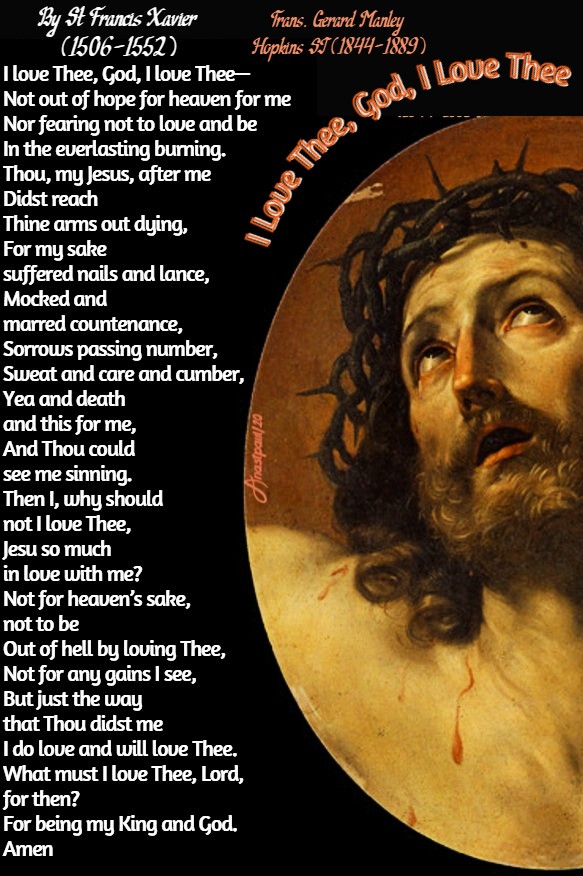


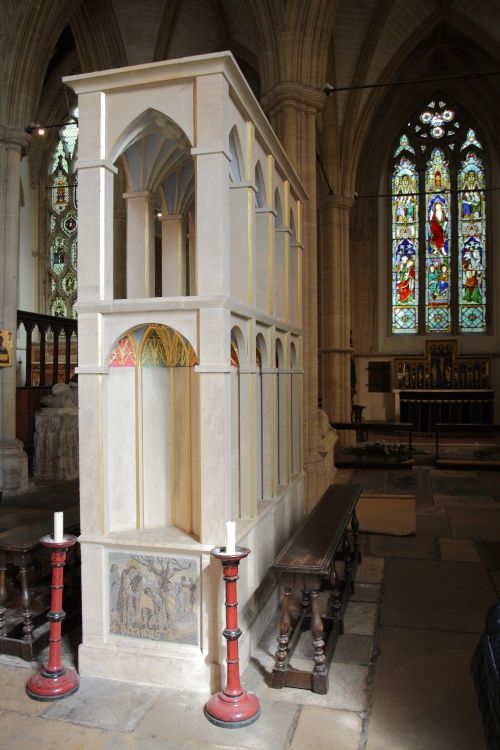


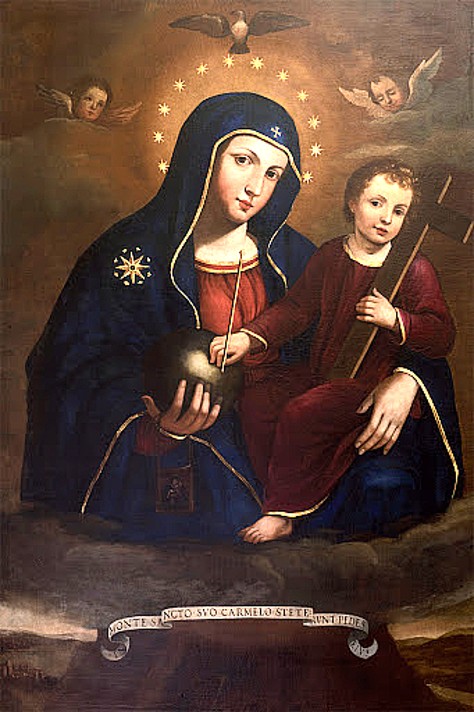
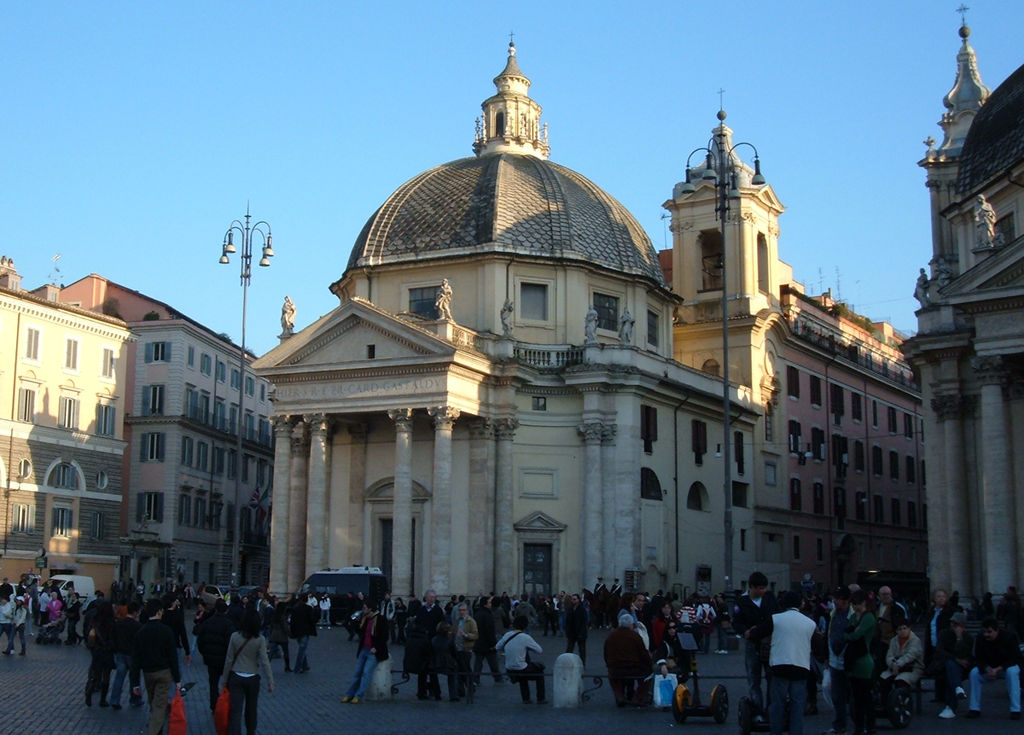
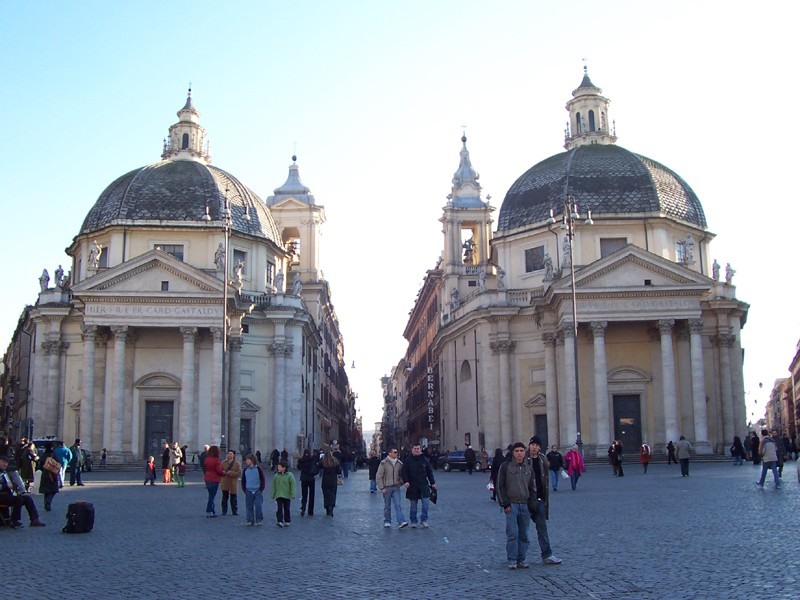
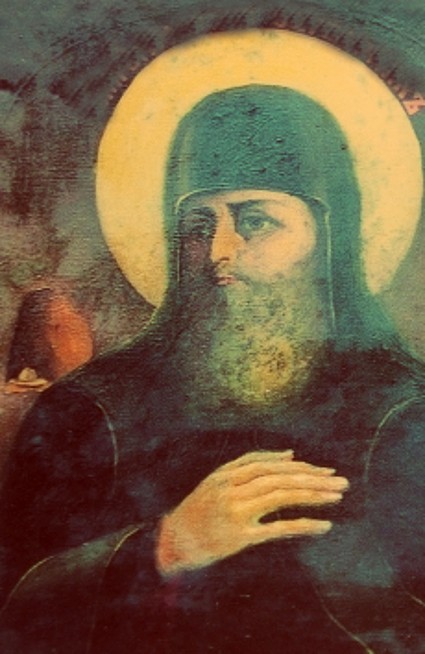
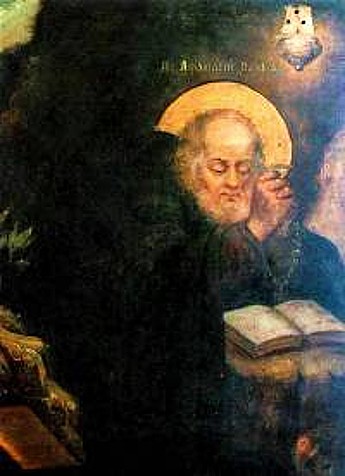
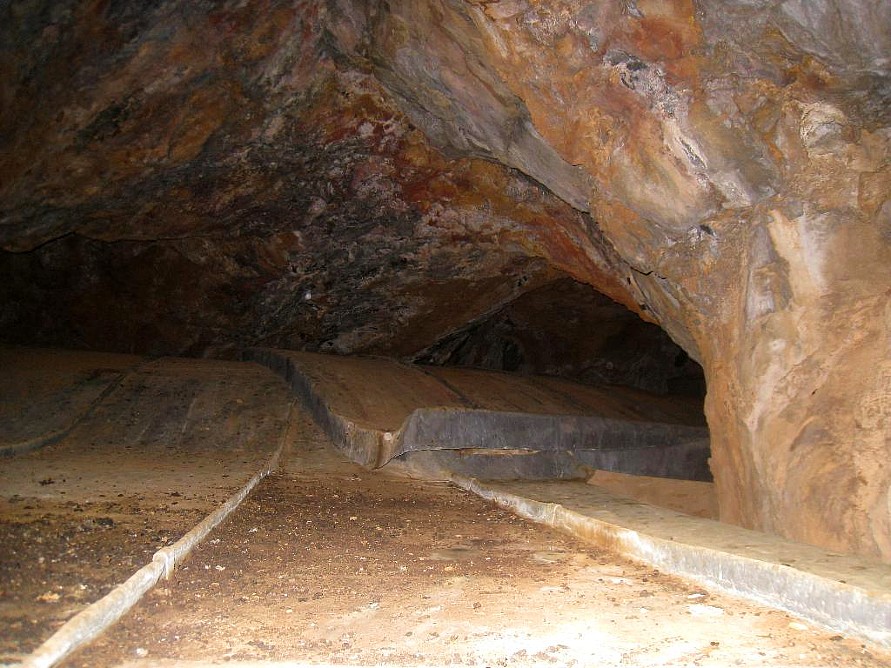
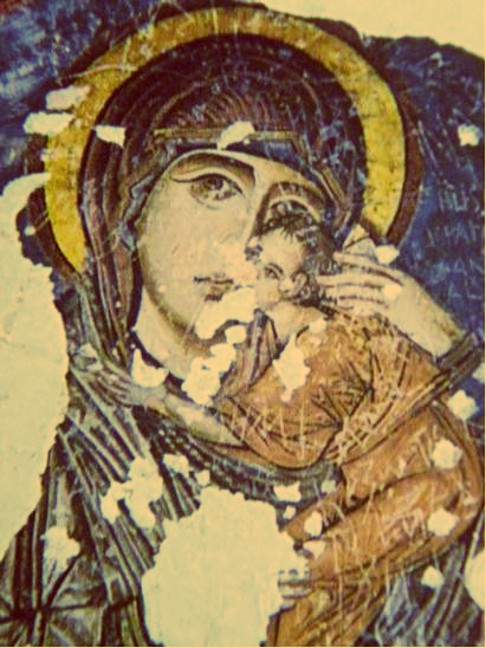

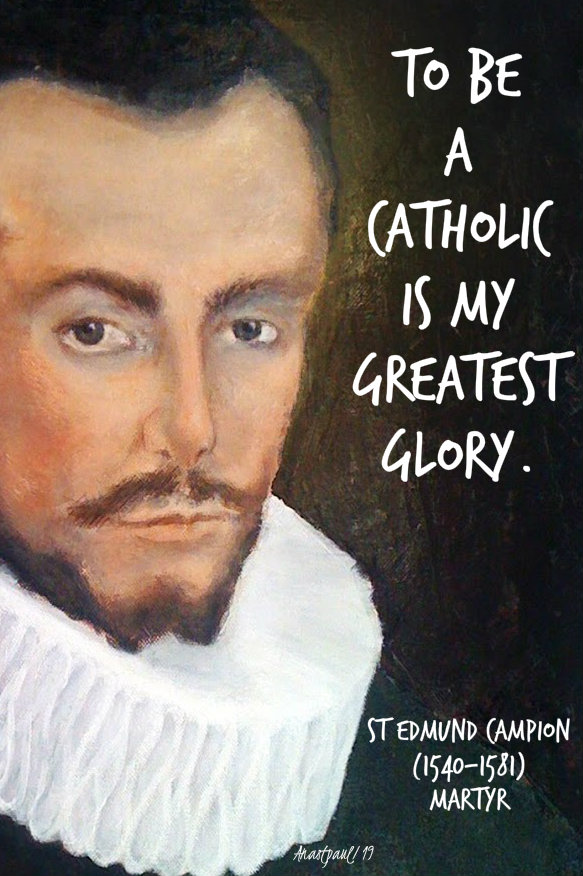
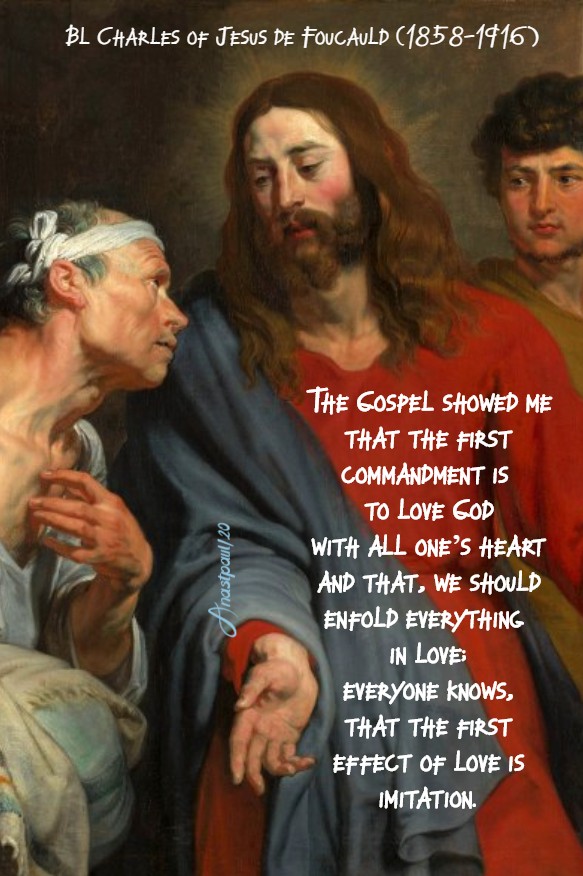

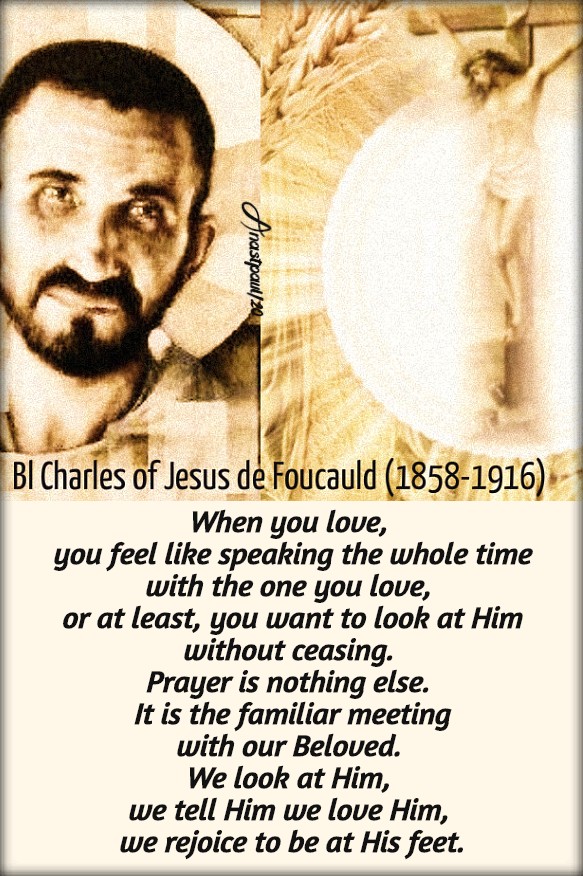
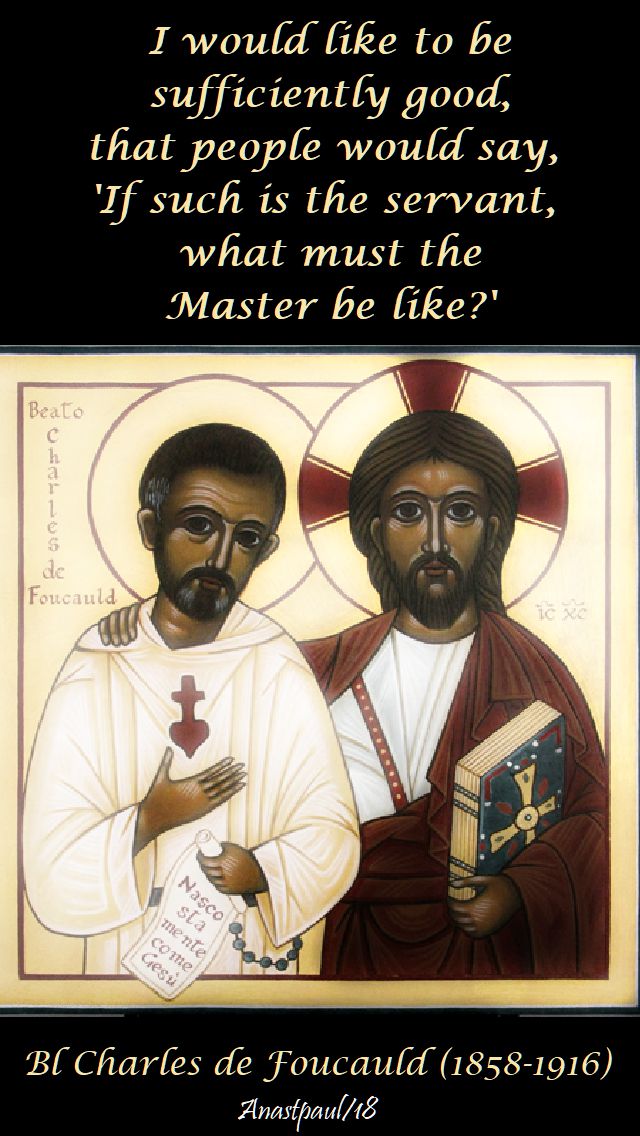
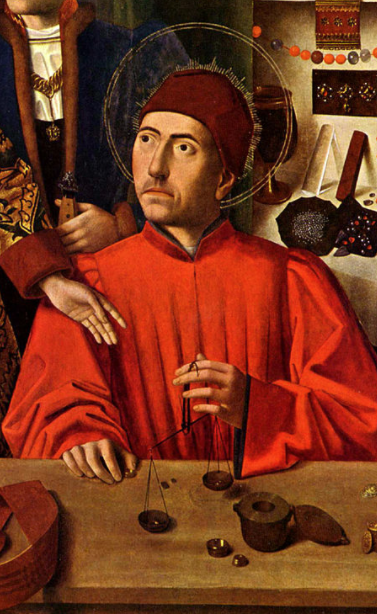
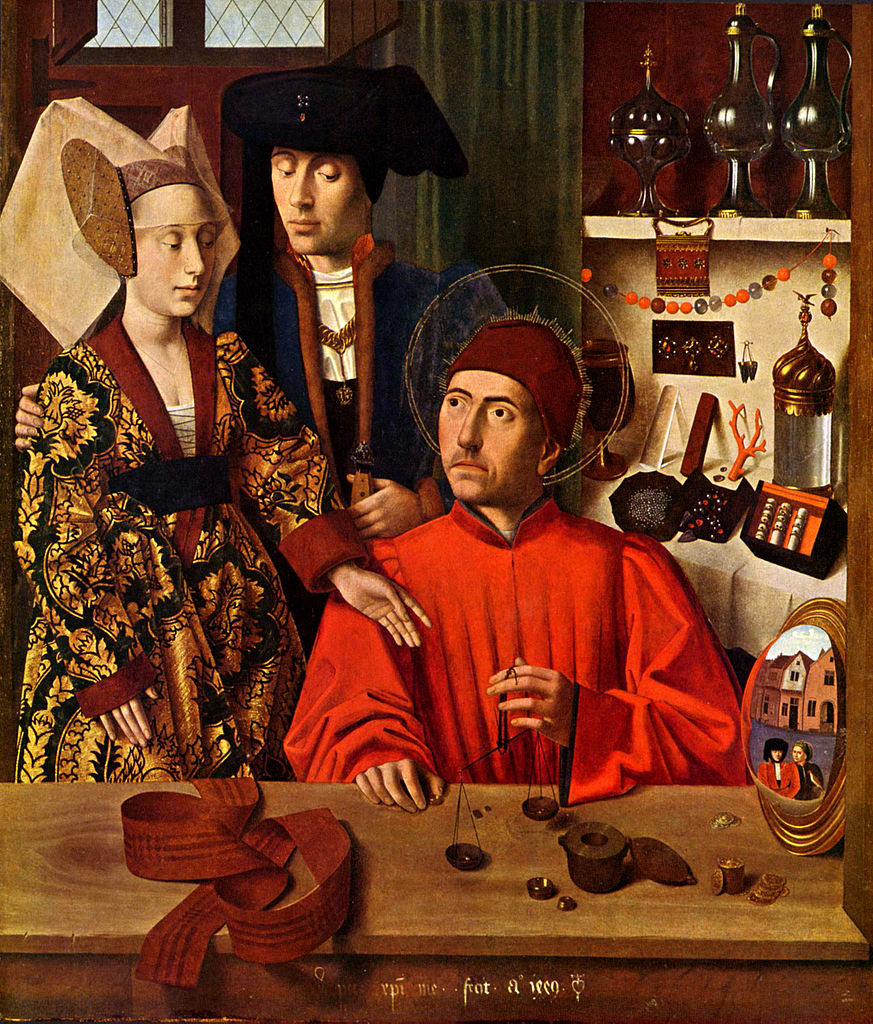
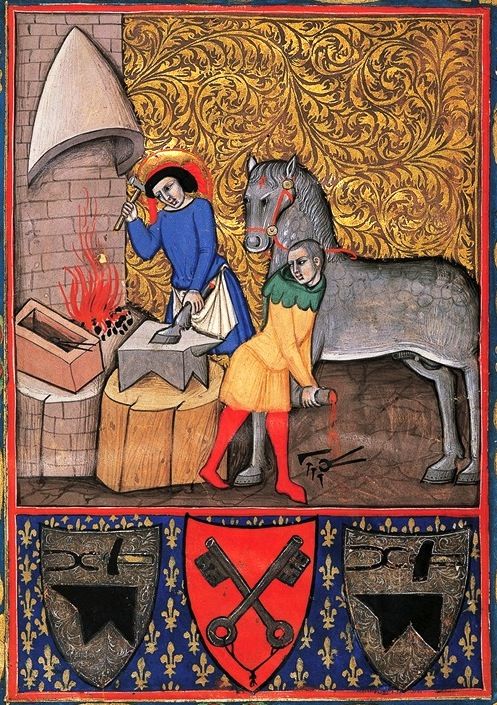
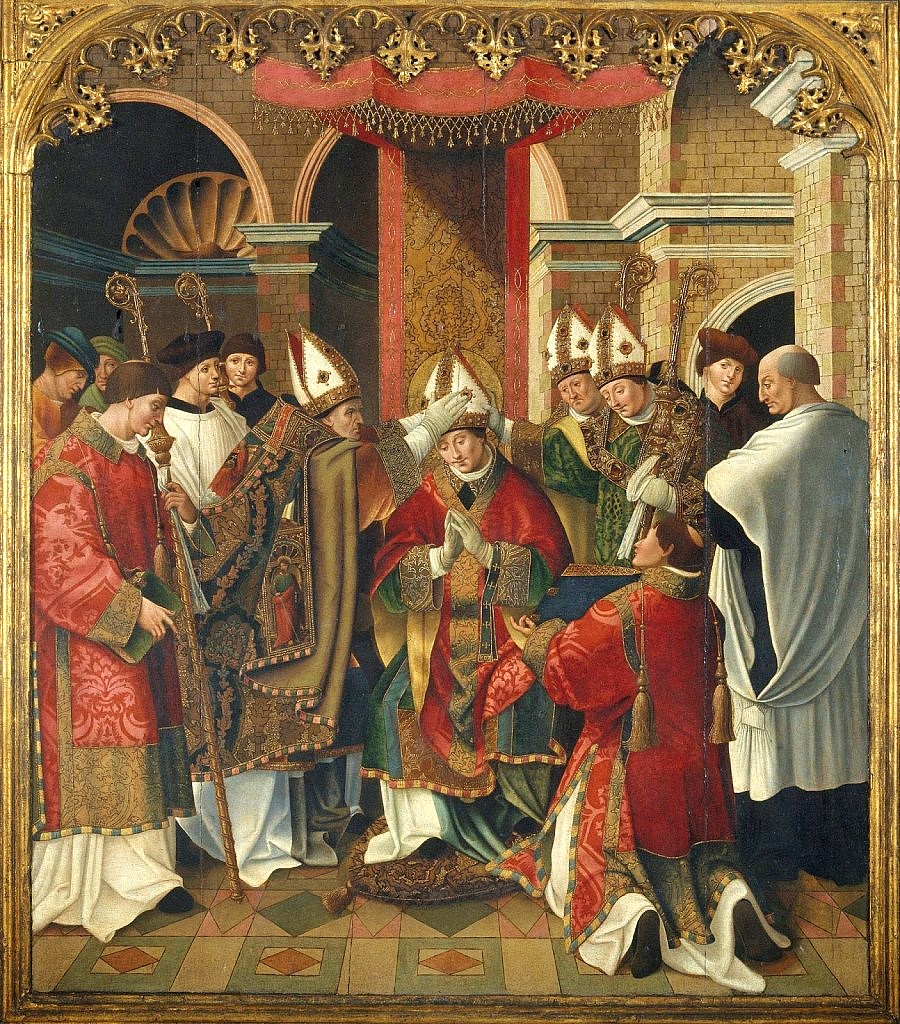
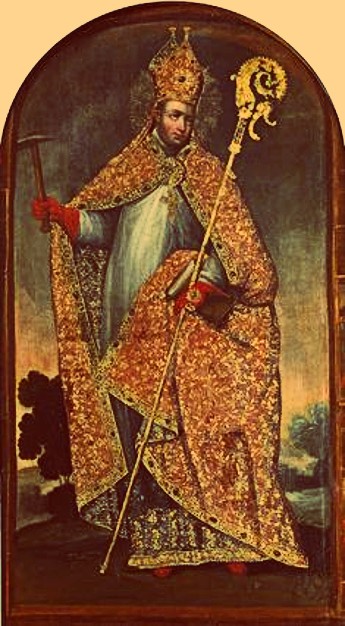
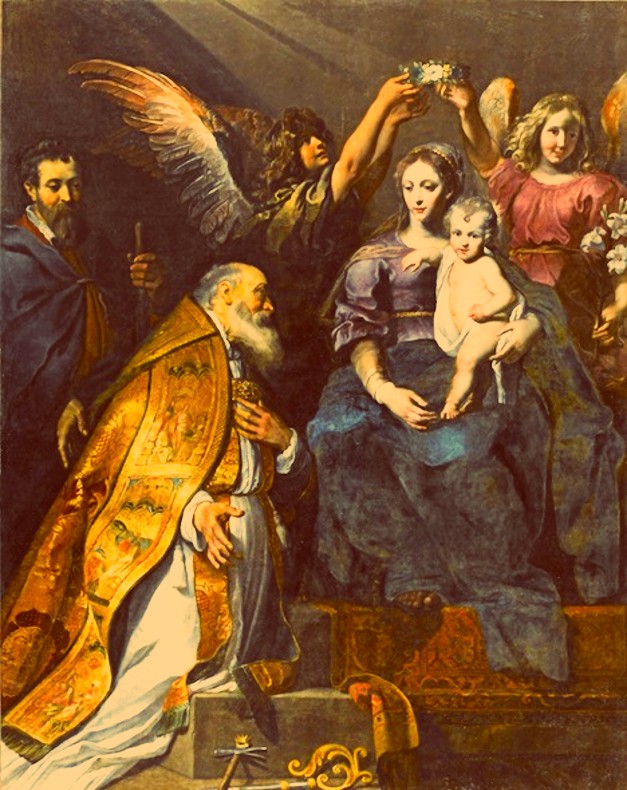
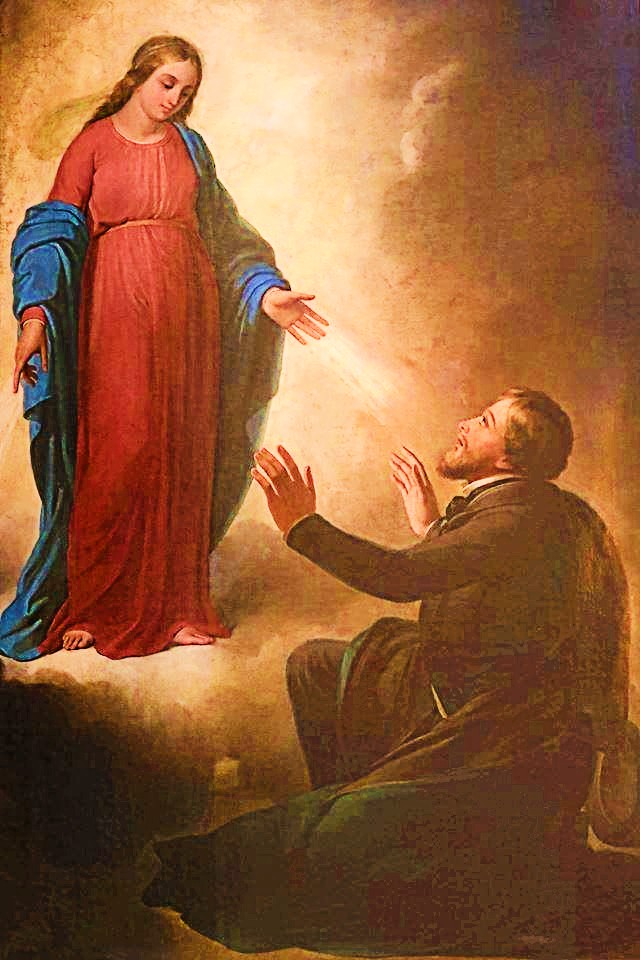
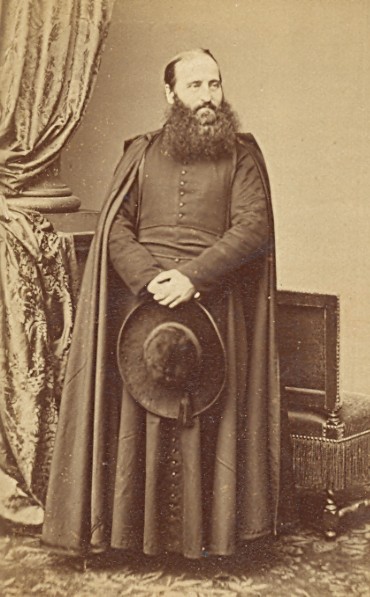

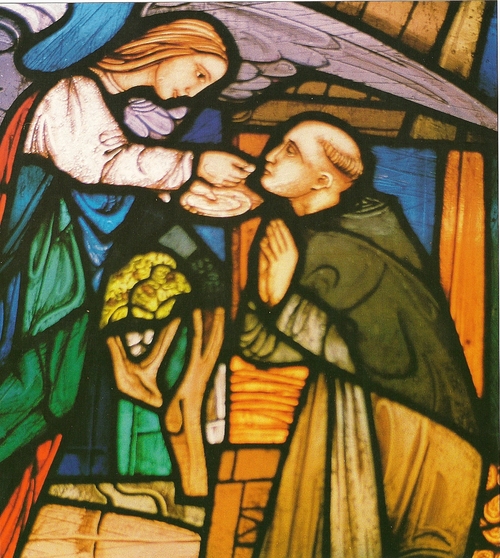
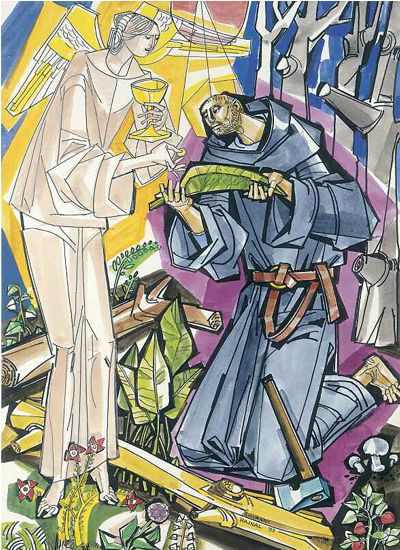


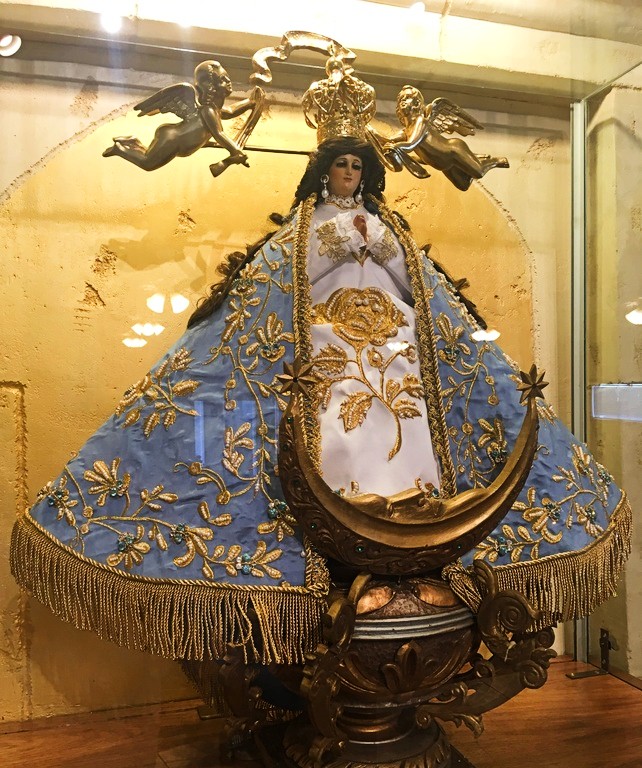
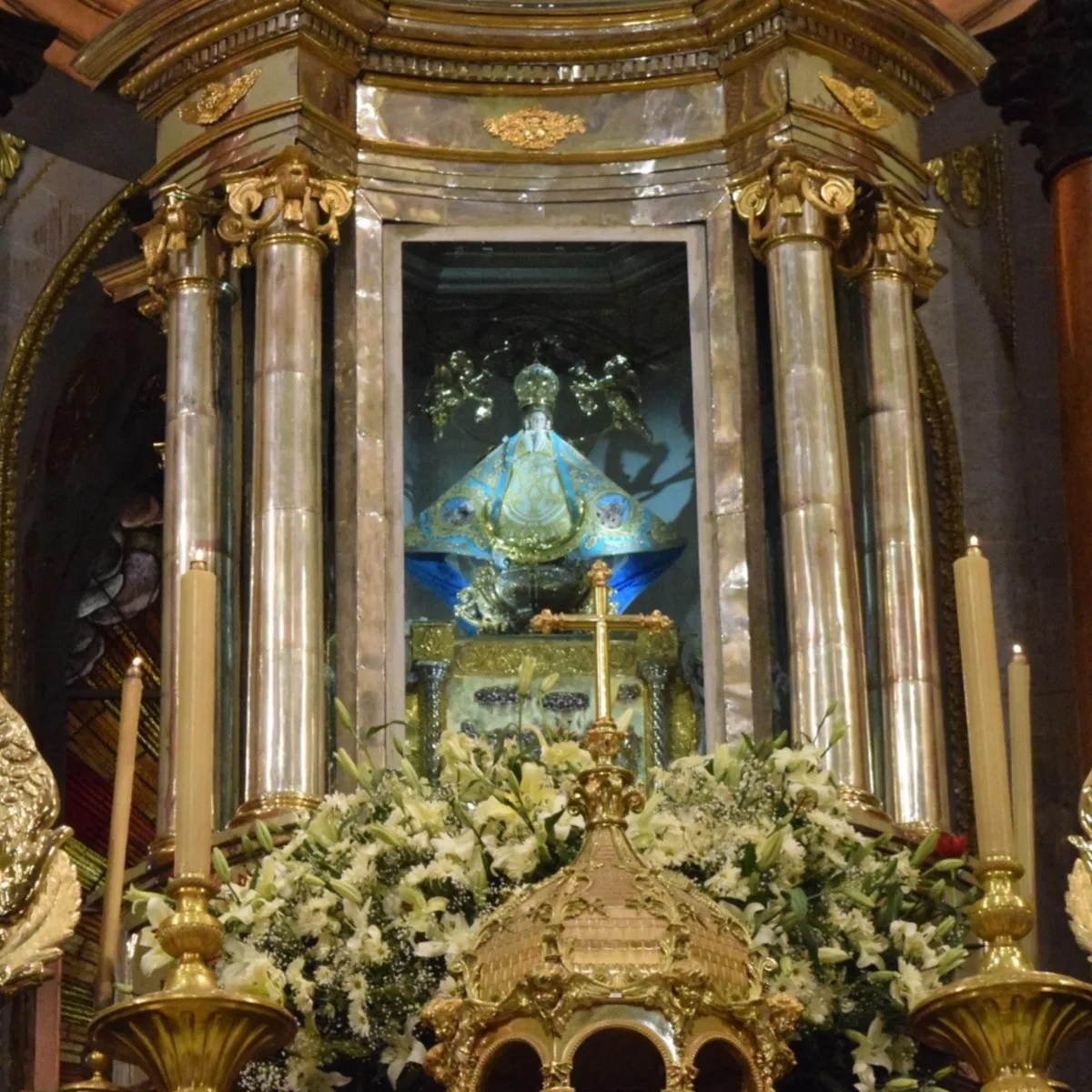
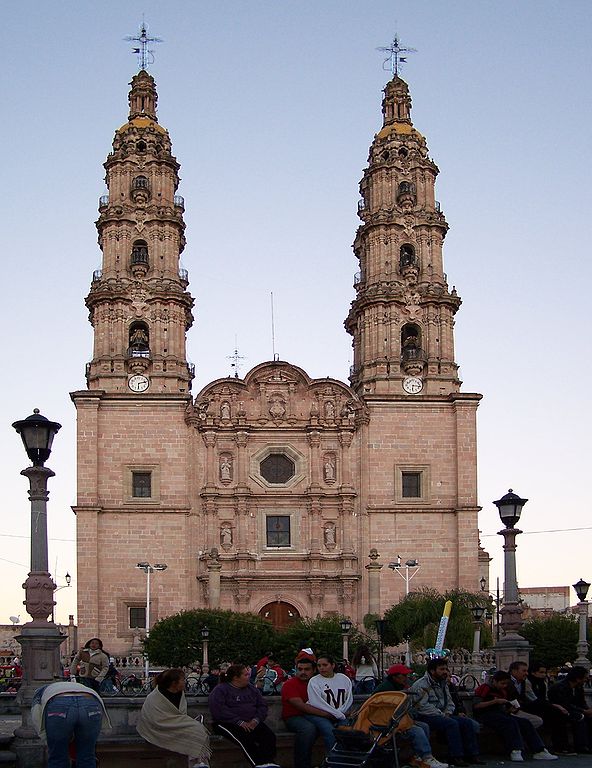

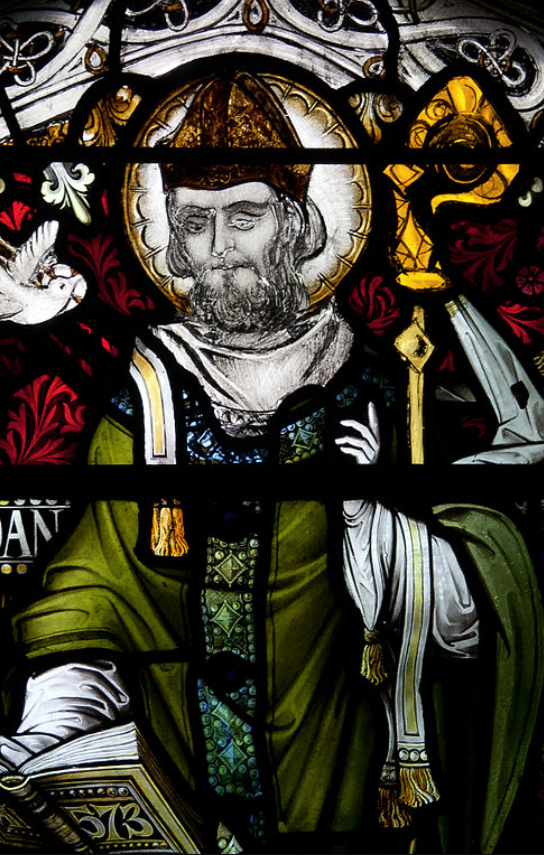
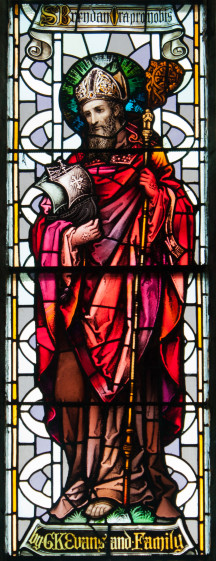
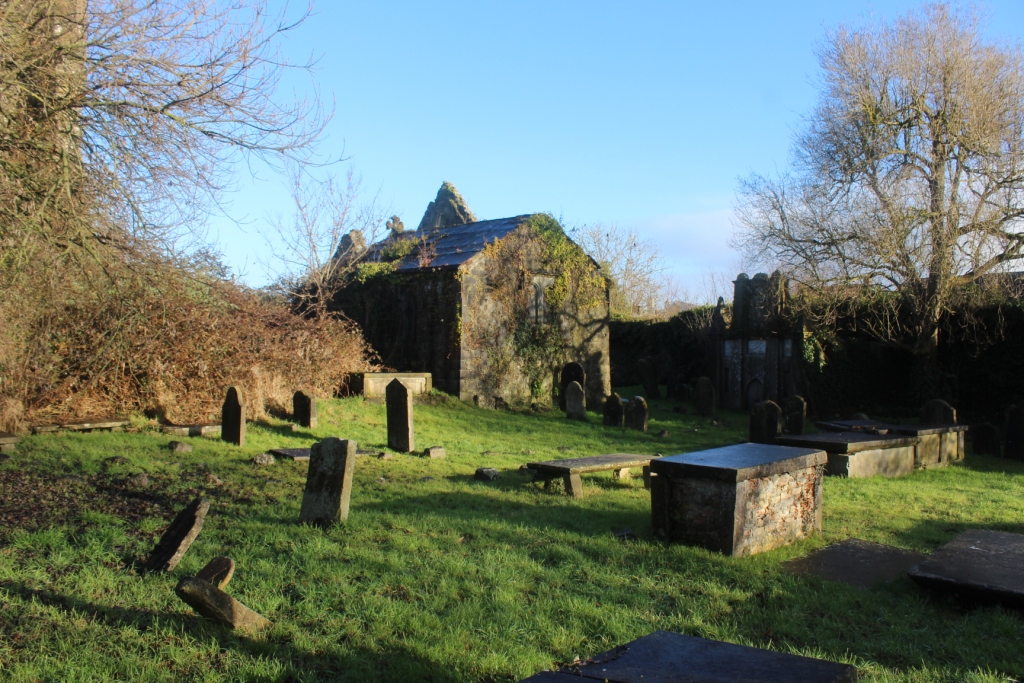
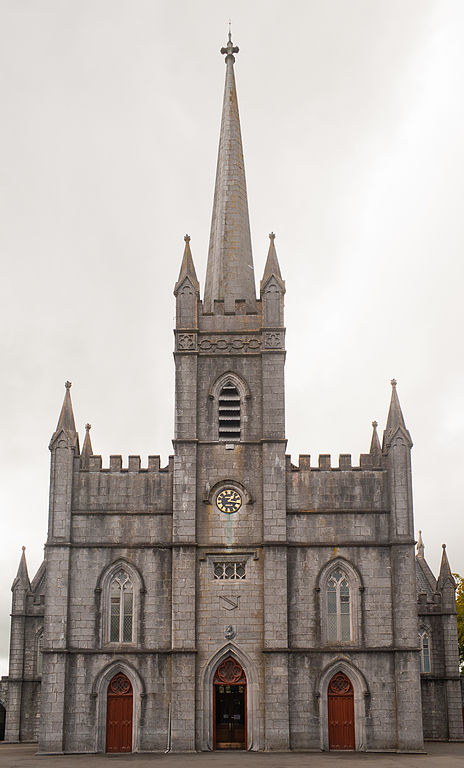


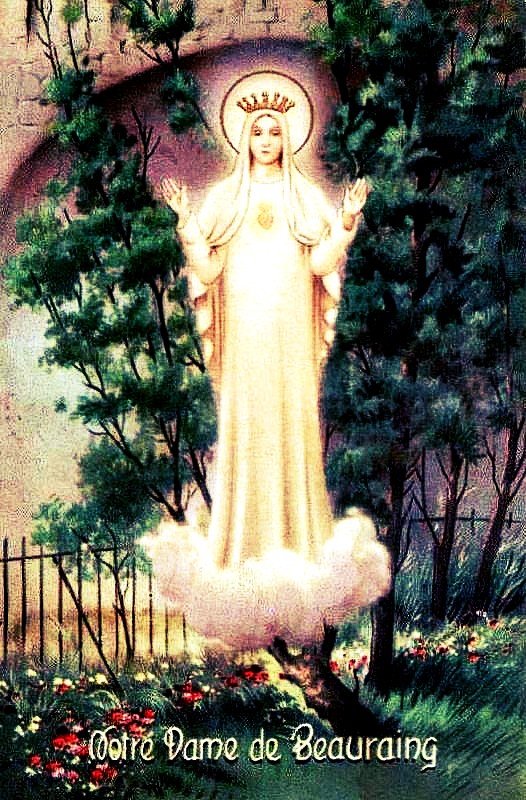



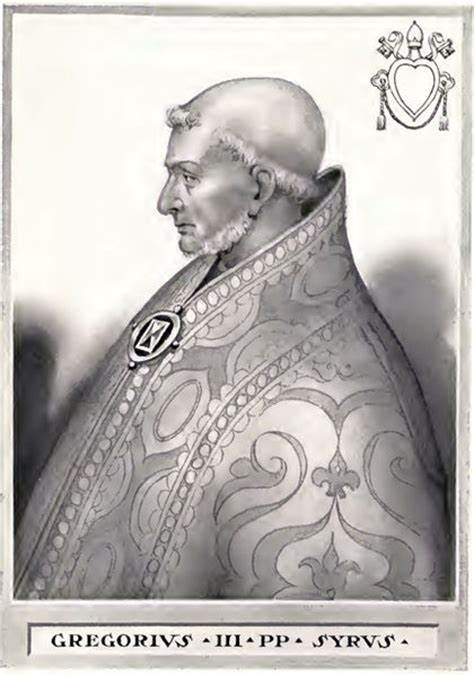
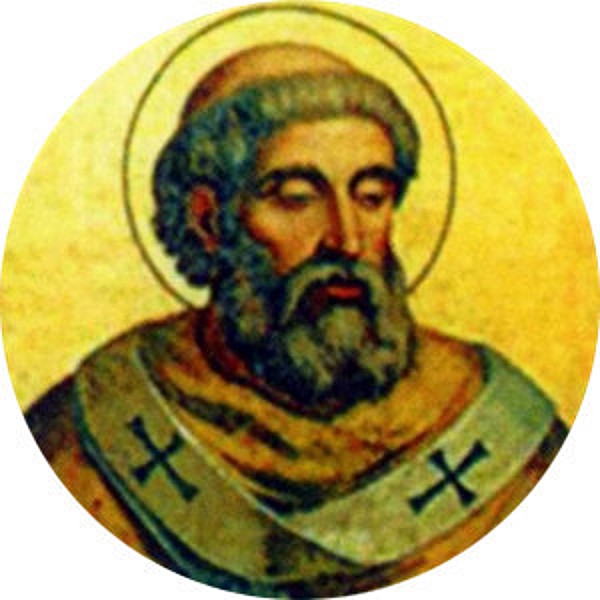
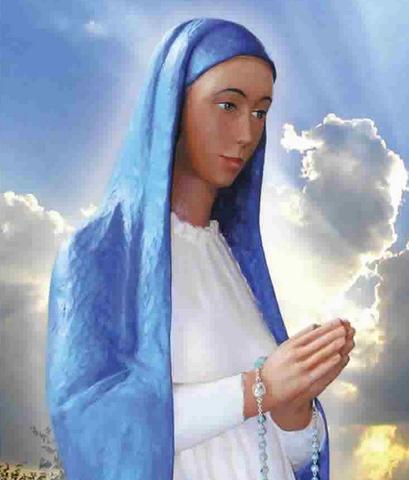
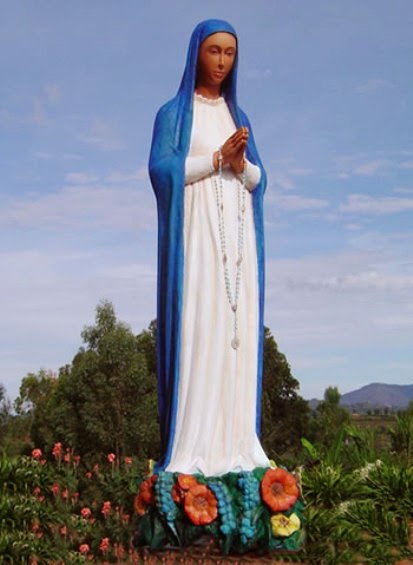
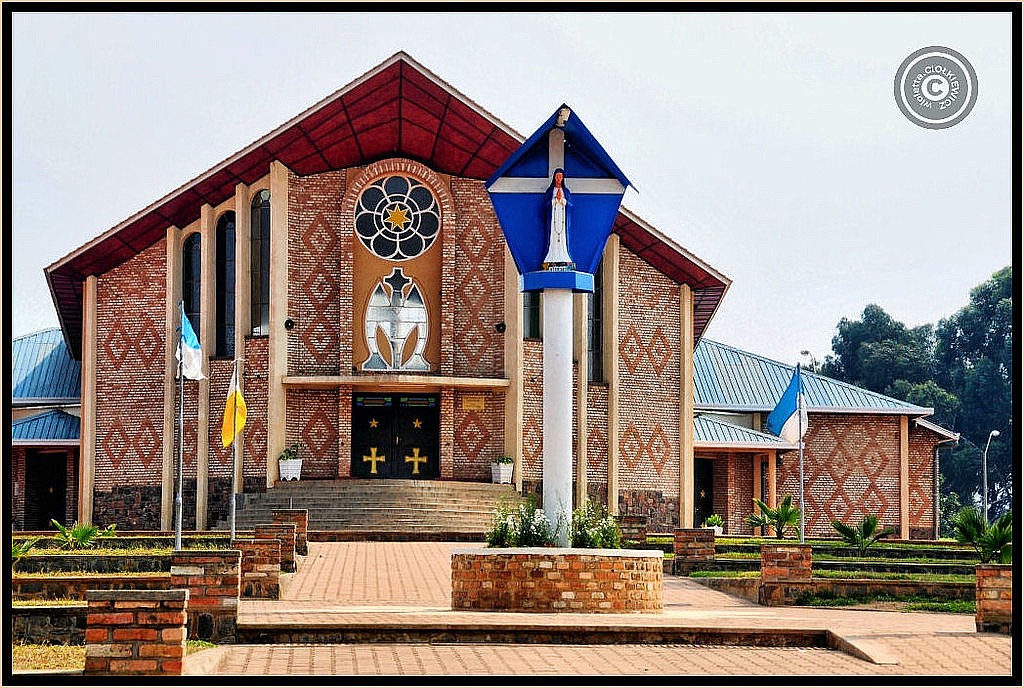


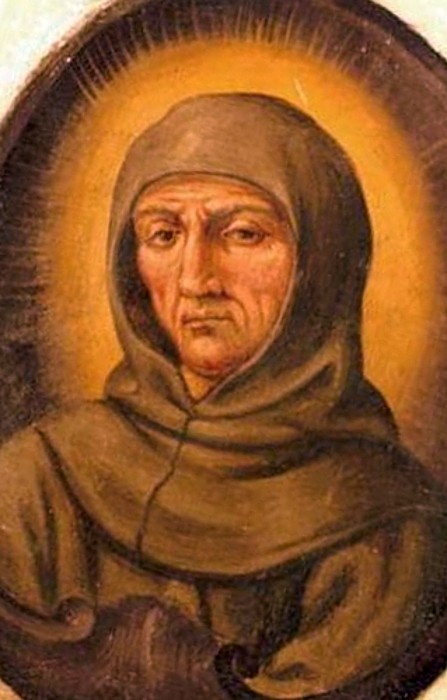
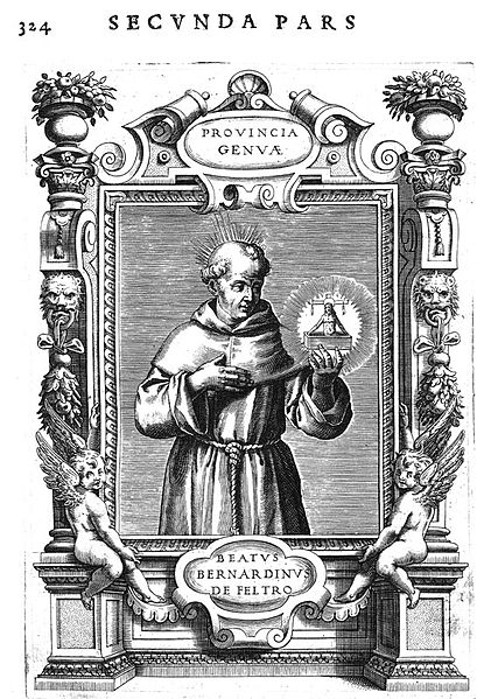


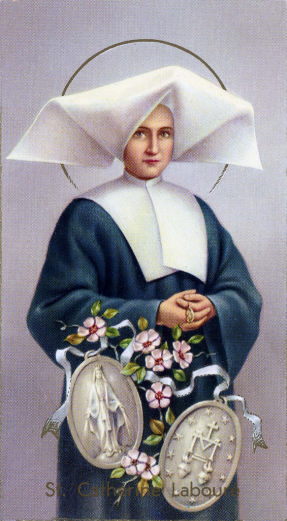
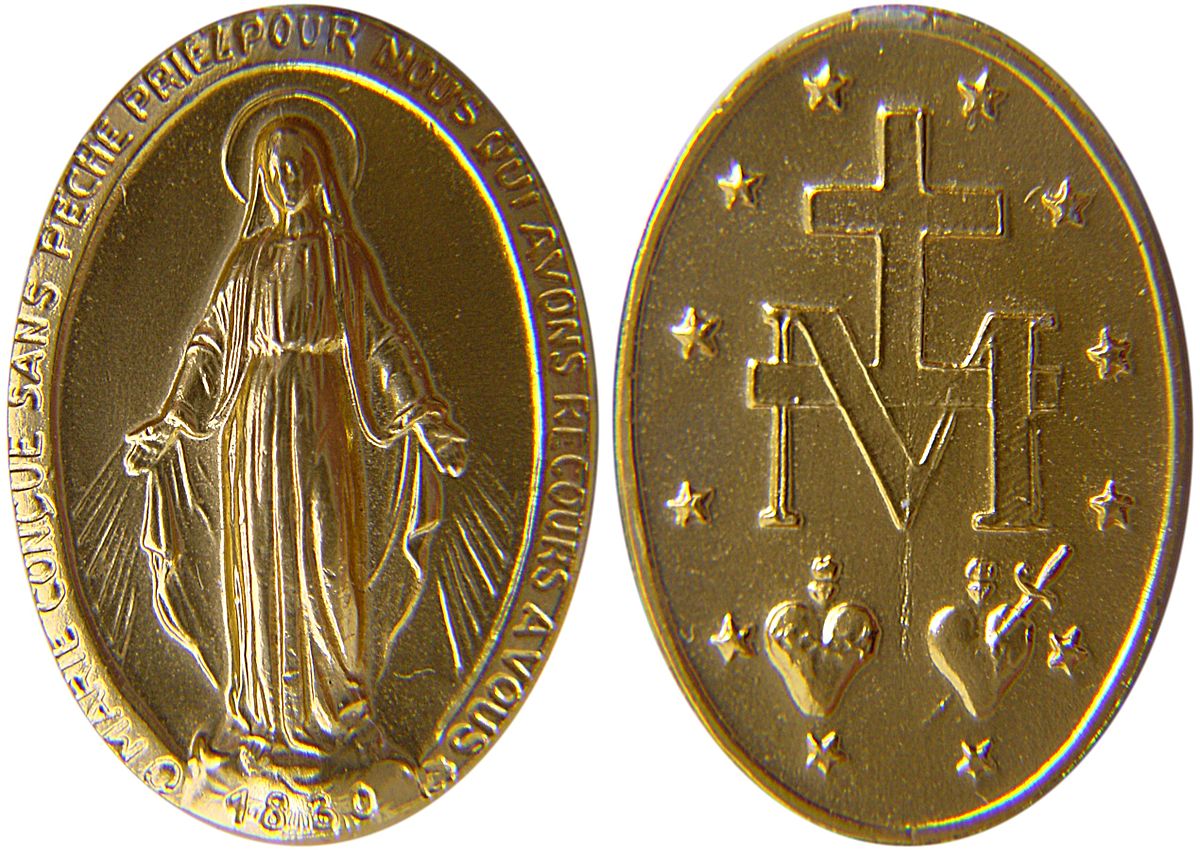

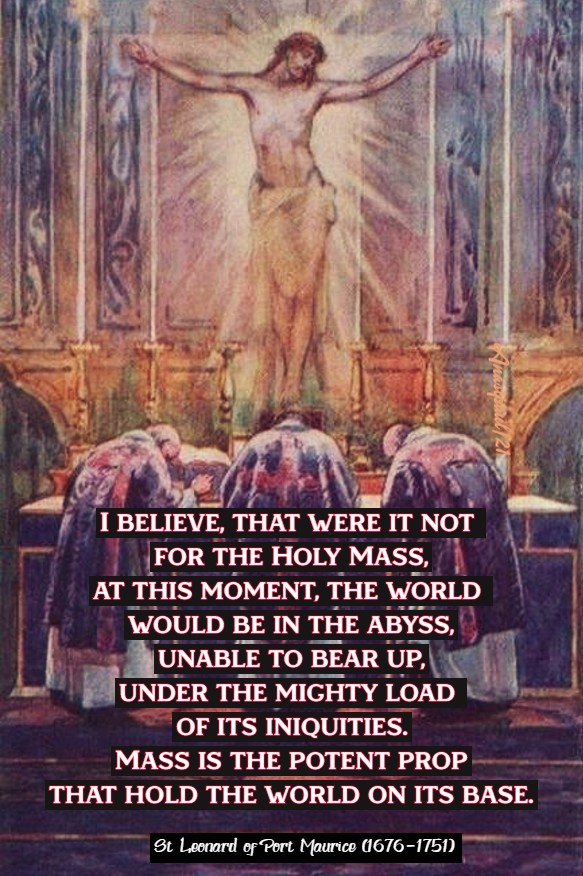
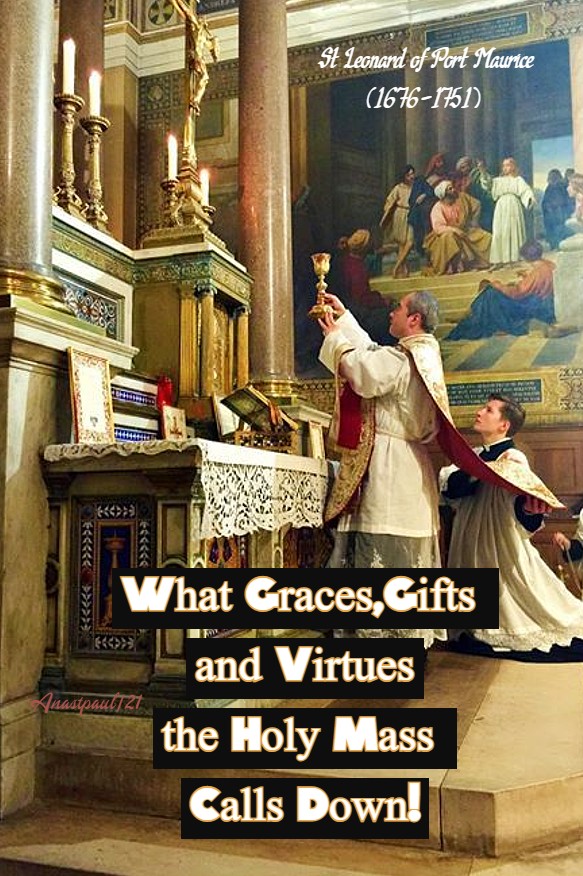
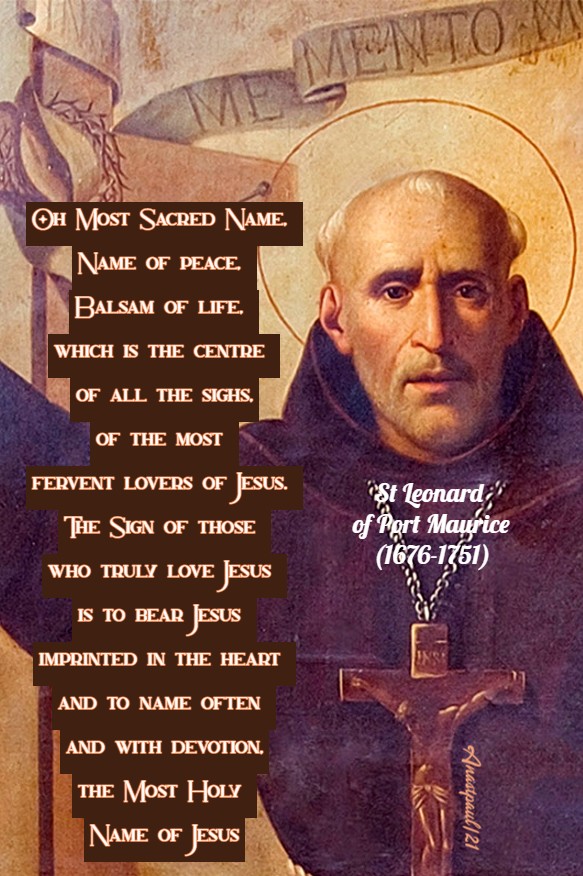
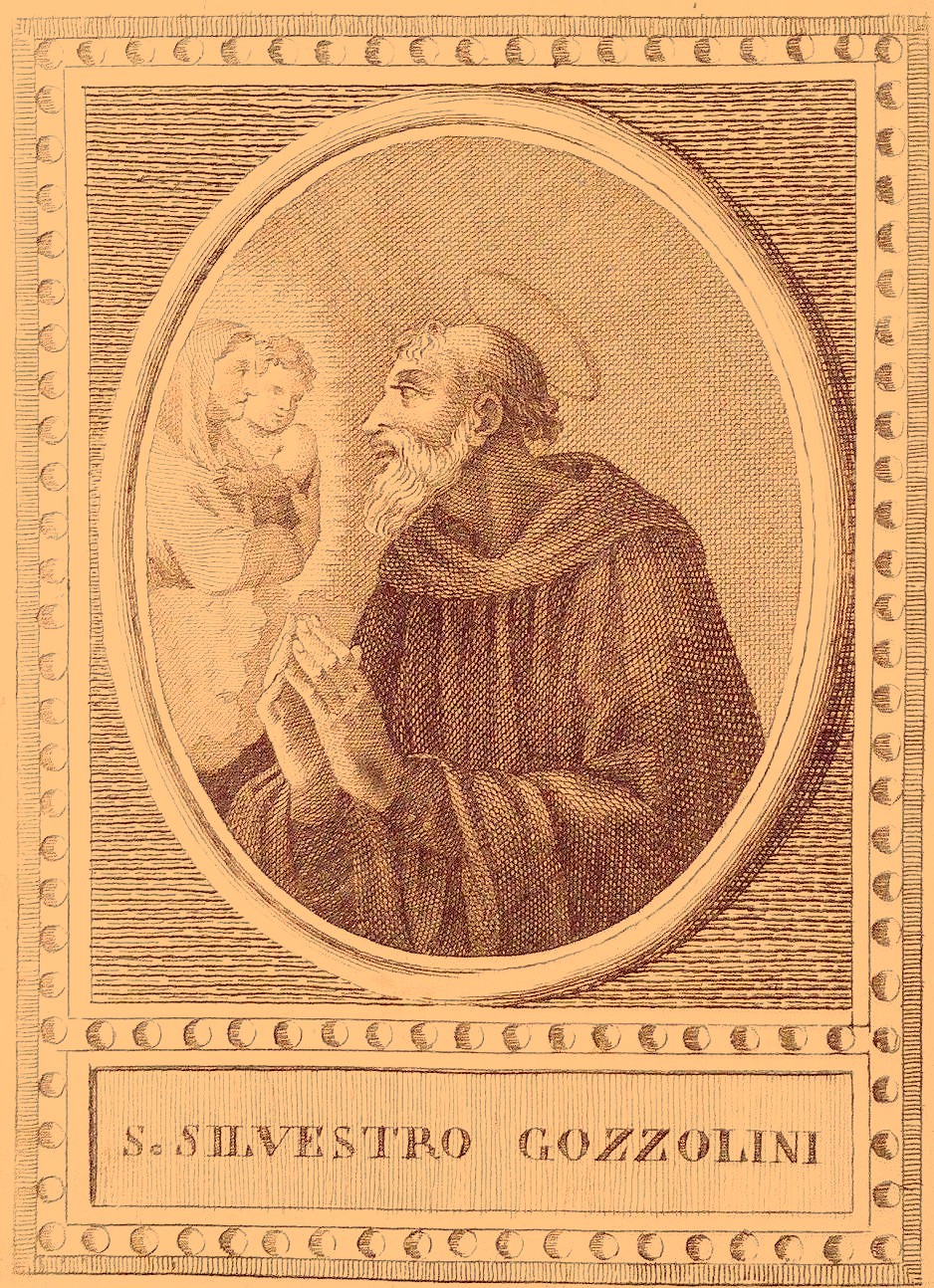

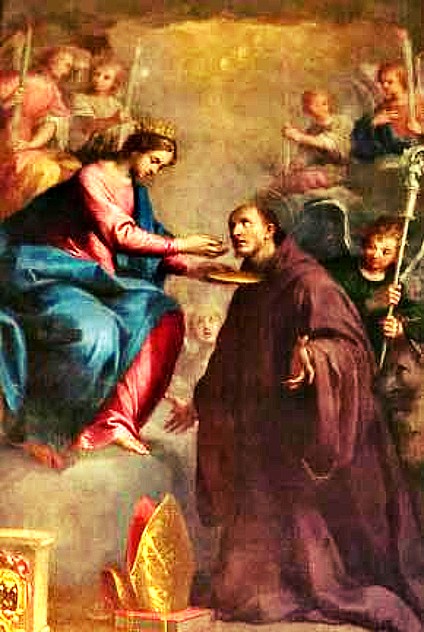
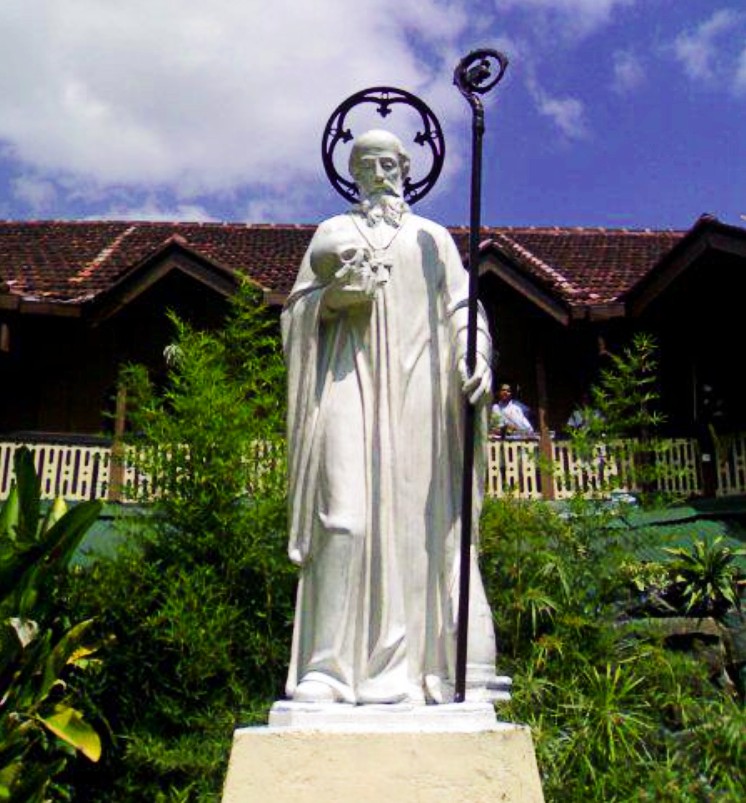
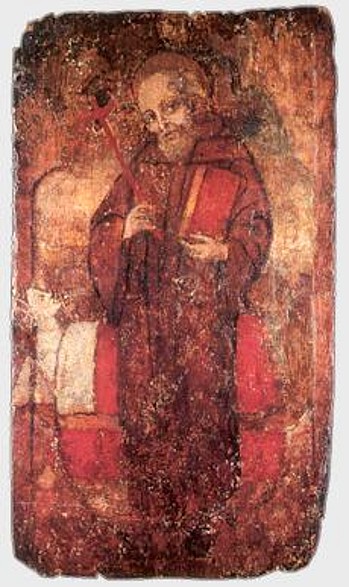
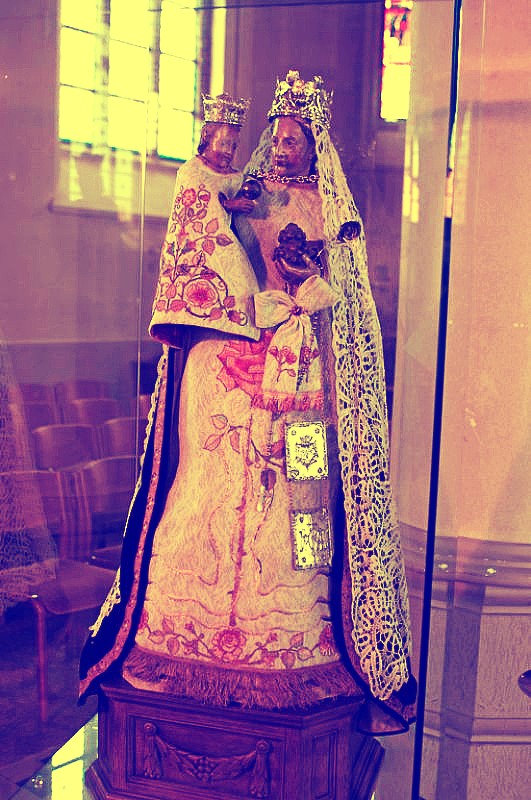
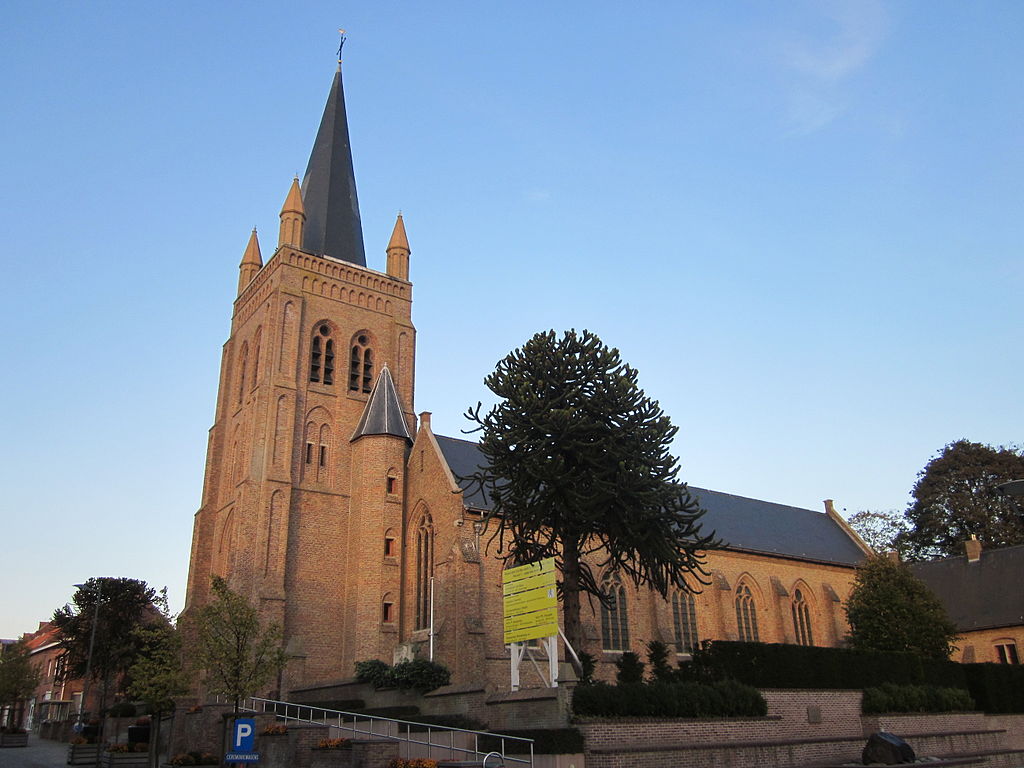

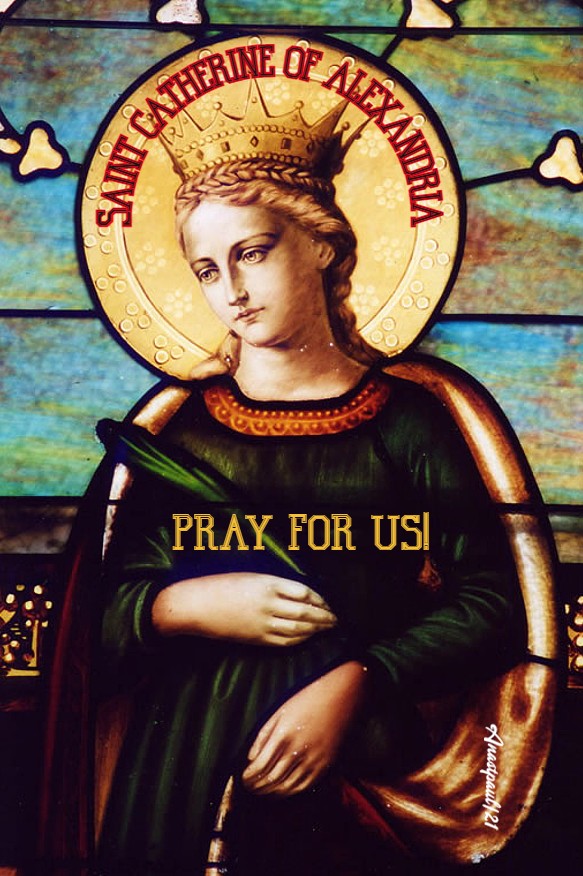


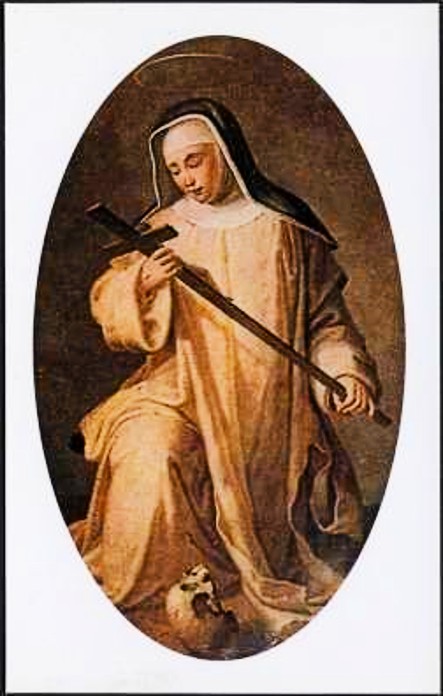


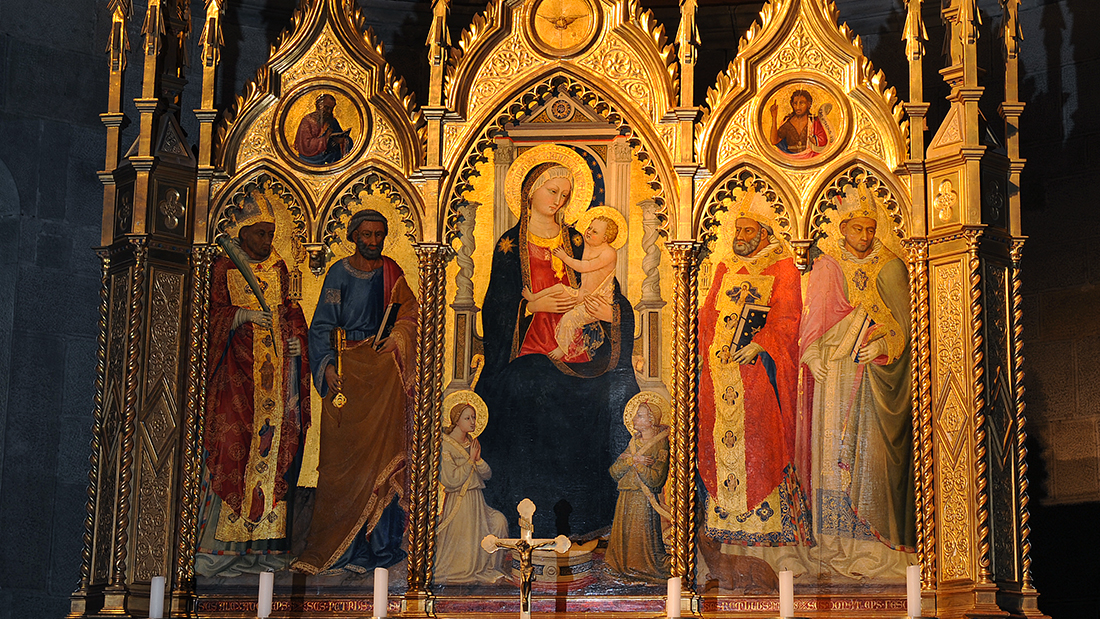
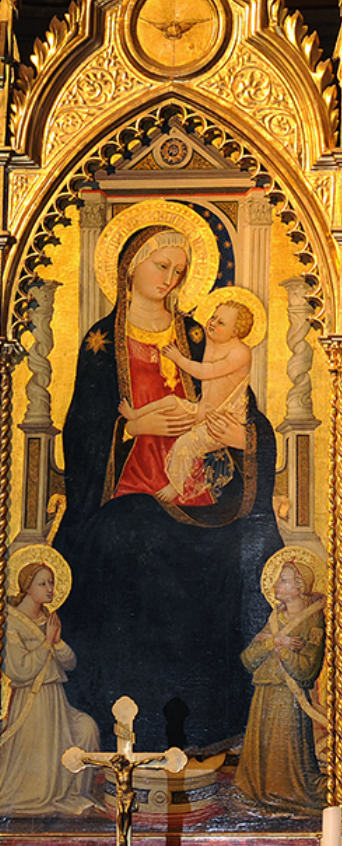
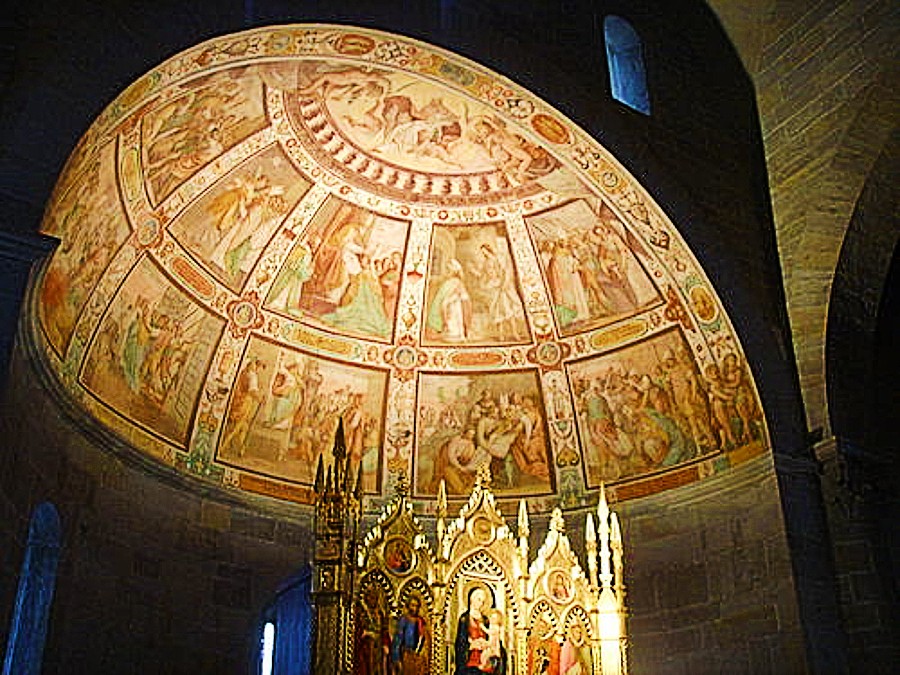
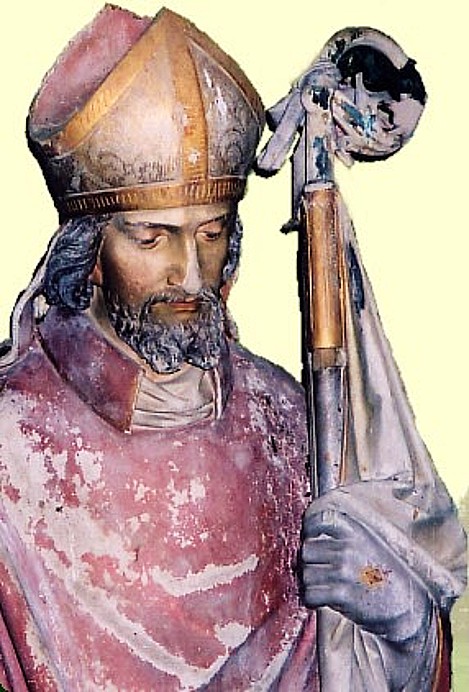

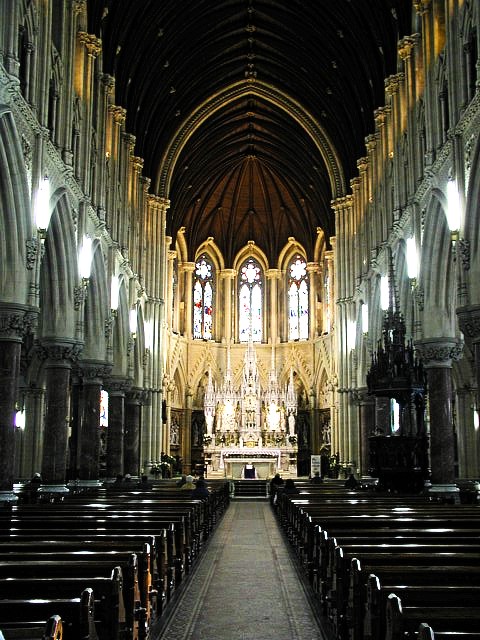
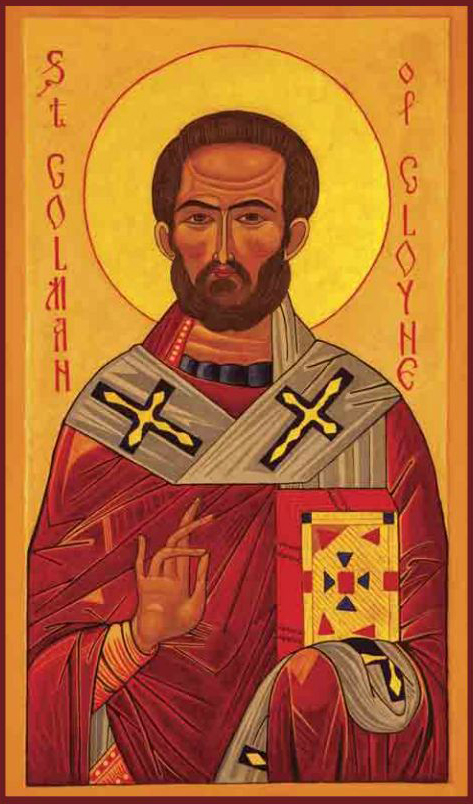
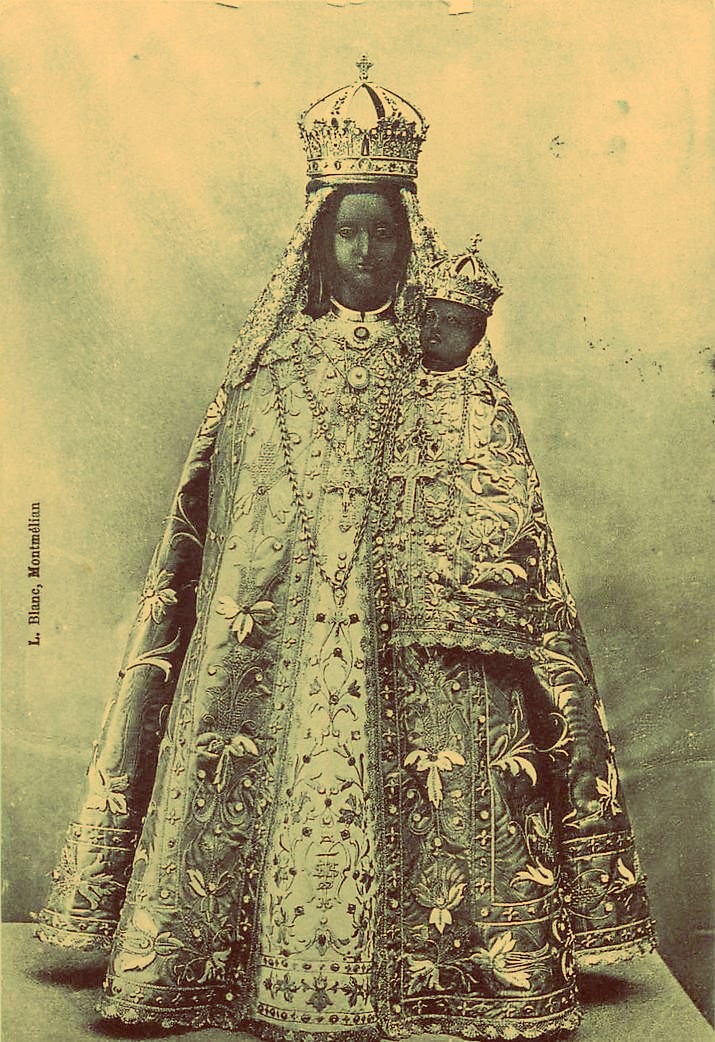
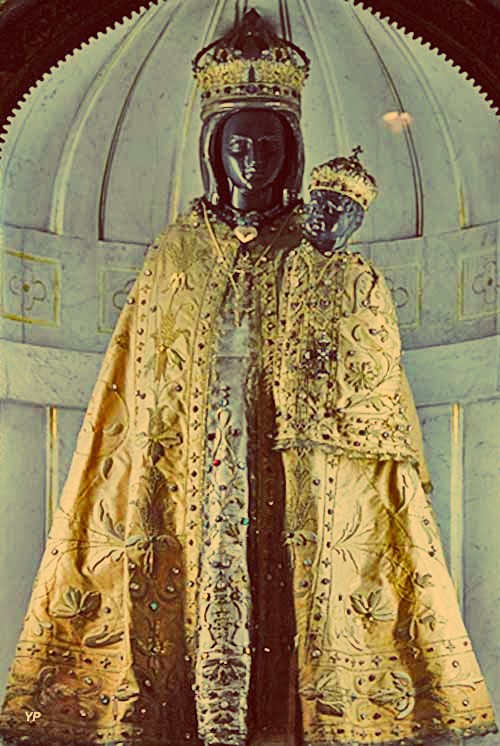
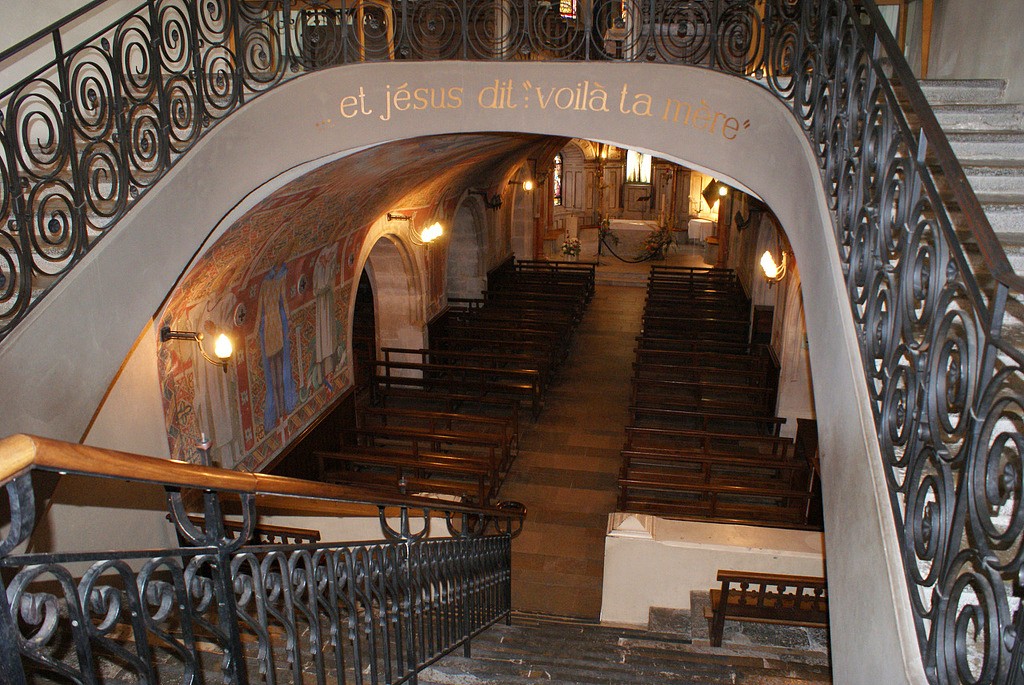
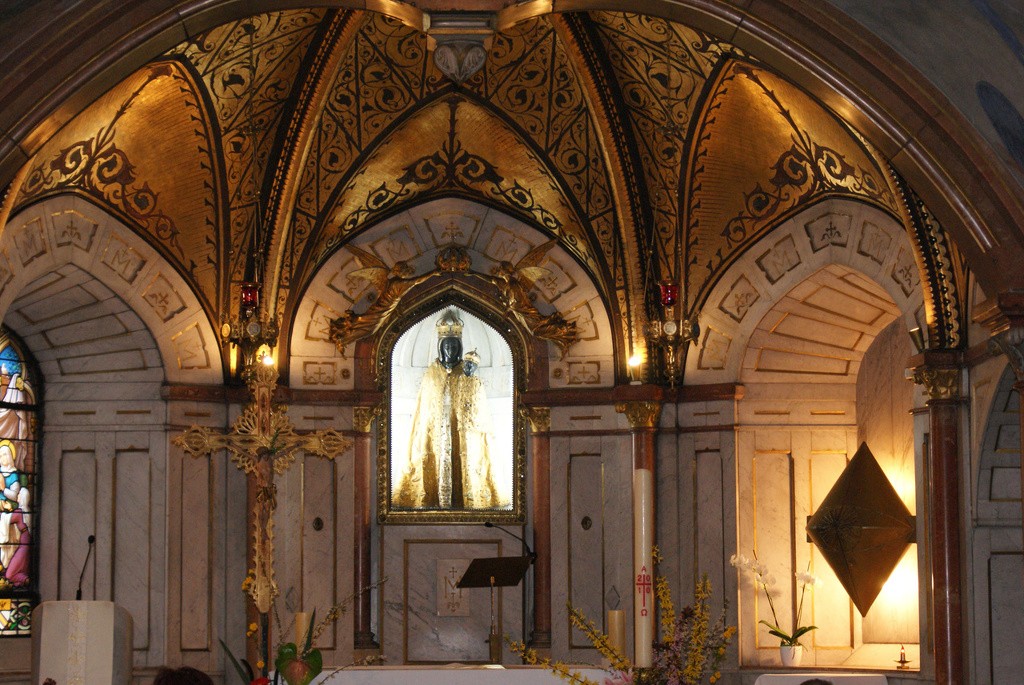
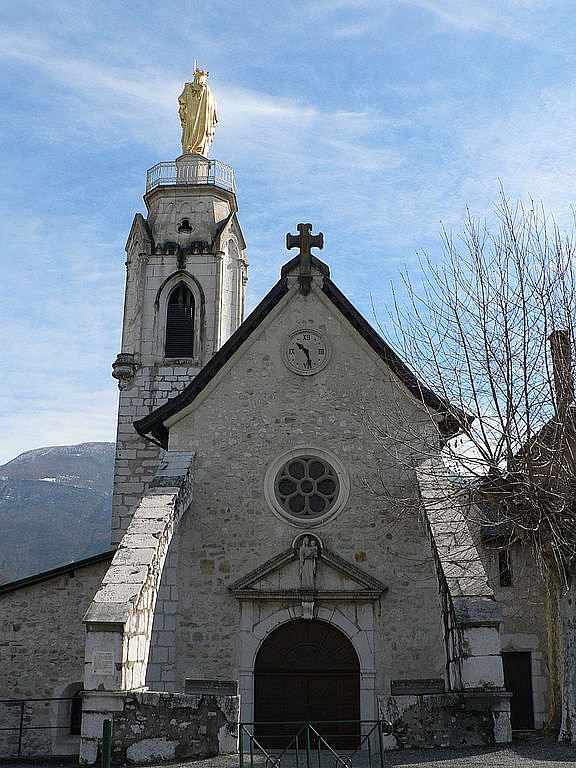
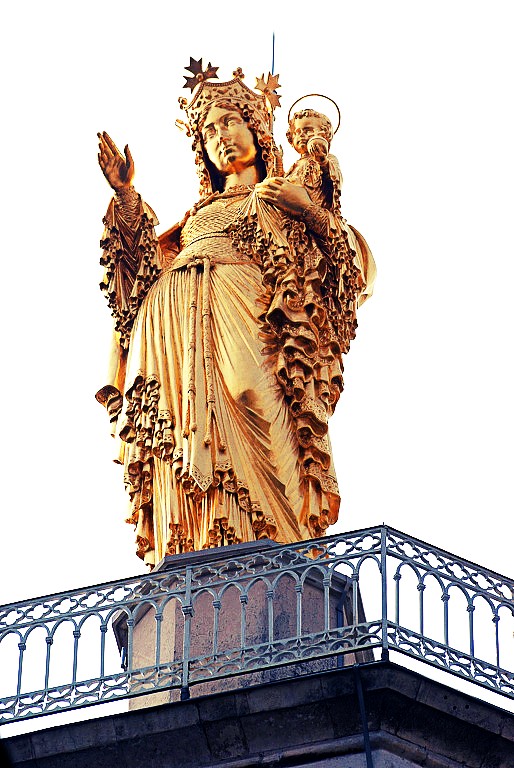
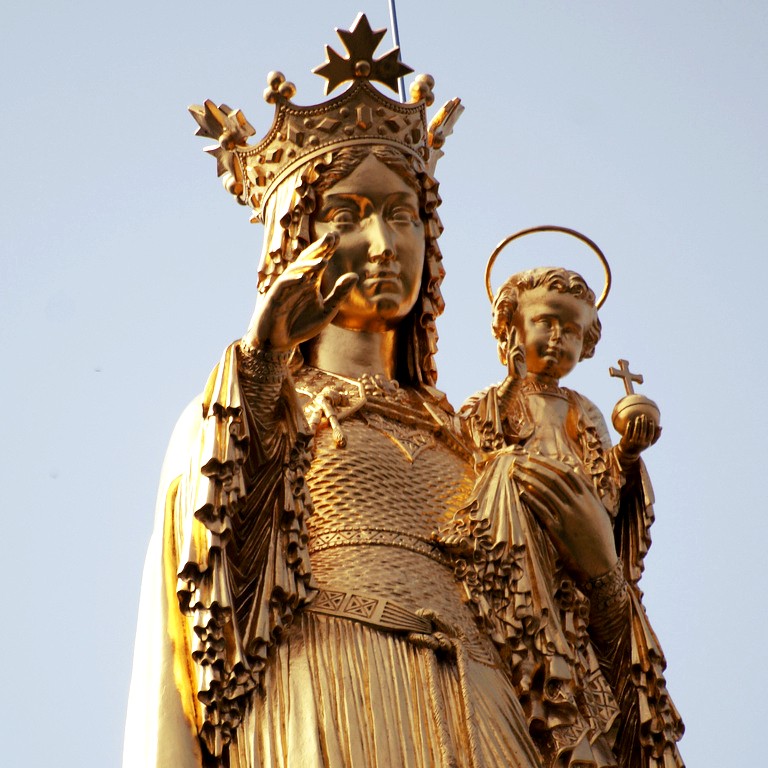


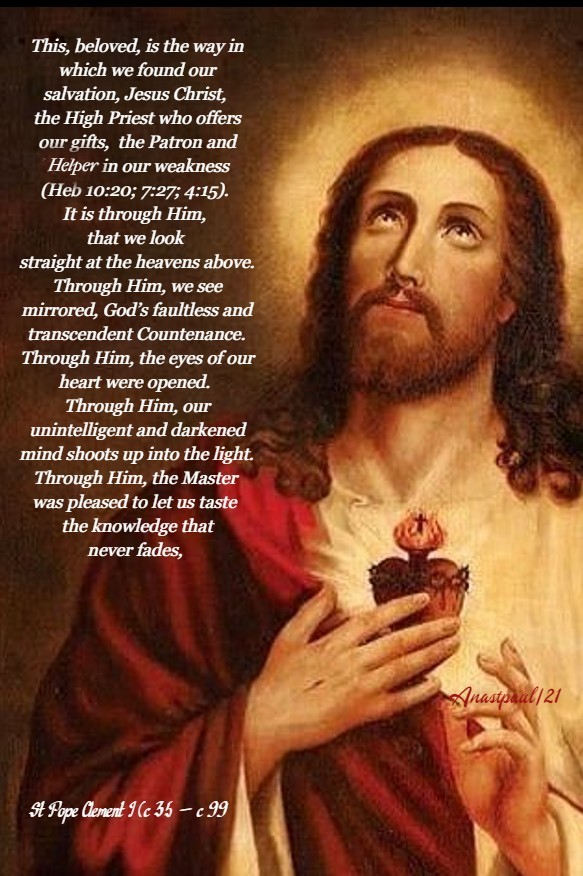

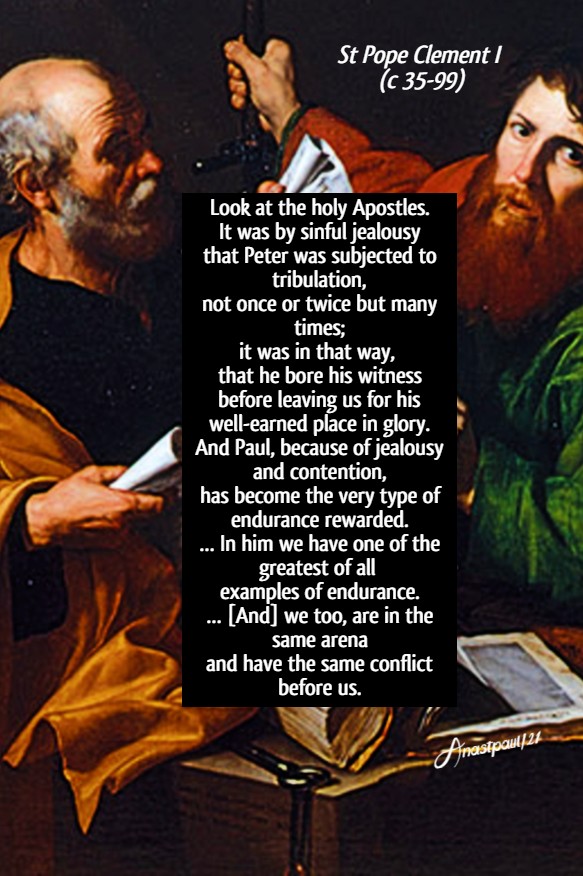
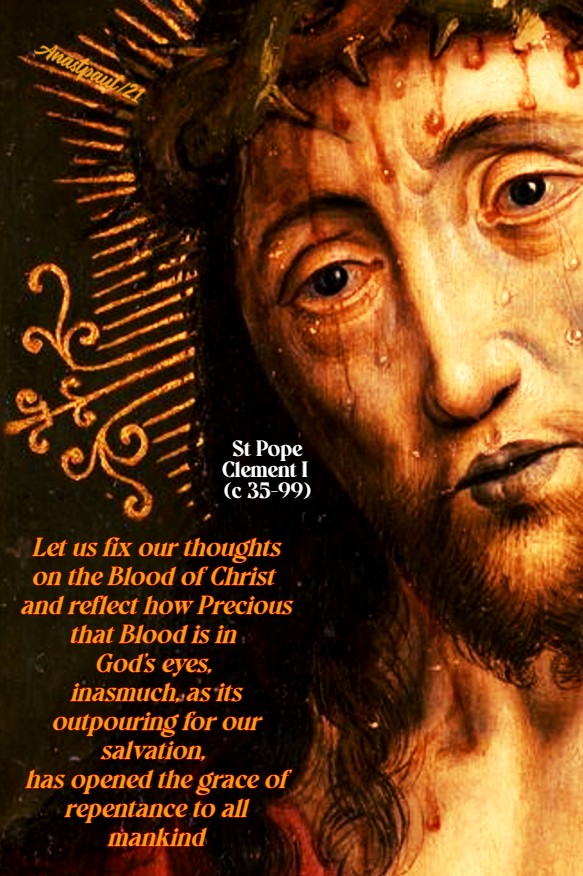
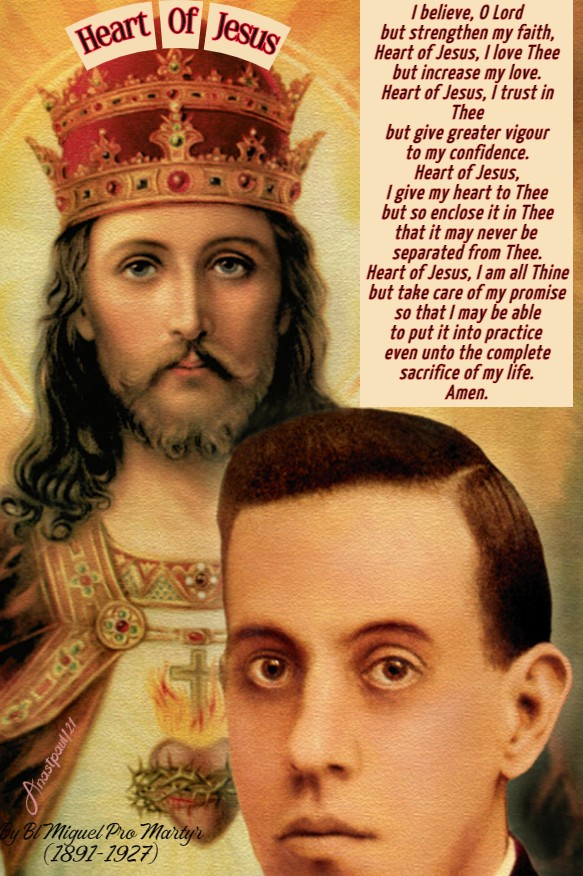

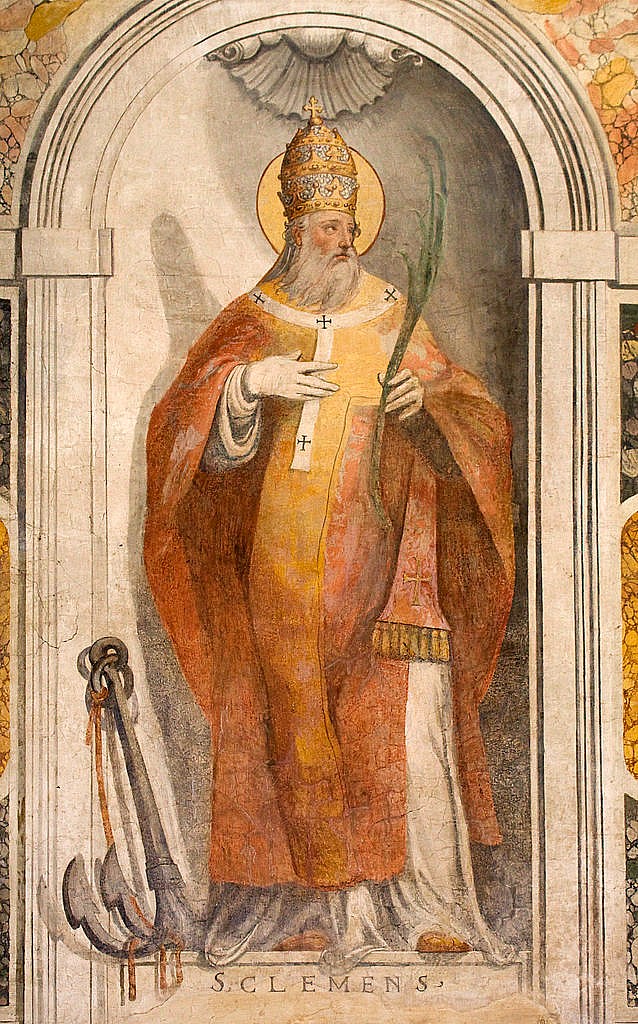
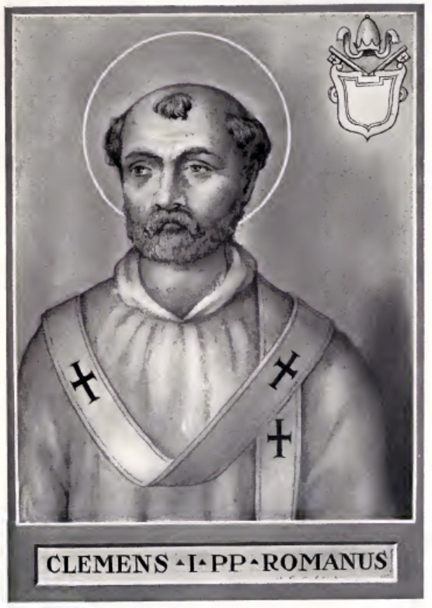
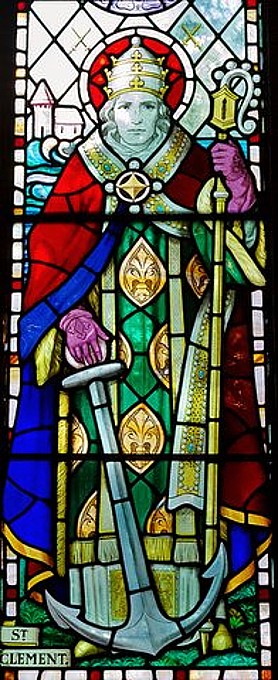
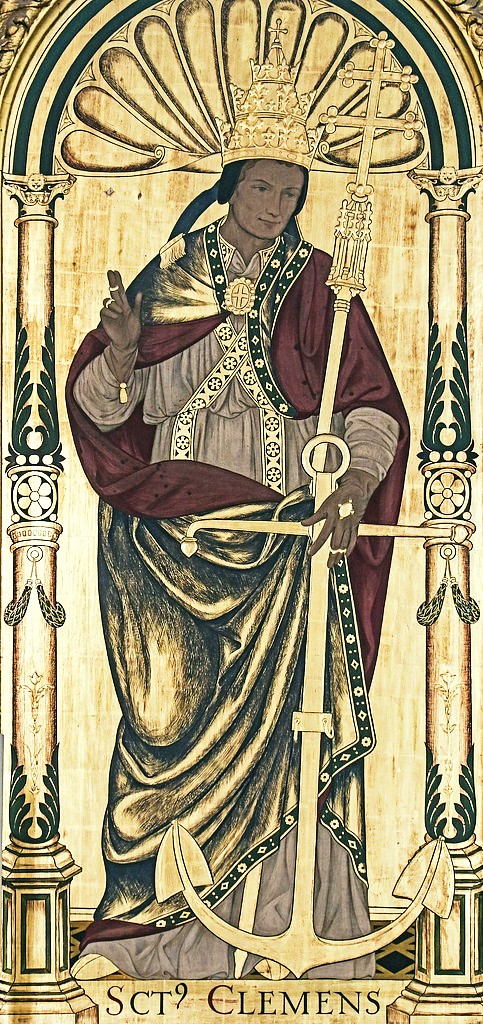


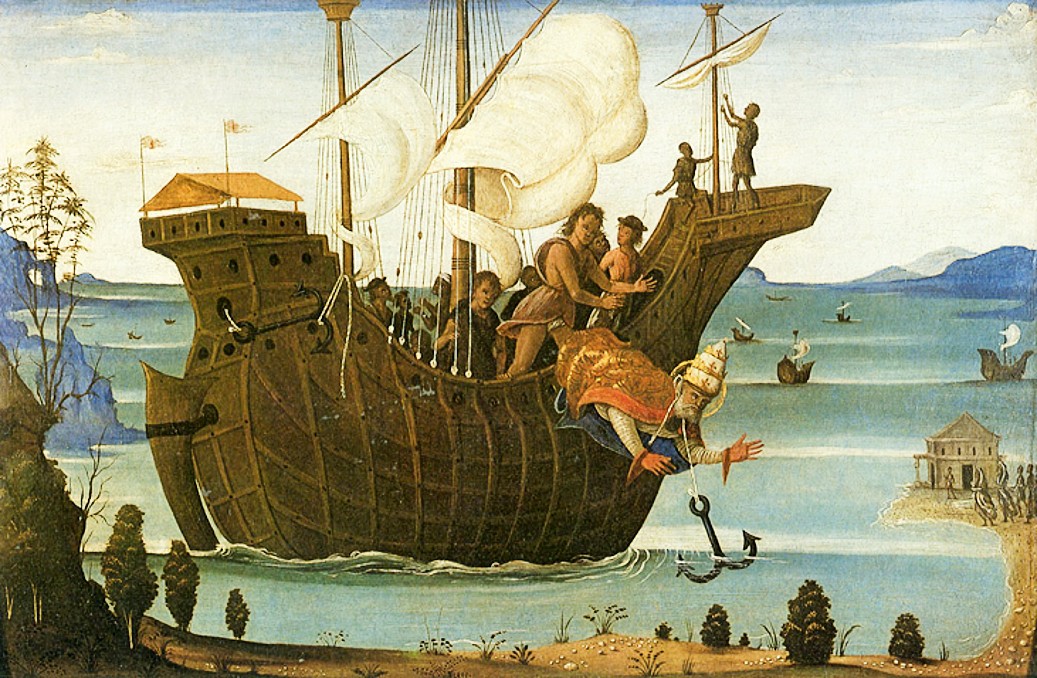
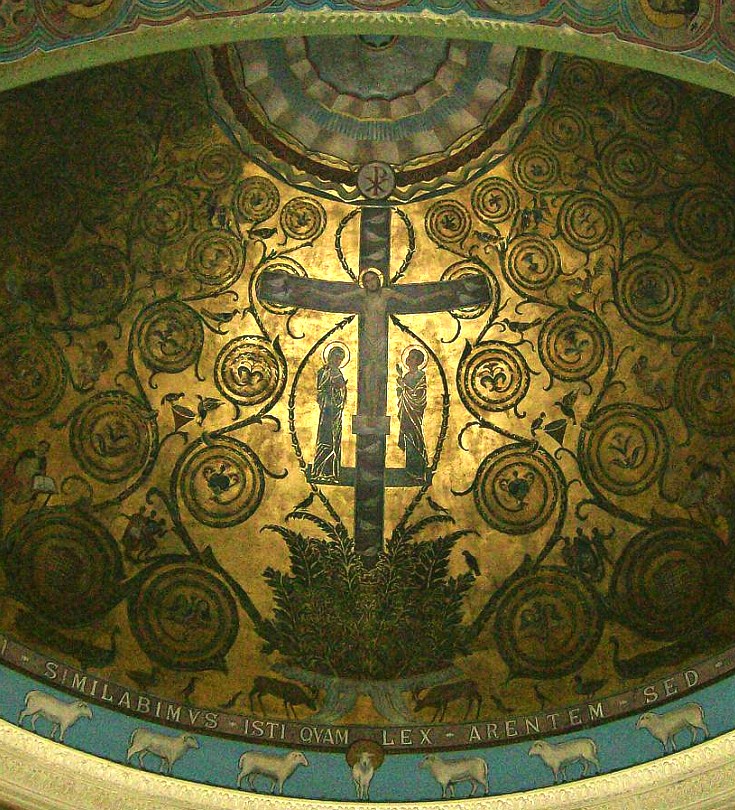
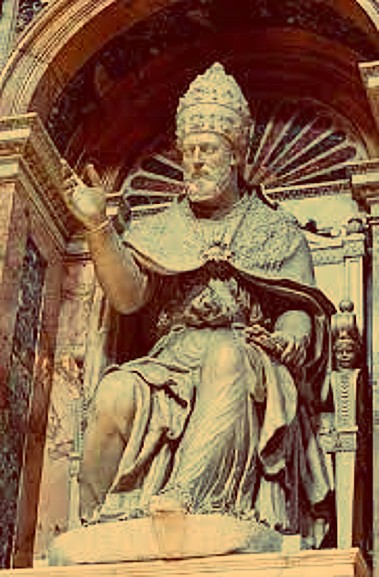


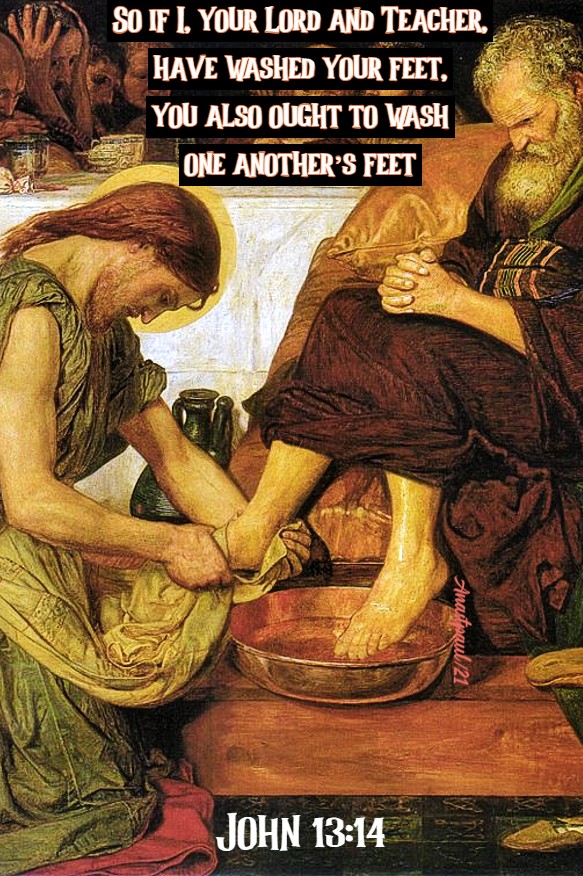

 AnaStpaul
You must be logged in to post a comment.