Saint of the Day – 30 October – Saint Gerard of Potenza (Died 1119) Bishop of Potenza, miracle-worker. Born at Piancenza, Italy and died on 30 October 1119 of natural causes in the same City. Patronage – Potenza. Diocese and the City if Potenza. Additional Memorial 30 May – translation of his relics.
Gerard was a native of Piacenza and, having moved to Potenza, he was chosen as Bishop for his virtues and his thaumaturgical activity. Died after just eight years of episcopate, his successor Manfredo wrote a Life of the Saint leading to his Canonisation by Pope Callistus II.
Gerard, was a descendant of the noble and illustrious La Porta family and was Bishop of this City from 1111 to 1119. He was a man of culture and solid piety. After spending his youth in Southern Italy, like so many other noble souls of his time, either in search of solitude or to be closer to the embarkation points of the Crusaders, on their way to the holy places.
When he arrived in Potenza, Gerard saw a vast field of apostolate opening up, especially among the youth. Opening the treasures of his culture and goodness to everyone, he attracted the sympathy and love of all the people.
On the death of the Bishop, the clergy and people elected him as their new Bishop and shepherd. He was consecrated Bishop in Acerenza. The dignity achieved, did not change the austerity of his life or the simplicity of his manners. Manfred, his Biographer and later successor in the episcopal role, describes this period of his life thus – “Honoured by pontifical glory, he appeared humbler, more meek, more humble, more benign, more diligent, in the exercise of the virtues.“
The Lord was pleased to make the holiness of His servant while still alive ,shine forth, with numerous miraculous signs, such as the changing of water into wine. Just a year after his death, the Pontiff of Rome Callistus II proclaimed his holiness.
The bones of St Gerard rest under the Altar dedicated to him ,in the Cathedral Church of Potenza. The Saint is honoured, in a particular way, on 30 October, the day of his death and on 30 May in memory of the translation of his bones to the new Cathedral, made by Bishop Oberto in 1250.
Madonna della Mondovi / Our Lady of Mondovi, Piemonte, Italy – 16th Century – 30 October:
Our Lady of Mond0vi, also known as the Madonna della Mondovi, is located at Vicoforte, in Piedmont, Italy. There a picture was found upon which a tile-maker had painted and placed on a brick pillar which he had erected for that purpose. This pillar has since been enclosed in a Church which was built in the year 1645 at the behest of Maria Cristina of France. The request was made in memory of the miraculous rescue of a child from the river, which took place in 1644 through the invocation of the image of the Blessed Virgin. Since that time there have been many miracles which have been wrought and continue to attract a great concourse of people.
The peasant folk especially venerated Our Lady at this Shrine and obtained numerous favours in answer to their prayers. The Church was enlarged in 1779 and equipped with a Baptistery in 1807. Inside, enriched with precious furnishings donated by the Savoy Princes and frescoes by Bartolomeo Guidobono and others. On the Altar, the miraculous image of the Blessed Mother is kept. The original image has been almost completely repainted in twentieth-century restorations.
St Angelo of Acri OFM Cap (1669-1739) Priest of the Franciscan Capuchins, Confessor, Preacher, Missionary, Evangeliser, Miracle-Worker, Apostle of Charity and Mercy to the sick, Mystic with the gifts of prophecy, bi-location, visions and the ability to see into men’s souls in Confession. His body is incorrupt and is enshrined in in the Basilica dedicated to him in Acri. The Story of St Angelo: https://anastpaul.com/2018/10/30/saint-of-the-day-30-october-st-angelo-of-acri-ofm-cap/
St Egelnoth the Good St Eutropia of North Africa St Gerard of Potenza
St Germanus of Capua (Died c 541) Bishop of Capua, Italy, Confessor, Papal Legate. St Germanus was a close friend of St Benedict of Nursia. The Roman Matyrology states: St Germanus, Bishop and Confessor, a man of great sanctity, whose soul, at the hour of death, was seen by St Benedict taken to heaven by angels. His Life: https://anastpaul.com/2020/10/30/saint-of-the-day-30-october-saint-germanus-of-capua-died-c-541/
St Herbert of Tours Bl Jean-Michel Langevin Bl John Slade St Lucanus of Lagny St Marcellus the Centurion St Marcian of Syracuse St Maximus of Cumae St Nanterius of Saint-Mihiel Bl Oleksa Zarytsky (1912-1963) Martyr Bl Raymond of Cardona St Saturninus of Cagliari St Serapion of Antioch St Talarica of Scotland Bl Terrence Albert O’Brien St Theonestus of Philippi (Died 425) Bishop, Martyr St Zenobia of Aegea St Zenobius of Aegea — Martyrs in Africa: A group of 100 to 200 Christians murdered in the early persecutions, and about whom we know nothing except that they died for their faith.
Saint of the Day – 29 October – Saint Abraham Kidunaia (c 296-c 366) Priest, Confessor, Hermit, Missionary. Born in c 296 at Edessa, Osrhoene, Mesopotamia (in modern Syria) and died in c 366 at Edessa, Osrhoene, Mesopotamia (in modern Syria) of natural causes. The Vita of St Abraham was written by his friend, St Ephrem (306-373) Father and Doctor of the Church. Also known as – Abraham the Great of Kidunja, Abraham of Edessa, Abraham of Kidunja, Abrhahn of Kidunaja.
Abraham Kidunaia was born to a wealthy family during the third century. After receiving an excellent education, Abraham was encouraged to get married. He followed the wishes of his parents but after the wedding ceremony, he told his bride his desire to remain a virgin and dedicate his life to God. His bride accepted this resolution and Abraham retired to a hermitage near Edessa, a City near Mesopotamia.
Ten years after he retreated from the world, his parents died and left a great amount of wealth to Abraham. As soon as he was aware of this, he asked a friend to distribute the sum to charitable causes. Through actions like this and his deep prayer life, Abraham became known throughout the region as a holy man and many came to him for guidance.
His reputation even came to the ears of the Bishop, and when Edessa became poisoned with sin and idolatry, Abraham was Ordained and asked to go to the City preaching reform. Abraham was greatly distressed by this, but obeyed the wishes of the Bishop.
When Abraham arrived in Edessa, none of the residents would listen to his words. Needless to say, the infuriated inhabitants beat him and expelled him from their midst. In the morning he was back, praying in his Church and from there went out to preach again to the the people, urging them to give up their superstitions and abominations. This time, he was stoned and left for dead but recovering, again returned and bearing insults, isolation and mistreatment, he persevered. After three years, the inhabitants of Beth-Kiduna realised that there was something to this man’s meekness and patience, and began to listen to him.
Eventually, through constant prayer, Abraham converted them. After baptising and confirming the many converts in the region, Abraham passed his apostolic work onto another. Abraham returned to his hermitage to continue his life of solitary prayer.
He lived for many years until his death at the age of seventy,.around the year 366 Abraham had lived a life of faithful service to God.
Nostra Signora di Oropa / Our Lady of Oropa, Piedmont, Italy (3rd Century) – 29 October:
This image, of cedar wood, six feet high, is in a Chapel which Saint Eusebius, Bishop of Vercelli (c 283-371), caused to be built. He often retired there during the troubles caused by the Arians. The Sanctuary of the black Virgin of Oropa, high in the Alps north of Biella, is traditionally associated with Saint Eusebius of Vercelli, who died in 371 but the circumstances of the story are anachronistic. Yet the Shrine is certainly an old one, and throughout the Middle Ages was associated with a Community of Canon Regulars. The vast range of buildings there today were begun by the Dukes of Savoy, early in the seventeenth century and form one of the most complete pilgrimage centres in the world (there is even a theatre). It is recorded that here in 1895, contemplating the space and beauty of the mountains, Marconi heard the first call to his life’s work.
View of the Ancient complex
The black cedar-wood Statue has been crowned four times, the last time in 1920 – the three superimposed diadems (the fourth is represented by a halo of twelve stars) can hardly be said to add to the beauty of the image.
The Statue wearing the 4 Crowns (offered by the local townspeople) in 1620, 1720 and 1820, respectively.
Discovery of the Statue of Our Lady of Oropa at Jerusalem – Saint Eusebius who had been exiled to Syria because of his differences with the Arians, died in the year c 371. While in exile, the Emperor Constantine permitted him some freedom. Eusebius discovered among some ruins in Jerusalem three Statues of Our Lady. On his triumphant return after the Arians had been temporarily overthrown, he gave two of the Statues away . The third he kept for himself, placing it in a little hermitage at Oropa which he often visited. In the 5th and 6th centuries when Arianism again reared its ugly head, the faithful Catholics took refuge at the Shrine of Our Lady of Oropa. At one time it was decided to transport the Statue to another place. As the procession marched along, the Statue became so heavy that the men who carried it could not move on. Only when they decided to take Our Lady back to her original Shrine at Oropa were they able to move.
The last addition to the sanctuary was the Upper Basilica, a monumental Church built between 1885 and 1960 due to the large number of pilgrims visiting Oropa. It can hold 3000 people and its dome is 80 metres high.
In 1617, the complex of the Sacro Monte di Oropa (literally Sacred Mount of Oropa) was built not far from the Sanctuary. It is a devotional path now composed of twelve Chapels (plus another seven nearby) containing groups of Statues representing scenes from the story of the Virgin Mary’s life. The Chapel of Our Lady of Oropa is a beautiful one and thousands of pilgrims today make their way there as they have done over the centuries. The Holy See asked the authorities in 1856 to make a list of the miracles recorded at the Shrine. It is long and impressive. Then, as now, Our Lady of Oropa has a way with her Divine Son.
St Abraham Kidunaia (c 296-c 366) Priest, Hermit. The Vita of St Abraham was written by his friend, St Ephrem (306-373) Father and Doctor of the Church. St Abraham of Rostov St Achahildis of Wendelstein St Anne of Mount Olympus
St Sigolinus of Stavelot St Stephen of Cajazzo St Terence of Metz St Theodore of Vienne St Zenobius of Sidon — Martyrs of Douai – (160 saints and beati): 160 priests, laymen and religious who studied at the English College in Douai, France, then returned to minister to covert Catholics in England during a period of government persecution of the Church, and were murdered for their work.
Martyrs of Lucania – (4 saints): A group of Christians executed together for their faith. Only their names have survived – Felician, Hyacinth, Lucius and Quintus. Their martyrdom occurred in Lucania, southern Italy.
Martyred in the Spanish Civil War: • Blessed Arsenio Merino Miguel • Blessed Benito Paradela Novoa • Blessed Joaquina Rey Aguirre • Blessed José Ruiz Bruixola • Blessed Maurilio Tobar González • Blessed Ponciano Nieto Asensio • Blessed Victoria Arregui Guinea
Saint of the Day – 28 October – Saint Eadsin of Canterbury (Died 1050) Archbishop of Canterbury from 1038 to 1050, Monk. He crowned St Edward the Confessor as King of England in 1043.Died in late October 1050 of natural causes. Also known as – Eadsige, Edsige, Eadsimus.
Little is known about the life of the Saint but we do know that he became a Priest and was attached to the Royal Court of King Cnut before King Cnut, in around 1030, arranged for him to enter the Monastery as a Monk at Christ Church, Canterbury, at his request. In around 1035, he served as a the auxilliary Bishop to Archbishop Æthelnoth of Canterbury, with his base located at the Church of St Martin in Canterbury. He was transferred to the Archbishopric of Canterbury in 1038 after Æthelnoth’s death. In 1040, he journeyed to Rome to receive his Pallium from Pope Benedict IX.
Eadsin may have crowned Harthacnut in 1040 but he definitely crowned St Edward the Confessor, along with Ælfric Puttoc, the Archbishop of York. on 3 April 1043 In 1044, Eadsin, wishing to withdraw from his See because of ill-health, appears to have approached King Edward and Godwin, Earl of Wessex, about temporarily consecrating Siward, Abbot of Abingdon, in Eadsins place. This retirement lasted until 1048, when Siward became ill and returned to Abingdon to die within eight weeks of his retirement. Eadsin returned to his Diocese and resumed his care of the Archdiocese of Canterbury until his death 2 years later.
Lord of Miracles/Señor de los Milagros de Nazarenas – A mid-17th-century painting of the Crucifixion that is venerated in Lima, Peru and its celebration involves one of the largest processions in the world.
It was painted by an unnamed African taken to Peru as a slave from what is now Angola. Above the Cross is the Holy Spirit and God the Father. Below and to the right of Jesus, is His mother, the Virgin Mary with her heart pierced by a sword of sorrow. Kneeling and weeping at the foot of the cross is St Mary Magdalene.
The name originated on 13 November 1655 when everything around it was destroyed in an earthquake that left the painting standing and undamaged. Christ is shown enduring the pain of Crucifixion. Every year in October, hundreds of thousands of devotees from all races and economic backgrounds participate in a procession honouring the image through the streets of Lima. Boulevards are decorated in purple on 18,19 and the final Feast 28 October to celebrate the Lord of Miracles.
Notre-Dame de Vivonne / Our Lady of Vivonne, Savoy, France – 28 October:
The Abbot Mathieu Orsini wrote: “Our Lady of Vivonne, in Savoy, where a miraculous image is venerated, which was found by a ploughman while preparing his field for the spring planting.”
Vivonne is a village in France having a population of somewhat less than 5,000 inhabitants and located about 20 kilometers south of Poitiers. It is situated on a rocky height looking down upon the three rivers that flow through the region. There are apparently two Churches in the village, the better known church being the Church of Saint George, on which construction began in the twelfth century. The other Church is Our Lady of Sais-les-Vivonne. According to tradition, a farmer was ploughing his field when he overturned something peculiar in the sod. To his great surprise, the man found the object was a Statue of the Blessed Virgin Mary. The good farmer took the Statue, now known as Our Lady of Vivonne, or Notre-Dame de Vivonne, to his home. After lovingly cleaning the debris from the Statue, the farmer took it to the local Church and gave it to the Parish Priest. The Priest immediately placed the Statue in the Church later that same day. The next morning when he returned to the Church, he found that the Statue was missing. After much inquiry and searching the farmer found the Statue was once again in his field. The man returned it to the Church but once again it disappeared from its place, only to be found again in the field. This occurred a total of three times before it was decided to build a Shrine where it had been found. The strange phenomenon brought people from near and far to the Shrine. Soon the image proved to be miraculous and pilgrimages began. The Church which was built to honour the image of Our Lady was given to the Carmelite Order. I can find no images of this Church online.
St Abdias of Babylon St Abraham of Ephesus St Alberic of Stavelot St Anastasia the Elder St Anglinus of Stavelot St Cyril of Rome St Cyrilla of Rome St Diomedes the Younger St Dorbhene of Iona St Eadsin of Canterbury (Died 1050) Archbishop of Canterbury St Elius of Lyon St Faro of Meaux
St Genesius of Thiers St Gioan Dat St Godwin of Stavelot St Maria Ascuncion St Remigius of Lyons St Rodrigo Aguilar Aleman St Salvius of Amiens — Martyrs of Avila – 3 saints: Two sisters and a brother who, during a period of persecution, fled Talavera de la Reina, Spain, were caught and executed. Martyrs: Christeta, Sabina and Vincent. 303 in Avila, Spain.
Martyred in the Spanish Civil War: • Blessed Claudio Julían García San Román • Blessed Maria Asuncion
Saint of the Day – 27 October – Saint Elesbaan of Ethiopia (Died c 555) King of Ethiopia, Confessor, Penitent Hermit and Monk. Also known as – Elesbaan of Axum, Ella Atsbeha, Ella Asbeha, Calam-Negus, Calam, Caleb, Elesbaas, Elesbas, Elesboas, Eleuzoe, Hellestheaeus, Kaleb.
The Roman Martyrology states today: “St Elesbaan, King, who after having defeated the enemies of Christ and sent his Royal Diadem to Jerusalem, in the time of Emperor Justin, led a monastical life, as he had vowed and went to his reward.”
In the 6th century Ethiopia was ruled by King St Elesbaan, who was raised from childhood in the Catholic Faith. King Elesbaan ruled his country with wisdom and was esteemed by his people.
At that time, Ethiopia was part of the Eastern Roman Empire, under Justinian I. Across the Red Sea, Arabia had fallen to Dunaan, a King who apostatised from the Catholic Faith and adhered to Judaism. He was a despotic ruler, persecuting the Bishops and clergy and destroying the Churches or transforming them into synagogues. St Gregentius, Bishop of Tafas, was expelled from his Diocese; St Aretas, governor of Nagran and leader of the Catholic reaction, was beheaded along with his wife, children and 340 of his people. Around 4,000 Catholics were killed without trial after suffering many cruelties.
Emperor Justinian called on King Elesbaan to chastise the usurper. The King gathered his army and crossed the Red Sea to punish the affront to Catholic honour. Elesbaan landed in Arabia, defeated Dunaan and executed him. Then he restored St Gregentius to his episcopal see, rebuilt the Churches and remained in the country until Ebrahamos, who was Catholic, was elected King of the Arabs.
Once his mission of justice and peace was accomplished, he returned to Ethiopia and ruled there for some years more, carefully instructing his son in the Catholic Faith, making him heir of his zeal and piety and the direction of the Kingdom. Then he renounced his title and handed the rule of the Kingdom to his son.
Disguised as a Hermit, he retired to a Monastery in the mountains. There he lived as a simple religious dedicated to prayer, obedience and work. He carried nothing with him out of the Palace but a mat to lie on and a cup to drink from. His food was only bread, with which he sometimes took a few dry herbs; he never drank anything but water. He would not allow himself the least distinction above the least among his brethren and was the first in every duty of his new state.
No seculars ever had access to him and his whole employment consisted in the exercises of penance, the contemplation of heavenly things and conversing with God, by whom he was at length called, to a happy death, to reign eternally with Christ.
He died with a reputation of sanctity on 27 October c 555. Often he is pictured as a solitary Hermit holding a Cross and with a Crown at his feet.
Dedication of the Basilica of Auxilium Christianorum / Our Lady Help of Christians, Turin, Italy, built by St John Bosco (1868) – 27 October:
The vast and magnificent Basilica of Our Lady in Turin, Italy, built by Saint John Bosco (1815-1888) between 1863 and 1868, was inspired by a dream-vision which he had in October 1844. The Blessed Virgin showed Don Bosco a vast and lofty Church and said:
“This is my house; from it my glory shines forth. You will understand everything when, with your material eyes, you will see in actual fact, what you now see with the eyes of your mind.”
Nineteen years later, Don Bosco finally set to work on the Basilica of Our Lady Help of Christians. Our Lady, in a second vision, chose the location as that of the place of the Martyrdom of Saint Adventer Solutor and Saint Octavious, who were both soldiers under the Emperor Maximianus in the fourth century. When the foundation of the Church was laid, Don Bosco went to the contractor, Charles Buzzetti and told him:
“I want to pay you at once for this fine work. I don’t know if it will be much but this is all I have.”
He then took out his little purse and emptied the contents into the hand of the contractor, who was expecting a handful of gold coins. His jaw dropped in dismay when he saw in his hand only eight pennies.
“Do not be alarmed,” Don Bosco quickly added with a smile, “the Madonna will see to the payment of her Church. I am just the instrument, the cashier.” And to those standing by he concluded, “You will see!”
“The whole Church was put up by means of graces granted by Mary,” Don Bosco often said. One sixth of the cost, about one million lire in those days, was borne by the generous contributors, devout persons; the rest came from the small offering of those, who had been aided by Mary.
“Every stone, every ornament, represents one of her graces,” insisted Don Bosco. The original contractor, who received the eight cents, later testified that, “The Church was paid for to the last cent.”
Our Lady Help of Christians
Among the monuments of the Church, the most splendid is the painting above the main Altar. Our Blessed Lady Help of Christians occupies the central position and is surrounded by symbols – God the Father, the Holy Spirit, the Apostles and Evangelists. It measures more than 28 metres square and is bordered with gold.
There was much opposition to the project of building a Church dedicated to and in honour of Our Lady Help of Christians but Don Bosco insisted. It appears he had a supernatural knowledge, that the future of his own congregation and that of the whole world in the not too distant future, depended on the powerful protection of Mary, Help of Christians, just as it had needed and obtained that protection at Lepanto on 7 October 1571 and at Vienna, on 12 September 1683. Don Bosco, with the gracious assistance of the Blessed Virgin Moher, succeeded and the vast Church was Consecrated and dedicated on 9 June 1868 with the crowing on 27 October. The dedication festivities lasted nine days and on each day a Bishop preached while another took part in the ceremonies. By the turn of the nineteenth century, the Church of Our Lady Help of Christians in Turin had become famous and in 1911, Pope Saint Pius X gave it the crowning glory by raising it to the rank of a Basilica – The Basilica of Our Lady Help of Christians!
The Feast Day of Our Lady Help of Christians is 24 May and was instituted by Saint Pius V in 1573, in thanksgiving for the decisive victory of Christianity over Islamism at the Battle of Lepanto in 1571. All the information here including the dreams of St John Bosco: https://anastpaul.com/2018/05/24/feast-of-our-lady-help-of-christians-24-may/
The Processional Statue of Our Lady Help of Christians, Turin
St Capitolina St Colman of Senboth-Fola St Colman of Templeshambo St Desiderius of Auxerre St Elesbaan of Ethiopia (Died c 555) King, Confessor, Penitent Hermit and Monk
Quote/s of the Day – 26 October – The Memorial of St Alfred the Great (849-899) King
“For in prosperity, a man is often puffed up with pride, whereas tribulations chastens and humbles him through suffering and sorrow. In the midst of prosperity, the mind is elated, and in prosperity. a man forgets himself. In hardship, he is forced to reflect on himself, even though he be unwilling. In prosperity, a man often destroys the good he has done. Amidst difficulties, he often repairs what he long since did in the way of wickedness.”
“He seemed to me, a very foolish man and very wretched, who will not increase his understanding while he is in the world and ever with and long to reach that endless life, where all shall be made clear.”
“The saddest thing about any man, is that he be ignorant and the most exciting thing. is that he knows it!”
“Ah, what shall I be at fifty, should nature keep me alive, if I find the world so bitter when I am but twenty-five?”
“One God, one law, one element, And one far-off divine event, To which the whole creation moves.”
Our Morning Offering – 26 October – The Memorial of St Alfred the Great (849-899)
We Pray to You, O Lord, the King of All By St Alfred the Great (849-899)
We pray to You, O Lord, Who are the surpeme Truth and all truth is from You. We beseech You, O Lord, Who are the highest Wisdom and all the wise depend on You for their wisdom. You are the supreme Joy and all who are happy, owe it to You. You are the Light of minds and all receive their understanding from You. We love, we love You above all. We seek You, we follow You and we are ready to serve You. We desire to dwell under Your Power, for You are the King of all. Amen
Saint of the Day – 26 October – Saint Alfred the Great (849-899) King of Wessex, Confessor, Scholar, Writer and Translator, negotiator. He administered justice with insight and fairness, protected the poor, and encouraged art and the crafts. He tried in all that he did, to rule as a model Christian King. For all this, he alone among the rulers of England is called “the Great.”
Born in the year 849 in the Royal Saxon Palace at Wantage, in what is now Berkshire, the youngest of five sons of King Æthelwulf,
Alfred spent his life in a time of “battle, murder and sudden death” during the Danish invasions and settlement in Britain.
On a pilgrimage to Rome at the age of four, Alfred was blessed by Pope Leo IV, an event that deeply impressed the young Saxon boy. Two years later he witnessed his father’s marriage to a young Princess of the Frankish court. Following the death of his father and the brief reigns of his brothers, Alfred became King of the West Saxons (the Kingdom of Wessex) in 871. At the time, the pagan Danes had gained control of large part of eastern and southern England and were harrying the eastern coasts, burning Churches and Monasteries and killing the inhabitants.
Despite many setbacks against the Danes, Alfred never despaired and in time, he was able to drive the Danes from Wessex, saving his Kingdom and subjects from death and despoliation. He was generous to the defeated Danish Leader Guthrum, persuading him to accept Baptism and to recognise the boundaries between the Danish holdings and Wessex.
In his later years, Alfred sought to repair the damage done by the Danish invasions to the culture and learning of his Kingdom, especially among the Parish clergy. On the earlier model of Charlemagne’s school at Aachen, he founded a Palace school that was unrivaled in northern Europe at the time. He not only encouraged men of learning but he laboured himself and gave proof of his own learning. He translated into Anglo-Saxon: “The Consolation of Philosophy” of Boëthius; “The History of the World” of Orosius; the “Ecclesiastical History” of Bede, and the “Pastoral Rule” and the “Dialogues” of St. Gregory the Great. The “Consolation of Philosophy” he not only translated but adapted, adding much of his own. The “Anglo-Saxon Chronicle”, the record of the English race from the earliest time, was inspired by him.
He is generally credited with establishing trial by jury, the law of “frank-pledge,”(an Anglo-Saxon legal system in which units composed of ten households were formed, in each of which members were held responsible for one another’s conduct) and many other institutions which were rather, the development of national customs of long standing. He is represented as the Founder of Oxford, a claim which some recent research wishes to disprove. But ,even the elimination of the legendary from Alfred’s history does not, in any way, diminish his greatness, so much is there of actual, recorded achievement to his credit. His own estimate of what he did for the regeneration of England is modest, beside the authentic history of his deeds.
He endeavoured, he tells us, to gather all that seemed good in the old English laws and adds: -“I durst not venture much of mine own to set down, for I knew not what should be approved by those who came after us.” Not only did he codify and promulgate laws but he looked, too, to their enforcement, and insisted that justice should be dispensed ,without fear or favour. He devoted his energies to restoring, what had been destroyed, by the long wars with the invaders. Monasteries were rebuilt and founded and learned men brought from other lands. He brought Archbishop Plegmund and Bishop Wetfrith from Mercia; Grimbold and John the Old-Saxon from other Teutonic lands; Asser, John Scotus Erigena and many others.
In one of the works prepared at his direction, he wrote, “He seemed to me, a very foolish man and very wretched, who will not increase his understanding while he is in the world and ever with and long to reach that endless life, where all shall be made clear.”
Notre-Dame de la Victoire / Our Lady of Victory, near Senlis, France (1225) – 26 October:
The Abbot Orsini wrote: “Dedication of Our Lady of Victory, near Senlis, in the year 1225, by Guarin, Bishop of Senlis and Chancellor of France. This Abbey was built by Philip Augustus, in thanksgiving for the victory which he gained over the Emperor Otho IV, at Bouvines, in the year 1214.”
The Battle of Bouvines took place on 27 July 1214 and although, it is no longer much remembered as a famous battle, it is one in which the world was changed in its aftermath. Easily one of the most significant battles to take place in the Middle Ages, there were combatants from several European countries taking part on one side or the other. With the death of King Richard the Lion-hearted, his brother John claimed the lands of Normandy along with England, even though he had no right to them, as they rightfully belonged to his nephew, a boy named Arthur. John probably killed Arthur, as he was the one with the most to gain. When King Philip Augustus heard that John was claiming to be the Duke of Normandy, he called him to account for his nephew. When John refused, King Philip took away his right to rule Normandy. Rather than submit, John joined forces with the German Emperor and the Count of Flanders in open rebellion. King Philip went to Mass with his troops just prior to the battle. His army probably numbered in total about 15,000 men, while the allied forces arrayed against him, were nearly double that size. Knowing that his noblemen were anxious about the upcoming battle, King Philip took off his Crown and placed it upon the Altar, saying: “If anyone here thinks he can wear this crown more worthily than I, let him step forward to take it.” Philip’s men loudly reaffirmed their faith in their King and went enthusiastically to the battle. The battle was hotly contested,and both King Philip and Otto IV of Germany had several horses killed beneath them. At one point, when King Philip was unhorsed, he was surrounded by Flemish pikemen. It is related that his life was only saved due to the superior plate mail armour he wore,but later events came to demonstrate that it was also because of the intervention of the Blessed Virgin Mary. King Philip captured the Count of Flanders and took him back to France to display him to his nobles like a pet in an iron cage. The victory did much more than bring an end to the King of England’s claims to Brittany and Normandy, it also helped strengthen the Monarchy in France as it simultaneously weakened the monarchy in England. When King John returned to England, his position was so weakened that he felt compelled to sign the Magna Carta, which greatly limited his power over his subjects. Otto IV of Germany was deposed soon after he returned to his own realm. In thanksgiving for his victory, King Philip Augustus founded the Abbey of Victory between Senlis and the Bishop Mount, to honour the Mother of God for this signal victory.
St Adalgott of Einsiedeln St St Alanus of Quimper St Albinus of Buraburg St Alfred the Great (849-899) King of Wessex St Alorus of Quimper St Amandus of Strasburg St Amandus of Worms St Aneurin St Aptonius of Angouleme St Arnold of Queralt St Bean of Mortlach St Bernard de Figuerols
St Felicissimus of Carthage St Fulk of Piacenza St Gaudiosus of Salerno St Gibitrudis St Gwinoc St Humbert St Lucian St Marcian St Quadragesimus of Policastro St Rogatian of Carthage St Rusticus of Narbonne St Sigibald of Metz — Martyrs of Nicomedia – 5 saints
Quote/s of the Day – 25 October – The Memorial of St Gaudentius of Brescia (Died 410) Bishop
Excerpt from a Homily by St Gaudentius
“The heavenly Sacrifice, instituted by Christ, is the most gracious legacy of His new Covenant. On the night He was delivered up to be Crucified, He left us this gift as a pledge of His abiding Presence.
This Sacrifice is our sustenance on life’s journey; by it we are nourished and supported along the road of life, until we depart from this world and make our way to the Lord. For this reason He addressed these words to us: “Unless you eat my flesh and drink my blood, you will not have life in you” [John 6:53].
It was the Lord’s will that His gifts should remain with us and, that we, who have been redeemed by His Precious Blood, should constantly be sanctified according to the pattern of His own Passion.
And so, He commanded those faithful disciples of His, whom He made the first Priests of His Church, to enact these Mysteries of eternal life continuously. All Priests, throughout the Churches of the world, must celebrate these Mysteries until Christ comes again from Heaven.
Therefore, let us all, Priests and people alike, be faithful to this everlasting memorial of our Redemption. Daily it is before our eyes as a representation of the Passion of Christ. We hold it in our hands, we receive it in our mouths and we accept it in our hearts.
It is appropriate that we should receive the Body of Christ in the form of bread because, as there are many grains of wheat in the flour from which bread is made, by mixing it with water and baking it with fire, so also, we know that many members make up the One Body of Christ, which is brought to maturity by the fire of the Holy Spirit.
Christ was born of the Holy Spirit and, since it was fitting that He should fulfill all justice, He entered into the waters of baptism to sanctify them. When He left the Jordan He was filled with the Holy Spirit who had descended upon Him in the form of a dove. As the Evangelist tells us: Jesus, full of the Holy Spirit, returned from the Jordan.
Similarly, the wine of Christ’s Blood, drawn from the many grapes of the vineyard that He had planted, is extracted in the wine-press of the Cross. When men receive it with believing hearts, like capacious wine skins, it ferments within them by its own power.
And so, now that you have escaped from the power of Egypt and of Pharaoh, who is the devil, join with us, all of you, in receiving this Sacrifice of the saving Passover with the eagerness of dedicated hearts. Then, in our inmost being, we shall be wholly sanctified by the very Lord Jesus Christ, Whom we believe to be present in His Sacraments and Whose boundless Power abides forever. ”Amen!
“This is the Flesh of the Lamb; this is His Blood.”
Saint of the Day – 25 October – St Gaudentius of Brescia (Died 410) Bishop , renowned Preacher, Theologian, Diplomatic Mediator, Born in Brescia, Italy and died there in 410 of natural causes.
The Roman Martyrology states today: “In Brescia, Saint Gaudentius, Bishop, who, Ordained by Saint Ambrose, shone among the prelates of his time for doctrine and virtue, instructed his people with words and writings and founded a Basilica which he called the ‘Council of Saints.‘”
16th century depiction of St Gaudentius by Romanino
Gaudentius was the eighth Bishop of Brescia, the City where he was born. We know something about his life from his ten Sermons, sent to a worthy fellow citizen, a Brescian nobleman named Benivolus, who, because he was ill, could not attend Mass to listen to him. Gaudemnzio, for his humility, thought he carried out his ministry solely through preaching. His homilies were copied and disseminated because they were requested by the faithful. When he was elected Bishop, by popular acclaim and with the approval of St Ambrose, he was on a pilgrimage to the Holy Land. The Brescians then sent a delegation to Palestine to get him back as soon as possible.
He enjoyed a reputation of great holiness and for this reason ,he had the esteem of the great religious and civil personalities of his time.
Born at Brescia, Italy, about the middle of the 4th century, Gaudentius was educated under St Philastrius, Bishop of Brescia, whom he termed his “father.” After earning a reputation for sanctity, he travelled to the East where he gained even more fame. In his absence, he was elected Bishop by the people on the death of St Philastrius, although he felt unworthy to receive such an honour, he was influenced to accept it by the Eastern Bishops and in 387 he was consecrated by St Ambrose.
Gaudentius was a powerful preacher and ten of his Sermons have survived, offering ample testimony to this fact, as well as twenty-one tractates and several pastoral and private letters survive. He governed his See with prudence and humility, inspiring his flock to imitate the Divine Master .
In 405, the Saint was sent with two others by Pope Innocent I to the East to defend St. John Chrysostom before Arcadius. However, the party was prevented from reaching Arcadius and never formally interceded for John – the three men were shipped back home on a vessel so unseaworthy that it almost sank and had to be left at Lampsacus. Subsequently, St. John wrote a letter of thanks to St Gaudentius for his efforts, even though they had not borne fruit. This saintly man died in 410 and was called by Rufinus: “the glory of the Doctors of the age in which he lived.”
Virgen Blanca – The Dedication of the Cathedral of Our Lady of Toledo, Spain and the White Virgin (Also known as the Smiling Madonna) (1085) – 25 October:
The Abbot Orsini wrote: “Dedication of Our Lady of Toledo, in Spain, about the year 1075, by Bernard, Archbishop of that City.”
The City of Toledo in Spain was not reconquered until 1085, when King Alfonso VI, King of Leon and Castile, took the City from the Moors. This was an important step in the Reconquista, as Toledo had once been the capital of Visigothic Spain. The City’s Cathedral had been desecrated and used as a mosque by the Moslem invaders of Spain but the people had the pleasure of seeing it blessed and consecrated in the year 1087. It was placed under the advocacy of the Blessed Virgin Mary, as King Alfonso wrote:
“I, Alfonso, Emperor of all Spain by God’s Providence, convened with the Bishops, namely, that for these ten will I preserve the papal honour of Saint Mary of the City of Toledo, which was formerly the See…”
In 1225 a new Cathedral was begun to replace the older one, for which King Fernando III drew up the plans and laid the cornerstone. Fernando’s good friend, the Archbishop Rodrigo Ximenez de Rada, worked very enthusiastically for the completion of the new Cathedral where he was Bishop. There are so many masterpieces of art and beautiful Shrines in the City of Toledo, Spain, that a visitor may easily miss the White Virgin. She stands atop an Altar in the choir of Toledo’s magnificent Cathedral. It is said that you can live to be 100 years old, visit this wonderful Cathedral once a week for all of your life and still never finish discovering its glories!
The sacred image of Our Lady is a polychromed alabaster Statue of French origin from the twelfth century. Both Mother and Child are clothed in white, their garments bordered with jeweled gold. Their faces darkened by time, are framed with curly, strawberry-blond hair. The Statue has also been called the “Smiling Virgin of Toledo;” for the Child’s right hand caresses His Mother’s face, tickling her chin. She responds with a smile that gives this image its popular name. It is also called the “Virgin of Prima” and the “Virgen Blanca.” There is also another artifact worthy of special mention and that is the ten foot tall great Monstrance of Arfe. It is made of both silver and gold, inset with precious gems. It took nearly 8 years to construct and is done in a Gothic style that is truly a magnificent work of art.
St Alfons Arimany Ferrer St Bernard of Calvo St Canna verch Tewdr Marw St Chrysanthus
St Cyrinus of Rome St Daria St Dulcardus Bl Edmund Daniel St Fronto of Périgueux St Fructus of Segovia St Gaudentius of Brescia (Died 410) Bishop St George of Périgueux St Goeznoveus of Leon St Guesnoveus Bl Henry of Segusio St Hilary of Javols St Hilary of Mende St Hildemarca of Fecamp St Januarius of Sassari St Lucius of Rome St Lupus of Bayeux St Mark of Rome
Martyrs of Cruz Cubierta – 5 beati: A mother, Blessed María Teresa Ferragud Roig de Masiá and her four daughters, Blessed María Joaquina Masiá Ferragud, Blessed María Vicenta Masiá Ferragud, Blessed María Felicidad Masiá Ferragud and Blessed Josefa Ramona Masiá Ferragud, all nuns, who were Martyred in the Spanish Civil War, on 25 October 1936 in Cruz Cubierta, Alzira, Valencia, Spain. They were Beatified on 11 March 2001 by St Pope John Paul II.
Forty Martyrs of England and Wales – 40 saints: Following the dispute between the Pope and King Henry VIII in the 16th century, faith questions in the British Isles became entangled with political questions, with both often being settled by torture and murder of loyal Catholics. In 1970, the Vatican selected 40 martyrs, men and women, lay and religious, to represent the full group of perhaps 300 known to have died for their faith and allegiance to the Church between 1535 and 1679. They each have their own day of memorial, but are remembered as a group on 25 October.
• Alban Roe • Alexander Briant • Ambrose Edward Barlow • Anne Line • Augustine Webster • Cuthbert Mayne • David Lewis • Edmund Arrowsmith • Edmund Campion • Edmund Gennings • Eustace White • Henry Morse • Henry Walpole • John Almond • John Boste • John Houghton • John Jones • John Kemble • John Lloyd • John Pain • John Plesington • John Rigby • John Roberts • John Southworth • John Stone • John Wall • Luke Kirby • Margaret Clitherow • Margaret Ward • Nicholas Owen • Philip Evans • Philip Howard • Polydore Plasden • Ralph Sherwin • Richard Gwyn • Richard Reynolds • Robert Lawrence • Robert Southwell • Secular Clergy • Swithun Wells • Thomas Garnet.
Martyred in the Spanish Civil War: • Blessed Alfons Arimany Ferrer • Blessed Recaredo Centelles Abad
Twenty Second Sunday after Pentecost Thirtieth Sunday in Ordinary Time
Saint Raphael the Archangel The Feast day of Saint Raphael was included for the first time in the General Roman Calendar in 1921, for celebration on 24 October. With the 1969 revision of the General Roman Calendar, the Feast was transferred to September 29 for celebration together with Archangels Saints Michael and Gabriel.
Beata Vergine delle Grazie / The Blessed Virgin of Grace, Udine, Friuli-Venezia Giulia, Italy (1479) – Fourth Sunday of October:
When Sir John Emo was serving as Venetian Ambassador to Constantinople, Sultan Mohammed II gave him a Byzantine-style icon of the Virgin nursing the Child. In 1479, Sir Emo became Lieutenant of Udine, a City in northeast Italy then under the Republic of Venice, bringing the icon with him to the governor’s castle. Not long afterward, one of the palace cooks nearly lost a hand in the kitchen but it healed when touched to the image. News of the miracle inspired popular devotion, so Sir Emo decided to move the image to the Church of Sts. Gervais and Protasius, where it entered in procession on 8 September 1479. By 1495, the Church was too small for all the pilgrims and a new Sanctuary was begun, consecrated to Our Lady of Graces and run by the Servants of Mary. On 6 September 1870 the Church Crowned the icon; in 1922, it named the Shrine a Minor Basilica.
On the fourth Sunday of October, the City both fulfills and renews, a vow made during the plague of 1555. The Beata Verginedelle Grazie is also credited with saving the region from the plague of 1599, the cholera of 1836 and the bombardment of the war in1944.
St Anthony Mary Claret CMF (1807-1870) Known as “The Spiritual Father of Cuba.” In the first years, records show, that he Confirmed 100,000 people and performed 9,000 Sacramental Marriages.Archbishop of Cuba, one of the Fathers of the First Vatican Council,Confessor to the Queen of Spain, Missionary, Founder of the Congregation of Missionary Sons of the Immaculate Heart of Mary, commonly called the Claretians, Confessor, Mystic, Social Reformer, Spiritual Director, Writer, Publisher, Preacher, Apostle of Charity. He was declared venerable by Pope Leo XIII in 1899. He was Beatified in 1934 and in 1950, Canonised by Pope Pius XII. His heart is incorrupt. The 1969 revision of the calendar moved St Anthony Feast to the day of his death, 24 October (from the 23rd) which had been the Feast of Saint Raphael the Archangel since 1921. (Optional Memorial) About St Anthony Mary here: https://anastpaul.wordpress.com/2017/10/24/saint-of-the-day-24-october-st-anthony-mary-claret-1807-1870-cmf/
Bl Amado García Sánchez St Audactus of Thibiuca St Cadfarch St Ciriacus of Hierapolis St Claudian of Hierapolis St Ebregislus of Cologne St Felix of Thibiuca St Fortunatus of Thibiuca St Fromundus of Coutances St Giuse Lê Dang Thi
St Luigi Guanella (1842-1915) “Servant of Charity,” Priest, Founder the Daughters of Saint Mary of Providence (1890) and the Servants of Charity (24 March 1908) alongside his friends Fr David Albertario (1846-1902) and Blessed Giuseppe Toniolo (1845-1918). Apostle of Charity, Marian devotee, Eucharistic Adorer and passionate promoter. Guanella also founded the Pious Union of Saint Joseph (1914) with his supporter and first member St Pope Pius X. St Luigi’s Life: https://anastpaul.com/2018/10/24/saint-of-the-day-24-october-st-luigi-guanella-1842-1915-servant-of-charity/
St Maglorius of Wales St Marcius of Monte Cassino St Martin of Vertou
St Senoch St Senócus of Tours St Septimus of Thibiuca — Martyrs of Ephesus – 3 saints: Three Christians martyred together. All we know about them are the names Mark, Sotericus and Valentina. They were stoned to death near Ephesus, Asia Minor (in modern Turkey). Their relics are enshrined on the island of Tasos.
Saint of the Day – 23 October – Saint Allucio of Campugliano (c 1070–1134) Layman, Apostle of the poor and of pilgrims, Penitent, peace-maker., miracle-worker. Born in c 1070 in Campugliano, Italy and died on 23 October 1134 in Campugliano, Italy of natural causes. Patronage – Diocese of Pescia, Italy, (proclaimed in 2000 by the Congregation for the Causes of Saints).
Allucio was born in Valdinievole near Pescia to Omodeo, a prosperous rural landowner. He spent his youth shepherding the family’s flock before devoting his life to acts of charity.
His journey of assisting pilgrims and travellers began with the restoration of the Hospice of Campugliano, which was practically in ruins. It was entrusted to his industrious piety. Allucio brought the building back to an admirable Shelter, in which work he was assisted by some comrades, who were rich like himself, in the zeal of charity. These friends formed the core of the Lay Apostalate which was later called Brothers of SaintAllucio.
To better assist the poor and needy, the young Allucio founded another hospice on Monte Albano. He created a third one near the bank of the Arno, over which he even built a bridge, for the convenience of pilgrims. The latter was not an easy ndertaking, not only for the technical problems but because Allucio had to convince and appease the local ferryman, who earned hefty earnings by carrying travellers from one bank to the other.
According to tradition, miracles multiplied in great numbers around the benefactor of the poor. For this reason, real diplomatic missions were delegated to him in distant Cities, which Allucio carried out successfully, managing to pacify them, for example, the two rival Cities of Ravenna and Faenza came at last to peace through his negotiations.
Among the miraculous interventions handed down by devotion, the most unusual was that of the man whose eyes had been gouged out, as punishment for some crime committed, according to the so-called “retaliation law,” common in the Middle Ages. Not out of contempt for justice but out of pity for the blinded, even if guilty, Allucio put his eyes back in the hollow sockets of the condemned, restoring his sight.
He built two Churches, a bridge over the Arno, three Shelters and Hospices for pilgrims and other travellers, including one on his own properties at Campigliano near Uzzano and others in mountain passes and river crossings. He was a generous almsgiver and carer of the sick and the poor. In all this work, the “Brothers of Saint Allucio,” grew in numbers and in their charitable works and became an powerful Apostolate.
As active as he was in doing good, he was equally strict with himself. He never ate meat, nor cheese, nor eggs. He fasted three times a week. And for seven consecutive Lents, he touched no food at all.
He died at Valdinievole on 23 October 1134 calm and active until the last moment. He was immediately made the subject of a lively popular cult.
His body was interred by the Brothers in the Church of Saint Luke in Campugliano. In 1344, his relics were enshrined in a stone urn at the High Altar of the Cathdral of Campugliano by Dominican Brother Paul Lapi by order of Bishop Guglielmo Dulcini of Lucca, Italy. In 1792, the relics were moved to the Chapel of Our Lady of the Rosary, Cathedral of Pescia and finally, in 1934, they were moved to the new Chapel built in his honour and dedicated to Saint Allucio in Campugliano.
He was Canonised on 23 October 1182 by the Bishop of Lucca, Italy on behalf of the Pope.
When Allucio’s relics were being translated in 1344, a Vita was discovered stored in the reliquary., which contained a record of the many miracles granted at the intercession of the Saint.
Feast of the Most Holy Redeemer – The Feast of the Most Holy Redeemer was a Catholic liturgical feast. It is celebrated in Venice as the Festa del Redentore. It is also celebrated by the Redemptorists and was celebrated in the City of Rome. The feast is found only in the special calendar of some Diocese and religious Orders and is celebrated with proper Mass and Office either on the third Sunday of July or on 23 October. https://anastpaul.com/2019/10/23/the-feast-of-the-most-holy-redeemer-23-october/
St John of Capistrano OFM (1386-1456) “The Soldier Saint.” Franciscan Friar and Priest, Confessor and Preacher. Famous as a preacher, theologian and inquisitor, trained lawyer, he earned himself the nickname ‘the Soldier Saint’ when in 1456 at age 70 he led a crusade against the invading Ottoman Empire at the siege of Belgrade with the Hungarian military commander John Hunyadi, called the Athleta Christi (“Christ’s Champion”) by Pope Pius II. (Optional Memorial) St John’s Story here: https://anastpaul.wordpress.com/2017/10/23/saint-of-the-day-23-october-st-john-capistrano-ofm-1386-1456-the-soldier-saint/
Bl John Buoni St John of Syracuse St Oda of Aquitaine St Phaolô Tong Viet Buong St Romanus of Rouen St Severinus of Cologne St Syra of Faremoutiers St Theodoret of Antioch Bl Thomas Thwing St Verus of Salerno — Martyrs of Cadiz – 2 saints Germanus Servandus Martyrs of Hadrianopolis – 2 saints Dorotheus Severus Martyrs of Nicaea – 3 saints Euerotas Socrates Theodota
Martyrs of Valenciennes – 6 beati: A group of Urusuline and Briggittine nuns murdered together in the anti-Christian excesses of the French Revolution. They were guillotined on 23 October 1794 in Valenciennes, Nord, France and Beatified on 13 June 1920 by Pope Benedict XV. • Anne-Joseph Leroux • Clotilde-Joseph Paillot • Jeanne-Louise Barré • Marie-Augustine Erraux • Marie-Liévine Lacroix • Marie-Marguerite-Joseph Leroux
Martyred in the Spanish Civil War including Martyrs of Manzanares (7 beati): • Agapit Gorgues Manresa • Agustín Nogal Tobar • Andrés Navarro Sierra • César Elexgaray Otazua • Cristóbal González Carcedo • Dorinda Sotelo Rodríguez • Eduardo Valverde Rodríguez • Felipe Basauri Altube • José María Fernández Sánchez • Juan Nuñez Orcajo • Leonardo Olivera Buera • Manuel Navarro Martínez • Roque Guillén Garcés • Toribia Marticorena Sola
Saint of the Day – 22 October – Blessed Lucia Bartolini Rucellai (Died 1520) Widow, Tertiary of the Order of Preachers, Penitent, Prioress, Born in the 15th Century in Florence as Camila Bartolini and died in 1520 of natural causes.
Lucia was born in Florence, Italy, in the 15th century; She was a member of the noble Bartolini family and was Baptised with the name of Camila. When she was a teenager, she married Rodolfo Rucellai and went to live in the splendid Albertino Palace.
At thirty, however, Savonarola’s words took her out of worldly concerns, enkindling i her the fire of the deepest and most painful spirituality. Even Rudolfo, her husband, was shaken by the prophetic prayers of the preacher and decided, somewhat hastily, to part from his wife, who had no children, to wear the Dominican habit at San Marco.
Camila accepted her husband’s decision and became a tertiary of Saint Dominic. After a few months, Rodolfo Rucellai, more impulsive but less strong than his wife, got tired of the religious state and wanted to return to the world, trying to convince his wife to do the same. But then she was the one who objected with unexpected tenacity and indeed, Lucia, after painful work, had found in the new state, a spiritual wealth in comparison with which, all the flattery of the world seemed empty and doomed.
Rodolfo died shortly after and Camila became a nun with the name of Lucia, she remained in the Convent of the Dominican tertiaries, becoming the promoter of a new foundation, dedicated to Saint Catherine of Siena . After the tragic end of Savonarola, hanged and burned as a heretic, in the Piazza della Signoria, in May 1498, Lucia Bartolini was a wise and rigorous guide to the Florentine Convent of Santa Catalina, as Prioress, obtaining permission for her tertiaries to issue three vows and then wear the habit of the nuns of the Second Order.
Lucia was a mortified, penitent and very strict with herself,. She prayed with such fervour that, it was said, the Convent of Santa Catalina appeared crowned with flames, at the times when she was in prayer. And as soon as he died, in 1520, after a serenely accepted illness, her halo as a Blessed came to embellish the glory of the very wealthy Rucellai family, showering them with the glory of Heavenly riches.
Notre-Dame de Talant / Our Lady of Talant, near Dijon, France (also known as the Virgin of St Luke(1443) – 22 October:
Until the twelfth Century, the French “Mons de Talant,” located at the gates of Dijon and belonging to the Estate of the Abbey of Saint-Benigne, was a completely uninhabited place. Considered as if accursed by some, the grounds were given a wide berth and altogether avoided. To others, possessing a more lively imagination, the location was said to be frequented by fairies. In 1208, the Duke of Burgundy, Eudes III, undertook the construction of the Fortress of Talant in order to ensure a safer shelter of its treasures and archives, then in his Ducal Palace of Dijon. He founded north of the castle, a new fortified City and a Priory for some Monks of Saint Benedict. A Church, begun at the same time as the other works, was one of the earliest Gothic Churches in the Duchy of Burgundy. The finished enclosure of the City was 1110 meters long and flanked by 33 towers. Duke Eudes III welcomed, particularly all the serfs who fled the oppression of their lord. Many peasants, attracted by the notion of freedom and the ability to work freed from all hindrance, began to arrive in droves. In 1216, the Duke granted the inhabitants the right to administer themselves by promulgating “the Charter of Commune,” exempting them from taxation and military service. So many people were attracted to Talant that it became necessary to enlarge the Church. A bell tower was also added but the extra weight was too great and the walls began to bow outward. External buttresses were added in the 15th century to solve the problem. John the Fearless, eldest son of Philip the Bold, returning from the Crusade in 1396, brought back as a trophy the Statue “Virgin of St Luke” that he offered to Talant. The Statue of the Virgin is exposed in the Church and in 1443, the Bishop of Langres, Charles de Poitiers, Consecrated the Church to the Mother of God. During the Eighth War of Religion, in 1585, the partisans of Guise seized the fortress by cunning. After its return to the hands of the King in 1598, the decision was made to demolish the castle and the ramparts of the City. The work was finished in 6 months and Talant was reduced to the condition of a simple village. The Church of Notre-Dame remains, however and has been classified as an historic monument since 20 July 1908. The Statue of the Virgin of St Luke, can still be seen there.
St Abericus Marcellus St Alodia of Huesca St Apollo of Bawit St Benedict of Macerac St Bertharius of Monte Cassino St Cordula
St Donatus of Fiesole (Died 874) Bishop of Fiesole, Irish Nobleman, Monk, Priest, Poet, Confessor, Writer, Scholar, Professor, Adviser to Emperors Louis the Pious and Lothair I, Founder of San Martino a Mensola Abbey and leader of two military expeditions against the Saracens. His Life: https://anastpaul.com/2020/10/22/saint-of-the-day-22-october-st-donatus-of-fiesole-died-874/
Bl Esclaramunda of Majorca St Hermes of Adrianople St Ingbert St Leothade of Auch Blessed Lucia Bartolini Rucellai (Died 1520) St Lupenzius St Mark of Jerusalem
St Maroveus of Precipiano St Mellon St Moderan of Rennes St Nepotian of Clermont St Nunctus of Mérida St Nunilo of Huesca St Philip of Adrianople St Philip of Fermo St Rufus of Egypt St Symmachus of Capua St Valerius of Langres St Verecundus of Verona — Martyrs of Heraclea – 4 saints: A group of four clerics in Heraclea (modern Marmara Ereglisi, Turkey) who were arrested in the persecutions of Diocletian. They were imprisoned, abused and ordered to turn over all the scriptures that they had hidden from authorities; they refused and were executed together. Martyrs. – Eusebius, Hermes, Philip and Severus. They were burned at the stake in 304 in Adrianople (modern Edirne, Turkey).
Martyrs of Adianople: • Blessed Alexander • Blessed Anna • Blessed Elisabeth • Blessed Glyceria • Blessed Heraclius • Blessed Theodota
Martyred in the Spanish Civil War: • Blessed Álvaro Ibáñez Lázaro • Blessed Andrés Zarraquino Herrero • Blessed Estanislao García Obeso • Blessed Germán Caballero Atienza • Blessed José Menéndez García • Blessed Josep Casas Lluch • Blessed Luis Minguel Ferrer • Blessed Pedro Lorente Vicente • Blessed Victoriano Ibañez Alonso
Saint of the Day – St Wendelin (c 554-617) Pilgrim, Hermit, Monk and Abbot. Born in c 554 in Scotland and died in 617 at Tholey, Germany of natural causes. Patronages – country folk, herdsmen. Also known as – Wendelin of Trier, Wendel, Wendolinus, Wendelinus. Additional Memorial – 22 October in the Diocese of Trier in Germany.
There is very little definite information about this saint; his earliest biographies (two in Latin and two in German), did not appear until after 1417. The name “Wendelin” means “wanderer” or “pilgrim” in Old High German.
Wendelin was a Prince, the son of a Scottish King. After a piously spent youth he secretly left his home on a pilgrimage to Rome. On his way back he settled as a Hermit in Westricht in the Diocese of Trier.
When a great landowner criticised him for his “idle” life, he entered this man’s service as a herdsman. Later a miracle obliged the landowner to allow him to return to his solitude. Wendelin then established a company of Hermits from which sprang the Benedictine Abbey of Tholey. He was consecrated Abbot about 597, according to the later legends. Tholey was apparently founded as a collegiate body about 630.
The story is told that when Wendelin was working as a herdsman he often took his flock to a mountain to pray there in silence. On one of these occasions, his master came upon him there and was angry because he could not imagine that Wendelin had time to get the flock home before sunset. However, when the master arrived home he discovered the shepherd and his flock already there. Realising that this was a miracle from God he granted Wendelin his greatest desire and built him his own Hermit’s cell in the vicinity of the farm.
Wendelin was buried in his cell and a Chapel was built over the grave and the small Town of Sankt Wendel grew up nearby. The Saint’s intercession was considered powerful in times of pestilence and contagious diseases among cattle. When, in 1320, a pestilence was halted through the intercession of Wendelin, Baldwin, Archbishop of Trier had the Chapel rebuilt. Baldwin’s successor, Bohemond II, built the present beautiful Gothic Church, dedicated in 1360, to which the Wendelin’s relics were transferred. Since 1506 they have rested in a stone sarcophagus.
The exposed relics of St Wendelin at Wendalinusbasilika St Wendelin during the 650th Anniversary of the consecration of the Basilica.
Wendelin is the patron saint of country people and herdsmen and is still greatly venerated especially in Germany, Austria, Switzerland, Poland and South Africa.
Madonna del Rosario / Our Lady of the Rosary, Noepoli, Potenza, Basilicata, Italy – 21 October
The Church of Maria del Rosario, built in 1830, is located in a farmhouse in Noepoli. It has one nave and a marble altar along with a Statue of Our Lady of the Rosary from the seventeenth century and a wooden Crucifix from the sixteenth century.
The community of Noepoli prepares for the celebration of the Feast of Our Lady of the Rosary with a Rosary Novena that begins on 12 October in the Churche. On 20 October, the Holy Rosary of the afternoon is followed by a prayer vigil in honour of Our Lady of the Rosary. The townspeople gather on 21 October for a procession around the village. . The beautiful festa continues with local musicians and dancing and finishes with spectacular fireworks.
St Agatho the Hermit St Asterius of Périgord St Asterius of Rome St Berthold of Parma St Celina of Meaux
Bl Hilarion of Moglena St Hugh of Ambronay Bl Imana of Loss Bl Iulianus Nakaura St John of Bridlington St Letizia St Maurontus of Marseilles St Malchus of Syria
St Petrus Yu Tae-Ch’ol St Pontius de Clariana St Raymond of Granada Bl Sancho of Aragon Bl Severinus of Bordeaux Bl Tuda of Lindisfarne Bl Viator of Lyons St William of Granada St William of Montreal St Zaira St Zoticus of Nicomedia — Martyrs of Nicaea – 279 saints:
Martyrs of Nicomedia – 3 saints: Caius of Nicomedia Dasius of Nicomedia Zoticus of Nicomedia
Martyred in the Spanish Civil War: • Blessed Genaro Fueyo Castañon • Blessed Isidro Fernández Cordero • Blessed Segundo Alonso González
Saint Ursula and Companions: (Died c 238) Legendary princess, the daughter of a Christian British king and Saint Daria. She travelled Europe in company of either 11 or 11,000 fellow maidens; the 11,000 number probably resulted from a misreading of the term “11M” which indicated 11 Martyrs, but which a copyist took for a Roman numeral. Ursula and her company were tortured to death to get them to renounce their faith, and old paintings of them show many of the women being killed in various painful ways. Namesake for the Ursuline Order, founded for the education of young Catholic girls and women. There are other saints closely associated with Ursula and her story – travelling companions who were martyred with her
Antonia of Cologne Cesarius of Cologne Cyriacus of Cologne Daria Fiolanus of Lucca Ignatius of Cologne James of Antioch Mauritius of Cologne Pontius of Cologne Sulpitius of Ravenna Vincent of Cologne Travelling companion, but escaped the massacre: • Cunera led by a dove to the lost tomb of Ursula: • Cunibert of Cologne
Saint of the Day – 20 October – Saint Cornelius the Centurion (1st Century) traditionally believed to have become the First Bishop of Caesarea, a Roman Centurion who is considered to be the one of first Gentile to convert to the Faith, (along with the conversion and Baptism of the Ethiopian eunuch – Acts 8). as related in Acts of the Apostles 10:1-49. The Baptism of Cornelius and his household, is an important event in the history of the early Church, for it points to the first century use of infant Baptism.
St Peter Baptising Cornelius, the Centurion, by Francesco Trevisani, 1709
“Now in Caesarea there was a man named Cornelius, a Centurion of the Cohort called the Italica, devout and God-fearing along with his whole household, who used to give alms generously to the Jewish people and pray to God constantly. One afternoon about three o’clock, he saw plainly in a vision, an Angel of God come in to him and say to him, “Cornelius.” He looked intently at him and, seized with fear, said, “What is it, sir?” He said to him, “Your prayers and almsgiving have ascended as a memorial offering before God. Now send some men to Joppa and summon one Simon who is called Peter. He is staying with another Simon, a tanner, who has a house by the sea.” When the Angel who spoke to him had left, he called two of his servants and a devout soldier from his staff, explained everything to them and sent them to Joppa.
St Cornelius’ dream
The next day, while they were on their way and nearing the city, Peter went up to the roof terrace to pray at about noontime. He was hungry and wished to eat and while they were making preparations, he fell into a trance. He saw heaven opened and something resembling a large sheet coming down, lowered to the ground by its four corners. In it were all the earth’s four-legged animals and reptiles and the birds of the sky. A voice said to him, “Get up, Peter. Slaughter and eat.” But Peter said, “Certainly not, sir. For never have I eaten anything profane and unclean.” The voice spoke to him again, a second time, “What God has made clean, you are not to call profane.” This happened three times and then the object was taken up into the sky.
Domenico Fetti – St Peter’s vision of a sheet with animals
While Peter was in doubt about the meaning of the vision he had seen, the men sent by Cornelius asked for Simon’s house and arrived at the entrance. They called out inquiring whether Simon, who is called Peter, was staying there. As Peter was pondering the vision, the Spirit said [to him] “There are three men here looking for you. So get up, go downstairs and accompany them without hesitation because I have sent them.” Then Peter went down to the men and said, “I am the one you are looking for. What is the reason for your being here?” They answered, “Cornelius, a centurion, an upright and God-fearing man, respected by the whole Jewish nation, was directed by a holy angel to summon you to his house and to hear what you have to say.” So he invited them in and showed them hospitality. The next day he got up and went with them, and some of the brothers from Joppa went with him.
On the following day he entered Caesarea. Cornelius was expecting them and had called together his relatives and close friends. When Peter entered, Cornelius met him and, falling at his feet, paid him homage. Peter, however, raised him up, saying, “Get up. I myself am also a human being.” While he conversed with him, he went in and found many people gathered together and said to them, “You know that it is unlawful for a Jewish man to associate with, or visit, a Gentile but God has shown me that I should not call any person profane or unclean. And that is why I came without objection when sent for. May I ask, then, why you summoned me?” Cornelius replied, “Four days ago at this hour, three o’clock in the afternoon, I was at prayer in my house when suddenly a man in dazzling robes stood before me and said, ‘Cornelius, your prayer has been heard and your almsgiving remembered before God. Send therefore, to Joppa and summon Simon, who is called Peter. He is a guest in the house of Simon, a tanner, by the sea.‘ So I sent for you immediately and you were kind enough to come. Now, therefore, we are all here in the presence of God to listen to all that you have been commanded by the Lord.”
St Peter at St Cornelius’ house
Then Peter proceeded to speak and said, “In truth, I see that God shows no partiality. Rather, in every nation whoever fears him and acts uprightly is acceptable to him. You know the word [that] he sent to the Israelites as he proclaimed peace through Jesus Christ, who is Lord of all, what has happened all over Judea, beginning in Galilee after the baptism that John preached, how God anointed Jesus of Nazareth with the holy Spirit and power. He went about doing good and healing all those oppressed by the devil, for God was with him.m We are witnesses of all that he did both in the country of the Jews and (in) Jerusalem. They put him to death by hanging him on a tree. This man God raised (on) the third day and granted that he be visible, not to all the people but to us, the witnesses chosen by God in advance, who ate and drank with him after he rose from the dead. He commissioned us to preach to the people and testify, that he is the one appointed by God as judge of the living and the dead. To him all the prophets bear witness, that everyone who believes in him will receive forgiveness of sins through his name.”
While Peter was still speaking these things, the Holy Spirit fell upon all who were listening to the word. The circumcised believers who had accompanied Peter were astounded that the gift of the Holy Spirit should have been poured out on the Gentiles also, for they could hear them speaking in tongues and glorifying God. Then Peter responded, “Can anyone withhold the water for baptising these people, who have received the Holy Spirit even as we have?” He ordered them to be baptised in the name of Jesus Christ. Then they invited him to stay for a few days. ” – Acts 10:1-49
A Centurion by James Tissot (not necesarily St Cornelius)
Dedication of the Abbey of Our Lady, Pontigny, France (1114) – 20 October:
The Abbot Orsini wrote: “The Dedication of the Church of Pontigny, four leagues from Auxerre, under the title of Our Lady. This Abbey was founded in 1114 by Thibaud, Count of Champagne.”
The former abbey of Pontigny is nestled in the Serein valley in the north of Burgundy, and is one of the oldest sites of the Cistercian order. Being only the second Cistertian monastery, it was established in the year 1114 by Blessed Hugh of Macon, the companion of Saint Bernard, in this valley north of Auxerre in the French Department of Yonne. It is notable, that Hugh later became the Bishop of Auxerre.
The Monks valued the land, the woods and streams they were surrounded by and cultivated large farms around their Abbey. They raised various crops, bread pigs and sheep and made terracotta bricks. It was that strong economic base that enabled them to construct the great Romanesque style Church that reached an impressive length of 120 metres that still stands intact today. In the year 1164 the Abbey received the Archbishop of Canterbury and Primate of England St Thomas à Becket while he was an exile due to his opposition to King Henry and in 1206 the Queen of France, Alix de Champagne, was buried in the choir of the Abbey. The wealthy Abbey was looted and burned by the Huguenots in about 1529 during the Wars of Religion. During the French Revolution the Abbey was suppressed, and its buildings largely sold or destroyed, save for the Church. Unlike most Churches during the time of the French Revolution, the Abbey of Pontigny is completely preserved and is now thought to be the largest Cistercian Church in France. The Church is notable for its arches and columns with twin bays, its vaults on two columns and portal with tympanum cross and wrought iron hinges. Known as the Church of Notre-Dame-et-Saint-Edme Pontigny, or Our Lady of Saint Edmond of Pontigny, the old Church Abbey monastery became the Parish Church of the village of the same name after the French Revolution. The church of Notre-Dame-et-Saint-Edme Pontigny is now abandoned and it is used simply as a kind of cultural meeting place.
St Adelina St Aderald St Aidan of Mayo St Andrew of Crete St Artemius Megalomartyr St Barsabias St Bernard of Bagnorea St Bradan St Caprasius of Agen St Cornelius the Centurion (1st Century) traditionally believed to have become th First Bishop of Caesarea
Blessed James Strepar OFM (c 1340-1409) Archbishop of Halicz, Poland from 1392 until his death Religious Priest of the Order of Friars Minor, Missionary. St Pius X proclaimed Blessed James, along with St Anthony of Padua, the Patrons of the Conventual Franciscan Order of Krakow Province. He was given the title of “Protector of the Kingdom, Defender and Guardian of the Homeland,” for his exceptional merits, including civil ones. Such was he considered by all. He was Canonised by by Pope Pius VI on 11 September 1791. His body is incorrupt. His Life: https://anastpaul.com/2020/10/20/saint-of-the-day-20-october-blessed-james-strepar-ofm-c-1340-1409/
Saint of the Day – 19 October – Saint Philip Howard (1557–1595) Martyr, Married Layman, Father, Convert, 13th Earl of Arundel, Born on 28 June 1557 at Norfolk, England and died on 19 October 1595 of malnutrition after eleven years in the Tower of London, London, England – he was just 38 years old.Patronages – the Diocese of Arundel and Brighton, England, victims of betrayal, difficult marriages, falsely accused people, separated spouses. Additional Memorial – 25 October as one of the Forty Martyrs of England and Wales.
St Philip, born on 28 June 1557, was 13th Earl of Arundel. His father Thomas, IV Duke of Norfolk, was beheaded by Queen Elizabeth in 1572 for involvement in the affair of Mary, Queen of Scots. Philip Howard, Baptised by the Archbishop of York in the Chapel of Whitehall Palace, had Philip of Spain as one of his Godfathers.
St Philip with his father Thomas, 4th Dyke of Norfolk
Philip married Anne, daughter of Lord Dacre of Gilsland, when he was fourteen. He graduated at St John’s College, Cambridge in 1574 and was about eighteen when he attended Queen Elizabeth’s Court. Handsome, high-born, quick-witted and articulate, he neglected his wife and God.
A London event in 1581 proved to be life altering for Philip. A debate took place: on one side was a group of Protestant scholars. On the other, was [St] Father Edmund Campion, a Jesuit Priest, physically weak from torture on the notoriously grisly rack but still mentally sharp and another English Priest, [St.] Father Ralph Sherwin. With no opportunity to prepare, they defended the Faith persuasively, which greatly impressed young Philip. These humble suffering Confessors awakened Philip’s soul and he returned to Arundel to think about reconciliation with the Catholic Church, which he knew meant death. Sadly, both Campion and Sherwin were martyred by the British throne before the end of 1581. Philip reformed his life. Not only did he reconcile with his wife, Anne, he became quite dedicated to her. In 1584, he was received into the Catholic Church and became devoted to the practice of the Faith, although it was necessary for him to keep this quiet. Philip and Anne were suspected of sheltering persecuted Jesuit Priests in their home. The change in Philip was noted by the Queen and he sensed that he was in danger.
In 1585 he made a plan to escape from his London home to Belgium with his family and his brother. He sent a long letter of explanation to the Queen and the group set out from Littlehampton on the south coast of England. Before they could reach their destination, he was arrested at sea and returned to London. Philip was convicted of treason for being a Roman Catholic and for leaving England without permission. He was fined £10,000 and imprisoned in the Tower of London in April of 1585. Three years later, he was accused again of treason because he allegedly prayed in prison for the success of the Spanish Armada. This mid-1588 Spanish naval effort to remove Queen Elizabeth from the British throne and re-establish Catholicism, was unsuccessful. Interestingly, King Philip II of Spain was Philip Howard’s Godfather at his infant Baptism as well as his namesake. Philip was tried in April of 1589 and as was usually the case at the time, with accused Catholics, the extremely biased outcome was a sentence of execution. The execution required the Queen’s signature but she never signed it. Since Philip did not know this, he was left in prison thinking that his death was imminent. Instead, he was left to die in prison after having been placed there at age twenty-eight. He was allowed study and devotional books and spent his time in prayer, study and penance. He prayed ardently to be able to see his wife and children again; the youngest, his only son, was born after his incarceration. His trial and imprisonment were totally at Queen Elizabeth’s pleasure–the only treason he had committed was being reconciled to the Catholic Church.
One of the Priests who had been sheltered by the Howards was [St] Robert Southwell, who was also being held in the Tower. Philip’s pet dog served as a go-between for the men, who supported and encouraged each other with messages. By the autumn of 1595, he was dying and made one last plea to the Queen to be able to see his wife and children. Her reply was that if he would just attend one Protestant service, he would see his family and regain the Queen’s favour. “Good Queen Bess” indeed! He refused, and died alone on 19 October 1595 at age thirty-eight. He is believed to have contracted dysentery and suffering from malnutrition but some suspected that he was poisoned. He was 39 years old and had spent the last eleven years of his life in the Tower of London. He was buried in the Tower Church with his father and grandfather. Anne, who continued to protect and provide for renegade Priests, obtained permission in 1624 to transfer his remains to Arundel Castle.
Note St Philip’s dog
Written on the step before the Shrine is this inscription: ‘The more affliction we endure for Christ in this world, the more glory we shall obtain with Christ in the next‘. This is a translation of the original Latin cut by St Philip over the fireplace in the Beauchamp Tower, which visitors to the Tower of London can still see: Quanto plus afflictionis pro Christo in hoc saeculo, tanto plus gloriae cum Christo in futuro. Arundell – 22 June 1587.
The Cathedral of Arundell and Brighton is named for St Philip Howard. It had been named for St Philip Neri before the Canonisation of today’s Saint in 1970.
Virgen del Camino / Our Lady of the Way, Valverde de la Virgen, León, Castile and León, Spain (1505) – 19 October:
On 2 July 1505, while watching his sheep, Alvar Simón Fernández saw the Virgin, radiant with light and heard her say: “Go to the city and tell the Bishop to come to this place and install this image my Son wishes to appear here, for the good of this land.” The shepherd answered, “Señora, how will they believe it was you who sent me?” She asked for his slingshot and with it launched a small stone, saying, “When the Bishop sees this stone it will be so large that he will know I have sent you and where you find the stone, is where my Son and I want you to put the image.”
The miraculously-located Shrine was outside the City of León on the Camino de Santiago, the pilgrim road to Compostela, hence the title Virgin of the Way The Virgen del Camino was declared Patron of the León region in 1914. The Statue is a 84 centimetre wooden Pietà, which the Basilica’s website dates to 1514. Its coronation, which Pope Benedict XI authorised in 1917, was carried out on 19 October 1930. The large, modern Sanctuary was completed in 1961 and houses the Statue. The Virgin of the Way is honoured today and on 15 September, the feast of Our Lady of Sorrows.
St Paul of the Cross CP (1604-1775) Priest, Mystic, Preacher, endowed with miraculous powers of healing and prophecy, Founder of the Congregation of the Passion of Jesus Christ known as the Passionists. Canonised on 29 June 1867 by Blessed Pope Pius IX who placed his Feast on 28 April. It was moved in 1969. So great was his eloquence when he spoke of the Passion that both he and his hearers would shed tears and the most hardened hearts were moved to repentance. (Optional Memorial) About St Paul here: https://anastpaul.wordpress.com/2017/10/19/saint-of-the-day-st-paul-of-the-cross-1604-1775/
Bl Agnes of Jesus St Altinus St Aquilinus of Evreux St Asterius of Ostia St Beronicus of Antioch St Desiderius of Longoret St Ednoth St Ethbin St Eusterius of Salerno St Frideswide
St Varus of Kemet St Verano of Cavaillon — Martyred in the Spanish Civil War: 18 Beati • Blessed Antonio Elizalde Garvisu • Blessed Constantino Miguel Moncalvillo • Blessed Dionisio Arizaleta Salvador • Blessed Emiliano Pascual Abad • Blessed Eusebio de Las Heras Izquierdo • Blessed Ferran Castán Messeguer • Blessed Francesc Solá Peix • Blessed Francisco Marco Martínez • Blessed Francisco Milagro Mesa • Blessed Francisco Simón Pérez • Blessed Josep Ferrer Escolà • Blessed Josep Ribé Coma • Blessed Julio Leache Labiano • Blessed Juan Senosiaín Zugasti • Blessed Manuel Font y Font • Blessed Narcís Simón Sala • Blessed Nicolas Campo Giménez • Blessed Pere Vives Coll
Saint of the Day – 18 October – St Amabilis of Auvergne (c 397- c 475) Priest, Confessor, Miracle-worker. Tradition tells that snakes and demons fled from his voice, often the images and medals depicting him bear the words “The demons flee as well as snakes and fire.” Born probably in Rimo, France in c 397 and died in Auvergne in c 475 of natural causes. Patronages – against demonic possession, against fire, against mental illness, against poison, against snake bite, against wild beasts, of Auvergne, France, of Riom, France. Also known as – Amabilis of Riom, Amabilis the Cantor. Additional Memorial – 1 November.
In the sixth century, St Gregory of Tours in his ‘De gloria confessorum,’ described the popular belief in this Saint’s power over demons and serpents as well as the veneration at his tomb. Gregory reports that he, himself witnessed two miracles there.
Notice the snake at his feet
Amabilis served as a Cantor in the Church of Saint Mary at Clermont and then as the Precentor at Clermont Cathedral . Later as Parish Priest at Riom, where, in 1120, a Church was dedicated to him. He acquired a reputation for holiness in his lifetime.
In the seventh century his relics were transferred to Riom from Clermont. Riom grew up around the collegiate Church of Saint Amable, which was the object of pilgrimages. In the eighteenth century a dispute occurred over these relics between neighbouring Clermont and Riom, where Amabilis is Patron.
Chapel of St Amabilis in the Church dedicated to him at Riom
Relics
St Amabilis Church
Public processions in his honour have been traditional in Riom for more than 1500 years, where he is invoked against fire and snakes. Father Antoine Déat, a Missionary in Canada , introduced his cult to North America, where he is also still venerated today. A chapel is dedicated to him in the Notre-Dame Basilica in Montreal.
Notre-Dame de Reims / Our Lady of Rheims – Dedication of the Church of Our Lady of Rheims (405) built by St Nicasius – 18 October:
Dedication of Our Lady of Rheims, built by St Nicasius (died c 407), Archbishop of that City period in the year 405. It was Saint Nicasius who prophesised that France would be invaded by the Vandals, telling the people of Rheims to prepare themselves. When the Vandals finally arrived at the City gates, St Nicasius went out to meet them with his sister, a faithful deaconess. All were killed but their sacrifice gave time for more of the people of Rheims to flee to safety. It is interesting to note, that when St Nicasius was beheaded he was praying Psalm 119. He was slain at the moment when he reached the phrase “Adhaesit pavimento anima mea,” which means, “my soul is attached to dust.” After he was decapitated, his head struck the ground and he miraculously continued the psalm, saying: “Vivifica me, Domine, secundum verbum tuum,” which means, “revive me, Lord, with your words.” This was the Church where King Clovis humbly confessed his belief in the Triune God and was baptised by St Regimius in 496 and where, all of the subsequent French Kings were crowned. In the Gallery of the Kings there is a magnificent painting of the baptism of King Clovis surrounded by images of all of his successors.
The Baptism of King Clovis by the Master of Saint Giles (16th cent)
This Church, having fallen to ruins, was later rebuilt by Ebo and Hincmar. It was finished in the year 845 and still remains a place of pilgrimage to the Mother of God. At one time enemies of the Cathedral chapter set fire to a monastery of Rheims. Among the relics which the sacristan tried to save was an ivory statue of the Virgin, containing some of her hair. The sacristan prayed fervently to the Virgin that she would preserve this relic. The Abbot, entering the ruins of the Church, found the Statue upright and unharmed as if placed there reverently. From thence forward, the image was believed to be miraculous. The present Cathedral takes the place of the older churches, the previous one having been damaged by fire in 1210. It was not completed until the 14th century, and is the beautiful Gothic Cathedral that can still be seen today, after much restoration work after the bombardments of WWI and II.
St Acutius of Pozzuoli St Amabilis of Auvergne (c 397- c 475) Priest, Confessor St Asclepiades of Antioch St Athenodorus St Brothen Bl Burchard I St Cadwaladr of Brittany Bl Domenico of Perpignano St Eutychius of Pozzuoli St Gwen St Gwen of Tagarth St Gwendoline
Bl Margherita Tornielli St Monon of Nassogne St Proculus of Pozzuoli Bl Theobald of Narbonna St Tryphonia of Rome — Martyrs of Africa – 9 saints: A group of Christians martryed together in Africa. The only details that have survived are the names – Beresus, Dasius, Faustinus, Leucius, Lucius, Martialis, Victoricus, Victrix and Viktor. They were martyred in c.300 in Africa.
Martyred in the Spanish Civil War: • Blessed Alfredo Almunia López-Teruel • Blessed Francisco Roselló Hernández • Blessed Isidro Juan Martínez
Saint of the Day – 17 October – Blessed Contardo Ferrini TOSF (1859-1902) Layman, Third Order Franciscan, Profesor, Civil and Canon Lawyer, Apostle of the poor, writer, A recognised specialist in Roman and Byzantine law, Contardo Ferrini was a Professor at several Universities but his name is mainly linked to the University of Pavia , where he studied in 1880 and later became a Professor. He was also a fervent Roman Catholic, who lived a devout life of prayer and service to the poor. Born on 4 April 1859 at Milan, Italy and died on 17 October 1902 at Suna, Verbano-Cusio-Ossola, Italy of typhus, aged 43. Patronages – academics, colleges, schools, universities.
The Roman Martyrology mentions him today: “In Suna near Lake Maggiore, Blessed Contardo Ferrini, who, in educating young people, with his example of faith and Christian life, went far beyond human science.“
Contardo Ferrini was born on 5 April 1859 in Milan to Rinaldo Ferrini and Luigia Buccellati. He was Baptised at the font where Blessed Frédéric Ozanam, also a native of Milan, had been Baptised 46 years before. After receiving his First Holy Communion at age 12, he joined a Blessed Sacrament Confraternity.
Contardo’s father, a Professor of mathematics and science, taught his son at an early age. By the time he was a young man, he spoke several languages. His apparent love for his faith caused friends to call him by the nickname St. Aloysius (St. Aloysius Gonzaga). He entered University of Pavia at age 17 and, two years later, was appointed Dean of Students. At age 21 he became a Doctor of the law at the University. His doctoral thesis, which related penal law to Homeric poetry, was the basis of his being awarded a scholarship to the University in Berlin, where he specialised in Roman-Byzantine law, a field in which he became internationally acclaimed as expert.
Blessed Bartholomew Longo and Contardo Ferrini
During Contardo’s stay in Berlin, he wrote of his excitement at receiving the Sacrament of Reconciliation for the first time in a foreign country. The experience brought home to him, he wrote, the universality of the Church.
Upon his return to Italy, he was a Lecturer in Universities at Messina, Modena and Pavia. He received his first Professorship at age 26. Contardo, atthis time, attempted to discern a vocation as a secular priest, a religious, or as a married person. Ultimately, he remained an unmarried layperson. He vowed himself to God, became a member of the Third Order of St. Francis in 1886 and was a member of the Saint Vincent de Paul Society, to which he had been introduced by his father, a member of a St Vincent de Paul Conference himself.
As a faculty member at the University of Pavia, he was considered an expert in Roman Law. Over the course of his career he published books, articles and reviews. He taught for a time at the University of Paris. He became a Canon Lawyer in addition to being a Civil Lawyer. Mountaineering was an favourite hobby.
An anecdote, unsourced, about Contardo is that he was asked to attend a dinner party and, once there, found it tedious. His resort was to invite all the guests to join him in praying the Rosary.
In 1900, Contardo developed a heart lesion. In Autumn 1902, he went to his country home in Suna in order to rest. There he became ill with typhus. He died at age 43 on 17 October 1902. Residents of Suna immediately declared him a saint. His fellow faculty members at the University of Pavia wrote letters in which he was described as a saint. In 1909 Pope Pius X appointed Cardinal Ferrari to open a cause. Contardo was declared Venerable by Pope Pius XI and he was Beatified by Pope Pius XII on 13 April 1947. His body is venerated in a Chapel of Milan’s Catholic University. He is a patron of universities, colleges and academics. Yesterday we read some of the history of Milan Duomo and the 3159 Saint Statues there. One of the 2245 Spire Saints, on one the lofty Spires of this breathtaking Cathedral, resides our Blessed Contardo.
Twenty First Sunday after Pentecost Twenty Ninth Sunday in Ordinary Time
Könnyezo Szuz Mária / Our Lady of Tears or the Weeping Madonna (Sajópálfala, Miskolci, Borsod-Abaúj-Zemplén, Hungary) (1717) – Third Sunday of October, 16 February:
During the Turkish occupation of the late 1600s, the town of Sajópálfala in northeastern Hungary was destroyed and deserted. Not long after Greek Catholics resettled the area. The painting of the Madonna and Child in their village Church perspired and wept bloody tears, from 6 January to 16 February 1717.
The investigating Bishop took the picture to Eger, where it stayed in the Franciscan Church until the Communists dissolved the religious orders in 1950. Then the painting was lost to the faithful of Sajópálfala, who had made an annual pilgrimage to Eger on the Feast of Our Lady of Sorrows.
In 1969, they located the original weeping image in a Church in the Diocese of Pécs, where a friar had taken it when the Eger Monastery closed. On 25 October 1973, after 256 years, the Weeping Virgin Mary returned to the Church of the Visitation in Sajópálfala, where the main pilgrimage days are now Pentecost Sunday and the third Sunday in October.
Bl Battista de Bonafede St Berarius I of Le Mans St Catervus St Colman of Kilroot Blessed Contardo Ferrini TOSF (1859-1902) Layman, Third Order Franciscan
St Ethelbert of Eastry St Ethelred of Eastry St Florentius of Orange
Bl Gilbert the Theologian St Heron of Antioch Bl Jacques Burin St John the Short/Dwarf St Louthiern St Mamelta of Persia St Nothelm of Canterbury St Richard Gwyn St Rudolph of Gubbio St Rufus of Rome St Serafino of Montegranaro St Solina of Chartres St Zosimus of Rome — Martyrs of Nicomedia – 3 saints: A group of Christians martyred in the persecutions of Diocletian. The only details about them that have survived are their names – Alexander, Marianus and Victor. 303 in Nicomedia (in modern Turkey).
Martyrs of Valenciennes -5 beati: A group of Ursuline nuns martyred in the persecutions of the French Revolution. • Hyacinthe-Augustine-Gabrielle Bourla • Jeanne-Reine Prin • Louise-Joseph Vanot • Marie-Geneviève-Joseph Ducrez • Marie-Madeleine-Joseph Déjardins
Martyrs of Volitani: A group of martyrs who were praised by Saint Augustine of Hippo. In Volitani, proconsular Africa (in modern Tunisia).
Martyred in the Spanish Civil War: • BlessedFidel Fuidio Rodriguez • BlessedJosé Sánchez Medina • BlessedPerfecto Carrascosa Santos • BlessedTársila Córdoba Belda de Girona

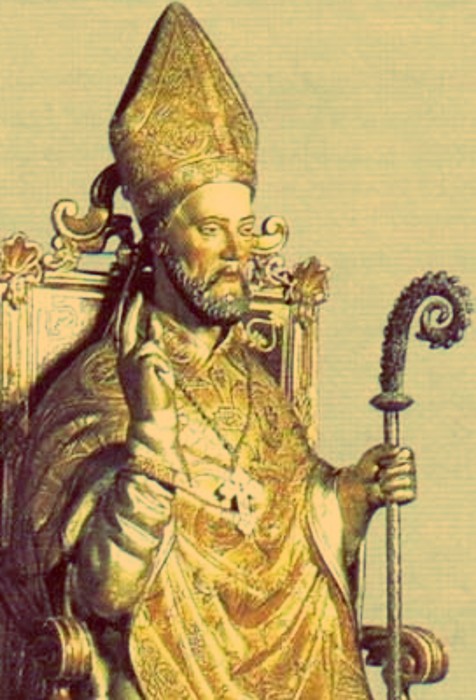

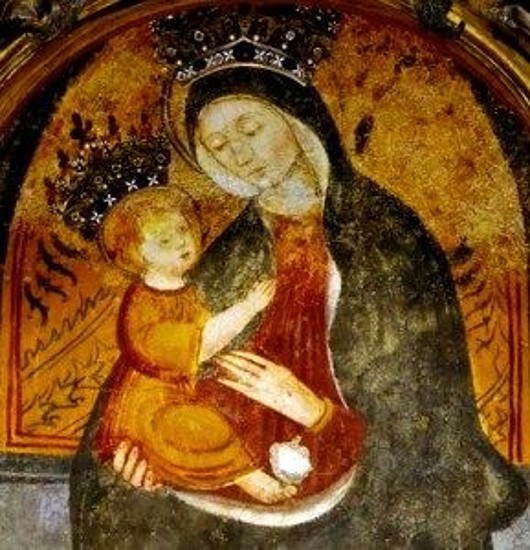
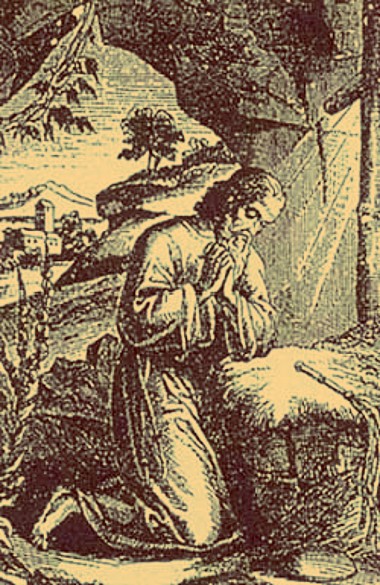
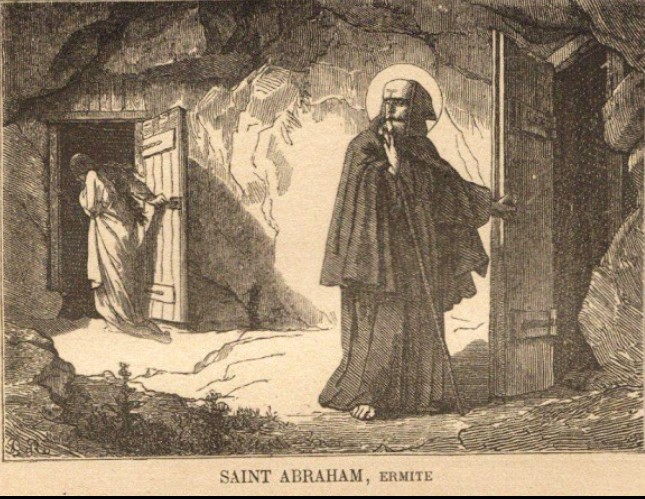
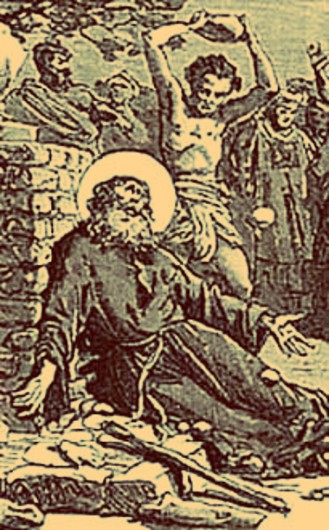
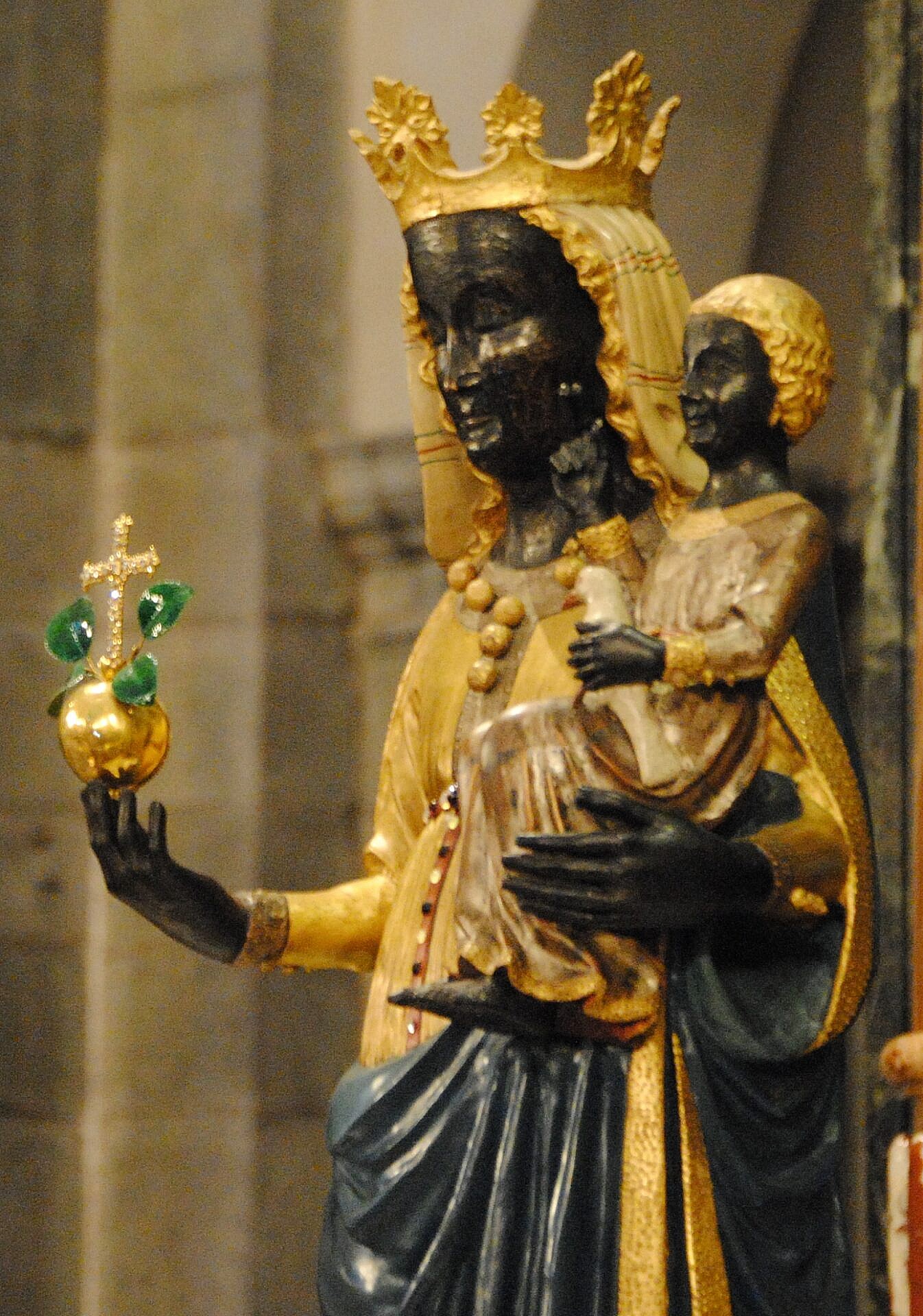
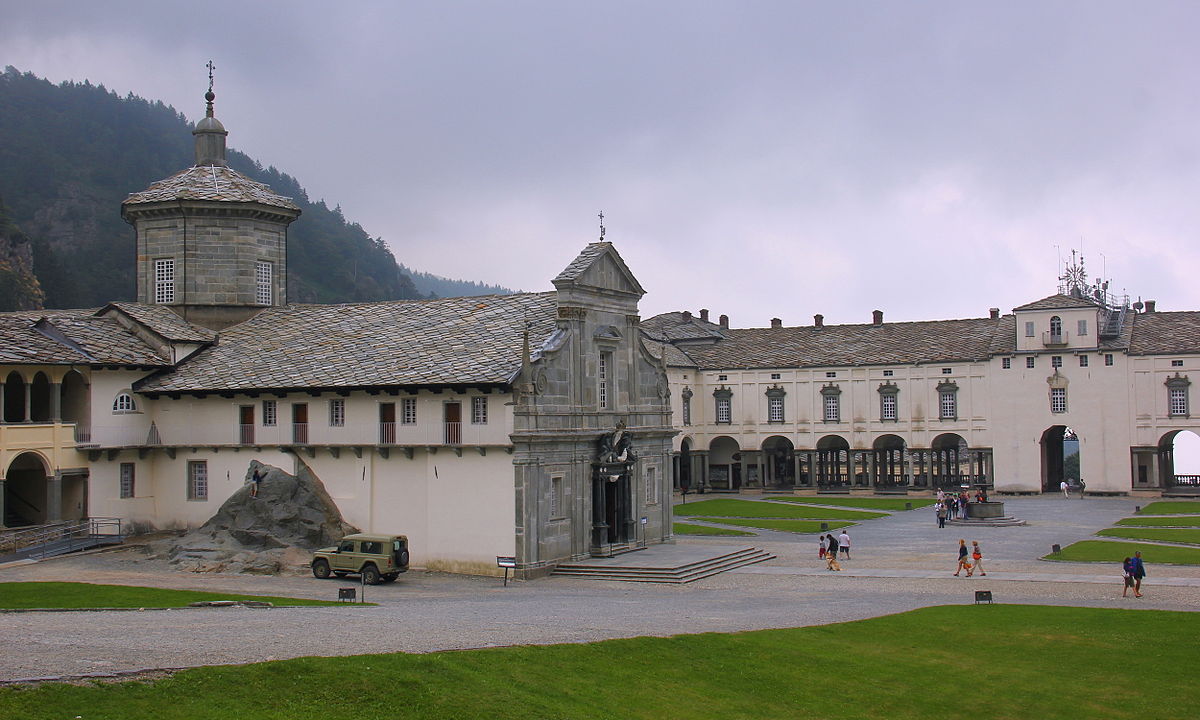
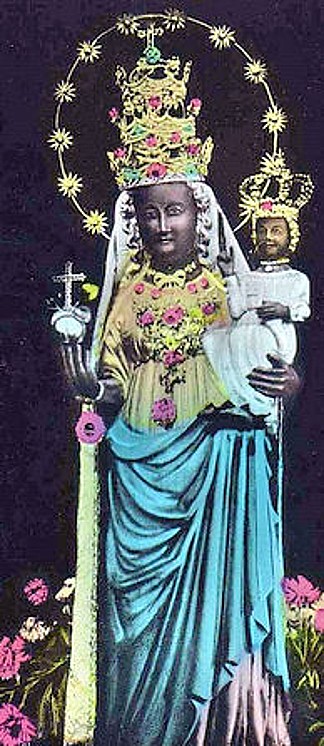
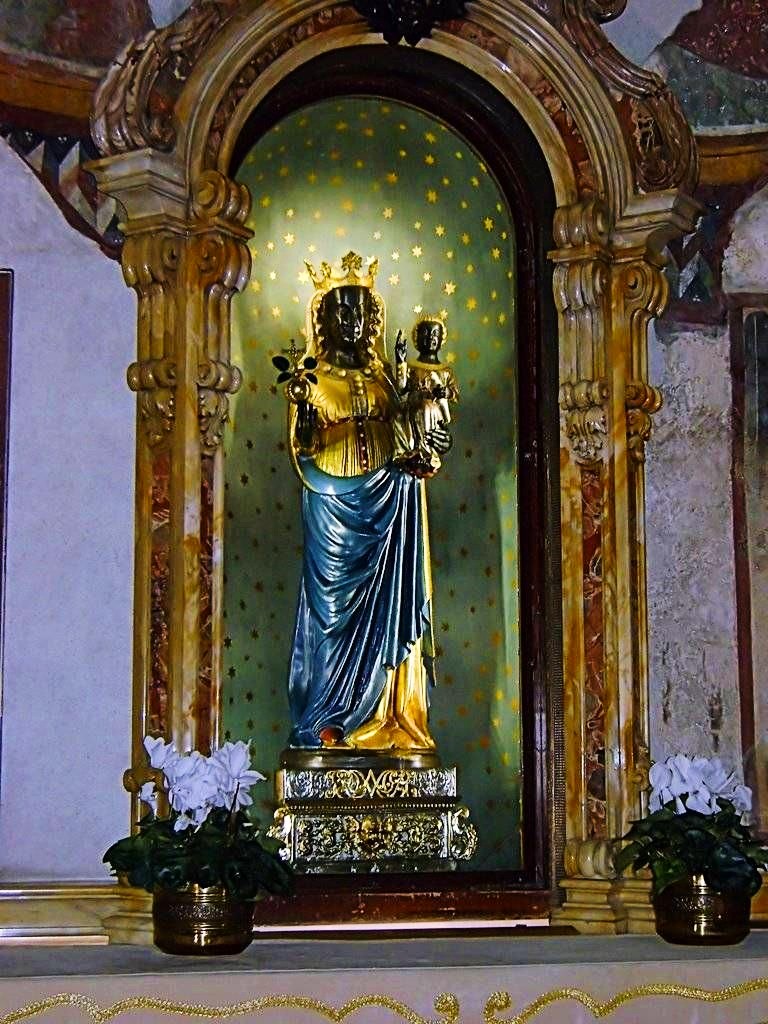
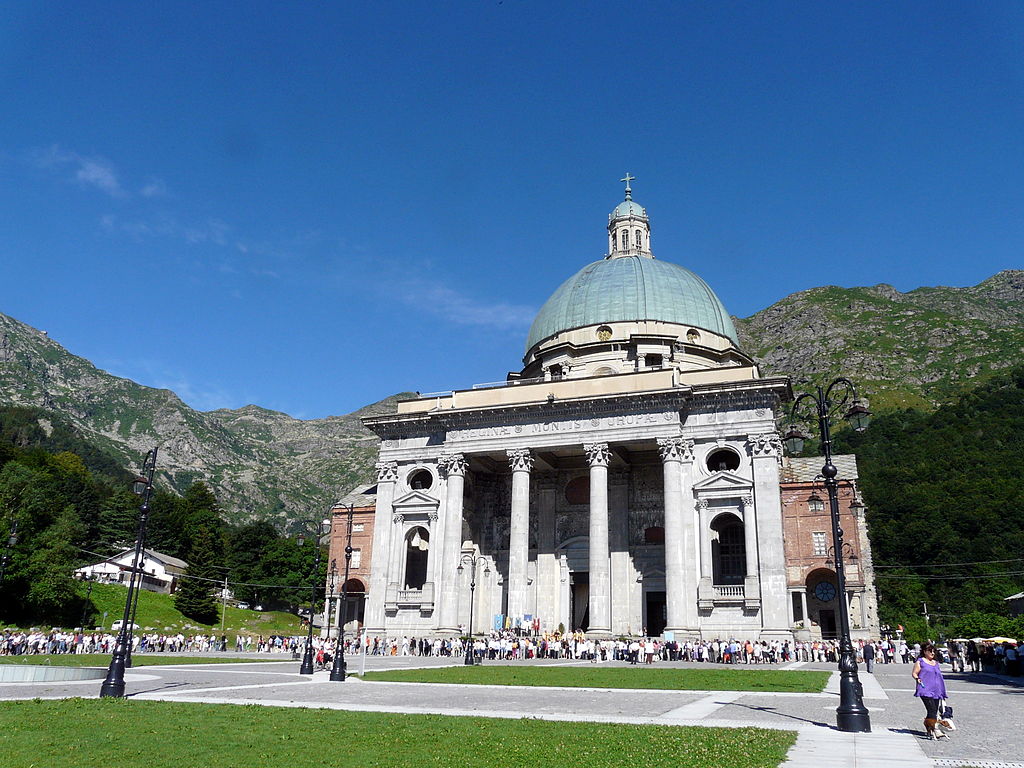
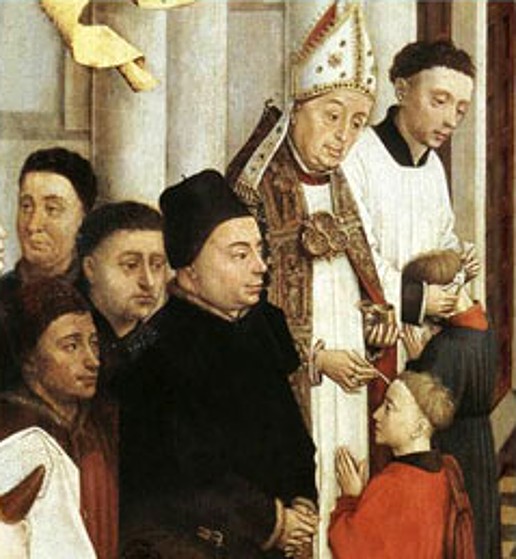

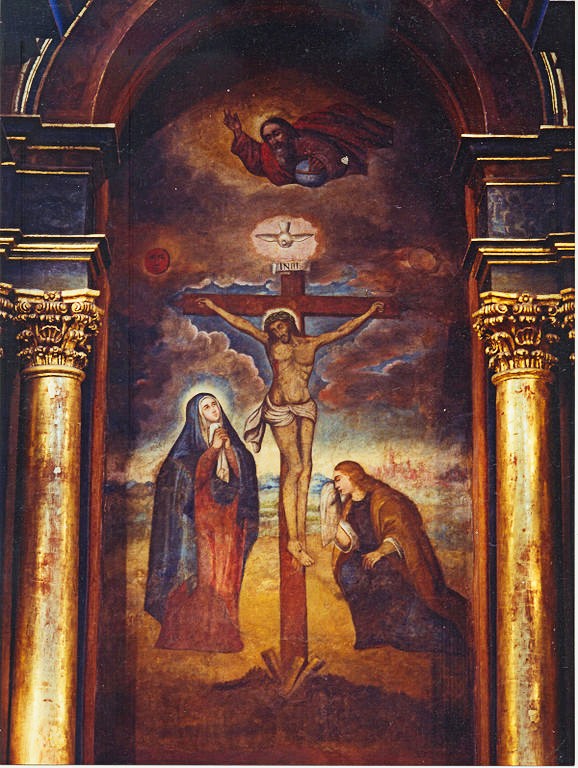
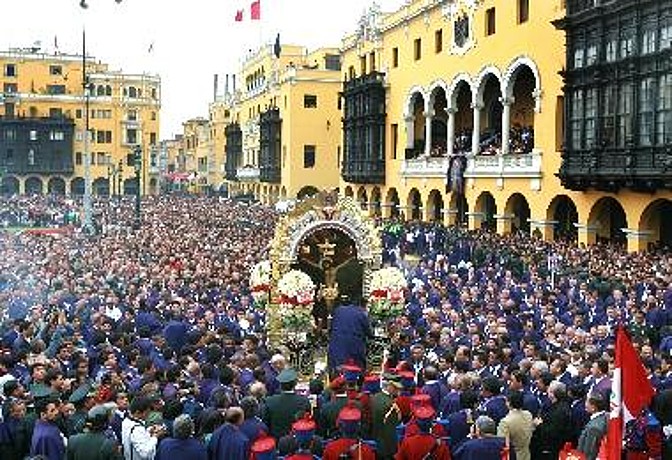
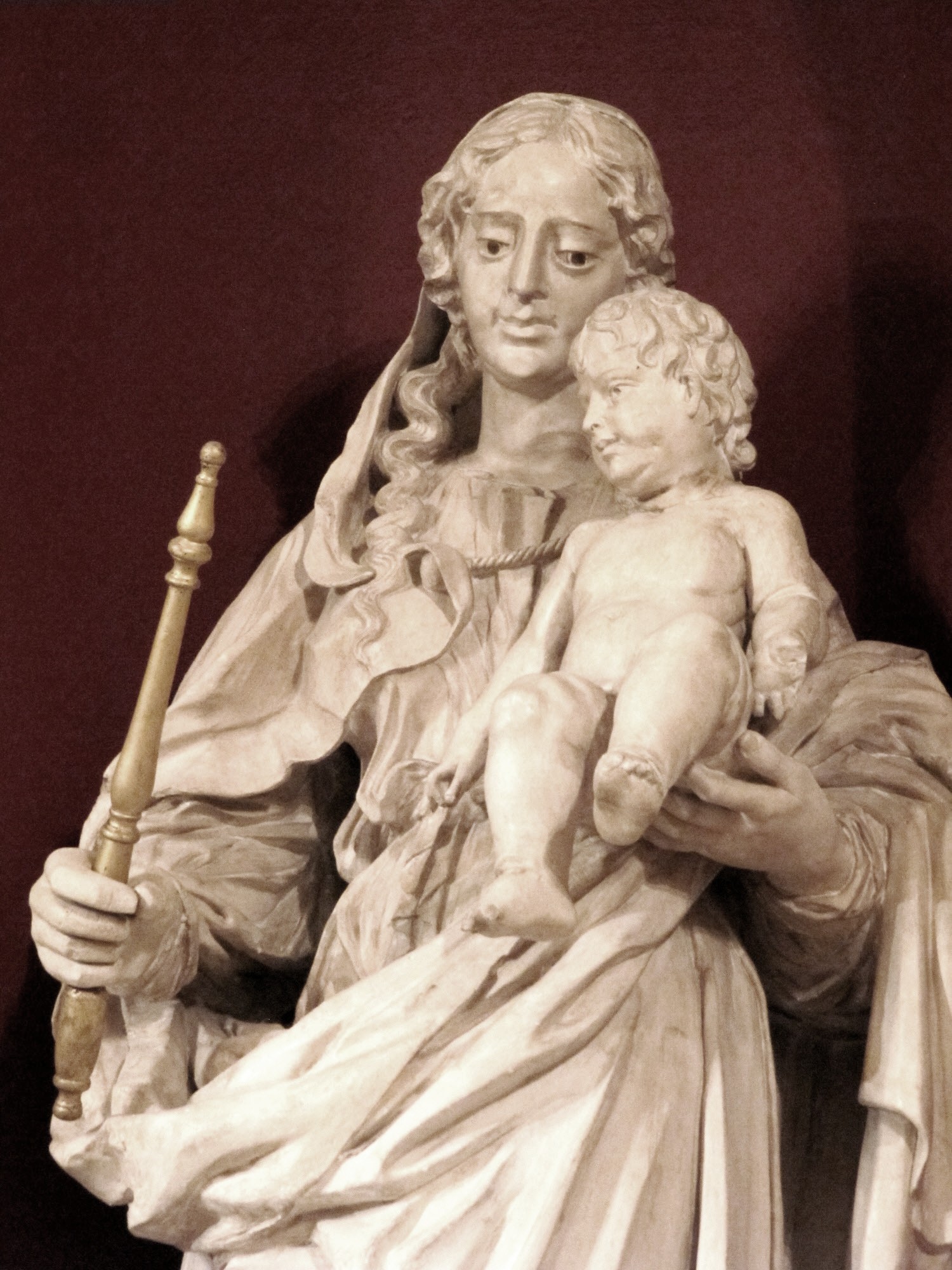


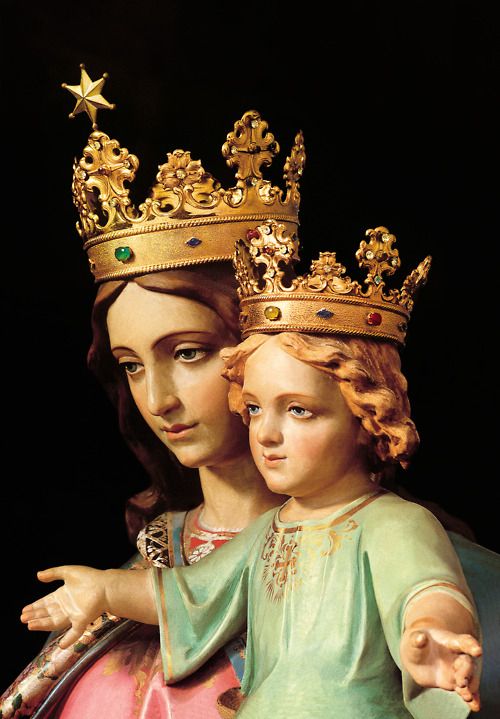
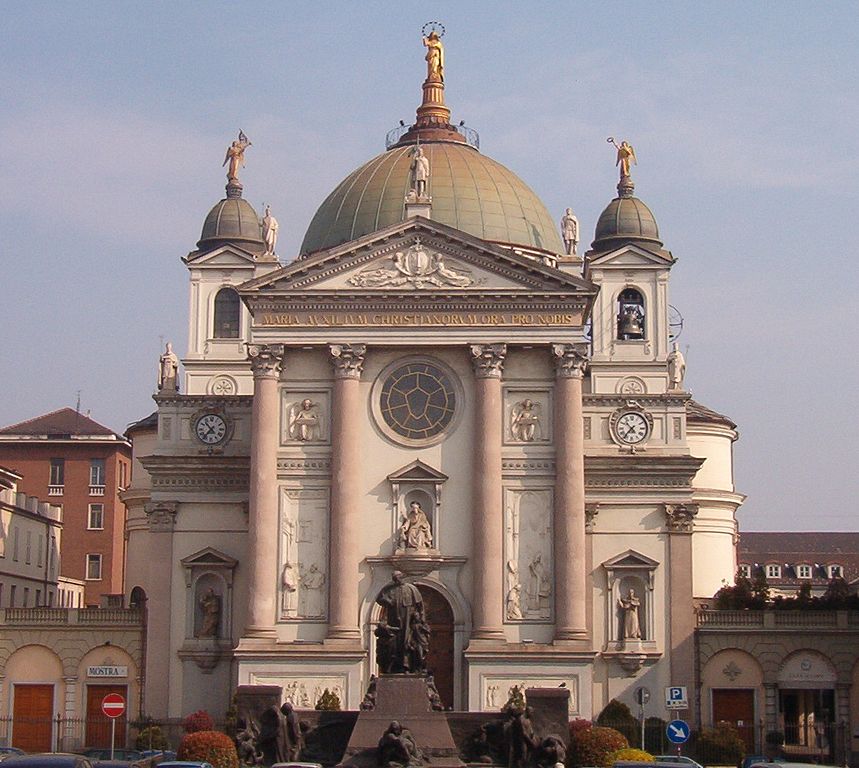
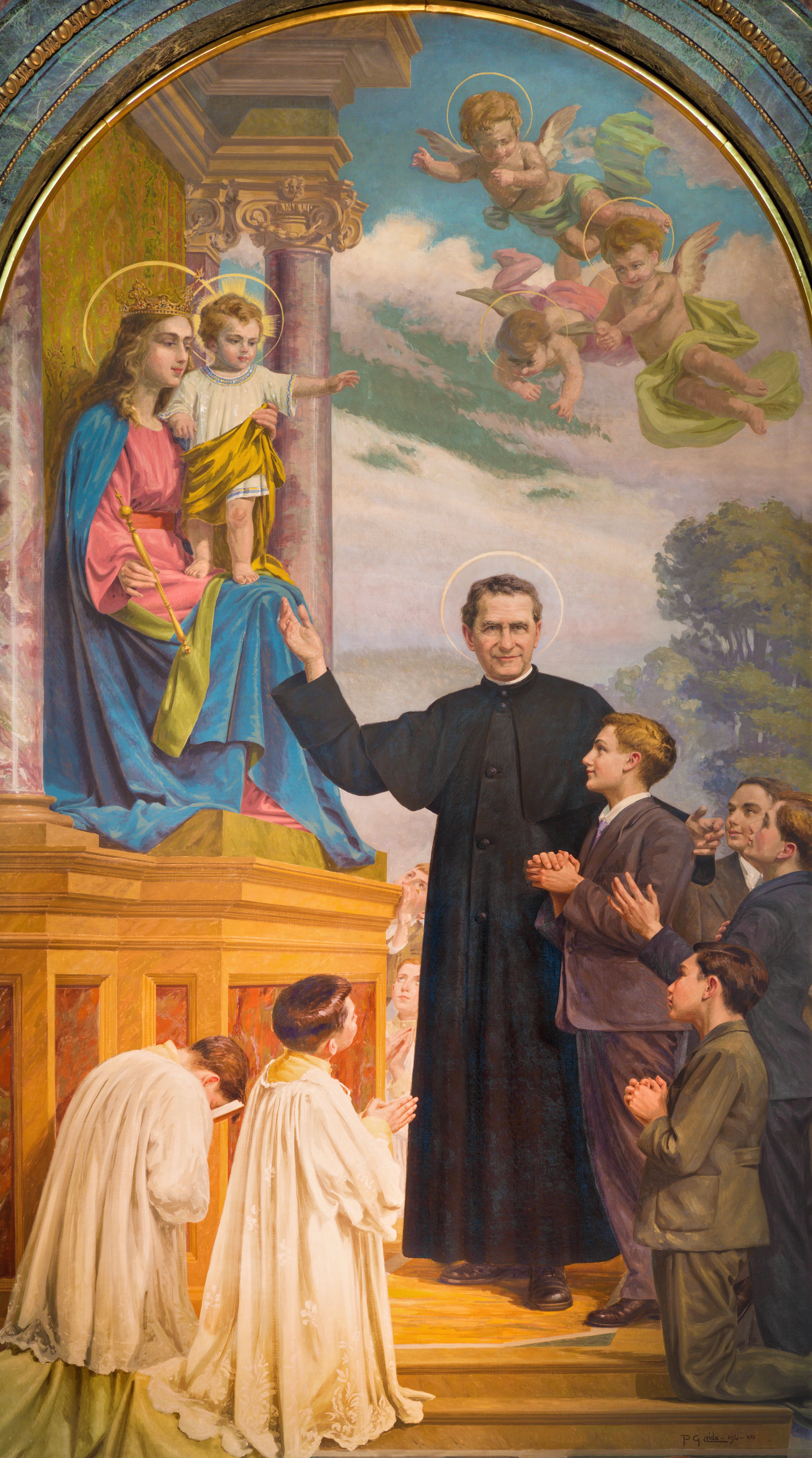
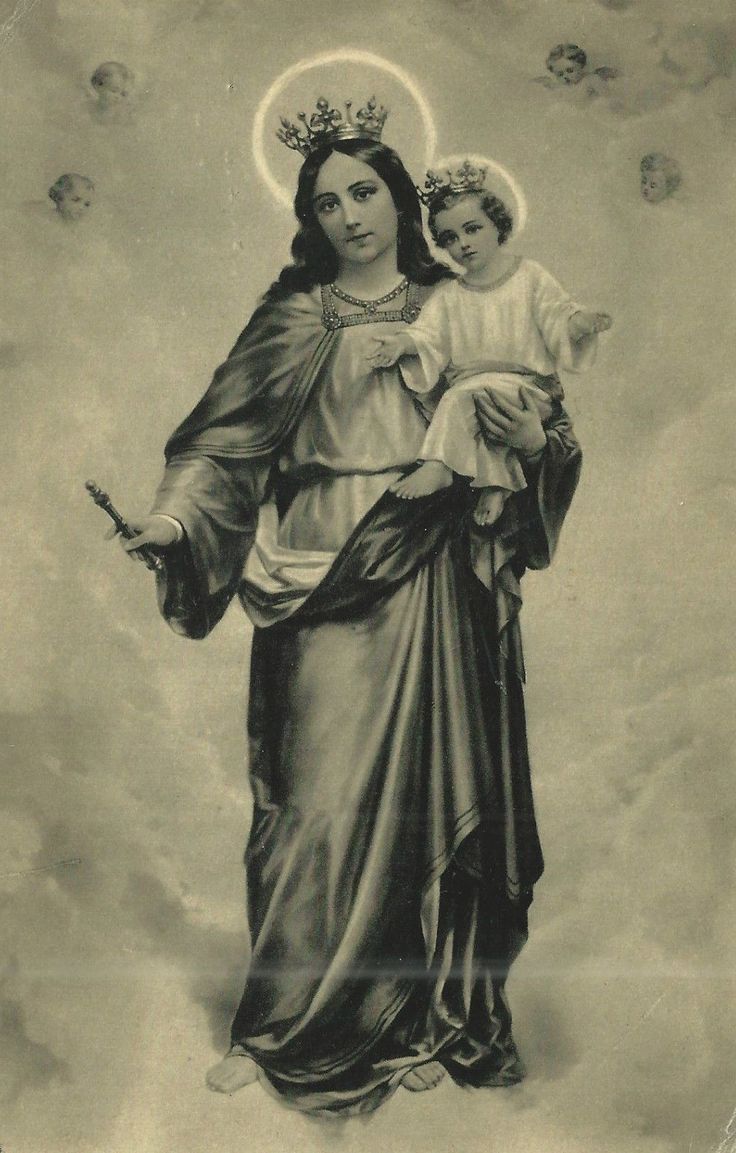
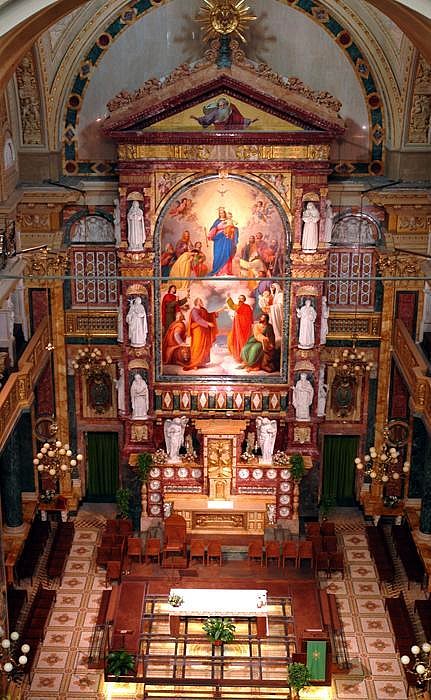
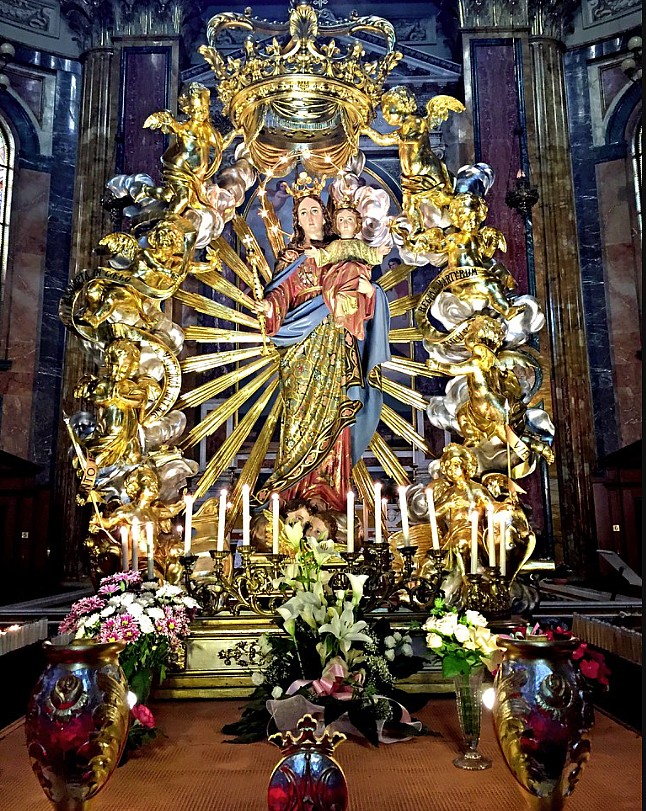
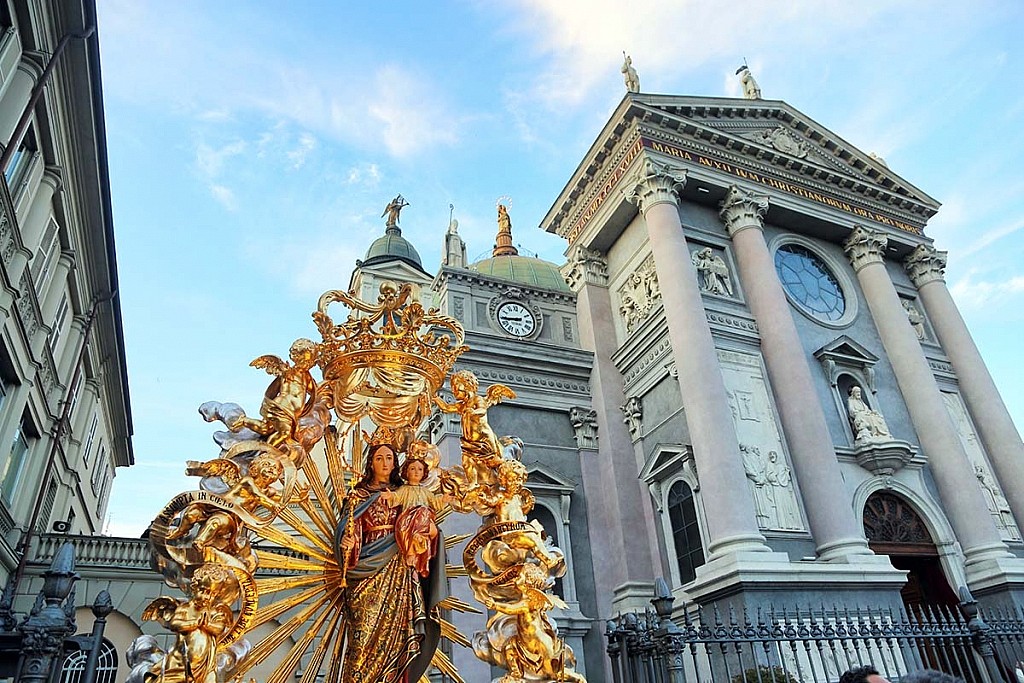
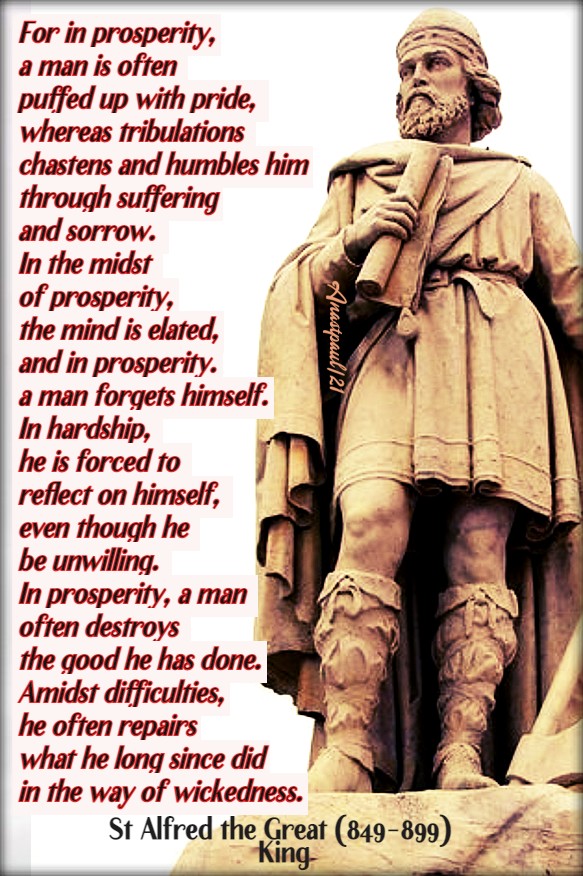
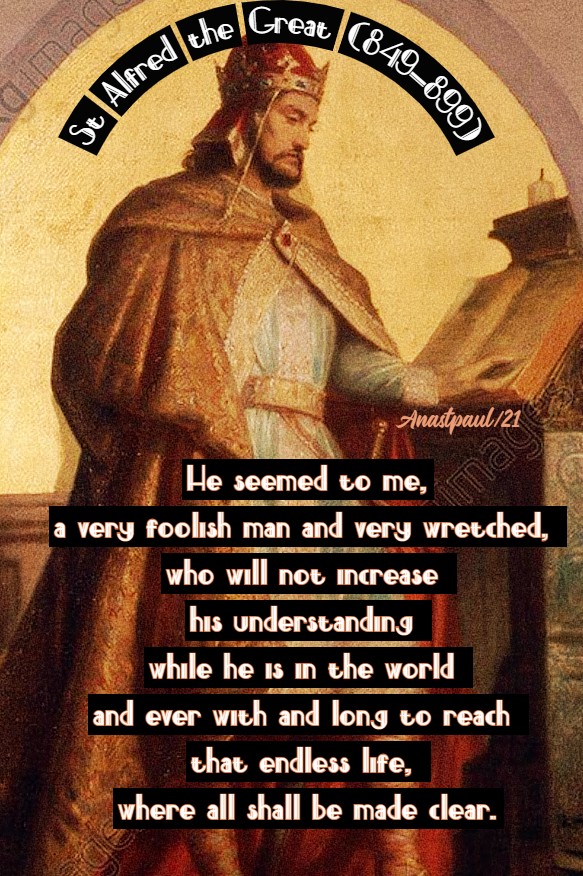


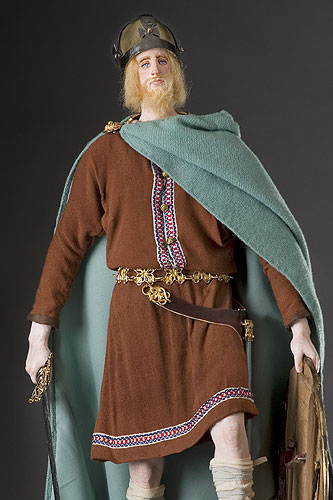
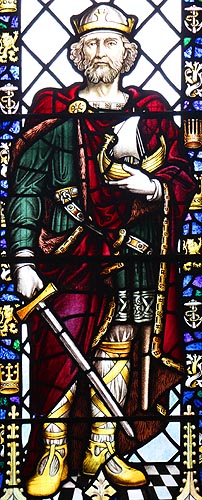


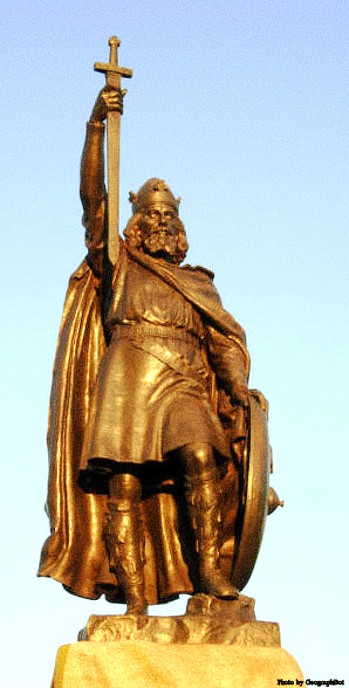

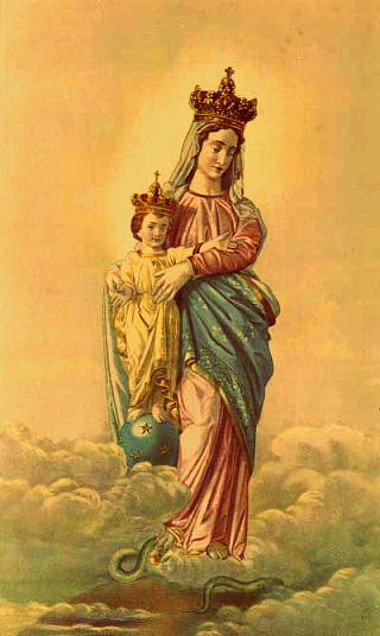
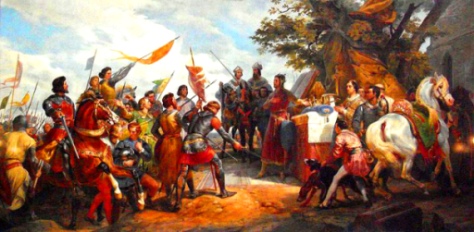
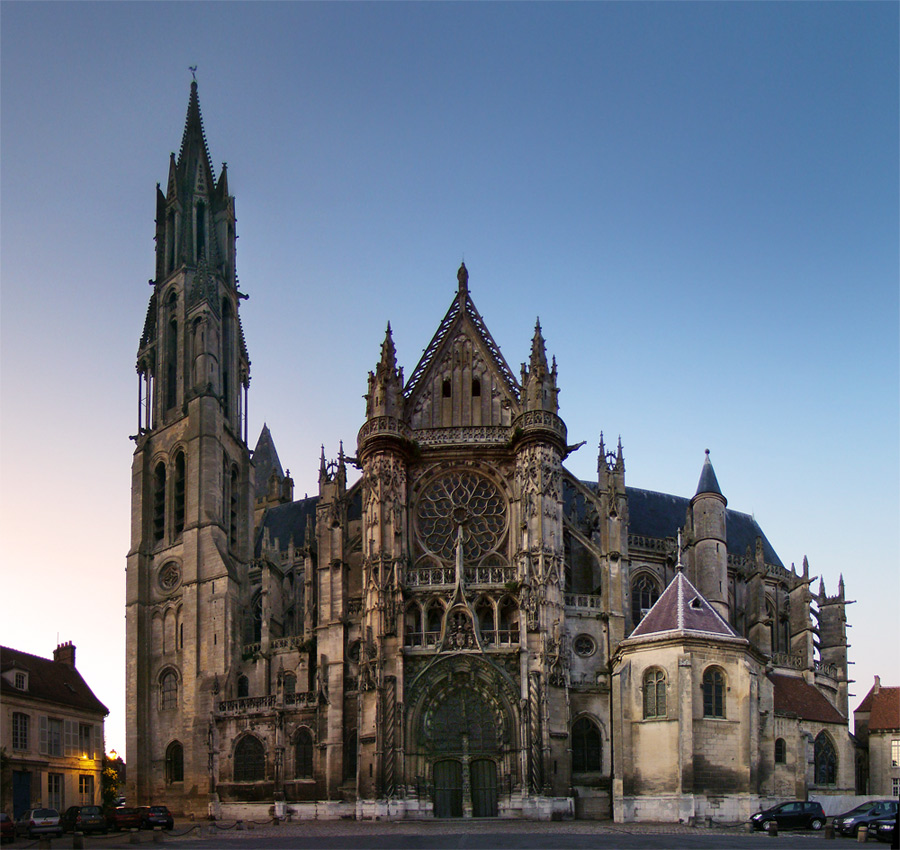

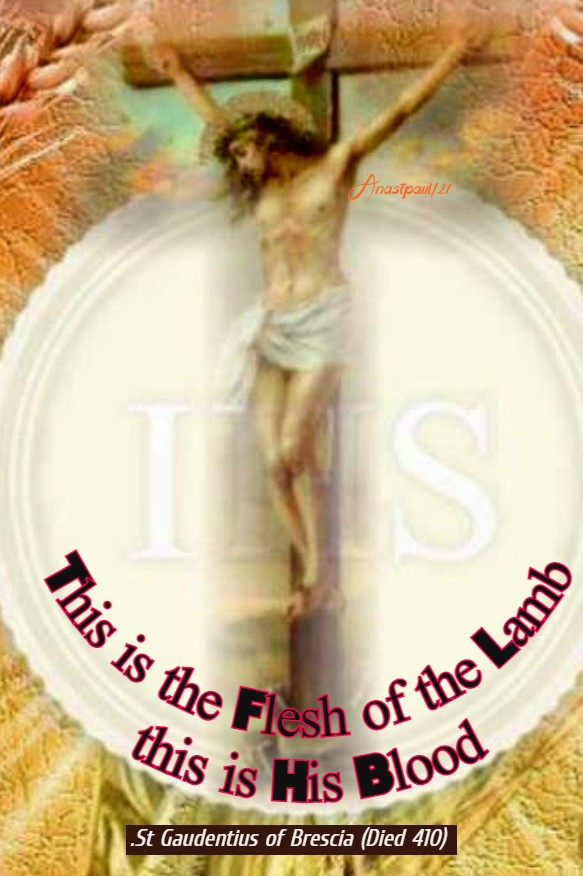

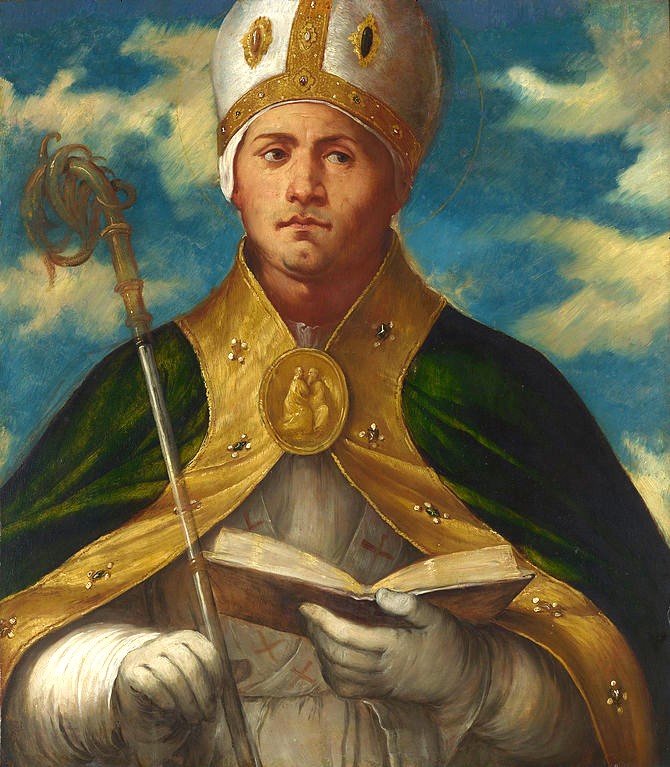
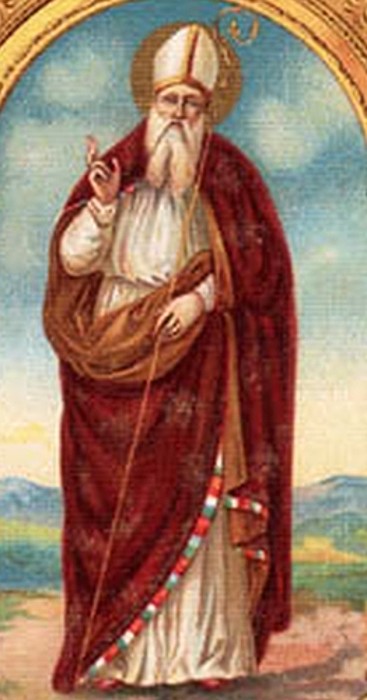
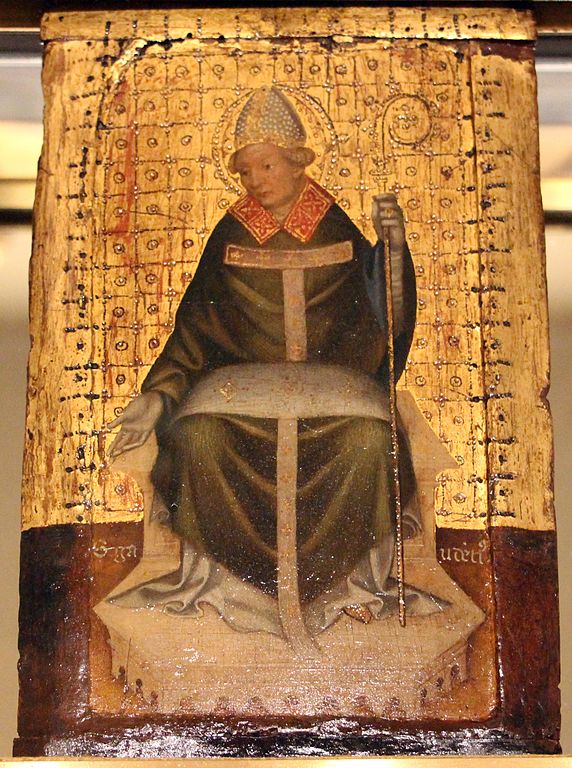
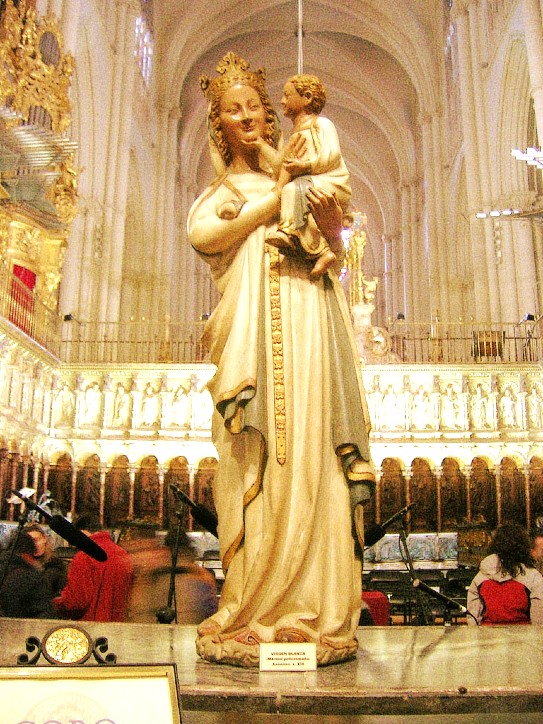
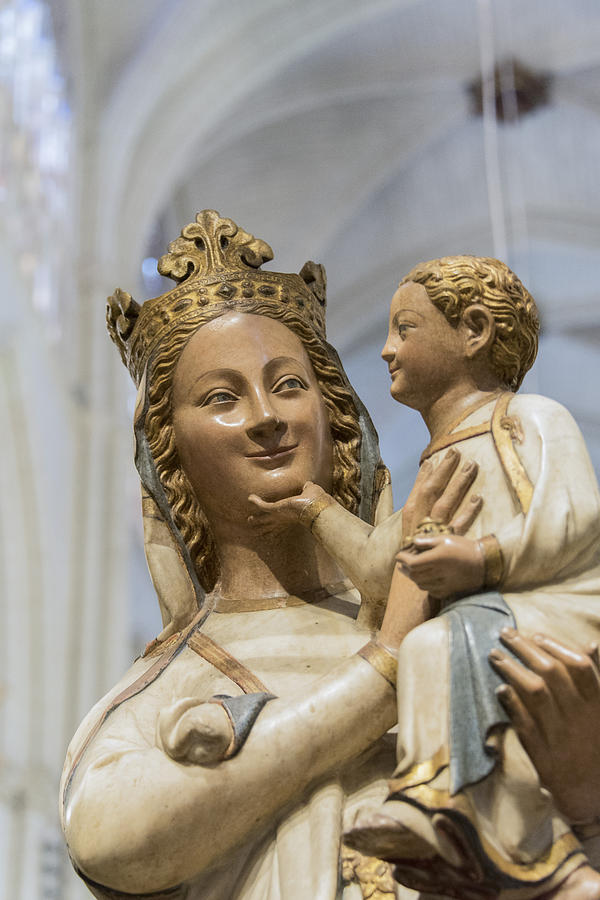
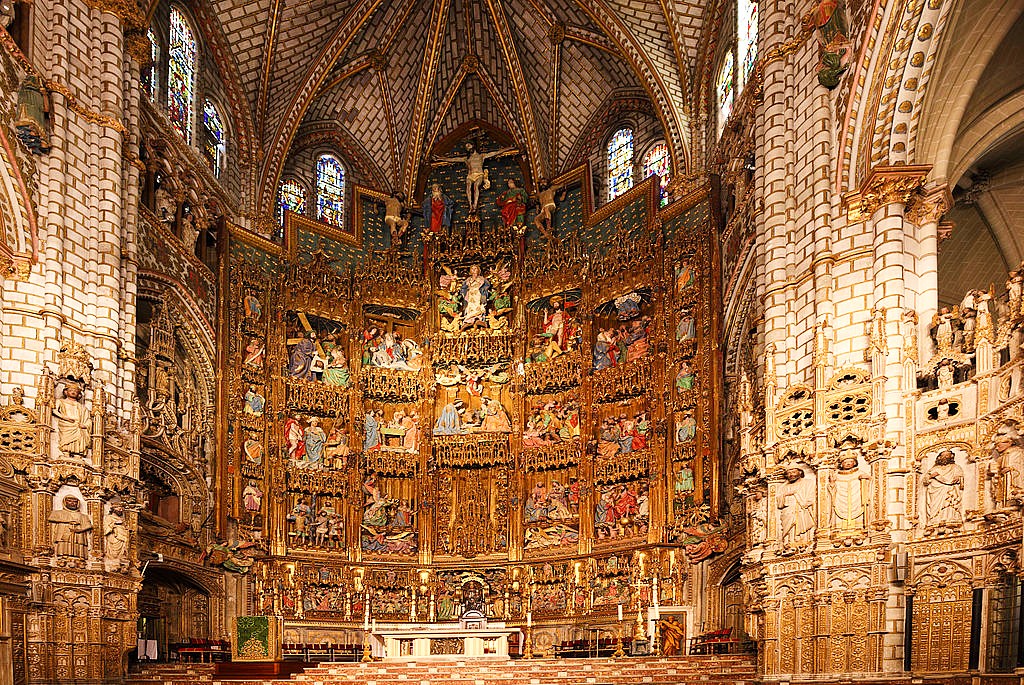
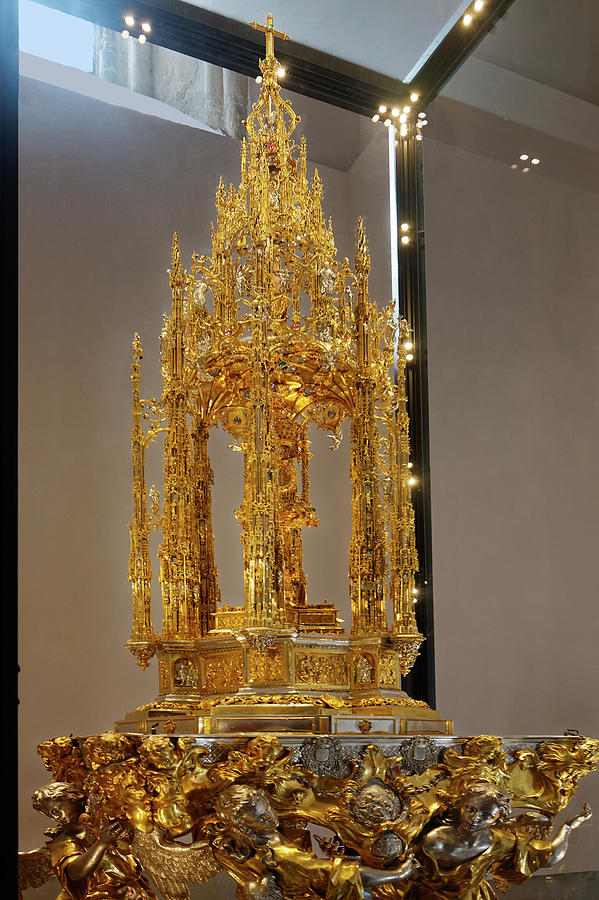
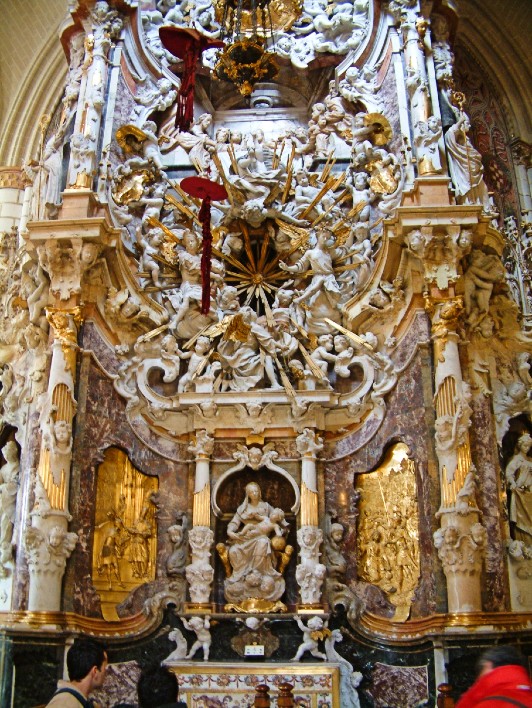
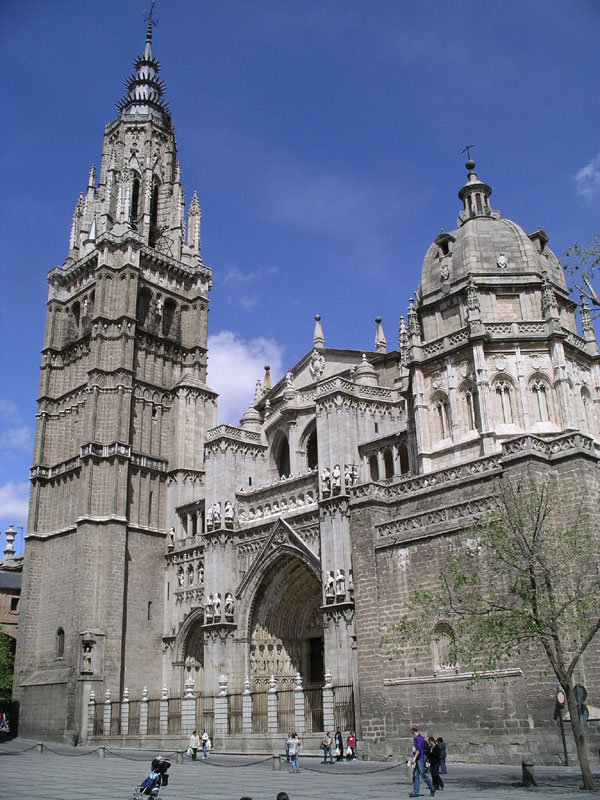
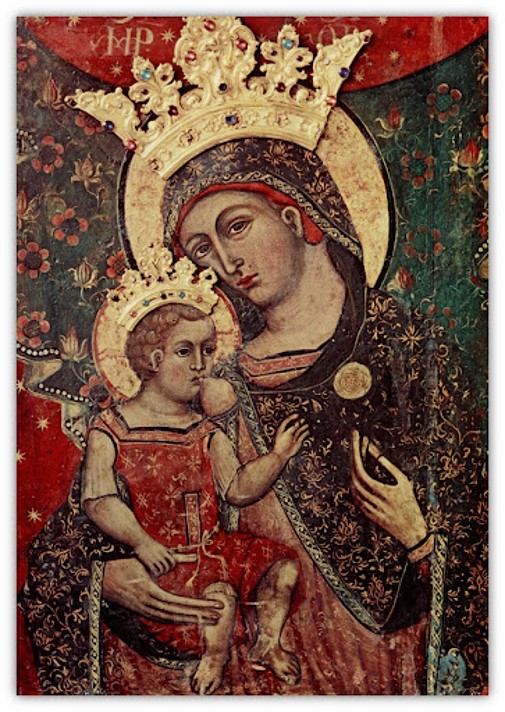
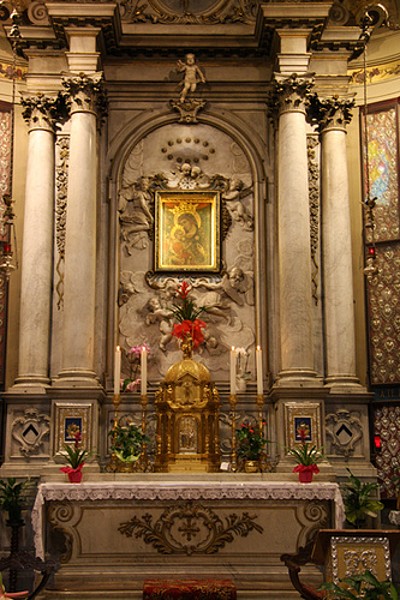
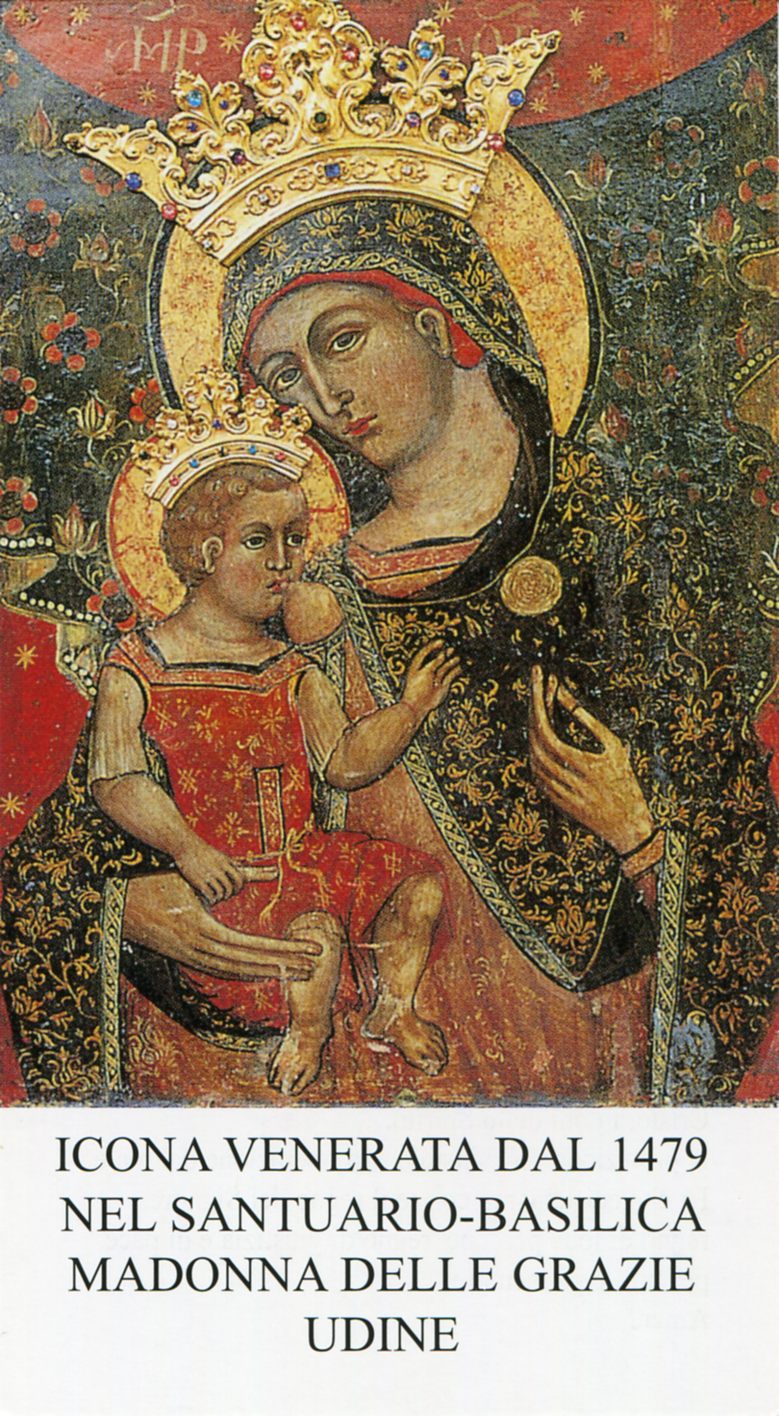
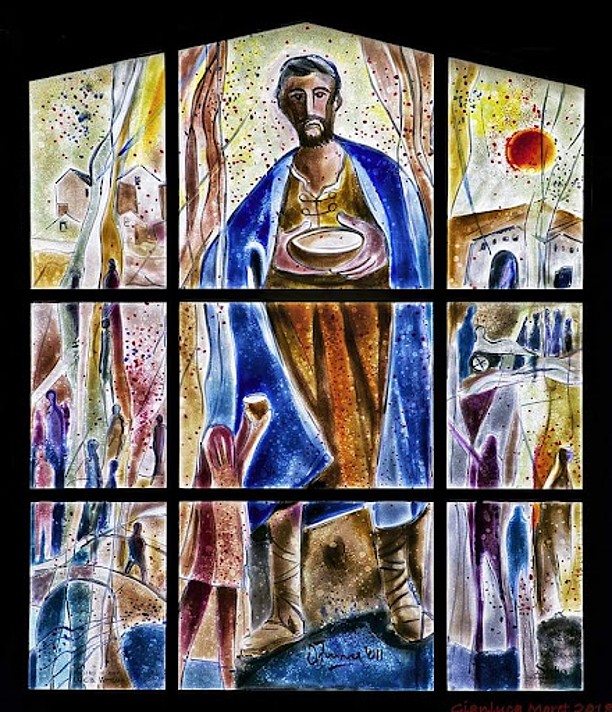
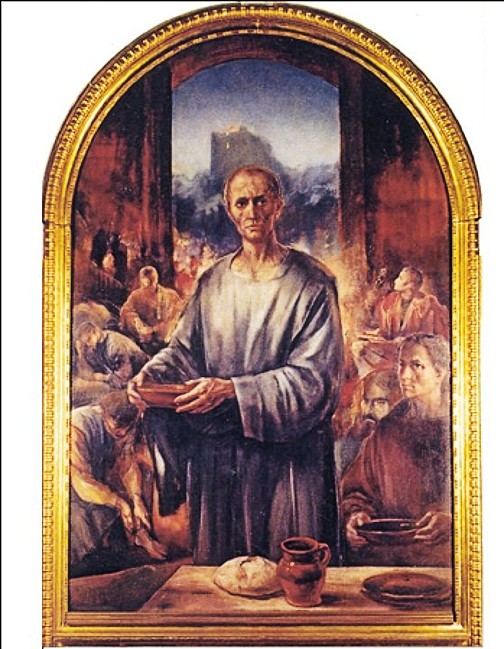
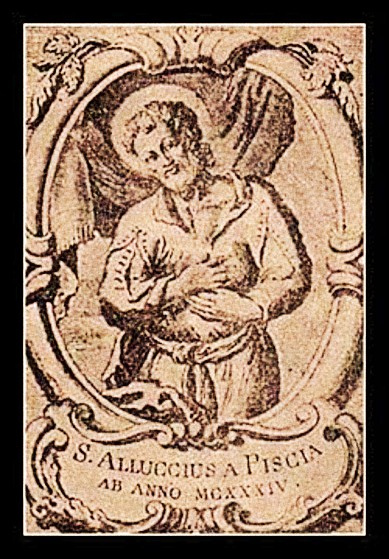

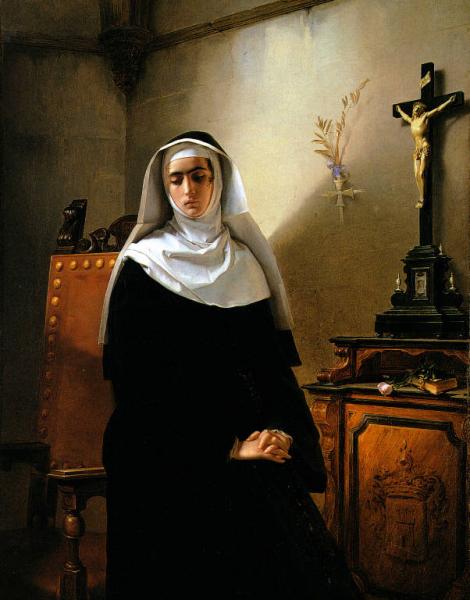

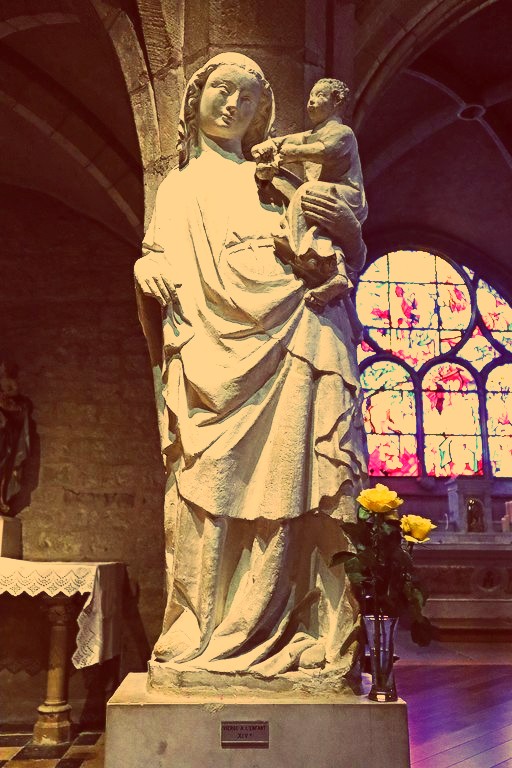
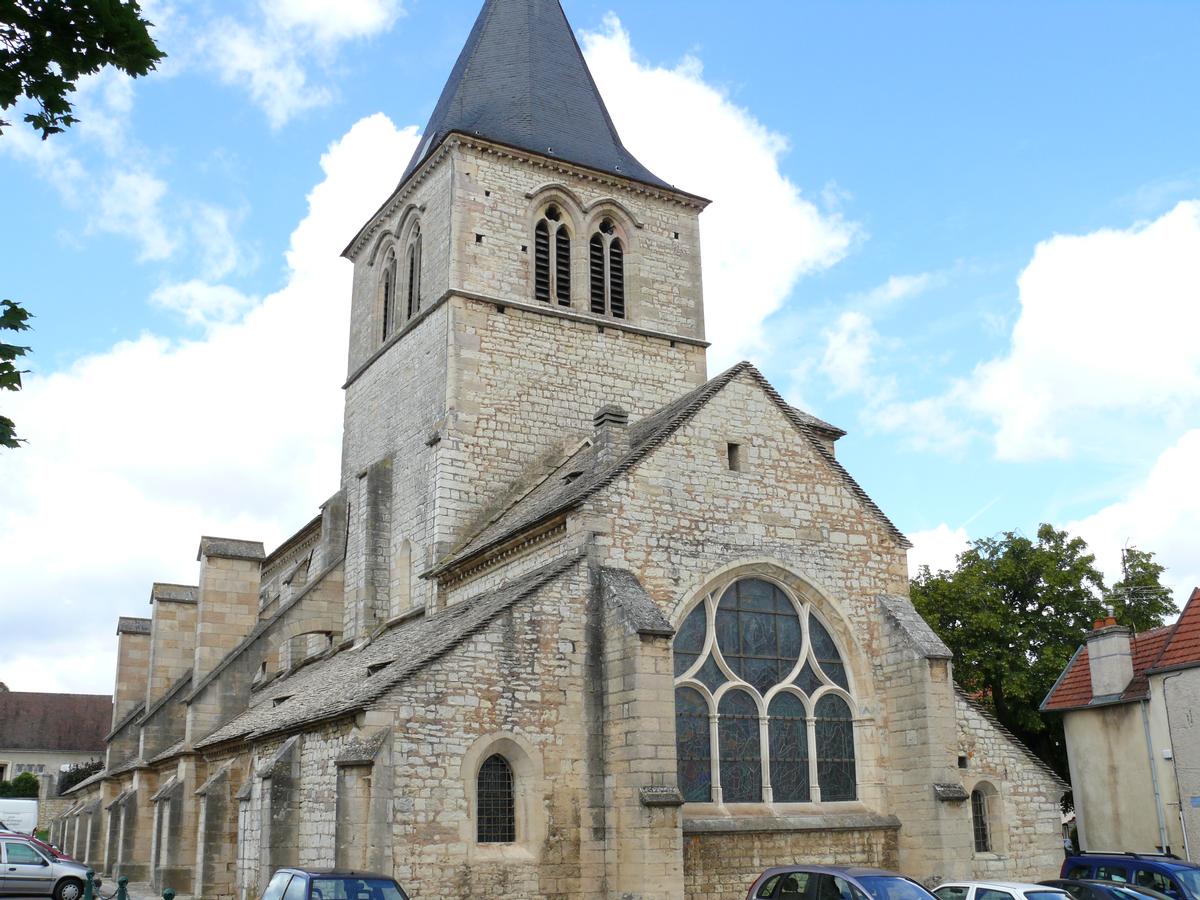
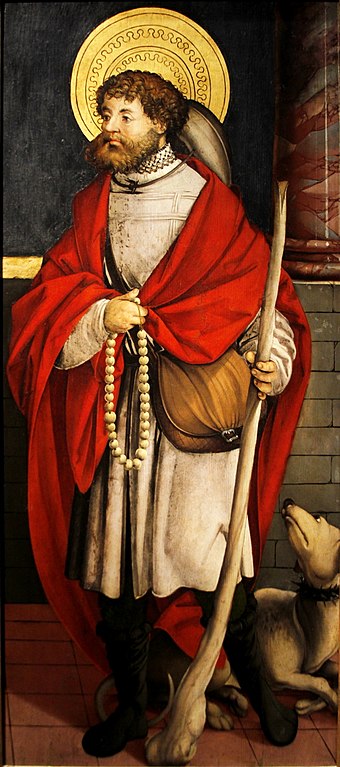
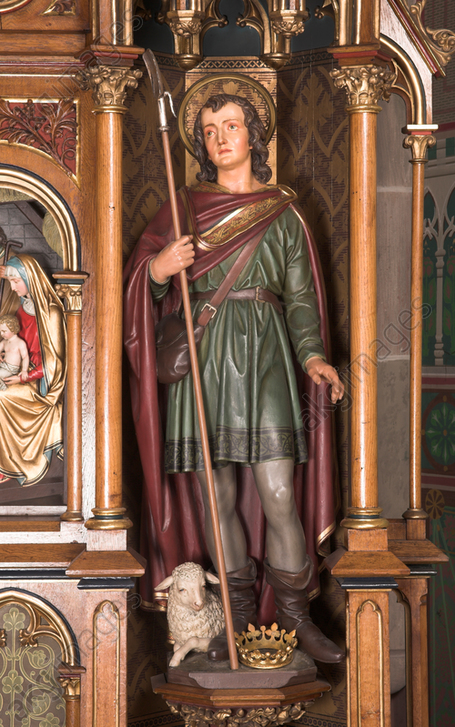
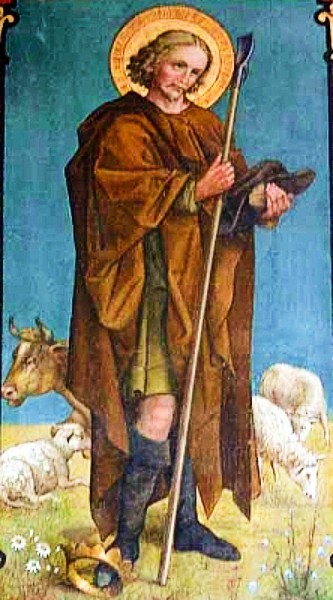


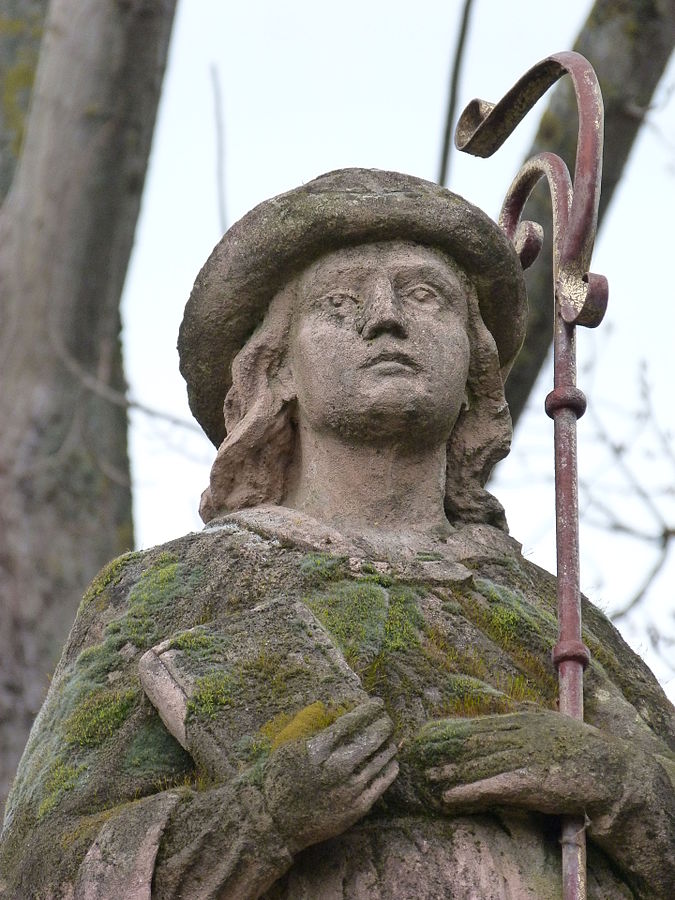
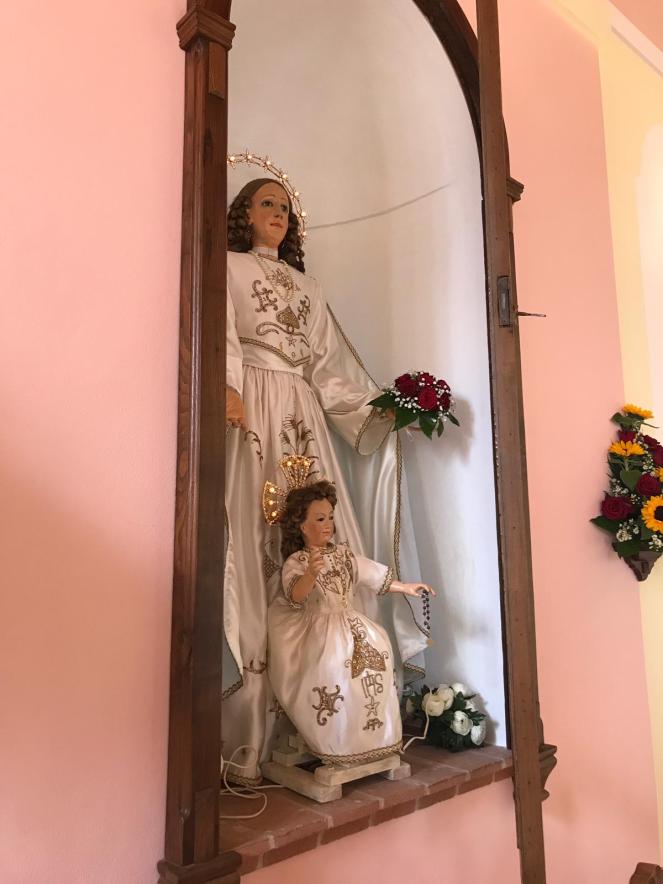
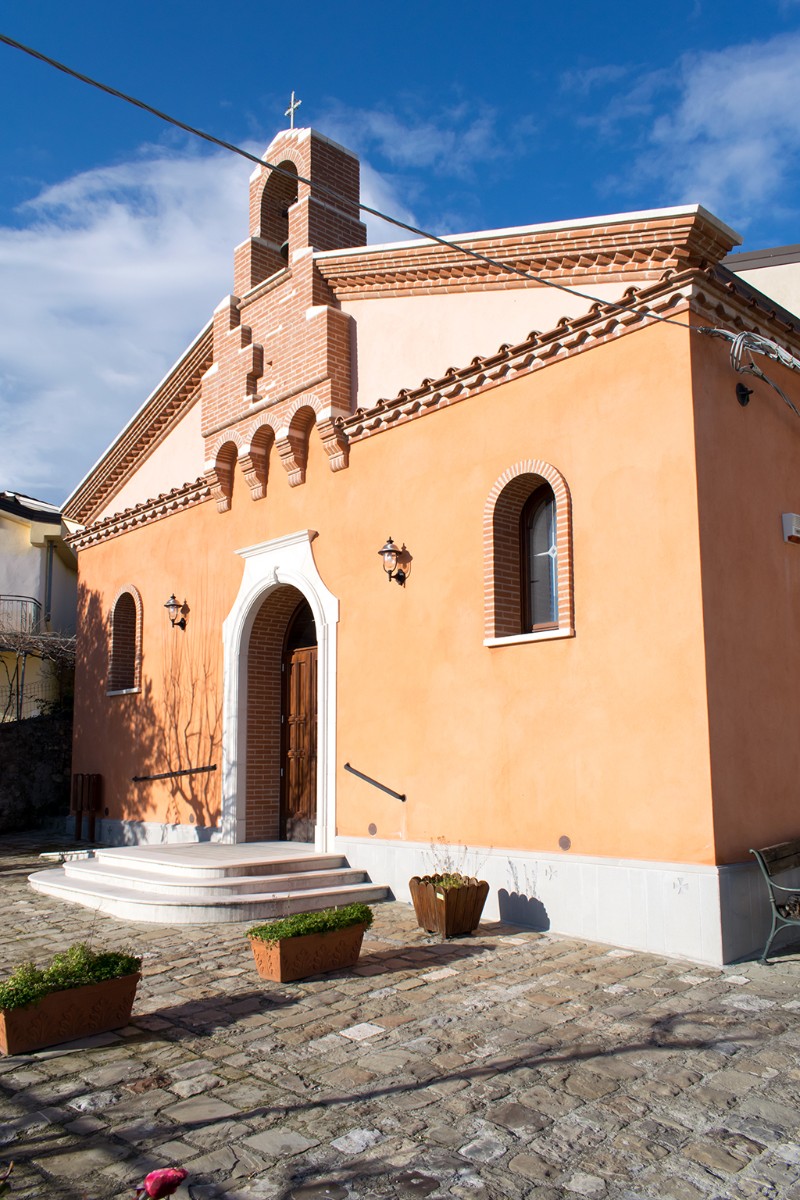
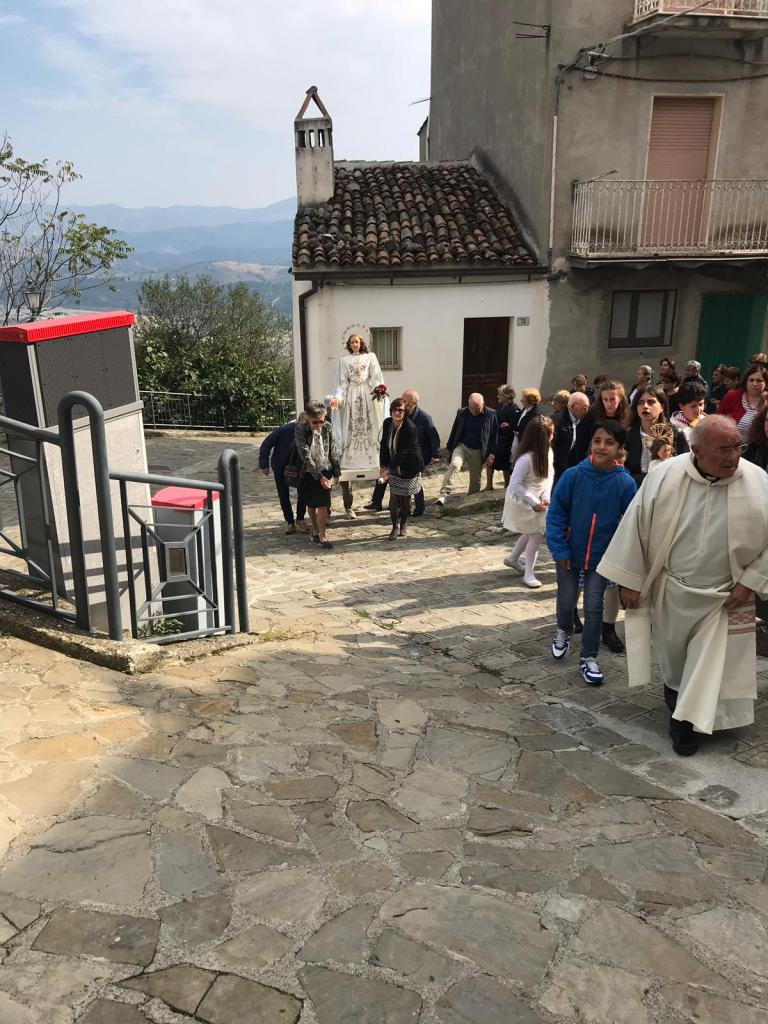
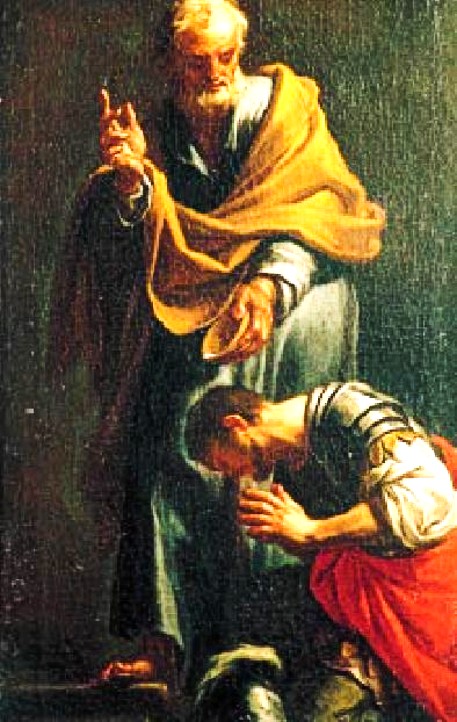


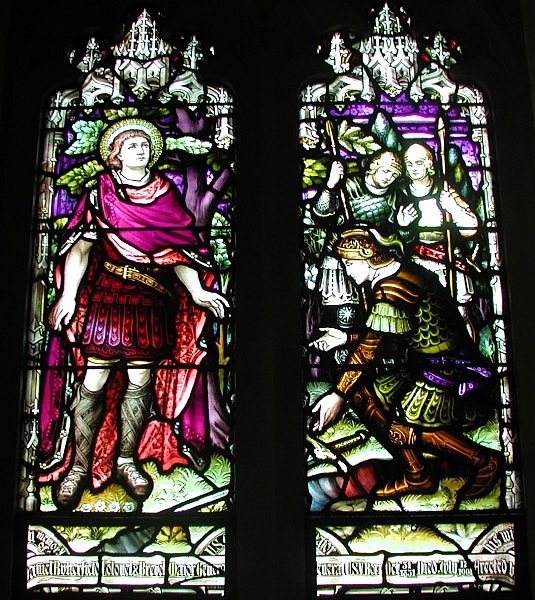
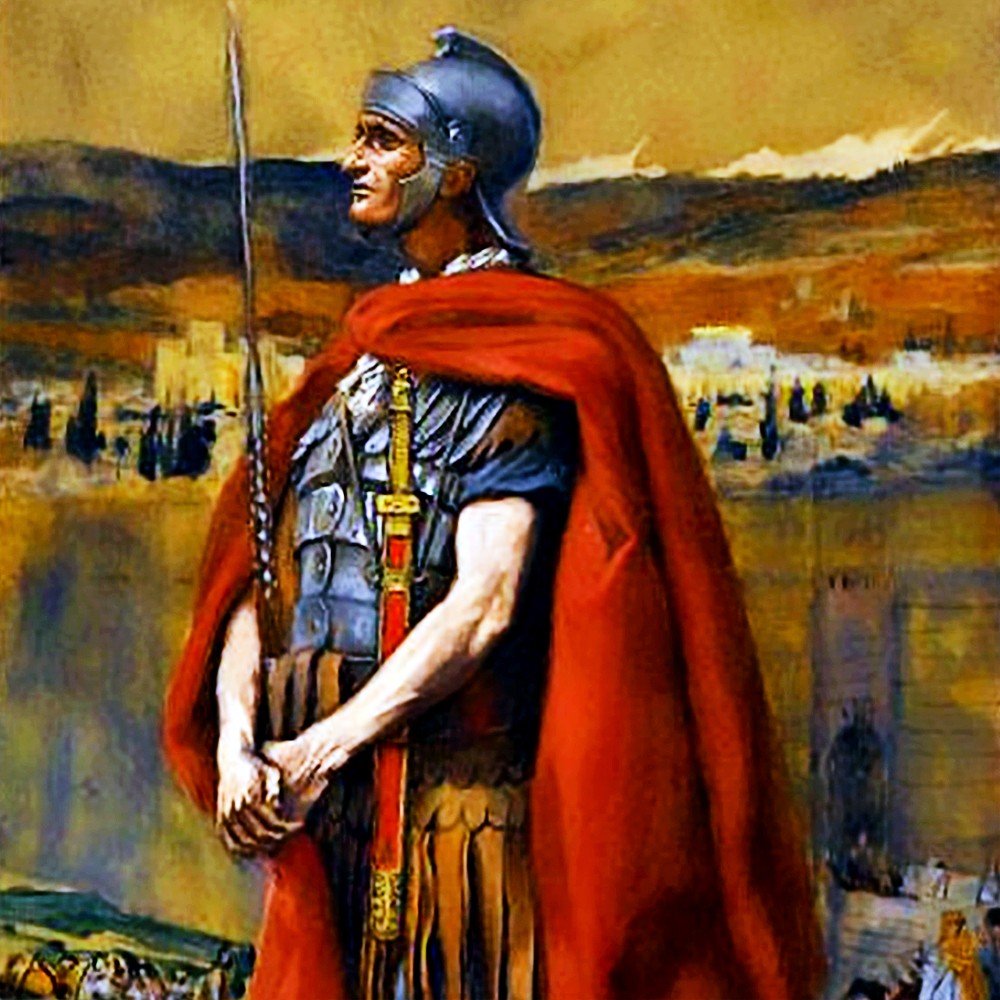
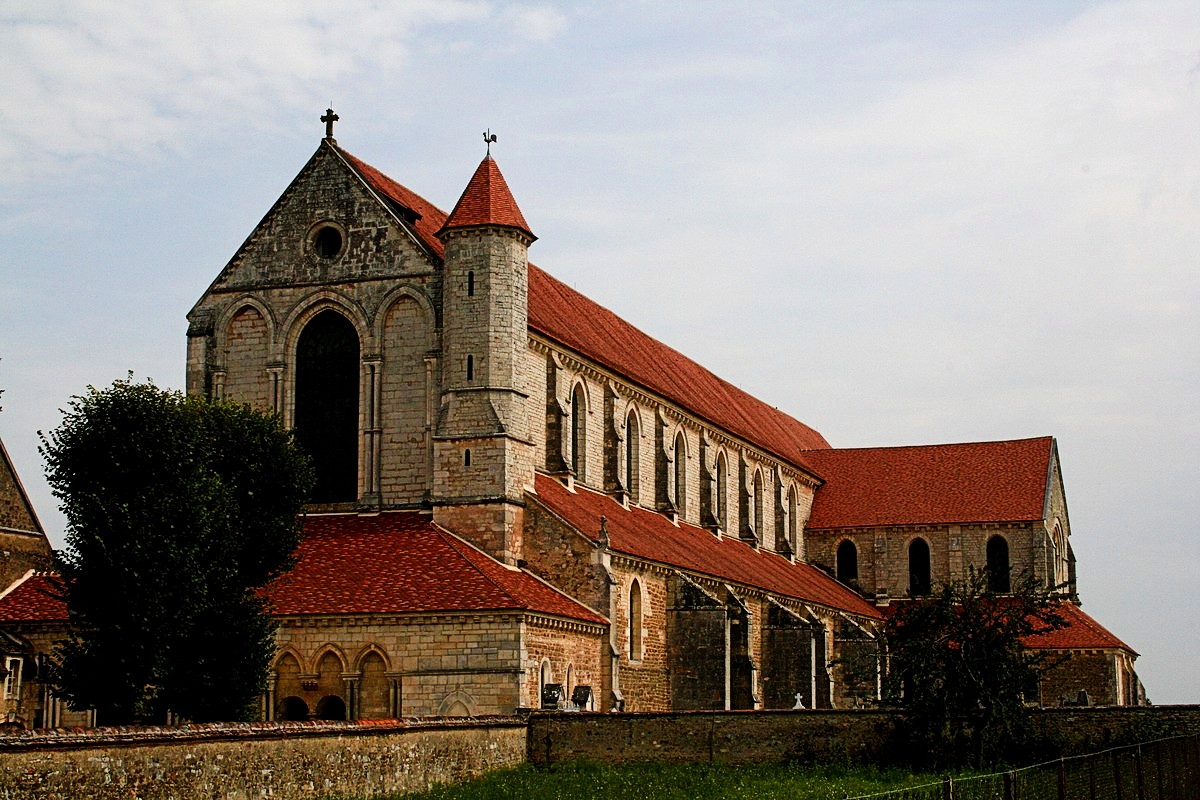
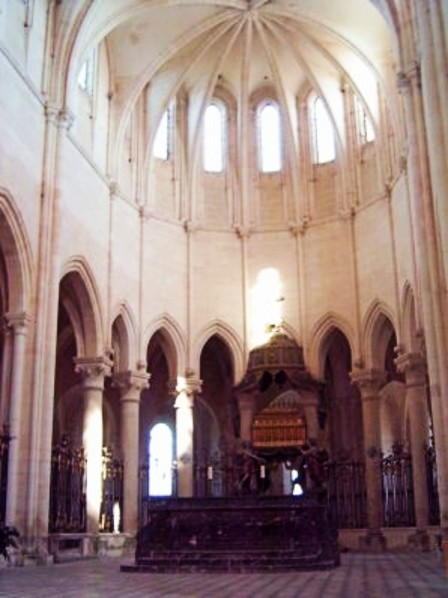

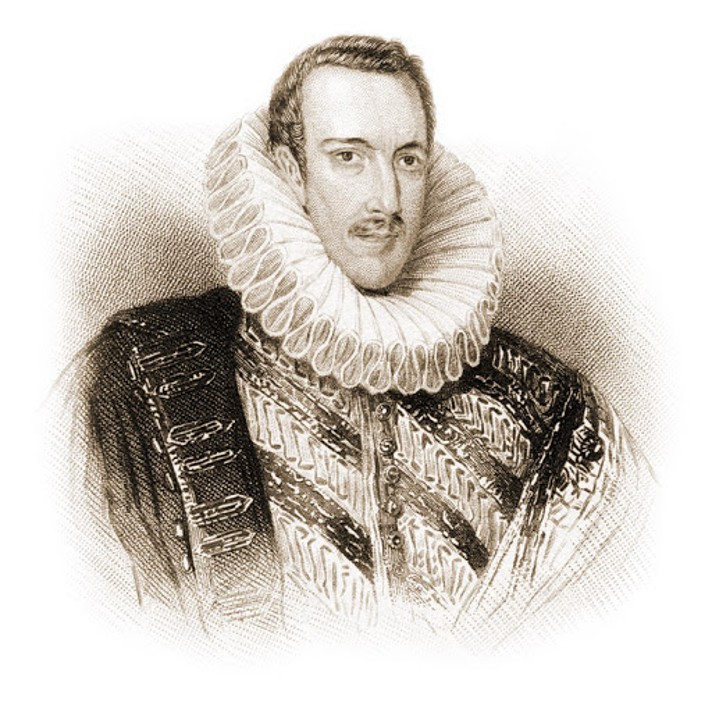
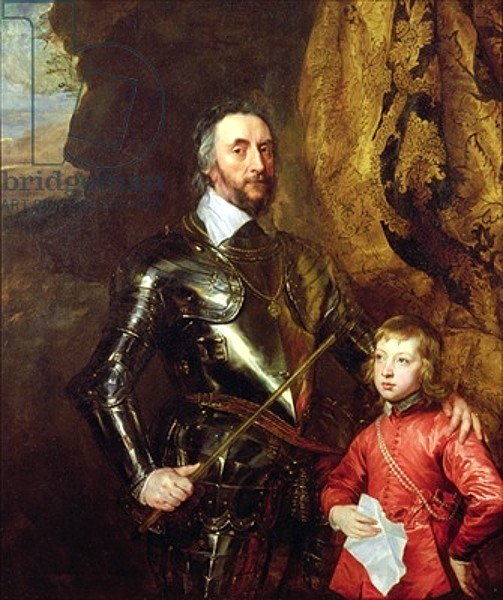
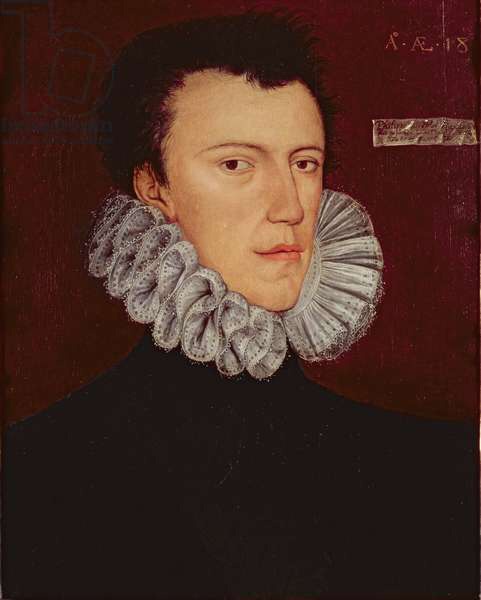
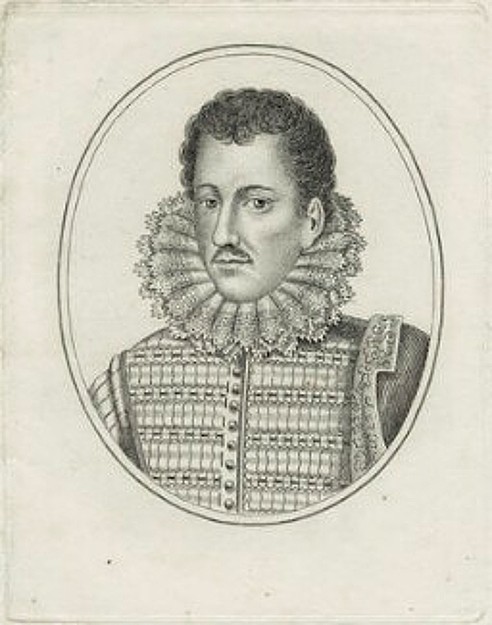
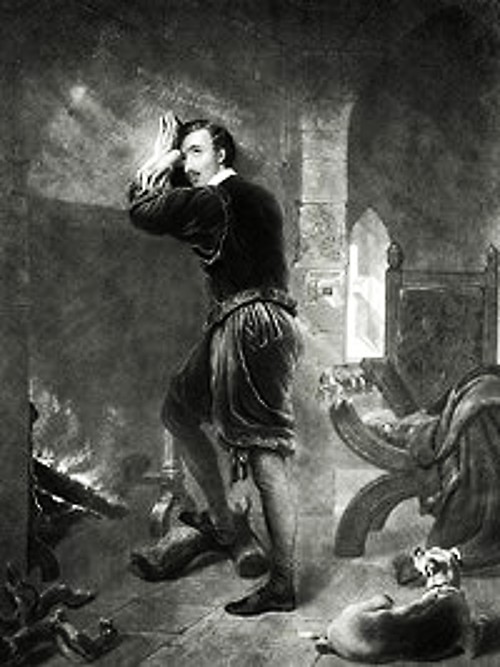
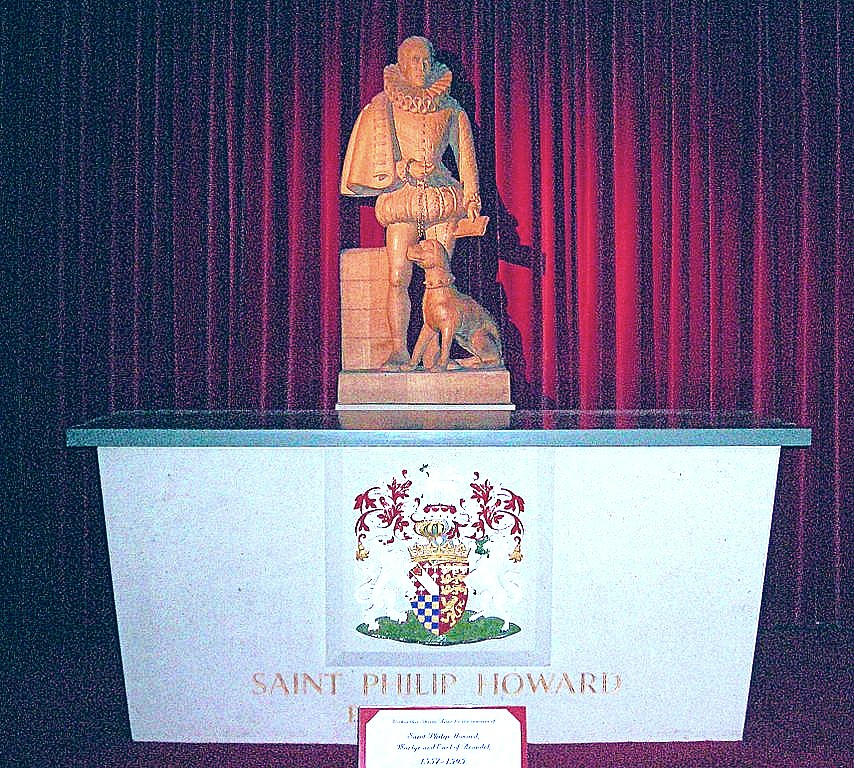
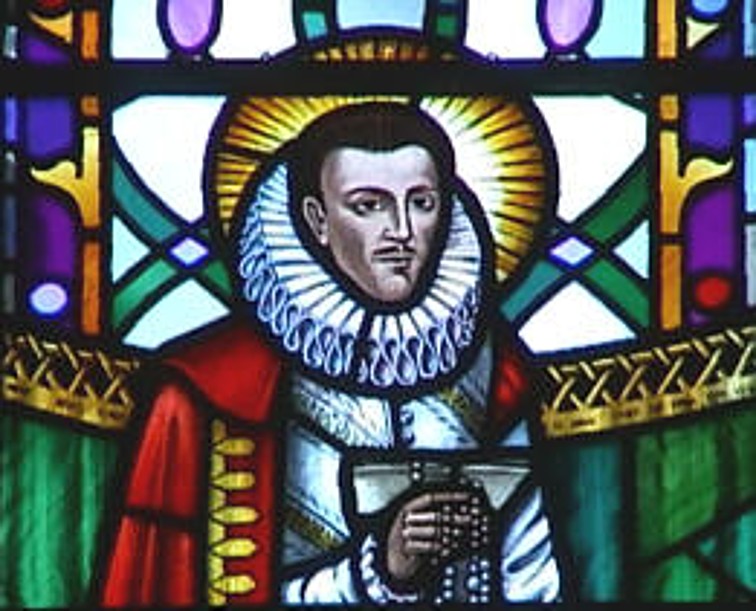
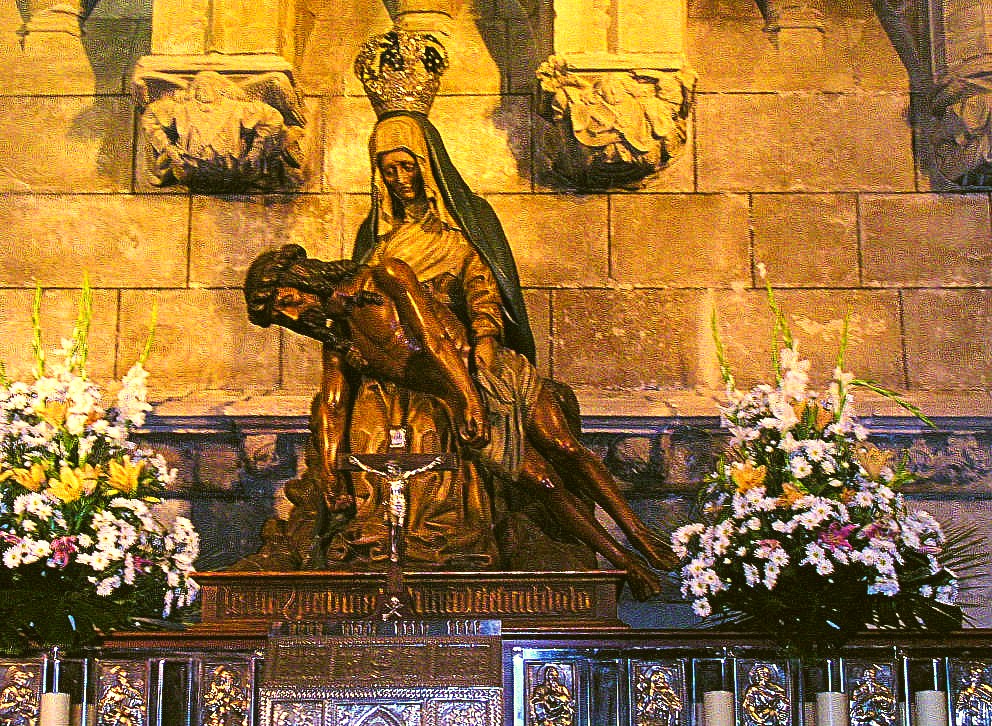
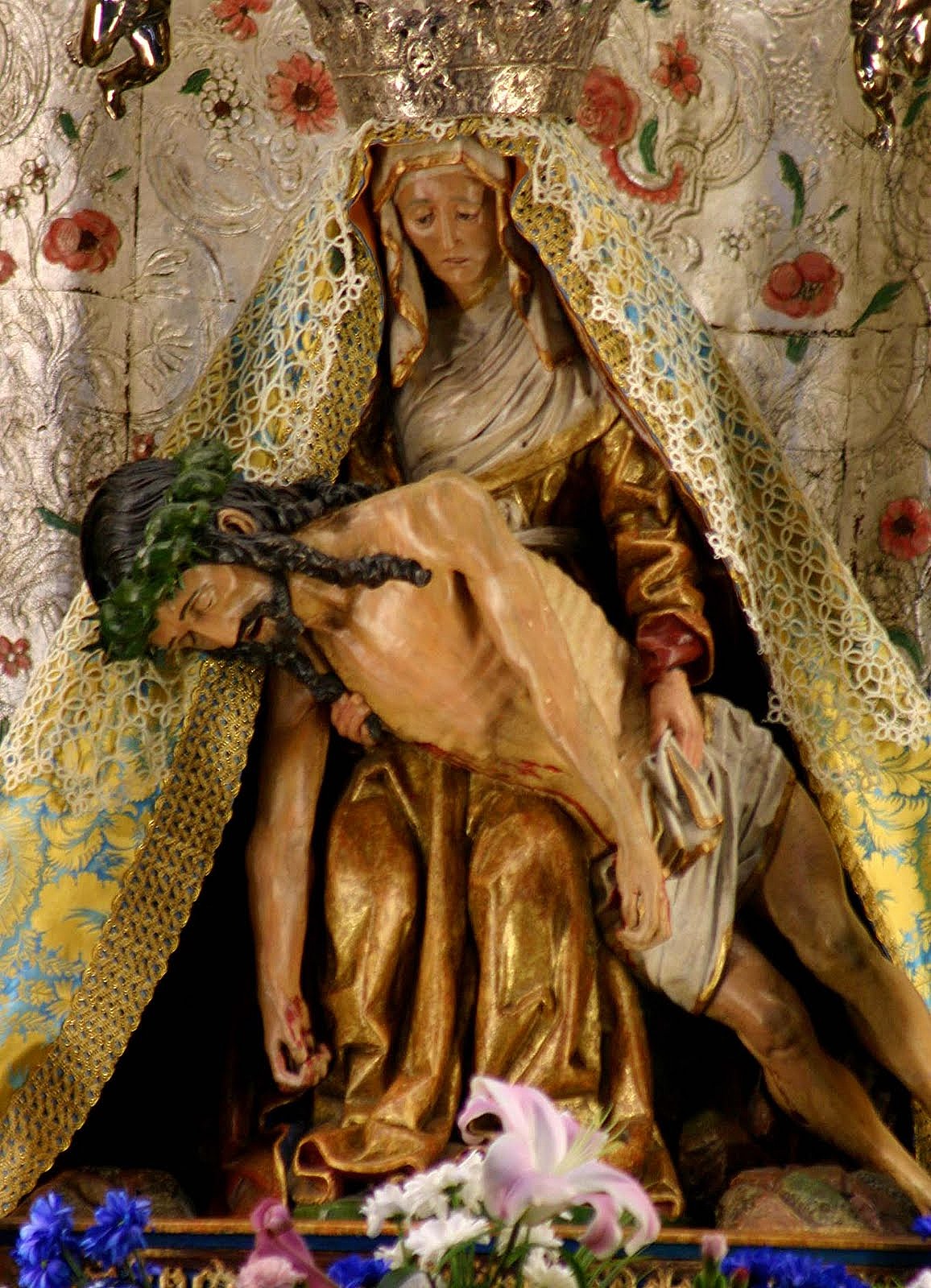
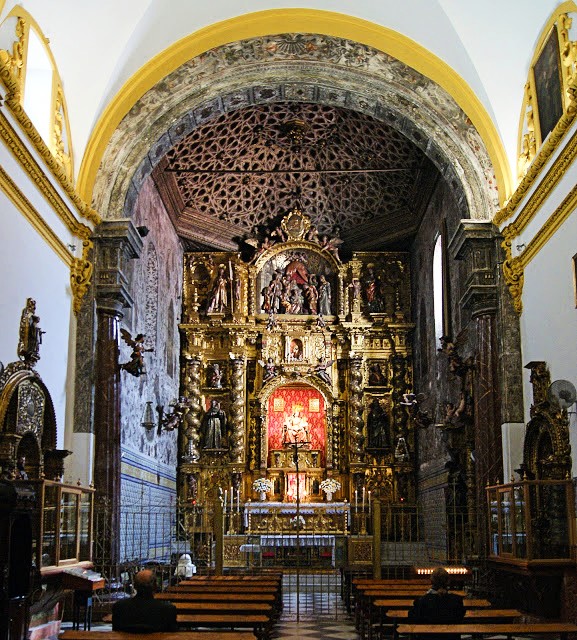

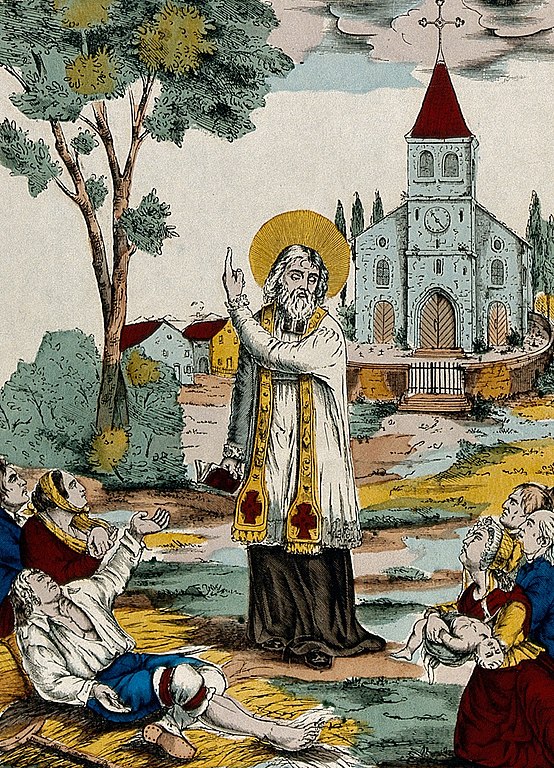
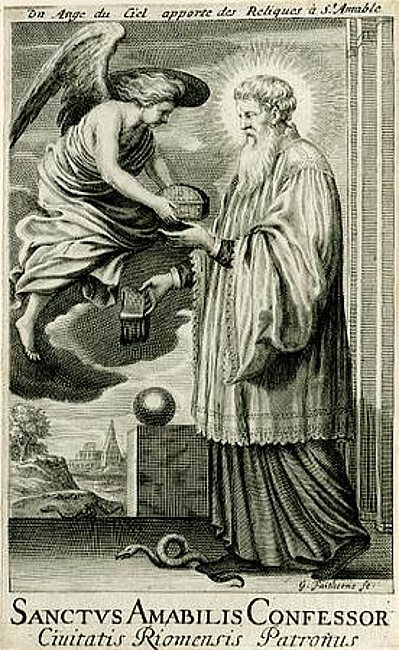
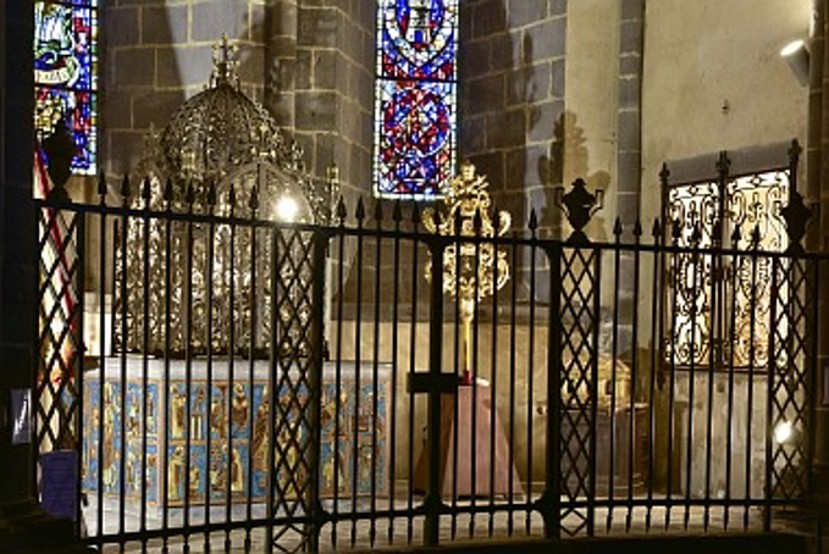
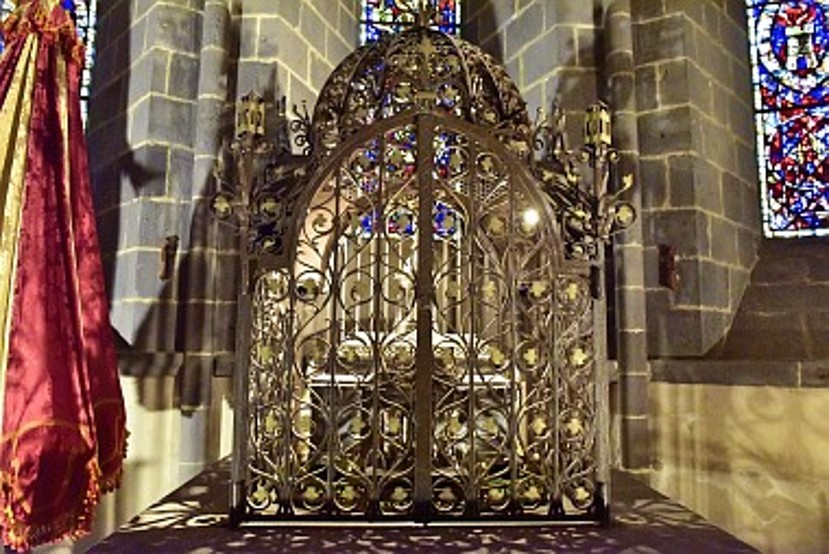
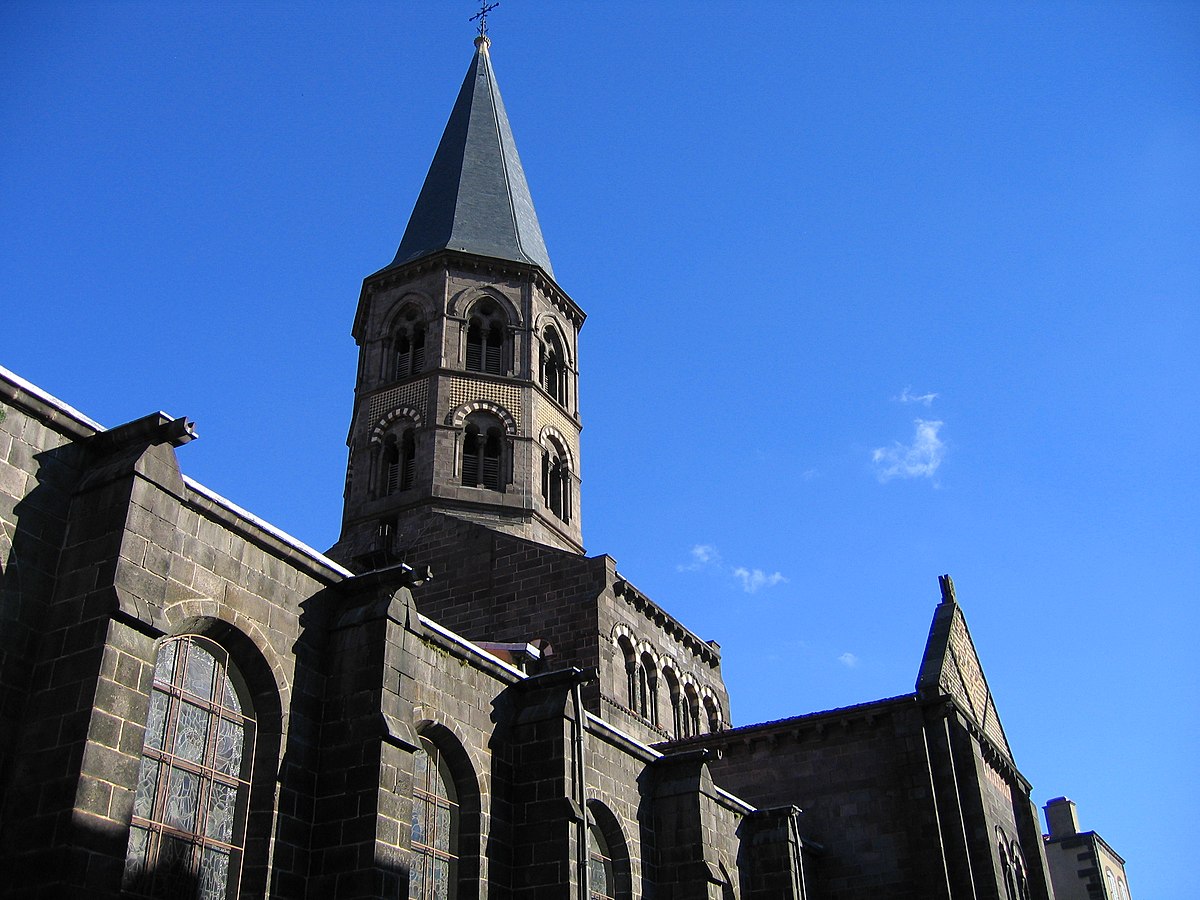
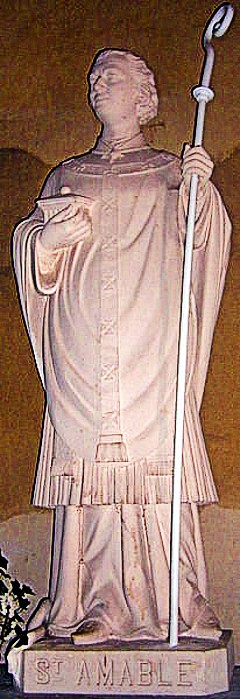

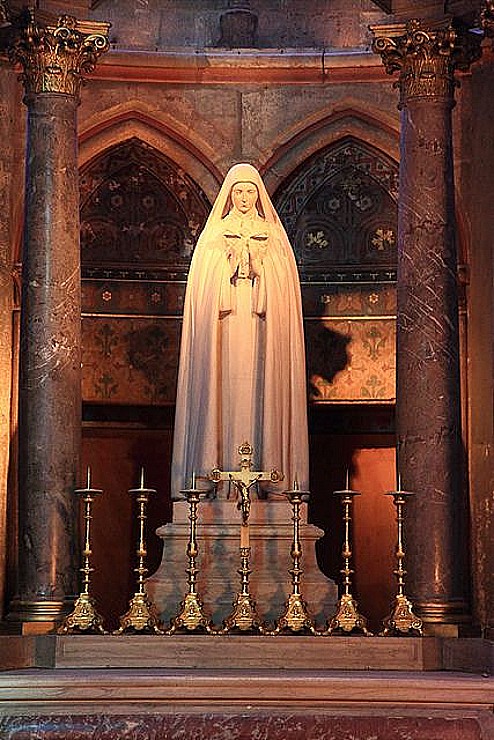
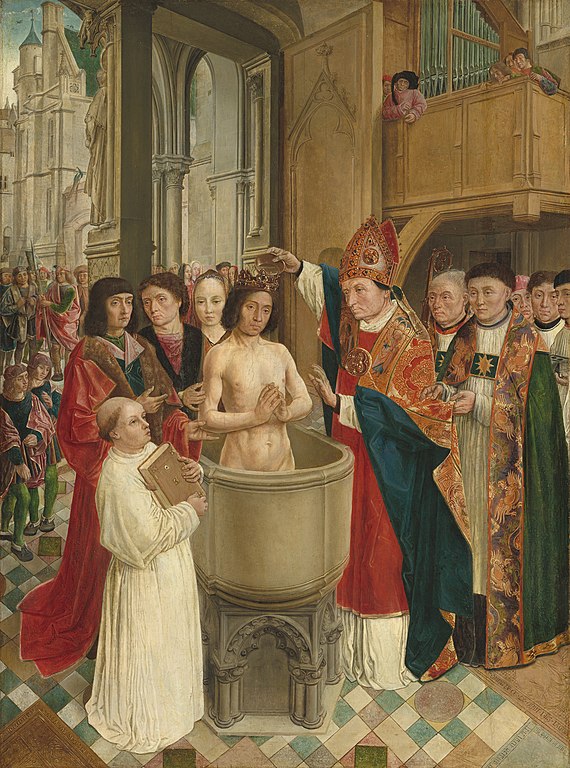
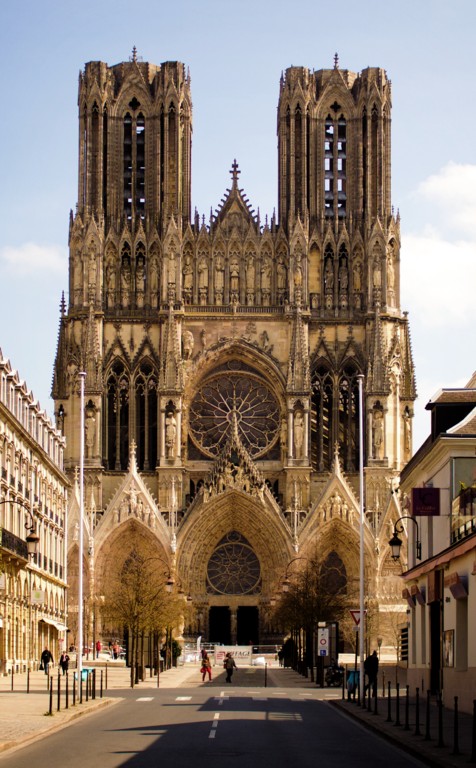

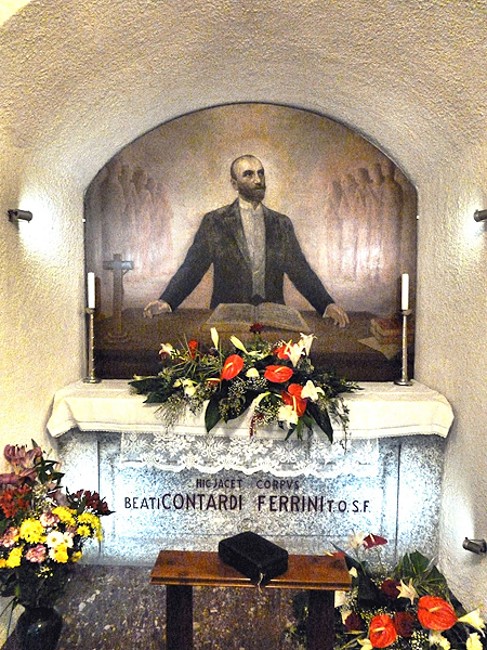


 AnaStpaul
You must be logged in to post a comment.