One Minute Reflection – 31 July – Wednesday of the Seventeenth week in Ordinary Time, Year C, Gospel: Matthew 13:44-46 and The Memorial of St Ignatius Loyola (1491-1556)
“The kingdom of heaven is like treasure hidden in a field” … Matthew 13:44
REFLECTION – “Christ is the treasure store of all grace for He is “filled with grace and truth” (Jn 1:14) and angels and humans receive from His fullness. He possesses the very source of fullness and, when He opens His hand, He fills all rational creatures with blessings. But this treasure store of graces, is concealed beneath the veil of the sacrament of the altar. Is it not true that “the Kingdom of heaven is like a treasure hidden in a field”? (Mt 13:44). And is not the field, in this case, the sacrament of the body of Christ, gathered in the fields? In this field we possess a hidden treasure because all kinds of graces are hidden there. “The man who discovered it went away in his joy, sold all he possessed and bought it” (Mt 13:44). Someone who knows the wealth of this sacrament willingly renounces all other activity, to freely give himself to participation and devotion towards this sacrament. He knows he will gain possession of eternal life according to the words of the Lord: “He who eats my flesh and drinks my blood has eternal life” (Jn 6:55).
The treasure of all glory exists in Christ. All the glory, possessed by both angels and men, who are to be saved until the day of judgement, whether it be glory of body or glory of soul, is drawn from that store of treasure. For that store is He, the one whose treasures go to great depths and who set the incomprehensible limits of His glory. And so, He commands us to run to this treasure when He says: “Gather up treasure for yourselves in heaven” (Mt 6:20). This treasure is hidden beneath the veil of bread and wine that you might have the merit of faith.
So may the Lord be praised for His mercies since He represented His Body to us beforehand under the image of heavenly treasure!” … St Bonaventure (1221-1274) Doctor of the Church
PRAYER – Almighty God, grant that the example of Your saints may spur us on to perfection, so that we, who are celebrating the feast of St Ignatius, may follow him step-by-step in his way of life to reach You in heaven. Grant us the grace, by his intercession, to find our treasure in Your divine Son, through Christ our Lord, with the Holy Spirit, God for always and forever, amen.
Thought for the Day – 25 July – Memorial of St Christopher (died C 251) Martyr
There is a beloved saint whose image can be found inside of cars, on the walls of churches and around the necks of safety-seeking travellers. His most prevalent image is that of a tall, formidable man who wades across an unruly river. Wooden staff firmly in hand, his face is often strained, looking upward to the sweet-faced child resting on his oversized shoulders.
He is referenced in literature: “A Cristofre on his breast of silver shene…,” Chaucer wrote in The Canterbury Tales and in film, such as 2005’s Crash in which a habitual car thief uses his trusty Saint Christopher medal as a good-luck charm.
Saint Christopher—patron of travellers, protector against toothaches, hailstorms and sudden death—is one of the most endearing for Catholics. His life and story, bordering somewhere between legend and legitimacy, is a complex, faith-affirming exercise in service, grace and love.
A picture of Saint Christopher was found in a monastery on Mount Sinai dating from the time of Justinian (527-565). His image was cast on coins in Württemberg and Bohemia and his statues could be found on bridges, imparting safety to their many travellers.
Christopher’s woodcarvings and paintings were hung on the walls of many European churches, often accompanied by the inscription, “Whoever shall behold the image of Saint Christopher shall not faint or fall on that day.”
Further proof of his early popularity, Saint Christopher was included as someone invoked against an assortment of hardships. He was also chosen as the patron of Baden, Brunswick and Mecklenburg and is one of the efficacious saints, The Fourteen Holy Helpers.
And that popularity never wavered. Even somewhat recently, organisations such as “The Christophers,” founded by Father John Keller, M.M. in 1945, are named after him. The Christophers’ purpose is to encourage all individuals to celebrate “their abilities and use them to raise the standards in all phases of human endeavour.” It’s a fitting principle.
Despite Saint Christopher’s long-lasting influence, aspects of his life are shrouded in myth and in legend. But his popularity, regardless of overwhelming uncertainty, is unmistakable. We love him and trust in his intercession!
Christopher has proven his resilience, growing in popularity over the centuries and withstanding suspicious historians who have questioned his validity.
For many, Saint Christopher reminds us that, in our own way, we carry Christ on our shoulders and in our hearts, across mighty rivers.
These mighty rivers of our lives!
St Christopher, Pray for us!
Partially Excerpted – Christopher Heffron, St Anthony Messenger
St James the Greater (Feast) – Son of Zebedee and Salome, brother of Saint John the Apostle. He is called “the Greater” simply because he became an Apostle before Saint James the Lesser.
St Cugat del Valles
Bl Darío Acosta Zurita
St Ebrulfus
St Euphrasia
St Fagildo of Santiago
St Felix of Furcona
St Florentius of Furcona
St Glodesind of Metz
St Magnericus of Trier
Bl Michel-Louis Brulard
Bl Mieczyslawa Kowalska
St Mordeyren
St Nissen of Wexford
St Olympiad of Constantinople
St Paul of Palestine
Bl Pietro Corradini of Mogliano
St Theodemir of Cordoba
—
Martyrs of Caesarea – 3 saints: Three Christians martyred together in the pesecutions of emperor Maximilian and governor Firmilian – Paul, Tea and Valentina. 309 in Caesarea, Palestine.
Martyrs of Cuncolim – 20 saints: On 15 July 1583 the group met at the church of Orlim, and hiked to Cuncolim to erect a cross and choose land for a new church. Local anti-Christian pagans, seeing the unarmed Christians, gathered their weapons and marched on them. One of the parishioners, a Portuguese emigre named Gonçalo Rodrigues, carried a firearm, but Father Alphonsus Pacheco stopped him from using it. The pagans then fell upon them, and killed them all without mercy. They were –
• Alphonsus Pacheco
• Alphonsus the altar boy
• Anthony Francis
• Dominic of Cuncolim
• Francis Aranha
• Francis Rodrigues
• Gonçalo Rodrigues
• Paul da Costa
• Peter Berno
• Rudolph Acquaviva
• ten other native Christian converts whose names have not come down to us
They were martyred on Monday 25 July 1583 at the village of Cuncolim, district of Salcete, territory of Goa, India. Beatified on 30 April 1893 by Pope Leo XIII.
Martyrs of Motril – 5 beati: Four priests and a brother, all members of the Augustinian Recollects, who were martyred together in the Spanish Civil War:
• Deogracias Palacios del Río
• José Rada Royo
• José Ricardo Díez Rodríguez
• Julián Benigno Moreno y Moreno
• León Inchausti Minteguía
They were shot on 25 July 1936 in Motril, Granada, Spain and Beatified on 7 March 1999 by Pope John Paul II.
Martyrs of Toledo – 4 beati: Four brothers and a priest, all members of the Hospitallers of Saint John of God, and all martyred together in the Spanish Civil War.
• Carlos Rubio álvarez
• Eloy Francisco Felipe Delgado Pastor
• Jerónimo Ochoa Urdangarín
• Primo Martínez De San Vicente Castillo
25 July 1936 in Talavera de la Reina, Toledo, Spain. They were Beatified on 25 October 1992 by Pope John Paul II.
Martyrs of Urda – 3 beati: Three members of the Passionists who were martyred together in the Spanish Civil War.
• Benito Solana Ruiz
• Felix Ugalde Irurzun
• Pedro Largo Redondo
They were shot on 25 July 1936 in Urdá, Toledo, Spain and Beatified on 1 October 1989 by Pope John Paul II.
One Minute Reflection – 20 July – Saturday of the Fifteenth week in Ordinary Time, Year C, Gospel: Matthew 12:14–21
“Behold, my servant whom I have chosen, my beloved with whom my soul is well pleased…. and in his name will the Gentiles hope.”…Matthew 12:18,21
REFLECTION – “My dear souls, let us recognise, I pray you, Christ’s infinite charity towards us, in the institution of this Sacrament of the Eucharist. In order that our love be a spiritual love, He wills a new heart, a new love, a new spirit for us. It is not with a carnal heart but with a spiritual one, that Christ has loved us with a gratuitous love, a supreme and most ardent love, by way of pure grace and charity. Ah! One needs to love Him back with one’s whole, whole, whole, living, living, living and true, true, true heart!!” …… St Lawrence of Brindisi (1559-1619) Apostolic Doctor
PRAYER – Lord God, You bestowed on us all the ways of grace in Your Son, so that Your name might be glorified and souls be saved. At the intercession of His Mother, whom He so lovingly gave us, grant that we may see what we have to do and, in Your mercy give us the strength to do it and the courage, love and charity to persevere. Grant above all, that by her prayers we may love You above all and with all we are. Mary, holy Mother of God, pray for us, through your Son Jesus Christ, with the Holy Spirit, one God forever, amen.
Saint of the Day – 18 July – Saint Simon of Lipnica (1435/1440-c 1482) OFM Cap Priest of the Franciscan Order of Friars Minor (OFM), renowned Preacher, apostle of charity – also known as Szymon of Lipnicza – born in 1435/1440 in Lipnica Murowana, Malopolskie, Poland and died on 18 July 1482 in Kraków, Malopolskie, Poland during a plague epidemic. Patronages – Krakow, Students.
Simon was born in Lipnica Murowana, in the south of Poland, between the years 1435-1440. His parents, Gregory and Anne, knew how to give him a good education, inspired by the values of the Christian faith and, despite their modest conditions, they took care to secure him an adequate cultural formation. Simon grew up with a pious and responsible nature, rich in a natural predisposition towards prayer and a tender love for the Mother of God.
He moved to Krakow, to attend the famous Jagiellonian Academy, in 1454. It was precisely in those years that St John of Capestrano OFM (1386-1456) enthused the city through the sanctity of his life and the fervour of his preaching, attracting a dense crowd of young, generous men to the Franciscan vocation. On the 8th September 1453, the Italian saint founded the first convent of the Observance, with the name of the recently Canonised St Bernardine of Siena (1380-1444), in Krakow. It was for that reason that the Friars Minor of the convent were called the “Berdardini” by the people.
In 1457, the young Simon, fascinated by the Franciscan ideal, also chose to acquire the pearl of great price mentioned in the Gospel and left aside a possible successful and rich future. He asked to be received, with another ten fellow students, into the convent of Stradom.
Under the wise guidance of the Novice Master, Br Christopher of Varese, a religious renown for his teaching and sanctity of life, Simon generously embraced the humble and poor life of the Friars Minor and received the priesthood about the year 1460. He exercised his first ministry in the convent of Tarnów, where he was the Guardian of the fraternity.
He later established himself in Stradom (Krakow), dedicating himself untiringly to preaching with a clear word, full of ardour, faith and wisdom, which permitted a glimpse of his profound union with God and of his prolonged study of Sacred Scripture.
Like St Bernardine of Siena and St. John of Capestrano, Br Simon spread devotion to the Name of Jesus, obtaining the conversion of innumerable sinners. He, the first of the Friars Minor, took up the duty of preacher in the Cathedral of Wawel in 1463. Because of his dedication to preaching the Gospel, the ancient sources conferred the title of “predicator ferventissimus” “Zealous Preacher”, on him.
In his desire to give homage to St Bernardine of Siena, the inspirer of his preaching, he, with some Polish confreres, went to Aquila to participate in the solemn transfer of the body of the saint, on the 17th May 1472, to the new Church erected in his honour. He was again in Italy in 1478, on the occasion of the General Chapter of Pavia. He had a way, then, to be able to satisfy his deepest desire to visit the tombs of the Apostles in Rome and to extend his pilgrimage to the Holy Land later. He lived this experience in a spirit of penance, truly loving the passion of Christ, with the hidden aspiration of spilling his own blood for the salvation of souls, if it would please God. He emulated St Francis in his love for the Holy Places. In view of the possibility of being captured by the non-believers, he wished to learn the Rule of the Order by heart before undertaking the journey in order “to have it always before the eyes of his mind”.
The love of Simon for his brothers and sisters was manifested in an extraordinary way during the last year of his life, when an epidemic of plague broke out in Krakow. The city was under the scourge of the disease from July 1482 to the 6th January 1483. The Franciscans of the convent of St Bernardine tirelessly did all they could to care for the sick as true consoling angels.
Br Simone, held it to be a “propitious time” to exercise charity and to fulfil the offering of his own life. He went everywhere comforting, giving succour, administering the sacraments and announcing the consoling Word of God to the dying. He was soon infected. He suffered the pain of the disease with extraordinary patience and, near the end, expressed his desire to be buried under the threshold of the church so that all could trample on him. On the sixth day of the disease, the 18th July 1482, without fear of death and with his eyes fixed on the Crucifix, he gave his soul back to God.
The “ab immemorabili” cult rendered to Blessed Simon, which passed into the history of seraphic sanctity under the title of “Salutis omnium sitibundus”, was confirmed by Blessed Innocent XI on the 24th February 1685.
The cause of his Canonisation, taken up by the Holy Father Pius XII on the 25th June 1948, today reaches its happy ending, following the recognition of his heroic virtues and of the miraculous cure which occurred in Krakow in 1943 and attributed to the intercession of the Blessed. The respective Decrees were promulgated by the Holy Father Benedict XVI on the 19th of December 2005 and the 16th December 2006.
This slideshow requires JavaScript.
Simon of Lipnica knew how to combine admirably his commitment to evangelisation and to giving witness to charity, which flowed from his great love for the Word of God and for the poor and suffering. The Order of Friars Minor, on the vigil of the celebration of the VIII Centenary of its Foundation (1209-2009), salutes him as an authentic witness to poverty, humility and simplicity, as well as to the joy of belonging fully to the Lord and to being a gift to the life of the Friars.
He was Canonised by Holy Father Pope Benedict XVI mere months after the decrees approved by him in 2006, on 3 June 2007 in Saint Peter’s Square upon the confirmation of a 1943 miracle attributed to his intercession….Vatican.va
Thought for the Day – 15 July – Monday of the Fifteenth week in Ordinary Time, Year C, Gospel: Matthew 10:34-11,1 and The Memorial of St Bonaventure OFM (1221-1274) Seraphic Doctor of the Church
Saint Bonaventure saw the spires of the great cathedrals reaching up to heaven as a reflection of the human soul’s reaching up to God in his The Soul’s Journey into God. Likewise, the streams of light coming into the church through the stained-glass windows, reflect God expressing Himself, in the wide variety of creatures upon whom He showers His gifts of grace.
And the images go on and on as the saint reaches into human experience of creation and cultural artifacts and finds vestigium (the footprints) of God since everything in creation, reflects in some way, the grandeur of God. Human beings, of course, are the actual image of God.
It was this ability to take the spirituality of Saint Francis—as reflected in Saint Francis’ Canticle of the Sun, for instance—and place it at the heart of his writings, keeping the simplicity of the Franciscan insights and creating a sublime theology, that truly deserves the name “Seraphic.”
When Bonaventure was declared a Doctor of the Universal Church in 1588 by Pope Sixtus V, he was given the title “Seraphic Doctor.” Merriam-Webster defines a seraph as one of the highest-ranking angels as well as “one of the six-winged angels standing in the presence of God.” It was as a seraph that Christ appeared to Saint Francis when he received the stigmata on Mount La Verna. Therefore, it is fitting to use the term to describe the soaring mysticism of Saint Bonaventure.
In his General Audience on 3 March 2010, Pope Benedict XVI spoke about the life of St Bonaventure. He called to mind the great works of literature, art, philosophy and theology that were inspired by the Christian faith during the time period in which the saint lived.
“Among the great Christian figures who contributed to the composition of this harmony between faith and culture, Bonaventure stands out, a man of action and contemplation, of profound piety and prudent government,” Pope Benedict said.
The Pope called on the faithful to take note of “the central role that Christ always played in Bonaventure’s life and teaching,” and to imitate the way in which “the whole of his thinking was profoundly Christocentric.”
“Meditation on Christ in His humanity is corporeal in deed, in fact but spiritual in mind. . . . By adopting this habit, you will steady your mind, be trained to virtues and receive strength of soul….Let meditation of Christ’s life be your one and only aim, your rest, your food, your desire, your study.” – St Bonaventure
Quote/s of the Day – 15 July – Monday of the Fifteenth week in Ordinary Time, Year C, Gospel: Matthew 10:34-11,1 and The Memorial of St Bonaventure (1221-1274) Doctor of the Church
“Every creature is a divine word because it proclaims God.”
“In all your deeds and words, you should look upon this Jesus, as your model. Do so, whether you are walking or keeping silence, or speaking, whether you are alone or with others. He is perfect and thus, you will be, not only irreprehensible but praiseworthy.”
“Christ has something in common with all creatures. With the stone He shares existence, with the plants He shares life, with the animals He shares sensation and with the angels He shares intelligence. Thus all things are transformed in Christ since in the fullness of His nature, He embraces some part of every creature.”
“We must beg the Holy Spirit, with ardent longing, to give us these fruits. The Holy Spirit alone, knows how to bring to light, the sweetness hidden away under the rugged exterior of the words of the Law. We must go to the Holy Spirit for interior guidance.”
“Since happiness is nothing else than the enjoyment of the Supreme Good and the Supreme Good is above us, no-one can enjoy happiness, unless he rises above himself.”
“God might have created a more beautiful world, He might have made heaven more glorious but it was impossible for Him, to exalt a creature, higher than Mary, in making her His Mother.”
St Adolphus of Osnabrück
St Alpinian of Limoges
St Alrick the Hermit
Bl Ambrose de Feis
Bl Anthony de Tremoulières
Bl Arnulf of Villers
St Austriclinian of Limoges
St Basilides of Alexandria
St Bertrand of Le Mans
St Clotsindis of Marchiennes
Bl Elisabeth Heimburg
St Emiliana of Rome
St Erentrude
St Eurgain
St Gaius Bl Gennaro Maria Sarnelli C.Ss.R. (1702–1743)
Bl Jacob Clou
St Leo the Deacon
St Lucina of Rome
St Lucina of the Callistus Catacombs
St Marcian of Pampeluna
St Martial of Limoges
St Ostianus
St Otto of Bamberg
St Peter of Asti
St Petrus Li Quanhui
Bl Philip Powel
St Raimundus Li Quanzhen Bl Raymond Lull TOSF (c 1232 – c1315) Biography:
St Theobald of Provins
Bl Vasyl Vsevolod Velychkovskyi
St Vihn Son Ðo Yen
Bl Zenon Kovalyk
—
Martyrs of Africa – 7 saints: Seven Christians martyred together. No detail about them have surived but the names – Cursicus, Gelatus, Italica, Leo, Timotheus, Zoilus, and Zoticus. Date and precise location in Africa unknown.
Thought for the Day – 26 June – Wednesday of the Twelfth week in Ordinary Time and the Memorial of Blessed Jacques Ghazir Haddad OFM Cap (1875-1954) “The Apostle of Lebanon” “The Apostle of the Cross”
Lebanon’s Apostle of the Cross
Brother Jacque’s long-cherished dream of erecting a large Cross in Lebanon was a concrete expression of his commitment to his Christian faith and to his native country. He wanted to make it not only a meeting place for Franciscan Tertiaries but above all, a place of prayer for all those fallen in war and for the Lebanese who had emigrated in search of work. With the help of collected money he completed this project which also included a church dedicated to Our Lady of the Sea and, later, hospital, orphanage and rest home for retired priests in 1923.
Brother James’s love for the Cross of Christ was so legendary that people christened him ‘the Apostle of the Cross’. He himself prayed the Stations of the Cross everyday and he encouraged others to frequently pray this prayer. Among his publications is a booklet of mediations for the Way of the Cross and the congregation of Tertiary Sisters he founded to run his corporal works of mercy projects is called the ‘Congregation of Franciscan Sisters of the Cross of Lebanon’. Among his frequently quoted maxims are the following: “I myself have the Cross as a destiny”.,“One ounce of a Cross is much better than a ton of books of prayer.”, and “O Cross of the Lord, so dear to the heart”.And as he left this world he held his well-worn Crucifix in his hands.
Besides his love of the Cross, Brother James also had a deep devotion to the Eucharist and to Our Blessed Lady. He prayed the fifteen decades of the rosary every day. He viewed our Lady as the perfect guide who leads people to Christ. “Honouring Mary, no matter how sacred, is only the door leading to Jesus. Mary is the means, Jesus is the end. Mary is the road, Jesus is the destination”. It was in adoration before the Blessed Sacrament that Brother James reached this destination while here on earth. Sometimes, as he adored the the Lord in the tabernacle, he would pray, “How I would prefer to take you in procession throughout the streets rather than closing up on you in the tabernacle”.
Apostle of Lebanon
But inevitable old-age and illness impacted this energetic Capuchin Brother’s own strength of also. He was already known throughout Lebanon as Abouna Yaaqoub(أبونا يعقوب) meaning Father Jacques, Father James or Abba Jacob.
At dawn on Saturday 26 June 1954 he said, “Today is my last day!” and he died at 3 o’ clock in the afternoon . The radio, the press, his friends and church bells in the villages announced his death. Thousands flocked to the Friary of the Cross to weep, pray and receive a final blessing. His body was laid to rest in a tomb of the new Calvary Chapel. This chapel soon became a site that is visited by an ever-growing throngs of pilgrims. Tens of thousands of Lebanese turned out to celebrate his beatification in Beirut’s Martyrs Square. That bloodstained square which witnessed so many tragedies of wartorn Lebanon’s recent history resound with cheers of joy as the painting of the Brother Jacques of Ghazir was unveiled above it after the Pope’s representative, Cardinal Martens, proclaimed the faithful son of Lebanon, Khalil Haddad, the Capuchin Order’s ‘Abuna Yaaqub’ a Blessed. His beatification a moment of hope for unity in a country ripped apart by factional warfare and international conflict.
Blessed Jacques Ghazir Haddad (1875-1954)
“The Apostle of Lebanon”
“The Apostle of the Cross”
Pray for Us!
Saint of the Day – 26 June – Blessed Jacques Ghazir Haddad OFM Cap (1875-1954) aged 79 – Priest, Religious of the Order of Friars Minor as a Capuchin Friar, Founder of the Franciscan Sisters of the Holy Cross of which he is the Patron, noted Preacher and founder of many orphanages and schools across Lebanon, Apostle of Charity. Called the “St Vincent de Paul of Lebanon,” “the Apostle of the Cross” and “the Apostle of Lebanon.”
Fr Jacques Ghazir Haddad was born on 1 February 1875, in Ghazir, Lebanon, the third of five children. He attended school in Ghazir and then the College de la Sageese in Beirut, where he studied Arabic, French and Syriac.
In 1892 he went to Alexandria, Egypt, to teach Arabic at the Christian Brothers’ College, and there he felt the call to the priesthood. He entered the Capuchin Convent in Khashbau the next year. He was ordained a priest on 1 November 1901 in Beirut, Lebanon.
As an itinerant preacher from 1903 to 1914 he walked all over Lebanon proclaiming the Word of God and was given the name “the Apostle of Lebanon”. He was also seen preaching in Syria, Palestine, Iraq and Turkey.
In 1919 he bought a piece of land on the hill of Jall-Eddib, north of Beirut, where he built a chapel dedicated to Our Lady of the Sea. Nearby he erected a great Cross.
Fr Jacques was tireless, he would help anyone in need following in the footsteps of St Francis of Assisi. In 1920, to assist him in this mission to help the sick and the poor, he founded the Franciscan Sisters of the Holy Cross of Lebanon. Sister Marie Zougheib was his first collaborator and aided him in setting up his new congregation. He set out in the rule of his order with the insistence, above all else, that the works of mercy never be neglected in the pursuit of the order’s work. He had been titled as the “Vincent de Paul of Lebanon”.
The modest work of Fr Jacques aroused the people’s admiration, many poor and sick people began to go to the “Cross” and Fr Jacques would welcome them all. In 1950 the “Cross” became exclusively a psychiatric hospital, one of the most modern in the Near East. The movement of charity began to spread throughout Lebanon and Fr Jacques and his Sisters multiplied their works of social assistance.
In 1933 he opened the House of the Sacred Heart in Deir el-Kamar, a girls’ orphanage, which later became an asylum for the chronically ill. In 1948 he opened the Hospital of Our Lady for the aged, the chronically ill and the paralysed. In 1949 St Joseph’s Hospital became one of the most important medical centres of the capital. It was followed in 1950 by St Anthony’s House in Beirut for beggars and vagabonds whom the police found on the streets and Providence House for homeless girls.
Even though Fr Jacques was very busy with the hospital mission, he and his Sisters carried on the important work of education and opened several schools as well as an orphanage for 200 girls.
Fr Jacques was worn out by vigils, fatigue and travel. Although he suffered from numerous illnesses, became almost completely blind and was stricken with leukemia, he did not stop blessing God and working. He was lucid to the end, at dawn on the day of his death, he said “Today is my last day!” His last hours were an uninterrupted series of prayers invoking the Cross and the Virgin Mary until he died on 26 June 1954 in Lebanon.
His cause for Beatification was introduced in February 1979, on 24 February 1979, His Holiness St Pope John Paul II signed the Decree of Introduction of the Cause for Beatification. On Sunday, 22 June 2008, he was Beatified during a special Mass in Beirut by Cardinal José Saraiva Martins, C.M.F., Prefect of Congregation for the Causes of Saints.
Since Blessed Haddad’s death, additional hospitals have opened to assist those injured during the war and to assist the Kabr-Chemoun region where medical services were scarce…Vatican.va
Father al-Haddād received from President Émile Eddé the Palm Medal of Lebanese Merit on 5 January 1938 while President Bechara El Khoury awarded him the Golden Medal of Lebanese Merit on 2 June 1949 and then the Officer Degree of the Lebanese Cedars Medal on 26 November 1951.
Blessed Virgin of Potente del Trompone:
Visionary: Domenica di Miglianotto on 26 June 1562
Title: Blessed Virgin of Potente del Trompone
2nd Visionary: Visionary: St Peter of Alcantara (1499-1562) – seen below: Our Lady of Longing:Matka Boża Tęskniąca / Longing Mother of God, Warsaw, Poland – One of the oldest churches in the Archdiocese of Warsaw is St Elizabeth Powsin Located on the main altar is a painting of Our Lady of Longing – artist unknown – from the first half of the seventeenth century. At either side, the image is surrounded by statues of Saints Adalbert and Stanislaus – Polish bishops and martyrs . The testimony of miracles and graces relating to the Our Lady of Longing icon have been collected at least since the mid-seventeenth century. On 28 June 1998, the image became the fourth image of Mary in the Archdiocese of Warsaw to be canonically crowned.
St Acteie of Rome
St Albinus of Rome
Bl Andrea Giacinto Longhin
Bl Andrii Ischak
St Anthelm of Belley
St Babolenus of Stavelot-Malmédy
St Barbolenus of Fossés
Bl Bartholomew of Vir
St Corbican
St David of Thessalonica
St Deodatus of Nola
St Dionysius of Bulgaria
St Edburga of Gloucester
St Hermogius of Tuy
St Iosephus Ma Taishun
St John of Rome
St John of the Goths
St José Maria Robles Hurtado St Josemaria Escriva (1902-1975) Biography: https://anastpaul.com/2018/06/26/saint-of-the-day-26-june-st-josemaria-escriva-de-balaguer-y-albas-1902-1975-the-saint-of-ordinary-life/
Bl Jacques Ghazir Haddad OFM Cap (1875-1954)
St Maxentius of Poitou
St Medico of Otricoli
Bl Mykola Konrad
St Paul of Rome
St Pelagius of Oviedo
St Perseveranda of Poitiers
Bl Raymond Petiniaud de Jourgnac
St Salvius
Bl Sebastian de Burgherre
St Soadbair
St Superius
St Terence of Rome
St Vigilius of Trent
Bl Volodymyr Ivanovych Pryima
—
Martyrs of Africa – 4 saints: Four Christians who were martyred together – Agapitus, Emerita, Felix and Gaudentius at an unknown location in Africa, date unknown.
Martyrs of Alexandria – 3 saints: Three Christians who were martyred together, but we really know little more that the names – Agatho, Diogenes and Luceja. They were martyred in Alexandria, Egypt, date unknown.
Martyrs of Cambrai – 4 beati: Four Daughters of Charity of Saint Vincent de Paul nuns at Arras, France. Imprisoned together in 1792 and executed together two years later in the anti-Catholic excesses of the French Revolution. They were:
• Jeanne Gerard
• Marie-Françoise Lanel
• Marie-Madeleine Fontaine
• Thérèse-Madeleine Fantou
They were guillotined on 26 June 1794 at Cambrai, Nord, France and Beatified in June 1920 by Pope Benedict XV.
Thought for the Day – The Memorial of Saint Anthony of Padua OFM (1195-1231) Doctor of the Church, 13 June
Actions Speak Louder than Words
Saint Anthony of Padua
Priest and Doctor of the Church
An excerpt from Sermon, I #226
The man who is filled with the Holy Spirit speaks in different languages. These different languages are different ways of witnessing to Christ, such as humility, poverty, patience and obedience, we speak in those languages, when we reveal in ourselves, these virtues to others. Actions speak louder than words, let your words teach and your actions speak. We are full of words but empty of actions and, therefore, are cursed by the Lord, since He Himself cursed the fig tree when He found no fruit but only leaves. Gregory says: “A law is laid upon the preacher to practice what he preaches.” It is useless for a man to flaunt his knowledge of the law, if he undermines its teaching by his actions.
But the apostles spoke as the Spirit gave them the gift of speech. Happy the man, whose words issue from the Holy Spirit and not from himself! ,,For some men speak as their own character dictates but steal the words of others and present them as their own and claim the credit for them. The Lord refers to such men and others like them in Jeremiah – So, then, I have a quarrel with the prophets that steal my words from each other. I have a quarrel with the prophets, says the Lord, who have only to move their tongues to utter oracles. I have a quarrel with the prophets who make prophecies out of lying dreams, who recount them and lead my people astray with their lies and their pretensions. I certainly never sent them or commissioned them and they serve no good purpose for this people, says the Lord.
We should speak, then, as the Holy Spirit gives us the gift of speech. Our humble and sincere request to the Spirit for ourselves, should be that we may bring the day of Pentecost to fulfilment, insofar, as He infuses us with His grace, by using our bodily senses in a perfect manner and by keeping the commandments. Likewise, we shall request, that we may be filled with a keen sense of sorrow and with fiery tongues for confessing the faith, so that our deserved reward may be to stand in the blazing splendour of the saints and to look upon the triune God.
Saint of the Day – 13 June – St Anthony of Padua OFM (1195-1231) Doctor of the Church
The gospel call, to leave everything and follow Christ, was the rule of Saint Anthony of Padua’s life. Over and over again, God called him to something new in his plan. Every time, Anthony responded with renewed zeal and self-sacrificing to serve his Lord Jesus more completely.
His journey as the servant of God began as a very young man when he decided to join the Augustinians in Lisbon, giving up a future of wealth and power, to be a servant of God. Later, when the bodies of the first Franciscan martyrs went through the Portuguese city where he was stationed, he was again filled with an intense longing to be one of those closest to Jesus Himself: those who die for the Good News.
So Anthony entered the Franciscan Order and set out to preach to the Moors. But an illness prevented him from achieving that goal. He went to Italy and was stationed in a small hermitage where he spent most of his time praying, reading the Scriptures and doing menial tasks.
The call of God came again at an general chapter where no one was prepared to speak. The humble and obedient Anthon,y hesitantly accepted the task. The years of searching for Jesus in prayer, of reading sacred Scripture and of serving Him in poverty, chastity and obedience, had prepared Anthony to allow the Spirit to use his talents. Anthony’s sermon was astounding to those who expected an unprepared speech and knew not the Spirit’s power to give people words.
Recognised as a great man of prayer and a great Scripture and theology scholar, Anthony became the first friar to teach theology to the other friars. Soon he was called from that post to preach to the Albigensians in France, using his profound knowledge of Scripture and theology, to convert and reassure those, who had been misled by their denial of Christ’s divinity and of the sacraments..
After he led the friars in northern Italy for three years, he made his headquarters in the city of Padua. He resumed his preaching and began writing sermon notes to help other preachers. In the spring of 1231, Anthony withdrew to a friary at Camposampiero, where he had a sort of treehouse built as a hermitage. There he prayed and prepared for death.
On 13 June, he became very ill and asked to be taken back to Padua, where he died after receiving the last sacraments. Anthony was Canonised less than a year later and named a Doctor of the Church in 1946.
Anthony should be the patron of those, who find their lives completely uprooted and set in a new and unexpected direction. Like all saints, he is a perfect example of turning one’s life completely over to Christ. God did with Anthony as God pleased—and what God pleased was a life of spiritual power and brilliance that still attracts admiration today heaping miracle upon miracle during Anthony’s lifetime. He whom popular devotion has nominated as finder of lost objects, found himself by losing himself totally, to the providence of God.
St Anthony writes: “Christ, who is your life, is hanging before you, so that you may look at the Cross, as in a mirror. There you will be able to know, how mortal were your wounds, that no medicine other, than the Blood of the Son of God, could heal. If you look closely, you will be able to realise, how great your human dignity and your value are…. Nowhere other than looking at himself, in the mirror of the Cross, can man better understand how much he is worth”(Sermones Dominicales et Festivi III, pp. 213-214).
In meditating on these words we are better able to understand the importance of the image of the Crucified One for our culture, for our humanity that is born from the Christian faith. Precisely by looking at the Crucified One we see, as St Anthony says, how great are the dignity and worth of the human being. At no other point can we understand how much the human person is worth, precisely because, God makes us so important, considers us so important that, in His opinion, we are worthy of His suffering, thus, all human dignity appears in the mirror of the Crucified One and our gazing upon Him is ever a source of acknowledgement of human dignity…..Pope Benedict XVI (General Audience – February 10, 2010)
St Anthony of Padua, pray for us!
Wonderful St Anthony the miracle worker: https://anastpaul.com/2018/06/13/saint-of-the-day-13-june-st-anthony-of-padua-o-f-m-evangelical-doctor-hammer-of-heretics-professor-of-miracles-wonder-worker-ark-of-the-tes/
Celebrating St Anthony: https://anastpaul.com/2017/06/13/celebrating-the-life-and-miracles-of-st-anthony-of-padua-on-his-memorial-today-13-june/
O God, send forth Your Holy Spirit By St Anthony of Padua (1195-1231) Doctor of the Church
O God,
send forth Your Holy Spirit
into my heart
that I may perceive,
into my mind,
that I may remember,
and into my soul,
that I may meditate.
Inspire me to speak
with piety,
holiness,
tenderness
and mercy.
Teach, guide and direct my thoughts
and senses, from beginning to end.
May Your grace,
ever help and correct me,
and may I be strengthened now
with wisdom from on high,
for the sake of Your infinite mercy.
Amen
Thought for the Day – 23 May – Thursday of the Fifth Week of Easter, C, Gospel: John 15:9-11
“I have said these things to you, so that my joy may be in you”...John 15:11
Saint Francis maintained: “My best defence against all the plots and tricks of the enemy is still the spirit of joy. The devil is never so happy as when he has succeeded in robbing one of God’s servants of the joy in his or her soul. The devil always has some dust on hold that he blows into someone’s conscience through a small basement window so as to make opaque what is pure. But in a heart that is filled with joy, he tries in vain to introduce his deadly poison. The demons can do nothing against a servant of Christ whom they find filled with holy gladness, whereas a dejected, morose and depressed soul easily lets itself be submerged in sorrow or captured by false pleasures.”
That is why he himself always tried to keep his heart joyful, to preserve that oil of gladness with which his soul had been anointed (Ps 45:7). He took great care to avoid sorrow, the worst of illnesses and when he felt that it was beginning to infiltrate his soul, he immediately had recourse to prayer. He said: “At the first sign of trouble, the servant of God must get up, begin to pray and remain before the Father until the latter has caused him or her to retrieve the joy of the person who is saved.” (Ps 51:12)…
Thomas of Celano (c 1190-c 1260)
Biographer of Saint Francis (c 1181-1226)
and Saint Clare of Assisi (1194-1253)
Vita Secunda of St Francis, §125 and 127
St Francis, Pray for Us
that we may be filled with the true joy of a servant of Christ!
Saint of the Day – 19 May – St Maria Bernarda Bütler (1848-1924) aged 74 – Religious Sister, Founder, Missionary, Apostle of the Holy Eucharist, of prayer and charity, Marian devotee – born Verena Bütler on 28 May 1848 in Auw, Aargau, Switzerland and died on 19 May 1924 in Cartagena, Bolívar, Colombia of natural causes. St Maria Bernarda was a Swiss Roman Catholic professed religious and the foundress of the Franciscan Missionary Sisters of Mary Help of Sinners and a part of the missions in Ecuador and Colombia. She worked for the care of the poor in these places until her exile from Ecuador and entrance into Colombia where she worked for the remainder of her life. Her order moved there with her and continued to expand during her time there until her death.
Maria Bernarda/Verena Bütler was born in Auw, in the Canton of Argovia, in Switzerland, on 28 May 1848 and was baptised on the same day. She was the fourth child of Henry and Catherine Bütler, modest but exemplary country people, who educated the eight children born of their marriage in the love of God and of neighbour.
Gifted with excellent health, Verena grew up happy, intelligent, generous and a lover of nature. She began to attend school at seven years of age. The fervour and commitment with which she made her First Communion, on 16 April 1860, remained constant in her for the rest of her life.
Childhood Home
St Maria Bernarda’s Childhood Bedroom
Devotion to the Eucharist would, in fact, form the foundation of her spirituality.
Having completed her elementary studies at the age of 14, Verena dedicated herself to farm work and experienced affection for a worthy young man with whom she fell in love. On feeling the call of God, she broke off the engagement in order to turn completely to the Lord. During this period in her life she was granted the grace of enjoying the presence of God, feeling Him very close. She herself said: “To explain this state of soul to someone who has never experienced anything similar is extremely difficult, if not impossible”. And again: “The Holy Spirit taught me to adore, praise, bless and give thanks to Jesus in the tabernacle at all times, even at work and in real life.
Drawn by the love of God, she entered a convent in her region as a postulant at 18 years of age. However, becoming aware that it was not the place to which the Lord was calling her, Verena very quickly returned home.
Work, prayer and apostolic activity in the parish kept her desire for the consecrated life alive. At the suggestion of her Pastor, Verena entered the Franciscan Monastery of Mary Help of Sinners in Altstätten on 12 November 1867. She took the Franciscan habit on 4 May 1868, taking the name of Sister Maria Bernarda of the Heart of Mary and made her Religious Profession on 4 October 1869 with the firm proposal of serving the Lord until death in the contemplative life.
She was very soon elected Mistress of Novices and Superior of the Community on three occasions, carrying out this fraternal service for nine consecutive years. Her zeal and love for the Kingdom of God had prepared her to begin a new missionary experience. Having willingly accepted the invitation of Msgr. Peter Schumacher, Bishop of Portoviejo in Ecuador, who, outlining the precarious situation of his people, asked her to come to his Diocese. Maria Bernarda clearly saw the will of God, who was calling her to be an announcer of the Gospel in that far away country, in this invitation.
Having overcome the initial resistance of the Bishop of St Gall and obtained a regular pontifical indult, Sr Maria Bernarda and six companions left the Monastery in Altstätten and set out for Ecuador on the 19th of June 1888. Only their light of faith and zeal to announce the Gospel sustained the Blessed and her companions in the difficult separation from their beloved Monastery and Sisters. In her intentions, Maria Bernarda thought of giving birth to a missionary foundation dependent on the Swiss Monastery.
The Lord, however, made her instead the foundress of a new Religious Congregation, that of the Franciscan Missionary Sisters of Mary Help of Sinners.
They were received paternally by the Bishop, who entrusted to Maria Bernarda the community of Chone, which presented a distressing spectacle because of the total lack of priests, scant religious practice and rampant immorality. Maria Bernarda became “everything to everyone”, placing prayer, poverty, fidelity to the Church and the constant exercise of the works of mercy at the base of her missionary work. She, together with her daughters, began an intense apostolate among families, deepening their knowledge of the language and of the culture of the people. The first fruits did not delay in maturing. The Christian life of the people blossomed again as if by magic.
The new Franciscan Congregation also grew in number and two filial houses were founded in Sant Ana and Canoa. Very soon after however, the missionary work of Mother Maria Bernarda was marked by the mystery of the Cross. Many indeed were the sufferings to which she and her daughters were submitted – absolute poverty, torrid heat, uncertainty and difficulties of every kind, risks to their health and security of their lives, misunderstanding on the part of ecclesiastical authorities and, besides, the separation of some Sisters from the community, establishing themselves later as an autonomous congregation (the Franciscans of the Immaculate: Blessed Charity Brader). Maria Bernarda underwent all this with heroic fortitude and in silence without defending herself or nourishing resentment towards anyone but forgiving them from her heart and praying for those who made her suffer.
As if all these trials were not enough, a violent persecution in 1895, begun by forces hostile to the Church, obliged Sr Maria Bernarda and her Sisters to flee from Ecuador. Without knowing where to go, she went, with 14 Sisters, towards Bahia, from where she continued towards Colombia.
The group was still wandering when it received an invitation from Msgr. Eugene Biffi to work in his Diocese of Cartagena. So, on 2 August 1895, the feast of the Porziuncola of Assisi, the Foundress and her Sisters, exiled from Ecuador, reached Cartagena and were received paternally by the Bishop . They found hospitality in a female hospital, commonly called a “Pious Work”. The Lord had led her by the hand towards that asylum, where Mother Mary Bernard would remain to the end of her life. After the house in Cartagena, the Foundation was extended not only in Columbia but also in Austria and Brasil.
With a compassionate heart, authentically Franciscan, she engaged above all in relieving the spiritual and material needs of the poor, whom she always considered to be her favourites. She used to say to the Sisters: “Open your houses to help the poor and marginalised. Give preference to the care of the indigent over all other activity”. The Mother guided her Congregation over thirty years. Even after resigning from the Office of Superior General, she continued to animate her dear Sisters with feelings of true humility, especially through the example of her life and her words and writings.
Struck by piercing hypo-gastric pains, while at the “Pious Work” in Cartagena, an establishment of her Daughters and loved and venerated by all as an authentic saint, Mary Bernard quietly went to sleep in the Lord on 19 May 1924. She was 74 years of age, 56 in the consecrated life and 38 in missionary life. News of her death spread quickly. The Pastor of the Cathedral of Cartagena announced her passing away, saying to the faithful: “A saint has died in this city, this morning – the reverend Mother Bernard!” Her tomb immediately became a centre of pilgrimage and a place of prayer.
The apostolic zeal and ardour of charity of Mother Mary Bernard are being re-lived today in the Church, particularly through the Congregation founded by her, present at the moment in various countries on three continents. The Blessed can be pointed out as an authentic model of “inculturation”, the urgency of which the Church has underlined for an efficient announcement of the Gospel (cf. Redemptoris Missio, n. 52). She incarnated perfectly her orienting motto: “My guide, my star, is the Gospel”.
St Maria Bernarda’s Bible and Crucifix below
During her life, she found support and comfort in God alone.
From the time she abandoned her homeland, to which she never went back, when she left her dear Monastery in Altstätten and during her untiring apostolic activity, she was always sustained by a solid spirituality of unceasing prayer, heroic charity towards God and her neighbour, by a faith that was solid as rock, by an unlimited trust in the Providence of God, by evangelical strength and humility and by a radical fidelity to the commitments of her consecrated life. From her contemplation of the mysteries of the Most Holy Trinity, the Eucharist and the Passion of the Lord, she also drew the gift of mercy towards all, which she practised and left, as the particular charism of her Congregation. Very devoted to the Virgin Mother of the Lord, she wished her Congregation to have Our Lady Help of Sinners as mother, protector and life model in her discipleship of Christ and in her missionary activity. As a Franciscan, she cultivated the same veneration which St Francis of Assisi nourished for “Holy Mother Church”, Pastors and priests, whom she called “the anointed of the Lord”.
This slideshow requires JavaScript.
The Blessed left an admirable example of the biblical woman – strong, prudent, mystical, spiritual teacher and notable missionary. She left the Church a wonderful testimony of dedication to the cause of the Gospel, teaching all, especially today, that it is possible to unite contemplation and action, life with God and service to humanity, bringing God to men and women, and men and women to God.
The Servant of God St Pope John Paul II conferred the title and honour of Blessed her on 29 October 1995. The Holy Father, Benedict XVI, inscribed her in the register of Saints on 12 October 2008…Vatican.va
Our Morning Offering – 15 May – ‘Mary’s Month” – Wednesday of the Fourth week of Easter, C
Mother of Mercy By St Bonaventure (1217-1274) Serpahic Doctor
Virgin full of goodness,
Mother of Mercy,
I entrust to you my body and soul,
my thoughts, my actions,
my life and my death.
O my Queen, help me,
and deliver me from all
the snares of the devil.
Obtain for me the grace
of loving my Lord Jesus Christ,
your Son,
with a true and perfect love,
and after him, O Mary,
to love you with all my heart
and above all things.
Amen
St Albian of Albée
Bl Angela Bartolomea dei Ranzi
Bl Angela Isabella dei Ranzi
St Antonia of Constantinople
St Antonina of Nicaea
St Antonia of Nicomedia
St Antonius of Rocher
St Arbeo of Freising
St Augustine Webster
St Cunegund of Regensburg
St Curcodomus of Auxerre
St Cyriacus of Ancona
St Enéour
St Ethelred of Bardney
St Florian of Lorch
Bl Hilsindis Bl Jean-Martin Moyë (1730-1793) Biography: https://anastpaul.wordpress.com/2018/05/04/saint-of-the-day-4-may-blessed-jean-martin-moye-1730-1793/ St Jose Maria Rubio y Peralta SJ (1864-1929)
St Judas Cyriacus
Bl Ladislas of Gielniów
St Luca da Toro
Bl Margareta Kratz
Bl Michal Giedroyc
St Nepotian of Altino
Bl Paolino Bigazzini
St Paulinus of Cologne
St Paulinus of Senigallia
St Pelagia of Tarsus
St Porphyrius of Camerino Rino
St Richard Reynolds
St Robert Lawrence
St Silvanus of Gaza Bl Tommaso da Olera/Acerbis OFM Cap (1563-1631)
—
Carthusian Martyrs: A group of Carthusian monks who were hanged, drawn and quartered between 19 June 1535 and 20 September 1537 for refusing to acknowledge the English royalty as head of the Church:
• Blessed Humphrey Middlemore
• Blessed James Walworth
• Blessed John Davy
• Blessed John Rochester
• Blessed Richard Bere
• Blessed Robert Salt
• Blessed Sebastian Newdigate
• Blessed Thomas Green
• Blessed Thomas Johnson
• Blessed Thomas Redyng
• Blessed Thomas Scryven
• Blessed Walter Pierson
• Blessed William Exmew
• Blessed William Greenwood
• Blessed William Horne
• Saint Augustine Webster
• Saint John Houghton
• Saint Robert Lawrence
Martyrs of Cirta: Also known as
• Martyrs of Cirtha
• Martyrs of Tzirta
A group of clergy and laity martyred together in Cirta, Numidia (in modern Tunisia) in the persecutions of Valerian. They were – Agapius, Antonia, Emilian, Secundinus and Tertula, along with a woman and her twin children whose names have not come down to us.
Martyrs of England: 85 English, Scottish and Welsh Catholics who were martyred during the persecutions by Protestants in the 16th and 17th centuries. They are commemorated together on 22 November.
• Blessed Alexander Blake • Blessed Alexander Crow • Blessed Antony Page • Blessed Arthur Bell • Blessed Charles Meehan • Blessed Christopher Robinson • Blessed Christopher Wharton • Blessed Edmund Duke • Blessed Edmund Sykes • Blessed Edward Bamber • Blessed Edward Burden • Blessed Edward Osbaldeston • Blessed Edward Thwing • Blessed Francis Ingleby • Blessed George Beesley • Blessed George Douglas • Blessed George Errington • Blessed George Haydock • Blessed George Nichols • Blessed Henry Heath • Blessed Henry Webley • Blessed Hugh Taylor • Blessed Humphrey Pritchard • Blessed John Adams • Blessed John Bretton • Blessed John Fingley • Blessed John Hambley • Blessed John Hogg • Blessed John Lowe • Blessed John Norton • Blessed John Sandys • Blessed John Sugar • Blessed John Talbot • Blessed John Thules • Blessed John Woodcock • Blessed Joseph Lambton • Blessed Marmaduke Bowes • Blessed Matthew Flathers • Blessed Montfort Scott • Blessed Nicholas Garlick • Blessed Nicholas Horner • Blessed Nicholas Postgate • Blessed Nicholas Woodfen • Blessed Peter Snow • Blessed Ralph Grimston • Blessed Richard Flower • Blessed Richard Hill • Blessed Richard Holiday • Blessed Richard Sergeant • Blessed Richard Simpson • Blessed Richard Yaxley • Blessed Robert Bickerdike • Blessed Robert Dibdale • Blessed Robert Drury • Blessed Robert Grissold • Blessed Robert Hardesty • Blessed Robert Ludlam • Blessed Robert Middleton • Blessed Robert Nutter • Blessed Robert Sutton • Blessed Robert Sutton • Blessed Robert Thorpe • Blessed Roger Cadwallador • Blessed Roger Filcock • Blessed Roger Wrenno • Blessed Stephen Rowsham • Blessed Thomas Atkinson • Blessed Thomas Belson • Blessed Thomas Bullaker • Blessed Thomas Hunt • Blessed Thomas Palaser • Blessed Thomas Pilcher • Blessed Thomas Pormort • Blessed Thomas Sprott • Blessed Thomas Watkinson • Blessed Thomas Whitaker • Blessed Thurstan Hunt • Blessed William Carter • Blessed William Davies • Blessed William Gibson • Blessed William Knight • Blessed William Lampley • Blessed William Pike • Blessed William Southerne • Blessed William Spenser • Blessed William Thomson •
They were Beatified on 22 November 1987 by Pope John Paul II.
Martyrs of Novellara: A bishop and several his flock who were martyred together in the persecutions of Diocletian and whose relics were kept and enshrined together. We know nothing else about them but the names – Apollo, Bono, Cassiano, Castoro, Damiano, Dionisio, Leonida, Lucilla, Poliano, Tecla, Teodora and Vespasiano. They were Martyred on 26 March 303. Their relics were enshrined in the parish of Saint Stephen in Novellara, Italy in 1603.
St James the Lesser Apostle (Feast) St Philip the Apostle (Feast) Sts James and Philip: https://anastpaul.wordpress.com/2018/05/03/3-may-feast-of-sts-philip-and-james-apostles-and-martyrs/
St Adalsindis of Bèze
Bl Adam of Cantalupo in Sabina
St Ahmed the Calligrapher
St Aldwine of Peartney
St Pope Alexander I
St Alexander of Constantinople
Bl Alexander of Foigny
St Alexander of Rome
Bl Alexander Vincioli
St Ansfrid of Utrecht
St Antonina of Constantinople
St Diodorus the Deacon
Bl Edoardo Giuseppe Rosaz
St Ethelwin of Lindsey
St Eventius of Rome
St Fumac
St Gabriel Gowdel
St Juvenal of Narni
Bl Maria Leonia Paradis
St Maura of Antinoe
St Peter of Argos
St Philip of Zell
Bl Ramon Oromí Sullà
St Rhodopianus the Deacon
St Scannal of Cell-Coleraine
Bl Sostenaeus St Stanislas Kazimierczyk CRL (1433–1489)
St Theodolus of Rome
St Timothy of Antinoe
Bl Uguccio
Bl Zechariah
Saint of the Day – 27 April – Blessed Jakov Varingez OFM (c 1400–1496) aged 96, was a Croatian professed religious of the Order of Friars Minor, Apostle of charity, Mystic with a great devotion to the Cross of Christ, Marian devotee, he was noted as a miracle worker and levitated. He assumed the name of “Giacomo of Bitetto” after his profession into that order. Patronage – Bitetto. He is honoured in the Franciscan Order on 20 April. His body is incorrupt.
Blessed Jakov in the Church in Bitetto
Jakov Varingez was born in Zadar around 1400 to Leonardo and Beatrice.
In 1420 he entered the Order of Friars Minor as a brother assistant after having relocated to Bari, in the Kingdom of Naples, to flee Turkish invaders and joined the order in neighbouring Bitetto at Saint Peter’s convent.
In 1438 his superior requested him to participate in the General Chapter for the order, in Bari as his aide. The friar decided to remain in Bari and lived in various monasteries until 1450 where he served as a cook, sacristan, gardener, porter and alms-beggar, before settling in Bitetto.
The friar remained in Bitetto until 1463 before moving to Bari where he remained until moving to Cassano delle Murge in 1469 at the Santa Maria degli Angeli convent. He returned to Bitetto from 1480-1483 before moving to the Santa Maria dell’Isola convent in Conversano until 1485 when he moved for the final time back to Bitetto.
He had a deep devotion to the Passion and to the Blessed Mother and was known to have fallen into ecstasies. He cared for patients infected with the plague during an epidemic in 1482 when he was already in his eighties.
He died in Bitetto in 1496 and his remains were interred in a chapel built for him. Public honour in his name is reported since 1505. Pilgrims have continued to visit his Shrine and pray for his intercession and a miracle attributed to him is currently under investigation.
He was Beatified on 29 December 1700 after Pope Clement XI confirmed his cultus and was a decree of heroic virtues was proclaimed on 19 December 2009 by Pope Benedict XVI. The cause for his Canonisation continues.
One Minute Reflection – 24 April – Wednesday of Easter week, Gospel: Luke 24:13–35 and the Memorial of St Benedict Menni (1841-1914)
“Stay with us, for it is toward evening and the day is now far spent.” So he went in to stay with them....Luke 24:29
REFLECTION – “When the disciples on the way to Emmaus asked Jesus to stay “with” them, He responded by giving them a much greater gift, through the Sacrament of the Eucharist He found a way to stay “in” them.
Receiving the Eucharist means entering into a profound communion with Jesus. “Abide in me, and I in you” (Jn 15:4). This relationship of profound and mutual “abiding” enables us to have a certain foretaste of heaven on earth. Is this not the greatest of human yearnings? Is this not what God had in mind when He brought about in history His plan of salvation? God has placed in human hearts a “hunger” for His word (cf. Am 8:11), a hunger which will be satisfied only by full union with Him. Eucharistic communion was given, so that we might be “sated” with God here on earth, in expectation of our complete fulfilment in heaven.
This special closeness which comes about in Eucharistic “communion” cannot be adequately understood or fully experienced apart from ecclesial communion… The Church is the Body of Christ – we walk “with Christ” to the extent that we are in relationship “with his body”. Christ provided for the creation and growth of this unity, by the outpouring of His Holy Spirit. And He Himself, constantly builds it up by His Eucharistic presence. It is the one Eucharistic bread which makes us one body. As the Apostle Paul states: “Because there is one bread, we who are many are one body, for we all partake of the one bread” (1Cor 10:17)…Saint John Paul II (1920-2005) – Apostolic Letter “ Mane nobiscum Domine ” §19-20
PRAYER – Stay with me, Lord, for it is necessary to have You present so that I do not forget You. You know how easily I abandon You.
Stay with me Lord, because I am weak and I need Your strength, so that I may not fall so often.
Stay with me Lord, for You are my life and without You, I am without fervour.
Stay with me Lord, for You are my light and without you, I am in darkness.
Stay with me Lord, to show me Your will.
Stay with me Lord, so that I hear Your voice and follow You…. St Padre Pio of Pietrelcina (1887-1968) (Excerpt)
And grant holy Father, that the prayers of St Benedict Menni, may assist us on our way. Through Christ, our Lord, with the Holy Spirit, one God with You, forever, amen.
Saint of the Day – 9 April – Blessed Thomas of Tolentino OFM (c 1255–1321) Martyr, professed Franciscan Friar, Missionary.
Thomas was born in Tolentino in the March of Ancona within the Papal States around 1250 to 1260. Becoming a Franciscan early in life, he developed a reputation for his strict adherence to its rule, particularly concerning his vow of poverty. A fellow of St Nicholas of Tolentino (c 1246–1305) and one of Angelo da Clareno’s Spiritual Franciscans, Thomas was jailed twice for his excessive condemnation of luxury.
After being released through the intervention of Raymond Godefroy, a new minister general who sympathised with the Spiritualists, Thomas travelled with companion Franciscans as missionaries to Lesser Armenia in 1289. In 1291, its King Haython II directed him to return to the courts of Rome, Paris and London to seek help against his Muslim foes. His efforts to raise a new crusade were unsuccessful and he returned east, departing a second time to gather more missionaries.
Returning with twelve companions in 1302, he worked in Armenia and Persia. He debated Armenian Christians he considered heretics and participated in the Council of Sis that partially reunited the Armenian and Roman Catholic churches in 1307.
While in Persia, two letters dated 1305 and 1306 arrived from John of Montecorvino, the Franciscan missionary to China and Thomas again travelled to Europe, delivering the correspondence to Rome in 1307. While there, he addressed a public consistory of the pope and cardinals, praising John’s work in China and asking for assistance in developing his mission. He also discussed the matter with Clement V at Poitiers in 1308, after which an ecclesiastical hierarchy was established for the Roman Catholics in China. The pontiff named John archbishop of Khanbaliq (now within modern Beijing) and seven Franciscan bishops and many friars were sent to join him. Only three of the bishops and a few friars, however, successfully completed the journey. Thomas seems to have then travelled a fourth time to Armenia and Persia.
There is a gap until 1320, during which Thomas may have laboured in India or China. In 1320, Thomas left from Hormuz with his fellow Franciscan, Blessed James of Padua and Blessed Peter of Siena, the Dominican Blessed Jordan of Severac and the layman Blessed Demetrio da Tifliz. A Georgian or Armenian, Demetrius was proficient at languages and served as the group’s interpreter. A storm en route, forced the party to land at Thane on the island of Salsette Island near Mumbai in India. Jordan left them to preach at Bharuch, before he heard Demetrius and the Franciscans had been arrested.
The family with whom they were staying had fallen into a quarrel and the husband had beaten his wife. When she went to the magistrate to report this abuse, she had mentioned the four clerics as witnesses and they were called before him. Thomas, James and Demetrius had gone to the court while Peter remained behind to look after their things. Having begun a discussion of religion, the magistrate had asked them their opinion of Muhammad and Thomas replied bluntly that he was “the son of perdition and had his place in Hell with the Devil his father”. At this, the Muslims around the court called for their death for blasphemy. Some accounts claim they were scourged and tortured before their execution by beheading on 8 April 1321. Peter was martyred three days later on 11 April.
Bernardino Licini Franciscan Martyrs
The local Christians may have buried Thomas and his companions but Jordanus Catalani, arriving too late to save them, removed their bodies to the church at Supera with the help of a Genovese youth. In 1323 or 1326, Blessed Odoric of Pordenone (1286-1331) passed through the region. Having learned about Thomas and his companions, he took their relics with him to Quanzhou in Fujian. Thomas’s skull he took back to Europe, where he bestowed it on the Franciscan chapter in Tolentino in 1330. It was later moved to the town’s cathedral by a Pisan merchant in the late 14th century, who erected a chapel there in the martyr’s honour with the approval of Boniface IX. It is now kept in the central cathedral in a silver bust.
Thomas and his companions had been unofficially reckoned beatified since the 14th century. Jordan claimed to have miraculously healed the dysentery of his Genovese companion with one of Thomas’s teeth . Thomas’s cult was approved by Pius VII in 1809 and again by Leo XIII in 1894. He is venerated sometimes together with his companions as the Four Martyrs of Thane, on 9 April.
Saint of the Day – 7 April – Blessed Maria Assunta Pallotta (1878-1905) aged 27, born Assunta Maria Pallotta, was an Italian professed Religious who served as a member of the Franciscan Missionaries of Mary, Missionary to China. Patronages – Missionaries, against typhus. Her body is incorrupt.
Assunta Maria Pallotta was born on 20 August 1878 in a little village called Force, Italy. Of a gentle and peaceful nature, Assunta was the ray of sunshine in the family home where she was the eldest of four boys and two girls. Although Assunta’s childhood was relatively happy, her family lived in great poverty. She attended school just for the time necessary to learn to read and write. In spite of her young age, very soon she had to devote herself fully to the life of the family. She was a skilful little housekeeper, full of good sense and very active and she helped her mother in everything.
In order to help her family, she courageously faced the humblest and hardest work. At a certain time, she worked as a diligent little labourer, carrying in a willow basket the materials necessary for the construction work.
When still very young, her attraction for prayer could already be seen. She had a filial tenderness for the Blessed Virgin and she could be seen setting up little altars or decorating with flowers the pictures of the beloved Madonna in the countryside. Assunta’s piety very naturally radiated around her by means of a discreet apostolate. She liked to gather the children of her own age together in the church or under the porch, to speak to them about the goodness of God with all the fervour of her heart.
On Sundays and in her rare moments of leisure, she would be seen very often in the Church, kneeling for hours before the altar, conversing with the Friend of the humble and the lesser people. Apprenticed to the old tailor in the village, she liked to place in front of her a holy picture which she looked at from time to time, while her lips murmured the Hail Marys of the Rosary.
At the age of twelve Assunta received Jesus in the Eucharist for the first time. It was an inexpressible moment of happiness for her, the memory of which would remain as one of the most beautiful of her life.
As a teenager, everyone who knew her was struck by her serenity in look and manner. She was a girl of calm common sense. Her spirituality was really quite simple. To God she offered her heart in frequent prayer. Then, as a continued prayer, she dedicated her exterior actions.
Drawn to give her life entirely to God, Assunta confided in her parish priest, her director, who encouraged her vocation. When she was nineteen, Assunta decided to enter the convent but encountered many obstacles not least among them her mother’s objections and her lack of dowry. But prayer prevailed and at last a letter from Rome, from the Foundress of the Franciscan Missionaries of Mary, arrived, “Let the little one come as she is. The doors of the convent of the Franciscan Missionaries of the Mary at 12 Via Giusti are open to receive her.”
Assunta began her postulancy at St Helen’s Convent in Rome. During her time as a postulant, Assunta was employed in the kitchen. Humble and silent, she fulfilled her charge so perfectly that for a long time she was cited as a model to those who came after her.
On 9 October 1898, Assunta was received as a novice and sent to the convent at Grottaferrata. Here, Sr Maria Assunta was employed in work in the fields. In this modest field of work, sparing herself neither time nor trouble, Sister Maria Assunta was as happy as in the most attractive work. To serve God and her neighbour in the humblest and most mortified ways was her motto. It enabled her to feel true Franciscan joy.
There at the end of November, 1898, Assunta met Mother Mary of the Passion. Upon learning that Assunta came from an area called “The Marches” Mother Mary of the Passion said, “That is the land of saints. You must become a saint too”. Assunta had her watchword. In the depth of her heart, Assunta was stowing away these simple words as her precious heritage.
In January 1902, Sr. Assunta left her beloved Grottaferrata to join a new convent in Florence. For two years she was to be the joy of this house. Without having any fixed employment, she helped in all the charges. When there was extra work or when a harder job presented itself, one was sure to find her ready . She accepted the request for a service with a lovely smile, nothing changed her good humour. This angelic patience, the gentleness of her character, caused her to be sent as a helper to the infirmary where the sick benefited from the charitable devotedness of their improvised nurse.
On 19 March 1904, together with nine other Franciscan Missionaries of Mary, Assunta set sail for China. Ardently Sister Maria Assunta began to study the Chinese language in order to be able to speak of the goodness of God to those around her. In the convent where the Franciscan nuns cared for four hundred orphans Maria Assunta joyfully worked in the kitchen. She did her work there with as much diligence and care as she would have taught catechism. To accomplish her daily duties as perfectly as possible seemed to her the best way of working as a true missionary. Ever intimately united with God, she lived day by day the ordinary community life for His honour and glory.
A serious epidemic of typhus broke out in the community and she fell victim to it. She bore the suffering with great patience and fortified by the rites of Holy Church, she died at sunset on 7 April 1905, being then only twenty-seven years old. Non-believers as well as Christians flocked to the place where she lay as a mysterious perfume filled the entire house for three days after her death.
Eight years after Sister Assunta’s death when the community was moving to Tai-Yuan-Foo, the Bishop asked for the body of Sister Assunta to be transferred. The disinterment revealed the fact that the body was incorrupt. After being exhumed, the body remained exposed to the air in the chapel of the cemetery for a month without being affected. Once again, God showed His favour for the little missionary Sister who lived for Him alone.
On 7 November 1954, Sister Assunta was beatified by Pope Pius XII. The Church officially recognised the little Italian girl whose life had been a song of simplicity, purity and love and who is indeed the beloved of Christ whom she had served so devotedly.
Saint of the Day – 5 March – St John Joseph of the Cross OFM (1654-1734) – Priest, Franciscan Friar, Mystic, ascetic, gifted with prophecy and miracles – born Carlo Gaetano Calosinto on 15 August 1654 at Ischia, Naples, Italy and died on 5 March 1734 of natural causes. Patronage – Ischia.
Saint John Joseph of the Cross was born on the feast of the Assumption in 1654, on the island of Ischia in the kingdom of Naples. From his childhood he was a model of virtue and in his sixteenth year he entered the Franciscan Order of the Strict Observance, or Reform of Saint Peter of Alcantara (1499-1562), at Naples. Such was the edification he gave in his Order, that within three years after his profession he was sent to found a monastery in Piedmont. He assisted in its construction himself and established there the most perfect silence and monastic fervour.
One day Saint John Joseph was found in the chapel in ecstasy, raised far above the floor. He won the hearts of all his religious and became a priest out of obedience to his Superiors. He obtained what seemed to be an inspired knowledge of moral theology, in prayer and silence. He assisted at the death of his dear mother who rejoiced and seemed to live again in his presence and after he had sung the Mass for the repose of her soul, saw her soul ascend to heaven, to pray thereafter to their God face to face.
With his superiors’ permission he established another convent and drew up rules for the Community, which the Holy See confirmed. Afterward, he became a master of novices vigilant and filled with gentleness and of a constantly even disposition. Some time later he was made Provincial of the Province of Naples, erected in the beginning of the 18th century by Clement XI. He laboured hard to establish in Italy this branch of his Order, which the Sovereign Pontiff had separated from the same branch in Spain. His ministry brought him many sufferings, especially moral sufferings occasioned by numerous calumnies. Nonetheless, the Saint succeeded in his undertakings, striving to inculcate in his subjects the double spirit of contemplation and penance which Saint Peter of Alcantara had bequeathed to the Franciscans of the Strict Observance. He gave them the example of the most sublime virtues, especially of humility and religious discipline. God rewarded his zeal with numerous gifts in the supernatural order, such as those of prophecy and miracles.
Finally, consumed by labours for the glory of God, he was called to his reward. Stricken with apoplexy, he died an octogenarian in his convent at Naples, on 5 March 1734. Countless posthumous miracles confirmed the sanctity and glory of the Saint and he was Canonised in 1839 by Pope Gregory XVI.
Quote of the Day – 17 February – Sixth Sunday in Ordinary Time, Year C
Every Eucharist is a “Mass on the world.”
Beyond the daily life of the believer, the Eucharist extends its action to the whole cosmos. As Teilhard de Chardin wrote: “When He (Christ) says through the priest “This is my body”, His words go well beyond the piece of bread over which they are pronounced: they effect the birth of the whole Mystical Body. Beyond the transubstantiated Host, the priestly action extends to the cosmos itself.”
Every Eucharist is a “Mass on the world.”
Fr Raneiro Cantalamessa OFM
Preacher to the Papal Household
Saint of the Day – 17 February – Blessed Luke Belludi OFM (c 1200- c 1285) – Franciscan Friar, companion of St Anthony of Padua, miracle-woker, founder of convents – born in c 1200 in Padua, Italy and died in c 1285 of natural causes. His relics reside in the basilica of Saint Anthony in Padua.
In 1220, Saint Anthony (1195-1231) was preaching conversion to the inhabitants of Padua when a young nobleman, Luke Belludi, came up to him and humbly asked to receive the habit of the followers of Saint Francis. Anthony liked the talented, well-educated Luke and personally recommended him to Francis, who then received him into the Franciscan Order.
Luke, then only 20, was to be Anthony’s companion in his travels and in his preaching, tending to him in his last days and taking Anthony’s place upon his death. He was appointed guardian of the Friars Minor in the city of Padua. In 1239, the city fell into the hands of its enemies. Nobles were put to death, the mayor and council were banished, the great university of Padua gradually closed and the church dedicated to Saint Anthony was left unfinished. Luke himself was expelled from the city but secretly returned.
At night he and the new guardian would visit the tomb of Saint Anthony in the unfinished shrine to pray for his help. One night a voice came from the tomb assuring them that the city would soon be delivered from its evil tyrant.
After the fulfilment of the prophetic message, Luke was elected provincial minister and furthered the completion of the great basilica in honour of Anthony, his teacher. He founded many convents of the order and had, as Anthony, the gift of miracles. Upon his death he was laid to rest in the basilica that he had helped finish and has had a continual veneration up to the present time.
Chapel of Blessed Luke Belludi at the Basilica of St Anthony in Padua
The epistles refer several times to a man named Luke as Paul’s trusted companion on his missionary journeys. Perhaps every great preacher needs a Luke – Anthony surely did. Luke Belludi not only accompanied Anthony on his travels, he also cared for the great saint in his final illness and carried on Anthony’s mission after the saint’s death. Yes, every preacher needs a Luke, someone to offer support and reassurance—including those who minister to us. We don’t even have to change our names!
— St Alexis Falconieri – SEVEN HOLY FOUNDERS
St Antoni Leszczewicz St Bartholomew degli Amidei – SEVEN HOLY FOUNDERS St Benedict dell’Antella – SEVEN HOLY FOUNDERS
St Benedict of Cagliari St Buonfiglio Monaldi – SEVEN HOLY FOUNDERS
St Bonosus of Trier
Bl Constabilis of Cava
St Donatus the Martyr
Bl Elisabetta Sanna
St Evermod of Ratzeburg
St Faustinus the Martyr
St Finan of Iona
St Fintan of Clonenagh
St Flavian of Constantinople
St Fortchern of Trim St Gherardino Sostegni – SEVEN HOLY FOUNDERS
St Guevrock
St Habet-Deus St Hugh dei Lippi-Uguccioni – SEVEN HOLY FOUNDERS St John Buonagiunta Monetti – SEVEN HOLY FOUNDERS
St Julian of Caesarea
St Loman of Trim Bl Luke Belludi (c 1200- c 1285)
St Lupiano
Bl Martí Tarrés Puigpelat
St Mesrop the Teacher
St Petrus Yu Chong-nyul
St Polychronius of Babylon
St Romulus the Martyr
St Secundian the Martyr
St Silvinus of Auchy
St Theodulus of Caesarea
Bl William Richardson
Saint of the Day – 7 February – St Giles Mary of St Joseph OFM (1729-1812) Religious Franciscan Friar, Apostle of Charity and Prayer, Marian devotee – known as the “Consoler of Naples” and the “Saint of the Little Way” (also known as Egidio Maria da Taranto, Egidio Maria de Saint Giuseppe, Egidio Maria of Saint Joseph and Francesco Postillo).
St Giles Mary was born on 16 November 1729 at Taranto, Apulia, Italy and died on 7 February 1812 at Naples, Italy of natural causes while at prayer. Patronage – Taranto, Italy (chosen on 29 June 1919 by Archbishop Orazio Mazzella of Taranto).
Francesco Postillo was born in Taranto to a very poor family. Cataldo Postillo, his father and Grazia Procaccio, his mother. Three siblings later followed him. He was baptised as Francesco Domenico Antonio Pasquale Postillo.
His father’s death died in 1747 left the 18-year-old Francesco to care for the family. Francesco had to abandon his hope of education and to seek work to provide for his widowed mother and siblings. For a brief period of time he worked as a rope maker.
Although his desire was to become a priest, his lack of education meant that he was unable to fulfil this desire and served instead as a professed religious in the Order of Friars Minor in Naples. He applied to enter the order on 27 February 1754 and made his solemn profession of vows on 28 February 1755 at the convent of Santa Maria delle Grazie in Galatone. He assumed the religious name of “Giles of the Mother of God” but he later altered this instead to “Giles Mary of Saint Joseph”.
For 53 years he served at St Paschal’s Hospice in Naples in various roles, such as cook, porter or most often as official beggar for that community. He often travelled outside the confines of his convent to beg for alms and to aid those who were shunned and isolated, especially the lepers.
“Love God, love God”was his characteristic phrase as he gathered food for the friars and shared some of his bounty with the poor—all the while consoling the troubled and urging everyone to repent. He invited men and women to recognise their own gifts and to live out their dignity as people made in God’s divine image.
The charity which he reflected on the streets of Naples was born in prayer and nurtured in the common life of the friars. St Giles often carried an icon of the Blessed Virgin Mary in a depiction known as Our Lady of the Well when he made sick calls. The people whom Giles met on his begging rounds nicknamed him the “Consoler of Naples.”
In the same year that a power-hungry Napoleon Bonaparte led his army into Russia, Giles Mary of St Joseph ended a life of humble service to his Franciscan community and to the citizens of Naples. The date was 7 February 1812. Huge crowds turned out for his funeral, lamenting the loss of their Consoler.
His relics are enshrined in an urn next to the icon of Our Lady of the Well in the church of San Pasquale Baylón in Taranto.
He was Canonised on 2 June 1996 by St Pope John Paul II. His canonisation miracle involved the cure of Mrs Angela Mignogna in 1937.
Quote/s of the Day – 4 February – The Memorial of Blessed Rabanus Maurus OSB (776-856), St Joseph of Leonissa OFM CAP (1556-1612) and St John de Britto SJ (1647-1693) Martyr
Veni Creator Spiritus
Come, Creator, Spirit, come from Your bright heavenly throne, come take possession of our souls and make them all Your own. You who are called the Paraclete, best gift of God above, the living spring, the vital fire, sweet christ’ning and true love. . . . O guide our minds with Your best light, with love our hearts inflame and with Your strength, which ne’er decays, confirm our mortal frame. Far from us drive our deadly foe, true peace unto us bring and through all perils lead us safe beneath Your sacred wing. Through You may we the Father know, through You th’eternal Son and You the Spirit of them both, thrice-blessed Three in One. . . .
By Blessed Rabanus Maurus (776-856)
“Every Christian must be a living book wherein one can read the teaching of the gospel. This is what St Paul says to the Corinthians. Our heart is the parchment; through my ministry the Holy Spirit is the writer because ‘my tongue is like the pen of a ready scribe’ (Psalm 45:1).”
St Joseph of Leonissa OFM CAP (1556-1612)
“God, Who called me from the world into religious life, now calls me from Portugal to India…. Not to answer the vocation as I ought, would be to provoke the justice of God.”
St Liephard of Cambrai
St Magnus of Fossombrone
St Modan
St Nicholas Studites
St Nithard
St Obitius
St Phileas of Alexandria
Bl Rabanus Maurus
St Rembert
St Themoius
St Theophilus the Penitent
St Vincent of Troyes
St Vulgis of Lobbes
—
Jesuit Martyrs of Japan: A collective memorial of all members of the Jesuits who have died as martyrs for the faith in Japan.
Martyrs of Perga – 4 saints: A group of shepherds martyred in the persecutions of Decius. The only details we have about them are the names – Claudian, Conon, Diodorus and Papias. They were martyred in c 250 in Perga, Asia Minor (in modern Turkey).

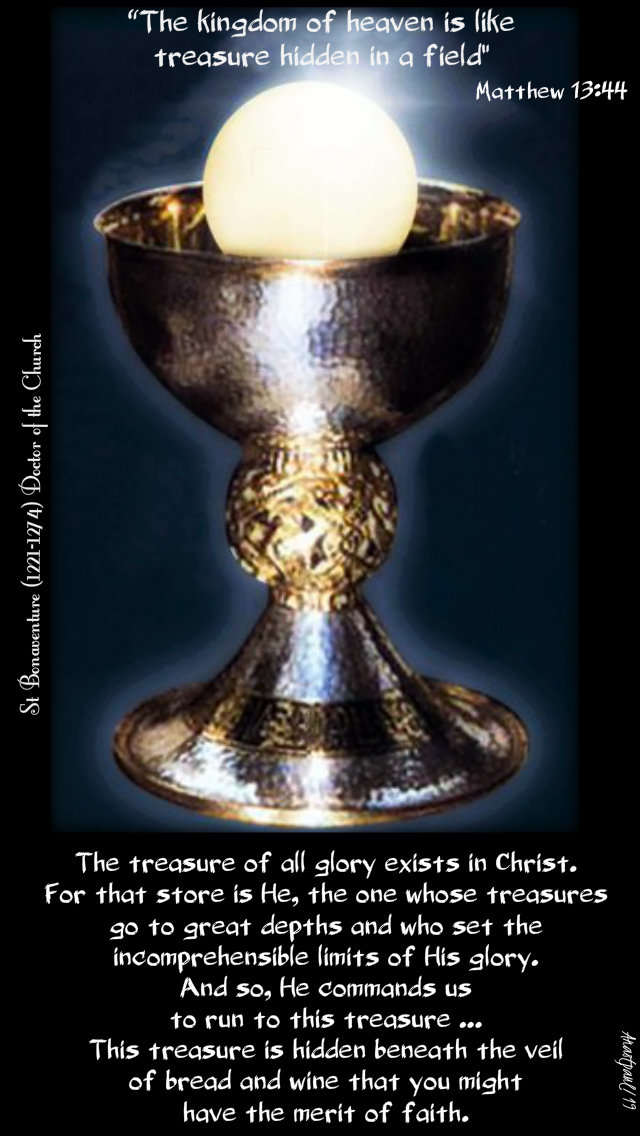
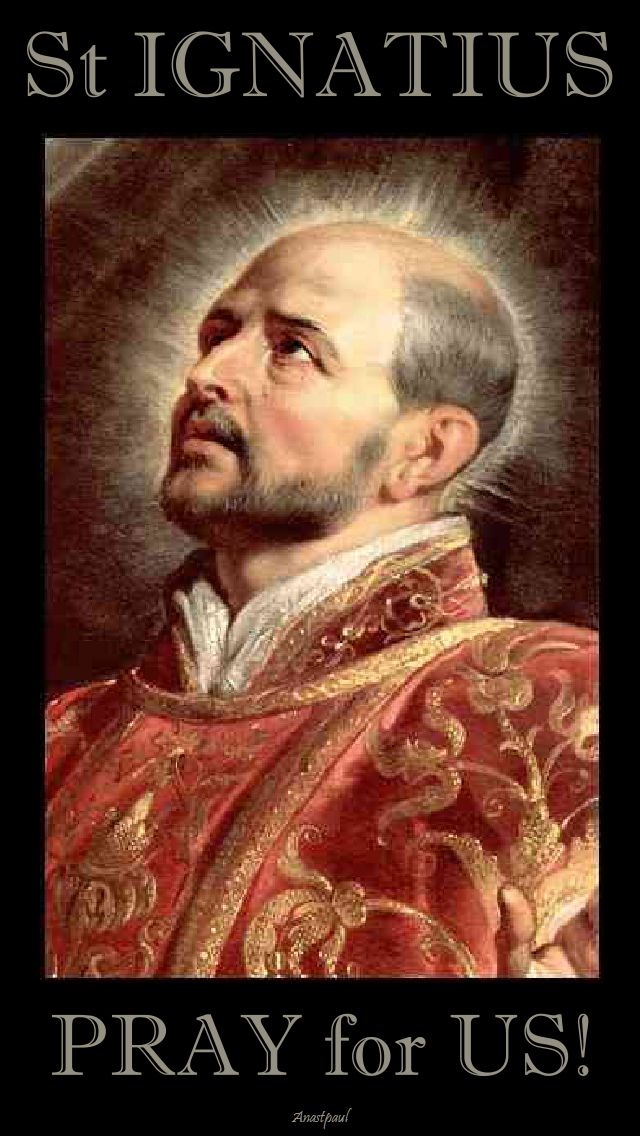

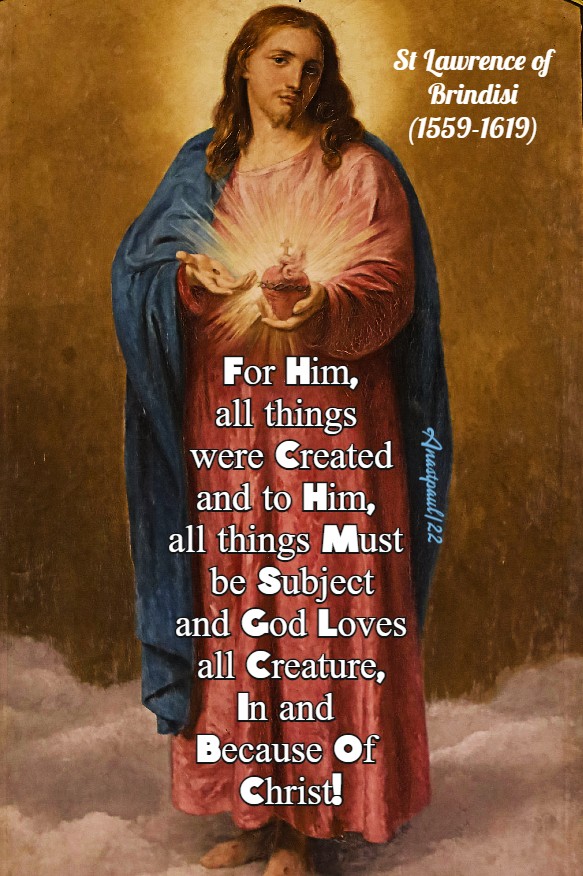
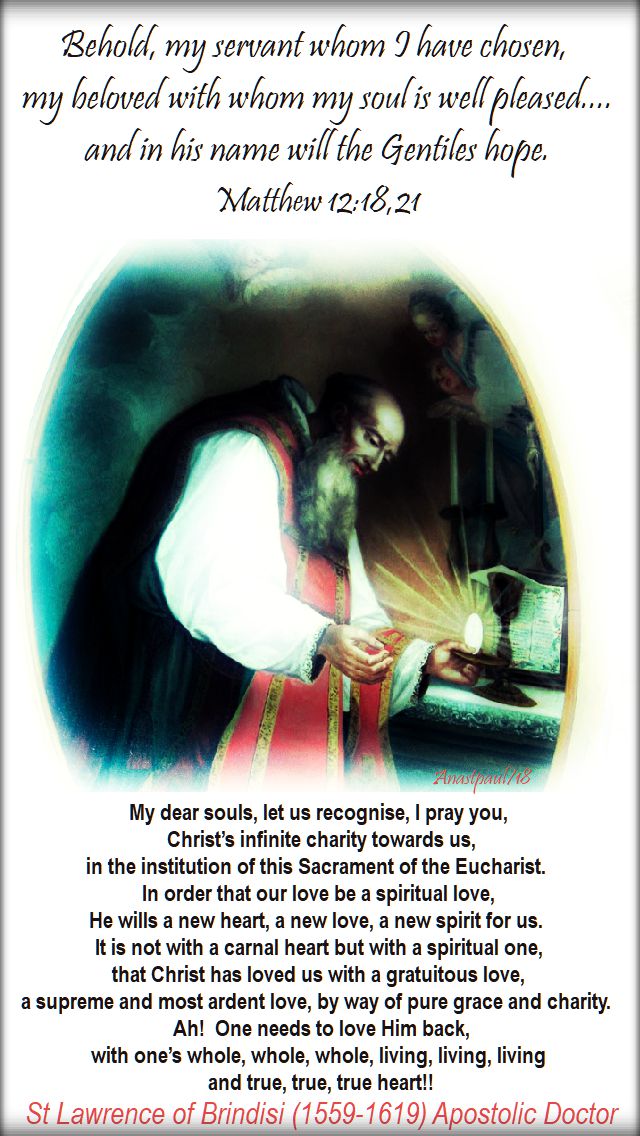
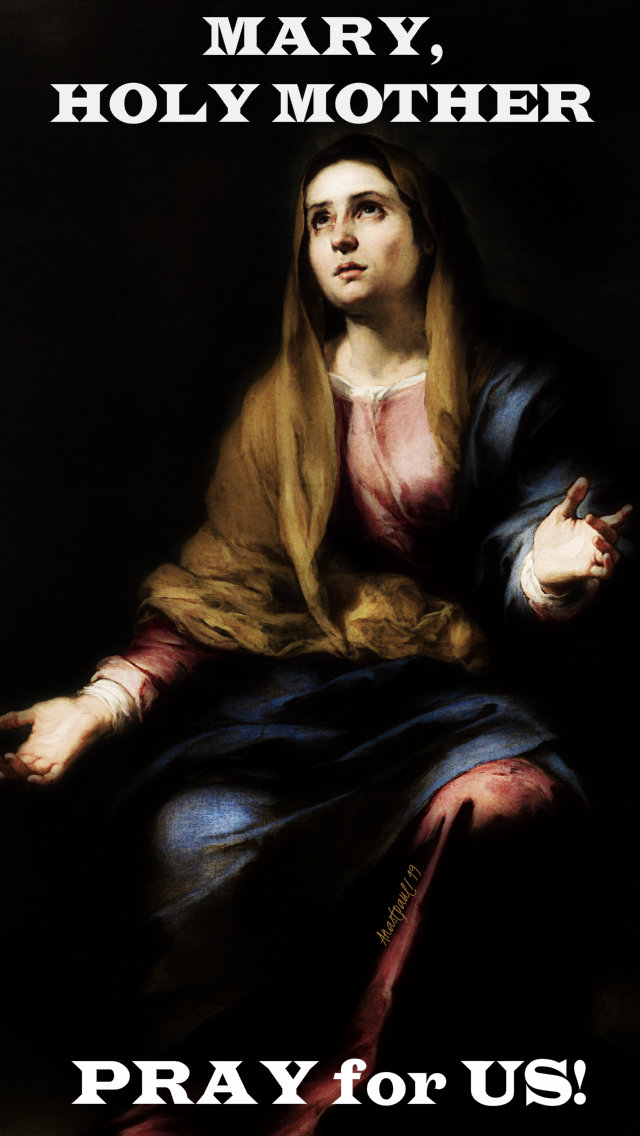
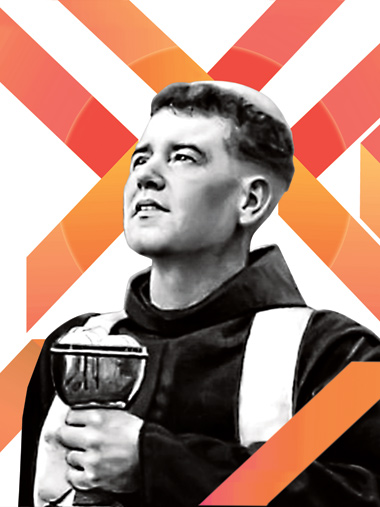
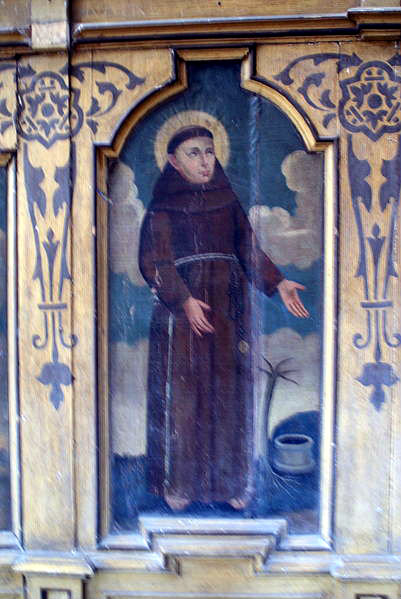

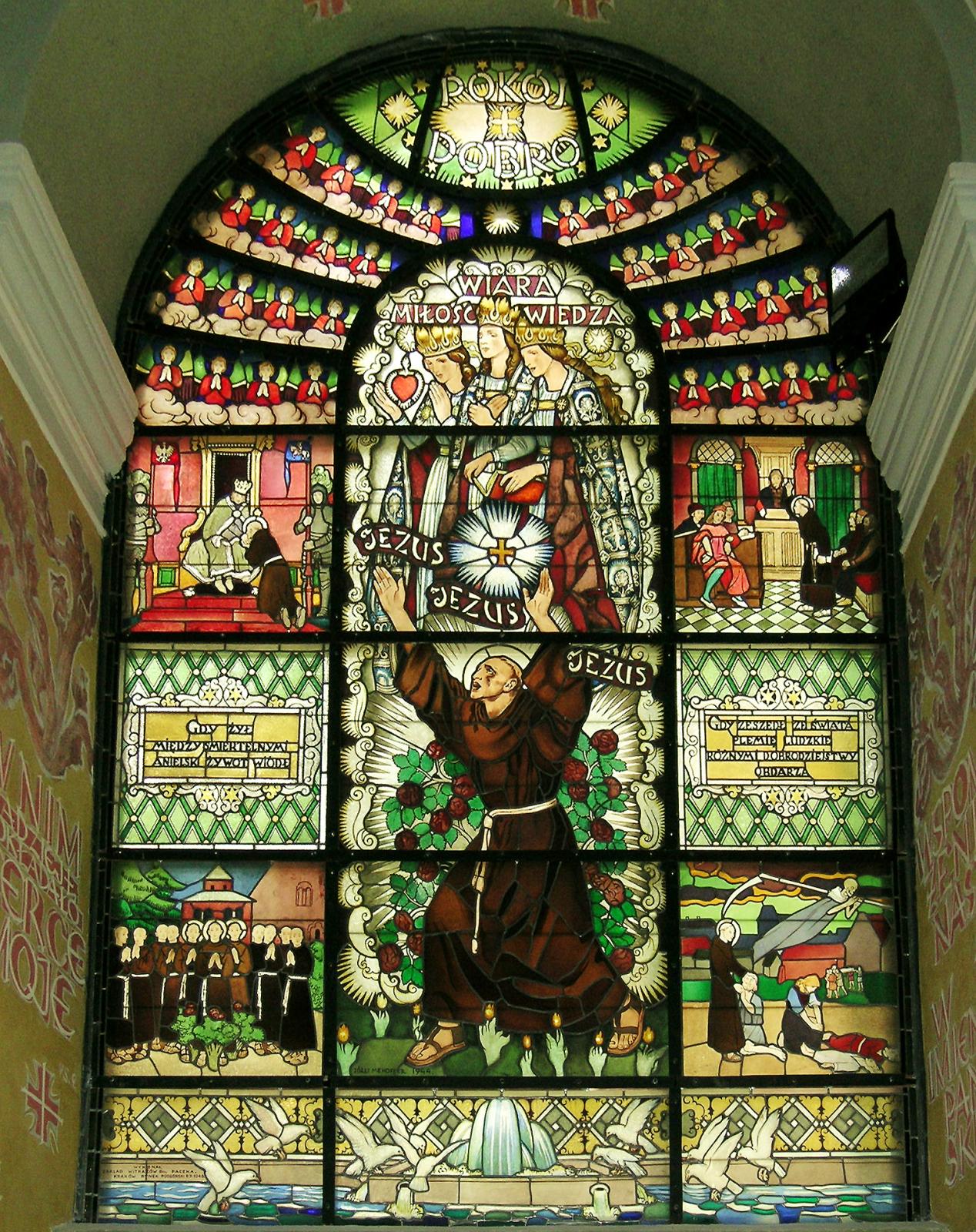
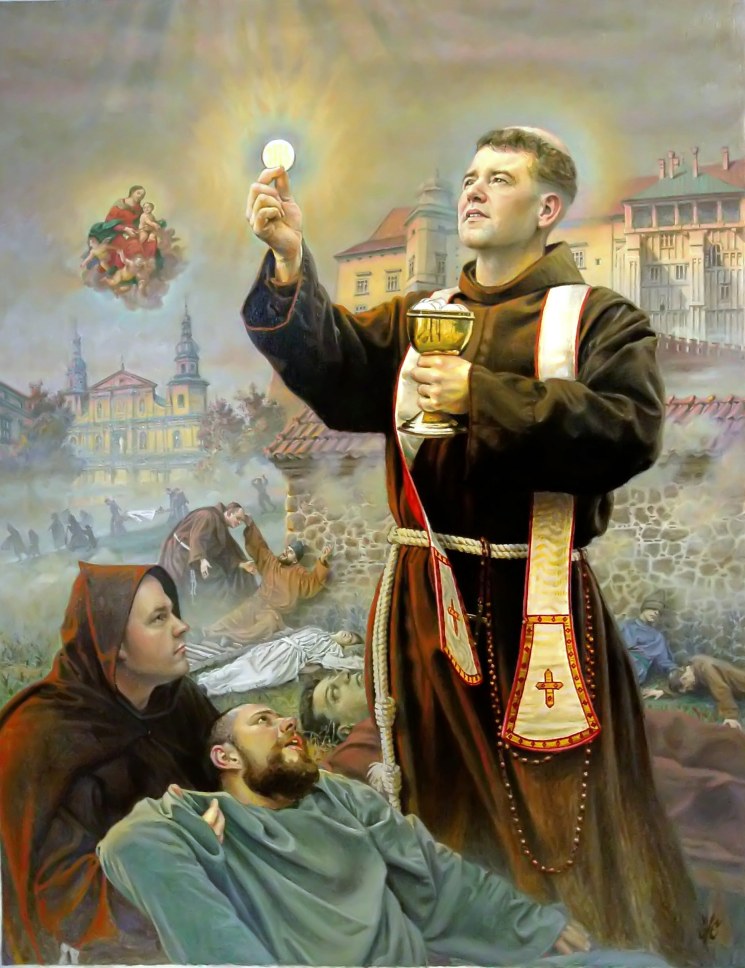
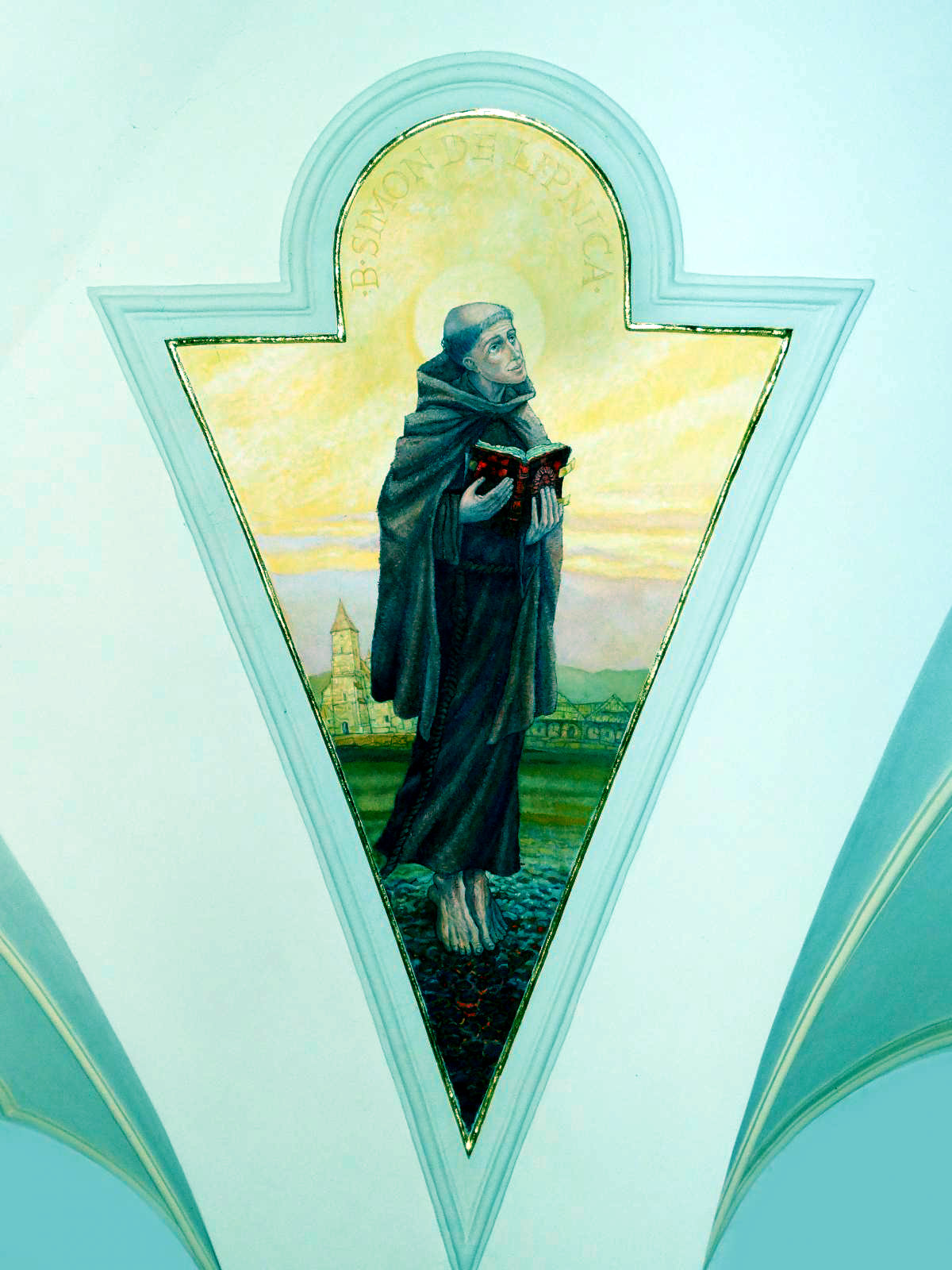

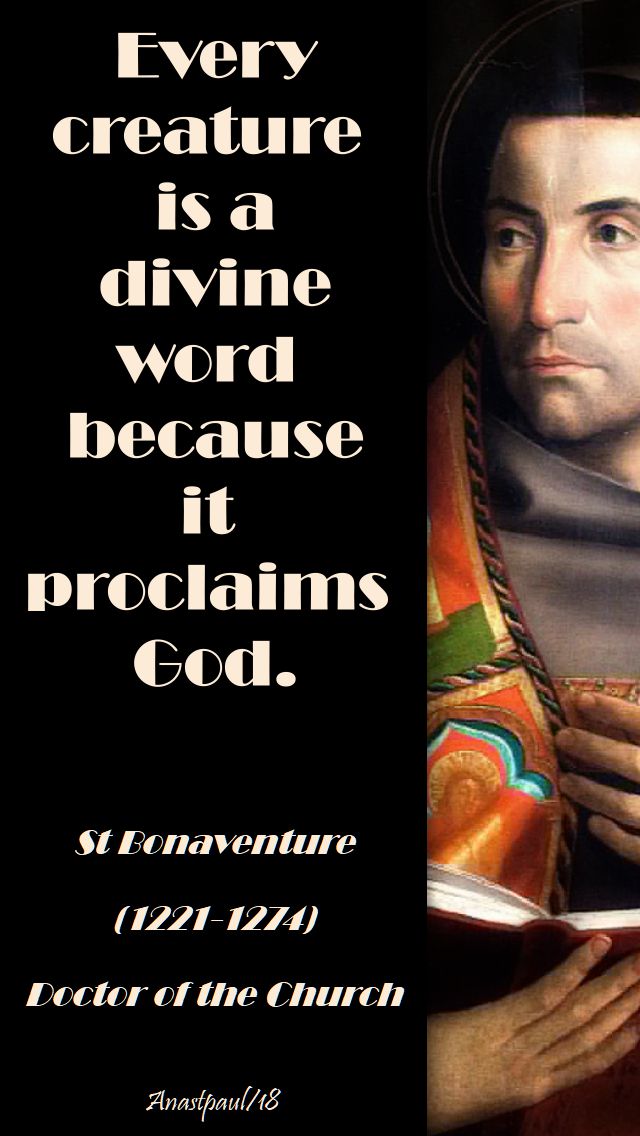
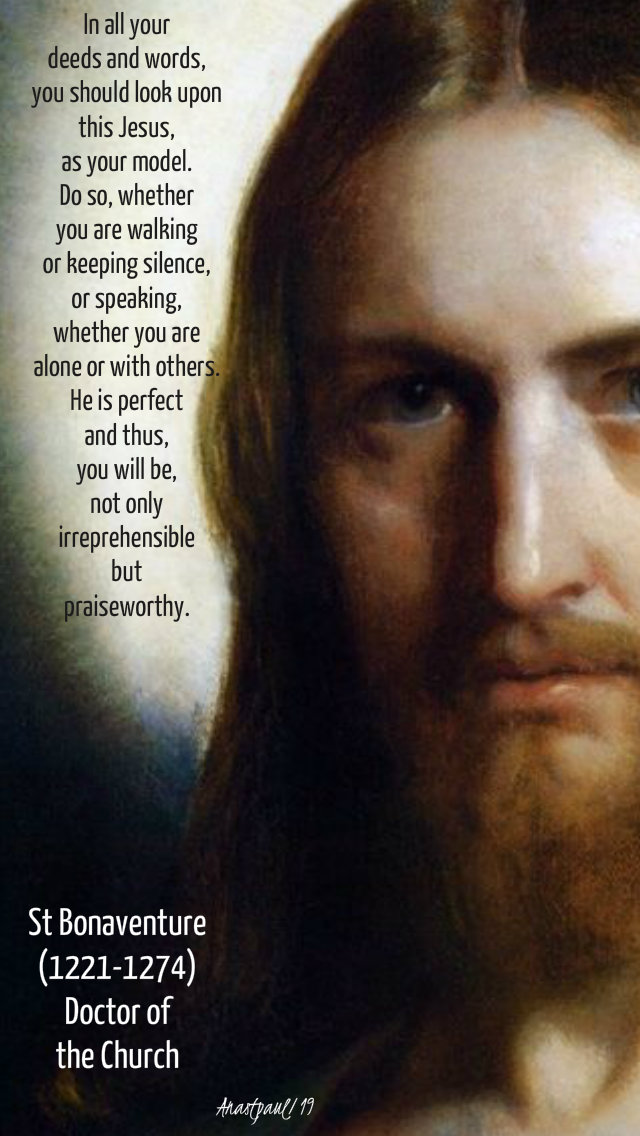
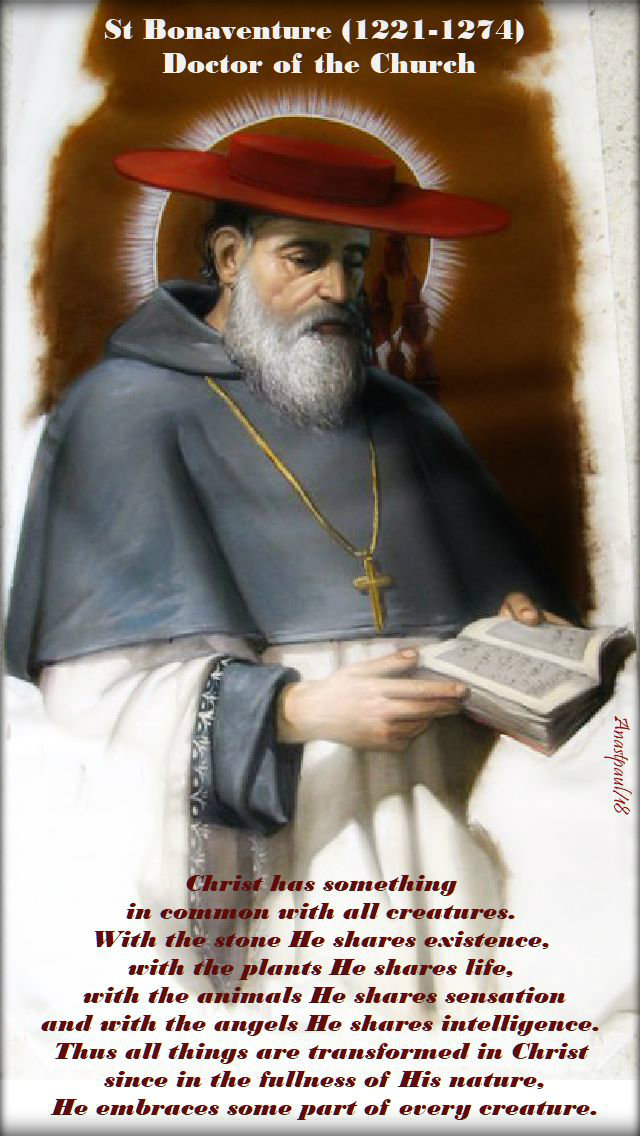
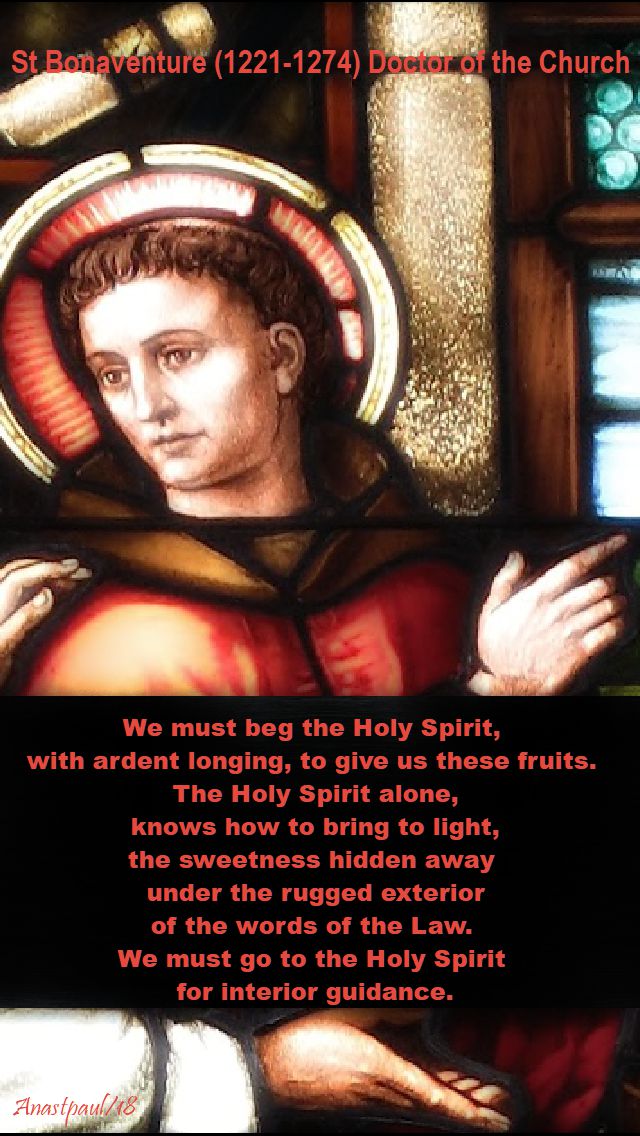
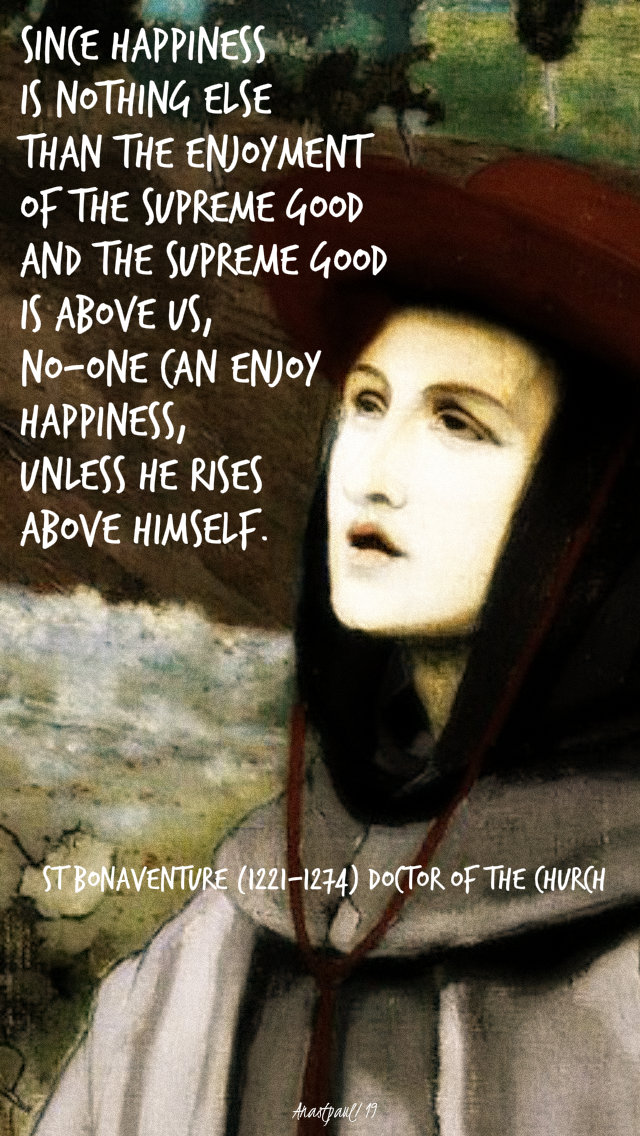

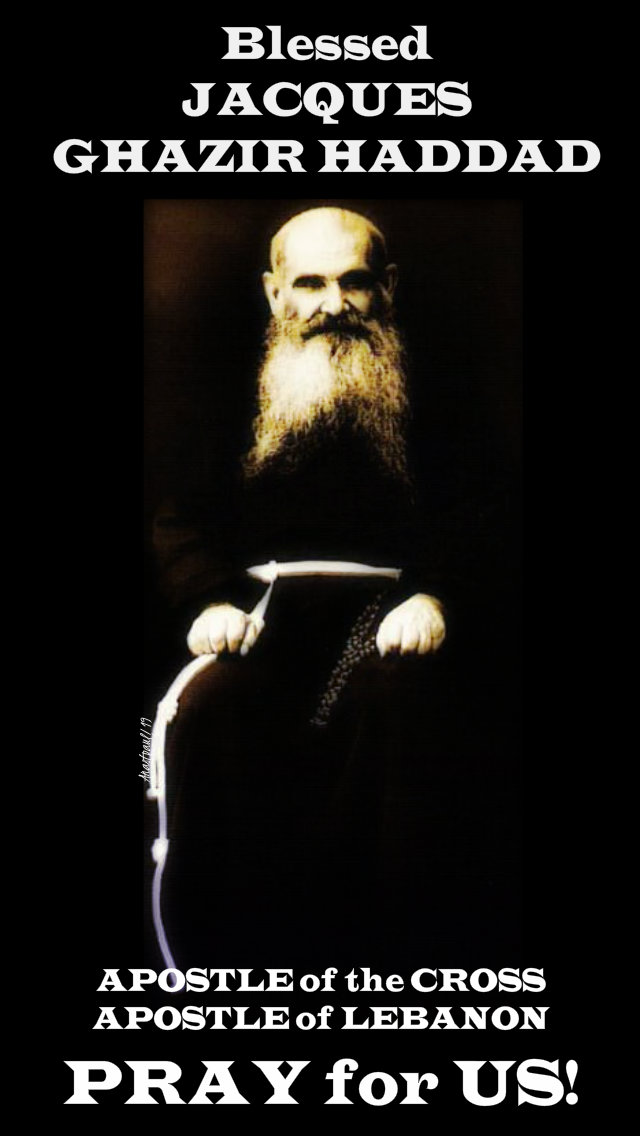
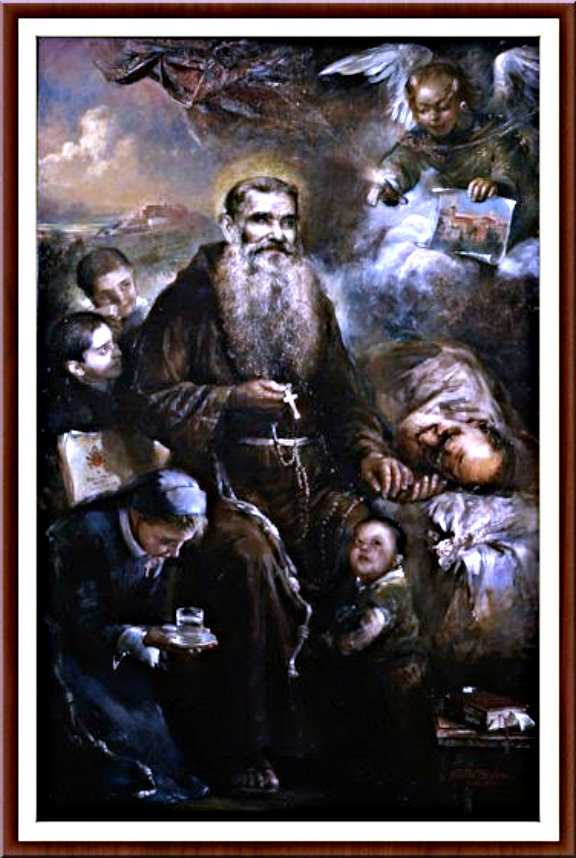
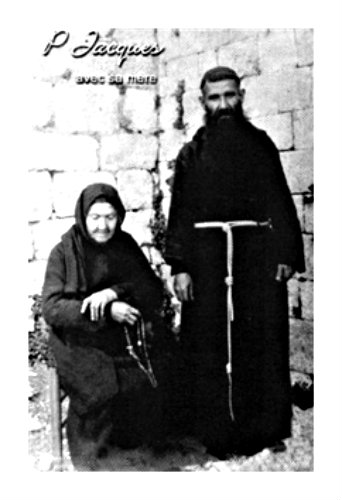
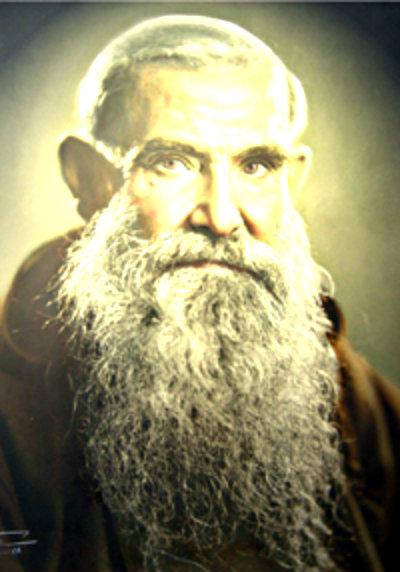
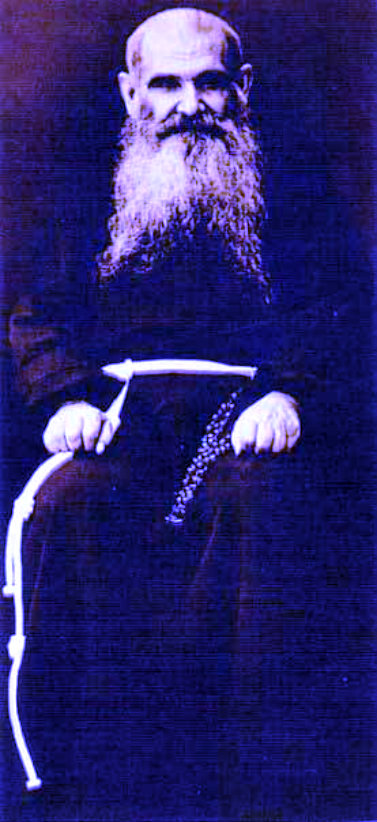
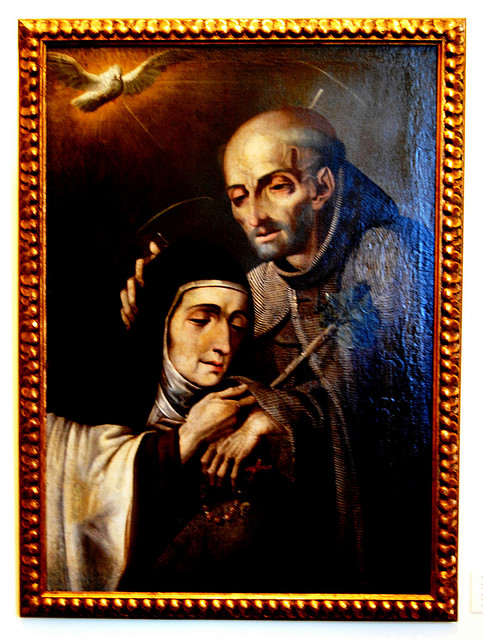
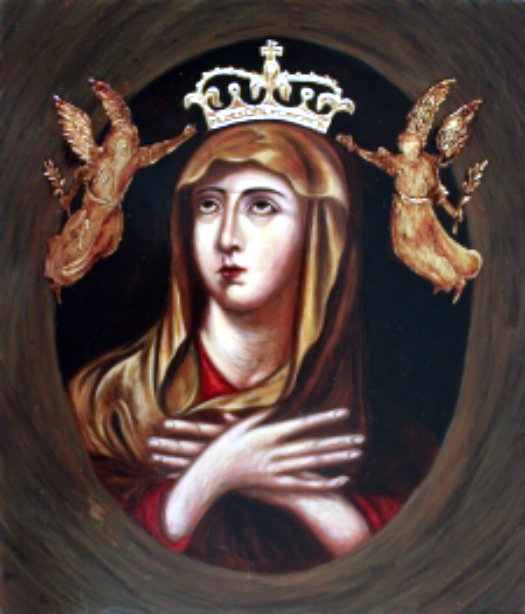
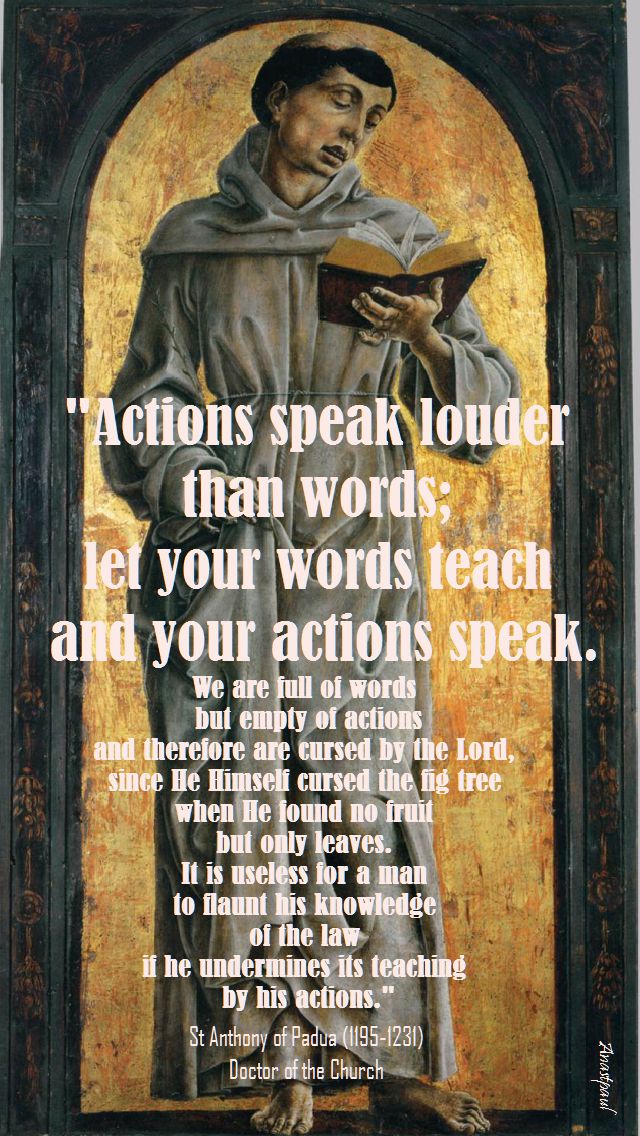
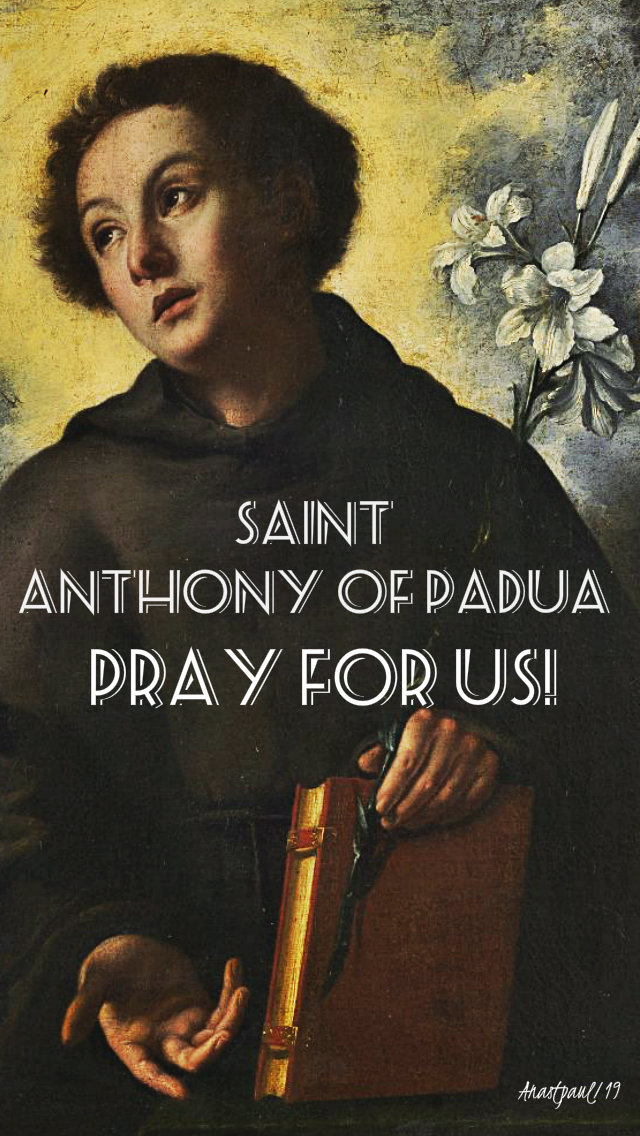
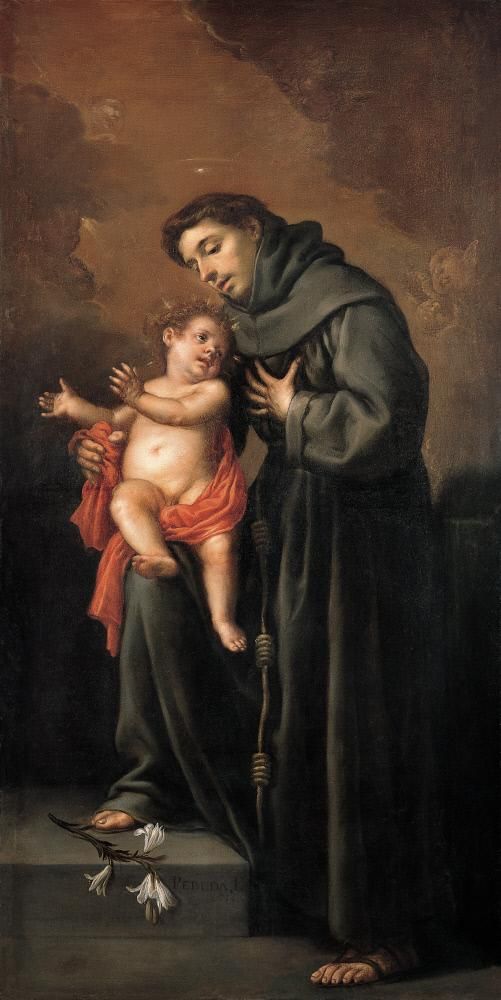
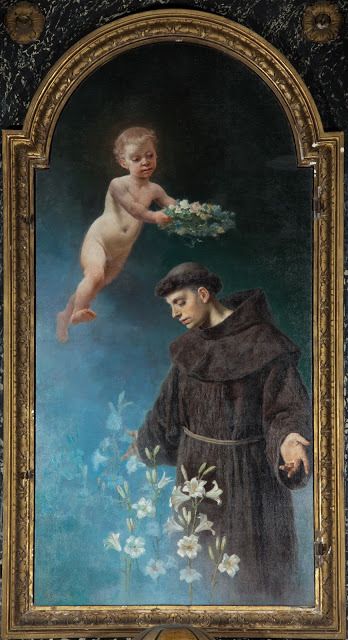
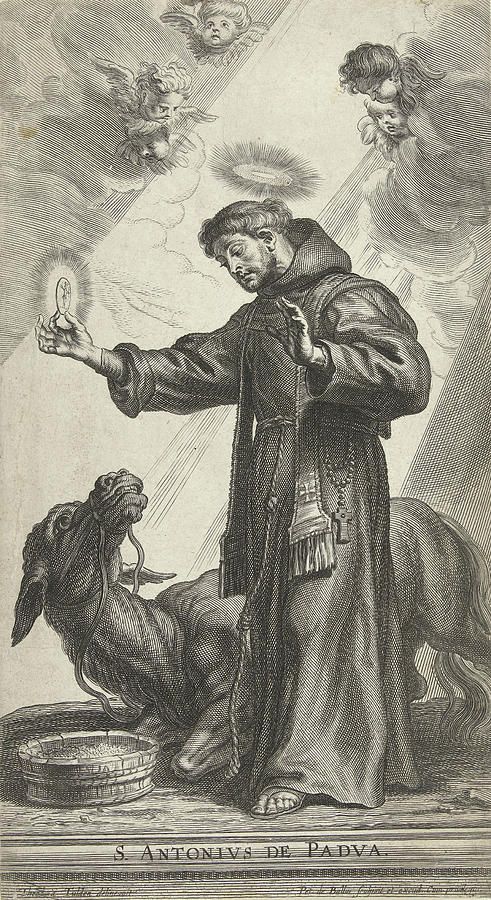
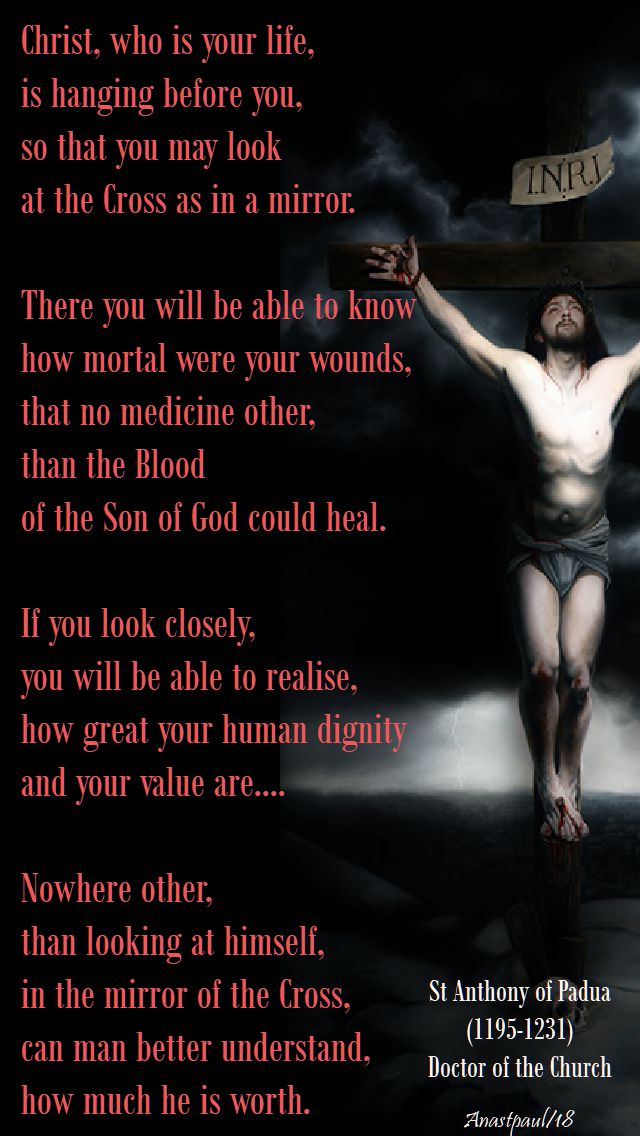
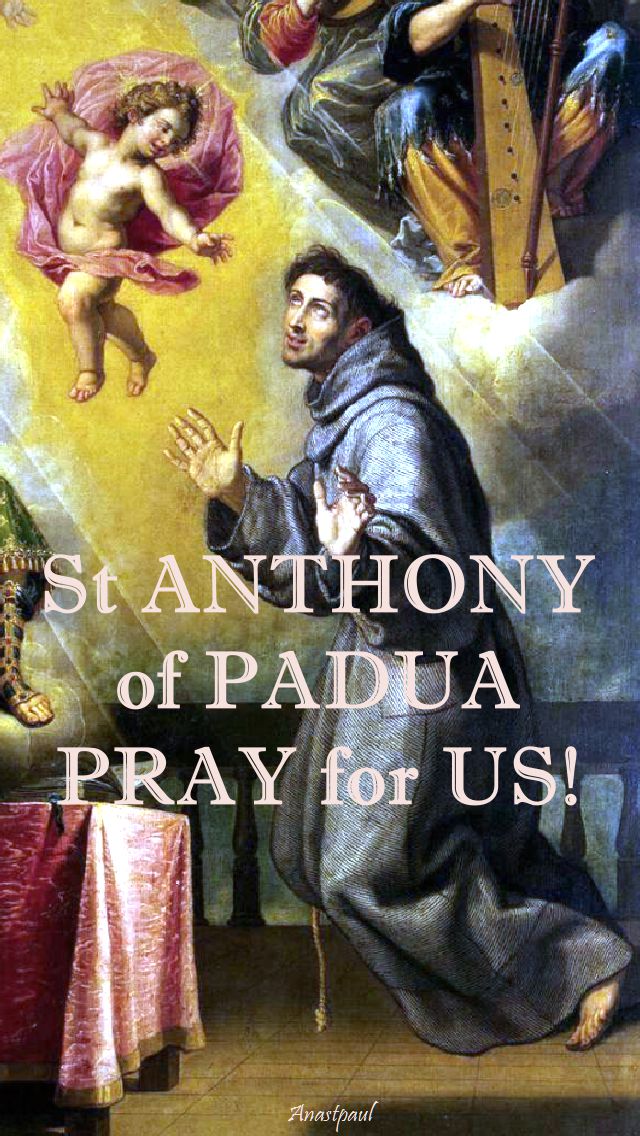

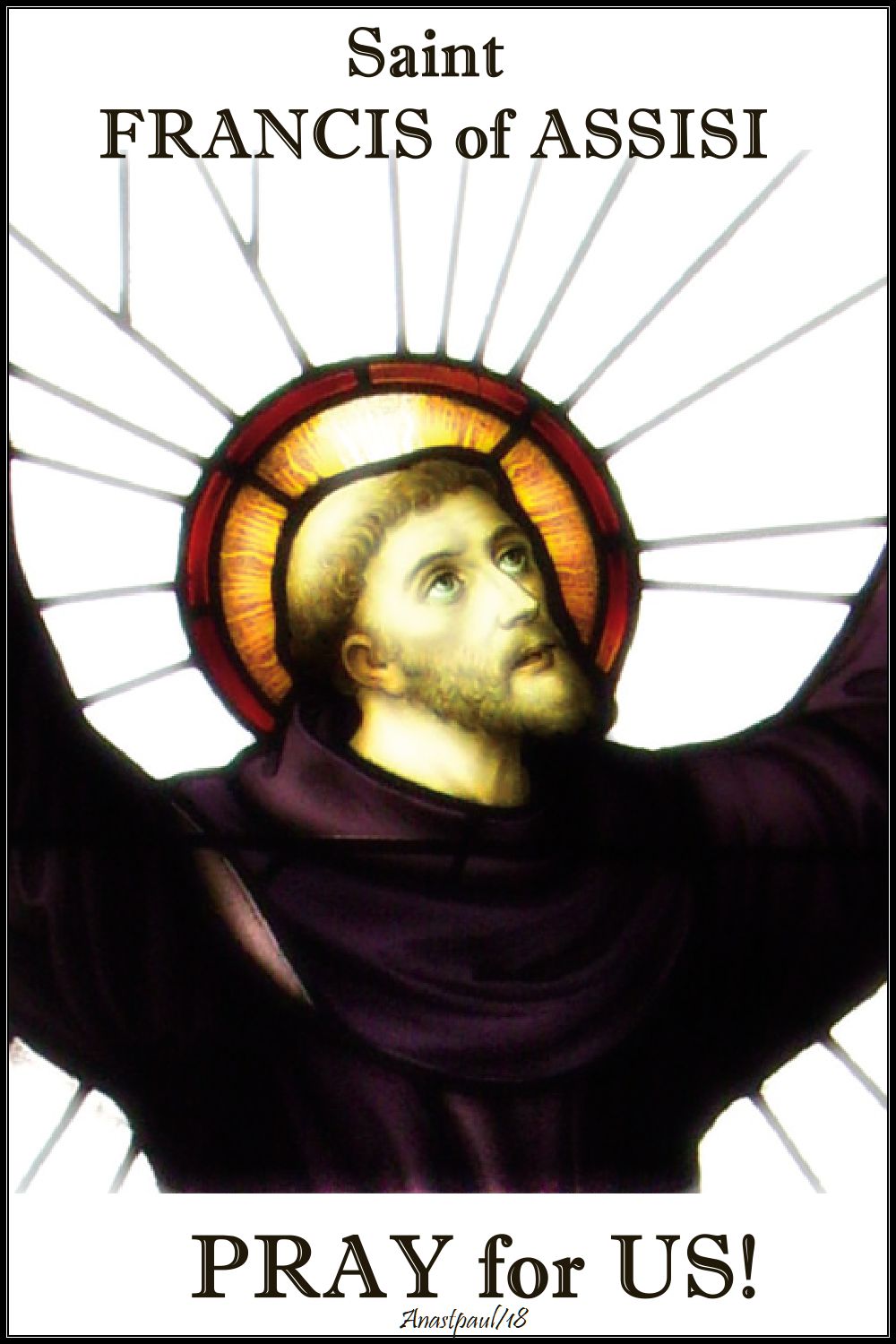
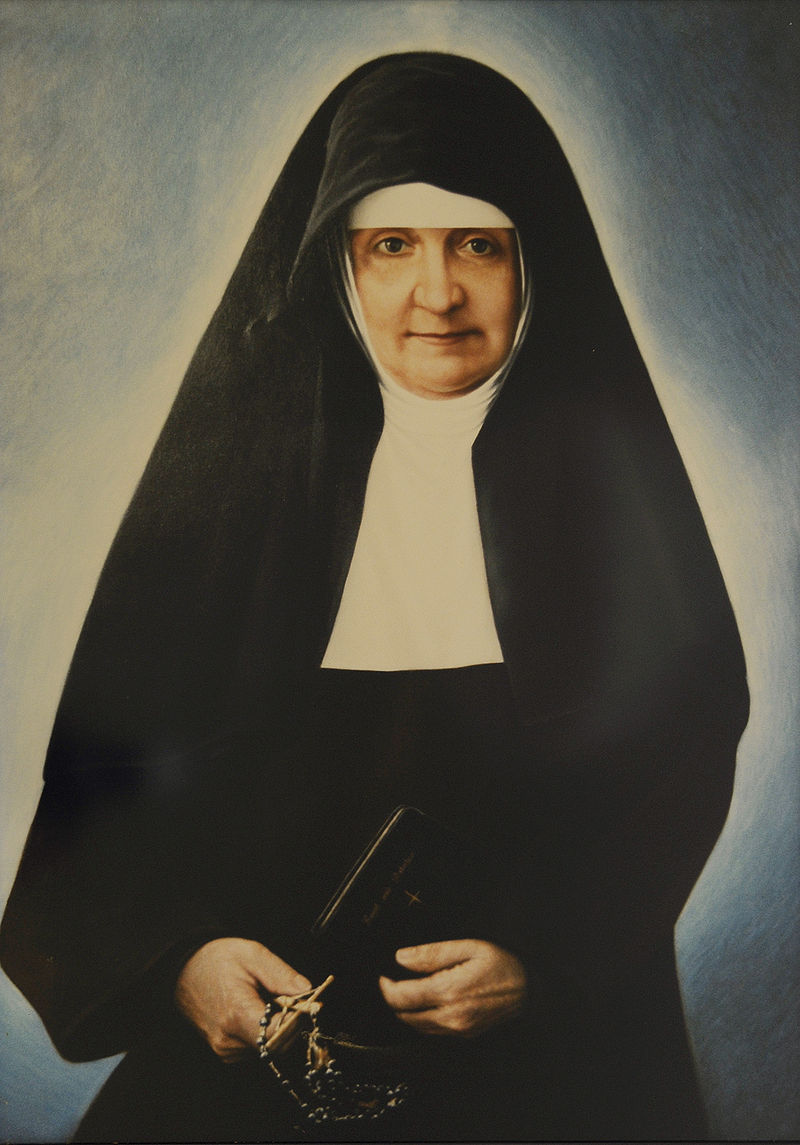
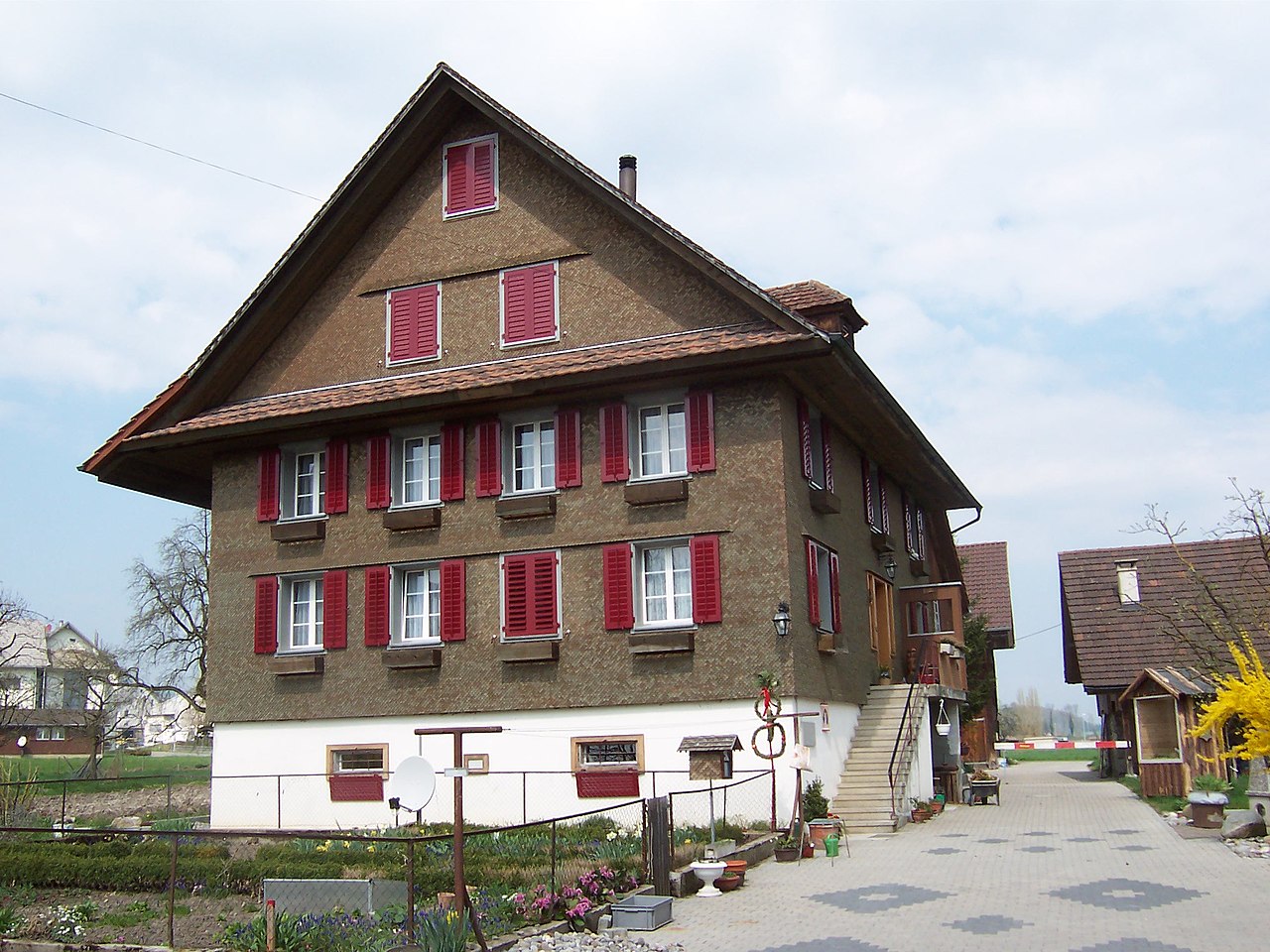
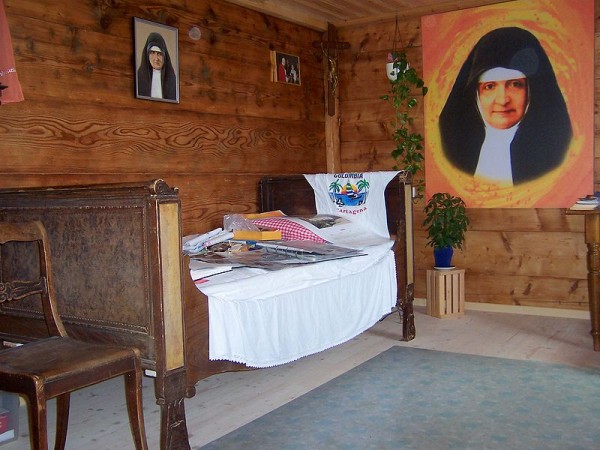
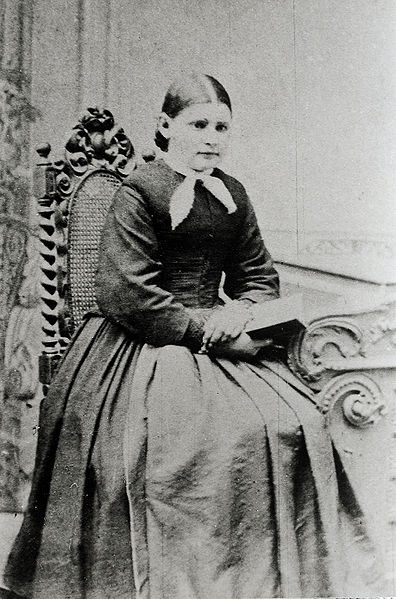
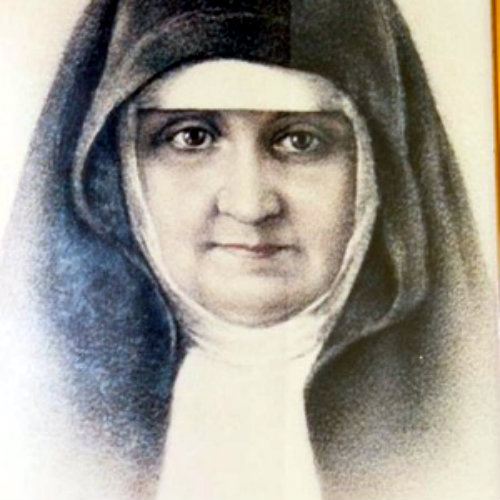

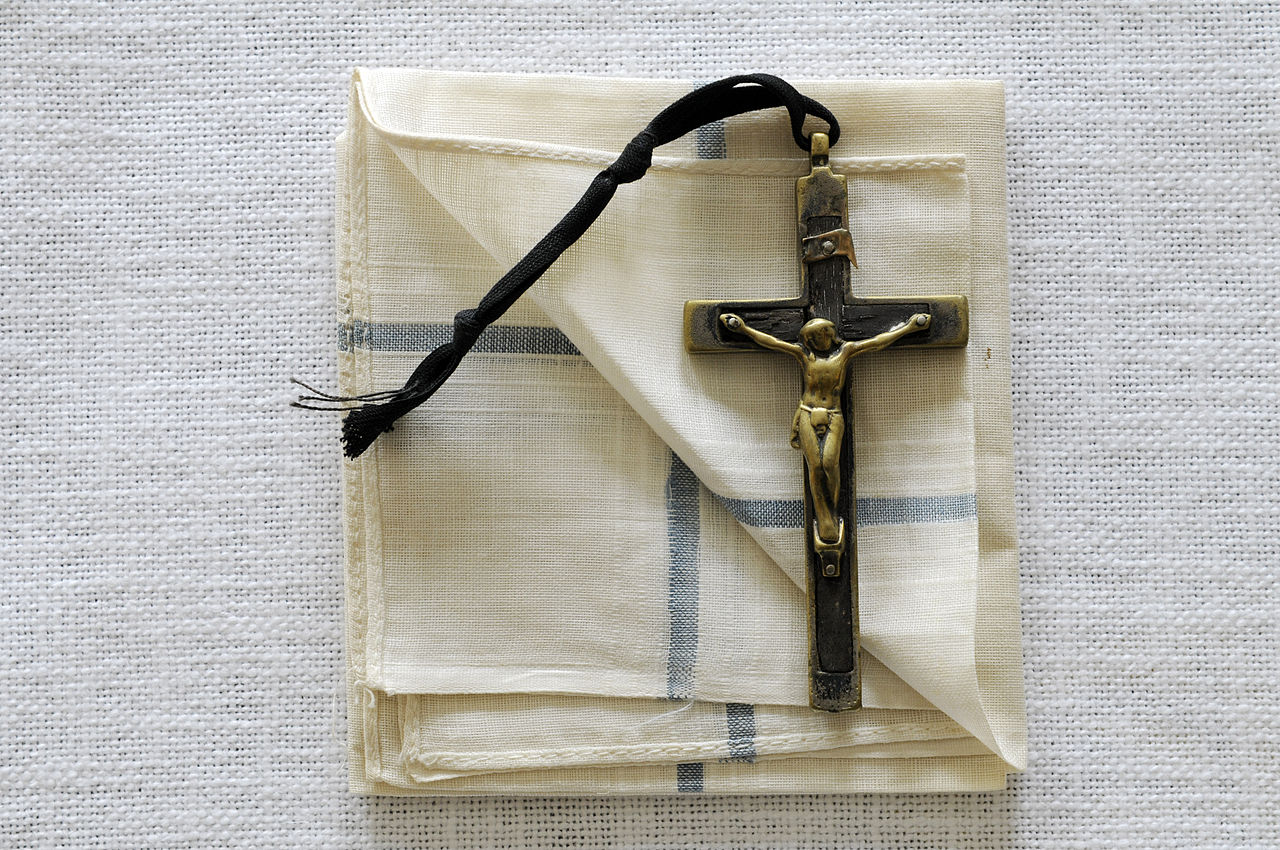
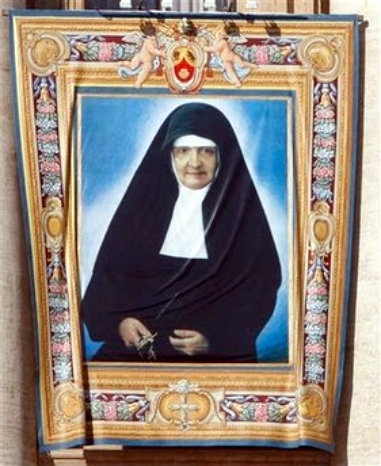 The Servant of God St Pope John Paul II conferred the title and honour of Blessed her on 29 October 1995. The Holy Father, Benedict XVI, inscribed her in the register of Saints on 12 October 2008…Vatican.va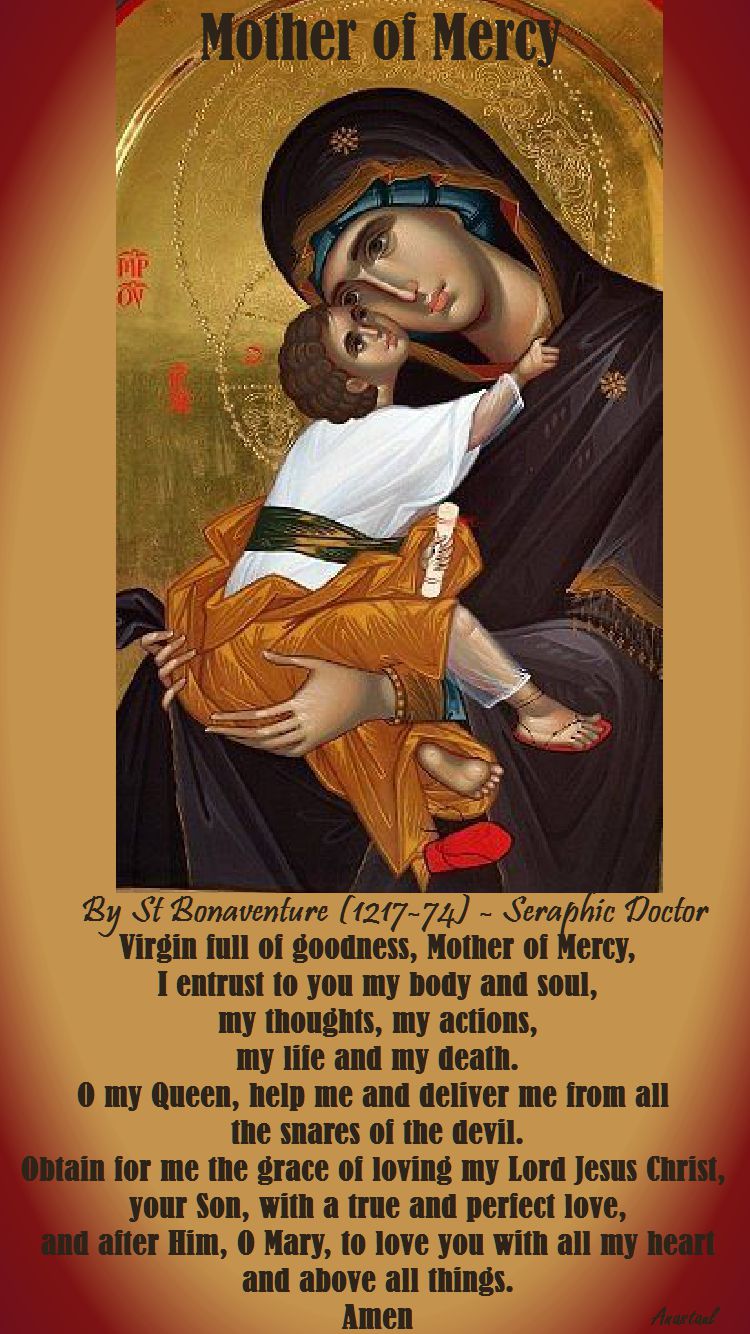


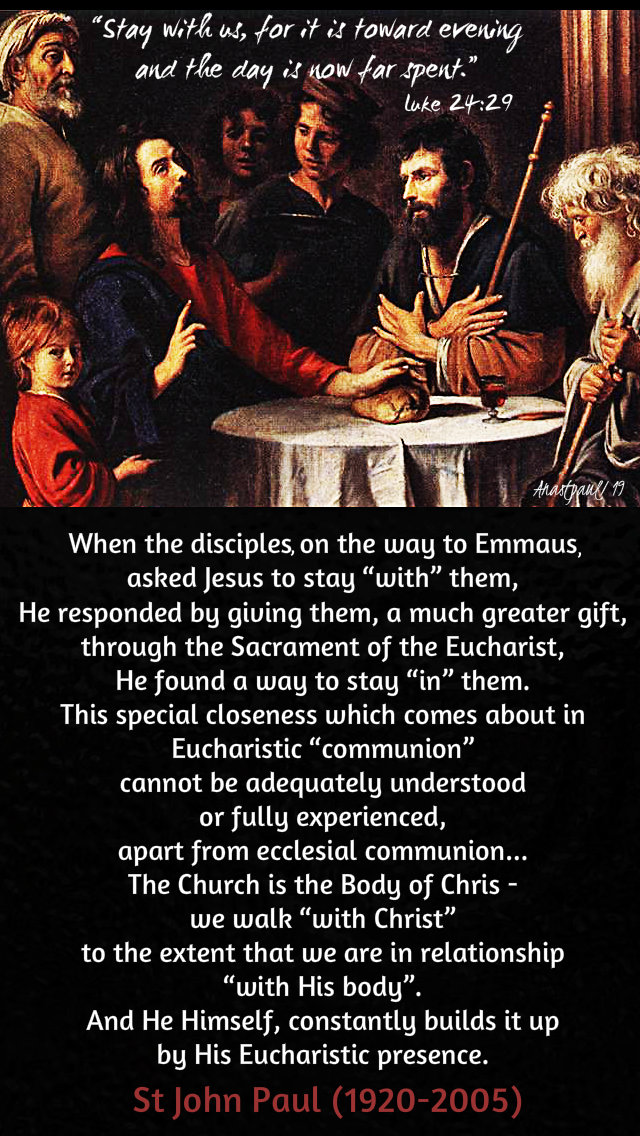
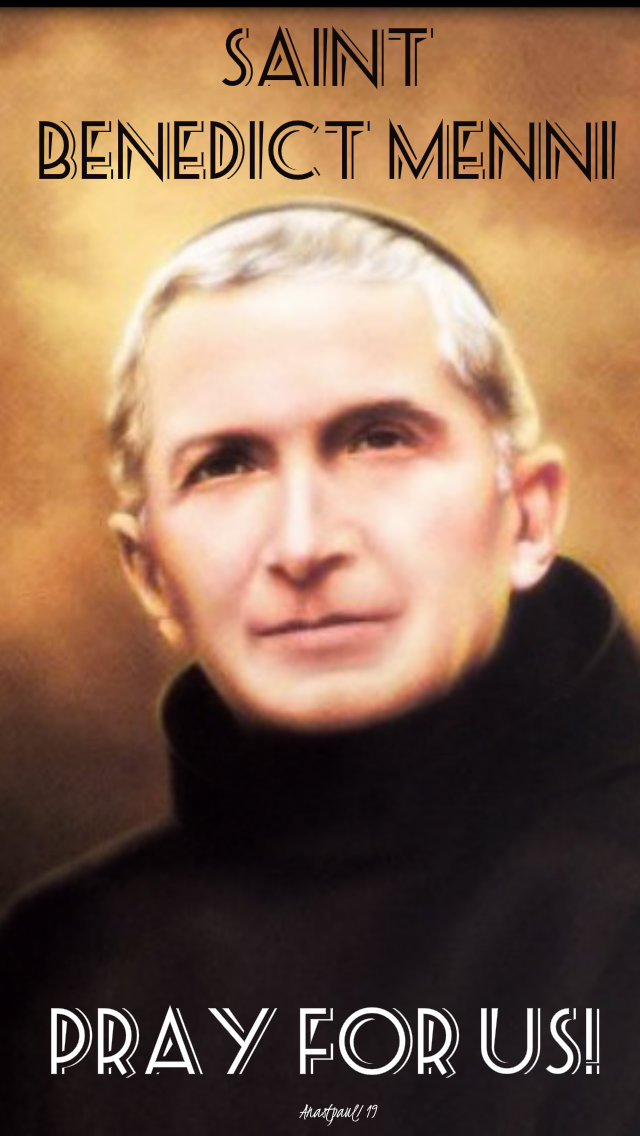
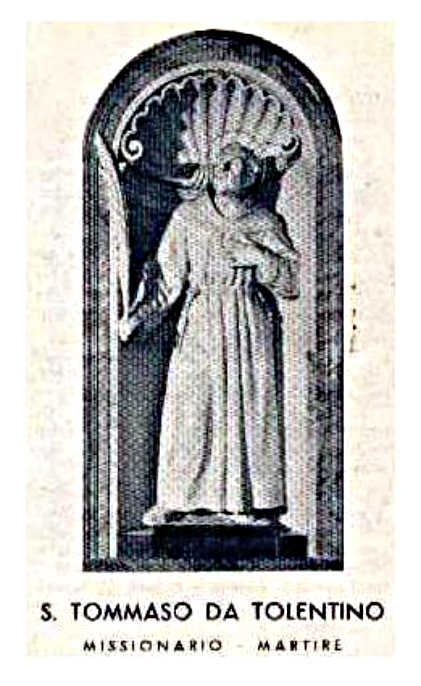
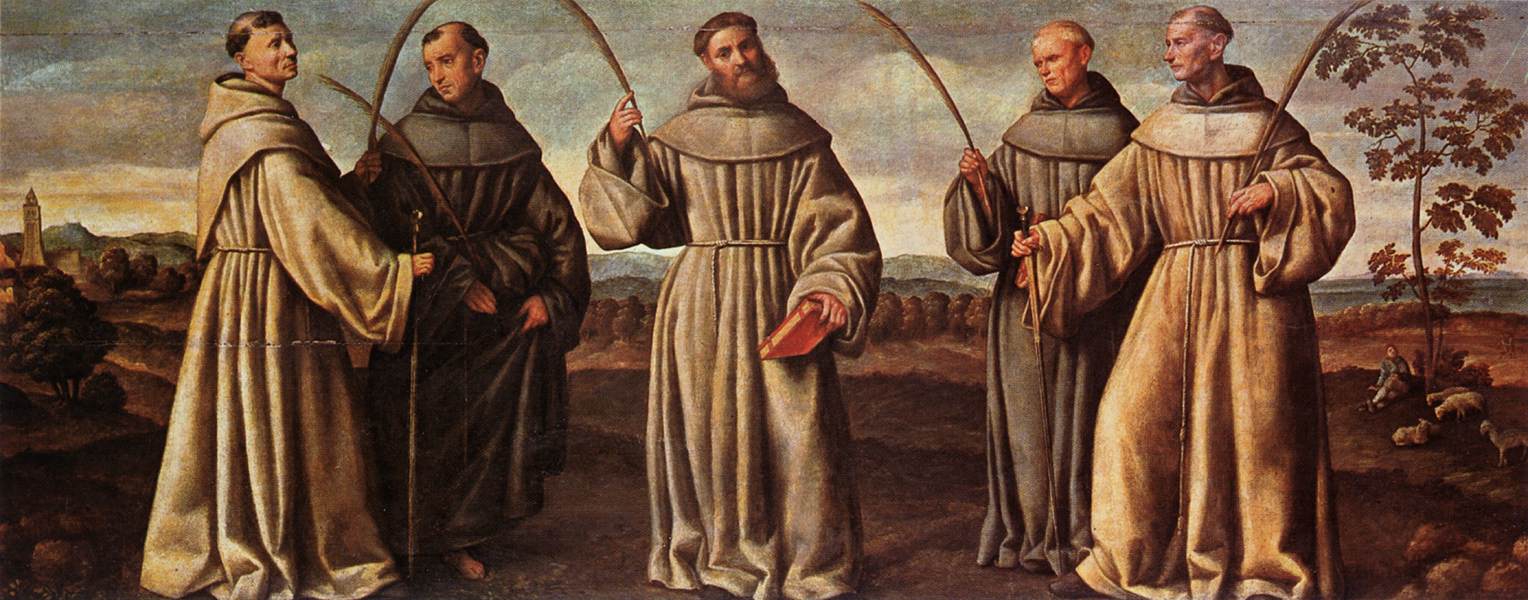
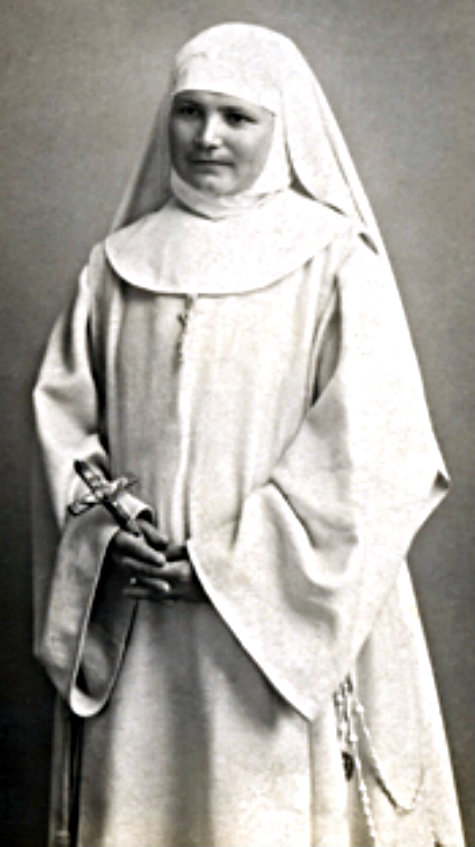
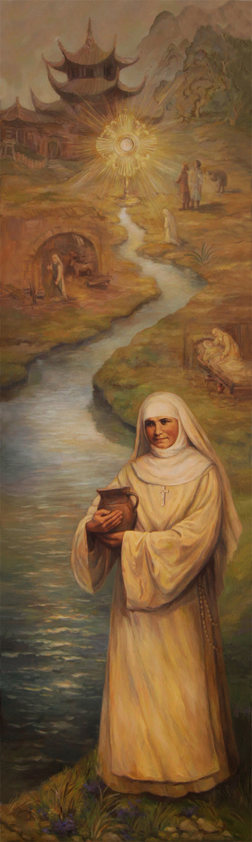 But prayer prevailed and at last a letter from Rome, from the Foundress of the Franciscan Missionaries of Mary, arrived, “Let the little one come as she is. The doors of the convent of the Franciscan Missionaries of the Mary at 12 Via Giusti are open to receive her.”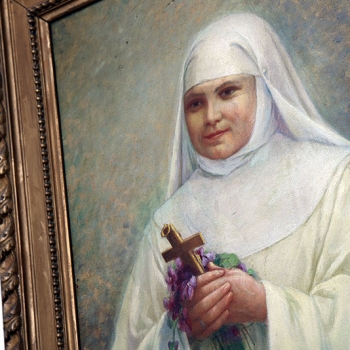
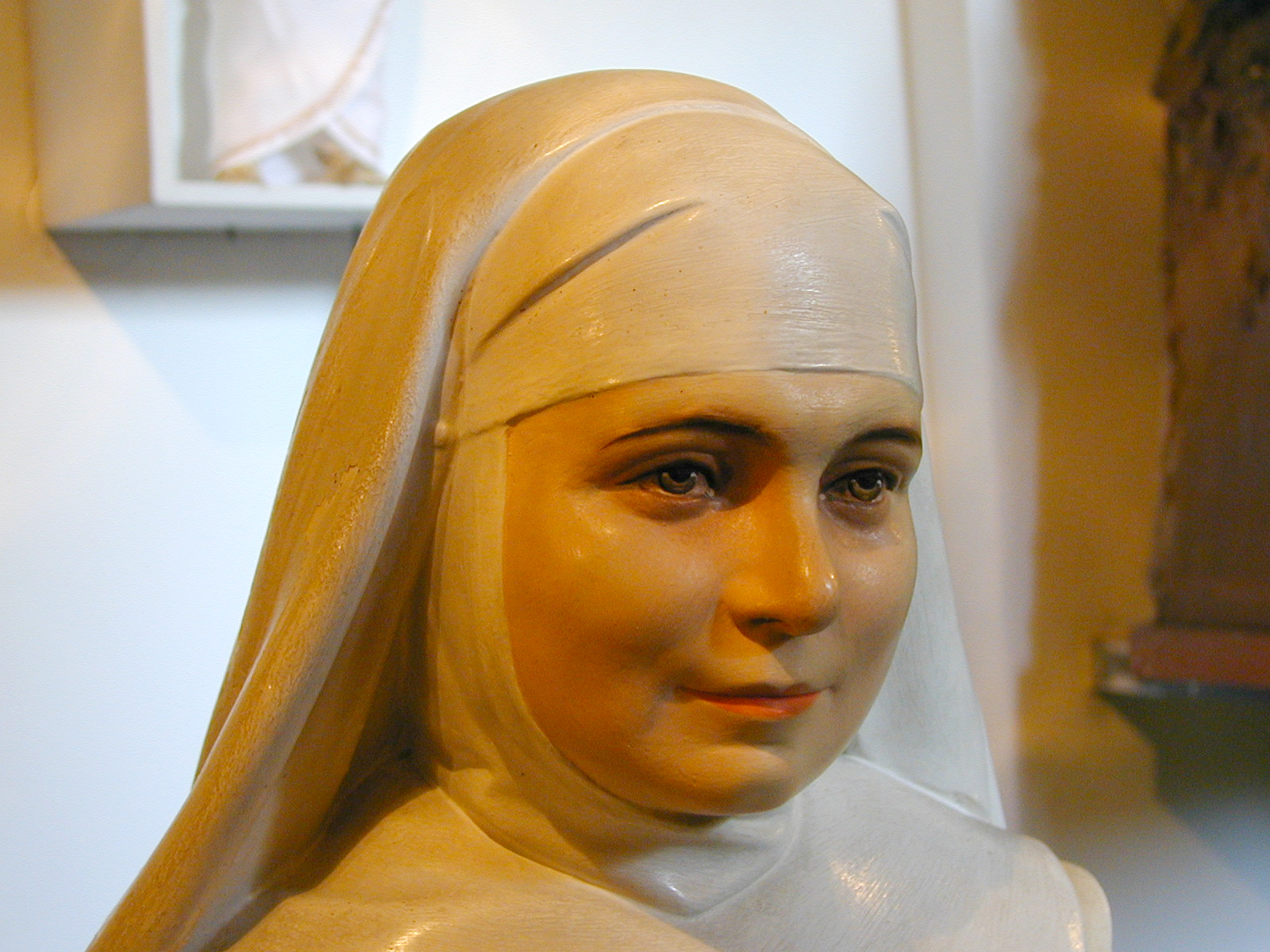


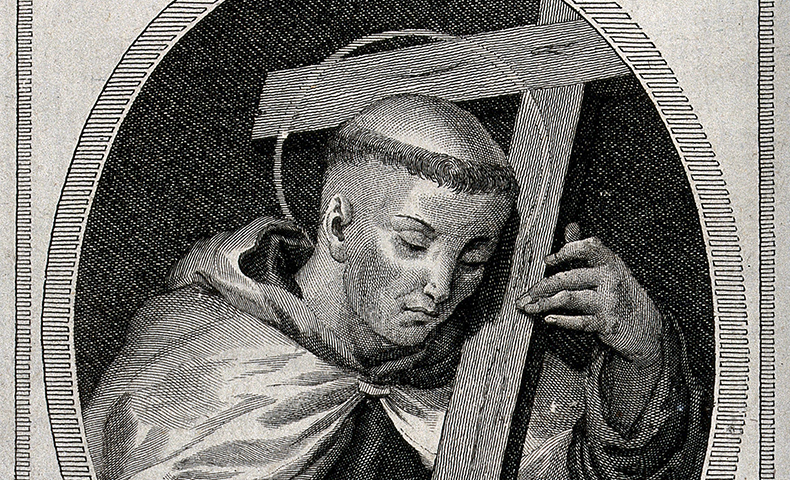
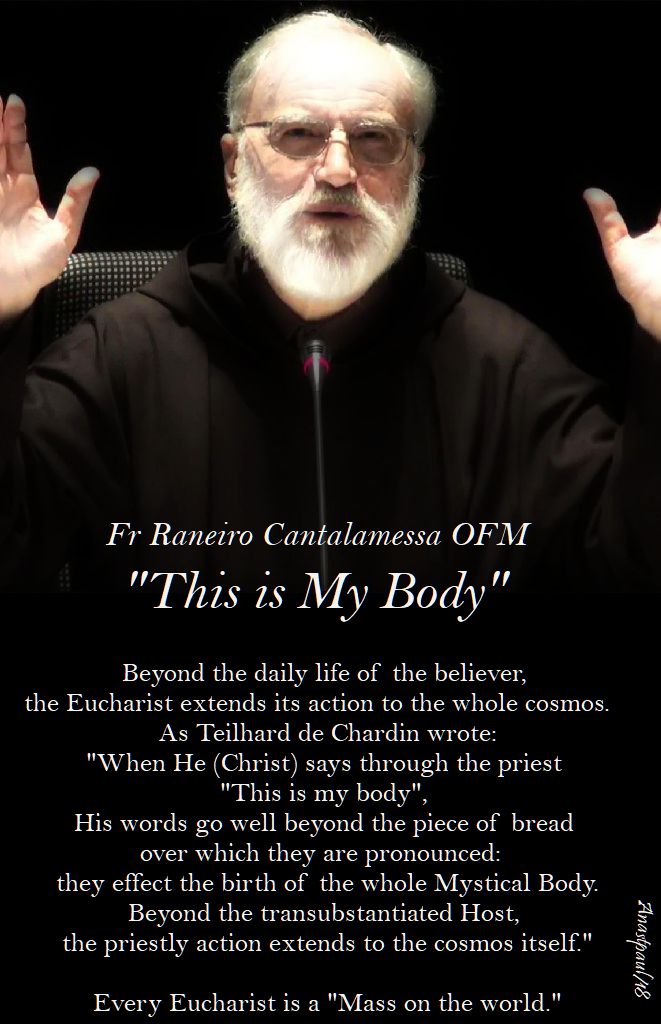
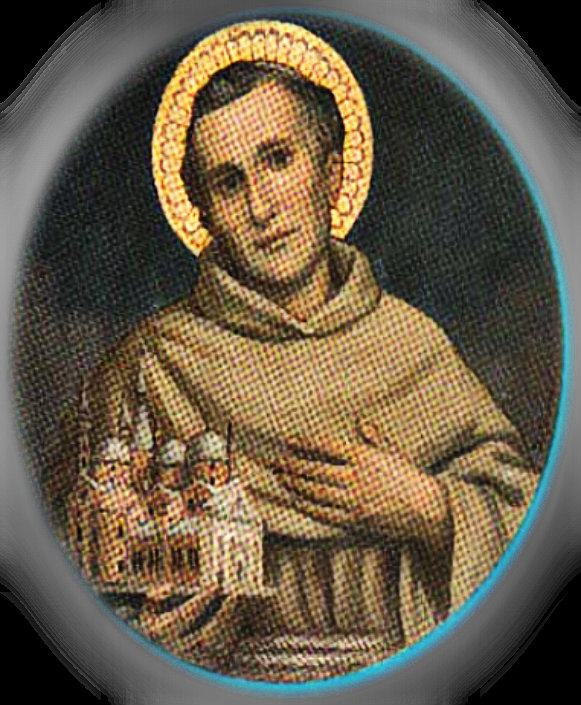
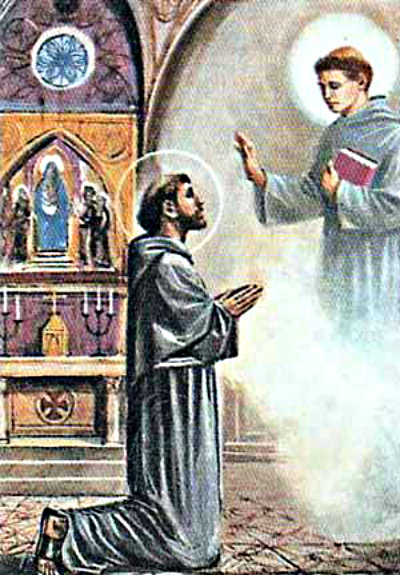
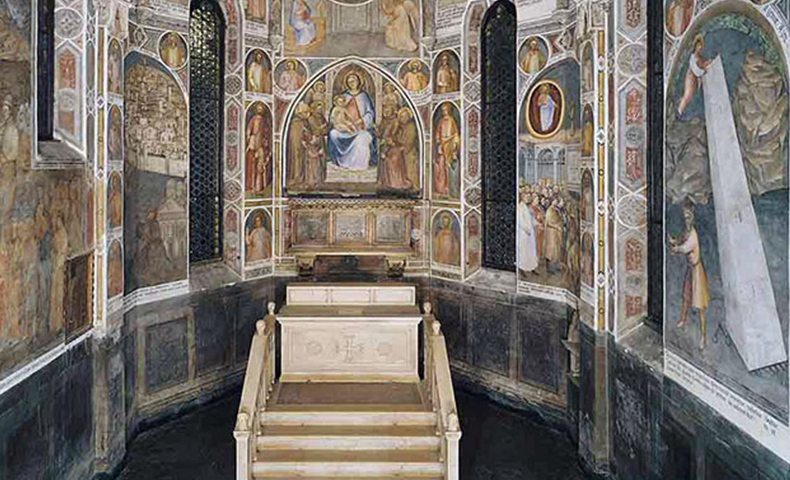
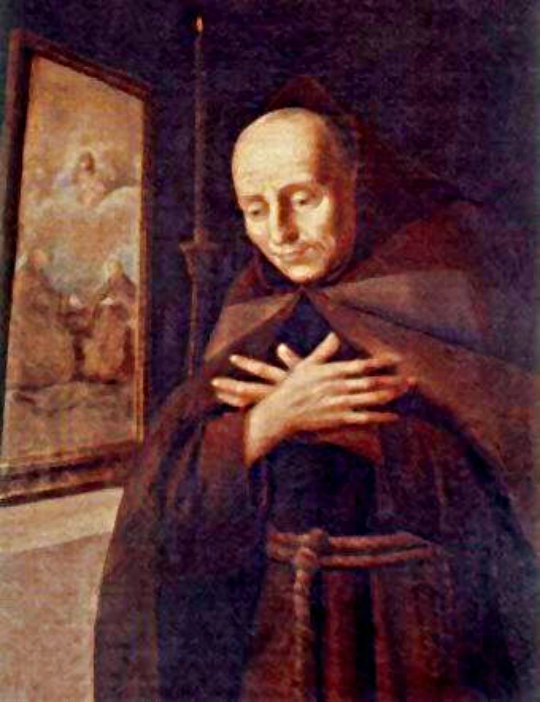
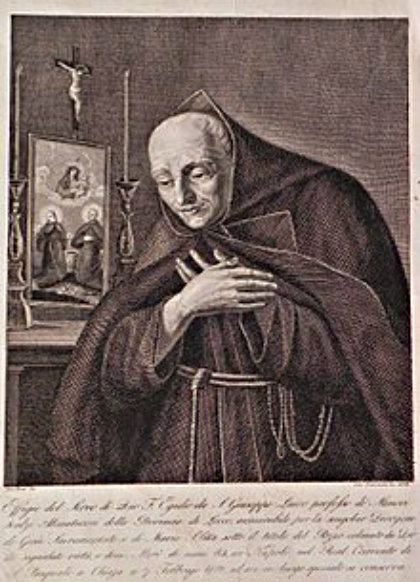
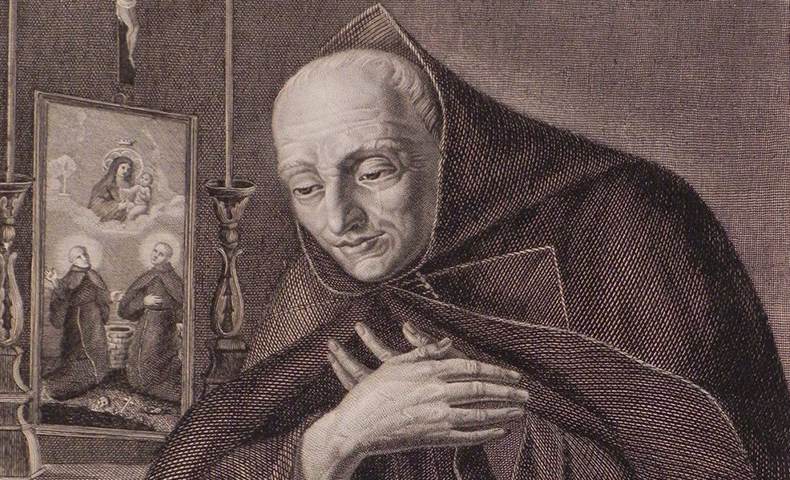
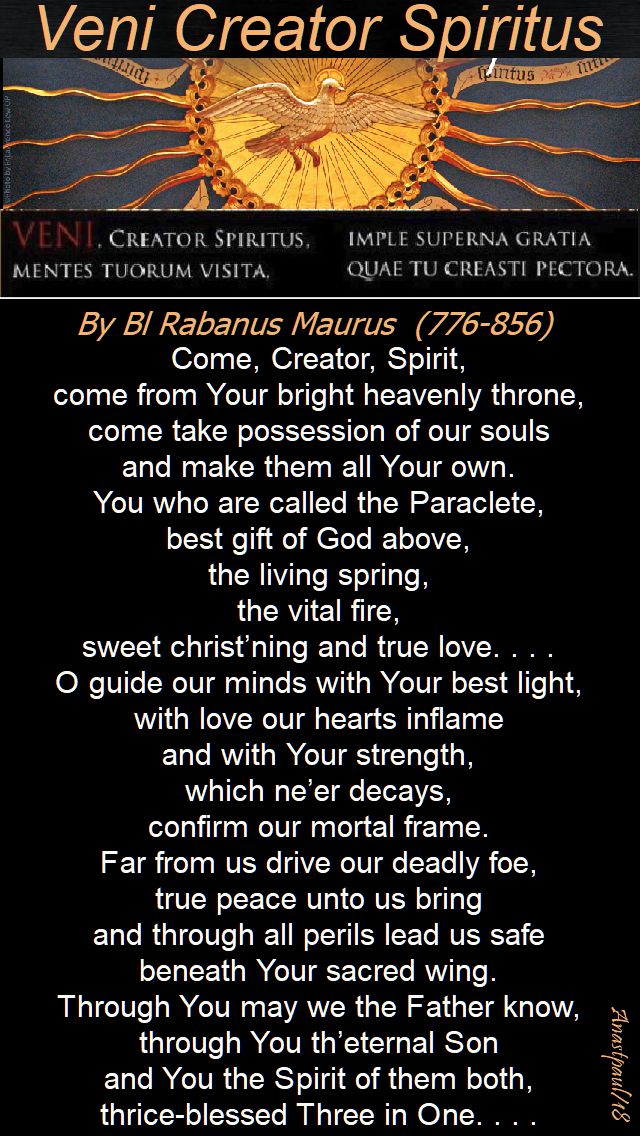


You must be logged in to post a comment.