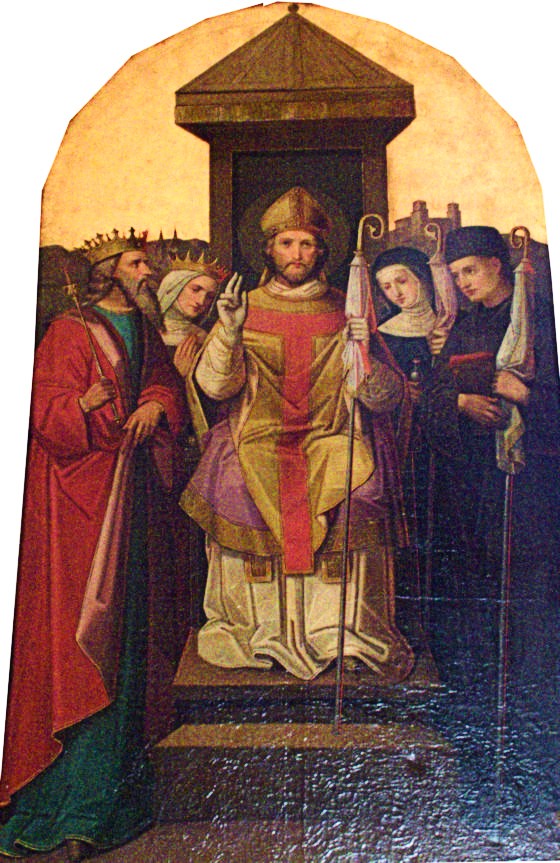
St Alexander of Alexandria (Died c 326) Bishop of Alexandria, Confessor, Defender of the True Faith against heresies, in particular the Arians. The Roman Martyrology states of him today: “At Alexandria, the Bishop St Alexander, an aged man held in great honour who was a successor of the blessed Peter as Bishop of the City. He expelled from the Church, Arius, one of his Priests, tainted with heretical impiety and convicted by Divine Truth and, subsequently, was one of the three hundred and eighteen Fathers, who condemned him at the Council of Nicea.” Biography: https://anastpaul.com/2022/02/26/saint-of-the-day-26-february-st-alexander-of-alexandria-died-c-326/
St Andrew of Florence St Dionysius of Augsburg St Faustinian of Bologna Bishop St Felix St Fortunatus St Irene Bl Ottokar of Tegernsee
St Caesarius of Nazianzen (c329-369) Celibate Layman, Son of Saint Gregory of Nazianzen the Elder and Saint Nonna, Brother of Saint Gorgonia and Saint Gregory of Nazianzen.
St Donatus the Martyr St Felix III, Pope St Gerland the Bishop St Gothard the Hermit St Herena the Martyr St Justus the Martyr
Martyrs of Egypt – A group oSeven f Christian men who were exiled to Egypt for their faith and were eventually Martyred for their faith in the persecutions of Numerian. We know little more than their names: Claudianus, Dioscurus, Nicephorus, Papias, Serapion, Victor, Victorinus.
The Feast of the Sacred Lance and Nails – Friday after the 1st Sunday in Lent: The Supreme Pontiff, Innocent VI, in his Decree establishing the Feast and Office of the Lance and Nails which pierced the Body of our Crucified Lord Jesus Christ, exhorts all the faithful to have a special veneration for and devotion to, all the Sacred Instruments of our Saviour’s Passion. The following are the Holy Father’s words: “We should honour the most holy Passion of our Lord and Redeemer, Jesus Christ, in such manner that, meditating on all the mysteries and merits of the same Passion, we venerate also each Sacred Instrument thereof.” Then this holy and zealous Pontiff, coming more directly to the honour due to the Lance and Nails, says: “Although the Lance and Nails and the other Sacred Instruments of the Passion, should be enerated everywhere, by the faithful of Christ and although every year the Church celebrates the Solemn Offices of the same Passion, yet, we deem it proper and fitting, that a special Solemn Feast should be instituted and celebrated in honour of those particular Instruments of the Passion, more especially, in those places wherein these salutary Instruments are preserved. Hence, we wish to encourage this devotion by a special Office and privileges.” (Innocent VI in Decret. de Fest. Lane, et Clav. Domini).
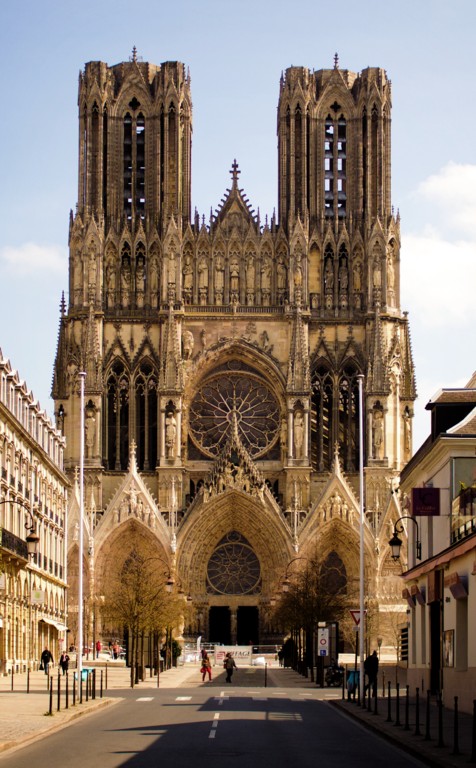
The Lance, also known as “The Spear of Longinus” is kept in the Vatican Basilica, given to Innocent VIII in 1492. The Nails were kept with the Crown of Thorns, along with a small piece of the Lance of Longinus at Saint Chapelle, France and were subsequently lost during the French Revolution. The Crown of Thorns was the only Relic saved and is now kept at Notre Dame Cathedral.
In a Leap Year, the Vigil of St Matthias, Apostel, is not announced today because it is transferred to the 24th.
St Alexander Akimetes St Boswell St Dositheus of Egypt St Felix of Brescia St Florentius of Seville St Giovanni Theristi (1049–1129) Monk Bl John of Hungary
St Lazarus Zographos (c810-c 867) Priest, Monk known as “the Painter and the Iconographer.” Lazarus lived before and during the second period of Byzantine Iconoclasm. The Roman Martyrology states of him today: “St Lazarus, a Monk, whom the Iconoclast Emperor Theophilus ordered to be put to torture for having painted holy images. His hand was burned with a hot iron but, being healed by the power of God, he painted anew the holy images which had been defaced and finally rested in peace.” Biography: https://anastpaul.com/2022/02/23/saint-of-the-day-23-february-st-lazarus-zographos-810-865/
St Milo of Benevento (Died c1077) Bishop St Ordonius St Polycarp of Rome St Romana
St Serenus the Gardener (Died 307) Martyr. Serenus was by birth a Grecian. He left his family estate, friends and country to serve God in celibacy, penance and prayer. With this design he bought a garden in Sirmium in Pannonia, which he cultivated with his own hands and lived on the fruits and herbs it produced. His Life and Death: https://anastpaul.com/2019/02/23/saint-of-the-day-23-february-st-serenus-the-gardener-died-307-martyr/
Martyrs of Syrmium – 73 Christians who were Martyred together in the persecutions of Diocletian. We know no details about them, and only six of their names – Antigonus, Libius, Rogatianus, Rutilus, Senerotas and Syncrotas.
St John the Saxon St Limnaes Bl Mohammed Abdalla St Papias of Heirapolis St Paschasius of Vienne St Raynerius of Beaulieu St Thalassius
Martyrs of Arabia – A memorial for all the unnamed Christians Martyred in the desert and mountainous areas south of the Dead Sea during the persecutions of Emperor Valerius Maximianus Galerius.
St Avitus II of Clermont Bl Claudio di Portaceli St Daniel of Persia Bl Eleanora St Ercongotha St Felix of Metz St George of Amastris St Germanus of Granfield St Gundebert of Sens
St Maximian of Ravenna (c499-556) Archbishop of Ravenna and Confessor. completor of the immensely renowned Basilica of St Vitalis and many more Churches. He was a man of creative talents who ordered the creation of many famous and very beautiful artworks of various types, for his See, as well as, a great lover of Books and literature, (being a prolific Writer himself) ensuring the acquisition of many illuminated manuscripts. Maximian may have been the first Latin Bishop to use the title ‘Archbishop.’ Biography – his Feast Day was changed after 1969 to 22 February. Being rather confused, I have revisted him today again: https://anastpaul.com/2023/02/22/saint-of-the-day-22-february-saint-maximian-of-ravenna-499-556-bishop/
Blessed Noel Pinot (1747-1794) Priest and Martyr. During the French Revolution, he refused to take the oath of the Civil Constitution of the Clergy unlike his superio! He wore his Mass Vestments to execution and died reciting the opening words of the Mass. He was Beatified by Pope Pius XI on 31 October 1926. His Life and Death: https://anastpaul.com/2020/02/21/saint-of-the-day-21-february-blessed-noel-pinot-1747-1794-priest-and-martyr/
St Valerius of San Pedro de Montes St Verda of Persia
Martyrs of Sicily – 79 Saints: Sevent nine Christians Martyred together in the persecutions of Diocletian. They were Martyred in c 303 on Sicily.
Martyrs of Hadrumetum – A group of 26 Christians Martyred together by Vandals. We know little more than eight of their names – Alexander, Felix, Fortunatus, Saturninus, Secundinus, Servulus, Siricius and Verulus. c 434 at Hadrumetum (modern Sousse, Tunisia).
St Mansuetus of Milan (Died c685) Bishop St Odran St Proclus of Bisignano
St Quodvultdeus (Died c450) Bishop, Confessor, Father of the Church, Writer and Theologian, spiritual student, friend and correspondent of St Augustine, who dedicated some of his works to St Quodvultdeus. Name Meaning – “What God wants.” The Roman Martyrology reads: “In Naples, deposition of St Quodvultdeus, Bishop of Carthage, who was sent into exile together with his clergy by the Arian king Genseric and placed on disused ships without sails or oars. Against all hope he landed in Naples, where he died. Confessor of the faith.” His Holy Life: https://anastpaul.com/2022/02/19/saint-of-the-day-19-february-saint-quodvultdeus-died-c-450-f/
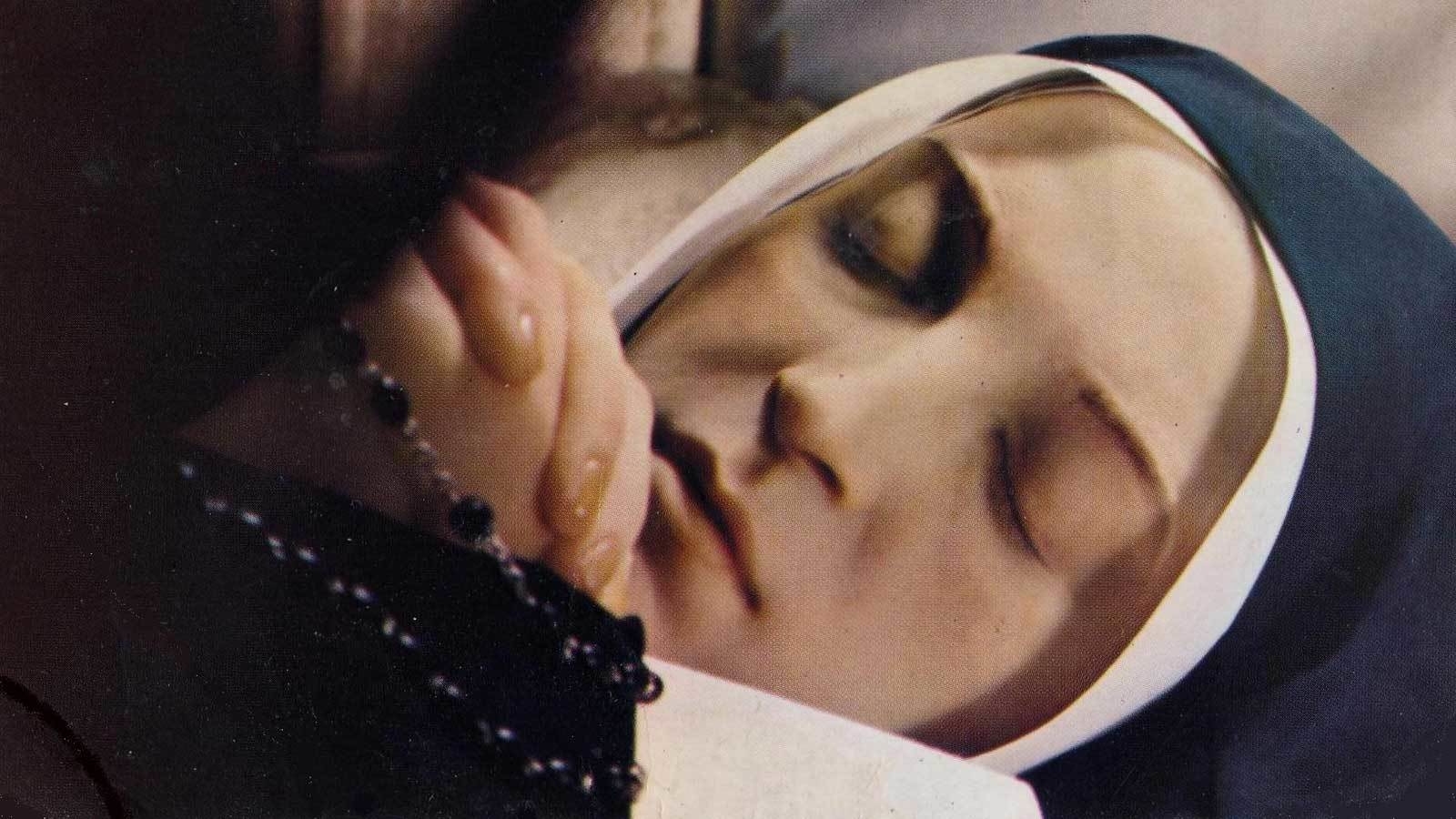
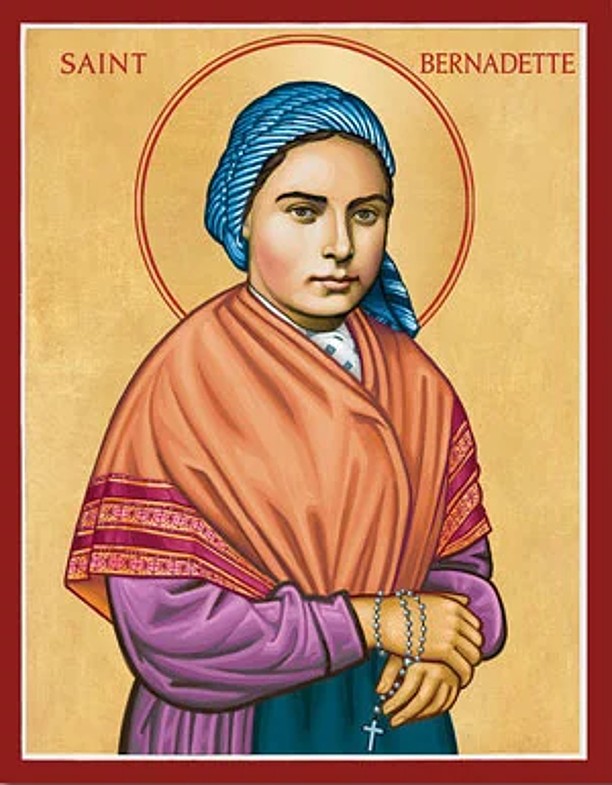
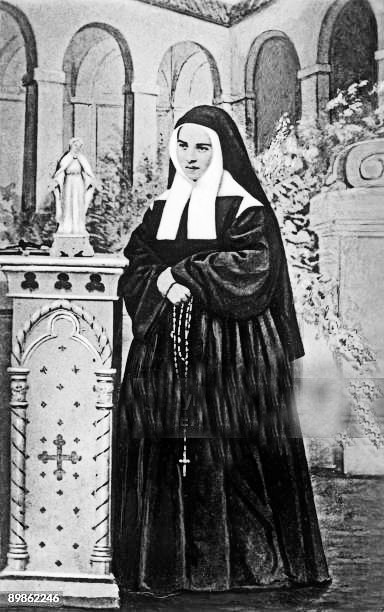
Saint of the Day – 18 February – St Bernadette Soubirous (1844-1879) of Lourdes – Virgin, The Visionary of Lourdes, Consecrated Religious. Born on 7 January 1844 at Lourdes, Hautes-Pyrénées, France and died on 16 April 1879, Nevers, Nièvre, France of natural causes, aged 35. Her Body is incorrupt and is on display in Nevers, France. Patronages – Bodily illness, Lourdes, France, shepherds, against poverty, people ridiculed for their faith. She was Canonised on 8 December 1933 by Pope Pius XI.
The Hidden Life at Nevers
St Bernadette, herself, used this expression: “I came here to hide myself.”
In Lourdes, she was Bernadette, the Visionary. In Nevers, she became Sister Marie Bernard, who would be a Saint. One often hears about the severity of her Superiors towards her but it has to be understood that she was a unique case – she had to be shielded from curiosity, to be protected and, the community too, had to be protected.
Bernadette gave her account of the Apparitions before the assembled community on the day after she arrived, thereafter, it was not to be spoken of. She was kept in the Mother House where she loved to care for the sick. On the day of her Profession, no particular office or task had been prepared for her for the Bishop declared that her work would be “the work of prayer.” “Pray for sinners” the Lady had said. She remained faithful to this task. “My weapons,” she wrote to the Holy Father, “are prayer and sacrifice.”
Her own illness made her a regular patient in the Infirmary and then, there were endless parlour visits. “These poor Bishops, they’d do better to stay at home.” Lourdes was a long way off … she would never return to the Grotto. But every day she made her pilgrimage in spirit. She did not speak of Lourdes but she lived its message. “You will become the first to live the message,” said her Confessor Father Douce. And in fact, after having been Assistant Infirmarian, she entered bit by bit into sickness herself. She did “her work” in this, accepting all crosses for sinners, in an act of perfect love. “After all, they are our brothers.”
During long sleepless nights, uniting herself with the Masses celebrated throughout the world, she offered herself as a “living crucified” in the tremendous combat between light and darkness, bound, with the Blessed Virgin Mary, to the Mystery of the Redemption, eyes fixed on the Crucifix: “That is where I find my strength.”
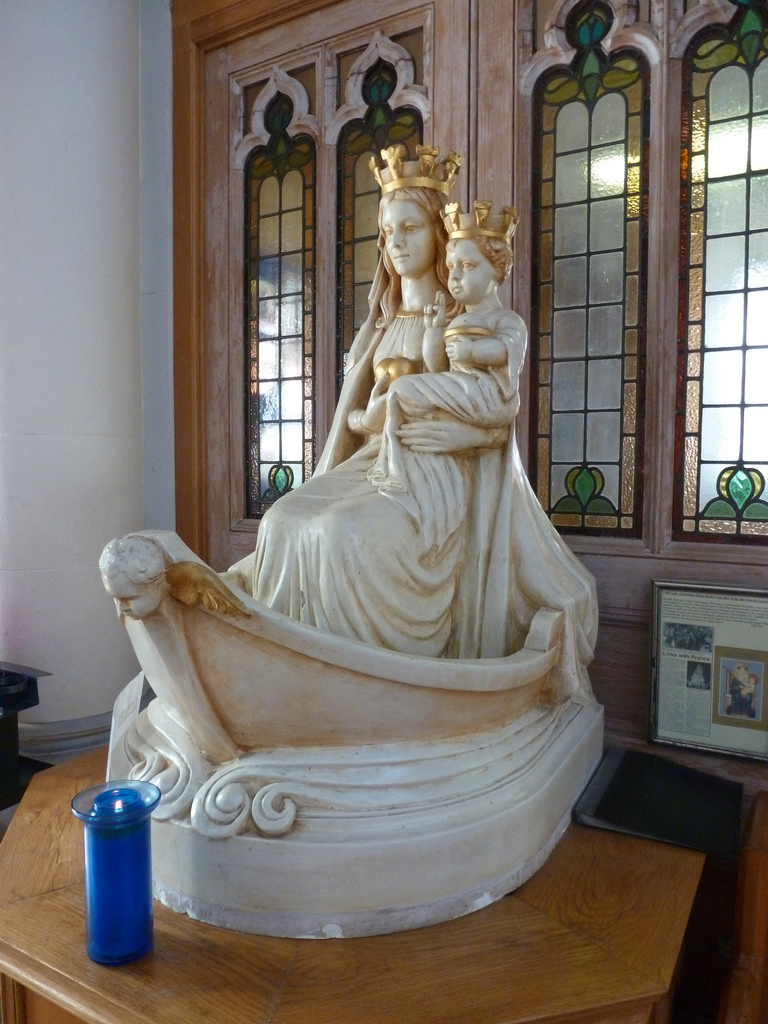
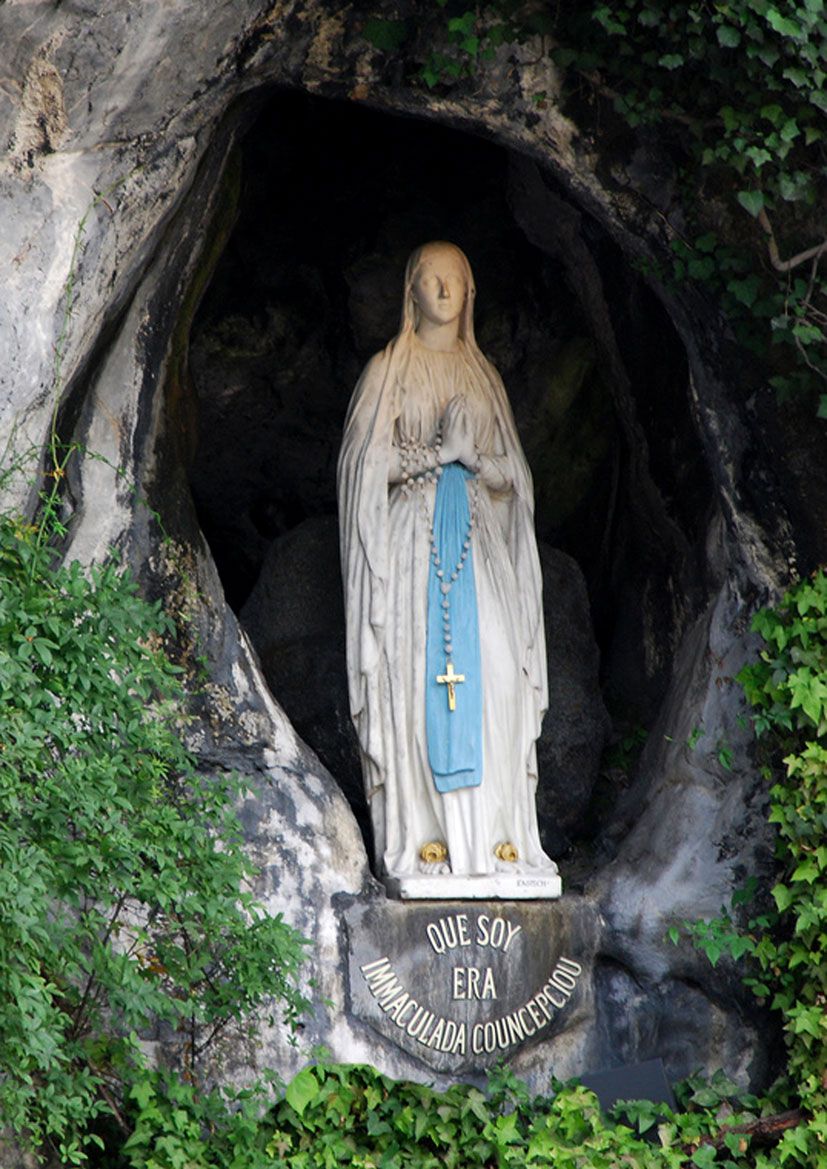
Our Lady of Lourdes – the Miracle of the Spring and St Bernadette
She died at Nevers on 16 April 1879, aged 35. The Church proclaimed her a Saint on 8 December , 1933, not for having been chosen for the Apparitions but for the way in which she responded to that grace
St Bernadette Soubirous (1844-1879)of Lourdes – Virgin, The Visionary of Lourdes, Consecrated Religious. Born on 7 January 1844 at Lourdes, Hautes-Pyrénées, France and died on 16 April 1879, Nevers, Nièvre, France of natural causes, aged 35. Her Body is incorrupt and is on display in Nevers, France. She was Canonised on 8 December 1933 by Pope Pius XI. St Bernadette! https://anastpaul.wordpress.com/2018/04/16/saint-of-the-day-16-april-saint-bernadette-soubirous-1844-1879/
St Gertrude Caterina Comensoli St Helladius of Toledo Bl John Pibush – one of the Martyrs of Douai St Leo of Patera St Paregorius of Patara St Sadoth of Seleucia St Tarasius of Constantinople
St Theotonius OSC (1082-1162) Priest of the Canons Regular, Reformer of religious life in Portugal, Royal Counsellor,, Apostle of the poor, Founder of the Canons Regular of the Holy Cross, now known as “The Crosiers.” He is the first Portuguese Saint. His Life Story: https://anastpaul.com/2021/02/18/saint-of-the-day-18-february-saint-theotinius-1082-1162/
Bl William Harrington
Martyrs of North Africa – 7 Saints: Group of Christians who were Martyred together, date unknown. We know nothing else but seven of their names – Classicus, Fructulus, Lucius, Maximus, Rutulus, Secundinus and Silvanus. They were born and martyred in North Africa.
Martyrs of Rome – 5 Saints: A group of Christians Martyred together in the persecutions of Diocletian. We know nothing else but their names – Alexander, Claudius, Cutias, Maximus and Praepedigna. They were martyred in 295 in Rome, Italy.
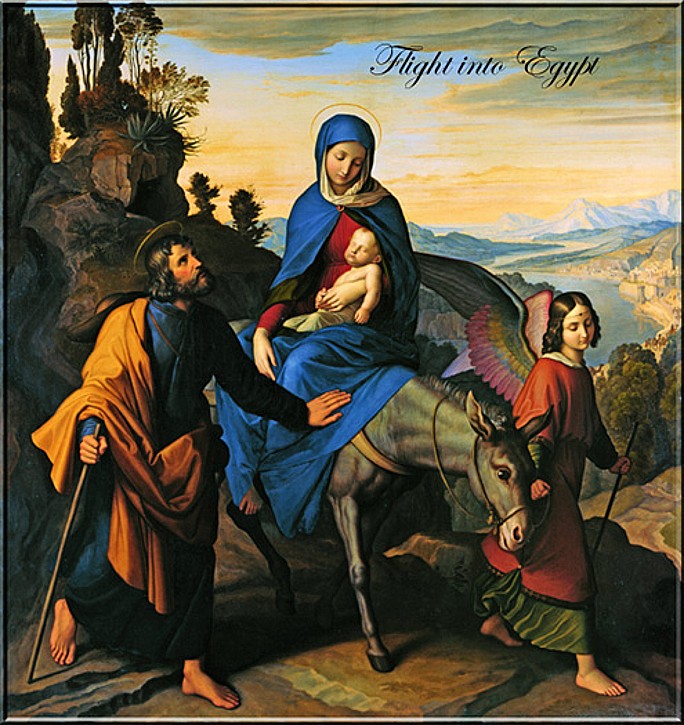
It was on the seventeenth of February, fifty five days after the Nativity of Jesus, when King Herod’s soldiers — sent to slaughter all little boys in Bethlehem and its neighbourhood who were two years old or under, in order to destroy a rival King, Jesus — were getting perilously near the cave at Bethlehem, where at first they little expected Our Lord to be. Saint Joseph received a message from God through an Angel, whereupon he took Our Lady and the Divine Infant and set off leaving the land of the Jews to travel to a land of the Gentiles. They took no-one with them, by way of servants or friends, as Saint Peter Chrysologus tells us.
The Town to which the Holy Family fled was called Fostat. It was three hundred miles from Bethlehem. A Church has been erected there, on the site of the house where the Holy Family lived during their exile. The little Town where the Holy Family lived in Egypt was not far from Heliopolis, a City in which — when Jesus, Mary and Joseph passed through it — statues of pagan gods crashed to the ground. Both Fostat and Heliopolis are not far from Cairo in Egypt.
St Lupiano St Mesrop the Teacher St Polychronius of Babylon St Romulus the Martyr St Secundian the Martyr St Silvinus of Auchy St Theodulus of Caesarea
Martyrs of Cilicia – 12 Saints: A group of Christians who ministered to other Christians who were condemned to work the mines of Cilicia in the persecutions of Maximus. They were arrested, tortured and martryed by order of the governor Firmilian. They were Daniel, Elias, Isaias, Jeremy, Samuel. The group also includes the three known have been sentenced to the mines – Pamphilus, Paul of Jamnia, Valens of Jerusalem and those who were exposed as Christians as a result of these murders – Julian of Cappadocia, Porphyrius of Caesarea, Seleucius of Caesarea, Theodule the Servant. They were Martyred in 309 in Cilicia, Asia Minor (in modern Turkey).
St Berach of Kilbarry St Craton St Decorosus of Capua St Dochow St Druthmar of Corvey St Eusebius of Asehia St Farannan of Iona
St Faustinus AND St Jovinus (Died c 120) Martyrs, Priest and Deacon respectively. Brothers. Both Evangelists, Preachers. Born at Brescia, Lombardy, Italy and the two brothers died together. They was thrown to the lions but the animals refused to touch them. Then beheaded in 120 at Brescia, Italy.
St Faustus of Monte Cassino St Georgia St Joseph of Antioch St Onesimus the Slave St Quinidius of Vaison
St Nostrianus of Naples St Theodosius of Vaison St Valentine of Terni
St Vitale of Spoleto
Martyrs of Terni: Three Christians who gave proper burial to Saint Valentine of Terni. Martyred in the persecutions of Aurelius. 273 in Terni, Italy – Apollonius, Ephebus, Proculus.
Martyrs of Alexandria: A group of Christians murdered in various ways for their faith in Alexandria, Egypt. We know the names and a few details about 16 of them – Agatho, Agatone, Ammonio, Ammonius, Antonius, Bassiano, Bassianus, Cirione, Cyrio, Dionysius, Dionysius, Lucio, Moses, Moses, Proto and Tonione.
The Feast of the Holy Face of Jesus: In the 19th Century Jesus expressed His wishes to Sister Mary of St Peter (1816-1848), a Carmelite Nun in Tours, France, that there be an actual Devotion to his Holy Face. Our Lord wanted this in reparation for blasphemies against Him and His Holy Name as well, as for the profanation of Sunday (when people engage unnecessarily in commerce and other such labours and chores on Sunday, a day meant for rest and reflection on God). In August of 1843 He dictated to her the well-known Golden Arrow Prayer. He also gave her Promises for those who would honour His Holy Face. The first Holy Medal of the Holy Face was given to Ven Pope Pius XII, who approved the Devotion and the Medal. In 1958 he formally declared the Feast of the Holy Face of Jesus as Shrove Tuesday for all Catholics. https://anastpaul.com/2022/03/01/feast-of-the-holy-face/
Shrove Tuesday: Shrove is the past tense of the word Shrive, which means “to hear a confession, assign penance and absolve from sin.” In the Middle Ages, especially in Northern Europe and England, it became the custom to confess one’s sins on the day before Lent began in order to enter the penitential season in a repentant spirit.
St Catherine de Ricci OP (1522-1590) Virgin, Tertiary of the Order of Preachers, Mystic, Stigmatist, Ecstatic, Counsellor to many in both secular and spiritual matters, a highly admired Administrator and Advisor,blessed with many mystical charism including visions of Christ, both as a Baby and Adult, bilocation and miracles. Her body is incorrupt. A Mighty Handmaid: https://anastpaul.com/2022/02/13/saint-of-the-day-13-february-saint-catherine-de-ricci-op-1522-1590/
St Fusca of Ravenna St Gilbert of Meaux St Gosbert of Osnabruck St Guimérra of Carcassone St Huno
St Julian of Lyon St Lucinus of Angers St Marice St Martinian the Hermit St Maura of Ravenna St Modomnoc St Peter I of Vercelli St Stephen of Lyons St Stephen of Rieti (Died c590) Abbot
The Seven Holy Founders of the Order of the Blessed Virgin Mary (the Servites) Pope Leo XIII Canonised them all on 15 January 1888. After the Canonisation of the Seven Founders, their Feast was inserted in the General Roman Calendar for celebration on 11 February, the anniversary of the granting of canonical approval to the order in 1304. In 1909, 11 February became the Feast of Our Lady of Lourdes and the Feast of the seven founders was moved to 12 February. In 1969 the Feast was moved to 17 February. HERE: https://anastpaul.com/2018/02/17/saints-of-the-day-17-february-the-seven-holy-founders-of-the-servite-order-osm-formation-on-15-august-1233/
St Alexius of Kiev St Ammonius of Alexandria Bl Anthony of Saxony St Anthony Kauleas of Constantinople (c829-901) Bishop
St Modestus of Alexandria St Modestus of Carthage St Modestus the Deacon Bl Nicholas of Hungary St Sedulius Bl Thomas of Foligno
Martyrs of Albitina – 46 Saints: During the persecutions of Diocletian, troops were sent to the churches of Abitina, North Africa on a Sunday morning; they rounded up everyone who had arrived for Mass and took them all to Carthage for interrogation by pro-consul Anulinus. The 46 who proclaimed their Christianity were executed. We know some of their names and stories. They were tortured to death in 304 in prison at Albitina, North Africa.
Our Morning Offering – 11 February – Apparition of the Immaculate Virgin Mary at Lourdes
Hail! all Hail! Great Queen of Heaven, Notre Dame de Lourdes Unknown Author First Published in 1905
Hail! all Hail! great Queen of Heaven, Hail sweet Notre Dame de Lourdes, ‘Neath whose care our weary exile, Is from countless ills secured.
Refrain: Then let men and angels praise thee, Fount of grace to all assured, While in gladsome strains we are singing, Hail! sweet Notre Dame de Lourdes Hail! sweet Notre Dame de Lourdes.
Blessed thou above all others, Mary Mistress of the spheres, Star of hope, serenely beaming Through this darksome vale of tears. Refrain
Happy angels joy to own thee, O’er their choirs exalted high, Throned in blissful light and beauty, Empress of the starry sky. Refrain
As the fount is still unsealing Its pure treasures softly fair, May each drop be fraught with healing, Dearest Mother, at thy prayer. Refrain
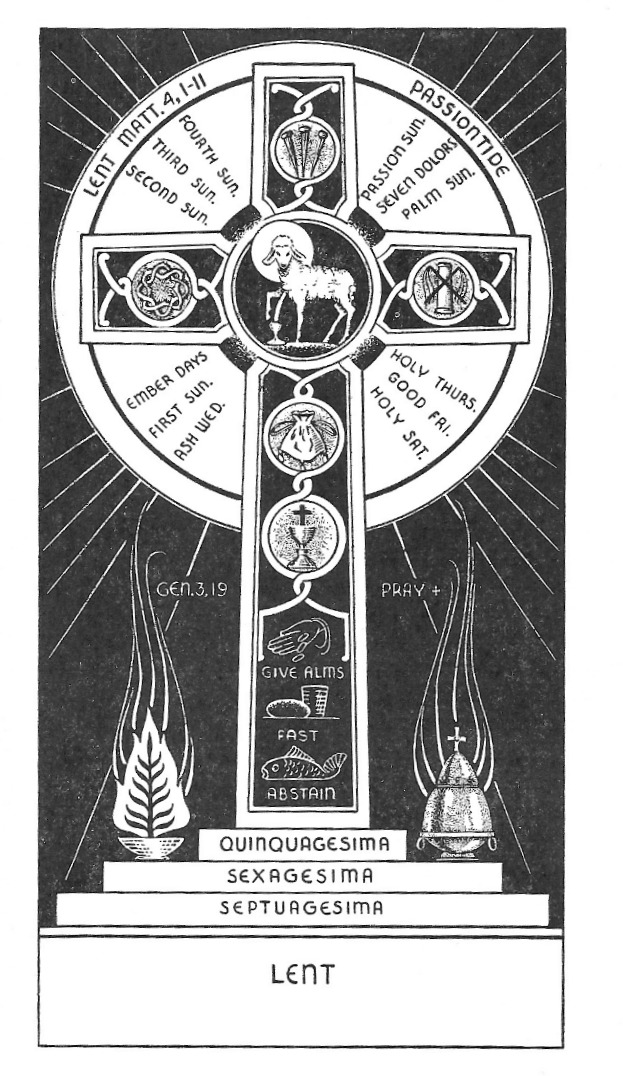
Quinquagesima Sunday: This Season is seventeen (17) days long and includes the three Sundays before Ash Wednesday. The length of the Season never changes but the start date is dependent on the movable date of Easter, which can fall between 22 March-25 April. For many early Christians Quinquagesima marked the time after which meat was forbidden. In many places, this Sunday and the next two days, were used to prepare for Lent by a good Confession; hence in England, we find the names Shrove Sunday and Shrovetide. Shrove is a form of the English word “shrive,” which means – to obtain absolution for one’s sins by way of Confession and doing penance.. As the days before Lent were frequently spent in merry-making, Pope Benedict XIV by the Constitution “Inter Cetera” (1 January 1748) introduced a Forty Hours’ Devotion to keep the faithful from dangerous amusements and to make some reparation for sins committed. Quinquagesima also means, the time between Easter and Pentecost, or from the Saturday after Easter to the Sunday after Pentecost; it is then called Quinquagesima Paschae paschalis, or laetitae.
St Calocerus of Ravenna St Castrensis of Capua St Dativus the Senator Bl Elizabeth Salviati St Etchen of Clonfad St Eutropius of Adrianopolis St Felix the Senator
St Gobnata (6th Century) Abbess, Founder of a Convent and ‘Order’ of Sisters, Miracle-worker, Apostle of the sick. Patronages – of bees, beekeepers. About St Gobnata or Abigail:
St Lucius of Adrianople St Pedro de Jesús Maldonado-Lucero St Saturninus of Africa St Secundus of Puglia St Severinus of Agaunum (Died c507) Abbot St Simplicius of Vienne (Died c417) Bishop St Theodora the Empress
Guardians of the Sacred Scriptures: Also known as – Anonymous Martyrs in Africa– Martyrs of Africa – Martyrs of Numidia – Martyrs of the Sacred Books A large number of Christians tortured and murdered in Numidia (part of modern Algeria) during the persecutions of Diocletian but whose names and individual lives have not survived. They were ordered to surrender their sacred books to be burned. They refused. Martyrs. c 303 in Numidia.
Martyrs of Africa – 5 Saints: A group of five Christians who were Martyred together; we know nothing else but the names of four of them – Cyriacus, Oecominius, Peleonicus and Zoticus.
St Paganus Bl Paul of Wallachia Bl Pierre Frémond St Porfirio St Prothadius of Besançon St Salvius of Albelda St Silvanus of Terracina St Soteris the Martyr (Died c304) Virgin Martyt St Troiano of Saintes St Trumwin of Whitby
Martyred Soldiers in Rome: A group of ten Christian soldiers who were Martyred together for their faith. We know little more about them but four of their names – Amantius, Hyacinth, Irenaeus and Zoticus. • 120 at Rome, Italy. They were buried on the Via Lavicana outside RomeAmantius, Hyacinth, Irenaeus, Zoticus.
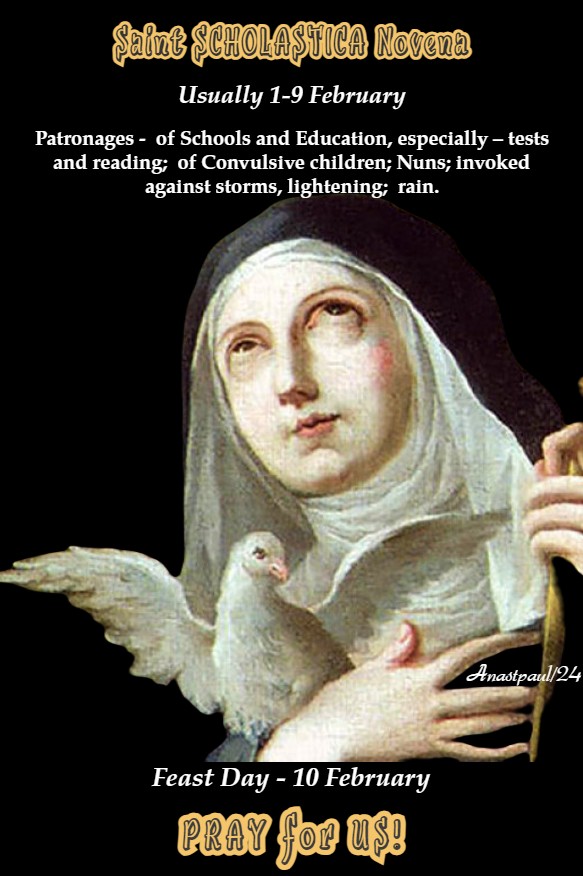
St Scholastica Novena – The LAST DAY: CLICK on the LINK BELOW: St Scholastica Novena
St Alexander of Rome St Alexander of Soli St Alto of Altomünster St Ammon of Membressa St Ammonius of Soli St Ansbert of Rouen (Died c695) Bishop St Attracta of Killaraght St Brachio of Auvergne St Cuaran the Wise St Didymus of Membressa St Donatus the Deacon St Eingan of Llanengan St Emilian of Membressa Bl Erizzo Bl Francisco Sanchez Marquez Bl Godeschalk of Želiv St Lassa of Membressa Bl Marianus Scotus St Maro St Nebridius of Egara St Nicephorus of Antioch St Poëmus of Membressa St Primus the Deacon
St Raynald of Nocera (c1150-1217) Bishop of Nocera, Umbria, Italy, Hermit, Monk, Abbot. His body is incorrupt. The Roman Martyrology reads: “In Nocera Umbra, St. Rainaldo, Bishop, formerly a Camaldolese Monk of Fonte Avellana, who, while carrying out the Episcopal office, firmly preserved the habits of monastic life.” Biography: https://anastpaul.com/2022/02/09/saint-of-the-day-9-february-saint-raynald-of-nocera-c-1150-1217/
St Romanus the Wonder Worker St Ronan of Lismore St Sabino of Abellinum
St Sabinus of Canosa (c461–566) Bishop, Confessor, Benedictine Monk, Papal Legate, miracle-worker, graced with the charism of prophecy, Defender of the Faith against heretics, friend of Saint Benedict of Nursia, builder of Churches and Monasteries, following the Benedictine discipline of Ora et labora. His Life: https://anastpaul.com/2021/02/09/saint-of-the-day-9-february-saint-sabinus-of-canosa-c-461-566-bishop/
St Teilo of Llandaff
Martyrs of Alexandria: An unknown number of Christians who were massacred inthe 4th Century Alexandria, Egypt by Arian heretics for adhering to the true Faith.
Martyrs of Membressa: A group of 44 Christians Martyred together. We know little else about them some names – Ammon, Didymus, Emilian, Lassa, Poemus They were Martyred in Membressa in Africa.
St Cyriacus of Rome St Dionysus of Armenia St Elfleda of Whitby St Emilian of Armenia St Giacuto St Gisela St Honoratus of Milan St Inventius of Pavia Bl Jacoba de Settesoli St Kigwe St Laureatus of Rome St Lucius of Rome St Meingold St Mlada of Prague St Nicetius of Besançon St Oncho of Clonmore St Paul of Rome
St Sebastian of Armenia St Stephen of Muret (c1046-1124) Abbot
Martyrs of Constantinople: Community of 5th Century Monks at the Monastery of Saint Dius at Constantinople. Imprisoned and Martyred for loyalty to the Vatican during the Acacian Schism. 485 in Constantinople.
Martyrs of Persia: An unknown number of Christians murdered in early 6th-century Persia. Legend says that so many miracles occurred through the intercession of these Martyrs that the King decreed an end to the persecution of Christians.
St Romuald (c 951-1027) Monk, Abbot, Ascetic, Founder of the Camaldolese Order and a major figure in the Eleventh-Century “Renaissance of eremitical asceticism.” His Feast Day is today and was thus from 1595. It was changed to 19 June in 1969 after Vatican II. St Romuald’s body is incorrupt. St Romuald’s Life: https://anastpaul.com/2018/06/19/saint-of-the-day-19-june-st-romuald-c-951-1027/
St Scholastica Novena – THE SEVENTH DAYA: CLICK THE LINK BELOW: St Scholastica Novena
St Adaucus of Phrygia St Amulwinus of Lobbes St Anatolius of Cahors Bl Anselmo Polanco Bl Anthony of Stroncone
St Augulus St Chrysolius of Armenia St Fidelis of Merida Blessed Jacques Salès SJ (1556-1593) + Priest Martyr St John of Triora St Juliana of Bologna
St Lorenzo Maiorano (Died 545) Bishop of Siponto, Italy, Miracle-worker gifted with Prophecy and visions. Collaborator with St Michael in the Apparition at Gargano, known as “The Defender of the People.” St Lorenzo is also called the “Patron saint of Foreigners” by the citizens of Siponto, having been a foreigner himself. His Life: https://anastpaul.com/2023/02/07/saint-of-the-day-7-february-saint-lorenzo-maiorano-died-545-bishop/
St Luke the Younger
Blessed Mary of Providence/Eugénie Smet HHS (1825-1871) Nun and Founder of the Society of the Helpers of the Holy Souls. Her apostolate has spread throughout the world – now in 24 countries and continues to minister to the Souls in the Body of Christ — both those on earth and those who have departed this world. Beatified in Rome on 26 May 1957 by Pope Pius XII. Biography: https://anastpaul.com/2021/02/07/saint-of-the-day-7-february-blessed-mary-of-providence-hhs-1825-1871/
St Maximus of Nola St Meldon of Péronne St Moses the Hermit Bishop St Parthenius of Lampsacus
Saint Pedro Bautista Blásquez y Blásquez OFM (1542-1597) Priest Martyr and the 26 Martyrs of Japan – Died by Crucifixion on 5 February 1597. Canonised on 8 June 1862 by Pope Pius IX.
St Amand of Moissac St Amand of Nantes St Andrew of Elnone Blessed Angelus of Furci OSA (1246-1327) Priest and Friar of the Order of Augustinian Hermits St Antholian of Auvergne St Brinolfo Algotsson Cassius of Auvergne Bl Diego de Azevedo St Ethelburga of Wessex Bl Francesca of Gubbio St Gerald of Ostia St Gonsalo Garcia OFM St Guarinus St Guethenoc St Hildegund St Ina of Wessex St Jacut St Liminius of Auvergne St Maximus of Aurvergne St Mel of Ardagh St Melchu of Armagh St Mun of Lough Ree St Relindis of Eyck St Revocata St Saturninus St Tanco of Werden St Theophilus St Theophilus the Lawyer
St Vaast of Arras (c 453-539 or 540) Bishop – The First Bishop of Arras, France , Hermit, Ascetic, Miracle-worker, Advisor to King Clovis. The Roman Martyrology reads: “In Arras in Belgian Gaul, today in France, Saint Vedastus, Bishop, who, sent by Saint Remigius Bishop of Rheims to the devastated City, catechised King Clovis, re-established the Church and held it for about forty years and brought to an end, the need of work for evangelisation among the previously still pagan peoples of the region.” St Vaast is another Patron of eye diseases, problems and blindness. Biography: https://anastpaul.com/2022/02/06/saint-of-the-day-6-february-saint-vaast-of-arras-c-453-539-or-540/
St Victorinus of Auvergne
Martyrs of Emesa: At Emesa in Phrenicia, in the time of the Emperor Maximian, St Silvanus, the Bishop, who after having governed that Church for forty years, was delivered to the beasts with two other Christians and, having his limbs all mangled, received the Palm of Martyrdom. The other two are recorded as St Luke the Deacon and St Mucius the Lector.
St Buo of Ireland St Calamanda of Calaf St Dominica of Shapwick St Fingen of Metz Bl Françoise Mézière St Gabriel de Duisco St Genuinus of Sabion (Died c605) Bishop St Indract St Isidore of Alexandria St Jesús Méndez-Montoya Bl John Morosini St Kichi Franciscus St Modestus of Carinthia
Bl Primo Andrés Lanas St Saba the Younger St Vodoaldus of Soissons
Martyrs of Pontus: An unknown number of Christians who were tortured and martyred in assorted painful ways in the region of Pontus (in modern Turkey) during the persecutions of Maximian.
The Twenty-Six Martyrs of Japan: 26 Saints – the First Martyrs of Japan. Martyred on 5 February 1597 by Crucifixion, also known as Pedro Bautista Blasquez y Blasquez and 22 companions, along with Paulus Miki and 2 companions, were Beatified on 14 September 1627 by Pope Urban VIII, and Canonised on 8 June 1862 by Pope Pius IX.
SEXAGESIMASUNDAY: (Latin – Sexagesima, sixtieth) is the eighth Sunday before Easter and the second before Lent. The Ordo Romanus, St Alcuin and others, count the Sexagesima from this day to Wednesday after Easter. The name was already known to the Fourth Council of Orléans in 541. To the Latins it is also known as “Exsurge” from the beginning of the Introit. The station was at Saint Paul’s Outside the Walls of Rome and hence, the oratio calls upon the Doctor of the Gentiles. The Epistle is from Paul, 2 Corinthians 11 and 12, describing his suffering and labours for the Church. The Gospel (Luke 8) relates the falling of the seed on good and on bad ground, while the Lessons of the first Nocturn continue the history of man’s iniquity and speak of Noah and of the Deluge.
Bl Dionisio de Vilaregut St Donatus of Fossombrone St Eutychius of Rome St Filoromus of Alexandria St Firmus of Genoa Bl Frederick of Hallum St Gelasius of Fossombrone St Geminus of Fossombrone St Gilbert of Limerick (c1070–1145) Bishop
St Jane de Valois O.Ann.M and TOSF (1464-1505) Princess, Queen, Founder, Religious Sister, Mystic, Teacher. Founded the monastic Order of the Sisters of the Annunciation of Mary. From this Order later sprang the religious congregation of the Apostolic Sisters of the Annunciation, founded in 1787 to teach the children of the poor. She was Canonised on 28 May 1950 by Pope Pius XII. Biography: https://anastpaul.wordpress.com/2018/02/04/saint-of-the-day-4-february-saint-jane-of-valois-o-ann-m-1464-1505/
St Themoius St Theophilus the Penitent St Vincent of Troyes St Vulgis of Lobbes
Jesuit Martyrs of Japan: A collective memorial of all members of the Jesuits who have died as Martyrs for the faith in Japan.
Martyrs of Perga – 4 Saints: A group of shepherds Martyred in the persecutions of Decius. The only details we have about them are the names – Claudian, Conon, Diodorus and Papias. They were Martyred in c 250 in Perga, Asia Minor (in modern Turkey).
St Anna the Prophetess St Berlinda of Meerbeke St Blasius of Armentarius St Blasius of Oreto St Caellainn St Celerinus of Carthage St Clerina of Carthage St Deodatus of Lagny St Eutichio St Evantius of Vienne St Felix of Africa St Felix of Lyons
St Laurentius of Carthage St Lawrence the Illuminator ) Died 576) Bishop St Leonius of Poitiers St Liafdag St Lupicinus of Lyon St Margaret of England St Oliver of Ancona St Philip of Vienne St Remedius of Gap St Sempronius of Africa St Tigrides St Werburga of Bardney St Werburga of Chester
Benedictine Martyrs: A collective memorial of all members of the Benedictine Order who have died as Martyrs for the Faith.
Our Lady of the Candles – Nuestra Señora de la Purificación y la Candelaria, is a Marian title and image venerated by Filipino Catholics. The image, which is enshrined on the balcony of Jaro Cathedral, is known as the Patroness of Jaro District of Iloilo City and the whole of the Western Visayas. The Feast Day of Our Lady of the Candles is on Candlemas (2 February) and is celebrated in Iloilo City with a Solemn Pontifical Mass presided by the Archbishop of Jaro.
St Adalbald of Ostrevant St Adeloga of Kitzingen St Agathodoros of Tyana St Apronian the Executioner Bl Bernard of Corbara St Bruno of Ebsdorf St Candidus the Martyr St Columbanus of Ghent St Cornelius the Centurion St Felician the Martyr St Feock St Firmus of Rome St Flosculus of Orléans St Fortunatus the Martyr St Hilarus the Martyr St Jeanne de Lestonnac (1556-1640) Widow, Mother, Founder
St Lawrence of Canterbury (Died 2 February 619) The Second Archbishop of Canterbury, the successor of St Augustine of Canterbury from 604 until his death in 619, but he was Consecrated as Archbishop by his predecessor, St Augustine, during Augustine’s lifetime, to ensure continuity in the office, Benedictine Monk, Missionary. He was a member of the Gregorian mission sent from Italy to England to Christianise the Anglo-Saxons. About St Lawrence: https://anastpaul.com/2022/02/02/saint-of-the-day-2-february-saint-lawrence-of-canterbury-died-619/
St Raymond of Peñafort OP (1175-1275) “Father of Canon Law” Dominican Priest, Doctor of Canon Law, the Third Master of the Order of Preachers, Founder of the Mercedarian friars, Writer, Teacher, Miracle-Worker. St Raymond of Peñafort’s Feast day was inserted in the General Roman Calendar in 1671 for celebration on 23 January. In 1969 it was moved to 7 January, the day after that of his death. He is the Patron Saint of canon lawyers, specifically and lawyers, in general. Biography: https://anastpaul.com/2019/01/07/saint-of-the-day-st-raymond-of-penafort-op-1175-1275-father-of-canon-law/
St Abel the Patriarch St Agathangelus St Amasius of Teano St Aquila the Martyr St Asclas of Antinoe St Clement of Ancyra St Colman of Lismore St Dositheus of Gaza
St Ildephonsus (506-667) Archbishop of Toledo. Theologian, Scholar, Marian devotee, Writer, Evangeliser. Abbot Dom Guéranger calls him the Doctor of the Virginity of Mary. Saint Ildephonsus established the Feast of the Expectation of the Blessed Virgin Mary, which is still kept in some places on 18 December. Biography: https://anastpaul.wordpress.com/2018/01/23/saint-of-the-day-23-january-st-ildephonsus-607-667/
St Agnes of Aislinger St Anastasius of Constantinople St Aquila of Trebizond St Brigid of Kilbride St Candidus of Trebizond Bl Edward Stransham
St Epiphanius of Pavia (c 439–496) Bishop of Pavia, Italy from from 466 until his death. Papal and Secular Mediator and Peacemaker, Known as – “Epiphanius the Peacemaker,” “The Glory of Italy,” “The Light of Bishops.” The Roman Martyrology for 21 January reads : “In Pavia, Saint Epifanio, Bishop , who, at the time of the barbarian invasions, worked zealously for the reconciliation of the peoples, for the liberation of prisoners and for the reconstruction of the destroyed City.” Biography: https://anastpaul.com/2022/01/21/saint-of-the-day-21-january-saint-epiphanius-of-pavia-439-496/
St Eugenius of Trebizond St Gunthildis of Biblisheim
Blessed Josefa María Inés de Benigánim OAD (1625–1696) Nun of the Discalced Augustinian Nuns with the religious name of “Josefa María of Saint Agnes,” Virgin, Mystic, gifted with the charism of prophecy and counsel. She became known for her profound spiritual and theological insight as well as for her severe austerities she practised during her life. Her body is incorrupt. Blessed Josefa was Beatified on 26 February 1888, at Saint Peter’s Basilica by Pope Leo XIII. Biography: https://anastpaul.com/2020/01/21/saint-of-the-day-21-january-blessed-josefa-maria-ines-de-beniganim-oad-1625-1696/
St Lawdog St Maccallin of Waulsort
St Meinrad of Einsiedeln OSB (c 797–861) “Martyr of Hospitality,” Martyr, Priest, Monk, Hermit. In 1039, the year of Meinrad’s Canonisation as a Saint, his remains were brought back to Einsiedeln. During the French Revolution, Meinrad’s relics were hidden at Tyrol, Austria, by Abbot Conrad Tanner and his reliquary is now enshrined in the Grace Chapel of the Abbey Church at Einsiedeln. St Meinrad’s Life and Death: https://anastpaul.com/2021/01/21/saint-of-the-day-21-january-saint-meinrad-of-einsiedeln-osb-c-797-861-martyr/
St Patroclus of Troyes St Publius of Athens (2nd Century) Bishop
St Valerian of Trebizond St Vimin of Holywood St Zacharias the Angelic
Blessed Martyrs of Laval – 19 Beati: Fifteen men and four women who were Martyred in Laval, France by anti-Catholic French Revolutionaries. The were born in France and they were Martyred on several dates in 1794 in Laval, Mayenne, France. They were Beatified on 19 June 1955 by Pope Pius XII at Rome, Italy. They are: Blessed André Duliou Blessed Augustin-Emmanuel Philippot Blessed François Duchesne Blessed François Migoret-Lamberdière Blessed Françoise Mézière Blessed Françoise Tréhet Blessed Jacques André Blessed Jacques Burin Blessed Jean-Baptiste Triquerie Blessed Jean-Marie Gallot Blessed Jeanne Veron Blessed John Baptist Turpin du Cormier Blessed Joseph Pellé Blessed Julien Moulé Blessed Julien-François Morin Blessed Louis Gastineau Blessed Marie Lhuilier Blessed Pierre Thomas Blessed René-Louis Ambroise
Martyrs of Rome – 30 Saints: Thirty Christian soldiers executed together in the persecutions of Diocletian. They were Martyred in 304 in Rome, Italy.
Martyrs of Tarragona: Augurius, Eulogius, Fructuosus.
Our Morning Offering – 20 January – “The Month of the Most Holy Name of Jesus and of the Holy Family” and Our Lady’s Day (IHM, Refuge of Sinners)
Shelter Me Under Thy Mantle, Refuge of Sinners By St Alphonsus Liguori (1696-1787) Most Zealous Doctor
Most holy Virgin Immaculate, my Mother Mary, to thee, who art the Mother of my Lord, the Queen of the Universe, the Advocate, the Hope, the Refuge of sinners, I, who am the most miserable of all sinners, have recourse this day. I venerate thee, great Queen and I thank thee for the many graces thou hast bestowed upon me, even unto this day, in particular, for having delivered me from the hell which I have so often deserved by my sins. I love thee, my dearest Lady and because of that love, I promise to serve thee willingly forever and to do what I can to make thee loved by others. I place in thee all my hopes for salvation, accept me as thy servant and shelter me under thy mantle, thou, who art the Mother of Mercy. And since thou are so powerful with God, deliver me from all temptations, or at least, obtain for me the strength to overcome them until death. From thee, I implore, a true love for Jesus Christ. Through thee, I hope to die a holy death. My dear Mother, by thy love for Almighty God, I pray thee to assist me always but most of all, at the last moment of my life. Forsake me not then, until thou shalt see me safely in Heaven, there to bless thee and sing of thy mercies, throughout all eternity. Such is my hope. Amen






















You must be logged in to post a comment.