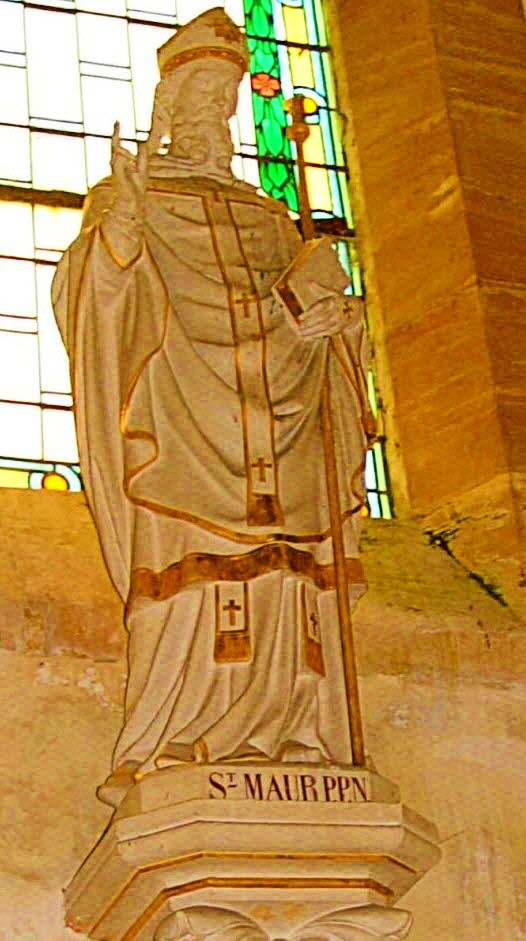
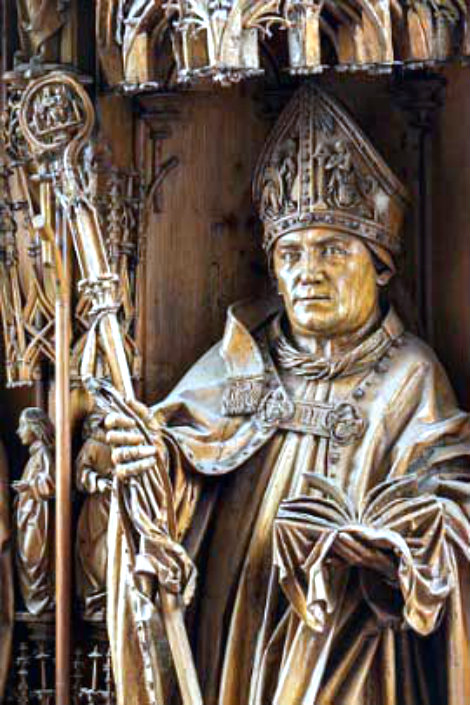
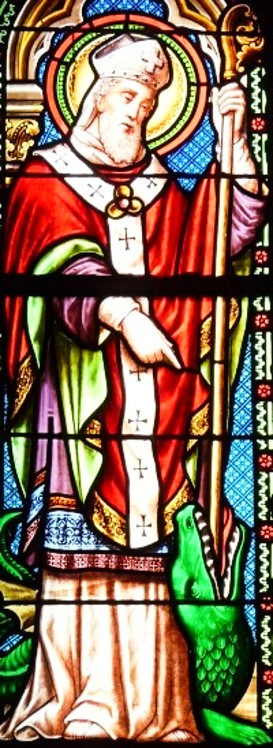
Saint of the Day – 8 November – Saint Maurus (Died 383) the 2nd Bishop and Confessor of Verdun, France, serving his See for 27 years. Born probably in France and died in Verdun on 10 November 383. Also known as – Maur, Maurius.
The Roman Martyrology reads today: “At Verdun. Maurus, Bishop and Confessor.”
Maurus was the 2nd Bishop of Verdun. In the chronology of the Bishops of the Diocese, he appears after St Sanctinus (c270-356), the 1st Bishop and before Salvinus.
Maurus was a disciple of St Sanctinus and was the first Priest to be Ordained in the Diocese of Verdun. Before dying, Bishop Sanctinud urged the inhabitants of Verdun to choose out Saint Maurus as their next Bishop.
Upon St Sanctinus’ death, the faithful of Verdun duly searched for Maurus for three years without discovering his whereabouts, hoping to have him appointed as their Bishop. But Maurus, not seeking worldly honours or responsibilities, did not wish to abandon his life of prayer and fasting, nor did he wish to desert gus disciples.
Finally, his location was discovered and he relented after the constant requests from the faithful of Verdun. He became the Bishop in 356, was Consecrated in the Church of Saints Peter and Paul by Author, Bishop of Metz and governed the Diocese for approximately 27 years.
Chronicles report that Saint Maurus died on 10 November 383 but he is celebrated today, 8 November.
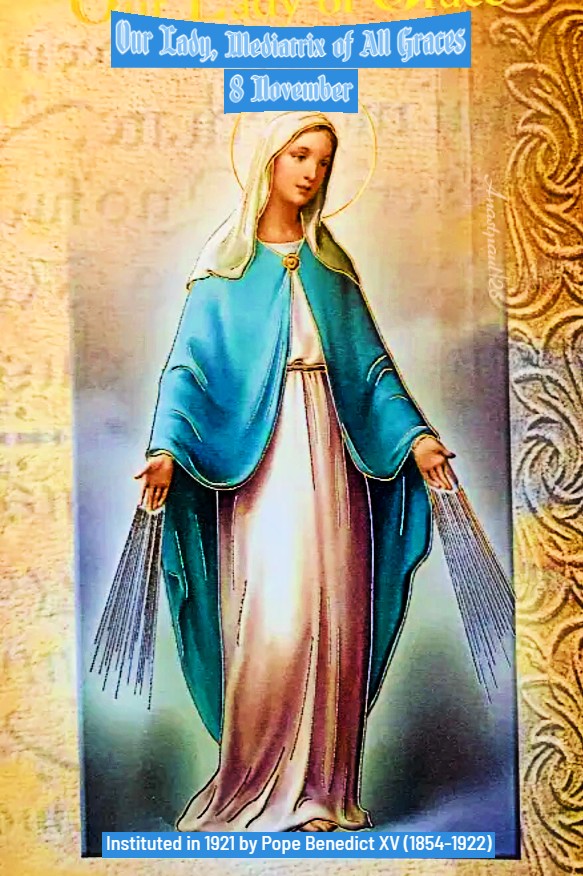
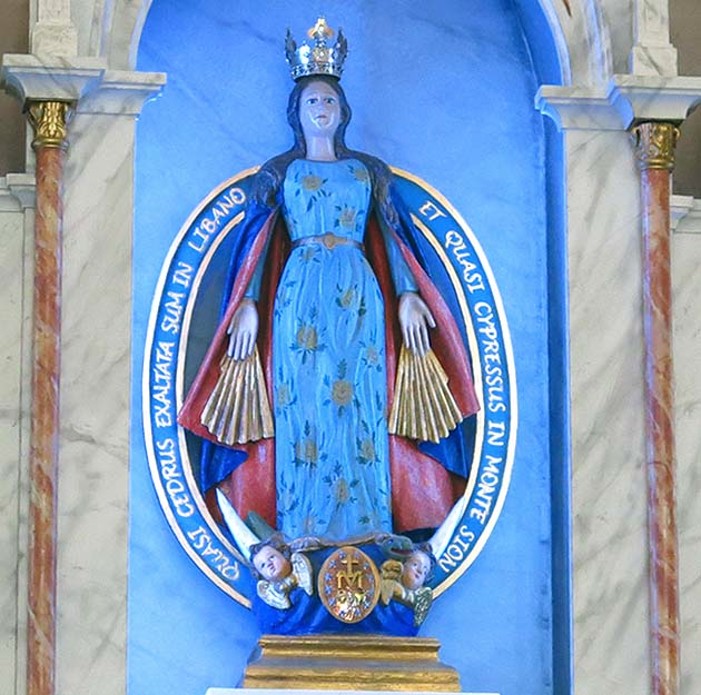
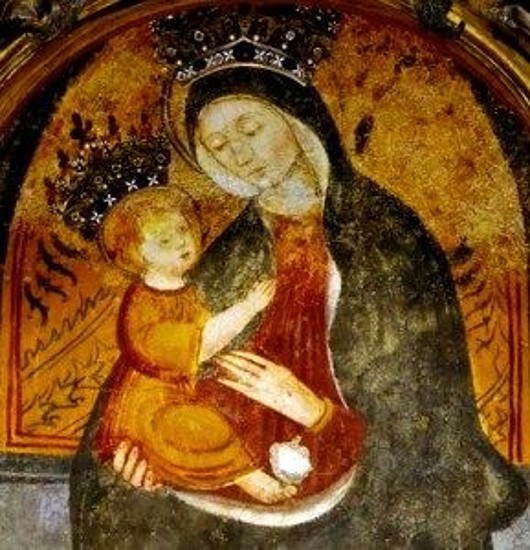
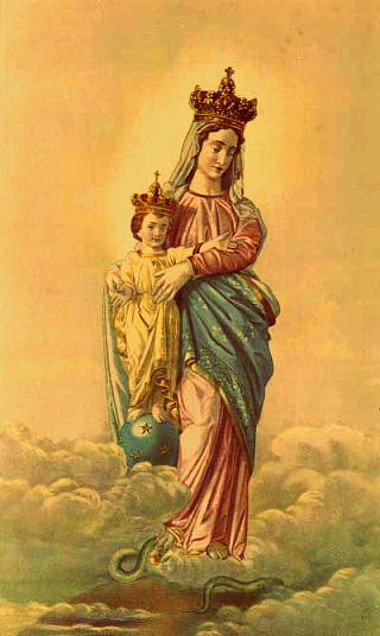
Our Lady Mediatrix of All Graces (1921): In 1921 Pope Benedict XV instituted 8 November as the Feast Day of Our Lady Mediatrix of All Graces. A text by St Louis Grignion de Montfort expresses this truth admirably: “Only Mary found grace before God (Luke 1:30) without the help of any other creature. And after her, all those who found grace before God, found it only through her. Mary was full of grace when the Archangel Gabriel saluted her (Luke 1:28) and was filled with grace when the Holy Ghost so mysteriously overshadowed her (Luke 1:35). From day to day, from moment to moment, she increased, so much. this twofold plenitude that she attained an immense and inconceivable degree of grace. So much so, that the Almighty made of her, the sole custodian of His treasures and sole dispenser of all His graces, so that she might ennoble, exalt and enrich all she chooses. She can lead them along the narrow path to Heaven and guide them through the narrow gate to Life. She can give a royal throne, scepter and crown to whomever she wishes. Jesus is always and everywhere, the Fruit and Son of Mary, and Mary is everywhere, the true tree who bears the Fruit of Life, the true Mother, who bears that Son!” – St Louis Marie Grignion de Montfort (1673-1716) (True Devotion to Mary No 44)
Four Holy Crowned Martyrs: Saint Castorus, Saint Claudius, Saint Nicostratus and Saint Simpronian. Skilled stone carvers in the 3rd century quarries. Martyred when they refused to carve an idol of Aesculapius for Diocletian. They were drowned in the River Sava in 305. Patronages – against fever, cattle, sculptors, stone masons, stonecutters.
All Deceased Dominicans All Saints of Bologna, Italy All Saints of Wales Augustinian Martyrs of Spain
All Saints of the Diocese of Evry: A regional memorial of all the Saints and Beati of the calendar who have a connection to the Diocese of Evry-Corbeil-Essonnes, France:
Blessed Isabella of France, founded the Longchamp monastery
Blessed Nicolas Gaudreau, pastor of Vert-le-Petit
Blessed Pierre Bonse, pastor of Massy
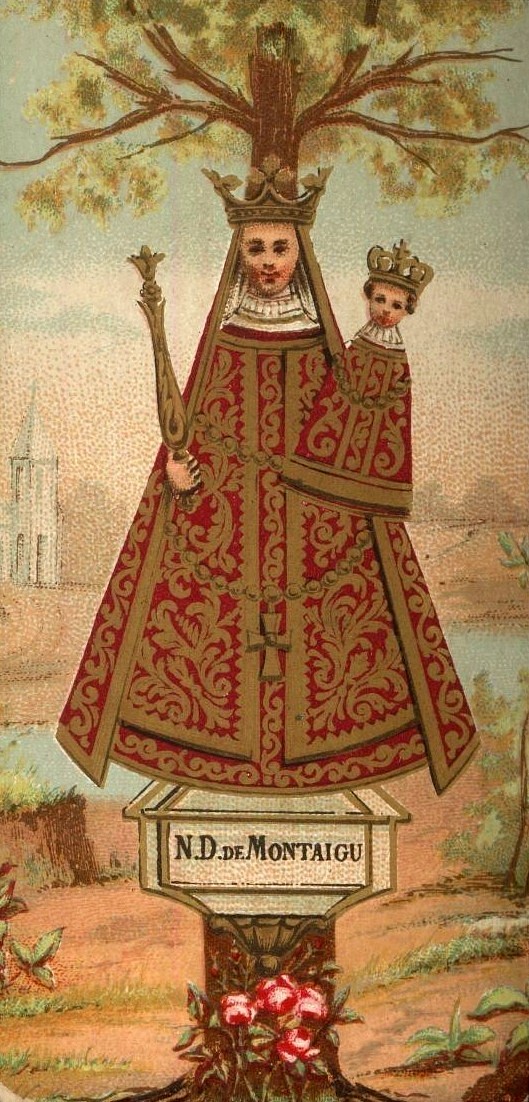
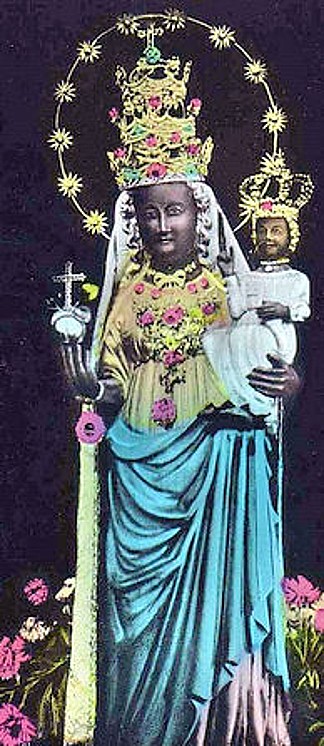
Our Lady of Good Guard, patron saint of the diocese, venerated in Longpont-sur-Orge, France
Saint Corbinian, born in Saint-Germain-lès-Arpajon
Saint Denis of Paris, evangelizer of part of Essonne and revered ni Longpont-sur-Orge
Saint Eloi, who lived in Chilly-Mazarin
Saint Germain of Paris
Saint William of Bourges, son of Count Baldwin IV of Corbeil
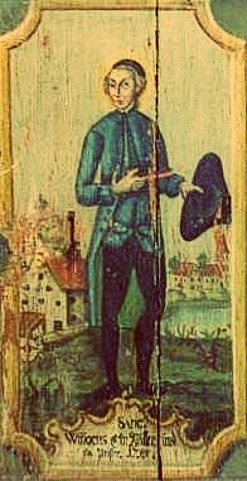
Saint William of Aebelholt, pastor of Brunoy
Saint Wulfran of Sens, born in Milly-la-Forêt
Blessed Nativelle, vicar of Longjumeau
Blessed René Le Bris, pastor of Bris-sous-Forges
Saint Spire of Bayeux, whose relics are in Corbeil in the cathedral that bears his name
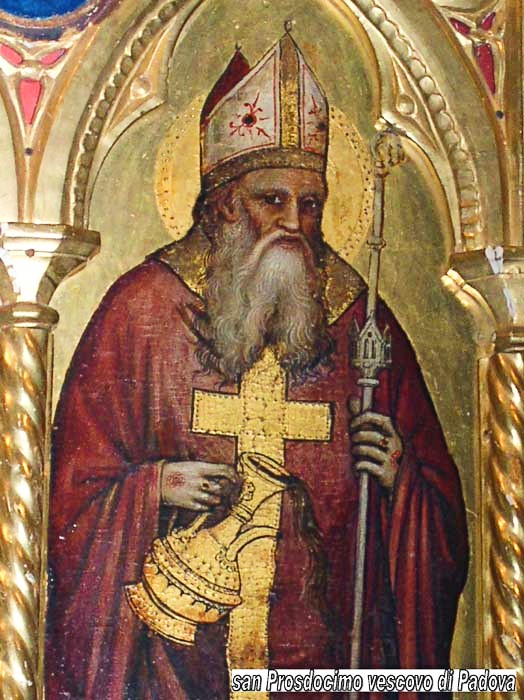
Saint of the Day – 7 November – St Prosdocimus (2nd Century) the 1st Bishop and Confessor of Padua, Evangeliser, Miracle-worker. Patronage – of the City and Diocese of Padua, of Ascolo, Cittadella all in Italy. Also knowthe as – Prosdecimus, Prosdocimo.
The name Prosdocimo, although uncommon in Italy today, immediately suggests a Venetian origin, specifically Paduan. The Saint is honoured as the 1st Bishop of Padua, the Patron Saint of the City and too, according to various scholars, the likely evangeliser of all western Venice.
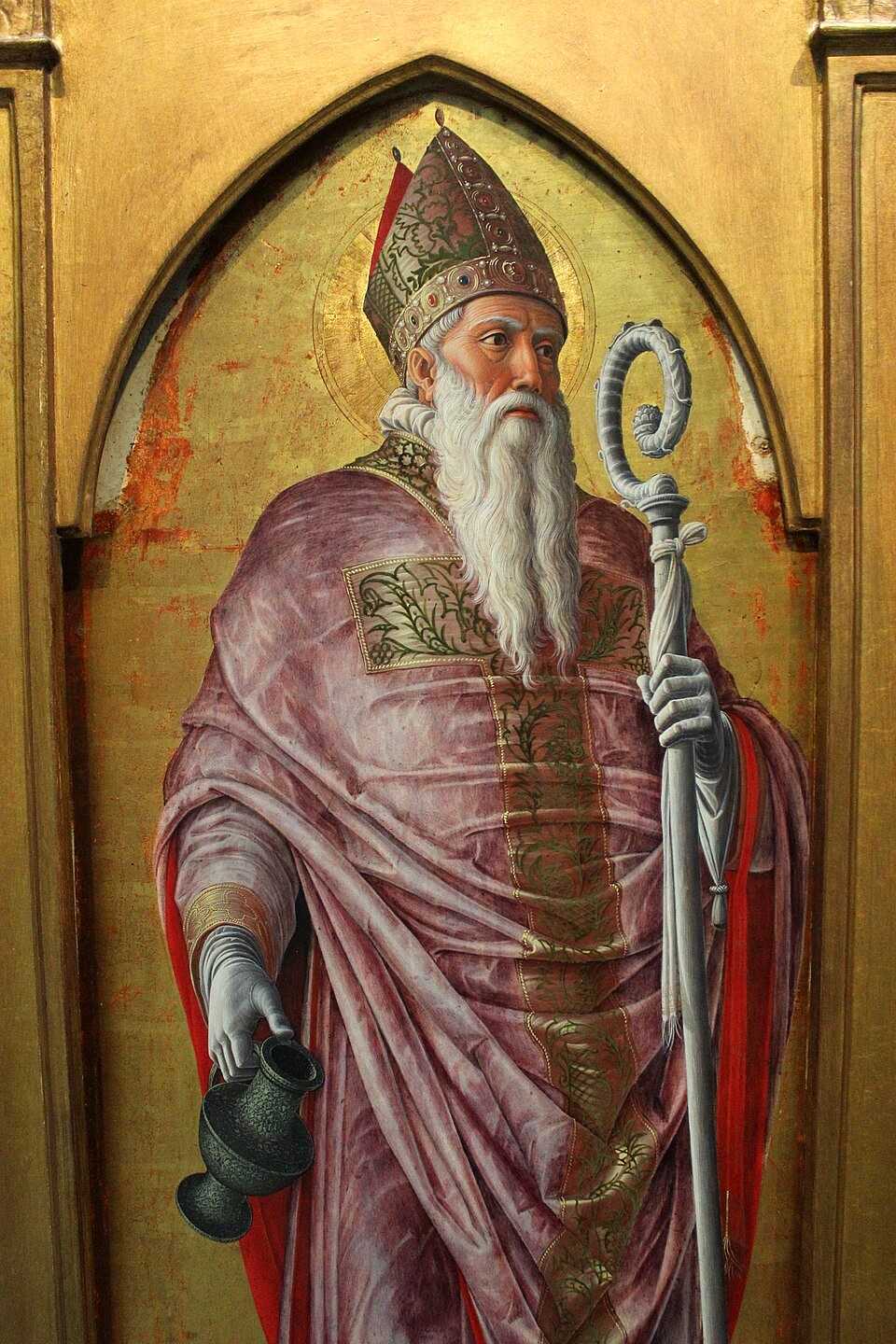
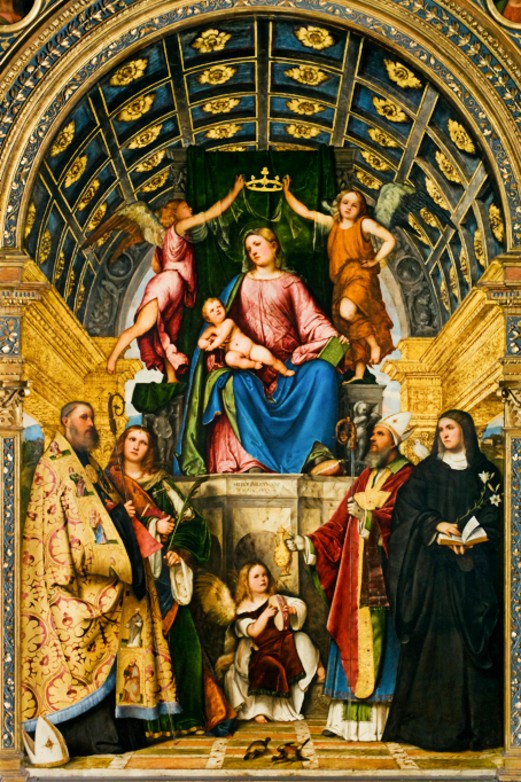
Even the most beautiful image of Prosdocimus was painted by a Paduan, the great 15th Century Painter, Andrea Mantegna. It is part of a polyptych dedicated to Saint Justina another famous Saint and Martyr of Padua. In this painting, Saint Prosdocimus appears with his characteristic attribute of a jug, a symbol of his tireless work as an evangeliser and work of Baptising.
St Prosdocimus and St Justina
The etymological meaning of the name Prosdocimus is very beautiful, as in Greek it means ‘the awaited one.’ It can be said that Saint Prosdocimus, the 1st Bishop of Padua, was truly awaited by that still pagan City, to which he was sent by Saint Peter himself after his Episcopal Consecration. In the gentle countryside, Prosdocimus is said to have performed prodigies and miracles.
Fortunately, a certain naiveté often lends a touch of poetry to even the most tired texts. Sometimes, however, scant documents are more eloquent than redundant legends. This is the case of Prosdocimus, for whom, after his death, an Ecclesia Sancti Prosdocimi, later known as the Basilica of Santa Giustina, one of the most beautiful in the City, is mentioned outside the walls of Padua.
St Prosdocimus with his jug
Saint Prosdocimus’ glory was, in fact, Saint Justina, whose Feast Day is 7 October. Prosdocimus converted her and she kept her faith intact, facing Martyrdom during Nero’s persecution.
The Bishop of Padua, however, was spared, no-one knows exactly how or why. He reached the natural end of his life, laden with merit and years, loved as a father, venerated as a Saint: Saint Prosdocimus which, in Greek means ‘the awaited one.’
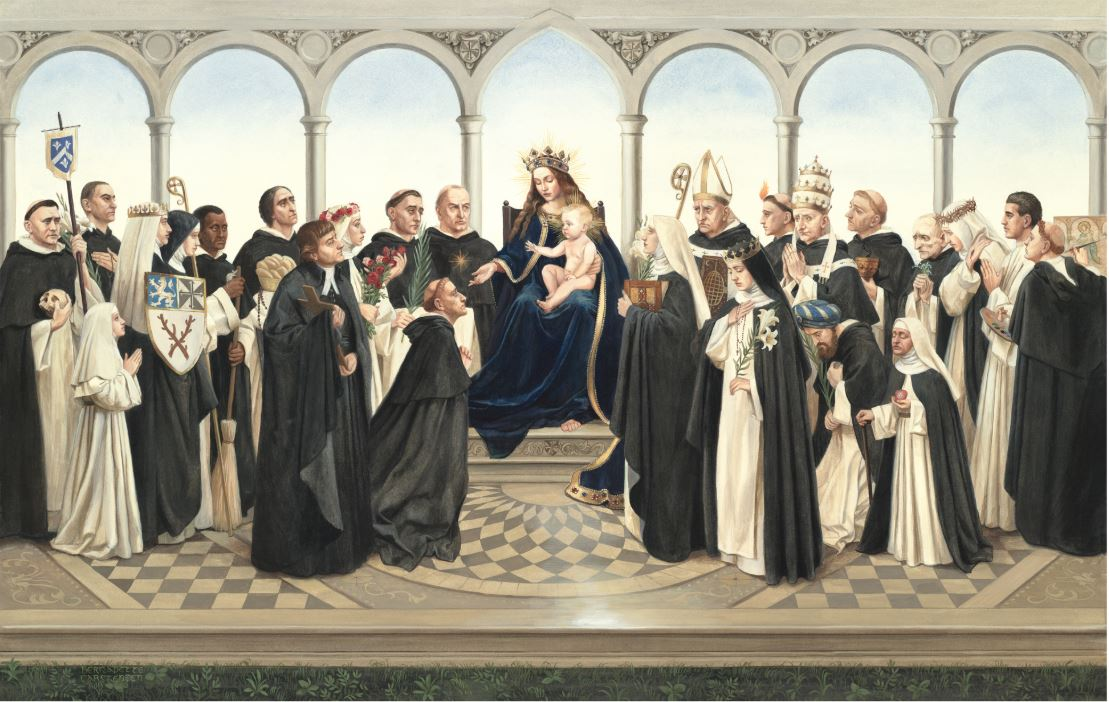
The Feast of All Saints of the Order of Preachers: “Fountain of all holiness, You stirred up in our holy brothers and sisters an extraordinary love of truth, conformity to Christ Crucified and a thirst for the salvation of souls: may we imitate them in offering You thanksgiving on account of the way of life they gave us.” — From the Intercessions at Lauds for the Feast of All Saints of the Order of Preachers. HERE: https://anastpaul.com/2019/11/07/thought-for-the-day-7-november-feast-of-all-dominican-saints/
St Achillas (Died 313) Bishop of Alexandria, Egypt, Confessor, Scholar particularly in Philosophy and Theology. Bishop St Theonas had Ordained him to the Priesthood and appointed Achillas as the Head of the Catechetical School of Alexandria upon the departure of St Pierius, for Rome, who we celebrated on 4 November. Born in Alexandria, Egypt and died there in 313 of natural causes. The Roman Martyrology states of him today: “At Alexandria, blessed Achillas, a Bishop renowned for erudition, faith and purity of life.” His Holy Life: https://anastpaul.com/2023/11/07/saint-of-the-day-7-november-saint-achillas-died-313-bishop-confessor/
St Amarand St Amaranthus
Blessed Anthony Baldinucci SJ (1665-1717) Priest of the Society of Jesus, Preacher, Writer and Missionary. Fr Baldinucci was Beatified by Pope Leo XIII on 25 March 1893. His Zealous Life: tps://anastpaul.wordpress.com/2017/11/07/saint-of-the-day-blessed-anthony-baldinucci-s-j-1665-1717/
St Athenodorus of Neo-Caesarea St Auctus of Amphipolis St Baud of Tours St Blinlivet St Congar
St Gebetrude A(Died c680)bbess of Remiremont St Herculanus of Perugia St Hesychius of Mytilene St Hieron of Mytilene Bl Hyacinth Castañeda Puchasons St Lazarus the Stylite
St Nicander of Mytilene Bl Peter Ou St Prosdocimus (2nd Century) Bishop and Confessor of Padua St Prosdocimus of Rieti St Raverranus of Séez St Rufus Bishop and Confessor of Metz St Taurion of Amphipolis St Thessalonica of Amphipolis St Tremorus of Brittany
Saint of the Day – 6 November – St Severus (Died c633) Bishop and Martyr of Barcelona, Spain. Patronage – of Barcelona. Also known as – Severo.
The Roman Martyrology reads today: “At Barce;ona, St Severus, Bishop and Martyr, who had his head pierced with a nail and thus received the crown of Martyrdom for the Faith.”
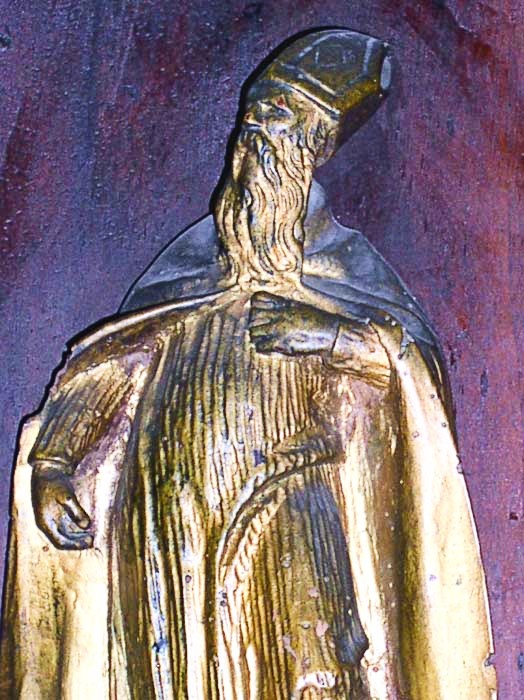
St Severus Statue in Barcelona
Severus, Bishop of Barcelona, was mentioned in 633. In some cases, he is considered the 11th Bishop of the Diocese, although his existence as a Bishop and Martyr is shrouded in doubt.
A ‘Passio’ dating to the 13th-14th Century is extant. This text, states that Severus was Martyred during the persecution of Diocletian and Maximian. The period of this persecution, however, does not correspond to the period in which Saint Severus was mentioned as the Bishop of Barcelona.
However, the tale states that Saint Severus, urged to worship idols, managed to escape. When a Christian named Emeterio, accused of concealing his escape, was captured, Severus then presented himself voluntarily to the Governor. Imprisoned, he was tortured along with four Clerics accompanying him.
All six received the Crown of Martyrdom and the locals buried them in the village Church.
Our only verified information regarding our Saint is that he is mentioned as the Bishop of Barcelona om around 633. His first mention occurs in the 17th Century and later in the Roman Martyrology. His Feast is celebrated in Barcelona, on 9 August, the date of the translation of his Relics in 1405.
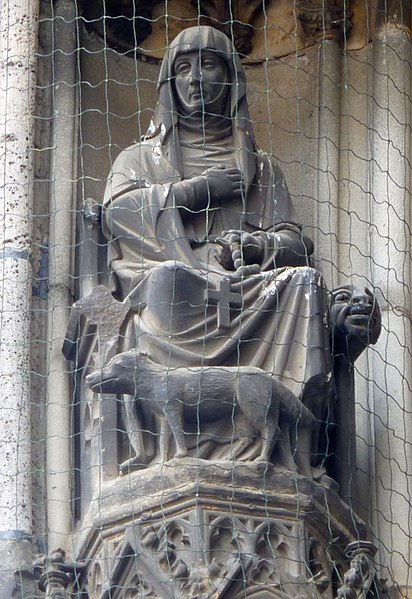
Statue of Blessed Christina von Stommeln (northern portal Cologne Cathedral)
St Demetrian of Cyprus St Edwen of Northumbria St Efflam of Brittany St Emilian of Faenza St Erlafrid of Hirschau St Felix (6th Century) Abbot of Fondi Monastery St Felix of Genoa St Felix of Thynissa St Illtyd
St Melaine (Died c535) Bishop of Rennes in Brittany, France, Confessor, previously a Monk and Abbot, Royal Advisor, Miracle-worker. The Roman Martyrology reds: “At Rennes, in France, St Melanius, Bishop and Confessor, who displayed innumerable virtues and with his thoughts ever fixed on Heaven, passed from the world in glory.” His Life of Holiness: https://anastpaul.com/2023/11/06/saint-of-the-day-6-november-saint-melaine-of-rennes-died-c535-bishop-confessor/
St Paul of Constantinople St Pinnock St Protasius of Lausanne St Severus (Died c633) Bishop and Martyr of Barcelona St Simon of Aulne St Stephen of Apt St Theobald of Dorat St Valentine of Genoa
Martyrs of Antioch – 10 Saints: Ten Christians murdered together by Arabs after their seizure of Antioch, Syria. No names or other details about them have come down to us. 637 in Antioch, Syria.
Martyrs of Gaza – 9 Saints: A group of Christian soldiers who were captured by Saracens invading the area of Gaza in Palestine. When the men continued to profess their Christianity, they were executed. We know the names of some of the Martyrs – Himerius, John (2 of them), Kallinikos (Callinoco), Paul, Peter, Stephen and Theodore (2 of them). They were beheaded in Gaza, Palestine.
Saint of the Day – 5 November – Saint Laetus (Died 534) Priest and Confessor of Orleans, France, Monk, Monk, Hermit, Miracle-worker. Whilst still a Monk, Laetus was a spiritual guide to St Leonard of Noblac, who was a fellow Monk. Born in the region of Berry, France and died in 534 in the forest of Orléan. Patronage – of the sick. Also known as – Lie, Lié, Lyé, Leto, Lieto. Additional Feast – 2 January in Mohon, in the Ardennes.
The Roman Martyrology reads today: “At Orleans, in France, St Laetus, Priest, Confessor.”
Statue of St Laetus at Ville-Dommange
Born of a family in Berry, France sometime during the reign of Chlothar I, his name suggests a Gallo-Roman background. Small of stature,, he was a peasant herdsman, who embraced the monastic life at the age of 12. He spent some time at the Monastery of Micy-Saint Mesmin, near Orléans, where he was welcomed by the Abbot Treïcius, who Ordained him a Deacon and then a Priest. While at Micy, Lié provided direction to fellow Monk and Saint Leonard of Noblac (c496-559).
After a few years, Laetus left the Monastery in search of greater solitude. He headed north and stopped on the edge of the Loges Forest (Forest of Orleans), not far from a clearing where poor woodcutters were felling oaks. There, having found a dense thicket where no sound entered, he built himself a hut and there, spent his days in prayer, living only on wild fruits.
Laetus only left this solitude to visit the sick, to comfort them with a few holy words and to soften the bitterness of the last passage. The blind, the lame, the crippled came to meet him and more than once obtained cures through his intercessary prayer. He was greatly loved by all, especially the sick and hopeless. Laetus was viewed an example to all for his humility. .He lived there until the year 534, which he predicted would be the year of his entry into eternal beatitude. He was buried in the place where he had lived and, on his Tomb, a Chapel was erected.
His body was later brought by Ermentheus, the Bishop of Orleans, to the Church of Pithiviers. They burnt by the Huguenots in 1580. However, there were stille fragments of his legs preserved by Christians of Pithiviers. In 1664, they were returned to the Village of Saint-Lyé after many adventures. They now rest in a Reliquary placed at the foot of the Altar dedicated to him. On Pentecost Monday, many pilgrims would come to venerate St Laetus and ask for the cure of their infirmities.
In 1523 a Brotherhood dedicated to venerating Saint Laetus was founded at Mohon, in the Ardennes. The Brotherhood in 1611, having obtained an Indulgence from Pope Paul V, the dedication of the local Church was changed from that of Saint Gilles to Saint Laetus. Some of his Relics were transported to the Église Saint-Lié de Mohon, probably around 1683. There he is celebrated on 2 January.
Saint Laetus is depicted on a pillar of the south porch of Chartres Cathedral. There are numerous Churches, places, Villages names for our Saint in many regions of France.
The Feast of the Holy Relics: https://anastpaul.com/2022/11/05/feast-of-the-holy-relics-5-november-2/ AND: About: https://anastpaul.wordpress.com/2017/11/05/feast-of-the-holy-relics-5-november/ Protestantism pretends to regard the veneration which the Church pays to the Relics of the Saints, as a sin and contends that this pious practice is a remnant of paganism. The Council of Trent, on the contrary, has decided that the bodies of the Martyrs and other Saints, who were living members of Jesus Christ and temples of the Holy Ghost, are to be honoured by the faithful. This decision was based upon the established usage of the earliest days of the Church and upon the teaching of the Fathers and of the Councils. The Council orders, however, that all abuse of this devotion is to be careffully avoided and forbids any Relics to be exposed which have not been approved by the Bishops and, these Prelates are recommended, to instruct the people faithfully, in the teaching of the Church on this subject. While we regret, then, the errors of the impious and of heretics, let us profit by the advantages which we gain, by hearkening to the Voice of the Church!
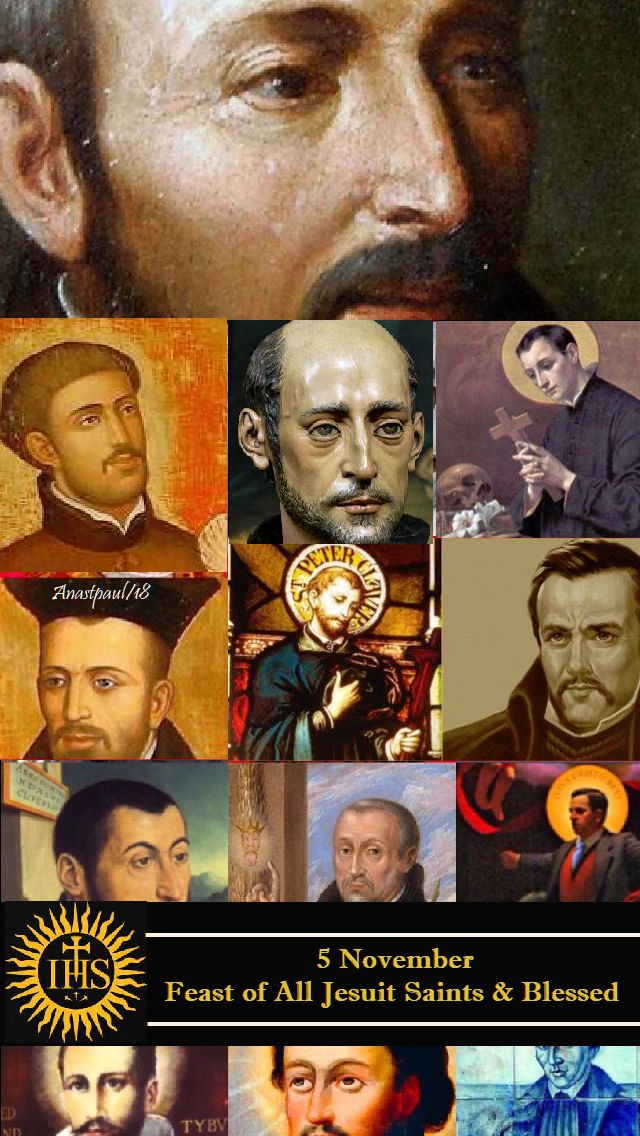
All Saints and Blesseds of the Society of Jesus: The Society of Jesus, commonly known as the Jesuits, was Founded in 1534 by Saint Ignatius Loyola (1491-1556) at Montmartre, Paris, France. A body of clerics regular organised for Apostolic work, following a religious rule and relying on alms for their support. It was the chief instrument of the Catholic Reformation. Pope Paul III approved the new rule in 1540 and Ignatius was elected the first general of the order in 1541. The constitutions, drafted by him and based on his Spiritual Exercises were adopted in 1558. It was the first order which enjoined by its constitutions devotion to the cause of education. The ministry of the Society consists chiefly in preaching. teaching catechism. administering the sacraments. conducting missions in parishes, taking care of parishes. organising pious confraternities, teaching in schools of every grade, writing books, pamphlets, periodical articles, going on foreign missions and special missions when ordered by the current Holy Father, to whom they take a vow of total obedience. Our current Holy Father, Pope Francis is a Jesuit and has jokingly wondered aloud who is boss of whom in his Order. The general resides at Rome, Italy and has a council of assistants. The motto of the Society is Ad Majorem Dei Gloriam (For the greater glory of God). All Jesuit Saints and Blesseds: https://anastpaul.com/2018/11/05/feast-of-all-the-saints-and-blesseds-of-the-society-of-jesus/
St Canonica St Comasia St Dominator of Brescia +St Elizabeth (1st Century) Mother of St John the Baptist St Domninus the Physician St Epistemis St Eusebius of Terracina St Felix of Terracina St Fibitius St Galation
St Gerald OSA (1070–1123) Bishopof Béziers from 1121 until the day of his death, Canon Regular of St Augustine and the 2nd Prior of the community at Cassan Abbey, Apostle of the poor and sick, Gerald built a Hospital and restored and extended the Abbey, Miracle-worker. Born around 1070 in Puissalicon and died on 5 November 1123 in Béziers in France of natural causes. Patronages – Puissalicon and the town of Saint-Guiraud and of children suffering from eye diseases. His Life of Love: https://anastpaul.com/2023/11/05/saint-of-the-day-5-november-saint-gerald-of-beziers-osa-1070-1123-bishop/
Bl Gomidas Keumurjian Bl Gregory Lakota St Guetnoco St Hermenegild St Idda St Juan Antoni Burró Mas St Juan Duarte Martín St Kanten St Kea St Laetus (Died 534) Priest and Confessor of Orleans St Magnus of Milan St Mamete St Marco of Troia St Spinulus of Moyen-Moûtier St Sylvanus of Syria
Martyrs of Caesarea Maritima – 4 Saints: Four young Christian men who were Martyred together is the persecutions of Maximian – Aussenzius, Philotheus, Timothy and Theotimus. They were martyred in the arena at Caesarea Maritima, Palestine.
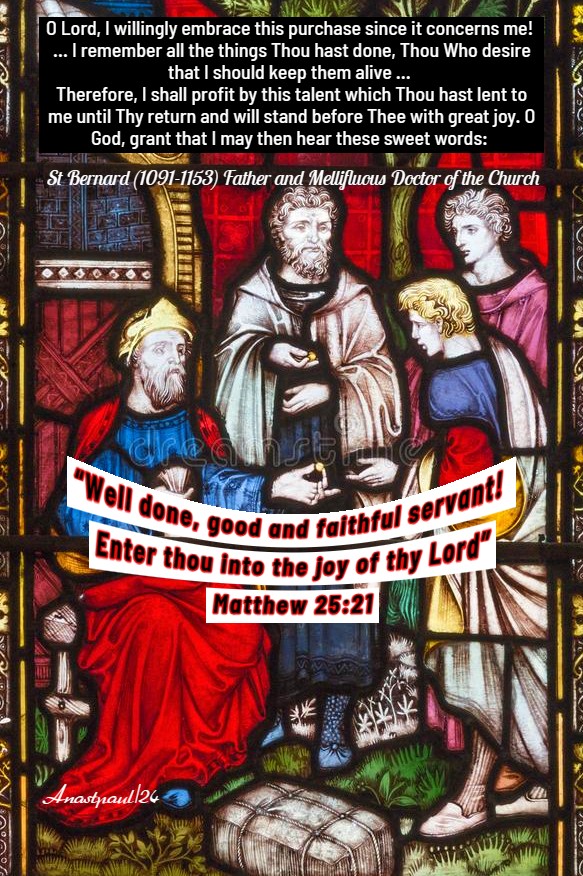
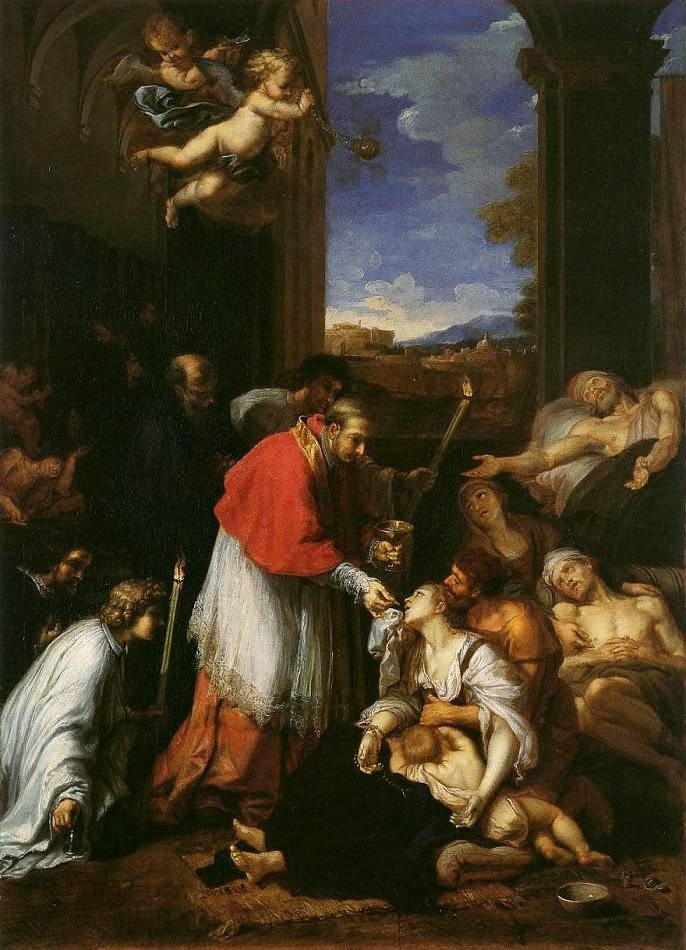
One Minute Reflection – 4 Novemer – “The Month of The Holy Souls in Purgatory” – Saint Charles Borromeo (1538-1584) – Sirach 44:16-27; 45:3-20 – Matthew 25:14-23 – Scripture search here: https://www.drbo.org/
“Well done, good and faithful servant … Enter thou into the joy of thy Lord.”- Matthew 25:21
REFLECTION – “The Word of the Father, Only-begotten Son of God, Sun of Justice (Mal 3:20), is the great Merchant Who has brought us the price of our redemption. It is a truly precious exchange which we can never value sufficiently, when a King, Son of the King Most High, has become the Coin, the Gold has paid our dues, the Just Man is given for the sinner. Truly unmerited mercy, perfectly disinterested love, astonishing goodness …, it is a completely disproportionate purchase, in which the Son of God is delivered up for the servant, the Creator is put to death for the one He has created, the Lord is condemned for His slave.
O Christ, these are Thine Works, Thou Who descended from Heaven’s brightness into our hellish darkness, to bring Light to our gloomy prison. Thou came down from the Right Hand of the Divine Majesty, into our human misery, to redeem the human race, Thou Who descended from the Father’s glory, to death on the Cross, to triumph over death and its author. Thou art the only One and there is no other but Thee Who could have been drawn to redeem us through Thine Own Goodness…
Let all the merchants of Teman (Bar 3:23) withdraw from this place … it is not they but Israel [Thy] beloved whom [Thou hast] chosen, Thou Who hide these mysteries from the wise and prudent and have revealed them to those babes and humble servants of Thine (Lk 10:21) … O Lord, I willingly embrace this purchase since it concerns me!… I remember all the things Thou hast done, Thou Who desire that I should keep them alive … Therefore, I shall profit by this talent which Thou hast lent to me until Thy return and will stand before Thee with great joy. O God, grant that I may then hear these sweet words: “Well done, good and faithful servant! Enter thou into the joy of thy Lord” (Mt 25:21).” – St Bernard O.Cist. (1091-1153) Cistercian Monk, known as the Last Father and the Mellifluous Doctor of the Church (Selected sermons, no 42: The Five Purchases).
PRAYER – Safeguard Thy Church, O Lord, under the continual protection of St Charles, Thy Confessor and Bishop, so that just as his concern for his flock made him glorious, so his intercession may make us ever fervent in loving Thee. Through Jesus Christ, Thy Son our Lord, Who lives and reigns with Thee, in the unity of the Holy Ghost, God, world without end. Amen (Collect).
Saint of the Day – 4 November – Saint Modesta (Died c680) Virgin of Trier, Abbess of the Monastery of Ohren in Trier founded by her uncle St Modoald. Also known as – Modesta of Ohren, … of Trier (formerly Treves).
The Roman Martyrology reads today: “At Treves, St Modesta, Virgin.”
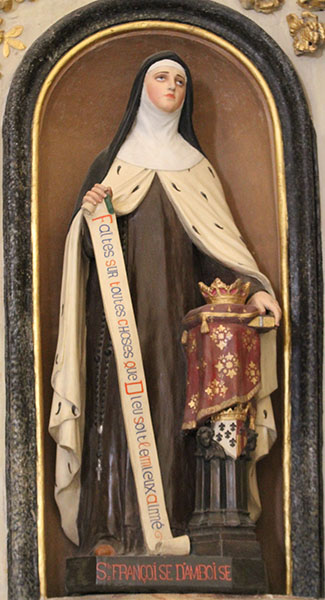
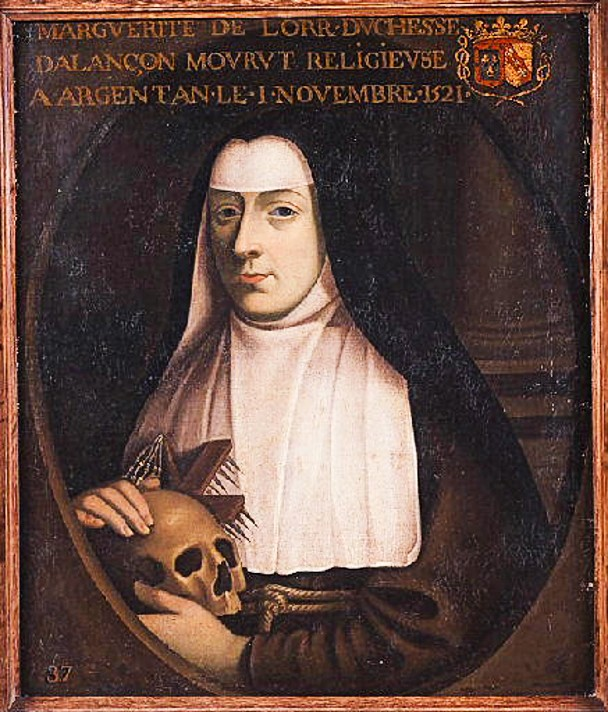
Beata Francisca de Amboise – Iglesia de San Patern – Vannes – Fr
Modesta was the niece of St Itta and, therefore, a cousin of St Gertrude (626–659). Modesta became a Benedictine Nun and was appointed the 1st Abbess, by Saint Modoald, her uncle and the Bishop of Trier, for the Convent of Ohren, situate in Trier.
The Abbey was built on the site of ancient Roman granaries still remaining on the site. It was later dedicated to the Patronage of Saint Irmina of Ohren, the Abbey’s 2nd Abbess.
Modesta died on 4 November of a year towards the end of the 7th Century and her body was venerated ind in 1769 in the Church of the Abbey of St.Irmina in Öhren. In 1770, the Church was destroyed and rebuilt, but no altar was dedicated to the Saint. According to local believers, her Relics were transferred to the Church of St Matthias, where they rest among the bones of many Saints.
Her cult has been documented since at least the 9th Century and her name appears among the virgins in the Litanies of the Saints, calendars and Liturgical books of Trier and Utrecht.
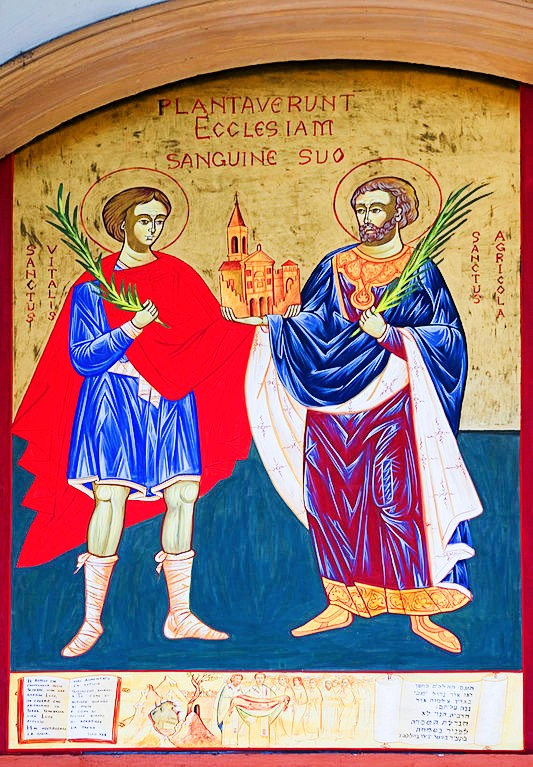
St Vitalis (Died c 304) Martyr and St Agricola (Died c 304) Latmen Martyrs. Martyrs, Laymen. They died in c 304 in Bologna, Italy in the persecution of Diocletian. Patronage – Bologna. The Roman Martyrology reads: “In Bologna, Saints Vitalis and Agricola, Martyrs, of whom, according to what Saint Ambrose recounts, the first was first a slave to the other, then a companion in Martyrdom: Vitalis, in fact, suffered such torments that there was no longer any part of his body without wound. Agricola, not at all terrified by the torture of his slave, imitated him in Martyrdom by undergoing crucifixion.” Their Lives and Deaths: https://anastpaul.com/2022/11/04/saints-of-the-day-4-november-st-vitalis-died-c-304-and-st-agricola-died-c-304-martyrs/
Bl Frances d’Amboise St Gerard de Bazonches St Gregory of Burtscheid Bl Helen Enselmini Bl Henry of Zweifalten St Hermas of Myra St Joannicus of Mount Olympus St John Zedazneli St Modesta (Died c680) Virgin of Trier Virgin St Nicander of Lycia St Patrobas St Perpète St Philologus
St Pierius (Died c309) Priest, Co-Director of the Catechetical School of Alexandria, Scholar, renowned Preacher and Exegetical Writer.. He died in Rome in c309 of natural causes which St Jerome assures us of. The Roman Martyrology reads today: “The birthday of St Pierius, Priest of Alexandria, who, being deeply versed in the Sacred Scriptures, leading a very pure life and freed from all impediments in order to apply to Christian philosophy, taught the people with great renown and published various treatise, under the Emperors Carus and Diocletian, when St Theonas governed the Church of Alexandria. After the persecutions, he spent the remainder of his life at Rome, where he rested in peace in the Lord.” His Life of Grace: https://anastpaul.com/2023/11/04/saint-of-the-day-4-november-st-pierius-died-c309-priest-confessor/
Saint of the Day – 3 November – Saint Pirminus (c690-753) Missionary Bishop on the Upper Rhine in Germany, Abbot, Founder of Monasteries, Reformer, Miracle-worker, Born in around 690 in Ireland or in Narbonne or in Paris, France and died on 3 November in 753 in Hornbach, Germany. Patronages – against eye ailments, against plague/epidemics, against poisoning, against rheumatism, against snake bites, against vermin, for happy birth, of livestock; in Austria – Innsbruck; in France – Alsace; in Germany – Amorbach, Monsheim, Palatinate, Pirmasens, Reichenau Island, Speyer, Diocese (with St Bernard). Also known as – Pirmin, Pirminius.
The Roman Martyrology reads today: “The departure from this life of St Pirminus, Bishop of Meaux.”
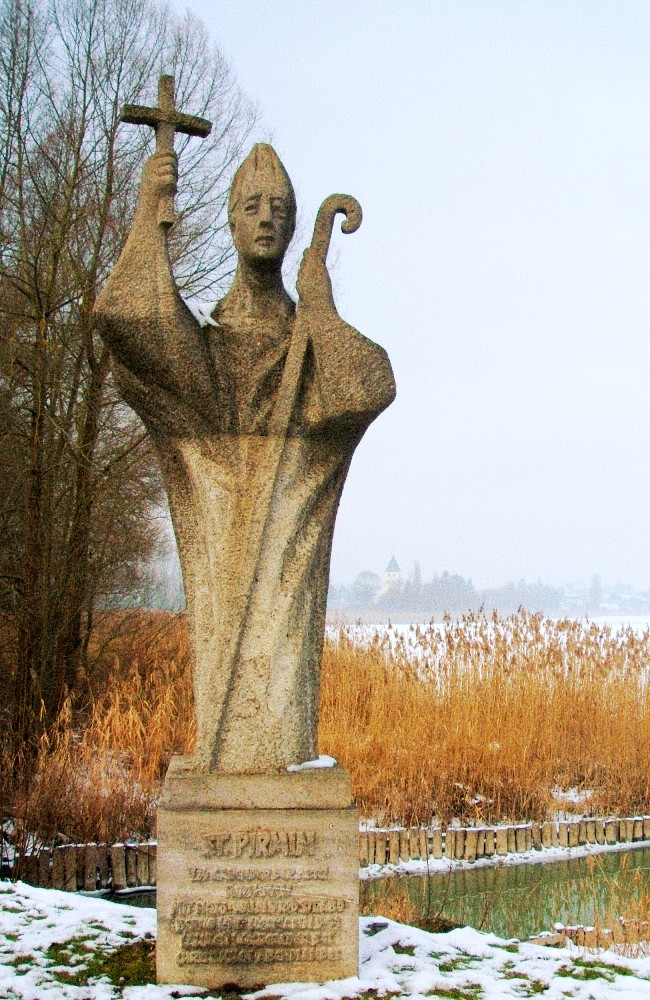
St Pirminus Statue in the Murbach Monastery
Pirminus is described in various sources, as a Visigoth, an Irish Scot, or of Roman origin. He was Consecrated as an itinerant Bishop around 720 – possibly in Meaux in France – and sent on a mission to north-western France and the Upper Rhine region.
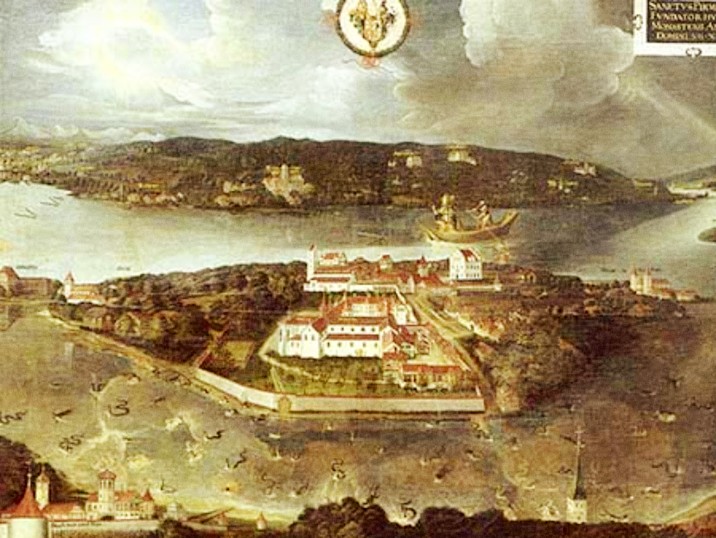
Arrival of Saint Pirmin on the Island of Reichenau
He maintained good relations with the Frankish Mayor of the Palace, Charles Martel, who, in 724, placed him under his protection and founded numerous Monasteries, including probably Pfungen near Winterthur and certainly the Mittelzell Monastery on the Lake Constance Island of Reichenau. All the crawling creatures which damaged the Island are said to have fallen into the water upon his arrival and thus disappeared. According to tradition, Pirminus remained on Reichenau until 726 and was then expelled by Duke Theobald.
Pirminus then went to Alsace to continue his work there. Here he was active in the Carolingian territory. In 727, he founded what was then Murbach Abbey and was able to realise his ideas there, that is, monastic life based on the Benedictine Rule, understood as a permanent pilgrimage without worldly ties and the Abbey’s freedom from the local Bishop, led by its own Abbot. Pirminus held this office in Murbach. The founding of the Monasteries in Neuweiler (present-day Neuwiller-lès-Saverne ) , Schwarzach in Rheinmünster in Baden and Pfäfers near Chur, are also attributed to Pirminus. According to local tradition, he lived for a time in the cave near Winterthur which was later named after him.
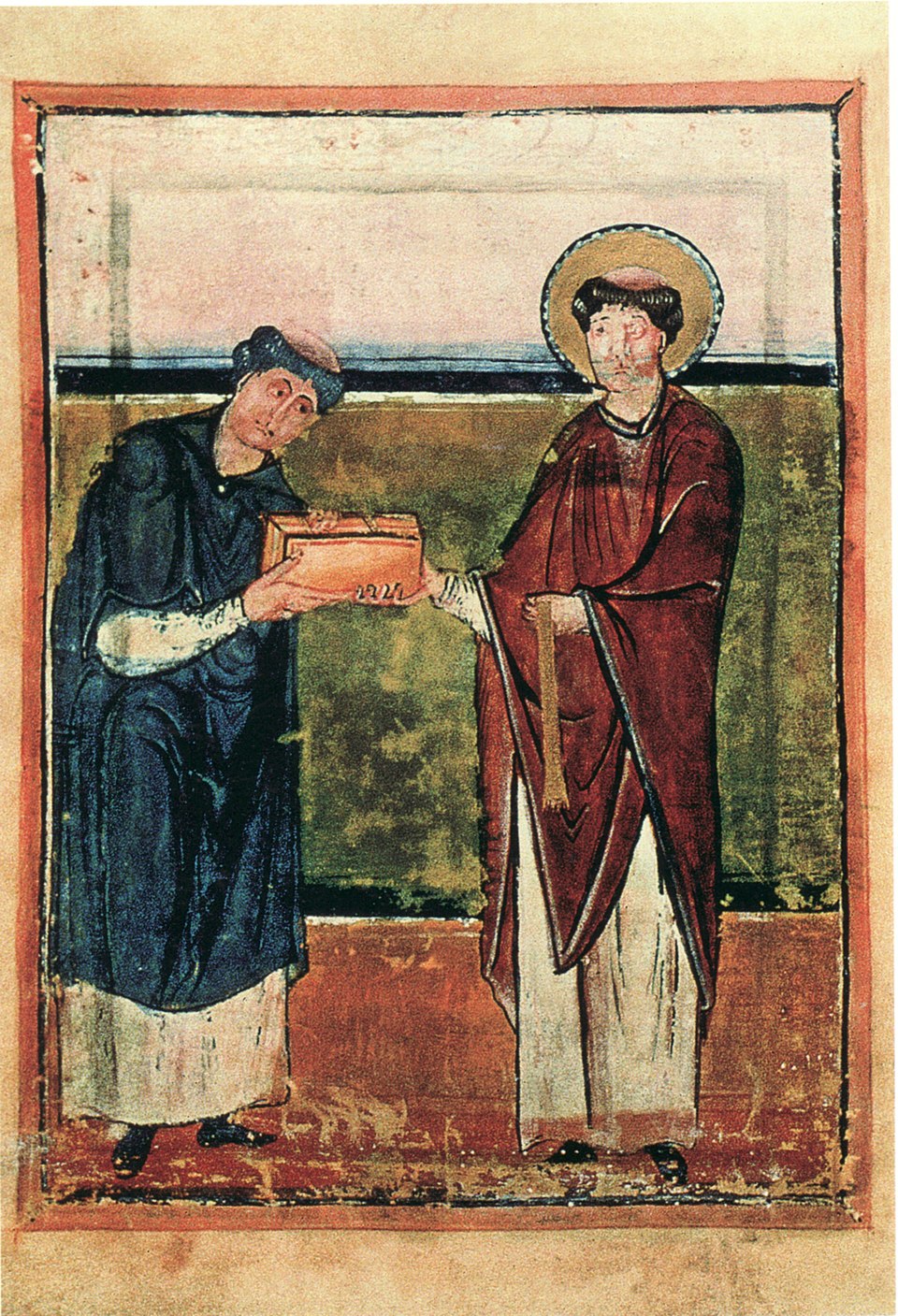
Illustration from the Hornbach Sacramentary: Abbot Adalbert of Hornbach presents the manuscript to his Patron Saint, St Pirminus
According to 9th and 12th Century traditions, Pirminus founded the Monastery in Gengenbach with the support of the Frankish nobleman Ruthard. By 820, it was the largest Monastery in the region and an Imperial Abbey. He is said to have introduced the Benedictine Rule at the Monastery in Schuttern, thus initiating its flourishing. The Monastery of Amorbach in the Odenwald may also indeed, have originated by our Saint Pirminus. In around 742, Pirminus founded the Monastery in Hornbach in the Palatinate on a hill where a Roman sanctuary had likely previously stood. He reformed the Monasteries in Weißenburg /Wissembourg and Maursmünster Marmoutier in Alsace which had been founded in the 5th/6th Centuries and, in 741 he sent Monks from Mittelzell to found Niederaltaich Abbey.
St Pirminus Relics at Speyer Cathedral
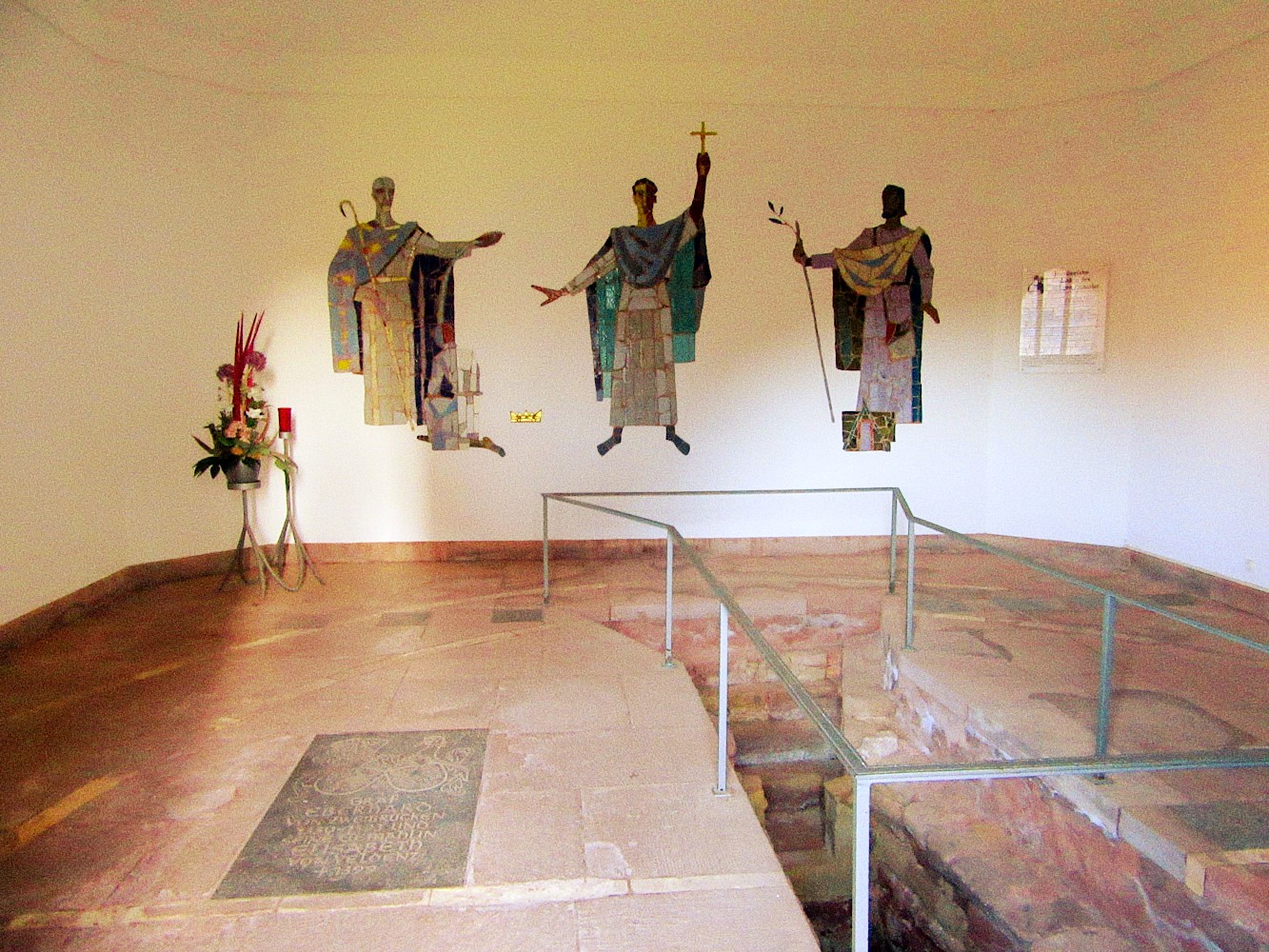
Pirminus died in his Monastery in Hornbach. As early as the end of the 8th Century, he was referred to as a Saint in a manuscript from Metz . After 814, Abbot Wyerund of Hornbach Monastery had Pirminus’ remains exhumed and interred in the Church he had recently built. In 827, Pirminus was first mentioned as the Church’s Patron Saint, and Hrabanus Maurus wrote a Tomb Inscription. The Tomb was excavated in 1953 and, in 1957, the present Chapel was built over it.
St Pirminus Grave built in 1957
“The first recorded version of the Apostles’ Creed, as it is known today, is found in the Treatise De singulis libris canonicis scarapsus (Excerpt from the Unique Canonical Books), most possibly written by St Pirminus. In it, he describes how the Apostles were gathered at Pentecost, the Holy Ghost descended upon them and they then began to speak in turn: Peter : I believe in God, the Father Almighty, Creator of Heaven and earth. John : And in Jesus Christ, His only Son, our Lord. James said: He was conceived by the Holy Ghost and born of the Virgin Mary. Andrew said: He suffered under Pontius Pilate, was Crucified, Died and was buried. Philip said: He descended into Hades. Thomas said: On the third day He Rose from the dead. Bartholomew said: He Ascended into Heaven and was seated at the Right Hand of God the Father Almighty. Matthew said: From thence He shall come to judge the living and the dead. James, the son of Alpheus, said: I believe in the Holy Ghost. Simon the Zealot said: And the Holy Catholic Church. Jude, the son of James, said: In the communion of the Saints and the forgiveness of sins. Likewise, Thomas said [he spoke a second time]: In the Resurrection of the body and eternal life.”
All Souls Day – (Will be celebrated tomorrow) The Commemoration of All the Faithful Departed: Commemoration of the faithful departed in Purgatory. Abbot Odilo of Cluny instituted it in the Monasteries of his congregation in 998, other religious orders took up the observance and it was adopted by various Diocese and gradually by the whole Church. The Office of the Dead must be recited by the clergy on this day and Pope Benedict XV granted to all Priests, the privilege of saying three Masses of requiem – one for the souls in Purgatory one for the intention of the Holy Father one for the Priest’s intentions If the feast should fall on Sunday it is kept on 3 November. Patronage: Monselice, Italy HERE: https://anastpaul.com/2018/11/02/commemoration-of-all-souls-day-2-november/ AND: https://anastpaul.wordpress.com/2017/11/02/the-commemoration-of-all-the-holy-souls-in-purgatory-2-november/
St Ambrose of Agaune St Ambrose of Agaune St Amicus of Fonte Avellana St Amicus of Rambone St Baya of Scotland St Domninus of Grenoble St Erc of Slane St Eustochium of Tarsus St George of Vienne
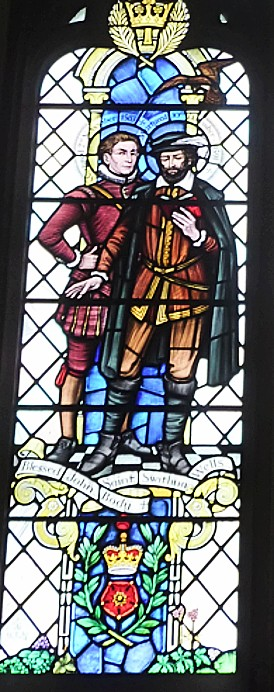
Blessed John Bodey (1549-1583) Layman, Martyr, Husband and Schoolmaster. Born in 1549 at Wells, Somerset, England and died on 2 November 1583 at Andover, England by being hanged, drawn and quartered for the crime of being a Catholic and refusing to accept Elizabeth I, Queen of England, as the Head of the Church. Blessed John was Beatified on 15 December 1929 together with Blessed John Slade (feast day 30 October), by Pope Pius XI. His Life and Death: https://anastpaul.com/2023/11/02/saint-of-the-day-2-november-blessed-john-bodey-1549-1583-layman-martyr/
Bl John Bodey left and St Swithun Wells, right at Winchester Catholic Cathedral
St Jorandus of Kergrist St Justus of Trieste St Marcian (4th Century) Confessor
St Theodotus (c260–c335) Bishop of Laodicea(in modern Turkey), Philosopher, possibly a Physician, Theologian. He initially defended the Arians but after being provisionally excommunicated, he repented his stance and became a defender of orthodoxy. The Roman Martyrology reads today: “At Laodicea in Syria, St Theodotus, a Bishop, powerful in words and adorned with good works and virtues.” His Life of Service: https://anastpaul.com/2024/11/02/saint-of-the-day-2-november-saint-theodotus-c260-c335-bishop/
Martyrs of Isfahan – 5+ Saints: Acindynus, Pegasius and Anempodistus were Persian priests who were imprisoned, tortured, interrogated and Martyred in the persecutions of king Sapor II of Persia; he considered any Christian to be a Roman spy and anti-Persian.
Martyrs of Sebaste – 10 Saints: A group of ten soldiers in the imperial Roman army of Emperor Licinius Licinianus who were executed together for refusing to burn incense as a sacrifice to the emperor. The only details that have survived are five of their names – Agapius, Cartherius, Eudoxius, Styriacus and Tobias. They were burned at the stake in 315 in Sebaste
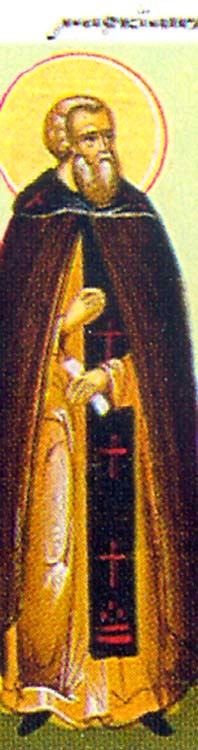
Saint of the Day – 2 November – Saint Marcian (4th Century) Confessor, Hermit, Penitent, Mystic, Ascetic, Born on an unknown date in Cyrrhus, Syria and died in c387 at his desert hermitage there. Also known as – Marcian of Chalcis or Cyrus or Syria, Marcianus, Martianus, Markianos.
The Roman Martyrology reads today: “At Cyrus, in Syria, St Marcian, Confessor.”
Marcian lived in a desert in Asia Minor. He was fortunate to be remembered by an exceptional writer, St Theodoret, the Bishop of Cyrus, who, in 423, wrote a “History of the Monks” giving considerable prominence to our Marcian, who had been born in Cyrus and, therefore, a source of glory for that City.
Naturally, Theodoret also speaks of the desert cell, where there was room for only one person; he praises Marcian’s spirit of penance; he extols his supernatural gifts and mystical charism; he describes the Hermit’s ascetic life and recalls the admiration he was surrounded by in the desert. He also has the merit, rare among biographers of such figures, of recording the sayings of the wise solitary.
Once, for example, five Bishops came to visit Marcian to question him, or as we would say today, to interview him. They gathered around him, sitting, waiting for his first response which, however, did not come. Silent and motionless among those Bishops, old Marcian looked like a tree trunk, dark and wrinkled.
His interviewers, however, had not come to him because they were driven by curiosity or excited by the novelty. They made him understand that his silence could be a sign of humility but too, a lack of charity. Marcian then spoke: “The Lord of the universe, continually speaks to us through creation; He instructs us through the Sacred Scriptures; He teaches us what we must do, frightening us with the threat of punishment and spurring us on with the promise of Divine rewards. What could Marcian add to all this? Marcian who, like the others, neither listens to his God nor follows His holy counsels?”
Another day, he was visited by a Hermit who lived in the same desert. Marcian offered him something to eat. The Hermit was scandalised. And the Saint then spoke, to re-establish what we would call the hierarchy of values. “Fasting, must not be esteemed more than food. Instead, we must esteem charity above all else. Charity is commanded to us by the Lord and is pleasing to Him. Fasting, however, depends on our own choice. There is no doubt, we must honour God’s Commandment more than our own austerity.”
Despite this, he was austere. He fasted voluntarily and willingly; he disciplined and mortified himself but he did not make these things the purpose of his life. Man’s sole purpose is, in fact, charity, even if he dwells in the desert, far from men and the world. Without charity, says St. Paul, we are nothing but clanging cymbals; all of us, even if we are Hermits in the desert!
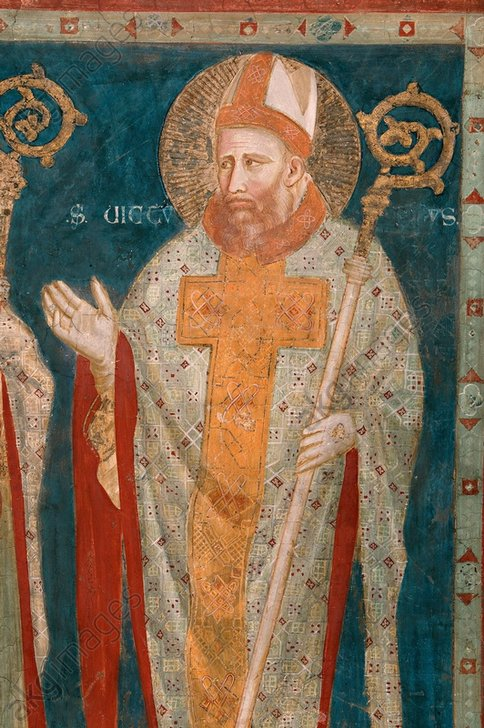
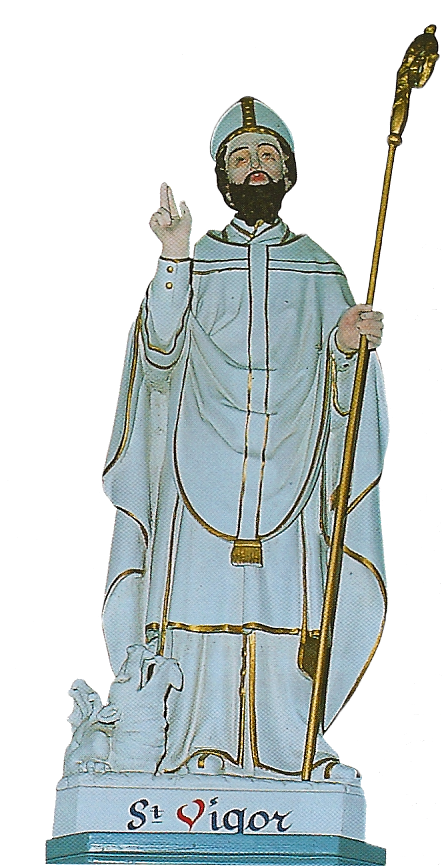
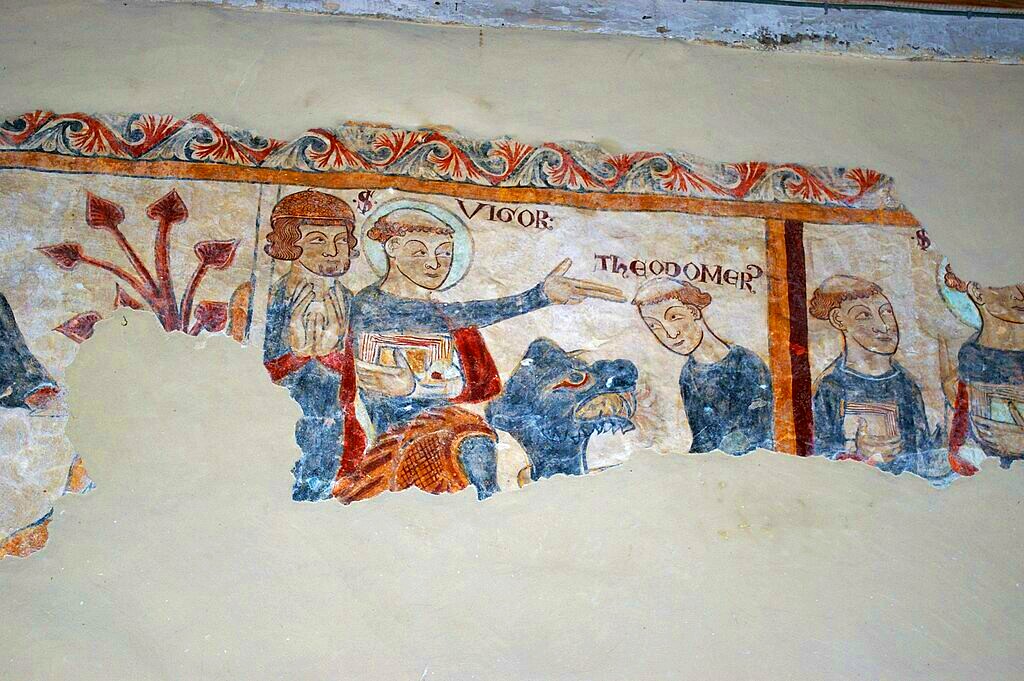
Saint of the Day – 1 November – Saint Vigor (Died c537) Bishop of Bayeux for 27 years from from 511 until his death in around 537/538. Originally from Artois, in north western France, he knew and became a disciple of Saint Vaast, the Bishop of Arras, was educated by him and developed his vocation under the care of St Vaast. St Vaast’s influence was instrumental in the conversion of Clovis . Vigor passed on this dynamism and evangelical strength to his Diocese. Also known as – Vigeur, Vigile, Vigorus.
The Roman Martyrology reads today: “At Bayeux, St Vigor, Bishop in the time of Childebert I, King of the Franks.”
Statue at the Saint-Vigor Church in Saint-Vigor-des-Monts .
According to a brief Vita written in Latin in the 8th Century, Vigor was educated in Arras by Saint Vaast, thus maturing his vocation of the Priesthood.
Fearing his father’s disapproval, he then drew inspiration from the concept of monastic missionary journeys which was very popular at the time and fled with a companion, hiding in the Village of Ravière, near Bayeux. Despite their clandestine status, the two evangelised, preached and educated the local population.
After receiving the Priestly Ordination, Vigor greatly expanded the scope of his activity and finally becamethe Bishop of Bayeux in around 511. Discovering that many of the people were still pagans, he destroyed the stone idol they worshipped on a hill near the City and replaced it with a Church. The site was renamed ‘Hill of Unction.’ Count Bertulf, greatly enraged by the incident, attempted to reclaim the site but fell from his horse, breaking his neck. This incident was interpreted as Divine intervention in defence of the recently Consecrated site.
The holy Bishop finally died around 537 and was buried in the Monastery of Saint-Vigor-le-Grand which he had built in the area. The Relics were subsequently illegally sold to the Abbot of Saint-Riquier and his successor oversaw the publication of the Vita. In England, too, the Normans dedicated two or three Churches to our Saint Vigor’s memory.
The Holy Souls in Purgatory (due to having fallen on a Sunday) All Souls Day – The Commemoration of All the Faithful Departed: Commemoration of the faithful departed in Purgatory. Abbot Odilo of Cluny instituted it in the Monasteries of his congregation in 998, other religious orders took up the observance and it was adopted by various Diocese and gradually by the whole Church. The Office of the Dead must be recited by the clergy on this day and Pope Benedict XV granted to all Priests, the privilege of saying three Masses of requiem – one for the souls in Purgatory one for the intention of the Holy Father one for the Priest’s intentions If the feast should fall on Sunday it is kept on 3 November. Patronage: Monselice, Italy HERE: https://anastpaul.com/2018/11/02/commemoration-of-all-souls-day-2-november/ AND: https://anastpaul.wordpress.com/2017/11/02/the-commemoration-of-all-the-holy-souls-in-purgatory-2-november/
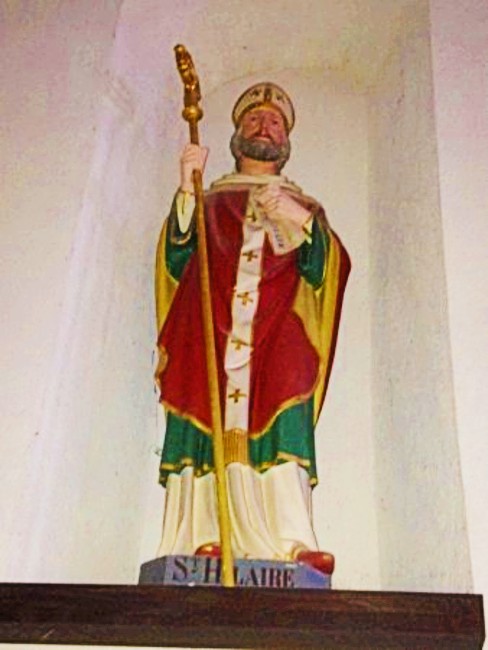
St Acepsimas St Acheric of Vosges Bl Alphais of Cudot Bl Berardo dei Marsi Bl Berchtold of Engelberg St Caesarius St Cecilio Manrique Arnáiz St Clydog St Cristiolus St Domnus (6th Century) Bishop and Confessor of Vienne St Elerius St Englatius St Florus of Lodeve St Gaudiosus of Tarazona St Germanus St Guenhael St Hermengaudius of Urgell St Hilary of Viterbo
Innumerable Martyrs of Saragossa: A large group of Christians martyred in Zaragoza, Spain by Dacian during the persecutions of Diocletian. Dacian ordered all Christians of the city into exile under pain of death; when they were assembled to leave, Dacian ordered imperial soldiers to massacre the lot of them. They were Martyred in 304.
DISCLAIMER: Please note: I cannot control the content of the Advertisements on this Site, or of pop-ups which may appear, The revenue from the Advertisements, however, does provide a little assistance in the support of the Site. I do apologise for any inappropriate content.
Saint of the Day – 31 October – St Stachys (1st Century) the 1st Bishop of Constantinople.
The Roman Martyrology reads today: “At Constantinople, St Stachys, Bishop, who was Consecrated as the first Bishop of that City by the blessed Apostle, Andrew.”
Stachys is a Greek name, meaning “ear of corn, or fruit.” He is mentioned in Romans 16:9: “Greet Urban and my dear Stachys.”
We know nothing else about him except the accounts handed down to us by the Greeks – the Apostle St Andrew Consecrated him as the first Bishop of Byzantium or Argyropolis. Stachys founded a Church at Argyropouli, and many people gathered there to hear him preach.
It is not clear if Stachys was the same person whom Paul calls “dear” in the Epistle to the Romans but he is always associated in traditions with five other disciples, (Ampliatus, Urban of Macedonia, Apelles of Heraklion, Aristobulus of Britannia and Narcissus of Athens) that are the very same names mentioned together with him by Paul in Romans 16:8–11.
Vigil of All Saints Day or All Hallow’s Eve: Eve of the Feast of All Hallows, that is, All Saints Day. Halloween is a day on which many quaint customs are revived. It is popular in the United States and Scotland and in the US has become the second largest secular holiday of the year.
St Lucilla of Rome Bl Maria de Requesens St Narcissus
St Quentin (Died c287 Martyr, Roman Senator, Missionary. Died in c287 after horrible torments he was finally beheaded. Patronages – against coughs, whooping courgh, colds, against dropsy, against sneezing, of bombardiers, of Chaplains, locksmiths, porters, surgeons, tailors, various Italian Towns. The Roman Martyrology reads today: “At Saint Quentin, in France, St Quentinus, a Roman citizen and Senator, who endured Martyrdom under the Emperor Maximian. By the revelation of an Angel, his body was found incorrupt after the lapse of 55 years.” Wonderful St Quentin: https://anastpaul.com/2024/10/31/saint-of-the-day-31-october-saint-quentin-died-c287-martyr/
St Wolfgang (c934 –994) “The Great Almoner,” Bishop of Regensburg , Monk, Missionary, Ascetic, Apostle of Charity. He is regarded as one of the three great German Saints of the 10th Century, the other two being Saint Ulrich and Saint Conrad of Constance. He was Canonised in 1052 by Pope Leo IX. St Wolfgang’s life: https://anastpaul.com/2019/10/31/saint-of-the-day-31-october-saint-wolfgang-of-regensburg-c-934-994/
Saint of the Day – 30 October – Saint Serapion (Died 211) Bishop of Antioch, Scholar and a learned Theologian. He served as the Bishop of Antioch from 191 until his death in 211. He is known through his theological writings, although sadly all but a few fragments of his works have perished.
The Roman Martyrology reads today: “At Antioch, St Serapion, a Bishop, very celebrated for his learning.”
St Serapion of Antioch in the Església de Sant Antoni Abat (València)
Serapion was considered one of the major Theologians of his day. St Eusebius of Caesarea (c260-339) refers to three of his works in his history but agrees that others probably existed – firstly, is a private letter addressed to Caricus and Pontius against Montanism, from which Eusebius quotes an extract (Historia ecclesiastica V 19), as well as proofs, showing that it was circulated amongst Bishops in Asia and Thrace; next is a work addressed to a certain Domninus, who in time of persecution abandoned Christianity for the error of ‘Jewish will-worship’ (Hist. Eccles, VI 12).
Lastly, St Eusebius quotes (vi 12:2) from a pamphlet Serapion wrote concerning the heretical Docetic teaching of Peter, in which Serapion presents an argument to the Christian community of Rhossus, in Syria, against this heresy and condemns it. He recalls the permission to read this apocryphal work given in ignorance of its true character and expresses his intention to visit the Church to strengthen them in the True Faith.
Eusebius also alludes to a number of personal letters Serapion wrote to Pontius, Caricus and others, about this heretical Docetic teaching.
Serapion also acted with the support of St Pantaenus against the influence of Gnosticism in Osroene, by consecrating Mari of Edessa as the Bishop of Edessa, where Mari addressed the increasingly Gnostic tendencies, the Syrian Bardesanes, was introducing to its Christian community. He Ordained St Pantaenus as a Priest or Bishop in Edessa.
Serapion was succeeded as the Bishop of Antioch by St Asclepiades (Eusebius Historia Ecclesiastica VI 11:4).
St Germanus (Died c541) Bishop of Capua, Italy, Confessor, Papal Legate. St Germanus was a close friend of St Benedict of Nursia. The Roman Martyrology states: St Germanus, Bishop and Confessor, a man of great sanctity, whose soul, at the hour of death, was seen by St Benedict taken to heaven by angels. His Life: https://anastpaul.com/2020/10/30/saint-of-the-day-30-october-saint-germanus-of-capua-died-c-541/
St Herbert of Tours
Blessed John Slade (Died 1583) Layman Martyr. Beatified on 15 December 1929 by Pope Pius XI. The Roman Martyrology: “At Winchester in England, blessed John Slade, Martyr, who was hanged on the gallows and cruelly disemboweled for having refused the power of Queen Elizabeth I in spiritual matters.” His Life and Death: https://anastpaul.com/2023/10/30/saint-of-the-day-30-october-blessed-john-slade-died-1583-layman-martyr/
St Maximus of Cumae St Nanterius of Saint-Mihiel Bl Raymond of Cardona St Saturninus of Cagliari St Serapion (Died 211) Bishop of Antioch St Talarica of Scotland Bl Terrence Albert O’Brien St Theonestus of Philippi (Died 425) Bishop, Martyr St Zenobia of Aegea St Zenobius of Aegea
Martyrs in Africa: A group of 100 to 200 Christians murdered in the early persecutions and about whom we know nothing except that they died for their faith.
Saint of the Day – 29 October – Saint Dodone (8th Century) Abbot of the Monastery at Wallers-en-Fagne, France, Hermit. Born in Vaux, France and died in around mid Century in his Hermitage at Moustiers-en-Fagne, northern France. Also known as Dod, Doddone, Dodonis, Dodonus.
St Folcuin, the Abbot of Lobbes (Died 990), devotes a chapter to St Dodon, a disciple of Saint Ursmar (Died 713), in his “The Acts of the Abbots of Lobbes – Gesta Abbatum Lobiensium.”
Shortly after 980, a Monk of Lobbes took up these records and compiled a Vita Dodone, in which only the account of the two elevations of the Saint’s Relics and their translations can be confirmed.
Finally, we note that the report in the Ecclesiastical records of the region, Dodone was sent to Wallers by St Landelin, (2 centuries earlier) and not by St Ursmar.
Originally from the Village of Vaux, he was entrusted by his parents to St Ursmar, the Abbot of Lobbes, who Baptised and educated him.
Distinguished by his aptitude and piety, Dodone was sent as the Superior to the Abbey of Wallers, a dependency of Lobbes. But, preferring the Hermit life, Dodon soon withdrew a little way north of his Abbey, to the site of the current Moustiers-en-Fagne and died there around the middle of the 8th Century.
His remains were exhumed in 888 under the Bishop of Cambrai, Dodilo (died after 901) and were interred in the Church of the Priory of Wallers. Around 930, they were then disinterred again and raised on the Altar of the Priory Church. They rest today in the small Church of Moustiers-en-Fagne, see below.
St Abraham of Rostov St Anne of Mount Olympus St Colman of Kilmacduagh St Dodone (8th Century) Abbot of the Monastery at Wallers-en-Fagne St Donatus – In the year 600, Saint Gregory the Great (540-604), had the Relics of St Donatus enshrined onthe Island of Corfu. No further information has survived. St Ermelinda of Meldaert St Eusebia Virgin Martyr of Bergamo St Felician of Carthage St Honoratus of Vercelli St John Bishop and Confessor of Autun St Colman of Kilmacduagh
St Kennera St Mary of Edessa St Narcissus of Gerona
St Sigolinus of Stavelot St Stephen of Cajazzo St Terence of Metz
St Theodore (Died c575) Abbotof Vienne, Priest, Hermit, Miracle-worker, disciple of St Caesarius of Arles (470-543). He passed his whole life in the doing of good works and to him the Diocese of Vienne owes the erection of several Churches and Monasteries. The Roman Martyrology reads today: “At Vienne, the departure from this world of the blessed St Theodore, Abbot.” His Life of Holy Activity: https://anastpaul.com/2024/10/29/saint-of-the-day-29-october-saint-theodore-of-vienne-died-c575-abbot-2/
St Zenobius of Sidon
Martyrs of Douai – 160 Saints and Beati: 160 Priests, Laymen and Religious who studied at the English College in Douai, France, then returned to minister to covert Catholics in England during a period of government persecution of the Church and were murdered for their work.
Martyrs of Lucania – 4 Saints: A group of Christians executed together for their faith. Only their names have survived – Felician, Hyacinth, Lucius and Quintus. Their Martyrdom occurred in Lucania, southern Italy.
Saint of the Day – 28 October – Saint Cyrilla (3rd Century) Virgin Martyr of Rome. Cyrilla was the daughter of Emperor Decius and St Tryphonia.
The Roman Martyrology reads today: “At Rome, in the reign of Claudius, St Cyrilla, Virgin daughter of St Tryphonia, who was pierced through the throat for the faith of Christ.”
Although we have little information of St Cyrilla, tradition recalls her works of charity and almsgiving.
She, together with her mother converted 46 soldiers and their families. When she refused to sacrifice to the pagan gods, she was Martyred by the sword.
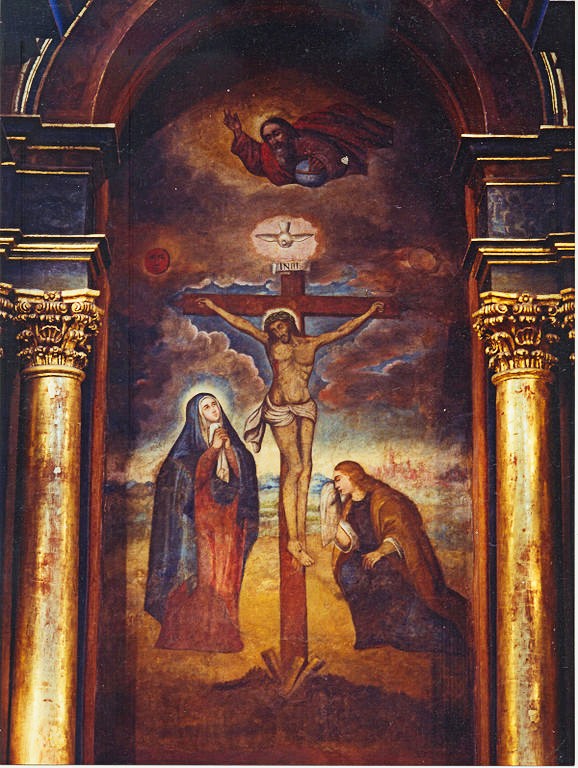
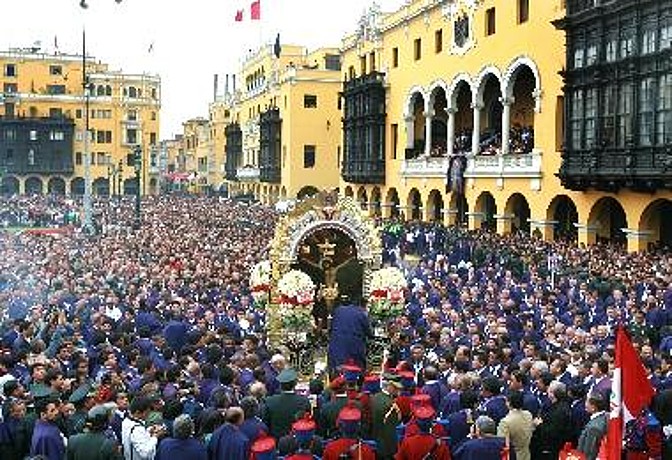
Lord of Miracles/Señor de los Milagros de Nazarenas – A mid-17th-century painting of the Crucifixion which is venerated in Lima, Peru and its celebration involves one of the largest processions in the world. It was painted by an unnamed African taken to Peru as a slave from what is now Angola. Above the Cross is the Holy Ghost and God the Father. Below and to the right of Jesus, is His mother, the Virgin Mary with her heart pierced by a Sword of Sorrow. Kneeling and weeping at the foot of the Cross is St Mary Magdalene. The name originated on 13 November 1655 when everything around it was destroyed in an earthquake which left the painting standing and undamaged. Christ is shown enduring the pain of Crucifixion. Every year in October, hundreds of thousands of devotees participate in a procession honouring the imag,e through the streets of Lima. Boulevards are decorated in purple from 18 or 19 and the final Feast 28 October, to celebrate the Lord of Miracles.
St Abdias of Babylon St Abraham of Ephesus St Alberic of Stavelot St Anastasia the Elder St Anglinus of Stavelot St Cyril of Rome St Cyrilla (3rd Century) Virgin Martyr of Rome St Diomedes the Younger St Dorbhene of Iona
St Gaudiosus (Died c453) Bishopof Abitinae in North Africa, Monk and founder of a Monastery where he introduced the Rule of St Augustine. The Roman Martyrology reads: “At Naples, St Gaudiosus, an African Bishop, who came to Campania because of the persecution of the Vandals and closed his holy career peacefully in a Monastery near that City.” His Holy Life: https://anastpaul.com/2023/10/28/saint-of-the-day-28-october-saint-gaudiosus-of-naples-died-c453-bishop/
St Genesius of Thiers Bl Germain of Talloires St Godwin of Stavelot
St Maria Ascuncion St Remigius of Lyons St Rodrigo Aguilar Aleman St Salvius of Amiens
Martyrs of Avila – 3 Saints: Two sisters and a brother who, during a period of persecution, fled Talavera de la Reina, Spain, were caught and executed. Martyrs: Christeta, Sabina and Vincent. 303 in Avila, Spain.
Saint of the Day – 27 October – St Desiderius (Died c623) Bishop of Auxerre, France. Desiderius was the 19th Bishop of Auxerre. Born in Aquitaine, in modern France and died in Auxerre.
In the list of shepherds of the Diocese, he appears after Saint Aunarius and before Saint Palladius. Ancient texts say he was born in Aquitaine to Nectaria, a noblewoman related to Queen Brunechilde.
Desiderius is mentioned in the text “Gesta pontificum Autissiodorensium – The Acts of the Pointiffs of Autissio” in the Chronicle of Fredegar.
He was Consecrated as the Bishop on 3 October 605 and governed the Diocese of Auxerre for eighteen years with wisdom and pastoral care. Saint Desiderius was present at the Council of Paris in 614.
It is said that he made numerous donations to the Churches of Auxerre, Toulouse, Cahors and Burges. Many Monasteries also benefited from his donations, including that of Saint Julien. He is also said to have been responsible for the liberation of many serfs.
He died on 27 October c623 and was buried in the Basilica of Saint Germanus, in the Tomb of his predecessor, Saint Aunarius.
His Relics were translated twice – the first, in 859, to a new crypt in the same Church and a second in 939, to the Church of Notre Dame de Moutiers in Yonne.
In the proper of the Diocese of Sens, he is commemorated on 27 October, the day of his death.
Dedication of the Basilica of Auxilium Christianorum / Our Lady Help of Christians, Turin, Italy, built by St John Bosco (1868) – 27 October: HERE: https://anastpaul.com/2021/10/27/88503/
St Capitolina St Colman of Senboth-Fola St Colman of Templeshambo St Desiderius (Died c623) Bishop of Auxerre
St Elesbaan (Died c555) King of Ethopia, Confessor, Penitent Hermit and Monk. The Roman Martyrology states today: “St Elesbaan, King, who after having defeated the enemies of Christ and sent his Royal Diadem to Jerusalem, in the time of Emperor Justin, led a monastical life, as he had vowed and went to his reward.” Holy Elesbaan: https://anastpaul.com/2021/10/27/saint-of-the-day-27-october-saint-elesbaan-of-ethiopia-died-c-555/
DISCLAIMER: Please note: I cannot control the content of the Advertisements on this Site, or of pop-ups which may appear, The revenue from the Advertisements, however, does provide a little assistance in the support of the Site. I do apologise for any inappropriate content.
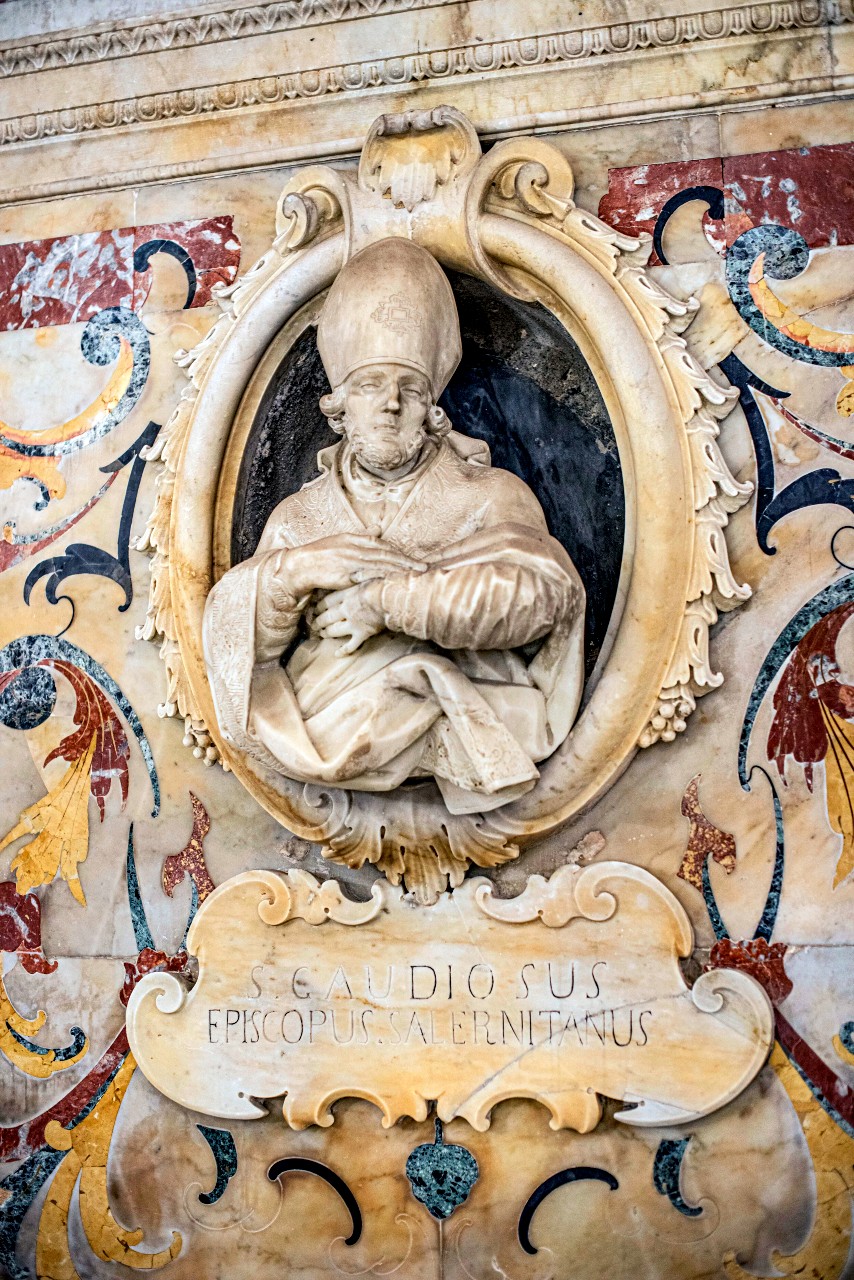
Saint of the Day – 26 October – Saint Gaudiosus (7th Century) Bishop of Salerno, Campania, Italy. Known as a worthy and zealous Bishop and a courageous defender of his flock from the Lombards and the Barbarians. Also known as – Gaudioso, Gaudino.
The Roman Martyrology reads today: “At Salermo, St Gaudiosus, Bishop.”
Gaudiosus was the son or grandson of Theophylact, the Duke of Naples (666-670). He was enrolled in the Clergy of the Neapolitan Basilica of Santa Maria Maggiore (after Bishop St Pomponius).
Tradition presents him, thereafter, as a diligent Bishop of the City of Salerno in Campania. This City he defended from barbarian invasions, especially during the war of the Lombards of Benevento.
Having died at the age of fifty, before 649, a few years later, a Master of the Soldiers of Naples, his blood relative, received his body from a certain Grimoald, Duke of Benevento and Lord of Salerno (I or II of that name), who placed it in a Church in Naples, dedicated to him.
A 17th Century Neapolitan historian reports that in 1606, Cardinal Archbishop Ottavio Acquaviva opened the Tomb beneath the High Altar of the Church of St Gaudiosus to extract a Relic to enclose in the silver bust. . In honor of the saint and in memory of the Relics, Hymns were composed for the Proper Office of our Saint for his Feast Day on 26 October.
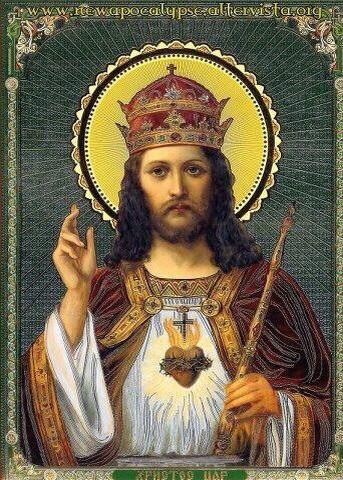
CHRIST the KING “Therefore, by our Apostolic authority, we appoint the Feast of Our Lord Jesus Christ the King, annually, on the last Lord’s day in the Month of October that is to say, on the Sunday which immediately precedes the Feast of All Saints, to be observed everywhere in the world. Likewise we enjoin, that the dedication of the human race to the Most Sacred Heart of Jesus, be annually renewed upon that selfsame day.” From the Encyclical Letter of Pope Pius XI Quas Primas; 11 December 1925 https://anastpaul.com/2018/11/25/25-november-the-solemnity-of-our-lord-jesus-christ-king-of-the-universe/ AND: https://anastpaul.com/2022/10/30/30-october-christ-the-king/
St Adalgott of Einsiedeln St Alanus of Quimper St Albinus of Buraburg
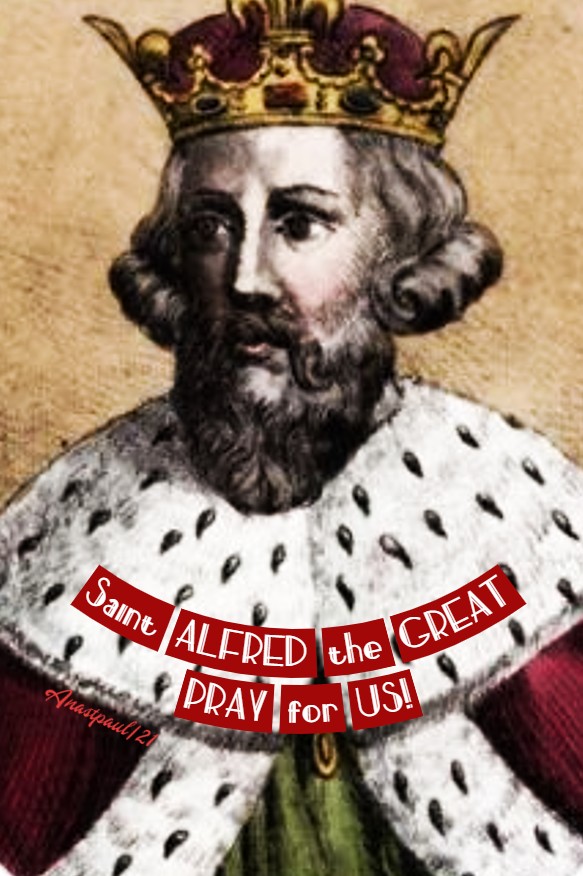
St Alfred the Great (849-899) King of Wessex, Confessor, Scholar, Writer and Translator, negotiator. He administered justice with insight and fairness, protected the poor, and encouraged art and the crafts. He tried in all that he did, to rule as a model Christian King. For all this, he alone among the rulers of England is called “the Great.” This Great Saint’s Life: https://anastpaul.com/2021/10/26/saint-of-the-day-26-october-saint-alfred-the-great-849-899/
St Alorus of Quimper St Amandus of Strasburg St Amandus of Worms St Aneurin St Aptonius of Angouleme St Arnold of Queralt St Bean of Mortlach St Bernard de Figuerols
St Gaudiosus (7th Century) Bishop of Salerno St Gibitrudis St Gwinoc St Humbert St Lucian Martyr of Nicomedia and Companions St Marcian St Quadragesimus of Policastro St Quodvultdeus St Rogatian of Carthage
Saint of the Day – 25 October – Saint Hilary (Died c540) Bishop of Mende, France, previously having been a Monk at the renowned Lérins Abbey. and then the Abbot of a Monastery he had founded, Miracle-worker and a zealois evangeliser of the psgans in hid See and region. Born in Mende, southern France and died there in c540. Also known as – Hilary of Javols, Chély… Hilaire… Ilaro… Ilario…
The Roman Martyrology reads today: “At Javols, St Hilary, Bishop.”
Hilary was the Bishop of the ancient See of Javols, in the Province of Gévaudan, in the first half of the 6th Century. In 528 he welcomed Saint Lubin of Chartres, then in exile. In 535 he took part in a Council held in Auvergne.
He built a Monastery, in which Saint Enzyme took refuge, and which, from then on, changed its patron.
Among the miracles or other exceptional events, some have come down to us. Thus, one evening as he was returning from the crypt of Saint-Privat, he was carried into the air by a gust of wind. His companions found him praying in a clearing three days later. The place was inaccessible and it was necessary to clear a path with blows of an axe.
He was also able to make water flow from a well which had been dry for seven years.
Hilar certainly died around 540, since in 541, the name of his successor is already found at the 4th Council of Orleans.
In 636 his body was translated to Saint Denis near Paris and then, in 777, under Abbot Fulrad, to Salones in the Diocese of Metz. Around 815 the Relics returned to Saint Denis where they were still located in 1625. They were dispersed during the Revolution in 1793. Some, however, had returned to Mende in 1608, where the See of Javols had been transferred.
Remembered in the Roman Martyrology today, Hilary is celebrated in the Proper of the Diocese of Mende.
Hilary gave his name and Paronage to three Villages in Lozère and Aveyron: Saint Chély d’Apchèr, Saint Chély du Tarn (canton of Ste-Enimie) and Saint Chély d’Aubrac.
St Fronto (1st-2nd Centuries) Bishop of Périgueux, consecrated by St Peter Apostle, Confessor, Missionary, Miracle-worker. Born at an unknown date in Lycaonia, Asia Minor and died in Périgueux, France of natural causes. The Roman Martyrology reads today: “At Périgueux in France, St Fronto, who, being made Bishop by the blessed Apostle Peter, with a Priest named George, converted to Christ a large number of the people of that place and renowned for miracles, rested in peace.” St Fronto’s Life of Service: https://anastpaul.com/2023/10/25/saint-of-the-day-25-october-saint-fronto-of-perigueux-1st-2nd-centuries-bishop-confessor/
St Fructus of Segovia
St Gaudentius (Died 410) Bishop of Brescia, renowned Preacher, Theologian, Diplomatic Mediator, The Roman Martyrology states today: “In Brescia, Saint Gaudentius, Bishop, who, Ordained by Saint Ambrose, shone among the prelates of his time for doctrine and virtue, instructed his people with words and writings and founded a Basilica which he called the ‘Council of Saints.‘” A Holy and Zealous Shepherd: https://anastpaul.com/2021/10/25/saint-of-the-day-25-october-st-gaudentius-of-brescia-died-410/
St George of Périgueux (1st-2nd Centuries) Priest, assistant to St Fronto St Goeznoveus of Leon St Guesnoveus Bl Henry of Segusio St Hilary (Died c540) Bishop of Mende, France St Hildemarca of Fecamp St Januarius of Sassari St Lucius of Rome St Lupus of Bayeux St Mark of Rome
St Miniato of Florence St Peter of Rome St Protus of Sassari St Recaredo Centelles Abad St Tabitha
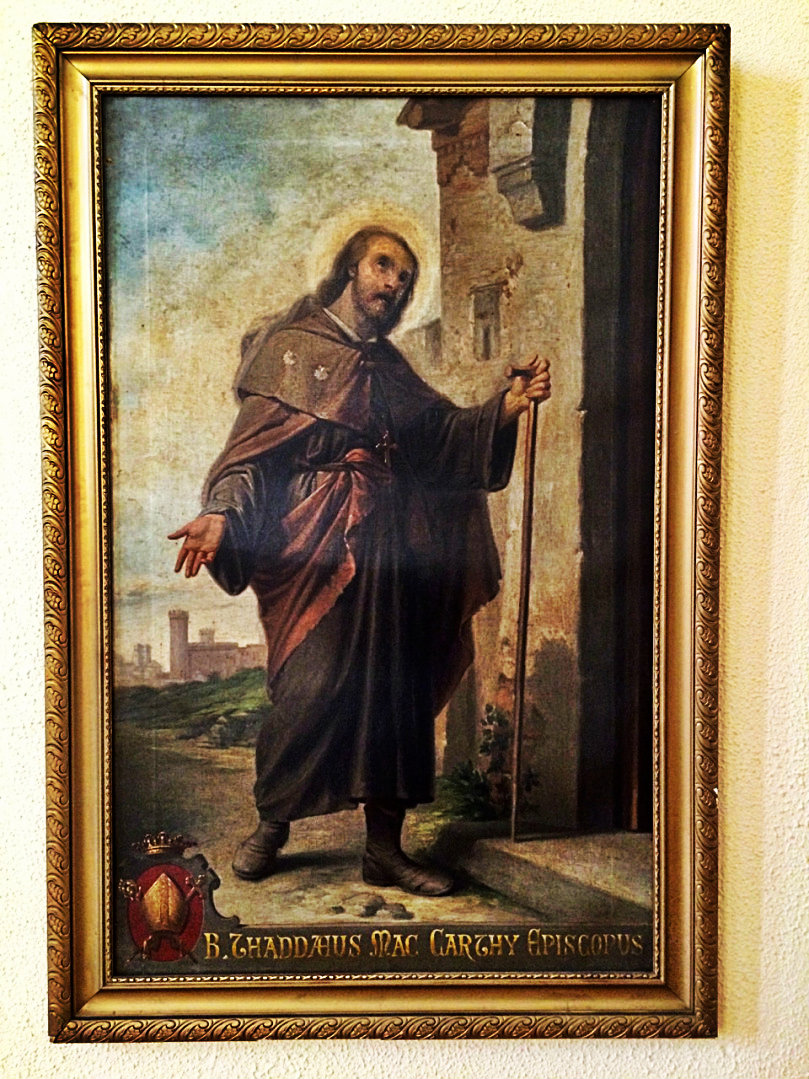
Blessed Thaddeus McCarthy (c1455–1492) “White Martyr of Munster” – Bishop. He was a Bishop who never ruled his See/s, even though he was appointed to two of them – Bishop of Ross, Ireland in 1482 and Bishop of Cork and Cloyne in 1490. Patronages – exiles, the homeless, those suffering calumny, rejection and persecution, pilgrims. The Pain of Earthly Rejection but Beloved of the Lord: https://anastpaul.com/2019/10/25/saint-of-the-day-25-october-blessed-thaddeus-mccarthy-c-1455-1492-the-white-martyr-of-munster/
St Theodosius of Rome
Martyrs of Rome – A group of 46 soldiers and 21 civilians Martyred together in the persecutions of Claudius II. 269 in Rome, Italy.





















You must be logged in to post a comment.