Our Lady of Altagracia – 21 January – Also known as: Our Lady of Grace – Our Lady of High Grace – Protector and Queen of the hearts of the Dominicans – Tatica from Higuey – Virgen de la Altagracia – Virgin of Altagracia.
A portrait of the Virgin Mary in a Nativity scene. It is 13 inches (33 centimeters) wide by 18 inches (45 centimeters) high and is painted on cloth. It is a primitive work of the Spanish school, painted c 1500. The Spanish brothers Alfonso and Antonio Trejo, two of the first European settlers on Santo Domingo, brought the portrait to the island some time prior to 1502 and eventually donated it to the parish church at Higuey. It’s first shrine was finished in 1572 and in 1971 it was moved to its present Basilica. The image was crowned on 15 August 1922 during the pontificate of Pius XI. Due to its age, centuries of handling by the faithful and exposure to candle smoke, it was in sad shape, and was restored in 1978. On 25 January 1979 St Pope John Paul II crowned the image with a gold and silver tiara, his gift to the Virgin. It’s frame is made of gold, enamel and precious stones and was constructed by an unknown 18th century artisan.
The Dominicans see the image as exemplifying Our Lady watching over the island and the growth of Christianity there. The feast day is marked by services, all-night vigils, singing, dancing and festivals in many of the towns.
Legend says that the pious daughter of a rich merchant asked her father to bring her a portrait of Our Lady of Altagracia from Santo Domingo but no-one had heard of that title. The merchant, staying overnight at a friend’s house in Higuey, described his problem as they sat outdoors after dinner. An old man with a long beard, who just happened to be passing by, pulled a rolled up painting from his cloak, gave it to the merchant and said, “This is what you are looking for.” It was the Virgin of Altagracia. They gave the old man a place to stay for the night but by dawn he was gone, not to be seen again. The merchant placed the image on their mantle but it repeatedly disappeared only to be found outside and the family finally returned it to the church.
St Agnes of Aislinger
St Alban Bartholomew Roe
St Anastasius of Constantinople
St Aquila of Trebizond
St Brigid of Kilbride
St Candidus of Trebizond
Bl Edward Stransham
St Epiphanius of Pavia
St Eugenius of Trebizond
Bl Franciscus Bang
St Gunthildis of Biblisheim Blessed Josefa María Inés de Benigánim OAD (1625–1696)
St John Yi Yun-on
St Lawdog
St Maccallin of Waulsort
St Meinrad of Einsiedeln
St Nicholas Woodfen
St Patroclus of Troyes
St Publius of Malta
Bl Thomas Reynolds
St Valerian of Trebizond
St Vimin of Holywood
St Zacharias the Angelic
—
Blessed Martyrs of Laval – 19 beati: Fifteen men and four women who were martyred in Laval, France by anti-Catholic French Revolutionaries.
• Blessed André Duliou
• Blessed Augustin-Emmanuel Philippot
• Blessed François Duchesne
• Blessed François Migoret-Lamberdière
• Blessed Françoise Mézière
• Blessed Françoise Tréhet
• Blessed Jacques André
• Blessed Jacques Burin
• Blessed Jean-Baptiste Triquerie
• Blessed Jean-Marie Gallot
• Blessed Jeanne Veron
• Blessed John Baptist Turpin du Cormier
• Blessed Joseph Pellé
• Blessed Julien Moulé
• Blessed Julien-François Morin
• Blessed Louis Gastineau
• Blessed Marie Lhuilier
• Blessed Pierre Thomas
• Blessed René-Louis Ambroise
The were born in French and they were martyred on several dates in 1794 in Laval, Mayenne, France. They were beatified on 19 June 1955 by Pope Pius XII at Rome, Italy.
Martyrs of Rome – 30 saints: Thirty Christian soldiers executed together in the persecutions of Diocletian. They were martyred in 304 in Rome, Italy.
Martyrs of Tarragona: Augurius, Eulogius, Fructuosus
One Minute Reflection – 21 January – Monday of the Second week in Ordinary Time, Year A – Readings: 1 Samuel 15:16-23, Psalm 50:8-9, 16-17, 21, 23, Mark 2:18-22 and the Memorial of St Eustochia Smeraldo Calafato OSC (1434-1485)
“The days will come, when the bridegroom is taken away from them, and then they will fast in that day.” … Mark 2:20
REFLECTION – “Of fundamental importance are the words of the Letter to the Ephesians: “Husbands, love your wives, as Christ loved the Church and gave himself up for her, that he might sanctify her, having cleansed her by the washing of water with the word, that he might present the Church to himself in splendour, without spot or wrinkle or any such thing, that she might be holy and without blemish… ‘For this reason a man shall leave his father and mother and be joined to his wife, and the two shall become one flesh’. This mystery is a profound one and I am saying that it refers to Christ and the Church” (5:25-32; Gn 2:24)…
We find ourselves at the very heart of the Paschal Mystery, which completely reveals the spousal love of God. Christ is the Bridegroom because “he has given himself” – His body has been “given”, His blood has been “poured out” (cf. Lk 22:19-20). In this way “he loved them to the end” (Jn 13:1). The “sincere gift” contained in the Sacrifice of the Cross gives definitive prominence to the spousal meaning of God’s love. As the Redeemer of the world, Christ is the Bridegroom of the Church. The Eucharist is the Sacrament of our Redemption. It is the Sacrament of the Bridegroom and of the Bride. The Eucharist makes present and realises anew, in a sacramental manner, the redemptive act of Christ, who “creates” the Church, His body. Christ is united with this “body” as the bridegroom with the bride. All this is contained in the Letter to the Ephesians. The perennial “unity of the two” that exists between man and woman from the very “beginning” is introduced into this “great mystery” of Christ and of the Church.” … St John Paul II – Pope from 1978 to 2005 – Apostolic Letter “ Mulieris dignitatum ” #23, 26
PRAYER – Almighty God, ruler and creator of all things in heaven and on earth, listen favourably to the prayer of Your people. Through Your Son, our Lord Jesus Christ, who gave us His life to lead us to You and made us His own body in His Church, grant us the grace of always listening for His word and following His deeds in all that we are and all that we do. May we too follow His teachings in our Holy Mother Church, for she is His and we are hers. May the prayers of St Eustochia Calafato, intercede for us. Through Christ our Lord, with the Holy Spirit, God forever, amen.
Saint of the Day – 20 January – St Eustochia Smeraldo Calafato OSC (1434-1485) Nun of the Second Franciscan Order of the Poor Clares, Reformer, Founder of a reformed Monastery, Abbess, Ascetic born of her devotion to the Passion of Christ and the Holy Eucharist – born on 25 March (Good Friday) 1434 at Annunziata, Messina, Italy as Smerelda Colonna and died on 20 January 1491 at Messina, Sicily, Italy. Patronage – Messina, Italy. Additional commemoration – 22 August in Messina.
In Messina, in the ancient monumental Church of the Monastery of Montevergine, lies the body of Santa Eustochia Smeralda. Her body has remained incorrupt by a miracle of the Lord, for five centuries, burnished by time, with her right hand with her fingers contracted in perpetual blessing, she watches over the city and the flourishing monastery you founded.
Saint Eustochia was born with the name “Smeralda” (or ‘Esmeralda’ which means ‘emerald’) on 25 March 1434 in Messina, Italy. She was the fourth of six children. Smeralda’s mother was a fervent Christian and enthusiastic admirer of the Franciscan religious order, particularly of the reformers who insisted on following closely the life of St Francis, especially by embracing poverty.
The reform’s first monastery was established in Messina by Blessed Matthew of Agrigento. He inspired a renewal of faith in the people of Messina by his ardent preaching and way of life. Smeralda’s mother had attended one of Blessed Matthew’s sermon’s as an eighteen-year-old bride and devoted her life to prayer, penance and helping those in need. Thus, Smeralda was raised from childhood to exercise Christian piety and virtue, eventually exceeding her mother’s greatest hopes and expectations for her daughter.
Smeralda was beautiful both inside and out, she is thought to be the model for the painting The Virgin of the Annunciation by Antonello da Messina (seen here on the below). When she was fourteen years old, Smeralda wanted to become a Poor Clare nun but her father arranged marriage for her to an older, wealthy widower. Smeralda kept her hope in religious life and the widower died before the wedding. Her father again arranged a marriage for his daughter but that man also died, followed by Smeralda’s father himself. When she entered the convent of Santa Maria di Basico, her brothers threatened to burn it down if she did not return home, which she did. But seeing her great desire, they experienced a change of heart. She finally entered and took her vows, with the name Eustochia, at fifteen-and-a-half years old.
Unfortunately, Eustochia came to discover that the convent had drifted away from the poverty lived by their foundress, St Clare of Assisi. For more than a decade, Eustochia struggled to be an authentic Franciscan in the materialistic atmosphere. She received papal permission to establish a new convent but found resistance to her reforms. Some friars refused to say Mass at the convent, believing that the sisters’ lifestyle was too strict. Eustochia appealed directly to Church authorities in Rome, who approved of Mother Eustochia’s renewal of Franciscan asceticism and poverty. The friars who had refused to assist at the convent were threatened with excommunication should they continue to resist.
Eustochia’s holiness drew many women to her community – so many that they soon outgrew the building and moved to Montevergine, near Messina, where their convent still stands. The local people considered Eustochia their patron and protector and the cloister to be a place of refuge—especially during the earthquakes that rocked the area.
Eustochia was a spiritual mother to her daughters, instructing, educating and training them in the Franciscan life, encouraging them to meditate on the Passion of Christ. She often led them in two-hour Scripture study sessions. Eustochia conveyed to her nuns the fruits of asceticism and lovingly infused into their hearts the virtues which she herself practised with admirable constancy and heroism. She taught them to permeate their whole lives with a simple and generous Franciscan spirituality, focusing on their Beloved Suffering Christ, to devote themselves to the Eucharist and to draw all necessary strength and nourishment for daily meditation from an intense, liturgical life.
Eustochia’s love of Jesus in poverty and penance was outstanding. She wrote a treatise on the Passion, which, unfortunately, is now lost. Though she never visited the Holy Land, Eustochia had a devotion to the holy places that is reminiscent of Saint Bridget of Sweden . In fact, she had one of the first sets of the Stations of the Cross (as we know them today) constructed within her convent.
As she lay on her deathbed, Eustochia spoke to her daughters, who had gathered around her, about the Passion of Christ. She spoke for an hour before passing to her final rest on 20 January 1485.
A few days after her burial, Eustochia’s tomb and body manifested extraordinary phenomena and many people received powerful graces through her intercession. The sisters wrote a biography of their revered mother and founder. She was Beatified on 22 June 1987 and Canonised on 11 June 1988 by St Pope John Paul II.
Her incorrupt body rests in the Sanctuary of Montevergine in Messina, the monastery which she established and can be visited twice a week.
In his homily, John Paul II said of St Eustochia:
“Learning assiduously in the school of Christ Crucified, she grew in knowledge of Him and, meditating on the splendid mysteries of grace, she conceived a faithful love for Him. For our saint, the cloistered life was not a mere flight from the world in order to take refuge in God. Through the severe penance which she imposed upon herself, she certainly wanted to be united to Christ, gradually eliminating whatever in her, as in every human person, was fallen, at the same time, she felt united to all. From her cell in the monastery of Montevergine she extended her prayer and the value of her penances to the whole world. In such a way she wanted to be near to each brother and sister, alleviate every suffering, ask pardon for the sins of all.”
The Body of the Holy Founder is venerated by crowds of devotees, who rely on her intercession to obtain the graces they dream of, while the valid protection of the Saint for the city, especially during public calamities, is officially recognised. The highest city authorities, still today, in fact, meet in the Church of Montevergine on the occasion of the festivities of 22 August of each year, in fulfilment of an ancient vote of the Senate of Messina, to attend the Divine Sacrifice, pay homage to the illustrious Eustachia.
One of the miracles in the history of the Saint is linked to this particular protection. It was the year 1615 and the city was struck, night and day, by appalling earthquakes, so much so that the authorities and the people implored the intercession of the Saint in Montevergine, inviting the nuns to pray for this purpose. The Poor Clares removed the Body from the oratory, where they keep it and placed it in the choir, in its old stall.
As the evening prayers were about to begin, the body which has been incorrupt for almost two centuries suddenly parted its lips, intoning the first line of a psalm from the Office, which the nuns, terrified and moved, continued crying, especially when the body intoned the “Gloria Patri.” From that moment the earthquakes ended.
To the constant protection of the city, is added her uninterrupted presence among her spiritual Daughters, who receive clear and unequivocal signs, with which the Saint manifests her will, warns them about what is about to happen. So it can be said that, even after her death, she continues to be the abbess of the monastery.
St Ascla of Antinoe
Bl Basil Anthony Marie Moreau
St Basilides the Senator
St Bassus the Senator
Bl Benedict Ricasoli
Bl Bernardo of Poncelli
Bl Cyprian Michael Iwene Tansi
St Daniel of Cambron
Bl Didier of Thérouanne
St Eusebius the Senator
St Eustochia Calafato
St Euthymius the Great St Eustochia Smeraldo Calafato OSC (1434-1485)
St Eutyches the Senator
Fechin of Fobhar
Bl Francesco Paoli
St Henry of Uppsalla
Bl Jeroni Fábregas Camí
St Maria Cristina dell’Immacolata Concezione
St Molagga of Fermoy
St Neophytus of Nicaea
St Stephen Min Kuk-ka
St Wulfsin
Sunday Reflection – 19 January – Second Sunday in Ordinary Time, Year A and The Memorial of Blessed Marcelo Spínola y Maestre, Cardinal-Priest (1835-1906)
Blessed Marcelo was a pious man, of intense prayer and mortification, extremely sensitive to the needs and suffering of his faithful and an untiring apostle. Homes, workers’ societies, centres where food was given to those who needed it, orphanages, night schools, creation of the faculty of theology of Seville, etc., were all part of his mark. He toured all the dioceses in which he exercised his ministry, travelling on a mule, he fought against the attempt to displace the teaching of religion from public centres as a senator from Granada, consoled the afflicted and took the gospel to every corner, preaching and confessing.
And at the centre of the heart of Blessed Marcelo was the Holy Eucharist.
He wrote:
“The masterpiece of Jesus Christ’s love for humanity is the Eucharist. The Eucharist is within our reach. We can all get close to Christ the guest and talk with Him and perceive the warmth of His word. The word! How it inflames the spirits! How will the word of Christ inflame them! We can all get to the altar when He immolates Himself and shouts at us: Look how much I have loved and loved you! And we can all sit at His table and eat the bread and drink the intoxicating wine of charity. “
Saint of Day – 19 January – St Bassian of Lodi (c 320–c 413) Archbishop, Penitent, miracle-worker – Born c 320 in Syracuse, Sicily – died in 413 in Lodi, Italy of natural causes. Patronages – Bassano del Grappa, Italy, Lodi, Italy, San Bassano, Italy, Pizzighettone in Italy. St Bassian was a close of friend of St Ambrose and St Felix of Como.
Saint Bassian, Bishop of Lodi, was a friend of Saint Ambrose, Bishop of Milan. Saint Bassian’s father governed the Syracuse region (in Sicily) and he prepared his son to follow in his footsteps. He sent him to Rome to receive his education. While still in his childhood Saint Bassian had heard about the Christians and he wanted to learn more about them and become familiar with the Christian Faith. Gordian the priest taught him the essentials of the Christian Faith and the youth was filled with the desire to accept Baptism. At the time of the performing of the Holy Sacrament, Saint Bassian beheld an angel in the Baptismal font, holding the garment in which the newly-baptised would be clothed. The saint made bold to ask who he was and where he was from. The angel replied that he was sent from afar to help him fulfil his holy intent to know Christ. Then he became invisible.
Saint Bassian began to lead a strict life, eating little food and spending his nights at prayer. His servants were astonished at such temperance and they surmised that he had accepted Christianity. They reported this to Saint Bassian’s father, who ordered him to return to Syracuse. Praying in the church of Saint John, the saint received from the Apostle the command to leave Rome. And so Saint Bassian distributed all his goods to the poor and together with his faithful Christian servant, he set off to Ravenna to his kinsman, Bishop Ursus.
Bishop Ursus set him up at a solitary place outside the city near the church in honour of the St Apollinaris. Saint Bassian quickly advanced spiritually and soon he was glorified by miracles. During this time a judge had been falsely accused and was sentenced to death by decapitation. Along the way to he prayerfully called out for help to Saint Bassian. When the executioner was already holding the sword over his head, the sword suddenly was knocked from his hands and flew off to the side. This occurred three times. The same thing happened with another executioner. When they reported this to the Emperor, the Emperor set the judge free. He then told how he had been saved through the intercession of Saint Bassian.
The people of the city, believing that the prayer of Saint Bassian was powerful before God, asked Bishop Ursus to Ordain him to the Priesthood. Upon the death of the Bishop of the city of Lodi in Liguria, Northern Italy, the priest Clement of the cathedral church had a revelation that Saint Bassian would be chosen Archbishop of Lodi. Both Saint Ambrose, Bishop of Milan and Bishop Ursus officiated at at his Consecration.
He built a church dedicated to the Apostles, consecrating it in 381 in the presence of Saint Ambrose and Saint Felix of Como. He participated in the Council of Aquileia in 381 and may perhaps have participated in the Council of Milan (390).
Saint Bassian taught the people not only by word but also by deed, providing his flock example of a virtuous life. At Lodi, he built a beautiful church dedicated to the holy Apostles. Saint Bassian often exchanged letters with Saint Ambrose and he was present at his blessed repose and buried his body.
Saint Bassian died peacefully in the year 413, having served as Archbishop for 35 years. Bassian’s signature is found together with Ambrose’s in a letter sent to Pope Siricius.
In 1158, when Milanese forces destroyed Lodi, his relics were taken to Milan. They were returned in 1163, when Lodi Cathedral was rebuilt, the Statue below resides there.
St Maris of Persia
St Messalina of Foligno
St Ponziano of Spoleto
St Remigius of Rouen
St Wulstan of Worcester
—
Martyrs of Numidia – 9 saints: A group of Christians martryred together for their faith. The only details to survive are nine of their names – Catus, Germana, Gerontius, Januarius, Julius, Paul, Pia, Saturninus and Successus. 2nd century Numidia in North Africa.
Quot/s of the Day – 18 January – Saturday of the First week in Ordinary Time, Year A and The Memorial of Blessed Maria Teresa Fasce OSA (1881-1947)
I love Him, even if it costs much, I love Him, because, it is worth much, I love Him, at all cost.
Blessed Maria Teresa Fasce (1881-1947)
“To surrender all that we are, as we are, to the spirit of love, in order that our lives may bear Christ into the world – that is what we shall be asked.”
Saint of the Day – 18 January – Blessed Cristina Ciccarelli OSA (1481–1543) Religious of the Order of Saint Augustine, Mystic, Stigmatist, Apostle of the poor, Reformer, she had a had a particular devotion to the Eucharist and to the Passion and Death of Christ, she was granted the gift of Prophecy, visions and levitation – also known as Cristina of Aquila – born on 24 February 1481 at Luco, Abruzzi, Italy as Matthia Ciccarelli and died on 18 January 1543 at Aquileia, Italy of natural causes.
Mattia Ciccarelli was born in 1481 in Luco dei Marsi as the last of six children to Domenico de Pericolo and Maria de Pericolo. An image of the Pieta was kept in the Luco home from which she developed a strong and lifelong devotion to the Passion of Christ. Her parents taught her the importance of constant prayer. Her call to the religious life solidified during her childhood and she decided to enter the religious life as a nun.
In 1492 she was placed under the spiritual direction of the Franciscan priest Vincenzo dell’Aquila and took his advice on joining the Order of Saint Augustine.
Mattia entered the convent of Santa Lucia in Aquileia in June 1505 and assumed the habit and the religious name of “Cristina.” She served as the abbess several times and was noted for being a prophetic figure.
She became revered for her humble outlook as well as for her tender care of the poor. On one occasion – on the Feast of Corpus Christi – she was seen to have levitated and the image of the Eucharist as a host appeared and radiated from her upper chest.
On one Good Friday, she received the stigmata and the pains that Jesus felt until Holy Saturday when the pain subsided. This would be repeated every Friday of her life.
Blessed Cristina had a great devotion to Saint Mark. However, on one occasion Saint Martin of Tours appeared to her and asked why she had a devotion to the latter saint rather than to him – this prompted her to foster a devotion to him too.
Once a man accustomed to cursing, blasphemed Saint Anthony of Padua and she told him to be careful for if he continued to blaspheme she saw a black devil behind him set to choke him for such offences. The man – riding a donkey – did it again and was thrown to the ground where he fractured his skull and broke his neck which led to his death.
Blessed Cristina died in 1543 after a lengthy illness and was interred in the convent of Santa Lucia to the right side of the main altar.
The first biographical account of her life was written in 1595 by the nobleman Giampietro Interverj from l’Aquila and the Belgian Augustinian scholar, Cornelius Curtius, wrote another hagiography, in the Latin language, in Cologne.
Blessed Cristina was Beatified on 15 January 1841, at Saint Peter’s Basilica, Papal States by Pope Gregory XVI.
St Agathius the Martyr
St Ammonius of Astas
St Archelais the Martyr
Bl Beatrix of Este the Younger
Bl Charlotte Lucas
St Catus Blessed Cristina Ciccarelli OSA (1481–1543)
St Day/Dye
St Deicola of Lure
Bl Fazzio of Verona
Bl Félicité Pricet
St Leobard of Tours Blessed Maria Teresa Fasce OSA (1881-1947) Blessed Maria Teresa’s Life: https://anastpaul.com/2019/01/18/saint-of-the-day-18-january-blessed-maria-teresa-fasce-osa-1881-1947/
Bl Monique Pichery
St Moseus of Astas
St Prisca of Rome
St Susanna the Martyr
St Thecla the Martyr
St Ulfrid of Sverige
Bl Victoire Gusteau
St Volusian of Tours
—
Martyrs of Carthage – 3 saints
Martyrs of Egypt -37 saints
Martyrs of Nicaea – 3 saints
Quote of the Day – 17 January – Friday of the First week in Ordinary Time, Year A – The Memorial of Blessed Teresio Olivelli (1916–1945) Martyr “Rebel for Love”
The Rebel’s Prayer
By Blessed Teresio Olivelli
Lord, who among men raised Your Cross as a sign of contradiction, You, who preached and suffered the revolt of the spirit from the treachery and attacks of the powerful, the inert deafness of the mass, oppressed by numerous and cruel abuses we, who have trampled on You, source of free life, grant us the strength of rebellion.
O God, You who are Truth and Freedom, make us free, strong and zealous, breathe in us new purpose, inspire our goals, tend to our wills, multiply our strengths, help clothe us in Your armour. We pray You, Lord.
You who were rejected, reproached, betrayed, persecuted, crucified, in the hour of darkness support us by Your victory, be the Viaticum of consolation, in dangers, of support, of comfort, in our bitterness.
The more the opponent grows stronger and darkens, make us bright with Your Light.
In torture, clamp our lips. Strengthen us, don’t let us bend.
If we fall, let our blood join Your innocent blood, may our death help to grow justice and charity in the world.
You who said “I am the Resurrection and the Life” make Italy, in it’s pain be reborn in a new life in You.
Free us from the temptation of affections, for You watch over our families.
On the windy mountains and in the catacombs of the cities, from the pits of the prisons, we pray to You, grant us the peace that You alone know how to give.
God of peace and armies, Lord who carries the sword of joy, hear the prayer of us the “Rebels for Love.” Amen.
Blessed Teresio Olivelli (1916–1945) Martyr
“Rebel for Love”
(Note: I cannot find a very good translation of this beautiful Prayer, so this is an adaptation of the best of them, by myself).
One Minute Reflection – 17 January – Friday of the First week in Ordinary Time, Year A – Readings: 1 Samuel 8:4-7, 10-22, Psalm 89:16-19, Mark 2:1-12 and the Memorial of Blessed Teresio Olivelli (1916–1945) Martyr “Rebel for Love”
“My son, your sins are forgiven.” … Mark 2:5
REFLECTION – “Why are you downcast? See. Someone’s hands are fishy; a little oil makes them clean. How much more can God’s compassion purify you. For just as you have no difficulty in washing your garment, in the same way – and even more – it is not difficult for the Lord to wash you clean from all reproach, even if each day you naturally have to experience temptation. Indeed, the instant you say: “I have sinned against the Lord”, the response is given you: “Your sins are forgiven” (Mt 9:2). “It is I who wipe out and remember no more” (Is 43:25 LXX). As far as the east is from the west, so far has He removed your sins. As a father has compassion on his children, I have had compassion on you” (Ps 102[103], 12-13 LXX).
Only do not keep away, or distance yourself, from He who has chosen you to sing and pray but all your life long, remain close to Him, either through pure confidence, or by a holy audacity and courageous confession. Then He will hear and purify you. Is He not God who has justified us in His love for human souls? Who will condemn us? (cf. Rm 8:33). If we invoke the name of our Lord Jesus Christ, our conscience is easily purified and nothing separates us from the prophets and other saints.
For God has not destined us for wrath but to gain salvation through our Lord Jesus Christ who died for us. So, whether we are awake in virtue, or asleep in some kind of woe, or are bearing certain circumstances according to nature, we will live with Christ (1 Thes 5:9-10), turning our eyes towards Him, sighing deeply, weeping constantly and only breathing Him. Let us then put on the breastplate of faith and wear the helmet of salvation (cf. 1 Thes 5:8) that the arrows of discouragement and despair may not penetrate us.” … John of Karpathos (7th Century) Monk and Bishop – Texts for the monks in India (The Philokalia)
PRAYER – Lord God, You hold out the light of Your Word to those who do not know You. Strengthen in our hearts, the faith You have given us, so that no trials may quench the fire Your Spirit has kindled within us. Grant us the grace of approaching You in sorrow and repentance, so that we may hear Your Word, “your sins are forgiven you, go and sin no more.” May the prayers of Blessed Teresio Olivelli, grants us eyes to see and ears to hear and strength to approach You. Through Christ, our Lord, with the Holy Spirit, God now and forever, amen.
Saint of the Day – 17 January – Blessed Teresio Olivelli (1916–1945) Martyr – known as the “Rebel for Love” – Layman, Lawyer, Professor, Soldier,Defender of Human dignity and rights, apostle of the poor, those in need, apostle of prayer, the Holy Eucharist, the Blessed Virgin, of love of Christ and His Church – born on 7 January 1916 at Bellagio, Como, Italy and died by being beaten and kicked to death by guards on 12 January 1945 at Hersbruck, Nürnberger Land, Germany, he was 29 years old. His body was cremated at the Hersbruck camp and his ashes dumped in a common grave. Patronage – Italian Catholic Action, soldiers, young people.
Teresio was born in Bellagio, in the province and diocese of Como, on 7 January 1916, son of Domenico Olivelli and Clelia Invernizzi. He spent his childhood between Carugo Brianza and Zeme Lomellina (Pavia), receiving a profoundly Christian education from his parents and his uncle Fr Rocco Invernizzi.
At the age of 10, in 1926, the family moved to Mortara in the province of Pavia, where Teresio attended gymnasium, becoming passionate about Latin. His adolescence revealed him full of vitality and capable of not being afraid of anything or anyone.
He ardently professed his love for Jesus, not caring about those who derided him. His faith was crystal clear – every week he attended the Sacrament of Confession and received daily Communion in the parish of San Lorenzo. He meditated every day on the Word of God and on the text of the “Imitation of Christ”.
At the high school in Vigevano (Pavia) he distinguished himself among his peers for intelligence and maturity. He became involved in Catholic Action, taking part in many conferences on religious and social issues and organising some himself. When, in 1931, the Catholic Action circles were forcibly closed, the young Teresio became inflamed against the Fascist regime, saying: “Either Mussolini changes course or we change it!”
Referring to the apostles James and John, called by Jesus “sons of thunder” for their zealous and impetuous character, he often stated that, having been born and baptised in the parish of St James, he too had to become “son of thunder”.
At 18, he was a confident young man, tall and slender, with a firm faith, in other words a convinced and credible Catholic. He enrolled at the Faculty of Law of the University of Pavia, staying at the Ghislieri University College (founded by St Pius V). He attended the University from 1934 to 1938, the year in which he graduated with honours in Law.
In those years in Pavia, Teresio won the affection of professors and classmates, for his generosity and the spirit of sacrifice, for the devotion with which he prayed during Mass and with which he was in Adoration before the Eucharist. He, so cheerful and cultured, immersed himself in long and intense prayers with the Rosary in his hand, isolating himself from everyone – he thus deserved, from those who admired him and those who were just teasing him, the nickname of “Father Olivelli” from the companions of the college.
In 1936 the civil war broke out in Spain – the Church suffered one of the most ferocious persecutions of the modern era, with thousands of priests, religious and lay Catholics, killed by the communist and anarchist revolutionary militias. Teresio, now in his twenties, immediately proposed himself as a volunteer to fight the Godless. To his uncle, Father Rocco, he wrote: “Youth is either heroic or miserable. The man cannot give half measures of himself, he must give everything. When then Christ is the Ideal that impels us, I believe that our duty is realised in total love to Him and must be consumed until the last drop. Either faith is experienced as conquest or it is anaemia of invertebrates. In Catholic Spain, the Divine is fought in us. We must overcome the anti-Christ, the denial of man and of Christ. The future does not belong to the soft. Life is perfect when love is perfect.” His family members prevented him from leaving but from that moment Teresio, while continuing his studies, devoted himself to prayer and self-offering, so that Christ would triumph not only in Spain but also in Russia which was prey to atheistic Bolshevism.
Almost immediately after graduating, he was assistant Professor of Administrative Law at the University of Turin. During his stay in that city, he also undertook to take young stragglers on the right path and took care of the poor of Cottolengo. For him it was a period of intense work, studies and research on legal and social issues.
It was a time when much of the Catholic world believed that it was possible to apply Christian principles to fascism. Teresio, therefore, worked with the ambitious aim of detaching the regime from the German National Socialism as much as possible.
He won the “Littorali della Cultura” of Trieste (competitions of oratory skills and cultural preparation), supporting the thesis that establishes the equal dignity of the human person, regardless of race. He then wrote legal and social articles in the university newspaper “Libro e Muschetto” and in the journal “Civiltà Fascista.” Finally he was appointed Littore and secretary of the Institute of Fascist Culture and a member and first secretary to the Office of Studies and Legislation at Palazzo Littorio.
In 1939 and in 1941, for reasons of study, he stayed in Berlin. At that time, he came into contact with the culture and politics of half of Europe, in Prague, Berlin, Vienna and then in Rome at the National Institute of Culture. He soon discovered the reality that surrounded him and the hatred of opposing ideologies, which developed violence in every sense. The news of the occupation of various nations by the Nazis began – the Second World War had broken out.
In June 1940, Italy also went to war alongside the German ally. Meanwhile, Teresio had been called to military service – he refused the exemption as a teacher. In 1940 he was appointed officer of the Alpini and asked to volunteer in the war of Russia. On 10 September 1941 he found himself on the front line, despite being at the head of the 31st Battery, he shared the dangers and the sufferings of his soldiers. He provided them with help of all kinds, in short, he appeared to them as a big brother rather than a superior in rank. During the disastrous retreat of the Italian troops of the VIII Armata, ill equipped for that frost and attacked by the Russians, the second lieutenant Olivelli succoured the wounded, he comforted the desperate and assisted the dying. He often lingered in the march to help the fallen, regardless of the grave danger. He went through these terrible conditions for two thousand kilometers on foot.
He returned to Italy with the survivors in March 1943, deeply marked in his spirit and increasingly eager to give all of himself to others, especially if suffering. His first occupation was to inform the families about the fate of the soldiers, by letter or personally, also by taking an interest in the prisoners.
A few months later, at the age of 27, he won the Rector’s post at the Ghislieri College of Pavia. However, the position only lasted a few months, because in July 1943 he was recalled again to arms. Shortly thereafter, after the 8 September armistice, Italy was invaded by the Germans. Teresio, who deeply loved his homeland, refused to surrender himself to Hitler’s troops, so as not to be complicit in their occupation. As a result, on 9 September 1943, he was captured and imprisoned in a prison camp in Innsbruck. After two failed attempts to escape, he succeeded on the third attempt, on the night between 20 and 21 October, he managed to escape from the Markt Pongau camp. After a long and exhausting walk he reached Italy, finding refuge a family in Milan. He recovered his health but by now, he was an outlaw. He became part of the Italian resistance movement in Milan as part of the triangular resistance including Brescia and Cremona branches. He worked to create the newspaper “Il ribelle”. His paper was the underground newspaper for the Green Flames Brigades partisan group. In the newspaper he published the article “Rebels”, a manifesto of the moral revolt against fascism and its time and a prayer, commonly called the “The Rebel’s Prayer” considered the most inspiring and beautiful spiritual testimony of the whole Catholic Resistance.
On 27 April 1944 he was arrested in Milan by the fascist police and locked up in the San Vittore prison, where he suffered beatings and torture until 8 June when he was sent to the concentration camp of Fossoli near Modena, from where he again tried to escape, unsuccessfully. In August 1944 he was deported to the concentration camp of Gries. His prison garment was marked not only with the red triangle of political prisoners but also with the red-rimmed white disk of the fugitive prisoners, who needed to be monitored more. Even in Gries he tried to escape, taking refuge in a warehouse, where he remained hidden for about a month. Discovered, he was cruelly and violently beaten and in September 1944 transferred to Flossenburg in Bavaria.
The conditions of life became unbearable but Teresio did not give up – his faith and his charity were opposed to the hatred and violence of the torturers. He confronted the SS by speaking German perfectly, to help alleviate the sufferings of his fellow inmates. In the evenings he organised the recitation of the Rosary and, assisted all who needed him for spiritual guidance and advice.
After 40 days of arrival, he was sent along with others to the satellite camp in Hersbruck. The surviving prisoners later remembered him for his serenity and courage, for the solidarity with the most exposed inmate. He was himself suffering terribly, wasted and beaten, developing many ancillary illnesses due to the conditions and the hunger, the torture and the beatings.
He assisted his friend Blessed Odoardo Focherini (1907-1944) Martyred at aged 37, originally from Carpi, interned for his relief work to the Jews and forced to be admitted to the infirmary for a serious leg injury. He was able to assist him on his deathbed on 27 December 1944. Blessed Odoardo Focherini was an Italian Roman Catholic journalist. He issued false documents to Jewish people. Yad Vashem later recognised him as a Righteous Among the Nations in 1969 for his efforts. He was Beatified in June 2013.
Blessed Odoardo Focherini (1907-1944)
In early January 1945, while Teresio served as a shield with his emaciated and wounded body to a young Ukrainian beaten up unjustly, the irritated wardens launched a violent kick to his belly, followed by twenty-five further kicks. Hospitalised in the infirmary of the Hersbruck camp, he remained lucid and praying to the last. He died on 17 January 1945, at age 29, after having donated the last intact clothes to a friend.
Civil recognition, such as the Gold Medal for Military Valor, were conferred on Teresio on 25 April 1953.
The Beatification process opened in the Diocese of Vigevano in a diocesan process that Bishop Mario Rossi inaugurated on 29 March 1987. The formal introduction to the cause came under St Pope John Paul II on 19 January 1988 after the Congregation for the Causes of Saints issued the official “nihil obstat” and titled him as a Servant of God. On 1 December 2015, the confirmation of his life of heroic virtue allowed for Pope Francis to name Olivelli as Venerable. The pope approved his beatification on 16 June 2017 and on 3 February 2018 the Beatification recognition was celebrated at Palazzetto di Vigevano, Vigevano, Italy presided by Cardinal Angelo Amato, on behalf of Pope Francis.
“The Gospel and the constant reference to the figure of Jesus were his strengths.”
Pope Francis
O God, You who are Truth and Freedom, make us free, strong and zealous, breathe in us, new purpose, inspire our goals, tend to our wills, multiply our strengths, help clothe us in Your armour. We pray You, Lord. from The Rebel’s Prayer (Teresio Olivelli)
Our Lady of Pontmain – 17 January: During the Franco-Prussian War, German troops approached the town of Pontmain, France and the villagers there prayed for protection. On the evening of 17 January 1871, Mary appeared in the sky for several minutes over the town. She wore a dark blue dress covered in stars, carried a crucifix and below her were the words – Pray please. God will hear you soon. My son lets Himself be touched. That night the German army was ordered to withdraw and an armistice ending the war was signed eleven days later on 28 January. Approval of diocesan bishop.
St Achillas of Sketis
St Amoes of Sketis
St Antony of Rome
Bl Euphemia Domitilla
Bl Gamelbert of Michaelsbuch
St Genitus
St Genulfus
St Jenaro Sánchez Delgadillo
St John of Rome
Bl Joseph of Freising
St Julian Sabas the Elder
St Marcellus of Die
St Merulus of Rome
St Mildgytha
St Nennius
St Neosnadia
St Pior
St Richimir
One Minute Reflection – 16 January – Thursday of the First week in Ordinary Time, Year A, Readings: 1 Samuel 4:1-11, Psalm 44:10-11, 14-15, 24-25, Mark 1:40-45 and the Memorial of Blessed Gonzalo de Amarante OP (1187-1259)
And a leper came to him beseeching him, and kneeling said to him, “If you will, you can make me clean.”… Mark 1:40
REFLECTION – “It is possible to see leprosy as a symbol of sin, which is the true impurity of heart that can distance us from God. It is not, in fact, the physical disease of leprosy that separates us from God, as the ancient norms supposed but sin, spiritual and moral evil. The sins that we commit distance us from God and, if we do not humbly confess them, trusting in divine mercy, they will finally bring about the death of the soul. This miracle thus has a strong symbolic value. Jesus, as Isaiah had prophesied, is the Servant of the Lord who “has borne our griefs / and carried our sorrows” (Is 53: 4). In His Passion He will become as a leper, made impure by our sins, separated from God, He will do all this out of love, to obtain for us reconciliation, forgiveness and salvation. In the Sacrament of Penance, the Crucified and Risen Christ purifies us through His minister, with His infinite mercy, restores us to communion with the heavenly Father and with our brothers and sisters, makes us a gift of His love, His joy and His peace.
Dear brothers and sisters, let us invoke the Virgin Mary whom God preserved from every stain of sin so that she may help us to avoid sin and to have frequent recourse to the Sacrament of Confession, the sacrament of forgiveness, whose value and importance for our Christian life must be rediscovered today.”… Pope Benedict XVI – Angelus 15 February 2009
PRAYER – Almighty, ever-living God, we make our prayer to You at morning, noon and evening. Dispel from our hearts, the darkness of sin and bring us to the true light, Christ Your Son. Grant that through the intercession of the Blessed Virgin Mary and Bl Gonzalo de Amarante, we may deny ourselves and love You above all things. Through Jesus, our Lord, with the Holy Spirit, God forever and ever, amen.
Saint of the Day – 16 January – Blessed Gonzalo de Amarante OP (1187-1259), Dominican Priest, Hermit, Marian Devotee – born as Gonçalo de Amarante in 1187 at Vizella, diocese of Braga, Portugal and died on 10 January 1259 of natural causes. His memorial is celebrated on 10 January by the Dominicans. Patronages – Amarante, Itapissuma, Cajari, Matinha, Viana. He became a Dominican friar and hermit after his return from a long pilgrimage that took him to both Rome and to Jerusalem. He was noted as a wonderworker through whom miracles occurred and he was known for his solitude and silence in reflection, in order to better achieve communication with God.
Gonzalo de Amarante was a true son of the Middle Ages, a man right out of the pages of the ‘Golden Legend.’ His whole life reads like a mural from the wall of a church–full of marvellous things and done up in brilliant colours.
In his boyhood Gonzalo gave wonderful indications of his holiness. As he was being carried to the baptismal font as an infant, he fixed his eyes on the church’s crucifix with a look of extraordinary love. While still young, he was consecrated to study for the Church and received his training in the household of the Archbishop of Braga. After his Ordination he was given charge of a wealthy parish, an assignment that should have made him very happy. Gonzalo was not as interested in choice parishes as some of his companion – he went to his favourite Madonna shrine and begged Our Lady to help him administer this office fairly.
There was no complaint with Gonzalo’s governance of the parish of Saint Pelagius. He was penitential himself but indulgent with everyone else. Revenues that he might have used for himself were used for the poor and the sick. The parish, in fact, was doing very well when he turned it over to his nephew, whom he had carefully tutored, before making a pilgrimage to the Holy Land.
Gonzalo would have remained his entire life in the Holy Land but after 14 years his Archbishop commanded him to return to Portugal. Upon his arrival, he was horrified to see that his nephew had not been the good shepherd that he had promised to be, the money left for the poor had gone to purchase a fine stable of thoroughbred horses and a pack of fine hounds. The nephew had told everyone that his old uncle was dead and he had been appointed pastor in his place by an unsuspecting Archbishop. When the uncle appeared on the scene, a bit ragged and, of course, older but very much alive, the nephew was not happy to see him. Gonzalo seems to have been surprised as well as pained.
The ungrateful nephew settled the matter by turning the dogs on his inconvenient uncle. They would have torn him to pieces but the servants called them off and allowed the ragged pilgrim to escape. Gonzalo decided then, that he had withstood enough parish life and went out into the hills to a place called Amarante. Here he found a cave and other necessities for an eremitical life and lived in peace for several years, spending his time building a little chapel to the Blessed Virgin. He preached to those who came to him and soon there was a steady stream of pilgrims seeking out his retreat.
Happy as he was, Gonzalo felt that this was not his sole mission in life and he prayed to Our Lady to help him to discern his real vocation. She appeared to him one night as he prayed and told him to enter the order that had the custom of beginning the office with “Ave Maria gratia plena.” She told him that this order was very dear to her and under her special protection. Gonzalo set out to learn what order she meant and eventually came to the convent of the Dominicans. Here was the end of the quest and he asked for the habit.
Blessed Peter Gonzales was the Prior and he gave the habit to the new aspirant. After Gonsalvo had gone through his novitiate, he was sent back to Amarante, with a companion, to begin a regular house of the order. The people of the neighbourhood quickly spread the news that the hermit was back. They flocked to hear him preach and begged him to heal their sick.
A view of the Monastery and Church in Amarante in 1910
One of the miracles of Blessed Gonzalo concerns the building of a bridge across a swift river that barred many people from reaching the hermitage in wintertime. It was not a good place to build a bridge but Gonsalvo set about it and followed the heavenly directions he had received. Once, during the building of the bridge, he went out collecting and a man, who wanted to brush him off painlessly, sent him away with a note for his wife.
Gonzalo took the note to the man’s wife and she laughed when she read it . “Give him as much gold as will balance with the note I send you,” said the message. Gonzalo told her he thought she ought to obey her husband, so she got out the scales and put the paper in one balance. Then she put a tiny coin in the other balance and another and another–the paper still outweighed her gold–and she kept adding. There was a sizeable pile of coins before the balance with the paper in it swung upwards.
When workers who helped briefly with his bridge building ran out of wine, Gonzalo prayed, smacked a rock with a stick, it split open and wine poured out. When the workers ran out of food, Gonzalo went to the water, called out and fish jumped onto the river bank to feed them.
Gonzalo died on 10 January 1259, after prophesying the day of his death and promising his friends that he would still be able to help them after death. Pilgrimages began soon and a series of miracles indicated that this holy man was indeed the saint he was believed to be. Forty years after his death he appeared to several people who were apprehensively watching a flood on the river. The water had arisen to a dangerous level, just below the bridge, when they saw a tree floating towards the bridge and Gonzalo was balancing capably on its rolling balk. The friar carefully guided the tree under the bridge, preserving the bridge from damage and then disappeared (Benedictines, Dorcy).
Dominicans are noted for their ability to preach. Sermons are their speciality. Yet even among them, Gonzalo must have stood out. During a homily, in which he wanted to show the horror of exclusion from the Church, he ‘excommunicated’ a basket of bread, the loaves immediately became black, rotted and inedible. When he removed the ‘excommunication’ a few minutes later, the bread became fresh and wholesome again.
He was Beatified on 16 September 1561, Saint Peter’s Basilica, Papal States by Pope Pius IV. But Pope Julius III had on 24 April 1551 allowed for public worship in his honour in Portugal though did not allow his Beatification at that time. Pope Clement X – after the Beatification – extended his public worship with a Mass and Divine Office to Portugal and the entire Dominican order.
St Berard and Companions (Peter, Adjute, Accurs, Odo and Vitalis)
St Dana of Leuca
St Dunchaid O’Braoin
St Fulgentius of Ecija
St Fursey of Peronne Blessed Gonzalo de Amarante OP (1187-1259) Blessed Giuseppe Tovini OFS (1841-1897) Blessed Giuseppe’s Life: https://anastpaul.com/2019/01/16/saint-of-the-day-16-january-blessed-giuseppe-tovini-ofs-1841-1897/
St Henry of Coquet
St Honoratus of Arles
St Honoratus of Fondi
Bl James of Luino
St James of Tarentaise
Bl Joan of Bagno di Romagna
St Juana Maria Condesa Lluch
Bl Konrad II of Mondsee
St Leobazio
St Liberata of Pavia
St Pope Marcellus I
St Melas of Rhinocolura
St Priscilla of Rome
St Sigeberht of East Anglia
St Titian of Oderzo
St Triverius
St Valerius of Sorrento
Quote/s of the Day – 15 January – Wednesday of the First week in Ordinary Time, Year A – The Memorial of St Arnold Janssen SVD (1837-1909)
“Proclamation of the Good News is the first and most significant expression, of love for one’s neighbour.”
Quarter-Hour Prayer
St Arnold, in his youth, invented a means of personally keeping in contact with God. To do so, he prayed the acts of faith, hope and charity every quarter hour at the signal of the church tower clock or the chime of the clock at home or in school. He would pray:
O God, eternal truth, I believe in You. O God, our strength and salvation, I trust in You. O God, infinite goodness, I love You with my whole heart.
St Arnold Janssen (1837-1909)
Founder of the Missionaries of the Divine Word Missionary Sisters Servants of the Holy Spirit Holy Spirit Adoration Sisters
One Minute Reflection – 15 January – Wednesday of the First week in Ordinary Time, Year A – Readings: 1 Samuel 3:1-10, 19-20, Psalm 40:2, 5, 7-10, Mark 1:29-39 and the Memorial of St Arnold Janssen SVD (1837-1909)
And he came and took her by the hand and lifted her up and the fever left her and she served them...Mark 1:31
REFLECTION – “And he helped her up.” As she couldn’t stand up by herself, it was the Lord who helped her. “He grasped her hand and helped her up.” When Peter was in danger on the sea, just as he was going to drown, he too was grasped by the hand and raised up… What a beautiful sign of friendship and love towards this sick woman! He helped her up by taking her hand, His hand healed the sick woman’s hand. He grasped that hand as a doctor would have done, He, who is both doctor and remedy, took her pulse and assessed the gravity of the fever. Jesus touched it and the fever vanished.
Let us want Him to touch our hand so that in this way what we do may be made pure. Should He enter our house, let us get off our bed at last and not remain lying down. Jesus stands at our bedside and will we remain lying down? Come on! To your feet!… “There is one among you whom you do not recognise” (Jn 1:26), “the kingdom of God is among you” (Lk 17:21). Let us have faith and we shall see Jesus among us.”…St Jerome (347-420) Father & Doctor of the Church
PRAYER – God our Saviour, through the grace of Baptism, You made us children of light. You lead us by the hand and guide and protect us by Your commandments. Fill us with joy at Your nearness and the light of Your Son, by whose beam we see You and follow. St Arnold Janssen was a shining example to us all, grant, we pray, that his prayers may aid us. Through Jesus our Lord and Christ, with the Holy Spirit, God forever, amen.
Our Morning Offering – 15 January – Wednesday of the First week in Ordinary Time, Year A and the Memorial of St Arnold Janssen SVD (1837-1909)
O My God, I Believe in You By St Arnold Janssen (1837-1909)
O my God,
I believe in You,
because You are
the eternal truth.
O my God,
I hope in You,
because You are
infinitely merciful, faithful and almighty.
O my God,
I love You with my whole heart
and am sorry for having offended You.
Out of love for me
You are present in the Blessed Sacrament,
therefore, I long for You,
O my dearest Jesus.
From the Father
send me the Holy Spirit
with His seven gifts,
that I may glorify God
in all things.
Amen.
Saint of the Day – 15 January – St Arnold Janssen SVD (1837-1909) Priest, Founder, Missionary, Teacher, advocate of the Sacred Heart, Director of the Apostleship of Prayer, He founded the Society of the Divine Word, a Catholic missionary religious congregation, also known as the Divine Word Missionaries, as well as two congregations for women. In 1889 he founded in Steyl, Netherlands, the Missionary Sisters Servants of the Holy Spirit, SSpS and in 1896 at the same place the Holy Spirit Adoration Sisters, SSpSAP. He is the Patron of all of the Orders which he founded.
Arnold Janssen was born on 5 November 1837 in Goch, a small city in lower Rhineland (Germany). The second of ten children, his parents instilled in him a deep devotion to religion. He was Ordained a Priest on 15 August 1861 for the diocese of Muenster and was assigned to teach natural sciences and mathematics in a secondary school in Bocholt. There he was known for being a strict but just teacher. Due to his profound devotion to the Sacred Heart of Jesus, he was named Diocesan Director for the Apostleship of Prayer. This apostolate encouraged Arnold to open himself to Christians of other denominations.
Little by little, he became more aware of the spiritual needs of people beyond the limits of his own Diocese, developing a deep concern for the universal mission of the church. He decided to dedicate his life to awaking in the German church its missionary responsibility. With this in mind, in 1873 he resigned from his teaching post and soon after founded The Little Messenger of the Sacred Heart. This popular monthly magazine presented news of missionary activities and it encouraged German-speaking Catholics to do more to help the missions.
These were difficult times for the Catholic Church in Germany. Bismark unleashed the “Kulturkampf» with a series of anti-Catholic laws, which led to the expulsion of Priests and Religious and to the imprisonment of many Bishops. In this chaotic situation, Arnold Janssen proposed that some of the expelled priests could go to the foreign missions or at least help in the preparation of missionaries. Slowly but surely and with a little prodding from the Apostolic Vicar of Hong Kong, Arnold discovered that God was calling him to undertake this difficult task. Many people said that he was not the right man for the job, or that the times were not right for such a project. Arnold’s answer was, “The Lord challenges our faith to do something new, precisely when so many things are collapsing in the Church.”
With the support of a number of Bishops, Arnold inaugurated the mission house on 8 September 1875 in Steyl, Holland and thus began the Divine Word Missionaries. Already on 2 March 1879 the first two missionaries set out for China. One of these was Joseph Freinademetz (1852-1908) – he would be Canonised on the same day as St Arnold.
Sts Arnold and Joseph
Aware of the importance of publications for attracting vocations and funding, Arnold started a printing press just four months after the inauguration of the house. Thousands of generous lay persons, contributed their time and effort to mission animation in German-speaking countries, by helping to distribute the magazines from Steyl. From the beginning the new congregation developed as a community of both Priests and Brothers.
The volunteers at the mission house included women as well as men. From practically the very beginning, a group of women, including Blessed Maria Helena Stollenwerk, served the community. But their wish was to serve the mission as Religious Sisters. The faithful, selfless service they freely offered and a recognition of the important role women could play in missionary outreach, urged Arnold to found the mission congregation of the “Servants of the Holy Spirit,” SSpS, on 8 December 1889. The first Sisters left for Argentina in 1895.
In 1896 Fr Arnold selected some of the Sisters to form a cloistered branch, to be known as “Servants of the Holy Spirit of Perpetual Adoration,” SSpSAP. Their service to mission would be to maintain an uninterrupted adoration of the Blessed Sacrament, praying day and night for the church and especially for the other two active missionary congregations.
Arnold died on 15 January 1909. His life was filled with a constant search for God’s will, a great confidence in divine providence and hard work. That his work has been blessed is evident in the subsequent growth of the communities he founded – more than 6,000 Divine Word Missionaries are active in 63 countries, more than 3,800 missionary Servants of the Holy Spirit and more than 400 Servants of the Holy Spirit of Perpetual Adoration. … Vatican.va
St Arnold was Canonised on 5 October 2003, by St Pope John Paul II, together with St Joseph Freinademetz and St Daniel Camboni, Apostle of Africa.
Our Lady of Banneux, Belgium (under 2 Titles Our Lady of the Poor and Queen of Nations): Our Lady of Banneux, or Our Lady of the Poor, is the sobriquet given to the apparition of the Virgin Mary to Mariette Beco, an adolescent girl living in Banneux, province of Liège (Belgium). Between 15 January and 2 March 1933, Beco told her family and parish priest of seeing a Lady in white who declared herself to be the “Virgin of the Poor,” saying I come to relieve suffering and believe in me and I will believe in you.
St Alexander of Goma
Bl Angelus of Gualdo Tadini St Arnold Janssen SVD (1837-1909)
Bl Peter of Castelnau
St Placid
St Probus of Rieti
St Romedio of Nonsberg
St Sawl
St Secondina of Anagni
St Secundina of Rome
St Tarsicia of Rodez
St Teath
—
Martyrs of Suances – 5 beati: A priest and four laymen in the archdiocese of Burgos, Spain who were martyred together in the Spanish Civil War.
• Blessed Donato Rodríguez García
• Blessed Emilio Huidobro Corrales
• Blessed Germán García y García
• Blessed Valentín Palencia Marquina
• Blessed Zacarías Cuesta Campo
They were martyred on
15 January 1937 near Suances, Cantabria, Spain
Venerated on 30 September 2015 by Pope Francis (decree of heroic virtues)
and Beatified on 23 April 2016 by Pope Francis. The beatification was celebrated in Burgos, Spain, presided by Cardinal Angelo Amato.
Saint of the Day – 14 January – Blessed Alfonsa Clerici SPS (1860-1930) Virgin, Religious of the Sisters of the Most Precious Blood of Monza – an order that Venerable Maria Matilde Bucchi founded. Alfonsa served as an Teacher and a apostle of the education of the poor while serving in leadership positions to that effect.
Alfonsa Clerici was born on 14 February 1860 near Milan, the eldest of ten children to Angelo and Maria Romano Clerici, four of whom died in infancy. She was baptised on 15 February in the church of San Vittore Martire and received her entrance into the faith from Father Francesco Spreafico.
Two of her brothers, Ildefonso and Prospero, joined the Clerics Regular of St Paul, while her sister, Bonaventura became a professed member of the Sisters of the Most Precious Blood in Monza. On 6 October 1868, at the age of eight, Alfonsa received Confirmation in the church of Saint Stephen and her First Communion was celebrated sometime between 1870 and 1872.
In 1875 Alfonsa enrolled at the College of the Precious Blood in Monza. She graduated in 1879 and went on to teach in the Lainate community school for four years. Alfonsa felt a strong desire to enter the religious life but decided to postpone her plans, since she still had to support her parents and her siblings. She pursued her call not long after and joined the Monza sisters on 15 August 1883, the Feast of the Assumption. Their apostolate is the education of young people. Alfonsa received the habit and commenced her period of novitiate in August 1884 while making her first vows on 7 September 1886, a few weeks prior to this her sister made her solemn profession into the congregation.
Alfonsa served as a teacher at the Monza sisters’ college from 1887 to 1889 and was made vice-director on 18 October 1898. The following month she was appointed director. She also served as secretary and general adviser to her Institute.
In 1911, Bishop Teodoro Valfré di Bonzo asked Alfonsa to take over management of the lead the House of Providence established in Vercelli in 1840 for the education of the girls and daughters of poor families. Alfonsa relocated to Vercelli on 20 November 1911 and would remain there for the next nineteen years.
Mother Alfonsa suffered a cerebral haemorrhage on the night of 12–13 January 1930 while in prayer and fell face down on the ground. She died at 13:30 on 14 January 1930, one month short of her seventieth birthday. She was buried in Vercelli after a 16 January funeral but was re-interred in Monza on 8 May 1965.
The miracle needed for her Beatification involved the healing of the near-fatal heart condition of Nedo Frosin,i after his wife Carla Demi Frosini turned to the intercession of the late religious. With the recognition of the miracle on 1 July 2010, Pope Benedict XVI approved the Beatification to take place. Archbishop Angelo Amato, Pro-Prefect of the Congregation for the Causes of Saints, presided over the Beatification on the Pope’s behalf on 23 October 2010, in the Piazza of San Eusebio, Diocese of Vercelli, Italy.
Blessed Alfonsa Clerici SPS (1860-1930)
Bl Amadeus of Clermont
St Barbasymas
St Caldeoldus of Vienne
St Datius of Milan
Bl Devasahayam Pillai
St Engelmaro
St Eufrasio of Clermont
St Euphrasius the Martyr St Felix of Nola (Died C 253) Biography: https://anastpaul.com/2019/01/14/saint-of-the-day-14-january-st-felix-of-nola-died-c-253/
St Felix of Rome
St Fermin of Mende
St Glycerius of Antioch
Bl Godfrey of Cappenberg
St Isaias the Martyr
St Jesaja of Sinai
St Macrina the Elder
St Nino of Georgia
Bl Odoric of Pordenone
St Odo of Novara
Bl Pablo Merillas Fernández
St Paul of Africa Blessed Petrus Donders C.Ss.R. (1807-1887) About Blessed Petrus:
St Potitus
Bl Rainer of Arnsberg
St Sabas of Sinai
St Sava of Serbia
St Successus of Africa
St Theodolus of Sinai
Bl William de Sanjulia
—
Martyrs of Mount Sinai: A group of monks on Mount Sinai who were martyred by desert Bedouins. Their names and exact number have not come down to us. Martyred by Bedouins.
Martyrs of Raithu – 43 saints: A group of 43 monks in the Raithu Desert near Mount Sinai, Palestine, near the Red Sea. They were martyred for their faith by desert Bedouins. Their names have not come down to us. Martyred by Bedouins.
Quote/s of the Day – 13 January – Monday of the First week in Ordinary Time, Year A and the Memorial of St Hilary of Poitiers (315-368) Father and Doctor of the Church
“The privilege of our Church is such that it is never stronger, than when it is attacked, never better known, than when it is accused, never more powerful, than when it appears forsaken.”
(Treatise on the Trinity)
“The Church is the Ship outside which it is impossible to understand the Divine Word, for Jesus spoke from the boat to the people gathered on the shore.”
“God only knows, how to be love and He only knows, how to be Father. And the one who loves is not envious and one who is Father is so totally. This name does not permit compromises, as if God were only father in some aspects and not in others.”
St Hilary of Poitiers
(315-368)
Father & Doctor of the Church
One Minute Reflection – 13 January – Monday of the First week in Ordinary Time, Year A, Readings: 1 Samuel 1:1-8, Psalm 116:12-14, 17-19, Mark 1:14-20
And Jesus said to them, “Follow me and I will make you become fishers of men.” And immediately they left their nets and followed him…Mark 1:17-18
REFLECTION – “Follow me!” Jesus says these words (…) to every Christian. Follow me, naked as I am naked, free from every hindrance as I myself am. Jeremiah said: “You will call me ‘My Father’ and never turn away from me” (Jer 3:19). So follow Me and put down the burdens you are bearing. For, laden as you are, you cannot follow Me who am running ahead. “I ran in thirst” says the psalmist about me (Ps 61:5 LXX), the thirst to save humanity. And where is He running? To the Cross. You too, run after Him. As He bore His cross for you, take up your own for your good. From whence these words of Saint Luke’s gospel: “If anyone wishes to come after me, he must deny himself” by renouncing his own will, “take up his cross” by mortifying his passions, “daily”, that is all the time, “and follow me.” (Lk 9:23) (…)
Jesus speaks to us like a mother who, wanting to teach her child to walk, shows him apiece of bread or an apple and says to him: “Come with me and I’ll give it to you.” And when the child is so close that he can almost catch hold of it, she draws away a little, showing the thing to him and repeating: “Follow me if you want it.” Some kinds of birds lead their little ones out of their nest and, by flying, teach them to fly and to follow them. Jesus does the same. He shows Himself as an example and promises us His reward in the kingdom so that we might follow Him.
So “follow me” for I know the right way and will guide you. We read in the book of Proverbs: “I will show you the way of wisdom; I will lead you by the ways of equity. When you have entered, your steps will not be constrained and when you run you shall not meet a stumbling block” (cf. Prv 4:11-12 LXX). (…) Therefore, “follow me”.” … St Anthony of Padua (1195-1231) Franciscan, Doctor of the Church – Sermon for the feast of Saint John the Evangelist
PRAYER – Holy Lord God, grant that we may live constantly in Your presence. Grant that we may possess a spirit of joy and gladness because of the firm knowledge that You are always with us and in You and through You and with You, the extraordinary is commonplace! And turn around Lord and call us, for we are behind You. Be with us Lord, always, we pray! Hear the prayers on our behalf, of St Mungo of Glasgow, whom we ask for intercession. Through the Lord Jesus Christ with the Holy Spirit, God forever for all eternity, amen
Saint of the Day – 13 January – Saint Kentigern of Glasgow (518-614) Founder and Archbishop of Glasgow, Missionary, Miracle-worker, known as “Saint Mungo”, (also known as Cantigernus or Cyndeyrn Garthwys) was the apostle of the Scottish Kingdom of Strathclyde in the late sixth century and the Founder and Patron Saint of the city of Glasgow. Born in c 518 at Culross, Fife, Scotland and died on 13 January 603 in Glasgow, Scotland of natural causes. Patronages – Glasgow, Scotland, Penicuik, salmon, those accused of infidelity, against bullies.
According to the “Life of Saint Mungo” written by the monk, Jocelin of Furness, in about 1185, Mungo’s mother was Princess Theneva daughter of Loth, the King of the Gododdin, who ruled an area centred on today’s East Lothian. After an illicit encounter with her cousin, the young King Owain of North Rheged, now part of Galloway, Princess Theneva fell pregnant. Her irate father had her tied to a chariot and launched off Traprain Law. It miraculously landed softly, hurting neither Theneva or her unborn child. The King, now believing Theneva also to be a witch, then cast her adrift in a coracle without oars on the River Forth. She drifted up-river and came ashore at Culross in Fife, where Kentigern was born.
St Mungo’s Birthplace
Kentigern was given the name Mungo, meaning something like “dear one”, by St Serf (c 500—583), who ran a monastery at Culross and took in both mother and son. St Serf then oversaw Mungo’s upbringing. At the age of 25, Mungo began his missionary work on the banks of the River Clyde. Here, he was welcomed by people previously converted to Christianity by St Ninian (c 360–432) and here Mungo built his church, close to the confluence of the River Clyde and the Molendinar Burn. Since the 1200s the site of this early church has formed part of Glasgow Cathedral.
This slideshow requires JavaScript.
Mungo worked on the banks of the River Clyde for 13 years until the anti-Christian King Morken of Strathclyde drove him out in about 565. He then made his way through Cumbria to Wales, where he spent time with St David (c 500-589), possibly founded a cathedral at St Asaph and even found time for a pilgrimage to Rome.
But in the 570s King Rhydderch Hael of Strathclyde, having overthrown Morken, invited Mungo to become Archbishop of Strathclyde. Mungo initially based himself in northern Galloway. In August 584 Mungo is said to have converted the bard Merlin to Christianity near the site of a church he later founded – Stobo Kirk.
Mungo later returned to the River Clyde, where his church became the focus of a large community that became known as Clas-gu or “dear family.” From these beginnings emerged the modern city of Glasgow.
It was at Clas-gu that Mungo was visited by Saint Columban (543-615), who at the time was working as a missionary in central Scotland. It was here, too, that Mungo died, apparently in his bath (or while giving a baptismal service – interpretations differ), on Sunday 13 January 614. He was buried close by his church and today his tomb lies in the centre of the Lower Choir of Glasgow Cathedral, probably on the actual site of his grave.
St Mungo was said to have preformed many miracles but four of them have been remembered in this sweet verse, which children in Scotland sing and recite:
Here is the bird that never flew Here is the tree that never grew Here is the bell that never rang Here is the fish that never swam
In the first, he is said to have restored life to the pet robin of St Serf, which had been killed by some of his fellow classmates in Culross, hoping to blame him for its death.
In the second he used branches of a tree to restart a fire at St Serf’s monastery that had gone out, because Mungo had fallen asleep, while he was meant to be watching it.
The third relates to a miraculous bell he brought back with him from Rome.
And the fourth involved the story of Queen Languoreth of Strathclyde being accused of infidelity by her husband, King Riderich, who alleged she had given her wedding ring to her lover when, in reality, the king had himself thrown it into the river. Facing execution, the Queen appealed to St Mungo, who ordered a servant to catch a fish from the river. When the fish was cut open, the ring was found inside, demonstrating the Queen’s innocence.
St Mungo High Street, Glasgow
Today the bird, tree, bell and fish form the four elements of the Crest of Glasgow City Council, see Crest below. St Mungo is also responsible for the motto of his city, based on his original prayer: “Lord let Glasgow flourish through the preaching of Thy Word and praising Thy Name.” Sadly and pathetically, since 1699 this has been shortened to “Let Glasgow flourish.”
St Agrecius of Trier
St Andrew of Trier
St Berno of Cluny
St Ðaminh Pham Trong Kham
St Designatus of Maastricht
St Elian of Brittany
St Emil Szramek
St Enogatus of Aleth
St Erbin of Cornwall Blessed Francesco Maria Greco (1857-1931) Blessed Francesco’s Life: https://anastpaul.com/2019/01/13/saint-of-the-day-13-january-blessed-francesco-maria-greco-1857-1931/
Bl Francisca Inés Valverde González
St Giuse Pham Trong Ta
St Glaphyra
St Gumesindus of Córdoba
St Hermylus
Bl Hildemar of Arrouaise
Bl Ida of Argensolles
Bl Ivetta of Huy St Kentigern “Mungo” of Glasgow (c 518-614)
St Leontius of Caesarea
St Luca Pham Trong Thìn
Bl María Francisca Espejo y Martos
Bl Matteo de Lana
St Peter of Capitolíade
St Servusdei of Córdoba
St Stephen of Liège
St Stratonicus
Blessed Veronica of Binasco (1445-1497)
St Viventius
St Vivenzio of Blera
—
Forty Martyred Soldiers at Rome: Forty soldiers martyred in the persecutions of Gallienus.
They were martyred in 262 on the Via Lavicana, Rome, Italy.
Saint of the Day – 12 January – Blessed Pierre-François Jamet (1762-1845) Priest, Confessor, apostle of the poor, the deaf, the mentally ill, teacher and protector of the deaf-mute, called the “Second Founder” due to restoring the dwindled order of the Sisters of the Bon Sauveur. Born on 12 September 1762 in Fresnes, Aisne, France and died on 12 January 1845 in Caen, Calvados, France of natural causes, aged 82. Blessed Pierre built schools, homes and clinics for the poor and needy. In 1827 he was awarded the Legion of Honour for his service as a priest.
Pierre-François Jamet was born on 13 September 1762 in France to the poor farmers Pierre Jamet and Marie Madeleine Busnot. He had eight siblings – two became priests and one sister became a nun.
In 1782 he began his theological and philosophical studies at the University of Caen upon feeling that he was being called to become a priest and commenced his studies for the priesthood in that same village in 1784. He graduated with a masters in arts and completing a bachelor of theological studies. Jamet was Ordained to the Priesthood on 22 September 1787. However, he could not further his studies due to the outbreak of revolution not long after.
Fr Pierre refused to swear allegiance to the new government of the French Revolution in 1790 and was later arrested due to this dissidence. He even suffered death threats at this time. Upon his release, he set about the restoration of the Sisters of the Good Saviour, which was in decline at that time and would celebrate Mass in secret. On 19 November 1790 he was appointed as the Chaplain and Confessor of the Order. He became the Superior of the Congregation in 1819.
For nine years the Blessed was sought, denounced and persecuted, he was imprisoned and exposed to death several times but for this he did not cease to travel, now on foot, now on horseback, throughout the region to administer the Sacraments to the dying and animate everyone to the perseverance in faith. In the frequent visits he made to the nuns directed by him, he sought to nourish their hope for the future, devotion to the Sacred Heart of Jesus, frequent communion and meditation on the Passion of Jesus. Towards the end of 1796 the rigours of persecution began to fade. He took the opportunity to give lectures to the nuns, to celebrate Mass in song and to celebrate Benediction, assisted by Fr Carlo Boscher, his close friend, who was also hunted by the police.
As soon as he heard that the Capuchin monastery was for sale, he urged them to buy it for 30,000 francs and make it the centre of their apostolate. He also settled there to direct the work, help the nuns to pay their debts, instruct them in the practice of vows and get them used to celebrating liturgical services with piety, dignity and solemnity. The Sisters of the Good Saviour venerated him and blessed him as if he were their “second founder” and Fr Jamet in turn, placed all his energies and skills at the disposal of the Institute.
Among many his many occupations, Fr Jamet did not neglect sacred studies. His contemporaries admired him, not only for his zeal and charitable works but also for his scientific publications on the re-education of deaf-mutes and his ascetic and historical works.
Thanks to his cultural merits and talents, on 14 November 1822 Fr Jamet was appointed Rector of the University of Caen, despite the opposition of Freemasons and Gallicans. On the other hand, he himself had been aspiring to this position for some years, in order to offset the atheist, secularist and Jansenist teaching imparted there. In the eight years in which he held this position he worked, with extreme energy,
For all his memorable merits, King Charles X appointed the Blessed Fr Jamet as a Knight of the Royal Order of the Legion of Honour in 1827 but in 1830, he was so troubled and distressed by the political situation in France with the advent to the throne of Luigi Filippo d’Orièans (+1850), (known as “the usurper”) Fr Jamet resigned his position as the of Rector of the University.
Fr Jamet enjoyed robust health and was of ardent temperament, quick to notice the problems of his neighbour. However, the amount of work he had to take on daily, started to have a detrimental effect on his health and occasionally causing him illnesses which he endured by praying and suffering. His health began to decline seriously in 1836.
Blessed Pierre died on 12 January 1845. At his funeral, officiated by the Bishop of Bayeux, a large crowd of his admirers attended. St John Paul II recognised his heroic virtue on 21 March 1985 and Beatified him on 10 May 1987. His relics are venerated in Caen in the crypt of the chapel of the Sisters of the Good Saviour.
In the teachings that he imparted to the religious, the mystery of the Sacred Heat of Jesus and the Holy Trinity occupied a prominent place. He used to repeat to them: “We are part of the family of God … We must therefore resemble Him, walking in the footsteps of His only Son.” Or he said: “The soul consecrated to God no longer belongs to himself. It belongs entirely to God. By means of vows it gives God everything. Every sin becomes a profanation. From now on, God alone must count for us, God alone must suffice.”
Fr Jamet will be remembered widely for his devotion to the material and spiritual assistance to deaf-mute children and mentally insane. In this, he demonstrated that he truly possessed the “genius of charity”. With the help of the nuns directed by him, from 1816 he began to build special schools for the intellectual, moral and religious education of deaf-mutes, he also invented a sign language based on words and not on objects.
The assistance of the Sisters of the Good Savior gradually extended to other social classes which were in particular need. In fact, they opened free schools for the children of the people, a boarding school for girls, a retirement home for ladies and a dispensary for the poor.
Blessed Pier Francesco Jamet is considered an authentic martyr of charity at the time of the French Revolution. On the day of his Beatification, 10 May 1987, St Pope John Paul II said:
“He lived ardent charity in the many forms of his priestly activity. We are impressed by his courage, by his attitude in impressing on the faith an itinerary of a man of high culture, a faithful priest, a servant of the poor … We admire his intrepid generosity, his attention in not leaving the most handicapped without care of his brothers … he loved them to the point of learning to heal them and through them to heal ourselves.”
Bl Antoine Fournier St Antonio Maria Pucci OSM (1819-1892)
Biography: https://anastpaul.com/2019/01/12/saint-of-the-day-st-anthony-mary-pucci-osm-1819-1892/
St Arcadius of Mauretania
Bl Bartholomew Alvarez
Bl Bernardo de Plano
St Biccianus
St Benedict Biscop
St Bernard of Corleone
St Caesaria of Arles
St Caroticus
Bl Emmanuel d’Abreu
St Eutropius
St Ferreolus of Grenoble
Bl John Gaspard Cratz
St John of Ravenna
Bl Lucia of Valcaldara St Marguerite Bourgeoys CND (1620-1700)
St Martinian of Belozersk
St Martin of León
Bl Nicholas Bunkerd Kitbamrung
St Peter of Abessala Blessed Pierre-François Jamet (1762-1845)
St Probus of Verona
St Quinctus the Soldier
St Satyrus
St Tatiana of Rome
St Tigrius
St Victorian of Asana
Bl Vincent da Cunha
—
Martyrs of Africa – 44 saints: A group of 44 Christian soldiers murdered together for their faith in Africa. The only details that survive are four of their names – Castulus, Modestus, Rogatus and Zoticus.
Martyrs of Ephesus – 42 saints: Forty-two monks martyred at a monastery in Ephesus (modern Turkey) during the persecutions of the Iconoclast Byzantine Emperor Constantine V. Their names have not come down to us. Martyred c 762.
Martyrs of Iona – 38 saints: Thirty-eight monks martyred in Iona, Ireland. Their names have not come down to us. They were Martyred in 750 at Iona, Ireland.

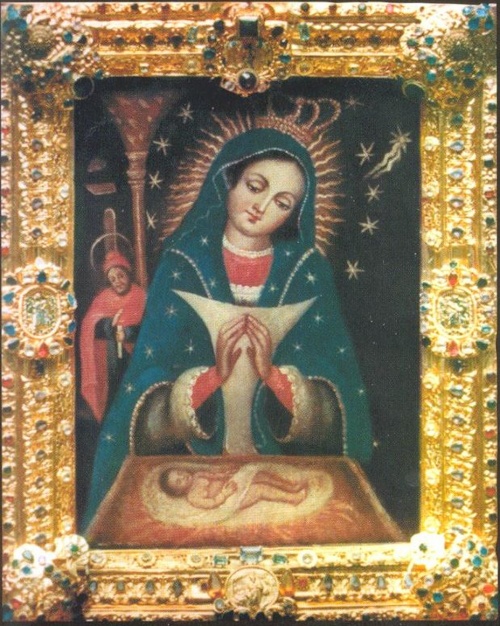
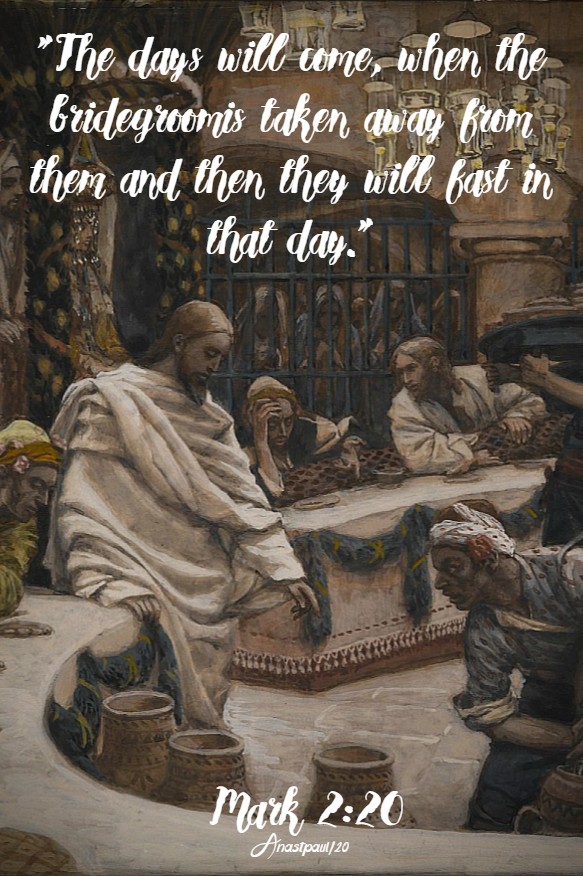
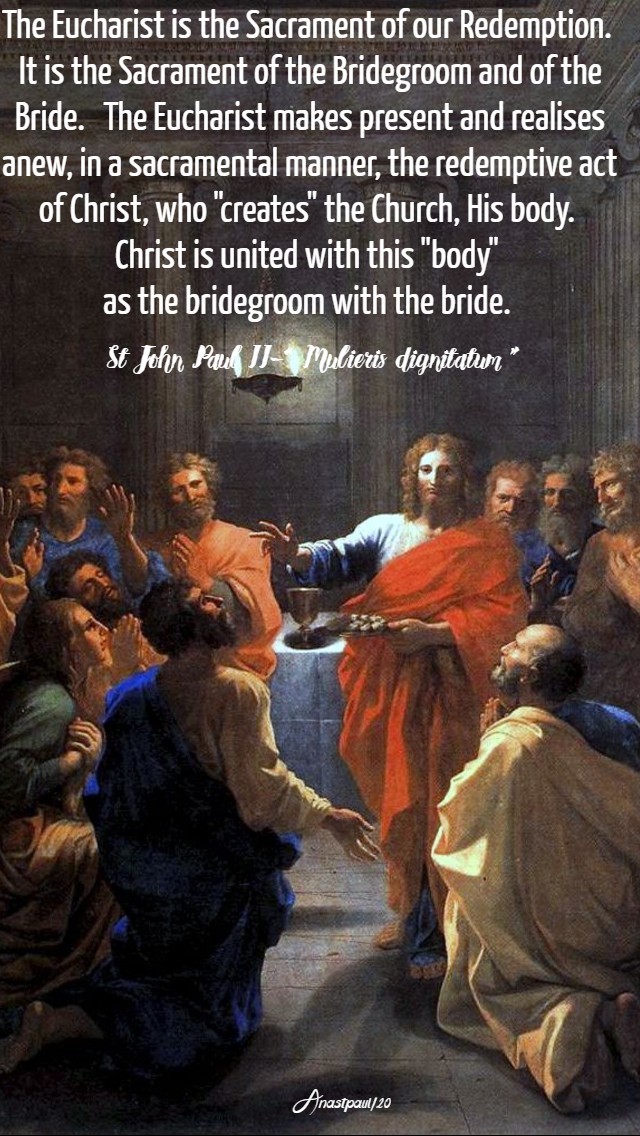
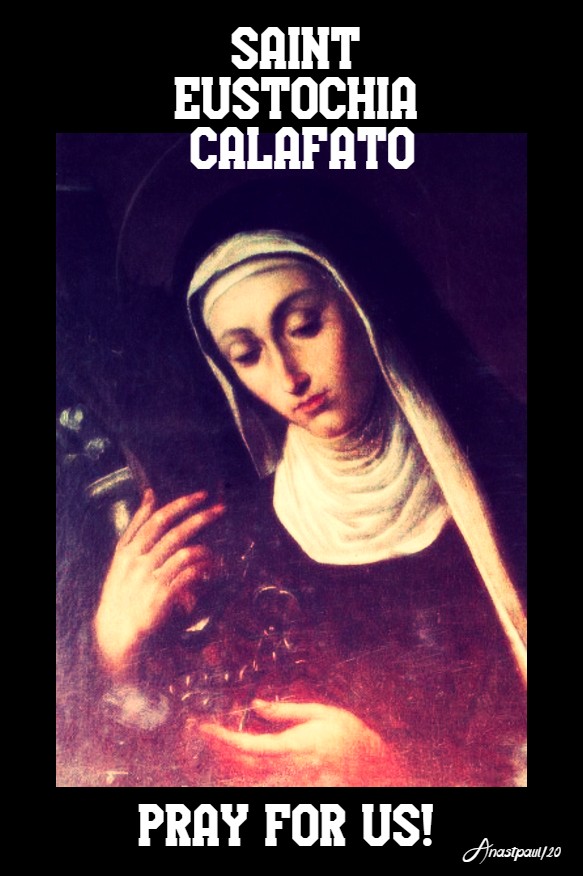
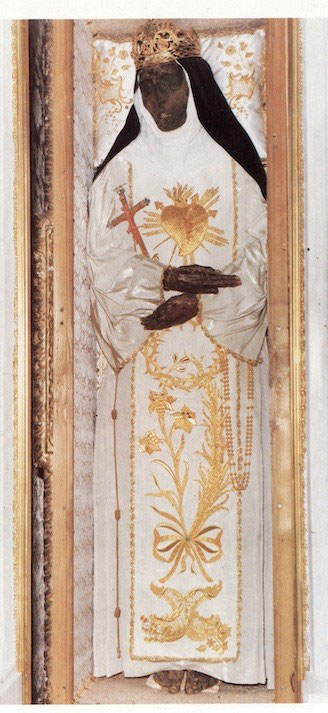
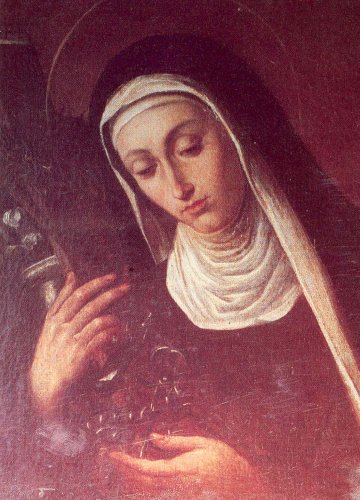

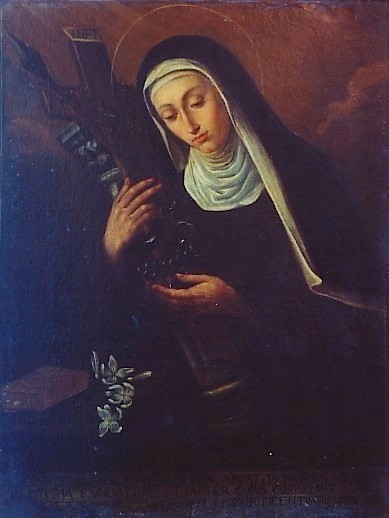

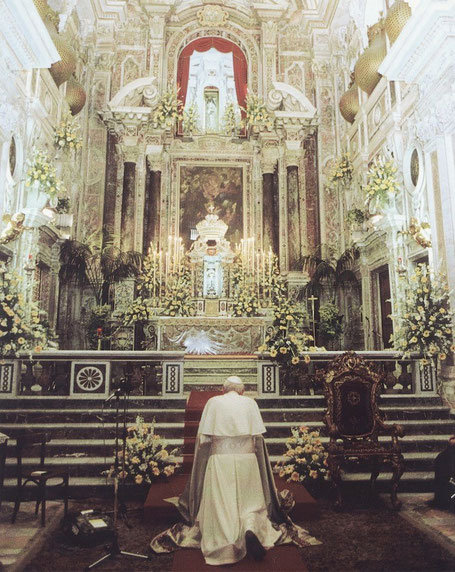
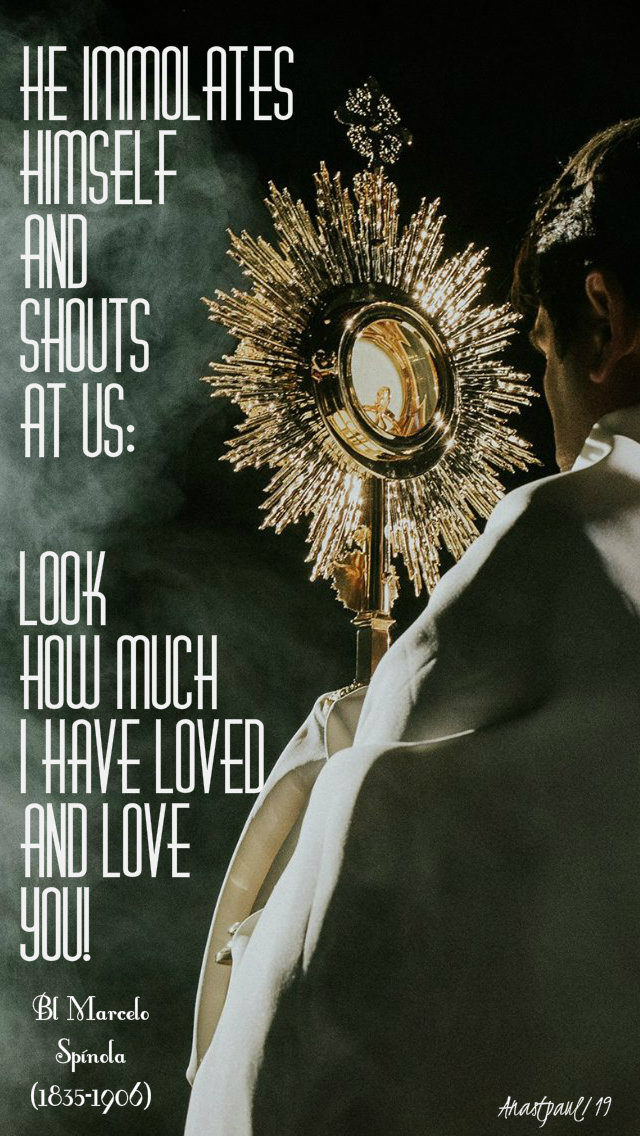
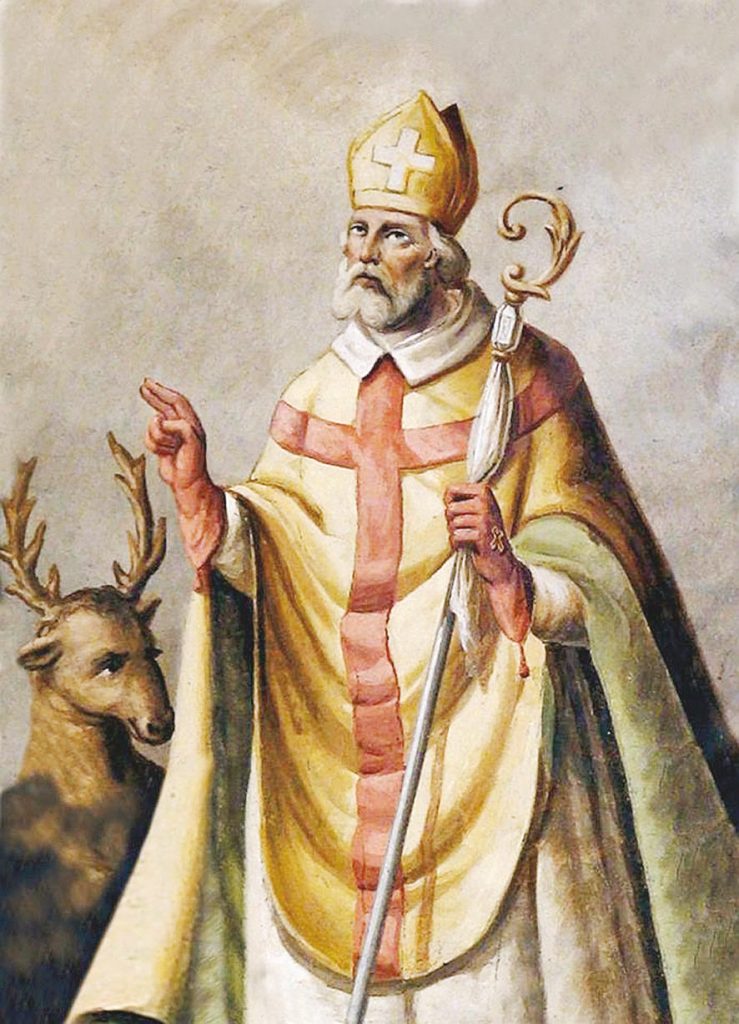
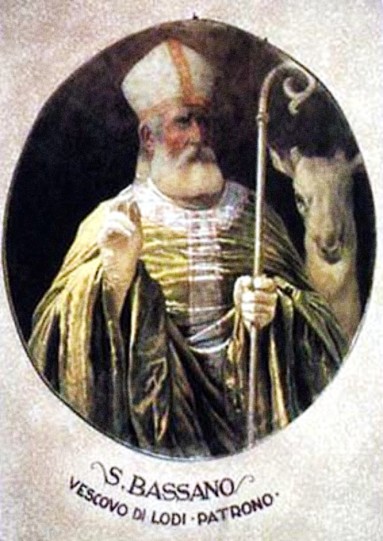 Upon the death of the Bishop of the city of Lodi in Liguria, Northern Italy, the priest Clement of the cathedral church had a revelation that Saint Bassian would be chosen Archbishop of Lodi. Both Saint Ambrose, Bishop of Milan and Bishop Ursus officiated at at his Consecration.
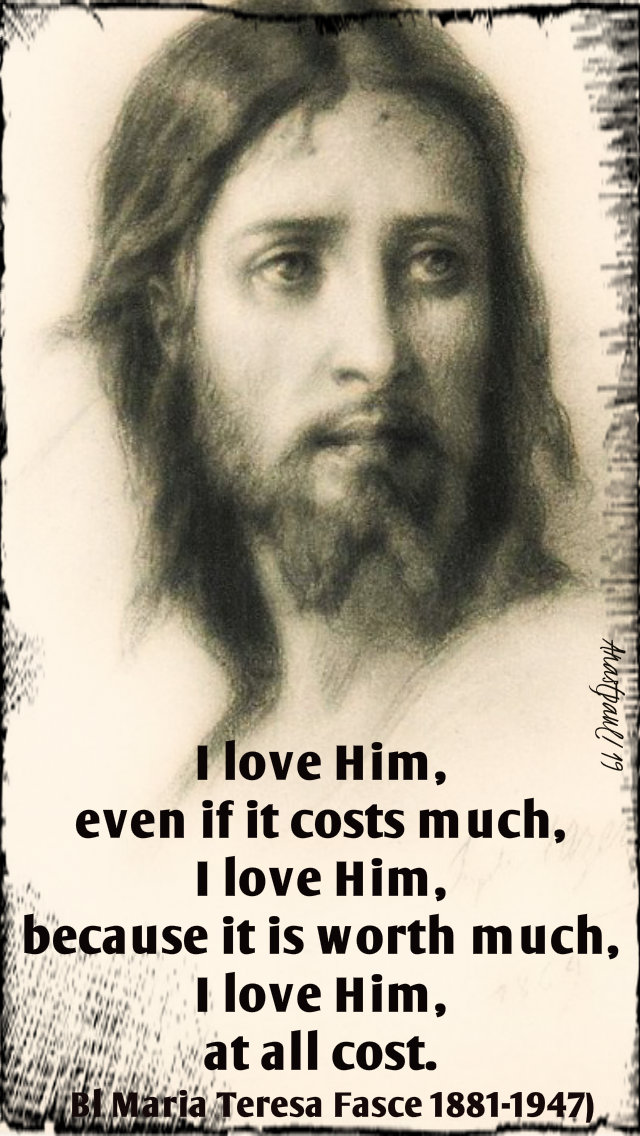
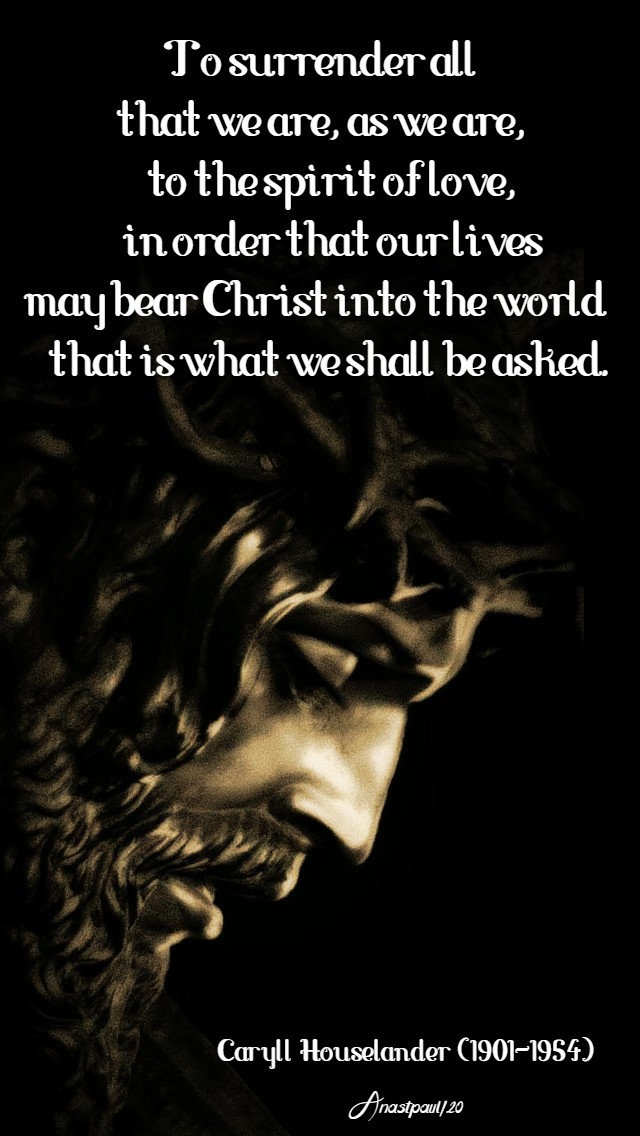
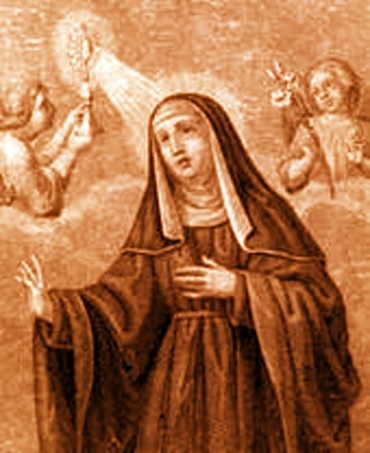
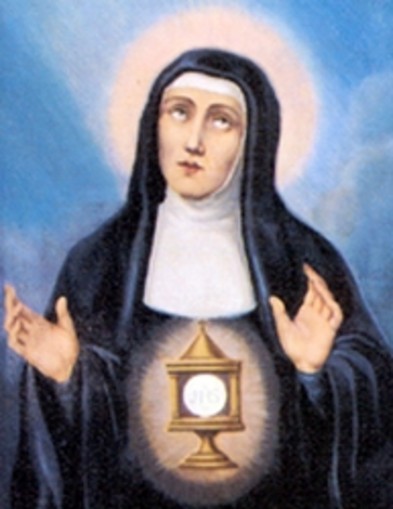
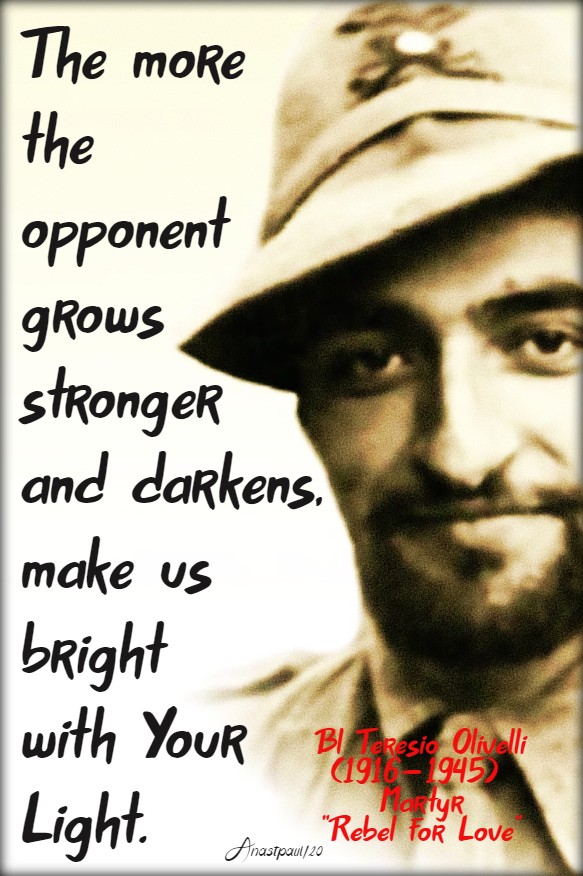
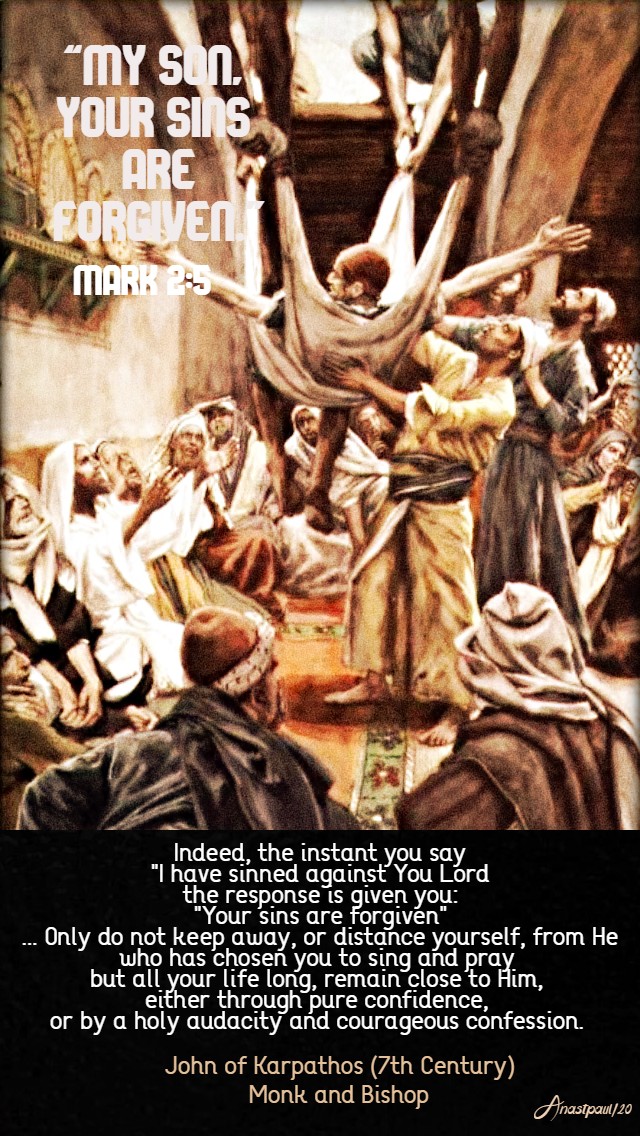
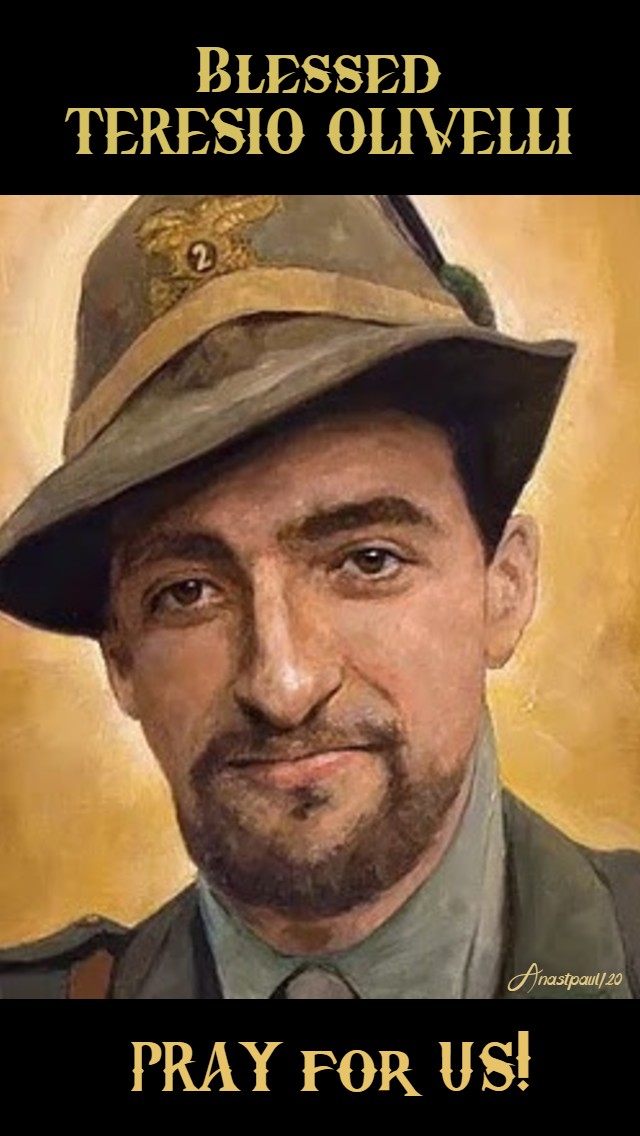

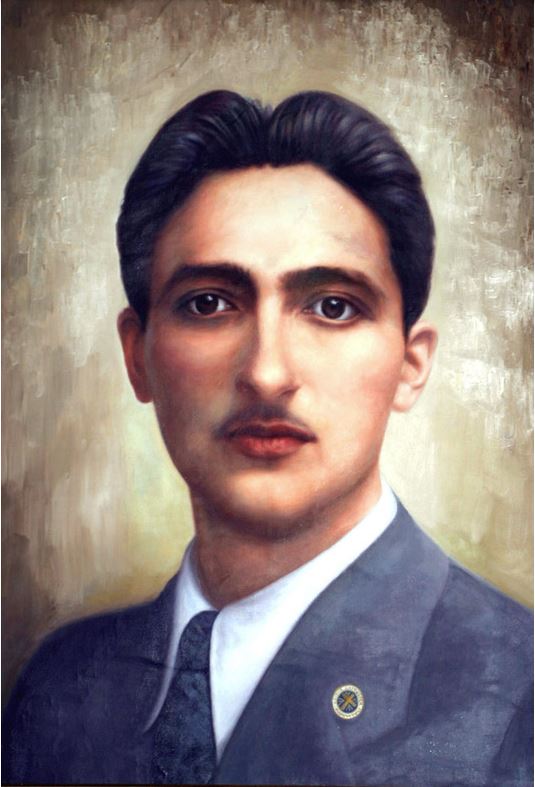
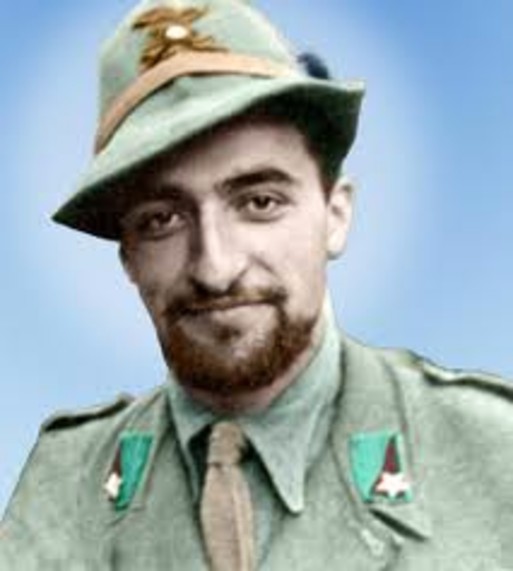
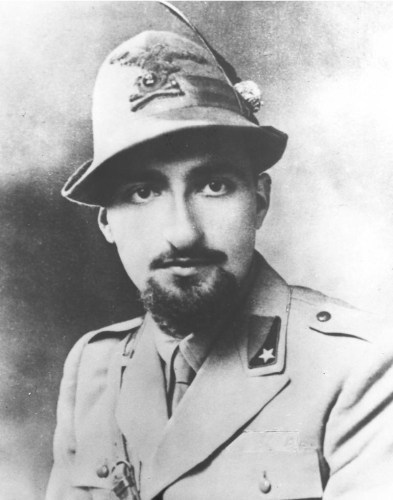

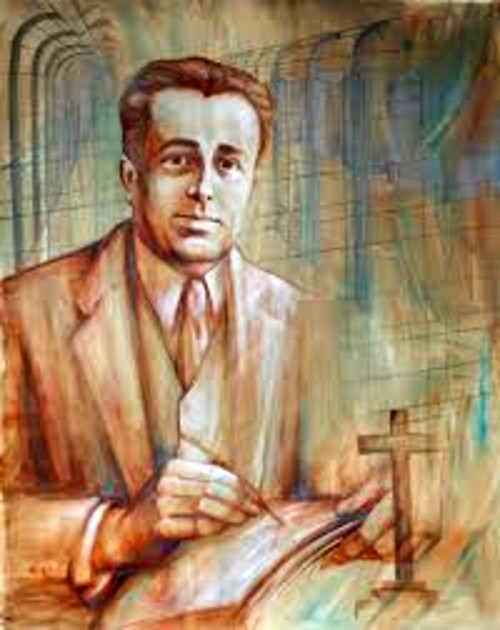
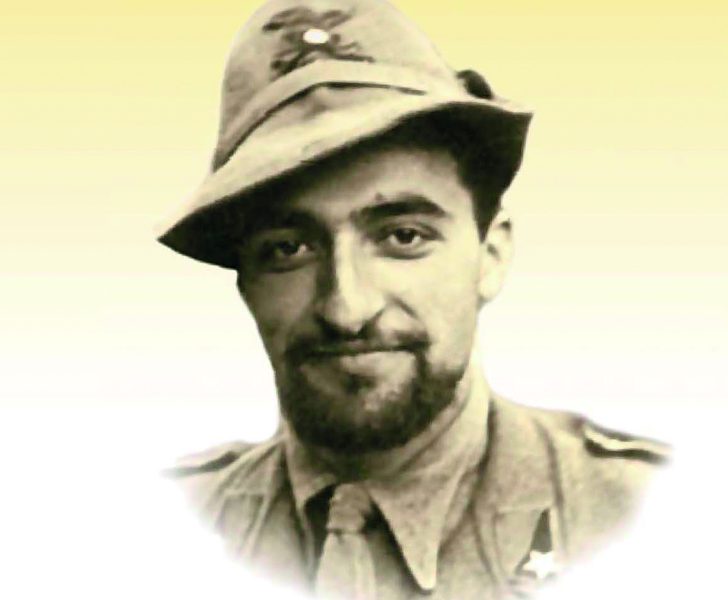

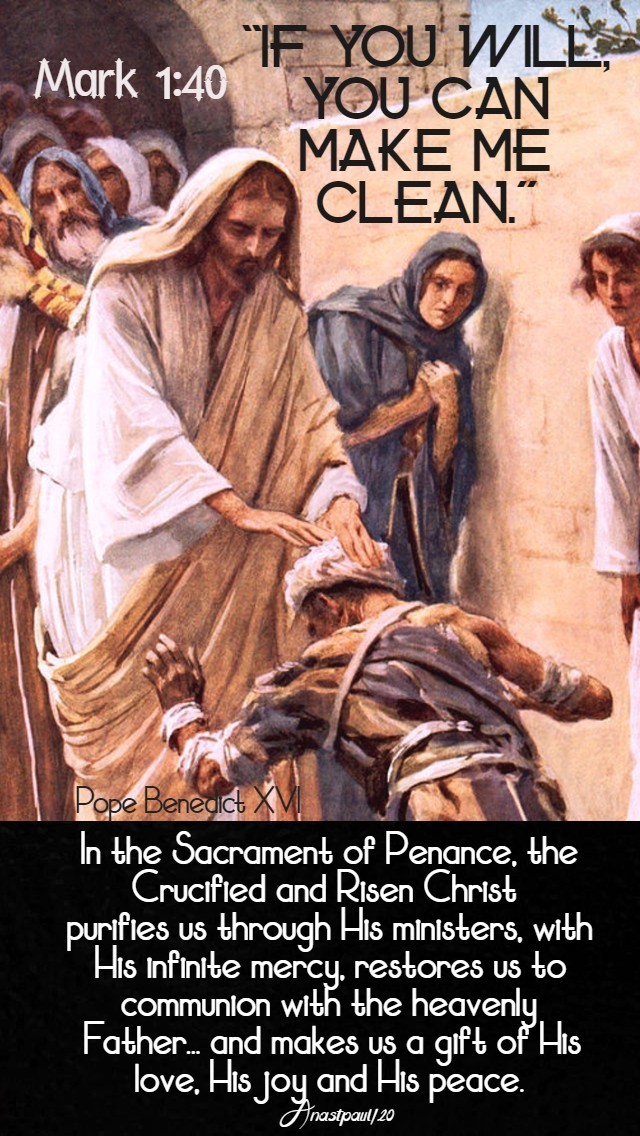


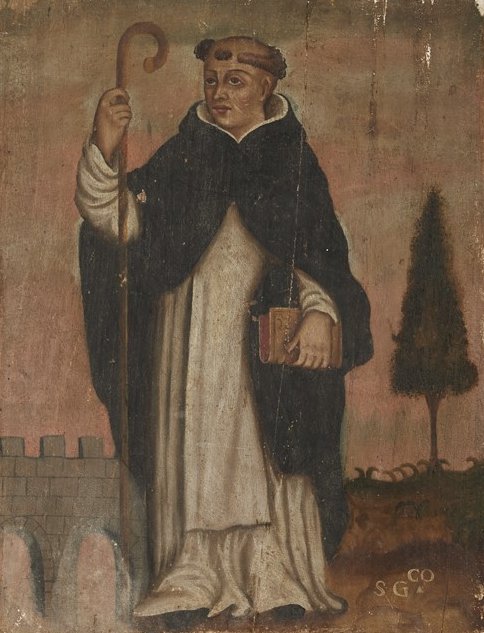
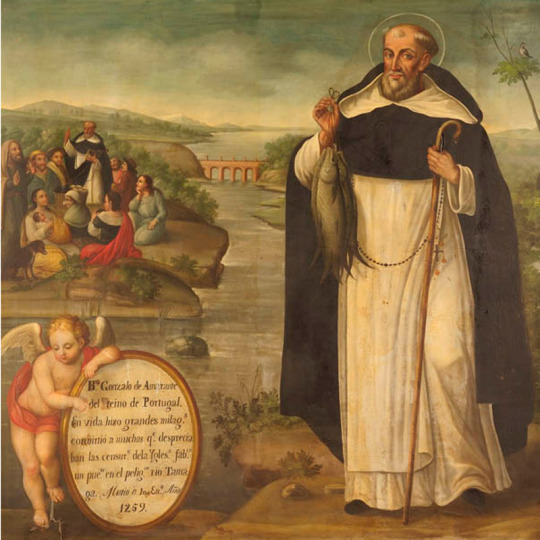
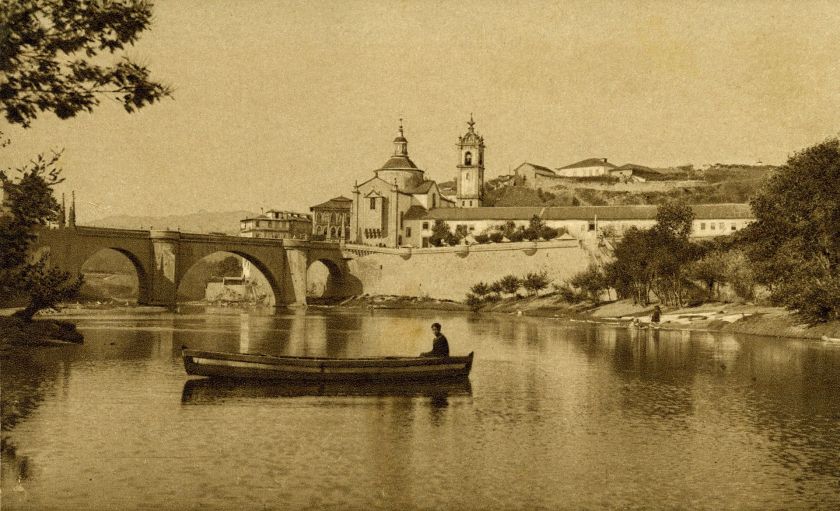
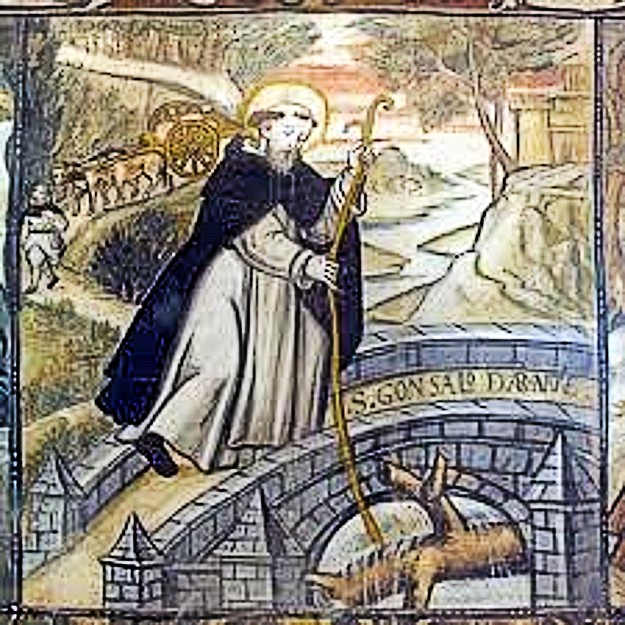
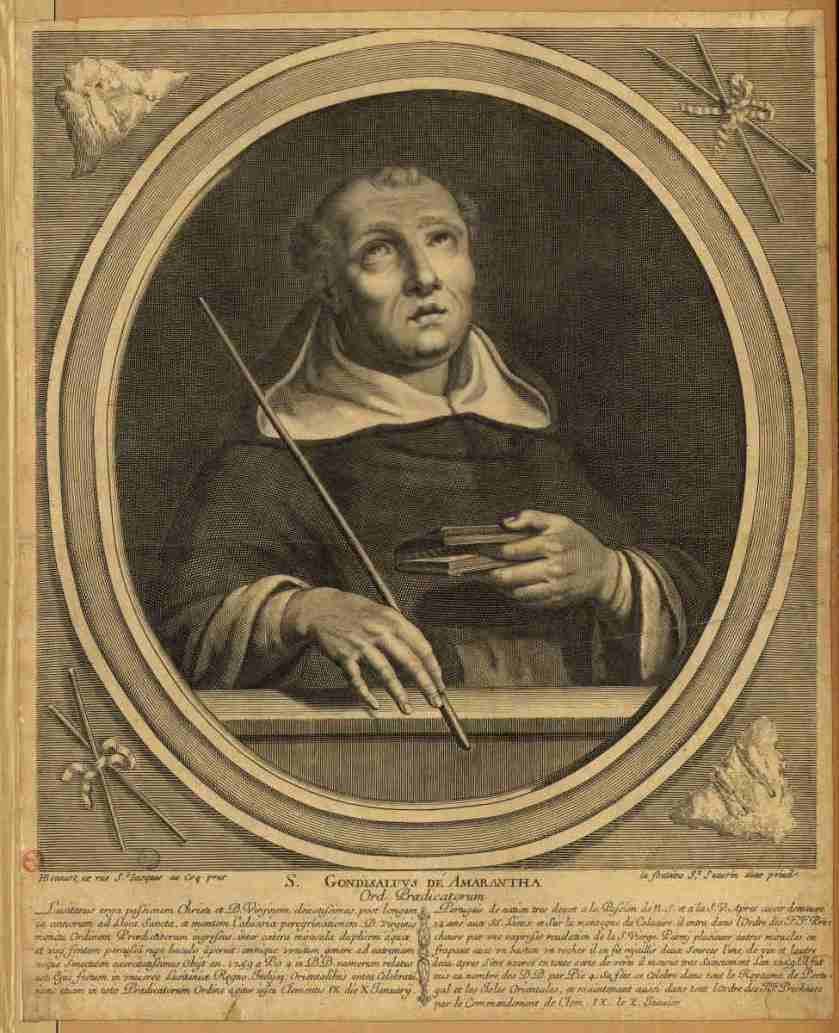
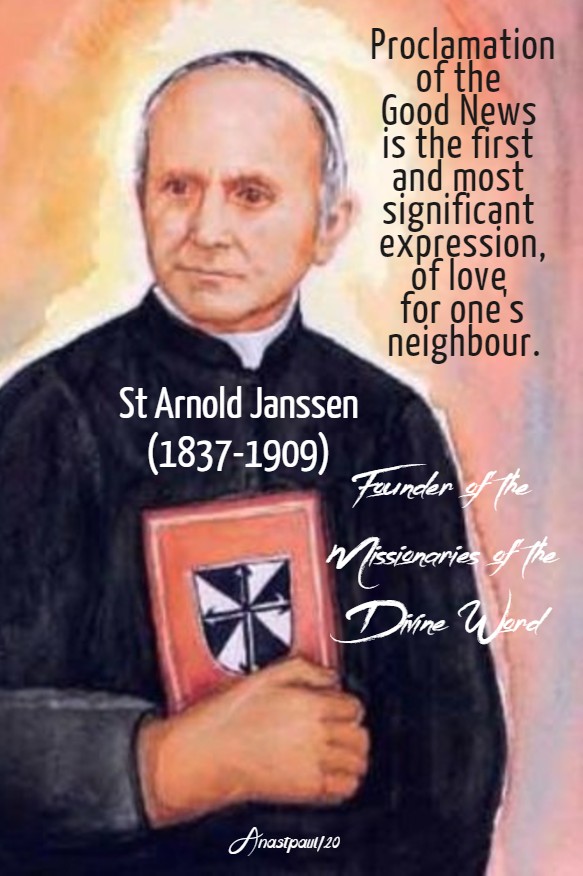

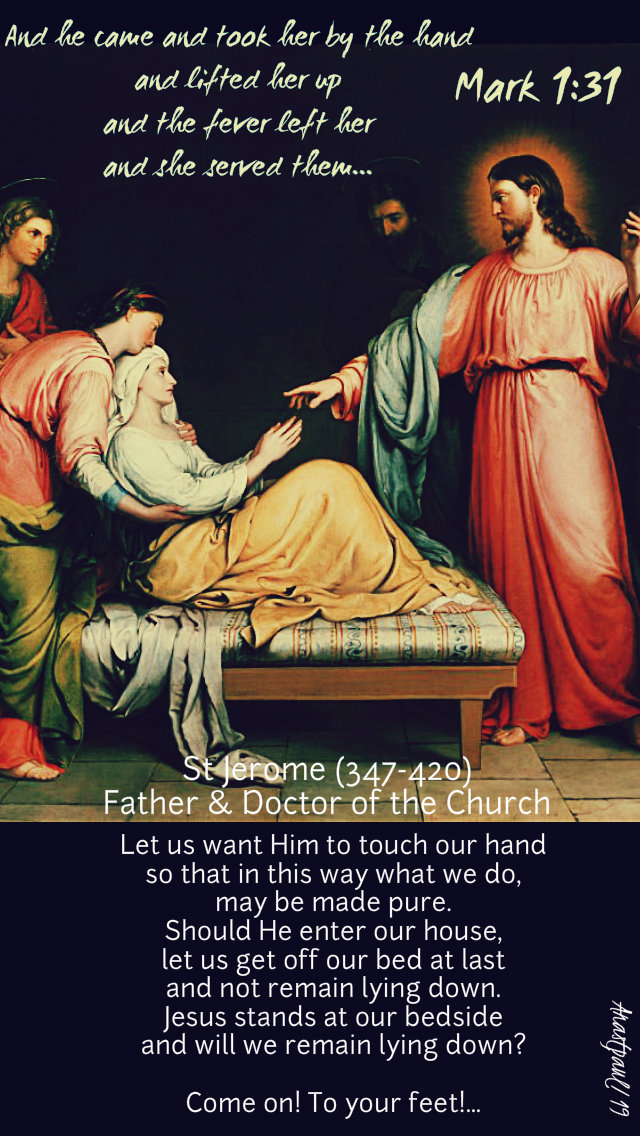

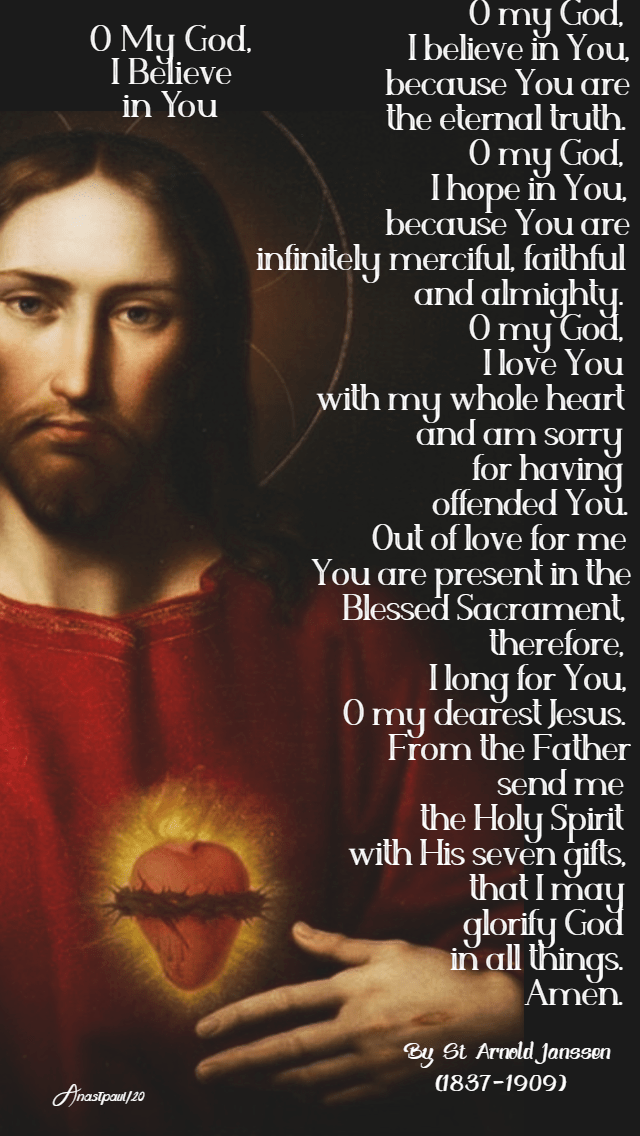


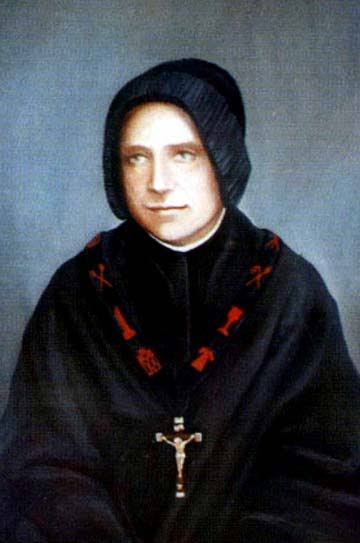
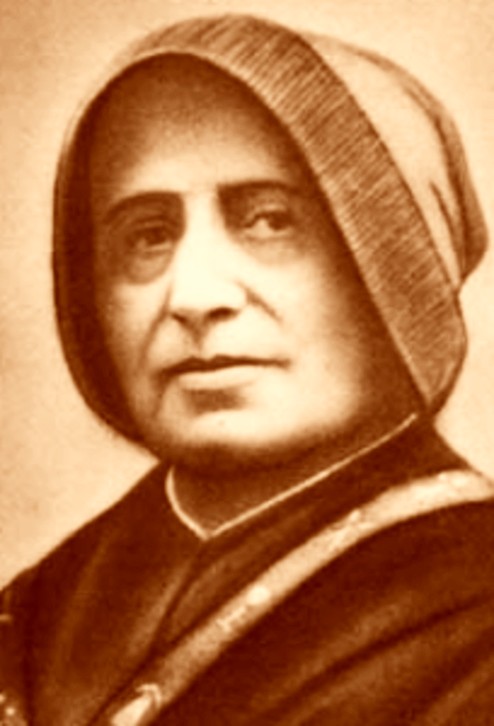
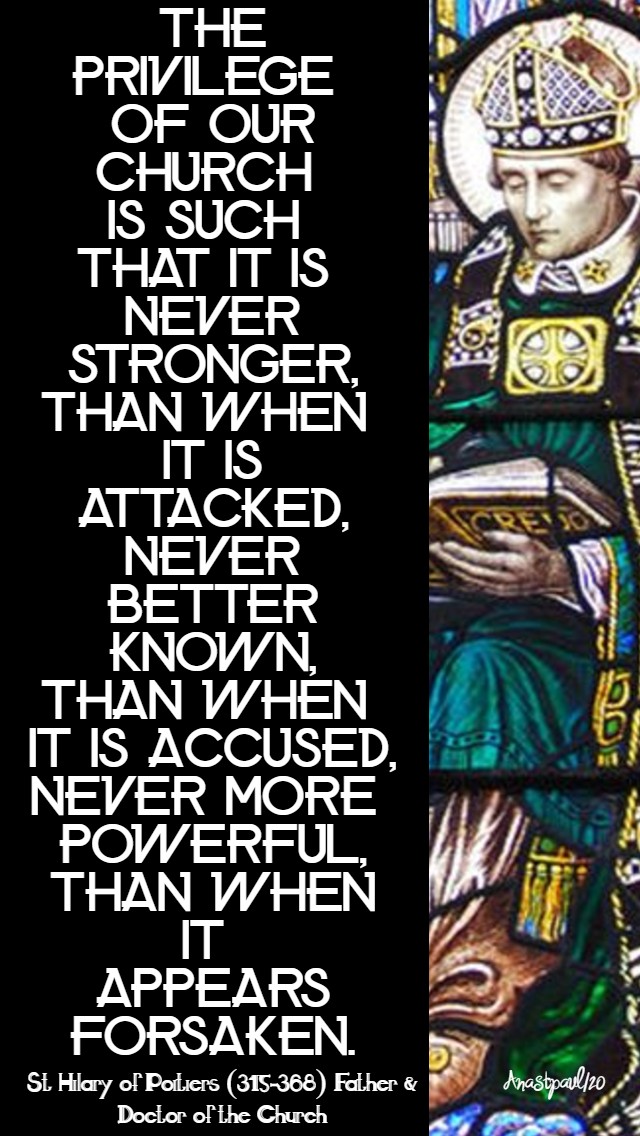
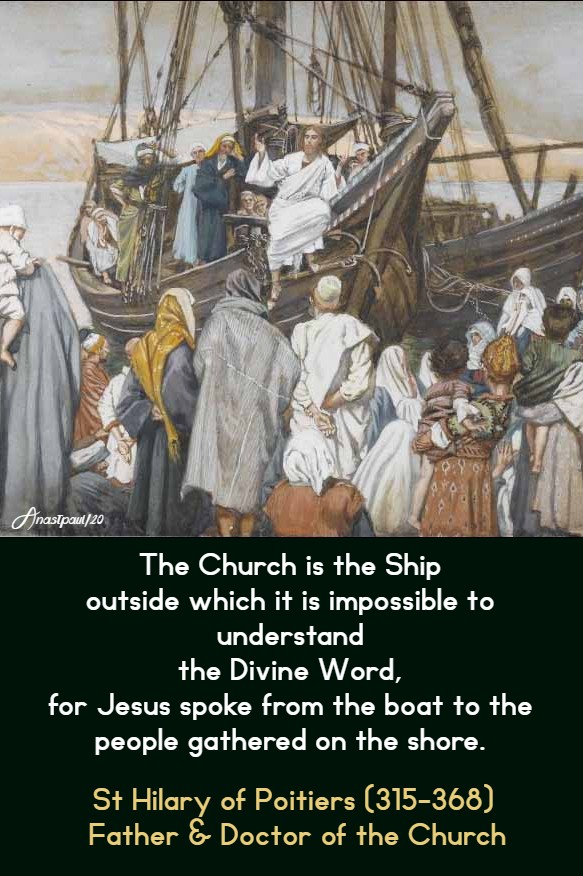
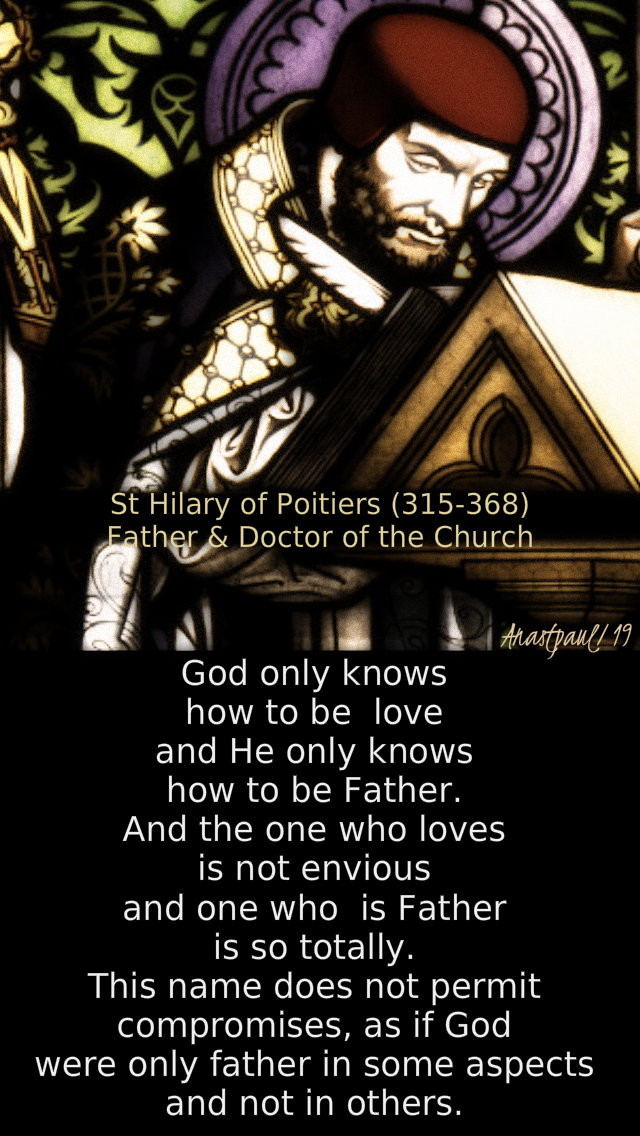
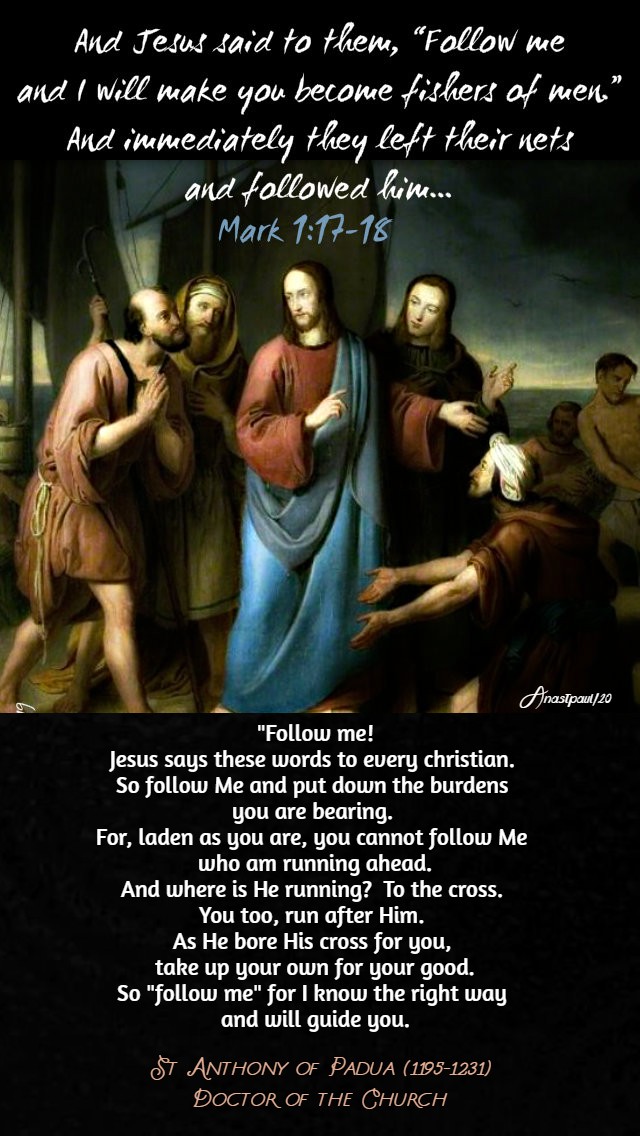
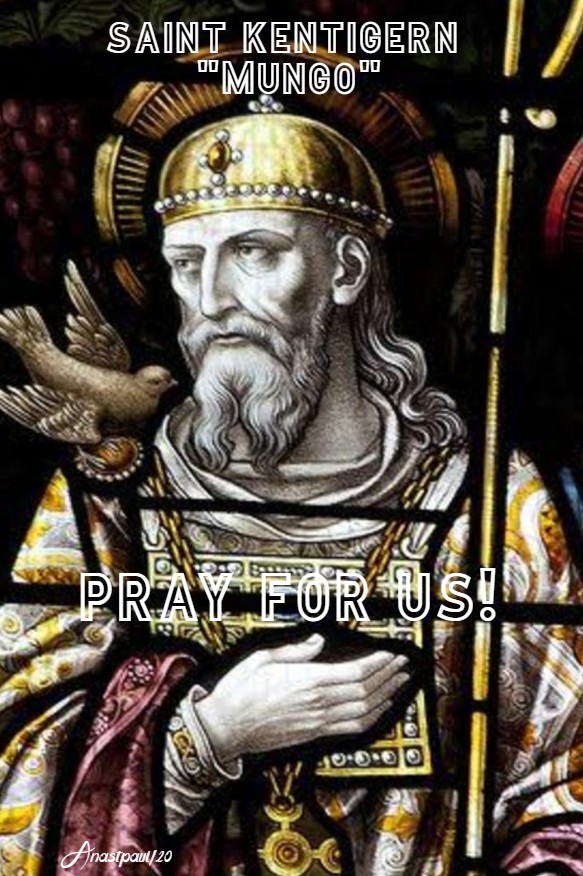
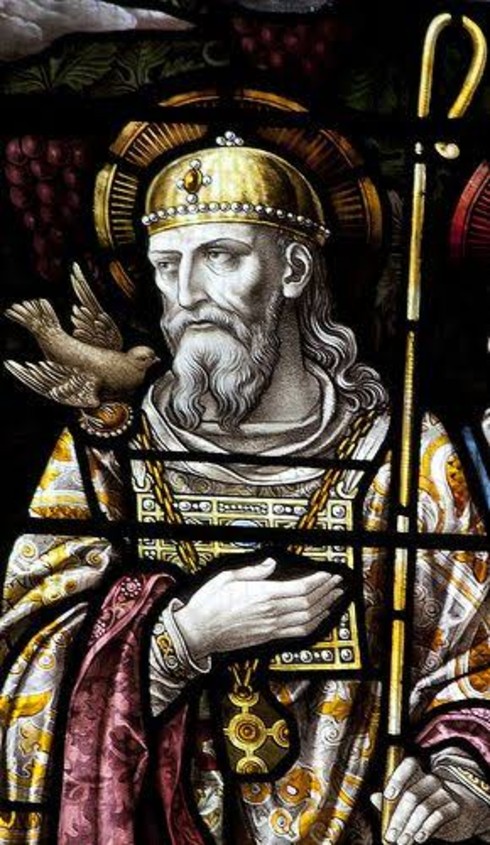
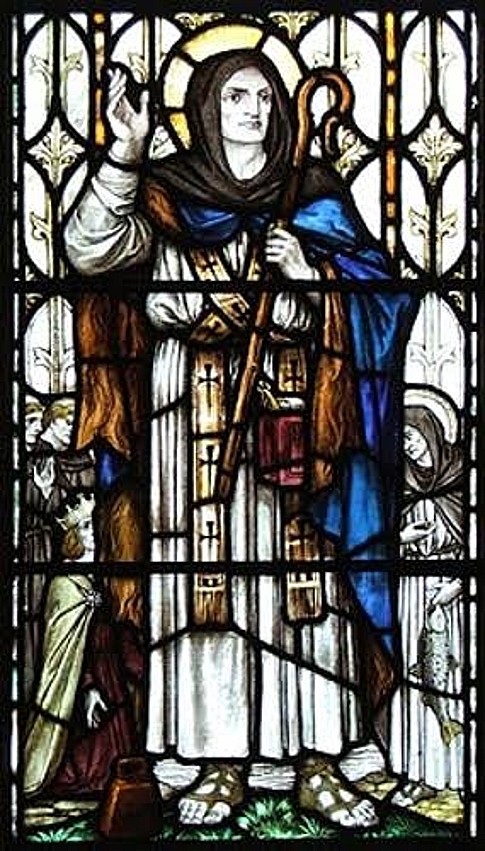


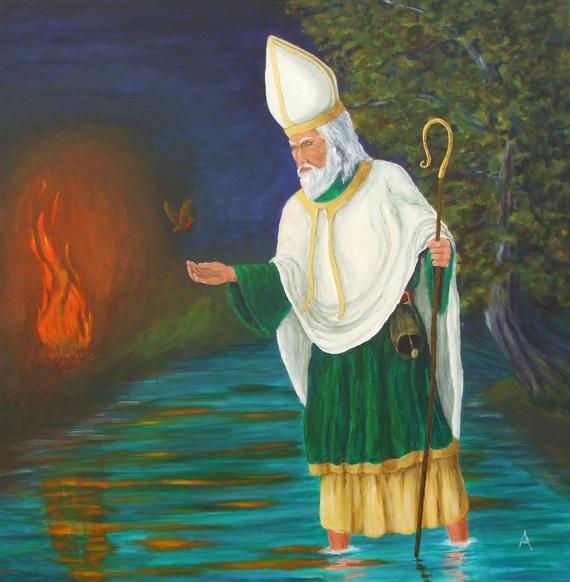 Facing execution, the Queen appealed to St Mungo, who ordered a servant to catch a fish from the river. When the fish was cut open, the ring was found inside, demonstrating the Queen’s innocence.
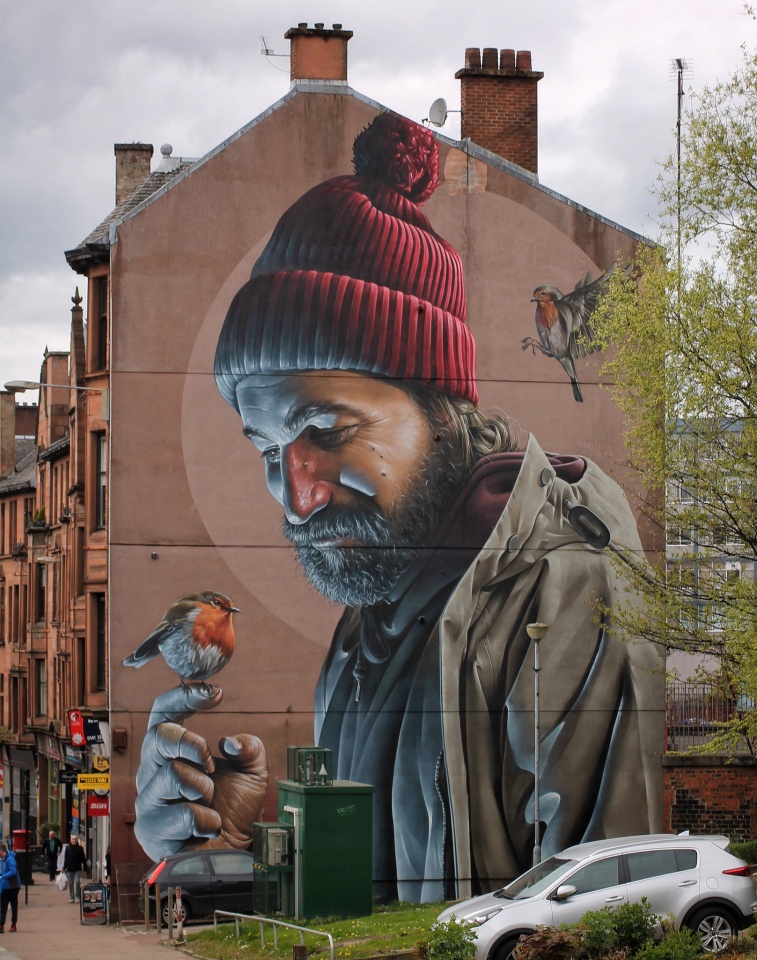
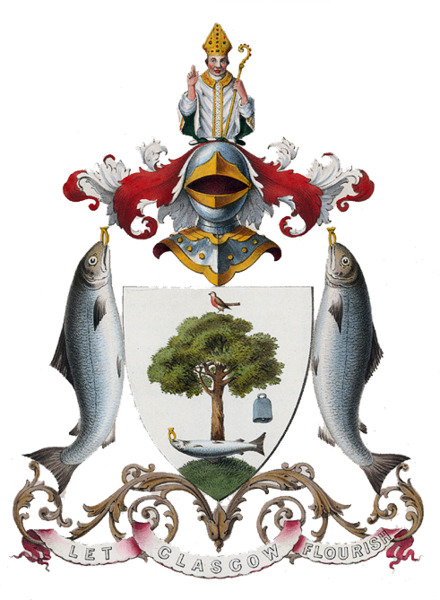
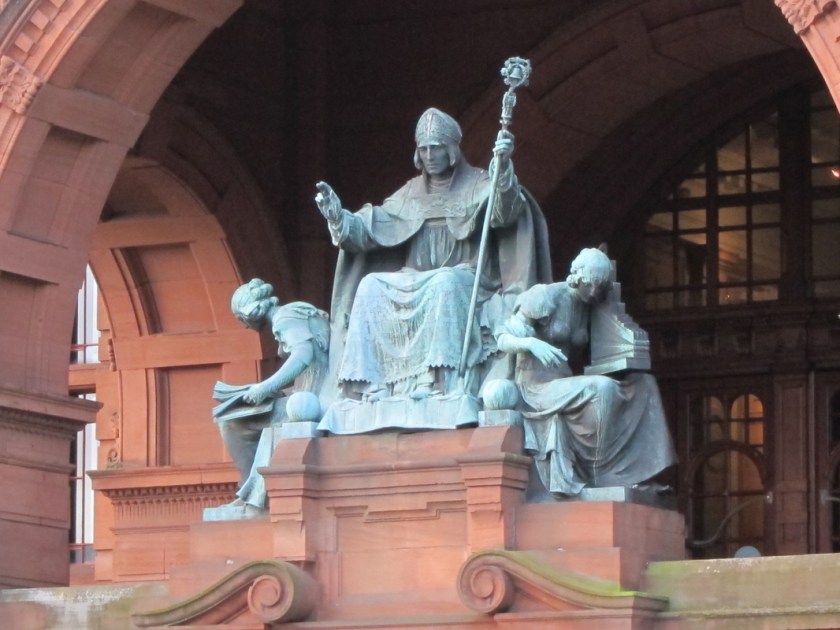
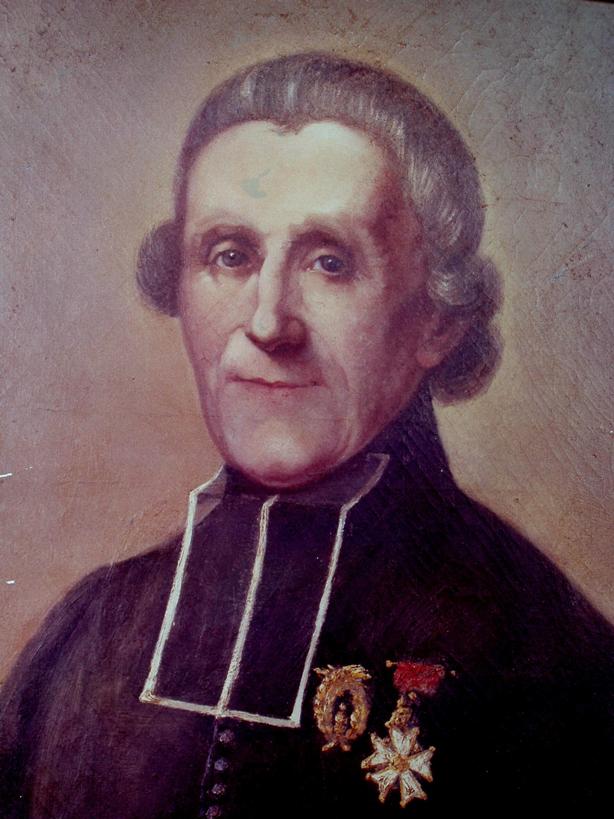


You must be logged in to post a comment.