Posted in MARIAN TITLES, SAINT of the DAY

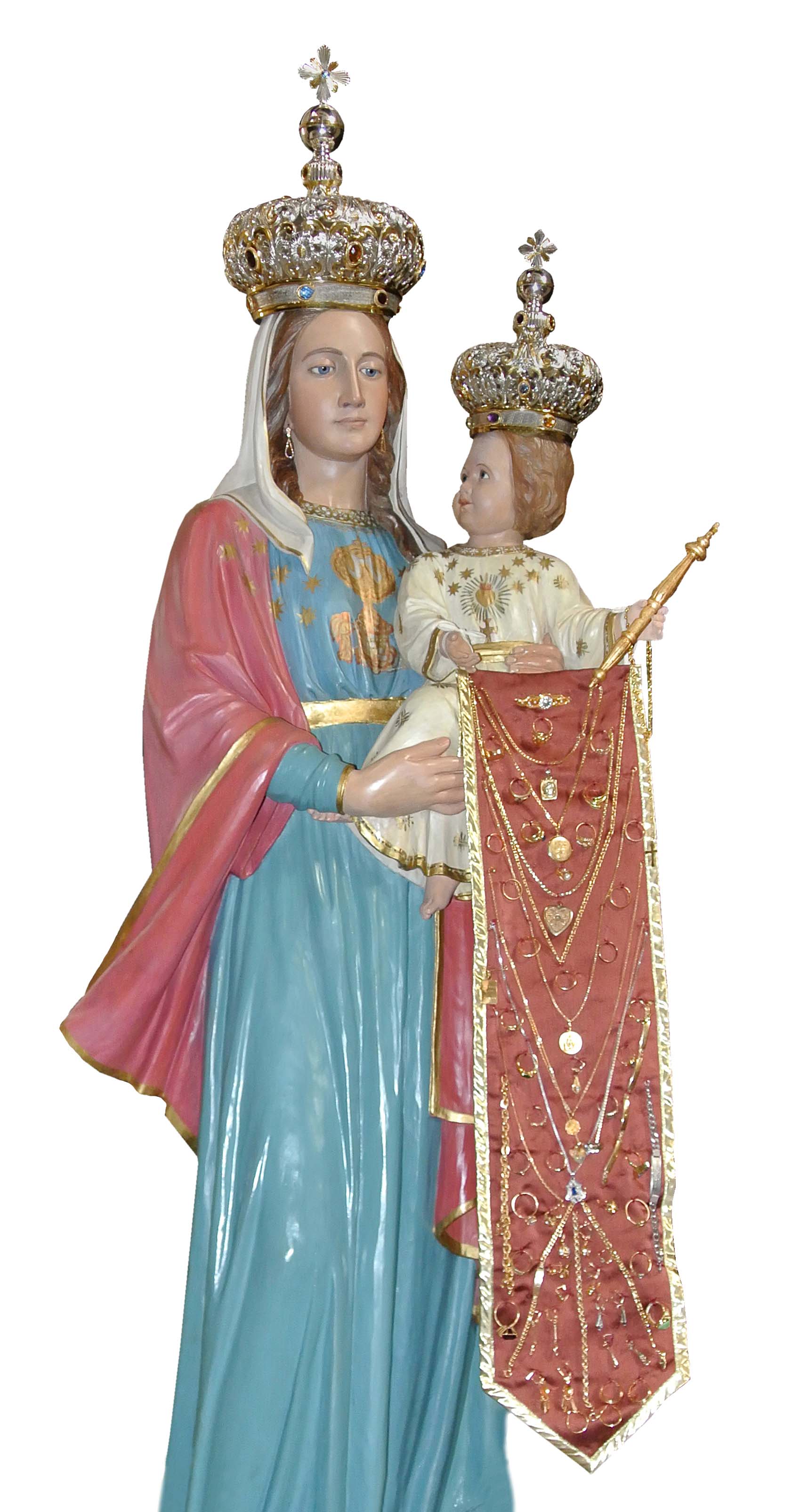
Santa Maria del Pozzo, Mother and Queen of Mercy, Bari, Italy (1705), St Rose of Lima and the rest of the Saints for 30 August

St Adauctus AND St Felix of Rome (Died c303)
St Agilus
St Arsenius the Hermit
St Boniface of Hadrumetum
St Bononius of Lucedio
Bl Bronislava of Poland
Bl Edward Shelley
Bl Ero di Armenteira
Bl Eustáquio van Lieshout
St Fantinus of San Mercurius

St Gaudentia of Rome

St Loarn
Bl Margaret Ward

St Pelagius the Hermit
St Peter of Trevi
Bl Richard Flower
Bl Richard Leigh
Bl Richard Martin
St Rumon of Tavistock
St Sylvanus the Hermit
St Thecla of Hadrumetum
St Theodosius of Oria

Posted in SAINT of the DAY, St JOHN the BAPTIST

The Beheading of Saint John the Baptist and the Saints for 29 August

St Adelphus
St Adausia of Rome
St Alberic of Bagno de Romagna
St Basilia of Sirmium
Bl Bronislava
St Candida of Rome
St Edwold the Hermit
St Euthymius of Perugia
St Maximian of Vercelli
St Medericus
St Nicaeus of Antioch
St Paul of Antioch
St Repositus of Velleianum
Bl Richard Herst
St Sabina of Troyes
St Sator of Velleianum
St Sebbe of Essex
St Velleicus
St Victor of La Chambon
St Vitalis of Velleianum

Posted in SAINT of the DAY

Saint of the Day – 28 August – St Hermes of Rome (Died c130) Martyr, Layman.

Saint of the Day – 28 August – St Hermes of Rome (Died c130) Martyr, Layman. Patronages – Acquapendente, Italy and Forte dei Marmi, Lucca, Italy. Also known as – Ermete.

Little information has descended to us and what we know, from various sources, is often in conflict with each other.

The Roman Martyrology reads: “At Rome, the birthday of St Hermes, an illustrious man who, as we read in the Acts of the blessed Pope Alexander, was first confined in prison and afterwards, ended his Martyrdom by the sword, under the Judge, Aurelian.

Saint Hermes is the figure in the back, in armour. Other Saints pictured include Saint James the Great, Saint Joseph, Saint Ghislain and Saint Eligius.

We believe that Hermes was a wealthy freed Roman slave. His brother, St Theodore was also a Martyr. A Catacomb in the Salesian Way bears his name.

Butler’s Lives of the Saints writes of him:
He suffered at Rome in the persecution of the Emperor Adrian about the year 132. His tomb on the Salarian Way was ornamented by Pope Pelagius II and his name is famous in the ancient western Martyrologies.

Posted in AUGUSTINIANS OSA, SAINT of the DAY

St Augustine (354-430) and all the Saints for 28 August

StAdelindis of Buchau
St Agnes of Cologne
St Alexander of Constantinople
St Ambrose of Saintes

St Anthes of Salerno

St Facundinus of Taino
St Felix of Venosa
St Fortunatus of Salerno
St Gaius of Salerno
St Gorman of Schleswig
St Hermes of Rome (Died c132) Martyr
Bl Hugh More
Bl James Claxton
St Januarius of Venosa
St Julian of Auvergne

St Pelagius of Istria
St Restitutus of Carthage
St Rumwold the Prince
St Septiminus of Venosa

St Vivian of Saintes
Bl William Dean

Posted in franciscan OFM, SAINT of the DAY

Saint of the Day – 27 August – Blessed Gabriel Mary Nicholas OFM (c1463-1532) Confessor, Priest

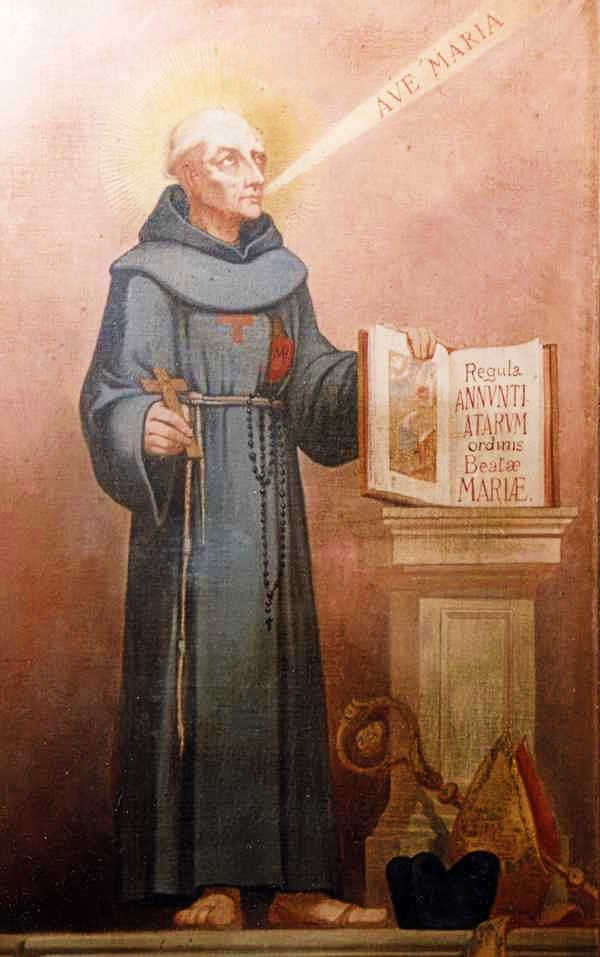
Saint of the Day – 27 August – Blessed Gabriel Mary Nicholas OFM (c1463-1532) Confessor, Priest and Friar of the Friars Minor, Co-founder of the Order of the Annunciation (O.Ann.M). Born in c1463 at Besse, Puy-de-Dôme, France as Gilbert Nicolas and died on 27 August 1532, aged 70, at Rodez, Aveyron, Patronage – of the Order of the Annunciation of the Blessed Virgin Mary. Blessed Gabriel was Beatified in 1647 by Pope Innocent X. Also known as – Gilbert Nicolas.

This blessed man belonged to the most outstanding clients of Our Lady in the Franciscan Order. As a result of a sermon on the Immaculate Conception which had been delivered by a member of the Friars Minor, he himself became a Friar of the Order. Due to his great learning and virtues, he was frequently entrusted with the highest offices in the Order.

Gabriel studied at the Convent of Amboise where he was Ordained a Priest. From 1498 until 1502 he served as the gatekeeper of his Convent where he later met Saint Jane de Valois (1464-1505) and he became her Confessor and Spiritual director.

His fame, however, rests on his founding of the Order of the Annunciation, together with St Jane de Valois who is venerated as its mother. The Blessed Mother of God commissioned him to undertake its establishment. He became the protector and spiritual counsellor of the Order, composed its Rules and constitutions, secured many new members and was instrumental in establishing ten Convents. Later, he was given the title of General of the entire Order of the Virgin Mary.

Pope Leo X was so impressed by his devotion to Our Lady that he changed his name from Father Gilbert Nicholas to Father Gabriel Marie of the Annunciation, or Fr Ave Maria. Father Gabriel Mary always closed his letters with the words, “Your servant in Mary.”
The theme of his sermons was always some verse from the Magnificat or from the Hail Mary. He bound himself by vow never to say or do anything which might not be pleasing to his beloved heavenly Queen.

While Blessed Gabriel Mary was guardian in Paris, a professor of theology ventured to attack the mystery of the Immaculate Conception of the Blessed Virgin Mary in his presence. Father Gabriel was seized with holy anger. He defended this prerogative of Our Lady with such eloquence that the professor declared himself vanquished.

Father Gabriel Mary died on 27 August 1532, following an academic event in which he had proposed ten questions concerning the prerogatives of Mary and had given his explanation of them. He closed by saying:

“Today I shall see the glorious Mother of God.”

Then Blessed Gabriel Mary began to recite the Vespers of the Blessed Virgin. When he reached the last verse of the Magnificat, he quietly passed away. Pope Innocent granted a Plenary Indulgence to those who would visit the Convent Church in Bourges “on the Feast of SBlessed Gilbert.” A petition has been sent to the Holy See to permit his veneration in the entire Franciscan Order and the cause of his Canonisation is now pending in Rome.

Posted in franciscan OFM, MARIAN TITLES, SAINT of the DAY

The Thirteenth Sunday after Pentecost, Feast of the Seven Joys of Our Lady, St Joseph Calasanz and many more Saints for 27 August

The Thirteenth Sunday after Pentecost

St Agilo of Sithin
St Angelus of Foligno
St Anthusa the Younger
St Arontius of Potenza
St Baculus of Sorrento
St Carpophorus
St David Lewis
St Decuman
St Ebbo of Sens
St Etherius of Lyons
St Euthalia of Leontini
St Fortunatus of Potenza
Blessed Gabriel Mary Nicholas OFM (c1463-1532) Priest
St Gebhard of Constance
St Giovanni of Pavia
St Honoratus of Potenza
St John of Pavia
St Licerius of Couserans
St Malrubius of Merns
St Narnus of Bergamo
St Phanurius
St Poemen
Bl Roger Cadwallador
St Rufus of Capua
St Sabinian of Potenza
St Syagrius of Autun

Posted in MARIAN TITLES, SAINT of the DAY

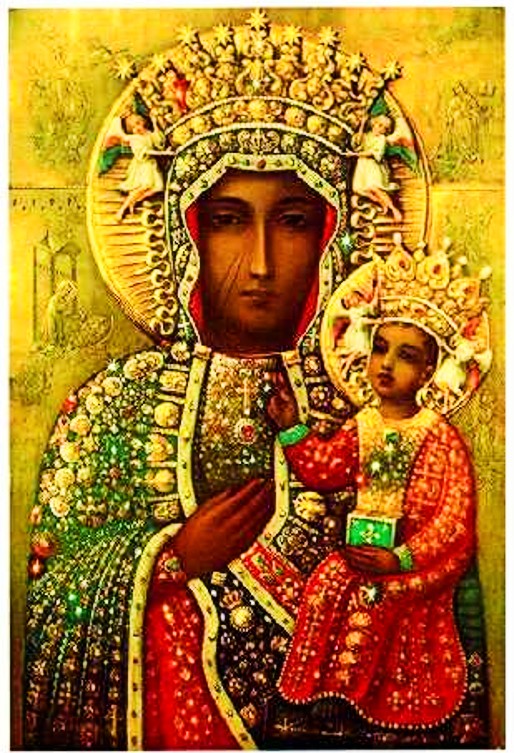
Our Lady of Czestochowa, Salus Infirmorum / Our Lady, Health of the Sick, St Pope Zephyrinus (Died 217) Martyr and the Saints for 26 August

Salus Infirmorum / Our Lady, Health of the Sick – Saturday before the last Sunday in August

St Abundius the Martyr

St Anastasius the Fuller
St Bregwin of Canterbury
St Elias of Syracuse
St Eleutherius of Auxerre
St Felix of Pistoia
Bl Herluin
Bl Ioachim Watanabe Jirozaemon
St Irenaeus of Rome

St Jean Bassano
St Jean of Caramola
Bl Juan Urgel
Bl Margaret of Faenza
St Maximilian of Rome
St Melchizedek the Patriarch
St Orontius of Lecce
St Pandwyna
St Rufinus of Capua
St Secundus the Theban
St Victor of Caesarea
St Victor the Martyr
St Vyevain of York

Posted in SAINT of the DAY

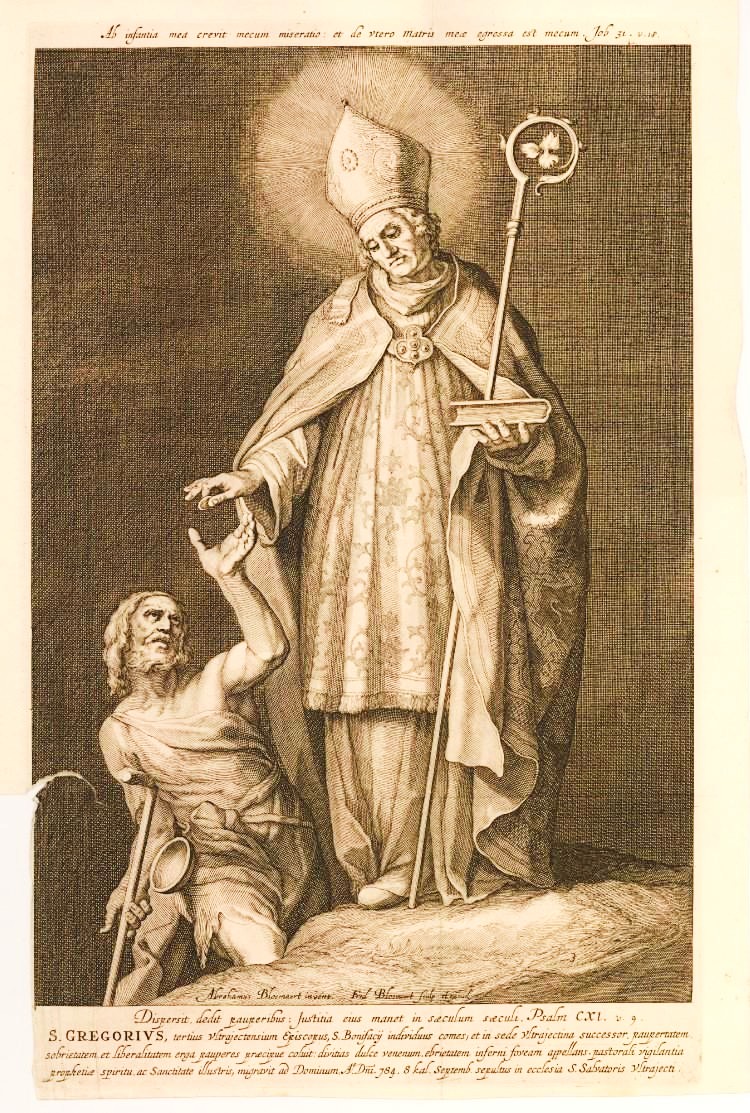
Saint of the Day – 25 August – Saint Gregory of Utrecht (c700-776) Bishop, Confessor

Saint of the Day – 25 August – Saint Gregory of Utrecht (c700-776) Bishop, Confessor, Prince, disciple of St Boniface, Abbot. Born in c700 at Trier, Germany and died on 25 August 776 at of natural causes. Also known as – Gregory of Pfalzel.

Gregory was born in the territory of Triers and was a Prince of Royal blood, for his grandmother Adela, his father Albric’s mother, was the daughter of Dagobert II, King of Austrasia. This lady, after the death of her husband, built the Monastery of Palens, near Triers and, putting on the religious habit, was chosen the first Abbess. Her sister Irwina, who had also renounced the world, died as the Abbess of Horre.

Gregory, returning one day from his studies, when he was fifteen years of age, was desired, by his Grandmother, to read to the Nuns at Palens. St Boniface, who was travelling from Friesland passed that way and was present on this occasion. Gregory was desired by the Abbess, after he finished his reading, to explain the instructions which he had read, in favour of those who did not understand Latin but this, he said, he was not able to do, probably because he was not sufficiently confident with the Teutonic language.

Wherefore, Saint Boniface rising up, did that office for him and added many pathetic (in the original meaning of this word being ‘capable of touching or feeling’) exhortations to virtue, probably both in the Latin and Teutonic languages. Gregory was so moved by his discourses that he resolved, upon the spot, to forsake the world and attend that holy man wherever he went. His family do not seem to have opposed his inclination; for Saint Boniface took him with himself and would be himself Gregory’s master and instructor.

He seems to have placed him, for some time, in the Monastery of Ordorf for the convenience of finishing his studies but, the great Apostle of Germany, took Gregory, at a very young age, to share in the hardships and labours of his mission. Gregory accompanied him on all his missionary journeys and greedily learned from the Saint all the secrets of sanctit. St Boniface always loved him as his son. The disciple was a faithful imitator of his master’s spirit and great virtues. Gregory also accompanied him in his journeys to Rome to see the Pope..

Saint Boniface a little before his Martyrdom, sent him to Utrecht to govern a Monastery lately founded there. He had previously e appointed Eoban as the Bishop of that See. Saints Boniface and Eoban received together the Crown of Martyrdom in 754 – after which Pope Stephen III and King Pepin obliged Saint Gregory to take upon himself the care of the See of Utrecht but by various historical and discending documents, it appears that he never received the Palium nor was he ever Consecrated as the Bishop. He administered the Diocess for twenty-two years, until his death – he never was more than Priest, as appears from his Vita, written by his disciple, Saint Ludger (742-809) Bishop of Munster.
About St Ludger – https://anastpaul.com/2019/03/26/saint-of-the-day-26-march-st-ludger-c-742-809/

When the murderers of his two brothers were sent to him by the civil magistrates to be put to what death he should think fit, (according to the barbarous custom of the country in that age, which left the punishment of the assassins to the direction of the relations of the deceased person) – the Saint gave everyone of them a suit of clothes with alms and dismissed them with good advic

By his zealous preaching and prudent care, he rendered the Church of Utrecht the most flourishing in all that Country. His eminent spirit of mortification and prayer, his invincible meekness and silence under all injuries, his great charity for the poor and endless assistance to them, his humility and his patience during three years severe illness, crowned him with the glory of the Saints, to which he passed on the 25th of August, in 776. His relics were religiously kept at Utrecht and examined in the Episcopal visitations in 1421 and 1597.

Posted in SAINT of the DAY

St Louis IX (1214-1270) and all the Saints for 25 August

St Alessandro Dordi
St Andreas Gim Gwang-Ok
St Aredius of Limoges
St Ebbe the Elder
St Eusebius
St Genesius of Arles
St Genesius of Brescello
St Genesius
St Gennadius of Constantinople
St Geruntius of Italica
St Ginés de la Jara
St Gregory of Utrecht (c700-776) Abbot
St Gurloes of Sainte Croix
St Hermes of Eretum
St Hunegund of Homblieres
St Julian of Syria
St Julius of Eretum
Bl Ludovicus Baba
Bl Ludovicus Sasada
Bl Luis Cabrera Sotelo
St Maginus (Died C304) Martyr, Hermit

St Menas of Constantinople
Bl Miguel Carvalho
St Nemesius of Rome
St Patricia of Naples
Bl Pedro de Calidis
Bl Pedro Vázquez
St Peregrinus of Rome
St Petrus Gim Jeong-Duk
St Pontian

Posted in Against STORMS, EARTHQUAKES, THUNDER & LIGHTENING, FIRES, DROUGHT / NATURAL DISASTERS, SAINT of the DAY

Saint of the Day – 24 August – Saint Eptadius of Autun (c490-525) Abbot

Saint of the Day – 24 August – Saint Eptadius of Autun (c490-525) Priest, Hermit, Abbot and Founder of the Abbey of Saint-Eptade de Cervon. Born in c490 near Autun, France and died on 25 August 525 in Montelon, France of natural causes. Patronage – of Blacksmiths, against storms and lightening. Also known as – Eptadius of Cervon, Aptas, Eptade, Eptare, Heptade.

He was a serious boy at 12, a learned scholar at 15, receiving a holy and pious education and a handsome young man who was about to be a bridegroom at 20. Shortly before his marriage, he was seized by a stubborn and severe fever. After a visit by three holy women, his faith and religion were ignited and he prayed to God for recovery and dedicating the rest of his life to Him alone.

Eptadius immediately recovered and then led a life of austerity and penance. Impressed by his virtue, King Clovis tried to persuade him to accept the charge of the Episcopate of Auxerre, as did Saint Flavien (Died 614), the Bishop of Autun but Eptadius not wanting honours and went into exile in the forest at a place called Cervon. However before leaving Eptadius accepted the desire of Bishop Flavian and was Ordained to the Priesthood.

It was in this solitude that Eptadius lived his desire to unite himself to God in prayer, fasting and penance and to redeem the captives of warring Lords in the neighbouring towns. The reputation of his virtues and austerities spread throughout the region and attracted a growing number of disciples, which led him to build a Monastery. The King made him responsible for his good works and entrusted his Monastery with great wealth to be used by our Saint, as the first Abbot, for the glory of God.

Eptadius returned to his hometown of Autun every year for the Feast of Saint-Symphorien a local Martyr who died in c179 and whose Feast day is 22 August.

Posted in SAINT of the DAY, The APOSTLES & EVANGELISTS

St Bartholomew the Apostle and Martyr and all the rest of the Saints for 24 August

St Abban
St Abyce
St Agofridus of Lacroix
Bl Antonio de Blanes

St Eutychius of Troas
St George Limniotes
St Irchard

St Patrick the Elder
St Ptolemy of Nepi
St Romanus of Nepi
St Sandratus
St Taziano of Claudiopolis

Posted in SAINT of the DAY

Saint of the Day – 23 August – St Marcian of Saignon, Abbot

Saint of the Day – 23 August – St Marcian of Saignon, France Priest, Founder and the first Abbot of the Benedictine Abbaye Saint Eusebe, the Abbey of St Eusebius. Unfortunately we do not even know the year of his birth or of his death but we do know the day of death was 23 August. Also known as – Marcian of Apt, Marciano, Marcianus, Martian, Martianus, Martien. Additional Memorial – 25 August on some calenders.

He is remembered as a Priest and the first Abbot of the Monastery of St Eusebius in Saignon which was founded by him.

Although we know little about the timescale of the Abbey, an ancient tradition traces its foundation to the early Middle Ages, making our Saint of the same Century. The Abbey founded, perhaps in the 8th Century, was attested from 1004 through the first surviving document (the deed of foundation or the restoration of the Abbey). We know too that the Monastery becamerenowned, very powerful and prosperous.

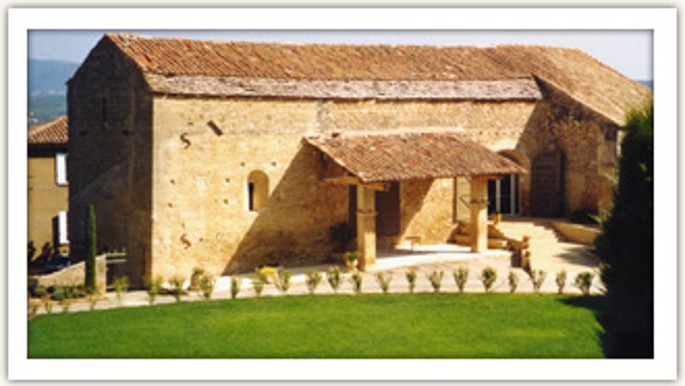
The Abbey in an old picture
An ancient image of the Abbey of St Eusebius

The only certainty of our Saint is the day of his death which took place on 23 August in an unknown year.

It is said that Marcian died lying on a rock due to a sudden illness. After his death, the rock on which he died became a place of miracles, veneration and pilgrimage to obtain cures or graces.

Although several Chapels were built on this site, the current Church dedicated to St Marcian dates to 1650.

The cult for St Marcian is maintained locally, in the Cathedral of St Anna, of the Diocese of Apt, where his body is preserved, a place that is still today a destination for pilgrimages.

The Saint is also remembered in Avignon as it is assumed he was born in Saignon in that Diocese. The celebration of his Feast and veneration of his Relics is remembered on 23 August.

Posted in MARIAN TITLES, SAINT of the DAY

Vigil of St Bartholomew, St Philip Benizi OSM (1233-1285) Confessor, Notre-Dame de la Victoire de Valois / Our Lady of Victory of Valois, France (1328) and Memorials of the Saints – 23 August

Vigil of St Bartholomew

St Abbondius of Rome
St Altigianus
St Apollinaris of Rheims
St Archelaus of Ostia
St Asterius of Aegea
St Claudius of Aegea
St Domnina of Aegea
St Eleazar of Lyons
St Eonagh
St Flavian of Autun
Bl Giacomo Bianconi of Mevania
St Hilarinus
St Ireneus of Rome
St Lupo of Novi
St Luppus
St Marcian of Saignon, France – Priest, Abbot
St Maximus of Ostia
St Minervius of Lyons
St Neon of Aegea
St Quiriacus of Ostia
St Theonilla of Aegea
St Timothy of Rheims

St Victor of Vita
St Zaccheus of Jerusalem

Posted in SAINT of the DAY

Saint of the Day – 22 August – St Andrew of Fiesole (Died c880) Archdeacon

Saint of the Day – 22 August – St Andrew of Fiesole (Died c880) Archdeacon, Monk, Missionary, Miracle-worker. Andrew was the Irish-born disciple and assistant of St Donatus (Died c874). He served as Archdeacon of Fiesole, Italy under Bishop Donatus – about St Donatus here: https://anastpaul.com/2020/10/22/saint-of-the-day-22-october-st-donatus-of-fiesole-died-874/

Andrew is commended for his austerity of life and boundless charity to the poor. He is also known as –Andrew of Ireland, Andrew of Tuscany, Andrew the Scot, Andrea… (He was known as “the Scot”, common at that time when speaking of someone from Ireland, as the country was sometimes called ‘Scotia’). His body is incorrupt.

Andrew was born in Ireland near the beginning of the 9th Century to a noble family. He was the brother of St Brigid the younger. Both Andrew and his sister studied under St Donatus. In 816 Andrew accompanied Donatus on his pilgrimage to Italy to visit the Tombs of Saints Peter and Paul and to visit the Holy Father.

When Donatus and Andrew arrived at Fiesol in Tuscany, the people were assembled to elect a new Bishop. Donatus was chosen and, after being Consecrated to that office, made Andrew his Archdeacon.

There is a miracle reported of Andrew curing the daughter of a nobleman. The girl had been paralysed and the doctors were unable to help her. Her father asked Andrew to come and pray for her. Kneeling by her side, he fervently prayed and then told her to stand up for Jesus had healed her. Many other miracles were performed by him over the course of his life in Fiesole- he cast out demons, cured the blind and the ill.

During the forty-seven years of Donatus’ Episcopate, Andrew served him and his flock faithfully. The Bishop encouraged Andrew to restore the Church of St Martino di Mensola and to found a Monastery there.

St Andrew’s Body lies under the Altar

He died a few years after St Donatus around 880. His sister, it is believed, miraculously arrived from Ireland in time to assist at his deathbed.
His body is buried at St Martin’s, the Church he had restored.

When at a later date his remains were exhumed, his body was found still completely perfect and preserved in an incorrupt state. His relics continue to be venerated in that Church today.

The Sarcophagus containing the Body of St Andrew
St Martino di Mensola
Posted in AUGUST - The Immaculate Heart of Mary, MARIAN TITLES, SAINT of the DAY

Feast of the Immaculate Heart of Mary (Octave Day of the Assumption) and Memorials of the Saints – 22 August

St Timothy and Companions – Martyrs

St Andrew of Fiesole (Died c880) Archdeacon, his body is incorrupt.
St Anthusa of Seleucia
St Antoninus of Rome
St Arnulf of Eynesbury
St Athanasius of Tarsus
Bl Bernard Perani
St Dalmau Llebaría Torné
St Epictetus of Ostia
St Ethelgitha of Northumbria
St Fabrician of Toledo
St Felix of Ostia

St Gunifort
St Joan Farriol Sabaté

St John Wall
St Josep Roselló Sans
St Julio Melgar Salgado
St Maprilis of Ostia
St Martial of Ostia
St Maurus of Rheims
St Philibert of Toledo
Bl Richard Kirkman
St Saturninus of Ostia
Bl Simeon Lukach
St Sigfrid of Wearmouth
St Symphorian of Autun

St Thomas Percy
Bl William Lacey

Posted in SAINT of the DAY

Saint of the Day – 21 August – Saint Avitus I of Clermont (c525-c600) Bishop

Saint of the Day – 21 August – Saint Avitus I of Clermont (c525-c600) Bishop of Clermont, France, Miracle-worker. Avitus was the Bishop of the Diocese of Clermont in France in the 6th Century. Also known as – Avit, Avitius, Avito.

Avitus was born around the year 525. He was a scion of the noble Roman Avitii family which was connected to Emperor Avitus who had been the Bishop of Piacenza, Italy.

In 571, Bishop Cautinus of Clermont died from the plague. Avitus was chosen as the new Bishop and in 580, he began the building of the Basilica of Notre-Dame du Port in Clermont.

In 576, an event occurred between Avitus and the Jewish community in Clermont which was recorded by his contemporary St Gregory of Tours, who Avitus had himself Ordained, firstly as Deacon, then Priest. According to St Gregory, Avitus had been praying and calling on the Jews in Clermont to convert to Christ. One of the Jews listened to the Bishop and accepted Baptism at Easter. This convert also joined in the Easter procession through the City.

Another Jew then poured stinking oil on this convert’s head from a window above during the procession. The Christians were excessively enraged and wishedto stone this Jew, however, Avitus, of course, forbade such a violent un-Christian action..

Later, on the Feast of the Ascension, when Avitus was leading another procession through the City, a mob of Christians attacked the Jewish Synagogue in Clermont and burned it to the ground. Avitus sent a messenge to the Jews in Clermont, which (according to Gregory’s account) said:
I do not compel you by force to confess the Son of God but, nevertheless, I preach Him and I offer to your hearts, the salt of wisdom.
I am the shepherd put in charge of the Lord’s sheep and as regards you, the true Shepherd Who suffered for us, said that He had other sheep which are not in His sheepfold but which should be brought in, so that there may be one flock and one Shepherd.
And, therefore, if you are willing to believe as I, be one flock with me as your guardian but if not, depart from this place, for your own safety.

St Gregory reports that three days after this message was sent, 500 Jews accepted Baptism.

Around 590, Avitus probably called and headed a Council of Eclestics in Clermont. Avitus once visited Menat in central France, where he visted sick children. While he was there, a Spring of water burst forth (the existing Fontaine Saint-Avit) which was able to miraculously cure the sick children and still today is renowned for miraculous cures.

He died around the year 600.

Posted in MARIAN TITLES, SAINT of the DAY

Within the Octave of the Assumption, Our Lady of Knock, St Jane Frances de Chantal and the rest of the Saints for 21 August

Within the Octave of the Assumption of the Blessed Virgin into Heaven

St Agapius of Edessa
St Agathonicus of Constantinople
St Anastasius Cornicularius
St Aria of Rome
St Avitus I of Clermont (c525-c600) Bishop
St Bassa of Edessa
Bl Beatrice de Roelas
St Bernhard of Lérida
St Bernard de Alziva
St Bonosus
St Camerinus of Sardinia
St Cameron
St Cisellus of Sardinia
St Cyriaca
St Euprepius of Verona
St Fidelis of Edessa
St Theogonius of Edessa
St Gracia of Lérida
St Hardulph
St Joseph Nien Vien
St Leontius the Elder
St Luxorius of Sardinia
St Maria of Lérida
St Maximianus the Soldier
St Maximilian of Antioch
St Natale of Casale Monferrato
St Paternus of Fondi
St Privatus of Mende
St Quadratus of Utica

St Theogonius of Edessa

Posted in SAINT of the DAY

Saint of the Day – 20 August – St Ronald of Orkney (c1100-1158) Martyr, Confessor,

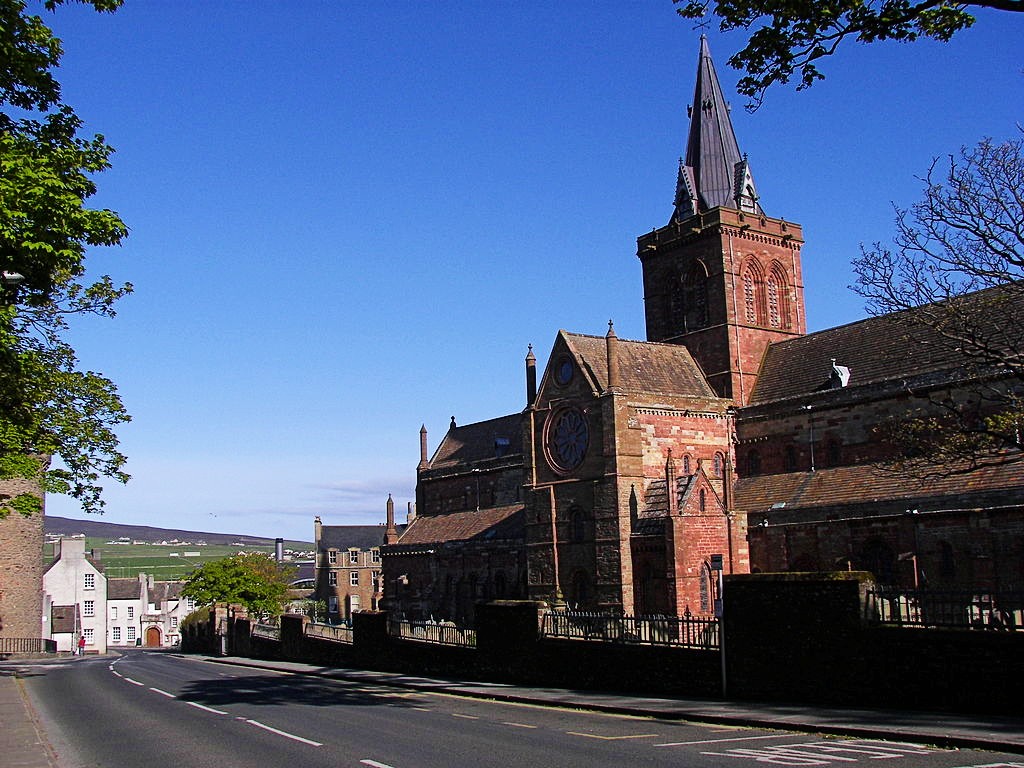
Saint of the Day – 20 August – St Ronald of Orkney (c1100-1158) Martyr, Confessor, Earl of Orkney and Shetland, Norwegian nobleman, renowned Skaldic poet, Founder of Kirkwall’s St. Magnus Cathedral, Also known as – Rögnvald Kali Kolsson, Ragnvald Kale Kollsson.

Ronald’s noble parents were Lendmann Kolr Kalisson and Gunnhildr Erlendsdottir, the sister of Magnus Erlendsson, Earl of Orkney. It was, therefore, through his mother, Gunnhildr, that Röonald had a claim on the Orkney Earldom.

We are unsure of the exact location of the birthplace of Ronald in Norway but the King’s estate at Lista is believed to be the possible location of both his birth and his childhood home. Ronald’s family owned several farms in Agder, in southern Norway where the boy might also have spent his childhood.

In 1129, King Sigurd I of Norway appointed Ronald as theEarl of Orkney and Shetland. Ronald should have had one half of Orkney as his uncle Magnus had but his second cousin, Paul Haakonsson, had just made himself sole ruler of the Islands and would not cede any of them. Ronald remained in Norway as one of the leading assistants of King Harald Gille.

In 1137, Ronald initiated the building of St Magnus Cathedral in Kirkwall, Scotland. He also served as a guardian to Harald Maddadsson, the five-year-old nephew of Paul Haakonsson. In 1138 Ronald appointed Harald Maddadsson as Earl along with himself. Harald had inherited Caithness, Scotland,and thus was Ronald’s master over this area.

In 1151, Earl Ronald set out on a pilgrimage to the Holy Land. In August 1158, Ronald was attacked and murdered, by a group rebelling against him, his rule and his religion.

Ronald’s body was taken to Kirkwall and buried in the Cathedral he had built – St Magnus Cathedral. Many miracles occured at his grave as well as on the stone where he died. Ronald was Canonised in 1192 by Pope Celestine III.

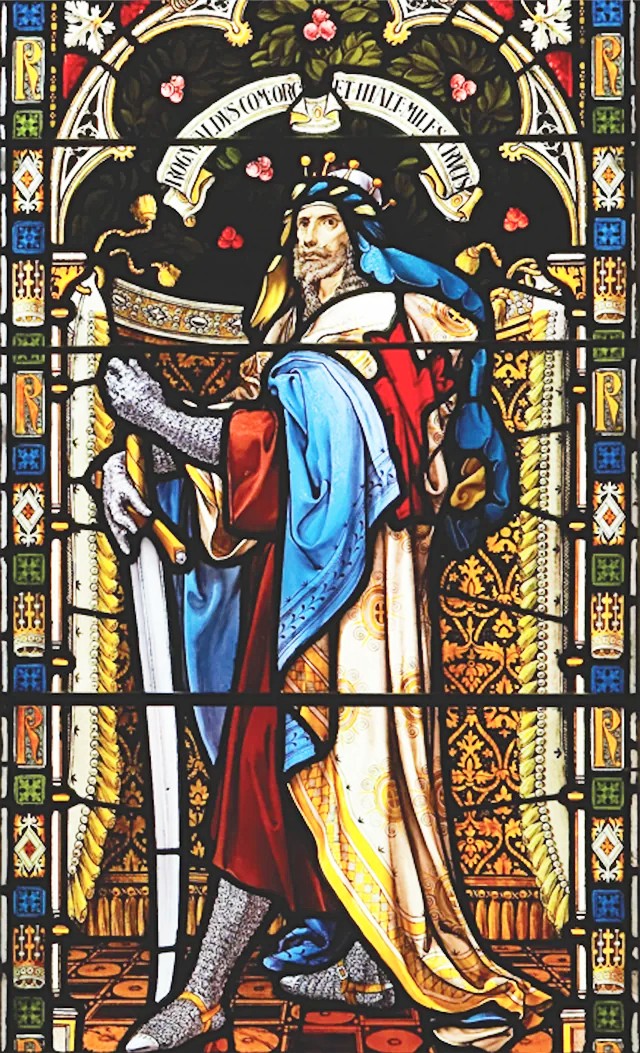
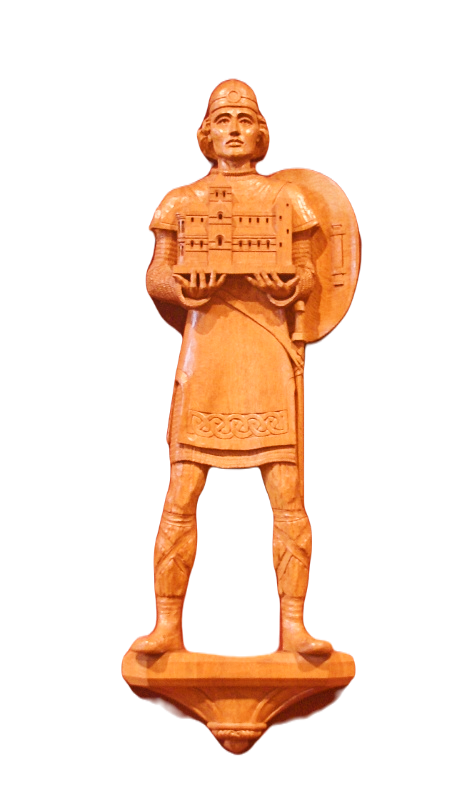
Statue at St Magnus Cathedral
Posted in SAINT of the DAY

The 12th Sunday after Pentecost, Within the Octave, St Bernard O.Cist. (1090-1153) and the Saints for 20 August

The 12th Sunday after Pentecost

Within the Octave of the Assumption of the Blessed Virgin into Heaven

St Amadour the Hermit
St Bernard of Valdeiglesius

St Brogan
St Burchard of Worms
St Christopher of Cordoba
St Cristòfol Baqués Almirall
St Gobert of Apremont
St Haduin of Le Mans
St Heliodorus of Persia
St Herbert Hoscam
St Leovigild of Cordoba
St Lucius of Cyprus
St Maximus of Chinon

St Porphyrius of Palestrina
St Ronald of Orkney (c1100-1158) Martyr, Earl of Orkney and Shetland
St Samuel the Patriarch
St Zacchaeus (Died 1st Century) Disciple of Jesus “Salvation has come to this house”

Posted in SAINT of the DAY

Saint of the Day – 19 August – Blessed Hugh Green (c1584-1642) Priest, Martyr.

Saint of the Day – 19 August – Blessed Hugh Green (c1584-1642) Priest, Martyr. Born in c1584 in London and died by a botched hanging and finally beheaded on 19 August 1642, at Dorchester, Dorset, England during the reign and persecutions of Charles I. Also known as – Ferdinand Brook/s or Ferdinand Brown. Additional Memorila on 29 October as one of the Martyrs of Douai. Hugh was Beatified on 15 December 1929 by Pope Pius XI.

Hugh Green was born in c1584 of Protestant parents. He took a Degree at Cambridge in 1605 but, in 1610, after converting to Catholicism Hugh travelled to Douai to study for the Priesthood.

He tried his vocation as a Capuchin Friar but left that Friars Minor in 1612, whereafter he was and was Ordained to the Priesthood and left to return to England as a Missionary to the persecuted Church.

Hugh returned to England and as a Chaplain at Chideock Castle, Dorset. Here Hugh served the Catholics of Dorset under the protection of Lady Blanche Arundell of Lanherne.

Just before the beginning of the Civil War, on 8 March 1641, Charles I, to placate the Puritan Parliament of England, issued a proclamation making the presence of Catholic Priests in England a crime punishable by death. Although Hugh intended to lpossibly eave England under this ban, he was too tardy in his exercise of this intention, probably because he could not desert his fellow Catholics, so much in need of their Priests.

He was captured near Lyme Regis, imprisoned and then executed on 19 August 1642. In prison his constancy so affected his fellow-captives that two or three women sentenced to die with him, sent him word that they would ask his absolution before death. They did so after confessing their sins on the scaffold to all the people watching the gruesome spectacle and were absolved by the Martyr, Fr Hugh.

The story of his execution is more appallingly cruel and barbaric than usual – there was no experienced executioner available, so a barber-cum-part-time-executioner spent almost half an hour trying to locate his heart while he was hanging by his neck on the scaffold. Finally, a soldier mercifully ended this torture by beheading him. When his head was severed, the Puritan mob used it as a football! As Archbishop Challoner noted, this was thankfully, not an event repeated in the annals of the English Martyrs.

Blessed Hugh Green is honoured at the Church of Our Lady, Queen of Martyrs and St Ignatius, Chideock, Dorset.

Posted in SAINT of the DAY

Within the Octave of the Assumption, St John Eudes (1601-1680) Confessor and all the Saints celebrated on 19 August

Within the Octave of the Assumption of the Blessed Virgin Mary into Heaven

St Andrew the Tribune
St Badulf of Ainay
St Bertulf of Luxeuil
St Calminius
St Credan of Evesham
St Donatus of Mount Jura
St Elaphius of Châlons
St Guenninus
Bl Guerricus
Blessed Hugh Green (c1584-1642) Priest Martyr

St Magnus of Anagni
St Magnus of Avignon
St Magnus of Cuneo
St Marianus of Entreaigues
St Marinus of Besalu
St Magino of Tarragona
St Mochta
St Namadia of Marsat
St Rufinus of Mantua
St Sarah the Matriarch
St Sebaldus
St Thecla of Caesarea
St Timothy of Gaza

Posted in SAINT of the DAY

Saint of the Day – 18 August – Blessed Leonard of Cava (1232-1255) Abbot

Saint of the Day – 18 August – Blessed Leonard of Cava (1232-1255) Abbot, an Administrator par excellence, a Peace-maker, a Monk devoted to the Rule of St Benedictine. He was known as a man of extraordinary gentleness and peace.

Portrait of a Benedictine Monk by Sir Anthony van Dijk

Successor of Blessed Balsamus, at the helm of the Benedictine Abbey of Trinità di Cava, he was elected on 13 December 1232, governing the Monastery for 23 years.

He was a sweet and peaceful man, wise and a skilled administrator. During the struggle between the Pope and the Emperor Frederick II which characterised the whole period, Leonard was able to manage all issues intelligently and highly effectively, without antagonising anyone, thus saving the Abbey from the prospect of closure and protecting its financial resources and treasures too.

In fact, Leonard was elected, by the Emperor in 1245, together with other Ecclesiastics, to plead his cause before the Council of Lyons – the Emperor himself and the Popes, Innocent IV and Alexander IV, multiplied the concessions and privileges to the Abbey, which assumed a notable role and importance throughout the Middle Ages.

A beautiful artwork of Trinità di Cava

He led by example and his brother Monks became known for their devotion to the Benedictine Rule. The Monks also generously assisted the people affected by the war. In 1249, the City of Benevento destroyed by the Germans, entrusted the Abbey with the custody of the Relics of St Bartolomew and the Diocesan treasury. When the Relics were returned to their rightful home, a portion of the head was donated and enshrined in the Abbey as a gift of appreciation.

The worthy and holy Abbot died on 18 August 1255 and was buried in the ‘Arsicia’ cave, the place incorporated into the Abbey Church, which was used by the Founder, St Alferius, as his initial hermitage.

In 1641 he was given a different burial in front of the choir door; currently his Relics are kept in a side Altar of the Abbey Church. His cult was confirmed by Pope Pius XI on 16 May 1928 – his liturgical Feast is celebrated on the date of his entrance into eternal life, 18 August.

Posted in SAINT of the DAY

Within the Octave of the Assumption of Our Lady. St Helena (c 250 – c 330) and all the Saints for 18 August

Within the Octave of the Assumption of Our Lady

St Crispus of Rome
St Daig Maccairaill
Bl Domenico de Molinar
St Eonus of Arles
St Ernan
St Evan of Ayrshire
St Firminus of Metz
St Florus of Illyria
Bl Francis of Francavilla
Bl Gaspar di Salamanca
St Hermas of Rome
St John of Rome
St Juliana of Myra
St Juliana of Stobylum
St Laurus of Illyria
St Leo of Myra
Blessed Leonard of Cava (1232-1255) Abbot
St Maximus of Illyria
Bl Milo of Fontenelle
St Polyaenus of Rome
St Proculus of Illyria

St Ronan of Iona
St Serapion of Rome

Posted in SAINT of the DAY

Saint of the Day – 17 August – St Donatus of Ripacandida OSB (1179-1198) Monk

Saint of the Day – 17 August – St Donatus of Ripacandida OSB (1179-1198) Monk Born in 1179 at Ripacandida, Diocese of Rapallo, Italy and died on 17 August 1198 at the Onuphrios Monastery, near Petinand Salerno in Italy, of natural causes, aged just 19 years. Patronages – Auletta, Basilicata, Melfi, Montevergine, Rapolla, Ripacandida, Ruoti – all in Italy. Also known as – Donatello, Donato. The name of Donatus means “the gifted one” (Latin).

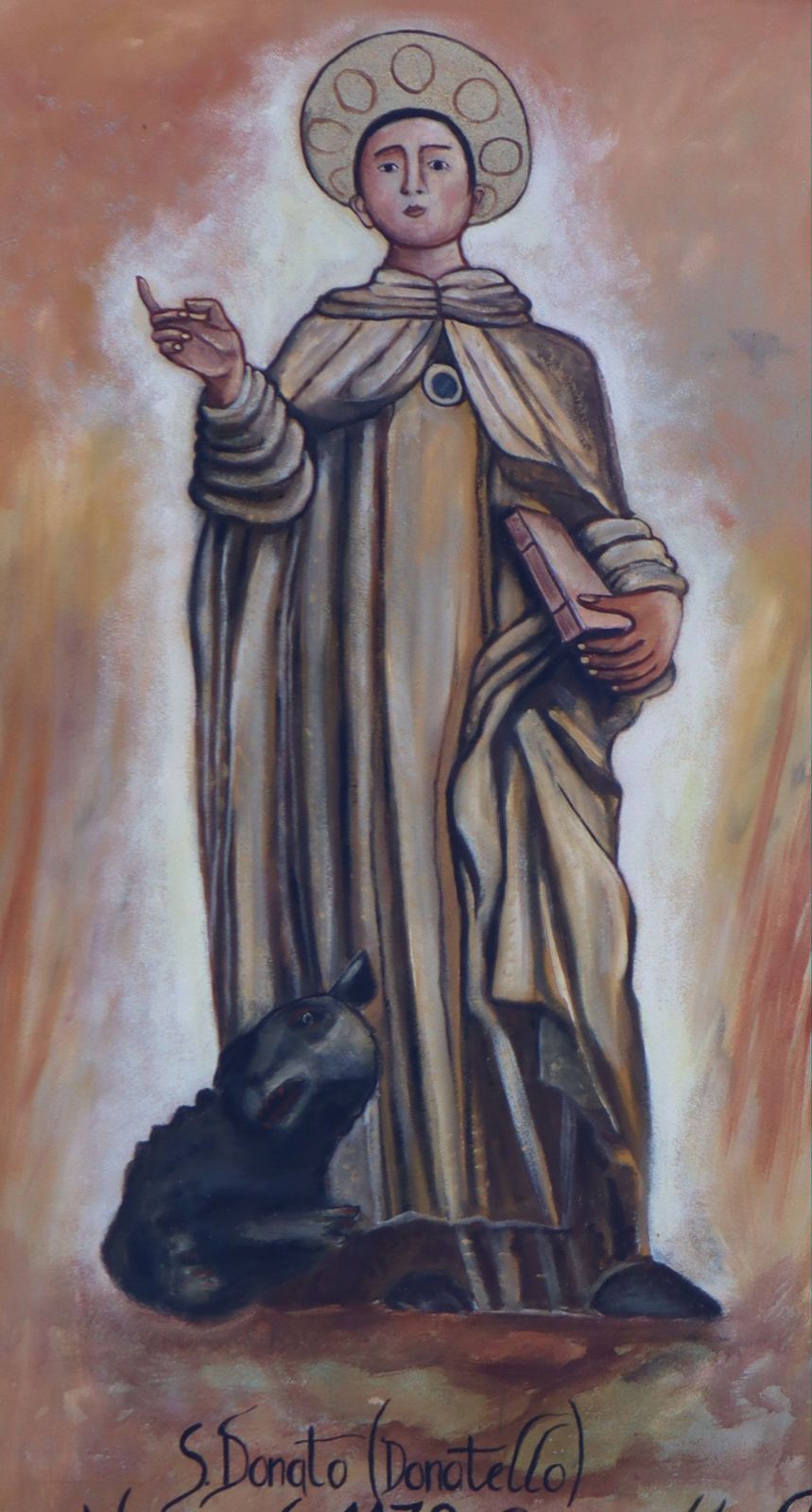
Mural next to the Church of San Donatus in Ripacandida

Donatus, son of a humble family, wanted to enter the Benedictine Monastery of Onuphrios near Petina, which is now in ruins, at the age of 14 but was rejected as too young. The following year Donatus was accepted into the Congregation founded by St William of Vercelli in the Monastery of Monte Vergine near Avellino. In 1195, Donatus returned, to the Onuphrios Monastery.

Ruins of Onuphrios Monastery at Petina

He strictly observed the Rules of the Order and practised obedience and self-denial. After a serious illness he died at the age of only 19 and the confreres saw a bright ray emanating from his dead body.

In 1202, at the request of his parents, Donatus’ bones were brought to Ripacandida. An arm Relic remained in the Donatus Chapel in Auletta near Salerno.

Donatus Church in Auletta with a relief of her Patron

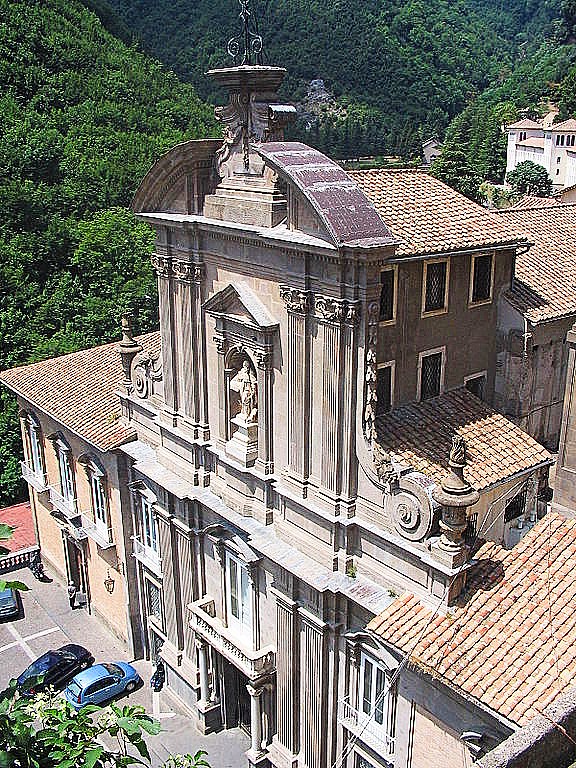
The Church of San Donato in Ripacandida, which can be traced to 1054 and, at which a Monastery of Franciscan Observers was founded in 1605. This Church is is not dedicated to our Saint Donatus but to St Donatus of Arezzo, the Bishop and Martyr, whose Feast day occurs on 7 August. To distinguishthe two, our Saint today, St Donatus is ,therefore, referred to there as Donatello. Some researchers, therefore, regard the veneration of Donatus of Ripacandida, as a variant of the devotion to the once very popular St Donatus of Arezzo, which was widespread throughout Italy at that time.

Church of San Donato in Ripacandida

The other St Donatus here:
https://anastpaul.com/2020/08/07/saint-of-the-day-7-august-saint-donatus-of-arezzo-died-362-bishop/

Posted in DOMINICAN OP, MARIAN TITLES, SAINT of the DAY

OCTAVE of St Lawrence, Victory of the King of France (Philip the Fair), imploring the help of Our Lady of Chartres (1304), St Hyacinth OP (1185-1257) ) “Apostle of Poland” and the Saints for 17 August

St Amor of Amorbach
St Anastasius of Terni
St Benedicta of Lorraine
St Carloman
St Cecilia of Lorraine

St Donatus of Ripacandida OSB (1179-1198) Monk
St Drithelm
St Elias the Younger
St Eusebius of Sicily
St James the Deacon
St Jeroen of Noordwijk
St Juliana of Ptolemais
St Mamas
St Myron of Cyzicus

St Paul of Ptolemais

Posted in Against STORMS, EARTHQUAKES, THUNDER & LIGHTENING, FIRES, DROUGHT / NATURAL DISASTERS, PATRONAGE - VINTNERS, WINE-FARMERS, SAINT of the DAY

Saint of the Day – 16 August – St Theodulus of Valais (4th Century) Confessor, Bishop

Saint of the Day – 16 August – St Theodulus (4th Century) Confessor, Bishop, considered the First Bishop of the Swiss City of Valais and of the Walser people, Miracle-worker. Patronages – against storms and bad weather, of vintners, of Valais, Switzerland. Additional Memorial – 26 August on certain calenders. Also known as – Theodule of Octodur, Theodule of Grammont, Theodulus… Theodore… Teodoro…

The Roman Martyrology reads: “In Sion, in Valais in present-day Switzerland, Saint Theodule, the First Bishop of the City, who, following the example of Saint Ambrose, defended the Catholic faith against Arianism and venerated the Relics of the Martyrs of Agaunus.

The Saint in question, sometimes called Theodore, is absolutely not to be confused with another Theodule, belonging to the group of the Forty Martyrs of Sebaste. These names, by which he is known, certainly suggest an oriental origin. In fact, absolutely nothing certain is known about his birthplace. It seems that he was sent by the Milanese Bishop St Protasius to evangelise Valais, today’s Swiss Province.

There is a document dated in 381, attesting that Theodulus was the Bishop of Octodurum, the current Valais – it is his signature at the Council of Aquileia. In this Council, in which the Arian Bishops Palladius and Secundus were condemned. Theodulus declared: “We believe that Palladius, denying that Christ is God and onr with the Father, is in no way a Christian or a Bishop!”

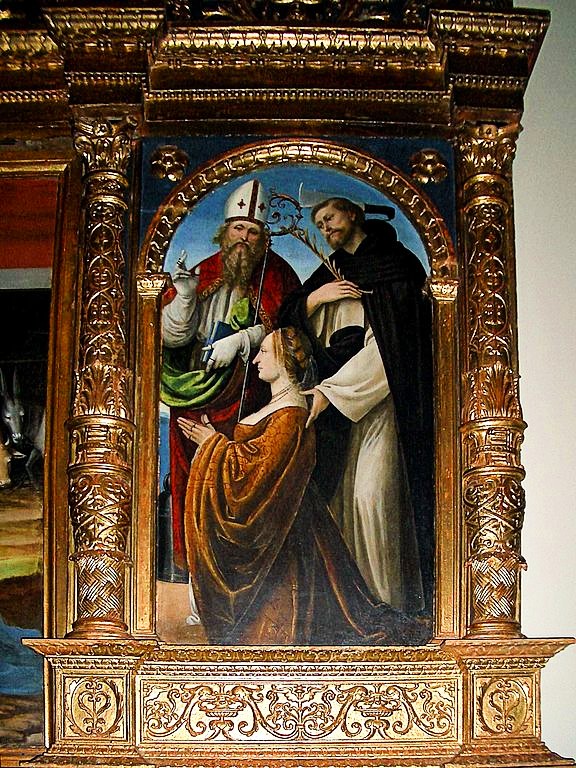
St Thedulus and St Peter Martyr of Verona with donor

In early 390, St Ambrose also convened the Synod of Milan in 393 where the Priest Jovinian was condemned, who did not believe in theperpetual virginity of Mary. Our Saint was one of the signatories of a letter, addressed by this Synod to Pope Siricius, informing him of their condemnation of the Jovinian and his followers.

Theodulus’ fame is particularly linked to the discovery of bones of Martyrs of the Theban Legion and their translation to a Basilica the construction of which, Thodulus was himself the first promoter of, to be fuilt at the foot of a rock surmounting the Town of Agaunum, today’s Sain- Maurice.

Unfortunately, other precise dates on his life are missing. Instead, there are two legends about a Theodulus, perhaps not really related to the bishop in question but still very popular and worthy of being mentioned.

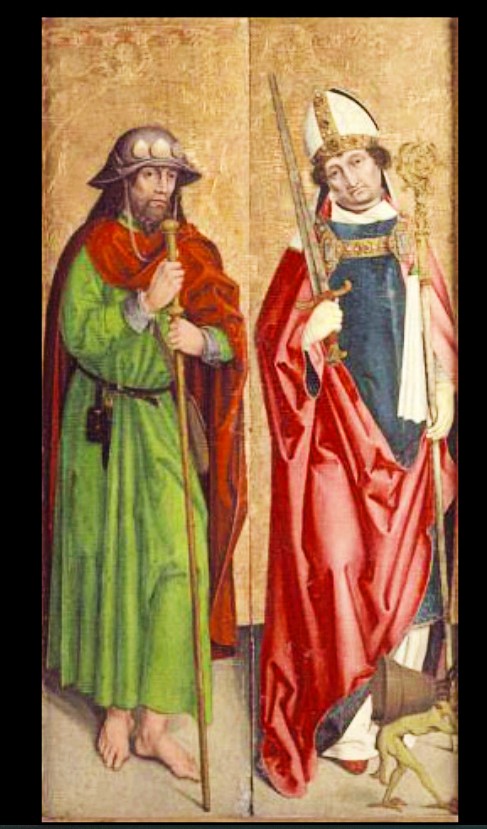
St James the Greater left and St Theodulus right

A miracle attributed to St Theodulus and giving rise to his patronage of vintners, tells that winegrowers went to Theodulus in tears because, after a bad year, the harvest had yielded almost nothing. The Saint then withdrew in prayer and later ordered to bring him some empty barrels and the few bunches that they had been able to gather. Taking these grapes in his hands,Theodulus filled all the containers with the best wine ever tasted by those present. There are many more legends of his miracles which are known, loved and venerated in his See and the surrounding areas.

The most certain thing about St Theodulus remains the unchanged popular veneration towards him, which has now lasted for seventeen Centuries! Even today, numerous Churches and Chapels are dedicated and the faithful are devoted to him.

Posted in MARIAN TITLES, SAINT of the DAY

Nuestra Señora de las Gracias de Torcoroma / Our Lady of Graces Colombia (1711), St Joachim (Father of Our Lady), St Roch and the Saints for 16 August

St Arsacius of Nicomedia
St Frambaldo
Bl Iacobus Bunzo Gengoro
Bl Jean-Baptiste Menestrel
Bl John of Saint Martha
Bl Laurence Loricatus
Bl Magdalena Kiyota Bokusai
Bl Maria Gengoro
Bl Ralph de la Futaye
St Serena
Bl Simon Kiyota Bokusai
St Theodulus of Valais (4th Century) Bishop
Bl Thomas Gengoro
St Titus the Deacon

Posted in SAINT of the DAY

Saint of the Day – 15 August – Blessed Alberto Berdini OFM Conv. (1385– 1450)

Saint of the Day – 15 August – Blessed Alberto Berdini OFM Conv. (1385– 1450) Priest and Friar of the Friars Minor Conventual, known as the “King of Preachers Rex Praedicatorum” Disciple and companion of St Bernardine of Siena in his Missionary work in Italy., often called upon to assist in peace discussions between warring Cities. Born in 1385 in Sarteano, Tuscany, Italy and died on 15 August 1450 in Milan, Italy of natural causes. Also known as – Alberto Berdini, Alberto of Sarteano.

Alberto entered the Order of Friars Minor Conventuals in 1405 and took up studies as a Novice in Florence. In 1422, he went to Verona to continue his studies in the classics. In July 1423, he met St Bernardine of Siena, who was preaching in Treviso. Alberto became desirous of following a stricter Rule of St Francis, closer to the original which St Bernardine was promoting and he transferred to the Observant Friars, becoming one of the companions of the Apostle of the Holy Name of Jesus, St Bernardine.

Alberto was a speaker of learned eloquence and under the guidance of St Bernardine, his fame as an orator became so renowned that he was commonly known as the “King of Preachers” (Rex Praedicatorum). Upon hearing him preach, Blessed Caterina Moriggi was moved to take up the ascetic life. One of his main themes was peace and he would become personally involved in peace-making in Modena, Perugia, Arezzo, Brescia and Ferrara.

Pope Eugene IV commissioned him as Apostolic Delegate for the Middle East and parts of Africa – Ethiopia, India, Egypt and Jerusalem. Alberto was accompanied on his missions by Tommaso Bellacci.

In 1439 he was sent by the Pope to deliver a letter to the Coptic Church in Egypt, an invitation to participate in the Council of Florence and thus take part in the ongoing efforts to unite all Christian Churches. He returned to Italy on 26 August 1441 with four Coptic Bishops, although eventually the efforts at reunion proved fruitless.

The panel of the bronze Holy Door at St Peter’s Basilica, in Rome, in which Filarete sculpted the scene of the presentation of the Copts and Ethiopians, also handed down the image of Alberto alongside the Papal throne – perhaps this is Panel 8 – SEE HERE – (https://stpetersbasilica.info/Interior/DoorFilarete/DoorFilarete.htm. The entire door was then inserted in the new Vatican Basilica, during the pontificate of Paul V.

Alberto was elected as Acting General of the Order of Friars Minor, due to the sudden death of the incumbent of the Office. Alberto served for a year, from 1442-1443 until a new Minister General was elected.

Alberto died in Milan, Italy, on 15 August 1450.

Alberto, along with his teacher, St Bernardine, is considered among the four great pillars of the Observant reform within the Order of Friars Minor.

Posted in franciscan OFM, SAINT of the DAY, THE ASSUMPTION

The Assumption of the Blessed Virgin Mary into Heaven and Memorials of the Saints – 15 August

Blessed Alberto Berdini OFM Conv. (1385– 1450) Priest and Friaer of the Friars Minor Conventual, known as the “King of Preachers.”
St Arduinus of Rimini
St Napoleon of Alexandria

Posted in SAINT of the DAY

Saint of the Day – 14 August – St Eberhard of Einsiedeln (c890-958) Priest, Abbot

Saint of the Day – 14 August – St Eberhard of Einsiedeln (c890-958) Priest, Abbot, Co-founder of the renowned Einsiedeln Abbey in Switzerland. with St Benno, an ex-Bishop of Metz in France and Eberhard’s relative. Eberhard of Einsiedeln was a Priest, Benedictine Monk and the first Abbot of Einsiedeln Abbey in Switzerland. He was born in Swabia, Germany in c890 and died at Einsiedeln in 958 of natural causes.

Born around the year 890 in Alsace, of the family of the Duke of Swabia, Fr Eberhard was named Provost of the Strasbourg Cathedral in France as a young man.

In 934, he left that position to join his kinsman Benno, who was living as a religious recluse at the former hermitage of St Meinrad, on Mount Etzel in the Swiss Alps, near Lake Zurich. There, Eberhard and Benno built a Monastery which he named Our Lady of Einsiedeln, or Our Lady of the Hermit, in honour of St Meinrad and the miraculous Statue of Holy Mother Mary, a black Madonna, which was kept there.

The Monastery was approved in 940,and Eberhard was named first Abbot in 947. The Abbey Church was completed in 948. Abbot Eberhard died at Einsiedeln on 14 August in the year 958, his feast day. He was interred in the Lady Chapel of the Abbey alongside his confrere St Benno. St Eberhard’s and St Benno’s Relics have been moved several times over the Centuries to protect them from wars and rebellions and are believed to now be back where they began, in the Abbey Church of Einsiedeln.

St Meinrad of Einsiedeln (Einsiedler means “Hermit” in German and the Abbey in Einsiedeln was built to honour St Meinrad, a Hermit who lived there) – his life here:
https://anastpaul.com/2021/01/21/saint-of-the-day-21-january-saint-meinrad-of-einsiedeln-osb-c-797-861-martyr/
St Benno’s Life here:
https://anastpaul.com/2023/08/03/saint-of-the-day-3-august-st-benno-of-einsiedeln-died-940-bishop/