Posted in DEVOTIO, DOCTORS of the Church, FATHERS of the Church, MARIAN QUOTES, MORNING Prayers, QUOTES of the SAINTS, QUOTES on ABORTION, QUOTES on CHARITY, SAINT of the DAY

Quote/s of the Day – 2 January – The Memorial of St Basil the Great (329-379) and St Gregory of Nazianzen (330-390) Fathers & Doctors of the Church

Quote/s of the Day – 2 January – The Memorial of St Basil the Great (329-379) and St Gregory of Nazianzen (330-390) Fathers & Doctors of the Church


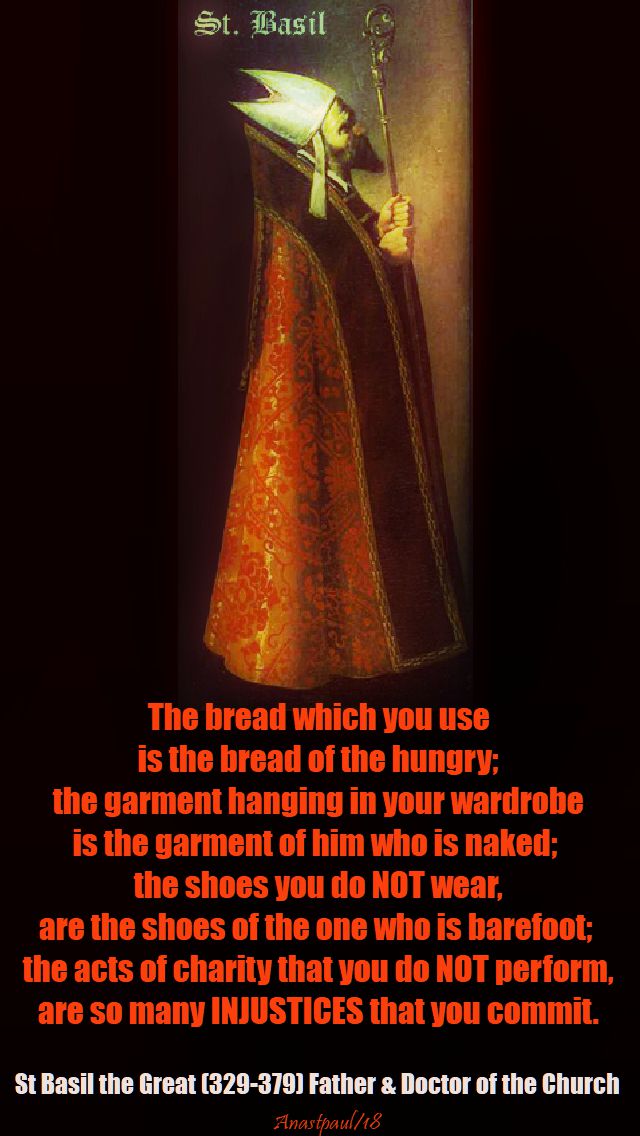
“The bread which you use
is the bread of the hungry;
the garment hanging in your wardrobe
is the garment of him who is naked;
the shoes you do NOT wear,
are the shoes of the one who is barefoot;
the acts of charity that you do NOT perform,
are so many INJUSTICES that you commit.”the bread whioch you use - st basil the great - 2 jan 2018

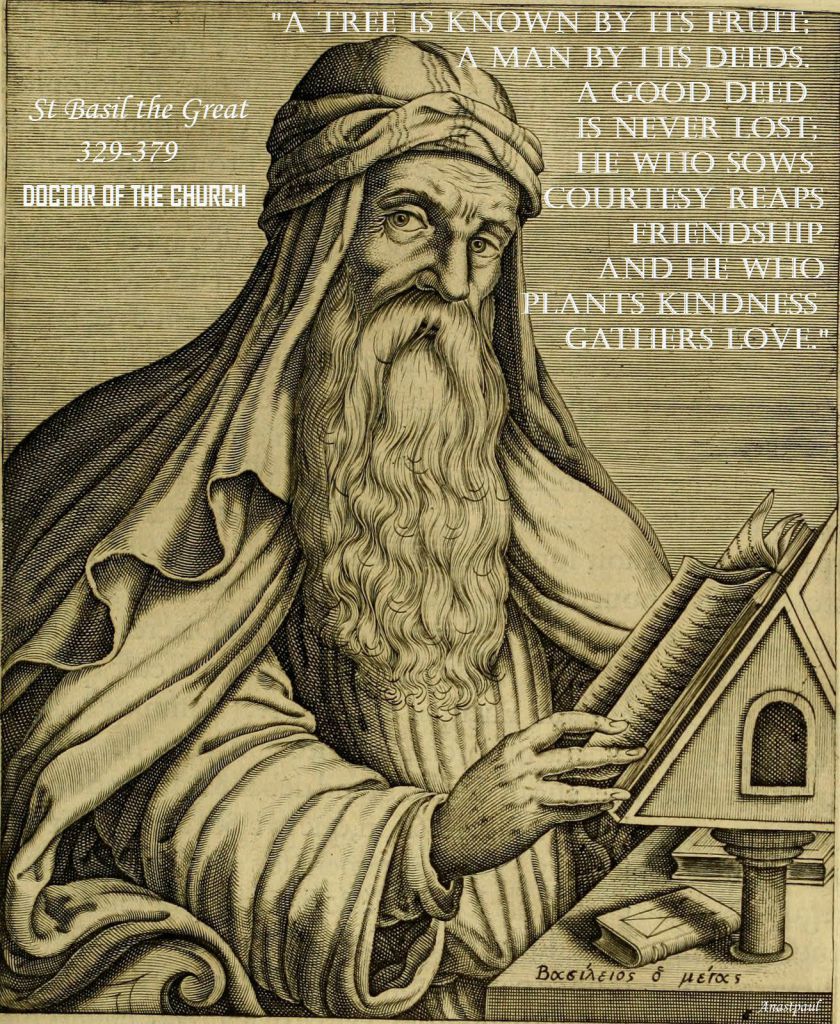
“A tree is known by its fruit;
a man by his deeds.
A good deed is never lost;
he who sows courtesy reaps friendship
and he who plants kindness gathers love.”

St Basil the Great (329-379) Father & Doctor of the Churcha-tree-is-known. - st basil the great - 2016

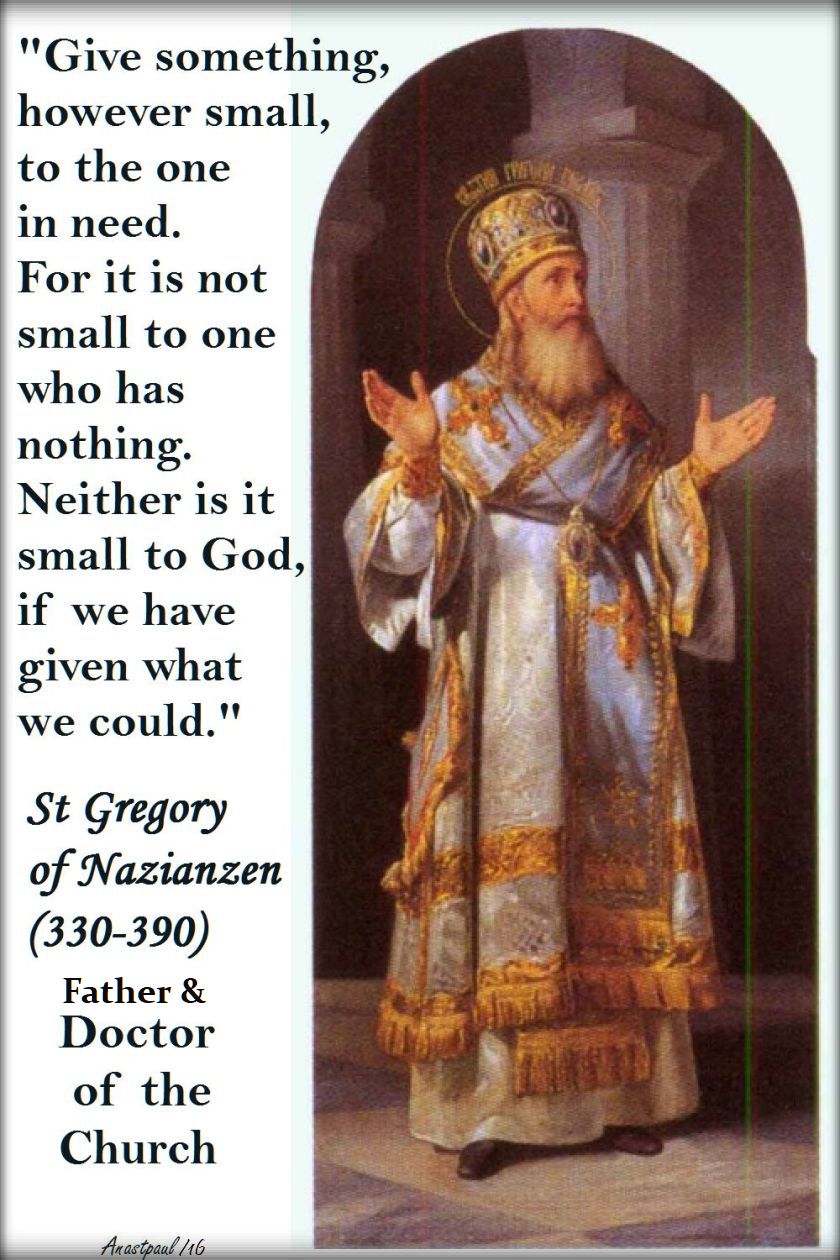
“Give something, however small,
to the one in need.
For it is not small to one who has nothing.
Neither is it small to God,
if we have given what we could.”give-something however small - st gregory of nazianzen - 2016

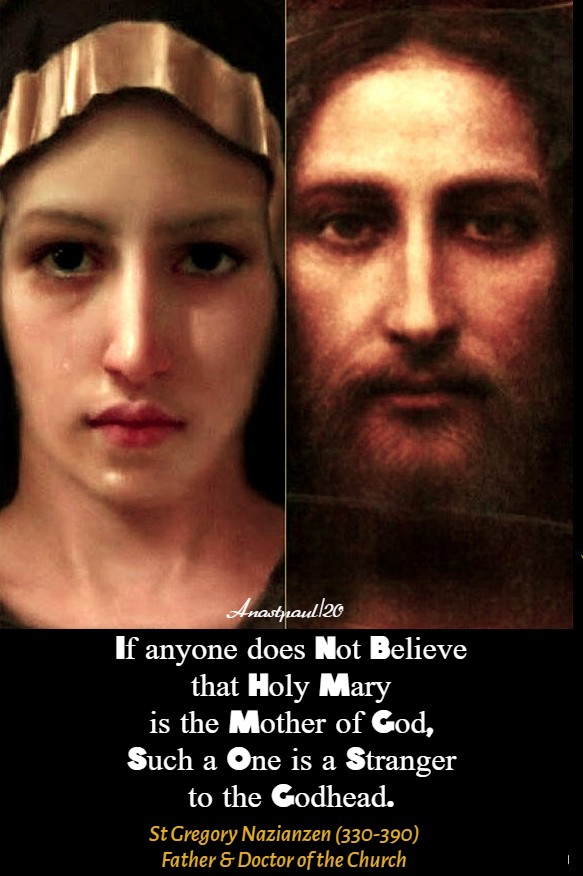
“If anyone does not believe that Holy Mary
is the Mother of God,
such a one is a stranger
to the Godhead.”

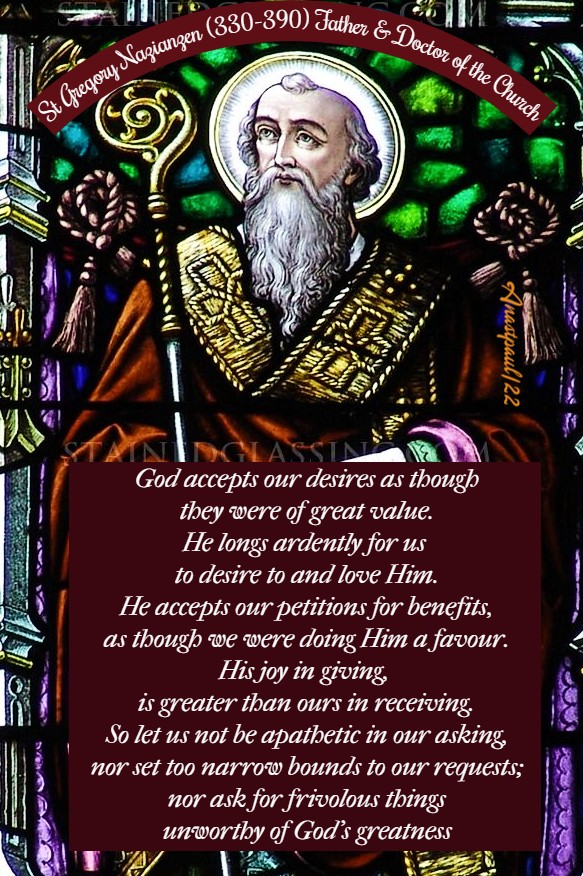
God accepts our desires as though
they were of great value.
He longs ardently for us
to desire to and love Him.
He accepts our petitions for benefits,
as though we were doing Him a favour.
His joy in giving,
is greater than ours in receiving.
So let us not be apathetic in our asking,
nor set too narrow bounds to our requests;
nor ask for frivolous things
unworthy of God’s greatness.

St Gregory Nazianzen (330-390)
Father & Doctor of the Church

Posted in DOCTORS of the Church, FATHERS of the Church, MORNING Prayers, QUOTES of the SAINTS, The WORD

One Minute Reflection – 2 January – The Memorial of St Basil the Great (329-379) and St Gregory of Nazianzen (330-390) Fathers & Doctors of the Church

One Minute Reflection – 2 January – The Memorial of St Basil the Great (329-379) and St Gregory of Nazianzen (330-390) Fathers & Doctors of the Church

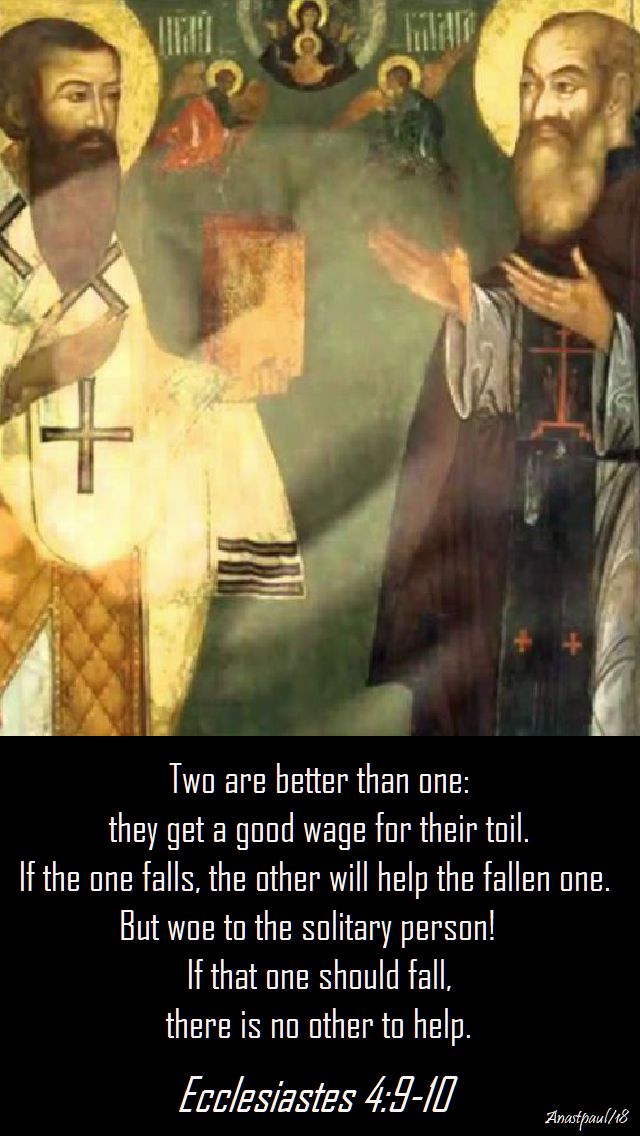
Two are better than one: they get a good wage for their toil.
If the one falls, the other will help the fallen one.
But woe to the solitary person!
If that one should fall, there is no other to help…Ecclesiastes 4:9-10ecc 4 - 9-10

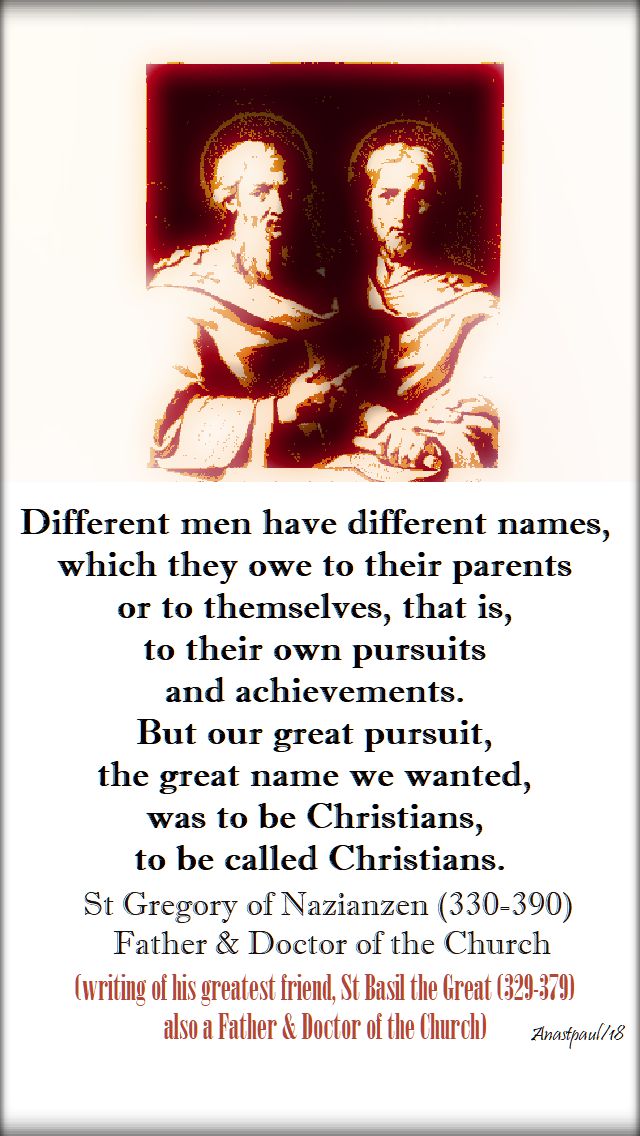
REFLECTION – “Different men have different names, which they owe to their parents or to themselves, that is, to their own pursuits and achievements. But our great pursuit, the great name we wanted, was to be Christians, to be called Christians.”…St Gregory of Nazianzen (330-390) (from his writings on his friendship with St Basil).different men - st gregory of nazianzen - 2 jan 2018

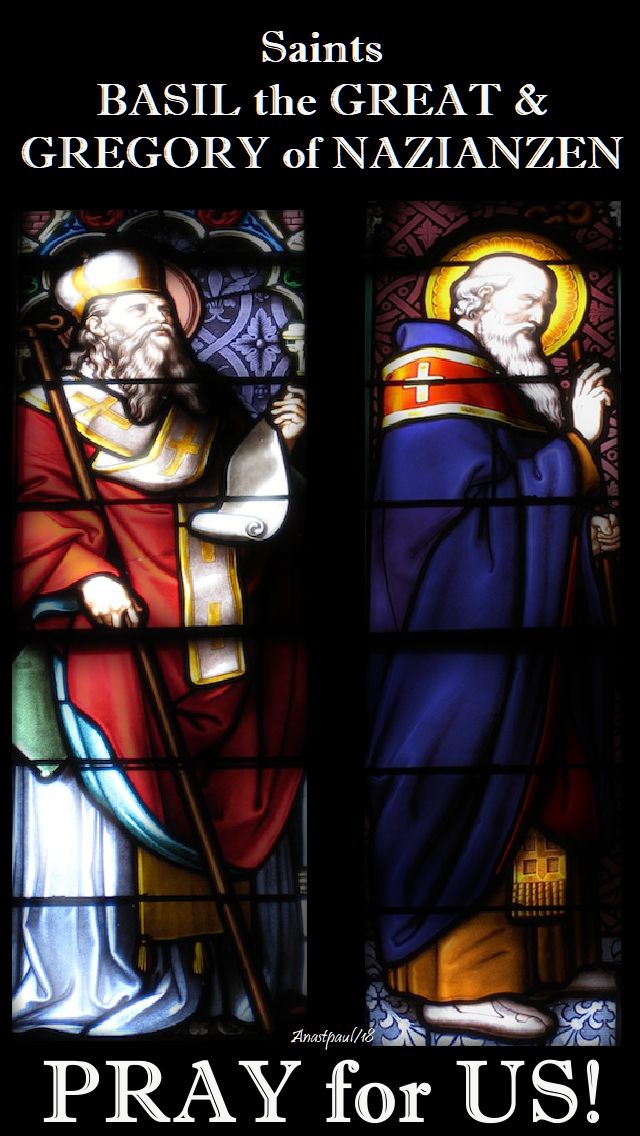
PRAYER – God our Father, You enriched Your Church and gave examples for us to follow in the life and teachings of Sts Basil and Gregory. Grant that, learning Your truth with humility, we may practise it in faith and love. Sts Basil and Gregory, pray for our beloved Church, pray for all Catholic Christians, amen.sts basil and gregory - pray for us - 2 jan 2018

Posted in DOCTORS of the Church, FATHERS of the Church, PRAYERS of the SAINTS, SAINT of the DAY

Our Morning Offering – 2 January – The Memorial of St Basil the Great (329-379) and St Gregory of Nazianzen (330-390)

Our Morning Offering – 2 January – The Memorial of St Basil the Great (329-379) and St Gregory of Nazianzen (330-390)

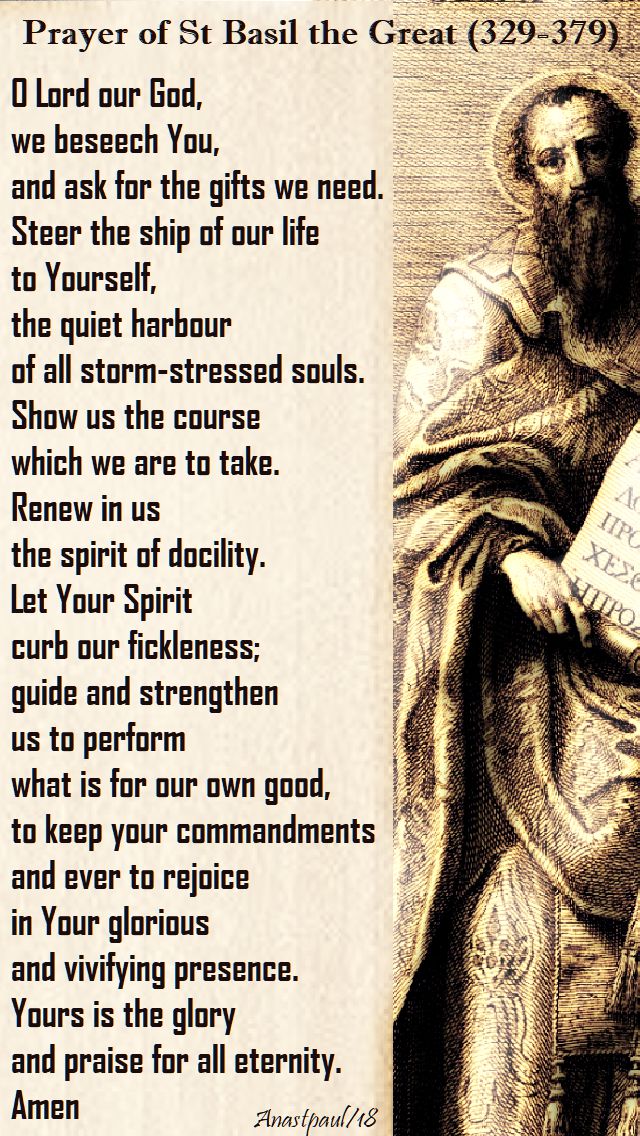
Prayer of St Basil the Great (329-379)

O Lord our God,
we beseech You,
and ask for the gifts we need.
Steer the ship of our life to Yourself,
the quiet harbour of all storm-stressed souls.
Show us the course which we are to take.
Renew in us the spirit of docility.
Let Your Spirit curb our fickleness;
guide and strengthen us to perform
what is for our own good,
to keep your commandments
and ever to rejoice in Your glorious
and vivifying presence.
Yours is the glory and praise for all eternity.
Amenprayer of st basil the great - 2 jan 2018

Posted in DOCTORS of the Church, FATHERS of the Church, QUOTES of the SAINTS, SAINT of the DAY

Saint/s of the Day – 2 January – St Basil the Great (329-379) and St Gregory of Nazianzen (330-390) Fathers and Doctors of the Church

Saint/s of the Day – 2 January – St Basil the Great (329-379) and St Gregory of Nazianzen (330-390) Fathers and Doctors of the Church – two bodies one spirit!

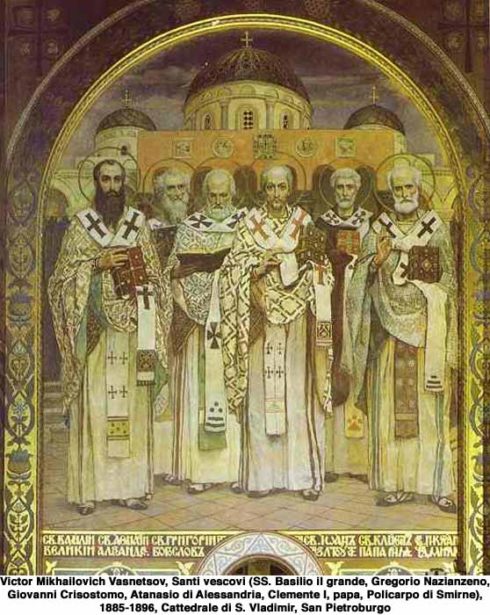
Great-Eastern-Fathers-e1480804176965
L to R: St. Basil, St. Gregory of Nazianzus, St. John Chrysostom, Painting (Icon) by Viktor Vasnetsov

st gregory and st basil my snip

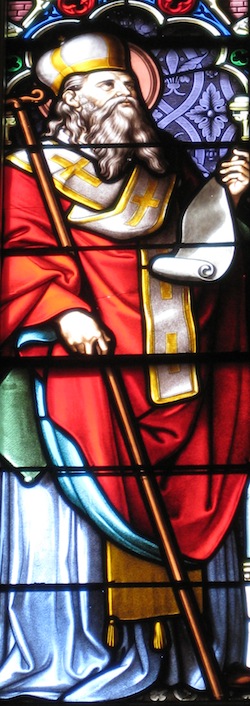
St Basil was born in 329 at Caesarea, Asia Minor (modern Turkey) and he died on 1 January 379 at Caesarea, Asia Minor (modern Turkey) of natural causes.   He is known as the Father of Eastern Monasticism, was a Monk, Bishop, Confessor, Theologian, Reformer, Apostle of Charity, Lawyer, Teacher, Writer and Doctor of the Church.   Patronages – Russia, Cappadocia, Hospital administrators, Reformers, Monks, Education, Exorcism, Liturgists.

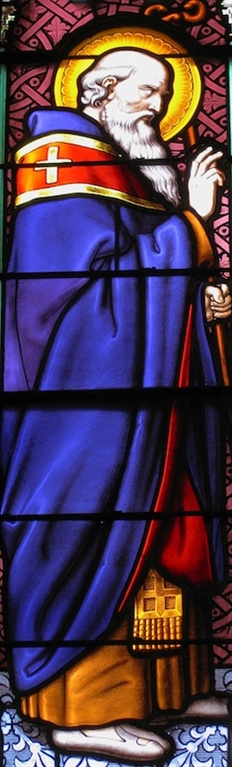
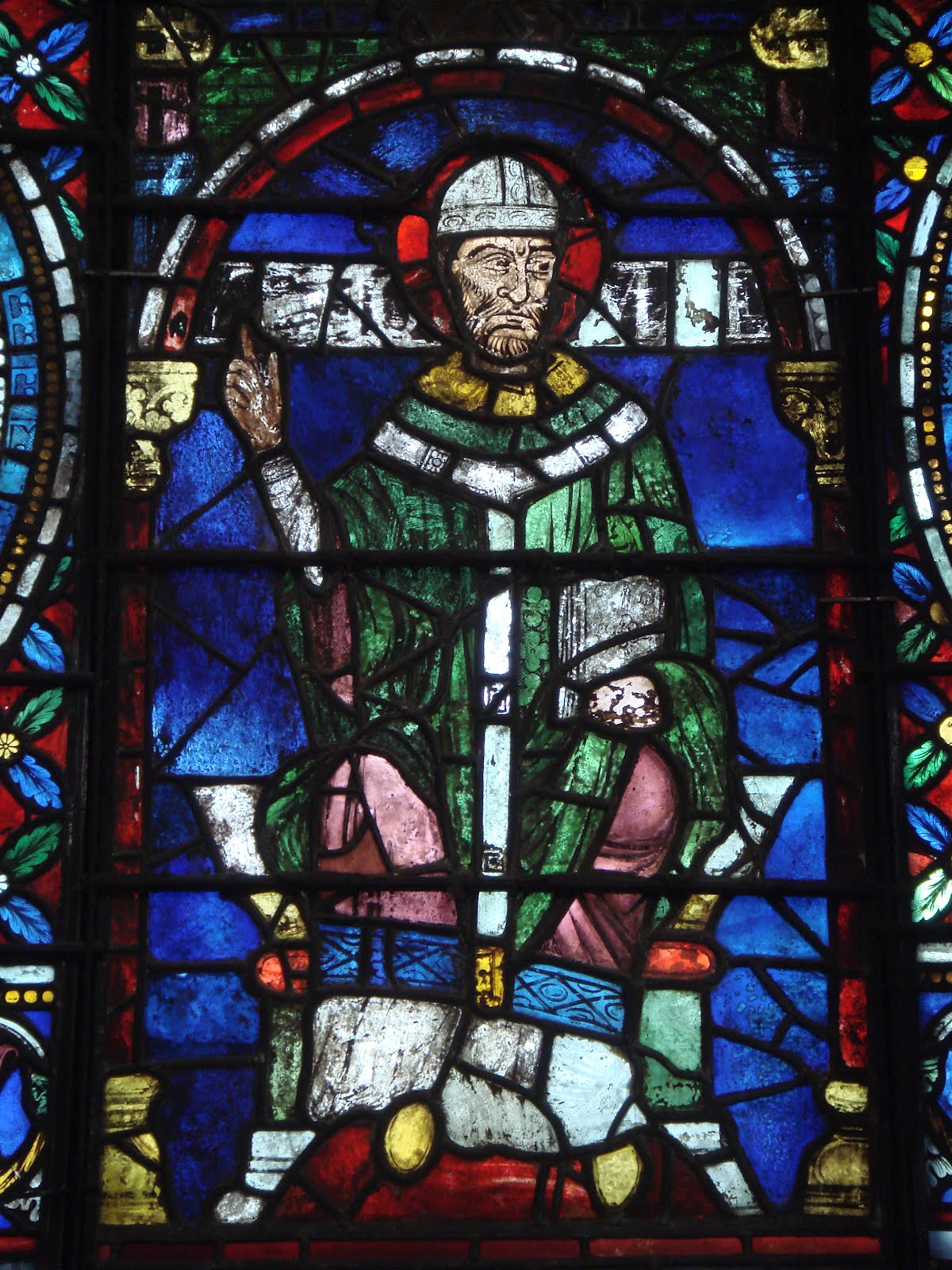
basil_the_great__basilica_window_

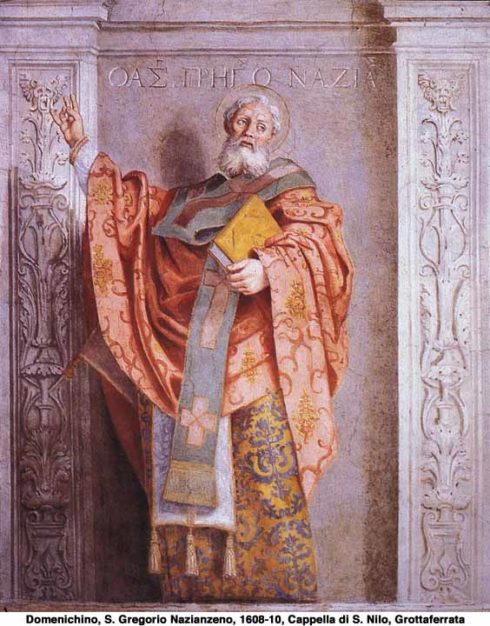
St Gregory was born in 330 at Arianzus, Cappadocia, Asia Minor and he died on 25 January 390 of natural causes.  He is known as “The Theologian” was a Monk, Bishop, Confessor, Theologian (because of his outstanding teaching and eloquence), Orator, Rhetorician, Philosopher, Writer, Poet, Reformer and Doctor of the Church.   Patronages – • for harvests• poets.gregory_nazianzen__basilica_window_

St Basil the Great, was born of a noble Christian family at Caesarea in Cappadocia in 330.  His was a pious family – his mother, father and four of his nine siblings were canonised, including Saint Gregory of Nyssa.    He was the Grandson of Saint Macrina the Elder.   As a youth Basil was noted for organising famine relief and for working in the kitchens himself, quite unusual for a young noble.   He studied in Constantinople and Athens with his friend Saint Gregory Nazianus.   He then ran a school of oratory and law in Caesarea. Basil was so successful, so sought after as a speaker, that he was tempted by pride.   His life changed radically after he encountered Eustathius of Sebaste, a charismatic bishop and ascetic.   Abandoning his legal and teaching career, Basil devoted his life to God.   A letter described his spiritual awakening:
“I had wasted much time on follies and spent nearly all of my youth in vain labors, and devotion to the teachings of a wisdom that God had made foolish.   Suddenly, I awoke as out of a deep sleep.   I beheld the wonderful light of the Gospel truth and I recognised the nothingness of the wisdom of the princes of this world.”St. Basil the Great

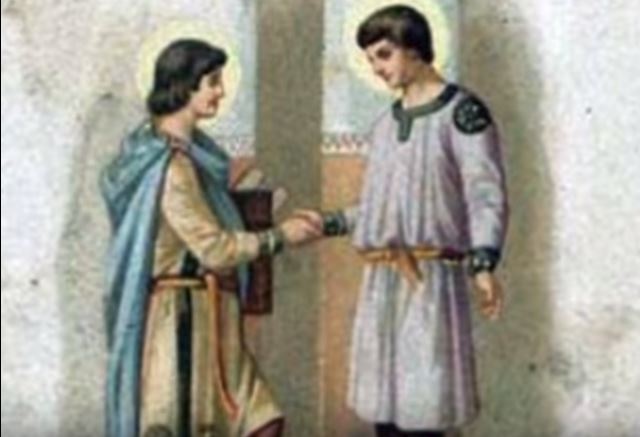
He sold all that he had, gave away the money and became a priest and monk together with his best friend St Gregory of Nazianzen.

He founded monasteries and drew up rules for monks living in the desert;  he is considered as key to the founding of eastern monasticism as Saint Benedict of Nursia was to the west.   He became the Bishop and Archbishop of Caesarea.   Conducted Mass and preached to the crowds twice each day.   He fought Arianism and assisted St Gregory at the council of Constantinople, which completed the Nicene Creed.   He is considered a Father of the Church and is one of the original four Doctors of the Eastern Church.

St Gregory of Nazianzen was the best friend of St Basil the Great.   After studying together in Athens, they returned to their native Cappadocia (now Eastern Turkey) to serve the Lord.   It was during the time of the Arian heresy which contested the full divinity of Christ and orthodox bishops were sorely needed who could teach the true doctrine of the Church with clarity and depth.   Gregory, who admirably met these requirements, was made the bishop of the small town of Nazianzen but later was elevated to the highest ecclesiastical see after Rome, becoming the Patriarch of Constantinople.   As such, he presided over the First Ecumenical Council of Constantinople in 381 which completed the creed that we commonly call the Nicene Creed, recited in Sunday worship by Catholics and Orthodox Christians.

St Gregory’s teaching was so profound and accurate that he is one of the few teachers in the history of the Church known as “the theologian.”St.-Gregory-of-Nazianzus-e1480804203636

Basil and Gregory were defining figures as the early Church which sought to figure out just how to describe Jesus as fully human and fully divine.   They helped the Church articulate this mystery and refute persistent strains of thought that would emphasise one aspect of Jesus’ nature over another.   Both were largely responsible for safeguarding the faith that has guided the Church for thousands of years.   Their doctrinal contributions are codified in the Nicene Creed we recite at Mass.

Both Basil and Gregory were declared doctors of the Church, a title given to 36 saints who are known for elucidating the faith by their words or example.   Their relics rest in the reliquary chapel in the Basilica, and their images are captured in stained glass windows there.

Sts. Basil the Great and Gregory Nazianzen, friends and scholars who defended the faith, pray for us!

Posted in SAINT of the DAY

2 January – Memorials of the Saints

St Basil the Great (Memorial)  (329-379) Doctor of the Church
St Gregory of Nazianzen (330-390) Doctor of the Church (Memorial) – https://www.youtube.com/watch?v=lwe8voh3H_4

St Adelard of Corbie
Bl Airaldus of Maurienne
St Asclepius of Limoges
St Aspasius of Auch
St Blidulf of Bobbio
St Gaspare Bufalo
Bl Guillaume Répin
St Hortulana of Assisi
St Isidore of Antioch
St Isidore of Nitria
St Laurent Bâtard
St Macarius the Younger
St Maximus of Vienne
Bl Odino of Rot
St Paracodius of Vienne
St Seraphim of Sarov
St Seiriol
Bl Stephana de Quinzanis
St Telesphorus, Pope
St Theodota
St Theopistus
St Vincentian of Tulle

Many Martyrs Who Suffered in Rome: There were many martyrs who suffered in the persecutions of Diocletian for refusing to surrender the holy books. Though we know these atrocities occured, we do not know the names of the saints and we honour them as a group. c 303 in Rome, Italy.

Martyrs of Antioch – 5 saints: A group of Christian soldiers martyred together for their faith. We know the names of five – Albanus, Macarius, Possessor, Starus and Stratonicus. They were born in Greece and were martyred in Antioch (modern Antakya, Turkey).

Many Martyrs of Britain: The Christians of Britain appear to have escaped unharmed in the earlier persecutions which afflicted the Church but the cruel edicts of Diocletian were enforced in every corner of the empire and the faithful inhabitants of this land, whether native Britons or Roman colonists, were called upon to furnish their full number of holy Martyrs and Confessors. The names of few are on record but the British historian, Saint Gildas, after relating the martyrdom of Saint Alban, tells us that many others were seized, some put to the most unheard-of tortures and others immediately executed, while not a few hid themselves in forests and deserts and the caves of the earth, where they endured a prolonged death until God called them to their reward. The same writer attributes it to the subsequent invasion of the English, then a pagan people, that the recollection of the places, sanctified by these martyrdoms, has been lost and so little honour paid to their memory . It may be added that, according to one tradition, a thousand of these Christians were overtaken in their flight near Lichfield and cruelly massacred and that the name of Lichfield, or Field of the Dead, is derived from them.

Martyrs of Ethiopia – 3 saints: A group of Christians martyred together for their faith. We know the names of three – Auriga, Claudia and Rutile.

Martyrs of Jerusalem – 2 saints: A group of Christians martyred together for their faith. We know the names of two – Stephen and Vitalis.

Martyrs of Lichfield: Many Christians suffered at Lichfield (aka Lyke-field, meaning field of dead bodies), England in the persecutions of Diocletian. Though we know these atrocities occured, we do not know the names of the saints, and we honour them as a group. Their martyrdom occurred in 304 at Lichfield, England.

Martyrs of Piacenza: A group of Christians who died together for their faith in the persecutions of Diocletian. No details about them have survived. They were martyred on the site of church of Madonna di Campagna, Piacenza, Italy.

Martyrs of Puy – 4 saints: Missionaries, sent by Saint Fronto of Périgueux to the area of Puy, France. Tortured and martyred by local pagans. We know the names – Frontasius, Severinus, Severian and Silanus. They were beheaded in Puy (modern Puy-en-Velay), France and buried together in the church of Notre Dame, Puy-en-Velay by Saint Fronto, their bodies laid out to form a cross.

Martyrs of Syrmium – 7 saints: Group of Christians martyred together, date unknown. We know the names of seven – Acutus, Artaxus, Eugenda, Maximianus, Timothy, Tobias and Vitus – but very little else. This occurred in the 3rd or 4th century at Syrmium, Pannonia (modern Sremska Mitrovica, Serbia).

Martyrs of Tomi – 3 saints: Three brothers, all Christians, all soldiers in the imperial Roman army, and all three martyred in the persecutions of emperor Licinius Licinianus. We know their names – Argeus, Marcellinus and Narcissus – but little else.
They were martyred in 320 at Tomi, Exinius Pontus, Moesia (modern Constanta, Romania).

Posted in CHRISTMASTIDE!, MORNING Prayers, NOTES to Followers, The WORD

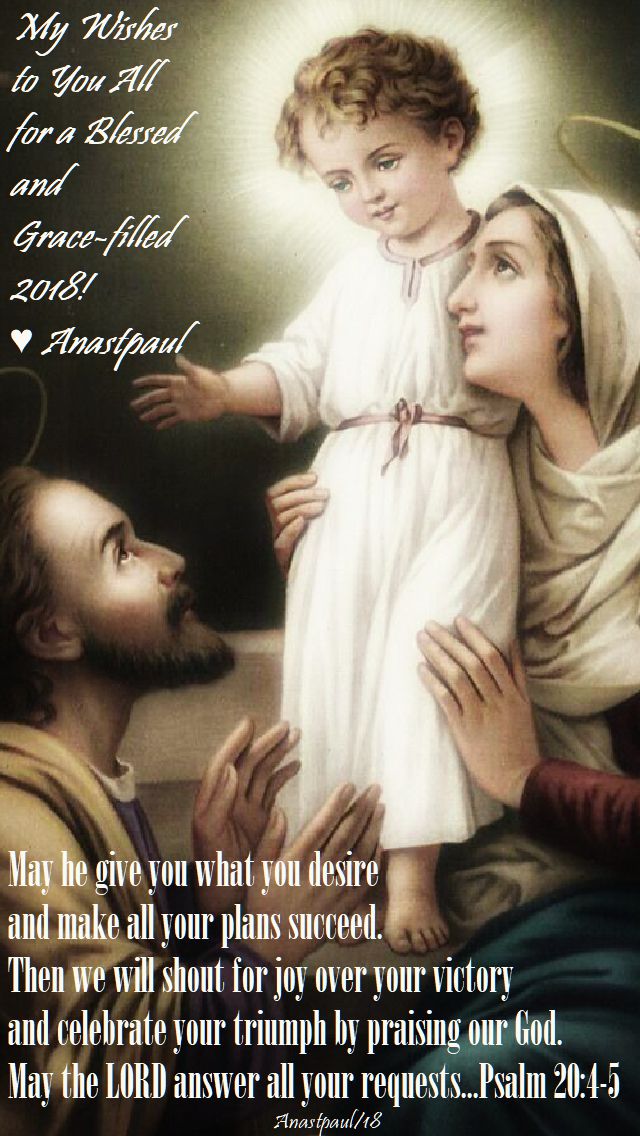
Wishes for a Happy and Holy 2018!

My Wishes to You All
for a Blessed and Grace-filled 2018

May he give you what you desire
and make all your plans succeed.
Then we will shout for joy over your victory
and celebrate your triumph by praising our God.
May the LORD answer all your requests...Psalm 20:4-5

new year wishes 1 jan 2018

Posted in CATHOLIC Quotes, CHRISTMASTIDE!, DOCTORS of the Church, FEASTS and SOLEMNITIES, MARIAN PRAYERS, MARIAN QUOTES, MARIAN TITLES, MORNING Prayers, PRAYERS of the SAINTS, SAINT of the DAY, The BLESSED VIRGIN MARY

Thought for the Day – 1 January 2018 – The Solemnity of Mary, Mother of God and the Octave Day of the Nativity of Our Lord

Thought for the Day – 1 January 2018 – The Solemnity of Mary, Mother of God and the Octave Day of the Nativity of Our Lord

Reflect on this.
Jesus, Who is God, is the only natural-born son who chose His mother.
He had a plan for her life and she accepted it with her fiat, her yes given to the Archangel Gabriel at the Annunciation.
For that we are eternally grateful and indebted to Mary, who was given to us to be our mother by her Son from the Cross.

And if anyone ever suggests to you that you love Mary too much, answer,
“Oh no, I could not possibly love Mary too much
because I could never love her as much as she is loved by her son!”

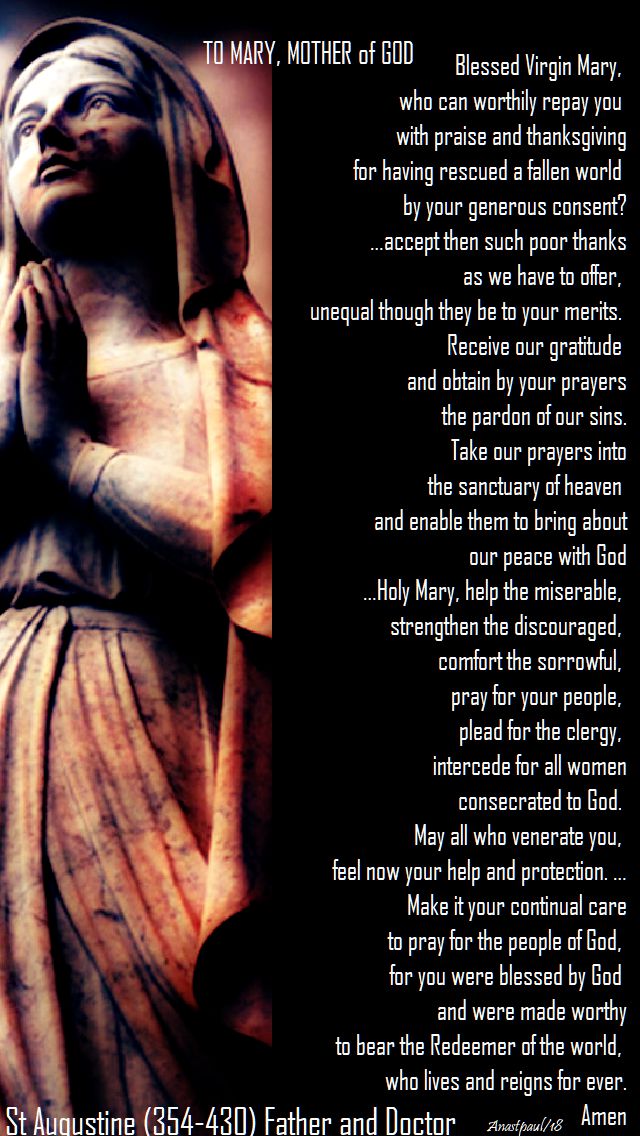
Blessed Virgin Mary,
who can worthily repay you
with praise and thanksgiving
for having rescued a fallen world
by your generous consent?
…accept then such poor thanks as we have to offer,
unequal though they be to your merits.
Receive our gratitude
and obtain by your prayers the pardon of our sins.
Take our prayers into the sanctuary of heaven
and enable them to bring about our peace with God
…Holy Mary, help the miserable,
strengthen the discouraged,
comfort the sorrowful,
pray for your people,
plead for the clergy,
intercede for all women consecrated to God.
May all who venerate you,
feel now your help and protection. …
Make it your continual care to pray for the people of God,
for you were blessed by God
and were made worthy to bear the Redeemer of the world,
who lives and reigns for ever. Amen

St Augustine (354-430) Father and Doctorto mary mother of god - st augustine - 1 jan 2018

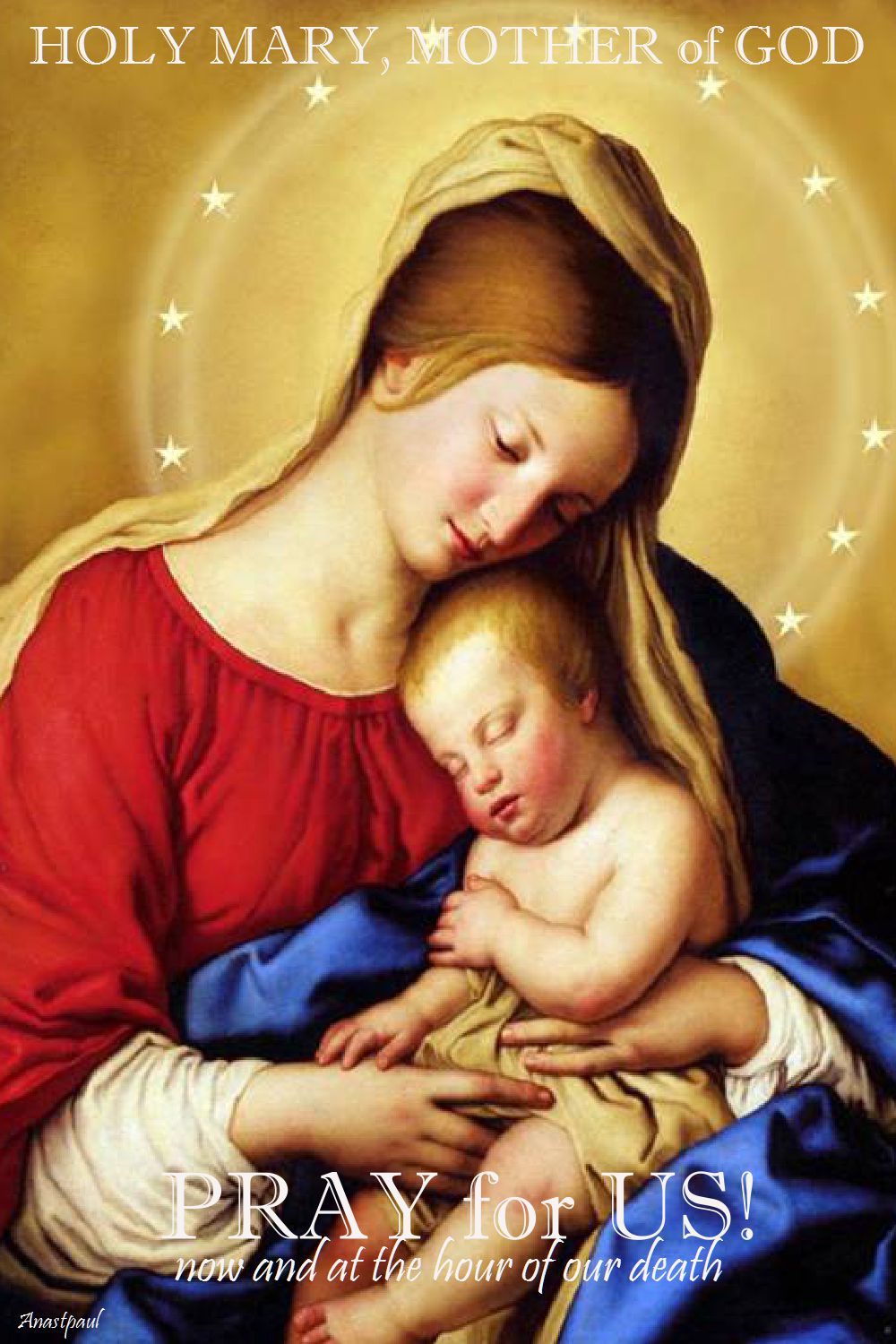
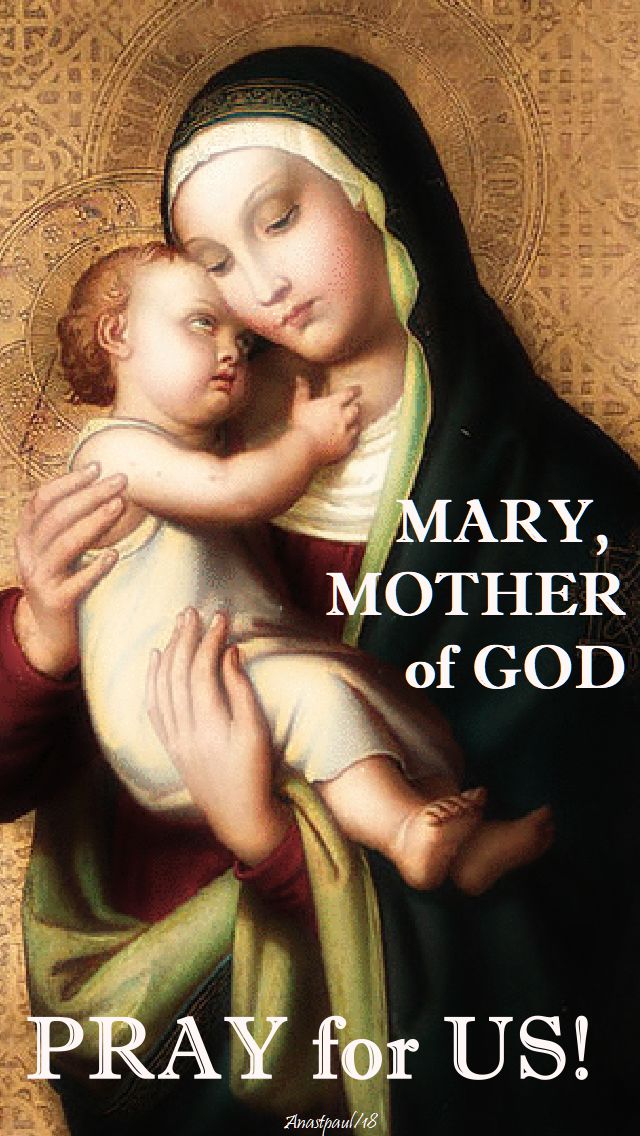
Mary, Mother of God, pray for us!HOLY MARY MOTHER OF GOD - PRAY FOR US

Posted in CHRISTMASTIDE!, DOCTORS of the Church, DOGMA, FATHERS of the Church, FEASTS and SOLEMNITIES, MARIAN QUOTES, MARIAN TITLES, MORNING Prayers, QUOTES of the SAINTS, SAINT of the DAY, The BLESSED VIRGIN MARY

Quote/s of the Day – 1 January 2018 – The Solemnity of Mary, Mother of God and the Octave Day of the Nativity of Our Lord

Quote/s of the Day – 1 January 2018 – The Solemnity of Mary, Mother of God and the Octave Day of the Nativity of Our Lord

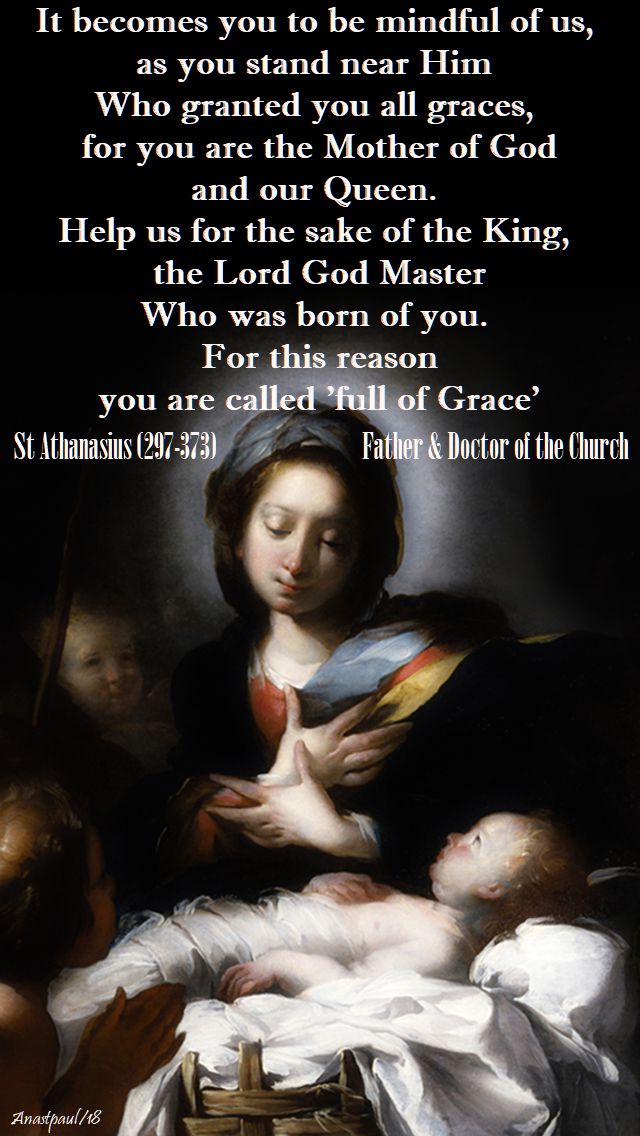
“It becomes you to be mindful of us,
as you stand near Him
Who granted you all graces,
for you are the Mother of God and our Queen.
Help us for the sake of the King,
the Lord God Master Who was born of you.
For this reason you are called ‘full of Grace’…”

St Athanasius (297-373) Father & Doctor of the Churchit becomes you to be mindful - st athanasius - 1 jan 2018

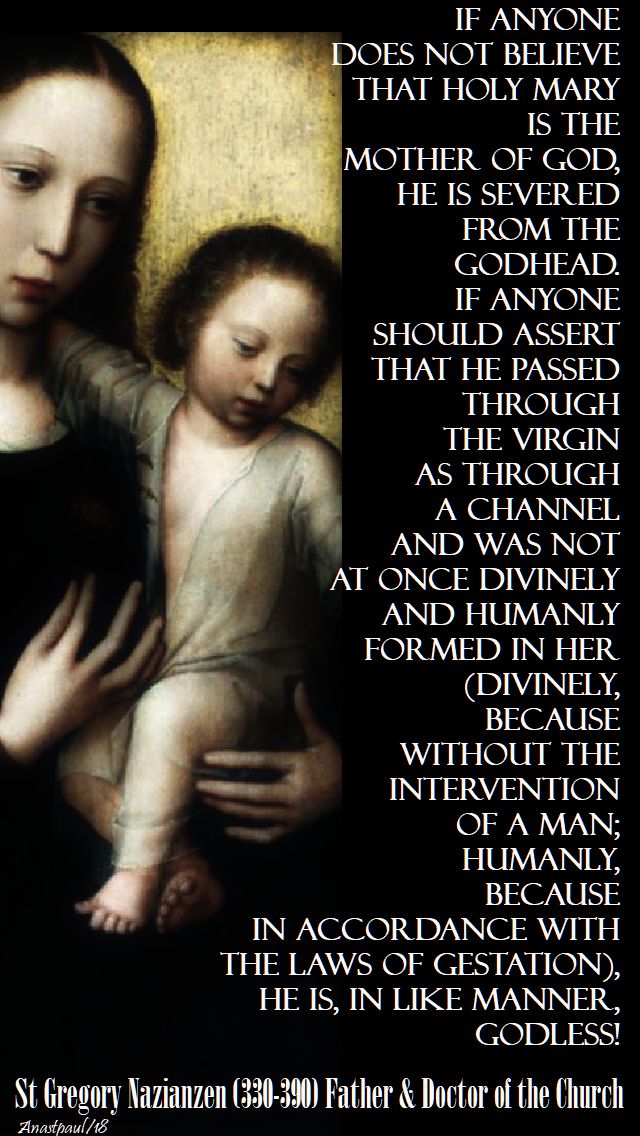
“If anyone does not believe that Holy Mary
is the Mother of God,
he is severed from the Godhead.
If anyone should assert that He passed through the Virgin
as through a channel
and was not at once divinely and humanly formed in her
(divinely, because without the intervention of a man;
humanly, because in accordance with the laws of gestation),
he is in like manner godless.”

St Gregory Nazianzen (330-390) Father & Doctor of the Churchif anyone does not believe - 1 jan 2018

“What the Catholic faith believes about Mary
is based on what it believes about Christ
and what it teaches about Mary,
illumines in turn, its faith in Christ”

CCC No 487ccc no 487 - 1 jan 2018

Posted in CHRISTMASTIDE!, FEASTS and SOLEMNITIES, MARIAN PRAYERS, MARIAN QUOTES, MARIAN TITLES, MORNING Prayers, QUOTES of the SAINTS, SAINT of the DAY, The BLESSED VIRGIN MARY, The WORD

One Minute Reflection – 1 January 2018 – The Solemnity of Mary, Mother of God, the Octave Day of the Nativity of Our Lord and the first day of the Month of the Most Holy Name of Jesus

One Minute Reflection – 1 January 2018 – The Solemnity of Mary, Mother of God, the Octave Day of the Nativity of Our Lord and the first day of the Month of the Most Holy Name of Jesus

But Mary kept all these things, pondering them in her heart.…Luke 2:19

REFLECTIONS – “Today’s liturgy celebrates the solemnity of the Mother of God.
Mary is the one who was chosen to be Mother of the Redeemer, sharing intimately in his mission.
In the light of Christmas, the mystery of her divine motherhood is illumined.
Mary, Mother of Jesus who was born in the Bethlehem cave,
is also the Mother of every man and woman who comes into the world.
How is it possible not to commend to her the year that is beginning,
to implore a time of serenity and peace for all humanity?
On the day when this new year begins under the blessed gaze of the Mother of God,
let us invoke the gift of peace for each one and all.”…St Pope John Paul – 1997mary is the one who was chosen - st john paul - 1 jan 2018

PRAYER – God, our Father, since You gave mankind a saviour through blessed Mary, virgin and mother, grant that we may feel the power of her intercession when she pleads for us with Jesus Christ, Your Son, the author of life, who lives and reigns with You and the Holy Spirit, God forever and ever, amen.mary mother of god pray for us - 1 jan 2018

Posted in CATHOLIC DEVOTIONS of the Month, DEVOTIO, MORNING Prayers, PAPAL PRAYERS, PRACTISING CATHOLIC, PRAYERS of the CHURCH

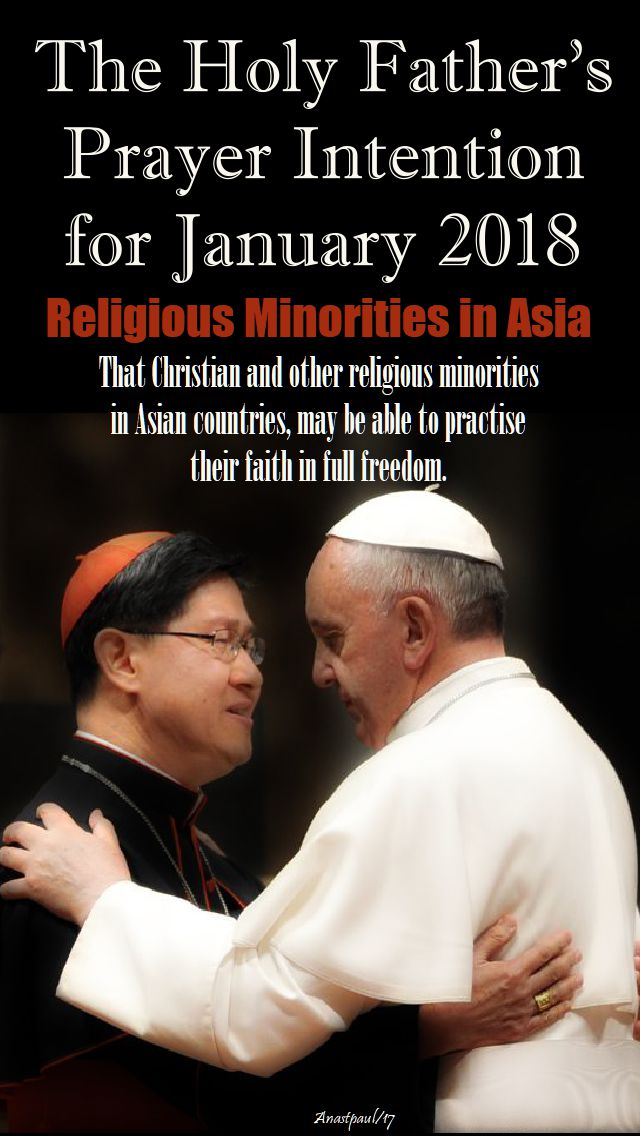
The Holy Father’s Prayer Intention for January 2018

The Holy Father’s Prayer Intention
for January 2018

Religious Minorities in Asia

That Christian and other religious minorities
in Asian countries, may be able to practise
their faith in full freedom.

the holy father's prayer intention january 2018

Posted in CATHOLIC DEVOTIONS of the Month, CATHOLIC-PRAYERS OF THE CHURCH, CHRISTMASTIDE!, MORNING Prayers, PRAYERS of the CHURCH, SAINT of the DAY, The HOLY NAME

Monthly Catholic Devotions: JANUARY is the Month of THE MOST HOLY NAME OF JESUS

1 January – Catholic Devotion of the Month – The Most Holy Name of Jesus

In Philippians 2, St Paul tells us that “At the name of Jesus every knee should bow, of things in heaven and things in earth, and things under the earth and every tongue should confess that Jesus Christ is Lord.”   From the earliest days of Christianity, Christians have known the great power of Jesus’ Holy Name.   As the once-popular hymn commanded:

All hail the pow’r of Jesus’ Name!
Let angels prostrate fall;
Bring forth the royal diadem,
And crown Him Lord of all.

Small wonder, then, that the Church sets aside the first month of the year in honour of the Holy Name of Jesus. hrough this devotion, the Church reminds us of the power of Christ’s Name and encourages us to pray in His Name.  In our society, of course, we hear His Name uttered quite often but all too frequently, it is used in a curse or blasphemy.  In the past, Christians would often make the Sign of the Cross when they heard Christ’s Name uttered in such a manner and that’s a practice that would be worthwhile to revive.   

What has happened to the tradition of honouring the Holy Name of Jesus?

By way of concretising respect for the name of Jesus in a formal way the Second Council of Lyons in 1274 decreed that “at the name of Jesus every knee should bow; whenever that glorious name is recalled, especially during the sacred mysteries of the Mass, everyone should bow the knees of his heart, which he can do even by a bow of his head”.
As regards what is to be done in Mass today, the General Instruction of the Roman Missal says: “A bow of the head is made when the three Divine Persons are named together and at the names of Jesus, of the Blessed Virgin Mary and of the saint in whose honour Mass is being celebrated” (GIRM 275).
The importance of honouring the holy name of Jesus is seen too in the feast of that name, which has been celebrated, at least at the local level, since the end of the 15th century.   The feast was inserted into the universal calendar by Pope Innocent XIII in 1721 and is now celebrated on 3 January.

Given the widespread misuse of the names of God and Jesus today in ordinary life, as well as on television, in films and in other forms of entertainment, it is especially important to do all we can to restore respect for the name of God.
Bowing our head when we pronounce or hear the name of Jesus is a good way to do this.
Also important is to make an internal act of reparation whenever we hear the name of God or Jesus blasphemed.
It should hurt us that the object of our love is mistreated in this way.
It may very well be that the custom of bowing the head at the name of Jesus will pass out of general use, as have other laudable customs in recent times but that does not prevent us personally from continuing to live it and passing on to our children this ancient custom.

LET US EACH ONE BRING IT BACK for the very Angels in Heaven bow at the name of Jesus. And even the demons in Hell.BOW YOUR HEAD!

1 january 2018 - the most holy name

Another good practice that we could take to heart during this Month of the Holy Name of Jesus is the recitation of the Jesus Prayer. his prayer is as popular among Eastern Christians, both Catholic and Orthodox, as the rosary is among Roman Catholics but it’s not as well known in the West.   This month, why not take a few minutes to memorise the Jesus Prayer and pray it during those moments of the day when you are between activities, or travelling, or simply taking a rest?   Keeping Christ’s Name always on our lips is a good way to ensure that we draw ever nearer to Him.

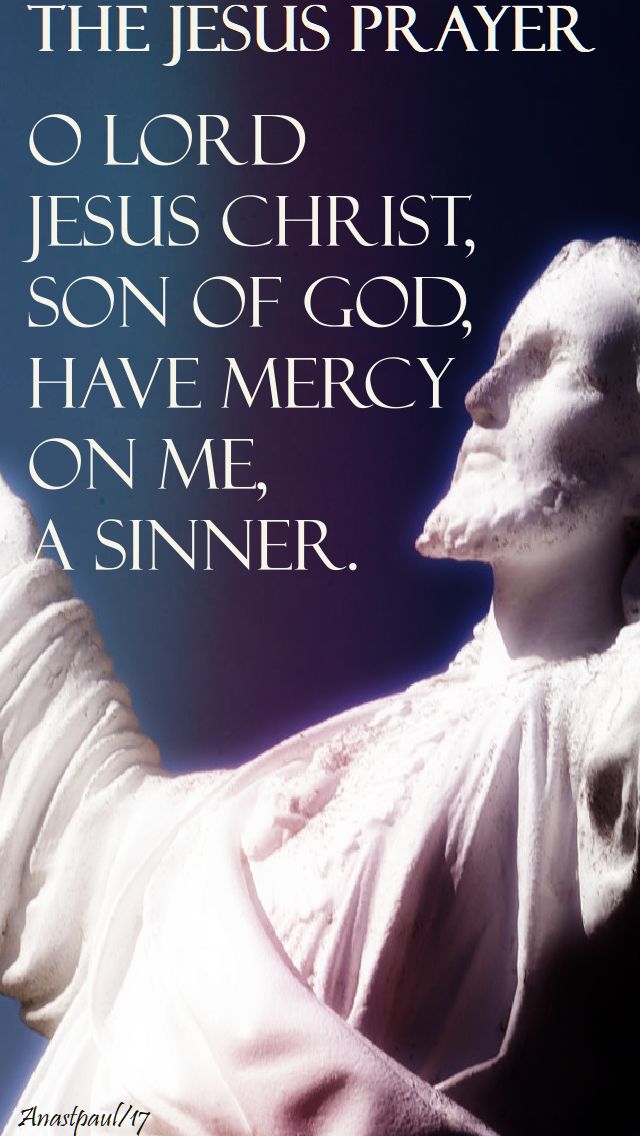
THE JESUS PRAYER
O Lord Jesus Christ, Son of God, have mercy on me, a sinnerthe jesus prayer - 1 jan 2018

Posted in CHRISTMASTIDE!, MORNING Prayers, PAPAL MESSAGES, PAPAL SERMONS, SAINT of the DAY

1 January 2018 – The 51st World Day of Prayer for Peace

1 January 2018 – The 51st World Day of Prayer for Peace

The World Day of Prayer for Peace was first observed on 1 January 1968, proclaimed by Pope Paul VI. It was inspired by the encyclical Pacem in Terris by Pope John XXIII and with reference to Paul’s encyclical Populorum Progressio.

Our Holy Fathers, have used this day to make magisterial declarations relevant to the social doctrine of the Church on such topics as the United Nations, human rights, women’s rights, labour unions, economic development, the right to life, international diplomacy, peace in the Holy Land, globalisation, migrants, refugees and terrorism.the 51st world day of peace - 1 jan 2018
MESSAGE OF HIS HOLINESS POPE
FRANCIS
FOR THE CELEBRATION OF THE 
51st WORLD DAY OF PEACE

1 JANUARY 2018

Migrants and refugees: men and women in search of peace

1. Heartfelt good wishes for peace

Peace to all people and to all nations on earth! Peace, which the angels proclaimed to the shepherds on Christmas night,[1]  is a profound aspiration for everyone, for each individual and all peoples, and especially for those who most keenly suffer its absence.   Among these whom I constantly keep in my thoughts and prayers, I would once again mention the over 250 million migrants worldwide, of whom 22.5 million are refugees. Pope Benedict XVI, my beloved predecessor, spoke of them as “men and women, children, young and elderly people, who are searching for somewhere to live in peace.”  [2]  In order to find that peace, they are willing to risk their lives on a journey that is often long and perilous, to endure hardships and suffering, and to encounter fences and walls built to keep them far from their goal.

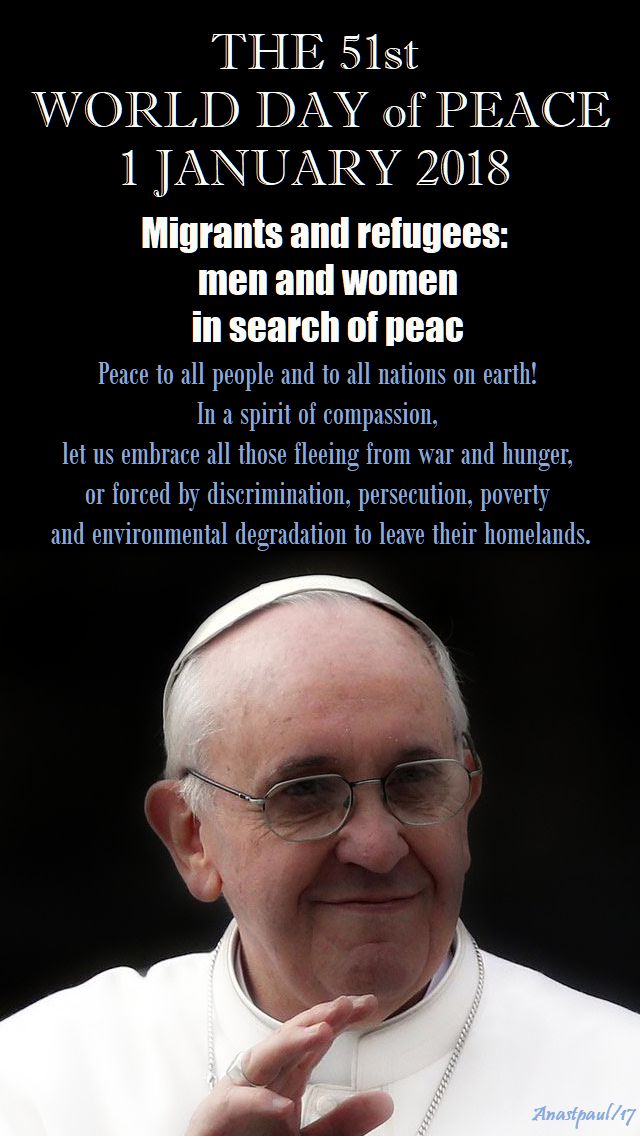
In a spirit of compassion, let us embrace all those fleeing from war and hunger, or forced by discrimination, persecution, poverty and environmental degradation to leave their homelands.

We know that it is not enough to open our hearts to the suffering of others.   Much more remains to be done before our brothers and sisters can once again live peacefully in a safe home.   Welcoming others requires concrete commitment, a network of assistance and goodwill, vigilant and sympathetic attention, the responsible management of new and complex situations that at times compound numerous existing problems, to say nothing of resources, which are always limited.   By practising the virtue of prudence, government leaders should take practical measures to welcome, promote, protect, integrate and, “within the limits allowed by a correct understanding of the common good, to permit [them] to become part of a new society.”[3]   Leaders have a clear responsibility towards their own communities, whose legitimate rights and harmonious development they must ensure, lest they become like the rash builder who miscalculated and failed to complete the tower he had begun to construct.[4]

2. Why so many refugees and migrants?

As he looked to the Great Jubilee marking the passage of two thousand years since the proclamation of peace by the angels in Bethlehem, Saint John Paul II pointed to the increased numbers of displaced persons as one of the consequences of the “endless and horrifying sequence of wars, conflicts, genocides and ethnic cleansings”[5] that had characterised the twentieth century.   To this date, the new century has registered no real breakthrough: armed conflicts and other forms of organised violence continue to trigger the movement of peoples within national borders and beyond.

Yet people migrate for other reasons as well, principally because they “desire a better life, and not infrequently try to leave behind the ‘hopelessness’ of an unpromising future.”[6]   They set out to join their families or to seek professional or educational opportunities, for those who cannot enjoy these rights do not live in peace.   Furthermore, as I noted in the Encyclical Laudato Si’, there has been “a tragic rise in the number of migrants seeking to flee from the growing poverty caused by environmental degradation”.[7]

Most people migrate through regular channels.   Some, however, take different routes, mainly out of desperation, when their own countries offer neither safety nor opportunity and every legal pathway appears impractical, blocked or too slow.

Many destination countries have seen the spread of rhetoric decrying the risks posed to national security or the high cost of welcoming new arrivals, and thus demeaning the human dignity due to all as sons and daughters of God.   Those who, for what may be political reasons, foment fear of migrants instead of building peace are sowing violence, racial discrimination and xenophobia, which are matters of great concern for all those concerned for the safety of every human being.[8]

All indicators available to the international community suggest that global migration will continue for the future. Some consider this a threat. For my part, I ask you to view it with confidence as an opportunity to build peace.

3. With a contemplative gaze

The wisdom of faith fosters a contemplative gaze that recognizes that all of us “belong to one family, migrants and the local populations that welcome them, and all have the same right to enjoy the goods of the earth, whose destination is universal, as the social doctrine of the Church teaches. It is here that solidarity and sharing are founded.”[9]   These words evoke the biblical image of the new Jerusalem.   The book of the prophet Isaiah (chapter 60) and that of Revelation (chapter 21) describe the city with its gates always open to people of every nation, who marvel at it and fill it with riches. Peace is the sovereign that guides it and justice the principle that governs coexistence within it.

We must also turn this contemplative gaze to the cities where we live, “a gaze of faith which sees God dwelling in their houses, in their streets and squares, […] fostering solidarity, fraternity, and the desire for goodness, truth and justice”[10] – in other words, fulfilling the promise of peace.

When we turn that gaze to migrants and refugees, we discover that they do not arrive empty-handed.   They bring their courage, skills, energy and aspirations, as well as the treasures of their own cultures; and in this way, they enrich the lives of the nations that receive them.   We also come to see the creativity, tenacity and spirit of sacrifice of the countless individuals, families and communities around the world who open their doors and hearts to migrants and refugees, even where resources are scarce.

A contemplative gaze should also guide the discernment of those responsible for the public good, and encourage them to pursue policies of welcome, “within the limits allowed by a correct understanding of the common good”[11] – bearing in mind, that is, the needs of all members of the human family and the welfare of each.

Those who see things in this way will be able to recognize the seeds of peace that are already sprouting and nurture their growth.   Our cities, often divided and polarized by conflicts regarding the presence of migrants and refugees, will thus turn into workshops of peace.

4. Four mileposts for action

Offering asylum seekers, refugees, migrants and victims of human trafficking an opportunity to find the peace they seek requires a strategy combining four actions: welcoming, protecting, promoting and integrating.[12]

“Welcoming” calls for expanding legal pathways for entry and no longer pushing migrants and displaced people towards countries where they face persecution and violence.   It also demands balancing our concerns about national security with concern for fundamental human rights. Scripture reminds us: “Do not forget to show hospitality to strangers, for by so doing some people have shown hospitality to angels without knowing it.”[13]

“Protecting” has to do with our duty to recognize and defend the inviolable dignity of those who flee real dangers in search of asylum and security, and to prevent their being exploited.   I think in particular of women and children who find themselves in situations that expose them to risks and abuses that can even amount to enslavement. God does not discriminate:  “The Lord watches over the foreigner and sustains the orphan and the widow.”[14]

“Promoting” entails supporting the integral human development of migrants and refugees. Among many possible means of doing so, I would stress the importance of ensuring access to all levels of education for children and young people.   This will enable them not only to cultivate and realise their potential but also better equip them to encounter others and to foster a spirit of dialogue rather than rejection or confrontation.   The Bible teaches that God “loves the foreigner residing among you, giving them food and clothing.   And you are to love those who are foreigners, for you yourselves were foreigners in Egypt.”[15]

“Integrating”, lastly, means allowing refugees and migrants to participate fully in the life of the society that welcomes them, as part of a process of mutual enrichment and fruitful cooperation in service of the integral human development of the local community.   Saint Paul expresses it in these words:  “You are no longer foreigners and strangers, but fellow citizens with God’s people.”[16]

5. A proposal for two international compacts

It is my heartfelt hope this spirit will guide the process that in the course of 2018 will lead the United Nations to draft and approve two Global Compacts, one for safe, orderly and regular migration and the other for refugees.   As shared agreements at a global level, these compacts will provide a framework for policy proposals and practical measures.   For this reason, they need to be inspired by compassion, foresight and courage, so as to take advantage of every opportunity to advance the peace-building process.   Only in this way can the realism required of international politics avoid surrendering to cynicism and to the globalisation of indifference.

Dialogue and coordination are a necessity and a specific duty for the international community.   Beyond national borders, higher numbers of refugees may be welcomed – or better welcomed – also by less wealthy countries, if international cooperation guarantees them the necessary funding.

The Migrants and Refugees Section of the Dicastery for Promoting Integral Human Development has published a set of twenty action points that provide concrete leads for implementing these four verbs in public policy and in the attitudes and activities of Christian communities.[17]   The aim of this and other contributions is to express the interest of the Catholic Church in the process leading to the adoption of the two U.N. Global Compacts.    This interest is the sign of a more general pastoral concern that goes back to the very origins of the Church and has continued in her many works up to the present time.

6. For our common home

Let us draw inspiration from the words of Saint John Paul II:  “If the ‘dream’ of a peaceful world is shared by all, if the refugees’ and migrants’ contribution is properly evaluated, then humanity can become more and more a universal family and our earth a true ‘common home’.”[18]   Throughout history, many have believed in this “dream”, and their achievements are a testament to the fact that it is no mere utopia.

Among these, we remember Saint Frances Xavier Cabrini in this year that marks the hundredth anniversary of her death. On this thirteenth day of November, many ecclesial communities celebrate her memory.   This remarkable woman, who devoted her life to the service of migrants and became their patron saint, taught us to welcome, protect, promote and integrate our brothers and sisters.   Through her intercession, may the Lord enable all of us to experience that “a harvest of righteousness is sown in peace by those who make peace.”[19]

From the Vatican, 13 November 2017

Posted in CHRISTMASTIDE!, FEASTS and SOLEMNITIES, MARIAN PRAYERS, MARIAN TITLES, MORNING Prayers, PRAYERS of the SAINTS, SAINT of the DAY, The BLESSED VIRGIN MARY

Our Morning Offering – 31 December – The Solemnity of Mary, Mother of God and the Octave Day of the Nativity of Our Lord

Our Morning Offering – 31 December – The Solemnity of Mary, Mother of God and the Octave Day of the Nativity of Our Lord

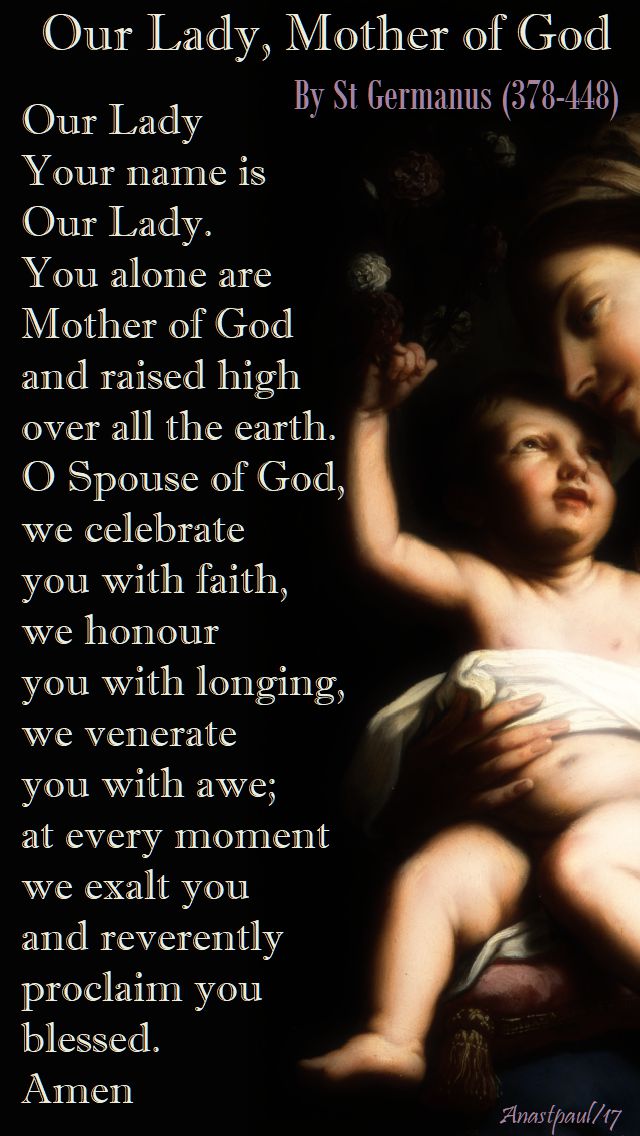
Our Lady, Mother of God
By St Germanus (378-448)
Our Lady
Your name is
Our Lady.
You alone are
Mother of God
and raised high
over all the earth.
O Spouse of God,
we celebrate you
with faith,
we honour you
with longing,
we venerate you
with awe;
at every moment
we exalt you
and reverently proclaim
you blessed.
Amenour lady, mother of god - 1 jan 2018

Posted in CHRISTMASTIDE!, FEASTS and SOLEMNITIES, MARIAN TITLES, PAPAL MESSAGES, PAPAL SERMONS, SAINT of the DAY

1 January 2018 – The Solemnity of Mary, the Mother of God

1 January 2018 – The Solemnity of Mary, the Mother of God

Start the New Year With Jesus’ Mother—and Our Own

In the early centuries of the Church, once Christmas began to be celebrated as its own feast on 25 December (having originally been celebrated with the Feast of the Epiphany, on 6 January, the Octave (eighth day) of Christmas, 1 January took on a special meaning. In the East, and throughout much of the West, it became common to celebrate a feast of Mary, the Mother of God, on this day. This feast was never established in the universal calendar of the Church, however, and a separate feast, celebrating the Circumcision of Our Lord Jesus Christ (which would have taken place a week after His birth), eventually took hold of 1 January. With the revision of the liturgical calendar the Feast of the Circumcision was set aside, and the ancient practice of dedicating 1 January to the Mother of God was revived—this time, as a universal feast.
One of the earliest titles given by Christians to the Blessed Virgin was Theotokos—”God-bearer.” We celebrate her as the Mother of God, because, in bearing Christ, she bore the fullness of the Godhead within her. As we begin another year, we draw inspiration from the selfless love of the Theotokos, who never hesitated to do the will of God. And we trust in her prayers to God for us, that we might, as the years pass, become more like her. O Mary, Mother of God, pray for us!Mary2017_1100x754

HOMILY OF HIS HOLINESS POPE FRANCIS

Vatican Basilica
Sunday, 1st January 2017

“Mary treasured all these things and pondered them in her heart! (Lk 2:19).   In these words, Luke describes the attitude with which Mary took in all that they had experienced in those days.   Far from trying to understand or master the situation, Mary is the woman who can treasure, that is to say, protect and guard in her heart, the passage of God in the life of his people.   Deep within, she had learned to listen to the heartbeat of her Son, and that in turn taught her, throughout her life, to discover God’s heartbeat in history.   She learned how to be a mother and in that learning process she gave Jesus the beautiful experience of knowing what it is to be a Son.   In Mary, the eternal Word not only became flesh, but also learned to recognise the maternal tenderness of God.   With Mary, the God-Child learned to listen to the yearnings, the troubles, the joys and the hopes of the people of the promise.   With Mary, he discovered himself a Son of God’s faithful people.octave-day.mary mother of god - 2016jpg

In the Gospels, Mary appears as a woman of few words, with no great speeches or deeds but with an attentive gaze capable of guarding the life and mission of her Son and for this reason, of everything that he loves.   She was able to watch over the beginnings of the first Christian community and in this way she learned to be the mother of a multitude.   She drew near to the most diverse situations in order to sow hope.   She accompanied the crosses borne in the silence of her children’s hearts.   How many devotions, shrines and chapels in the most far-off places, how many pictures in our homes, remind us of this great truth.   Mary gave us a mother’s warmth, the warmth that shelters us amid troubles, the maternal warmth that keeps anything or anyone from extinguishing in the heart of the Church the revolution of tenderness inaugurated by her Son.   Where there is a mother, there is tenderness.   By her motherhood, Mary shows us that humility and tenderness are not virtues of the weak but of the strong. She teaches us that we do not have to mistreat others in order to feel important (cf. Evangelii Gaudium, 288).    God’s holy people has always acknowledged and hailed her as the Holy Mother of God.

To celebrate Mary as Mother of God and our mother at the beginning of the new year means recalling a certainty that will accompany our days:   we are a people with a Mother;   we are not orphans.

Mothers are the strongest antidote to our individualistic and egotistic tendencies, to our lack of openness and our indifference.   A society without mothers would not only be a cold society, but a society that has lost its heart, lost the “feel of home”.   A society without mothers would be a merciless society, one that has room only for calculation and speculation.   Because mothers, even at the worst times, are capable of testifying to tenderness, unconditional self-sacrifice and the strength of hope.   I have learned much from those mothers whose children are in prison, or lying in hospital beds, or in bondage to drugs, yet, come cold or heat, rain or draught, never stop fighting for what is best for them.   Or those mothers who in refugee camps, or even the midst of war, unfailingly embrace and support their children’s sufferings.   Mothers who literally give their lives so that none of their children will perish.   Where there is a mother, there is unity, there is belonging, belonging as children.

To begin the year by recalling God’s goodness in the maternal face of Mary, in the maternal face of the Church, in the faces of our own mothers, protects us from the corrosive disease of being “spiritual orphans”.   It is the sense of being orphaned that the soul experiences when it feels motherless and lacking the tenderness of God, when the sense of belonging to a family, a people, a land, to our God, grows dim.   This sense of being orphaned lodges in a narcissistic heart capable of looking only to itself and its own interests.   It grows when what we forget that life is a gift we have received – and owe to others – a gift we are called to share in this common home.

It was such a self-centred orphanhood that led Cain to ask:  “Am I my brother’s keeper?” (Gen 4:9).   It was as if to say:  he doesn’t belong to me;  I do not recognise him.   This attitude of spiritual orphanhood is a cancer that silently eats away at and debases the soul.   We become all the more debased, inasmuch as nobody belongs to us and we belong to no one.   I debase the earth because it does not belong to me;  I debase others because they do not belong to me;  I debase God because I do not belong to him and in the end we debase our very selves, since we forget who we are and the divine “family name” we bear.   The loss of the ties that bind us, so typical of our fragmented and divided culture, increases this sense of orphanhood and, as a result, of great emptiness and loneliness.   The lack of physical (and not virtual) contact is cauterising our hearts (cf. Laudato Si’, 49) and making us lose the capacity for tenderness and wonder, for pity and compassion.   Spiritual orphanhood makes us forget what it means to be children, grandchildren, parents, grandparents, friends and believers.   It makes us forget the importance of playing, of singing, of a smile, of rest, of gratitude.

Celebrating the feast of the Holy Mother of God makes us smile once more as we realise that we are a people, that we belong, that only within a community, within a family, can we as persons find the “climate”, the “warmth” that enables us to grow in humanity and not merely as objects meant to “consume and be consumed”.   To celebrate the feast of the Holy Mother of God reminds us that we are not interchangeable items of merchandise or information processors.   We are children, we are family, we are God’s People.

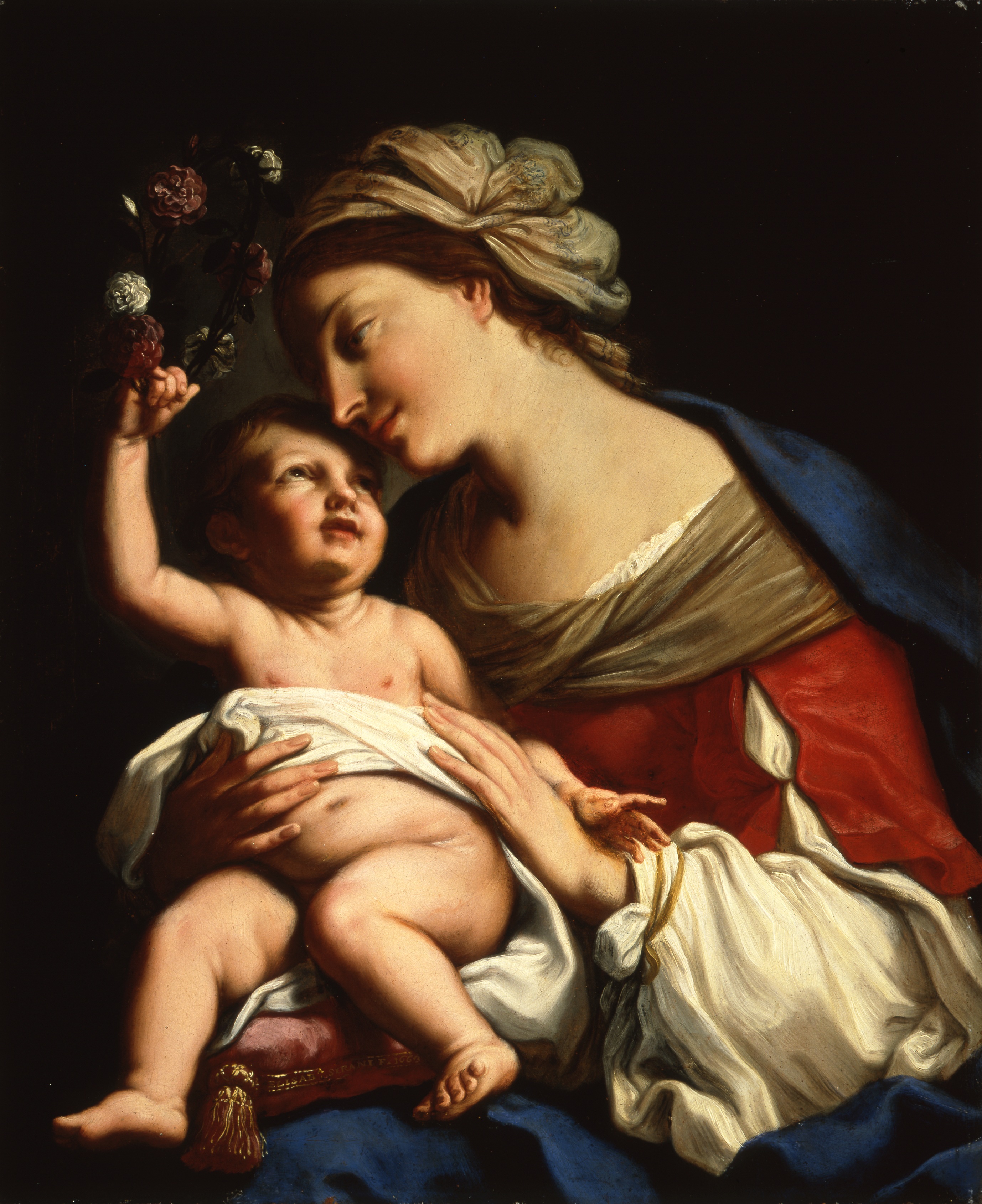
Celebrating the Holy Mother of God leads us to create and care for common places that can give us a sense of belonging, of being rooted, of feeling at home in our cities, in communities that unite and support us (cf. Laudato Si’, 151).2.2.2.x-collection-detail-sirani_virgin_and_childMother-of-GodVirgin and Child (Luis De Morales)

Jesus, at the moment of his ultimate self-sacrifice, on the cross, sought to keep nothing for himself, and in handing over his life, he also handed over to us his Mother.   He told Mary:   Here is your son; here are your children.   We too want to receive her into our homes, our families, our communities and nations.   We want to meet her maternal gaze. The gaze that frees us from being orphans; the gaze that reminds us that we are brothers and sisters, that I belong to you, that you belong to me, that we are of the same flesh.   The gaze that teaches us that we have to learn how to care for life in the same way and with the same tenderness that she did:  by sowing hope, by sowing a sense of belonging and of fraternity.

Celebrating the Holy Mother of God reminds us that we have a Mother.   We are not orphans.   We have a Mother.   Together let us all confess this truth.   I invite you to acclaim it three times, standing [all stand], like the faithful of Ephesus:  Holy Mother of God, Holy Mother of God, Holy Mother of God.BallymoteChurchoftheImmaculateConceptionNorthAisleMadonnaandChild20100923

Posted in CHRISTMASTIDE!, FEASTS and SOLEMNITIES, MARIAN TITLES, SAINT of the DAY

1 January 2018 – Solemnity of Mary, Mother of God, Octave Day of the Nativity of the Lord, 51st World Day of Peace and Memorials of the Saints

Mary, Mother of God (Solemnity) – https://www.youtube.com/watch?v=lCePGwykjag

Circumcision of the Lord (Feast):   Though He was not bound by law, Christ wanted to fulfill the law and to show His descent in the flesh from Abraham and so was circumcised on the eighth day of his life (Luke 2:21) and received the name expressive of His office, Jesus, (Saviour).   He was, as Saint Paul says, “made under the law”, that is, He submitted to the Mosaic Dispensation, “that he might redeem them who were under the law: that we might receive the adoption of sons” (Galatians 4:4-5).   “The Christ, in order to fulfil all justice, was required to endure this humiliation and bear in His body the stigma of the sins which He had taken upon Himself.”   The circumcision took place, not in the Temple, though painters sometimes so represent it but in some private house, where the Holy Family had found a rather late hospitality.   The public ceremony in the synagogue, which is now the usage, was introduced later.
As Christmas was celebrated on 25 December, celebration of Circumcision fell on the first of January.   In the ages of paganism, however, the solemnisation of the feast was almost impossible due to orgies connected with the Saturnalian festivities being celebrated at the same time.   Even in our own day the secular features of the opening of the New Year interfere with the religious observance of the Circumcision and tend to make a mere holiday of that which should have the sacred character of a Holy Day.   Saint Augustine of Hippo points out the difference between the pagan and Christian manners of celebrating the day:   pagan feasting and excesses were to be expiated by Christian fasting and prayer.   The Feast was kept at an early date in the Gallican Rite, as is clearly indicated in a Council of Tours in 567, in which he Mass of the Circumcision is prescribed.   The feast celebrated at Rome in the seventh century was not the Circumcision as such, but the octave of Christmas.   The Gelasian Sacramentary gives the title “In Octabas Domini”, and prohibits the faithful from idolatry and the profanities of the season.   The earliest Byzantine calendars (eighth and ninth centuries) give for the first of January both the Circumcision and the anniversary of Saint Basil.   The Feast of the Circumcision was observed in Spain before the death of Saint Isidore in 636.   It seems, therefore, that the octave was more prominent in the early centuries and the Circumcision later.   As paganism passed away the religious festivities of the Circumcision became more conspicuous and solemn, yet, even in the tenth century, Atto, Bishop of Vercelli, rebuked those who profaned the holy season by pagan dances, songs, and the lighting of lamps.

Octave Day of the Nativity of the Lord

World Day of Peace:    Feast day dedicated to peace.   It first observed on 1 January 1968, proclaimed by Pope Paul VI.   It was inspired by the encyclical Pacem in Terris by Pope John XXIII and with reference to Paul’s encyclical Populorum Progressio.    Our Holy Fathers have used this day to make magisterial declarations relevant to the social doctrine of the Church on such topics as the United Nations, human rights, women’s rights, labour unions, economic development, the right to life, international diplomacy, peace in the Holy Land, globalisation, migrants, refugees and terrorism.

Titular Feast of the Society of Jesus – But now celebrated on 3 January, the Feast of the Holy Name of Jesus

Bl Adalbero of Liege
St Baglan of Wales
St Basil of Aix
Bl Bonannus of Roio
St Brogan
St Buonfiglio Monaldi
Bl Catherine de Solaguti
St Clarus of Vallis Regia
St Clarus of Vienne
St Colman mac Rónán
St Colman Muillin of Derrykeighan
St Concordius of Arles
St Connat
St Cuan
St Demet of Plozévet
St Elvan
St Eugendus of Condat
St Euphrosyne of Alexandria
St Fanchea of Rossory
St Felix of Bourges
St Frodobert of Troyes
St Fulgentius of Ruspe
St Gisela of Rosstreppe
St Gregory Nazianzen the Elder
Bl Hugolinus of Gualdo Cattaneo
Bl Jean-Baptiste Lego
Bl Jean of Saint-Just-en-Chaussée
St Joseph Mary Tomasi
St Justin of Chieti
Bl Lojze Grozde
St Maelrhys
St Magnus the Martyr
Bl Marian Konopinski
St Mydwyn
St Odilo of Cluny
St Odilo of Stavelot
St Peter of Atroa
St Peter of Temissis
Bl René Lego
St Sciath of Ardskeagh
St Severino Gallo
St Telemachus
St Thaumastus of Mainz
St Theodotus
St Tyfrydog
Bl Valentin Paquay
St Vincent Strambi
St William of Dijon
St Zedislava Berka
St Zygmunt Gorazdowski

Breton Missionaries to Britain
Martyred Soldiers of Rome: Thirty soldiers martyred in Rome as a group during the persecutions of Diocletian. We don’t even known their names. They were martyred c 304 at Rome, Italy.

Martyrs of Africa – 8 saints: Eight Christians martyred together in Africa, date unknown. The only details we have are four of their names – Argyrus, Felix, Narcissus and Victor.

Martyred in the Spanish Civil War:
• Blessed Andrés Gómez Sáez

Posted in CHRISTMASTIDE!, DOCTORS of the Church, MORNING Prayers, SAINT of the DAY, THE HOLY FAMILY - FAMILIAE SANCTAE

Thought for the Day – 31 December – Feast of the Holy Family and the Seventh Day of the Octave

Thought for the Day – 31 December – Feast of the Holy Family and the Seventh Day of the Octave

Sermon of Saint Bernard for the Feast of the Holy Family
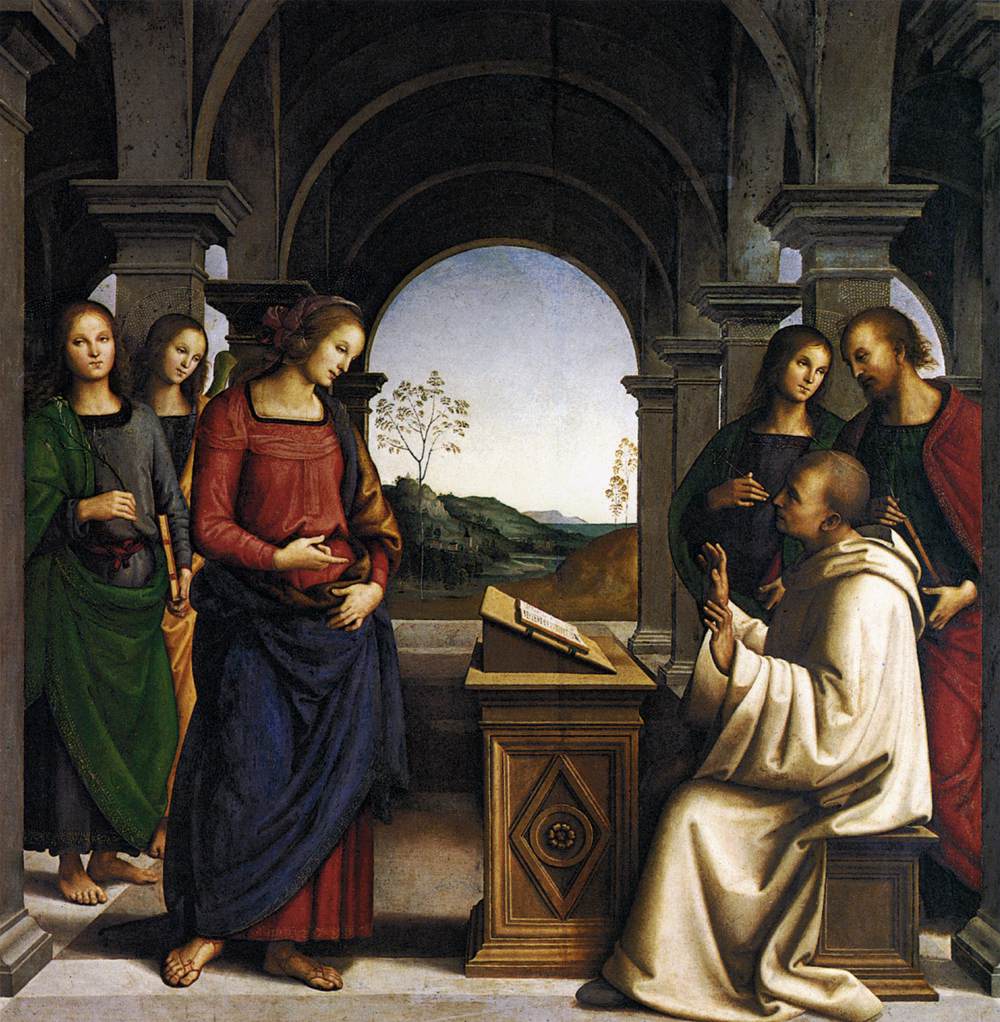
(1090-1153) – Doctor of the ChurchVision of St. Bernard_Munich, AP_1493.Perugino, Virgin Appearing to St. Bernard Italian, 1493holy-family41with st bernard

In Mary we praise that which places her above all others, that is, fruitfulness of offspring together with virginity.   For never has it been known in this world that anyone was at the same time mother and virgin.   And see of Whom she is mother.   Where does your astonishment at this so wondrous dignity lead you?   Is it not to this, that you may gaze in wonder yet never sufficiently revere?   Is she not in your veneration, nay, in the esteem of Truth itself, raised above choirs of angels?   Does not Mary address the Lord and God of all the angels as Son, saying: Son, why hast thou done so to us?

Who among the angels may thus presume?   It is enough for them and for them their greatest honour, that while they are spirits by nature they have become and are called angels, as David testifies:  Who makest thy angels spirits. [Ps. 103: 4] Mary, knowing herself mother, with confidence calls that Majesty Son Whom the angels in reverence serve.   Nor does God disdain to be called that which He disdained not to be.   For the Evangelist adds a little later:   He was subject to them.

Who was subject to whom?   A God to men.   God, I repeat, to Whom the angels are subject:   Whom principalities and powers obey:   was subject to Mary and not alone to Mary but to Joseph also, because of Mary.   Admire and revere both the one and the other and choose which you admire the more, the most sweet condescension of the Son, or the sublime dignity of the Mother.   For either am I at a loss for words, for both are wondrous.   For that God should obey a woman is humility without compare and that a woman should have rule over God dignity without equal.   In praise of virgins is it joyfully proclaimed, that they follow the lamb withersoever he goeth. [Apoc. 14: 4]   Of what praise shall you esteem her worthy who also goeth before Him?

Learn, O Man, to obey.   Learn, O Earth, to be subject.   Learn, O Dust, to submit.   The Evangelist in speaking of thy Maker says:   He was subject to them, that is, without doubt, to Mary and to Joseph.   Be you ashamed, vain ashes that you are.   God humbles Himself, and do you exalt yourself?   God becomes subject to men and will you, eager to lord it over men, place yourself above your Maker?   O would that God might deign to make me, thinking such thoughts at times in my own mind, such answer as He made, reproving him, to His apostle:  Go behind Me, Satan: because thou savourest not the things that are of God. [Mark 8: 33]

For as often as I desire to be foremost among men, so often do I seek to take precedence of God and so do I not truly savour the things that are of God.   For of Him was it said and he was subject to them. If you disdain, O Man, to follow the example of a Man, at least it will not lower thee to imitate thy Maker.   If perhaps you cannot follow Him wheresoever He goeth, at least follow in that wherein He has come down to you.

If you are unable to follow Him on the sublime way of virginity, then follow God by that most sure way of humility, from whose straitness should some even from among the virgins go aside, then must I say what is true, that neither do they follow the Lamb withersoever he goeth .  He that is humble, even though he be stained, he follows the Lamb so too does the proud virgin but neither of the two whithersoever He goeth: because the one cannot ascend to the purity of the Lamb that is without stain, nor will the other deign to come down to the meekness of the Lamb, Who stood silent, not merely before the shearer but before the one that put Him to death.   Yet the sinner who makes after Him in humility, has chosen a wholesomer part than the one that is proud in his virtue, since the humble repentance of the one washes away uncleanness but the pride of the other contaminates his own virtue.

Truly blessed was Mary who possessed both humility and virginity.   And truly wondrous the virginity whose fruitfulness stained not but adorned her and truly singular the humility, which this fruitful virginity has not troubled but rather exalted and wholly incomparable the fruitfulness which goes hand in hand with her humility and her virginity.   Which of these things is not wondrous?   Which is not beyond all comparison? Which that is not wholly singular?   It would be strange if you did not hesitate to decide which you regard as most worthy of praise: whether the wonder of fruitfulness of offspring in virginity, or of virginal integrity in a mother, sublimity of Offspring, or humility joined to such dignity, unless it be that we place both together above each one singly and it is truly beyond any doubt more excellent and more joyful to have beheld these perfections united in her, than to see but one part of them.

And can we wonder that God, of Whom it is written that He is wonderful in his saints,[Ps. 67: 36] shows Himself in His own Mother yet more wondrous still.   Venerate then, Ye spouses, this integrity of flesh in our corruptible flesh.   Revere likewise, Ye virgins, fruitfulness in virginity.   Let all men imitate the humility of God’s Mother.   Honour, Ye angels, the Mother of your King, you who adore the Offspring of our Virgin, Who is your King and our King, the Healer of our race, the Restorer of our fatherland.  Who among you is so sublime, yet among us was so lowly, to Whose Majesty as well from you as from us. let there be adoration and reverence, to whose Perfection be there honour and glory and empire for ever and ever. Amen

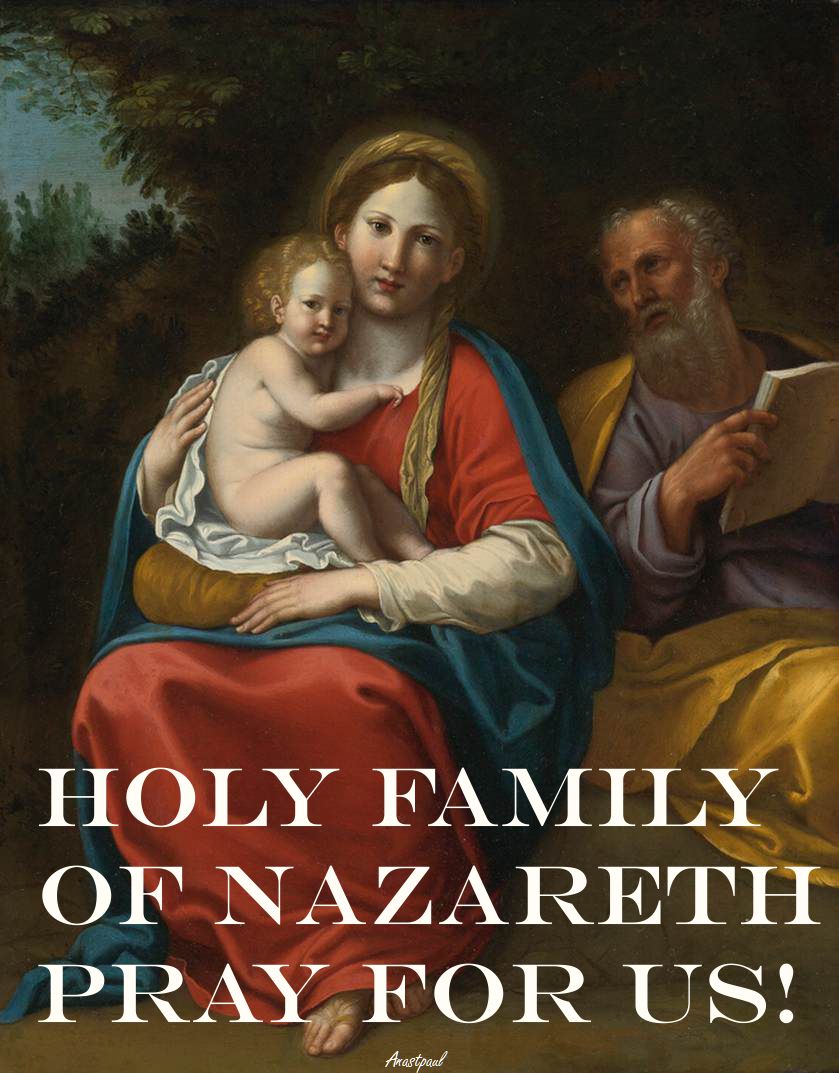
Mary and Joseph be our teachers and our guides, pray for us and for all the families of the world.holy family pray for us no 2 - 31 dec 2017

Posted in DEVOTIO, EUCHARISTIC Adoration, MORNING Prayers, QUOTES - J R R Tolkien and MORE, SUNDAY REFLECTIONS, The HOLY EUCHARIST / The HOLY MASS

Sunday Reflection – 31 December – Feast of the Holy Family and the Seventh Day of the Octave

Sunday Reflection – 31 December – Feast of the Holy Family and the Seventh Day of the Octave

While they were eating, He took some bread, and after a blessing He broke it, and gave it to them, and said, “Take it; this is My body.”   And when He had taken a cup and given thanks, He gave it to them and they all drank from it.   And He said to them, “This is My blood of the covenant, which is poured out for many..…Mark 14:22-24

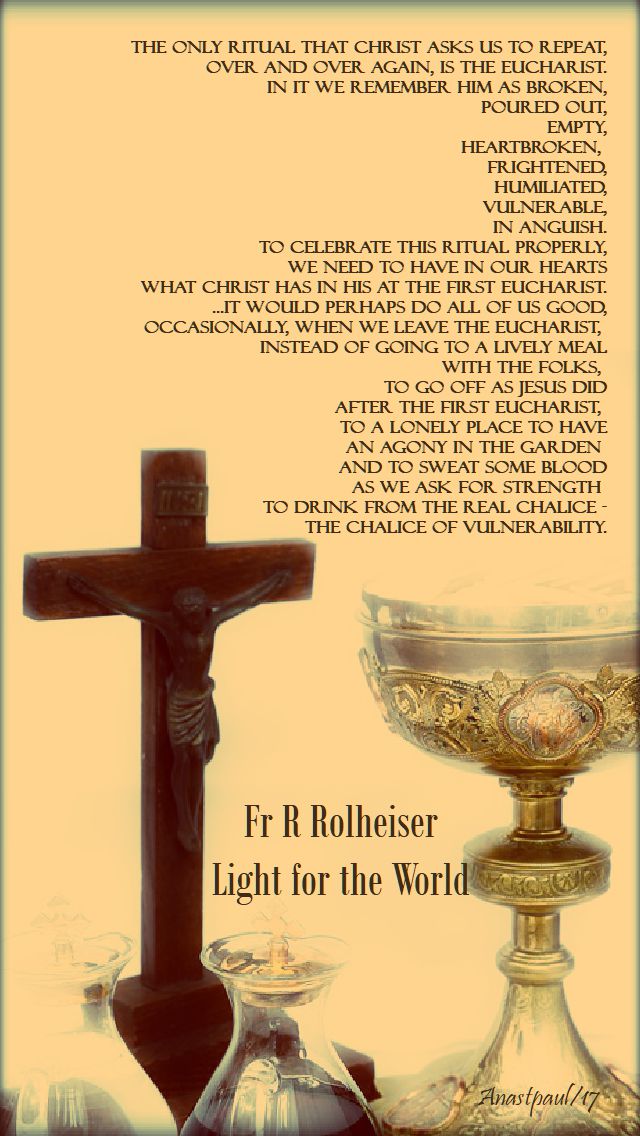
The only ritual that Christ asks us to repeat, over and over again, is the Eucharist.
In it we remember Him as broken,
poured out,
empty,
heartbroken,
frightened,
humiliated,
vulnerable,
in anguish.
To celebrate this ritual properly, we need to have in our hearts what Christ has in His at the first Eucharist.
What was He feeling then?

Joy and thanksgiving.   Yes.   LOVE for those at the table with Him.   Surely.  But beyond this, His heart felt anguish, deep longing and fear at the prospect of the pain that was now a certainty before intimacy and community could be achieved.

It would perhaps do all of us good, occasionally when we leave the Eucharist, instead of going to a lively meal with the folks, to go off as Jesus did after the first Eucharist, to a lonely place to have an agony in the garden and to sweat some blood as we ask for strength to drink from the real chalice – the chalice of vulnerability.

Occasionally, when St Augustine handed the Eucharist to a communicant, instead of saying, “the Body of Christ”, he would say, “Receive what you are.”

Augustine had perceived, for whatever reason, that the words of consecration, “this is my body, this is my blood”, are intended more to change the people present, than to change bread and wine.
(Fr R Rolheiser – Light for the World)

Lord Jesus Christ we pray…thank You for abiding with us.
May we always reverence the Holy Eucharist, as Your Real Presence amongst us. Amenthe only ritual - the eucharist - rolheiser - 31 dec 2017

Posted in CHRISTMASTIDE!, DOCTORS of the Church, FATHERS of the Church, FEASTS and SOLEMNITIES, MORNING Prayers, QUOTES of the SAINTS, QUOTES on HUMILITY, QUOTES/PRAYERS on THE FAMILY, SACRAMENTS, SAINT of the DAY, THE HOLY FAMILY - FAMILIAE SANCTAE

Quote of the Day – 31 December – Feast of the Holy Family

Quote of the Day – 31 December – Feast of the Holy Family and the Seventh Day of the Octave

“God, to Whom Angels submit themselves
and Who Principalities and Powers obey,
was subject to Mary;
and not only to Mary but Joseph too, for Mary’s sake [….].
God obeyed a human creature;
this is humility without precedent.
A human creature commands God!
it is sublime beyond measure.

St Bernard (1090-1153) – Doctor of the Church

Posted in CHRISTMASTIDE!, MORNING Prayers, QUOTES/PRAYERS on THE FAMILY, SAINT of the DAY, THE HOLY FAMILY - FAMILIAE SANCTAE, The WORD

One Minute Reflection – 31 December – Feast of the Holy Family and the Seventh Day of the Octave

One Minute Reflection – 31 December – Feast of the Holy Family and the Seventh Day of the Octave

Certainly sons are a gift from the Lord, the fruit of the womb, a reward. Like arrows in the hand of a warrior are the sons born in one’s youth. Blessed is the man who has filled his quiver with them. He will never be shamed.…Psalm 127:3-5psalm 127 - 3-5 - 31 dec 2017

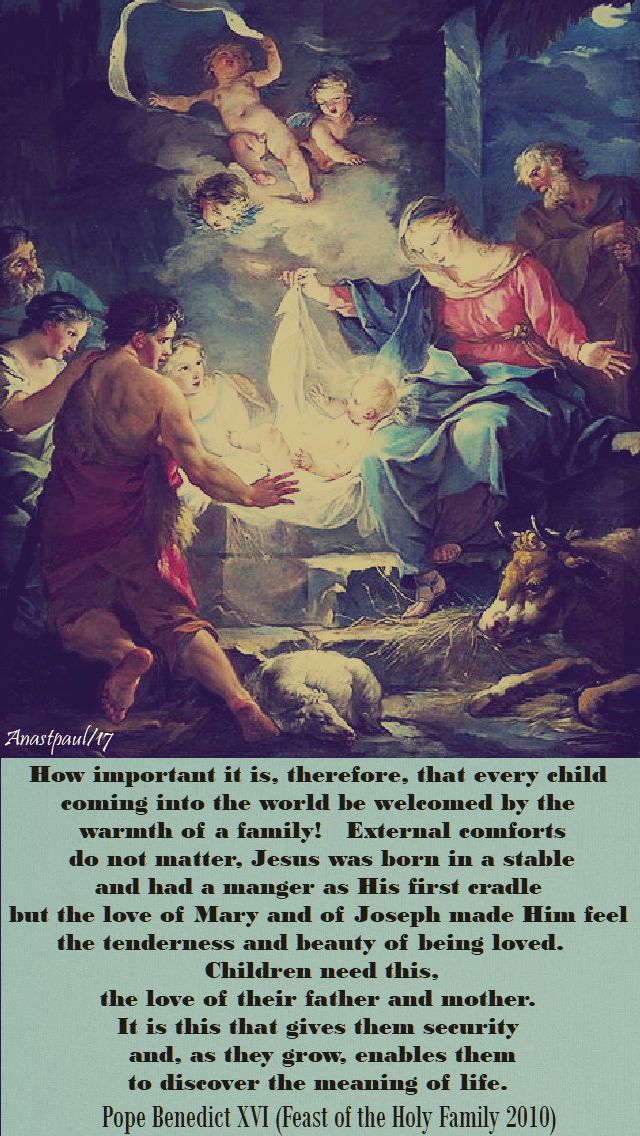
REFLECTION – “How important it is, therefore, that every child coming into the world be welcomed by the warmth of a family!   External comforts do not matter, Jesus was born in a stable and had a manger as His first cradle but the love of Mary and of Joseph made Him feel the tenderness and beauty of being loved.   Children need this, the love of their father and mother.   It is this that gives them security and, as they grow, enables them to discover the meaning of life.   The Holy Family of Nazareth went through many trials …. Yet, trusting in divine Providence, they found their stability and guaranteed Jesus a serene childhood and a sound upbringing.”…Pope Benedict XVI (Feast of the Holy Family 2010)how important it is therefore - pope benedict - 31 dec 2017

PRAYER – Holy Father, trusting in the motherly intercession of Mary Most Holy, Queen of Families and under the powerful protection of St Joseph, her spouse, grant we pray, that we may dedicate ourselves tirelessly to this beautiful mission which You have placed in our hands, as mothers and fathers of Your children.   Strengthen us to protect and guide them in Your ways.   Through the prayers of our Holy Mother and the Guardian of Your divine Son and of His Church, in union with Jesus Christ our Lord and the Holy Spirit, amen.holy-fam-pray-for-us - 2016

Posted in CHRISTMASTIDE!, FEASTS and SOLEMNITIES, MORNING Prayers, PRAYERS of the SAINTS, THE HOLY FAMILY - FAMILIAE SANCTAE

Our Morning Offering – 31 December – Feast of the Holy Family and the Seventh Day of the Octave

Our Morning Offering – 31 December – Feast of the Holy Family and the Seventh Day of the Octave

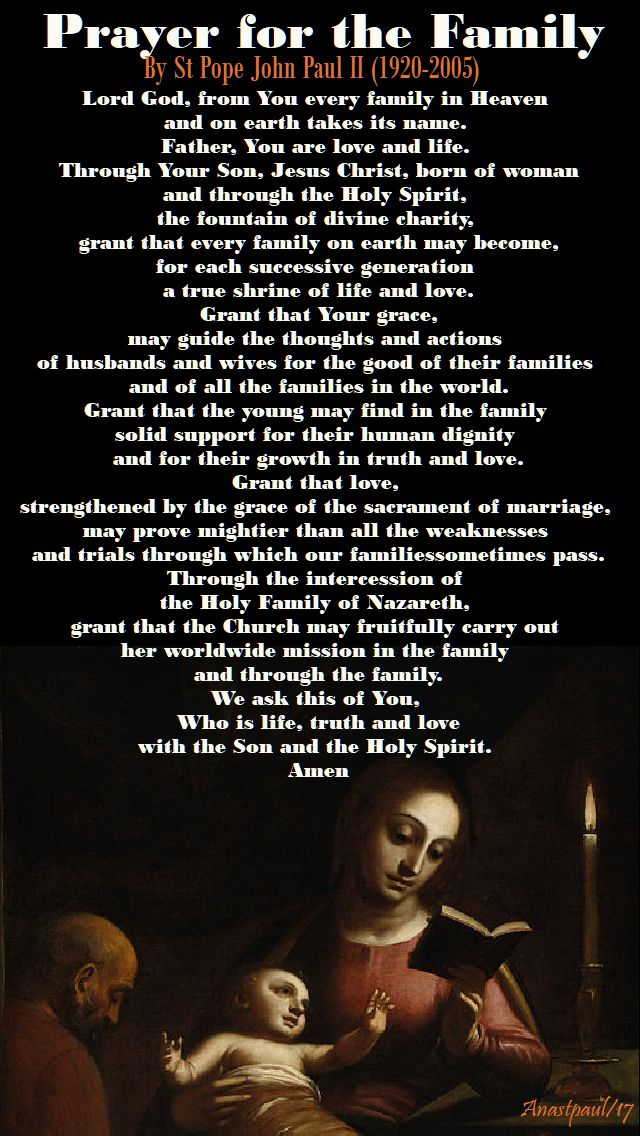
Prayer for the Family
By St Pope John Paul II (1920-2005)

Lord God,
from You every family in Heaven
and on earth takes its name.
Father, You are love and life.
Through Your Son, Jesus Christ, born of woman
and through the Holy Spirit,
the fountain of divine charity,
grant that every family on earth may become,
for each successive generation
a true shrine of life and love.
Grant that Your grace,
may guide the thoughts and actions
of husbands and wives
for the good of their families
and of all the families in the world.
Grant that the young may find in the family
solid support for their human dignity
and for their growth in truth and love.
Grant that love,
strengthened by the grace
of the sacrament of marriage,
may prove mightier than all the weaknesses
and trials through which our families sometimes pass.
Through the intercession of the Holy Family of Nazareth,
grant that the Church may fruitfully carry out
her worldwide mission in the family
and through the family.
We ask this of You,
Who is life, truth and love
with the Son and the Holy Spirit. Amenprayer for the family - st john paul - 31 dec feast of the holy family 2017

Posted in CHRISTMASTIDE!, DOCTORS of the Church, FEASTS and SOLEMNITIES, MORNING Prayers, SAINT of the DAY, THE HOLY FAMILY - FAMILIAE SANCTAE

31 December – Feast of the Holy Family and the Seventh Day of the Octave

31 December – Feast of the Holy Family and the Seventh Day of the Octave

The Holy Family is the name given to the family unit of Jesus:  The Divine Son of God Jesus, His mother the Virgin Mary and His foster-father Joseph.   We know very little about the life of the Holy Family through the canonical Gospels.   They speak of the early years of the Holy Family, including the birth of Jesus in Bethlehem, the flight into Egypt, and the finding of Jesus in the temple.   Various non-canonical works, including the Infancy Gospel of Thomas, try to fill in the blanks.   However, even though these apocryphal works may contain some truth derived from oral tradition, they have been deemed unworthy of canonical status because of the way they present Jesus.   While the exact details of the day-to-day life of the Holy Family may be unknown, we can still learn a lot from the stories we do have.

As far back as St John Chrysostom (347-407) , Christians were urged to make of their home a family church in which the family members would find their sanctification.   That was to be accomplished by putting Christ at the center of all individual and family life, by working and praying together, reading the Scriptures and worshiping as a unit. The cult of the Holy Family grew in popularity in the 17th century and several religious congregations have been founded under this title.   The Holy Family also became portrayed in popular art of the period.   On 26 October 1921 the Congregation of Rites (under Pope Benedict XV) inserted the Feast of the Holy Family into the Latin Rite general calendar.   Until then it had been celebrated regionally.   Popes before and including Benedict XV (especially Leo XIII) promoted the feast as a way to counter the breakdown of the family unit.   Today the Church celebrates the Feast on the Sunday between Christmas and New Year’s Day (Known as the Feast of Mary Mother of God in the Catholic Church).   If both Christmas and New Year’s Day fall on Sundays, no Sunday exists between the two dates, so the Church celebrates the Holy Family Feast on 30 December.

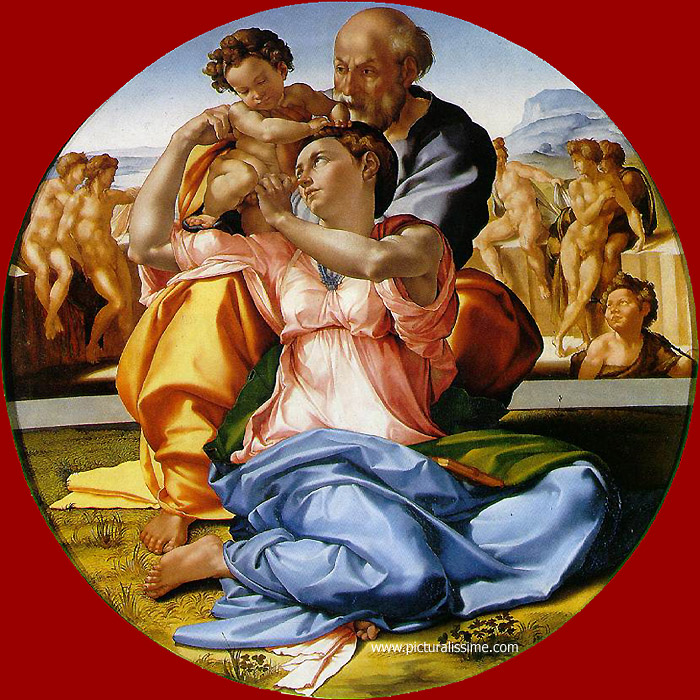
michelangelo_doni_tondo_l
Michelangelo The Doni Tondo, The Holy Family with the infant St John the Baptist

The Holy Family:   Jesus, Mary and Joseph
The devotion to the Holy Family was born in Bethlehem, together with the Baby Jesus. The shepherds went to adore the Child and, at the same time, they gave honour to His family.   Later, in a similar way, the three wise men came from the East to adore and give honour to the newborn King with gifts of gold, frankincense and myrrh that would be safeguarded by His family.holy-family10-SIMON VOUET

We can go further to affirm that in a certain sense Christ, Himself, was the first devotee of His family.   He showed His devotion to His mother and foster father by submitting Himself, with infinite humility, to the duty of filial obedience towards them.   This is what St Bernard of Clairvaux said in this regard, ‘God, to whom angels submit themselves and who principalities and powers obey, was subject to Mary;  and not only to Mary but Joseph also for Mary’s sake [….]. God obeyed a human creature;  this is humility without precedent.   A human creature commands God;  it is sublime beyond measure.’ (First Homily on the ‘Missus Est’).holy-family41with st bernard

Today’s celebration demonstrates Christ’s humility and obedience with respect to the fourth commandment, whilst also highlighting the loving care that His parents exercised in His keeping.   The servant of God, St Pope John Paul II, in 1989, entitled his Apostolic Exhortation, ‘Redemptoris Custos’ (Guardian of the Redeemer) which was dedicated to the person and the mission of Saint Joseph in the life of Christ and of the Church.   After exactly a century, he resumed the teaching of Pope Leo XIII, for who Saint Joseph ‘.. shines among all mankind by the most august dignity, since by divine will, he was the guardian of the Son of God and reputed as His father among men’ (Encyclical Quamquam Pluries[1889] n. 3).   Pope Leo XIII continued, ‘.. Joseph became the guardian, the administrator and the legal defender of the divine house whose chief he was.[…]   It is, then, natural and worthy that as the Blessed Joseph ministered to all the needs of the family at Nazareth and girt it about with his protection, he should now cover with the cloak of his heavenly patronage and defend the Church of Jesus Christ.’   Not many years before, blessed Pope Pius IX had proclaimed Saint Joseph, ‘Patron of the Catholic Church’ (1870)holy-family18- POUSSIN

Almost intuitively, one can recognise that the mysterious, exemplary, guardianship enacted by Joseph was conducted firstly, in a yet more intimate way, by Mary. Consequently, the liturgical feast of the Holy Family speaks to us of the fond and loving care that we must render to the Body of Christ.   We can understand this in a mystical sense, as guardians of the Church and also in the Eucharistic sense.   Mary and Joseph took great care of Jesus’ physical body.   Following their example, we can and must take great care of His Mystical Body, the Church and the Eucharist which He has entrusted to us.   If Mary was, in some way, ‘the first tabernacle in history’ (St John Paul  Ecclesia de Eucharistia, n. 55) then we, the Tabernacle, in which Our Lord chose to reside in person, in His Real Presence, was also entrusted to us.   holy-family1 - RAPHAEL AND ROMANO

We can learn from Mary and Joseph!   What would they ever have overlooked in the care of Jesus’ physical body? Is there something, therefore, that we can withhold for the right and adoring care of His Eucharistic Body?   No amount of attention, no sane act of love and adoring respect will ever be too much!   On the contrary, our adoration and respect will always be inferior to the great gift that comes to us in the Holy Eucharist.holy-family3 caravaggio

Looking at the Holy Family, we see the love, the protection and the diligent care that they gave to the Redeemer.   We can not fail to feel uneasiness, perhaps a shameful thought, for the times in which we have not rendered the appropriate care and attention to the Blessed Eucharist.   We can only ask for forgiveness and do penance for all the sacrilegious acts and the lack of respect that are committed in front of the Blessed Eucharist.   We can only ask the Lord, through the intersession of the Holy Family of Nazareth, for a greater love for their Son Incarnate, who has decided to remain here on earth with us every day until the end of time.   (From the Congregation for the Clergy.)holy-family42


Posted in CHRISTMASTIDE!, FEASTS and SOLEMNITIES, SAINT of the DAY, THE HOLY FAMILY - FAMILIAE SANCTAE

31 December – The Holy Family’s Feast Day is celebrated today the first Sunday after Christmas and Memorials of the Saints

The Holy Family (or the first Sunday after Christmas)
St Pope Sylvester I (Optional Memorial)

Bl Alan de Solminihac
St Anton Zogaj
St Barbatian of Ravenna
St Columba of Sens
Bl Dominic de Cubells
St Festus of Valencia
St Gelasius of Palestine
Bl Giuseppina Nicoli
St Hermes the Exorcist
St John Francis Regis
St Marius Aventicus
St Melania the Younger
St Offa of Benevento
Bl Peter of Subiaco
St Pinian
St Potentian of Sens
St Sabinian of Sens
St Theophylact of Ohrid
Bl Walembert of Cambrai
Bl Wisinto of Kremsmünster
St Zoticus of Constantinople

Martyrs of Catania – 10 saints: A group of early Christians martyred together, date unknown. The only other information to survive are ten of their names – Attalus, Cornelius, Fabian, Flos, Minervinus, Pontian, Quintian, Sextus, Simplician and Stephen. They were martyred in Catania, Sicily, Italy.

Martyrs of Rome – 10 saints: A group of Roman women martyred in an early persecution, date unknown. We known the names of ten of them – Dominanda, Donata, Hilaria, Nominanda, Paolina, Paulina, Rogata, Rustica, Saturnina and Serotina.
Their relics were enshrined in the catacombs of Via Salaria, Rome, Italy.

Martyred in the Spanish Civil War:
• Blessed Leandro Gómez Gil
• Blessed Luis Vidaurrázaga González

Posted in CHRISTMASTIDE!, FATHERS of the Church, MORNING Prayers, PAPAL ENCYLICALS, PAPAL PRAYERS, SAINT of the DAY, THE HOLY FAMILY - FAMILIAE SANCTAE

Our Morning Offering – 30 December – The Feast of the Holy Family and the Sixth Day of the Christmas Octave

Our Morning Offering – 30 December – The Feast of the Holy Family and the Sixth Day of the Christmas Octave

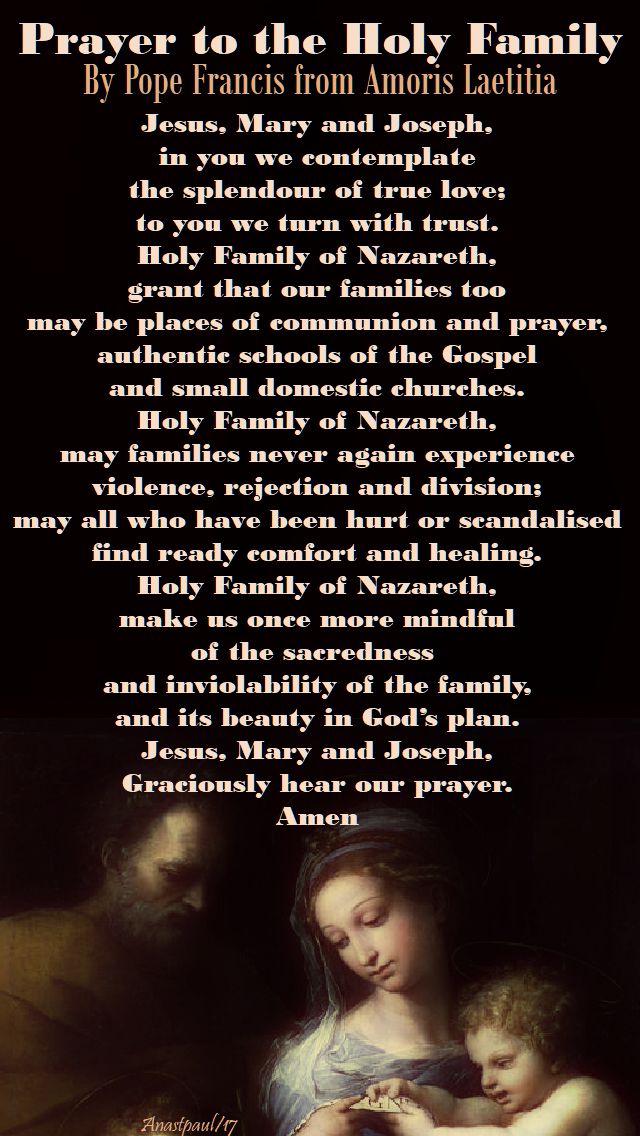
Prayer to the Holy Family
By Pope Francis from Amoris Laetitia

Jesus, Mary and Joseph,
in you we contemplate
the splendour of true love;
to you we turn with trust.
Holy Family of Nazareth,
grant that our families too
may be places of communion and prayer,
authentic schools of the Gospel
and small domestic churches.
Holy Family of Nazareth,
may families never again experience
violence, rejection and division;
may all who have been hurt or scandalised
find ready comfort and healing.
Holy Family of Nazareth,
make us once more mindful
of the sacredness
and inviolability of the family,
and its beauty in God’s plan.
Jesus, Mary and Joseph,
Graciously hear our prayer.
Amenprayer to the holy famoly - amoris laelitia - pope francis - 30 dec 2017

Apologies folks, no new posts today except this morning prayer – the posts for the Holy Family for last year are here https://anastpaul.wordpress.com/2016/12/30/

Posted in CHRISTMASTIDE!, MORNING Prayers, ON the SAINTS, QUOTES - J R R Tolkien and MORE, SAINT of the DAY

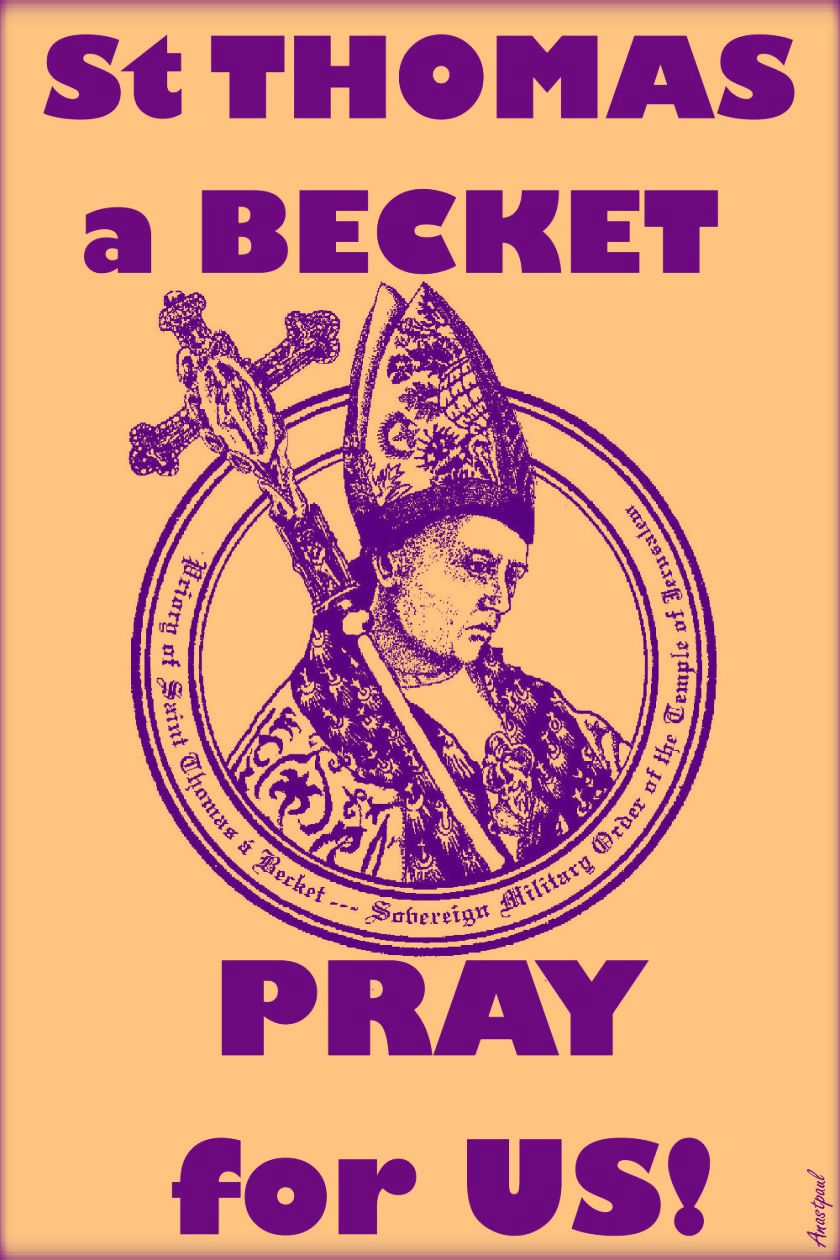
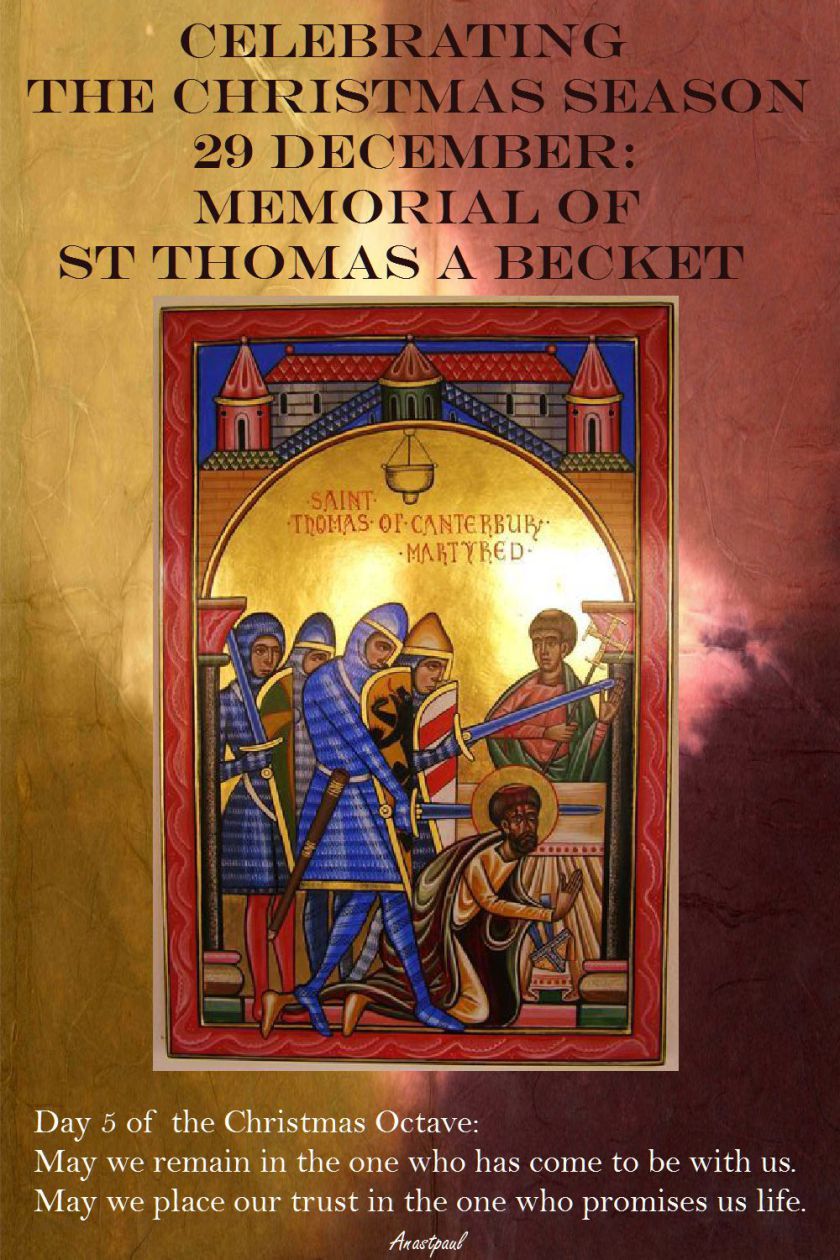
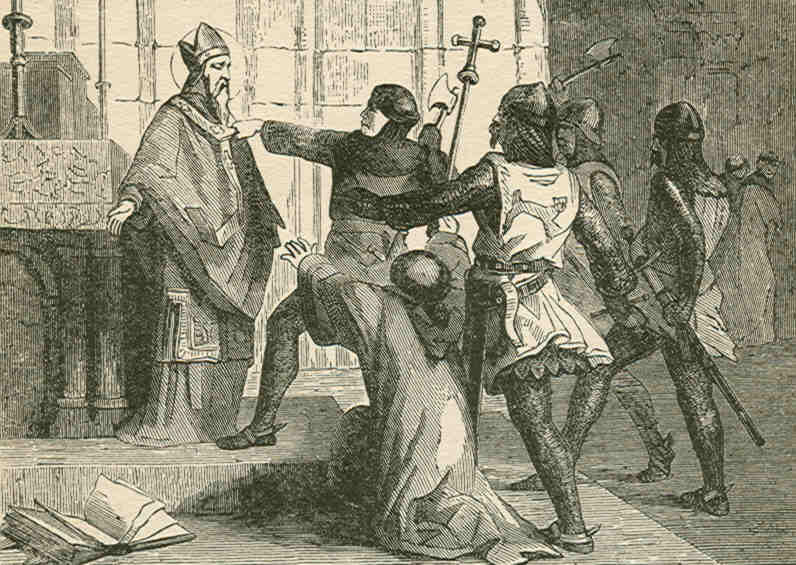
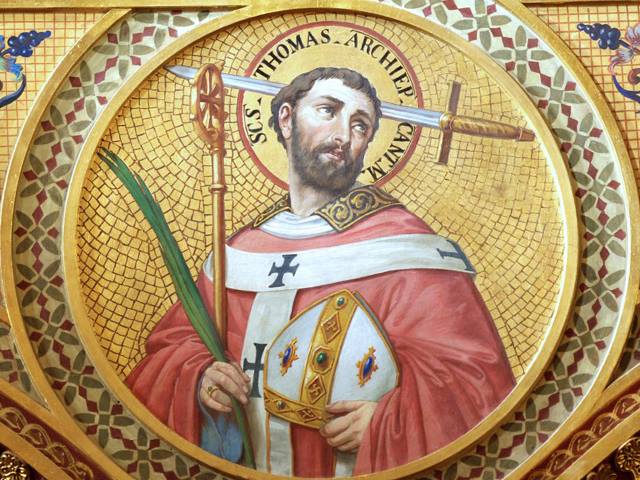
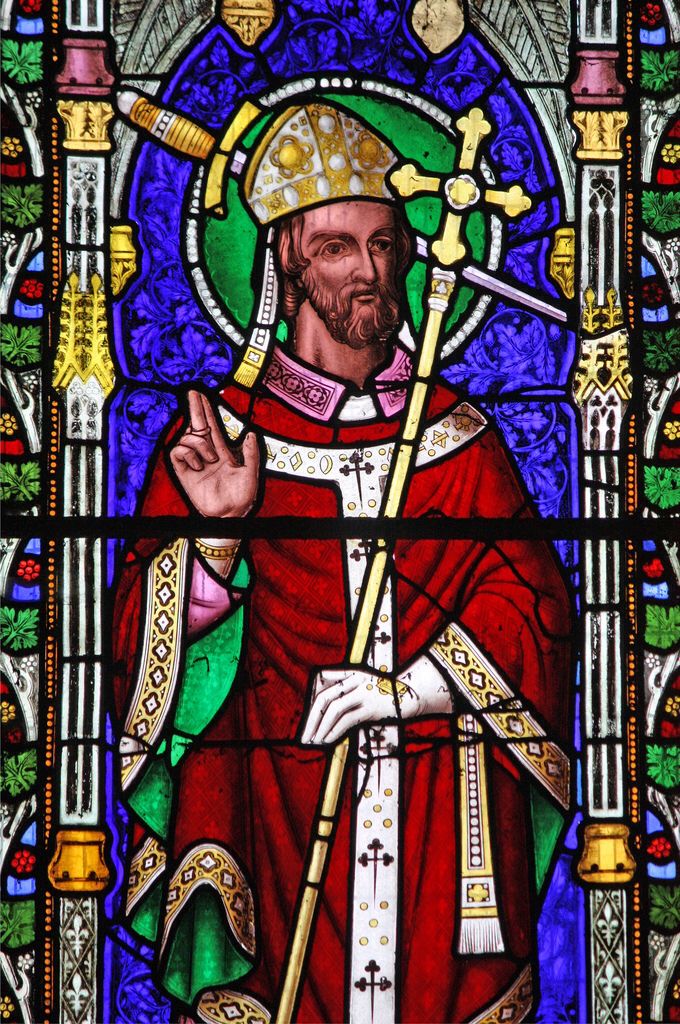
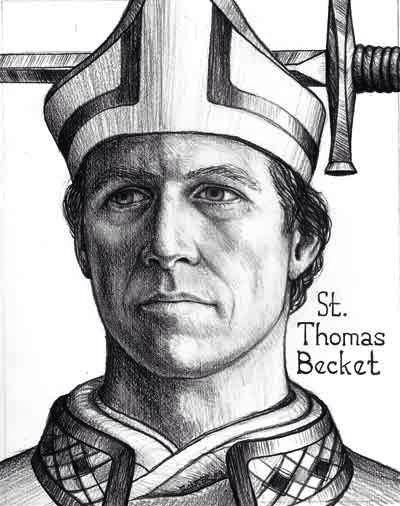
Thought for the Day – 29 December – Fifth Day of the Octave and the Memorial of St Thomas a Becket

Thought for the Day – 29 December – Fifth Day of the Octave and the Memorial of St Thomas a Becket

I think we know that the twentieth century is probably the century of the greatest flowering of Christian martyrs:  across Nazi Germany, the Soviet Union, Vietnam, in communist regimes in Latin America and other places too.   Now the twenty-first century is following a similar pattern in other parts of the world:  the Middle East, parts of Africa, Pakistan.   This moment of prominence for St Thomas a Becket helps us to remember and focus on this fruitfulness of courage and faith which is always the seed of the Church.

For some, Thomas died a traitor, betraying the loyalty they believe he owed to the King. For others he died a martyr, put to death for his defence of the things of the Lord, in this case the honour and rights of the Church.

We know that this relationship between the role and powers of the state on the one hand and the role and commitment of the Church on the other, is never an easy one.   It is always a point of tension, a daily struggle in conscience and in public debate.   But Thomas’ martyrdom reminds us what can happen when the state seeks to dominate religious belief and reshape it to its own ends, to its own selection of values.   When observance of those particular values becomes absolute requirement then we are on a path of confrontation.   The example of Thomas a Becket stands before us as a reminder to every age that the point may come where there is no longer any space left for that religious freedom, such a basic human right, which permits the holding and expressing of religious belief in word and action in the public forum.

The tensions that can lead to that point were well delineated in the speech given by Pope Benedict XVI in 2010 when he spoke in Westminster Hall. He said:

‘Each generation, as it seeks to advance the common good, must ask anew:  what are the requirements that governments may reasonably impose upon citizens, and how far do they extend?   By appeal to what authorities can moral dilemmas be resolved.   These questions take us directly to the ethical foundations of civil discourse.   If the moral principles underpinning the democratic process are themselves determined by nothing more solid than social consensus, then the fragility of the process becomes all too evident – herein lies the real challenge for democracy.’    Pope Benedict called modern democracies, including our own, to engage in constructive dialogue which brings together faith and reason, affirming that ‘religion is not a problem for legislators to solve, but a vital contributor to national conversation.’

I have only to think of another Thomas, four hundred years after Becket, whose dilemma and heroism echoes that of the earlier Thomas.  Thomas More was also asked to show where his fundamental loyalty lay and he too, lacking support from his fellow clergy, stood alone, an uncompromising figure, yet never seeking conflict or confrontation. What was well summed up of him, in words beautifully attributed to him, can also be applied to Thomas a Becket. ‘I am indeed the King’s good servant, but God’s first.’

Excerpt from the Archbishop of Westminister at the Symposium on St Thomas a Becket at Lambeth Palace on 27 May 2016.

St Thomas a Becket, God’s good servant, pray for us!st thomas a becket pray for us no 2 - 29 dec 2017

Posted in CHRISTMASTIDE!, MORNING Prayers, QUOTES of the SAINTS, SAINT of the DAY

Quote/s of the Day – 29 December – Fifth Day of the Octave and the Memorial of St Thomas a Becket

Quote/s of the Day – 29 December – Fifth Day of the Octave and the Memorial of St Thomas a Becket

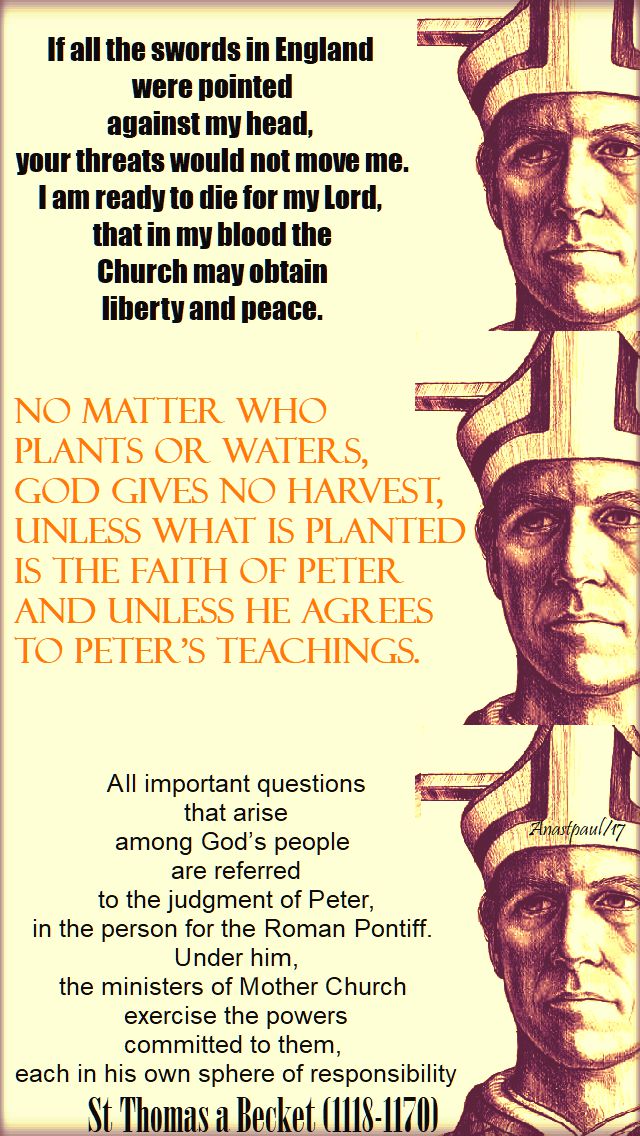
“If all the swords in England were pointed
against my head,
your threats would not move me.
I am ready to die for my Lord,
that in my blood the
Church may obtain liberty and peace.”

“Many are needed to plant and water
what has been planted now,
that the faith has spread so far
and there are so many people…
No matter who plants or waters,
God gives no harvest,
unless what is planted is the faith of Peter
and unless he agrees to Peter’s teachings.”

“All important questions that arise
among God’s people
are referred to the judgment of Peter,
in the person for the Roman Pontiff.
Under him the ministers of Mother Church
exercise the powers committed to them,
each in his own sphere of responsibility.”quots st thomas a becket - 29 dec 2017

“Hereafter, I want you to tell me,
candidly and in secret,
what people are saying about me.
And if you see anything in me,
that you regard as a fault,
feel free to tell me in private.
For from now on, people will talk about me
but not to me.
It is dangerous for men in power,
if no-one dares to tell them, when they go wrong.” 
 (St Thomas to a friend on his ordination)

St Thomas a Becket (1118-1170)it is dangerous - st thomas a becket - 29 dec 2017

Posted in CHRISTMASTIDE!, MORNING Prayers, QUOTES of the SAINTS, QUOTES on SUFFERING, SAINT of the DAY, The WORD, Uncategorized

One Minute Reflection – 29 December – Fifth Day of the Octave and the Memorial of St Thomas a Becket

One Minute Reflection – 29 December – Fifth Day of the Octave and the Memorial of St Thomas a Becket

I have fought the good fight, I have finished the course, I have kept the faith.   From now on a merited crown awaits me….2 Timothy 4:72 timothy 4-7 - 29 dec 2017 - thomas a becket

REFLECTION – “Remember then how our fathers worked out their salvation;  remember the sufferings through which the Church has grown and the storms the ship of Peter has weathered because it has Christ on board.   Remember how the crown was attained by those whose sufferings gave new radiance to their faith.   The whole company of saints bears witness to the unfailing truth, that without real effort no-one wins the crown.”……….St Thomas a Becket (1118-1170)remember then how our fathers - st thomas a becket 29 dec 2017

PRAYER – Almighty God, you enable st Thomas a Becket to lay down his life with undaunted spirit for the rights of Your Church.   May his prayer help us to deny ourselves for Christ in this life and so find our true life in heaven.   Through our Lord Jesus Christ, in union with the Holy Spirit, one God forever and ever, amen.st thomas a becket - pray for us 2017

Posted in BREVIARY Prayers, CATHOLIC-PRAYERS OF THE CHURCH, CHRISTMASTIDE!, HYMNS, MORNING Prayers, PRAYERS of the CHURCH, SAINT of the DAY

Our Morning Offering – 29 December – Fifth Day of the Octave and the Memorial of St Thomas a Becket

Our Morning Offering – 29 December – Fifth Day of the Octave and the Memorial of St Thomas a Becket

Hymn/Prayer from the Common of Martyrs

The martyrs living now with Christ
in suffering were tried,
their anguish overcome by love,
when on His cross they died.
Across the centuries they come,
in constancy unmoved,
their loving hearts make no complaint,
in silence they are proved.
No man has ever measured love,
or weighed it in his hand
but God who knows the inmost heart,
gives them the promised land.
Prais Father, Son and Spirit blest
who guide us through the night,
in ways that reach beyond the stars
to everlasting light.
Amenthe martyrs living now with christ - 29 dec - st thomas a becket - 2017


Posted in CHRISTMASTIDE!, PRIESTS, all CLERGY, SAINT of the DAY

Saint of the Day – 29 December – St Thomas à Becket (1118-1170)

Saint of the Day – 29 December – St Thomas à Becket (1118-1170) – Born on 21 December 1118 at London, England and was murdered on 29 December 1170 in the Cathedral at Canterbury, England.   Patronages – • clergy• Exeter College, Oxford, England•Portsmouth, England• secular clergy.   Attributes – Sword, Martyrdom, episcopal vestments.   St Thomas was Archbishop of Canterbury from 1162 until his murder in 1170.   He engaged in conflict with Henry II, King of England, over the rights and privileges of the Church and was murdered by followers of the King in Canterbury Cathedral.   Soon after his death, he was Canonised by Pope Alexander III.   Someof his relics are enshrined at the Ladyewell Shrine in Lancaster, England.

day-5-octave.2016
st-thomas-becket-9204211-2-402

Thomas was appointed Chancellor of England in 1155 and was a close associate of King Henry II.   However, shortly after Thomas was named Archbishop of Canterbury, their relationship soured, eventually resulting in Thomas’ six-year exile in France.   Not long after his return to England, Thomas was murdered by four of the King’s knights inside Canterbury Cathedral, making him an instant martyr.   Miracles began to occur soon after his death and Canterbury became one of the most popular pilgrimage destinations in Europe.

Excerpt from The Golden Legend

And forthwith four knights took their counsel together and thought they would do to the king a pleasure and [devised] to slay St Thomas and suddenly departed and took their shipping towards England.   And when the king knew of their departing he was sorry and sent after them but they were on the sea and departed [before] the messengers came, wherefore the king was heavy and sorry … And these four knights aforesaid came to Canterbury on the Tuesday in Christmas week about Evensong time and came to St Thomas and said that the king commanded him to make amends for the wrongs that he had done and also that he should assoil all them that he had accursed anon, or else they should slay him … And then smote each at him, that they smote off a great piece of the skull of his head, that his brain fell on the pavement.   And so they slew and martyred him and were so cruel that one of them [broke] the point of his sword against the pavement.

And thus this holy and blessed Archbishop St Thomas suffered death in his own church for the right of all holy church…And anon it was known all about, how that he was martyred and anon after took this holy body and unclothed him and found bishop’s clothing above and the habit of a monk under.    And next his flesh he wore hard hair, full of knots, which was his shirt.   And his breech was of the same and the knots slicked fast within the skin and all his body full of worms;  he suffered great pain.   And he was thus martyred the year of our Lord one thousand one hundred and seventy-one and was fifty-three years old.   And soon after tidings came to the king how he was slain, wherefore the king took great sorrow and sent to Rome for his absolution.

DSC04170 Thomas Becket

Below is the Reliquary Chasse with Scenes of the Martyrdom of Thomas Becket.

Posted in CHRISTMASTIDE!, SAINT of the DAY

Memorials of the Saints and the 5th Octave Day of Christmas – 29 December

St Thomas a Becket (Optional Memorial) – https://www.youtube.com/watch?v=A9K4xyS0UwI
St Aileran of Clonard
St Albert of Gambron
St Aproniano de Felipe González
St David the King
St Ebrulf of Ouche
St Enrique Juan Requena
St Florent of Bourges
Bl Francis Ruiz
St Girald of Fontenelle
St Jacinto Gutiérrez Terciado
Bl José Aparicio Sanz
Bl José Perpiñá Nácher
St Juan Bautista Ferreres Boluda
St Libosus of Vaga
St Marcellus the Righteous
St Martinian of Milan
Bl Paul Mary
Bl Peter the Venerable
St Quartillosa of Carthage
St Thaddeus of Scythia
St Trophimus of Arles
St Trophimus of Ephesus
Bl William Howard

Martyrs of North Africa – (8 saints): A group of Christians executed together for their faith. The only details to survive are eight names – Crescentius, Dominic, Honoratus, Lybosus, Primian, Saturninus, Secundus and Victor.

Martyrs of Rome – (3 saints): A group of Christians executed together for their faith. The only details to survive are three names – Boniface, Callistus and Felix.

Martyrs of Seoul – (7 saints): Additional Memorial – 20 September as part of the Martyrs of Korea.
A group of seven lay woman in the apostolic vicariate of Korea who were martyred together.
• Barbara Cho Chung-I
• Barbara Ko Sun-I
• Benedicta Hyong Kyong-Nyon
• Elisabeth Chong Chong-Hye
• Magdalena Han Yong-I
• Magdalena Yi Yong-Dok
• Petrus Ch’oe Ch’ang-Hub
They were born in South Korea and were martyred by beheading on 29 December 1839 at the Small West Gate, Seoul, South Korea. They were Canonised on 6 May 1984 by St Pope John Paul II.

Martyred in the Spanish Civil War:
Thousands of people were murdered in the anti-Catholic persecutions of the Spanish Civil War from 1934 to 1939.
• Blessed Aproniano de Felipe González
• Blessed Enrique Juan Requena
• Blessed Jacinto Gutiérrez Terciado
• Blessed Juan Bautista Ferreres Boluda


Posted in CHRISTMASTIDE!, MORNING Prayers, POETRY

Christmas is………….

One of the great blessings we have as Catholics is that Christmas is not just one day and the Liturgical Calendar shows us that the Season of Christmas continues until the Baptism of the Lord (inclusive) – roughly 15-20 days after 25 December.

Christmas is………….

… a gift of love wrapped in human flesh and
tied securely with the strong promises of God.
… angelic music in the form of a carol
and oratorio with a celestial descant.
… “glory to God,” “good will to man,”
and “joy to the world.”
… “peace on earth” for those who accept it
and live in unity with God’s will.
… a man on duty tending sheep, or machine,
who senses the upward call and stops to worship.
… a tall green tree which serves as festive altar
for any household which discovers the true meaning behind it all.
… a ringing bell calling a distraught humanity
to gladness and hope.
… a glowing hearth gently placed
in the winter of man’s loneliness.
… an altar to which man can bring his heartache for comfort,
his lostness for guidance and his sin for forgiveness.
… the sparkle of anticipation and the steady light of faith
in the eyes of a little child as he hears the old, old story.
… the shining star of hope in the sky of all mankind.
… more than words can tell,
for it is a matter for the heart to receive, believe and understand

Author UnknownCHRISTMAS IS - 2017 - no 2