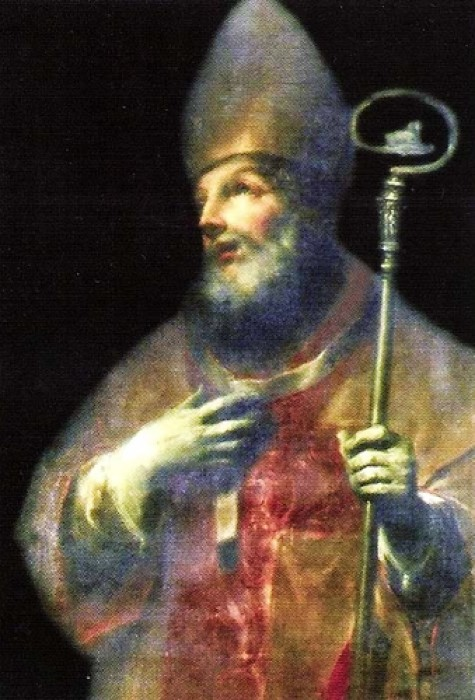
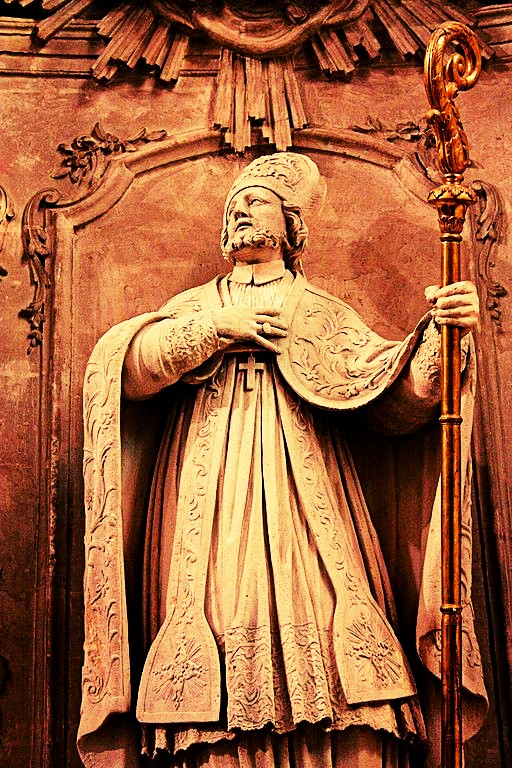
Saint of the Day – 4 December – St Meletus (4th Century) Bishop of Pontus, Scholar and learned Bishop of great sanctity. Pontus is a region within Anatolia on the southern coast of the Black Sea, located in the modern-day eastern Black Sea region of Turkey … Also known as – Meletiu, Melitiusi, Melezio.
The Roman Martyrology reads today: “In Pontus, blessed St Meletus, Bishop and Confessor, who, joined to an eminent gift of knowledge, the more distinguished glory of fortitude and integrity of life.”
After praising the Martyr Saint Pamphilus, St Eusebius, in his Historia Ecclesiastica, adds: “Among the men of rare qualities who are of our time, (i.e. of the 4th Century) we know Pierius, an Alexandrian Priest and Meletus, Bishop of the Churches of Pontus.”
After pausing to praise Pierius, he continues: “Meletus—called *Attic Honey by men of learning—answered the ideal of the erudite in every field of doctrine. One could not sufficiently admire the force of his eloquence. Perhaps some will say this was a natural gift in him but who was superior to him in terms of the sum of his experience and the breadth of his erudition? Even at a single test you would have had to admit that in all disciplines based on reasoning he was the most able and eloquent. The sanctity of his life, moreover, was not inferior to his other qualities. I learned to know him for 7 years, when during the persecution, he had withdrawn to the regions of Palestine.”
It was necessary to cite this in full, as it is the principal source which, through such a laudatory portrait, introduces us to this Prelate.
According to Philostorgius, Meletus was the Bishop of Sevastopol. However, one can hardly give credence to this author’s assertions when he places Meletus in the Arian sect. This could not be reconciled with the praise given to him by both St Athanasius of Alexandria and St Basil of Caesarea.
Usuard is the first to include him in his, Martyrology, with a eulogy taken from St Eusebius on the arbitrary date of 4 December. P. Galesini, influenced by Usuard, introduced Meletus on this same day. G Meulen (Molano) takes up the eulgy of Usuard that Baronius reproduced almost verbatim in the Roman Martyrology.
*Attic Honey used as an analogy referring to a rare Greek Honey crafted from by the bees from fine herbs and flowers.
St Peter Chrysologus (c 400-450) “Golden Words” Confessor,, Father & Doctor of the Church – Bishop of Ravenna, Italy. Today we celebrate the Memorial of Saint Peter Chrysologus, a fifth-century Italian Bishop known for testifying courageously to Christ’s full humanity and divinity during a period of the heresy called “Monophysite.” The saint’s title, Chrysologus, signifies “golden speech” in Greek. Named as a Doctor of the Church in 1729 by Pope Benedict XIII., he is distinguished as the “Doctor of Homilies” for the concise but theologically rich reflections he delivered during his time as the Bishop of Ravenna. 176 of his sermons have survived – it is the strength of these beautiful explanations of the Incarnation, the Creed, the place of Mary and John the Baptist in the great plan of salvation, Mary’s perpetual Virginity, the penitential value of Lent, Christ’s Eucharistic presence and the Primacy of St Peter and his successors in the Church. FEAST DAY: 4 December (General Roman Calendar 1729-1969) https://anastpaul.com/2018/07/30/saint-of-the-day-30-july-st-peter-chrysologus-c-400-450-golden-words/
Bl Francis Galvez St Heraclas of Alexandria Bl Jerome de Angelis St John the Wonder Worker
St Maruthas (Died c415) Bishop, Confessor, Theologian, Writer, honoured in the Syrian Rite Church as a Doctor of the Church. He was a friend of Saint John Chrysostom and acted as an Ambassador between the East Roman Emperor and the Persian Emperor. The Roman Martyrology reads: “In the kingdom of Persia, St Maruta, Bishop, who, having restored peace for the Church, presided over the Council of Seleucia, restored the Churches of God which had collapsed during the persecution of King Sabor and placed the relics of the Martyrs of Persia in the City Seat of the Bishop, since then called Martiropoli.” Feast Day seems to have fallen victim to the changes made byy VII. His Holy Life: https://anastpaul.com/2022/02/16/saint-of-the-day-16-february-saint-maruta-died-c-415/
Saint of the Day – 3 December – St Lucius, King and Bishop (Died c200) Patronages of Liechtenstein, the City and Diocese of Chur, Switzerland, Llandaff, Wales, the Diocese of Vaduz, Liechtenstein. Also known as – Lucius Curiensis, Luzi, Luzius…Lucius of Chur, … of Coire … of Briton.
The Roman Martyrology reads today: “At Coire, in Switzerland, St Lucius, King of the Britons, who was the first of those Kings who received the faith of Christ, in the time of Pope Eleutherius.”
According to the Legendary Life, Lucius went from England to Rhaetia in the 2nd Century where he became a missionaryand Bishop and Hermit.
It states that he was Martyred there around 200, (although the Roman Martyrology does not accord him this title), by the pagan Governor.
Since ancient times, it was believed that the Saint died on December. A Monastery was soon built over his Tomb. The Reliquary Crypt from the Merovingian era has survived to this day.
Cult evidence dates to the 8th Century and extended to the Diocese of the King Bishop of Chur which also included Tyrol and to the neighbouring Diocese of Constance and Sion. Recent research shows that the Saint later lived as a Hermit on the Luziensteig but nothing else is known. Relics of the saint are found in many Churches of the Diocese of Chur and in several Monasteries.
St Ethernan St Hilaria the Martyr St Jason the Martyr St John of Africa St Lucius, King (Died c200) St Lucy the Chaste St Magina of Africa St Mamas St Marcos García Rodríguez St Maurus the Martyr
St Seleucus St Stephen of Africa St Theodore of Alexandria St Theodulus of Edessa St Veranus St Zephaniah the Prophet
Martyrs of Nicomedia: Christians Martyred together in the persecutions of Diocletian – Ambicus, Julius and Victor. c 303 in Nicomedia, Bithynia (modern Izmit, Turkey).
Saint of the Day – 2 December – Saint Robert (Died 1185) O.Cist. Abbot of the Cistercian Monastery at Matallana, in Valladolid, Spain. Possibly born in Champagne, France and died at his Monastery in Spain. Patronages – against locusts, against vermin, of Champagne, France.
The Cistercian Order celebrates St Robert on 2 December but historians of the Order have handed down very little information about him.
It is not known when he was born but in 1175 he was already a Cistercian Monk at the Monastery of La Creste in Burgundy; a historic region of France, which was the seat of the monastic reforms of the Cluniacs and the Cistercians.
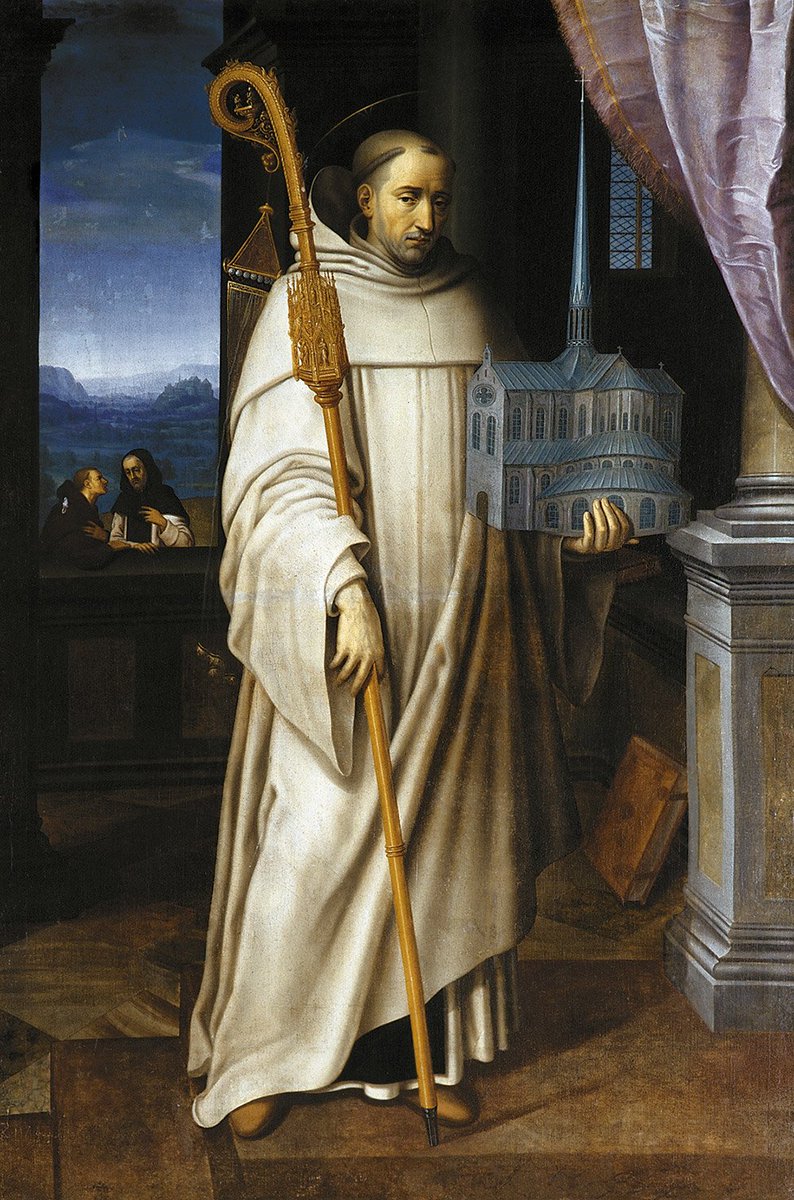
St Bernard
In 1175 he left his Monastery with some Monks and went to found a new one in Matallana, about 25 km from present-day Valladolid in Spain, placing it under the protection of King Alfonso VIII of Castile (1155-1214), known as the Noble.
We do not know the precise date of his death but he died ten years after arriving in Matallana, in 1185 and his remains were placed in the High Altar of the Monastery Church, built with great munificence by Queen Beatrice, wife of King St Ferdinand III of Castile (1199-1252) and the Abbess of the Monastery of Las Huelgas (Burgos), Doña Berenguela. This deposition is certainly a testament to the life of a founder which, in those times, was already a title of sanctity, as well as a man of God and a worthy Abbot and leader of his Cistercian Monks.
His Relics are currently venerated in the Parish Church of Matallana where, it is said many miracles have occurred at his Shrine. He has been invoked as a protector against rural disasters, particularly against locusts.
St Robert O.Cist. (Died 1185) Abbot atMatallana, Spain St Silvanus (Died c450) Bishop of Troas, Phrygia.
Greek Martyrs of Rome – 9 Saints: Several Greek Christians Martyred in the persecutions of Valerian – Adria, Aurelia, Eusebius, Hippolytus, Marcellus, Mary Martana, Maximus, Neon and Paulina. They were martyred by various means between 254 and 259 in Rome, Italy and are buried in the Callistus catacombs, Rome.
Martyrs of Africa – 4 Saints: Four Christians Martyred in Africa in the persecutions of Arian Vandals – Januarius, Securus, Severus and Victorinus.
Saint of the Day – 1 December – Saint Ursicinus (Died c347) Bishop of Brescia, Lombardy, Italy, powerful Defender of the Faith against heresy, particularly Arianism. Also known as – Ursaci, Ursicino. Additional Memorial – 20 April as one of the Saints of Diocese of Brescia.
The Roman Martyrology reads today: “At Brescia, St Ursicinus, Bishop.”
Ursicinus was the Bishop of Brescia who lived between the 3rd and 4th Centuries. In the list of Bishops, he is listed 5th or 6th, after Saint Apollonius and before Saint Faustinus.
Ursicinus is the first bishop of Brescia to whom a chronologically correct date can be assigned. Indeed, St Hilary of Poitiers, in listing the Prelates present at the Council of Sardica which took place between the end of 343 and the beginning of 344, documents his participation with the signature “Ursacinus ab Italia de Brixia.” This presence was also confirmed by St Athanasius, who noted the Bishop’s support for orthodoxy against Arian doctrine.
This signature sparked a controversy over the name of the Brescian Prelate, who, according to Guerrini, should have been called Ursacius and not Ursicinus. But the name Ursicinus has prevailed since ancient records attested in Rampertus’ Sermon and in calendars prior to the 16th Century.
We have no further information about Saint Ursicinus’ leadership of the Brescia Diocese.
He was buried in the Church of Sant’Apollonio, located outside the City Walls. In 1517, when the Venetians demolished the Church, his Relics were transferred to the Church of San Giuseppe, inside the City, and placed under the Altar of San Rocco, where they remain today, in a marble antependium beneath the Altar.
The highly raised apse, resting above a clearly visible crypt, is dedicated to San Rocco and was frescoed in the 18th Century by Sante Cattaneo Artist of the monochromes of San Rocco and Ursicinus, Co-Patrons of the Church.
The cult of Saint Ursicinus is attested in the 7 Liturgical Calendars of the 11th-15th Centuries and in the 3 Litanic orders, one of which dates to the 9th Century and is contained in a codex of the Monastery of San Salvatore. Currently, the feast of Saint Ursicinus has been absorbed into the single memorial of the Brescian Saints on 20 April. In the various Martyrologies, Saint Ursicinus is remembered and celebrated on 1 December.
St Agericus of Verdun St Agnofleta St Alexander Briant St Ambon of Rome St Ananias of Arbela St Ansanus the Baptizer Bl Antony Bonfadini St Candida of Rome St Candres of Maestricht St Cassian of Rome
St Latinus of Rome St Leontius of Fréjus St Lucius of Rome St Marianus St Marina of Rome St Martinus St Nahum the Prophet St Natalia of Nicomedia St Olympiades St Proculus of Narni St Resignatus of Maastricht Bl Richard Langley St Rogatus of Rome St Simon of Cyrene St Superatus of Rome St Ursicinus (Died c347) Bishop of Brescia
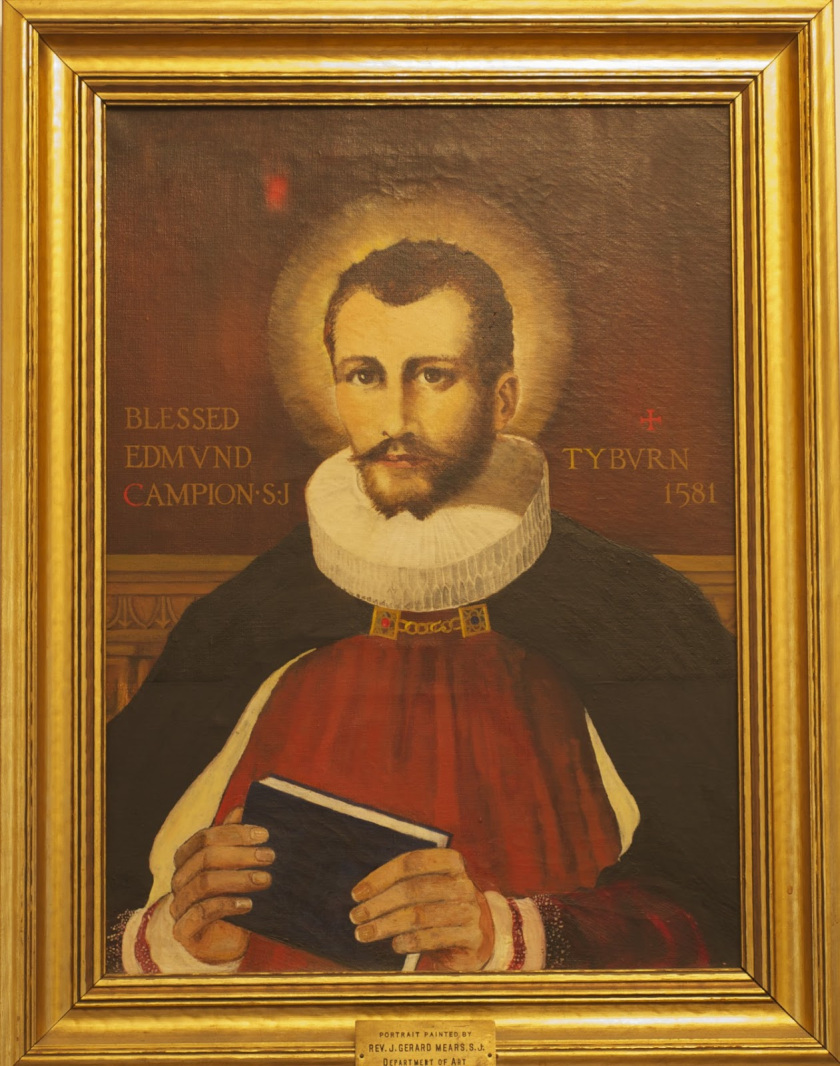
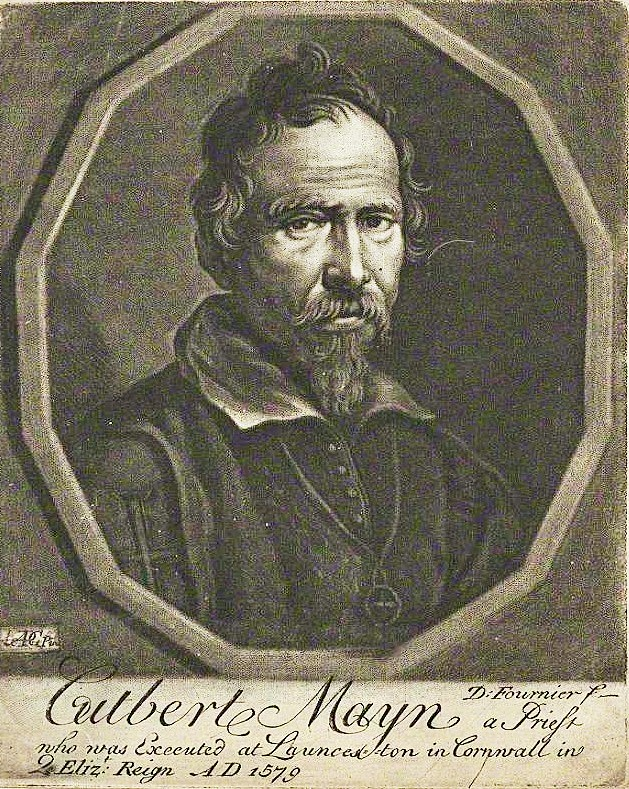
Martyrs of Oxford University: A joint commemoration of all the men who studied at one of the colleges of Oxford University and who were later Martyred for their loyalty to the Catholic Church during the official persecutions in the Protestant Reformation in England under Elizabeth I. They are: Blessed Edward James • Blessed Edward Powell • Blessed Edward Stransham • Blessed George Napper • Blessed George Nichols • Blessed Hugh More • Blessed Humphrey Pritchard • Blessed James Bell • Blessed James Fenn • Blessed John Bodey • Blessed John Cornelius • Blessed John Forest • Blessed John Ingram • Blessed John Mason • Blessed John Munden • Blessed John Shert • Blessed John Slade • Blessed John Storey • Blessed Lawrence Richardson • Blessed Mark Barkworth • Blessed Richard Bere • Blessed Richard Rolle de Hampole • Blessed Richard Sergeant • Blessed Richard Thirkeld • Blessed Richard Yaxley • Blessed Robert Anderton • Blessed Robert Nutter • Blessed Robert Widmerpool • Blessed Stephen Rowsham • Blessed Thomas Belson • Blessed Thomas Cottam • Blessed Thomas Pilcher • Blessed Thomas Plumtree • Blessed Thomas Reynolds • Blessed William Filby • Blessed William Hart • Blessed William Hartley • Saint Alexander Briant • Saint Cuthbert Mayne • Saint Edmund Campion • Saint John Boste • Saint John of Bridlington • Saint John Roberts • Saint Ralph Sherwin • Saint Thomas Garnet • Saint Thomas More.
DISCLAIMER: Please note: I cannot control the content of the Advertisements on this Site, or of pop-ups which may appear, The revenue from the Advertisements, however, does provide a little assistance in the support of the Site. I do apologise for any inappropriate content.
Saint of the Day – 30 November – Saint Constantius (5th Century) Confessor of Rome.
The Roman Martyrology reads today: “At Rome, St Constantius, Confessor, who strongly opposed the Pelagians and by enduring many injuries from them, gained a place among holy Confessors.”
Nothing is known of the background or detail of this Saint, so much so that it appears uncertain whether he was a Priest or a Layman.
However, he was certainly a Confessor of Christ by his vehement and ardent defence against the heresy of the Pelagians.
He is proudly listed in the Roman Martyrology for today and has gained the auspicious title of Confessor.
Today, 31 years ago, 30 November 1993, the late Bishop Daniel L Dolan was Consecrated as a Bishop. Remembering this zealous and loving Shepherd and praying for his eternal rest.
St Abraham of Persia St Anders of Slagelse Bl Andrew of Antioch Bl Arnold of Gemblours
St Castulus of Rome (c288) Martyr, married to Saint Irene of Rome (the woman who assisted St Sebastian after he had been wounded by the Imperial archers) and father of 2 children, Military Officer and he was the Chamberlain (or officer, valet) of Emperor Diocletian. His Feast day was moved to 26 March in 1969. His Life and Death: https://anastpaul.com/2021/03/26/saint-of-the-day-26-march-saint-castulus-of-rome-died-c-288-martyr/
St Constantius (5th Century) Confessor of Rome St Crider of Cornwall
Bl Joscius Roseus St Justina of Constantinople St Mahanes the Persian St Maura of Constantinople St Merola of Antioch St Mirocles of Milan St Sapor St Simeon of Persia St Trojan St Tudwal of Tréguier Bl William de Paulo Zosimus the Wonder Worker
Martyrs of Saxony – 6 Saints: Missionaries who worked with Saint Willehad of Bremen. Martyrs. – Attroban, Benjamin, Emmingen, Folkard, Gerwald and Grisold. They were martyred on 30 November 782 at River Weser, Lawer Saxony, Germany.
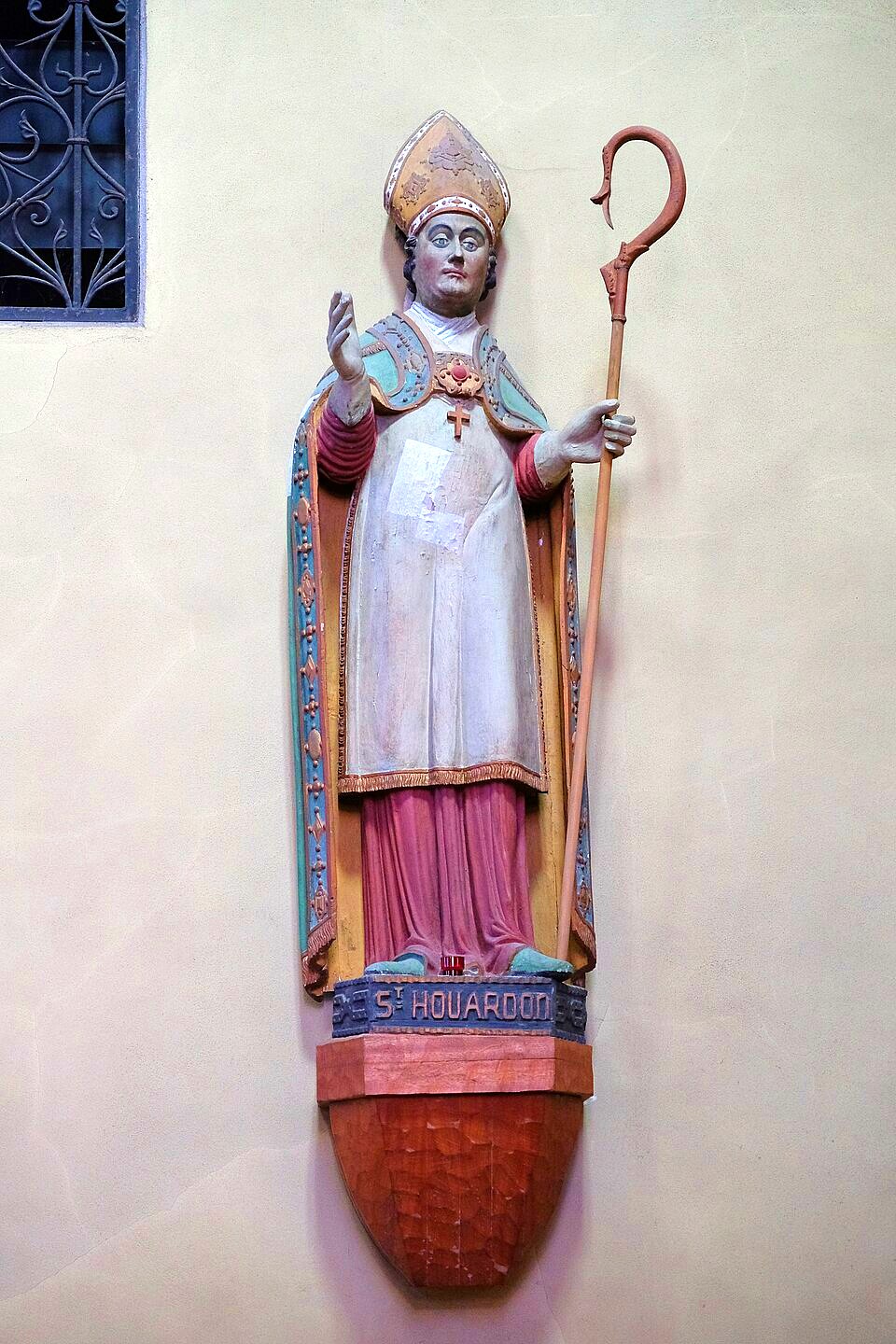
Saint of the Day – 29 November – Saint Hardoin (Died 650) Bishop of St Pol de-Leon, in Brittany, France. Born in the British Isles and died in c650 in his Diocese in Brittany. Patronages – Landerneau, France and of sailors (this latter patronage due to the tradition that St Hardoin travelled to Brittany in a stone boat from the British Isles). Also known as – Hardouin… Harduinus…Hoardon… Hoardonus…Hoarzon… and more.
In Landerneau, the Town of which he is the Patron Saint, a 17th Century Statue depicts Hardoin dressed as a Bishop, with Miter and Crozier, in the act of blessing.
Landerneau – Place de l’Église Saint-Houardon
The Episcopal Registers of the Diocese were completed much after his time and are, therefore, unreliable but in the 17th Century, there was no hesitation in specifying that Hardoin was the 8th Bishop of Léon, “elected in the year 635 under Pope Honorius I, Emperor Heraclius and King Hoël III of Brittany” and that he “died in the year 650.”
He did not have the honour of having his ‘Vita’ recorded and appears only in the legendary and recent Vitae of St Herveus and St Goeznoveus. In the first, Hardoin, protector and friend of St Herveus, labouriously and slowly leads the blind bard to the Council of Breton Bishops gathered on the summit of Menez Bré, to condemn the famous tyrant Conomor, who had killed his wife, St Tryphina and his son, St Tremor.
St Hardoin left and St Goeznoveus.
Returning from the Council, Herveus asked Hardoin to pray to God that he too might contemplate the wonders of eaven, despite his blind eyes. After three days of fasting and prayer, both saw the heavens open and they contemplated the Choirs of Angels and Saints, whom St Herveus recognised as they passed by, to the sound of an enchanting melody. When they intoned the canticle Cantemus Domino, Heaven closed again, but Hardoin struggled to return to earth. When he became ill, he summoned Abbot St Goeznoveus to assist him and administer the last Sacraments and chose him as his successor.
While it is not possible to document anything about the Episcopate and the era of Hardoin, it must be recognised that the cult is ancient and that he is invoked in the ancient Breton Litanies of the 9th Century under the names of Hoierdonus and Hoardonus.
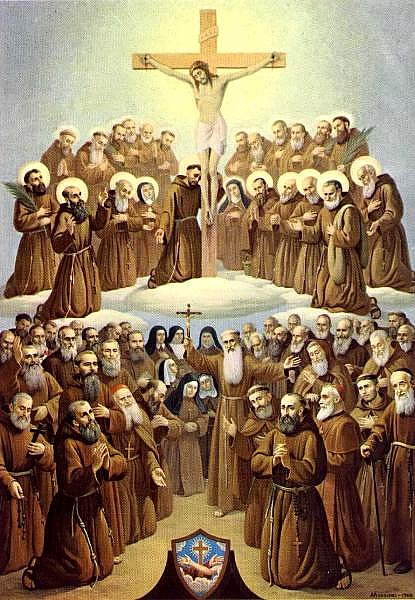
All Saints of the Seraphic Order (Franciscan): the Church celebrates the many Franciscan Saints who followed in the footsteps of St Francis. It is a special day for all Franciscans to celebrate the Feast of ‘All the Saints of the Seraphic Order.’ Also on this day in 1223, the final Rule of life for Franciscan Friars was approved. To commemorate this and all the saintly examples produced in the Franciscan Order, on this day all the Saints of the Seraphic order are remembered at Franciscan Churches throughout the world.
St Hardoin (Died 650) Bishop of St Pol de-Leon, in Brittany, France. St Illuminata Virgin of Todi, Italy. Venerated in her home town, but her biography has been lost. St James of Saroug Bl Jutta of Heiligenthal St Paphnutius of Heracleopolis St Paramon St Philomenus of Ancyra St Radbod of Utrecht
St Saturninus of Rome (Died c304) + Priest and Martyrand St Sisinius of Rome (Died c304) + Deacon and Martyr The Roman Martyrology reads: “At Rome, on the Salarian road, the birthday of the holy Martyr Saturninus, an aged man and the Deacon Sisinius, in the time of the Emperor Maximian. After a long imprisonment, they were, by order of the Prefect of the City, placed on the rack, distended with ropes, scourged with rods and whips garnished with metal, then exposed to the flames, taken down from the rack and beheaded.” Their Lives and Deaths: https://anastpaul.com/2023/11/29/saint-s-of-the-day-29-november-saint-saturninus-of-rome-priest-martyr-and-saint-sisinius-of-rome-deacon-martyr-died-c304/
Saint of the Day – 28 November – Saint Stephen the Younger (c713-764) Abbot Martyr, Defender of Sacred Images, Born in c713 in Constantinople and died there in 764 by being scourged, stoned and dragged to death through the streets. Patronage – coin collectors, numismatists, smelters.
The Roman Martyrology reads today: “At Constantinople in the time of Constantine Copronymus, the holy Martyrs, Stephen the Younger, Basil, Peter, Andrew and their companions, numbering 339 Monks who were subjected to various torments for the veneration of holy images and confirmed the Catholic truth with the shedding of their blood.”
The ‘Life’ of this Monk was written around the year 809 by his namesake, the Deacon Stephen of Constantinople. The holy Abbot Stephen the Younger, was born in 713-715 in Constantinople, ancient Byzantium. As a young man, he initially placed himself under the guidance of a Hermit but then, choosing the religious life, entered the Monastery of Mount Auxentius in Bithynia, near Chalcedon. Here, he later became its Abbot.
He lived in this Monastery for ymany ears, devoted to prayer and as a copyist, the meritorious work of the Monks who copied ancient texts. At that time, the Eastern Emperor Constantine V Copronymus (718-775) was ruling, son of Leo III the Isaurian (675-741), the Emperor who, in 726, had initiated the religious policy against the veneration of images. This iconoclastic movement continued with his son Constantine V, who waged a fierce struggle, especially against the Monks, even convening the Council of Hiera, in 753 which condemned the defenders of the cult of sacred images.
Our Saint, the Abbot Stephen, openly opposed the decrees of this Council convened by the Emperor and not by the Pope, decrees which would later be disavowed with the approval of the veneration of images at the subsequent Second Council of Nicaea in 787.
Meanwhile, Constantine V Copronymus, in June 762, enjoined the Abbot of Mount Auxentius, to respect and adhere to the canons promulgated at Hiera; when he refused, he was taken to the Monastery of Chrysopolis near Constantinople and from there sent into exile on the Island of Proconnesus, allowing his mother and sister to join him.
After a year, in 763, he was brought back to Constantinople, where more than 300 Monks had been imprisoned for their devotion to the veneration of sacred images. Then, after another year of constant harassment and insults, on 28 November 764, Abbot Stephen was killed by Palace Officials during celebrations for Empress Eudoxia but without any order from the Emperor.
His Relics are recorded in various Churches and Monasteries during the 13th–15th Centuries. His body was deposited either at the Lips Monastery or the cemetary of St Stephen the Protomartyr, in Constantininople and his right hand was at the Pantokrator Monastery.
Bl Calimerius of Montechiaro St Fionnchu of Bangor
St Pope Gregory III (Died 741) Bishop of Rome 11 February 731 until his death on 28 November 741. (His Feast was moved to 10 December in 1969), The Roman Martyrology states: “At Rome, the blessed Pope Gregory III, who departed for Heaven with a reputation for great sanctity and miracles.“ His Life: https://anastpaul.com/2021/11/28/saint-of-the-day-28-november-saint-pope-gregory-iii-died-741/
St James of the Marches OFM Conv. (1391-1476) Priest of the Friars Minor Conventional, Confessor, brilliant Preacher, Penitent, Reformer, Writer, Papal legate, Inquisitor, founder of several monasteries in Bohemia, Hungary and Austria. St James was Canonised on 10 December 1726 by Pope Benedict XIII. His body is Incorrupt. About St James: https://anastpaul.com/2019/11/28/saint-of-the-day-28-november-saint-james-of-the-marches-ofm-1391-1476/
St Papius St Quieta of Dijon St Rufus St Simeon the Logothete
St Sosthenes (1st Century) Bishop, Martyr, Jewish Ruler in Corinth, Converted by St Pauland became his disciple, who is mentioned by him in his First Epistle to the Corinthians (1 Corinthians 1:1–2) and by St Luke in Acts 18:12–17. The Roman Martyrology reads: “At Corinth, the birthday of St Sosthenes, disciple of the blessed Apostle Paul, who is mentioned by that Apostle in his first Epistle to the Corinthians. He was chief of the synagogue when converted to Christ and, as a glorious beginning, consecrated the first fruits of his faith by being scourged in the presence of the Proconsul, Gallio.” His Life and Death: https://anastpaul.com/2023/11/28/saint-of-the-day-28-november-st-sosthenes-1st-century-bishop/
St Stephen the Younger (c713-764) Abbot Martyr
Bl Theodora of Rossano
Martyrs of Constantinople – 8 Saints: A group of over 300 Christians Martyred during the persecutions of the Iconoclast Emperors. We have a lot of information on Saint Stephen the Younger but for the others we have nothing but seven of their names – Andrew, Auxentius, Basil, Gregor, John, Peter and Stefan. They were scourged, stoned and/or dragged to death through the streets of Constantinople in 764.
Martyrs of North Africa – 13 Saints: A group of thirteen Clerics killed or exiled in the persecutions of Arian Vandals in North Africa – Crescens, Crescentian, Cresconius, Eustace, Felix, Florentian, Habetdeum, Hortulanus, Mansuetus, Papinianus, Quodvultdeus, Urban and Valerian.
Martyrs of Tiberiopolis – 14 Saints: A group of fourteen Christian Laymen, Deacons, Priests and Bishops who were Martyred together in the persecutions of Julian the Apostate – Basil, Chariton, Comasios, Daniel, Etymasius, Hierotheos, John, Nicephorus, Peter, Sergius, Socrates, Theodore, Thomas and Timothy. 361 at Tiberiopolis, Phyrgia (in modern Turkey)
Saint of the Day – 27 November – Saint Severin the Hermit (Died c540) Monk and Hermit. Also known as – Severinus.
The Roman Martyrology reads today: “At Paris, the departure from this world of St Severin, Monk and Solitary.”
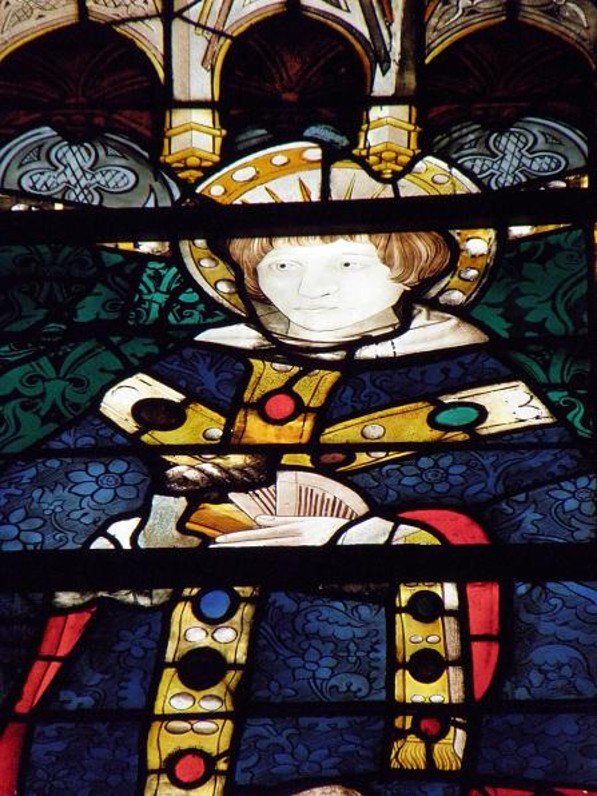
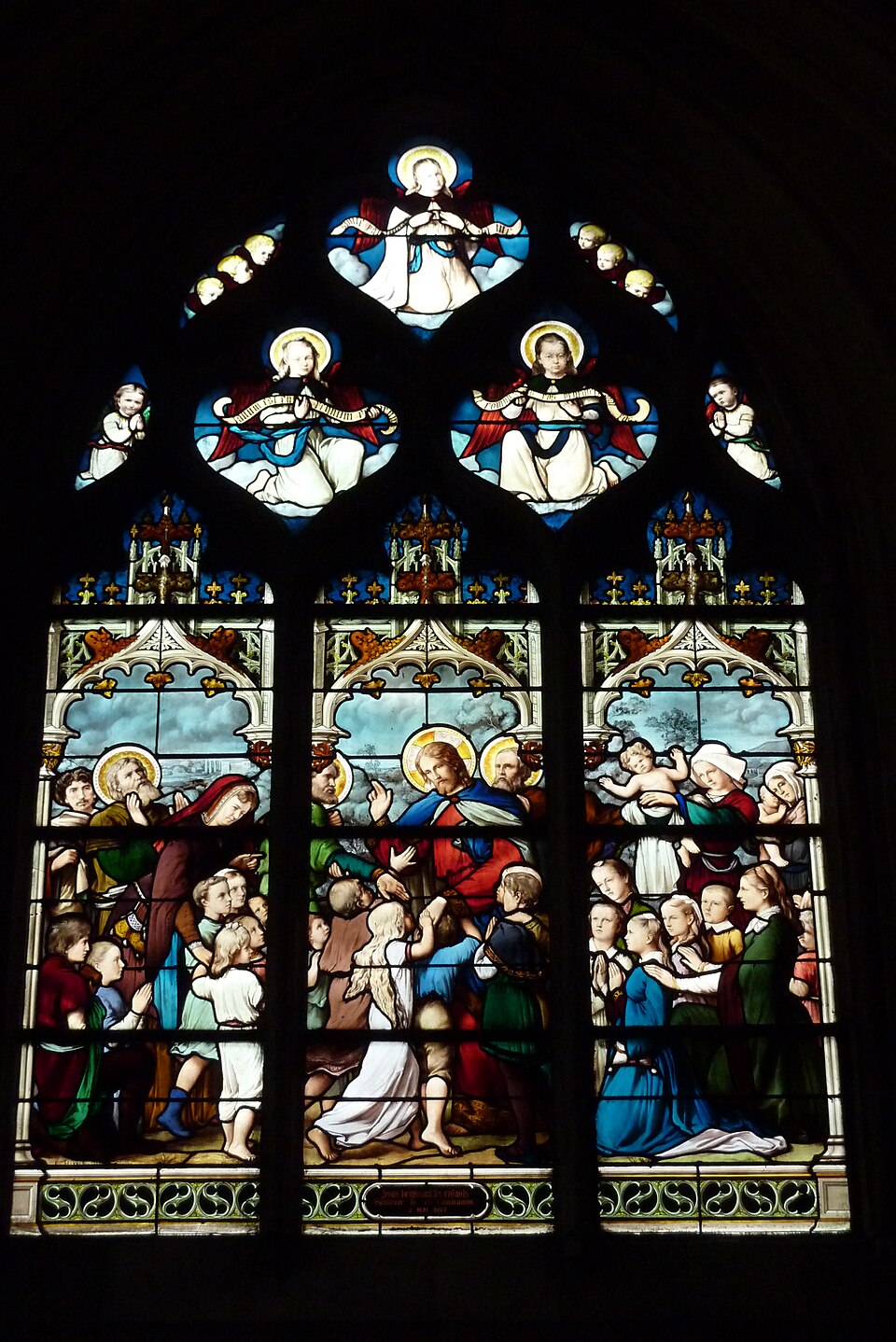
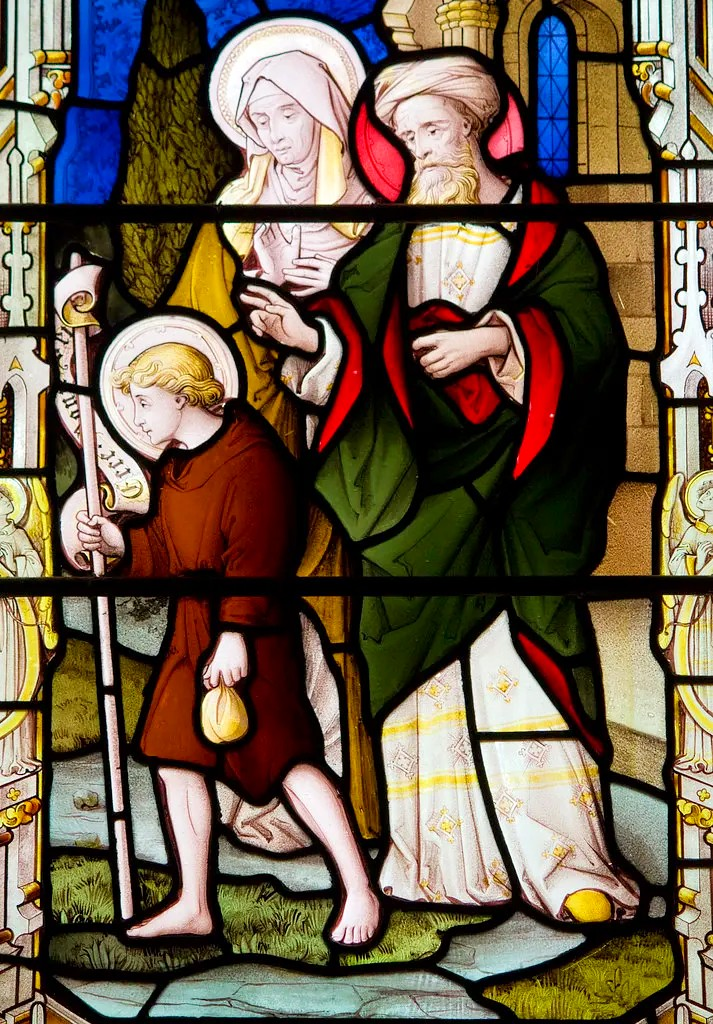
St Severin window in the Church dedicated to him in Paris and built above his Hermitage. See the full window below with Jesus and the children and St Severin top left
Severin of Paris, was a devout Monk who became a Hermit living at the site of the Saint-Severin Church in the 6th Century and died in about 540.
One of his disciples was Saint Cloud, a Merovingian Prince who left the Royal Court to become a Monk and Hermit.
After the death of Severin, a Chapel was erected on the site of his cell, believed to be near the Oratory of Saint Martin in the present Church. This Chapel was destroyed during the Norman invasions in the 9th Century, then rebuilt in the Romanesque style in the 11th Century.
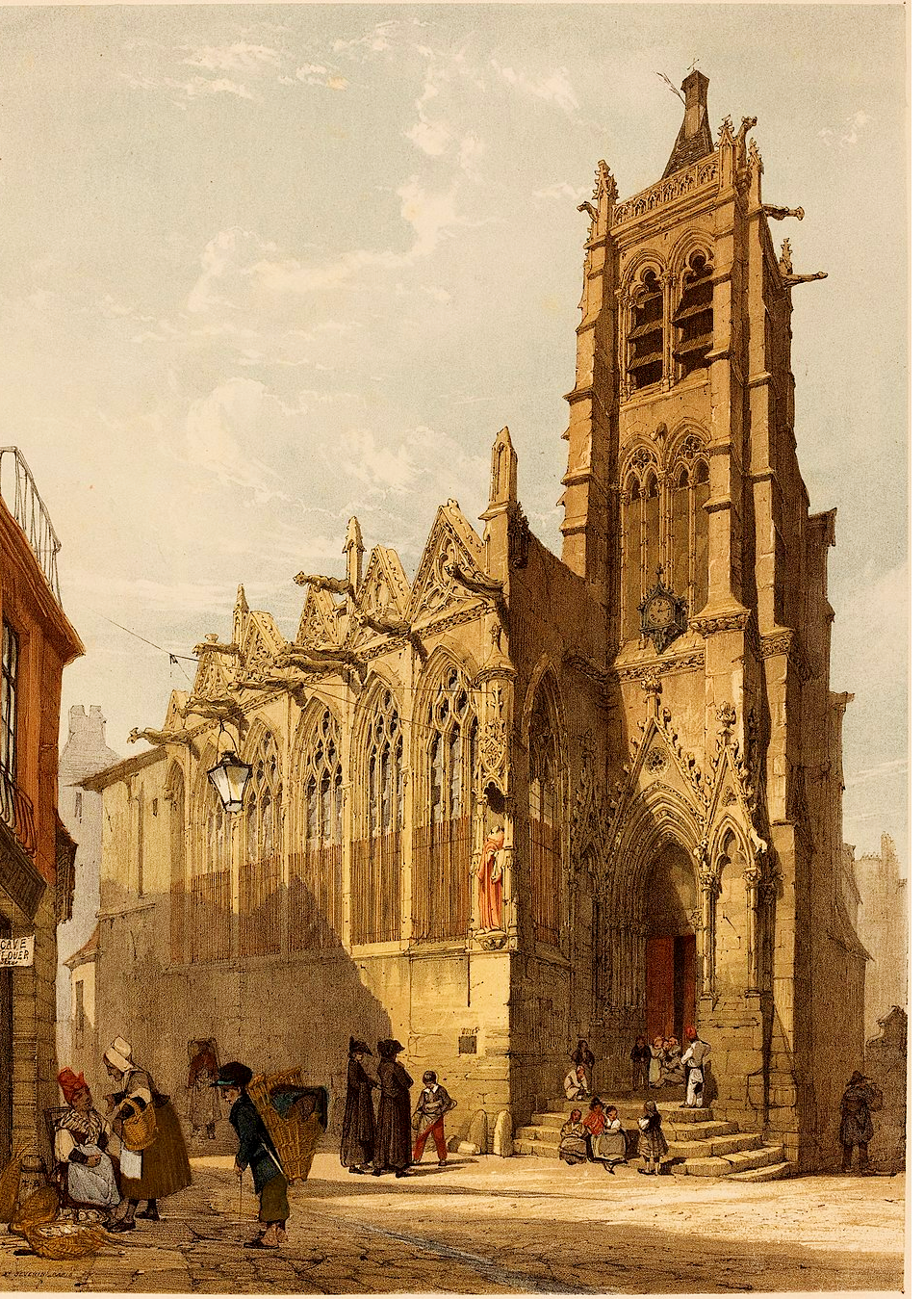
The current building which is situate in the Latin Quarter of Paris, on the lively tourist Street, Rue Saint-Séverin. It was constructed beginning in 1230, then, after a fire, rebuilt and enlarged in the 15th to 17th Centuries in the Flamboyant Gothic style. It is the Parish Church for students at the University of Paris and is one of the oldest Churches which remains standing on the Left Bank.
Engraving by Thomas Shotter Boys, St Severin, Paris, 1839
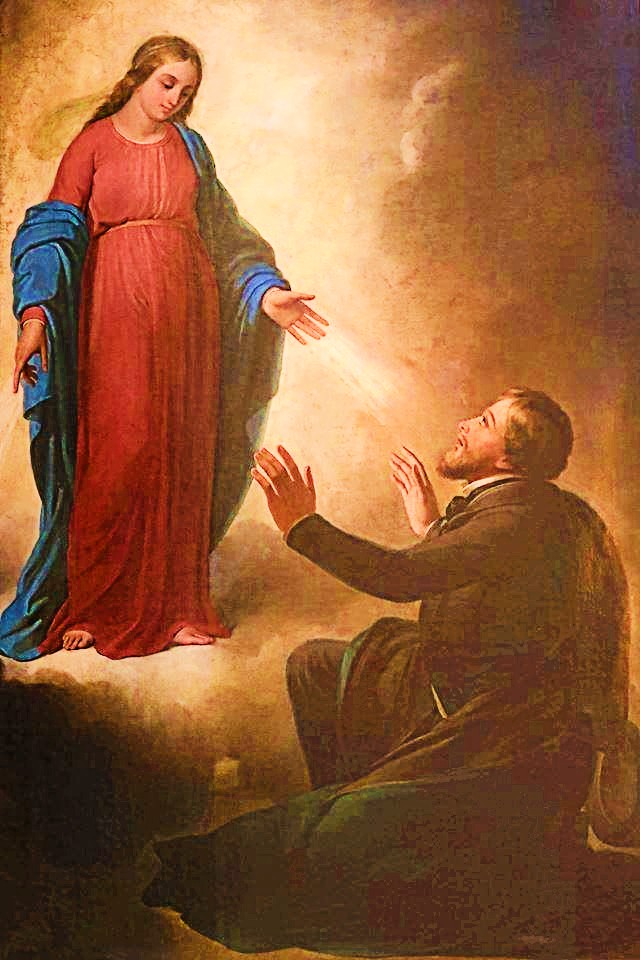
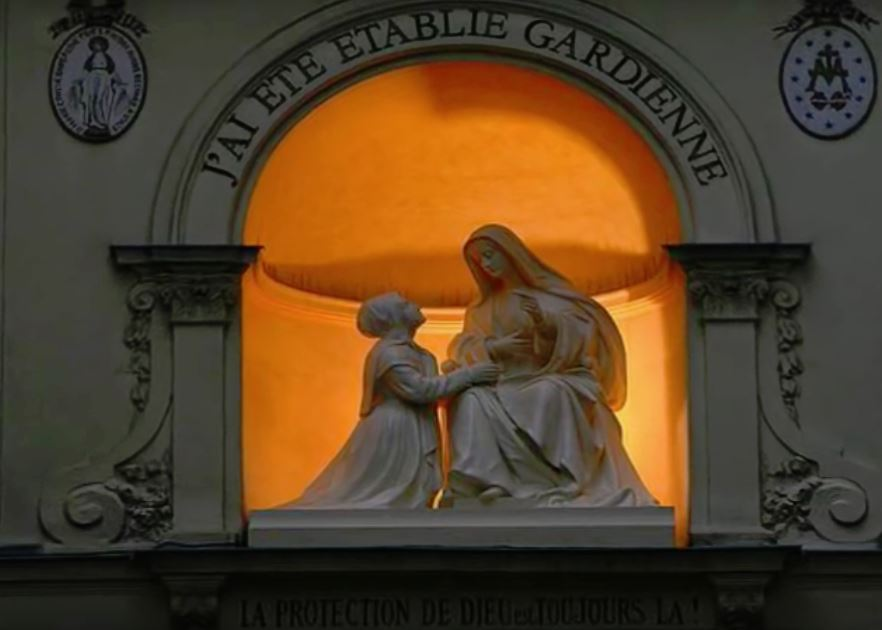
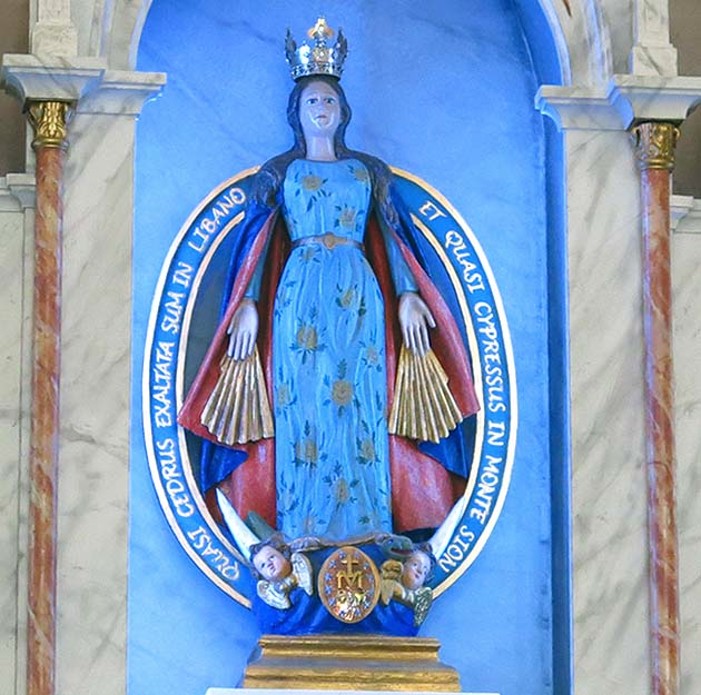
Two of the most famous conversions due to the Miraculous medal was that of Fr Alphonse Ratisbonne NDS (1814-1884), an anti-Catholic Jewish banker and Claude Newman (1923-1944). Fr Alphonse Ratisbonne received a vision of Our Lady of the Miraculous Medal. After his conversion, he became a Priest and worked for the conversion of the Jewish people.
St Acacius of Sebaste St Acharius of Noyon St Apollinaris of Monte Cassino St Barlaam
Blessed Bernardine of Fossa OFM (1420-1503) Priest, Friar of the Friars Minor, Missionary in Italy and a renowned Preacher, noted Historian, Lawyer, Ascetical Writer, rising within the Order to important positions. His cult was later confirmed by the Beatification of Pope Leo XII on 26 March 1828. The Roman Martyrology states: “At L’Aquila, blessed Bernardino da Fossa (Giovanni) Amici, Priest of the Order of Minors, who preached the Catholic Faith in many Provinces of Italy.“ A Faithful Imitator of his Namesake, St Bernardine of Siena: https://anastpaul.com/2021/11/27/saint-of-the-day-27-november-blessed-bernardine-of-fossa-ofm-1420-1503/
St Bilhild of Altmünster St Eusician St Facundus St Fergus the Pict St Gallgo of Wales St Gregory of Sinai St Gulstan St Hirenarchus of Sebaste St James Intercisus St John Angeloptes
St Maximus (Died 460) Bishop of Riez , Confessor, Abbot, Hermit, zealous and highly efficient leader, Miracle-worker. The Roman Martyrology reads: “At Riez, in France, St Maximus, Bishop and Confessor, who, from his tender years, was endowed with every grace and virtue. Being first the Superior of the Monastery of Lérins and afterwards, Bishop of the Church of Riez, he was celebrated for the working of miracles and prodigies.” His Life of Love: https://anastpaul.com/2023/11/27/saint-of-the-day-27-november-saint-maximus-of-riez-died-460-bishop-confessor/
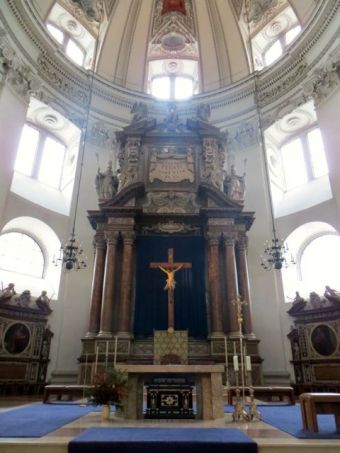
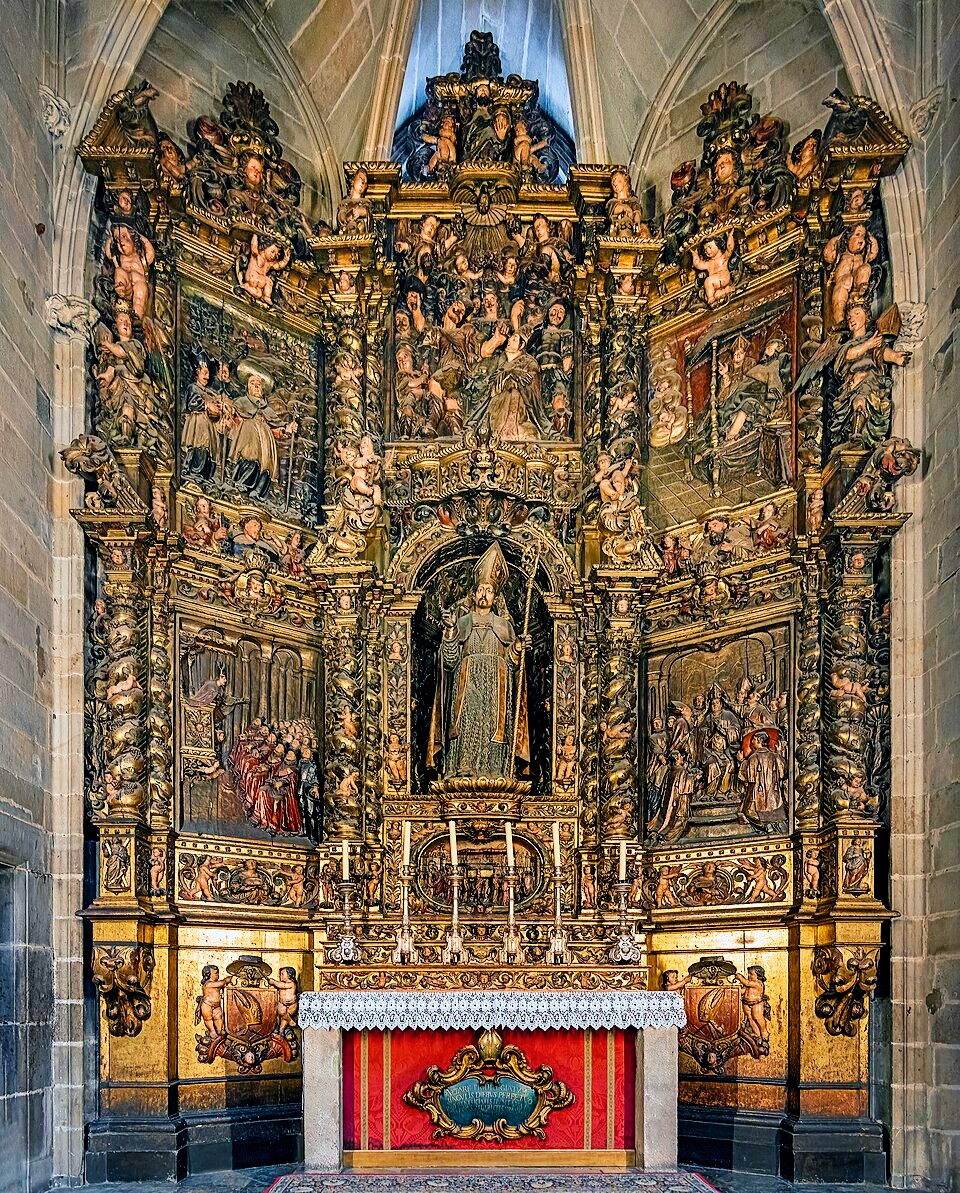
High Altar, Salzburg Cathedral (Salzburger Dom) Salzburg, Austria. Saint Rupert is depicted atop the altar carrying a barrel of salt in his left hand and a bishop’s crozier in his right. Saint Virgil is also represented atop the altar, opposite Saint Rupert.
Martyrs of Antioch – 3 Saints: A group of Christians Martyred together for their faith. Little information has survived except for their names – Auxilius, Basileus and Saturninus.
Martyrs of Nagasaki – 11 Beati: A group of eleven Christians Martyred together for their faith during a period of official persecution in Japan. They are: Blessed Alexius Nakamura Blessed Antonius Kimura Blessed Bartholomaeus Seki Blessed Ioannes Iwanaga Blessed Ioannes Motoyama Blessed Leo Nakanishi Blessed Matthias Kozasa Blessed Matthias Nakano Blessed Michaël Takeshita Blessed Romanus Motoyama Myotaro Blessed Thomas Koteda Kyumi They were Martyred on 27 November 1619 in Nagasaki, Japan and Beatified on 7 May 1867 by Pope Pius IX.
Saint of the Day – 26 November – St Amator (3rd Century) Bishop of Autun, France. Also known as – Amatore, Amatoris.
The Roman Martyrology reads today: “At Autun, St Amator, Bishop.”
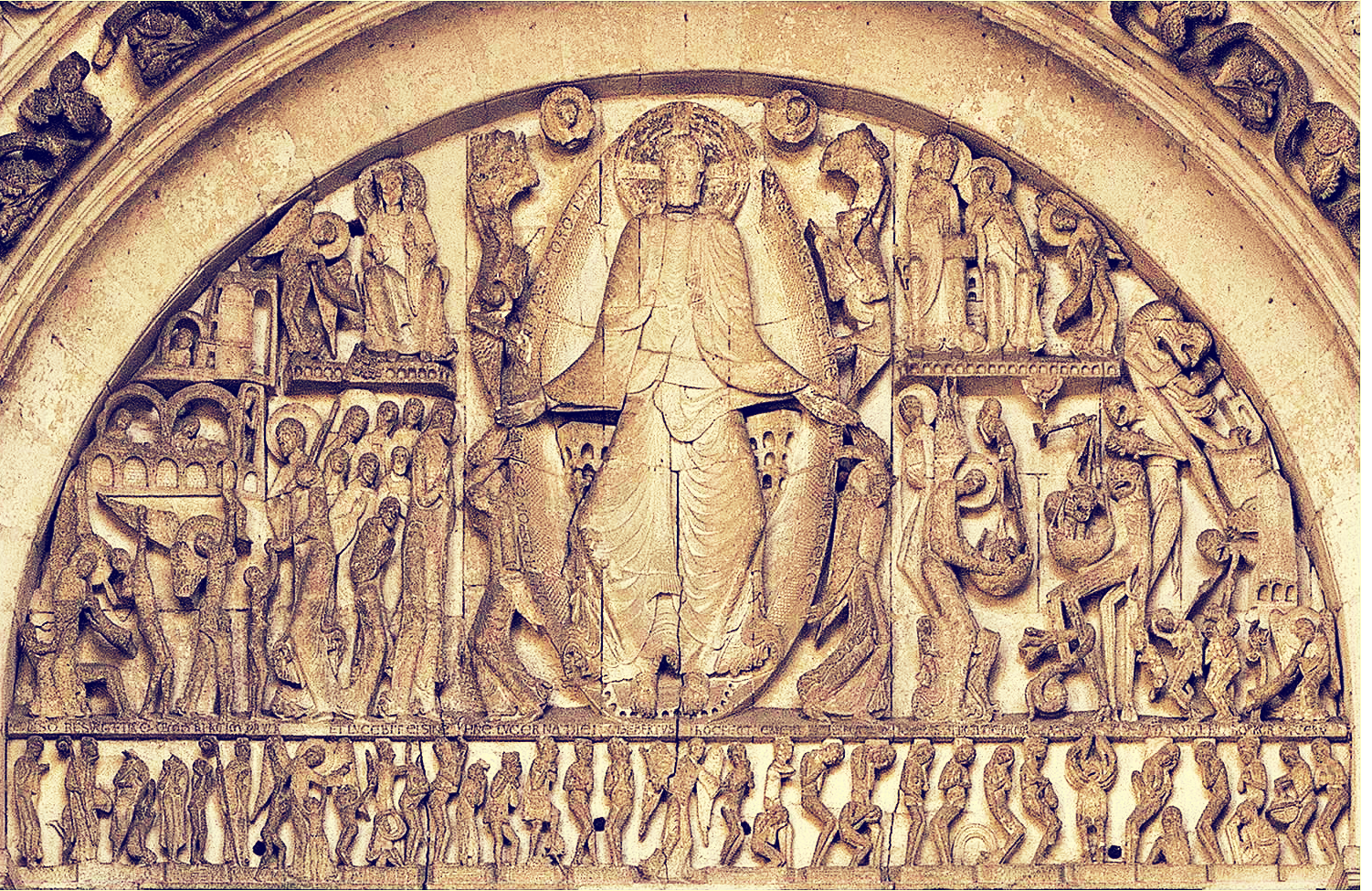
The Last Judgement at Autun Cathedral
St Jerome’s Martyrology commigrates ‘the death of Saint Amatoris Bishop’ in Autun on 26 November and the same ‘death of Saint Amatoris Bishop’ in Auxerre on 1 May. Since the word ‘Bishop‘ is omitted in the Epternacense Codex in the commemoration of 26 November and the Martyrology appears misleading, the Bollandists, in their commentary on the Roman Martyrology, express the opinion that Amator, the Bishop of Autun, never existed and the Diocese was erroneously inserted instead of Auxerre. Baronius also shows little belief in the existence of this Bishop of Autun. Furthermore, the records of his correspondence with Pope Silverius (536-537) is legendary.
St Leonard of Port Maurice OFM (1676-1751) Confessor, Priest and Friar of the Friars Minor, Preacher – in particular Parish Mission, Ascetic Writer, Spiritual Director. St Leonard founded many pious apostolates, societies and confraternities and exerted himself to spread devotion to the Sacred Heart of Jesus, the Perpetual Adoration of the Most Blessed Sacrament, the Blessed Virgin Mary and the Passion of Christ. He was among the few to insist that the concept of the Immaculate Conception of Mary be defined as a Dogma of the Faith. He was Beatified on 19 June 1796 by Pope Pius VI and Canonised on 29 June 1867 by Pope Pius IX. Biography: https://anastpaul.com/2018/11/27/saint-of-the-day-27-november-st-leonard-of-port-maurice-ofm-1676-1751/
Blessed Delphina of Glandèves TOSF (1283-1360) Virgin, Virgin Laywoman, Married in Chastity to St Elzear (below) Widow, Recluse, Apostle of the Poor and needy. Sometimes regarded as ‘Saint’ – the anniversary of her death and birthday into Heaven is today, 28 November. After the Vatican II Council, her Feast day was moved to 27 September: Blessed Delphina’s Chaste Life: https://anastpaul.com/2022/09/27/saint-of-the-day-27-september-saint-delphina-tosf-1283-1360-virgin/
St Egelwine of Athelney St Ida of Cologne St James the Hermit St Magnance of Ste-Magnance St Marcellus of Nicomedia St Martin of Arades St Nicon of Sparta
Blessed Pontius of Faucigny (c1100-c1178) Abbot, Founder and the 1st Abbot of the Monastery of Faucigny. At a very young age he entered the Abbey of the Canons Regular of Abondance, of which he revised the Constitutions, harmonising them with the original Augustinian Rule. His Holy Life: https://anastpaul.com/2024/11/24/saint-of-the-day-24-november-saint-protasius-died-c352-bishop/
St Sabaudus of Trier
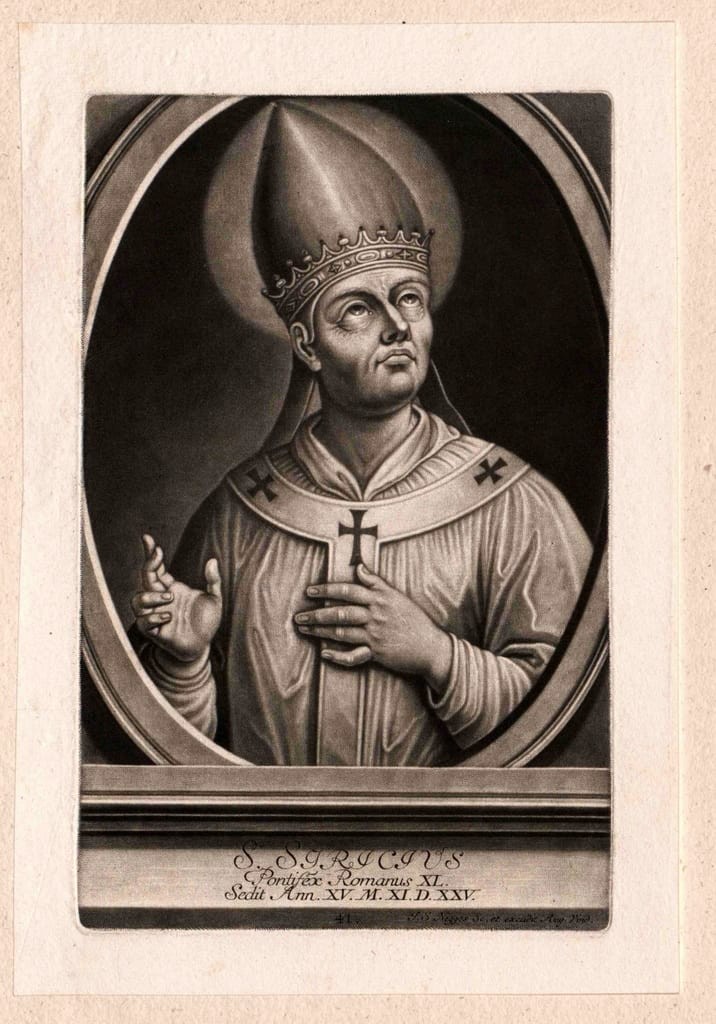
St Siricius, Pope (c334-399) Confessor, Bishop of Rome from December 384, Confessor, Defender of the Faith against heresies, Reformer of clerical discipline, Born in Rome and died there of natural causes aged around 64. In response to inquiries from Bishop Himerius of Tarragona, Siricius issued the Directa Decretal, containing Decrees of Baptism, Church discipline and other matters. His are the oldest completely preserved Papal Decrees. He is sometimes said to have been the first Bishop of Rome to call himself “Pope or Papa” – the word derived from the Greek, Papa, meaning Father. The Roman Martyrology reads today: “At Rome, St Siricius, Pope and Confessor, celebrated for his learning, piety and zeal for religion, who condemned various heretics and published salutary laws concerning Ecclesiastical discipline.” A True Shepherd.: https://anastpaul.com/2023/11/26/saint-of-the-day-26-november-st-pope-siricius-c334-399-confessor/
St Stylinus St Vacz – 11th Century Hermit in Visegrád, Hungary. No further information is available.
Martyrs of Alexandria – 650+- Saints: A group of approximately 650 Christian Priests, Bishops and Laity Martyred together in the persecution of Maximian Galerius. We have the names and a few details only seven of them – Ammonius, Didius, Faustus, Hesychius, Pachomius, Phileas and Theodore. The were born in Egypt and were martyred there in c 311 in Alexandria, Egypt.
Martyrs of Capua – 7 Saints: A group of seven Christians Martyred together. The only details about them to survive are the names – Ammonius, Cassianus, Felicissimus, Nicander, Romana, Saturnin and Serenus. They were martyred in Capua, Campania, Italy, date unknown.
Martyrs of Nicomedia – 6 Saints: A group of six Christians Martyred by Arians. Few details have survived except their names – Marcellus, Melisus, Numerius, Peter, Serenusa and Victorinus. Martyred in 349 in Nicomedia, Bithynia, Asia Minor (modern Izmit, Turkey).
Blessed Gabriel Ferretti OFM (1385-1456) Priest, Friar of the Order of Friars Minor, Provincial Superior, Mystic. renowned missionary Preacher. He was zealous in the restoration and establishment of new Convents. He was an ancestor to both Cardinal Gabriele Ferretti and Pope Pius IX, having been descended from a long noble lineage. Patronage – Ancona. His body is incorrupt. He was Beatified on 19 September 1753 by Pope Benedict XIV. Zealous and Devoted Gabriel: https://anastpaul.com/2021/11/09/saint-of-the-day-9-november-blessed-gabriel-ferretti-ofm-1385-1456/
Blessed George Napper (1550-1610) Priest Martyr Beatified by Pope Pius XI on 15 December 1929
St Pabo St Sopatra St Theodore Stratelates St Ursinus (Died c280) Bishop and Confessor of Bourges St Vitonus of Verdun
Martyrs of Constantinople – 3 Saints: A group of ten Christians who tried to defend an image of Jesus over the Brazen Gate of Constantinople from an attack by Iconoclasts during the persecutions of Emperor Leo the Isaurian. The group of was seized by soldiers, condemned by judges for opposing the emperor, and Martyred. The only details that have survived are three of their names – Julian, Marcian and Maria. They were martyred in 730 at Constantinople (modern Istanbul, Turkey).
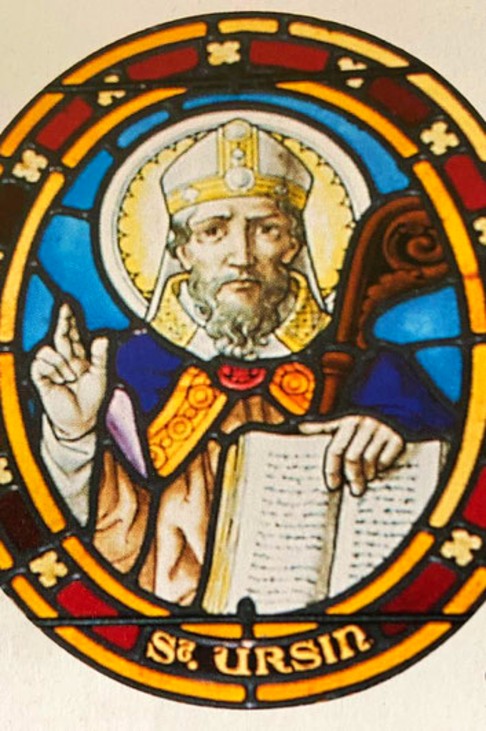
Saint of the Day – 9 November – St Ursinus (Died c280) Confessor and the 1st Bishop of Bourges, France from 251 to 280, Patronage – of the City and Diocese of Bourges. Also known as – Ursinnus, Ursin, Ursino, Orsino.
The Roman Martyrology reads today: “At Bourges, St Irsinus, Confessor who was Ordained in Rome by the successors of the Apostles and appointed the first Bishop of that City.”
Various ‘Lives’ have been written over time, of the holy Bishop which, are largely legendary. Here we stick to the text of the great Bishop and Historian, St Gregory of Tours (538-594), who in his “Historia Francorum” describes Ursinus as having been sent to France (Gaul) with the first seven Bishops.
In another work, “De Gloria Confessorum” chapters 79 and 90, St Gregory says that Ursinus was one of the 72 Disciples of the Apostles, specifying that he was present at the Last Supper, serving as a reader at the table. This last version is very popular in the Berry region, where tradition adds that Ursinus was present at the Passion, followed the Apostles until Pentecost and also received the Holy Ghost with them. He later accompanied St Stephen, collecting his blood when he was Martyred. It was Pope Clement (88-97) who sent him to Gaul.
In reality, this entire version is legendary, especially given the historical period; because following the version in the “Historia Francorum” Ursinus, having arrived in Berry, after having preached, converted and Baptised a large part of the population, especially the poorest, wanted to build the first Church in the region in Bourges; he built it on the property of a rich converted pagan, the Senator, St Leocadius († early 4th Century), a member of the family of St Vettius Epagatus, Martyred in Lyon.
After Consecrating the Church, Ursinus placed the Relic of the blood of St Stephen the Protomartyr there. Ursinus governing the Church of Bourges for 27 years and died on 29 December an unspecified year in the second half of the 3rd Century.
These few chronological details, such as the death of St. Leocadius and the establishm of the first Church in Bourges in around 250, credibly indicate that St Ursinus lived in the 3rd Century, while other accounts, which have also passed into popular tradition, erroneously place him in the 1st Century, during the Apostolic period.
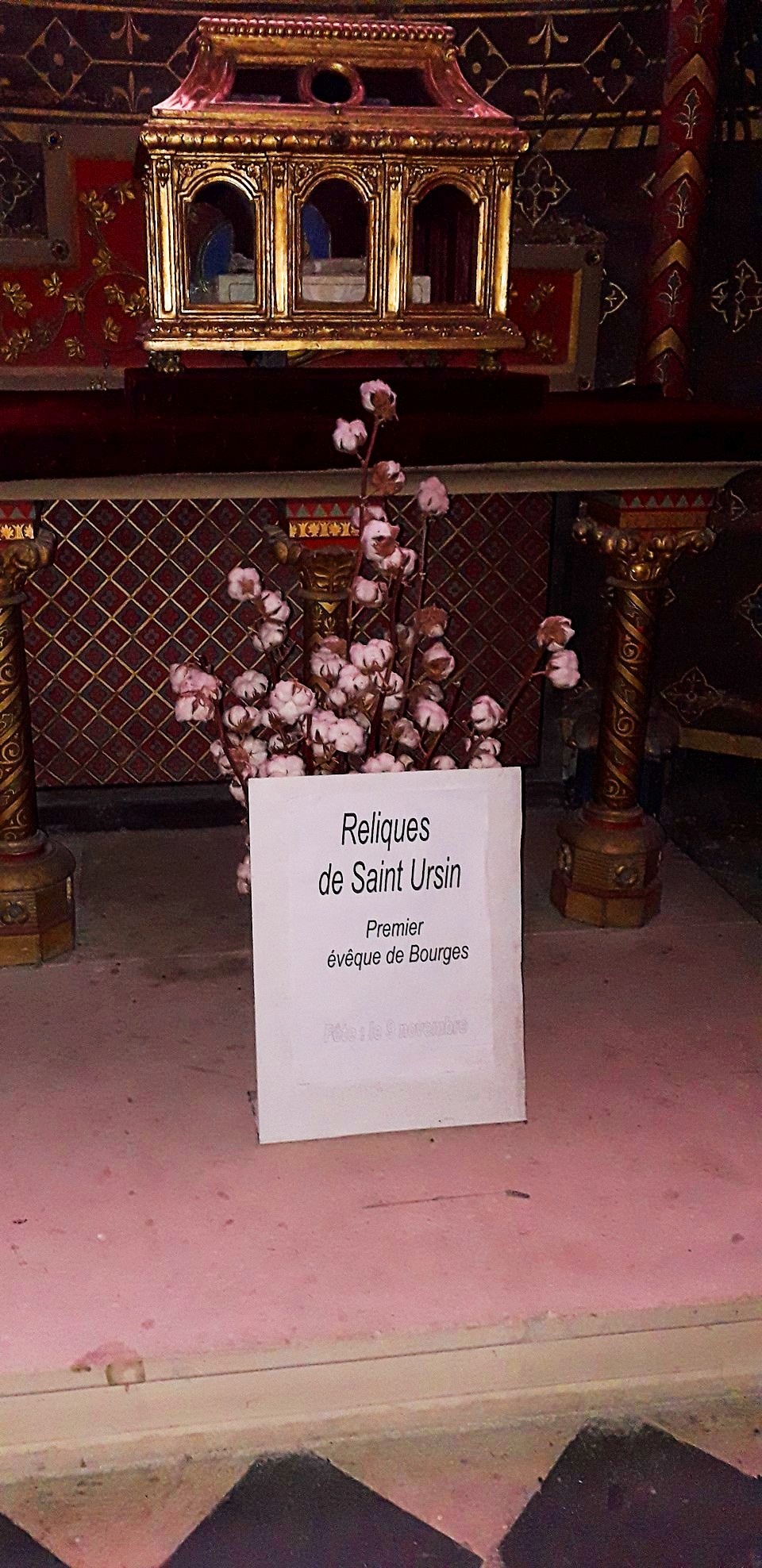
St Gregory of Tours continues the tale, recounting the miraculous discovery of the Saint’s Sarcophagus, beneath a vineyard in an ancient cemetery, duing the Episcopate of Probianus, sometime between 558 and 573. The Relics were brought to the Basilica of St Symphorianus which later took the name of St Ursinus.
In 1055, Hugh, the Bishop of Lisieux, requested and obtained, some Relics of St Ursinus, which were the subject of canonical recognitions in 1399 and in the 17th and 18th Centuries, further Relics were preserved in Chaussée-Saint-Victor.
A Religuary and Shrine to St Ursinus in Saint-André Church in Châteauroux .
The cult of the holy Bishop, in addition to Bourges, is widespread in Normandy, in the Dioceses of Lisieux, Bayeux, Rouen and Blois.
Bourges Cathedral is the greatest testimony to the profound cult that binds the City to its holy Founder Bishop, St Ursinus. The works of art and religious devotion there are a testament to devotion to their Patron Saint. One of the most famous 13th Century stained-glass windows and the 15th Century sculptures of the Saint-Ursinus Gate, which narrate the culminating episodes of the saintly evangeliser of Berry, are dedicated to him. Other works of art housed in the Bourges Museum and in the Church of Lisieux, reproduce scenes from the legend of Ursinus, who witnessed Jesus’ Last Supper with the Apostles.
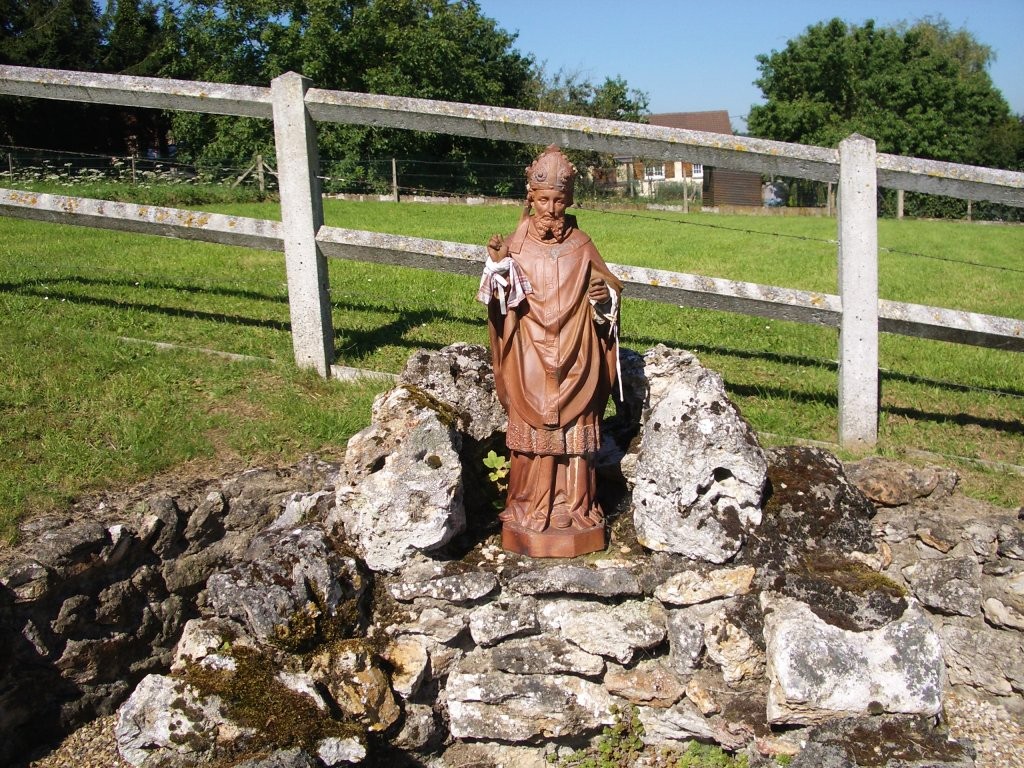
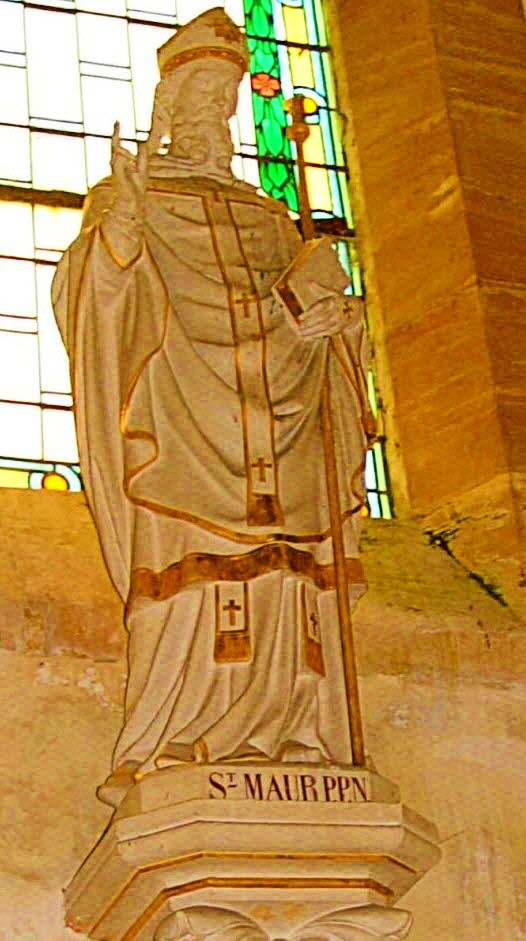
Saint of the Day – 8 November – Saint Maurus (Died 383) the 2nd Bishop and Confessor of Verdun, France, serving his See for 27 years. Born probably in France and died in Verdun on 10 November 383. Also known as – Maur, Maurius.
The Roman Martyrology reads today: “At Verdun. Maurus, Bishop and Confessor.”
Maurus was the 2nd Bishop of Verdun. In the chronology of the Bishops of the Diocese, he appears after St Sanctinus (c270-356), the 1st Bishop and before Salvinus.
Maurus was a disciple of St Sanctinus and was the first Priest to be Ordained in the Diocese of Verdun. Before dying, Bishop Sanctinud urged the inhabitants of Verdun to choose out Saint Maurus as their next Bishop.
Upon St Sanctinus’ death, the faithful of Verdun duly searched for Maurus for three years without discovering his whereabouts, hoping to have him appointed as their Bishop. But Maurus, not seeking worldly honours or responsibilities, did not wish to abandon his life of prayer and fasting, nor did he wish to desert gus disciples.
Finally, his location was discovered and he relented after the constant requests from the faithful of Verdun. He became the Bishop in 356, was Consecrated in the Church of Saints Peter and Paul by Author, Bishop of Metz and governed the Diocese for approximately 27 years.
Chronicles report that Saint Maurus died on 10 November 383 but he is celebrated today, 8 November.
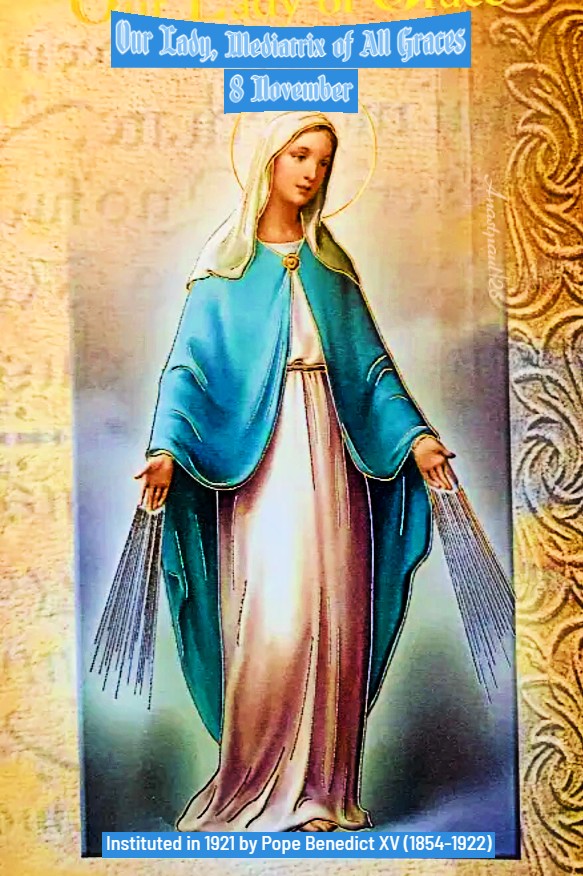
Our Lady Mediatrix of All Graces (1921): In 1921 Pope Benedict XV instituted 8 November as the Feast Day of Our Lady Mediatrix of All Graces. A text by St Louis Grignion de Montfort expresses this truth admirably: “Only Mary found grace before God (Luke 1:30) without the help of any other creature. And after her, all those who found grace before God, found it only through her. Mary was full of grace when the Archangel Gabriel saluted her (Luke 1:28) and was filled with grace when the Holy Ghost so mysteriously overshadowed her (Luke 1:35). From day to day, from moment to moment, she increased, so much. this twofold plenitude that she attained an immense and inconceivable degree of grace. So much so, that the Almighty made of her, the sole custodian of His treasures and sole dispenser of all His graces, so that she might ennoble, exalt and enrich all she chooses. She can lead them along the narrow path to Heaven and guide them through the narrow gate to Life. She can give a royal throne, scepter and crown to whomever she wishes. Jesus is always and everywhere, the Fruit and Son of Mary, and Mary is everywhere, the true tree who bears the Fruit of Life, the true Mother, who bears that Son!” – St Louis Marie Grignion de Montfort (1673-1716) (True Devotion to Mary No 44)
Four Holy Crowned Martyrs: Saint Castorus, Saint Claudius, Saint Nicostratus and Saint Simpronian. Skilled stone carvers in the 3rd century quarries. Martyred when they refused to carve an idol of Aesculapius for Diocletian. They were drowned in the River Sava in 305. Patronages – against fever, cattle, sculptors, stone masons, stonecutters.
All Deceased Dominicans All Saints of Bologna, Italy All Saints of Wales Augustinian Martyrs of Spain
All Saints of the Diocese of Evry: A regional memorial of all the Saints and Beati of the calendar who have a connection to the Diocese of Evry-Corbeil-Essonnes, France:
Blessed Isabella of France, founded the Longchamp monastery
Blessed Nicolas Gaudreau, pastor of Vert-le-Petit
Blessed Pierre Bonse, pastor of Massy
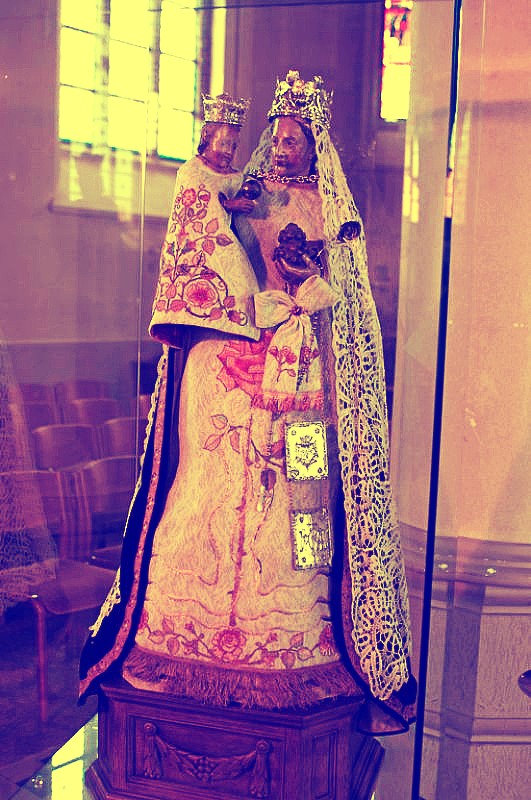
Our Lady of Good Guard, patron saint of the diocese, venerated in Longpont-sur-Orge, France
Saint Corbinian, born in Saint-Germain-lès-Arpajon
Saint Denis of Paris, evangelizer of part of Essonne and revered ni Longpont-sur-Orge
Saint Eloi, who lived in Chilly-Mazarin
Saint Germain of Paris
Saint William of Bourges, son of Count Baldwin IV of Corbeil
Saint William of Aebelholt, pastor of Brunoy
Saint Wulfran of Sens, born in Milly-la-Forêt
Blessed Nativelle, vicar of Longjumeau
Blessed René Le Bris, pastor of Bris-sous-Forges
Saint Spire of Bayeux, whose relics are in Corbeil in the cathedral that bears his name
Saint of the Day – 7 November – St Prosdocimus (2nd Century) the 1st Bishop and Confessor of Padua, Evangeliser, Miracle-worker. Patronage – of the City and Diocese of Padua, of Ascolo, Cittadella all in Italy. Also knowthe as – Prosdecimus, Prosdocimo.
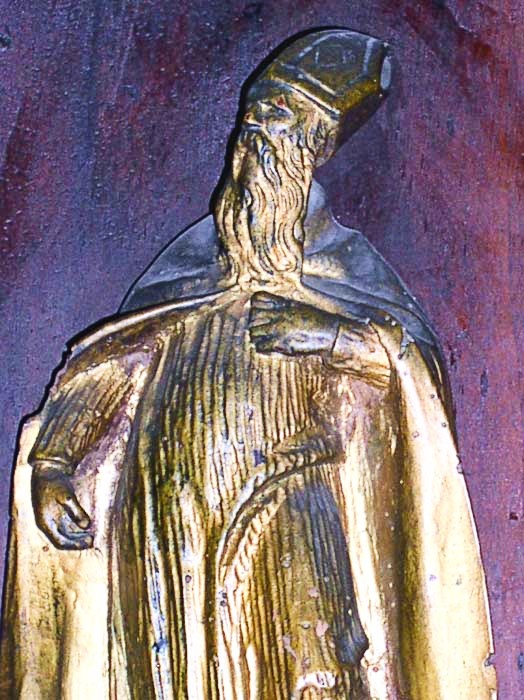
The name Prosdocimo, although uncommon in Italy today, immediately suggests a Venetian origin, specifically Paduan. The Saint is honoured as the 1st Bishop of Padua, the Patron Saint of the City and too, according to various scholars, the likely evangeliser of all western Venice.
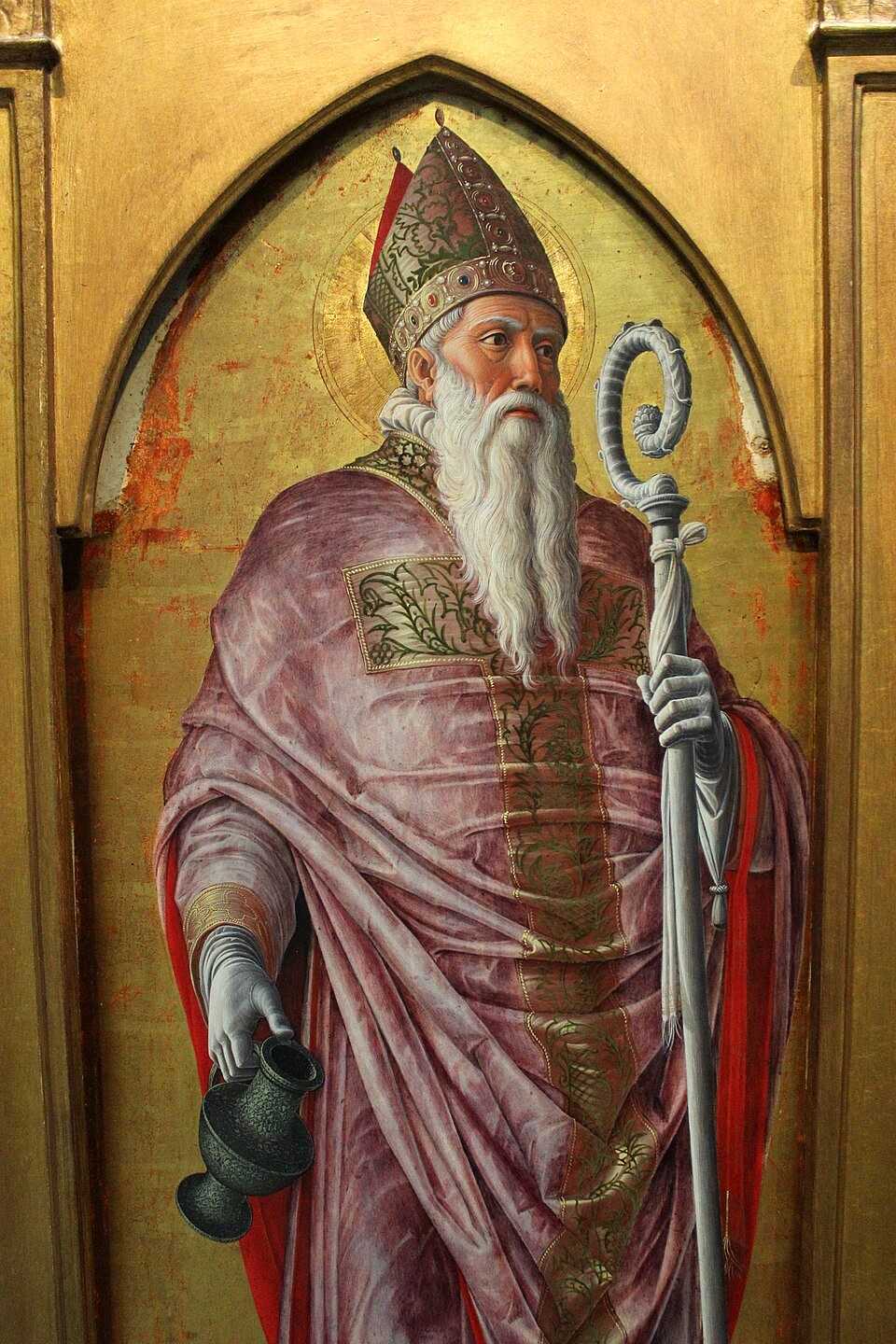
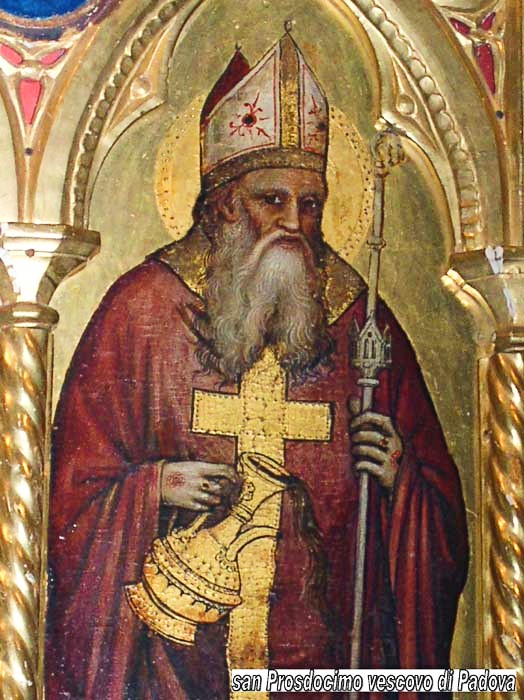
Even the most beautiful image of Prosdocimus was painted by a Paduan, the great 15th Century Painter, Andrea Mantegna. It is part of a polyptych dedicated to Saint Justina another famous Saint and Martyr of Padua. In this painting, Saint Prosdocimus appears with his characteristic attribute of a jug, a symbol of his tireless work as an evangeliser and work of Baptising.
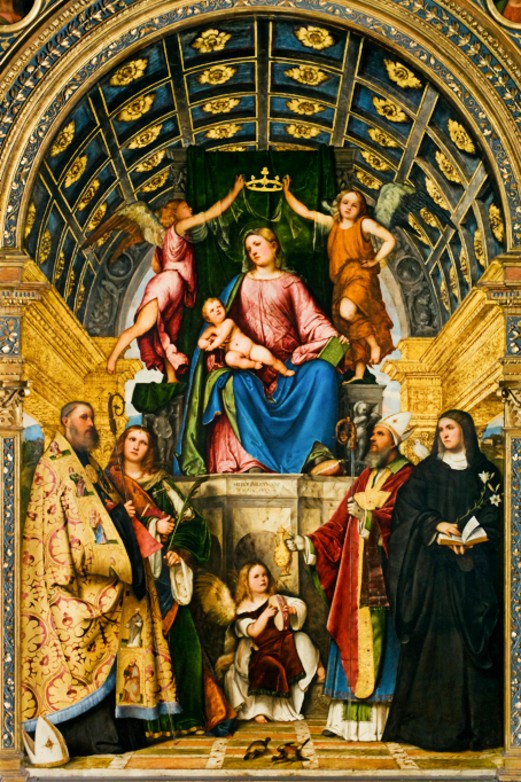
St Prosdocimus and St Justina
The etymological meaning of the name Prosdocimus is very beautiful, as in Greek it means ‘the awaited one.’ It can be said that Saint Prosdocimus, the 1st Bishop of Padua, was truly awaited by that still pagan City, to which he was sent by Saint Peter himself after his Episcopal Consecration. In the gentle countryside, Prosdocimus is said to have performed prodigies and miracles.
Fortunately, a certain naiveté often lends a touch of poetry to even the most tired texts. Sometimes, however, scant documents are more eloquent than redundant legends. This is the case of Prosdocimus, for whom, after his death, an Ecclesia Sancti Prosdocimi, later known as the Basilica of Santa Giustina, one of the most beautiful in the City, is mentioned outside the walls of Padua.
St Prosdocimus with his jug
Saint Prosdocimus’ glory was, in fact, Saint Justina, whose Feast Day is 7 October. Prosdocimus converted her and she kept her faith intact, facing Martyrdom during Nero’s persecution.
The Bishop of Padua, however, was spared, no-one knows exactly how or why. He reached the natural end of his life, laden with merit and years, loved as a father, venerated as a Saint: Saint Prosdocimus which, in Greek means ‘the awaited one.’
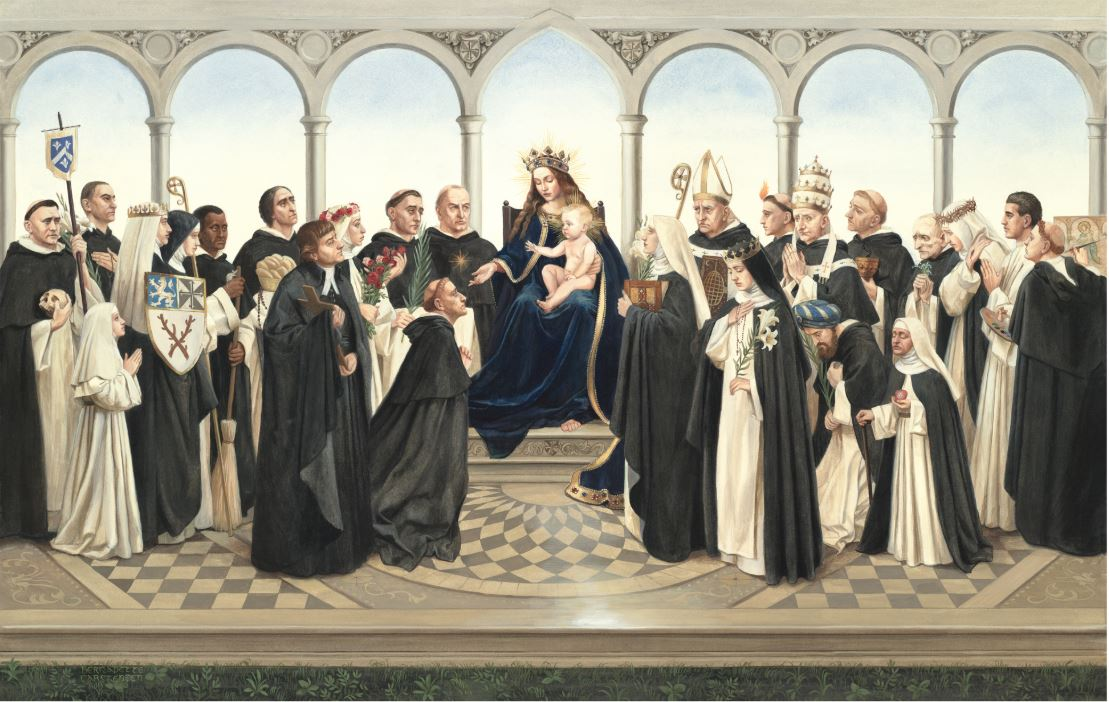
The Feast of All Saints of the Order of Preachers: “Fountain of all holiness, You stirred up in our holy brothers and sisters an extraordinary love of truth, conformity to Christ Crucified and a thirst for the salvation of souls: may we imitate them in offering You thanksgiving on account of the way of life they gave us.” — From the Intercessions at Lauds for the Feast of All Saints of the Order of Preachers. HERE: https://anastpaul.com/2019/11/07/thought-for-the-day-7-november-feast-of-all-dominican-saints/
St Achillas (Died 313) Bishop of Alexandria, Egypt, Confessor, Scholar particularly in Philosophy and Theology. Bishop St Theonas had Ordained him to the Priesthood and appointed Achillas as the Head of the Catechetical School of Alexandria upon the departure of St Pierius, for Rome, who we celebrated on 4 November. Born in Alexandria, Egypt and died there in 313 of natural causes. The Roman Martyrology states of him today: “At Alexandria, blessed Achillas, a Bishop renowned for erudition, faith and purity of life.” His Holy Life: https://anastpaul.com/2023/11/07/saint-of-the-day-7-november-saint-achillas-died-313-bishop-confessor/
St Amarand St Amaranthus
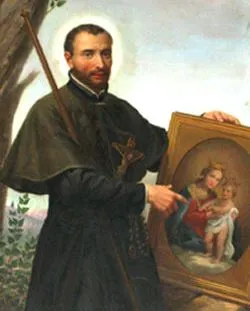
Blessed Anthony Baldinucci SJ (1665-1717) Priest of the Society of Jesus, Preacher, Writer and Missionary. Fr Baldinucci was Beatified by Pope Leo XIII on 25 March 1893. His Zealous Life: tps://anastpaul.wordpress.com/2017/11/07/saint-of-the-day-blessed-anthony-baldinucci-s-j-1665-1717/
St Athenodorus of Neo-Caesarea St Auctus of Amphipolis St Baud of Tours St Blinlivet St Congar
St Gebetrude A(Died c680)bbess of Remiremont St Herculanus of Perugia St Hesychius of Mytilene St Hieron of Mytilene Bl Hyacinth Castañeda Puchasons St Lazarus the Stylite
St Nicander of Mytilene Bl Peter Ou St Prosdocimus (2nd Century) Bishop and Confessor of Padua St Prosdocimus of Rieti St Raverranus of Séez St Rufus Bishop and Confessor of Metz St Taurion of Amphipolis St Thessalonica of Amphipolis St Tremorus of Brittany
Saint of the Day – 6 November – St Severus (Died c633) Bishop and Martyr of Barcelona, Spain. Patronage – of Barcelona. Also known as – Severo.
The Roman Martyrology reads today: “At Barce;ona, St Severus, Bishop and Martyr, who had his head pierced with a nail and thus received the crown of Martyrdom for the Faith.”
St Severus Statue in Barcelona
Severus, Bishop of Barcelona, was mentioned in 633. In some cases, he is considered the 11th Bishop of the Diocese, although his existence as a Bishop and Martyr is shrouded in doubt.
A ‘Passio’ dating to the 13th-14th Century is extant. This text, states that Severus was Martyred during the persecution of Diocletian and Maximian. The period of this persecution, however, does not correspond to the period in which Saint Severus was mentioned as the Bishop of Barcelona.
However, the tale states that Saint Severus, urged to worship idols, managed to escape. When a Christian named Emeterio, accused of concealing his escape, was captured, Severus then presented himself voluntarily to the Governor. Imprisoned, he was tortured along with four Clerics accompanying him.
All six received the Crown of Martyrdom and the locals buried them in the village Church.
Our only verified information regarding our Saint is that he is mentioned as the Bishop of Barcelona om around 633. His first mention occurs in the 17th Century and later in the Roman Martyrology. His Feast is celebrated in Barcelona, on 9 August, the date of the translation of his Relics in 1405.
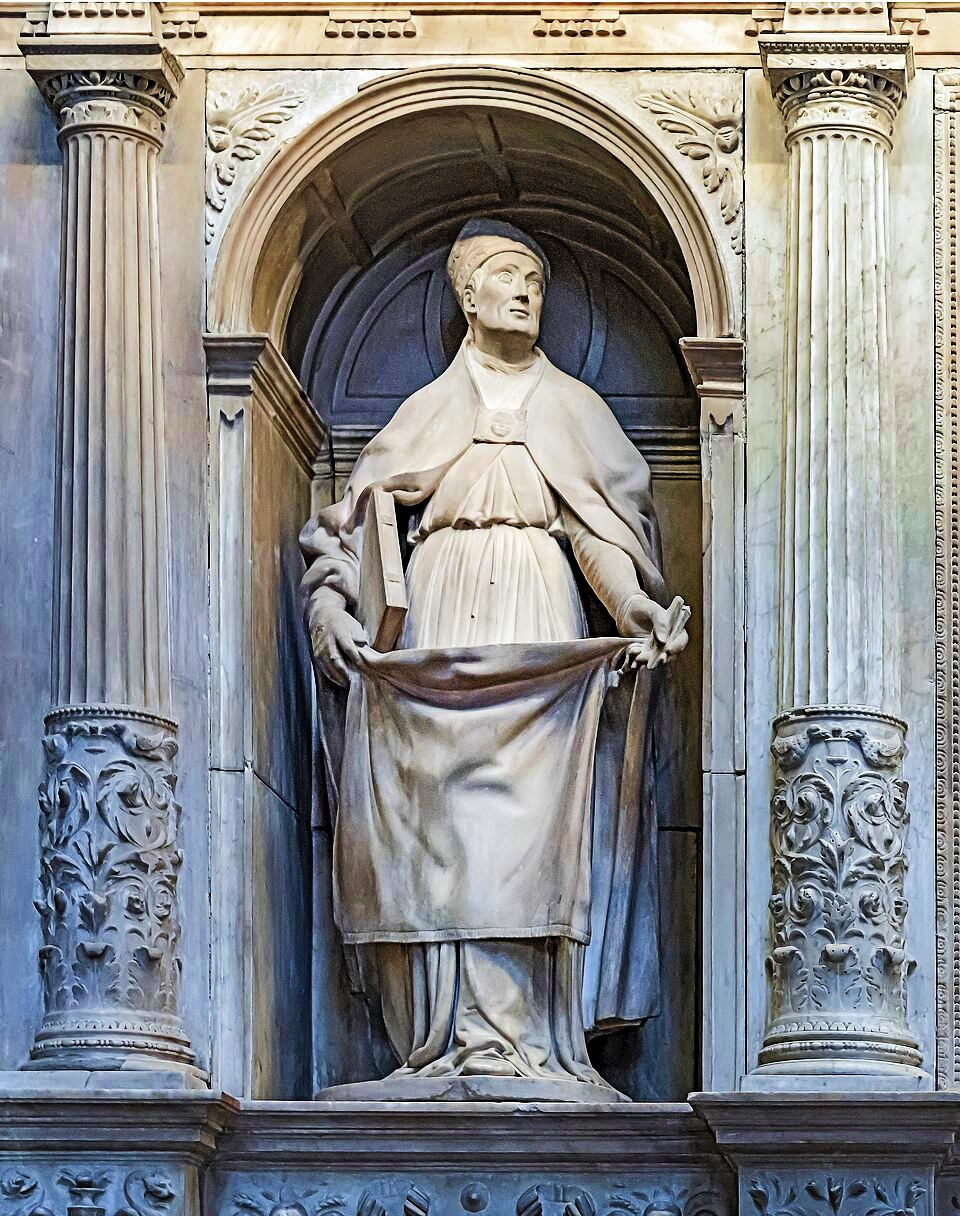
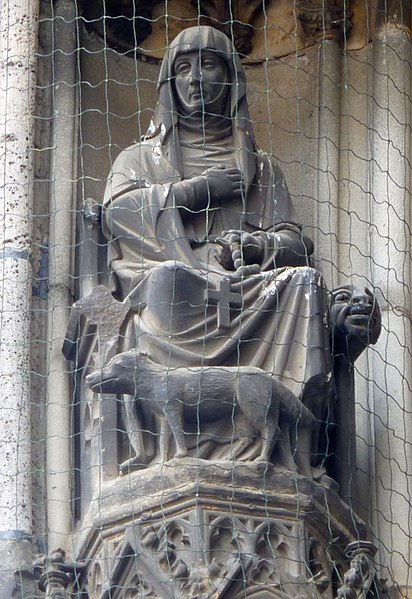
Statue of Blessed Christina von Stommeln (northern portal Cologne Cathedral)
St Demetrian of Cyprus St Edwen of Northumbria St Efflam of Brittany St Emilian of Faenza St Erlafrid of Hirschau St Felix (6th Century) Abbot of Fondi Monastery St Felix of Genoa St Felix of Thynissa St Illtyd
St Melaine (Died c535) Bishop of Rennes in Brittany, France, Confessor, previously a Monk and Abbot, Royal Advisor, Miracle-worker. The Roman Martyrology reds: “At Rennes, in France, St Melanius, Bishop and Confessor, who displayed innumerable virtues and with his thoughts ever fixed on Heaven, passed from the world in glory.” His Life of Holiness: https://anastpaul.com/2023/11/06/saint-of-the-day-6-november-saint-melaine-of-rennes-died-c535-bishop-confessor/
St Paul of Constantinople St Pinnock St Protasius of Lausanne St Severus (Died c633) Bishop and Martyr of Barcelona St Simon of Aulne St Stephen of Apt St Theobald of Dorat St Valentine of Genoa
Martyrs of Antioch – 10 Saints: Ten Christians murdered together by Arabs after their seizure of Antioch, Syria. No names or other details about them have come down to us. 637 in Antioch, Syria.
Martyrs of Gaza – 9 Saints: A group of Christian soldiers who were captured by Saracens invading the area of Gaza in Palestine. When the men continued to profess their Christianity, they were executed. We know the names of some of the Martyrs – Himerius, John (2 of them), Kallinikos (Callinoco), Paul, Peter, Stephen and Theodore (2 of them). They were beheaded in Gaza, Palestine.
Saint of the Day – 5 November – Saint Laetus (Died 534) Priest and Confessor of Orleans, France, Monk, Monk, Hermit, Miracle-worker. Whilst still a Monk, Laetus was a spiritual guide to St Leonard of Noblac, who was a fellow Monk. Born in the region of Berry, France and died in 534 in the forest of Orléan. Patronage – of the sick. Also known as – Lie, Lié, Lyé, Leto, Lieto. Additional Feast – 2 January in Mohon, in the Ardennes.
The Roman Martyrology reads today: “At Orleans, in France, St Laetus, Priest, Confessor.”
Statue of St Laetus at Ville-Dommange
Born of a family in Berry, France sometime during the reign of Chlothar I, his name suggests a Gallo-Roman background. Small of stature,, he was a peasant herdsman, who embraced the monastic life at the age of 12. He spent some time at the Monastery of Micy-Saint Mesmin, near Orléans, where he was welcomed by the Abbot Treïcius, who Ordained him a Deacon and then a Priest. While at Micy, Lié provided direction to fellow Monk and Saint Leonard of Noblac (c496-559).
After a few years, Laetus left the Monastery in search of greater solitude. He headed north and stopped on the edge of the Loges Forest (Forest of Orleans), not far from a clearing where poor woodcutters were felling oaks. There, having found a dense thicket where no sound entered, he built himself a hut and there, spent his days in prayer, living only on wild fruits.
Laetus only left this solitude to visit the sick, to comfort them with a few holy words and to soften the bitterness of the last passage. The blind, the lame, the crippled came to meet him and more than once obtained cures through his intercessary prayer. He was greatly loved by all, especially the sick and hopeless. Laetus was viewed an example to all for his humility. .He lived there until the year 534, which he predicted would be the year of his entry into eternal beatitude. He was buried in the place where he had lived and, on his Tomb, a Chapel was erected.
His body was later brought by Ermentheus, the Bishop of Orleans, to the Church of Pithiviers. They burnt by the Huguenots in 1580. However, there were stille fragments of his legs preserved by Christians of Pithiviers. In 1664, they were returned to the Village of Saint-Lyé after many adventures. They now rest in a Reliquary placed at the foot of the Altar dedicated to him. On Pentecost Monday, many pilgrims would come to venerate St Laetus and ask for the cure of their infirmities.
In 1523 a Brotherhood dedicated to venerating Saint Laetus was founded at Mohon, in the Ardennes. The Brotherhood in 1611, having obtained an Indulgence from Pope Paul V, the dedication of the local Church was changed from that of Saint Gilles to Saint Laetus. Some of his Relics were transported to the Église Saint-Lié de Mohon, probably around 1683. There he is celebrated on 2 January.
Saint Laetus is depicted on a pillar of the south porch of Chartres Cathedral. There are numerous Churches, places, Villages names for our Saint in many regions of France.
The Feast of the Holy Relics: https://anastpaul.com/2022/11/05/feast-of-the-holy-relics-5-november-2/ AND: About: https://anastpaul.wordpress.com/2017/11/05/feast-of-the-holy-relics-5-november/ Protestantism pretends to regard the veneration which the Church pays to the Relics of the Saints, as a sin and contends that this pious practice is a remnant of paganism. The Council of Trent, on the contrary, has decided that the bodies of the Martyrs and other Saints, who were living members of Jesus Christ and temples of the Holy Ghost, are to be honoured by the faithful. This decision was based upon the established usage of the earliest days of the Church and upon the teaching of the Fathers and of the Councils. The Council orders, however, that all abuse of this devotion is to be careffully avoided and forbids any Relics to be exposed which have not been approved by the Bishops and, these Prelates are recommended, to instruct the people faithfully, in the teaching of the Church on this subject. While we regret, then, the errors of the impious and of heretics, let us profit by the advantages which we gain, by hearkening to the Voice of the Church!
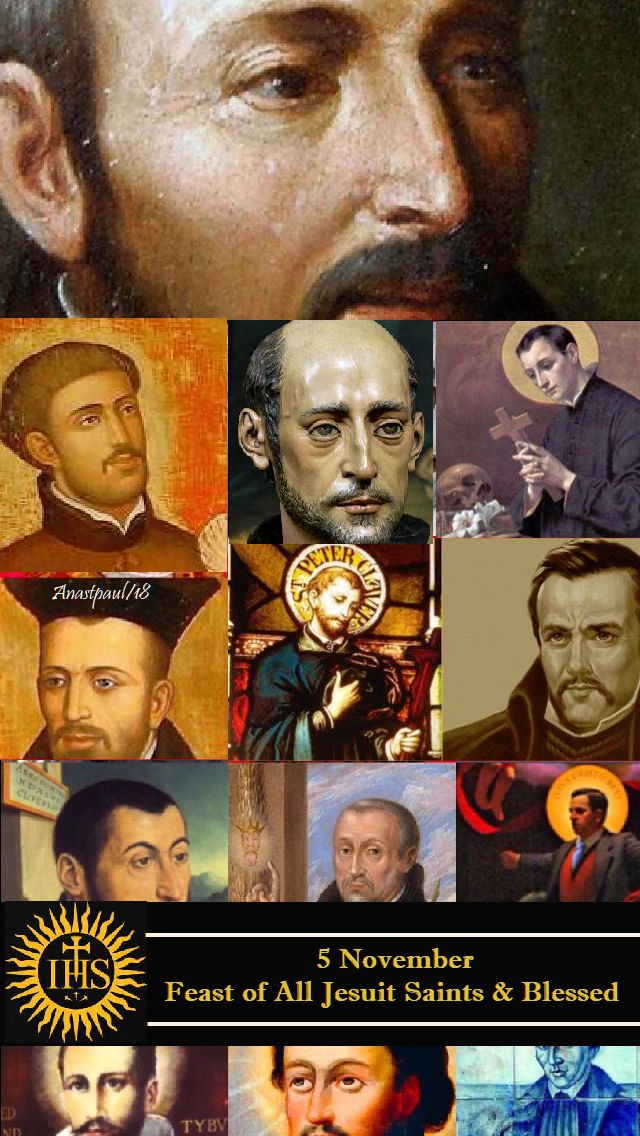
All Saints and Blesseds of the Society of Jesus: The Society of Jesus, commonly known as the Jesuits, was Founded in 1534 by Saint Ignatius Loyola (1491-1556) at Montmartre, Paris, France. A body of clerics regular organised for Apostolic work, following a religious rule and relying on alms for their support. It was the chief instrument of the Catholic Reformation. Pope Paul III approved the new rule in 1540 and Ignatius was elected the first general of the order in 1541. The constitutions, drafted by him and based on his Spiritual Exercises were adopted in 1558. It was the first order which enjoined by its constitutions devotion to the cause of education. The ministry of the Society consists chiefly in preaching. teaching catechism. administering the sacraments. conducting missions in parishes, taking care of parishes. organising pious confraternities, teaching in schools of every grade, writing books, pamphlets, periodical articles, going on foreign missions and special missions when ordered by the current Holy Father, to whom they take a vow of total obedience. Our current Holy Father, Pope Francis is a Jesuit and has jokingly wondered aloud who is boss of whom in his Order. The general resides at Rome, Italy and has a council of assistants. The motto of the Society is Ad Majorem Dei Gloriam (For the greater glory of God). All Jesuit Saints and Blesseds: https://anastpaul.com/2018/11/05/feast-of-all-the-saints-and-blesseds-of-the-society-of-jesus/
St Canonica St Comasia St Dominator of Brescia +St Elizabeth (1st Century) Mother of St John the Baptist St Domninus the Physician St Epistemis St Eusebius of Terracina St Felix of Terracina St Fibitius St Galation
St Gerald OSA (1070–1123) Bishopof Béziers from 1121 until the day of his death, Canon Regular of St Augustine and the 2nd Prior of the community at Cassan Abbey, Apostle of the poor and sick, Gerald built a Hospital and restored and extended the Abbey, Miracle-worker. Born around 1070 in Puissalicon and died on 5 November 1123 in Béziers in France of natural causes. Patronages – Puissalicon and the town of Saint-Guiraud and of children suffering from eye diseases. His Life of Love: https://anastpaul.com/2023/11/05/saint-of-the-day-5-november-saint-gerald-of-beziers-osa-1070-1123-bishop/
Bl Gomidas Keumurjian Bl Gregory Lakota St Guetnoco St Hermenegild St Idda St Juan Antoni Burró Mas St Juan Duarte Martín St Kanten St Kea St Laetus (Died 534) Priest and Confessor of Orleans St Magnus of Milan St Mamete St Marco of Troia St Spinulus of Moyen-Moûtier St Sylvanus of Syria
Martyrs of Caesarea Maritima – 4 Saints: Four young Christian men who were Martyred together is the persecutions of Maximian – Aussenzius, Philotheus, Timothy and Theotimus. They were martyred in the arena at Caesarea Maritima, Palestine.
One Minute Reflection – 4 Novemer – “The Month of The Holy Souls in Purgatory” – Saint Charles Borromeo (1538-1584) – Sirach 44:16-27; 45:3-20 – Matthew 25:14-23 – Scripture search here: https://www.drbo.org/
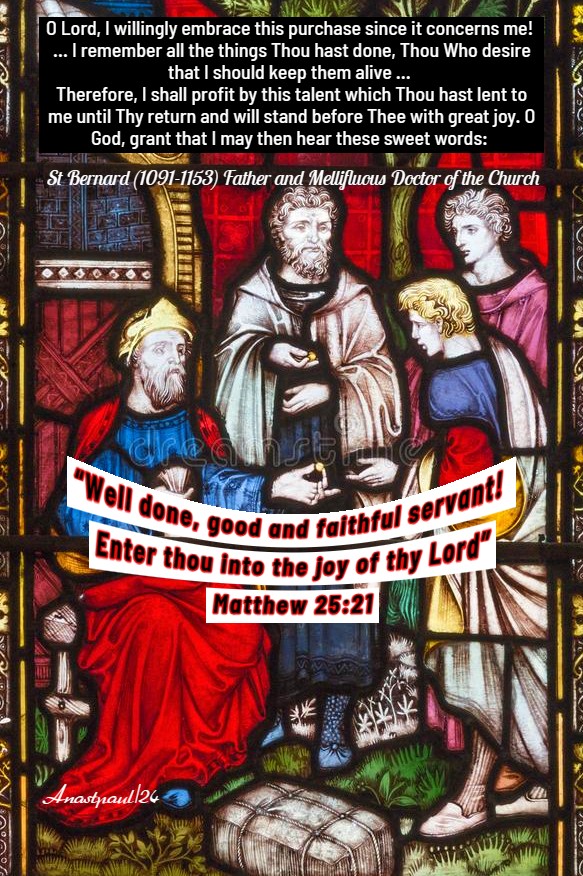
“Well done, good and faithful servant … Enter thou into the joy of thy Lord.”- Matthew 25:21
REFLECTION – “The Word of the Father, Only-begotten Son of God, Sun of Justice (Mal 3:20), is the great Merchant Who has brought us the price of our redemption. It is a truly precious exchange which we can never value sufficiently, when a King, Son of the King Most High, has become the Coin, the Gold has paid our dues, the Just Man is given for the sinner. Truly unmerited mercy, perfectly disinterested love, astonishing goodness …, it is a completely disproportionate purchase, in which the Son of God is delivered up for the servant, the Creator is put to death for the one He has created, the Lord is condemned for His slave.
O Christ, these are Thine Works, Thou Who descended from Heaven’s brightness into our hellish darkness, to bring Light to our gloomy prison. Thou came down from the Right Hand of the Divine Majesty, into our human misery, to redeem the human race, Thou Who descended from the Father’s glory, to death on the Cross, to triumph over death and its author. Thou art the only One and there is no other but Thee Who could have been drawn to redeem us through Thine Own Goodness…
Let all the merchants of Teman (Bar 3:23) withdraw from this place … it is not they but Israel [Thy] beloved whom [Thou hast] chosen, Thou Who hide these mysteries from the wise and prudent and have revealed them to those babes and humble servants of Thine (Lk 10:21) … O Lord, I willingly embrace this purchase since it concerns me!… I remember all the things Thou hast done, Thou Who desire that I should keep them alive … Therefore, I shall profit by this talent which Thou hast lent to me until Thy return and will stand before Thee with great joy. O God, grant that I may then hear these sweet words: “Well done, good and faithful servant! Enter thou into the joy of thy Lord” (Mt 25:21).” – St Bernard O.Cist. (1091-1153) Cistercian Monk, known as the Last Father and the Mellifluous Doctor of the Church (Selected sermons, no 42: The Five Purchases).
PRAYER – Safeguard Thy Church, O Lord, under the continual protection of St Charles, Thy Confessor and Bishop, so that just as his concern for his flock made him glorious, so his intercession may make us ever fervent in loving Thee. Through Jesus Christ, Thy Son our Lord, Who lives and reigns with Thee, in the unity of the Holy Ghost, God, world without end. Amen (Collect).
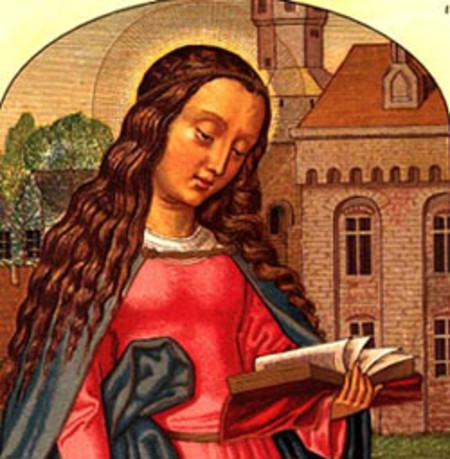
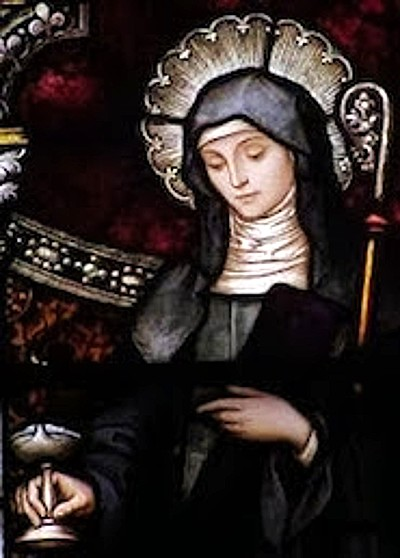
Saint of the Day – 4 November – Saint Modesta (Died c680) Virgin of Trier, Abbess of the Monastery of Ohren in Trier founded by her uncle St Modoald. Also known as – Modesta of Ohren, … of Trier (formerly Treves).
The Roman Martyrology reads today: “At Treves, St Modesta, Virgin.”
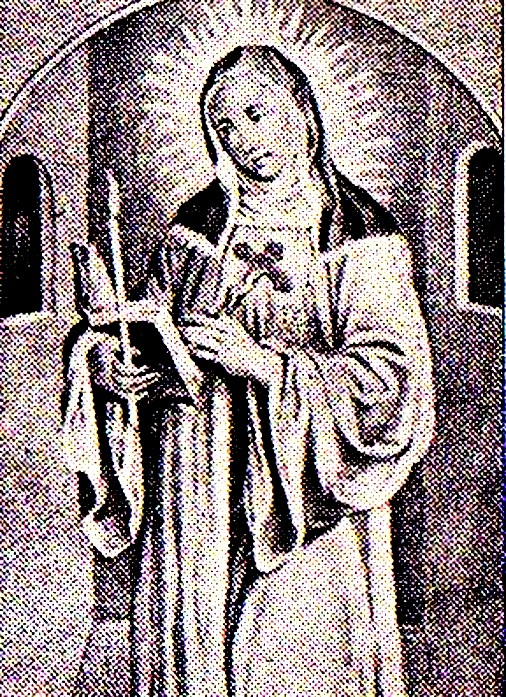
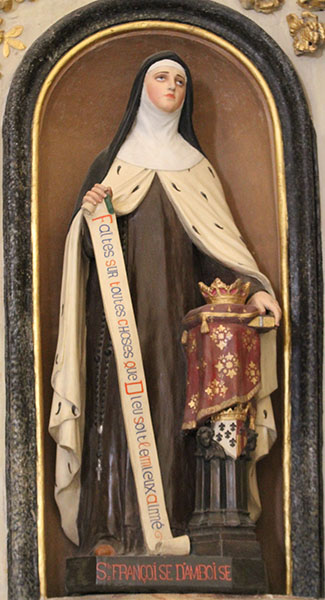
Beata Francisca de Amboise – Iglesia de San Patern – Vannes – Fr
Modesta was the niece of St Itta and, therefore, a cousin of St Gertrude (626–659). Modesta became a Benedictine Nun and was appointed the 1st Abbess, by Saint Modoald, her uncle and the Bishop of Trier, for the Convent of Ohren, situate in Trier.
The Abbey was built on the site of ancient Roman granaries still remaining on the site. It was later dedicated to the Patronage of Saint Irmina of Ohren, the Abbey’s 2nd Abbess.
Modesta died on 4 November of a year towards the end of the 7th Century and her body was venerated ind in 1769 in the Church of the Abbey of St.Irmina in Öhren. In 1770, the Church was destroyed and rebuilt, but no altar was dedicated to the Saint. According to local believers, her Relics were transferred to the Church of St Matthias, where they rest among the bones of many Saints.
Her cult has been documented since at least the 9th Century and her name appears among the virgins in the Litanies of the Saints, calendars and Liturgical books of Trier and Utrecht.

























 AnaStpaul
You must be logged in to post a comment.