Madonna del Faggio (Our Lady of the Beech Tree), Castelluccio, Bologna, Emilia Romagna, Italy (1672) – 26 July, Ascension Thursday:
In 1672 the Blessed Virgin appeared to a shepherd boy and told him that she wished to be venerated at a certain place in the beech woods near Castelluccio in central Italy. Tthe child , following the directions to the site, discovered a terracotta Madonna affixed to one of the trees. The tiny Statue, barely 18 centimetres tall (7 inches) was moved to a wayside Shrine and then, in 1722, to its own mountain Sanctuary. Until 1964 a caretaker lived in the hermitage there. Since then a volunteer opens the Chapel only in summer on Sundays. In 1975 the sacred image was stolen and a copy was made to replace it. Since 1756, an annual pilgrimage on Ascension Day brings the image to the Town and back again, and on St Anne’s day, 26 July, a procession goes to the site of the beech tree where the Statue had been originally found, although the tree itself is no longer there as it fell during a storm. The Sanctuary’s holy card, shown above, does not seem to depict the terracotta image. It may represent one of the paintings of Lorenzo Pranzini, who decorated the interior of the Chapel in the 1800s.
St Benigno of Malcestine Bl Camilla Gentili St Charus of Malcestine Bl Edward Thwing Bl Élisabeth-Thérèse de Consolin St Erastus Bl Évangéliste of Verona St Exuperia the Martyr Bl George Swallowell St Gérontios Bl Giuseppina Maria de Micheli St Gothalm St Hyacinth Bl Jacques Netsetov Bl John Ingram St Joris Bl Marcel-Gaucher Labiche de Reignefort Bl Marie-Claire du Bac Bl Marie-Madeleine Justamond Bl Marie-Marguerite Bonnet St Olympius the Tribune St Parasceva of Rome (Died c 180) Virgin Martyr, Confessor St Pastor of Rome Bl Pérégrin of Verona Bl Pierre-Joseph le Groing de la Romagère
Our Morning Offering – 25 July – “Month of the Most Precious Blood” – Feast of St James the Greater and the Memorial of St Christopher (died c 251)
The Christopher Prayer, Make Us True Christ-Bearers Anonymous
Father, grant that we may be, bearers of Christ Jesus, Your Son. Allow us to fill, the world around us, with Your light. Strengthen us, by Your Holy Spirit, to carry out our mission of living and following the path of Jesus, our Lord. Help us to understand, that by Your grace our gifts are Your blessings, to be shared with others. Fill us with Your Spirit of love to give glory to You in loving all and preaching by our love. Nourish in us the desire to go forth as the bearers of Your Son fearless and gentle, loving and merciful. Make us true Christ-Bearers, that in seeing us, only He is visible. Amen.
Saint of the Day – 25 July – Saint Magnericus of Trier (c 520-596) Bishop and Confessor. Born in c 520 and died on 25 July 596 of natural causes. Also known as – Magnerich, Magnerico, Magnerik, Meinrich. Magnericu. Magnericus was a friend and disciple of St Gregory of Tours, mentioned in his History of the Franks and ordained St Géry, one of his disciples, who became Bishop of Cambrai-Arras. St Venantius Fortunatus (c 530 – c 609) (his life here:https://anastpaul.com/2019/12/14/saint-of-the-day-14-december-saint-venantius-fortunatus-c-530-c-609/) described the Bishop as virtuous and charitable and an “ornament of bishops“.
Magnericus was born and grew up in Trier, Germany. Not much is known about his early life. Once installed as Bishop, he continued the work begun by his predecessor of restoring the City of Trier and its environs. He founded several clerical communities and Churches, including St.Eucharius and St Paulin. He had a great devotion to Saint Martin of Tours and built several Monasteries and Churches dedicated to him. He converted the Holy Cross Church in Trier into an Oratory in honour of St Martin; it later became the Abbey of St. Martin. Other Churches Magnericus dedicated to St Martin are in Ivois, Carden on the Moselle and a second one in Trier.
He lived in the residence of Bishop Nicetius,and accompanied the Bishop into exile when Nicetius was banished by King Clotaire I. This was an act of revenge for the King being excommunicated. Magnericus returned to Trier the next year. He was Ordained by Nicetius in 566.
He gave sanctuary to Bishop Theodore of Marseilles when he was exiled by Guntramnus of Burgundy in 585 and pleaded with King Childebert II on behalf of the Bishop.
Magnericus was close to the Merovingian Royal house and Childebert II, who made him Godfather of his son,Theudebert II. In 587 he attended a family congress of Kings Childebert and Guntram, which nearly cost him his life. At the meeting, Duke Boso, who had been condemned by the King, fled to his house and took the Bishop hostage. The house was set on fire at the King’s command but fortunately, Magnericus escaped with his life.
The proximity to the Merovingian family and his influence on the fortunes of Austrasia and the Gallic Church helped him maintain urban and regional domination until his death.
He was buried in the cemetery of St Martins. Around the year 1000 Abbot Eberwin wrote a hagiography of the Bishop, whereupon his veneration spread throughout Lorraine. In 1506 his grave was opened but after the destruction of the Church during the French Revolution, his remains disappeared.
Notre-Dame du Saguenay / Our Lady of Lac Bouchet, Quebec (1920) – 25 July:
The Saguenay Fjord is an ancient glacial valley that has been overrun with sea water. In the year 1828 a surveyor, Joseph Bouchette, ventured into the region for the purpose of collecting data for topographical maps. It was during this expedition that he found a suitable site for a future village, which Pascal Dumais and his family later settled. This marked the founding of the village of Lac-Bouchette, with more and more people coming to settle in the area until the village had 300 inhabitants by 1888. Our story actually begins with a man named Charles Napoleon Robitaille, a salesman who travelled the roads in and around Quebec. During the winters he would have to cross frozen rivers and it was in the winter of 1878 while trying to cross the Saguenay River that the ice broke under the weight of his horse and sleigh. Pulled beneath the surface of the icy waters, Charles was alone and completely helpless. Knowing he was dying, he implored the Blessed Virgin Mary to save him. Charles miraculously survived, and managed to escape from the river with his life. He knew the Virgin had assisted him and so to honour Mary and her recent apparition at Lourdes, he asked Louis Jobin to create a huge Statue of the Blessed Virgin sculpted in the image of Our Lady of Lourdes, the Immaculate Conception. He envisioned the Statue in the heights overlooking the mouth of the river. The Statue Jobin sculpted became known as Notre-Dame du Saguenay.
The finished Statue is an impressive more than 10,5 metres high and weighs 3 tons. Sculpted of solid white pine, it was then sheathed in lead to protect it from the harsh weather. Hauling such a huge Statue into place was a difficult task in the late nineteenth century. After being constructed, it was broken down into 14 separate pieces and then hoisted into place and rebuilt. The Statue made Louis Jobin the most famous sculptor of the time,and it has become a regional landmark, with visitors from all over the world assembling at her feet to sing the Ave Maria.
In 1889 the mission Church of Saint Thomas Aquinas was built and the next year Father Joseph Ironwood became the first Priest there A second Church was soon built, in 1898, as the population increased dramatically. Now, on the north shore of Lake Bouchet, in the Province of Quebec, there stand the buildings of a Friary and the Sanctuary of Our Lady of the Saguenay. In 1920, Father Elzear Delamarre built a house and a private Chapel dedicated to Saint Anthony of Padua on the site, which later became known as the hermitage of Saint Anthony and is one of the national Shrines in Quebec. So began the pilgrimage-shrine that has since grown steadily in popularity. After Father de Lamarre’s death in 1925, the Capuchin Franciscans took over the property, built their house and Church there and minister to the thousands of pilgrims who visit the Blessed Mother at her Sanctuary.
St Cugat del Valles Bl Darío Acosta Zurita St Ebrulfus St Fagildo of Santiago St Felix of Furcona St Florentius of Furcona St Glodesind of Metz St Magnericus of Trier (c 520-596) Bishop and Confessor Bl Michel-Louis Brulard Bl Mieczyslawa Kowalska St Mordeyren St Nissen of Wexford St Olympiad of Constantinople St Paul of Palestine
St Theodemir of Cordoba — Martyrs of Caesarea – 3 saints: Three Christians martyred together in the pesecutions of emperor Maximilian and governor Firmilian – Paul, Tea and Valentina. 309 in Caesarea, Palestine.
Martyrs of Cuncolim – 20 saints: On 15 July 1583 the group met at the church of Orlim, and hiked to Cuncolim to erect a cross and choose land for a new church. Local anti-Christian pagans, seeing the unarmed Christians, gathered their weapons and marched on them. One of the parishioners, a Portuguese emigre named Gonçalo Rodrigues, carried a firearm, but Father Alphonsus Pacheco stopped him from using it. The pagans then fell upon them, and killed them all without mercy. They were – • Alphonsus Pacheco • Alphonsus the altar boy • Anthony Francis • Dominic of Cuncolim • Francis Aranha • Francis Rodrigues • Gonçalo Rodrigues • Paul da Costa • Peter Berno • Rudolph Acquaviva • ten other native Christian converts whose names have not come down to us They were martyred on Monday 25 July 1583 at the village of Cuncolim, district of Salcete, territory of Goa, India. Beatified on 30 April 1893 by Pope Leo XIII.
Saint of the Day – 24 July – Saint Christina Bolsena (3rd Century) Virgin Martyr. Born in the 3rd Century, probably at Rome, Italy into the family Anicii and died in the late 3rd Century at Lake Bolsena, Tuscany, Italy. Patronages – archers, mariners, millers . Also known as Cristina Anicii, Cristina of Tyro, Cristina.
Dolci, Carlo; Saint Christina of Bolsena
The Roman Martyrology’s entry today says: “At Tyro, in Tuscany, on the lake Bolsena, St Christina, Virgin and Martyr. Believing in Christ and breaking up her Father’s gold and silver idols to give them to the poor, she was cruelly scourged by his command, subjected to other most severe torments and thrown with a heavy stone into the lake, from which she was drawn out by an angel. Then, under another Judge, who succeeded her Father, she bore courageously still more bitter tortures. Finally, after she had been shut up by the Governor, Julian, in a burning furnace for five days, without any injury and being cured of the sting of serpents, she ended her Martyrdom by having her tongue cut out and being pierced with arrows.”
St Christina was the daughter of Urbain, a rich and powerful magistrate. . At least one account says that she destroyed her father’s golden idols and distributed their peices among the poor.
Saint Christina giving her father’s idols of gold to the poor, 17th-century painting.
By her father’s command, Christina was tortured to death. Her executions tore into her body with iron hooks. Afterward, they fastened her to a rack and lit a strong fire under her . Narratives say that God protected Christina by turning the burning flames against her onlookers. Next, although a heavy stone was tied around her neck to drown her in Bolsena Lake, an angel loosened the bonds and saved her. Unexpectedly, Christina’s father died while she was being tortured. Perhaps a glimmer of remorse saved his soul from eternal death!
Christina was again tortured by the magistrate who succeeded her father. The writer Fr Alban Butler states, that Christina remained unhurt inside a burning furnace for 5 days. Once removed, serpents could not bite her. In a rage, Christina’s torturers cut out her tongue and shot her to death with arrows. The island-city, Tyro, where she was executed was swallowed up by waters in the course of time.
Chapel of our Lady of the Rosary of Santi Giovanni e Paolo (Venice) – Martyrdom of St Christina by Sante Peranda
St.Christina’s relics are kept at Palermo in Sicily in a Basilica named for her. Her courage is testament to her perfect love for Jesus. “There is no fear in love but perfect love casts out fear. (Jn. 4:18)”
The Tomb of St Christina with Buglioni sculpture in the centre. Tthe Statue illustrates the stone used in the attempt to drown her.
Foundation of Our Lady of Cambron, France (1148) – 24 July:
This feast day celebrates the Foundation of the Abbey of Our Lady of Cambron, near Mons, in Hainault, Belgium, by Anselm de Trasigny, Lord of Peronne and Canon of Soignies, in the year 1148. The Abbey of Cambron was founded on the River Blanche and was a daughter house of Saint Bernard of Clairvaux. It was situated some distance from Mons in Cambron-Casteau in Hainaut, Belgium and took its name from the land on which it was built. Cambron, in its turn, had daughter houses in the Abbeys of Fontenelle at Valenciennes and six other sites. The image of Our Lady formerly honoured at Cambron was famous for a great number of miraculous cures. A Chapel dedicated to Our Lady of Cambron, was built at Mons in 1550 in a part of the Prince’s park. In the following centuries the magistrates of Mons had a beautiful door built for the Shrine and added other embellishments. There was a small but well honoured and visited Oratory. In 1559, thieves broke into the Chapel and stole everything of value. After the French Revolution when the State took over all properties belonging to the Church, this Chapel of Our Lady of Cambron was also taken. It was demolished after all the wood, iron and lead was removed. The Statue of the Blessed Virgin which decorated the Altar was then placed in the Church of Saint Elizabeth at Mons. The Abbey of Cambron was rebuilt in the 18th Century but was ordered to be vacated in 1783 by the Holy Roman Emperor Joseph II. It was later sold to a wealthy Count who built a mansion on the property and the land remained in his family’s hands until it was sold in 1993 to a family, who turned the holy and once revered site, into the location of a public zoo known as the Pairi Daiza. Verneration of Our Lady of Cambron: “In 1322 there was a serious incident at Cambron. An image of the Virgin Mary was profaned. The widely held suspicion was that a Jewish perpetrator had falsified conversion to Christianity to gain access to the image. The affair caused significant unrest and provoked the sympathy of many Christians. There were prayers and devotions held to repair the image. Thus the devotion to Our Lady of Cambron was begun. After a request by the King of France Philip of Valois, Pope Benedict XII issued a Papal Bull granting indulgences to pilgrims to Cambron. The pilgrimage to the Virgin of Cambron was thus begun. A solemn procession takes place each year on the third Sunday of Easter.”
Among the pilgrims and visitors were several important figures, including the Emperor Maximilian I, who, passing through Belgium in the early 16th century, visited the Sanctuary of Our Lady of Cambron. He gave the Abbey sufficient funds to commission the restoration of the painted image.
The above very old and blurred image relates the legend of the attack on the Holy Painting
Martyred in England: John Boste Joseph Lambton Nicholas Garlick Richard Simpson Robert Ludlam
Martyred in the Spanish Civil War: Bl Cándido Castán San José Bl Cecilio Vega Domínguez St Ignacio González Calzada St Jaime Gascón Bordas Bl José Joaquín Esnaola Urteaga Bl José Máximo Moro Briz St Josep Guillamí Rodo St Marcos Morón Casas Bl Maria Angeles of Saint Joseph Bl Maria Mercedes Prat Bl Maria Pilar of Saint Francis Borgia Bl Teresa of the Child Jesus and of Saint John of the Cross St Xavier Bordas Piferrer
Saint of the Day – 23 July – Blessed Giovanna of Orvieto OP (c 1264-1306) Virgin, Tertiary of the Order of Preachers, Mystic, Stigmatist , miracle-worker. Born in c 1264 at Carnaiola, Italy and died on 23 July 1306, aged 42, of natural causes. She was known for her wise intellect and for her intense devotion to serving the will of God while being noted for the charism of prophecy and visions. Patronages – embroiderers, seamstresses, Italian working women (chosen in 1926). Also known as Jane and Vanna of Orvieto.
The Roman Martyrology states of her today: “In Orvieto in Umbria, Blessed Giovanna, Virgin, Sister of Penance of Saint Domenic, distinguished for charity and patience.”
Giovanna was born near Orvieto, in 1264 of humble peasant parents who both died when she was very young. Moved by a celestial instinct, she entrusted herself entirely to the custody of the Angels, whose loving protection she was deeply aware of.
At the age of ten, she consecrated herself to Jesus and was already yearning for a life of complete dedication to Him. In the meantime she grew beautiful and graceful, while the plan to enter the Third Order of St Dominic, then in bloom, was maturing in her heart. members publicly wore the habit and led religious life, without however, leaving their respective homes.
Realising her decision, the relatives, with whom Giovanna lived, and who had already promised her to a rich young man of the area, showed themselves highly indignant at her decision and began to hinder her in every way.
The young girl then, left Carnaiada and took refuge in nearby Orvieto, where other relatives assisted her, offering her a solitary room and the freedom to serve God. Giovanna, who was only 14 years old at the time, was thus able to receive the white habit of the Order.
Her life was an admirable ascent in the most heroic ways of love. Encouraged by very high contemplation, she entered with so much tenderness in the mysteries of the Passion of Jesus, that she deserved a painful participation in it.
In the last ten years of her life, every Friday, when she entered into ecstasy, she looked like a living crucifix and her bones dislocated with so much clatter, as if they were shattered. To her fellow citizens she was a mirror and teacher of Christian life.
After her death, which took place on 23 July 1306 in Orvieto, from the wound in her side, living blood flowed and God honoured her with many miracles. Her body rests in the Town Church of St Domenic. In 1926 she was elected Patroness of Italy for female workers, seamstresses and embroiderers.
The year after her death, her body was transferred to the Chapel of the Three Kings and many miracles occurred, giving impetus to the process of Beatification, which, however, was not completed for more than 400 years
Giovanna was Beatified on 11 September 1754 by Pope Benedict XIV (cultus confirmed).
Madonna di Altino / Our Lady of Altino, Albino, Bergamo, Lombardy, Italy (1496) – 23 July:
On 23 July 1496, during a heatwave and drought,Quinto Foglia and his two little boys were walking from their home in Vall’Alta to the wooded slopes of Monte Altino, where they worked making charcoal. Stricken with thirst and afraid for his children, Quinto prayed to the Madonna. She appeared and told him to strike a rock with his staff. When he did, a spring surged forth. The next day, people began building a little Chapel, which was completed on 5 September 1496. In 1865 a statuary group depicting the apparition was installed in the Sanctuary. On 23 July 1919, in thanksgiving for her protection during World War I, the Madonna’s Statue was solemnly crowned. The Shrine celebrates its feast with an evening procession on 22 July and solemn Mass on 23 July, the anniversary of both the apparition and the crowning.
Bl Beaudoin of Beaumont St Conan of Cornwall Bl Emilio Arce Díez St Eugene of Rome St Herundo of Rome Blessed Giovanna of Orvieto OP (c 1264-1306) Virgin, Tertoary of the Order of Preachers, Mystic, Stigmatist
Bl Pedro Ruiz de los Paños Angel St Phocas the Gardener St Primitiva of Rome St Rasyphus of Macé St Rasyphus of Rome St Ravennus of Macé St Redempta of Rome St Romula of Rome St Severus of Bizye St Theophilus of Rome St Trophimus of Rome St Valerian of Cimiez Bl Wojciech Gondek — Martyrs of Barcelona – 7 beati: Seven Christians, some lay people, some members of the Missionaries of the Sacred Hearts of Jesus and Mary and some of the Franciscan Daughters of Mercy, who were martyred in two groups on the same day in the Spanish Civil War. • Catalina Caldés Socías • Francesc Mayol Oliver • Miquel Pons Ramis • Miquela Rul-Làn Ribot • Pau Noguera Trías • Prudència Canyelles Ginestà de Aguadé • Simó Reynés Solivellas 23 July 1936 in Barcelona, Spain. They were Beatified on 28 October 2007 by Pope Benedict XVI. Martyrs of Bulgaria: An unknown number of Christians killed for their faith during the 9th century war between the Greek Emperor Nicephorus and the Bulgars.
Martyrs of Carabanchel Bajo – 9 beati: A group of nine Passionist priests, brothers and clerics who were martyred together in the Spanish Civil War. • Anacario Benito Nozal • Felipe Ruiz Fraile • Felipe Valcobado Granado • José Osés Sainz • José Ruiz Martinez • Julio Mediavilla Concejero • Laurino Proaño Cuesta • Manuel Pérez Jiménez • Maurilio Macho Rodríguez 22 July 1936 in Carabanchel Bajo, Madrid, Spain. They were Beatified on 1 October 1989 by Pope John Paul II.
Martyrs of Horta – 10 beati: A lay woman and nine Minim nuns who were martyred together in the Spanish Civil War. • Ana Ballesta Gelmá • Dolors Vilaseca Gallego • Josefa Pilar García Solanas • Josepa Panyella Doménech • Lucrecia García Solanas • Maria Montserrat Ors Molist • Mercè Mestre Trinché • Ramona Ors Torrents • Teresa Ríus Casas • Vicenta Jordá Martí 23 July 1936 at the Sant Genís dels Agudells highway, Horta, Barcelona, Spain. They were Beatified on 27 October 2013 by Pope Benedict XVI.
Martyrs of Manzanares – 5 beati: Five Passionist clerics who were martyred together in the Spanish Civil War. • Abilio Ramos y Ramos • Epifanio Sierra Conde • José Estalayo García • Vicente Díez Tejerina • Zacarías Fernández Crespo They were shot on 23 July 1936 in Manzanares, Ciudad Real, Spain and Beatified on 1 October 1989 by Pope John Paul II.
One Minute Reflection – 22 July –“Month of the Most Precious Blood” – Feast of St Mary of Magdala – Readings: Song of Solomon 3:1-4, Psalm 63:2-6, 8-9, John 20:1-2, 11-18
“Whom do you seek?” – John 20:15
REFLECTION – “Only the hearing that catches the Word possesses the truth … “Do not touch me,” says the Lord. He meant: – depend no longer on this fallible sense, put your trust in the Word, get used to faith. Faith cannot be deceived. With the power to understand invisible truths, faith does not know the poverty of the senses; it transcends even the limits of human reason, the capacity of nature, the bounds of experience. Why do you ask the eye to do what it is not equipped to do? And why does the hand endeavour to examine things beyond its reach? What you may learn from these senses is of limited value. But faith will tell you of Me without detracting from My greatness. Learn to receive with greater confidence, to follow with greater security, whatever faith commends to you.
“Do not touch me, for I have not yet ascended to my Father.” As if, after He had ascended, He wished to be, or could be, touched by it! And yet, He could be touched but by the heart, not by the hand – by desire, not by the eye; by faith, not by the senses. “Why do you want to touch Me now?” He says … “Do you not remember that, while I was still Mortal, the eyes of the disciples could not endure, for a short space, the glory of My Transfigured Body that was destined to die? I still accommodate Myself to your senses by bearing this form of a servant (Phil 2:7) which you are accustomed to seeing. But this glory of Mine is too wonderful for you … Defer your judgement, therefore, … With its fuller comprehension, faith will define it more worthily and more surely … They, therefore, will touch Me worthily, who will accept Me as being seated with the Father (Mk 16:19; Ps 110[109]:1), no longer in lowly guise but in My own flesh, transformed with heaven’s beauty. Why wish to touch what is ugly? Have patience, that you may touch Me in My Beauty.” – St Bernard (1091-1153) – Cistercian Monk and Doctor of the Church – Sermons on the Song of Songs, no. 28, 9-10
PRAYER – Almighty, ever-living God, Your only-begotten Son, Jesus Christ made Mary of Magdala the first herald of Easter joy. Grant that, following her example and helped by her prayers, we may, in this life, proclaim the living Christ and come to see Him reigning with You in glory. Through our Lord Jesus Christ, in unity with the Holy Spirit, one God forever and ever, amen.
Saint of the Day – 22 July – Saint Philip Evans SJ (1645-1679) Priest ,Martyr, Missionary, Confessor. Born in 1645 in Monmouth, Monmouthshire, Wales and died by being hanged, drawn and quartered 22 July 1679 on Gallows Field in Cardiff, Wales, aged 34 years. Additional Memorial – 25 October as one of the Forty Martyrs of England and Wales,
Philip was born in Wales and studied at the English college at Saint-Omer in Flanders, where he entered the Jesuits and continued his studies. After he was Ordained in 1675, he was missioned back to South Wales where he served four years before he was arrested. During that time he became known for his zeal and charity and was fearless in caring for the Catholics entrusted to him.
He refused to leave Wales when persecution of Catholics increased after the Titus Oates plot of September 1678 falsely accused Jesuits of planning to assassinate King Charles II. The government normally offered a reward of 50 pounds for the arrest of a Jesuit but the local Welsh Magistrate, a staunch Calvinist, offered an additional 200 pounds for the arrest of Father Evans. Despite the threat, he continued serving as the chaplain of Christopher Turberville in Glamorgan, where the constables arrested him after he refused to take the oaths of allegiance and supremacy, which recognised the King as supreme in all religious matters.
For the first three weeks of captivity, Fr Philip remained in solitary confinement in an underground cell. Then he was brought up to the regular prison where he joined Fr John Lloyd, a Diocesan Priest. They waited five months before going to trial on 3 May 1679 because the prosecution could not find witnesses to testify that they were indeed Priests. Eventually a woman and her daughter said that they had received the Sacraments from the Jesuit, which was true. Evans was found guilty of high treason and sentenced to be hanged, drawn and quartered but the execution was deferred until 22 July when the sheriff took both Priests to Gallows Field, outside Cardiff.
Philip is the only one of the many Priests to be Martyred in England and Wales who learned of his execution date while playing tennis. A prisoner in Cardiff Castle, he was allowed to exercise. While he was engaged in a tennis match, he received the news that he would be murdered the next day. Elated by the news, he asked if he could finish the match but was not permitted to do so. Instead, he took up a harp back in his prison cell and sang praise to God for calling him to be a Martyr.
When he mounted the ladder at the gallows, he said: “This is the best pulpit a man can have to preach in, therefore, I can not forbear to tell you again that I die for God and religion’s sake.” At the time of his Martyrdom, Father Evans was 34 years old and had been a Jesuit for 14 years.
The only Marian Feast I can find for today seems to be unverified, in other words, I can find absolutely no references online relating to this invisible Shrine.
St Baudry of Montfaucon St Claudius Marius Victorinus of Saussaye St Cyril of Antioch St Dabius Bl Jacques Lombardie St John Lloyd St Joseph of Palestine St Lewine St Lucia Wang Wangzhi
St Maria Wang Lishi St Meneleus of Ménat St Movean of Inis-Coosery St Pancharius of Besancon Bl Paolo de Lara St Philip Evans SJ (1645-1679) Priest Martyr St Plato of Ancyra St Syntyche of Philippi St Theophilus of Cyprus
Martyrs of Marula/Massylis: – 3 saints: Three Christians martyred together. We know nothing else about them but the names – Ajabosus, Andrew and Elian. They were martyred in Massylis (Marula), Numidia (in modern Algeria).
Martyrs of Massilitani: A group of Christians martyred together in northern Africa. Saint Augustine of Hippo wrote about them.
Martyred in the Spanish Civil War: Bl Jaime María Carretero Rojas Bl Joaquin Rodríguez Bueno Bl José María Mateos Carballido Bl Juan Durán Cintas Bl Ramón María Pérez Sous
Saint of the Day – 21 July – Saint Arbogast of Strasbourg (Died 678) Bishop of Strasbour, Missionary, Monk, Hermit, Confessor, miracle-worker. Born as Arascach (Irish) in the 7th century in Ireland and died in 678 in Strasbourg of natural causes. Patronage – St Arbogast is the Principal Patron of the Diocese and City of Strasbourg. T he Roman Martyrology states: “At Strasbourg, St Arbogastus, a Bishop, renowned for miracles.”
We have very little historical information of his life, other than that he came to Francie, lived as a Hermit quickly gathering a reputation for wisdom and holiness. He was then appointed Bishop of Strasbourg and is venerated as the saint who brought Christianity to the Alsace. Because of this, the Christian name “Arbogast” became especially popular in the region. His origin is generally believed to be Ireland,
According to the vita, a 10th-century hagiographical account of his life, Arbogast found a warm friend in the King Dagobert II of Austrasia, who reigned between 673-679. On Dagobert’s accession, Arbogast was appointed Bishop of Strasbourg and was famed for sanctity and miracles.
Still according to the vita, Arbogast brought back to life Dagobert’s son, Siegebert, who had been killed by a fall from his horse. Siegebert had been boar hunting with his father’s huntsmen in forests and became separated from the others. He encountered a boar and his startled horse reared, throwing him and trampling him while his foot was caught in his stirrup. His companions found him and took him home, where he died the next day. King Dagobert summoned Arbogast,and the holy man prayed to Mary, Mother of God – as she had carried the life of the entire world, would she not intercede for the life of this one boy? Siegebert stood up in his burial shroud. When the King offered Bishop Arbogast money in reward, he declined, suggesting instead, that land be donated to build a Cathedral at Strasbourg..
St Arbogast’s prayers raise King Dagobert’s son to life
His life as a Hermit in the forest of Haguenau is the domain of legend. But what is true is that the great Bishop Arbogast, installed throughout his territory, Monasteries intended to shine the light of the Gospel in the pagan countryside: – let us mention the Abbey of Surbourg, in the forest of ‘Haguenau and, near Strasbourg, an Abbey which will later bear the name of our saintly Bishop.
Knowing that “it is the Lord who builds up the city,” he put his hope in the prayers of his Monks. Arbogast himself had a great devotion to Saint Martin of Tours, to whom he dedicated, the Monastery of Surbourg.
For six years, he was thus the Good Shepherd of his Church, filled with divine Wisdom, holy virility and fatherly goodness. He spoke the Word of God in the power of the Holy Spirit. Thus his Church experienced a true Christian renewal, he himself deserved to enter into the joy of his Lord as a good and faithful servant and to receive from Christ, the Prince of Shepherds, the incorruptible crown of glory (En.).
According to the vita, he died in 678. His body was buried in the City cemetery and near his grave stood a Chapel, which he had dedicated to Saint Michael. Later, his relics were transferred in part to the Saint-Arbogast Monastery, near Strasbourg, where, his memory is celebrated every year as a Monk and Bishop of great holiness and miracles..
St Arbogast appears on the Coat of Arms of Batzendorf and today, on his Feast, a special Mass, granted by the Holy Father, is celebrated in his honour.
Strasbourg Cathedral`
Collect: O God, you wanted Blessed Arbogast, Your confessor and Pontiff, to become wholeheartedly, he model of his flock; grant us to realise, under his protection in our deeds, what he taught by the word of his mouth.
Notre-Dame-de-Verdun / Our Lady of Verdun, Lorraine , France (5th Century) – 21 July:
The present Cathedral of Notre-Dame-de -erdun is both a Cathedral and a national monument of France. It has a long and ancient history. It was in about the year 330 when Saint Sanctinus, a disciple of Saint Denis, converted the City of Verdun to the True Faith and later ,made it an Episcopal City when he became its first Bishop. He built a Church there in honour of Saints Peter and Paul. In the year 457 Saint Pulchrone, built the first Church located at the site where Our Lady of Verdun is presently located. The fifth Bishop of Verdun, Saint Pulchrone, built the Church inside the walls of the City on ancient Roman ruins. This Church was actually named to honour of the Blessed Virgin Mary as Mother of God, a title that had recently been confirmed at the Councils of Ephesus and Chalcedon. It was at the Council of Ephesus in 431 that Mary was formally affirmed to be Theotokos, “God-bearer,” or “the one who gives birth to God.” At Chalcedon, the nature of Christ was formally defined, teaching that He was God and man, “one and the same Christ, Son, Lord, Only-begotten, known in two natures, without confusion, without change, without division, without separation.” With this definition Mary was shown to be the Mother of God and not just of Our Lord in His human nature. The Church and Our Lady of Verdun was celebrated for numerous miracles. In the year 990, Bishop Heimon built a new Cathedral to Our Lady of Verdun, and in the 12th century a choir and two portals were added. In 997, the Emperor Otto III conferred on this Bishop Heimon, or Haymon, the title of Count, making him and his successors Episcopal Counts. The Cathedral was consecrated by Pope Eugene III in 1147. In the 14th century the flat wooden ceiling was replaced with a vaulted ceiling and side-Chapels were added to the nave. Another side Chapel, dedicated to the Blessed Virgin of the Assumption, was built in the 16th century. In 1755 the roof and towers were hit by lightning, which set them both on fire, which did significant damage to the Church. In 1760 the Church was repaired and rebuilt in the Neo-Classical style.
The Cathedral was once again severely damaged in World War I, as it was hit by artillery rounds in the Battle of Verdun, which destroyed the towers. The crypt was rediscovered during the renovation that went on until the year 1936 and a re-inauguration took place in 1935. The millennial celebration of the Cathedral took place in 1990. The Arbennes family were the Counts of Verdun, and Godfrey of Bouillon was a member of that family. Godfrey gave up his right to the title before leaving on the First Crusade.
St Lawrence of Brindisi OFM Cap (1559-1619) Doctor of the Church (Optional Memorial) St Lawrence is known as the “Franciscan Renaissance Man” – he was a Religious member of the Franciscan Friars Minor Capuchin, a Priest, Theologian, Vicar General of the Franciscans, Language scholar, Apologist of immense and calm resources, Humanist, Philosopher, Biblicist, Preacher, Missionary, Professor, International Administrator, Confidant of Popes, Emperors, Kings and Princes, Diplomatic envoy, Army Chaplain, Military Strategist and Morale builder, Polemicist, Prolific writer. Biography: https://anastpaul.com/2018/07/21/saint-of-the-day-21-july-st-lawrence-of-brindisi-ofm-cap-1559-1619-doctor-of-the-church-the-franciscan-renaissance-man/
Bl Agrícola Rodríguez García de Los Huertos St Alberic Crescitelli
St Arbogast of Strasbourg (Died c 678) Bishop St Barhadbescialas St Benignus of Moyenmoutier Bl Claudius of Avignon St Claudius of Troyes St Corona of Marceille Bl Cristóbal López de Valladolid Orea Bl Daniel Molini St Daniel the Prophet St Eleutherius of Marseille St Eternus of Evreaux Bl Gabriel Pergaud St Iosephus Wang Yumei St John of Edessa St John of Moyenmoutier Bl Juan de Las Varillas Bl Juan de Zambrana St Jucundinus of Troyes St Julia of Troyes St Justus of Troyes Bl Parthenius of Thessaly St Praxides of Rome St Simeon Salus
St Wastrada St Zoticus of Comana — Martyrs of Africa – 6 saints: Six Christians who were martyred together. We know no other details about them but the names – Emilian, Hugal, Motanus, Saphus, Stercorius and Victor. They were martyred in an unknown location in Africa, date unknown.
Saint of the Day – 20 July – Saint Joseph Barsabbas the Just (1st Century) Disciple of Jesus, Martyr Bishop. Also known as – Justus, Barsabbas, Joseph Basassas, Joseph of Barsabas, Joseph the Just.
The Roman Martyrology states today: “The birthday of the blessed Joseph, surnamed the Just, whom the Apostles selected with the blessed Matthias, for the Apostleshop in the place of the traitor, Judas. The lot having fallen upon Matthias, Joseph, notwithstanding, continued to preach and advance in virtue and after having sustained from the Jews, many persecutions for the Faith of Christ, happoily ended his life in Judea.”
“Wherefore, of these men who have companied with us all the time that the Lord Jesus came in and went out among us; beginning from the baptism of John, until the day wherein he was taken up from us, one of these must be made a witness with us of his resurrection. And they appointed two, Joseph, called Barsabas, who was surnamed Justus,and Matthias. And praying, they said: Thou, Lord, who knowest the heart of all men, shew whether of these two thou hast chosen, to take the place of this ministry and apostleship, from which Judas hath, by transgression fallen, that he might go to his own place. And they gave them lots and the lot fell upon Matthias and he was numbered with the eleven apostles.” ― Acts 1:21 – 26 D-R
St John Chrysostom writes, “The other candidate (Joseph) was not annoyed, for the apostolic writers would not have concealed failings of their own, seeing they have told of the very chief Apostles, that on other occasions had indignation and not only once but again and again.”
It clear that Joseph Barsabbas (also called “Justus”) must have spent much time with the Apostles and witnessed many of the wondrous events in the life of Jesus. Further identification of Joseph is uncertain. In Christian tradition he is numbered among the Seventy disciples mentioned in Luke 10:1–24, although the biblical text mentions no names. “After these things the Lord appointed other seventy also and sent them two and two before his face into every city and place, whither he himself would come.” (10:1)
Very little is known about Joseph Barsabbas outside of the apostle selection by lots. Tradition believes that he went to Eleutheropolis (about 25 miles from Jerusalem) where he became Bishop Justus of Eleutheropolis. The town was renamed over the centuries. Its original Aramaic name Beth Gabra, translates as the “house of the mighty one.” The Romans gave it the Greek name, Eleutheropolis, meaning “City of the Free.”
Rev Alban Butler says – “After the dispersion of the disciples he preached the gospel to many nations and among other miracles, drank poison without receiving any hurt, as Papias and from him ,Eusebius, testify. This saint, from his extraordinary piety, was surnamed the Just.“
Nuestra Señora de Zocueca / Our Lady of Zocueca, Bailén, Jaén, Andalucía, Spain (1808 – 20 July:
Around 1150, Mozarabic Christians built a rudimentary Chapel near the Rumblar River, the Guadalquivir tribuitary that waters this region in southern Spain, at a place called Zocueca. When Alfonso VII reconquered the area in 1155, people gave thanks to the Virgin at the Shrine. In the 1400s it was was rebuilt, and from this period the graceful, standing Gothic Statue of the Mother and Child seems to date, although tradition holds it to be older than the first Chapel.
During the cholera epidemic of 1681, the people vowed to hold an annual feast in honour of the Virgin, preceded by a day of fasting, if she would save them. The promise has been kept on 5 August ever since. The Chapel was re-decorated in Baroque style in the 1700s.
In 1808, people again thanked the Virgin of Zocueca for her help during the Battle of Bailén, the first Spanish victory against Napoleon. Annually since 1810, the municipality commemorates the battle with a series of civil, patriotic, and religious events from 17-22 July, reaching their greatest splendour on the 20th, when the Patroness, the Virgin of Zocueca, goes through the City streets in procession. Another event in her honour, the romería or pilgrimage, takes place on the last Sunday in September in thanks for her help in ending a plague of locusts which threatened the region’s crops in the late 1800s. Men carry the Statue, bristling with decorations, on their shoulders from its usual home in the Church of the Incarnation in Bailén, to the Sanctuary four miles distant, where overnight vigil is kept before a sunrise Mass. In 1925, the Virgin of Zocueca was proclaimed “Captain General” and her Statue given a military sash. After the Statue burned in the Civil War, religious sculptor Jose Maria Alcacer made a replica, blessed on 5 August1954.
Bl Anne Cartier St Ansegisus St Aurelius of Carthage St Cassian of Saint Saba St Chi Zhuze St Elijah the Prophet
St Elswith
Blessed Gregory Lopez (1542-1596) “The Mystery Man” – Hermit, Spiritual Advisor, Writer. Around 1585, word of a “Mystery Man” began to leak into Mexico City, a strange hermit who lived out in the lonely valley of Guesteca, who walked miles to go to Mass, lived totally subject to “Lady Poverty” and had travelled from the Shrine of Our Lady of Guadalupe in Spain (which dates from 712), to her Shrine in Mexico (which dates from 1531). Biography: https://anastpaul.com/2018/07/20/saint-of-the-day-20-july-blessed-gregory-lopez-1542-1596/
St Joseph Barsabbas the Just (1st Century) Disciple of Jesus, Bishop, Martyr
St José María Díaz Sanjurjo St Joseph Barsabas
Blessed Luigi Novarese (1914-1984) Priest, Apostle of the Sick, Co-Founder. Blessed Luigi with Sr Psorulla, founded the Apostolate of the Suffering as well as the Silent Workers of the Cross. He also established the Marian Priest League and the Brothers and Sisters of the Sick. He built several homes for those who were ill and disabled. Blessed Luigi’s life: https://anastpaul.com/2020/07/20/saint-of-the-day-20-july-blessed-luigi-novarese-1914-1984/
St Maria Fu Guilin St Mère St Paul of Saint Zoilus St Rorice of Limoges St Severa of Oehren St Severa of Saint Gemma St Wulmar
Martyrs of Corinth – 22 saints: 22 Christians who were martyred together. We know nothing else about them but the names – • Appia • Calorus • Cassius • Celsus • Cyriacus • Donatus • Emilis • Felix • Fructus • Magnus • Maximus • Nestita • Partinus • Pasterus • Paul • Romanus • Spretus • Tertius • Theodolus • Ueratia • Valerian • Victor. They were martyred in Corinth, Greece.
Martyrs of Damascus – 16 saints: 16 Christians who were martyred together. We know the names of six of then, but no details about any of them – Cassia, Julian, Macrobius, Maximus, Paul and Sabinus. They were martyred in Damascus, Syria, date unknown.
Martyrs of Seoul – 8 saints: Eight lay native Koreans in various states of life who were murdered together for their faith. • Anna Kim Chang-gum • Ioannes Baptista Yi Kwang-nyol • Lucia Kim Nusia • Magdalena Yi Yong-hui • Maria Won Kwi-im • Martha Kim Song-im • Rosa Kim No-sa • Theresia Yi Mae-im They were martyred on 20 July 1839 at the Small West Gate, Seoul, South Korea and Canonised on 6 May 1984 by St Pope John Paul.
Martyrs of Zhaojia – 3 saints: Married lay woman and her two daughters in the apostolic vicariate of Southeastern Zhili, China. During the persecutions of the Boxer Rebellion, the three of them hid in a well to avoid being raped. They were found, dragged out, and killed for being Christian. Martyrs. They were – Maria Zhao Guoshi (mother), Maria Zhao and Rosa Zhao (sisters). They were martyred in late July 1900 in Zhaojia, Wuqiao, Hebei, China.
Martyrs of Zhujiahe – 4 saints: Two Jesuit missionary priests and two local lay people who supported their work who were martyred together in the Boxer Rebellion during and immediately after Mass. • Léon-Ignace Mangin • Maria Zhu Wushi • Paul Denn • Petrus Zhu Rixin They were martyred on 20 July 1900 in church in Zhujiahe, Jingxian, Hebei, China and Canonised on 1 October 2000 by St Pope John Paul.
Martyred in the Spanish Civil War: • Blessed Abraham Furones y Furones • Blessed Antoni Bosch Verdura • Blessed Francisca Aldea y Araujo • Blessed Jacinto García Riesco • Blessed Joan Páfila Monllaó • Blessed Josep Tristany Pujol • Blessed Matías Cardona-Meseguer • Blessed Rita Josefa Pujalte y Sánchez • Blessed Vicente López y López
Quote/s of the Day – 19 July – “Month of the Most Precious Blood” – Readings: Exodus 14: 5-18; Exodus 15: 1bc-2, 3-4, 5-6; Matthew 12: 38-42 and the Memorial of St Arsenius s the Great (c 354-c 449)
“The men of Nineveh will rise up at the judgement with this generation and condemn it, for they repented …”
Matthew 12:41
“If you will, you can make me clean.”
Mark 1:40
“I have come, to warn the faithful, to amend their lives and ask pardon for their sins. They must not continue to offend Our Lord, Who is already too much offended.”
Our Lady of Fatima 1917
There is still time for endurance, time for patience, time for healing, time for change. Have you slipped? Rise up! Have you sinned? Cease! Do not stand among sinners but leap aside!”
St Basil the Great (329-379) Father and Doctor of the Church
“Today, for those who will not repent at the approach of the kingdom of heaven, the reproof of the Lord Jesus is the same… As for when the end of the world will be, that is God’s concern… Even so, the time is very near for each of us, for we are mortal.”
St Augustine (354-430) Father & Doctor of Grace
“Brethren, the just man shall scarcely be saved. What, then, will become of the sinner?”
Saint of the Day – 19 July – Saint Arsenius the Great (c 354-c 449) Deacon, Hermit, Ascetic, theologian, writer. Born in s 354 in Rome and died in c 449 at Troë near Memphis, Egypt of natural causes. Arsenius one of the most highly regarded of the Desert Fathers, whose teachings were greatly influential on the development of asceticism and the contemplative life. His contemporaries so admired him as to surname him “the Great”. Also known as – Arsenius the Roman, Arsenius the Deacon.
The Roman Martyrology states of him today: “At Scete, a mountain in Eqypt, St Arsenius, a Deacon of the Roman Church, in the time of Theodosius, he retired into a wilderness, where, endowed with every virtue and shedding continual tears, he yielded his soul to God.”
Arsenius was born in Rome to a Christian, Roman senatorial family. After his parents died, his sister Afrositty was admitted to a community of virgins,and he gave all their riches to the poor, and lived an ascetic life. Arsenius became famous for his virtue and wisdom. Emperor Theodosius the Great, having requested the Emperor Gratian and Pope Damasus to find him in the West a tutor for his son Arcadius, decided on Arsenius, a man well read in Greek literature, a member of a noble Roman family and a Deacon. Upon receving the request to become the tutor of young Arcadius, he left and reached Constantinople in 383 and continued as tutor in the imperial family for eleven years, during the last three of which he also had charge of his pupil’s brother ,Honorius.
Coming one day to see his children at their studies, Theodosius found them sitting while Arsenius talked to them standing. This he would not tolerate and he ordered the teacher to sit while the pupils stood.
Upon his arrival at Court, Arsenius had been given a splendid establishment, and probably because the Emperor so desired, he lived a very great lifestyle but all the time felt a growing inclination to renounce the world. After praying for a long time to be enlightened as to what he should do, he heard a voice saying “Arsenius, flee the company of men and thou shalt be saved.” Thereupon he embarked secretly for Alexandria and hastening to the desert of Scetis, asked to be admitted among the solitaries who dwelt there.
St John the Dwarf, to whose cell he was conducted, though previously warned of the quality of his visitor, took no notice of him and left him standing by himself while he invited the rest to sit down at table. When the John was half finished with his meal, he threw down some bread before Arsenius, bidding him, with an air of indifference, to eat if he would. Arsenius meekly picked up the bread and ate, sitting on the ground. Satisfied with this proof of humility, St.John kept him under his direction. The new solitary was from the beginning most exemplary, yet unwittingly retained some of his old habits, such as sitting cross-legged or laying one foot over the other. Noticing this, the Abbot requested someone to imitate Arsenius’s posture at the next gathering of the brethren and upon his doing so, forthwith rebuked him publicly. Arsenius took the overt hint and corrected himself.
During the fifty-five years of his solitary life he was always the most meanly clad of all, thus punishing himself for his former seeming vanity in the world. In like manner, to atone for having used perfumes at Court, he never changed the water in which he moistened the palm leaves of which he made mats but only poured in fresh water upon it as it wasted, thus letting it become of bad odour.
Even while engaged in manual labour, he never relaxed in his application to prayer . At all times copious tears of devotion fell from his eyes. But what distinguished him the most ,was his disinclination to all that might interrupt his union with God. When, after a long period of searching, his place of retreat was discovered, he not only refused to return to Court and act as adviser to his former pupil the Emperor Arcadius but he would not even be his almoner to the poor and the Monasteries of the neighbourhood. He invariably denied himself to visitors, no matter what their rank and condition and left to his disciples the care of entertaining them.
His contemporaries so greatly admired him that they gave him the surname “the Great.” A biography of Arsenius was written by Theodore the Studite (750–826). Two of his writings are still extant – a guideline for monastic life titled “Instruction and Advice” and a commentary on the Gospel of Luke titled “On the Temptation of the Law.” Apart from this, many sayings attributed to St Arsenius are contained in a collection of quotations of the Saints in the Orthodoz tradition.
Saint Arsenius was a man who lived in solitude and silence, as evidenced by an adage of his: “Many times I spoke and as a result felt sorry but I never regretted my silence.”
Nuestra Señora del Milagro / Our Lady of the Miracle, Lima, Peru (1630) – 19 July and 27 November:
The Franciscan Friars who accompanied the Conquest to Peru hung an image of the Immaculate Conception over the door of their first Church in Lima. On missionary journeys around the region, they would take the image, “La Misionera,” with them. They were in Cusco, the Inca capital, on 23 May 1536 when, during the rebellion of Manco Inca against the two-year Spanish regime, natives trapped many Spaniards in a hut and set fire to the straw roof. La Misionera was seen by all to leave her place inside and to appear above the burning building together with Santiago (St.James the Greater). The fire ceased and all were saved. In honoUr of this event, the Spanish built the Church of the Triumph, now an adjunct of the Cusco Cathedral. Back in Lima, after the Franciscans surrounded the little Chapel with a big Monastery complex, the image over the door was gradually forgotten. By the 1600s, it had one regular devotee, a poor woman. One day she heard the Virgin speak: “You alone, daughter, among all the people here, visit me and pray to me. One day I will repay you.” After the woman told saintly Brother Juan Gomez, he often remarked, “Lima does not recognise the great good it has in this miraculous image, but soon it will know.”
On 27 November 1630, when most of the people of Lima were attending a bullfight in the main plaza, a violent earthquake struck the City. All were terrified, for it seemed certain that they would perish. But those near the Franciscan Church saw the image of Our Lady turn in the direction of the Blessed Sacrament, with her hands held in suppliant gesture. Abruptly, the earthquake stopped.
Several hours later, at vespers that evening, while the populace was leaving the Church, the image, in full view of all present, returned to its original position, when the Marian hymn Tota Pulchra was intoned. This painting shows the Virgin kneeling in prayer, with her arms crossed upon her breast, presumably interceding for Lima.
Now called “Our Lady of the Miracle,” the image was given a magnificent new Church. In 1835, the church burned down. Only the image remained intact. On J19 une 1953, the Papal Nuncio crowned the miraculous image The feast of Our Lady of the Miracle is on 27 November the anniversary of the 1630 earthquake and today the Crowning is honoured each year.
St Ambrose Autpertus Bl Antonio of Valladolid St Aurea of Cordoba St Arsenius the Great (c 354-c 449) Deacon, Hermit, Desert Father. Bl Bernhard of Rodez St Daria of Constantinople St Epaphras of Colosse St Felix of Verona
St Macrina the Younger (c 327-379) Virgin, Ascetic. With charm and grace, St Macrina ruled the roost in a family of saints. St Basil the Elder and St Emmelia, her parents, had ten children including the younger St Basil the Great (329-379) Father and Doctor of the Church, St Gregory of Nyssa (c 335–C 395) Father of the Church and St Peter of Sebaste Bishop (c 340–391). As the eldest child, Macrina exercised a formative influence on her more famous brothers and even on her mother. Her Life: https://anastpaul.com/2019/07/19/saint-of-the-day-19-july-saint-macrina-the-younger-c-327-379/
St Martin of Trier St Michael the Sabaitè Bl Pascasio of Lyon
St Romain of Ryazan St Pope Symachus St Vicente Cecilia Gallardo — Martyrs of Meros – 3 saints: Three Christians tortured and martyred together in the persecutions of emperor Julian the Apostate and governor Almachio. We know nothing else about them but the names – Macedoniuis, Tatian and Theodule. They were burned to death on an iron grill in Meros, Phrygia (in modern Turkey).
Martyrs of China: 3 Beati Elisabeth Qin Bianshi Elisabeth Ioannes Baptista Zhu Wurui Simon Qin Chunfu
Saint of the Day – 18 July – Saint Arnulf of Metz (c 580-640) Bishop of Metz, France, Monk, miracle-worker, widower and father. Born in c 580 at Lay-Saint-Christophe, France and died in c 640 near Remiremont , France. Also known as – Arnold, Arnoul. Patronage – of Brewers.
The Roman Martyrology states of him today: “At Metz in France, St Arnulf, a Bishop illustrious for holiness and the gift of miracles. He chose an eremitical life and ended his blessed career in peace.”
Arnulf’s parents belonged to a distinguished Frankish family and lived in the eastern section of the kingdom founded by Clovis.
In the school where Arnulf was placed as a boy, he excelled through his talent and his good behaviour. According to the custom of the age, he was sent in due time to the Court of Theodebert II, King of Austrasia (595-612), to be initiated in the various branches of the government. Under the guidance of Gundulf, the Mayor of the Palace, he soon became so proficient that he was placed on the regular list of Royal Officers and among the first of the King’s ministers. He distinguished himself both as a military commander as well as in the civil administration and at one time, he had six distinct Provinces under his care.
In due course, Arnulf was married to a Frankish woman of noble lineage, by whom he had two sons – Anseghisel and Clodulf. While Arnulf was enjoying worldly emoluments and honours, he did not forget higher and spiritual things. His thoughts often dwelt on monasteries and with his friend Romaricus, also an Officer of the Court, he planned to make a pilgrimage to the Abbey of Lérins, evidently for the purpose of devoting his life to God.
However, in the meantime, the Episcopal See of Metz became vacant. Arnulf was universally designated as a worthy candidate for the office and he was Consecrated Bishop of that See around 611, before this he had become a widower. In his new position he set the example of a virtuous life to his community and attended to matters of ecclesiastical government. In 625 he took part in a Council held by the Frankish Bishops at Reims. With all these different activities, Arnulf still retained his station at the Court of the King, and played a prominent role in the national life of his people.
In 613, after the death of Theodebert, he, with Pepin of Landen and other nobles, called on Clothaire II, King of Neustria with a view to friendship. When, in 625, the realm of Austrasia was entrusted to the late King’s son Dagobert, Arnulf became, not only the tutor but also the chief minister, of the young King. At the time of the estrangement between the two Kings, (Clothaire II and Dagobert) in 625 Arnulf, with other Bishops and nobles, tried to bring about a reconciliation. Arnulf now dreaded the responsibilities of the episcopal office, and grew weary of Court life.
About the year 626 he obtained the appointment of a successor to the Episcopal See of Metz and he and his friend, Romaricus withdrew to a solitary place in the mountains of the Vosges. There he lived in communion with God until his death.
His remains, interred by Romaricus, were transferred about a year afterwards, by Bishop Goeric, to the Basilica of the Holy Apostles in Metz.
Miracles of St Arnulf: Arnulf was tormented by the violence that surrounded him and feared that he had played a role in the wars and murders that plagued the ruling families. Obsessed by these sins, Arnulf went to a bridge over the Moselle river. There he took off his Bishop’s ring and threw it into the river, praying to God to give him a sign of absolution by returning the ring to him. Many penitent years later, a fisherman brought to the Bishop’s kitchen a fish in the stomach of which was found the Bishop’s ring. Arnulf repaid the sign of God by immediately retiring as Bishop and becoming a hermit for the remainder of his life.
At the moment Arnulf resigned as Bishop, a fire broke out in the cellars of the Royal Palace and threatened to spread throughout the City of Metz. Arnulf, full of courage and feeling unity with the townspeople, stood before the fire and said, “If God wants me to be consumed, I am in His hands.” He then made the Sign of the Cross, at which point, the fire immediately abated.
It was July 642 and very hot, when the Parishioners of Metz, went to Remiremont to recover the remains of their former Bishop. They had little to drink and the terrain was inhospitable. At the point when the exhausted procession was about to leave Champigneulles, one of the Parishioners, Duc Notto, prayed “By his powerful intercession the Blessed Arnold will bring us what we lack.” Immediately, the small remnant of beer at the bottom of a pot multiplied, in such amounts, that the pilgrims’ thirst was quenched and they had enough to enjoy the next evening when they arrived in Metz. For this reason he is known as the Patron Saint of Brewers.
Notre-Dame-de-Bonne Délivrance /Our Lady of Good Deliverance (14th Century): 18 July Since the 1000s, the Church of Saint-Etienne-des-Grès in the old Latin Quarter of Paris had a chapel to Our Lady of Good Deliverance, where, across the centuries, pilgrims sought the Virgin’s help in their of sufferings. During the Wars of Religion and counter-Reformation, her Confraternity had 12,000 members, including the King and Queen of France. About: https://anastpaul.com/2020/07/18/saint-of-the-day-18-july-our-lady-of-good-deliverance/
Schwarzen Madonna / Black Madonna of Einsiedeln, Schwyz, Switzerland (853) – First Sunday after Our Lady of Mount Carmel:
“Einsiedeln” means “hermitage.” It was the home of St Meinrad (c 797–861) Martyr, a Benedictine Monk who retreated to this place in the pine woods to live in solitude, with a pair of tame crows for company. Abbess Hildegarde of Zurich gave him a Statue of the Madonna for the forest Chapel built in 853, which soon became a place of pilgrimage. In 863, hoping to get his stash of pilgrim donations, two thieves murdered the Saint, who was living in poverty. The crows alerted people, who found and buried the body and executed the killers. St Meinrad’s life here: https://anastpaul.com/2021/01/21/saint-of-the-day-21-january-saint-meinrad-of-einsiedeln-osb-c-797-861-martyr/
In 948, Benedictines built a Church on the site of St Meinrad’s hermitage. On 14 September, the night before Bishop Conrad was to bless the new Church, he dreamed that Jesus Himself was blessing it. In the morning, when he began the ceremony, everyone heard a voice say, “Stop, for the Church has been Consecrated divinely.” In 1028 the first of five fires destroyed everything but the Chapel containing the Statue. These miracles increased popular devotion to the Shrine, which was repeatedly rebuilt.
Although tradition holds the present Statue to be the original, it is unlike any that remain from the Ottonian period. Carved of dark wood, the graceful, sweet-faced Madonna, her right knee slightly bent, stands a little over three feet tall, holding the Divine Child in her left arm. This is a typical late Gothic work of the mid-1400s, possibly installed after the third fire in 1465. Displayed before a great aureole of golden rays,the Statue has worn elaborate vestments in colours matching those of Priests for each liturgical season. The Feast of Our Lady of Einsiedeln is 16 July but is usually celebrated on the Sunday following. Even greater pilgrimages occur on 14 September in honour of the Church’s miraculous Consecration.
St Aemilian of Dorostorium St Alanus of Sassovivo St Alfons Tracki Blessed Angeline of Marsciano Bl Arnold of Amiens St Arnold of Arnoldsweiler St Arnoul the Martyr St Arnulf of Metz (c 580-640) Bishop St Athanasius of Clysma Bl Bernard de Arenis Bl Bertha de Marbais
St Goneri of Treguier St Gundenis of Carthage Bl Herveus Bl Jean-Baptiste de Bruxelles St Marina of Ourense St Maternus of Milan St Minnborinus St Pambo of the Nitrian Desert St Philastrius of Brescia St Rufillus of Forlimpopoli St Scariberga of Yvelines
St Theneva St Theodosia of Constantinople — Martyrs of Silistria – 7 saints: Seven Christians who were martyred together. No details about them have survived but the names – Bassus, Donata, Justus, Marinus, Maximus, Paulus and Secunda. They were martyred in Silistria (Durostorum), Moesia (in modern Bulgaria), date unknown.
Martyrs of Tivoli – 8 saints: A widow, Symphorosa and her seven sons ( Crescens, Eugene, Julian, Justin, Nemesius, Primitivus and Stracteus) martyred in Tivoli, Italy in the 2nd-century persecutions of Hadrian.
Saint of the Day – 17 July – Saint Andrew Zorard OSB (c 980 – c 1008) Hermit, Benedictine Monk, Missionary, spiritual guide, ascetic. Born in c 980 in Opatowiec, Poland and diedin c 1010 in of natural causes. Patronages – Hungary, Nitra, Diocese of Nitra, Diocese of Tarnów, St Andrew Abbey in Cleveland. Also known as – Sverad, Svorad, Swierad, Swirad, Wszechrad, Zoerardus, Zoërard, Zurawek, Zórawek.
Andrew was born around 980 in Opatowiec, a small village in Poland. A tradition in the small village of Tropie holds, that in his youth he lived near there as a Monk. At around the year 1000, when he was 20 years old, he began living as a Hermit and a Missionary, evangelising in Olawa, Silesia (modern Poland). At some time, he also travelled to northern Hungary (Slovakia).
Around the year 1003 Andrew settled in St Hippolytus Monastery on Mount. Zobor near Nitra – then part of the Kingdom of Hungary, present day Slovakia. He became a Benedictine Monk in the Abbey. He took the name “Andrew” at his profession. He became the spiritual guide of St Benedict of Skalka (Died 1012). Andrew and Benedict, with the permission of their superior Philip, later left the Monastery and became Hermits in a cave along the Váh River.
St Benedict (left) and St Andrew
Andrew died of natural causes around 1008. He practiced such severe austerities that, according to legend, the iron chain, which he wore wrapped around the belt, eventually grew into his flesh.
Benedict continued to live in the cave for three years until he was murdered by a gang of thieves looking for treasure. In 1083 Andrew’s relics were transferred to St.Emmeram’s Cathedral in Nitra where they remain to this day. A biography of Benedict and Andrew was written by Maurus of Nitra, Bishop of Pécs.
Andrew is venerated especially in Slovakia, Hungary and Poland,but also in diaspora communities of the United States. His feast day is 17 July but in some calendars he is venerated together with Benedict on 13 June.
Slovakian Postage Stamp honouring St Andrew
King Géza I of Hungary declared him one of the Patron Saints of Hungary. As early as 1064, King Géza took the first steps towards his Canonisation. His cult was officially confirmed in July 1083 by Pope Gregory VII, thanks to the Hungarian King Ladislaus I.
Madonna della Campitelli / Our Lady of Campitelli, Italy (524) – 17 July and 2 February:
The Sanctuary of Sancta Maria in Campitelli is one of the most celebrated of Rome. It is dedicated to the Blessed Virgin Mary, and is located on the Piazza di Campitelli in Rome, Italy. There is venerated at the Church a precious image that was transported from the portico of the palace of the Roman matron, Galla Patrizia Seveath, to whom the Virgin herself appeared on 17 July 524. The icon is only 25 centimeters high. Mention is made of the miraculous appearance by Pope Gregory the Great. The image is known as Our Lady in the Portico, or the Madonna del Portico. The Church where the icon was kept was known as Santa Galla Antiqua and it used to be located just north of the Piazza Bocca della Verita and west of the Via Petroselli. It was destroyed by Mussolini under pretext that the street should be widened. In the year 1618 the congregation was transferred to a new Church known as Santa Maria in Campitelli, finished in 1667. The work of the Shrine is that of the architect Rainaldi. The new edifice was erected by vote of the people in thanksgiving for the preservation of the city from the pestilence of 1656 and was designed in the Baroque style. There are tall columns on the façade of the church that were intended to include statues, although the statues were never completed as originally planned.
The icon of Our Lady of Campitelli is surrounded by an ornate Shrine behind the High Altar and there is a stairway behind the display that allows a closer inspection of the famous Icon. It is not open to the general public. Many times the sacred image of Our Lady of Campitelli has been carried in procession through the streets of Rome – the people invoking Mary’s protection against pestilence, epidemics and earthquakes. This image is also invoked under the title of Our Lady of Security and two feasts are commemorated in Mary’s honour – 17 July and 2 February.
St Andrew Zorard OSB (c 980 – c 1008) Hermit, Monk, Missionary Bl Arnold of Himmerod Bl Bénigne Bl Biagio of the Incarnation
Bl Carlos de Dios Murias OFM Conv (1945-1976) Priest Martyr St Cynllo St Ennodius of Pavia St Fredegand of Kerkelodor St Generosus St Gorazd St Hedwig, Queen of Poland St Hyacinth of Amastris St Kenelm St Pope Leo IV St Marcellina St Nerses Lambronazi
St Petrus Liu Zeyu Bl Sebastian of the Holy Spirit Bl Tarsykia Matskiv St Theodosius of Auxerre St Theodota of Constantinople St Turninus
Martyrs of Compiegne (16 beati): Sixteen Blessed Teresian Martyrs of Compiègne. Eleven Discalced Carmelite nuns, three lay sisters and two lay women servants who were martyred together in the French Revolution. They were the earliest martyrs of the French Revolution that have been recognised. • Angelique Roussel • Anne Pelras • Anne-Marie-Madeleine Thouret • Catherine Soiron • élisabeth-Julitte Vérolot • Marie Dufour • Marie Hanniset • Marie-Anne Piedcourt • Marie-Anne-Françoise Brideau • Marie-Claude-Cyprienne Brard • Marie-Françoise de Croissy • Marie-Gabrielle Trezel • Marie-Geneviève Meunier • Marie-Madeleine-Claudine Lidoine • Rose-Chretien de Neuville • Thérèse Soiron • They were guillotined on 17 July 1794 at the Place du Trône Renversé (modern Place de la Nation) in Paris, France.
Martyrs of Scillium (12 saints): A group of twelve Christians martyred together, the final deaths in the persecutions of Emperor Marcus Aurelius. Upon their conviction for the crime of being Christians, the group was offered 30 days to reconsider their allegiance to the faith; they all declined. Their official Acta still exist. Their names – • Acyllinus • Cythinus • Donata • Felix • Generosa • Januaria • Laetantius • Narzales • Secunda • Speratus • Vestina • Veturius They were beheaded on 17 July 180 in Scillium, Numidia (in North Africa).
Saint of the Day – 16 July – St Reinildis of Saintes ( c 630 – c 700) Virgin, Laywoman, Martyr, Pilgrim. Born in c 630 in Kontich, Belgium and died by being beheaded in c 700 outside a Chapel in Saintes (in modern Halle), Belgium. by the invading Huns. Also known as – Reinildis of Condacum, Reinildis of Kontich, Rainelde, Raineldis, Reinaldes, Reineldis, Reinhild. Patronage – against eye diseases, the Town of Saintes.
The Roman Martyrology states: “At Saintes, in France, this holy Martyrs Reinildis, Virgin and her companions. who were massacred by bbarbarians for the Christian Faith.”
Reinildis was the daughter of St Amalberga (10 July – here: https://anastpaul.com/2017/07/10/saint-of-the-day-10-july-st-amalberge-of-mauberg/) but her birthplace is under discussion, since it is not known whether it is Kontich, just outside Antwerp, or Condésur-Escaut in present-day northern France. although the former seems more likely. Tradition holds that when her parents and sister, St Gudula (8 January), embraced the religious life, Reinildis followed her father to the Abbey of Lobbes, hoping to be able to enter it, giving the Abbey most of her riches and possessions . However, she did not enter for unknown reasons and instead left on a pilgrimage to the Holy Land, where she stayed for seven years (some sources claim only two) and returned with many relics.
On her return she lived in Saintes, near Hal, southwest of Brussels, devoting all her time to assisting the poor and the sick. of the area. She was killed in Saintes during a barbarian raid. With her at the time of her Martyrdom was the servant Gandolfo and a sub-Deacon called Grimoaldo, all three venerated as Martyrs.
A cult began immediately after her death and in 866, the Bishop, St John of Cambrai, exhumed the relics and buried them again in a solemn ceremony. The first Life of St Reinildis dates from this period.
A document from the twelfth century describes the transfer of her relics to Lobbes Abbey probably in 1170 and their authentication by the local Bishop. It seems that this document was a homily written by a Monk of Lobbes on the day of the anniversary of the translation, and it is more hagiographic than historical but, at least it is a reliable testimony, that the cult of Reinildis was widespread in the Saintes area and in the Abbey of Lobbes.
Saint Reinildis’ Patronage against eye diseases is due to the association with a well in Saintes known as “Sainte Renelde’s Well,” the water of which is believed to cure eye diseases.
Saint Reinildis is greatly venerated in Saintes as the Patron Saint of the Town. Some sources even indicate that Saintes owes its name to Reinildis” Martyrdom
The Parish Church of Saintes is, since the Middle Ages, dedicated to Sainte Reinildis and has preserved some of her relics.
Nuestra Señora del Carmen (Rute, Córdoba, Andalucía, Spain) (17th Century)– 16 July, 13 February – Patron of Rute:
By order of Pope Pius XI, Our Lady of Mount. Carmel was proclaimed Patron of the Town of Rute in southern Spain on 13 February1924. Her beloved image goes back to the late 1600s, when Luisa Roldán (La Roldana) of Seville carved the head and hands. Made to be dressed, the Statue did not have a proper body until the 1960s.
It occupies a neo-baroque setting over the High Altar, also of the 1960s. Rute honours its Patron several times a year. The anniversary celebration lasts three days, culminating on 13 February with Mass, presentations to the Chief of the Brotherhood and the Fiesta Queen of gifts made for the Virgin, and a ceremony of kissing the Scapular of Our Lady of Mount. Carmel. Her liturgical feast day, 16 July is the focus of another three-day celebration. On the last Sunday of June, the procession is held, when the Statue goes in procession through the neighbourhood to the main Parish Church of Santa Catalina Mártir. Another triduum is celebrated around the feast of the Assumption, 14-16 August.
Bl André de Soveral St Andrew the Hermit St Antiochus of Sebaste Bl Arnold of Clairvaux Bl Arnold of Hildesheim St Athenogenes of Sebaste
St Bartholomew of Braga OP – ArchBishop of Braga also known as Bl Bartholomew of the Martyrs (Bartolomeu Fernandez dei Martiri Fernandes) (1514-1590) Portuguese Dominican Friar and Priest, Writer, Theologian, Advisor, Teacher and Catechetical writer, Apostle of Charity founding a series of hospitals and hospices in Braga and surrounds. St Bartholomew: https://anastpaul.com/2018/07/16/saint-of-the-day-16-july-blessed-bartholomew-of-the-martyrs-1514-1590/
Bl Claude Beguignot Bl Domingos Carvalho St Domnin St Domnio of Bergamo Bl Dorothée-Madeleine-Julie de Justamond St Elvira of Ohren St Eugenius of Noli St Faustus St Faustus of Rome and Milan St Fulrad of Saint Denis St Generosus of Poitou St Gobbán Beg St Gondolf of Saintes St Grimoald of Saintes St Helier of Jersey Bl Irmengard Bl John Sugar St Landericus of Séez Bl Madeleine-Françoise de Justamond Bl Marguerite-Rose de Gordon Bl Marguerite-Thérèse Charensol Bl Marie-Anne Béguin-Royal Bl Marie-Anne Doux
Bl Marie-Rose Laye Bl Milon of Thérouanne Bl Nicolas Savouret Bl Ornandus of Vicogne St Paulus Lang Fu St Reinildis of Saintes ( c 630 – c 700) Virgin, Laywoman, Martyr Bl Robert Grissold Bl Simão da Costa St Sisenando of Cordoba St Tenenan of Léon St Teresia Zhang Heshi St Valentine of Trier St Vitalian of Capua St Vitaliano of Osimo St Yangzhi Lang — Martyrs of Antioch – 5 saints: Five Christians who were martyred together. No details about them have survived by the names – Dionysius, Eustasius, Maximus, Theodosius and Theodulus. They were Martyred in Antioch, Syria, date unknown.
Quote/s of the Day – 15 July – “Month of the Most Precious Blood” and the Memorial of St Bonaventure OFM (1221-1274) Seraphic Doctor of the Church
“As “pride is the beginning of all sin,” (Eccl. 10:15) so humility is the foundation of all virtue. Learn to be really humble and not, as the hypocrite, humble merely in appearance.”
“Run with eager desire to this Source of Life and Light, all you who are vowed to God’s service.”
St Bonaventure’s Sermon of 4 October 1255
“When we pray, the voice of the heart must be heard , more than that proceeding from the mouth.”
“Have Mercy on Me, O Lady
Have mercy on me, O Lady, for thou art called the Mother of Mercy. And according to thy mercy, cleanse me from all my iniquities. Pour forth thy grace upon me and withdraw not from me thine accustomed clemency. For I will confess my sins to thee and I will accuse myself of all my crimes before thee. Reconcile me to the Fruit of thy womb: and make peace for me with Him, Who has created me. Amen.”
The Psalter of the Blessed Virgin Mary by St Bonaventure
“Mary seeks for those who approach her devoutly and with reverence, for such she loves, nourishes, and adopts as her children. ”
Our Morning Offering – 15 July – “Month of the Most Precious Blood” and the Memorial of St Bonaventure (1221-1274) Seraphic Doctor of the Church
To our Lady of Sorrows By St Bonaventure (1217-1274) Seraphic Doctor of the Church
O most holy Virgin, Mother of our Lord Jesus Christ, by the overwhelming grief you experienced when you witnessed the Martyrdom, the Crucifixion and the Death, of your Divine Son, look upon me, with eyes of compassion and awaken in my heart, a tender commiseration for those sufferings and a sincere detestation of my sins, in order that, being disengaged from all undue affection for the passing joys of this earth, I may sigh after the eternal Jerusalem and that, henceforward, all my thoughts and all my actions may be directed towards this one most desirable object, the honour, glory and love of our divine Lord Jesus, and to you, the Holy and Immaculate Mother of God. Amen.
Saint of the Day – 15 July – Blessed Bernard of Baden TOSF (1428-1458) Margrave of Baden (Margrave was originally the medieval title for the military commander assigned to maintain the defence of one of the border provinces of the Holy Roman Empire.) Tertiary of the Order of St Francis, apostle of the poor and the needy. Born in c 1428 in Hohenbaden Castle, Baden-Baden, Baden-Württemberg, Germany and died on 15 July 1458 in Moncalieri, Italy of natural causes. Also known as – Bernard of Marchio, Bernard II, Margrave of Baden-Baden, Bernhard of Baden, Bernardo, Bernardus, Bernhard. Patronages – Baden, Germany, Baden-Baden, Germany, together with Saint Konrad of Constance , he is the Patron Saint of the Archdiocese of Freiburg, Germany, Moncalieri, Italy.
Blessed Bernard was born in late 1428 or early 1429 (his exact birthday is not known) at Hohenbaden Castle near Baden-Baden in the present state of Baden- Baden. Württemberg in Germany. This Castle was the then tribal seat of the Margraves of Baden and Bernhard was the second son of Margrave James I and his wife Catherine of Lorraine, who was the daughter of Blessed Margaret of the Palatinate and Duke Charles II of Lorraine (1364-1431) .
Berrnard grew up in a deeply religious family. His father,had founded Fremersberg Abbey and expanded the Collegiate Church in Baden-Baden. The Margrave’s house was characterised by a deep devotion and religious practices and a great sense of responsibility towards the family members and subjects.
Bernard received a careful education, which would prepare him for his later role as a sovereign. The intent was that he would be Margrave of Pforzheim, Eberstein, Besigheim and several districts in the northern part of the Margraviate.
He was related to the Habsburg dynasty via his older brother Karl I, who had married Catherine of Austria, a sister of Emperor Frederick III. This relationship should give Bernard access to the imperial Court. But first, he assisted his uncle René of Anjou in an armed conflict in northern Italy. According to contemporary sources, he fought bravely. After his father’s death in 1453, he returned to Baden, where he agreed with his brother to give up his claim to part of the margraviate. Instead, he became Frederick III’s personal envoy, despite his young age.
Bernard saw a number of disgraceful situations and tried to alleviate hardship and poverty wherever he could. He spent most of his income assisting the poor and those in need. Even during his lifetime, he impressed his contemporaries with his unusual and deep piety.
Under pressure, after the fall of Constantinople to the Turks in 1453, the imperial Habsburg family began preparing a Crusade against the expanding Ottoman Empire. In March 1453, the Turks captured Constantinople, the capital of the Greek Empire, after a terrible battle and the City was lost to Christianity. This was the main reason that Frederick III, in particular, saw the need to attempt to rout the Turks. Thus, Bernard left soldier life and embarked on a diplomatic career, which was more in line with his peaceful nature. Emperor Frederick III sent him to various Courts in Germany, France and Italy to arouse interest and raise money for a new Crusade. He was so attracted to this mission to save Christianity, that he soon after handed over the office of Margrave of Baden with all rights to his brother Karl for a period of ten years.
Bernard had, since childhood, lived a very religious life and wanted to support his brother-in-law the Emperor by all means. At the imperial Court he also became an ardent intercessor for the needy, following the teachings of Christ and His Church and seeing the Face of Christ in the poor. Bernard rightly believed, that Godliness should lead to mercy for those in most need. He himself lived as he taught and divided his guaranteed annual income into three: one-third was to be used for the poor, one-third was to benefit the Church, and one-third was for himself. In addition, he led a strictly religious life and gave up all worldly pleasures, which earned him deep respect even during his young lifetime.
Emperor Frederick III held two parliaments in 1455, where he appointed delegations of German Princes to recruit rulers outside Germany to take part in a crusade against the Turks. Bernard’s intention was to work on behalf of Emperor Frederick III for the good of Christianity in the areas that the Turks had occupied. His last voyage as an imperial envoy began in late May 1458 and led him and his companions to the Duchy of Orléans and on to Genoa.
He was on his way to Rome, to meet Pope Callistus III (1455-1458), who himself tried to encourage support for a Crusade with great enthusiasm but little success . But shortly after Bernard left Turin in northern Italy, he and his companions were infected by an epidemic, probably the plague. He tried to get home to Baden but even before reaching the village of Moncalieri on the Po River south of Turin in Piedmont, two of his companions were dead. In a hostel next to the Franciscan Monastery in Moncalieri, Bernard died on 15 July 1458, not yet thirty years old.
Due to his position as Prince and Emperor’s envoy, Margrave Bernard was buried in front of the High Altar in the dormitory Church of Santa Maria della Scala in Moncalieri. He was not a citizen of Moncalieri but was, nevertheless, solemnly carried to the grave in the presence of numerous clergy and local citizens, which was probably due more to his privileged status, than the strongly believing and holy life he had led.
During the mourning ceremony, Bernard’s life was told, which led to a citizen of Moncalieri asking Bernhard for prayer and help, as he had only been able to move with a cane and crutches for a long time the result of a bone disease. Already, during the mourning ceremony, this man recovered, which led to general astonishment and joy and was immediately attributed to the prayers of the newly buried Badian Margrave. Bernard’s cult and calls for help and support had begun. He already had a reputation for holiness and for a special devotion to the Virgin Mary, and many miracles were reported at his tomb. In Moncalieri and the surrounding area, accounts spread of his effective intercession. His tomb and his relics became a pilgrimage site which it still is. Pilgrimages were and are held there, prayers are said, vows are made and sacrifices are offered. Bernhard has, for many centuries, been the Patron Saint of Moncalieri, which is probably the only City in Italy, that has a German Prince as their Protector.
His cult spread rapidly in Piedmont and the surrounding areas of France and Germany. In Vic near Nancy and Metz in Lorraine, where Bernhard’s brother Georg had been Bishop, an Altar and Statue were rected in St. Stephan’s Collegiate Church. Of course, he was also remembered in his home county. There, Margaret, daughter of Margrave Charles I, who from 1477 to 1496 was Abbess of the Monastery of Lichtenthal, had a wooden Statue made in honour of her uncle, which was erected in the princely Chapel.
The wooden Statue erected by Bleseed Bernard’s niece
Bernard was Beatifed on 16 September 1769 by Pope Clement XIV. His Canonisation process continues, at present, the second miracle required is being investigated.
Mariae Virginis Molanus / Our Lady of Molanus, Jerusalem (1099) – 15 July :
In the year 1099, the Christian armies arrived in Jerusalem, overjoyed that they had survived and reached their objective. Their joy turned nearly to despair, however, as they ran short of food and suffered greatly with a plague during the siege of the City. The leaders of the Crusade concluded, that they could not win without courting the Divine Assistance. It was agreed by all, that they should march together barefoot around the City while singing litanies to the Blessed Virgin Mary. This they did, as the Jews had done centuries before at Jericho, while praying, fasting and giving alms. Eight days later, Godfrey of Bouillon, known as the “Defender of the Holy Sepulchre,” was the first to breach the walls and set foot in Jerusalem, which was then swiftly taken. The Turks were finally defeated after what had been a long and difficult siege and the First Crusade ended with a Christian victory. Now that the City was in Christian hands, the Crusaders desired that they should have a king for the new Kingdom of Jerusalem. The nobleman Raymond of Saint Gilles was offered the crown but he refused, as it did not seem proper to him to be named king in that holy place. Next, Robert Courte-Heuse also refused. Finally, Godfrey of Bouillon, who had so distinguished himself in the taking of Jerusalem, was asked to accept the crown.
Godfrey of Bouillon, from a fresco painted by Giacomo Jaquerio in Saluzzo, northern Italy, around 1420.
Godfrey of Bouillon was a good man, the son of Blessed Ida of Bouillon, whose father was the Duke Godfrey of Lorraine, himself a descendent of Blessed Charles the Great. Although Godfrey agreed to be made king, still, as they were about to crown him King of Jerusalem, Godfrey pushed aside the crown, saying, “I cannot wear a diadem in the place where my Lord wore a Crown of Thorns.” Instead, as he had prayed at Our Lady at Boulogne-sur-mer before leaving on the Crusade, he credited the Blessed Virgin Mary with the victory, and symbolically gave the crown to Our Lady of Molanus. After the victory, clad in white garments, the Crusaders expressed, in solemn procession, hymns and prayers, their gratitude to the Mother of God for giving them this singular victory over the enemies of the Church.
The annual celebration in remembrance of the victory occurs each year on15 July with a Mass offered to Our Lady of Molanus. Formerly the feast of this event was celebrated with a double office and octave.
Dispersion of the Apostles: Commemorates the missionary work of the Twelve Apostles. It was first mentioned in the 11th century and was celebrated in the northern countries of Europe during the Middle Ages. It is now observed in Germany, Poland and some dioceses of England, France and the United States.
St Abundantia of Spoleto St Abudemius of Bozcaada St Adalard the Younger St Anrê Nguyen Kim Thông
Bl essed Anne-Mary Javouhey (1779-1851) “The Mother of the Slaves,” Religious Sister, Missionary and Founder of the Sisters of Saint Joseph of Cluny. Imagine a Mother Teresa in the France of Napoleon’s day and you will have a picture of Anne-Marie Javouhey. Nanette, as she was called, was a “velvet brick,” a thin layer of gentleness covering her determined core. A competent leader, Nanette dominated every scene in her adventurous life. Blessed Anne-Marie was Beatified on 15 October 1950 by Ven Pope Pius XII. Biography: https://anastpaul.com/2019/07/15/saint-of-the-day-15-july-blessed-anne-mary-javouhey-1779-1851/
Bl Antoni Beszta-Borowski St Apronia St Athanasius of Naples St Antiochus of Sebaste St Benedict of Angers Blessed Bernard of Baden TOSF (1428-1458) St David of Sweden St Donivald St Eberhard of Luzy St Edith of Tamworth St Eternus St Felix of Pavia St Gumbert of Ansbach St Haruch of Werden St Jacob of Nisibis St Joseph Studita of Thessalonica Bl Michel-Bernard Marchand Bl Peter Aymillo St Phêrô Nguyen Bá Tuan St Plechelm of Guelderland Bl Roland of Chézery St Valentina of Nevers St Vladimir I of Kiev — Martyred Jesuit Missionaries of Brazil – 40 beati: A band of forty Spanish, Portugese and French Jesuit missionaries martyred by the Huguenot pirate Jacques Sourie while en route to Brazil. They are – • Aleixo Delgado • Alonso de Baena • álvaro Borralho Mendes • Amaro Vaz • André Gonçalves • António Correia • Antônio Fernandes • António Soares • Bento de Castro • Brás Ribeiro • Diogo de Andrade • Diogo Pires Mimoso • Domingos Fernandes • Esteban Zuraire • Fernando Sánchez • Francisco Alvares • Francisco de Magalhães • Francisco Pérez Godoy • Gaspar Alvares • Gonçalo Henriques • Gregorio Escribano • Ignatius de Azevedo • Iõao • João Fernandes • João Fernandes • Juan de Mayorga • Juan de San Martín • Juan de Zafra • Luís Correia • Luís Rodrigues • Manuel Alvares • Manuel Fernandes • Manuel Pacheco • Manuel Rodrigues • Marcos Caldeira • Nicolau Dinis • Pedro de Fontoura • Pedro Nunes • Simão da Costa • Simão Lopes • They were martyed on 15 and 16 July 1570 on the ship Santiago near Palma, Canary Islands. They were beatified on 11 May 1854 by Pope Pius IX.
Martyrs of Alexandria – 13 saints: Thirteen Christians who were martyred together. We know the names of three, no details about them and the other ten were all children. – Narseus, Philip and Zeno. Martyred in the early 4th-century in Alexandria, Egypt.
Martyrs of Carthage – 9 saints: A group of nine Christians who were martyred together. We know nothing else but their names – Adautto, Catulinus, Felice, Florentius, Fortunanziano, Januarius, Julia, Justa and Settimino. They were martyred in Carthaginian and their relics at the basilica of Fausta at Carthage.
Martyrs of Pannonia – 5 saints: Five 4th-century martyrs killed together. No information about them has survived except the names – Agrippinus, Fortunatus, Martialis, Maximus and Secundinus.
Quote/s of the Day – 14 July – “Month of the Most Precious Blood” – and the Memorial of Saint Camillus de Lellis MI (1550-1614) “The Giant of Charity”
“Brother, if you commit a sin and take pleasure in it, the pleasure passes but the sin remains. But if you do something virtuous, even though you are tired, the tiredness passes but the virtue remains.”
“The poor and the sick are the Heart of God. In serving them, we serve Jesus Christ.”
“Commitment is doing what you said you would do, after the feeling you said it in, has passed.”
One Minute Reflection – 14 July – “Month of the Most Precious Blood” – Readings: Exodus 3: 1-6, 9-12; Psalm: 103: 1b-2, 3-4, 6-7;: Matthew 11: 25-27 and the Memorial of Saint Camillus de Lellis MI (1550-1614) “The Giant of Charity”
“You have revealed them to the childlike.” … Matthew 11:25
REFLECTION – “I give praise to you,” Jesus says, “because you have hidden these things from the wise and learned.” What? Is He glad at the loss of those who don’t believe in Him? Certainly not. How wonderful are God’s designs for people’s salvation! When they turn away from the truth and refuse to accept it, God never forces them but lets them be. Their wandering away stimulates them to find the path again. Returning to their senses, they hastily seek out the grace of the call to faith they had rejected before. As for those who had remained faithful, their devotion becomes even stronger like this. So Christ is glad these things are revealed to some but saddened they are hidden from others. This is made known when He weeps over the city (Lk 19:41). Saint Paul writes in the same spirit: “Thanks be to God! You were once slaves of sin but you have become obedient from the heart” to the Gospel (Rom 6:17). …
Who are the wise Jesus is talking about here? The scribes and the Pharisees. He says this to hearten His disciples, by showing them of what privileges they have been accounted worthy. Simple fishermen that they are, they have received the illumination that the wise and learned despised. These latter are wise in name only, they think themselves wise but are false scholars. That is why Christ did not say: “You have revealed them to the ignorant” but to “the childlike,” that is to say, simple, honest people. … In this way, He teaches us to utterly renounce important things and seek out simplicity. Saint Paul goes even further: “If anyone considers himself wise in this age, let him become a fool so as to become wise” (1Cor 3:18).” … St John Chrysostom (345-407) – Bishop of Constantinople, Father and Doctor of the Church – Sermons on Saint Matthew’s Gospel, no.38, 1
PRAYER – Lord God, in Your wisdom You created us, by Your Providence, You rule us. Penetrate our inmost being with Your holy light so that our way of life may always be one of faithful service and childlike trust in You. Grant that we may always follow behind Your Son and grasp His hand, to lead us to You. May we grow in faith and love daily, by the intercession of Saint Camillus de Lellis and may we be a light of love, to all around us, as he was. We make our prayer through our Lord Jesus with You in the unity of the Holy Spirit, God forever, amen.

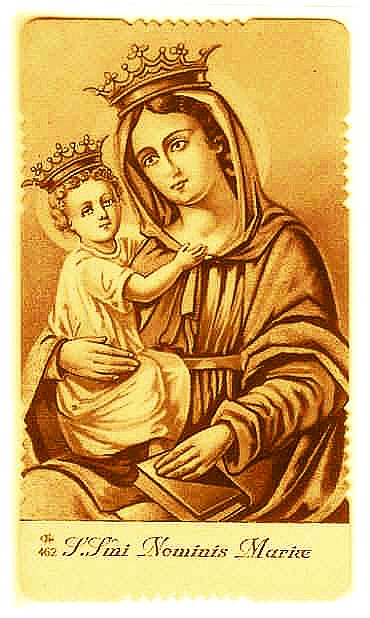
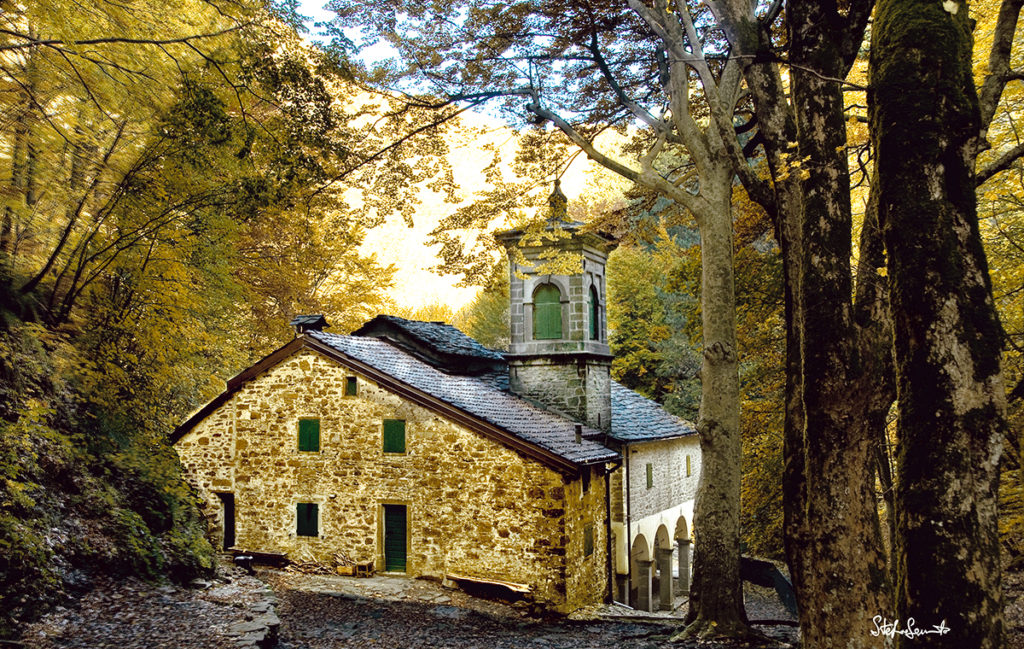
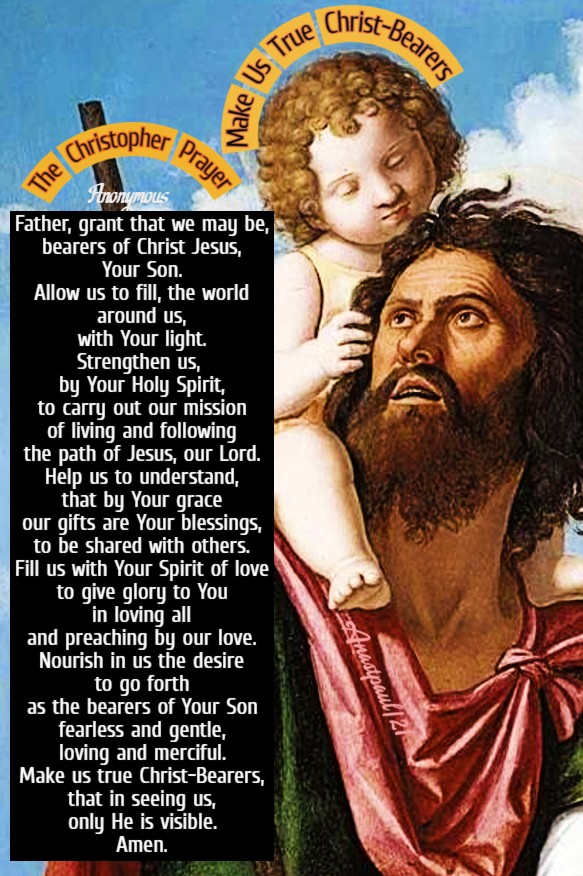
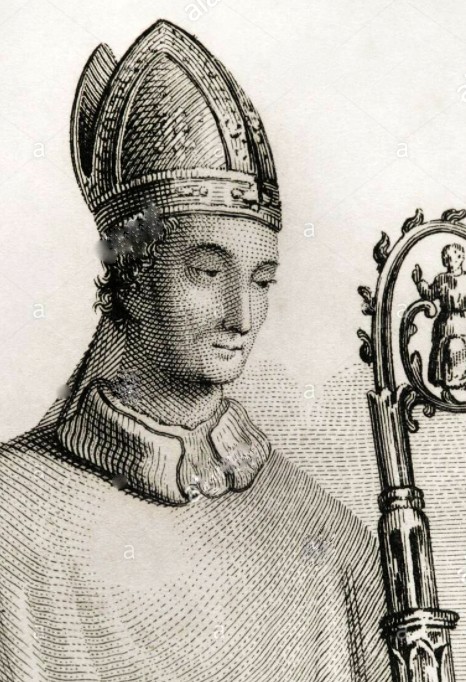


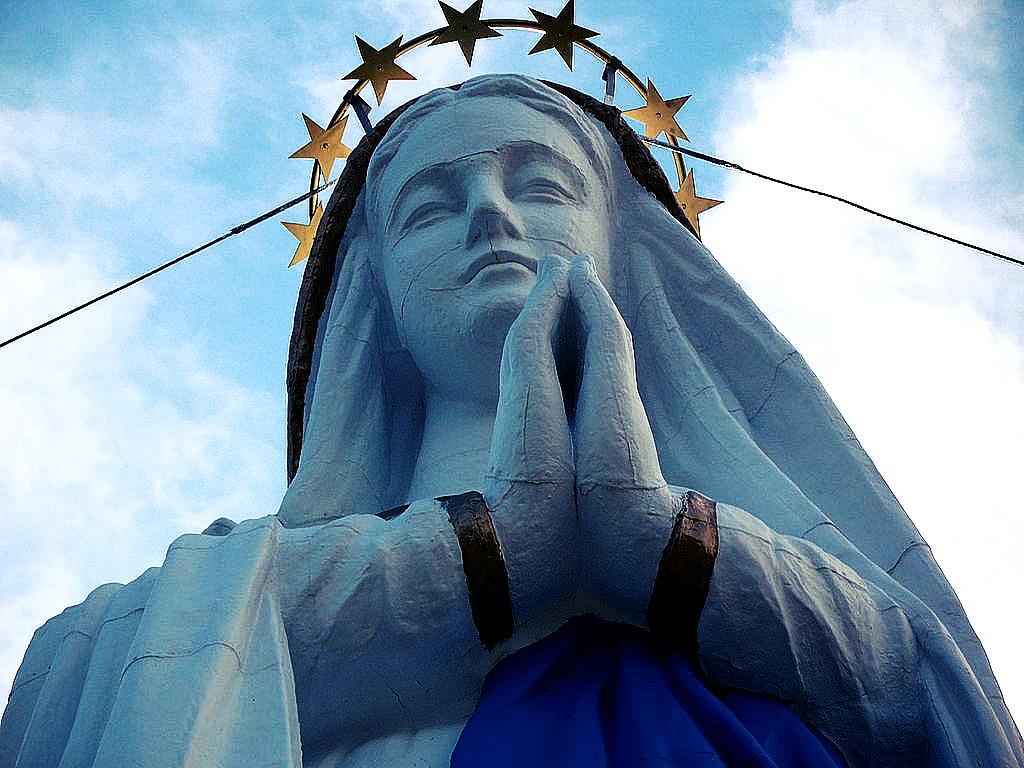
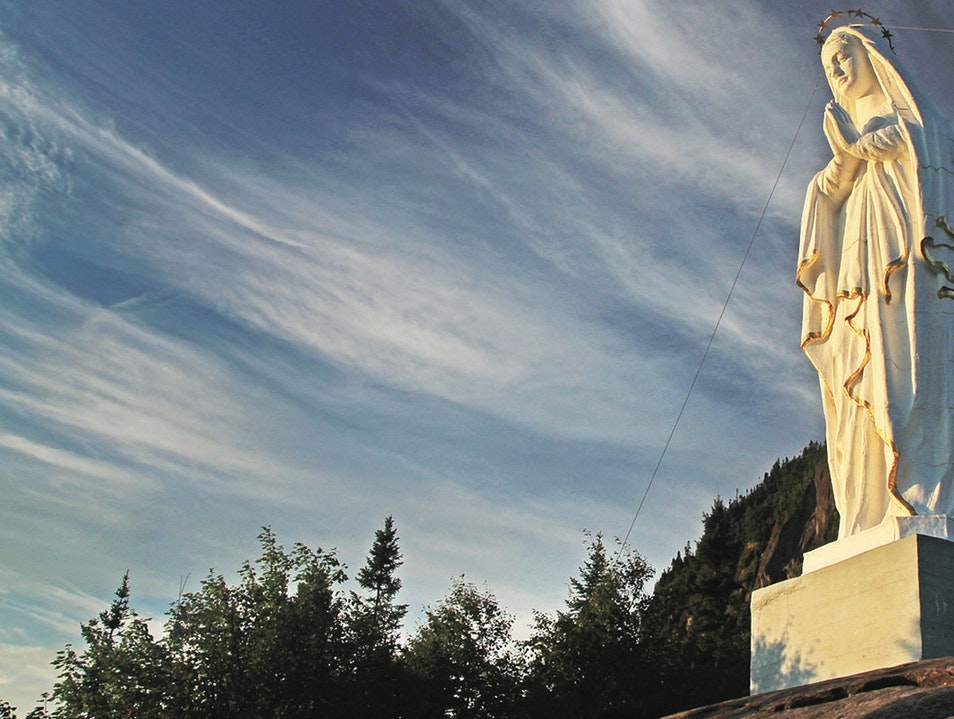
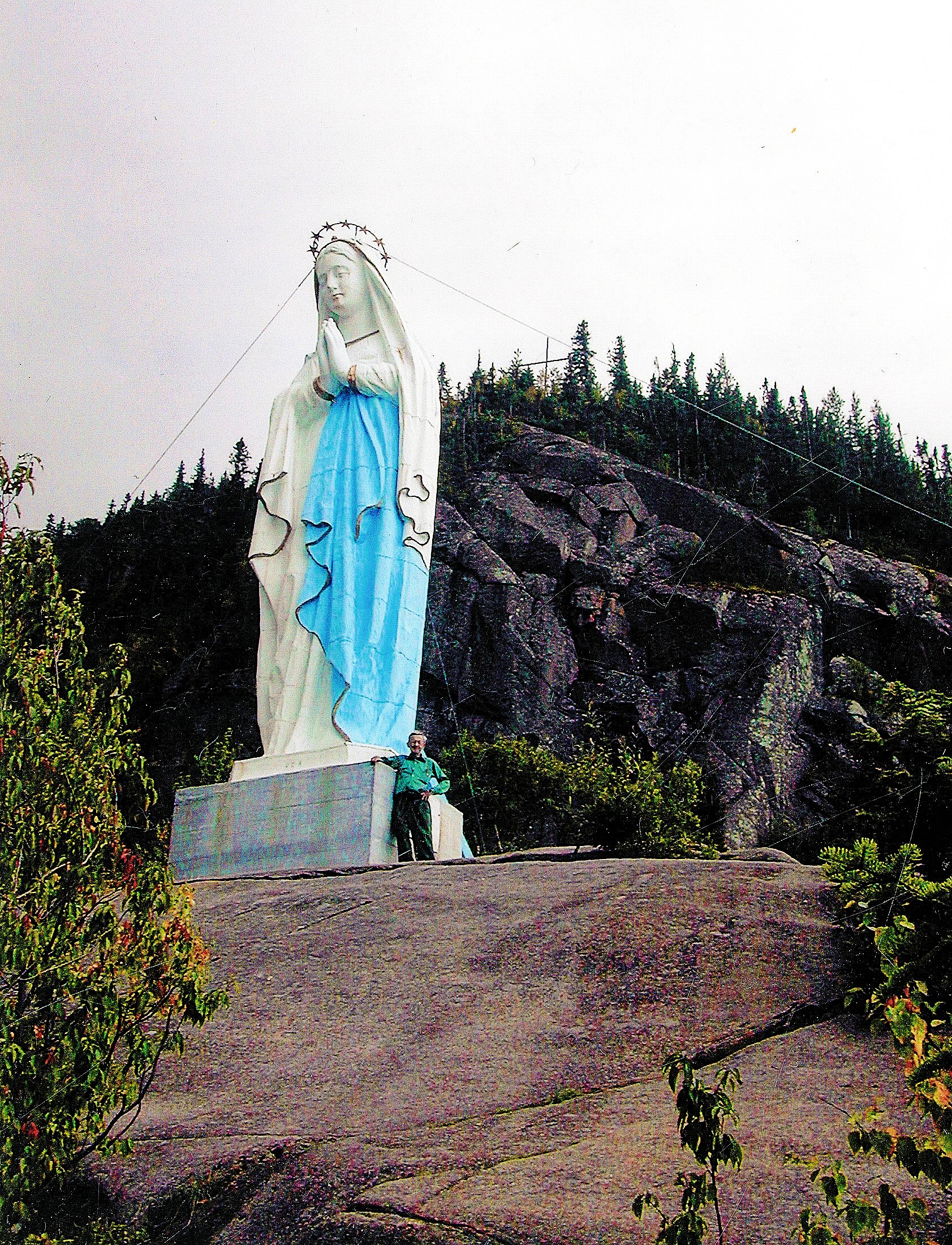

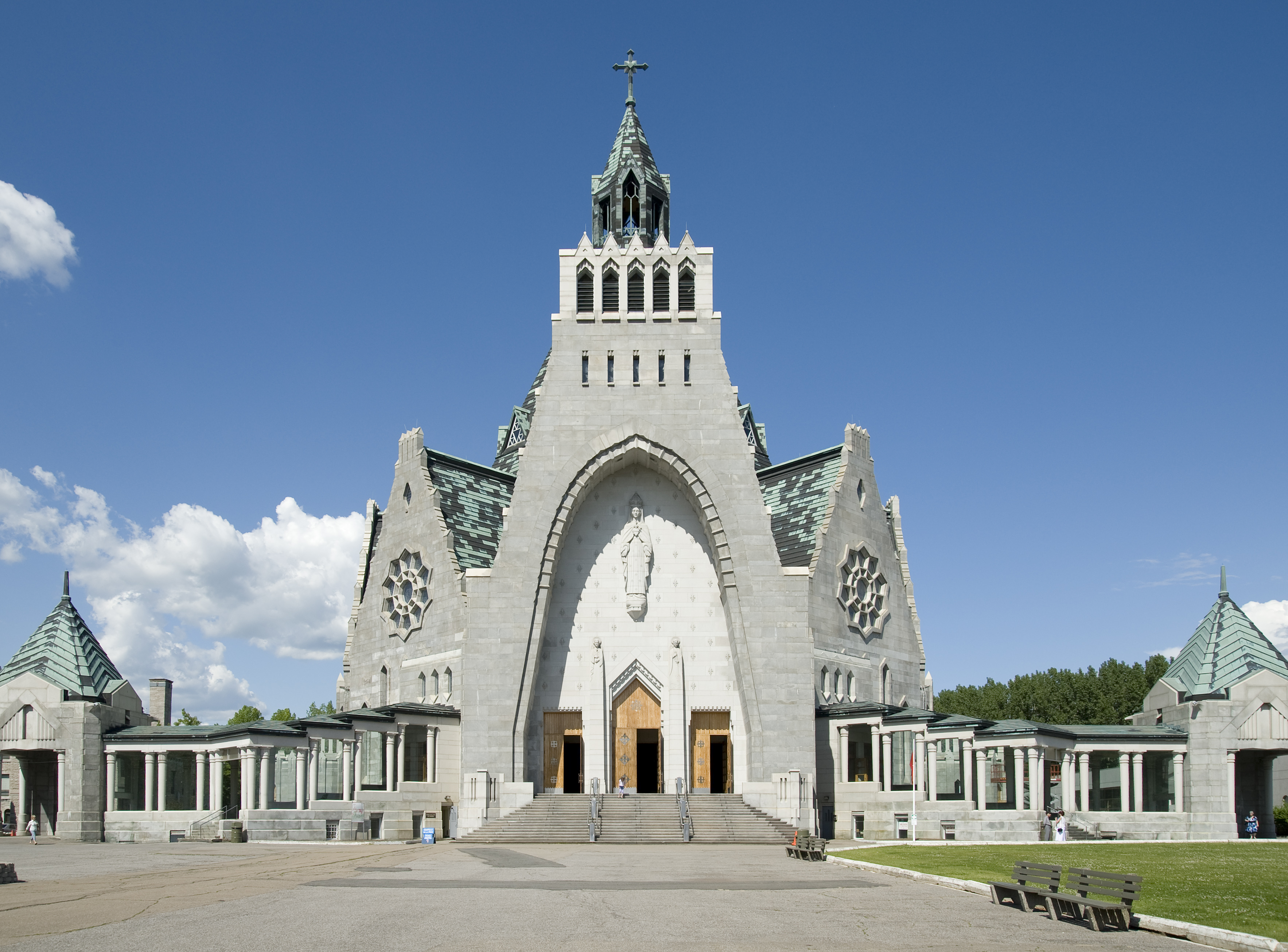


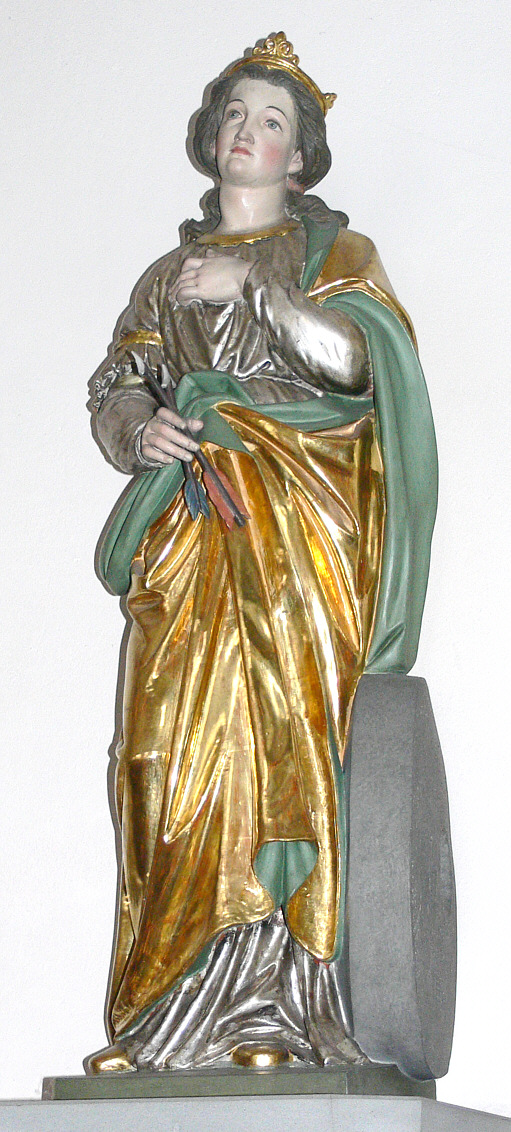


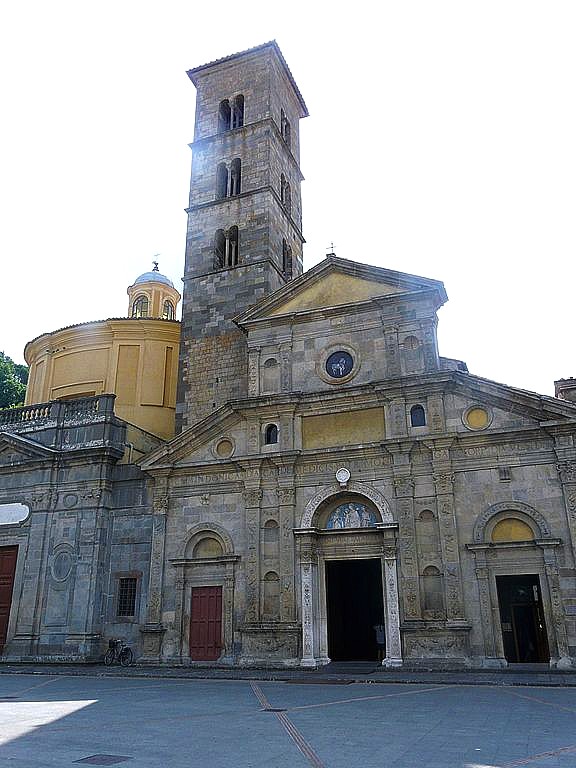
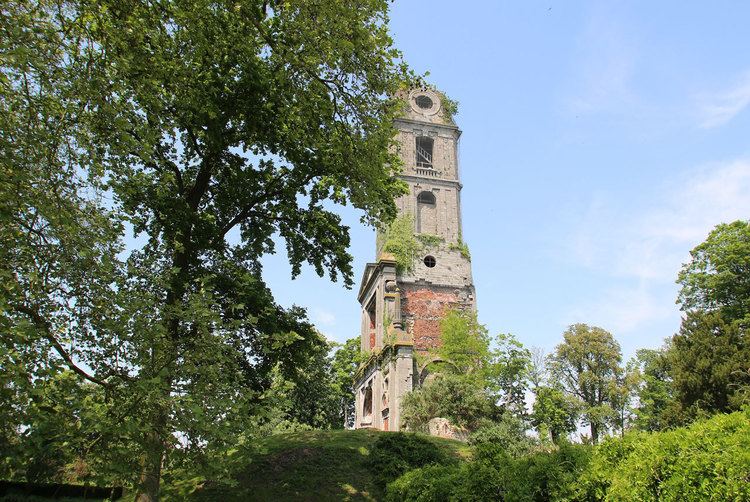
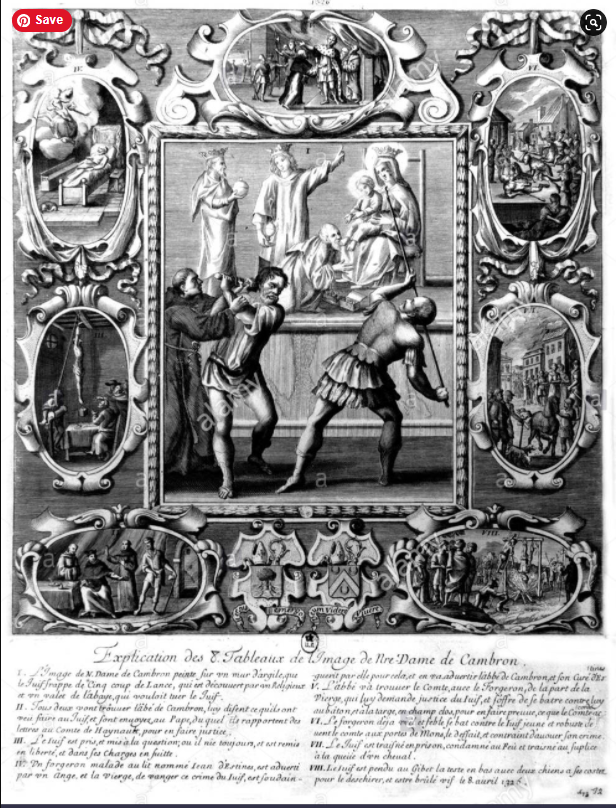

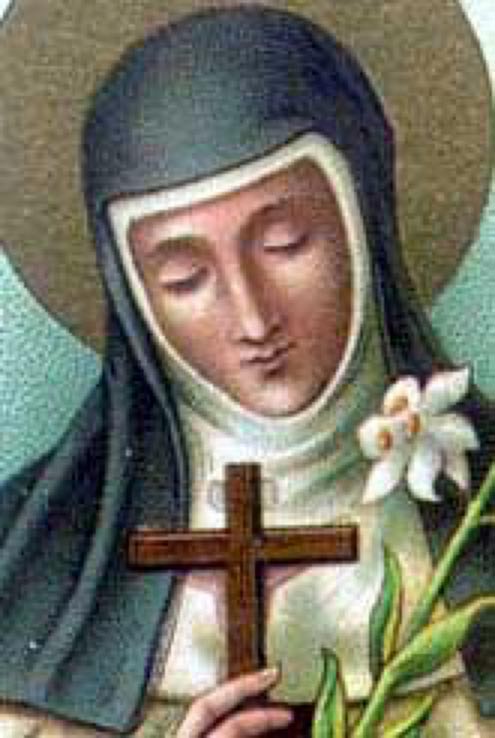
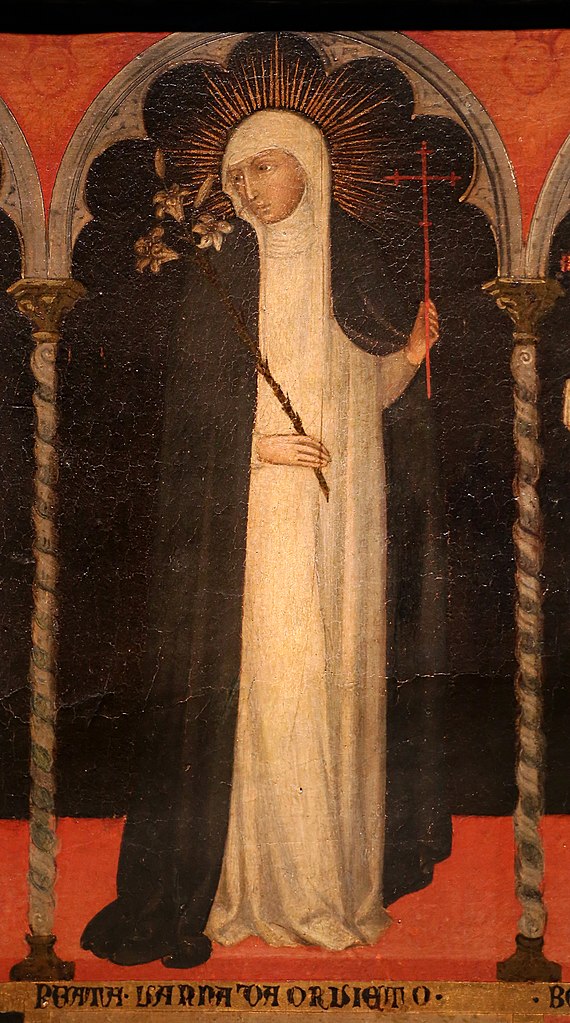
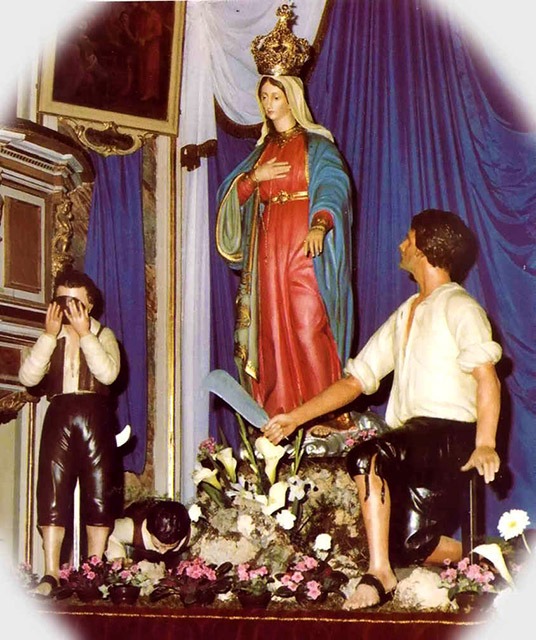
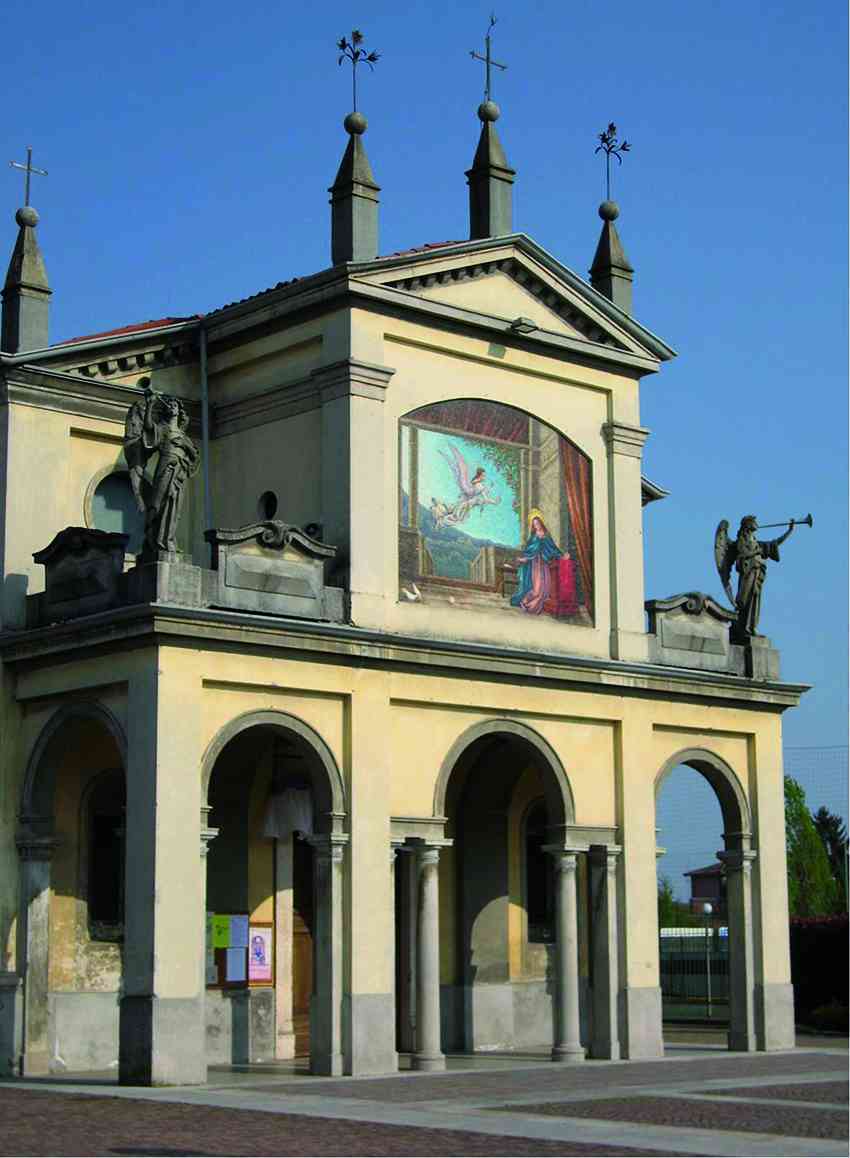
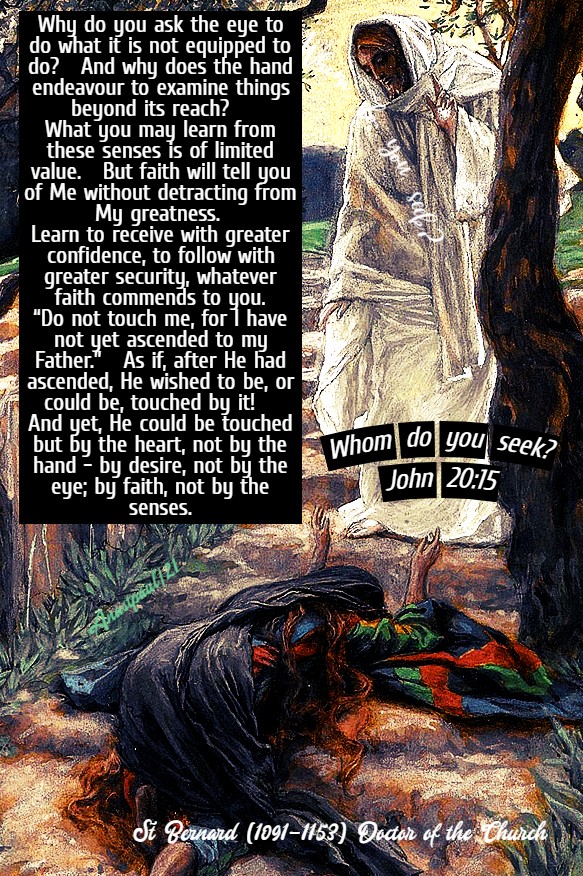
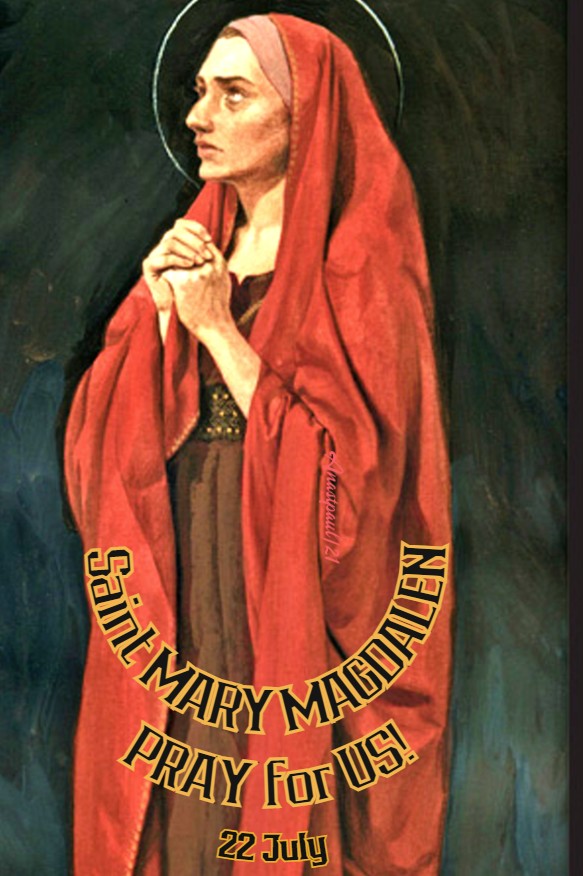
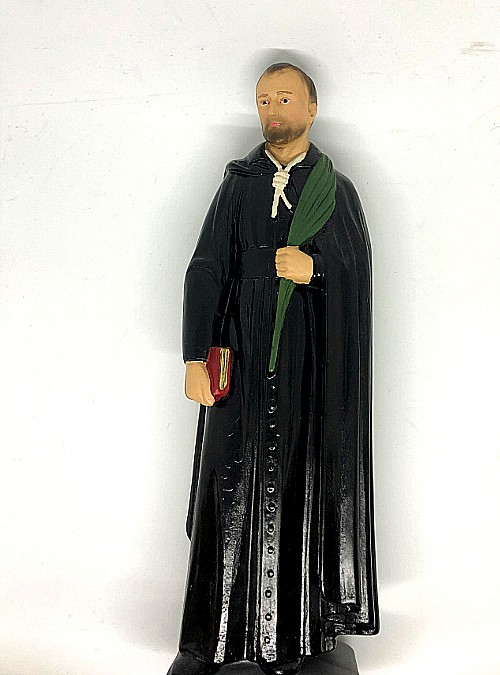
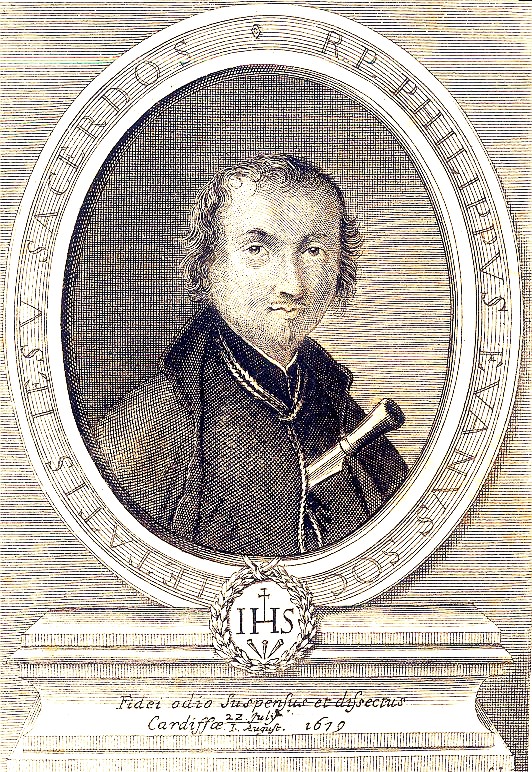
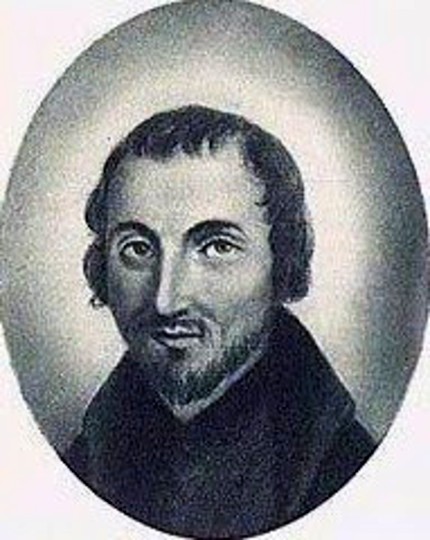



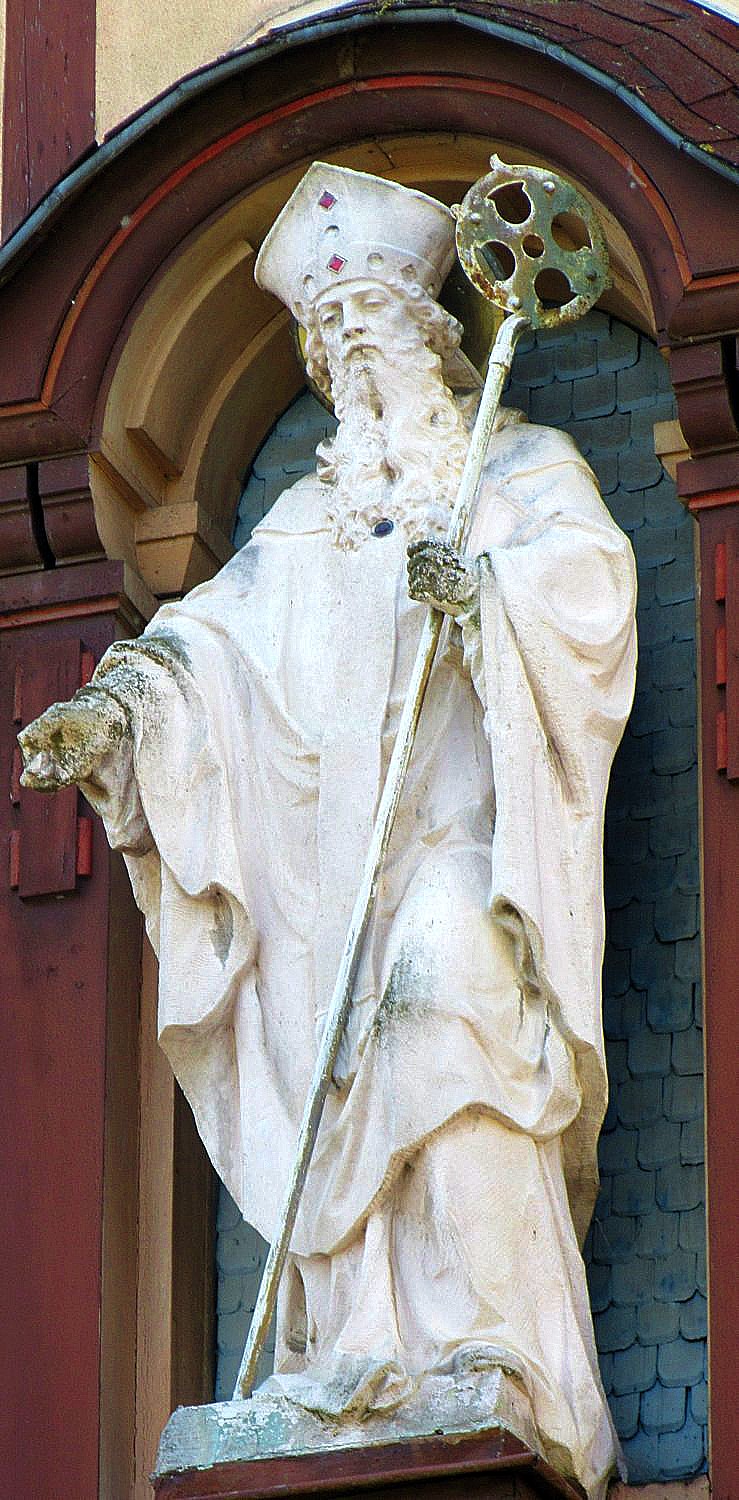
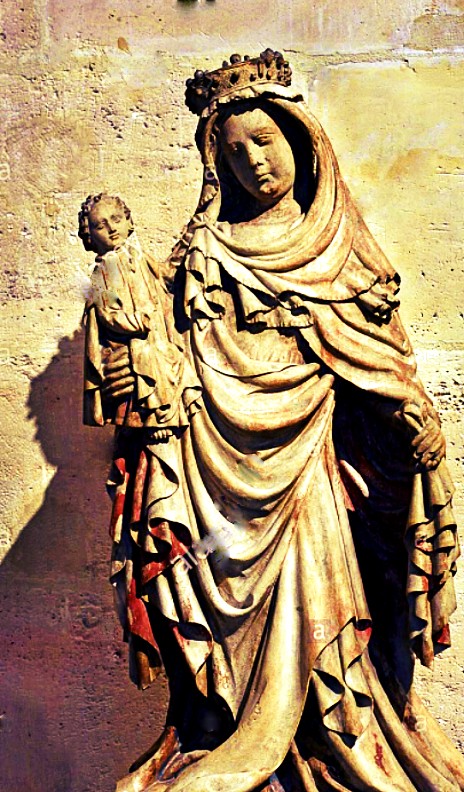
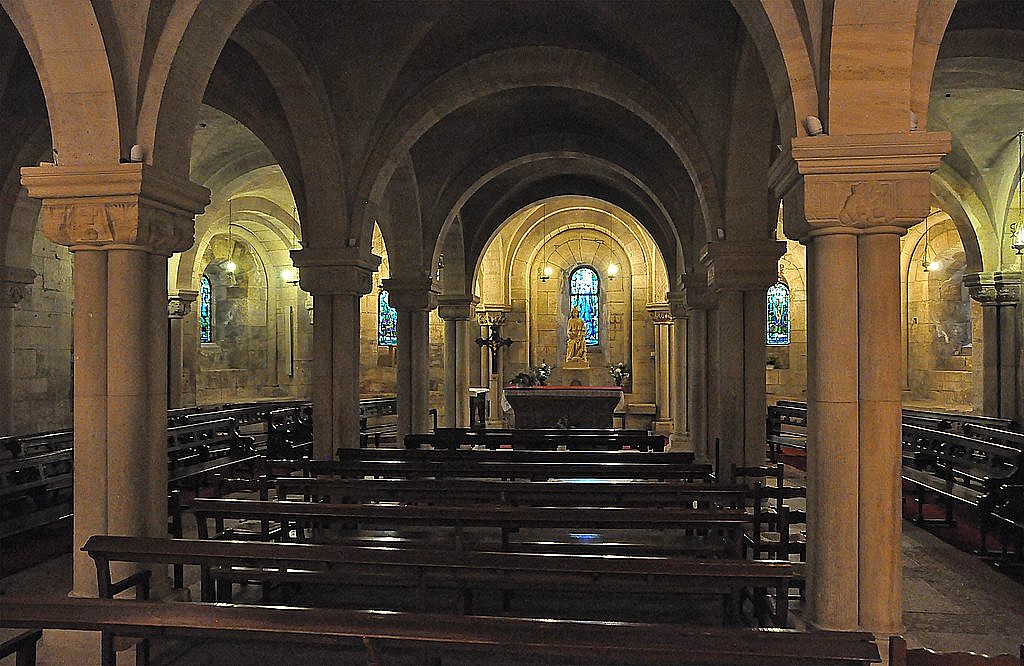
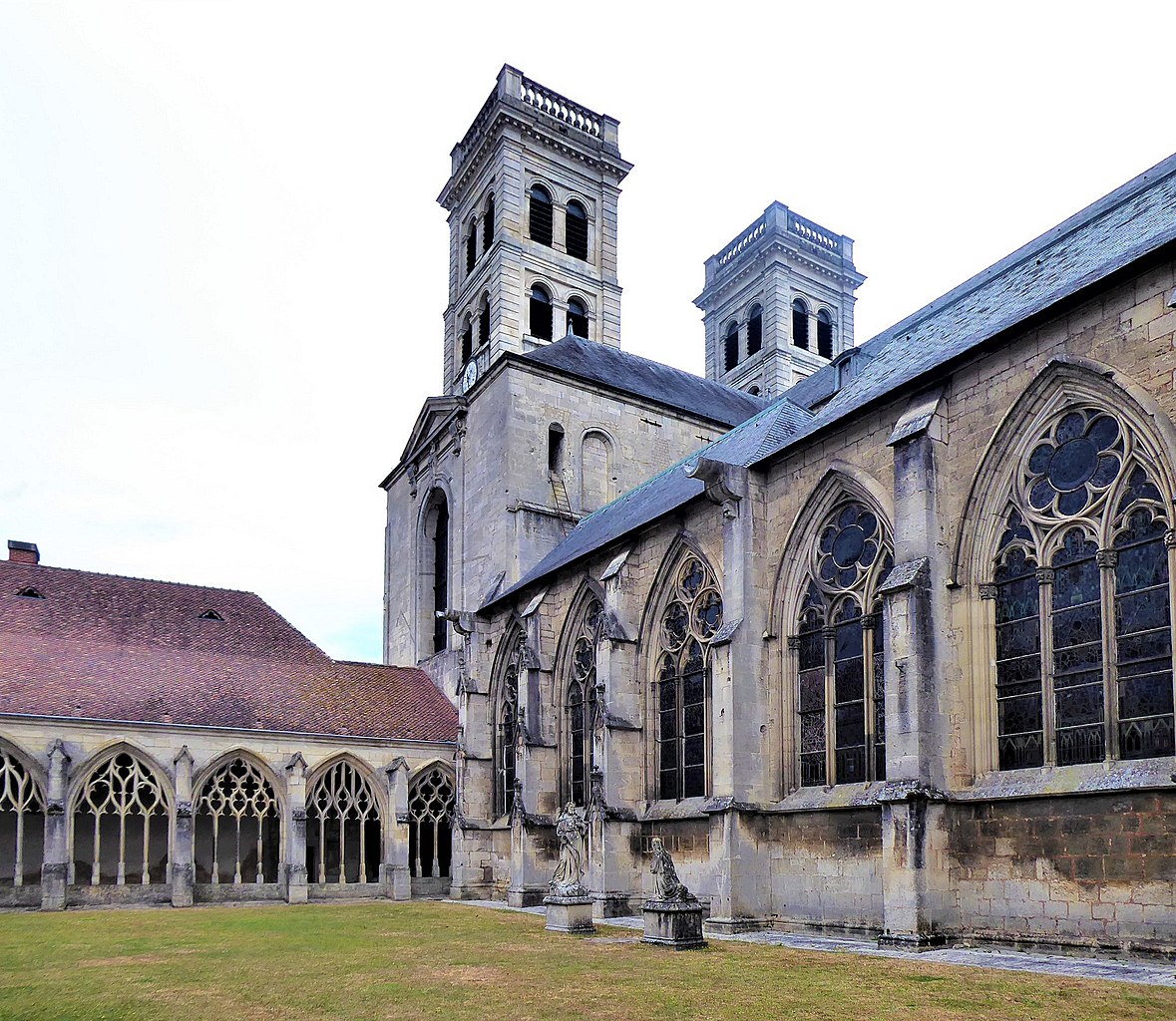

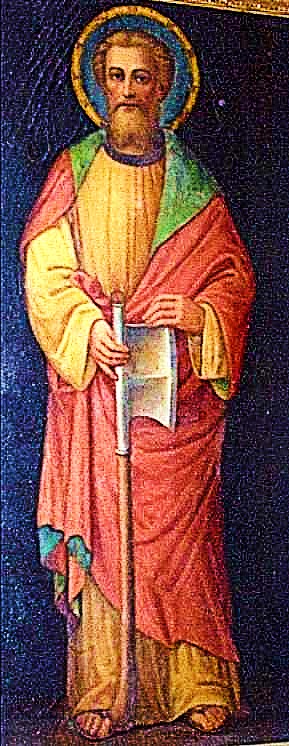
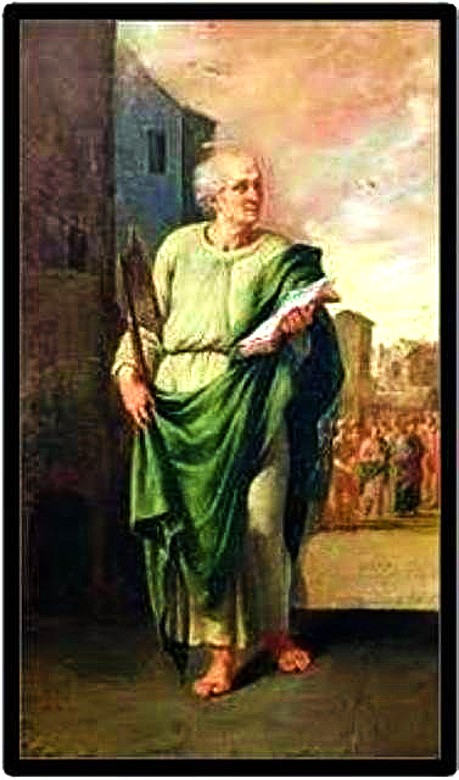

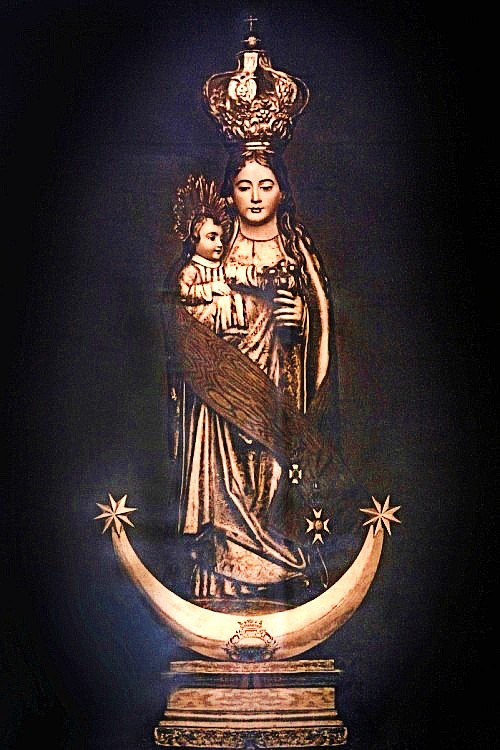
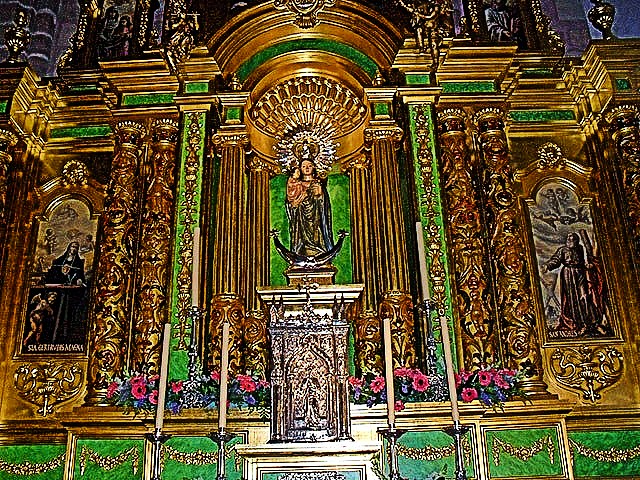
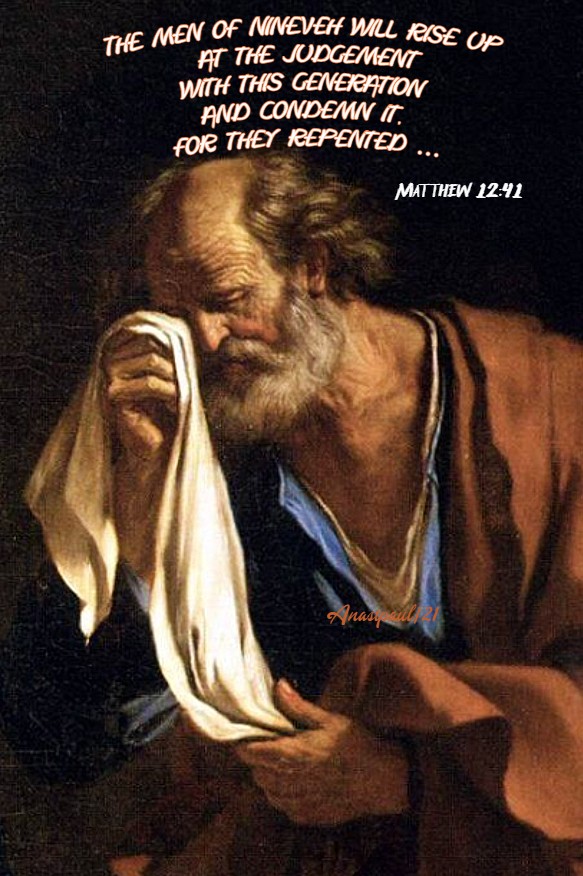
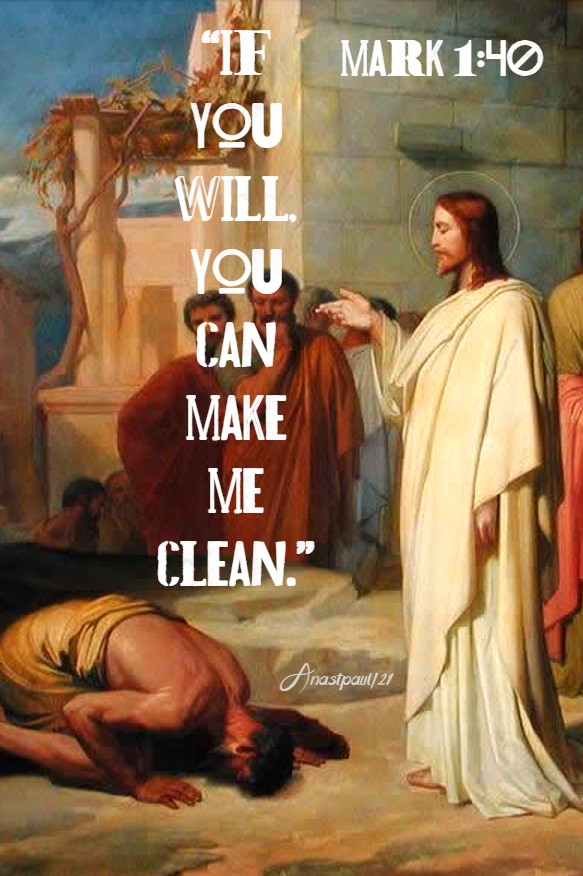
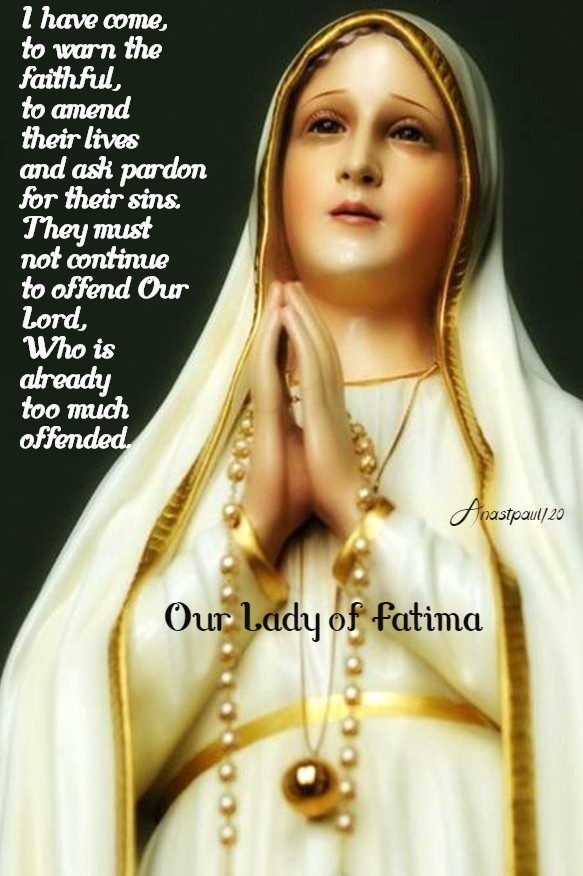
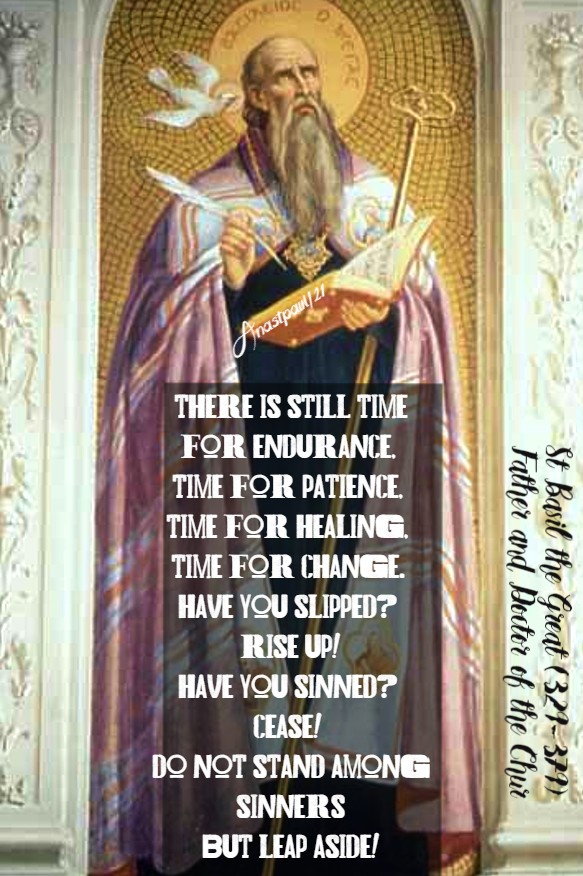
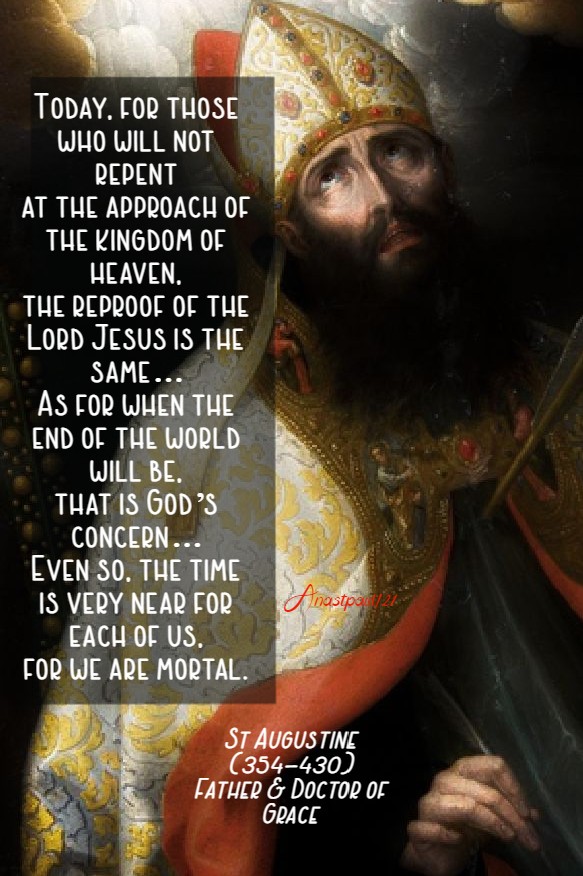
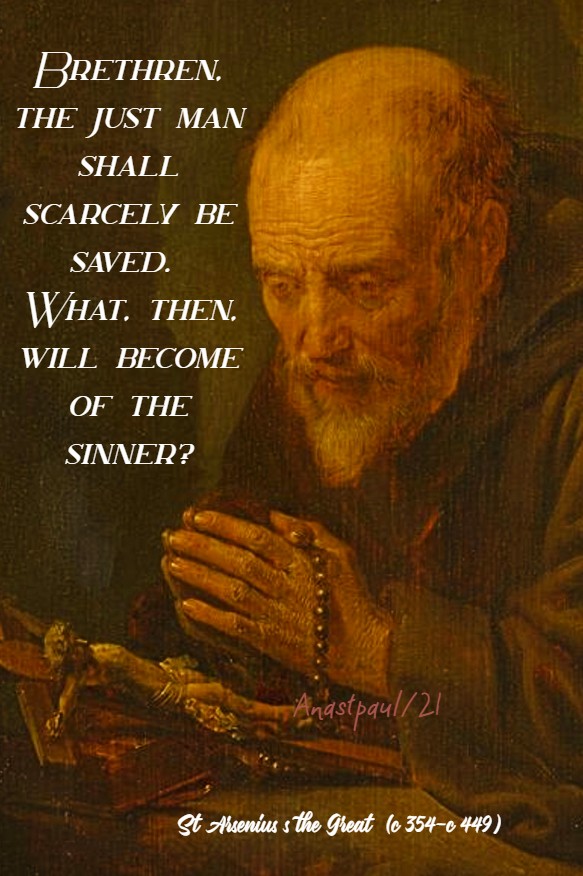
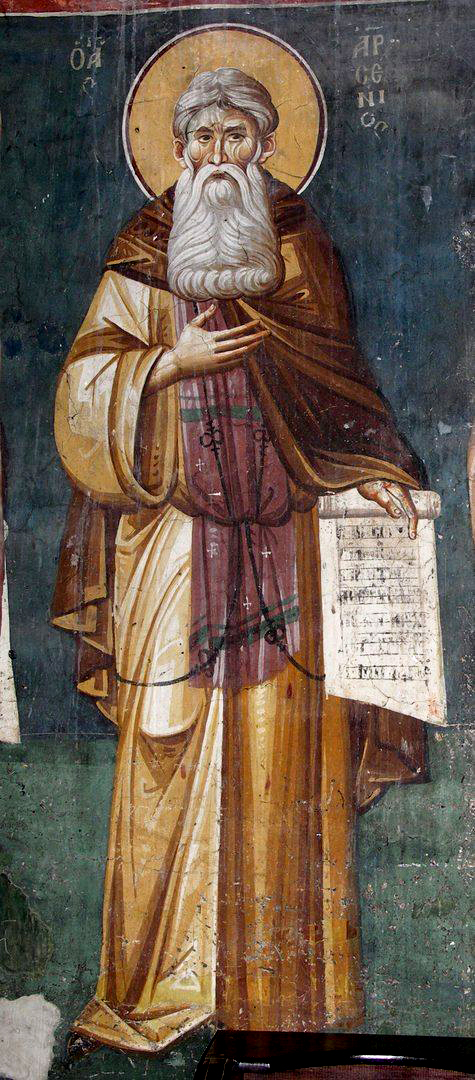

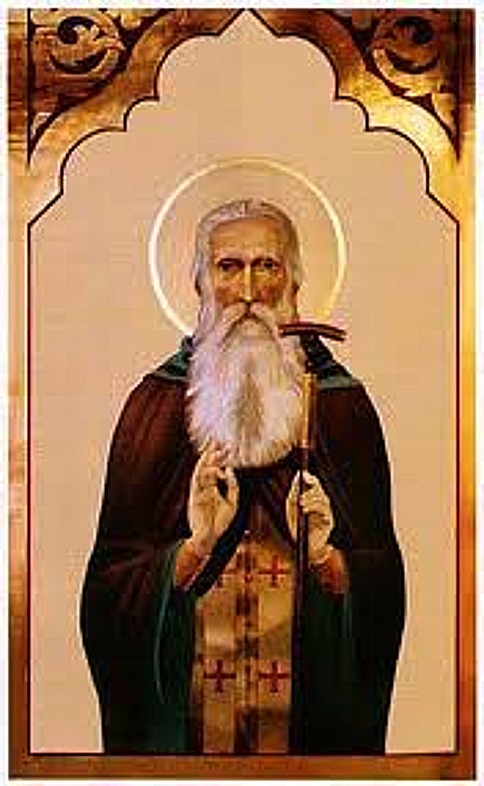
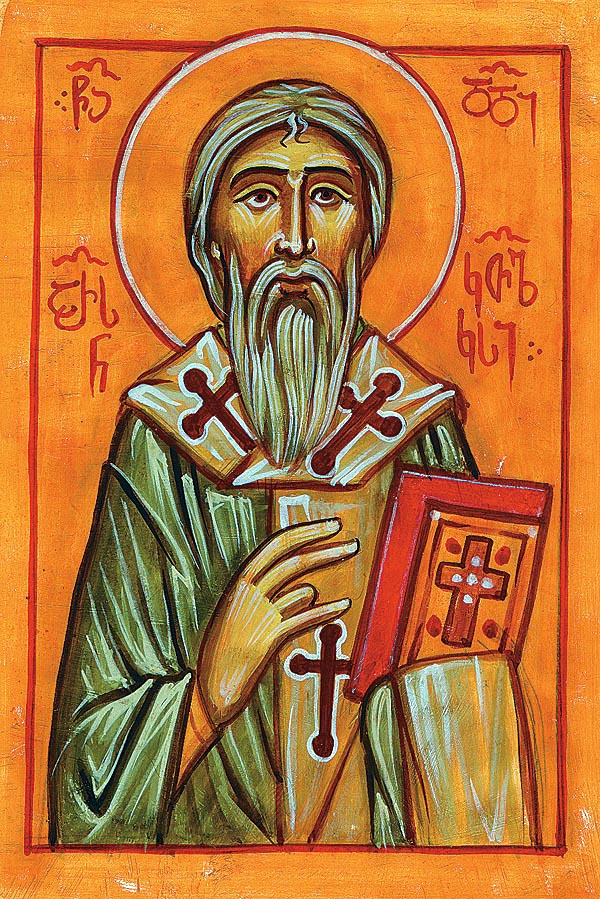


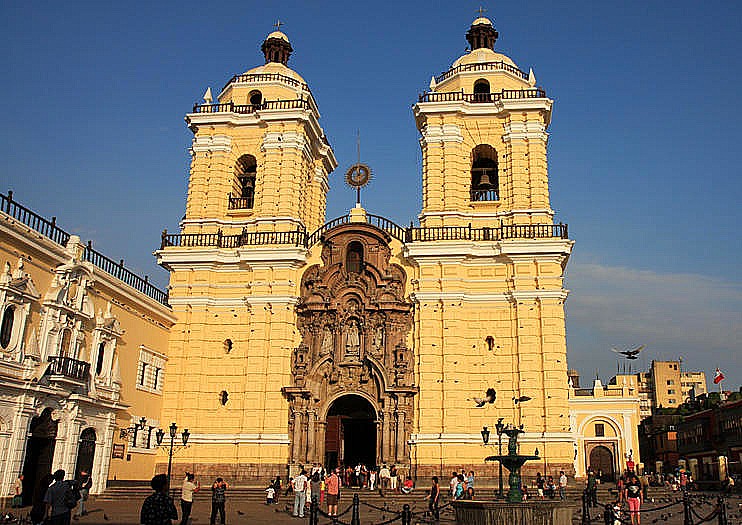
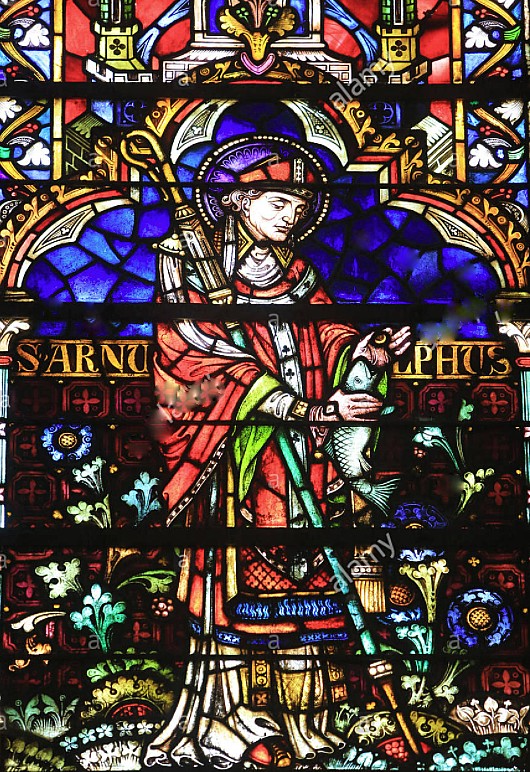
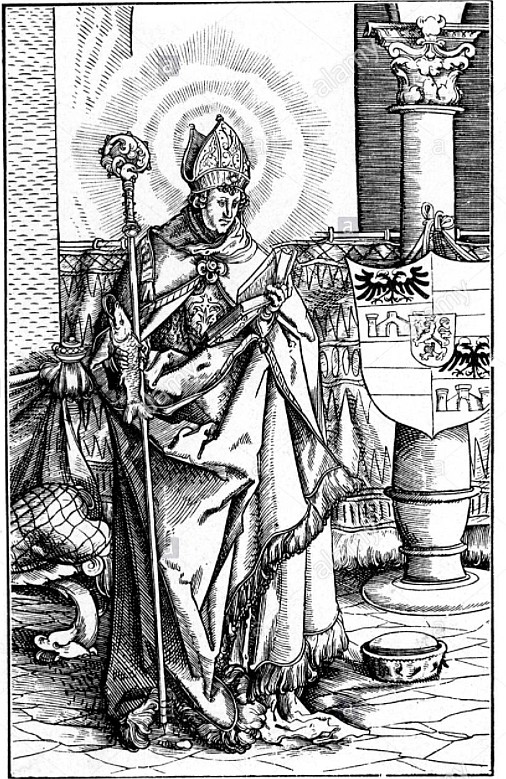
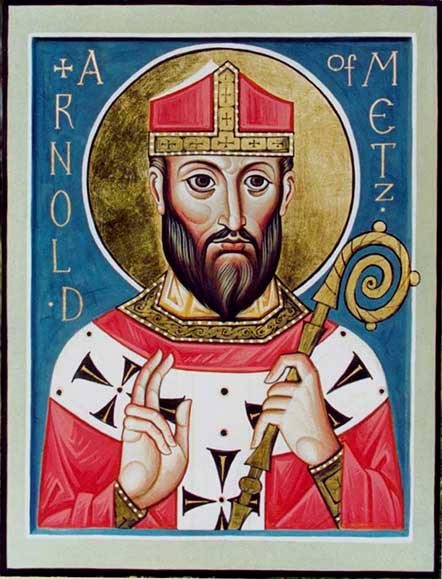
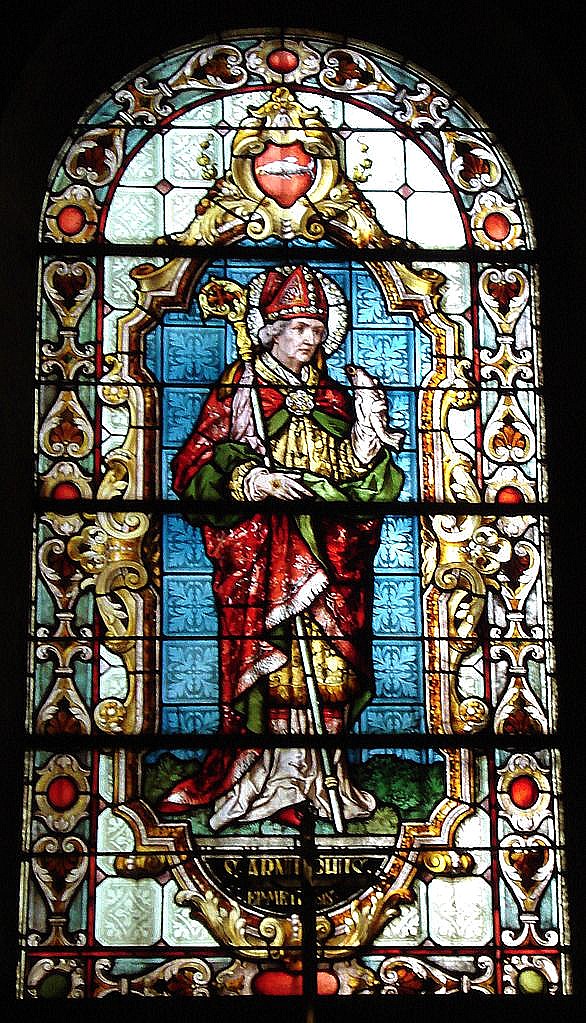
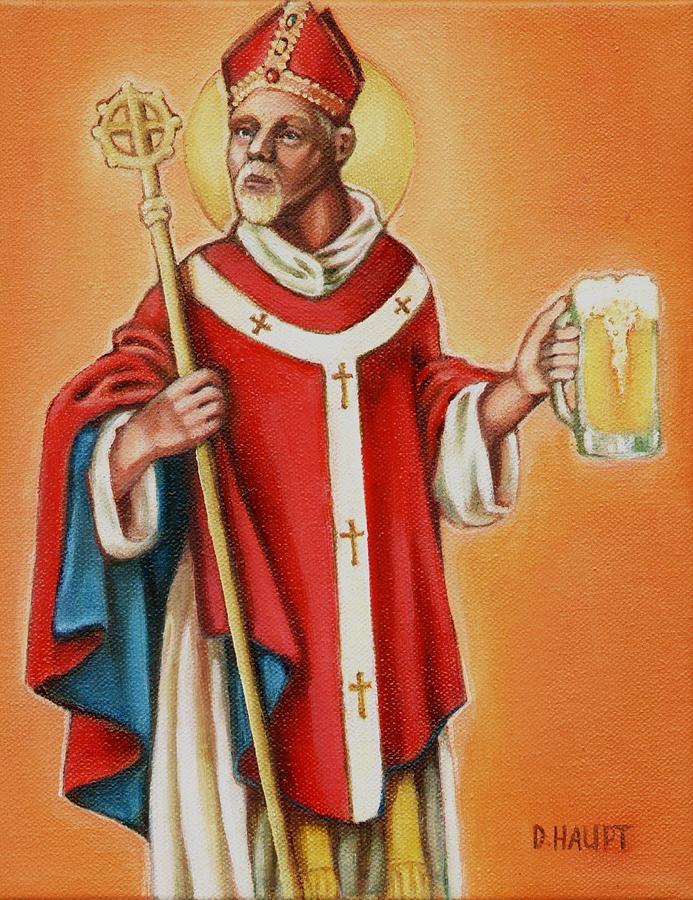
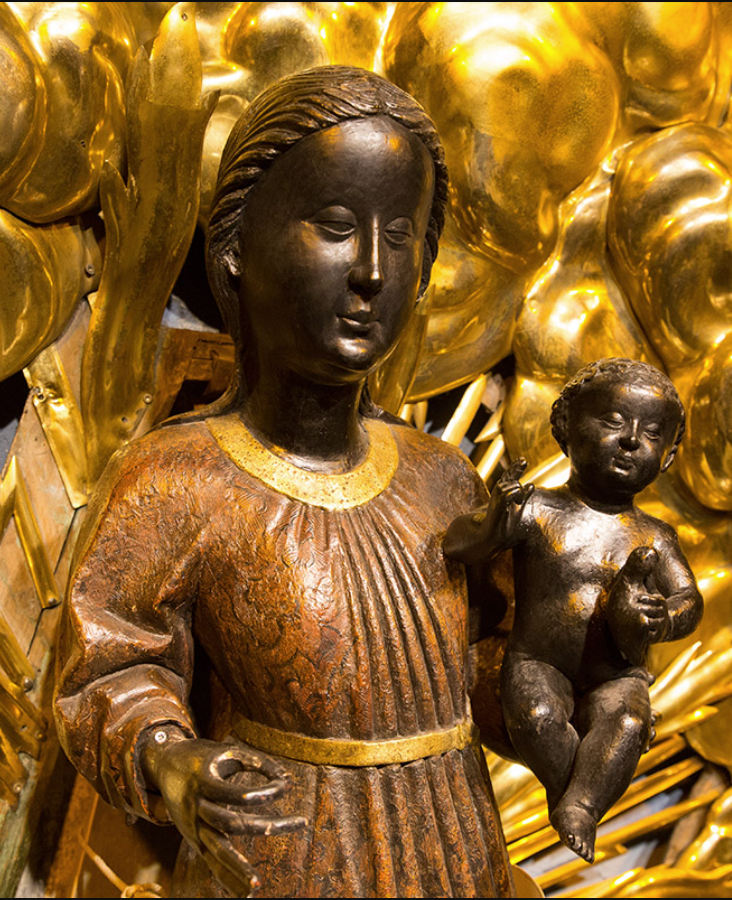
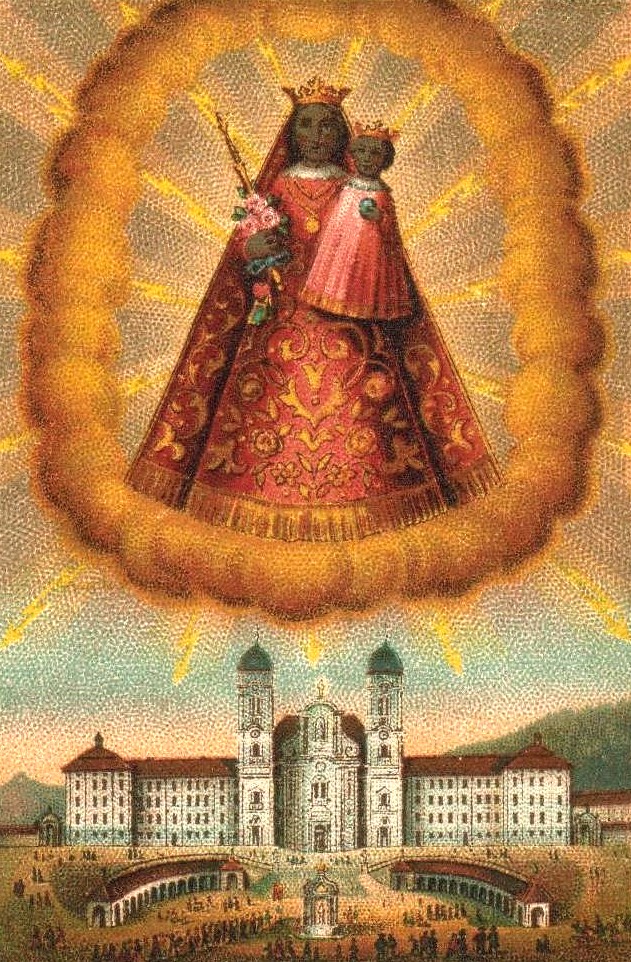


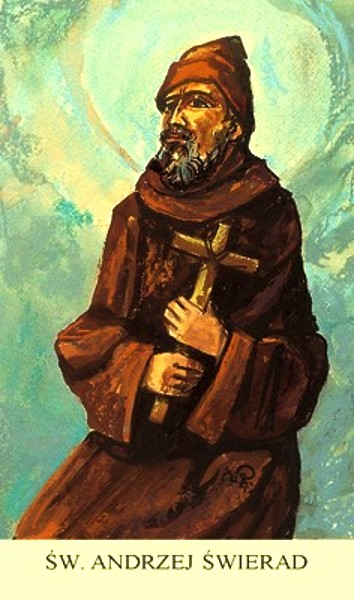
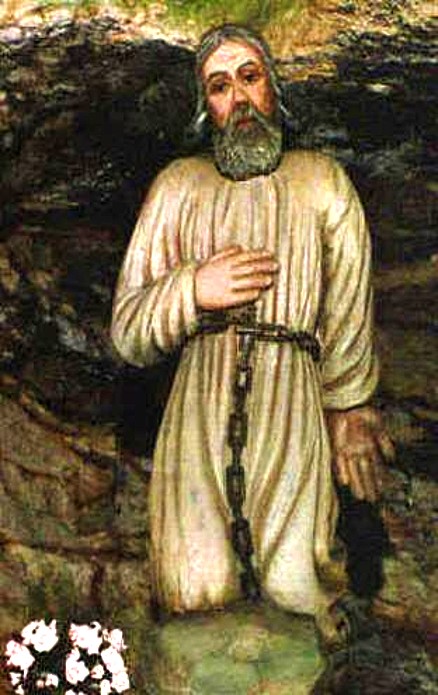
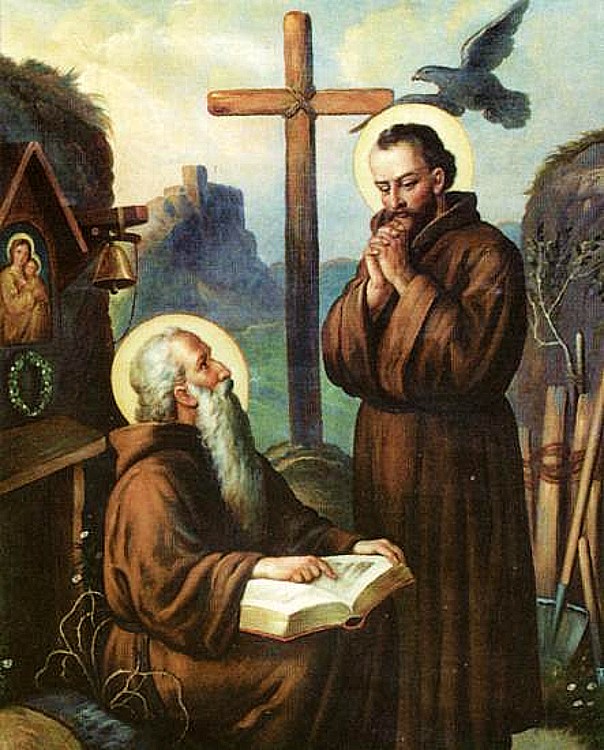



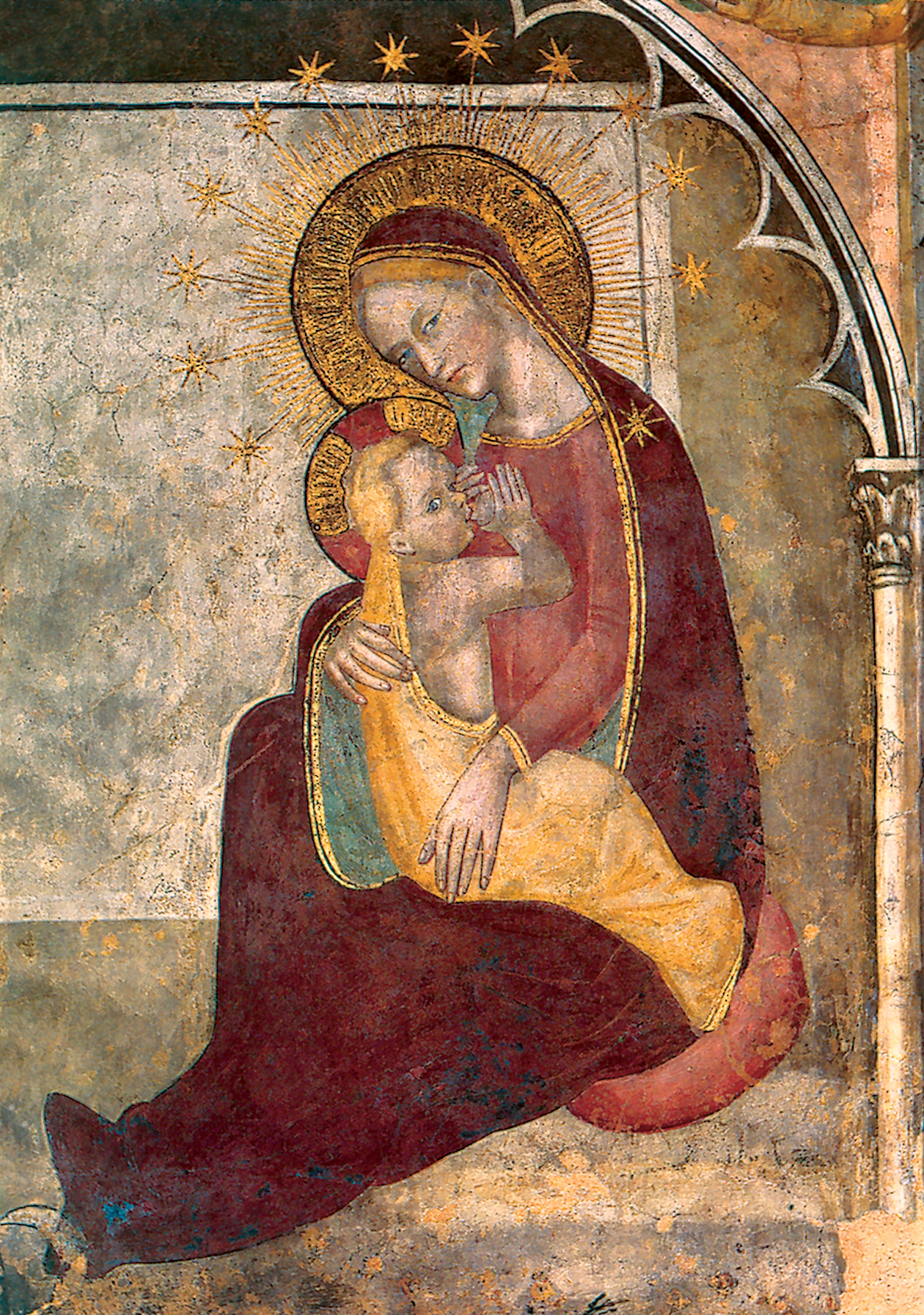
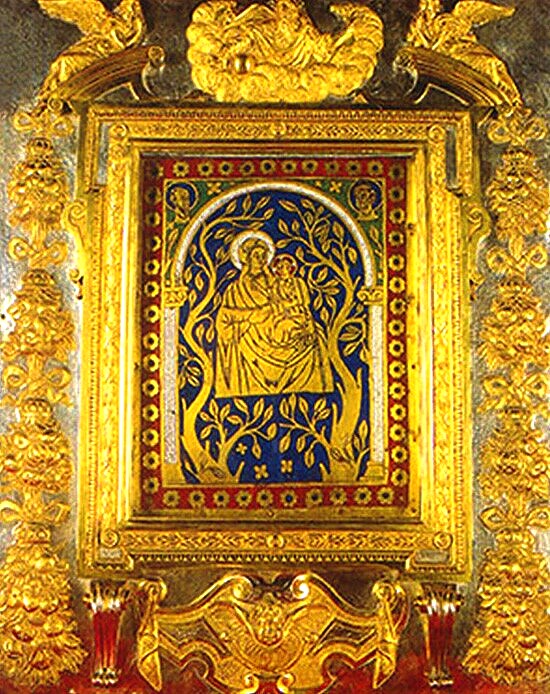
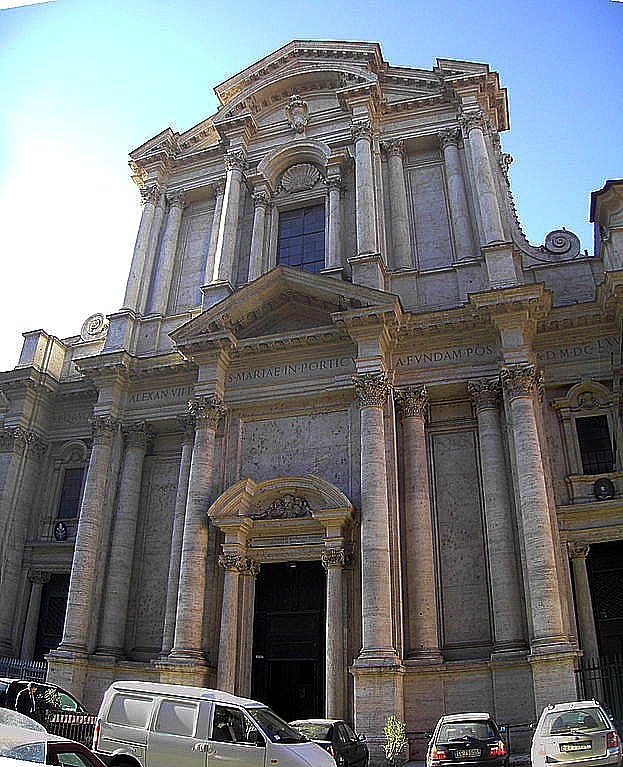
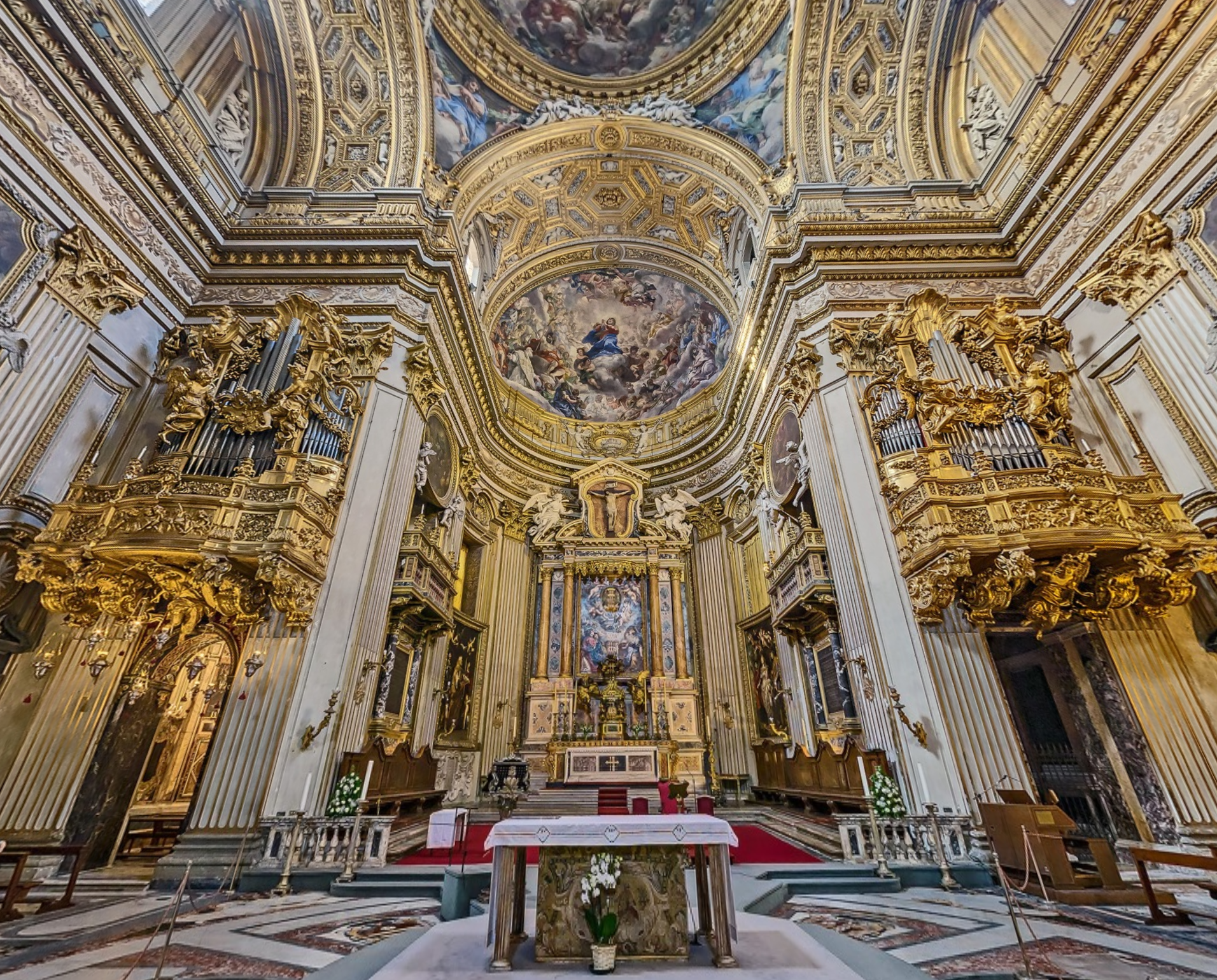
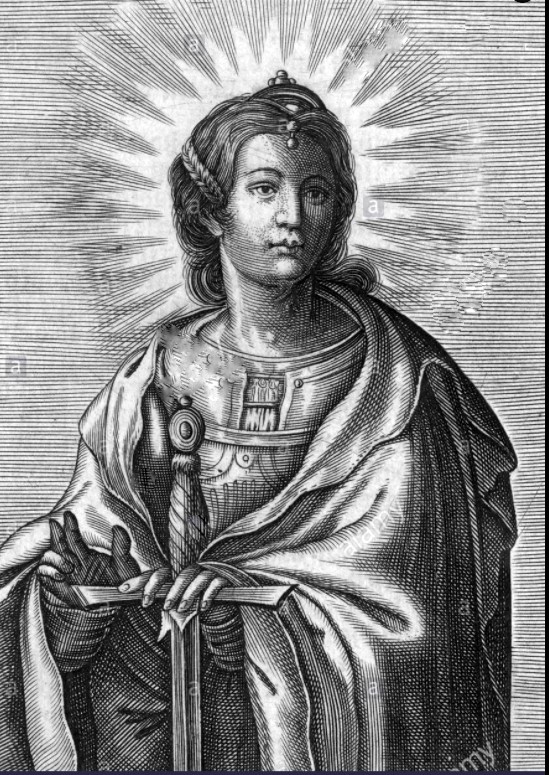
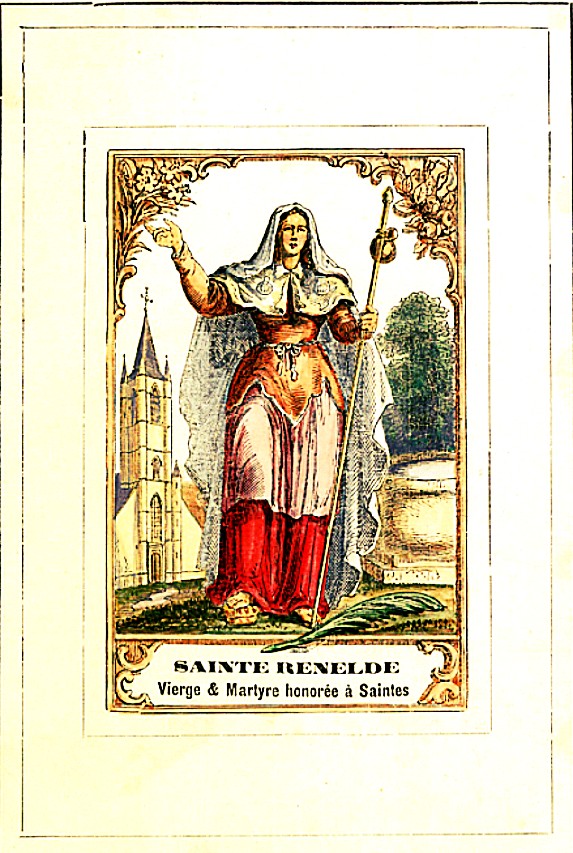
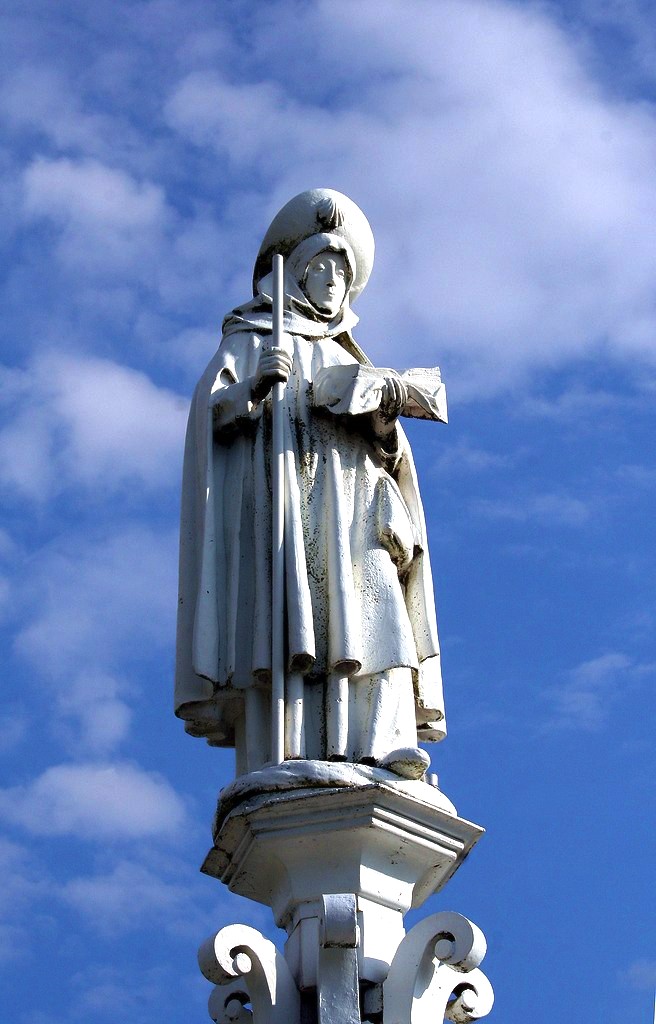
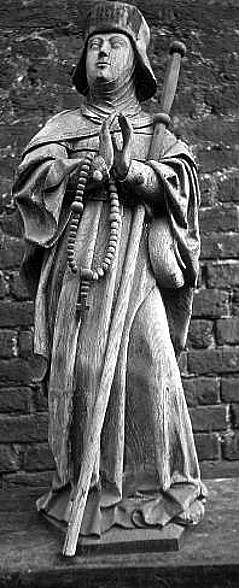
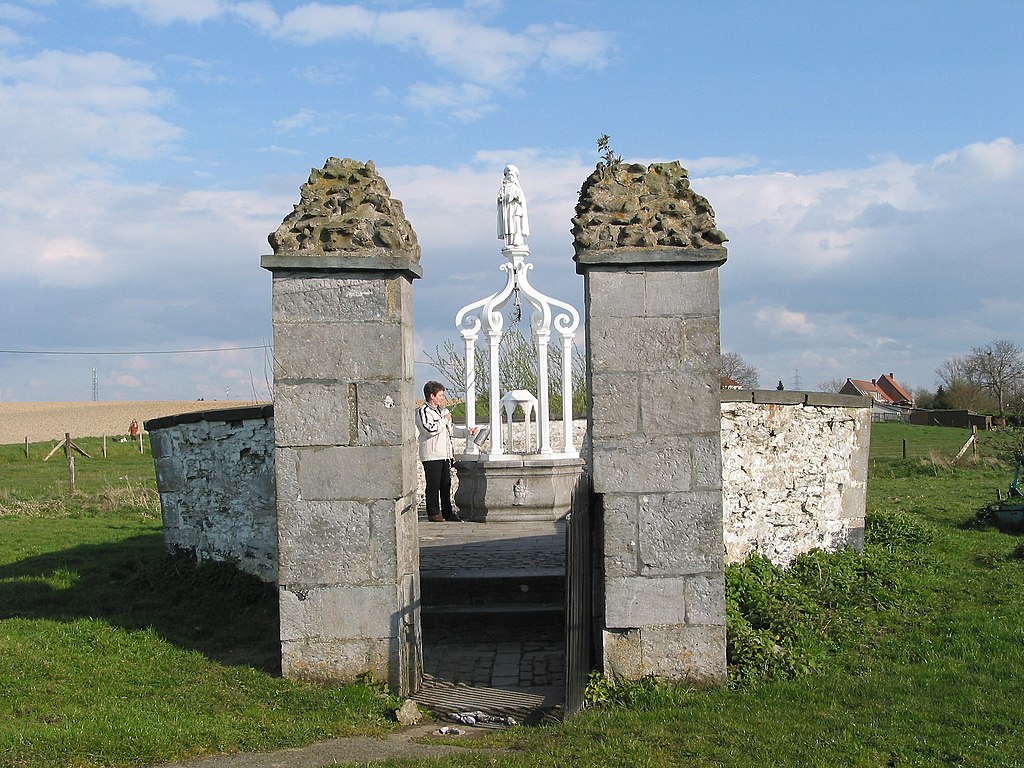
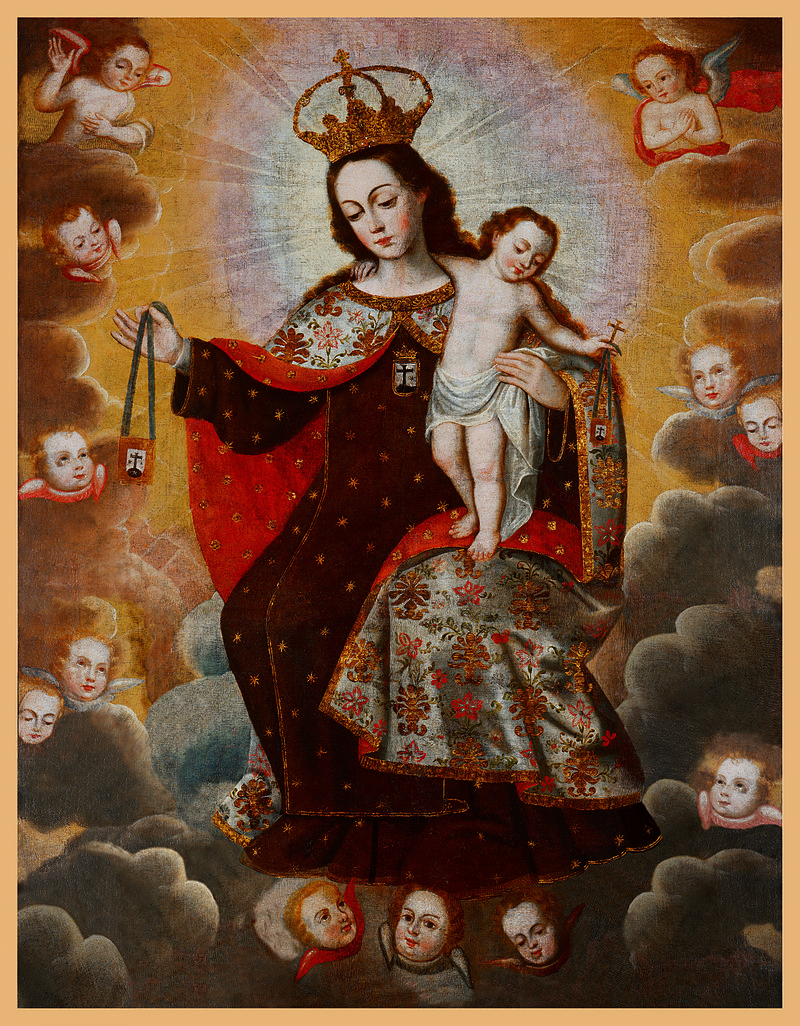
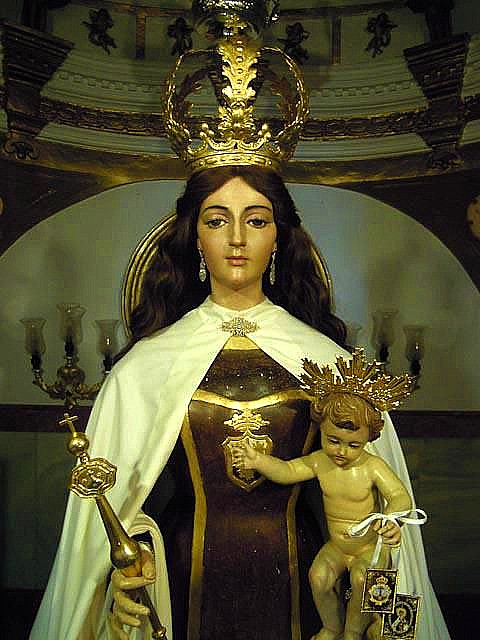
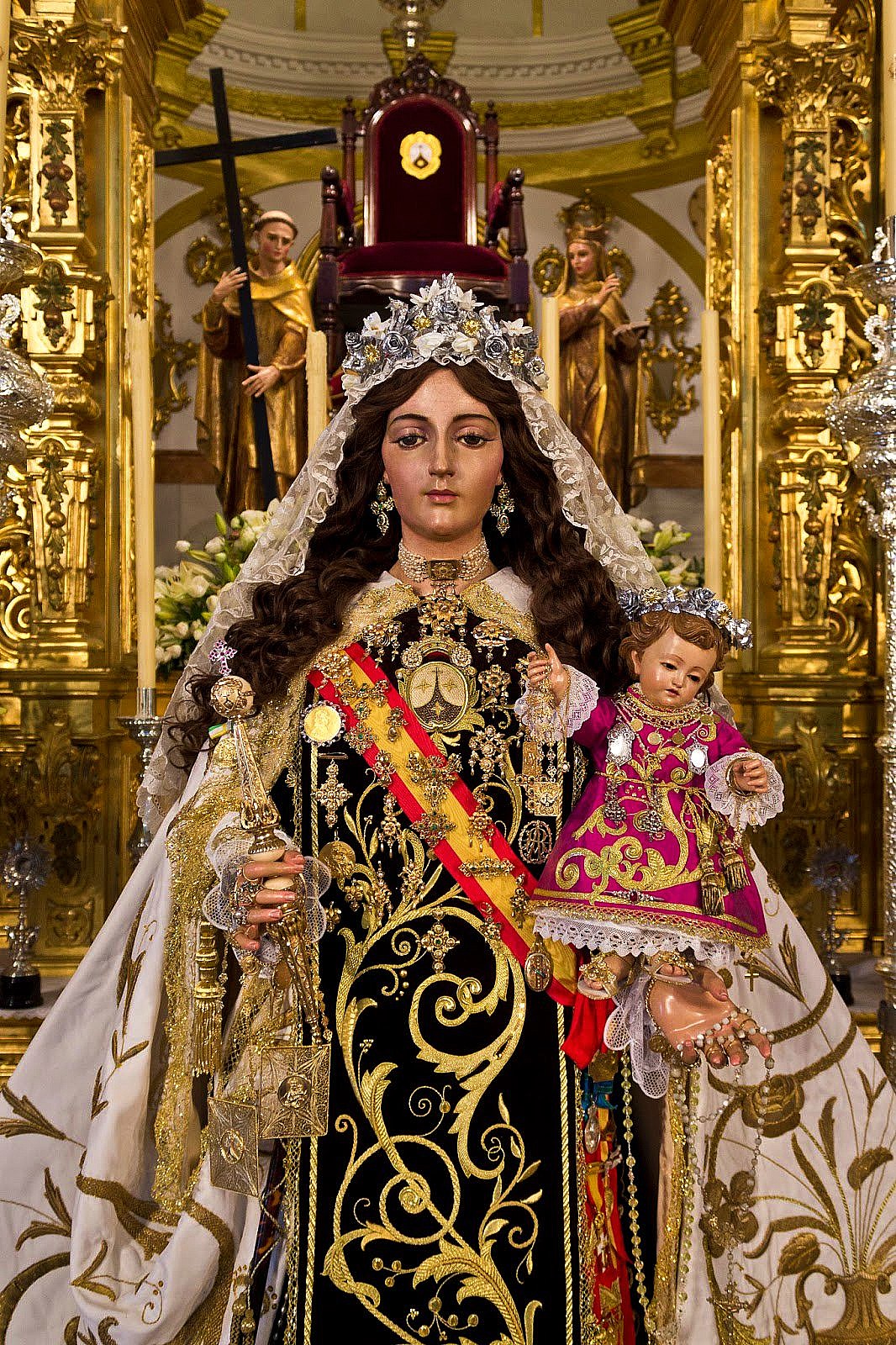
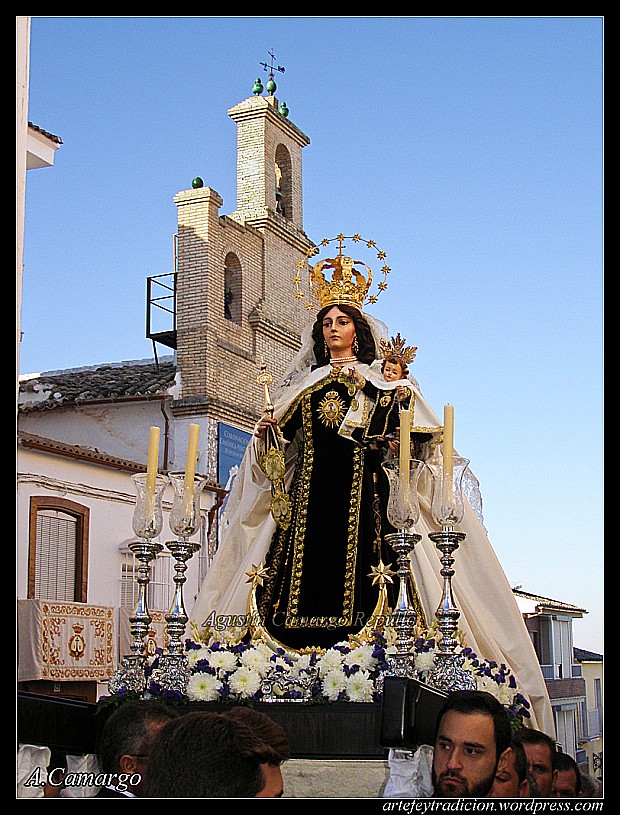

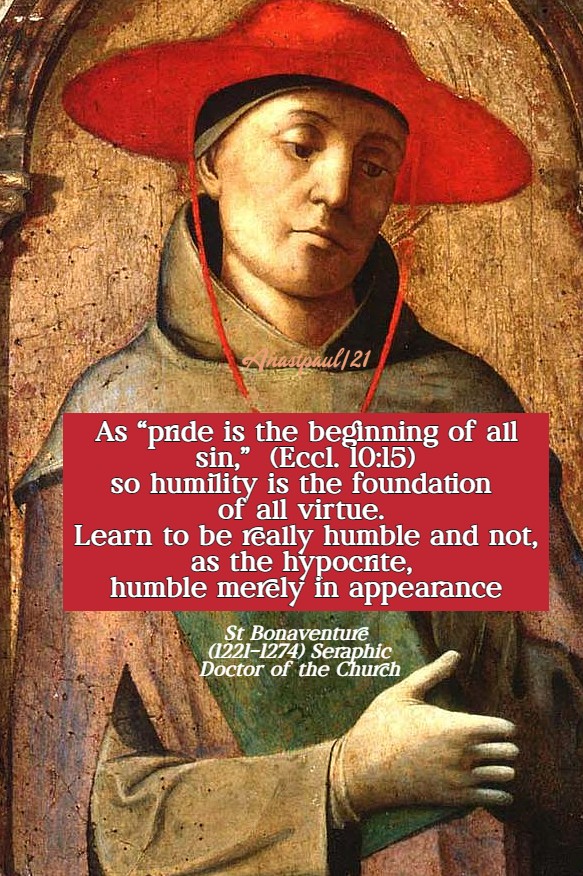
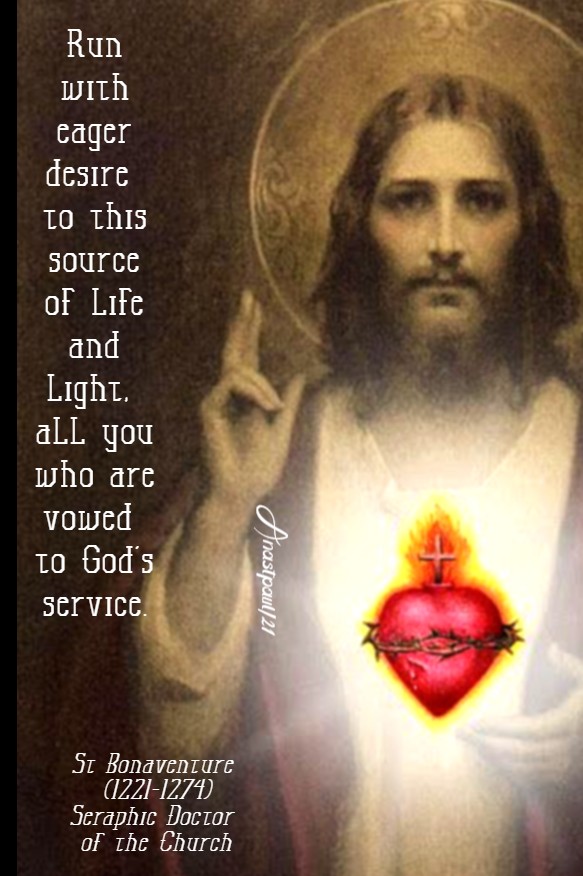
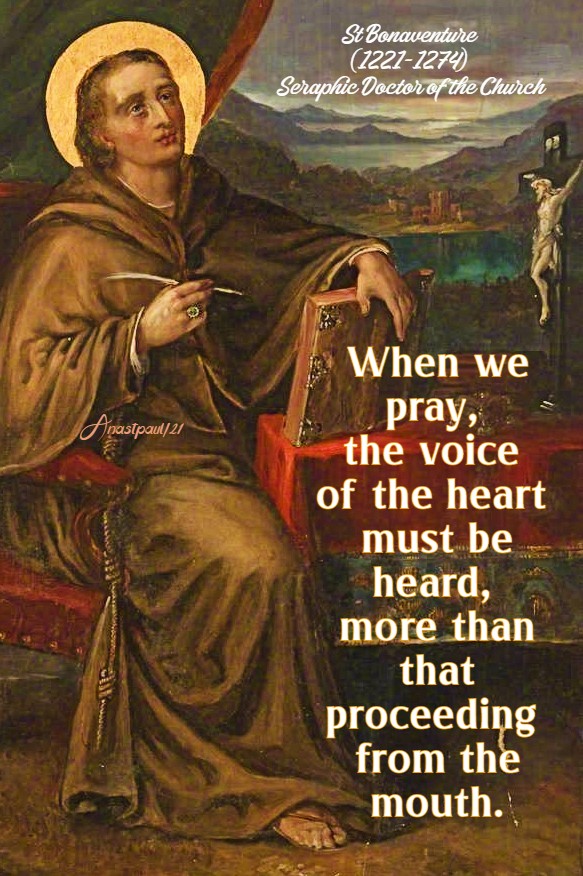
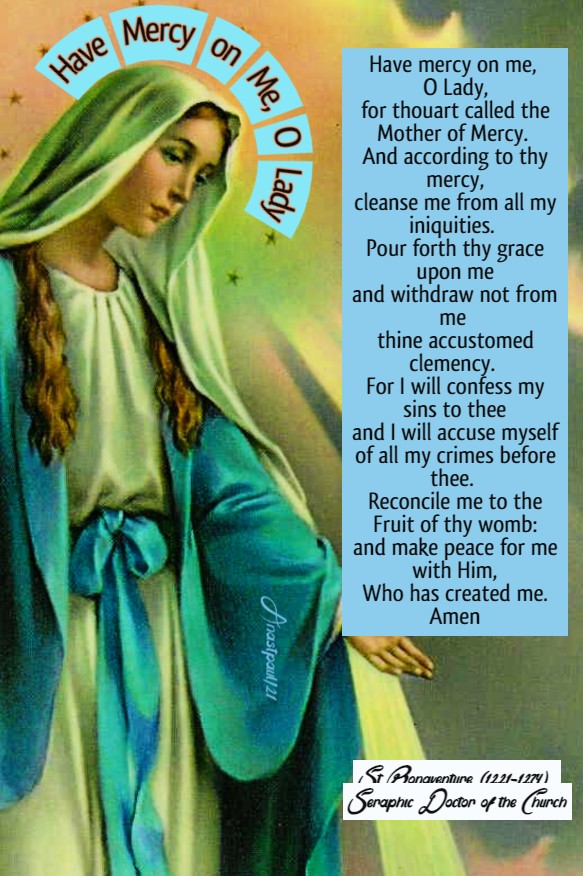
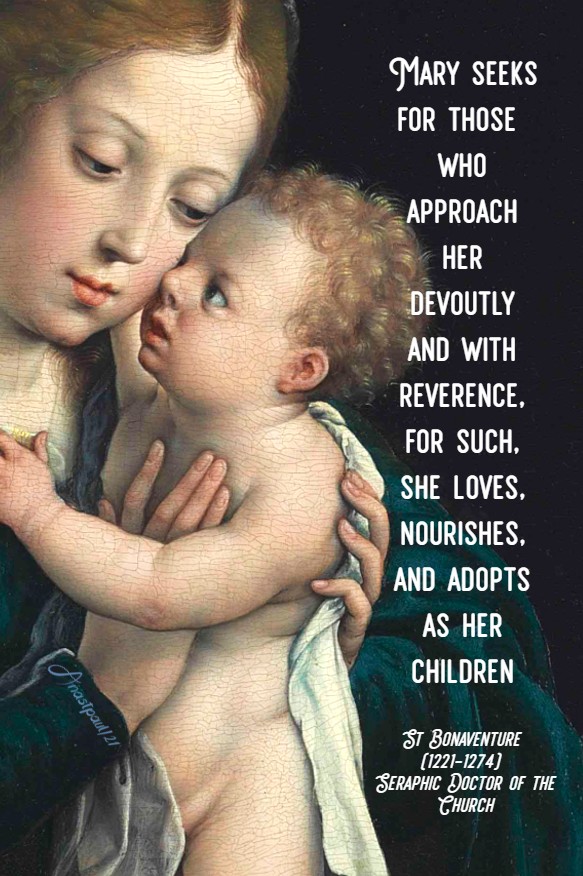
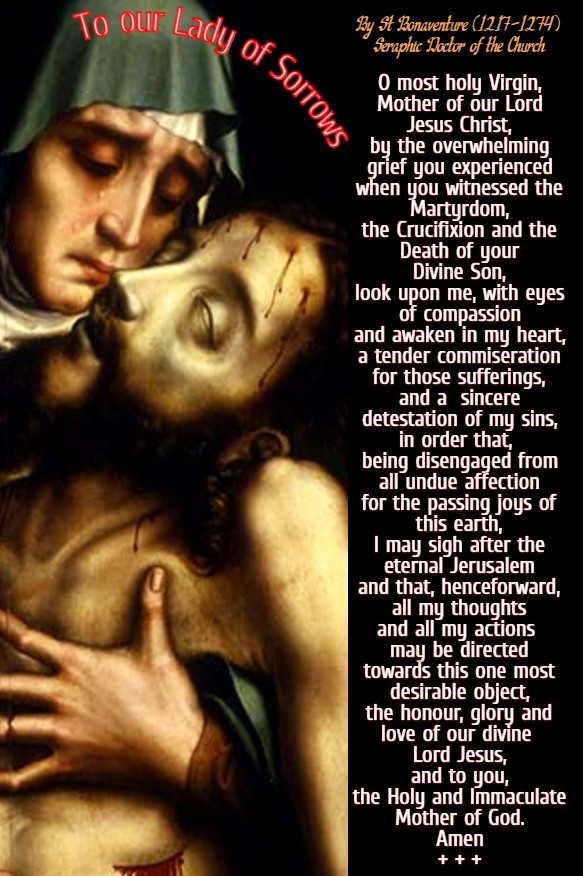
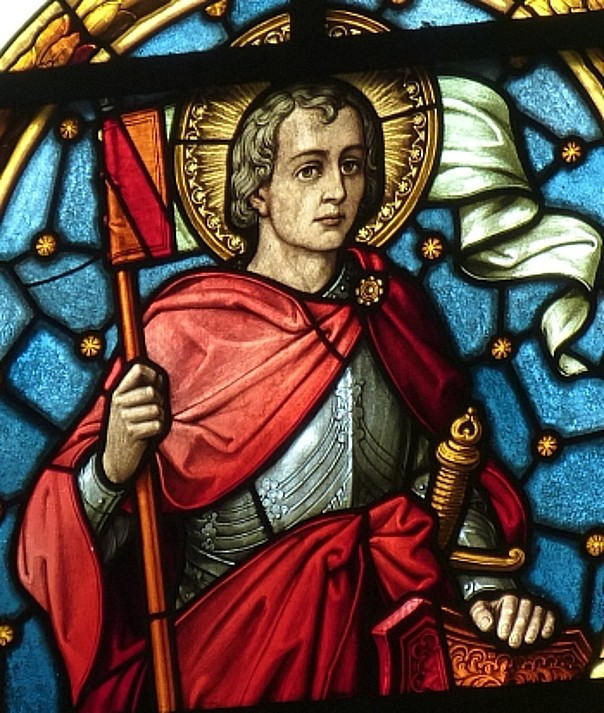
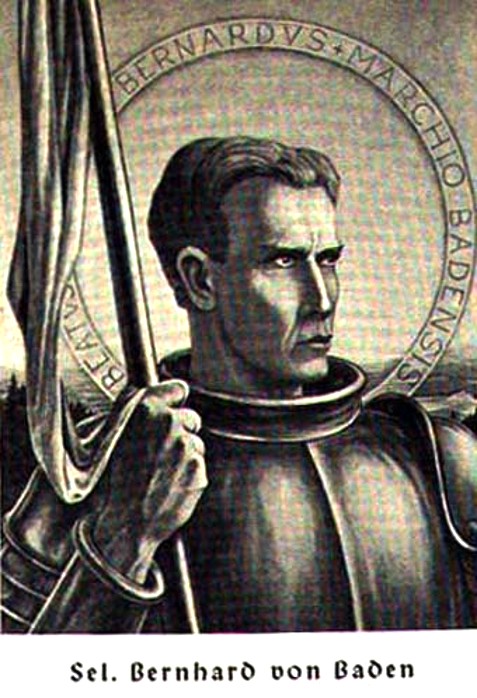
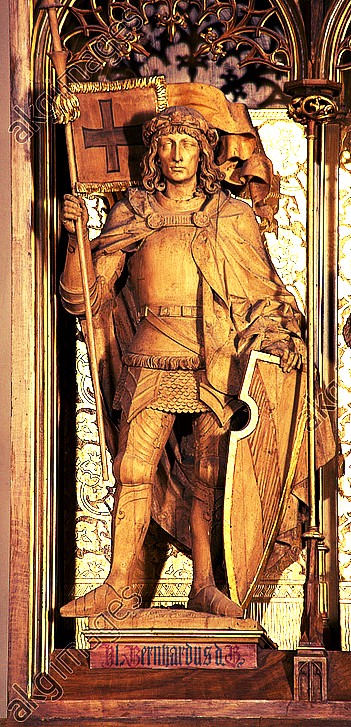
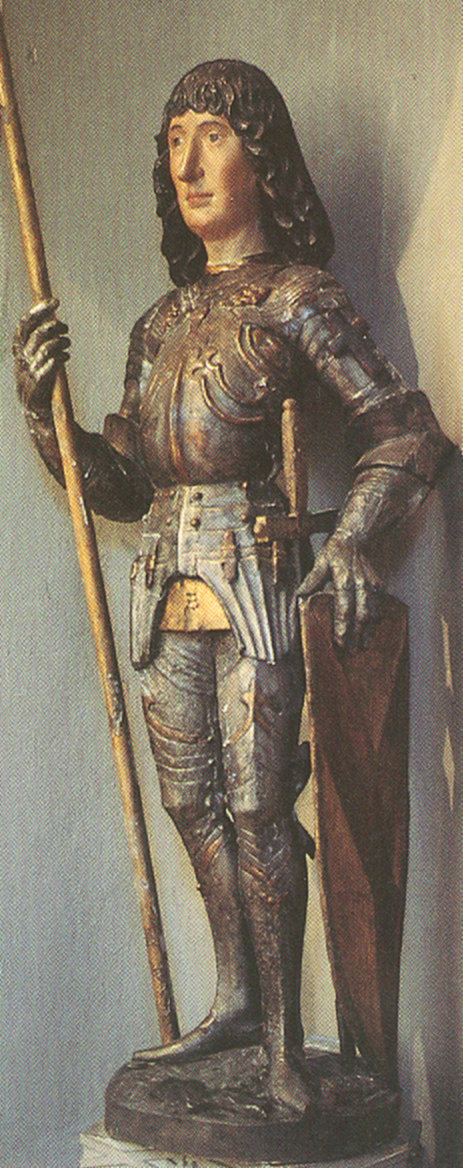
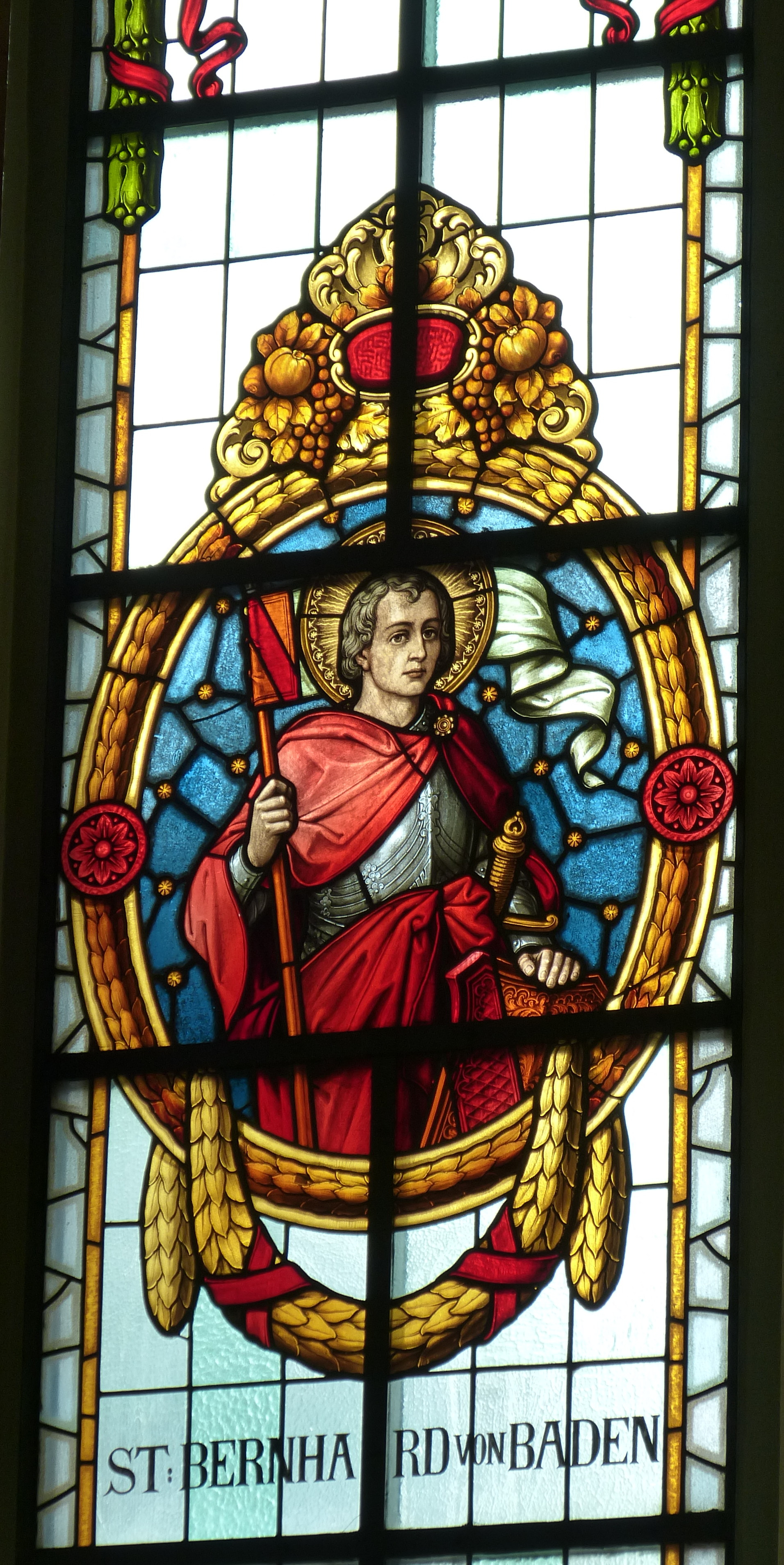
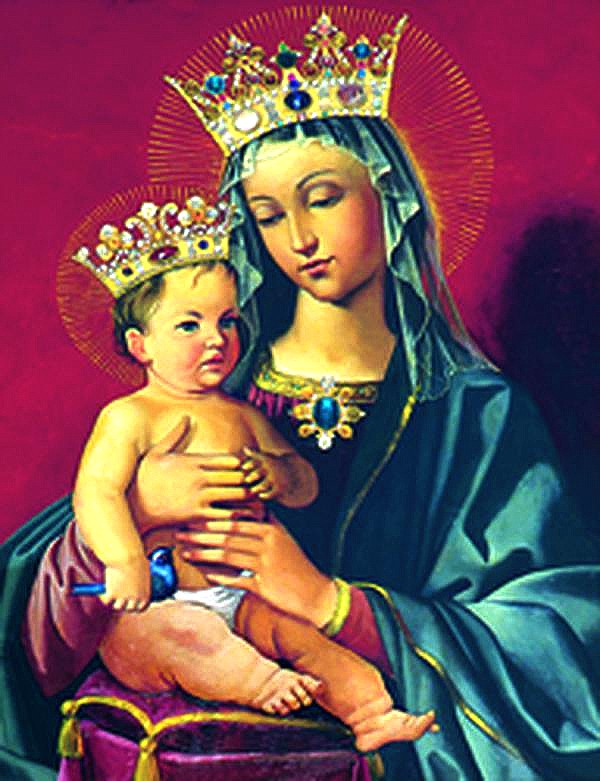
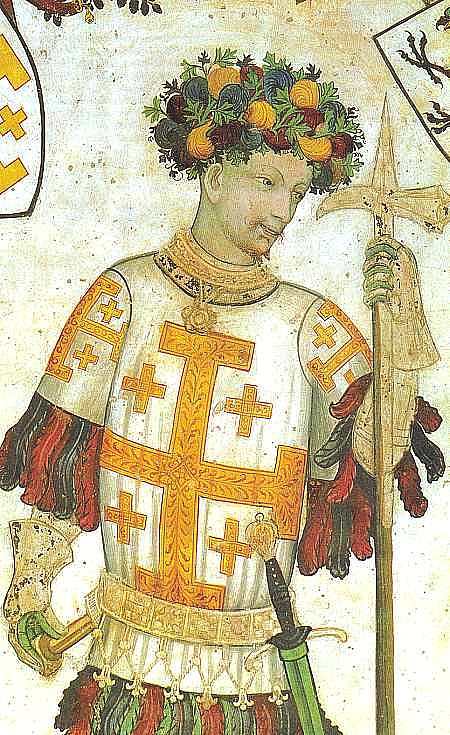
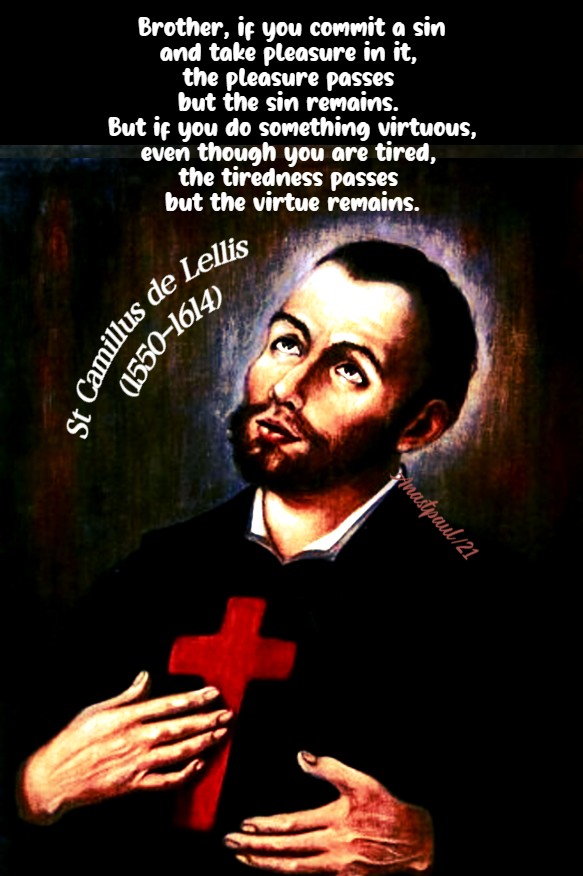
 AnaStpaul
You must be logged in to post a comment.