Posted in INCORRUPTIBLES, MARIAN TITLES, SAINT of the DAY, THE EPIPHANY of the LORD

The Epiphany of the Lord, Nostra Signora di Cana / Our Lady of Cana and Memorials of the Saints – 6 January

The Epiphany of the Lord
Epiphany celebrates the visit of the three Kings or Magi (Wise Men) to the Christ Child, signifying the extension of salvation to the Gentiles.
The date of Epiphany, one of the oldest Christian Feasts, is 6 January, the 12th day after Christmas.
However, in some countries, the celebration of Epiphany is transferred to the Sunday which falls between 2 January and 8 January (inclusive). Greece, Ireland, Italy and Poland continue to observe Epiphany on 6 January as do traditional Catholics throughout the world.
Because Epiphany is one of the most important Feasts, it is a Holy Day of Obligation.

The Epiphany:
https://anastpaul.wordpress.com/2018/01/07/the-solemnity-of-the-epiphany-of-our-lord-jesus-christ-7-january-god-reveals-himself-to-us/
AND:
https://anastpaul.com/2019/01/06/the-solemnity-of-the-epiphany-of-the-lord-6-january/

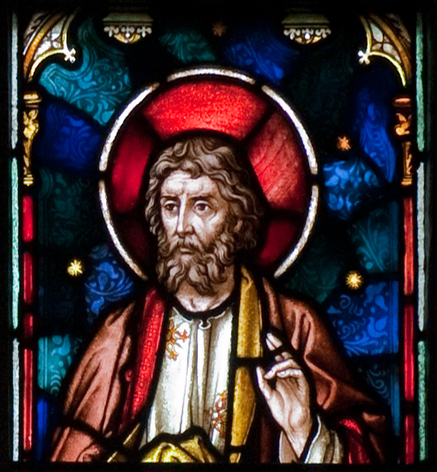
Saint Caspar, Saint Melchior and Saint Balthasa(1st Century) otherwise known as the Three Wise Men/Kings or the Magi – they are all Martyrs.
Patronages against epilepsy/of epileptics, against thunder, furriers, motorists, pilgrims, playing card manufacturers, sawmill workers, travellers, travelling merchants, Cologne, Germany, Saxony. Additional Memorials – 23 July (translation of Relics); 24 July (Cologne, Germany where their Relics lie).
Their Lives and Deaths:
https://anastpaul.com/2024/01/06/saints-of-the-day-6-january-saint-caspar-saint-melchior-and-saint-balthasar-1st-century-martyrs/

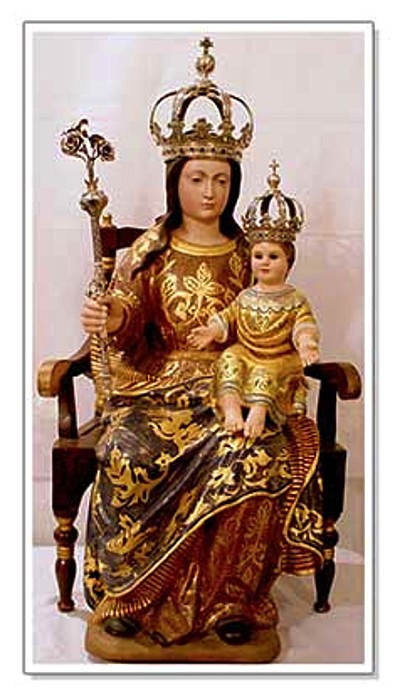
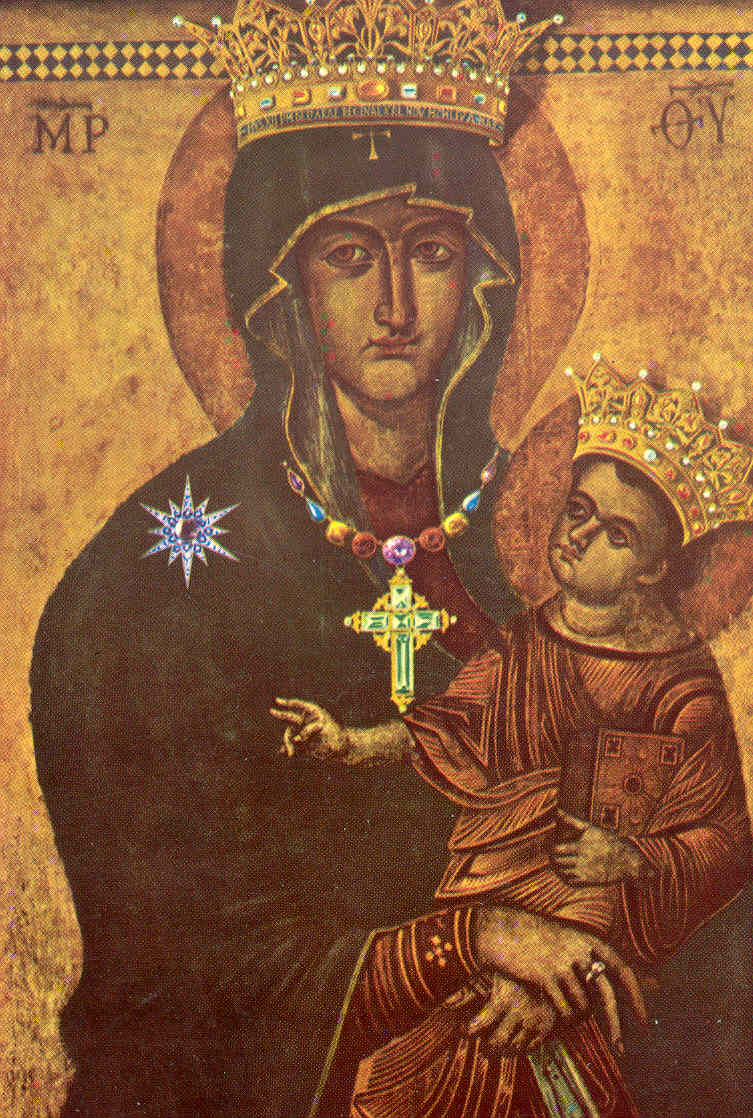
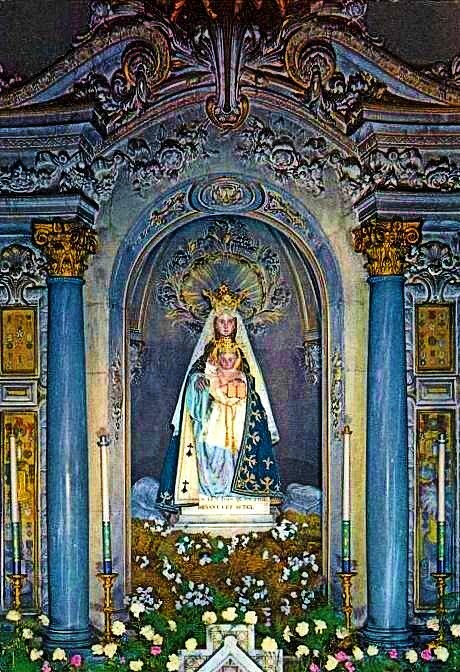
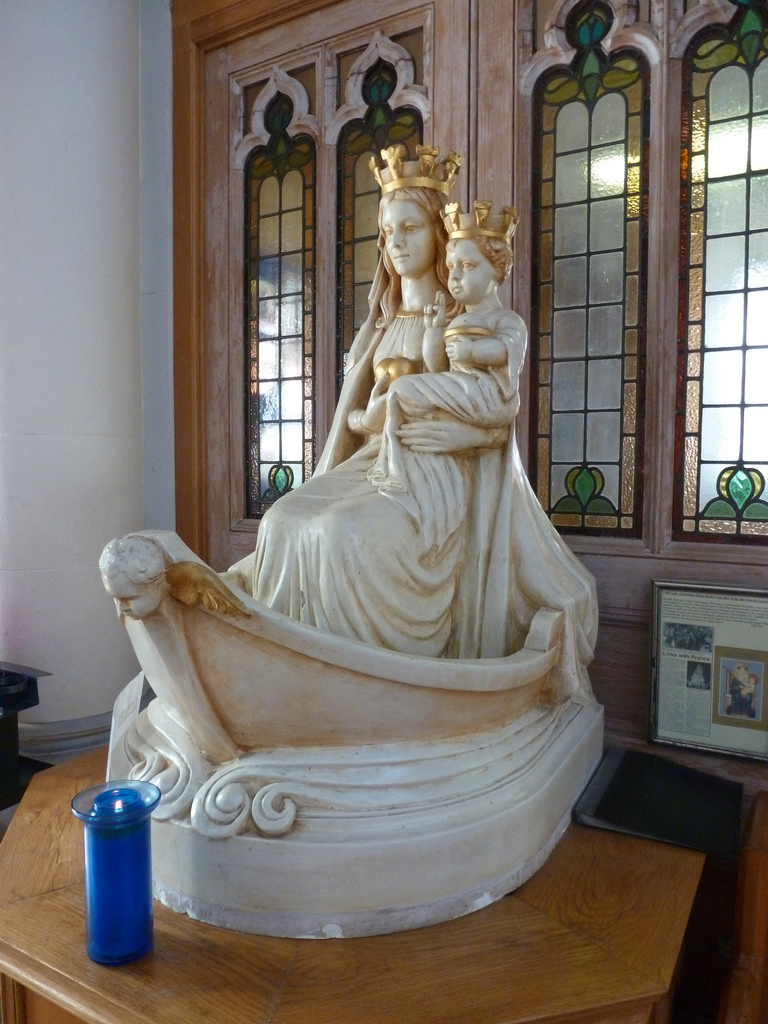
Nostra Signora di Cana / Our Lady of Cana – 6 January:
HERE:

https://anastpaul.com/2022/01/06/the-solemnity-of-the-epiphany-of-the-lord-nostra-signora-di-cana-our-lady-of-cana-and-memorials-of-the-saints-6-january/

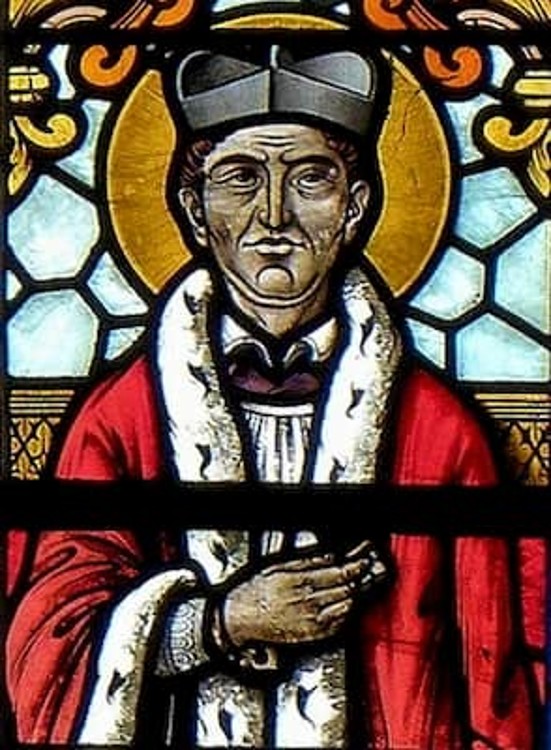
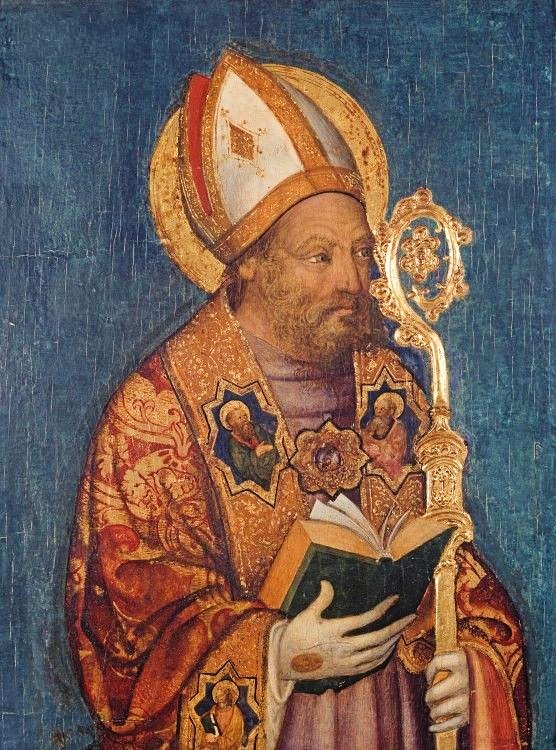
St Antoninus
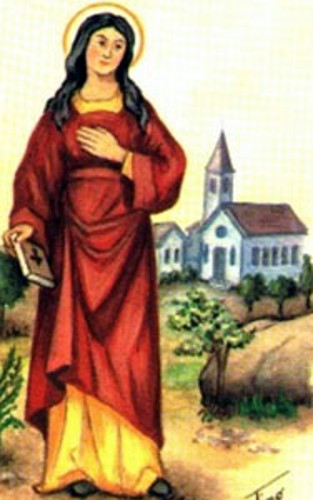
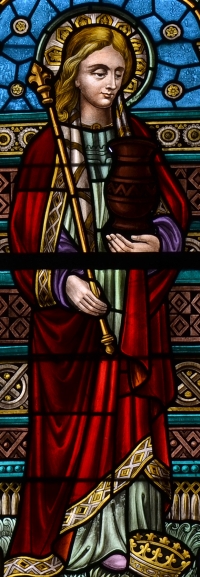
St Basillisa of Antinoe

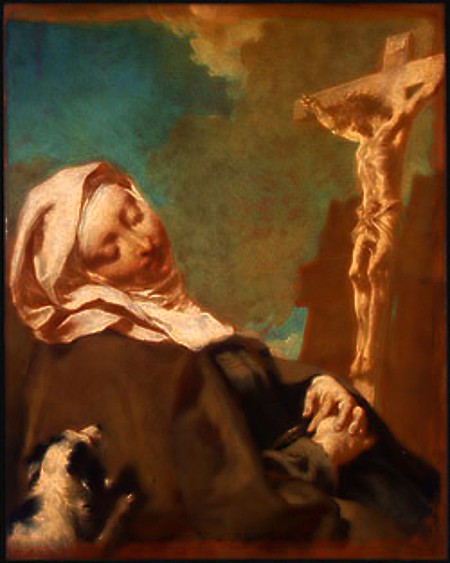
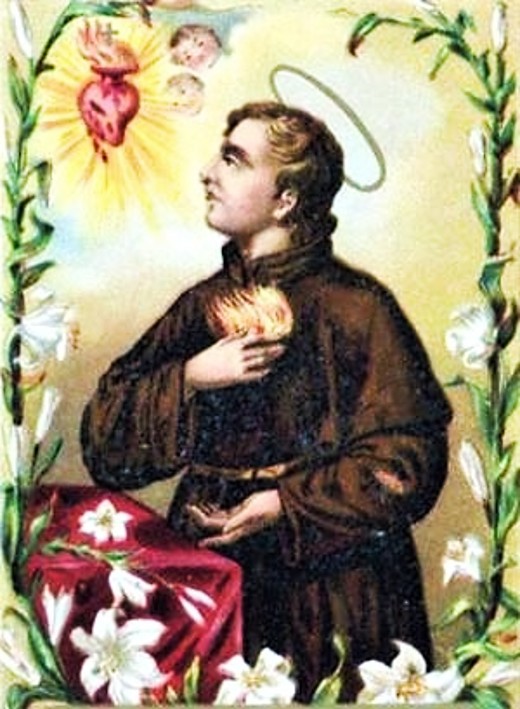
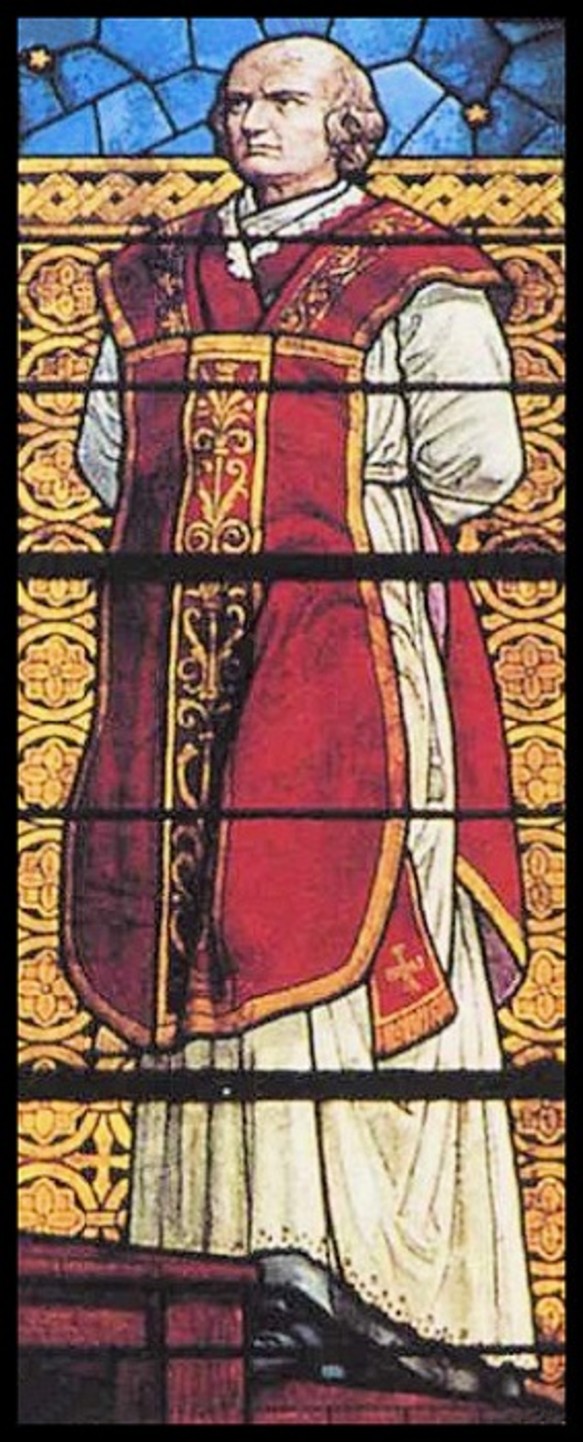
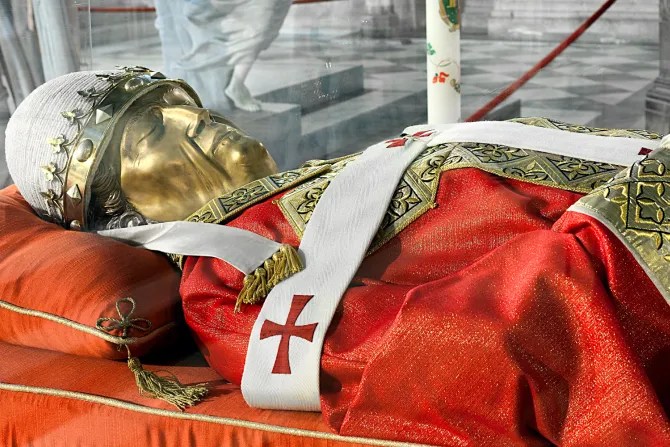
St Charles of Sezze OFM (1613-1670) Stigmatist, Friar, of the Friars Minor, Mystic, Writer, Advisor. His Beatification was celebrated in 1882 while Pope Pius XII approved his Canonisation in 1958 but the Pope died before he could Canonise the Friar so his successor, Pope John XXIII did so on 12 April 1959. His body is incorrupt.
About St Charles:

https://anastpaul.wordpress.com/2018/01/06/saint-of-the-day-6-january-st-charles-of-sezze-o-f-m-1613-1670/

St Demetrius of Philadelphia
St Diman Dubh of Connor
St Edeyrn
St Eigrad
St Erminold of Prüfening

Bl Frederick of Saint-Vanne
Bl Gertrud of Traunkirchen
Bl Gertrude van Oosten
St Guarinus of Sion
St Guy of Auxerre
St Honorius
St Hywyn of Aberdaron

St Julian of Antinoë
St Julius
Bl Luc of Roucy
Bl Macarius the Scot
St Macra of Rheims
St Merinus

St Peter of Canterbury (Died c614) Priest, Missionar, the First Abbot of the Monastery of Sts Peter and Paul in Canterbury (later St Augustine’s Abbey) and a companion of St Augustine of Canterbury (Died c605) in the Gregorian mission to Kent.
About St Peter:

https://anastpaul.com/2023/01/06/saint-of-the-day-6-january-saint-peter-of-canterbury-died-c-614-priest-abbot/

St Pia of Quedlinburg
St Pompejanus
Bl Raymond de Blanes
St Schotin
St Wiltrudis of Bergen

Martyrs in Africa: Unknown number of Christian men and women who were Martyred in the persecutions of Septimus Severus. They were burned to death c 210.

Martyrs of Sirmium – 8 Saints: A group of Christians Martyred together for their faith. The only surviving details are the names of eight of them – Anastasius VIII, Florianus, Florus, Jucundus, Peter, Ratites, Tatia and Tilis. They were martyred in the 4th century at Syrmium, Pannonia (modern Sremska Mitrovica, Vojvodina, Serbia).

Twelve Apostles – Saints of Ireland: Twelve 6th Century Irish Monks who studied under Saint Finian at Clonard Abbey and then spread the Faith throughout Ireland. Each has his own commemoration but on this day, they and their good works are considered and celebrated together. Although Saint Finian is sometimes included, most ancient writers list them as –

Brendan of Birr (Died c573) Monk, known as “Prophet of Ireland,” Founder of the Monastery at Birr in Central Ireland.
https://anastpaul.com/2021/11/29/saint-of-the-day-29-november-saint-brendan-of-birr-died-c-573/
Brendan the Navigator (c484–c 577) Priest, Abbot, Founder of many Monasteries.
https://anastpaul.com/2019/05/16/saint-of-the-day-16-may-st-brendan-the-navigator-c-484-c-577/
Columba of Iona (521-597) Apostle of the Picts, Apostle to Scotland, Abbot, Missionary, Evangelist, Poet, Scholar and Writer.
https://anastpaul.com/2020/06/09/saint-of-the-day-9-june-saint-columba-of-iona-521-597-apostle-of-the-picts-apostle-to-scotland/
Columba of Terryglass (Died 552) Abbot, Founder of Monasteries, Miracle-worker.
https://anastpaul.com/2023/12/12/saint-of-the-day-12-december-saint-columba-of-terryglass-died-552-abbot-one-of-the-twelve-apostles-of-ireland/
Keiran of Saighir (Died c 530) Bishop
https://anastpaul.com/2022/03/05/saint-of-the-day-5-march-saint-kieran-died-c-530/
Kieran of Clonmacnois / the Younger (c516-c550) Priest, Monk, Abbot, Teacher.
https://anastpaul.com/2021/09/09/saint-of-the-day-9-september-saint-kieran-the-younger-c-516-c-550/
Canice of Aghaboe
Lasserian of Leighlin
Mobhí of Glasnevin
Ninnidh the Saintly of Loch Erne
Ruadh´n of Lorrha
Senan of Iniscathay

Posted in SAINT of the DAY, WIDOWS and WIDOWERS

Saint of the Day – 25 December – Saint Anastasia of Sirmium (Died 304) Widow, Martyr

Saint of the Day – 25 December – Saint Anastasia of Sirmium (Died 304) Widow, Martyr. Patronages – of martyrs, weavers, widows, Borgorose, Italy, Burana in Kyrgyzstan. She is one of seven women who, along with Blessed Virgin Mary, are commemorated by name in the Roman Canon of the Mass.

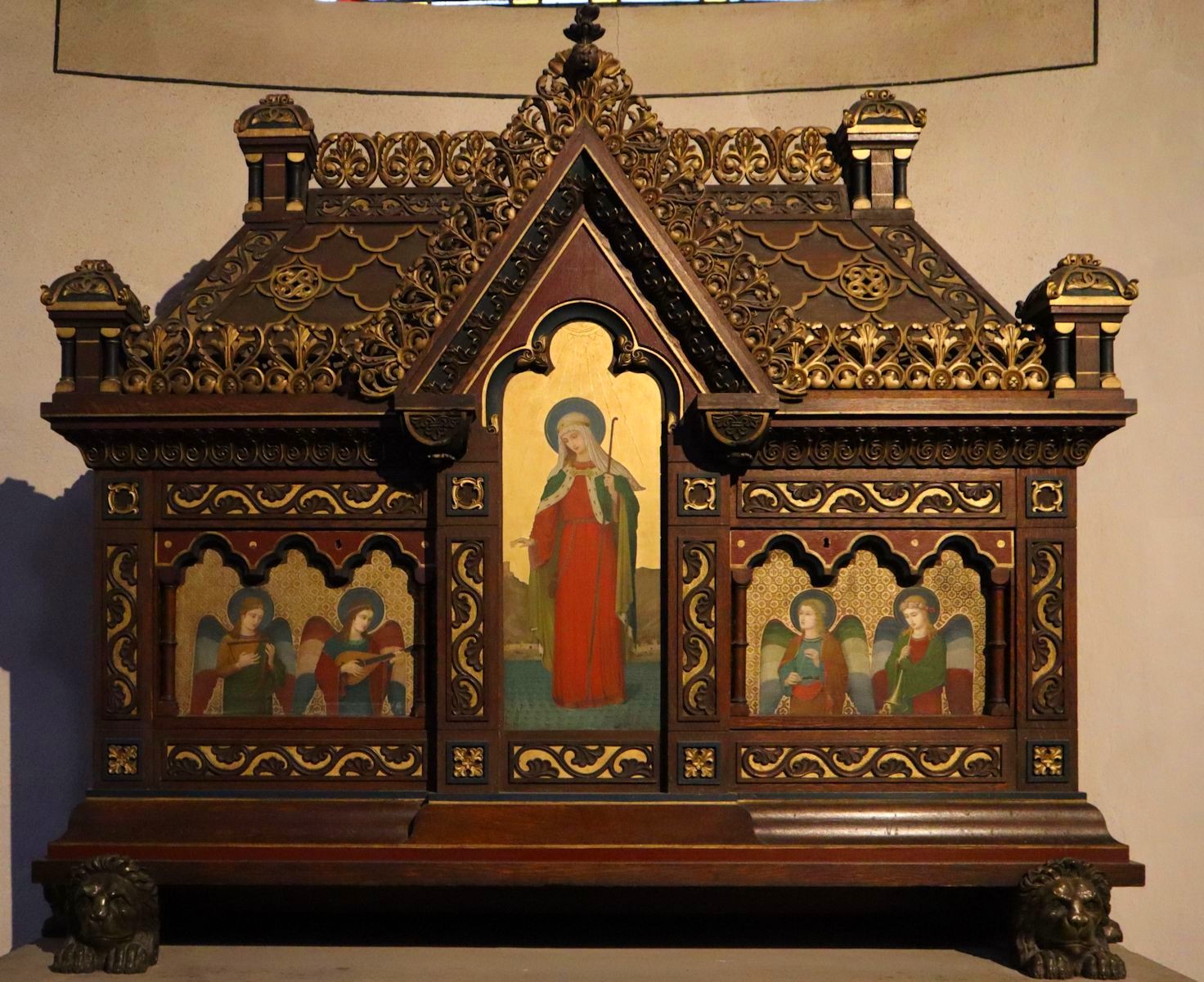
From a Triptych in Zadar Cathedral

Before the liturgical reforms of the 20th Century, this Martyr enjoyed the distinction, unique in the Roman Liturgy, of having a special commemoration in the second Mass on Christmas Day. Since the time of St Gregory the Great (Papacy 590-604) and celebrated by the Pope himself, her name was also inserted into the Roman Canon.

The Roman Martyrology reads today: “The birthday of St Anastasia, who, in the time of Diocletian, first suffered a severed and harsh imprisonment on the part of her her husband, Publius, in which, however, she was much consoled and encouraged by the Confessor of Christ, St Chrysogonus.
Afterwards, she was thrown into prison again by order of Florus, Prefect of Illyria and, finally having her hands and feet stretched out, she was tied to stakes with a fire kindled about her in the midst of which, she ended her Martyrdom on the Island of Palmarola, whither she had been conveyed with two hundred men and seventy women, who have made Martyrdom a glorious thing by the various kinds of death they so courageously endured.

Anastasia, daughter of Pretestato a noble Roman, was a native of Sirmium, Pannonia, a Roman City in what is now Yugoslavia. She was the wife of Publius, a pagan, nevertheless, she was entirely devoted to assisting the Christians of Rome, who were forbidden, by an unjust law, to carry out any profession. Her husband, who was very much against her good works, cruelly punished her every disobedience but she was comforted by the advice of St Chrysogonus, who was also persecuted and imprisoned.

After her husband’s death, she was able to exercise her Christian charity more freely. Her spiritual advisor St Chrysogonus, had been arrested and sent to the Imperial Court in Aquileia, Anastasia accompanied him on the journey from Rome and witnessed the interrogation and then his beheading, the body was abandoned at the home of the three Christian sisters Agape, Chionia, Irene, who with the help of the holy priest Zoilus, gave him burial and for this they were all arrested.

Then Diocletian left for Macedonia taking with him all the imprisoned Christians and with them Anastasia; from Macedonia he moved towards Sirmium in Illyria, here the matron Theodota and her three sons were reported to him as fugitive Christians and he had them imprisoned.

The interest which Anastasia had in the fate of the four, aroused the suspicion of the pagans who reported her to the prefect Probus; these, after interrogations and vain attempts to make her renounce Christ, kept her in chains for a month and then put her on a pierced ship, together with other Christians and criminals and sent it out to sea to a certain death. But they miraculously escaped the stormy seas and landed at Palmaria, where they were again captured and offered freedom in exchange for honouring the gods. After their consistent refusal they were all massacred, while Anastasia was burned alive. Her ashes were collected by a woman named Apollonia who placed them in a small Church in her garden.

Although this ‘passio’ is probably partly enhanced and imagined, it is certain that the cult of a Martyr St Anastasia in Sirmium, is very ancient and then spread to Constantinople and Rome. In Sirmium, her Relics were venerated until about 460, when then, the Bishop Gennadius had them transferred to Constantinople to the Church that later took her name. In Rome, since the 4th Century, there was a Titular Church, already dedicated to her, right in the centre of pagan memories (Circus Maximus, on the Palatine).

She is depicted without particular attributes among the virgins in procession in the Church of St Apollinare Nuovo, also present on the bronze door of St Mark in Venice, in the Cathedral of Zadar in Sirmium (Yugoslavia) and others. In ancient times various Churches were dedicated to her, including that of Verona and the other very ancient and important for its historical and archaeological aspect, in Rome, already mentioned which, in the 7th Century, was already listed as the third most important Church after the Lateran and St Mary Major. The Cathedral of Zadar (Sirmium) is also dedicated to her.

St Anastasia’s Altar in Zadar Cathedral
Posted in SAINT of the DAY

The Nativity of Our Lord, Christmas Day! and Memorials of the Saints – 25 December

The Nativity of Our Lord, Christmas Day!
Celebration of the Anniversary of the Birth of Our Lord. In the earliest days of the Church there was no such Feast, the Saviour’s Birth was commemorated with the Epiphany by the Greek and other Eastern Churches. First mention of the Feast, then kept on 20 May, was made by Clement of Alexandria c 200. The Latin Church began in c 300 to observe it on 25 December, though there is no certainty that Our Lord was born on that day.
Today, Priests have the privilege of saying three Masses, at midnight, daybreak and morning. This was originally reserved to the Holy Father alone – beginning about the 4th century he celebrated a midnight Mass in the Lateran Basilica (in which according to tradition, the manger of Bethlehem is preserved), a second in the Church of Saint Anastasia, whose Feast comes on 25 December and a third at the Vatican Basilica.
Many peculiar customs of the day are the outcome of the pagan celebrations of the January calendar. The Christmas tree, of which the first known mention was made in 1605 at Strasbourg, was introduced into France and England in 1840.
The Feast is a Holy Day of Obligation, preceded by the preparatory season of Advent and by a special Vigil – should it fall on a Friday it abrogates the law of abstinence. Of course, Christmas attracts an Octave, when this wonderful Mystery and Miracle is celebrated for eight days.
https://anastpaul.com/2019/12/25/the-solemnity-of-the-nativity-of-our-lord-jesus-christ-25-december-2/
AND:
https://anastpaul.com/2018/12/25/the-solemnity-of-the-nativity-of-our-lord-jesus-christ-25-december/
AND:
https://anastpaul.wordpress.com/2017/12/25/25-december-the-solemnity-of-the-birth-of-our-lord-jesus-christ-2/

St Adalsindis of Hamay
St Alburga of Wilton
St Anastasia of Sirmium (Died 304) Widow, Martyr

Bl Artale
St Basilée of the Via Latina

Blessed Bentivoglio de Bonis OFM (1188-1232) Confessor, Priest and Friar of the Friars’ Minor of St Francis, Noted preachers, Miracle worker and visionary. One of Saint Francis of Assisi’s earliest disciples and one of first Franciscans.
His Holy Life:

https://anastpaul.com/2022/12/25/saint-of-the-day-25-december-blessed-bentivoglio-de-bonis-ofm-1188-1232-confessor-priest/
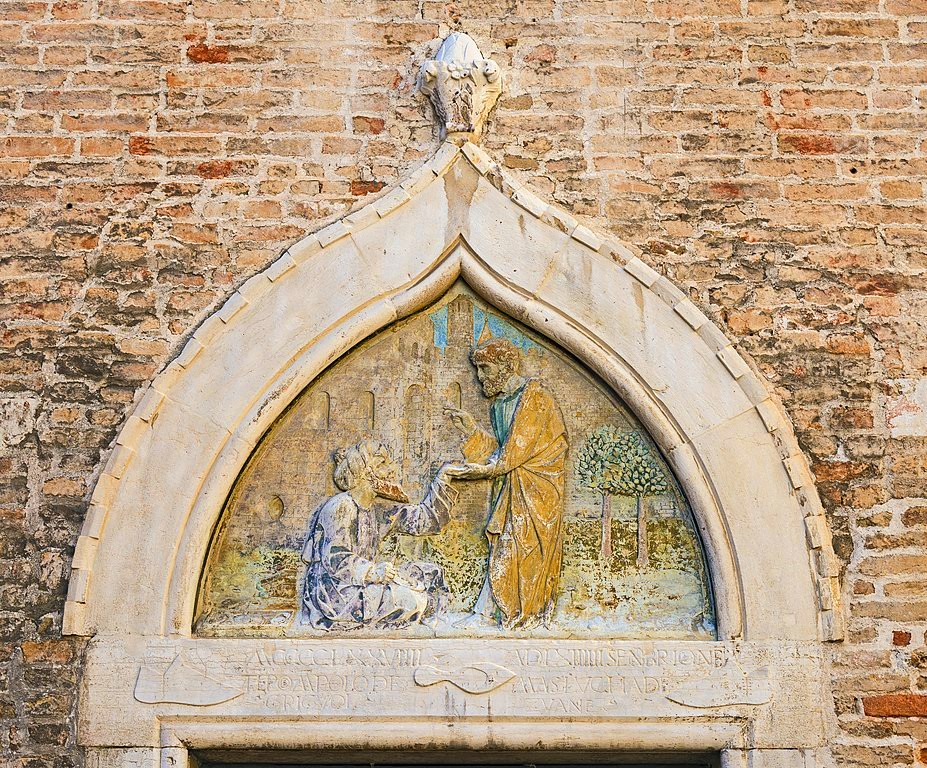
Bl Diego de Aro
St Eugenia of Rome

St Fulk of Toulouse (c1155-1231) Bishop of Toulouse, France, a fierce and untiring Defender of the Faith against heresies, Musician, Composer and Lyricist, Poet, Born in c1155 at Genoa, Italy and died in 1231 in Toulouse of natural causes.
A Talented and Zealous Shepherd:

https://anastpaul.com/2023/12/25/saint-of-the-day-25-december-saint-fulk-of-toulouse-c1155-1231-bishop/

Blessed Jacopone da Todi OFM (1230-1306) Priest and Friar of the Order of the Friars Minor, Author of the “Stabat Mater,” Confessor, Hymnist, Poet, Musician, Mystic, Lawyer. He is the Author of the famous Latin Hymn, The Stabat Mater among others.
Biography:

https://anastpaul.com/2020/12/25/saint-of-the-day-25-december-blessed-jacopone-da-todi-ofm-1230-1306/

St Jovin of the Via Latina
Bl Matthew of Albano
Bl Michael Nakashima Saburoemon
Bl Nera

Blessed Peter the Venerable (c1092–1156) The Eighth Abbot of Cluny, Reformer, Scholar and Writer, Poet. He was Beatified in 1862 by Pope Pius IX.
About Blessed Peter:

https://anastpaul.com/2021/12/25/saint-of-the-day-25-december-blessed-peter-the-venerable-c%e2%80%891092-1156/

St Romulus of Berry

Posted in SAINT of the DAY

Saint of the Day – 24 December – Saint Gregory of Spoleto (Died c304) Priest Martyr

Saint of the Day – 24 December – Saint Gregory of Spoleto (Died c304) Priest Martyr. Died in Spoleto, Italy after many tortures by being beheaded in c304.

The Roman Martyrology reads today: “At Spoleto, the holy Priest, Gregory. In the time of the Emperors Diocletian and Maximian, he was first beaten with rough clubs and then, after being exposed on the gridiron and improised, was struck on the knees with iron carding instrucments, burned on the sides with firebrands and finally, beheaded.

Gregory was a holy Priest of Spoleto, in Italy, who employed his time, night and day, in fasting and prayer and in teaching others the holy law of God.

It happened that Flaccus, a General of the armed forces, arrived at that City with a special order from the Emperor Maximian, to punish all the Christians. An information was laid before him, stating that Gregory seduced many and despised the gods and the Emperors. Soldiers were immediately despatched to bring him bound before his tribunal. When he appeared, Flaccus, with a stern countenance, said: “Are you Gregory of Spoleto?” The Martyr answered, “I am.” Flaccus again said, “Are you the enemy of the gods and the enemy of the princes?” St. Gregory replied, “From my infancy, I have always served the God Who formed me out of the earth.” Flaccus asked, “Who is your God?” “He,” replied the Martyr, “Who made man to His Own Image and likeness, Who is all-powerful and immortal and Who will render to all men according to their works.” Flaccus said, “Do not use many words but do what I command you.” The Martyr replied, “I know not what your command implies but I do what I am bound to do.” Flaccus urged, “If you desire to save yourself, go to the wonderful temple and sacrifice to the great gods and you shall be our friend and shall receive many favours from our most invincible Emperors.” St Gregory said, “I desire not such a friendship, nor do I sacrifice to devils but to my God, Jesus Christ.”

The Judge commanded him to be buffeted on the face, beaten with clubs and tortured on the rack and at length, ordered his head to be cut off. This happened in 304. His Relics were originally enshrined in a Church which bears his name at Spoleto. In the 10th Century, St Bruno, the Archbishop of Cologne, transferred Gregory’s Relics to his City’s Cathedral, which gave rise to an impressive local iconography and cultus. In the few figures of the Saint (the 14th Century stained glass window of the Cathedral and the frontispiece of the Cologne Missal) Gregory is depicted in priestly robes with a book in his hand, the Palm of Martyrdom and the sword with which he was beheaded.

In 1037, Baronius found a copy of these Acta of our Saint Gregory, an authentic testimony of a glorious miracle wrought by the touch of these Relics.

Posted in SAINT of the DAY

The Vigil of the Nativity of Our Lord Jesus Christ, The final day of the Christmas Novenas and Memorials of the Saints 

Christmas Novena to the Divine Infant Jesus
By St Alphonsus,
THE NINTH DAY

The Miraculous Monthly Novena to the
Infant Jesus of Prague
The Ninth Day

All the Holy Ancestors of Christ – A commemoration of all the holy ancestors of Jesus Christ.
MORE HERE:

https://anastpaul.com/2020/12/24/24-december-vigil-of-the-nativity-of-the-lord-mass-at-midnight-and-memorials-of-the-saints-24-december/

St Caran of Scotland

St Delphinus of Bordeaux (Died 403) the 2nd Bishop of Bordeaux, Defender of the True Faith, friend of St Ambrose and St Venerius of Milan. He was also instrumental in the conversion of the great St Paulinus of Nola, becoming his spiritual father and teacher.
Holy and Learned St Delphinus:

https://anastpaul.com/2023/12/24/saint-of-the-day-24-december-saint-delphinus-of-bordeaux-died-403-bishop/

St Euthymius of Nicomedia
St Gregory of Spoleto (Died c304) Priest Martyr

St Hanno of Worms OSB (Died 978) Benedictine Monk, Bishop of Worms from 950 until his death.
Biography:

https://anastpaul.com/2020/12/24/saint-of-the-day-24-december-saint-hanno-of-worms-osb-died-978/

St Irmina of Oehren (Died c716) Virgin Princess, Nun, Abbess, Founder and Co-founder of 2 Monasteries, benefactress of St Willibrord, the great Missionary Saint of Germany. The Roman Martyrology states: “In Trier in Austrasia, in Germany, Saint Irmina, Abbess of the Monastery of Öhren, who, a virgin consecrated to God, gave Saint Willibrord a small Monastery she founded in her villa in Echternach and was a generous giver of her goods.”
Her Life:

https://anastpaul.com/2021/12/24/saint-of-the-day-24-december-saint-irmina-of-oehren-died-c-716/

St Mochua of Timahoe

St Trasilla (Sixth Century) Virgin, Aunt of Saint Pope Gregory the Great (540-604)
The Roman Martyrology reads today: 
At Rome, the birthday of the holy Virgin, Trasilla, Aunt of St Gregory, Pope, who writs of her that at the hour of her death, she saw Jesus coming to her.
St Trasilla’s Life:
https://anastpaul.com/2022/12/24/saint-of-the-day-24-december-st-trasilla-sixth-century-virgin/

Blessed Mercedarian Brother:
Blessed Dionysius Roneo
Blessed Philip Claro
Blessed Giulio Pons
Blessed Peter of Valladolid

Blessed Mercedarian Sisters:
Blessed Anna Maria Prieto
Blessed Anna de Arrano
Blessed Orsola de Larisgoizia
Blessed Maguna Mary
Blessed Margaret
Blessed Mary of the Assumption Sarria

Martyred Maidens of Antioch – 40 Saints: A group of forty Virgins Martyred in the persecutions of Decius. None of their names have come down to us. They were martyred in 250 in Antioch, Syria.

Martyrs of Tripoli – 6 Saints: A group of Christians Martyred together, date unknown. The only details that have survived are six of the names – Drusus, Lucian, Metrobius, Paul, Theotimus and Zenobius. They were martyred in Tripoli, Libya.

Posted in SAINT of the DAY

Saint of the Day – 23 December – Saint Frithbert of Hexham (Died 766) Bishop

Saint of the Day – 23 December – Saint Frithbert of Hexham (Died 766) Bishop of Hexham, England serving his Diocese for 32 years and administering Lindisfarne. He died on 23 December 766 of natural causes. Also known as – Fridebert, Frithubeorht, Frideberto, Frithelbert.

The Reredos at Hexham Abbey depicting the 7 Canonised Bishops. St Firthbert is shown second from the right,

As the 7th Bishop of Hexham, Frithbert served as the Bishop for a lengthy 32 years until his death. He had been Cconsecrated on 8 September 734 by Archbishop Ecgbert. The Diocese which developed in the territory between the Rivers Aln and Tees, had its Seat in the Monastery founded by St Wilfrid of York in 674. Only thirteen Bishops of this ancient Diocese are known and 7 of them are Canonised Saints. After the devastating raids of the Danish Vikings in the 9th Century, around the year 821, the Diocese was united with that of Lindisfarne.

In 750, when Cynewul, then the Bishop of Lindisfarne – was imprisoned for political reasons during a dynastic clash, Frithbert also administered the See of Lindisfarne.

He died on 23 December 766, the same year as Archbishop Ecgbert. St Bede praised Firthbert as a “truly faithful Bishop.”

St Frithbert’s Relics were re-discovered at Hexham in 1154.

Hexham Abbey
Posted in MARIAN TITLES, SAINT of the DAY

Notre-Dame de Ardilliers / Our Lady of Ardilliers (1454), Day 8 Christmas Novenas and Memorials of the Saints – 23 December

Christmas Novena to the Divine Infant Jesus
By St Alphonsus
THE EIGHTH DAY

The Monthly Novena to the
Miraculous Infant of Prague

The Eighth Day

Notre-Dame de Ardilliers de Saumur / Our Lady of Ardilliers, Saumur, Anjou, France (1454) – 23 December:
HERE:

https://anastpaul.com/2021/12/23/notre-dame-de-ardilliers-de-saumur-our-lady-of-ardilliers-saumur-anjou-france-1454-and-memorials-of-the-saints-23-december/

St Besa of Egypt (5th Century) Abbot, a wise, compassionate and effective administrator, shepherd of the surrounding peoples Besa was the Senior Abbot of more than one double Monastery in the desert region of Thebes. 
St Besa’s Life of Grace:

https://anastpaul.com/2023/12/23/saint-of-the-day-23-december-saint-besa-of-egypt-5th-century-abbot/

St Bincema
St Dagobert II of Austrasia
St Frithbert of Hexham (Died 766) Bishop

Blessed Hartmann OSA (c 1090-1164) Bishop of Brixen, Italy and Friar of the Hermits of St Augustine, Reformer of the Clergy, Advisor and Confessor to the Holy Roman Emperor, Leopold I, Miracle-worker.
His Holy Life:

https://anastpaul.com/2022/12/23/saint-of-the-day-23-december-bl-essed-hartmann-osa-c-1090-1164-bishop/

St Ivo of Chartres (c1040-1115) Bishop of Chartres, France from 1090 until his death, Confessor, Reformer, Defender of the Faith, Lawyer, Canon Lawyer, Teacher and Theologian, Writer. The Roman Martyrology states: “In Chartres in France, Saint Ivo, Bishop, who re-established the Order of the Canons and did much work and wrote to promote harmony between the clergy and the civil powers and for the good of the Church.”
Biography:

https://anastpaul.com/2021/12/23/saint-of-the-day-23-december-saint-ivo-of-chartres-c-1040-1115/

St John Cirita
St John Stone
St Mardonius of Rome
St Mazota of Abernethy
St Migdonius of Rome

Blessed Nicolás Factor-Estaña OFM (1520-1583) Priest of the Order of Friars Minor, Painter, Preacher, Ascestic, Spiritual Director.
His Life:

https://anastpaul.com/2019/12/23/saint-of-the-day-23-december-blessed-nicolas-factor-estana-ofm-1520-1583/

St Servulus (Died c 590) Layman, Beggar, paralysed by Palsy from birth. Saint Servulus was a perfect model of submission to the divine Will; it would be difficult to offer a more consoling example to persons afflicted by poverty, illnesses and the other miseries of life. It is Saint Gregory the Great who narrates for us his edifying story.
St Servulus’ Life of devotion:

https://anastpaul.com/2020/12/23/saint-of-the-day-23-december-saint-servulus-died-c-590/

Martyrs of Crete – 10 Saints: A group of ten Christians who died in the persecutions of Decius. They were – Agathopus • Basilides • Cleomenes • Eunician • Euporus • Evaristus • Gelasius • Saturninus • Theodulus • Zeticus They were martyred in 250 on the island of Crete.

Posted in SAINT of the DAY

Saint of the Day – 22 December – Saint Honoratus of Toulouse (3rd Century) Bishop

Saint of the Day – 22 December – Saint Honoratus of Toulouse (3rd Century) the 2nd Bishop of Toulouse, France Born in Navarre, Spain and died Toulouse, France of natural causes. Also known as – Honore, Onorato.

Bust of St Honoratus in Toulouse

We have very little information about this Saint, of whom we know only that he was the 2nd Bishop of Toulouse, in modern France. He was converted to Christianity by the Founder of the Church in Toulouse, Saint Saturninus who then sent him, to Pampolona in Spain ​​to evangelise the region.

There he met Firminus, son of the senator Firmus, the Governor of Pamplona, ​​converted him and took him back to Toulouse to meet St Saturninus, who then Baptised him and later Ordained him as a Priest. Firminus later founded the Diocese of Amiens and there died a Martyr’s death.

Our Saint was chosen as his successor and Consecrated as the Bishop of Toulouse by his Spiritual Master, St Saturninus. Most of this information is extracted from the Vita of St Firminus.

The cult of Saint Honoratus began in the 13th Century when his Tomb was discovered in the Basilica of Saint-Sernin in Toulouse and whereafter, a Shrine was erected containing his Relics and miracles were reported.

St Honoratus’ Relics In Toulouse
Posted in MARIAN TITLES, SAINT of the DAY

The Fourth Sunday of Advent, Christmas Novenas, Notre-Dame de Chartres / Our Lady of Chartres / The Chartres Pilgrimage) (1935) and the Saints for 22 December

The Fourth Sunday of Advent

Christmas Novena to the Divine Infant Jesus
By St Alphonsus Maria de Liguori (1696-1787)
THE SEVENTH DAY

The Monthly Novena to the
Miraculous Infant Jesus of Prague
The Seventh Day

Notre-Dame de Chartres / Our Lady of Chartres, (Pèlerinage de Chartres / The Chartres Pilgrimage) Mother of Youth (1935): also known as the Pilgrimage of Christendom, has been gathering thousands of people on the Solemnity of Pentecost for a three-day trek from the Cathedral of Notre Dame in Paris to the Cathedral of Notre Dame in Chartres:
HERE:

https://anastpaul.com/2021/12/22/notre-dame-de-chartres-our-lady-of-chartres-pelerinage-de-chartres-the-chartres-pilgrimage-mother-of-youth-1935-and-memorials-of-the-saints-22-december/

St Frances Xavier Cabrini (1850-1917) – Italian-American Religious Sister, who founded the Missionary Sisters of the Sacred Heart of Jesus. She was the first naturalised citizen of the United States to be canonised on 7 July 1946 by Pope Pius XII.
About St Frances:

https://anastpaul.wordpress.com/2017/12/22/saint-of-the-day-22-december-st-frances-xavier-cabrini-m-s-c-1850-1917/
AND:
https://anastpaul.com/2022/12/22/saint-of-the-day-22-december-st-frances-xavier-cabrini-1850-1917-virgin/

St Abban of New Ross
Bl Adam of Saxony
St Amaswinthus of Málaga
St Athernaise of Fife
St Bertheid of Münster
St Chaeremon of Nilopolis

St Honoratus of Toulouse (3rd Century) Bishop

St Ischirione of Alexandria

Blessed Jutta OSB (c 1084-1136) Nun of the Benedictine Order, Foundress and Abbess, Spiritual Director (most notably of St Hildegard of Bingen), Mystic, miracle worker.
Biography:

https://anastpaul.com/2018/12/22/saint-of-the-day-22-december-blessed-jutta-of-disibodenberg-osb-c-1084-1136/

Bl Ottone of Toulouse

Blessed Thomas Holland SJ (1600-1642) Priest of the Society of Jesus and Martyr. of England and Wales. With eyes closed in prayer, Fr Holland looked at a Priest secretly in the crowd and received absolution. After he was hanged, his body was beheaded and quartered and exposed on London Bridge. Fr Holland was only forty-two years of age and a Jesuit for eighteen years. Pope Pius XI Beatified him on 15 December 1929.
His Life and Death:

https://anastpaul.com/2019/12/22/saint-of-the-day-22-december-blessed-thomas-holland-sj-1600-1642-priest-and-martyr-his-faith-was-his-crime/

St Zeno of Nicomedia (Died c303) Martyr, Roman Commander.
The Roman Martyrology reads today: “At Nicomedia, St Zeno, soldier, who derided Diocletian for sacrificing to Ceres, wherefore, he had his jawbone fractured, his teeth plucked out and his head struck off.
St Zeno’s Life and Death:

https://anastpaul.com/2023/12/22/saint-of-the-day-22-december-saint-zeno-of-nicomedia-died-303-martyr/

Martyrs of Ostia – 3 Saints: A group of Christians Martyred together. The only details about them to survive are three names – Demetrius, Florus and Honoratus. They were martyred at Ostia, Italy.

Martyrs of Rhaitu – 43 Saints: 43 Monks Martyred by Blemmyes, in Raíthu, Egypt, date unknown.

Martyrs of Via Lavicana – 30 Saints: A group of 30 Christians Martyred together in the persecutions of Diocletian. Died in c 303 in Rome, Italy and were buried between two bay trees on the Via Lavicana outside Rome.

Posted in SAINT of the DAY

Saint of the Day – 21 December – Saint James of Valencia O.deM. (Died 1362) Martyr,

Saint of the Day – 21 December – Saint James of Valencia O.deM. (Died 1362) Martyr, Missionary, Frair of the Mercedarians (the Order of Our Lady of Mercy and the Redemption of the Captives), Apostle of the poor. Born in Valencia, Spain and died in 1362 by being stoned to death in Algiers, Tunisia, North Africa whilst on a mission to ransom prisoners.

At the age of 27, James entered the Mercedarian Convent of El Puig. Spain where he took the Vows and Habit of the Order.

James was A great friend of the poor, he led a life completely crucified in the practice of rigid austerities which all his fellow religious admired.

In the year 1362, while he was in Algiers in Africa to redeem slaves and captives, he was captured by the Jews while preaching Christ in the synagogue. In hatred of the Faith, he was killed with sticks and stones and gloriously reached the choir of Martyrs.

The Order celebrates his Feast Day today on 21 December.

Posted in MARIAN TITLES, SAINT of the DAY, The APOSTLES & EVANGELISTS

The Feast of St Thomas, Apostle of Christ, Martyr, EMBER SATURDAY, Novenas, Notre-Dame de Saint-Acheul / Our Lady of Saint Acheul, Amiens, France (4th Century) and Memorials of the Saints – 21 December

EMBER SATURDAY

Christmas Novena to the Divine Infant Jesus
By St Alphonsus – THE SIXTH DAY

The Monthly Novena to the Infant Jesus of Prague
The Sixth Day

Notre-Dame de Saint-Acheul / Our Lady of Saint Acheul, Amiens, France, founded by Saint Firmin, Bishop (4th Century) – 21 December:
HERE:

https://anastpaul.com/2021/12/21/feast-of-st-thomas-apostle-of-christ-christmas-novena-to-the-christ-child-day-six-notre-dame-de-saint-acheul-our-lady-of-saint-acheul-amiens-france-4th-century-and-memorials-of-the-saints/

Bl Adrian of Dalmatia

St Anastasius II of Antioch (Died 609) Bishop and Martyr, Confessor, Defender of the Faith.
His Life and Death:

https://anastpaul.com/2020/12/21/saint-of-the-day-21-december-saint-anastasius-ii-of-antioch/

St Baudacarius of Bobbio
St Beornwald of Bampton
Bl Bezela of Göda

Blessed Daniel of the Annunciation OdeM Mercedarian Friar. Daniel was a Mercedarian Friar at the Monastery of Santa Maria della Pace in Naples, Italy. He was a staunch defender of the freedom of the Church from state control and of his Order.(13th Century?)
https://anastpaul.com/2021/12/21/saint-of-the-day-21-december-blessed-daniel-of-the-annunciation-odem/

St Dioscorus

Blessed Dominic Spadafora OP (1450-1521) Dominican Priest, renowned Preacher and Evangelist. His body is incorrupt.
Biography:

https://anastpaul.com/2019/12/21/saint-of-the-day-21-december-blessed-dominic-spadafora-op-1450-1521/

St Festus of Tuscany
St Glycerius of Nicomedia
St James of Valencia O.deM. (Died 1362) Martyr
St John of Tuscany
St John Vincent

St Severin of Trèves (Died c300) Bishop, Confessor, Defender of the Faith, Misionary and Apostle to the Germans in the lower Moselle region.
Additional Feast celebrated on 15 October on some calenders:
His Holy Life:

https://anastpaul.com/2024/10/15/saint-of-the-day-15-october-saint-severus-of-trier-died-c455-bishop-and-confessor/

Bl Sibrand of Marigård
St Themistocles of Lycia

Blessed Tommaso Vitali OSM (1425-1490) Priest and Friar of the Order of the Servants of Mary (the Servites), a renowned and highly effective Preacher and patient spiritual guide.
The Life of a True Shepherd:

https://anastpaul.com/2023/12/21/saint-of-the-day-21-december-blessed-tommaso-vitali-osm-1425-1490-priest/
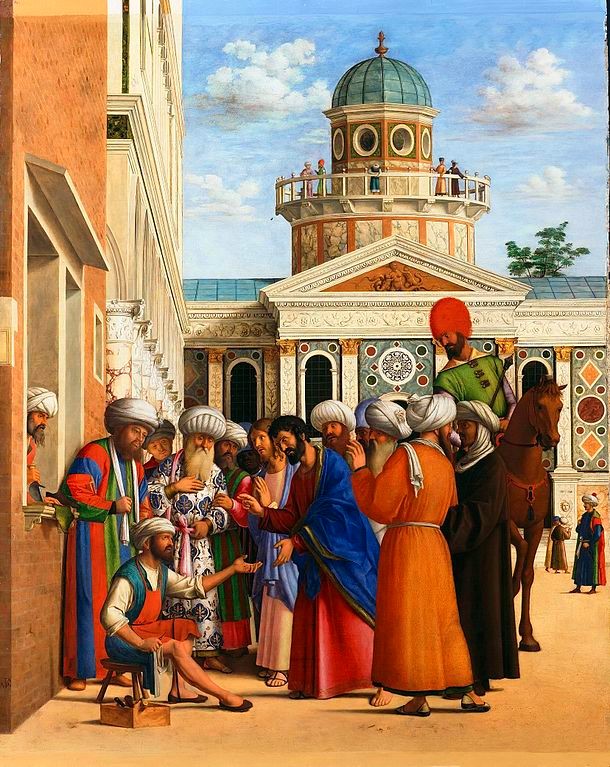
Posted in SAINT of the DAY

Saint of the Day – 20 December – St Hoger (Died 916) Bishop

Saint of the Day – 20 December – St Hoger (Died 916) Bishop of Hamburg-Bremen in Saxony, modern Germany where he died of natural causes on 20. Hoger was a Reformer and strict disciplinarian of the Clergy. Also known as – Hogerus, Hojerus, Holger, Hotgerns, Huggar.

Bremen Cathedral Facade showing some of it’s Saints

Hoger born in the 9th Century. He became a Monk in the Monastery of Corvey (New Corbie) at Höxter on the Weser River in Saxony, Germany.

Towards the end of the life of the holy Archbishop, Adalgar of Hamburg-Bremen, age and illness made it necessary for him to obtain an auxiliary Bishop and the choice fell on Hoger. Later, five neighbouring Bishops were assigned to assist the Archbishop in his duties.

Adalgar died on 9 May 909 and Hoger succeeded as the 4th Archbishop of Hamburg-Bremen. He was known for his strict application of clerical discipline.

Shortly after his death, under his successor Reginwart (916-918), the Diocese was attacked by the Huns, who burned Bremen.

Hoger died on 20 December 916 in Bremen. He was buried in the Church of St Michael in Bremen. 120 years later, in 1036, his Relics were translated and enshrined in the Cathedral on the occasion of the recognition of his cultus as a Saint. His Feast Day is the day of his death.

Bremen Cathedral
Posted in MARIAN TITLES, SAINT of the DAY

Vigil of St Thomas, Apostle, EMBER FRIDAY, Christmas Novenas – Fifth Day, Notre-Dame de Molène / Our Lady of Molene, France (1075) and the Saints for 20 December

VIGIL OF ST THOMAS, APOSTLE

EMBER FRIDAY – Fast and Abstinence

Christmas Novena to the Divine Infant Jesus
By St Alphonsus Maria de Liguori (1696-1787)
THE FIFTH DAY

The Monthly Novena to the Miraculous
Infant Jesus of Prague
The Fifth Day

Notre-Dame de Bon Retour à Île-Molène / Our Lady of Molene, France (1075) – 20 December
HERE:

https://anastpaul.com/2021/12/20/notre-dame-de-bon-retour-a-ile-molene-our-lady-of-molene-france-1075-christmas-novena-day-five-and-memorials-of-the-saints-20-december/

St Attala of Strasbourg
St Bajulus of Rome
St Crescentius of Africa
St Damian of Padua
St Dominic of Brescia

St Dominic de Silos OSB (1000-1073) Monk, Abbot. He was a Spanish Monk, to whom the Abbey of Santo Domingo de Silos, where he served as the Abbot, is dedicated. The mother of the better-known Saint Dominic de Guzmán, the Blessed Joan of Aza, prayed at his Shrine before she was able to conceive the son she named for him. That son would grow up to found the Dominican Order. Dominic’s special patronage thus became connected with pregnancy and until the establishment of the Second Spanish Republic in 1931, his abbatial crozier was used to bless the queens of Spain and was placed by their beds when they were in labour.
Biography:

https://anastpaul.wordpress.com/2017/12/20/saint-of-the-day-20-december-st-dominic-de-silos-o-s-b-c1000-1073/

St Eugene of Arabia
St Hoger (Died 916) Bishop
Bl John de Molina
St Julius of Gelduba
Bl Lorenzo Company
St Liberatus of Rome
St Macarius of Arabia
St Malou of Hautvillers
St Paul of Latra
Blessed Peter de la Cadireta

St Philogonius of Antioch (Died 324) Bishop, Widower, Lawyer, Patriarch of Antioch. Defender of the true Faith against Arianism, in fact, he was one of the first to publicly denouce the heresy, Defender of the people against persecution, Ascetic.
His Life:

https://anastpaul.com/2021/12/20/saint-of-the-day-20-december-saint-philogonius-of-antioch-died-324/

St Thomas of Dover

St Ursicinus of Saint-Ursanne (c552-c625) Abbot, Hermit, disciple of St Columban (543-615).  Born in c552 in either France or Ireland and died on 20 December in c625 near modern St-Ursanne, Jura, Switzerland of natural causes. Patronages – against stiff neck, Besançon in France, in Switzerland – Basel, Saint-Ursanne.
A Saint Patron against a Stiff Neck!:
https://anastpaul.com/2023/12/20/saint-of-the-day-20-december-saint-ursicinus-of-saint-ursanne-c552-c625-abbot/
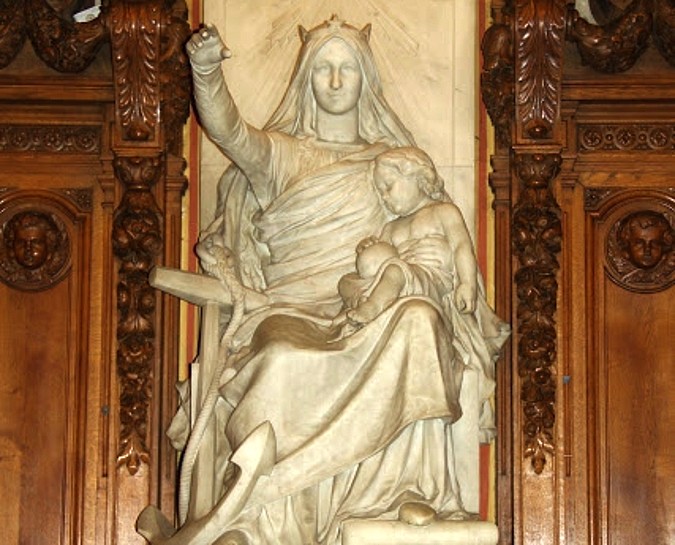
Posted in SAINT of the DAY

Saint of the Day – 19 December – Saint Gregory of Auxerre (c455-c540) Bishop and Confessor

Saint of the Day – 19 December – Saint Gregory of Auxerre (c455-c540) Bishop and Confessor who reigned as the Bishop of that Diocese for nearly 13 years. Probably born in France in c455 and died in Auxerre, France in c540 of natural causes.

The Roman Martyrology reads: “At Auxerre, St Gregory, Bishop and Confessor.”

A Window in Auxerre Cathedral showing an ancient Bishop which might be our St Gregory

Saint Gregory was the 12th Bishop of Auxerre. In the chronology of Bishops, he was placed after Saint Theodosius and before Saint Optatus.

If Saint Theodosius is mentioned at the first Council of Orléans in 511 and Saint Optatus had a very short Episcopate around 530, the pastoral government of our Gregory also appears within those dates.

He appears in the first catalogue of bishops compiled in the year 875, by the canons Rainogala and Agaldo, considered quite truthful by later historians, even if doubts were raised about the chronology before the 7th Century.

In the ancient text “Gesta Episcopurum Autissiodorensium” it is reported that Gregory governed the Diocese of Auxerre for twelve and a half years and died at the age of eighty-four. It is said that he died on 19 December of an unspecified year and was buried in the Crypt of Saint Germanus. His seven-line Epitaph, painted in the 12th Century on a pillar of the Crypt, is now almost completely erased.

In 1635, Bishop Dominique Séguier exhumed and recognised his remains. The Roman Martyrology lists his Feast Day as today, 19 December.

A portion and ceiling of the Crypt at Auxerre Cathedral
Posted in MARIAN TITLES, SAINT of the DAY

Nuestra Señora de Toledo (The Chasuble of St Ildephonsus) (657), Christmas Novenas and Memorials of the Saints – 19 December

Christmas Novena to the Divine Infant Jesus By St Alphonsus –
THE FOURTH DAY

The Monthly Novena to the Miraculous Infant of Prague
The Fourth Day

Nuestra Señora de Toledo (La Casulla de Santo Ildephonsus) / Our Lady of Toledo, Spain (The Chasuble of St Ildephonsus) (657) – 19 December:
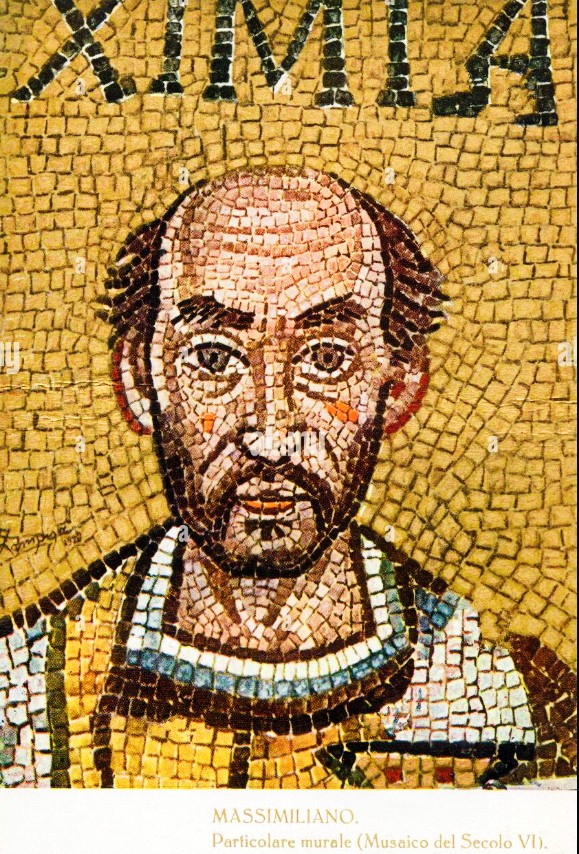
This miraculous story here:

https://anastpaul.com/2021/12/19/the-fourth-sunday-of-advent-christmas-novena-to-the-christ-child-day-four-nuestra-senora-de-toledo-our-lady-of-toledo-spain-the-chasuble-of-st-ildephonsus-657-and-memorials-of-the-s/
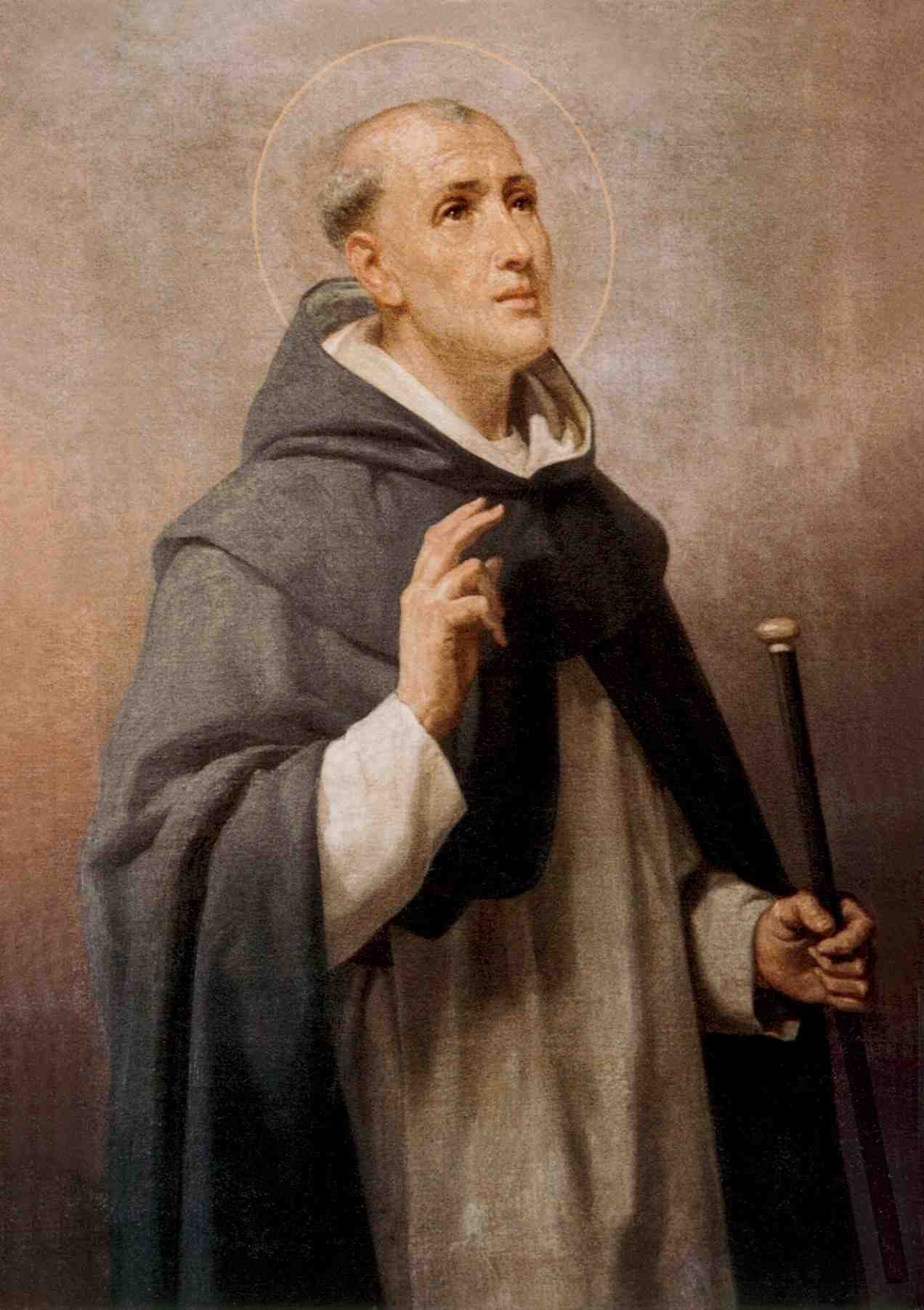
Blessed Pope Urban V (1310-1370) Bishop of Rome from 28 September 1362 to his death in 1370, Priest, Benedictine Monk, Abbot, Canon lawyer, brilliant scholar, teacher.
About Blessed Pope Urban:

https://anastpaul.wordpress.com/2017/12/19/saint-of-the-day-19-december-blessed-pope-urban-v-1310-1370/

St Avitus of Micy
Bl Berengar of Banares

St Berardo Valeara OSB (c1050-1122) Bishop of Teramo, Italy, Priest, Benedictine Monk at Monte Cassino, Reformer, Evangelist, Apostle of Charity and Peace.
His life:

https://anastpaul.com/2018/12/19/saint-of-the-day-st-berardo-valeara-of-teramo-osb-c-1050-1122/

St Boniface of Cilicia
Bl Cecilia of Ferrara
St Fausta of Sirmium
St Gregory of Auxerre (c455-c540) Bishop and Confessor
St Jaume Boguñá Casanovas
St Johannes Gogniat
St Josep Albareda Ramoneda

St Manirus of Scotland (c 700-824) Confessor, Bishop, Missionary. Manirus is venerated as one of the Apostles of northern Scotland.
Biography:

https://anastpaul.com/2022/12/19/saint-of-the-day-19-december-saint-manirus-of-scotland-c-700-824-confessor-bishop/

St Meuris of Alexandria
St Nemesius of Alexandria
St Ribert of Saint-Oyend
St Thea of Alexandria
St Timothy the Deacon

Blessed William of Fenoli O.Cart. (1065-1120) Carthusian Monk, Hermit, Miracle-worker. Beatified on 29 March 1860 by Pope Pius IX (cultus confirmation).
His Life:

https://anastpaul.com/2020/12/19/saint-of-the-day-19-december-blessed-william-of-fenoli-o-cart-1065-1120/

Blessed Mercedarian Fathers – (6 Beati): A group of Mercedarian Friars noted for their dedication to the Order’s Rule, for their continuous prayer life and their personal piety.
Blessed Bartolomeo of Podio
Blessed Giovanni of Verdera
Blessed Guglielmo de Gallinaris
Blessed Guglielmo of Prunera
Blessed Pietro of Benevento
Blessed Pietro of Gualba

Martyrs of Nicaea – (4 Saints): A group of Christians Martyred together. The only surviving details are four of their names – Darius, Paul, Secundus and Zosimus. They were martyred at Nicaea, Bithynia (modern Izmit, Turkey).

Martyrs of Nicomedia – 5 Saints: A group of Christians Martyred together in the persecutions of Diocletian. We know little more than the names of five – Anastasius, Cyriacus, Paulillus, Secundus and Syndimius. They were martyred in 303 at Nicomedia, Asia Minor.

Posted in SAINT of the DAY

Saint of the Day – 18 December – Saint Samthann (Died 739) Virgin, Abbess

Saint of the Day – 18 December – Saint Samthann (Died 739) Virgin, Abbess of the Monastery she had founded, Clonbroney. Born in Ireland and died at her Convent Clonbroney in 739. Also known as – Samthan, Samthana, … of Clonbroney.

The ‘Life of Samthann’ is known mainly from an early 14th-Century manuscript. Below is taken from this ‘Life of Saint Samthann’ from a translation by two Irish Priests, Fathers Diamuid O’Laoghaire and Peter O’Dwyer:

Samthann’s father’s name was Diamramus and her mother’s Columba. As she matured her foster-father, Cridan, King of the Ui Coirpri, gave her in marriage to a nobleman. Before the marriage solemnities were celebrated, the nobleman saw, at midnight, something like a ray of the sun, extended through the roof of the house, onto the bed in which Samthann was sleeping with the King’s two daughters. Amazed by the unusual vision of light at such an hour, he rose immediately and, advancing toward his spouse’s bed, found that her face was illumined by that ray. He was very happy to be gifted with a spouse who was surrounded by heavenly light.

The following night, when the solemnities had been celebrated, both were entering the marriage bed, as is customary … but before the consumation of the marriage, … tiredness overcame Cridan. Then Samthann gave herself to prayer, knocking at the doors of Divine Mercy beseeching God might keep her virginity unblemished. And God heard her prayer, for at about midnight that Town in which they lived seemed to outsiders to be on fire. A flame of extraordinary magnitude was seen ascending from the mouth of the holy virgin to the roof of the house. A mighty cry was raised outside in the Town and those who were asleep within, were awakened. Together, they hastened to extinguish the fire.

In the meantime the holy virgin Samthann hid herself in a cluster of ferns nearby. The fire vanished immediately without doing any damage. When morning came, her foster-father, the King, set out to look for her. When he found her, she begged him to change his decision and allow her to marry her only true Spouse, the King of Heaven. Then the King said, “We offer you to God, the Spouse Whom you choose.” Then she, with her husband’s permission, entered the Monastery of the virgin Cognat where she remained for a time.

Later Samthann became the Abbess of the Convent of Clonbroney. Many miracles were attributed to her. When a worker hired by Samthann to build an Oratory silently wished for himself and his co-workers, a feast of forty bread loaves with butter, cheese and milk, he was soon awed to see this dream meal brought to them.Smiling at his astonishment, Samthann said to him, “The thought of your heart is fulfilled, is it not?”

St Samthan had founded Clonbroney (Cluain-Bronach) Abbey in County Longford, a house which refused large donations, for fear of losing the simplicity of their lives.

Her cultus was promoted by Saint Virgilius of Salzburg. Her name is in both the Litany and the Canon of the Irish Stowe missal which had been compiled in thelate 8th or early 9th Century.

The Cover of the Stowe Missal
Posted in EMBER DAYS, MARIAN TITLES, SAINT of the DAY

Ember Wednesday, Novenas- Day Three, Our Lady of the Expectation and the Saints celebrated on 18 December

Christmas Novena to the Christ Child – Day Three: THE THIRD DAY

The Monthly Novena to the Infant of Prague – LINK : The Third Day

Our Lady of the Expectation – This Feast originated in Spain. When the Feast of the Annunciation (25 March) was transferred to 18 December because of the regulation forbidding Feasts in Lent, it remained on this date after the Annunciation was again celebrated on its original date. It impressed on the faithful, the sentiments of the Blessed Virgin as the time of her delivery approached.
More about the Feast here:

https://anastpaul.com/2018/12/18/the-feast-of-our-lady-of-expectation-18-december/

St Basilian of Laodicea
St Bodagisil of Aquitaine
St Desiderius of Fontenelle

St Flannán of Killaloe (7the Century) Bishop, Abbot, Missionary to the Hebrides Islands, renowned for his preaching.
Biography:

https://anastpaul.com/2021/12/18/saint-of-the-day-18-december-saint-flannan-of-killaloe-7th-century/

St Gatian of Tours (c 251-301) The founding Bishop of the See of Tours, Missionary..
About St Gatian:

https://anastpaul.com/2019/12/18/saint-of-the-day-18-december-saint-gatian-of-tours-c-251-301/


St Mawnan of Cornwall – He is lincluded in various calendars in the British Isles. A Town in the County of Cornwall is named for him. No reliable information about his life has survived.
St Rufus of Philippi+
St Samthann (Died 739) Virgin, Founder Abbess
St Theotimus of Laodicea– Martyr. No further information has survived.

St Winebald OSB (c 701-761) Benedictine Priest, Abbot, Confessor, Missionary, Founder of many Monasteries, disciple of St Boniface.
St Winebald’s Life:

https://anastpaul.com/2020/12/18/saint-of-the-day-18-december-saint-winebald-osb-c-701-761/

St Zosimus of Philippi+

Mercedarians Redeemers – Also known as “Blessed Redentori.”
A group of Mercedarian Friars who worked together, under the leadership of Saint Peter de Amer, to ransom prisoners and minister to them after.
Blessed Bernardo de Pratis
Blessed Giacomo de Lara
Blessed Louis Gasco
Blessed Peter de Quesada
Blessed Peter of Barcelona
Blessed William de Quadres

Martyrs of Northwest Africa – 42 Saints:
Mercedarian Redeemers – 6 beati – These are a group of Mercedarian Friars who worked together, under the leadership of Saint Peter de Amer, to ransom (e.g., redeem) prisoners and minister to them after.

Posted in Against EPIDEMICS, PATRONAGE - HEADACHES, PATRONAGE - MENTAL ILLNESS, SAINT of the DAY

Saint of the Day – 17 December – St Briarch (Died 627) Abbot, Priest

Saint of the Day – 17 December – St Briarch (Died 627) Abbot, Priest, Missionary, Founder of the Monastery of Bourbriac from which a village grew (Briarch Village), Hermit Born in Ireland and died in 627 in Bourbiac, France of natural causes. Patronages – against epilepsy, against mental illness, against headaches. Also known as – Briarch of Brittany, Briach…Briac…Briachus…Briag…Briagenn…Briarch of Bourbriac.

In the 6th Century, the Benedictines spread throughout Europe, Monks who lived according to the Rule of Saint Benedict, based on prayer and work. Even in Ireland, the ideas of the Italian Monk captured the interest of many young men.

This is the case of the Saint celebrated today – the nobleman Briarch. He abandoned luxury, wealth and a brilliant career and left his native Island home, to go to Wales. Here, his monastic life began under the guidance and direction of St Tual (Died c560) The young nobleman, who had become a Priest, decided to cross the sea once again and reached Brittany in North-west France, which at that time was called Armorica.

Briaco was not alone; he was accompanied by seventy fellow Monks. In this area, the Priest built a Monastery around which a village was born, the current French City of Bourbriac (Briarch Village).

In the Monastery, the Monks prayed, cultivated the land, copied the Sacred Scriptures and other Latin and Greek spiritual works by hand and welcomed the many in need of food, care and protection. The Monks also taught the locals how to cultivate the fields and how to read and write. Monasteries thus become places of peace and work for many desperate people fleeing from invasions.

After some time, Briarch wished to embrace solitude in order to grow in sanctity and to unite himself to God. He took refuge in the forest and lived as a Hermit. He prayed, fasted and immersed himself in mediationon. His isolation did not mean, however, running away from people, towards whom Briarch was always kind.

Celebrating St Briarch today on his Feast

In fact, during his stay in the forest, many miracles occurred due to his intercession. He made a sick person wear his habit and immediately a miraculous cure occurred. Another individual, suffering from obsessive thoughts which caused him to suffer great anxiety, was healed by the prayers of the Irish Hermit. On another occasion, a man, bitten by a poisonous snake, was immediately saved from death by the intervention of Briarch.

On the facade of the St Briac Church at Saint-Briac-sur-Mer

Briarch then undertook another journey, this time as a Pilgrim to Rome to meet Pope Pelagius II and to visit the holy places. On his return however in 627, he stopped in the South of France, in Arles, some sources say he died here and others that he did reach his beloved Monastery in Brittany, where he died.

Briarch is buried in the Church of Bourbriac. There is still a Sarcophagus from the Merovingian period, probably the stone coffin in which he was laid to rest. Under the Church is the Crypt from the 11th Century, probably built as Briarcc’s final resting place, where believers could venerate him without disturbing the service in the Church above. A spring can still be seen near the Church.

A pardon (penitential procession) is held on Ascension Day. On that occasion, the Reliquary of St Briarch, in the form of a bust is carried around the former Monastery grounds. There are numerous Churches, Towns, Villaes, regions named after St Briarch in France.

The Reliquary of St Briarch used in the Pardon Procession
Posted in MARIAN TITLES, SAINT of the DAY

Our Lady of the Earthquake, Basilicata, Italy (1857), Novenas, St Lazarus and Memorials of the Saints – 17 December

Christmas Novena to the Divine Infant Jesus
By St Alphonsus – The Second Day:
LINK HERE:

THE SECOND DAY

The Monthly Novena to the Infant of Prague
LINK to The Second Day
: The Second Day

Madonna del Terremoto (Madonna del Carmine) / Our Lady of the Earthquake, Paterno, Potenza, Basilicata, Italy (1857) – 17 December. (As Patron-Our Lady of Carmel – 26 July):
HERE:

https://anastpaul.com/2021/12/17/christmas-novena-ember-day-madonna-del-terremoto-madonna-del-carmine-our-lady-of-the-earthquake-paterno-potenza-basilicata-italy-1857-and-memorials-of-the-saints-17-december/

St Begga of Ardenne (c613-693) Widow, Mother of 3 children, Founder of Churches and a Monastery of which she became the first Abbess. Patronages – Ardenne, against stuttering and of stutterers.
he Roman Martyrology reads: “At Ardenne, at the Seven Churches, St Begga Widow, sister of St Gertrude of Nivelles.”
St Begga’s Holy Life:
https://anastpaul.com/2023/12/17/saint-of-the-day-17-december-saint-begga-of-ardenne-c613-693-widow/

St Briarch (Died 627) Abbot
St Judicaël
St Maxentiolus
St Modestus of Jerusalem

St Olympias of Constantinople (c361-365 – 408) Childless Widow, Deaconess, friend of St John Chrysostom, Apostle of charity and Founder of a Convent, hospital and an orphanage, Defender of the true faith.
About St Olympias:

https://anastpaul.com/2019/12/17/saint-of-the-day-17-december-st-olympias-of-constantinople-c-361-365-408/

Bl Peter of Spain

St Sturmi of Fulda OSB (c705-779) Abbot, Priest, Monk, Missionary, disciple of Saint Boniface and Founder and first Abbot of the Benedictine Monastery and Abbey of Fulda. Known as “The Apostle of the Saxons,” “The Apostle of Germany.”
About St Sturmi:

https://anastpaul.com/2020/12/17/saint-of-the-day-17-december-saint-sturmi-of-fulda-c-705-779/

St Tydecho

St Wivina (1103-c 1170) Virgin, Abbess
Biography:

https://anastpaul.com/2022/12/17/saint-of-the-day-17-december-saint-wivina-1103-c-1170-virgin-abbess/

St Yolanda

Martyrs of Eleutheropolis – (60+ Martyrs-Beati): Approximately 60 Christian soldiers in the imperial Roman army of emperor Heraclius; they were murdered as a group for their faith by invading Saracen Muslims. We know the names of two of them – Calaoicus and Florian. 638 in Eleutheropolis (Beit Jibrin), Palestine.

Posted in SAINT of the DAY

Saint of the Day – 16 December – Blessed Raynald de Bar O.Cist. (Died 1150) Abbot

Saint of the Day – 16 December – Blessed Raynald de Bar O.Cist. (Died 1150) Abbot of the Citeaux Abbey and a personal friend of St Bernard. Born in Bar-sur-Seine, France and died at Citeaux Monastery on 16 December 1150. Also known as – Rainald, Renaud, Raynard, Reinard or Rainhard.

ft_priest

Blessed Raynald of Bar[a] was the 5th Abbot of Cîteaux from 1134 until his death. He succeeded the deposed Guy. Under Raynald, the Cistercian Order prospered and grew.

Raynald was the 2nd son of Count Milo II of Bar-sur-Seine and Matilda of Noyers. He became a Monk at Clairvaux Abbey and a personal friend of St Bernard.

Raynald is generally credited with compiling the Instituta Generalis Capituli Apud Cistercium, the earliest collection of the decisions of the Cistercian General Chapter and may also be credited with the shorter Capitula, a summary and re-arrangement of the Instituta.

He is honoured in the Order on 16 December.

Citeaux Monastery
Posted in INCORRUPTIBLES, SAINT of the DAY

Christmas Novena to the Divine Infant Jesus and the Monthly Novena to the Infant Jesus of Prague, Begin Today, Feast of St Eusebius of Vercelli and all the Saints for 16 December

Christmas Novena to the Divine Infant Jesus
By St Alphonsus Maria de Liguori (1696-1787)
THE FIRST DAY:

THE FIRST DAY

The Monthly Novena to the Infant Jesus of Prague
BEGINS today
LINK HERE: The Monthly Novena to the
Miraculous Infant Jesus of Prague

St Eusebius of Vercelli (c283-371) Bishop, Confessor, Founder of monasticism in his region
His Feast Day is celebrated today but was moved after Vatican II to 2 August (General Roman Calendar 1729–1969).
St Eusebius Life:

https://anastpaul.com/2019/08/02/saint-of-the-day-2-august-saint-eusebius-of-vercelli-c-283-371/

St Adelaide of Burgundy (c931-999) Holy Roman Empress, Widow, Foundress of monasteries and Apostle of Charity. St Adelaid was Canonised in 1097 by Pope Urban II.
About St Adelaide:

https://anastpaul.wordpress.com/2017/12/16/saint-of-the-day-16-december-st-adelaide-of-italy-burgundy-c-931-999/

St Adelard of Cysoing

Bl Adolphus of Tunis
Bl Arnaldo of Tunis

St Albina of Caesarea (Died c250) Virgin Martyr.
The Roman Martyrology reads today: “At Mola-di-Gaeta, in Campagna, St Albina, Virgin and Martyr, under the Emperor Decius.
Her Life and Death:
https://anastpaul.com/2023/12/16/saint-of-the-day-16-december-saint-albina-of-caesarea-died-c250-virgin-martyr/

St Albina, painting by Antonio Sicurezza.

St Ananias
St Azarias

St Beoc
St Dominic Dosso
Bl Elizabeth of Saint Francis

St Everard of Friuli (c815-867) Duke, Count, Soldier, Founder of Churches and a Monastery. In contrast to his soldiering life, St Everard was a peacemaker, a humble and loving Master with a social conscience, striving always to free serfs, wherever possible or at least to free them from their burdens and assisting the poor and needy in all their deprivations.
His Humble Life:

https://anastpaul.com/2021/12/16/saint-of-the-day-16-december-saint-everard-of-friuli-c-815-867/

St Irenion (Died 389) Bishop No further information can be found
Bl James of Tunis
St Jean Wauthier
St Macarius of Collesano

Blessed Mary of the Angels Fontanella OCD (1661-1717) “The Fragrant Rose of Turin,” Discalced Carmelite, Mystic, Stigmatist, Marian devotee and client of St Joseph, Prioress, Spiritual director. At the instigation of King Vittorio, the holy nun’s Cause for Canonisation was started just a few years after the death of Sr Maria. Pope Pius IX declared her a Blessed on 25 April 1865
Blessed Mary’s life:

https://anastpaul.com/2019/12/16/saint-of-the-day-16-december-blessed-mary-of-the-angels-fontanella-ocd-1661-1717-the-fragrant-rose-of-turin/

St Misael
St Nicholas Chrysoberges
Blessed Raynald de Bar O.Cist. (Died 1150) Abbot

Blessed Sebastian Maggi OP (1414–1496) Priest of the Order of Preachers, Confessor. He was Beatified on 15 April 1760 by Pope Clement XIII. His body is incorrupt.
About Holy Sebastian:

https://anastpaul.com/2018/12/16/saint-of-the-day-16-december-blessed-sebastian-maggi-op-1414-1496/

Martyred Women of North-West Africa: A large group of women Martyred in the persecutions of Hunneric, Arian King of the Vandals. 482 in North-West Africa.

Martyrs of Ravenna – 4 Saints: A group of Christians Martyred together. Four names and no other information has survived – Agricola, Concordius, Navalis and Valentine. c 305 at Ravenna, Italy.

Posted in SAINT of the DAY

Saint of the Day – 15 December – Saint Adalbero (c958- 1005) Bishop

Saint of the Day – 15 December – Saint Adalbero (c958- 1005) Bishop of Verdun and Metz, France, Reformer, founder of Churches and Monasteries, Apostle of those in need, he led an ascetic and devout life. Born in c958 in Upper Lorraine in France and died in Metz on 14 December 1005 of natural causes. Also known as – Adalbéron, also: of Upper Lorraine, Adalbero of Verdun.

Metz Cathedral

Adalbero son of Duke Frederick I of Upper Lorraine and Beatrice, a sister of the Frankish King Hugh Capet, was educated in the Benedictine Monastery in Gorze near Metz. In 984 he became the Bishop of Verdun as Adalbero I and, in the same year, the Bishop of Metz . He was praised for his friendly nature, his ascetic lifestyle and his generosity. In Metz and Lorraine, he promoted the reforms of Cluny in the Monasteries and in Metz, he founded the Abbey of Saint-Symphorien.
When a plague struck the city of Metz, he turned his bishop’s palace into a hospital and also cared for victims of the plague himself.

In 999, Adalbero was given the Castle – on the site of the present Palace – in Saarbrücken and with it the rule over the City and its surroundings by Emperor Otto III. In the jubilee year 1000, he made a pilgrimage to Rome . After his return, he fell ill with gout and, at the end of his life, he gave his money to Churches and to the poor.

Saarbrücken Palace with a Statue of St Adalbero on the left
Posted in MARIAN TITLES, SAINT of the DAY

“Gaudete” Sunday, The Third Sunday of Advent, Octave Day of the Immaculate Conception of the Blessed Virgin Mary, Nuestra Señora de Monguí / Our Lady of Mongui, Colombia (16th Century), Memorials of the Saints for 15 December and Novena Reminders

Octave Day of the Immaculate Conception of the Blessed Virgin Mary

The Christmas Novena to the Divine Infant Jesus by St Alphonsus Maria de Liguori – BEGINS on 16 December:
This Novena is translated from the Italian of Saint Alphonsus Maria de Liguori and was first published in 1758.
Although this Novena is intended, primarily as a preparation for the Feast of our Lord’s Nativity, it can be used with spiritual profit at any time of the year, as a devotion in honour of the Infant Jesus.
This translation by the Redemptorists of the UK.

AND/OR:
December, naturally being the Month of the Divine Infant, is a wonderful time to begin this Monthly practice:
The Monthly Novena to the Infant Jesus of Prague

From 16 to 24 December (and of every Month on the same dates).

Nuestra Señora de Monguí / Our Lady of Mongui, Monguí, Boyacá, Colombia (16th Century) – 15 December:
HERE:

https://anastpaul.com/2021/12/15/nuestra-senora-de-mongui-our-lady-of-mongui-mongui-boyaca-colombia-16th-century-memorials-of-the-saints-and-an-ember-day-15-december/

St Adalbero (c958- 1005) Bishop
St Bacchus the Younger
St Christiana the Slave
St Florentius of Bangor

St Margaret of Fontana
Bl Maria della Pace

Blessed Maria Vittoria De Fornari Strata (1562–1617) Widow, Nun, Foundress of the Order of the Annunciation – or Blue Nuns, of which she is the Patron.
Her Lifestory:

https://anastpaul.com/2019/12/15/saint-of-the-day-15-december-blessed-maria-vittoria-de-fornari-1562-1617/

St Mary Crocifissa di Rosa (1813–1855) Religious, Foundress of the Handmaids of Charity/Sisters of Charity. She was Beatified in 1940 by Pope Pius XXI and Canonised in 1954 by the same Pontiff.
Biography:
https://anastpaul.wordpress.com/2016/12/15/saint-of-the-day-15-december/

St Maximinus of Micy
St Offa of Essex
St Paul of Latros
St Silvia of Constantinople
St Urbicus

St Valerian of Abbenza (c377-c457) Confessor, Bishop.
The Roman Martyrology this day states: “In Africa, the holy Bishop Valerian, who, being upwards of eighty years old, in the persecution of the Vandals, under the Arian King Genseric, was asked to deliver the Sacred vessels of the Church and, as he constantly refused, an order was issued to drive him, all alone, out of the City and all were forbidden to allow him to stay, either in their houses or on their land. For a long time, he remained lying on the public roads in the open air and thus, in the confession and defence of the Catholic verity, closed his blessed life.
Pray for Us, Holy St Valerian:

https://anastpaul.com/2023/12/15/saint-of-the-day-15-december-saint-valerian-of-abbenza-c377-c457-

Martyrs of North Africa – 7 Saints: A group of Christians Martyred together for their faith in North Africa. The only details about them that survive are their names – Caelian, Candidus, Faustinus, Fortunatus, Januarius, Lucius and Mark.

Martyrs of Rome – 22 Saints: A group of 22 Christians Martyred together in the persecutions of Valerian. The only details we have are five of their names – Antonius, Irenaeus, Saturnin, Theodorus and Victor. c 258 in Rome, Italy.

Posted in SAINT of the DAY

Saint of the Day – 14 December – Saint Viator of Bergamo (Died c378) Bishop and Confessor

Saint of the Day – 14 December – Saint Viator of Bergamo (Died c378) Bishop and Confessor, the 2nd Bishop of Bergamo, Italy. Also known as – Viater, Viateur, Viatore.

The Roman Martyrology reads today:At Bergamo, St Viator, Bishop and Confessor.

Viator is unanimously considered the successor of the 1st Bishop of Bergamo, St. Narnus and is, therefore, the 2nd in the Episcopal chronology of Bergamo.

His Episcopate lasted approximately from 343 to 370; it is almost certain that he participated in the Council of Sardica (Sofia in Bulgaria) in 342-343 and that he signed its Decrees; in fact, St Athanasius, in his “Apologia contra Arianus” cites him among the signatories of the Council.

Nothing else is known about his life but the cult paid to him is ancient and very certain, as can be seen from various Calendars of the 11th – 12th – 13th Centuries; from the Litanies of a 12th Century code and from the Tombstone discovered in 1561.

The chroniclers of Bergamo report that since ancient times, on 13 December, the eve of his Feast and the day of death, the Canons of St Vincent went to the Cathedral where they were welcomed with the sound of bells, incense and holy water.
Various historical martyrologies always report the actual Feast Day on 14 December. St Viator was buried in the Crypt of the Cathedral on the left side of the Tomb of the holy Martyr St Alexander, to whom the Cathedral is dedicated and an Altar was built on the Tomb.

On 1 August 1561 his Relics, together with those of the other Saints kept there, were solemnly translated to the Cathedral of S.tVincent, because, by order of the government of Venice, to which Bergamo belonged at that time, the ancient Cathedral of St Alessander had to be demolished.

St Viator is depicted in various works of art; in the entrance hall of the ancient Bishops’ palace, he is clearly frescoed next to St Narnus in a 13th Century work. Then in a canvas from 1742 by the Bolognese painter Francesco Monti, placed in the choir of the Bergamo Cathedral and he is also depicted in the grandiose fresco of the dome and in a canvas placed in the Sacristy, always dressed in Episcopal robes. The Image below is situate in one of the Cathedrals in Bergamo and might feature our Saint Viator.

Posted in MARIAN TITLES, SAINT of the DAY

Within the Octave of the Immaculate Conception, Madonna del Patrocinio / Our Lady of Defence -Romagna, Italy) (1685) and Memorials of the Saints – 14 December

Within the Octave of the Immaculate Conception of the Blessed Virgin Mary, Mother of God

Madonna del Patrocinio / Our Lady of Defence – also known as Santa Maria del Calcare (Faenza, Ravenna, Emilia-Romagna, Italy) (1685) – 14 December:
HERE:

https://anastpaul.com/2021/12/14/madonna-del-patrocinio-our-lady-of-defence-faenza-ravenna-emilia-romagna-italy-1685-and-memorials-of-the-saints-14-december/

St Venantius Fortunatus (c530 – c609) Bishop, Poet, Hymnist, Writer.
Another “Golden Words”:

https://anastpaul.com/2019/12/14/saint-of-the-day-14-december-saint-venantius-fortunatus-c-530-c-609/

St Agnellus of Naples (535-596) Abbot, Priest, Hermit, Defender and Protector of the City of Naples, Miracle-worker.
St Agnellus is one of the 50+ Co-Patrons of the City of Naples
The Roman Martyrology reads today: “
In Naples, in Campaniaa, St Agnellus, Abbot. Illustrious by the gift of miracles, he was often seen with the standard of the Cross, delivering the City besieged by enemies.”
A Mighty and Powerful Saint:
https://anastpaul.com/2023/12/14/saint-of-the-day-14-december-saint-agnellus-of-naples-osa-535-596/

St Berthold of Regensburg OFM (c 1220-1272) Friar of the Order of the Friars Minor, Renowned Preacher for which reason he was known as “Sweet Brother Berthold,” “The Beloved of God and man,” “A Second Elias,”,”The Teacher of the Nations.”
Celebrating St Berthold:

https://anastpaul.com/2021/12/14/saint-of-the-day-14-december-saint-berthold-of-regensburg-ofm-c-1220-1272/

Bl Buenaventura Bonaccorsi
St Folcuino of Therouanne
St John Pan y Agua (Bread-and-Water)

St Matronianus of Milan
St Pompeius of Pavia

St Viator of Bergamo (Died c370) Bishop and Confessor
Bl William de Rovira

Martyrs of Alexandria – 4 Saints: A group of Egyptian Christians Martyred together in the persecutions of Decius – Arsenius, Dioscurus, Heron and Isidore. They were burned to death in 250 at Alexandria, Egypt.

Martyrs of Apollonia – 7 Saints: Martyred in the persecutions of Decius. The only surviving details are three names – Callinicus, Leucio and Tirso. The Martyrdom took place at Apollonia, Bithynia (in modern Turkey).

Martyrs of Ashkelon – 3 Saints: Several pilgrims from Egypt to Cilicia (in modern Turkey) who planned to minister to fellow Christians suffering in the persecutions of Emperor Maximinus. They were arrested, torture, mutilated and then imprisoned in Ashkelon. Some were ordered to forced labour in the mines but we have the names of three who were Martyred by order of Governor Firmilian – Ares, Elijah and Promo. They were burned at the stake or beheaded at the gates of Ashkelon c 308.

Martyrs of Hayle – 2+ Saints: Several Christians, including a brother and sister, who were Martyred together by pagans. The only other information to survive are the names of the two siblings – Fingar and Phiala. 5th Century at Hayle, Cornwall, England.

Martyrs of Syria – 3 Saints: Three Christians who were Martyred together. Known to Saint John Chrysostom who preached on their Feast Day and left us the only details we have – their names – Drusus, Theodore and Zosimus. The date and precise location of their Martyrdom is unknown but it was in Syria, possibly in Antioch.

Posted in CHEFS and/or BAKERS, CONFECTIONERS, SAINT of the DAY

Saint of the Day – 13 December – Saint Aubertus of Cambrai-Arras (c600-c669) Bishop and Confessor,

Saint of the Day – 13 December – Saint Aubertus of Cambrai-Arras (c600-c669) Bishop and Confessor, Monk and Hermit, Apostle of the poor, Founder of several Churches and Monateries in the region of what is now Belgium. Born in France in c600 and died there in c669 of natural causes. Patronages – of bakers and confectioners, merchants, Cambrai, France, Ghent, Belgium, Hainault, Belgium. Also known as – Aubert of Cambrai, Aubert of Cambrai-Arras, Aubert of Avranches , Albert…Audebertus…Authbert…Autbertus…Obrecht…

The Roman Martyrology reads today: “At Cambrai, in France, St Aubertus, Bishop and Confessor.”

Saint Aubertus, the Bishop of Cambrai-Arras, welcomed his disciple and prodigal godson, St Landelin and forgives him his three years of error. Engraving in Le Pelerin.

Aubertus was the 8th Bishop of Cambrai, in France who lived around the middle of the 7th Century.

He was born around 600 in Haucourt en Cambrésis, belonging to the family of the Merovingian King Dagobert I. He became a Monk in the Abbey founded by Saint Columban in 590 in Luxeuil, during the years in which Saint Eustasius was the Abbot.

After this first experience, tradition tells us that he became a Hermit and chose to live in solitude in the mountains. In his solitude he made bread which he then, with the help of his donkey, went to sell and donate the proceeds to the poor.

Around 652, Autbertus became the Bishop of Cambrai, after Saint Adalbert. Serving as the Bishop for 36 years, Bishop Aubertus promoted religion and the study of holy texts in Hainaut and Flanders. Through his influence, many nobles were converted and King Dagobert became a major supporter of the Christian Church. St Landelin was entrusted to his care and was educated in learning and piety by Aubertus. The Bishop of Cambrai gave his benediction to St Ghislain and blessed his hermitage (now Saint-Ghislain). Aubertus bestowed the religious habit upon the Count of Hainaut, Vincent Madelgarius, his wife, Saint Waltrude and her sister, St Aldegundis, who was admitted to the vows of a Nun by our St Aubertus of Cambrai and St Amandus of Maestricht, before becoming the first Abbess of Maubeuge Abbey.

In c655, Aubertus alongside St Eligius, arrived 30 days after St Fursey’s death to exhume his body for his Canonisation. In 666, he solemnly performed the translation of the Relics of St Vedast at Arras.

He governed the Diocese until 669, the year of his death. Among his disciples we also find Saint Vindician, his successor.
Autbertus is the Patron Saint of bakers and in Belgium he is represented, with a donkey loaded with two baskets full of bread and carrying a bag around his neck.

Bishop Aubertus died around 669 in Cambrai, Francia. He was buried in St Peter Church and is celebrated today, 13 December. His Shrine is kept in a Cambrai Abbey of Canons Regular, established in 1066. This beautiful image below features our Saint Aubertus. Itis a double-sided Altarpiece wing depicts The Supper at Emmaus and Saint Aubert, Bishop of Cambrai-Arras on the right(?). The Artist was Ambrosius Francken the Elder (Herentals 1544/45–1618 Antwerp).

Posted in EYES - Diseases, of the BLIND, SAINT of the DAY

Within the Octave, La Reina del Rosario de Banos de Agua Santa / Queen of the Holy Rosary, Ecuador (1570), St Lucy and a Prayer for her intercession and Memorials of the Saints – 13 December

Within the Octave of the Immaculate Conception of the Blessed Virgin Mary, Mother of God

La Reina del Rosario de Banos de Agua Santa / Queen of the Holy Rosary, also known as the Virgin of the Holy Waters, Baños de Agua Santa, Ecuador (1570) 13 December:
HERE:

https://anastpaul.com/2021/12/13/la-reina-del-rosario-de-banos-de-agua-santa-queen-of-the-holy-rosary-also-known-as-the-virgin-of-the-holy-waters-banos-de-agua-santa-ecuador-1570-and-memorials-of-the-saints-13-december/

This is or is similar to, the Statue which stands at the Holy Waters

St Odilia of Alsace (c660-720) Virgin Abbess, born blind, but was miraculously granted her sight, miracle-worker.
The Life of St Odilia, another Patron against eye diseases and partial sightedness, also ear ailments.

https://anastpaul.com/2021/12/13/saint-of-the-day-13-december-saint-odilia-of-alsace-c-660-720/

St Antiochus of Sulci

Blessed Antonio Grassi Cong. Orat. (1592 – 1671) Priest of the Oratorians of St Philip Neri, Confessor, Tertiary of the Order of St Francis, Spiritual advisor, Counsellor, Mediator, Miracle Worker, Apostle of the poor and the sick. He was Beatified on 30 September 1900 by Pope Leo XIII.
Blessed Antonio’s biography:

https://anastpaul.com/2018/12/13/saint-of-the-day-13-december-blessed-antonio-grassi-cong-orat-1592-1671/

St Aristone
St Arsenius of Latro
St Aubertus of Cambrai (c600-c669) Bishop and Confessor
Bl Bartholomew of Tuscany
St Edburgh of Lyminge
St Einhildis of Hohenburg
Bl Elizabeth Rose
St Jodocus

Blessed Giovanni Marinoni CR (1490-1562) Priest of the Theatines of St Cajetan (1480-1547) (The Congregation of the Clerics Regular of the Divine Providence), renowned Preacher and spiritual director. Patron of Preachers. He was Beatified on 5 December 1764, by a Bull of Pope Clement XIII, who also granted an Office in his honour, to his Order, to be celebrated on 13 December.
Biography:

https://anastpaul.com/2019/12/13/saint-of-the-day-blessed-giovanni-marinoni-cr-1490-1562/

St Martino de Pomar
St Roswinda
St Tassio of Bavaria


St Wifred

Blessed Mercedarian Knights – 7 Beati: A group of Mercedarian Knights who fought the enemies of the Catholic faith in the first Century of the Order.
Blessed Bernardo de Podio
Blessed Giacomo de Copons
Blessed Giovanni de Bruquera
Blessed Guglielmo de Sa
Blessed Pietro Boguer
Blessed Pietro Ricart
Blessed Raimondo de Frexa

Martyrs of Sebaste – 5 Saints: A group of Christians Martyred together in the persecutions of Diocletian. We know little more than their names – Auxentius, Eustratius, Eugene, Mardarius and Orestes. They were martyred in c 302 at Sebaste, Armenia (in modern Turkey) and their relics are enshrined at the church of Saint Apollinaris in Rome, Italy.

Posted in SAINT of the DAY

Saint of the Day – 12 December – Saint Florentius of Carracedo O.Cist. (Died 1152) Abbot,

Saint of the Day – 12 December – Saint Florentius of Carracedo O.Cist. (Died 1152) Abbot, Reformer. Died on 25 December 1152 at Carracedo in Spain og natural causes. Also known as – Fiorenzo, Florent. Additional Memorial – 10 December (on some calendars).

Florentius was an Abbot of the Abbey of Santa Maria di Valverde and Carracedo, who lived in the 12th Century.

Santa Maria di Valverde and Carracedo

This Abbot, in the Cistercian texts, is remembered for having introduced the reform in the Spanish Monasteries of León, Castile and León, Spain. He brought the Cistercian reform to the House, bringing in help from the nearby Monastery of Santa María de Valverde which had been founded by Vermulo II, King of Léon and united in a single community in 1138. Furthermore, being greatly esteemed by King Alphonsus VII, also appears in some Royal documents.

Santa Maria di Valverde and Carracedo

From the sepulchral inscription found in the Charterhouse of Carracedo,where our Saint is buried and venerated, we know that he died on 25 December 1152.
In the same inscription he is called a Saint and his virtues, his qualities of government and his wisdom, are exalted.

The Cistercian Calendar commemorate and celebrate St Florentius today, 12 December.

Inside Santa María de Valverde
Posted in MARIAN TITLES, SAINT of the DAY

Within the Octave of the Immaculate Conception, Nuestra Senora De Guadalupe / Our Lady of Guadalupe (1531) and Memorials of the Saints for 12 December

Within the Octave of the Immaculate Conception of the Blessed Virgin Mary, Mother of God

Nuestra Senora De Guadalupe / Our Lady of Guadalupe
The First Apparition was on 12 December 1531.
All about Our Lady of Guadalupe:

https://anastpaul.wordpress.com/2017/12/12/saint-of-the-day-the-feast-of-our-lady-of-guadalupe-12-december/
AND:
https://anastpaul.com/2018/12/12/feast-of-our-lady-of-guadalupe-12-december/

St Abra
St Agatha of Wimborne
Bl Bartholomew Buonpedoni

St Pope Callistus II (c1065-1124) Bishop of Rome 1 February 1119-13 December 1124)
His Life of Grace:

https://anastpaul.com/2021/12/12/saint-of-the-day-12-december-saint-pope-callistus-ii-c-1065-1124/

St Colman of Clonard

St Columba of Terryglass (Died 552) Abbot One of the Twelve Apostles of Ireland. Founder of Monasteries, Miracle-worker, pupil and disciple of St Finnian of Clonard (470–549) known as the “Tutor of the Saints of Ireland.” (See St Finnian below).
https://anastpaul.com/2023/12/12/saint-of-the-day-12-december-saint-columba-of-terryglass-died-552-abbot-one-of-the-twelve-apostles-of-ireland/


Bl Conrad of Offida
St Corentius of Quimper
St Cormac
St Cury
St Donatus the Martyr
St Edburga of Thanet

St Finnian of Clonard (470–549) “Tutor of the Saints of Ireland,” Monk and Founder of Monasteries the most famous being Clonard Abbey, Confessor, Ascetic, Missionary, Teacher, miracle-worker.
Holy St Finnian:

https://anastpaul.com/2019/12/12/saint-of-the-day-12-december-saint-finnian-of-clonard-470-549-tutor-of-the-saints-of-ireland/

St Florentius of Carracedo O.Cist. (Died 1152) Abbot
St Gregory of Terracina
St Hermogenes
Bl Ida of Nivelles

Bl Martin Sanz
St Simon Phan Ðac Hòa
St Spyridon of Cyprus
St Synesius

St Vicelinus of Oldenburg (1086-1154) Bishop, Missionary, “the Apostle of Holstei,” zealous Preacher.
His Zealous Life
:
https://anastpaul.com/2020/12/12/saint-of-the-day-12-december-saint-vicelinus-of-oldenburg-1086-1154/

Martyrs of Alexandria – 6 Saints: A group of six Christians Martyred for their faith during the persecutions of Decius. We know little more than five of their names – Alexander, Ammonaria, Dionysia, Epimachus and Mercuria. They were burned to death c 250 in Alexandria, Egypt.

Martyrs of Trier – 4 Saints and Companions: “At Treves (Trier), the holy Martyrs, Maxentius, Constantius, Crescentius, Justinus and their companions, who suffered in the persecutions of Diocletian, under the Governor Rictiovarus.”

Posted in SAINT of the DAY

Saint of the Day – 11 December – Saint Sabinus of Piacenza (Died c420) Bishop

Saint of the Day – 11 December – Saint Sabinus of Piacenza (Died c420) Bishop, learned Defender of the Faith against heretics, Miracle-worker. Friend and assistant to St Ambrose. Sabinus was born in Milan around 330 – 340 and died in Piacenza in c420. Initially he was a Deacon of Milan, then became the Bishop of Piacenza for other 50 years. Patronage – of Piacenza. Also known as – Sabino, Savinus, Savino.

The Roman Martyrology states today: “At Piacenza, St Sabinus, a Bishop, renowned for miracles.

Sabinus was in contact with the great St Ambrose of Milan (340-†397; Feast 7 December). They met again during the Council of Aquilea in 381. There Sabinus was noticed for his resolute attitude against the Arians.

Ambrose even had such a high opinion of Sabinus’ knowledge and skills, he submitted all his writings to him for evaluation. He seems to have been not only a wise man but also an exceptionally holy man.

Is he the Bishop Sabinus of Piacenza about whom Gregory the Great in his Dialogues (III,x) tells a wonderful anecdote? At any rate, he says in passing, that Sabinus was a respected man. This agrees with the reports of our Saint.

St Sabinus’ Statue in Piacenza Basilica

‘[Reliable informants] affirm that there was a Bishop in Piacenza named Sabinus, a man of great miraculous power. One day his Deacon reported that the Po River had overflowed its banks and had flooded the Ecclesiastical lands. The water of that river covered all the fields where food could be grown for the people. Bishop Sabinus, whose way of life commanded respect, answered him: “Go and say to that river: ‘The Bishop orders you to control yourself and to return to your own bed!’” The Deacon heard this but he pretended not to notice and made fun of it. Then the man of the Lord summoned a Notary and dictated to him the following:
Sabinus, servant of the Lord Jesus Christ, is sending an official warning to the Po. I command you in the Name of the Lord Jesus Christ not to go beyond your bed in that region again. Do not dare to harm the Ecclesiastical lands any longer.” And, furthermore, he said to the Notary: “Go, make that official document and throw it into the water of the river.” And so it was so done. The water of the river received the command of the holy man, whereupon it immediately respected the Ecclesiastical lands. It returned to its own bed and did not dare to exceed its boundaries any longer in the direction of that area.’ [St Gregory the Great ‘Dialogues. The life of Benedict and other Saints]

His Relics are located in the Basilica of San Savino in Piacenza. Saint Sabinus is venerated in Caselle and Landi, in both of which places the Churches are dedicated to him, in the neighbourhood of Piacenza.

St Sabinus’ Relics in Piacenza