Posted in CATHOLIC Quotes, MORNING Prayers, QUOTES of the SAINTS, SAINT of the DAY

Quote/s of the Day – 11 September – The Memorial of St John Gabriel Perboyre (1802-1840)

Quote/s of the Day – 11 September –  The Memorial of St John Gabriel Perboyre (1802-1840)

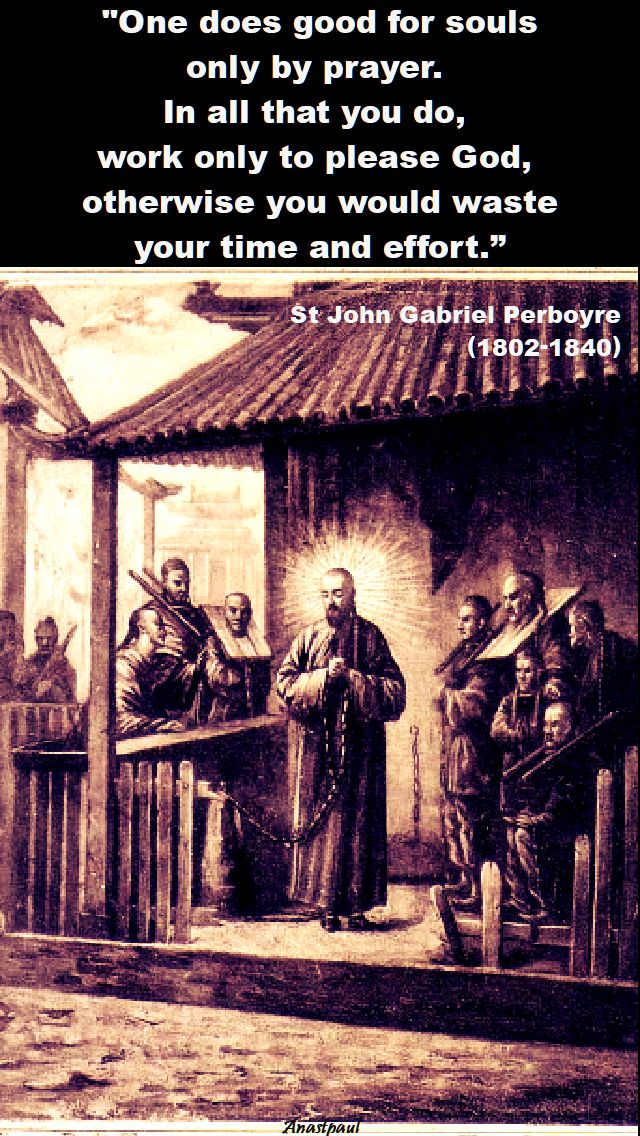
“One does good for souls only by prayer.
In all that you do, work only to please God,
otherwise you would waste your time and effort.”

one does good for souls - st john gabriel perboyre

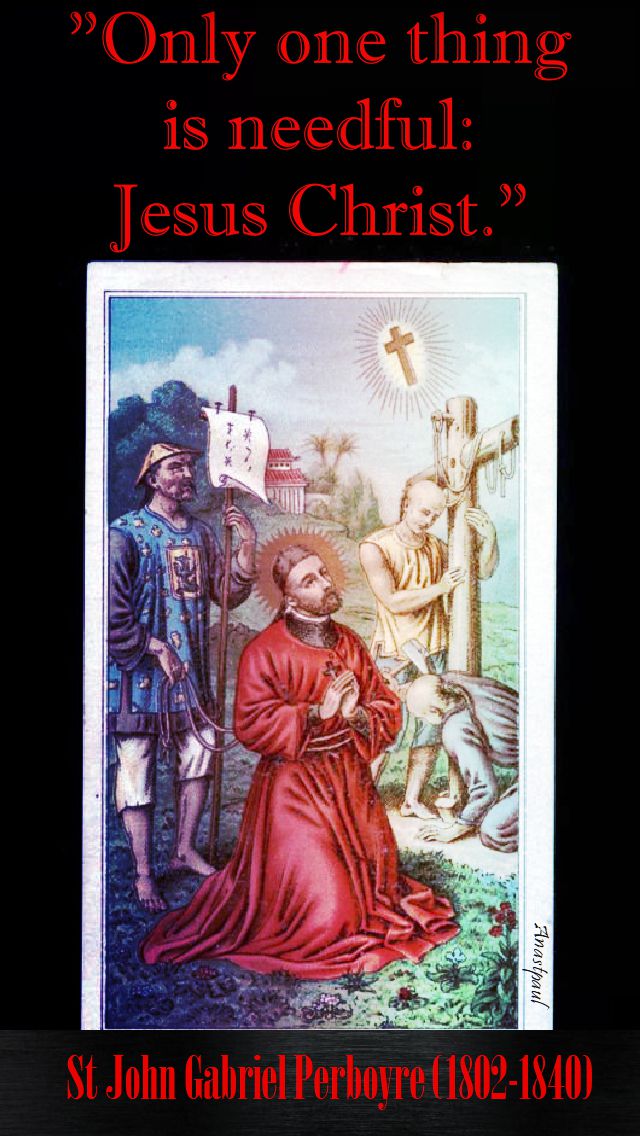
“Only one thing is needful:  Jesus Christ.”

only one thing is needful - st john gabrile perboyre

St John Gabriel Perboyre (1802-1840)

Posted in MORNING Prayers, QUOTES of the SAINTS, SAINT of the DAY, The WORD

One Minute Reflection – 11 September – The Memorial of St John Gabriel Perboyre (1802-1840) Martyr for Christ

One Minute Reflection – 11 September – The Memorial of St John Gabriel Perboyre (1802-1840) Martyr for Christ

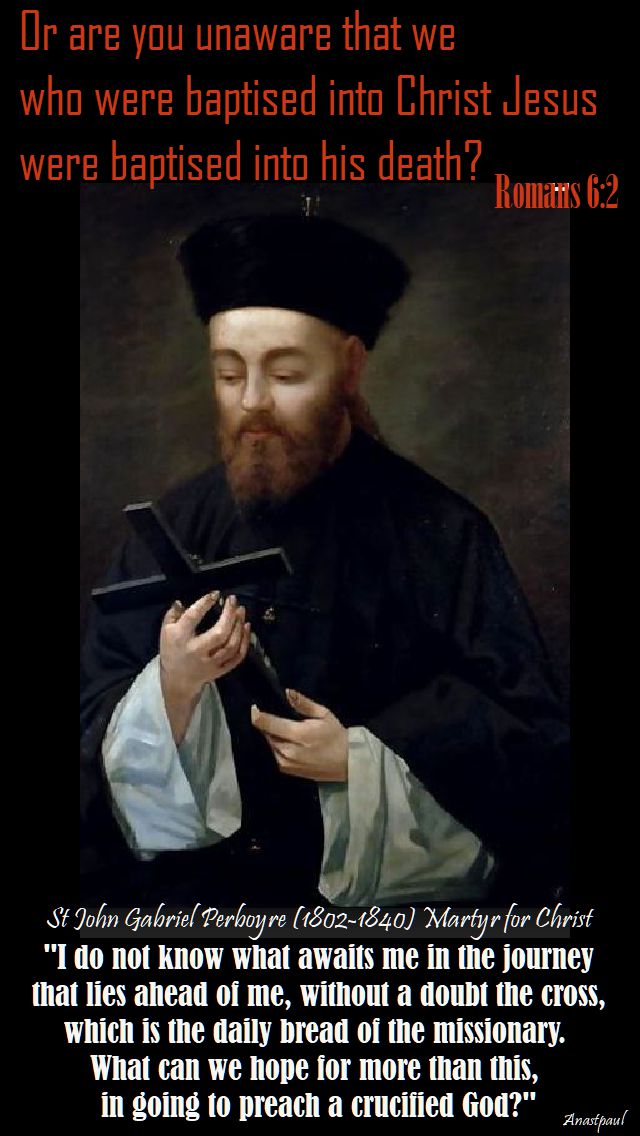
Or are you unaware that we who were baptised into Christ Jesus were baptised into his death?…..Romans 6:3

REFLECTION – “I do not know what awaits me in the journey that lies ahead of me,
without a doubt the cross, which is the daily bread of the missionary.
What can we hope for more than this, in going to preach a crucified God?” (Letter No. 70)…St John Gabriel Perboyrei do not know what awaits me - st john gabriel perboyre.2

PRAYER – Lord Jesus, let me love You above all things and ever remain united to You and with Your Holy Cross.   I pray that I will be given the grace of courage and strength, to carry my cross in imitation of You.   St John Gabriel Perboyre, you suffered a passion and death in close imitation of our Lord and Saviour, please pray for us that our timidity might not overpower us, amen.st john gabriel perboyre - pray for us.2


Posted in MORNING Prayers, PRAYERS of the SAINTS, SAINT of the DAY

Our Morning Offering – 11 September – The Memorial of St John Gabriel Perboyre (1802-1840) Martyr for Christ

Our Morning Offering – 11 September – The Memorial of St John Gabriel Perboyre (1802-1840)

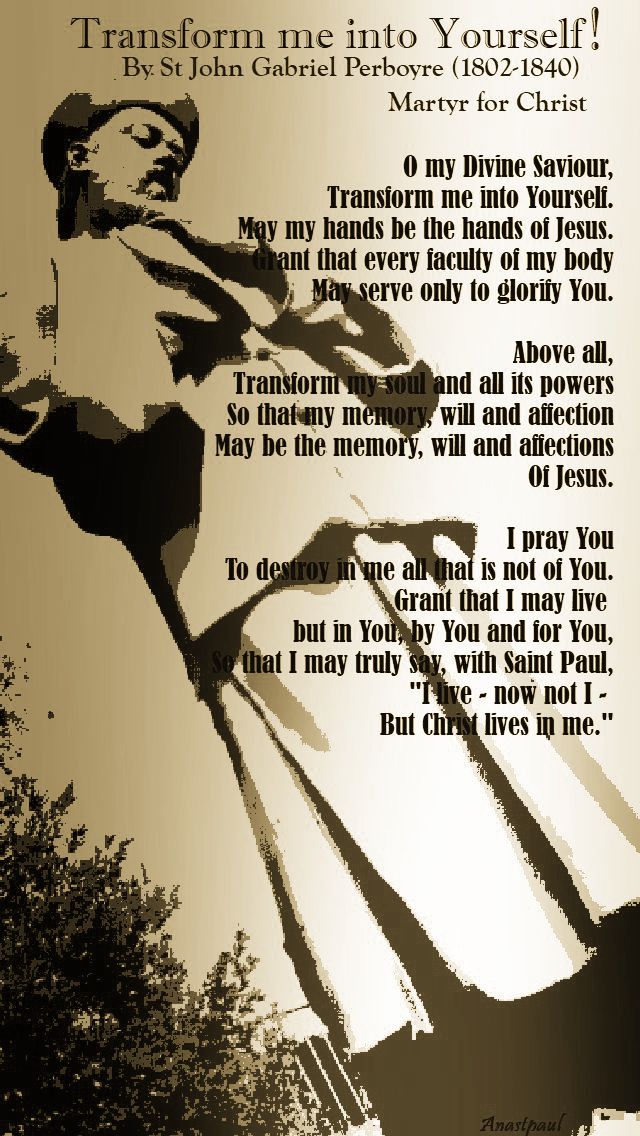
Transform me into Yourself
By St John Gabriel Perboyre (1802-1840)

O my Divine Saviour,
Transform me into Yourself.
May my hands be the hands of Jesus.
Grant that every faculty of my body
May serve only to glorify You.

Above all,
Transform my soul and all its powers
So that my memory, will and affection
May be the memory, will and affections
Of Jesus.

I pray You
To destroy in me all that is not of You.
Grant that I may live
but in You, by You and for You,
So that I may truly say, with Saint Paul,
“I live – now not I – But Christ lives in me.”transform-me-into-yourself-by-st-john-gabriel-perboyre-1802-1840-11 sept 2017-2

Posted in SAINT of the DAY

Saint of the Day – 11 September – St John Gabriel Perboyre C.M. (1802-1840) Priest, Martyr of the Congregation of the Mission

Saint of the Day – 11 September – St John Gabriel Perboyre C.M. (1802-1840) – Martyr, Priest, Missionary, Teacher (6 January 1802 at Le Puech, near Mongesty, Cahors diocese, southern France – lashed to a cross on a hill named the “red mountain”, then strangled with a rope on 11 September 1840 at Ou-Tchang-Fou, China).   He was Beatified on 10 November 1889 by Pope Leo XIII and Canonised on 2 June 1996 by St Pope John Paul II.  His Major Shrine is at the Vincentian Motherhouse, Rue du Bac, Paris, France.
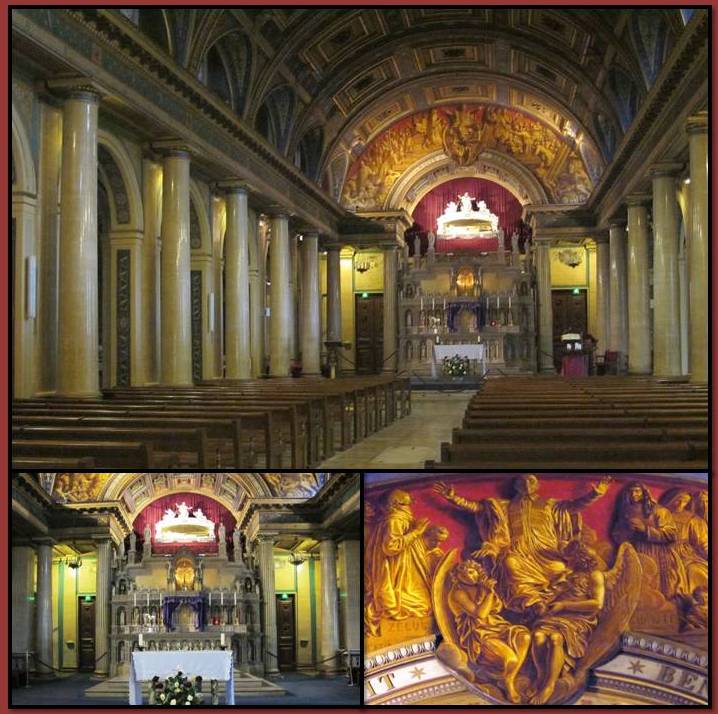
CHAPEL OF ST VINCENT DE PAUL.1

The formation years:
The Church of France had at that time just emerged from the throes of the French Revolution with the red-colored garments of martyrdom for some and with the pain of the apostasy of many.  The panorama at the beginning of the 1800’s was desolate: buildings destroyed, convents sacked, people without pastors.   Thus, it was no accident that the ideal of the priesthood appeared to the young man not as a feeble arrangement for life but as the destiny of heroes.

His parents, surprised, accepted the choice of their son and accompanied him with their encouragement.   Not by chance, his paternal uncle Jacques was a missionary of St.Vincent.   This explains why in 1818 the missionary ideal matured in the young John Gabriel.   At that time, the missions meant principally China.   But China was a faraway mirage.   To leave meant never to find again the home milieu, taste its flavours, enjoy its affections.   It was natural for him to choose the Congregation of the Mission founded by St Vincent de Paul in 1625 for the evangelisation of the poor, the formation of the clergy but above all to push those very missionaries toward holiness.   The mission is not propaganda.   The Church has always demanded that the proclaimers of the Word be spiritual persons, mortified, full of God and charity.   In order to illuminate the darkness in people, a lamp is not sufficient if there is no oil.

John Gabriel did not think in half-measures.   If he was a martyr it is because he was a saint.
From 1818 to 1835 he was a missionary in his own country.   First, in his formation period, he was a model novice and student.   After his priestly ordination (1826), he was charged with the formation of seminarians.
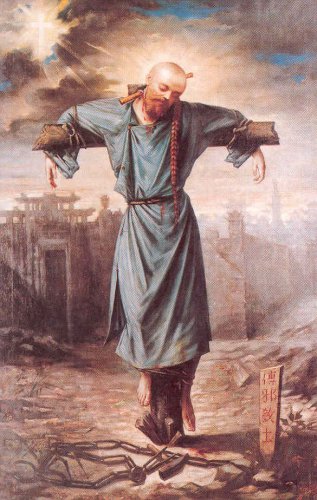
19960602_jean-gabriel_perboyre

The missionary attraction:
A new factor, certainly not haphazard, modified John Gabriel’s life.   The protagonist was once again his brother Louis.   He also had entered the Congregation of the Mission and had asked to be sent to China where the sons of St Vincent had had a new martyr in the person of Blessed Francis Regis Clet (18 February 1820).   During the voyage, however, the young Louis, only 24 years of age, was called to the mission in heaven.   All that the young man had hoped for and done would have been useless if John Gabriel had not made the request to replace his brother in the breach.

John Gabriel reached China in August of 1835.   At that time the Occident knew almost nothing about the Celestial Empire and the ignorance was reciprocal.   The two worlds felt a mutual attraction but dialogue was difficult.   In the countries of Europe one did not speak of a Chinese civilization, but only of superstitions, of “ridiculous” ceremonies and customs.   The judgments were thus prejudices.   China’s appreciation of Europe and Christianity was not any better.   There was a dark gap between the two civilizations. Someone had to cross it in order to take on himself the evil of many and to consume it with the fires of charity.

After getting acclimated in Macau, John Gabriel began the long trip in a Chinese junk, on foot and on horseback, which brought him after eight months to Nanyang in Henan, where the obligation to learn the language imposed itself.   After five months, he was able to express himself, though with some trouble, in good Chinese and at once threw himself into the ministry, visiting the small Christian communities.   Then he was transferred to Hubei, which is part of the region of lakes formed by the Yangtze kiang (blue river).   Even though he maintained an intense apostolate, he suffered much in body and spirit.   In a letter he wrote: “No, I am no more of a wonder man here in China than I was in France … ask of Him first of all for my conversion and my sanctification and then the grace that I do not spoil His work too much…” (Letter 94).  For one who looks at things from the outside, it was inconceivable that such a missionary should find himself in a dark night of the soul.  But the Holy Spirit was preparing him in the emptiness of humility and the silence of God for the supreme testimony.

In chains for Christ:
Unexpectedly in 1839 two events, apparently unrelated, clouded the horizon.   The first was the renewed outbreak of persecution which flowed from the decree of the Manchurian emperor, Quinlong (1736-1795), which had proscribed the Christian religion in 1794.

The second was the outbreak of the Chinese-British War, better known as the “Opium War” (1839-1842).   The closure of the Chinese frontier and the pretense of the Chinese government to require an act of dependence from the foreign ambassadors had created an explosive situation.   The spark came from the confiscation of loads of opium stowed in the port of Canton;  this action harmed the merchants, most of whom were English. The British flotilla intervened and the war began.

The missionaries, obviously interested only in the first event dealing with the persecution of Christians, were always on their guard.   As often happens, too many alarms diminished the vigilance.   And that is what happened on 15 September 1839 at Cha-yuen-ken, where Perboyre lived.   On that day he was with two other European missionaries, his confrere, Baldus, and a Franciscan, Rizzolati and a Chinese missionary, Fr Wang.   They were informed of the approach of a column of about one hundred soldiers.   The missionaries underestimated the information.   Perhaps the soldiers were going elsewhere.   Instead of being wary, the missionaries continued enjoying a fraternal conversation.   When there was no longer any doubt about the direction of the soldiers, it was late.  Baldus and Rizzolati decided to flee far away. Perboyre hid himself in the surroundings because the nearby mountains were rich with bamboo forests and hidden caves.   As Fr Baldus has attested for us, however, the soldiers used threats to force a catechumen to reveal the place where the missionary was hiding.   The catechumen was a weak person, but not a Judas.   Thus began the sad Calvary of John Gabriel.  The prisoner had no rights, he was not protected by laws but was at the mercy of the jailers and judges.   Given that he was arrested it was presumed that he was guilty and if guilty, he would be punished.

A series of trials began. The first was held at Kou-Ching-Hien.   The replies of the martyr were heroic:
– Are you a Christian priest?
– Yes, I am a priest and I preach this religion.
– Do you wish to renounce your faith?
– No, I will never renounce the faith of Christ.

They asked him to reveal his companions in the faith and the reasons for which he had transgressed the laws of China.   They wanted, in short, to make the victim the culprit. But a witness to Christ is not an informer.   Therefore, he remained silent.

The prisoner was then transferred to Siang-Yang.   The cross examinations were made close together.   He was held for a number of hours kneeling on rusty iron chains, was hung by his thumbs and hair from a rafter (the hangtze torture), was beaten several times with bamboo canes.   Greater than the physical violence, however, remained the wound of the fact that the values in which he believed were put to ridicule: the hope in eternal life, the sacraments, the faith.

The third trial was held in Wuchang.   He was brought before four different tribunals and subjected to 20 interrogations.   To the questioning were united tortures and the most cruel mockery.  They prosecuted the missionary and abused the man.   They obliged Christians to abjure and one of them even to spit on and strike the missionary who had brought him to the faith.  For not trampling on the crucifix, John Gabriel received 110 strokes of pantse.

Among the various accusations, the most terrible was the accusation that he had had immoral relations with a Chinese girl, Anna Kao, who had made a vow of virginity.   The martyr defended himself.   She was neither his lover nor his servant.   The woman is respected not scorned in Christianity, was the sense of John Gabriel’s reply.   But he remained upset because they made innocents suffer for him.

During one interrogation he was obliged to put on Mass vestments.  They wanted to accuse him of using the privilege of the priesthood for private interests.   But the missionary, clothed in the priestly garments, impressed the bystanders and two Christians drew near to him to ask for absolution.
The cruelest judge was the Viceroy.   The missionary was by this time a shadow.   The rage of this unscrupulous magistrate was vented on a ghost of a man.   Blinded by his omnipotence the Viceroy wanted confessions, admissions and accusations against others. But if the body was weak, the soul was reinforced.   His hope by now rested in his meeting God, which he felt nearer each day.

When John Gabriel told him for the last time:  “I would sooner die than deny my faith!,” the judge pronounced his sentence.   John Gabriel Perboyre was to die by strangulation.

With Christ priest and victim:
Then began a period of waiting for the imperial confirmation.   Perhaps John Gabriel could hope in the clemency of the sovereign.   But the war with the English erased any possible gesture of good-will.   Thus, on 11 September 1840, an imperial envoy arrived at full speed, bearing the decree confirming the condemnation.

With seven criminals the missionary was led up a height called the “Red Mountain.”   As the criminals were killed first, Perboyre reflected in prayer, to the wonderment of the bystanders.   When his turn came, the executioners stripped him of the purple tunic and tied him to a post in the form of a cross.   They passed a rope around his neck and strangled him.   It was the sixth hour.   Like Jesus, John Gabriel became like a grain of wheat.   He died, or better was born into heaven, in order to make fall on the earth the dew of God’s blessing.

Many circumstances surrounding his last year of life (the betrayal, the arrest, the death on a cross, its day and hour), are similar to the Passion of Christ.   In reality, all his life was that of a witness and a faithful disciple of Christ.   St. Ignatius of Antioch wrote: “I look for him who died for us; I yearn for him who rose for us. Behold, the moment is near in which I will be brought forth!   Have compassion on me, brothers!   Do not prevent me from being born to life!”

John Gabriel “was born to life” on 11 September 1840 because he always had sought “him who died for us.”   His body was brought back to France but his heart remained in his adopted homeland, the land of China.   There he gave his witness to the sons and daughters of St. Vincent who also wait to be born to heaven after a life spent for the gospel and for the poor.

After the then-obligatory waiting period of 50 years after death for seeking a person’s canonization had expired, a cause for him was introduced to the Holy See.   In the meantime, his remains were returned from China to France, where they were entombed for veneration in the chapel of the Vincentian Motherhouse in Paris (see images above).
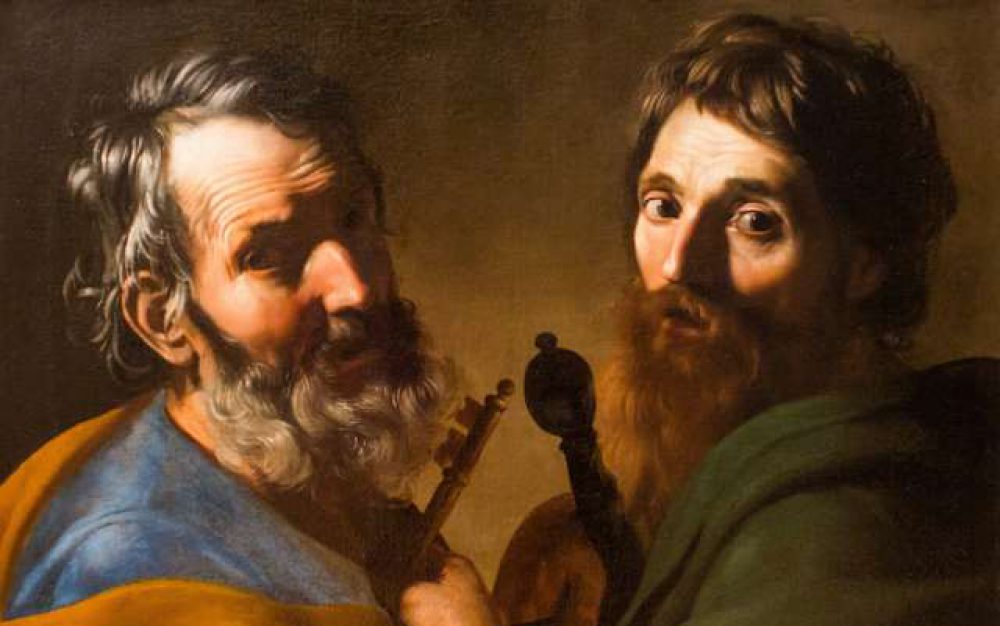
Posted in SAINT of the DAY, The BLESSED VIRGIN MARY

Our Lady of Coromoto – Patron of Venezuela and Memorials of the Saints – 11 September

Our Lady of Coromoto/Venezuela: Apparition – 8 September 1652 at Guanare, Portuguesa, Venezuela.
Approval – 1950 by Pope Pius XII.
Commemorates the apparition of the Blessed Virgin Mary to Coromoto, leader of the indigenous people in the forests near Guanare, Venezuela. Our Lady told the chief and his wife to go to the Catholic missionaries in the city, learn the faith, and receive Baptism; Coromoto shot an arrow at her, she vanished and left behind a piece of paper with her portrait. The entire tribe, except for Coromoto himself, converted to Christianity; he was afraid of losing his standing in the tribe. Tradition says that he fled from the Baptism ceremony into the forest where he was bitten by a poisonous snake; this could be allegorical.
Patronage: Venezuela (chosen by the bishops of Venezuela on 1 May 1942; approved by Pope Pius XII on 7 October 1944)

Our Lady of Coromoto
—
St Adelphus of Remiremont
St Almirus
Bl Baldassarre Velasquez
Bl Charles Spinola
St Deiniol of Bangor
St Didymus of Laodicea
St Diodorus of Laodicea
Bl Dominic Dillon
St Emilian of Vercelli
St Essuperanzio of Zurich
St Felix of Zurich
Bl Francesco Giovanni Bonifacio
Bl Franciscus Takeya
Bl François Mayaudon
Bl Gaspar Koteda
St Gusmeo of Gravedona sul Lario
St Hyacinth of Rome
St John Gabriel Perboyre/Jean Gabriel Perboyre
Bl John Bathe
St Leudinus of Toul
St Matthew of Gravedona sul Lario
St Paphnutius of Thebes
St Patiens of Lyon
Bl Peter Taaffe
Bl Petrus Kawano
St Protus of Rome
St Regula of Zurich
Bl Richard Overton
St Sperandea
St Theodora the Penitent
Bl Thomas Bathe
—
Martyred in the Spanish Civil War:
• Blessed José María Segura Panadés
• Blessed José Piquer Arnáu
• Blessed Josep Pla Arasa
• Blessed Lorenzo Villanueva Larrayoz

Posted in MORNING Prayers, SAINT of the DAY, Uncategorized

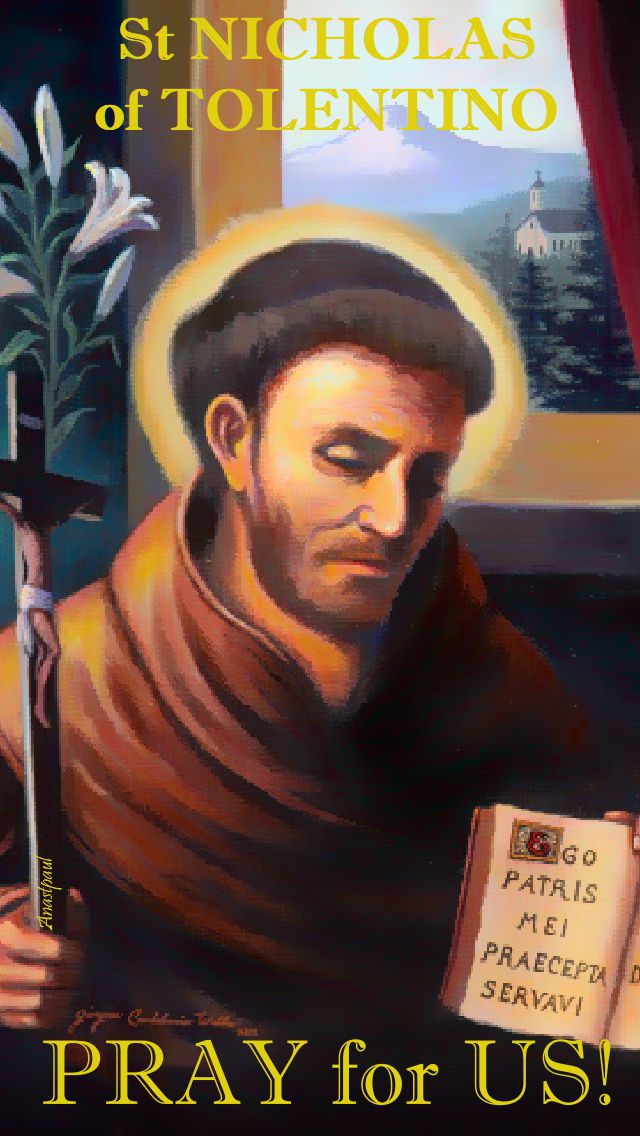
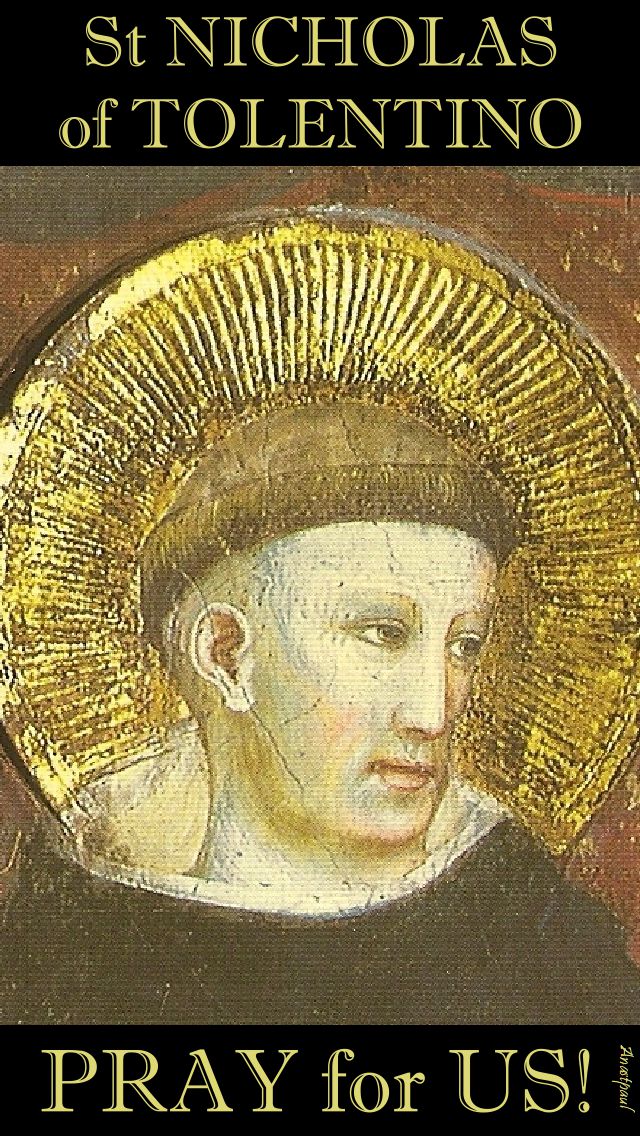
Thought for the Day – 10 September – The Memorial of St Nicholas of Tolentino

Thought for the Day – 10 September – The Memorial of St Nicholas of Tolentino

Those hardened in their crimes, made fun of him but Nicholas would not be intimidated, even though soldiers would unsheath their swords and fence whilst he was speaking.
He was kindness itself, going into the slums of Tolentino, visiting the sick and bed-ridden, settling feuds, caring for children, chatting with criminals and begging them not to be cruel to others.
Gradually, this kindness achieved results and even hardened criminals were converted by St Nicholas’ gentleness.
His remarkable powers of persuasion and his charismatic personality, achieved amazing results in those who had been written off.
Gentleness and kindness accomplishes conversion!
St Nicholas pray that we too may be granted the grace of gentle and kindly hearts.st nicholas of tolentino pray for us.2

Posted in DOCTORS of the Church, MORNING Prayers, QUOTES of the SAINTS, SAINT of the DAY, The WORD

One Minute Reflection – 10 September

One Minute Reflection – 10 September

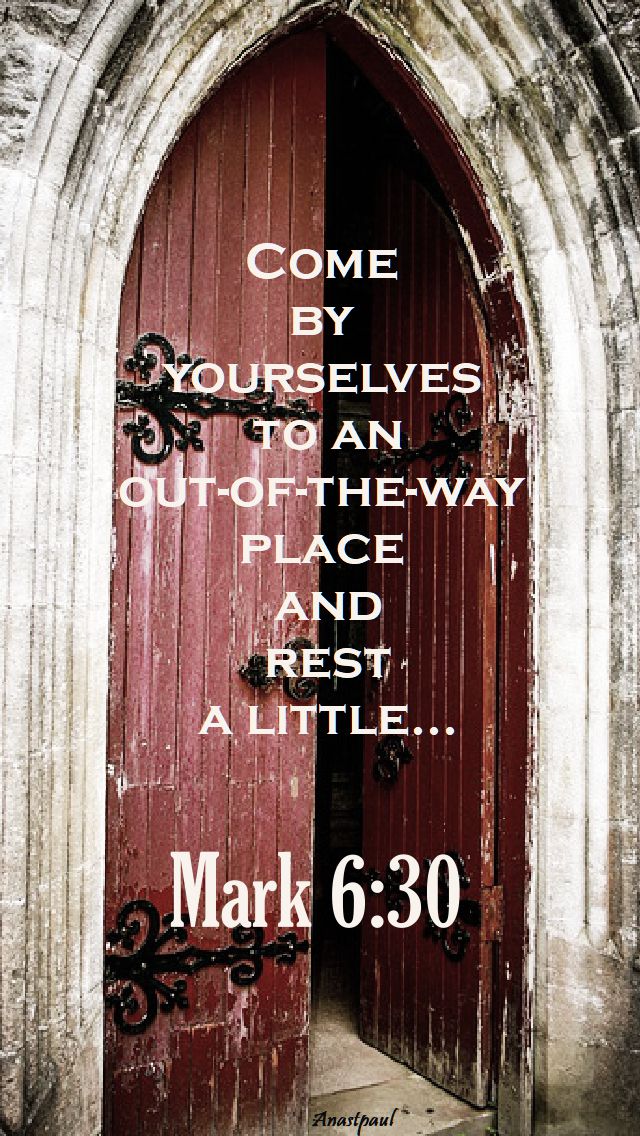
Come by yourselves to an out-of-the-way place and rest a little.….Mark 6:30mark 6 30

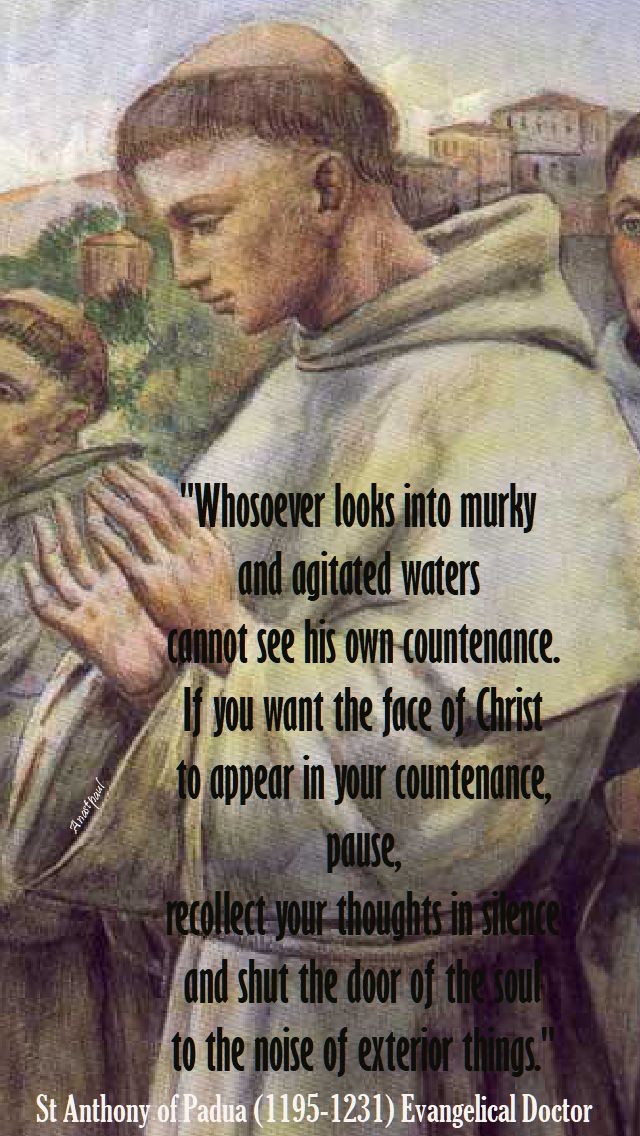
REFLECTION – “Whosoever looks into murky and agitated waters cannot see his own countenance.
If you want the face of Christ to appear in your countenance, pause, recollect your thoughts in silence
and shut the door of the soul to the noise of exterior things.”….St Anthony of Padua (1195-1231) Evangelical Doctorwhosoever looks into murky water - st anthony of padua

PRAYER – Lord Jesus Christ, teach me to pause often during my active life and recollect myself.
Let me put away the problems of life and commune with You in prayer and meditation.
St Nicholas of Tolentino, amidst his busy life of charity to all, constantly resumed silence in You
and thus, in his mystical union with You, reflected Your Face. St Nicholas, pray for us, amen.st nicholas of tolentino pray for us

Posted in Of a Holy DEATH & AGAINST A SUDDEN DEATH, of the DYING, FINAL PERSEVERANCE, DEATH of CHILDREN, DEATH of PARENTS, Of ANIMALS / ANIMAL WELFARE, Of the Holy Souls in PURGATORY, PATRONAGE - NEWBORN BABIES, YOUNG CHILDREN l, SAILORS, MARINERS, NAVIGATORS, SAINT of the DAY

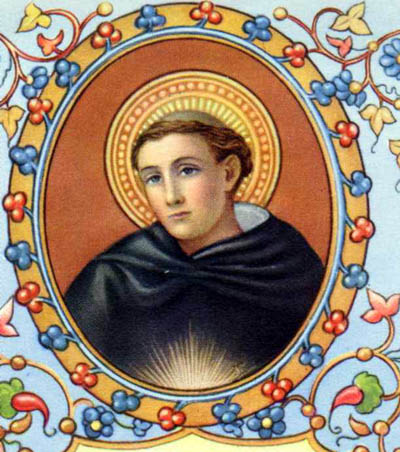
Saint of the Day – 10 September – St Nicholas of Tolentino OSA (1245-1305)- Patron of The Holy Souls

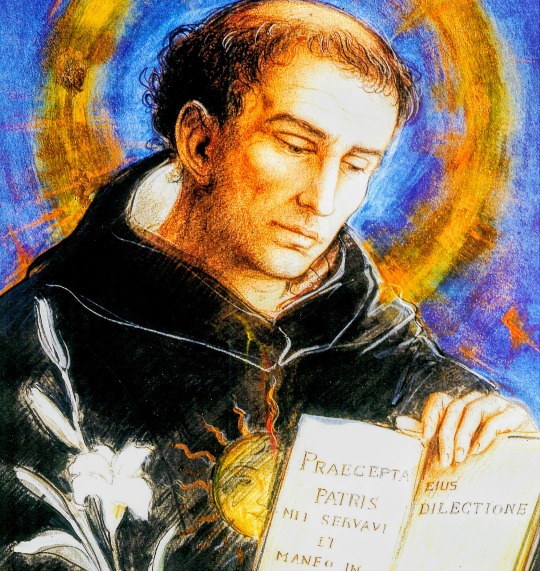
Saint of the Day – 10 September – St Nicholas of Tolentino OSA (1245-1305)- known as The Patron of Holy Souls, Priest, Augustinian Friar Monk, Confessor, Mystic, Preacher.   Born in 1245 at Sant’Angelo, March of Ancona, Diocese of Fermo, Italy and died on  10 September 1305 at Tolentino, Italy following a long illness.   His Relics were re-discovered at Tolentino in 1926.   In previous times his Relics were known to exude blood when the Church was in danger.   He was Canonised on 5 June (Pentecost) 1446 by Pope Eugene IV – over 300 miracles were recognised by the Congregation.   Patronages – animals, babies (reported to have raised more than 100 children from the dead), sailors,  dying people, sick animals, the Holy Souls in Purgatory, 4 Cities, 3 Diocese.   Attributes – Augustinian holding a bird on a plate in the right hand and a crucifix on the other hand;   holding a basket of bread, giving bread to a sick person;   holding a lily or a crucifix garlanded with lilies; with a star above him or on his breast.

St.-Nicholas-of-Tolentino

St Nicholas was born in 1245 in Sant’Angelo.   He was named after St Nicholas of Myra, at whose Shrine his parents prayed to have a child.   Nicholas became a Monk at 18 and seven years later, he was Ordained a Priest.   He gained a reputation as a Preacher and a Confessor.   In c 1274, he was sent to Tolentino, near his birthplace where he lived the rest of his lif.   Nicholas was primarily a shepherd to his flock.   He ministered to the poor and the criminal.   He is said to have cured the sick with bread over which he had prayed to Mary, the mother of God.   He gained a reputation as a wonder-worker.

On account of his kind and gentle manner his superiors entrusted him with the daily feeding of the poor at the monastery gates but at times he was so free with the friary’s provisions that the procurator begged the superior to check his generosity.  Once, when weak after a long fast, he received a vision of the Blessed Virgin Mary and Saint Augustine who told him to eat some bread marked with cross and dipped in water.   Upon doing so he was immediately stronger.   He started distributing these rolls to the ailing, while praying to Mary, often curing the sufferers;  this is the origin of the Augustinian custom of blessing and distributing Saint Nicholas Bread.   When working wonders or healing people, he always asked those he helped to “Say nothing of this”, explaining that he was just God’s instrument.

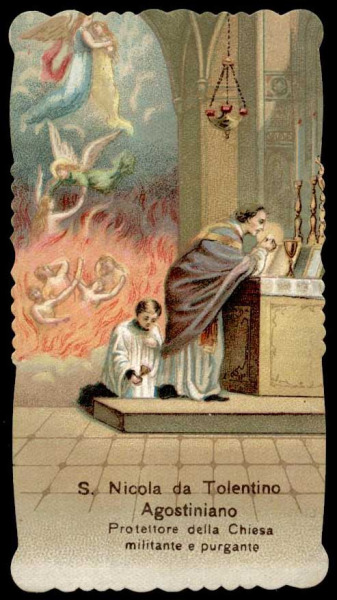
During his life, Nicholas is said to have received visions, including images of Purgatory, which friends ascribed to his lengthy fasts.  Prayer for the souls in purgatory was the outstanding characteristic of his spirituality.   Because of this Nicholas was proclaimed patron of the souls in Purgatory in 1884 by Leo XIII.  Towards the end of his life he became ill, suffering greatly, but still continued the mortifications that had been part of his holy life.   Nicholas died on 10 September 1305.St.-Nicholas-of-Tolentino-Purgatory-2.jpg

Miracles:
There are many tales and legends which relate to Nicholas.   One says the devil once beat him with a stick, which was then displayed for years in his church.   In another, Nicholas, a vegetarian, was served a roasted fowl, for which he made the sign of the cross and it flew out a window.   Nine passengers on a ship going down at sea once asked Nicholas’ aid and he appeared in the sky, wearing the black Augustinian habit, radiating golden light, holding a lily in his left hand, and with his right hand, he quelled the storm.   An apparition of the saint, it is said, once saved the burning palace of the Doge of Venice by throwing a piece of blessed bread on the flames.  He was also reported to have resurrected over one hundred dead children, including several who had drowned together.

According to the Peruvian chronicler Antonio de la Calancha, it was St. Nicholas of Tolentino who made possible a permanent Spanish settlement in the rigorous, high-altitude climate of Potosí, Bolivia.   e reported that all children born to Spanish colonists there died in childbirth or soon thereafter, until a father dedicated his unborn child to St Nicholas of Tolentino (whose own parents, after all, had required saintly intervention to have a child).   The colonist’s son, born on Christmas Eve, 1598, survived to healthy adulthood and many later parents followed the example of naming their sons Nicolás.st nicholas of tolentino
Veneration:
Nicholas was Canonised by Pope Eugene IV (also an Augustinian) in 1446.   He was the first Augustinian to be Canonised.   At his Canonisation, Nicholas was credited with three hundred miracles, including three resurrections.
The remains of St Nicholas are preserved at the Shrine of Saint Nicholas in the Basilica di San Nicola da Tolentino in the city of Tolentino, province of Macerata in Marche, Italy.

He is particularly invoked as an advocate for the souls in Purgatory, especially during Lent and the month of November.  In many Augustinian churches, there are weekly devotions to St Nicholas on behalf of the suffering souls.  November 2, All Souls’ Day, holds special significance for the devotees of St. Nicholas of Tolentino.

Posted in SAINT of the DAY, The BLESSED VIRGIN MARY

Feast of Our Lady of Life and Memorials of the Saints – 10 September

Beata Vergine Maria della Vita/Our Lady of Life: Celebration of the Blessed Virgin Mary as patroness of the Our Lady of Life Hospital in Bologna, Italy, and as depicted in a painting in a sanctuary dedicated to her c 1375 in the hospital.
Patronage – hospitals in the diocese of Bologna, ItalyMadonna-della-vita
—
St Agapius of Novara
St Alexius Sanbashi Saburo
St Ambrose Edward Barlow
St Autbert of Avranches
St Barypsabas
St Candida the Younger
St Clement of Sardis
St Finnian of Moville
St Frithestan
Bl Jacques Gagnot
St Nicholas of Tolentino
Bl Ogerius
St Peter Martinez
St Pulcheria
St Salvius of Albi
St Sosthenes of Chalcedon
St Theodard of Maastricht
St Victor of Chalcedon
—
Martyrs of Bithynia – 3 sister saints: Three young Christian sisters martyred in the persecutions of emperor Maximian and governor Fronto: Menodora, Metrodora, Nymphodora. They were martyred in 306 in Bithynia, Asia Minor (in modern Turkey).
Martyrs of Japan – 205 beati: A unified feast to memorialise 205 missionaries and native Japanese known to have been murdered for their faith between 1617 and 1637.

Martyrs of Sigum – 8 saints: A group of Nicomedian martyrs, condemned for their faith to be worked to death in the marble quarries of Sigum. There were priests, bishops and laity in the group but only a few names have come down to us: Dativus, Felix, Jader, Litteus, Lucius, Nemesian, Polyanus, Victor. They were worked to death c 257 in Sigum.

Martyred in the Spanish Civil War:
• Blessed Félix España Ortiz
• Blessed Leoncio Arce Urrutia
• Blessed Tomàs Cubells Miguel

Posted in JESUIT SJ, MISSIONS, MISSIONARIES, SAILORS, MARINERS, NAVIGATORS, SAINT of the DAY

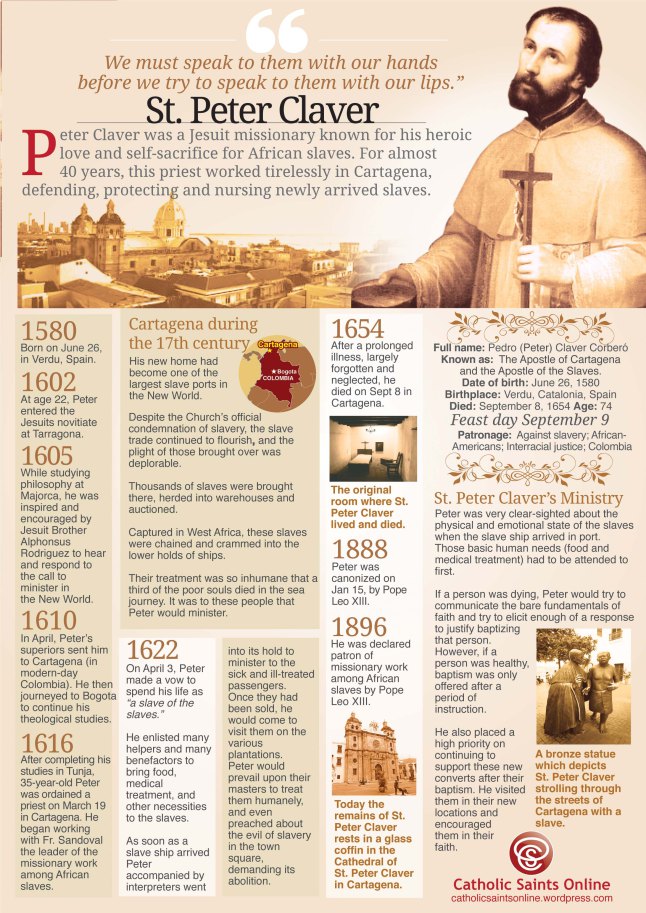
Saint of the Day – 9 September – St Peter Claver SJ (1581-1654) Confessor

Saint of the Day – 9 September – St Peter Claver  SJ (1581-1654) Confessor- Priest, Religious, Missionary.     Also known as • Apostle of Cartagena • Slave of the Blacks • Slave of the Slaves.   Born at 1581 at Verdu, Catalonia, Spain and died on 8 September 1654 at Cartegena, Colombia of natural causes.    During the 40 years of his apostolic work in Colombia, it is estimated he personally Baptised around 300,000 people.      The Congress of the Republic of Colombia declared September 9 as the Human Rights national Day in his honour.   Patronages – African missions (proclaimed in 1896 by Pope Leo XIII),  African-Americans, slaves, against slavery, black missions, black people, Human Rights, foreign missions, inter-racial justice, race relations, seafarers, Missionary Sisters of Saint Peter Claver, Colombia, Accra, Ghana, archdiocese of Lake Charles, Louisiana, Diocese of•Shreveport, Louisiana, Diocese of Witbank, South Africa, Apostleship of the Sea.

St Doninic Final

Claver was born in 1580 into a devoutly Catholic and prosperous farming family in the Catalan village of Verdú, Urgell, located in the Province of Lleida, about 54 miles (87 km) from Barcelona.   He was born 70 years after King Ferdinand of Spain set the colonial slavery culture into motion by authorising the purchase of 250 African slaves in Lisbon for his territories in New Spain, an event which was to shape Claver’s life.

As a student at the University of Barcelona, Claver was noted for his intelligence and piety.   After two years of study there, Claver wrote these words in the notebook he kept throughout his life:  “I must dedicate myself to the service of God until death, on the understanding that I am like a slave.”

After he had completed his studies, at the age of 20 years, Peter entered the Society of Jesus in Tarragona .   When he had completed the Novitiate, he was sent to study Philosophy at Palma, Mallorca.   While there, he came to know the porter of the college, St. Alphonsus Rodriguez, a Lay Brother known for his holiness and gift of prophecy.   St Alphonsus informed Peter  that he had been told by God that Peter was to spend his life in service in the Colonies of New Spain and he frequently urged the young student to accept that calling.

Peter volunteered for the Spanish Colonies and was sent to the Kingdom of  New Granada, where he arrived in the port City of Cartagena in 1610.   Required to wait six years to be Ordained as a Priest, while he completed his Theological studies, he lived in Jesuit houses at Tunja and Bogotá.  During those preparatory years, he was deeply disturbed by the harsh treatment and living conditions of the black slaves who had been brought from Africa.   By this time, the slave trade had already been established for a Century, in the Americas.   Local natives were considered not physically suited to work in the gold and silver mines and this created a demand for blacks from Angola and Congo.   These were bought in West Africa for four crowns a head, or bartered for goods and sold in America for an average of two hundred crowns apiece.  Others were captured at random, especially able-bodied males deemed suitable for labour.

Cartagena was a slave-trading hub. 10,000 slaves poured into the port annually, crossing the Atlantic from West Africa under such foul and inhuman conditions that an estimated one-third died in transit.   Although the slave trade was condemned by Pope Paul III and Urban VIII had issued a Papal Decree prohibiting slavery, (later called “supreme villainy” by Pope Pius IX), it was a lucrative business and continued to flourish.

Peter’s predecessor in his eventual lifelong mission, Father Alonso de Sandoval, SJ, was his mentor and inspiration.   Sandoval devoted himself to serving the slaves for 40 years before Claver arrived, to continue his work.   Sandoval attempted to learn about their customs and languages;  he was so successful that, when he returned to Seville, he wrote a book in 1627 about the nature, customs, rites and beliefs of the Africans.   Sandoval found Claver an apt pupil.   When he was solemnly professed in 1622, Claver signed his final profession document in Latin as:  Petrus Claver, aethiopum semper servus (Peter Claver, servant of the Ethiopians [i.e. Africans] forever).

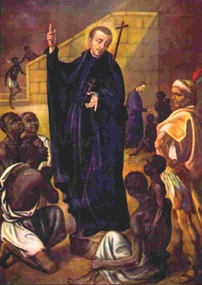
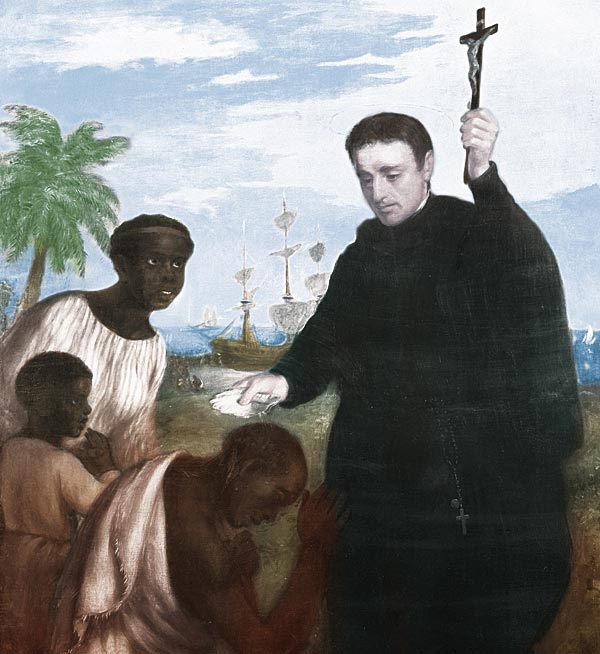
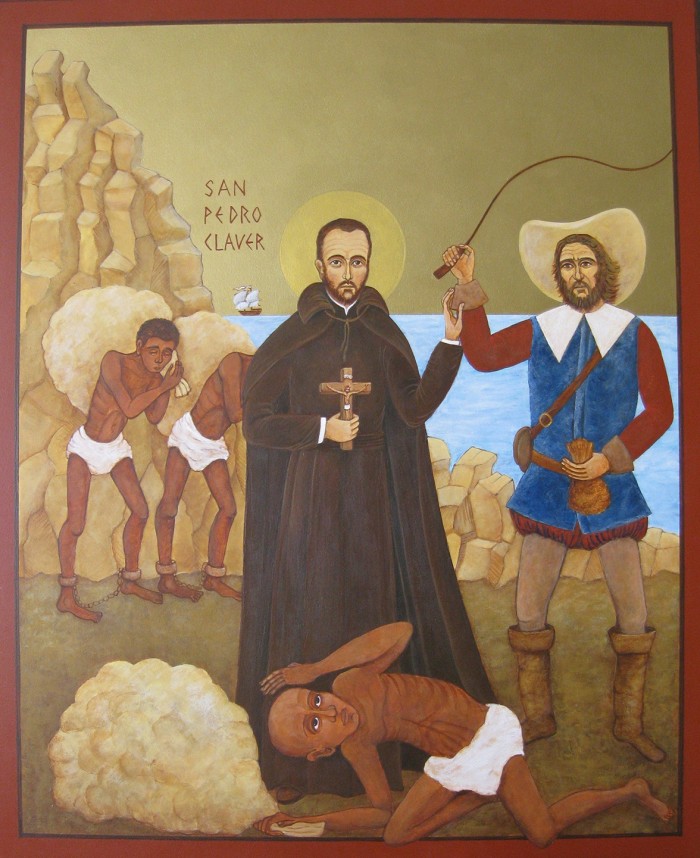
The Church of St. Peter Claver in Cartagena, Colombia, where Claver lived and ministered.   Whereas Sandoval had visited the slaves where they worked, Claver preferred to head for the wharf as soon as a slave ship entered the port.   Boarding the ship, he entered the filthy and diseased holds to treat and minister to their badly treated, terrified human cargo, who had survived a voyage of several months under horrible conditions.   It was difficult to move around on the ships because the slave traffickers filled them to capacity.   The slaves were often told they were being taken to a land where they would be eaten.   Claver wore a cloak, which he would lend to anyone in need.   A legend arose that whoever wore the cloak received lifetime health and was cured of all disease.  After the slaves were herded from the ship and penned in nearby yards to be scrutinised by crowds of buyers, Claver joined them with medicine, food, bread, brandy, lemons and tobacco  With the help of interpreters and pictures which he carried with him, he gave basic instructions.

Claver saw the slaves as fellow Christians, encouraging others to do so as well.   During the season when slavers were not accustomed to arrive, he traversed the country, visiting plantation after plantation, to give spiritual consolation to the slaves.   During his 40 years of ministry it is estimated that he personally catechised and baptised 300,000 slaves.   He would then follow up on them to ensure that as Christians they received their Christian and civil rights.  His mission extended beyond caring for slaves, however.   He preached in the city square, to sailors and traders and conducted country missions, returning every spring to visit those he had baptised, ensuring that they were treated humanely.   During these missions, whenever possible he avoided the hospitality of planters and overseers; instead, he would lodge in the slave quarters.

Claver’s work on behalf of slaves did not prevent him from ministering to the souls of well-to-do members of society, traders and visitors to Cartagena (including Muslims and English Protestants) and condemned criminals, many of whom he spiritually prepared for death; he was also a frequent visitor at the city’s hospitals.   Through years of unremitting toil and the force of his own unique personality, the slaves’ situation slowly improved.   n time he became a moral force, the Apostle of Cartagena.

In the last years of his life Peter was too ill to leave his room.   He lingered for four years, largely forgotten and neglected, physically abused and starved by an ex-slave who had been hired by the Superior of the house to care for him.   He never complained about his treatment, accepting it as a just punishment for his sins.   He died on 8 September 1654.

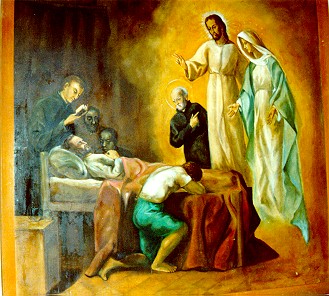
St Peter Claver sees Jesus Christ and the Virgin before death

When the people of the City heard of his death, many forced their way into his room to pay their last respects.  Such was his reputation for holiness that they stripped away anything to serve as a relic of the saint.  The city magistrates, who had previously considered him a nuisance for his persistent advocacy on behalf of the slaves, ordered a public funeral and he was buried with pomp and ceremony.   The extent of Claver’s ministry, which was prodigious even before considering the astronomical number of people he baptised, came to be realised only after his death.

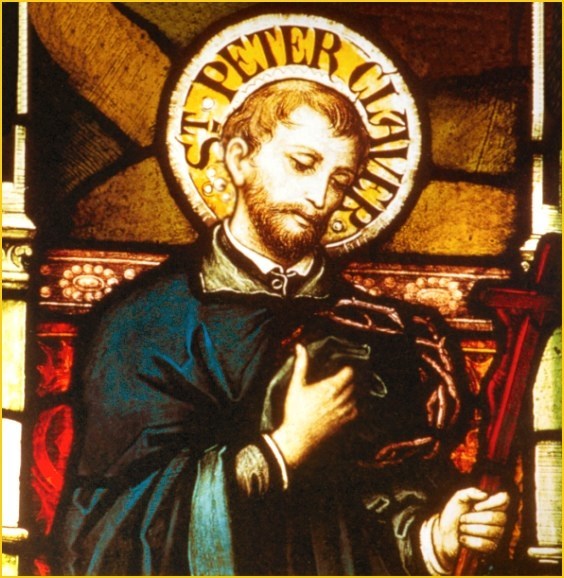
He was Canonised in 1888 by Pope Leo XIII, along with the holy Jesuit porter, Alphonsus Rodriguez.   In 1896 Pope Leo also declared Claver the Patron of missionary work among all African peoples.   His body is preserved and venerated in the Church of the Jesuit residence, now renamed in his honour.Saint_Peter_Claver_stained_glass

Legacy:  “No life, except the life of Christ, has moved me so deeply ,as that of Peter Claver”.   St Pope Leo XIII, on the occasion of his Canonisation.

Many Organisations, Missions, Parishes, Religious Congregations, Schools and Hospitals bear the name of St. Peter Claver and also claim to continue the Mission of Claver as the following:

The Knights of Peter Claver Inc is the largest African-American Catholic fraternal organisation in the United States.   In 2006, a unit was established in San Andres, Colombia.   The Order was founded in Mobile, Alabama and is presently headquartered in New Orleans.
Claver’s mission continues today in the work of the Apostleship of the Sea (AoS) and his inspiration remains among port chaplains and those who visit ships in the name of the Church, through the AoS.
The Missionary Sisters of St. Peter Claver are a religious congregation of women dedicated to serving the spiritual and social needs of the poor around the world, particularly in Africa.   They were founded in Austria by the Blessed Mary Theresa Ledóchowska in 1894.

Among the many schools dedicated to St. Peter Claver are those in Decatur, Georgia and Pimville, South Africa.   The oldest African American school in the Diocese of St. Petersburg and the oldest African American school still functioning in the State of Florida, is the St Peter Claver Catholic School.

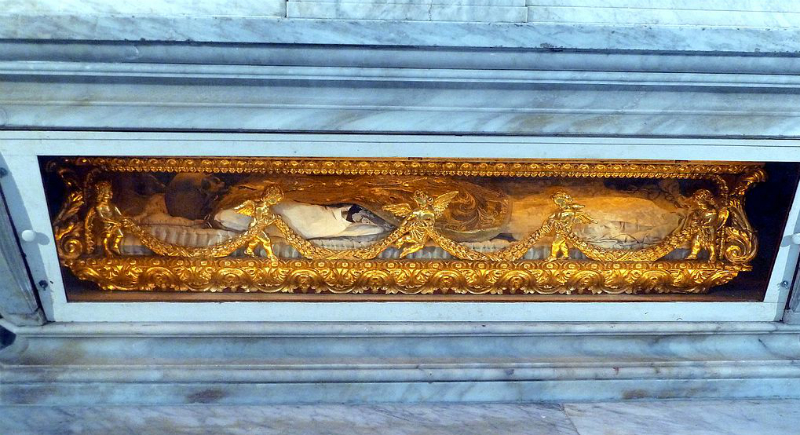
peters-bones
St Peter Claver’s under the altar at the Church of St Peter Claver in Cartagena
peter-claver-700x858
Posted in JESUIT SJ, MORNING Prayers, QUOTES of the SAINTS, SAINT of the DAY

Quote of the Day – September 9 – The Memorial of St Peter Claver

Quote of the Day – September 9 – The Memorial of St Peter Claver

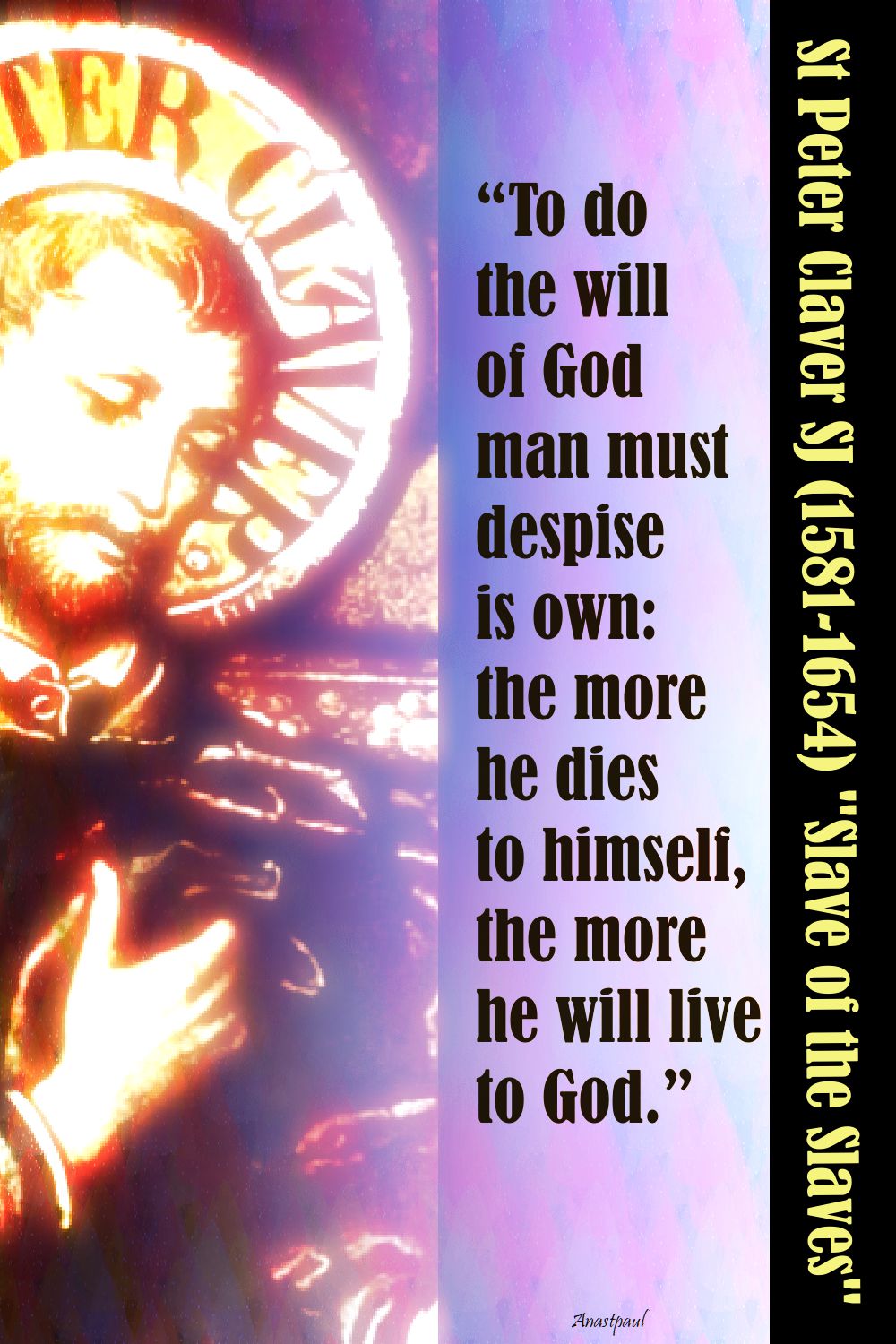
“To do the will of God
man must despise his own:
the more he dies to himself,
the more he will live to God.”

St Peter Claver SJ
(1581-1654)
“Slave of the Slaves”to do the will of god - st peter claver

Posted in JESUIT SJ, MORNING Prayers, SAINT of the DAY, The WORD

One Minute Reflection – September 9 – The Memorial of St Peter Claver

One Minute Reflection – September 9 – The Memorial of St Peter Claver

Has not God chosen the poor in the world to be rich in faith and to be heirs of the kingdom that he has promised to those who love him………….James 2:5

REFLECTION – “This was how we spoke to them, not with words but with our hands and our actions.   And in fact, convinced as they were that they had been brought here to be eaten, any other language would have proved utterly useless.   Then we sat, or rather knelt, beside them and bathed their faces and bodies.”…St Peter Claver SJ (1581-1654) “Slave of the Slaves”this was how we spoke to them - st peter claver

PRAYER – God of mercy and love, You offer all peoples the dignity of sharing in your life. By the example and prayers of St Peter Claver, strengthen us to overcome all racial hatreds and to love each other as brothers and sisters.   We ask this through our Lord Jesus Christ, your Son, who lives and reigns with you and the Holy Spirit, one God, for ever and ever.   St Peter Claver pray for us, amenst peter claver pray for us

Posted in SAINT of the DAY

Memorials of the Saints – 9 September

St Peter Claver (Memorial) – https://www.youtube.com/watch?v=aYikMp1Gu7Q
—
St Alexander of Sabine
Bl Antoine-Frédéric Ozanam
St Basura of Masil
St Bettelin
St Dorotheus of Nicomedia
Bl Gaudridus
Bl George Douglas
St Gorgonio of Rome
St Gorgonius of Nicomedia
St Isaac the Great
Bl Jacques Laval
St Joseph of Volokolamsk
St Kieran the Younger
Bl Maria Eutimia Uffing
Bl Mary de la Cabeza
St Omer
St Osmanna
Bl Pierre Bonhomme
St Rufinian
St Rufinus
Bl Seraphina Sforza
St Severian
St Straton
St Teódulo González Fernández
St Tiburtius
St Valentinian of Chur
St Wilfrida
St Wulfhilda

Posted in FEASTS and SOLEMNITIES, MARIAN PRAYERS, MORNING Prayers, PRAYERS of the CHURCH, SAINT of the DAY, The BLESSED VIRGIN MARY

Thought for the Day – – The Feast of the Nativity of the Blessed Virgin Mary

Thought for the Day – – The Feast of the Nativity of the Blessed Virgin Mary

We can see every human birth as a call for new hope in the world.   The love of two human beings has joined with God in his creative work.   The loving parents have shown hope in a world filled with travail.   The new child has the potential to be a channel of God’s love and peace to the world.

This is all true in a magnificent way in Mary.   If Jesus is the perfect expression of God’s love, Mary is the foreshadowing of that love.  If Jesus has brought the fullness of salvation, Mary is its dawning.

Birthday celebrations bring happiness to the celebrant as well as to family and friends. Next to the birth of Jesus, Mary’s birth offers the greatest possible happiness to the world. Each time we celebrate her birth, we can confidently hope for an increase of peace in our hearts and in the world at large.  (Fr Don Miller OFM)

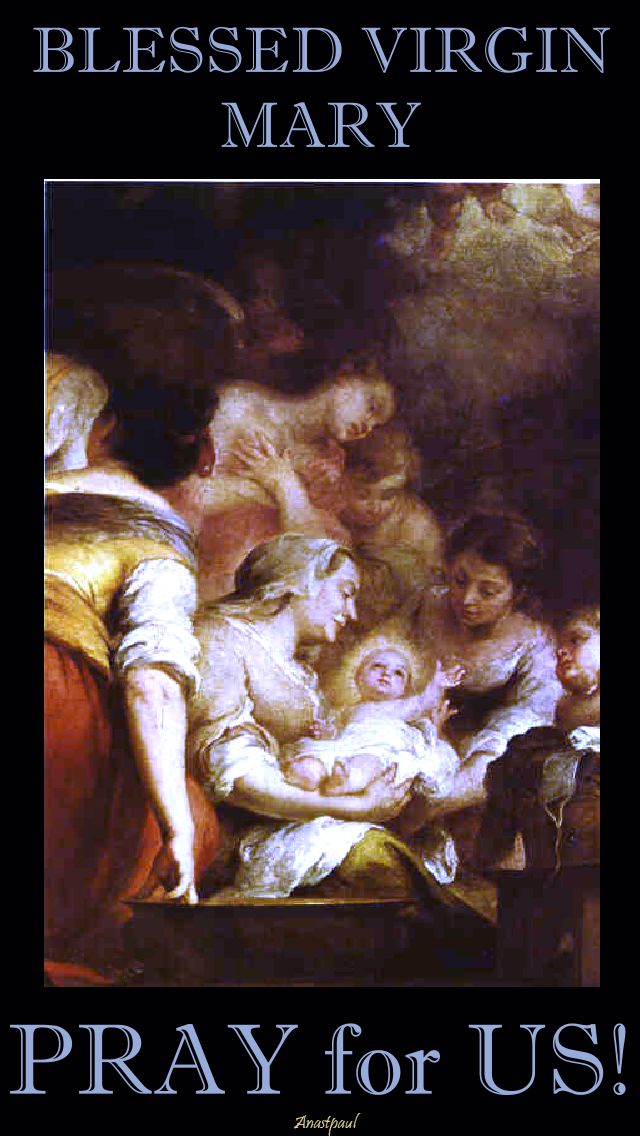
Happy Birthday Mama Mary, pray for us!happy-birthday-mother-mary-pray-for-us-8 sept 2018

Posted in BREVIARY Prayers, CATHOLIC-PRAYERS OF THE CHURCH, FEASTS and SOLEMNITIES, MARIAN PRAYERS, MARIAN QUOTES, MORNING Prayers, QUOTES of the SAINTS, SAINT of the DAY, The BLESSED VIRGIN MARY, The WORD

One Minute Reflection – 8 September – The Feast of the Nativity of the Blessed Virgin Mary

One Minute Reflection – 8 September – The Feast of the Nativity of the Blessed Virgin Mary

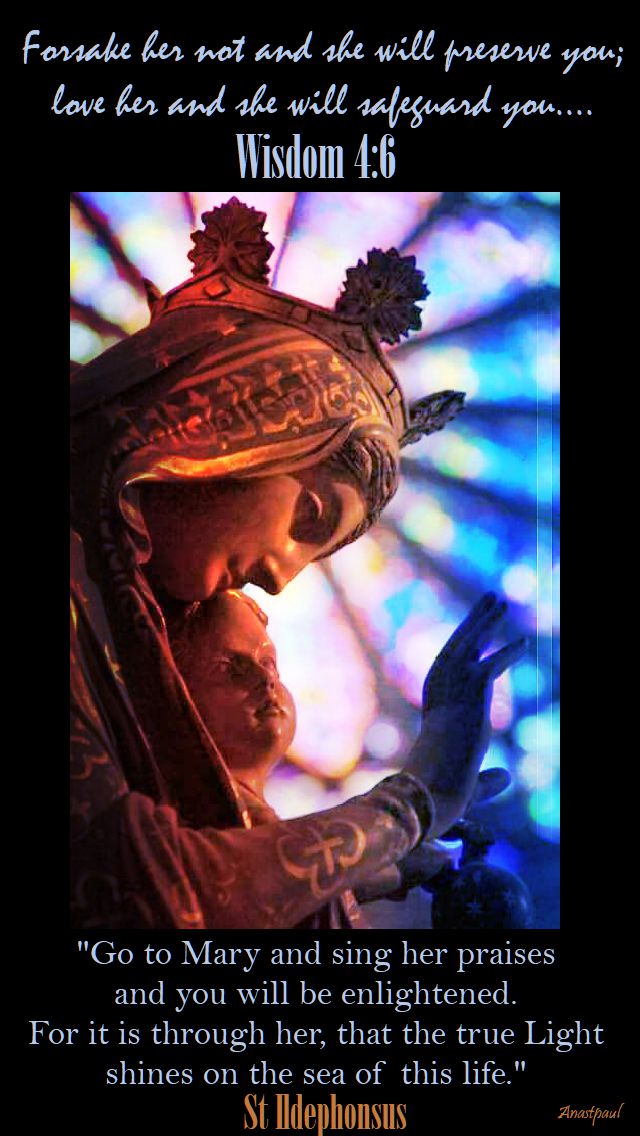
Forsake her not and she will preserve you;
love her and she will safeguard you…..Wisdom 4:6

REFLECTION – “Go to Mary and sing her praises and you will be enlightened.
For it is through her that the true Light shines on the sea of this life.”…St Ildephonsusgor to mary and sing her praises - st ildephonsus

PRAYER – Lord God, the day of our salvation dawned when the Blessed Virgin gave birth to Your Son.
As we celebrate her nativity, grant us Your grace and Your peace.
Through Christ, our Lord, Your Son in union with the Holy Spirit.
Mary, Mother of God, pray for us, amen.blessed virgin mary pray for us

Posted in FEASTS and SOLEMNITIES, SAINT of the DAY, The BLESSED VIRGIN MARY

Feast of the Nativity of the Blessed Virgin Mary – 8 September

Feast of the Nativity of the Blessed Virgin Mary – 8 September – The Feast of the Nativity of the Blessed Virgin Mary, the day on which Christians East and West commemorate the birth of Mary, the Mother of God, was celebrated as early as the sixth century.   We know that from the fact that Saint Romanos the Melodist, an Eastern Christian who composed many of the hymns used in the Eastern Catholic and Eastern Orthodox liturgies, composed a hymn for the feast at that time and it probably originated after the Council of Ephesus in 431, which established her right to the title of “Mother of God.”   Patronages: • chefs, cooks and restauranteurs• coffee house owners or keepers
• distillers• drapers• fish dealers or fishmongers• gold workers or goldsmiths• needle and pin makers• potters• silk workers• silver workers or silversmiths• tile makers• 14 cities

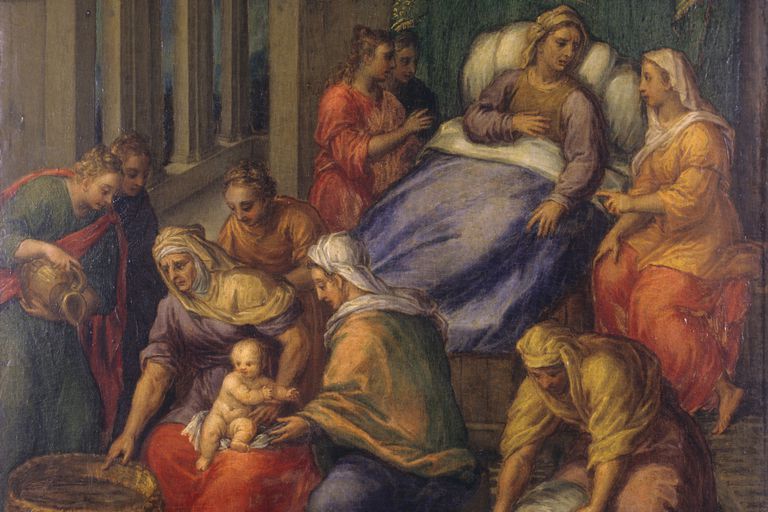
The Feast of the Nativity of the Blessed Virgin Mary spread to Rome in the seventh century but it took a couple of more centuries before it was celebrated throughout the West.Birth_of_St_Mary_in_Santa_Maria_Novella_in_Firenze_by_Domenico_GhirlandaioBirth-of-the-Virgin-Mary-1500-56a1089f3df78cafdaa83d40

HISTORY:  Even though we cannot trace the celebration of the Feast of the Nativity of the Blessed Virgin Mary back any further than the sixth century, the source for the story of the birth of the Blessed Virgin Mary is much older.   The earliest documented version is found in the Protoevangelium of James, an apocryphal gospel written about C 150. From the Protoevangelium of James, we learn the names of Mary’s parents, Joachim and Anna, as well as the tradition that the couple was childless until an angel appeared to Anna and told her that she would conceive.  (Many of the same details appear also in the later apocryphal Gospel of the Nativity of Mary.)BIRTH OF MARY MY EDIT

WHY 8 SEPTEMBER:  The traditional date of the feast, September 8, falls exactly nine months after the feast of the Immaculate Conception of Mary.  Perhaps because of its close proximity to the feast of the Assumption of Mary, the Nativity of the Blessed Virgin Mary is not celebrated today with the same solemnity as the Immaculate Conception.   It is, nonetheless, a very important feast, because it prepares the way for the birth of Christ.  It is also an unusual feast, because it celebrates a birthday.

WHY DO WE CELEBRATE THE BLESSED VIRGIN MARY’S BIRTHDAY?:  The feasts of saints are traditionally celebrated on the day of their death because that is the date on which they entered into eternal life.   And, indeed, we also celebrate the Blessed Virgin Mary’s entrance into Heaven on August 15, the Feast of the Assumption.

There are only three people whose birthdays have traditionally been celebrated by Christians.   Jesus Christ, at Christmas, Saint John the Baptist and the Blessed Virgin Mary. And we celebrate all three birthdays for the same reason:  All three were born without Original Sin.   Christ, because He was conceived by the Holy Spirit and is God;  Mary, because she was kept free from the stain of Original Sin by the action of God in His foreknowledge that she would agree to be the mother of Christ; and Saint John, because he was blessed in the womb by the presence of his Saviour when Mary, pregnant with Jesus, came to aid her cousin Elizabeth in the final months of Elizabeth’s pregnancy (an event we celebrate in the Feast of the Visitation).

Readings: Micah 5:1-4A or Romans 8:28-30;   Psalm 13:6AB, 6C;  Matthew 1:1-16, 18-23 or Matthew 1:18-23

Posted in SAINT of the DAY

Saint of the Day – 7 September – St Cloud (c522-560) Abbot, Confessor

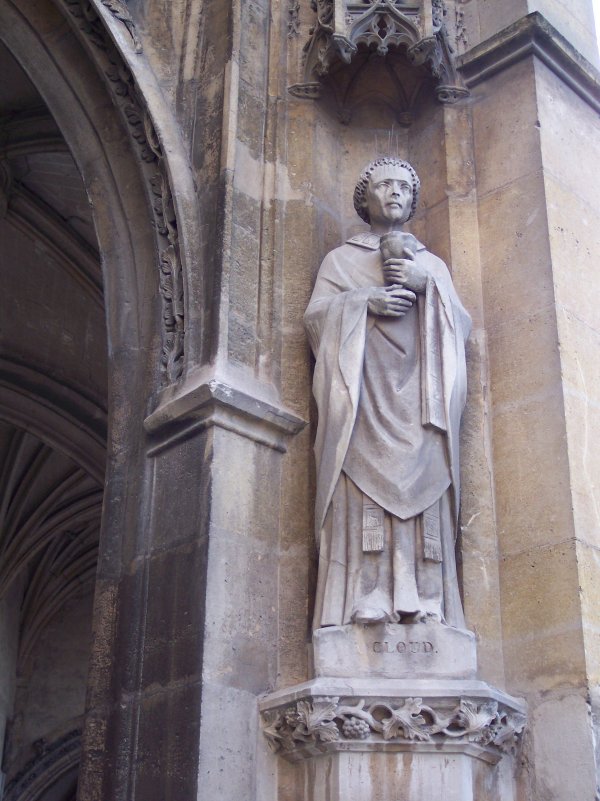
Saint of the Day – 7 September – St Cloud (also known as Clodoald, Clodoaldus, Claud) – (522 in Gaul (modern France) – 560 in France of natural causes).   Priest, Hermit, Confessor and Abbot, apostle of the poor and ill.    Patronages – of nail makers, against boils and fever, Saint Cloud, the Diocese of Minnesota, France.   

cloud1

St Cloud was the son of King Chlodomer of Orléans and his wife Guntheuc. On his death , in the year 511 his kingdom was divided between his four sons, of whom the second was Clodomir.   Thirteen years later he was killed fighting against his cousin, Gondomar, leaving three sons to share his dominions.   The youngest of these sons of Clodomir was St. Clodoald, a name more familiar to English people under its French form of Cloud from the town of Saint-Cloud near Versailles.   When Cloud was eight years old, his uncle Childebert plotted with his brother, to get rid of the boys and divide their kingdom.   The eldest boy, Theodoald was stabbed to death.   The second, Gunther fled in terror but was caught and also killed.   Cloud escaped and was taken for safety into Provence or elsewhere.
Childebert and his brother Clotaire shared the fruits of their crime and Cloud made no attempt to recover his kingdom when he came of age.   He put himself under the discipline of St Severinus, a recluse who lived near Paris and he afterwards went to Nogent on the Seine and had his heritage where is now Saint-Cloud.

Visited by many for counsel and healing, Clodoald in effect gained nothing by keeping himself remote from society.   He therefore returned to Paris, where he was received with joy.   At the people’s request, he was ordained a priest by Bishop Eusebius of Paris in 551 and served the church for some time.

Clodoald established a holy place at Nogent-sur-Seine that is now a collegiate church of canons regular called Saint Cloud wherein his relics are kept.   The village hosting his tomb was renamed Saint-Cloud accordingly.

Posted in SAINT of the DAY

Memorials of the Saints – 7 September

St Alcmund of Hexham
Bl Alexander of Milan
St Augustalus
St Balin
St Carissima of Albi
St Chiaffredo of Saluzzo
Bl Claude-Barnabé Laurent de Mascloux
St Cloud
St Desiderio of Benevento
St Dinooth
Bl Eugenia Picco
St Eupsychius of Caesarea
St Eustace of Beauvais
St Evortius of Orleans
St Faciolus
St Festo of Benevento
Bl François d’Oudinot de la Boissière
Bl Giovanni Battista Mazzucconi
St Giovanni of Lodi
St Goscelinus of Toul
St Gratus of Aosta
St Grimonia of Picardy
St Hiduard
Bl Ignatius Klopotowski
Bl John Duckett
Bl John Maki
Bl John of Nicomedia
Bl Ludovicus Maki Soetsu
Madalberta
Bl Maria of Bourbon
St Marko Križevcanin
St Melichar Grodecký
St Memorius of Troyes
St Pamphilus of Capua
Bl Ralph Corby
St Regina
St Sozonte
Bl Thomas Tsuji
St Tilbert of Hexham
—
Martyrs of Noli: Four Christians who became soldiers and were martyred together for their faith. A late legend makes them member of the Theban Legend who escaped their mass martyrdom but that’s doubtful – Paragorius, Partenopeus, Parteus and Severinus. They were born in Noli, Italy and martyred in Corsica, France. Attribute – soldiers with a banner of Noli.

Martyred in the Spanish Civil War:
• Blessed Antoni Bonet Sero
• Blessed Ascensión Lloret Marcos
• Blessed Gregorio Sánchez Sancho
• Blessed Félix Gómez-Pinto Piñero

Posted in SAINT of the DAY

Saint of the Day – 6 September – St Magnus of Füssen

Saint of the Day – 6 September – St Magnus of Füssen – Religious Priest, Monk, Abbot, Missionary, Spiritual student of Saint Columban and Saint Gall at Arbon (part of modern Switzerland) (Died in c 666? or 722? at the monastery at Füssen, Bavaria (in modern Germany) of natural causes).   Patronages –  against caterpillars,• against hail or hailstorms,• against lightning,• against snakes,• against vermin,• for protection of crops.

magnus

St Magnus of was both a monk and a missionary. An interesting story involves him bringing reconciliation between St Gall and his master St Columban.   He is also venerated as one of the Holy Helpers invoked in time of plague such as the Black Death.

Monk of St Gall
Magnus was a monk at St Gall.   One moving story involving him is that, on learning of the death of Columbanus whom Gall had refused to accompany to Bobbio in Italy, Gall sent Magnus to pray at Columbanus’s grave.   Magnus returned with St Columbanus’s staff which on his deathbed Columbanus had instructed to be given to Gall as a gesture of reconciliation in the quarrel which a few years before had separated them.   Magnus is said to have succeeded Gall after his death.

Missionary
Invited by a priest of Augsburg, Magnus went with the support of Bishop Wichbert of that diocese to preach to the pagan people of the Allgäu region of Bavaria.   When he was left alone, Wichbert sent some young clerics to help him and these formed a monastic community later known as Sankt-Mung at Füssen, in Bavaria. Magnus helped the locals clear the land for cultivation and began a mining industry in a nearby mountain.

440px-Füssen_-_Klosterkirche_St._Mang33.in the crypt
Icon of St Magnus in the Crypt of the Monastery of St Magnus at Füssen


DIGITAL CAMERA
Image of St Magnus on the Ceiling

Füssen_-_Klosterkirche_St._Mang24
Ceiling of the Monastery of St Magnus at Füssen

Death and influence
Magnus died after 26 years of missionary work and his relics were returned to St Gall. He is usually represented as treading on serpents.   He is also named as one of the fourteen Holy Helpers invoked against storms, insects, dragons and other disasters, such as the Black Death.


Posted in SAINT of the DAY

Memorials of the Saints – 6 September

Memorials of the Saints – 6 September

St Arator of Verdun
St Augebert of Champagne
St Augustine of Sens
St Beata of Sens
St Bega
Bl Bertrand of Garrigue
St Cagnoald
St Consolata of Reggio Emilia
St Cottidus of Cappadocia
St Eleutherius the Abbot
St Eugene of Cappadocia
St Eve of Dreux
St Faustus of Alexandria
St Faustus of Syracuse
St Felix of Champagne
St Frontiniano of Alba
St Gondulphus of Metz
St Imperia
St Macarius of Alexandria
St Maccallin of Lusk
St Magnus of Füssen
St Mansuetus of Toul
St Onesiphorus
St Petronius of Verona
St Sanctian of Sens
St Zacharius the Prophet
—
Martyrs of Africa – 6 saints: There were thousands of Christians exiled, tortured and martyred in the late 5th century by the Arian King Hunneric. Six of them, all bishops, are remembered today; however, we really know nothing about them except their names and their deaths for the faith – Donatian, Fusculus, Germanus, Laetus, Mansuetus and Praesidius.

Martyred in the Spanish Civil War:
• Blessed Diego Llorca Llopis
• Blessed Felipe Llamas Barrero
• Blessed Pascual Torres Lloret
• Blessed Vidal Ruiz Vallejo

Posted in MORNING Prayers, QUOTES of the SAINTS, SAINT of the DAY

Thought for the Day – 5 September – The Memorial of St Mother Teresa (1910-1997)

Thought for the Day – 5 September – The Memorial of St Mother Teresa (1910-1997)

Through her life and work Mother Teresa gave visibility to the invisible God, as a light bulb makes electricity visible.   As the light bulb does not produce the electricity, so too the power to do good belonged not to her but to the Lord.   There were therefore no grounds for her to be proud.   It was clear to her that the more united she was to Jesus, like the branch to the vine, the more abundantly she would bear fruit for Him.
“Let us thank God and Our Lady” was her spontaneous response when people thanked her for the blessings they received through her prayers.   Aware of the Source of all power, she wrote in the first pages of her handwritten Constitutions:
“It was Jesus Christ on the Cross through His blessed Mother—in His great mercy and love—who chose one of His most unworthy and most incapable of human beings to start His own work among the poor.   Therefore the Society as a whole or in detail is completely and will always remain the sole possession of the Mother of God.”

(Fr Sebastian Vazhakala MC  a member of St Mother Teresa’s Missionaries of Charity, who knew, worked and loved St Teresa for 31 years)

St Mother Teresa Pray for us that we too may make the invisible God visible! “Let us thank God and Our Lady”

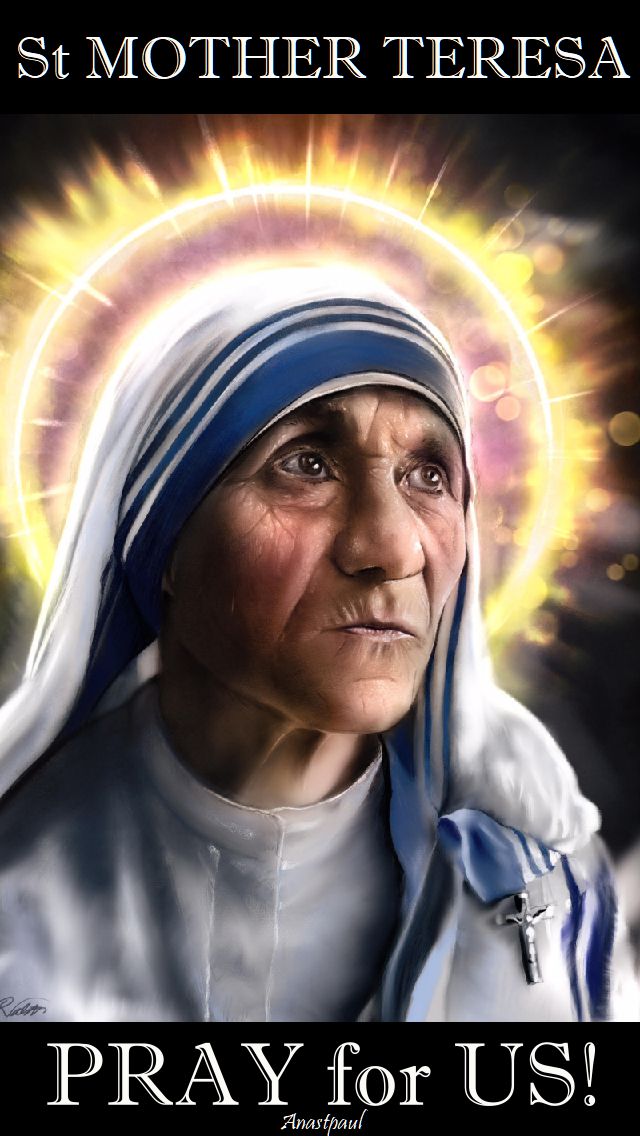
st mother teresa - pray for us.2

Posted in MORNING Prayers, QUOTES of the SAINTS, SAINT of the DAY, Uncategorized

Quote/s of the Day – 5 September – The Memorial of St Mother Teresa (1910-1997)

Quote/s of the Day – 5 September – The Memorial of St Mother Teresa (1910-1997)

“The cry of Jesus on the Cross, ‘I thirst’ (Jn 19: 28), expressing the depth of God’s longing for man, penetrated Mother Teresa’s soul and found fertile soil in her heart.”
—Pope John Paul II – 19 October 2003the cry of jesus on the cross - st john paul on mother teresa

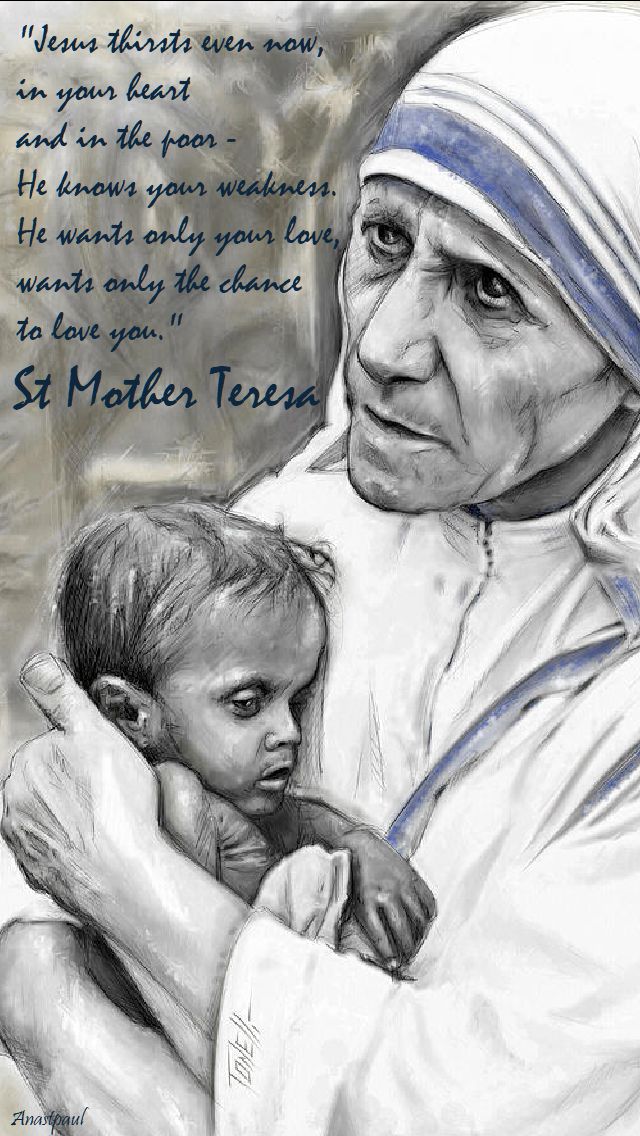
“As Lent is the time for greater love, listen to Jesus’ thirst.  “Repent and believe,” Jesus tells us.   What are we to repent?   Our indifference, our hardness of heart. What are we to believe?   Jesus thirsts even now, in your heart and in the poor – He knows your weakness.   He wants only your love, wants only the chance to love you.”jesus thirsts even now

Life is an opportunity, benefit from it.
Life is beauty, admire it.
Life is a dream, realize it.
Life is a challenge, meet it.
Life is a duty, complete it.
Life is a game, play it.
Life is a promise, fulfill it.
Life is sorrow, overcome it.
Life is a song, sing it.
Life is a struggle, accept it.
Life is a tragedy, confront it.
Life is an adventure, dare it.
Life is luck, make it.
Life is too precious, do not destroy it.
Life is life, fight for it.life is an opportunity - my pic - st mother teresa

“Unless we believe and see Jesus in the appearance of bread on the altar, we will not be able to see him in the distressing disguise of the poor.”unless we believe - st mother teresa

“Do not wait for leaders; do it alone, person to person.”   

“If you can’t feed a hundred people
them just feed one.”do not wait for leaders - st mother t

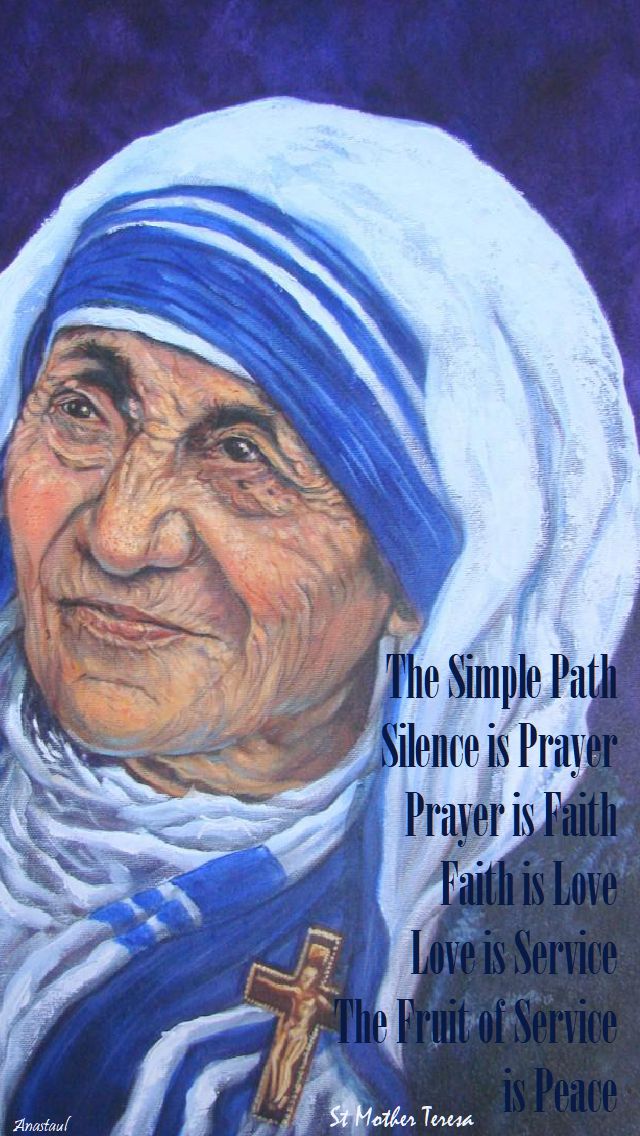
The Simple Path
Silence is Prayer
Prayer is Faith
Faith is Love
Love is Service
The Fruit of Service is Peacethe simple path - st mother t

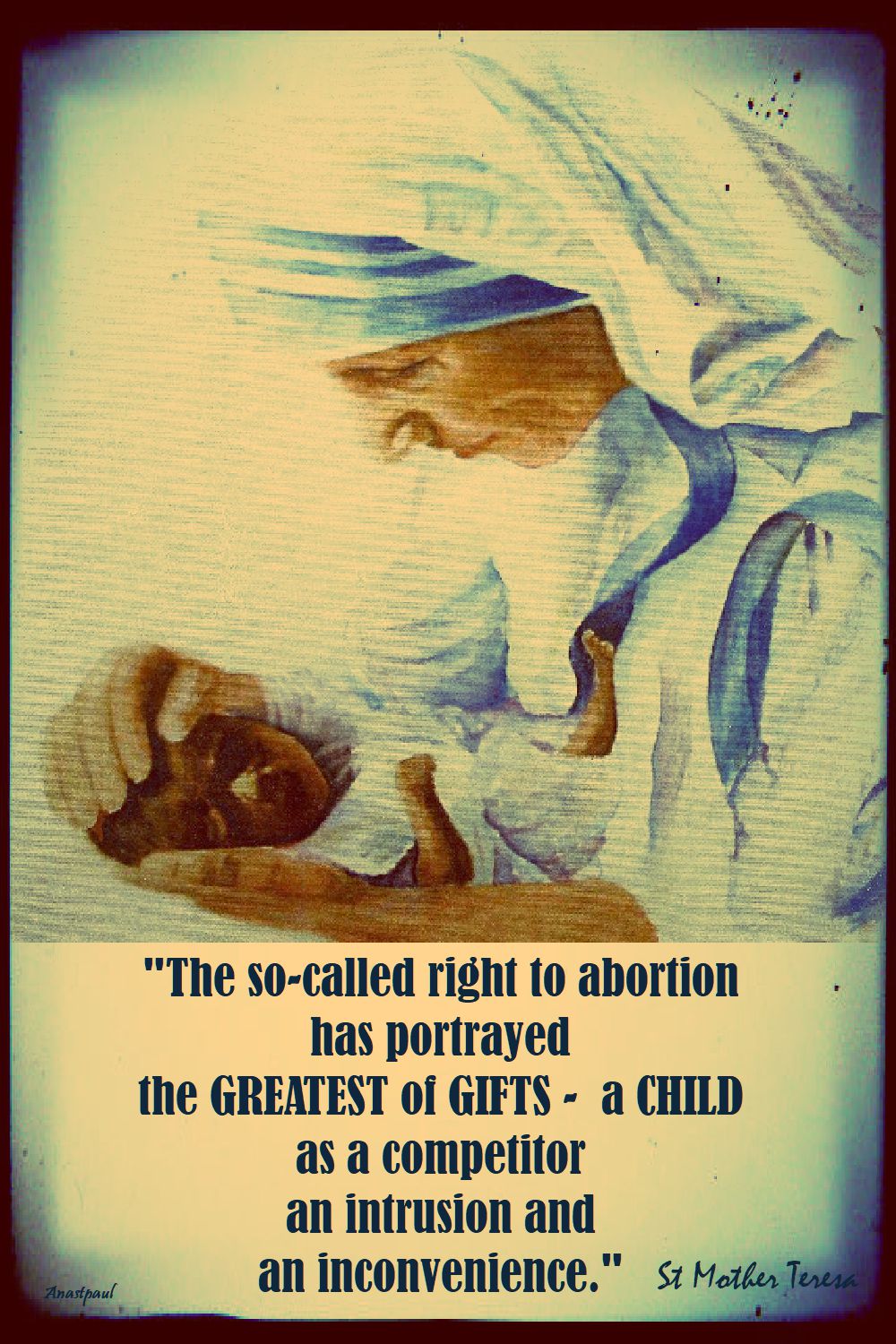
“The so-called right to abortion
has portrayed the GREATEST of GIFTS
a CHILD
as a competitor
an intrusion and
an inconvenience.”the so-called right to abortion - st mother T

St Mother Teresa of Calcutta, pray for us!

Posted in MORNING Prayers, QUOTES of the SAINTS, SAINT of the DAY, The WORD

One Minute Reflection – September 5 – The Memorial of St Mother Teresa (1910-1997)

One Minute Reflection – September 5 – The Memorial of St Mother Teresa (1910-1997)

Each one has his own gift from God……….1 Cor 7:7

REFLECTION – “Not all of us can do great things.  But we can do small things with great love…..God doesn’t require us to succeed, He only requires that we try…….I can do things you cannot, you can do things I cannot; together we can do great things.” ….St Mother Teresa of Calcutta

not all of us can do great things - st mother teresa.2not all of us can do great things - st mother teresa

PRAYER – Heavenly Father, help me to be holy in the way that You have laid out for me. Let me carry out the duties of my state in life to the full and so attain the holiness proper to me. St Mother Teresa please pray for us that we may all use the gifts we have been given for the Glory of God. Amen

st mother teresa - pray for us

Posted in PRAYERS of the SAINTS, SAINT of the DAY

Our Morning Offering – 4 September

Our Morning Offering – 4 September

St Mother Teresa’s Prayer
“Radiating Christ”

Dear Jesus, help us to spread
Your fragrance everywhere we go.
Flood our souls with Your spirit and life.
Penetrate and possess our whole being so utterly
that our lives may only be a radiance of Yours.
Shine through us and be so in us
that every soul we come in contact with
may feel Your presence in our soul.
Let them look up and see,
no longer us but only Jesus.
Stay with us
and then we shall begin to shine
as You shine,
so to shine as to be light to others.
The light, O Jesus, will be all from You.
None of it will be ours.
It will be You shining on others through us.
Let us thus praise You in the way You love best
by shining on those around us.
Let us preach You,
without preaching,
not by words but by our example;
by the catching force –
the sympathetic influence of what we do,
the evident fullness of the love
our hearts bear to You. Amen

st mother teresa's prayer - radiating christ

Posted in SAINT of the DAY

Saint of the Day – 5 September – St Mother Teresa of Calcutta MC

Saint of the Day – 5 September – St Mother Teresa of Calcutta MC (born Agnes Gonxha Bojaxhiu) – Consecrated Religious Nun, Founder of the Order of the Missionaries of Charity, Apostle of Charity, Missionary, Nobel Peace Prize Winner 1978, Anti-Abortion Activist  – (26 August 1910 in Skopje, Albania (modern Macedonia) – 5 September 1997 in Calcutta, West Bengal, India of natural causes).   She was Beatified on 19 October 2003 by St John Paul and Canonised on  4 September 2016 by Pope Francis.   The canonisation miracle involved the healing of brain abscesses of a comatose 42 year old mechanical engineer in Santos, Brazil in 2008.   Patronages – World Youth Day, Missionaries of Charity.   Attributes – Habit, Rosary, Prayer posture, holding a child.

MOTHER TERESA info 1MOTHER TERESA info 2MOTHER TERESA info 3MOTHER TERESA info 5 - my pic


When we think about the difference that love can make, many people very often think of one person: Saint Mother Teresa of Calcutta.   A tiny woman, just under five feet tall, with no tools except prayer, love and the unique qualities God had given her, Mother Teresa is probably the most powerful symbol of the virtue of charity today.

Mother Teresa wasn’t, of course, born with that name.   Her parents named her Agnes—or Gonxha in her own language—when she was born to them in Albania, a country north of Greece.   Agnes was one of four children.   Her childhood was a busy, ordinary one. Although Agnes was very interested in missionary work around the world, as a child she didn’t really think about becoming a nun;  but when she turned 18, she felt that God was beginning to tug at her heart, to call her, asking her to follow him.

Now Agnes, like all of us, had a choice. She could have ignored the tug on her heart.   She could have filled her life up with other things so maybe she wouldn’t hear God’s call.   But of course, she didn’t do that.   She listened and followed, joining a religious order called the Sisters of Loreto, who were based in Dublin, Ireland.   After two months in Ireland, spent mostly learning how to speak English, Agnes got on a boat (in 1928, hardly anyone took trips by plane) and 37 days later she arrived in the beautiful, busy, complicated country of India.   Here, Agnes took her final vows as a sister and took the name Teresa, after Thérèse of Lisieux, the Little Flower.   She spent 15 years teaching in a girl’s school in Calcutta, a job that she loved and was very good at.   But then one day, she heard that call again.

MOTHER TERESA.1.

The voice in her heart was telling her that she was to make a very big change in her life—that she should leave her teaching position and go into the streets of Calcutta and care for the poor.   So Sister Teresa listened and said yes.   She had lived in India for years and she knew how desperate the poor of that country were, especially in the big cities.   It was these people, the dying poor, that Sister Teresa felt a special call to love.   After all, these were people who had absolutely no one else in the world to love them.   Not only were they poor but they were also dying.   Why did their feelings matter?   Wouldn’t they be gone soon enough?   Teresa saw these people differently.   She saw them through God’s eyes, which means that she saw each of them as his dear child, suffering and yearning for some kind touch or word, some comfort in their last days on earth.   She heard that call and chose to live it out—to let God love the forgotten ones through her charity.

As is the case with all great things, Teresa’s efforts started out small.   She got permission to leave her order, to live with the poor and to dress like them, too.   She changed her habit from the traditional one to the sari worn by Indian women.   Her sari would be white with blue trim, the blue symbolizing the love of Mary.   She didn’t waste time, either.   On her very first day among the poor of Calcutta, Mother Teresa started a school with five students, a school for poor children.   That school still exists today.   She quickly got some training in basic medical care and went right into the homes of the poor to help them.   Within two years, Teresa had been joined by other women in her efforts, all of them her former students.   She was soon “Mother Teresa” because she was the head of a new religious order: the Missionaries of Charity.

The Missionaries of Charity tried to care for as many of the dying as they could.   They bought an old Hindu temple and made it into what they called a home for the dying. Hospitals had no room or interest in caring for the dying—especially the dying poor—so the dying had no choice but to lie on the streets and suffer.   The sisters knew this, so they didn’t wait for the poor to come to them.   They constantly roamed the streets, picking up what looked from the outside like nothing but a pile of rags but was actually a sick child or a frail old person.

When a dying person came or was brought to Mother Teresa and her sisters, they were met with nothing but love.   They were washed and given clean clothes, medicine, and—most important—someone who could hold their hand, listen, stroke their foreheads and comfort them with love in their last days.

One of the most feared diseases in the world is leprosy.   It’s a terrible sickness that deadens a person’s nerves and can even cause their fingers, toes, ears and nose to eventually fall away.   You know that in Jesus’ time, lepers were kept away from communities.   Lepers in poor countries like India, where they have a hard time getting the medicines to treat the disease, are often treated the same way.   So Mother Teresa saw people with leprosy in the same way—through God’s loving eyes.   She got the help of doctors and nurses, gathered lepers from the slums and began treating and caring for them in a way that no one before her had tried to do.

Mother Teresa’s work of love started out small but it isn’t small anymore. There are more than four thousand Missionaries of Charity today, living, praying and caring for the helpless in more than a hundred different houses around the world.

From the late 1980s through the 1990s, despite increasing health problems, Mother Teresa traveled across the world for the profession of novices, opening of new houses, and service to the poor and disaster-stricken.   New communities were founded in South Africa, Albania, Cuba and war-torn Iraq.   By 1997, the Sisters numbered nearly 4,000 members and were established in almost 600 foundations in 123 countries of the world.

After a summer of travelling to Rome, New York and Washington, in a weak state of health, Mother Teresa returned to Calcutta in July 1997.   At 21.30 on 5 September, Mother Teresa died at the Motherhouse.   Her body was transferred to St Thomas’s Church, next to the Loreto convent where she had first arrived nearly 69 years earlier. Hundreds of thousands of people from all classes and all religions, from India and abroad, paid their respects.   She received a state funeral on 13 September, her body being taken in procession – on a gun carriage that had also borne the bodies of Mohandas K. Gandhi and Jawaharlal Nehru – through the streets of Calcutta.   Presidents, prime ministers, queens and special envoys were present on behalf of countries from all over the world.

When we think about her work, we can learn all we need to know about love:  it doesn’t take any money or power to love.   It doesn’t take great talent or intelligence.   It simply takes love.

Mother Teresa did wonderful, brave work in caring for the forgotten but if there’s one thing she would want you to remember about love, it’s that you don’t have to travel to foreign countries to practice the virtue of charity.   In fact, love has to start where you live.

She was canonised by Pope Francis at St Peter’s in Rome overflowing with pilgrims and dignataries from every corner of the globe on 4 September 2016.

Official_banner_for_Mother_Teresas_canonization_hangs_in_StPeters_Square_Credit_Daniel_Ibez_CNAVatican Pope Mother Teresa

St Mother Teresa - stamp released for her Canonisation 4 Sept 2016MOTHER TERESA.7 - FOR PRAYER

Note: – all the biographies of St Mother Teresa are longed and detailed, this one is written for children – it’s all we need to know.   Loyola Kids Book of Heroes by Amy Welborn


Posted in SAINT of the DAY

Memorials of the Saints – 5 September

St Albert of Butrio
St Alvitus of León
Bl Anselm of Anchin
St Anseric of Soissons
St Bertin the Great
St Charbel
Bl Florent Dumontet de Cardaillac
St Genebald of Laon
Bl Gentilis
Bl Gerbrand of Dokkum
St Guise Hoang Luong Canh
Bl John the Good of Siponto
Bl Jordan of Pulsano
St Obdulia
St Phêrô Nguyen Van Tu
St Romulus of Rome
St Mother Teresa of Calcutta
St Victorinus of Amiterme
St Victorinus of Como
Bl William Browne
—
Martyrs of Armenia – 1,000 saints: A group of up to 1,000 Christian soldiers in the 2nd century imperial Roman army of Trajan, stationed in Gaul. Ordered to sacrifice to pagan gods, they refused and were transferred to Armenia. Ordered again to sacrifice to pagan gods, they refused again. Martyrs. We know the names of three of them, but nothing else – Eudoxius, Macarius and Zeno.

Martyrs of Capua – 3 saints: Three Christians who were martyred together. Long venerated in Capua, Italy. We know their names, but little else – Arcontius, Donatus and Quintius. They were martyred in Capua, Italy.

Martyrs of Nicomedia – 80 saints: A group of 80 Christians, lay and clergy, martyred together in the persecutions of Valens. We know little more than the names of three of them – Menedemo, Teodoro and Urbano. They were locked on a boat which was then set on fire on the shore of Nicomedia, Bithynia (in modern Turkey) c 370.

Martyrs of Porto Romano – 4+ saints: A group of Christians martyred together in the persecutions of Marcus Aurelius. We know little more than their names – Aconto, Herculanus, Nonno and Taurino. c180 at Porto Romano, Italy.

Posted in MARIAN QUOTES, MARIAN TITLES, MORNING Prayers, SAINT of the DAY, The BLESSED VIRGIN MARY

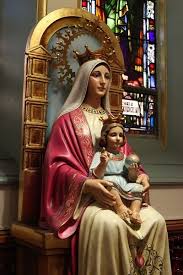
Thought for the Day – 4 September – The Feast of Our Lady of Consolation

Thought for the Day – 4 September – The Feast of Our Lady of Consolation

Pope Benedict XVI encouraged the faithful to pray to Our Lady of Consolation, stating “From Her We Can Always Learn How to Look Upon Jesus:”

“As we come to the conclusion of this solemn celebration, we offer a prayer to Mary Most Holy, who in Turin is venerated as the principal patroness with the title Blessed Virgin of Consolation.   To her I entrust this city and all those who live here.   O Mary, watch over the families and the workers;  watch over those who have lost faith and hope;  comfort the sick, those in prison and all who suffer.   O Help of Christians, sustain the young people, the elderly and persons in difficulty.   O Mother of the Church, watch over her pastors and the whole community of believers, that they may be “salt and light” in the midst of the world.

The Virgin Mary is she who more than any other contemplated God in the human face of Jesus.   She saw him as a newborn when, wrapped in swaddling clothes, he was placed in a manger;  she saw him when, just after his death, they took him down from the cross, wrapped him in linen and placed him in the sepulcher.   Inside her was impressed the image of her martyred Son;  but this image was then transfigured in the light of the Resurrection.   Thus in Mary’s heart was carried the mystery of the face of Christ, a mystery of death and of glory.   From her we can always learn how to look upon Jesus with a gaze of love and of faith, to recognise in that human countenance, the Countenance of God.”

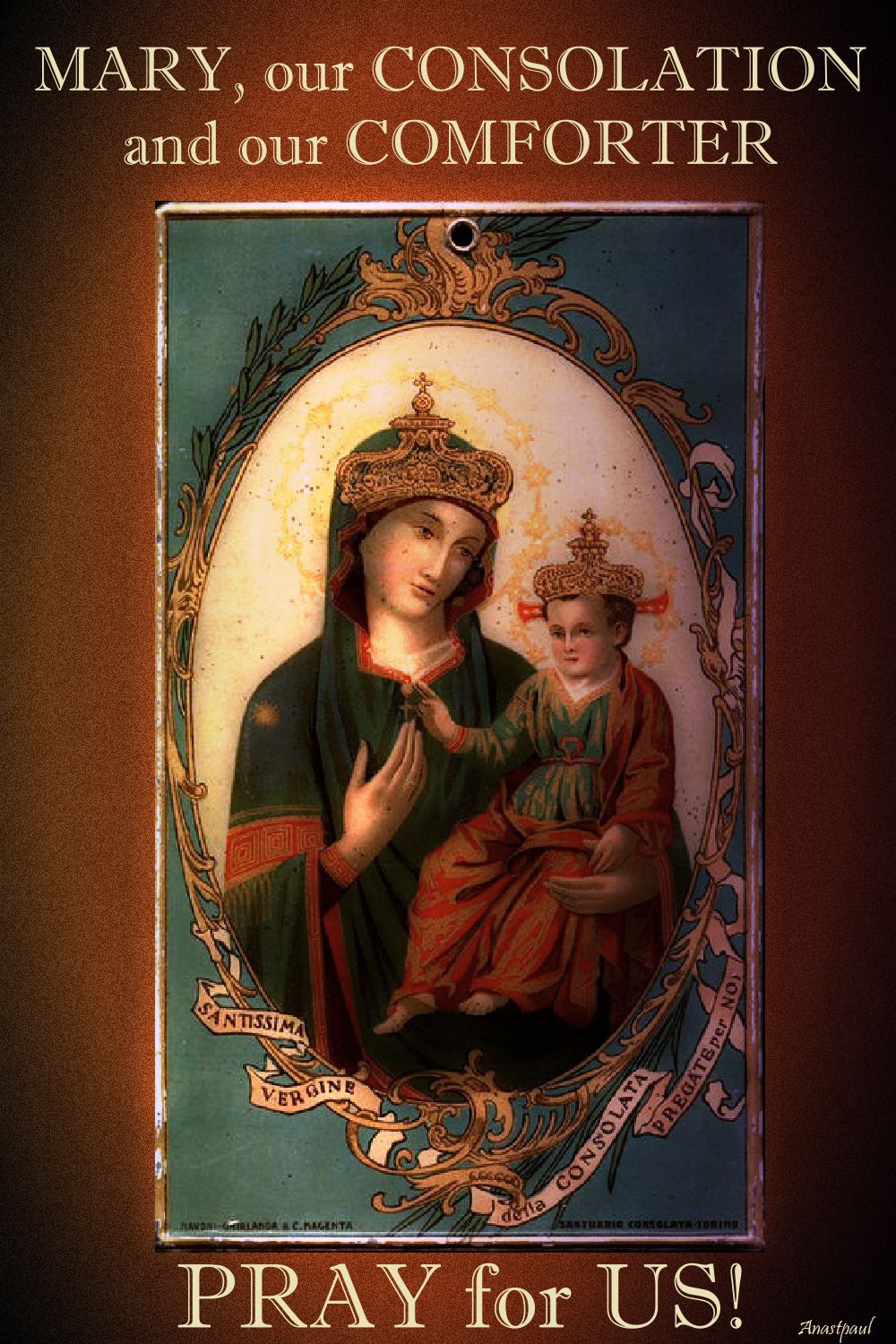
To our Lord and our God, Jesus Christ, we pray for a greater love of His Mother and to our Blessed Mother, Our Lady of Consolation, we lift our prayers for patience, for support and for comfort in our times of confusion, fear and anxiety.    Pray for us, Our Lady of Consolation!our lady of consolation pray for us.2

Posted in DOCTORS of the Church, MARIAN PRAYERS, MARIAN QUOTES, MARIAN TITLES, MORNING Prayers, QUOTES of the SAINTS, SAINT of the DAY, The BLESSED VIRGIN MARY

Quote/s of the Day – 4 September – The Feast of Our Lady of Consolation

Quote/s of the Day – 4 September – The Feast of Our Lady of Consolation

“Has anyone ever come away from Mary,
troubled or saddened or ignorant
of the heavenly Mysteries?
Who has not returned to everyday life
gladdened and joyful
because a request has been granted
by the Mother of God?”

St Amadeus of Lausanne (1110-1159)has anyone come away from mary - St Amadeus of Lausanne (1110-1159)

“As the Mother of Christ,
Mary is the Mother
of our wisdom and justice,
of our holiness and redemption.
She is more our Mother
than the mother of our flesh.”

St Aelred (1109-1166)as the mother of christ - st aelred

“O Mary, I have not doubt
that whenever we run to you,
we shall obtain all that we desire.
Let those then who have no hope, hope in you.”

St Bernard of Clairvaux (1090-1153) Doctor of the Churcho mary i have not doubt - st bernard

Posted in DOCTORS of the Church, FEASTS and SOLEMNITIES, MARIAN QUOTES, MARIAN TITLES, MORNING Prayers, QUOTES of the SAINTS, SAINT of the DAY, The BLESSED VIRGIN MARY, The WORD

One Minute Reflection – 4 September – The Feast of Our Lady of Consolation

One Minute Reflection – 4 September – The Feast of Our Lady of Consolation

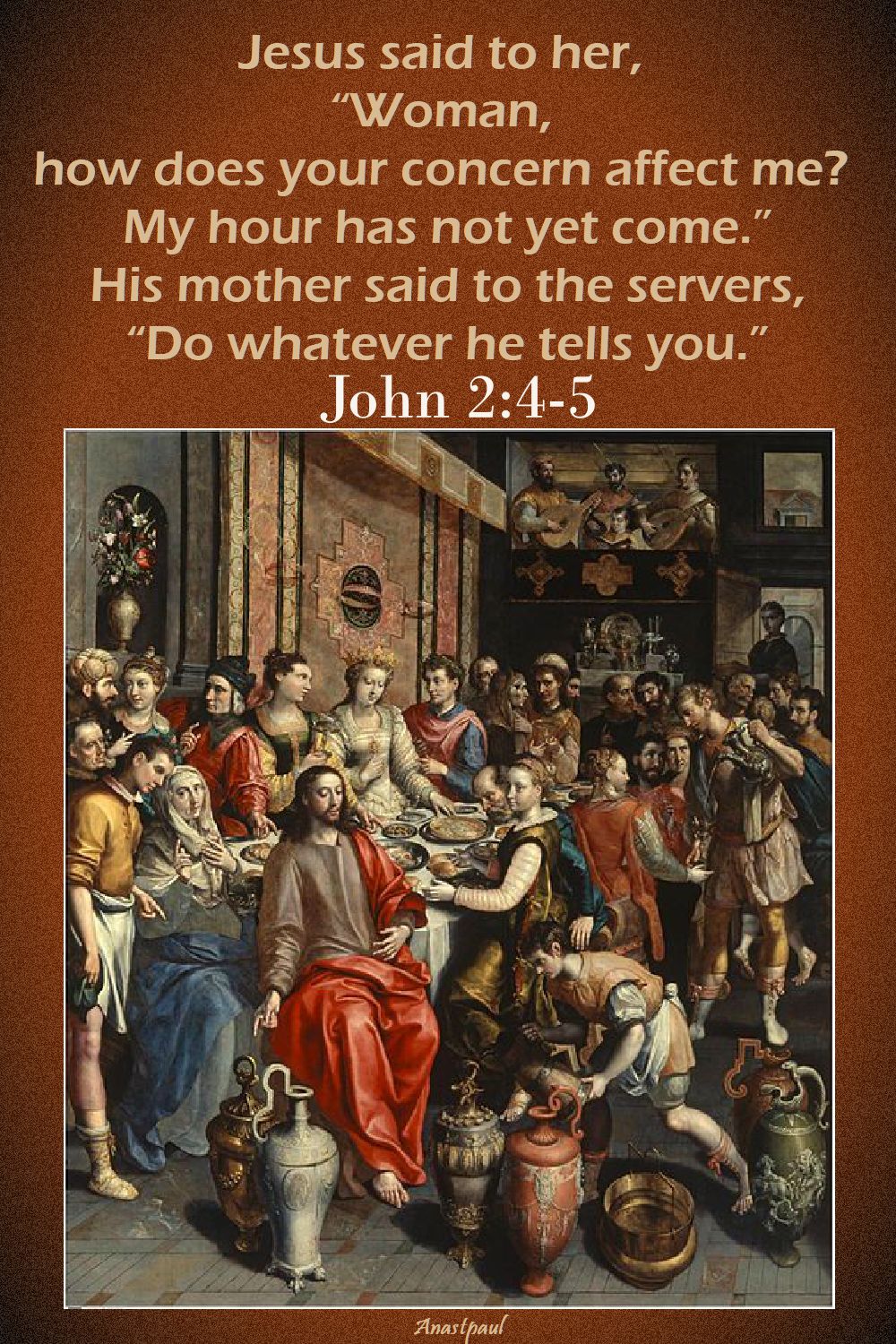
Jesus said to her, “Woman, how does your concern affect me? My hour has not yet come.”
His mother said to the servers, “Do whatever he tells you.”….John 2:4-5jesus said to her, woman - john 2 4-5

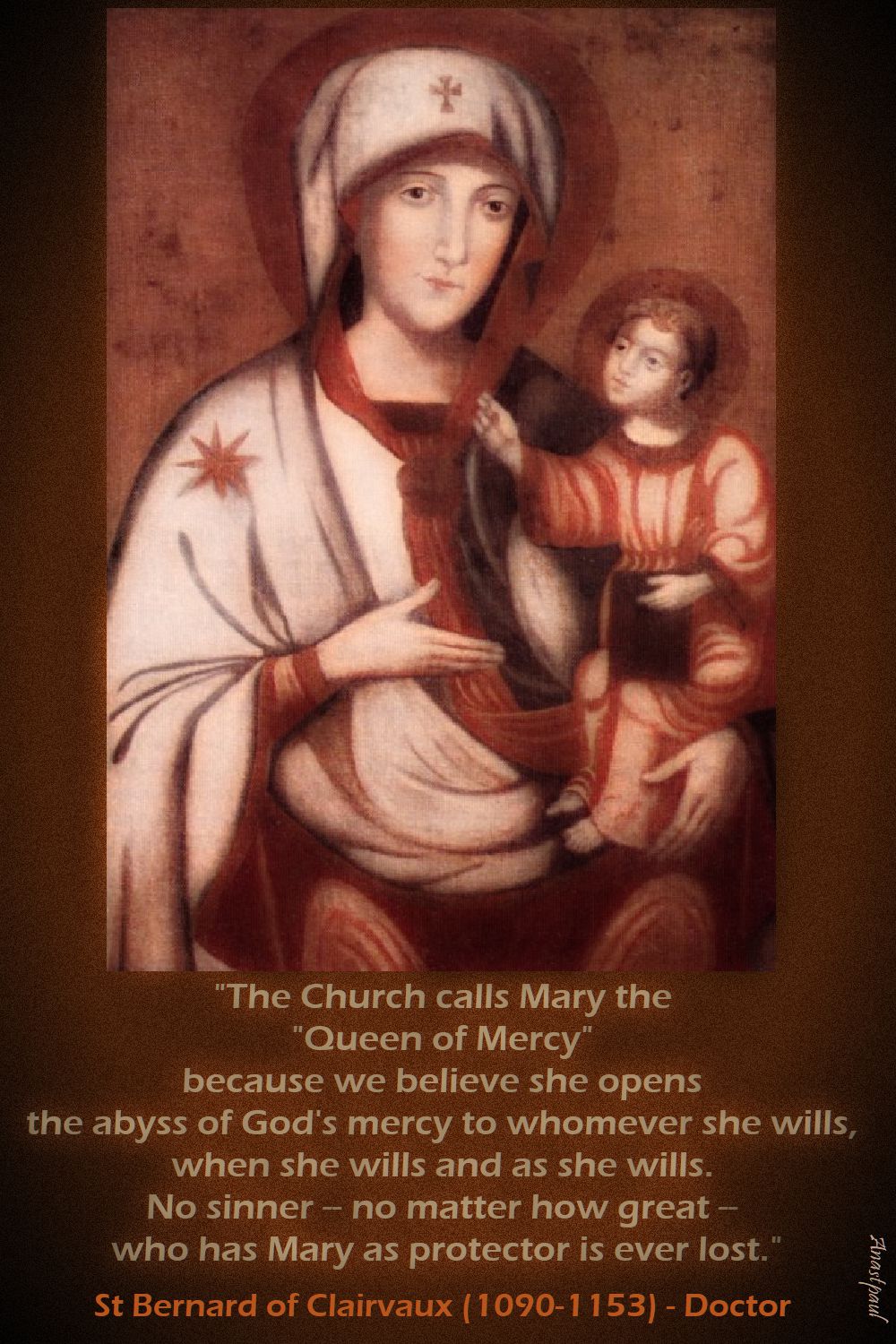
REFLECTION – “The Church calls Mary the “Queen of Mercy” because we believe she opens the abyss of God’s mercy to whomever she wills, when she wills and as she wills.
No sinner — no matter how great — who has Mary as protector is ever lost.”…St Bernard of Clairvaux (1090-1153) – Doctor of the Churchthe church calls mary the queen of mercy - st bernard

PRAYER – Almighty God, grant that Your faithful, who rejoice in the protection of the Blessed Virgin Mary, may be delivered from every evil here on earth, through her prayer and come to the enduring joys of heaven.  Through our Lord, Jesus Christ, in union with the Holy Spirit Mary, our Consolation and Comforter, pray for us! Amen.mary our consolation - pray for us

Posted in CATHOLIC-PRAYERS OF THE CHURCH, MARIAN PRAYERS, MARIAN TITLES, MORNING Prayers, SAINT of the DAY, The BLESSED VIRGIN MARY

Our Morning Offering – 4 September – The Feast of Our Lady of Consolation

Our Morning Offering – 4 September – The Feast of Our Lady of Consolation

Prayer to Our Lady of Consolation

O Mary Immaculate, our Mother and Consolation,
I take refuge in your most loving heart
with all the confidence of which I am capable;
you shall be the dearest object
of my love and veneration.
To you, who are the dispenser
of the treasures of Heaven,
I shall always have recourse,
in my sorrows to have peace,
in my doubts to have light,
in my dangers to be defended,
in all my needs to obtain your assistance.
Be therefore my refuge,
my strength,
my consolation, O Mary the Consoler!
At the hour of my death,
graciously receive the last sighs of my heart
and obtain for me a place in your heavenly home,
where all hearts shall praise with one accord
the adorable Heart of Jesus for ever more,
and your most lovable heart, O Mary.
Our tender Mother, Comforter of the afflicted,
pray for us who have recourse to thee.
Grant also peace and holiness to the Church,
through Jesus Christ, your Son, our Lord. Amenprayer to our lady of consolation no 2