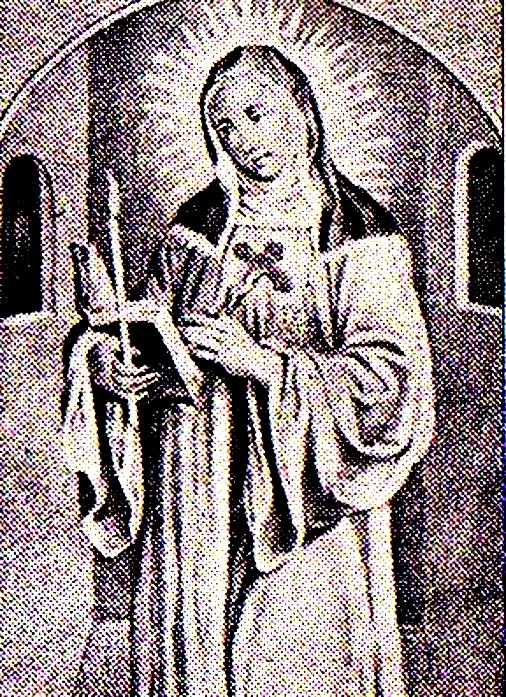
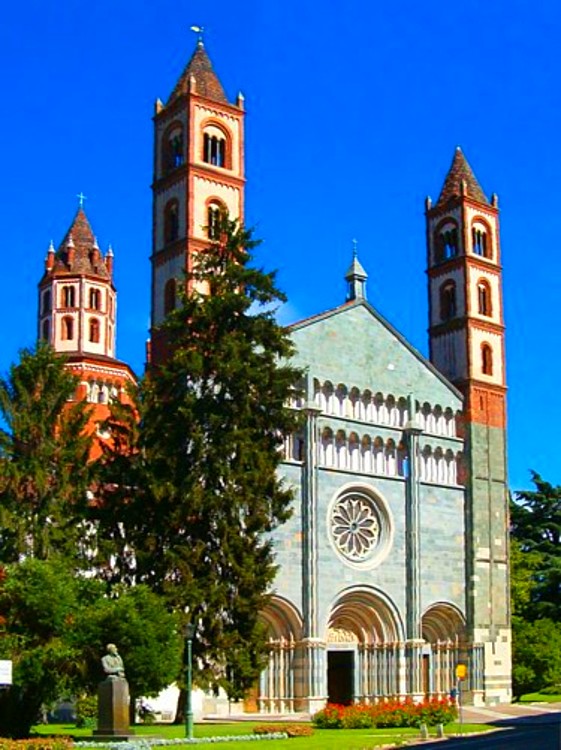
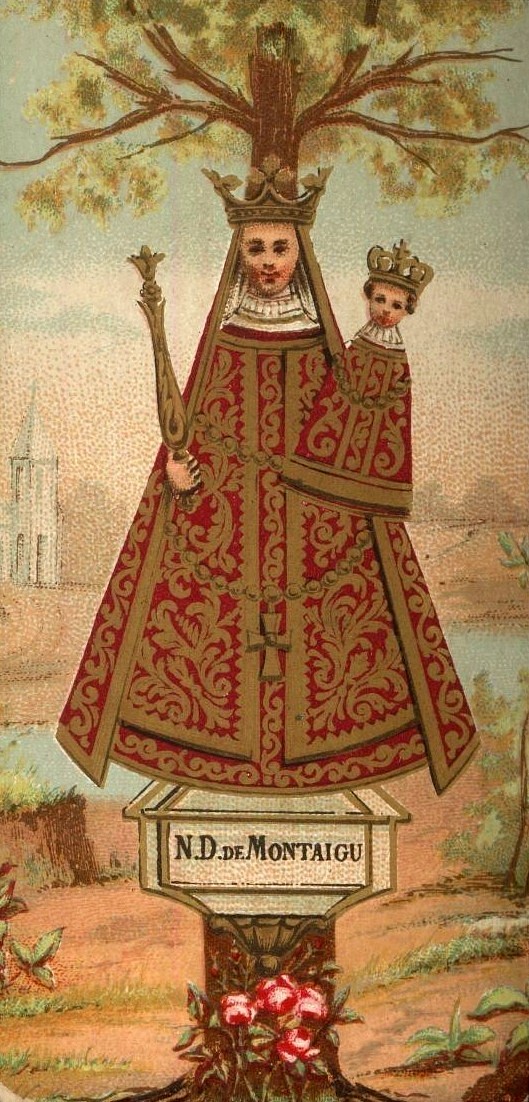
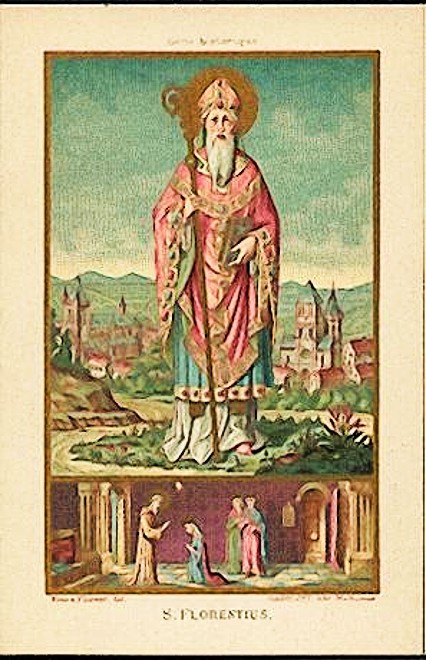
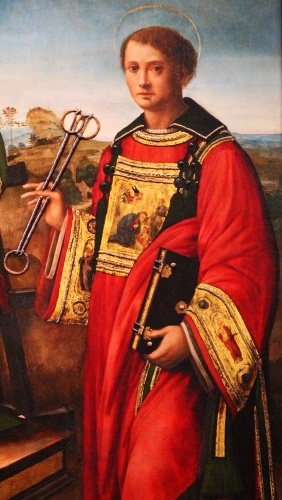
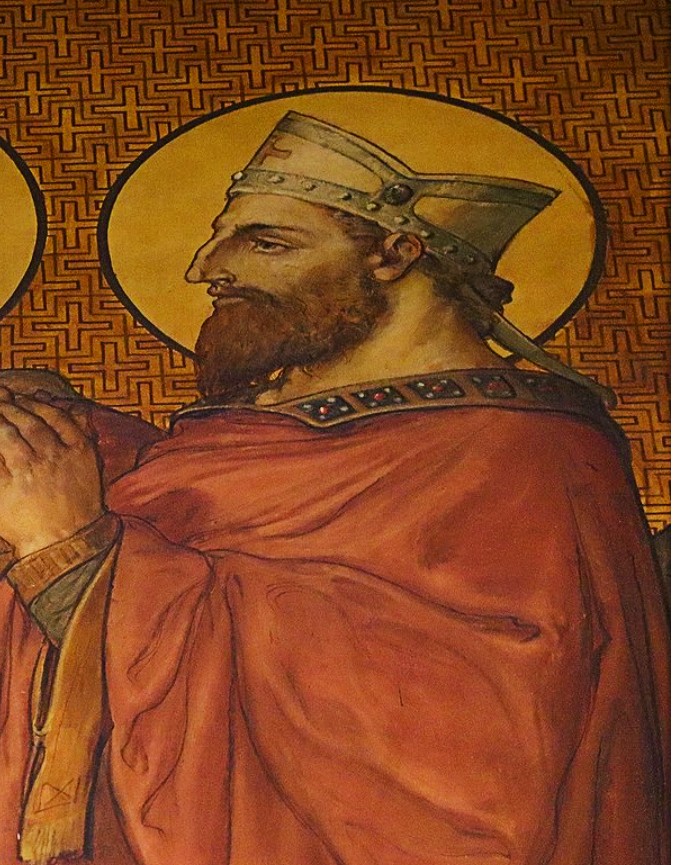
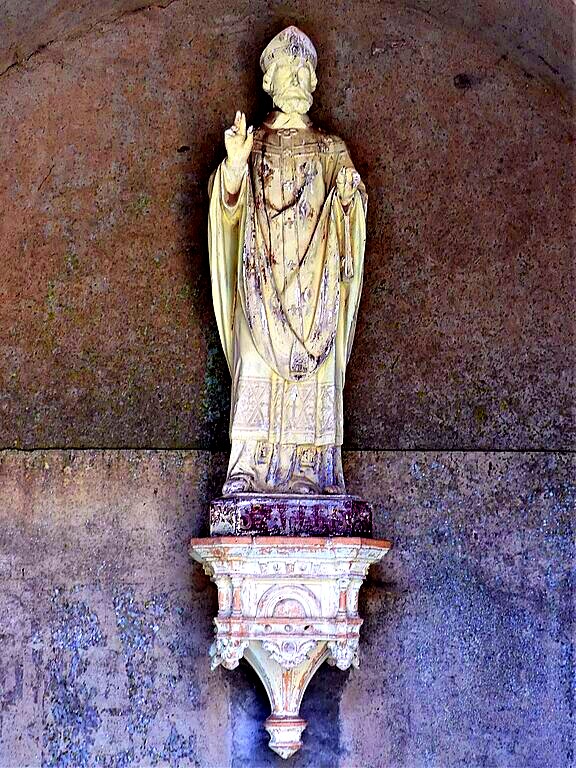
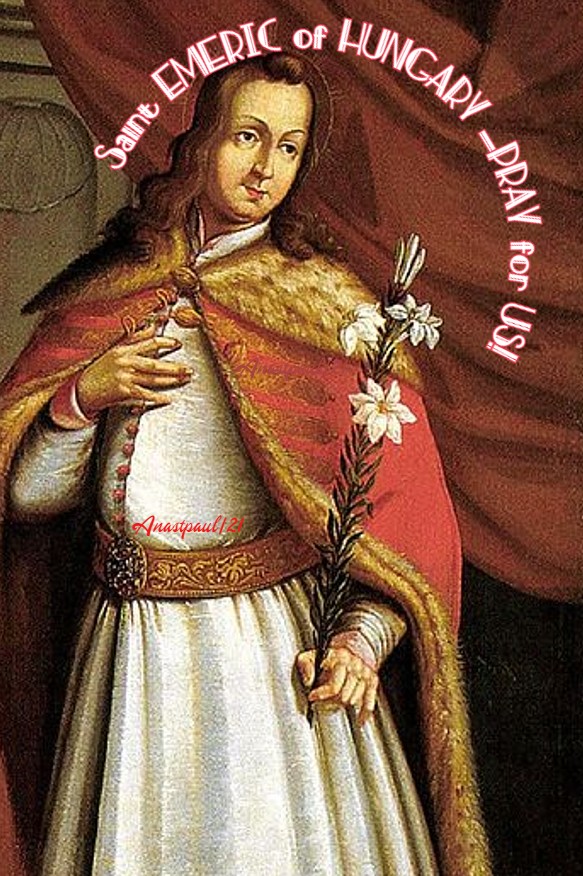
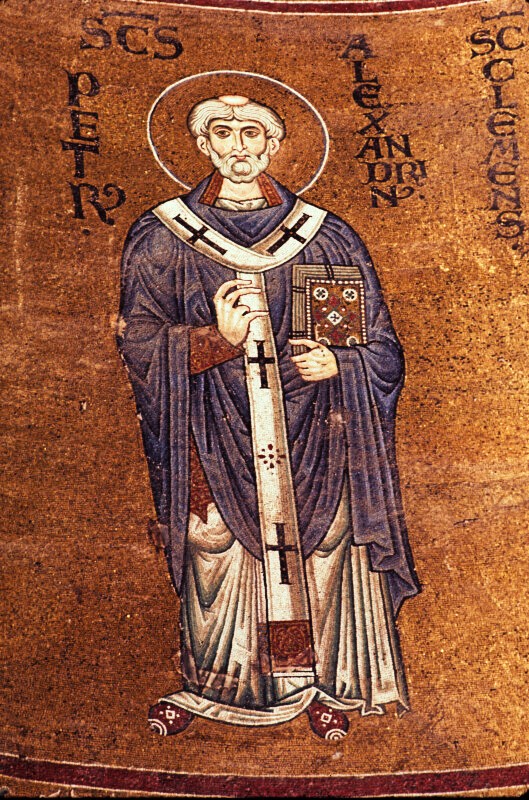
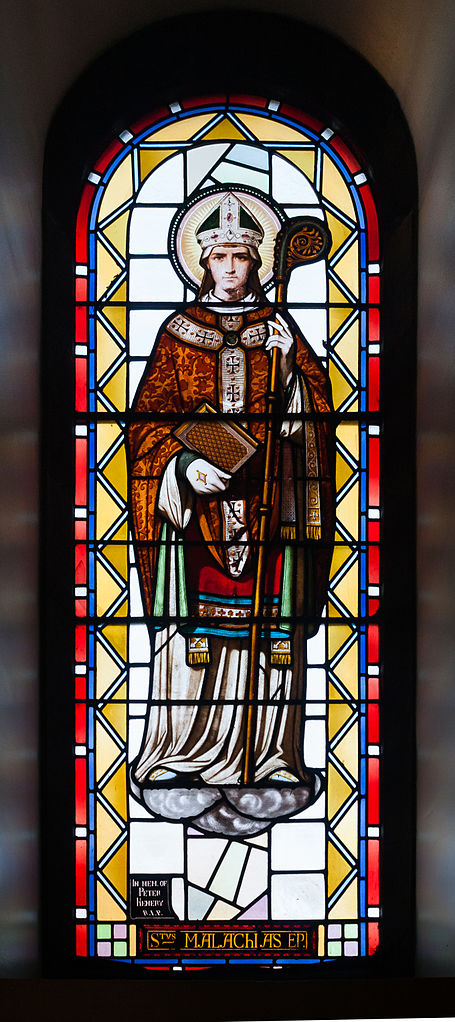
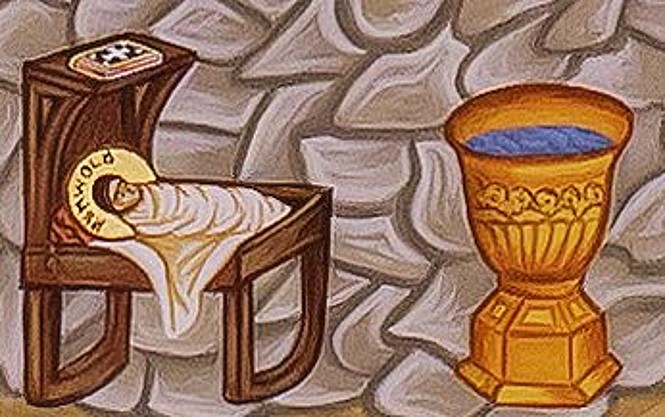
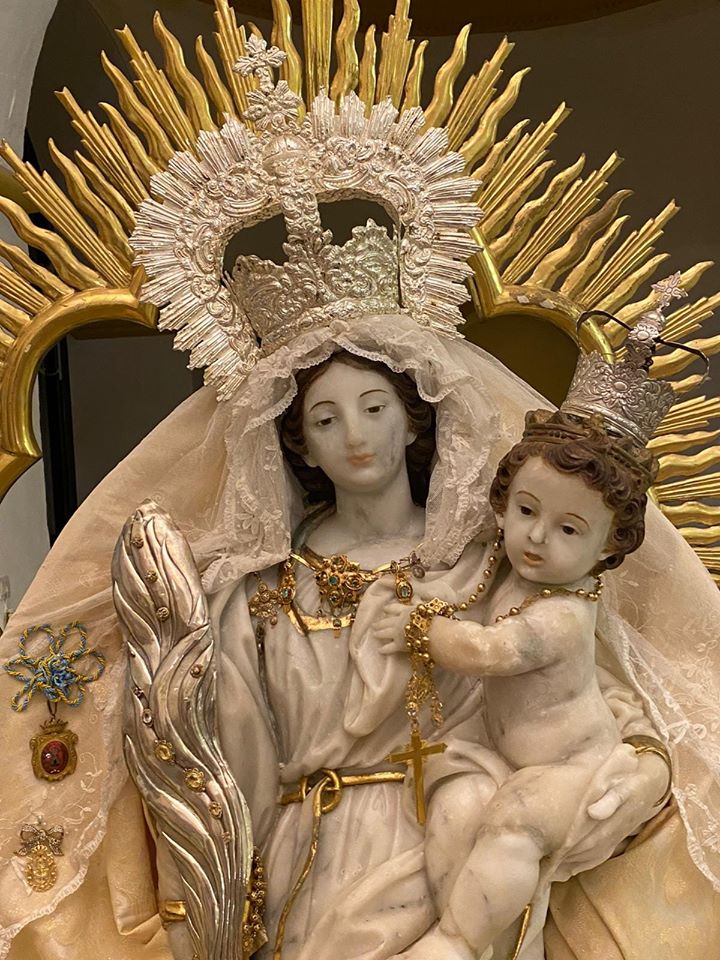
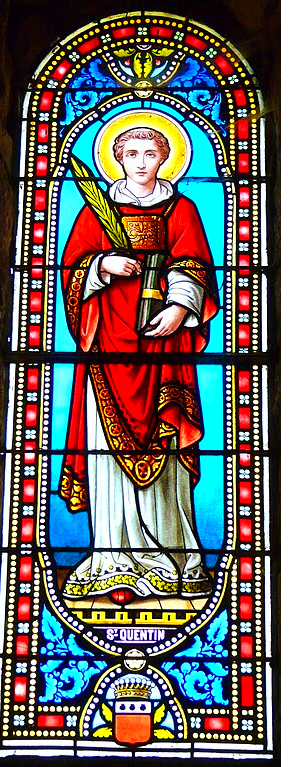
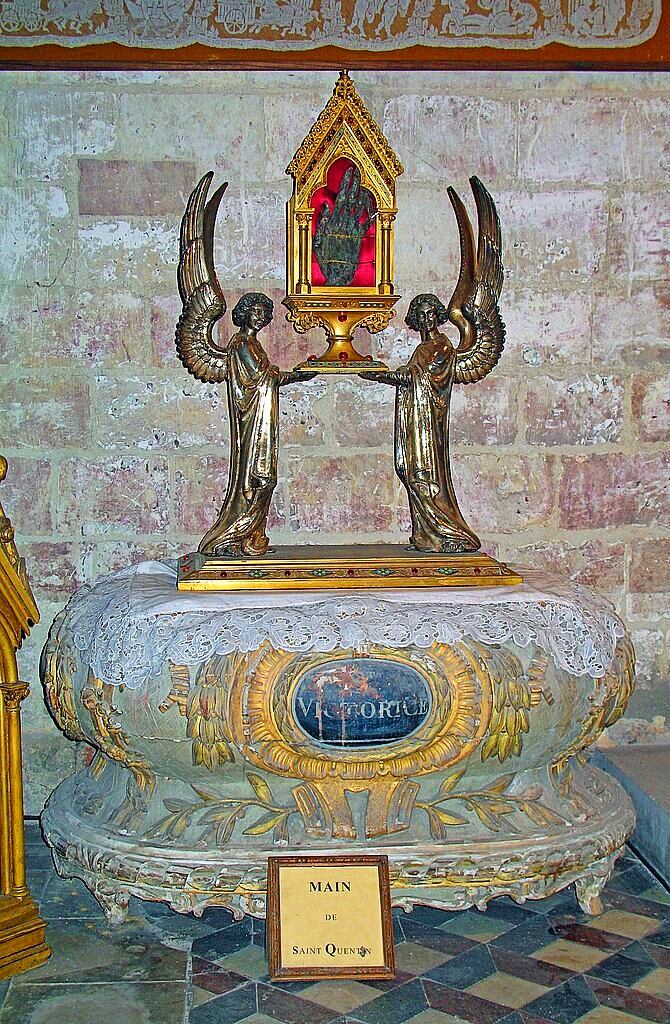
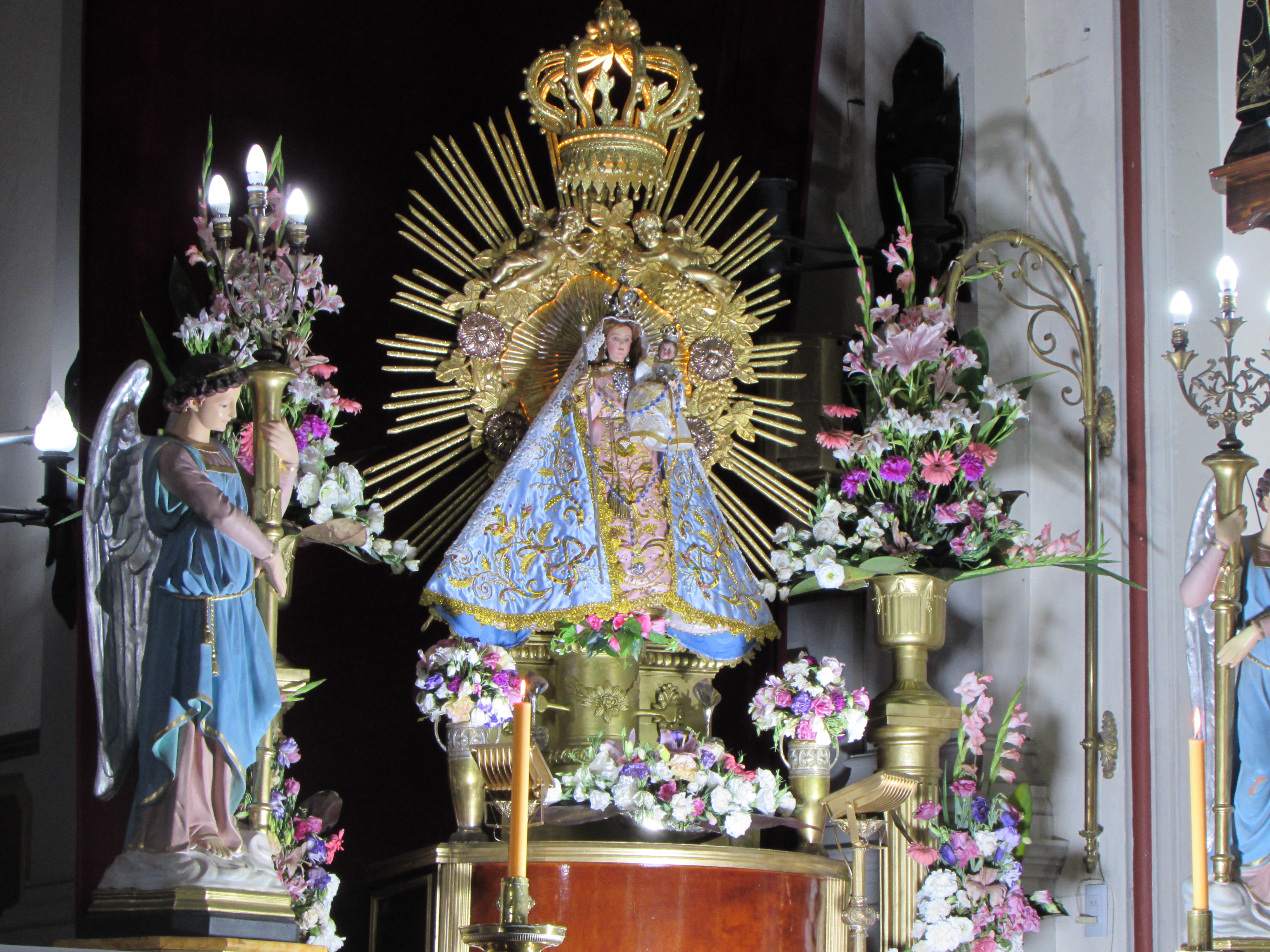
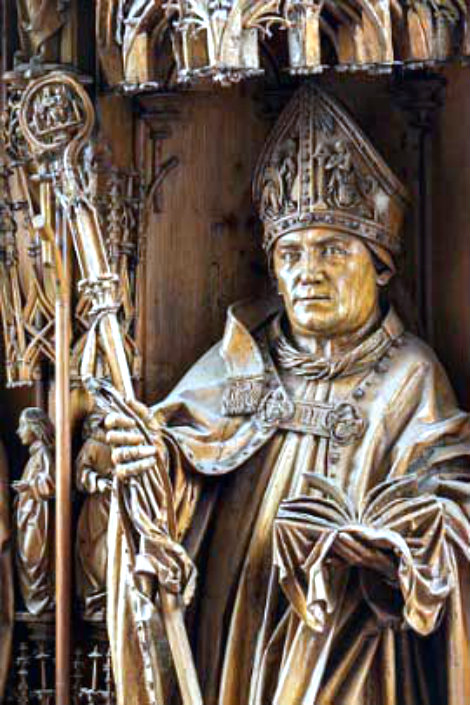
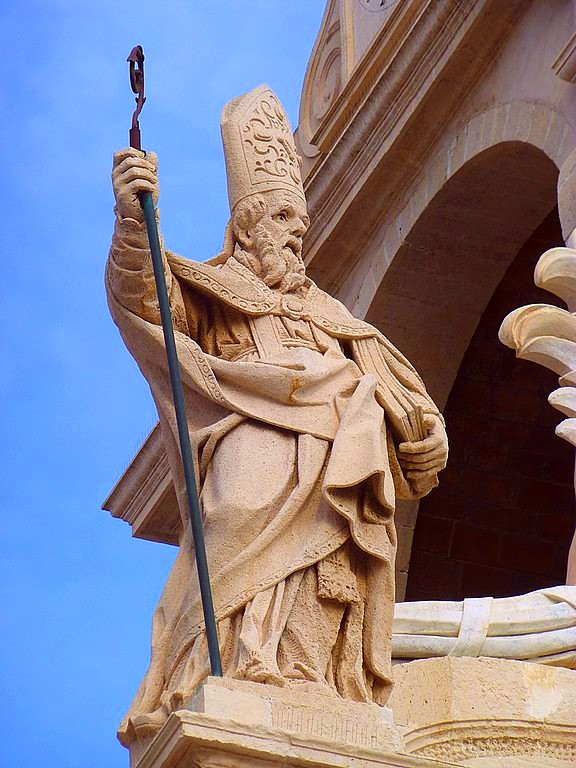
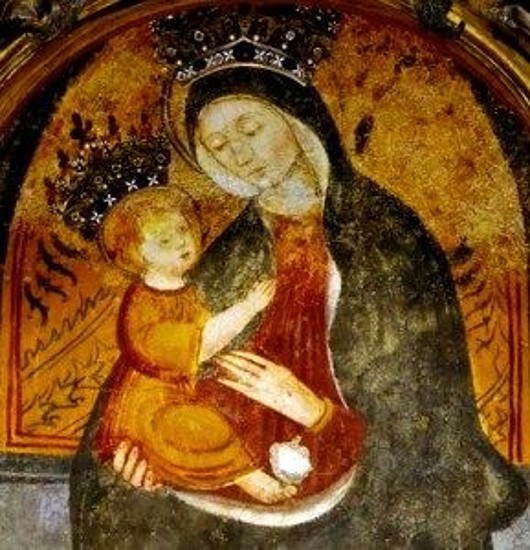
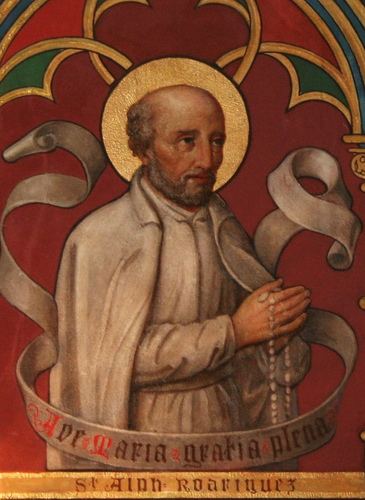
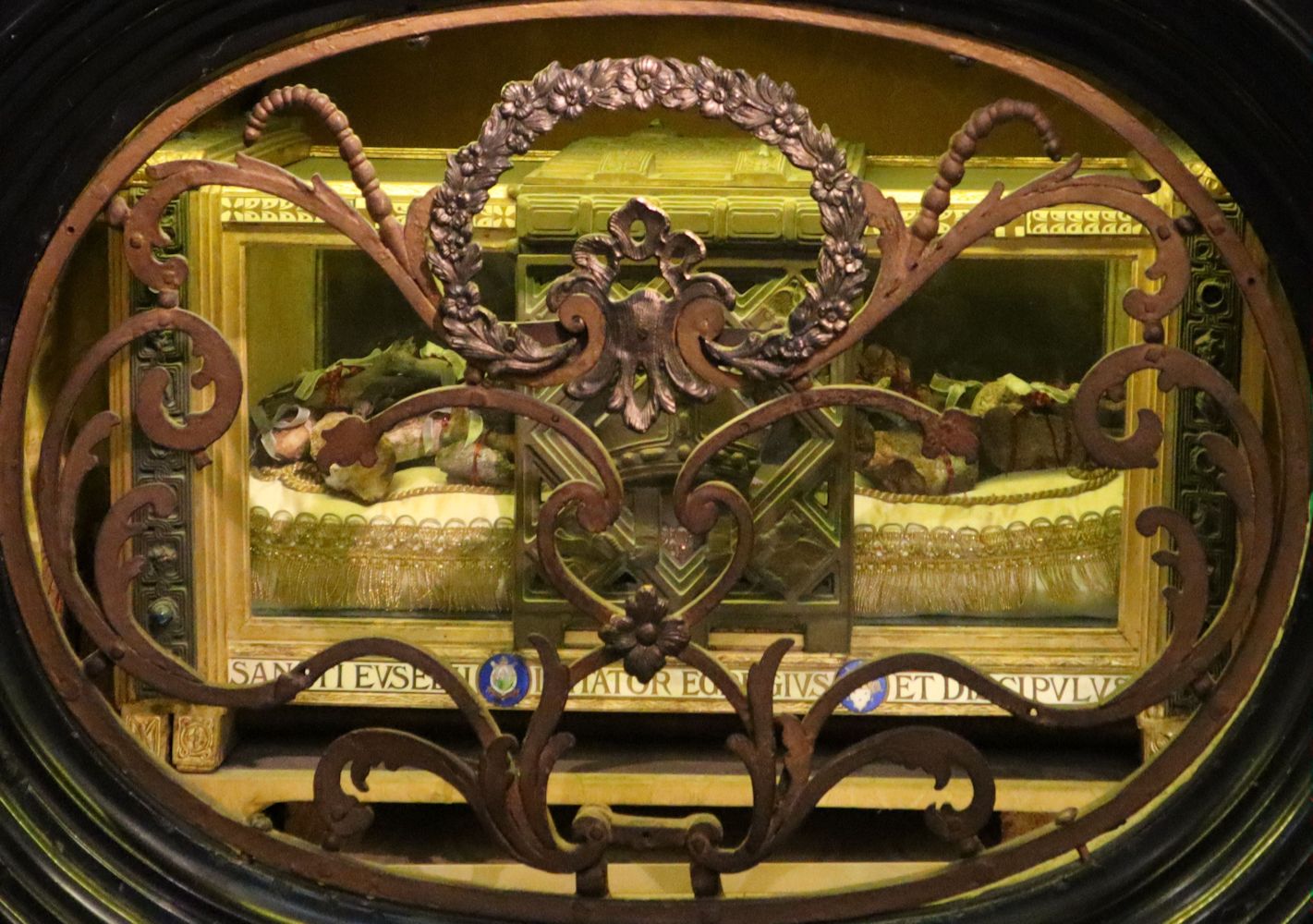
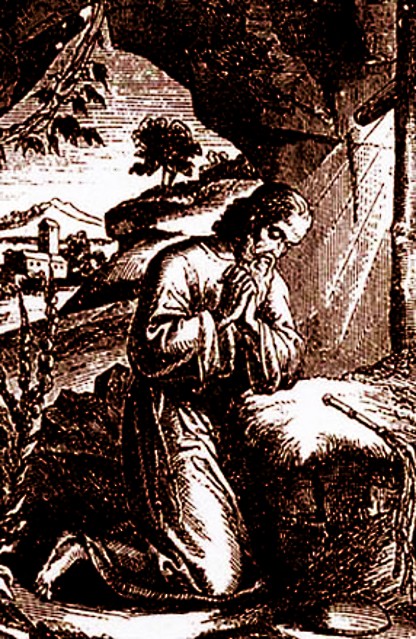
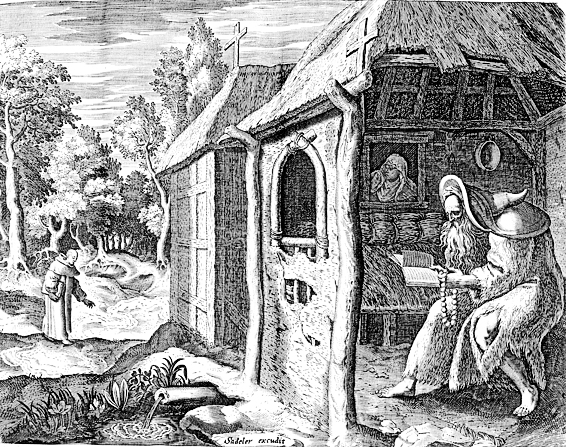
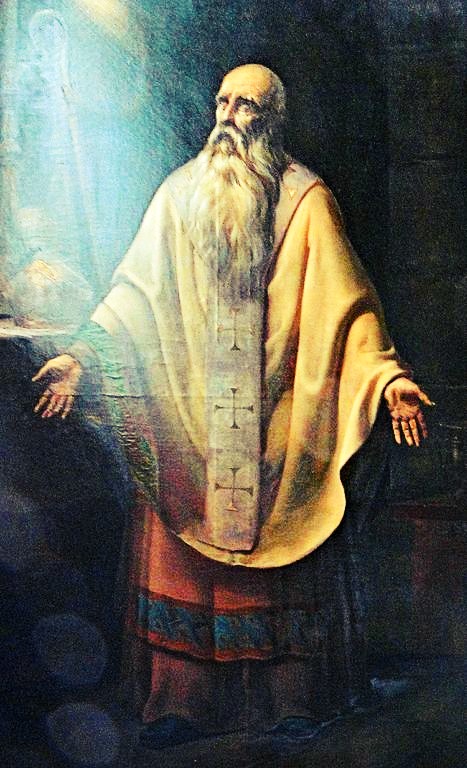
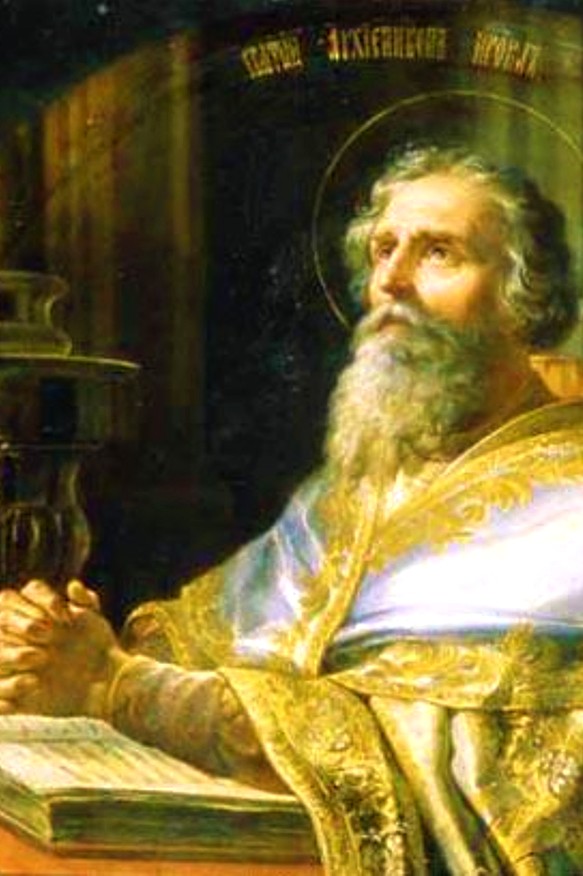
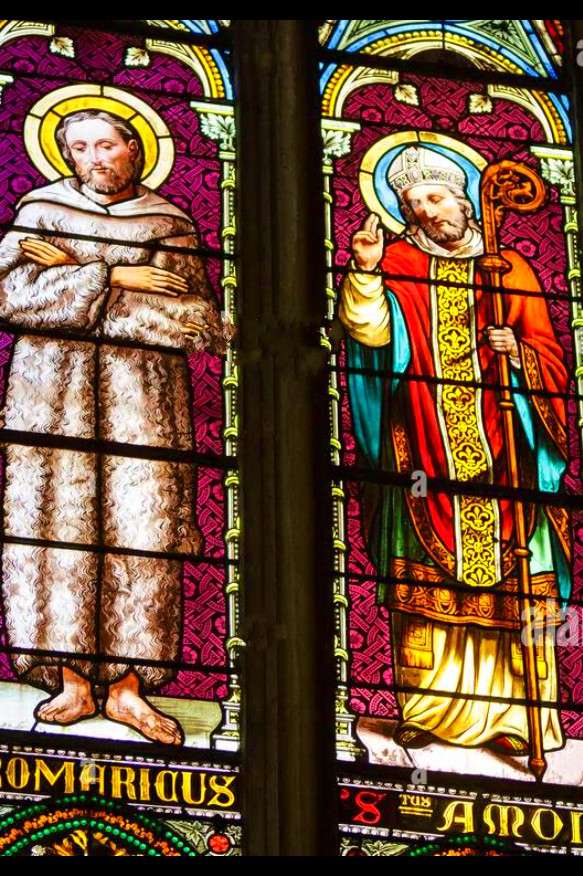
St Protus and St Hyacinth (Died c257) Brother MartyrsBrother Martyrs during the persecution of Emperor Valerian (257–259), they served as household Officials to St Eugenia. The Roman Martyrology states today: “At Rome, in the Cemetery of Basilla, on the old Salarian Way, the birthday of the Holy Martyrs, Protus and Hyacinth, brothers and eunuchs in the service of the blessed Eugenia, who were arrested in the time of the Emperor Gallienus, on the charge of being Christians and urged to offer sacrifice to the gods. But as they refused, both were most severely scourged and finally, beheaded.” Their Life and Death: https://anastpaul.com/2023/09/11/saint-s-of-the-day-11-september-st-protus-and-st-hyacinth-died-c257-brother-martyrs/
St Adelphus of Remiremont St Almirus Bl Baldassarre Velasquez
St Emilian of Vercelli St Essuperanzio of Zurich St Felix of Zurich Bl Franciscus Takeya Bl François Mayaudon Bl Gaspar Koteda St Gusmeo of Gravedona sul Lario St Leudinus of Toul St Matthew of Gravedona sul Lario St Paphnutius of Thebes St Patiens of Lyon Bl Peter Taaffe Bl Petrus Kawano St Regula of Zurich St Sperandea St Theodora the Penitent (Died 491) Abbot (as Theodore), Penitent, Recluse
Saint of the Day – 10 September – Saint Nicholas of Tolentino OSA (1245-1305) Confessor, “The Patron of Holy Souls” Priest, Augustinian Friar Monk, Mystic, Preacher, Miralce-worker and Apostle of the poor, the sick, the needy. Patronages – animals, babies (reported to have raised more than 100 children from the dead), sailors, dying people, sick animals, the Holy Souls in Purgatory, 4 Cities, 3 Diocese. The Name Nicholas from the Greek means means: “the victor over the people.”
The Roman Martyrology reads today: “At Tolentino, in the March of Ancona, the departure from this life of St Nicholas, Confessor of the Order of Augustinians.”
Nicholas was born in the angelic town of Sant’ Angelo in Pontano, Italy. An angel had advised his previously childless parents, to make a pilgrimage to the Tomb of St Nicholas of Myra and out of gratitude, they gave their son the name of the Saint.
Nicholas was admitted into the Augustinian Hermits’ Order in 1255 , was Ordained a Priest in 1270 and initially, worked as a Preacher and Confessor. In 1275 he was sent to Tolentino , where he experienced miraculous confirmations from Angels whom he saw standing around the Altar.
14th Century, painting now in the Basilica named after St Nicholas in Tolentino
Nicholas became a very popular Preacher and Shepherd of the sick and led a life of strict asceticism and active charity. He worked tirelessly as a pastor of the common people and cared for the poor and sick. It is said that miracles occurred through his intercession during his lifetime; his prayers had a healing effect, he overcame the devil who broke the lamp on the Altar and tried to harm others. Even when he was seriously ill, he refused to eat two roasted birds because of the mortification he had vowed but when he obediently obeyed the Prior’s command to take a bite, the partridges – alive – flew away.
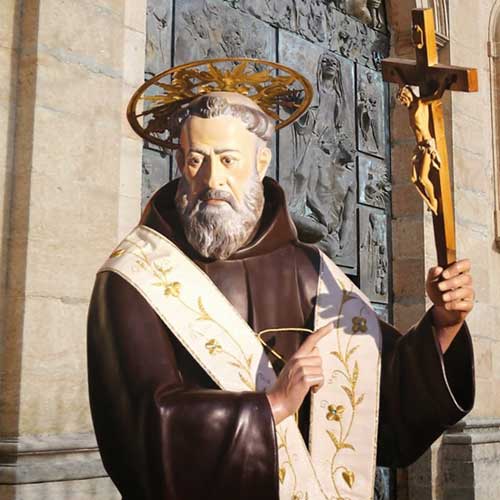
Statue at the site of Nicholas’ birthplace in Sant’ Angelo in Pontano, erected by the Municipality and population, on the 650th Anniversary of his death – 10 September 1955.
Nicholas’ Grave is in the Basilica in Tolentino which was built above it and named after him. He was not buried in the coffin originally intended for him which is in the large Chapel built for his veneration but under the floor, after his arms were taken as Relics. Numerous miracles occurred there and more than 300 were officially confirmed in the twenty years after his death alone. In 1926, his bones were rediscovered during excavations and were placed in a glass shrine and brought to the newly equipped Crypt. His Grave remains an important place of pilgrimage to this day.
Gian Giacomo Barbelli: “Glorification of St Nicholas” 1653, in the Church of Sant’Andrea in Bergamo
From the 16th to the 18th Centuries, Nicholas was one of the most venerated Saints in Europe. In many Countries he is considered a helper in times of need. In Cordoba he became the Patron Saint of the City because his intercession ended a plague epidemic. In Venice the Church of San Nicola da Tolentino was dedicated to him for the same reason and there too, he became the Patron of the City. On his Feast Day, according to old custom, bread is blessed which is said to help against gout or is thrown into the flames of fires to contain them – the background is the story of how Nicholas was cured of a fever after asking an old woman for bread at the behest of the Blessed Virgin Mary.
St Nicholas in a glass coffin in the Basilica di San Nicola in Tolentino
St Salvius of Albi St Sosthenes of Chalcedon St Theodard of Maastricht St Victor of Chalcedon
Martyrs of Bithynia – 3 Sister Saints: Three young Christian sisters Martyred in the persecutions of Emperor Maximian and governor Fronto: Menodora, Metrodora, Nymphodora. They were Martyred in 306 in Bithynia, Asia Minor (in modern Turkey).
Martyrs of Japan – 205 Beati: A unified feast to memorialise 205 Missionaries and native Japanese known to have been murdered for their Faith between 1617 and 1637.
Martyrs of Sigum – 8 Saints: A group of Nicomedian Martyrs, condemned for their faith to be worked to death in the marble quarries of Sigum. There were Priests, Bishops and Laity in the group but only a few names have come down to us: Dativus, Felix, Jader, Litteus, Lucius, Nemesian, Polyanus, Victor. They were worked to death c 257 in Sigum.
Saint of the Day – 9 September – Saint Valentinian of Chur (c480-548) Bishop of Chur in Switzerland, known as a man of bountiful generosity and care of the needy and of refugees. Born in around 480 and died earlyin January 548 in Chur in Switzerland of natural causes. Also known as – Valentianus. Name means: “the strong one” (Latin). He is also celebrated on 7 January (the date of his burial).
The Bishops Coat of Arms in Chur, Switzerland
Valentinian was the second in the line of Bishops of Chur as mentioned in Diocesan documents . He was praised for his charity towards refugees, the needy and prisoners.
He is said to have expanded the Oratory founded by St Lucius of Chur into a Monastery.
Paulinus, his nephew – and possible successor as Bishop of Chur – placed a marble inscription on his grave whichprovided some information about St Valentinian. But unfortunately, since the 17th Century (protestant excess) except for a fragment, it has been lost and is only recorded in literature.
7 January 548 was the date of Valentinian’s burial and is celebrated as his Feast Day in Chur.
St Peter Claver SJ (1581-1654) Confessor, Priest of the Society of Jesus, Missionary, Confessor, Patron of the missions to African peoples and Human Rights Defender, Apostle of Charity. Also known as “The Apostle of Cartagena” and “The Slave of the Slaves.” Biography: https://anastpaul.com/2017/09/09/saint-of-the-day-9-september-st-peter-claver-s-j/
St Gorgonius of Nicomedia (Died c303) Martyr, Confessor, Soldier, Imperial Court Official and companions, St Dorotheus. After many horrific tortures these two were finally strangled to death in 303 in Nicomedia, Bithynia (modern Izmit, Turkey). The Roman Martyrology reads today: “At Nicomedia, the holy Martyrs, Gorgontius, Dorotheus and others. The greatest honours had been conferred on them by the Emperor Diocletian but, as they detested the cruelty which he exercised against the Christians, they were, by his orders, suspended in his presence and lacerated with whips; then their skin being torn from their bodies and vinegar and salt poured over them, they were burned on a gridiron and finally, strangled. After some time, the body of the blessed Gorgonius was brought to Rome and deposited on the Latin Way. Thence, it was transferred to the Basilica of St Peter and later some Relics went to France.” His Life and Death: https://anastpaul.com/2023/09/09/saint-of-the-day-9-september-st-gorgonius-of-nicomedia-died-c303-confessor-martyr/
St Alexander of Sabine St Basura of Masil St Bettelin St Dorotheus of Nicomedia (Died c303) Martyr, Soldier St Gorgonio of Rome St Gorgonius of Nicomedia(Died c303) Martyr, Soldier St Isaac the Great St Joseph of Volokolamsk (c1439-1515) Abbot, Founder
Bl Maria Eutimia Uffing Bl Mary de la Cabeza St Omer St Osmanna St Rufinian St Peter of Nicomedia (Died c303) Martyr, Soldier St Severian St Straton St Tiburtius St Valentinian of Chur (c480-548) Bishop St Wulfhilda
Saint of the Day – 8 September – Blessed Seraphina Sforza OSC (c1424-1478) Abbess, Widow. Born in c1424 at Urbino, Italy as Sueva and died on 8 September 1478 at Pesaro, Italy of natural causes. Her Body is Incorrupt. Also known as – Sueva Sforza, Sveva da Montefeltro. Additional Memorial on some calendars due to the Feast Day of the Nativity of the Most Blessed Virgin Mary – 9 September.
Anonymous 15th Century image
Seraphina, who belonged to the family of the Counts of Urbino, became an orphan at an early age. Her maternal Uncle, Prince Colonna, undertook to raise the child. During her stay in Rome, the girl’s noble disposition unfolded itself like a flower. God and virtue had the strongest attraction for her and the vanity of the world had no value in her sight.
Scarcely had she arrived at young womanhood when, at the wish of her relatives, she was betrothed to the widowed Prince Alexander Sforza, Governor of Pesaro. A difficult task awaited the young wife but she proved equal to it. The Prince had two children by his first marriage, a son and a daughter. Seraphina embraced them with as much affection as if they had been her own children and they, in turn, loved and esteemed their stepmother as their own mother. She also completely won the affection of her husband. After a few years, the Prince was obliged to take up arms to assist his brother, the Duke of Milan. He believed that he could entrust the Government to no-one better than to his young wife, for he marveLled at her wisdom and skill in the management of the household.
Detail from the Sforza Triptych showing Seraphina (possibly) and Alexander by the Workshop of Rogier van der Weyden from circa 1460
The Prince’s absence extended over a period of six years. Seraphina carried out her tasks, so perfectly that everyone admired her wise foresight and impartiality. She was loved and honoured by all for her brilliant virtues and extraordinary generosity. She sought and obtained God’s blessing on her undertakings by abundant almsgiving.
When her husband returned, it was to be expected that Blessed Seraphina Sforza would receive due credit for her success. But God sometimes permits His servants to be treated in a very different way. A woeful change had taken place in the Prince. He had abandoned himself to a dissolute life and he had become so reckless, as to bring a paramour into his home and reduce Seraphina to the condition of a servant. But she held her peace, suffered and prayed. The very presence of his lawful wife, however, was an unbearable reproach to the profligate; he aimed to take her life. When his attempts failed, he forcibly ejected her from the Palace, ordering her to hide herself in the Monastery of the Poor Clares and there Seraphina went.
Although happy to serve God in the midst of the spouses of Christ, Seraphina, nevertheless, continued to wear secular garb, so as to make it easier for the Prince to return to his duties. She prayed unceasingly for his conversion. The Prince tried to force her to take the religious Habit but, only when she was assured, it was God’s will, did she receive the Habit and take the vows. She was a perfect religious, faithful even in the most trifling ordinances.
Her perfect sacrifice brought about her husband’s conversion. At last, he realised what he had done. He came to the Convent and on his knees begged his holy wife for forgiveness. For nine years he lived on, striving to the best of his ability, to make amends for his sins and for the scandal he had given. Blessed Seraphina Sforza lived eighteen years longer in the Convent and promoted its temporal and spiritual welfare, especially during the last three years when she was appointed as the Abbess.
On the Feast of the Nativity of the Blessed Virgin, 8 September 1478, Blessed Seraphina Sforza went to receive her heavenly crown. Pope Benedict XIV approved the perpetual veneration paid to her. Her Incorrupt body rests in the Cathedral of Pesaro. (From: The Franciscan Book of Saints).
The Sfofza Triptycg by the Workshop of Rogier van der Weyden from circa 1460
St Adrian (Died 306) Confessor, Lay Martyr, Royal Court Guard in Roman Imperial Court at Nicomedia in Asia-Minor during the time of Emperor Maximian in the early 4th Century. Patronages – against the plague/epidemics, against epilepsy, arms dealers, butchers, guards, soldiers. The Roman Martyrology reads this day: “At Nicomedia, St Adrian, with twenty three other Martyrs, who ended their Martyrdom on the 4th day of March by having their limbs crushed, after enduring many torments, under the Emperors Diocletian and Maximian. Their remains were carried to Byzantium by the Christians and buried with due honours. Afterwards, the body of St Adrian was taken to Rome on this day, on which his festival is celebrated.” His Life and Death: https://anastpaul.com/2023/09/08/saint-of-the-day-8-september-st-adrian-died-306-confessor-martyr/
Martyrs of Alexandria – 5 Saints: A group of Christians Martyred together in the persecutions of Diocletian – Ammon, Dio, Faustus, Neoterius and Theophilus. Martyred in Alexandria, Egypt.
Martyrs of Japan – (21 Beati: A group of 21 Missionaries and Converts, who were executed together for their faith. They were: Antonio of Saint Bonaventure, Antonio of Saint Dominic, Dominicus Nihachi, Dominicus of Saint Francis, Dominicus Tomach, Francisco Castellet Vinale, Franciscus Nihachi, Ioannes Imamura, Ioannes Tomachi, Laurentius Yamada, Leo Aibara, Lucia Ludovica, Ludovicus Nihachi, Matthaeus Alvarez Anji, Michaël Tomachi, Michaël Yamada Kasahashi, Paulus Aibara Sandayu, Paulus Tomachi, Romanus Aibar, Thomas of Saint Hyacinth, Thomas Tomachi Died on 8 September 1628 in Nagasaki, Japan Beatified on 7 May 1867 by Pope Pius XI.
Saint of the Day – 7 September – Saint Madalberta of Mauberge (Died c706) Abbess. Born into the Merovingian Dynasty in Franc/Belgium in the 7th Century she died in c706 at Mauberge Abbey in Hainaut, in northern France, of natural causes. Also known as – Madelberte, Machtelberthe.
Madalberta was the daughter of Saint Vincent of Soignies and Saint Waltrude. She had the happiness of being educated in the Monastery of Mauberge by their Aunt, Saint Aldegonde, with her sister Aldetrudis. The latter, upon the death of their Aunt, was chosen second Abbess of Maubeuge and succeeded by her sister Madalberta. The image below shows this holy family of Saints.
Madalberta’s succession occurred in around 697 when she succeeded sister Saint Aldetrude, as the Abbess of Maubeuge.
She died in 705 or 706. Her Relics were translated from Maubeuge to Liege by St Hubert about the year 722. Below we see a Church in her name at Liege (Belgium) and presume her Relics might still lie there.
St Alcmund of Hexham Bl Alexander of Milan St Augustalus St Balin St Carissima of Albi St Chiaffredo of Saluzzo Bl Claude-Barnabé Laurent de Mascloux St Desiderio of Benevento St Dinooth Bl Eugenia Picco St Eupsychius of Caesarea St Eustace of Beauvais St Evortius of Orleans (Died c340) Bishop St Faciolus St Festo of Benevento Bl François d’Oudinot de la Boissière St Giovanni of Lodi St Goscelinus of Toul St Gratus of Aosta St Grimonia of Picardy St Hiduard Bl John Duckett Bl John Maki Bl John of Nicomedia Bl Ludovicus Maki Soetsu St Madalberta of Mauberge (Died c706) Abbess Bl Maria of Bourbon
Martyrs of Noli: Four Saints: Christians who became soldiers and were martyred together for their faith. A late legend makes them member of the Theban Legend who escaped their mass martyrdom but that’s doubtful – Paragorius, Partenopeus, Parteus and Severinus. They were born in Noli, Italy and martyred in Corsica, France. Attribute – soldiers with a banner of NoliM
Saint of the Day – 6 September – Saint Faustus of Syracuse (Died c607) Abbot. Died in c607 in Syracuse, Sicily of natural causes.
We know nothing about St Faustus except that he was the Abbot of the Monastery of Santa Lucia in Syracuse in Sicily during the late 6th and early 7th Centuries and that he wonderfully taught the child Zosimus, who would later become the Abbot and also the Bishop of the City of Syracuse and even more, a Saint!
One of his pupils, was St Zosimus who died in c660 and who had been in the Monastery of Santa Lucia since childhood. He became a Monk, then Abbot and finally, in 649, Zosimus wasappointed as the Bishop of Syracuse and is celebrated on 30 March.
St Cagnoald St Consolata of Reggio Emilia Martyr. No fuirther information has survived. St Cottidus of Cappadocia
St Eleutherius the Abbot (Died c 585) Monk and Abbot. A wonderful simplicity and spirit of compunction were the distinguishing virtues of this holy sixth century Abbot. His Lifestory: ttps://anastpaul.com/2020/09/06/saint-of-the-day-saint-eleutherius-the-abbot-at-spoleto-died-c-585/
St Eugene of Cappadocia St Eve of Dreux, France, Martyr. No other information has survived. St Faustus of Alexandria St Faustus of Syracuse (Died c607) Abbot St Felix of Champagne
St Mansuetus of Toul St Onesiphorus St Petronius of Verona Bishop and Confessor St Sanctian of Sens St Zacharius the Prophet
Martyrs of Africa – 6 Saints: There were thousands of Christians exiled, tortured and Martyred in the late 5th Century by the Arian King Hunneric. Six of them, all Bishops, are remembered today; however, we really know nothing about them except their names and their deaths for the Christ and the Faith – Donatian, Fusculus, Germanus, Laetus, Mansuetus and Praesidius.
Saint of the Day – 5 September – Saint Lawrence Justinian (1381-1455) Bishop of Venice, Confessor, Patriarch of Venice, Reformer, Spiritual writer. Born on 1 September 1381 at Venice, Italy and died there on 8 January 1455 of natural causes. Also known as – Lorenzo Giustiniani, Laurence…Laurentius…Patriarch of Venice. Patronage – Venice, Italy.
St Lawrence Justinian (1381-1455) Patriarch of Venice By Father Francis Xavier Weninger SJ (1805-1888)
St Lawrence was a descendant of the noble house of Giustiniani, greatly famed in Genoa, Venice and Naples. He was born in 1381, of very pious parents but early lost his father, Bernard. His mother, on whom now devolved the education of her children, redoubled her care but Lawrence gave her very little trouble, as he was naturally inclined to virtue. One day, she made him understand that she feared he harboured ambition or pride secretly in his heart but, he answered: “fear not, mother, I have only one ambition and that is to become a great servant of the Lord and to be more pious than my brothers.” His conduct in youth bore witness to his words, for although he lived at a period when the morals of the whole City were very corrupt, his edifying life was regarded by everyone, with surprise and admiration.
St Lawrence Justinian as a young man by Bellini
To escape the danger which threatened him, he prayed most fervently to God to give him the grace to know the vocation to which he was called. While, one day, kneeling before a Crucifix and an image of the Blessed Virgin, he said his prayers for this intention he experienced a heavenly vision of the Divine Majesty and felt, deep within him, an intense desire to leave the world and to serve God in the Religious state. He obeyed the heavenly Voice, renounced the world and all its allurements, went to the Regular Canons of St George, in Alga, an Island near Venice and requested to be received among their number. His request was granted and he began his Novitiate cheerfully but he soon manifested in his conduct indications that he was no beginner in the science of holiness but a proficient. His Superiors had much more difficulty in moderating his zeal than in animating it.
St Lawrence Justinian Statue at the Church of St John the Evangelist, Evora, Portugal.
Amongst other austerities which he practiced to mortify himself, it was specially noticed that, even on the coldest days, he never warmed himself by the fire and that, in summer, he took nothing to allay his thirst, except with his meals at noon and evening. He was never seen taking the air in the Convent garden, or enjoying the beauty and fragrance of the flowers. The only time when he visited his home, was when he was called to see his dying mother. Still more to be admired, is the fortitude with which he bore a very painful and dangerous operation on his throat for the removal of a great tumour. He, himself encouraged the Surgeon to begin fearlessly: “Cannot Christ,” said he, “give me as much fortitude as He gave to the three youths in the furnace?” Not even a sigh escaped him during the operation he repeated only the names of Jesus and Mary. When those present uttered their profound astonishment at his self-control, he said: “How little is my suffering compared with that of the holy Martyrs, who were tortured with burning torches and red hot irons, or roasted over a slow fire!”
After Lawrence had been Ordained Priest, he daily said Mass with great devotion and seldom without tears. During the Mass on Christmas-night, Heaven bestowed upon him the grace to behold his Saviour in the form of a lovely Child, to the inexpressible comfort of his heart.
St Lawrence Justinian Adoration of the Infant
Although he desired to remain free from all Offices of honour, he was chosen general of his Order and sometime later was nominated as the Bishop of Venice, by Pope Eugenius IV. The humble servant of the Almighty endeavoured, in every possible manner, to escape this dignity but, at last, obliged by obedience, he accepted it.
As the Bishop, he altered nothing of the austerities he had practiced in the Monastery; he visited his whole Diocese and, with Apostolic zeal, animated his flock to observe the Commandments of God and the Church. His income he used for the benefit of the Church and the relief of the poor.
St Lawrence, St John the Baptist, St Franics and ??
Besides several collegiate Churches, he founded fifteen Religious houses and daily fed a great number of poor. The answer he gave to one of his relatives, who requested a contribution out of the Episcopal revenues as a marriage-portion for his daughter, must not be omitted: “It will not satisfy you if I give you but little,” said he “and, if I give you much, you alone will receive it and many others will have nothing. No, the Episcopal revenues must not be used for worldly luxuries but to comfort the needy. Be not offended, therefore, that I cannot fulfil your desire.” Thus spoke the holy Bishop, whom Pope Nicholas V. soon after raised to a still higher dignity.
The Patriarch of Grado died and, as the Pope desired to nominate Lawrence as his own successor but being convinced, at the same time that the Venetians would not consent to part with their Bishop, he transferred the Patriarchal Chair to Venice and declared St Lawrence as the first Patriarch of Venice. This City had indeed great reason to use all possible means not to lose the Saint, as only on his account, God averted a terrible and well-deserved punishment from its walls!
St Lawrence Justinian the First Patriarch of Venice
There lived, at that time, in the Island of Corfu, a Hermit, famous for his holiness, who, one day, said to a Venetian noble, who visited him: “The inhabitants of Venice have provoked God’s wrath, by despising His Words and had not the tears of your Patriarch cried to Him, you would all have long since gone to destruction, like the inhabitants of Sodom!”
While the holy Patriarch was assiduously occupied with the functions of his high station, his strength gradually gave way and he felt his end approaching. On the Feast of the Nativity of Christ, he felt, during Holy Mass, an intense desire to be admitted into the Presence of his God. A fever, which seized him soon after Mass, ended with his death in a very few days.
St Lawrence in Glory
He lay on the bare floor and not even in his last day, could he be persuaded to make use of a softer bed:
“Jesus Christ,” said he, “died upon the hard wood of the Cross and you desire that a sinner, like me, should lie, soft and comfortable!” After receiving the holy Sacraments, he gave his last instructions to those around him: “Keep the Commandments of the Lord,” said he, “nothing is more noble or excellent than to serve God.” After having finished his discourse, he raised his eyes to Heaven and said: “I am coming, O my Jesus!” and his soul went to God. Thus ended, in the seventy-third year of his age, the earthly career of this great and holy Patriarch. That his life in Heaven had begun, was known by the manner in which the Lord honoured his holy body, from which emanated a heavenly fragrance; as also, by the miracles which, at the intercession of the Saint, took place at his Tomb, in favour of the infirm and the possessed.
St Lawrence Justinian (1381-1455) Bishop of Venice, Confessor, Reformer, Spiritual writer. The Roman Martyrology states of him today: “The Feast of St Lawrence Justinian, first Patriarch of Venice, who, by glorious miracles and virtues, illustrated the Episcopal dignity which he received against his will on this day. His birthday into Heaven is 8 January.” A Saint for Our Times: https://anastpaul.com/2021/09/05/saint-of-the-day-5-september-saint-lawrence-justinian-1381-1455/
St Charbel Bl Florent Dumontet de Cardaillac St Genebald of Laon Bl Gendtilis
Blessed Gerbrand of Dokkum OPraem (Died 1267) Priest Abbot, a supporter of the Crusades. He encouraged the Frisians to join the Crusade and, in 1268, as a result of his zeal, was awarded, by Pope Clement IV, the Title of ‘Sacrae Militiae Dux‘ (Leader of the Crusade). Gerbrand was a close friend of Saint Louis IX of France (1226-1270). A Life of Zeal: https://anastpaul.com/2023/09/05/saint-of-the-day-5-september-blessed-gerbrand-of-dokkum-opraem-died-1267-abbot/
St Guise Hoang Luong Canh Blessed John the Good OSA (c 1168-1249) Bishop Blessed Jordan of Pulsano Abbot
St Obdulia Bl Phêrô Nguyen Van Tu St Romulus of Rome St Victorinus of Amiterme St Victorinus of Como Bl William Browne
Martyrs of Armenia – 1,000 Saints: A group of up to 1,000 Christian soldiers in the 2nd Century Imperial Roman Army of Trajan, stationed in Gaul. Ordered to sacrifice to pagan gods, they refused and were transferred to Armenia. Ordered again to sacrifice to pagan gods, they refused again. Martyrs. We know the names of three of them but nothing else – Eudoxius, Macarius and Zeno.
Martyrs of Capua – 3 Saints: Three Christians who were Martyred together. Long venerated in Capua, Italy. We know their names, but little else – Arcontius, Donatus and Quintius. They were martyred in Capua, Italy.
Martyrs of Nicomedia – 80 Saints: A group of 80 Christians, Lay and Clergy, Martyred together in the persecutions of Valens. We know little more than the names of three of them – Menedemo, Teodoro and Urbano. They were locked on a boat which was then set on fire on the shore of Nicomedia, Bithynia (in modern Turkey) c370.
Martyrs of Porto Romano – 4+ Saints: A group of Christians Martyred together in the persecutions of Marcus Aurelius. We know little more than their names – Aconto, Herculanus, Nonno and Taurino. c180 at Porto Romano, Italy.
Saint of the Day – 4 September – Saint Candida of Naples (Died c78) Virgin. Co-Patronage – of Naples. She was Baptised by St Peter. Also known as – Candida la Vecchia, Candida the Elder.
The Roman Martyrology reads today: “At Naples, In Campagna, the Birthday of St Candida, who was the first to meet St Peter when he came to that City and being Baptised by him, afterwards ended her holy life in peace.”
The Patron Saints of Naples [Saints Baculus, Euphebius, Francis Borgia, Aspren, and Candida the Elder (kneeling)] adoring the Crucifix, 17th Century. Palazzo Reale, Naples by Luca Giordano. Since the time of this Painting there are many more Co-Patrons of Naples.
Candida was an elderly woman who hospitably welcomed St Peter the Apostle, when he was passing through Naples on his way to Rome. She was cured of an illness by St Peter and converted to Christianity, being Baptised by St Peter.
Candida later converted St Aspren, who became the first Bishop of Naples.
St Rose of Viterbo TOSF (c 1233 – 1251) Virgin, Preacher – Member of the Franciscan Third Order, Recluse, Miracle-Worker. Rose was quickly acclaimed a Saint by the people of Viterbo who brought her incorrupt body to the Poor Clare Monastery which had refused her entry in life. Pope Innocent IV immediately began the process for her Canonisation but, for various reasons, her cause did not proceed 1457 when she was Canonised. Her Story: https://anastpaul.com/2018/09/04/saint-of-the-day-4-september-st-rose-of-viterbo-c-1233-1251/
St Ammianus the Martyr St Caletricus of Chartres St Candida of Naples (Died c78) Virgin St Candida the Younger St Castus of Ancyra
St Julian the Martyr St Magnus of Ancyra St Marcellus of Chalon-sur-Saône St Marcellus of Treves St Maximus of Ancyra St Monessa St Moses the Prophet St Oceanus the Martyr Bl Peter of Saint James St Rebecca of Alexandria St Rhuddlad
St Rufinus of Ancyra St Salvinus of Verdun St Silvanus of Ancyra St Sulpicius of Bayeux St Thamel St Theodore the Martyr St Ultan of Ardbraccan St Victalicus
Our Morning Offering – 3 September – “The Month of The Seven Sorrows of the Blessed Virgin Mary and The Holy Cross” – St Pius X (1835-1914) Pope, Confessor and today, Wednesday, being St Joseph’s day. St Joseph continues his fatherly guardianship of Christ’s Body, the Holy Catholic Church. He is a very powerful intercessor for all of us. [Sorry friends, I got the days confused, thinking today was Wednesday – but no time to change this prayer and anyway we should pray it every day 😬😉]
O Glorious St Joseph, Model of Labour A Prayer to St Joseph, Daily Before Work By St Pius X (1835-1914) Pope, Confessor
O glorious St. Joseph, model of all those who are devoted to labour, obtain for me the grace to work conscientiously, putting the call of duty above my natural inclinations; to work with gratitude and joy, in a spirit of penance for the remission of my sins, considering it an honour to employ and develop, by means of labour, the gifts received from God, to work with order, peace, moderation and patience, without ever shrinking from weariness and difficulties, to work above all, with purity of intention and detachment from self, having always, death before my eyes and the account which I must render of time lost, of talents wasted, of good omitted, of vain complacency in success, so fatal to the work of God. All for Jesus, all through Mary, all after thine example, O Patriarch, St Joseph. Such shall be my watchword in life and in death. Amen
Saint of the Day – 3 September – Saint Pope Pius X (1835-1914) “Pope of the Blessed Sacrament” – born on 2 June 1835 at Riese, Diocese of Treviso, Venice, Austria (now Italy) as Giuseppe Melchiorre Sarto (familiarly known as Joseph Sarto) and died on 20 August 1914 at Vatican City. He reigned from 4 August 1903 until his death in August 1914. Patronages – First Communicants, Catechists, Pilgrims, 7 Diocese, Patriarchy of Venice. His Incorrupt body lies at St Peter’s Basilica. He was Beatified on 3 June 1951 by Pope Pius XII and Canonised on 29 May 1954 by the same Pope.
Pope St Pius X From the Roman Breviary
Pope Pius X, whose name previously was Joseph Sarto, was born in the Village of Riese in the Venetian Province, to humble parents remarkable for their Godliness and piety. He enrolled among the students in the Seminary of Padua, where he exhibited such piety and learning that he was, both an example to his fellow students and, the admiration of his teachers. Upon his Ordination to the Priesthood, he laboured for several years, first as Curate in the Town of Tombolo, then as Parish Priest at Salzano.
He applied himself to his duties with such a constant flow of charity and, such Priestly zeal and, was so distinguished by the holiness of his life, that the Bishop of Treviso appointed him as a Canon of the Cathedral Church and made him the Chancellor of the Bishop’s Curia, as well as Spiritual Director of the Diocesan Seminary. His performance in these duties was so outstanding and so highly impressed Pope Leo XIII that he appointed him as the Bishop of the Church of Mantua.
Lacking in nothing which maketh a good shepherd, he laboured particularly, to teach young men called to the Priesthood, as well as fostering the growth of devout associations and the beauty and dignity of Divine worship. He would ever affirm and promote, the laws upon which Christian civilisation depend and, while leading himself a life of poverty, never missed the opportunity to alleviate the burden of poverty in others.
Because of his great merits, he was made a Cardinal and created Patriarch of Venice. After the death of Pope Leo XIII, when the votes of the College of Cardinals began to increase in his favour, he tried in vain with supplications and tears, to be relieved of so heavy a burden. Finally he ceded to their persuasions, saying I accept the cross. Thus he accepted the Crown of the Supreme Pontificate as a cross, offering himself to God, with a resigned but stedfast spirit.
Placed upon the Chair of Peter, he gave up nothing of his former way of life. He shone, especially in humility, simplicity and poverty, so that he was able to write in his Last Testament: I was born in poverty, I lived in poverty and I wish to die in poverty. His humility, however, nourished his soul with strength, when it concerned the glory of God, the liberty of Holy Church and the salvation of souls.
A man of passionate temperament and of firm purpose, he ruled the Church firmly as it entered into the 20th Century and adorned it with brilliant teachings. He restored the Sacred music to its pristine glory and dignity; he established Rome as the principal centre for the study of the Holy Scripture; he ordered the reform of the Roman Curia with great wisdom; he restored the laws concerning the faithful for the instruction of the Catechism; he introduced the custom of more frequent and even daily reception of the Holy Eucharist, as well as permitting its reception by children as soon as they reach the age of reason; he zealously promoted the growth of Catholic Action; he provided for the sound education of Clerics and increased the number of Seminaries in their divers regions; he encouraged every Priest in the practice of the interior life; he brought the laws of the Church together into one body; he condemned and suppressed those most pernicious errors known collectively as Modernism; he suppressed the custom of civil veto at the Election of a Supreme Pontiff.
Finally, worn out with his labours and overcome with grief at the European War which had just begun, he went to his heavenly reward on the 20th day of August in the year 1914. Renowned throughout all the world for the fame of his holiness and miracles, Pope Pius XII, with the approbation of the whole world, numbered him among the Saints.
On 19 May 1944, the body of Pius X was exhumed for inspection as part of the Beatification process, during which the remains were found to be miraculously Incorrupt. On 29 May 1954, less than three years after his Beatification, Pius X was Canonised, following the recognition of two further miracles.
St Regulus of Rheims St Remaclus St Sandila of Cordoba St Vitalian of Capua (Died 699) Bishop
Martyrs of Aquileia – 4 Saints: Four young women, variously sisters and cousins, who were born to the nobility, the daughters of the pagans Valentinianus of Aquileia and Valentius of Aquileia. Each woman converted and made private vows, dedicating themselves to God. They were arrested, tortured and martyred by order of Valentius for becoming a Christian. We know little else but their names – Dorothy, Erasma, Euphemia and Thecla. They were martyred by beheaded in the 1st century in Aquileia, Italy and their bodies were thrown into a nearby river.
Martyrs of Nagasaki – 6 Beati: A group of Priests and Clerics, native and foreign, murdered together in the anti-Christian persecutions in Japan. They were scalded in boiling water and then burned alive on 3 September 1632 in Nishizaka, Nagasaki, Japan and Beatified on 7 May 1867 by Pope Pius IX. They are: Anthony Ishida, Bartolomé Gutiérrez Rodríguez, Francisco Terrero de Ortega Pérez, Gabriel Tarazona Rodríguez, Jerome of the Cross de Torres, Vicente Simões de Carvalho
Saint of the Day – 2 September – Saint Lanfranco of Vercelli (5th Century) Bishop of Vercelli in Italy. Most information regarding his life is unknown.
Lanfranco was the eleventh in the chronology of the Bishops of Vercelli, Italy, successor to Saint Emiliano I. He governed the Diocese for nine years, at the end of the 5th Century.
It is recorded: “After his death, he was canonically acclaimed as a Saint by all writers, both in Vercelli and foreign”.
The name of this holy Bishop of Vercelli has never been included in the Roman Martyrology but it does indicates how legitimate the cult as “Saints” and “Blessed” of those to whom these titles have been recognised for centuries, in the Diocesan calendars and catalogues.
St Prospero of Tarragona St Theodota of Bithynia St Valentine of Strasbourg St William of Roeskilde
Marytrs of Nicomedia – 3 Saints: Three Christians who were Martyred together in the persecutions of Diocletian. No details about them but their names have survived – Concordius, Theodore and Zenone. They were martyrd in Nicomedia, Bithynia (in modern Turkey).
The Holy Martyrs of September (Died 1792) – 191 beati: Also known as – Martyrs of Paris, Martyrs of Carmes. They were massacred by a mobs on 2 September and 3 September 1792 and Beatified on 17 October 1926 by Pope Pius XI. THEIR LIVES AND DEATHS: https://anastpaul.com/2021/09/02/saint-s-of-the-day-2-september-
Martyrs of 2 September – 10 Saints: A group of ten Martyrs; their names are on old Martyrologies but we have lost all record of their lives and deaths. They were Canonised: Antoninus, Diomedes, Eutychian, Hesychius, Julian, Leonides, Menalippus, Pantagapes, Philadelphus, Philip.
Holy Bishops of Rennes: Honours all the Bishops of the Diocese of Rennes, France who have been recognised as Saints and Beati. They include Saint Maximinus of Rennes Saint Modéran of Rennes Saint Rambert of Rennes Saint Riotisme of Rennes Saint Servius of Rennes Saint Synchronius of Rennes
Saint of the Day – 1 September – St Constantius (Died c570) Bishop of Aquino, Italy. Gifted with the charism of Prophecy, St Gregory the Great himself says, in particular, that our Saint shone through the gift of prophecy and miracles. Patronage -Co-Patron with St Thomas Aquinas of the City of Aquino and the Diocese of Sora-Cassino-Aquino-Pontecorvo, Italy, Also known as – Constance, Costantino… Constanzo…
The Roman Martyrology reads today: “At Aquino, Saint Constantius, a Bishop renowned for the gift of prophecy and many virtues.”
Aquino Cathedral dedicated to the Co-Patrons, St Constantius and St Thomas Aquinas
What we know about Constantius comes from two passages of St Gregory the Great, who reports that this holy Bishop of Aquino had died not long before, during the Pontificate of Pope John. Gifted with a prophetic spirit, when he was at the end of his life, his neighbours, who, mourning his imminent loss, anxiously asked him who they would have after him, Constantius replied: “After Constantius a muleteer and after the muleteer, a clothes washer, alas, miserable you, Aquino and let that be enough for you!”
Having said this, he died. His Deacon Andrew, who had previously governed mules and horses, succeeded him in the pastoral care and when he died, Giovinius, who had been a clothes washer in the same City, was elevated to the Episcopal dignity. He was still alive when Aquino was devastated by the Lombards, some of the inhabitants were killed by the invaders, some perished by a fierce pestilence, so that after his death, it was no longer known who the Bishop was bishop, nor for whom anyone should be the Bishop. Thus was fulfilled what the man of God had announced – after the death of his two successors, his Church would no longer have any Shepherd.
Already in narrating the deeds of Saint Benedict, St Gregory had recalled that a cleric of Aquino, tormented by the devil, had been directed by Bishop Costantius to many sanctuaries of Martyrs. These, however, did not want to restore his health, to demonstrate how much grace there was in Benedict, who, in fact, having had the cleric before him, with his prayers immediately freed him from the enemy.
We,, therefore, have from St Gregory the Great himself two certain data for the chronology of the life of St Constantius – he was already the Bishop of Aquino while Saint Benedict (Died 547) was still alive and he died during the Pontificate of John III (561-573). But although St Gregory does not expressly declare the identity of the person, this appears evident from the expressions he uses.
After the long period of abandonment following the Lombard devastation, the Episcopal See of Aquinas was reconstituted and sought the memories of its Patron Saint. Even if the legend, written by the Cassinese Deacon several centuries after the life of the Saint it deals with, could not have been very reliable, it is, nevertheless, for us evidence of the cult paid to Constantius in the reborn Diocese.
On 10 December 1742, Bishop Spadea proceeded to examine the Relics of the Patron Saint, found under the Altar of the ancient Cathedral dedicated to Saint Peter. After having honoUrably placed them in a new wooden urn, he had them translated to the new Cathedral dedicated to St Constantius, where they were placed under the High Altar. The same Bishop also informs us that, until 1644, the body of the Saint had been preserved in a Church dedicated to him, far from the City walls and no longer existing. The Cathedral of St Constantius, destroyed in May 1944, was rebuilt by Bishop Biagio Musto and dedicated, in October 1963, to Saints Constantius and St Thomas Aquinas, Co-Patron.
Twelve Holy Brothers: Martyrs of the South – A group of Martyrs who died c303 at various places in southern Italy. In 760 their relics were brought together and enshrined in Benevento, Italy as a group. Saint Arontius of Potenza, Saint Donatus of Sentianum, Saint Felix of Sentianum, Saint Felix of Venosa, Saint Fortunatus of Potenza, Saint Honoratus of Potenza, Saint Januarius of Venosa, Saint Repositus of Velleianum, Saint Sabinian of Potenza, Saint Sator of Velleianum, Saint Septiminus of Venosa, Saint Vitalis of Velleianum. One tradition describes Saint Boniface of Hadrumetum and Saint Thecla of Hadrumetum as their parents.
St Abigail the Matriarch St Aegidius St Agia St Anea St Arcanus St Arealdo of Brescia Bl Colomba of Mount Brancastello St Constantius (Died c570) Bishop of Aquino St Donatus of Sentianum St Felix of Sentianum
Quote/s of the Day – 31 August – Ecclesiasticus Sir 31:8-1, Luke 12:35-40 – Scripture search here: https://www.drbo.org/
“Jesus said to His disciples: gird your loins and light your lamps”
Luke 12:35
“ The fire of the Lord is Light Eternal; the lamps of believers are lit at this fire: “Gird your loins and light your lamps,” (Lk 12:35). It is because the days of our life are still night that a lamp is necessary. This is the fire which, according to the testimony of the disciples at Emmaus, the Lord Himself set within them: “Were not our hearts burning within us while He spoke to us on the way and opened the scriptures to us?” (Lk 24:32). He gives us evident proof of this fire’s action, enlightening man’s inmost heart. That is why the Lord will come in fire (Is 66,15) so as to devour our faults at the resurrection, fulfil each one’s desires with His Presence and cast His Light over their merits and mysteries.”
St Ambrose (340-397) Father and Doctor of the Church
“Hope, O my soul, hope! You know neither the day, nor the hour. Watch carefully, for everything passes quickly, even though your impatience, makes doubtful, what is certain and turns a very short time, into a long one.”
St Teresa of Jesus of Avila (1515-1582) Doctor of the Church
Saint of the Day – 31 August – Saint Cuthburga of Wimborne (Died c725) the 1st Abbess and Founder of Wimborne double Monastery, Queen, Mother, Widow, Nun She was the sister of Ine, King of Wessex and was married to the Northumbrian King Aldfrith, thus she was also a Queen. Also known as – Cuthburg, Cuthburgh.
Cuthburga was the sister of King Ina of Wessex, a great King who, in about 726, went to Rome with his wife, Ethelburga, ending his days as a Monk.
She was given in marriage to King Aldfrith of Northumbria in around 688. There are different accounts of this marriage. Some say that it was short and was never consummated; others – that it was long and produced a son, who was around eight years old, when his father died.
In any case, with the approval of her husband, Cuthburga retired from the world and went first to the Monastery of Barking, near London which was ruled, at that time, by St Hildelitha.
In 705 King Aldfrith died, whereupon Cuthburga journeyed back to her native Wessex and asked her brother, King Ina, for some land on which to found a Monastery. In the year 713 she founded the Monastery of Wimborne.
She was reported to have been a beautiful woman, kind to others but severe to herself and assiduous in fasting and prayer. She reposed in about 725 and was buried in the Church at Wimborne, where her Sepulchre can still be seen.
NB: – PLEASE NOTE: the second image above which has been obtained on Google and was originally displayed on an Anglican Site for the Church below (obviously EX-Catholic since stolen by Henry VIII) contains a very disturbing motif on the top right corner. It is a Free Masonic Symbol indicating the Square and the Compass (a sexual symbol!). As you know, the head of the Church of England is the current reigning Monarch and also the Head of the Free Masons in the UK, with all the ‘Royal’ family holding senior degree Offices – hence, their ‘so-called’ Churches quite freely display our Saints with added Masonic symbols, having been ‘adopted by them as special Masonic friends!’
St Ammi of Caesarea St Aristides the Philosopher St Barbolenus of Bobbio St Bonajuncia OSM Confessor St Caesidius St Cuthburga of Wimborne (Died c725) Abbess St Cwenburgh of Wimborne
St Adelphus St Adausia of Rome St Alberic of Bagno de Romagna St Basilia of Sirmium Bl Bronislava St Candida of Rome St Edwold the Hermit St Euthymius of Perugia St Maximian of Vercelli St Medericus St Nicaeus of Antioch St Paul of Antioch St Repositus of Velleianum Bl Richard Herst St Sabina of Troyes St Sator of Velleianum St Sebbe of Essex (c626-695) King, Monk St Velleicus St Victor of La Chambon St Vitalis of Velleianum
Saint of the Day – 28 August – St Julian of Auvergne (Died c304) Martyr. Born in Vienne, Dauphiny, Gaul (modern France) and died there by being beheaded. Patronages – against headaches, of Canons, Auvergne, Briounde, Baldissero Torinese, Italy and Barbania, Italy. Also known as – Julian of Brionde, Julian of Brioude, Julian of Briounde, Giuliano…
The Roman Martyrology reads today : “At Brioude, in Auvergne, St Julian, Martyr, during the persecution of Diocletian. Being the companion of the blessed tribune, Ferreol and secretly serving Christ under a military garb, he was arrested by the soldiers and killed in a barbarous manner by having his throat cut.”
Julian was a 4th Century Martyr from the Auvergne region of France. Although the main focus of his worship was in the small Village of Brioude, he was originally from the City of Vienne and also associated with Clermont. He was most famous through his association with an aristocratic family of Bishops of the time, his most notable proponents being St. Gallus of Clermont and St Gregory of Tours (the latter best known for his Ten Books of Histories). Gregory wrote a Vita of Julian.
Little is known of the life of St Julian. The persecution in Vienne, under the auspices of the Governor Crispinus (although this is disputed) forced him to leave the Town, as advised by his friend and fellow Saint, the Tribune Ferréol.
He also feared that his parents might prevent the Martyrdom he longed for. He hid in the house of a poor woman within the region of Clermont but upon hearing pagans nearby, he revealed himself and presented himself for execution.
Having decapitated the Saint, his executioners took his head to Vienne, leaving the body to be buried in Brioude by two old men, who received an invigorating miracle which made them feel young again thereafter.
His feast is usually kept on 28 August but in the Towns of his Patronage it is moved to 29 in order to avoid confliction with St Augustine.
Although the main focus of his cultus is in the small Village of Brioude, he was originally from the City of Vienne and also associated with Clermont. He was most famous through his familial association with an aristocratic family of Bishops of the time, His most notable proponents being St Gallus of Clermont and St Gregory of Tours (the latter best known for his Ten Books of Histories). St Gregory wrote a Vita of Julian.
In 543, Bishop Gallus instituted Rogations and the people of Clermont processed to the Church of St Julian at Brioude in order to seek his intercession against the plague which beset their City.
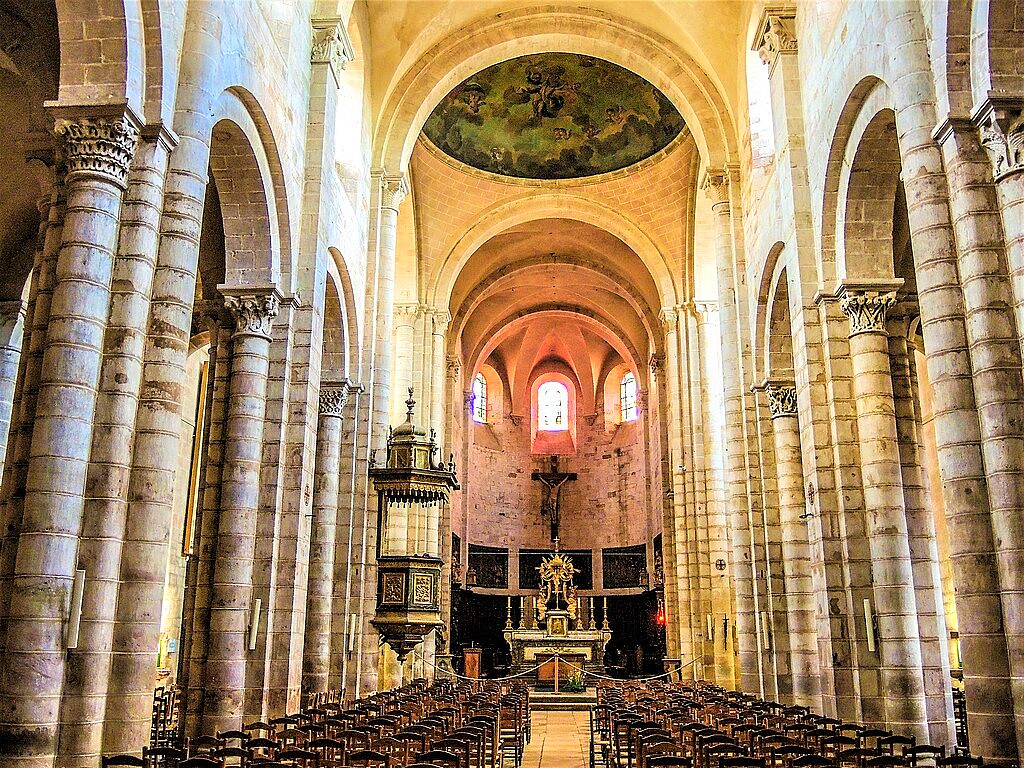
A Church was built over Julian’s Tomb which later became the Basilica of Saint-Julien de Brioude, the largest Romanesque in Auvergne, see below. The Feast of Saint Julian, celebrated in Brioude on 28 August, drew such crowds to the Saint’s Relics that in the mid-11th Century, the Chapter was obliged to build a hostel to care for the indigent pilgrim and the sick.
Very early on the site of Julian’s death also became a place of pilgrimage and a small Shrine was erected over the miraculous Fountain which had sprung up where he had been Martyred. In the Miracles of Julian, St Gregory of Tours tells of numerous instances of people cured by drinking water from the Fountain and there is a particularly large number of miracles attested to the cure of headaches. A Holy Mass is still celebrated near the Spring, on the Feast Fay of the Saint, during the Patronal celebrations of the Town.
St Augustine (354-430) – Bishop of Hippo, Confessor, Doctor of Grace and one of the original Four Fathers & Doctors of the Latin Church, Theologian, Preacher, Writer a None of these titles, though accurate, would please him, however, as much as the simple one he used to describe himself: ‘Servant of God.’ For, whatever we achieve in life, whatever gifts and talents we have been given, are of little value unless they lead us, as they did Augustine, to know, love and serve God ever more deeply.
Quote/s of the Day – 27 August – St Joseph Calasanz (1557-1648) Confessor, Priest
“If, from the very earliest years, a child is instructed in both religion and letters, it can be reasonably hoped that his life will be happy.”
“Like the saplings of plants, the young are easily influenced, as long as someone works to teach their souls. But if they are allowed to grow hard, we know well that the possibility of one day bending them, diminishes a great deal and is sometimes utterly lost.”
“LOVE is the only way to HEAVEN.”
“Keep, O Lord, my heart at peace, always close to Thee. Thou Who calms the wild waves of the sea.”
Saint of the Day – 27 August – Saint Narnus of Bergamo (Died c345) Bishop and Confessor, of Bergamo which is a suffragan of the Archdiocese of Milan. Died in c345 in Bergamo, Italy of natural causes. Additional Memorial – 15 January in Bergamo. Also known as – Narno.
The Roman Martyrology reads today: “At Bergamo, St Narnus, who was Baptised by the blessed Barnabas and Consecrated by him as the first Bishop of that City.”
Narnus is venerated as the 1st Bishop of Bergamo. Christian tradition holds that he was Consecrated during the Apostolic Age by St Barnabas, although Narnus probably lived later than that.
The oldest source which mentions Narnus is from the 13th Century and was written by Brother Branca da Gandino, a Friar. He considers Narnus a Bishop of Bergamo. He probably held the Episcopal Office towards the middle of the 4th Century, according to some scholars in the years 334-345 and they also affirm that it was St Ambrose, who consecrated him as the 3rd Bishop of Bergamo.
The place of his birth is uncertain, some say Castione, some Ogna, some Villa d’Ogna but the consensus is Ogna (Bergamo). It is believed that he built the primitive Alexandrian Basilica, of which St Grata was the promoter.
He died in his seat of Bergamo, towards 345 or around 375 (?) and was buried four metres deep from the choir, in the Crypt of the ancient Alexandrian Church which was the ‘martyrium’ of St Alessandro and, at the same time, a Cathedral and there, he was honoured with an Altar and venerated every year with solemn liturgies.
In 1561, the ancient Basilica of St Alessandro had to be demolished and the Relics of St Narnus, together with those of his successor St Viatore and other Saints, were transferred to the Church of St Vincenzo, today’s Cathedral of ST Alessandro, where they are still venerated. During these works, an ancient Tombstone was found which indicated the place where both St Narnus and St Viatore were buried, in Latin: “episcopus Narnus Christi Confessor” that is, St Narnus has the title of ‘Confessor’ which, in ancient times, also included Martyrs, it is thought that perhaps he had suffered mistreatment in his youth, during the persecution of Diocletian.
Bergamo St Alexander Cathedral – a magnificent art-encrusted interior
In the following centuries there were four other recognitions of the Relics; in a calendar of the 11th Century and in one of the 13th Century, owned by the Monastery of St Grata, the Feast of St Narnus is placed on 27 August, a date which was then passed into other ‘Catalogs’ and also into the Roman Martyrology.
On the figure of the Bishop of Bergamo, there is a vast bibliography, as well as a discrete ancient iconography. In the Diocese of Bergamo, his memory is celebrated on 15 January.
Bergamo Cathedral an astoundingly beautiful Cathedral both inside and out
You must be logged in to post a comment.