Quote/s of the Day – 17 May – The Memorial of St Paschal Baylon OFM (1540-1592) Confessor, “Seraph of the Eucharist,” “Saint of the Blessed Sacrament,” “Servant of the Blessed Sacrament.” Franciscan Lay Brother.
“Go to Jesus in The Most Blessed Sacrament with folded hands and say “take my hands, use them as Your hands Lord.”
“Go to Jesus in the Most Blessed Sacrament with a closed mouth and listen to Him, whispering to our soul and responding with “Yes Lord.”
“Go to Jesus in the Most Blessed Sacrament with a fiat and say, “Not my will but Your will be done Lord!”
“O Father Eternal God, Grant me faith and courage. Son, wisdom of the Father, grant me light and make me wise. Holy Spirit, beloved of Father and Son, inflame my heart and purify my soul, that I may approach this majestic Sacrament, with faith and love.”
Saint of the Day – 17 May – St Paschal Baylon OFM (16 May 1540 – 17 May 1592) Spanish Lay Brother “Seraph of the Eucharist,” “Saint of the Blessed Sacrament,” “Servant of the Blessed Sacrament,” Franciscan Lay Brother, Mystic…….. Also known as – Pasquale, PascaL. Paschal was Beatified on 29 October 1618 by Pope Paul V and Canonised on 16 October 1690 by Pope Alexander VIII. Pope Leo XIII[7] proclaimed the saint as the “Seraph of the Eucharist” as well as the Patron of Eucharistic congresses and affiliated associations.
The Roman Martyrology states: “At Villa Real near Valencia in Spain, Saint Pasquale Baylon, a religious of the Order of Friars Minor, who, always showing himself caring and kind to everyone, constantly venerated the Mystery of the Most Holy Eucharist with fervent love.”
Childhood and early years: Let’s start by saying that the Spanish name Pasquale, is of Christian origin and is also widely used in the feminine – Pasqualina. It was given to children born on Easter Sunday but its distant origins are Jewish (Pesach = passage) meaning the passage of the Jewish people through the Red Sea and the passage of the Angel of the Lord, who saved, the Jewish firstborns, by marking their houses with the blood of the lamb, to distinguish them from the Egyptians, who were destined for death, in the last plague of Egypt. However, this is not the case with Pasquale Baylon, who was born on 16 May 1540, the day of Pentecost (which is also called in Spanish, “Pascua de Pentecostés.” From his childhood, he showed a marked devotion to the Holy Eucharist, which would later become the centre of his entire religious life. He was a shepherd first of the family’s flock, then in the service of other masters. The solitude of the fields favoured meditation, his desire for continuous prayer. He also began to mortify his young body with long fasts and painful flagellations.
Franciscan vocation: At the age of 18 he asked to join the Convent of Santa Maria di Loreto, of the Reformed Franciscans called Alcantarini by St Peter of Alcantara, reformer of the Order. But he was not accepted, perhaps due to his young age. In order to remain in the vicinity of the Convent, he entered the service, again as a shepherd, of the very wealthy landowner, Martín García. Admired by this young employee, he proposed to adopt Paschal, sin order to make him his heir. However, Paschal refused this offer as he was more determined than ever to enter among the Friars of St. Francis. In 1560, he was admitted to the Convent of St Maria di Loreto, where he made his religious profession on 2 February 1564. He never wanted to ascend to the Priesthood, despite the favourable opinion of his superiors because he did not feel worthy.
Friar, Porter, Cook, gifted with holy wisdom: For years Paschal fulfilled the various services necessary to the convent, especially as a Porter, a task that he always carried out with great goodness. Although so young, he acquired a reputation for holiness, for his Christian virtues but also for the miraculous deeds attributed to him. He was truly “Pentecostal,” that is, favoured by the extraordinary gifts of the Holy Spirit, including that of wisdom: he could read and write but he was not very cultured. Still, he was constantly asked for advice by many illustrious persons
On mission among the Calvinists: In 1576, even the Provincial Father of the Alcantarins of Spain, having to communicate urgently with the Father General residing in Paris, thought of sending Brother Paschal with the letter, knowing full well the serious difficulties of the journey, for the crossing of some French Provinces, which at that time were dominated by Calvinists. In fact, the Friar was made the object of continuous derision, insults, beatings. In Orléans, he too was in danger of death by stoning! There, Paschal had disputed with the Calvinist in regard to the Holy Eucharist debunking their false arguments.
“São Pascoal Bailão adora a Eucaristia” – Convento de São Pedro de Alcântara, Arenas de San Pedro (Espanha) – Foto: Francisco Lecaros
Seraph of the Eucharist: On returning from his delicate and dangerous mission, Paschal composed a small book of definitions and sentences on the Real Presence of Jesus in the Blessed Sacrament and, on the divine power transmitted to the Roman Pontiff. As evidence of this great devotion, for which he was nicknamed “Seraph of the Eucharist,” we have received his personal thoughts and prayers, which he added to the collections of writings on Eucharistic themes.
Death: In order to acquire greater perfection, Paschal underwent continuous and heavy mortifications and increasingly numerous penances, to the point that his health was now compromised. On 17 May 1592, the day after his fifty-second birthday, Paschale died at the Convent of the Rosary in Villarreal, near Valencia. As had happened on the day of his birth, it was Pentecost! The funeral saw the participation of a crowd of faithful, who wanted to pay homage of heartfelt veneration to the body of the humble lay Franciscan Brother, whose holiness, fand miracles were well-known throughout the Catholic world.
Veneration and iconography: He was particularly revered in Naples, subject to Spanish domination. The cult was concentrated in two large and famous Franciscan Convents, once belonging to the Alcantarini but still existing – St Paschal a Chiaia and St Paschal Granatello. His name was given to generations of children, especially in Southern Italy. He was Beatified 26 years after his death, on 29 October 1618, by Pope Paul V and proclaimed a Saint on 16 October 1690 by Pope Alexander VIII. His remains, which were venerated with great devotion in Villarreal, were desecrated and dispersed during the Spanish Civil War; some were later recovered and returned to the City in 1952. Over the centuries, his passionate devotion to the Eucharist have inspired the many artists who have depicted him. Paschal usually appears in the act of adoring the Blessed Sacrament in a Monstrance.
Official and traditional Patronages: Pope Leo XIII, on 28 November 1897, proclaimed him Patron of Eucharistic Congresses and Associations. Popularly he is also considered Patron of cooks and pastry chefs, on the basis of his humble services carried out in the Convent – according to tradition, Paschal is the creator of the famous desert called Zabaglione, whose name evidently derives from him. Probably due to a resemblance in the sound of Paschal’s Surname (“St Paschal Baylonne”). Paschal is finally invoked by single women looking for a husband and by women in general.
St Paschal Baylon OFM (1540-1592) “Seraph of the Eucharist,” “Saint of the Blessed Sacrament,” “Servant of the Blessed Sacrament.” Franciscan Lay Brother, Mystic…….. A man remarkable for innocence of life and the spirit of penance. Pope Leo XIII declared him the heavenly patron of Eucharistic Congresses and Societies and Apostolates, formed in honour of the Most Blessed Sacrament. About this beautiful Saint: https://anastpaul.wordpress.com/2018/05/17/saint-of-the-day-17-may-st-paschal-baylon-o-f-m-1540-1592-the-seraph-of-the-eucharist/
St Heraclius of Noviodunum Bl Ivan Ziatyk St Madron of Cornwall St Maildulf of Malmesbury St Maw
St Paul of Noviodunum St Peter Lieou St Rasso of Grafrath St Restituta of Carthage St Silaus of Lucca St Solochanus of Chalcedon St Thethmar St Victor Roma
Martyrs of Alexandria – 3 Saints: Three Christians Martyred together; no details about them have survived except their names: Adrio, Basilla and Victor. 4th century Alexandria, Egypt.
Martyrs of Nyon: A group of Christians Martyred together in the persecutions of Diocletian. We know little more than three of their names: Aquilinus, Heradius and Paul. 303 at Noyon, Switzerland.
Saint of the Day – 16 May – St John Nepomucene (c 1345–1393) Priest, Martyr, Confessor and almoner.to the Queen of Bohemia – “The First Martyr of the Seal of Confession.” Born in c1345 in Nepomuk, Bohemia and died on 20 March 1393 (aged 47–48) at Prague . St John’s tongue is incorrupt and is kept in the Cathedral of St Vitus in Prague, Czech Republic. Patronages – Bohemia. – which includes the greater Czechoslovakia, Moravia and parts of Austria before various divisions; protection against slander, restoration of the good name of those slandered, help in confessing sins, for the protection of Priests and the Seal of Confession, San Juan, Batangas, Malibay, Pasay; Alfonso, Cavite; Moalboal, Cebu; San Remigio, Cebu; Cabiao; Spanish Navy. Also known as – John of Nepomuk, Nepomuc, Ioannes Nepomucenus, Johannes Nepomuk.
The Roman Martyrology states of him today: “At Prague in Bohemia, St John Nepomucene, a Canon of the Metropolitan Church, who, being tempted in vain to betray the secret of Confession, was cast into the river Moldaw and thus won the Palm of Martyrdom.”
Saint John Nepomucene, Priest and Martyr By Fr Francis Xavier Weninger SJ (1805-1888) (Excerpt)
John, whom, in our time, God has honoured with many miracles, received his surname from Nepomuc, a small town two miles from Prague, where he was born. His parents were plain people and had lived many years without issue. After having made a vow, however, in honour of the Blessed Virgin, whose miraculous picture is kept in a Cistercian Convent not far from Nepomuc, John was born to them. At the time of his birth, several stars were seen which floated down from heaven and rested upon the house of his parents. This event was interpreted and admired, as a prophecy of his future holiness. In his infancy, he fell dangerously ill but recovered after his parents had consecrated him to God, in the above-named place of pilgrimage.
As he grew, his greatest delight was to assist the Priests at Mass and he passed the whole forenoon in that sacred occupation, in the Cistercian Church. In his studies he made such rapid progress that he became Doctor of Divinity and Canon Law. After being Ordained Priest, he retired, for one month from all intercourse with men and prepared himself, by prayers, penances and purifying his soul, for his first Holy Mass. Soon after, he was commissioned to preach at Prague in the Church of our Lady, in the suburb and he did this with such eminent success, that the Archbishop raised him to the dignity of Canon and Preacher of the Cathedral, which functions he discharged until his death.
Wencelaus, at that period King of Bohemia, attended his sermons frequently, with his whole Court and esteemed the Saint highly. He offered him the See of Leimeritz and afterwards, the rich provostship of Wissherad but John refused both, hoping to do more good by preaching. Queen Jane, the wife of Wencelaus chose him for her Confessor and Almoner. The king, neglecting the affairs of the land, became, meanwhile, more and more, a slave to debauchery and drunkenness and added to the scandal which this gave to his people, by acts of the most unheard of cruelty. Not able to alter his conduct, either by exhortations or entreaties, the pious Queen, at last became silent, and endeavoured by prayer and other virtuous exercises, to inspire her husband with better thoughts and the fear of God. She frequently received the Holy Sacraments in order to give more power to her prayers and to be strengthened in patience. The wicked King regarded her frequent Confessions with mistrusting eyes, even suspecting that the Queen might have been as faithless to him, as he had been to her.
Hence, the desire to know what the Queen confessed was awakened in him and calling John into his presence, he, after long circumlocution and giving some feigned reasons, informed him of his wish, promising him all possible favours and honours. The Saint was at first stunned at so sacrilegious a demand and then explained to the King, the greatness of the crime, which a Priest would commit, if he revealed the least thing which had been told him, under the Seal of Confession, adding, that he would much rather die than become guilty of so terrible a crime.
The King dissimulated his anger at this reply, resolving to wait for another opportunity. He had not to wait long, for when, with unprecedented cruelty he had commanded that a cook, who had sent to the Royal table, a capon badly roasted, should be himself roasted alive on a spit and no-one dared to disobey the tyrant. Sohn, however, went to him and endeavoured to dissuade him from such barbarity. But instead of listening to the Saint, he gave orders to cast him into a dark, horrible dungeon and left him there a day without any food. After this, he sent the jailer to him with a message that he could save his life only by fulfilling the king’s desire. The Saint well understood the message and replied that he remained firm in what he had already said to the King. Wencelaus then determined to have recourse to kindness. He had the Saint liberated and informed, that he repented of his harshness and begged his pardon, at the same time requesting him to appear the following day at the Royal table, as a token of complete reconciliation. The Saint complied with the behest and appeared but no sooner had the King arisen from the table, than he repeated his godless desire, pressing the holy man, at first with great promises and then with cruel menaces. Seeing that neither the one nor the other were respected by John, he commanded that he should be again dragged to the dungeon and stretched upon the rack. To add to his suffering, he was, at the same time, burned with torches. The brave Martyr raised his eyes to Heaven and only repeated frequently the sacred names of Jesus and Mary. When he had been long tortured, the King, who was present, left and John was once more set at liberty.
He informed nobody of what had happened to him but as soon as his wounds were healed, he discharged his functions as he had hitherto done. As it was, however, revealed to him in a vision, that his silence would cost him his life, he bade farewell to his hearers on the Sunday before Ascension. His text was, “A little while and you shall not see me.” In this sermon he predicted the evils which would soon fall upon Bohemia, in consequence of new heresies and exhorted all to repentance and to constancy in the Catholic faith.
On the day before the festival of the Ascension, he made a pilgrimage to Bunzel where the miraculous image of the Blessed Virgin was honoured. Arriving there, he fervently recommended his approaching death-agony to the divine Mother. At evening, he returned to Prague. The King, leaning out of the window of his palace, saw him. Having given orders to bring the Saint before him, he addressed him with these shameless words: “Listen, parson! Thou wilt have to die, if thou dost not immediately tell me what the Queen confessed to thee. I vow to God, that thou shalt drink water!” The Saint repeated fearlessly his former words: “I will rather die a thousand times.” Hardly had this passed his lips, when the King commanded the holy man to be dragged into the adjoining apartment and kept there. As soon as night had come, he was led to the bridge that unites the old and new portions of Prague, and from thence cast into the Moldaw, in the year 1383.
Heaven did not allow this crime to be concealed for one single hour. An uncommonly bright light in the form of many stars was seen, which seemed to float upon the water and accompanying the holy body, remaining with it. All the people came running towards the river but could not explain the prodigy. The King himself was called by the Queen to witness the scene and looked at it in fear and trembling. When the next day dawned, the waters of the river were divided into two parts and in the midst was seen, lying on the sand, with a sweet smile upon his face, the body of the Saint. The Canons brought it, at first into the nearest Church but soon after, transferred it with imposing solemnities to the Cathedral.
From that day, date the honours which were paid to the Saint and which God approved by numberless miracles which were wrought at his tomb.
After the expiration of more than 300 years, the holy body was exhumed and the tongue of the Saint was found fresh without a sign of corruption. When, six years later, this tongue was shown to a deputation, sent by the Pope to verify the report, it suddenly swelled up before the eyes of all present and changed from dark red to purple, as though it were still, imbued with life.
The tomb and reliquary of St John, containing the incorrupt tongue
St Vitus Cathedral
Remarkable is the fact, that everyone who approached the tomb of the Saint, irreverently was sure to be punished with some public derision. Many examples of recent date have verified this.
In conclusion, it is to be remarked, that the intercession of Saint John Nepomuceno, may be requested with great benefit by those whose good name has been tarnished, or who are in danger of a public disgrace, as also by those who feel difficulties in confessing their sins. In our times this glorious Saint has become particularly renowned, not only on account of the incorruption of his tongue and the many miracles which have taken place at his shrine but also, on account of the many graces and benefits which the Almighty has bestowed upon those, throughout the whole Christian world, who with confidence ask his intercession. Many books are filled with the relation of these facts.
St Carantac St Carantoc St Diocletian of Osimo St Felix of Uzalis St Fidolus of Aumont St Fiorenzo of Osimo St Fort of Bordeaux St Francoveus St Gennadius of Uzalis St Germerius of Toulouse St Hilary of Pavia
St Ubaldus Baldassini St Victorian of Isauria Bl Valdimir Ghika
Martyrs of Saint Sabas: A group of Monks, whose names have not come down to us, who were massacred by Moors at the monastery of Saint Sabas in Palestine.
Martyrs of Caramasi Albertin-Marie Maisonade Ignace-Alexandre-Joseph Cardon Jan Chrysostom Zavrel Maturin-Marie Pitri Modeste-Marie Burgen Zosimo Maria Brambat
Saint of the Day – 15 May – St John Baptiste de la Salle (1651-1719) Confessor. Known as the “Father of Modern Education,” “Apostle of Children and Youth.”
The Roman Martyrology reads today: “At Rouen in France, St John Baptiste de la Salle, Confessor, who deserved well the veneration of both the religious and society, by his labours for the education of the youth, especially the poor and by the founding of the Society of the Brothers of the Christian Schools.”
John Baptiste de La Salle, born of an honourable family at Rheims, when still a boy, showed by his manners and actions, that he was called by destiny to the Lord and was to be adorned with the excellence of holiness. As a youth he studied literature and the philosophical sciences at the Academy at Rheims. During this time, although his mental powers and his lively and pleasant disposition endeared him to all, he nevertheless, shrank from the company of his fellows, so that, being inclined to solitude, he might the more easily find time for God.
Already having been, for some time, enlisted in the ranks of the clergy, he was enrolled among the Canons of Rheims at the age of sixteen years. He went to Paris to study theology at the University of the Sorbonne and was admitted to the Sulpician Seminary. But he was soon forced to return home due to the death of his parents and undertook the education of his brothers, which he carried on,, without interrupting his sacred studies and with the greatest success, as was proved by subsequent events.
He was finally Ordained Priest and said his first Mass with the intense faith and ardour of the soul which, throughout his whole life, he brought to those Sacred Mysteries. Meanwhile, burning with zeal for the salvation of souls, he devoted himself wholly to their service. He undertook the direction of the Sisters of the Infant Jesus, founded for the education of girls and not only managed them most prudently, but saved their institute from dissolution. From this time onwards, he turned his attention to the education of poor boys in religion and good morals. And God had raised him up for this very end, namely, that he should found, in h=His Church, a new family of religious men and should look after boys’ schools, especially of poor boys, with unceasing and efficient care. And, indeed, this duty, entrusted to him by Divine Providence, was successfully accomplished, in spite of active and extreme and opposition and great hardships, by the foundation of an Institute of Brothers which he named the Christian Schools.
His male associates in this great and arduous work, he at first received into his own house and then, establishing them in a more suitable dwelling, thoroughly inspired them with his method and with those wise laws and regulations, which were afterwards confirmed by Benedict XIII. Because of humility and love of poverty, he first resigned his Canonry and distributed all his property among the poor and later too, after many unsuccessful attempts to do so, he of his own will, resigned the government of the Institute which he had founded.
But meanwhile his solicitude for the brothers and for the schools which he had opened in different places, did not lessen, although he began to give himself more diligently to God. Showing his hatred for self in constant fastings, in the use of the discipline and in other austerities, he spent his nights in prayer. At length, conspicuous for every kind of virtue, especially, obedience and zeal for fulfilling the Divine Will and love and devotion to the Apostolic See, full of merit and having devoutly received the Sacraments, he fell asleep in the Lord in the sixty-eighth year of his age.
The Supreme Pontiff Leo XIII placed him in the list of the Blessed and, illustrious by new miracles, he was adorned with honours of the Saints, in the year of Jubilee, 1900 on the 24th day of May of that year by the same Pontiff..
Prayer for the Intercession of St John Baptist de La Salle
O Glorious Saint John Baptiste de la Salle, Apostle of Children and Youth, be thou, from the heights of Heaven, our guide and our patron. Offer thy prayers fo us and help us, that we may be kept free from every stain of error and corruption and remain ever faithful to Jesus Christ and to His Church. Grant that we, practising the virtues of which thou has been so wondrous an example, may be made partakers of the glory in Heaven, our true country. Amen.
Bercthun of Beverley Bertha of Bingen St Caecilius of Granada St Caesarea of Otranto St Cassius of Clermont Bl Clemente of Bressanone St Colman Mc O’Laoighse St Ctesiphon of Verga Blessed Diego of Valdieri
St Hesychius of Gibraltar St Hilary of Galeata St Indaletius of Urci St Isaias St Isidore of Chios Bl Joan Montpeó Masip St Maximus of Clermont St Nicholas the Mystic St Rupert of Bingen St Secundus of Avila St Simplicius of Sardinia St Sophia of Rome St Victorinus of Clermont St Waldalenus of Beze
Saint of the Day – 14 May – St Maria Domenica Mazzarello FMA (1837-1881) Virgin, Religious Sister and Founder with St John Bosco of the Daughters of Mary Help of Christians. They were founded to work alongside Saint John Bosco and his Salesians of Don Bosco, in his teaching projects in Turin. They continue to be a teaching Order worldwide and are now called the Salesian Sisters of St John Bosco. Born on 9 May 1837 at Mornese, Acqui, Italy and died on 14 May 1881, aged 44, in Nizza Monferrato, Asti, Italy of natural causes. Also known as – Mary Dominic Mazzarello.
Maria was born in Mornese, in what is now the Province of Alessandria, northern Italy, to a peasant family who worked in a vineyard. She was the eldest of ten children of Joseph and Maddalena Calcagno Mazzarelli. When she was fifteen she joined the Association of the Daughters of Mary Immaculate, known for there charitable works and run by the Parish Priest, Father, Domenico Pestarino – this Apostolate was a precursor to the founding of the Salesian Sisters.
When she was 23 years old, a typhoid epidemic hit Mornese causing the death of many villagers. Soon, her uncle and aunt were taken ill and Maria volunteered to care for them and their many children. After a week they recovered, however, when Maria returned home, she also became ill with typhoid. Due to the illness, she received the last rites. She recovered, but the illness left her weak. The strength which had formerly sustained her, in her work in the fields, was no more. Maria was now thin and frail; a shell of her formerly robust self.
She took an apprenticeship as a seamstress in the town and worked diligently at the craft. Like St John Bosco, the skills which she learned in her youth, she was able to pass onto those who would come after her. One day, Maria was walking in her village and was suddenly astounded to see before her, a vision of a large building with a courtyard and many girls playing and laughing. A voice said to her, “I entrust them to you.”
The education of girls was a particular need in the nineteenth century and Maria decided to devote herself to this work. Hosts of farm girls , or serving girls, factory workers and street vending girls, filled the streets of the city and all of them were at risk to juvenile prostitution. She wished to educate them and teach them a trade, to save them from the dangers of street life. She persuaded some of her girl friends to join her in this project. Fifteen young women now comprised the Daughters of Mary Immaculate. Fr Pestarino busied himself with training them in the spiritual life and managed to secure a place for some of them to live in community, thus was the beginning of religious life in Mornese. The Daughters took in a few young girls and housed them, schooling them in the faith and handing down to them, their knowledge of dress aking, tailoring and general sewing skills.
John Bosco was told of the Daughters by Fr Pestarino, who himself was training as a Salesian of Don Bosco, under the Saint. Considering his vision of the young girls, Bosco decided to meet with them. He went to Mornese with his boy band under the guise of raising funds for his Oratory but his true intention was to investigate the possibility of founding a female counterpart of the male Salesian religious Order,.
In 1867, after meeting with them and receiving the Daughters’ enthusiastic response to his proposal, St John drew up their first rule of life. A source of the community’s good spirit, sense of humour, optimism and charity, Maria Mazzarello was the natural choice for the first Superior. Eventually obedience won out and she was the first Mother of the young community at age thirty.
After many formation, struggles, the well-intentioned but misdirected advice of others, and difficulties with the townspeople (whose school for boys which they had raised money for and built, st John transferred to the Daughters, for their work). The day of their profession arrived. The fifteen young women, led by Maria, professed their vows as religious women in the presence of the Bishop of Acqui, their spiritual father St John and Fr Pestarino. The date was 31 July 1872, the birthday of this new religious family.
Collegio, the first community of the Daughters of Mary Help of Christians.
At age thirty-five, donned in a habit, she was now Sister Maria Mazzarello. As the feminine branch of the Salesian religious family, the Daughters sought to do for girls what the Priests and Brothers were doing in Turin for boys.
After being elected Mother General of the Salesian Sisters, Maria Mazzarello felt that it was important that she and the other Sisters, have a good understanding of how to read and write; it was a skill which many of them had never had the opportunity to acquire and which training she now organised. Her dedication to her Sisters was not limited to their intellectual development alone. In every way, she was an attentive mother, which is why to this day, she is still fondly referred to as “Mother Mazzarello” by the Salesian Family.
The first Missionary Sisters set out for Uruguay in 1877. Mother Mazzarello accompanied them to their port of call in Genoa, and then took a boat to France, so that she could visit the SIsters who had already established themselves there.
In Marseilles their ship had to be repaired and all of the passengers were forced to disembark while it was dry docked. Although the Sisters had been told that lodging had been prepared for them, there was a mix-up and they were left without stranded.. Mother Mazzarello was not one to let events such as this discourage her, so she took the sheets that they had brought with them, stuffed them with straw and made makeshift beds for all of them. After a miserable night of sleep, they all awoke but Mother Mazzarello could not get up. A fever was ravaging her body and she was in terrible pain. The next morning,, more out of a concern for her already exhausted companions, she was able to get up, see the Missionaries off and then journey with her remaining Sisters to their house and orphanage in St.Cyr.
Once in St Cyr ,she fainted and was confined to bed for forty days.. The diagnosis was pleurisy. Eventually she returned to Italy, even though the doctor told her not to travel. She said that she wanted to die in her own community. She made her return journey in stages, she was painfully aware of her delicate condition. Fortunately. on one of her stops St John was near and they were able to meet for the last time.
In early April, Maria returned to Mornese. Her native air strengthened her and since she felt stronger she insisted on keeping the community schedule and doing her usual work. Unfortunately, it was too much for her and she relapsed. Near the end of April it seemed that death was approaching. Finally, in the pre-dawn hours of 14 May 1881, Mother Mazzarello began her death agony. After receiving the last rites she turned her attention to those around her and weakly whispered, “Good-bye. I am going now. I will see you in Heaven.” Shortly after she died at the age of forty-four.
Maria was Beatified on 20 November 1938 and Canonised on 24 June 1951. Her incorrupt body is venerated in the Basilica of Our Lady Help of Christians, in Turin, Italy, which is the Mother Basilica of the Salesians, built by St John Bosco. A Church in southeast Rome bears her name, Santa Maria Domenica Mazzarello – the Statue below resides there..
St Boniface of Ferentino St Boniface of Tarsus St Corona the Martyr St Costanzo of Capri St Costanzo of Vercelli Bl Diego of Narbonne St Dyfan St Engelmer St Erembert of Toulouse St Felice of Aquileia St Fortunatus of Aquileia St Gal of Clermont-Ferrand
St Henedina of Sardinia St Justa of Sardinia St Justina of Sardinia St Maria Domenica Mazzarello FMA (1837-1881) Virgin, Religious Sister and Founder with St John Bosco of the Daughters of Mary Help of Christians. They were founded to work alongside Saint John Bosco and his Salesians of Don Bosco in his teaching projects in Turin. They continue to be a teaching Order worldwide and are now called the Salesian Sisters of St John Bosco.Her Body is incorrupt.
St Pons of Pradleves St Pontius of Cimiez St Tuto of Regensburg St Victor the Martyr
Martyrs of Seoul – 5 Beata: A group of lay people Nartyred together in the apostolic vicariate of Korea. • Petrus Choe Pil-je • Lucia Yun Un-hye • Candida Jeong Bok-hye • Thaddeus Jeong In-hyeok • Carolus Jeong Cheol-sang 14 May 1801 at the Small West Gate, Seoul, South Korea
One Minute Reflection – 13 May – The Memorial of St Robert Bellarmine SJ (1542-1621) Bishop, Confessor, Doctor of the Church – Wisdom 7:7-14, Matthew 5:13-19
“Therefore, whoever breaks one of the least of these commandments and teaches others to do so, will be called least in the Kingdom of Heaven. But whoever obeys and teaches these commandments, will be called greatest in the Kingdom of Heaven.” – Matthew 5:19
REFLECTION – “For what reason then does He call some of these commandments “least,” although they are so magnificent and lofty? Jesus spoke this way because He was about to introduce His own teaching, as a new law . As He humbles Himself and speaks of Himself with great modesty, so He refers to His own teaching in the same manner. In this way, Jesus teaches us to practice humility in everything. And besides, since some suspected His teaching to be a new departure, He temporarily taught it in a more reserved way.
But when you hear “least in the Kingdom of Heaven,” you are to think of nothing but hell and punishment. For it was His practice to speak, not only of the joy the Kingdom brings but also, of the time of the resurrection and the fearful event of the Second Coming.
Think of one who calls a brother a fool. That one, transgresses only one commandment, maybe even the slightest one and falls into hell. Compare that one with another, who breaks all the commandments and instigates others to break them too. Do both have the same relationship to the Kingdom? This is not the argument Jesus is making. Rather, He means, that one who transgresses only one of the commands will, on the final day, be the least—that is, cast out—and last and will fall into hell!” – St John Chrysostom (347-407) Archbishop of Constantinople, Father and Doctor of the Church (The Gospel of Saint Matthew, Homily 16).
PRAYER – O God, Who endowed blessed Robert, Your Bishop and Doctor, with wondrous learning and virtue to repel the deceits of error and to defend the rights of the Apostolic See, grant, by his merits and intercession, that we may ever grow in love of truth and that the hearts of the erring may return to the unity of Your Church. Through Jesus Christ, Thy Son our Lord, Who lives and reigns with Thee, in the unity of the Holy Ghost, God, world without end. Amen (Collect).
Our Morning Offering – 13 May – “The Month of the Blessed Virgin Mary” and the Memorial of St Robert Bellarmine SJ (1542-1621) Bishop, Confessor, Doctor of the Church.
St Robert Bellarmine’s Hymn to Mary the Virgin: Among St Robert’s extant writing, there is a short poem of twenty stanzas which he composed in the nature of a Litany to the Blessed Virgin. The text was first published in Italian some fifty years ago and to the best of the writer’s knowledge, has never been translated into English. Each verse-line begins with the name “Virgin,” joined to a title and petition to Our Lady, starting with the letter “A” and going down the Italian alphabet to “V.” Thus the first seven verses begin with the invocation: “Vergine adorna … Vergine Bella …Vergine casta … Vergine degna … Vergine eletta … Vergine felice … Vergine gradita …”
A translation to this tribute to the Virgin Mother reads as follows: – Servant of God Fr John A Hardon SJ (1914-2000).
Hymn to Mary the Virgin By St Robert Bellarmine (1542-1621) Doctor of the Church.
Virgin adored and clothed with the sun, grant me thine aid. Virgin most beautiful, mystical rose, take abode in my heart. Virgin most chaste, all undefiled, grant me true peace. Virgin deserving of all honour and praise, give me thy love. Virgin elect and full of all grace, lead me to God. Virgin most blessed, star of the sea, dispel the storms besetting me. Virgin most virtuous, holy and sweet, show me the way. Virgin illustrious, with thy burning light, enlighten thou my mind. Virgin more precious than jewels or gold, make reparation for me. Virgin most worthy of all praise, mother, daughter and immaculate spouse. Virgin and Mother, make me more pleasing to Jesus thy Son. Virgin most innocent of any stain or fault, make me more worthy of God. Virgin enriched with every gift and grace, obtain the remission of my sins. Virgin most pure, grant me to enjoy the bliss of heavenly love. Virgin, thou lily among thorns, I pray thee for the grace of a happy death. Virgin more rare than the rarest dream, bring joy to my heart. Virgin so great, there is none like thee on earth, bring peace to my soul. Virgin most true, loving Mother too, Virgin Mary. Amen.
Saint of the Day – 13 May – St Robert Bellarmine SJ (1542-1621) Archbishop of Capua, Italy, Rector of the Roman College, Confessor, Cardinal, Doctor of the Church, Theologian, Professor, Writer, Preacher, Mediator. Known as – “The Father of the Poor,” “The Hammer of Heretics,” “The Model of Promoters and Defenders of the Catholic religion.”
St Robert Bellarmine From the Roman Breviary
Robert, a native of Montepulciano, Italy and of the noble family of Bellarmine, had for his mother, the most pious Cynthia Cervini, sister of Pope Marcellus II. From the first, he was conspicuous for exemplary piety and most chaste manners, earnestly desiring this one thing, to please God alone and to win souls to Christ.
He attended the college of the Society of Jesus in his native town where he was highly commended for his intelligence and modesty. At the age of eighteen, he entered the same Society at Rome and was a model of all religious virtues. Having passed through the course of philosophy at the Roman College, he was sent firstly to Florence, then to Monreale, later to Padua to teach Sacred Theology and afterwards, to Louvain where, not yet a Priest, he ably discharged the office of preacher. After Ordination at Louvain, he taught Theology with such success, that he brought back many heretics to the unity of the Church and was regarded throughout Europe, as a most brilliant Theologian, so much so, that St Charles, Bishop of Milan and others, keenly sought after him.
Recalled to Rome at the wish of Pope Gregory XIII, he taught the science of controversial Theology at the Roman College and there, as Spiritual Director, he guided the angelic youth St Aloysius in the paths of holiness. He governed the Roman College and then the Neapolitan Province of the Society of Jesus, in accordance with the spirit of St Ignatius.
Again summoned to Rome, he was employed by Clement VIII in the most important affairs of the Church, with the greatest advantage to the Christian state. Then, against his will and in spite of opposition, he was admitted among the number of the Cardinals because, as the Pontiff publicly declared, he did not have his equal among Theologians in the Church of God, at the time. He was Consecrated Bishop by the same Pope and administered the Archdiocese of Capua in a most saintly manner for three years. Having resigned this office, he lived in Rome until his death, as a most impartial and trusty Counsellor to the Supreme Pontiff. He wrote much and in an admirable manner.
His principal merit lies in his complete victory in the struggle against the new errors, during which he distinguished himself as a strenuous and outstanding vindicator of Catholic tradition and the rights of the Roman See. He gained this victory by following St Thomas as his guide and teacher, by a prudent consideration of the needs of his times, by his irrefragable teaching and by a most abundant wealth of testimony, well-chosen from the Sacred Writings and from the very rich fountain of the Fathers of the Church. He is eminently noted for very numerous short works, for fostering piety and especially for that golden Catechism, winch he never failed to explain to the young and ignorant, both at Capua and at Rome, although preoccupied with other very important affairs.
A contemporary Cardinal declared, that Robert was sent by God for the instruction of Catholics, for the guidance of the good and for the confusion of heretics. St Francis de Sales regarded him as a fountain of learning; the Supreme Pontiff Benedict XIV called him the Hammer of Heretics and Benedict XV proclaimed him the Model of Promoters and Defenders of the Catholic religion.
He was most zealous in the religious life and he maintained that manner of life after having been chosen as one of the empurpled Cardinals. He did not want any wealth beyond what was necessary; he was satisfied with a moderate household and scanty fare and clothing. He did not strive to enrich his relatives and he could scarcely be induced to relieve their poverty, even occasionally. He had the lowest opinion of himself and was of wonderful simplicity of soul. He had an extraordinary love for the Mother of God; he spent many hours daily in prayer. He ate very sparingly and fasted three times a week. Uniformly austere with himself, he burned with charity towards his neighbour and was often called the Father of the poor. He earnestly strove that he might not stain his baptismal innocence by even the slightest fault.
Almost eighty years old, he fell into his last illness at St Andrew’s on the Quirinal hill and in it, he showed his usual radiant virtue. Pope Gregory XV and many Cardinals visited him on his deathbed, lamenting the loss of such a great pillar of the Church. He fell asleep in the Lord in the year 1621, on the day of the Sacred Stigmata of St Francis, the memory of which, he had been instrumental in having celebrated everywhere. The whole City mourned his death, unanimously proclaiming him a Saint. The Supreme Pontiff Pius XI inscribed his name, firstly, in the number of the Blessed, and then in that of the Saints and shortly afterwards, by a Decree of the Sacred Congregation of Rites, he declared him a Doctor of the Universal Church.
His body is honoured with pious veneration at Rome in the Church of St Ignatius, near the tomb of St Aloysius, as he himself had desired. Blessed be God in His Holy Saints! Amen.
St Anno of Verona St Argentea of Cordoba St Euthymius the Illuminator Bl Fortis Gabrielli Bl Gerard of Villamagna Bl Gemma of Goriano St Glyceria of Trajanopolis
St Lucius of Constantinople St Mael of Bardsey Bl Magdalen Albrizzi St Merewenna of Rumsey St Mucius of Byzantium St Natalis of Milan St Onesimus of Soissons St Servatus of Tongres St Valerian of Auxerre
Martyrs of Alexandria: A group of Christians Martyred in the Church of Theonas, Alexandria, Egypt by order of the Arian Emperor Valens. Their names have not come down to us. 372 in Alexandria, Egypt.
Saint of the Day – 12 May – St Domingo de la Calzada / Dominic of the Causeway ((1019 – 1109) Priest, Hermit, Bridge Builder, a road, a Hospital/Hostel, a Church, in effect a town, Miracle-worker. Born in 1019 as Domingo García in Victoria, Biscay, Spain and died in 1109 at Santo Domingo de la Calzada, Spain, of natural causes. Patronages – Spanish civil engineers. eye diseases, the blind, the Pilgrim’s Town of Santo Domingo de la Calzada, Spain. Also known as – Dominic of Landeveien, Domenico, Dominicus…
Dominic was the son of a peasant named Ximeno García. His mother was named Orodulce. We know little about his early years, except that he worked as a shepherd and then tried, in vain, to be admitted as a Monk in the Benedictine Monasteries of Valvanera and San Millán de la Cogolla. This failure caused him to retire as a Hermit to a secluded place, Ayuela, near present-day Santo Domingo de la Calzada. There he led a contemplative life until 1039.
Fundamental to his later development was the relationship he established, around this date, with Gregory, Bishop of Ostia, who arrived in Calahorra as a Papal Envoy to combat a terrible locust plague that devastated the Navarrese and Riojan territories. For five years and until the death of the future Ostiense Saint in 1044, Dominic became Bishop Gregory’s close collaborator.
He received the Priestly Ordination from Gregory’s hands. Together, they decided to build a first wooden bridge over the Oja River to facilitate the transit of pilgrims to Compostela.
After the death of Saint Gregory, Dominic returned to the area where he had spent his years of retirement and undertook a profound colonising work there. He cut down the forests, cleared the land and began the construction of a stone road that was a deviation from the traditional path between Logroño and Burgos but which became, from that moment on, the main route between Nájera and Redecilla.
To improve the conditions of the pilgrims on their way to Compostela. who began to cross it, he replaced the first wooden bridge with another made of stone and built a complex consisting of a hospital, a well and a Church, to attend to the needs of travellers. Today, it is the Casa del Santo, which is a used as a hostel by modern-day pilgrims.
Statue of Dominic de la Calzada, Cathedral of Santo Domingo de la Calzada.
The town of Santo Domingo de la Calzada began as a few houses built around the Hermitage of the Saint in his lifetime. At his death in 1109, the village had grown in population. King Alfonso VI of Castile annexed La Rioja in 1076 and seeing that Dominic’s efforts contributed to the Castilianisation of the region, decided to support him and his projects. He visited Dominic in 1090 and, thereafter, Dominic, assisted by his disciple Juan de Ortega, began construction on a Church dedicated to Christ and the Virgin Mary. Outside, and attached to its walls, the Saint chose a place for his own burial. The Church was Consecrated by the Bishop of Calahorra in 1106.
Dominic died in 1109. His Church, later the Cathedral of Santo Domingo de la Calzada, was where he was buried, as he had requested and it was elevated to the rank of Cathedral after being placed in the jurisdiction of the Diocese of Calahorra in the 1230s.
Santo Domingo de la Calzada
Many miracles are attributed to the intercession of St Dominic, among them the exorcism of a French knight who had been possessed by the devil and who was freed of his affliction by visiting the tomb of Dominic. Another miracle, concerns the healing of a German pilgrim named Bernard in the 15th Century, who was cured of an affliction of the eyes, by his prayers at Dominic’s tomb. Another concerns the healing of a blind Norman who was granted his eyesight by God, when he prayed fervently for Dominic’s intercession in the Cathedral.
The most famous miracle, however, concerns that of the rooster and the chicken, which occurred at Santo Domingo de la Calzada. In the 14th Century, a German 18-year-old named Hugonell, from Xanten, went on pilgrimage to Santiago de Compostela with his parents. A Spanish girl at the hostel where they were staying made sexual advances toward Hugonell. But he rejects her advances. Angry at this, the girl hid a silver cup in the German’s bag and then informs the authorities, that the youth had stolen it. Hugonell was sentenced to the gallows, in accordance with the laws of Alfonso X of Castile.
The parents sadly decided to examine their son’s body, still hanging on the gallows,but suddenly heard his voice telling them that Saint Dominic had saved his life! His parents quickly made their way to Santiago de Compostela to see the Magistrate. The Magistrate, who was eating dinner, remarked: “Your son is as alive as this rooster and chicken that I was feasting on before you interrupted me.” And at that moment, the two birds jump from the plate and begin to sing and crow happily.
The first element of the tale, that of a hanged pilgrim, is found in many collections of miracles, with the restoring of life after the death of the victim attributed not only St Dominic, but also to Saint James the Great, or to the Virgin Mary. The second part of the tale, the miracle of the dancing and singing roasted chicken and rooster, is unique to St Dominic de la Calzada.
In memory of Dominic’s miracle, a rooster and chicken, with white feathers, are kept alive at the Cathedral all year round. A different rooster and chicken are alternated each month, although they are called descendants of the original birds, who miraculously danced even though roasted. The pairs of roosters and chickens, when they are not at the Cathedral, are kept in a chicken coop called the Gallinero de Santo Domingo de la Calzada, which the Confraternity of St Dominic maintains with the help of donations. A wayside Shrine built in 1445, holds a relic associated with the miracle: a piece of wood from the gallows from which Hugonell was hanged and then restored to life. Medieval pilgrims gathered the feathers of these favoured birds, or received them from the Priest and would affix them to their hats. Another tradition claimed that if the birds ate breadcrumbs directly from the end of the pilgrim’s staff, that pilgrim would arrive safely in Compostela.
The German pilgrim Hermann Künig (15th century) claimed to have seen the room where the roasted birds began to sing and dance. Documents written by pilgrims, state that Hugonell’s shirt as well as the gallows, had been conserved by the Church of Santo Domingo. These artifacts are now lost
The rooster and chicken, are visible behind the bars of its ornate coop.
St Crispoldus St Cyril of Galatz St Dedë Malaj St Diomma of Kildimo St Dionysius of Asia St Domingo de la Calzada / Dominic of the Causeway ((1019 – 1109) Priest, Hermit, Bridge Builder St Ejëll Deda St Ephrem of Jerusalem
Blessed Joanna of Portugal OP (1452-1490) Religious of the Second Order of St Dominic, Virgin, Princess of Portugal of the House of Aviz, daughter of King Afonso V of Portugal and his first wife Isabella of Coimbra, Penitent. About Blessed Joanna whom the Portuguese called “Saint Princess Joanna”: https://anastpaul.com/2020/05/12/saint-of-the-day-12-may-blessed-joanna-of-portugal-1452-1490/
Bl Juan de Segalars St Lucien Galan
St Maria Domenica Mazzarello
St Modoald of Trier St Palladius of Rome St Philip of Agira St Richrudis of Marchiennes St Theodora of Terracina St Thomas Khampheuane Inthirath
Saint of the Day – 11 May – St Francesco Maria da Camporosso OFM Cap (1804-1866) Lay Friar of the Friars Minor Capuchin Branch, “Quaestor” or Alms collector, as well as humble services such as Infirmarian, Cook, Gardener, Sacristan, gentle carer of the Poor, the sick, the imprisoned, the needy of all kinds, both spiritual and material. Francesco was gifted with immense graces to touch the hearts of all, both small and great and to listen and advise, often blessed with the gifts of prophecy and mind-reading. Born Giovanni Evangelista Croese on 27 December 1804 at Camporosso, Liguria, Kingdom of Sardinia. Italy and died on 17 September 1866 (aged 61) at Genoa, Italy. Patronage – Camporosso. Also known as St Frances Mary of Camporosso, Giovanni Croese, Antonio.
Giovanni Croese was born on 27 December 1804 in the small village of Camporosso near the town of Ventimiglia on the west coast of the Italian Riviera. He was the fourth of the five children of Anselmo Croese and Maria Antonia Gazzo, farm workers. ,Giovanni received his Baptism on 29 December in his local Parish Church and was named Giovanni Evangelista.
He attended school for a little while and was a less than enthusiastic student. So at seven years of age, Giovanni began to work with the family. He used to lead a small cow to pasture, a guarantee of something to eat for the family. He helped by working in the fields – small parcels of land, where the family could produce some oil, wine and vegetables. Marian devotion was strong in the family. When he was a little more than ten years old, he fell seriously ill. He was taken on pilgrimage to the Sanctuary of Our Lady of the Lake, near Nice. This impressed him deeply and he began to visit the Franciscan Friars and knew one of the Friars, Br. Giovanni, quite well.
On 14 October 1822, aged nearly 18, he entered the Conventual Friary at Sesti Ponente as a tertiary, with the name Br Antonio. Life here, however, was more comfortable than at home and the young man was dissatisfied. He longed for absolute poverty and for deeper meditative prayer. He decided then, to take the Capuchin habit. Unable to get the consent of his Superiors for a transfer, with the agreement of Br Alessandro Canepa da Genova, a Capuchin he knew, he fled Sestri one morning in late autumn. He was accepted at San Francesco di Volti, a Capuchin Hermitage where he received the name Br Francesco Maria. He remained a postulant for nearly three years. He was outstanding for his spirit of charity, even to the point of giving his food to the poor and contenting himself with the leftovers, as one witness testified. However, such deeds were not new to him. Since he was little, he was used to them. It is said that during a trip to Mentone, where his father was trying to set up a small business, he gave away a newly acquired piece of his clothing to a boy his age, dressed in rags. In a temper, his father gave him a sound slap. The young Giovanni replied by offering his other cheek, earning from his father a hug of admiration instead.
The experience at Voltri, in reality, completed that of Sestri. So, at the end of 1825, with the authority of the Vicar Provincial, Antonio da Cipressa, Br Francesco Maria left for the Hermitage of San Barnaba in Genoa, to do his Novitiate year. On 17 December he received the Novice Habit and his master, Br Bernardo da Pontedecimo, had to moderate the young man’s fervour. However, his companions, who shared that experience with him, remembered his goodness and cordiality. He had chosen to be a Lay Friar and would confide later, that, he did so after the example of Saint Francis: “it is preferable to be humble and obedient.”
One year later on 17 December 1826, aged 22, he professed his vows into the hands of Fr Samuel Bocciardo da Genova. He had just turned twenty two but his spiritual maturity convinced the Superiors, to assign him straightaway to the main Friary of the Province, that of the Immaculate Conception in Genoa. He would remain there for the rest of his life.
This Friary was a focal point of many religious and social activities. Apart from the usual Friary observances and apostolates, the Friary also included the Provincial Curia, the Infirmary, the “Lanificio” (a facility for spinning and weaving their own fabrics, traditionally in wool) for the clothing of the Friars, a Pharmacy which also offered health care to the public, the supervision of the public weigh scales and the distribution of firewood from the port bridge of the Immaculate Conception. The new arrival was given various tasks: – firstly, in the office and then, in an initiation to various humble services such as Infirmarian, Cook, Gardener, Sacristan. The processes say that he was “always tireless and calm.”
Almost five years passed uneventfully, but his charity grew ever more refined, so that in 1831 when the old rural Questor, Br Pio da Pontedecimo could no longer continue. Br Francesco Maria became his companion. His vocation and mission that would make him the most famous Questor of his Province was now beginning to take shape. He travelled about the little valley of Bisagno for around two years, visiting the various ‘villas’ of the farm workers. This was a precious apprenticeship that taught him his style of life and one of his ways to relate with the public, with words of faith, patience, charity, humility and devotion.
The outstanding results of this rural questing, urged the Guardian to entrust to him, the City questing. The people, who had already intuited his holiness, would come to depend upon him. They were so accustomed to see him along the streets of the City, that they felt the need to do so. After attending some Masses very early in the morning, he used to walk through the streets of the City with his sack slung over his shoulder and always with a child carrying a small bag around his neck, to receive alms of money. He chose Saint Felice da Cantalice, as his protector.
However, it would not be possible to tell the story of his life now, without first saying something about the history of the City of Genoa in the nineteenth century. It was fermenting with tensions and hesitant steps of the Risorgimento. He listened to everyone and people of all kinds, whether small or great, entrusted him confidently with their own day-to-day concerns. There are countless ‘fioretti’ (stories) about this, which are often charming and miraculous and that translate realistically and exactly, the scene of this new development of the City. Its main narrators were the mothers at home, the shopkeepers, the sailors, the handlers on the wharves, the little children with their little problems, the merchants who asked advice, the sick whom he went to visit even when requiring great sacrifice on his own part, the incarcerated who sought greater justice. The Lord endowed him with special gifts when he answered questions, that had not yet been asked! or when he spoke of things far away or in the future. His fame spread even outside the City, beyond the little streets that he frequented. With great effort he had to answer the many letters he received, a massive correspondence which has been almost completely lost.
One date, 1840, represents the great regard for his service, even among his confreres. The Superiors made him “Capo-sportella,” or the Chief Questor, the guide and co-ordinator of the group of Questor Friars. He substituted the sack slung over his shoulder with the wattle basket woven according to a uniquely Capuchin technique. This basket he carried on his arm. He was authorised to beg for the more refined kinds of food needed by the sick and could enter the port area where valuable goods were sold.
In the Monastery he organised a storeroom to collect goods there and then distribute them, as well as administer the Mass alms and assign the various Questor Friars to different locations. These new authoritative responsibilities allowed the “holy father,” as the people already called him, usually, to provide more timely and ongoing help, even financial help, for families and individuals in difficulty, especially the families of those who had emigrated to America, or the families of sailors away from home for prolonged periods. Among his benefactors there were also protestants, Jews and non-believers who willingly contributed to his collection, certain that the proceeds would go to the poor. His Superiors also authorised him to do that. They trusted his prudence and balance, a trust that overcame simple objections during the process of Beatification.
The lamp of his piety was replenished, above all, in the silent hours of the night. He sought to find time for his prayer in many ways: – by frequent visits to Churches along the streets, meditations, particularly upon the sufferings of Christ and faithfulness to the liturgical life of the fraternity. And penance – he was extremely strict with himself, sleeping only on bare planks. He was content with a few crusts of bread soaked in hot water and would only wear threadbare and patched habits. He always went about barefoot. For years he only ate once a day and made constant use of a hair shirt and the flail. However, he was ready in obedience and with freedom of spirit, to use greater care, as can be read in the depositions of his process, spreading a truly attractive kind of holiness. With the people, his spirituality assumed that popular touch of immediacy and spontaneity but also, with a missionary ardour, so vibrant in the Church at that time and which he desired so much. “Oh to be young again. I could go with our missionaries!” He also concerned himself with fostering vocations and to set young men, without means, on the road to the Priesthood.
Popular iconography portrays him as tall, thin, austere, inseparable from that basket, and always accompanied by a boy with the offering box. His generous help for the people he met in his daily questing made him well-known in every quarter of the Genoa. In the evening, when he returned to the Friary, he found an ever growing number of people whose needs were well beyond his strength. These he invited to entrust themselves to the intercession of Our Lady. This is a particular aspect of the Francesco Maria’s spirituality that is expressed in the Statue by G Galletti and dedicated to him by the people of Genoa. In it the saint is represented inviting a vagabond, a mother with her dying baby and a dock worker, to invoke the Blessed Virgin.
In the final years of his life he employed even harsher mortifications and continued in his commitments, despite a grave infirmity, which affected his legs. His simple spirituality found its focus in the offering of sacrifice, nourished by faith and hope. His letters express this. He either wrote them himself with tremendous effort, or would dictate them. The most representative image of him, traceable to a picture painted by Fr Donato and given to the blessed Pope Pius IX, shows him in the act of giving his life for the salvation of Genoa.
In 1866 in fact, when the port city was struck by a cholera epidemic and Francesco Maria was unable to help the sick, due to the precarious condition of his health, he offered his life for the defeat of the sickness. He died from the sickness three days later on 17 September 1866. According to some contemporary sources, the number of cholera victims started to diminish at the same time.
His body, covered with quicklime, was first buried in the cemetery at Staglieno where a monument was erected to him by public subscription. In 1914, his remains were translated to the Friary Church where he had lived most of his life. After his death, the faithful continued to turn to him with devotion. Graces and miracles began to occur which were attributable to his intercession. After the initial stages, his cause was introduced in Rome on 9 August 1896.
The decree recognising the heroism of his virtue was signed on 18 December 1922. Pope Pius XI Beatified him on 30 June 1929. John XXIII Canonised him on 9 December 1962. The City of Genoa has erected a monument in the port district to Saint Francisco as their Patron Saint.
St Anastasius of Lérida St Anthimus of Rome St Bassus of Sabina St Bertilla St Criotan of MacReddin Bl Diego of Saldaña St Evellius of Pisa St Fabius of Sabina St Francesco Maria da Camporosso OFM Cap (1804-1866) Friar of the Friars Minor Capuchin Branch St Francesco de Girolamo SJ St Fremund of Dunstable St Gengulphus of Burgundy
Bl Illuminatus St Illuminatus of San Severino Bl James Walworth Bl John Rochester St Maiulo of Hadrumetum
St Mamertus (Died c 477) Archbishop of Vienne in Gaul – present day France, Theologian, Writer, Founder of the introduction of the praying of Litanies prior to Ascension Day, called “Rogation Days.” Rogation days are days of prayer and fasting in the Church. They are observed with processions and the praying of the Litany of the Saints. The major Rogation is held on 25 April, the minor Rogations are held on Monday to Wednesday, preceding Ascension Thursday. The word Rogation comes from the Latin verb rogare, meaning “to ask,” which reflects the beseeching of God, for the appeasement of His anger and for protection from calamities. His Life: https://anastpaul.com/2019/05/11/saint-of-the-day-11-may-st-mamertus-died-c-475/
St Mozio of Constantinople St Possessor of Verdun St Principia of Rome St Tudy St Vincent L’Hénoret Bl Vivaldus St Walbert of Hainault
Martyrs of Camerino: An imperial Roman official, his wife, their children and servants, all of whom were converts and martyrs: Anastasius, Aradius, Callisto, Eufemia, Evodius, Felice, Primitiva, Theopista.
Quote of the Day – 10 May – The Memorial of St Antoninus OP (1389-1459) Archbishop of Florence
“In the case, in which, the Pope would become a heretic, he would find himself, by that fact, alone and, without any other sentence, separated from the Church. A head separated from a body cannot, as long as it remains separated, be head of the same body from which it was cut off. A Pope, who would be separated from the Church by heresy, therefore, would, by that very fact itself, cease to be head of the Church. He could not be a heretic and remain Pope because, since he is outside of the Church, he cannot possess the keys of the Church.”
One Minute Reflection – 10 May – The Memorial of St Antoninus OP (1389-1459) – Sirach 44:16-27; 45:3-20, Matthew 25:14-23.
“To one he gave five talents; to another, two; to a third, one—to each according to his ability. Then he went away. Immediately …” – Matthew 25:15
REFLECTION – “The man who is the landowner is actually the Creator and Lord of all. The Word compares, in the parable, the time the landowner spends away from home, to either the Ascension of Christ into Heaven, or, at any rate, to the unseen and invisible character of the Divine Nature. Now, one must conceive of the property of God, as those in each country and city, who believe in Him. He calls His servants, those who, according to the times, Christ crowns with the glory of the Priesthood. For the holy Paul writes, “No-one takes this honour upon himself; he must be called by God.”
He hands over [His property] to those who are under Him, to each giving a spiritual gift, so that he might have character and aptitude. We think that this distribution of the talents, is not supplied to the household servants in equal measure because, each is quite different from the other, in their understanding. Immediately they head out for their labours, He says, directly, indicating to us here, that apart from the procrastination of one, they are fit to carry out the work of God.
Surely those who are bound by fear and laziness will evolve into the worst evils. For he buried in the earth, Jesus says, the talent given to him. He kept the gift hidden, making it unprofitable for others and useless for himself. For that very reason, the talent is taken away from him and will be given to the one who is already rich. The Spirit has departed from such as these and the gift of the Divine Gifts. But to those who are industrious, an even more lavish gift will be presented!” –– St Cyril of Alexandria (376-444) Archbishop of Alexandria, Father and Doctor of the Church (Fragment 283)
PRAYER – O Lord, may the merits of Antoninus, Your Confessor and Bishop, help us and just as we praise You for the wonders You have wrought in him, so may we glory in Your mercy toward us. T hrough Jesus Christ, Thy Son our Lord, Who lives and reigns with Thee, in the unity of the Holy Ghost, God, world without end. Amen (Collect).
Saint of the Day – 10 May – Saint Antoninus of Florence OP (1389-1459) Archbishop of Florence, Dominican Priest and Friar, Confessor, Spiritual Director, Apostle of Mercy, Theologian, Writer, Reformer, Prior of the Order. Known as “Antoninus the Counsellor.”
The Roman Martyrology reads: “At Florence, the Bishop St Antoninus, of the Order of Preachers, renowned for holiness and learning.”
Saint Antoninus, Bishop and Confessor By Abbot Prosper Guéranger OSB (1805-1875)
“Antoninus was born at Florence, of respectable parents. He gave great promise, even when quite a child, of his later sanctity. Having at the age of sixteen, entered the Religious Order of Friars Preachers, he at once became an object of admiration, by the practice of the highest virtues. He declared ceaseless war against idleness. After taking a short sleep at night, he was the first at the Office of Matins; which over, he spent the remainder of the night in prayer, or reading, or writing. If at times, he felt himself oppressed with unwelcome sleep, owing to fatigue, he would lean his head, for a while, against the wall and then, shaking off the drowsiness, he resumed his holy vigils with renewed earnestness.
Being a most rigid observer of Religious discipline, he never ate flesh-meat, save in the case of severe illness. His bed was the ground, or a naked board. He always wore a hair shirt, and sometimes an iron girdle next to his skin. He observed the strictest chastity during his whole life. Such was his prudence in giving counsel, that he went under the name of Antoninus the Counsellor. He so excelled in humility, that, even when Prior and Provincial, he used to fulfil, with the utmost self-abjection, the lowest duties of the Monastery.
He was made Archbishop of Florence by Pope Eugenius the Fourth. Great was his reluctance to accept such a dignity: nor would he have consented, had it not been out of fear of incurring the spiritual penalties, wherewith he was threatened by the Pope.
It would be difficult to describe the prudence, piety, charity, meekness and apostolic zeal, wherewith he discharged his Episcopal Office. He learned almost all the sciences to perfection and, what is surprising, he accomplished this by his own extraordinary talent, without having any master to teach him.
Finally, after many labours and after having published several learned books, he fell sick. Having received the Holy Eucharist and Extreme Unction, embracing the Crucifix, he joyfully welcomed death, on the sixth of the Nones of May (2 May), in the year 1459. He was illustrious for the miracles which he wrought during his life, as also for those, which followed after his death. He was Canonised by Pope Adrian the Sixth, in the year of our Lord 1523.
St Joseph de Veuster SS.CC. (1840-1889) – St Damian of Molokai “The Martyr of Molokai,” Priest of the Congregation of the Sacred Hearts of Jesus and Mary, Missionary – known as “Martyr of Molokai”, “Martyr of Charity”, “Apostle to the Lepers” – Patron of lepers. (Optional Memorial) St Damian’s life: https://anastpaul.wordpress.com/2017/05/10/10-may-the-memorial-of-st-damian-de-veuster-de-molokai/
St Alphius of Lentini Bl Amalarius of Metz Bl Antonio of Norcia St Aurelian of Limoges Bl Beatrix d’Este the Elder St Blanda of Rome St Calepodius of Rome
Bl Nicholas Albergati St Palmatius of Rome St Philadelphus of Lentini St Quartus of Capua St Quintus of Capua St Simplicius of Rome St Solange of Bourges St Thecla Bl William of Pontnoise
One Minute Reflection – 9 May – The Memorial of St Gregory Nazianzen (330-390) Bishop, Confessor, Father and Doctor of the Church – Sirach 39:6-14, Matthew 5:13-19
“You are the light of the world.” – Matthew 5:14
REFLECTION – “I shall always love and reverence the Apostles sent by Christ and their successors, in sowing the seed of the Gospel, those zealous and tireless co-operators in propagating the Word, who may justly say of themselves: Let a man so account of us as the ministers of Christ and the dispensers of the mysteries of God. For Christ, like a most watchful and most faithful householder, wished that the Gospel lamp should be lighted by such ministers and delegates, with fire sent down from Heaven and once lighted, should not be put under a measure but set upon a candlestick, so that it may spread its brightness far and wide and put to flight, all darkness and error, rife among both Jews and Gentiles.
Now it is not enough for the Gospel teacher to be a brilliant speaker in the eyes of the people; he must also be as a voice crying in the desert and endeavour, by his eloquence, to help many to lead good lives, lest, if he omit his duty of speaking, he be called the dumb dog that is not able to bark, spoken of by the prophet. Yes, he should also burn, in such a way, that, equipped with good works and love, he may adorn his evangelical office and follow the leadership of Paul. He indeed was not satisfied with bidding the Bishop of the Ephesians: This command and teach: conduct thyself in work as a good soldier of Christ Jesus but he unflaggingly preached the Gospel to friend and foe alike and, said with a good conscience to the Bishops gathered at Ephesus: You know how I have kept back nothing that was for your good but have declared it to you and taught you in public and from house to house, urging Jews and Gentiles to turn to God in repentance and to believe in our Lord Jesus Christ.
Such should be the shepherd in the Church who, like Paul, becomes all things to all men, so that the sick may find healing in him; the sad, joy; the desperate, hope; the ignorant, instruction; those in doubt, advice; the penitent, forgiveness and comfort and finally, everyone, whatever is necessary for salvation. And so Christ, when He wished to appoint the chief teachers of the world and of the Church, did not limit Himself to saying to His disciples: You are the light of the world but also added these words: A city seated on a mountain cannot be hid. Neither do men light a candle and put it under a measure but upon a candlestick, that it may shine to all who are in the house. Those churchmen err, who imagine that it is by brilliant preaching, rather than by holiness of and all-embracing love, they fulfil their office.” – St Peter Canisius SJ (1521-1597) Doctor of the Church (Sermon excerpt).
PRAYER – O God, Who gave to Your people, blessed Gregory, as a minister of salvation, grant, we beseech You, that we, who cherished him on earth as a teacher of life, may be found worthy to have him as an intercessor in Heaven. Through Jesus Christ, Thy Son our Lord, Who lives and reigns with Thee, in the unity of the Holy Ghost, God, world without end. Amen (Collect).
Saint of the Day – 9 May – St Gregory Nazianzen (330-390) Archbishop of Constantinople, Father and Doctor of the Church, Confessor, Theologian, Philosopher, Orator, Poet, Writer, he is remembered as the “Trinitarian Theologian.” He is widely considered one of the most accomplished rhetorical stylist of the patristic age. Along with his great friends and colleagues, the brothers St Basil the Great and St Gregory of Nyssa, he is known as one of the Cappadocian Fathers. The Cappadocia region, in modern-day Turkey, was an early site of Christian activity, with several missions by St Paul in this region. The Cappadocians advanced the development of early Christian theology, for example the doctrine of the Trinity and are highly respected as “Great” Fathers of the Church.
The Roman Martyrology states of him today: “At Naziazus, the birthday of St Gregory, Bishop and Doctor of the Church, surnamed “The Theologian” because of his remarkable knowledge of divinity. At Constantinople, he restored the Catholic Faith, which was fast waning and repressed the rising heresies.”
St Gregory Nazianzen (330-390) Bishop, Father and Doctor of the Church By Fr Francis Xavier Weninger, SJ (1805-1888)
St Gregory who, on account of his great knowledge in Sacred science, is surnamed the Theologian, was born at Nazianzum, in the year c 300. His father, whose name was also Gregory, his mother, Nonna, his brother Caesarius and Gorgonia, his sister, are all honoured as Saints. At Athens, where St. Gregory devoted himself to study, he became acquainted with St Basil the Great, who had made his home there with the same intention. They became most intimate friends, as both were virtuous and diligent. They secluded themselves from all frivolous young men, shunned gaming, idleness, and other vices of youth, cultivating only piety and knowledge. They knew of only two roads, one of which led to school, the other to Church.
After having finished his studies, Basil returned to his home but Gregory remained and studied eloquence, in which he was, in after years, unsurpassed. At that time also, Julian studied at Athens, who afterwards became Emperor and was called the Apostate. In regard to the manners and behaviour of this prince, Gregory said at that time; “Oh what a monster the Roman Empire nourishes in its bosom!” At the same time he predicted, that if Julian should ever wear the imperial crown, he would become the great enemy and persecutor of Christendom, which unhappily became true.
After several years, Gregory left Athens and returned to his native place. One day, while studying, he was overtaken by sleep and it appeared to him that he saw two beautiful virgins, who came as if wishing to speak to him. He asked who they were and what they desired. “One of us,” they answered, “is chastity, the other wisdom.God has sent us to be your friends and remain constantly with you.” His life proved that this vision was no empty dream. Gregory preserved his chastity inviolable and was endowed by the Almighty with such wisdom, that on account of it, he became celebrated throughout the whole world. Great men, among whom was St Jerome, often travelled many miles to hear him speak.
Having been Ordained Priest, he went secretly toBasil, who had retired to the desert of Pontus. There they lived in the greatest harmon, but, at the same time, in the greatest rigour occupied only in prayer and in studying the holy Scriptures.
After the lapse of some years, Gregory returned again to his home, to bring back to the True Faith, his father who, not out of wickedness,but out of simplicity and ignorance, had been deluded by the Arians. Gregory happily extricated him from his error …
Meanwhile Basil became Bishop of Caesarea and most earnestly requested Gregory to take the small bishopric of Sasima, as the far spreading heresy demanded a strong opposition. Gregory allowed himself to be prevailed upon and accepted the See. When, however, another one came who asserted that the office was his, he gave place to him and retired. They wished him afterwards to take charge of the church at Nazianzum but he arranged matters in such a manner, that they chose someone else.
He, however, did not succeed so well in Constantinople. He had gone thither to oppose the heretics, who had filled the whole city with their poison, to defend the Catholic faith and teach its doctrines to the people. After he had laboured there some time with great success, Peter, Bishop of Alexandria, nominated him Bishop of Constantinople and Gregory was obliged to take this heavy burden. All his thoughts were now directed to exterminate heresy and to restore the ancient prestige of the Church.
The Catholics had, at that time, only one Church where they assembled, the heretics having taken possession of all the others. Gregory, however, so brought it about that the newly chosen Emperor Theodosius came himself to Constantinople and gave the Cathedral back to the Catholics, although the heretics opposed it with all their power. This enraged the latter to such a degree that they hired a villain to assassinate the Bishop. The Saint was sick in bed when the murderer came under the pretext of visiting him. As he, however, was alone with him and, therefore, had every opportunity of committing the crime, God suddenly changed his heart, and falling at the feet of the Saint, he confessed his wicked intention and asked forgiveness. The Saint said; “May God, Who protected me, forgive you. I ask you nothing but that you forsake your heresy.”
Much more had he to suffer from the heretics but it in no wise slackened his zeal. The Catholics also gave him just cause of complaint.
Among the Bishops assembled in Council, a dispute arose, concerning the validity of Gregory’s election. The Saint represented to them, that he had not in any manner sought the office but that it had been forced upon him against his desire. Perceiving, however, that all were not satisfied with his explanation and fearing that the peace of the Church might be materially endangered, to the detriment of the whole Christian community, he arose and addressed the assemblage in the following manner:
“Dear colleagues and joint-shepherds of the flock of Christ, it would be very unbecoming to your dignity, should you, whose office it is to exhort others to peace, become disunited among yourselves. Am I the cause of your discord? Behold, I am not better than the prophet Jonas; cast me, therefore, into the sea and the tempest will be calmed. Although I am innocent of your charges, I will suffer without a murmur, that unanimity may be restored among you.”
after having thus spoken calmly and sweetly, he took leave of all present and went to the Emperor, whom he acquainted with his resolution to leave Constantinople. The Emperor, at first refused his consent but the Saint knew so well how to represent to him his reasons, that he at last gave him the desired permission.
He immediately made all the necessary preparations for his departure but once more ascended the pulpit of his Episcopal Church and in a last discourse, took leave of all the assembled faithful, as also of all the other Churches, hospitals and asylums of the city. To those who had frequently complained of his sermons because he unhesitatingly denounced their vices, he said: “Now joyfully clap your hands and cry that the bad, talkative tongue will cease to strike you; yes, it will cease but the hand still remains and pen and ink must in future sustain the combat.” Finally, he admonished them all to lead a Christian life and concluded his sermon with these words: “I exhort you, my dear children, to keep my instructions in your hearts. May the Grace of our Lord Jesus Christ, remain with you all. Amen!“
How deeply affected all his hearers were, was plainly perceived by their tears and their emotion. Well had they reason to be grieved, for they had possessed in Gregory a most tender father for their needy widows and orphans, an invincible protector of their faith, a teacher whom God had gifted with unusual wisdom, a careful, never weary pastor and almost perfect model of all virtue. They tried in every possible way to prevent his leaving but he was not to be persuaded to change his resolution but went on board the ship, which was ready to set sail and returned to his home.
On his arrival, he settled himself upon his parental estate, with the intention of then passing the remainder of his life in solitude and in the exercise of virtue.
This intention he carried out and prayers and devout meditation were his greatest comfort, until, failing health owing to excessive labour, besides old age and sickness, kept him for the greater part of the time in bed. Sometimes, however, he took the pen in hand and wrote several works to confute the doctrine of the heretics and to strengthen and confirm the Catholics. God permitted that the holy man, who had lived until now so piously and pure a life, should endure most fearful temptations from the Evil One. Constant calling on God, austere fasting, prayers, reading devout books and severe study, were the weapons he used against the enemy of man and he always conquered. The Most High also permitted that some men, envious and devoid of conscience, should calumniate the Saint everywhere and even falsely accuse him of some great crimes, to the Bishop of Tianea. The holy man was not angry but, while defending his honour, prayed God to bestow His grace upon his enemies and to pardon them.
Omitting much that might still be related of this great Saint, I will only mention one instance of his solicitude to avoid sin and to do penance. He thought that he had spoken in a certain affair more than was necessary and punished himself by remaining forty days without uttering a single word to anyone!
At length he expired happily, in the 90th year of his age, having laboured and suffered much for the honour of the Almighty and the protection of the True Church. Praise be to God!Amen.
Martyrs of Persia: 310 Christians murdered together for their faith in Persia. No details about them have survived.
20 Mercedarian Martyrs of Riscala: 20 Mercedarian friars who were murdered by Huguenot heretics for refusing to denounce their faith. 16th century at the Santa Maria convent at Riscala, France.
Saint of the Day – 8 May – St Victor Maurus the Moor (Died c 303) Martyr, Layman, Confessor, ex-Soldier. Born in the 3rd Century in Mauretania, Africa and died by beheading in c 303 at Milan. Patronages – Asigliano, Italy, Balangero, Italy, Borghetto, Italy, Canale, Italy, Caselle Torinese, Italy, Feletto, Italy, Odolengo, Italy, Quagliuzzo, Italy, Rho, Italy, San Vittore Olona, Italy. Varese, Italy, Verbania, Italy. Also known as – Victor the Moor, Viktor; Vittore; Vittorio.
The Roman Martyrology reads: “At Milan, the birthday of the holy Martyr Victor, a Moor. He became a Christian in his youth and served as a soldier in the imperial army. When Maximian wished to force him to offer sacrifice to idols, he persevered with the greatest fortitude in the confession of the Lord. Being first beaten with rods but without experiencing any pain, through the protection of God and then, having melted lead, poured over him, which did him no injury whatever. He at length terminated the career of his glorious Martyrdom by being beheaded.”
Victor, born into a Christian family, was a soldier in the Roman Praetorian Guard under Maximian. In the “Acts,” which date to the 8th Century, it is said that Victor refused to continue his military service. Dragged to the Hippodrome of the Circus in the presence of Maximian Herculean and his adviser Anulinus, he refused to betray his beliefs, despite the torments to which he was subjected. Whipped and imprisoned, after an almost miraculous escape, he was again captured. He was dragged into a nearby elm wood and decapitated.
His bones were later buried at an ancient Basilica on the site of a former Roman mausoleum. They were later moved to the Oratory of San Vittore in Ciel d’Oro, originally a free-standing Chapel, commissioned by Bishop Maternus to hold the relics of Saint Victor. It is now part of the Basilica of Sant’Ambrogio, built by St Ambrose, as the Bishop of Milan, and initially called the “Basilica Martyrum.”. Victor’s cause was promoted by St Ambrose.
St Gregory of Tours claimed miracles occurred at Victor’s grave. In 1576, Bishop St Charles Borromeo had the relics returned to the rebuilt San Vittore al Corpo. Forensic examinations conducted in 2018 indicated a male in his mid-twenties, with clear signs of decapitation.
Numerous Churches have been dedicated to him in the City of Milan itself and throughout the Diocese of Milan and its neighbouring towns.
St Acacius of Byzantium Bl Aloysius Luis Rabata St Amatus Ronconi Bl Angelo of Massaccio St Arsenio of Mount Scete St Benedict II, Pope
St Boniface IV, Pope (c 550-615) Bishop of Rome from 608 until his death, Deacon, assistant and disciple of St Pope Gregory the Great, Papal Treasurer under Pope Gregory. In other words, he was the first official in connection with the administration of papal property. he converted the Pantheon into a Church. This was the first pagan temple in Rome to be transformed. On 13 May 609, the Pantheon was consecrated to the Blessed Virgin and all the Christian Martyrs. Boniface ordered 28 cartloads of bones from the Catacombs to be reburied under the high Altar of the new Church.
St Ida of Nivelles St Martin of Saujon St Metrone of Verona St Odrian of Waterford St Otger of Utrecht St Peter of Besançon Bl Pietro de Alos Bl Raymond of Toulouse Bl Teresa Demjanovich Bl Ulrika Fransiska Nisch St Victor Maurus the Moor (Died c 303) Martyr, Layman, ex-Soldier. St Wiro of Utrecht
Saint of the Day – 7 May – St John of Beverley (Died 721) Bishop of Hexham and then the Bishop of York, Scholar and Teacher, Apostle of the poor, and the sick Ascetic, Miracle-worker., a great friend of St Bede the Venerable. He founded a Monastery at Beverley, Yorkshire from which the Town developed. Today, it is a vibrant market Town of some 31,000 people. It owes its foundation and growth to Saint John of Beverley. The Beverley Cathedral now stands on the site of St John’s Monastery. Born at Harpham, Yorkshire, England and died on 7 May 721 at Inderawood Abbey, England of natural causes. Patronage – City of Beverley, Yorkshire and the Diocese of Middlesbrough, England. Also known as – John of York. Additional Memorial – 25 October (translation of relics). John was Canonised in 1037 by Pope Benedict IX.
The Roman Martyrology reads today: “At York, in England, St John, Bishop, renowned for his saintly life and miracles.”
John was born in Harpham, a Yorkshire village, in the seventh century and was educated in Kent by the Abbot St Adrian at the school founded by St Theodore. He returned to Yorkshire and entered the double Abbey of Whitby, then under the rule of the Abbess Hilda.
His abilities marked him out for preferment and he was appointed Bishop of Hexham after the death of St Eata. John was diligent in visitation, considerate towards the poor and attentive to the training of students, whom he maintained under his personal charge. He spent whatever time he could spare from his Episcopal duties in solitude, often retiring for set periods to a cell beside the Church of St Michael beyond the River Tyne, near Hexham.
He was kind to the sick – including a dumb youth with a horrific skin disorder who he both taught to speak and cured and the poor, whom he would seek out in order to serve and assist them in all their needs. On the death of St Bosa of York, St John was appointed Bishop of York.
St Bede the Venerable, who received Holy Orders from our Saint when Bishop of Hexham, refers to him at some length in his Ecclesiastical History, providing testimony of his sanctity and of miracles he performed, attested to by eye-witness accounts of the Abbots of Beverley and of Tynemouth.
As Bishop of York, St John desired to maintain his practice of contemplation in solitude and chose for his retreat, the Abbey he had built at Beverley, then nothing more than a forest in the east of the county.
In 717, tired by old age and the demands of his office, he relinquished his Episcopal See to St Wilfrid the Younger and he retired to Beverley to spend the last four years of his life in prayer.
He died on 7 May 721 and was Canonised in 1037. Many miracles are ascribed to John, whose pupils were numerous and devoted to him. The popularity of his cult was a major factor in the prosperity of Beverley during the Middle Ages. He was celebrated for his scholarship, as well as for his virtues. Around 1066, Folcard was commissioned to write a Life of John. An account of John’s miracles was written by William Ketel in the 11th or 12th Century which contains the first mention of King Æthelstan’s visit to Beverley.
The destruction of his Shrine in Beverley marked the disappearance of any record of its contents. But in 1664 a vault beneath the floor of Beverley Cathedral was discovered, with a leaden cask bearing an inscription stating that it contained the relics of the Saint. The relics remain under the floor, covered by a marble slab.
“Few native Saints enjoyed a greater reputation in Catholic England than St John of Beverley,” asserts Butler’s Lives of the Saints.
His Shrine was indeed one of the most popular places of pilgrimage before the Reformation and St John Fisher, who was born in Beverley and the Blessed Julian of Norwich too, were both devoted to him. They were not the only ones. The learned St Alcuin had an extraordinary a devotion to the Anglo-Saxon Saint St Alcuin celebrated miracles attributed to his intercession, in verse.
The earliest existing mention of John’s Banner is when the Wessex King Athelstan ascribed to him his victory over joint Scottish and Viking forces at the Battle of Brunanburh (possibly Bromborough, Wirral) in 937. Then in 1138 when Thurstan incorporated it into the standard which gave its name to the Battle of the Standard. By 1266 it was accepted, that when levies were made in Yorkshire for the Royal army, it was sufficient for Beverley to send one man with the banner of John. In 1415 King Henry V credited the miraculous intervention of St John for the English defeat of superior French forces at Agincourt – because the battle was fought on the Feast of the Translation of his relics in 1037 and under the Banner of St John of Beverley.
King Edward I visited the Beverley Cathedral in 1296, 1297 and 1300 on his way north to fight with the Scottish he took the St John’s Banner with him to aid him. Edward II, Edward II, and Henry IV also used the Banner in military campaigns.
Henry ordered his Feast to be kept throughout England and named St John as a Patron of the Royal Household. He and his Queen visited his Shrine in Beverley on pilgrimage in 1420.
A little over a century later, however, the Shrine was in ruins, destroyed by King Henry VIII in 1541 during the Reformation.
The Apparition of the Holy Cross over Jerusalem: The Commemoration of the appearance on 7 May 351, Pentecost that year, of a luminous image of the Holy Cross in Jerusalem. It stretched from Mount Golgotha to the Mount of Olives (about two miles / three kilometers), was brighter than the sun, lasted several hours and was seen by the entire City. It led to many conversions and was reported in a letter attributed to Saint Cyril of Jerusalem.
Bl Agnellus of Pisa OFM (c 1195-1236) Bl Antonio de Agramunt St Augustine of Nicomedia St Augustus of Nicomedia St Cerenico of Spoleto St Domitian of Huy St Duje
St Flavia Domitilla of Terracina (1st Century) Virgin Martyr. The Roman Martyrology states of her today: “At Terracina, in Campania, the birthday of blessed Flavia Domitilla, Virgin and Martyr, niece of the Consul Flavius Clemens. She received the religious veil at the hands of St Clement and in the persecution of Domitian, was exiled with many others to the island of Pontia, where she endured a long Martyrdom for Christ. Taken afterwards to Terracina, she converted many to the faith of Christ by her teaching and miracles. The judge ordered the chamber in which she was, with the virgins Euphrosina and Theodora, to be set on fire and she thus consummated her glorious Martyrdom. She is also mentioned with the holy Martyrs Nereus and Achilleus, on the 12th of this month.” Her Life and Death: https://anastpaul.com/2021/05/07/saint-of-the-day-7-may-saint-flavia-domitilla-of-terracina-1st-century-virgin-and-martyr/
St Flavius of Nicomedia Bl Francesco Paleari Bl Gisela of Ungarn Bl Jan Eugeniusz Bajewski St John of Beverley (Died 721) Bishop St Juvenal of Benevento St Maurelius of Voghenza-Ferrara Bl Miqael of Ulompo St Peter of Pavia St Placid of Autun St Quadratus of Herbipolis St Quadratus of Nicomedia
Saint of the Day – 6 May – Blessed Bartolomeo Pucci-Franceschi OFM (Died 1330) Priest and Friar of the Friars Minor after having been a husband and father of 4. Confessor, Mystic and Miracle-worker. Born latter 13th century in Montepulciano, Tuscany, Italy and died on 6 May 1330 in Montepulciano, Tuscany, Italy of natural causes.
The Roman Martyrology reads today: “In Montepulciano in Tuscany, blessed Bartolomeo Pucci-Franceschi, Priest of the Order of Minors, who, having left his wife, children and all his possessions for the love of God, became Christ’s poor man.”
Bartolomeo was born in Montepulciano in the second half of the 13th century. From a noble family, he married the daughter of Captain Tommaso del Pecora, Millia, with whom he had four children. In 1290, when his children reached the age of majority, Bartholomew and his wife, were able to embrace the religious vocation. Bartolomeo joined the Order of Minors of the City Convent of St Francis
From rich he became poor, for love of Christ and if many admired him he had to bear the contempt of those who considered him a madman. The humble Franciscan led the rest of his life between prayers, visions of the Madonna and angels. Considered by his fellow citizens as a chosen soul, he worked miracles while still alive.
Fra Bartolomeo died, as a very old, on 6 May 1330 in Montepulciano and was buried in the Church of the Convent. The relics were then transferred, in 1930, to the Church of St Augustine. On 24 June 1880, Pope Leo XIII confirmed his cult from immemorial times.
The example of Blessed Bartholomew is singular, in fact he reconciled, during his life, the different vocations of man: as a spouse, as a parent and as a religious consecrated to God.

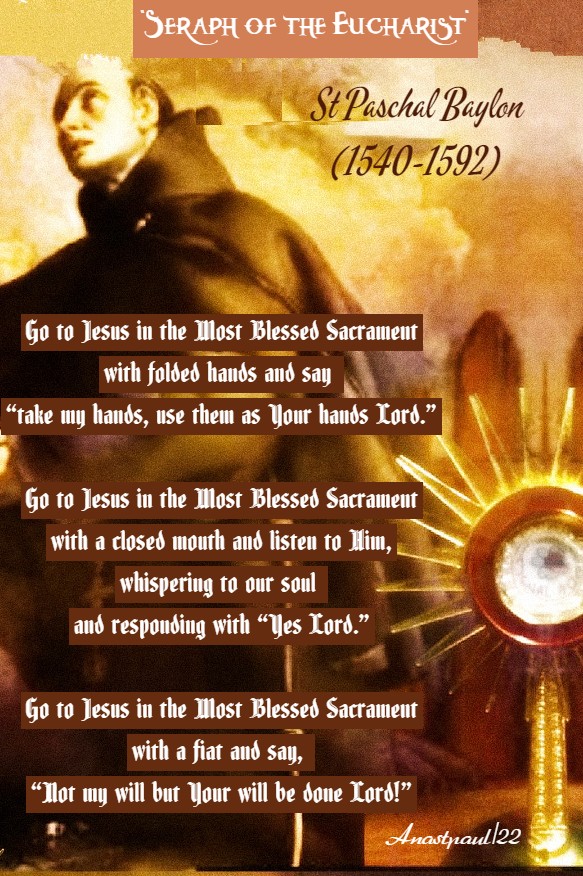
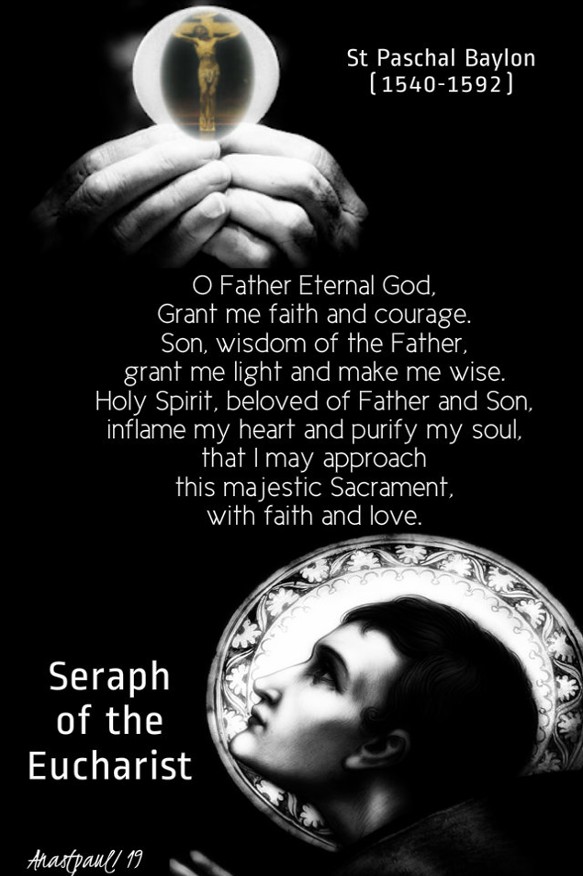
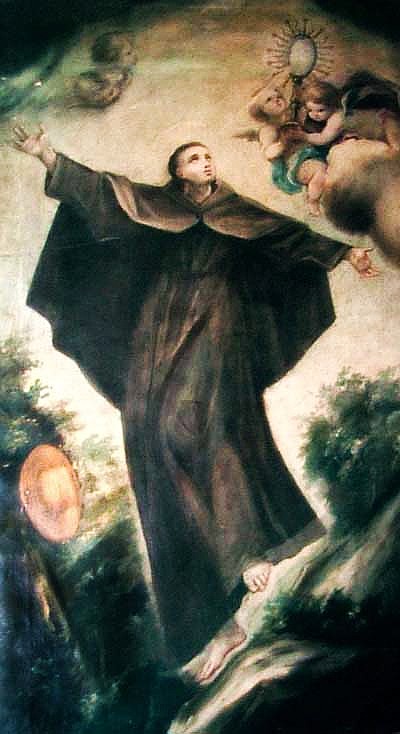
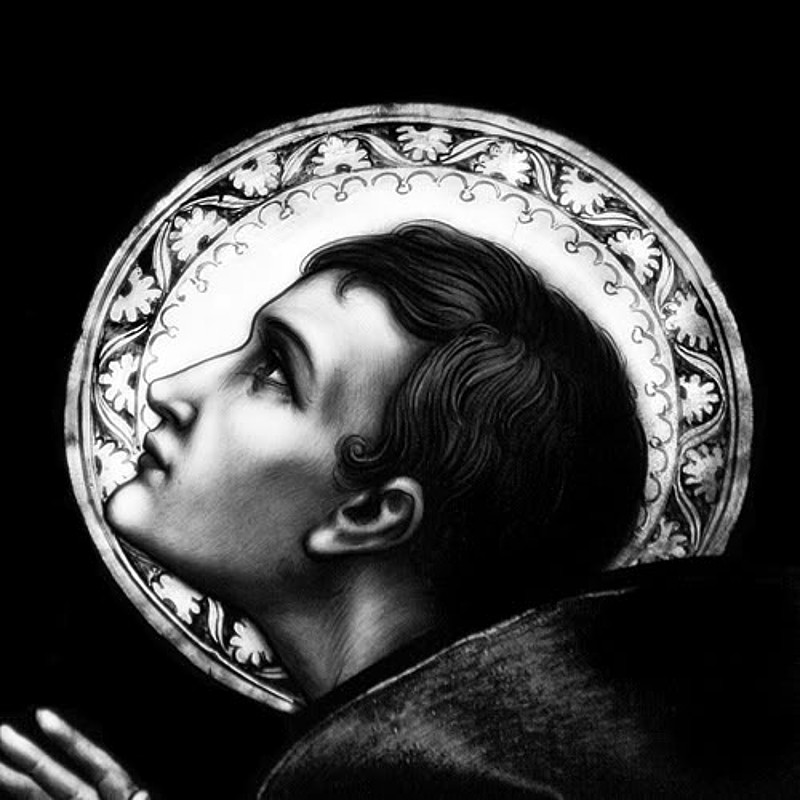
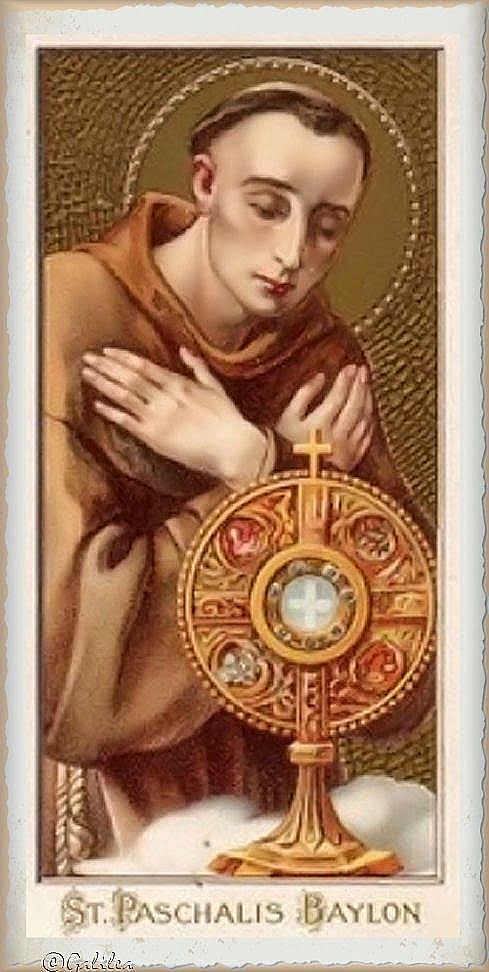
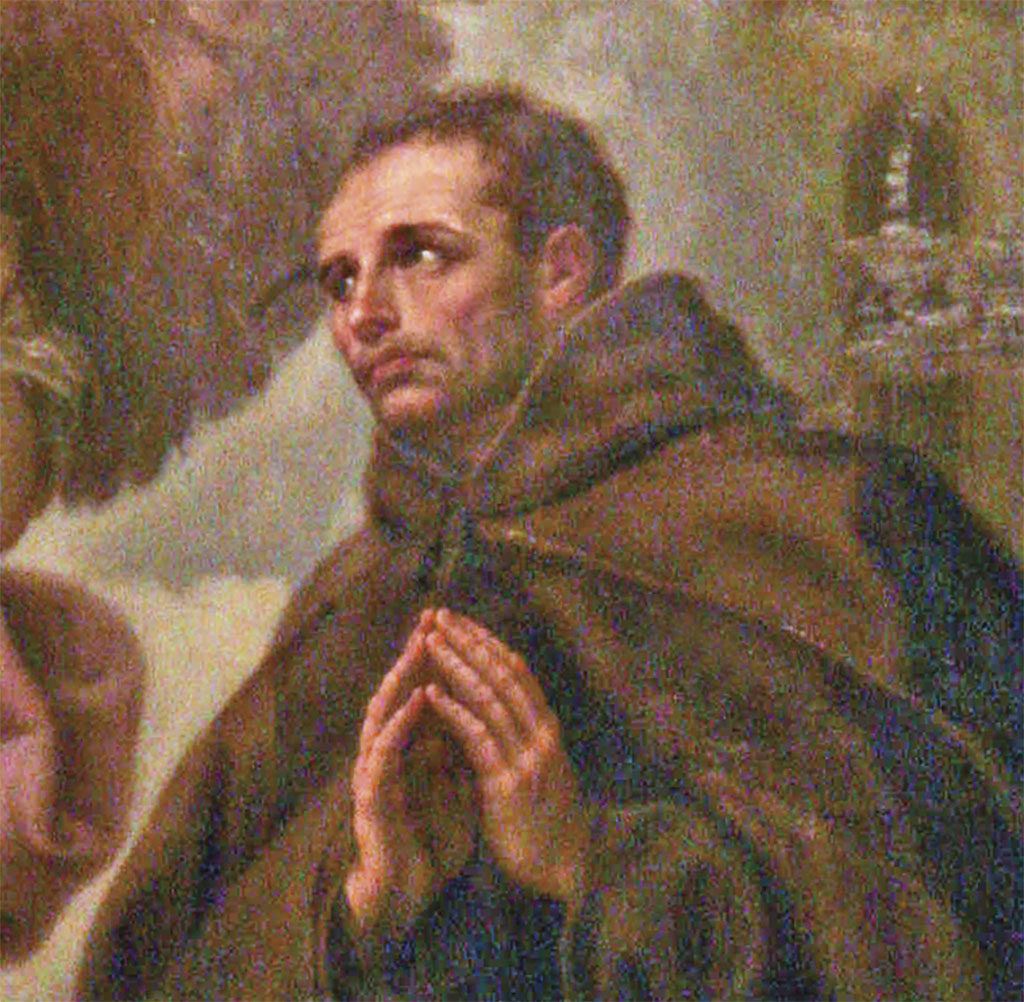
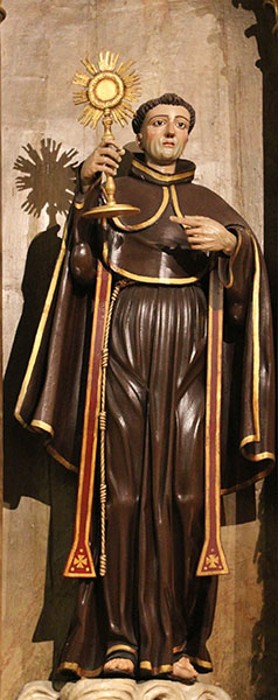
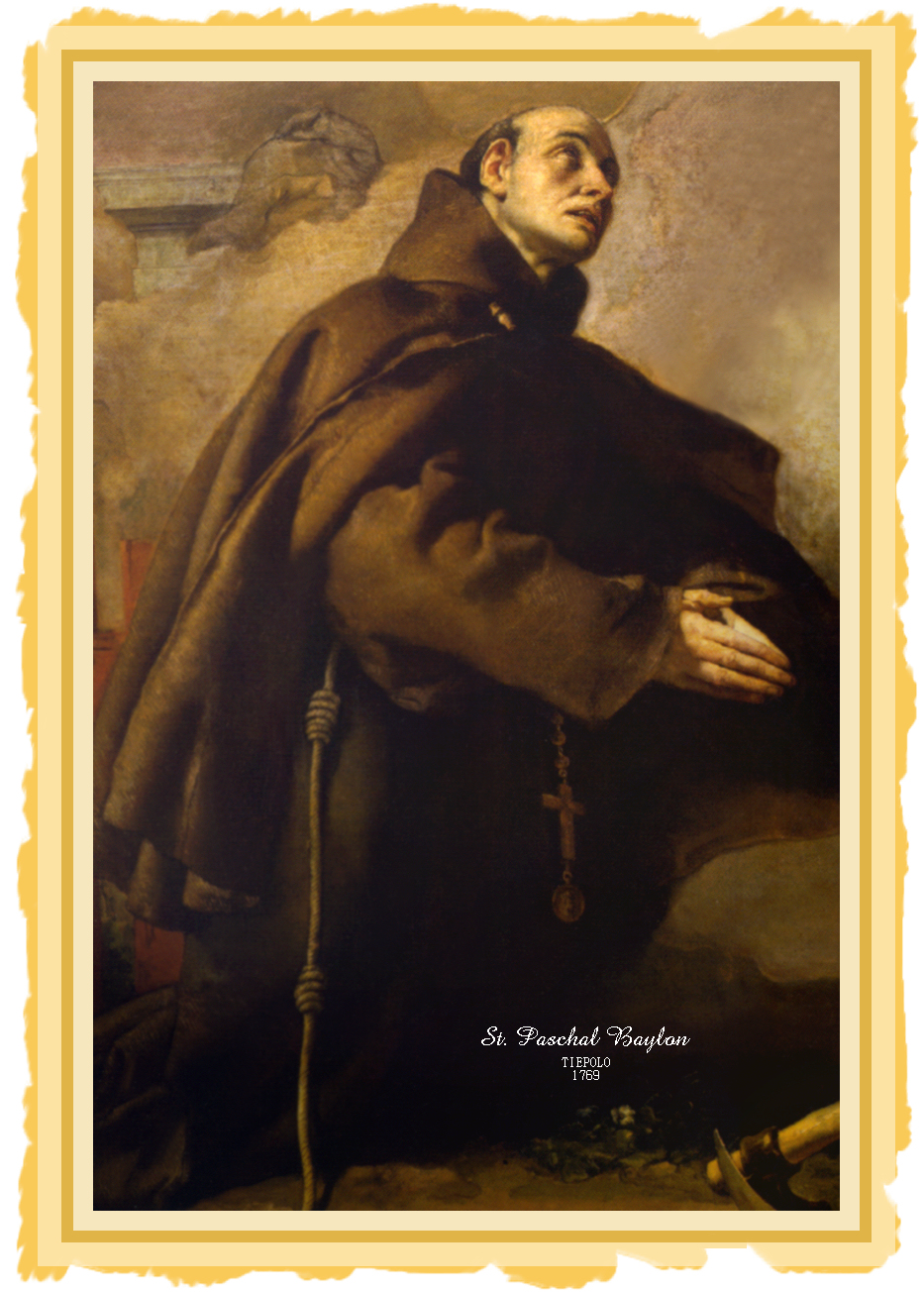
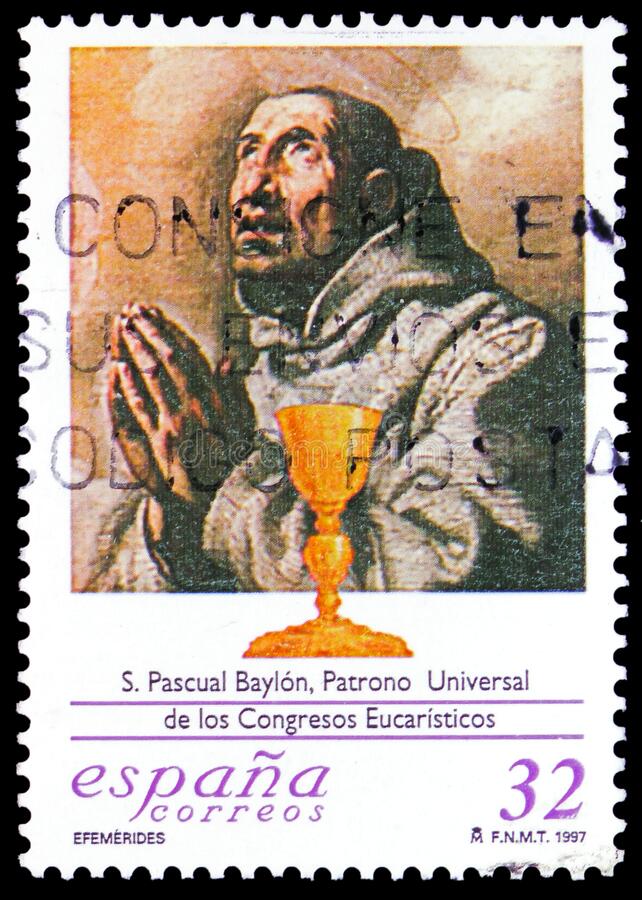
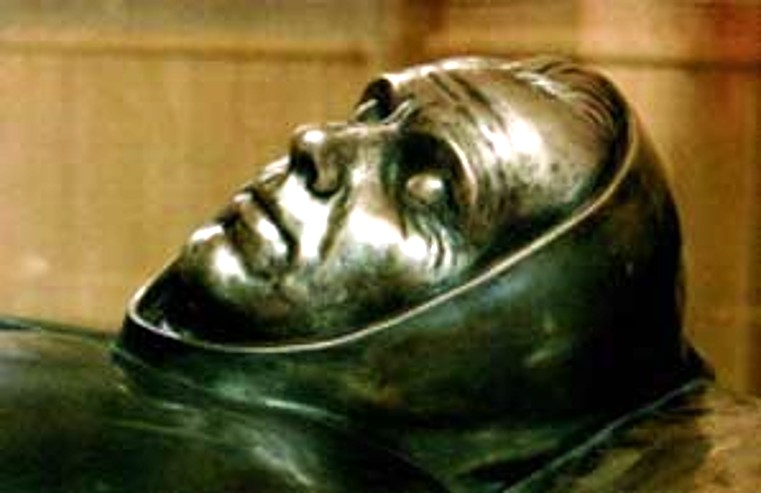
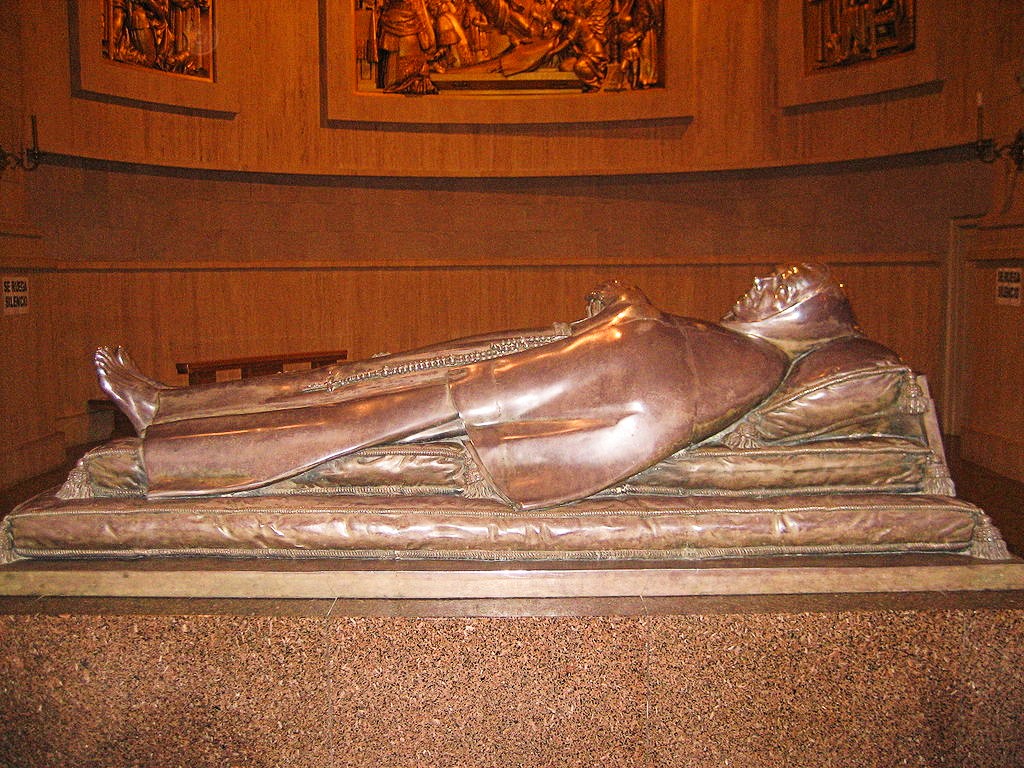
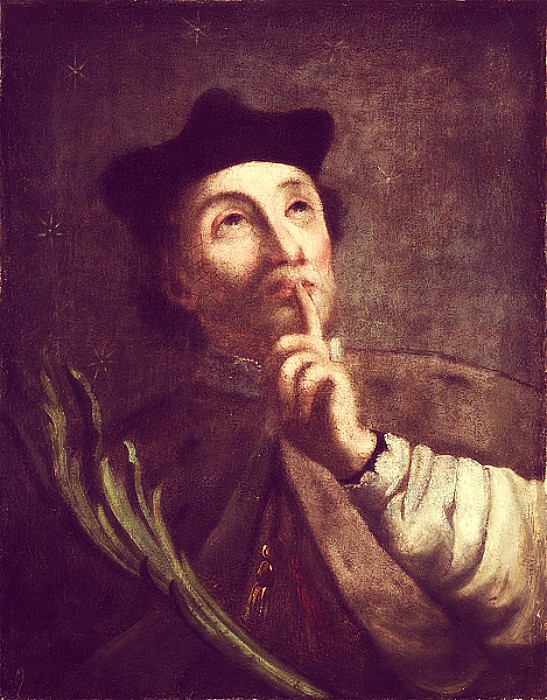

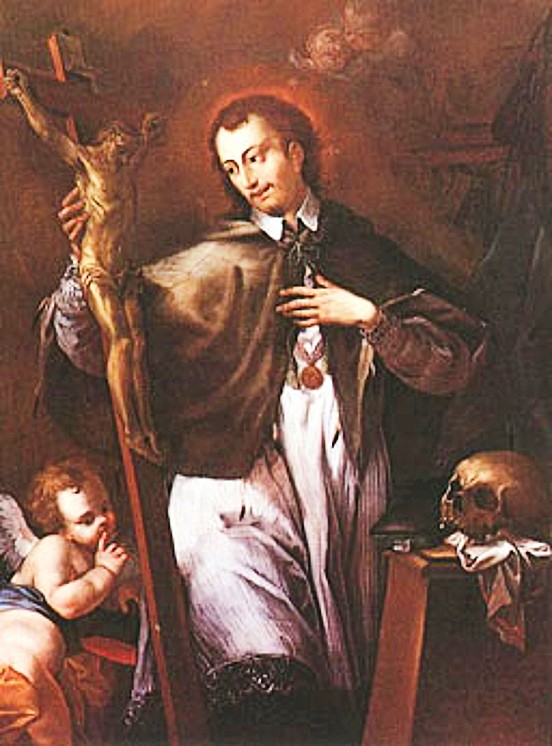


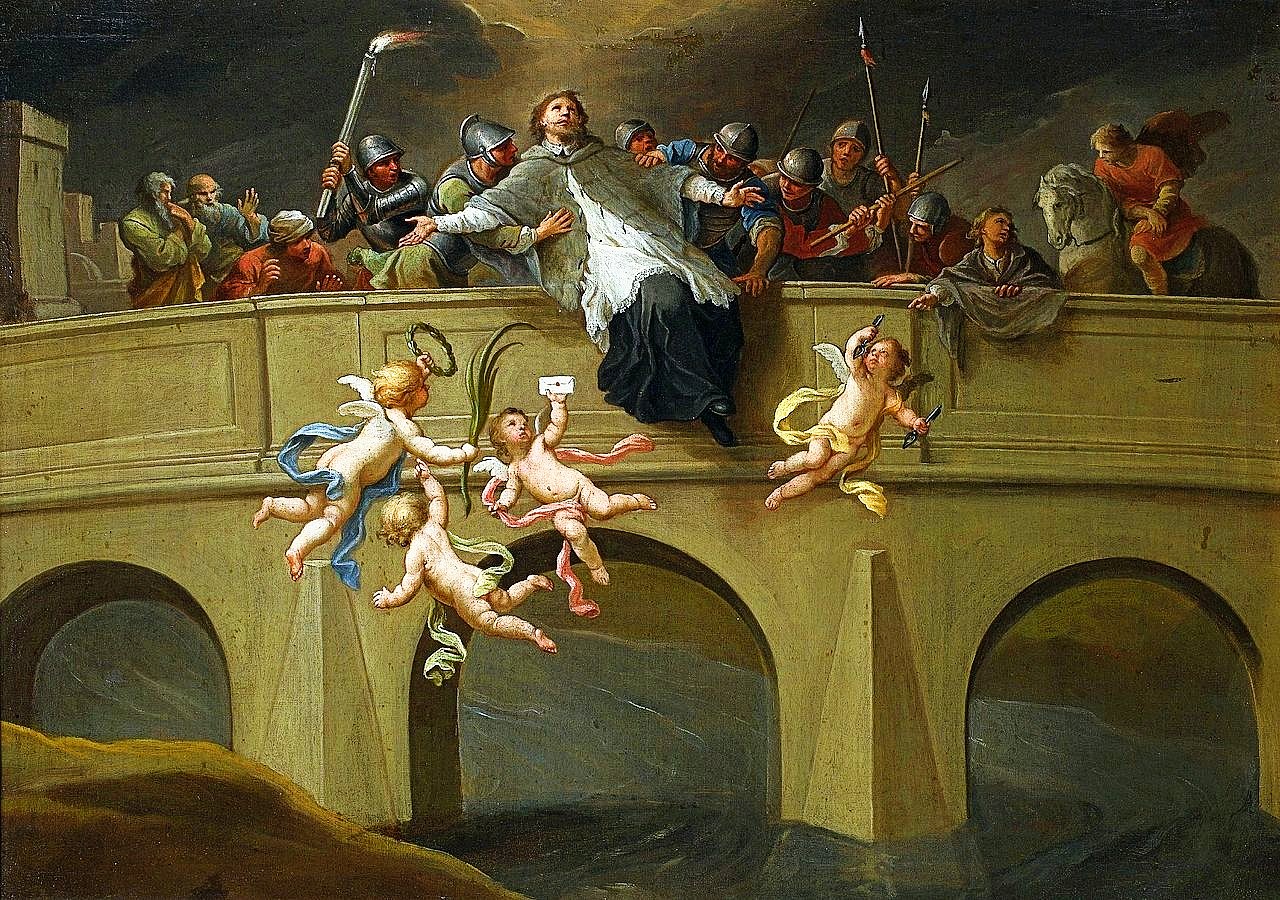


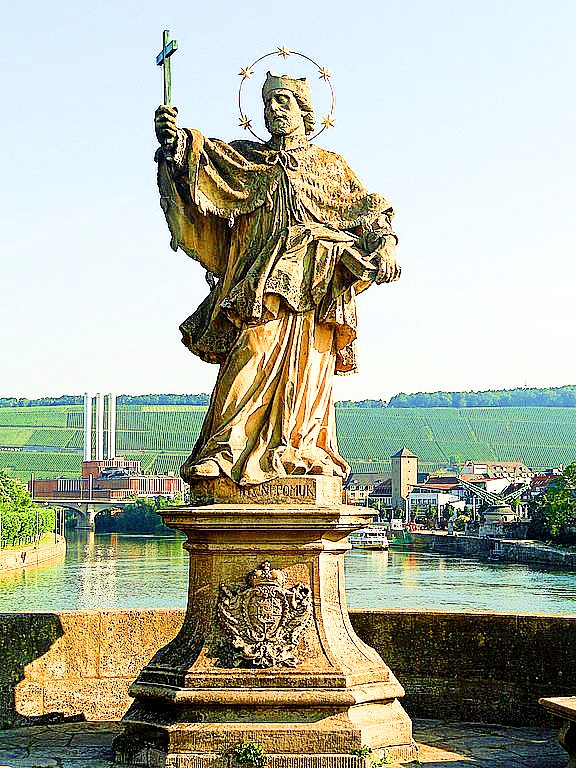

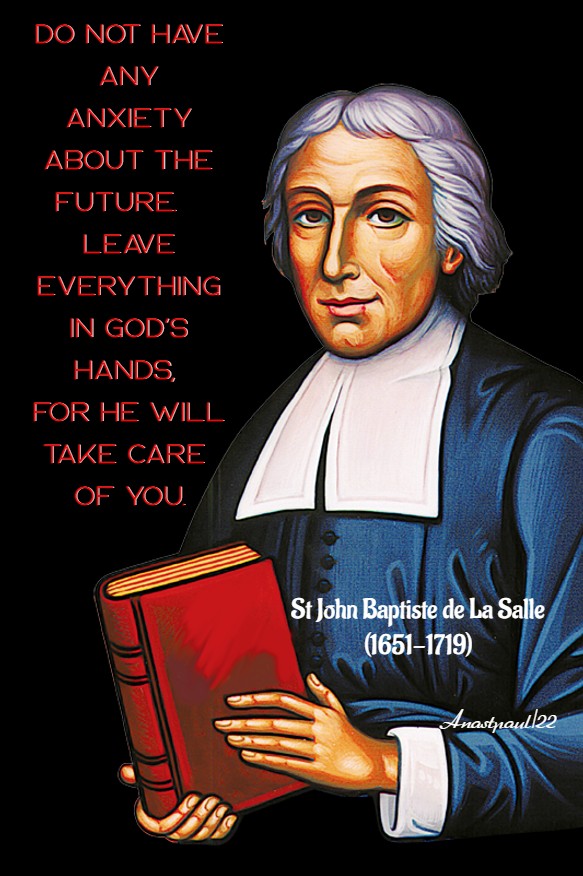


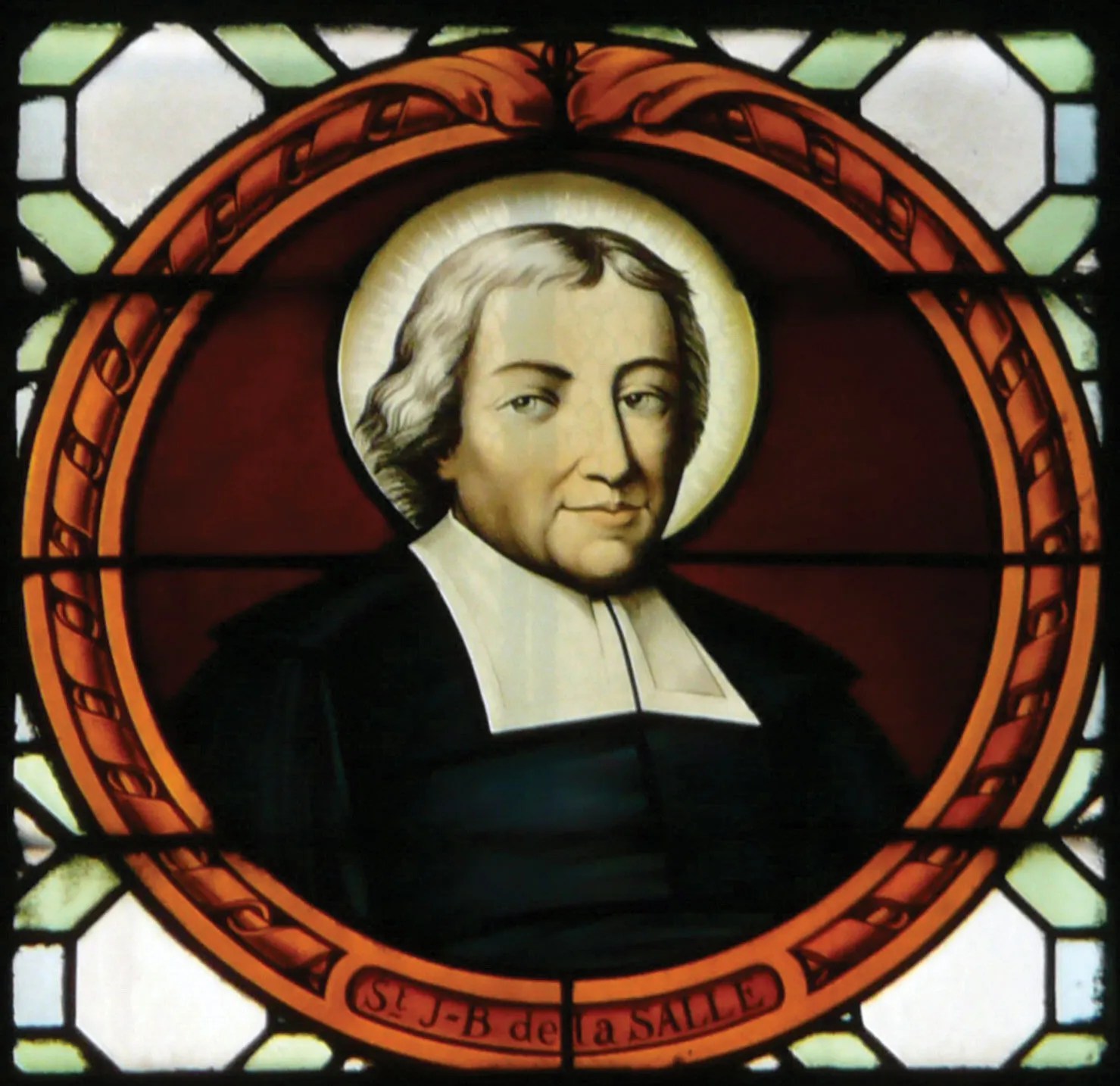


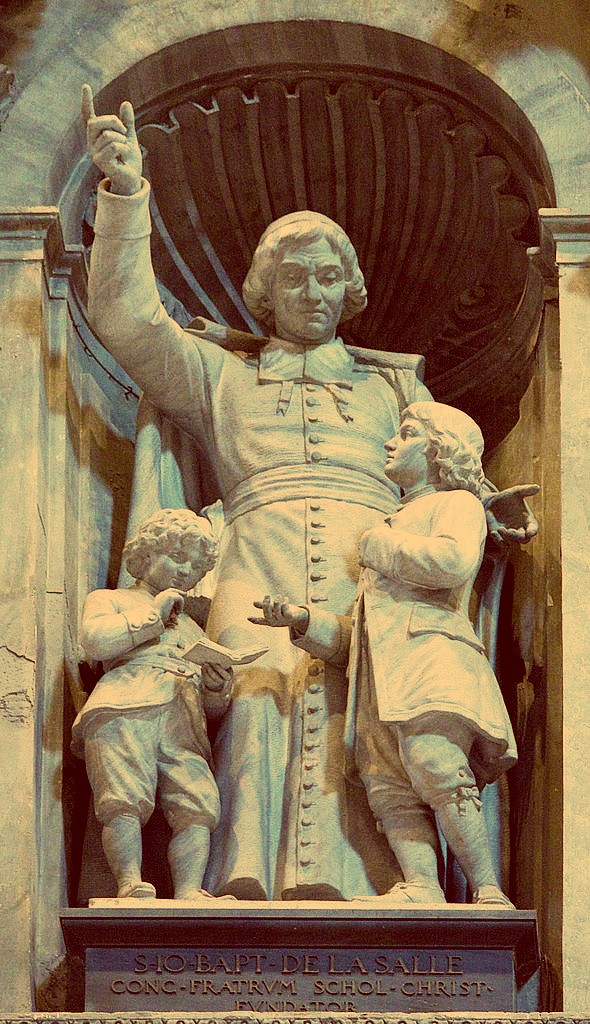

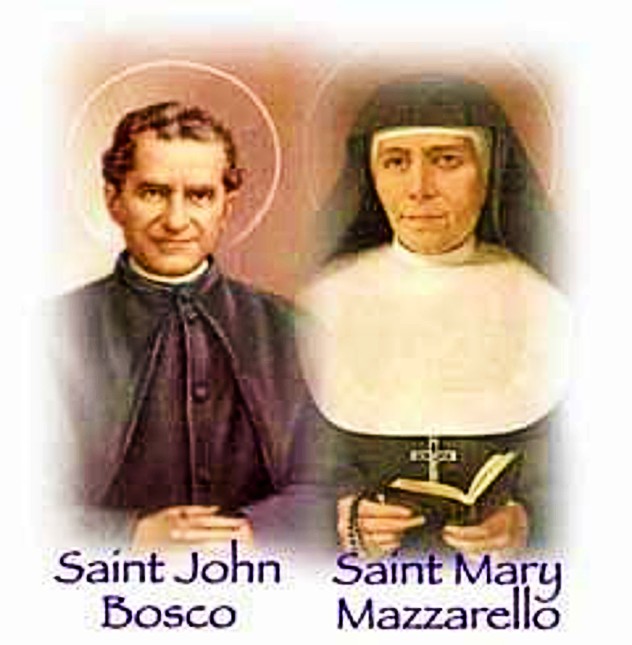


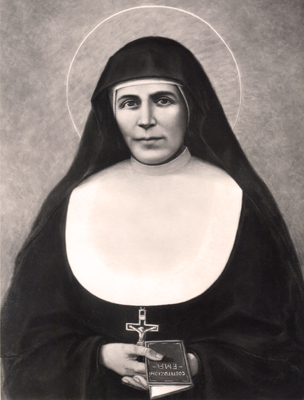
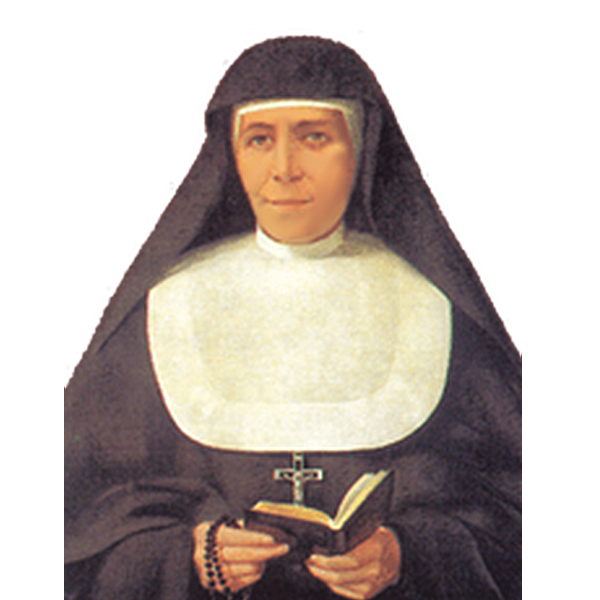
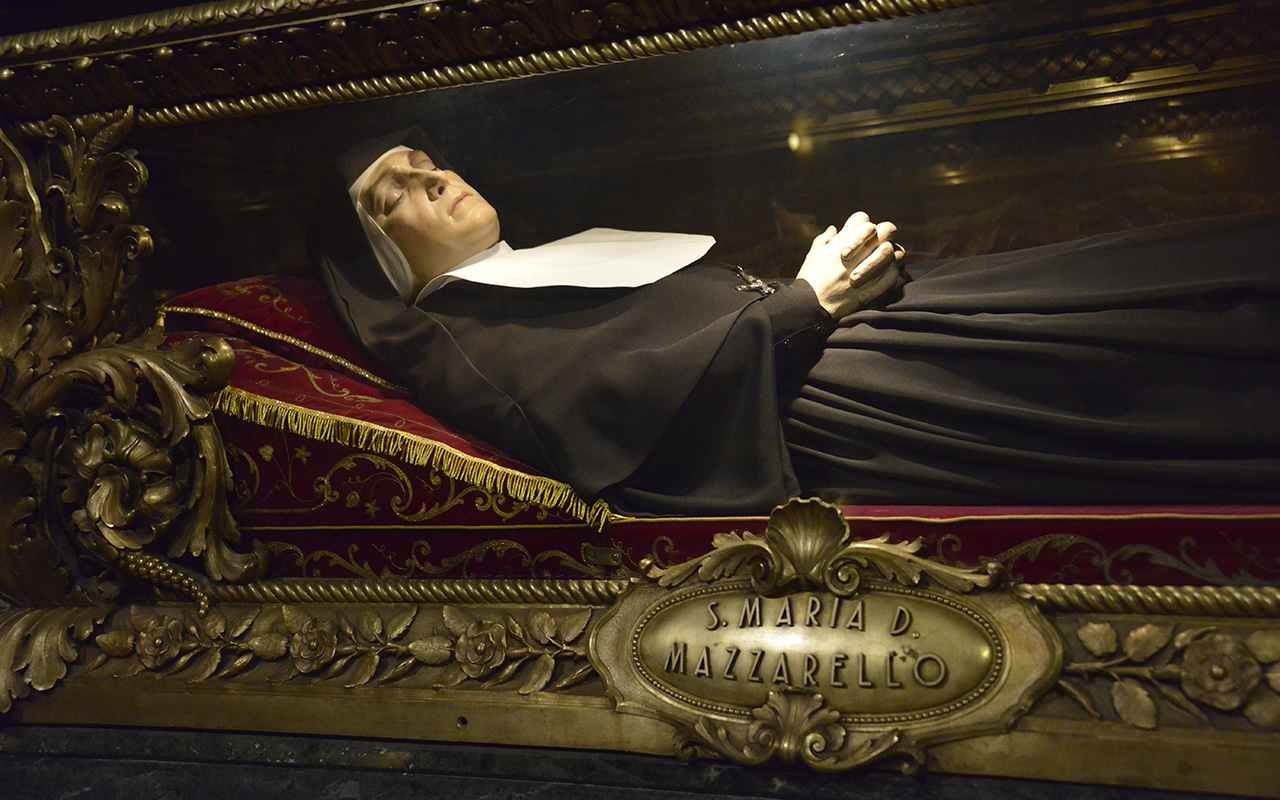

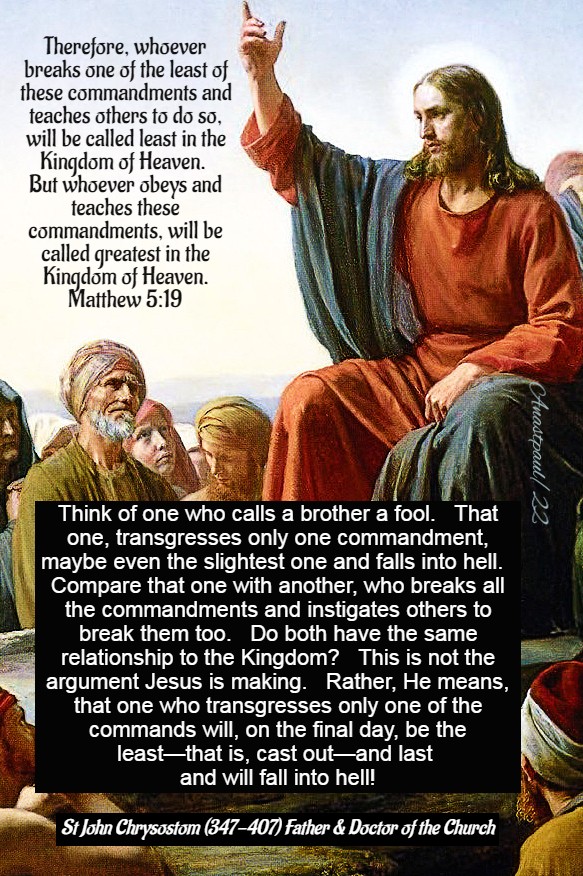


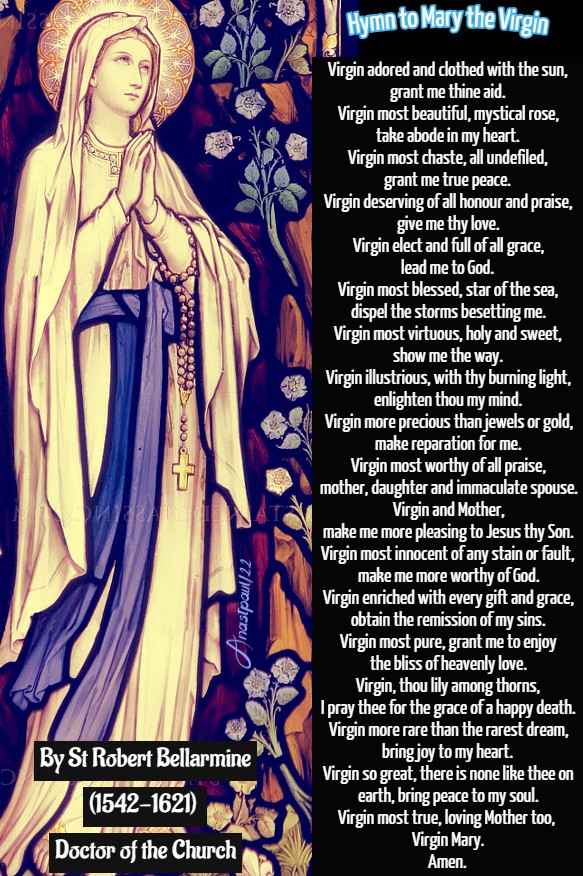
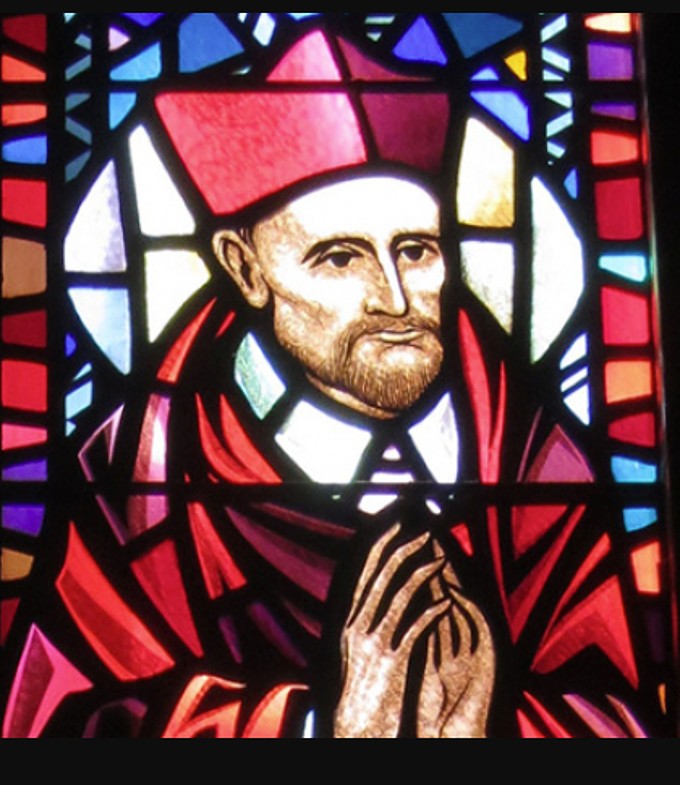
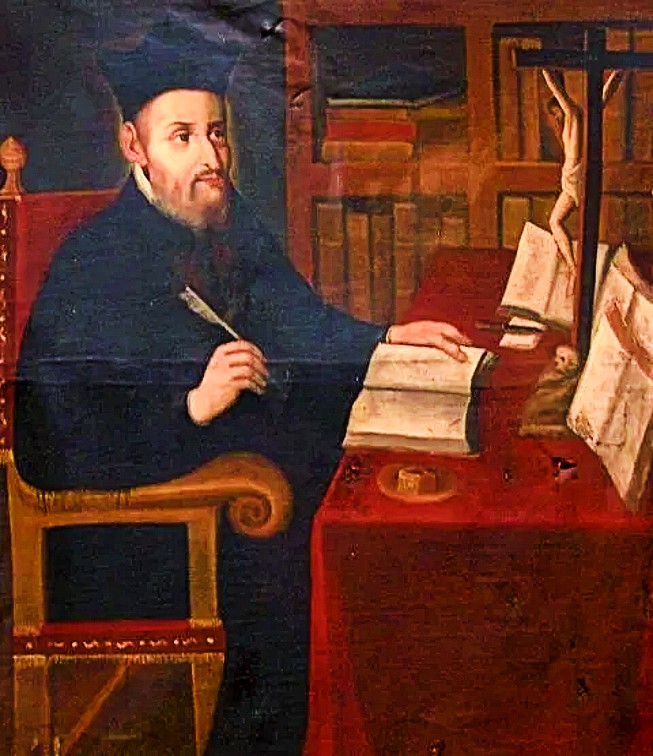

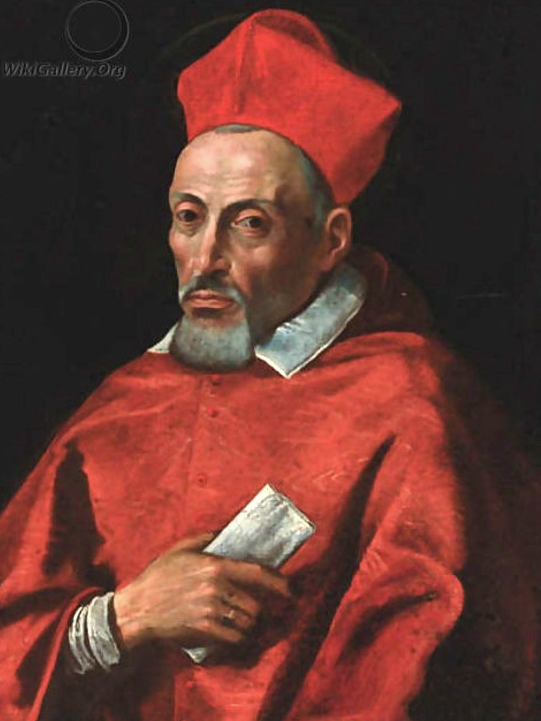


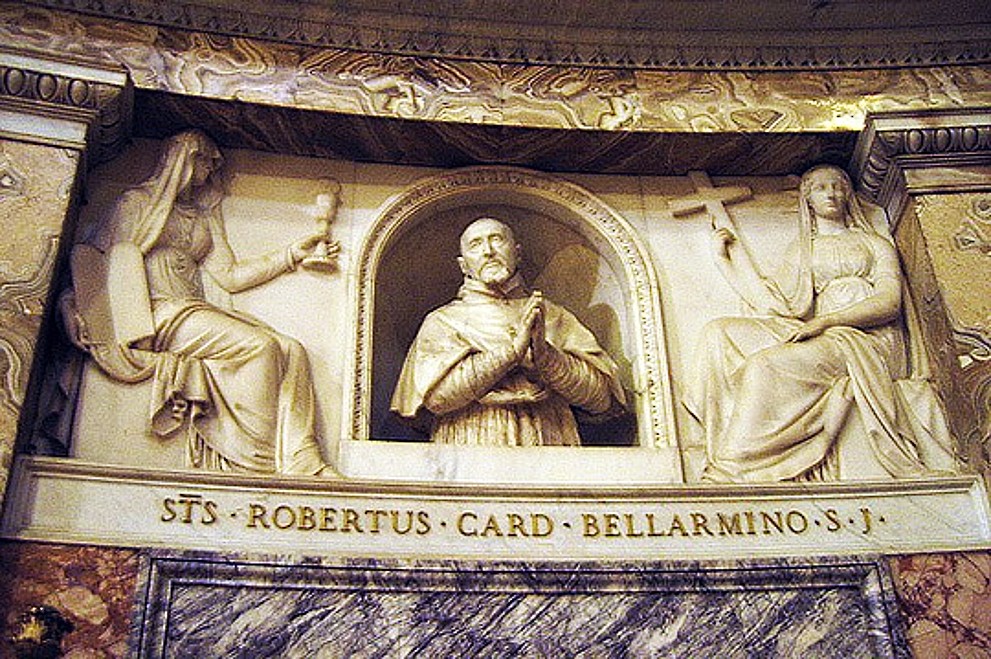

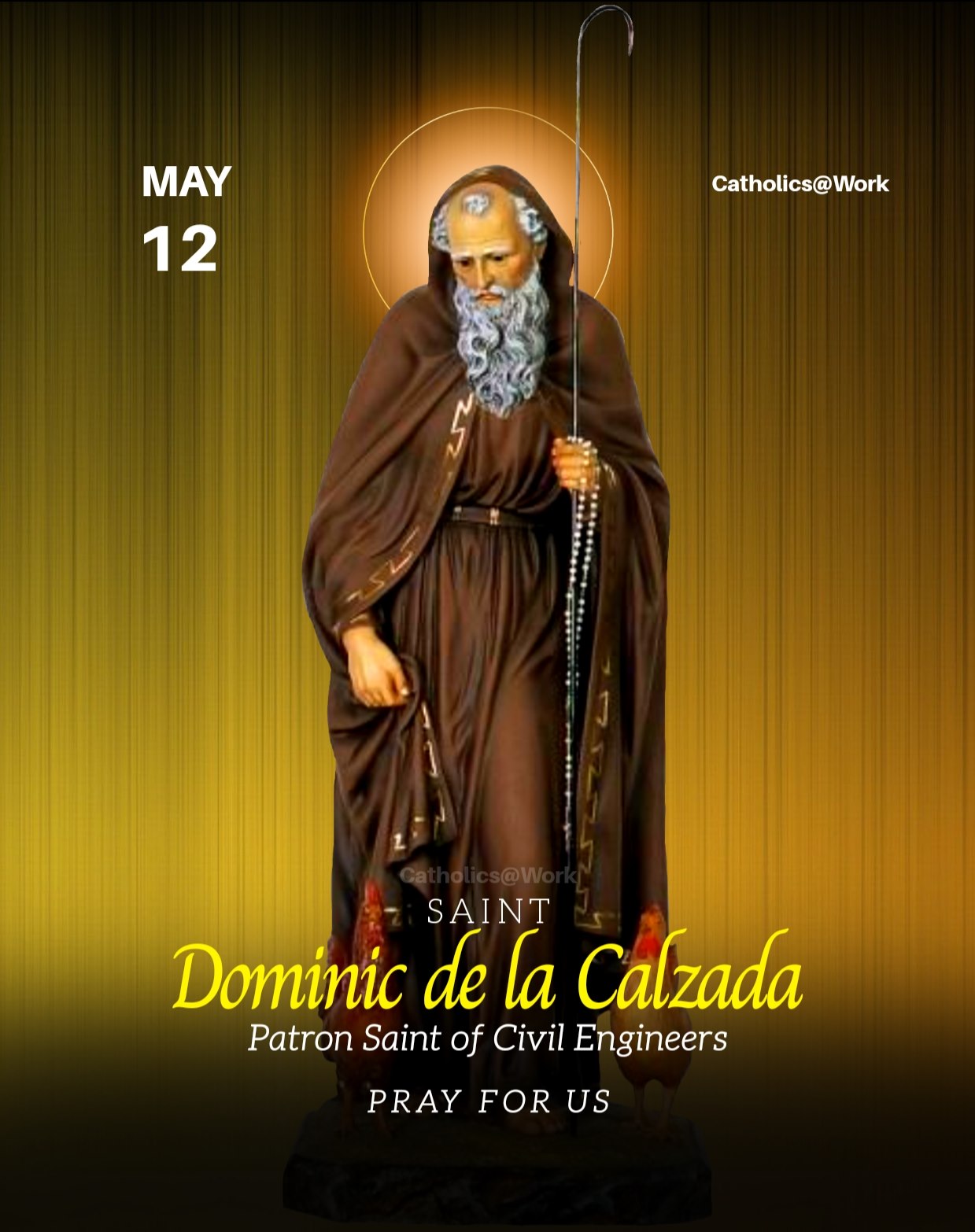
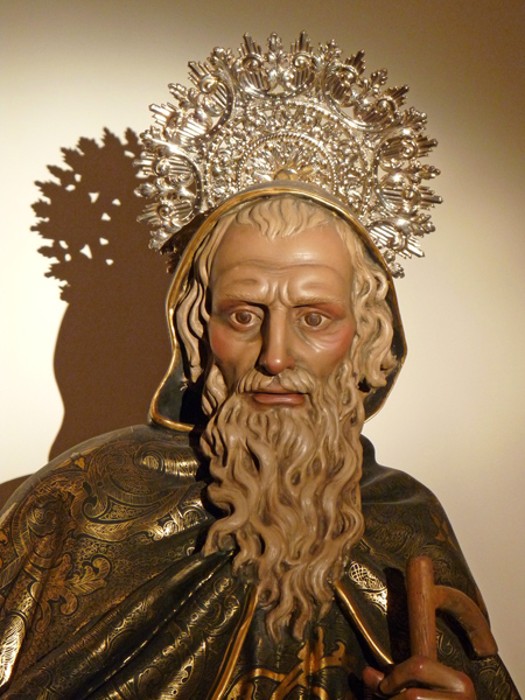
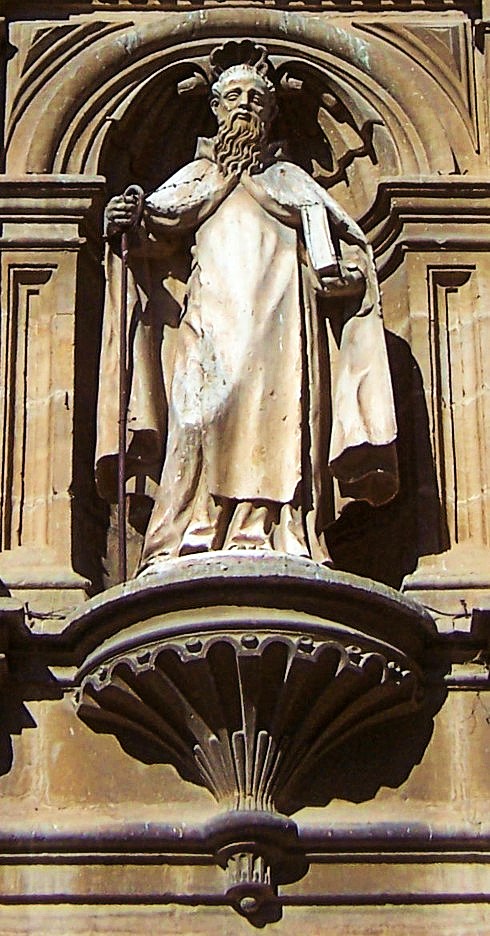
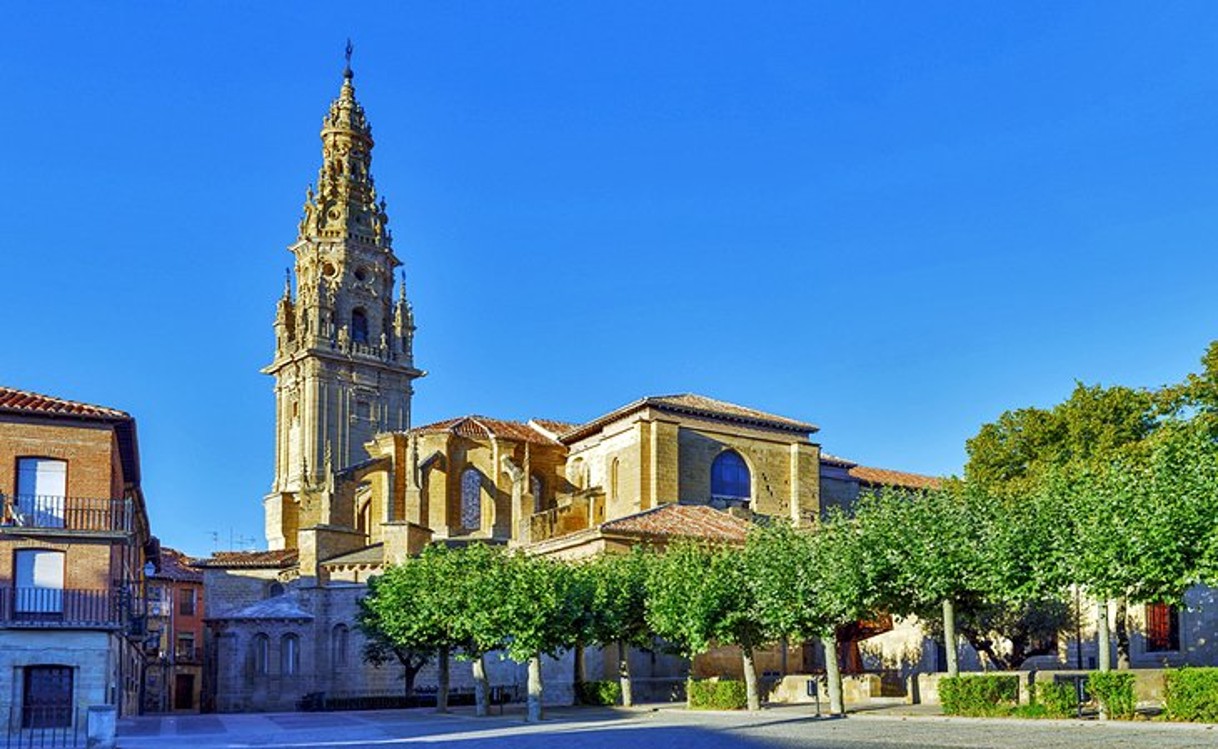
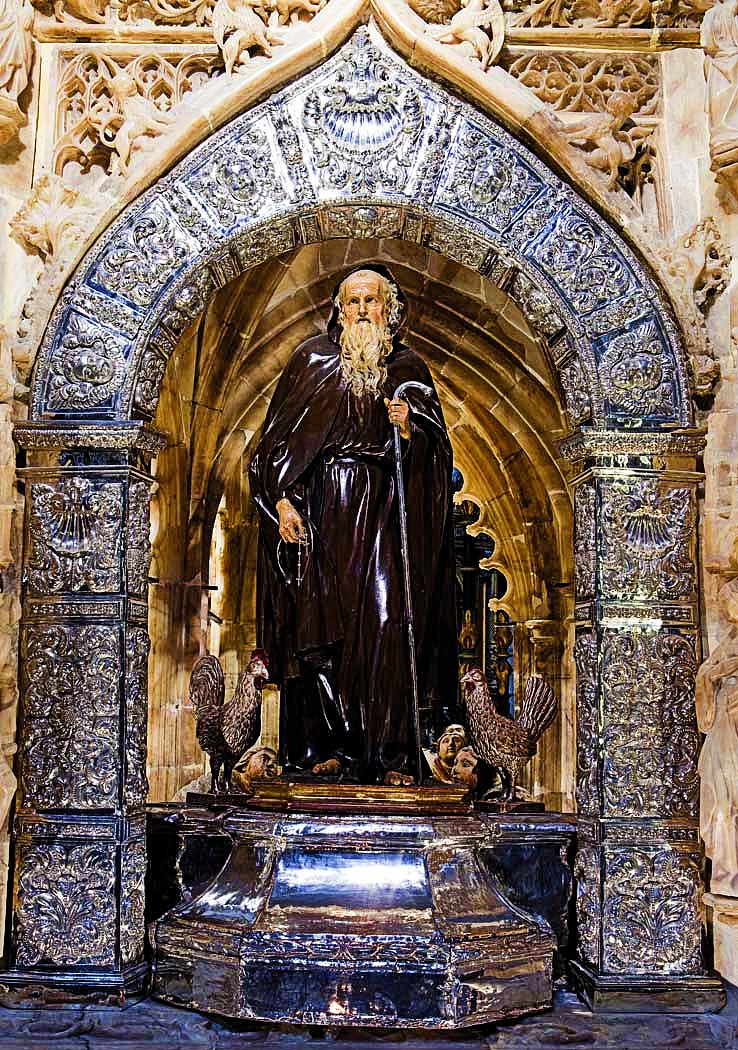
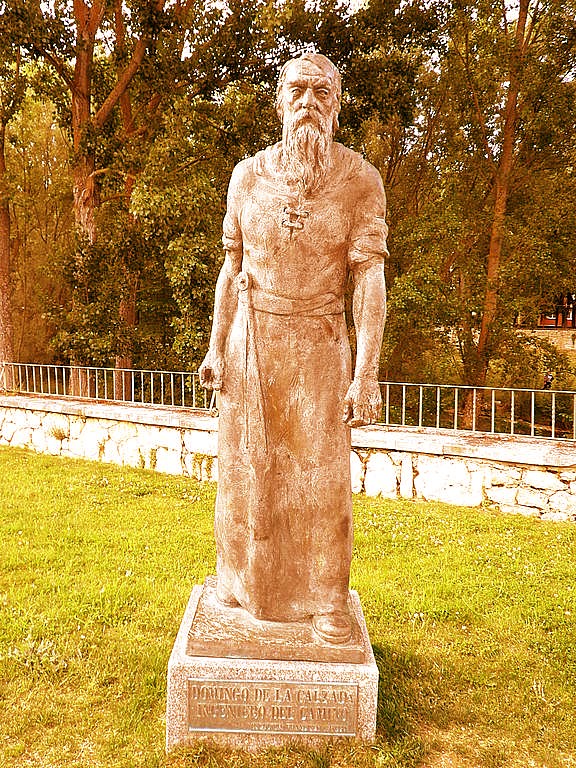
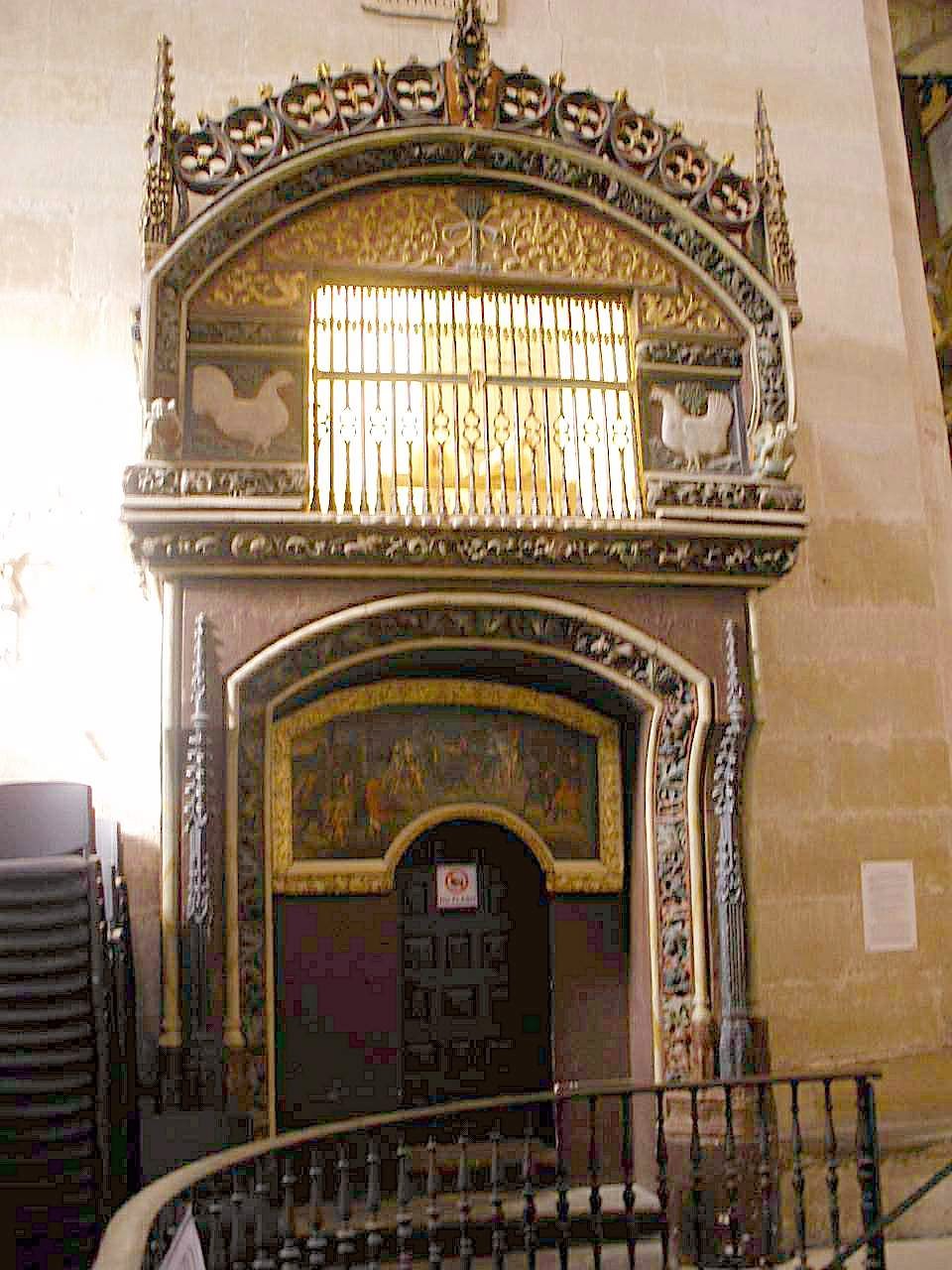

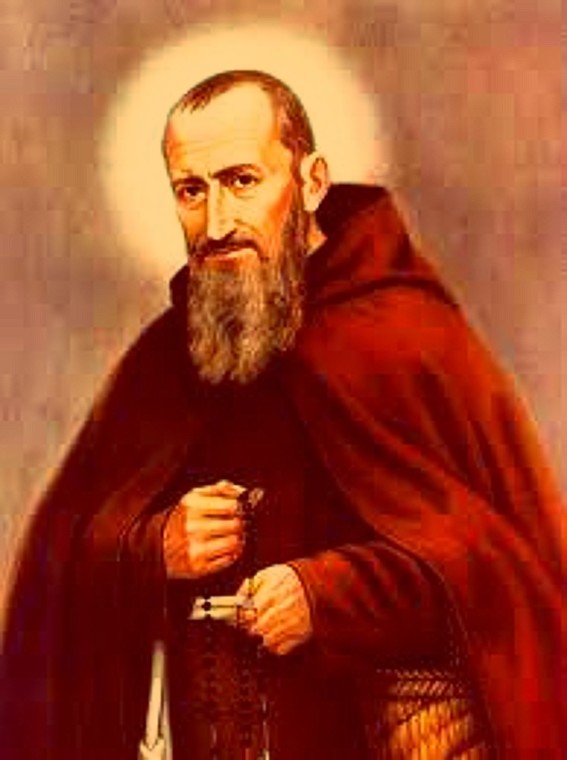
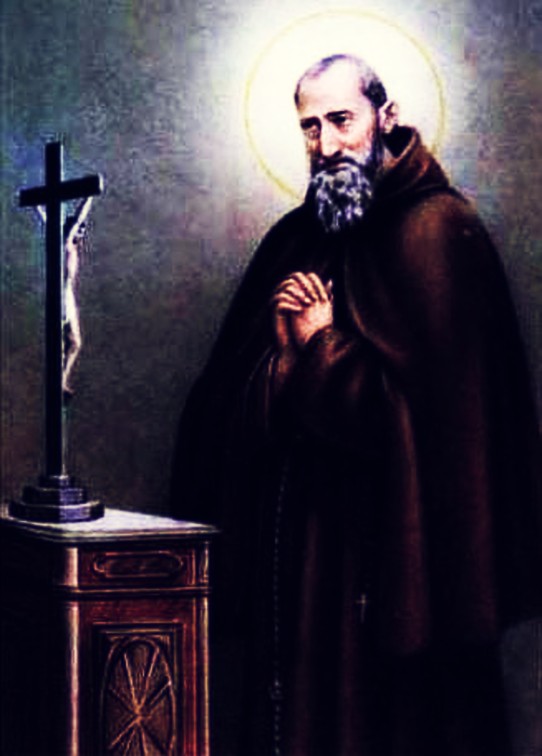

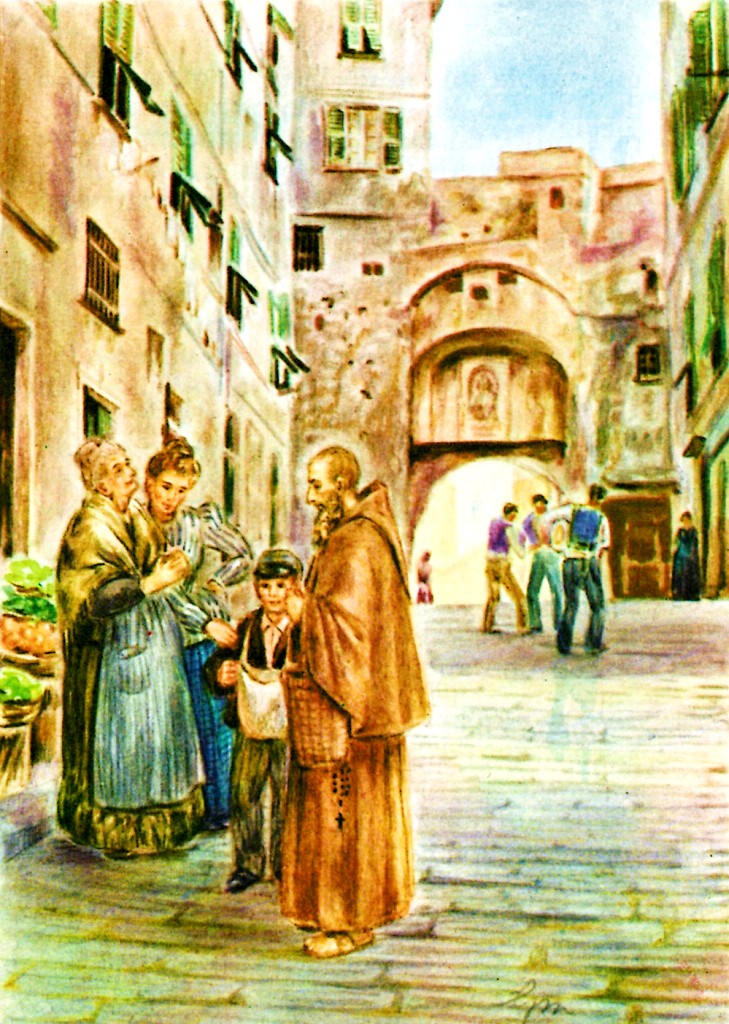
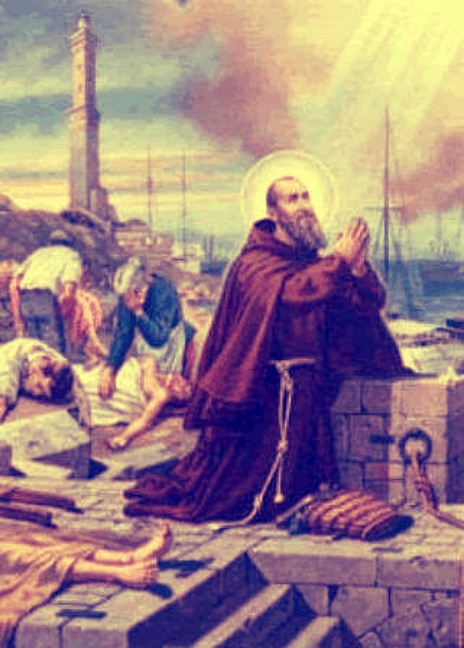
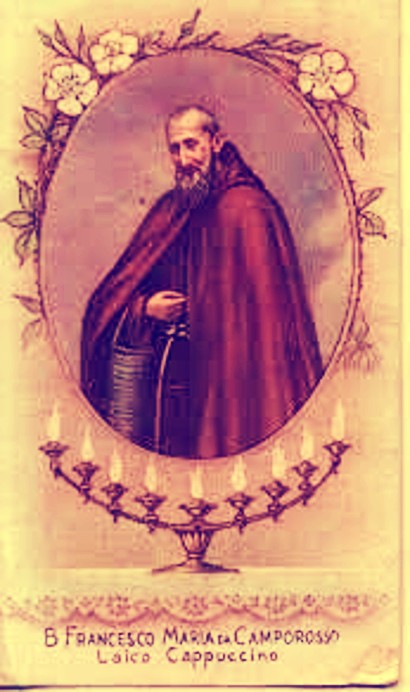
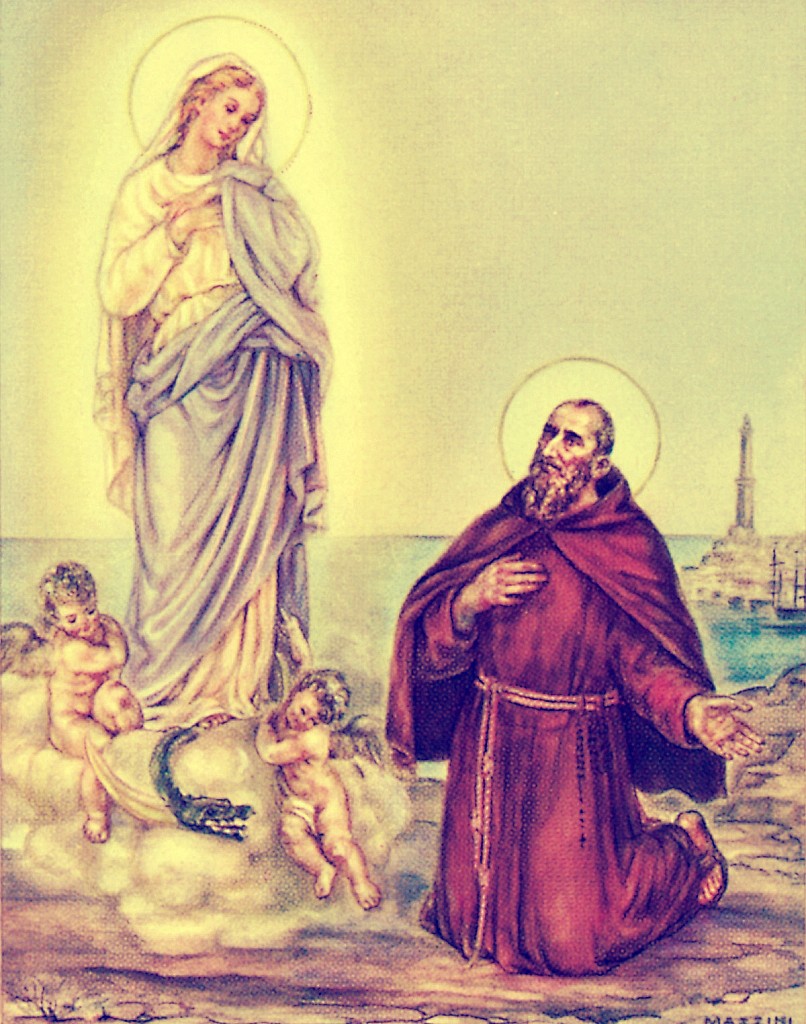
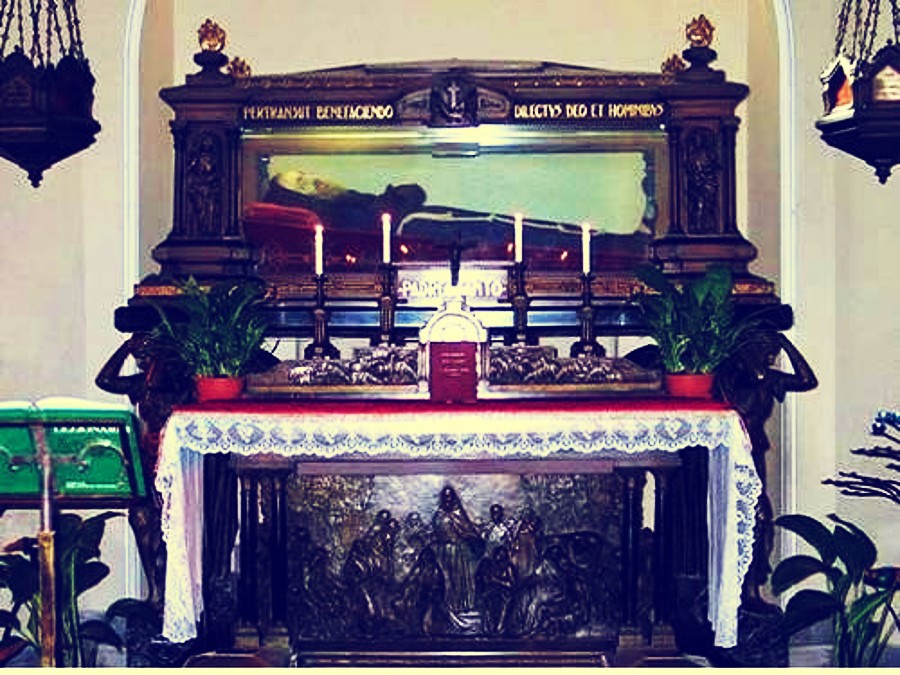
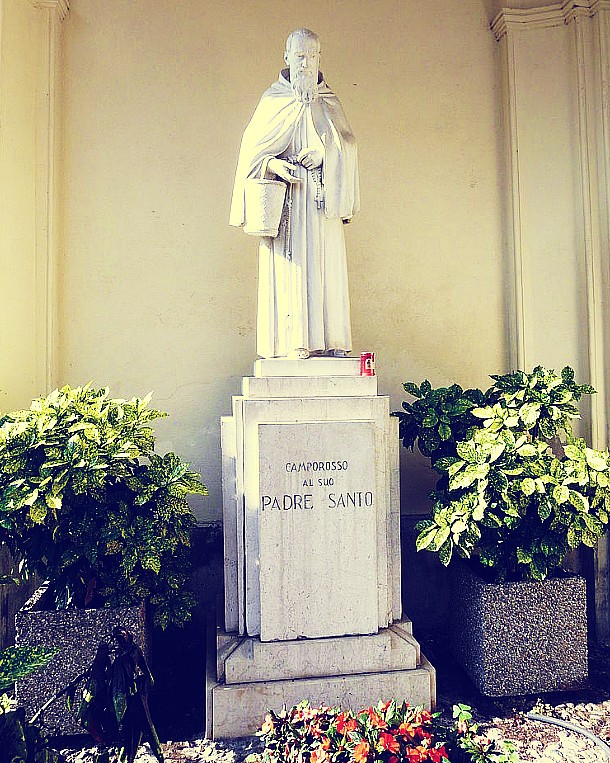
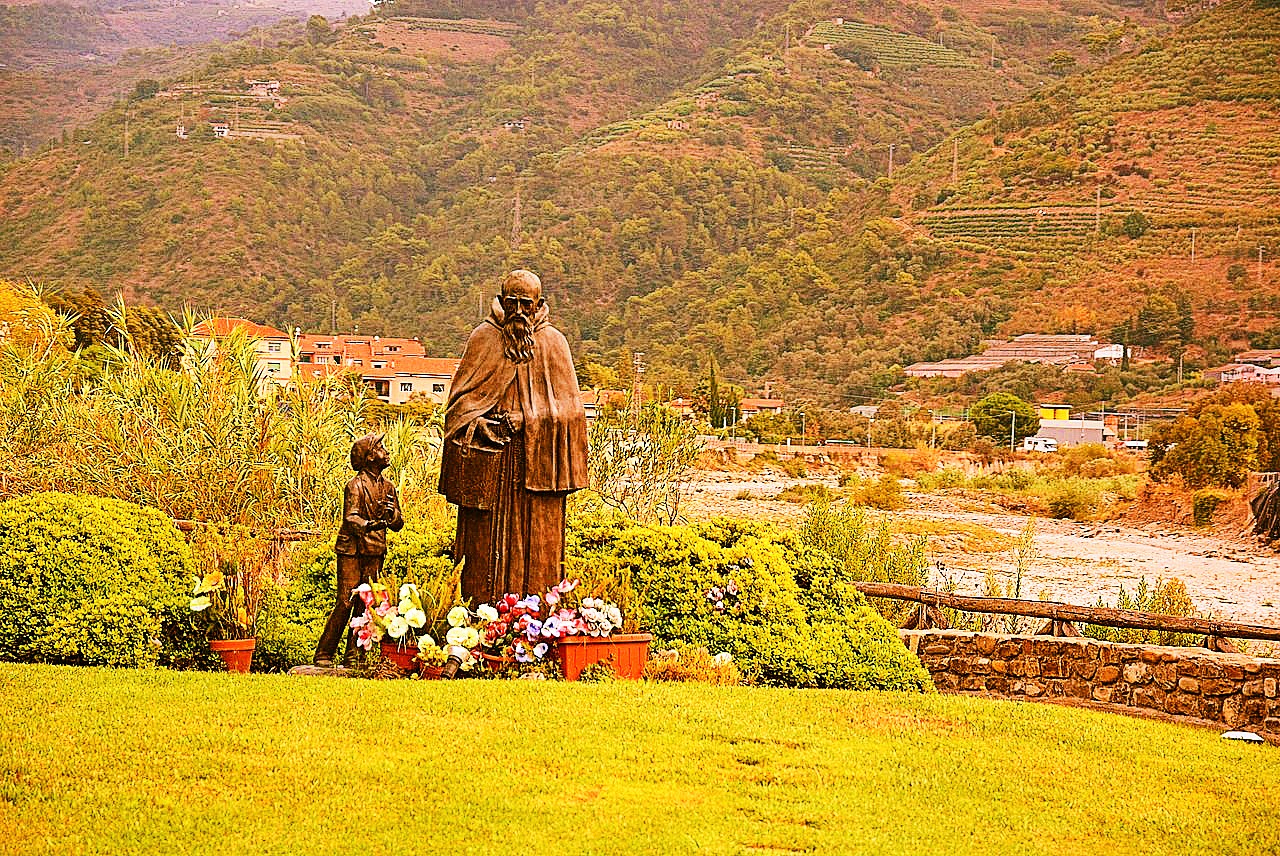

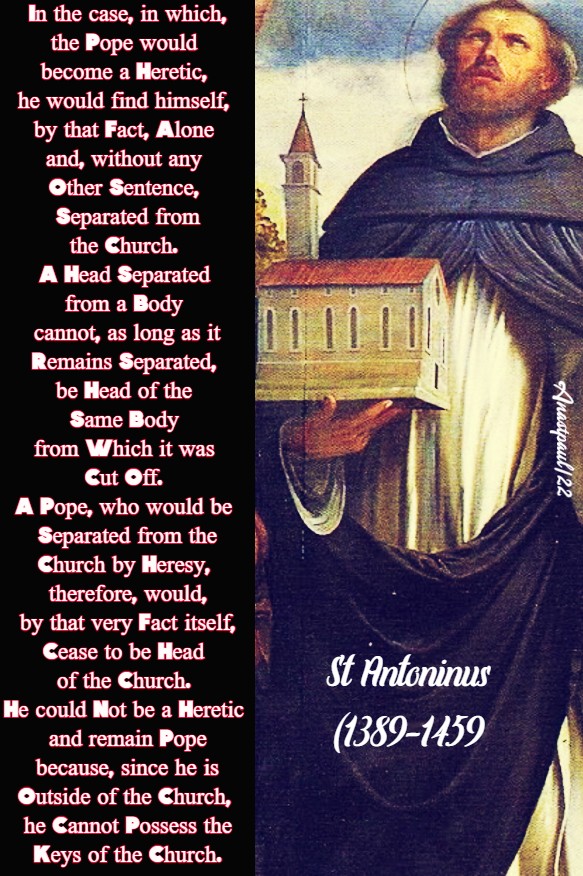
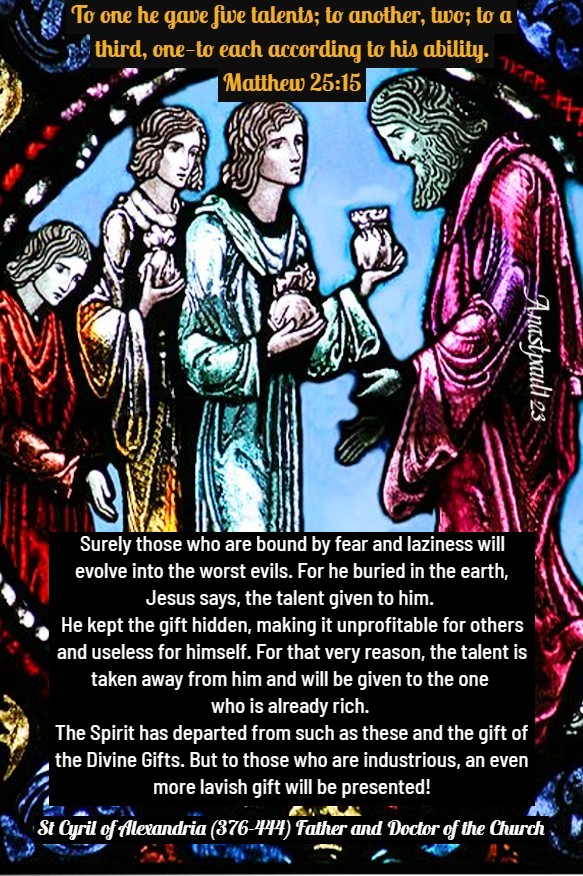
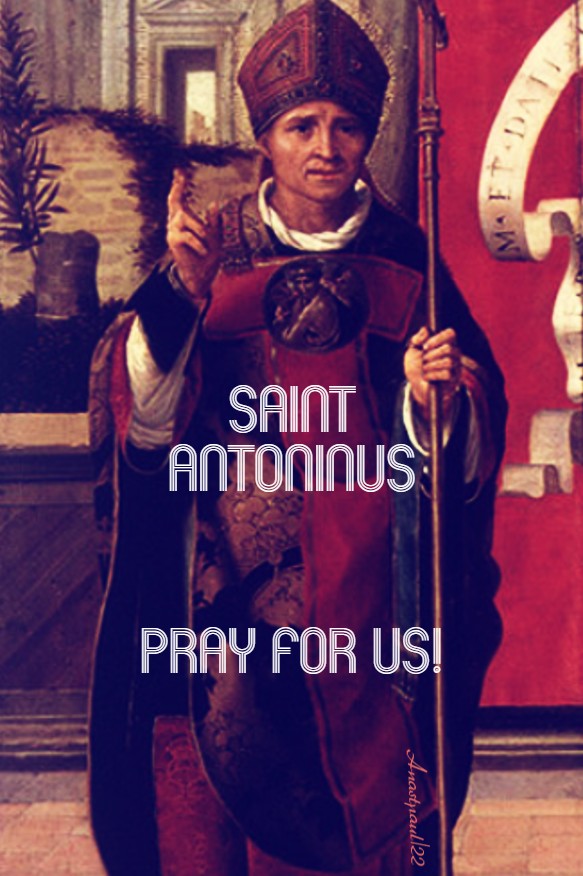

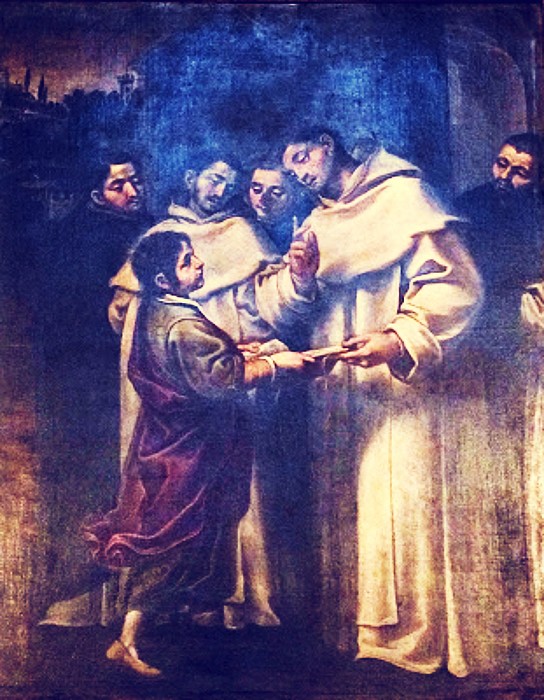

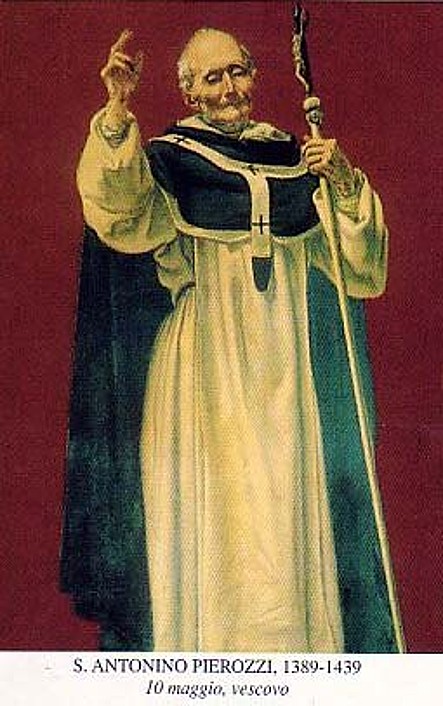
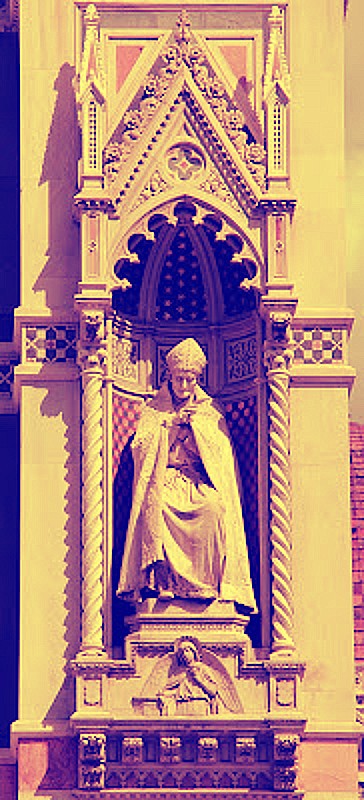


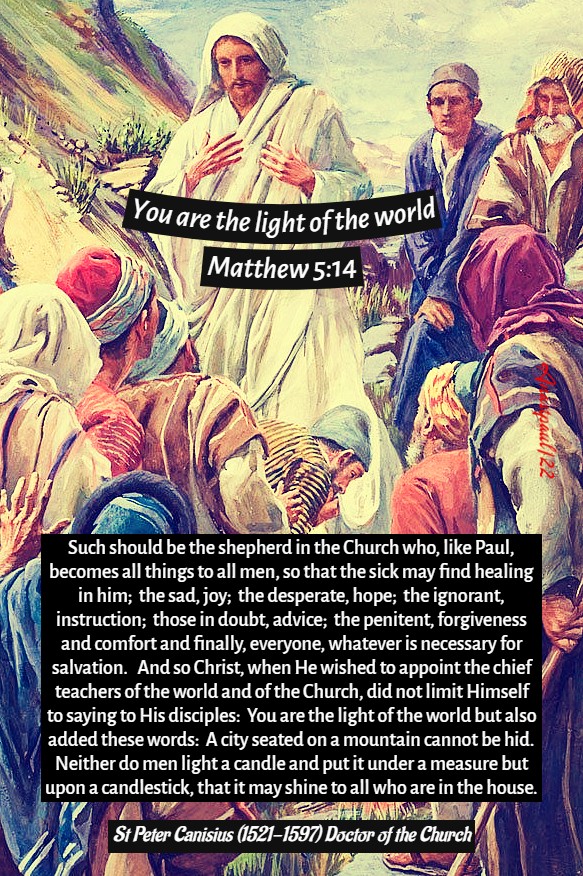
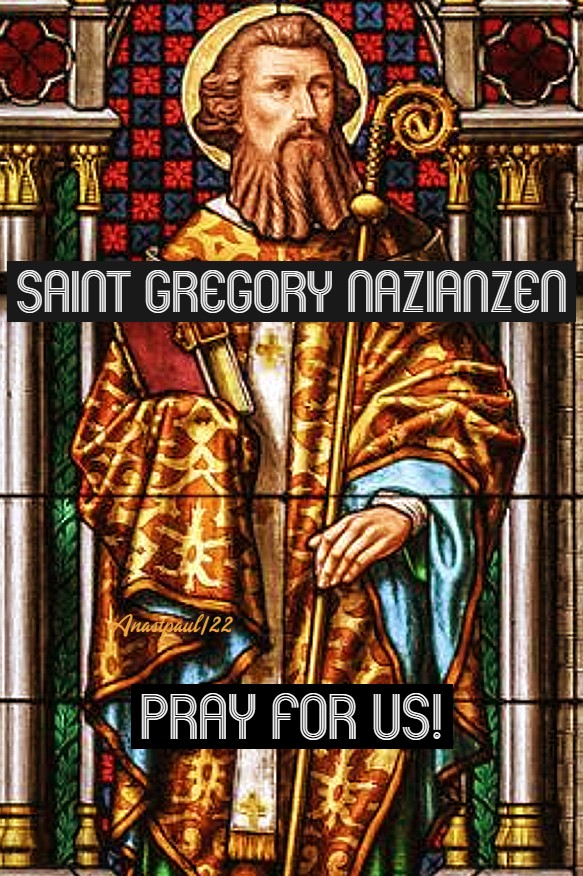

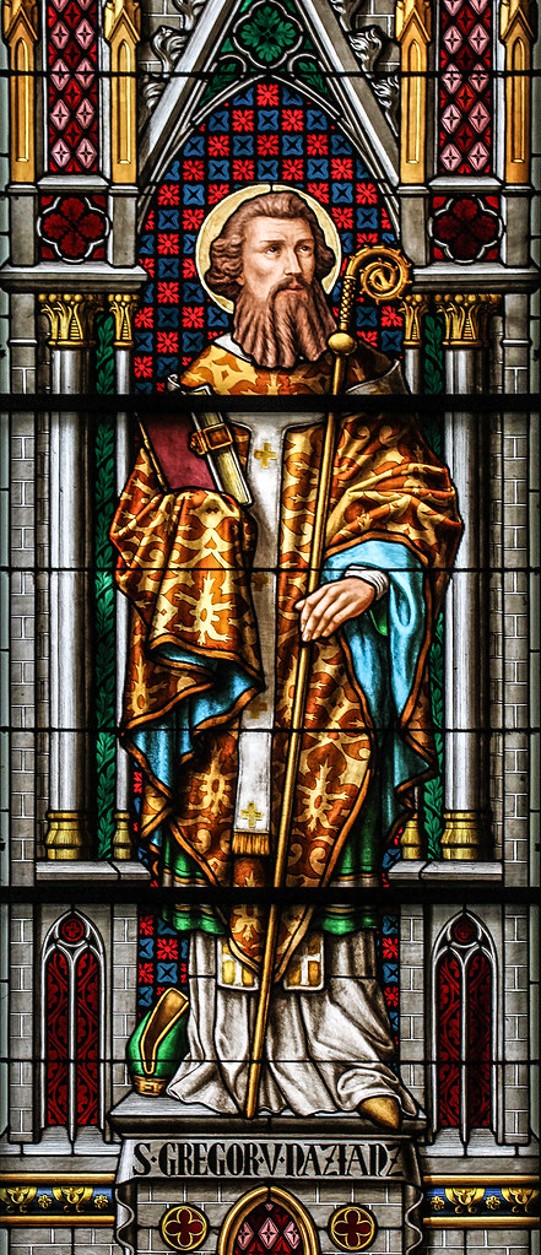
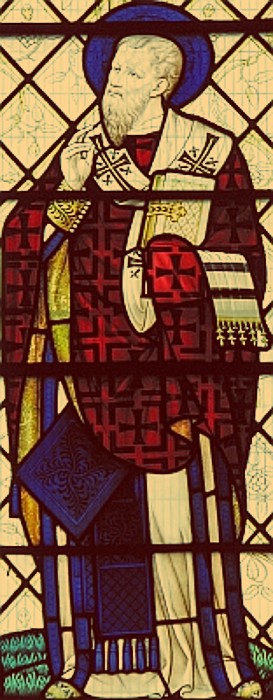
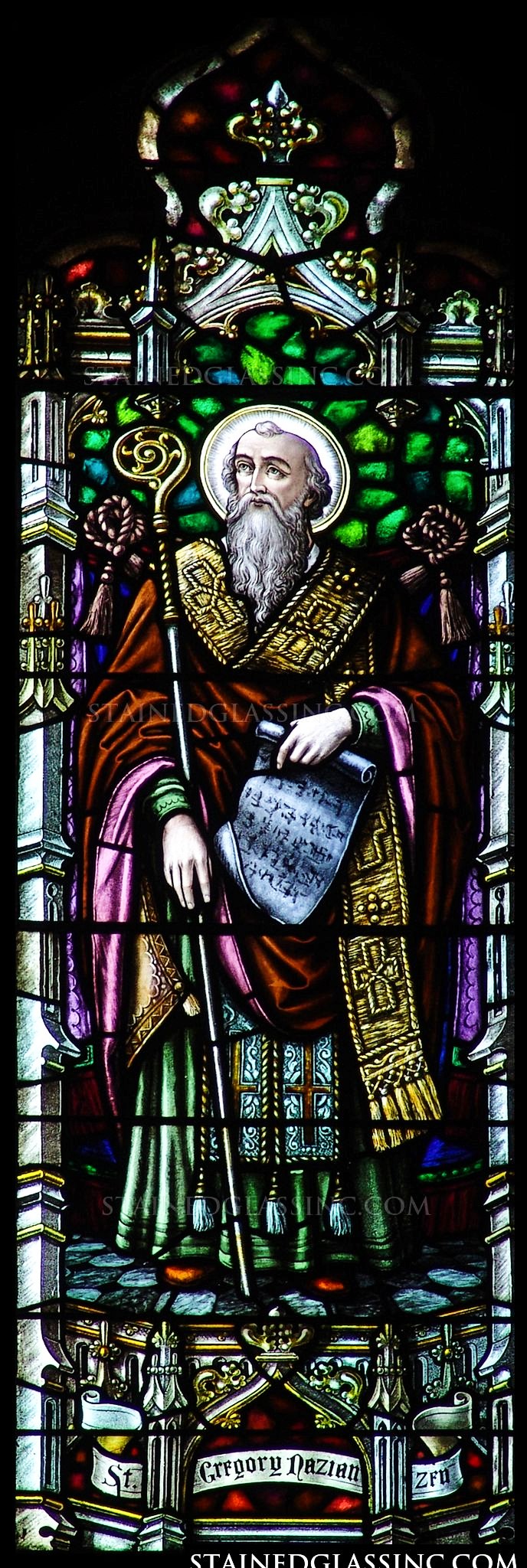
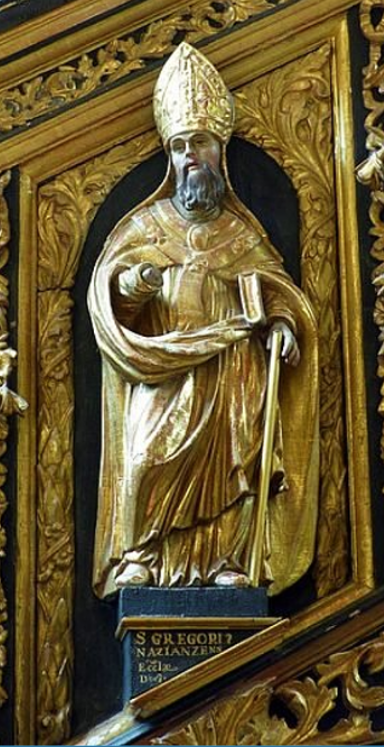
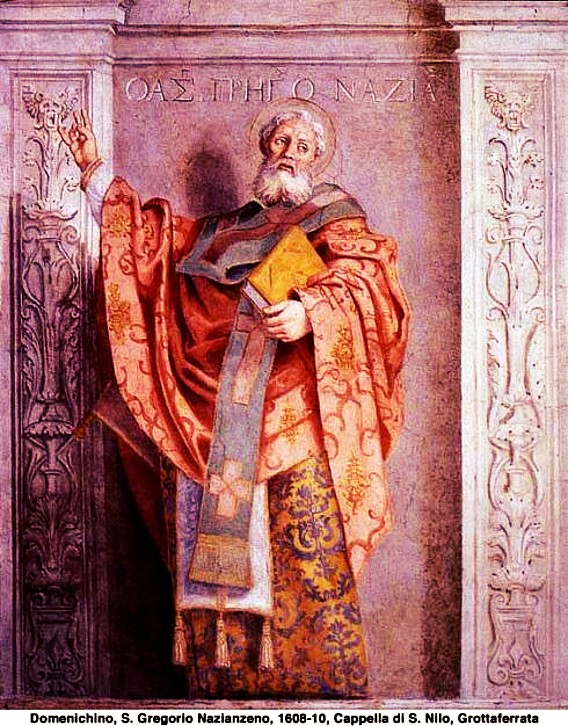
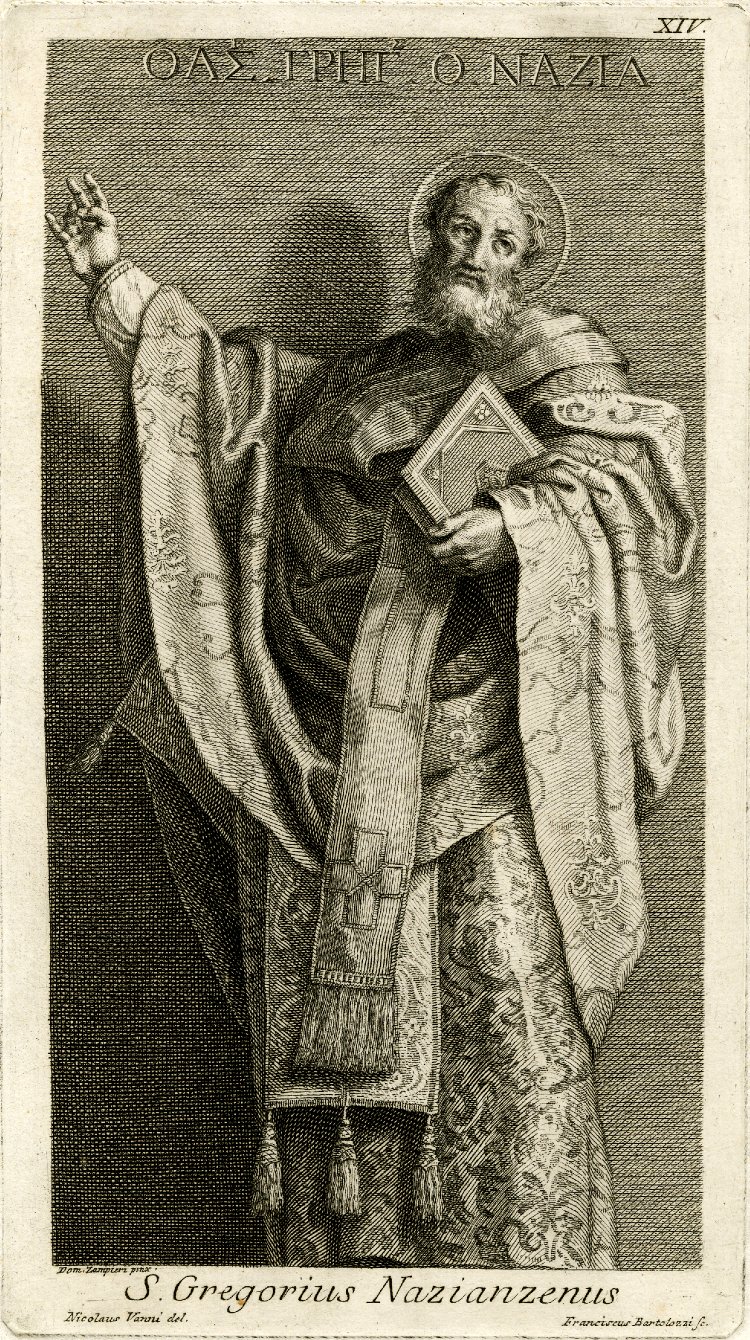


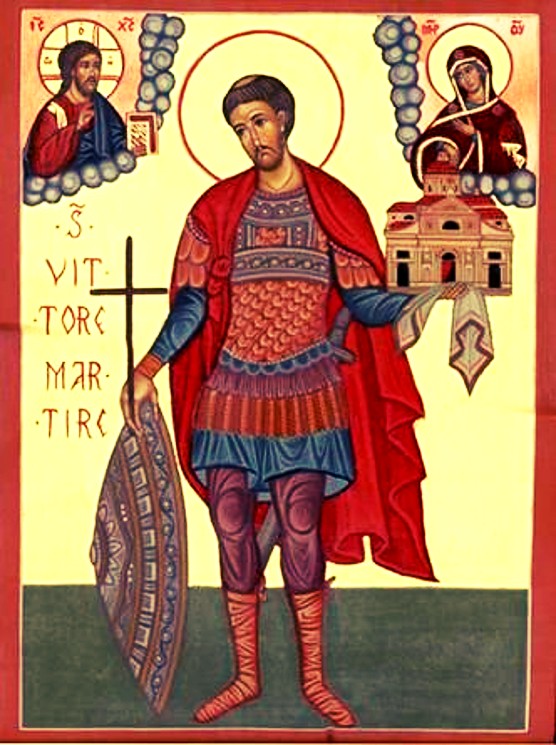
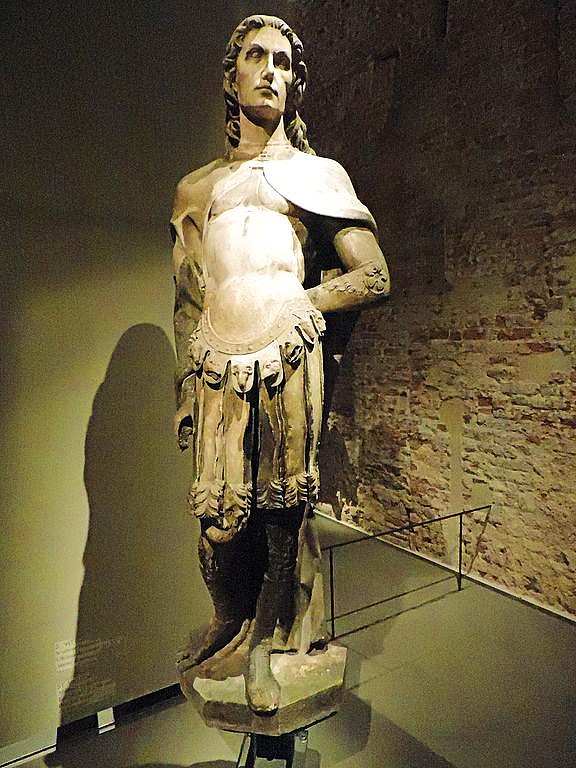




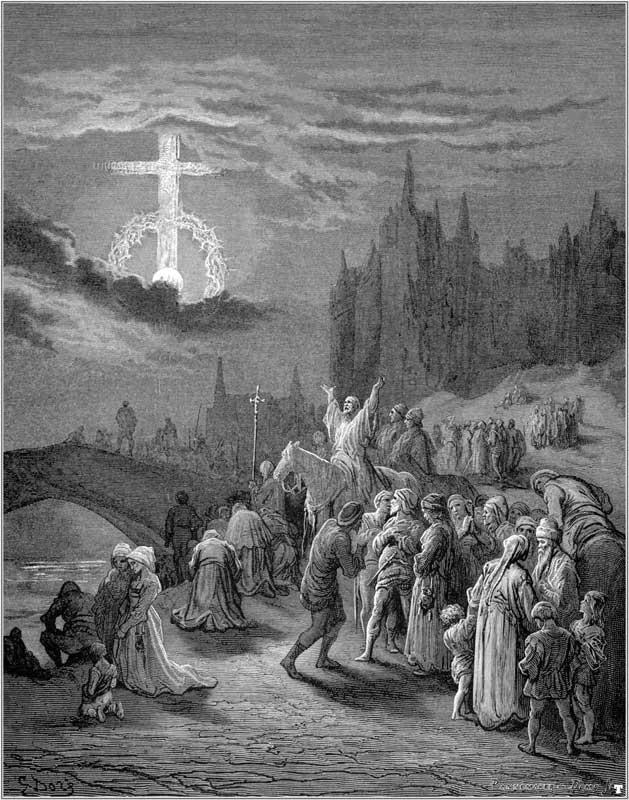

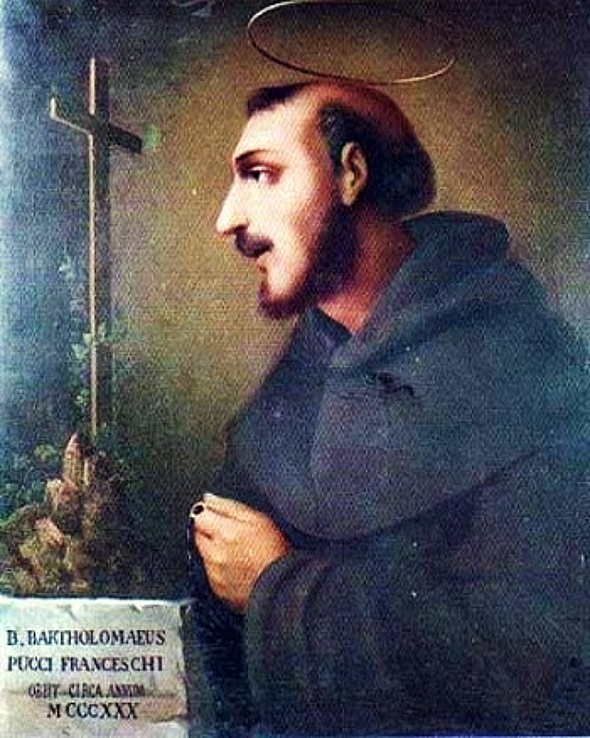
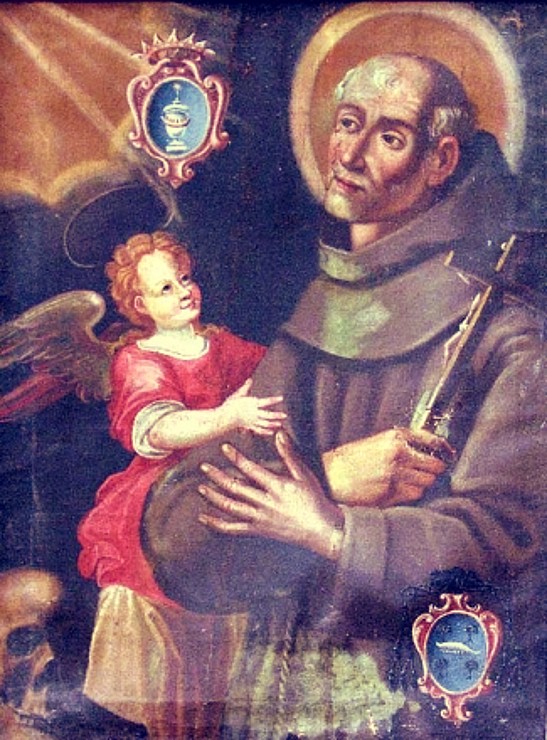

 AnaStpaul
You must be logged in to post a comment.