
HOW TO AVOID PURGATORY By Fr. Paul O’Sullivan O.P.
HOW TO AVOID PURGATORY By Fr. Paul O’Sullivan O.P.
For those who have not read this little book and to refresh myself, I will be posting the entire book in daily doses. (To read later find in the Purgatory Category).
Chapter 12
THOSE WHO EARNESTLY HELP THE HOLY SOULS MAY WELL HOPE TO AVOID PURGATORY
The Holy Souls whom we relieve or release by our Masses and good works pray
for us with such indescribable fervour that God cannot refuse to hear their
prayers. One of the principal graces they ask for their friends is that
these shall have little or no Purgatory. No one knows better than they the
awful intensity of the Purgatorial flames; no one, therefore, can pray for
us as they do. Let us remember that:
a) God thanks as done to Himself what we do to others. When we relieve or
release any of the Holy Souls, we relieve or release, as it were, God
Himself. How ready, therefore, will He not be to hear the prayers offered
by these souls for us.
b) Our Blessed Lord lays down clearly the great law: “By that measure by
which you measure, it will be measured to you again” In proportion,
consequently, to our generosity towards the Holy Souls will God’s mercy and
generosity be towards us. Those who work heart and soul for the relief of
the Holy Souls may thus well hope that their Purgatory will be entirely
remitted, or notably lessened. On the other hand, those who neglect the
Holy Souls may justly fear a severe judgment and a long Purgatory.
RESOLUTION
Let everyone without fail join the Association of the Holy Souls. All the
members of the family should do so. The conditions are very easy. If the
Association is not established in your Parish, write to: Association of the
Holy Souls, Dominican Nuns of the Perpetual Rosary, Pius XII Monastery, Rua
do Rosario 1, 2495 Fatima, Portugal, which is one of the centres of the
devotion.
St. James the Apostle gives another very effectual method of avoiding or
lessening our stay in Purgatory. He says: “He who saves a soul, saves his
own, and satisfies for a multitude of sins”
If someone were fortunate enough to save the life of a King’s only son, the
heir to his throne, from a horrible death, what reward might he not expect
to receive from the grateful monarch? No King, however, could be as
grateful to and anxious to reward the person who saved his son as God is
grateful and ready to reward the person who saves one soul from Hell.
All of us may, in a thousand different ways, save not one but many souls
from Hell. For instance :
1. We can do so by praying earnestly for them. How often does not a mother
save her son’s soul by her fervent prayers. We can save souls by giving
good advice and also by our good example. How many boys owe their sterling
qualities to the wise counsels of a good Father or friend!
2. Another efficacious method of saving souls is by propagating the Faith,
viz., Catholic Action.
The incredible ignorance, apathy and indifference of Catholics is the evil
of the day!
It is the bounden duty of Catholics to spread about thousands and thousands
of pamphlets of all kinds, full of life, vigour and burning interest,
crisp, incisive, clear and strong. Otherwise, these are useless.
Each pamphlet or leaflet must carry a message straight to the heart of the
reader, rousing him, convincing him, galvanising him into action.

Thought for the Day – 1 March 2017- Ash Wednesday
“And so we begin a new spiritual journey today – a journey of preparation to rise with the Risen Lord on the day of Easter. As part of our preparation, the Gospel sets before us reflections on three cardinal works necessary for our spiritual life: prayer, fasting and almsgiving. These three works deal with three important areas of our life. Prayer is our relationship with God; fasting aims at our personal growth and almsgiving reveals our relationship with our neighbour and our responsibilities toward them.
During the Eucharistic celebration today we will be marked with ashes. By imposing ashes on our foreheads, we are reminded to repent of our sins, to believe in the Gospel and to aim at what is permanent – life with the Risen Lord.” Fr Devasia Joseph SSP
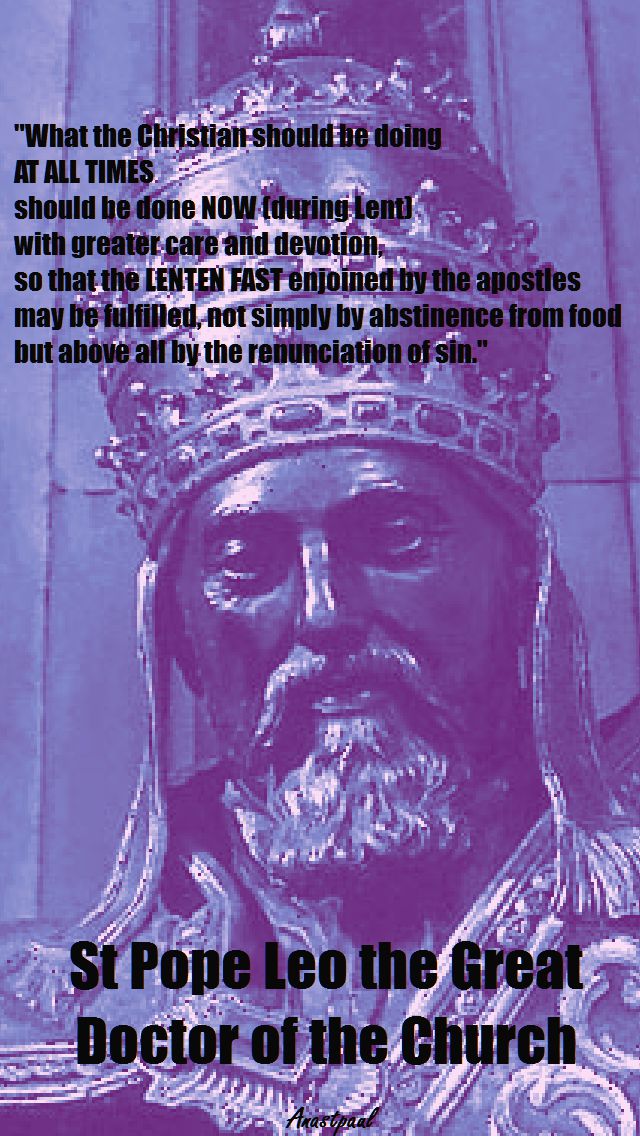
“What the Christian should be doing at all times
should be done now (during Lent) with greater care and devotion,
so that the Lenten fast enjoined by the apostles
may be fulfilled, not simply by abstinence from food
but above all by the renunciation of sin.” – St Pope Leo the Great
Quote of the Day – 1 March
Quote of the Day – 1 March
“There is still time for endurance, for patience, time for healing, time for change. Have you slipped? Rise up. Have you sinned? Cease. Do not stand among sinners but leap aside. For when you turn away and weep, then you will be saved.”
St Basil the Great
One Minute Reflection – 1 March
One Minute Reflection – 1 March
“Whoever is not with me is against me and whoever does not gather with me
scatters”………Luke 11:23
REFLECTION – “The devil desires to keep souls prisones but the Lord desires to set them free. The devil incites us to evil but the Saviour invites us to practise good. What accord is there between works that are so contrary?”…………..St Jerome
PRAYER – My Lord and my Saviour let me never give up the freedom from sin which You won for me. Help me to cling to You and shun all contact with evil. Help me Lord to renew my zeal and ambition to attain holiness in my Lenten journey. May my daily striving be because I love You, Lord Jesus, my love above all things! Amen


Our Morning Offering – 1 March
Our Morning Offering – 1 March
St Augustine’s Penitential Prayer
O Lord,
The house of my soul is narrow;
enlarge it that You may enter in.
It is ruinous, O repair it!
It displeases Your sight.
I confess it, I know.
But who shall cleanse it,
to whom shall I cry but to you?
Cleanse me from my secret faults, O Lord,
and spare Your servant from strange sins.
St. Augustine of Hippo (AD 354-430)

Ash Wednesday – 1 March 2017
Ash Wednesday is the first day of Lent, the season of preparation for the resurrection of Jesus Christ on Easter Sunday. (In Eastern Rite Catholic churches, Lent begins two days earlier, on Clean Monday.)
Ash Wednesday always falls 46 days before Easter. While Ash Wednesday is not a Holy Day of Obligation, all Roman Catholics are encouraged to attend Mass on this day in order to mark the beginning of the Lenten season.

The Distribution of Ashes
During Mass, the ashes which give Ash Wednesday its name are distributed. The ashes are made by burning the blessed palms that were distributed the previous year on Palm Sunday; many churches ask their parishioners to return any palms that they took home so that they can be burned. After the priest blesses the ashes and sprinkles them with holy water, the faithful come forward to receive them. The priest dips his right thumb in the ashes and, making the Sign of the Cross on each person’s forehead, says, “Remember, man, that thou art dust, and to dust thou shalt return” (or a variation on those words).


A Day of Repentance
The distribution of ashes reminds us of our own mortality and calls us to repentance. In the early Church, Ash Wednesday was the day on which those who had sinned and who wished to be readmitted to the Church, would begin their public penance. The ashes that we receive are a reminder of our own sinfulness and Catholics should leave them on their foreheads all day as a sign of humility.
Fasting and Abstinence Are Required
The Church emphasises the penitential nature of Ash Wednesday by calling us to fast and abstain from meat. Catholics who are over the age of 18 and under the age of 60 are required to fast, which means that they can eat only one complete meal and two smaller ones during the day, with no food in between. Catholics who are over the age of 14 are required to refrain from eating any meat, or any food made with meat, on Ash Wednesday.
Taking Stock of Our Spiritual Life
This fasting and abstinence is not simply a form of penance, however; it is also a call for us to take stock of our spiritual lives. As Lent begins, we should set specific spiritual goals we would like to reach before Easter and decide how we will pursue them—for instance, by going to daily Mass when we can and receiving the Sacrament of Confession more often.


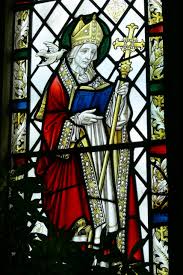
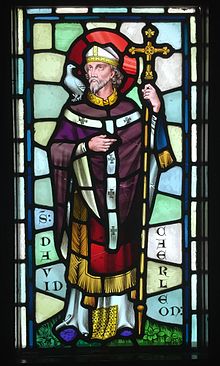
Saint of the day – 1 March – St David of Wales (c 542-c 601) Bishop
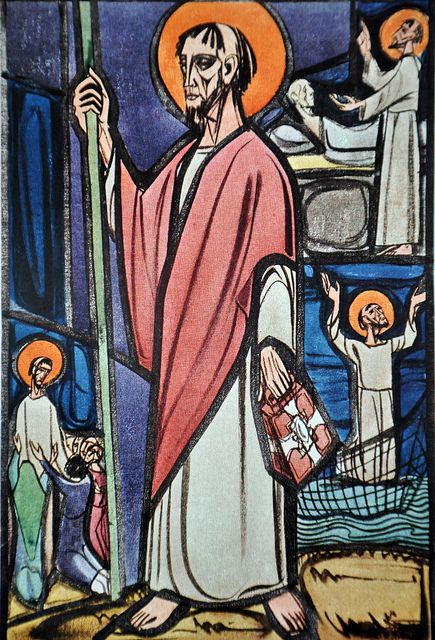
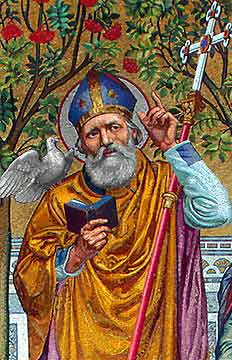
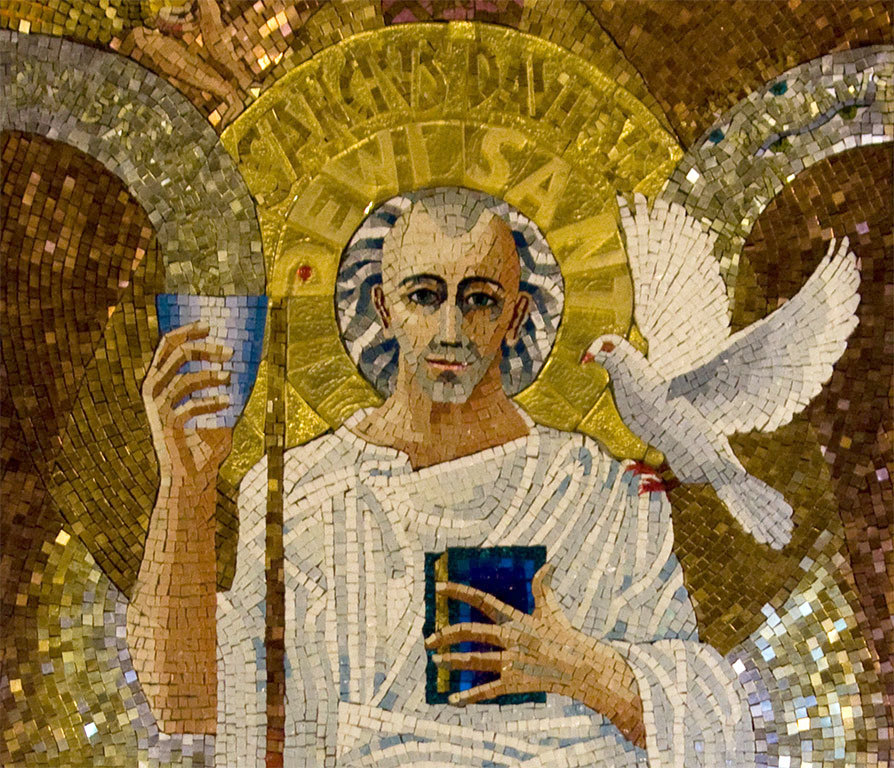
Saint of the day – 1 March – St David of Wales (c 542-c 601) Bishop in Caerfai, Pembrokeshire, Wales, Bishop, Prince, Monk, Confessor, Missionary, founder. Died 1 March 589 at St David’s, Pembrokeshire, Wales). Patron of Wales, Pembrokeshire; Naas; vegetarians; poets, doves.
Born to the Welsh royalty, the son of King Sandde, Prince of Powys and of Saint Non, the daughter of a chieftain of Menevia (western Wales). Grandson of Ceredig, Prince of Cardigan. Uncle of King Arthur. Priest. David studied under Saint Paul Aurelian. Worked with Saint Columbanus, Saint Gildas the Wise and Saint Finnigan. Missionary and founder of monasteries.

Following his contribution to the synod of Brevi in Cardiganshire, he was chosen primate of the Cambrian Church. Archbishop of Caerleon on Usk, he moved the see to Menevia. Presided at the Synod of Brefi which condemned the Pelagian heresy. He encouraged the life of austerity and founded monasteries. David was the first to build a chancel to Saint Joseph of Arimathea’s wattle church at Glastonbury.
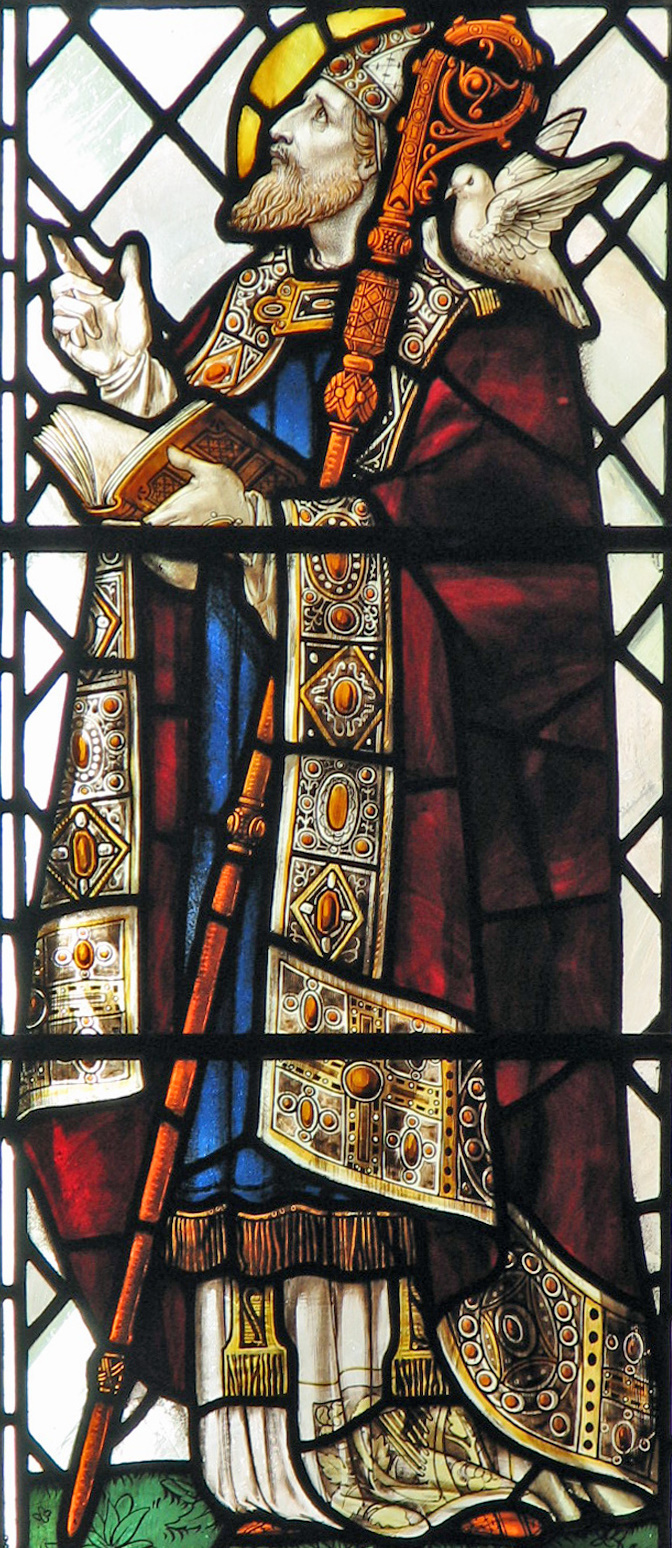
After a vision in his monastery in the Rhos Valley, he set out next day with two monks to Jerusalem to aid the Patriarch. While there his preaching converted anti-Christians. Legend says that once while he was preaching, a dove descended to his shoulder to show he had the blessings of the Spirit and that the earth rose to lift him high above the people so that he could be heard by them all. Another time when was preaching to a crowd at Llandewi Brefi, people on the outer edges could not hear, so he spread a handkerchief on the ground, stood on it and the ground beneath rose up in a pillar so all could hear.
Though the exact date of his death is not certain, tradition holds that it was on March 1, which is the date now marked as Saint David’s Day. The two most common years given for his death are 601 and 589. The monastery is said to have been “filled with angels as Christ received his soul.” His last words to his followers were in a sermon on the previous Sunday. The Welsh Life of St David gives these as, “Lords, brothers and sisters, Be joyful, and keep your faith and your creed, and do the little things that you have seen me do and heard about. And as for me, I will walk the path that our fathers have trod before us.” “Do ye the little things in life” is today a very well known phrase in Welsh. The same passage states that he died on a Tuesday, from which attempts have been made to calculate the year of his death.
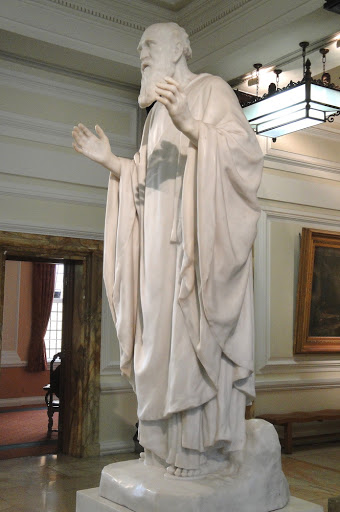
David was buried at St David’s Cathedral at St Davids, Pembrokeshire, where his shrine was a popular place of pilgrimage throughout the Middle Ages. During the 10th and 11th centuries the Cathedral was regularly raided by Vikings, who removed the shrine from the church and stripped off the precious metal adornments. In 1275 a new shrine was constructed, the ruined base of which remains to this day which was originally surmounted by an ornamental wooden canopy with murals of David, Patrick and Denis. The relics of David and Justinian of Ramsey Island were kept in a portable casket on the stone base of the shrine. It was at this shrine that Edward I came to pray in 1284. During the reformation Bishop Barlow (1536–48), a staunch Protestant, stripped the shrine of its jewels and confiscated the relics of David and Justinian.
David was officially recognised at the Holy See by Pope Callixtus II in 1120, thanks to the work of Bernard, Bishop of St David’s. Over 50 churches in South Wales were dedicated to him in pre-Reformation days.
In the 2004 edition of the Roman Martyrology, David is listed under 1 March with the Latin name Dávus. He is recognised as bishop of Menevia in Wales who governed his monastery following the example of the Eastern Fathers. Through his leadership, many monks went forth to evangelise Wales, Ireland, Cornwall and Armorica (Brittany and surrounding provinces).
Welsh tradition says that during a battle against the Anglo-Saxons, David advised the Welsh warriors each to wear a leek in his hat or armour so that the warriors might distinguish themselves from their enemies. Ever since then, the Welsh wear leeks every March 1 in memory of David.


Saints 1 March
Ash Wednesday (2017)
—
St Abdalong of Marseilles
St Adrian of Numidia
St Agapios of Vatopedi
St Agnes Cao Guiying
St Albinus of Angers
St Albinus of Vercelli
St Amandus of Boixe
St Antonina of Bithynia
Bl Aurelia of Wirberg
Bl Bonavita of Lugo
St Bono of Cagliari
Bl Christopher of Milan
Bl Claudius Gabriel Faber
St David of Wales
St Domnina of Syria
St Donatus of Carthage
St Eudocia of Heliopolis
St Felix III, Pope
Bl George Biandrate
Bl Giovanna Maria Bonomo
Bl Gonzalo de Ubeda
St Hermes of Numidia
St Jared the Patriarch
St Leo of Rouen
St Leolucas of Corleone
St Lupercus
St Marnock
St Monan
Bl Pietro Ernandez
Bl Roger Lefort
St Rudesind
St Seth the Patriarch
St Simplicius of Bourges
St Siviard
St Swithbert
St Venerius of Eichstätt
Martyrs of Africa – A group of 13 Christians executed together for their faith in Africa. The only details about them to survive are ten names – Abundantius, Adrastus, Agapius, Charisius, Donatilla, Donatus, Fortunus, Leo, Nicephorus and Polocronius. c290
Martyrs of Antwerp – A group of Christians martyred together, buried together and whose relics were transferred and enshrined together. We know nothing else but their names – Benignus, Donatus, Felician, Fidelis, Filemon, Herculanus, Julius, Justus, Maximus, Pelagius, Pius, Primus, Procopius and Silvius. Died in the 2nd Century in Rome. They are buried in the St Callistus Catacombs and their relics were enshirned in the Jesuit Church in Antwerp on 28 February 1600.
Martyrs of the Salarian Way – A group of 260 Christians who, for their faith, were condemned to road work on the Salarian Way in Rome, Italy during the persecutions of Claudius II. When they were no longer needed for work, they were publicly murdered in the amphitheatre. Martyrs. c269 in Rome.
Martyrs Under Alexander – A large but unspecified number of Christians martyred in the persecutions of Emperor Alexander Severus and the praefect Ulpian who saw any non-state religion to be a dangerous treason. c219
HOW TO AVOID PURGATORY By Fr. Paul O’Sullivan O.P.
HOW TO AVOID PURGATORY By Fr. Paul O’Sullivan O.P.
For those who have not read this little book and to refresh myself, I will be posting the entire book in daily doses. (To read later find in the Purgatory Category).
Chapter 11
THE THIRD ORDERS
Among the extraordinary graces which Catholics gain by becoming members of
a Third Order is a share in many Masses and prayers.
To mention, for instance, the Third Order of Saint Dominic, Pope Benedict
XV, himself a Tertiary, said: “One of the easiest and most effectual ways
of reaching a high degree of sanctity is by becoming a Dominican Tertiary”
The members of this order receive during life a share every day in
thousands of Masses and prayers, and after death, when, alas, so many are
neglected by their relatives, those who are members of this Third Order
have a share daily in thousands of other Masses and prayers, this for as
long as they remain in Purgatory!
Among the many beautiful characteristics of the Order of St. Dominic is its
intense devotion and love for the Holy Souls, especially for the souls of
its members, friends and benefactors. So true is this that a young Italian
nobleman who consulted the Pope as to which religious order he would do
well to enter received for answer: “My dear son, you may with much profit
join any of the Orders, for in each you will find abundant means of
becoming a Saint. After death, however, be a Dominican” The Holy Father
meant to imply that the suffrages given after death to their deceased
members are, indeed, most abundant in the Dominican Order.
The conditions of becoming a member of this order are so easy and the
advantages so many that half the world would become Dominican Tertiaries
did they know these advantages.
RESOLUTION
Investigate and do something TODAY!

Lenten Preparation Novena
REFLECTION – “Give back some of God’s gifts to God, that you may safely enjoy the rest. Fast, or watch, or abound in alms, or be instant in prayer, or deny yourselves society, or pleasant books, or easy clothing, or take on you some irksome task or employment; do one or other, or some, or all of these, unless you say that you have never sinned and may go like Esau with a light heart to take your crown”
“But, O ye sons and daughters of men, what if this fair weather but ensure the storm afterwards? what if it be, that the nearer you attain to making yourselves as gods on earth now, the greater pain lies before you in time to come, or even (if it must be said), the more certain becomes your ruin when time is at an end? Come down, then, from your high chambers at this season to avert what else may be. Sinners as ye are, act at least like the prosperous heathen, who threw his choicest trinket into the water, that he might propitiate fortune. Let not the year go round and round, without a break and interruption in its circle of pleasures. Give back some of God’s gifts to God, that you may safely enjoy the rest. Fast, or watch, or abound in alms, or be instant in prayer, or deny yourselves society, or pleasant books, or easy clothing, or take on you some irksome task or employment; do one or other, or some, or all of these, unless you say that you have never sinned and may go like Esau with a light heart to take your crown. Ever bear in mind that Day which will reveal all things and will test all things “so as by fire” and which will bring us into judgment ere it lodges us in heaven.” (Blessed John Henry Newman)

Lenten Preparation Novena
DAY NINE
O gracious Father,
infuse in our hearts
the spotless light of Your Divine Wisdom
and open the eyes of our mind
that we may understand the teachings of Your Gospel.
Instill in us also the fear of Your blessed commandments,
so that having curbed all carnal desires,
we may lead a spiritual life,
both thinking and doing everything to please You.
Help us to see,
in our ordinary difficulties and duties,
in the trials and temptations of every day,
the best opportunity of making up for past infidelities.
United with Your Son, who makes His way to Calvary,
I offer You my intention
(Mention your intention)
For You, our God,
are the enlightenment of our souls and bodies;
and to You we render glory,
together with Your Suffering Son,
and with Your all holy,
life-creating Spirit,
now and ever, and forever. Amen

Thought for the Day – 28 February
Thought for the Day – 28 February
After having renounced everything, one can still worship other idols, such as fame and name. To be able to enjoy ‘hundred-fold’, one must detach oneself from ‘self’. A true disciple is not the one who has left all material possessions to follow Jesus, rather the one who has given up the home of self-prestige, brother hatred, sister gossiping, mother backbiting, father pride and child selfishness. When a person is free from such entanglements, she or he will receive a hundred times more the home of humanness, brother love, sister charity, mother understanding, father humility and child generosity. This is the way one obtains eternal life. It is easier to be a philanthropic than a disciple. The former gives from abundance and earns worldwide praises; the latter strives hard to let go the wealth of ego and receives mockery and persecution. Only those who walk the talk can teach the value of renunciation and commitment. (Sr Virginia Rajakumari SAB)
Lord, Lord help us all!
Veronica’s veil, by Claude Mellan (c. 1649).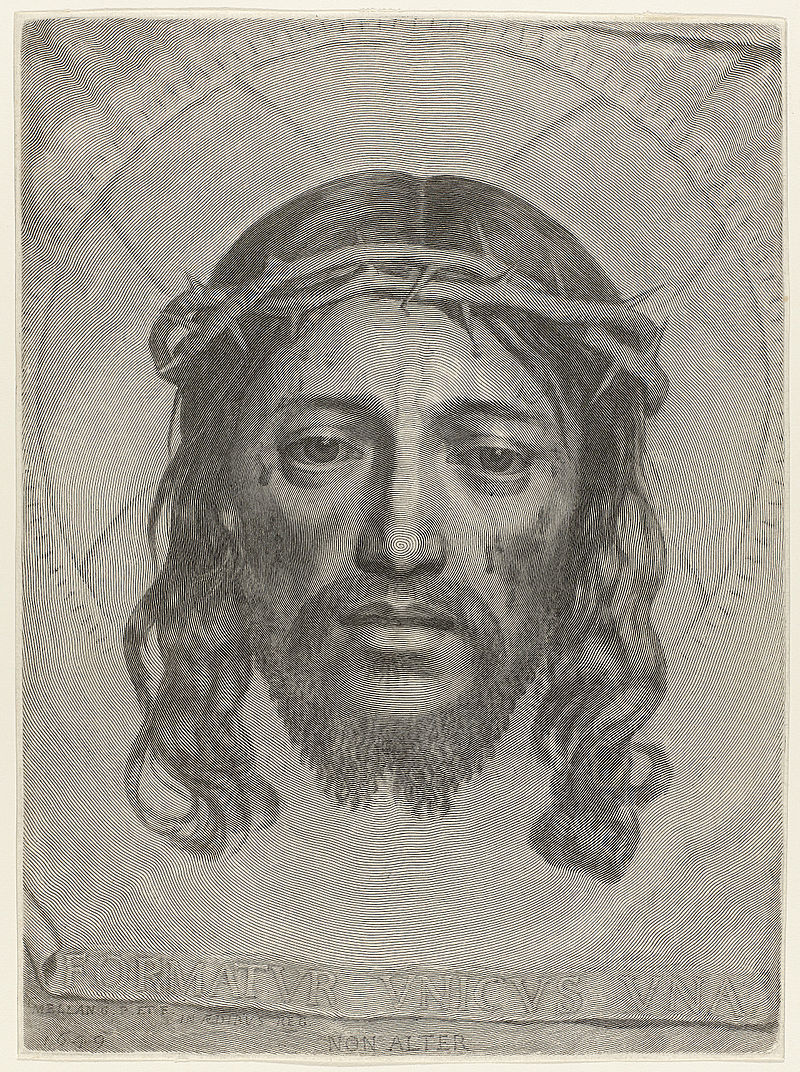
Quote of the Day – 28 February
Quote of the Day – 28 February
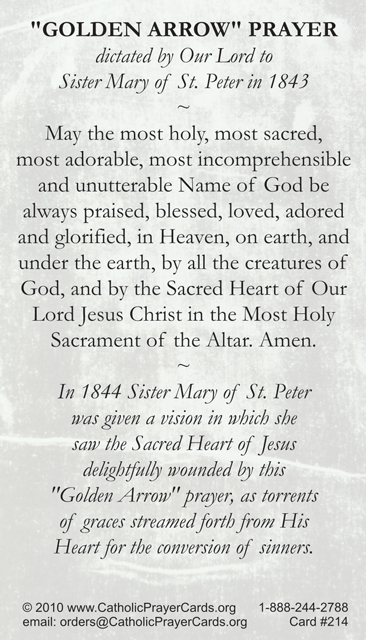
“Those on earth who contemplate the wounds of My Face
shall in heaven behold it radiant with glory.”
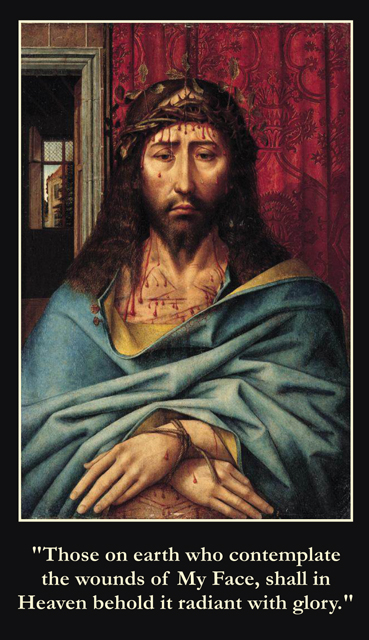
Jesus to Sr Mary of St Peter in 1844 and dictated The Golden Arrow Prayer
One Minute Reflection – 28 Februa
One Minute Reflection – 28 February
Whoever wishes to be my follower
must take up his cross each day
and follow in my footsteps…………..Luke 9:23
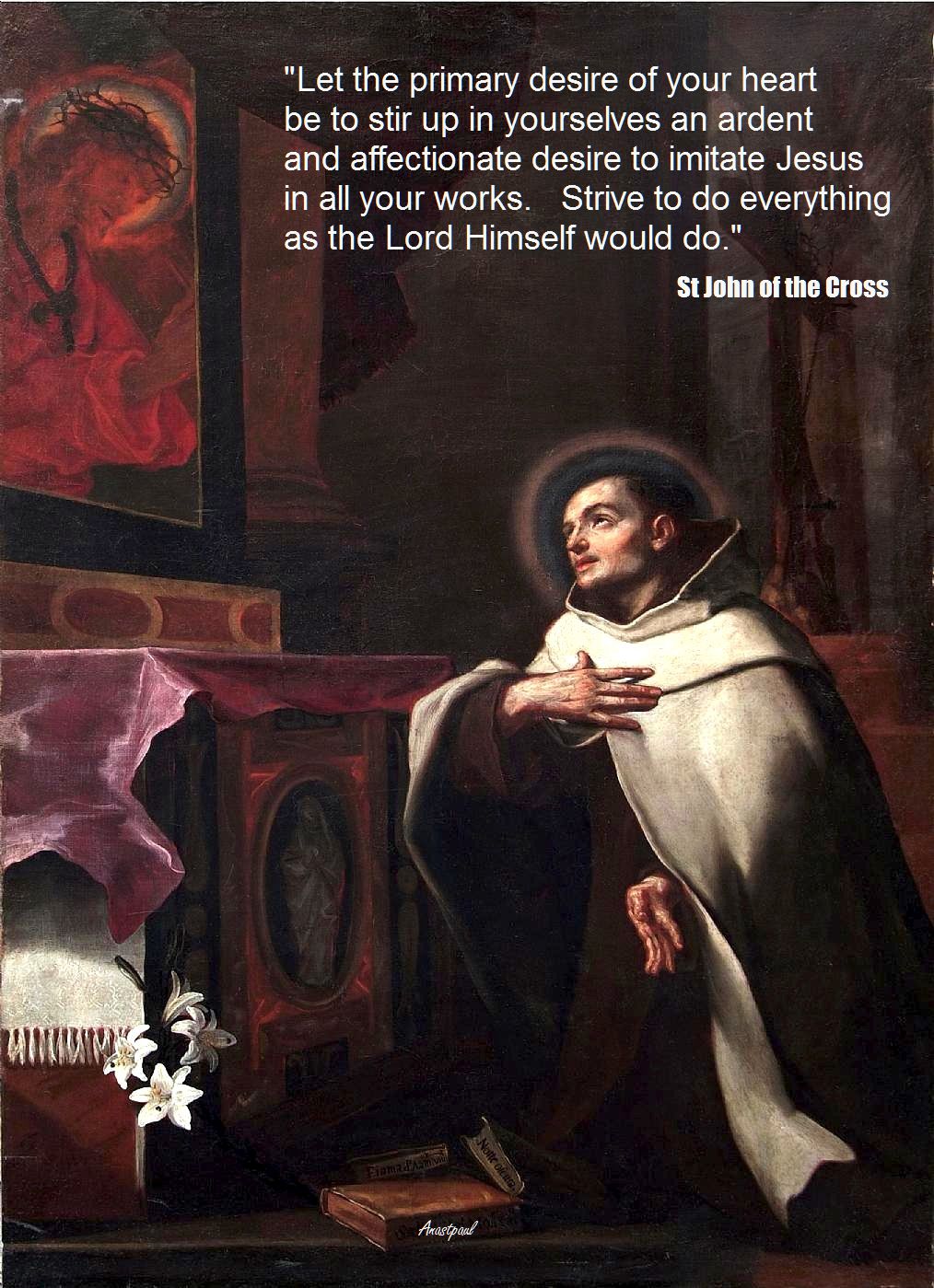
REFLECTION – Let the primary desire of your heart be to stir up in yourselves an ardent and affectionate desire to imitate Jesus in all your works.
Strive to do everything as the Lord Himself would do……………St John of the Cross
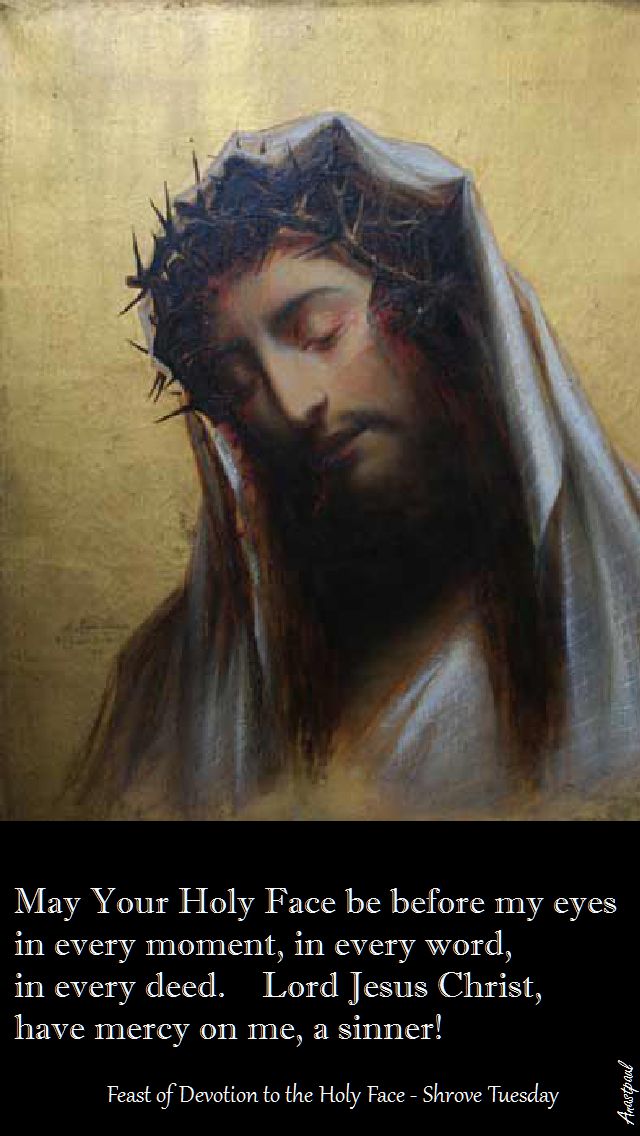
PRAYER – Lord Jesus, help me to pattern my life after You. Grant that I may imitate You completely – in all my thoughts, words and deeds. May Your Holy Face be before my eyes in every moment, in every word, in every deed. Lord Jesus Christ, have mercy on me, a sinner! Amen

Our Morning Offering – 28 February
Our Morning Offering – 28 February
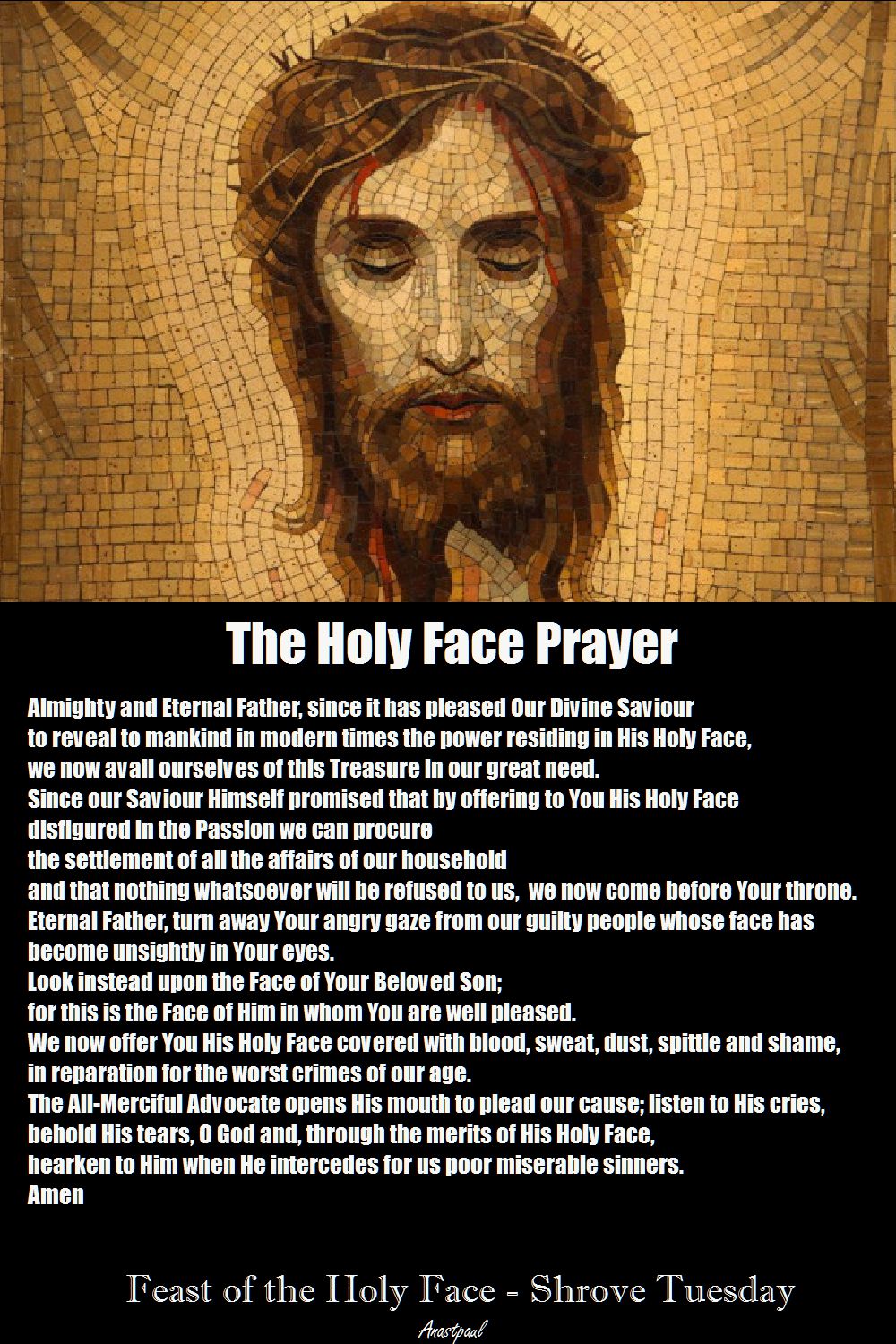
Almighty and Eternal Father,
since it has pleased Our Divine Saviour
to reveal to mankind in modern times
the power residing in His Holy Face,
we now avail ourselves of this Treasure
in our great need.
Since our Saviour Himself promised
that by offering to You His Holy Face
disfigured in the Passion we can procure
the settlement of all the affairs of our household
and that nothing whatsoever will be refused to us,
we now come before Your throne.
Eternal Father, turn away Your angry gaze
from our guilty people whose face has
become unsightly in Your eyes.
Look instead upon the Face of Your Beloved Son;
for this is the Face of Him in whom You are well pleased.
We now offer You His Holy Face covered
with blood, sweat, dust, spittle and shame,
in reparation for the worst crimes of our age.
The All-Merciful Advocate opens His mouth
to plead our cause; listen to His cries,
behold His tears, O God and,
through the merits of His Holy Face,
hearken to Him when He intercedes
for us poor miserable sinners.
Amen
Feast of the Holy Face of Jesus – 28 February – Shrove Tuesday
Feast of the Holy Face of Jesus – 28 February – Shrove Tuesday
DEVOTION TO THE HOLY FACE OF JESUS
This ancient and venerable Catholic practice is rooted in the representation of the face of Christ said to have been left on the towel or veil used by a holy woman thought to be named, Veronica. An Archconfraternity of the Holy Face was established in Tours, France, 1884; its members make reparation for the blasphemies hurled at Christ. Since St. Therese’s devotion to the Holy Face has become known, this devotion has spread worldwide.


In addition, a devout and pious nun, Sr. Pierina, who died in 1945, was given many visions through Our Blessed Lady who appeared to her, as did Our Lord Jesus. They urged her to make reparation for the many insults Jesus suffered in His Passion, such as to be slapped, spit upon and kissed by Judas, as well as now being dishonoured in many ways in the Blessed Sacrament by neglect, sacrileges, and profanations.
She was given a medal which on one side bore a replica of the Holy Shroud and the inscription: “Illumina, Domine, vultum tuum super nos.” [O Lord, the light of Thy countenance shine upon us.] On the reverse side was a radiant host with the words: “Mane nobiscum, Domine.” [Stay with us, O Lord.] After great difficulties, Sr. Pierina obtained permission to have the medal cast. Even the expenses for the casting were miraculously met when she found on her desk an envelope with the exact amount of the bill—–11,200 lire.
The Evil Spirit showed his chagrin and rage at the medals by flinging them down and burning the pictures of the Sacred Face and beating the nun savagely.
In 1940, when the Second World War had the world in turmoil, Italy saw a wide distribution of the medal: soldiers, sailors and pilots were provided with the replica of the Holy Face since the medal was already famous for its miracles and countless spiritual and temporal favours.
In Our Blessed Mother’s own word, the medal is a weapon for defense, a shield for courage, a token of love and mercy and which her Divine Son wished to give the world in these troubled days of lust and hatred for God and His Church. Devilish snares have been set to rob the hearts of men of their faith while evil spreads the world over. Genuine apostles are few. A Divine remedy to all these evils will be the Adorable Face of her Son, Jesus.
Whoever wears this medal and, if possible, pays a visit to the Blessed Sacrament on Tuesday in a spirit of reparation for the outrages received by the Holy Face of Our Blessed Saviour during His Passion and those bestowed on Him every day in the Sacrament of His Divine Love, will be granted the gift of a strong Faith and the grace to fly to its defense, conquering if need be, all exterior and interior difficulties. Moreover, they are promised a happy death with special assistance of Christ Himself.
The very first medal of the Holy Face was offered to our glorious Pontiff, Pius XII; then the whole world became acquainted with this special object of holy favours and devotion. No soldier taken as a prisoner of war and who wore the medal was ever executed. Our Blessed Lord requested that a special feast be instituted to honor His Holy Face on Shrove Tuesday. Pope St. Pius XII obeyed and had this day set aside to honour the Holy Face in 1958.
When Venerable Pope Pius XII granted that the Feast of the Holy Face of Jesus be observed on Shrove Tuesday, the day before Ash Wednesday, he fulfilled the desire of Our Lord that His sorrowful Holy Face be contemplated in reparation for our sins. The history and tradition of venerating His Holy Face began on the day of His crucifixion and continues through the centuries with the help of holy men and women chosen by Our Lord and Our Blessed Mother to propagate this devotion.
The bloodied, bruised, disfigured face of Jesus was imprinted on a veil as St. Veronica comforted Christ by wiping His face on the road to Calvary. The original veil is kept at St. Peter’s Basilica and is displayed every Passion Sunday. The image of the face on the Shroud of Turin provides another opportunity of veneration of the Holy Face.


In his 2005 book On the Way to Jesus Christ, Pope Benedict XVI performed an analysis of Holy Face devotions and characterised them as having three separate components. The first element is discipleship, and the orientation of one’s life towards an encounter with Jesus. The second element is seeing Jesus in the Eucharist, the third element is eschatological and is interwoven between the other two.
Referring to Matthew 25:31-36 Benedict XVI stated that the first element (i.e. discipleship) involves seeing Jesus in the face of the poor and the oppressed and caring for them but to properly see Jesus in the face of those in need, believers first need to become better acquainted with Jesus through the Eucharist. The second element involves relating the Passion of Jesus, and the suffering expressed by the images that represent his wounded face to the Eucharistic experience. Thus the devotion that starts with the images of the face of Jesus leads to his contemplation in the Eucharistic experience. The eschatological element then builds on awakening to Christ by contemplating his face in the Eucharist
Saints and Feasts – 28 February – Shrove Tuesday
Feast of the Holy Face of Jesus
Shrove Tuesday (2017) – Derivation: Old English: to shrive, i.e., hear confessions. Monday and Tuesday (also sometimes the preceding Thursday) before Ash Wednesday, known in southern Europe as the Carnival (carnem levare, taking away of flesh); a period of festivity before Lent.
—
Abercius
Antonia of Florence
Augustus Chapdelaine
St Caerealis
St Caerealis of Alexandria
St Cyra of Beroea
Bl Daniel Brottier
St Ermine
St Gaius of Alexandria
St Pope Hilary/Hilarius
St Justus the Potter
St Llibio
St Macarius the Potter
St Maidoc
St Marana of Beroea
St Oswald of Worcester
St Proterius of Alexandria
St Pupulus of Alexandria
St Romanus of Condat
St Ruellinus of Treguier
St Rufinus the Potter
St Serapion of Alexandria
St Sillan of Bangor
Bl Stanislaw Antoni Trojanowski
St Theophilus the Potter
Bl Villana de’Botti
Martyrs of Alexandria – A number of clerics and layman who died as martyrs of charity for ministering to the sick during a plague that ravaged Alexandria, Egypt in 261.
Martyrs of Unzen – 16 lay people martyred together in one of the periodic anti-Christian persecutions in imperial Japan – Died: 28 February 1627 in Unzen, Japan. Beatified:
24 November 2008 by Pope Benedict XVI
• Alexius Sugi Shohachi
• Damianus Ichiyata
• Dionisius Saeki Zenka
• Gaspar Kizaemon
• Gaspar Nagai Sohan
• Ioannes Araki Kanshichi
• Ioannes Heisaku
• Ioannes Kisaki Kyuhachi
• Leo Nakajima Sokan
• Ludovicus Saeki Kizo
• Ludovicus Shinzaburo
• Maria Mine
• Paulus Nakajima
• Paulus Uchibori Sakuemon
• Thomas Kondo Hyoemon
• Thomas Uzumi Shingoro
HOW TO AVOID PURGATORY By Fr. Paul O’Sullivan O.P.
HOW TO AVOID PURGATORY By Fr. Paul O’Sullivan O.P.
For those who have not read this little book and to refresh myself, I will be posting the entire book in daily doses. (To read later find in the Purgatory Category).
Chapter 10
INDULGENCES AND PURGATORY
[The grants of indulgences were changed in 1968. See the Enchiridion of
Indulgences 1968]
God in His infinite mercy and compassion offers us a most wonderful and
easy means for lessening or cancelling our Purgatory.
Fully aware of our weakness and knowing, too, how fearful many are of
penance, He opens wide the treasury of His Goodness and offers us most
abundant Indulgences in exchange for some small act of devotion.
For one recitation of short ejaculatory prayers, He grants 100 or 300 or
more days Indulgence. These we may say hundreds of times in the day. Those
who say the little ejaculation: “Sacred Heart of Jesus, I place my trust in
Thee” one hundred times a day gain 30,000 days Indulgence. Those who say it
1,000 times, as many do, gain 300,000 days Indulgence each day!
Nothing can be easier than to acquire the habit of saying this little
prayer all day long, countless times each day.
Then, for each Hail Mary of the Rosary, one gains more than 2,000 days
Indulgence!
Besides an immense number of Partial Indulgences, there are very many
Plenary (full, complete) Indulgences which may be gained during life and at
the hour of death.
These are specially given by the Church to enable us to avoid Purgatory.
These Indulgences can be applied to our own souls and we shall thus
directly make satisfaction for our sins. Or, we may apply them to the souls
in Purgatory, who will see to it that we do not lose by our generosity.
RESOLUTION
Let us strive to gain all possible Indulgences.

Lenten Preparation Novena
REFLECTION – “Easy circumstances are generally thought a special happiness; it is thought a great point to get rid of annoyance or discomfort of mind and body; it is thought allowable and suitable to make use of all means available for making life pleasant.”
“Such advice is especially suitable to an age like this, when there is an effort on all hands to multiply comforts and to get rid of the daily inconveniences and distresses of life. Alas! my brethren, how do you know, if you avail yourselves of the luxuries of this world without restraint but that you are only postponing, and increasing by postponing, an inevitable chastisement? How do you know, but that, if you will not satisfy the debt of daily sin now, it will hereafter come upon you with interest? See whether this is not a thought which would spoil that enjoyment which even religious persons are apt to take in this world’s goods, if they would but admit it. It is said that we ought to enjoy this life as the gift of God. Easy circumstances are generally thought a special happiness; it is thought a great point to get rid of annoyance or discomfort of mind and body; it is thought allowable and suitable to make use of all means available for making life pleasant. We desire and confess we desire, to make time pass agreeably and to live in the sunshine. All things harsh and austere are carefully put aside. We shrink from the rude lap of earth and the embrace of the elements and we build ourselves houses in which the flesh may enjoy its lust and the eye its pride. We aim at having all things at our will. Cold and hunger and hard lodging and ill usage and humble offices and mean appearance, are all considered serious evils. And thus year follows year, tomorrow as today, till we think that this, our artificial life, is our natural state and must and ever will be.” (Blessed John Henry Newman)

Lenten Preparation Novena
DAY EIGHT
Loving Father,
may I live this Lent as an unceasing act of love for You.
Let me grow in understanding of the riches hidden in Christ.
In my prayer, grant me a spirit to see what must be done
and the strength to do what is right.
Make me radiant in Your presence
with the strength of my yearning for You.
By my fasting, fortify my resolve to carry out Your loving commands.
Bless me with an increase in devoutness of life so that I may be found steadfast in faith.
Any by my almsgiving, renew and purify my heart so that I may hold to the
things that eternally endure.
Help me to repent of my sins now and make reparation throughout
this Lenten season and each day thereafter.
Teach me and help me Lord, my God,
to relinquish the comforts of this world,
to leave my house and follow only the
Way of the Cross,
to sell al, give to the poor, and follow Your Son.
And thus, united with Him,
who makes His way to Calvary,
I offer You my intentions
(Mention your special intention)
Amen

Thought for the Day – 27 February
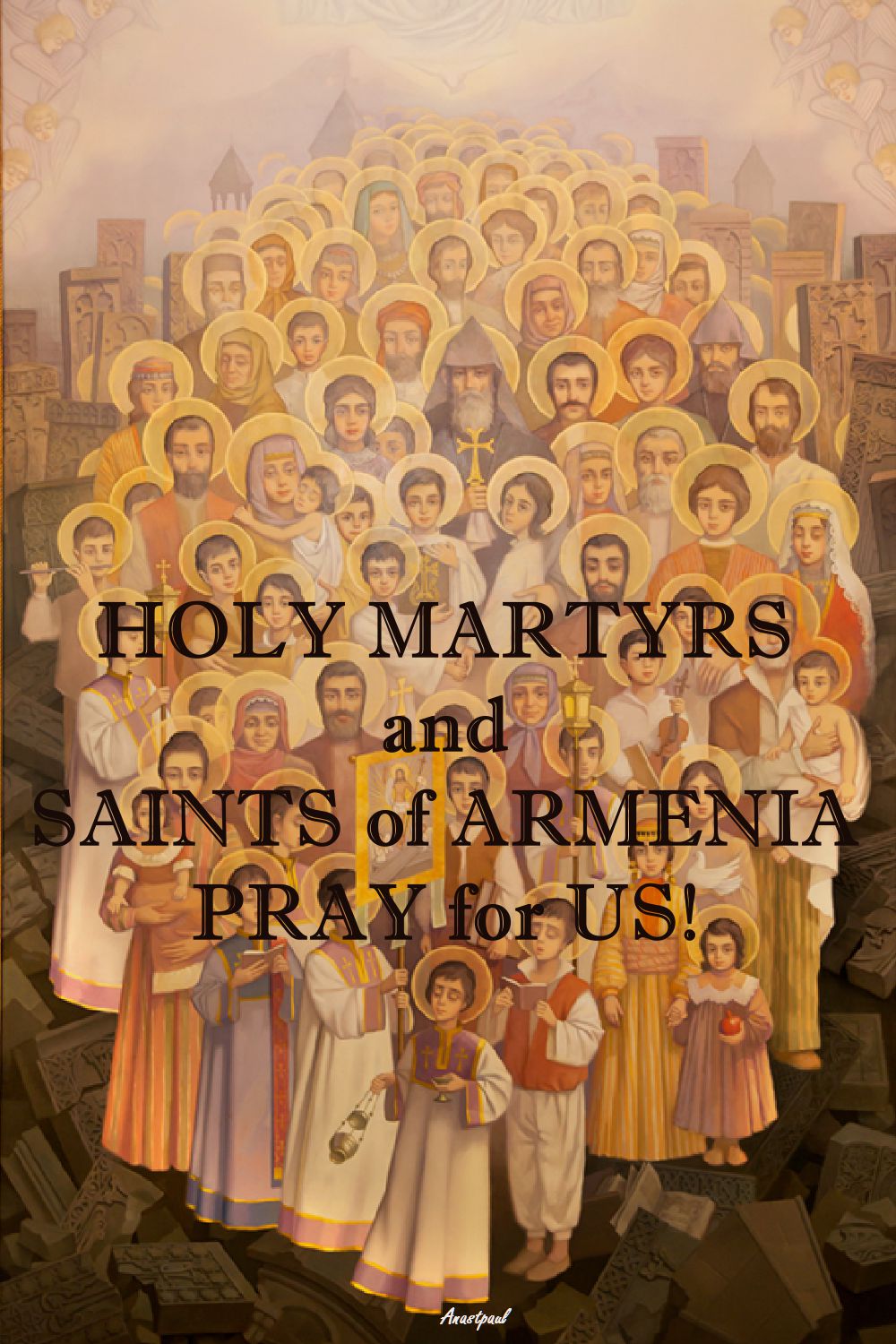
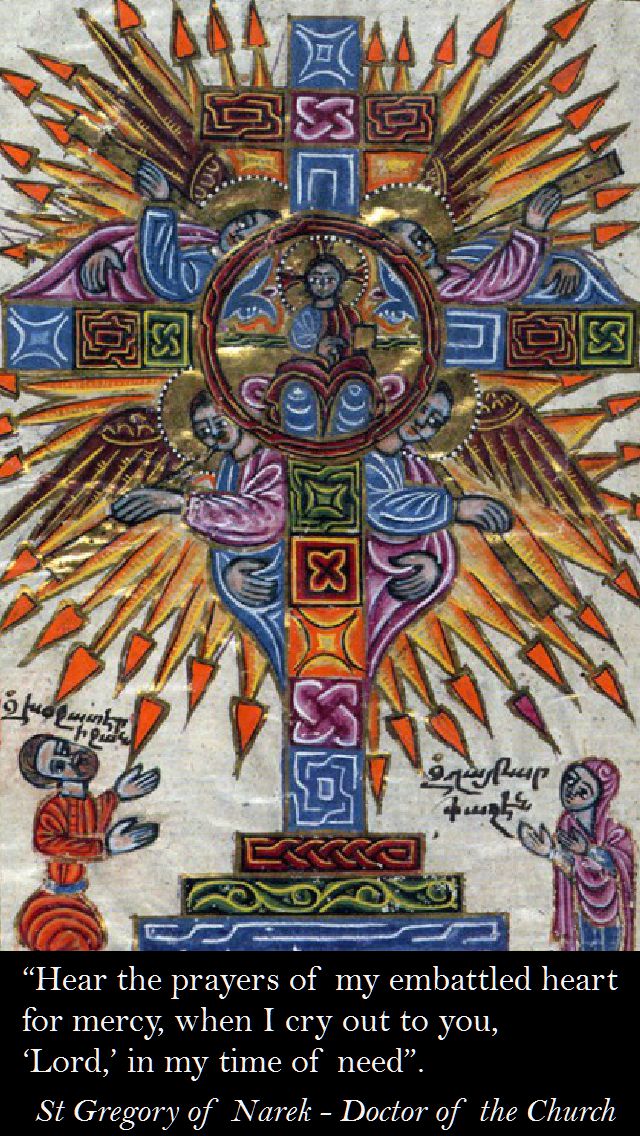
We welcome you St Gregory of Narek as our newest Doctor of the Universal Church, with gratitude and joy! Gregory’s Book of Lamentations was the source of consolation and guidance for generations in times of immense suffering. His monastery survived for a thousand years but was destroyed by the Turks during the genocide. Armenians lost Narek but they still have the book they call by that name in his honour and many Armenians have traditionally slept with a copy of the work under their pillows. The words of Gregory, too, are consonant with Pope Francis’ call on all Catholics to reach out to God in our brokenness with humble and contrite hearts. Perhaps we should allow St Gregory to lead us through Lent this year? As Gregory wrote in the Lamentations, “Hear the prayers of my embattled heart for mercy, when I cry out to you, ‘Lord,’ in my time of need.”
St Gregory of Narek- Doctor of the Universal Church, pray for us!
All you Holy Martyrs and Saints of Armenia, pray for us!


Quote of the Day – 27 February
Quote of the Day – 27 February
“You found me, a sinner, lost in darkness
crying like the psalmist in prayer,
and because of Your willing care
you were called Shepherd, for not only
did You care, but You sought,
not only did You find, O worker of miracles
but with the goodness of Your love,
a love that defies description,
You rescued me,
lifting me upon Your shoulders,
to set down alongside Your heavenly army,
the heirs to Your fatherly legacy. ”
~~~~~ St Gregory of Narek (Book fo Lamentations) – Saint of the Day
One Minute Reflection – 27 February
One Minute Reflection – 27 February
You have drawn near …….. to the heavenly Jerusalem ……. to Jesus, the mediator of a new covenant…..Hebrews 12:22-24
REFLECTION – “Hear the prayers of my embattled heart for mercy, when I cry out to you, ‘Lord,’ in my time of need.” …….St Gregory of Narek
PRAYER – Heavenly Father, amid the dizzying events and circumstances of daily life, let me keep my eyes on Jesus. Help me to rely on Him always, for He is my Redeemer. St Gregory of Narek, you who continue to lead and teach us the ways of true love, consolation and repentance, pray for all the souls of the Universal Church. Amen
Our Morning Offering – 27 February
Our Morning Offering – 27 February
I long not so much for the gifts
as for the Giver.
I yearn not so much for the glory
as the Glorified.
I burn not so much with the desire for life
as in memory of the Giver of Life.
I sigh not so much with the rapture of splendour
as with the heartfelt fervour for its Maker.
I seek not so much for rest
as for the face of our C omforter.
I pine not so much for the bridal feast
as for the distress of the Groom,
through whose strength I wait with certain
expectation believing with unwavering hope
that in spite of the weight of my transgressions
I shall be saved by the Lord’s mighty hand and
that I will not only receive remission of sins
but that I will see the Lord Himself
in His mercy and compassion.
St Gregory of Narek – Book of Lamentations

Saint of the Day – 27 February -St Gregory of Narek/Doctor of the Church
Saint of the Day – 27 February -St Gregory of Narek/Doctor of the Church (951 – 1003) Armenian monk, poet, mystical philosopher, theologian and saint of the Armenian Apostolic Church and Catholic Church, born into a family of writers. Based in the monastery of Narek (Narekavank), he was “Armenia’s first great poet”and as “the watchful angel in human form”
Born circa 950 to a family of scholarly churchmen, St. Gregory entered Narek Monastery on the south-east shore of Lake Van at a young age. Shortly before the first millennium of Christianity, Narek Monastery was a thriving center of learning. These were the relatively quiet, creative times before the Turkic and Mongol invasions that changed Armenian life forever. Armenia was experiencing a renaissance in literature, painting, architecture and theology, of which St. Gregory was a leading figure. The Prayer Book is the work of his mature years. He called it his last testament: “its letters like my body, its message like my soul.” St. Gregory left this world in 1003, but his voice continues to speak to us.


Written shortly before the first millennium of Christianity, the prayers of St. Gregory of Narek have long been recognized as gems of Christian literature. St. Gregory called his book an “encyclopedia of prayer for all nations.” It was his hope that it would serve as a guide to prayer by people of all stations around the world.
A leader of the well-developed school of Armenian mysticism at Narek Monastery, at the request of his brethren he set out to find an answer to an imponderable question: what can one offer to God, our creator, who already has everything and knows everything better than we could ever express it? To this question, posed by the prophets, psalmist, apostles and saints, he gives a humble answer – the sighs of the heart – expressed in his Book of Prayer, also called the Book of Lamentations.
In 95 grace-filled prayers St. Gregory draws on the exquisite potential of the Classical Armenian language to translate the pure sighs of the broken and contrite heart into an offering of words pleasing to God The result is an edifice of faith for the ages, unique in Christian literature for its rich imagery, its subtle theology, its Biblical erudition and the sincere immediacy of its communication with God.


Gregory of Narek is recognized as a saint by the Roman Catholic Church and is particularly venerated among Catholics of the Armenian rite. His name is listed among the saints for 27 February in the Martyrologium Romanum.
Pope John Paul II referred to Gregory of Narek in several addresses as well as in his encyclical Redemptoris Mater and in his Apostolic Letter for the 1,700th Anniversary of the Baptism of the Armenian People.
He is mentioned by name in Article 2678 of the Catechism of the Catholic Church.
On 21 February 2015, it was announced that Saint Gregory of Narek would be named a Doctor of the Catholic Church by Pope Francis. His being given this title was not an equipollent canonisation since he had already been listed as a saint in the Martyrologium Romanum. On 12 April 2015, Divine Mercy Sunday, during a Mass for the centenary of the Armenian Genocide, Pope Francis officially proclaimed Gregory of Narek as Doctor of the Church.


St. Gregory’s proclamation as a Doctor of the Church was commemorated by the Vatican City state with a postage stamp issued September 2, 2015.

Saints – 27 February
St Abundius of Rome
St Alexander of Rome
St Alnoth
St Anne Line
St Antigonus of Rome
St Baldomerus of Saint Just
St Basilios of Constantinople
St Comgan
St Emmanuel of Cremona
St Fortunatus of Rome
St Gabriel of Our Lady of Sorrows/Gabriel Possenti
St Gregory of Narek – Doctor of the Church, Poet, Philosopher and Theologian
St Herefrith of Lindsey
St Honorina
St John of Gorze
Bl Josep Tous Soler
St Luke of Messina
Bl Maria Caridad Brader
Bl Mark Barkworth
St Procopius of Decapolis
Bl Roger Filcock
St Thalilaeus
Bl William Richardson
—
Martyrs of Alexandria: –
Besas of Alexandria
Cronion Eunus
Julian of Alexandria

POPE FRANCIS’ MESSAGE FOR LENT 2017
HOW TO AVOID PURGATORY By Fr. Paul O’Sullivan O.P.
HOW TO AVOID PURGATORY By Fr. Paul O’Sullivan O.P.
For those who have not read this little book and to refresh myself, I will be posting the entire book in daily doses. (To read later find in the Purgatory Category).
CHAPTER NINE
THE SEVENTH MEANS: EXTREME UNCTION
The Seventh Means of avoiding Purgatory is Extreme Unction: God Himself has
given us a Sacrament, the end of which is to take us directly to Heaven.
This Sacrament is Extreme Unction, which according to St. Thomas and St.
Albert was instituted especially to obtain for us the grace of a holy and
happy death and to prepare us for immediate entrance into Heaven.
Many Catholics do not understand this most consoling doctrine and because
they do not understand it, they prepare themselves insufficiently for the
reception of Extreme Unction and so lose many of its great graces.
Every Sacrament properly received produces its effect. Baptism cleanses us
from Original Sin and any other actual sins that may have been committed by
adults before receiving the Sacrament.
The Sacrament of Holy Orders gives a priest all his tremendous powers.
Matrimony makes man and woman husband and wife. In the same way Extreme
Unction, if devoutly received, prepares the dying Christian for immediate
entrance into Heaven, thus delivering him from Purgatory.
How foolish it is, therefore, to put off receiving this Sacrament until
very late, when the dying person is too exhausted to receive it with full
knowledge of what he is doing and with due fervour and devotion. The moment
of death is the supreme moment in our lives. It is the moment which decides
our fate for all Eternity.
RESOLUTION
Let us use every means in our power to secure a happy and holy death,
especially by receiving most devoutly and as soon as possible, Extreme
Unction. Leave your instructions with those closest to you – explain your dying needs and your funeral wishes too!
Lenten Preparation Novena
REFLECTION – “LET US JUDGE OURSELVES, that we be not judged.
Let us afflict ourselves, that God may not afflict us.”
“And be sure of this: that if He has any love for you,
if He sees aught of good in your soul, He will afflict you,
if you will not afflict yourselves. He will not let you escape.
He has ten thousand ways of purging those whom He has chosen,
from the dross and alloy with which the fine gold is defaced.
He can bring diseases on you, or can visit you with misfortunes,
or take away your friends, or oppress your minds with darkness,
or refuse you strength to bear up against pain when it comes upon you.
He can inflict on you a lingering and painful death.
He can make “the bitterness of death pass” not.
We, indeed, cannot decide in the case of others,
when trouble is a punishment and when not;
yet this we know – that all sin brings affliction.
We have no means of judging others
but we may judge ourselves.
LET US JUDGE OURSELVES, that we be not judged.
Let us afflict ourselves, that God may not afflict us.
Let us come before Him with our best offerings,
that He may forgive us.” (Blessed John Henry Newman)

Lenten Preparation Novena
DAY SEVEN
Today Lord I choose life,
I choose Your love and the challenge to live it and share it,
I choose hope, even in moments of darkness,
I choose faith, accepting You as Lord and God,
I choose to let go of some part of my burdens, day by day handing them over to You,
I choose to take hold of Your strength and power ever more deeply in my life.
I choose to judge and afflict myself.
I choose repentance and reparation and suffering, for all my sins
and those of all the world.
Forgive me my Lord!
May this truly be for me a time of new life, of change, challenge and growth.
May I come to Easter with a heart open to dying with You
and rising to Your new life, day by day. Help me to repent of my sins now and make reparation throughout
this Lenten season and each day thereafter.
United with your Son,
who makes His way to Calvary,
I offer You my intentions
(Mention your special intention)
Amen.

Thought for the Day – 26 February
Thought for the Day – 26 February
The life of Blessed Isabella suggests to us that our human weaknesses, even those of the body, can be overcome by the grace of God. Isabelle, despite pressure to do otherwise for personal and political gain, resisted the pressure of the Courts of France to marry, remaining a virgin and consecrating herself to God. She sought out the spiritual direction she needed, listened for the call of the Lord and followed it without question. So eager to rejoin her Maker, she was rewarded with knowledge of when that would happen, which she awaited with joy. Blessed Isabella of France inspires us to examine our lives, identifying those small barriers we hide behind, rather than serving God. Whether it be work, sickness, fatigue, or financial security, we all have many reasons—many excuses—to focus on ourselves, rather than on the Lord and through Him, on those in need around us. This is a perfect opportunity to broaden our view from ourselves to those around us, breaking down our barriers and embracing the Lord in those we serve. Isabella made sure that nothing would keep her from God and she walked a very singular path to Him. She is a lesson in determination – something we can achieve in our own quest for complete holiness!
Bl Isabella of France, pray for us!

Quote of the Day – 26 February
Quote of the Day – 26 February
“We are not some casual and meaningless product of evolution.
Each of us is the result of a thought of God. Each of us is willed, each of us is loved, each of us is necessary.”
~~~~ Pope Benedict XVI


You must be logged in to post a comment.