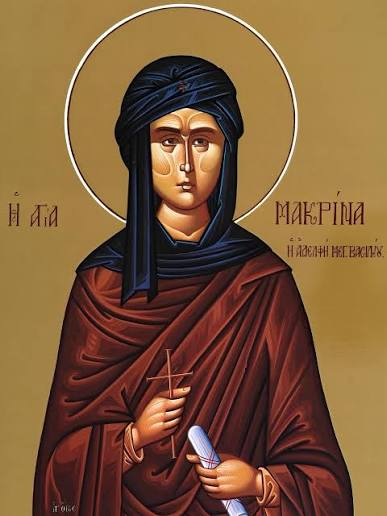
Posted in SAINT of the DAY

Saint of the Day – 2 October – Saint Theophilus of Bulgaria

Saint Theophilus of Bulgaria, was a Benedictine monk and confessor. Originally from Bulgaria, he joined a monastery in Asia Minor and was an outspoken opponent of the imperial policies of lconoclasticism. For this he was sent into exile by Emperor Leo III the Isaurian, and was brutally mistreated.
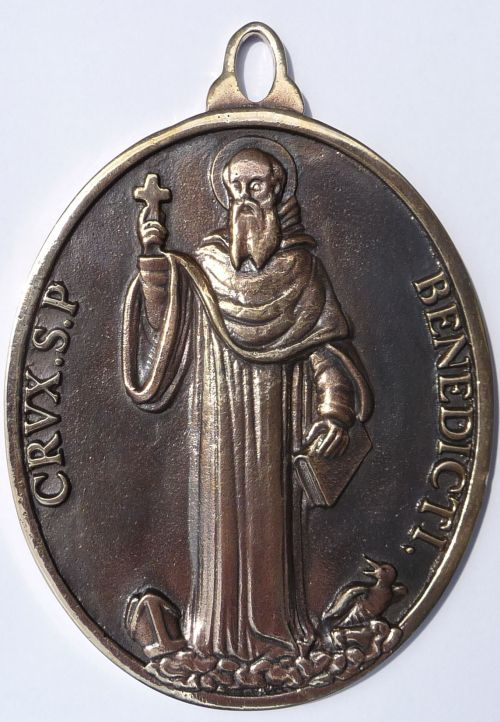
Original design of the St Benedict medal

In accord with the emperor’s orders, the saint was subjected to beatings and led through the city tied up like a criminal. The emperor then gave Theophilus over into the charge of the official, Hypatius, who tried repeatedly to compel Theophilus to accept the Iconoclastic heresy. Theophilus remained steadfast in the Faith, and Hypatius converted instead. Because of this, Hypatius gained the emperor’s permission to set the saint free.

Theophilus died in 750.
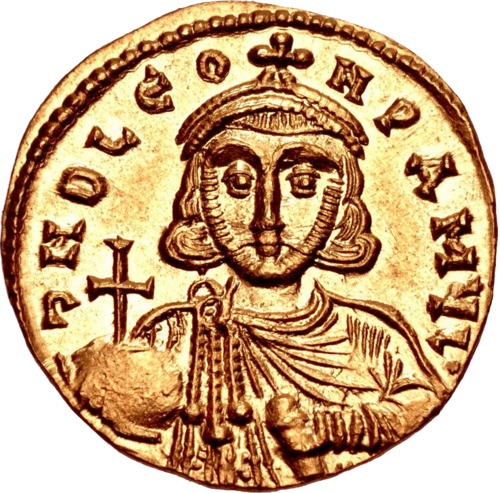
Leo III the Isaurian

Leo III the Isaurian was described as ‘Islamic minded’.
Posted in SAINT of the DAY

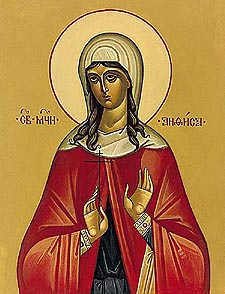
Saint of the Day – 27 July – Saint Anthusa of Mantinea

Saint Anthusa of Mantinea or the Confessor. She is easily confused with Saint Anthusa the daughter of the iconoclast emperor Constantine V, but it was Saint Anthusa of Mantinea whom he summoned to ask for prayers for the labouring mother of Saint Anthusa of Constantinople, the infant daughter who was subsequently named after her.

She was an anchoress and abbess in Constantinople during the 8th century.

After the death of her parents while still very young, the saint distributed her inheritance, left her family home, and withdrew to a cave. Ninety virgins gathered around her, entrusted themselves to her guidance, and followed her example. She founded two monasteries, one for men and the other for women, and became abbess of the monastery for nuns, who “were known for their obedience to their abbess and for their spiritual discipline”.

She openly defied Emperor Constantine V’s iconoclastic prohibitions, so she, her nuns, and her nephew, who was abbot of the second monastery, were arrested and tortured. When Anthusa correctly prophesied that the emperor’s wife, who was close to death from childbirth, would safely deliver twins, a boy and a girl, the empress intervened. Anthusa’s life was spared, and the empress donated several estates to her. The empress’ daughter was named after Anthusa, educated by her, and also became a saint, founding the first orphanage in the Christian world.

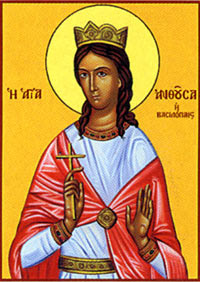
Saint Anthusa of Constantinople, daughter of the emperor

Anthusa returned to her monastery, where she lived to old age. She died in 759 and was buried in her cell.