Posted in SAINT of the DAY

Saint of the Day – 9 November – St Theodore Stratelates

St Theodore Stratelates, also known as Theodore the General, Theodore Tyro, Theodore the Recruit, Theodorus of Heraclea, was a martyr, Roman general (stratelates) of Greek extraction, and covert Christian during a time of persecution.
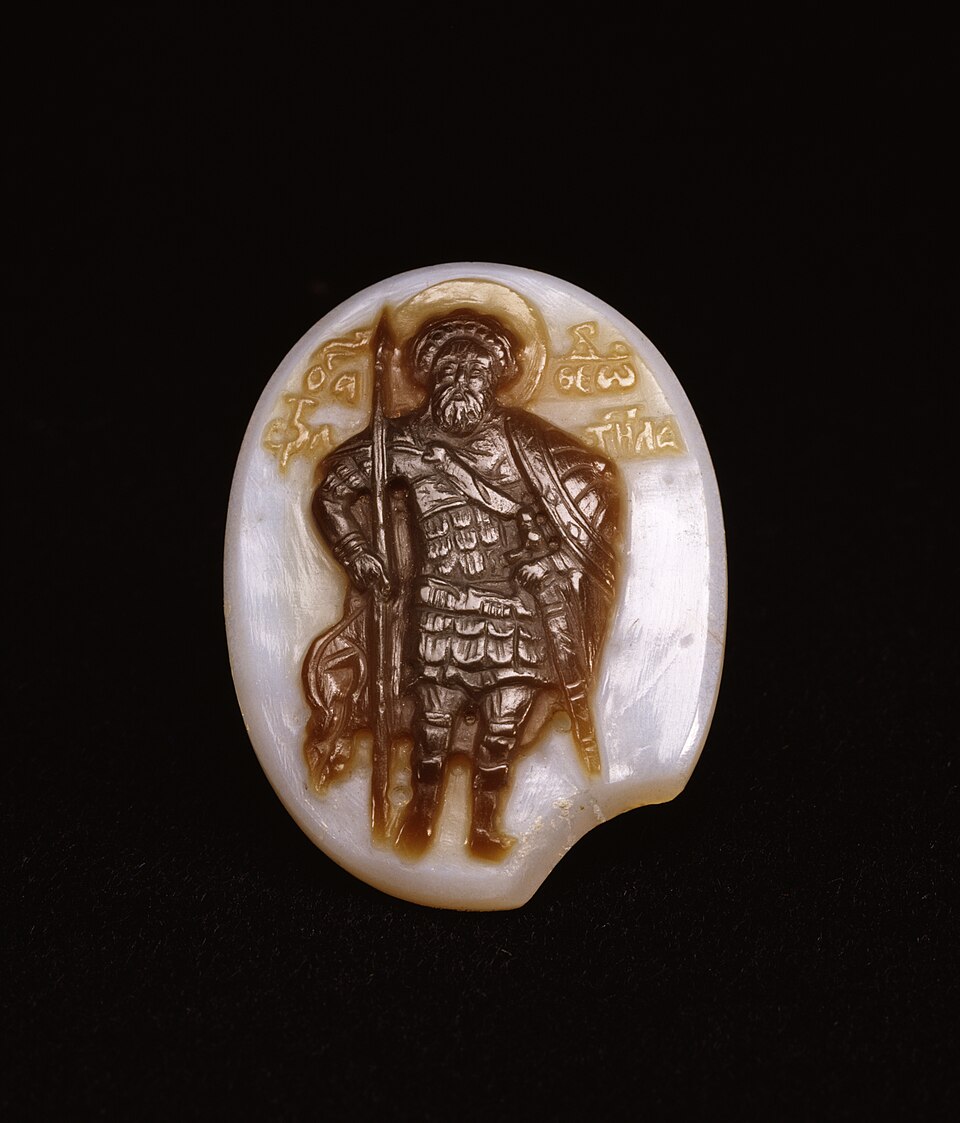
Small cut-stone depicting images of Saint Theodore were encased in precious metal frames and worn around the neck by both clerics and laymen

Theodore was born in 281 in the city of Euchaita in Asia Minor. Whilst there he killed a giant serpent living on a precipice in the outskirts of Euchaita. The serpent had been terrorising the countryside so Theodore armed himself with a sword and vanquished it. Because of his bravery, Theodore was appointed military-commander in the city of Heraclea Pontica, during the time the Emperor Licinius (307–324) began a fierce persecution of Christians.

He requested that all the gold and silver statues of the gods which they had in Heraclea be gathered up at his house. Theodore then smashed them into pieces which he then distributed to the poor. Exposed as a Christian, a military tribunal decided he was a good soldier who had made a mistake, told him to reconsider, and set him free.

He promptly burned down a pagan temple.

Arrested again, he was ordered to apostatize, then tortured by having his flesh torn off.

He responded by reciting the Psalms.

Theodore was then crucified. His servant Varos (also venerated as a saint), witnessed this and recorded it.

In the morning the imperial soldiers found him alive and unharmed.

Instead of fleeing, Theodore voluntarily surrendered to Licinius, and was beheaded by the sword. This occurred on 8 February 319, on a Saturday, at the third hour of the day.

Patronage: Brindisi, Italy. Recovery of lost articles, soldiers
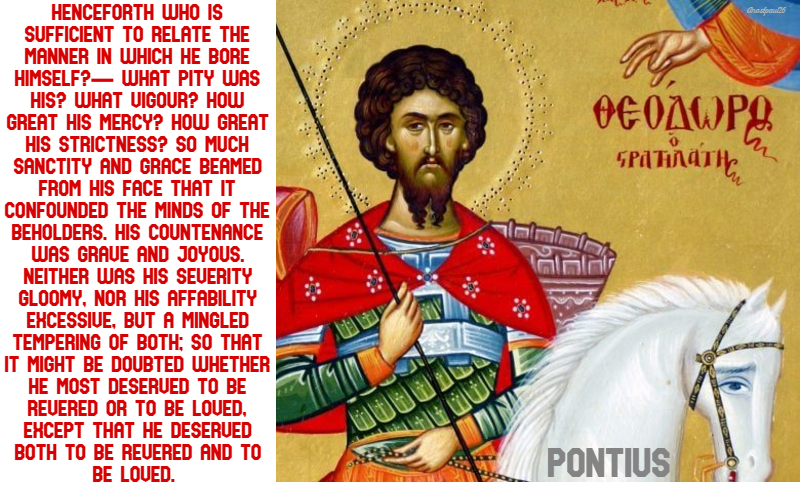
Henceforth who is sufficient to relate the manner in which he bore himself?— what pity was his? What vigour? How great his mercy? How great his strictness? So much sanctity and grace beamed from his face that it confounded the minds of the beholders. His countenance was grave and joyous. Neither was his severity gloomy, nor his affability excessive, but a mingled tempering of both; so that it might be doubted whether he most deserved to be revered or to be loved, except that he deserved both to be revered and to be loved.

Life and Passion of St Cyprian
Posted in MARIAN TITLES

Feast of the Dedication of The Archbasilica of the Most Holy Saviour and of Saints John the Baptist and John the Evangelist in the Lateran, Santa Maria la Real de la Almudena / Our Lady of Almudena, Madrid, Spain (712) and Memorials of the Saints – 9 November

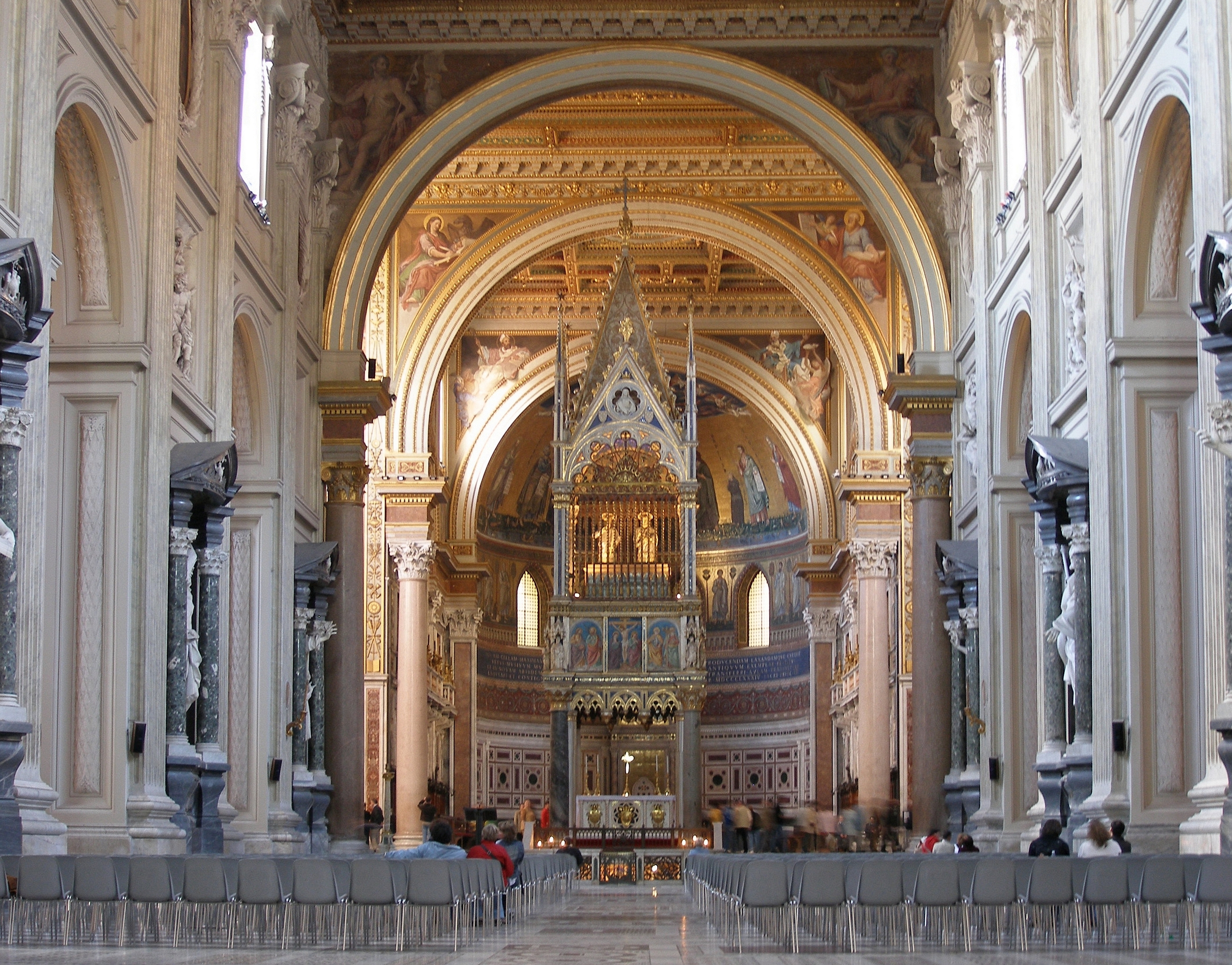
Dedication of The Archbasilica of the Most Holy Saviour and of Saints John the Baptist and John the Evangelist in the Lateran (Feast):

The oldest and first in rank of the four Basilicas of Rome. The name is derived from the Laterani family, on the site of whose Palace the Basilica stands. King Constantine presented this Palace to the Church. Its annual celebration throughout the Latin Church is a sign of love and unity with the Papacy and Pope.

The original Church building, probably adapted from the hall of the palace, was dedicated to the Saviour and from its splendour was known as the Basilica Aurea. Though several times destroyed and rebuilt, the Basilica retained its ancient form, being divided by rows of columns into aisles and having an atrium with colonnades. The restoration of the 17th century changed its appearance.

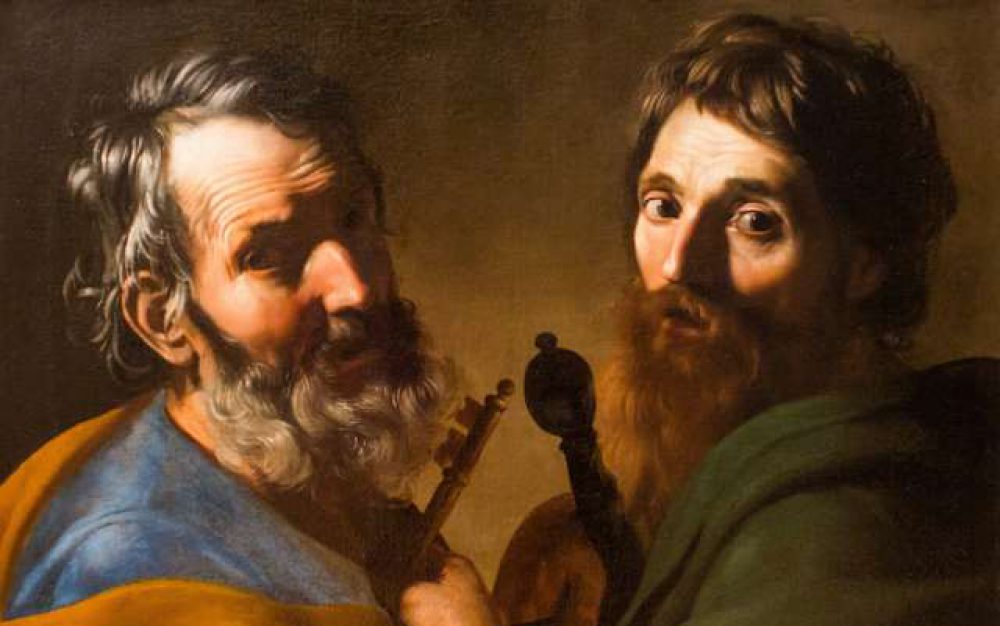
A monastery was formerly between the Basilica and the City wall of which the cloister still remains. The original apse survived until 1878, when it was destroyed and a deeper apse built. The ancient mosaics have been preserved The high Altar, which is of wood and is believed to have been used by Saint Peter, is now encased in marble. In the upper part of the baldachinum are the heads of the Apostles, Peter and Paul. The Baptistery is an octagonal edifice with porphyry columns. The font is of green basalt. This Basilica has been the Cathedral of Rome since the 4th century.

OLYMPUS DIGITAL CAMERA

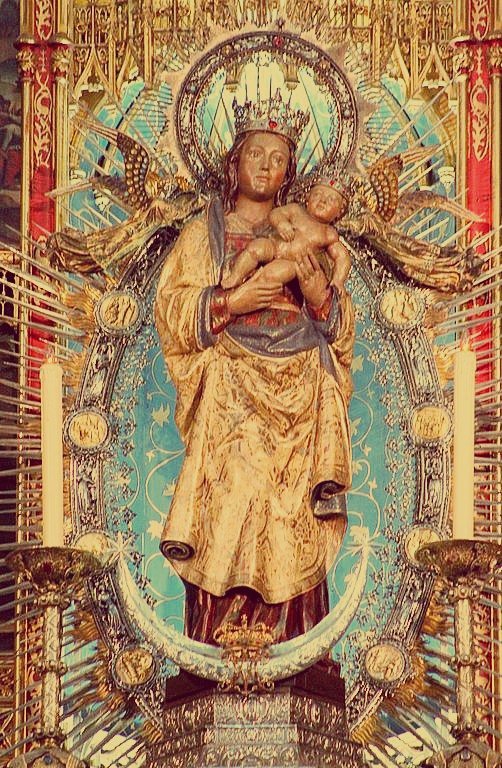
Santa Maria la Real de la Almudena / Our Lady of Almudena, Madrid, Spain (712) – 9 Novemnber:

The Virgin of Almudena is a medieval icon of the Virgin Mary, Mother of God. The image is the advocation of the Virgin that serves as a Patroness of Madrid, Spain.

Intriguingly, however, its name derives from the Arabic term of Al Mudayna, or the citadel. There are various legends regarding the Statue. One of the historical legends is that in 712, prior to the capture of the Town by the advancing Muslim forces, the inhabitants of the Town secreted the image of the Virgin, for its own protection, inside the walls surrounding the town. In the 11th century, when Madrid was reconquered by the King Alfonso VI of Castile, the Christian soldiers endeavoured to find the Statue. After days of prayer, the spot on the wall hiding the icon crumbled, revealing the Statue. Another legend is that as Christian soldiers approached the Town, they had a vision of Mary imploring them to allow her to lead them into the City. Again the miraculous crumbling of the wall occurred, with the Statue showing an entry route through the walls.

The Cathedral of Madrid is dedicated to this advocation of the Virgin and her feast day, 9 November, is a major holiday in Madrid.

St Agrippinus of Naples
St Alexander of Salonica
St Aurelius of Riditio
St Benignus of Armagh
St Eustolia
St Francisco José Marín López de Arroyave
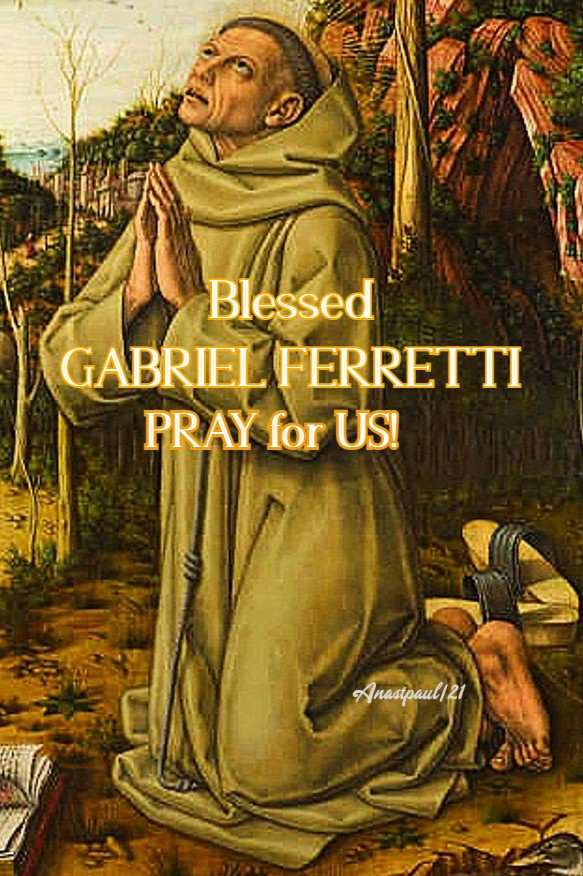
Blessed Gabriel Ferretti OFM (1385-1456) Priest
Bl George Napper
Bl Gratia of Cattaro
Bl Helen of Hungary
Bl Henryk Hlebowicz
St Jane of Segna

Blessed Ludovico Morbioli (1433-1485) Penitent, Preacher, Ascetic.

St Justo Juanes Santos
St Luigi Beltrame Quattrocchi
St Luis Morbioli
St María de la Salud Baldoví Trull
Bl María del Carmen of the Child Jesus
St Pabo
St Sopatra
St Theodore Stratelates
St Ursinus of Bourges
St Valentín Gil Arribas
St Vitonus of Verdun
—
Martyrs of Constantinople – 3 saints: A group of ten Christians who tried to defend an image of Jesus over the Brazen Gate of Constantinople from an attack by Iconoclasts during the persecutions of emperor Leo the Isaurian. The group of was seized by soldiers, condemned by judges for opposing the emperor, and martyred. The only details that have survived are three of their names – Julian, Marcian and Maria. They were martyred in 730 at Constantinople (modern Istanbul, Turkey).

Martyred in the Spanish Civil War:
• Blessed Anastasio Garzón González
• Blessed Francisco José Marín López de Arroyave
• Blessed Justo Juanes Santos
• Blessed María de la Salud Baldoví Trull
• Blessed Valentín Gil Arribas

Posted in Our MORNING Offering

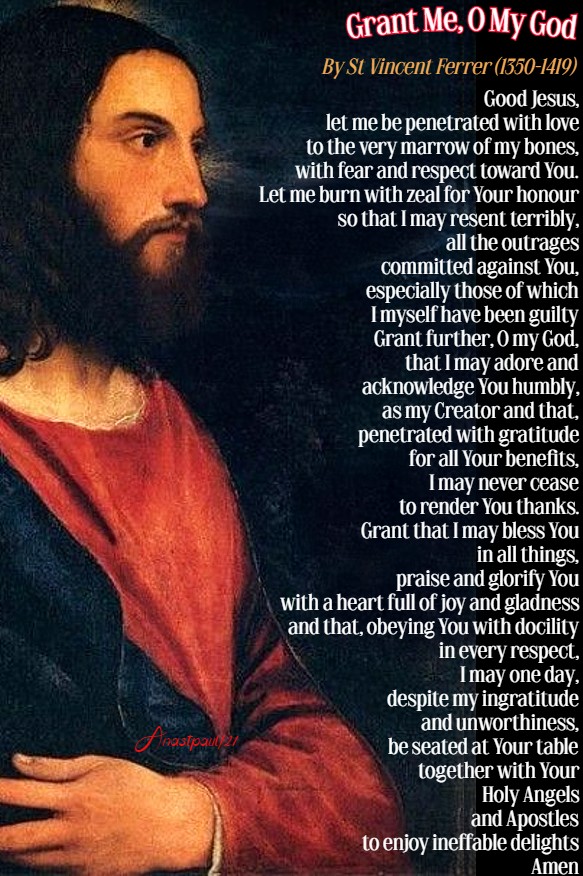
Our Morning Offering – 9 November – Grant me, O my God – By St Vincent Ferrer

Grant me, O my God
By St Vincent Ferrer OP (1350-1419)

Good Jesus,
let me be penetrated with love
to the very marrow of my bones,
with fear and respect toward You.
Let me burn with zeal for Your honour,
so that I may resent terribly,
all the outrages
committed against You,
especially those of which
I myself have been guilty.
Grant further, O my God,
that I may adore and acknowledge You humbly,
as my Creator and that,
penetrated with gratitude
for all Your benefits,
I may never cease to render You thanks.
Grant that I may bless You in all things,
praise and glorify You
with a heart full of joy and gladness
and that, obeying You with docility
in every respect, I may one day,
despite my ingratitude and unworthiness,
be seated at Your table
together with Your Holy Angels and Apostles
to enjoy ineffable delights.
Amen

Posted in ONE Minute REFLECTION

One Minute Reflection – 9 November –Today salvation has come to this house

One Minute Reflection – 9 November – “Month of the Holy Souls in Purgatory” –Feast Dedication of The Archbasilica of the Most Holy Saviour in the Lateran and the Memorial of Blessed Gabriel Ferretti OFM (1385-1456) – Readings: Gen. 28:17, Ps 83:2-3, Rev 21:2-5, Luke 19:1-10

Jesus said to him, Today salvation has come to this house, since he, too, is a son of Abraham. For the Son of Man came to seek and to save what was lost.

Luke 19:1-10

REFLECTION – As the Paschal season draws near we say without a thought: “Tomorrow is the Lord’s Passion” and yet many years have passed since the Lord underwent his Passion, which took place once for all. This Sunday, too, we can rightly say: “The Lord is risen today” although many years have passed since Christ was raised. So why is it that no one comes to blame us for this “today” as though it were a lie?

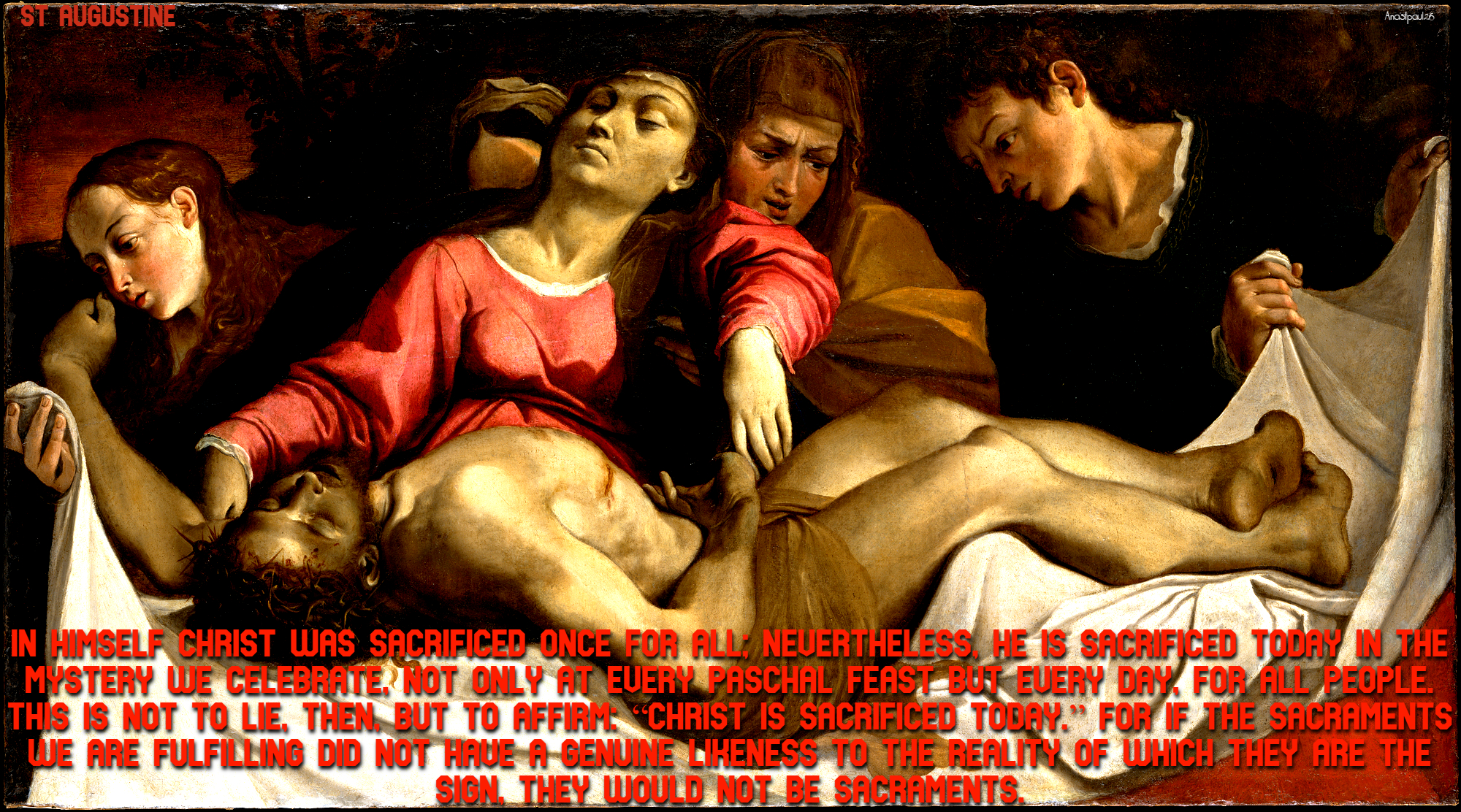
Is it not because we say “today” because this day stands for the return, in the course of time, of the day on which the event we are commemorating took place? We are right to say “today”: today, indeed, the event that took place so long ago is fulfilled by our celebration of the mystery. In himself Christ was sacrificed once for all; nevertheless, he is sacrificed today in the mystery we celebrate, not only at every paschal feast but every day, for all people. This is not to lie, then, but to affirm: “Christ is sacrificed today.” For if the sacraments we are fulfilling did not have a genuine likeness to the reality of which they are the sign, they would not be sacraments. But it is precisely this likeness that allows us to call them by the same name as the reality of which they are the sign. And so the sacrament of the body of Christ we celebrate is, in some way, the body of Christ; the mystery of the blood of Christ that we fulfil is the blood of Christ. The sacramental mystery of faith is the reality in which we believe.

St Augustine

PRAYER – Almighty God, as we recall with joy, the Dedication of this house of Yours on each recurring anniversary, listen to Your people’s prayer and grant that our worship here may be a sincere and holy service, honouring Your Name and bringing us the fullness of redemption. Through Jesus Christ, our Lord, in union with the Holy Spirit, one God for all eternity, amen.

Posted in CATHOLIC Quotes

Quote/s of the Day – 9 November – Mother and Head of All Churches in Rome and in the World

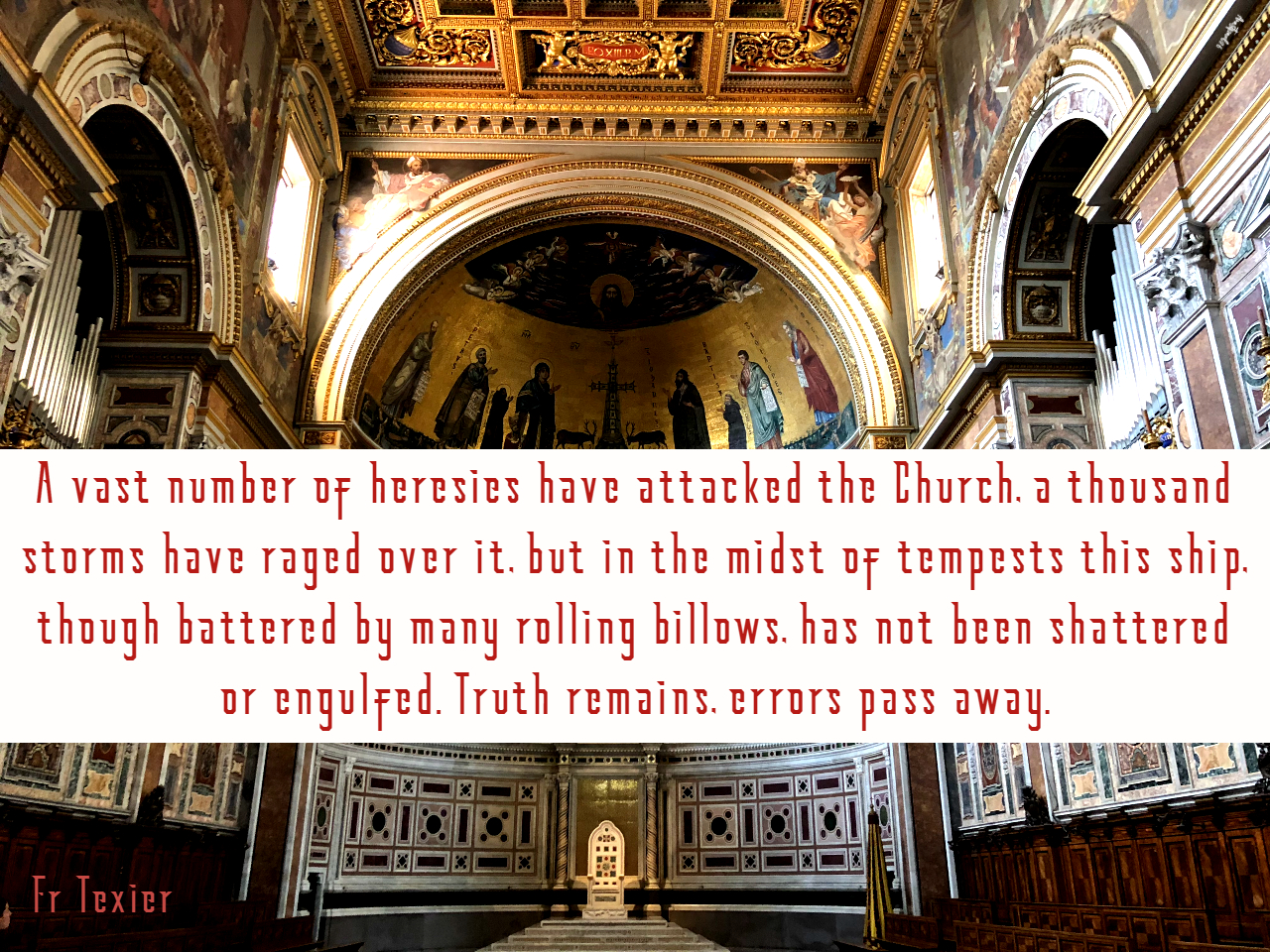
A vast number of heresies have attacked the Church, a thousand storms have raged over it, but in the midst of tempests this ship, though battered by many rolling billows, has not been shattered or engulfed. Truth remains, errors pass away.

Fr Texier

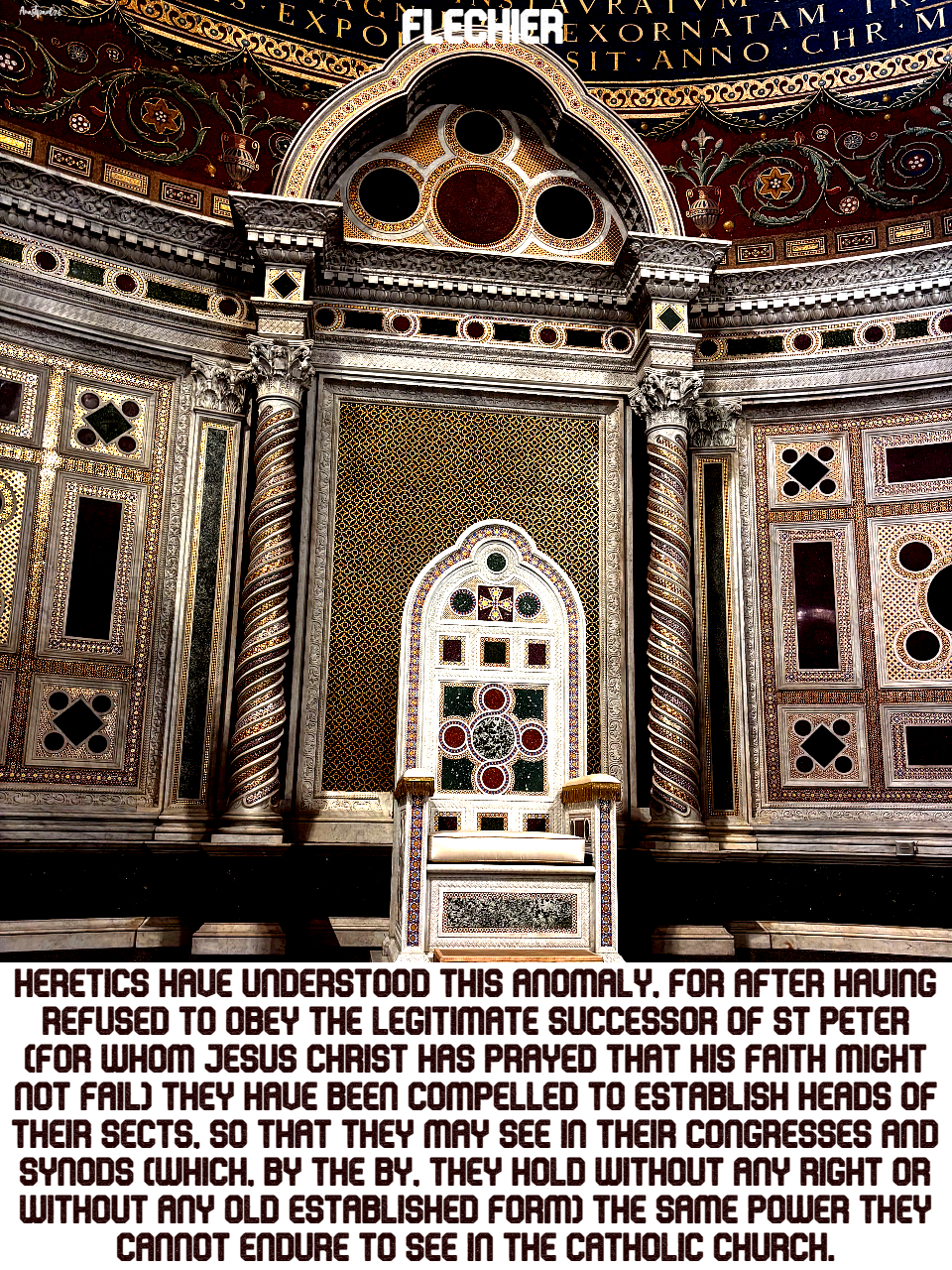
Heretics have understood this anomaly, for after having refused to obey the legitimate successor of St Peter (for whom Jesus Christ has prayed that his faith might not fail) they have been compelled to establish heads of their sects, so that they may see in their congresses and synods (which, by the by, they hold without any right or without any old established form) the same power they cannot endure to see in the Catholic Church.

Flechier

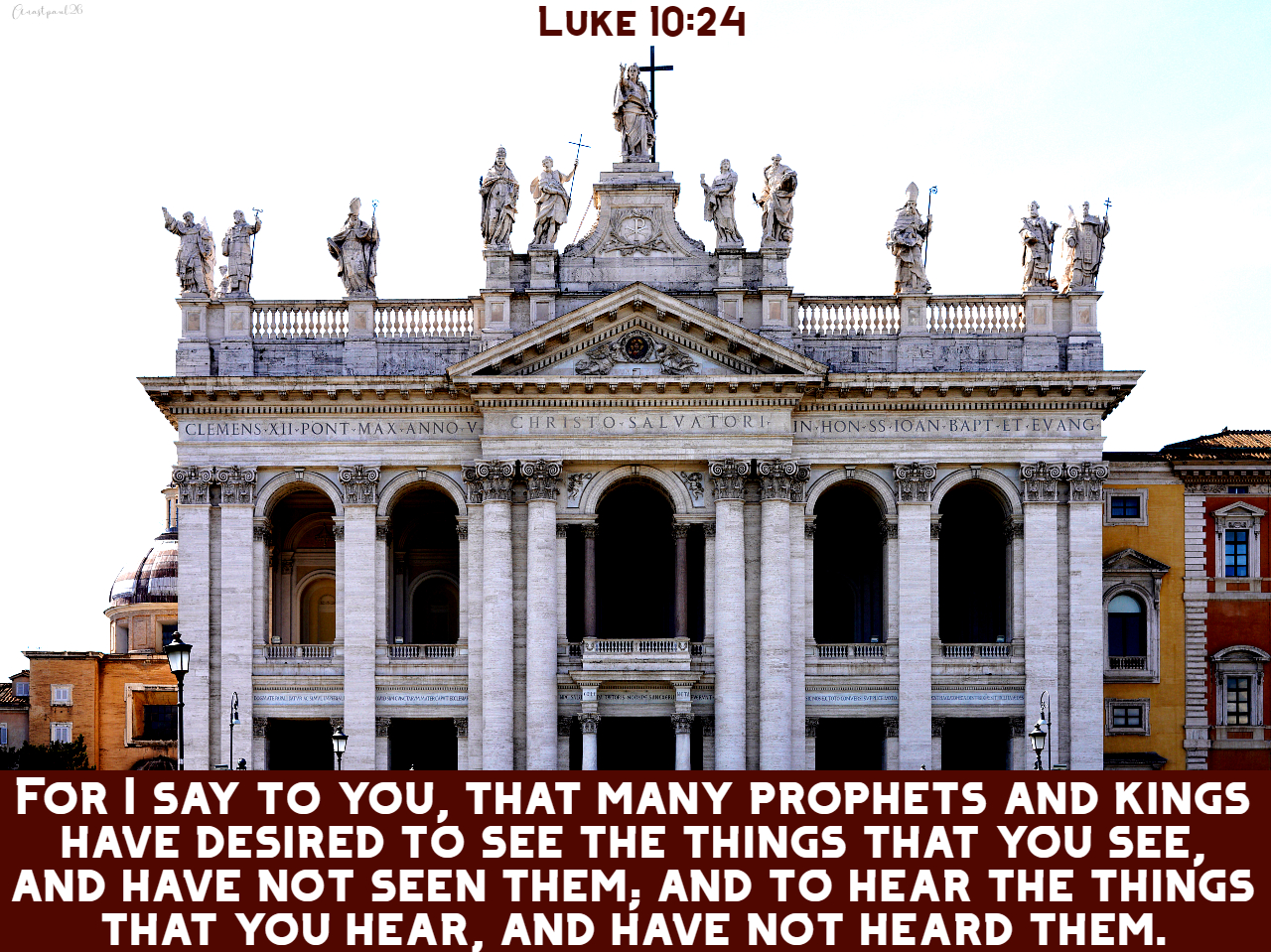
For I say to you, that many prophets and kings have desired to see the things that you see, and have not seen them; and to hear the things that you hear, and have not heard them.

Luke 10:24

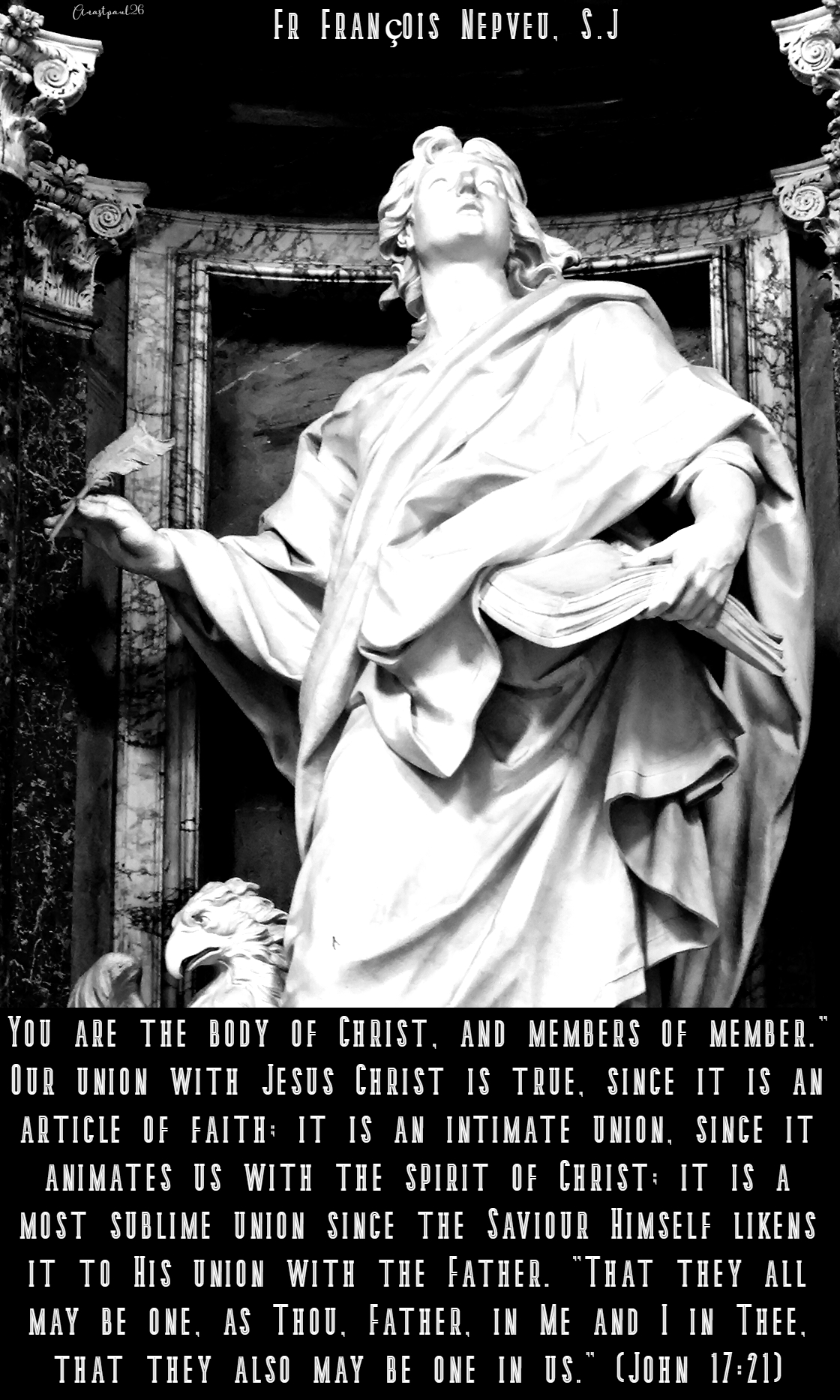
You are the body of Christ, and members of member.” Our union with Jesus Christ is true, since it is an article of faith; it is an intimate union, since it animates us with the spirit of Christ; it is a most sublime union since the Saviour Himself likens it to His union with the Father. “That they all may be one, as Thou, Father, in Me and I in Thee, that they also may be one in us.” (John 17:21)

Fr François Nepveu, S.J

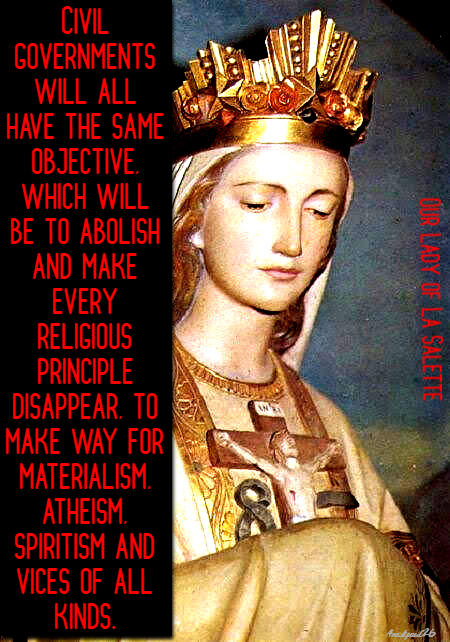
Civil governments will all have the same objective, which will be to abolish and make every religious principle disappear, to make way for materialism, atheism, spiritism and vices of all kinds.

Our Lady of La Salette

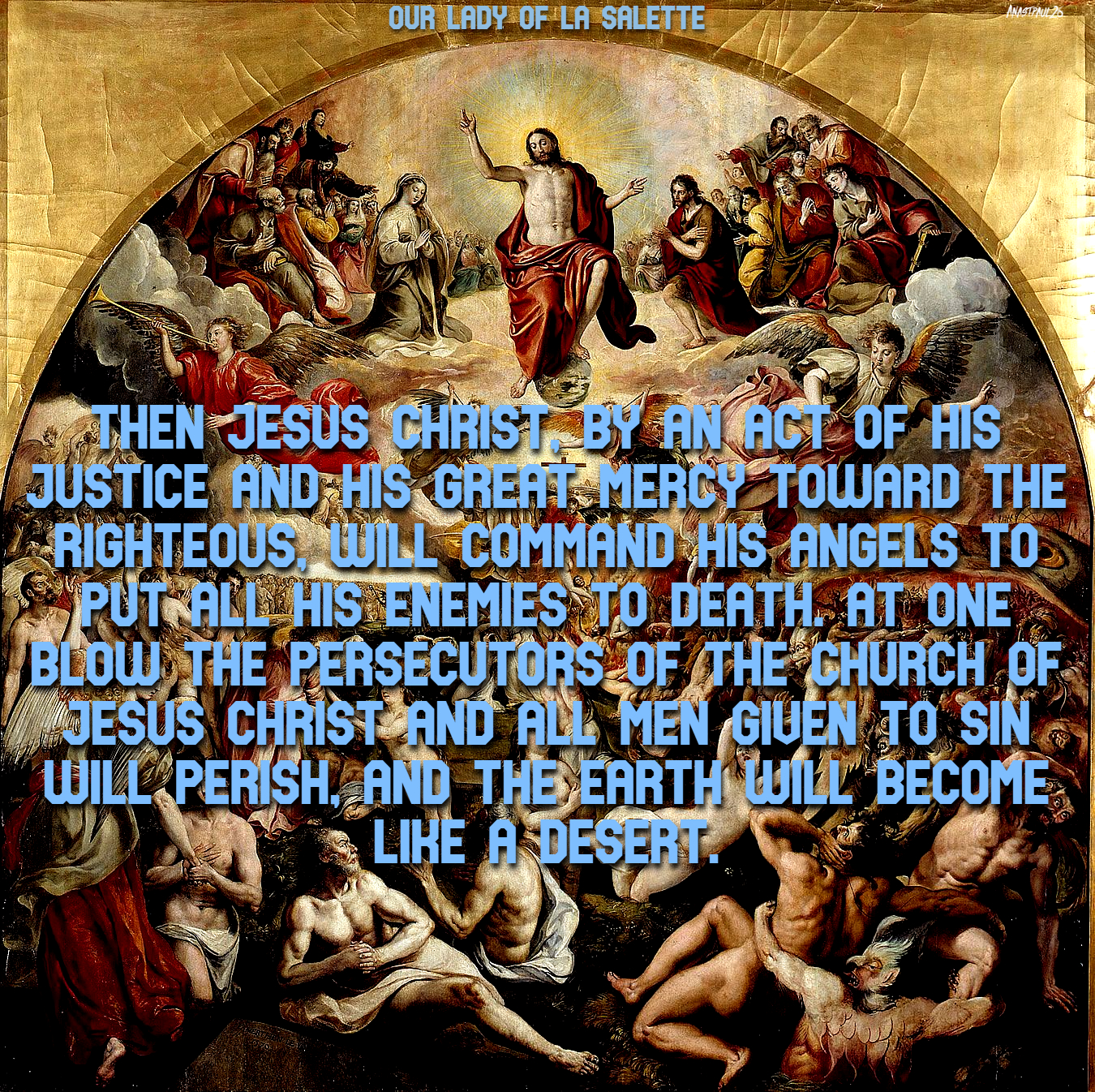
Then Jesus Christ, by an act of His justice and His great mercy toward the righteous, will command His angels to put all His enemies to death. At one blow the persecutors of the Church of Jesus Christ and all men given to sin will perish, and the earth will become like a desert.

Our Lady of La Salette

Posted in NOVEMBER - Month of the SOULS in PURGATORY

Thought for the Day – 9 November – the necessity of Purgatory, and how terrible it is

Treatise on Purgatory

St Catherine of Genoa

CHAPTER VIII

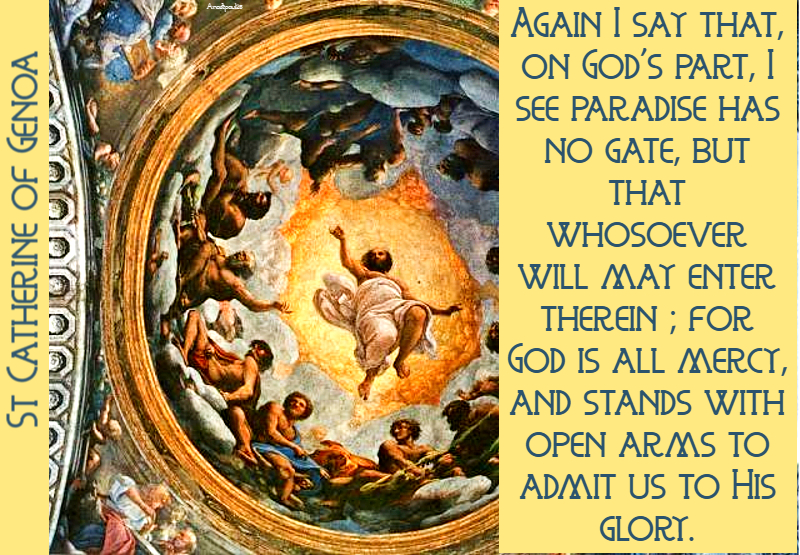
Again I say that, on God’s part, I see paradise has no gate, but that whosoever will may enter therein ; for God is all mercy, and stands with open arms to admit us to His glory. But still I see that the Being of God is so pure (far more than one can imagine), that should a soul see in itself even the least mote of imperfection, it would rather cast itself into a thousand hells than go with that spot into the presence of the Divine Majesty. Therefore, seeing purgatory ordained to take away such blemishes, it plunges therein, and deems it a great mercy that it can thus remove them.

No tongue can express, no mind can understand, how dreadful is purgatory. Its pain is like that of hell ; and yet (as I have said) I see any soul with the least stain of imperfection accept it as a mercy, not thinking it of any moment when compared with being kept from its Love. It appears to me that the greatest pain the souls in purgatory endure proceeds from their being sensible of something in themselves displeasing to God, and that it has been done voluntarily against so much goodness ; for, being in a state of grace, they know the truth, and how grievous is any obstacle which does not let them approach God.