
Saint Ignatius of Constantinople, also known as Ignatios and Nicetas, was a monk, priest, abbot and Patriarch of Constantinople born in 799 in Constantinople. Born the son the Byzantine emperor Michael I, he was thrust into tumultuous times. Iconoclasm was raging, and when he was fourteen, Emperor Leo V the Armenian had him forcibly castrated, which made him ineligible to become emperor, and imprisoned him in a monastery after his father’s deposition in 813. As a monk, he took the name Ignatius and eventually became abbot. He also founded three monasteries on the Princes’ Islands, a favorite place for exiling tonsured members of the imperial house.
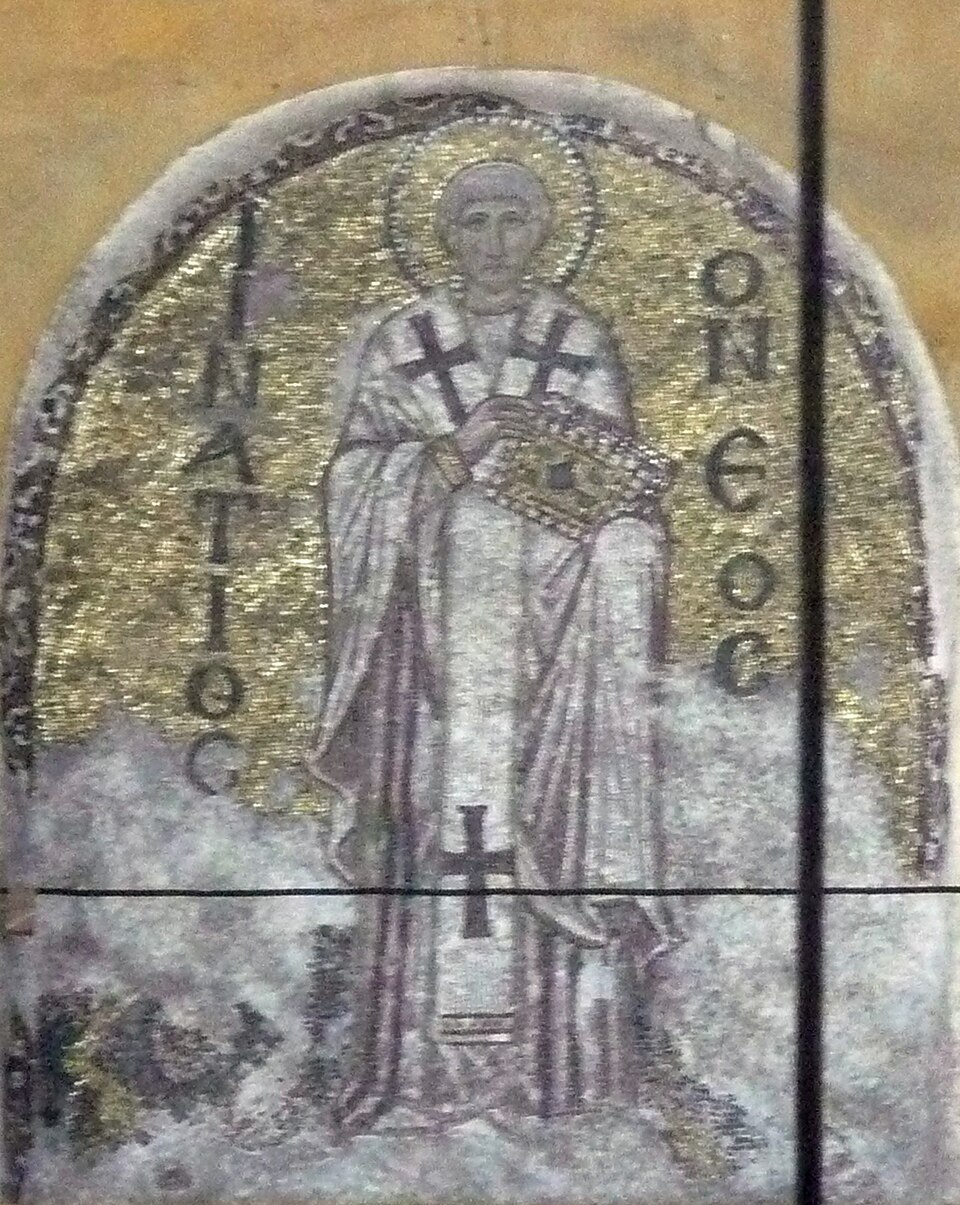
Empress Theodora appointed Ignatius as Patriarch on 4 July 847 in part because he supported venerating icons. As patriarch, Ignatius became an important ally for Theodora in the midst of the Iconoclast Controversy. Ignatius served as Patriarch of Constantinople from 4 July 847 to 23 October 858 and from 23 November 867 to his death on 23 October 877.
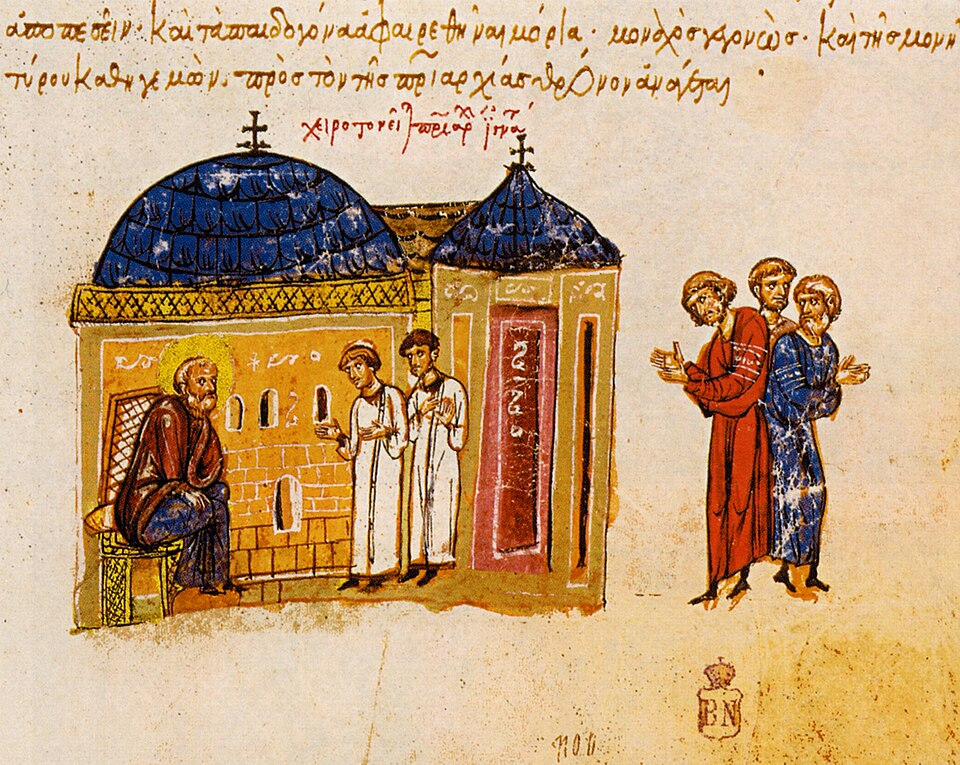
The imperial court’s resentment of Ignatius began when he refused communion to and excommunicated a high ranking imperial court member, Bardas, for incest. Bardas exiled Empress Theodora, attempting to gain more power, but Ignatius refused to approve of this. Emperor Michael III, influenced by Bardas, removed Ignatius as patriarch and exiled him in 857. A synod was convened which deposed Ignatius on the basis of a canon which prohibited a bishop being appointed by a secular power. Photius, an associate of Bardas (and the one who plunged his church and billions of people into a millennia long schism and hell by condemning the Filioque), was made patriarch on Christmas Day of 858.
A schism resulted from Photius I’s election because many bishops saw Ignatius’s exit as illegitimate. Ignatius had only a few supporters once Photius I became patriarch. Most agreed that Ignatius had legitimately resigned, but some of his supporters appealed to Rome for him. A synod of 170 bishops deposed and anathematised Ignatius, but the schism escalated when Pope Nicholas I stepped in. Pope Nicholas I questioned Photius I’s legitimate status as patriarch. Papal legates retried Ignatius in a synod in 861, which said that Photius I was the legitimate patriarch, but Nicholas I rejected that synod and held his own synod which condemned Photius I and declared Ignatius the legitimate patriarch. He excommunicated Photius I and declared all his ordinations invalid.
In 867, Emperor Michael III was murdered and replaced by Basil I, his co-emperor. Basil I exiled Photius I and restored Ignatius as patriarch. Basil I effectively undid the last nine years of church history, restoring the Ignatian bishops and nullifying everything Photius I did.
Ignatius died on the 23 October 877 of natural causes, and his relics lie in the church of Saint Michael, Constantinople.




You must be logged in to post a comment.