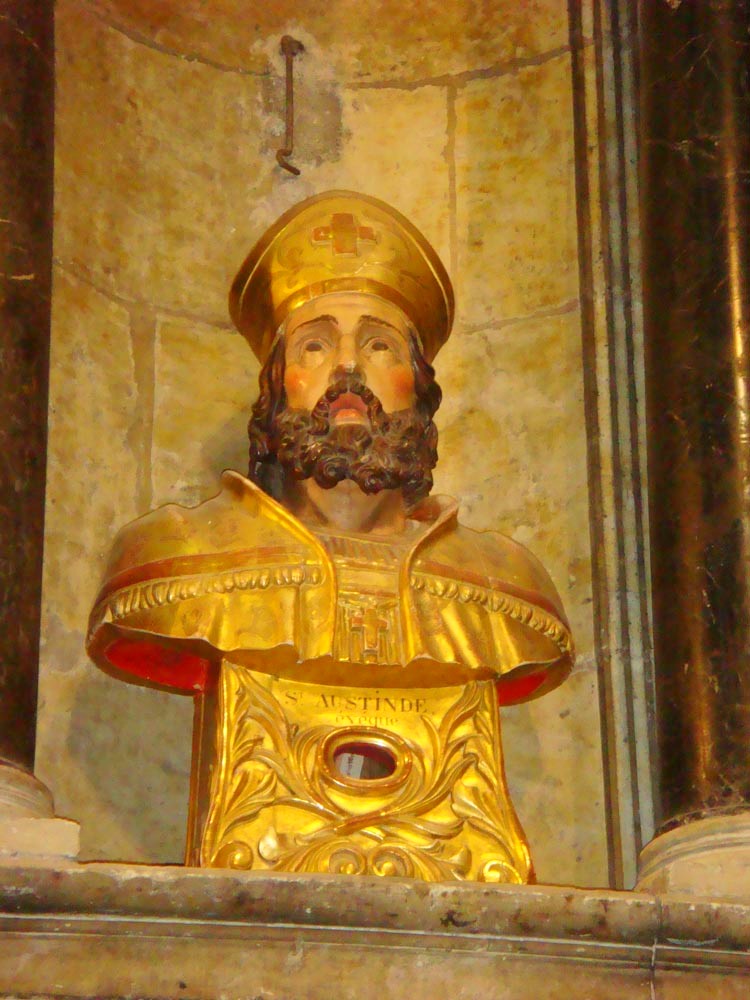
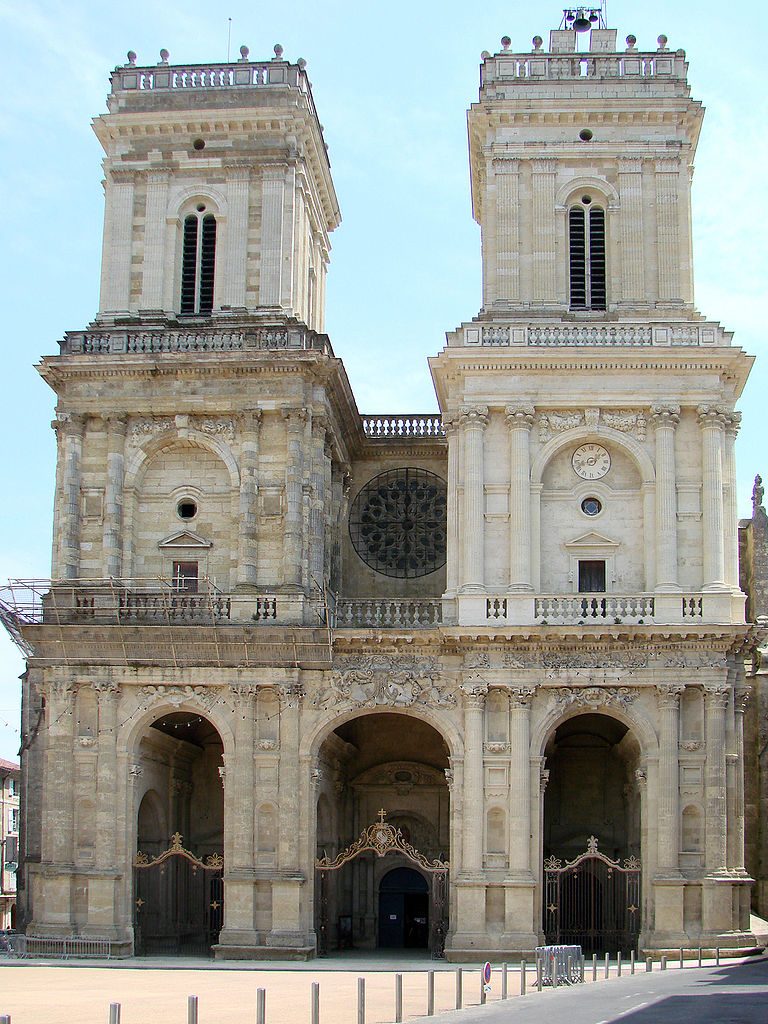
Saint of the Day – 26 July – Saint Austindus of Auch (c1000-1068) Archbishop of Auch in Aquitaine, France, Reformer of the faithful, Defender of the Church and Restorer and Builder of Churches. He is the actual Founder of the Auchs Cathedral which was completed during the reign of 3 of his successors. Born in c1000 in Bordeaux, France and died in 1068 at Auch, Aquitaine of natural causes. Also known as – Ostent, Austinde. Additional Memorial – 25 September (Archdiocese of Auch, France.
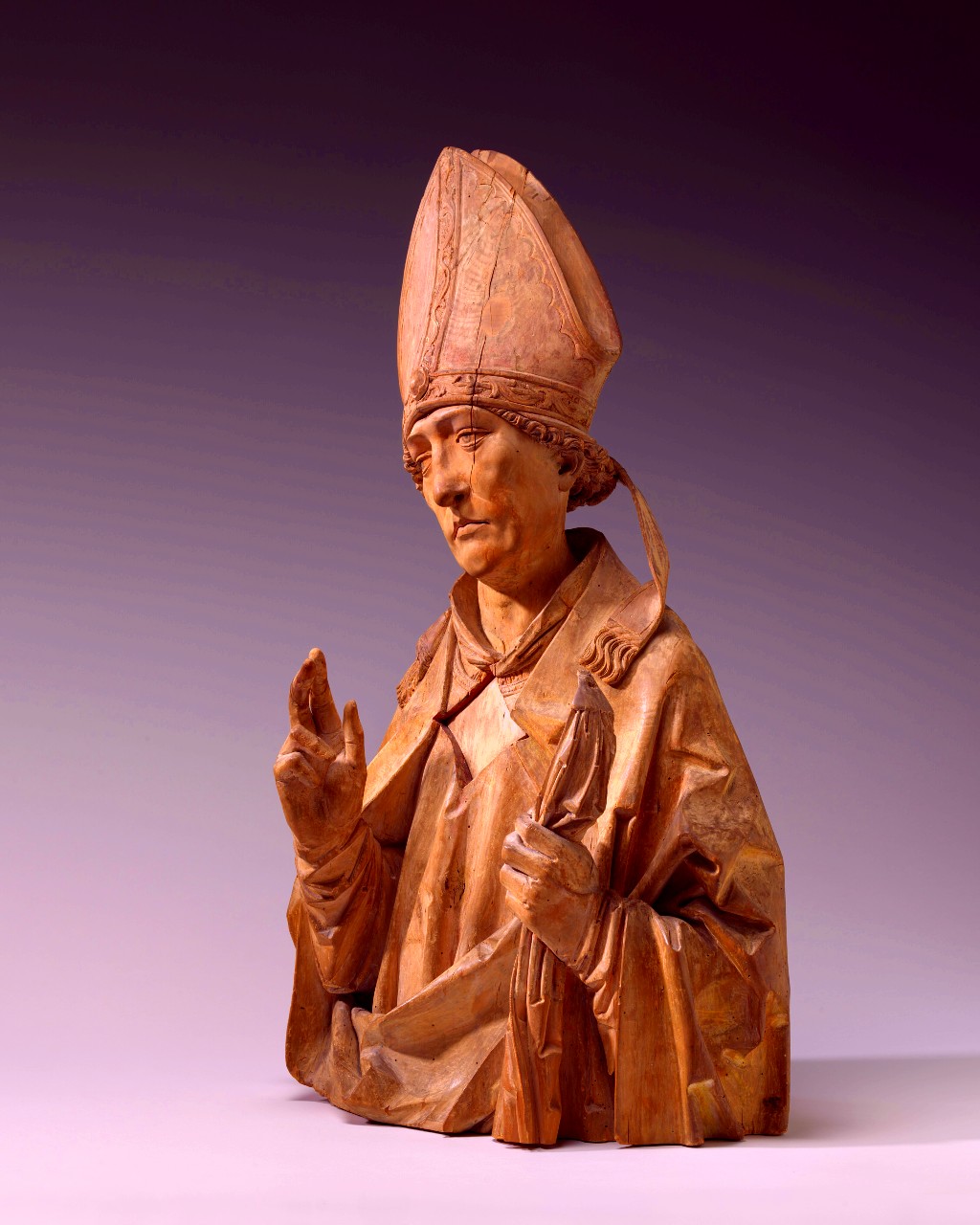
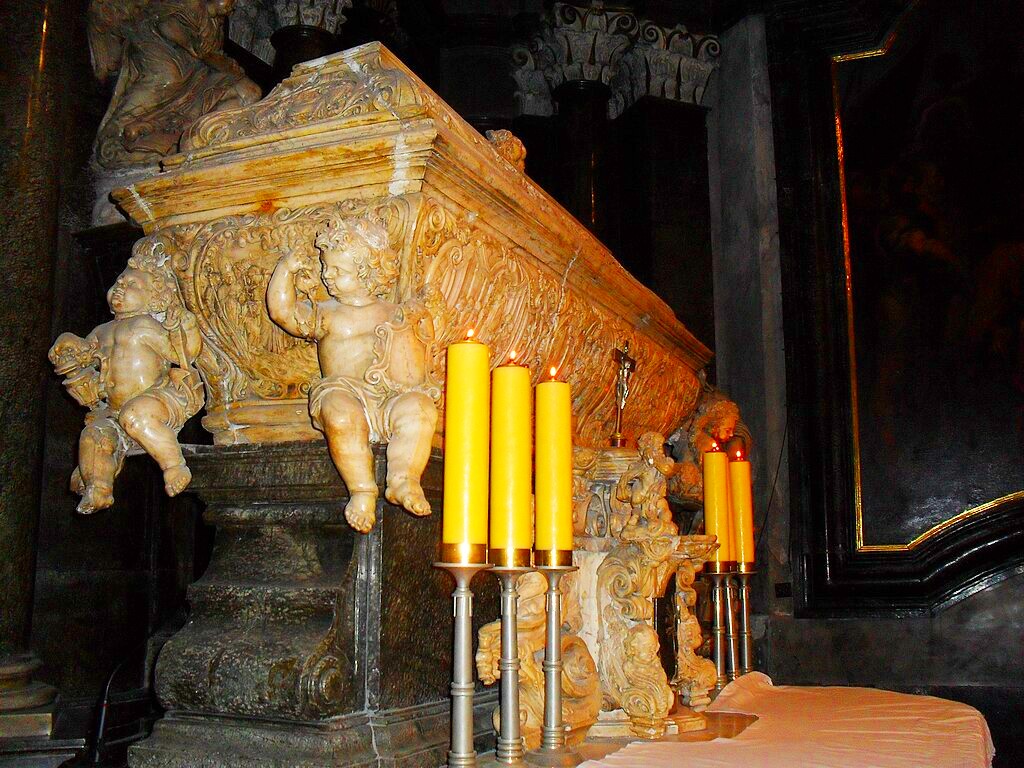
St Austindus Bust and Relics in his Shrine at Auch Cathedral
Austindus became a Benedictine Monk at Saint Orens’ Abbey in Auch, then Abbot of the Monastery. He was elected as the Archbishop of Auch, shortly after the middle of the 11th Century, in place of Raymond Copa who was deposed for simony.
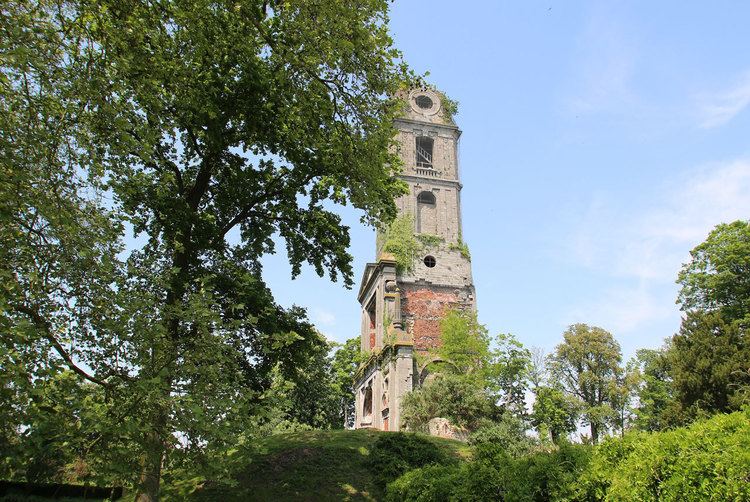
St Orens Abbey
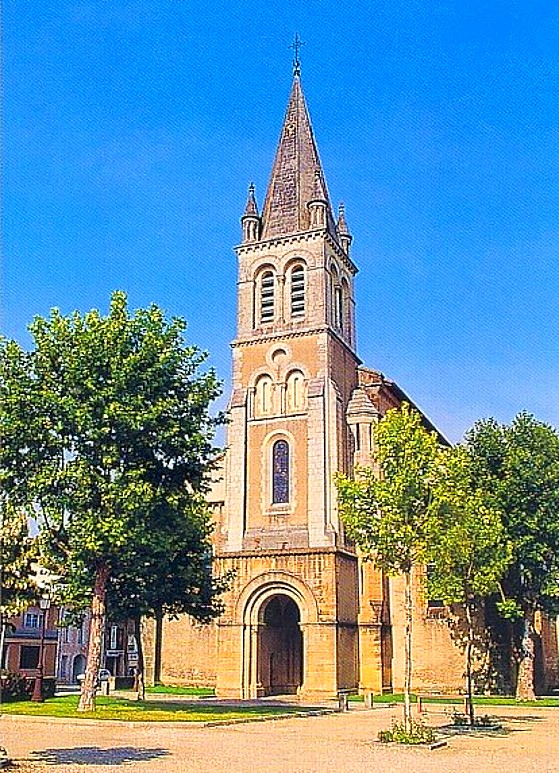
A builder, he erected a Chapter House with Cloister, began a new Cathedral between 1064 and 1069. It was finally completed and consecrated in 1121. Austindus founded the Town of Nogaro and its Collegiate Church dedicated to St Nicholas. “It was Saint-Austindus, Archbishop of Auch, who founded the Town on land sold to him by Guillaume Raymond Nogaro. He wanted to hold his Councils there. Austindus had a Church built dedicated to Saint Nicholas which he Consecrated in 1060 in the midst of a large crowd of people, lords and dignitaries who had come from all over Gascony. He very quickly equipped it with a Collegiate Church and established a College of Canons and Canonesses there.” ( History of the Town – Nogaro in Armagnac)
A reformer, he had the Rule of Cluny adopted, reinstated the abolished Bishoprics of Gascony, and directed Councils and Synods.
A defender, the struggles between the Frankish Princes and the Princes of Armagnac and Gascony, had repercussions on the rights of the Church which Austindus had to defend against the encroachments of the lords. We have his signature and notes on this matter, during a Council in Jacca in Spain. But this fight against lay usurpers forced him to take refuge in Rheims for two years. He returned to his Diocese and died shortly after a Synod, in 1068.
St Nicholas Church in the Town of Nogaro both Town and Church founded and built by St Austindus
Quote/s of the Day – 25 July – The Feast of St James the Greater, Apostle and Martyr and of St Christopher (died c 251) One of the Fourteen Holy Helpers
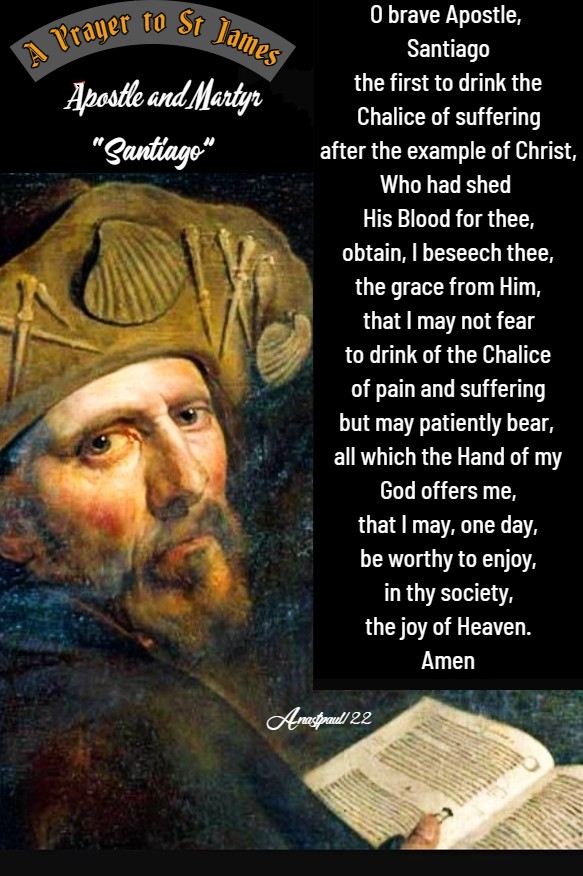
A Prayer to St James “Santiago”
O brave Apostle, Santiago the first to drink the Chalice of suffering after the example of Christ, Who had shed His Blood for thee, obtain from Him, I beseech thee, the grace that I may not fear, to drink of the Chalice, of pain and suffering but may patiently bear, all which the Hand of my God offers me, that I may, one day, be worthy to enjoy, in thy society, the joy of Heaven. Amen
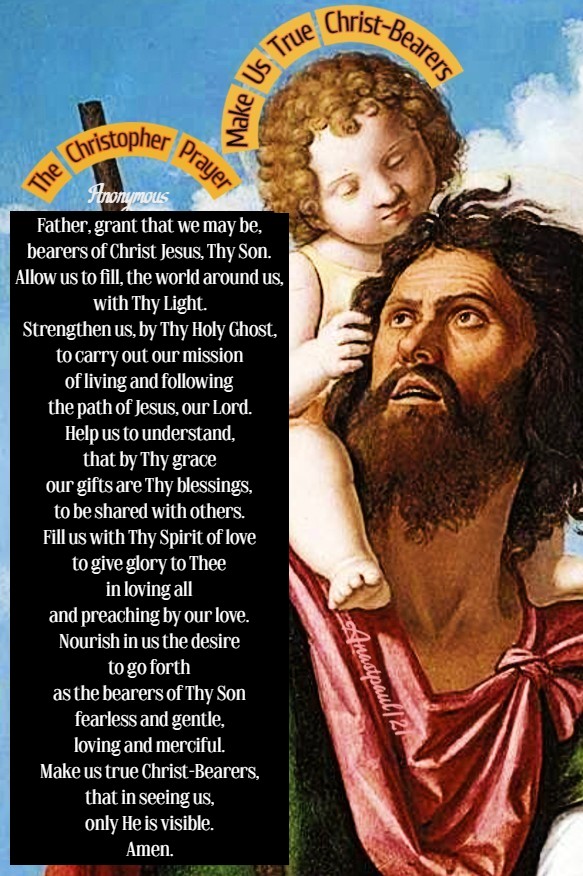
The Christopher Prayer, Make Us True Christ-Bearers Anonymous
Father, grant that we may be, bearers of Christ Jesus, Thy Son. Allow us to fill, the world around us, with Thy Light. Strengthen us, by Thy Holy Ghost, to carry out our mission of living and following the path of Jesus, our Lord. Help us to understand, that by Thy grace our gifts are Thy blessings, to be shared with others. Fill us with Thy Spirit of love to give glory to Thee in loving all and preaching by our love. Nourish in us the desire to go forth as the bearers of Thy Son fearless and gentle, loving and merciful. Make us true Christ-Bearers, that in seeing us, only He is visible. Amen.
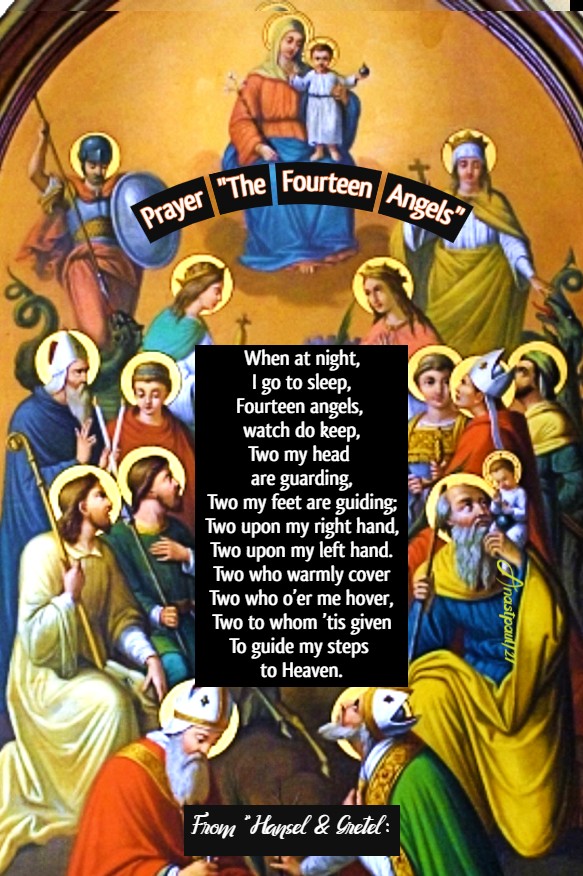
The “fourteen Angels” of the lost children’s prayer in the Composer, Engelbert Humperdinck’s (1854-1921) (not the popular Welsh singer) fairy opera, ‘Hansel and Gretel’, are the Fourteen Holy Helpers. The English words are familiar and very beautiful:
When at night, I go to sleep, Fourteen angels, watch do keep, Two my head are guarding, Two my feet are guiding; Two upon my right hand, Two upon my left hand. Two who warmly cover Two who o’er me hover, Two to whom ’tis given To guide my steps to Heaven.
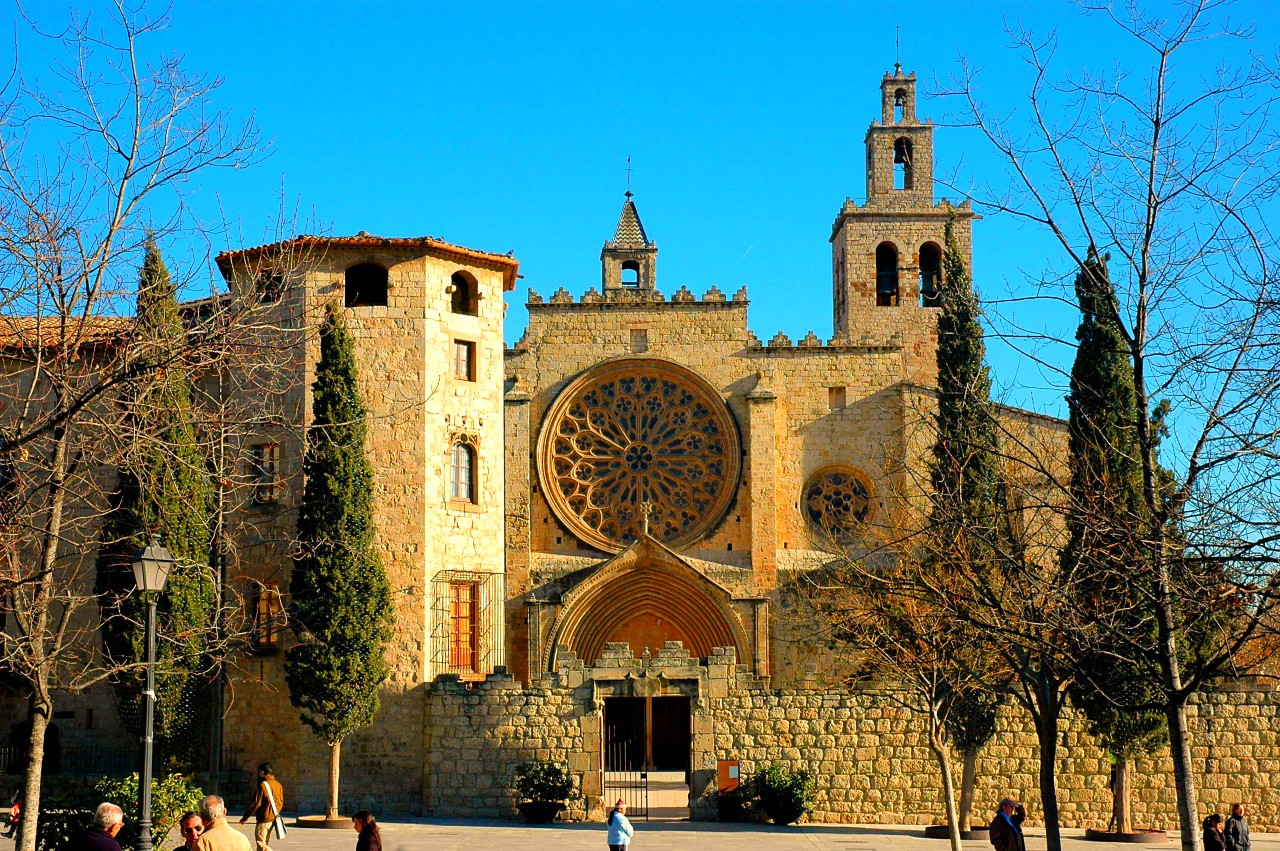
Saint of the Day – 25 July – St Cugat del Valles (Died c304) Lay Martyr, Preacher, Evangeliser, Miracle-worker. Born in North Africa and died by beheading in 304 near Barcelona, Spain. Pstronages – of hunchbacks, petty thieves, of the City of St Cugat del Valles in Spain. Also known as – Cobad, Cocoba, Cocobas, Cophan, Cougat, Covade, Cucao, Cucufa, Cucufas, Cucufat, Cucufate, Cucuphas, Cucuphat, Culgat, Guinefort, Gulnefort, Qaqophas, Qoqofas, Quiquefat, Quiquenfat. At Barcelona he is called Saint Cugat, at Ruel, near Paris, Saint Quiquenfat, in some other parts of France, Saint Guinefort. Additional Memorials – 27 July – in Barcelona to avoid a clash with today’s Feast of St James, 16 February (translation of relics to Léberan), 25 August (translation of relics to Saint-Denis).
The Roman Martyrology reads: “At Barcelona in Spain, during the persecution of Diocletian and under the Governor Darian, the birthday of the holy Martyr Cucuphas. After overcoming many torments, he was struck with the sword and thus went triumphantly to Heaven.”
Saint Cugat is one of the most venerated Saints in Spain but all that history has preserved of him is contained in a poem by the renowned Aurelius Prudentius (a Latin Christian poet of Spanish origin, (c348 – c413) ) who dedicates this short expression to him: “Barcelona will rise from the famous Cucufate.”
There is no certainty about the time of his Martyrdom, which. however. occurred during the persecution of Diocletian (243-313) and is placed at the beginning of the 4th Century. An anonymous author compiled the ‘Acts’ of the Martyrdom in the 8th Century but does not present historical elements.
Cugat and Felix, originally from Scillium in Africa, both noble and rich, having learned of the persecutions which had begun in the eastern provinces, fled to the West.
But when they landed in Barcelona, they realised that persecution was imminent there too, so as Christians they offered their goods to the poor, dedicating themselves to works of mercy and the spread of the Christian Gospel.
St Cugat del Valles Monastery and Church
Felix moved to Gerona in Catalonia, while Cugat remained in Barcelona, dedicating himself openly to preaching, which was accompanied by numerous miracles. He was arrested by order of the Proconsul Galerius and was tortured so savagely that his intestines were exposed, while he invoked the Lord God. The ‘Passio’ continues, saying that the twelve soldiers who tortured him were blinded by a flash of fire, while Galerius was burned together with the idols. Cugat.however, suddenly found himself completely unharmed.
In place of Galerius, Maximian, inflicting various and unheard of torments but again, miraculously he was Cugat suffered no injury. Then an Officer of the Prefect Dacianus, a certain Rufinus, intervened and had him beheaded.
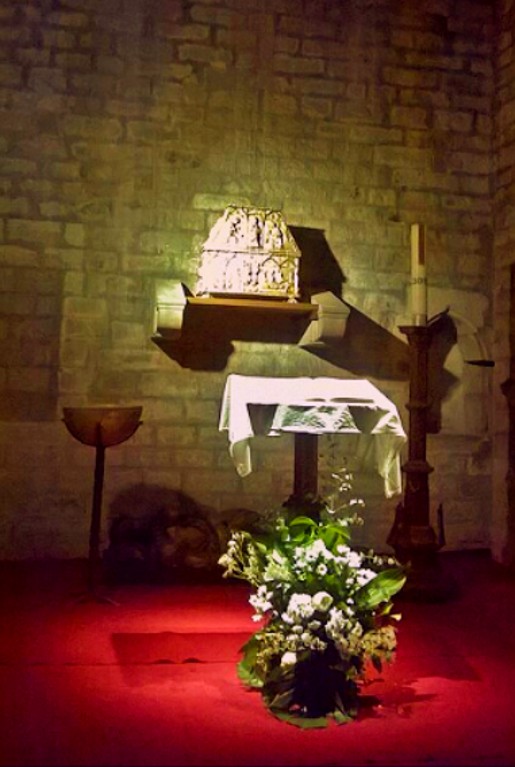
His body was collected by the Christians and buried on 25 July of an unspecified year and place. But, in the middle of the 8th Century, the Abbot of St Denis near Paris, St Fulrad (Died784), managed to obtain the Relics of St Cugat, taking them to the Priory of Lièvre in Alsace (France) where they were placed, in the cell of St Fulrad. In 835 the Relics or a part thereof, were brought to St Denis by order of the Abbot Ilduinus and placed in the crypt of the Abbey Church.
In the early years of the 9th Century, the famous Benedictine Abbey of St Cugat del Vallés arose near Barcelona in a place called Octavian. In 1079, the Relics of an unknown Martyr were recognised as those of St Cugat, as only the head of the Martyr killed in Barcelona had been taken to France.
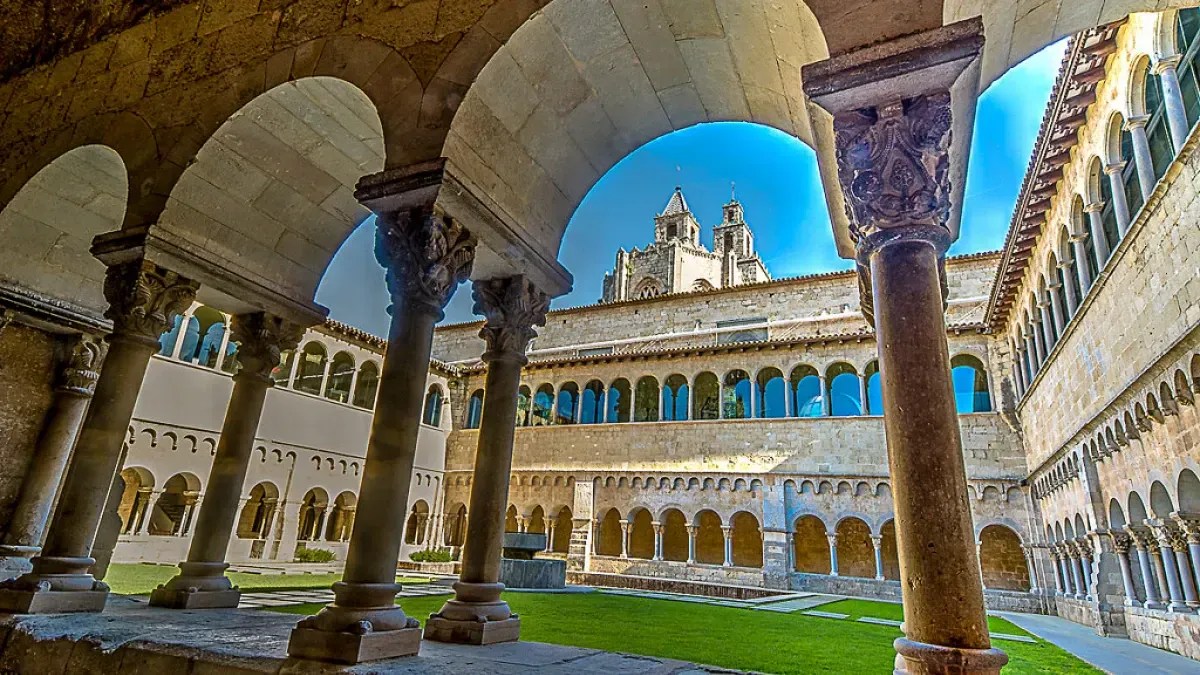
St Cugat’s Monastery C;oister
Several Churches are dedicated to him both in Spain and in France The various Martyrologies including the Roman celebrate him on 25 July. But, in Barcelona, St Cugat is celebrated on 27 July to avoide the ovvious clash with the celebration of St James the Apostle.
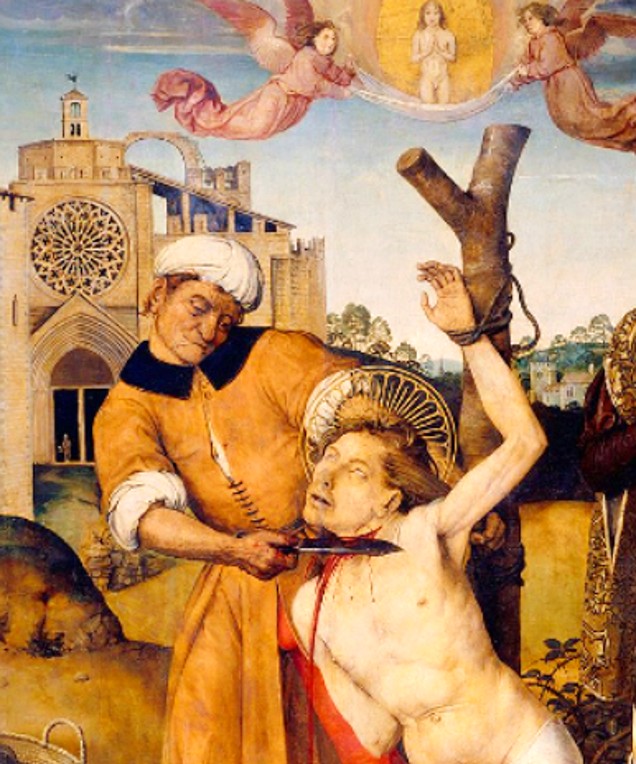
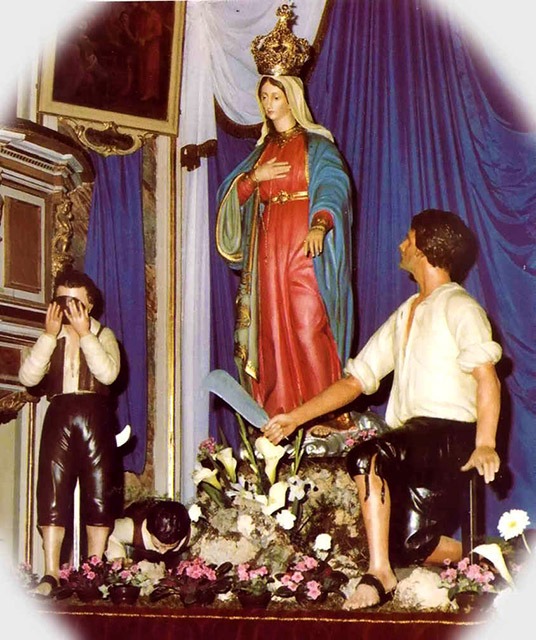
In the Museum of Catalanese Art in Barcelona, there is a painting by the Artist Ajna Brù, which depicts the very dramatic and violent scene of the beheading of St Cugat, with a large knife, giving particular emphasis to the perfidious and evil expression of the executioner – see the image above.
Bl Antonio of Olmedo St Bantu of Trier St Beatus of Trier St Cugat del Valles (Died c304) Lay Martyr St Ebrulfus St Fagildo of Santiago St Felix of Furcona St Florentius of Furcona St Glodesind of Metz
St Mordeyren St Nissen of Wexford St Olympiad of Constantinople St Paul of Palestine
Blessed Pietro Corradini OFM (1435–1490) Priest of the Franciscan Friars Minor, Confessor, Preacher, Spiritual Director. Pietro and a great devotion to the Holy Mother and constantly taught love of her. Fr Pietro served in several leadership positions within his Order. The Beatification process commenced not too long after Fr Pietro’s death and culminated on 10 August 1760 after Pope Clement XIII issued a formal decree that approved Corradini’s local ‘cultus’ thus naming him Blessed. A Special Child of Mary: https://anastpaul.com/2020/07/25/saint-of-the-day-25-july-blessed-pietro-corradini-ofm-1435-1490-priest/
St Theodemir of Cordoba
Martyrs of Caesarea – 3 Saints: Three Christians Martyred together in the pesecutions of emperor Maximilian and governor Firmilian – Paul, Tea and Valentina. 309 in Caesarea, Palestine.
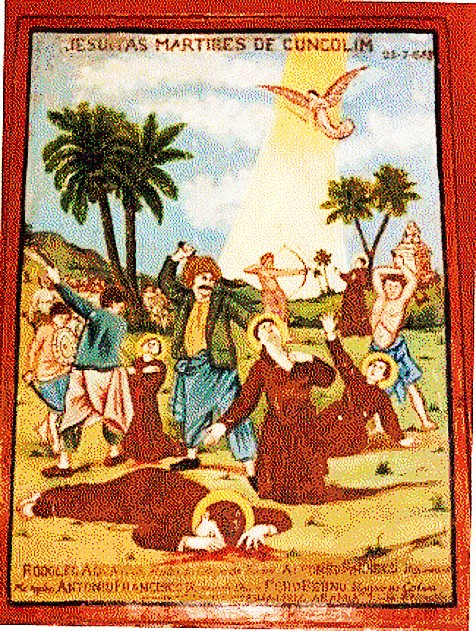
Martyrs of Cuncolim, Goa, south western India– 20 Saints: On 15 July 1583 the group met at the Church of Orlim and hiked to Cuncolim to erect a Cross and choose land for a new Church. Local anti-Christian Hindu pagans, seeing the unarmed Christians, gathered their weapons and marched on them. One of the Parishioners, a Portuguese emigre named Gonçalo Rodrigues, carried a firearm but Father Alphonsus Pacheco stopped him from using it. The Hindu pagans, numbering at least 500, then fell upon them and killed them all without mercy. They were – • Alphonsus Pacheco • Alphonsus the altar boy • Anthony Francis • Dominic of Cuncolim • Francis Aranha • Francis Rodrigues • Gonçalo Rodrigues • Paul da Costa • Peter Berno • Rudolph Acquaviva • ten other native Christian converts whose names have not come down to us They were Martyred on Monday 25 July 1583 at the village of Cuncolim, district of Salcete, territory of Goa, India. They were Beatified on 30 April 1893 by Pope Leo XIII.
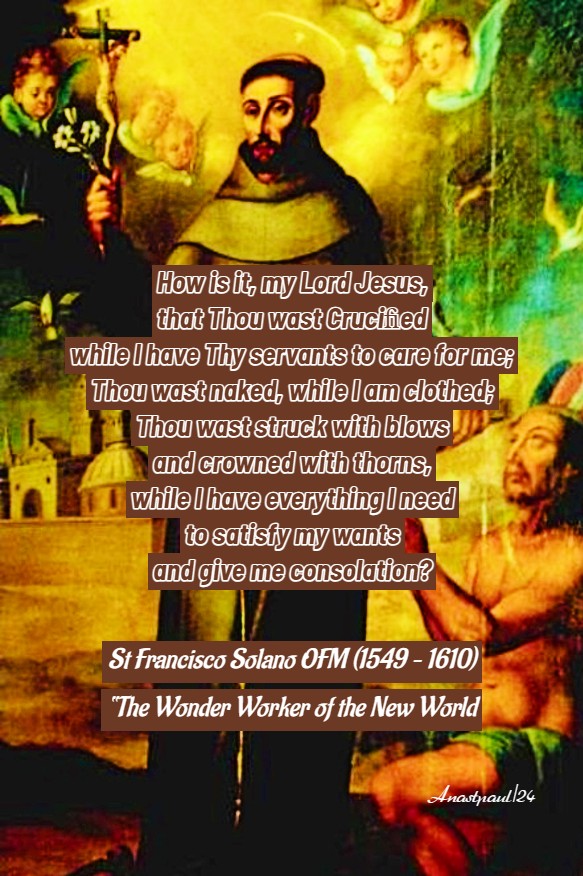
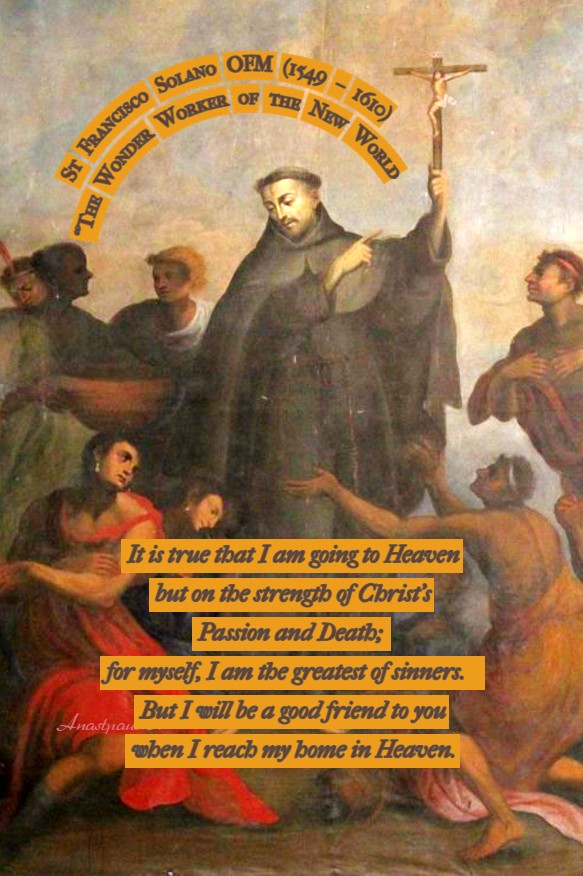
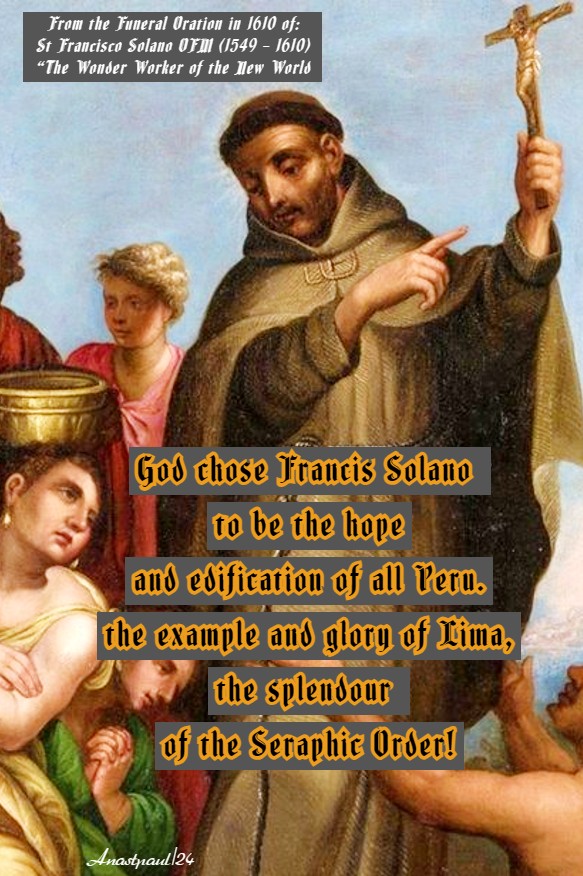
Quote/s of the Day – 24 July – St Francisco Solano OFM (1549 – 1610) “The Wonder Worker of the New World”
“How is it, my Lord Jesus, that Thou wast Crucified while I have Thy servants to care for me; Thou wast naked, while I am clothed; Thou wast struck with blows and crowned with thorns, while I have everything I need to satisfy my wants and give me consolation?”
“It is true that I am going to Heaven but on the strength of Christ’s Passion and Death; for myself, I am the greatest of sinners. But I will be a good friend to you when I reach my home in Heaven.”
“God chose Francis Solano to be the hope and edification of all Peru. the example and glory of Lima, the splendour of the Seraphic Order!”
From the Funeral Oration in 1610
St Francisco Solano OFM (1549 – 1610) “The Wonder Worker of the New World
Saint of the Day – 24 July – Saint Ursicinus (Died c380) Bishop of Sens in France and Confessor, a powerful opponent of the Arians.
The Roman Martyrology mentions him today: “At Sens, St Ursicinus, Bishop and Confessor.”
Unknown Bishop Saint
During Ursicinus’ Ep[iscopate, the heresy of Arianism had gained significant ground within Sens and its surrounding regions. Recognising the danger it posed to his flock, Ursicinus vehemently opposed this heresy, engaging in debates and sermons to combat its spread. Through his charismatic preaching and unwavering commitment to the truth, Ursicinus was able to convince many of the error of Arianism and restore orthodoxy within the region.
St Ursicinus dies of natural causes in around 380 and is celebrated today, 24 July.
St Aliprandus of Pavia St Antinogenes of Merida St Aquilina the Martyr St Arnulf of Gruyere Bl Balduino of Rieti St Boris of Kiev St Capito
St Christina Mirabilis/the Astonishing (1150-1224) Virgin, mendicant, Penitent, Mystic. St Christina the Astonishing has been recognised as a Saint since the 12th century. She was placed in the calendar of the saints by at least two bishops of the Catholic Church in two different centuries (17th & 19th Her Amazing Life: https://anastpaul.com/2019/07/24/saint-of-the-day-24-july-saint-christina-mirabilis-1150-1224/
St Cyriacus of Ziganeus St Declan of Ardmore Bl Diego Martinez Bl Donatus of Urbino
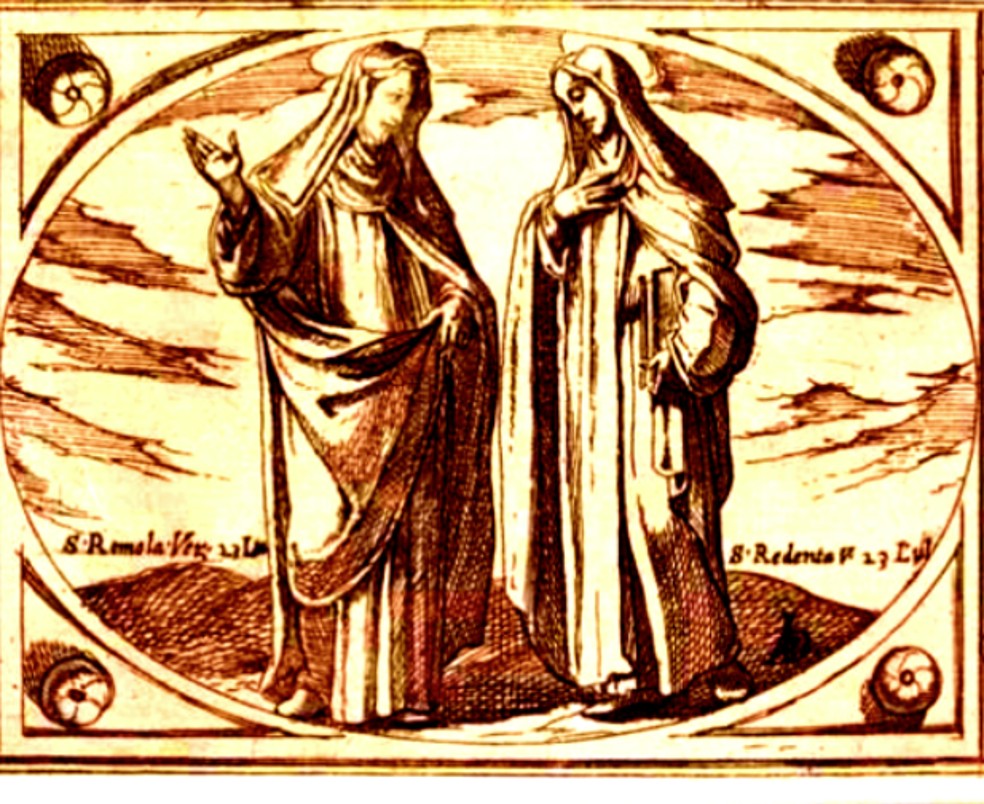
Saint of the Day – 23 July – Saint Romula of Rome (Died c580) Virgin, Recluse, Ascetic
Romula lived with St Redempta as a Recluse near the Basilica of St Mary Major in Rome. Redempta had been trained as a Nun by St Herundo in Palestine. These three formed a small community in Rome and they earned the praise of the Pope, St Gregory I the Great. Romula became ill and was paralysed for the last years of her life.
St Gregory wrote:
“At the time when I went to the Monastery, there was an old woman named Redempta who wore a Nun’s dress and lived by the Church of Mary here in the City. She was a disciple of the Herundo who is said to have lived as a hermit on the mountain near Preneste. Now this Redempta had two disciples in Nun’s garb, one named Romula and the other, who is still living, of whom I do not remember her name, although I would recognise her. So the three lived together in the same house, rich in Godliness but poor in this world’s goods.
Romula surpassed her fellow sister Redempta, by her great merits – admirably patient and perfectly obedient, she observed silence and was untiring in prayer. But now. it is often the case that those who are considered perfect by their fellow human beings, still have something imperfect about them, in the Creator’s eyes. (In the same way as when we, ignorant men, look at an unfinished sculpture and praise it as finished, while the artist, who probably hears our praise, improves it further by further polishing.) Romula was stricken with the disease which the Doctors call by its Greek name, paralysis.
For many years she was bedridden and almost completely deprived of the use of her limbs. But this trial did not make her impatient! The injury to her limbs only increased her virtues; she gave herself so much more to prayer that she was unable to do anything else.
One night she called out to Redempta, who was, as I said, like a mother to her two disciples: “Mother, come! Mother, come!” and she, Redempta, stood up with the other disciple. What then happened, they both told to many and I heard it too – as they stood by her bed in the middle of the night, a light from Heaven suddenly filled the whole cell. The sight was so overwhelming that they were struck with awe and (as they afterwards related) completely paralysed too.
They heard the sound of many people entering and touching the cell door, they felt the crowd coming in but said that, from fear and from the overwhelming character of the light, they could not see – their eyes were, as if closed to both. After the shining light followed a wonderful fragrance which was supposed to take away their fear of the brilliant light but, when they could not manage this last, Romula began, in a loving voice, to comfort her Superior Redempta, with the words: “Fear not, Mother, I will not die yet.” She said this repeatedly and the light faded but the sweet smell remained.
It remained too, on the second and third day. On the fourth night she again called her Superior, who came – she asked for Holy Communion and received it. Redempta and the other disciple had not yet left the Infirmary when suddenly, two choirs appeared in the square outside the cell, singing David’s Psalms. Their gender, they later said, they could hear from the voices – the men intoned and the women answered. And while this heavenly Liturgy took place outside the cell, Romula’s holy soul was separated from her body. As she was led up to Heaven, the Psalm sounded fainter and fainter as the soul rose higher and higher, then both ithe soul and the good fragrance were gone.”
Bl Juan de Luca Bl Juan de Montesinos Bl Leonard da Recanati Bl Mariano Brandi
St Phocas the Gardener (Died c303) Layman Martyr, Apostle of the poor and needy. Died by beheading c 303 in Sinope, Pontus (in modern Turkey). Patronages – against insect bites, against poisoning, against snake bites, agricultural workers, farm workers, farmers, field hands, boatmen, mariners, sailors, watermen, gardeners, husbandmen, market-gardeners. https://anastpaul.com/2022/07/23/saint-of-the-day-23-july-st-phocas-the-gardener-died-c-303-martyr/
St Primitiva of Rome St Rasyphus of Macé St Rasyphus of Rome St Ravennus of Macé *St Redempta of Rome + *St Romula of Rome + (Died c580) Virgin Recluse St Severus of Bizye St Theophilus of Rome St Trophimus of Rome St Valerian of Cimiez
Saint of the Day – 22 July – Saint Cyril of Antioch (Died c306) Bishop Martyr. Unknown birth date and location but we believe that he was a local of Antioch. He died most probably of ill-treatment and starvation, in the mines in Pannopia which is in tbe modern eastern European regions of Hungary, Sovalie etc. (He is not to be confused with St Cyril of Alexandria (376-444) the Doctor of the Church).
The Roman Martyrology reads: “At Antioch, the holy Bishop Cyril. who was distinguished for learning and holiness.”
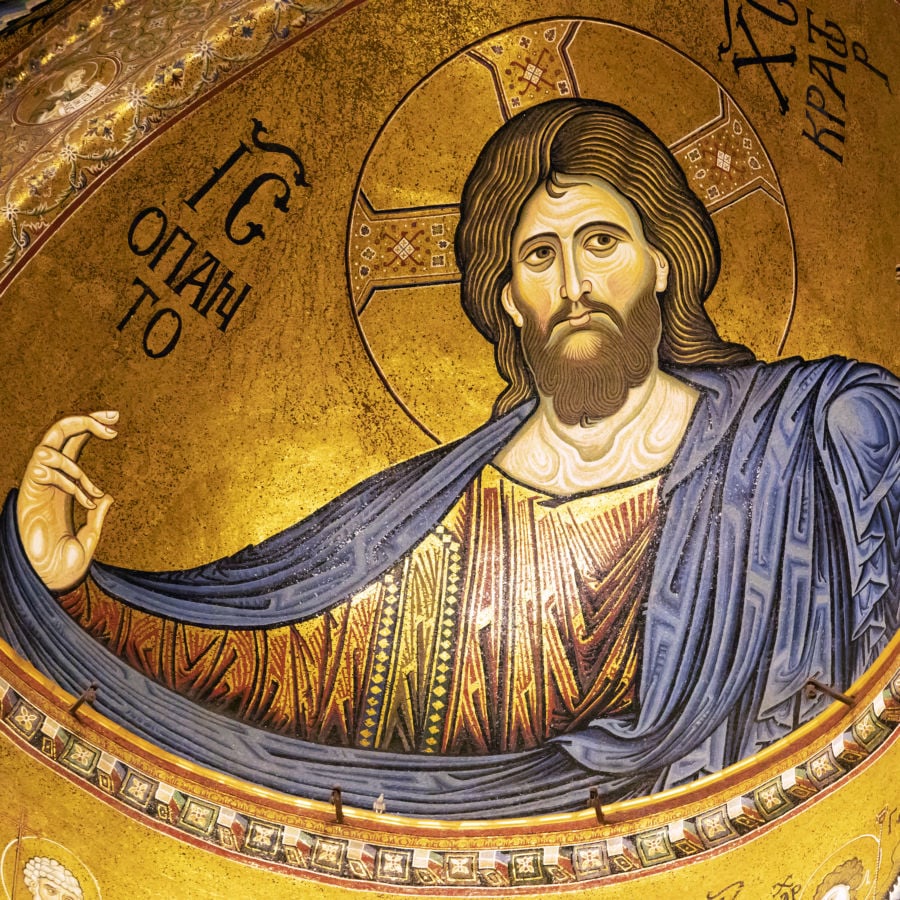
Ancient Greek Icon of Jesus
In the Episcopal lists of Antioch, our Saint appears after Timaeus, that is, he would have been elected around 279-80.
Nothing is known about Cyril’s Episcopate, except that he may have admitted to Ecclesiastical communion, the Priest Lucian, previously condemned for his relations with Paul of Samosata, who had been the Bishop of Antioch until 268 when he was deposted and excommunicated for the heresy of monarchianism (rejection of the Holy Trinity), of which he was the originator.
Lucian of Antioch – 985 in the Vatican Library, Rome
Most likely, upon the publication of the second edict of Diocletian in spring 303 which prescribed the arrest of all Church leaders, Cyril was arrested and sent to the minas in Pannonia. A passage from the Acts of the Four Crowned Saints can be interpreted in this sense.
His death occurred in exile around 306. Together with Cyril, a Martyr named Andrew is commemorated in the Martyrology of Hieronymia. This is an authentic Martyr who is remembered, always together with Cyril, in the list of Martyrs of Antioch, found in the sermon attributed to St Eusebius of Caesarea.
St Baudry of Montfaucon St Claudius Marius Victorinus of Saussaye St Cyril of Antioch (Died c306) Bishop, Martyr St Dabius St John Lloyd
St Joseph of Palestine (Died c 356) Layman, Convert from Judaism, a contemporary of Emperor Constantine, a Rabbinical scholar, member of the Sanhedrin and a disciple of Hillel II. Following his conversion, Emperor Constantine gave him the rank of Count, appointed him as supervisor of the Churches in Palestine and gave him permission to build Churches in the Galilee. Patronages – converts, guardians. A Very Interesting Saint: https://anastpaul.com/2022/07/22/saint-of-the-day-22-july-st-joseph-of-palestine-died-c-356/
St Lewine St Maria Wang Lishi St Meneleus of Ménat St Movean of Inis-Coosery St Pancharius of Besancon Bl Paolo de Lara
Martyrs of Marula/Massylis: – 3 Saints: Three Christians Martyred together. We know nothing else about them but the names – Ajabosus, Andrew and Elian. They were martyred in Massylis (Marula), Numidia (in modern Algeria).
Martyrs of Massilitani: A group of Christians Martyred together in northern Africa. Saint Augustine of Hippo wrote about them.
Saint of the Day – 21 July – Saint Eternus of Evreux (Died c653) Bishop Martyr. Eternus was the 9th Bishop of Evreux in Normandy, France. Also known as – Éterne, Aeternus, Ethernus, Detherus, Æternus. Additional Memorial – 15 July (on some calendars).
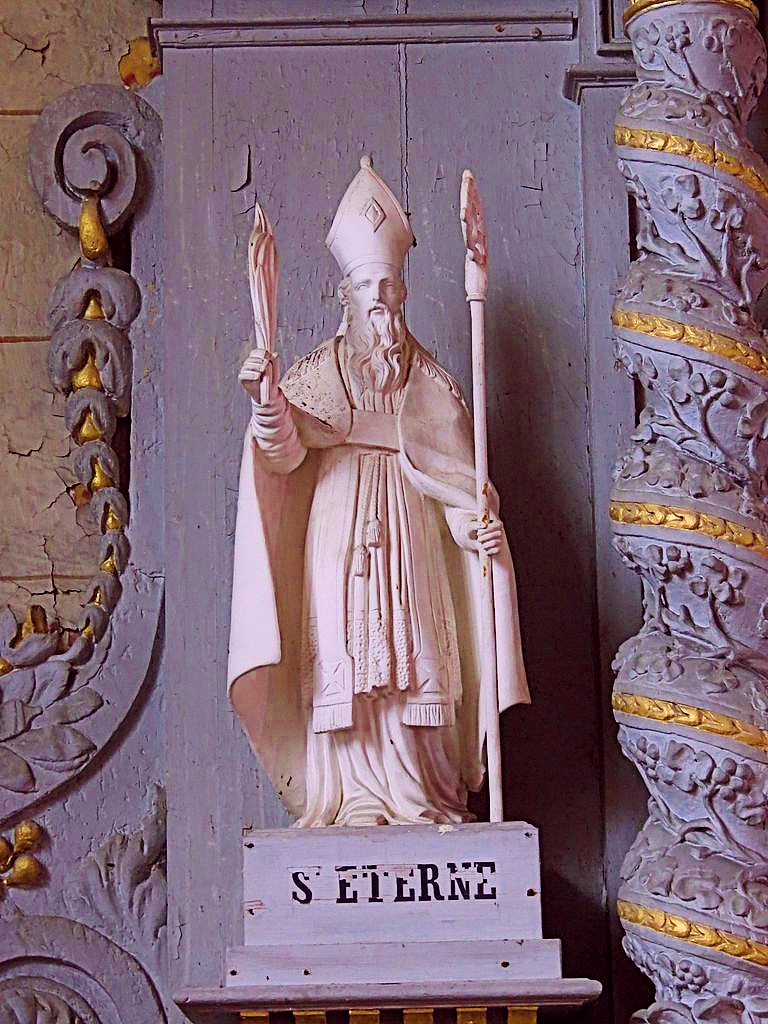
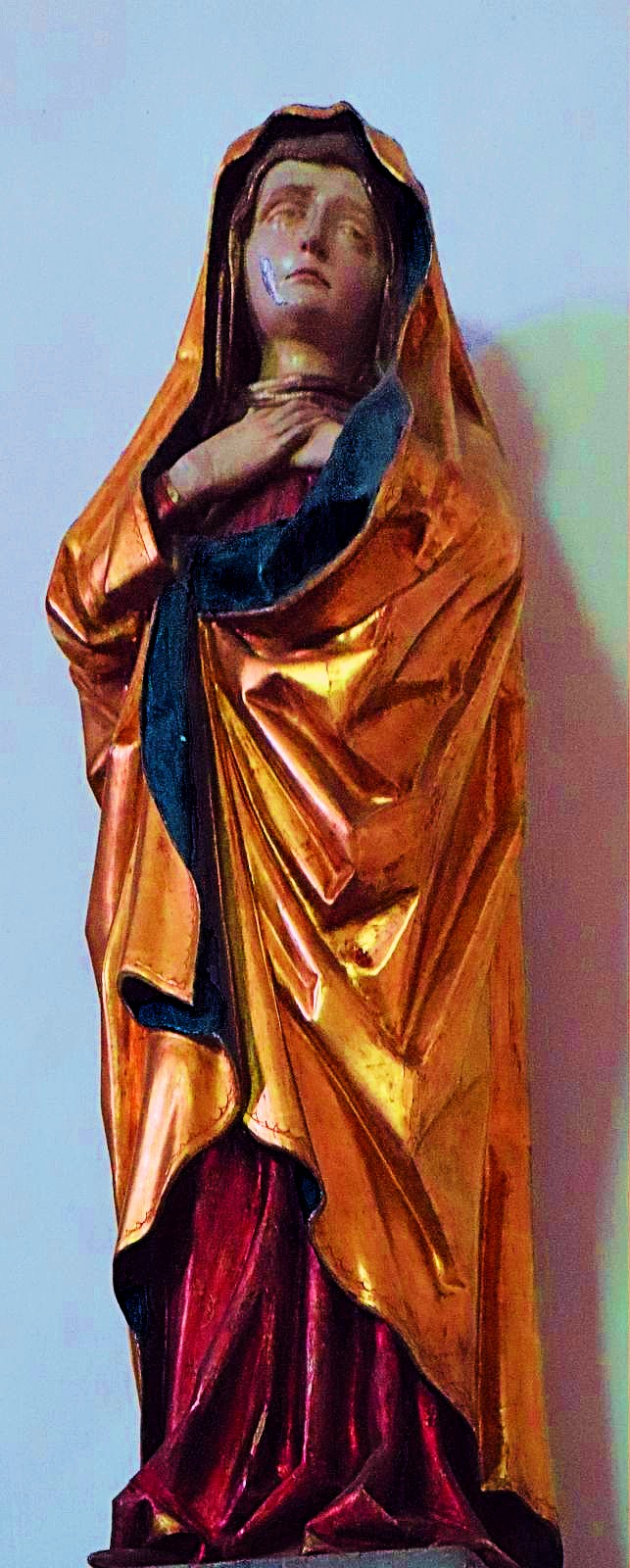
We have almost no records except in the chronology of the Diocese of Evreux. I do find this strange seeing as there are so many versions of his name – why then is there almost zero available information about his life and Martyrdom. The beautiful Statue is situate in the Church of Our Lady in Lyons.
In the notes of the Notary Thézard de Luzarches, dating from 1880, it is specified that in 653, Saint Eternus, the Bishop of Evreux, had gone to implore the assistance of King Clovis II and on his (perhaps return) journey had been Martyred.
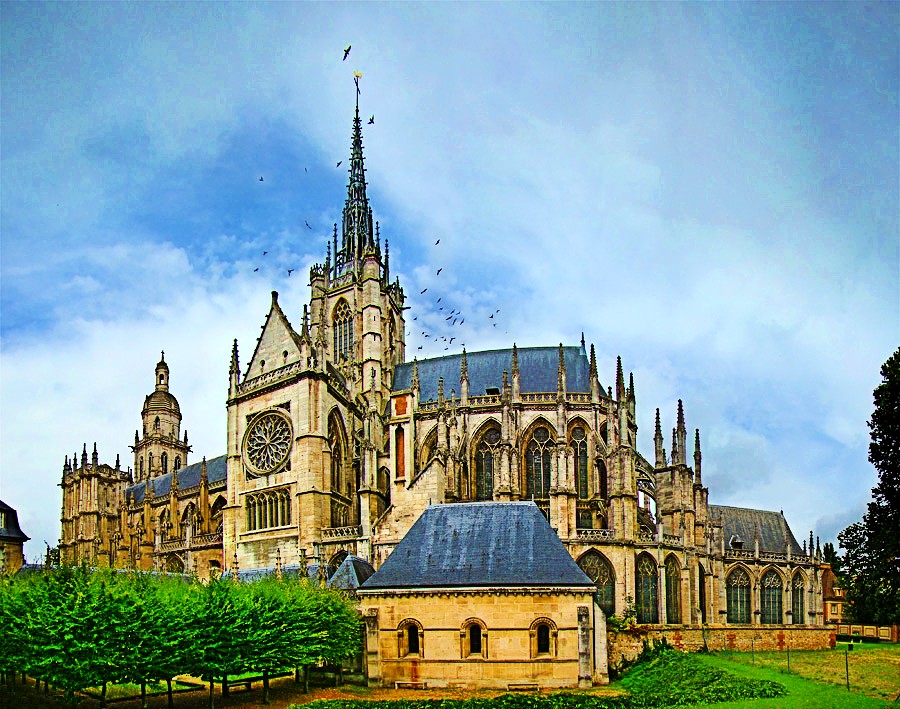
A Chapel had been built on the site of the his Martyrdom and dedicated to his memory. Below is Evreux Cathedral.
St Praxedes (Died c165) Virgin Laywoman. Patronage – single laywoman. The Roman Martyrology reads: “At Rome, the holy virgin, Praxedes, who was brought up in all chastity and in the knowledge of the Divine law. Assiduously attending to watching, prayer and fasting, she rest in Christ and was buried near her sister St Pudentiana and family, on the Salarian Road.” A Devout and Holy Life: https://anastpaul.com/2023/07/21/saint-of-the-day-21-july-st-praxedes-died-c165-virgin/
St Barhadbescialas St Benignus of Moyenmoutier Bl Claudius of Avignon St Claudius of Troyes St Corona of Marceille Bl Daniel Molini St Eleutherius of Marseille St Eternus of Evreux (Died c653) Bishop Martyr Bl Gabriel Pergaud St Iosephus Wang Yumei St John of Edessa St John of Moyenmoutier Bl Juan de Las Varillas Bl Juan de Zambrana St Jucundinus of Troyes St Julia of Troyes St Justus of Troyes Bl Parthenius of Thessaly
Martyrs of Africa – 6 Saints: Six Christians who were Martyred together. We know no other details about them but the names – Emilian, Hugal, Motanus, Saphus, Stercorius and Victor. They were martyred in an unknown location in Africa, date unknown.
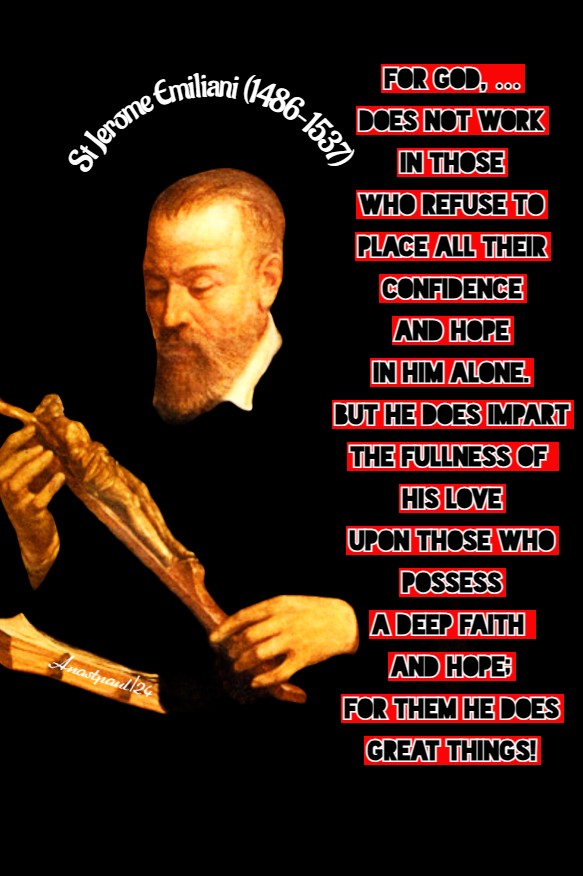
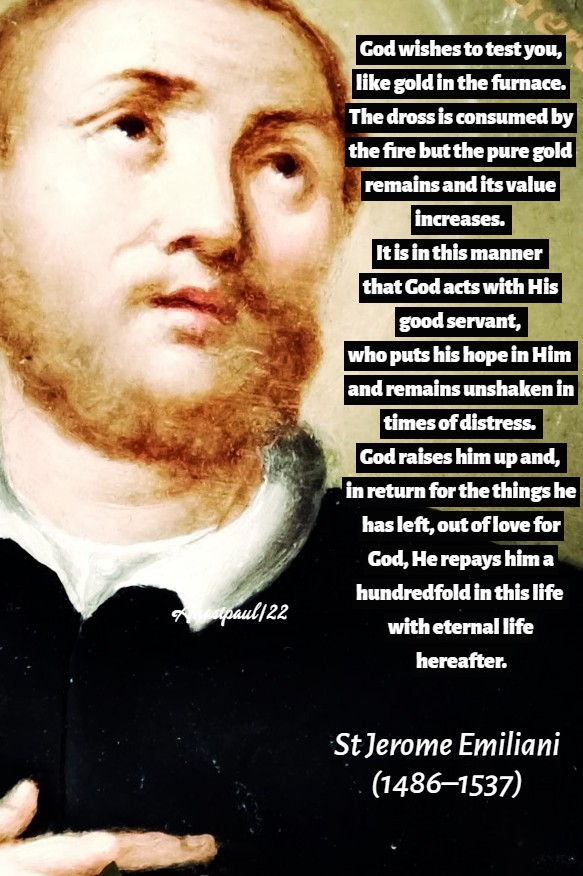
Quote/s of the Day – 20 July – St Jerome Emiliani (1486–1537) Confessor
“For God, … does not work in those who refuse to place all their confidence and hope in Him alone. But He does impart the fullness of His love upon those who possess a deep faith and hope; for them He does great things!”
“God wishes to test you, like gold in the furnace. The dross is consumed by the fire but the pure gold remains and its value increases. It is in this manner, that God acts with His good servant, who puts his hope in Him and remains unshaken in times of distress. God raises him up and, in return for the things, he has left out of love for God, He repays him a hundredfold in this life and with eternal life hereafter. If then, you remain constant in faith, in the face of trial, the Lord will give you peace and rest for a time in this world and forever in the next.”
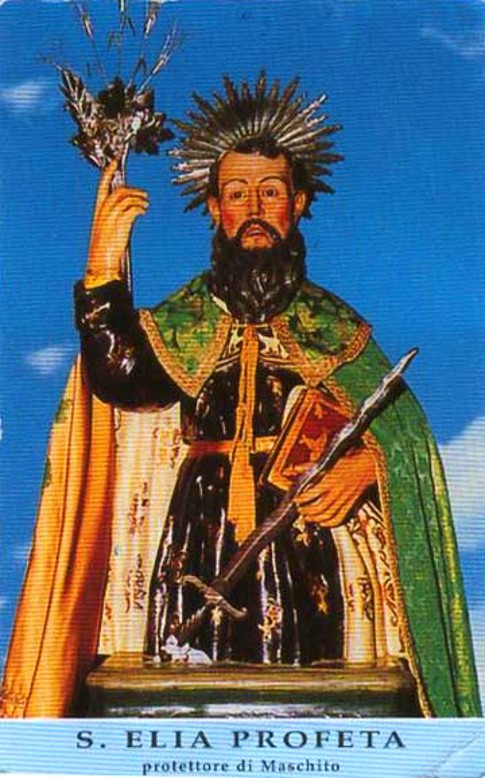
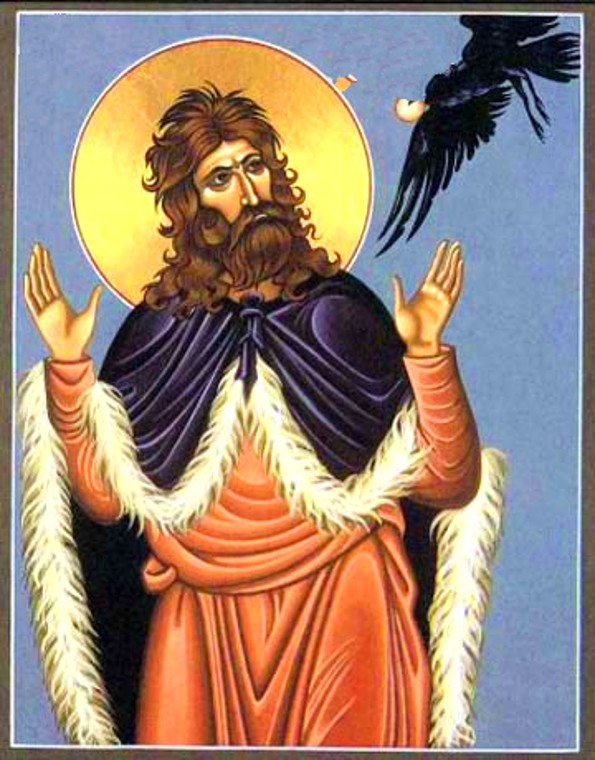
Saint of the Day – 20 July – St Elias the Prophet (Elias from the Greek) lived during the reign of King Ahab (9th Century BC), according to the Books of Kings. The spelling ‘Elijah’ is from the Hebrew. Patronages – for rain, against drought, coachmen, Air Forces, civil aeronautics, Romanian Air Force, the Carmelite Order, Mount Carmel, Bosnia and Herzegovina. Melkite Greek Catholic Archeparchy of Akka, Haifa, Israel, in Italy: Buonabitacolo, Malito, Peschici.
Ludovico Carracci (1555–1619) The TGransfiguration with Moses and Elias
The Roman Martyrology states: “On Mount Carmel, the holy Prophet Elias.”
Born in Thisbe in the 9th Century BC, at the time of King Ahab, he dedicated his life to turning the people away from the worship of idols and bringing them back to the one true God, consistent with the name given to him – Elias in fact means: “The Lord is my God”.
Precursor of Saint John the Baptist: A virtuous and austere man, he wore a camel-hide cloak over a simple apron tied around his hips, thus prefiguring St John the Baptist eight centuries in advance. Elias was gifted with the heart of a warrior and a refined intellect, he combined in his soul, the burning fire of faith and zeal for the Lord, so much so, that St John Chrysostom defined him as “an angel of the earth and a man of Heaven.” Centuries later, the Church presented him as a model of Christian life and passion for God.
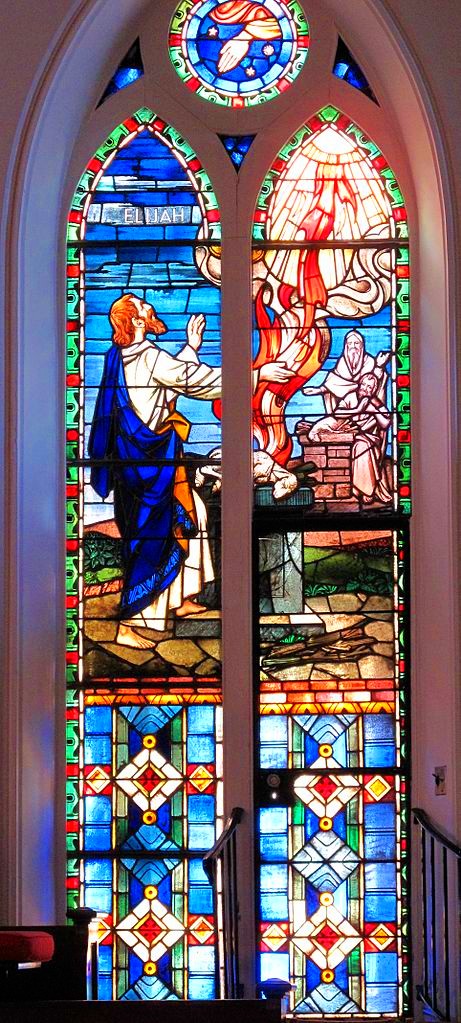
The Clash with the Followers of Baal: A striking example of Elias’ prophetic power can be read in the first Book of Kings, chapter 18 which tells how, at the time of King Ahab, Israel succombing to the seduction of idolatry: in fact, they worshipped Baal because they believed he brought rain and, therefore, fertility to the fields, livestock and mankind. Precisely to unmask this lying belief, Elias gathered the people on Mount Carmel and put before a choice – follow the Lord or follow Baal. The Prophet invited over 400 idolaters to a confrontation – each one would prepare a sacrifice and each woulf pray to their own god, so that he would reveal himself. The one who responded unequivocally, was the Lord, “God of Abraham, Isaac and Israel,” Who burned the offering for the sacrifice prepared by Elias on an altar made of twelve stones, “according to the number of the tribes of the sons of Jacob, to which the Lord had given the name of Israel.” Thus the hearts of the people were converted, faced with the evidence of the Truth. Baal, however, remains silent and powerless because – and this is Elijah’s teaching – “the true adoration of God is to give oneself to God and to men, the true adoration is love.”
Elias’ offering is consumed by fire from Heaven
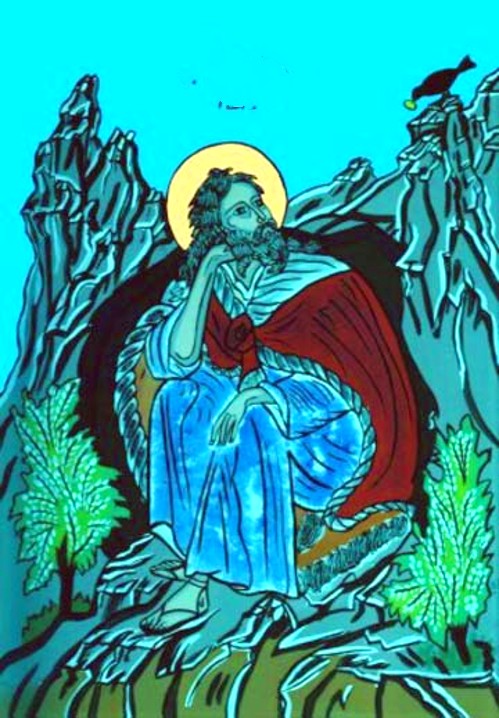
The Encounter with the Lord on Mount Horeb: A new test, however, awaits the Prophet he, who has fought for the faith, must escape the wrath of Queen Jezebel, Ahab’s idolatrous wife, who wishes him to be removed permanently. Exhausted and frightened, Elias asks God that he might be taken out of this life and abandons himself to an uninterrupted sleep. But an Angel wakes him and orders him to climb Mount Horeb to meet the Lord. Elias obeys – he walks for 40 days and 40 nights to reach the destination, in a journey which is the metaphor of the pilgrimage and purification of the heart, ascending towards the experience of God.
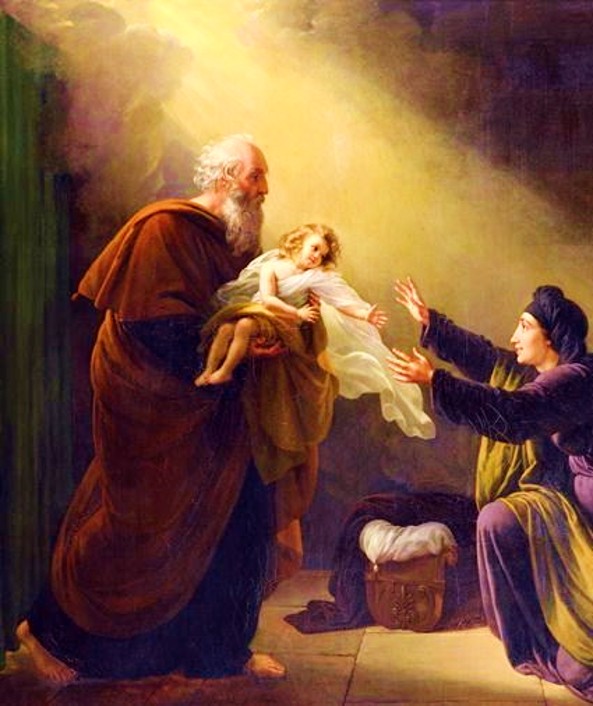
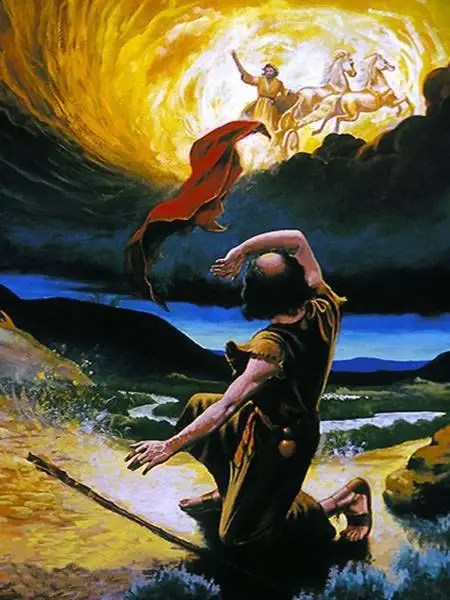
The Sonorous Silence: As prefigured, the encounter with the Lord occurs but not in a human sensational way – God reveals himself, in fact, in the form of a light breeze. It is a “thread of a sonorous silence” – which exhorts Elias not to be discouraged and to retrace his steps to complete his mission. And the prophet, covering his face as a sign of adoration and humility, obeys God’s call because he understands its value – that of testing, obedience and perseverance. Once again, therefore, Elias challenges Ahab and Jezebel, who had usurped a farmer’s land, prophesying terrible misfortunes to them, until he induces them to repent. The Prophet also alleviates the suffering and misery of a widow, feeding her and healing her son who is on the brink of death. Once his mission was accomplished, Elias disappeared, ascending to Heaven on a Chariot of Fire and entering the infinity of that God, Whom he had served with such passion. His cloak remained on earth, destined for the disciple Elisha as a sign of investiture.
St Elias and the widow
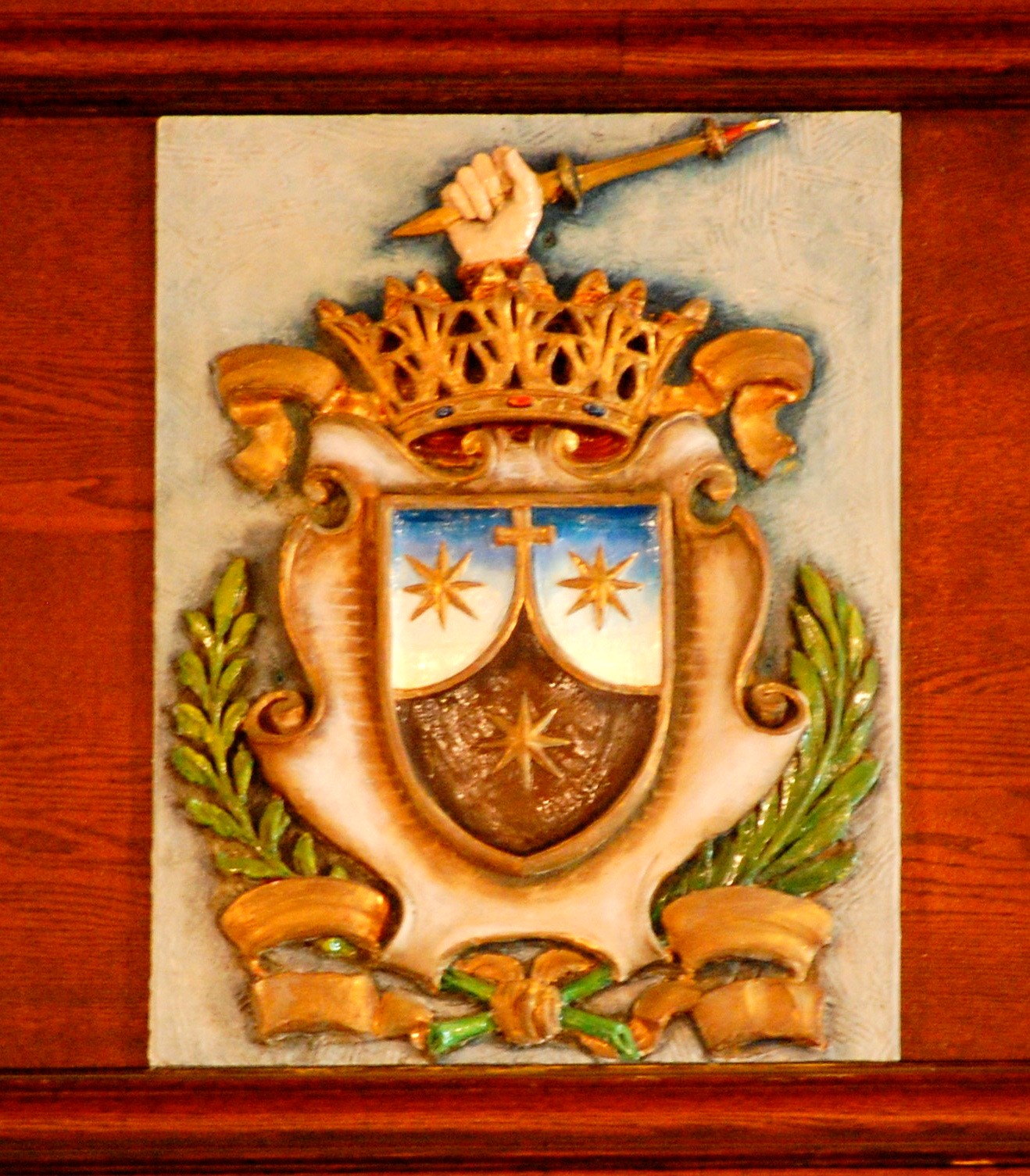
Prophetic Zeal: Today the religious Order of the Hermits of Mount Carmel (The Carmelites) recalls this great Prophet in its Shield-shaped Coat of Arms – it depicts an arm holding a flaming sword and a ribbon with the words “Zelo zelatus sum pro Domino Deo exercitum”, or “full of zeal for the God of hosts”.
Carmelite Coat of Arms
Elias, along with Elisha and Samuel, is one of the greatest Prophets of Ion (distinct from the writing Prophets, such as Isaiah, Jeremiah, Ezekiel and Daniel, who have left anonymous writings of the Sacred Books) and his mission was to incite the people to be faithful to the One True God, without being seduced by the influence of the idolatrous and licentious cult of Canaan.
The work of spiritual rebuilding, so laboriously begun, was carried forward with complete success by his disciple, Elisha, to whom he communicated the Divine call while he was in the fields behind the plough, throwing his cloak over his shoulders. Elisha was also the only witness to the mysterious end of Elias’s earthly sojourn which occurred around 850 BC.
Bl Anne Cartier St Ansegisus St Aurelius of Carthage
St Bernward of Hildesheim (c960-1022) Bishop – Bernward was the thirteenth Bishop of Hildesheim from 993 until his death in 1022. He was an exceptionally gifted and talented Creative Artist and Craftsman, in particular, in the creation of Sacred Vessels and adornments of Holy items, in precious metals. Patronages – Architects, Builders, Goldsmiths, Sculptors, Craftsmen, Painters, This Holy and Creative Shepherd: https://anastpaul.com/2023/07/20/saint-of-the-day-20-july-st-bernward-of-hildesheim-c960-1022-bishop/
St Cassian of Saint Saba St Elias the Prophet (Elias from the Greek) lived during the reign of King Ahab (9th Century BC), according to the Books of Kings. The spelling ‘Elijah’ is from the Hebrew.
St Elswith St Frumentius of Ethiopia
Blessed Gregory Lopez (1542-1596) “The Mystery Man” – Hermit, Spiritual Advisor, Writer. Around 1585, word of a “Mystery Man” began to leak into Mexico City, a strange hermit who lived out in the lonely valley of Guesteca, who walked miles to go to Mass, lived totally subject to “Lady Poverty” and had travelled from the Shrine of Our Lady of Guadalupe in Spain (which dates from 712), to her Shrine in Mexico (which dates from 1531). Biography: https://anastpaul.com/2018/07/20/saint-of-the-day-20-july-blessed-gregory-lopez-1542-1596/
St Joseph Barsabbas the Just (1st Century) Disciple of Jesus, Bishop, Martyr. The Roman Martyrology states today: “The birthday of the blessed Joseph, surnamed the Just, whom the Apostles selected with the blessed Matthias, for the Apostleshop in the place of the traitor, Judas. The lot having fallen upon Matthias, Joseph, notwithstanding, continued to preach and advance in virtue and after having sustained from the Jews, many persecutions for the Faith of Christ, happoily ended his life in Judea.” His Life and Death: https://anastpaul.com/2021/07/20/saint-of-the-day-20-july-saint-joseph-barsabbas-the-just-1st-century-disciple-of-jesus/
St Mère St Paul of Saint Zoilus St Rorice of Limoges St Severa of Oehren St Severa of Saint Gemma St Wulmar
Martyrs of Corinth – 22 Saints: 22 Christians who were Martyred together. We know nothing else about them but the names – • Appia • Calorus • Cassius • Celsus • Cyriacus • Donatus • Emilis • Felix • Fructus • Magnus • Maximus • Nestita • Partinus • Pasterus • Paul • Romanus • Spretus • Tertius • Theodolus • Ueratia • Valerian • Victor. They were martyred in Corinth, Greece.
Martyrs of Damascus – 16 Saints: 16 Christians who were Martyred together. We know the names of six of then, but no details about any of them – Cassia, Julian, Macrobius, Maximus, Paul and Sabinus. They were martyred in Damascus, Syria, date unknown.
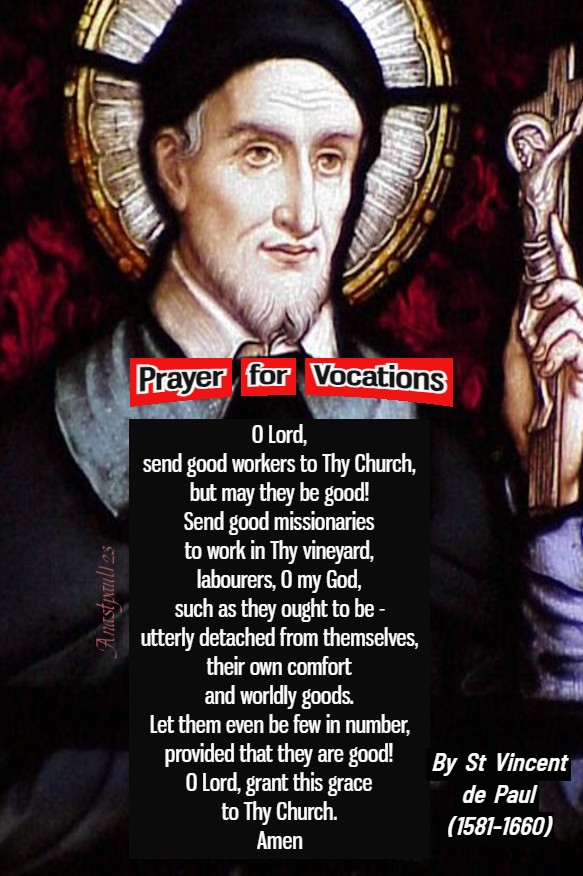
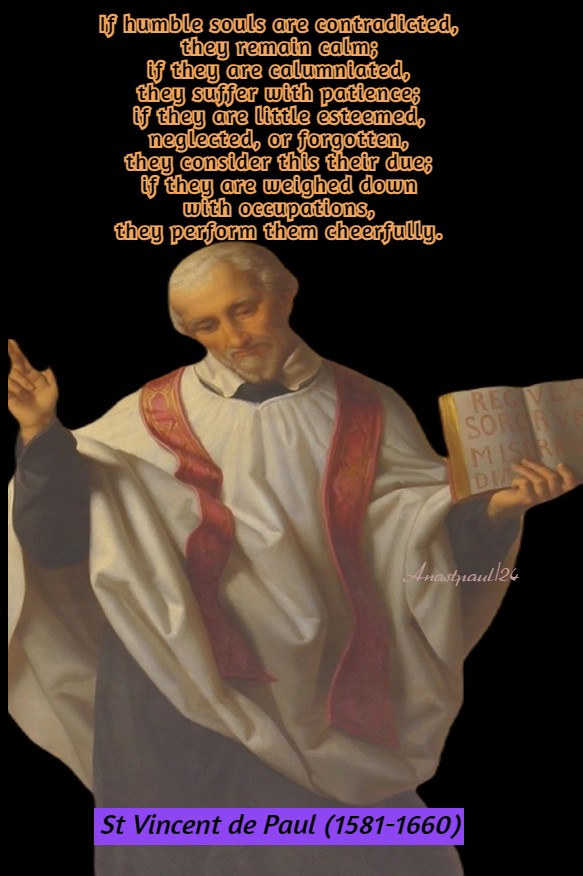
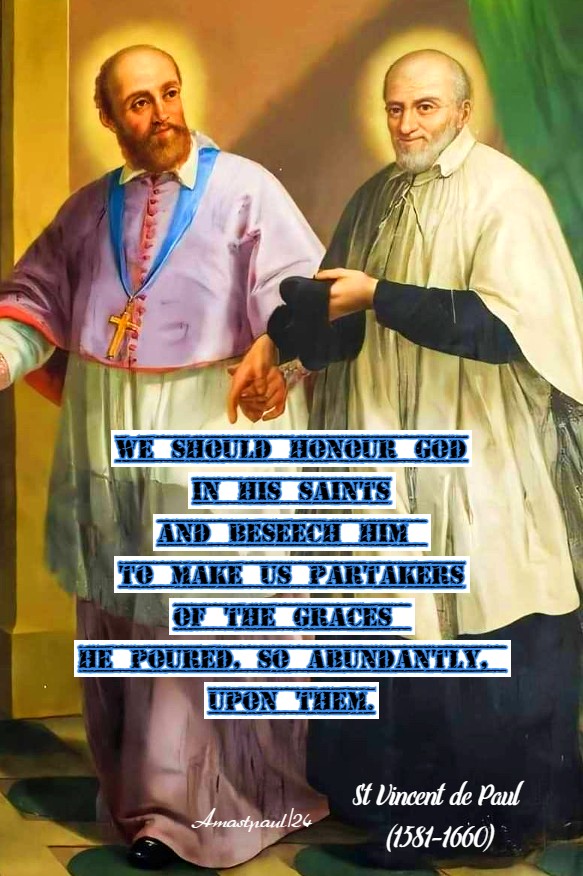
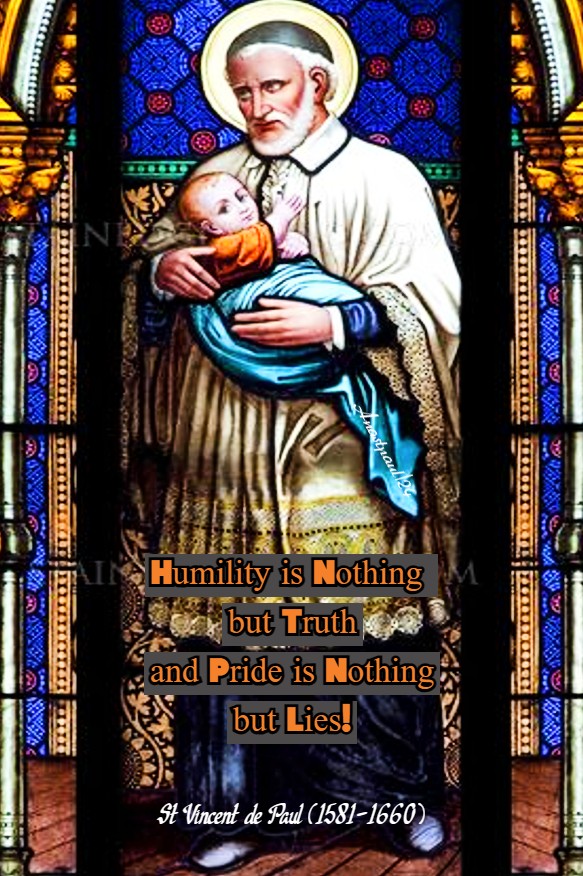
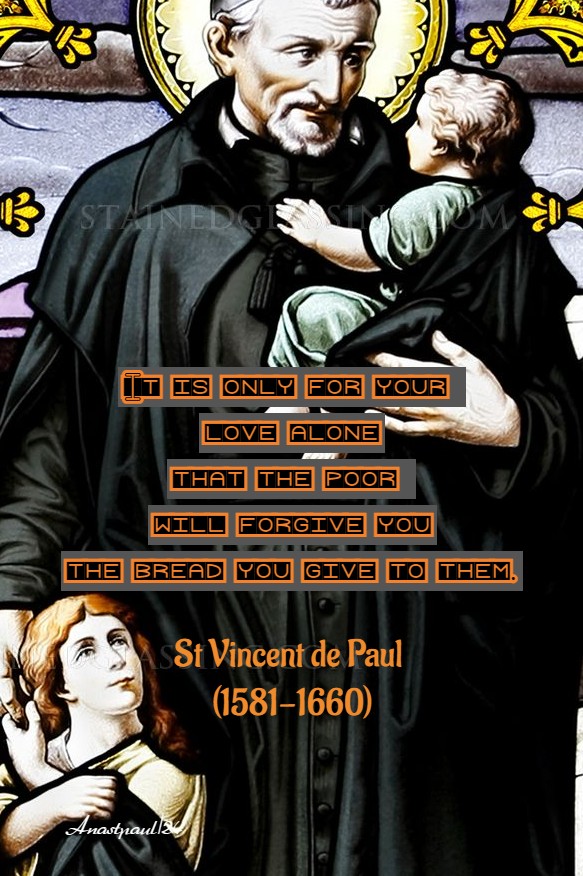
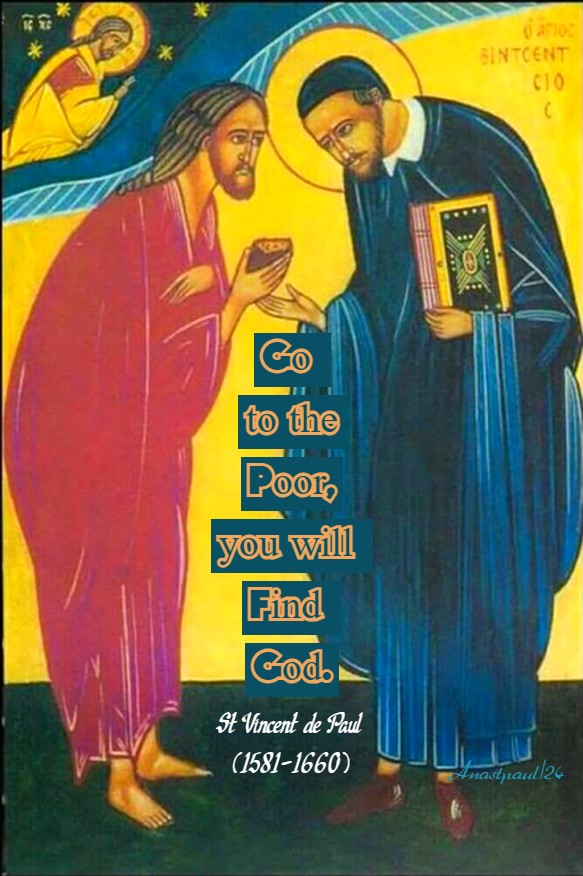
Quote/s of the Day – 19 July – St Vincent de Paul CM (1581-1660) Confessor, “Holy Hero of Divine Charity”
Prayer for Vocations By St Vincent de Paul (1581-1660)
O Lord, send good workers to Thy Church, but may they be good! Send good missionaries to work in Thy vineyard, labourers, O my God, such as they ought to be – utterly detached from themselves, their own comfort and worldly goods. Let them even be few in number, provided that they are good! O Lord, grant this grace to Thy Church. Amen
“If humble souls are contradicted, they remain calm; if they are calumniated, they suffer with patience; if they are little esteemed, neglected, or forgotten, they consider this their due; if they are weighed down with occupations, they perform them cheerfully.”
“We should honour God in His Saints and beseech Him to make us partakers of the graces He poured, so abundantly, upon them.”
“Humility is nothing but truth and pride is nothing but lies.”
“It is only for your love alone that the poor will forgive you the bread you give to them.”
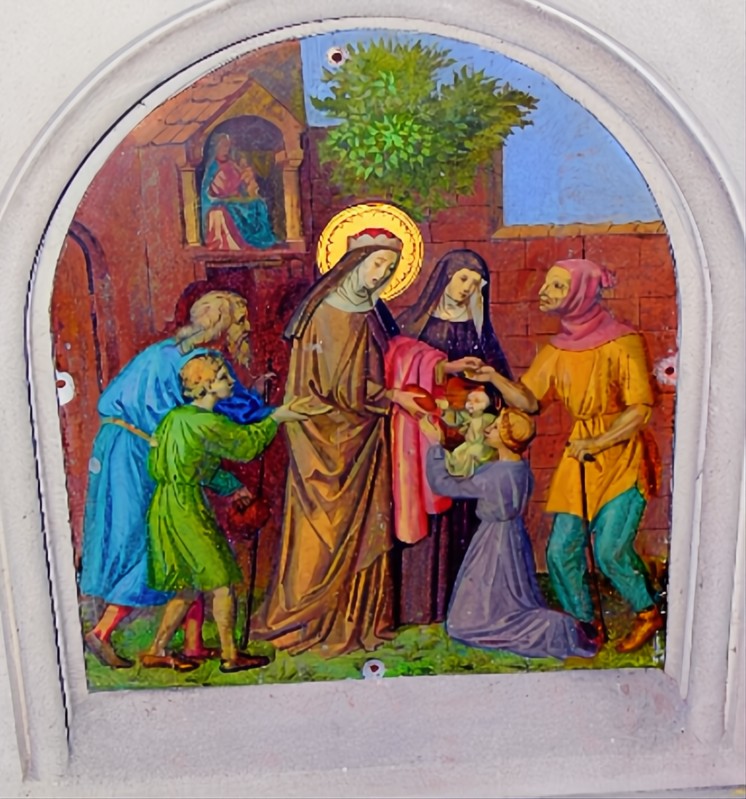
Saint of the Day – 19 July – Saint Stilla of Abenberg (Died c1140) Consecrated Virgin, Apostle of the poor and the sick. Born in the early 12th Century in Abenberg, in the Diocese of Eichstätt, Bavaria (in modern Germany) and died in c1140 in the same place of natural causes. Patronage of Abenberg. Name means: ‘Silence ‘(Old High German). Additional Memorial – 21 July on some calendars.
The details of Stilla’s life are uncertain; her Vita was written at the end of the 16th Century by the Proost of Spalt, Wolfgang Agricola.
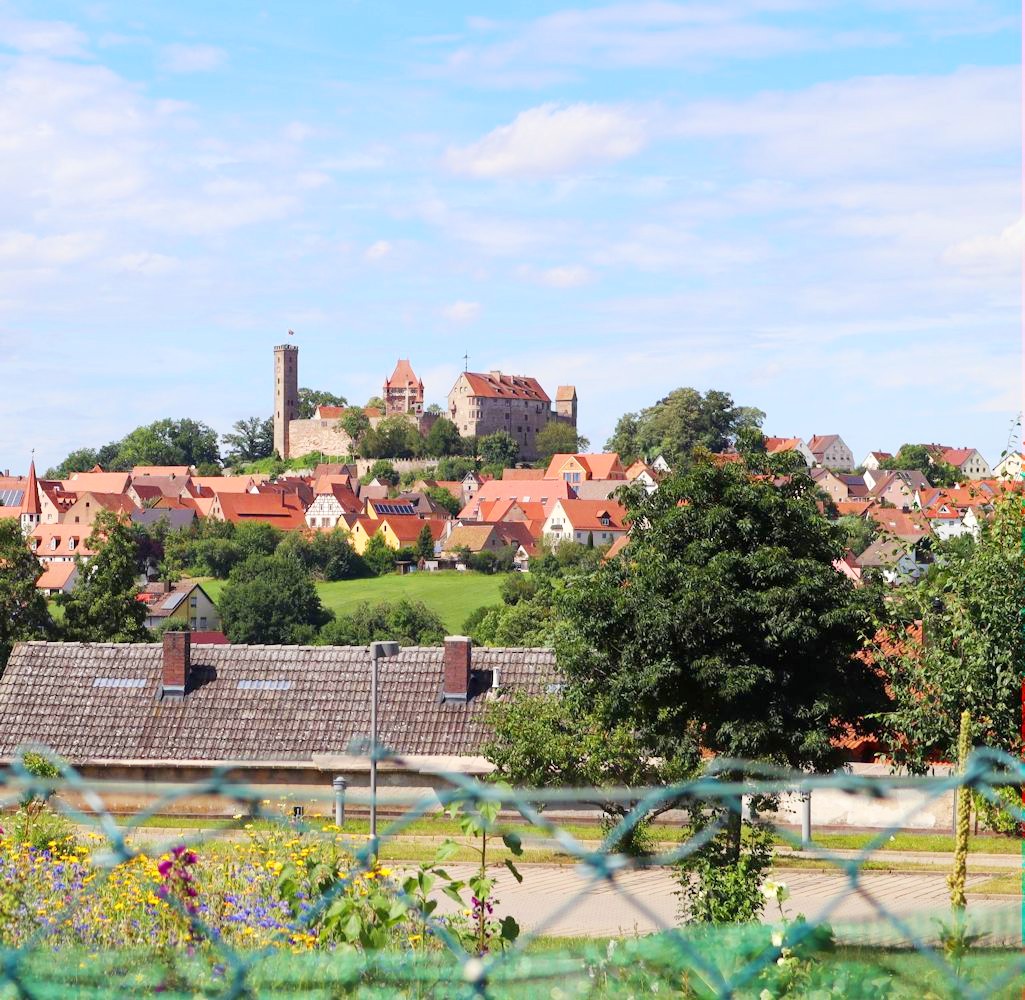
Stilla was one of 5 children of the Count of the House of Abenberg. In 1132, she founded the Church of St Peter opposite the Abenberg Castle which Church was Consecrated in 1136 by St Otto the Bishop of Bamberg. In his presence, she and three companions took a vow of virginity and the four led a life of prayer and service to the sick in Abenberg.
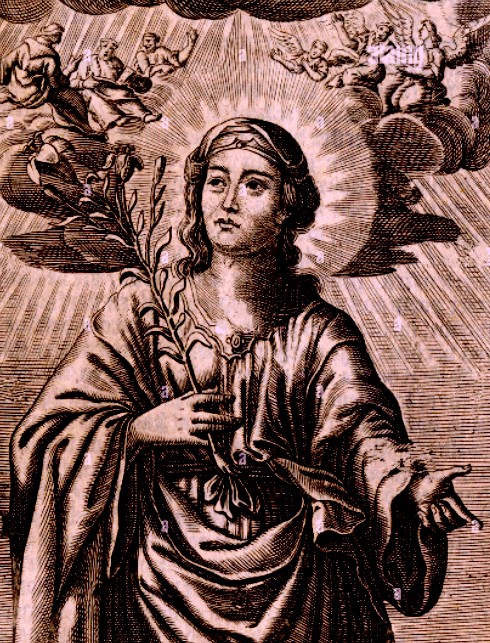
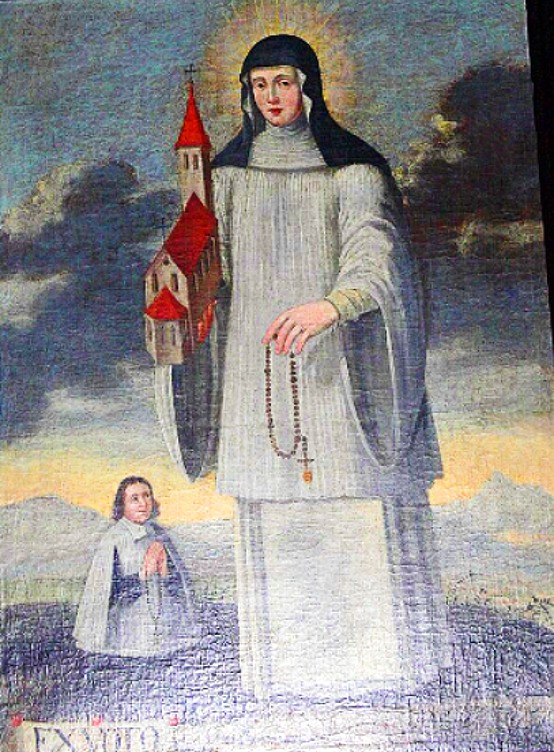
St Stilla with donor and her Church
The Marienburg Monastery next to the Church of St Peter which was actually only founded in 1142 by Wolfram von Abenberg, was inhabited by Augustinian Nuns from 1482 and dissolved in 1806 during secularisation, is also sometimes attributed to Stilla. In 1920, this Monastery was resettled by the Sisters of our Sorrowful Mother, a regular Third Order of the Franciscans. .
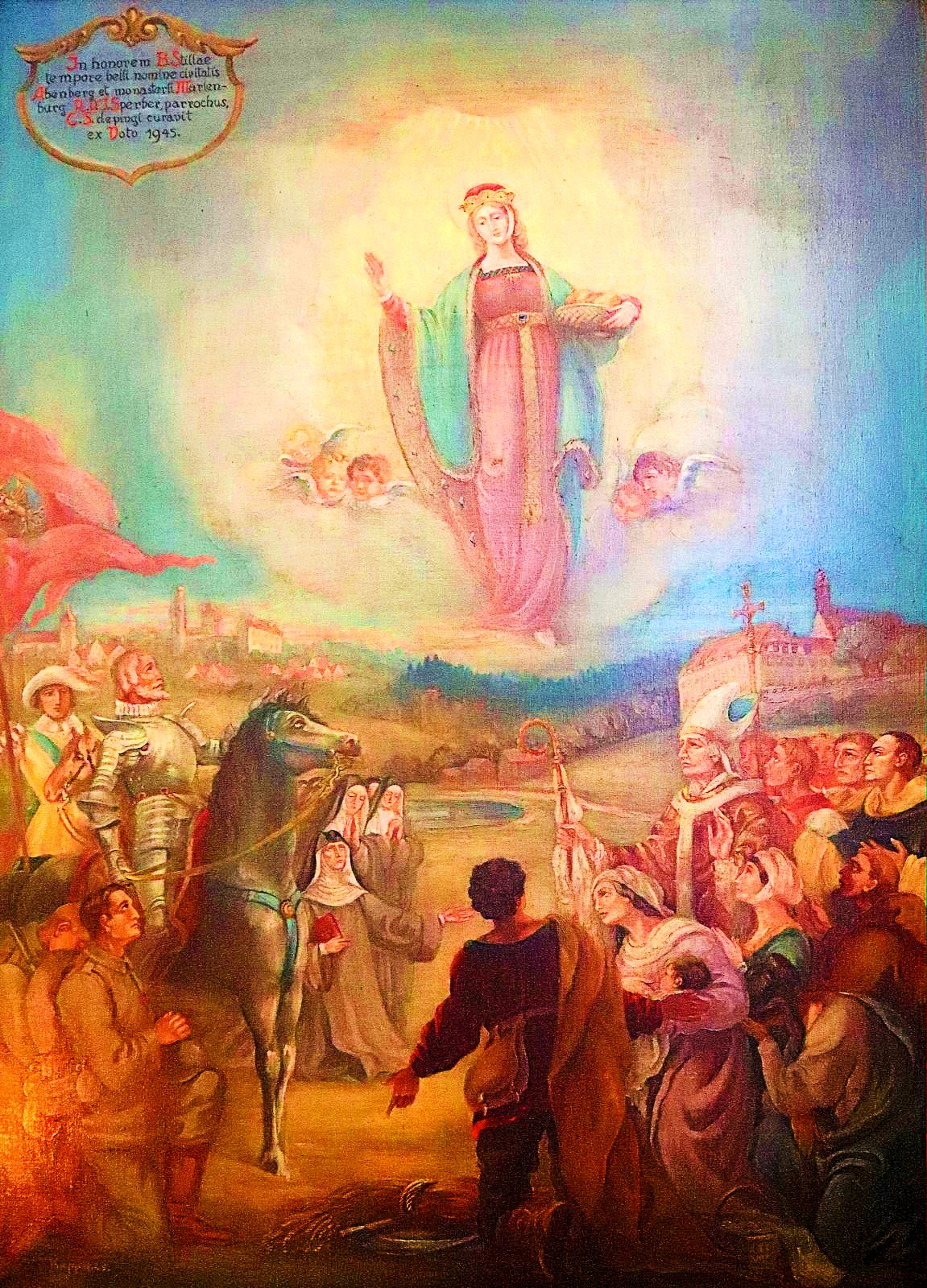
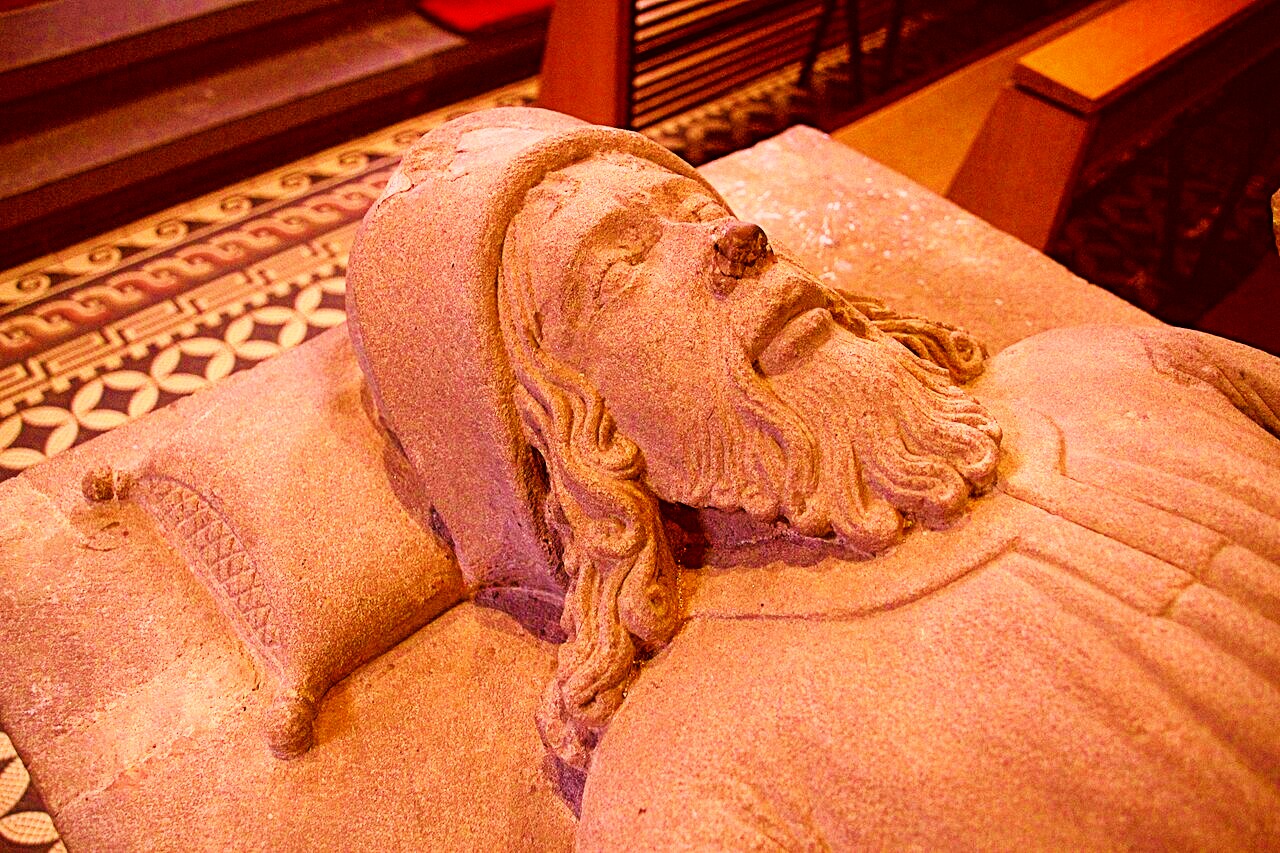
Stilla’s Sarcophagus and her Gravestone – probably made around 1250 – are in the Church she had founded and dedicated to St Peter which was renovated between 1677 and 1685. The Grave has been a destination for pilgrims since 1480 and continues to be so today and many miracles are reported there. Below is an Ex Voto in gratitude to our Saint for the preservation of the Church during the Second World War.
In 1897, Stilla’s cult was approved by the local Bishop and on 12 January 1927 by Pope Pius XI.
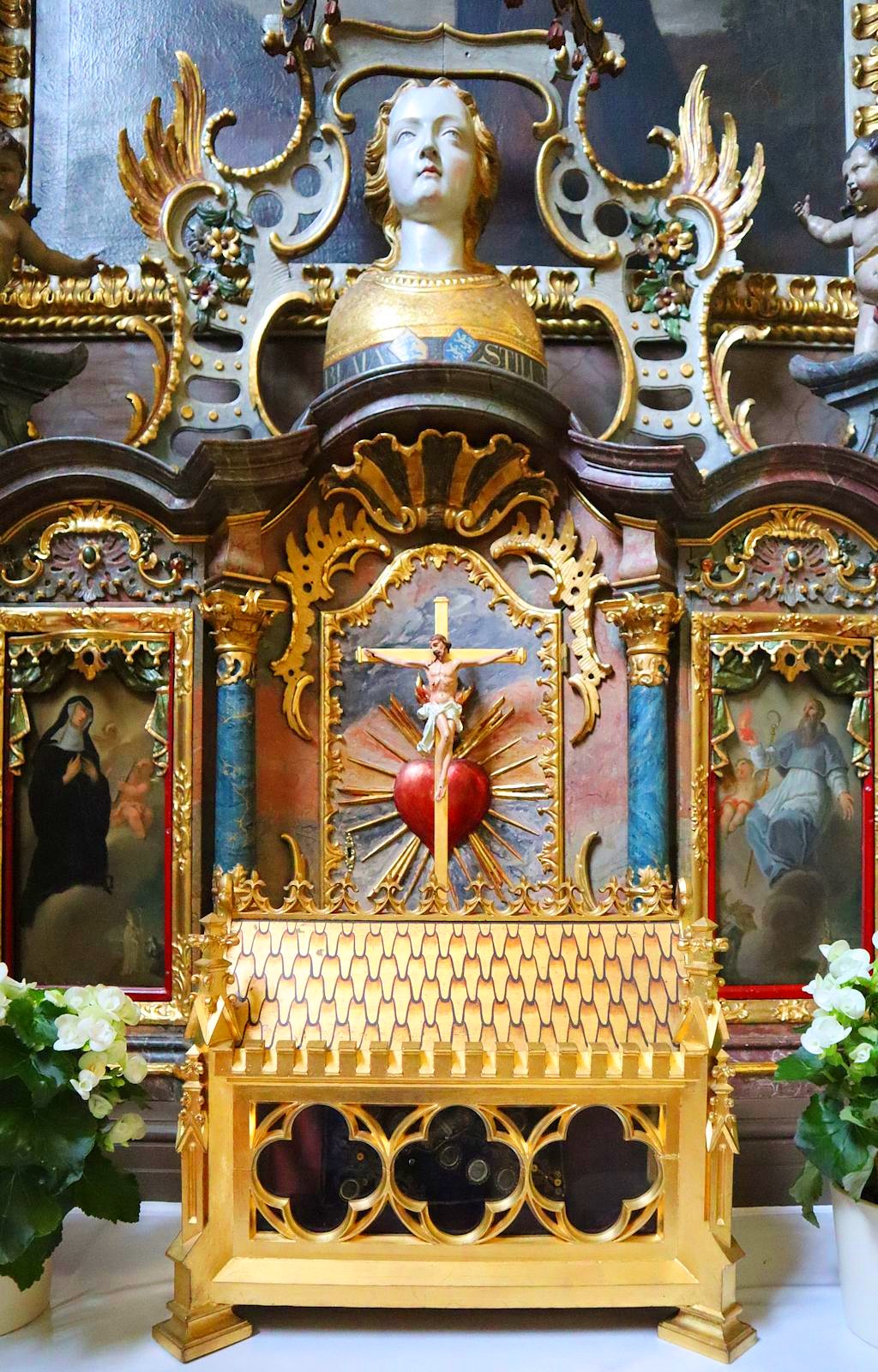
St Stilla Shrine and Relics in the Monastery Church at Abenberg
St Ambrose Autpertus Bl Antonio of Valladolid St Aurea of Cordoba
St Arsenius the Great (c354-c 449) Deacon, Hermit, Desert Father, Theologian, writer. Arsenius one of the most highly regarded of the Desert Fathers, whose teachings were greatly influential on the development of asceticism and the contemplative life. His contemporaries so admired him as to surname him “the Great”. His Lifestory: https://anastpaul.com/2021/07/19/saint-of-the-day-19-july-saint-arsenius-the-great-c-354-c-449/
St Macrina the Younger (c 327-379) Virgin, Ascetic. With charm and grace, St Macrina ruled the roost in a family of saints. St Basil the Elder and St Emmelia, her parents, had ten children including the younger St Basil the Great (329-379) Father and Doctor of the Church, St Gregory of Nyssa (c 335–C 395) Father of the Church and St Peter of Sebaste Bishop (c 340–391). As the eldest child, Macrina exercised a formative influence on her more famous brothers and even on her mother. Her Life: https://anastpaul.com/2019/07/19/saint-of-the-day-19-july-saint-macrina-the-younger-c-327-379/
St Martin of Trier St Michael the Sabaitè Bl Pascasio of Lyon
St Romain of Ryazan St Pope Symachus (Died 514) Bishop of Rome from 22 November 498 until his death.
St Stilla of Abenberg (Died c1140) Virgin St Vicente Cecilia Gallardo
Martyrs of Meros – 3 Saints: Three Christians tortured and Martyred together in the persecutions of emperor Julian the Apostate and governor Almachio. We know nothing else about them but the names – Macedoniuis, Tatian and Theodule. They were burned to death on an iron grill in Meros, Phrygia (in modern Turkey).
Martyrs of China: 3 Beati: Beatified on 17 April 1955 by Pope Pius XII. Elisabeth Qin Bianshi Elisabeth Ioannes Baptista Zhu Wurui Simon Qin Chunfu
Quote/s of the Day – 18 July – St Camillus de Lellis MI (1550-1614) “The Giant of Charity,” Confessor, Priest and Founder the Order of the Ministers of the Sick, or simply as the “Camillians”
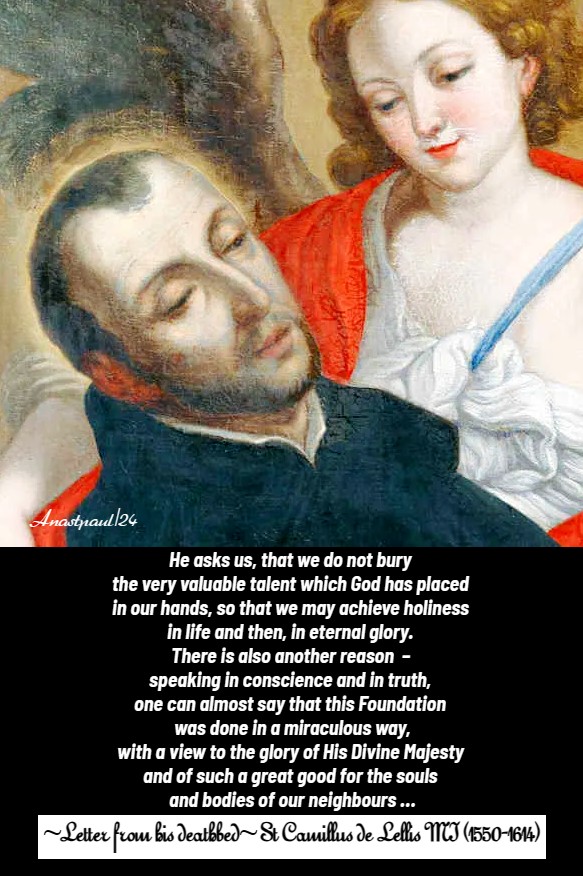
“Because, without doubt, within a few days, I will go to another life, given that I am most grave because of my long infirmities … it appears to me that I would fail in my duty, if, before this life ends, I did not tell you, with all simplicity and rectitude, what I have heard and hear in myself, about our holy Order, so that everyone may walk with the rectitude and faithfulness which God wants of us. He asks us, that we do not bury the very valuable talent which God has placed in our hands, so that we may achieve holiness in life and then, in eternal glory. There is also another reason – speaking in conscience and in truth, one can almost say that this Foundation was done in a miraculous way, with a view to the glory of His Divine Majesty and of such a great good for the souls and bodies of our neighbours …” ~Letter from his deathbed~
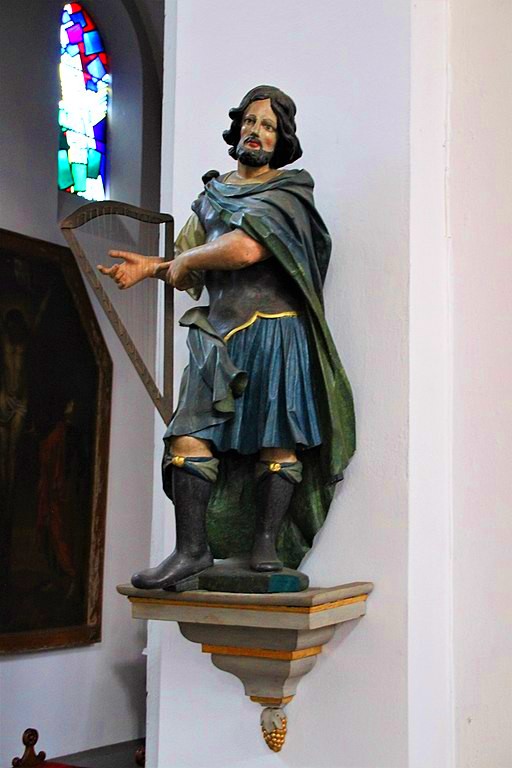
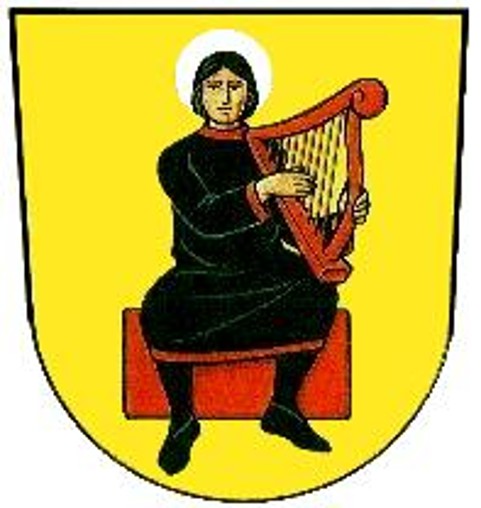
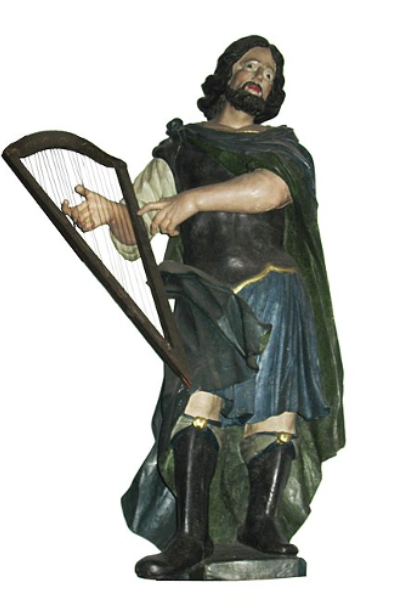
Saint of the Day – 18 July – Saint Arnold of Arnoldsweiler (Died 793) Layman, Musician at the Court of Blessed Charlemagne, Apostle of the poor and needy, Tutor and substitute ruler of King Louis the Pious, Blessed Charlemagne’s son. Born in in Greece (?) or in Graz in Austria (?) and died on 18 July 793 in Arnoldsweiler, today a district of Düren in North Rhine-Westphalia, Germany. The name ‘Arnold’ means: ‘the one who rules like an eagle‘ (Old High German). Patronages – for a holy and gentle death, for the cure of livestock diseases, of musicians, of musical instrument manufacturers, of the Town of Arnoldsweiler, Germany.
Statue, around 1800, in the Arnold Chapel in Arnoldsweiler
Arnold lived at the Court of Charlemagne, as a singer and harp player. In 779, Arnold saw the plight of the poor and took the opportunity, when the King was hunting in the village of Ginnizweiler – today’s Arnoldsweiler – to ask the King to give him as much of the forest as he could ride around during dinner.
The King granted the request and Arnold rode around the Bürgewald(wald meaning forest) northeast of Düren with 20 villages and these poor communities were now allowed – by official decision – to collect firewood from this forest.
Not long thereafter, Charlemagne appointed Arnold as the Count of Agde and Montpellier. In 781, Charlemagne appointed his son Louis – later called the Pious – as the Regent of Aquitaine and appointed Armold as his tutor and official substitute King until the minor came of age.
The Coat of Arms of the Municipality of Arnoldsweiler , 1966
During this time, Arnold maintained good relations with St Benedict of Aniane, the Abbot and monastic Reformer (known as “The Second Benedict”). When Louis came of age and our Saint’s substitution came to an end, Arnold, who was described as an exemplary ruler and deeply religious man with great commitment to the poor, donated all of the wealth he had acquired in Aquitaine to Benedict’s Abbey of Aniane.
In 792 he wanted to make a pilgrimage to the Tomb of James the Elder in Santiago de Compostela but because of a great famine, however, he only got as far as the Bordeaux region, turned back and spent the last years of his life in Ginnizweiler now the Town named after him.
18th Century Statue in Arnoldsweiler
Armold’s donations to the Monastery in Aniane are confirmed in two documents by Emperor Louis the Pious, the second of which dates from 822. A document by the same King names the former Ginnizweiler, as a hamlet named after Arnold and, it is attested tpp, in 1168 as .Wilre Sancti Arnoldi.’ The 20 communities around Arnoldsweiler which Arnold gifted with the right to harvest wood in the forest are recorded in a document by Archbishop Gero of Cologne from 973/976. In return for the right to harvest wood, the communities offered prayers at an annual candlelit procession to Arnold’s grave which, according to tradition, had already been ordered by Arnold at the time of the donation, as a wax offering for the Altar of the Church in Ginnizweiler every Pentecos .
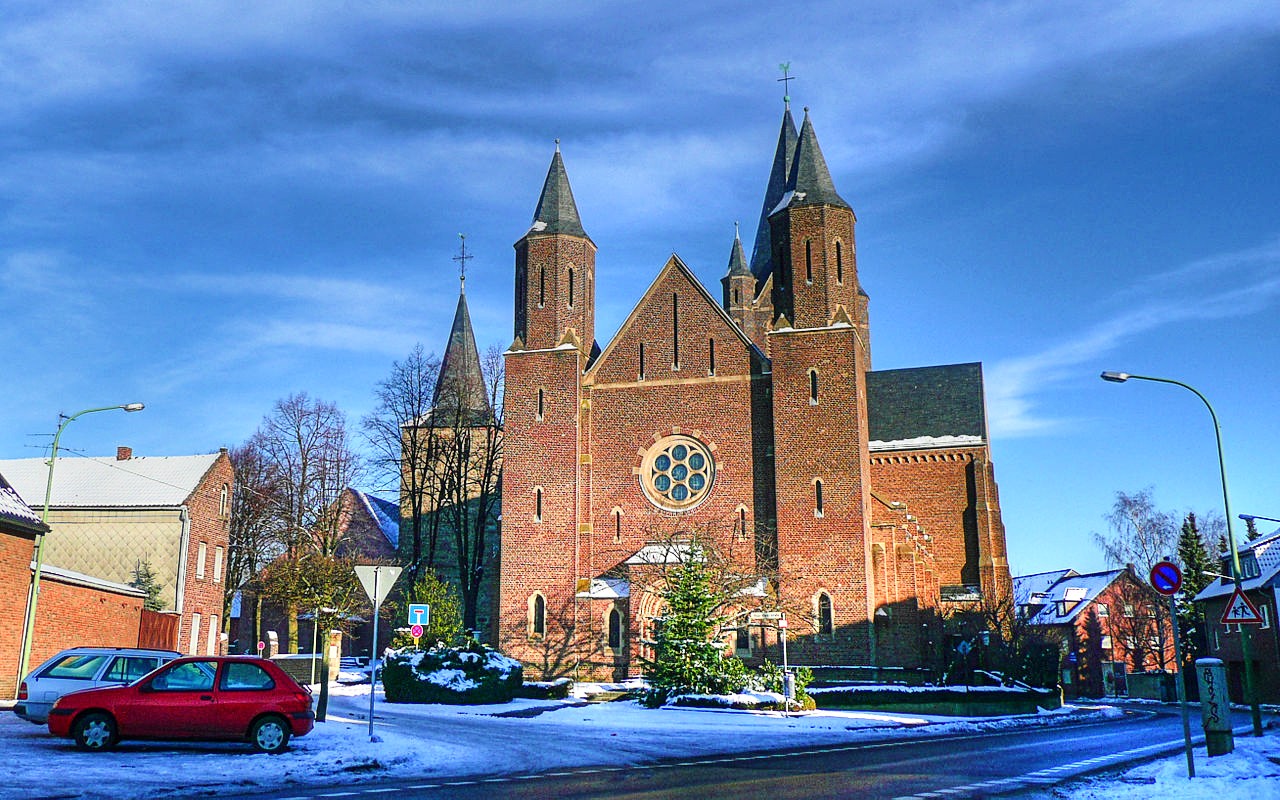
The Church of St Arnold in Arnoldsweiler
Arnold’s bones rest in a raised grave in the old Parish Church in Arnoldsweiler, now known as the Arnold Chapel. Parts of his head are now in the Arnold Church of the Steyler Missionaries in Neuenkirchen-St Arnold; its Founder, Father Arnold Janssen SVD (1837-1909), traced his name to Arnold of Arnoldsweiler. In the 15th Century, a brotherhood named after Arnold was founded in Arnoldsweiler, which still exists today. Arnoldus Week is celebrated in Arnoldsweiler around his memorial day, which concludes on Sunday with a Solemn High Nass and procession.
Arnold was probably Canonised by the Archbishop of Cologne as early as 820. However, the veneration was not officially confirmed until 18 February 1886 by Pope Leo XIII.
Peter Hecker: Duchess Magdalena of Jülich makes a pilgrimage to the grave of Armold in 1618, fresco, 1913, in the Arnold Chapel in Arnoldsweiler
St Symphorosa and her seven sons / Also known as – The Martyrs of Tivoli – 8 Saints: A widow, St Symphorosa and her seven sons ( Crescens, Eugene, Julian, Justin, Nemesius, Primitivus and Stracteus) Martyred in Tivoli, Italy in the 2nd-century persecutions of Hadrian.
St Aemilian of Dorostorium St Alanus of Sassovivo St Alfons Tracki Blessed Angeline of Marsciano Bl Arnold of Amiens St Arnold of Arnoldsweiler (Died 793) Layman St Arnoul the Martyr
Martyrs of Silistria – 7 Saints: Seven Christians who were Martyred together. No details about them have survived but the names – Bassus, Donata, Justus, Marinus, Maximus, Paulus and Secunda. They were martyred in Silistria (Durostorum), Moesia (in modern Bulgaria), date unknown.
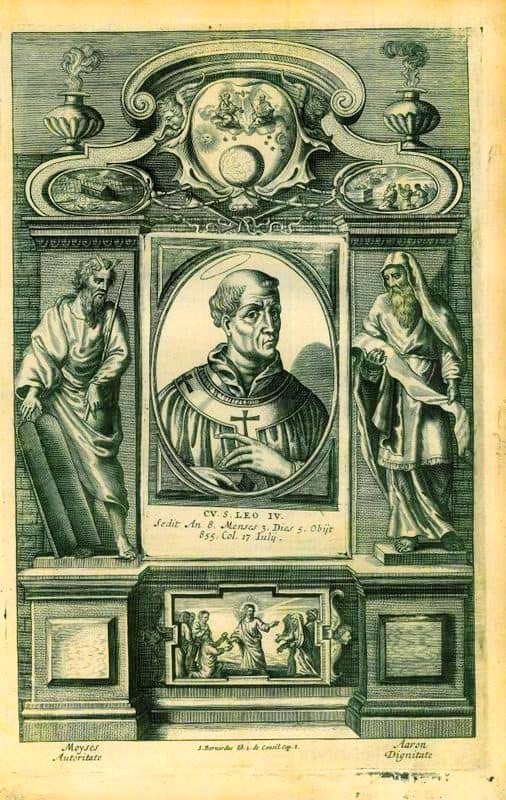
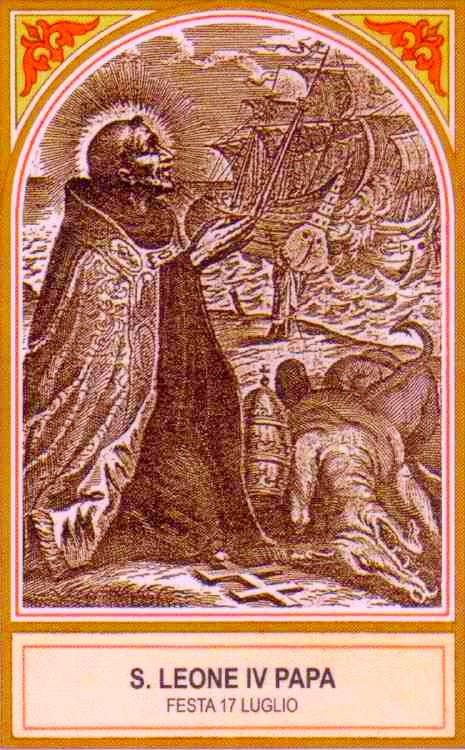
Saint of the Day – 17 July – St Pope Leo IV (c790- 855) The 103rd Bishop of Rome. Papal Ascension: 847. Died: 855 at Rome. St Leo is particularly remembered for repairing Roman Churches which had been damaged during the Arab raid and for building the Leonine Wall around Vatican Hill to protect the City. Pope Leo organised a league of Italian Cities who fought and won ,the sea Battle of Ostia, against the Saracens.
He was the son of a Roman nobleman amd had been educated in the Monastery of “Saint Martin Without the Walls.” He attracted the notice of Pope Gregory IV, who made him a Subdeacon and was created Cardinal-priest of “The Four Crowned Martyrs – Santi Quattro Coronati” by Pope Sergius II.
He was chosen as the new Pope after the death of Sergius II in 847 and governed the Church for eight years, three months. The Saracens from Calabria had lately plundered Saint Peter’s Basilica on the Vatican Hill and were still hovering about Rome. Leo made it his first care to repair the ornamental parts of this beautiful Basilica, especially the Tomb of Saint Peter with the Altar which stood upon it. By Leo’s work, the Altar again received its gold covering (after being stolen) which weighed 94 kg (206 lb) and was studded with precious gems. He also restored and embellished the damaged Basilica of Saint Paul Outside the Walls.
To prevent a second plundering of that holy place, he, with the approbation and liberal contributions of the Emperor Lothaire, enclosed the Basilica and the whole Vatican Hill with a wall and ordered a new line of walls encompassing the suburb on the right bank of the Tiber to be built, including St Peter’s Basilica which had been undefended until this time. The district enclosed by the walls is still known as the Leonine City.
He rebuilt or repaired the walls of the City, fortified with fifteen towers. Whilst he was putting Rome in a posture of defence, In 849, when a Saracen fleet from Sardinia approached Portus, Leo IV summoned the maritime republics – Naples, Gaeta and Amalfi – to form a league. The command of the unified fleet was given to Cesarius, son of Duke Sergius I of Naples. Aided by a fierce storm, the league destroyed the Saracen fleet off Ostia. The Battle of Ostia was one of the most famous in the history of the Papacy and is celebrated in a famous fresco by Raphael and his pupils in the ‘Raphael Rooms’ dedicated to his works in the Vatican Palace. Raphael’s work, ‘The Fire’ in the Borgo, celebrates the incident in which, our Saint Leo stopped a fire in the pilgrims’ district by making the Sign of the Cross.
Leo IV held three Synods – the one in 850 distinguished by the presence of Emperor Louis. Before his death in 855, the Pope welcomed Aethelwulf, King of Wessex and his sons, including the seven year old St Alfred the Great, who at the age of 5 years, had already met Pope Leo as pilgrims to Rome.
Pope Leo directed to all Bishops a Homily on the Pastoral Care, published from the Vatican manuscripts. In it, Leo regulates all the chief functions of the pastoral charge and every duty enforced with no less learning than piety.
Among other miracles performed by this holy Pope, it is recorded that by the Sign of the Cross he extinguished a great fire in the City which threatened the Church of the Prince of the Apostles – this is mentioned above as having been immortalised by the art of Raphael and his School.
He died on the 17 July, 855 and Benedict III, Priest of the Church of Saint Calixtus, was immediately chosen Pope. He with many tears begged that so formidable a burden might not be laid on his shoulders but his protests could not prevail. Anastasius the deposed priest set up for pope and procured the protection of the Emperor Louid II but, the steady unanimity of the people in the election of Benedict III overcame this opposition and he was Consecrated on the 1 September in the same year, 855.
Leo IV was originally buried in his own monument in St Peter’s Basilica. Some years after his death, his remains were put into a Tomb which contained the first four Popes named Leo. In the 18th Century, the Relics of Leo the Great were separated from his namesakes and given their own Chapel.
Leo IV had the figure of a Rooster placed on the Old St. Peter’s Basilica which has served as a religious icon and reminder of St Peter’s denial of Christ since that time, with some Churches still having the cockerel on the steeple today. It is reputed that Pope Gregory I had previously said that the cock “was the most suitable emblem of Christianity” being “the emblem of St Peter”. After Leo IV, Pope Nicholas I, who had been made a Deacon by St Leo IV, decreed that the figure of the cock should be placed on every Church throughout the world.
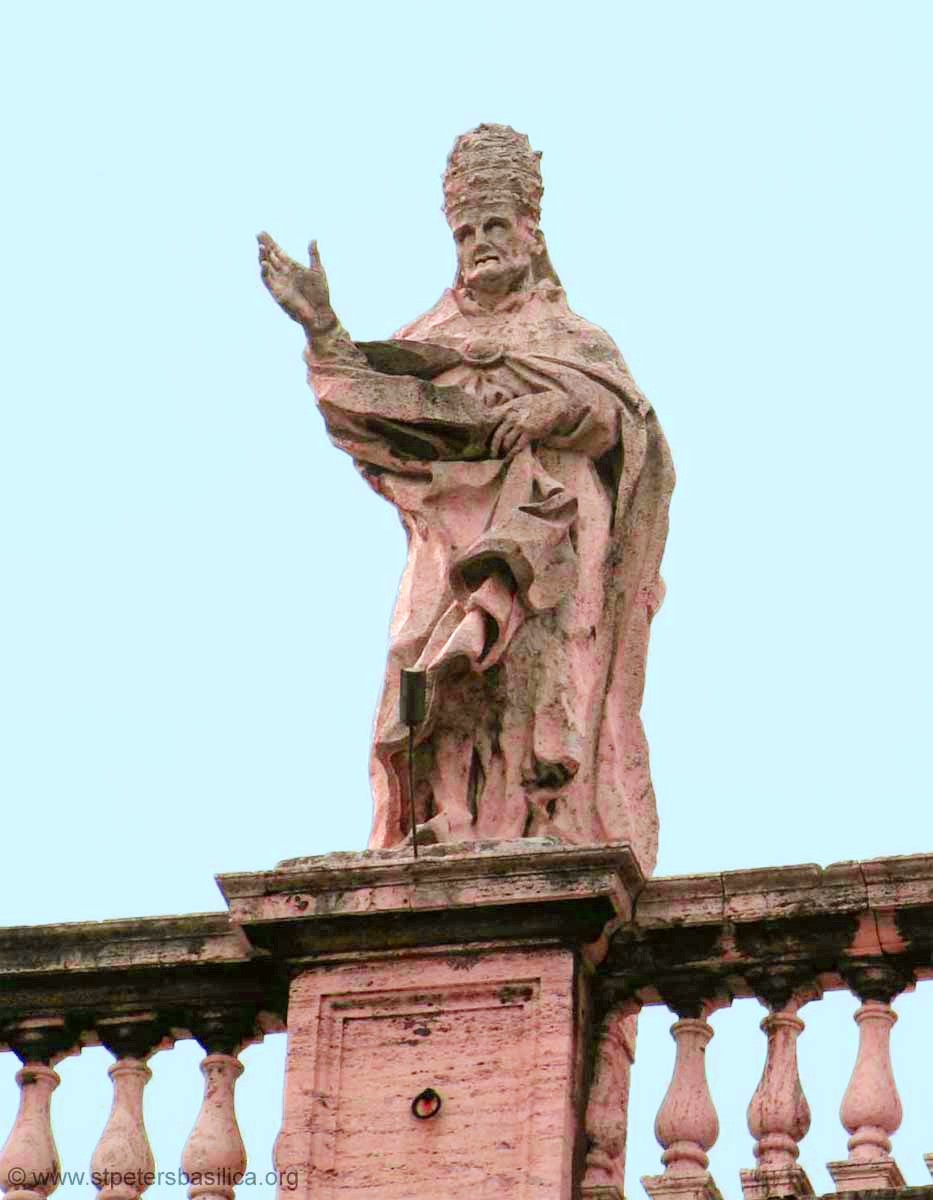
The Statue of St Leo is situate on the South Colonnade’s Curved Arm next to St Pope Clement I. St. Leo IV – Pope Born – 790 Died – 17 July 855 in Rome Feastday – 17 July Sculptor – unknown Based on the documents and stylistic features perhaps the work could be attributed, but it has been very damaged by time. However, it seem closest to the school of Algardi. Statue created – c.1669-1670 The statue is part of a group of 16 installed between 1 May 1669 and 5 August 1670.
The Statue of St Leo is situate on the South Colonnade’s Curved Arm next to St Pope Clement I.
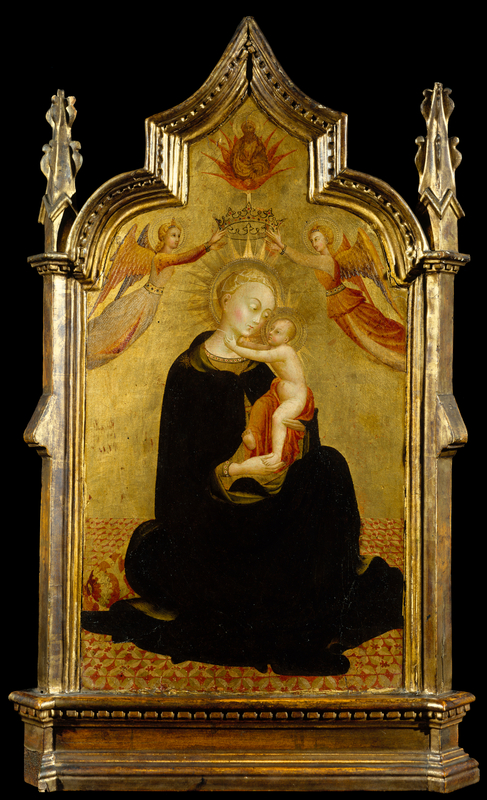
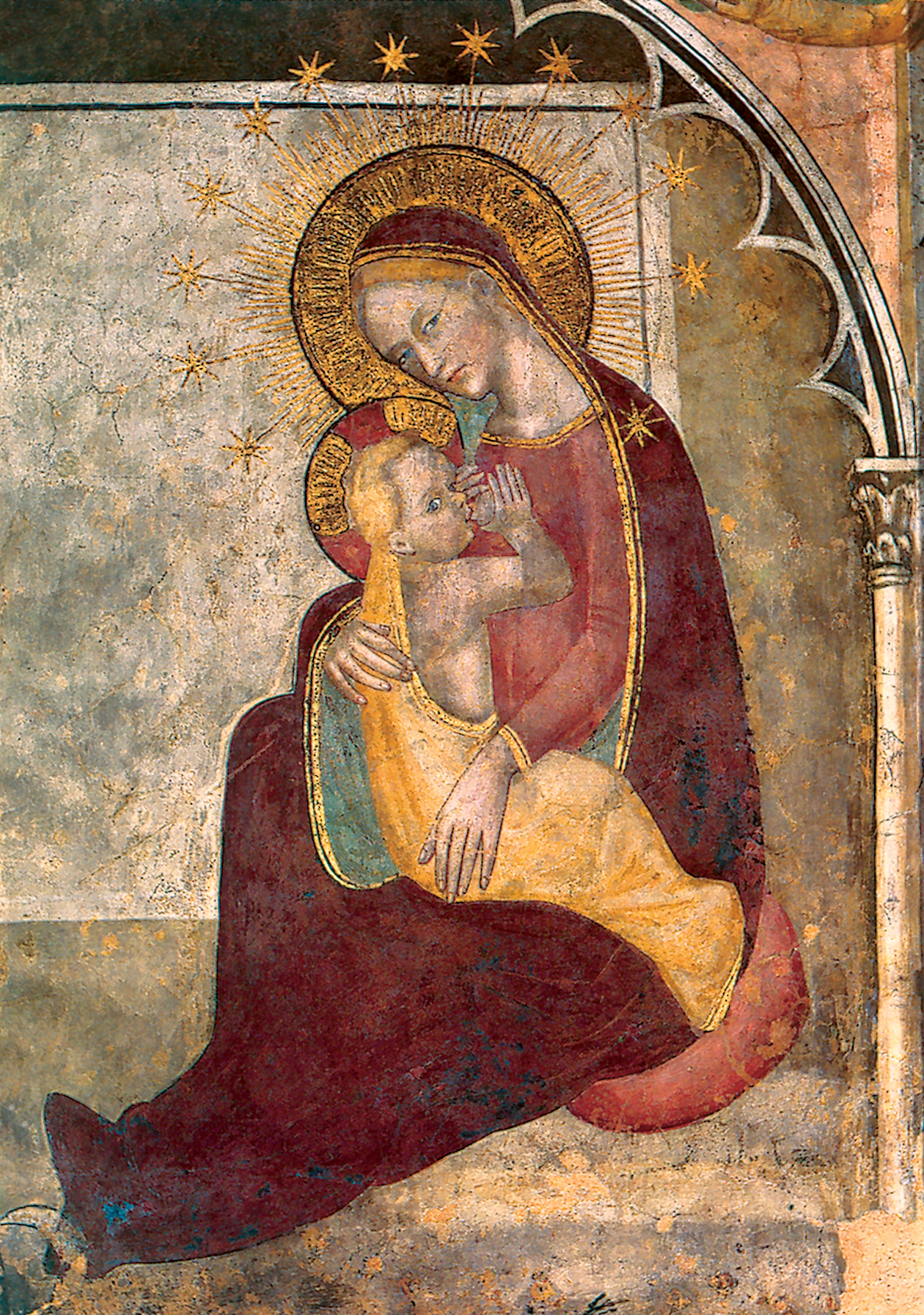
The Feast of The Humility of the Blessed Virgin Mary or the Madonna of Humility: The Feast of the Humility of the Blessed Virgin Mary was included in the General Roman Calendar of 1954 among the feasts ‘pro aliquibus locis’ (in some places) but was removed from the General Roman Calendar of 1960. However, many Diocese worldwide still celebrate this beautiful Feast as do all Traditional Catholics. https://anastpaul.com/2022/07/17/saint-of-the-day-17-july-the-humility-of-mary-by-st-alphonsus/
Martyrs of Compiegne (16 Carmelite Beati): Sixteen Blessed Teresian Martyrs of Compiègne. Eleven Discalced Carmelite nuns, three lay sisters and two lay women servants who were Martyred together in the French Revolution. They were the earliest Martyrs of the French Revolution that have been recognised. They were: Angelique Roussel • Anne Pelras • Anne-Marie-Madeleine Thouret • Catherine Soiron • élisabeth-Julitte Vérolot • Marie Dufour • Marie Hanniset • Marie-Anne Piedcourt • Marie-Anne-Françoise Brideau • Marie-Claude-Cyprienne Brard • Marie-Françoise de Croissy • Marie-Gabrielle Trezel • Marie-Geneviève Meunier • Marie-Madeleine-Claudine Lidoine • Rose-Chretien de Neuville • Thérèse Soiron. They were guillotined on 17 July 1794 at the Place du Trône Renversé (modern Place de la Nation) in Paris, France. The 16 Martyrs Story: https://anastpaul.com/2017/07/17/saints-of-the-day-17-july-the-carmelite-martyrs-of-compiegne-o-c-d/
Bl Arnold of Himmerod Bl Bénigne Bl Biagio of the Incarnation
Bl Carlos de Dios Murias OFM Conv (1945-1976) Priest Martyr St Clement of Ohrid St Cynllo St Ennodius of Pavia St Fredegand of Kerkelodor St Generosus St Gorazd St Hyacinth of Amastris St Kenelm St Pope Leo IV (c790-855) The 103rd Bishop of Rome
St Marcellina (c330-c398) Consecrated Virgin, sister of St Ambroseand St Satyrus. The Roman Martyrology reads: “At Milan, the Virgin St Marcellina, sister of the blessed Archbishop Ambrose, who received the religious veil from Pope Liberius, in the Basilica of St Peter at Rome. Her sanctity is attested by St Ambrse in his writings.” Lovely Marcellina: https://anastpaul.com/2023/07/17/saint-of-the-day-17-july-st-marcellina-c330-c398-virgin/
St Nerses Lambronazi Bl Sebastian of the Holy Spirit Bl Tarsykia Matskiv St Theodosius of Auxerre St Theodota of Constantinople St Turninus
Martyrs of Scillium (12 Saints): A group of twelve Christians Martyred together, the final deaths in the persecutions of Emperor Marcus Aurelius. Upon their conviction for the crime of being Christians, the group was offered 30 days to reconsider their allegiance to the faith; they all declined. Their official Acta still exist. Their names : • Acyllinus • Cythinus • Donata • Felix • Generosa • Januaria • Laetantius • Narzales • Secunda • Speratus • Vestina • Veturius They were beheaded on 17 July 180 in Scillium, Numidia (in North Africa).
Saint of the Day – 16 July – Blessed Arnulf of Hildesheim (Died 1180) Abbot of Saint Godehard Monastery in Hildesheim. Died on 16 July 1180 at his Monastery of natural causes. Also known as – Arnoldus, Arnold, Arnoldo. His Body is/was Incorrupt.
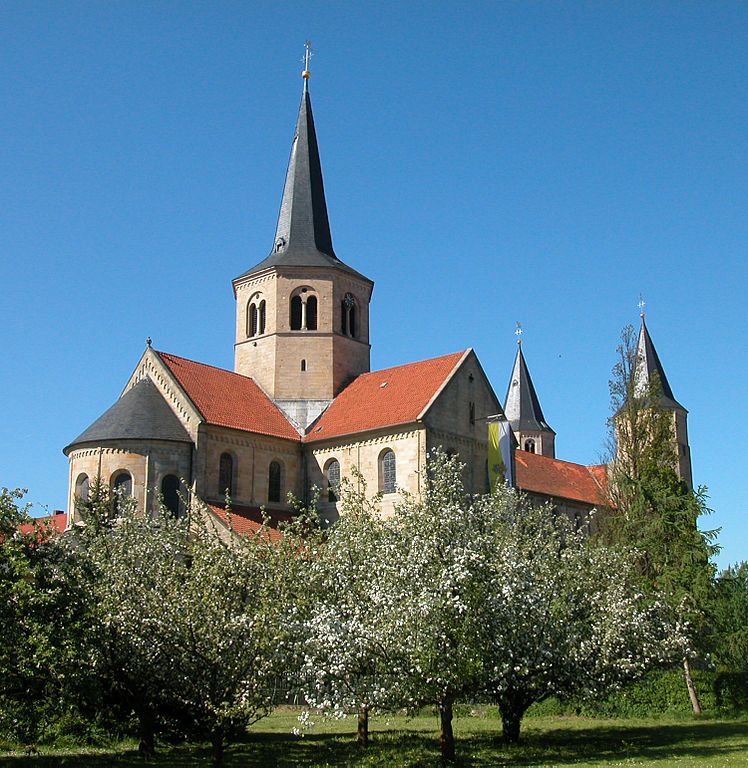
St Godehard Monastery Church, now a Minor Basilica
Arnulf lived in the 12th Century in Germany. Sadky, we can find no details of his life beyond these few facts. He became a Benedictine Monk in the Fulda Monastery in Germany.
From there he was called to the Monastery of St Godehard in Hildesheim where he was appointed as the Abbot.
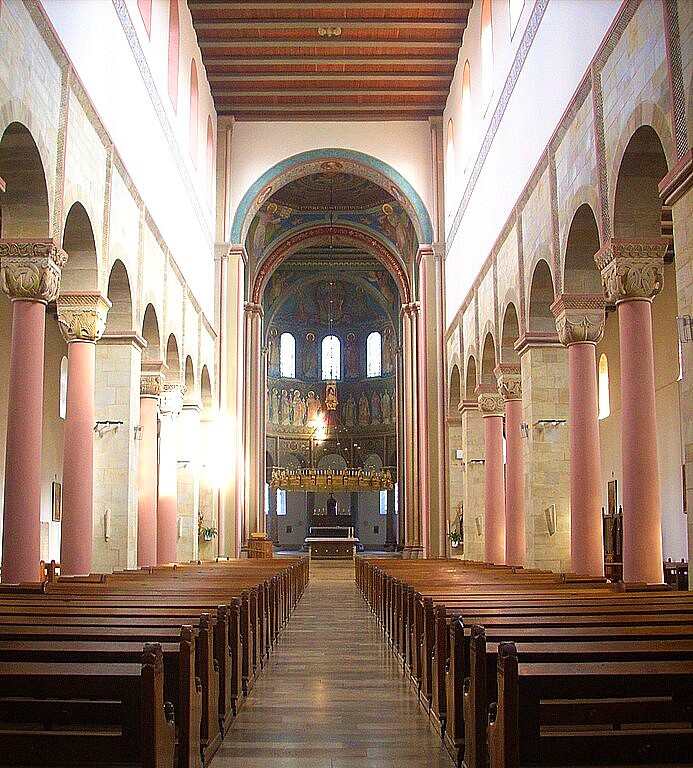
St Godehard Interior
He died on 16 July 1180. His body was found intact during translations in the years 1400 and again in 1473, when his cult was confirmed.
St Andrew the Hermit St Antiochus of Sebaste Bl Arnold of Clairvaux Blessed Arnulf of Hildesheim (Died 1180) Abbot. His Body is/was Incorrupt. St Athenogenes of Sebaste
St Bartholomew of Braga OP – ArchBishop of Braga also known as Bl Bartholomew of the Martyrs (Bartolomeu Fernandez dei Martiri Fernandes) (1514-1590) Portuguese Dominican Friar and Priest, Writer, Theologian, Advisor, Teacher and Catechetical writer, Apostle of Charity founding a series of hospitals and hospices in Braga and surrounds. St Bartholomew: https://anastpaul.com/2018/07/16/saint-of-the-day-16-july-blessed-bartholomew-of-the-martyrs-1514-1590/
St Generosus of Poitou St Gobbán Beg St Gondulf of Tongeren-Maastricht St Gondolf of Saintes St Grimoald of Saintes
St Helier of Jersey (Died c555) Martyr, Hermit, Missionary from Belgium, Hermit, Ascetic, Miracle-worker. PATRONAGES – St Helier is the Patron Saint of Jersey and in particular of the Diocese and Capital City of Jersey, named for him – Saint Helier, he is invoked against and for the cure of EYE diseases and skin disorders, His Life and Death: https://anastpaul.com/2023/07/16/saint-of-the-day-16-july-st-helier-of-jersey-died-c555-martyr-missionary-hermit/
Bl Irmengard St Landericus of Séez Bl Madeleine-Françoise de Justamond Bl Marguerite-Rose de Gordon Bl Marguerite-Thérèse Charensol Bl Marie-Anne Béguin-Royal Bl Marie-Anne Doux
St Marie-Madeline Postel (1756-1846) Religious Sister and Founder of the Sisters of Christian Schools of which she is the Patron, Teacher, Franciscan tertiary. Pope Pius X later signified on 22 January 1908 his approval to two investigated miracles attributed to her intercession and so Beatified her on 17 May 1908. Pope Pius XI confirmed two additional miracles and Canonised Blessed Marie-Madeline on 24 May 1925. Her Life: https://anastpaul.com/2019/07/16/saint-of-the-day-16-july-st-marie-madeline-postel-
Bl Marie-Rose Laye Bl Milon of Thérouanne St Monulphus of Tongeren-Maastricht Bl Ornandus of Vicogne
Martyrs of Antioch – 5 Saints: Five Christians who were Martyred together. No details about them have survived by the names – Dionysius, Eustasius, Maximus, Theodosius and Theodulus. They were Martyred in Antioch, Syria, date unknown.
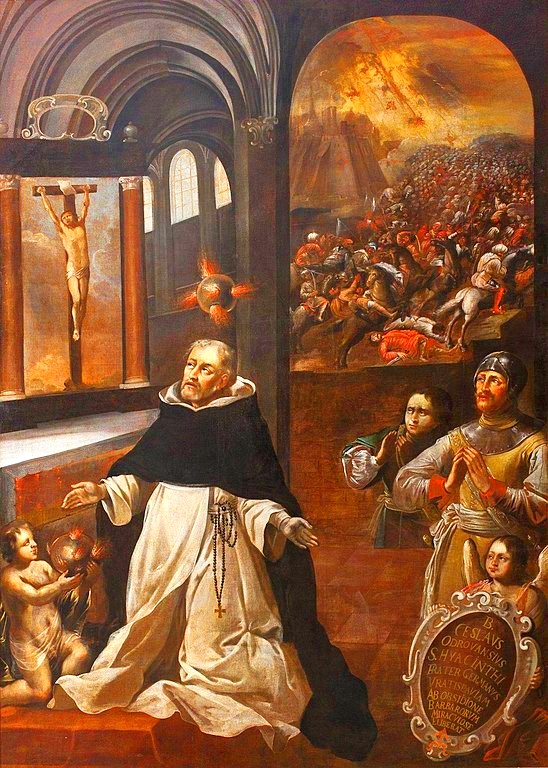
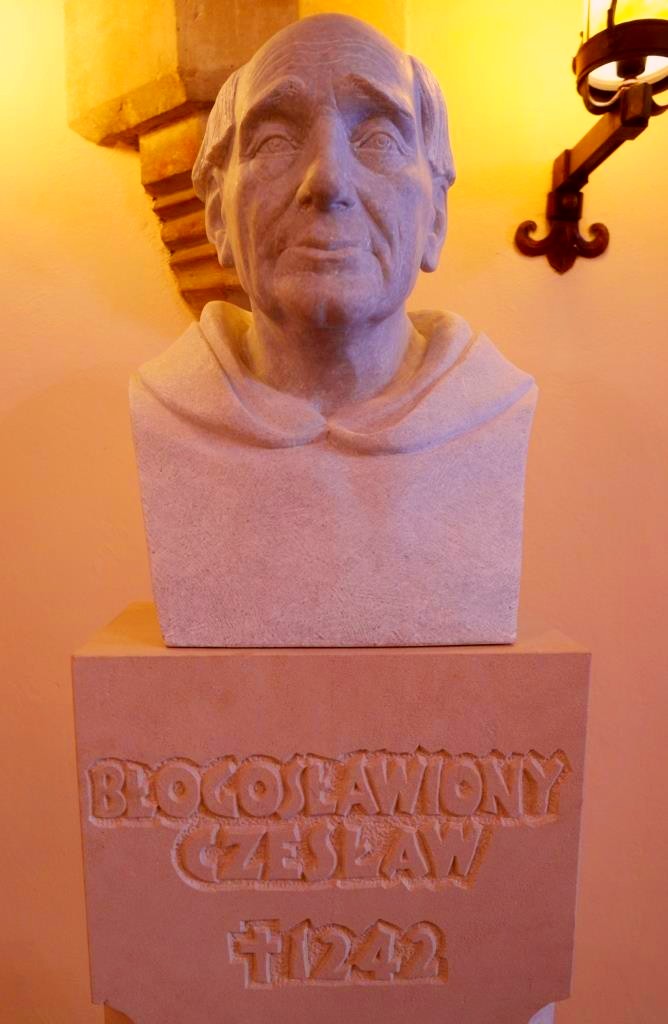
Saint of the Day – 15 July – Blessed Ceslas Odrowaz OP (c1180-1242) Priest and Friar of the Order of Preachers, receiving the Habit from St Dominic himself. Ceslas was almost certainly Saint Hyacinth’s (1185-1257) older brother. Doctor of Divinity and Law, Missionary, in time, Ceslas became the Provincial Father of the Order for all of Poland. Born in c1180 at Krakow, Upper Silesia (modern Poland) and died on 15 or 17 July 1242 at Wroclaw, Poland of natural causes. Patronage – of Wroclaw, Poland. Also known as – Ceslas of Cracow, Ceslaus of Krakow, Ceslas of Poland, Ceslas of Wroclaw, Ceslaus…Czeslaw…Ceslao… Additional Memorials – 17 July (Dominicans), 20 July (Wroclaw, Poland), 4 July on some calendars, 16 July on some calendars.
Painting by Tomasz Jan Muszyński (1665)
Ceslas was born in Silesia probably in 1180. He spent his youth in Krakow in a Poland which had recovered from the Mongol invasions, growing again in that Christianity introduced two centuries earlier by King Mieszko I and which would then have had its great flourish under King Casimir the Great.
His studies began in Krakow and continued at the Universities of Paris and Bologna, the major and renowned places of study at that time. Ceslas was Ordained to the Holy Priesthood by Bishop Vincent Kadlubek of Krakow, iwhere he had matured in his intellectual and spiritual vocation. Ceslas was then entrusted with the Collegiate Church of Sandomierz.
In 1220, the great opportunity of his life arose. Divine Providence desired that he should accompany, together with St Hyacinth, the Bishop of Krakow, Ivo Odrowaz to Rome. There, he met St Dominicand witnessed the miraculous resurrection of the young Napoleon, nephew of Cardinal Stephen, by the intercession of St Dominic himself.
Both Ceslas and Hyacinth decided to enter St Dominic’s Order of Preachers. , They were sent to Bologna where they remained for a certain time in the Dominican Convent there.
In 1221 his Superiors in Bologna sent Ceslas, together with other Friars, to Poland to erect new foundations. On the return journey, he stopped in Prague where he founded the Dominican House at the Church of St Clement. Returning to Krakow, he worked for many years at the Church of the Holy Trinity, in the Monastery recently founded there.
From there he went to Wroclaw, where he remained for 7 years and thereafter Ceslas was appointed as the Superior. In 1232 he was honoured with the Office of Provincial Father of Poland.
He travelled for another four years throughout Silesia and Poland founding Houses, until in 1236 he resigned, forced by exhaustion, from all his responsibilities. In 1241, upon returned to Wroclaw, Ceslas took part in the liberation of the City from the siege of the Tartars. He died on 15 or 17 July 1242 and was buried in the Church of St Adalbert. Pope Clement XI confirmed the cult on 27 August 1712 and, in 1748, Pope Benedict XIV set the day of his celebration on 20 July. The Dominican Order remembers him on 17 July while the Martyrologium Romanum indicates it on 15 July.
St Henry II (972-1024) Holy Roman Emperor. Henry was well known for his Missionary spirit and for his protection of the Pope in times of trouble. Henry ruled with a spirit of great humility and always sought to give the glory to God. He used his position to promote the work of the Church and the peace and happiness of the people. Another Saints whose Feast was moved in 1969 from today, 15 July to 13 July. Biography: https://anastpaul.wordpress.com/2017/07/13/saint-of-the-day-13-july-st-henry-ii-holy-roman-emperor/
St Abundantia of Spoleto St Abudemius of Bozcaada St Adalard the Younger
Blessed Anne-Mary Javouhey (1779-1851) “The Mother of the Slaves,” Religious Sister, Missionary and Founder of the Sisters of Saint Joseph of Cluny. Imagine a Mother Teresa in the France of Napoleon’s day and you will have a picture of Anne-Marie Javouhey. Nanette, as she was called, was a “velvet brick,” a thin layer of gentleness covering her determined core. A competent leader, Nanette dominated every scene in her adventurous life. Blessed Anne-Marie was Beatified on 15 October 1950 by Pope Pius XII. Biography: https://anastpaul.com/2019/07/15/saint-of-the-day-15-july-blessed-anne-mary-javouhey-1779-1851/
St Apronia
St Athanasius of Naples (c830-c 872) Confessor, Bishop of Naples from 849 until his death, Papal Legate, Reformer and restoring of Monasteries, he built a Hospice for pilgrims and a new Monastery, a man of austerity and prayer. This Athanasius should not be confused with his nephew, Athanasius II, also the Bishop of Naples. About this St Athanasius, a Patron of Naples among +70 Patrons: https://anastpaul.com/2022/07/15/saint-of-the-day-15-july-st-athanasius-of-naples-c-830-c-872/
St Antiochus of Sebaste St Benedict of Angers
Blessed Bernard of Baden TOSF (1428-1458) Margrave of Baden, Germany (Margrave was originally the medieval title for the military commander assigned to maintain the defence of one of the border provinces of the Holy Roman Empire.) Tertiary of the Order of St Francis, Apostle of the poor and the needy. Bernard was Beatified on 16 September 1769 by Pope Clement XIV. His Canonisation process continues, at present, the second miracle required is being investigated. Blessed Bernard’s Life: https://anastpaul.com/2021/07/15/saint-of-the-day-15-july-blessed-bernard-of-baden-tosf-1428-1458/
St David of Sweden St Donivald St Eberhard of Luzy St Edith of Tamworth St Eternus St Felix of Pavia St Gumbert of Ansbach St Haruch of Werden St Jacob of Nisibis St Joseph Studita of Thessalonica Bl Peter Aymillo St Plechelm of Guelderland Bl Roland of Chézery St Valentina of Nevers St Vladimir I of Kiev
Martyred Jesuit Missionaries of Brazil – 40 Beati: A band of forty Spanish, Portugese and French Jesuit Missionaries Martyred by the Huguenot pirate Jacques Sourie while en route to Brazil. They are – Aleixo Delgado • Alonso de Baena • álvaro Borralho Mendes • Amaro Vaz • André Gonçalves • António Correia • Antônio Fernandes • António Soares • Bento de Castro • Brás Ribeiro • Diogo de Andrade • Diogo Pires Mimoso • Domingos Fernandes • Esteban Zuraire • Fernando Sánchez • Francisco Alvares • Francisco de Magalhães • Francisco Pérez Godoy • Gaspar Alvares • Gonçalo Henriques • Gregorio Escribano • Ignatius de Azevedo • Iõao • João Fernandes • João Fernandes • Juan de Mayorga • Juan de San Martín • Juan de Zafra • Luís Correia • Luís Rodrigues • Manuel Alvares • Manuel Fernandes • Manuel Pacheco • Manuel Rodrigues • Marcos Caldeira • Nicolau Dinis • Pedro de Fontoura • Pedro Nunes • Simão da Costa • Simão Lopes • They were Martyed on 15 and 16 July 1570 on the ship Santiago near Palma, Canary Islands. They were Beatified on 11 May 1854 by Pope Pius IX.
Martyrs of Alexandria – 13 Saints: Thirteen Christians who were Martyred together. We know the names of three, no details about them and the other ten were all children. – Narseus, Philip and Zeno. Martyred in the early 4th-century in Alexandria, Egypt.
Martyrs of Carthage – 9 Saints: A group of nine Christians who were Martyred together. We know nothing else but their names – Adautto, Catulinus, Felice, Florentius, Fortunanziano, Januarius, Julia, Justa and Settimino. They were Martyred in Carthaginian and their relics at the Basilica of Fausta at Carthage.
Martyrs of Pannonia – 5 Saints: Five 4th-century Martyrs killed together. No information about them has survived except the names – Agrippinus, Fortunatus, Martialis, Maximus and Secundinus.
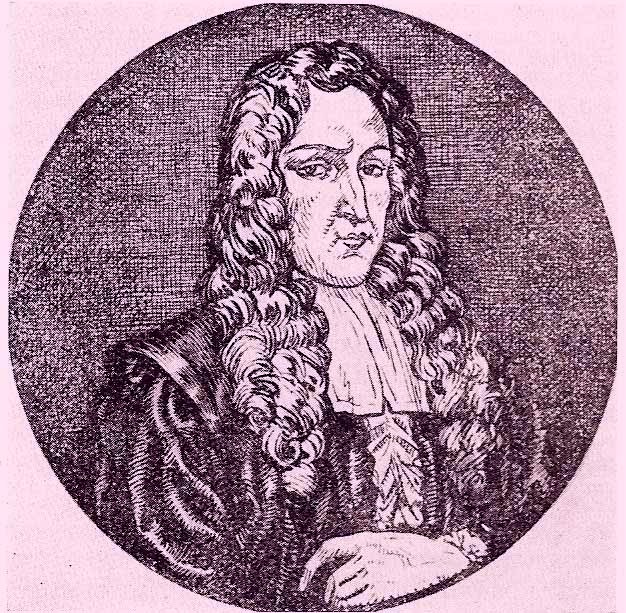
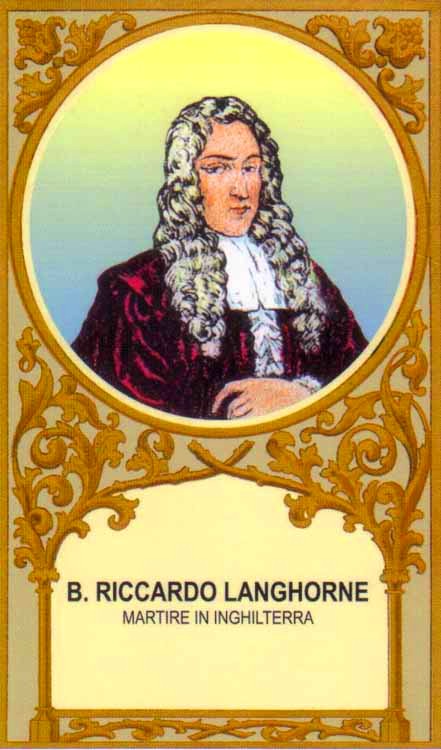
Saint of the Day – 14 July – Blessed Richard Langhorne (c1624-1679) Martyr Layman, Barrister. Born in c1624 in Little Wymondley, Hertfordshire, England and died on 14 July 1679 (aged 54–55) at Tyburn Tree, London, England by being hanged on a false charge of treason as part of the fabricated Popish Plot. He fell under suspicion because he was a Roman Catholic and because, he had acted as legal adviser to the Jesuits at a time of acute anti-Catholic hysteria.
Richard was the third son of William Langhorne, a Barrister and his wife, Lettice Needham, of Little Wymondley in Hertfordshire. He was admitted to the Inner Temple in May 1647 and called to the Bar in November 1654. He was a Catholic and provided legal and financial advice to the Society of Jesus in London. During the wave of anti-Catholic hysteria which followed the Great Fire of London of 1666, he was briefly arrested but quickly released.
His wife, Dorothy Legatt, was a Protestant from Havering in Essex. His sons, Charles and Francis were both Priests. When, in October 1677, Titus Oates was expelled from the English College at St Omer “for serious moral lapses” Charles Langhorne nevertheless, entrusted Oates with a letter to his father. Oates returned to St Omer with a letter from Richard thanking the Jesuits for all they had done for his sons.
When Oates and Israel Tonge, one of his accomplice, in September 1678, unleashed their entirely fictitious Popish Plot, a non-existent Catholic conspiracy to kill King Charles II, three Jesuits and a Benedictine were arrested. Following a detailed search of their papers (which failed to uncover any evidence of treason), Langhorne’s role as legal adviser to the Jesuits was discovered almost at once – he was arrested a week after the four Priests, although there was no evidence in the Priests’ papers that he had committed any crime. He was imprisoned at Newgate and charged with treason. Oates claimed and was corroborated by the notorious informer and confidence trickster, William Bedloe, that Langhorne’s earlier correspondence dealt with the conspiracy to kill the King.
He was tried on 14 June 1679. He was forced to defend himself, as a person charged with treason had no right then to Defence Counsel (this rule was not changed until the passage of the Treason Act in 1695). His main defence consisted of an attack on the character of the Crown’s principal Witnesses, Oates and Bedloe but since the Judges were well aware of the deplorable past lives of both men, this seems to have made little impression.He also called a number of students from St Omer to prove that Oates had been at the College on the crucial dates when he claimed to be in London but the public mood was so hostile to Catholics that the Witnesses were barely able to make themselves heard above the roar of the crowd and some of them were assaulted as they left the Court. Ironically, some of the same Witnesses appeared for the prosecution at Oates’ own trial for perjury in 1685, where the crowd treated them courteously and the Jury was told to weigh their evidence with the greatest seriousness. (Such evil contradicitions and treachery within the Courst of Justic [!] within the space of 6 years!)
William Scroggs, the Lord Chief Justice, although violently prejudiced against Catholic Priests, was relatively tolerant of Catholic laymen. His summary was reasonably fair, by the standards of the time and he did warn the Jury that on no account should an innocent man’s life be taken away. Nonetheles, Langhorne was found guilty of High Treason.
As the result of a petition by his wife, a ‘true Protestant’ he received a month’s reprieve to tidy the affairs of his clients. Some suggest that the Crown was still hoping that he would confess and it seems he was offered a Royal Pardon if he did so. Langhorne was prepared, presumably with the consent of the Jesuit Fathers, to give the Crown a list of all the Jesuit properties in England, (which turned out to be much less extensive than the Crown, misled by Oates’s wild exaggeration of the Jesuits’ wealth, had expected) but, he steadily maintained his innocence.
Richard wrote a lengthy Devotion of Prayers and Meditations in verse, which was later published. He was executed at Tyburn Tree, London, on 14 July 1679.
His last words to his Executioner were:
“I am desirous to be with my Jesus. I am ready and you need stay no longer for me.”
Public opinion was slowly turning against the Plot and Langhorne’s courageous death made a favourable impression on the watching crowd.
The Martyr’s wife, Dorothy, although a militant Protestant, who even sometimes provided information against the Catholics, remained faithful to her husband until the end and perhaps later converted to Catholicism, as suggested by Burnet in his emorandum of the Popish Conspiracy.
Langhorne’s Memorial remains, containing the story of his arrest and imprisonment, written in Newgate and published, by his son, Father Richard, three months after his death, together with the Prayers and Meditations he composed while awaiting the supreme hour, (London 1679). Father Richard later also published , written by his father in defence of Charles II’s declaration of 15 March 1672. We also have some letters of the Martyr preserved by two of his friends, the Protestant Lord Christopher Hatton and the Catholic William Blundell.
Begun in Rome on 9 December 1886 by order of Pope Leo XIII, the cause for Langhorne’s Beatification was concluded under the Pontificate of Pope Pius XI, with his inscription in the catalogue of the Blesseds on 15 December. 1929
Blessed Gaspar de Bono OM (1530– 1604) Spanish Priest, Friar of the Order of Minims, Vicar Provincial of the Order. He was noted for his particular devotion to the Passion of Christ, carrying his Crucifix everywhere as a means of evangelisation and to be able to constantly immerse himself in his Saviour’s sufferings. His Loving Life: https://anastpaul.com/2021/07/14/saint-of-the-day-14-july-blessed-gaspar-de-bono-om-1530-1604/
Bl Giorgio of Lauria Bl Hroznata of Bohemia Bl Humberto of Romans St Idus of Ath Fadha St Just St Justus of Rome St Liebert St Marciano of Frigento St Marchelm Bl Michael Ghebre St Optatian of Brescia St Papias of Africa Blessed Richard Langhorne (c1624-1679) Martyr Layman Bl Toscana of Verona St Ulric of Zell St Vincent Madelgaire



















You must be logged in to post a comment.