
St Esdras the Prophet
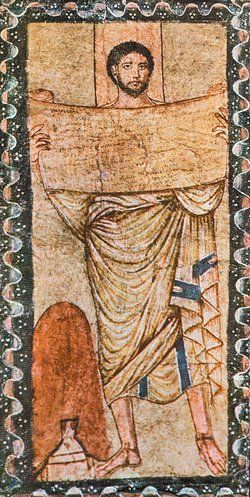
Also known as Ezra. In the Greek Septuagint, the name is rendered as Ésdrās (Ἔσδρας), from which the Latin name Esdras comes. He was a descendant of Seraiah, the last High Priest of Israel to serve in Solomon’s Temple, as well as a close relative of Joshua, the first High Priest of the Second Temple.
Also a priest and scribe, he left Babylon in the 7th year of Artaxerxes (458 B.C.) with a caravan of 1,800 Jewish exiles, to return to Jerusalem. The Persian king had given Esdras a letter ordering the satraps beyond the Euphrates to aid him to enforce observance of the Mosaic Law in Judea. Esdras brought with him an exemption from taxation for the temple officials, and gifts from Artaxerxes and the Jews of Babylon. With these the temple worship was to be enhanced and subsidized. When Ezra discovered that Jewish men had been marrying foreign pagan women, he tore his garments in despair. He confessed the sins of Israel before God, then braved the opposition of some of his fellow Judeans to purify the community by enforcing the dissolution of the sinful marriages. Within a year mixed marriages, of which even priests had been guilty, were dissolved.
In 444 B.C., after the walls of Jerusalem had been rebuilt, the Law was read to the assembled multitude, whereupon the Feast of Tabernacles and the Day of Atonement were observed. There followed the renewal of the Covenant, which all solemnly agreed to keep. By Esdras and Nehemias the restoration of the Law was effected. The measures which Esdras himself effected determined in great part the organization and practise of later Judaism.
According to Josephus, Ezra died and was buried “in a magnificent manner in Jerusalem.
St Joel the Prophet
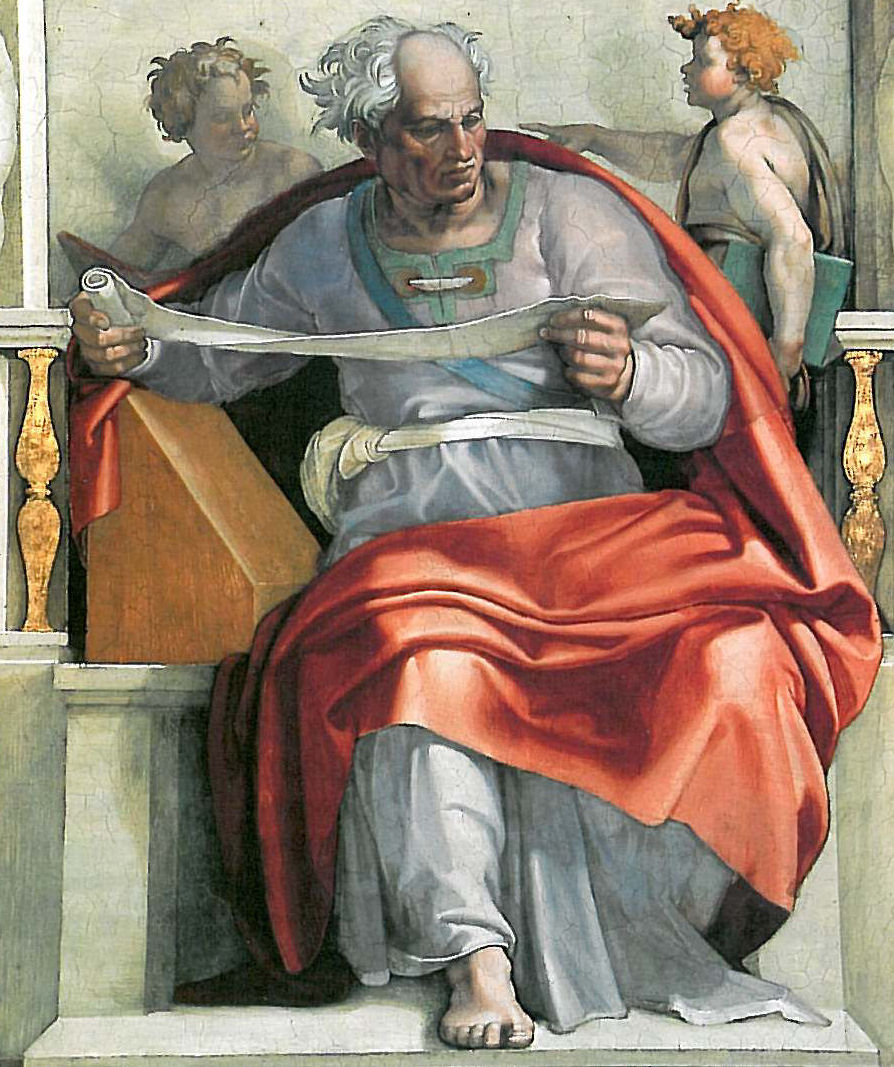
Joel is the second of the Twelve Minor Prophets, and the author of the Book of Joel, which is set in the early Assyrian period. His name combines the covenant name of God, YHWH (or Yahweh), and El (god), and has been translated as “YHWH is God” or “one to whom YHWH is God,” that is, a worshiper of YHWH.
Joel’s statement that “I will pour out my spirit upon all flesh; and your sons and your daughters shall prophesy, your old men shall dream dreams, your young men shall see visions” was applied by St Peter in his sermon at Pentecost to the events of that day.
According to tradition, Joel was buried in Gush Halav. In the western outskirts of the modern village, there is a structure that has long been considered Joel’s tomb, which contains several ancient rock-cut tombs.


