Posted in SAINT of the DAY

Saint of the Day – 20 July – Saint Elijah the Prophet

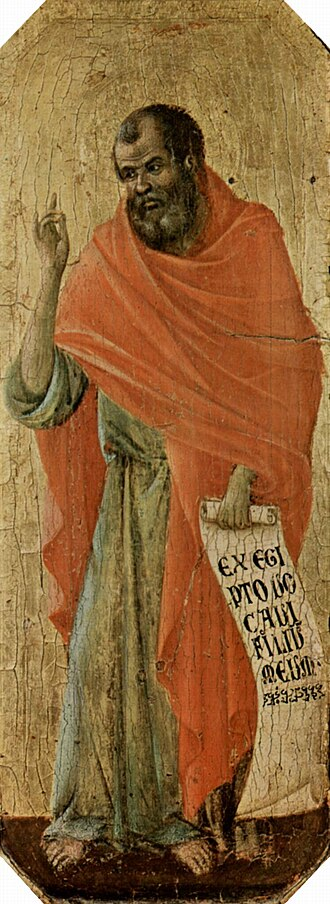
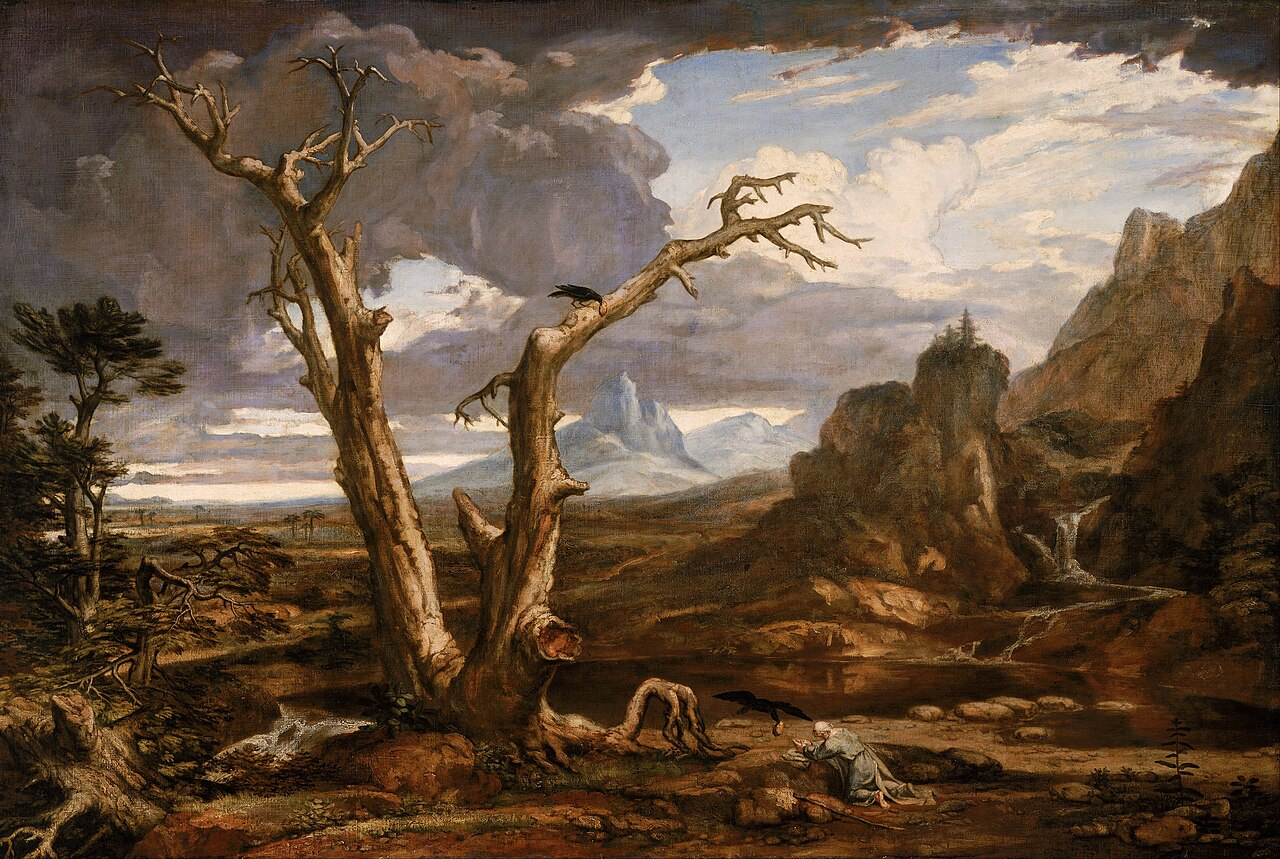
Saint Elijah the Prophet, also known as Elias. Elijah (‘My God is Yahweh’) was a prophet and miracle worker who lived in the northern kingdom of Israel during the reign of King Ahab (9th century BC). He announced to the king (he who was married to the infamous Jezebel) that God would avenge the apostasy of Israel by bringing a long drought on the land. During the drought, which lasted three years, Elias withdrew to the vicinity of the brook Carith, where he was fed by ravens. After the brook dried up he crossed over to Sarepta, where he was hospitably received by a poor widow, whose charity he rewarded by increasing her store of meal and oil and by raising her child to life.
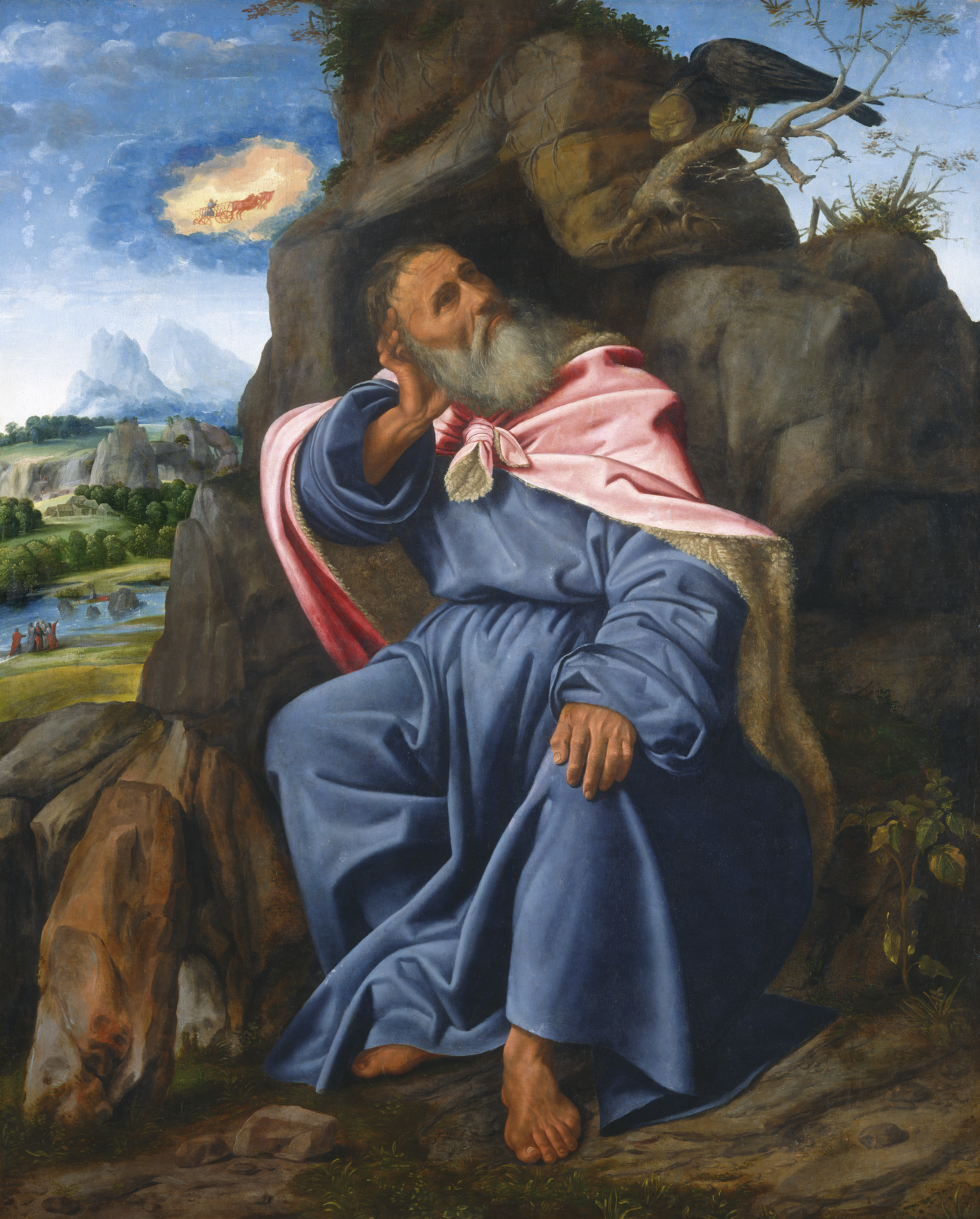
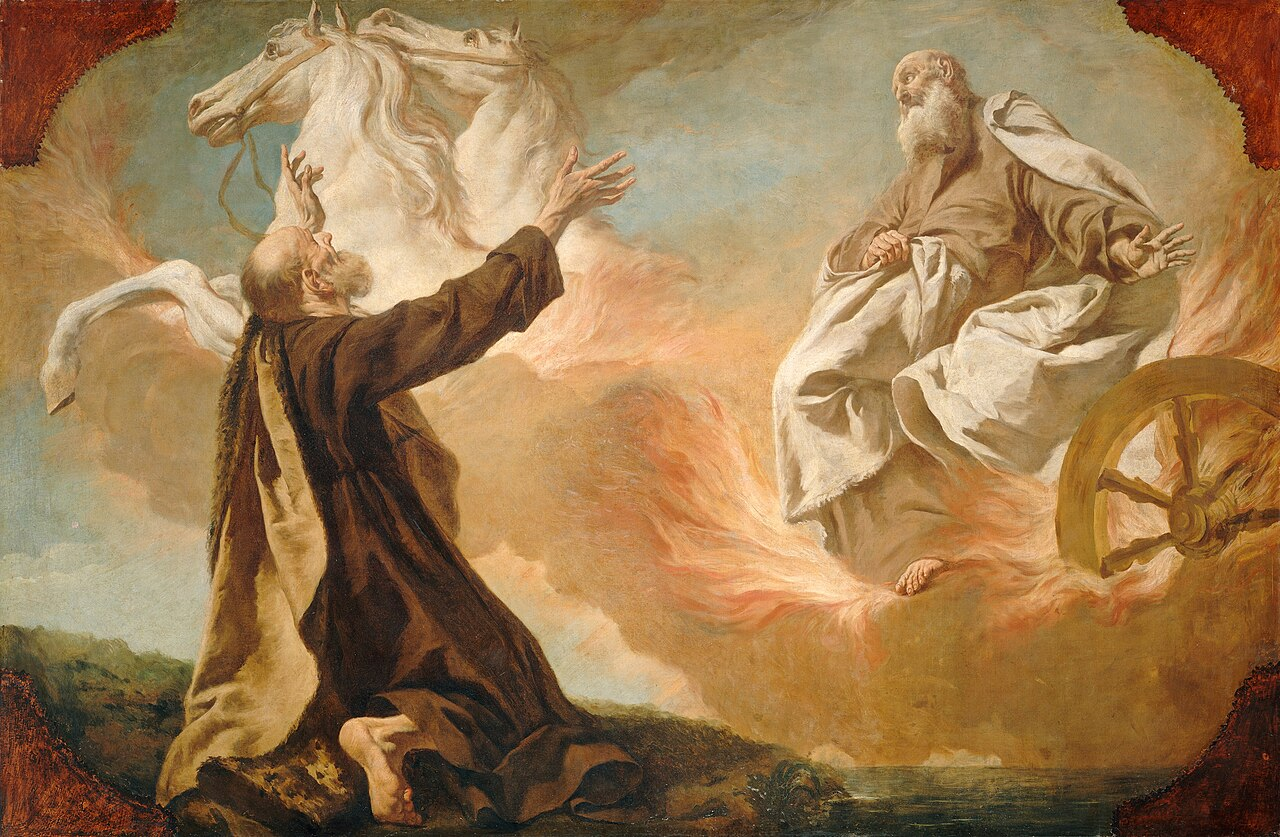
Later he confronted the king again and challenged the prophets of Baal to a contest on Mount Carmel, when Elijah’s oblation was consumed by fire from heaven, and the false prophets were slain by the people at his command. He was obliged to flee from the wrath of Jezebel and while on Mount Horeb was commanded by God to anoint Hazael to be King of Syria, Jehu to be King of Israel, and Eliseus to be his own successor. Subsequently he denounced Achab for the murder of Naboth and reprimanded Ochozias and Joram, King of Juda. While conversing with Eliseus on the hills of Moab he was translated to heaven in a fiery chariot. The Carmelite Order traces its origin to him.
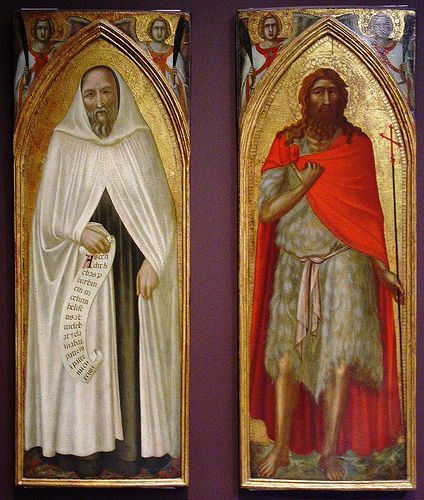
The Book of Malachi prophesies Elijah’s return “before the coming of the great and terrible day of the Lord”. The New Testament makes it clear that St John the Baptist is “the Elijah” who was promised to come.
Patronages: Air Forces, Carmelites, civil aeronautics, Romanian Air Force
Posted in SAINT of the DAY

Saints of the Day – 13 July –St Esdras the Prophet and St Joel the Prophet

St Esdras the Prophet

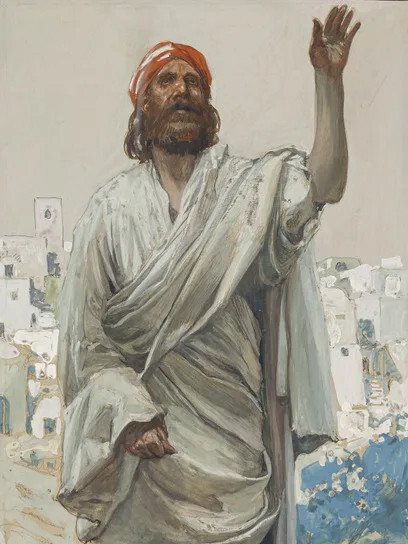
Also known as Ezra. In the Greek Septuagint, the name is rendered as Ésdrās (Ἔσδρας), from which the Latin name Esdras comes. He was a descendant of Seraiah, the last High Priest of Israel to serve in Solomon’s Temple, as well as a close relative of Joshua, the first High Priest of the Second Temple.

Also a priest and scribe, he left Babylon in the 7th year of Artaxerxes (458 B.C.) with a caravan of 1,800 Jewish exiles, to return to Jerusalem. The Persian king had given Esdras a letter ordering the satraps beyond the Euphrates to aid him to enforce observance of the Mosaic Law in Judea. Esdras brought with him an exemption from taxation for the temple officials, and gifts from Artaxerxes and the Jews of Babylon. With these the temple worship was to be enhanced and subsidized. When Ezra discovered that Jewish men had been marrying foreign pagan women, he tore his garments in despair. He confessed the sins of Israel before God, then braved the opposition of some of his fellow Judeans to purify the community by enforcing the dissolution of the sinful marriages. Within a year mixed marriages, of which even priests had been guilty, were dissolved.

In 444 B.C., after the walls of Jerusalem had been rebuilt, the Law was read to the assembled multitude, whereupon the Feast of Tabernacles and the Day of Atonement were observed. There followed the renewal of the Covenant, which all solemnly agreed to keep. By Esdras and Nehemias the restoration of the Law was effected. The measures which Esdras himself effected determined in great part the organization and practise of later Judaism.

According to Josephus, Ezra died and was buried “in a magnificent manner in Jerusalem.

St Joel the Prophet

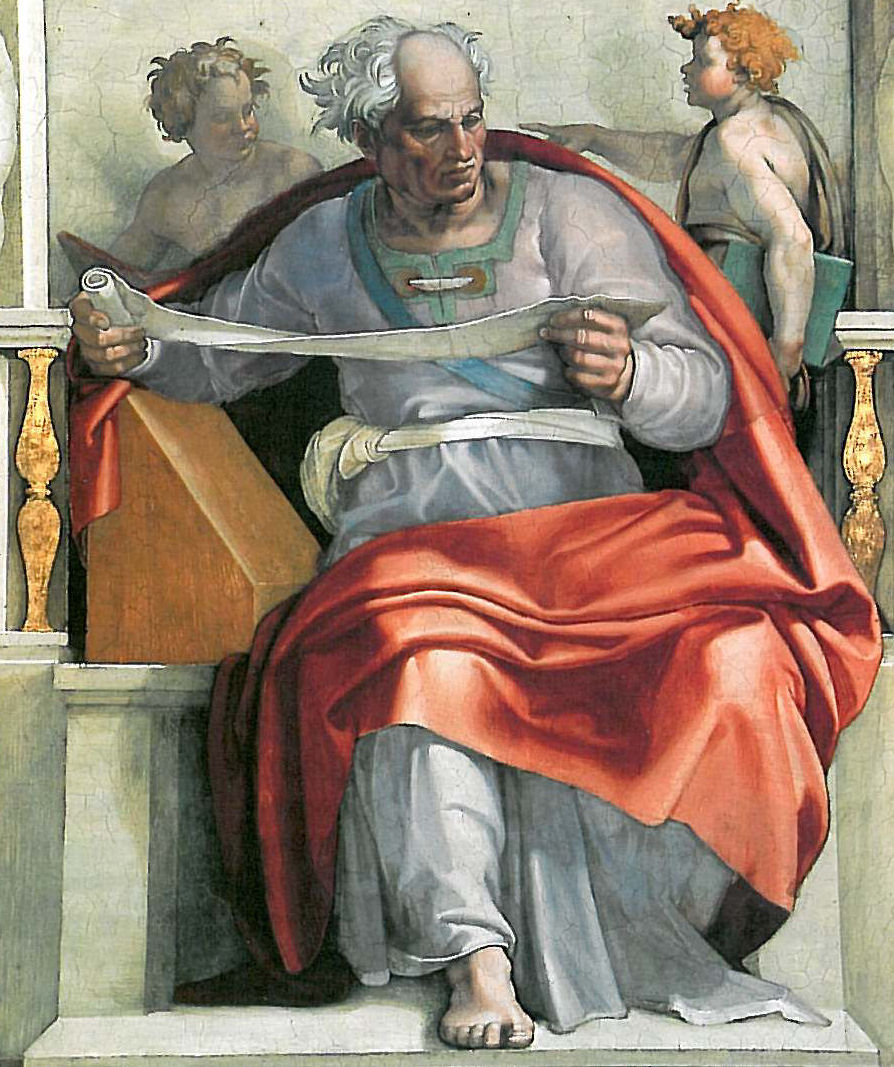
Joel is the second of the Twelve Minor Prophets, and the author of the Book of Joel, which is set in the early Assyrian period. His name combines the covenant name of God, YHWH (or Yahweh), and El (god), and has been translated as “YHWH is God” or “one to whom YHWH is God,” that is, a worshiper of YHWH.

Joel’s statement that “I will pour out my spirit upon all flesh; and your sons and your daughters shall prophesy, your old men shall dream dreams, your young men shall see visions” was applied by St Peter in his sermon at Pentecost to the events of that day.

According to tradition, Joel was buried in Gush Halav. In the western outskirts of the modern village, there is a structure that has long been considered Joel’s tomb, which contains several ancient rock-cut tombs.

Posted in SAINT of the DAY

Saint of the Day – 4 July – St Hosea the Prophet

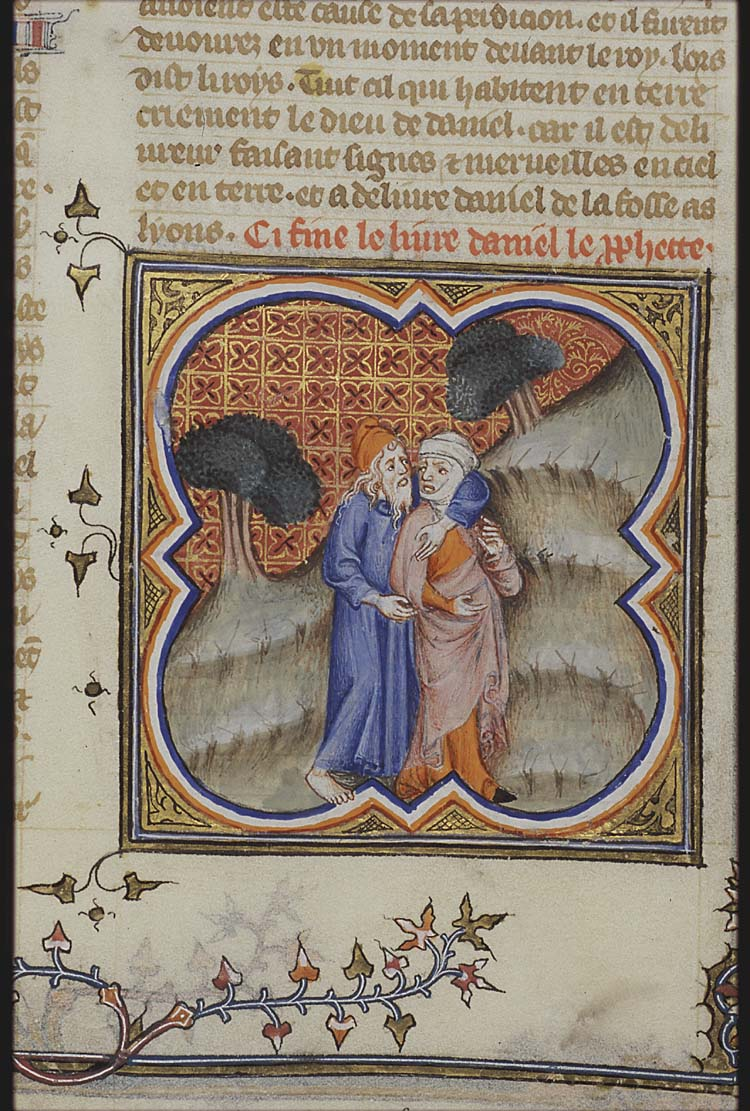
Hosea (‘Salvation’), also known as Osee, son of Beeri, was an 8th-century BC prophet in Israel and the author of the Book of Hosea. He is the first of the Twelve Minor Prophets. Hosea is often seen as a “prophet of doom”, but underneath his message of destruction is a promise of restoration. Hosea was a contemporary of Jonah, Amos, Isaiah and Micah.

He married Gomer, but she proved to be unfaithful. Hosea knew she would be such, as God tells him so in the opening statements of the book. This marriage was arranged in order to serve as a symbol of Israel’s unfaithfulness to the Lord, and dramatizes the breakdown in the relationship between God and his people Israel. Hosea’s family reflected the adulterous relationship which Israel built with other gods.

His children’s names likewise represent God’s estrangement from Israel. They are prophetic of the fall of the ruling dynasty and the severed covenant with God. The name of Hosea’s daughter, Lo-ruhamah, which translates as ‘not pitied’, is chosen as a sign of displeasure with the people of Israel for following false gods. The name of Hosea’s son, Lo-ammi, which translates as ‘not my people’, is chosen as a sign of the Lord’s displeasure with the people of Israel for following those false gods.

Even though Gomer runs away from Hosea and sleeps with another man, he loves her anyway and forgives her. Likewise, even though the people of Israel worshipped false gods, God continued to love them and did not abandon his covenant with them. The buying back of Gomer is also an analogy to the redemptive qualities of Jesus Christ’s sacrifice on the cross, and his buying back of the human race from the devil.