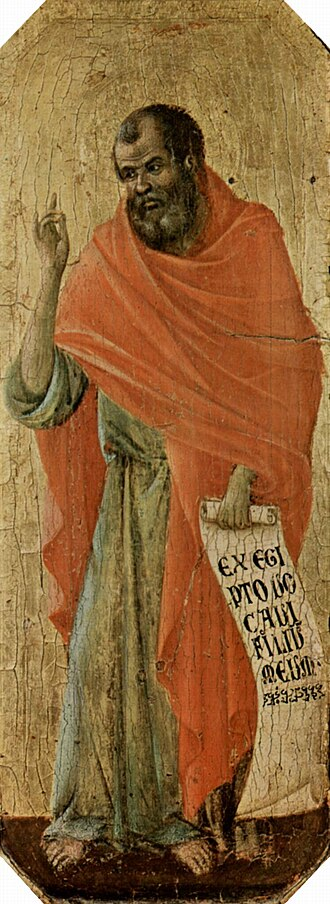
Hosea (‘Salvation’), also known as Osee, son of Beeri, was an 8th-century BC prophet in Israel and the author of the Book of Hosea. He is the first of the Twelve Minor Prophets. Hosea is often seen as a “prophet of doom”, but underneath his message of destruction is a promise of restoration. Hosea was a contemporary of Jonah, Amos, Isaiah and Micah.
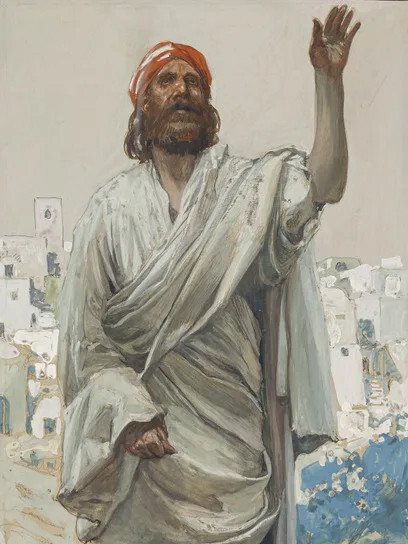
He married Gomer, but she proved to be unfaithful. Hosea knew she would be such, as God tells him so in the opening statements of the book. This marriage was arranged in order to serve as a symbol of Israel’s unfaithfulness to the Lord, and dramatizes the breakdown in the relationship between God and his people Israel. Hosea’s family reflected the adulterous relationship which Israel built with other gods.
His children’s names likewise represent God’s estrangement from Israel. They are prophetic of the fall of the ruling dynasty and the severed covenant with God. The name of Hosea’s daughter, Lo-ruhamah, which translates as ‘not pitied’, is chosen as a sign of displeasure with the people of Israel for following false gods. The name of Hosea’s son, Lo-ammi, which translates as ‘not my people’, is chosen as a sign of the Lord’s displeasure with the people of Israel for following those false gods.
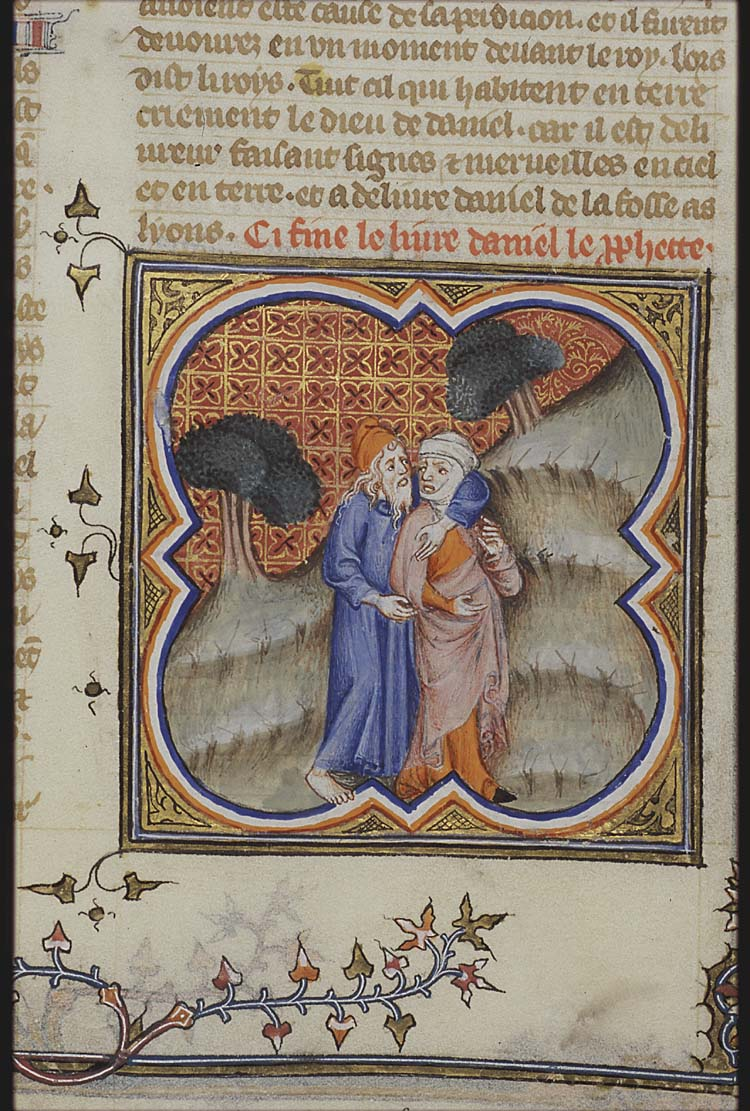
Even though Gomer runs away from Hosea and sleeps with another man, he loves her anyway and forgives her. Likewise, even though the people of Israel worshipped false gods, God continued to love them and did not abandon his covenant with them. The buying back of Gomer is also an analogy to the redemptive qualities of Jesus Christ’s sacrifice on the cross, and his buying back of the human race from the devil.