One Minute Reflection – 22 June – “The Month of the Sacred Heart of Jesus” – Within the Octave of Corpus Christi and the Memorial of St Paulinus of Nola (c 354-431) Bishop, Confessor – 1 Corinthians 23-29, John 6:56-59.
“ … For he who eats and drinks unworthily, … eats and drinks judgement upon himself.”- 1 Corinthians 29
REFLECTION – “Christ has hidden enemies. All those who live unjust and irreligious lives are Christ’s enemies, even if they are signed with His Name and are called ‘Christians’ I mean the ones to whom he is going to say, “I do not know you” and they say to him, “Lord, in your name we ate and drank. In your name, we performed many deeds of power. What did we eat and drink in your name?”
You see that they did not value their food very highly and yet, it was with reference to It, that they said they belonged to Christ. Christ is the Food that is eaten and drunk. Even Christ’s enemies eat and drink Him! The faithful know the Lamb without spot on which they feed, if only they fed on It in such a way that they are not liable to punishment! The Apostle says, “Whoever eats and drinks unworthily is eating and drinking judgment upon himself.” – St Augustine (354-430) Father and Doctor of Grace (Sermon 308).
PRAYER – O God, Who promised to those who forsake all things in this world for Thee, a hundred-fold reward in the world to come and life everlasting, mercifully grant that, following closely in the footsteps of the holy Bishop, Paulinus, we may look upon earthly things as nought and long only for those of Heaven. Who lives and reigns with God the Father, in the unity of the Holy Spirit, God, world without end. Amen (Collect). SWEET HEART of my JESUS, Make me love Thee ever more and more! – Indulgence 300 Days Everytime – Plenary Once a Month – Raccolta 162 – Pope Pius IX 26 November 1876.
Saint of the Day – 22 June – St Paulinus of Nola (c 354-431) Bishop, Confessor, Poet, Writer, Apostle of Charity, Preacher, distinguished lawyer who hHeld several public offices in the Empire as Orator, Senator and Governor before his retirement from public life and his dedication to the service of God.
The Roman Martyrology reads of him today: “At Nola, in Campania, the birthday of the blessed Paulinus, Bishop and Confessor, who, although a most noble and wealthy man, made himself poor and humble for Christ. And, what is still more admirable, became a slave to liberate a widow’s son, who had been carried to Africa by the Vandals, when they devastated Canpania. He was celebrated, not only for his learning and exceptional holiness of life but, also for his power over the demons. His great merit has been extolled by Saints Ambrose, Jerome, Augustine and Gregory, in their writings. His body, at first transferred to Benevento and thence to Rome, was restored to Nola by Order of Pius X.”
St Paulinus, Bishop of Nola By Fr Francis Xavier Weninger SJ (1805-1888)
St Paulinus, who, on account of his great learning and eloquence but still more, on account of his virtues, is highly praised by St Ambrose, St Augustine, St Jerome and St Gregory, was a native of Bordeaux, in the Province of Gascony. His parents, who were Romans and very rich and of ancient nobility, desired that their son should be as eminent for intelligence and knowledge, as he was on account of his birth and fortune. Their desire was fulfilled, for, when Paulinus had reached the age of manhood, he was not only honoured and admired, by everyone but, was chosen Prefect and Governor of Rome and gained great fame for the wisdom of his administration. The pious Paulinus, however, soon became tired of all worldly honours and pleasures and, having resigned his Office, he went to Barcelona in Spain, to serve God without disturbance.
Having remained there for some time, he returned to Italy. At that time, St Ambrose was the Bishop of Milan and to him, Paulinus applied for advice, with regard to the change he intended to make in his life. Having received the Saint’s directions, he went to Nola, in Campania, as he entertained special reverence towards St Felix, Priest and Martyr, of that City. There, he humbled himself so deeply, that for some time he occupied the office of Sacristan. Afterwards he sold his estates and having used a part of the money in building a Church at Fundi, he gave the remainder to the poor. He then proceeded to a little village in the neighbourhood of Nola, changed his rich garments for humble clothing and commenced to lead the life of a Hermit in a poor little hut, deriving all his sustenance from alms.
But, although Paulinus kept himself secluded, it yet became known who he was and whence he came and not only Nola but all Italy, was astonished, that so great and eminent a man, had chosen for his walk through life, such an humble and, in the eyes of the world, such a despised path. The esteem in which he was then held by both clergy and laity, was so great, that, on the death of the Bishop of Nola, they determined to raise him to the Episcopal chair. It was long before the humble servant of God could be persuaded to accept the dignity but having at last consented, his love, his solicitude for his flock, the zeal he displayed for the honour of God, made him beloved by men and favoured by the Almighty.
Soon after his election to the See, Campania suffered the fate of many other countries and was laid waste by the Goths and many of its inhabitants were taken prisoners. The holy Bishop used all his income to feed the poor and ransom the captives. When all his resources were exhausted, Nola was plundered and the great servant of the Almighty, with several others, was taken prisoner. God, however, so ordained, that he was speedily released. Some years afterwards, the Vandals crossed the ocean and, again plundering the Kingdom of Naples, took away many of the inhabitants as prisoners. Among these were several persons from Nola and although St.Paulinus exerted himself to the utmost to redeem them from prison, he was unable to help all.
This extremity gave the holy Bishop an opportunity for an act of charity which had never before been witnessed in the world. St Gregory himself relates the event as follows: “A poor widow, coming to the Saint, complained with bitter tears, that her only son, who was all the support she had, was taken prisoner and begged him not to refuse her the money she needed for his ransom. The Saint, deeply affected, answered: “My dear daughter, I have not anything left but to ransom your son, I will sell myself. I will go with you and you must say that you give me instead of your son, in order that he may return to you.” The widow, unspeakably surprised at the Saint’s offer, hesitated to accept it but Paulinus knew how to overcome her remonstrances and, at last persuaded her to consent to his plan. He travelled with her to Africa, where her son had already arrived and the Saint, clad in the garment of a slave, was exchanged for the widow’s son, the latter being set at liberty. Paulinus was charged with the care of a garden, as he said that he was able to perform that work and God blessed his endeavours in such a manner, that everything grew most wonderfully under his hands.
A near relative of the King, who was a great lover of horticulture, came frequently into the garden and speaking with the new gardener, soon observed that he was more than an ordinary labourer. Paulinus one day whispered to him in a prophetic spirit: “Have a care for the future. Thy King will soon be a corpse. Act in time and take all proper measures in the affairs of the Crown.” The gentleman, greatly terrified at this speech, informed the King of it, who desired to see Paulinus.
Fear bedewed the King’s face with great drops of sweat when the Saint appeared before him. for, he had had a dream in the night, in which it appeared to him that he stood before the Divine Judgement-seat and heard the sentence: “The scourge given to him shall again be taken from his hands.” Among the judges, the king said, he had seen the man now standing before him. After this, he gave orders to inquire into the history of this gardener. At first, Paulinus would not confess who he was but, as they insisted on knowing and he thought it might promote the honour of God, he revealed his name and also how he had become a slave. The king, admiring his virtue, immediately gave him his liberty and told him he would grant him any favour he might ask. The Saint requested the liberation of all the captives from Nola, which the \King granted without any hesitation. Hence, all the prisoners from Nola were assembled at Court and being liberated, they returned with the holy Bishop, whom they justly regarded and honoured as their deliverer. How the whole City rejoiced, when the Saint arrived there accompanied by so many long lost friends! All the inhabitants went out to meet him,and having given him due thanks for his love and goodness, they led him with great honours and rejoicings to his Episcopal chair, whence he exhorted them to give thanks to the Almighty for the grace bestowed on them and to serve Him fervently and with unwearied zeal in future.”
After this he continued his pastoral functions until sickness confined him to his bed. Two Bishops from the neighbourhood, visited him at this time and having an Altar erected in his room, he for the last time said Holy Mass. When this was accomplished, he lay down again and asked where his brothers were? A servant, supposing that St Paulinus was speaking of the two above-mentioned Bishops, replied: “They are here, dear Father.” The Saint, however, said: “Not so, those, whom I mean, are the two Bishops, Januarius and Martin, who were with me and who promised to come soon again.” Januarius had formerly been Bishop at Naples, Martin at Tours – both were famous on account of their holiness. They appeared to the Saint and cheered him in his suffering and thus he expired happily in the Lord, in the year 431 . The holy Fathers Jerome, Gregory and Ambrose, in their works, bestow high praise on the great learning as well as the virtues of this Saint. St Augustine, in his record of St Paulinus, relates among other events, that when St Paulinus had been taken prisoner, he said to the Almighty: “Lord, release my heart from all anxiety for gold and silver, as Thou knowest best, where I have placed my treasures.” St Augustine remarks that the holy man had already sent all that had been his, according to the admonition of our Lord, to Heaven, through the hands of the poor. Amen! St Paulinus, Pray for us all!
St Paulinus of Nola (c 354-431) Bishop, Confessor, Poet, Writer, Apostle of Charity, Preacher, Orator, Senator and Governor. St Paulinus was an inspiration to many—including six great Saints of the Church, who referenced him in letters of encouragement to others: St Augustine, St Jerome, Melania, St Martin of Tours, St Gregory and St Ambrose. St Augustine wrote, “Go to Campania– there study Paulinus, that choice servant of God. With what generosity, with what still greater humility, he has flung from himself the burden of this world’s grandeurs to take on him the yoke of Christ and in His service how serene and unobtrusive his life!” About St Paulinus: https://anastpaul.com/2018/06/22/saint-of-the-day-22-june-st-paulinus-of-nola-c-354-431/
St Aaron of Brettany St Aaron of Pais-de-Laon St Alban of Britain Bl Altrude of Rome St Consortia St Cronan of Ferns St Eberhard of Salzburg St Eusebius of Samosata St Exuperantius of Como St Flavius Clemens St Gregory of Agrigento St Heraclius the Soldier St Hespérius of Metz
Blessed Pope Innocent V OP (c 1225-1275) Papal Ascesion 21 January 1276 unril 22 June 1276 (the date of his death. Friar of the Order of Preachers, Theologian, renowned Preacher, Scholar, Writer,, Dominican Office bearer, disciple of St Albert the Great and collaborator and friend of St Thomas Aquinas.and St Bonaventure. His Life: https://anastpaul.com/2021/06/22/saint-of-the-day-22-june-blessed-pope-innocent-v-op-c-1225-1275/
St John IV of Naples St Julius of Pais-de-Laon Bl Kristina Hamm Bl Marie Lhuilier St Nicetas of Remesiana St Precia of Epinal St Rotrudis of Saint-Omer St Rufinus of Alexandria
Martyrs of Samaria – 1480 Saints: 1480 Christians massacred in and near Samaria during the war between the Greek Emperor Heraclius and the pagan Chosroas of Persia. c 614 in the vicinity of Samaria, Palestine.
Thought for the Day – 21 June – Meditations with Antonio Cardinal Bacci (1881-1971)
St Aloysius Gonzaga
“One might say, that the life of St Aloysius Gonzaga was a miracle of purity and of heroic penance. The source of his sanctity was the ardent love of God which he cherished from his childhood days. He loved God above all things and with all his strength. Therefore, long hours of prayer were a joy to him, the service of God in the Society of Jesus was his main desire and, mortification, was a loving offering, which he made in expiation of the sins of men.
The heart of St Aloysius, was not closed to men because of its supreme love of God. His love of God, overflowed, into a vast love for his fellowmen. He finally fell a victim to his own heroic charity. When he was only twenty four years old, he devoted himself so earnestly to the care of those who had been stricken down by the Plague, that he caught the infection and died a peaceful death. In his final moments, he smiled and announced that he was happy to be leaving the world.
Do we desire to merit as peaceful and holy a death as this? Let us imitate St Aloysius by living lives of purity henceforth, even if we have not always been as faithful as he was in this regard. Let us imitate also, his love for God and for his neighbour, his spirit of penance and his fervour in prayer.”
Quote of the Day – 21 June – The Memorial of St Aloysius de Gonzaga SJ (1568-1591) “The Angel of Purity”
“Recommend yourself to your Angel Guardian three times a day – in the morning. by the prayer “Angele Dei” in the evening, by the same prayer and during the day, when you visit the Altars in Churches. Remember that you are to be guided by your Angel, like a blind man who cannot see the dangers of the streets and trusts entirely. to the person who leads him.”
St Aloysius de Gonzaga (1568-1591)
Prayer for the Intercession of St Aloysius Gonzaga, (Can be Prayed as a Novena for Nine Consecutive Days)
O Saint Aloysius, adorned with angelical manners, although I am thy unworthy servant, I recommend to thee, in an especial manner, the chastity of my soul and body; I conjure thee, by thy angelical purity, to commend me to Jesus Christ, the spotless Lamb and to His most Holy Mother, the Virgin of virgins. Preserve me from every grievous sin; never suffer me to sully my soul , with any impurity; whenever thou seest me in temptation, or danger of sin, ward off from me, every impure thought and affection and awakening in me, the remembrance of eternity and of Jesus Crucified, imprint deeply in my heart the sentiment of the fear of God. Inflame me with divine love, in order that, by imitating thee on earth, I may merit to enjoy God with thee in Heaven. Amen. Our Father, Hail Mary
One Minute Reflection – 21 June – “The Month of the Sacred Heart of Jesus” – Tuesday within the Octave of Corpus Christi and the Memorial of St Aloysius de Gonzaga SJ (1568-1591) – 1 Corinthians 23-29, John 6:56-59.
“This is the Bread that has come down from Heaven; not as your fathers ate the manna and died. He who eats this Bread shall live forever.” – John 6:59
REFLECTION – Christ is “the bread of life” for those who believe in Him: to believe in Christ is to eat the bread of life, to possess Christ within one, is to possess eternal life… “I am the bread of life,” He says; “your fathers ate manna in the wilderness and they are dead” (Jn 6,48f). By this is to be understood ,spiritual death. Why are they dead? Because they believed in what they saw and did not understand what they could not see… Moses ate manna, Aaron ate it and many others, too, who pleased God and are not dead. Why are they not dead? Because they understood, in a spiritual fashion, they were spiritually hungry, they tasted the manna spiritually, so that they might be spiritually satisfied. “This is the bread that came down from heaven: whoever eats it will never die” (v.50). This manna – that is to say, Christ, who Himself spoke like this…, was prefigured by the manna but was able to do more than manna could. For manna could not, of itself, prevent dying spiritually… But the righteous saw Christ in the manna, they believed in His coming and Christ, of whom manna was the symbol, grants to all who believe in Him that they should not spiritually die. Hence He says: “This is the bread come down from heaven; whoever eats it will never see death.” Here on earth, here now, before your eyes, your eyes of flesh: here is to be found the “bread from heaven” (v.51). The “bread of life” we spoke of a moment ago is now called “living bread.” Living bread because it contains, within itself, the life that abides and can deliver from spiritual death and bestow life. First He said: “Whoever eats it will never die” now he speaks clearly, concerning the life He gives: “Whoever eats this bread will live for ever” (v.58). Archbishop Baldwin of Canterbury (c 1125-1190) Cistercian – The Sacrament of the Altar II
PRAYER – O God, bestower of heavenly gifts, Who in the angelic youth Aloysius joined wondrous innocence of life to an equally wondrous love of penance; grant, by his merits and prayers, that we who have not followed him in his innocence may imitate him in his penance. Through Jesus Christ, Thy Son our Lord, Who lives and reigns with Thee, in the unity of the Holy Ghost, God, world without end. Amen (Collect). SACRED Heart of JESUS, Thy Kingdom come! Indulgence 300 Days. Everytime Raccolta 178 St Pius X, 4 May 1906.
Saint of the Day – 21 June – St Aloysius Gonzaga SJ (1568-1591) Confessor, Seminarian of the Society of Jesus, Mystic, Marian devotee, born of a noble family as Prince Luigi. Known as “The Angel of Purity.” Patronages – Catholic youth, Jesuit scholastics, the blind, eye ailments, AIDS patients, care-givers, Jesuit students, for relief from pestilence, young people, Castiglione delle Stiviere, Italy, Valmonte, Italy.
The Roman Martyrology reads: “At Rome, St Aloysius de Gonzaga, of the Society of Jesus, most renowned for his contempt of his Princely dignity and the innocence of his life.”
St Aloysius de Gonzaga (Excerpt) By Fr Virgilio Cepari SJ (1564-1631)
St Aloysius, unlike so many of his illustrious family, has not left behind him, the glory of a great Captain, or of a man of letters, or of a ruler or statesman. Perhaps we may gather from this brief life, that thanks to the laws of inheritance, or to the gifts specially bestowed upon him, had longer years and occasion been given to him, he would have made his mark in the world. Talents he had and they were very notable whenever circumstances called them into play. Father Budrioli, a contemporary of our Saint, records in his Memoirs of St Aloysius ,that it was the conviction of all the Fathers in the Roman College and, there were men of European fame amongst them, that young Gonzaga had been given to the Society of Jesus, by a special Providence, to be one day its General, a post for which his prudence, sound judgement and extraordinary ability in matters of business, seemed even then, to have marked him out.
But St Aloysius had a heart too great to be contented with earthly grandeur. Nothing seemed of value to him, except what is prized by God and what, like Him, is everlasting To our Saint, the highest science was the science of Saints, to conquer oneself, the greatest victory, to serve God was to reign.! His motto was: Quid hoc ad aeternitatem? What is this to eternity? Guided by this thought, the young Prince, though living in the midst of a profligate world, with its charms and seductions on every side, took in hand the difficult task of making himself a Saint. And in the short space that he lived, he reached such a height of sanctity, that Holy Church, not content with raising him to her Altars, honoured him with the title of “The Angel of Purity”and gave him as model and Patron to the youth of the future.
What commemoration more fitting or more profitable than, by the faithful picture of his life, to reproduce him, whose whole being, whose every word and deed, whose each joy and sorrow, every aspiration and success were a constant forward march towards that ideal of perfection, which attracted him from childhood!
Fr Virgilio Cepar was a contemporary of the Saint, an ocular witness of most of the facts he narrates; he was his fellow-student and lived with him for several years, during which time, he met him everyday and was honoured with his most entire confidence. And what Cepari himself had not seen and heard, he learned from the lips of those who had witnessed all that he narrates, the mother and brother of St Aloysius, his tutors, servants, his relatives and acquaintances, his masters, superiors in religion, his Confessor. Fr Cepari visited every place, except those in Spain, where the Saint had stayed for any length of time and took down on the spot, the most exact information, as can be learnt from the statements of the sworn witnesses. No other writer of the life of St Aloysius has done the same.
To download “The Life of St Aloysius Gonzaga”, click on the link below.
St Raymond of Barbastro St Rufinus of Syracuse St Suibhne the Sage St Terence St Ursicenus of Pavia
Martyrs of Taw – 3+ Saints: Three Christians of different backgrounds who were martyred together – Moses, Paphnutius, Thomas. They were beheaded in Taw, Egypt, date unknown.
Saint of the Day – 20 June – Blessed Michelina of Pesaro TOSF (1300-1356) Widow, Religious of the Third Order of the Friars Minor, Stigmatic, Penitent, Apostle of all in need, Founder of the Confraternity of the Annunciation, to care for the poor, nurse the sick and bury the dead. Born in 1300 at Pesaro, Urbino, Italy and died on 19 June 1356 (aged 55–56) 1356 of natural causes. Patronages – Pesaro, widows, against mental illness, against death of children. Also known as – Michelina Metelli. Beatified on 13 April 1737 by Pope Clement XII.
The Town of Pesaro is situate on the shores of the Adriatic in Italy, not far from the famous Shrine of Loreto. There, in 1300, a daughter was born to the wealthy and noble Metelli family, who received the name Michelina in Baptism. The child was endowed with superior natural gifts and, in accordance with the pious tradition of the family, she was brought up in the holy fear of the Lord.
When she was twelve years old, Michelina was married to a nobleman of the powerful family of Malatesta. Although Michelina was good and pious, it is said that her heart was divided between creatures and the Creator, as is often the case. Her husband and a son, with whom the marriage was blessed, occupied her heart more than was becoming to a Christian woman.
The Lord severed one of these ties, by taking her husband to Himself, when Michelina was only twenty years old. This was a severe trial for the young wife but Michelina did not yet recognise the higher designs of God. Her maternal affections were now still more centred on her little son.
About this time, a pious Tertiary from Syria came to Pesaro and edified the entire Town by her fervour at prayer and the holiness of her life. Michelina also conceived a great veneration for this pious lady and invited her to take up her abode in her palace, promising to provide for all her needs, so that she could serve God alone. The stranger gratefully accepted this hospitality and almighty God rewarded Michelina by permitting her to learn to love God above all things and all other things only in God.
Once on the Feast of Pentecost, she conversed with her Tertiary guest on the need of surrendering one’s heart to God. The latter spoke of it in glowing terms and declared it was necessary. “That may be true” said Michelina, “but I cannot aspire to such perfection. My son, the tenderest object of my affections, occupies my heart too much and my earthly possessions do not leave me free enough to offer my heart completely to God.” “Let us then,” replied the Tertiary, “pray together that God may disengage your heart from those things which are an obstacle to your salvation and perfection.” The grace of the Holy Spirit was not wanting and Michelina answered, “Ah yes, let us. I, too, desire to serve God better than I have until now.”
The next morning both attended Holy Mass and prayed fervently for this intention. At the close of Mass, Blessed Michelina interiorly heard the voice of Our Lord: “I will set you free. I will take your son to Myself and you shall henceforth belong to Me alone.” When they arrived at home they found the child sick and soon God took him from this world, in which he would have been in great danger because of the inordinate tenderness of his mother. The two women saw how the Holy Angels carried his soul to heaven.
The mother was now like one transformed. Her heart was no longer attached to temporal goods. She distributed them lavishly among the poor in spite of the remonstrances of her relatives. After a while, she entered the Third Order of St Francis and adopted the afflicted and the indigent as her new family. She became a mother to the orphans, the support of poor widows, the nurse of the sick, the comfort of the sorrowful. Her house was the refuge of all unfortunate persons. She also practised severe acts of penance in order to atone for her former life.
She proceeded to give away all her belongings and property and founded the Confraternity of the Annunciation, to care for the poor, nurse the sick and bury the dead. Initially her family believed her to be insane and had her locked up. Upon her release from confinement, she made a pilgrimage to the Holy Land as penance for her sins. She received the Stigmata during the course of this journey. It was on Mount Calvary where she suffered so fervently that all present saw her in an ecstasy.
Upon her return to her native country, she redoubled her prayers, practices of penance and works of charity, until Our Lord called her to Himself on 19 June 1356. Her Tomb in the Franciscan Church of Pesaro, was made glorious by numerous miracles. The Apostolic See approved her public veneration in 1737, whereupon the Town of Pesaro chose her as its special Patron.
St Bagne of Thérouanne St Edburga of Caistor St Florentia of Seville
Blessed Francisco Pacheco SJ (1566-1626) Martyr, Priest of the Society of Jesus, Missionary to India, China and Japan, Provincial Superior. Fr Pacheco and his eight Jesuit companions, together with the nine lay Christians, were included among the 205 Martyrs Beatified by Blessed Pope Pius IX on 7 May1867. His Life and Death: https://anastpaul.com/2021/06/20/saint-of-th-day-20-june-blessed-francisco-pacheco-sj-1566-1626/
St Gemma of Saintonge St Goban of Picardie St Helen of Öehren
St Macarius of Petra St Methodius of Olympus Blessed Michelina of Pesaro TOSF (1300-1356) Widow, Religious of the Third Order of the Friars Minor. St Novatus of Rome
Martyred in London: Bl Anthony Turner Bl John Fenwick Bl John Gavan BL Thomas Whitbread Blessed William Harcourt
Irish Martyrs – 260 Beati – This is the collective title given to the 260 or more persons who are credited with dying for the Faith in Ireland between 1537 and 1714.
Martyrs of Lower Moesia: Martyred on the Black Sea at Lower Moesia (in modern Bulgaria), date unknown. St Cyriacus St Paul
Martyred in Nagasaki: 9 Beati : burned alive on 20 June 1626 in Nagasaki, Japan. Their ashes were thrown into the sea and no relics remain. They were Beatified on 7 May 1867 by Pope Pius IX. • Blessed Baltasar de Torres Arias • Blessed Francisco Pacheco • Blessed Gaspar Sadamatsu • Blessed Giovanni Battista Zola • Blessed Ioannes Kisaku • Blessed Michaël Tozo • Blessed Paulus Shinsuke • Blessed Petrus Rinsei • Blessed Vincentius Kaun
One Minute Reflection – 19 June – “The Month of the Sacred Heart of Jesus” – Solemnity of Corpus Christ. Sunday within the Octave – 1 John 3:13-18. Luke 14:16-24.
“The servant went and reported this to his Master. Then the Master of the house was angry and commanded His servant, ‘Go out quickly into the streets and alleys of the city and bring in here, the poor and the crippled, the blind and the lame…” – Luke 14:21
REFLECTION – “He turned to the Gentiles from the careless scorn of the rich. He invites both good and evil to enter, in order to strengthen the good and change the disposition of the wicked for the better. The saying that was read today is fulfilled, “Then wolves and lambs will feed together.” He summons the poor, the maimed and the blind. By this, He shows us, either that handicaps do not exclude us from the Kingdom of Heaven that the Lord’s mercy forgives the weakness of sinners. Whoever glories in the Lord, glories as one redeemed from reproach, not by works but by faith.
He sends them into the highways because Wisdom sings aloud in passages. He sends them to the streets because He sent them to sinners, so that they should come from the broad paths, to the narrow way which leads to life. He sends them to the highways and hedges . They, who are not busied with any desires for present things, hurry to the future on the path of goodwill. Like a hedge, which separates the wild from the cultivated and wards off the attacks of wild beasts, they can distinguish between good and evil and extend a rampart of faith against the temptations of spiritual wickedness.” – St Ambrose (340-397) Bishop of Milan, Father and Doctor of the Church (Exposition on the Gospel of Luke, 7).
PRAYER – O God, Who miraculously fortified blessed Juliana, Thy Virgin, in her last illness with the precious Body of Thy Son, grant, we beseech Thee, that with her merits pleading for us, we also, refreshed and strengthened by the same Sacrament in our dying agony, may be brought to our heavenly home. Through Jesus Christ, Thy Son our Lord, Who lives and reigns with Thee, in the unity of the Holy Ghost, God, world without end. Amen (Collect). MAY the Heart of JESUS in the most Blessed Sacrament be praised, adored and loved with grateful affection, at every moment, in all the Tabernacles of the world, even to the end of time. Amen. Indulgence 100 Days, Once a day. Raccolta 161 Pope Pius IX, 29 February 1868.
Saint of the Day – 19 June – St Juliana Falconieri OSM (1270–1341) Virgin and Foundress of the Religious Sisters of the Order of Servites, Mystic, Ecstatic, Ascetic.
The Roman Martyrology reads today: “At Florence, St Julian Falconieri, Virgin, Foundress of the Sisters of the Order of the Servants of the Blessed Virgin Mary, who was placed among the Holy Virgins by the Sovereign Pontiff, Clement XII.”
St Juliana Falconieri, Virgin By Fr Francis Xavier Weninger SJ (1805-1888)
The Roman Martyrology, enlarged by Benedict XIV announces today, the festival of St.Juliana. Florence in Italy, is the place where St Juliana was born, in 1270. Her parents were of the illustrious house of Falconieri and were long without issue, until, at last, the fruit of many prayers, this holy daughter was given to them. It was looked upon as a sign of her future holiness, that Juliana, when an innocent child, pronounced the two blessed names of Jesus and Mary, without having been taught by anyone to utter them. Even in her childhood, she endeavoured, so earnestly, to attain Christian virtues, that her uncle, St Alexius, of the Order of Servites, who was her instructor, hesitated not to say to her mother, that she had not given birth to a mortal maiden, but to an Angel.
And in truth, Juliana’s conduct was such, that she resembled an Angel, rather than a human being. Never was it seen, that she raised her eyes to look at the face of any man, much less that she ever regarded the other sex with boldness. Her horror of sin was innate, so that she trembled when she only heard the name of it, nay, she was seen to sink to the ground, as one dead, when a crime was only mentioned. Regardless of her temporal wealth and of many advantageous offers of marriage, she made a vow, in presence of St Philip Benizi, by which she Consecrated her virginity to God, when she was not yet fifteen years of age. She was the first of her sex who entered the Order of the Servites. Many of the highest nobility followed her example. Juliana prescribed certain rules for them, in the composition of which, she showed extraordinary wisdom and holiness. Hence she is justly recognised and honoured, as the Foundress of the Sisterhood of the Servants of Mary.
St Philip Benizi, (one of the Seven Holy Founders) who not only enlarged the Order of the Servites but also, guided those who belonged to it, in a most exemplary manner, was so thoroughly convinced of the virtues of Juliana, that he said, before his death, that there was no-one more fit to be entrusted with the government of the whole Order–men as well as women–than Juliana. She, however, had quite a different opinion of herself and, although, she was appointed to guide others, she performed, with the utmost willingness, the most menial services for those under her. She was so deeply devoted to prayer, that she continued whole days in this exercise, during which time, she often fell into ecstasies and was favoured with divine apparitions. The time unoccupied by work and prayer, she usually spent in reconciling hostile minds, for which kind office, she was peculiarly qualified and also, in converting sinners, many of whom her persuasions brought to the knowledge of their faults, or in nursing the sick, to whom she was devoted with a mother’s love.
Anxious to conquer herself, she more than once sucked the putrid matter from the ulcers of the sick and God, in consideration of such heroic self-abnegation, instantly restored them to health. She was as severe to herself as she was tender towards others. The rest, which she took at night on the bare floor, was very short – as she occupied the greater part of the night in prayer. She chastised her innocent body with scourges and chains of wire. She fasted every Saturday on water and bread. Two days of every week she lived almost without earthly nourishment, as she then received the Bread of Angels, the Blessed Eucharist. On other days, she partook of food but only of very little and that of the most ordinary kind, as otherwise she refused to touch it.
This continual rigour eventually impaired her health and caused her most severe pains, which at last, in the 70th year of her age, ended her life. She had suffered, in this manner, for many years, with the most cheerful and edifying patience. Only one thing pained her exceedingly in her last day,: which was, that, as she could not retain any food, the Priest could not give her the Blessed Sacrament, for which she longed so ardently. Flying for refuge to God, she prayed that He would not permit her to die without this great consolation. Soon after, as if convinced that God would bestow upon her an extraordinary grace, she requested the Priest to bring the holy Eucharist, at least to her room and hold it to her breast. The Priest consented to her request but no sooner had the Blessed Sacrament been placed near her breast, than it suddenly disappeared and at the same time, the countenance of Juliana expressed a great interior satisfaction and happiness. Whilst the Priest strove to recover from his surprise, the servant of God, miraculously fed with the Bread of Life, expired without a struggle. After her death, they found on the left side of her breast, the form of the Host, bearing the image of the Crucified Saviour, like a seal pressed into the flesh. This led to the belief, that the holy virgin had been, in an unprecedented way, comforted in her last hour with the Blessed Eucharist. The fame of this miracle and of many others with which God honoured her after her death, won for Juliana, the esteem of the whole Christian world. Her holy body was buried in the magnificent Church which her father had built in honour of the Blessed Virgin and in memory of the Annunciation.
Father’s Day + 2022 Wishing all Dads a Blessed and Happy Father’s Day!
A Parent’s Prayer to St Joseph
O holy Joseph, thou faithful Spouse of the Blessed Mother, thou who didst protect her and her Divine Child with such care and didst devote thy whole life to them; I beseech thee to be also my and my children’s protector and advocate, with Jesus, thy adopted Son. Obtain for me the grace to fulfil my duties to my children, as thou and Mary have done to Jesus.
St Joseph Pray for all our Fathers and for our spiritual Fathers of Holy Mother Church Amen.
Solemnity of Corpus Christ Sunday within the Octave
St Hildegrin of Châlons-sur-Marne Bl Humphrey Middlemore St Innocent of Le Mans St Lambert of Saragossa St Lupo of Bergamo St Modeste Andlauer St Nazario of Koper Bl Odo of Cambrai St Rémi Isoré Bl Sebastian Newdigate Bl Thomas Woodhouse Bl William Exmew St Zosimus of Umbria
Quote/s of the Day – 18 June – the Memorial of St Ephrem of Syria (306-373) Confessor, Father and Doctor of the Church
“Our Lord chose Matthew, the tax collector, to encourage his fellows to join him. He looked on sinners, called them and brought them to sit beside Him. What a wonderful sight! Angels stand trembling, while publicans, seated, rejoice!”
“But the bread of Moses was not perfect, it was only given to the Israelites. Because He wanted to show, that His gift is superior to that of Moses and the call to the nations still more perfect, our Lord said: “If anyone eats this bread he shall live forever,” for the bread from God “has come down from heaven” and is given to the whole world (Jn 6:51).”
O Lord and Master of My Life By Saint Ephrem (306-373) Father & Doctor of the Church
O Lord and Master of my life, give me not a spirit of sloth, vain curiosity, lust for power and idle talk. But give to me, Thy servant, a spirit of soberness, humility, patience and love. O Lord and King, grant me to see my own faults and not to condemn my brother. For blessed art Thou to the ages of ages. Amen O God, be merciful to me a sinner. O God, cleanse me, a sinner. O God, my Creator, save me and for my many sins forgive me!
O Pure and Immaculate Blessed Virgin By St Ephrem (306-373) Father and Doctor of the Church
O Pure and Immaculate and likewise Blessed Virgin, who art the sinless Mother of thy Son, the mighty Lord of the universe, thou who art inviolate and altogether holy, the hope of the hopeless and sinful, we sing thy praises. We bless thee, as full of every grace, thou who didst bear the God-Man: we bow low before thee; we invoke thee and implore thine aid. Rescue us, O holy and inviolate Virgin, from every necessity that presses upon us and from all the temptations of the devil. Be our intercessor and advocate at the hour of death and judgement, deliver us from the fire that is not extinguished and from the outer darkness; make us worthy of the glory of thy Son, O dearest and most clement Virgin Mother. Thou indeed art our only hope most sure and sacred in God’s sight, to Whom be honour and glory and majesty and dominion forever and ever, world without end. Amen
Saint of the Day – 18 June – St Ephrem of Syria (306-373) – “The Harp of the Holy Spirit!” Father & Doctor of the Church, Confessor, Deacon and Confessor, Apostle of the Poor and Needy, Exegesist, Writer, Poet, Hymnographer, Theologian, Teacher, Orator, Defender of the Faith – declared Doctor of the Church in 1920 by Pope Benedict XV. Born in c306 at Nisibis, Mesopotamia (in modern Syria) and died on 9 June 373 at Edessa (in modern Iraq) of natural causes. Patronages – spiritual directors, spiritual leaders, Armenea. Also known as – Ephrem of Edessa, Ephrem the Syrian, Ephraem…, Ephraim…, Ephraem Syrus, Deacon of Edessa, Jefrem Sirin, “Sun of the Syrians.”
St Ephrem, Confessor By Fr Francis Xavier Weninger SJ (1805-1888)
His sanctity is demonstrated in the many virtues with which he was endowed, amongst which chastity, deep humility and untiring benevolence towards the poor, shine most brilliantly.
Under this day’s date is also mentioned, in the Roman Book of Martyrs, St Ephrem, a Deacon of the Church of Edessa, in Syria and great praise is bestowed on his wisdom and virtue, as well as his labour on behalf of the Christian Faith. His work consisted partly, in verbally teaching the Christians and partly, in refuting the doctrines of the heretics, whose leader and teacher he boldly opposed and publicly confuted.
Apollinarius, an arch-heretic, had written his heresy in two books and had given them into the charge of a notable woman of his party. Ephrem, having become acquainted with this woman, requested the loan of these books, as he wished to study thoroughly the doctrine of Apollinarius. The woman, who thought that Ephrem desired to adopt these doctrines, permitted him to have the books. As soon, however, as the Saint became convinced of the impiety of the work, he pasted the leaves together in such a manner, that they could not be separated. He then returned the books to the woman, who did not perceive what he had done, as the outside was unimpaired. Just at this time it happened, that Apollinarius was called to a public disputation. As he, on account of his defective memory, was unable to speak much, he had his books brought, in order that one of his followers might read his doctrines out of them. The books were brought, the heretic proceeds to open them but finds the leaves are pasted together and that, in consequence, they are of no service to him. Unable to dispute verbally, he stood for a long time immovable, deeply ashamed. At last, he ran away and, not long after this event, expired most miserably.
As far as the teachings of St Ephrem are concerned, they exist to this hour in the splendid works he has left. In former times, they were so highly esteemed that they were read aloud in the Churches, after the Gospel, for the edification of the people. In these works much is to be found that the holy man said in praise of the Blessed Virgin, as also many prayers in which he invoked her: a proof that already, in the first centuries, the Mother of our Saviour was honoured and invoked.
One day an immoral woman tried to seduce him. Ephrem seemed to lend her a willing ear and said: “ If I consent to fulfil your desire, you must consent that I select the place for our meeting.” “Where shall it be? Where shall we meet?” asked the shameless woman. “In the public market,” replied he. “Oh! not there,” said she; “we should be ashamed of the people who are there.” This was the answer that the pure servant of God wished to obtain and he said to her, full of deep earnestness: “Unhappy woman! when the eyes of men are upon you, you are ashamed and will not commit evil; why then, are you not ashamed of the Lord your God, Who is everywhere and Who not only sees and knows everything but Who also punishes with the everlasting fire of hell all vices? How much more should His Presence deter you from the commission of sin?“
It needed no more to bring the unchaste woman to the knowledge and repentance of her corruption. Ephrem placed her in a Convent, where she did most severe penance until her death, never weary of thanking him, again and again, for the benevolence he had shown to her. Just as the holy man, on this occasion, evinced his love of purity, so he manifested, on many others, his deep humility.
When it was intended to elect him Bishop, he to evade this dignity, pretended insanity and, hiding in a corner, remained until another was elected. So far from valuing the praises of men, he even regarded those who lauded him as his enemies, while he loved, as his best friends, those who despised him.
In his last will he ordered that he should not be honoured with music, or a costly shroud, or a panegyric; neither did he desire to be buried in a Church but requested to be laid among the poor, to whom he had been more attached than a father to his children. During a great famine, he himself collected from the wealthy, corn and other provisions, divided them among the starving people and assisted them wherever he could, day and night, with untiring kindness. Many other instances of his great charity, which are recorded by the holy Father Saints, Gregory of Nyssa, Basil, Chrysostom, and Jerome, I have to pass over. Only one more will I mention, which the Saint related of himself.
When a boy, his parents one day sent him somewhere out of the City. Passing through a wood, he saw a cow, belonging to a poor man. Out of mischief, he pelted her so long with stones that she fell to the ground, dead. Four weeks later, his parents sent him again out of the City. Night overtook him on the road and the shepherds, whose flock was in the wood, having compassion on him, invited him into their hut, with the understanding that he should continue his journey on the following day. Ephrem accepted the offered hospitality and remained with them through the night. But just before morning, the sheep of those men were attacked by wolves and widely dispersed. The shepherds, believing that this was the work of thieves and that Ephrem was one of them, made him prisoner and brought him before the Judge, who immediately ordered him to be thrown into prison.
At the same time, two other men were also incarcerated, of whom one was charged with homicide, the other with adultery. Ephrem wept bitter tears at suffering thus innocently. After forty days his Guardian Angel appeared to him and asked what he was doing there. Ephrem related to him the circumstances and declared his innocence. The Angel said: “ I know that you are innocent, but the cruelty with which, some time ago, you treated the cow of a poor man is also known to me. Therefore, you must atone for that wrong now, just as those two men, who are also innocent of the crimes for which they are imprisoned, suffer this present punishment for sins formerly committed. Learn from this, that God is just and that He leaves no evil deed unpunished!” Ephrem, coming thus to the knowledge of his fault, repented and received a promise, that he should be set free and, in fact, soon after, regained his liberty. This event induced him to devote himself entirely to the service of the Almighty.
Ripe in years, he ended his holy life c 373. Below is the Statue of St Ephrem on the North Colonnade at St Peter’s. It was installed in c 1662-1667. The Sculptor is unknown but it is known that he created 3 Statues at that time. The Saint looks into a book that he holds with his left hand. The right hand holds a palm.
St Ephrem of Syria (306-373)– “The Harp of the Holy Spirit!” Father & Doctor of the Church, Deacon and Confessor, Exegesist, Writer, Poet, Hymnographer, Theologian, Teacher, Orator, Defender of the Faith – declared Doctor of the Church in 1920 by Pope Benedict XV. For 48 years (1920–1969), it was on 18 June, and this date is still observed in the Traditional Calendar. About St Ephrem! https://anastpaul.com/2017/06/09/saint-of-the-day-9-june-st-ephrem-of-syria-father-and-doctor-of-the-church/
St Abraham of Clermont St Alena of Dilbeek St Amandus of Bordeaux St Arcontius of Brioude St Athenogenes of Pontus St Calogero of Sicily St Calogerus of Fragalata St Calogerus the Anchorite St Colman mac Mici St Cyriacus of Malaga St Demetrius of Fragalata St Edith of Aylesbury
St Elpidius of Brioude St Equizio of Telese St Erasmo St Etherius of Nicomedia Bl Euphemia of Altenmünster St Fortunatus the Philosopher St Gerland of Caltagirone St Gregory of Fragalata Blessed Hermann of Floreffe O.Praem (Early 12th Century- 1193) Abbot and Canon of the Premonstratensians or Norbertines. St Guy of Baume St Jerome of Vallumbrosa St Marina of Alexandria St Marina of Bithynia Bl Marina of Spoleto
St Osanna of Northumberland St Osmanna of Jouarre St Paula of Malaga Bl Peter Sanchez
Hermits of Karden: A father (Felicio) and his two sons (Simplicio and Potentino) who became pilgrim to various European holy places and then hermits at Karden (modern Treis-Karden, Germany). (Born in Aquitaine (in modern France. ) Their relics transferred to places in the Eifel region of western Germany at some point prior to 930. They were canonised on 12 August 1908 by Pope Pius X (cultus confirmation).
Martyrs of Ravenna – 4 Saints: A group of four Christians Martyred together. We have no details but their names – Crispin, Cruciatus, Emilius and Felix. They were martyred in Ravenna, Italy, date unknown.
Martyrs of Rome – 3 Saints: Three Christians Martyred together . We have no details but their names – Cyriacus, Paul and Thomas. In Rome, Italy, date unknown.
Martyrs of Tripoli – 3 Saints: Three imperial Roman soldiers, at last two of them recent converts, who were imprisoned, tortured and executed for their faith. Martyrs – Hypatius, Leontius and Theodulus. They were Greek born and they died c135 at Tripoli, Phoenicia (in modern Lebanon).
Saint of the Day – 17 June – Saint Ranieri Scaccero (c 1117-1161) Confessor, Pilgrim, Monk, Musician, Penitent, Ascetic, Preacher, Miracle-worker. Born in c 1117 in Pisa, Italy and died on 17 June 1161 at the Abbey of Saint Vito, Pisa, Italy of natural causes. Patronage – of Pisa, Italy. Also known as – Ranieri of Pisa, Ranieri de Aqua, Rainer, Rainerius, Rainier, Raniero, Raynerius, Regnier.
The Roman Martyrology reads today: “In Pisa, Saint Raniero, poor man and pilgrim for Christ.”
Ranieri was the son of Gandulfo Scacceri, a prosperous merchant and shipowner of Pisa and Mingarda Buzzaccherini. In his youth, he was a travelling musician. He spent a wild and sinful youth as a wandering minstrel and musician, carousing all night, sleeping by day if at all.
It was at the age of 19 that Ranieri decided to radically change his life. One evening, while performing for a merry crowd in a castle,he met a Hermit named Alberto, from Corsica “who wore a cloak of animal hair, like a goat” and had entered the Pisan Monastery of St Vitus and had become renowned for his work for the poor. This meeting led Ranieri to embrace the Faith with conviction, he burned his fiddle, and gave up the life of a minstrel. Thus he place himself, at the service of God
Desiring to visit the Holy Land, Raineri set himself up as a merchant in order to pay for his fare. The business took him to many ports and he became wealthy. His travels eventually took him to the Holy Land, where, it is said, he had a vision by which he understood that his wealth was hindering him from devoting himself to God.
At the age of 23 he decided to live in absolute poverty: he got rid of all the riches and gave them to the poor and needy. His only concern remained to imitate his teacher, Jesus Christ, as best as possible. Wearing the robe of the penitent given to all the pilgrims who went to Mount Calvary, he spent a long period with the Hermits in the Holy Land, where he performed numerous miracles.
He punished his body with long fasts, normally abstaining from food everyday of the week except Thursdays and Sundays. His austerity was so excessive, his later biographer noted, that God had to tell him to eat! The renunciation of himself and the total service to God, allowed him to overcome the numerous temptations that the evil one never ceased attacking him with during his 13-year stay in the Holy Land.
Returning to Pisa in 1154 and entered the Monastery of Saint Andrew and subsequently that of Saint Vitus. and became a renowned Preacher. Ranieri was already then, surrounded by the fame of a saint. He continued to work miracles even in his hometown. The admiration of his fellow citizens would accompany him, until the last day of his life. Ranieri died seven years after his return from the Holy Land on Friday 17 June 1161. His body was carried in a triumph through the City to the Cathedral of Pisa, its resting place.
In the eyes of the Pisans, Ranieri was a saint already in life. Once he abandoned his earthly life, one of his disciples, the Canon Benincasa, undertook to write a Life of the Saint in 1162, a text that knew a great success . In 1755 it was translated by the Carmelite Friar ,Giuseppe Maria Sanminiatelli . In 1842 it was re-published in Pisa.
The Blessed Ranieri Frees the Poor from a Prison in Florence (1437-44)
In 1632 the Archbishop of Pisa, the local clergy, the Pisan Magistrate, with the announcement of the sacred Congregation of Rites, elected Ranieri as the main Patron of the City and the Diocese. In 1689 the transfer of his body was decided, which was definitively placed on the High Altar. During the night of the translation, the Pisans illuminated their houses to pay homage to the figure of their most beloved Saint. He was Canonised by Pope Alexander III.
In 1161 or 1162, a Pisan Canon, Benincasa, wrote a long and invaluable Vita of the Saint. He says Raineri resembled the Son of God through his life of strict imitatio Christi – imitation of Christ. Benincasa wrote that Ranieri demonstrated “a royal priesthood in Christ” of which Raineri and all the Baptised are a part.
Ranieri is generally portrayed as a bearded hermit in a hairshirt holding a Rosary or Crucifix; as a young pilgrim in a hairshirt carrying a banner with the Pisan Cross; as being raised up by devils; or as dying in a hairshirt.
St Himerius of Amelia St Hypatius of Chalcedon St Molling of Wexford St Montanus of Gaeta St Nectan of Hartland Bl Paul Burali d’Arezzo Bl Peter Gambacorta Bl Philippe Papon St Prior St Rambold of Ratisbon St Ranieri Scaccero (c 1117-1161) Pilgrim, Monk St Theresa of Portugal
Martyrs of Apollonia – 7 Saints: A group of Christians who fled to a cave near Apollonia, Macedonia to escape persecution for his faith, but were caught and executed. The names we know are – Basil, Ermia, Felix, Innocent, Isaurus, Jeremias and Peregrinus. They were beheaded at Apollonia, Macedonia.
Martyrs of Aquileia – 4 Saints: Four Christian Martyrs memorialised together. No details about them have survived, not even if they died together – Ciria, Maria, Musca and Valerian. c.100 in Aquileia, Italy.
Martyrs of Chalcedon – 3 Saints: Three well-educated Christian men who were sent as ambassadors from King Baltan of Persia to the court of emperor Julian the Apostate to negotiate peace between the two states, and an end of Julian’s persecutions of Christians. Instead of negotiating, Julian imprisoned them, ordered them to make a sacrifice to pagan idols and when they refused, had them executed. Their names were Manuel, Sabel and Ismael. They were beheaded in 362 in Chalcedon (part of modern Istanbul, Turkey) and their bodies burned and no relics survive.
Martyrs of Fez – 4 Beati: A group of Mercedarians sent to Fez, Morocco to ransom Christians imprisoned and enslaved by Muslims. For being openly Christian they were imprisoned, tortured, mutilated and executed. Martyrs – Egidio, John, Louis and Paul. They were martyred in Fez, Morocco.
Martyrs of Rome – 262 Saints: A group of 262 Christians Martyred in the persecutions of Diocletian. In c303 in Rome, Italy. They were buried on the old Via Salaria in Rome.
Martyrs of Venafro – 3 Saints: Three Christian lay people, two of them imperial Roman soldiers, who were converts to Christianity and were Martyred together in the persecutions of Maximian and Diocletian – Daria, Marcian and Nicander. They were beheaded c.303 in Venafro, Italy. By 313 a basilica had been built over their graves which were re-discovered in 1930. They are patrons of Venafro, Italy.
St Berthaldus St Ceccardus of Luni St Cettin of Oran St Colman McRhoi St Crescentius of Antioch St Cunigunde of Rapperswil St Curig of Wales St Cyriacus of Iconium (c 301-c 304) Child Martyr
Blessed Donizetti Tavares de Lima (1882-1961) Priest, Apostle of the poor, the elderly and the sick, miracle-worker, known to bilocate. A prophecy related to Vatican II: “No, no, Archbishop! We won’t see this disgrace (prophesying that they both would die soon) but it will come! This was not just a dream, nor a nightmare! The darkness will fall over this world! I beg you: don’t let them destroy the Altars!” An amazing life: https://anastpaul.com/2020/06/16/saint-of-the-day-16-june-blessed-donizetti-tavares-de-lima-1882-1961/
St Elidan St Felix of San Felice St Ferreolus of Besançon St Ferrutio of Besançon Bl Gaspare Burgherre St Graecina of Volterra St Ismael of Wales
St Maurus of San Felice St Palerio of Telese St Similian of Nantes Bl Thomas Redyng St Tycho of Amathus
Martyrs of Africa: A group of five Christians Martyred together. We know nothing else but the names – Cyriacus, Diogenes, Marcia, Mica, Valeria. They were martyred in an unknown location in Africa, date unknown.
Saint of the Day – 15 June – Saint Isfrid of Ratzeburg O.Praem (c 1115-1204) Bishop of Ratzeburg, Confessor, Spiritual advisor, Missionary, Mediator and Peacemaker, a renowned Administrator and gentle corrector of his flock, whom he protected against political abuses, Defender of the Pope and the Holy See. Istfrid also built and restored Churches and Monasteries and established many new Parishes. Born in c.1125 in Germany and died on 15 June 1204 at Ratzeburg, Holstein, Germany of natural causes, aged 89. Additional Memorial – 17 February in the Diocese of Osnabrück, Germany and the Archdiocese of Hamburg, Germany. Also known as – Isfried, Isfrido.
Isfrid was born around 1115 in Germany. Nothing is known about his early years. He entered the Order of the Premonstratensians, which is also called the Norbertines, after its founder, St Norbert of Xanten (1080-1134), or White Canons, after the colour of their habit.
Istfrid became a Canon in the Monastery in Cappenberg near Selm in Westphalia. In 1159 he was elected the first Prior of the Monastery of Jerichow near Berlin. There he built a magnificent Romanesque Church.
At the request of Henrik Löwe, Duke of Saxony, the Norbertines of Magdeburg had turned their attention to the conversion of the pagan Vendors, a common name for the Slavic tribes on the Elbe and the Baltic Sea. Saint Evermod was elected by Henrik Löwe, as the first Bishop of the restored Diocese of Ratzeburg in northern Germany. Upon the death of St Evermod, Istfrid was proposed as his successor. But strife over this election led to a two-year sedis vacancy. But the battle was ended through Henrik Löwe’s intervention and in 1180, Isfrid was finally elected, as the second Bishop of Ratzeburg. The medieval chronicle describes him as sanctus sancti successor – a saint who succeeds a saint.
St Isfrid on the right, with Sts Ludolph and Evermod, the three first Bishops of Ratzeburg.
Isfrid completed the construction of the Cathedral, which was begun by Evermod. He was known for his organisational skills and created many Parishes. He also worked tirelessly for the German colonisation of the land of the Vendians. Against himself, he tended to be strict in his penance but against the rebellious, he was a gentle judge and tried to convince them and win them over through his preaching. In 1190 he visited the Monastery of Floreffe in present-day Belgium, which had been destroyed by fire. According to Arnold of Lübeck, he succeeded in recalling all the Canons who had been scattered in all directions over the past year and a half. He restored the Monastery and Consecrated seven Altars in one day. The same year, he also Consecrated the Romanesque Church in Postel, a daughter house of Floreffe.
Isfrid was the Confessor and friend of Duke Henrik Löwe, a pious layman who enthusiastically supported Isfrid in his project to continue the missionary work of the invaders that Evermod had started. But Emperor Frederick I Barbarossa (1152-90; Emperor from 1155) wrongly took from Henrik his possessions and gave them to Bernhard of Anhalt. In the battle between the imperial party stauferne and the papal party, Isfrid took the side of the defeated Henrik Löwe, as he had once sworn allegiance to him, despite all threats and protests.
Isfrid also defended the rights of his people against the intrigues of Emperor Fredrik and his vassal, Bernhard of Anhalt. Bernhard punished anyone who disliked the Emperor’s policy towards the Pope or who sympathised with Duke Henrik. Isfrid bore these persecutions with dignity and patience until Henrik was finally reconciled with the Emperor, who returned to him the duchy. Isfrid remained Duke Henrik’s Confessor and spiritual guide and when Henrik was dying in 1195, Isfrid went to him to hear his Confession, give him absolution and the last Sacraments before he died on 6 August 1195. In the old annals of Stederburg, Isfrid is called, “a man who excelled in Christian wisdom, humility and strength.”
In 1195, the Canons at the Chapter in Schwerin, which was composed of both Saxons and Wends, could not agree on the election of a Bishop. Isfrid was asked by the Pope to mediate and judge between the candidates and the choice fell on Brunward, one of the first converts to receive the Episcopal honour.
Isfrid died on 15 June 1204 in Ratzeburg, aged 89 and was buried in the choir in his Cathedral, next to his predecessor St Evermod. His reputation for holiness spread rapidly and miracles continued to occur after his death. Pope Benedict XIII (1724-1730), confirmed his cult on 26 March and 12 April 1728, along with a number of other Premonstratensians.
His memorial day is the day of his death, 15 June. In the Diocese of Osnabrück he is commemorated on 17 February with two other Bishops of Ratzeburg, Saints Evermod (1154-1178) and Ludolf (1236-1250), both of whom, were PremonstratensianS. Because Ratzeburg in the state of Schleswig-Holstein is today located in the newly established Catholic Diocese of Hamburg (1995), the three holy Bishops were transferred from the calendar of the Diocese of Osnabrück to the calendar of the Archdiocese of Hamburg. He is depicted as a Bishop, with the water that turned into wine and with the blind man for whom he prayed that his sight be restored, which God approved.
St Vitus (c 290-c 303) – Martyr, One of the Fourteen Holy Helpers. Died aged 12-13 years of age. Patronages – against animal attacks, against dog bites, against epilepsy; epileptics, against lightning, against over-sleeping, against rheumatic chorea or Saint Vitus Dance, against snake bites, against storms, against wild beasts, of actors, comedians, dancers, dogs, Bohemia, Czech Republic, Serbia, 17 cities. His very short life: https://anastpaul.com/2017/06/15/saint-of-the-day-15-june-st-vitus/
St Abraham of Saint-Cyriacus St Achaicus of Corinth St Barbara Cui Lianshi St Benildis of Córdoba
St Bernard of Montjoux/Menthon CRSA (c 1020-1081) “Apostle of the Alps” Priest, Founder of a patrol that cleared robbers from the mountains and he established hospices for travellers and pilgrims. The large dogs, trained to search for lost victims in the mountains, are named for him. Patronages – Alpinists, Alps (proclaimed by Pope Pius XI on 20 August 1923), Campiglia Cervo, Italy, mountain climbers (proclaimed by Pope Pius XI on 20 August 1923), mountaineers, skiers, travellers in the mountains (proclaimed by Pope Pius XI on 20 August 1923). Biography: https://anastpaul.com/2018/06/15/saint-of-the-day-15-june-st-bernard-of-menthon-c-r-s-a-c-1020-1081-apostle-of-the-alps/
St Constantine of Beauvais St Domitian of Lobbes St Edburgh of Winchester St Eigil St Eutropia of Palmyra St Fortunatus of Corinth
St Hadelinus of Lobbes St Hesychius of Durostorum St Hilarion of Espalion St Isfrid of Ratzeburg O.Praem (c 1115-1204) Bishop, Confessor Bl Juan Rodriguez St Julius of Durostorum St Landelin of Crespin St Leonides of Palmyra St Libya of Palmyra St Lotharius of Séez St Melan of Viviers St Orsisius Bl Pedro da Teruel Bl Peter Snow St Pierre de Cervis
Bl Ralph Grimston St Tatian of Cilicia Bl Thomas Scryven St Trillo of Wales St Vaughen of Ireland
St Vouga of Lesneven
Martyr of Lucania – 11 Saints: Eleven Christians Martyred together. We known nothing else about them but the names – Anteon, Candidus, Cantianilla, Cantianus, Chrysogonus, Jocundus, Nivitus, Protus, Quintianus, Silvius, Theodolus in Lucania (modern Basilicata), Italy, date unknown.
One Minute Reflection – 14 June – The Memorial of St Basil the Great (329-379) Bishop of Caesarea, Confessor, Father and Doctor of the Church – 2 Timothy 4:1-8, Luke 14:26-35
“If anyone comes to Me, without hating his father and mother, wife and children, brothers and sisters and even his own life, he cannot be my disciple.” – Luke 14:26
REFLECTION – “On another occasion, the Lord says, “Whoever comes to me and does not hate his father and mother, and wife and children and brothers and sisters and even his own soul, cannot be my disciple.” As a rule, this is more upsetting to the mind of new Christians, who are eager to begin at once, to live in accordance with the precepts of Christ. To those who do not fully grasp its meaning, it would seem contradictory…. He has condescended to call His disciples to the eternal Kingdom. He also called them brothers. In the Kingdom these relationships are transcended because, “there is neither Jew nor Greek, neither male nor female, neither slave nor freeman but Christ, is all things and in all.” The Lord says, “For in the resurrection, they will neither be married nor marry but will be as the Angels of God in Heaven.”
Whoever wishes to prepare himself now, for the life of that Kingdom, must not hate people but those earthly relationships, through which the present life is sustained, the temporary life that begins at birth and ends with death. Whoever does not hate this necessity, does not yet love that other life, in which there will be no condition of birth and death, the condition that makes marriages natural on earth.” – St Augustine (354-430) Bishop, Father, Doctor of Grace (Sermon on the Mount,15).
PRAYER – We beseech Thee, O Lord, hear our prayers which we offer on the festival of blessed Basil, Thy Confessor and Bishop and through his intercessory merits, who had the grace to serve Thee worthily, absolve us from all our sins. Through Jesus Christ, Thy Son our Lord, Who lives and reigns with Thee, in the unity of the Holy Ghost, God, world without end. Amen (Collect). Sweet Heart of Jesus, be my love.300 days ONCE A DAY – (Unless otherwise stated, e.g., “once a day,” a partial Indulgence may be gained any number of times in succession.) Pope Leo XIII 21 May.
Our Morning Offering – 14 June – The Memorial of St Basil the Great (329-379) Bishop, Confessor, Father and Doctor of the Church
O Christ, Our Master and Our God By St Basil the Great (329-379) Father and Doctor of the Church
O Christ, our Master and our God, King of the ages and Creator of all, I thank You for all the good things You have given to me and for the reception of your most pure and life-giving Mysteries. I pray You, therefore, O good Lover of humankind, keep me under Your protection, in the shadow of Your wings. Grant that with a pure conscience, until my last breath, I may worthily partake of Your Holy Things, for the forgiveness of sins and for life everlasting. For You are the Bread of Life, the Fountain of Holiness and the Bestower of Blessings and to You, we give glory together with the Father and the Holy Spirit, now and forever and ever, Amen.
Saint of the Day – 14 June – St Basil the Great (329-379) – Bishop of Caesarea, Confessor, Father and Doctor of the Church, Theologian, Defender of True Faith against all heresies, outstanding Scholar, Preacher and Writer, he was filled with love and kindness for the poor and the sick, building a Hospital to assist the poor sick, Miracle-worker. Born in 329 at Caesarea, Asia Minor (modern Turkey) to the nobility, his was a pious family – his mother, father and four of his nine siblings, were Canonised, including Saint Gregory of Nyssa. Grandson of Saint Macrina the Elder. He died on 1 January 379 at Caesarea, Asia Minor of natural causes. Patronages – Cappadocia, Hospital Administrators, Monks, Reformers, Cessaniti in Italy, Russia.
The Roman Martyrology says of him today: “At Caesarea, in Cappadocia, the Consecration of St Basil, Bishop and Doctor of the Church, who was eminent for learning and wisdom in the time of the Emperor Valens. Being adorned with every virtue, he was a great light in the Church and defended her, with admirable constancy, against the Arians and Macedonians.”
St Basil the Great, Bishop of Caesarea, Confessor and Doctor of the Church By Fr Francis Xavier Weninger, SJ (1805-1888) (Excerpt)
St Basil, who is called by the Holy Church, the Great because he was truly so, not only in mind, eloquence and learning but also, in courage against the heretics, in zeal for the honour of God, in holiness and in miracles, was born in Cappadocia, of noble, rich but, at the same time, holy parents. He had three brothers who are also honoured as Saints. He studied the liberal arts at Csesarea, Constantinople and lastly at Athens: – in the last place he became acquainted with St Gregory Nazianzen. St.Porphyrius, who was superior of a Convent in Egypt, instructed him in Holy Writ.
After this, he visited the holy places and was on his return, Ordained Feacon by Bishop Meletius at Antioch and began to preach in that City and afterwards continued at Cassarea, not only with the fame of great wisdom but also, with indescribable benefit to his hearers. At the latter place he was Ordained Priest. When he, however, perceived that even the Bishop became jealous of him on account of the great reputation which he gained by his sermons, he fled secretly to a desert in the land of Pontus. There he lived several years with his friend Gregory, occupied in the study of Holy Writ, praying, fasting and watching. Many came to him, desirous to live more piously. The rules he gave them to regulate their conduct, were by no one kept more punctually than by himself. He also instructed the heathen inhabitants, of the surrounding places, in the true faith and converted many of them.
Some years later, Valens, an Arian, ascended the imperial throne and persecuted the Catholics most cruelly. When St Basil was informed of this, he left the desert, repaired to Cassarea, fearlessly opposed the heretics and strengthened the Catholics in their faith. Meanwhile the Bishop of that City died and Basil, much against his inclinations, became his successor. Invested with this dignity, he changed nothing in the austerity to which he had been accustomed while living in the desert but he used the opportunities offered to him, to be still more kind and charitable to the poor. A terrible famine took place at that time, by which many lost their lives. The holy Bishop sold all that he possessed and divided the money among the poor and exhorted others, in his sermons, to be charitable to the needy. The sick he nursed with admirable humility, in a hospital which he had built for them. He hesitated not ,to give them food with his own hands and to wash and bandage their wounds. But notwithstanding all these acts of pious kindness, he neglected not to combat the Arians, both with tongue and pen and to guard his flock from their ravages.
Valens, the Emperor, sent one of his chief officers to Caesarea to induce the Saint to join the Arians, or else to drive him out of the City. Modestus, the imperial officer, summoned Basil into his presence and addressed him haughtily, in the following words: “Why do you not comply with the Emperor’s wishes and confess yourself to belong to his faith?” Basil fearlessly replied: “Because the Lord, my God, Who is infinitely greater than your Emperor, forbids it.” “Do you not fear then,” said Modestus, “the power and wrath of the Emperor? He can deprive you of all your possessions, drive you from your country, make you suffer and languish and even take your life.” The holy man answered: “Whosoever possesses nothing, fears not that anything can be taken away from him. My Country is Heaven, out of which you cannot drive me. You cannot make me suffer long, as my body is so weak that his first blow will destroy my life. Death will be a favour to me, for it will bring me sooner to my God.” Modestus, astonished at the boldness of this answer, said: “Nobody has ever dared to speak to me in such a manner.” “This may be the case because you have never spoken to a Bishop,” said Basil; “for in cases like this, all Bishops speak as I do.” “I will give you this night,” said Modestus, “to consider the wishes of the Emperor.” “And I shall be the same tomorrow as today,” replied Basil, as he went away.
The Emperor himself was filled with admiration for the Saint, when he was informed of what had taken place but the heretics left him no peace, until he gave orders that Bishop Basil should be placed in a carriage during the night and secretly carried away. Everything was in readiness to execute the Emperor’s command, when suddenly the Empress and her son, a very young child, became dangerously sick. The physician despaired of their lives and the Emperor, thinking it was a punishment sent by God because of his evil intentions against the holy Bishop, sent hastily to him to request earnestly, that he would obtain from God the health of the mother and the child. Basil promised to comply with his wish, on the condition that the Emperor would promise, that the child should be Baptised and educated in the Catholic faith. The Emperor consented, Basil prayed and the Empress and the Prince entirely recovered in the same hour. Hardly, however, had the Saint left the Emperor, when the latter, breaking his promise, had the child christened by an Arian bishop but he was almost immediately punished, for the Prince became sick again and died!
Some time later, the Emperor, again incited against the Saint intended to banish him but when he sat down to sign the order, the chair suddenly broke under him. He rose, took three pens, one after the other but was not able to write his name. None of them gave any ink but all split in his hand, which itself began to tremble and lose all life. Hence, he tore the order and left the Saint undisturbed. Many other miraculous events took place in regard to this holy Bishop, to relate all of which, would occupy too much space; as also all the labour he performed for the salvation of his flock and to the benefit of the whole Church. Neither can we relate how much he wrote in defence of the True Faith, how valiantly he opposed the heretics, how carefully he guarded the faithful. To a steward of the Emperor, who dared to dispute with him about articles of faith, he gave an answer, which, by a slight change, would serve very well in our days, for many who deem themselves wiser than they are. “Your office is,” said he, “to attend to the soup in the kitchen and to see that it is not too much salted but not ,to dispute about articles of faith.“
St Ephrem saw the Holy Ghost in the form of a dove upon the shoulder of the Saint, whispering to him what to preach or to write. A Jew, who had crept secretly into the Church during Holy Mass, saw a beautiful child in the hands of the Bishop, when he raised the Consecrated Host, which miracle caused him to embrace Christianity. With another Jew, who had considerable medical knowledge, the Saint had frequent conversations in the hope of converting him to Christ. When Basil became dangerously sick, he called the Jewish physician into his presence and asked him what hope there was of his recovery. The Jew answered; “There is no hope– this very evening, the bishop will be a corpse.” “But what would you say,” said the Saint, “if I should still be alive tomorrow?” “It is impossible,” was the Jew’s reply; “if that should happen I will become a Christian.” “I will remind you of your promise,” said Basil and turning his heart to God, he prayed fervently that his life might be prolonged for the conversion of the Jew. And in fact, on the following day, the holy Bishop arose from his bed entirely recovered. The Jew came, saw the miracle and being already sufficiently instructed in the Christian faith, was led by the Saint into the Church and amidst a crowd of people, Baptised with his whole family. This being accomplished, the Saint returned to his bed, his sickness re-appeared and a happy death soon ended his earthly pilgrimage.
Before his end, he exhorted all present to remain constant in the true faith and zealous in the practice of virtue. After this, he saw a Host of Angels, who invited him to enter Heaven. His last words were; “Into Thy hands, O Lord, I commend my spirit.” His happy death took place in the year of our Lord 379.
St Anastasius of Córdoba St Burchard of Meissen St Caomhán of Inisheer St Castora Gabrielli St Cearan the Devout Bl Constance de Castro St Cyprien St Cyriacus of Zeganea St Davnet St Digna of Córdoba St Dogmael of Wales St Elgar of Bardsey
St Nennus of Arran Bl Peter de Bustamante St Protus of Aquileia St Quintian St Richard of Saint Vannes St Rufinus of Soissons St Thecla St Theopista St Valerius of Soissons Bl Walter Eustace
Quote/s of the Day – 13 June – The Memorial of St Anthony of Padua (1195-1231) Evangelical Doctor of the Church
“When it is dark, we do not see how dusty and dirty our house is. Only when the place is flooded with sunlight, do we realise its awful condition. So, we need the light of God’s grace to show us the real state of our soul and to induce us to clean up our hearts!”
“Charity is the soul of faith and makes it alive; without love, faith dies!”
“Christ acts like a loving mother. To induce us to follow Him, He gives us Himself as an example and promises us a reward in His kingdom.”
Lord Jesus, Bind Me to Yourself
Lord Jesus, bind me to Yourself and to my neighbour, with love. May my heart not be turned away from You. May my soul not be deceived, nor my talent or mind, enticed by allurements of error, so that I may never distance myself from Your love. Thus may I love my neighbour as myself, with strength, wisdom and gentleness, with Your help, You who are blessed throughout all ages. Amen.
St Anthony of Padua (1195-1231) Evangelical Doctor of the Church
One Minute Reflection –13 June – “The Month of the Sacred Heart of Jesus” – The Memorial of St Anthony of Padua (1195-1231) Evangelical Doctor of the Church – 2 Timothy 4:1-8, Matthew 5:13-19
“I have come, not toabolishbut to fulfil.” … Matthew 5:17
REFLECTION – “In Him, the promise made through the shadows of prophecy, stands revealed, along with the full meaning of the precepts of the law. He is the One Who teaches the Truth of prophecy, through His Presence and makes obedience to the commandments possible, through grace. In the preaching of the holy Gospel all should receive a strengthening of their faith. No-one should be ashamed of the Cross of Christ, through which the world has been redeemed. No-one should fear to suffer for the sake of justice, no-one should lose confidence in the reward that has been promised. The way to rest is through toil, the way to life is through death. Christ has taken on Himself the whole weakness of our lowly human nature. If then, we are steadfast in our faith in Him and in our love for Him, we win the victory that He has won, we receive what He has promised. When it comes to obeying the commandments or enduring adversity, the words uttered by the Father should always echo in our ears – “This is my Son, the beloved, in whom I am well pleased, listen to Him.” … St Pope Leo the Great (400-461) Father and Doctor of the Church (An excerpt from Sermo 51).
PRAYER – May the solemn feast of blessed Anthony, Thy Confessor and Doctor, make Thy Church rejoice, O God, so that, ever sustained by spiritual help, she may deserve to reap everlasting joy. Through Jesus Christ, Thy Son our Lord, Who lives and reigns with Thee, in the unity of the Holy Ghost, God, world without end. Amen (Collect). MAY the Heart of JESUS in the most Blessed Sacrament be praised, adored and loved with grateful affection, at every moment, in all the Tabernacles of the world, even to the end of time. Amen.Indulgence 100 Days, Once a day. Raccolta 161 Pius IX, 29 February 1868.
Saint of the Day – 13 June – St Eulogius of Alexandria (Died c 607) Archbishop of Alexandria from 580 until his death, Confessor, Abbot, Defender of the True Faith against the heresy of Monophysitism (the denial of the two natures of Jesus), great friend and correspondent of St Gregory the Great. Born in Syrian and died in c607 of natural causes. Also known as – Eulogio.
Eulogius was a successful combatant of the heretical errors then current in Egypt, notably the various phases of Monophysitism. He was a warm friend of St Gregory the Great, corresponded with him,and received from that Pope, many flattering expressions of esteem and admiration. Among other merits the Pope makes special mention of his defence of the primacy of the Roman See.
Eulogius refuted the Novatians, some communities of which ancient sect still existed in his Diocese and vindicated the hypostatic union of the two natures in Christ, against both Nestorius and Eutyches.
The Venerable Cardinal Cesare Baronius (1538-1607), the Historian, says that Gregory wished Eulogius to survive him, recognising in him, the voice of truth.
It has been rightly said, that he restored, for a brief period to the Church of Alexandria, that life and youthful vigour characteristic of those Churches only, which remain closely united to Rome.
Besides the above works and a commentary against the various sects of the Monophysite, he left eleven discourses in defence of Leo I and the Council of Chalcedon, also a work against the Agnoetae, submitted by him before publication to St Gregory I, who, after some observations, authorised it unchanged. With exception of one sermon and a few fragments, all the writings of Eulogius have perished.
Bl Achilleo of Alexandria Bl Alfonso Gomez de Encinas Bl Anthony of Ilbenstadt St Aquilina of Syria St Aventino of Arbusto St Damhnade St Diodorus of Emesa St Eulogius of Alexandria (Died c 607) Archbishop of Alexandria, Confessor, Abbot, Defender of the True Faith against heresies. St Fandilas of Penamelaria St Felicula of Rome St Fortunatus of North Africa
Blessed Gerard of Clairvaux (Died 1138) – was the elder brother of Saint Bernard of Clairvaux. He was a Soldier. When he was wounded in combat at the siege of Grancy, Gerard resolved to become a Monk. He became a Benedictine Cistercian Monk at Citeaux. He worked with Saint Bernard at Clairvaux and became his closest confidant. He died in 1138 of natural causes.
St Lucian of North Africa St Mac Nissi of Clonmacno St Maximus of Cravagliana St Nicolas Bùi Ðuc The St Peregrinus of Amiterno St Rambert St Salmodio Bl Servatius Scharff St Thecla
St Amphion of Nicomedia Bl Antonio de Pietra St Arsenius of Konev St Christian O’Morgair of Clogher St Chrodobald of Marchiennes St Cominus Bl Conrad of Maleville St Cunera St Cuniald St Cyrinus of Antwerp St Eskil St Galen of Armenia St Gerebald of Châlons-sur-Seine St Geslar Blessed Guy Vignotelli of Cortona OFM (c 1185-1245) Priest of the Friars Minor, Hermit, Miracle-worker.
St Pope Leo III (c 750-816) Bishop of Rome and Ruler of the Papal States from 26 December 795 to his death. Defender of the City ad peoples of Rome and of the Church. Peacemaker and restorer of Churches and Monasteries, Patron of the Arts and Apostle of the poor. Know as “Charlemagne’s Pope” His Life: https://anastpaul.com/2021/06/12/saint-of-the-day-12-june-st-pope-leo-iii-c-750-816/
Bl Mercedes Maria of Jesus St Odulf of Utrecht St Olympius of AEnos St Onuphrius of Egypt Bl Pelagia Leonti of Milazzo St Peter of Mount Athos St Placid of Val d’Ocre Bl Stanislaw Kubista Bl Stefan Grelewski Bl Stefan Kielman St Ternan of Culross St Valerius of Armenia
Martyrs of Bologna: Three Christians who were martyred at different times and places, but whose relics have been collected and enshrined together – Celsus, Dionysius, and Marcellinus. Their relics were enshrined in churches in Bologna and Rome in Italy.
Martyrs of Rome: Four members of the Imperial Roman nobility. They were all soldiers, one or more may have been officers, and all were Martyred in the persecutions of Diocletian – Basilides, Cyrinus, Nabor and Nazarius. They were martyred in 304 outside Rome, Italy and buried along the Aurelian Way.
Three Holy Exiles: Three Christian men who became Benedictine Monks at the Saint James Abbey in Regensburg, Germany, then Hermits at Griestatten and whose lives and piety are celebrated together. – Marinus, Vimius and Zimius.

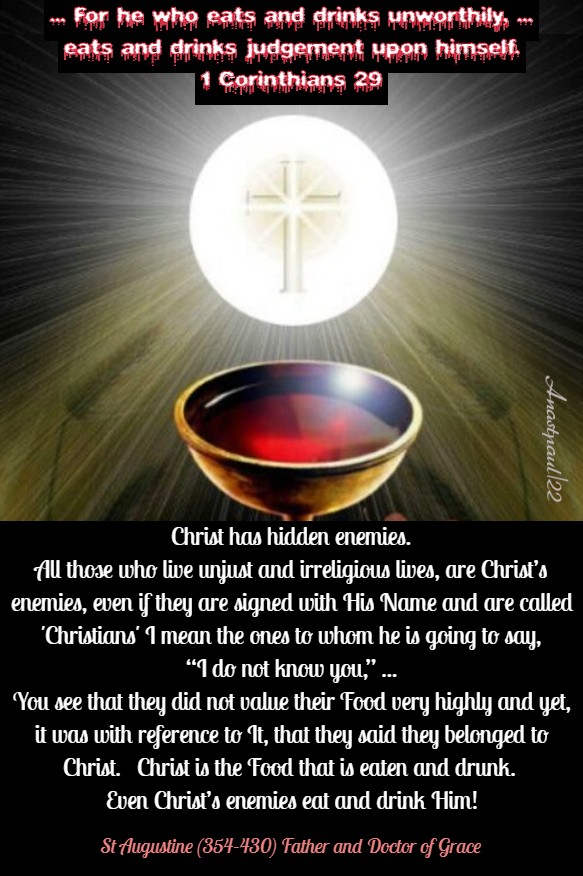


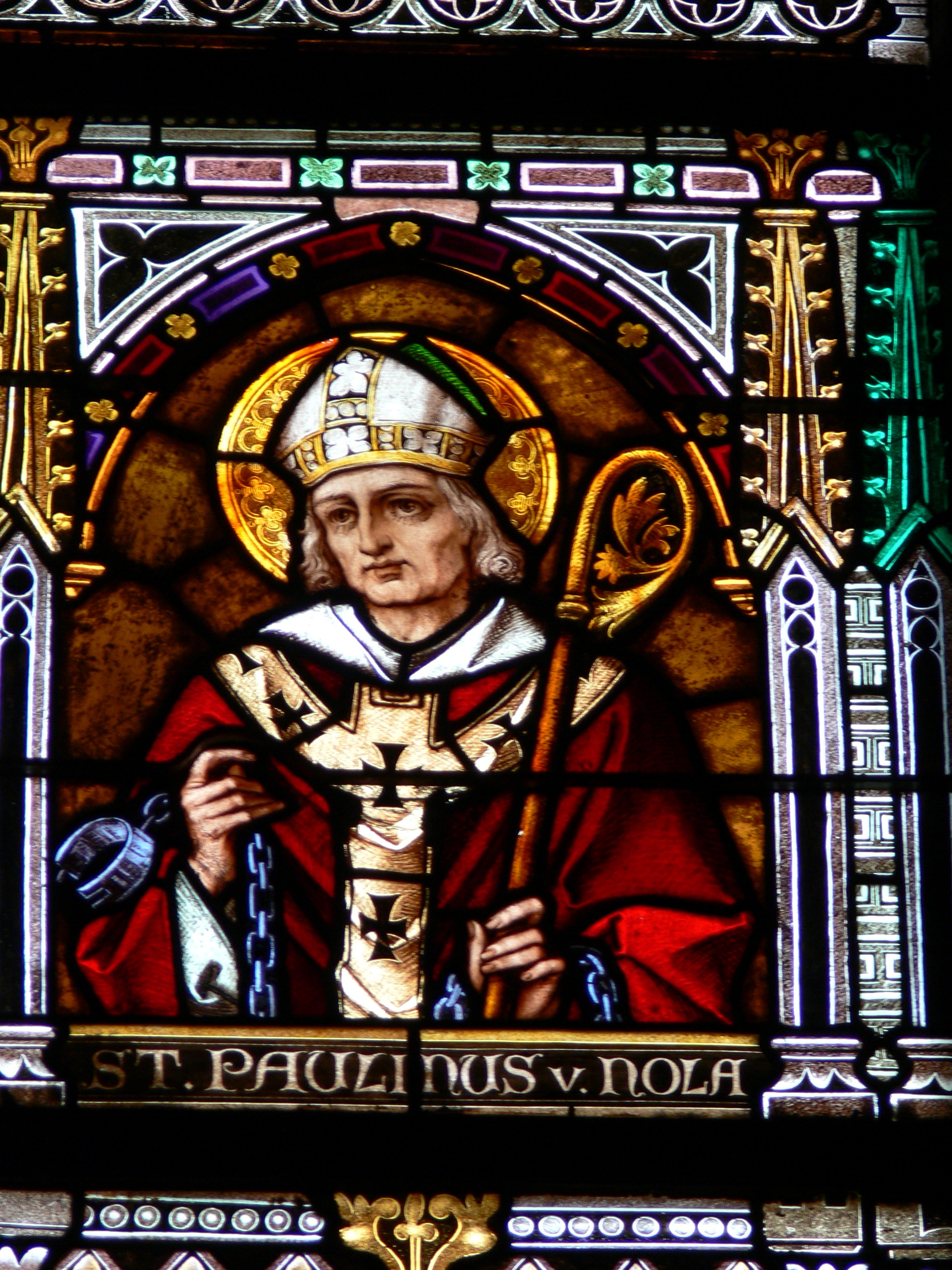
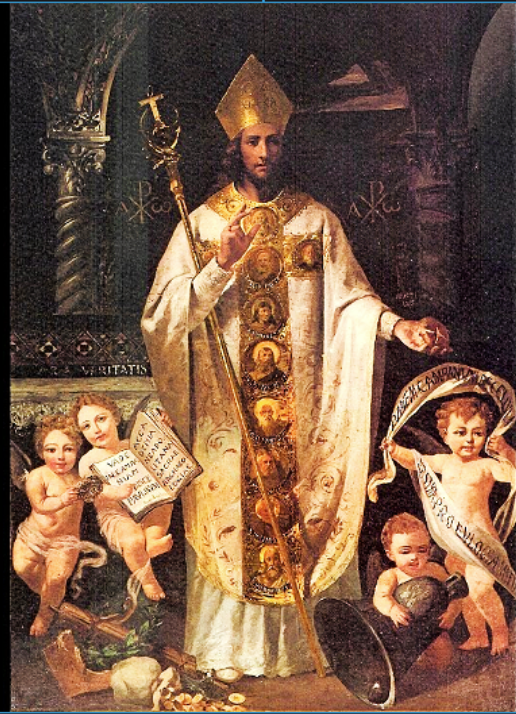
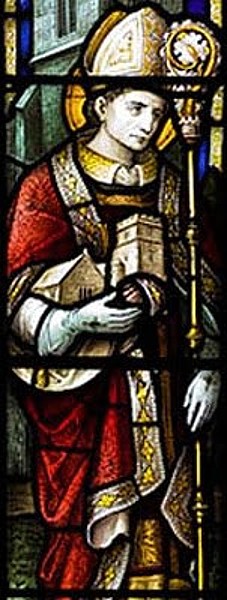
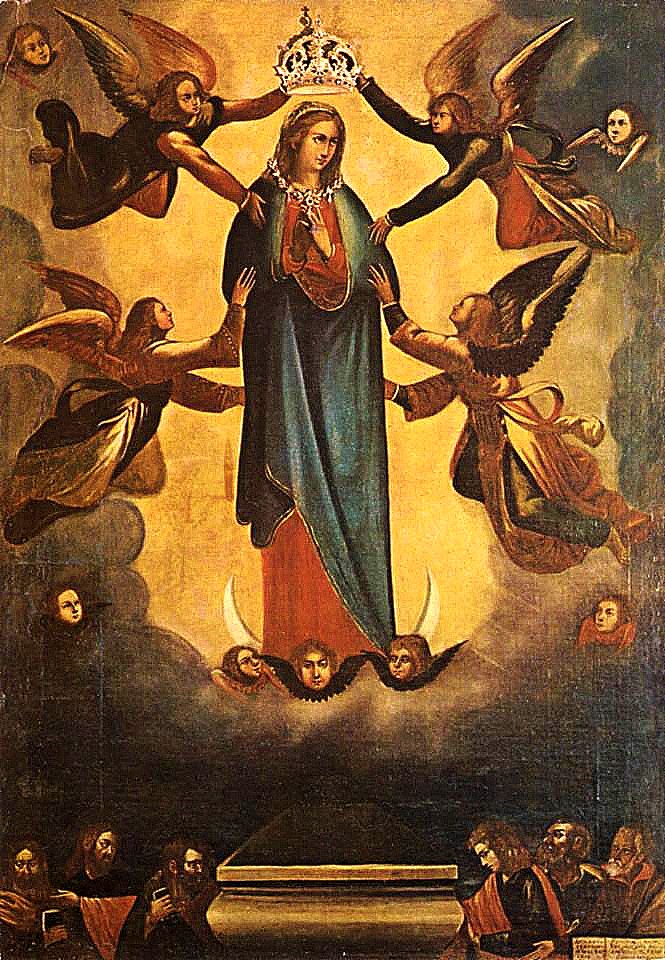
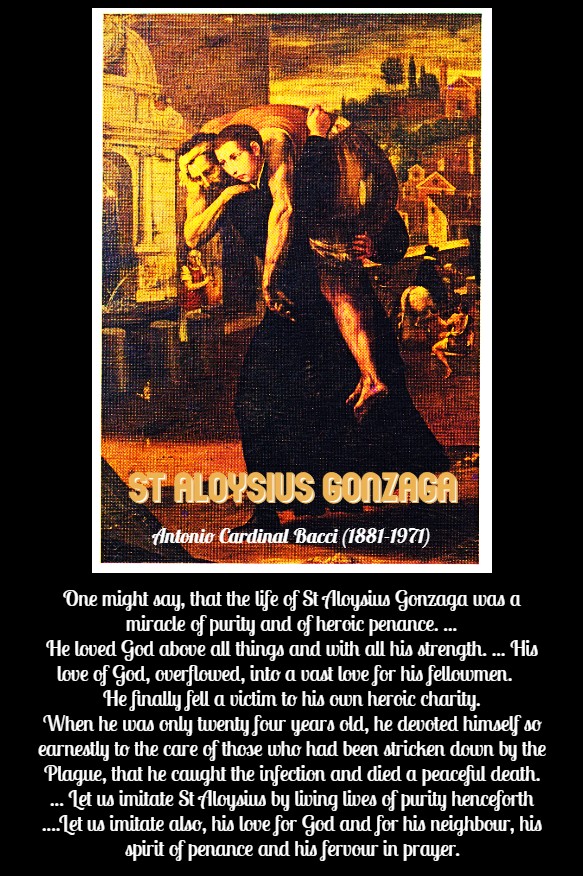


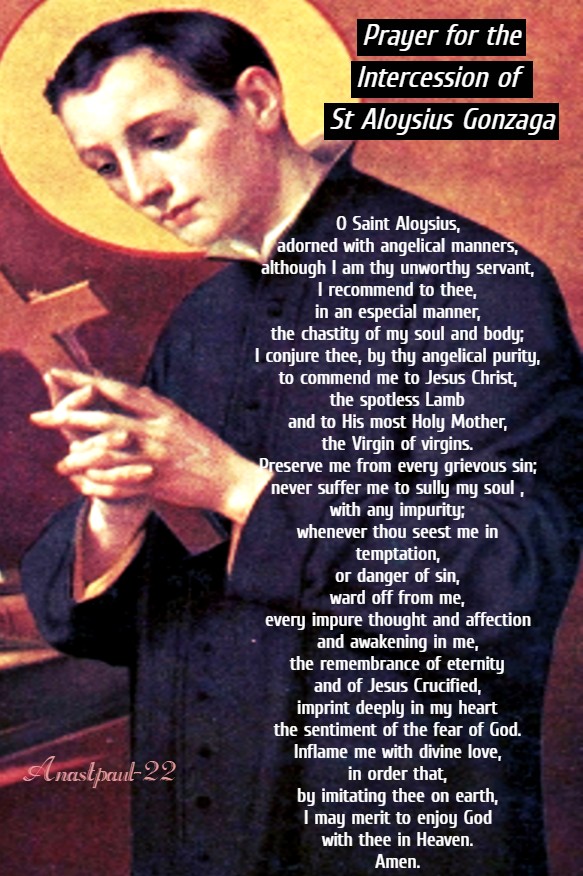

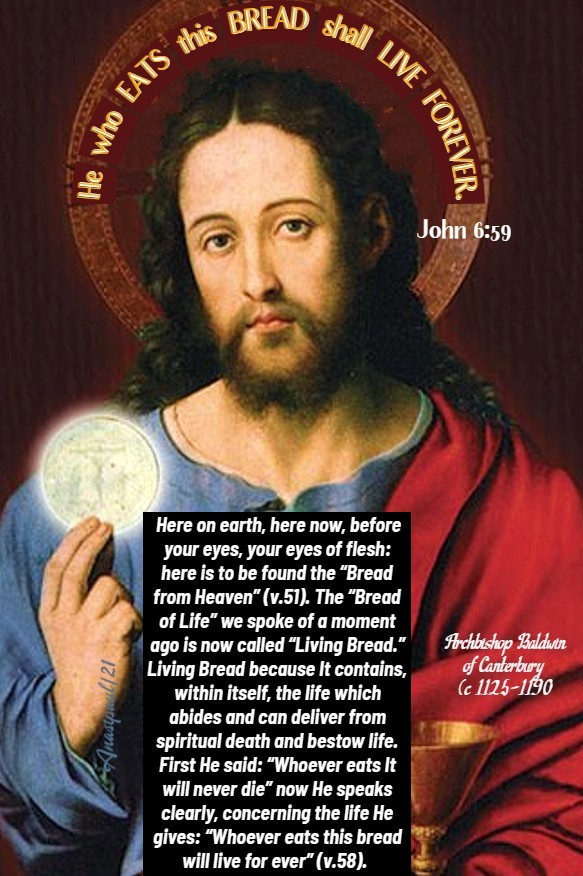


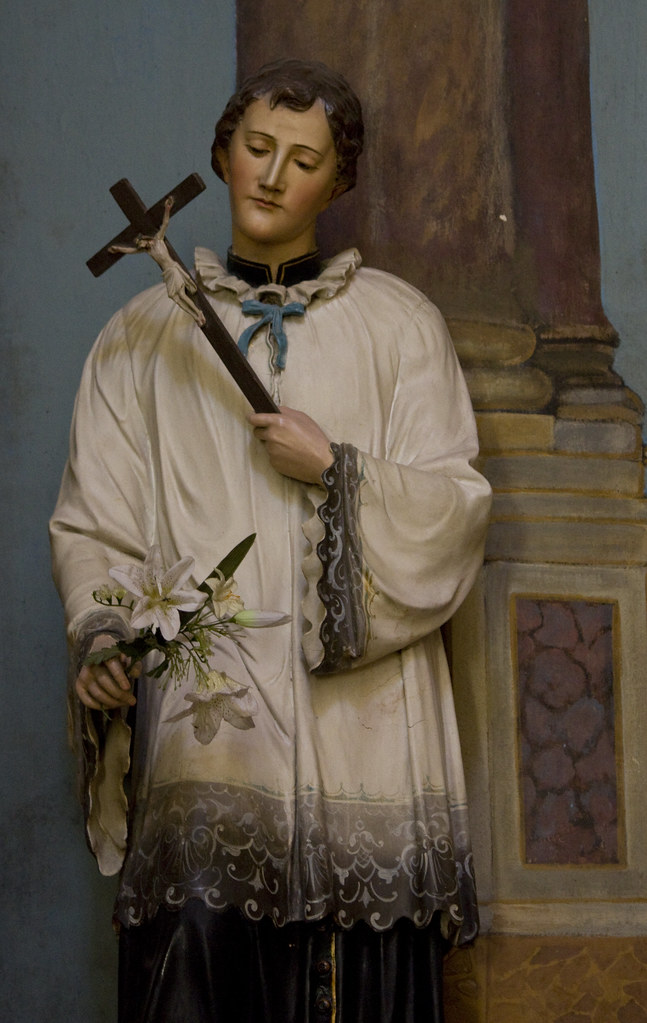
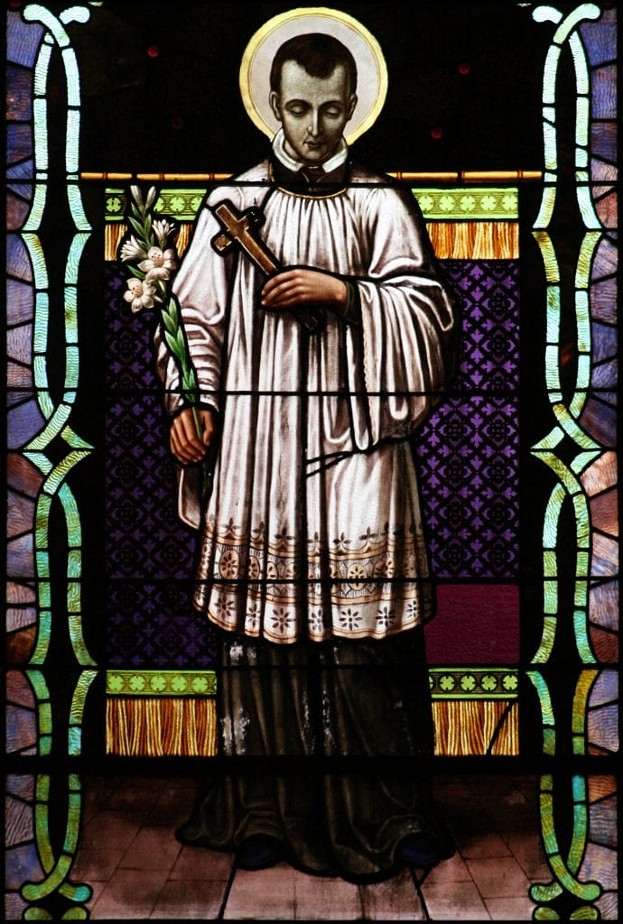

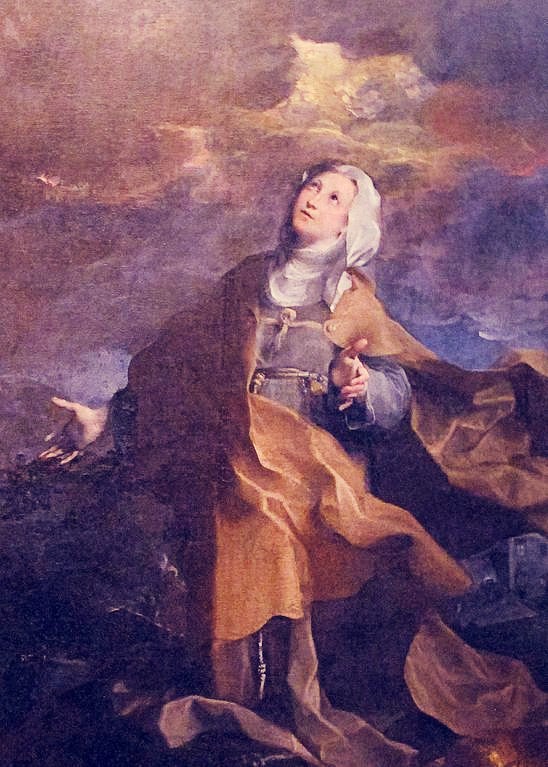
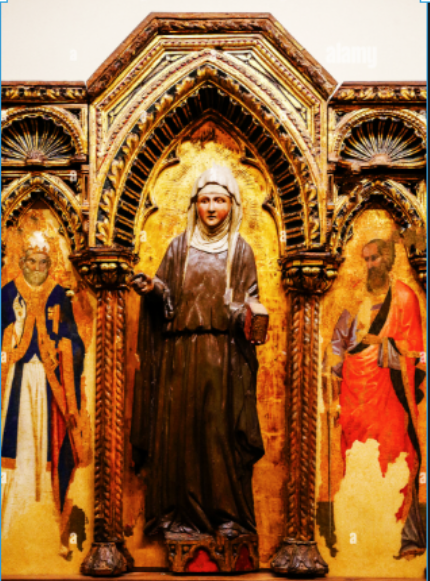
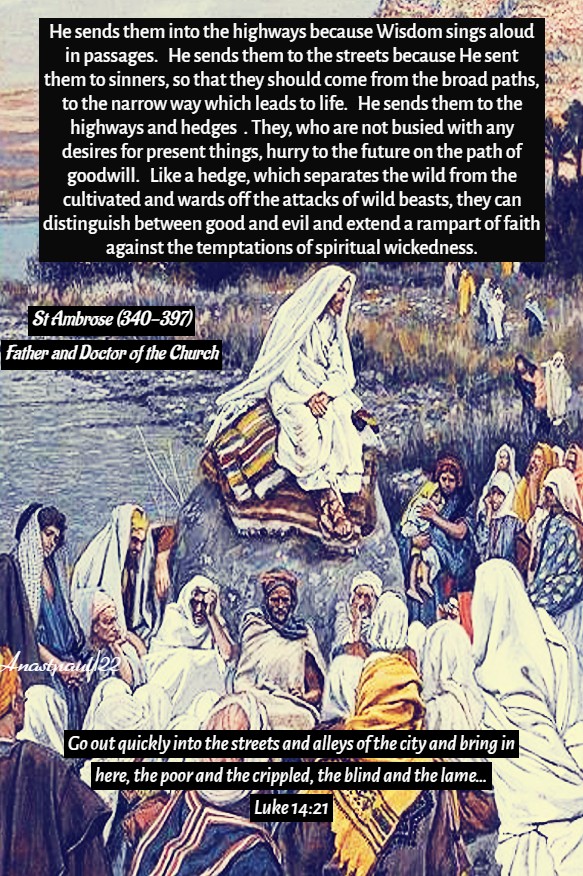

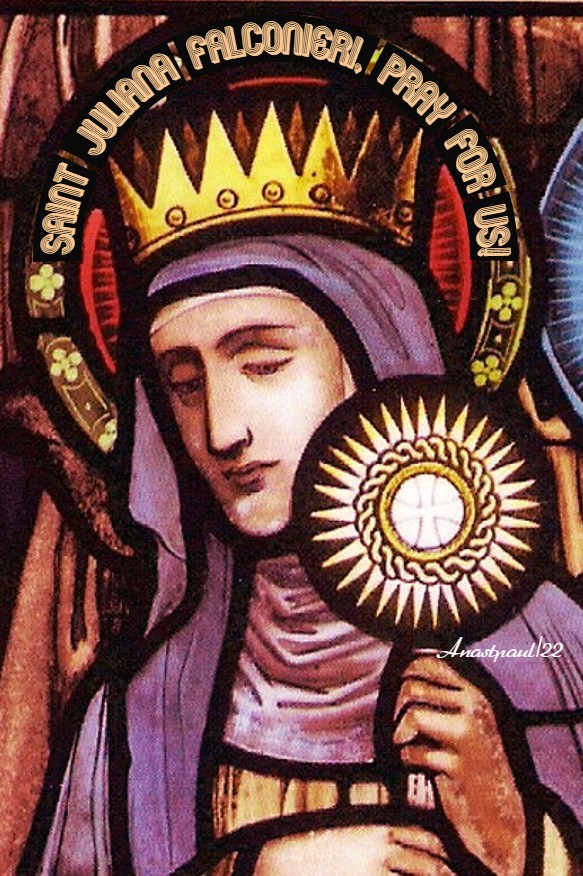

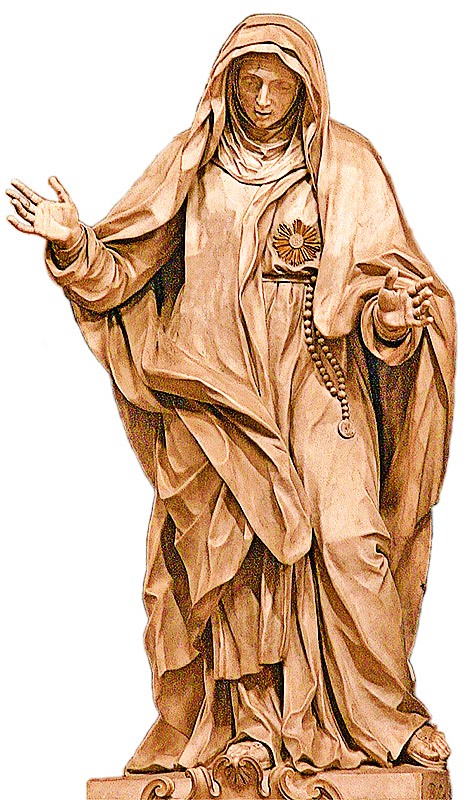
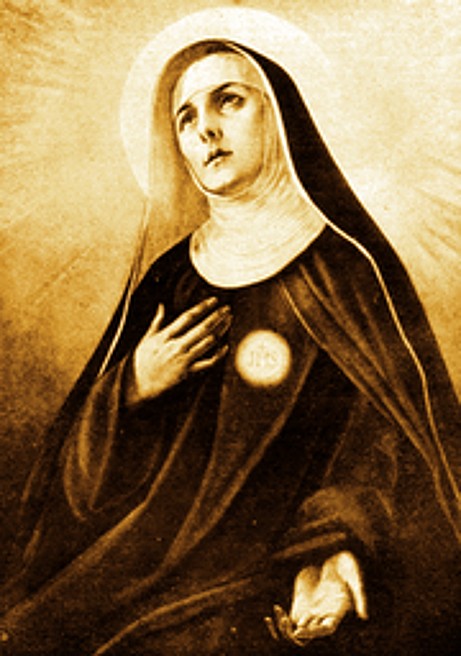
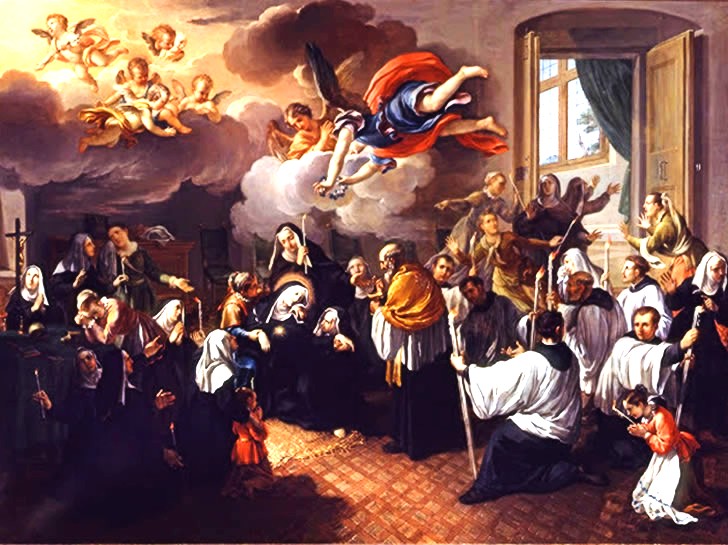

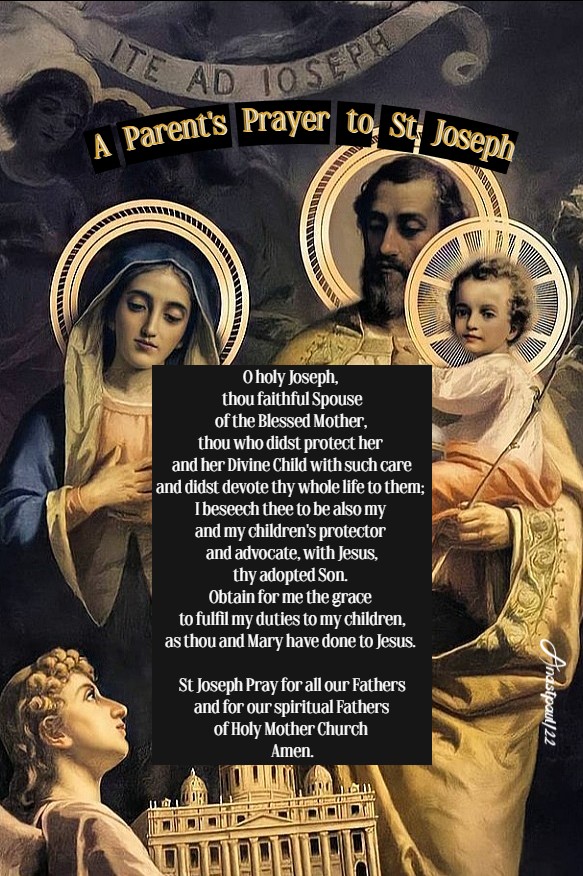

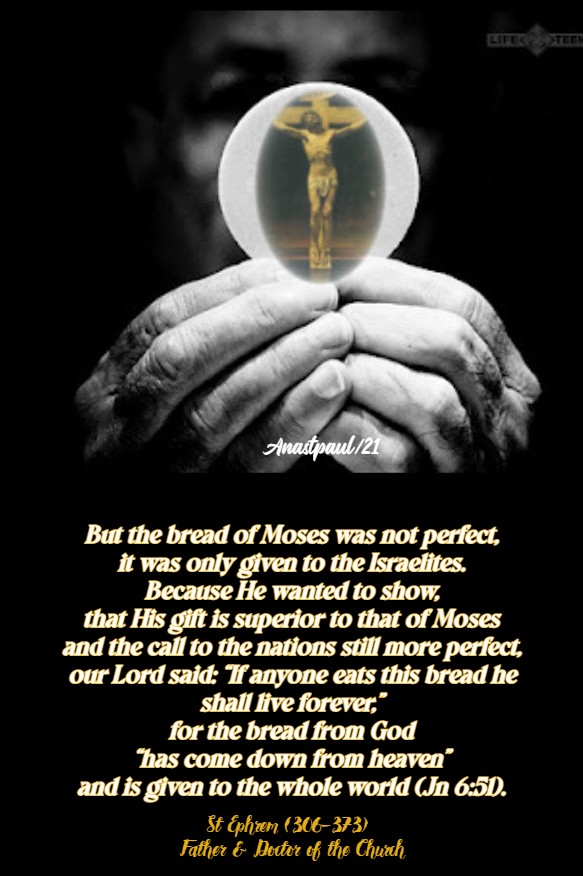
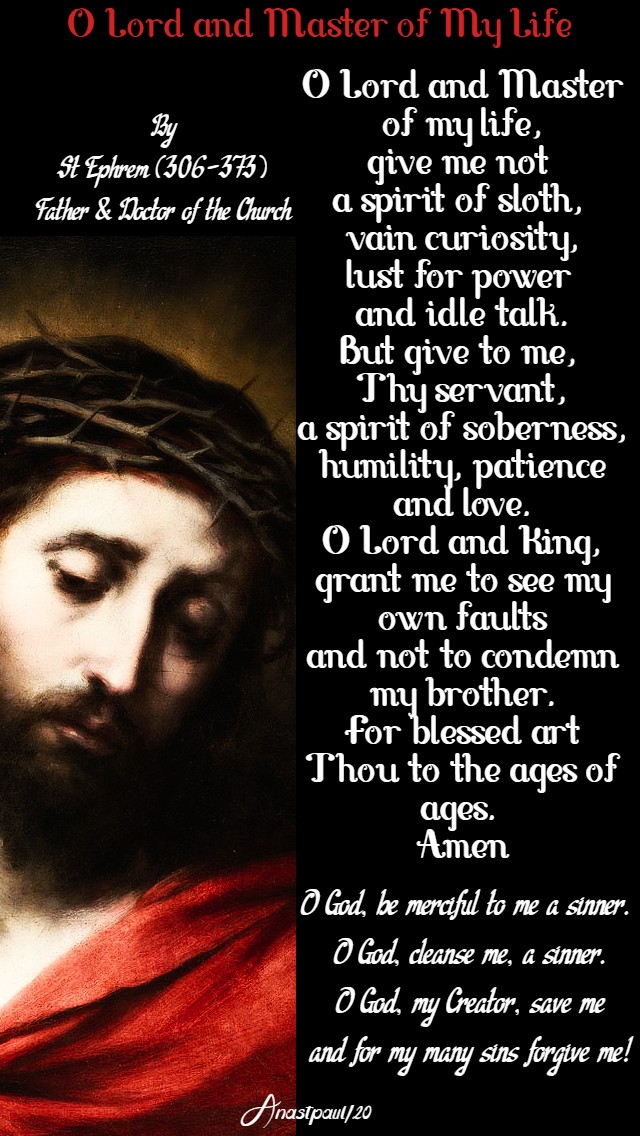
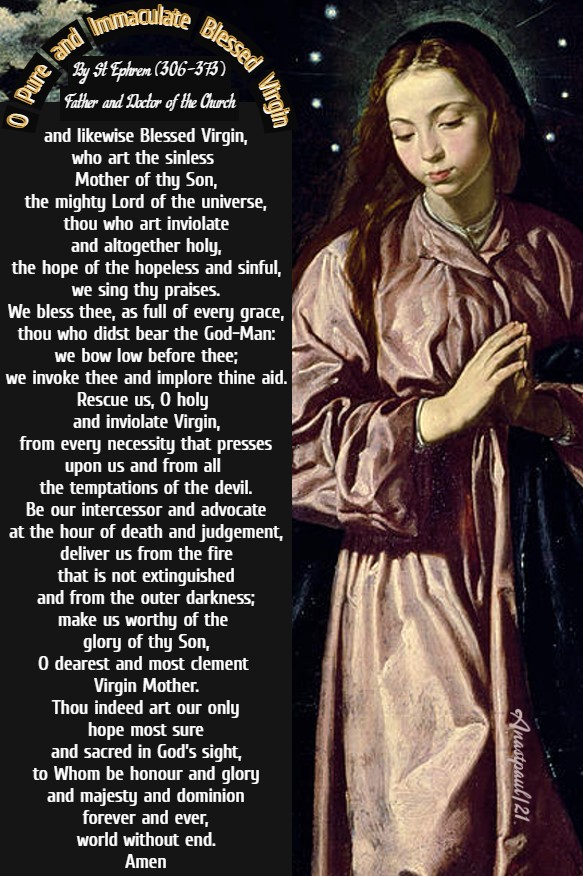
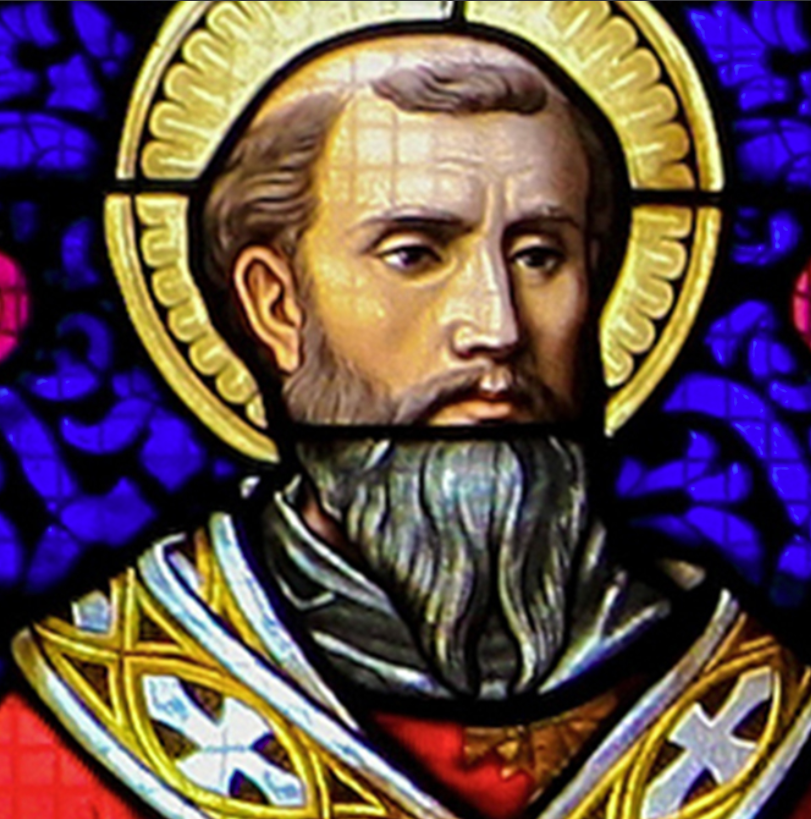
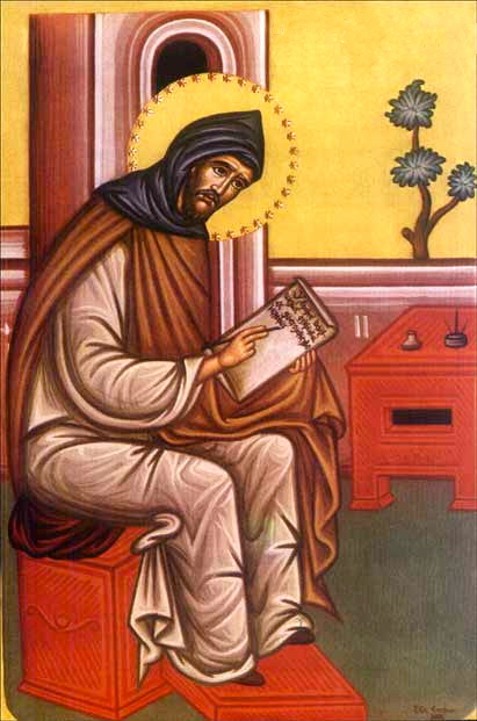
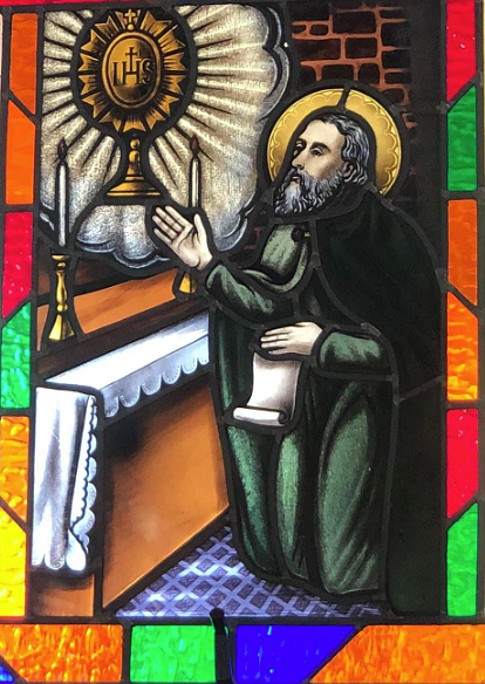

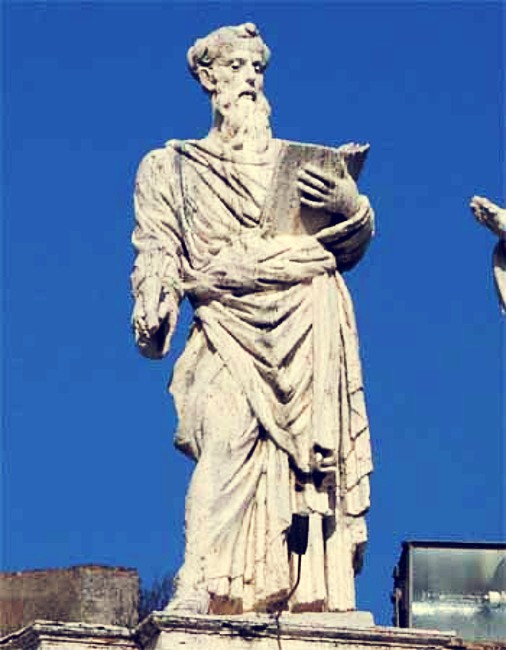
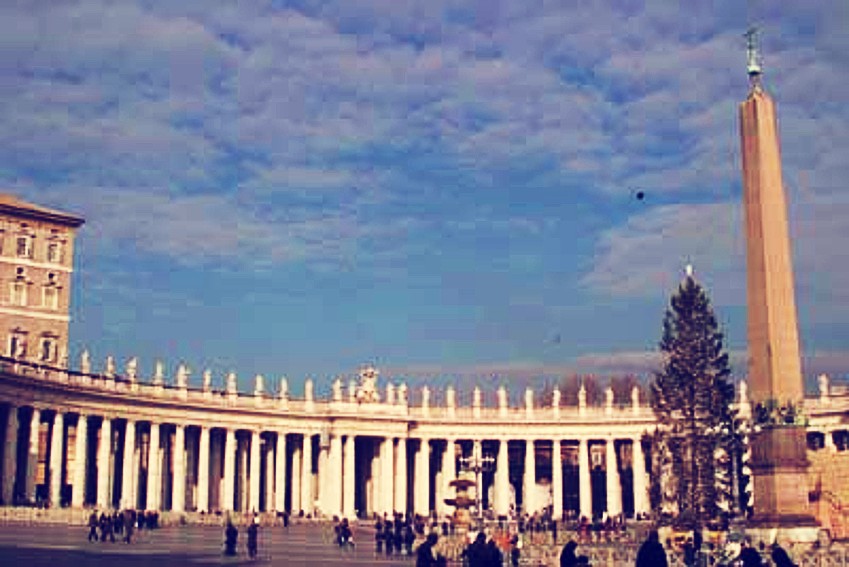
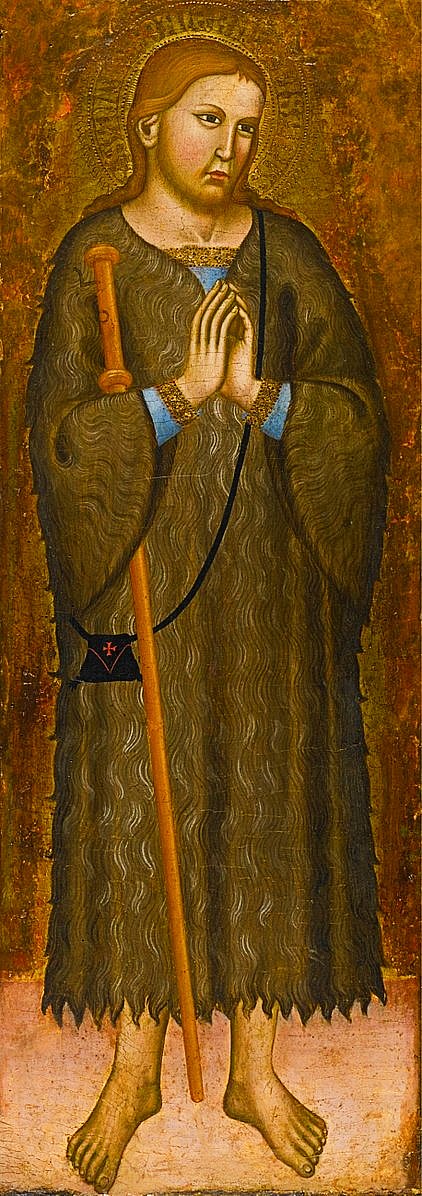
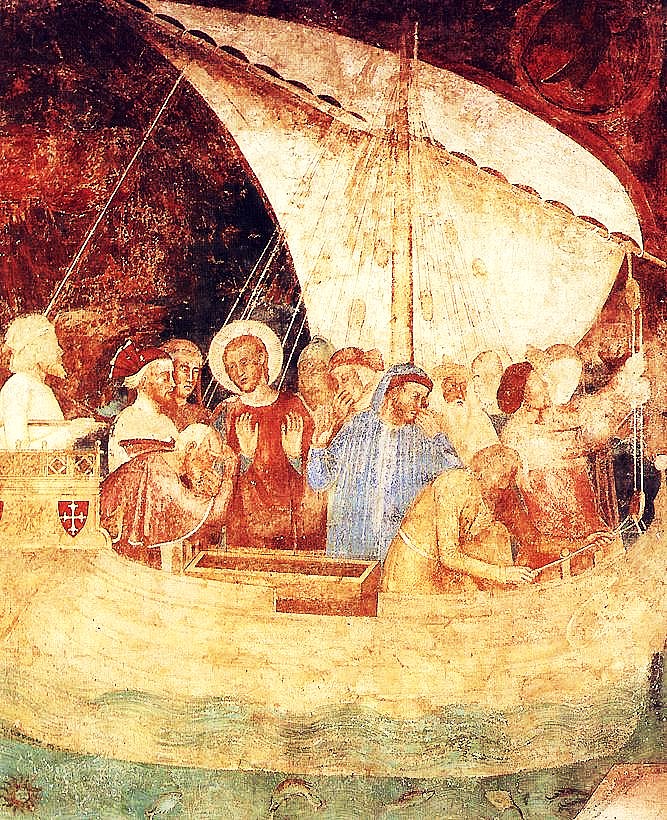
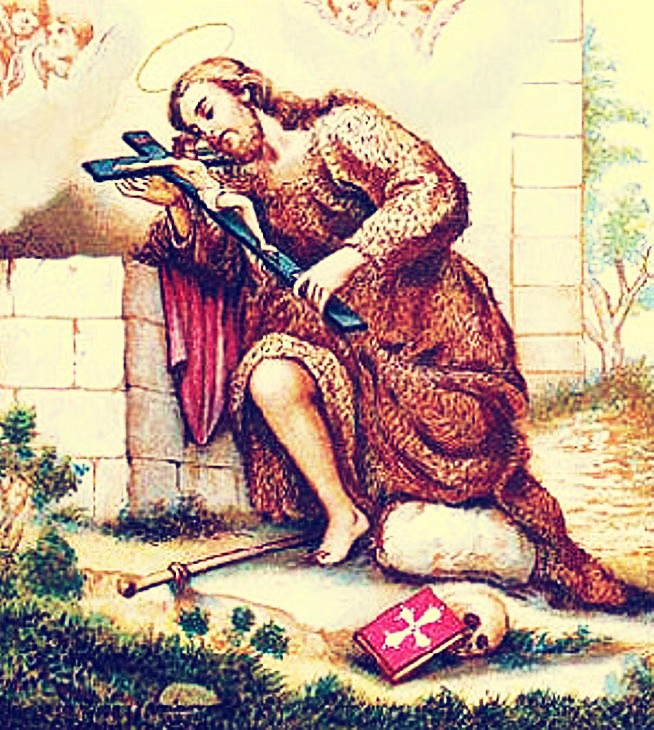
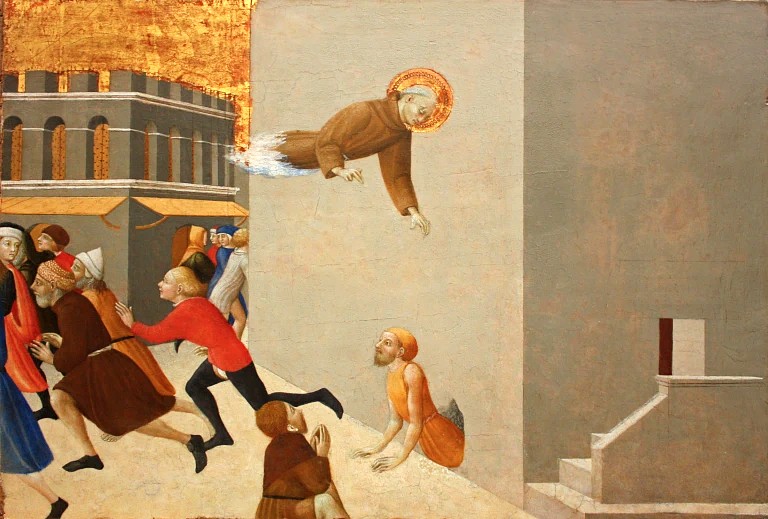
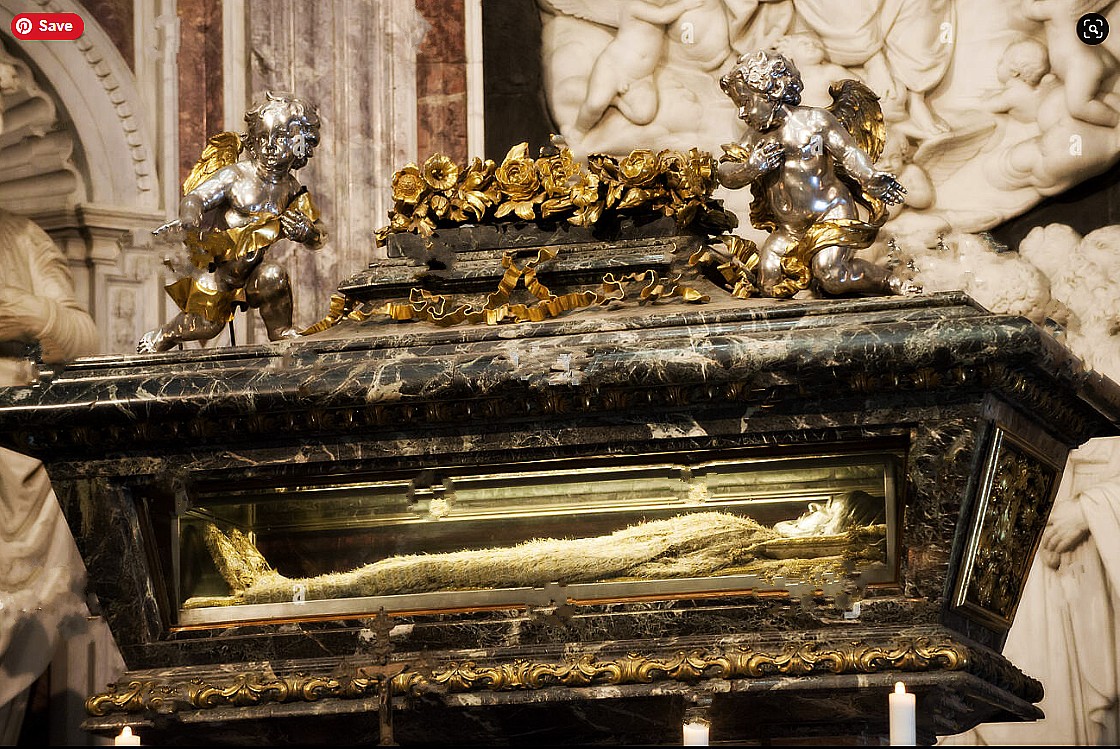
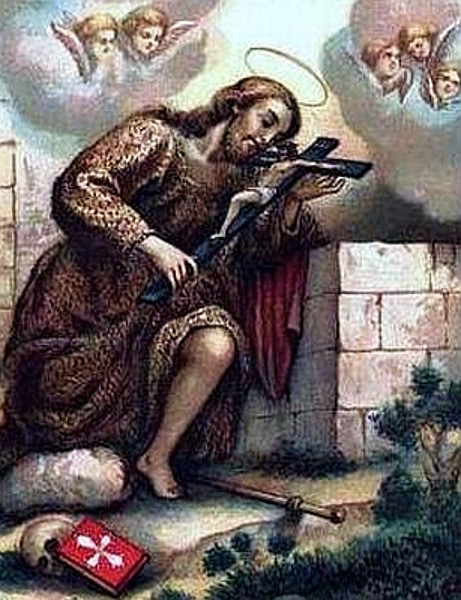


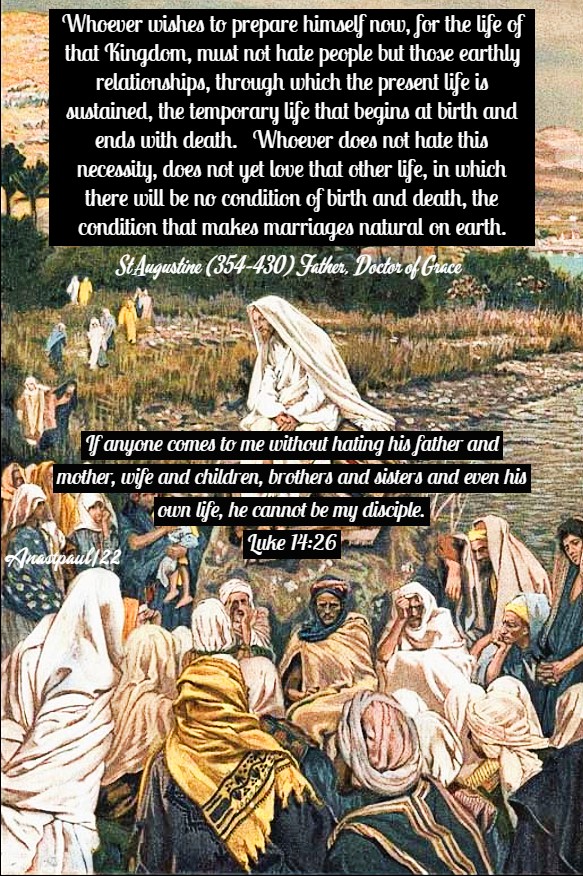
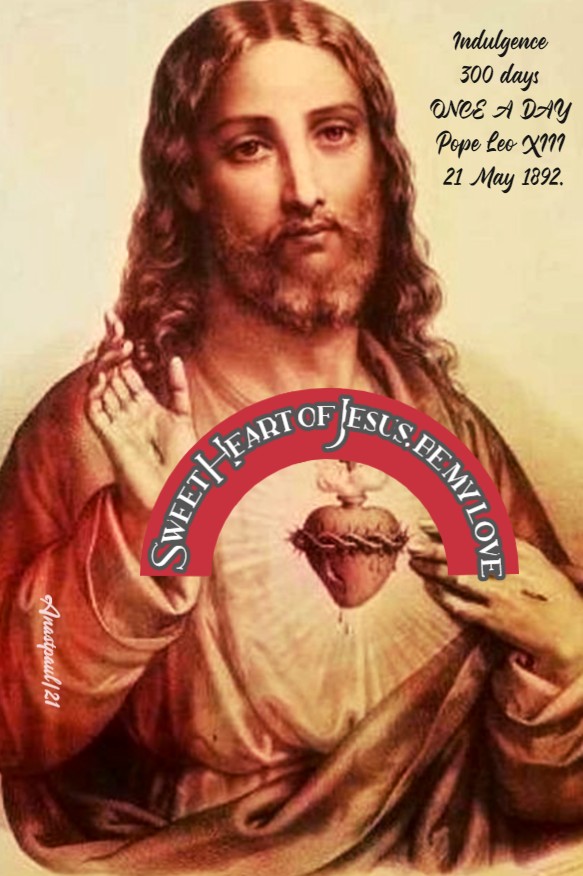
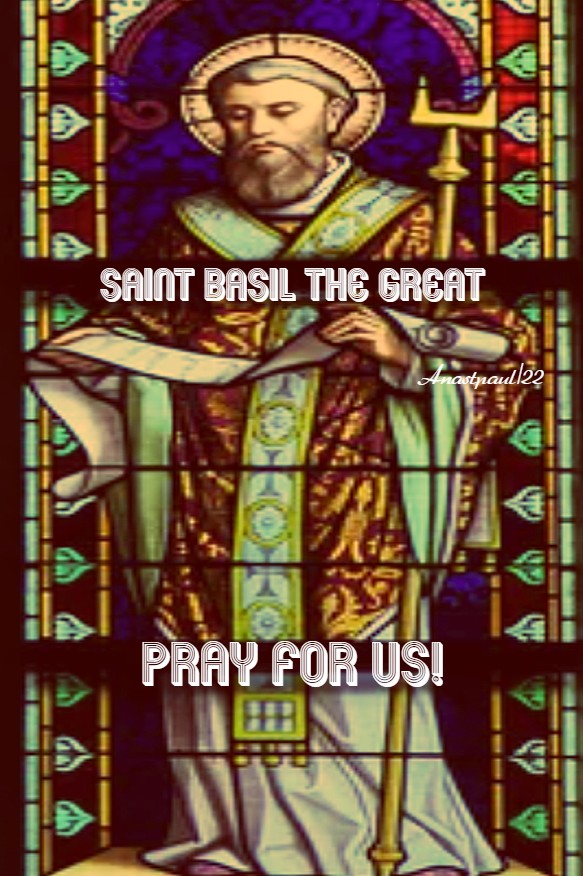
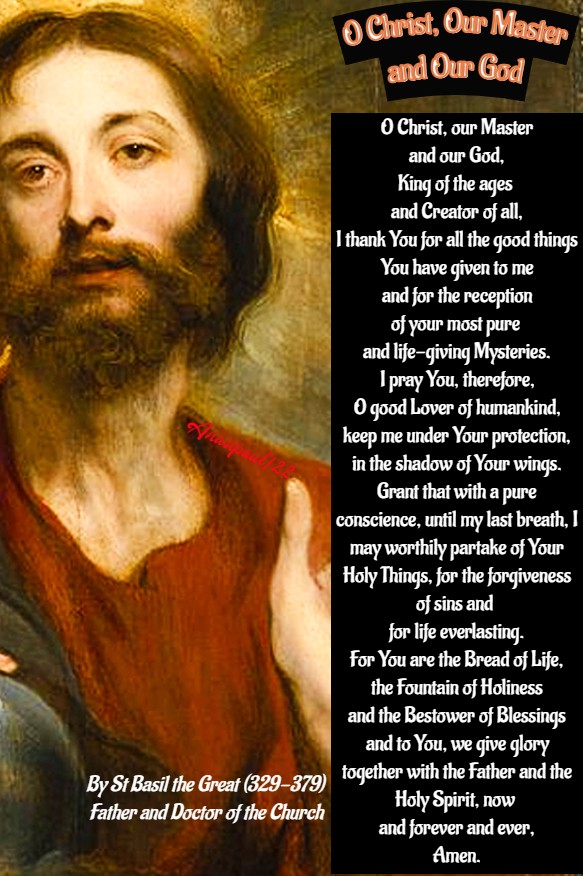

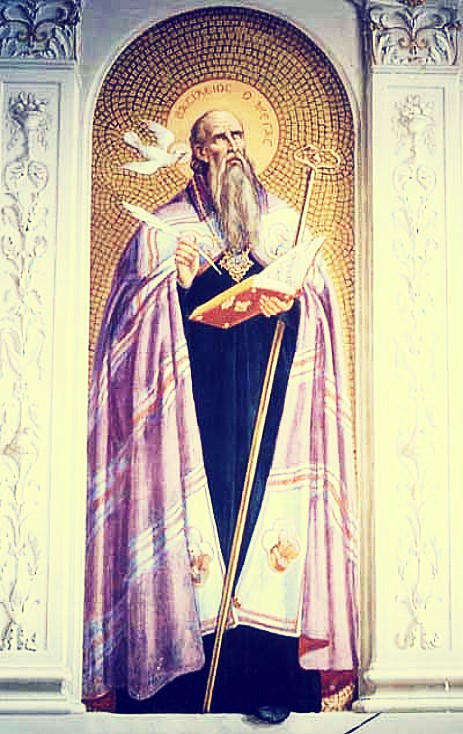
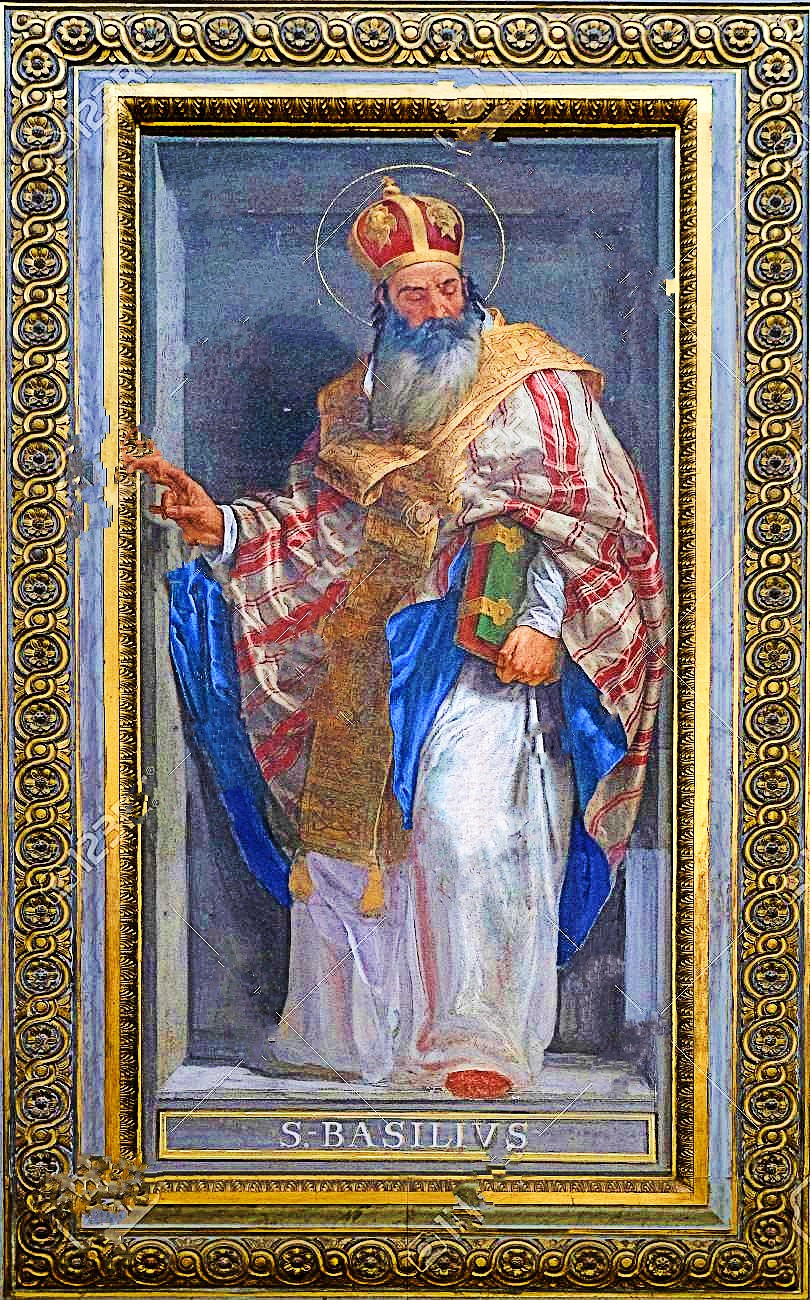
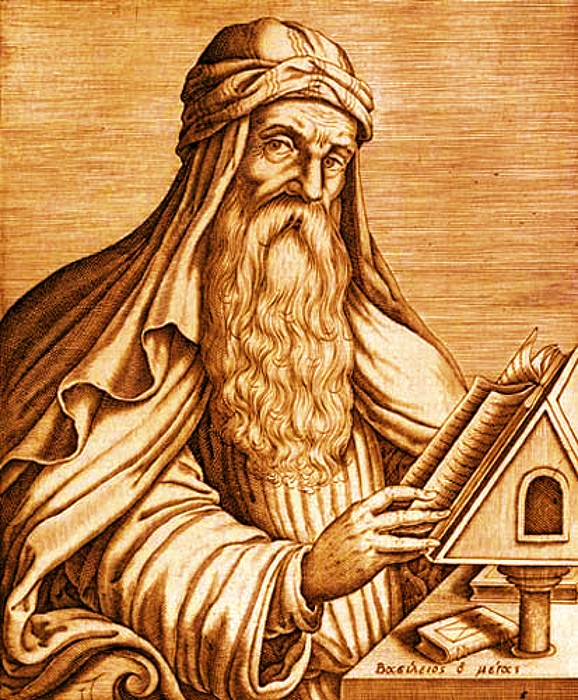
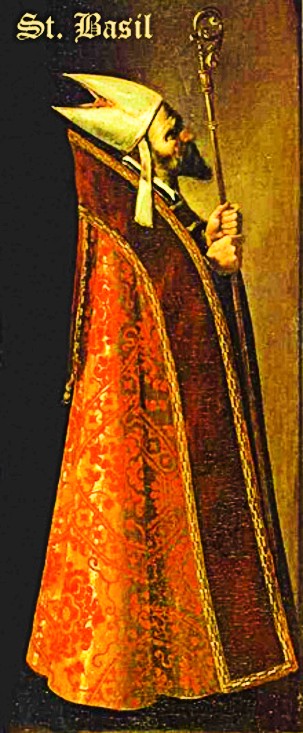
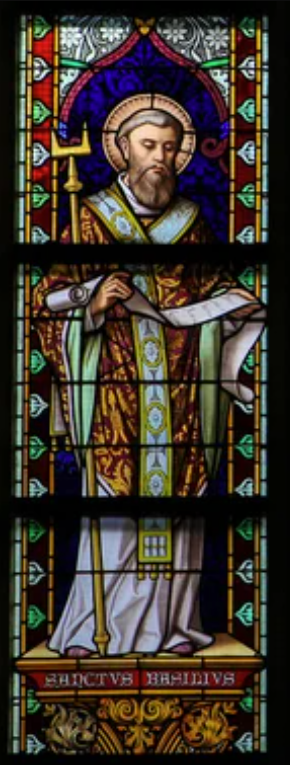
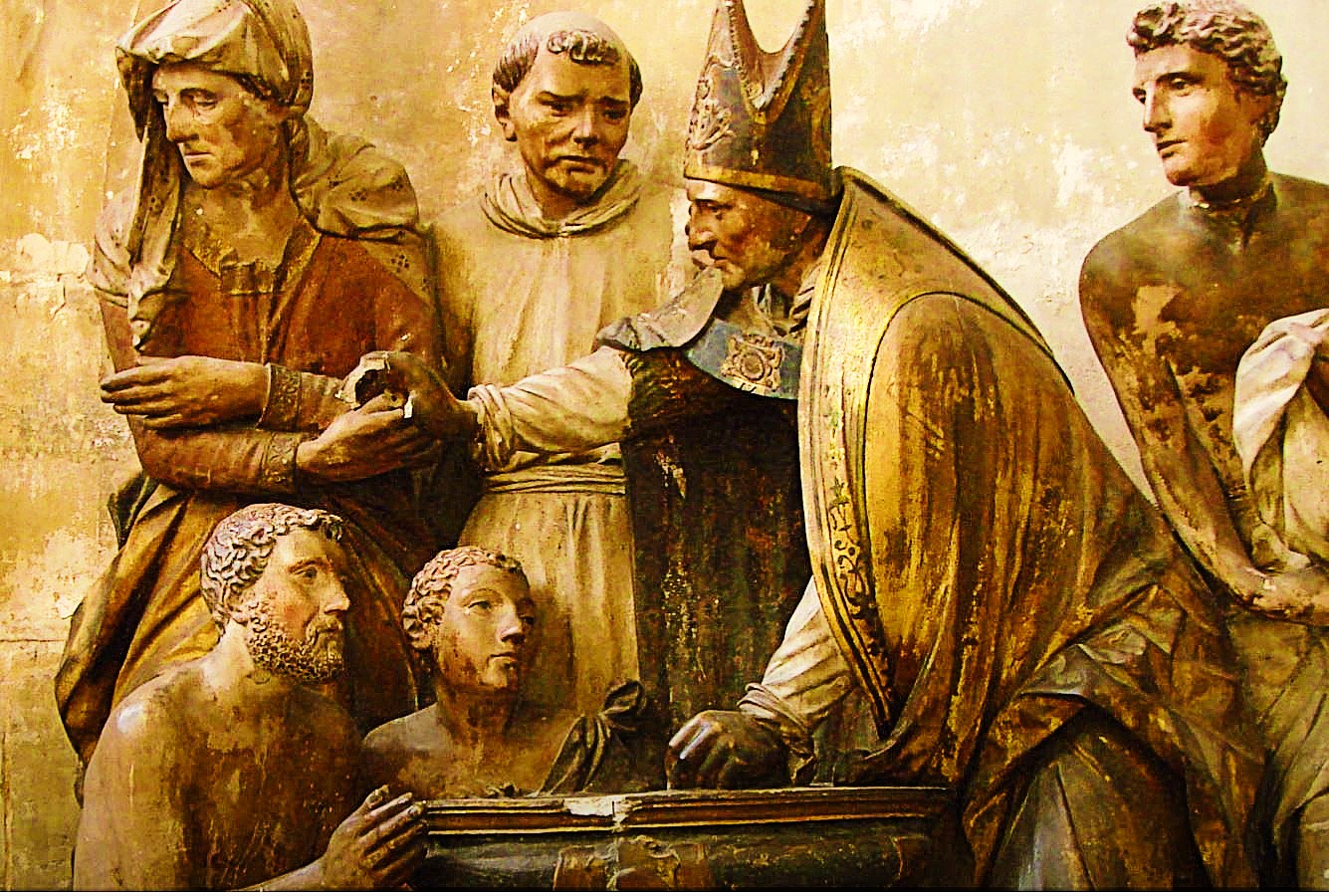
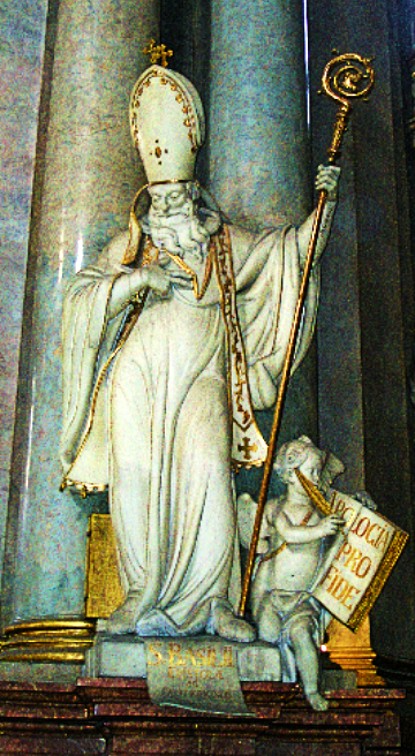
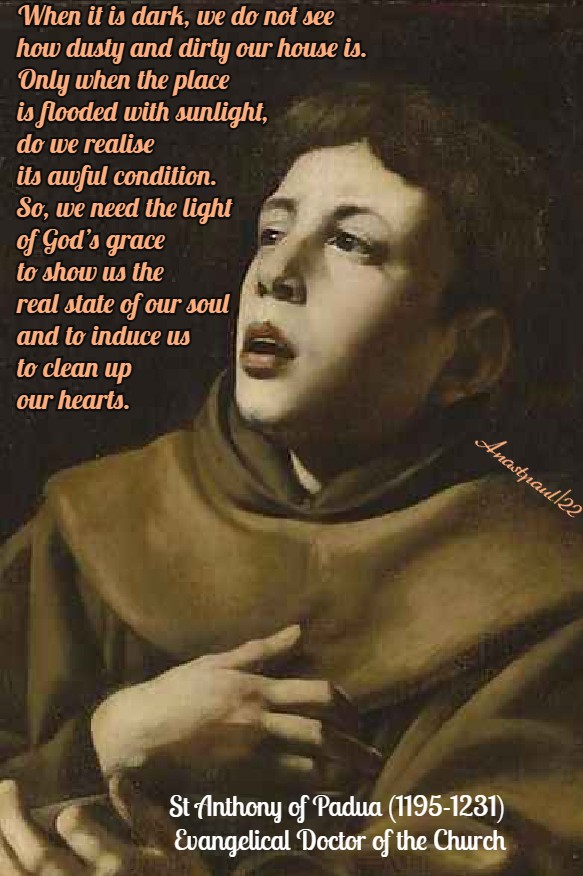
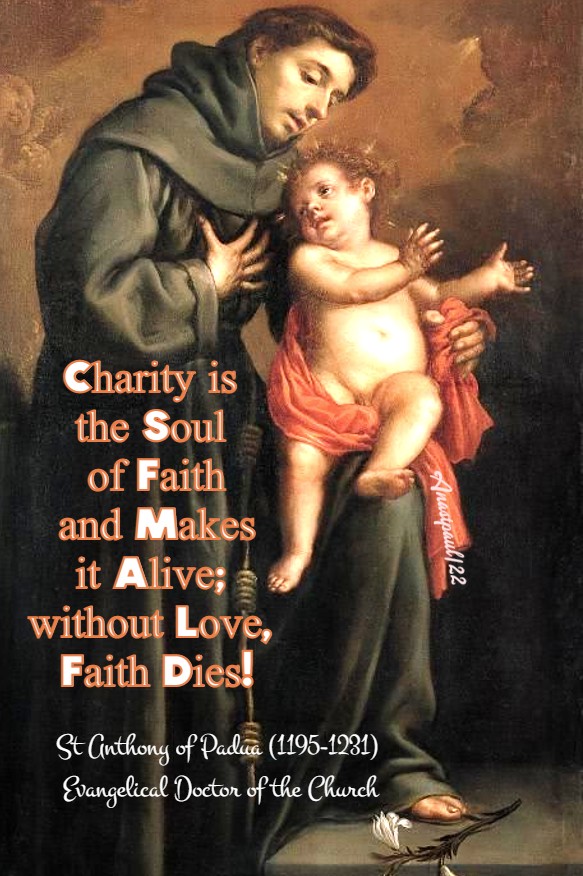

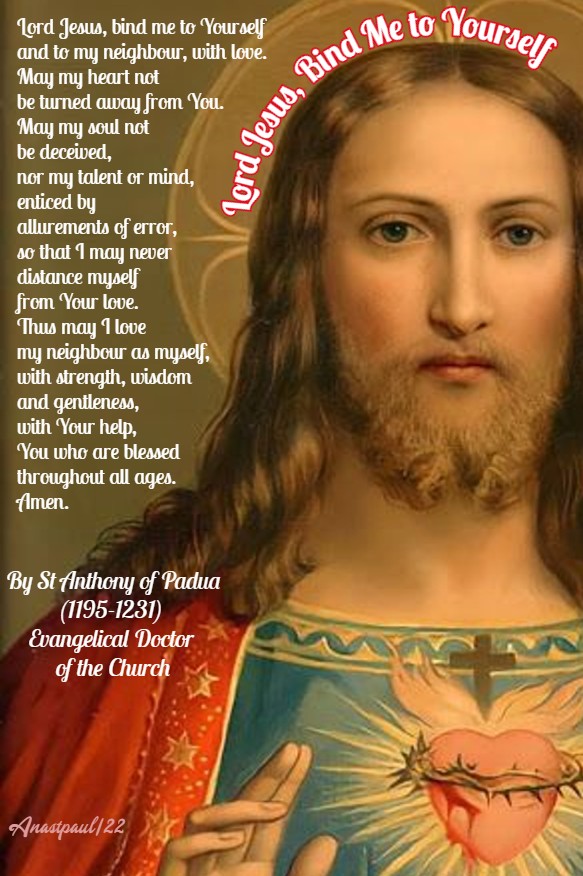





 AnaStpaul
You must be logged in to post a comment.