Quote/s of the Day – 21 July – “Month of the Most Precious Blood” and the Memorial of St Lawrence of Brindisi OFM Cap (1559-1619) Doctor of the Church
You are the salt of the earth. But if the salt lose its savour, wherewith shall it be salted?
Matt 5:13-19
For by saying, You are the salt of the earth, He signified all human nature to have lost its savor, and to be decayed by our sins.For which cause, you see, He requires of them such virtues, as are most necessary and useful for the superintendence of the common sort. For first, the meek, and yielding, and merciful, and righteous, shuts not up his good deeds unto himself only, but also provides that these good fountains should run over for the benefit of others. And he again who is pure in heart, and a peacemaker, and is persecuted for the truth’s sake; he again orders his way of life for the common good. Think not then, He says, that you are drawn on to ordinary conflicts, or that for some small matters you are to give account.You are the salt of the earth.
St John Chrysostom (Homily 15 on Matthew)
As the lot of the reprobate is to die in sin, that of the elect is to expire in the love and grace of God, which is effected in several ways. Many of the Saints died, not only in the state of charity, but in the actual exercise of divine love.St. Augustine expired in making an act of contrition, which cannot exist without love; St. Jerome, in exhorting his disciples to charity and the practice of all virtues; St. Ambrose, in conversing sweetly with his Saviour, whom he had received in the Holy Eucharist; St. Antony of Padua also expired in the act of discoursing with our Divine Lord, after having recited a hymn in honour of the ever-glorious Virgin; St. Thomas of Aquinas, with his hands clasped, his eyes raised to heaven, and pronouncing these words of the Canticles, which were the last he had expounded: “Come, my beloved, let us go forth into the field”.
Half-Hours With the Saints and Servants of God (Charles Kenny)
You are the light of the world. A city seated on a mountain cannot be hid. Neither do men light a candle and put it under a bushel, but upon a candlestick, that it may shine to all that are in the house. So let your light shine before men, that they may see your good works, and glorify your Father who is in heaven.
Matt 5:13-19
“The Angels in Heaven were created, to be servants of Christ; man was formed from the earth, in order to be the image of Christ.”
St Lawrence of Brindisi
For that men should be set free from the rottenness of their sins was the good work of Christ; but their not returning to it again any more was the object of these men’s diligence and travail.
Saint Elijah the Prophet, also known as Elias. Elijah (‘My God is Yahweh’) was a prophet and miracle worker who lived in the northern kingdom of Israel during the reign of King Ahab (9th century BC). He announced to the king (he who was married to the infamous Jezebel) that God would avenge the apostasy of Israel by bringing a long drought on the land. During the drought, which lasted three years, Elias withdrew to the vicinity of the brook Carith, where he was fed by ravens. After the brook dried up he crossed over to Sarepta, where he was hospitably received by a poor widow, whose charity he rewarded by increasing her store of meal and oil and by raising her child to life.
Later he confronted the king again and challenged the prophets of Baal to a contest on Mount Carmel, when Elijah’s oblation was consumed by fire from heaven, and the false prophets were slain by the people at his command. He was obliged to flee from the wrath of Jezebel and while on Mount Horeb was commanded by God to anoint Hazael to be King of Syria, Jehu to be King of Israel, and Eliseus to be his own successor. Subsequently he denounced Achab for the murder of Naboth and reprimanded Ochozias and Joram, King of Juda. While conversing with Eliseus on the hills of Moab he was translated to heaven in a fiery chariot. The Carmelite Order traces its origin to him.
The Book of Malachi prophesies Elijah’s return “before the coming of the great and terrible day of the Lord”. The New Testament makes it clear that St John the Baptist is “the Elijah” who was promised to come.
Patronages: Air Forces, Carmelites, civil aeronautics, Romanian Air Force
Nuestra Señora de Zocueca / Our Lady of Zocueca, Bailén, Jaén, Andalucía, Spain (1808 – 20 July:
Around 1150, Mozarabic Christians built a rudimentary Chapel near the Rumblar River, the Guadalquivir tribuitary that waters this region in southern Spain, at a place called Zocueca. When Alfonso VII reconquered the area in 1155, people gave thanks to the Virgin at the Shrine. In the 1400s it was was rebuilt, and from this period the graceful, standing Gothic Statue of the Mother and Child seems to date, although tradition holds it to be older than the first Chapel.
During the cholera epidemic of 1681, the people vowed to hold an annual feast in honour of the Virgin, preceded by a day of fasting, if she would save them. The promise has been kept on 5 August ever since. The Chapel was re-decorated in Baroque style in the 1700s.
In 1808, people again thanked the Virgin of Zocueca for her help during the Battle of Bailén, the first Spanish victory against Napoleon. Annually since 1810, the municipality commemorates the battle with a series of civil, patriotic, and religious events from 17-22 July, reaching their greatest splendour on the 20th, when the Patroness, the Virgin of Zocueca, goes through the City streets in procession. Another event in her honour, the romería or pilgrimage, takes place on the last Sunday in September in thanks for her help in ending a plague of locusts which threatened the region’s crops in the late 1800s. Men carry the Statue, bristling with decorations, on their shoulders from its usual home in the Church of the Incarnation in Bailén, to the Sanctuary four miles distant, where overnight vigil is kept before a sunrise Mass. In 1925, the Virgin of Zocueca was proclaimed “Captain General” and her Statue given a military sash. After the Statue burned in the Civil War, religious sculptor Jose Maria Alcacer made a replica, blessed on 5 August1954.
Bl Anne Cartier St Ansegisus St Aurelius of Carthage St Cassian of Saint Saba St Chi Zhuze St Elijah the Prophet
St Elswith
Blessed Gregory Lopez (1542-1596) “The Mystery Man” – Hermit, Spiritual Advisor, Writer. Around 1585, word of a “Mystery Man” began to leak into Mexico City, a strange hermit who lived out in the lonely valley of Guesteca, who walked miles to go to Mass, lived totally subject to “Lady Poverty” and had travelled from the Shrine of Our Lady of Guadalupe in Spain (which dates from 712), to her Shrine in Mexico (which dates from 1531).
St Margaret of Antioch (3rd century) Virgin Martyr. Margaret is one of the Fourteen Holy Helpers and is one of the Saints who spoke to St Joan of Arc.
St Maria Fu Guilin St Mère St Paul of Saint Zoilus St Rorice of Limoges St Severa of Oehren St Severa of Saint Gemma St Wulmar
Martyrs of Corinth – 22 saints: 22 Christians who were martyred together. We know nothing else about them but the names – • Appia • Calorus • Cassius • Celsus • Cyriacus • Donatus • Emilis • Felix • Fructus • Magnus • Maximus • Nestita • Partinus • Pasterus • Paul • Romanus • Spretus • Tertius • Theodolus • Ueratia • Valerian • Victor. They were martyred in Corinth, Greece.
Martyrs of Damascus – 16 saints: 16 Christians who were martyred together. We know the names of six of then, but no details about any of them – Cassia, Julian, Macrobius, Maximus, Paul and Sabinus. They were martyred in Damascus, Syria, date unknown.
Martyrs of Seoul – 8 saints: Eight lay native Koreans in various states of life who were murdered together for their faith. • Anna Kim Chang-gum • Ioannes Baptista Yi Kwang-nyol • Lucia Kim Nusia • Magdalena Yi Yong-hui • Maria Won Kwi-im • Martha Kim Song-im • Rosa Kim No-sa • Theresia Yi Mae-im They were martyred on 20 July 1839 at the Small West Gate, Seoul, South Korea
Martyrs of Zhaojia – 3 saints: Married lay woman and her two daughters in the apostolic vicariate of Southeastern Zhili, China. During the persecutions of the Boxer Rebellion, the three of them hid in a well to avoid being raped. They were found, dragged out, and killed for being Christian. Martyrs. They were – Maria Zhao Guoshi (mother), Maria Zhao and Rosa Zhao (sisters). They were martyred in late July 1900 in Zhaojia, Wuqiao, Hebei, China.
Martyrs of Zhujiahe – 4 saints: Two Jesuit missionary priests and two local lay people who supported their work who were martyred together in the Boxer Rebellion during and immediately after Mass. • Léon-Ignace Mangin • Maria Zhu Wushi • Paul Denn • Petrus Zhu Rixin They were martyred on 20 July 1900 in church in Zhujiahe, Jingxian, Hebei, China
Martyred in the Spanish Civil War: • Blessed Abraham Furones y Furones • Blessed Antoni Bosch Verdura • Blessed Francisca Aldea y Araujo • Blessed Jacinto García Riesco • Blessed Joan Páfila Monllaó • Blessed Josep Tristany Pujol • Blessed Matías Cardona-Meseguer • Blessed Rita Josefa Pujalte y Sánchez • Blessed Vicente López y López
Nuestra Señora del Milagro / Our Lady of the Miracle, Lima, Peru (1630) – 19 July and 27 November:
The Franciscan Friars who accompanied the Conquest to Peru hung an image of the Immaculate Conception over the door of their first Church in Lima. On missionary journeys around the region, they would take the image, “La Misionera,” with them. They were in Cusco, the Inca capital, on 23 May 1536 when, during the rebellion of Manco Inca against the two-year Spanish regime, natives trapped many Spaniards in a hut and set fire to the straw roof. La Misionera was seen by all to leave her place inside and to appear above the burning building together with Santiago (St.James the Greater). The fire ceased and all were saved. In honour of this event, the Spanish built the Church of the Triumph, now an adjunct of the Cusco Cathedral.
Back in Lima, after the Franciscans surrounded the little Chapel with a big Monastery complex, the image over the door was gradually forgotten. By the 1600s, it had one regular devotee, a poor woman. One day she heard the Virgin speak: “You alone, daughter, among all the people here, visit me and pray to me. One day I will repay you.” After the woman told saintly Brother Juan Gomez, he often remarked, “Lima does not recognise the great good it has in this miraculous image, but soon it will know.”
On 27 November 1630, when most of the people of Lima were attending a bullfight in the main plaza, a violent earthquake struck the City. All were terrified, for it seemed certain that they would perish. But those near the Franciscan Church saw the image of Our Lady turn in the direction of the Blessed Sacrament, with her hands held in suppliant gesture. Abruptly, the earthquake stopped.
Several hours later, at vespers that evening, while the populace was leaving the Church, the image, in full view of all present, returned to its original position, when the Marian hymn Tota Pulchra was intoned. This painting shows the Virgin kneeling in prayer, with her arms crossed upon her breast, presumably interceding for Lima.
Now called “Our Lady of the Miracle,” the image was given a magnificent new Church. In 1835, the church burned down. Only the image remained intact. On J19 une 1953, the Papal Nuncio crowned the miraculous image The feast of Our Lady of the Miracle is on 27 November the anniversary of the 1630 earthquake and today the Crowning is honoured each year.
St Ambrose Autpertus Bl Antonio of Valladolid St Aurea of Cordoba St Arsenius the Great (c 354-c 449) Deacon, Hermit, Desert Father. Bl Bernhard of Rodez St Daria of Constantinople St Epaphras of Colosse St Felix of Verona
St John Plessington (c 1637-1679) Martyr, Priest. Also celebrated on 25 October as one of the Forty Martyrs of England and Wales.
St Macrina the Younger (c 327-379) Virgin, Ascetic. With charm and grace, St Macrina ruled the roost in a family of saints. St Basil the Elder and St Emmelia, her parents, had ten children including the younger St Basil the Great (329-379) Father and Doctor of the Church, St Gregory of Nyssa (c 335–C 395) Father of the Church and St Peter of Sebaste Bishop (c 340–391). As the eldest child, Macrina exercised a formative influence on her more famous brothers and even on her mother.
St Martin of Trier St Michael the Sabaitè Bl Pascasio of Lyon
St Peter Crisci of Foligno TOSF (c 1243-1323) called a “Fool for Christ” – Franciscan Tertiary, Penitent, Hermit, Pilgrim, Beggar, Preacher.
St Romain of Ryazan St Pope Symachus St Vicente Cecilia Gallardo — Martyrs of Meros – 3 saints: Three Christians tortured and martyred together in the persecutions of emperor Julian the Apostate and governor Almachio. We know nothing else about them but the names – Macedoniuis, Tatian and Theodule. They were burned to death on an iron grill in Meros, Phrygia (in modern Turkey).
Martyrs of China: 3 Beati Elisabeth Qin Bianshi Elisabeth Ioannes Baptista Zhu Wurui Simon Qin Chunfu
Saint Romain of Ryazan, also known as Romanus or Roman. Son of the Prince of Ryazan, Russia, Roman was from a family who, during the Tatar yoke, became famous as defenders of Christianity. Both of his grandfathers died for their country in battle with Batu Khan, the founder of the Golden Horde. Raised to have a great love for the Catholic faith, the prince took care of impoverished and oppressed subjects, and protected them from the violence and robbery of the Khan’s tax collectors. As a consequence, these people denounced him before the Tatar Khan Mengu-Timur.
In 1270, Roman was summoned to the Horde, where the Khan declared that he would have to choose: either martyrdom or the Tatar (Islamic) faith. The prince answered that a Christian cannot change a true faith to a false one. For his firmness in the confession of faith, he was subjected to cruel tortures: they cut off his tongue, gouged out his eyes, cut off his ears and lips, cut off his arms and legs, flayed the skin from his head and, having chopped it off, put it onto a spear. Veneration for him began immediately. His relics were secretly returned to Ryazan and buried. Their place of burial remains unknown.
The first defeat of Napoleon by the Russians when he invaded in 1812, occured on St Roman’s feast day.
Quote/s of the Day – 19 July – “Month of the Most Precious Blood” – Readings: Ps 47:10-11, Ps 47:2, Rom 8:12-17, Luke 16:1-9
Brethren: We are debtors, not to the flesh, that we should live according to the flesh, for if you live according to the flesh you will die; but if by the spirit you put to death the deeds of the flesh, you will live. For whoever are led by the Spirit of God, they are the sons of God. Now you have not received a spirit of bondage so as to be again in fear, but you have received a spirit of adoption as sons, by virtue of which we cry, Abba! Father! The Spirit Himself gives testimony to our spirit that we are sons of God. But if we are sons, we are heirs also: heirs indeed of God and joint heirs with Christ.
Rom 8:12-17
O God, we ponder Your kindness within Your temple. As Your name, O God, so also Your praise reaches to the ends of the earth. Of justice Your right hand is full.
Ps 47:10-11
And this instruction he gives us here also, meaning, Let it have attention shown it indeed, for we do owe it this, yet let us not live according to the flesh, that is, let us not make it the mistress of our life. For it must be the follower, not the leader, and it is not it that must regulate our life, but the laws of the Spirit must it receive.
St John Chrysostom (Homily 14 on Romans)
The prison does the same service for the Christian which the desert did for the prophet. Our Lord Himself spent much of His time in seclusion, that He might have greater liberty to pray, that He might be quit of the world. It was in a mountain solitude, too, He showed His glory to the disciples. Let us drop the name of prison; let us call it a place of retirement. Though the body is shut in, though the flesh is confined, all things are open to the spirit.
Tertullian (To The Martyrs)
“Our greatest cross is the fear of crosses. . . We have not the courage to carry our cross and we are very much mistaken, for, whatever we do, the cross holds us tight – we cannot escape from it. What, then, have we to lose? Why not love our crosses and make use of them to take us to heaven?”
St Jean Vianney
“Start being brave about everything! Drive out darkness and spread light. Do not look at your weaknesses. Realise instead, that in Christ Crucified, you can do all things.”
St Clair of Epte, also known as Clair of Beauvais or Clare. The name Sinclair comes indirectly from St. Clare or St. Clere, or St. Clair, or in Latin, Sanctus Clarus. He lived near the town that is now called St. Clair sur l’Epte, northwest of Paris in France, on the edge of Normandy.
Born to the nobility, Clair felt a call to religious life, and lived at home much like a monk. His father arranged a marriage for him to a nearby wealthy heiress, and when the young man said he preferred to devote himself to God, the woman tried to seduce him in order to joined the two families together. When he refused her, she became enraged, and swore vengeance. Clair fled to the region of Normandy, France, where he lived as a hermit. Word spread of his wisdom and ability to heal by prayer, and Clair had to keep moving from place to place in order to have solitude. Ordained a priest in 870. Hermit in the woods around Nacqueville, France, and then at a hermitage on the banks of the river Epte where he lived with brother hermit and spiritual son named Cyrin. He was finally located by agents sent by his spurned would-be wife, and murdered on her orders.
The church of Our Lady, in Saint-Clair-sur-Epte
One of the agents beheaded Clair whilst he knelt in prayer, which is why he is frequently depicted, like St Denis, holding his head in his hands. The blood flowed copiously from his neck but a spring instantly flowed out of the ground and washed away all signs of it.
Clair’s death and the miracle of the spring increased his renown. His hut was transformed into a chapel and eventually a church was built on the spot. Ten years after the murder enough houses were built at the spot to establish a village which was named, St Clair, after the martyr.
The treaty of Saint-Clair-sur-Epte in 911 established Rollo, a Norse warlord and Viking leader, as the first Duke of Normandy.
Notre-Dame-de-Bonne Délivrance /Our Lady of Good Deliverance (14th Century): 18 July Since the 1000s, the Church of Saint-Etienne-des-Grès in the old Latin Quarter of Paris had a chapel to Our Lady of Good Deliverance, where, across the centuries, pilgrims sought the Virgin’s help in their of sufferings. During the Wars of Religion and counter-Reformation, her Confraternity had 12,000 members, including the King and Queen of France.
Schwarzen Madonna / Black Madonna of Einsiedeln, Schwyz, Switzerland (853) – First Sunday after Our Lady of Mount Carmel:
“Einsiedeln” means “hermitage.” It was the home of St Meinrad (c 797–861) Martyr, a Benedictine Monk who retreated to this place in the pine woods to live in solitude, with a pair of tame crows for company. Abbess Hildegarde of Zurich gave him a Statue of the Madonna for the forest Chapel built in 853, which soon became a place of pilgrimage. In 863, hoping to get his stash of pilgrim donations, two thieves murdered the Saint, who was living in poverty. The crows alerted people, who found and buried the body and executed the killers.
In 948, Benedictines built a Church on the site of St Meinrad’s hermitage. On 14 September, the night before Bishop Conrad was to bless the new Church, he dreamed that Jesus Himself was blessing it. In the morning, when he began the ceremony, everyone heard a voice say, “Stop, for the Church has been Consecrated divinely.” In 1028 the first of five fires destroyed everything but the Chapel containing the Statue. These miracles increased popular devotion to the Shrine, which was repeatedly rebuilt.
Although tradition holds the present Statue to be the original, it is unlike any that remain from the Ottonian period. Carved of dark wood, the graceful, sweet-faced Madonna, her right knee slightly bent, stands a little over three feet tall, holding the Divine Child in her left arm. This is a typical late Gothic work of the mid-1400s, possibly installed after the third fire in 1465. Displayed before a great aureole of golden rays,the Statue has worn elaborate vestments in colours matching those of Priests for each liturgical season. The Feast of Our Lady of Einsiedeln is 16 July but is usually celebrated on the Sunday following. Even greater pilgrimages occur on 14 September in honour of the Church’s miraculous Consecration.
St Aemilian of Dorostorium St Alanus of Sassovivo St Alfons Tracki Blessed Angeline of Marsciano Bl Arnold of Amiens St Arnold of Arnoldsweiler St Arnoul the Martyr St Arnulf of Metz (c 580-640) Bishop St Athanasius of Clysma Bl Bernard de Arenis Bl Bertha de Marbais
St Bruno of Segni OSB (1049-1123) Benedictine Bishop, Confessor, Missionary, Papal Advisor, Theologian.
St Ðaminh Ðinh Ðat St Edburgh of Bicester (Died c 620) Abbess, Nun, Pr5incess St Elio of Koper
St Theneva St Theodosia of Constantinople — Martyrs of Silistria – 7 saints: Seven Christians who were martyred together. No details about them have survived but the names – Bassus, Donata, Justus, Marinus, Maximus, Paulus and Secunda. They were martyred in Silistria (Durostorum), Moesia (in modern Bulgaria), date unknown.
Martyrs of Tivoli – 8 saints: A widow, Symphorosa and her seven sons ( Crescens, Eugene, Julian, Justin, Nemesius, Primitivus and Stracteus) martyred in Tivoli, Italy in the 2nd-century persecutions of Hadrian.
Quote/s of the Day – 18 July – “Month of the Most Precious Blood” – Readings: John 15:13, Ps 40:2, 1 John 3:13-18, John 15:12-16
Greater love than this no one has, that one lay down his life for his friends.
John 15:13
“Suffering is the ancient law of love; there is no quest without pain; there is no lover who is not also a Martyr.”
Bl Henry Suso (1295-1366)
Wherefore, O blessed, you may regard yourselves as having been translated from a prison to, we may say, a place of safety. It is full of darkness, but you yourselves are light; it has bonds, but God has made you free. Unpleasant exhalations are there, but you are an odour of sweetness. The judge is daily looked for, but you shall judge the judges themselves. Sadness may be there for him who sighs for the world’s enjoyments. The Christian outside the prison has renounced the world, but in the prison he has renounced a prison too. It is of no consequence where you are in the world — you who are not of it. And if you have lost some of life’s sweets, it is the way of business to suffer present loss, that after gains may be the larger.
Tertullian (To the Martyrs)
Moreover, also, the blessed Saturus related this his vision, which he himself committed to writing:— We had suffered, says he, and we had gone forth from the flesh, and we were beginning to be borne by four angels into the east; and their hands touched us not. And we floated not supine, looking upwards, but as if ascending a gentle slope. And being set free, we at length saw the first boundless light; and I said, ‘Perpetua’ (for she was at my side), ‘this is what the Lord promised to us; we have received the promise.’ And while we are borne by those same four angels, there appears to us a vast space which was like a pleasure-garden, having rose-trees and every kind of flower. And the height of the trees was after the measure of a cypress, and their leaves were falling incessantly. Moreover, there in the pleasure-garden four other angels appeared, brighter than the previous ones, who, when they saw us, gave us honour, and said to the rest of the angels, ‘Here they are! Here they are!’ with admiration. And those four angels who bore us, being greatly afraid, put us down; and we passed over on foot the space of a furlong in a broad path. There we found Jocundus and Saturninus and Artaxius, who having suffered the same persecution were burnt alive; and Quintus, who also himself a martyr had departed in the prison. And we asked of them where the rest were. And the angels said to us, ‘Come first, enter and greet your Lord.’
Tertullian (The Passion of the Holy Martyrs Perpetua and Felicity)
Wherefore, continuing to enjoy fair winds, we were reluctantly hurried on in one day and a night, mourning [as we did] over the coming departure from us of this righteous man. But to him this happened just as he wished, since he was in haste as soon as possible to leave this world, that he might attain to the Lord whom he loved.
The Martyrdom of Ignatius
“Now Paul rejoices with Stephen, with Stephen he enjoys the brightness of Christ; he exults with Stephen, he reigns with Stephen. There, where Stephen arose, the first, stoned under Paul’s very eyes, there too, Paul has risen with the help of Stephen’s prayers!”
St Fulgentius of Ruspe (c 462 – 533) Bishop in North Africa
Madonna della Campitelli / Our Lady of Campitelli, Italy (524) – 17 July and 2 February:
The Sanctuary of Sancta Maria in Campitelli is one of the most celebrated of Rome. It is dedicated to the Blessed Virgin Mary, and is located on the Piazza di Campitelli in Rome, Italy.
There is venerated at the Church a precious image that was transported from the portico of the palace of the Roman matron, Galla Patrizia Seveath, to whom the Virgin herself appeared on 17 July 524. The icon is only 25 centimeters high. Mention is made of the miraculous appearance by Pope Gregory the Great. The image is known as Our Lady in the Portico, or the Madonna del Portico.
The Church where the icon was kept was known as Santa Galla Antiqua and it used to be located just north of the Piazza Bocca della Verita and west of the Via Petroselli. It was destroyed by Mussolini under pretext that the street should be widened.
In the year 1618 the congregation was transferred to a new Church known as Santa Maria in Campitelli, finished in 1667. The work of the Shrine is that of the architect Rainaldi. The new edifice was erected by vote of the people in thanksgiving for the preservation of the city from the pestilence of 1656 and was designed in the Baroque style. There are tall columns on the façade of the church that were intended to include statues, although the statues were never completed as originally planned.
The icon of Our Lady of Campitelli is surrounded by an ornate Shrine behind the High Altar and there is a stairway behind the display that allows a closer inspection of the famous Icon. It is not open to the general public.
Many times the sacred image of Our Lady of Campitelli has been carried in procession through the streets of Rome – the people invoking Mary’s protection against pestilence, epidemics and earthquakes. This image is also invoked under the title of Our Lady of Security and two feasts are commemorated in Mary’s honour – 17 July and 2 February.
St Alexius of Rome (Died early 5th Century) Hermit, Mystic, beggar – known as “the Man of God.”
Bl Carlos de Dios Murias OFM Conv (1945-1976) Priest Martyr St Cynllo St Ennodius of Pavia St Fredegand of Kerkelodor St Generosus St Gorazd St Hedwig, Queen of Poland St Hyacinth of Amastris St Kenelm St Pope Leo IV
St Petrus Liu Zeyu Bl Sebastian of the Holy Spirit Bl Tarsykia Matskiv St Theodosius of Auxerre St Theodota of Constantinople St Turninus
Martyrs of Compiegne (16 beati): Sixteen Blessed Teresian Martyrs of Compiègne. Eleven Discalced Carmelite nuns, three lay sisters and two lay women servants who were martyred together in the French Revolution. They were the earliest martyrs of the French Revolution that have been recognised. • Angelique Roussel • Anne Pelras • Anne-Marie-Madeleine Thouret • Catherine Soiron • élisabeth-Julitte Vérolot • Marie Dufour • Marie Hanniset • Marie-Anne Piedcourt • Marie-Anne-Françoise Brideau • Marie-Claude-Cyprienne Brard • Marie-Françoise de Croissy • Marie-Gabrielle Trezel • Marie-Geneviève Meunier • Marie-Madeleine-Claudine Lidoine • Rose-Chretien de Neuville • Thérèse Soiron • They were guillotined on 17 July 1794 at the Place du Trône Renversé (modern Place de la Nation) in Paris, France.
Martyrs of Scillium (12 saints): A group of twelve Christians martyred together, the final deaths in the persecutions of Emperor Marcus Aurelius. Upon their conviction for the crime of being Christians, the group was offered 30 days to reconsider their allegiance to the faith; they all declined. Their official Acta still exist. Their names – • Acyllinus • Cythinus • Donata • Felix • Generosa • Januaria • Laetantius • Narzales • Secunda • Speratus • Vestina • Veturius They were beheaded on 17 July 180 in Scillium, Numidia (in North Africa).
Saint Kenelm or Cynehelm, is an Anglo-Saxon saint, venerated throughout medieval England, and mentioned in the Canterbury Tales (The Nun’s Priest’s Tale, lines 290–301. William of Malmesbury, writing in the 12th century, recounted that “there was no place in England to which more pilgrims travelled than to Winchcombe on Kenelm’s feast day”.
Saint Kenelm was the son of Cenwulf, King of Mercia (796–821). According to 12th-century documents from Winchcombe Abbey, King Kenelm ascended the throne at the age of seven. He was beheaded at the instigation of his sister Cwenthryth, who wanted to take the throne, and his body was buried in an unmarked spot in Clent Forest, south of Birmingham. Saint Kenelm’s soul is said to have then risen in the form of a dove carrying a scroll. It flew to Rome, where it left the scroll at the feet of Saint Hierarch Pascal, Bishop of Rome. The message on the scroll read: ‘Down in a cow meadow, under a thorn, with his head missing, lies poor Kenelm, born king.’ Saint Pascal then wrote to the Archbishop of Canterbury, who commissioned a group of monks to search for the king’s body. The discovery of his body led to the establishment of a chapel at the site, marked by miraculous events, including the ringing of church bells by themselves, and the emergence of a healing spring at the point where the exhausted monks struck the ground with their staffs.
While searching, the monks saw a pillar of light shining above a bush in Worcestershire. Buried beneath it, they found the body of Saint Kenelm. The monks transported his relics to Winchcombe Abbey, where they were kept and remained there for several hundred years, where miracles were reported. Wells marked the course of his body from the Clent Hills.
His sister, Queen Cwenthryth, was reading a Psalter when she heard the bells ringing unaided by human hands. When she was told that her brother’s body had been found, she cried ‘If that be true, may both my eyes fall upon this book.” Her eyes immediately fell from her head upon the book. She and her lover were put to death, and their bodies cast into a ditch.
Nuestra Señora del Carmen (Rute, Córdoba, Andalucía, Spain) (17th Century)– 16 July, 13 February – Patron of Rute:
By order of Pope Pius XI, Our Lady of Mount. Carmel was proclaimed Patron of the Town of Rute in southern Spain on 13 February1924. Her beloved image goes back to the late 1600s, when Luisa Roldán (La Roldana) of Seville carved the head and hands. Made to be dressed, the Statue did not have a proper body until the 1960s.
It occupies a neo-baroque setting over the High Altar, also of the 1960s. Rute honours its Patron several times a year. The anniversary celebration lasts three days, culminating on 13 February with Mass, presentations to the Chief of the Brotherhood and the Fiesta Queen of gifts made for the Virgin, and a ceremony of kissing the Scapular of Our Lady of Mount. Carmel. Her liturgical feast day, 16 July is the focus of another three-day celebration. On the last Sunday of June, the procession is held, when the Statue goes in procession through the neighbourhood to the main Parish Church of Santa Catalina Mártir. Another triduum is celebrated around the feast of the Assumption, 14-16 August.
Bl André de Soveral St Andrew the Hermit St Antiochus of Sebaste Bl Arnold of Clairvaux Bl Arnold of Hildesheim
St Bartholomew of Braga OP – Archbishop of Braga also known as Bl Bartholomew of the Martyrs (Bartolomeu Fernandez dei Martiri Fernandes) (1514-1590) Portuguese Dominican Friar and Priest, Writer, Theologian, Advisor, Teacher and Catechetical writer, Apostle of Charity founding a series of hospitals and hospices in Braga and surrounds.
St Benedict the Hermit
Blessed Ceslaus Odrowaz OP (c 1184– 1242) (Brother of St Hyacinth) Priest and Friar of the Order of Preachers, Confessor, Spiritual Advisor, miracle-worker.
Bl Claude Beguignot Bl Domingos Carvalho St Domnin St Domnio of Bergamo Bl Dorothée-Madeleine-Julie de Justamond St Elvira of Ohren St Eugenius of Noli St Faustus St Faustus of Rome and Milan St Fulrad of Saint Denis St Generosus of Poitou St Gobbán Beg St Gondolf of Saintes St Grimoald of Saintes St Helier of Jersey Bl Irmengard Bl John Sugar St Landericus of Séez Bl Madeleine-Françoise de Justamond Bl Marguerite-Rose de Gordon Bl Marguerite-Thérèse Charensol Bl Marie-Anne Béguin-Royal Bl Marie-Anne Doux
St Marie-Madeline Postel (1756-1846) Religious Sister and Founder of the Sisters of Christian Schools of which she is the Patron, Teacher, Franciscan tertiary.
Bl Marie-Rose Laye Bl Milon of Thérouanne Bl Nicolas Savouret Bl Ornandus of Vicogne St Paulus Lang Fu St Reinildis of Saintes ( c 630 – c 700) Virgin, Laywoman, Martyr Bl Robert Grissold Bl Simão da Costa St Sisenando of Cordoba St Tenenan of Léon St Teresia Zhang Heshi St Valentine of Trier St Vitalian of Capua St Vitaliano of Osimo St Yangzhi Lang — Martyrs of Antioch – 5 saints: Five Christians who were martyred together. No details about them have survived by the names – Dionysius, Eustasius, Maximus, Theodosius and Theodulus. They were Martyred in Antioch, Syria, date unknown.
One of the English Martyrs. Blessed Robert Grissold (or Greswold) was a native of Rowington, the son of John and Isabel Grissold of Poundley End, Rowington. John was a weaver and he and his wife had seven sons and one daughter. Of yeoman stock, and he was the servant of a Mr Sheldon of Broadway in Worcestershire. Both Robert and his brother John had a reverence for Catholic priests. John was the servant of Fr Henry Garnet, SJ, and was so badly racked after the Gunpowder Plot that it was rumoured he was dead. It was probably in Mr Sheldon’s service that Robert encountered John Sugar, who had been a clergyman of the Anglican Church but had become a Catholic, studied at the English College, Douai, and was ordained a priest on 21st April 1601. Having returned to England, he travelled on foot throughout Warwickshire, Staffordshire and Worcestershire, where he ministered to the ‘poorer and meaner sort of Catholics.’ Robert accompanied the priest to his old home, where news of the priest’s arrival was noised abroad.
On Sunday, 8th July 1603 a warrant was issued to search the house of a Catholic dwelling in Rowington for the arrest of a Catholic priest who was rumoured to be there. This was probably the house of William Skynner, Lord of the Manor or Rowington, a Catholic who in 1592 had been in trouble for harbouring a priest. On this occasion no priest was found and the searchers went to the house of Robert, Henry and Ambrose Grissold, Robert’s three unmarried uncles, who kept house together and were known to be Catholics. One of the searchers was Clement Grissold, nephew of the three brothers and first cousin of Robert; he it was who directed the search to the Grissold household. Again, no priest was found.
However, on the highway near Baddesley the search party encountered Robert and John Sugar. They were betrayed by a relative of Grissold who offered to let him leave. “Cousin, if you will go your way you may,” said Clement; but Robert replied, “I will not, except I may have my friend with me.”
Both were imprisoned in Warwick Gaol, where they languished for a year. On 13th July 1604 John Sugar was arraigned for being a Catholic priest and was condemned to be hanged, drawn and quartered. Authorities offered both men a final chance at pardon if they would conform to the Church of England by attending Anglican services, but Grissold, approximately 29 years old, steadfastly refused, affirming his loyalty to the Catholic faith.
On 16th July they were taken to the place of execution, known as Gallows Hill. John Sugar was drawn on a hurdle. Robert was given the opportunity of not following through the mud, but he replied, ‘I have not thus far followed him to leave him now for a little mire.’
Fr Sugar was executed first.He said on the scaffold: “Be ye all merry, for we have not occasion of sorrow but of joy: for although I shall have a sharp dinner, yet I trust in Jesus Christ that I shall have a most sweet supper.”
Seeing the halter with which he was to be hanged lying on the ground, Robert went and dipped it in John Sugar’s blood, and going up the ladder he said to the people, ‘Bear witness, good people, that I die here not for theft, nor for felony, but for my conscience.’ Then he forgave his persecutors and the hangman, made an act of contrition, and called on the name of Jesus. Lastly, he commended himself into the hands of Almighty God and was turned off the ladder; he hanged until he was quite dead. He was buried beneath the gallows, while the head and quarters of John Sugar were set up on the gates of Warwick.
Vladimir the Great, Vladimir I Sviatoslavich, Volodymyr I Sviatoslavych, Vladimir Veliky. Grandson of Saint Olga of Kiev. Son of the pagan Norman-Rus prince Svyatoslav of Kiev and his consort Malushka. Grand prince of Kiev. Prince of Novgorod in 970. Vladimir’s father of the Rurik dynasty and after his death in 972, Vladimir was forced to flee abroad after his brother Yaropolk murdered his other brother Oleg to become the sole ruler of Rus’. Vladimir assembled a Varangian army and, with the help of an uncle, returned to depose Yaropolk in 978. By 980 Vladimir had consolidated the Kievan realm from Ukraine to the Baltic Sea, and had solidified the frontiers against Bulgarian, Baltic, and Eastern nomads.
Christianity had made some progress in Kiev, but Vladimir remained pagan, had seven wives, established temples, and participated in idolatrous rites, possibly involving human sacrifice. Around 987, Byzantine Emperor Basil II sought military aid from him. The two reached a pact for aid that involved the giving of Basil’s sister Anne in marriage, and Vladimir becoming a Christian. Never before had a Byzantine imperial princess, and one “born in the purple”, married a barbarian. Vladimir was baptized, took the patronal name Basil in compliment to his brother-in-law, and ordered the Christian conversion of Kiev and Novgorod. Idols were thrown into the Dnieper River, and the new Rus Christians adopted the Byzantine rite in the Old Church Slavonic language. The reason for his choice of the Byzantine rite, is that his envoys were most impressed with their visit to Constantinople, saying, “We knew not whether we were in Heaven or on Earth … We only know that God dwells there among the people, and their service is fairer than the ceremonies of other nations.”
Vladimir expanded education, judicial institutions, and aid to the poor. He and Anne had the martyr sons Saint Boris and Saint Gleb. Following the death of Anne in 1011, another marriage affiliated him with the German Holy Roman emperors. His daughter became the consort of Casimir I the Restorer of Poland.
Vladimir then formed a great council out of his boyars and set his twelve sons over his subject principalities. During his Christian reign, he lived the teachings of the Bible through acts of charity. He would hand out food and drink to the less fortunate, and made an effort to go out to the people who could not reach him. His work was based on the impulse to help one’s neighbors by sharing the burden of carrying their cross. He founded numerous churches, including the Desyatynna Tserkva (Cathedral of the Tithes), established schools, protected the poor and introduced ecclesiastical courts. He lived mostly at peace with his neighbors, the incursions of the Pechenegs alone disturbing his tranquility.
Vladimir fell ill, most likely of old age, and died at Berestove, near modern-day Kiev on the 15th of July 1015 . The various parts of his dismembered body were distributed among his numerous sacred foundations and were venerated as relics.
Patronages: Converts, parents of large families, reformed and penitent murderers, Russia, Ukrainian Catholic Diocese of Stamford, Connecticut, archeparch of Winnipeg, Manitoba
Mariae Virginis Molanus / Our Lady of Molanus, Jerusalem (1099) – 15 July :
In the year 1099, the Christian armies arrived in Jerusalem, overjoyed that they had survived and reached their objective. Their joy turned nearly to despair, however, as they ran short of food and suffered greatly with a plague during the siege of the City.
The leaders of the Crusade concluded, that they could not win without courting the Divine Assistance. It was agreed by all, that they should march together barefoot around the City while singing litanies to the Blessed Virgin Mary. This they did, as the Jews had done centuries before at Jericho, while praying, fasting and giving alms. Eight days later, Godfrey of Bouillon, known as the “Defender of the Holy Sepulchre,” was the first to breach the walls and set foot in Jerusalem, which was then swiftly taken.
The Muslims were finally defeated after what had been a long and difficult siege and the First Crusade ended with a Christian victory. Now that the City was in Christian hands, the Crusaders desired that they should have a king for the new Kingdom of Jerusalem. The nobleman Raymond of Saint Gilles was offered the crown but he refused, as it did not seem proper to him to be named king in that holy place. Next, Robert Courte-Heuse also refused. Finally, Godfrey of Bouillon, who had so distinguished himself in the taking of Jerusalem, was asked to accept the crown.
Godfrey of Bouillon was a good man, the son of Blessed Ida of Bouillon, whose father was the Duke Godfrey of Lorraine, himself a descendent of Blessed Charles the Great. Although Godfrey agreed to be made king, still, as they were about to crown him King of Jerusalem, Godfrey pushed aside the crown, saying, “I cannot wear a diadem in the place where my Lord wore a Crown of Thorns.” Instead, as he had prayed at Our Lady at Boulogne-sur-mer before leaving on the Crusade, he credited the Blessed Virgin Mary with the victory, and symbolically gave the crown to Our Lady of Molanus. After the victory, clad in white garments, the Crusaders expressed, in solemn procession, hymns and prayers, their gratitude to the Mother of God for giving them this singular victory over the enemies of the Church.
The annual celebration in remembrance of the victory occurs each year on 15 July with a Mass offered to Our Lady of Molanus. Formerly the feast of this event was celebrated with a double office and octave.
St Bonaventure of Bagnoregio OFM (1221-1274) – Seraphic Doctor of the Church – Friar of the Friars Minor Order of St Francis, Bishop, Theologian, Philosopher, Writer, Mystic, Preacher, Teacher. One of the early Biographers of St Francis.(Memorial)
Dispersion of the Apostles: Commemorates the missionary work of the Twelve Apostles. It was first mentioned in the 11th century and was celebrated in the northern countries of Europe during the Middle Ages. It is now observed in Germany, Poland and some dioceses of England, France and the United States.
St Abundantia of Spoleto St Abudemius of Bozcaada St Adalard the Younger St Anrê Nguyen Kim Thông
Blessed Anne-Mary Javouhey (1779-1851) “The Mother of the Slaves,” Religious Sister, Missionary and Founder of the Sisters of Saint Joseph of Cluny. Imagine a Mother Teresa in the France of Napoleon’s day and you will have a picture of Anne-Marie Javouhey. Nanette, as she was called, was a “velvet brick,” a thin layer of gentleness covering her determined core. A competent leader, Nanette dominated every scene in her adventurous life. Blessed Anne-Marie was Beatified on 15 October 1950 by Ven Pope Pius XII.
Bl Antoni Beszta-Borowski St Apronia St Athanasius of Naples St Antiochus of Sebaste St Benedict of Angers Blessed Bernard of Baden TOSF (1428-1458) St David of Sweden St Donivald St Eberhard of Luzy St Edith of Tamworth St Eternus St Felix of Pavia St Gumbert of Ansbach St Haruch of Werden St Jacob of Nisibis St Joseph Studita of Thessalonica Bl Michel-Bernard Marchand Bl Peter Aymillo St Phêrô Nguyen Bá Tuan St Plechelm of Guelderland Bl Roland of Chézery St Valentina of Nevers St Vladimir I of Kiev — Martyred Jesuit Missionaries of Brazil – 40 beati: A band of forty Spanish, Portugese and French Jesuit missionaries martyred by the Huguenot pirate Jacques Sourie while en route to Brazil. They are – • Aleixo Delgado • Alonso de Baena • álvaro Borralho Mendes • Amaro Vaz • André Gonçalves • António Correia • Antônio Fernandes • António Soares • Bento de Castro • Brás Ribeiro • Diogo de Andrade • Diogo Pires Mimoso • Domingos Fernandes • Esteban Zuraire • Fernando Sánchez • Francisco Alvares • Francisco de Magalhães • Francisco Pérez Godoy • Gaspar Alvares • Gonçalo Henriques • Gregorio Escribano • Ignatius de Azevedo • Iõao • João Fernandes • João Fernandes • Juan de Mayorga • Juan de San Martín • Juan de Zafra • Luís Correia • Luís Rodrigues • Manuel Alvares • Manuel Fernandes • Manuel Pacheco • Manuel Rodrigues • Marcos Caldeira • Nicolau Dinis • Pedro de Fontoura • Pedro Nunes • Simão da Costa • Simão Lopes • They were martyed on 15 and 16 July 1570 on the ship Santiago near Palma, Canary Islands. They were beatified on 11 May 1854 by Pope Pius IX.
Martyrs of Alexandria – 13 saints: Thirteen Christians who were martyred together. We know the names of three, no details about them and the other ten were all children. – Narseus, Philip and Zeno. Martyred in the early 4th-century in Alexandria, Egypt.
Martyrs of Carthage – 9 saints: A group of nine Christians who were martyred together. We know nothing else but their names – Adautto, Catulinus, Felice, Florentius, Fortunanziano, Januarius, Julia, Justa and Settimino. They were martyred in Carthaginian and their relics at the basilica of Fausta at Carthage.
Martyrs of Pannonia – 5 saints: Five 4th-century martyrs killed together. No information about them has survived except the names – Agrippinus, Fortunatus, Martialis, Maximus and Secundinus.
Happy the man found without fault, who turns not aside after gain, nor puts his trust in money nor in treasures! Who is he, that we may praise him? For he has done wonders in his life. He has been tested by gold and come off safe, and this remains his glory forever; he could have sinned but did not, could have done evil but would not, so that his possessions are secure in the Lord, and the assembly of the Saints shall recount his alms.
Mare de Déu de Canòlich / Mother of God of Canòlich, Canòlich, Sant Julià de Lòria, Andorra, Spain (1223) – 14 July and 4th Saturday of May
On 14 July 1223, a shepherd was pasturing his flock near the village of Canòlich in southern Andorra, when suddenly a bird with brilliant plumage came to rest on an outcrop. The shepherd approached and caught the bird with no trouble and carried it to his house. The next day the bird had disappeared and again he found it in the field. The sequence recurred three times but the last time, the shepherd found an image of the Virgin Mary in a niche in the rock.
In response to this prodigy, the people of Sant Julià de Lòria Parish decided to build a Shrine to the Virgin where her Statue was found. Many miracles ensued at the Shrine and still do. Sadly now, nothing remains of that Church. The present Sanctuary, containing a baroque Altarpiece from a previous Shrine, dates from the 1970s. The Romanesque image of the Mother of God of Canòlich resides in the Parish Church of Sant Julià y San Germà in the urban centre of Sant Julià de Lòria: a wooden Statue from the late 1100s, with original polychrome.
On the last Saturday in May, parishioners gather in Sant Julià de Lòria for morning fireworks and Mass in the Virgin’s honour. Then the celebration — moves to Canòlich, for Masses at the Sanctuary and after Mass, dancing, and blessing and distribution of bread.
St Camillus de Lellis MI (1550-1614) (Optional Memorial) Priest and Founder the Order of the Ministers of the Sick, or simply as the “Camillians,” known as “The Giant of Charity.”
Bl Boniface of Canterbury St Colman of Killeroran St Cyrus of Carthage St Deusdedit of Canterbury St Donatus of Africa Bl Dorotea Llamanzares Fernández
St Francisco Solano y Jiménez OFM (1549 – 1610) Priest , Friar of the Order of Friars Minor, Missionary, Musician, Preacher, Miracle worker, Apostle of the Blessed Sacrament, the Holy Virgin Mother and of Prayer, Polyglot – “The Wonder Worker of Whe New World. ”
She was born in Zevio, near Verona about 1280. Her parents were noble and good Christians. As a child she had a great devotion for virginity so she refused all her suitors. But her family insisted that she marry. So she married a nobleman, Alberto, of the house of Occhi di Cape. She went to live in Verona with him, where she imitated the women of the Old Testament, as well as Saint Anna and Saint Elizabeth, living in perfect matrimonial chastity and taking care of her husband and her house, and also doing good works. She gave all the alms she could, and each day at three in the afternoon, she went to the Hospital of the Holy Sepulchre belonging to the Order of Saint John of Jerusalem in order to visit the poor and wash their feet, to take care of the sick and wounded, from whose ulcers she pressed the pus without showing disgust or revulsion.
She did not bear any children, and so, when her husband died young, she took a vow of chastity. She mourned he companion and said:
“I thank Thee, o Christ! for having delivered my husband from the perils of the world and from its trials and tribulations, and me from the very heavy burden of marriage. Now, I consecrate myself entirely to Thee; now, I offer Thee myself as Thy servant and Thy slave. I desire no other husband or beloved than Thee; no one, if not Thee, will I take as a second husband. I love no one. Receive me. I shall follow the path which is straight in Thine eyes. In Thee are my hope and my faith. Thou wilt give me strength and aid; then I shall overcome the very cunning enemy. What can man do without Thee? And what would the creature do without its Creator? If Thou art present, I am victorious. If Thou bringest help, I win a glorious triumph.”
With these words she began an angelic life of prayer, penance, and works of mercy. The price of her labour was always divided into three parts: one for the priests, the other for the pilgrims and the poor, and the third for her own livelihood. In spite of the austerity of her life, her beauty only increased. Three young men saw her, admired her, and were impelled by the devil to plot to share her, with or without her consent.
One evening, Toscana was absorbed in contemplation in her room when one of these wicked men entered through the window and approached her. But he had not taken three steps when the Lord permitted the devil to choke him; the fiend fell to the floor, dead. Horrified, the saint did not dare call out, for fear of scandal, and, feeling faint with fear before the lifeless body, she besought God’s counsel: she knelt and began to pray. Meanwhile, the second would-be thief of honour grew impatient outside. He was troubled by the long silence, expecting a great deal of commotion. He followed the path taken by the first. Stunned, he noticed the corpse and the woman prostrated at its feet. Seized by fright, he was rushing headlong toward the window when the Evil One seized him by the collar and strangled him. At the outcry of his companion, the third malefactor rushed in. Before the terrifying spectacle, he fell stone dead.
Although her embarrassment grew, the saint did not lose confidence and awaited the Lord’s decision. It appeared in the guise of the parents of the three young men. Surprised at not seeing them return to tell of their progress, the parents came for news to the young widow’s house. How great was their consternation when received by the saint, they found their offspring lifeless! They threw themselves at her feet and implored her to restore the men to life so that they might do penance for their sin. She consented to do so and began to pray fervidly; the three villains revived, went to confession, said their prayers and died again – an event which excited the greatest astonishment and the most respectful fears in the city.
But this incident convinced Toscana of the difficulty a young woman experiences when living alone in the world. She decided to enter the Order of Saint John of Jerusalem to which she had already rendered so many services. She obtained a very solitary little cell in the garden of the convent of the Holy Sepulchre, in Verona. She took on the habit of the sisters and continued with renewed ardour her noble work.
She begged for her food and ate only bread and water, never eating to satiety. On Sundays, she made a feast of vegetables mixed with a small amount of oil. Entirely free now, she visited the churches and the holy places of Verona on solemn occasions in order to earn indulgences. But not to be seen. – she went there as soon as dawn appeared in the sky, when there was still no one in the streets. One day, as she went toward the church of the Holy Apostles, she met some thieves who took her poor cloak. She relinquished it to them gladly and ran away. But they wishing to divide their booty, drew their swords; immediately their hands withered. Stunned and grieving, they ran after the saint, returned her cloak, and implored her forgiveness. She consented to pray for them, made the sign of the cross on the hands struck by the wrath of God, and they became whole again as before. But she did not allow these wretches to leave without delivering to them a sermon to exhort them to change their lives and do penance.
She was seized by a serious attack of fever, and an angel came to warn her that her end was near. She felt such deep joy at the news that she gave thanks profusely. Then she had herself laid on the bare ground and remained there in the greatest spirit of mortification. She asked to be buried in the gateway of the Hospital, in the road, without honours. Finally she died, saying:
“I have chosen to be scorned in the house of God, rather than to live under the tents of sinners”.
As she was closing her eyes there was heard, like an echo, the sound of angels answering her in Latin:
Veni, famula Christi, Toscana, accipe coronam quam tibi Dominus praeparavit in aeternum.
Come bride of Christ, accept the crown ; which the Lord has prepared for you.
Santa Toscana – In 1342, the Knights Hospitaller acquired the relics of Santa Toscana which were placed in an ark atop the main altar.
“Transfer of the body of Saint Toscana”, oil painting on canvas, end of the 17th century, at the seat of the Delegation of the Order of Malta in Verona
Also known as Ezra. In the Greek Septuagint, the name is rendered as Ésdrās (Ἔσδρας), from which the Latin name Esdras comes. He was a descendant of Seraiah, the last High Priest of Israel to serve in Solomon’s Temple, as well as a close relative of Joshua, the first High Priest of the Second Temple.
Also a priest and scribe, he left Babylon in the 7th year of Artaxerxes (458 B.C.) with a caravan of 1,800 Jewish exiles, to return to Jerusalem. The Persian king had given Esdras a letter ordering the satraps beyond the Euphrates to aid him to enforce observance of the Mosaic Law in Judea. Esdras brought with him an exemption from taxation for the temple officials, and gifts from Artaxerxes and the Jews of Babylon. With these the temple worship was to be enhanced and subsidized. When Ezra discovered that Jewish men had been marrying foreign pagan women, he tore his garments in despair. He confessed the sins of Israel before God, then braved the opposition of some of his fellow Judeans to purify the community by enforcing the dissolution of the sinful marriages. Within a year mixed marriages, of which even priests had been guilty, were dissolved.
In 444 B.C., after the walls of Jerusalem had been rebuilt, the Law was read to the assembled multitude, whereupon the Feast of Tabernacles and the Day of Atonement were observed. There followed the renewal of the Covenant, which all solemnly agreed to keep. By Esdras and Nehemias the restoration of the Law was effected. The measures which Esdras himself effected determined in great part the organization and practise of later Judaism.
According to Josephus, Ezra died and was buried “in a magnificent manner in Jerusalem.
St Joel the Prophet
Joel is the second of the Twelve Minor Prophets, and the author of the Book of Joel, which is set in the early Assyrian period. His name combines the covenant name of God, YHWH (or Yahweh), and El (god), and has been translated as “YHWH is God” or “one to whom YHWH is God,” that is, a worshiper of YHWH.
Joel’s statement that “I will pour out my spirit upon all flesh; and your sons and your daughters shall prophesy, your old men shall dream dreams, your young men shall see visions” was applied by St Peter in his sermon at Pentecost to the events of that day.
According to tradition, Joel was buried in Gush Halav. In the western outskirts of the modern village, there is a structure that has long been considered Joel’s tomb, which contains several ancient rock-cut tombs.
Madonna del Soccorso / Our Lady of Soccorso, Castellammare del Golfo, Trapani, Sicily, Italy ( 1718)- 13 July
In Castellammare del Golfo, in the Province of Trapani, a miraculous event occurred on 13 July 1718, when the Town was in the midst of war between Philip V and Amedeo di Savoia, for the possession of Sicily. A Spanish ship, pursued by five English ships, arrived to take refuge under the castle, from where the enemy ships were repelled.
The people, frightened, cried out for a miraculous help to their Patron – all fled the City, and despite the blows of the English artillery, no-one was killed or injured. But all of a sudden, to everyone’s amazement, the white-dressed Madonna appeared from Mount delle Scale, followed by a group of Angels, who descended towards Cala Marina. This vision terrified the British who hastened in retreat and left the port.
The name of Madonna del Soccorso derives from this extraordinary event. Every two years, in fact, on 13 July in the Town of the Gulf the “Historical Re-enactment” of the miraculous intervention of Maria Santissima del Soccorso, in the City of Castellammare.
Devotion to the Madonna del Soccorso is particularly felt in the Magolà hamlet, in Lamezia Terme but also, in the whole area. The Sanctuary of the Madonna del Soccorso is located on a green hill overlooking the City of Lamezia Terme and overlooking the plain of Sant’Eufemia, in the most panoramic point . The presence of this Church then gave its name to the whole area. According to a historical research by Don Pietro Bonacci ( 1915 – 2007 ), devotion to the Madonna del Soccorso is very ancient and was initially practiced in the Church of the Reformed Fathers of St Frances (currently the Church of Santa Maria Maggiore) in very remote times. This devotion was also in use in the Church of Santa Lucia , which until the eighteenth century, had the title of Parish of St Maria del Soccorso, then passed to the Church of Magolà. It is said that the Reformed Fathers decorated with great piety and love, a miraculous image of the Madonna painted by St Luke and brought from Jerusalem by a Franciscan Friar who landed in Sant’Eufemia, fell ill and died with the Reformed Fathers. This image was of great veneration for its continuous graces but no trace has been found, it has disappeared.
The current Church was built shortly after the construction of the votive Shrine. In fact, a document reports that it was completed in 1740. . At the beginning of the nineteenth century cholera broke out and a small hospital was built to treat the sick. In the twentieth century everything returned to normal and the celebrations in honour of the Madonna began, which were established on the third Sunday of July, preceded by the Novena. On Saturdays it was customary to celebrate The Rosary and other Marian devotions, in which one spent a whole day with the Madonna and sang traditional hymns. On the day of the festival, after several Masses, the procession with the Statue of the Madonna begins,and looks out from the hill to bless the City. There was also a great fair. Today the festival is held the same way.
St Henry (972-1024) Holy Roman Emperor (Optional Memorial) Henry was well known for his missionary spirit and for his protection of the Pope in times of trouble. Henry ruled with a spirit of great humility and always sought to give the glory to God. He used his position to promote the work of the Church and the peace and happiness of the people.
Bl Anne-Andrée Minutte St Arno of Würzburg Bl Barthélemy Jarrige de la Morelie de Biars Bl Berthold of Scheide
St Clelia Barbieri (1847-1870) Foundress of the Congregation of the Little Sisters of the Mother of Sorrows, Mystic.
Bl Marie-Anastasie de Roquard Bl Marie-Anne Depeyre Bl Marie-Anne Lambert St Mildred of Thanet St Muritta of Carthage St Myrope St Paulus Liu Jinde St Salutaris of Carthage St Sarra of Egypt St Serapion of Alexandria Serapion of Macedonia Bl Thérèse-Henriette Faurie Bl Thomas Tunstal St Turiaf — Martyrs of Cyprus – 300 saints: 300 Christians who retired to Cyprus to live as cave hermits, devoting themselves to prayer and an ascetic life devoted to God. Tortured and martyred for their faith and their bodies dumped in the various caves in which they had lived. We know the names of five of them but no other details even about them – Ammon, Choulélaios, Epaphroditus, Eusthénios and Héliophotos. They were beheaded in the 12th century on Cyprus and their bodies dumped in the cave where they had lived and only rediscovered long afterwards.
Martyrs of Philomelio – 31 saints: 31 soldiers martyred for their faith in the persecutions of prefect Magno, date unknown. The only name that has come down to us is Alexander. In Philomelio, Phrygia (in modern Turkey).
Also known as Lucio, Lucius, Luguzzone, Uguzon, Uguzzone. Died before 1200. He was a poor shepherd who lived near Cavargna and was extremely generous in charity towards the poor and needy. According to legend, he discovered that the yield from cheese-making is greater if the milk is heated before it is made into cheese. According to another legend, he heated the whey produced during cheese-making and collected the flocculated protein to make cheese.
Uguzo gave the surplus cheese obtained by his discovery to the poor to feed. Suspecting that the shepherd was giving away his property, Uguzo’s employer drove him away, only for his land to go foul and his sheep to stop producing milk. Uguzo’s subsequent employer prospered from the moment he hired him, and he was blessed with a miracle as when he cut cheese from his employer’s cheese rounds to distribute to the needy, the rounds would miraculously be reformed. Hatred and envy of Uguzo and his blessings and reputation drove the first employer to kill the shepherd. The cult of Uguzo was authenticated as early as 1280 at Milan and has been honored by various popes.
The San Lucio Pass, where he was murdered, is named for him, and at the summit is a 14th-century church, dedicated to him. At the place where Uguzo was slain, a spring gushed forth that is said to this day to have healing powers, especially for eye ailments.
He is the patron of cheese-makers and is invoked in cases of cattle and eye diseases, and favorable weather conditions. He appears in iconography with a cheese-cutter and a cheese with a slice cut out of it.
Notre-Dame -de- lure / Our Lady of Lure, Avignon, France (1110) – 12 July:
At the beginning of the 6th century, a Priest from Orleans, France, named Saint Donat du Val, in search of solitude, made his way into the Alps. The mountain of Lure seemed to be the kind of place he was looking for and with the approval of the Bishop of Sisteron, he settled there. On the side of the mountain he built an oratory for which he himself made the Statue of Our Lady, carving it from native stone. When after 32 years he died, having spent these years in penance and apostolic work, he was replaced by the Benedictines of Val-Benoit.
A Chapel was built to replace the oratory which proved too small to accommodate the many pilgrims. When the Saracens invaded Provence, the religious had to flee and so they hid the Statue. Barbarians ravaged the country several times and the Convent was destroyed.
In 1110, the Countess Adelaide, to whom the land of Lure belonged, gave the place of the original oratory to the Bishop of Sisteron. Several nobles aided in the work of restoring the Monastery of Our Lady of Lure. The ancient sSatue was found and placed above the tomb of Saint Donat. The Church became well known and pilgrimages were well attended. In 1318, Pope John XXII attached the Shrine of Our Lady of Lure, to the metropolitan area or See of Avignon. In 1481, Pope Sixtus IV called back to Avignon the 12 canons at the Shrine. The Church fell into disrepair. For 80 years the place remained desolate. One day a shepherd, who was resting near the ruins, heard a voice saying, “Oh, how many graces I would give to men in this place, if my Sanctuary were rebuilt.”
The ecclesiastics to whom he told his story took the shepherd seriously. The Shrine was rebuilt and the Statue rescued from the debris, was placed on a new Altar which was Consecrated in 1637. Pilgrimages again flourished. During the French Revolution the Chapel was pillaged and the Statue mutilated.
With the return of peace, pilgrims again came. On a number of occasions, Mary granted the miracle of an abundant rain to pilgrims that had come to seek this favour. The largest number of pilgrims were wont to come on Pentecost, the Feast of the Assumption and the Nativity of Our Lord.
St Agnes De St Andreas the Soldier St Ansbald of Prum St Balay St Clement Ignatius Delgado Cebrian St Colmán of Cloyne (c 522-600) Priest, Monk Bl David Gonson St Epiphana St Faustus the Soldier St Felix of Milan St Fortunatus of Aquileia (1st Century – Died c 66) Deacon St Hermagorus of Aquileia (1st Century – Died c 66) Bishop, Disciple of St Mark the Evangelist St Hilarion of Ancyra St Jason of Tarsus Bl Jeanne-Marie de Romillon
St John Gualbert (c 985-1073) Abbot, Founder of the Vallumbrosan Order and many Monasteries. “The Merciful Knight.”
St John Jones OFM (c 1574 – 1598) Priest and Martyr, Franciscan Friar, Missionary.
St John the Georgian Bl Lambert of Cîteaux
Bl Madeleine-Thérèse Talieu Bl Marguerite-Eléonore de Justamond Bl Marie Cluse St Menas the Soldier St Menulphus of Quimper St Nabor of Milan St Paternian of Bologna St Paulinus of Antioch St Phêrô Khan St Proclus of Ancyra St Proculus of Bologna St Uguzo of Carvagna St Ultán
St Veronica – The woman who who wiped the Face of Jesus on the way to His Crucifixion. The cloth is believed to exist today in the Vatican and is considered one of the most treasured relics of the Church.
St Viventiolus of Lyons — Martyrs of Nagasaki – 8 beati: Additional Memorial – 10 September as one of the 205 Martyrs of Japan Eight lay people, many them related to each other, who were martyred together: • Catharina Tanaka • Ioannes Onizuka Naizen • Ioannes Tanaka • Ludovicus Onizuka • Matthias Araki Hyozaemon • Monica Onizuka • Petrus Araki Chobyoe • Susanna Chobyoe 12 July 1626 in Nagasaki, Japan Beatified on 7 May 1867 by Pope Blessed Pius IX.
Madonna del Carmine / Our Lady of Carmine, Combarbio di Anghiari, Arezzo, Tuscany, Italy, (1536) – 11 July:
A 12-year-old shepherdess, Marietta Del Mazza, reported apparitions of the Virgin on 11 July 1536 and days following. When news spread through the region, along with reports of miracles attributed to the Virgin’s intercession, the Bishops of Arezzo and Sansepolcro, conducted an investigation and authorised a Shrine at the apparition site.
The Shrine was completed in 1539. The Sanctuary was staffed by the Franciscan order at first, then by the Carmelites until 1782. Since 1987 it has been under the jurisdiction of the local Bishop.
The Sanctuary took the name of Our Lady of Carmel and over the centuries, it has continued uninterruptedly to recall the devotion of the people of the surrounding area. A fervent testimony of trust and love to Our Lady of Carmel occurred on the evening of 11 July 1986, 450 years anniversary from the date of the first apparition.
On the main Altar you can admire a beautiful Florentine school painting representing the Madonna and the Child with Saint John the Baptist pointing to the Lord, from the 16th century.
St Abundius of Ananelos St Amabilis of Rouen St Anna An Jiaoshi St Anna An Xingshi Bl Antonio Muller St Berthevin of Lisieux St Cindeus St Cowair St Cyprian of Brescia St Cyriacus the Executioner St Hidulf of Moyenmoutier St Januarius St John of Bergamo Bl Kjeld of Viborg St Leontius the Younger St Marcian of Lycaonia St Marciana of Caesarea Bl Maria An Guoshi Bl Maria An Linghua Bl Marie-Clotilde Blanc Bl Marie-Elisabeth Pélissier Bl Marie-Marguerite de Barbégie d’Albrède
St Olga Queen of Kiev (c 890-969) She was known as a ruthless and effective ruler but “when Olga was enlightened, she rejoiced in soul and body. The Bishop, who instructed her in the faith, said to her, ‘Blessed art thou among the women of Rus’, for thou hast loved the light and quit the darkness. The sons of Rus’ shall bless thee to the last generation of thy descendants.”
During the Boxer Rebellion, Christians were persecuted in China. Anna An Jiao was arrested by the rebels on July 11, 1900, along with her family ( Anna An Xin, Maria An Guo, and Maria An Linghua). They attempted to force them to renounce their faith. When they refused, they were tortured and then taken outside the village and murdered.
“If you wish to remain alive, you must give up your western Catholic beliefs.” said the rebels.
This subgrouping of the Martyrs of China incorporates three generations of the An family. They were among the 2,072, killed between June and August 1900. There is a statue of Anna Wang outside the Cathedral of the Immaculate Conception in Beijing, which was originally built by Jesuit missionaries in the 17th century. The cathedral was severely damaged during the Boxer Rebellion, but was later restored. Anna Wang was beatified by Pope Pius XII on November 24th, 1946.
Notre-Dame de Boulogne -sur-Mer , France / Our Lady of Boulogne-Sur-Mer (1469) – 10 July:
In the year 636, a small group of people standing on the seashore witnessed a boat without oars or sails came into the harbour of Boulogne. It finally came to rest in the estuary, seemingly of its own accord. One of the witnesses boarded the boat and confirmed that there was none aboard, and that the vessel had no rudder, oars or sails. The ship, however, bore a luminous Statue of Our Lady. Taking hold of it to bring it to land, a voice was heard saying, “I choose your City as a place of grace.” The citizens welcomed Mary to their City by erecting a Shrine in her honour, which reached its height of glory in the 12th Century.
King Henry VIII is reported to have stolen the Statue of Our Lady of Boulogne and taken it to England. After many negotiations, the French managed to get it back. The image had been stolen and hidden many other times, but always saved and returned.
World War II almost completely destroyed the Statue. In modern times, four exact replicas of Our Lady of Boulogne toured France for more than seven years as a symbol of French devotion to Mary. One of these was taken to Walsingham, England, in 1948 and carried in procession by the Cross-bearing pilgrims.
Boulogne was one of the most important Lady Shrines of medieval France; among its noted pilgrims have been: Henry III, Edward II, the Black Prince, John of Gaunt. The dedication of a new Church built in honour of Our Lady of Boulogne was Consecrated in the year 1469 by Bishop Chartier of Paris. The confraternity of Our Lady of Boulogne was so celebrated, that six French Kings have chosen to belong to it.
At the French Revolution, the Statue was burnt to ashes and the Church pulled down. A new Statue was made in 1803 and pilgrimages began again. The image represents the Mother with the Child in her arms, standing in a boat, with an angel on either side. At the Marian Congress in Bolougne in 1938, a the custom began, to take replicas of this Statue on visitations through France and abroad. A branch of the Confraternity of Our Lady of Compassion at Boulogne has been established for the reconciliation of the Church of England.
The Sanctuary Church at Boulogne was badly damaged during World War II, and Mary’s image smashed but the return, the “Great Return” of one of the copies of the Statue which had been sheltered at Lourdes, took place in 1943, and the occasion will long be remembered by lovers of the Blessed Virgin Mary. There is an ancient offshoot of this Shrine at Boulogne-sur-Seine.
St Sylvanus of Pisidia Bl Sylvie-Agnès de Romillon St Waltram — Martyrs of Africa – 4 saints: A group of Christians martyred together in Africa. The only information that has survived are four of their names – Felix, Januarius, Marinus and Nabor.
Martyrs of Antioch – 10 saints: A group of ten Christians martyred together. We have no details about them but the names – Diogenes, Domnina, Esicius, Macarius, Maxima, Maximus, Rodigus, Timoteus, Veronia and Zacheus. They were martyred in Antioch, date unknown.
Martyrs of Damascus – 11 beati: A group of Franciscans and laymen ordered by Druz Muslims to convert to Islam. They refused and were hacked to pieces. • ‘Abd Al-Mu’ti Masabki • Carmelo Bolta Bañuls • Engelbert Kolland • Francisco Pinazo Peñalver • Fransis Masabki • Juan Jacobo Fernández y Fernández • Manuel Ruiz López • Nicanor Ascanio de Soria • Nicolás María Alberca Torres • Pedro Soler Méndez • Rufayil Masabki They were cut to pieces on 9-10 July 1860 in Damascus, Syria. Beatified on 10 October 1926 by Pope Pius XI.
Martyrs of Nicopolis – 45 saints: A group of 45 Christians tortured and martyred together in the persecutions of emperor Licinius. We know nothing else but six of their names – Anicetus, Anthony, Daniel, Leontius, Mauritius and Sisinno. c 329 in Nicopolis, Armenia (modern Koyulhisar, Turkey).
Martyrs of Nitria – 5 saints: Fathers of Nitria – Four monks and the bishop of Alexandria, Egypt who were martyred by heretics. Saint John Chrysostom wrote about them but their names have not come down to us. They were martyred in the 4th century in Nitria, Egypt.
Saint Bianor came from the Pisidia district of Asia Minor. As a confessor of Christianity they brought him to the prefect of the city of Isauria in Lykaonia, who demanded that Saint Bianor renounce Christ. The saint stood steadfast in the true Faith, in spite of the refined tortures applied to him. A man by the name of Silvanus beheld the suffering of the martyr. The endurance and bravery of Saint Bianor inspired Silvanus, and he openly declared his faith in Christ. They cut out his tongue and then cut off his head. Saint Bianor, after long torture, was also beheaded.
The date of the suffering of the holy Martyrs Bianor and Silvanus is not precisely known. It is presumed that they died in Pisidia under the Roman emperor Diocletian (284-305).
‘In the town of Thora, on lake Velino, in Italy, the martyrdom of the Saints Anatolia and Audax, under the emperor Decius. Anatolia, a virgin consecrated to Christ, cured, through the whole province of Picenum, many persons laboring under various infirmities, and made them believe in Christ. By order of the judge Fustinian, she was condemned to various kinds of punishments. She was cured of the sting of a serpent to which she had been exposed; a miracle which converted Audax to the faith. Finally she was transpierced with a sword, whilst her hands were extended in prayer. Audax was committed to prison, and being without delay sentenced to capital punishment, obtained the crown of a martyr.’
(The Roman Martyrology)
In the time of the Emperor Decius, Anatolia and Victoria were sisters whose marriage was arranged to two noble, non-Christian Roman men. They resisted this. Their prospective grooms were reluctant to denounce them as Christians as that would mean that the women’s possessions would be forfeited to the state, so instead they received permission to imprison the women on their estates and convince them to renounce their faith. Anatolia’s suitor, Titus Aurelius, gave up, and gave her back to the authorities. Victoria’s suitor, Eugenius, was more persistent, but also ended up returning her to the authorities.
Victoria’s legend states that she was stabbed through the heart in 250 AD at Trebula Mutuesca after chasing away a dragon terrorizing the residents in exchange for their conversion. An elaboration states that her murderer was immediately struck with leprosy, and died six days later. Anatolia was killed, also in 250 AD, at Thora. Her legend states that she was at first locked up with a poisonous snake. The snake refused to bite her, and a soldier named Audax was sent into her cell to kill her. The snake attacked him instead, but Anatolia saved him from it. Impressed by her example, he converted to Christianity and was martyred by the sword with her.
Due to the translation of their relics, their cult spread across Italy. Some relics of Saint Victoria were transferred in 827 by Abbot Peter of Farfa from the Abbey to Mount Matenano in the Picene area because the Abbey was besieged by Saracens. The town of Santa Vittoria in Matenano is named after her. Ratfredus, a later Abbot of Farfa, brought the body from Farfa to Santa Vittoria in Matenano on 20 June 931.
The bodies of Anatolia and Audax were transferred by Abbot Leo to Subiaco around 950. At an unknown date, a scapula of Anatolia was translated to the present-day Sant’Anatolia di Borgorose and an arm of the saint was translated to the present-day Esanatoglia. The bodies of Anatolia and Audax still rest at Subiaco in the basilica of Santa Scholastica, under the altar of the sacrament.
St Mary’s Cathedral, Kilkenny, Ireland also claims to hold St Victoria’s body, preserved in wax, along with a chalice containing some of her blood. These were sent to Kilkenny in 1845 by Pope Gregory XVI.
Virgen del Rosario / Our Lady of the Rosary (Chiquinquirá, Boyacá, Colombia) (1586) – 9 July, 26 December:
In the mid-16th century the Spanish painter Alonso de Narvaez created a portrait of the Virgin of the Rosary. He painted in pigments from the soil, herbs and flowers of the region of modern Colombia and his canvas was a rough 44 inch x 49 inch cloth woven by local Indians. The image of Mary is about a meter high. She has a small, sweet smile, both her face and the Divine Child’s are light coloured and she looks like she’s about to take a step. She wears a white toque, a rose-coloured robe and a sky blue cape. A Rosary hangs from the little finger of her left hand and she holds a sceptre in her right. She holds the Christ Child cradled in her left arm and looks toward Him. Christ has a little bird tied to His thumb and a small Rosary hangs from His left hand. To either side of Mary stand Saint Anthony of Padua and Saint Andrew the Apostle, the personal Patrons of the colonist, Don Antonio de Santana and Monk, Andrés Jadraque, who commissioned the work.
In 1562 the portrait was placed in a rustic Chapel. It was exposed to the air, the roof leaked and soon the damage caused by the humidity and sun completely obscured the image. In 1577 the damaged painting was moved to Chiquinquirá, Colombia and stored in an unused room. In 1585 Maria Ramos, a pious woman from Seville, cleaned up the little Chapel and hung the faded canvas in it. Though the image was in terrible shape, she loved to sit and contemplate it.
On Friday 26 December 1586 the faded, damaged image was suddenly restored. It’s colours were bright, the canvas cleaner, the image clear and seemingly brand new. The healing of the image continued as small holes and tears in the canvas miraculously self-sealed. It still has traces of its former damage and the figures seem brighter and clearer from a distance than up close. For 300 years the painting hung unprotected and thousands of objects were touched against the frail cotton cloth by pilgrims. This rough treatment should have destroyed it but it healed and survives. In 1829, Pope Pius VII declared Our Lady of Chiquinquirá Patroness of Colombia and granted a special liturgy. In 1897 a thick glass plate was placed over it to shield the painting from the weather and the excess zeal of the faithful. The image was canonically crowned in 1919 and in 1927 her sanctuary declared a Basilica.
Patronages – Colombia, Venezuelan National Guard.
St Augustine Zhao Rong, Priest and Martyr (Died + 1815) and his 119 companions or Martyrs of China (Died 1648–1930, Qing dynasty and Republic of China) (Optional Memorial): 25 priests, friars, nuns, seminarians and lay people. The 87 Chinese Catholics and 33 Western missionaries, from the mid-17th century to 1930, were martyred because of their ministry and, in some cases, for their refusal to apostatise. Many died in the Boxer Rebellion, in which xenophobic peasants slaughtered 30,000 Chinese converts to Christianity along with missionaries and other foreigners.
Blessed Adrian Fortescue TOSD (1476-1539) Martyr,. A husband and father, a Justice of the Peace, a Knight of the Realm, a Knight of Malta and a Dominican Tertiary (Lay Dominican), he was at once a loyal servant of the Crown so far as he could be but still more, he was a man of unshakeable faith.
St Agrippinus of Autun St Alexander of Egypt St Audax of Thora St Brictius of Martola St Copra of Egypt St Cyril of Gortyna Bl Dionysius the Rhetorician St Everild of Everingham St Faustina of Rome St Felician of Sicily Bl Fidelis Chojnacki Blessed Giovanna Scopelli O.Carm (1428 – 1491) Virgin, Religious of the Carmelites. Incorrupt. St Floriana of Rome St Hérombert of Minden St Joachim Ho Bl Luigi Caburlotto Bl Marguerite-Marie-Anne de Rocher Bl Marie-Anne-Madeleine de Guilhermier
St Patermutius of Egypt St Paulina do Coração Agonizante de Jesus
Four Holy Polish Brothers – 4 saints: Four brothers who became hermits, Benedictine monks and saints – Andrew, Barnabas, Benedict and Justus. They were born in Poland and died in 1008 of natural causes.
Martyrs of Gorkum – 19 saints: Nineteen martyrs killed by Calvinists for loyalty to the Pope and for their belief in the Real Presence in the Eucharist. They are – • Adrianus van Hilvarenbeek • Andreas Wouters • Antonius van Hoornaar • Antonius van Weert • Cornelius van Wijk • Francisus de Roye • Godfried van Duynen • Godfried van Melveren • Hieronymus van Weert • Jacobus Lacops • Joannes Lenaerts • John of Cologne • Leonardus van Veghel • Nicasius Janssen van Heeze • Nicolaas Pieck • Nicolaas Poppel • Petrus van Assche • Theodorus van der Eem • Willehad van Deem • They werehanged on 9 July 1572 in Brielle, Zuid-Holland, Netherlands. Beatified on 24 November 1675 by Pope Clement X and Canonised on 29 June 1867 by Pope Pius IX.
Martyrs of Orange – 32 beati: 32 nuns from several orders who spent up to 18 months in prison and were finally executed for refusing to renounce Christianity during the persecutions of the French Revolution. • Anne Cartier • Anne-Andrée Minutte • Dorothée-Madeleine-Julie de Justamond • élisabeth Verchière • élisabeth-Thérèse de Consolin • Jeanne-Marie de Romillon • Madeleine-Françoise de Justamond • Madeleine-Thérèse Talieu • Marguerite-Eléonore de Justamond • Marguerite-Marie-Anne de Rocher • Marguerite-Rose de Gordon • Marguerite-Thérèse Charensol • Marie Cluse • Marie-Anastasie de Roquard • Marie-Anne Béguin-Royal • Marie-Anne Depeyre • Marie-Anne Doux • Marie-Anne Lambert • Marie-Anne-Madeleine de Guilhermier • Marie-Claire du Bac • Marie-Clotilde Blanc • Marie-Elisabeth Pélissier • Marie-Gabrielle-Françoise-Suzanne de Gaillard de Lavaldène • Marie-Gertrude de Ripert d’Alauzier • Marie-Marguerite Bonnet • Marie-Marguerite de Barbégie d’Albrède • Marie-Rose Laye • Rosalie-Clotilde Bes • Suzanne-Agathe Deloye • Sylvie-Agnès de Romillon • Thérèse-Henriette Faurie They were guillotined between 6 July and 26 July 1794 at Orange, Vaucluse, France. Beatified on 10 May 1925 by Pope Pius XI.
Martyrs of the Baths – 10,204 saints: A group of Christians enslaved by Diocletian to build the gigantic baths in imperial Rome, Italy. The end of their labours coincided with the beginning of the great persecutions of Diocletian and they were all executed. Ancient records indicated there were 10,204 of them; Zeno of Rome is the only one whose name has come down to us and we know nothing else about any of their individual lives.
Nostra Signora della Neve, Adro, Italy/ Our Lady of the Snow, Adro, Brescia, Italy (1519) – 8 July, 5 August:
Adro is a Town in the Province of Brescia, in the Lombardy region, northern Italy. The Sanctuary emerged after the appearance of the Madonna in this place. to Battista Bajoni Comino, the deaf-mute who was visited by the Holy Mother on 8 July 1519. The Virgin appeared saying she was the Mother of God and sent a message to the people of Adro. Our Lady’s message contained a reference to a Christian life, repentance for sins and conversion and reparation and the construction of a Sanctuary in her honour. The built the Church at the place of vision, and began to amend their lives. They practised devotion on Sundays and Holy Days, stopped blaspheming the Holy Name and refrained from other evil habits, for Our Lady had also said that if they did not repent they could expect a serious penalty. Mary said – “And if they wonder how it is that you speak, tell them that you have been with the Advocate of Sinners. Everyone knows you were dumb. Now take this stone with you and show it to them as it will change colour from time to time. “
The central Feast of Our Lady of the Snows is celebrated on 5 August Immediately after the miracle, it was called “Madonna della Cava,” the place where the Virgin had appeared to the Shepherd and the feast was celebrated on 8 July the anniversary of the vision. Later, however, Church officials transferred the Feast to 5 August, the day the dedication of Santa Maria Maggiore in Rome, also known as “Santa Maria de las Nieves,” built by Pope Liberius commemorates after Miracle of snow (that happened in Rome). It was then that this temple took the name of “Our Lady of the Snows.” In pilgrimage season (April to October) groups of pilgrims arriving from neighbouring provinces, especially from Brescia, Bergamo, Como, Varese, Milan, Cremona, Mantua and Verona. Sunday is preferred by families. All opportunities for spiritual growth are offered through preaching and the Sacraments.
Such is the fascination of the Virgin on the pilgrims who will then return again. It is a ceremony in which you have to enter the crypt “to see the Madonna”.
The miracle of the deaf-mute who began to hear and speak gave rise to a small Shrine. It remains alongside the current main Altar. It was visited by Saint Charles Borromeo in 1581. Being too small for the influx of pilgrims,the Church was demolished in 1750 and enlarged. It was built on a design by architect Gaspare Turbini and opened in 1776.
The Carmelites of St Teresa, built a Monastery nearby. The current statue is gilded wood sculptor. Next to the Shrine a discreet and well-shaded park with tables and benches offers a welcome drink to pilgrims.
St Abraham the Martyr Bl Adolf IV of Schauenburg St Pope Adrian III St Ampelius of Milan St Apollonius of Benevento
St Arnold St Auspicius of Toul St Auspicius of Trier Brogan of Mothil St Colman of Thuringia St Doucelin St Edgar the Peaceful Blessed Pope Eugene III O.Cist (c 1080-1153) Papal Ascension – 15 February 1145 until his death. The 167th Pope.
St Procopius of Ceasarea St Sunniva of Bergen St Thibaud de Marly St Totnan of Thuringia — Abrahamite Monks/Martyrs of Constantinople: A group of monks in a monastery founded by Saint Abraham of Ephesus. Martyred in the iconoclast persecutions of emperor Theophilus. In c 835 in Constantinople. Martyrs of Shanxi – 7 saints: In 1898 seven sisters of the Franciscan Missionaries of Mary were sent to the Shanxi diocese in China to serve the poor in hospitals and care for the unwanted or other destitutes in orphanages. They were – • Anne-Catherine Dierks • Anne-Francoise Moreau • Clelia Nanetti • Irma Grivot • Jeanne-Marie Kuergin • Marianna Giuliani • Pauline Jeuris There they all died in one of the periodic crackdowns against foreign missionaries. They were beheaded on 9 July 1900 at Taiyuanfu, China- Beatified on 24 November 1946 by Pope Pius XII.
Martyrs of Syrmium – 5 saints: Five Christians martyred together for their faith. We know nothing else about them but the names – Cecilia, Eperentius, Eraclius, Sostratus and Spirus. They were martyred in the 4th century in Syrmium, Pannonia (modern Serbia).
Pope Adrian III or Hadrian III was the bishop of Rome and leader of the Papal States from 17 May 884 to his death on 8 July 885. He served for little more than a year, during which he worked to help the people of Italy in a very troubled time of famine and war. Adrian III was the 109th pope and was born within the Papal States. During his brief reign of sixteen months, violent vendettas that arose from the assassination of John VIII continued. He laboured hard to alleviate the misery of the people of Italy, prey to famine and to continuous war. He is also known to have written a letter condemning the Christians of both Muslim-ruled and Christian-ruled parts of Spain for being too friendly with the Jews in these lands. Adrian also sent Theodosius, the bishop of Brindisi and Oria, to Constantinople to deliver a synodal letter about faith and the filioque to patriarch Photius I.
Adrian died in July 885 at San Cesario sul Panaro, not long after embarking on a trip to Worms, in the Rhineland. The purpose of the journey was to attend an Imperial Diet after being summoned by Emperor Charles the Fat to settle the imperial succession and discuss the rising power of the Saracens. His death under dubious circumstances led many to believe that he had been assassinated.
Adrian’s death and subsequent burial in the church of San Silvestro Nonantola Abbey near Modena is commemorated in the sculpted reliefs that frame the doorway of this church. His relics are found near the high altar, and his tomb at once became a popular place of pilgrimage. His cult was confirmed by Pope Leo XIII on 2 June 1891, and his feast day is celebrated on 8 July.

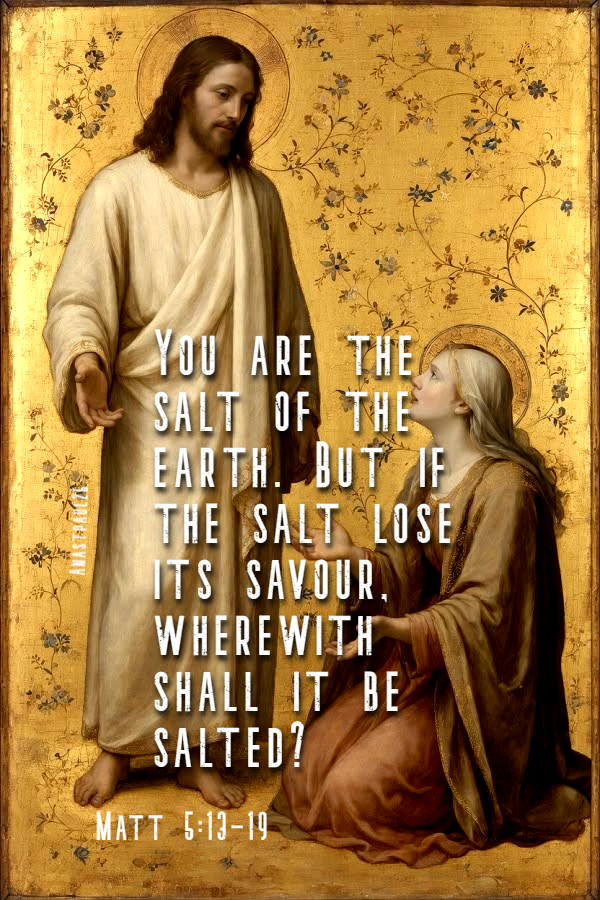

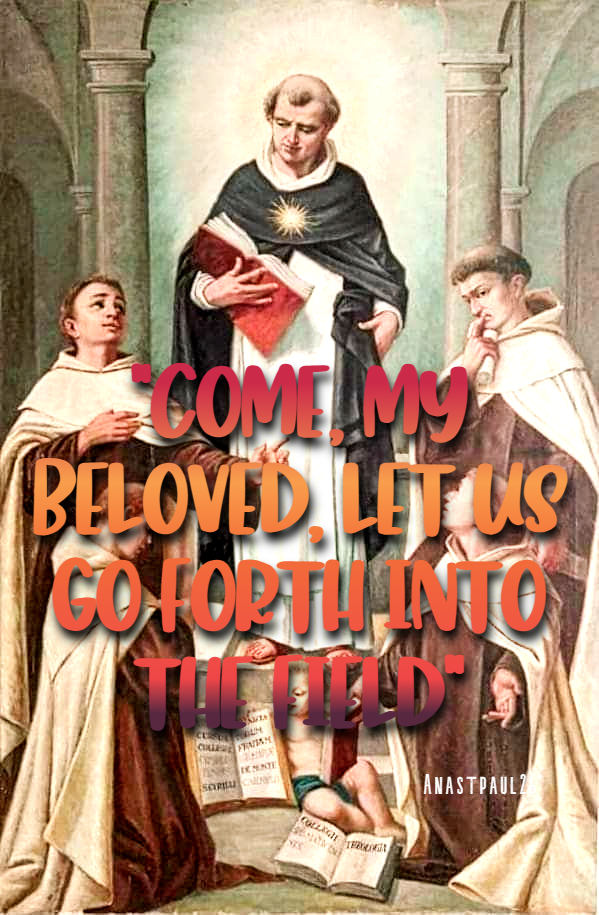
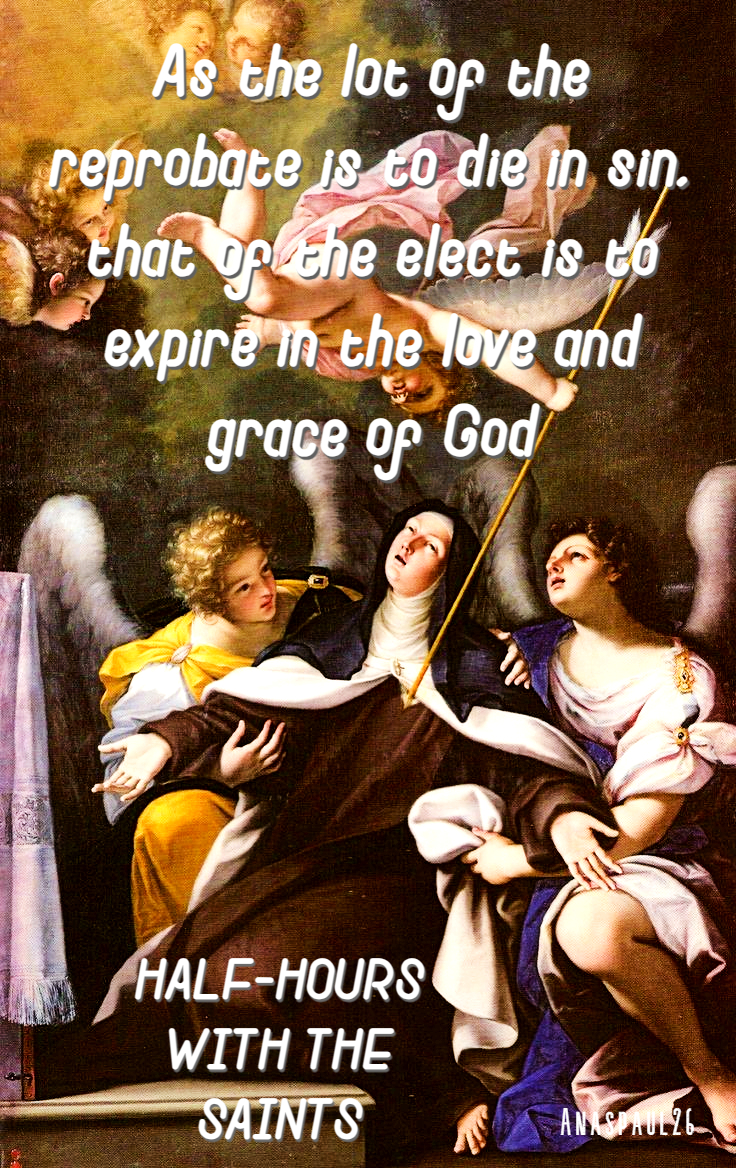
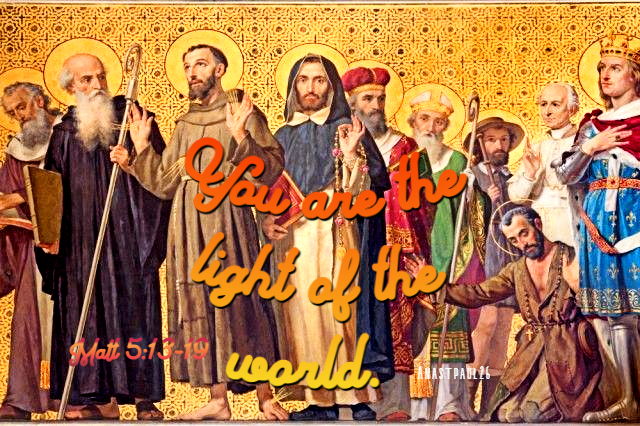
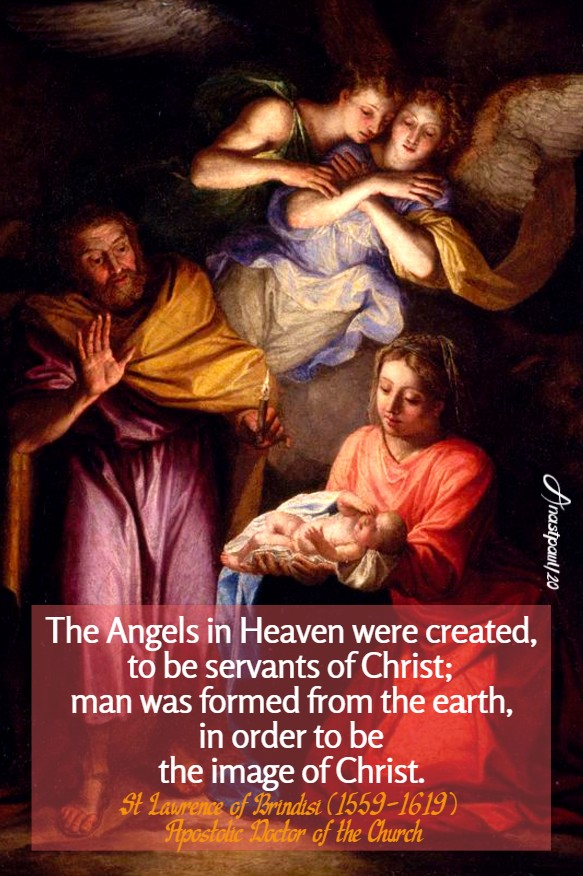
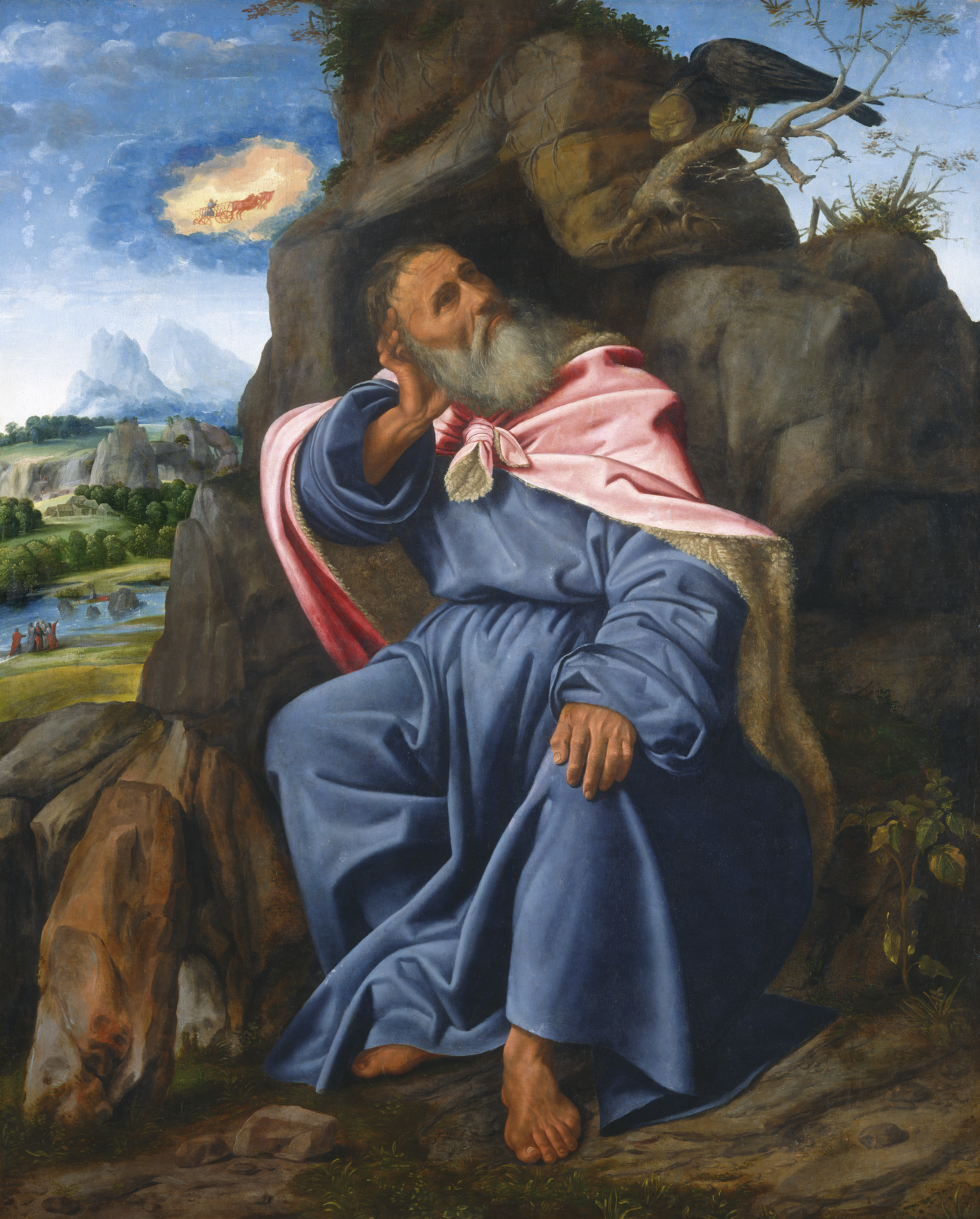
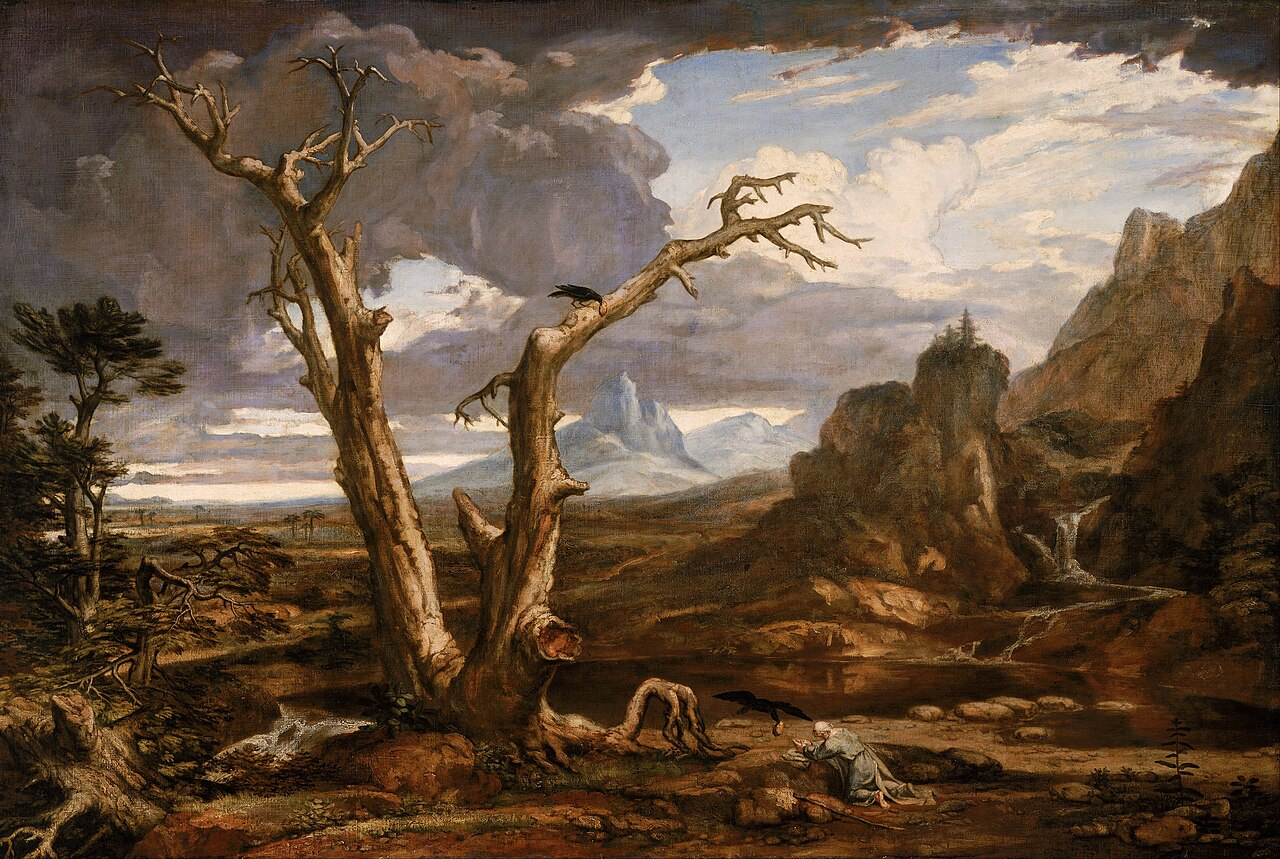
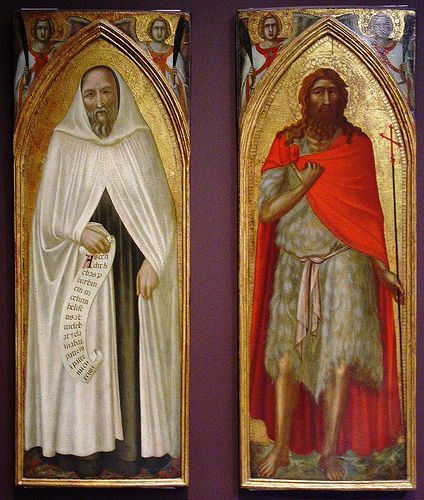
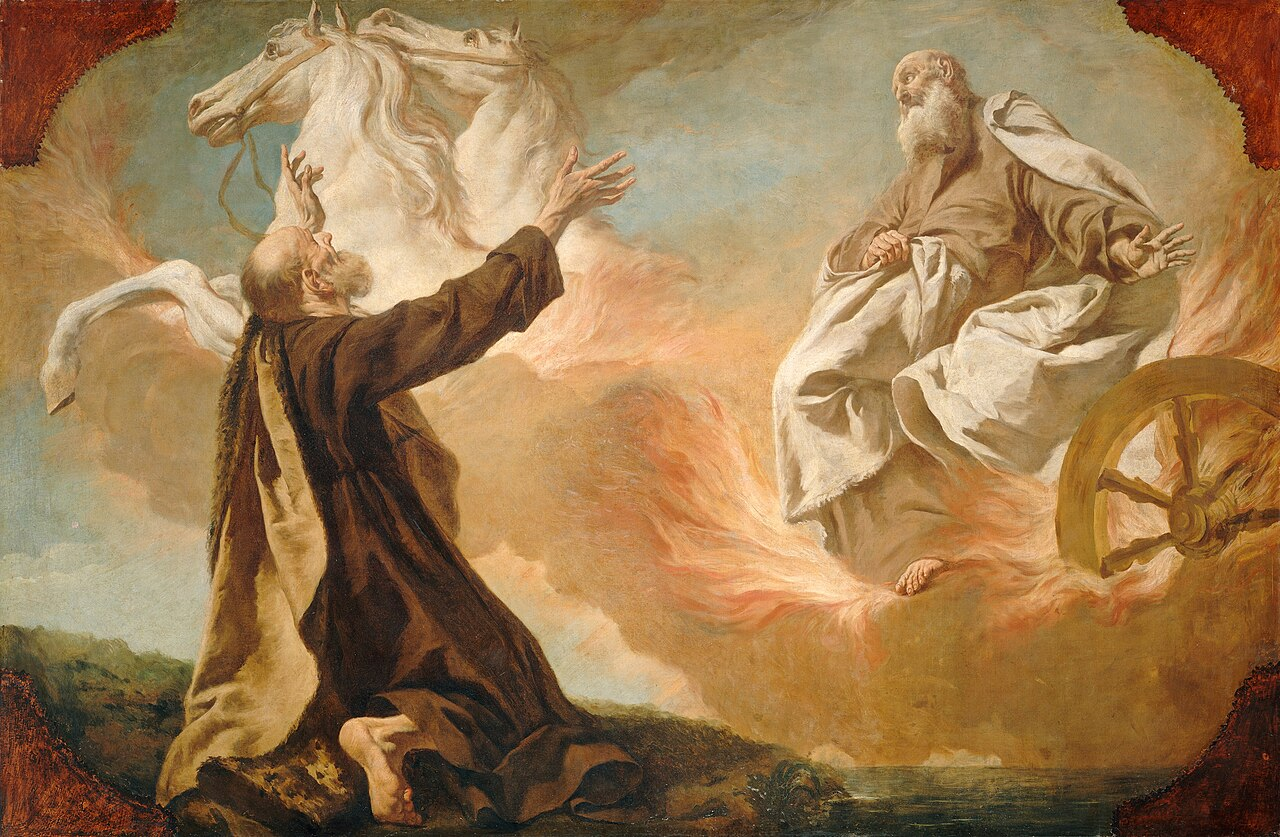
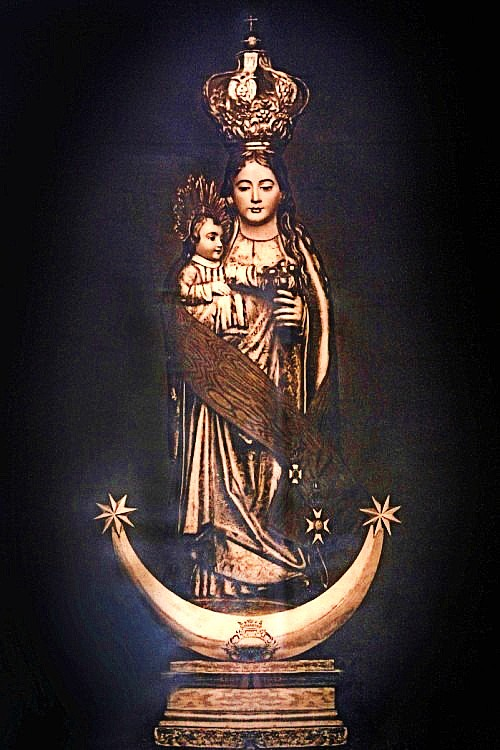
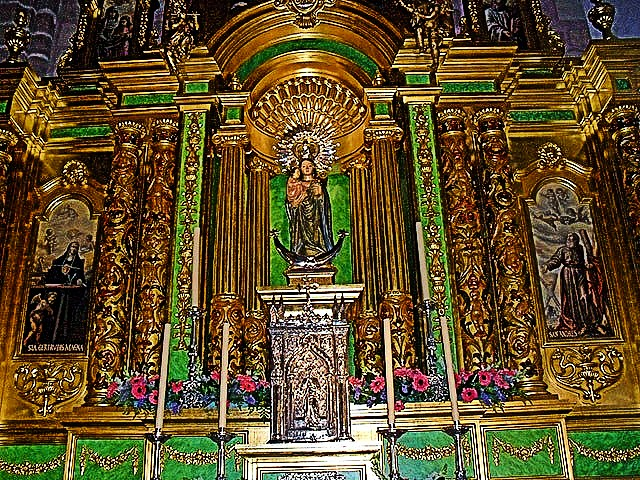
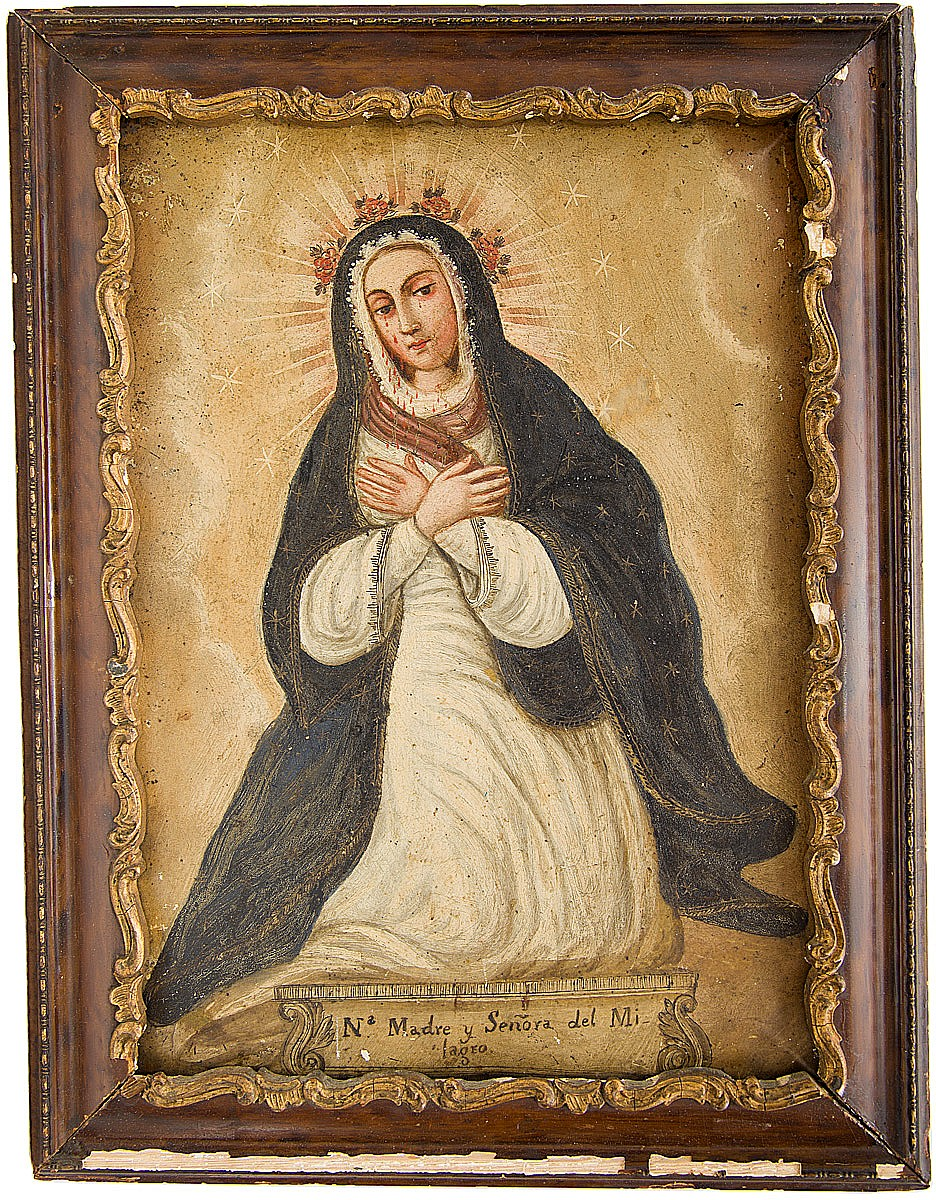
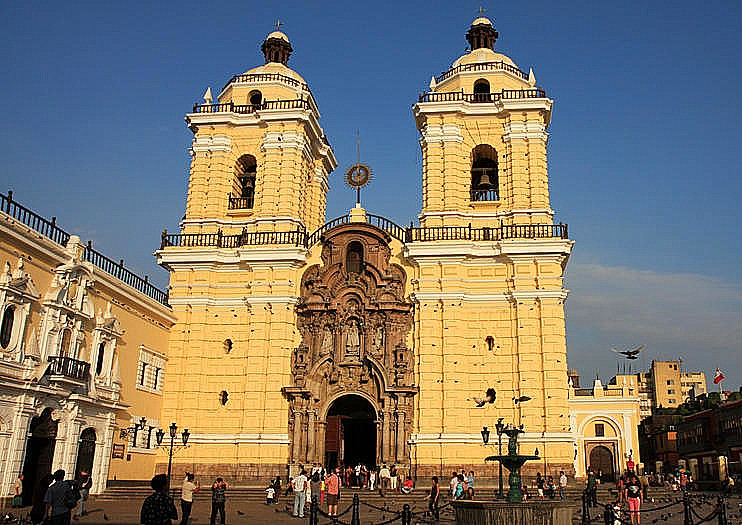
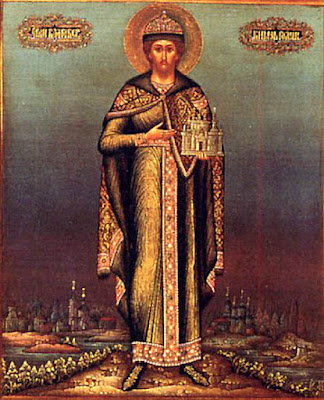
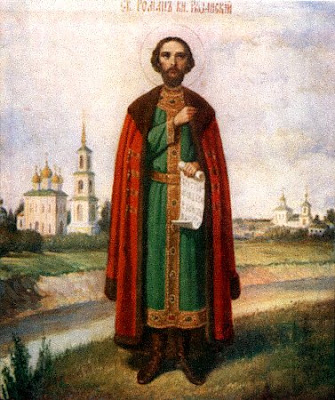




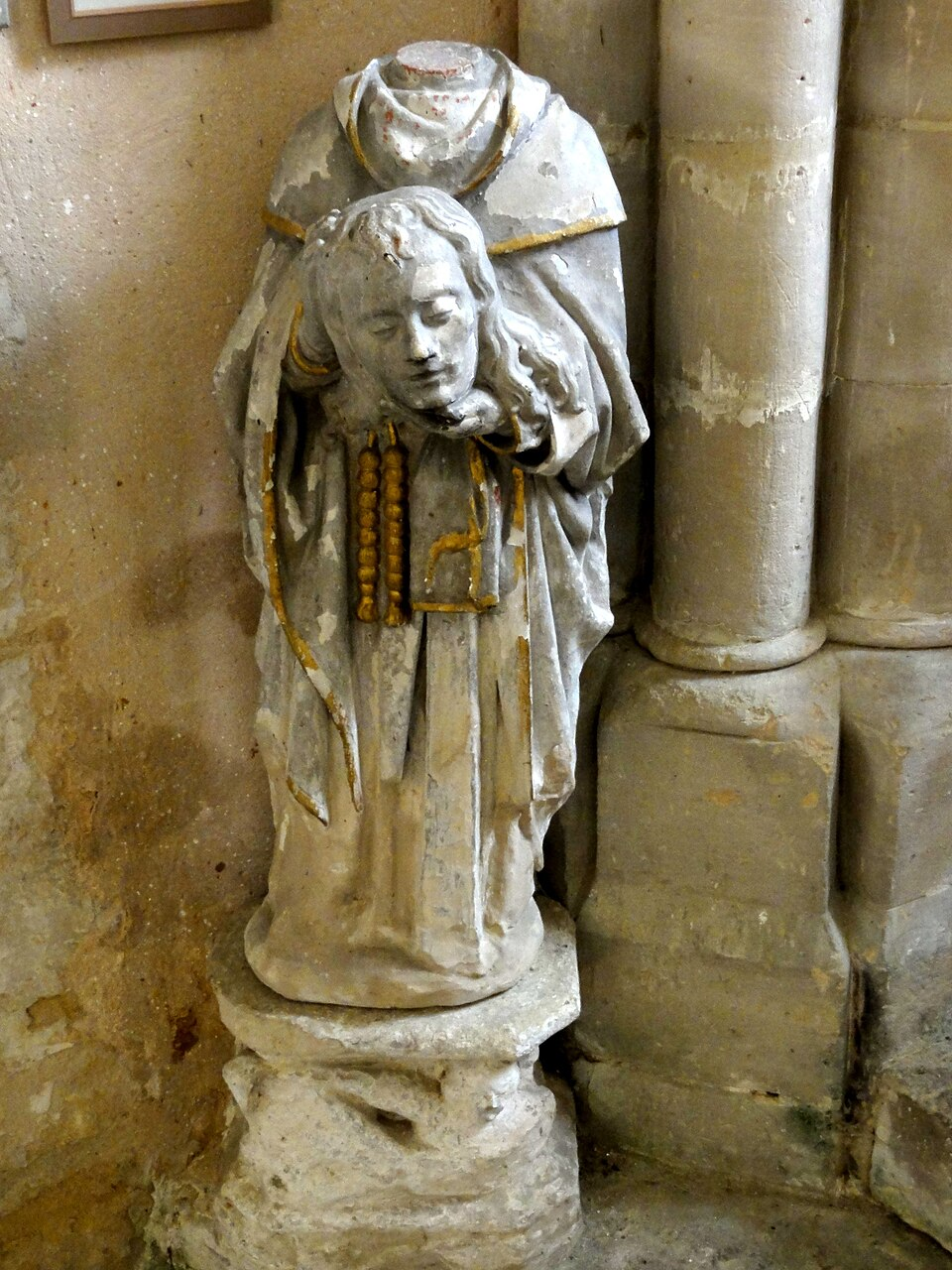
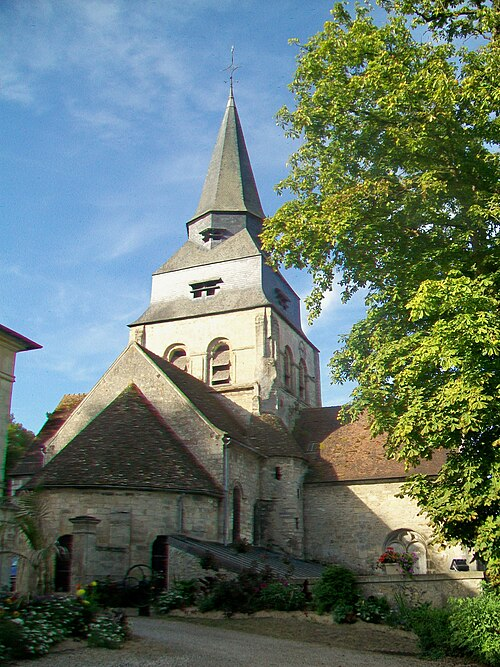
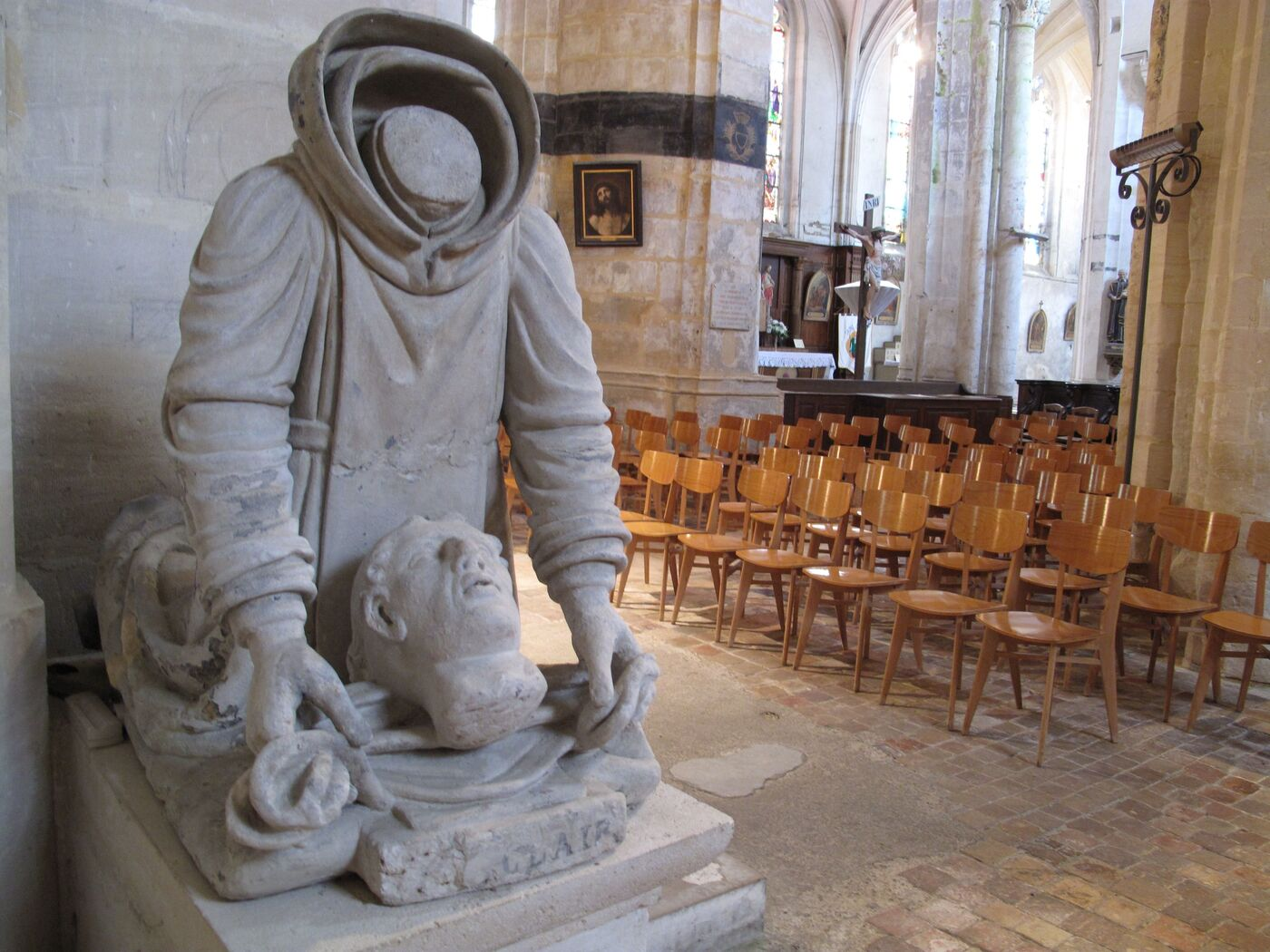
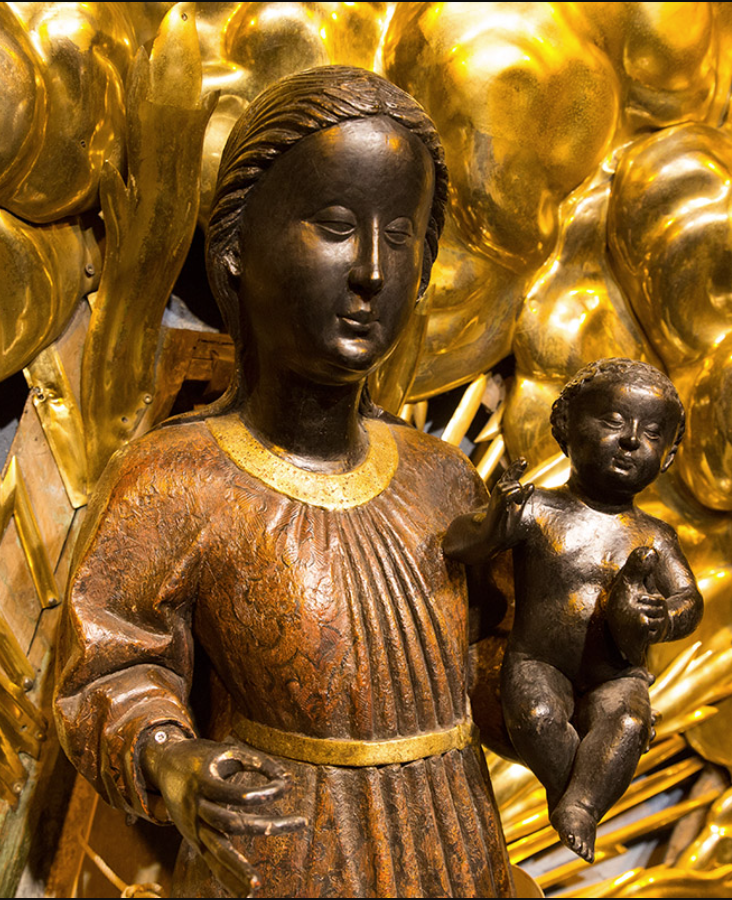
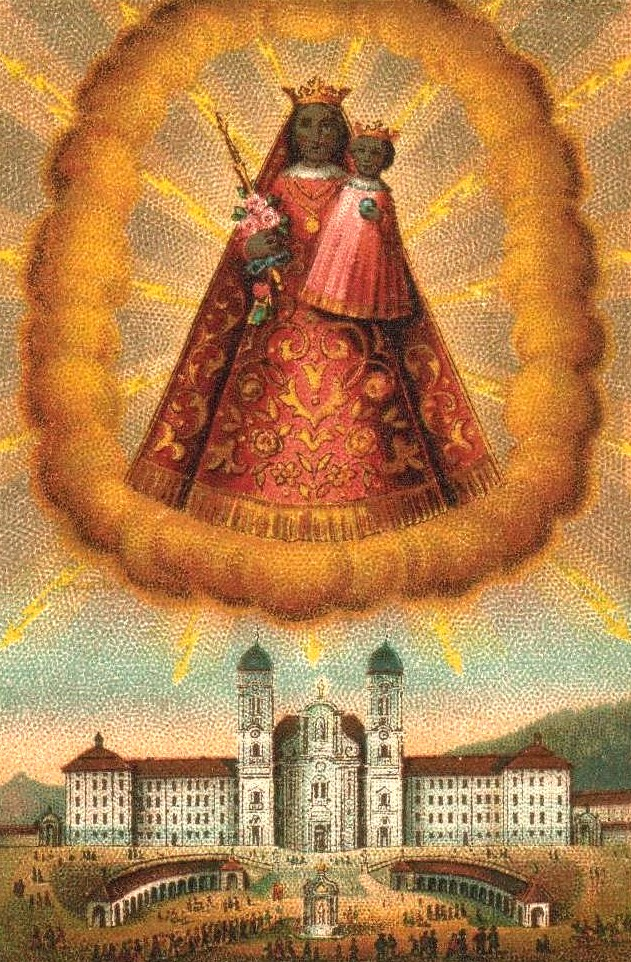
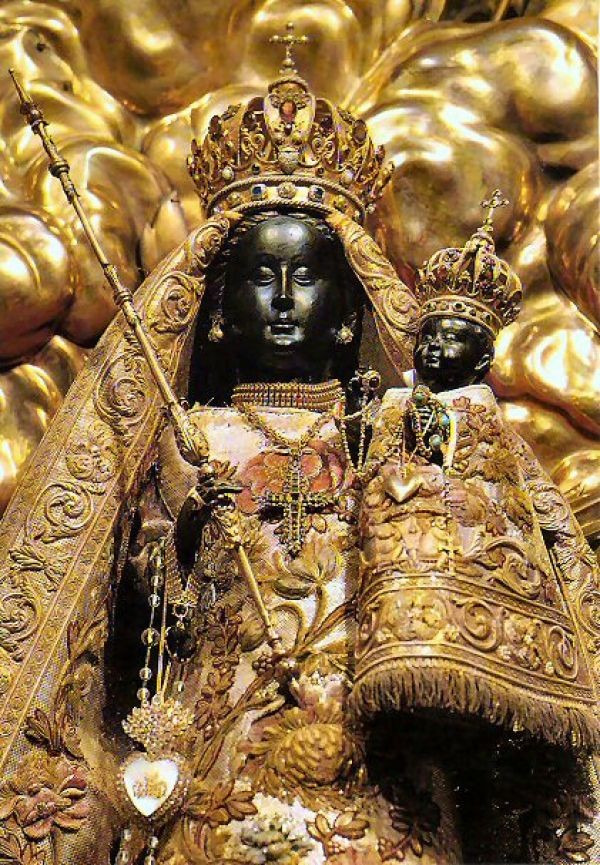

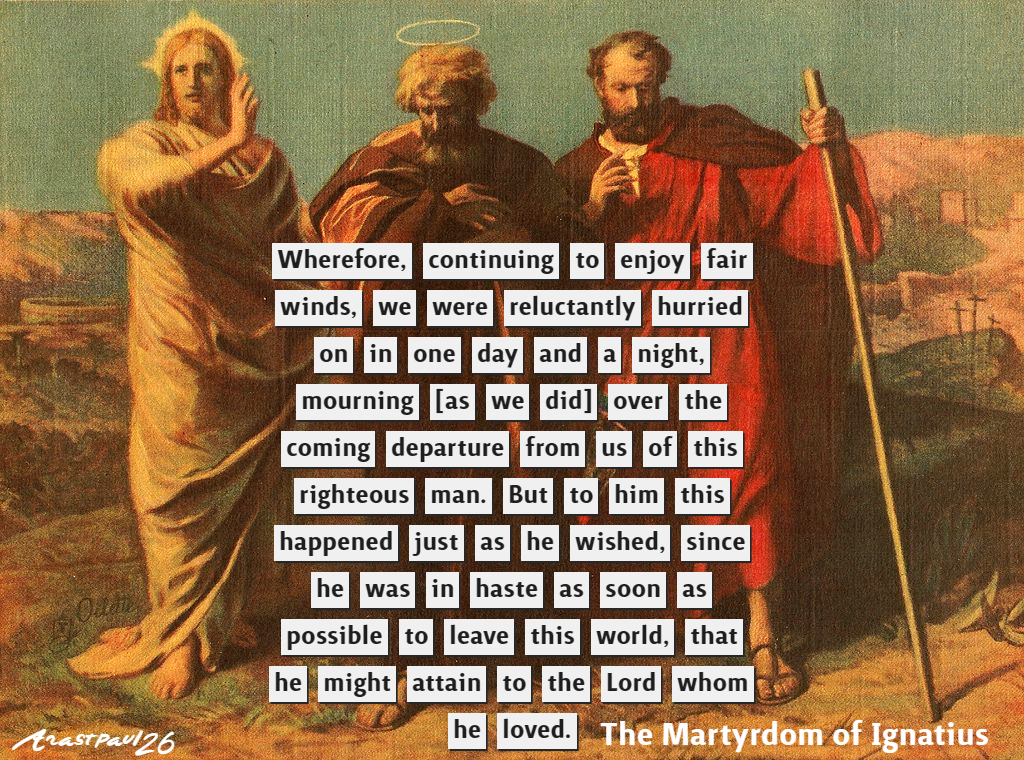
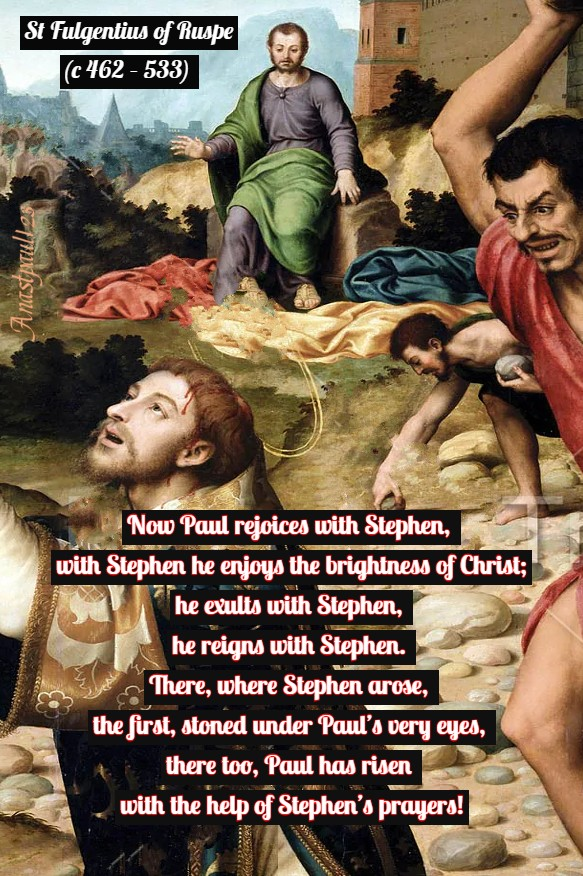
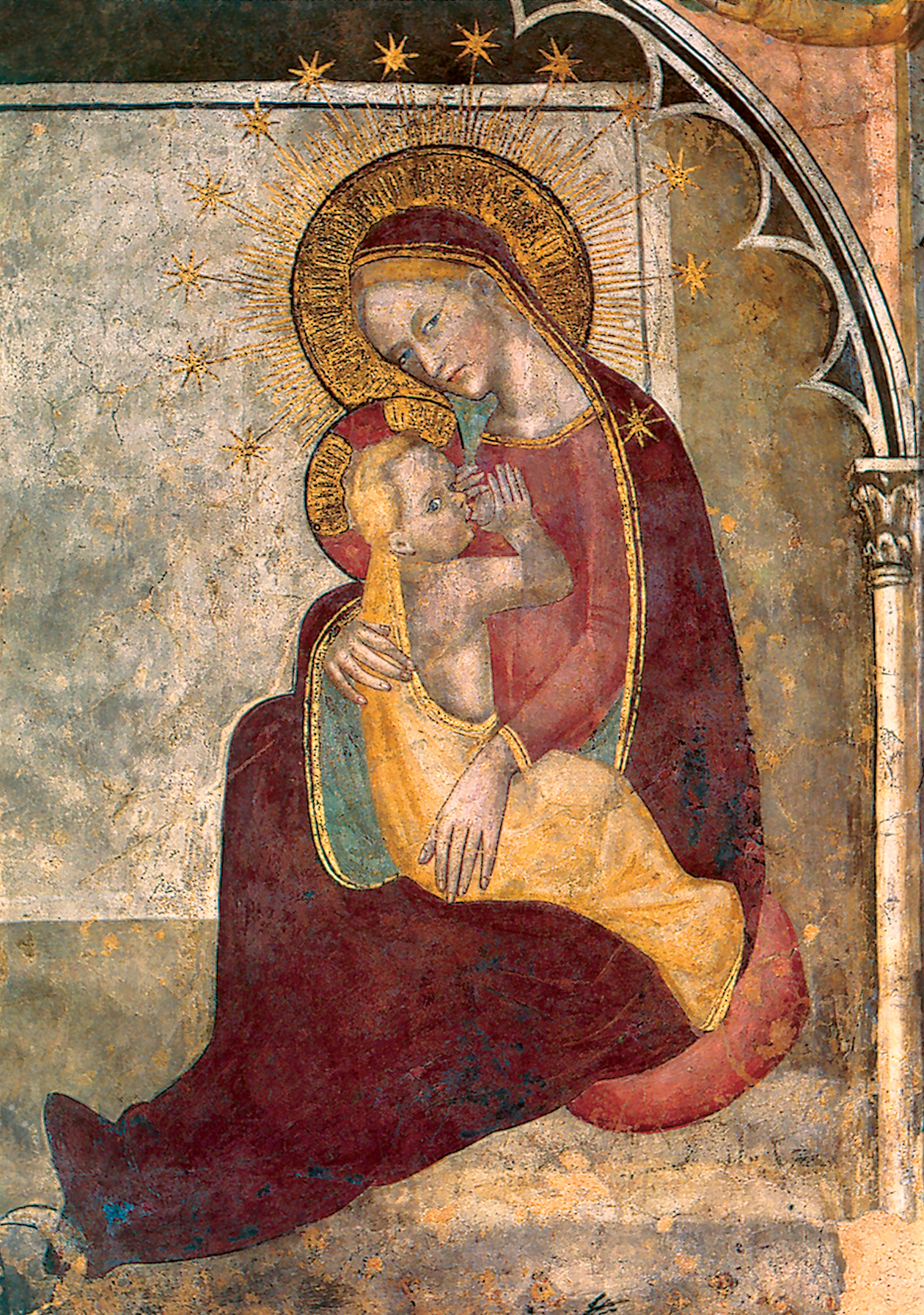
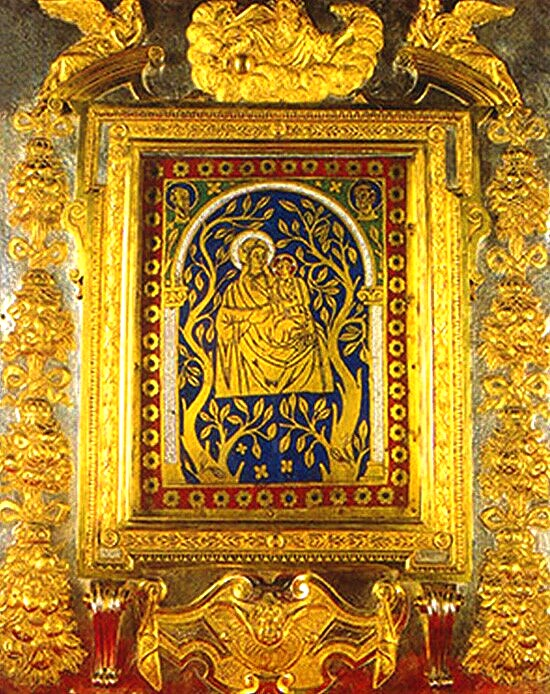
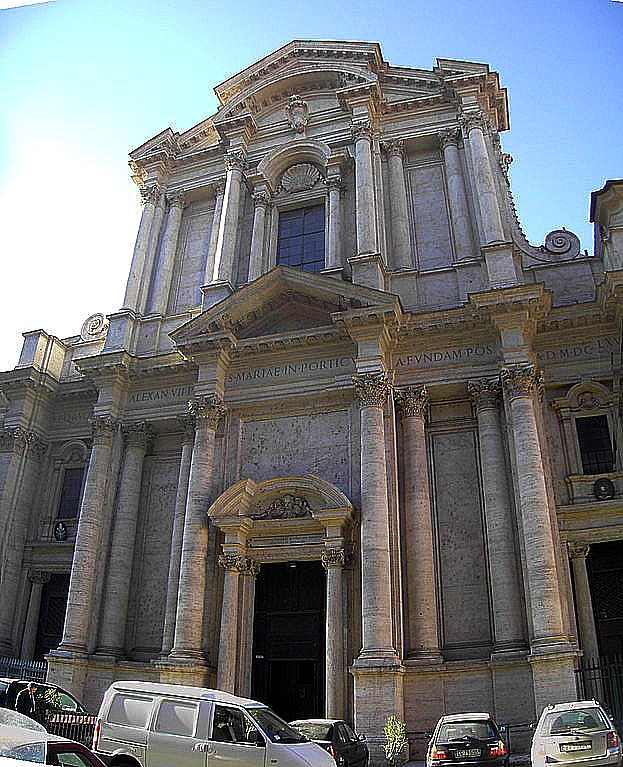
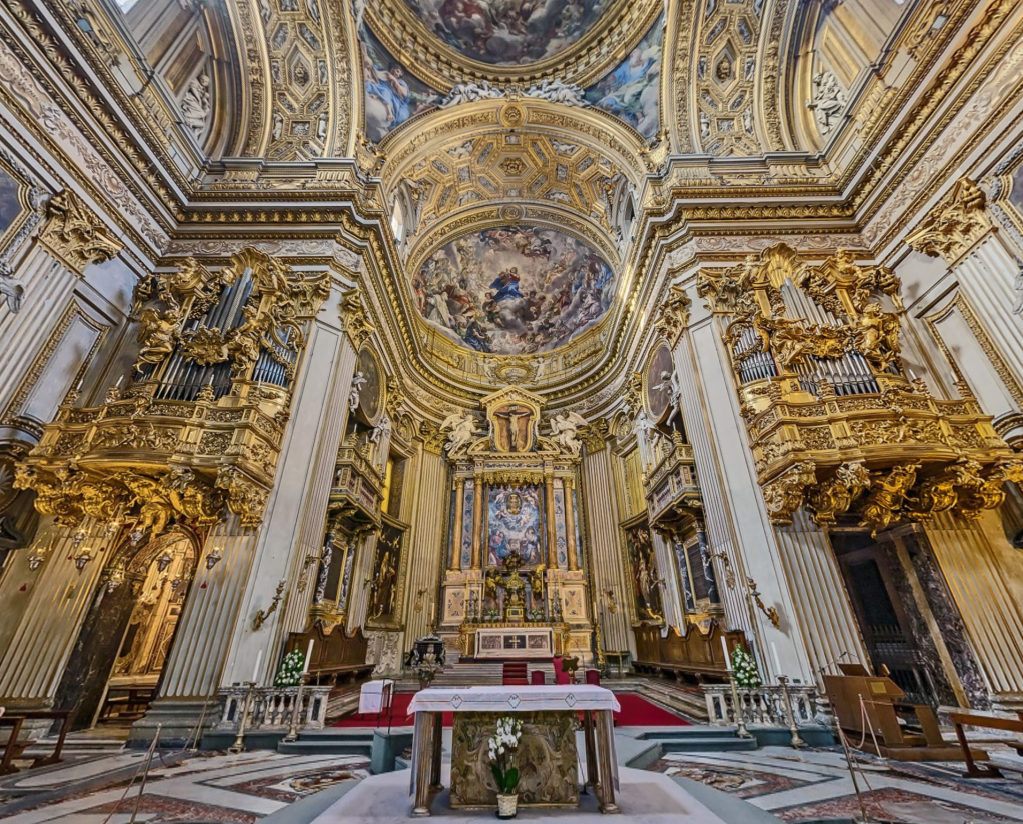
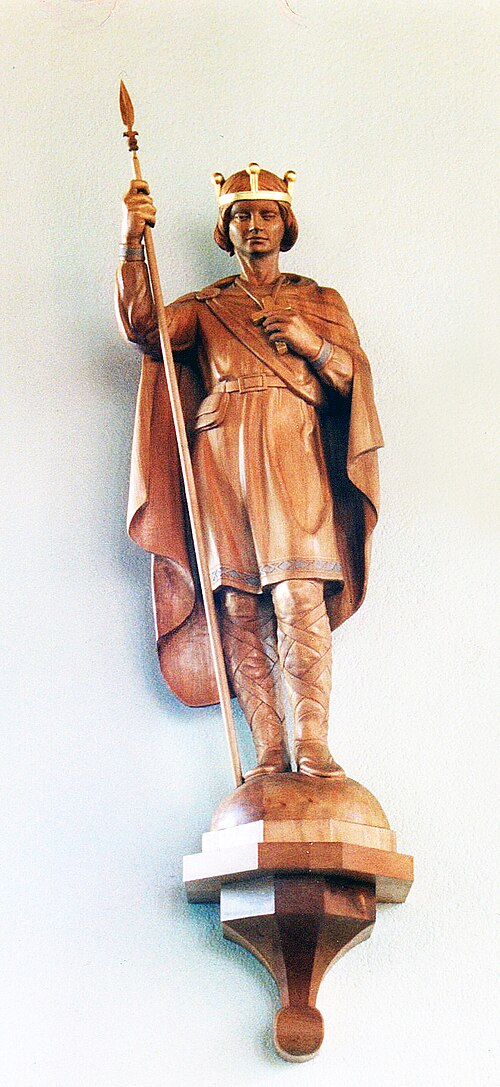
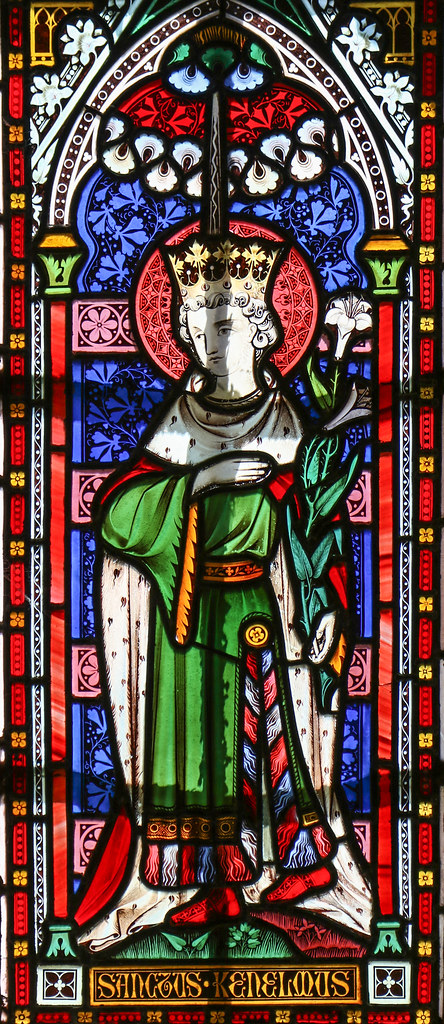
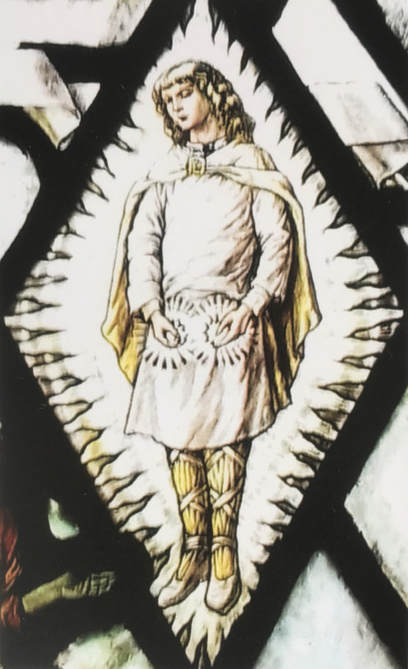
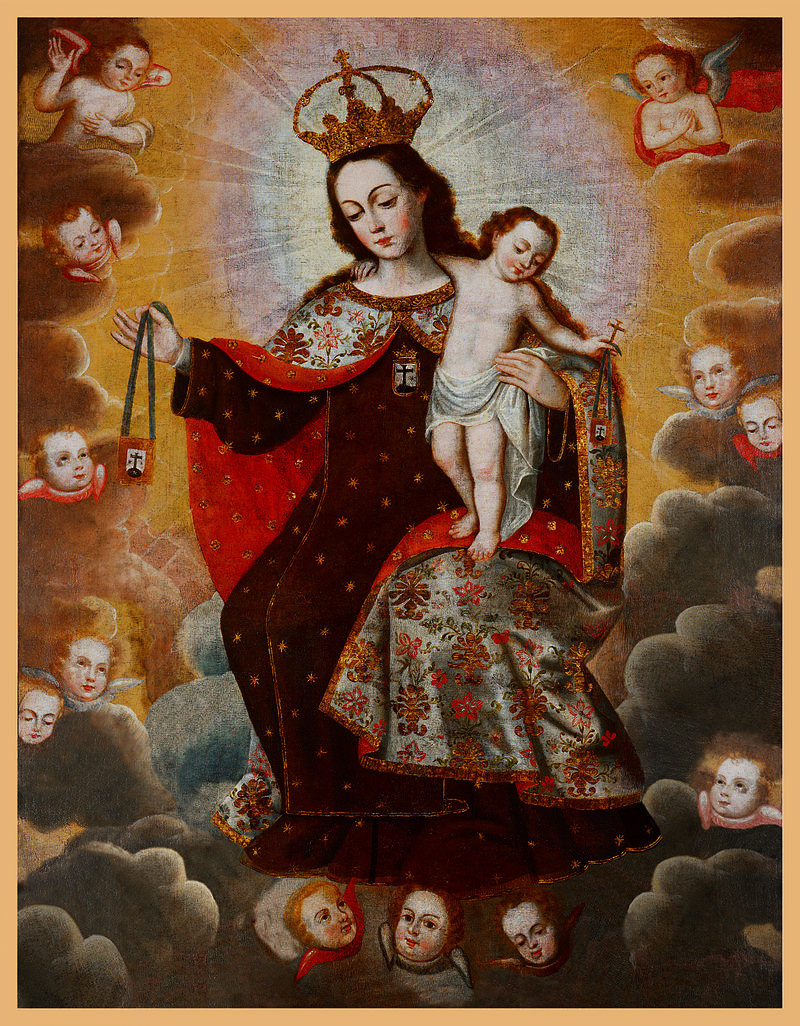
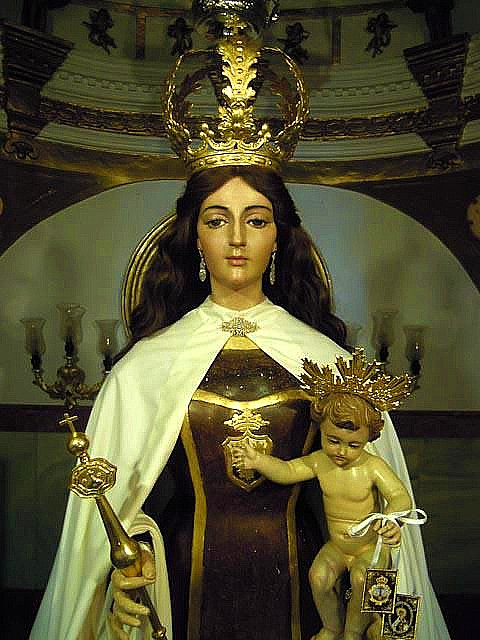
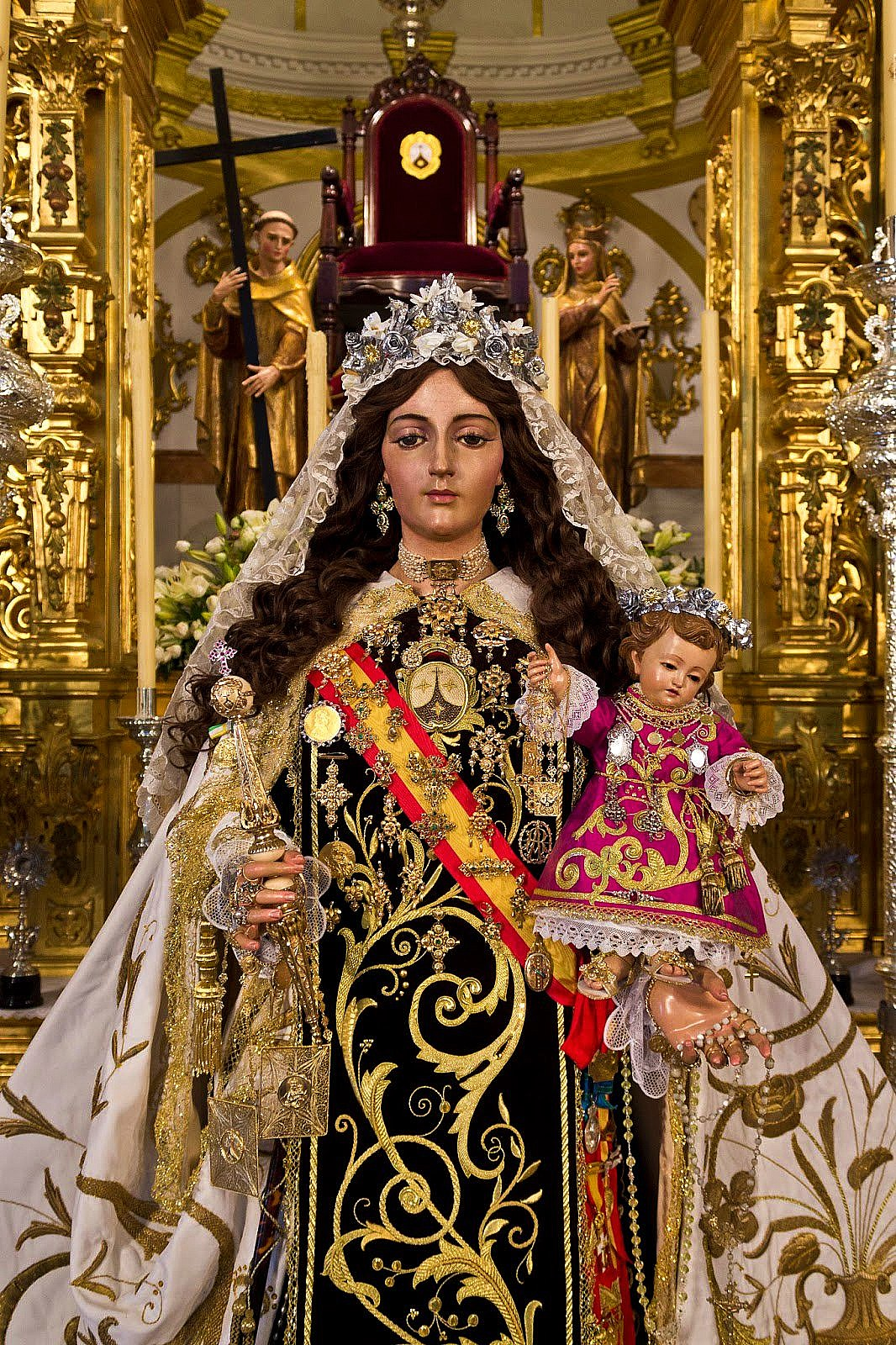
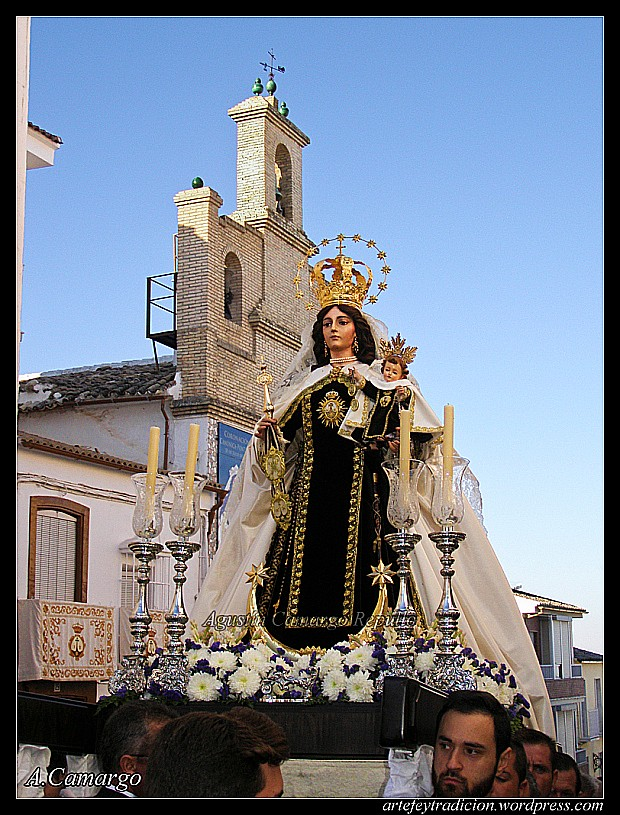
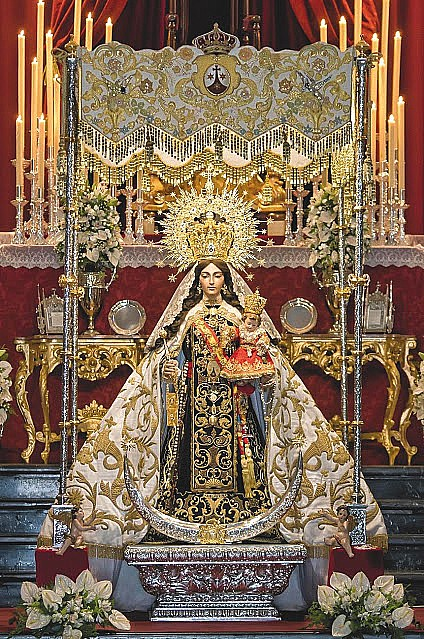
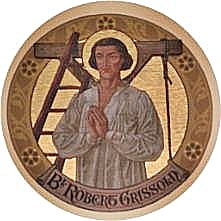


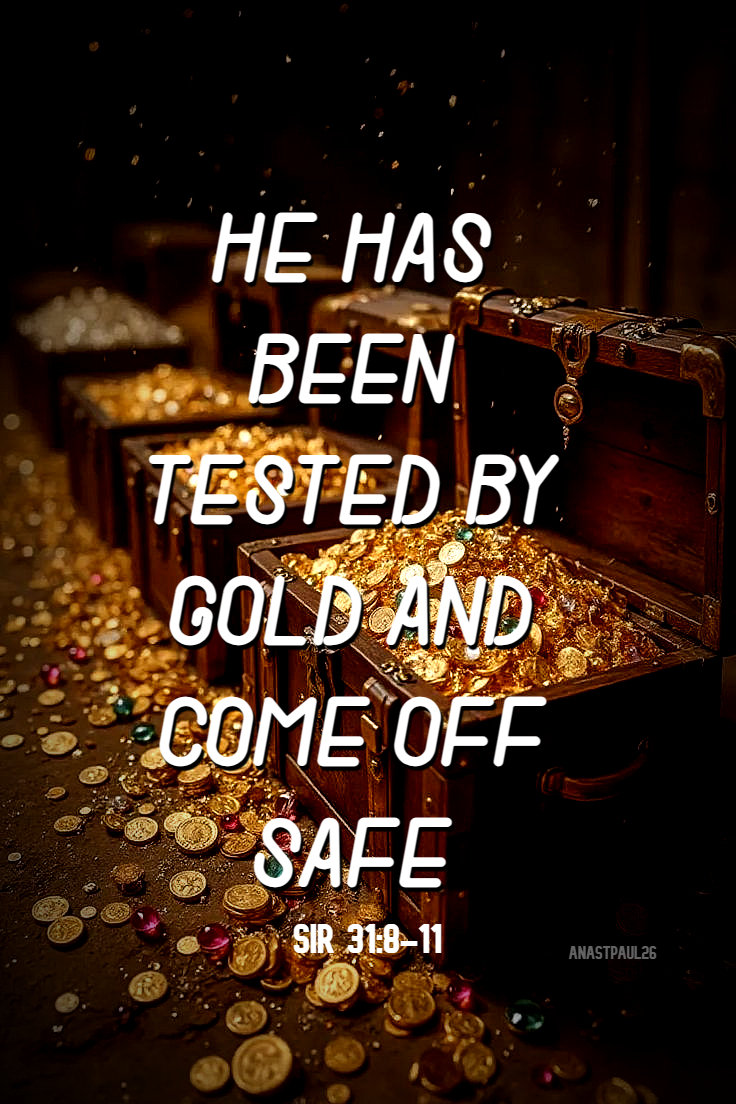

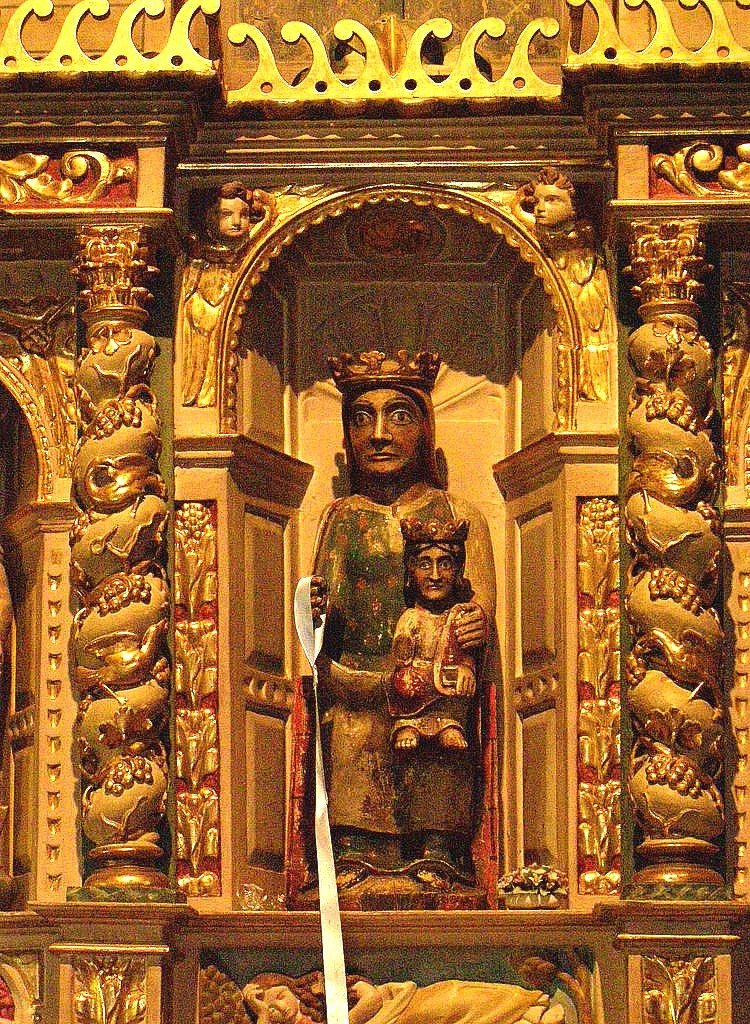
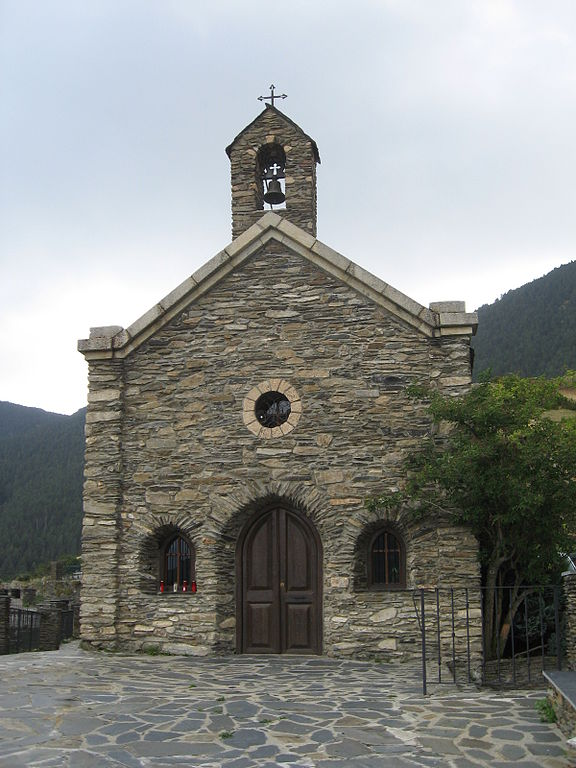
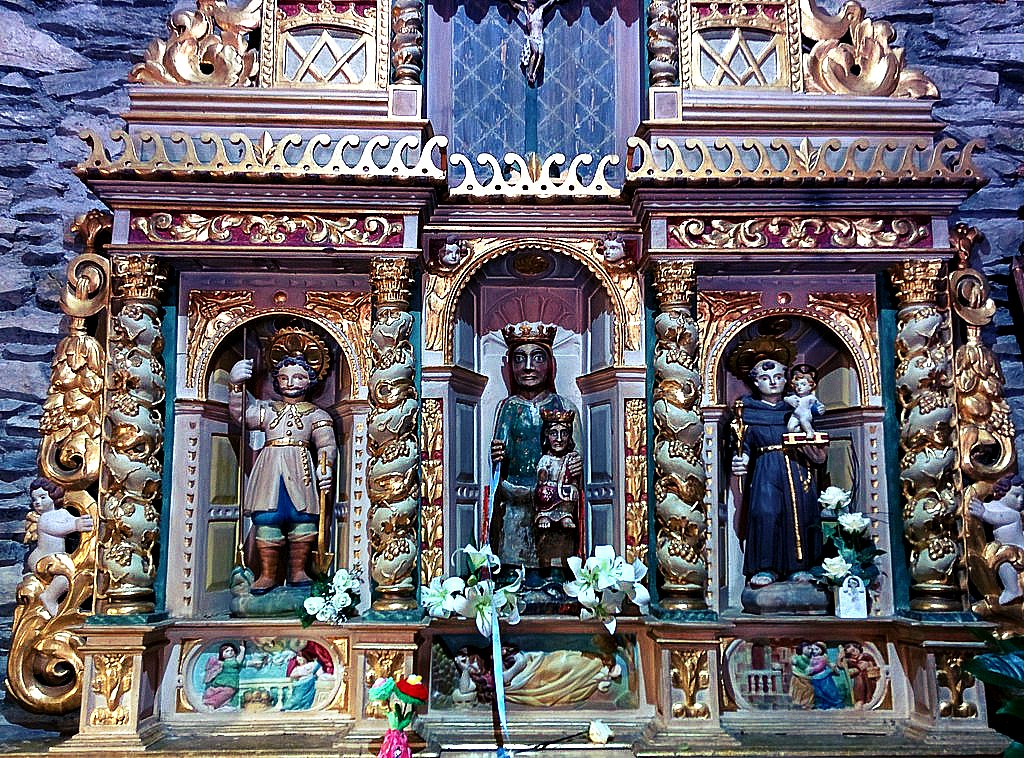
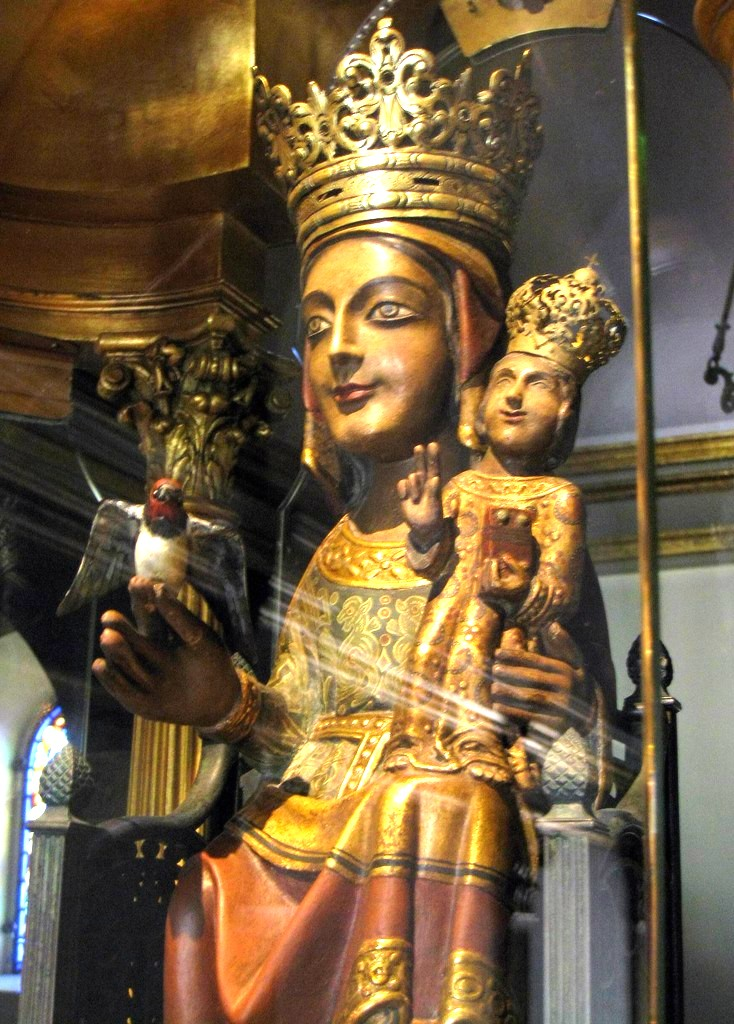
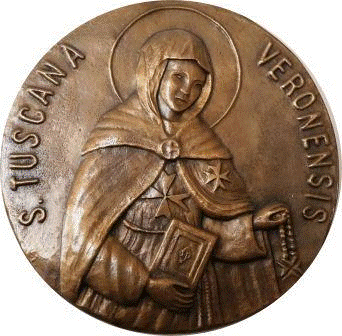
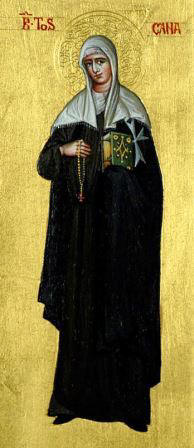
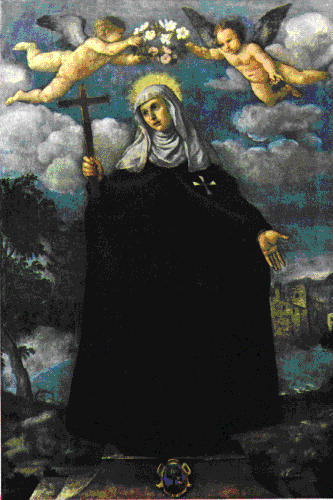
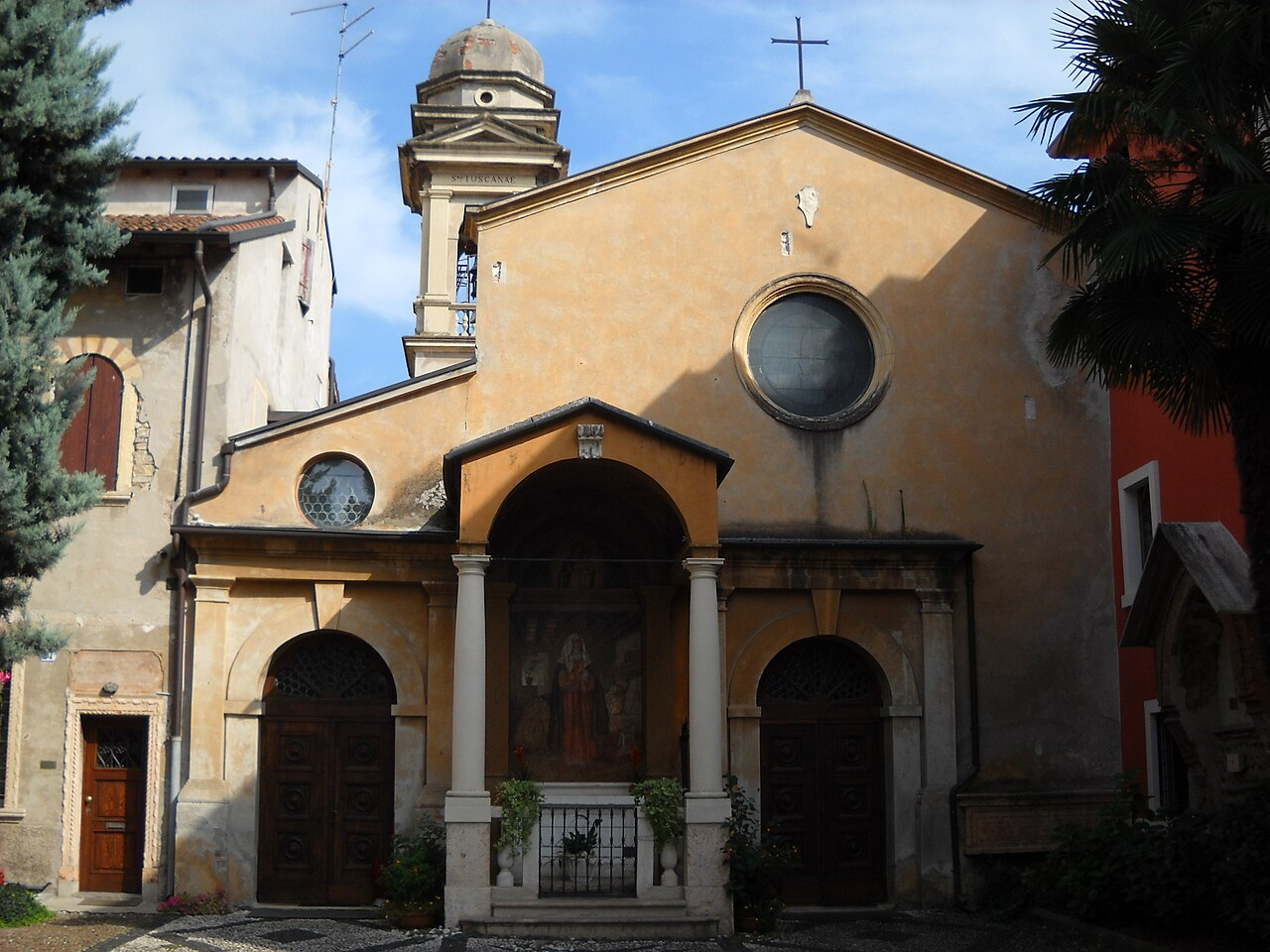
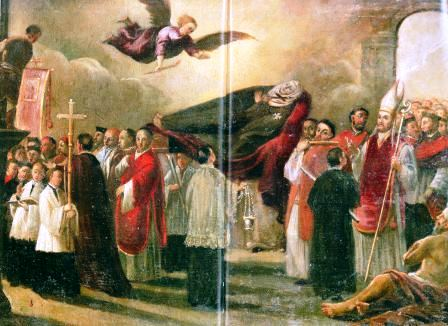
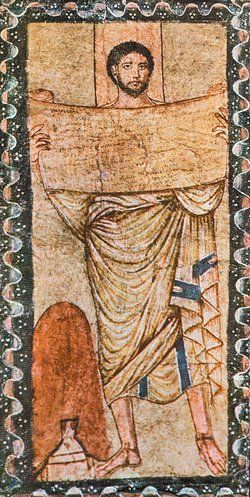
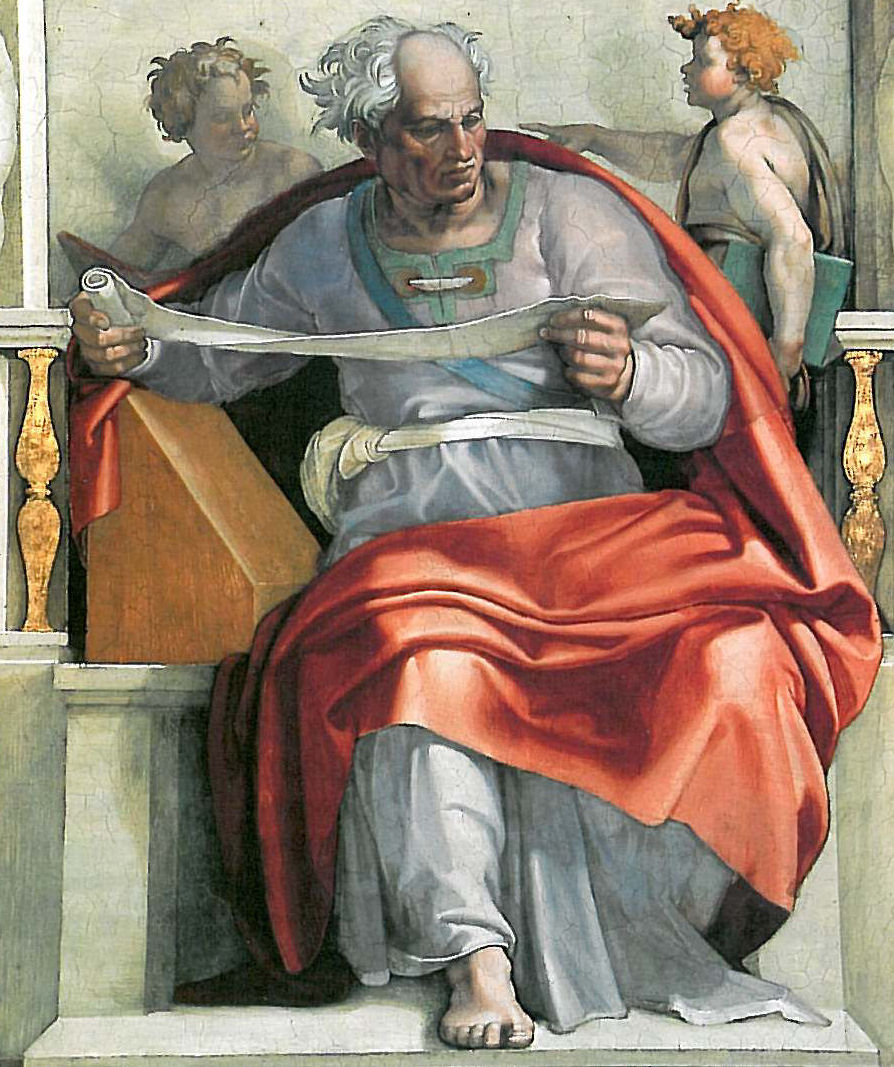
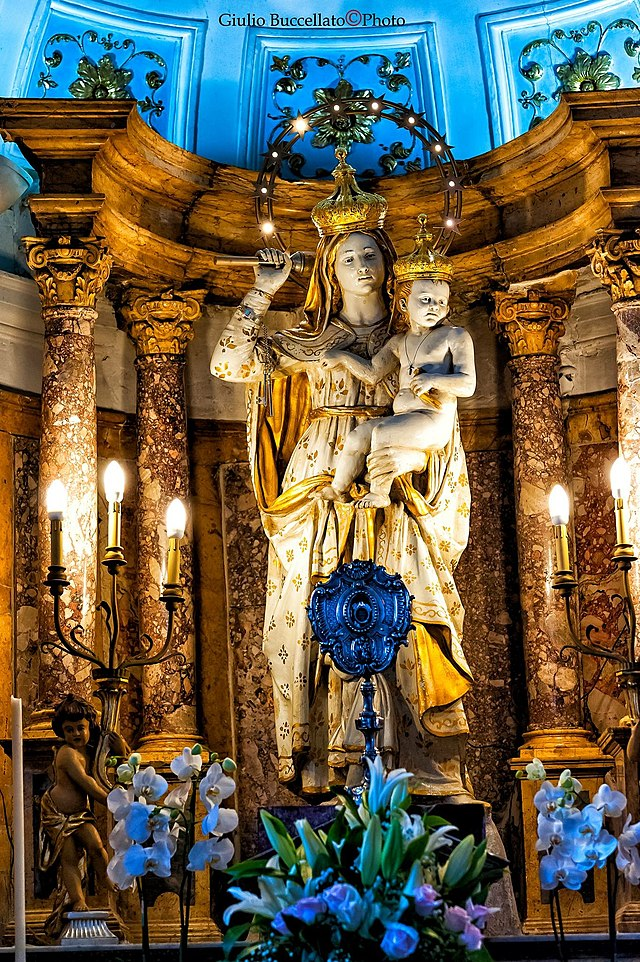
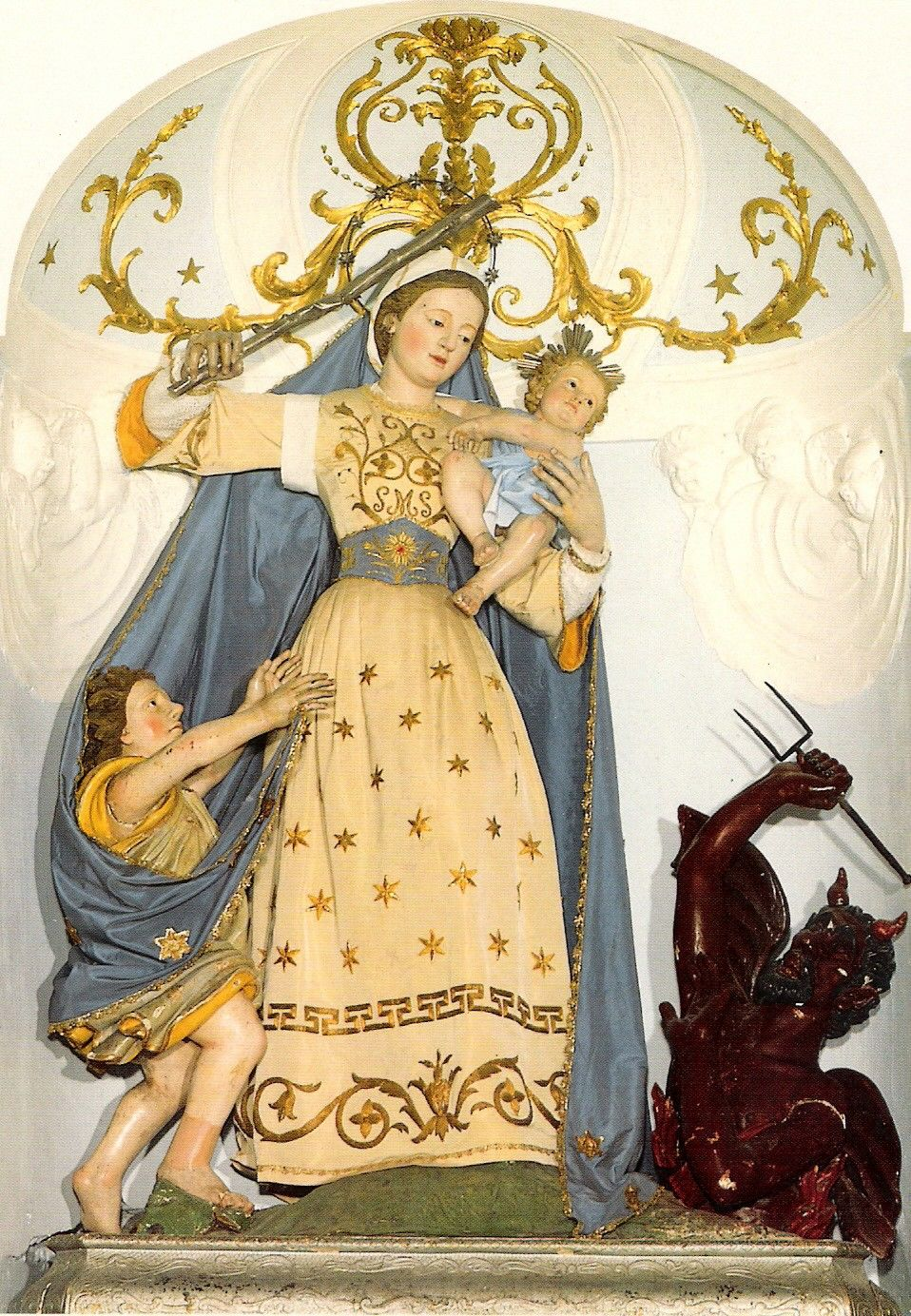
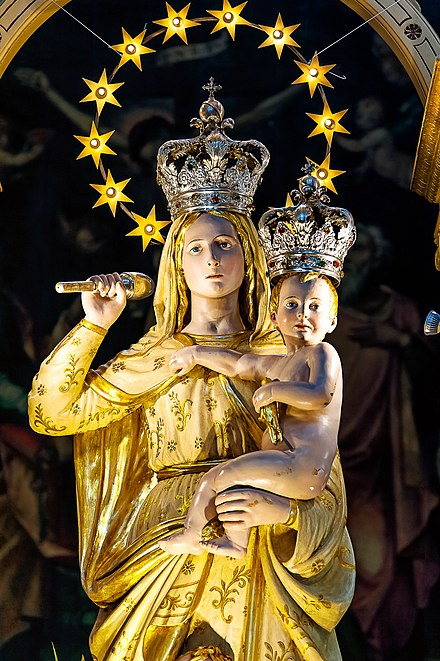
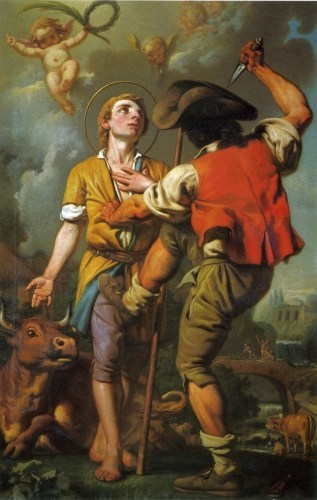
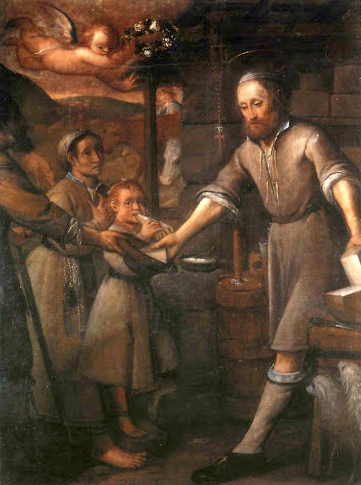
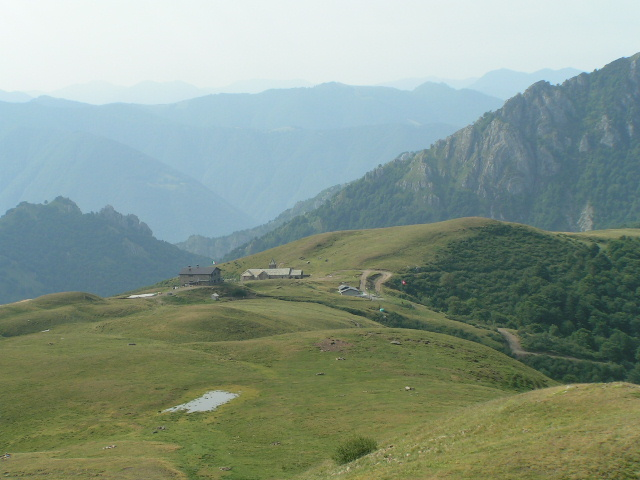
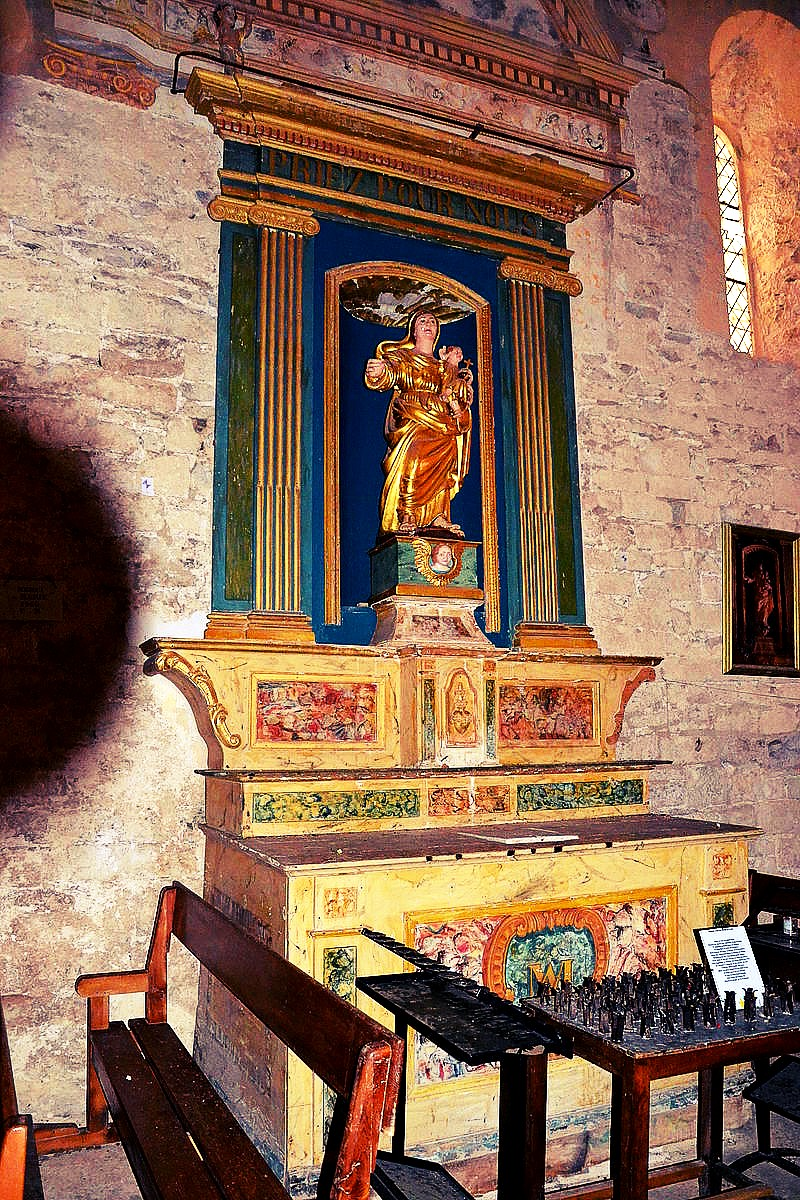
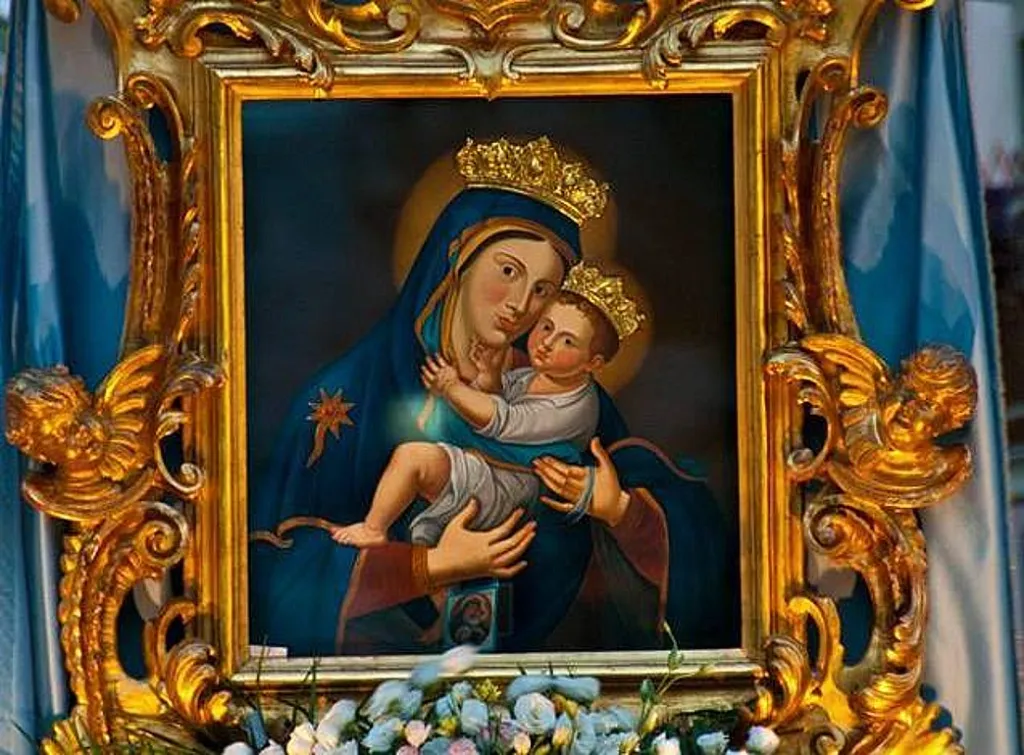
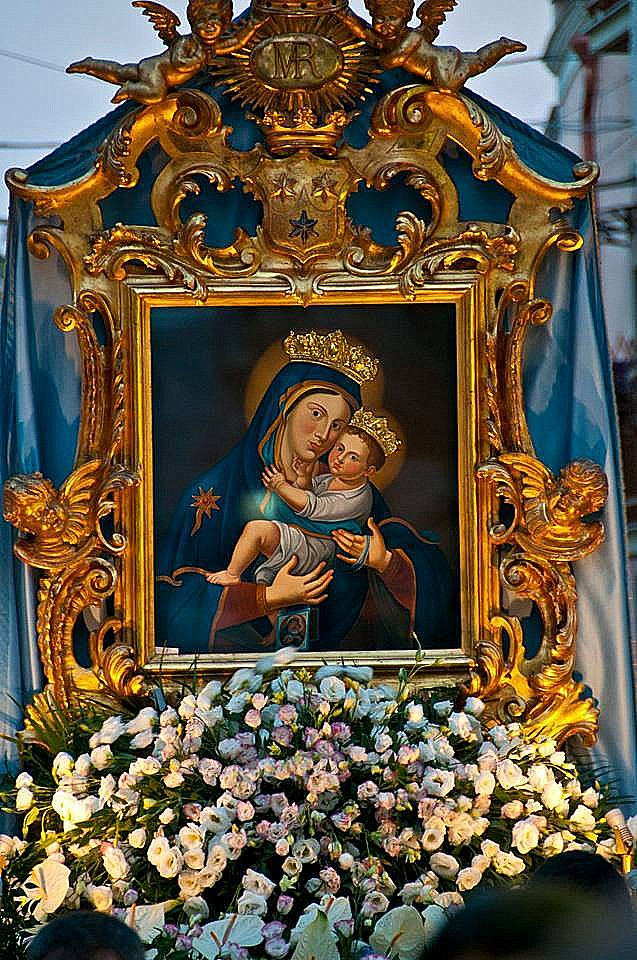
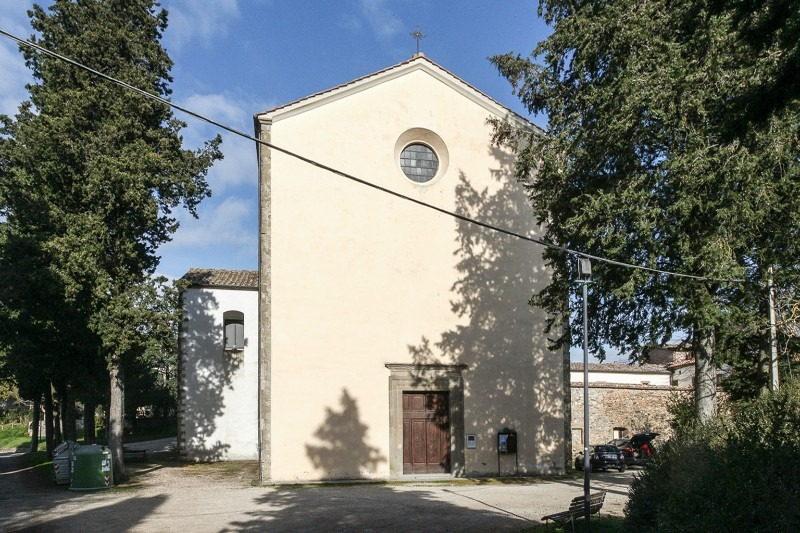
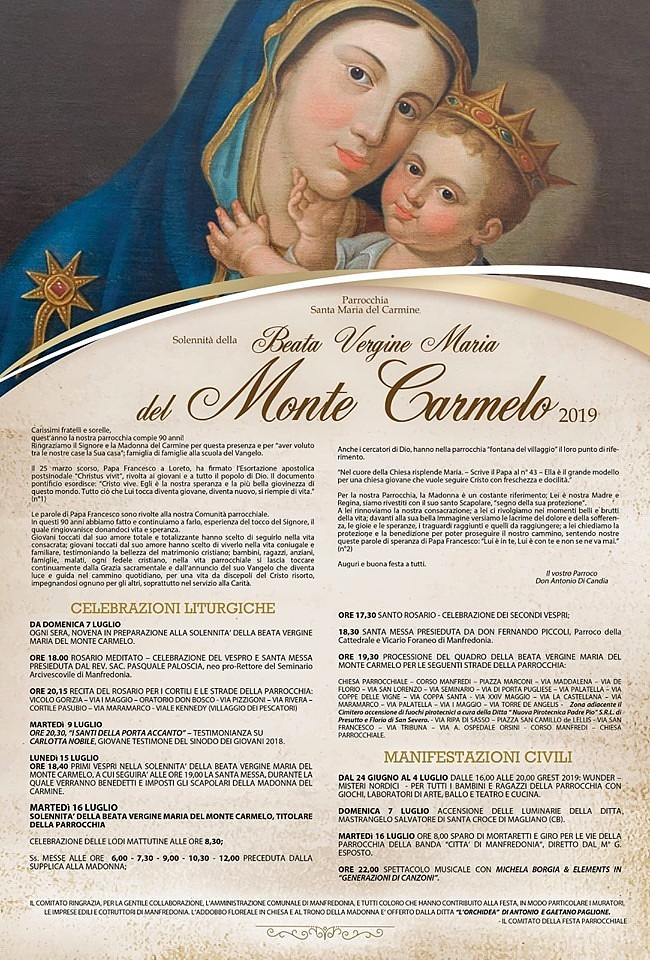
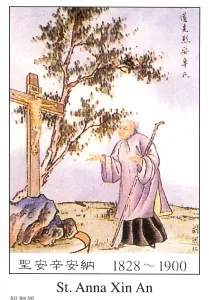
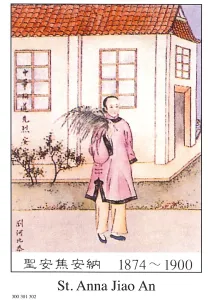
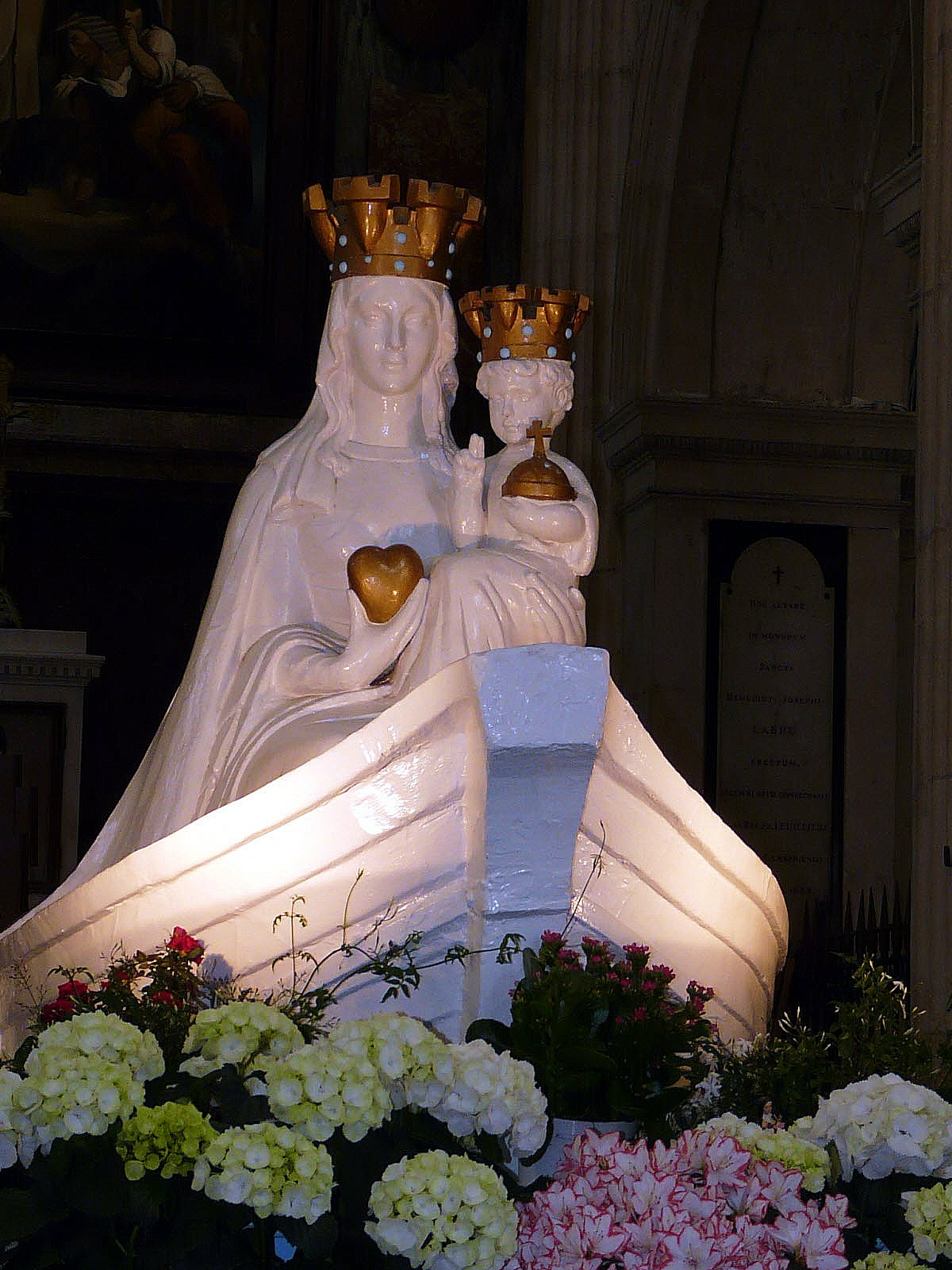
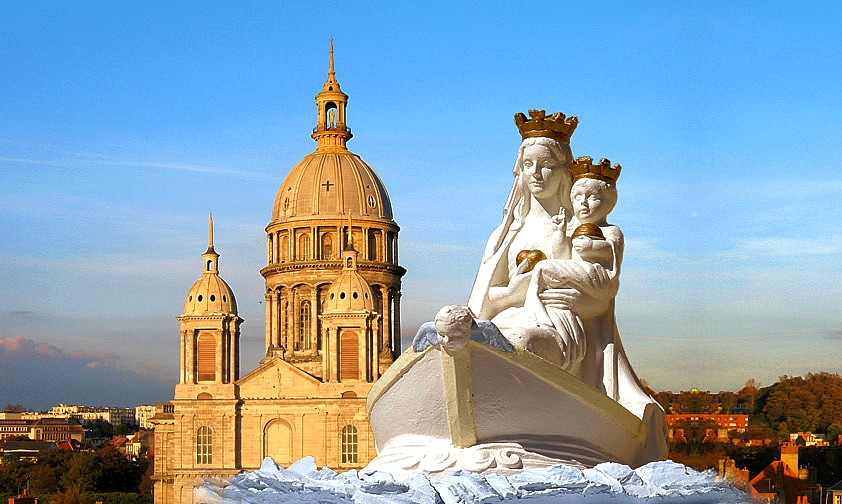
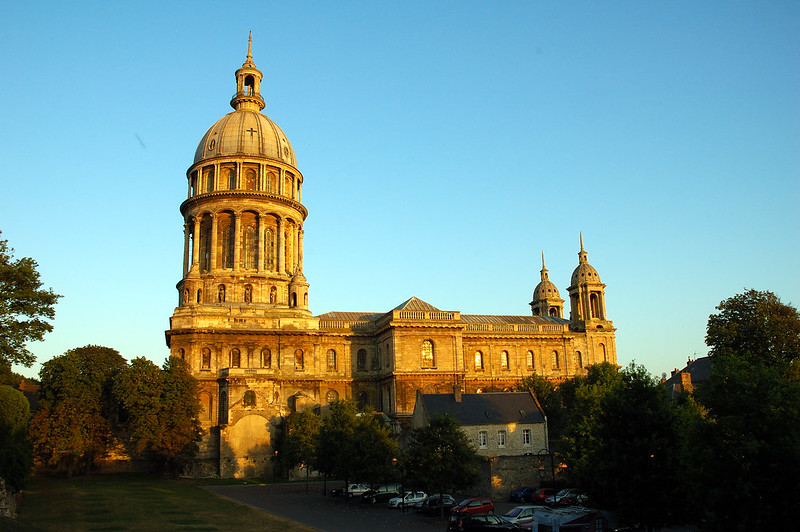
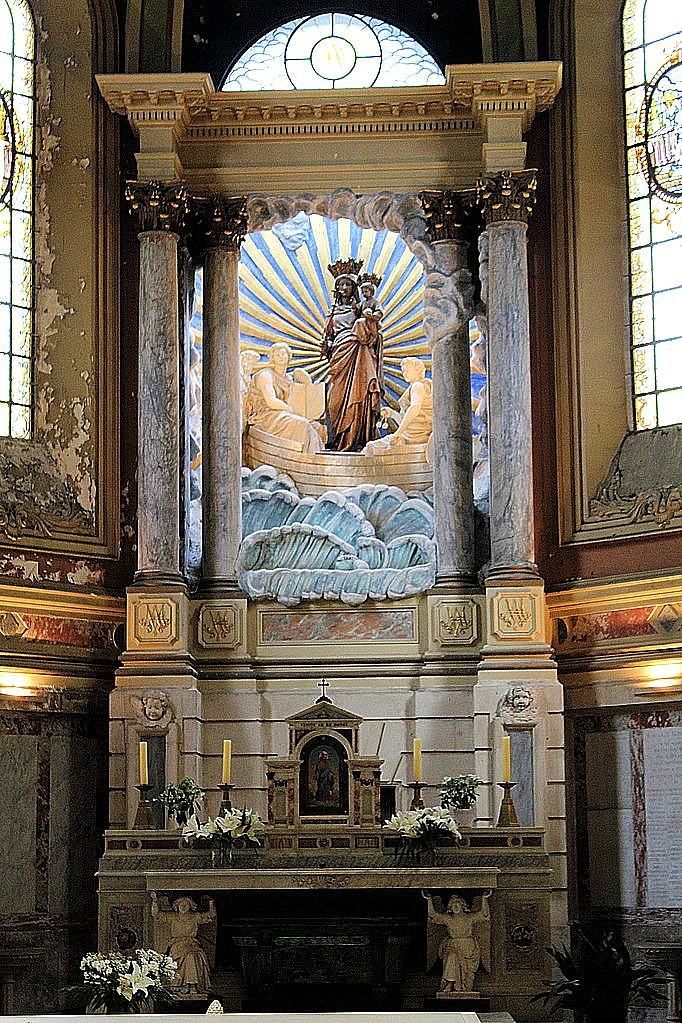
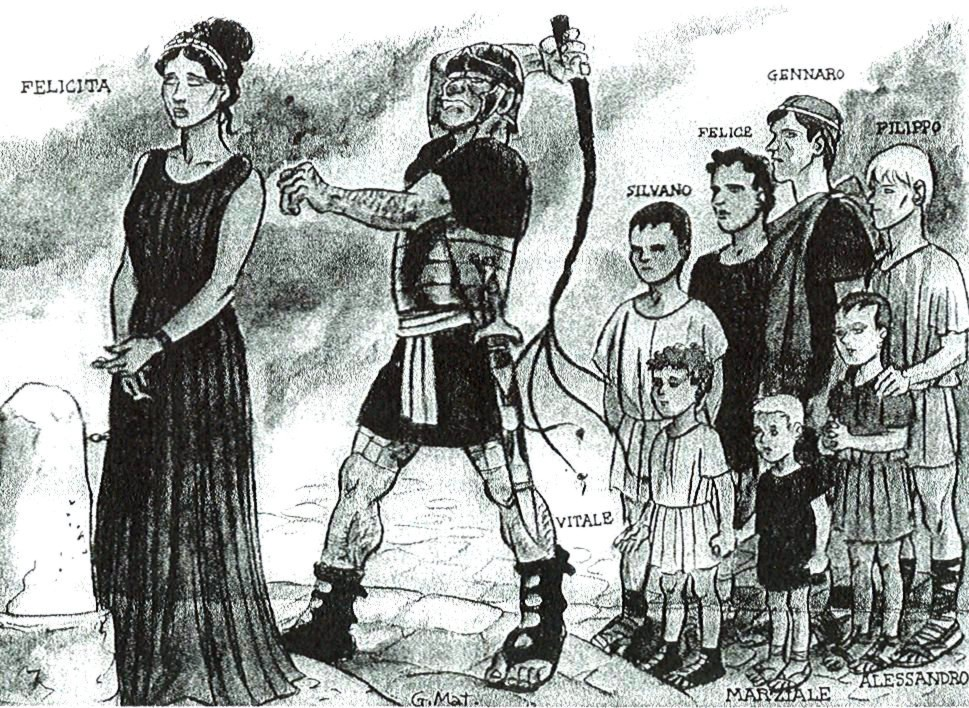
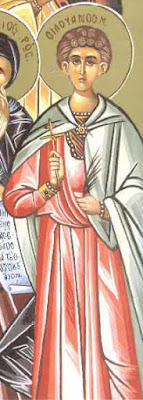
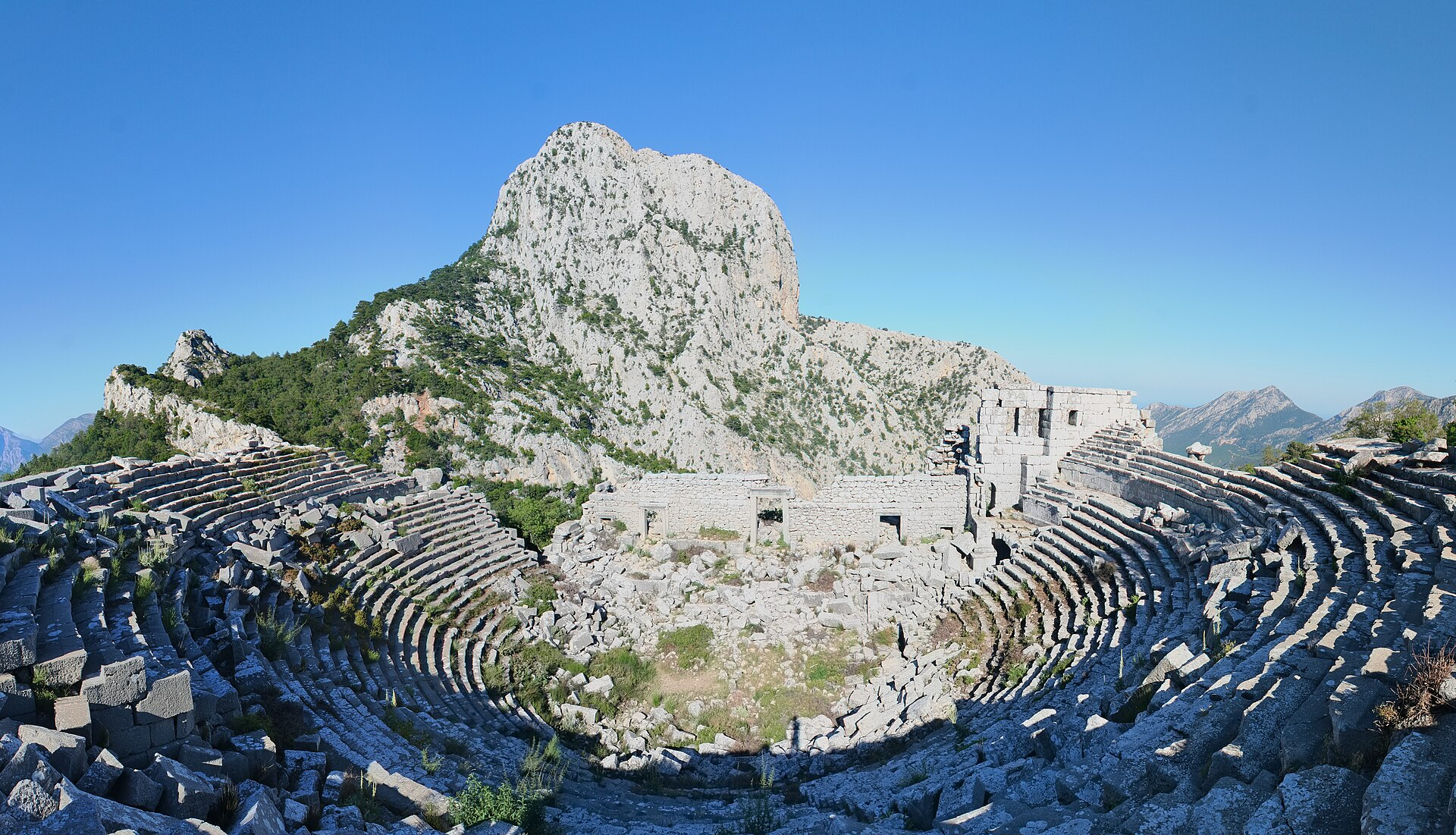
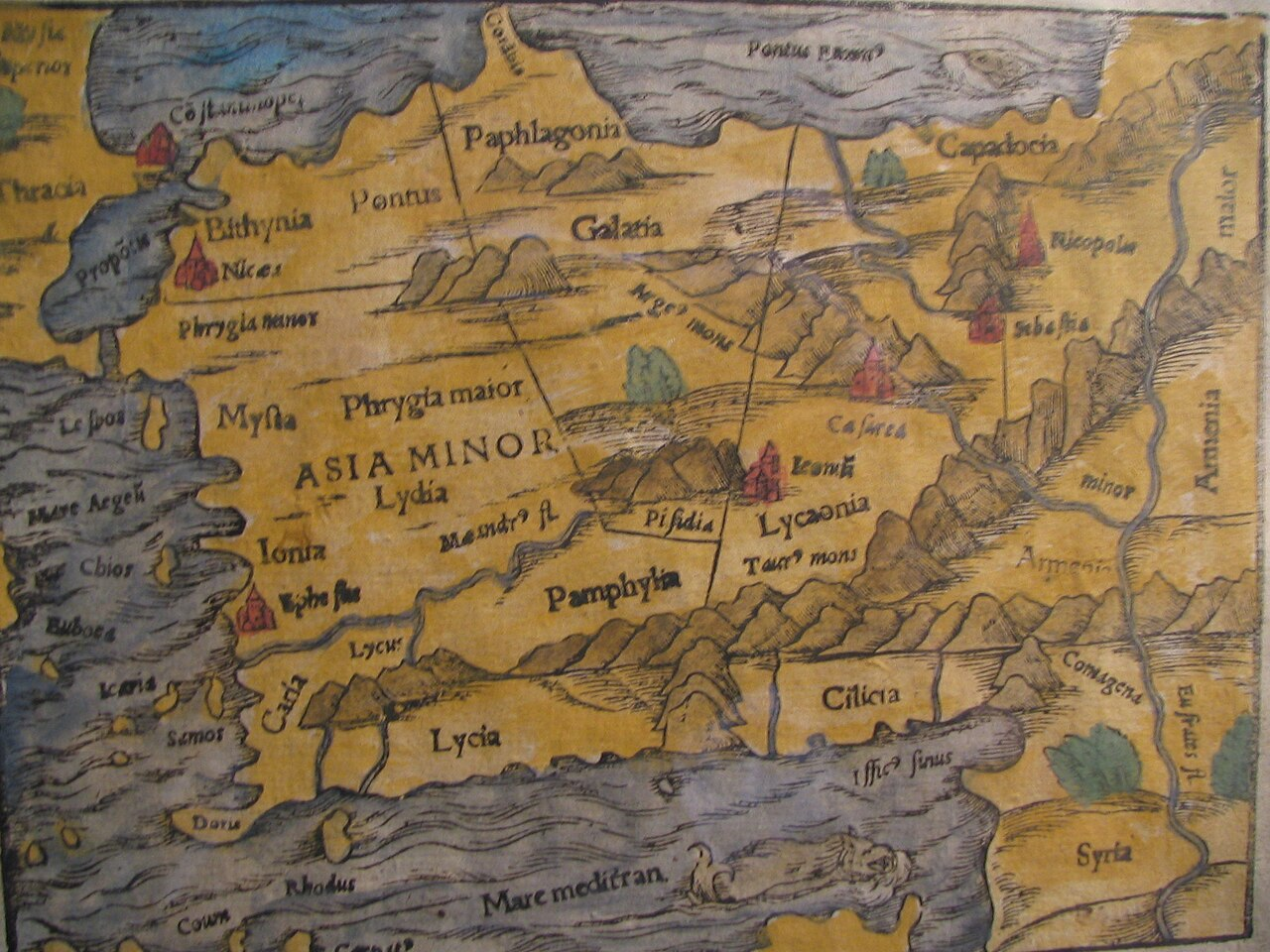
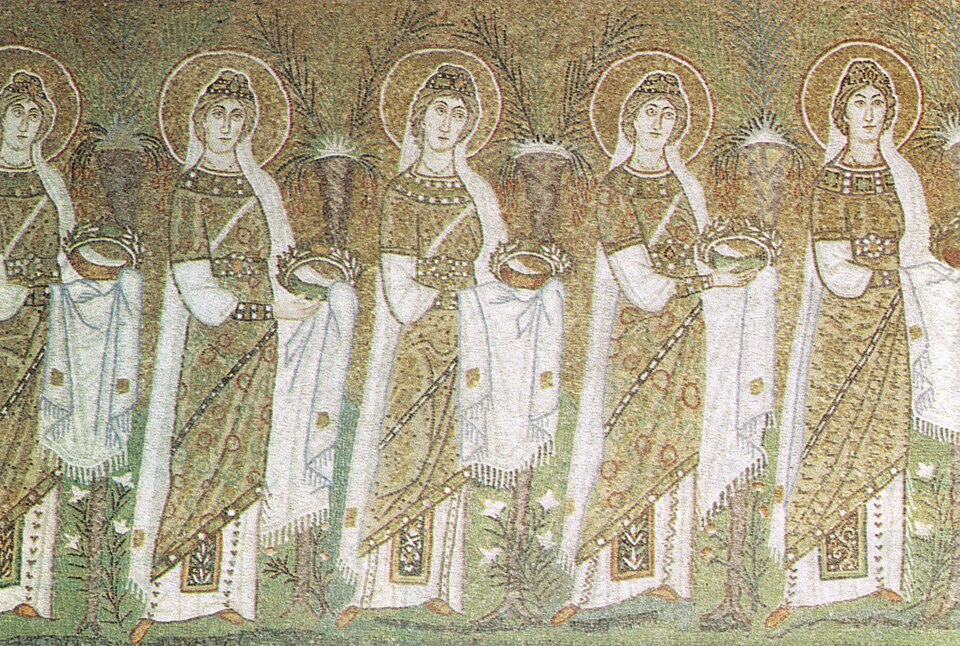
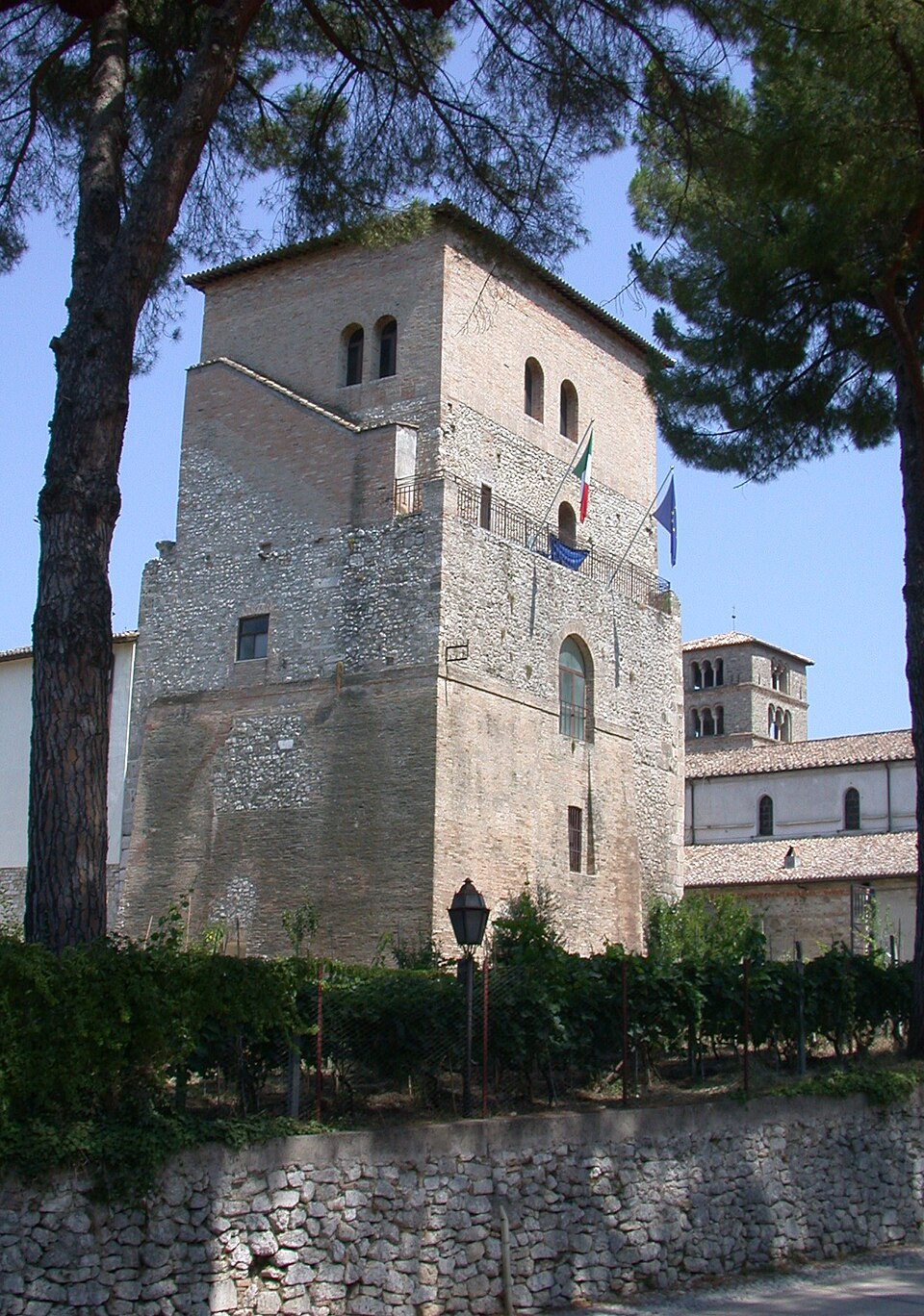

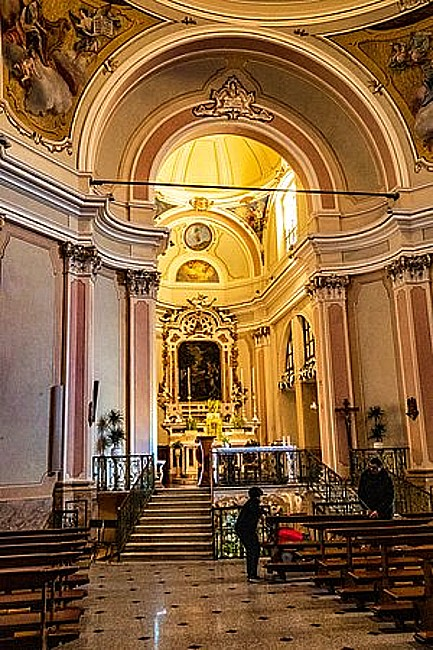
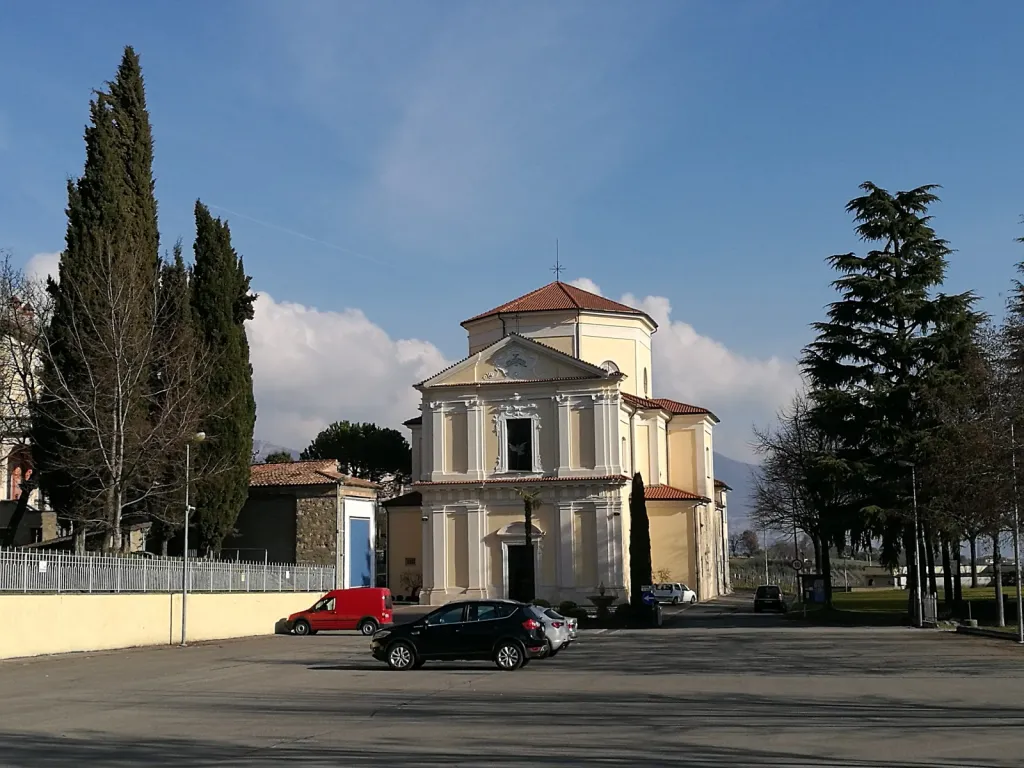

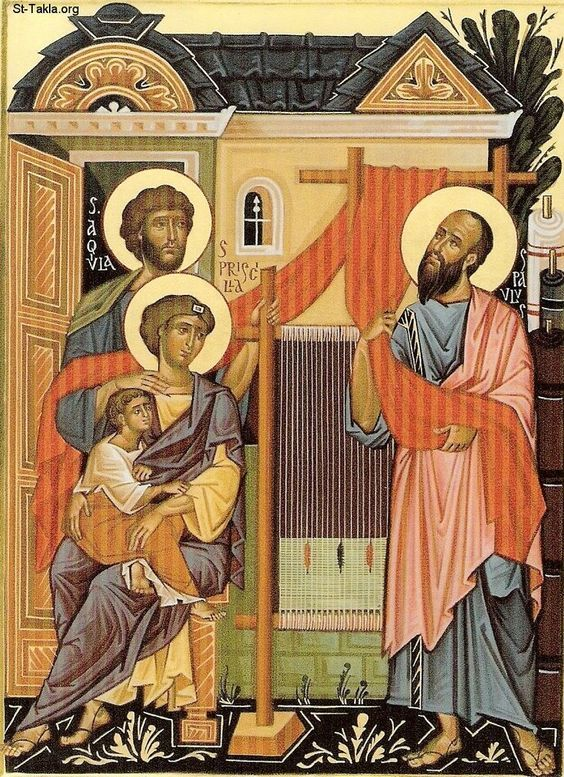
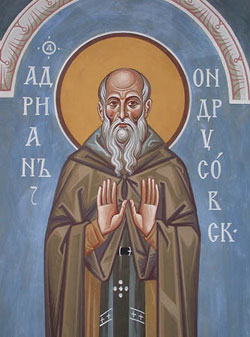
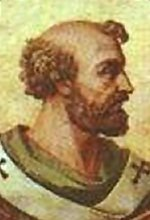
 AnaStpaul
You must be logged in to post a comment.