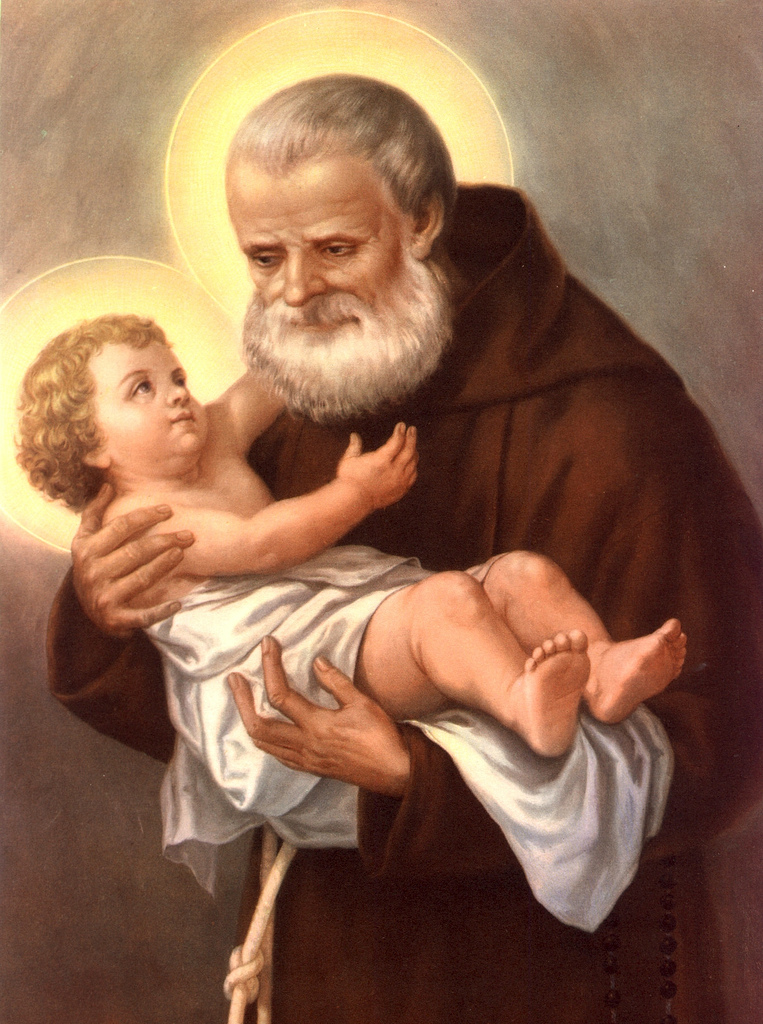
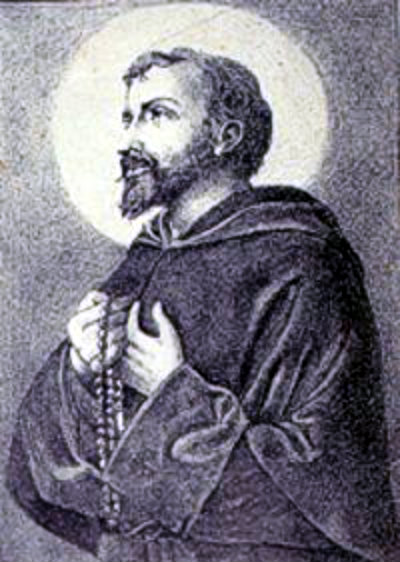
St Adrian of Caesarea St Caron St Carthach the Elder Bl Christopher Macassoli of Vigevano St Clement of Santa Lucia St Colman of Armagh St Conon of Pamphylia Bl Conrad Scheuber St Dietmar (Died 1206) Bishop of Minden St Eusebius of Cremona St Eusebius the Martyr St Gerasimus of Palestine (Died c475) Monk, Hermit Bl Giovanna Irrizaldi
St Theophilus (Died c217) Bishop of Caesarea , Theologian, Writer , Apologist and Defender of the Faith. Born in Caesarea, Palestine and died c195 of natural causes. The Roman Martyrology reads: “At Caesarea, in Palestine, in the time of the Emperor, Severus, St Theophilus, Bishop, who was conspicuous for his wisdom and the purity of his life.” Wise St Theophilus: https://anastpaul.com/2024/03/05/saint-of-the-day-5-march-saint-theophilus-of-caesarea-died-c217-bishop/
Martyrs of Africa – A group of 304 Christians Martyred together for their faith. We know nothing else about them but five of their names Eusebius, Evolus, Hadrian, Julian and Octavian. They Died in 254 in Africa, exact location and date unknown.
The Feast of the HOLY FACE of JESUS: In the 19th Century Jesus expressed His wishes to Sister Mary of St Peter (1816-1848), a Carmelite Nun in Tours, France, that there be an actual Devotion to his Holy Face. Our Lord wanted this in reparation for blasphemies against Himself and His Holy Name as well, as for the profanation of Sunday (when people engage unnecessarily in commerce and other such labours and chores on Sunday, a day meant for rest and reflection on God). In August of 1843 He dictated to her the well-known Golden Arrow Prayer. He also gave her Promises for those who would honour His Holy Face. The first Holy Medal of the Holy Face was given to Ven Pope Pius XII, who approved the Devotion and the Medal. In 1958 he formally declared the Feast of the Holy Face of Jesus as Shrove Tuesday for all Catholics in perpetuity. https://anastpaul.com/2022/03/01/feast-of-the-holy-face/
Shrove Tuesday: Shrove is the past tense of the word Shrive, which means “to hear a confession, assign penance and absolve from sin.” In the Middle Ages, especially in Northern Europe and England, it became the custom to confess one’s sins on the day before Lent began in order to enter the penitential season in a repentant spirit.
St Lucius I (Died 254) Pope and Martyr. The 22nd Bishop of Rome from 25 June 253 to his death on 5 March 254. He was banished soon after his consecration but gained permission to return. Patronage – Copenhagen, Denmark. Lucius I’s Tombstone is still extant in the Catacomb of Callixtus. His Relics were later brought to the Church of Santa Cecilia in Trastevere, along with the Relics of St Cecilia and others. His head is preserved in a reliquary in St. Ansgar’s Cathedral in Copenhagen, Denmark. This Relic was brought to Roskilde around the year 1100, after Lucius had been declared Patron Saint of the Danish region Zeeland. The Roman Martyrology reads today: “At Rome, on the Appian Way. during the persecution of Valerian, the birthday of St Lucius, Pope and Martyr, who was first exiled for the Faith of Christ but, being permitted by Divine Providence to return to his Church, he suffered Martyrdom by decapitation, after having combated the Novatians. His praises have been published by the blesseed Saint Cyprian, Bishop of Carthage(200-258).” His Life and Death: https://anastpaul.com/2023/03/04/saint-of-the-day-4-march-st-lucius-i-died-254-pope-and-martyr/
St Adrian of May St Adrian of Nicomedia Bl Alexander Blake St Appian of Comacchio St Arcadius of Cyprus St Basinus of Trier Bl Christopher Bales St Felix (c970-1038) Abbot of Rhuys Abbey St Gaius of Nicomedia
Blessed Humbert III Count of Savoy (1136–1189) Layman Prince. It is recorded of Humberto “who, forced to leave the cloister to deal with public affairs, practiced the monastic life with greater dedication, to which he later returned.” Born in 1136 in Avigliana, Italy and died on 4 March 1189 in Chambéry, France of natural causes. Beatified in 1838 by Pope Gregory XVI. Holy Humbert: https://anastpaul.com/2024/03/04/saint-of-the-day-4-march-blessed-humbert-iii-count-of-savoy-1136-1189/
St Leonard of Avranches Bl Nicholas Horner St Nestor the Martyr St Owen Bl Paolo of Brescia
Martyrs on the Appian Way – 900 Saints: Group of 900 Martyrs buried in the Catacombs of Saint Callixtus on the Appian Way, Rome.
Martyrs of Nicomedia – 20 Saints: A group of 20 Christians murdered together for their faith. The only details about them to survive are three of their names – Archelaus, Cyrillos and Photius. Nicomedia, Bithynia (in modern Turkey)
Martyrs of the Crimea – 7 Saints: A group of 4th century missionary Bishops who evangelised in the Crimea and southern Russia and were Martyred for their work. We know little else beyond the names – Aetherius, Agathodorus, Basil, Elpidius, Ephrem, Eugene and Gapito.
Blessed Benedetto Sinigardi da Arezzo OFM (1190-1282) Friar of the Order of Friars Minor, who received the Habit directly from St Francis of Assisi. Although rarely mentioned, Blessed Benedetto is the Author of the Angelus! Furthermore, the beautiful custom of reciting the Marian Antiphon “The Angelus Domini” is attributed to Blessed Benedetto, meditating on the saving Mystery of the Incarnation of the Son of God in Mary’s virginal womb. The Angelus Domini became a pious practice firstly to the entire Franciscan Order, then to the whole Church, as it still is today. Lovely Fr Benedetto!: https://anastpaul.com/2023/03/03/saint-of-the-day-3-march-blessed-benedetto-sinigardi-da-arezzo-ofm-c1190-1282-the-author-of-the-angelus/
St Anselm of Nonantola St Arthelais of Benevento St Calupan St Camilla St Cele-Christ
St Cunegundes (c975-1040) Empress of the Holy Roman Empire, Nun, she took a vow of Virginity before her marriage, which, after a miracle was upheld by her husband, the King (also a Saint). Founder of Monasteries and Churches, Nun in one of her Convents, Apostle of Charity. Born in c 975 and died in 1040 of natural causes. Biography: https://anastpaul.com/2022/03/03/saint-of-the-day-3-march-st-cunegundes-c-975-1040/
Bl Pierre-René Rogue St Sacer St Titian (Died c540) Bishop and Confessor St Winwallus of Landévennec
40 Martyrs in North Africa – A group of Christians Martyred together in North Africa, date unknown. No details have survived, but we know these names – Antonius, Artilaus, Asclipius, Astexius, Basil, Bosimus, Carissimus, Castus, Celedonius, Claudianus, Cyricus, Donata, Emeritus, Emeterius, Euticus, Felix, Fortunatus, Frunumius, Gajola, Georgius, Gorgonius, Hemeterus, Isicus, Janula, Julius, Luciola, Luciolus, Marcia, Marinus, Meterus, Nicephorus, Papias, Photius, Risinnius, Sabianus, Savinianus and Solus
Martyrs of Pontus – 3+ Saints – A large group of Christians Martyred together in the persecutions of Emperor Maximian Galerius and governor Ascleopiodato. We have some details on three of them – Basiliscus, Cleonicus and Eutropius. 308 in Pontus (in modern Turkey) Martyrs of Caesarea; Asterius Marinus
Martyrs of Calahorra: Cheledonius Emeterius
Martyrs of Gondar, Ethiopia: Bl Antonio Francesco Marzorati Bl Johannes Laurentius Weiss Bl Michele Pío Fasol
Quinquagesima Sunday: This Season is seventeen (17) days long and includes the three Sundays before Ash Wednesday. The length of the Season never changes but the start date is dependent on the movable date of Easter, which can fall between 22 March-25 April. For many early Christians Quinquagesima marked the time after which meat was forbidden. In many places, this Sunday and the next two days, were used to prepare for Lent by a good Confession; hence in England, we find the names Shrove Sunday and Shrovetide. Shrove is a form of the English word “shrive,” which means – to obtain absolution for one’s sins by way of Confession and doing penance.. As the days before Lent were frequently spent in merry-making, Pope Benedict XIV by the Constitution “Inter Cetera” (1 January 1748) introduced a Forty Hours’ Devotion to keep the faithful from dangerous amusements and to make some reparation for sins committed. Quinquagesima also means, the time between Easter and Pentecost, or from the Saturday after Easter to the Sunday after Pentecost; it is then called Quinquagesima Paschae paschalis, or laetitae.
Blessed Charles the Good (c1083-1127) Martyr, Duke, Apostle, protector and defender of the poor, selling his and his kingdom’s riches to help those in need, wherever he could, a fair and just Ruler who made laws to accommodate the poor rather than the rich (the eventual cause of his Martyrdom), Knight who assisted in Secomd Crusade. Blessed Charles cultus was officially confirmed by his Beatification in 1883 by Pope Leo XIII. His Life and Death: https://anastpaul.com/2023/03/02/saint-of-the-day-2-march-blessed-charles-the-good-c1083-1127-martyr/
St Cynibild of Laestingaeu St Felix of Treves St Fergna the White Blessed Fulk of Neuilly (Died 1201) Priest
Martyrs of Campania – Approximately 400 northern Italian Christians Martyred for their faith by pagan Lombards. Their story was recorded by Pope Saint Gregory the Great, who reports that they people spent their final days supporting each other with prayer. c 579 in Camnpania, Italy.
Martyrs of Porto Romano – 4 Saints – Group of Christians Martyred in the persecution of Diocletian. The only other information that survives are the names of four of them – Heraclius, Januaria, Paul and Secondilla. c305 at Porto Romano at the mouth of the River Tiber, Rome.
St David of Wales (c542-c601) Bishop, Prince, Monk, Confessor, Missionary, Founder of Monasteries. Uncle of King Arthur. David studied under Saint Paul Aurelian. Worked with Saint Columbanus, Saint Gildas the Wise and Saint Finnigan. He was officially Canonised in 1120 by Pope Callistus II. Beloved St David: https://anastpaul.com/2017/03/01/saint-of-the-day-1-march-st-david-of-wales/
St Abdalong of Marseilles St Adrian of Numidia St Agapios of Vatopedi St Agnes Cao Guiying
St Albinus of Vercelli St Amandus of Boixe St Antonina of Bithynia Bl Aurelia of Wirberg Bl Bonavita of Lugo St Bono of Cagliari Bl Christopher of Milan Bl Claudius Gabriel Faber St Domnina of Syria St Domnina of Syria St Donatus of Carthage St Eudocia of Heliopolis Bl George Biandrate Bl Giovanna Maria Bonomo Bl Gonzalo de Ubeda St Hermes of Numidia St Jared the Patriarch St Leo of Rouen
St Leolucas of Corleone OBas (c815-c915) Abbot of the Basilian Order, Mystic, Ascetic, Miracle-worker. He lived as a Monk for more than 80 years. The Roman Martyrology reads: “In the Monastery of Avena between the slopes of Mount Mercurio in Calabria, St Leone Luca, Abbot of Monte Mula, who shone in the hermitic life, as in the cenobitic life, following the rules of the oriental Monks.” His Biography: https://anastpaul.com/2023/03/01/saint-of-the-day-1-march-saint-leolucas-of-corleone-obas-c815-c915-abbot/
St Lupercus St Marnock St Monan Bl Pietro Ernandez Bl Roger Lefort St Rudesind St Simplicius of Bourges St Siviard St Swidbert (Died 713)Bishop St Venerius of Eichstätt
Martyrs of Africa – A group of 13 Christians executed together for their faith in Africa. The only details about them to survive are ten names – Abundantius, Adrastus, Agapius, Charisius, Donatilla, Donatus, Fortunus, Leo, Nicephorus and Polocronius. c290
Martyrs of Antwerp – A group of 14 Christians Martyred together, buried together and whose Relics were transferred and enshrined together. We know nothing else but their names – Benignus, Donatus, Felician, Fidelis, Filemon, Herculanus, Julius, Justus, Maximus, Pelagius, Pius, Primus, Procopius and Silvius. Died in the 2nd Century in Rome. They are buried in the St Callixtus Catacombs and their Relics were enshrined in the Jesuit Church in Antwerp on 28 February 1600.
Martyrs of the Salarian Way – A group of 260 Christians who, for their faith, were condemned to road work on the Salarian Way in Rome, Italy during the persecutions of Claudius II. When they were no longer needed for work, they were publicly murdered in the amphitheatre. Martyrs. c269 in Rome.
Martyrs Under Alexander – A large but unspecified number of Christians Martyred in the persecutions of Emperor Alexander Severus and the praefect Ulpian who saw any non-state religion to be a dangerous treason. c 19.
St Alexander of Alexandria (Died c326) Bishop of Alexandria, Confessor, Defender of the True Faith against heresies, in particular the Arians. The Roman Martyrology states of him today: “At Alexandria, the Bishop St Alexander, an aged man held in great honour who was a successor of the blessed Peter as Bishop of the City. He expelled from the Church, Arius, one of his Priests, tainted with heretical impiety and convicted by Divine Truth and, subsequently, was one of the three hundred and eighteen Fathers, who condemned him at the Council of Nicea.” Holy Father St Alexander: https://anastpaul.com/2022/02/26/saint-of-the-day-26-february-st-alexander-of-alexandria-died-c-326/
St Andrew of Florence St Dionysius of Augsburg St Faustinian (4th Century) Bishop of Bologna St Felix St Fortunatus St Irene Bl Ottokar of Tegernsee
St Caesarius of Nazianzen (c329-369) Celibate Layman, a prominent Physician and Politician, Son of Saint Gregory of Nazianzen the Elder and Saint Nonna, Brother of Saint Gorgonia and Saint Gregory of Nazianzen. Patronages – of Physicians and bachelors. His Holy Life: https://anastpaul.com/2024/02/25/131658/
St Donatus the Martyr St Felix III, Pope St Gerland the Bishop St Gothard the Hermit St Herena the Martyr St Justus the Martyr
St Tharasius (c730-806) Bishop St Victor of Saint Gall
Martyrs of Egypt – A group oSeven f Christian men who were exiled to Egypt for their faith and were eventually Martyred for their faith in the persecutions of Numerian. We know little more than their names: Claudianus, Dioscurus, Nicephorus, Papias, Serapion, Victor, Victorinus.
St Modestus (Died c486) Bishop and Confessor St Peter the Librarian St Praetextatus of Rouen St Primitiva St Sergius of Caesarea Bl Simon of Saint Bertin
SEXAGESIMASUNDAY: (Latin – Sexagesima, sixieth) The name means “sixtieth” as it falls within the 50-60 day ranges before Easter and the second before Lent. The Ordo Romanus, St Alcuin and others, count the Sexagesima from this day to Wednesday after Easter. The name was already known to the Fourth Council of Orléans in 541. To the Latins it is also known as “Exsurge” from the beginning of the Introit. The Station was at Saint Paul’s Outside the Walls of Rome and hence, the oratio calls upon the Doctor of the Gentiles. The Epistle is from Paul, 2 Corinthians 11 and 12, describing his suffering and labours for the Church. The Gospel (Luke 8) relates the falling of the seed on good and on bad ground, while the Lessons of the first Nocturn continue the history of man’s iniquity and speak of Noah and of the Deluge.
St Alexander Akimetes St Boswell St Dositheus of Egypt St Felix of Brescia St Florentius of Seville St Giovanni Theristi (1049–1129) Monk Bl John of Hungary
St Lazarus Zographos (c810-c 867) Priest, Monk known as “the Painter and the Iconographer.” Lazarus lived before and during the second period of Byzantine Iconoclasm. The Roman Martyrology states of him today: “St Lazarus, a Monk, whom the Iconoclast Emperor Theophilus ordered to be put to torture for having painted holy images. His hand was burned with a hot iron but, being healed by the power of God, he painted anew the holy images which had been defaced and finally rested in peace.” The Painter Saint: https://anastpaul.com/2022/02/23/saint-of-the-day-23-february-st-lazarus-zographos-810-865/
St Ordonius St Polycarp of Rome St Romana (Died c324) Virgin
St Serenus the Gardener (Died 307) Martyr. Serenus was by birth a Grecian. He left his family estate, friends and country to serve God in celibacy, penance and prayer. With this design he bought a garden in Sirmium in Pannonia, which he cultivated with his own hands and lived on the fruits and herbs it produced. His Life and Death: https://anastpaul.com/2019/02/23/saint-of-the-day-23-february-st-serenus-the-gardener-died-307-martyr/
Martyrs of Syrmium – 73 Christians who were Martyred together in the persecutions of Diocletian. We know no details about them, and only six of their names – Antigonus, Libius, Rogatianus, Rutilus, Senerotas and Syncrotas.
The Chair of Saint Peter at Antioch – where the disciples were first entitled “Christians.” The Chair/Throne or Cathedra itself is a Relic conserved in St Peter’s Basilica although it seems not to be the original Chair. This Antioch is where the disciples were first called CHRISTIANS. https://anastpaul.com/2022/02/22/the-feast-of-the-chair-of-saint-peter-at-antioch-22-february/
St John the Saxon St Limnaes Bl Mohammed Abdalla St Papias of Heirapolis St Paschasius of Vienne St Raynerius of Beaulieu St Thalassius
Martyrs of Arabia – A memorial for all the unnamed Christians Martyred in the desert and mountainous areas south of the Dead Sea during the persecutions of Emperor Valerius Maximianus Galerius.
St Avitus II of Clermont Bl Claudio di Portaceli St Daniel of Persia Bl Eleanora St Ercongotha St Felix (4th Century) Bishop of Metz St George of Amastris St Germanus of Granfield St Gundebert of Sens
St Maximian of Ravenna (c499-556) Archbishop of Ravenna and Confessor. completor of the immensely renowned Basilica of St Vitalis and many more Churches. He was a man of creative talents who ordered the creation of many famous and very beautiful artworks of various types, for his See, as well as, a great lover of Books and literature, (being a prolific Writer himself) ensuring the acquisition of many illuminated manuscripts. Maximian may have been the first Latin Bishop to use the title ‘Archbishop.’ Biography – his Feast Day was changed after 1969 to 22 February. Being rather confused, I have revisted him today again: Talented St Maximian: https://anastpaul.com/2024/02/21/saint-of-the-day-21-february-saint-maximian-of-ravenna-c499-556-bishop-and-confessor/ AND: https://anastpaul.com/2023/02/22/saint-of-the-day-22-february-saint-maximian-of-ravenna-499-556-bishop/
Blessed Noel Pinot (1747-1794) Priest and Martyr. During the French Revolution, he refused to take the oath of the Civil Constitution of the Clergy unlike his superio! He wore his Mass Vestments to execution and died reciting the opening words of the Mass. He was Beatified by Pope Pius XI on 31 October 1926. His Life and Death: https://anastpaul.com/2020/02/21/saint-of-the-day-21-february-blessed-noel-pinot-1747-1794-priest-and-martyr/
St Valerius of San Pedro de Montes St Verda of Persia
Martyrs of Sicily – 79 Saints: Sevent nine Christians Martyred together in the persecutions of Diocletian. They were Martyred in c 303 on Sicily.
Martyrs of Hadrumetum – A group of 26 Christians Martyred together by Vandals. We know little more than eight of their names – Alexander, Felix, Fortunatus, Saturninus, Secundinus, Servulus, Siricius and Verulus. c 434 at Hadrumetum (modern Sousse, Tunisia).
St Leo of Catania (c720-789) Bishop, Defender of Sacred Images for which opposition he was forced to flee into exile for some years, Hermit. Born in c720 in Ravenna, Italy and died on 20 February 789 in Etna, Sicily, Italy, natural causes. St Leo was the 15th Bishop of Catania, Sicily, famed for his love and care for the poor, his brave opposition to the iconoclastic Government of the time and for his Miracles. Courageous St Leo: https://anastpaul.com/2024/02/20/saint-of-the-day-20-february-st-leo-of-catania-c720-789-bishop/ St Nemesius of Cyprus
St Pothamius of Cyprus St Serapion of Alexandria St Silvanus of Emesa St Valerius of Courserans St Wulfric (c1080-1154) Priest and Hermit St Zenobius of Antioch
St Quodvultdeus (Died c450) Bishop, Confessor, Father of the Church, Writer and Theologian, spiritual student, friend and correspondent of St Augustine, who dedicated some of his works to St Quodvultdeus. Name Meaning – “What God wants.” The Roman Martyrology reads: “In Naples, deposition of St Quodvultdeus, Bishop of Carthage, who was sent into exile together with his clergy by the Arian king Genseric and placed on disused ships without sails or oars. Against all hope he landed in Naples, where he died. Confessor of the faith.” His Holy Life: https://anastpaul.com/2022/02/19/saint-of-the-day-19-february-saint-quodvultdeus-died-c-450-f/
Quote/s of the Day – 18 February – St Bernadette Soubirous (1844-1879) Virgin, The Visionary of Lourdes,
“ If one dream should fall and break into a thousand pieces … never be afraid to pick one of those pieces up and begin again. That is the beauty of being alive … We can always start all over again. Enjoy God’s amazing opportunities bestowed on us. Have faith in Him always!”
“ I shall spend every moment loving. One who loves, does not notice her trials; or perhaps, more accurately, she is able to love them. I shall do everything for Heaven, my true home. There, I shall find my Mother, in all the splendour of her glory. I shall delight with her in the joy of Jesus Himself, in perfect safety.”
“O Jesus, I would rather die, a thousand deaths, than be unfaithful to Thee!”
St Gertrude Caterina Comensoli St Helladius (c566-633) Bishop and Confessor Bl John Pibush – one of the Martyrs of Douai St Leo of Patera St Paregorius of Patara St Sadoth of Seleucia St Tarasius of Constantinople
St Theotonius OSC (1082-1162) Priest of the Canons Regular, Reformer of religious life in Portugal, Royal Counsellor,, Apostle of the poor, Founder of the Canons Regular of the Holy Cross, now known as “The Crosiers.” He is the first Portuguese Saint. His Life Story: https://anastpaul.com/2021/02/18/saint-of-the-day-18-february-saint-theotinius-1082-1162/
Bl William Harrington
Martyrs of North Africa – 7 Saints: Group of Christians who were Martyred together, date unknown. We know nothing else but seven of their names – Classicus, Fructulus, Lucius, Maximus, Rutulus, Secundinus and Silvanus. They were born and martyred in North Africa.
Martyrs of Rome – 5 Saints: A group of Christians Martyred together in the persecutions of Diocletian. We know nothing else but their names – Alexander, Claudius, Cutias, Maximus and Praepedigna. They were martyred in 295 in Rome, Italy.
It was on the seventeenth of February, fifty five days after the Nativity of Jesus, when King Herod’s soldiers — sent to slaughter all little boys in Bethlehem and its neighbourhood who were two years old or under, in order to destroy a rival King, Jesus — were getting perilously near the cave at Bethlehem, where at first they little expected Our Lord to be. Saint Joseph received a message from God through an Angel, whereupon he took Our Lady and the Divine Infant and set off leaving the land of the Jews to travel to a land of the Gentiles. They took no-one with them, by way of servants or friends, as Saint Peter Chrysologus tells us.
The Town to which the Holy Family fled was called Fostat. It was three hundred miles from Bethlehem. A Church has been erected there, on the site of the house where the Holy Family lived during their exile. The little Town where the Holy Family lived in Egypt was not far from Heliopolis, a City in which — when Jesus, Mary and Joseph passed through it — statues of pagan gods crashed to the ground. Both Fostat and Heliopolis are not far from Cairo in Egypt.
St Lupiano St Mesrop the Teacher St Polychronius of Babylon St Romulus the Martyr St Secundian the Martyr St Silvinus (c650-c717) Bishop St Theodulus of Caesarea
Quote/s of the Day – 15 February – Feast of The Immaculate Heart of Mary, Refuge of Sinners
Heart of Mary, Refuge of Sinners, Pray for Us!
(Indulgence 300 days)
Sweet Heart of Mary, be my salvation.
(1943 Raccolta – Indulgence 300 days)
“Mary will certainly save repentant sinners who have recourse to her but she cannot pay any attention to hardened sinners, who pray to her with their lips, while their hearts remain steeped in sin. We must have complete confidence in her but, we must also have a sincere intention of raising ourselves under her protection, from the slavery of sin, to the friendship of God.”
“Mary, my merciful Mother, you see how wretched I am and how often I have fallen. I wish to reform and sanctify myself but I am not able without your powerful assistance, the weakness of my nature is an insurmountable obstacle. Come to my aid, O Mother of mercy. Obtain for me, forgiveness f rom your Divine Son. Obtain for me too, the grace of a complete change of heart, so that I may be truly your child here upon the earth and share in your glory in Heaven. Amen.”
One Minute Reflection – 15 February – “The Month of the Blessed Trinity” – Epiphany VI (Anticipated) – Feast of The Immaculate Heart of Mary, Refuge of Sinners – 1 Thessalonians 1:2-10; – Matthew 13:31-35 – Scripture search here: https://www.drbo.org/
“I will utter things hidden, from the foundation of the world.” – Matthew 13:35
REFLECTION – “In one of the Psalms the Prophet says: “My soul pines for Thy salvation; I hope in Thy Word” (118:1) … Who is expressing this ardent desire if not “the chosen race, the royal priesthood, the people set apart for God” (1 Pt 2:9) each in their own day, in each one of those, who have lived, are living or will live, from humanity’s first beginning until the end of the world? … This is why our Lord Himself, says to His disciples: “Many Prophets and righteous men have wished to see that which you see.” It is their voice, then, we must recognise in this Psalm … Their longing has never come to an end in the Saints, nor does it end even now in “the Body of Christ, the Church” (Col 1:18) until “the Desired of all nations” comes (Hag 2:8) …
So, the beginning of the Church’s era, before the Virgin had given birth, comprised Saints who longed to see Christ’s coming in the flesh and, the period where we are now, following the Ascension, comprises other Saints who long to see the revealing of Christ to judge the living and the dead. From the beginning to the end of time, the Church’s longing has never lost its intensity, excepting only, when our Lord was alive on earth in the company of His disciples.” – St Augustine (354-430) Bishop of Hippo, Father and Doctor of Grace (Discourses on the Psalms Ps 118 No 20).
PRAYER – O God most kind, Who as a salvation for sinners and a refuge for the miserable, didst will the Blessed Virgin Mary to be the Ever Virgin Mother of Thine only Son and the distributor of His graces; grant, we pray, that while celebrating the memory of this most loving Mother’s Heart, we may obtain for sinners, the grace of conversion and an abundance of heavenly gifts, for all the faithful. Through the same Christ our Lord, in the unity of the Holy Ghost, God forever amen. (Collect).
Our Morning Offering – 15 February – Feast of The Immaculate Heart of Mary, Refuge of Sinners
O Mother Blest By St Alphonsus Maira Liguori (1696-1787) Most Zealous Doctor of the Church Trans. Fr Edmund Vaughn C.SS.R. (1827 – 1908 )
O Mother blest, whom God bestows On sinners and on just, What joy, what hope thou givest those Who in thy mercy trust. Thou are clement, thou are chaste, Mary thou art fair, Of all mothers, sweetest best, none with thee compare.
O heavenly Mother, mistress sweet! it never yet was told that suppliant sinner left thy feet, unpitied, unconsoloed. Thou are clement, thou are chaste, …
O Mother, pitiful and mild, Cease not to pray for me; For I do love thee as a child, And sigh for love of thee. Thou art clement, thou art chaste, …
Most powerful Mother, all men know Thy Son denies thee nought; Thou askest, wishest it, and lo! His power thy will hath wrought. Thou art clement, thou art chaste, …
O Mother blest, for me obtain, Ungrateful though I be, To love that God who first could deign To show such love for me. Thou art clement, thou art chaste, Mary, thou art fair. Of all mothers, sweetest, best, None with thee compare.
Immaculate Heart of Mary: Refuge of Sinner Listed in the Missal as a Feastday in some place. What does this Feastday mean? The Heart of Mary is the divinely-appointed Refuge of Sinners. “O God,” exclaims St Alphonsus, “how great shall be the remorse of the damned Christian in thinking that, during life, he could have saved his soul with so much facility by invoking the intercession of this Mother of mercy; that he had not done so and that, there shall be no more time to do it.” “Perhaps,” says St Bonaventure, “we are in doubt as to whether Our Lady will hear us when we address our prayers to her. No, Mary does not refuse and never has refused pity and aid, to any sinner who has invoked her intercession.”
St Berach of Kilbarry St Craton St Decorosus of Capua St Dochow St Druthmar of Corvey St Eusebius of Asehia St Farannan of Iona
St Faustinus AND St Jovinus (Died c 120) Martyrs, Priest and Deacon respectively. Brothers. Both Evangelists, Preachers. Born at Brescia, Lombardy, Italy and the two brothers died together. They was thrown to the lions but the animals refused to touch them. Then beheaded in 120 at Brescia, Italy.
St Faustus of Monte Cassino St Georgia (6th Century) Virgin St Joseph of Antioch St Onesimus the Slave St Quinidius of Vaison
St Nostrianus of Naples St Theodosius of Vaison St Valentine of Terni
St Vitale of Spoleto
Martyrs of Terni: Three Christians who gave proper burial to Saint Valentine of Terni. Martyred in the persecutions of Aurelius. 273 in Terni, Italy – Apollonius, Ephebus, Proculus.
Martyrs of Alexandria: A group of Christians murdered in various ways for their faith in Alexandria, Egypt. We know the names and a few details about 16 of them – Agatho, Agatone, Ammonio, Ammonius, Antonius, Bassiano, Bassianus, Cirione, Cyrio, Dionysius, Dionysius, Lucio, Moses, Moses, Proto and Tonione.
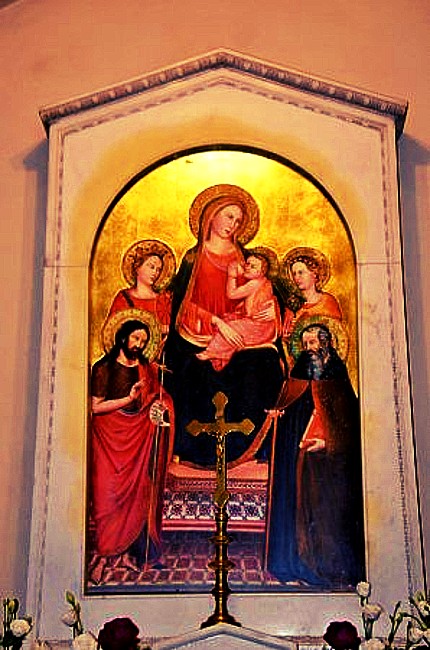
St Catherine de Ricci OP (1522-1590) Virgin, Tertiary of the Order of Preachers, Mystic, Stigmatist, Ecstatic, Counsellor to many in both secular and spiritual matters, a highly admired Administrator and Advisor,blessed with many mystical charism including visions of Christ, both as a Baby and Adult, bilocation and miracles. Her body is Incorrupt. A Mighty Handmaid: https://anastpaul.com/2022/02/13/saint-of-the-day-13-february-saint-catherine-de-ricci-op-1522-1590/
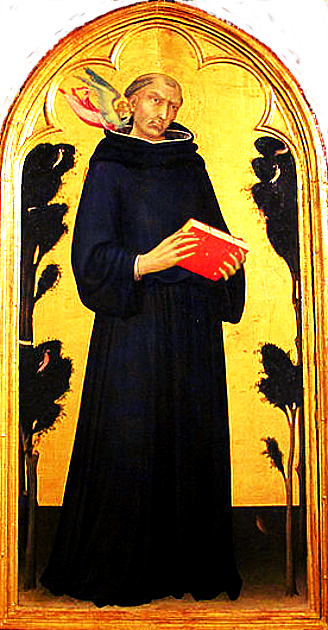
The Seven Holy Founders of the Order of the Blessed Virgin Mary (the Servites) Pope Leo XIII Canonised them all on 15 January 1888. After the Canonisation of the Seven Founders, their Feast was inserted in the General Roman Calendar for celebration on 11 February, the anniversary of the granting of canonical approval to the order in 1304. In 1909, 11 February became the Feast of Our Lady of Lourdes and the Feast of the seven founders was moved to 12 February. In 1969 the Feast was moved to 17 February. HERE: https://anastpaul.com/2018/02/17/saints-of-the-day-17-february-the-seven-holy-founders-of-the-servite-order-osm-formation-on-15-august-1233/
St Alexius of Kiev St Ammonius of Alexandria Bl Anthony of Saxony
St Anthony Kauleas of Constantinople (c829-901) Bishop, Confessor, Defender of orthodoxy. Anthony was a pious man exercising mortification and penances. He generously endowed monastic foundations and founded or re-founded the Kauleas Monastery with the support of the emperor, who preached at the Church’s dedication. Buried in the Church of his Monastery, Anthony was held responsible for many miracles. The Roman Martyrology reads: “At Constantinople, St Anthony, a Bishop in the time of the Emperor Leo VI.” Holy and Courageous St Anthony: https://anastpaul.com/2024/02/12/saint-of-the-day-12-february-st-anthony-kauleas-of-constantinople-c829-901-bishop-confessor/
St Modestus of Alexandria St Modestus of Carthage St Modestus the Deacon Bl Nicholas of Hungary St Sedulius Bl Thomas of Foligno
Martyrs of Albitina – 46 Saints: During the persecutions of Diocletian, troops were sent to the churches of Abitina, North Africa on a Sunday morning; they rounded up everyone who had arrived for Mass and took them all to Carthage for interrogation by pro-consul Anulinus. The 46 who proclaimed their Christianity were executed. We know some of their names and stories. They were tortured to death in 304 in prison at Albitina, North Africa.
One Minute Reflection – 11 February – “The Month of the Blessed Trinity” – The Feast of the Immaculate Conception, Our Lady of Lourdes – Apocalypse 11:19; 12:1, 10; Luke 1:26-31 – Scripture search here: https://www.drbo.org/
“Hail, full of grace!” – Luke 1:28
REFLECTION – “The degeneration caused by sin had obscured the beauty of our original nobility. But when, the mother of Supreme Beauty is born, our nature finds its purity once more and sees itself moulded according to the perfect model, worthy of God (Gn 1:26) … We had all preferred the world below to that above. There no longer remained any hope of salvation. The state of our nature cried aloud to Heaven to come to the rescue … Then at last, in His good pleasure, the world’s Divine Artificer determined to make a new world appear, a different world full of harmony and youth.
Now, was it not fitting that a most pure virgin, without stain, should place herself at the service of this mysterious plan, first of all? … And where was this virgin to be found, if not in this woman, alone of her kind, chosen by the world’s Creator before all generations? Yes, she indeed is Mother of God, divinely named Mary, whose womb gave birth to God Incarnate and whom, He, Himself, had supernaturally prepared as His Temple…
In this way, then, the design of the Redeemer of our race was to bring about a birth and, as it were, a new creation to replace the one which went before. Therefore, just as in Paradise, He had taken a litle clay out of the pure and spotless earth, to fashion the first Adam (Gn 2:7), so, at the moment of bringing about His own Incarnation, He made use of another earth, so to speak, namely this pure and immaculate Virgin, chosen from among all other beings He had created. It is in her that He, Adam’s Creator, has remade us in our very substance and become a new Adam (1 Cor 15:45) that the old, might be saved by the new and eternal.” – St Andrew of Crete (c650-c730) Bishopand Father of the Church (Sermon 1 for the Nativity of the Mother of God).
PRAYER – O God, Who by the Immaculate Conception of the Virgin, prepared a worthy dwelling for Thy Son, we humbly beseech Thee that, recalling the apparition of the same Virgin, we may obtain health for both soul and body. Through the same Jesus Christ, Thy Son our Lord, Who lives and reigns with Thee, in the unity of the Holy Ghost, God, world without end. Amen (Collect).
Our Morning Offering – 11 February – Apparition of the Immaculate Conception at Lourdes
Hail! all Hail! Great Queen of Heaven, Notre Dame de Lourdes Unknown Author First Published in 1905
Hail! all Hail! great Queen of Heaven, Hail sweet Notre Dame de Lourdes, ‘Neath whose care our weary exile, Is from countless ills secured.
Refrain: Then let men and angels praise thee, Fount of grace to all assured, While in gladsome strains we are singing, Hail! sweet Notre Dame de Lourdes Hail! sweet Notre Dame de Lourdes.
Blessed thou above all others, Mary Mistress of the spheres, Star of hope, serenely beaming Through this darksome vale of tears. Refrain
Happy angels joy to own thee, O’er their choirs exalted high, Throned in blissful light and beauty, Empress of the starry sky. Refrain
As the fount is still unsealing Its pure treasures softly fair, May each drop be fraught with healing, Dearest Mother, at thy prayer. Refrain
St Calocerus (Died c130) Bishop and Confessor of Ravenna St Castrensis (5th Century) Bishop St Dativus the Senator Bl Elizabeth Salviati St Etchen of Clonfad St Eutropius of Adrianopolis St Felix the Senator
St Gobnata (6th Century) Abbess, Founder of a Convent and ‘Order’ of Sisters, Miracle-worker, Apostle of the sick. Patronages – of bees, beekeepers. About St Gobnata or Abigail:
St Lucius of Adrianople St Pedro de Jesús Maldonado-Lucero St Saturninus of Africa St Secundus of Puglia
St Severinus of Agaunum (Died c507) Abbot, Miracle-worker, gifted with Prophecy and healing the sick. Born in Burgundy, France and died in c507 at Chateau-Landon in Gatinais, of natural causes whilst travelling towards his Monastery. The Roman Martyrology reads: “At Chateau-Landon, St Severin, Abbot of the Monastery of Aqaunum, by whose prayers the Christian King Clovis, was deliovered from a long sickness.” Holy Severinus: https://anastpaul.com/2024/02/11/saint-of-the-day-11-february-st-severinus-of-agaunum-died-c507-abbot/
St Simplicius of Vienne (Died c417) Bishop St Theodora the Empress
Guardians of the Sacred Scriptures: Also known as – Anonymous Martyrs in Africa– Martyrs of Africa – Martyrs of Numidia – Martyrs of the Sacred Books A large number of Christians tortured and murdered in Numidia (part of modern Algeria) during the persecutions of Diocletian but whose names and individual lives have not survived. They were ordered to surrender their sacred books to be burned. They refused. Martyrs. c 303 in Numidia.
Martyrs of Africa – 5 Saints: A group of five Christians who were Martyred together; we know nothing else but the names of four of them – Cyriacus, Oecominius, Peleonicus and Zoticus.
Blessed Hugh of Fosse OPraem (c1093-1164) Priest of the Order of Canons Regular of Prémontré, also known as the Premonstratensians, the Norbertines and the White Canons. Hugh was one of St Norbert’s first disciples and later became the first Abbot of Prémontré. Blessed Hugh was Beatified on 13 July 1927 by Pope Pius XI. Blessed Hugh’s Life of Grace: https://anastpaul.com/2023/02/10/saint-of-the-day-10-february-blessed-hugh-of-fosse-opraem-c1093-1164-priest-abbot/
St Paganus Bl Paul of Wallachia Bl Pierre Frémond St Porfirio St Prothadius of Besançon St Salvius of Albelda St Silvanus of Terracina
St Soteris the Martyr (Died c304) Virgin Martyr. The Roman Martyrology reads: “At Rome, on the Appian Way, St Soteres, Virgin and Martyr, who was descended of a noble race, as St Ambrose testifies but for the love of Christ, set at naught the consular and other dignities of her family. On her refusal to sacrifice to the gods, she was, for a long time, cruelly buffeted. After she had overcome varioys other torments, she was struck with the sword and joyfully went to her heavenly Spouse.” Her Life and Death: https://anastpaul.com/2024/02/10/saint-of-the-day-10-february-saint-soteris-the-martyr-died-c304-virgin-martyr/
Martyred Soldiers in Rome: A group of ten Christian soldiers who were Martyred together for their faith. We know little more about them but four of their names – Amantius, Hyacinth, Irenaeus and Zoticus. • 120 at Rome, Italy. They were buried on the Via Lavicana outside RomeAmantius, Hyacinth, Irenaeus, Zoticus.
St Attracta of Killaraght St Brachio of Auvergne St Cuaran the Wise St Didymus of Membressa St Donatus the Deacon St Eingan of Llanengan St Emilian of Membressa St Lassa of Membressa Bl Marianus Scotus St Maro St Nebridius of Egara St Nicephorus of Antioch St Poëmus of Membressa St Primus the Deacon
St Raynald of Nocera (c1150-1217) Bishop of Nocera, Umbria, Italy, Hermit, Monk, Abbot. His body is incorrupt. The Roman Martyrology reads: “In Nocera Umbra, St Rainaldo, Bishop, formerly a Camaldolese Monk of Fonte Avellana, who, while carrying out the Episcopal office, firmly preserved the habits of monastic life.” The Ascetic Bishop: https://anastpaul.com/2022/02/09/saint-of-the-day-9-february-saint-raynald-of-nocera-c-1150-1217/
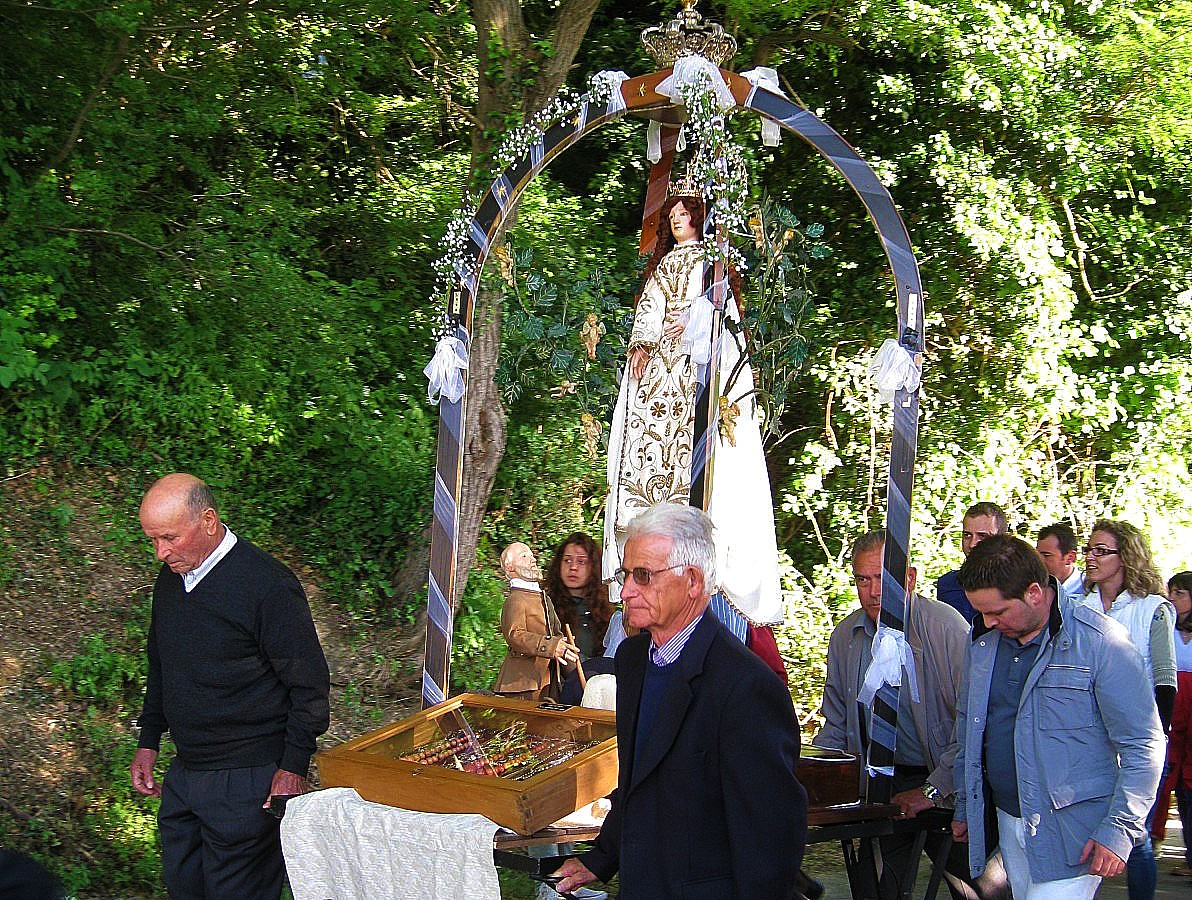
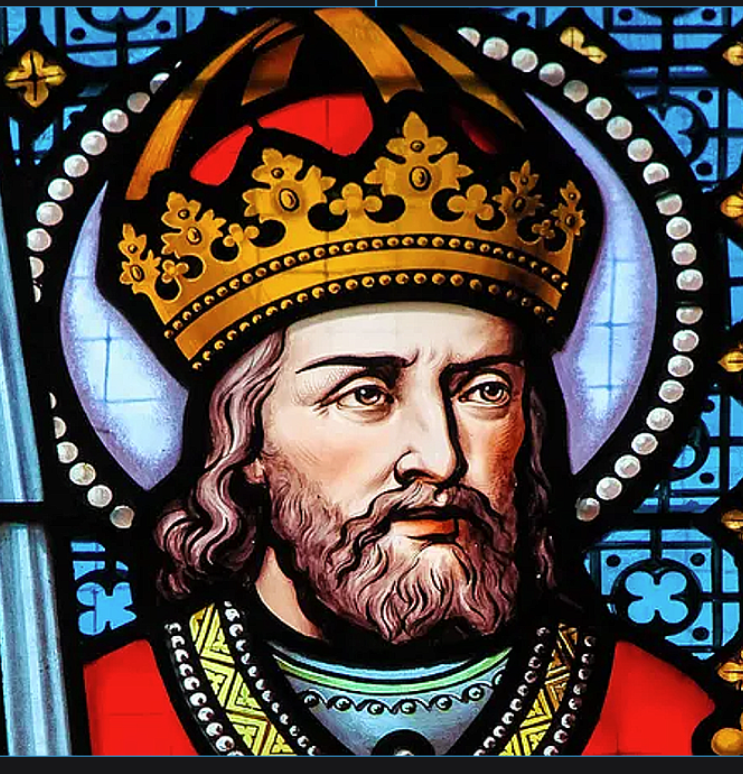
St Romanus the Wonder Worker St Ronan of Lismore St Sabino of Abellinum
St Sabinus of Canosa (c461–566) Bishop, Confessor, Monk, Papal Legate, Miracle-worker, graced with the charism of prophecy, Defender of the Faith against heretics, friend of Saint Benedict of Nursia, builder of Churches and Monasteries, following the Benedictine discipline of Ora et labora. His Zealous and Devoted Life: https://anastpaul.com/2021/02/09/saint-of-the-day-9-february-saint-sabinus-of-canosa-c-461-566-bishop/
St Teilo (6th Century) Bishop of Llandaff, Wales
Martyrs of Alexandria: An unknown number of Christians who were massacred inthe 4th Century Alexandria, Egypt by Arian heretics for adhering to the true Faith.
Martyrs of Membressa: A group of 44 Christians Martyred together. We know little else about them some names – Ammon, Didymus, Emilian, Lassa, Poemus They were Martyred in Membressa in Africa.
St Cyriacus of Rome St Dionysus of Armenia St Elfleda of Whitby St Emilian of Armenia St Giacuto St Gisela St Honoratus (Died c571) Bishop and Confessor of Milan St Inventius of Pavia Bl Jacoba de Settesoli St Kigwe St Laureatus of Rome St Lucius of Rome St Meingold St Mlada of Prague St Nicetius of Besançon St Oncho of Clonmore St Paul of Rome
St Stephen of Muret (c1046-1124) Abbot, Founder of the Abbey of Grandmont (the Mother House) and the Order of Grandmont. The Roman Martyrology reads: “At Muret, near Limoges, the birthday of the Abbot, St Stephen, Founder of the Order of Grandmont, celebrated for his virtues and miracles.” A Grace-filled Life: https://anastpaul.com/2024/02/08/saint-of-the-day-8-february-saint-stephen-of-muret-c1046-1124-abbot/
Martyrs of Constantinople: Community of 5th Century Monks at the Monastery of Saint Dius at Constantinople. Imprisoned and Martyred for loyalty to the Vatican during the Acacian Schism. 485 in Constantinople.
Martyrs of Persia: An unknown number of Christians murdered in early 6th-century Persia. Legend says that so many miracles occurred through the intercession of these Martyrs that the King decreed an end to the persecution of Christians.
FIRST FRIDAY of the Month: Attend Holy Mass and Receive Holy Communion on each First Friday; The Nine Fridays must be consecutive; They must be made in honour and in reparation to His Sacred Heart.
St Romuald (c 951-1027) Monk, Abbot, Ascetic, Founder of the Camaldolese Order and a major figure in the Eleventh-Century “Renaissance of eremitical asceticism.” His Feast Day is today and was thus from 1595. It was changed to 19 June in 1969 after Vatican II. St Romuald’s body is incorrupt. St Romuald’s Life: https://anastpaul.com/2018/06/19/saint-of-the-day-19-june-st-romuald-c-951-1027/
St Adaucus of Phrygia St Amulwinus of Lobbes St Anatolius of Cahors Bl Anselmo Polanco Bl Anthony of Stroncone
St Augulus St Chrysolius of Armenia St Fidelis of Merida
St Lorenzo Maiorano (Died 545) Bishop of Siponto, Italy, Miracle-worker gifted with Prophecy and visions. Collaborator with St Michael in the Apparition at Gargano, known as “The Defender of the People.” St Lorenzo is also called the “Patron Saint of Foreigners” by the citizens of Siponto, having been a foreigner himself. His Life: https://anastpaul.com/2023/02/07/saint-of-the-day-7-february-saint-lorenzo-maiorano-died-545-bishop/
St Luke the Younger
Blessed Mary of Providence/Eugénie Smet HHS (1825-1871) Nun and Founder of the Society of the Helpers of the Holy Souls. Her apostolate has spread throughout the world – now in 24 countries and continues to minister to the Souls in the Body of Christ — both those on earth and those who have departed this world. Beatified in Rome on 26 May 1957 by Pope Pius XII. Biography: https://anastpaul.com/2021/02/07/saint-of-the-day-7-february-blessed-mary-of-providence-hhs-1825-1871/
St Meldon of Péronne St Moses the Hermit (Died c389) Bishop St Parthenius of Lampsacus
You must be logged in to post a comment.