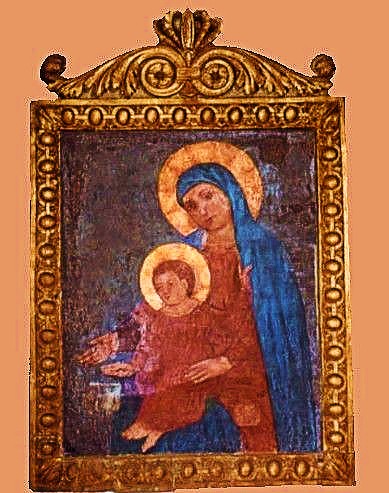
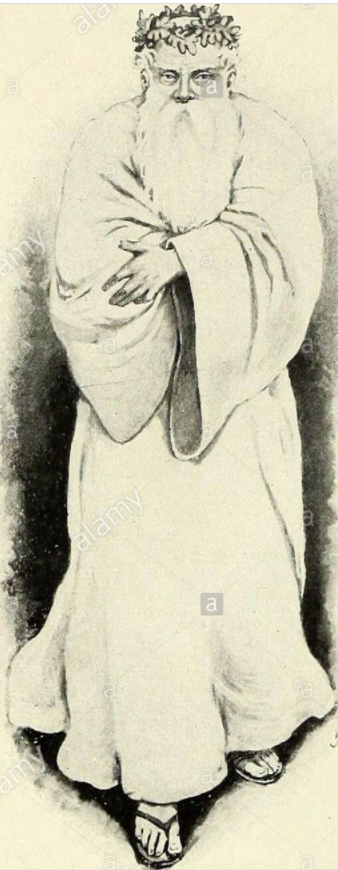
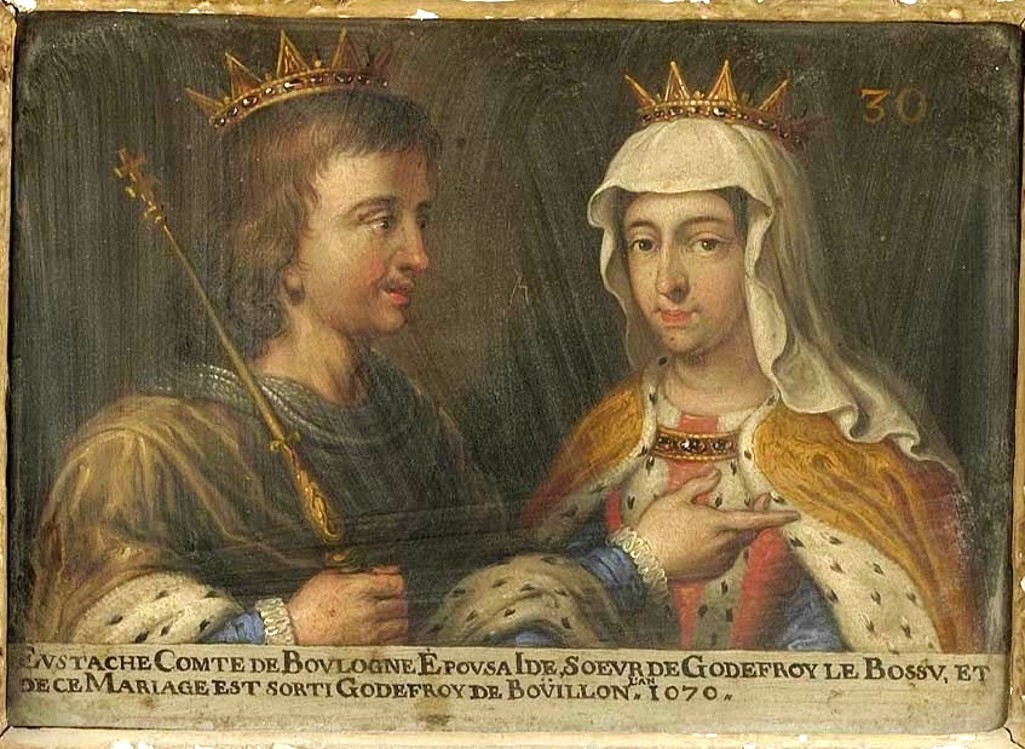
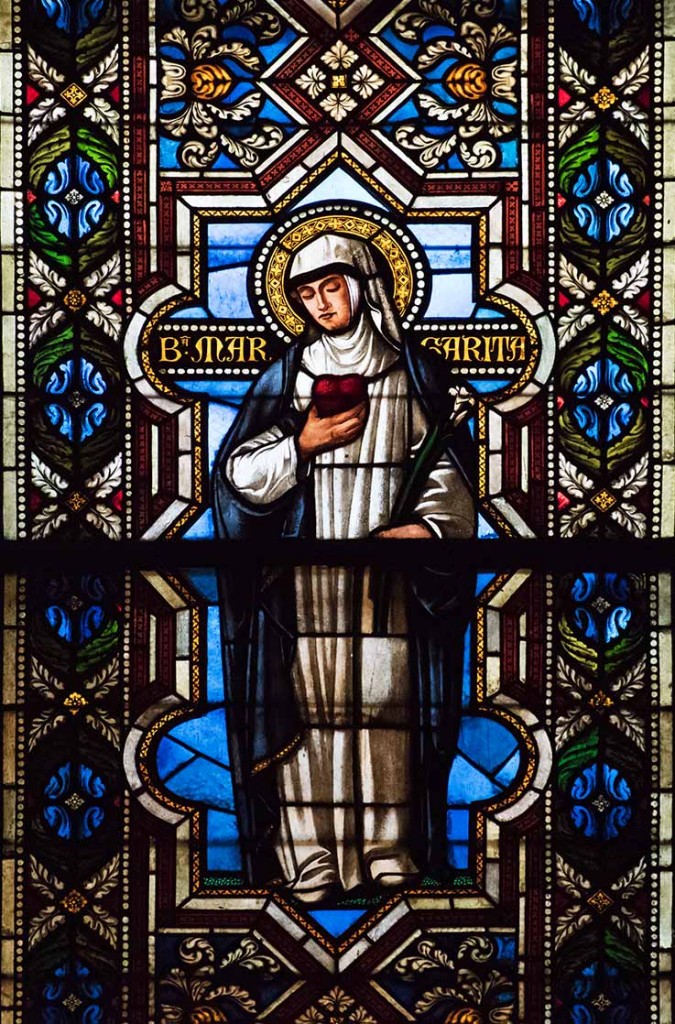
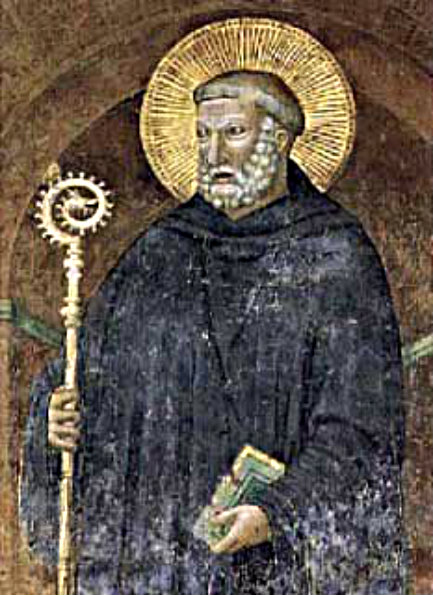
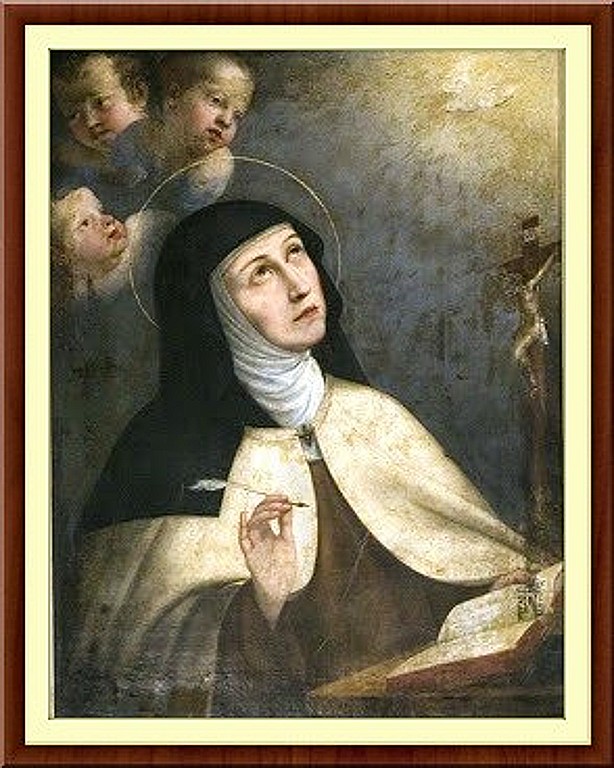
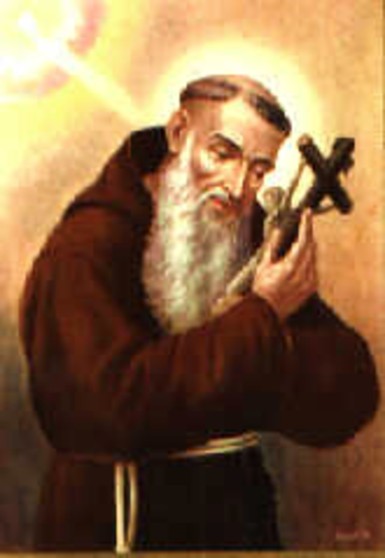
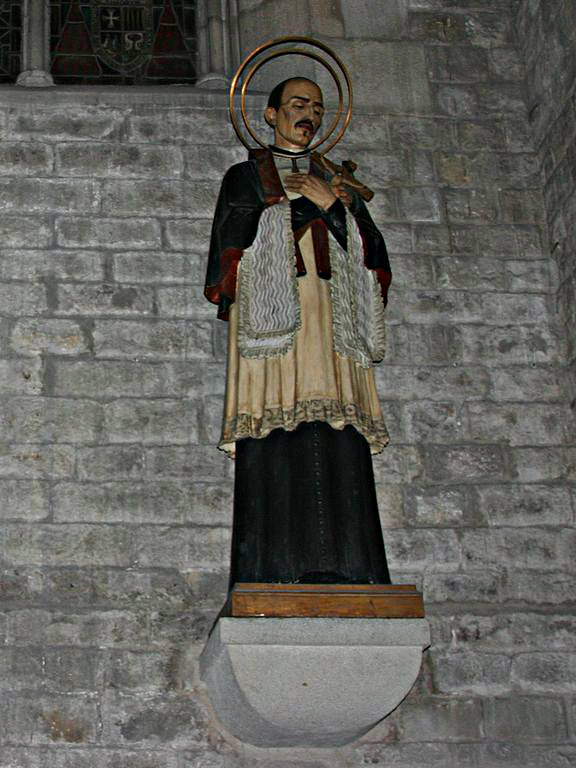
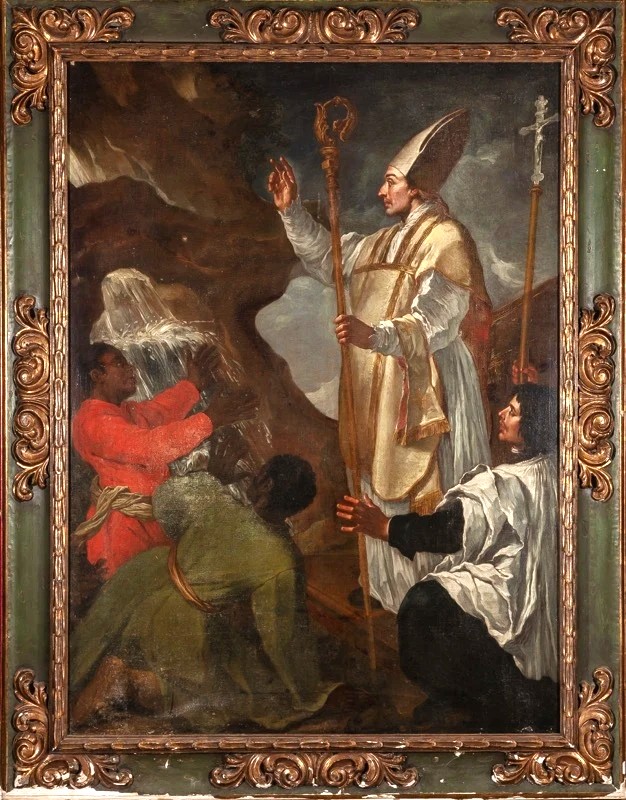
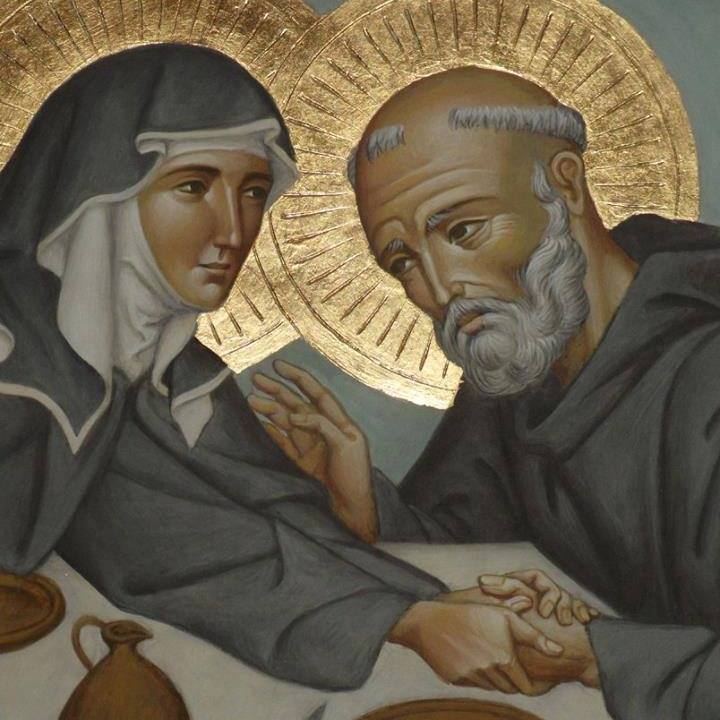
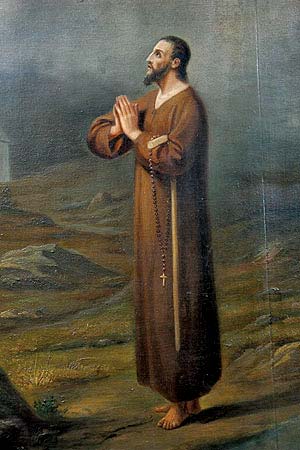
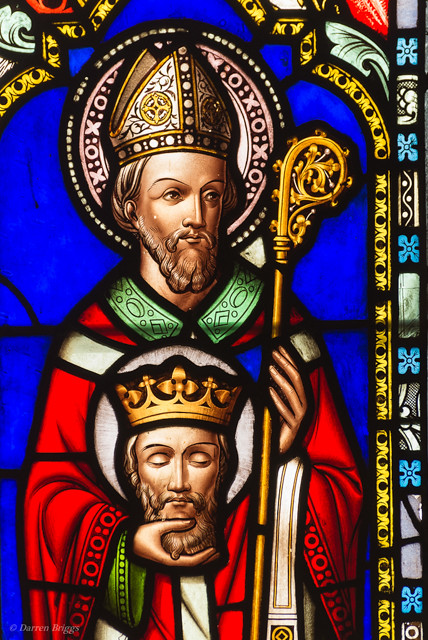
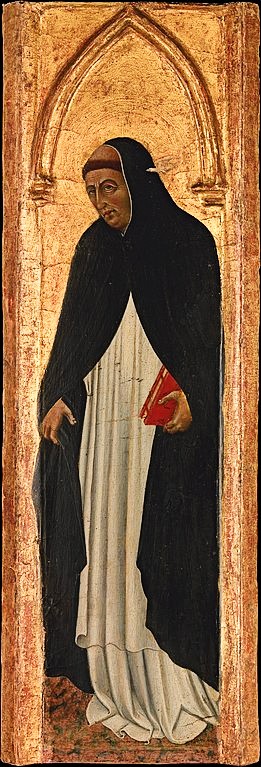
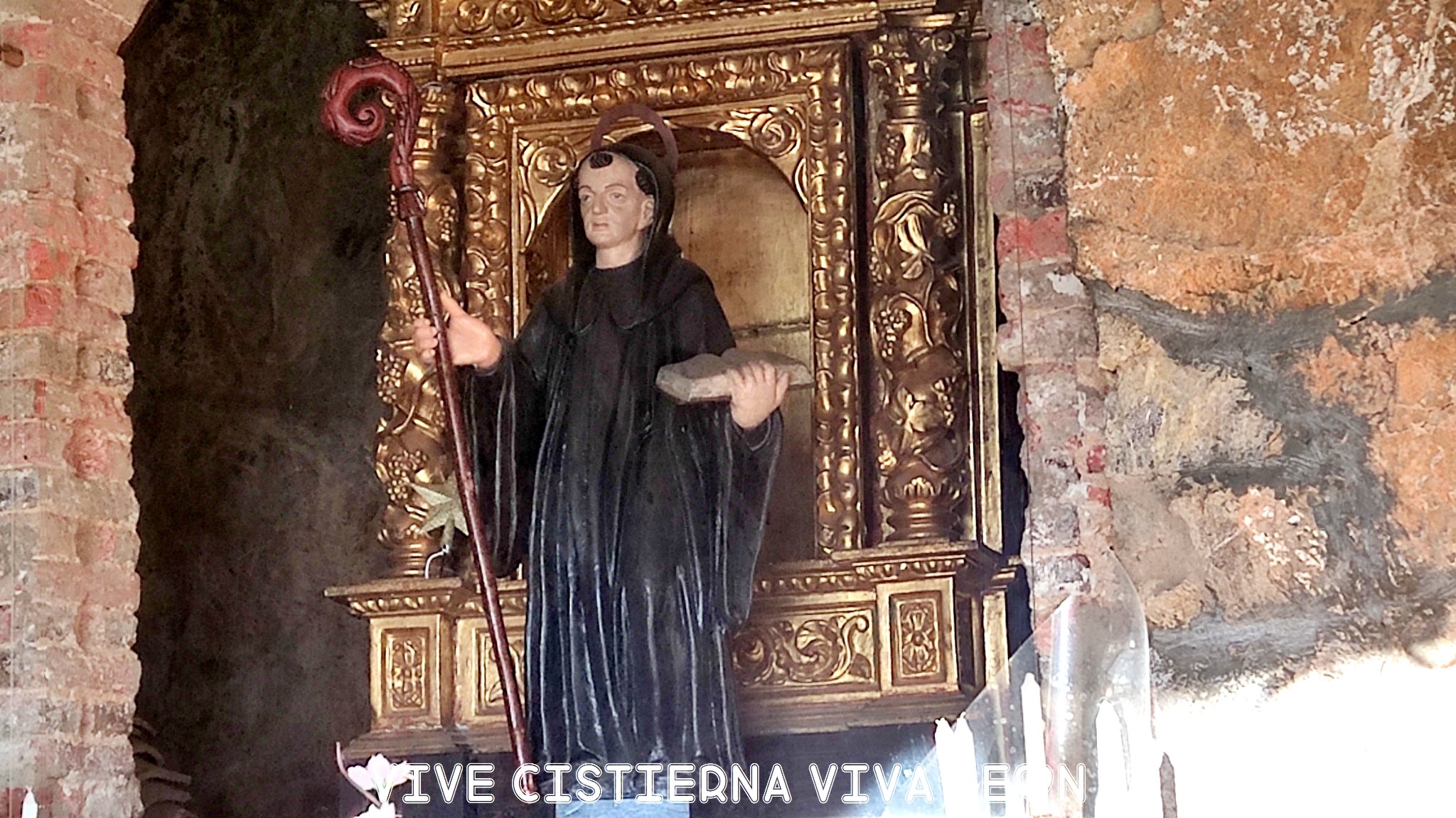
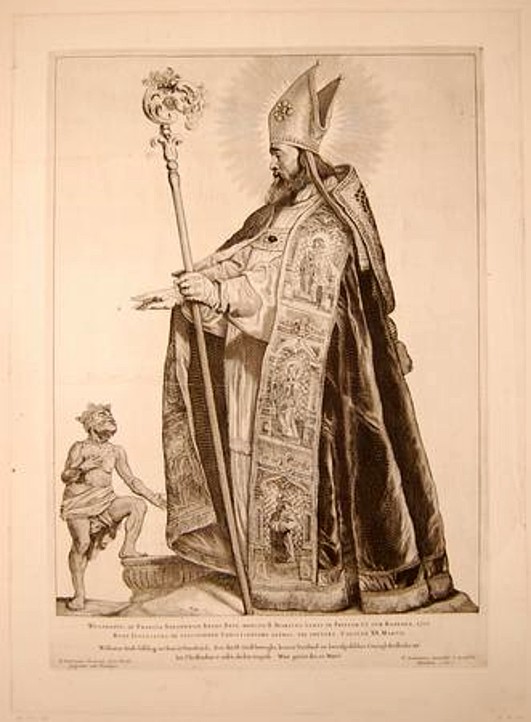
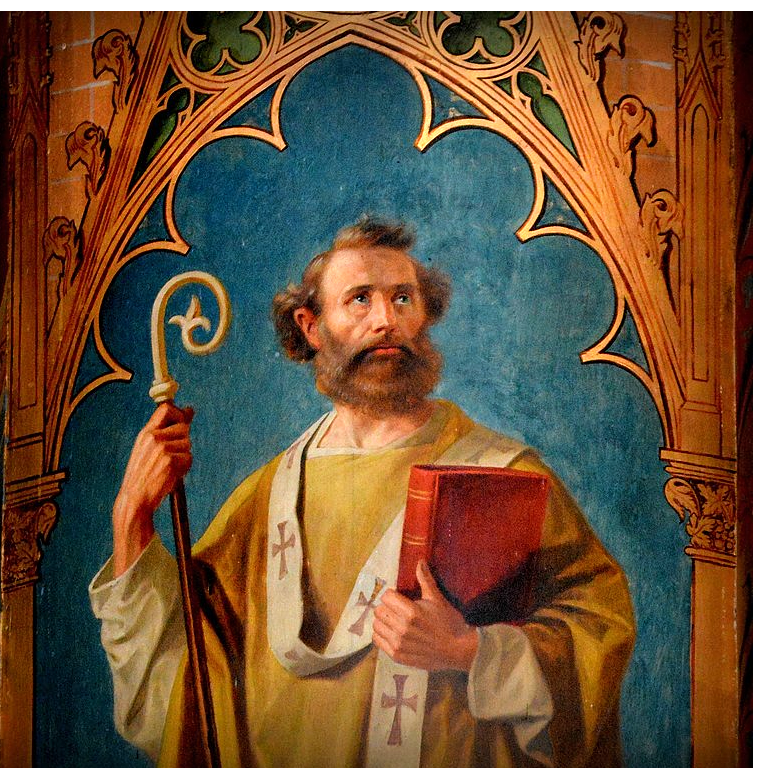
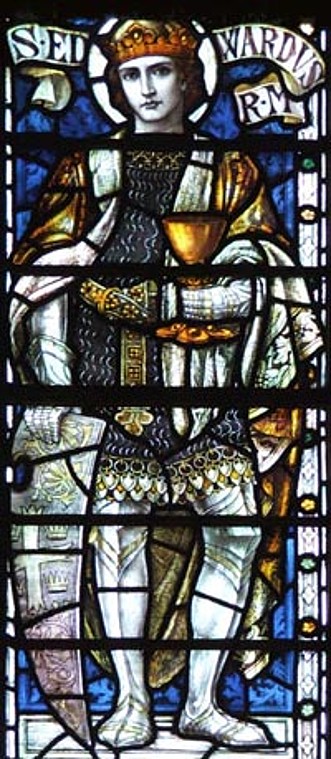
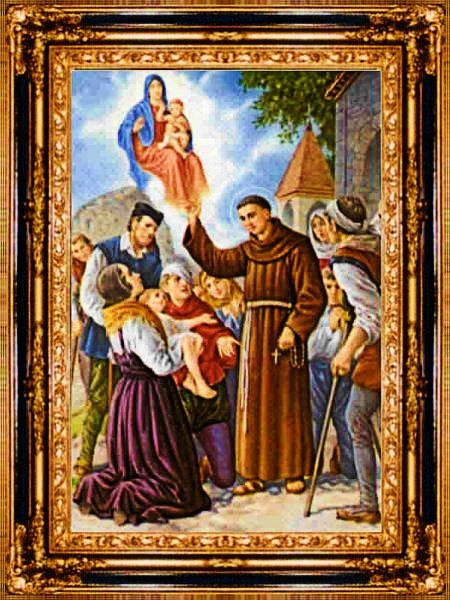
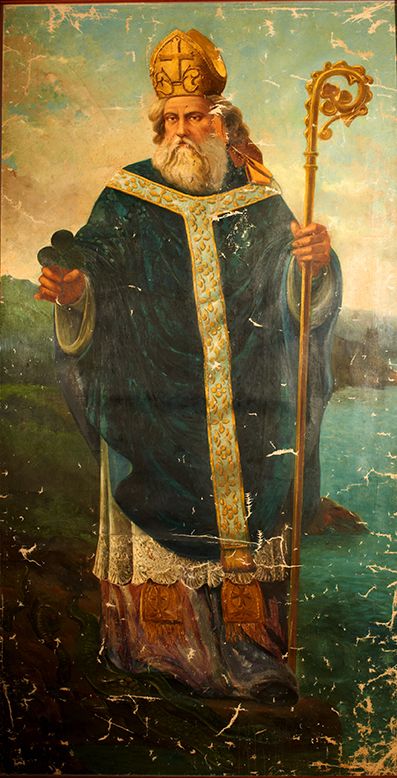
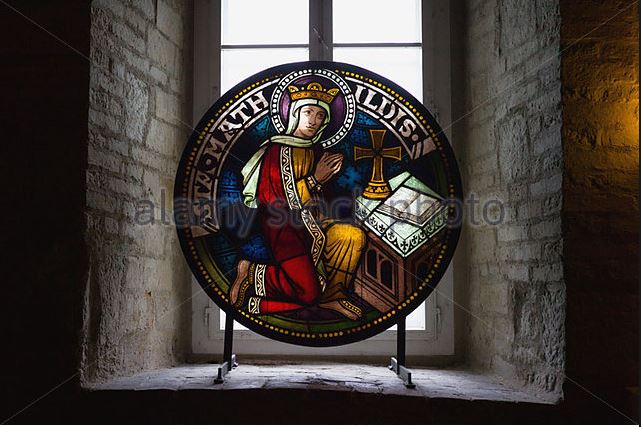
St Joseph of Arimathea (Died 1st Century) “The Secret Disciple of Jesus.” Patronages – of pallbearers, funeral directors, morticians, undertakers, tin miners, tin smiths, Catholic Cemeteries of the Archdiocese of Vancouver, Glastonbury Cathedral. Feast day moved after Vatican II to 31 August “The Secret Disciple of Jesus” https://anastpaul.com/2021/08/31/saint-of-the-day-31-august-saint-joseph-of-arimathea-died-1st-century/
NOVENA to ST JOSEPH DAY EIGHT: Click Link HERE:DAY EIGHT
St Agricola (498-580) Bishop of Châlon-sur-Saône St Alexander St Ambrose of Alexandria
St Llinio of Llandinam St Paul of Cyprus St Stephen of Palestrina St Theodore of Rome St Thomasello St Withburga (Died 743) Abbess, Princess
Martyrs of Alexandria – Also known as Martyrs of Serapis: An unknown number of Christians who were Martyred together by a mob of worshippers of the Graeco-Egyptian sun god Serapis. They were Martyred in c 392 in Alexandria, Egypt.
St Julian of Anazarbus St Largus of Aquileia St Malcoldia of Asti St Megingaud of Wurzburg St Papas St Patrick of Clermont
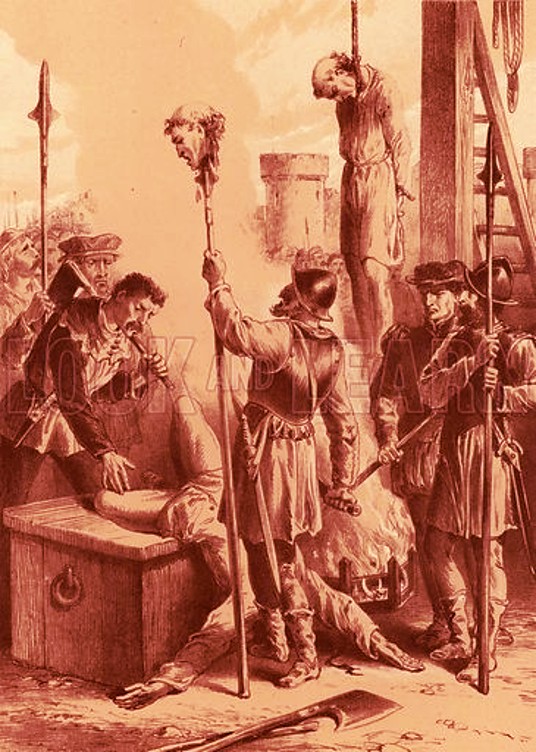
Blessed Robert Dalby (Died 1589) Priest Martyr. Born at Hemingborough near Wakefield in North Yorkshire, England and died on 16 March 1589 at York, England by being hanged, drawn, and quartered during the persecutions of Elizabeth I. Also known as – Robert Drury. Additional Memorial – 29 October as one of the Martyrs of Douai. Blessed Robert was Beatified on 15 December 1929 by Pope Pius XI. His Life and Death: https://anastpaul.com/2024/03/16/saint-of-the-day-16-march-blessed-robert-dalby-died-1589-priest-martyr/
St Longinus (1st Century) Martyr St Mancius of Evora St Matrona of Capua St Matrona of Thessaloniki St Menignus of Parium Bl Monaldus of Ancona St Nicander of Alexandria St Peter Pasquale St Sisebuto St Speciosus St Vicenta of Coria Bl Walter of Quesnoy
The Feast of the Sacred Lance and Nails – Friday after the 1st Sunday in Lent: The Supreme Pontiff, Innocent VI, in his Decree establishing the Feast and Office of the Lance and Nails which pierced the Body of our Crucified Lord Jesus Christ, exhorts all the faithful to have a special veneration for and devotion to, all the Sacred Instruments of our Saviour’s Passion. The following are the Holy Father’s words: “We should honour the most holy Passion of our Lord and Redeemer, Jesus Christ, in such manner that, meditating on all the mysteries and merits of the same Passion, we venerate also each Sacred Instrument thereof.” Then this holy and zealous Pontiff, coming more directly to the honour due to the Lance and Nails, says: “Although the Lance and Nails and the other Sacred Instruments of the Passion, should be enerated everywhere, by the faithful of Christ and although every year the Church celebrates the Solemn Offices of the same Passion, yet, we deem it proper and fitting, that a special Solemn Feast should be instituted and celebrated in honour of those particular Instruments of the Passion, more especially, in those places wherein these salutary Instruments are preserved. Hence, we wish to encourage this devotion by a special Office and privileges.” (Innocent VI in Decret. de Fest. Lane, et Clav. Domini).
The Lance, also known as “The Spear of Longinus” is kept in the Vatican Basilica, given to Innocent VIII in 1492. The Nails were kept with the Crown of Thorns, along with a small piece of the Lance of Longinus at Saint Chapelle, France and were subsequently lost during the French Revolution. The Crown of Thorns was the only Relic saved and is now kept at Notre Dame Cathedral.
NOVENA to ST JOSEPH DAY FIVE – Click Link HERE: DAY FIVE
St Agno of Zaragoza St Alexander of Pydna St Aphrodisius of Africa Blessed Arnaldo (c1185-1255) Abbot in Padua St Boniface Curitan St Diaconus St Eutychius of Mesopotamia
St Peter of Africa St Philip of Turin St Talmach Bl Thomas Vives
47 Martyrs of Rome – Forty-sevenpeople who were Baptised into the Faith in Rome, Italy by Saint Peter the Apostle and were later Martyred together during the persecutions of Nero. Martyred c67 in Rome, Italy
Martyrs of Valeria – Two Monks Martyred by Lombards in Valeria, Italy who were never identified. After the monks were dead, their killers could still hear them singing Psalms. They were hanged on a tree in Valeria, Italy.
NOVENA for the INTERCESSION of ST JOSEPH DAY FOUR:Clink Link here:DAY FOUR
St Leander of Seville (c534-c 600) BIshop, Confessor of the Faith, Teacher, Writer, Apostle of Spain and Evangelisation, Father of the Church – Patron of Episcopal attire and Liturgical garments. Saint Leander, as Bishop, instituted the practice of praying the Nicene Creed during Mass—a practice which continues today. St Leander’s Holy Life of Grace: https://anastpaul.wordpress.com/2017/03/13/saint-of-the-day-13-march-st-leander-of-seville/
Bl Judith of Ringelheim St Kevoca of Kyle St Mochoemoc
St Nicephorus (c758-829) Bishop and Confessor, Defender of Sacred Images. The Roman Martyrology reads today: “At Constantinople, the Bishop St Nicephorus. In defence of the traditions of his forefathers and of the Churrch, the worship of Sacred images, he opposed the Iconoclast Emperor, by whom he was sent into exile, where he underwent a long martyrdom of fourteen years and departed for the Kingdom of God.” His Zealous Life: https://anastpaul.com/2024/03/13/saint-of-the-day-13-march-saint-nicephorus-c758-829-bishop-confessor/
Bl Peter II of La Cava St Pientius of Poitiers St Ramirus of Leon
Blessed Jerome of Recanati OSA (Died 1350) Priest, Friar of the Hermits of Saint Augustine, Peacemaker. He was Beatified in 1804 by Pope Pius VII. The Roman Martyrology reads : “In Recanati in the Marche, Blessed Girolamo Gherarducci, Priest of the Order of the Hermits of St Agustine, who worked for peace and harmony between peoples.” essed l Jerome the Peacemaker: https://anastpaul.com/2022/03/12/saint-of-the-day-12-march-blessed-jerome-of-recanati-osa-died-1350/
St Theophanes (c758-817) Abbot, Confessor, Founder of Monasteries, Defender of Sacred images, Writer and Historian. The Roman Martyrology reads today: “At Constantinople, St Theophanes, who gave up great wealth to embrace poverty in the monastic state. By Leo the Armenian, he was kept in prison for two years for the worship of holy images, then, being exiled in Samothracia, where, overwhelmed with afflictions, he breathed his last and wrought many miracles.” Courageous and Brilliant St Theophanes: https://anastpaul.com/2024/03/12/saint-of-the-day-12-march-saint-theophanes-c758-817-abbot-confessor-defender-of-icons/
Martyrs of Nicomedia – 8 Beati: Christians who were Martyred in succession in a single incident during the persecutions of Diocletian. First there were the eight imprisoned Christians, Domna, Esmaragdus, Eugene, Hilary, Mardonius, Maximus, Mígdonus and Peter, about whom we know little more than their names. Each day for eight days one of them would be strangled to death in view of the others so that they would spend the night in dread, not knowing if they were next. Peter was the Chamberlain or Butler in the Palace of Diocletian. When he was overheard complaining about this cruelty, he was exposed as a Christian, arrested, tortured and executed by having the flesh torn from his bones, salt and vinegar poured on the wounds and then being roasted to death over a slow fire. Gorgonio was an army officer and member of the staff in the house of emperor Diocletian, Doroteo was a staff clerk. They were each exposed as Christians when they were overhead objecting to the torture and murder of Peter. This led to their own arrest, torture and executions. Died in 303 in Nicomedia, Bithynia (in modern Turkey) Additional Memorial – 28 December as part of the 20,000 Martyrs of Nicomedia. Beatified on 14 January 1891 by Pope Leo XIII (cultus confirmation).
St Benedict Crispus (Died 725) Archbishop of Milan from c 685 until his death. A poem written about ten years after his death, De laudibus Mediolani- In Praise of Milan, praises him and remembers his veneration by the entire land and informs us that he was buried in the Basilica of Saint Ambrose. A Life of Zeal and Virtue: https://anastpaul.com/2020/03/11/saint-of-the-day-11-march-saint-benedict-crispus-of-milan-died-725/
St Candidus the Martyr St Constantine II St Constantine of Carthage
St Peter the Spaniard St Pionius St Piperion the Martyr St Rosina of Wenglingen
St Sophronius (c550-c638) Bishop of Jerusalem from 634 until his death, Father of the Church.Bishop of Jerusalem from 634 until his death, Father of the Church. Before rising to the primacy of the See of Jerusalem, he was a Monk, Theologian and Philosopher, who was the chief protagonist for orthodox teaching in the doctrinal controversy on the essential nature of Jesus. He was a well-travelled and honoured Teacher of Rhetoric, living for several years in Alexandria, Egypt near St John the Almoner. Ecclesiastical and Liturgical Writer, Poet and exercised an extensive correspondence, some of which has survived and some of which we still use within the Liturgy. He is also renowned in history for his peace negotiations with the invading Saracens, thus ensuring a level of protection to the City’s Christians Born in Damascus, Syria in the 6th Century and died in c638; sources disagree on cause and location. I use St Sophronius Commentaries whenever I are able on this Site. A Most Important Saint: https://anastpaul.com/2024/03/11/saint-of-the-day-11-march-saint-sophronius-of-jerusalem-c550-c638-bishop-father-of-the-church/
St Thalus the Martyr St Trophimus the Martyr St Vigilius (Died c684) Bishop and Confessor of Auxerre St Vincent of Leon
Forty Martyrs of Sebaste, Armenia (Died 320) – Forty Christian soldiers of the Thunderstruck Legion of the Imperial Roman army who were tortured and murdered for their faith during the persecutions of Emperor Licinius. They were exposed naked on a frozen pond to freeze to death at Sebaste, Armenia in 320 and their bodies afterward were burned. THE FULL STORY HERE: https://anastpaul.com/2021/03/10/saints-of-the-day-10-march-the-forty-martyrs-of-sebaste-armenia-died-320/
NOVENA FOR THE INTERCESSION OF SAINT JOSEPH DAY ONE – Link: NOVENA FOR THE INTERCESSION OF SAINT JOSEPH (Remember last year St Joseph’s Feast was moved to 20 March due to Laetare Sunday falling on his Feast Day, 19 March. Hence the Novena began a day later than usual.)
St Alexander of Apema St Anastasia the Patrician St Andrew (Died 1097) Abbot of Strumi
St Attalas (Died c627) AbbotAbbot of Bobbio, Disciple of, Assistant and Successor to St Columban (543-615). A legendary leader of great wisdom and scholarly abilities, a loving father to his Monks and a generous and kindly Apostle to the poor and the ill, Miracle-worker. His Monks included Saint Valery, Saint Blitmund and St Bertulf, all Abbots at various times. Born in Burgundy, France and died in c627 of natural causes in Bobbio, Italy. Patronages – of Bobbio and of Luxeuil-les-Bains, France. The Roman Martyrology reads today: “In the Monastery of Bobbio, the Abbot, St Attalas, renowned for miracles.” Blessed by Miracles, St Attalas: https://anastpaul.com/2024/03/10/saint-of-the-day-10-march-st-attalas-of-bobbio-died-c627-abbot/
St Blanchard of Nesle-la-Réposte St Caius of Apema St Cordratus of Nicomedië
St Emilian of Lagny St Failbhe the Little St Gustav the Hermit St Himelin Bl John of Vallombrosa St Kessog
St Macarius of Jerusalem (Died c335) Bishop of Jerusalem for over twenty years. Defender of the Faith against Arianism, founder of the True Cross with St Helena, organiser and manager of the building of the Sacred Basilicas, including the Church of the Holy Sepuchre in Jerusalem, paid for by St Constantine the Great, St Helena’s son. Also of great import is the fact that Bishop Macarius was one of the two main authors of the Nicene Creed, that is, of the Creed that we still pronounce in Mass today The Life os St Macarius: https://anastpaul.com/2022/03/10/saint-of-the-day-10-march-saint-macarius-died-c-335/
St Peter of Veroli St Rufinus of Nicomedië St Sannudius of Bagensena St Saturninus of Nicomedië St Sedna of Ossory St Silvester of Ireland
St Gregory of Nyssa (c335–c395) Bishop, Father of the Church, Brother of St Basil the Great. St Gregory was an erudite Theologian, Philosopher. Writer , Defender of orthodoxy against heresy but he possible lacked the administrative ability of his brother, Basil or the contemporary influence of Gregory of Nazianzen but, he was an erudite Theologian who made significant contributions to the Doctrines of the Church, in particular, of the Trinity and the Nicene Creed. St Gregory, together with his elder brother, St Basil the Great (Doctor of the Church) and their great and lifelong friend, St Gregory of Nazianzen (also a Doctor of the Church) are collectively known as the “Cappadocian Fathers.” The Roman Martyrology reads today: “At Nyssa, the demise of St Gregory, Bishop, brother of the blessed Basil the Great, whose life and erudition have rendered him illustrious. He was expelled from his own City for having defended the Catholic Faith during the reign of the Arian Emperor, Valens.” Wonderful St Gregory: https://anastpaul.com/2024/03/09/saint-of-the-day-9-march-st-gregory-of-nyssa-c335-c395-bishop-father-of-the-church/
St Apollonius of Antinoë St Arianus of Alexandri St Arnulf of Chartres Abbot St Beoadh of Ardcarne St Duthus of Ross
St Felix of Burgundy (Died 647) Bishop, “The Apostle of East Anglia” Missionary in East Anglia and particularly in the Port Town now known as Felixstowe, in Suffolk, England. Amongst being the Founder of countless Churches. a famouse Monastery of Bury Saint Edmunds, he is also the Founder of what is now the University of Cambridge. This wonderful “Apostle of East Anglia” https://anastpaul.com/2023/03/08/saint-of-the-day-8-march-st-felix-of-burgundy-died-647-bishop-the-apostle-of-east-anglia/
St Litifredus of Pavia St Philemon of Antinoë St Pontius (Died c262) Deacon of St Cyprian of Carthage St Provinus of Como St Quintilis of Nicomedia St Rhian
Martyrs of North Africa – 9 Saints: A Bishop and some of his flock who were Martyred together in North Africa. The only details that have survived are nine of the names – Beata, Cyril, Felicitas, Felix, Herenia, Mamillus, Rogatus, Silvanus, Urban.
Feast of The Sacred Crown of Thorns of Our Lord Jesus Christ One of the “Seven Passion Feasts” – celebrated on the the Fridays after Ash Wednesday. The first Feast in honour of the Sacred Crown of Thorns (Festum susceptionis coronae Domini) was instituted at Paris in 1239, when Saint Louis IX of France brought there the Relic of the Crown of Thorns which was deposited later in the Royal Chapel, erected in 1241–1248 to guard this and other Relics of the Passion. HERE: https://anastpaul.com/2024/02/16/feast-of-the-sacred-crown-of-thorns-of-our-lord-jesus-christ-friday-after-ash-wednesday/
St Ardo of Aniane Bl Daniel of Wichterich St Deifer of Bodfari St Drausinus of Soissons Bishop St Enodoch St Esterwine of Wearmouth Abbot St Eubulus of Caesarea St Gaudiosus (Died c445) Bishop and Confessor of Brescia
Bl German Gardiner Bl Henry of Austria Bl Jermyn Gardiner Blessed John Ireland (Died 1544) Priest Martyr
Bl Volker of Segeberg OSA (Died c1135) Priest Martyr Bl William of Assisi
Martyrs of Carthage – 4 Saints: A catechist and three students Martyred together for teaching and learning the faith. We know little more than their names – Revocatus, Saturninus, Saturus and Secundulus. Mauled by wild beasts and beheaded 7 March 203 at Carthage, North Africa
St Aetius St Bairfhion St Baldred of Strathclyde St Baldred (Died c757) Abbot St Balther of Lindisfarne St Basil of Bologna St Cadroë
St Chrodegang of Metz (c714-776) The First Bishop of Metz, Protector and Father of the poor and orphans, Reformer of the Clergy, a relative of King Pepin and of Prince Charles Martel, both of whom he was Court Chancellor, Royal Diplomat, Saint Opportuna of Montreuil was his brother. The Roman Martyrology states: “In Metz in Austrasia, in today’s France, St Crodegango, Bishop, who arranged for the Clergy to live as if within the walls of a cloister under an exemplary rule of life and greatly promoted liturgical chant.” Biography: https://anastpaul.com/2022/03/06/saint-of-the-day-6-march-saint-chrodegang-of-metz/
St Colette PCC (1381-1447) Abbess and Foundress of the Colettine Poor Clares, a reform branch of the Order of Saint Clare. Patronages – against eye disorders, against fever, against headaches, against infertility, against the death of parents, of women seeking to conceive, expectant mothers and sick children, craftsmen, Poor Clares, servants, Corbie, France, Ghent, Belgium. St Colette was Canonised on 24 May 1807 by Pope Pius VII. Lovely St Colette: https://anastpaul.com/2017/03/06/saint-of-the-day-6-march-st-colette/ AND: https://anastpaul.com/2019/03/06/saint-of-the-day-6-march-st-colette-2/
St Cyriacus of Trier St Cyril of Constantinople St Evagrius of Constantinople
Bl Guillermo Giraldi St Heliodorus the Martyr Bl Jordan of Pisa St Julian of Toledo St Kyneburga of Castor St Kyneswide of Castor St Marcian of Tortona
St Ollegarius Bonestruga OSA (1060-1137) Bishop, Canon Regular of the Augustinians, Reformer, in both the religious sphere and the social one, Abbot, Diplomat, Peacemaker and Proptector of his people from possible violent incursions. The Roman Martyrology reads: “At Barcelona in Spain, the blessed St Ollegarius, who was first a Canon and afterwards the Bishop of Barcelona and Archbishop of Tarragona.” A Very Busy Shepherd https://anastpaul.com/2024/03/06/saint-of-the-day-6-march-st-ollegarius-bonestruga-osa-1060-1137-bishop/
Martyrs of Amorium – 42 Saints – Also known as Martyrs of Syria and Martyrs of Samarra; A group of 42 Christian senior officials in the Byzantine Empire who were captured by forces of the Abbasid Caliphate when the Muslim forces overran the City of Amorium, Phrygia in 838 and massacred or enslaved its population. The men were imprisoned in Samarra, the seat of the Caliphate, for seven years. Initially thought to be held for ransom due to their high position in the empire, all attempts to buy their freedom were declined. The Caliph repeatedly ordered them to convert to Islam and sent Islamic scholars to the prison to convince them; they refused until the Muslims finally gave up and killed them. Martyrs. We know the names and a little about seven of them: Aetios Bassoes Constantine Constantine Baboutzikos Kallistos Theodore Krateros Theophilos but details about the rest have disappeared over time. However, a lack of information did not stop several legendary and increasingly over-blown “Acts” to be written for years afterward. One of the first biographers, a monk name Euodios, presented the entire affair as a judgement by God on the empire for its official policy of Iconoclasm. Deaths: beheaded on 6 March 845 in Samarra (in modern Iraq) on the banks of the Euphrates river by Ethiopian slaves the bodies were thrown into the river, but later recovered by local Christians and given proper burial.
St Adrian of Caesarea St Caron St Carthach the Elder Bl Christopher Macassoli of Vigevano St Clement of Santa Lucia St Colman of Armagh St Conon of Pamphylia Bl Conrad Scheuber St Dietmar (Died 1206) Bishop of Minden St Eusebius of Cremona St Eusebius the Martyr St Gerasimus of Palestine (Died c475) Monk, Hermit Bl Giovanna Irrizaldi
St Theophilus (Died c217) Bishop of Caesarea , Theologian, Writer , Apologist and Defender of the Faith. Born in Caesarea, Palestine and died c195 of natural causes. The Roman Martyrology reads: “At Caesarea, in Palestine, in the time of the Emperor, Severus, St Theophilus, Bishop, who was conspicuous for his wisdom and the purity of his life.” Wise St Theophilus: https://anastpaul.com/2024/03/05/saint-of-the-day-5-march-saint-theophilus-of-caesarea-died-c217-bishop/
Martyrs of Africa – A group of 304 Christians Martyred together for their faith. We know nothing else about them but five of their names Eusebius, Evolus, Hadrian, Julian and Octavian. They Died in 254 in Africa, exact location and date unknown.
The Feast of the HOLY FACE of JESUS: In the 19th Century Jesus expressed His wishes to Sister Mary of St Peter (1816-1848), a Carmelite Nun in Tours, France, that there be an actual Devotion to his Holy Face. Our Lord wanted this in reparation for blasphemies against Himself and His Holy Name as well, as for the profanation of Sunday (when people engage unnecessarily in commerce and other such labours and chores on Sunday, a day meant for rest and reflection on God). In August of 1843 He dictated to her the well-known Golden Arrow Prayer. He also gave her Promises for those who would honour His Holy Face. The first Holy Medal of the Holy Face was given to Ven Pope Pius XII, who approved the Devotion and the Medal. In 1958 he formally declared the Feast of the Holy Face of Jesus as Shrove Tuesday for all Catholics in perpetuity. https://anastpaul.com/2022/03/01/feast-of-the-holy-face/
Shrove Tuesday: Shrove is the past tense of the word Shrive, which means “to hear a confession, assign penance and absolve from sin.” In the Middle Ages, especially in Northern Europe and England, it became the custom to confess one’s sins on the day before Lent began in order to enter the penitential season in a repentant spirit.
St Lucius I (Died 254) Pope and Martyr. The 22nd Bishop of Rome from 25 June 253 to his death on 5 March 254. He was banished soon after his consecration but gained permission to return. Patronage – Copenhagen, Denmark. Lucius I’s Tombstone is still extant in the Catacomb of Callixtus. His Relics were later brought to the Church of Santa Cecilia in Trastevere, along with the Relics of St Cecilia and others. His head is preserved in a reliquary in St. Ansgar’s Cathedral in Copenhagen, Denmark. This Relic was brought to Roskilde around the year 1100, after Lucius had been declared Patron Saint of the Danish region Zeeland. The Roman Martyrology reads today: “At Rome, on the Appian Way. during the persecution of Valerian, the birthday of St Lucius, Pope and Martyr, who was first exiled for the Faith of Christ but, being permitted by Divine Providence to return to his Church, he suffered Martyrdom by decapitation, after having combated the Novatians. His praises have been published by the blesseed Saint Cyprian, Bishop of Carthage(200-258).” His Life and Death: https://anastpaul.com/2023/03/04/saint-of-the-day-4-march-st-lucius-i-died-254-pope-and-martyr/
St Adrian of May St Adrian of Nicomedia Bl Alexander Blake St Appian of Comacchio St Arcadius of Cyprus St Basinus of Trier Bl Christopher Bales St Felix (c970-1038) Abbot of Rhuys Abbey St Gaius of Nicomedia
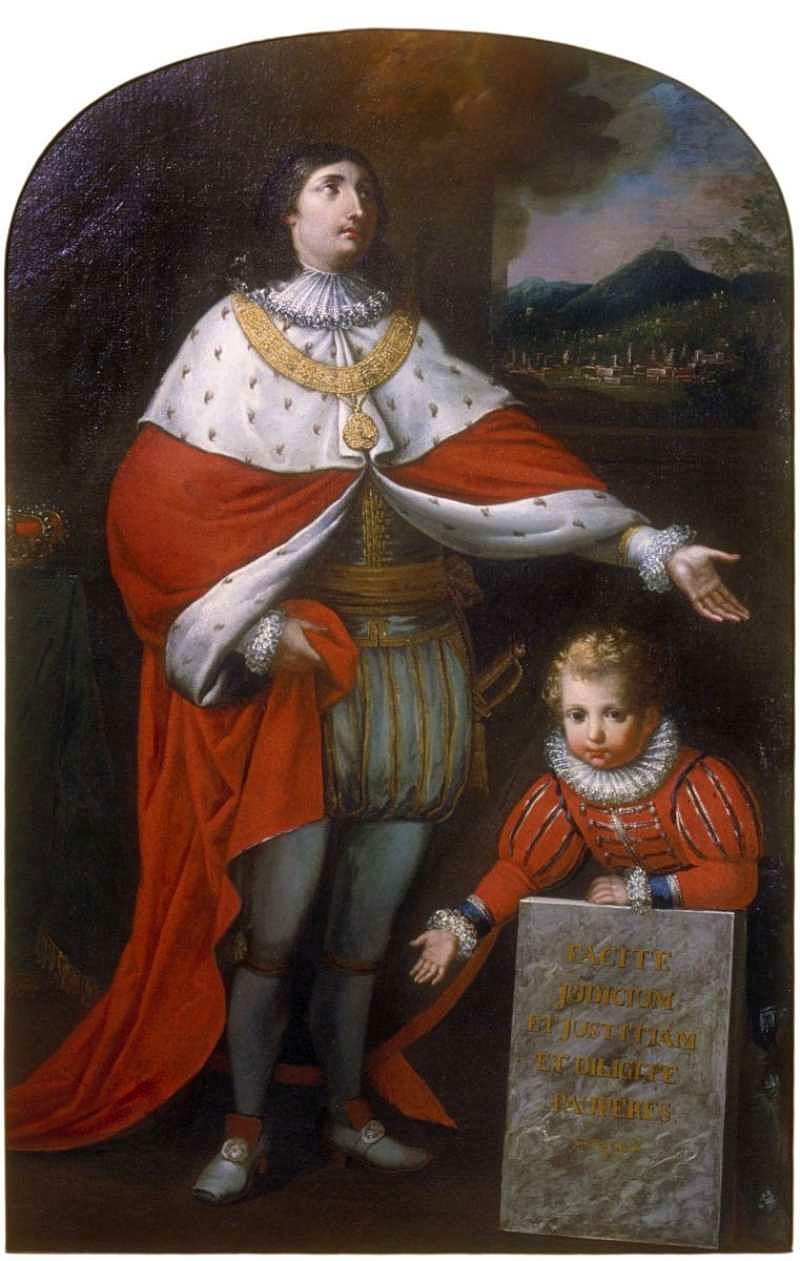
Blessed Humbert III Count of Savoy (1136–1189) Layman Prince. It is recorded of Humberto “who, forced to leave the cloister to deal with public affairs, practiced the monastic life with greater dedication, to which he later returned.” Born in 1136 in Avigliana, Italy and died on 4 March 1189 in Chambéry, France of natural causes. Beatified in 1838 by Pope Gregory XVI. Holy Humbert: https://anastpaul.com/2024/03/04/saint-of-the-day-4-march-blessed-humbert-iii-count-of-savoy-1136-1189/
St Leonard of Avranches Bl Nicholas Horner St Nestor the Martyr St Owen Bl Paolo of Brescia
Martyrs on the Appian Way – 900 Saints: Group of 900 Martyrs buried in the Catacombs of Saint Callixtus on the Appian Way, Rome.
Martyrs of Nicomedia – 20 Saints: A group of 20 Christians murdered together for their faith. The only details about them to survive are three of their names – Archelaus, Cyrillos and Photius. Nicomedia, Bithynia (in modern Turkey)
Martyrs of the Crimea – 7 Saints: A group of 4th century missionary Bishops who evangelised in the Crimea and southern Russia and were Martyred for their work. We know little else beyond the names – Aetherius, Agathodorus, Basil, Elpidius, Ephrem, Eugene and Gapito.
Blessed Benedetto Sinigardi da Arezzo OFM (1190-1282) Friar of the Order of Friars Minor, who received the Habit directly from St Francis of Assisi. Although rarely mentioned, Blessed Benedetto is the Author of the Angelus! Furthermore, the beautiful custom of reciting the Marian Antiphon “The Angelus Domini” is attributed to Blessed Benedetto, meditating on the saving Mystery of the Incarnation of the Son of God in Mary’s virginal womb. The Angelus Domini became a pious practice firstly to the entire Franciscan Order, then to the whole Church, as it still is today. Lovely Fr Benedetto!: https://anastpaul.com/2023/03/03/saint-of-the-day-3-march-blessed-benedetto-sinigardi-da-arezzo-ofm-c1190-1282-the-author-of-the-angelus/
St Anselm of Nonantola St Arthelais of Benevento St Calupan St Camilla St Cele-Christ
St Cunegundes (c975-1040) Empress of the Holy Roman Empire, Nun, she took a vow of Virginity before her marriage, which, after a miracle was upheld by her husband, the King (also a Saint). Founder of Monasteries and Churches, Nun in one of her Convents, Apostle of Charity. Born in c 975 and died in 1040 of natural causes. Biography: https://anastpaul.com/2022/03/03/saint-of-the-day-3-march-st-cunegundes-c-975-1040/
Bl Pierre-René Rogue St Sacer St Titian (Died c540) Bishop and Confessor St Winwallus of Landévennec
40 Martyrs in North Africa – A group of Christians Martyred together in North Africa, date unknown. No details have survived, but we know these names – Antonius, Artilaus, Asclipius, Astexius, Basil, Bosimus, Carissimus, Castus, Celedonius, Claudianus, Cyricus, Donata, Emeritus, Emeterius, Euticus, Felix, Fortunatus, Frunumius, Gajola, Georgius, Gorgonius, Hemeterus, Isicus, Janula, Julius, Luciola, Luciolus, Marcia, Marinus, Meterus, Nicephorus, Papias, Photius, Risinnius, Sabianus, Savinianus and Solus
Martyrs of Pontus – 3+ Saints – A large group of Christians Martyred together in the persecutions of Emperor Maximian Galerius and governor Ascleopiodato. We have some details on three of them – Basiliscus, Cleonicus and Eutropius. 308 in Pontus (in modern Turkey) Martyrs of Caesarea; Asterius Marinus
Martyrs of Calahorra: Cheledonius Emeterius
Martyrs of Gondar, Ethiopia: Bl Antonio Francesco Marzorati Bl Johannes Laurentius Weiss Bl Michele Pío Fasol
Quinquagesima Sunday: This Season is seventeen (17) days long and includes the three Sundays before Ash Wednesday. The length of the Season never changes but the start date is dependent on the movable date of Easter, which can fall between 22 March-25 April. For many early Christians Quinquagesima marked the time after which meat was forbidden. In many places, this Sunday and the next two days, were used to prepare for Lent by a good Confession; hence in England, we find the names Shrove Sunday and Shrovetide. Shrove is a form of the English word “shrive,” which means – to obtain absolution for one’s sins by way of Confession and doing penance.. As the days before Lent were frequently spent in merry-making, Pope Benedict XIV by the Constitution “Inter Cetera” (1 January 1748) introduced a Forty Hours’ Devotion to keep the faithful from dangerous amusements and to make some reparation for sins committed. Quinquagesima also means, the time between Easter and Pentecost, or from the Saturday after Easter to the Sunday after Pentecost; it is then called Quinquagesima Paschae paschalis, or laetitae.
Blessed Charles the Good (c1083-1127) Martyr, Duke, Apostle, protector and defender of the poor, selling his and his kingdom’s riches to help those in need, wherever he could, a fair and just Ruler who made laws to accommodate the poor rather than the rich (the eventual cause of his Martyrdom), Knight who assisted in Secomd Crusade. Blessed Charles cultus was officially confirmed by his Beatification in 1883 by Pope Leo XIII. His Life and Death: https://anastpaul.com/2023/03/02/saint-of-the-day-2-march-blessed-charles-the-good-c1083-1127-martyr/
St Cynibild of Laestingaeu St Felix of Treves St Fergna the White Blessed Fulk of Neuilly (Died 1201) Priest
Martyrs of Campania – Approximately 400 northern Italian Christians Martyred for their faith by pagan Lombards. Their story was recorded by Pope Saint Gregory the Great, who reports that they people spent their final days supporting each other with prayer. c 579 in Camnpania, Italy.
Martyrs of Porto Romano – 4 Saints – Group of Christians Martyred in the persecution of Diocletian. The only other information that survives are the names of four of them – Heraclius, Januaria, Paul and Secondilla. c305 at Porto Romano at the mouth of the River Tiber, Rome.
St David of Wales (c542-c601) Bishop, Prince, Monk, Confessor, Missionary, Founder of Monasteries. Uncle of King Arthur. David studied under Saint Paul Aurelian. Worked with Saint Columbanus, Saint Gildas the Wise and Saint Finnigan. He was officially Canonised in 1120 by Pope Callistus II. Beloved St David: https://anastpaul.com/2017/03/01/saint-of-the-day-1-march-st-david-of-wales/
St Abdalong of Marseilles St Adrian of Numidia St Agapios of Vatopedi St Agnes Cao Guiying
St Albinus of Vercelli St Amandus of Boixe St Antonina of Bithynia Bl Aurelia of Wirberg Bl Bonavita of Lugo St Bono of Cagliari Bl Christopher of Milan Bl Claudius Gabriel Faber St Domnina of Syria St Domnina of Syria St Donatus of Carthage St Eudocia of Heliopolis Bl George Biandrate Bl Giovanna Maria Bonomo Bl Gonzalo de Ubeda St Hermes of Numidia St Jared the Patriarch St Leo of Rouen
St Leolucas of Corleone OBas (c815-c915) Abbot of the Basilian Order, Mystic, Ascetic, Miracle-worker. He lived as a Monk for more than 80 years. The Roman Martyrology reads: “In the Monastery of Avena between the slopes of Mount Mercurio in Calabria, St Leone Luca, Abbot of Monte Mula, who shone in the hermitic life, as in the cenobitic life, following the rules of the oriental Monks.” His Biography: https://anastpaul.com/2023/03/01/saint-of-the-day-1-march-saint-leolucas-of-corleone-obas-c815-c915-abbot/
St Lupercus St Marnock St Monan Bl Pietro Ernandez Bl Roger Lefort St Rudesind St Simplicius of Bourges St Siviard St Swidbert (Died 713)Bishop St Venerius of Eichstätt
Martyrs of Africa – A group of 13 Christians executed together for their faith in Africa. The only details about them to survive are ten names – Abundantius, Adrastus, Agapius, Charisius, Donatilla, Donatus, Fortunus, Leo, Nicephorus and Polocronius. c290
Martyrs of Antwerp – A group of 14 Christians Martyred together, buried together and whose Relics were transferred and enshrined together. We know nothing else but their names – Benignus, Donatus, Felician, Fidelis, Filemon, Herculanus, Julius, Justus, Maximus, Pelagius, Pius, Primus, Procopius and Silvius. Died in the 2nd Century in Rome. They are buried in the St Callixtus Catacombs and their Relics were enshrined in the Jesuit Church in Antwerp on 28 February 1600.
Martyrs of the Salarian Way – A group of 260 Christians who, for their faith, were condemned to road work on the Salarian Way in Rome, Italy during the persecutions of Claudius II. When they were no longer needed for work, they were publicly murdered in the amphitheatre. Martyrs. c269 in Rome.
Martyrs Under Alexander – A large but unspecified number of Christians Martyred in the persecutions of Emperor Alexander Severus and the praefect Ulpian who saw any non-state religion to be a dangerous treason. c 19.
St Alexander of Alexandria (Died c326) Bishop of Alexandria, Confessor, Defender of the True Faith against heresies, in particular the Arians. The Roman Martyrology states of him today: “At Alexandria, the Bishop St Alexander, an aged man held in great honour who was a successor of the blessed Peter as Bishop of the City. He expelled from the Church, Arius, one of his Priests, tainted with heretical impiety and convicted by Divine Truth and, subsequently, was one of the three hundred and eighteen Fathers, who condemned him at the Council of Nicea.” Holy Father St Alexander: https://anastpaul.com/2022/02/26/saint-of-the-day-26-february-st-alexander-of-alexandria-died-c-326/
St Andrew of Florence St Dionysius of Augsburg St Faustinian (4th Century) Bishop of Bologna St Felix St Fortunatus St Irene Bl Ottokar of Tegernsee
St Caesarius of Nazianzen (c329-369) Celibate Layman, a prominent Physician and Politician, Son of Saint Gregory of Nazianzen the Elder and Saint Nonna, Brother of Saint Gorgonia and Saint Gregory of Nazianzen. Patronages – of Physicians and bachelors. His Holy Life: https://anastpaul.com/2024/02/25/131658/
St Donatus the Martyr St Felix III, Pope St Gerland the Bishop St Gothard the Hermit St Herena the Martyr St Justus the Martyr
St Tharasius (c730-806) Bishop St Victor of Saint Gall
Martyrs of Egypt – A group oSeven f Christian men who were exiled to Egypt for their faith and were eventually Martyred for their faith in the persecutions of Numerian. We know little more than their names: Claudianus, Dioscurus, Nicephorus, Papias, Serapion, Victor, Victorinus.
St Modestus (Died c486) Bishop and Confessor St Peter the Librarian St Praetextatus of Rouen St Primitiva St Sergius of Caesarea Bl Simon of Saint Bertin
SEXAGESIMASUNDAY: (Latin – Sexagesima, sixieth) The name means “sixtieth” as it falls within the 50-60 day ranges before Easter and the second before Lent. The Ordo Romanus, St Alcuin and others, count the Sexagesima from this day to Wednesday after Easter. The name was already known to the Fourth Council of Orléans in 541. To the Latins it is also known as “Exsurge” from the beginning of the Introit. The Station was at Saint Paul’s Outside the Walls of Rome and hence, the oratio calls upon the Doctor of the Gentiles. The Epistle is from Paul, 2 Corinthians 11 and 12, describing his suffering and labours for the Church. The Gospel (Luke 8) relates the falling of the seed on good and on bad ground, while the Lessons of the first Nocturn continue the history of man’s iniquity and speak of Noah and of the Deluge.
St Alexander Akimetes St Boswell St Dositheus of Egypt St Felix of Brescia St Florentius of Seville St Giovanni Theristi (1049–1129) Monk Bl John of Hungary
St Lazarus Zographos (c810-c 867) Priest, Monk known as “the Painter and the Iconographer.” Lazarus lived before and during the second period of Byzantine Iconoclasm. The Roman Martyrology states of him today: “St Lazarus, a Monk, whom the Iconoclast Emperor Theophilus ordered to be put to torture for having painted holy images. His hand was burned with a hot iron but, being healed by the power of God, he painted anew the holy images which had been defaced and finally rested in peace.” The Painter Saint: https://anastpaul.com/2022/02/23/saint-of-the-day-23-february-st-lazarus-zographos-810-865/
St Ordonius St Polycarp of Rome St Romana (Died c324) Virgin
St Serenus the Gardener (Died 307) Martyr. Serenus was by birth a Grecian. He left his family estate, friends and country to serve God in celibacy, penance and prayer. With this design he bought a garden in Sirmium in Pannonia, which he cultivated with his own hands and lived on the fruits and herbs it produced. His Life and Death: https://anastpaul.com/2019/02/23/saint-of-the-day-23-february-st-serenus-the-gardener-died-307-martyr/
Martyrs of Syrmium – 73 Christians who were Martyred together in the persecutions of Diocletian. We know no details about them, and only six of their names – Antigonus, Libius, Rogatianus, Rutilus, Senerotas and Syncrotas.
The Chair of Saint Peter at Antioch – where the disciples were first entitled “Christians.” The Chair/Throne or Cathedra itself is a Relic conserved in St Peter’s Basilica although it seems not to be the original Chair. This Antioch is where the disciples were first called CHRISTIANS. https://anastpaul.com/2022/02/22/the-feast-of-the-chair-of-saint-peter-at-antioch-22-february/
St John the Saxon St Limnaes Bl Mohammed Abdalla St Papias of Heirapolis St Paschasius of Vienne St Raynerius of Beaulieu St Thalassius
Martyrs of Arabia – A memorial for all the unnamed Christians Martyred in the desert and mountainous areas south of the Dead Sea during the persecutions of Emperor Valerius Maximianus Galerius.
St Avitus II of Clermont Bl Claudio di Portaceli St Daniel of Persia Bl Eleanora St Ercongotha St Felix (4th Century) Bishop of Metz St George of Amastris St Germanus of Granfield St Gundebert of Sens
St Maximian of Ravenna (c499-556) Archbishop of Ravenna and Confessor. completor of the immensely renowned Basilica of St Vitalis and many more Churches. He was a man of creative talents who ordered the creation of many famous and very beautiful artworks of various types, for his See, as well as, a great lover of Books and literature, (being a prolific Writer himself) ensuring the acquisition of many illuminated manuscripts. Maximian may have been the first Latin Bishop to use the title ‘Archbishop.’ Biography – his Feast Day was changed after 1969 to 22 February. Being rather confused, I have revisted him today again: Talented St Maximian: https://anastpaul.com/2024/02/21/saint-of-the-day-21-february-saint-maximian-of-ravenna-c499-556-bishop-and-confessor/ AND: https://anastpaul.com/2023/02/22/saint-of-the-day-22-february-saint-maximian-of-ravenna-499-556-bishop/
Blessed Noel Pinot (1747-1794) Priest and Martyr. During the French Revolution, he refused to take the oath of the Civil Constitution of the Clergy unlike his superio! He wore his Mass Vestments to execution and died reciting the opening words of the Mass. He was Beatified by Pope Pius XI on 31 October 1926. His Life and Death: https://anastpaul.com/2020/02/21/saint-of-the-day-21-february-blessed-noel-pinot-1747-1794-priest-and-martyr/
St Valerius of San Pedro de Montes St Verda of Persia
Martyrs of Sicily – 79 Saints: Sevent nine Christians Martyred together in the persecutions of Diocletian. They were Martyred in c 303 on Sicily.
Martyrs of Hadrumetum – A group of 26 Christians Martyred together by Vandals. We know little more than eight of their names – Alexander, Felix, Fortunatus, Saturninus, Secundinus, Servulus, Siricius and Verulus. c 434 at Hadrumetum (modern Sousse, Tunisia).
St Leo of Catania (c720-789) Bishop, Defender of Sacred Images for which opposition he was forced to flee into exile for some years, Hermit. Born in c720 in Ravenna, Italy and died on 20 February 789 in Etna, Sicily, Italy, natural causes. St Leo was the 15th Bishop of Catania, Sicily, famed for his love and care for the poor, his brave opposition to the iconoclastic Government of the time and for his Miracles. Courageous St Leo: https://anastpaul.com/2024/02/20/saint-of-the-day-20-february-st-leo-of-catania-c720-789-bishop/ St Nemesius of Cyprus
St Pothamius of Cyprus St Serapion of Alexandria St Silvanus of Emesa St Valerius of Courserans St Wulfric (c1080-1154) Priest and Hermit St Zenobius of Antioch
St Quodvultdeus (Died c450) Bishop, Confessor, Father of the Church, Writer and Theologian, spiritual student, friend and correspondent of St Augustine, who dedicated some of his works to St Quodvultdeus. Name Meaning – “What God wants.” The Roman Martyrology reads: “In Naples, deposition of St Quodvultdeus, Bishop of Carthage, who was sent into exile together with his clergy by the Arian king Genseric and placed on disused ships without sails or oars. Against all hope he landed in Naples, where he died. Confessor of the faith.” His Holy Life: https://anastpaul.com/2022/02/19/saint-of-the-day-19-february-saint-quodvultdeus-died-c-450-f/
Quote/s of the Day – 18 February – St Bernadette Soubirous (1844-1879) Virgin, The Visionary of Lourdes,
“ If one dream should fall and break into a thousand pieces … never be afraid to pick one of those pieces up and begin again. That is the beauty of being alive … We can always start all over again. Enjoy God’s amazing opportunities bestowed on us. Have faith in Him always!”
“ I shall spend every moment loving. One who loves, does not notice her trials; or perhaps, more accurately, she is able to love them. I shall do everything for Heaven, my true home. There, I shall find my Mother, in all the splendour of her glory. I shall delight with her in the joy of Jesus Himself, in perfect safety.”
“O Jesus, I would rather die, a thousand deaths, than be unfaithful to Thee!”
St Gertrude Caterina Comensoli St Helladius (c566-633) Bishop and Confessor Bl John Pibush – one of the Martyrs of Douai St Leo of Patera St Paregorius of Patara St Sadoth of Seleucia St Tarasius of Constantinople
St Theotonius OSC (1082-1162) Priest of the Canons Regular, Reformer of religious life in Portugal, Royal Counsellor,, Apostle of the poor, Founder of the Canons Regular of the Holy Cross, now known as “The Crosiers.” He is the first Portuguese Saint. His Life Story: https://anastpaul.com/2021/02/18/saint-of-the-day-18-february-saint-theotinius-1082-1162/
Bl William Harrington
Martyrs of North Africa – 7 Saints: Group of Christians who were Martyred together, date unknown. We know nothing else but seven of their names – Classicus, Fructulus, Lucius, Maximus, Rutulus, Secundinus and Silvanus. They were born and martyred in North Africa.
Martyrs of Rome – 5 Saints: A group of Christians Martyred together in the persecutions of Diocletian. We know nothing else but their names – Alexander, Claudius, Cutias, Maximus and Praepedigna. They were martyred in 295 in Rome, Italy.
It was on the seventeenth of February, fifty five days after the Nativity of Jesus, when King Herod’s soldiers — sent to slaughter all little boys in Bethlehem and its neighbourhood who were two years old or under, in order to destroy a rival King, Jesus — were getting perilously near the cave at Bethlehem, where at first they little expected Our Lord to be. Saint Joseph received a message from God through an Angel, whereupon he took Our Lady and the Divine Infant and set off leaving the land of the Jews to travel to a land of the Gentiles. They took no-one with them, by way of servants or friends, as Saint Peter Chrysologus tells us.
The Town to which the Holy Family fled was called Fostat. It was three hundred miles from Bethlehem. A Church has been erected there, on the site of the house where the Holy Family lived during their exile. The little Town where the Holy Family lived in Egypt was not far from Heliopolis, a City in which — when Jesus, Mary and Joseph passed through it — statues of pagan gods crashed to the ground. Both Fostat and Heliopolis are not far from Cairo in Egypt.
St Lupiano St Mesrop the Teacher St Polychronius of Babylon St Romulus the Martyr St Secundian the Martyr St Silvinus (c650-c717) Bishop St Theodulus of Caesarea
Quote/s of the Day – 15 February – Feast of The Immaculate Heart of Mary, Refuge of Sinners
Heart of Mary, Refuge of Sinners, Pray for Us!
(Indulgence 300 days)
Sweet Heart of Mary, be my salvation.
(1943 Raccolta – Indulgence 300 days)
“Mary will certainly save repentant sinners who have recourse to her but she cannot pay any attention to hardened sinners, who pray to her with their lips, while their hearts remain steeped in sin. We must have complete confidence in her but, we must also have a sincere intention of raising ourselves under her protection, from the slavery of sin, to the friendship of God.”
“Mary, my merciful Mother, you see how wretched I am and how often I have fallen. I wish to reform and sanctify myself but I am not able without your powerful assistance, the weakness of my nature is an insurmountable obstacle. Come to my aid, O Mother of mercy. Obtain for me, forgiveness f rom your Divine Son. Obtain for me too, the grace of a complete change of heart, so that I may be truly your child here upon the earth and share in your glory in Heaven. Amen.”
One Minute Reflection – 15 February – “The Month of the Blessed Trinity” – Epiphany VI (Anticipated) – Feast of The Immaculate Heart of Mary, Refuge of Sinners – 1 Thessalonians 1:2-10; – Matthew 13:31-35 – Scripture search here: https://www.drbo.org/
“I will utter things hidden, from the foundation of the world.” – Matthew 13:35
REFLECTION – “In one of the Psalms the Prophet says: “My soul pines for Thy salvation; I hope in Thy Word” (118:1) … Who is expressing this ardent desire if not “the chosen race, the royal priesthood, the people set apart for God” (1 Pt 2:9) each in their own day, in each one of those, who have lived, are living or will live, from humanity’s first beginning until the end of the world? … This is why our Lord Himself, says to His disciples: “Many Prophets and righteous men have wished to see that which you see.” It is their voice, then, we must recognise in this Psalm … Their longing has never come to an end in the Saints, nor does it end even now in “the Body of Christ, the Church” (Col 1:18) until “the Desired of all nations” comes (Hag 2:8) …
So, the beginning of the Church’s era, before the Virgin had given birth, comprised Saints who longed to see Christ’s coming in the flesh and, the period where we are now, following the Ascension, comprises other Saints who long to see the revealing of Christ to judge the living and the dead. From the beginning to the end of time, the Church’s longing has never lost its intensity, excepting only, when our Lord was alive on earth in the company of His disciples.” – St Augustine (354-430) Bishop of Hippo, Father and Doctor of Grace (Discourses on the Psalms Ps 118 No 20).
PRAYER – O God most kind, Who as a salvation for sinners and a refuge for the miserable, didst will the Blessed Virgin Mary to be the Ever Virgin Mother of Thine only Son and the distributor of His graces; grant, we pray, that while celebrating the memory of this most loving Mother’s Heart, we may obtain for sinners, the grace of conversion and an abundance of heavenly gifts, for all the faithful. Through the same Christ our Lord, in the unity of the Holy Ghost, God forever amen. (Collect).
You must be logged in to post a comment.