Dedication of the Church of Our Lady of Milan (1417) by Pope Martin V – 16 October:
The Abbot Orsini wrote: “Dedication of Our Lady of Milan, by Pope Martin V, in the year 1417. This Church was built in 1388 by John Galleas, Duke of Milan.”
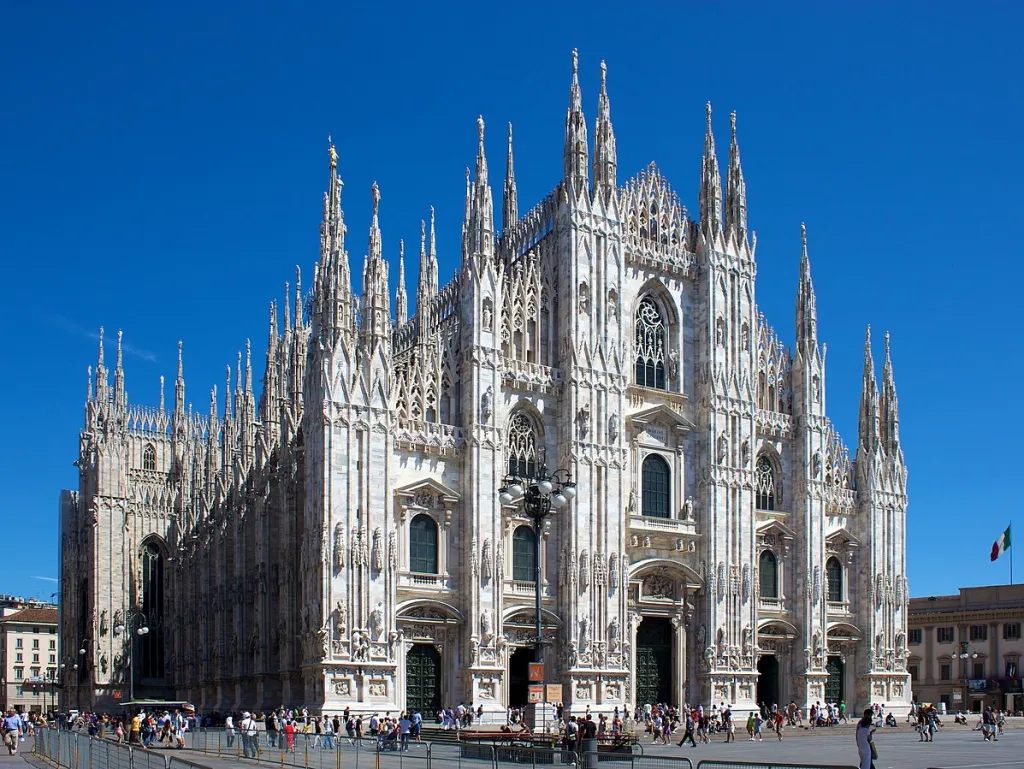
The magnificent Milan Cathedral is a Gothic Cathedral that has its roots in the fourth centurY. Today it is one of the most famous and celebrated structures in all of Europe. It is the second largest Church in Italy after St Peter’s Basilica in Rome and the third largest Catholic Church in the world.
Dedicated to the Mother of God, the present Cathedral was begun in the 14th century but was not completed until the 20th century when the last gate was finally installed in 1965. Emperor Napoleon Bonaparte himself ordered that the façade be finished in the year 1805, as he desired to see the beautiful structure completed. He guaranteed that the French would pay for the work, although they never actually did. Even so, it took seven years to complete the work. There were other additions that followed, including stained glass windows and various arches and lace-like spires. In the end it can be said, that the Cathedral required 6 centuries to complete and is one of the largest Cathedrals in the entire world.
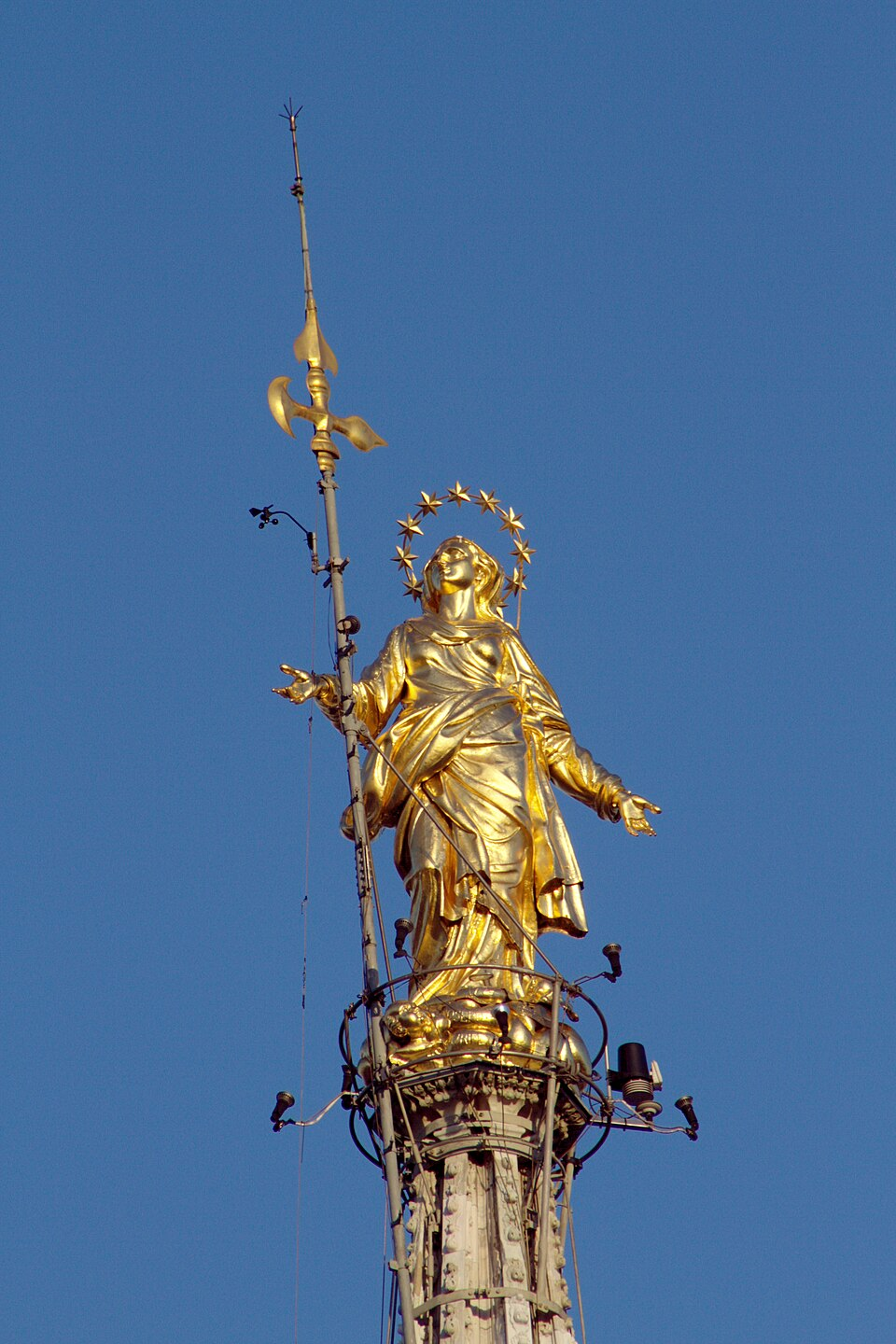
The Madonnina Spire or guglia del tiburio (“lantern spire“), one of the main features of the Cathedral, was erected in 1762 at the height of 108.5 m (356 ft), as designed by Francesco Croce. At the top of the spire is the polychrome Madonnina Statue, designed and built by Carlo Pellicani in 1774, during the episcopacy of Bishop Giuseppe Pozzobonelli who supported the idea to place the Madonnina at the top of the Cathedral, By tradition, no building in Milan may be higher than the Madonnina.
The first Church thought to occupy the location was built by Saint Ambrose, although there is an old baptistery which was constructed in about 335. The good Abbot appears to have been incorrect in dating the Cathedral from 1388, as there is a plate attached to a stone on the Church which states: “El Principio del Duomo di Milano Nel Anno 1386.”
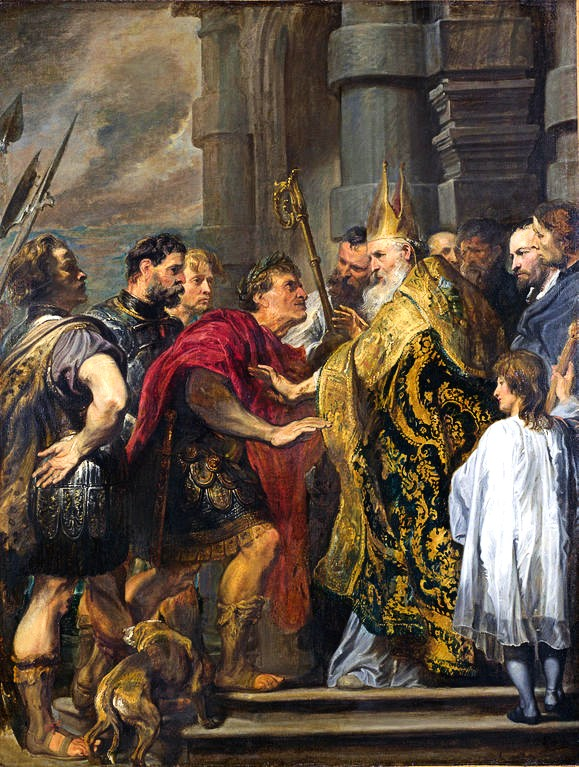
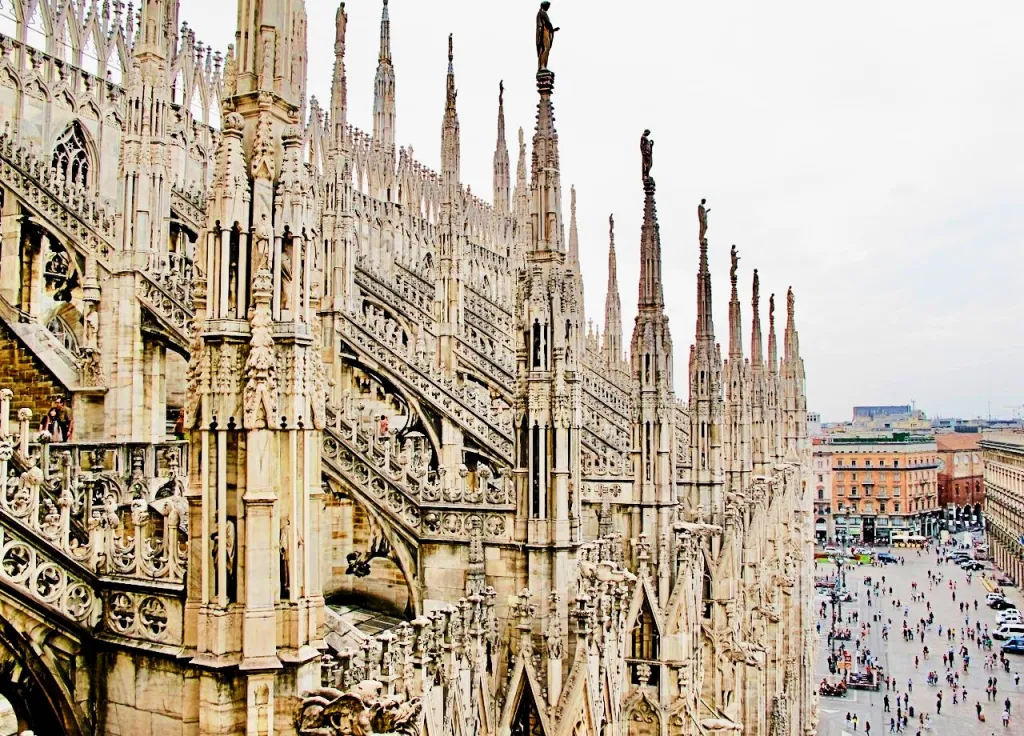
The Milan Cathedral houses a Holy Nail which was used to Crucify Christ. It is marked by a tiny red light located in the dome above the apse. There are more Statues on this Cathedral than any other in the world, 3159 in total. 2245 of these are on the exterior together with 96 gargoyles and 135 spires. It is said that if the Statues were placed on top of each other, they would reach a height of about 5,300 meters (3.3 miles).
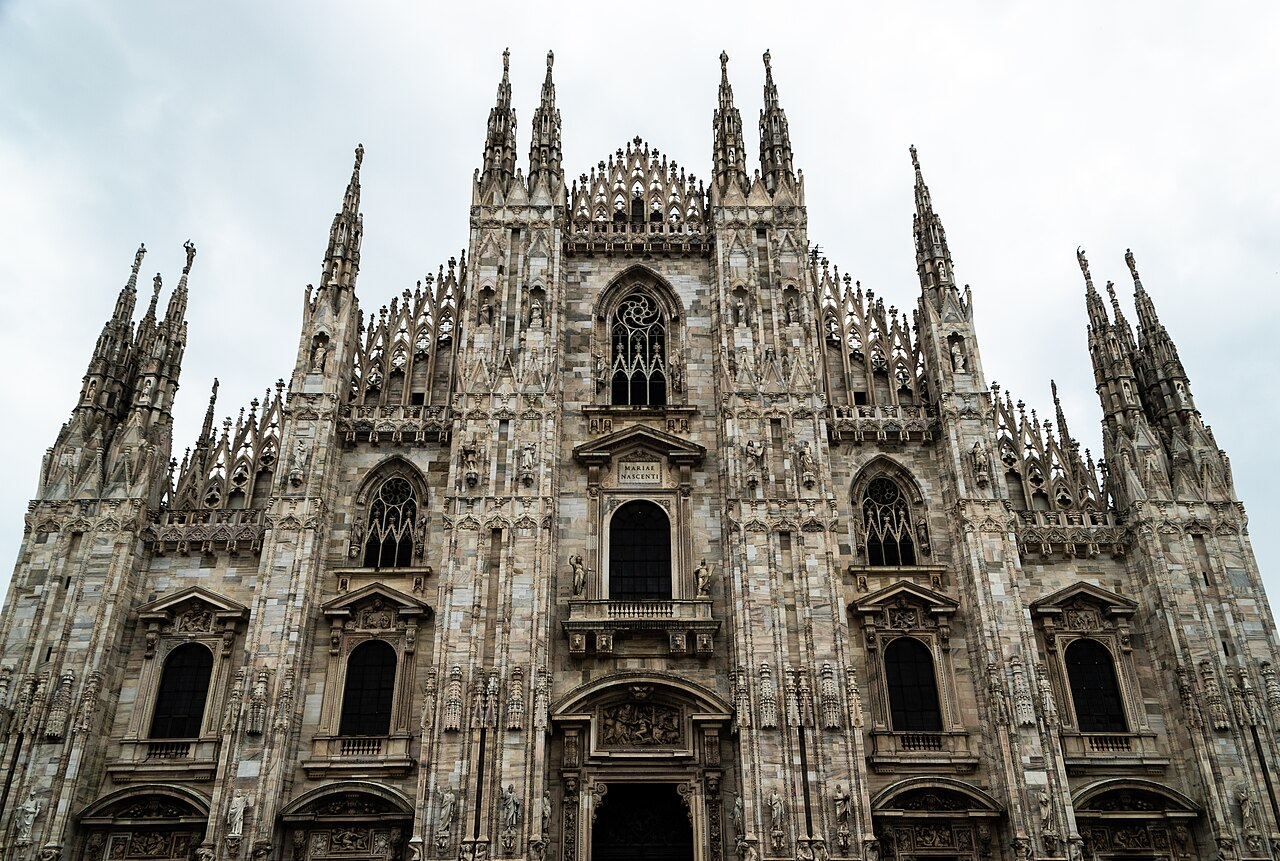
The Cathedral is 158.5 meters (520 feet) long, 92 meters (302 feet) wide. It has a cruciform plan in the form of a Latin cross that covers nearly 12,000 square meters. 40,000 people can fit comfortably within. Its construction was up five naves, a central and two lateral on each side, resting on 40 columns of 24.50 meters (80 feet) each.
St Margaret Mary Alacoque VHM (1647-1690) Virgin, Nun of the Order of the Visitation of Holy Mary, Mystic, Saint and Apostle of the Sacred Heart
St Amandus of Limoges
St Ambrose of Cahors
Bl Anicet Koplinski
Bl Augustine Thevarparampil
St Balderic
St Baldwin
St Bertrand of Comminges
St Bolonia
St Conogon of Quimper
St Dulcidius of Agen
St Eliphius of Toul
St Eremberta of Wierre
St Florentinus of Trier
St Gall (c 550–c 646) “Apostle of Switzerland,” Monk, Missionary, Hermit – he was a disciple and one of the traditional twelve companions of Saint Columbanus on his mission from Ireland to the continent.
St Gerard Majella CSsR (1726-1755) Religious Lay Brother of the Congregation of the Holy Redeemer, better known as the Redemptorists, Apostle of the Holy Eucharist, Apostle of Charity, known as a Thaumaturge.
Bl Gerald of Fossanuova
St Hedwig of Andechs (1174-1243) Mother, Widow, High Duchess of Poland
Bl Jesús Villaverde Andrés
Bl Józef Jankowski
St Junian
St Lull
St Magnobodus of Angers
St Martinian of Mauretania
St Mummolinus
St Saturian of Mauretania
St Silvanus of Ahun
St Victor of Cologne
St Vitalis of Noirmoutier
—
Martyrs in Africa – 220 saints: A group of 220 Christians martyrs about whom we know nothing but that they died for their faith.
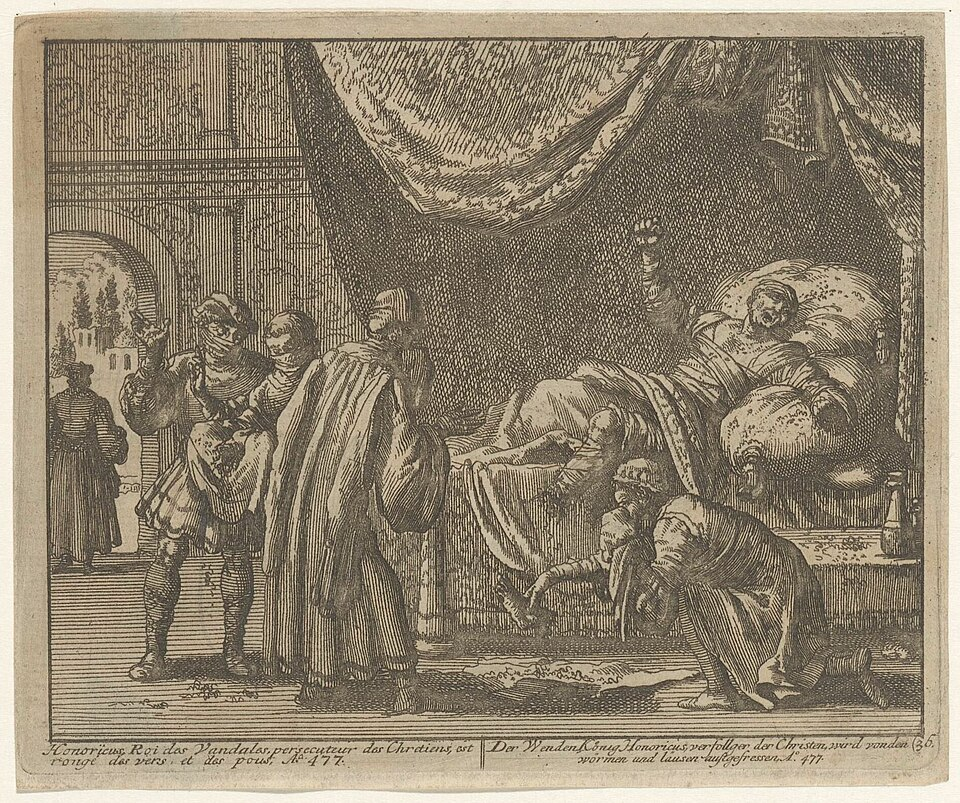
Martyrs of North Africa – 365 saints: A group of 365 Christians who were martyred together in the persecutions of the Vandal king Genseric. The only details that have survived are the names of two of the martyrs – Nereus and Saturninus. 450 in North Africa.


You must be logged in to post a comment.