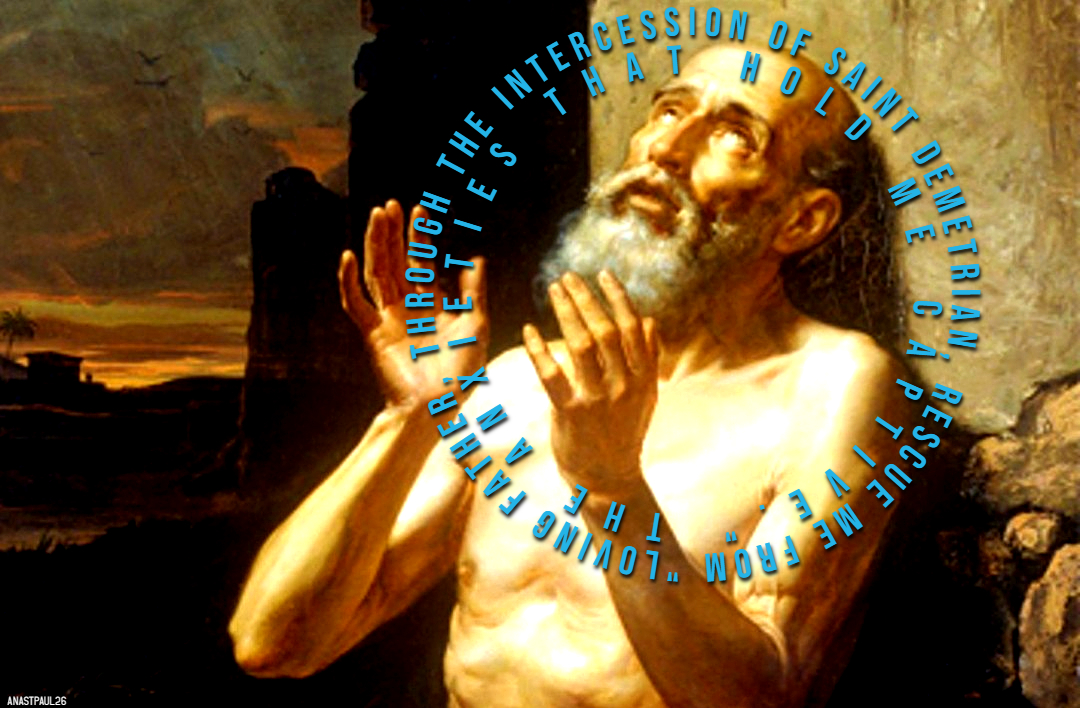
Saint Demetrian of Cyprus was a priest and monk and bishop in Cyprus in the ninth and tenth centuries. Born in Sika on Cyprus, he at first he resisted the appointment as bishop. Not wanting to exchange his quiet monastic life for a busy episcopal office in the city, he fled, and was hidden in a cave by a friend. Ultimately, however, his friend became uncomfortable with the situation, and Demetrian was convinced to return to the city and embrace his appointment. He served as bishop of Chytri for twenty-five years, from 885 until his death, and is acknowledged as that office’s most famous inhabitant.
Near the end of his life he saved a group of Christians from Muslims when the latter invaded and took captives to sell as slaves. Despite his advanced age, Demetrian followed them on the road and pleaded desperately for their release. Miraculously, the Muslims were persuaded and they released the captives to him.
Venerated as a patron saint of prisoners, Demetrian is also invoked by a prayer: “Loving Father, through the intercession of Saint Demetrian, rescue me from the anxieties that hold me captive.”
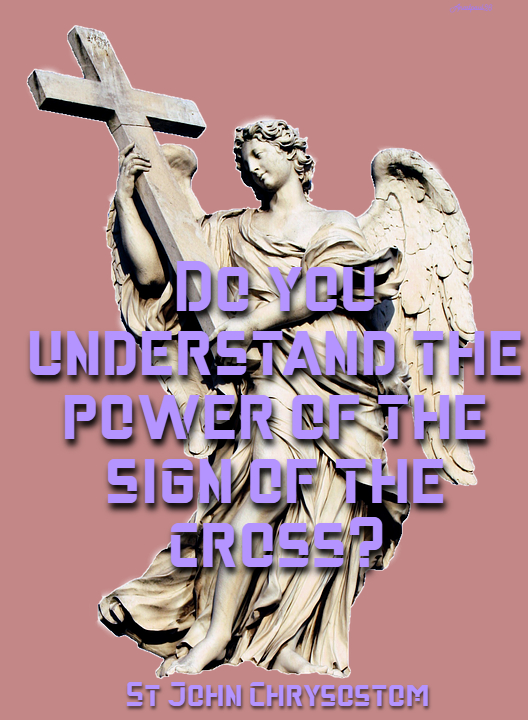
Saint Diomedes the Younger, was born in 4th century Leucopolis, Cyprus. He was a student of Saint Trifillio and a miracle worker. When Cyprus was being attacked by Saracens, Diomedes made the sign of the cross at them and they converted from Islam to Christianity.
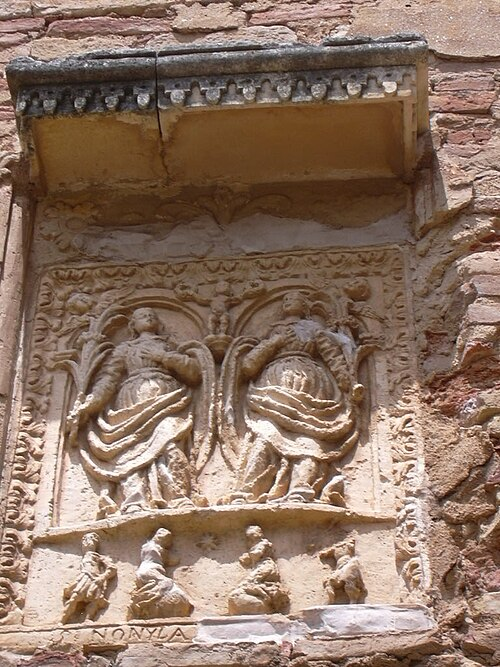
Saints Alodia & Nunilo of Huesca, Spanish sisters and martyrs, born in Huesca, Spain in the 9th century. They were born to a Muslim father and Christian mother, and were raised Christian. When their father died, their mother married another Muslim man who persecuted the girls, imprisoned them, and turned them over to die during the persecution of Abdur Rahman II.
In defiance of thier stepfather’s prohibition that they attend church and his demand that they marry and convert to Islam, they were sent to live with their aunt, who was also Christian, in Castile. In 851, Abd ar-Rahman II issued a decree that all Christian children to a Muslim father had to convert to their father’s religion or be executed. After repeated failed attempts to get the sisters to agree to convert, they were arrested, put in solitary confinement, then “handed over to women of dubious morality to make them change their lifestyle”, and “were also pestered by many suitors to marry”. The sisters still refused, so they were beheaded in Huesca, Spain, on October 22, 851.
Their patronages are: child abuse victims, martyrs, people ridiculed for their piety, runaways, unmarried laywomen.
Carving of Nunilo and Alodia on the collegiate church of Alquézar.
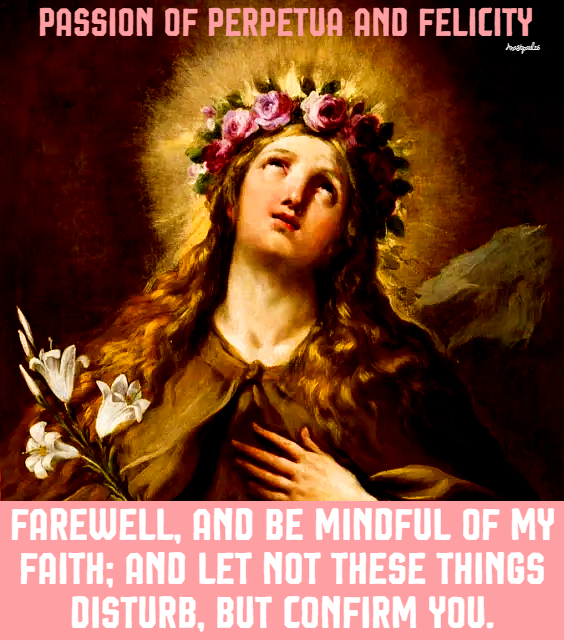
Farewell, and be mindful of my faith; and let not these things disturb, but confirm you.
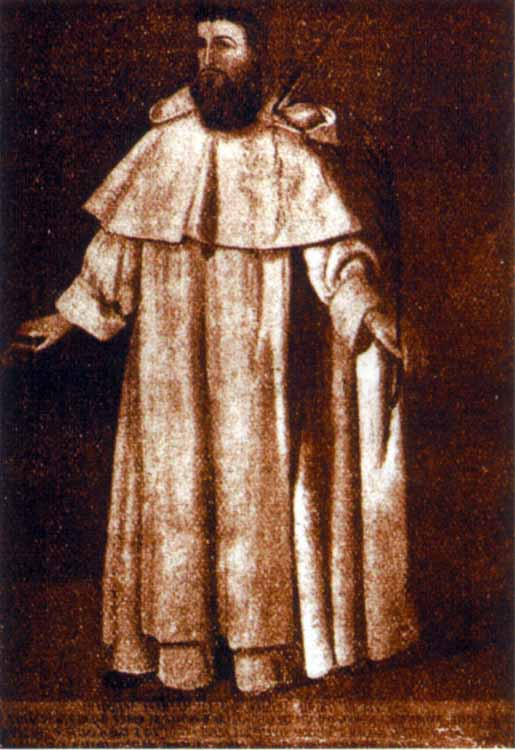
Blessed Sancho of Aragon, priest and martyr. Born a prince (infante) of Spain, he was the fourth son of Blessed James I, King of Aragon. Turning from worldly ways, he joined the Mercedarians (Order of the Blessed Virgin Mary of Mercy), receiving the habit from Saint Peter Nolasco himself.
He became Archbishop of Toledo, Spain n 1266, when he was only 16 years old.
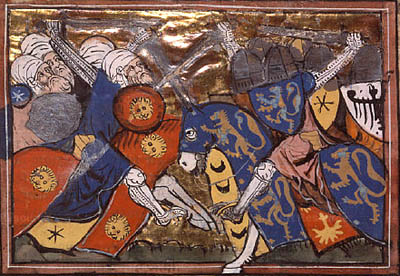
In 1275 he raised troops to engage Marinid armies that had attacked Andalusia. On 21 October 1275 he tried to intercept a numerically superior Marinid army in the battle of Martos but was defeated and taken prisoner. Muslims cut off his hand with the ring of his office, and then martyred him for refusing to apostatise.
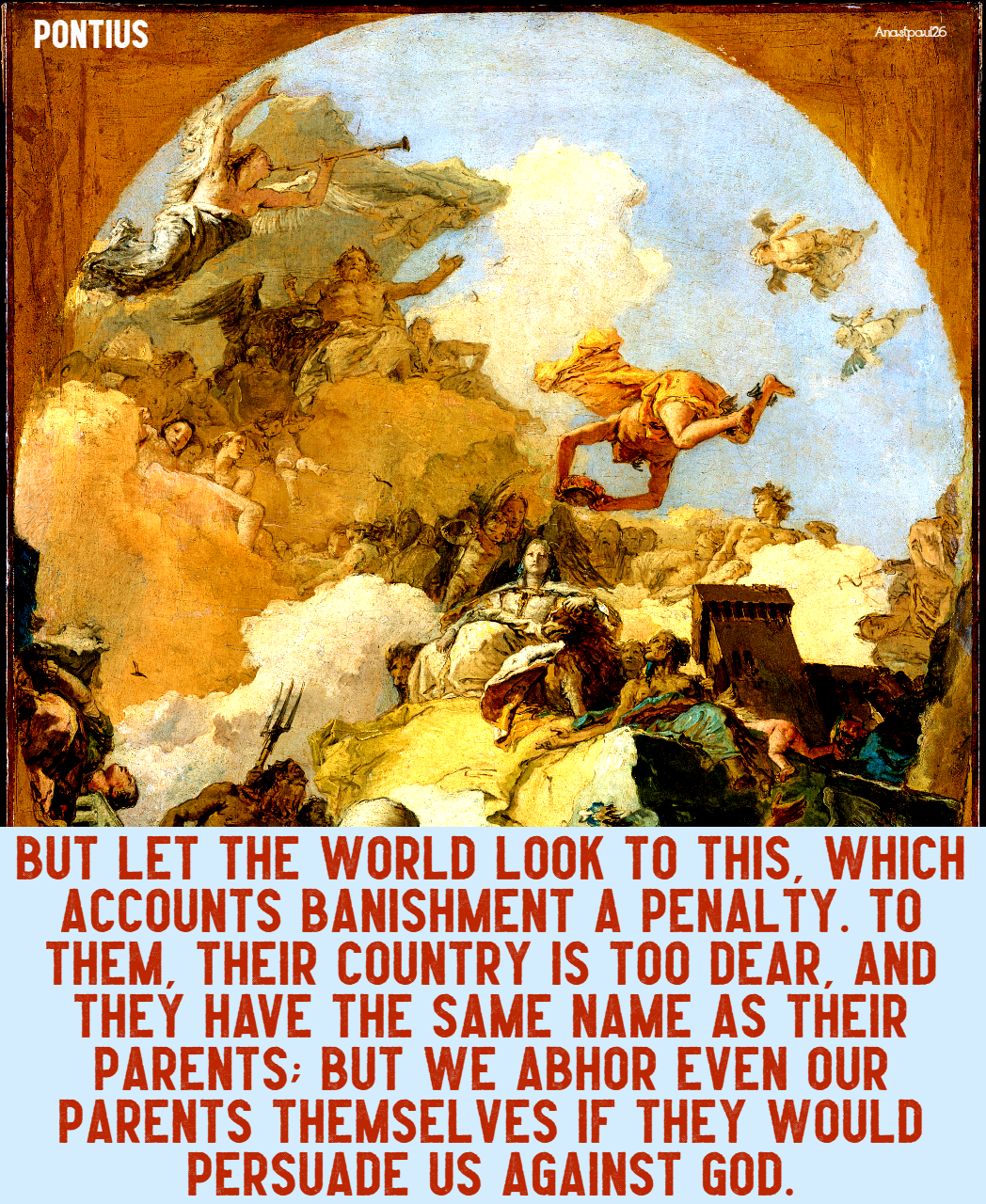
But let the world look to this, which accounts banishment a penalty. To them, their country is too dear, and they have the same name as their parents; but we abhor even our parents themselves if they would persuade us against God.
St. Callistus of Huesca, was a Spanish martyr and companion of St. Mercurialis. Callistus was born in Huesca, in Aragon, Spain. Callistus went to France with St. Mercurialis to fight against the Saracens/Moors (Muslims), dying in battle in 1003.
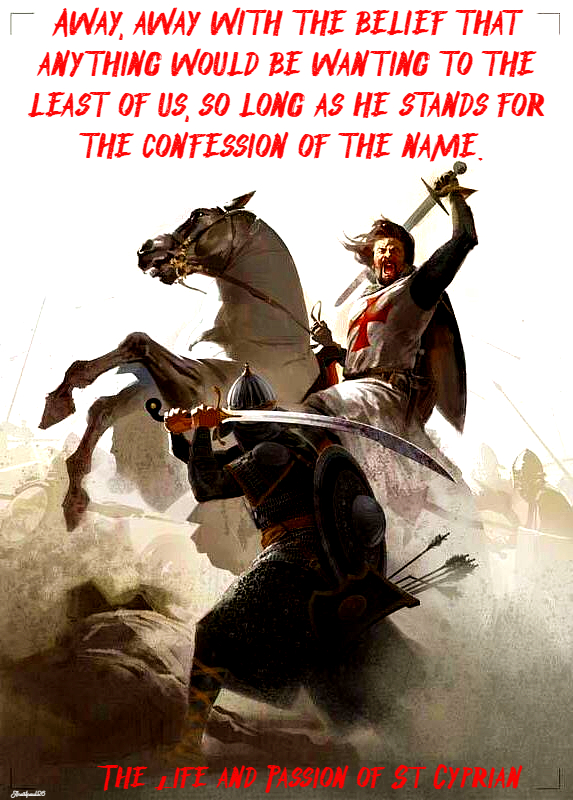
Away, away with the belief that anything would be wanting to the least of us, so long as he stands for the confession of the Name.
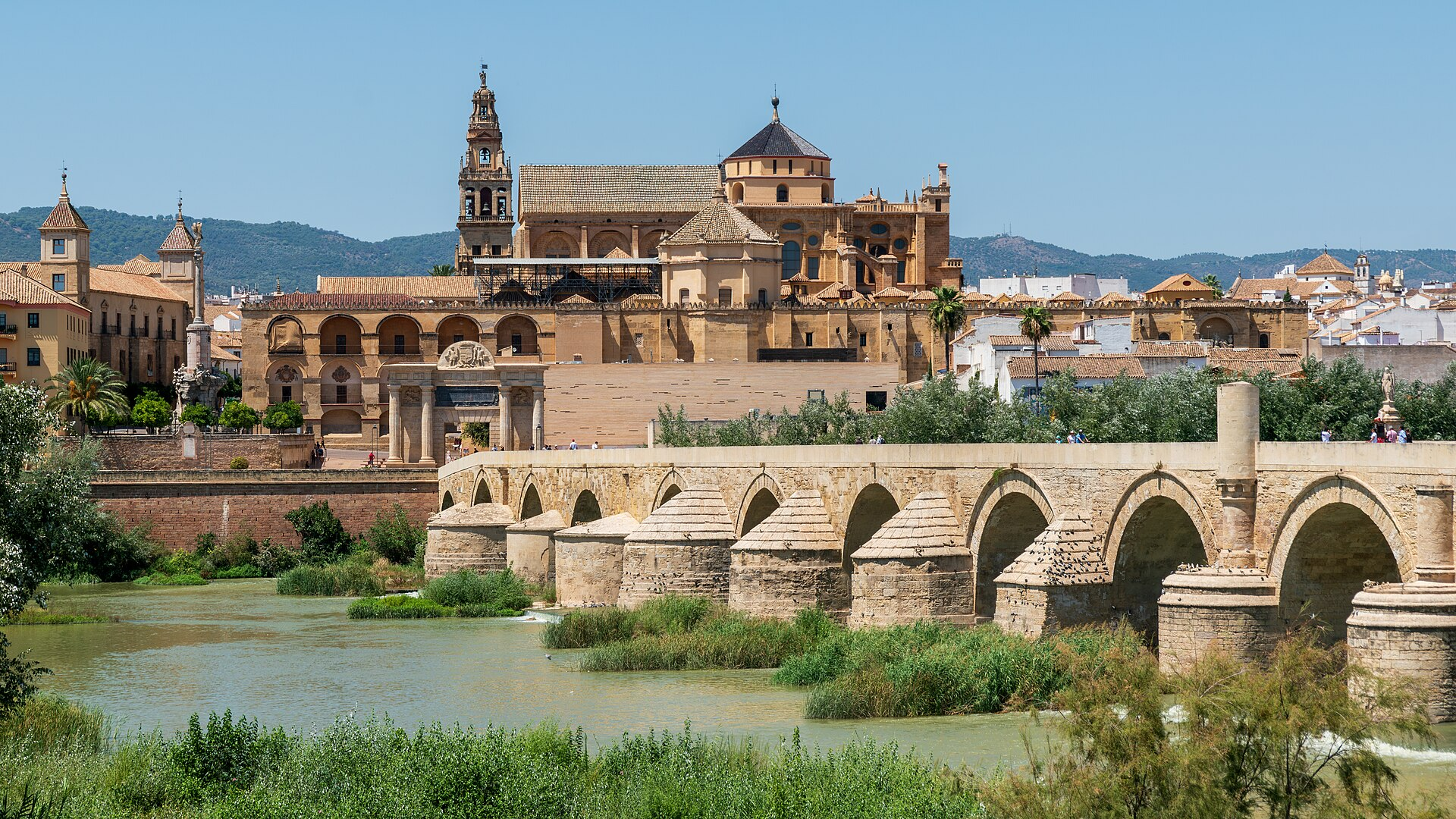
Saint Pomposa of Cordoba, a martyr from Spain. She was a nun in a convent near Cordoba. When the muslims invaded Spain, she refused to deny her faith and convert to Islam. As such, she was beheaded by them in 835.
View of the historic centre of Córdoba
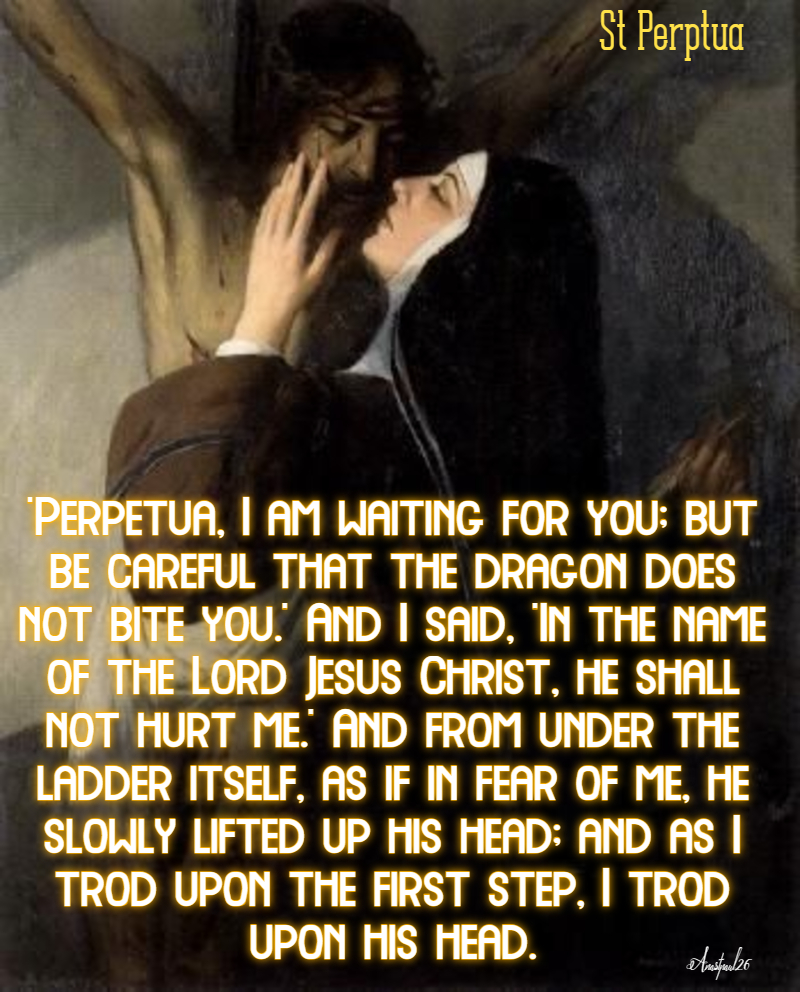
‘Perpetua, I am waiting for you; but be careful that the dragon does not bite you.’ And I said, ‘In the name of the Lord Jesus Christ, he shall not hurt me.’ And from under the ladder itself, as if in fear of me, he slowly lifted up his head; and as I trod upon the first step, I trod upon his head.
In the year 981 Saracens came ashore with a raiding party near the Italian town of Rossano. Seeking to surprise the slumbering inhabitants of the town, they snuck up to the walls and silently placed their ladders against them and began to climb. When the first of them reached the top, they were met and repulsed by Our Lady, who appeared attired in purple, while holding in her hand a lighted torch. The sight of the glory of the heavenly Queen so terrified the invaders that they advanced no further and took to flight. Thus, the Muslims were driven from the walls by Our Lady of Rossano, who appeared to save the people of this town located in southern Italy in the province of Calabria.
Rossano, or Roscianum as it was known in Roman times when it was an outpost of the budding empire, was thought to have actually been founded well over a millennium before the time of Christ. The town experienced attacks from the Visigoths, Ostrogoths, and Lombards when the Roman Empire fell in the west, although it was never subjugated by any enemy. The town reached its peak of wealth and influence during the 6th through the 11th century when it was ruled by Byzantium. Located near the Gulf of Taranto, and being close to the water, Rossano was subject to Muslim raids over the following centuries.
The image of Maria Achiropita in Rossano cathedral
St Louis IX (1214-1270) King of France Confessor, King, Reformer, Apostle of Charity.
St Alessandro Dordi St Andreas Gim Gwang-Ok St Aredius of Limoges St Ebbe the Elder St Eusbius of Rome St Genesius of Arles St Genesius of Brescello St Genesius of Rome St Gennadius of Constantinople St Geruntius of Italica St Ginés de la Jara St Gregory of Utrecht St Gurloes of Sainte Croix St Hermes of Eretum St Hunegund of Homblieres St Julian of Syria St Julius of Eretum Bl Ludovicus Baba Bl Ludovicus Sasada Bl Luis Cabrera Sotelo St Maginus St Marcian of Saignon
St Maria Micaela of the Blessed Sacrament (1809-1865) “Mother Sacramento” was a Spanish professed Religious and the Founder of the Handmaids of the Blessed Sacrament, Apostle and martyr of charity. In 1922, Pope Pius XI, proclaimed Mother Sacramento’s heroic virtues. On 25 July 1925, he Beatified her and on 4 March 1934, he Canonised her.
St Menas of Constantinople Bl Miguel Carvalho St Nemesius of Rome St Patricia of Naples Bl Pedro de Calidis Bl Pedro Vázquez St Peregrinus of Rome St Petrus Gim Jeong-Duk St Pontian of Rome


You must be logged in to post a comment.