October 14: Our Lady of La Rochette, France (7th Century)
The Abbot Orsini wrote: “Our Lady of La Rochette near Geneva. A shepherd coming up to a bush, where he heard a plaintive voice, found there an image of the Blessed Virgin, which led to a church being built there.”
St Donatian of Rheims (Died 390) St Donatian was the Seventh Bishop of Rheims, France from 360 to 390. His Memorial is beautifully celebrated in Bruges with a procession of his relics.
Saint Fortunatus of Todi (Died 537) Bishop, Confessor, miracle-worker. An entry in the Roman Martyrology under 14 October records: “At Todi in Umbria, St Fortunatus, Bishop, who, as is mentioned by blessed Gregory, was endowed with an extraordinary gift for casting out unclean spirits.”
St Franciszek Roslaniec St Gaudentius of Rimini St Gundisalvus of Lagos Bl Jacques Laigneau de Langellerie St Lupulo of Capua St Lupus of Caesarea St Manacca St Manehildis St Modesto of Capua Bl Richard Creagh
St Rusticus of Trier St Saturninus of Caesarea St Stanislaw Mysakowski St Venanzio of Luni — Martyrs of Caesarea – (4 saints): Three brothers and a sister martyred together in the persecutions of Diocletian – Carponius, Evaristus, Fortunata and Priscian. In 303 in Caesarea, Cappadocia (in modern Turkey) – their relics enshrined in Naples, Italy.
Martyred in the Spanish Civil War: • Blessed Ana María Aranda Riera • Blessed Jacques Laigneau de Langellerie
Notre-Dame du Bon Remède / Our Lady of Good Remedy, France (1197) – 8 October:
In 1197, a Sorbonne Doctor of Theology and newly Ordained Priest, Jean de Matha, while saying his first Holy Mass, saw a vision of an Angel with a red and blue cross on his chest and his hands resting on the heads of two captives. The following year, St Jean founded a religious order dedicated to the redemption of Christians held as slaves by Moslems — the Hospitaler Order of the Most Holy Trinity and of Captives, commonly called the Trinitarians. On their habit, Jean placed the Cross he had seen on the Angel,and, as their Patron, he gave them Notre-Dame du Bon Remède, a popular devotion in his Provençal homeland. Now devoted largely to education and evangelisation, for three centuries they raised funds and travelled from Europe into Africa to buy thousands of captives’ freedom with Our Lady’s help. A painting (right) in the Trinitarian Motherhouse of Cerfroid in northern France, shows Our Lady of Good Remedy giving a bag of money to St Jean/John of Matha, while a grateful freedman and St Felix of Valois, look on. The Order celebrates her feast day 8 October.
800 years ago Christians were being captured and sold into slavery by the thousands, and nobody knew what to do about it. Then, in the year 1198, a man had an idea. St. John of Matha founded the Trinitarians to go to the slave markets, buy the Christian slaves and set them free. To carry out this plan, the Trinitarians needed large amounts of money. So, they placed their fund-raising efforts under the patronage of Mary. They were so successful that, over the centuries, the Trinitarians were able to free thousands and thousands of people and to return them safely home. In gratitude for her miraculous assistance, St. John of Matha honoured Mary with the title of “Our Lady of Good Remedy.” Devotion to Mary under this ancient title is widely known in Europe and Latin America and the Church celebrates her feast day on 8 October. Our Lady of Good Remedy is often depicted as the Virgin Mary handing a bag of money to St. John of Matha. When in need – for whatever reason but especially where you have had difficulty obtaining help – invoke the aid of Our Lady of Good Remedy and you will surely experience the power of her intercession.
St Bridget of Sweden (c 1303-1373) Widow, Religious, Mystic, Confessor, Founder of the Bridgettines Nuns and Monks, author of “The Pieta” book of devotions. Feast day pre-1969 is today 8 October
St Hugh Canefro (1148-1233) Religious of the Order of Malta, Apostle of Charity, Miracle-Worker.
Bl John Adams Bl John Lowe St Keyna St Laurentia St Nestor of Thessalonica St Palatias
St Pelagia the Penitent (Fourth or Fifth Century) Recluse. Like St Mary Magdalen and St Mary of Egypt, St Pelagia inspired Christians of the Middle Ages as an enchanting icon of repentance.
September 27: Our Lady of Happy Assembly, Le Laus, France (1664)
Le Laus is a little village in southeastern France, 60 miles to the southeast of Grenoble. The story of Mary’s shrine there centers around a young woman named Benoite Rencurel, who was born on September 29, 1647 of humble parents in the little village of Saint Etienne, not far from Le Laus. Her father died when she was seven and after his death her mother found life rather difficult. So, when Benoite was 12, she went to work on a neighboring farm, tending the farmer’s sheep. Each day while the flock grazed she spent a few minutes praying to the Blessed Virgin at a little wayside chapel.
One day, in 1664, Benoite led her little flock into a small valley near Saint Etienne and there toward the end of the afternoon, a Lady and Child appeared to her, standing on top of a rock, a large rock, known locally as Les Flours. The Lady did not speak to Benoite, but smiled in a very friendly way and after a few minutes Lady and Child vanished. However, similar apparitions continued almost daily for two months. Of course, rumors of what was occurring gradually spread around the neighboring countryside.
The Monument of Pindreau, in Saint-Étienne-le-Laus, depicting the apparition of the Virgin Mary to Benoîte Rencurel.
Finally, M. Grimaud, a district magistrate, questioned Benoite at length and suggested that if the lady appeared again, Benoite should ask her who she was. The girl agreed; on the very next day the Lady appeared, she asked her to please say who she was – was she the Mother of God? The Lady answered:
“Yes, I am Mary, the Mother of Jesus. My Son wishes to be especially honored in this valley, but not on this spot.”
With these words she vanished. Benoite did not see her again for a few days. On September 29, while tending her flock at another pasture, Pindreau, a very brilliant light suddenly appeared on top of some rocks. In the center of the light stood the Blessed Virgin. She told Benoite to go to Le Laus, where she would find a little chapel, filled with a delicious perfume, and there she would also see her. Benoite soon found herself at the little chapel of Our Lady of Good Meeting or Happy Assembly (Notre-Dame de Bon Recontre) and going in, she saw the Blessed Virgin over the high altar, on which stood her image. And the Virgin said to Benoite,
“On this spot I wish a church built – a privileged sanctuary, wherein many sinners will repent. Means will not be wanting, despite the poverty of the country people around.”
The news of this event soon spread; crowds came to the little chapel, which was too small to contain them. So, in 1665, Msgr. Lambert, Vicar General of the Archdiocese, gave permission for a church to be built over the little chapel.
Since there was very little money available with which to hire workmen, the villagers and peasants for miles around carried the stones and built the walls for Our Lady of Happy Assembly – aided by the many pilgrims who came to worship and remained a while to help in the building of the church.
In 1692, during an invasion by the Duke of Savoy the church was partly destroyed, but the statue of Our Lady of Happy Assembly was not damaged. The church was soon repaired and restored. In 1716 a new statue of the Virgin was carved and enshrined behind the main altar of the church. It is said that Benoite wished the new statue to be named Our Lady of Happy Assembly of Laus. The original statue was transferred to a chapel behind the main altar. In 1885 Pope Pius IX gave official recognition to the title of Our Lady of Laus of Happy Assembly, when he ordered the new statue to be solemnly crowned. Benoite Rencurel died on December 28, 1718, and was buried in a vault in front of the altar in the church at Le Laus.
For 54 years, the Virgin Mary continued to appear to Benoîte throughout her life. Benoîte became a Dominican Tertiary and was called “Sister Benoîte”. She was given by Mary the mission to welcome the pilgrims. Benoîte was also given the gift of reading souls, to help the pilgrims make good confessions to the priests, by making them know their sins, remember the forgotten ones, and confess them and repent. There have been many testimonies saying that a heavenly perfume would fill the church every time Mary would appear to Benoîte. In addition to Marian apparitions, Benoîte also had apparitions of angels, several saints, and mystical experiences such as visions of Paradise.
Between 1669 and 1684, she was also granted the vision of the crucified Christ on the cross of Avançon five times. On a Friday in July of 1673, according to Benoîte, Jesus on the cross told her: “My daughter, I show myself in this state so that you can participate in my Passion.” United with Him, she lived a “mystical crucifixion” every Friday for several years and bore stigmata.
French philosopher and theologian Jean Guitton said, “The Shrine of Laus is one of the most hidden and also most powerful treasures in the history of Europe.”
Refugium Peccatorum/ Refuge of Sinners
St Vincent de Paul CM (1581-1660) (Memorial) Known as the “Great Apostle of Trumpets” – Priest, Founder, Apostle of Charity, Doctor of Canon Law, Reformer of Society and Priests, Founder of Hospital and Orphanages. Born on 24 April 1581 near Ranquine, Gascony near Dax, southwest France – the Town is now known as Saint-Vincent-de-Paul, Landes, France. His body is incorrupt.
St Adheritus St Adolphus of Cordoba St Antonio de Torres St Barrog the Hermit
St Ceraunus of Paris St Chiara of the Resurrection St Deodatus of Sora Saint Delphina of Glandenes St Elzear of Sabran TOSF (1285-1323) Layman, Member of the Third Order of St Francis St Epicharis St Fidentius of Todi St Florentinus the Hermit St Gaius of Milan St Hilary the Hermit St Hiltrude of Liessies Bl Jean-Baptiste Laborie du Vivier St John of Cordoba
Blessed Lorenzo of Ripafratta OP (c 1373-1456) Dominican Priest and Friar, Penitent, Vicar General, Teacher, Reformer, brilliant Preacher and Spiritual director – known as “the Ark of Science.”
St Marcellus of Saint Gall St Terence of Todi — Martyrs of Aegea – (3 saints)
Martyred in the Spanish Civil War: • Blessed Crescencia Valls Espí • Blessed Herminia Martínez Amigó de Martínez • Blessed José Fenollosa Alcaina • Blessed Maria Carme Fradera Ferragutcasas • Blessed Maria Magdalena Fradera Ferragutcasas • Blessed Maria Rosa Fradera Ferragutcasas
Nuestra Senora de Valvanera / Our Lady of Valvanera, La Rioja, Spain (9th Century) – 23 September:
This image is a replica of the original which appears to have dated from the ninth century and is preserved in the Royal Abbey Shrine of Our Lady of Valvanera, or Valvanere, in Rioja, jealously guarded by Benedictine Monks. The oldest documents preserved, dates from the thirteenth century and tells how, according to tradition, the original image was found by a thief who later converted and became a hermit.
There was a thief named Nuno Onez, who was a hardened criminal and a “man of licentious life and dedicated to looting.” One day, however, upon hearing the prayer of a man who was to be his next victim, he was touched by Divine grace and repented of his many crimes, turning to the Blessed Virgin Mary to help him change his life. One day while he was praying, an Angel appeared to him to tell him to go to Valvanera and search for an oak that stood out from the rest, with a fountain that gushed at its feet and surrounded by swarms of bees. There, in the branches of a strong and noble oak, in the presence of a fountain of pure and clear water, the trunk of which was overflowing with the sweetness of honey, he found an image of the Mother of God, the Blessed Virgin Mary.
Nuno went to the place with a Priest on the following Sunday and found the image, just as the Angel had said. The Statue had probably been hidden there when the Moslems invaded the Iberian Peninsula in the 8th century. In that place, in the last third of the ninth century, he began to build a place of worship that became known as the Chapel of Santo Cristo. Soon there was a small group of hermits who met to pray around this image, men who eventually adopted a regular life inspired by the Rule of Saint Benedict. Thus, this small Shrine is believed to have given rise to the Monastery of Valvanera, where the Virgin is currently venerated.
Valvanera Monastery is surrounded by a forest near the Town of Anguiano in the valley of the Sierra Demand La Rioja. Its name derives from the Latin “Vallis Venaria,” which literally means: “Valley water veins.” The first Abbot was a man named Don Sancho in the year 990.
Our Lady apparently has a preference for oak trees, since this is one of several Statues found in or on an oak tree. On that very spot today is seen the magnificent Church which Alphonsus IV, King of Castile, built in honour of the Mother of God in 1073 and which houses the image.
St Alfonso Burgos St Adamnan of Iona/Eunan of Iona (c 628-704) Monk, Abbot Bl Antonio of Tlaxcala Bl Bernardina Maria Jablonska St Cissa of Northumbria St Constantius of Ancona Bl Cristobal of Tlaxcala Bl Emilie Tavernier Gamelin Bl Francisco de Paula Victor Bl Guy of Durnes Bl Helen Duglioli Bl Juan of Tlaxcala
St Pope Linus (c 10 – c 76) Successor to St Peter. Papacy lasted from c 67 to his death. Among those to have held the position of pope, Peter, Linus and Clement are specifically mentioned in the New Testament. Linus is mentioned in the closing greeting of the Second Epistle to Timothy as being with Paul in Rome near the end of Paul’s life.
St Peter Acontanto St Polyxena
St Thecla (1st century) Virgin Martyr, Disciple of St Paul.
Bl William Way St Xantippa — Martyrs of Syracuse – (4 saints): Group of Christians deported from Syracuse, Sicily by invading Saracens and sent to North Africa where they were tortured and executed for their faith. Martyrs. The names that have survived are Andrew, Antony, John and Peter. c900
Martyred in the Spanish Civil War: • Blessed Crispulo Moyano Linares • Blessed María Josefa del Río Messa • Blessed Norberto Cembranos de la Verdura • Blessed Purificación Ximénez y Ximénez • Blessed Sofía Ximénez y Ximénez del Río • Blessed Vicente Ballester Far
Madonna di Porto Salvo / Our Lady of Porto Salvo, Lampedusa, Agrigento, Sicily, Italy (1843) – 22 September:
The island of Lampedusa lies far south of Sicily, closer to Tunisia than to Italy. Since the time of the Crusades, it has been home to a rural Shrine frequented by mariners both Christian and Muslim in the 1500s and 1600s, who kept an oil lamp burning constantly before the crude stone Statue of the Madonna and Child.
But the island was not inhabited until 22 September 1843, when two steamships of Italian colonists arrived under Governor Bernardo Maria Sanvisente. In Madonna Valley, they found the Chapel dilapidated and the mutilated Statue of the Virgin on the ground. Sanvisente ordered the Chapel and Statue to be restored and a Mass sung every year on 22 September in honour of the Madonna of Porto Salvo and the settlement of the island. During World War II, bombs destroyed the Church, but the Madonna was unhurt and no-one killed.
In 1967, the Virgin and Child were crowned but in 1979 the precious crowns were stolen. The faithful soon raised money for new ones and the Madonna of Porto Salvo was recrowned on 21 September 1980.
She is the Patron of fishermen and her celebration now lasts two weeks. On the first Sunday of September, the Statue processes from its Shrine to the main Church in town, where it is honoured with special services until the big day of the 22nd, when it processes solemnly through the City streets. Of course, the festa is the occasion for general entertainment, games and food as well. On the 23rd, a final procession returns the Madonna to the Sanctuary outside town.
St Augustinus Yu Chin-Kil St Basilia St Digna of Rome St Emerita of Rome St Emmeramus St Florentius the Venerable St Gunthildis of Suffersheim (Died c 1057) Laywoman
St Ignatius of Santhia OFM Cap (1686-1770) Priest and Friar of the Capuchin Franciscans, renowned Spiritual Director, servant of the Confessional, apostle of charity Known as the “Father of Sinners and the Lost”
St Irais St Jonas Bl Joseph Marchandon St Lauto of Coutances St Lindru of Partois St Maurice & Co Bl Otto of Freising St Sadalberga St Sanctinus of Meaux St Silvanus of Levroux
St Thomas of Villanueva/Villanova OSA (1488-1555) Archbishop, Religious Priest of the Order of St Augustine, Confessor, Writer, Preacher, Teacher, Apostle of Charity, Mystic, Miracle-Worker often called “the Almsgiver” and “the Father of the Poor“, Reformer.
Martyrs of the Theban Legion: Martyrs (c 287) A Roman imperial legion of 6,600 soldiers, all of whom were Christians; they had been recruited from the area around Thebes in Upper Egypt, were led by Saint Maurice and served under Emperor Maximian Herculeus. Around the year 287, Maximian led the army across the Alps to Agaunum, an area in modern Switzerland, in order to suppress a revolt by the Bagandre in Gaul. In connection with battle, the army offered public sacrifices to the Roman gods; the Theban Legion refused to participate. For refusing orders, the Legion was decimated – one tenth of them were executed. When the remainder refused to sacrifice to the gods, they were decimated again. When the survivors still refused to sacrifice, Maximinian ordered them all killed. Martyrs. Known members of the Legion include: • Alexander of Bergamo • Candidus the Theban • Chiaffredo of Saluzzo • Exuperius • Fortunato • Innocent of Agaunum • Maurice • Secundus the Theban • Ursus the Theban • Victor of Agaunum • Victor of Xanten • Victor the Theban • Vitalis of Agaunum Other profiled saints associated with the Legion include: • Antoninus of Piacenza (martyred soldier; associated by later story tellers) • Adventor of Turin (not a member; associated by later story tellers) • Cassius (may have been a member) • Florentius the Martyr (may have been a member) • George of San Giorio (not a member; associated by later story tellers) • Gereon (not a member, but another soldier who was martyred for refusing to make a sacrifice to Roman gods) • Octavius of Turin (not a member; associated by later story tellers) • Pons of Pradleves (escaped the massacre to become an evangelists in northern Italy) • Secundus of Asti (not a member but linked due to art work) • Solutor of Turin (not a member; associated by later story tellers) • Tiberio of Pinerolo (may have been a member) • Verena (wife of a member of the Legion) They were martyred c 287 in Agaunum (modern Saint-Maurice-en-Valais, Switzerland. A basilica was built in Agaunum to enshrine the relics of the Legion.
Martyrs of Valencia, Spain – Martyred in the Spanish Civil War: • Blessed Alfonso Lopez • Blessed Antonio Gil-Monforte • Blessed Antonio Sáez de Ibarra López • Blessed Carlos Navarro Miquel • Blessed Esteban Cobo-Sanz • Blessed Federico Cobo-Sanz • Blessed Félix Echevarría Gorostiaga • Blessed Francisco Carlés González • Blessed Francisco Vicente Edo • Blessed Germán Gozalvo Andreu • Blessed Josefina Moscardó Montalvá • Blessed Luis Echevarría Gorostiaga • Blessed María Purificación Vidal Pastor • Blessed Miguel Zarragua Iturrízaga • Blessed Simón Miguel Rodríguez • Blessed Vicente Sicluna Hernández
The Marian shrine of Our Lady of Guadalupe is located in the Extremadura region of what was the Kingdom of Castile. The shrine houses a Black Madonna, a statue crafted by the loving hands of Saint Luke the Evangelist himself and given to Saint Leander, Archbishop of Seville, by Pope Gregory I. It is one of the fifteen Black Madonnas in Spain. The statue was canonically crowned on 12 October 1928 by Pope Pius XI with a crown designed and crafted by Father Felix Granda, and crowned in the presence of King Alfonso XIII of Spain.
Spain was invaded by the Muslims in the year 711. The beloved statue of the Blessed Virgin was taken by the Christians who fled before the advance of the invading hordes, placing the statue in a strongbox and burying it in a cave in the hills near the Guadalupe River in Extremadura. When those who had safeguarded the statue died, the existence of it and the knowledge of its location was lost.
In the year 1326, the Blessed Virgin appeared to a shepherd near the village of Guadalupe, asking him to have priests dig at the site of the apparition. When they did, the priests found the strongbox that had been buried in the earth over 600 years previously. It contained documents that identified the cherished statue that became known as Our Lady of Guadalupe. A Marian shrine was built there in her honor.
A copy of the Extremaduran image is enshrined in Loboc Church in the island province of Bohol, and has documented miracles attributed to the Virgin.
Immediately pilgrims began to visit the shrine dedicated to Our Lady of Guadalupe, and in 1340, King Alfonso XI endowed the sanctuary over which he took a particular interest. It was in that same year that Abu Hasan of Morocco had invaded the Iberian Peninsula with a huge army, intending to march into Castile and reverse the earlier Catholic expansion into what had been Muslim territory. The battle of Rio Salado had been hard fought, though it ended in a Christian victory that King Alfonso attributed to the intercession of the Blessed Virgin, Our Lady of Guadalupe.
Banner of Cortés preserved in the Army Museum in Toledo (Spain)
In 1389 the Spanish architect, Juan Alphonso, began the church, which has walls ornamented with magnificent votive offerings, attesting to more than three thousand authentic miracles of the Blessed Virgin, Our Lady of Guadalupe.
The veneration for Our Lady of Guadalupe crossed the ocean, and was established by miracles in Mexico. The magnificent captain, Hernan Cortez, conquered the evil Aztec Empire under a Marian standard. Cortez himself was from Extremadura.
Dedication of the Basilicas of Jerusalem: Commemoration of the dedications of the Basilicas built on Mount Calvary and the Church of the Holy Sepulchre in Jerusalem. — St Aigulf
St Amatus OSB (c 560-c 627) Monk, Abbot, Hermit, Penitent, miracle-worker, together with St Romaric, he founded Remiremont Abbey.
St Barsenorius Bl Claude Dumonet St Columbinus of Lure St Emiliano of Valence St Evantius of Autun St Gordian of Pontus Bl Hedwig of Hreford St Julian of Ankyra St Ligorius St Litorius of Tours St Macrobius St Marcellinus of Carthage Bl María López de Rivas Martínez
St Maurilius of Angers (c 336-426) Bishop of Angers, Cantor for Saint Ambrose, (Bishop of Milan and Father and Doctor of the Church), Disciple of St Martin of Tours.
St Nectarius of Autun
St Notburga (c 1265-1313) Virgin St Philip of Rome St Venerius of Tino — Martyrs of Ireland: • Blessed Edward Stapleton • Blessed Elizabeth Kearney • Blessed James Saul • Blessed Margaret of Cashel • Blessed Richard Barry • Blessed Richard Butler • Blessed Theobald Stapleton • Blessed Thomas Morrissey • Blessed William Boyton
Martyred in the Spanish Civil War including the Martyrs of Pozo de Cantavieja – 11 beati: • Blessed Bienvenido Villalón Acebrón • Blessed Emilio Antequera Lupiáñez • Blessed Florencio Arnáiz Cejudo • Blessed Francisco Rodríguez Martínez • Blessed Joaquín Gisbert Aguilera • Blessed José Álvarez-Benavides de La Torre • Blessed José Cano García • Blessed José Román García González • Blessed Juan Capel Segura • Blessed Juan Ibáñez Martín • Blessed Luis Eduardo López Gascón • Blessed Manuel Alvarez y Alvarez • Blessed Manuel Martínez Giménez • Blessed Pío Navarro Moreno • Blessed Ramiro Argüelles Hevia • Blessed Sabino Ayastuy Errasti • Blessed Teófilo Montes Calvo
September 11: Our Lady of Hildesheim, Germany (11th Century):
The Abbot Orsini wrote: “Our Lady of Hildesheim, in the duchy of Brunswick, in Germany. An image is there venerated, which Louis the Meek always wore about him. One day, when he had forgotten it in a wood, it became so heavy that it was impossible to remove it, which made the king resolve to build a church there.”
The Reliquary of Mary
In 815 Emperor Louis the Pious had a reliquary that he and his hunting party lost in the woods and upon finding it were unable to free from a rosebush. The Emperor took this as a sign that the Cathedral and diocese were meant to be established at that location (Hildesheim) and dedicated to Mary. Thus, to this day, the reliquary embodies the historical identity and continuity of the diocese. At the ordination of enthronement of a new bishop of Hildesheim, it is presented to them as a special symbol of their solemn reception of the diocese from their predecessor or the Diocesan administrator.
Bishop Godehard with the reliquary in a statue from 1450
Saint Mary’s Cathedral at Hildesheim, Germany, is a medieval cathedral built between the years 1010 and 1020. There is also a one-thousand year old rosebush climbing the wall of the cathedral’s apse. The bush survived the bombing of the cathedral in 1945, as the roots remained alive beneath the rubble, and according to legend, Hildesheim will continue to be prosperous as long as the rosebush continues to flourish.
The rosebush dating back to 815
St Adelphus of Remiremont St Almirus Bl Baldassarre Velasquez
St Deiniol of Bangor St Didymus of Laodicea St Diodorus of Laodicea Bl Dominic Dillon St Elijah Speleota OSBM (863-960) Basilian Monk and Hermit St Emilian of Vercelli St Essuperanzio of Zurich St Felix of Zurich Bl Francesco Giovanni Bonifacio Bl Franciscus Takeya Bl François Mayaudon Bl Gaspar Koteda St Gusmeo of Gravedona sul Lario St Hyacinth of Rome
Bl John Bathe St Leudinus of Toul St Matthew of Gravedona sul Lario St Paphnutius of Thebes St Patiens of Lyon Bl Peter Taaffe Bl Petrus Kawano St Protus of Rome St Regula of Zurich Bl Richard Overton St Sperandea St Theodora the Penitent Bl Thomas Bathe — Martyred in the Spanish Civil War: • Blessed José María Segura Panadés • Blessed José Piquer Arnáu • Blessed Josep Pla Arasa • Blessed Lorenzo Villanueva Larrayoz
Santa María la Antigua / St Mary the Ancient, Panama City, Panama, 16th century, Patron of the Republic of Panama – 9 September:
In 1510 Martín Fernández de Enciso and Vasco Nuñez de Balboa founded a Town in Chief Cémaco’s territory on the west shore of the Gulf of Urabá, initially named La Guardia and a few months later renamed Santa María la Antigua, fulfilling a vow they made to the Virgin if they emerged alive from the confrontation with the natives.
Chief Cémaco’s house was converted into a Chapel in honour of St Mary the Ancient, named for the Madonna in the Cathedral in Fernández de Enciso’s home town of Seville, Spain. A Christian community developed there composed of native converts and Spaniards.
On 9 September 1513, Pope Leo X created the first mainland Diocese with the bull “Pastoralis Officii Debitum,” transforming the little Chapel of St Mary the Ancient into a Cathedral under the Archdiocese of Seville. Later the see moved to the newer City of Panama, whose Cathedral was dedicated to Santa María la Antigua on 4 April 1796. In 2001 the Vatican confirmed St. Mary the Ancient as Patron of the Republic of Panama, setting 9 September as her feast day for the country.
St Peter Claver SJ (1581-1654) (Memorial) Priest of the Society of Jesus, Missionary, Confessor, Patron of the missions to African peoples and Human Rights Defender, Apostle of Charity. Also known as “The Apostle of Cartagena” and “The Slave of the Slaves.”
St Alexander of Sabine
St Basura of Masil St Bettelin St Dorotheus of Nicomedia Bl Gaudridus Bl George Douglas St Gorgonio of Rome St Gorgonius of Nicomedia St Isaac the Great Bl Jacques Laval St Kieran the Younger (c 516-c 550) Monk, Abbot, One of the Twelve Apostles of Ireland. Bl Maria Eutimia Uffing Bl Mary de la Cabeza St Omer St Osmanna Bl Pierre Bonhomme St Rufinian St Rufinus Bl Seraphina Sforza St Severian St Straton St Teódulo González Fernández St Tiburtius St Valentinian of Chur St Wilfrida St Wulfhilda
Notre-Dame de la Fontaine / Our Lady of the Fountain, Valenciennes, France (1008) – 6 September:
Valenciennes is a City in northern France on the Scheldt River and Our Lady of the Fountain was located half a league from the City in the year 1008. According to tradition, there was a terrible famine that preceded the Plague in that fateful year of 1008. It is recorded that the City of Valenciennes was so ravaged by the plague that nearly 8,000 people died in only a few days, so that the chronicles of the time tell us that it seemed “the dead outnumber the living.” The people grieved profoundly at the spectacle of death which constantly surrounded them,and having no other recourse, went in great crowds to their Churches to take refuge at the feet of Our Mother of Mercy and beg for her intercession.
A holy hermit named Bertholin, who lived nearby Our Lady of the Fountain, was touched by the misfortune of his brothers and redoubled his austerities and prayers. He prayed for the people of Valenciennes, saying, “O Mary! Rescue these afflicted who have cried out to you! Will you let this people die who have called upon you for rescue and who confide their cares to you? Will you be invoked in vain?”
The Blessed Virgin appeared to the hermit Bertholin while he was fervently praying on the night of the 5th of September. The pious hermit was suddenly dazzled by the brilliance of a light purer than the sun, while at the same time the Mother of Mercy appeared to him with an air of kindness. She commanded Bertholin to tell the inhabitants to fast on the following day and then pass the night in prayer to bring an end to the Plague. “Go to my people of Valenciennes. On the eve of my nativity they will see the guarantee of protection that I want to give them.”
The response was overwhelming. The people of Valenciennes did as they were told,and on the eve of the Nativity, the 7th of September, the people of Valenciennes stood upon the ramparts and towers of the City excitedly awaiting the fulfilment of the heavenly promise. Their confidence was not in vain, for suddenly the night seemed to turn into day and they witnessed the Queen of Heaven descending to earth in majesty, sparkling like a light of heaven, brighter than the sun. Accompanied by a host of Angels, Our Lady seemed to gird the town all round with a cord.
Nothing can convey the feelings of joy and devotion with which the people of Valenciennes were seized at this sight. At one point they all bowed and asked the Blessed Virgin’s blessing. Their Heavenly Mother did indeed bless them and those who were sick recovered their health and the inhabitants of Valenciennes have been forever freed from the plague.
The Blessed Virgin instructed the hermit to tell the people that they were to make a solemn procession, and then to do so every year. The people were eager to fulfill this desire of their Heavenly Mother and left the City singing praises to the Blessed Virgin Mary.
Since that time the procession of Our Lady of Saint-Cordon, or the Tour of the Holy Cordon, takes place every year, always along the same route where the holy cord had been placed. The cord of the Blessed Virgin was locked up in a Shrine at a beautiful Gothic Church, Notre-Dame-la-Grande.
This cord, the Abbot Orsini related, was still preserved at Valenciennes while he was alive. That is no longer the case, as it disappeared during the Terror that was the French Revolution. The Church was sold at auction and then razed to the ground, and the reliquary sent to the mint. Of the Holy Cord nothing is now known, although no one witnessed its destruction when it disappeared in the year 1793.
St Arator of Verdun St Augebert of Champagne St Augustine of Sens St Beata of Sens St Bega
St Cagnoald St Consolata of Reggio Emilia St Cottidus of Cappadocia
St Eleutherius the Abbot (Died c 585) Monk and Abbot. A wonderful simplicity and spirit of compunction were the distinguishing virtues of this holy sixth century Abbot.
St Eugene of Cappadocia St Eve of Dreux St Faustus of Alexandria St Faustus of Syracuse St Felix of Champagne St Frontiniano of Alba (Died 311) Deacon Martyr St Gondulphus of Metz St Imperia St Liberato of Loro Piceno St Macarius of Alexandria St Maccallin of Lusk
St Magnus of Füssen (Died c 666) Religious Priest, Monk, Abbot, Missionary, Spiritual student of Saint Columban and Saint Gall.
St Mansuetus of Toul St Onesiphorus St Petronius of Verona St Sanctian of Sens St Zacharius the Prophet — Martyrs of Africa – 6 saints: There were thousands of Christians exiled, tortured and martyred in the late 5th century by the Arian King Hunneric. Six of them, all bishops, are remembered today; however, we really know nothing about them except their names and their deaths for the faith – Donatian, Fusculus, Germanus, Laetus, Mansuetus and Praesidius.
Martyred in the Spanish Civil War: • Blessed Diego Llorca Llopis • Blessed Felipe Llamas Barrero • Blessed Pascual Torres Lloret • Blessed Vidal Ruiz Vallejo
Notre-Dame, Folgoët / Our Lady of Folgoët Finistère, Brittany, France (1650) – First Sunday or the First Week of September:
Known as the “the fool of the woods,” St Salaün (Died1358 – Memorial on1 November) lived in a forest clearing near a spring, over which he enjoyed hanging from an oak branch, immersed to his shoulders, singing “O Maria.” He lived by begging: “Ave Maria! Salaün could eat some bread!” After he died in 1358, aged 48, in the woods near the spring, people found a white lily with “Ave Maria” in gold lettering on its petals — growing from the mouth of the dead fool buried beneath.
The Basilica of Notre-Dame du Folgoët was begun on the spot in 1365, completed in 1419 and consecrated in 1423. Its main Altar is over the spring, channeled into a basin behind the Church. In 1888, a dark stone Virgin was crowned Our Lady of Folgoët, replacing a polychrome wooden Statue which was moved to a side Altar. The Black Virgin is standing, holding the Child with her left arm; both wear large crowns. Her back is flat; the statue may have been on the exterior of the Church before the Revolution, when some Statues were damaged and removed for safekeeping from the marauding mobs of the French Revolution.
In the late 1500s, the big pilgrimage date was 15 August Feast of the Assumption. Three hundred years later, the celebration moved to 8 September, Nativity of the Virgin. Since 1970 the Grand Pardon has been held the first weekend in September, with a succession of processions and Masses in the Breton language.
St Albert of Butrio
St Alvito de León (Died 1063) Bishop. Alvito was the Confessor to King Fernando I of León, a Monk and the Benedictine Abbot of the Sahagún Monastery.
Bl Florent Dumontet de Cardaillac St Genebald of Laon Bl Gendtilis Bl Gerbrand of Dokkum St Guise Hoang Luong Canh Blessed John the Good OSA (c 1168-1249) Bishop Bl Jordan of Pulsano St Lawrence Justinian (1381-1455) Bishop St Obdulia St Phêrô Nguyen Van Tu St Romulus of Rome
St Victorinus of Amiterme St Victorinus of Como Bl William Browne — Martyrs of Armenia – 1,000 saints: A group of up to 1,000 Christian soldiers in the 2nd century imperial Roman army of Trajan, stationed in Gaul. Ordered to sacrifice to pagan gods, they refused and were transferred to Armenia. Ordered again to sacrifice to pagan gods, they refused again. Martyrs. We know the names of three of them, but nothing else – Eudoxius, Macarius and Zeno.
Martyrs of Capua – 3 saints: Three Christians who were martyred together. Long venerated in Capua, Italy. We know their names, but little else – Arcontius, Donatus and Quintius. They were martyred in Capua, Italy.
Martyrs of Nicomedia – 80 saints: A group of 80 Christians, lay and clergy, martyred together in the persecutions of Valens. We know little more than the names of three of them – Menedemo, Teodoro and Urbano. They were locked on a boat which was then set on fire on the shore of Nicomedia, Bithynia (in modern Turkey) c 370.
Martyrs of Porto Romano – 4+ saints: A group of Christians martyred together in the persecutions of Marcus Aurelius. We know little more than their names – Aconto, Herculanus, Nonno and Taurino. c180 at Porto Romano, Italy.
Collection of all the Feasts of Our Lady, celebrated at Louvain – 1 September:
The Abbot Orsini writes that “A feast is kept in honour of the Blessed Virgin, called the Collection of all the Feasts of Our Lady.”
Louvain refers to Leuven, the capital of the Province of Flemish Brabant in the Flemish Region of Belgium. There was once a Chapel called Our Lady of Louvain, which had stood near the Church tower of a separate Church dedicated to Saint Peter. The Chapel owed its origin to an image of the Blessed Virgin Mary that was given by a group of Monks from Abbey Park as a sign of brotherhood in 1132. According to tradition, the wooden statue, which depicted the Blessed Virgin seated with the Divine Child in her lap, was a gift from heaven deposited on the earth by heavenly Angels. The image excited a lively religious fervour upon its reception and there are numerous miracles credited to pious devotion to the image of Our Lady of Louvain.
Over 350 years later, as the Chapel of Our Lady of Louvain was built on land that was needed for the construction of the new and larger Church of Saint Peter, it was necessary to demolish the Chapel. In a letter dated 28 March 1496, Bishop John Horne of Liege, authorised the transfer of materials from the Chapel of Our Lady of Louvain to the new Basilica of Saint Peter The old Chapel was demolished two years later in 1498 and the Statue of the Virgin was placed on a special Altar in the collegiate Church of Saint Peter. Every year, on the eve of the first Sunday in September, the miraculous image of Our Lady of Louvain had been carried in procession by the canons and members of the local council while bells tolled and musicians accompanied the image singing the Salve Regina.
Sometime later, the Statue became known by the title of Notre-Dame-sous-la-Tour. The original Church of Saint Peter was made entirely of wood and completed in about 986. It burned to the ground in 1176. It was rebuilt in Romanesque style with two west towers, and that image is still used as the ancient seal for the City. The Church was then enlarged in 1425 in the Brabantine Gothic style. The Church of Saint Peter was heavily damaged in both world wars but most importantly, the original Statue of Our Lady of Louvain was completely destroyed in 1944 by allied bombing during World War II and it is now only a replica that is on display at the Church.
Abigail the Matriarch
St Abdon the Judge St Aegidius St Agia St Anea St Arcanus St Arealdo of Brescia Bl Colomba of Mount Brancastello St Constantius the Bishop St Donatus of Sentianum St Felix of Sentianum
St Ibzan the Judge St Jane Soderini St Joshua the Patriarch Bl Juliana of Collalto St Laetus of Dax
St Lupus of Sens (Died 623) Bishop of Sens – France, Confessor, Monk, Missionary.
St Lythan St Nivard of Rheims St Priscus St Regulus St Sixtus of Rheims St Terentian St Verena St Victorious St Vincent of Xaintes — Exiles of Campania Twelve Holy Brothers: Martyrs of the South – A group of Martyrs who died c 303 at various places in southern Italy. In 760 their relics were brought together and enshrined in Benevento, Italy as a group. • Saint Arontius of Potenza • Saint Donatus of Sentianum • Saint Felix of Sentianum • Saint Felix of Venosa • Saint Fortunatus of Potenza • Saint Honoratus of Potenza • Saint Januarius of Venosa • Saint Repositus of Velleianum • Saint Sabinian of Potenza • Saint Sator of Velleianum • Saint Septiminus of Venosa • Saint Vitalis of Velleianum One tradition describes Saint Boniface of Hadrumetum and Saint Thecla of Hadrumetum as their parents.
Martyred in the Spanish Civil War: Martyred Hospitallers of Saint John of God – (12 beati) • Blessed Alejandro Cobos Celada • Blessed Alfonso Sebastiá Viñals • Blessed Amparo Carbonell Muñoz • Blessed Antonio Villanueva Igual • Blessed Carmen Moreno Benítez • Blessed Crescencio Lasheras Aizcorbe • Blessed Enrique López y López • Blessed Francesc Trullen Gilisbarts • Blessed Guillermo Rubio Alonso • Blessed Isidro Gil Arano • Blessed Joaquim Pallerola Feu • Blessed Joaquín Ruiz Cascales • Blessed José Franco Gómez • Blessed José Prats Sanjuán • Blessed Josep Samsó y Elias • Blessed Manuel Mateo Calvo • Blessed Mariano Niño Pérez • Blessed Maximiano Fierro Pérez • Blessed Miquel Roca Huguet • Blessed Nicolás Aramendía García • Blessed Pedro Rivera • Blessed Pio Ruiz De La Torre
Our Lady of the Founders – The Relic of the Girdle of Our Lady, Constantinople (5th Century) – 31 August:
St Aidan of Lindisfarne (Died 651) Apostle of Northumbria, Bishop, Monk, Missionary, Abbot, Ascetic.
St Raymond Nonnatus O.deM. (1204-1240) Religious Priest, Confessor, Cardinal, Friar of the Mercedarian Order. Beatified on 5 November 1625 by Pope Urban VIII and Canonised in 1657 by Pope Alexander VII. Raymond was delivered by Caesarean operation when his mother died during childbirth – hence the name: non natus = not born.
St Ammi of Caesarea St Aristides the Philosopher St Barbolenus of Bobbio St Bonajuncia OSM Confessor St Caesidius St Cuthburga of Wimborne St Cwenburgh of Wimborne
St Rose of Lima OP (1586-1617) Virgin and Penitent, Mystic, Visionary, Stigmatist (invisible), Apostle of the Poor. Also known as “St Rose of Saint Mary” – her Religious name.
St Adauctus AND St Felix of Rome (Died c303) St Agilus St Arsenius the Hermit St Boniface of Hadrumetum St Bononius of Lucedio Bl Bronislava of Poland Bl Edward Shelley Bl Ero di Armenteira Bl Eustáquio van Lieshout St Fantinus of San Mercurius
Saint Fiacre (Died 670) Priest, Abbot, Monk, Hermit, Apostle of charity, gardener.
St Gaudentia of Rome
Blessed Giovanni Giovenale Ancina CO (1545–1604) Bishop of Saluzzo, member of the Oratory of St Philip Neri, Scholar, Musician and Composer, renowned Preacher Doctor of Medicine. Commonly known as Blessed Juvenal Ancina.
St Pammachius (c340 – 410) Senator, Monk, Apostle of Charity, friend of St Jerome and he was praised by St Augustine.
St Pelagius the Hermit St Peter of Trevi Bl Richard Flower Bl Richard Leigh Bl Richard Martin St Rumon of Tavistock St Sylvanus the Hermit St Thecla of Hadrumetum St Theodosius of Oria
Martyrs of Colonia Suffetulana – 60 Saints: A group of 60 Christians Martyred for destroying a statue of Hermes. They were Martyred in Colonia Suffetulana, Africa.
Our Lady of Czestochowa, Queen of Poland– Our Lady of Czestochowa is a revered icon of the Virgin Mary housed at the Jasna Góra Monastery in Częstochowa, Poland. Several Pontiffs have recognised the venerated icon, beginning with Pope Clement XI who issued a Canonical Coronation to the image on 8 September 1717 via the Vatican Chapter. Patron of Poland. According to tradition, the Icon of Jasna Góra (Bright Mountain) was painted by St Luke the Evangelist on a tabletop built by Jesus Himself and the Icon was discovered by St Helen, mother of Emperor Constantine and collector of Christian Relics, in the Holy Land.
St Pope Zephyrinus (died 217) Martyr, he was Bishop of Rome or Pope from 199 to his death in 217. He was born in Rome. He is known for combatting heresies and defending the Divinity of Christ.
St Jeanne Elisabeth des Bichier des Anges FC (1773-1838) (commonly referred to as St Elisabeth Bichier) and known as “the Good Sister” – Religious and co-Founder with Saint André Hubert Fournet (whom we celebrate on 13 May) of the Sisters of the Cross, Sisters of St Andrew, a religious congregation which was established for the care of the poor and the instruction of rural children in the Diocese of Poitiers in 1807. She also helped to inspire the founding of a community of Priests dedicated to Missionary service, the St Elisabeth died in 1838, at which time there were about 600 Daughters of the Cross serving in some 100 communities. She was Beatified by Pope Pius XI in 1934 and Canonised by Pope Pius XII in 1947.
Bl Jean Bassano Bl Jean of Caramola Bl Juan Urgel Bl Margaret of Faenza St Maximilian of Rome St Melchizedek the Patriarch St Orontius of Lecce St Pandwyna St Rufinus of Capua St Secundus the Theban St Victor of Caesarea St Victor the Martyr St Vyevain of York
Martyrs of Celano – 3 Saints: Three Christians, Constantius, Simplicius and Victorinus, Martyred in the same area at roughly the same time. They were Martyred in c 159 in the Marsica region of Italy. At some point their relics were interred under the main Altar of the San Giovanni Vecchio Church in the Collegiata di Celano and were authenticated in 1057 by Pope Stephen IX. The city was depopulated in 1222; when it was re-built, the relics were re-enshrined in the Church.
Martyred in the Spanish Civil War:
Bl Emilio Serrano Lizarralde Bl Francesc Casademunt Ribas Bl Josep Maria Tolaguera Oliva Bl Luis Valls Matamales Bl María de Los Ángeles Ginard Martí Bl Pere Sisterna Torrent
St Philip Benizi OSM (1233-1285) Confessor, Co-Founder (one of the Seven Holy Founders of the Order of Servants of Mary) OSM, Servite Priest Genera\Superior, Reformer, Preacher, Medical Doctor. St Philip was Beatified on 8 October 1645 by Pope Innocent X and Canonised on 12 April 1671 by Pope Clement X – he was first Servite to be Canonised.
Notre-Dame de la Victoire de Valois / Our Lady of Victory of Valois, France (1328) – 23 August:
The Feast of Our Lady of Victory of Valois concerns Our Lady’s intercession in the Battle of Cassel, which was fought between the French, under Philip of Valois and the Flemish near Mount Cassel on 23 August in the year 1328. Philip of Valois, or King Philip VI, “Philip the Fortunate,” was the King of France beginning that year until his death in 1350.
Philip led his army against the band of Flemish rebels under Nicolas Zannekin, who were seeking independence from French rule. Having refused to pay what they considered to be excessive taxes to the Count of Flanders, they eventually imprisoned the King’s representative and captured several French towns. The Pope asked Philip to do what he could with the rebels but after having restored the Flemish aristocracy, the Flemish rebels had turned even on them, killing many of them.
Philip was certain of victory, taking 2,500 knights and 12,000 infantry and archers with him into battle. Not knowing where he would attack, the Flemish rebels would have to divide their forces to protect their territory. Even so, the Flemish under Zannekin brought 15,000 soldiers into the field at Cassel.
For three days the two armies did nothing but taunt each other, although the Flemish commenced a direct attack on the French on the third day. Apparently, the French were caught off-guard, for many of them had taken off their armour because of the extreme heat that day. Fleeing in panic, the knights left the field, while much of the French nobility, who stood their ground were wounded. The Duke of Lorraine was slain and the situation appeared desperate.
It is recorded that Philip of Valois, being surrounded by Flemish soldiers as the flower of his nobility fell, had recourse to the Blessed Virgin, who immediately delivered him from that danger. The Dauphin of Vienne, Guigues VIII de la Tour-du-Pin, had been given the command of Philip’s 7th Corps. He led a counter attack which shattered the Flemish assault, while the knights regrouped and attacked the Flemish from the rear. The Flemish were defeated and victory assured by Our Lady of Victory of Valois.
Our of gratitude for this favour, when he made his entry into Paris, Philip went straight to Notre Dame Cathedral. Going into the Church on horseback, he proceeded the whole length of the nave to the Crucifix and there, laid down his arms. The picture of this Monarch on horseback, was, for a long time, to be seen in that Church, to which Philip gave a revenue of 100 livres, to be levied on his domain of Gatinais.
St Abbondius of Rome St Altigianus St Apollinaris of Rheims St Archelaus of Ostia St Asterius of Aegea St Claudius of Aegea St Domnina of Aegea St Eleazar of Lyons St Eonagh St Flavian of Autun Bl Franciszek Dachtera Bl Giacomo Bianconi of Mevania St Hilarinus St Ireneus of Rome Bl Jean Bourdon St Lupo of Novi St Luppus St Maximus of Ostia St Minervius of Lyons St Neon of Aegea St Quiriacus of Ostia St Theonilla of Aegea St Timothy of Rheims
St Tydfil (Died c 480) Martyr of Wales, Confessor, Princess, Apostle of Mercy to the sick and the needy.
Martyrs of Agea – 4 Saints: A group of Christian brothers, Asterius, Claudius and Neon, denounced by their step-mother who were then tortured and Martyred in the persecutions of Pro-consul Lysias. They were crucified in 285 outside the walls of Aegea, Cilicia (in Asia Minor) and their bodies left for scavengers.
Victory of the King of France (Philip the Fair), imploring the help of Our Lady of Chartres (1304) – 17 August:
It was on this day in the year 1304 that “Philip the Fair” gained a signal victory over the Flemish after recommending himself to Our Lady of Chartres.
The eldest son of King Philip and Isabella of Aragon, he was nicknamed Philip the Fair while yet a Prince for his handsome features. He became King of France at only 17 years of age and married Joan of Navarre in 1284, which enlarged his Kingdom.
In the year 1302, Philip sent an inadequate army into Flanders to suppress the Flemish, who were making incursions into his realm at will. His army was soundly defeated at the Battle of the Golden Spurs. Philip responded by winning a naval victory over the Flemish at Zierichzee and then met the Flemish army at the Battle of Mons-en-Pevele, also known as Mons-en-Puelle, on 17 August 1304.
The battle was furious, lasting all day in extreme heat. Eventually the majority of the French army fled the field, leaving Philip alone with only ten Knights fighting desperately to save themselves and their King. Philip’s horse collapsed, having been killed under him and his life was in great danger of being lost. At that moment, while facing death and certain defeat in battle, Philip turned to the Queen of Heaven, Our Lady of Chartres, begging her assistance to save the day and his life.
Suddenly the French Knights, who had been fleeing the field, turned and saw the King’s Royal Standard still stood, and that he, himself, fought like a Knight of great renown amidst a sea of raging enemies. Racing to the scene with their swords and lances, they turned the Flemish and drove them from the field in what became a resounding victory for the King of France. The Battle of the Golden Spurs was well compensated.
In gratitude for this victory and favour of Our Lady of Chartres, King Philip went at once to do homage to the Virgin Mary at her Cathedral. He took off his own armour and gave it to the cathedral at the Altar. He also gave to it, in perpetuity, the land and lordship of Barrus, founded a daily Mass forever and left to this church ,all of the other accoutrements which he had worn on that day of victory. This feast is kept in the Church of Notre Dame, at Paris, on the following day, the 18th and the office is double. This armour is formerly exhibited in the church, on the Anniversary of the battle.
St Benedicta of Lorraine St Carloman St Cecilia of Lorraine
St Clare of the Cross of Montefalco (c 1269-1308) Augustinian Nun and Abbess, before becoming a nun, St Clare was a member of the Third Order of St Francis (Secular), Mystic, Penitent, Spiritual adviser.
St Donatus of Ripacandida St Drithelm St Elias the Younger Bl Enric Canadell Quintana Bl Eugenio Sanz-Orozco Mortera St Pope Eusebius St Eusebius of Sicily
St Hyacinth OP (1185-1257) ) “Apostle of Poland” and “Apostle of the North” also known as “the Polish St Dominic”– Religious Priest of the Order of Preachers, Confessor, Doctor of Law and Divinity, Missionary, Preacher, Miracle Worker, Mystic.
St Jeroen of Noordwijk St Juliana of Ptolemais St Leopoldina Naudet St Mamas Bl Marie-Élisabeth Turgeon St Michaël Kurobyoie St Myron of Cyzicus
St Nicolò Politi (1117-1167) Basilian Monk and Hermit. He was known for his miracles even during his childhood and was Venerated as a saint even before his death.
Bl Noël-Hilaire Le Conte St Paul of Ptolemais St Theodore of Grammont — Martyred in the Spanish Civil War: Bl Antoni Carmaniú Mercarder, Bl Facundo Escanciano Tejerina, Bl Eugenio Sanz-Orozco Mortera, Bl Enric Canadell Quintana, Florencio López Egea and see below – Martyrs of Malaga – 8 beati: A priest and seven brothers, all members of the Hospitallers of Saint John of God, all martyred together in the Spanish Civil War.
There is no image or other information on this image, but it is connected with Blessed Marie of Oignies and the Treasure of Oignies, which consists of thirty reliquaries, crosses, and other precious items dating from the 13th century. Oegnies, also spelled Oignies and known as Ongniacume in ancient times, is a village located in the north of France. It is thought to be the birthplace of Mary of Oegnies, who visited the holy image of Our Lady of Oegnies once every year, even walking barefoot to the shrine during the severe rigors of winter.
Bl John Talbot St Marcellian of Civitavecchia St Maurilio of Rouen (c.1000–1067) Bishop Bl Michal Tomaszek St Nathy St Numidicus of Carthage St Phelim Bl Richard Bere St Romanus Ostiarius St Rusticus of Sirmium St Rusticus of Verona St Secundian of Civitavecchia St Stephen of Burgos Bl Thomas Palaser St Verian of Civitavecchia Bl Zbigniew Adam Strzalkowski — Martyrs of Civitavecchia: Three Christians martyred together in the persecutions of Decius. We know little more than the names – Marcellian, Secundian and Verian. 250 near Civitavecchia, Italy.
Martyrs of Constantinople: 10 saints: A group of ten Christians who were arrested, tortured and executed for defending an icon of Christ in defiance of orders from Emperor Leo the Isaurian. We know the names of three, but nothing else about them – Julian, Marcian and Mary. They were beheaded in Constantinople.
Martyred in the Spanish Civil War: Bl Antonio Mateo Salamero Bl Faustino Oteiza Segura Bl Florentín Felipe Naya Bl Florentino Asensio Barroso Bl Francisco López-Gasco Fernández-Largo Bl Guillermo Plaza Hernández Bl Joan Vallés Anguera Bl José María Garrigues Hernández Bl Josep Figuera Rey Bl Josep Maria Aragones Mateu Bl Julián Pozo Ruiz de Samaniego Bl Mateo Molinos Coloma Bl Narcís Sitjà Basté
Santa Maria della Querce / Our Lady of the Oak, Lucignano, Arezzo, Tuscany, Italy (1417) – 8 August, Third Saturday of September:
In 1417 Feliciano Batone painted a fresco of the Pietà on a wayside Shrine beneath a great oak . Fifty years later, there was a surge in devotion to the Madonna of the Oak after the story circulated that on 8 August 1467, a man from Siena, running from his enemies, stopped there to pray to Mary, who made him invisible to his pursuers.
A small wooden Chapel was built to protect the image and Consecrated that year. Located on a hill northeast of the old City centre, beyond the Medici Fortress and the cemetery, the present Church was designed by Giorgio Vasari in 1558 and Consecrated in 1617.
On the third Sunday of September, near the feast of the Sorrowful Mother on S15 September, Lucignano celebrates St. Mary of the Oak with religious services, food, games and fireworks.
St Eleutherius of Constantinople St Ellidius St Famianus of Compostela St Gedeon of Besancon St Hormisdas of Persia Bl John Felton
Bl John Fingley St Largus St Leobald of Fleury St Leonidas of Constantinople St Marinus of Anzarba
St Mummolus of Fleury St Myron the Wonder Worker St Paulus Ge Tingzhu St Rathard of Diessen St Severus of Vienne St Sigrada St Smaragdus St Ternatius of Besançon St Ultan of Crayke Bl William of Castellammare di Stabia Bl Wlodzimierz Laskowski — Martyrs of Albano – 4 saints: Four Christians who were martyred together, and about we today know little more than their names – Carpóforo, Secondo, Severiano and Vittorino. They were martyred in Albano, Italy – their remains are interred in the San Senator cemetery, on the Appian Way, 15 miles from Rome, Italy.
Martyrs of Rome – 5 saints: Five Christians martyred together; we know nothing else about them but the names – Ciriaco, Crescenziano, Giuliana, Memmia and Smaragdus. They were martyred at the 7 mile marker, on the Via Ostia, Rome, Italy.
Martyred in the Spanish Civil War – Martyrs of El Saler – 5 beati: Five nuns, all members of the Sisters of the Pious Schools, all teachers, and all martyred together in the Spanish Civil War. • Antonia Riba Mestres • Maria Baldillou Bullit • María Luisa Girón Romera • Nazaria Gómez Lezaun • Pascuala Gallén Martí They were martyred on 8 August 1936 in El Saler, Valencia, Spain.
Martyred in the Spanish Civil War: Bl Cruz Laplana Laguna Bl Fernando Español Berdie Bl Leoncio López Ramos Bl Manuel Aranda Espejo Bl Mariano Pina Turón Bl Pedro Álvarez Pérez
Nossa Senhora das Graças / Our Lady of Graces, Pesqueira, Pernambuco, Northeast, Brazil (1936) – 6 August :
On 6 August 1936,Maria da Luz Teixeira, 13, and Maria da Conceição, 16 (a poor girl living with the Teixeira family), were gathering castor beans on Guarda mountain in the Cimbres district, 15 miles from Pesqueira. There was a flash of light and then Maria da Conceição said, “Look, there’s an image that looks like Our Lady.” Maria da Luz saw it too, up on a rock. They ran home and told Maria da Luz’s parents. At her mother’s insistence, Artur Teixeira climbed the hill with the girls, who reached the spot long before he struggled up through the brush. He saw nothing unusual but, at his suggestion, the girls together asked the image, “Who are you?”“I am Grace.” They asked what she wanted. “I’ve come to warn of three punishments sent by God. Tell the people to pray much and do penance.”
After this the girls returned to the site daily, where they prayed with a growing crowd of pilgrims. On 9 August, the crowd demanded a sign; reluctantly, the girls asked for one. The next day, they found water flowing from the rock and two sets of footprints embedded in stone, one an adult’s and one a child’s. The apparition confirmed they belonged to her and her son. The Bishop conducted an investigation. Maria da Luz described Our Lady of Grace as “similar to Our Lady of Mount Carmel in Pesqueira Cathedral but her mantle is blue and her dress cream, with a belt. She has a little child in her left arm and both have very beautiful crowns on their heads.”
Eventually the Virgin told her that the people’s response had been sufficient to avert the three chastisements, sometimes identified as armed bandits (particularly the notorious Lampião, killed by police in 1938) and the coming of World War II or a Communist regime to Brazil. Maria da Conceição died young. In 1940, Maria da Luz joined the Religious of Christian Instruction, taking the name Sister Adélia. In her absence, pilgrims continued to visit the Shrine at the apparition site, where 296 carved stone steps lead to a Statue of Our Lady of Grace (as depicted on the Miraculous Medal, without the Child, not as the girls saw her) and to report miracles there.
St Justus and St Pastor of Alcala – Holy Martyred Children (Died 304) Saints Justus and Pastor of Alcala were two brothers, who in their tender age overcame, with an heroic courage, the rage and power of Dacian, armed with all the instruments of cruelty.
St Stephen of Cardeña Bl Tadeusz Dulny Bl William of Altavilla — Martyrs of Cardeña: Two hundred Benedictine monks at the Saint Peter of Cardegna monastery, Burgos, Spain who were martyred in the 8th century by invading Saracens. They were buried by local Christians in a nearby churchyard in Burgos, Spain and Beatified in 1603 by Pope Clement VIII (cultus confirmed).
Martyred in the Spanish Civil War: 10 Beati • Blessed Alejandro Casare Menéndez • Blessed Andrés Soto Carrera • Blessed José González Ramos Campos • Blessed José María Recalde Magúregui • Blessed Juan Silverio Pérez Ruano • Blessed Saturnino Ortega Montealegre
St Sobel St Theodoric of Cambrai-Arras St Venantius of Viviers St Viator — Martyrs of Fuente la Higuera: A group of Augustinian priests and clerics who were martyred together in the Spanish Civil War. 5 August 1936 in Fuente la Higuera, Valencia, Spain: • Anastasio Díez García • Ángel Pérez Santos • Cipriano Polo García • Emilio Camino Noval • Felipe Barba Chamorro • Gabino Olaso Zabala • Luciano Ramos Villafruela • Luis Blanco Álvarez • Ubaldo Revilla Rodríguez • Victor Gaitero González
Martyrs of the Salarian Way: Twenty-three Christians who were martyred together in the persecutions of Diocletian. 303 on the Salarian Way in Rome, Italy.
Martyred in the Spanish Civil War: Bl Eduardo González Santo Domingo Bl Jaume Codina Casellas Bl José Trallero Lou Bl Lluís Domingo Mariné Bl Manuel Moreno Martínez Bl Maximino Fernández Marinas Bl Victor García Ceballos
Maria Santissima Scala del Paradiso / Holy Mary, Ladder to Paradise, Noto, Siracusa, Sicily, Italy (1498) – 3 August:
Local tradition holds that Angels frescoed the image of the Madonna, Ladder to Paradise, on a rock wall in the countryside before St. Corrado di Fuori’s arrival in 1340 and, that it was discovered there on 3 August 1498. However, the Diocese of Noto, of which the Madonna della Scala is the Patron, suggests that an unknown artist created the fresco in the late 1500s or early 1600s, a period more in keeping with its style.
In any case, by the time of the earthquake that destroyed the City of Noto on 11 January 1693, popular devotion had grown around the image, surrounding it with votive lamps, ex votos left in thanksgiving for answered prayers, and eventually, an Oratory. The earthquake demolished the chapel but the image remained intact.
In 1708, a group of Carmelite Hermits took over the site and undertook the building of another church, which was blessed the following year. In 1712, Ven. Girolamo Terzo, recently appointed the group’s Superior, hired an expert to detach the fresco from its rock and arranged its spectacular transfer to the church, pulled by a team of untamed oxen. Ven. Girolamo promoted devotion to the Madonna of the Ladder by distributing copies of the image on evangelical visits throughout the region.
With a reputation for cures and other miracles, the Hermitage became a place of pilgrimage, particularly on the Feast of the Nativity of Mary, 8 September. The Sanctuary suffered damage during World War I.
Afterwards it was restored and in 1919 the Catholic Church gave the Madonna, Ladder to Paradise, her own liturgical feast day, 3 August. An annual festa on this date draws the people of Noto to the Shrine seven miles distant, where after Mass in the Carmelite Chapel a statuary version of the image goes in procession through all the neighbouring districts.
The image of the “Ladder to Paradise” echoes the story of Jacob (Genesis 28:12) and St John Climacus’s Ladder of Ascent, a guide to the spiritual life written in Greek in the 600s, which became popular among Western religious after its translation into Latin in the 1500s (Scala Paradisi). Here, the Virgin is identified with the way to heaven because of her role in bringing Christ to humanity and her ongoing help to all who follow Him.
St Abibas St Aspren (1st Century) Bishop of Naples
Blessed Augustine Gazotich OP (1262-1323) Bishop of Lucera, Croatia, Of the Order of Preachers. He was also noted for being the guide for Dante Alighieri as the poet travelled through Croatia. His reputation for personal holiness remained noted long after his death; this resulted in Pope Innocent XII confirming the late Bishop’s beatification in 1700.
St Dalmatius St Euphronius of Autun St Gamaliel St Gaudentia Bl Godfrey of Le Mans Bl Gregory of Nonantula St Hermellus St Nicodemus St Senach of Clonard (Died 6th Century) One of the Twelve Apostles of Ireland St Trea of Ardtree
Martyred in the Spanish Civil War: Biandrés Avelino Gutiérrez Moral Bl Antonio Isidoro Arrué Peiró Bl Eleuterio Mancho López Bl Geronimo Limón Márquez Bl Patricio Beobide Cendoya The Story of these around 10000 Martyrs of Spain:
Santa Maria degli Angelis / Our Lady of Angels, Assisi, Italy (13th Century) Feast Day and Portiuncula Indulgence: 2 August
Our Lady of Angels, or of the Portiuncula, is located on the outskirts of the City of Assisi, in Italy. It was a desolate locality and apparently an unsettled one where robbers and the lawlessness flourished, for the Benedictines who had lived at the Monastery felt it was too hazardous to remain there. They abandoned the Monastery, relocating to Mount Subasio, which was a fortified Monastery.
The original chapel is thought to date from the 4th Century and was built by holy hermits who had come from the Valley of Josaphat. It is said that they brought relics of the Blessed Virgin with them to the region when they constructed the chapel.
The history of the feast is inspiring. St Francis of Assisi, in the early days of his conversion, while he was still uncertain as to what path to pursue, was praying earnestly for enlightenment before the Crucifix at the Church of San Damiano, when he heard within himself the command of the Crucified: “Build up my house, for it is nearly falling down.” Taking the words literally, Francis began to restore San Damiano and other dilapidated Churches in and near Assisi. The most famous of these was the Church of Our Lady of the Angels.
Some time after the restoration of this little chapel, an angel told St Francis to come to the church of Our Lady of Angels, or Portiuncula. There he found Our Lord, His Blessed Mother and the Angels waiting for him. Our Lord commended Francis because of his zeal for the salvation of souls and promised to grant him whatever he should ask on behalf of sinners. St Francis asked for this great favour – that all those who came to this church to pray and, truly sorry for their sins, confessed them, should “Obtain in perpetuity a Plenary Indulgence” so that they would have nothing to account for when God called them. This was the great favour he asked, but Our Lord granted it to him through Mary.
When Saint Francis came upon the little, run down and abandoned chapel of Our Lady of Angels, or Santa Maria degli Angelis, in the year 1208, it was almost completely hidden in shrubs and bush. Saint Francis entered the hidden church, which measured only (7 x 4 metres) twenty-two feet by thirteen feet and saw the ancient fresco that had been placed above the main Altar. It was an image of the Assumption of the Blessed Virgin surrounded by Angels. Some say that this is why the chapel was named Our Lady of Angels, although there are also legends that Angels could often be heard singing there.
The place took its name, the Little Portion, or Portiuncula in the native Italian, from the small section of fertile land that was gifted to the Monks to work for their support. It is said that this was the place where Saint Francis first understood his vocation, received visions and was also where the saint desired to live. The Benedictines had lived at that location for hundreds of years but the Benedictine Monks gave this Chapel to Saint Francis upon his request. It was certainly here that the Franciscan Order was founded.
At first Saint Francis wished the convent which he built there to be the principal one of his Order. He assembled the first General Chapter there, where there were five thousand religious. It was also where he yielded up his spirit on 3 October 1226, the twentieth of his conversion and the forty-fourth of his age. The cell in which the poor man of Assisi died can still be seen where it rests against one of the columns of the cupola under the choir bay.
The Roman Martyrology states of St Alphonsus today: “At Nocera-de-Pagani, Saint Alphonsus Maria de Liguori, Bishop of St Agatha of the Goths and Founder of the Congregation of the Most Holy Redeemer (the Redemptorists), distinguished by his zeal for the salvation of souls, by his writings, his preaching and his example.
He was inscribed on the Calendar of the Saints by Pope Gregory XVI in the year 1839, the 52nd after his happy death and , in 1871, was declared Doctor of the Universal Church by Pius IX, according to a decree of the Sacred Congregation of Rites.“
St Eusebius of Vercelli (c 283-371) Bishop (Optional Memorial) Bishop, Confessor, Founder of monasticism in his region of Italy.
St Peter Julian Eymard SSS (1811-1868) – “Apostle of the Eucharist”Priest, Founder of two religious institutes, Congregation of the Blessed Sacrament Fathers and Brothers and the Servants of the Blessed Sacrament.
St Auspicius of Apt St Betharius of Chartres St Centolla of Burgos St Etheldritha of Croyland Bl Frederic Campisani Bl Giustino Maria Russolillo Bl Gundekar of Eichstätt Bl Joanna of Aza Bl John of Rieti St Maximus of Padua St Pedro de Osma
St Peter Faber SJ (1506-1546) the “Second Jesuit” – as co-Founder with St Ignatius. He was the first Priest and theologian of the Order.
Notre-Dame-de-Gray / Our Lady de Gray, France (1602) – 30 July:
The Shrine of Notre-Dame-de-Gray, or Our Lady of Gray, is located near Besancon in Northern France near Franche-Comte. The Statue of Our Lady of Gray is made of an oak tree from Montaigu, has a dark wooden colour and is only 14.5 centimeters tall. It is much honoured in the country and there are many miracles and graces granted to petitioners that are attributed to Our Lady’s intercession at this shrine.
About five centuries ago, on a hill near Montaigu, a pious person placed a small statue of the Blessed Virgin Mary upon an old oak tree. The tree itself is believed to date from the time of the Druids and crested one of the hills in the Diocese of Malines. Soon the faithful began to come in crowds from throughout the region, for there were miraculous cures and various miracles granted to the pilgrims who invoked Mary under the name of Our Lady of the Oak.
In the year 1602 a small wooden chapel was built on the hill of Montaigu. The oak upon which the statue of Our Lady had once been displayed was now cut up into small pieces and carved by a local craftsman into statuettes of the same image. These statues were presented as a mark of respect to patrons of the shrine. Even the wood of the oak was considered almost a precious relic, for it had once touched the miraculous statue of the Blessed Virgin. Wherever they went these figures were enshrined with honour and it seemed as if Our Lady of Montaigu sent her favour, for her miraculous power went with them.
In the year 1613, a poor, seventy year old widow named Jeanne Bonnet de Salins made a pilgrimage to the shrine. She obtained a piece of the venerable old oak and took it to a sculptor named Jean Brange to carve into a statue similar to that of the original. On 4 April 1613, the Archbishop of Besancon blessed the Statue and allowed it to be exhibited for public veneration.
It is reported, that Jeanne Bonnet was rewarded by signal graces she obtained through Our Lady’s intercession. She intended to give the statue to a local church but, in 1616, yielded to the repeated entreaties of Father Gabriel Appremont, who wanted to have the image for the Capuchins of Gray. A special chapel was richly decorated to receive it. The news soon spread in the region of Gray and the faithful flocked to pay their respects to the new Madonna, Our Lady of Gray.
Our Lady of Gray holds in her right hand a gleaming sceptre of gold that a parishioner donated in the year 1807. It was at this time that the chapel – now a Basilica (see below), was undergoing reconstruction after the ravages of the French Revolution. There are also three semi-precious stones set in the front of the base of the statue that were given by grateful petitioners to the Blessed Virgin. Finally, the two gold crowns were created in 1909 on the occasion of the celebration of the coronation of the statue of Our Lady of Gray.
St Abdon Bl Antonio di San Pietro Bl Edward Powell St Ermengyth St Hatebrand St Julitta of Caesarea Blessed Manés de Guzmán OP (c 1168-1235) Dominican Priest and Friar, Brother of Saint Dominic
Bl Richard Featherstone St Rufinus of Assisi St Senen St Tatwine of Canterbury St Terenzio of Imola Bl Thomas Abel St Ursus of Auxerre Bl Vicenta Chavez-Orozco — Martyrs of Castelseras: Three Dominicans, two of them priests, one a novice, who were martyred together in the Spanish Civil War for refusing to renounce Christianity. • Joaquín Prats Baltueña • José María Muro-Sanmiguel • Zosimo Izquierdo Gil They were shot on 30 July 1936 at a farm house outside Castelserás, Teruel, Spain.
Martyrs of Tebourba – 3 saints: Three girls martyred together in the persecutions of Diocletian. We know little else about them but the names – Donatilla, Maxima and Secunda. 304 at Tebourba in North Africa.
The Martyrs of the Spanish Civil War: Bl Alejandro González Blanco Bl Eugenio García Tribaldos Bl Guillermo Álvarez Quemada Bl Juan Lanz Palanca Bl Luis Herrero Arnillas Bl Miguel Solas del Val Bl Pablo Díaz de Zárate y Ortiz de Zárate Bl Racardo Pla Espí Bl Sergio Cid Paz
Madonna dei Miracoli / Holy Mary of Miracles, Morbio Inferiore, Ticino, Switzerland (1594) – 29 July:
Where the Sanctuary of Morbio now stands, a castle stood centuries ago, attested in 1198 and destroyed in the first half of the sixteenth century. Only the ruins of a Chapel, dedicated to St Bernardino of Siena, transformed over time into a pile of rubble, buried by weeds, brambles and thorns., remained. Surrounded by ivy and fortunately well preserved, remained the Fresco in the Chapel, depicting the Virgin with the Child.
The history of the Sanctuary of Holy Mary of Miracles began on 29 July 1594. It was a Friday when the two mothers with their daughters, Catherine and Angela , respectively ten and seven years old, travelled to Morbio to entreat the assistance of Fr Gaspare Basbetrini. They were sick girls, tormented by the devil and had travelled to Morbio, to ask for the blessing of Don Gaspare Barberini, the assistant Priest at Morbio, who was well-known as an Exorcist. However, sadly for the pilgrims, Fr Basbetrini was absent.
To the tiredness of the journey and the sadness of illness, the bitterness of disappointment was added. Among the ruins of the ancient castle the little group of supplicants waited and discovered on the crumbling and crumbling walls, the faded remains of a fresco depicting the Virgin in a deeply maternal position nursing Baby Jesus.
The two mothers knelt before the Virgin with their daughters and prayed in deep sadness and devotion for the intercession of the Holy Mother to come to the aid of the sick children.
And then the miracle happened. Those two poor simple and innocent creatures were cured. This is Morbio’s miracle – the Madonna appeared to the two little girls and cureds them of all their illnesses, dispelling any demonic presence within them.
Our Lady spoke to the elder girl, Catherine and instructed her to tell the Bishop that the Church should be rebuilt and that the Holy Rosary must be said everyday.
Eight days after the event, on 5 August 1594, the episcopal curia of Como, whose ecclesiastical jurisdiction also extended to the southern regions of Ticino, instructed the regular canonical process, which recognized, upon the sworn deposition of the main eyewitnesses, the truth of what happened and their prodigious and supernatural nature.
A stained-glass window, located at the top of the apse and placed at the beginning of this century, illustrates and reminds those who enter the Sanctuary of this miracle. Catherine is depicted on a ladder, with her arms outstretched, listening in front of the image of the Madonna dei Miracoli. At the foot of the ladder, Angela, the other sick girl, is lying asleep.
In a short while an Oratory was built on the site to recite the Rosary and celebrate Mass there, as the Madonna had said to Catherine, while on 29 July 1595, the Anniversary of the apparition and the miracle, the first stone was blessed and laid for the construction of the Sanctuary, Consecrated on 16 May 1631 by the Bishop of Como, Msgr Filippo Archinti.
St Antony St Beatrix of Rome Bl Beatrix of Valfleury St Callinicus of Paphlagonia Bl Charles-Antoine-Nicolas Ancel St Faustinus of Rome St Faustinus of Spello St Felix of Rome St John Baptist Luo Tingyin St John the Soldier Bl José Calasanz Marqués St Joseph Zhang St Kilian of Inishcaltra St Lek Sirdani Bl Luis Bertran St Lupus of Troyes Bl Mancius of the Cross St Martha Wang St Olaf II St Olaus of Sweden St Paulus Chen Changpin Bl Petrus of Saint Mary St Pjetër Çuni St Prosper of Orleans St Rufo of Rome St Seraphina St Serapia of Syria St Simplicius of Rome St Sulian
Blessed Pope Urban II (c 1035-1099) Bishop of Rome from 1088 until his death, Carthusian Abbot, Confessor
Martyrs of Calanda – 8 beati: A group of Dominican priests and friars who were martyred over the course of a day in the same town by the same group of anti-Christian forces in the Spanish Civil War. • Antonio Manuel López Couceiro • Felicísimo Díez González • Gumersindo Soto Barros • Lamberto María de Navascués de Juan • Lucio Martínez Mancebo • Matías Manuel Albert Ginés • Saturio Rey Robles • Tirso Manrique Melero They were martyred on 29 July 1936 in Calanda, Teruel, Spain I.
Martyrs of Lleida – 12 beati: Carmelites of the Ancient Observance novices, friars and priests who were all martyred together in the Spanish Civil War. • Àngel Prat Hostench • Eliseo Maneus Besalduch • Gabriel Escoto Ruiz • Ginés Garre Egea • Joan Maria Puigmitjà Rubió • Joan Prat Colldecarrera • Josep Solé Rovira • Lluis Fontdecava Quiroga • Manuel Serrano Buj • Miquel Soler Sala • Pere Dorca Coromina • Pere Ferrer Marín They were martyred on 29 July 1936 in Clot dels Aubens, Cervera, Lleida, Spain.
Martyred in the Spanish Civil War: Thousands of people were murdered in the anti-Catholic persecutions of the Spanish Civil War from 1934 to 1939. • Blessed Bartolomé Rodríguez Soria
Martyrs of Rome – 23 saints Eugene Flora the Martyr Lucilla Theodore
Notre-Dame-de-Foy / Our Lady of Faith,Gravelines, Liege, France (1616) – 27 July:
Not far from the small town of Dinant, in Liege near a home belonging to the Lord of Celles, two magnificent oaks once grew. One of the two venerable old trees was felled in the year 1609 by a man named Gilles, a lumberjack. The worker who inspected the tree found a small terracotta statue of the Mother of God, enthroned, as it were, with three iron bars that served as a trellis. The old oak stood on the edge of a path taken by pilgrims travelling to St Hubert. Apparently, at some time in the distant past, some pious Christian soul had placed the holy image in a hollow of the oak, as if in a niche. Then, over a period of time, the opening the tree had made while it was still young gradually closed and as it grew, the tree hid in its womb, the precious figure. Over the years the bark of the tree closed upon it and, as the road became less frequented, the existence of the Statue was completely forgotten.
To honour the Virgin, the Statue was subsequently displayed on the other oak, once again behind an iron grating, by order of the Baron of Celles. In this new Sanctuary, the Mother of God was honoured with the title of Our Lady of Faith. Those passing by did not fail to venerate the Statue;and there were many unexpected miracles. Graces of all kinds multiplied,and soon pilgrims began to flock to the area because of the dazzling miracles and very quickly a spontaneous cult grew.
The Statue was first placed in another oak but it was almost thrown away by servants who thought it had no value. The local Baron placed it near the door to his oratory at the Castle of Veves as pilgrims began to flock there. In this new Sanctuary, the image of Our Lady was honoured under the title of Our Lady of Faith, which was the name of the farm.
The first miracle occurred in 1616. As a result of the intercession of the Blessed Virgin Mary an old man was healed from a painful and debilitating hernia. The canonical investigation prescribed by the Bishop of Liege, was positive in its conclusion.
A Priest of the Society of Jesus had recently been sent to Gravelines. He worked diligently to cultivate souls, as if upon a fruitful vine and by his sermons excited the people of the region to a greater love for the Mother of God. Seeing that this devotion had taken root, he met with the local Magistrate to discuss how to maintain and increase the piety of the people. It was decided that they should make replicas of the Statue of Our Lady of Faith, made from the wood of the first oak. When the first was completed, the image was observed to have a great resemblance to the original. Received with great joy, it was placed in a large reliquary above the high Altar in the Parish Church.
St Aetherius of Auxerre St Anthusa of Constantinople St Arethas St Aurelius of Cordoba St Benno of Osnabruck (c 1020-1088) Bishop Bl Berthold of Garsten
St Pope Celestine I (Died 432) called “the Heresy Fighter.” Much is unknown about Celestine, including his birthday. But his reign as Pope – from 422 to his death in 432 – is credited with many achievements.
St Ecclesius of Ravenna Bl Felipe Hernández Martínez St Felix of Cordoba St Galactorio of Lescar St George of Cordoba St Hermippus St Hermocrates St Hermolaus Bl Jaime Ortiz Alzueta Bl Joaquín Vilanova Camallonga Bl José María Ruiz Cano St Juliana of Mataró St Lillian of Cordoba Bl Lucy Bufalari St Luican
Bl Maria Klemensa Staszewska Blessed Maria Magdalena Martinengo OSC Cap (1687-1737) Nun St Maurus of Bisceglia Bl Modesto Vegas y Vegas St Natalia of Cordoba Bl Nevolone of Tavenisa St Pantaleimon
St Pantaleon (Died c 305) Martyr, Lay Physician, one of the Fourteen Holy Helpers.
Bl Rudolf Aquaviva S.J. Bl Robert Sutton St Semproniana of Mataró St Sergius of Bisceglia Bl William Davies Bl Zacarías Abadía Buesa
Martyrs of Nicomedia – 3 saints: Three Christians martyred together. The only other information to survive are their names – Felix, Jucunda and Julia. Nicomedia, Asia Minor.
Seven Sleepers of Ephesus: A group of seven young Christian men who hid in a cave in hopes of avoiding the persecution of Decius in the year 250. Found and arrested, they were ordered by the pro-consul in Ephesus to renounce their faith; they refused and were sentenced to die. Legend says that they were walled up in their hiding cave, guarded by the dog Al Rakim; when the cave wall was breached in 479 – they all woke up!
It is likely that the youths were tortured to death in various ways and buried in the cave. The resurrection story confusion came from the phrase “went to sleep in the Lord” which was used to describe the death of Christians and 479 is when their relics were discovered. Their names were Constantinus, Dionysius, Joannes, Malchus, Martinianus, Maximianus and Serapion. They were martyred in 250 in Ephesus (in modern Turkey); tradition says that they were walled up in a cave to suffocate but other records indicate that they were tortured to death in various ways. Their relics discovered in 479 and translated to Marseilles, France and enshrined in a large stone coffin.
Madonna del Faggio (Our Lady of the Beech Tree), Castelluccio, Bologna, Emilia Romagna, Italy (1672) – 26 July, Ascension Thursday:
In 1672 the Blessed Virgin appeared to a shepherd boy and told him that she wished to be venerated at a certain place in the beech woods near Castelluccio in central Italy. The child , following the directions to the site, discovered a terracotta Madonna affixed to one of the trees. The tiny Statue, barely 18 centimetres tall (7 inches) was moved to a wayside Shrine and then, in 1722, to its own mountain Sanctuary. Until 1964 a caretaker lived in the hermitage there. Since then a volunteer opens the Chapel only in summer on Sundays. In 1975 the sacred image was stolen and a copy was made to replace it.
Since 1756, an annual pilgrimage on Ascension Day brings the image to the Town and back again, and on St Anne’s day, 26 July, a procession goes to the site of the beech tree where the Statue had been originally found, although the tree itself is no longer there as it fell during a storm.
The Sanctuary’s holy card, shown above, does not seem to depict the terracotta image. It may represent one of the paintings of Lorenzo Pranzini, who decorated the interior of the Chapel in the 1800s.
St Benigno of Malcestine Bl Camilla Gentili St Charus of Malcestine Bl Edward Thwing Bl Élisabeth-Thérèse de Consolin St Erastus Bl Évangéliste of Verona St Exuperia the Martyr Bl George Swallowell St Gérontios Bl Giuseppina Maria de Micheli St Gothalm St Hyacinth Bl Jacques Netsetov Bl John Ingram St Joris Bl Marcel-Gaucher Labiche de Reignefort Bl Marie-Claire du Bac Bl Marie-Madeleine Justamond Bl Marie-Marguerite Bonnet St Olympius the Tribune St Parasceva of Rome (Died c 180) Virgin Martyr, Confessor St Pastor of Rome Bl Pérégrin of Verona Bl Pierre-Joseph le Groing de la Romagère
St Simeon of Padolirone St Symphronius the Slave St Theodulus the Martyr
Blessed Titus Brandsma OCD (1881-1942) Martyr of the Faith, Carmelite Religious Priest, Mystic, Philosopher, Lecturer, Writer, Editor, Preacher, Linguist, Social Activist.
St James the Greater (Feast) – Son of Zebedee and Salome, brother of Saint John the Apostle. He is called “the Greater” simply because he became an Apostle before Saint James the Lesser.
Notre-Dame du Saguenay / Our Lady of Lac Bouchet, Quebec (1920) – 25 July:
The Saguenay Fjord is an ancient glacial valley that has been overrun with sea water. In the year 1828 a surveyor, Joseph Bouchette, ventured into the region for the purpose of collecting data for topographical maps. It was during this expedition that he found a suitable site for a future village, which Pascal Dumais and his family later settled. This marked the founding of the village of Lac-Bouchette, with more and more people coming to settle in the area until the village had 300 inhabitants by 1888.
Our story actually begins with a man named Charles Napoleon Robitaille, a salesman who travelled the roads in and around Quebec. During the winters he would have to cross frozen rivers and it was in the winter of 1878 while trying to cross the Saguenay River that the ice broke under the weight of his horse and sleigh. Pulled beneath the surface of the icy waters, Charles was alone and completely helpless. Knowing he was dying, he implored the Blessed Virgin Mary to save him.
Charles miraculously survived, and managed to escape from the river with his life. He knew the Virgin had assisted him and so to honour Mary and her recent apparition at Lourdes, he asked Louis Jobin to create a huge Statue of the Blessed Virgin sculpted in the image of Our Lady of Lourdes, the Immaculate Conception. He envisioned the Statue in the heights overlooking the mouth of the river. The Statue Jobin sculpted became known as Notre-Dame du Saguenay.
The finished Statue is an impressive more than 10,5 metres high and weighs 3 tons. Sculpted of solid white pine, it was then sheathed in lead to protect it from the harsh weather. Hauling such a huge Statue into place was a difficult task in the late nineteenth century. After being constructed, it was broken down into 14 separate pieces and then hoisted into place and rebuilt. The Statue made Louis Jobin the most famous sculptor of the time, and it has become a regional landmark, with visitors from all over the world assembling at her feet to sing the Ave Maria.
In 1889 the mission Church of Saint Thomas Aquinas was built and the next year Father Joseph Ironwood became the first Priest there A second Church was soon built, in 1898, as the population increased dramatically. Now, on the north shore of Lake Bouchet, in the Province of Quebec, there stand the buildings of a Friary and the Sanctuary of Our Lady of the Saguenay. In 1920, Father Elzear Delamarre built a house and a private Chapel dedicated to Saint Anthony of Padua on the site, which later became known as the hermitage of Saint Anthony and is one of the national Shrines in Quebec. So began the pilgrimage-shrine that has since grown steadily in popularity.
After Father de Lamarre’s death in 1925, the Capuchin Franciscans took over the property, built their house and Church there and minister to the thousands of pilgrims who visit the Blessed Mother at her Sanctuary.
Bl Alexius Worstius
Blessed Antonio Lucci OFM.Conv. (1682-1752) Bishop of Bovino, Franciscan Friar, Theologian, Professor, Writer, Apostle of Charity and Marian devotee.
Bl Antonio of Olmedo St Bantu of Trier St Beatus of Trier
St Cugat del Valles Bl Darío Acosta Zurita St Ebrulfus St Fagildo of Santiago St Felix of Furcona St Florentius of Furcona St Glodesind of Metz St Magnericus of Trier (c 520-596) Bishop and Confessor Bl Michel-Louis Brulard Bl Mieczyslawa Kowalska St Mordeyren St Nissen of Wexford St Olympiad of Constantinople St Paul of Palestine
Blessed Pietro Corradini OFM (1435–1490) Priest of the Franciscan Friars Minor, Confessor, Preacher, Spiritual Director
St Theodemir of Cordoba — Martyrs of Caesarea – 3 saints: Three Christians martyred together in the persecutions of emperor Maximilian and governor Firmilian – Paul, Tea and Valentina. 309 in Caesarea, Palestine.
Martyrs of Cuncolim – 20 saints: On 15 July 1583 the group met at the church of Orlim, and hiked to Cuncolim to erect a cross and choose land for a new church. Local anti-Christian pagans, seeing the unarmed Christians, gathered their weapons and marched on them. One of the parishioners, a Portuguese emigre named Gonçalo Rodrigues, carried a firearm, but Father Alphonsus Pacheco stopped him from using it. The pagans then fell upon them, and killed them all without mercy. They were – • Alphonsus Pacheco • Alphonsus the altar boy • Anthony Francis • Dominic of Cuncolim • Francis Aranha • Francis Rodrigues • Gonçalo Rodrigues • Paul da Costa • Peter Berno • Rudolph Acquaviva • ten other native Christian converts whose names have not come down to us They were martyred on Monday 25 July 1583 at the village of Cuncolim, district of Salcete, territory of Goa, India. Beatified on 30 April 1893 by Pope Leo XIII.
Foundation of Our Lady of Cambron, France (1148) – 24 July:
This feast day celebrates the Foundation of the Abbey of Our Lady of Cambron, near Mons, in Hainault, Belgium, by Anselm de Trasigny, Lord of Peronne and Canon of Soignies, in the year 1148.
The Abbey of Cambron was founded on the River Blanche and was a daughter house of Saint Bernard of Clairvaux. It was situated some distance from Mons in Cambron-Casteau in Hainaut, Belgium and took its name from the land on which it was built. Cambron, in its turn, had daughter houses in the Abbeys of Fontenelle at Valenciennes and six other sites. The image of Our Lady formerly honoured at Cambron was famous for a great number of miraculous cures. A Chapel dedicated to Our Lady of Cambron, was built at Mons in 1550 in a part of the Prince’s park.
In the following centuries the magistrates of Mons had a beautiful door built for the Shrine and added other embellishments. There was a small but well honoured and visited Oratory. In 1559, thieves broke into the Chapel and stole everything of value.
After the French Revolution when the State took over all properties belonging to the Church, this Chapel of Our Lady of Cambron was also taken. It was demolished after all the wood, iron and lead was removed. The Statue of the Blessed Virgin which decorated the Altar was then placed in the Church of Saint Elizabeth at Mons. The Abbey of Cambron was rebuilt in the 18th Century but was ordered to be vacated in 1783 by the Holy Roman Emperor Joseph II. It was later sold to a wealthy Count who built a mansion on the property and the land remained in his family’s hands until it was sold in 1993 to a family, who turned the holy and once revered site, into the location of a public zoo known as the Pairi Daiza.
Verneration of Our Lady of Cambron: “In 1322 there was a serious incident at Cambron. An image of the Virgin Mary was profaned. The widely held suspicion was that a Jewish perpetrator had falsified conversion to Christianity to gain access to the image. The affair caused significant unrest and provoked the sympathy of many Christians. There were prayers and devotions held to repair the image. Thus the devotion to Our Lady of Cambron was begun. After a request by the King of France Philip of Valois, Pope Benedict XII issued a Papal Bull granting indulgences to pilgrims to Cambron. The pilgrimage to the Virgin of Cambron was thus begun. A solemn procession takes place each year on the third Sunday of Easter.”
Among the pilgrims and visitors were several important figures, including the Emperor Maximilian I, who, passing through Belgium in the early 16th century, visited the Sanctuary of Our Lady of Cambron. He gave the Abbey sufficient funds to commission the restoration of the painted image.
St Charbel Makhluf OLM (1828-1898) (Optional Memorial) Monk, Priest, Hermit, Miracle Worker – The holy monk whose dead body radiated white light.
St Aliprandus of Pavia St Antinogenes of Merida St Aquilina the Martyr St Arnulf of Gruyere Bl Balduino of Rieti St Boris of Kiev St Capito
Martyred in England: John Boste Joseph Lambton Nicholas Garlick Richard Simpson Robert Ludlam
Martyred in the Spanish Civil War: Bl Cándido Castán San José Bl Cecilio Vega Domínguez St Ignacio González Calzada St Jaime Gascón Bordas Bl José Joaquín Esnaola Urteaga Bl José Máximo Moro Briz St Josep Guillamí Rodo St Marcos Morón Casas Bl Maria Angeles of Saint Joseph Bl Maria Mercedes Prat Bl Maria Pilar of Saint Francis Borgia Bl Teresa of the Child Jesus and of Saint John of the Cross St Xavier Bordas Piferrer
Notre-Dame-de-Bonne Délivrance /Our Lady of Good Deliverance (14th Century): 18 July Since the 1000s, the Church of Saint-Etienne-des-Grès in the old Latin Quarter of Paris had a chapel to Our Lady of Good Deliverance, where, across the centuries, pilgrims sought the Virgin’s help in their of sufferings. During the Wars of Religion and counter-Reformation, her Confraternity had 12,000 members, including the King and Queen of France.
Schwarzen Madonna / Black Madonna of Einsiedeln, Schwyz, Switzerland (853) – First Sunday after Our Lady of Mount Carmel:
“Einsiedeln” means “hermitage.” It was the home of St Meinrad (c 797–861) Martyr, a Benedictine Monk who retreated to this place in the pine woods to live in solitude, with a pair of tame crows for company. Abbess Hildegarde of Zurich gave him a Statue of the Madonna for the forest Chapel built in 853, which soon became a place of pilgrimage. In 863, hoping to get his stash of pilgrim donations, two thieves murdered the Saint, who was living in poverty. The crows alerted people, who found and buried the body and executed the killers.
In 948, Benedictines built a Church on the site of St Meinrad’s hermitage. On 14 September, the night before Bishop Conrad was to bless the new Church, he dreamed that Jesus Himself was blessing it. In the morning, when he began the ceremony, everyone heard a voice say, “Stop, for the Church has been Consecrated divinely.” In 1028 the first of five fires destroyed everything but the Chapel containing the Statue. These miracles increased popular devotion to the Shrine, which was repeatedly rebuilt.
Although tradition holds the present Statue to be the original, it is unlike any that remain from the Ottonian period. Carved of dark wood, the graceful, sweet-faced Madonna, her right knee slightly bent, stands a little over three feet tall, holding the Divine Child in her left arm. This is a typical late Gothic work of the mid-1400s, possibly installed after the third fire in 1465. Displayed before a great aureole of golden rays,the Statue has worn elaborate vestments in colours matching those of Priests for each liturgical season. The Feast of Our Lady of Einsiedeln is 16 July but is usually celebrated on the Sunday following. Even greater pilgrimages occur on 14 September in honour of the Church’s miraculous Consecration.
St Aemilian of Dorostorium St Alanus of Sassovivo St Alfons Tracki Blessed Angeline of Marsciano Bl Arnold of Amiens St Arnold of Arnoldsweiler St Arnoul the Martyr St Arnulf of Metz (c 580-640) Bishop St Athanasius of Clysma Bl Bernard de Arenis Bl Bertha de Marbais
St Bruno of Segni OSB (1049-1123) Benedictine Bishop, Confessor, Missionary, Papal Advisor, Theologian.
St Ðaminh Ðinh Ðat St Edburgh of Bicester (Died c 620) Abbess, Nun, Pr5incess St Elio of Koper
St Theneva St Theodosia of Constantinople — Martyrs of Silistria – 7 saints: Seven Christians who were martyred together. No details about them have survived but the names – Bassus, Donata, Justus, Marinus, Maximus, Paulus and Secunda. They were martyred in Silistria (Durostorum), Moesia (in modern Bulgaria), date unknown.
Martyrs of Tivoli – 8 saints: A widow, Symphorosa and her seven sons ( Crescens, Eugene, Julian, Justin, Nemesius, Primitivus and Stracteus) martyred in Tivoli, Italy in the 2nd-century persecutions of Hadrian.
Madonna della Campitelli / Our Lady of Campitelli, Italy (524) – 17 July and 2 February:
The Sanctuary of Sancta Maria in Campitelli is one of the most celebrated of Rome. It is dedicated to the Blessed Virgin Mary, and is located on the Piazza di Campitelli in Rome, Italy.
There is venerated at the Church a precious image that was transported from the portico of the palace of the Roman matron, Galla Patrizia Seveath, to whom the Virgin herself appeared on 17 July 524. The icon is only 25 centimeters high. Mention is made of the miraculous appearance by Pope Gregory the Great. The image is known as Our Lady in the Portico, or the Madonna del Portico.
The Church where the icon was kept was known as Santa Galla Antiqua and it used to be located just north of the Piazza Bocca della Verita and west of the Via Petroselli. It was destroyed by Mussolini under pretext that the street should be widened.
In the year 1618 the congregation was transferred to a new Church known as Santa Maria in Campitelli, finished in 1667. The work of the Shrine is that of the architect Rainaldi. The new edifice was erected by vote of the people in thanksgiving for the preservation of the city from the pestilence of 1656 and was designed in the Baroque style. There are tall columns on the façade of the church that were intended to include statues, although the statues were never completed as originally planned.
The icon of Our Lady of Campitelli is surrounded by an ornate Shrine behind the High Altar and there is a stairway behind the display that allows a closer inspection of the famous Icon. It is not open to the general public.
Many times the sacred image of Our Lady of Campitelli has been carried in procession through the streets of Rome – the people invoking Mary’s protection against pestilence, epidemics and earthquakes. This image is also invoked under the title of Our Lady of Security and two feasts are commemorated in Mary’s honour – 17 July and 2 February.
St Alexius of Rome (Died early 5th Century) Hermit, Mystic, beggar – known as “the Man of God.”
Bl Carlos de Dios Murias OFM Conv (1945-1976) Priest Martyr St Cynllo St Ennodius of Pavia St Fredegand of Kerkelodor St Generosus St Gorazd St Hedwig, Queen of Poland St Hyacinth of Amastris St Kenelm St Pope Leo IV
St Petrus Liu Zeyu Bl Sebastian of the Holy Spirit Bl Tarsykia Matskiv St Theodosius of Auxerre St Theodota of Constantinople St Turninus
Martyrs of Compiegne (16 beati): Sixteen Blessed Teresian Martyrs of Compiègne. Eleven Discalced Carmelite nuns, three lay sisters and two lay women servants who were martyred together in the French Revolution. They were the earliest martyrs of the French Revolution that have been recognised. • Angelique Roussel • Anne Pelras • Anne-Marie-Madeleine Thouret • Catherine Soiron • élisabeth-Julitte Vérolot • Marie Dufour • Marie Hanniset • Marie-Anne Piedcourt • Marie-Anne-Françoise Brideau • Marie-Claude-Cyprienne Brard • Marie-Françoise de Croissy • Marie-Gabrielle Trezel • Marie-Geneviève Meunier • Marie-Madeleine-Claudine Lidoine • Rose-Chretien de Neuville • Thérèse Soiron • They were guillotined on 17 July 1794 at the Place du Trône Renversé (modern Place de la Nation) in Paris, France.
Martyrs of Scillium (12 saints): A group of twelve Christians martyred together, the final deaths in the persecutions of Emperor Marcus Aurelius. Upon their conviction for the crime of being Christians, the group was offered 30 days to reconsider their allegiance to the faith; they all declined. Their official Acta still exist. Their names – • Acyllinus • Cythinus • Donata • Felix • Generosa • Januaria • Laetantius • Narzales • Secunda • Speratus • Vestina • Veturius They were beheaded on 17 July 180 in Scillium, Numidia (in North Africa).

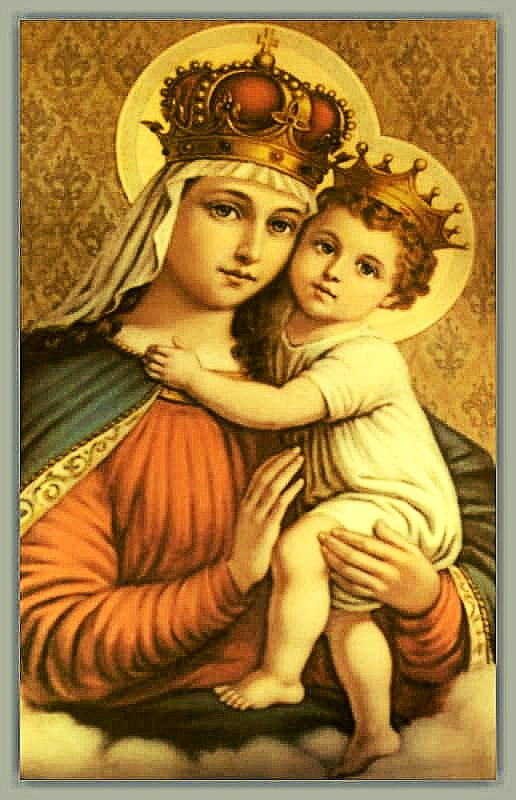
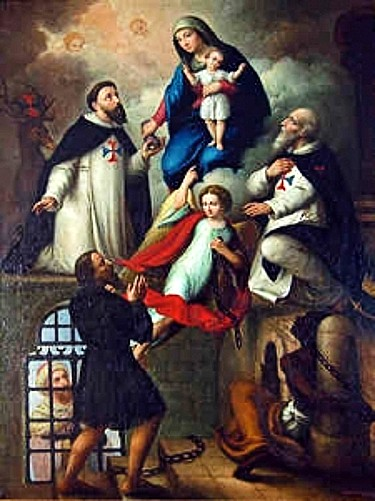
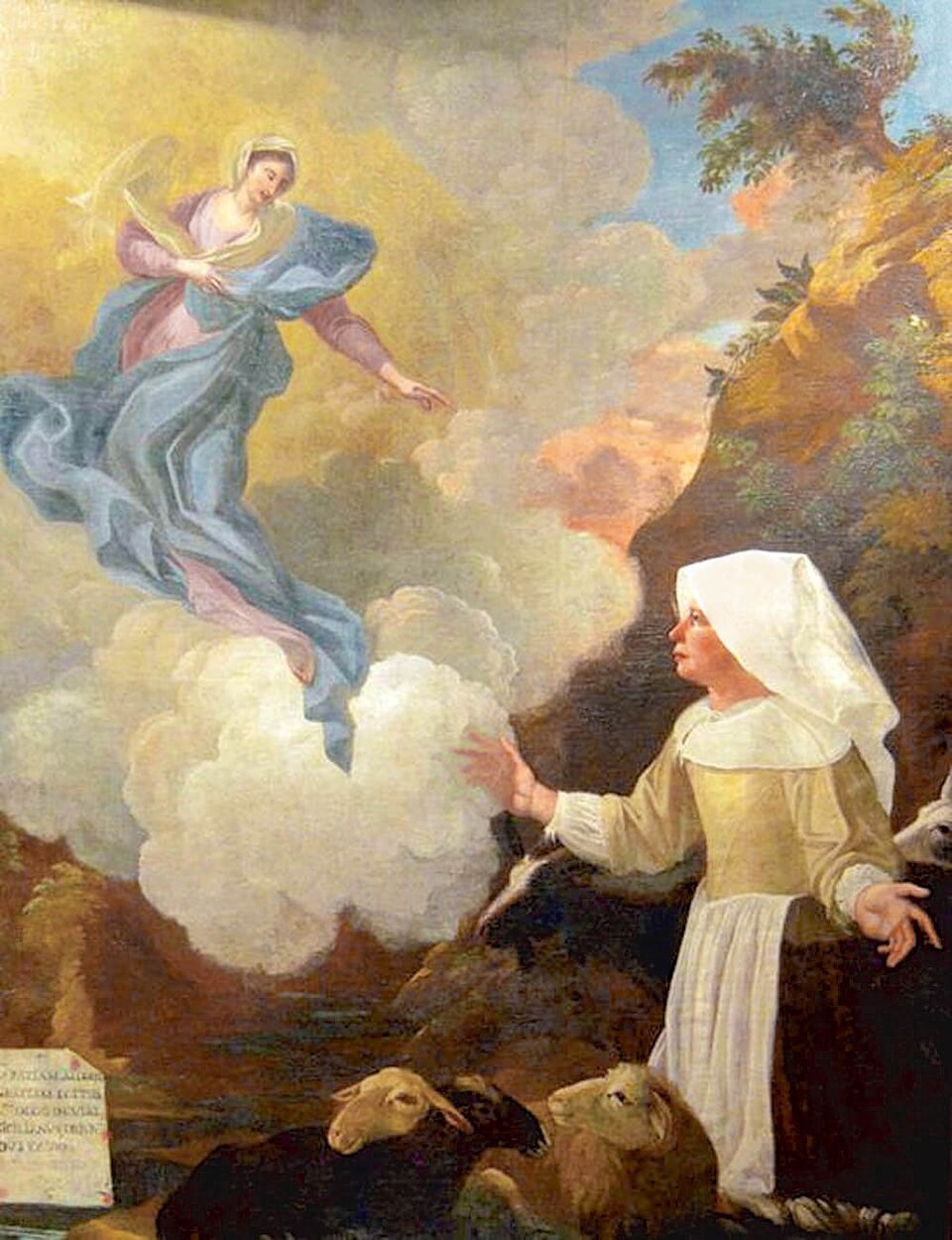
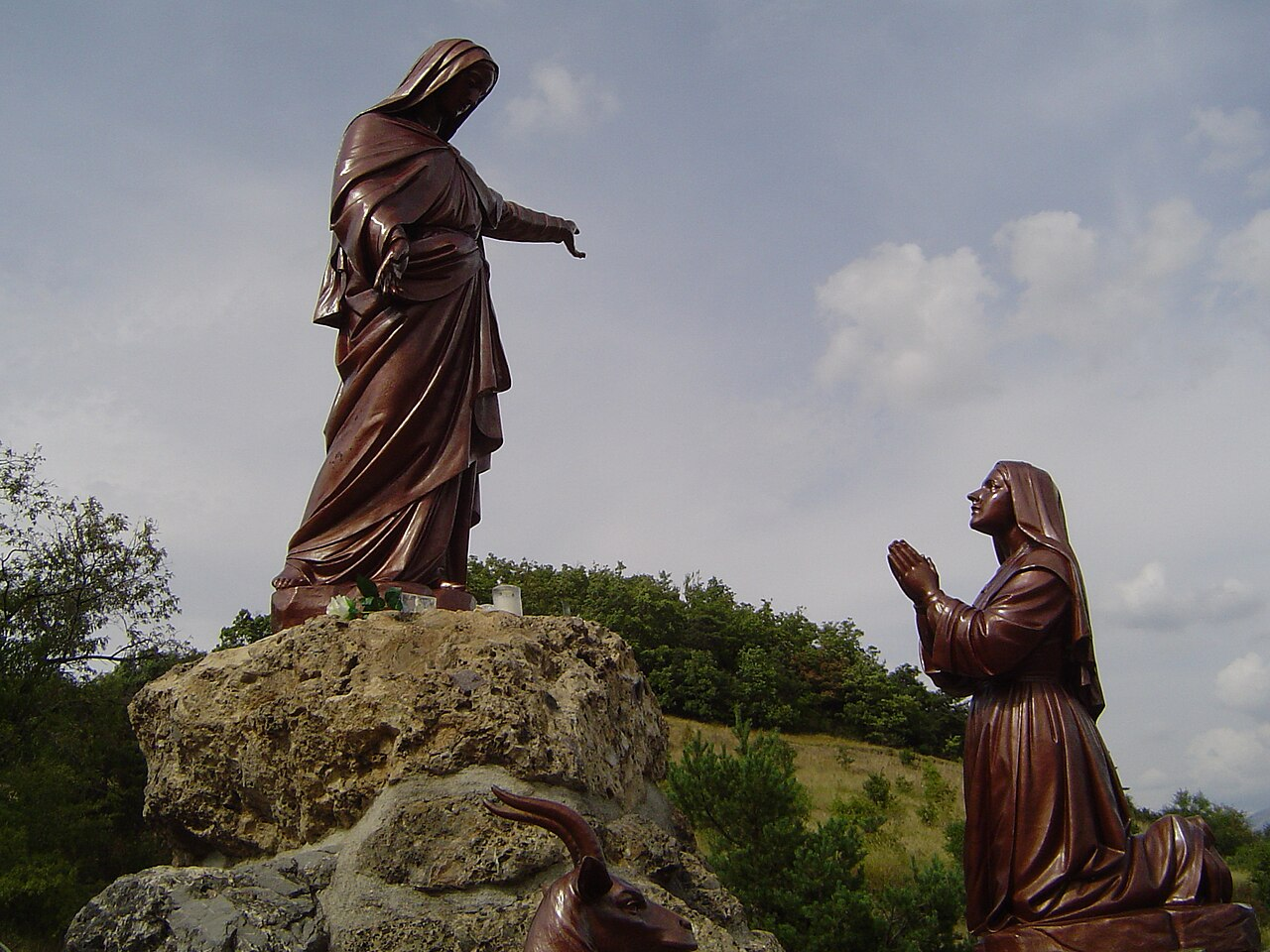
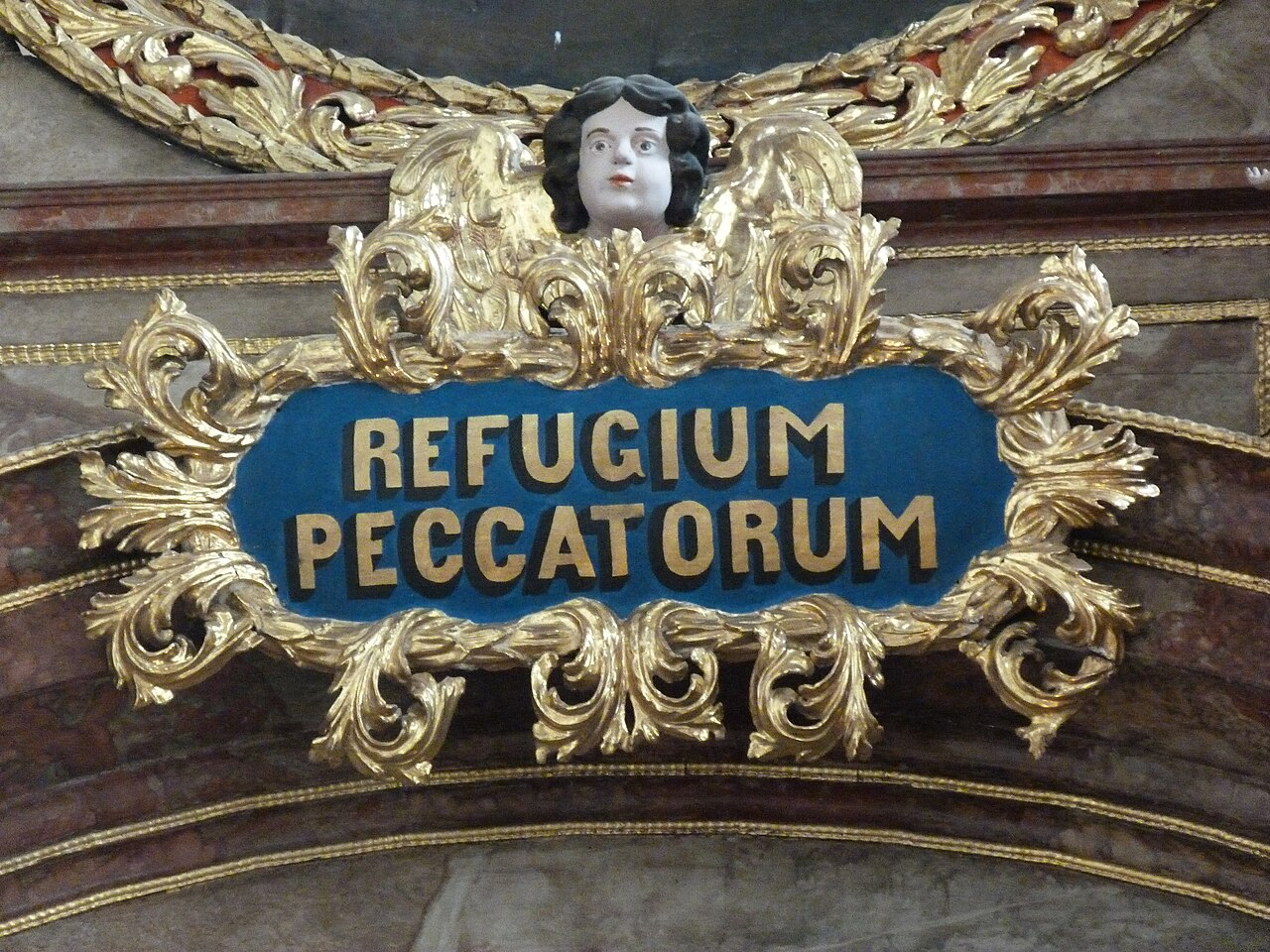
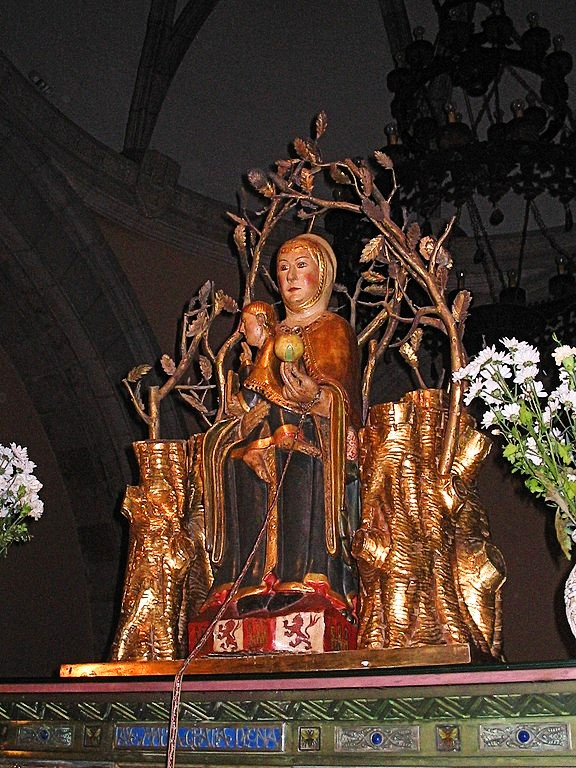
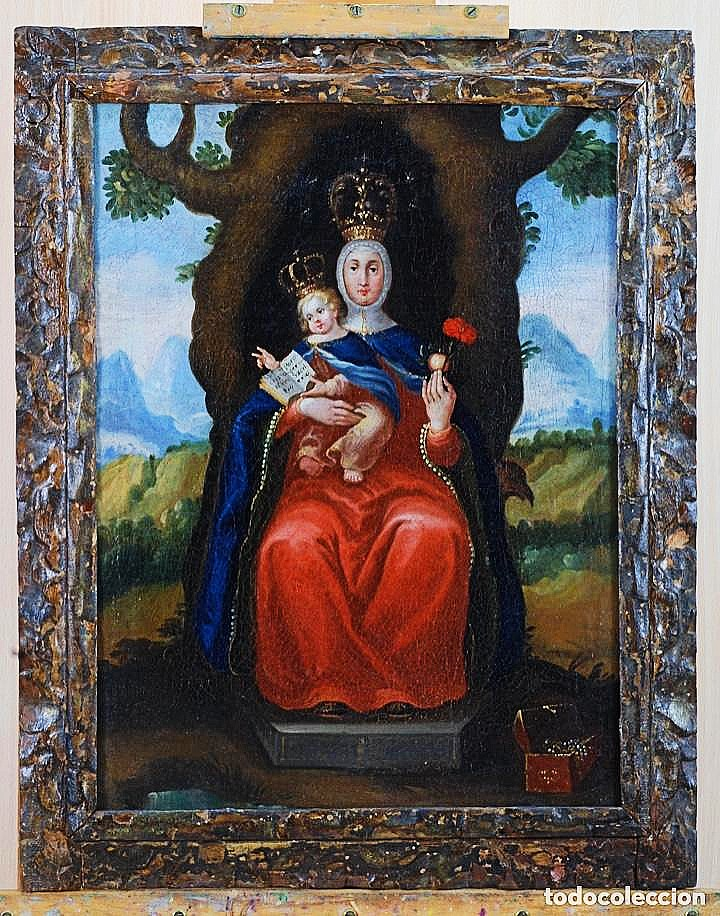
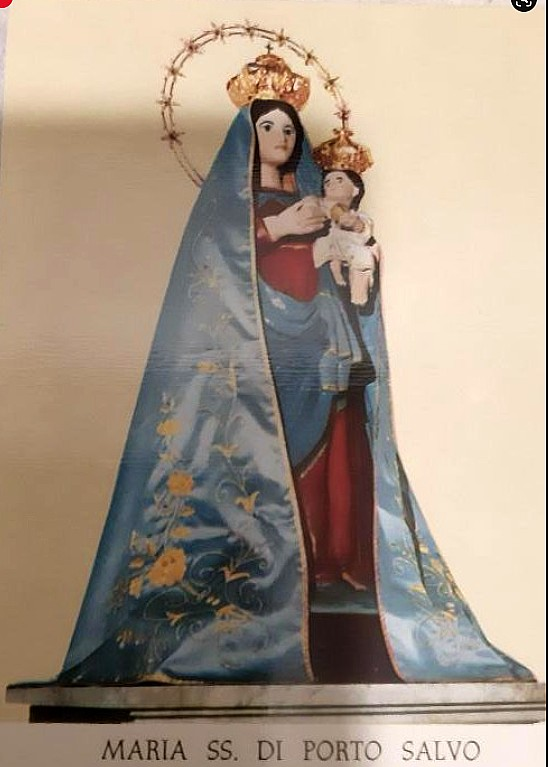
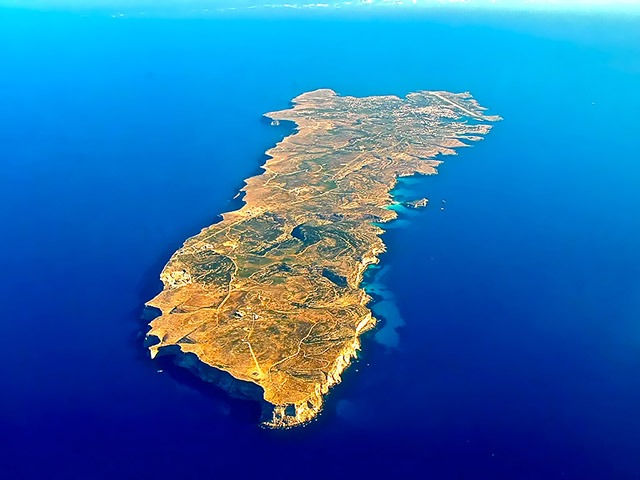
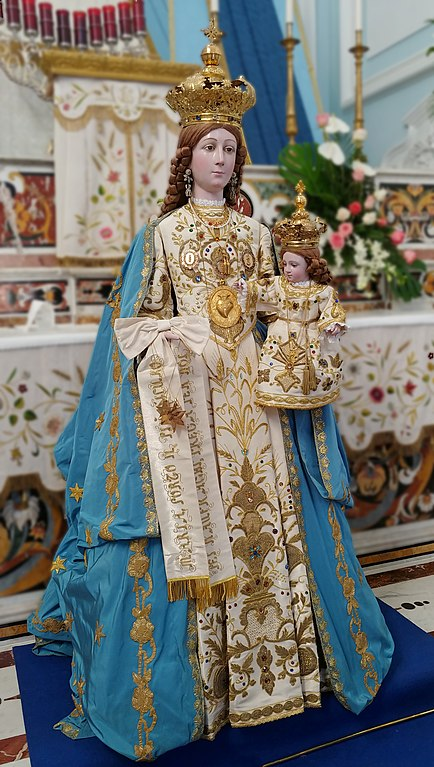
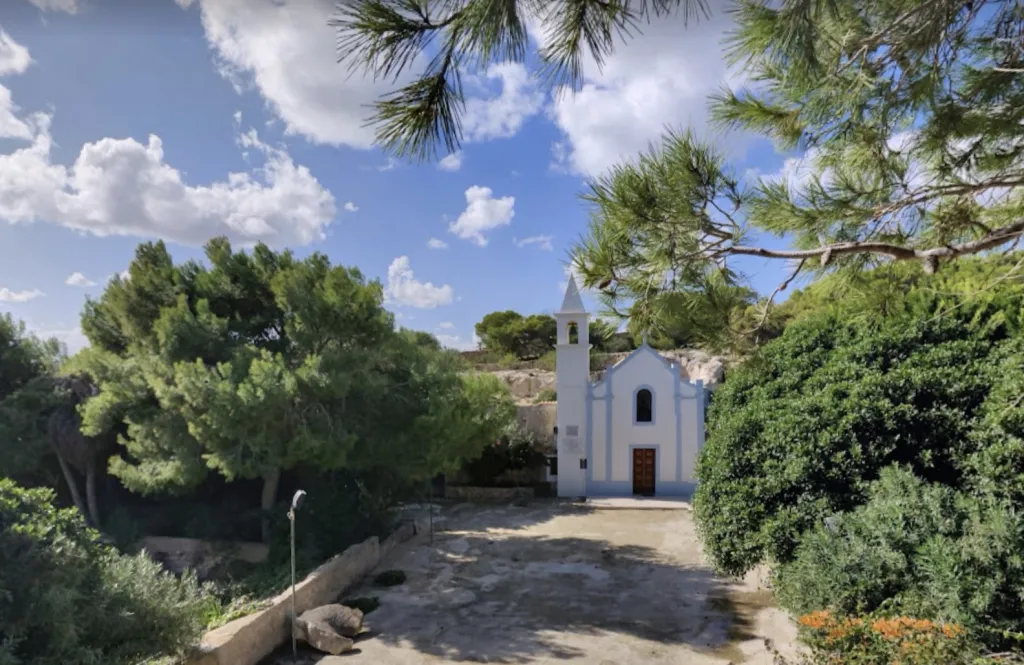
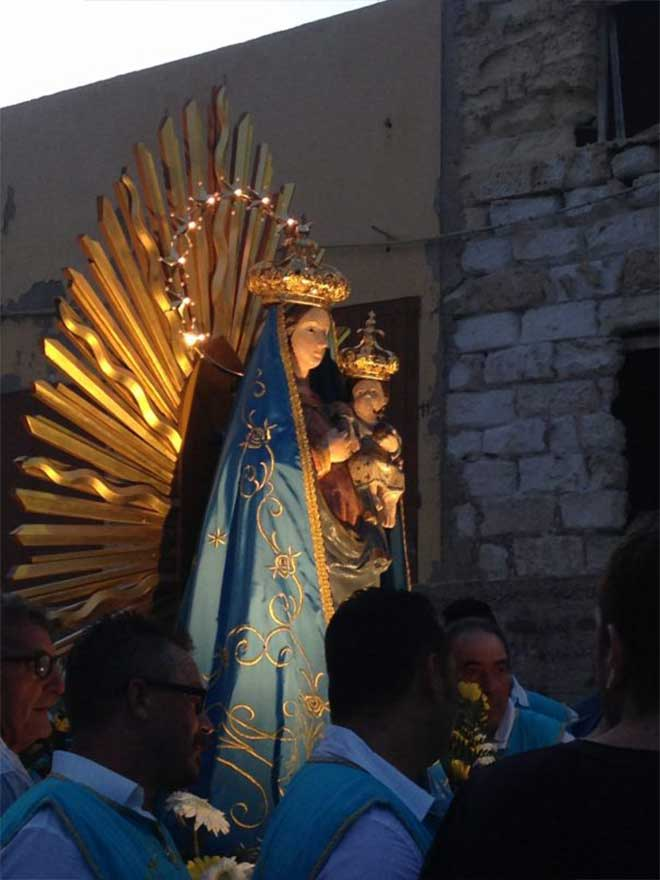
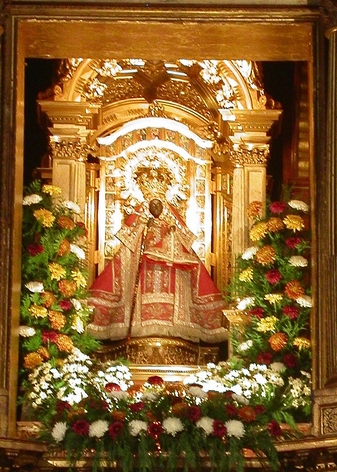
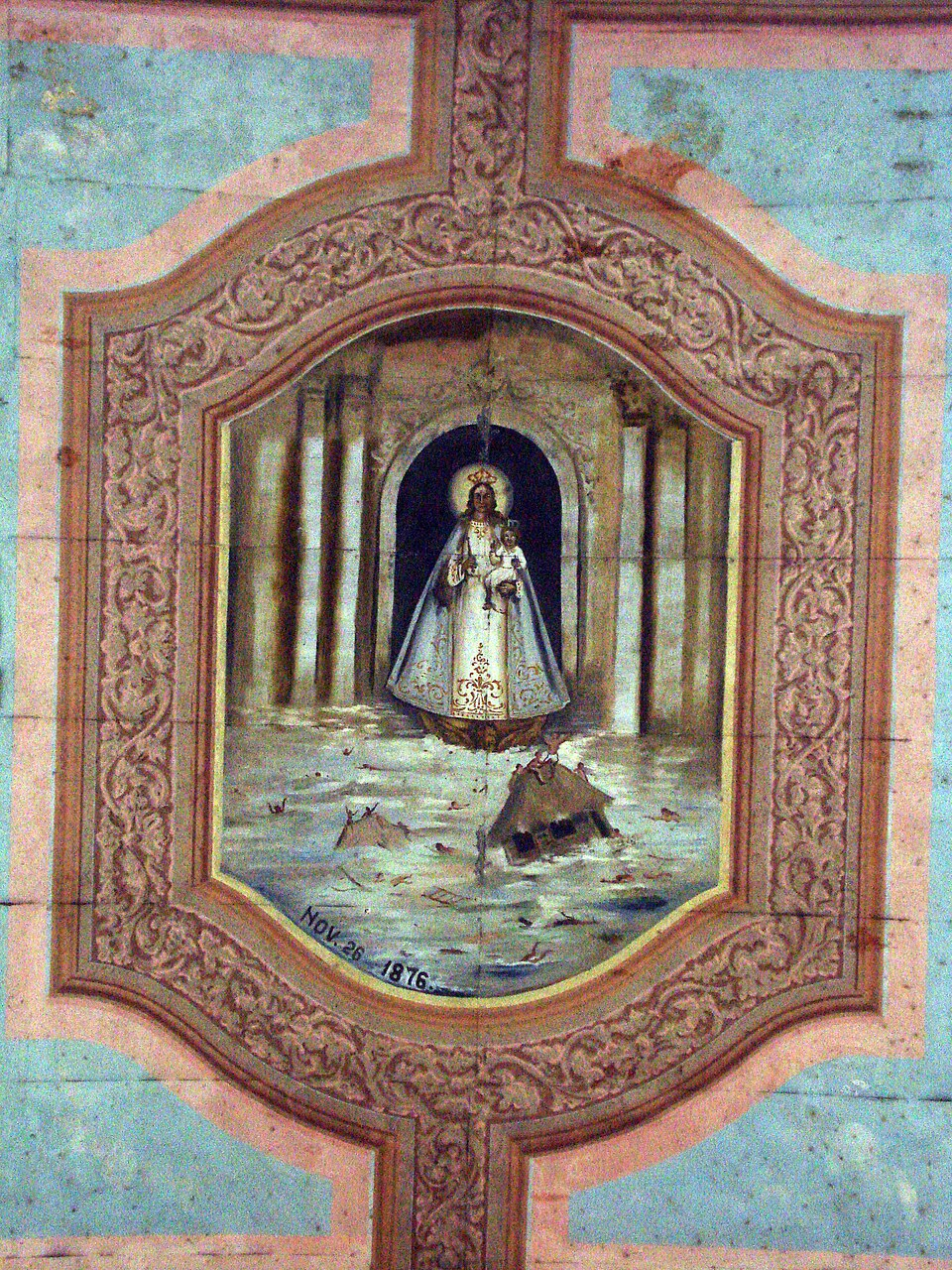
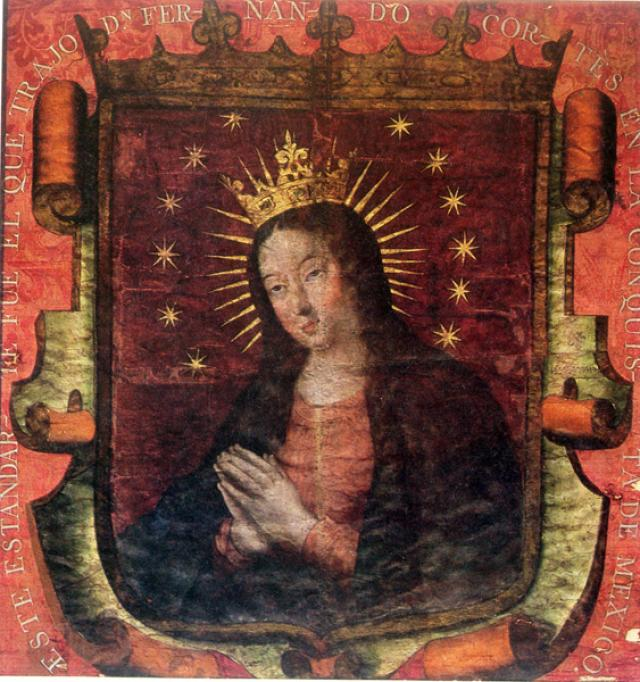
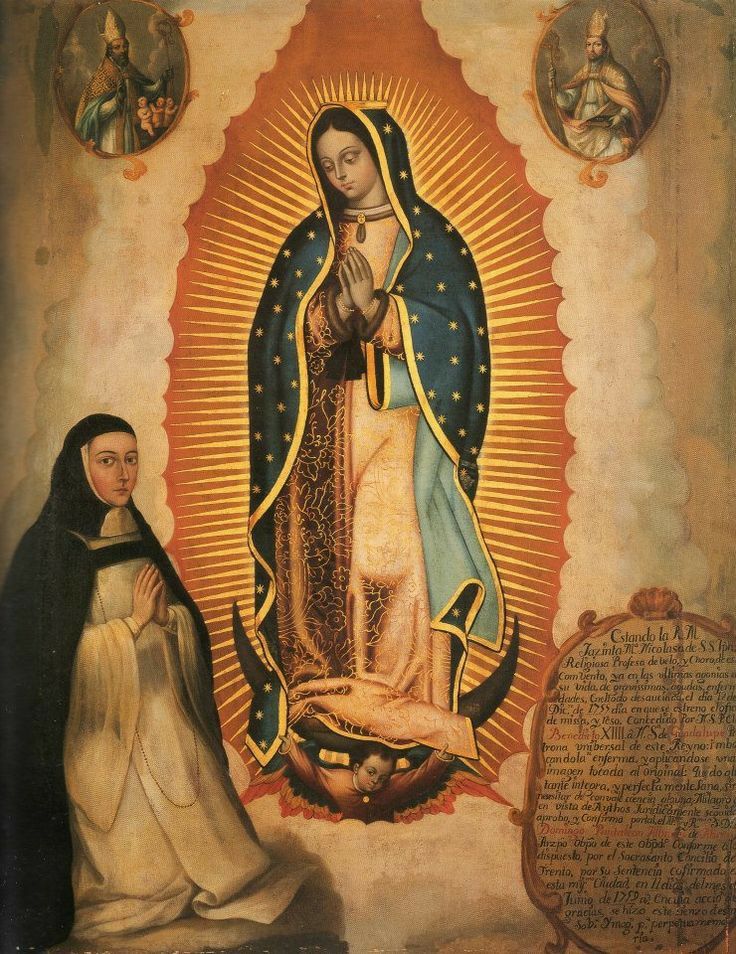


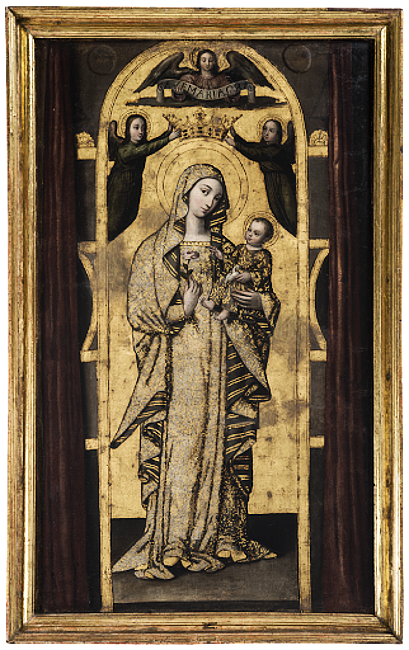
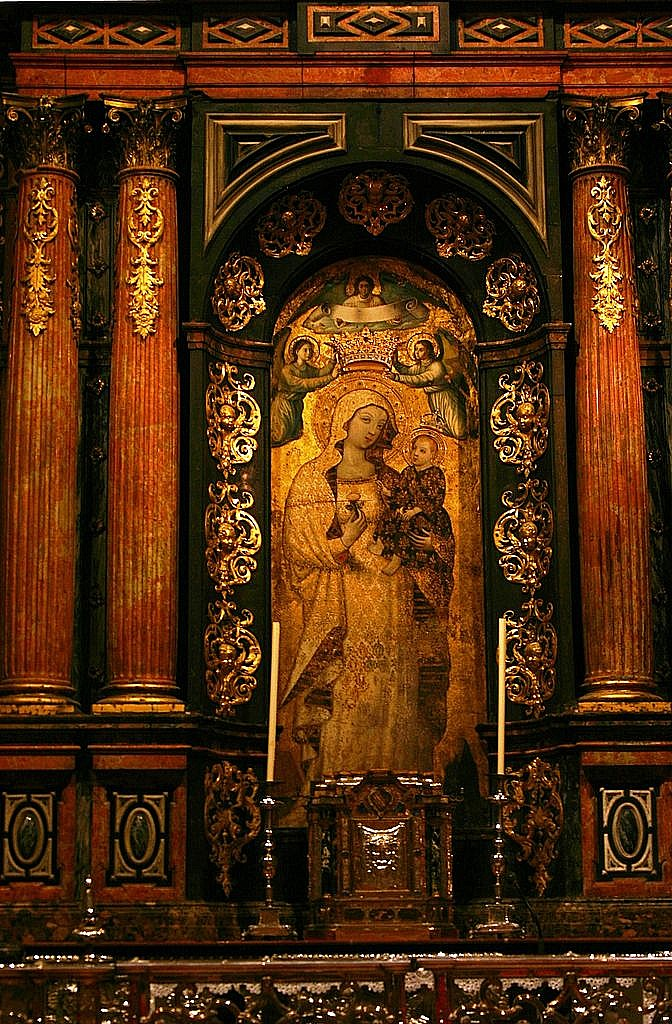
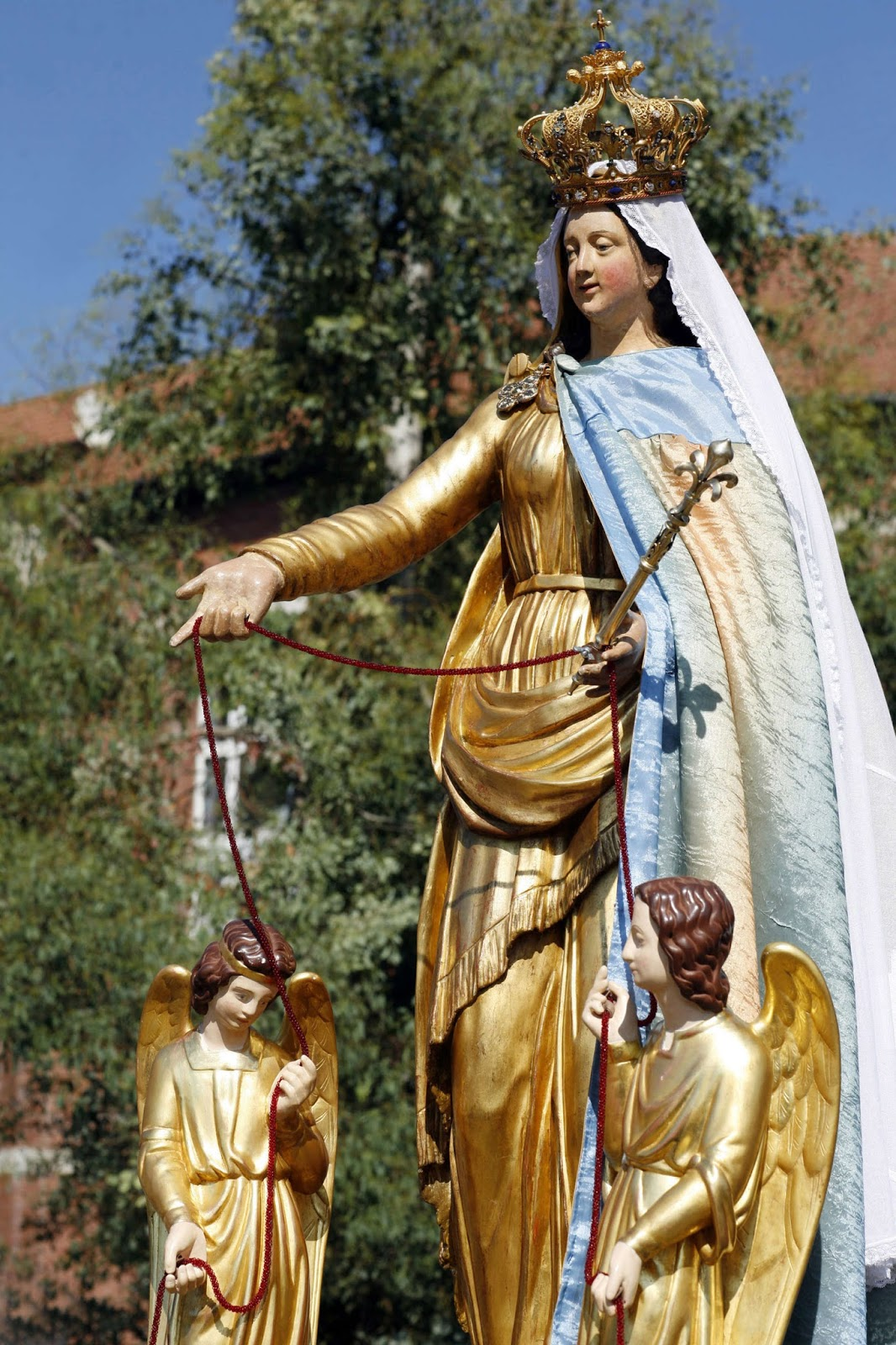
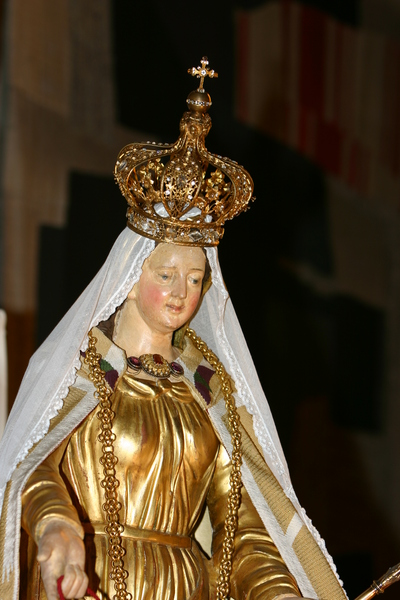
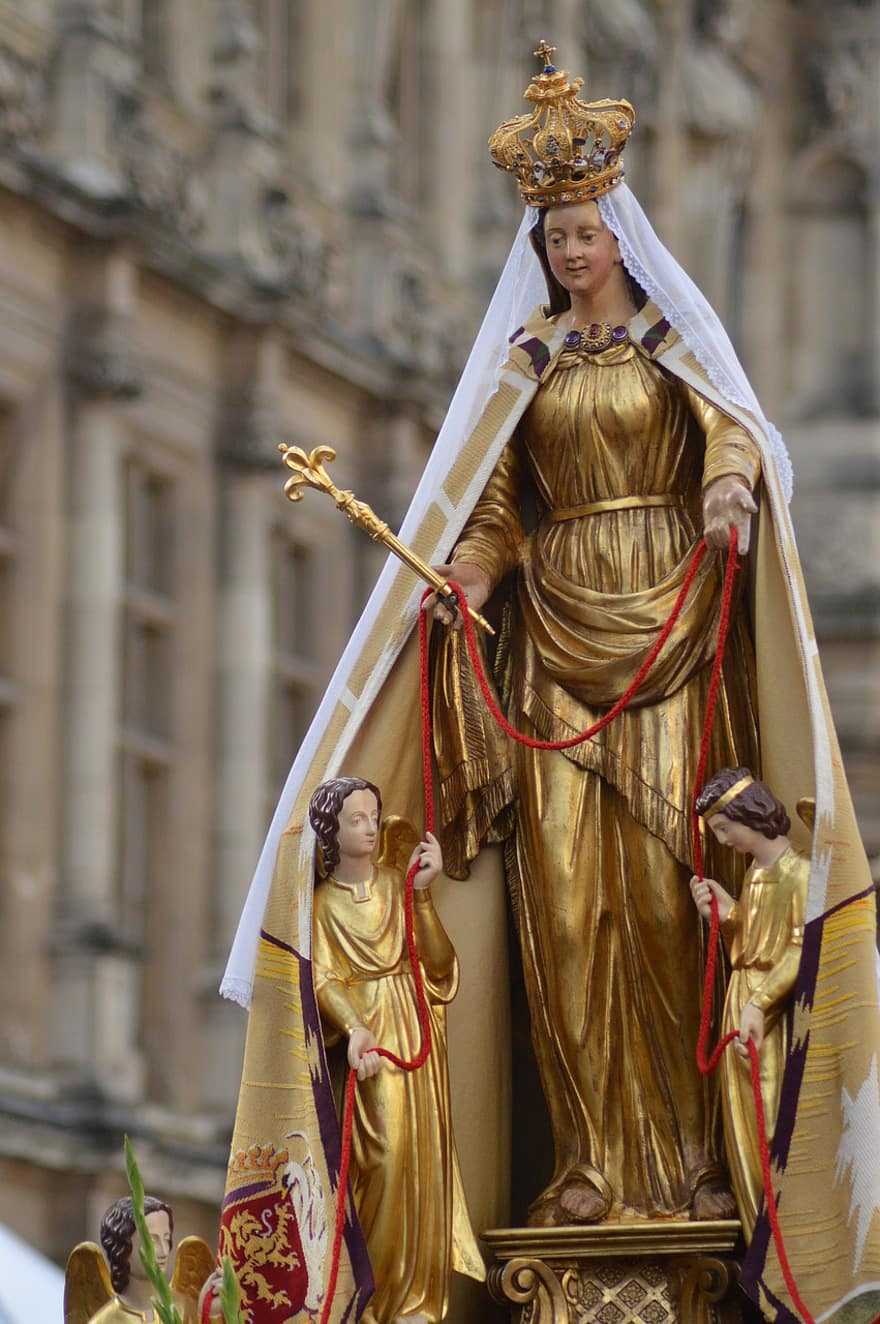
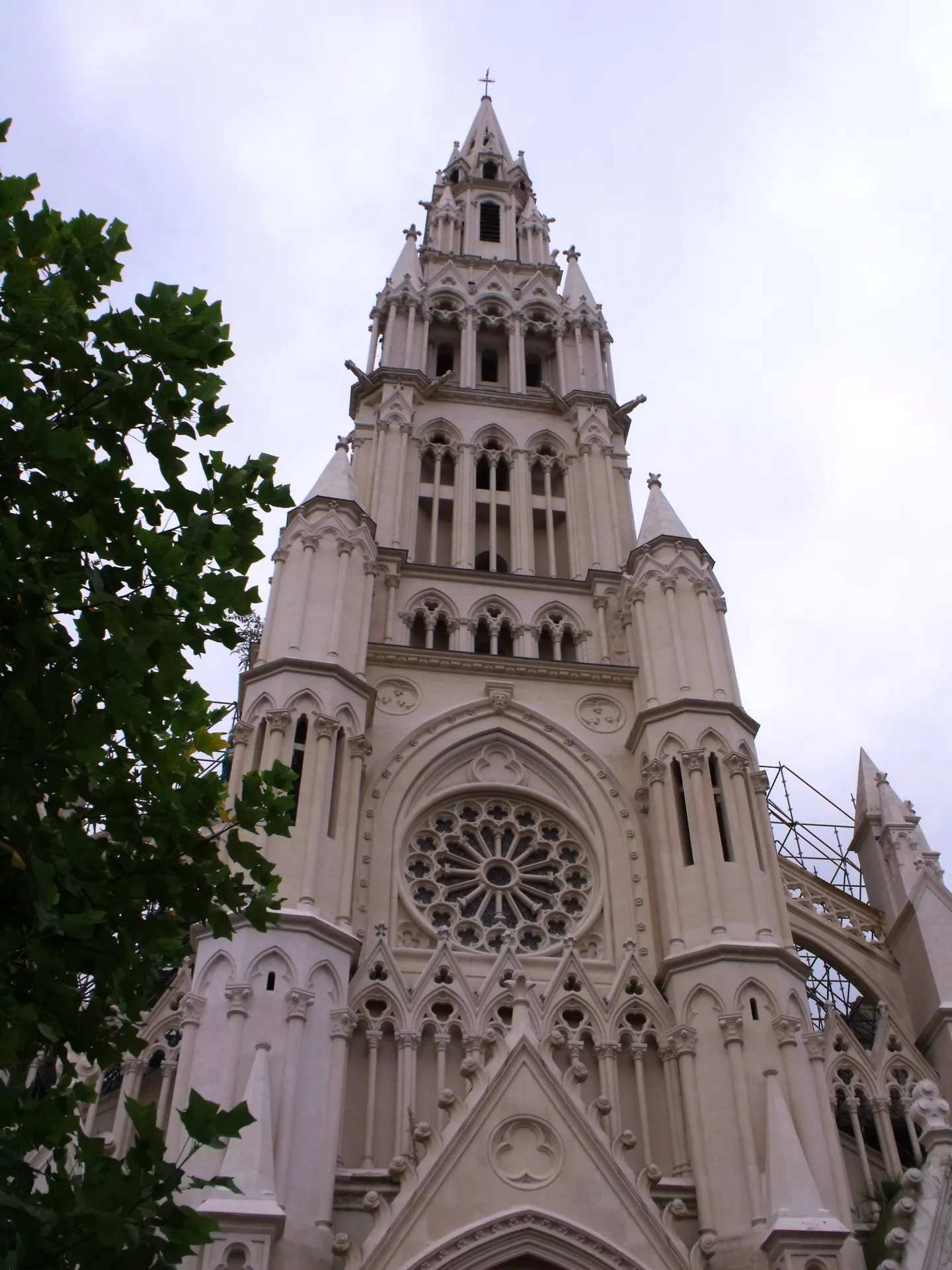
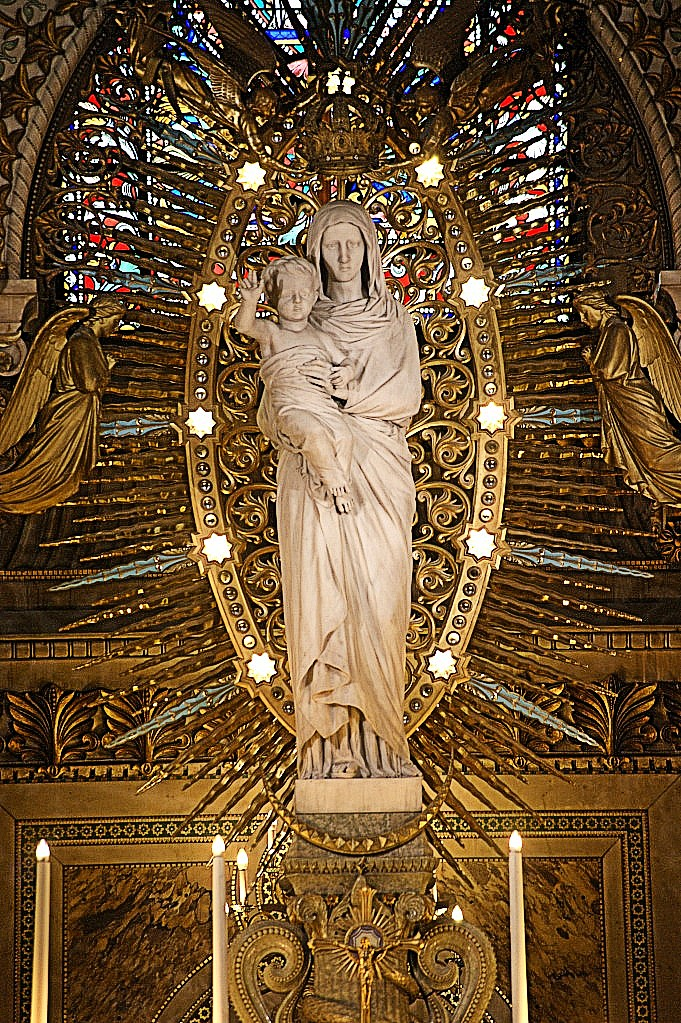
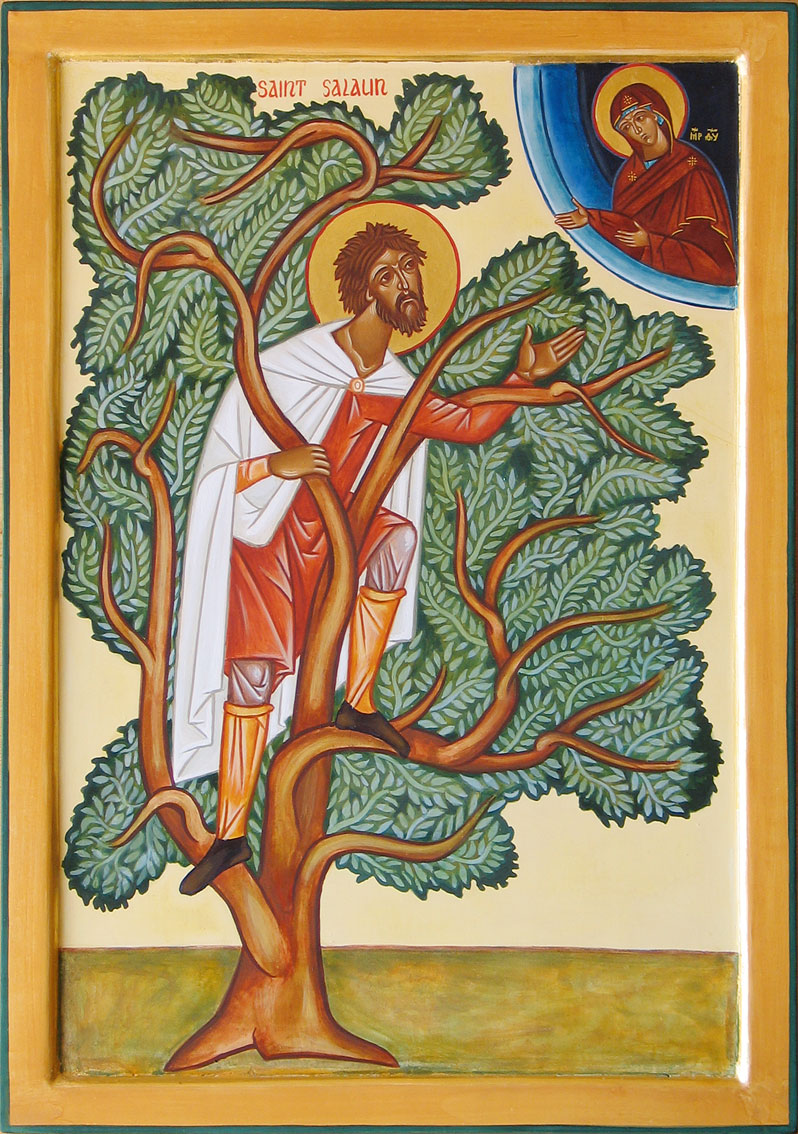
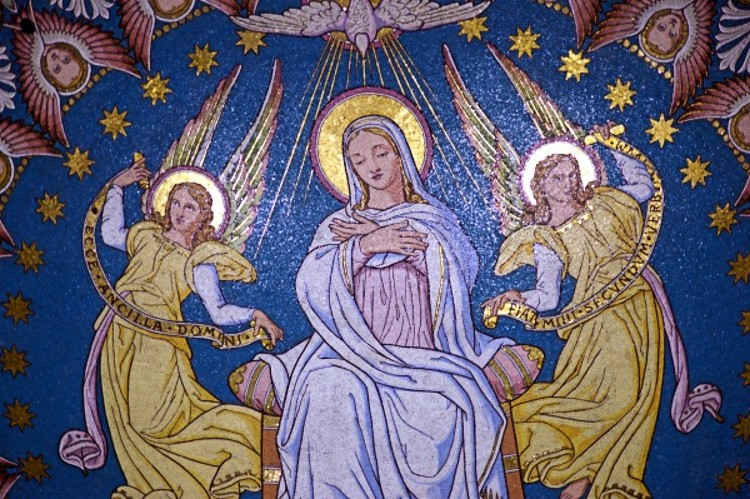
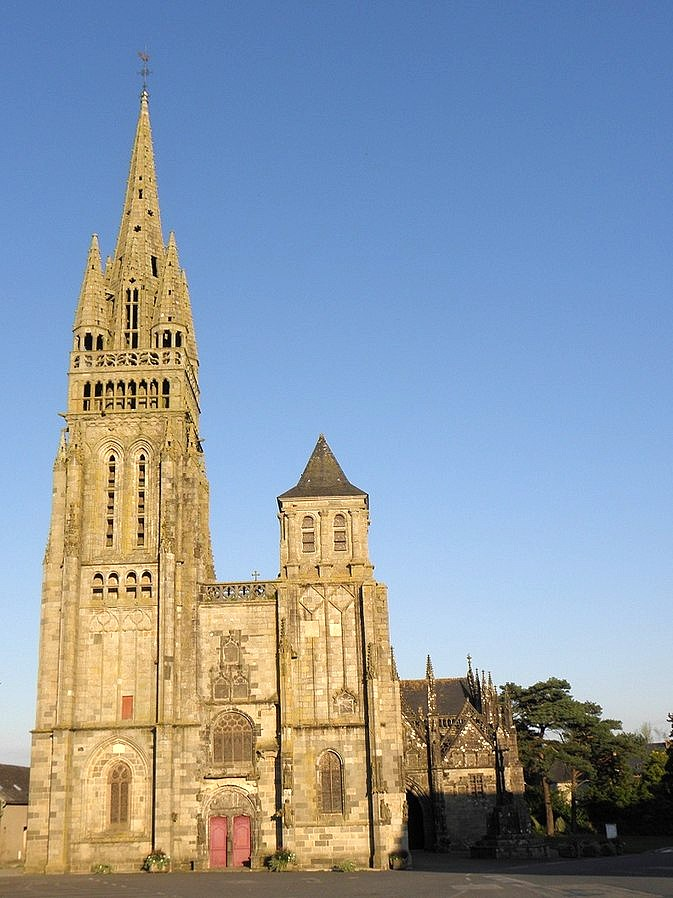
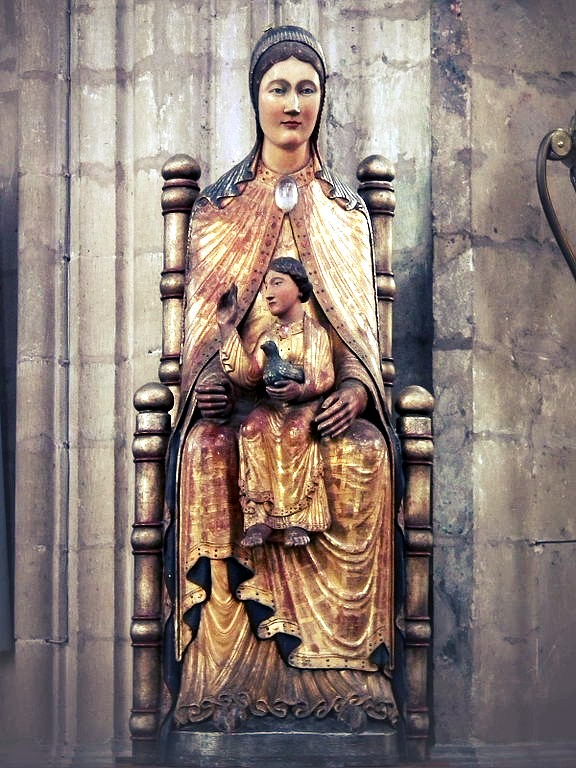
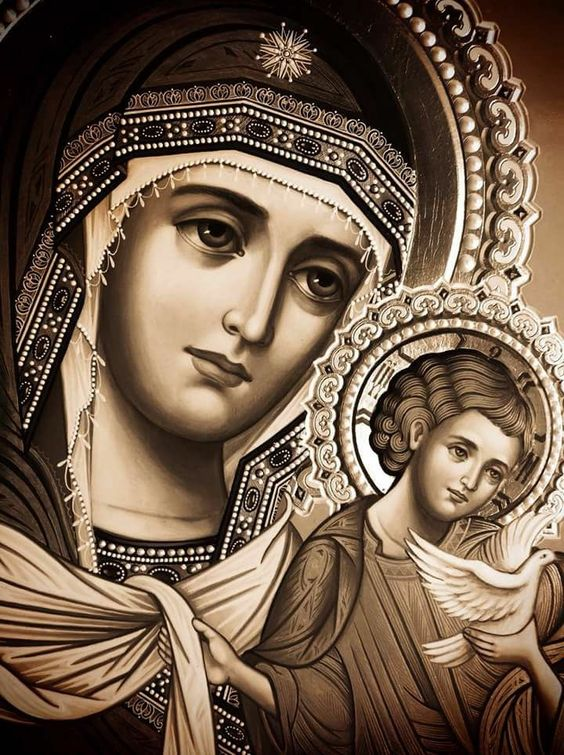
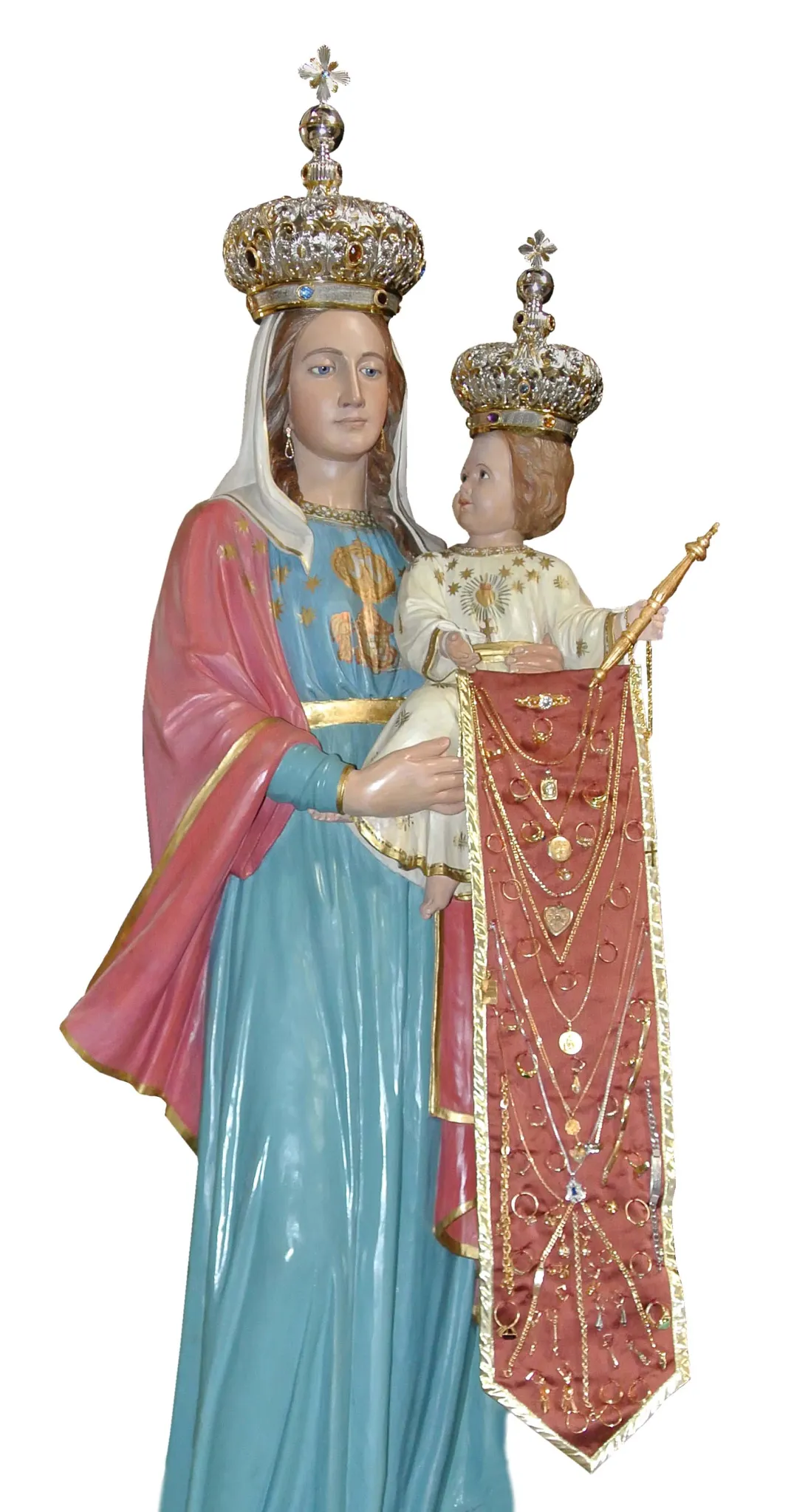
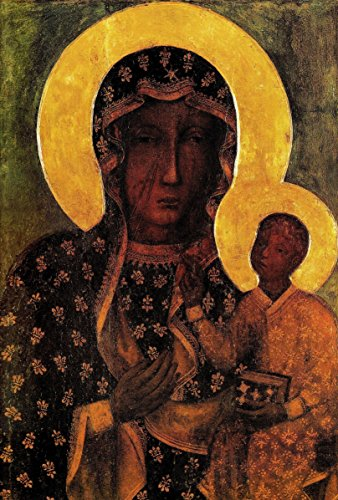
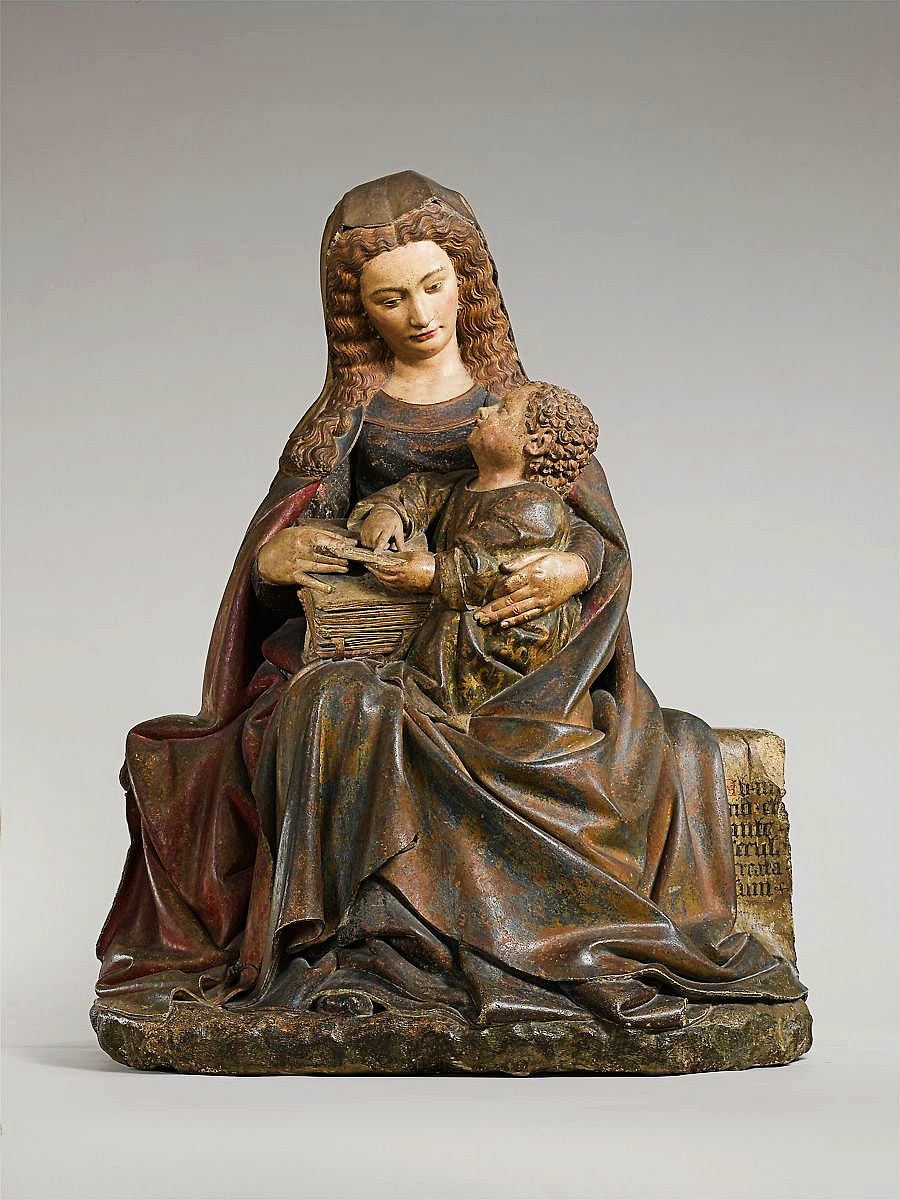
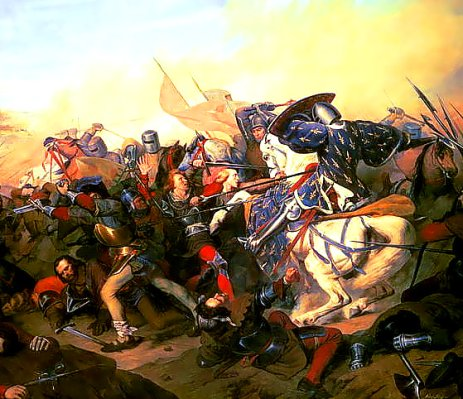
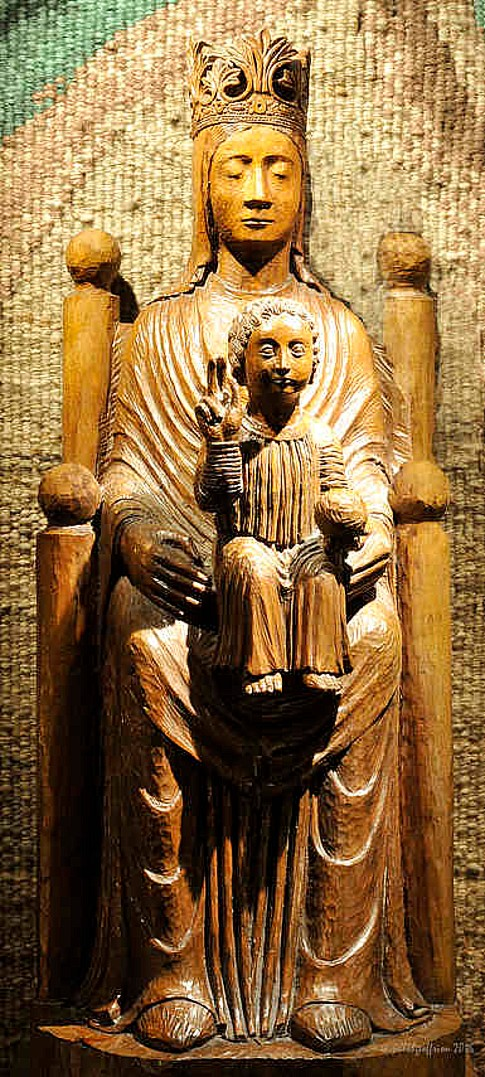
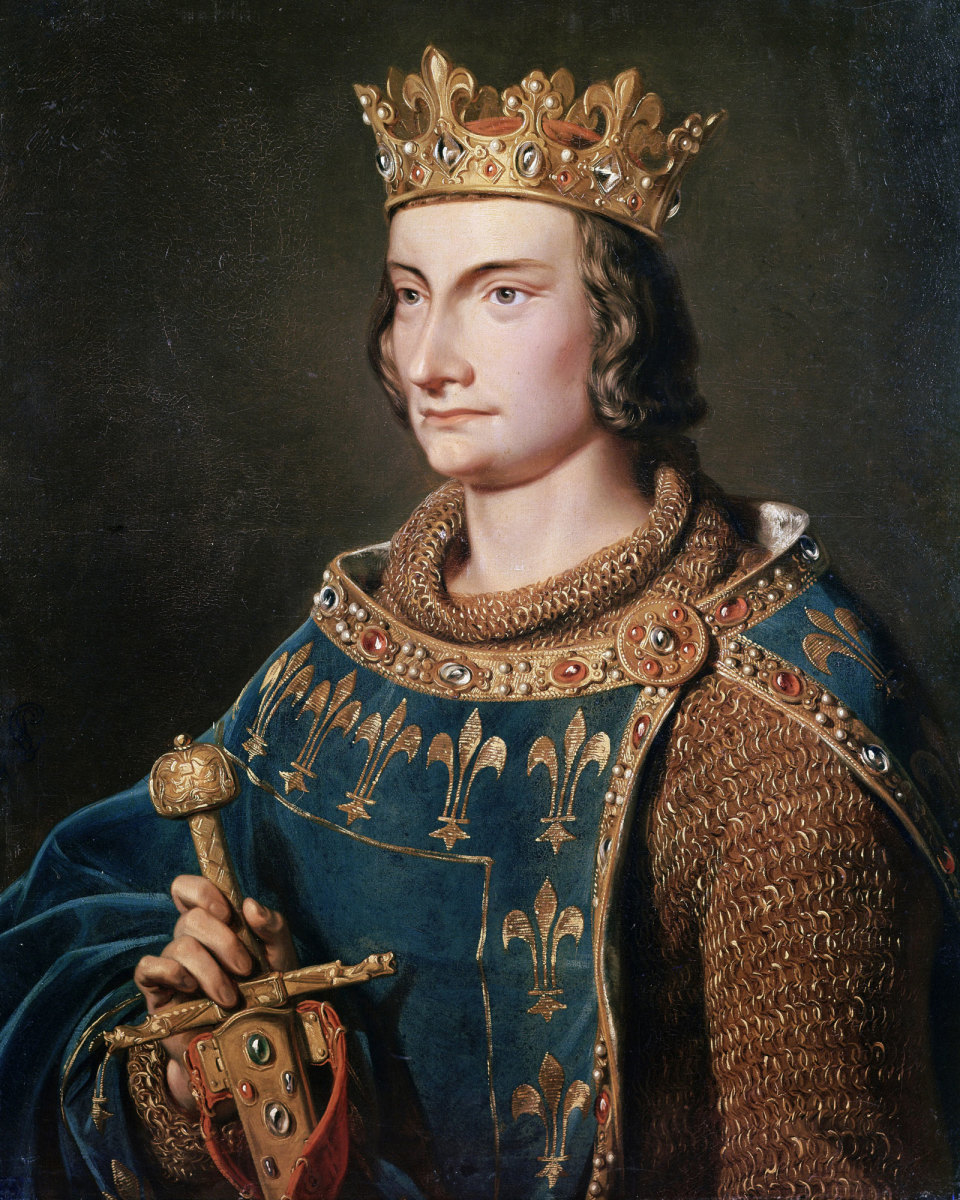
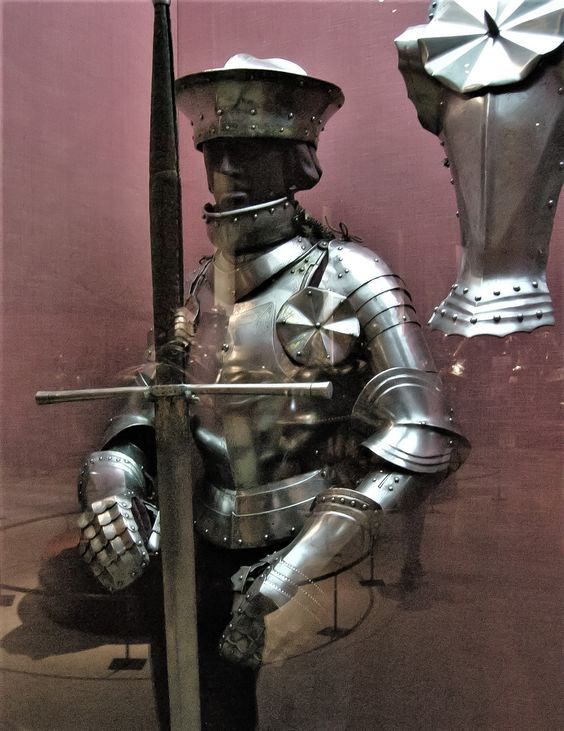
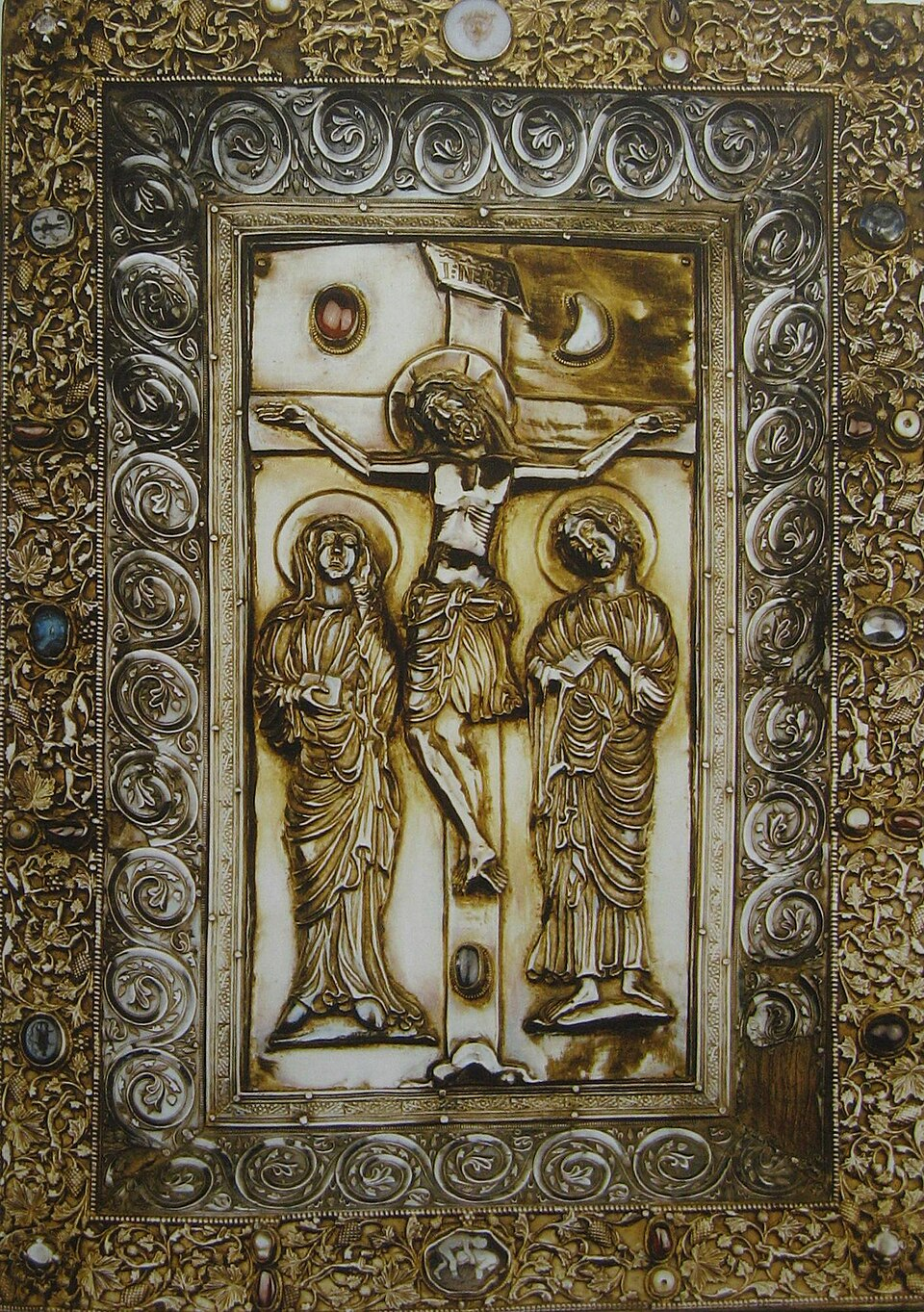

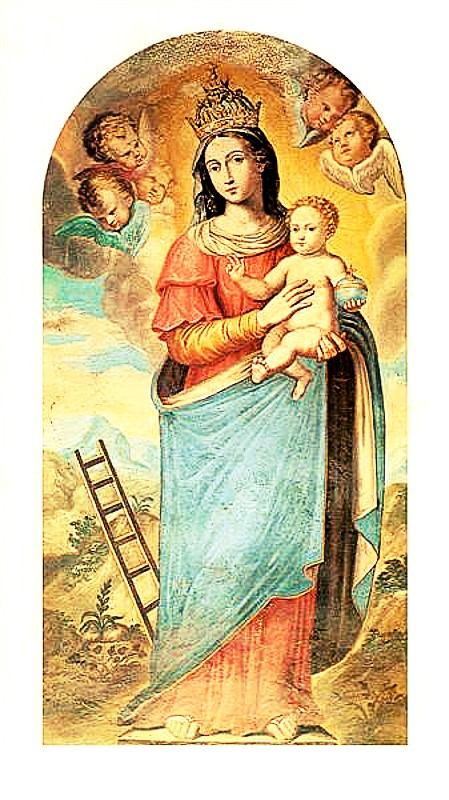
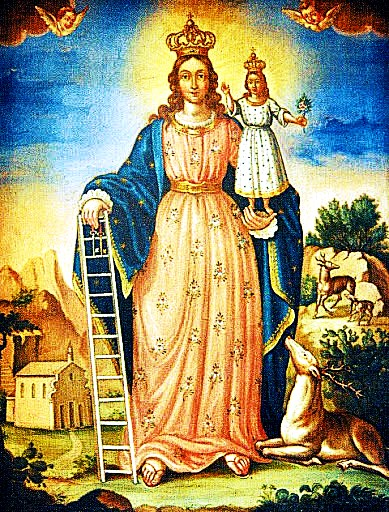
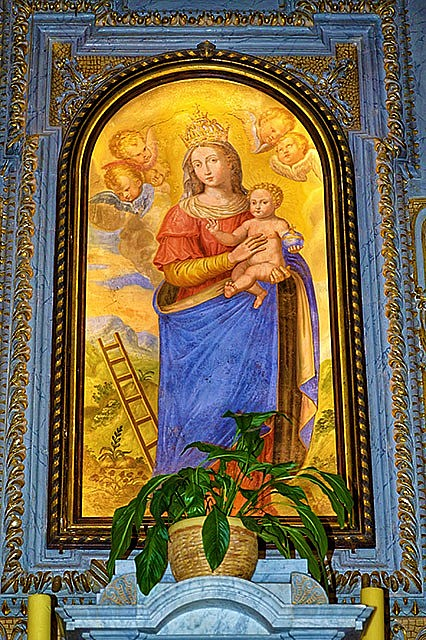
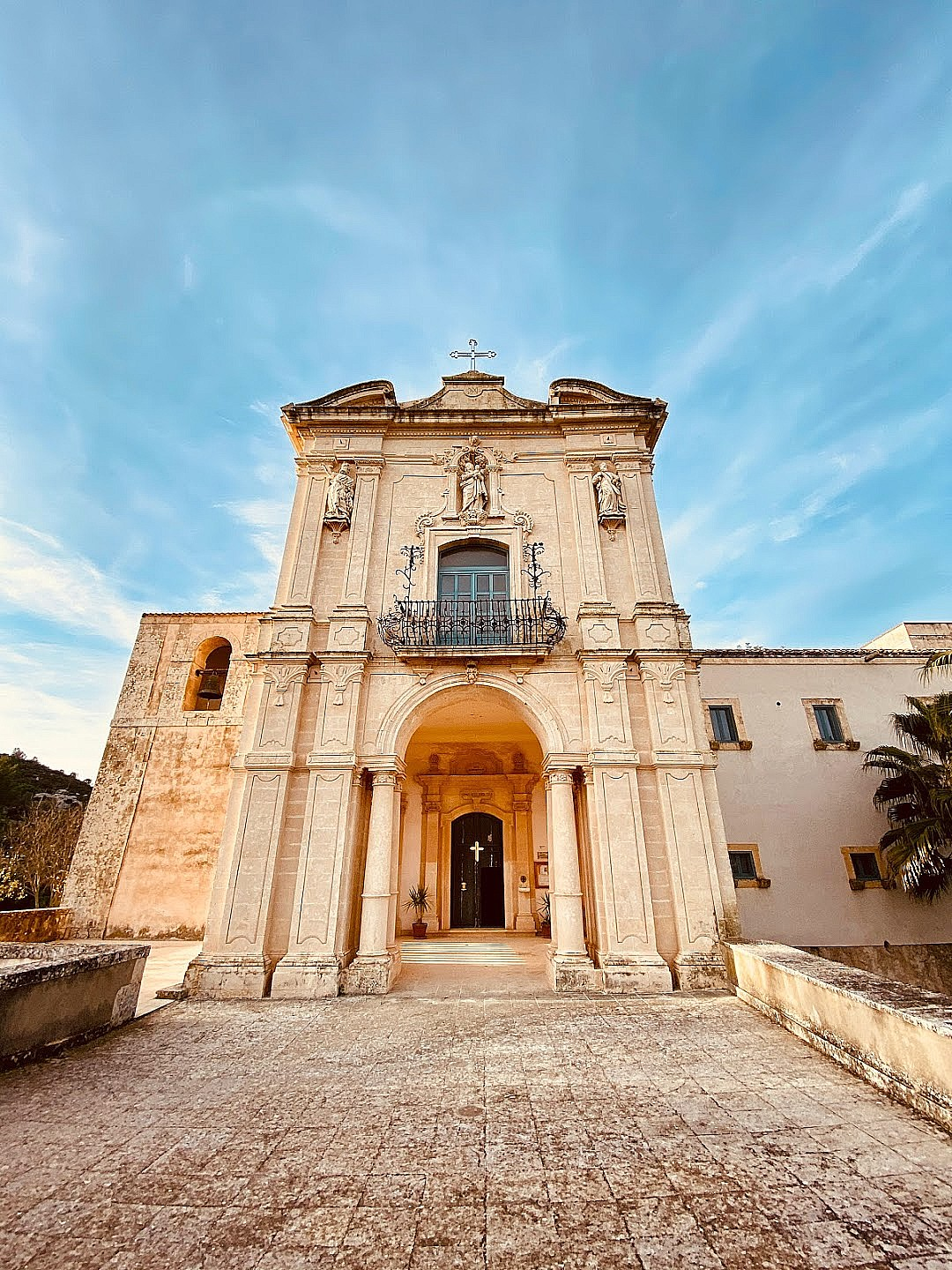
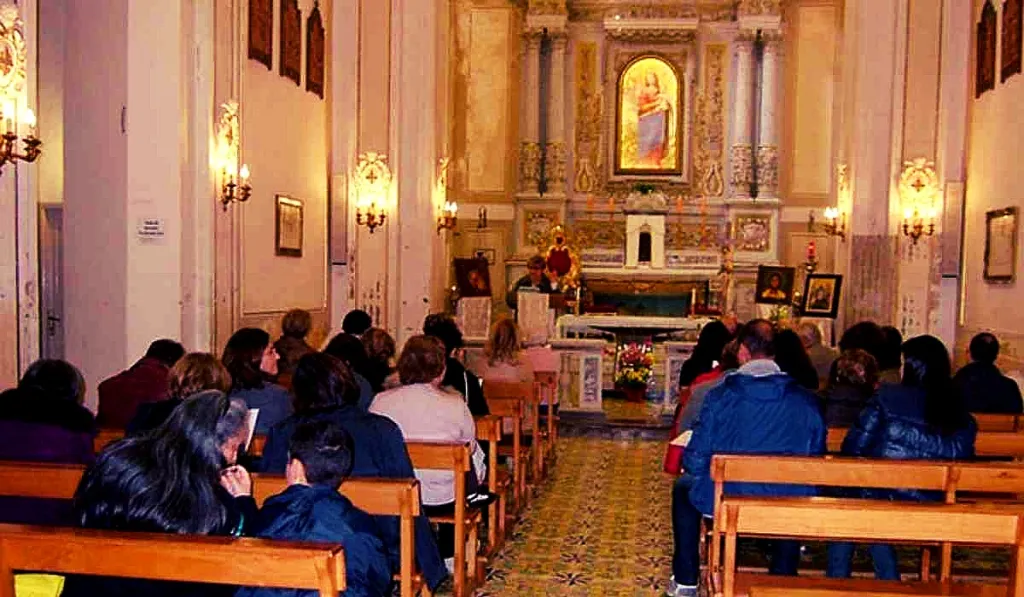
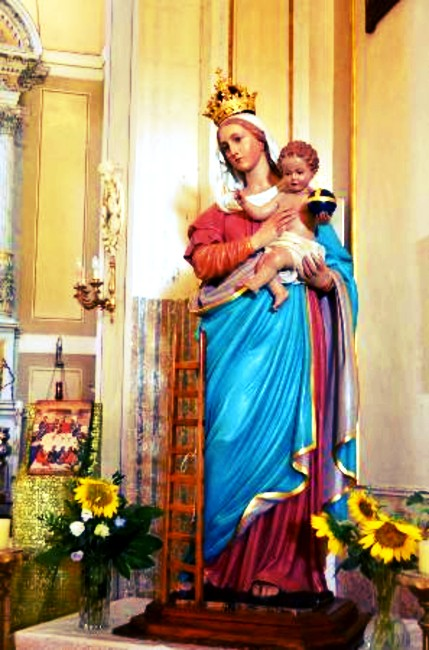
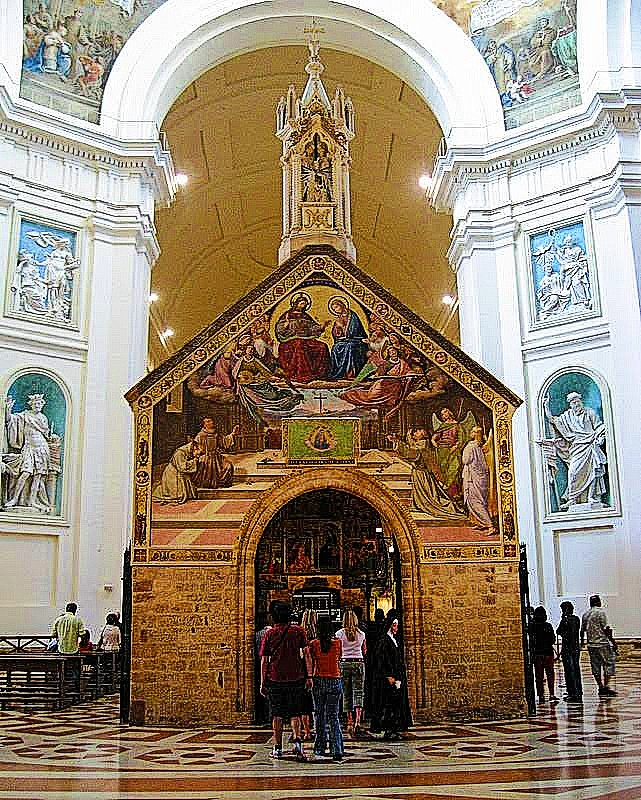

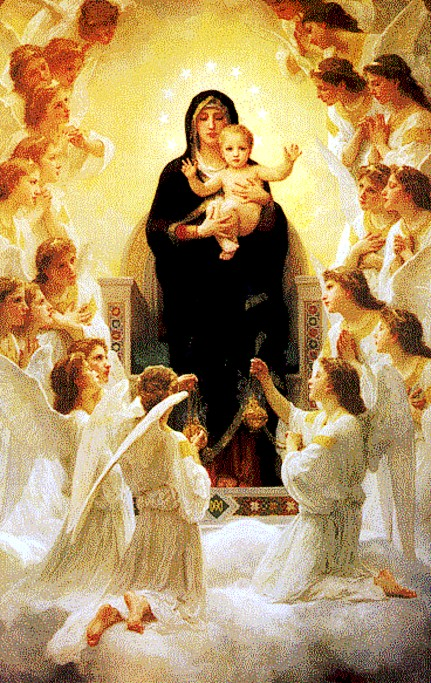
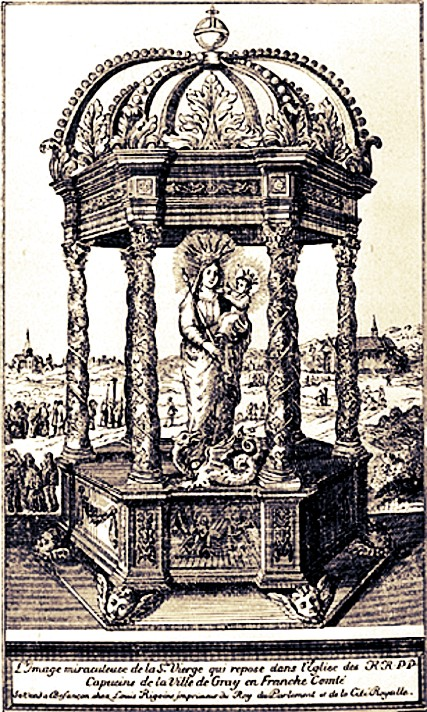

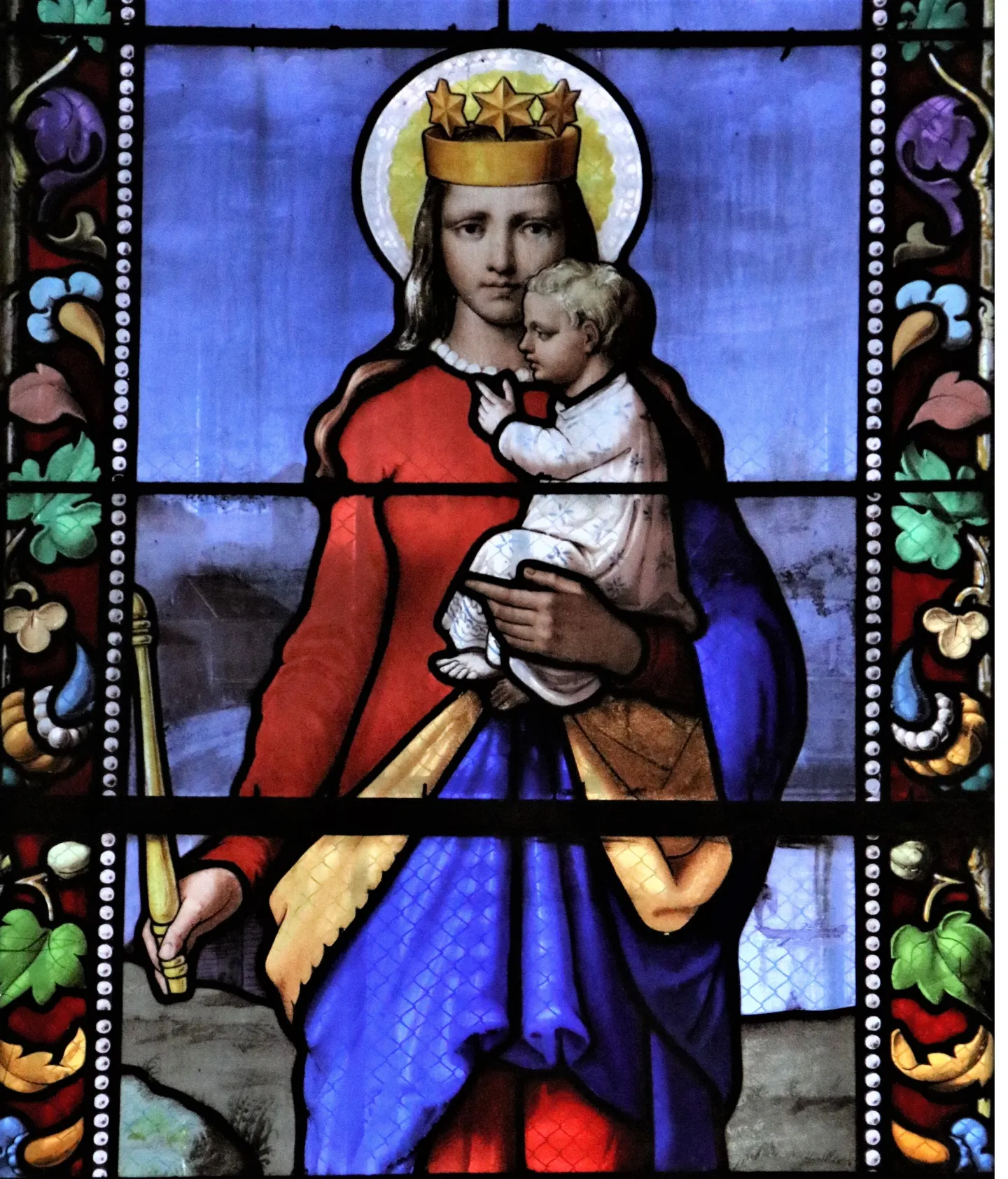
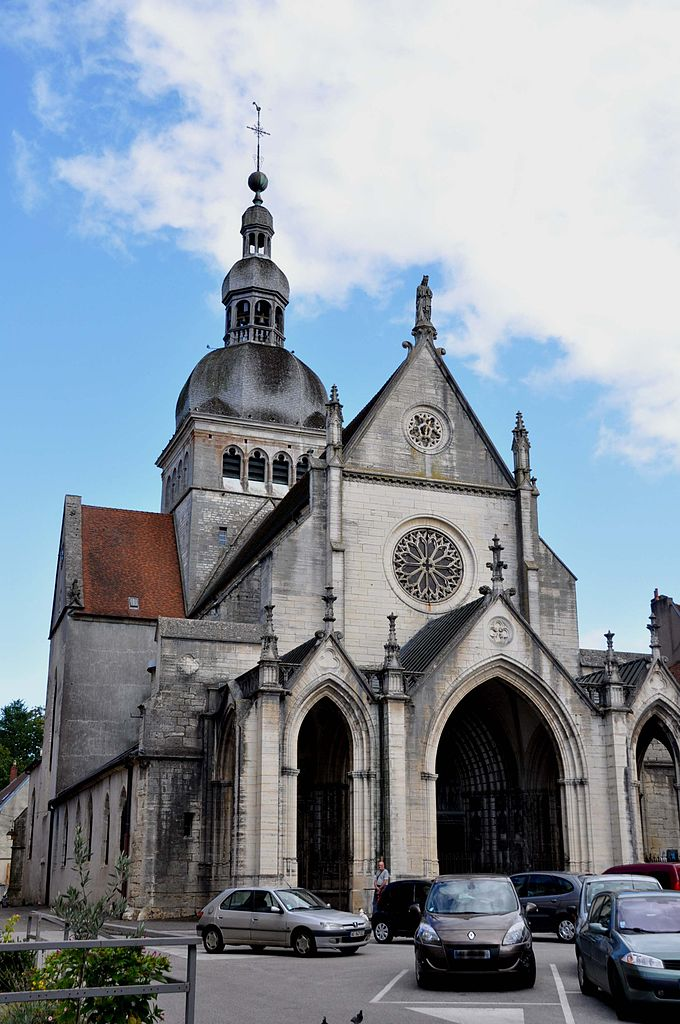
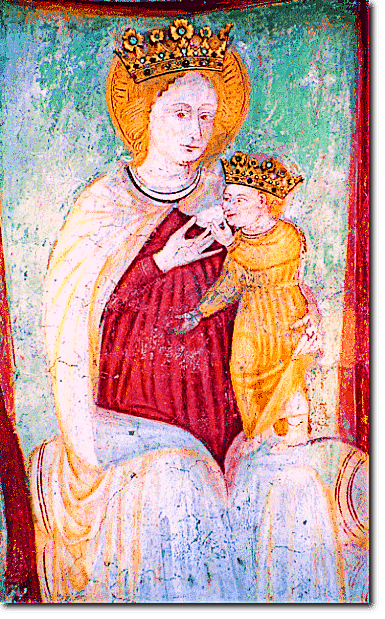
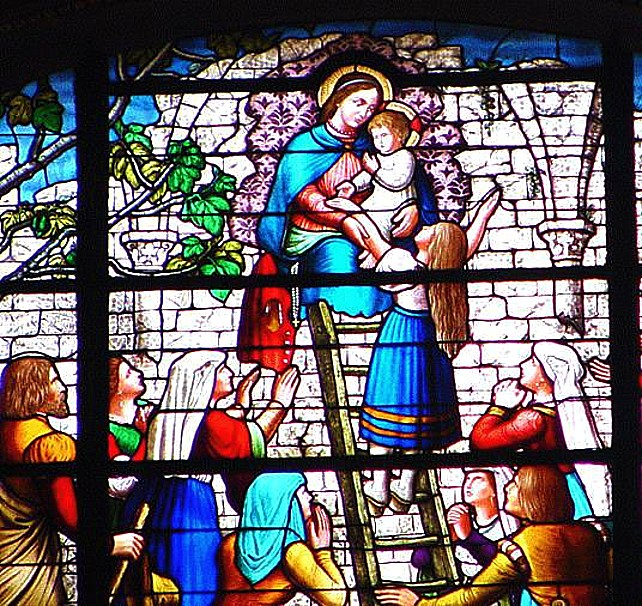
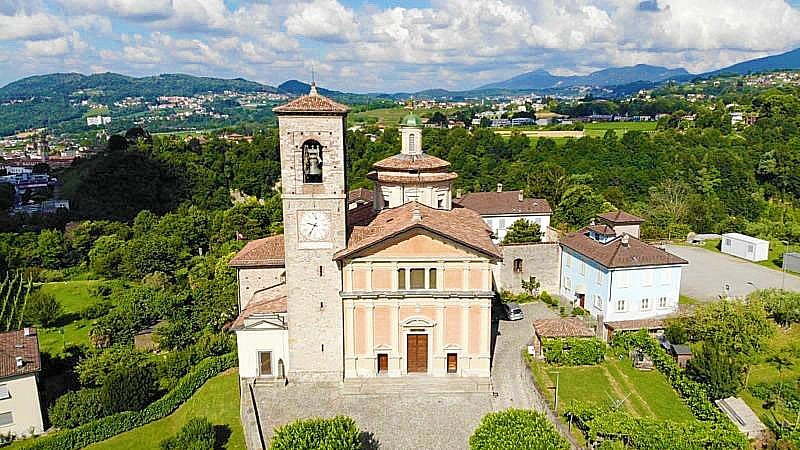
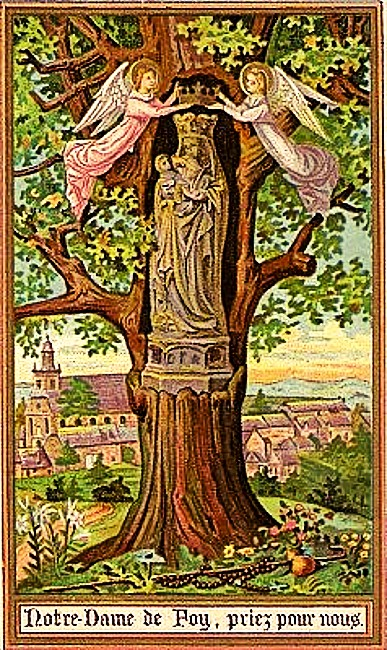
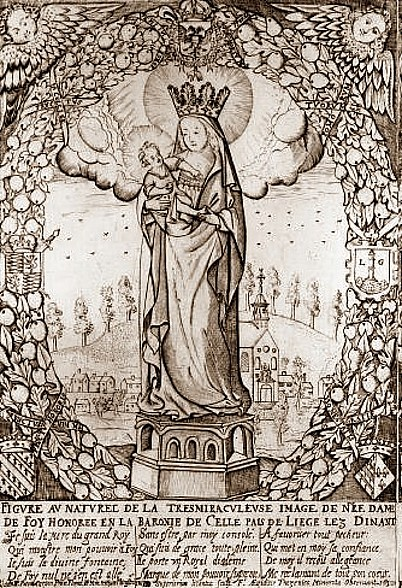
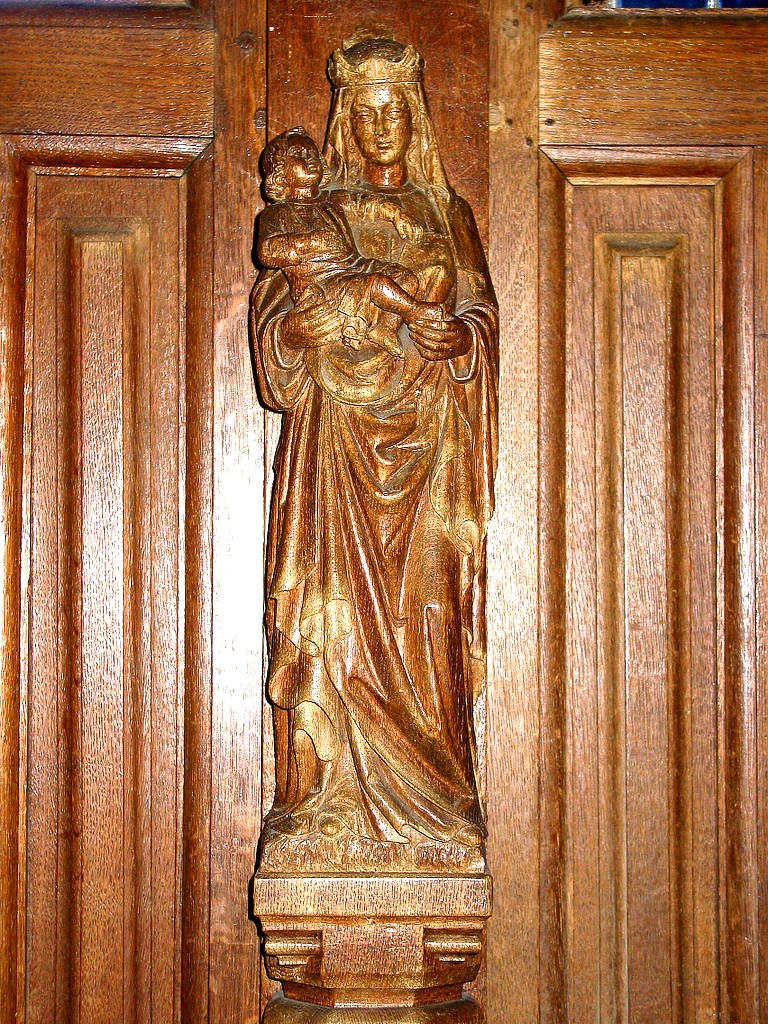
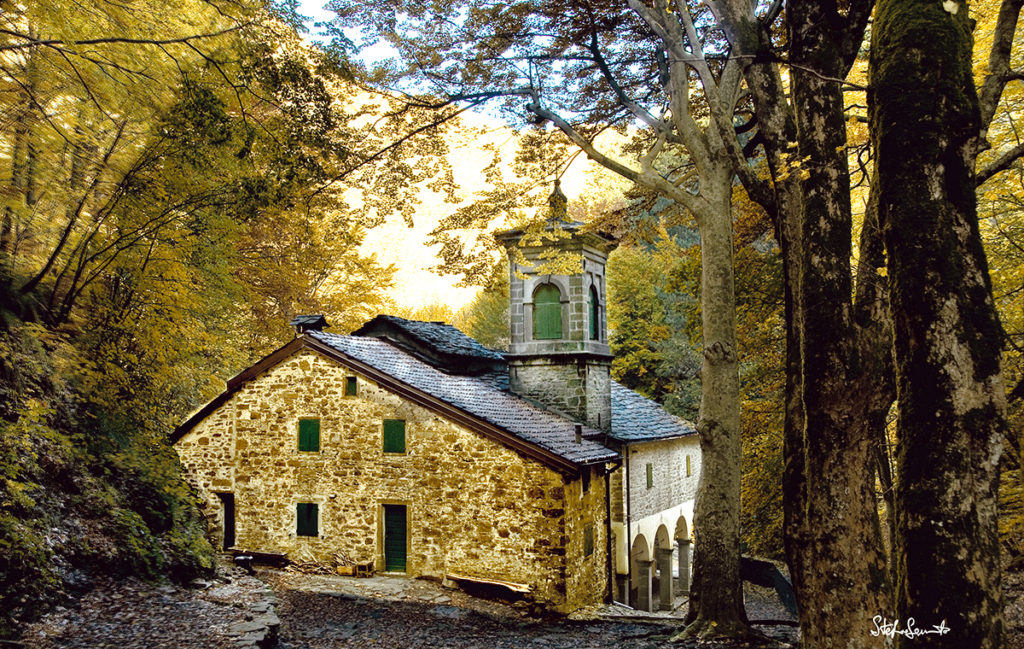
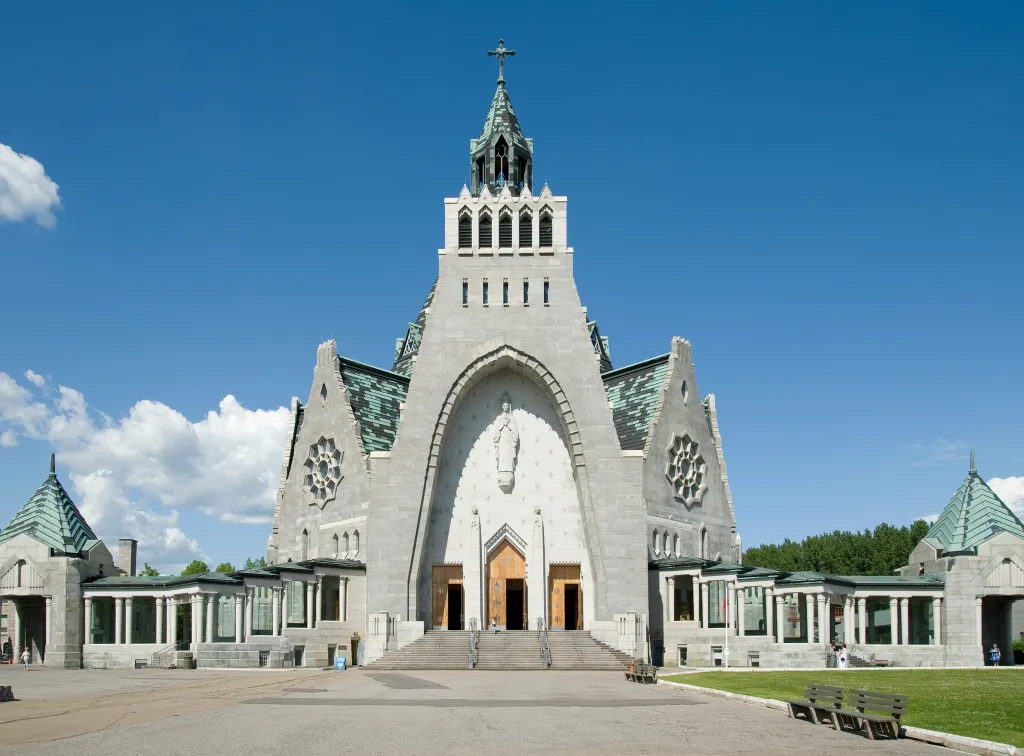
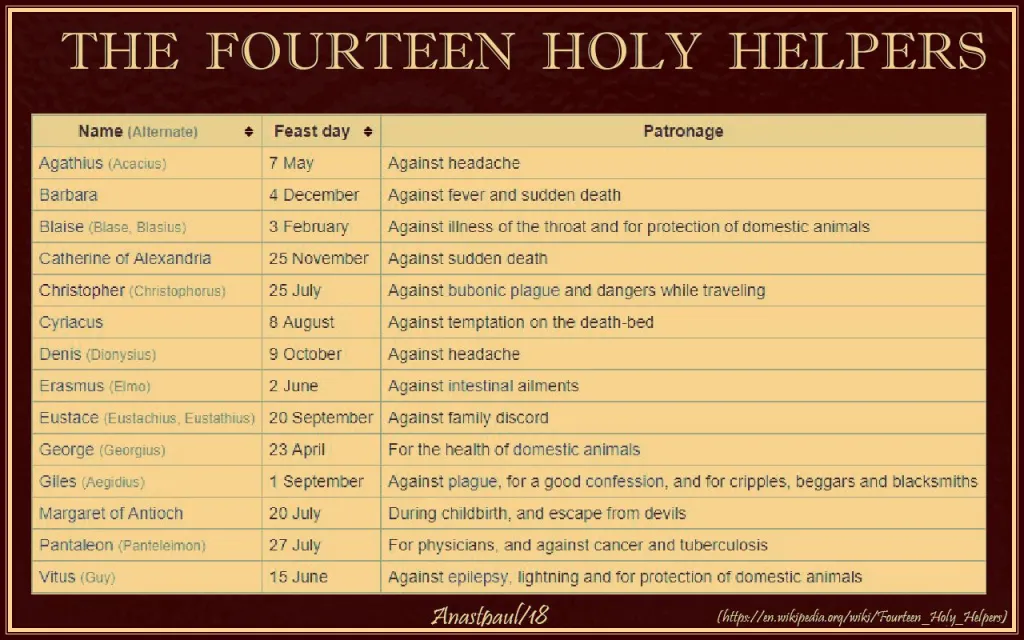
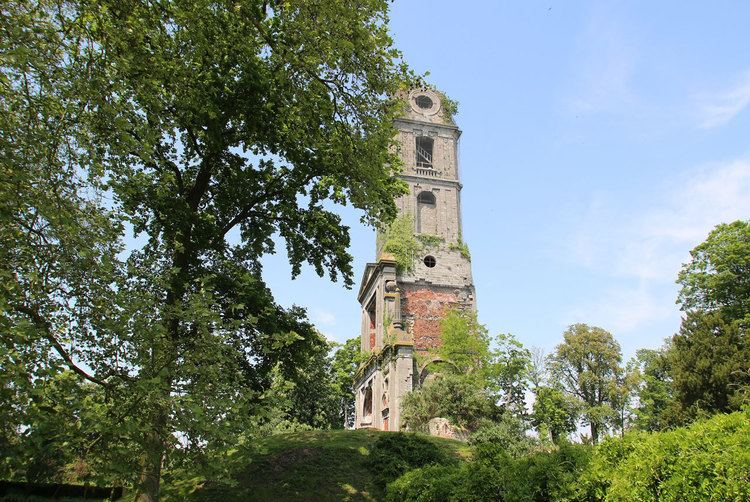
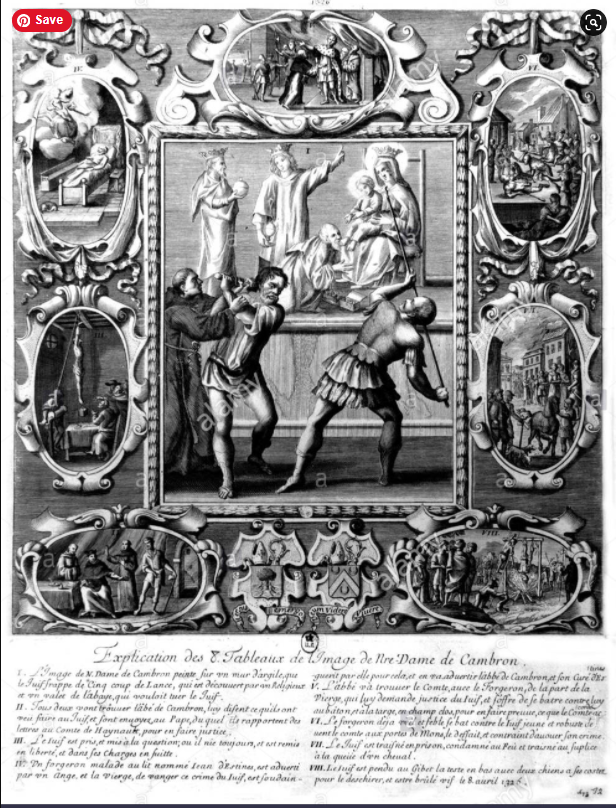
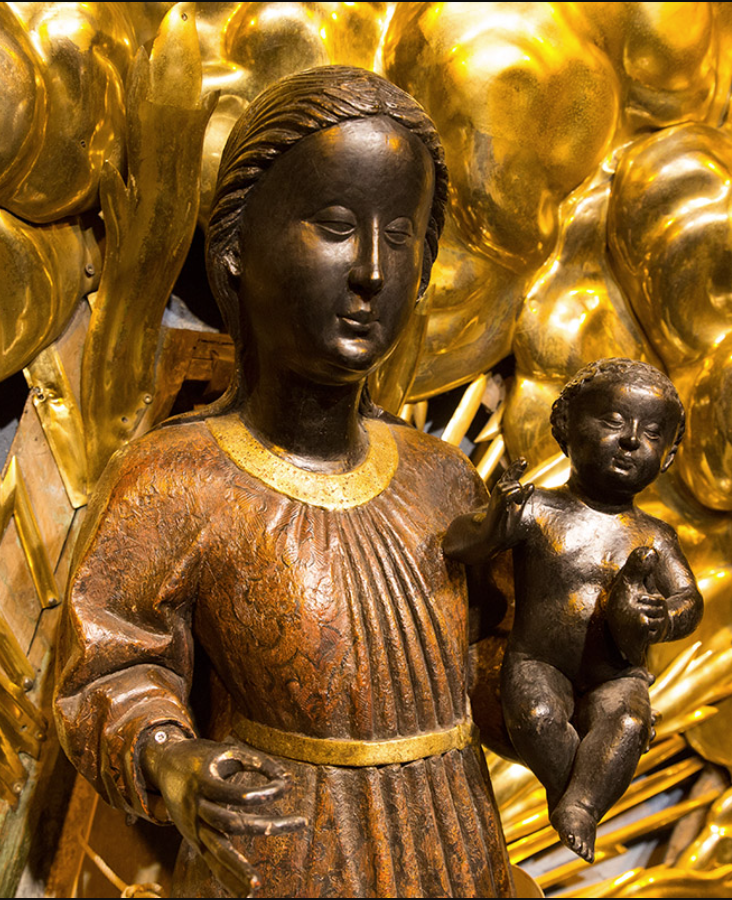
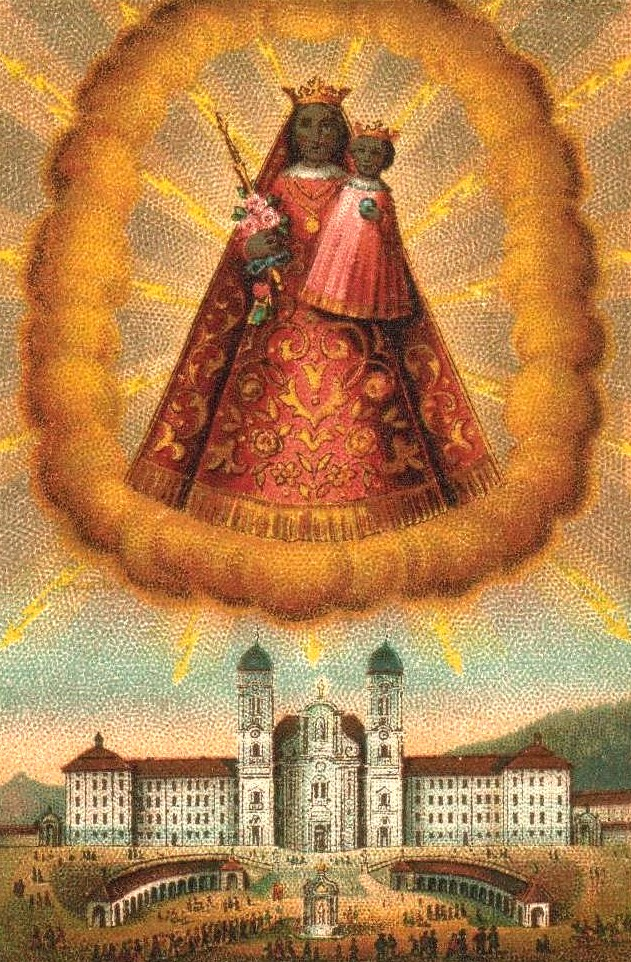
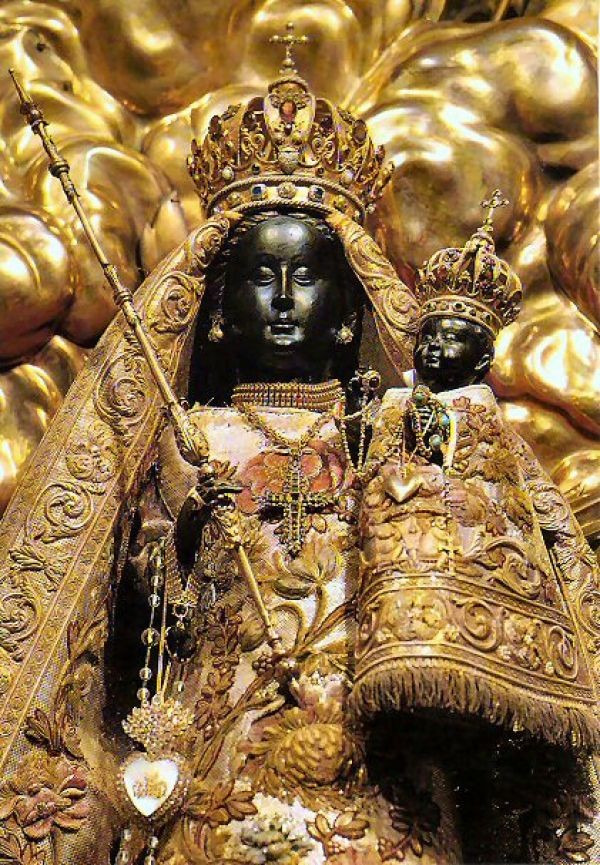
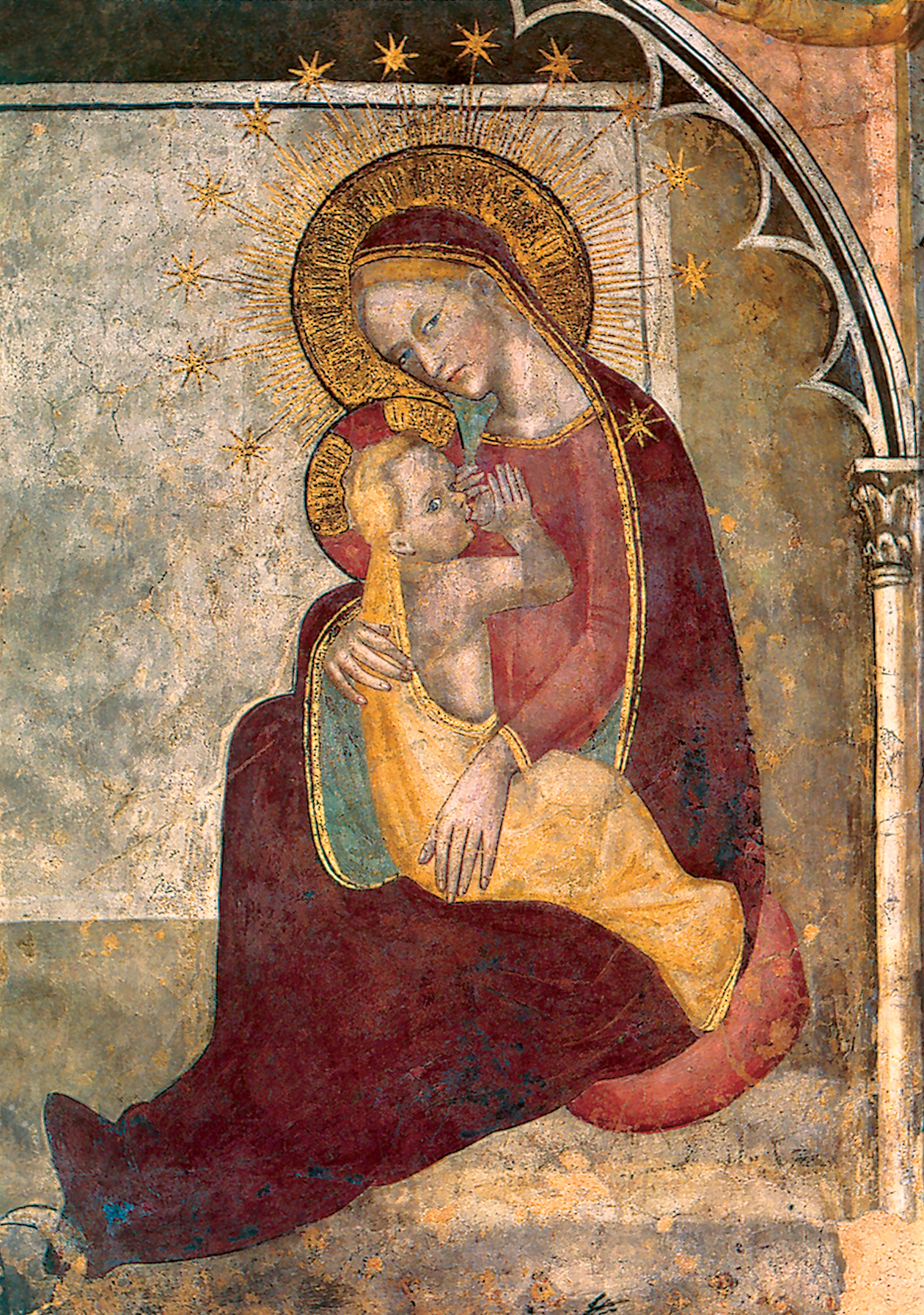
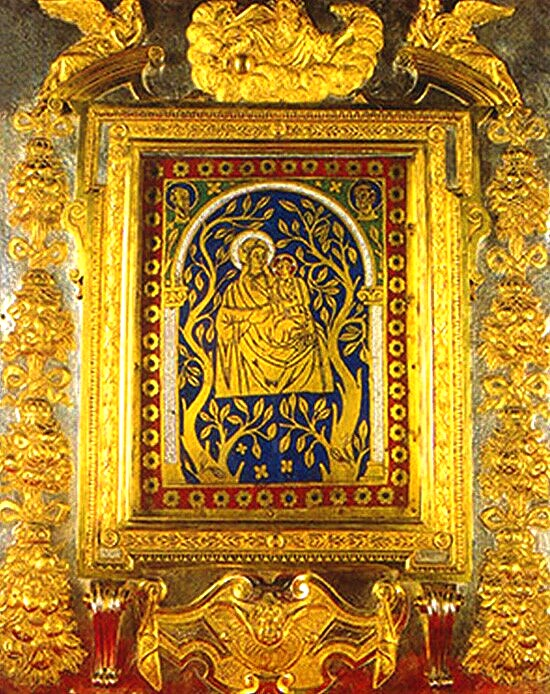
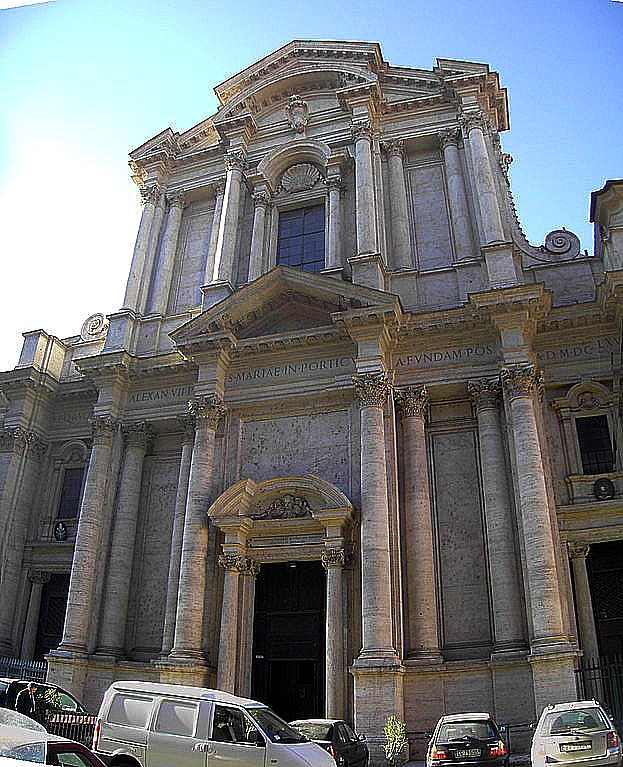
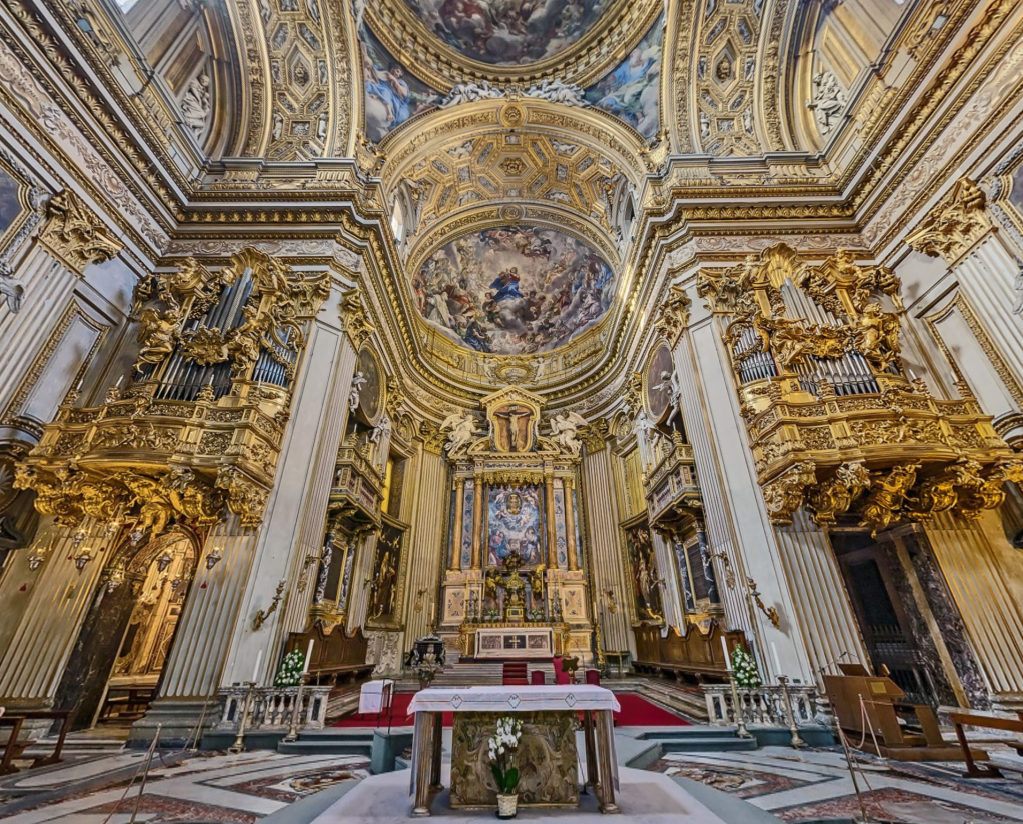


You must be logged in to post a comment.