Posted in SAINT of the DAY

Saint of the Day – 1 November – Saint Deborah the Prophetess

Saint Deborah the Prophetess, also known as Deborah the Judge, Deborah the Matriarch, Debbora, was a Old Testament prophetess and judge, the only female judge mentioned in sacred scripture. She was married to a man called Lappidoth (lightning/torch).
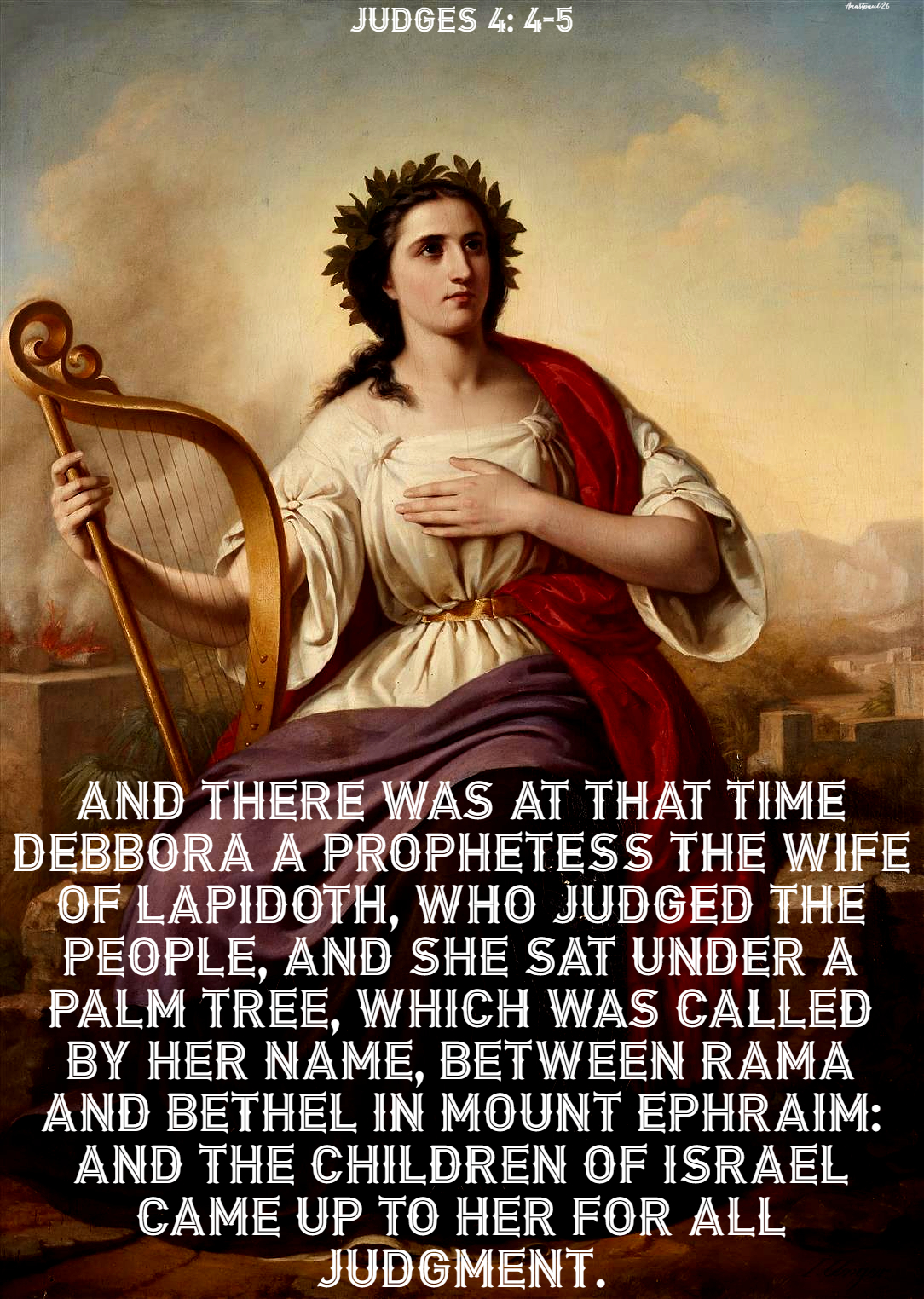
She rendered her judgments beneath a date palm tree between Ramah in Benjamin and Bethel in the land of Ephraim.
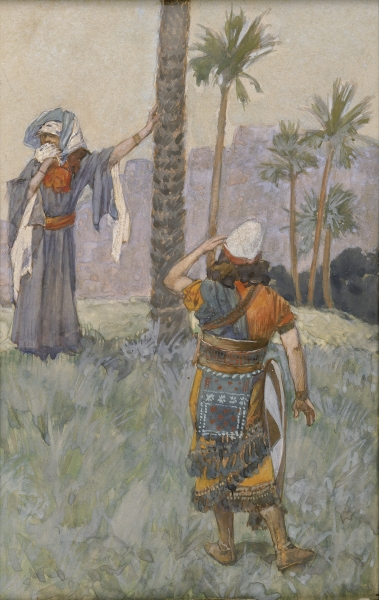
The people of Israel had been oppressed by Jabin, the king of Canaan, whose capital was Hazor, for twenty years. Stirred by the wretched condition of Israel she sends a message to Barak, the son of Abinoam, at Kedesh in Naphtali, and tells him that the Lord God had commanded him to muster ten thousand troops of Naphtali and Zebulun and concentrate them upon Mount Tabor, the mountain at the northern angle of the great plain of Esdraelon. At the same time she states that the Lord God of Israel will draw Sisera, commander of Jabin’s army, to the Kishon River. Barak declines to go without the prophet. Deborah consents, but declares that the glory of the victory will therefore belong to a woman.

As Deborah prophesied, a battle is fought (led by Barak), and Sisera is completely defeated, thereafter there was peace for 40 years.
Posted in SAINT of the DAY

Saint of the Day – 19 August – Saint Sarah the Matriarch

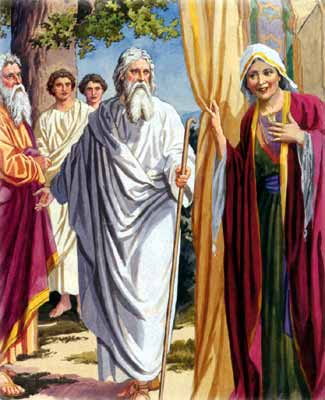
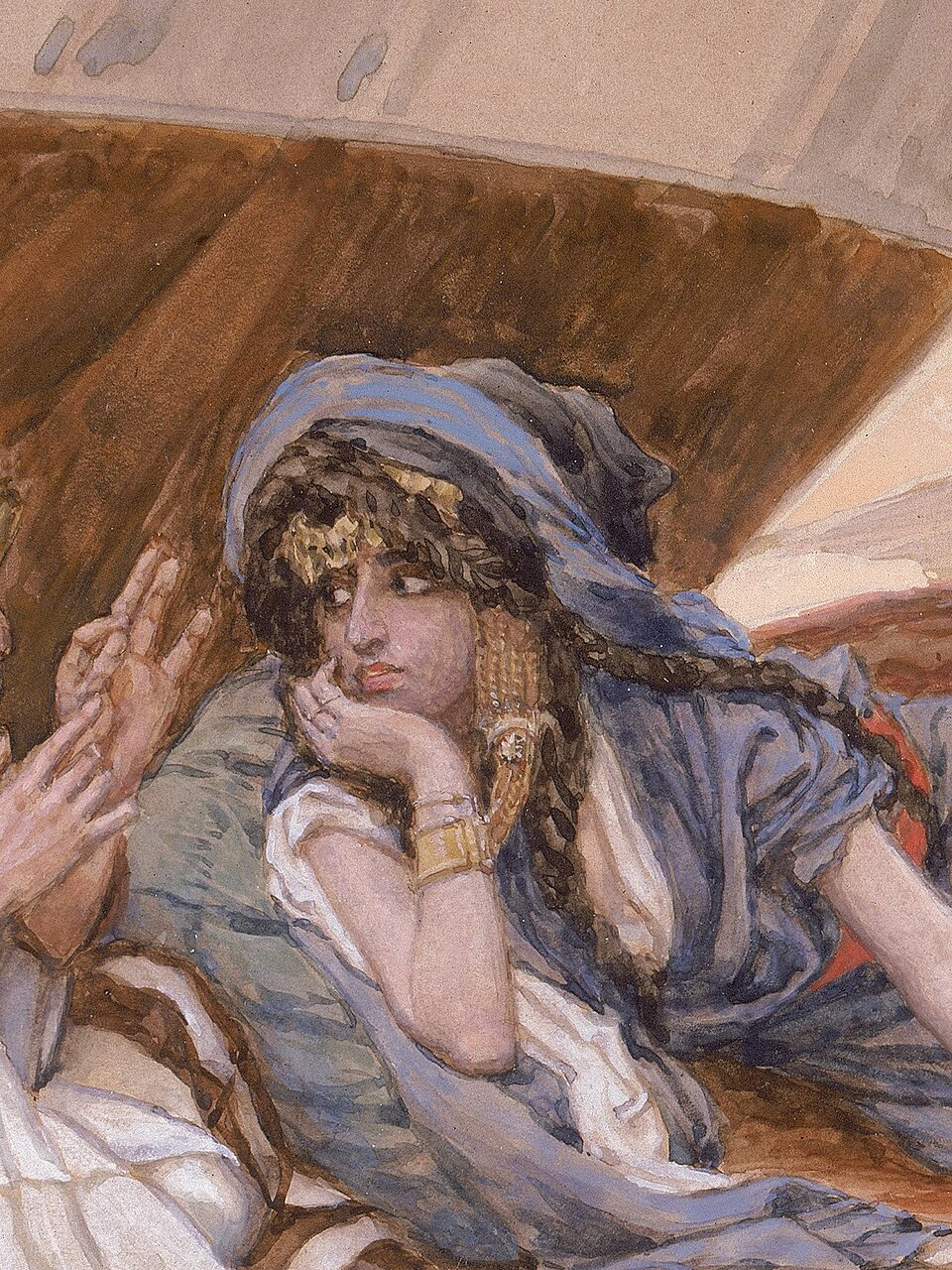
Saint Sarah the Matriarch, also known as Sari, Sarai, Sara, the wife of the Patriarch Abraham and also his step-sister. Her name means ‘princess’. A pious woman, renowned for her hospitality and beauty, she was a convert from paganism, the first female convert to the faith of Abraham. With her husband she was a nomad in the desert of Canaan.

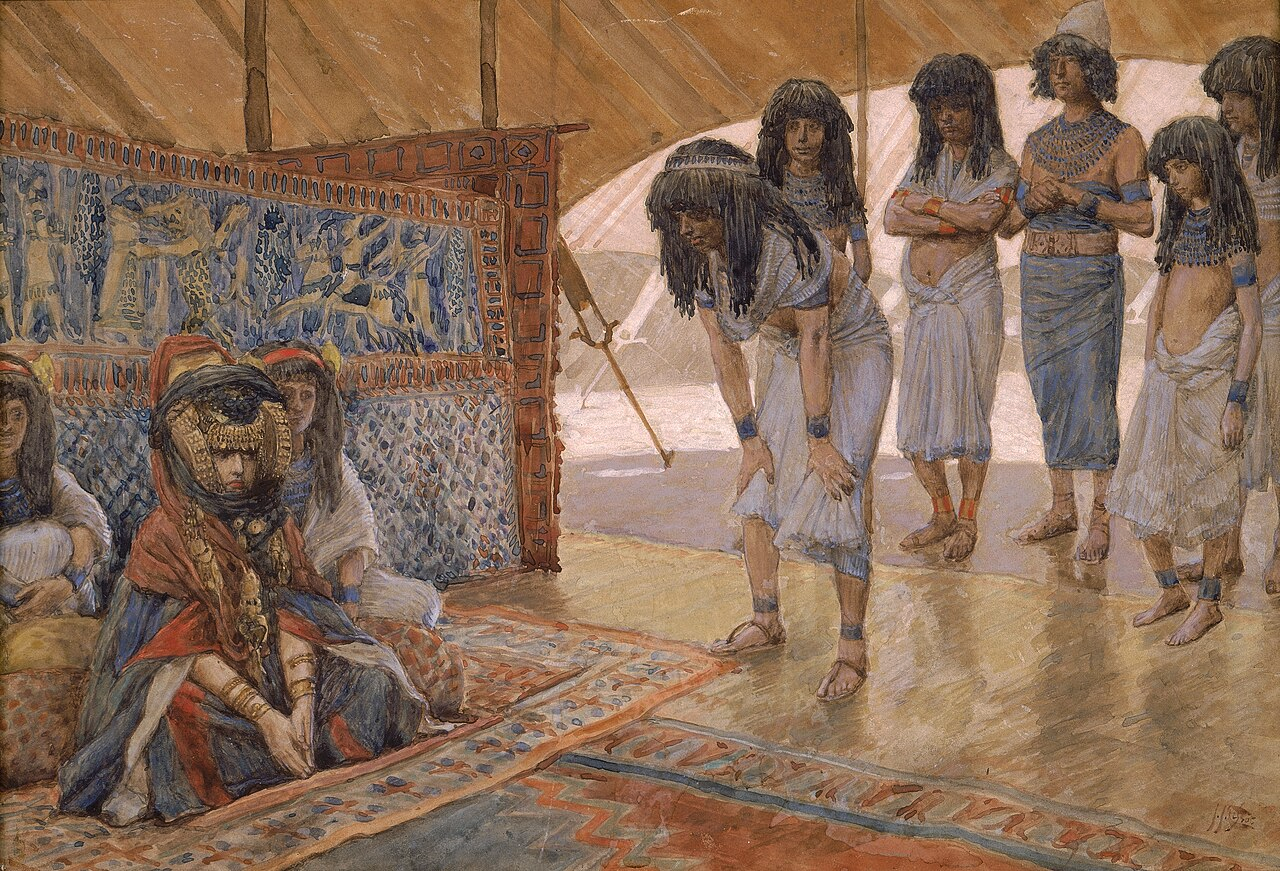
When Abraham goes down to Egypt because of the famine, he induces Sara, who though sixty-five years of age is very beautiful, to say that she is his sister; whereupon she is taken to wife by the King of Egypt, who, however, restores her after a Divine admonition. In a variant account, she is taken in similar circumstances by Abimelech, King of Gerara, and restored likewise to Abraham through a Divine intervention.

Sarai Is Taken to Pharaoh’s Palace 

After having been barren till the age of ninety, Sara, in fulfilment of a Divine promise, gives birth to Isaac (A name which means ‘Laughter’). Later, through jealousy, she ill-treats her handmaiden Hagar the Egyptian, who had borne a child to Abraham, and finally she forces that latter to drive away the bond-woman and her son Ishmael. Sara lived to the age of one hundred and twenty-seven years, and at her death her husband mourned greatly and buried her in the cave of Macphelah in Hebron. This was the first land owned by the Israelites in Canaan, which became known as the Cave of the Patriarchs. Isaiah alludes to Sara as the mother of the chosen people, and St. Peter praises her submission to her husband. In Galatians Paul also uses her as an allegory of the new covenant.

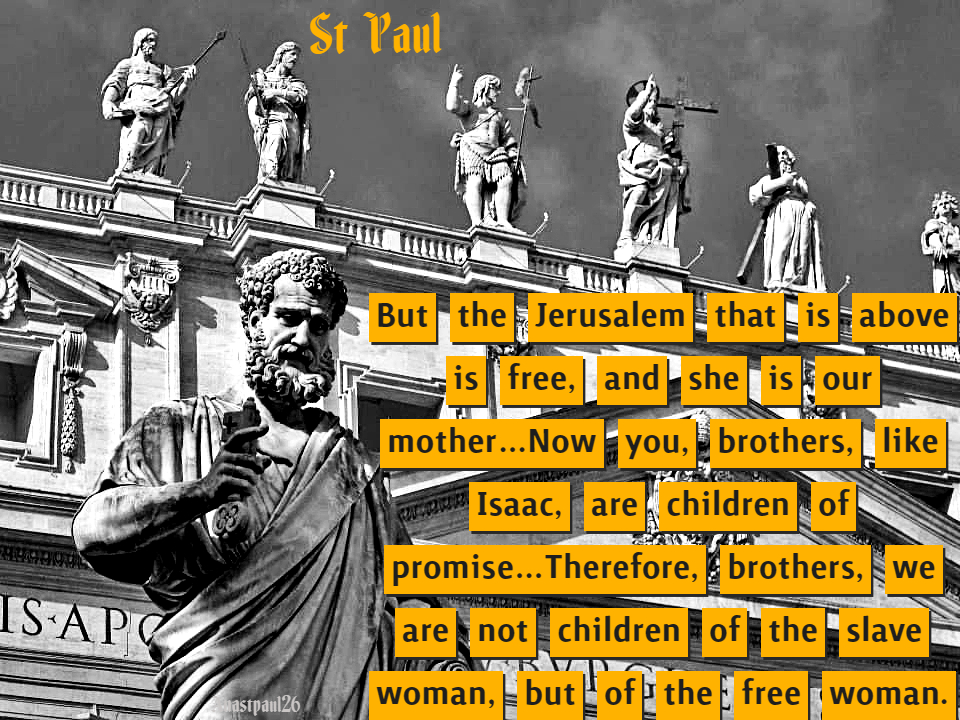
“For it is written that Abraham had two sons, one by the slave woman and the other by the free woman. His son by the slave woman was born in the ordinary way; but his son by the free woman was born as the result of a promise. These things may be taken figuratively, for the women represent two covenants. One covenant is from Mount Sinai and bears children who are to be slaves: This is Hagar. Now Hagar stands for Mount Sinai and corresponds to the present city of Jerusalem, because she is in slavery with her children. But the Jerusalem that is above is free, and she is our mother…Now you, brothers, like Isaac, are children of promise…Therefore, brothers, we are not children of the slave woman, but of the free woman.”

Sarah and Abraham