St Adela of Blois
Bl Antonio Taglia
Bl Arnold of Carcassonne
St Betto of Auxerre
Bl Berta of Busano Bl Constantius of Fabriano OP (1401-1481) Biography: https://anastpaul.com/2019/02/24/saint-of-the-day-24-february-blessed-constantius-of-fabriano-op-1401-1481/
St Cummian Albus of Iona
St Ethelbert of Kent
Evetius of Nicomedia Blessed Ascensión of the Heart of Jesus/Florentina Nicol y Goñi OP (1868-1940)
Bl Ida of Hohenfels
Bl Josefa Naval Girbes
St Liudhard
Bl Lotario Arnari
Bl Marco De’ Marconi
St Modestus of Trier
St Peter the Librarian
St Praetextatus of Rouen
St Primitiva
St Sergius of Caesarea
Bl Simon of Saint Bertin Blessed Tommaso Maria Fusco (1831-1891)
St Gertrude Caterina Comensoli
St Helladius of Toledo
St Ioannes Chen Xianheng
St Ioannes Zhang Tianshen
St Jean-François-Régis Clet
St Jean-Pierre Néel
Bl Jerzy Kaszyra
Bl John Pibush – one of the Martyrs of Douai
St Leo of Patera
St Martinus Wu Xuesheng
Bl Matthew Malaventino
St Paregorius of Patara
St Sadoth of Seleucia
St Simeon
St Tarasius of Constantinople
St Theotonius
Bl William Harrington
—
Martyrs of North Africa – 7 saints: Group of Christians who were martyred together, date unknown. We know nothing else but seven of their names – Classicus, Fructulus, Lucius, Maximus, Rutulus, Secundinus and Silvanus.
They were born and martyred in North Africa.
Martyrs of Rome – 5 saints: A group of Christians martyred together in the persecutions of Diocletian. We know nothing else but their names – Alexander, Claudius, Cutias, Maximus and Praepedigna. They were martyred in 295 in Rome, Italy.
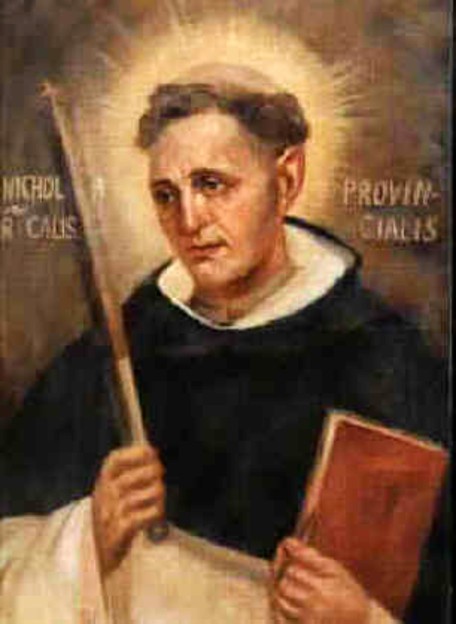
Saint of the Day – 16 February – Blessed Nicola Paglia OP (1197-1256) Priest of the Order of Preachers – Dominicans – born in 1197 in Giovanazzo, Bari, Italy and died aged 58 on 16 February 1256 at Perugia, Italy. From his hometown Giovinazzo went to Bologna to study. Here he was drawn to the Order by the vibrant preaching of St Dominic and became his most faithful companion in apostolic wanderings. Twice he was voted as the Provincial of the Roman province and founded the convents of Perugia and Trani. A cultured and far-sighted man, he promoted the study of Sacred Scripture and the compilation of biblical Concordances. He died in Perugia where he is buried in the church of St Dominic.
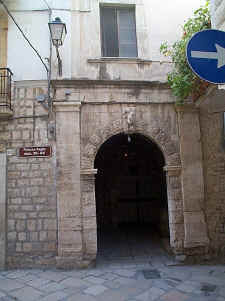
Nicola was born in Giovinazzo, in the province of Bari in 1197 of noble parents. His parents, raised him with great care. When he was still a child, an angel appeared to him who ordered him to abstain forever from the flesh because one day he would enter an Order where abstinence was perpetual law. As he was the son of Judge Lupone, Nicola was sent to study in Bologna. Here in 1218 met St Dominic. It was then that the young man decided to enter the Order of the great preacher.
Bl Nicola’s Birthplace
He was received into the Dominican Order and was donned with the habit by the hands of Father St Dominic himself, who later made him his faithful companion in his apostolic journeys. He preached in many cities of Italy with immense results and his ardent words were often confirmed by great miracles.
He was the third Provincial of the Roman Province, which then extended from Tuscany to Sicily, which he exercised with strength and gentleness for two terms. One day, exhorting his religious to mutual charity, he confided to them that a recently died religious had appeared to him for forgiveness, who had been the cause of a serious dispute. Having urged him to ask for forgiveness from God and not himself, the culprit replied that the Lord demanded this satisfaction from him: “See Father Nicola, how serious and dangerous it is to offend your neighbour and how important it is to appease him after having him offended.”
Pope Gregory IX commissioned him to visit monasteries and to preach the Crusade against the Saracens.
After long years of apostolic labours he retired to the convent of Perugia. Here he had a vision. Father Raone Romano, a dear friend of his most fruitful days of religious life, appeared and announced to him, in a message from the Madonna, his near death, which occurred in 1256.
Pope Leo XII confirmed his cultus and named him Blessed on 26 March 1828.
St Faustinus of Brescia
St Gilbert of Sempringham
St Honestus of Nimes
St John III of Constantinople Bl Joseph Allamano (1851–1926) Biography: https://anastpaul.com/2019/02/16/saint-of-the-day-16-february-blessed-joseph-allamano-1851-1926/
St Julian of Egypt
St Juliana of Campania
St Juliana of Nicomedia Blessed Nicola Paglia OP (1197-1256)
St Onesimus of Ephesus
Bl Philippa Mareria
—
Martyrs of Cilicia – 12 saints: A group of Christians who ministered to other Christians who were condemned to work the mines of Cilicia in the persecutions of Maximus. They were arrested, tortured and martryed by order of the governor Firmilian.
• Daniel
• Elias
• Isaias
• Jeremy
• Samuel
The group also includes the three known have been sentenced to the mines –
• Pamphilus
• Paul of Jamnia
• Valens of Jerusalem
and those who were exposed as Christians as a result of these murders –
• Julian of Cappadocia
• Porphyrius of Caesarea
• Seleucius of Caesarea
• Theodule the Servant
They were martyred in 309 in Cilicia, Asia Minor (in modern Turkey).
Quote/s of the Day – 13 February – the Memorial of Blessed Jordan of Saxony OP (1190-1237)
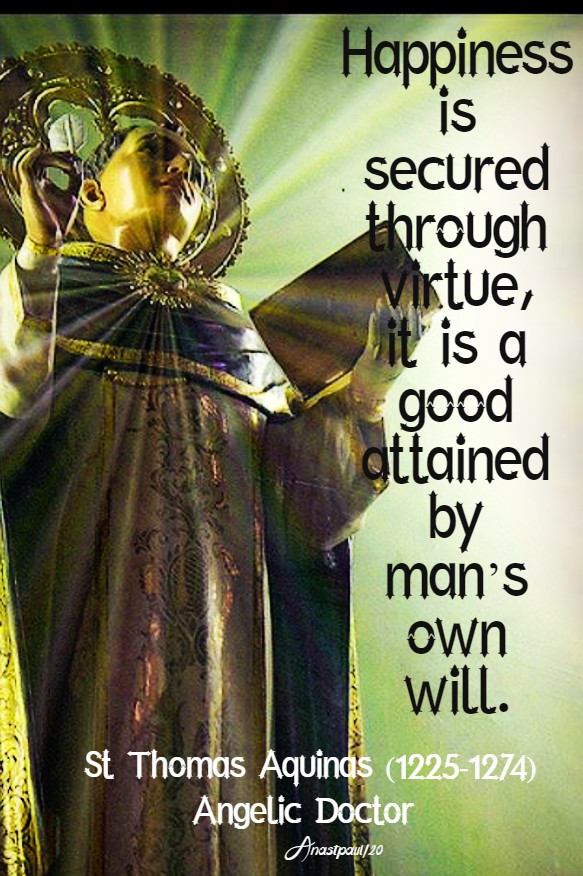
“Happiness is secured through virtue, it is a good attained by man’s own will.”
St Thomas Aquinas (1225-1274)
Angelic Doctor
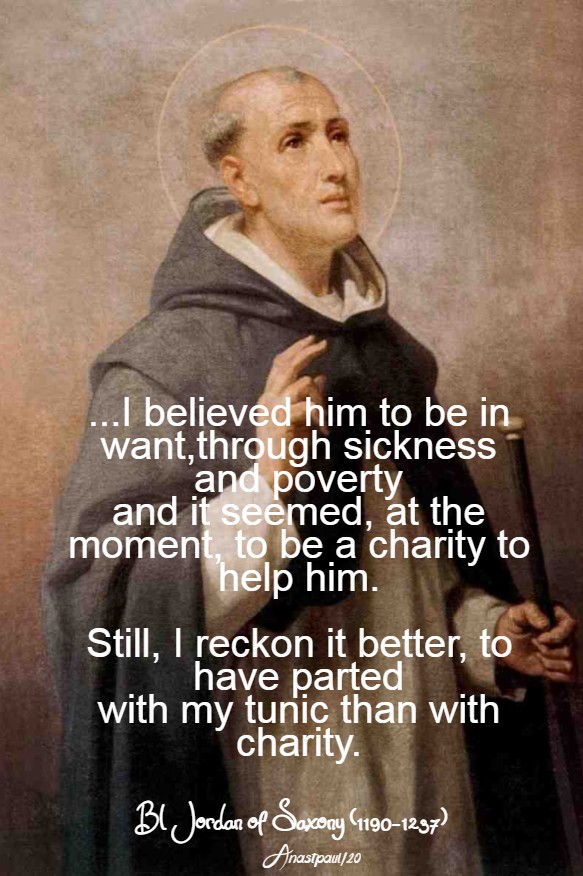
Meeting a vagabond upon the road who feigned sickness and poverty, Blessed Jordan gave him one of his tunics, which the fellow at once carried straight to a tavern for drink. The brethren, seeing this done, taunted him with his simplicity:
‘There now, Master, see how wisely you have bestowed your tunic.’
‘I did so,’ said he, ‘because I believed him to be in want, through sickness and poverty and it seemed, at the moment, to be a charity to help him. Still, I reckon it better, to have parted with my tunic than with charity.’
Blessed Jordan of Saxony (1190-1237)
The Heart of Christ
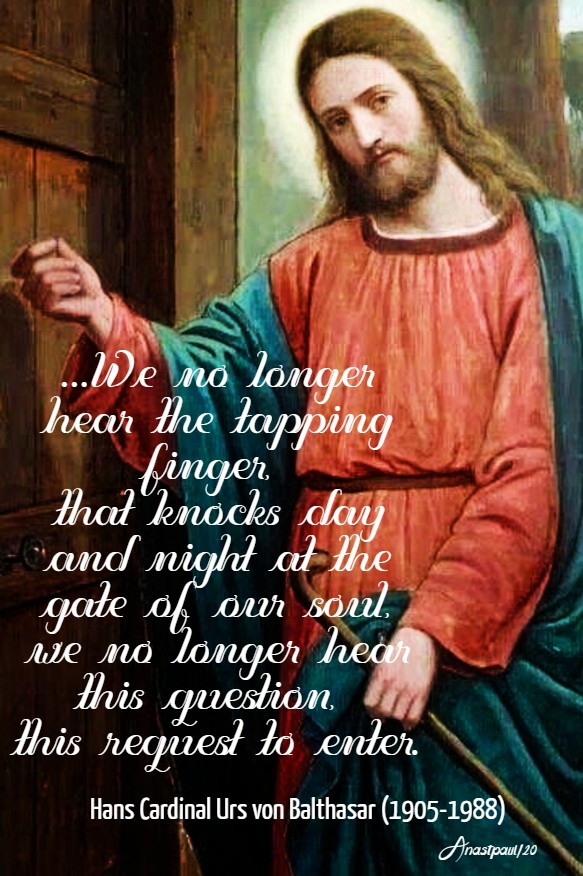
This Heart lives on service. It does not seek to glorify itself but the Father alone. It does not speak of its love. It performs it’s service so unobtrusively, that it is almost forgotten, as we forget our heart under the stress of our affairs. We think that life lives of itself. No-one listens to his own heart, not even for a second — his heart, that bestows life, hour after hour on him. We have grown used to the slight tremor in our being, to the eternal beating of the waves that from within us, dash on the shore of consciousness. We accept it as we do our destiny, or nature, or the course of things. We have grown used to love. And we no longer hear the tapping finger, that knocks day and night at the gate of our soul, we no longer hear this question, this request to enter.
St Julian of Lyon
St Lucinus of Angers
St Marice
St Martinian the Hermit
St Maura of Ravenna
St Modomnoc
St Paulus Lio Hanzuo
St Peter I of Vercelli
St Phaolô Lê Van Loc
St Stephen of Lyons
St Stephen of Rieti
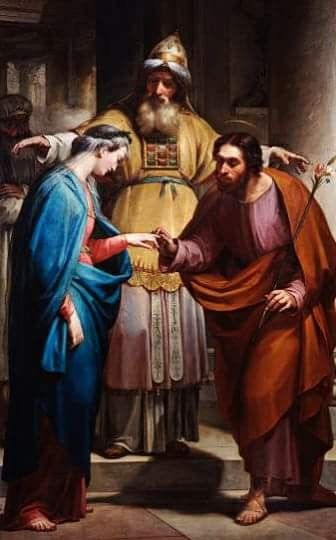
Espousal of the Blessed Virgin Mary – 23 January: Feast in honour of the Blessed Virgin’s espousal to Saint Joseph. It is certain that a real matrimony was contracted by Joseph and Mary. Still Mary is called “espoused” to Joseph (“his mother Mary was espoused to Joseph”, Matthew 1:18) because the matrimony was never consummated. The term spouse is applied to married people until their marriage is consummated. This feast dates from 1517 when it was granted to the nuns of the Annunciation by Pope Leo X with nine other Masses in honour of Our Lady. Adopted by many religious orders and dioceses, it was observed for a time by nearly the whole Church but is no longer in the Calendar.
Bl Joan Font Taulat
St John the Almoner/the Merciful (Died c 620)
Bl Juan Infante
St Jurmin
St Lufthild
St Maimbod
Bl Margaret of Ravenna
Martyrius of Valeria
St Messalina of Foligno
St Ormond of Mairé
St Parmenas the Deacon
St Severian the Martyr
St Agathius the Martyr
St Ammonius of Astas
St Archelais the Martyr
Bl Beatrix of Este the Younger
Bl Charlotte Lucas
St Catus Blessed Cristina Ciccarelli OSA (1481–1543)
St Day/Dye
St Deicola of Lure
Bl Fazzio of Verona
Bl Félicité Pricet
St Leobard of Tours Blessed Maria Teresa Fasce OSA (1881-1947) Blessed Maria Teresa’s Life: https://anastpaul.com/2019/01/18/saint-of-the-day-18-january-blessed-maria-teresa-fasce-osa-1881-1947/
Bl Monique Pichery
St Moseus of Astas
St Prisca of Rome
St Susanna the Martyr
St Thecla the Martyr
St Ulfrid of Sverige
Bl Victoire Gusteau
St Volusian of Tours
—
Martyrs of Carthage – 3 saints
Martyrs of Egypt -37 saints
Martyrs of Nicaea – 3 saints
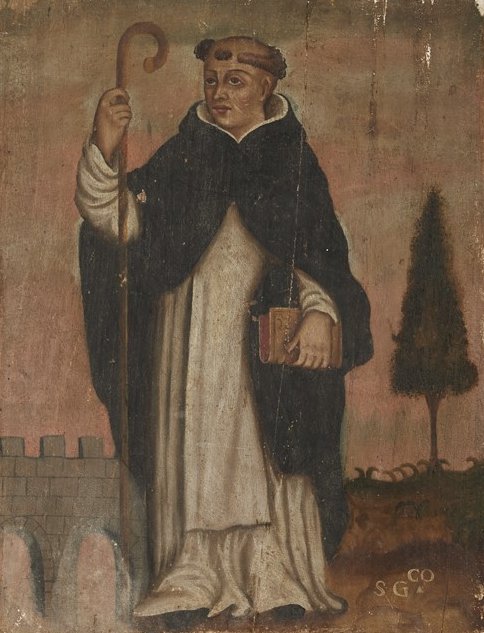
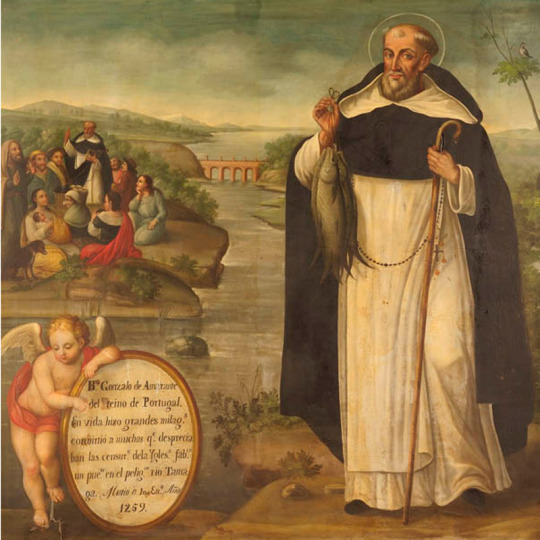
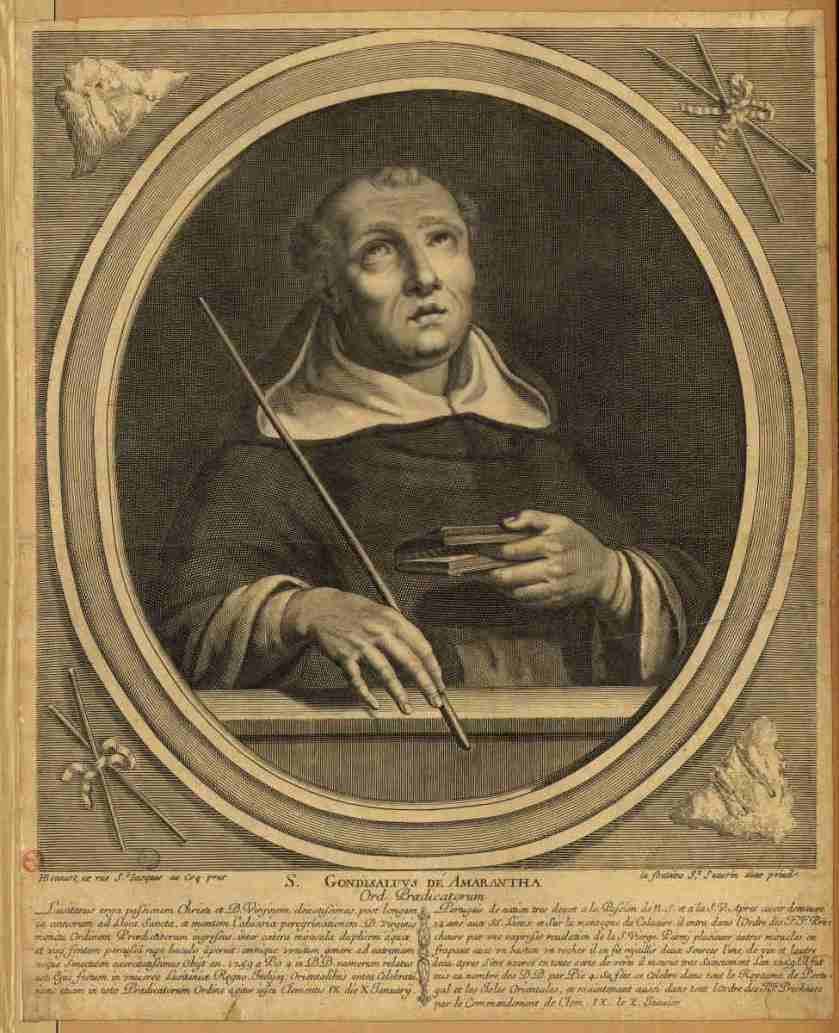
Saint of the Day – 16 January – Blessed Gonzalo de Amarante OP (1187-1259), Dominican Priest, Hermit, Marian Devotee – born as Gonçalo de Amarante in 1187 at Vizella, diocese of Braga, Portugal and died on 10 January 1259 of natural causes. His memorial is celebrated on 10 January by the Dominicans. Patronages – Amarante, Itapissuma, Cajari, Matinha, Viana. He became a Dominican friar and hermit after his return from a long pilgrimage that took him to both Rome and to Jerusalem. He was noted as a wonderworker through whom miracles occurred and he was known for his solitude and silence in reflection, in order to better achieve communication with God.
Gonzalo de Amarante was a true son of the Middle Ages, a man right out of the pages of the ‘Golden Legend.’ His whole life reads like a mural from the wall of a church–full of marvellous things and done up in brilliant colours.
In his boyhood Gonzalo gave wonderful indications of his holiness. As he was being carried to the baptismal font as an infant, he fixed his eyes on the church’s crucifix with a look of extraordinary love. While still young, he was consecrated to study for the Church and received his training in the household of the Archbishop of Braga. After his Ordination he was given charge of a wealthy parish, an assignment that should have made him very happy. Gonzalo was not as interested in choice parishes as some of his companion – he went to his favourite Madonna shrine and begged Our Lady to help him administer this office fairly.
There was no complaint with Gonzalo’s governance of the parish of Saint Pelagius. He was penitential himself but indulgent with everyone else. Revenues that he might have used for himself were used for the poor and the sick. The parish, in fact, was doing very well when he turned it over to his nephew, whom he had carefully tutored, before making a pilgrimage to the Holy Land.
Gonzalo would have remained his entire life in the Holy Land but after 14 years his Archbishop commanded him to return to Portugal. Upon his arrival, he was horrified to see that his nephew had not been the good shepherd that he had promised to be, the money left for the poor had gone to purchase a fine stable of thoroughbred horses and a pack of fine hounds. The nephew had told everyone that his old uncle was dead and he had been appointed pastor in his place by an unsuspecting Archbishop. When the uncle appeared on the scene, a bit ragged and, of course, older but very much alive, the nephew was not happy to see him. Gonzalo seems to have been surprised as well as pained.
The ungrateful nephew settled the matter by turning the dogs on his inconvenient uncle. They would have torn him to pieces but the servants called them off and allowed the ragged pilgrim to escape. Gonzalo decided then, that he had withstood enough parish life and went out into the hills to a place called Amarante. Here he found a cave and other necessities for an eremitical life and lived in peace for several years, spending his time building a little chapel to the Blessed Virgin. He preached to those who came to him and soon there was a steady stream of pilgrims seeking out his retreat.
Happy as he was, Gonzalo felt that this was not his sole mission in life and he prayed to Our Lady to help him to discern his real vocation. She appeared to him one night as he prayed and told him to enter the order that had the custom of beginning the office with “Ave Maria gratia plena.” She told him that this order was very dear to her and under her special protection. Gonzalo set out to learn what order she meant and eventually came to the convent of the Dominicans. Here was the end of the quest and he asked for the habit.
Blessed Peter Gonzales was the Prior and he gave the habit to the new aspirant. After Gonsalvo had gone through his novitiate, he was sent back to Amarante, with a companion, to begin a regular house of the order. The people of the neighbourhood quickly spread the news that the hermit was back. They flocked to hear him preach and begged him to heal their sick.
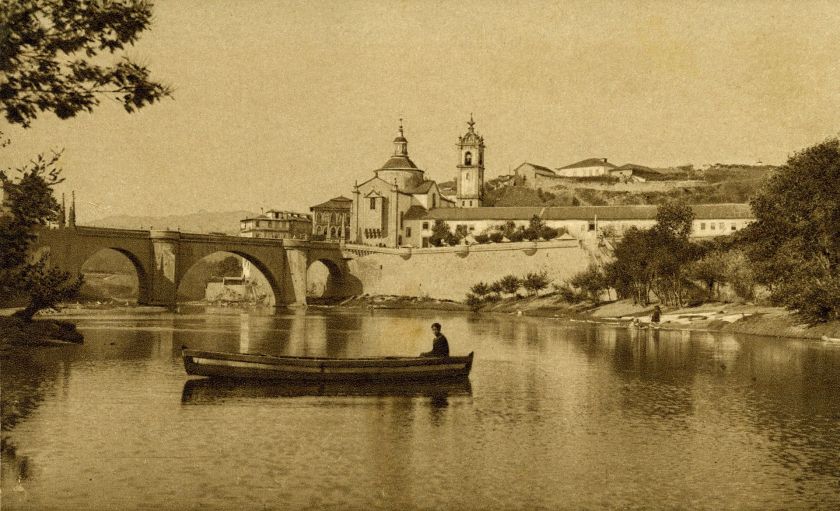
A view of the Monastery and Church in Amarante in 1910
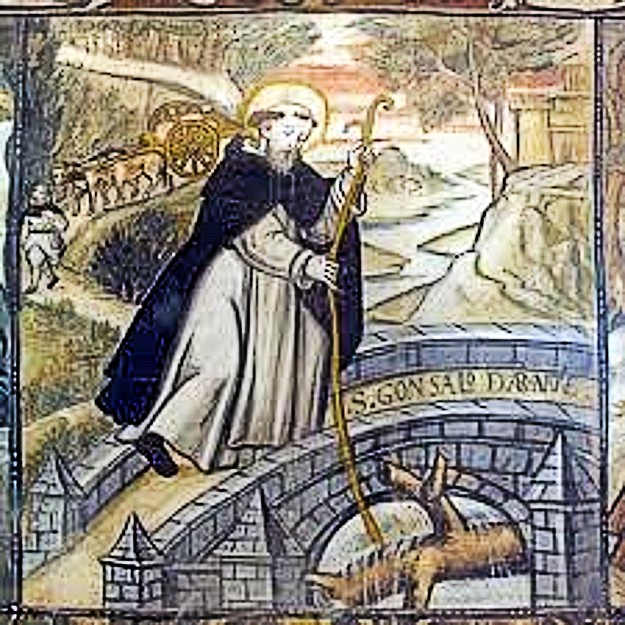
One of the miracles of Blessed Gonzalo concerns the building of a bridge across a swift river that barred many people from reaching the hermitage in wintertime. It was not a good place to build a bridge but Gonsalvo set about it and followed the heavenly directions he had received. Once, during the building of the bridge, he went out collecting and a man, who wanted to brush him off painlessly, sent him away with a note for his wife.
Gonzalo took the note to the man’s wife and she laughed when she read it . “Give him as much gold as will balance with the note I send you,” said the message. Gonzalo told her he thought she ought to obey her husband, so she got out the scales and put the paper in one balance. Then she put a tiny coin in the other balance and another and another–the paper still outweighed her gold–and she kept adding. There was a sizeable pile of coins before the balance with the paper in it swung upwards.
When workers who helped briefly with his bridge building ran out of wine, Gonzalo prayed, smacked a rock with a stick, it split open and wine poured out. When the workers ran out of food, Gonzalo went to the water, called out and fish jumped onto the river bank to feed them.
Gonzalo died on 10 January 1259, after prophesying the day of his death and promising his friends that he would still be able to help them after death. Pilgrimages began soon and a series of miracles indicated that this holy man was indeed the saint he was believed to be. Forty years after his death he appeared to several people who were apprehensively watching a flood on the river. The water had arisen to a dangerous level, just below the bridge, when they saw a tree floating towards the bridge and Gonzalo was balancing capably on its rolling balk. The friar carefully guided the tree under the bridge, preserving the bridge from damage and then disappeared (Benedictines, Dorcy).
Dominicans are noted for their ability to preach. Sermons are their speciality. Yet even among them, Gonzalo must have stood out. During a homily, in which he wanted to show the horror of exclusion from the Church, he ‘excommunicated’ a basket of bread, the loaves immediately became black, rotted and inedible. When he removed the ‘excommunication’ a few minutes later, the bread became fresh and wholesome again.
He was Beatified on 16 September 1561, Saint Peter’s Basilica, Papal States by Pope Pius IV. But Pope Julius III had on 24 April 1551 allowed for public worship in his honour in Portugal though did not allow his Beatification at that time. Pope Clement X – after the Beatification – extended his public worship with a Mass and Divine Office to Portugal and the entire Dominican order.
St Berard and Companions (Peter, Adjute, Accurs, Odo and Vitalis)
St Dana of Leuca
St Dunchaid O’Braoin
St Fulgentius of Ecija
St Fursey of Peronne Blessed Gonzalo de Amarante OP (1187-1259) Blessed Giuseppe Tovini OFS (1841-1897) Blessed Giuseppe’s Life: https://anastpaul.com/2019/01/16/saint-of-the-day-16-january-blessed-giuseppe-tovini-ofs-1841-1897/
St Henry of Coquet
St Honoratus of Arles
St Honoratus of Fondi
Bl James of Luino
St James of Tarentaise
Bl Joan of Bagno di Romagna
St Juana Maria Condesa Lluch
Bl Konrad II of Mondsee
St Leobazio
St Liberata of Pavia
St Pope Marcellus I
St Melas of Rhinocolura
St Priscilla of Rome
St Sigeberht of East Anglia
St Titian of Oderzo
St Triverius
St Valerius of Sorrento
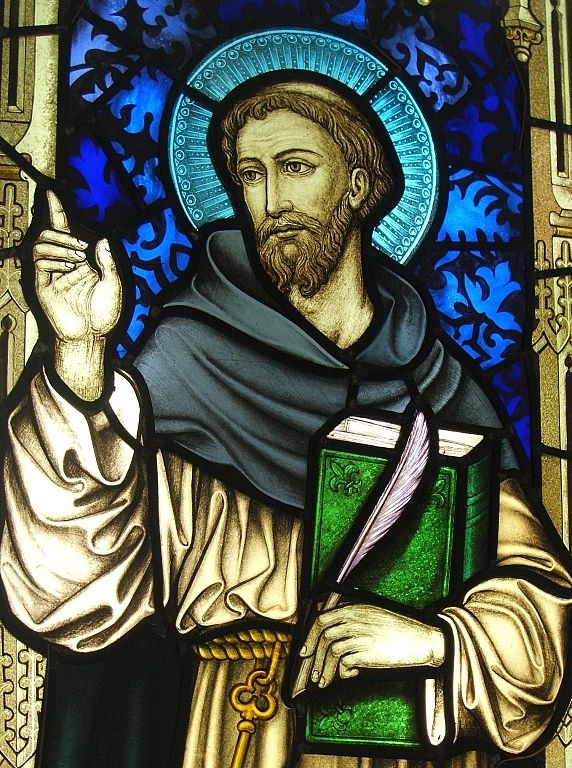
Saint of the Day – 7 January – St Raymond of Peñafort OP (1175-1275) known as the “Father of Canon Law” – Master of the Order of Preachers, Archbishop, Dominican Priest, Confessor, Evangelist, Missionary, Theologian,Teacher, Philosopher, Lawyer of both Canon and Civil Law, Writer, Spiritual Director and Adviser, Preacher, miracle worker. Born as Raimundo de Peñafort in 1175 at Peñafort, Catalonia, Spain and died on 6 January 1275, aged 100 years old, at Barcelona, Spain of natural causes . Patronages – attorneys, barristers, lawyers, canon lawyers, medical record librarians, Barcelona, Spain, Navarre, Spain.
As a lawyer, priest and preacher, St Raymond of Penyafort made a significant mark on the history of Spain and the church. His preaching helped re-Christianise Spain after the Moors were overthrown. And his compilation of papal and conciliar decrees, it was the main source of canon law for seven centuries.
Raymond of Peñafort was born in Vilafranca del Penedès, a small town near Barcelona, Catalonia, around 1175 . Descended from a noble family with ties to the royal house of Aragon, he was educated in Barcelona and at the University of Bologna, where he received doctorates in both civil and canon law.
An accomplished lawyer and scholar, Raymond joined the Dominicans at Barcelona in 1222. The 47-year-old novice was assigned to develop a book of case studies for confessors that helped to shape the medieval church’s penitential system. Also a gifted preacher, Raymond had remarkable success evangelising Moors and Jews. And he travelled throughout Spain rejuvenating the spiritual life of Christians that the Moors had enslaved. Among his main themes were spiritual combat and standing firm in trials. Listen to his voice in this letter:
“The preacher of God’s truth has told us that all who want to live righteously in Christ will suffer persecution. . . . the only exception to this general statement is, I think, the person who either neglects, or does not know how, to live temperately, justly and righteously in this world.
May you never be numbered among those whose house is peaceful, quiet and free from care, those on whom the Lord’s chastisement does not descend, those who live out their days in prosperity and in the twinkling of an eye will go down to hell.
Your purity of life, your devotion, deserve and call for a reward, because you are acceptable and pleasing to God, your purity of life must be made purer still, by frequent buffetings, until you attain perfect sincerity of heart. If from time to time you feel the sword falling on you with double or treble force, this also should be seen as sheer joy and the mark of love. The two-edged sword consists in conflict without, fears within. It falls with double or treble force within, when the cunning spirit troubles the depths of your heart with guile and enticements. . . . The sword falls with double and treble force externally when, without cause, persecution breaks out from within the church, where wounds are more serious, especially when inflicted by friends.
This is that enviable and blessed cross of Christ . . . the cross in which alone we must make our boast, as Paul, God’s chosen instrument, has told us.”
St Raymond on the left with the key which represents his unlocking of the decretals
In 1230, Pope Gregory IX brought Raymond to Rome as his confessor. The reputation of the saint for juridical science decided the pope to employ Raymond of Peñafort’s talents in re-arranging and codifying the canons of the Church. He had to rewrite and condense decrees that had been multiplying for centuries and which were contained in some twelve or fourteen collections already existing. We learn from a Bull of Gregory IX to the Universities of Paris and Bologna, that many of the decrees in the collections were but repetitions of ones issued before, many contradicted what had been determined in previous decrees and many, on account of their great length, led to endless confusion, while others had never been embodied in any collection and were of uncertain authority.
The pope announced the new publication in a Bull directed to the doctors and students of Paris and Bologna in 1231 and commanded that the work of St Raymond alone, should be considered authoritative and should alone, be used in the schools. Because they were so well arranged, canonists relied on Raymond’s Decretals until the new codification of 1917.
When Raymond completed his work, the pope appointed him Archbishop of Tarragona but the saint declined the honour. After declining the appointment of Archbishop, he could not avoid his election as the third general of the Dominicans in 1238. But when he reformed the Dominican rule, he slipped in a clause allowing early retirement of office holders. And he used it to retire in 1240.
But he continued to work 35 more years, focusing on bringing Jews and Moors to Christ. To equip Catholics for this work, he introduced the study of Hebrew and Arabic among Dominicans and persuaded Thomas Aquinas to write his Summa Contra Gentes as an evangelistic tool. Raymond told his general that ten thousand Moors had been baptised through the efforts of the Dominicans. He died at 100 years of age in 1275.
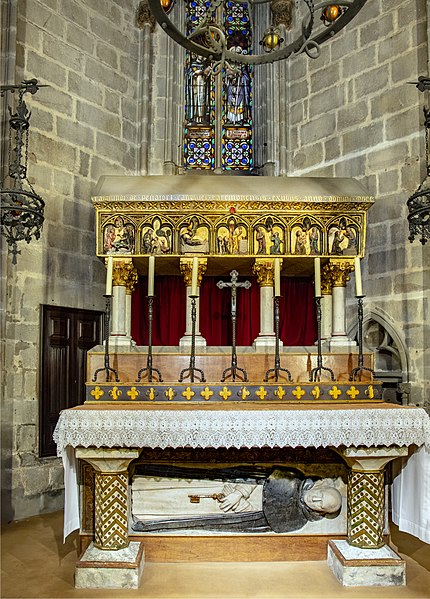
St Raymond was Canonised by Pope Clement VIII in 1601. He was buried in the Cathedral of Santa Eulalia in Barcelona.
st Raymond’s Tomb in Barcelona Cathedral
Most Famous Miracle
Raymond of Penyafort served as the confessor for King James I of Aragon, who was a loyal son of the Church but allowed his lustful desires to shackle him. While on the island of Majorca to initiate a campaign to help convert the Moors living there, the king brought his mistress with him. Raymond reproved the king and asked him repeatedly to dismiss his concubine. This the king refused to do. Finally, the saint told the king that he could remain with him no longer and made plans to leave for Barcelona. But the king forbade Raymond to leave the island and threatened punishment to any ship captain who dared to take him.
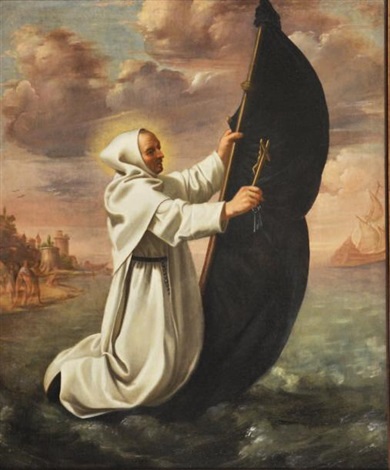
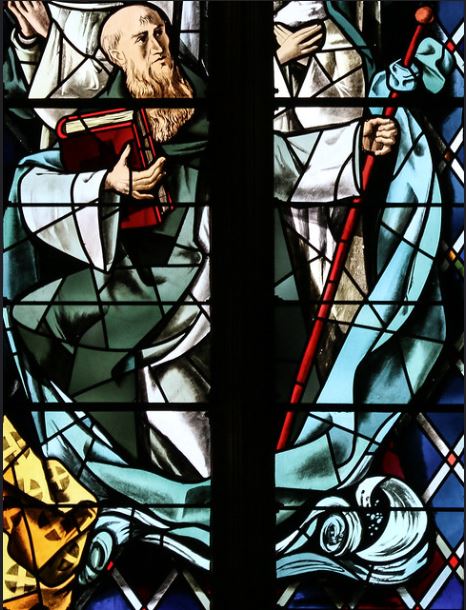
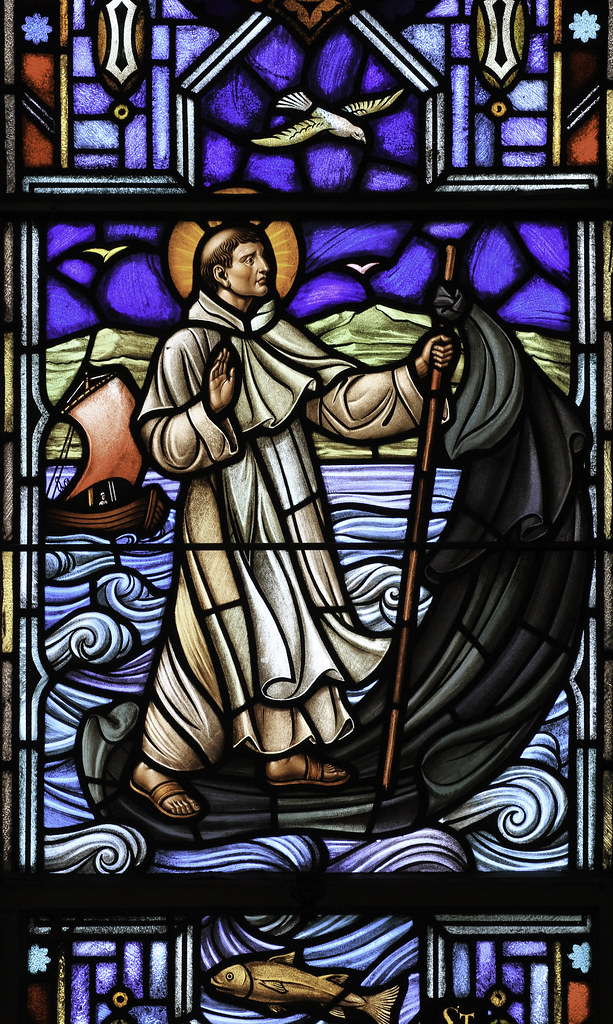
Saint Raymond then said to his Dominican companion, “Soon you will see how the King of heaven will confound the wicked deeds of this earthly king and provide me with a ship!” They then went down to the seashore where Raymond took off his cappa (the long black cloak the Dominicans wear over the white tunic and scapular) and spread one end of it on the water while rigging the other end to his walking staff. Having thus formed a miniature mast, Raymond bid the other Dominican to hop on but his companion, lacking the saint’s faith, refused to do so. Then Raymond bid him farewell and with the Sign of the Cross he pushed away from the shore and miraculously sailed away on his cloak. Skirting around the very boats that had forbidden him passage, the saint was seen by scores of sailors who shouted in astonishment and urged him on.
Raymond sailed the ~160 miles to Barcelona in the space of 6 hours, where his landing was witnessed by a crowd of amazed spectators.
Touched by this miracle, King James I renounced his evil ways and thereafter, led a good life.
St Raymond of Peñafort OP (1175-1275) (“Father of Canon Law”) (Optional Memorial)
St Aldric of Le Mans
Bl Ambrose Fernandez
St Anastasius of Sens
St Brannock of Braunton
St Candida of Greece
St Canute Lavard
St Cedd
St Clerus of Antioch
St Crispin I of Pavia
St Cronan Beg
St Emilian of Saujon
St Felix of Heraclea
Bl Franciscus Bae Gwan-gyeom
St Januarius of Heraclea
St Julian of Cagliari
St Kentigerna
St Lucian of Antioch
Bl Marie-Thérèse Haze
St Pallada of Greece
St Polyeuctus of Melitene
St Reinhold of Cologne
St Spolicostus of Greece
St Theodore of Egypt
St Tillo of Solignac
St Valentine of Passau
St Virginia of Ste-Verge
Bl Wittikund of Westphalia
Saint of the Day – 21 December – Blessed Dominic Spadafora OP (1450-1521) Dominican Priest, renowned Preacher and Evangelist. He was a noted evangelist and attracted countless to the Dominican fold while also converting the hearts of others who led dissolute lives. His body is incorrupt.
Dominic was born in Sicily, of an old and noble family. His father was Baron of Miletto, and members of the family were connected with the nobility of Venice and Palermo. As a child, Dominic attended school in the Convent of St Rita in Palerno, which had been founded some years before by Blessed Peter Geremia. He studied in Perugia after moving there in 1477 and was later sent to Padua where he earned his Bachelor’s degree on 23 June 1479 and shortly thereafter, was ordained to the Priesthood. In Venice on 7 June 1487 he was granted his Master’s degree in theological studies after a public dissertation alongside eleven other candidates. He joined the Order of Preachers at the convent of Santa Zita in Palermo after returning there, where, for some time he lived quietly conducting classes for the brethren and the secular clergy.
He participated at the General Chapter of the order in Venice in 1487. He was supposed to be assigned to a convent in Messina in 1487 but the Father General of the order, Gioacchino Torriani, decided to have him as his collaborator in Rome. Also in 1487 he participated in the General Chapter in Le Mans in the Kingdom of France.
Blessed Dominic became a noted preacher and evangelist and won the hearts of converts that had led dissolute lives – such an example of holiness also prompted countless others to join the Dominican fold as religious themselves. He was known for his intense devotion to the passion of Jesus Christ. Amidst this activity he also taught theological studies in the Sicilian area.
He founded the convent of Madonna delle Grazie – that housed a miraculous image of the Madonna – in 1491 in Monte Cerignone and served for the remainder of his life as its first superior. This came about when the faithful of the area wanted to enhance the small chapel and thus the Master General of the Dominicans sent for Spadaforo to oversee its renovation. The priest arrived there in the town on 15 September 1491 and set off on foot to Rome in 1492 to receive papal approval for this work. At this point Pope Innocent VII died and Pope Alexander VI was elected in a chain of events that postponed their meeting until 22 February 1493 when papal permission was granted. He returned with the decree of approval in 1493 and began construction of the church in 1494. The work concluded in 1498. The Bishop Marco Vigerio della Rovere consecrated the new church on 16 July 1498.
What we have considered to be the usual virtues of a Dominican friar were practised faithfully by Dominic Spadafora. He spent most of his Dominican life in the Convent of Our Lady of Grace, directing societies and confraternities, zealous for regular observance and scrupulously exact in his own behaviour.
Dominic Spadafora died in 1521 aged 71, after the celebration of Mass. He had revealed earlier to the community that he knew he was about to die. He attended all religious exercises up to the hour of his death and he died as every Dominican hopes he will – the community was around him, singing the “Salve Regina.”
Blessed Dominic’s remains were exhumed in 1545 and were deemed to be incorrupt. His remains were relocated on 3 October 1677. His remains were relocated once more on 4 April 2005 to the Chiesa della Santissima Trinità. He was Beatified by Pope Benedict XV in 1921 after the pontiff confirmed the late priest’s ‘cultus’.
Bl Adrian of Dalmatia
St Anastasius II of Antioch
St Anrê Tran An Dung
St Baudacarius of Bobbio
St Beornwald of Bampton
Bl Bezela of Göda
Bl Daniel of the Annunciation
St Dioscorus Bl Dominic Spadafora OP (1450-1521)
St Festus of Tuscany
St Glycerius of Nicomedia
St James of Valencia
St John of Tuscany
St John Vincent
St Micah the Prophet
St Phêrô Truong Van Thi
St Severinus of Trèves
Bl Sibrand of Marigård
St Themistocles of Lycia
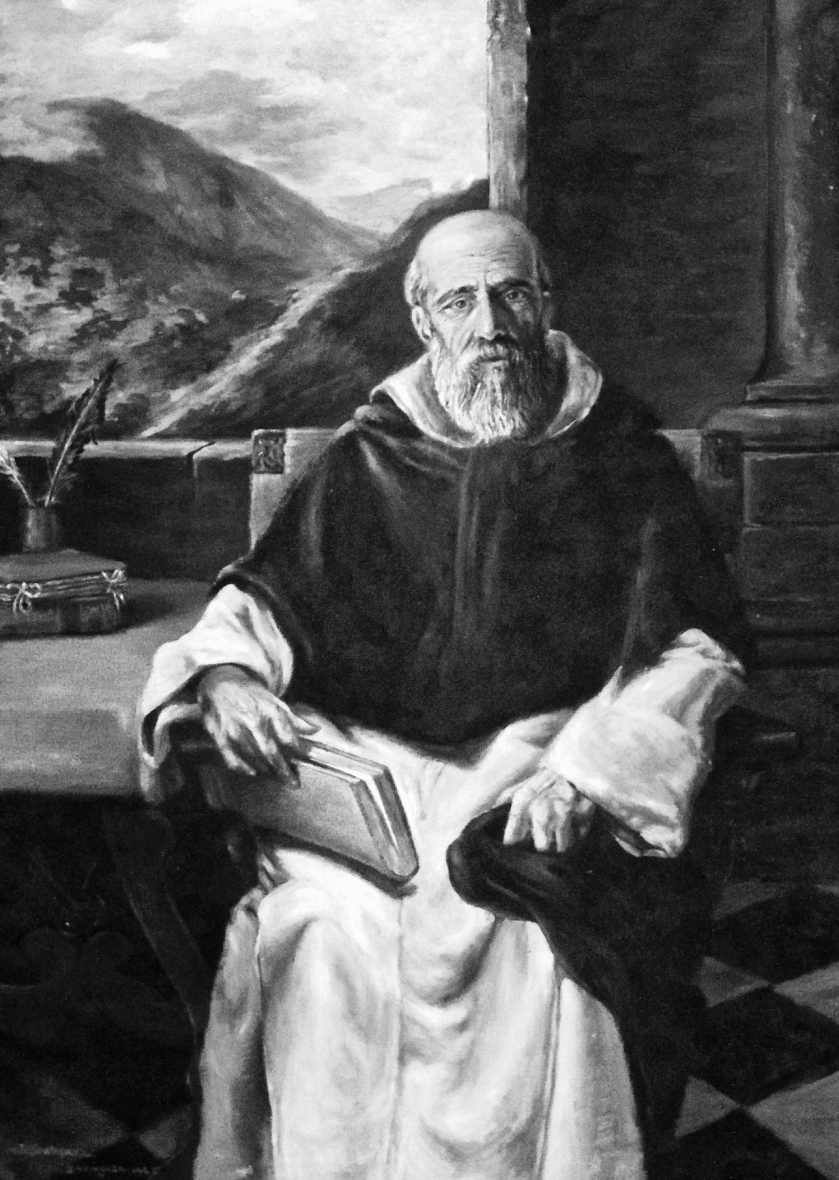
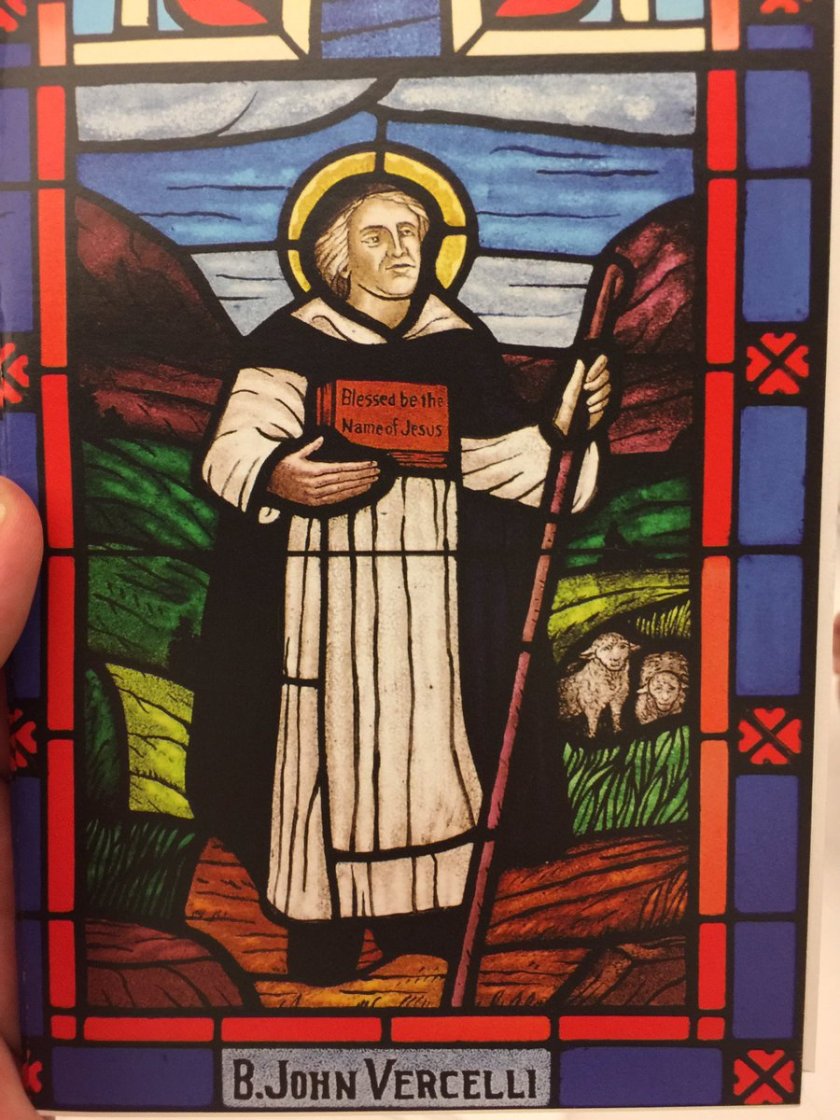
Saint of the Day – 1 December – Blessed John of Vercelli OP (c 1205-1283) – Dominican Priest and Friar, Sixth Master General of the Order of Preachers, Founder of the The Society of the Holy Name, Canon lawyer, Professor – born in c 1205 at Mosso Santa Maria, Italy as Giovanni Garbella and died in September 1283 at Montpelier, France of natural causes.
John Garbella was born early in the 13th century, somewhere near Vercelli. He studied at Paris and was ordained priest before 1229. He taught canon law at the University of Paris. While he was professor there, Blessed Jordan of Saxony (who was a friend of Saint Albert the Great) came to Paris and John saw one after another of his best pupils desert their careers to join the Dominicans. He seems to have considered them quite objectively, without reference to himself, until one day he had an interior voice that spoke to him that it was God’s will for him to join the Dominicans. No one can say that John did not respond with alacrity – he dropped everything and ran down the street. “Let me go; I am on my way to God!” Jordan received him happily and gave him the habit.
In 1232, John was sent to Vercelli to establish a convent there. He built this and several other convents in Lombardy as houses of regular observance. While provincial of Lombardy, he also became inquisitor. It was a particularly difficult moment. His brother in religion, St Peter of Verona, had just been killed by the heretics in Como. The entire countryside was in a state of war, with roving bands of heretics and robbers. It was the task of the new inquisitor to try to bring order out of this chaos and what John did was remarkable, considering the situation. In spite of his heavy labours, which included the supervision of 600 friars in 28 different cities (he reached them only by walking), John of Vercelli established the ideals of study and regular observance in all of his houses.
But it was also, the good fortune of John of Vercelli to live in an age that was well peopled by saints. He formed a close friendship with Saint Louis, the king of France. Several of his tasks in the order, particularly the Commission on the Program of Studies, he shared with Saint Albert the Great, Saint Thomas Aquinas and Peter of Tarentaise (the future Pope Innocent V). In such company one would need to have a superior set of talents – John did.
In 1264 the chapter of the order met at Paris. Blessed Humbert had resigned as master general of the order. John went to the chapter hoping that he could resign as provincial of Lombardy. Instead of escaping one office, he fell heir to a still more difficult one. He was elected master general in 1264 and served in that capacity until 1283. John was then a man in his sixties and was, moreover, handicapped by a crippled leg. However, he accepted the office which would require him to walk, not only all over Lombardy but all over Europe. It took a brand of courage and obedience that was little short of heroic.
During the generalate of John of Vercelli, the relics of Saint Dominic were transferred to the new tomb that had been prepared for it by Nicholas of Pisa. When the transfer was made, John of Vercelli fixed his seal on the tomb, the seals were still intact on their examination in 1946. During the translation of the relics, according to the account in the Vitae Fratrum, when the body of Saint Dominic was exposed to view, the head was seen to turn towards John of Vercelli. John, embarrassed, moved to another part of the church and gave his place to a cardinal. Whereupon, the head of Saint Dominic was seen by all to turn again in John’s direction!
On the death of Clement IV, John of Vercelli was very nearly elected pope. Being warned of the possibility, he fled in fright. However, his good friend Cardinal Visconti, was elected and took the name Gregory X. He appointed John as legate on several different missions.
He was commissioned by the pope to draw up the Schema for the second ecumenical council of Lyons in 1274–that council to which Saint Thomas Aquinas was hurrying when death found him on the road. At the council John distinguished himself for his assistance by offering to the council the talents of his best men. At the council, he accepted for the Dominican Order the special commission of promoting reverence for the Holy Name of Jesus and fighting blasphemy, which was, in that day as in ours, a prevalent vice. He can thus be considered the founder of the Holy Name Society, even though the Confraternity was not formed until 1432.
Several precious relics were suitably enshrined by John of Vercelli. These included several thorns from the Crown of Our Lord, which had been given him by Saint Louis of France. The cord of Saint Thomas, with which he had been guided by the angels and which he had worn until death, was given into the care of the master general, who gave it to the convent of Vercelli for safe keeping.
John’s career was rapidly reaching its end. In 1279, he presided over the famous chapter of Paris at which the order made the doctrine of Saint Thomas officially its own. The following year, he laid the foundations of the Church of Santa Maria Sopra Minerva. One of his last official acts was to provide for a work on the instruction of novices (Benedictines, Dorcy).
He was buried at the Dominican convent at Montpelier but his tomb was desecrated by Calvinists in 1562 and his body disappeared. He was Beatified in 1903 by Pope Pius X (cultus confirmed), 1909 elevated him to the honours of the altar.
St Agericus of Verdun
St Agnofleta
St Alexander Briant
Bl Alphonsine Anuarite Nengapeta
St Ambon of Rome
St Ananias of Arbela
St Ansanus the Baptizer
Bl Antony Bonfadini
Bl Bruna Pellesi
St Candida of Rome
St Candres of Maestricht
St Cassian of Rome
St Castritian of Milan Bl Charles of Jesus/de Foucauld OCSO (1858-1916) Blessed Charles why are you not a Saint yet! – https://anastpaul.com/2018/12/01/saint-of-the-day-1-december-blessed-charles-of-jesus-charles-de-foucauld-1858-1916/
St Eligius
St Evasius of Asti
St Filatus of Rome
St Florence of Poitiers
St Florentius
St Grwst
St Jabinus of Rome and Companions
Bl John Beche Blessed John of Vercelli OP (c 1205-1283)
Bl Kazimierz Tomasz Sykulski
St Latinus of Rome
St Leontius of Fréjus
Bl Liduina Meneguzzi
St Lucius of Rome
Bl Maria Clara of the Child Jesus
St Marianus
St Marina of Rome
St Martinus
St Nahum the Prophet
St Natalia of Nicomedia
St Olympiades
St Proculus of Narni
St Ralph Sherwin
St Resignatus of Maastricht
Bl Richard Langley
St Rogatus of Rome
St Simon of Cyrene
St Superatus of Rome
St Ursicinus of Brescia
—
Martyrs of Oxford University: A joint commemoration of all the men who studied at one of the colleges of Oxford University, and who were later martyred for their loyalty to the Catholic Church during the official persecutions in the Protestant Reformation. They are:
• Blessed Edward James • Blessed Edward Powell • Blessed Edward Stransham • Blessed George Napper • Blessed George Nichols • Blessed Hugh More • Blessed Humphrey Pritchard • Blessed James Bell • Blessed James Fenn • Blessed John Bodey • Blessed John Cornelius • Blessed John Forest • Blessed John Ingram • Blessed John Mason • Blessed John Munden • Blessed John Shert • Blessed John Slade • Blessed John Storey • Blessed Lawrence Richardson • Blessed Mark Barkworth • Blessed Richard Bere • Blessed Richard Rolle de Hampole • Blessed Richard Sergeant • Blessed Richard Thirkeld • Blessed Richard Yaxley • Blessed Robert Anderton • Blessed Robert Nutter • Blessed Robert Widmerpool • Blessed Stephen Rowsham • Blessed Thomas Belson • Blessed Thomas Cottam • Blessed Thomas Pilcher • Blessed Thomas Plumtree • Blessed Thomas Reynolds • Blessed William Filby • Blessed William Hart • Blessed William Hartley • Saint Alexander Briant • Saint Cuthbert Mayne • Saint Edmund Campion • Saint John Boste • Saint John of Bridlington • Saint John Roberts • Saint Ralph Sherwin • Saint Thomas Garnet • Saint Thomas More
Thought for the Day – 15 November – The Memorial of St Albert the Great OP (1200-1280), Bishop and Doctor of the Church
Do This in Remembrance of Me
Saint Albert the Great
Bishop and Doctor of the Church
An excerpt from Commentary on the Gospel of Luke
Do this in remembrance of Me. Two things should be noted here. The firs,t is the command that we should use this Sacrament, which is indicated when He says: Do this. The second, is that this Sacrament commemorates the Lord’s going to death for our sake.
Do this. Certainly He would demand nothing more profitable, nothing more pleasant, nothing more beneficial, nothing more desirable, nothing more similar to eternal life. We will look at each of these qualities separately.
This Sacrament is profitable because it grants remission of sins; it is most useful because it bestows the fullness of grace on us in this life. The Father of spirits instructs us in what is useful for our sanctification. And his sanctification is in Christ’s sacrifice, that is, when He offers Himself in this Sacrament to the Father for our redemption, to us for our use. I consecrate Myself for their sakes. Christ, who through the Holy Spirit offered Himself up without blemish to God, will cleanse our consciences from dead works to worship the living God.
Nor can we do anything more pleasant. For what is better than God manifesting His whole sweetness to us. You gave them bread from heaven, not the fruit of human labour but a bread endowed with all delight and pleasant, to every sense of taste. For this substance of Yours revealed Your kindness toward Your children and serving the desire of each recipient, it changed to suit each one’s taste.
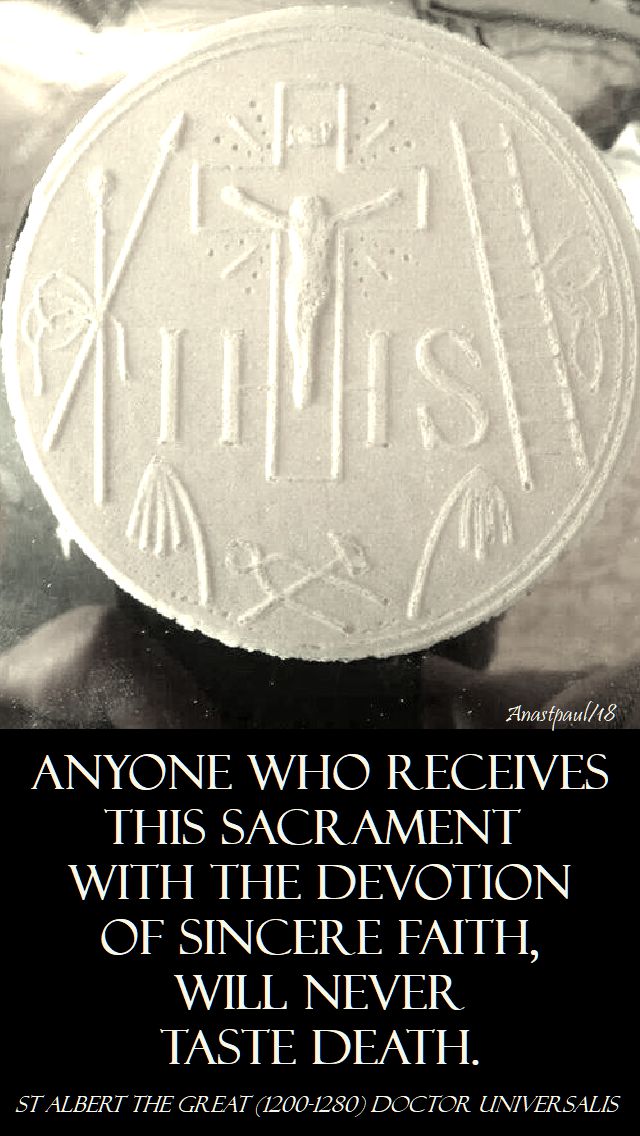
He could not have commanded anything more beneficial, for thisSsacrament is the fruit of the tree of life. Anyone who receives this Sacrament with the devotion of sincere faith will never taste death. It is a tree of life for those who grasp it and blessed is he who holds it fast. The man who feeds on Me shall live on account of Me.
Nor could He have commanded anything more lovable, for this Sacrament produces love and union. It is characteristic of the greatest love to give itself as food. Had not the men of my tent exclaimed: Who will feed us with his flesh to satisfy our hunger? as if to say: I have loved them and they have loved Me so much, that I desire to be within them and they wish to receive Me so that they may become My members. There is no more intimate or more natural means for them to be united to Me and I to them.
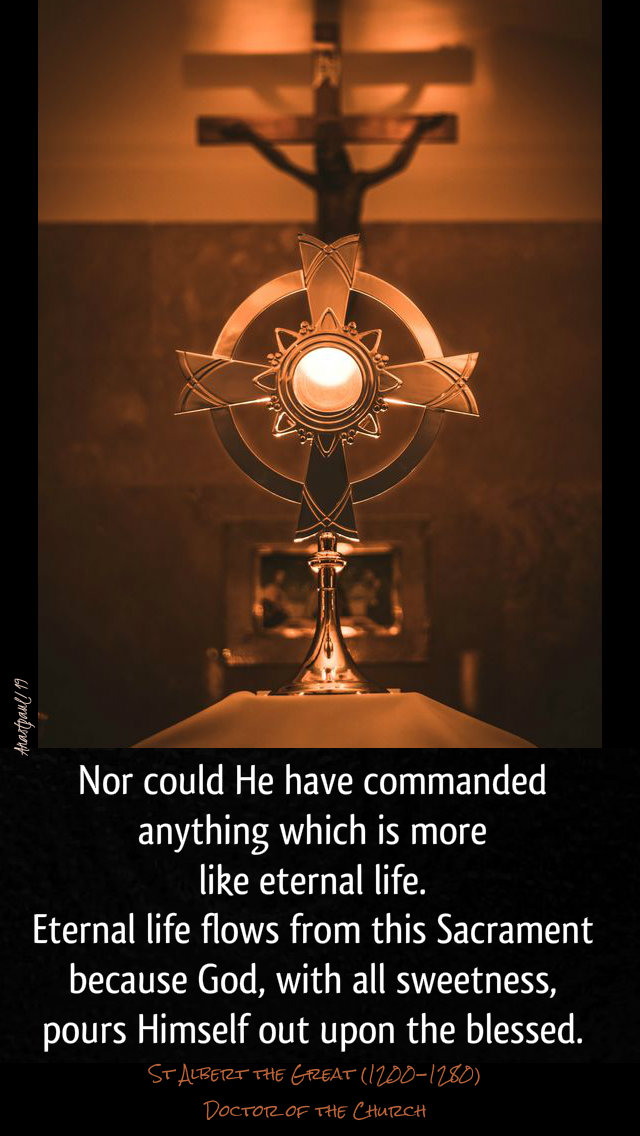
Nor could He have commanded anything, which is more like eternal life. Eternal life flows from this Sacrament, because God, with all sweetness, pours Himself out upon the blessed.
St Albert the Great, Pray for Us that we may receive the Body of Christ with total faith, conviction and love!
Quote/s of the Day – 15 November – The Memorial of St Albert the Great OP (1200-1280) Doctor of the Church and of Bl Mary of the Passion FMM (1839-1904)
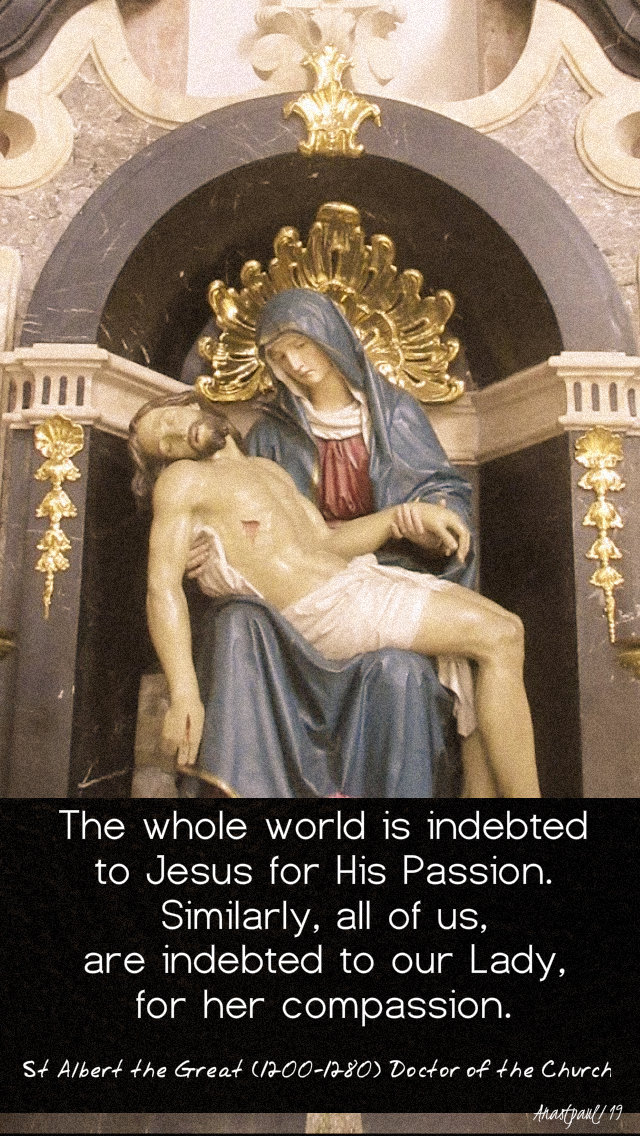
“The whole world is indebted to Jesus for His Passion. Similarly, all of us, are indebted to our Lady, for her compassion.”
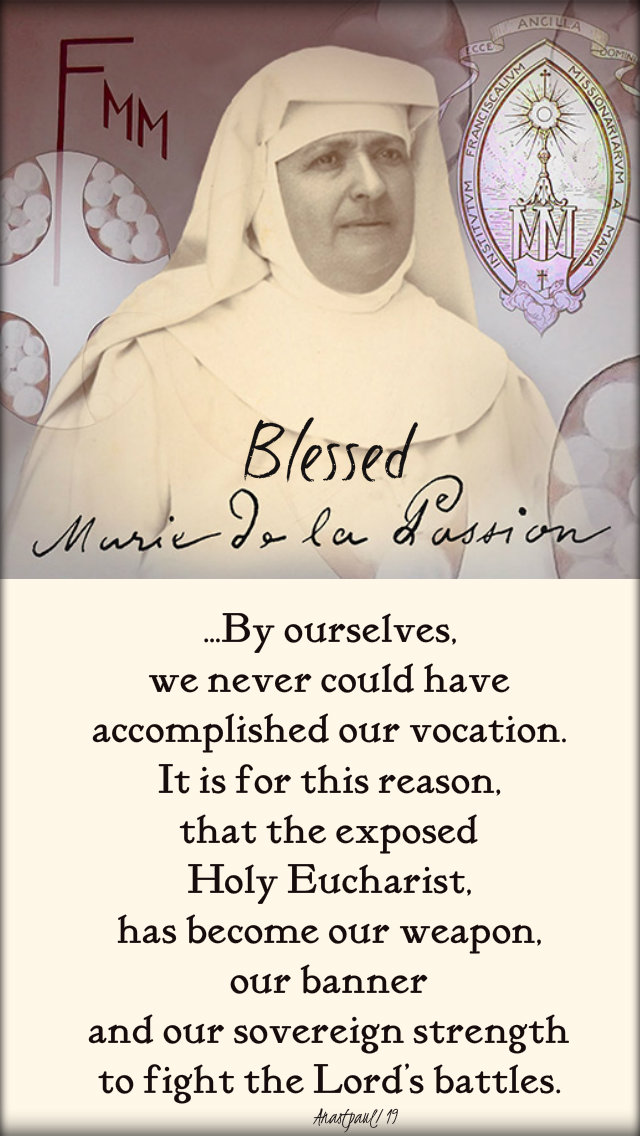
“…By ourselves, we never could have accomplished our vocation. It is for this reason, that the exposed Holy Eucharist, has become our weapon, our banner and our sovereign strength to fight the Lord’s battles.”
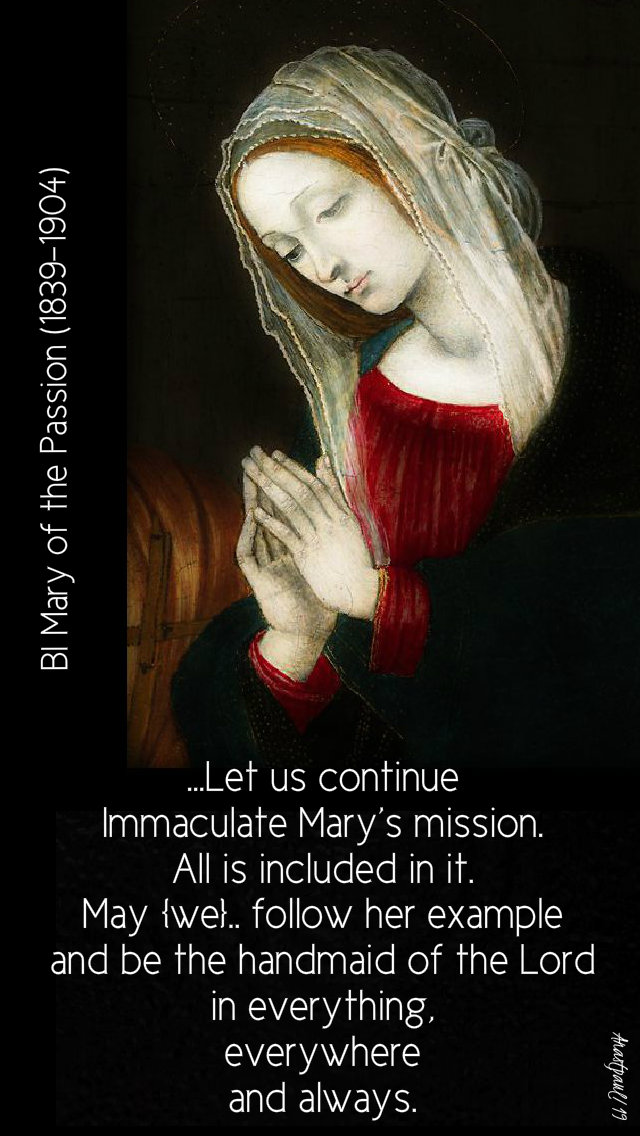
“…Let us continue Immaculate Mary’s mission. All is included in it. May [we].. follow her example and be the handmaid of the Lord in everything, everywhere and always.”
Our Morning Offering – 15 November – Friday of the Thirty Second week in Ordinary Time, Year C and the Memorial of St Albert the Great OP (1200-1280) Doctor of the Church
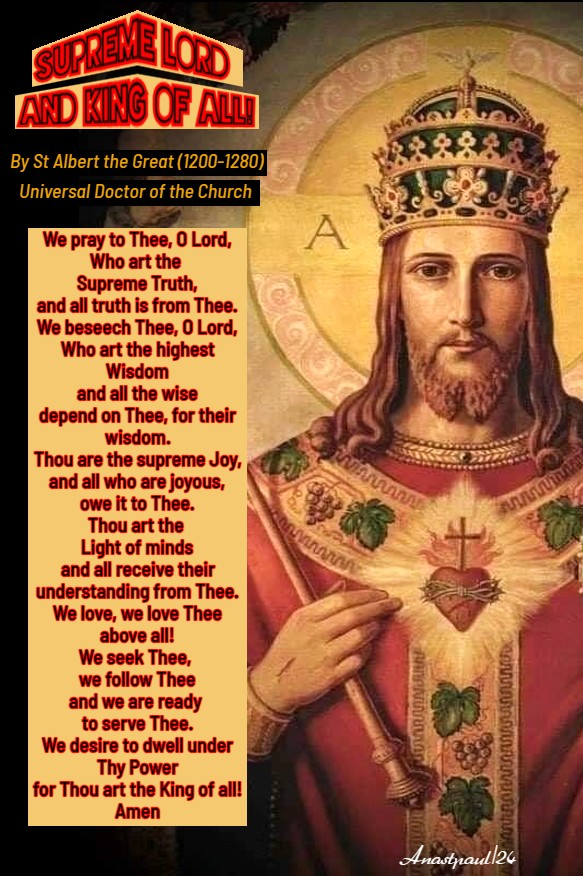
Supreme Lord and King of All! By St Albert the Great (1200-1280) Universal Doctor of the Church
We pray to Thee, O Lord, Who art the Supreme Truth, and all truth is from Thee. We beseech Thee, O Lord, Who art the highest Wisdom and all the wise depend on Thee, for their wisdom. Thou are the supreme Joy, and all who are joyous, owe it to Thee. Thou art the Light of minds and all receive their understanding from Thee. We love, we love Thee above all! We seek Thee, we follow Thee and we are ready to serve Thee. We desire to dwell under Thy Power for Thou art the King of all! Amen
St Adeltrude of Aurillac
St Alberic of Utrecht
St Antigius of Langres
St Dubricius of Wales
St Etienne-Théodore Cuenot
St Hypatius of Gangra
Bl Jean of Tufara Bl John Licci OP (1400-1511) Biography here: https://anastpaul.wordpress.com/2017/11/14/saint-of-the-day-14-november-blessed-john-licci-o-p-1400-1511/
St John Osorinus St Joseph Maria Pignatelli SJ (1737 – 1811) ‘Restorer of the Society of Jesus’
Bl Maria Louise Merkert
Bl Maria Teresa of Jesus
St Modanic
St Ruf of Avignon
St Serapion of Alexandria
St Serapion of Algiers
St Siard
St Venerando the Centurian
St Venerandus of Troyes
—
Holy Fathers of Merida
Martyrs of Emesa: Group of Christian women tortured and executed for their faith in the persecutions of the Arab chieftain Mady. They died in Emesa (modern Homs, Syria).
Martyrs of Heraclea – (3 saints): Group of Christians murdered together for their faith. The only details we have are three of their names – Clementinus, Philomenus and Theodotus. They were martyred in Heraclea, Thrace.
Martyrs of the Jaffa Gate:
• Blessed Déodat of Rodez
• Blessed Nikola Tavelic
• Blessed Pierre of Narbonne
• Blessed Stefano of Cuneo
Thought for the Day – 7 November – Feast of All Dominican Saints
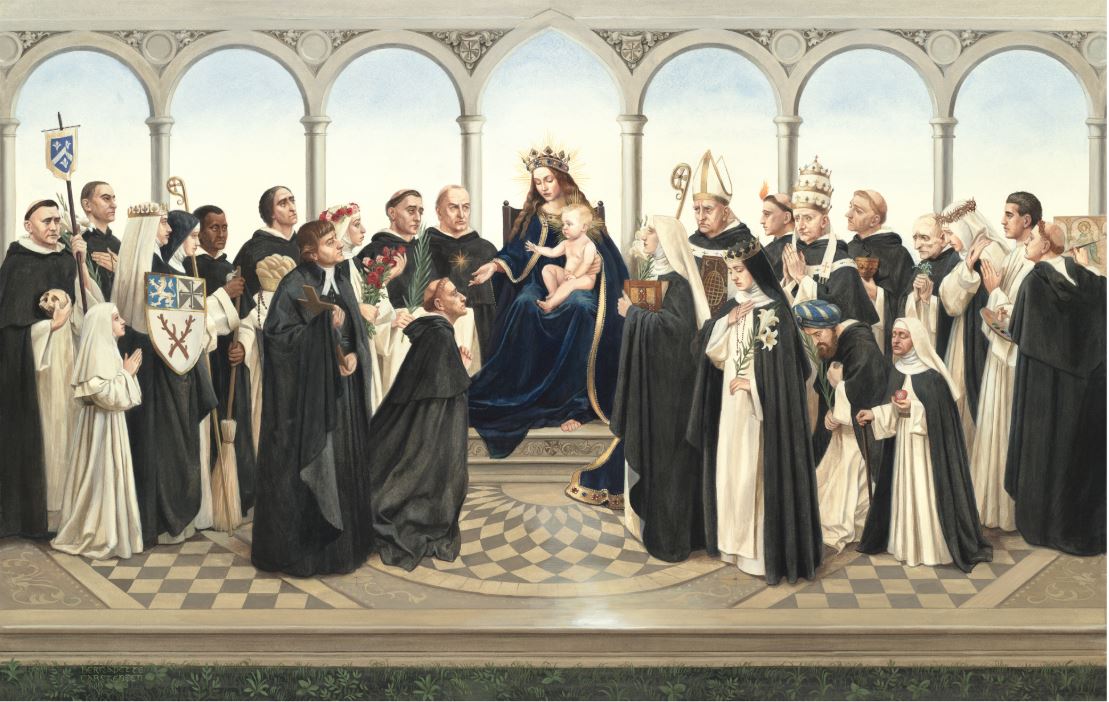
On 7 November, the Order of Preachers celebrates the feast of All Dominican Saints, in which the Order honours those saints and blesseds of the Order who cannot be celebrated individually throughout the year, as well as those whose place in heaven is known only to God.
One of the proper readings available for Dominicans on this day is Sirach 44:1-15, in which the praises of the Israelites are connected with the diversity of the holy men and women of the Order.
I will now praise the godly,
our ancestors, in their own time,
The abounding glory of the Most High’s portion,
his own part, since the days of old.
Subduers of the land in kingly fashion,
renowned for their might,
Counselors in their prudence,
seers of all things in prophecy,
Resolute princes of the flock,
lawgivers and their rules,
Sages skilled in composition,
authors of sharp proverbs,
Composers of melodious psalms,
writers of lyric poems.
Stalwart, solidly established,
at peace in their own estates—
All these were glorious in their time,
illustrious in their day.
Some of them left behind a name
so that people recount their praises.
Of others no memory remains,
for when they perished, they perished,
As if they had never lived,
they and their children after them.
Yet these also were godly;
their virtues have not been forgotten.
Their wealth remains in their families,
their heritage with their descendants.
Through God’s covenant their family endures,
and their offspring for their sake.
And for all time their progeny will endure,
their glory will never be blotted out,
Their bodies are buried in peace,
but their name lives on and on.
At gatherings their wisdom is retold,
and the assembly proclaims their praises.
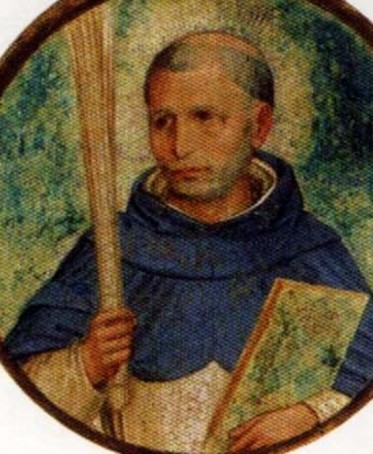
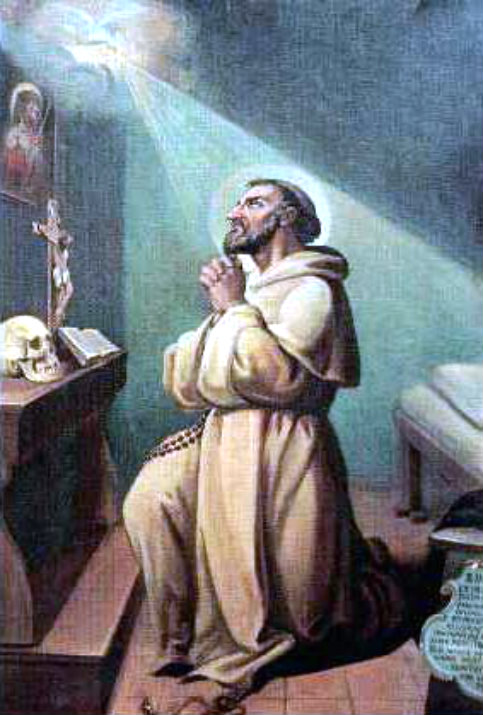
For over 800 years, numerous Dominicans, faithful to the way of life established by St. Dominic, have achieved great holiness. The Order can boast of more than 70 Canonised saints and 200 Blesseds, including three Popes, two novices and a master Renaissance artist, the Blessed Fra Angelico.
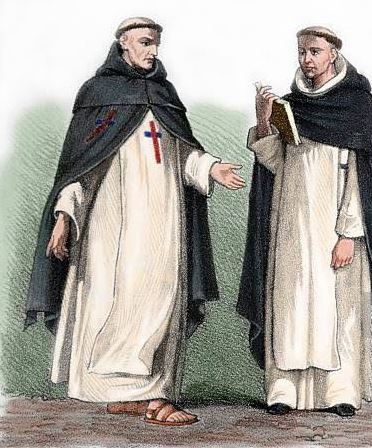
And for the past 800 years, Dominican Friars (and Sisters, of course) have donned the white habit, the familiar robes, the brand unique of the Order of Preachers. Each day whilst dressing, they quietly recite prayers as they do so. This is a glimpse into a rarely seen Dominican ritual.
Dominican Prayer whilst donning the Habit
Clothe me, O Lord, with the garments of salvation.a
By Your grace. may I keep them pure and spotless,
so that clothed in white,
I may be worthy to walk with You in the Kingdom of God
Gird me, O Lord, with the cincture of justice
and the cord of purity,
that I may unite the affections of my heart
in the love of You alone.
O God, whose only-begotten Son,
by His life, death and resurrection,
has purchased for us the rewards of eternal life,
grant we beseech Thee,
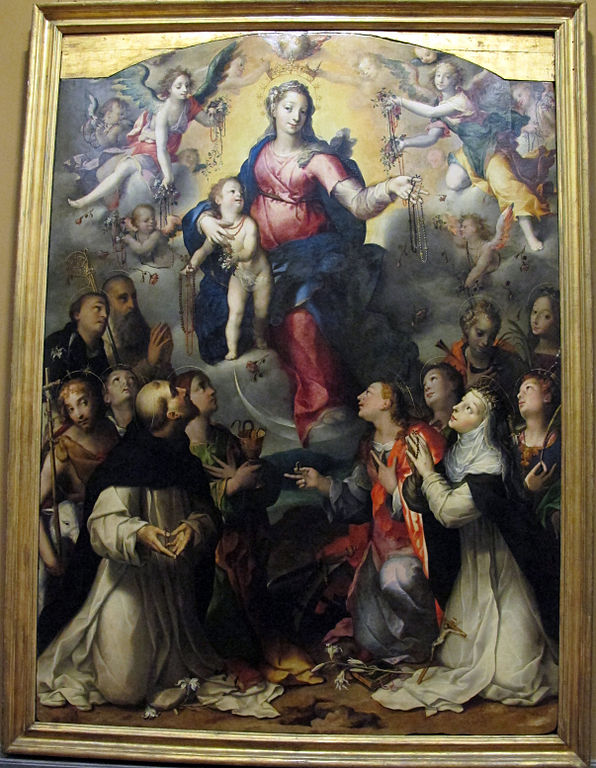
that meditating upon the mysteries of the Most Holy Rosary
of the Blessed Virgin Mary, we may imitate
what they contain and obtain what they promise,
through the same Christ our Lord
Show yourself a mother,
He will hear your pleading whom your womb
has sheltered and whose hand brings healing.
Lord, You have set Your sign upon my head
that I should admit no lover but You.
We fly to Your patronage, O Holy Mother of God,
do not despise our prayers in our necessity
but free us from all peril, O Blessed Virgin.
Heavenly Father,
Who were with Your great servants Moses and Joshua
and used them to bring Your children out of bondage,
fill us with that same grace,
that we may preach Your word boldly
and with authority for the deliverance of those
under the bondages of sin.
We ask this through Christ our Lord,
Amen
Quote/s of the Day – 7 November – The Memorial of All Dominican Saints
Just a few quotes from Dominican Saints
“Heretics are to be converted by an example of humility and other virtues far more readily, than by any external display or verbal battles. So let us arm ourselves with devout prayers and set off, showing signs of genuine humility and go barefooted to combat Goliath.”
St Dominic (1170-1221)
“Anyone who receives this Sacrament, with the devotion of sincere faith, will never taste death.”
St Albert the Great (1200-1280) OP Doctor of the Church
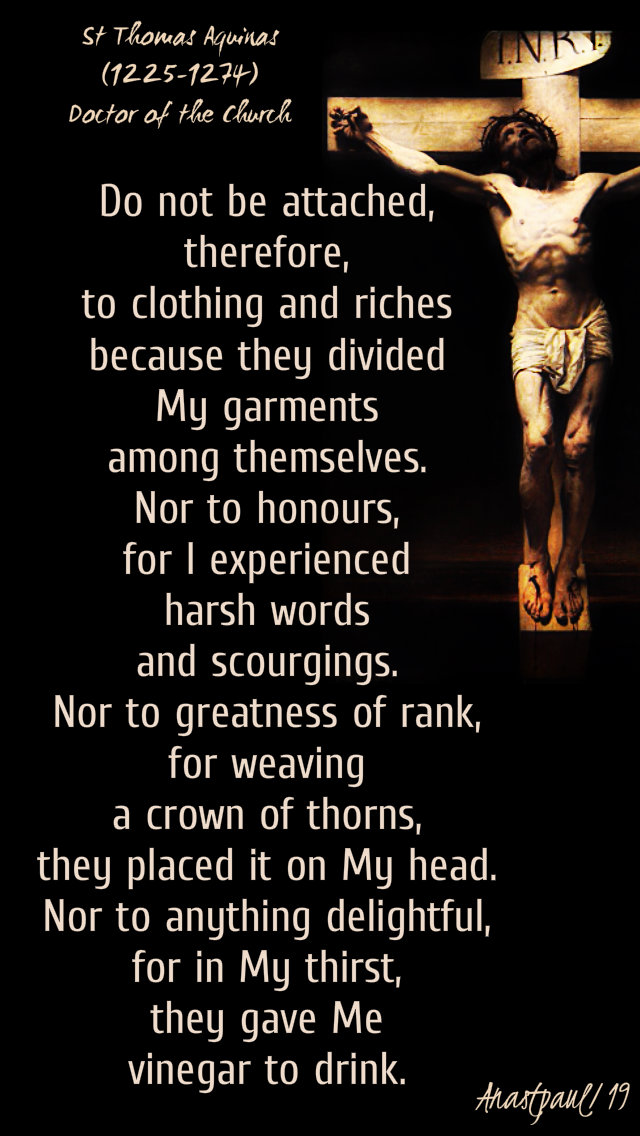
“Do not be attached, therefore, to clothing and riches because they divided My garments among themselves. Nor to honours, for I experienced harsh words and scourgings. Nor to greatness of rank, for weaving a crown of thorns, they placed it on My head. Nor to anything delightful, for in My thirst, they gave Me vinegar to drink.”
St Thomas Aquinas (1225-1274)
Doctor of the Church
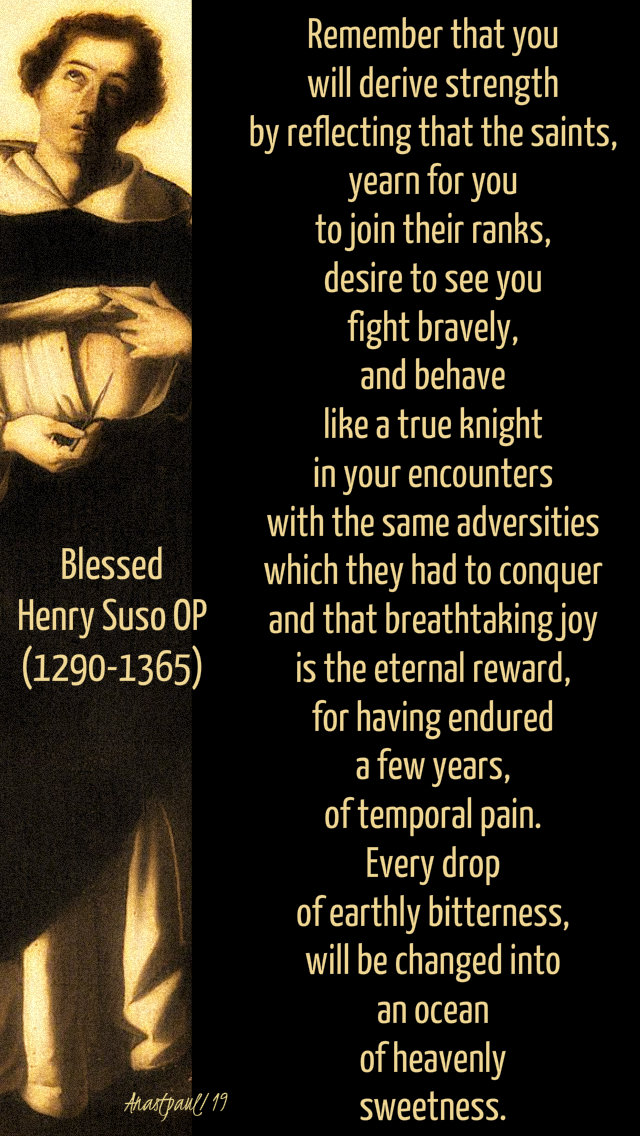
“Remember that you will derive strength by reflecting that the saints, yearn for you to join their ranks, desire to see you fight bravely, and behave like a true knight in your encounters with the same adversities which they had to conquer and that breathtaking joy is the eternal reward, for having endured a few years, of temporal pain. Every drop of earthly bitterness, will be changed into an ocean of heavenly sweetness.”
Blessed Henry Suso OP (1290-1365)
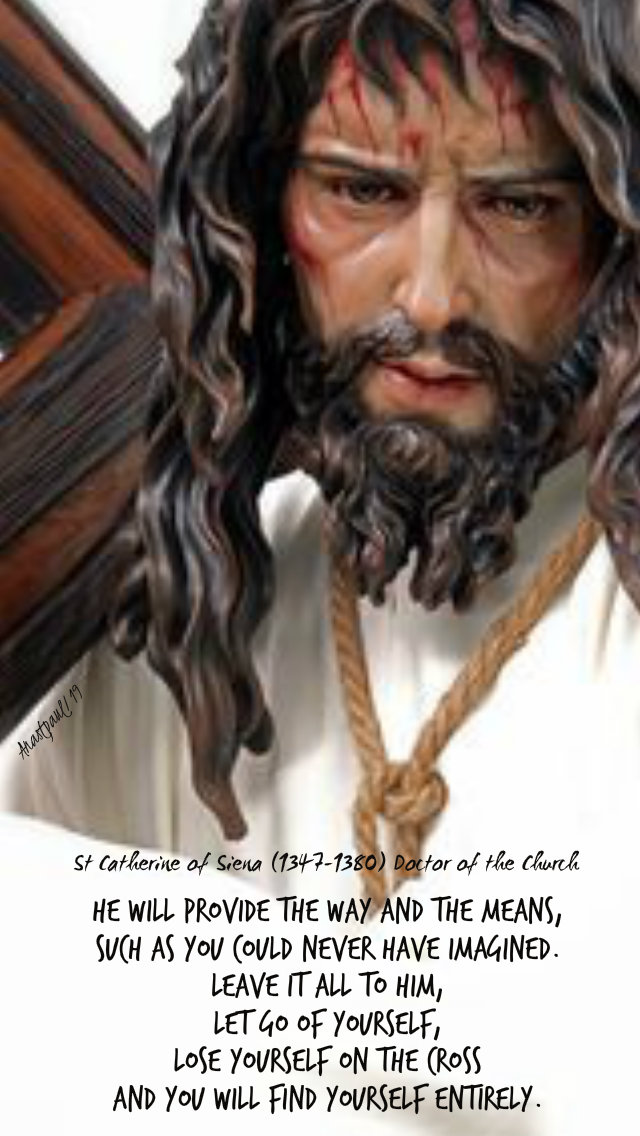
“He will provide the way and the means, such as you could never have imagined. Leave it all to Him, let go of yourself, lose yourself on the Cross and you will find yourself entirely.”
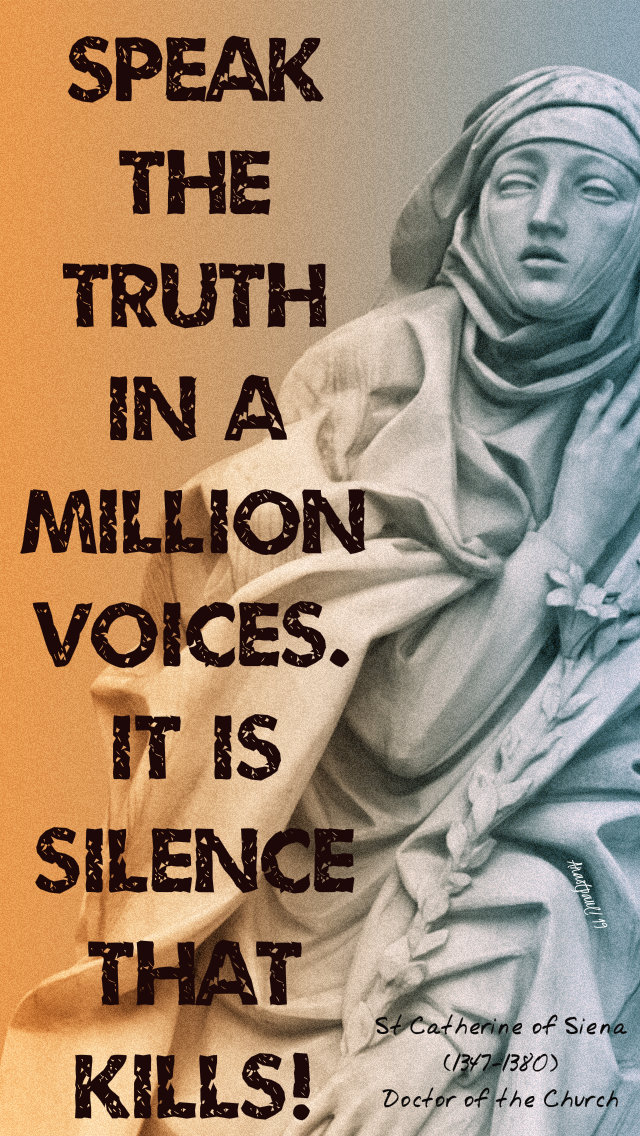
“Speak the truth in a million voices. It is silence that kills!”
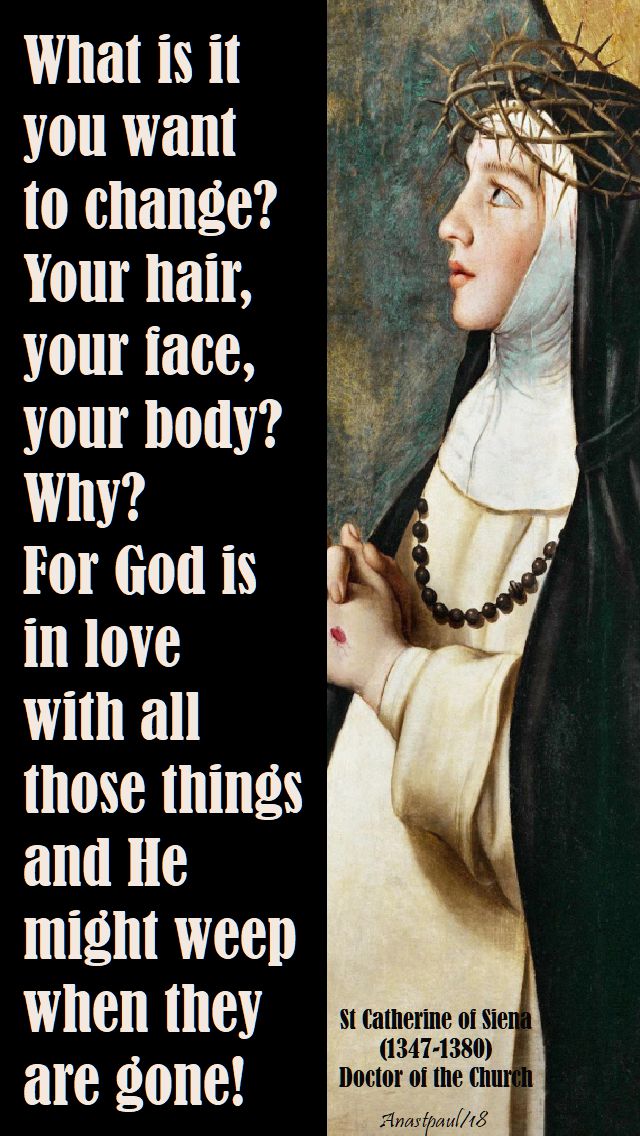
“What is it you want to change? Your hair, your face, your body? Why? For God is in love with all those things and He might weep when they are gone!”
St Catherine of Siena (1347-1380) Doctor of the Church
“Once humility is acquired, charity will come to life, like a burning flame, devouring the corruption of vice and filling the heart so full, that there is no place for vanity.”…
St Vincent Ferrer (1350-1419)
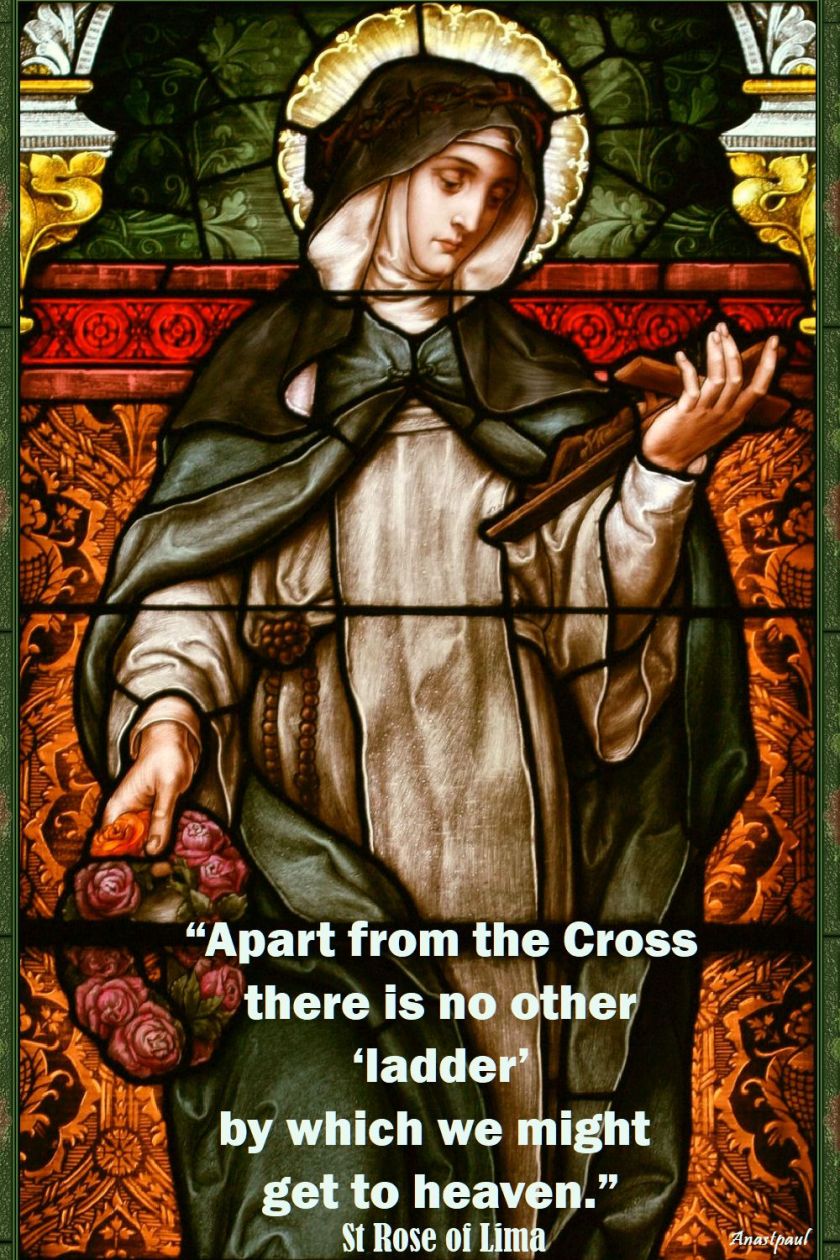
“Apart from the Cross there is no other ‘ladder’ by which we might get to heaven.”
Our Morning Offering – 7 November – Thursday of the Thirty First week in Ordinary Time, Year C
On this the Feast of all Dominican Saints let us pray a prayer by St Catherine of Siena OP (1347-1380) Doctor of the Church
O God of Truth and Love A Prayer of Penitence By St Catherine of Siena (1347-1380) Doctor of the Church
O omnipotent Father,
God of truth,
God of love
permit me to enter into
the cell of self-knowledge.
I admit, that of myself,
I am nothing
but that all being
and goodness in me
comes solely from You.
Show me my faults,
that I may detest them,
and thus I shall flee from self-love
and find myself clothed again
in the nuptial robe of divine charity,
which I must have,
in order to be admitted
to the nuptials of life eternal.
Amen
St Athenodorus of Neo-Caesarea
St Auctus of Amphipolis
St Baud of Tours
St Blinlivet
St Congar
St Engelbert of Cologne
St Ernest of Mecca
St Florentius of Strasburg
St Gebetrude of Remiremont
St Herculanus of Perugia
St Hesychius of Mytilene
St Hieron of Mytilene
St Hyacinth Castañeda Puchasons
Bl John Duns Scotus
St Lazarus the Stylite
St Nicander of Mytilene
St Peter Ou
St Prosdocimus of Padua
St Prosdocimus of Rieti
St Raverranus of Séez
St Rufus of Metz
St Taurion of Amphipolis
St Thessalonica of Amphipolis
St Tremorus of Brittany
St Vincent Liem St Vincenzo Grossi (1845-1917)
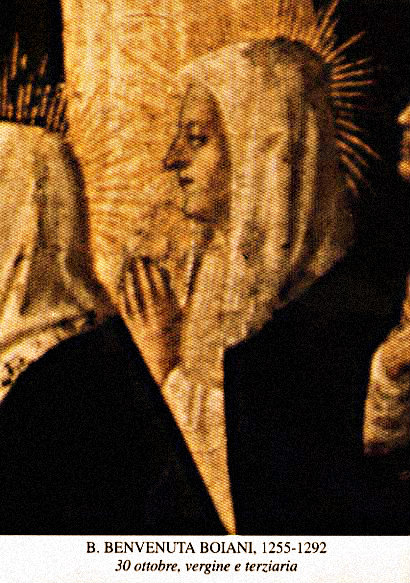
Saint of the Day – 30 October – Blessed Benvenuta Bojani OP (1254-1292) professed member of the Third Order of Saint Dominic, Mystic, Repentant. miracle-worker – born on 4 May 1254 at Cividale del Friuli, Italy and died on 30 October 1292 at Cividale del Friuli, Italy of natural causes, aged 38. Blessed Benevenuta dedicated her life to strict austerities as an act of repentance and devotion to God and was known to have visions of angels and demons.
Benvenuta was the last of seven daughters. Her parents, too, must have been amazing people in comparison with so many in our time. When the silence of the midwife proclaimed that her father had been disappointed once again in his desire for a son, he exclaimed, “She too shall be welcome!” Remembering this she was christened by her parents, Benvenuta which means“welcome”, although they had asked for a son. A vain older sister unsuccessfully tried to teach the pious little Benvenuta to dress in rich clothing and use the deceits of society. Benvenuta hid from such temptations in the church where she developed a tender devotion to the Blessed Virgin. By the age of 12, Benvenuta was wearing hairshirts and a rope girdle. As she grew, the rope became embedded in her flesh. When she realised the rope must be removed, she couldn’t get it off, so she prayed and it fell to her feet. For this reason she is often pictured in art holding a length of rope in her hands.
Having become a Dominican tertiary at an early age, she added the penances practised by the sisters to those she had appropriated for herself. All her disciplines, fasting and lack of sleep soon caused her health to fail and she was confined to bed for five years. Thereafter, she was too weak to walk, so a kind older sibling carried her to church once a week for Compline (Night Prayer) in the Dominican church, her favourite liturgy after the Mass.
After evening prayer on the Vigil of the Feast of Saint Dominic, Dominic and Saint Peter Martyr appeared to Benvenuta. Dominic had a surprise for her. The prior was absent at the Salve procession but at the beginning of Compline she saw Dominic in the prior’s place. He passed from brother to brother giving the kiss of peace, then went to his own altar and disappeared. At the Salve procession, the Blessed Virgin herself came down the aisle, blessing the fathers while holding the Infant Jesus in her arms.
Benvenuta spent her whole life at home in Cividale busy with her domestic duties, praying and working miracles. She was often attacked by the devil, who sometimes left her close to discouragement and exhaustion. When someone protested against the death of a promising young child, Benvenuta commented, “It is much better to be young in paradise than to be old in hell.” The devil often appeared to her in horrifying forms but was banished when Benvenuta called upon the Virgin.
Benvenuta’s companions called her “the sweetest and most spiritual of contemplatives, so lovable in her holiness that her touch and presence inspired gladness and drove away temptations.” This is amazing, in light of the severe penances that she imposed upon herself–and another sign of blessedness that she didn’t judge others by her standards for herself (Benedictines, Dorcy).
She died on 30 October 1292 and was interred in the church of Saint Dominic in her hometown.
Her Beatification received approval from Pope Clement XIV – on 6 February 1763 – after the pontiff confirmed the longstanding local ‘cultus’ to her.
St Arilda
St Asterius of Amasea Bl Benvenuta Bojani OP (1254-1292)
St Egelnoth the Good
St Eutropia of North Africa
St Gerard of Potenza
St Germanus of Capua
St Herbert of Tours
Bl Jean-Michel Langevin
Bl John Slade
St Lucanus of Lagny
St Marcellus the Centurion
St Marcian of Syracuse
St Maximus of Cumae
St Nanterius of Saint-Mihiel
Bl Oleksa Zarytsky (1912-1963) Martyr
Bl Raymond of Cardona
St Saturninus of Cagliari
St Serapion of Antioch
St Talarica of Scotland
Bl Terrence Albert O’Brien
St Theonestus of Philippi
St Zenobia of Aegea
St Zenobius of Aegea
—
Martyrs in Africa: A group of 100 to 200 Christians murdered in the early persecutions, and about whom we know nothing except that they died for their faith.
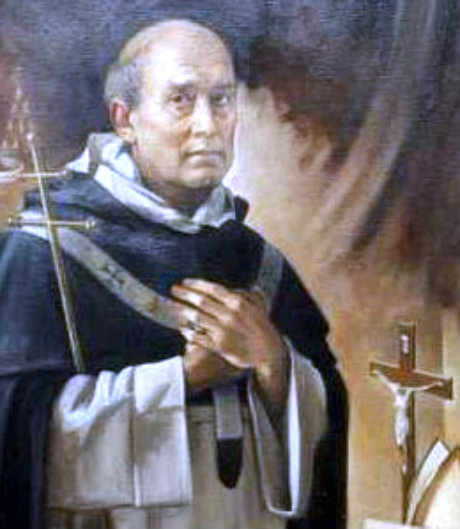
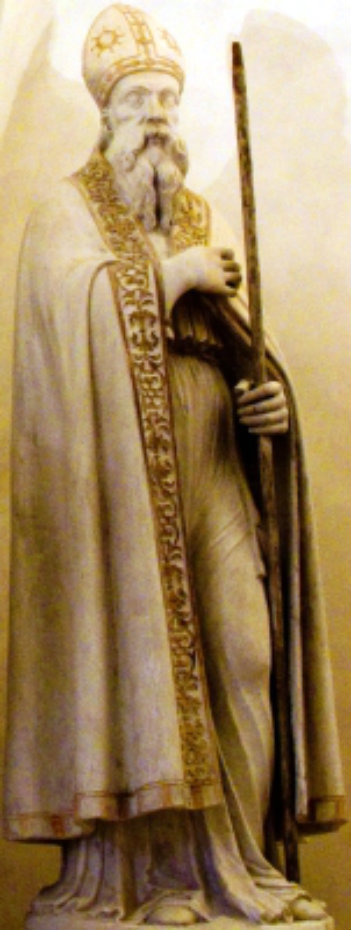
Saint of the Day – 27 October – Blessed Bartholomew OP (c 1200–1271) Bishop, Confessor, Dominican Friar, renowned Preacher, Defender of the Faith, Writer, Theologian, diplomatic peacemaker – also known as Bartholomew of Braganza – born in c 1200 in Vicenza, Italy and died there in 1271.
Bartholomew was born in the city of Vicenza to the noble family of di Braganca. He studied at Padua, receiving there the habit of the recently founded Order from the hands of St Dominic himself, at about the age of twenty. Immediately after his ordination, he was sent to Lombardy to preach against the heretics who were leading others away from the true faith. As a young priest he founded a military order whose purpose was to keep civil peace in towns throughout Italy.
He was so effective in this, that the Holy Father, Pope Gregory IX called him to Rome and appointed him Master of the Sacred Palace (the Papal Theologian), which is an office traditionally held by Dominicans. Because of the differing needs of the Church, the following Pope, Innocent IV, appointed him to become a bishop on the Island of Cyprus. For most men, such an appointment is an honour and a tribute to their holiness and their demonstrated leadership skills. But for Bartholomew, it was a form of exile that had been urged by an antipapal group that was only too happy to see him leave for Cyprus.
Already having become a friend of St Louis the King of France, Bl Bartholomew renewed this friendship as St Louis went through Cyprus on his way to Egypt during the Seventh Crusade (1248). In 1254, he was sent as legate to the courts of England and France and as Henry III of England was, at that time, in his realm in the Aquitaine, Bartholomew travelled there towards the close of that year, then accompanied the English king and queen to Paris. He was, on this occasion, presented by the King of France with a relic of the true Cross and a thorn from Jesus’ Crown of Thorns, worn at His Crucifixion. These he afterwards placed in the beautiful Dominican Church built by him at Vicenza which is known as the Church of the Crown.
Two years later, in order to ensure the presence of so distinguished a prelate at his own court, Pope Alexander IV made him Bishop of Vicenza, his native city. During his tenure of that see, Bartholomew was subject to the hostility of the local ruler Ezzelino III, a Ghibelline who was noted for the brutality of his rule and who was a strong opponent of Papal power. But in Vicenza, he not only continued to preach the truths of the faith and free the local Church from the errors of the Manicheans but he also established such a sense of peace that the people asked him to become their temporal ruler as well. He rightfully declined but this shows the great virtue that he not only had but also, that he instilled in his people.
He was venerated by the people and, according to the Bollandists, has always been honoured with the title of “Blessed”. In recognition of this, he was formally Beatified in 1793. He wrote commentaries on Scripture, was the reputed author of a commentary on the “Hierarchy” of St Dionysius the Areopagite, of two volumes of sermons and some smaller works.
O God, who made Blessed Bartholomew, Your Confessor and Bishop, wonderful in leading the enemies of the faith from the darkness of error to the light of truth and in bringing back multitudes to peace and concord, grant, through his intercession, that Your peace, which passes all understanding, may keep our hearts and minds in Christ Jesus our Lord, who lives and reigns with You forever and ever.
St Abban of Magh-Armuidhe
St Abraham the Poor Bl Bartholomew OP (c 1200–1271)
St Capitolina
St Colman of Senboth-Fola
St Colman of Templeshambo
St Desiderius of Auxerre
St Elesbaan of Ethiopia
St Emilina of Boulancourt
St Erotheides
St Florentius of Trois-Châteaux St Frumentius (Died c 383) Apostle to Ethiopia St Frumentius’ Biography: https://anastpaul.com/2018/10/27/saint-of-the-day-27-october-st-frumentius-died-c-383-apostle-to-ethiopia/
St Gaudiosus of Naples
Bl Goswin of Clairvaux
St Namatius of Clermont
St Odrian of Waterford
Bl Salvador Mollar Ventura
St Thraseas of Eumenia
St Uni
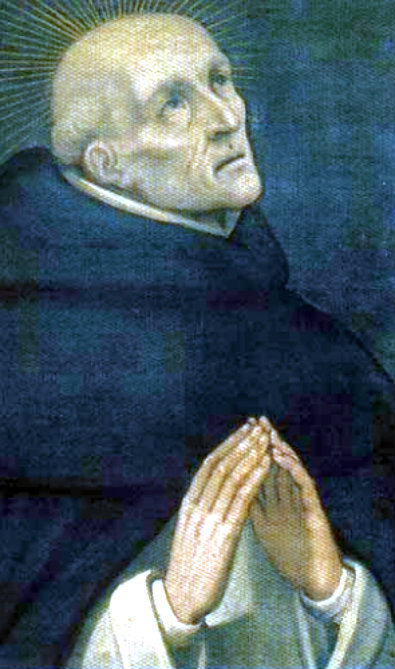
Saint of the Day – 27 September – Blessed Lorenzo of Ripafratta OP (c 1373-1456) Dominican Priest and Friar, Penitent, Vicar General, Teacher, Reformer, brilliant Preacher and Spiritual director – known as “the Ark of Science” – born in c 1373 in Ripafratta, Italy and died in 1456 in Pistoia, Tuscany, Italy of natural causes.
Lorenzo was born into a noble Italian family, who had a military history and a duty to protect the outer defences of the city of Pisa, Italy. Lorenzo, however, was drawn to the religious life, began studying for the priesthoo, and while a deacon, he joined the Dominicans at the convent of Saint Catherine in Pisa in 1396.
He worked for reform of the Dominicans and encouraged his brother friars in their studies, prayer life and devotion to the Rule. Lorenzo served as novice master, spiritual director and preacher and taught theology – his novices and students include Saint Antonius of Florence, Blessed Peter Cappuci, Blessed Fra Angelico and the artist Fra Benedetto.
In 1396, he was appointed prior, a position in which he excelled. His zeal and love for th Order led him to almost easily inspire all his fellow Dominicans to work towards the reform of the order. He was a novice and theology teacher at the convent of Cortona. Without fear of being infected, he helped the sick during the plague that struck the cities of Pistoia and Fabriano.
Because of his wisdom, the people called him the Ark of Science. He set an example to his congregation brothers and parishioners with his life of prayer, fasting, penance and devotion. He suffered a leg injury, which painfully accompanied him for the rest of his life. By the example of his silent and patient suffering – which he offered to God, the admiration and affection of the religious and the people increased. Loved by his community, he died in Pistoia, where his body is still venerated.
Father Lorenzo served for 60 years, lived a simple, ascetic life and was particularly devoted to the sacrament of Penance and Reconciliation.
He died on 27 September 1456 and was buried at the Dominican church in Pistoia. Many miracles were reported at his tomb. He was Beatified in 1851 by Pope Pius IX, via the confirmation of his cultus.
St Ariadne
St Dominic Trach Doai
St Eumenius Thaumaturgus
St Eustorgius of Milan
St Ferreolus the Tribune
St Ferreolus of Limoges
St Hygbald
St Irene of Egypt St Joseph of Cupertino OFM Conv. (1603-1663)
St Oceano of Nicomedia Saint Richardis (839-c 895)
St Sophia of Egypt
—
Martyred in the Spanish Civil War:
• Blessed Carlos Eraña Guruceta
• Blessed Fernando García Sendra
• Blessed Jacinto Hoyuelos Gonzalo
• Blessed Jesus Hita Miranda
• Blessed José García Mas
• Blessed José María Llópez Mora
• Blessed Justo Lerma Martínez
• Blessed Salvador Chuliá Ferrandis
• Blessed Salvador Fernández Pérez
• Blessed Vicente Gay Zarzo
• Blessed Vicente Jaunzarás Gómez









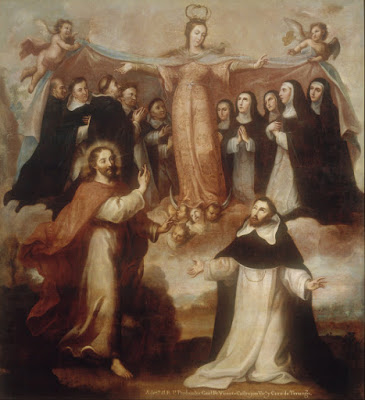 The Order can boast of more than 70 Canonised saints and 200 Blesseds, including three Popes, two novices and a master Renaissance artist, the Blessed Fra Angelico.






 AnaStpaul
You must be logged in to post a comment.