Posted in MARIAN TITLES, SAINT of the DAY

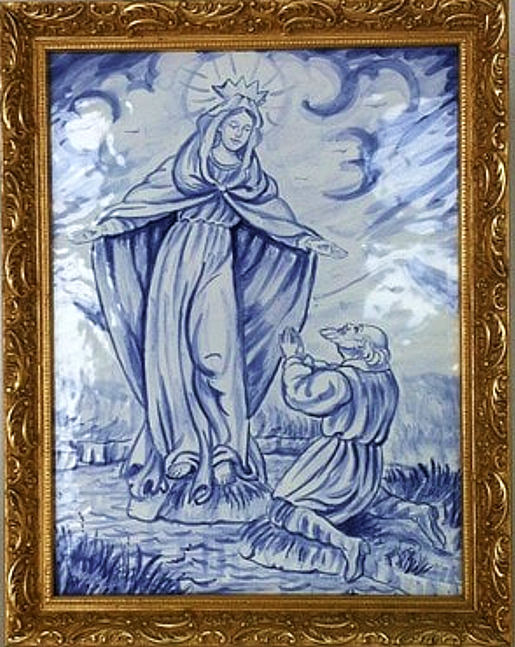
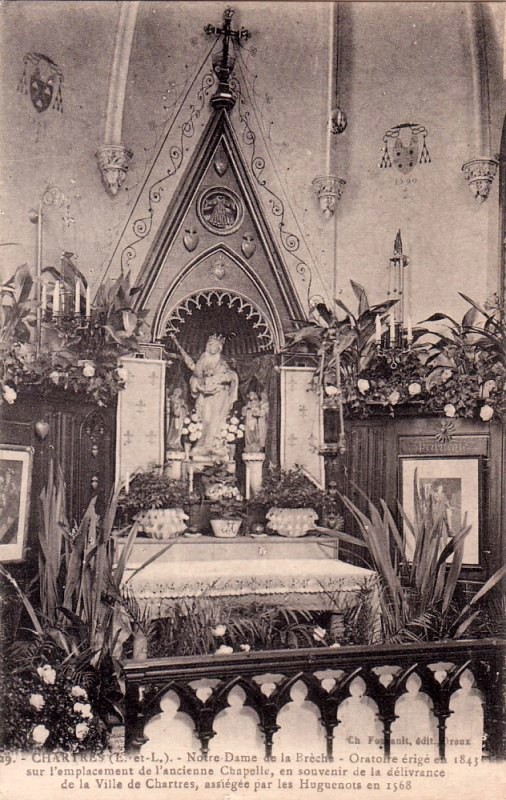
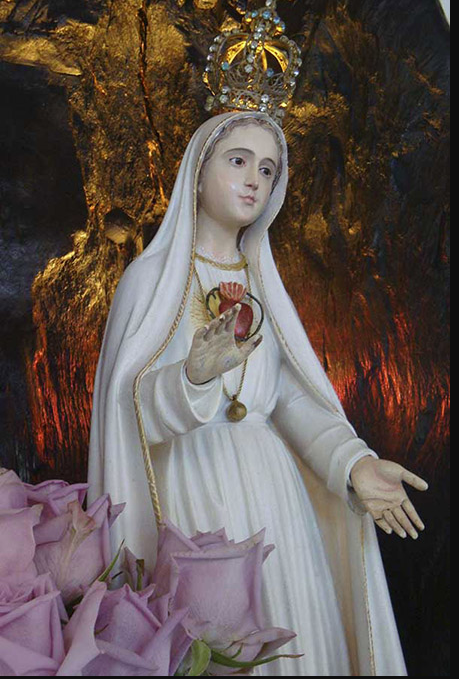
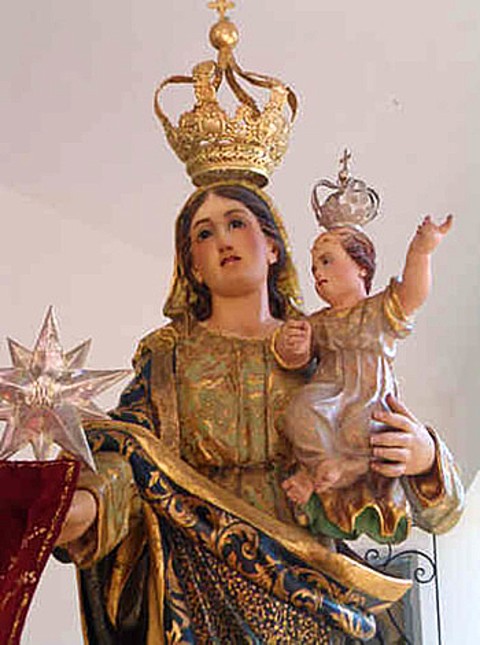
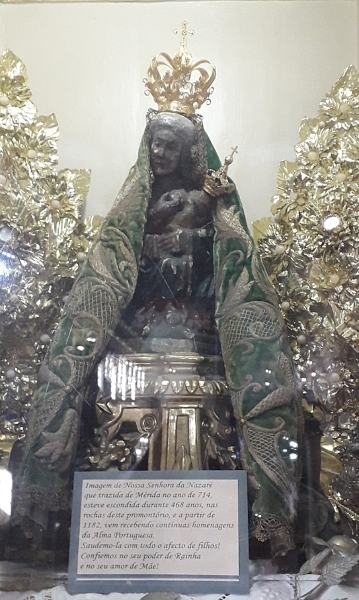
Nuestra Señora de las Apariciones / Our Lady of Apparitions, Madrid, Spain (1449) and Memorials of the Saints – 2 March

Thursday of the First Week in Lent – Fast

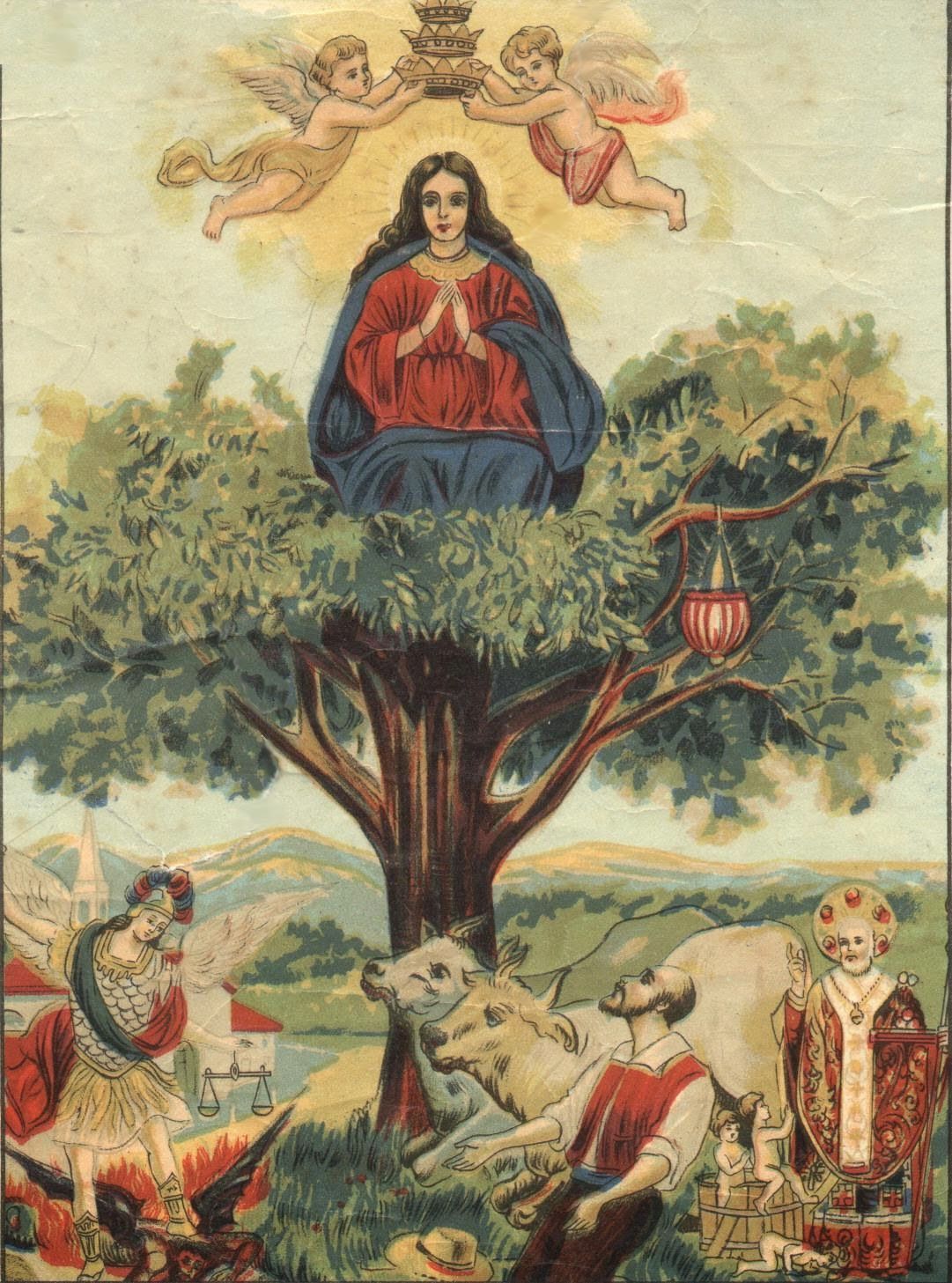
Nuestra Señora de las Apariciones / Our Lady of Apparitions, Madrid, Spain (1449) – 2 March:
HERE:

https://anastpaul.com/2021/03/02/our-lady-of-apparitions-madrid-spain-1449-and-memorials-of-the-saints-2-march/

St Absolon of Caesarea

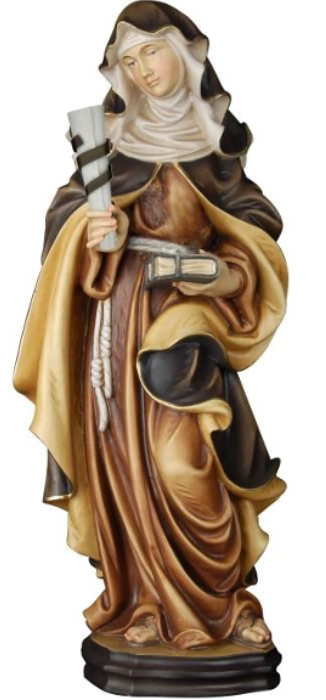
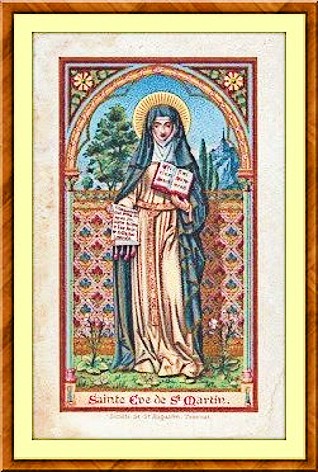
St Agnes of Prague/Bohemia (1211-1282) Nun, Princess, Foundress, Abbess, Missionary of Charity and Mercy – Patron of the Czech Republic and Prague.
Biography:

https://anastpaul.com/2017/03/02/saint-of-the-day-2-march-st-agnes-of-praguebohemia/

St Basileus the Martyr

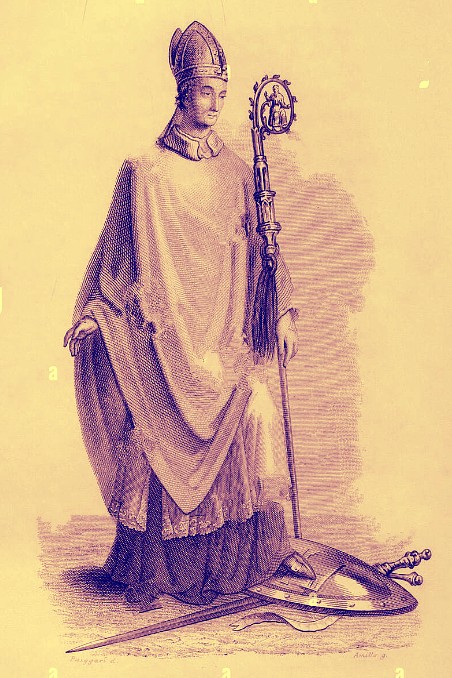
St Chad (c 620-672) Bishop of Lichfield, Confessor, Abbot, Monk, known as the “Apostle of Mercia,”in England.
About St Chad:

https://anastpaul.com/2021/03/02/saint-of-the-day-2-march-saint-chad-c-620-672-bishop/

Blessed Charles the Good (c1083-1127) Martyr, Duke
St Cynibild of Laestingaeu
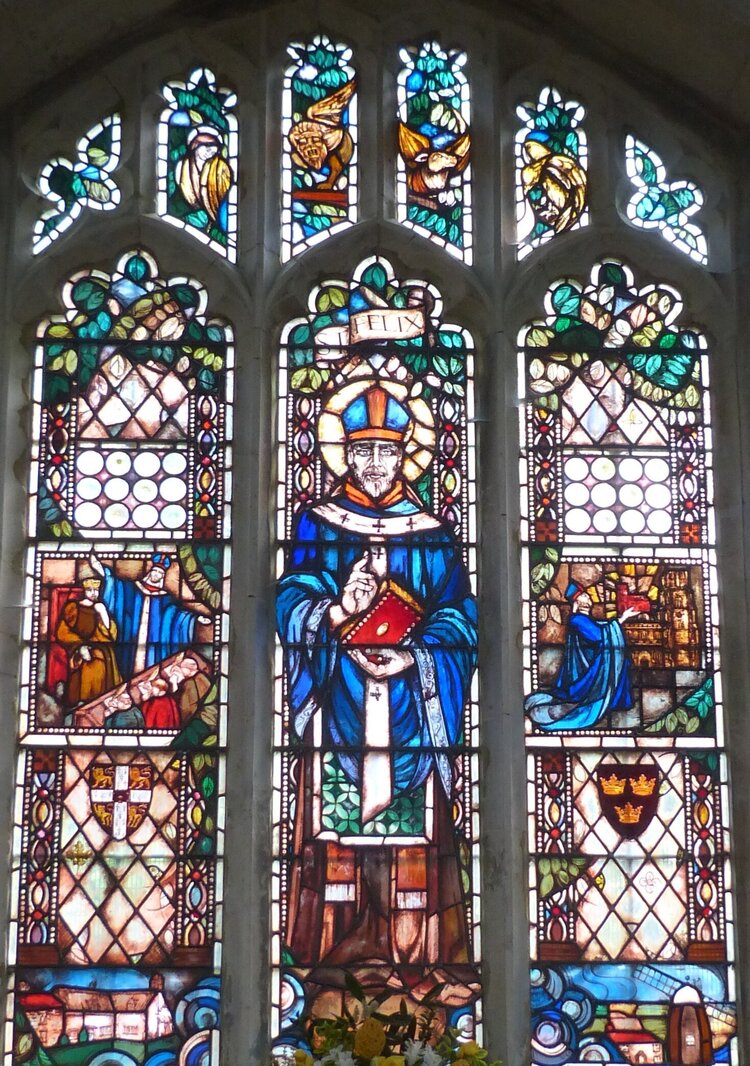
St Felix of Treves
St Fergna the White
Bl Girolamo Carmelo di Savoia
St Gistilian
St Joavan of Brittany
St John Maron
St Jovinus the Martyr
St Lorgius of Caesarea
St Lucius of Caesarea

St Luke Casali of Nicosia (Died c 800) Priest Abbot.
The Roman Martyrology reads: “In Agíra in Sicily, Saint Luke Casale of Nicosía, a Monk, full of humility and virtue.”
St Luke’s Life:

https://anastpaul.com/2022/03/02/saint-of-the-day-2-march-saint-luke-casali-of-nicosia-died-c-800/

St Quintus the Thaumaturge
St Slebhene
St Troas
St Willeic

Martyrs of Campania – Approximately 400 northern Italian Christians Martyred for their faith by pagan Lombards. Their story was recorded by Pope Saint Gregory the Great, who reports that they people spent their final days supporting each other with prayer. c 579 in Camnpania, Italy.

Martyrs of Porto Romano – 4 Saints – Group of Christians Martyred in the persecution of Diocletian. The only other information that survives are the names of four of them – Heraclius, Januaria, Paul and Secondilla. c305 at Porto Romano at the mouth of the River Tiber, Rome.

Posted in SAINT of the DAY

Saint of the Day – 1 March – Saint Leolucas of Corleone OBas (c815-c915) Abbot

Saint of the Day – 1 March – Saint Leolucas of Corleone OBas (c815-c915) Monk of the Basilian Order Abbot, Mystic, Ascetic, Miracle-worker. Born in c815 to 818 at Corleone, Sicily and died in c915 of natural causes, after eighty years of monastic life, in Monteleone Calabro, now Vibo Valentia in Calabria. Patronages – Corleone, Sicily, Vibo Valentia, Italy. Also known as – Leo Lukas, Leo Luke, Leoluca, Leone Luca, Leo Luke of Corleone, Luke of Sicily.

The Roman Martyrology reads: “In the Monastery of Avena between the slopes of Mount Mercurio in Calabria, St Leone Luca, Abbot of Monte Mula, who shone in the hermitic life, as in the cenobitic life, following the rules of the oriental Monks.”

In 2006 Leolucas Relics were found in the Municipality of San Gregorio d’Ippona, about 2 km southeast of the City of Vibo Valentia.

The text of the Life of Leo Luke of Corleone was published in 1657 in the Sicilian Martyrology of Jesuit Ottavio Gaetani (Vitae Sanctorum Siculorum). He was said to have derived it from three manuscripts discovered in Sicily – one from Palermo, another from Mazara and a third from Corleone. Later, the Bollandists published another Life, in Latin, found in the library of Joseph Acosta.

Leolucas was born in Corleone, Sicily in the 9th century on the eve of the Saracen invasion of Sicily. His parents, Leo and Theoktiste Baptised him Leo, in honour of his father. They were a pious and wealthy family who raised him in the nurture and admonition of the Lord. He was orphaned at an early age and devoted himself to managing the family estate and supervising the herds. In the solitude of the fields he realised that he had a call to religious life, so he sold the estate, gave the money to the poor and went to the Monastery of St Philip in Agira, in Sicily.

It is not known how long he stayed at that Monastery but due to the raids of the Saracens, he left and went to Calabria. Before going to Calabria, however, he went on pilgrimage to visit the Tombs of Saints Peter and Paul in Rome.

In Calabria, he went to the Monastery of Mula, at Mount Mula, one of the highest peaks of the Orsomarso mountains. Here he became a Monk, excelling in the virtues and in obedience, remaining there for six years. Once while he was still a Novice, he and some other brothers went into the nearby forest to collect firewood. The young Novice, full of enthusiasm and charity, trusted in his strength and gathered a large pile of firewood but when he was about to shoulder it, it turned out that he had overestimated his strength. He then split the pile in half, taking one half with him and planning to go back after the other. But when he came out of the forest with his load, the other brothers saw, to their great immense surprise that the other half of the fuel was moving itself beside the young Novice!

Once, soon after, he was bitten by a snake while cutting grass in the garden. Immediately the brothers tried to help him because they thought he was in danger. But young Leolucas retired to a corner of the garden in prayer, and a little later he returned, perfectly well. After that miracle, he had the admiration of the other Monks and they considered him a true friend of God.

He and the Abbot, named Christopher, then sort to find a place of solitude where they could grow further in unity with God. They went to the mountainous region in Northern Calabria and here they founded a new Monastery, living there in Asceticism for a further seven years.

Once more they left and moved onto Vena (modern Avena, Calabria) to continue the spiritual struggle. Here they built another Monastery, which by the time of Christopher’s death, had attracted more than one-hundred Monks to the very strict Rule practised by Leolucas, who himself lived in total silence and apart in a solitary cell.

But after the death of Abbot Christopher, Leolucas became the Abbot. He attracted the faithful in the surrounding regions who flocked to our Saint for spirital direction and cures. Many miracles were worked, demons were exorcised and guided the lost towards the path of salvation. He prayed without ceasing and remained out in the cold for up to twenty days at a time, in penance and reparation.

Leolucas lived the last days of his life in meditation, fasting and ecstatic prayer. Finally he called the Monks to come to him and foretold his end. He delegated the responsibility of the position of Abbot to the Monk Theodore and assigned the Priest Euthymios, as Theodore’s auxiliary. Having received Holy Communion, Leolucas fell asleep in peace and was buried in the Church of the Blessed Virgin Mary.

News of Leoluca’s death spread slowly to Corleone and it is only in the 13th Century that there is evidence of a Church dedicated to him in his birthplace. In 1420 there are also references to a Brotherhood of St Leolucas.

Leolucas’ intercession is credited with saving the City of Corleone during an outbreak of the plague of 1575 and he was made the Patron Saint Corleone, his home town. In 1624 he was made the Patron Saint of Vibo Valentia as well.

In1860, an apparition of St Leolucas and St Anthony is credited with preventing Corleone being invaded by the Bourbons.

In Vibo Valentia in Calabria, on his Feast day on 1 March, the local fire brigade pay him homage by placing a crown of flowers at the foot of his Statue which is located high on the façade of the Cathedral of Santa Maria Maggiore & San Leolucas, using a turntable ladder to perform the act.

The cathedral of Santa Maria Maggiore and San Leoluca, in Vibo
Posted in ACCOUNTANTS, MONEY MANAGERS etc, CARPENTERS, WOODWORKERS, JOINERS, CABINETMMAKERS, CHILDREN / YOUTH, EMMIGRANTS / IMMIGRANTS, MARCH the month of ST JOSEPH, Of a Holy DEATH & AGAINST A SUDDEN DEATH, of the DYING, FINAL PERSEVERANCE, DEATH of CHILDREN, DEATH of PARENTS, Of LAWYERS & CANON Lawyers, Attorneys, Solicitors, Barristers, Notaries, Para-Legals, Of TRAVELLERS / MOTORISTS, PAPAL APOSTOLIC LETTERS, PATRONAGE - HAPPY MARRIAGES, of MARRIED COUPLES, PATRONAGE - HOUSE HUNTERS, HOUSE SELLERS, PATRONAGE - ORPHANS,ABANDONED CHILDREN, PATRONAGE-INFERTILITY & SAFE CHILDBIRTH, PREGNANCY, St JOSEPH, TEACHERS, LECTURERS, INSTRUCTORS, WORKERS

Devotion for March – St Joseph

Devotion for March
St Joseph

The beloved Foster-Father and Guardian of Jesus and Protector of the Holy Family, is celebrated for this whole month and his Feast Day falls in the middle of it – 19 March – this year moved to the 20th as the 19th is Laetare Sunday, the Fourth Sunday of Lent.

“Quamquam Pluries”
On the Devotion to St Joseph
Pope Leo XIII

“On 10 March, [11 MARCH THIS YEAR], we begin the Novena to St Joseph, entrusting so many of our woes and cares to his holy and fatherly care and intercession.
His Patronages are numerous, as we know, one of them will fit our needs perfectly and if not, then we should all ask him to intercede on our behalf for our families and for a Happy and Holy Death.
On the 20th [FEAST normally 19th] we pray the Consecration to St Joseph.”

Patronages in Alphabetical Order:

  • of Accountants • Bursars • Cabinetmakers • Carpenters • Catholic Church • Cemetery Workers • Children • Civil Engineers • against Communism • Confectioners • Craftsmen • against Doubt and Hesitation • the Dying • Emigrants • Exiles • Expectant Mothers • Families • Fathers • Furniture Makers • Grave diggers • Happy Death • Holy Death • House Hunters • House Sellers • Immigrants • Joiners • Labourers • all the Legal Profession • Married Couples • Oblates of Saint Joseph • Orphans • Pioneers • Social Justice • Teachers • Travellers • the Unborn • Wheelwrights • Workers • Americas • Austria • Belgium • Bohemia • Canada • China • Croatian people • Korea • Mexico • New France • New World • Peru • Philippines • Vatican City • VietNam • Canadian Armed Forces • Papal States • 46 Diocese • 26 Cities,States and Regions.
Posted in EMBER DAYS, MARCH the month of ST JOSEPH, MARIAN TITLES, SAINT of the DAY

EMBER WEDNESDAY – Fast and Abstinence, Madonna Della Croce, “Holy Mary of the Cross,” Crema, Italy (1490), St David of Wales (c542-c601) and Memorials of the Saints – 1 March

EMBER WEDNESDAY – Fast and Abstinence
In case you have forgotten about Ember Days as they are not promoted or encouraged since Vatican II, here is a reminder:
https://anastpaul.com/2020/12/16/today-is-an-ember-day-did-you-remember/

Devotion for March – St Joseph

Madonna Della Croce, “Holy Mary of the Cross,” Crema, Italy (1490) – 1 March:
HERE:

https://anastpaul.com/2021/03/01/our-lady-della-croce-holy-mary-of-the-cross-crema-italy-1490/

St David of Wales (c542-c601) Bishop, Prince, Monk, Confessor, Missionary, Founder of Monasteries. Uncle of King Arthur. David studied under Saint Paul Aurelian. Worked with Saint Columbanus, Saint Gildas the Wise and Saint Finnigan. He was officially Canonised in 1120 by Pope Callistus II.
Biography:

https://anastpaul.com/2017/03/01/saint-of-the-day-1-march-st-david-of-wales/

St Abdalong of Marseilles
St Adrian of Numidia
St Agapios of Vatopedi
St Agnes Cao Guiying

St Albinus of Angers (469-549) Bishop, Confessor, Monk, Abbot, miracle-worker.
His Life

https://anastpaul.com/2021/03/01/saint-of-the-day-1-march-saint-albinus-of-angers-469-549-bishop/

St Albinus of Vercelli
St Amandus of Boixe
St Antonina of Bithynia
Bl Aurelia of Wirberg
Bl Bonavita of Lugo
St Bono of Cagliari
Bl Christopher of Milan
Bl Claudius Gabriel Faber
St Domnina of Syria
St Domnina of Syria
St Donatus of Carthage
St Eudocia of Heliopolis
St Felix III, Pope
Bl George Biandrate
Bl Giovanna Maria Bonomo
Bl Gonzalo de Ubeda
St Hermes of Numidia
St Jared the Patriarch
St Leo of Rouen
St Leolucas of Corleone OBas (c815-c915) Abbot of the Basilian Order

St Lupercus
St Marnock
St Monan
Bl Pietro Ernandez
Bl Roger Lefort
St Rudesind
St Seth the Patriarch
St Simplicius of Bourges
St Siviard
St Swithbert
St Venerius of Eichstätt

Martyrs of Africa – A group of 13 Christians executed together for their faith in Africa. The only details about them to survive are ten names – Abundantius, Adrastus, Agapius, Charisius, Donatilla, Donatus, Fortunus, Leo, Nicephorus and Polocronius. c290

Martyrs of Antwerp – A group of Christians Martyred together, buried together and whose Relics were transferred and enshrined together. We know nothing else but their names – Benignus, Donatus, Felician, Fidelis, Filemon, Herculanus, Julius, Justus, Maximus, Pelagius, Pius, Primus, Procopius and Silvius. Died in the 2nd Century in Rome. They are buried in the St Callistus Catacombs and their relics were enshirned in the Jesuit Church in Antwerp on 28 February 1600.

Martyrs of the Salarian Way – A group of 260 Christians who, for their faith, were condemned to road work on the Salarian Way in Rome, Italy during the persecutions of Claudius II. When they were no longer needed for work, they were publicly murdered in the amphitheatre. Martyrs. c 269 in Rome.

Martyrs Under Alexander – A large but unspecified number of Christians Martyred in the persecutions of Emperor Alexander Severus and the praefect Ulpian who saw any non-state religion to be a dangerous treason. c 219.

Posted in SAINT of the DAY

Saint of the Day – 28 February – Saint Oswald of Worcester (c912-992) Bishop

Saint of the Day – 28 February – Saint Oswald of Worcester (c912-992) Monk, Archbishop of York from 972-992, as well as simultaneously being the Bishop of Worcester and a leading figure in the reform of the Anglo-Saxon Church which took place in the second half of the tenth Century. He died on 29 February in 992 of natural causes, a leap year, therefore, his Feast is celebrated on the 28th. Also known as – Oswald of York.

Oswald, Bishop of Worcester, was of a Danish family and was brought up by his uncle Oda. Under his uncle’s patronage, young Oswald was educated at the Abbey of Fleury-sur-Loire (a great centre of learning, which at the time had the largest library in Europe) and learned there the Benedictine ideals he would later bring to England.

When Oswald returned to England as a Priest in 958/9, he worked with another related Danish patron, Oskytel, who had recently become the Archbishop of York. His aepiscopal labours in York attracted the attention of St Dunstan, then the Bishop of Worcester. This was in 961 when St Dunstan was in the process of moving, to take up his new Episcopal position as the Archbishop of Canterbury. He thus recommended that King Edgar appoint Oswald as the Bishop of Worcester in his place .

Oswald founded a number of Monasteries at Westbury-on-Trym (near Bristol), at Ramsey (in Cambridgeshire) in collaboration with St Ethelwold, the Bishop of Winchester. Oswald reformed another seven Monasteries in the surrounding counties, imposing the Benedictine Rules and order of life and reforming the existing monastic practices. He also succeeded in gradually changing the Cathedral chapter in Worcester from secular Canons to Monks, imposing the Benedictine Rule and order of life.

In 972 Oswald was appointed as the Archbishop of York, at the same time retaining his See at Worcester. As Bishop and simultaneously as Archbishop, Oswald was able to bring the Scholar Abbo of Fleury, to Ramsey Abbey to teach for a number of years.

On 29 February 992 Oswald died, while he was washing the feet of the poor, a practice that had become his daily custom during Lent.

He was buried at Worcester and was quickly regarded as a Saint. Within a few years of his death, a Vita Oswaldi was written by the scholar and scientist Byrhtferth, a Monk belonging to Oswald’s foundation at Ramsey. Oswald was admired as Bishop of Worcester, St Wulfstan, who wept publicly when he found himself tearing down the Church which Oswald had built. Later Saints Oswald and Wulfstan were regarded as the two chief Saints of Worcester and you can see them together, for instance, flanking the tomb of King John before the High Hltar of the Cathedral at York.

He is closely associated with various Monks who became Bishops – particularly St Dunstan (909-988) and St Ethelwold (908-984) – in reforming Monasticism in England, which would last and remain powerful and influential within the life of the Church and of the country, for around 600 years before being disolved by Henry VIII.

NOTE: There are two Saints called Oswald – one was a Martyr King, the other today’s Saint. The Saintly King lived in the 7th Century in Northumbria. St Oswald of Northumbria (604-642) Martyr and King.
Biography:
https://anastpaul.com/2019/08/05/saint-of-the-day-5-august-saint-oswald-of-northumbria-c-604-642-martyr/

Posted in MARIAN TITLES, SAINT of the DAY

Tuesday of the First Week in Lent and Memorials of the Saints – 28 February

Tuesday of the First Week in Lent – FAST

St Abercius
Bl Antonia of Florence (1400-1472)
St Caerealis
St Caerealis of Alexandria
St Cyra of Beroea
St Ermine
St Gaius of Alexandria

St Pope Hilary/Hilarius (Died 468) Pope from 461-468, Papal aide to St Pope Leo the Great, Papal Legate, Reformer of Episcopal discipline, builder of Churches, libraries, Chapels and public works.
His Life
:
https://anastpaul.com/2021/02/28/saint-of-the-day-28-february-saint-pope-hilary-died-468/

St Justus the Potter
St Llibio
St Macarius the Potter
St Maidoc
St Marana of Beroea
St Oswald of Worcester (Died 992) Bishop
St Proterius of Alexandria
St Pupulus of Alexandria

St Romanus of Condat (c 390–c 463) Abbot, Hermit.
His Life:

https://anastpaul.com/2022/02/28/saint-of-the-day-28-february-saint-romanus-of-condat-c-390-c-463/

St Ruellinus of Treguier
St Rufinus the Potter
St Serapion of Alexandria
St Sillan of Bangor
St Theophilus the Potter
Bl Villana de’Botti OP (1332-1361) Married, Mother, Penitent, Mystic.

Martyrs of Alexandria – A number of clerics and layman who died as Martyrs of charity for ministering to the sick during a plague that ravaged Alexandria, Egypt in 261.

Martyrs of Antwerp – 14 Christians who were Martyred together. We know nothing about them but the names Alexander, Anicetus, Cyriacus, Eulalia, Faustus, Genesius, Hirena, Macarius, Mauritius, Modestus, Placidus, Rochus, Symforian and Victorinus. Died in Rome, Italy, date unknown. Their Relics were transferred and enshrined in Antwerp, Belgium.

Martyrs of Corinth – A group of Christians Martyred together in Corinth, Greece. The only information we have about them are the names Basilia, Betha, Caius, Claudius, Diodorus, Donatus, Enuclus, Felix, Hermes, Januaria, Januarius, Maccaris, Maninlia, Mansuetus, Nicophorus, Papias, Quinquianus, Rufunia, Serapion, Servilia, Silvana, Stercola, Tella, Veneria, Victor and Victorinus.

Posted in DIVINE Mercy, Goodness, Patience, MARIAN QUOTES, MARIAN REFLECTIONS, QUOTES on DEATH, QUOTES on FORGIVENESS, QUOTES on SELF-DENIAL, QUOTES on SIN, QUOTES on THE WORLD, SAINT of the DAY, The BLESSED VIRGIN MARY, The PASSION, The WILL of GOD

Quote/s of the Day – 27 February – St Gabriel of Our Lady of Sorrows

Quote/s of the Day – 27 February – Monday of the First Week in Lent – The Memorial of St Gabriel of Our Lady of Sorrows/Gabriel Possenti CP (1838-1862)

“By sin, O Jesus,
I gave Thee Thy Death
but I do not despair of Thy Forgiveness.
Those Scourges call me,
those Arms extended invite me
that injured Heart offers me
a secure shelter.
”

“I will attempt,
day by day,
to break my will into pieces.
I want to do God’s Holy Will,
not my own
.”

“Do not bestow your love on the world!”

“Love Mary!… She is loveable, faithful, constant.
She will never let herself be outdone in love
but will ever remain supreme.
If you are in danger, she will hasten to free you.
If you are troubled, she will console you.
If you are sick, she will bring you relief.
If you are in need, she will help you.
She does not look to see what kind of person you have been.
She simply comes to a heart that wants to love her.
She comes quickly and opens her merciful heart to you,
embraces you and consoles and serves you.
She will even be at hand,
to accompany you on the trip to eternity.
”

(From a letter to his brother).

St Gabriel Francis Possenti
of Our Lady of Sorrows (1838-1862)

Posted in SAINT of the DAY

Saint of the Day – 27 February – Blessed William Richardson (1572–1603) English Priest, Martyr.

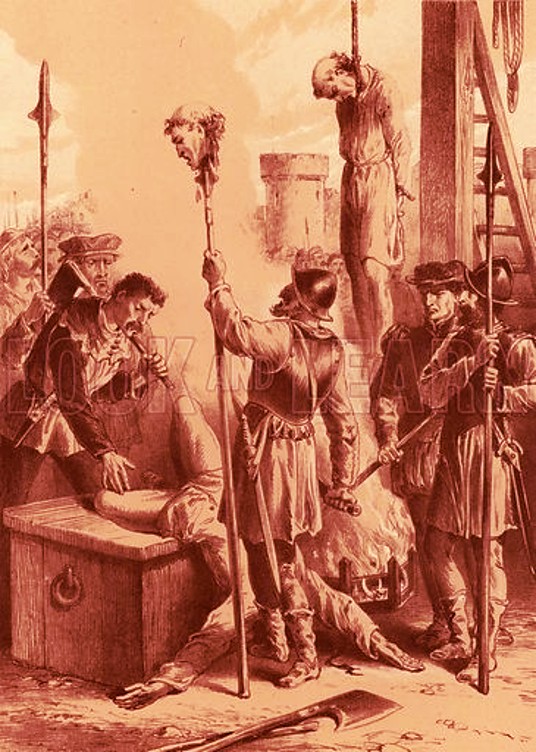
Saint of the Day – 27 February – Blessed William Richardson (1572–1603) English Priest, Martyr. Born in Yorkshire and died by being hanged, drawn and quartered on 27 February 1603 at Tyburn, London, aged just 31. William owns the dubious honour of being the last Martyr under Elizabeth I’s barbaric policy of murdering Catholics and especially Priests, in this manner. Also known as – William Anderson. He was Beatified on 15 December 1929 by Pope Pius XI.

This Image resides in the Seminary at Valladolid

Richardson was born in the village of Wales, West Riding of Yorkshire., although his father was a Lancashireman who had taken his family to Yorkshire in search of work. William was actually born in the hamlet of Bedgreave. It is believed that William’s father was a Miller at the Medieval Mill which still stands in the area.

We know from the Entry Book at the English Collge at Valladolid in Spain, that William was a convert and was received into the Church by one of the Clergy at Wiesloch, where, at that time, he was working. He studied for the Priesthood at seminaries in Valladolid and then Seville, Spain.

In 1594 William was Ordained and then sent back to England, where he used the alias William Anderson. His apostolate was spent mostly in London, often with Catholics of the Legal Profession at the Inns of the Court. He visited prisons under cover as an ordinary vistor, to take the Sacraments to Catholics imprisoned for their Faith.

But he was betrayed by a trusted person, arrested in London’s Gray’s Inn (an Inn of Court) and imprisoned. He was tried and convicted of being a Catholic Priest, within a week and Martyred by the barbaric act of being hung, drawn and quartered.

Bishop Challoner (Died 1781) tells us that William accepted his death sentence with such constancy and deep faith that he prayed for the his murderer, Elizabeth I in his last prayers. Sadly, we have no knowledge of Blessed William’s resting place. The little Church below dedicated to him is near his birthplace and is apparently well attended in a region listed as of the lowest Church attendance in Europe!

His was the final Martyrdom to take place during the reign of Queen Elizabeth I as she was to die herself one week after William’s entry into life.

Posted in MARIAN TITLES, SAINT of the DAY

Monday of the First Week in Lent, Nostra Signora della Luce / Our Lady of Light, Italy, (18th Century), St Gabriel of Our Lady of Sorrows and Memorials of the Saints – 27 February

Monday of the First Week in Lent

Nostra Signora della Luce / Our Lady of Light, Palermo, Italy, (18th Century) – 27 February:
HERE:

https://anastpaul.com/2021/02/27/our-lady-of-light-palermo-italy-18th-century-and-memorials-of-the-saints-27-february/

St Gabriel of Our Lady of Sorrows/Gabriel Possenti CP (1838-1862) Passionist Religious and student preparing for the Priesthood. Gabriel was known for his great devotion to the Sorrows of the Virgin Mary. St Gabriel was Canonised on 13 May 1920 by Pope Benedict XV.
Biography:

https://anastpaul.com/2021/02/27/saint-of-the-day-27-february-st-gabriel-of-our-lady-of-sorrows-cp-1838-1862/

St Abundius of Rome
St Alexander of Rome
St Alnoth
St Antigonus of Rome
St Baldomerus of Saint Just
St Basilios of Constantinople
St Comgan
St Emmanuel of Cremona
St Fortunatus of Rome
St Herefrith of Lindsey
St Honorina
St John of Gorze
St Luke of Messina

Blessed Mark Barkworth OSB (c 1572–1601) Priest Martyr – one of the English Martyrs. Mark was Beatified by Pope Pius XI on 15 December 1929.
His Life and Death:

https://anastpaul.com/2022/02/27/saint-of-the-day-27-february-blessed-mark-barkworth-osb-c-1572-1601-priest-martyr/

St Procopius of Decapolis
St Thalilaeus
Blessed William Richardson (1572–1603) English Priest, Martyr. He was Beatified on 15 December 1929 by Pope Pius XI.

Posted in SAINT of the DAY

Saint of the Day – 26 February – Saint Porphyrius of Gaza (Died 420) Bishop

Saint of the Day – 26 February – Saint Porphyrius of Gaza (Died 420) Bishop of Gaza from 395 to 420, known, from the account in his Life, for Christianising the recalcitrant pagan City of Gaza in Palestine and demolishing its pagan temples. Previously he had been a Hermit. Born in Greece and died in 420. Also known as – Porphyry.

The Roman Martyrology reads: “At Gaza, in Palestine, in the time of the Emperor Arcadius, St Porphyry, Bishop, who overthrew the idol Marnas and its temple and after many sufferings, went to rest in the Lord.”

Porphyrius of Gaza is known only from a vivid biography by Mark the Deacon, who had worked with his Bishop, Porphyrius in their work of evangelising the pagans of Gaza. There is also a reference made of the life of Porphyrius by St John II, Bishop of Jerusalem (died 417).

After five years in the Egyptian desert of Scete, Porphyrius livedfor another five years in a cave near the Jordan River. In spite of his impaired health, he frequently visited the scene of the Crucifixiob and Resurrection. Here he met the Mark, at a later date to become the Deacon of his Church and his biographer. According to the Mark’s Vita, Porphyrius was appointed Bishop at the age of 45. Although a reluctant Bishop, he took to his Episcopal elevation with great zeal and devotion. He converted almost all of his Diocese and almost entirely eliminated paganism in his See.

To effect the sale of the property still owned by Porphyrius in his native City, Mark set out for Thessalonica and, upon his return, the proceeds were distributed among the Monasteries of Egypt and among those in need in and around Jerusalem.

In 392 Porphyrius was Ordained to the Priesthood and the Relic of the Holy Cross was intrusted to his care. In 395 he became Bishop of Gaza, a stronghold of paganism, with an insignificant Christian community. The attitude of the pagan population was hostile so that the Bishop appealed to the Emperor for protection and pleaded, repeatedly, for the destruction of pagan temples. He finally obtained an imperial Edict ordering the destruction of pagan sanctuaries at Gaza. A Christian Church was erected on the site of the temple of Marnas.

In 415 Porphyrius attended the Council of Diospolis.

The Saint’s body is said to be buried in Saint Porphyrius’ Church, in Gaza City.

The “Vita St Porphyrii” of Mark the Deacon, formerly known only in a Latin translation, was published in 1874 in its original Greek text and a new edition was issued in 1895 in English.

Posted in MARIAN TITLES, SAINT of the DAY

The First Sunday of Lent, Notre-Dame des Champs / Our Lady of the Fields, Paris (250) and Memorials of the Saints – 26 February

The First Sunday of Lent

Notre-Dame des Champs / Our Lady of the Fields, Paris, France, consecrated by St Denis (250) – 26 February:
HERE
:
https://anastpaul.com/2021/02/26/our-lady-of-the-fields-paris-france-consecrated-by-st-denis-250-and-memorials-of-the-saints-26-february/

St Margaret of Cortona TOSF (1247–1297) Penitent, Franciscan Tertiary, Mystic, Apostle of Charity, Founder of a charitable Lay Apostolate and an Order of Sisters known as “Le Poverelle” – Italian for “The Little Poor Ones.”
Biography:

https://anastpaul.com/2019/02/22/saint-of-the-day-22-february-st-margaret-of-cortona-tosf-1247-1297/

Bl Adalbert of Tegernsee
St Agricola of Nevers

St Alexander of Alexandria (Died c 326) Bishop of Alexandria, Confessor, Defender of the True Faith against heresies, in particular the Arians.
The Roman Martyrology states of him today: “At Alexandria, the Bishop St Alexander, an aged man held in great honour who was a successor of the blessed Peter as Bishop of the City. He expelled from the Church, Arius, one of his Priests, tainted with heretical impiety and convicted by Divine Truth and, subsequently, was one of the three hundred and eighteen Fathers, who condemned him at the Council of Nicea.”
Biography:

https://anastpaul.com/2022/02/26/saint-of-the-day-26-february-st-alexander-of-alexandria-died-c-326/

St Andrew of Florence
St Dionysius of Augsburg
St Faustinian of Bologna
St Felix
St Fortunatus
St Irene
St Isabelle of France
Bl Ottokar of Tegernsee
St Porphyrius of Gaza (Died 420) Bishop

St Victor the Hermit (Died 6th Century) Priest, Monk, Hermit, miracle-worker.
About St Victor:

https://anastpaul.com/2021/02/26/saint-of-the-day-26-february-saint-victor-the-hermit-died-6th-century-priest/

Posted in SAINT of the DAY

Saint of the Day – 25 February – Blessed Robert of Arbrissel (c1045 – 1116) Priest, Missionary Preacher, Founder

Saint of the Day – 25 February – Blessed Robert of Arbrissel (c1045 – 1116) Priest, Itinerant Apostolic Missionary Preacher of immense talent, Founder of the renowned dual Monastery of Fontevraud-l’Abbaye in Pays-de-la-Loire, France, Teacher, both a Reformer, as well as possessing the sometimes opposite virtue of being a Peacemaker. A quite astonishing man.

The first Vita (Life) of Blessed Robert was written by Baudri, Archbishop of Dol in Brittany, Robert’s intimate friend, at the request of Venerable Petronilla of Chemillé, widow and first Abbess of this immense and celebrated Monastery, who was named by Robert to replace him at his death, as Superior General of the Order of Fontevrault. The Feast of Venerable Petronilla (Died 1149) is celebrated by the Order of Fontevrault on 24 April.

Blessed Robert, one of the principal historical figures of his time and one of the most astonishing Saints of the Church, was born at Arbrissel, now Arbressec, a short distance from Rennes, in about 1045, the son of Domalioch and Orguende. His father was a Parish Priest. Married clergy were not uncommon prior to the Gregorian reform.

He studied in Paris, sustained in his poverty by the assistance of charitable benefactors and became there a celebrated Doctor in the Sacred sciences. His remarkable gifts were everywhere appreciated.

It is supposed that he was Ordained a Priest in Paris, before the Bishop of his native Diocese of Rennes recalled him in 1085 to assist him in reforming his flock. There in Brittany, as Archpriest, Robert devoted himself to the healing of feuds, the suppression of simony, lay investiture and irregular marriages. He was compelled, by the hostility his reforming zeal had caused, to leave the Diocese when his Bishop died in 1093.

In 1095, after teaching Theology for a time in Angers, Robert became a Hermit near Laval, living a life of severe penance with several others, in the company of St Bernard of Thiron, afterwards Founder of the Congregation of Tiron, St Vitalis of Savigny, Founder of Savigny Abbey and others of considerable note. In 1096, Robert himself, founded a Monastery at the site where they were then dwelling in the forest of Craon near Roe. This was the Monastery of La Roé of Canons Regular, with Robert becoming himself the first Abbot.

The reputation of the solitaries had attracted many to visit them and the piety, kindness, eloquence and powerful personality of Robert, in particular, drew many followers. It is said that the forest of Craon became the dwelling-place of a multitude of Anchorites, as once the deserts of Egypt were.

Robert was summoned by Pope Urban II to go to Angers to preach for the dedication of a Church. The Pope then sent him out from there as Apostolic Missionary, on a preaching mission of the various Provinces. He left his Abbacy at and taught abandonment of the world and evangelical poverty all over western France. Robert found a patron in Hildebert, Bishop of Le Mans.

His gifts of grace and nature, his eloquence, heightened by his strikingly ascetic appearance, attracted crowds and effected countless conversions. His disciples were of all ages and conditions, including lepers; even whole families followed him everywhere. Thus was founded his famous Monastery of Fontevrault, not far from Cannes, to lodge these flocks of determined followers of the Gospel. The men dwelt in a separate region from the women; each group had its Chapel and the lepers their quarters apart. Charity, silence, modesty and meekness characterised these establishments, which were sustained by the products of the earth and the alms offered by the neighbouring populations.

Until the death of the holy preacher in 1116, he continued to preach everywhere in western France. The enemy of souls could not remain indifferent to all of this Christian sanctity. Persecuted by certain heretics and others during his life, Blessed Robert was accused of exaggeration and calumniated after his death but the accusatory writings were eventually declared to be forgeries. A calumniatory letter, attributed falsely to an Abbot of western France, who had, in other situations shown a vindictive spirit, was definitely proved not to be from his hand but written by the heretic Roscelin and containing pure fabrications.

Blessed Robert is remembered for his ideal of perfect poverty, both exterior and interior, according to the words of Our Lord, His first beatitude – “Blessed are the poor in spirit.” He was buried at Fontevrault, as he had desired to be but his remains were later transferred to a house of the Order, restored in 1806 after the revolution, at Chemillé in the Diocese of Angers.

Fontevrault Monastery
Posted in MARIAN TITLES, SAINT of the DAY

Saturday after Ash Wednesday – A Day of Fasting, Notre-Dame-de-Grande-Puissance / Our Lady of Great Power, Quebec, Canada, (1673) and Memorials of the Saints – 25 February

Saturday after Ash Wednesday – A Day of Fasting

Notre-Dame-de-Grande-Puissance / Our Lady of Great Power, Quebec, Canada, (1673) – 25 February:
HERE:

https://anastpaul.com/2021/02/25/our-lady-of-great-power-quebec-canada-1673-and-memorials-of-the-saints-25-february/

St Walburga (c 710-779) Nun and Missionary. Daughter of St Richard the King. Sister of St Willibald and St Winebald, niece of St Boniface.
The Life of St Walburga
– image below with her noble and Saintly family:
https://anastpaul.com/2017/02/25/saint-of-the-day-25-february-st-walburga/

Blessed Sebastian of Aparicio OFM (1502-1600) “The Angel of Mexico,” Franciscan Lay Brother, Confessor, Ascetic, apostle of the poor, builder of roads and bridges in Mexico and thus is honoured as the founder of the transport and road system in Mexico.
About the Amazing Blessed Sebastian
:
https://anastpaul.com/2021/02/25/saint-of-the-day-25-february-blessed-sebastian-of-aparicio-ofm-1502-1600-the-angel-of-mexico/

St Adelelmo of Engelberg
St Aldetrudis
St Ananias of Phoenicia

Blessed Avertano of Lucca O.Carm ( 1320-1380 ) Lay Brother of the Order of Carmel, Miracle-worker, Avertano had a great devotion to the Passion of Christ.
Biography:

https://anastpaul.com/2022/02/25/saint-of-the-day-25-february-blessed-avertano-of-lucca-o-carm-1320-c-1366/

St Caesarius of Nanzianzen
St Donatus the Martyr
Saint Felix III, Pope
St Gerland the Bishop
St Gothard the Hermit
St Herena the Martyr
St Justus the Martyr

St Nestor of Side
St Riginos
Blessed Robert of Arbrissel (c1045 – 1116) Priest, Itinerant Missionary Preacher, Founder of the renowned dual Monastery of Fontevraud-l’Abbaye in Pays-de-la-Loire, France, Teacher, both a Reformer, as well as possessing the opposite virtue of being a Peacemaker. A quite astonishing man.
St Tharasius
St Victor of Saint Gall

Martyrs of Egypt – A group oSeven f Christian men who were exiled to Egypt for their faith and were eventually Martyred for their faith in the persecutions of Numerian. We know little more than their names: Claudianus, Dioscurus, Nicephorus, Papias, Serapion, Victor, Victorinus.

Posted in INCORRUPTIBLES, SAINT of the DAY

Saint of the Day – 24 February – Blessed Marco De’ Marconi OSH (1480-1510) “The Glory of Mantua,

Saint of the Day – 24 February – Blessed Marco De’ Marconi OSH (1480-1510) known as “The Glory of Mantua,” Hermit Monk of the Order of the Hermits of Saint Jerome (The Hieronymites) a common name for several congregations of Hermit Monks living according to the Rule of Saint Augustine, although the principle role of their lives is the great Hermit and biblical scholar St Jerome, Father and Doctor of the Church. Marco was gifted with the charism of prophecy and of miracles. Born in 1480 in Mantua, Italy and died on 24 February 1510 in Mantua, Italy of natural causes. His Body is incorrupt. Blessed Mark was Beatified on 2 March 1906 by Pope Pius X.

Marco was the son of poor and simple parents, Hewas born in1480 at Milliarino near Mantua. From early youth he was endowed with a deep sense of piety and gave signs of extraordinary sanctity. At this time, there was in Mantua, a community of the Poor Hermits of St Jerome, who had been founded by the Tertiary Blessed Peter of Pisa. In other Cities of Italy there were similar communities of Hermits; and all of them observed the Rule of the Third Order of St Francis until the year 1568, when they adopted that of St Augustine. Marco entered the Hermitage of St Matthew at Mantua when he was still quite young.

From the very beginning of his religious life, Marco won the admiration of the other Hermits by the cheerfulness and promptness with which he carried out all the spiritual exercises, those which were ordinary, as well as the most difficult. His one desire was to become as perfect an imitator of Christ as possible. Marco possessed the gift of prophecy and of miracles. The people revered him as a saint and considered themselves fortunate if they could touch the hem of his garment.

Living continuously n the presence of God provided Marco with special light, by which he also learned to know himself better day by day. Just as, when the sun’s beams penetrate a room, we can more plainly see all the particles of dust in the air, which would otherwise be invisible and which we had not realised were there, so will the remembrance of an all-holy God Who beholds us, reveal the stains and defects in our hearts, of which we should not otherwise have been aware.

Marco was only thirty when he died on 24 February 1510. His incorrupt body is venerated in the Cathedral, and he is called “The Glory of Mantua.”

His remain were initially buried at the Church of His Monastery in Mantua but when, in the mid-17th Century, this Monastery was destroyed in war, his Relics were moved to a new Monastery and Church, also in Mantua. Later, in the late 18th Century, the Church and Monastery were suppressed and the Relics were briefly hidden. Finally, his body was enshrined in the Cathedral in Mantua, where it is still venerated.

The cult of Blessed Marvo which continued through the Centuries, was finally approved by St Pope Pius X on 2 March 1906. Blessed Marco Marconi may also be counted as one of the glories of the Third Order of St Francis.

Prayer of the Church:
We beseech Thee, O Lord,
through Thy loving kindness,
ever guard Thy household
that it maybe freed from all adversities
by Thy protection and in good deeds,
maybe devoted to Thy Name.
Through Christ Our Lord,
in the unity of the Holy Ghose,
God forever and ever.
amen.

Posted in ART DEI, MARIAN TITLES, SAINT of the DAY, The APOSTLES & EVANGELISTS

Friday after Ash Wednesday – A Day of Fasting and Abstinence, Feast of St Matthias, Madonna of the Plague in Rome (591) and Memorials of the Saints – 24 February

Friday after Ash Wednesday – A Day of Fasting and Abstinence

St Matthias the Apostle, Martyr. After Christ’s Ascension, Matthias was chosen Apostle in place of the traitor Judas, as is detailed in the Epistle of this day and, after the descent of the Holy Ghost, announced the Gospel, first to his own people, the Jews and then, in Cappadocia and the neighbourhood of the Caspian Sea.
St Matthias!

This Feast was moved to 1969 to 14 May.
https://anastpaul.wordpress.com/2018/05/14/saint-of-the-day-feast-of-st-matthias-apostle/
AND:
https://anastpaul.com/2022/02/24/saint-of-the-day-24-february-st-matthias-apostle-of-christ-martyr/

Plague in Rome ends after Saint Pope Gregory the Great leads a procession with a painting of Our Lady by Saint Luke (591): – 24 February
HERE:

https://anastpaul.com/2021/02/24/plague-in-rome-ends-after-saint-pope-gregory-the-great-leads-a-procession-with-a-painting-of-our-lady-by-saint-luke-591-and-memorials-of-the-saints-24-february/

St Adela of Blois
Bl Antonio Taglia
Bl Arnold of Carcassonne
St Betto of Auxerre
Bl Berta of Busano

Blessed Constantius of Fabriano OP (1401-1481) Priest and Friar of the Order of Preachers, Prior, Reformer, Preacher of renown, Writer, known as a Miracle-Worker and had the gift of prophecy, peacemaker. He was Beatified in 1821 by Pope Pius VII (cultus confirmed).
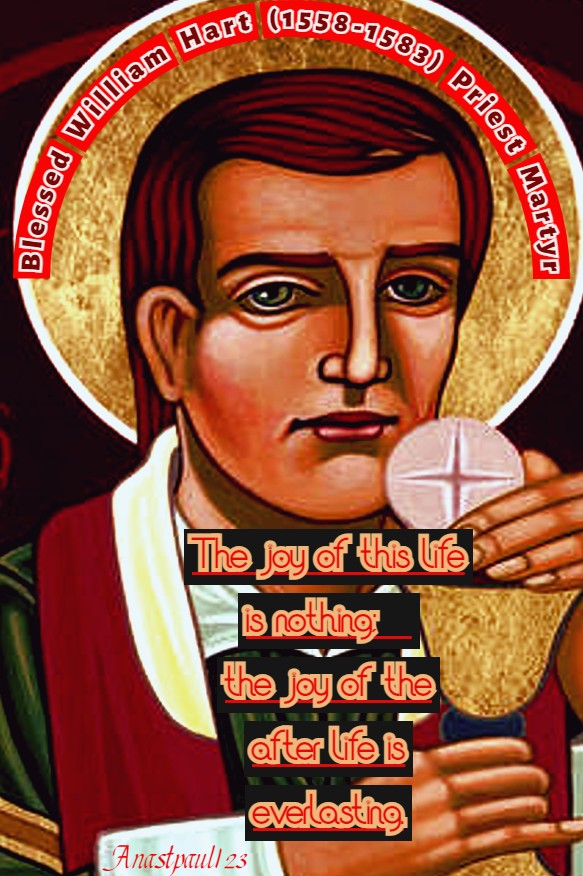
Biography:

https://anastpaul.com/2019/02/24/saint-of-the-day-24-february-blessed-constantius-of-fabriano-op-1401-1481/

St Cummian Albus of Iona

St Ethelbert of Kent (552-616) King and Confessor.
About St Ethelbert:

https://anastpaul.com/2021/02/24/saint-of-the-day-24-february-saint-ethelbert-of-kent-552-616-king/

St Evetius of Nicomedia
Bl Ida of Hohenfels
St Liudhard
Bl Lotario Arnari
Blessed Marco De’ Marconi OSH (1480-1510) Monk of the Order of the Hermits of Saint Jerome (The Hieronymites).
St Modestus of Trier
St Peter the Librarian
St Praetextatus of Rouen
St Primitiva
St Sergius of Caesarea
Bl Simon of Saint Bertin

Posted in SAINT of the DAY

Saint of the Day – 23 February – Saint Milburga (Died 715) Abbess

Saint of the Day – 23 February – Saint Milburga (Died 715) Virgin, Prioress, Abbess, Miracle-worker. Born in the 7th Century England and died in 715 at the Much Wenlock Abbey, Shropshire, England of natural causes. Patronage – of birds. Also known as – Milburg, Milburge, Mildburg, Mildburga, Milburgh. Additional Memorial – 25 June (translation of relics).

Milburga lived when the peoples of Anglo-Saxon England were being converted to Christianity. Of royal birth, Milburga’s family was distinguished by its holiness. She was the daughter of King Merewald of Magonset and his wife, St Ermenburga (alias Aebbe of Minster-in-Thanet) and, therefore, sister of Sts Mildred and Milgitha.

Her father, Merewalh and Archbishop Theodore of Canterbury, founded a Monastery on the borders of Wales, under a French Abbess, Liobinde of Chelles. at Wenlock (in Shropshire) in about 670–80. Milburga became its second Abbess, governing a community – a so-called ‘dual house’ – of both Nuns and Monks, who worshipped in separate Churches and would also have had their own dormitories and refectories.

Milburga eventually succeeded Abbess Liobinde of Chellesher in this office. Shortly afterward, a neighbouring Prince attempted to compel her to become his wife and, with that intent, pursued her with an armed force. She fled across a river, which at once rose into an impassable flood and discouraged her pursuers.

Most of what we know about Milburga comes from a ‘Life,’ written in Latin by a Monk called Gocelin in the late 11th Century. It describes Milburga’s miracle-working powers, which included raising the dead. It also recounts how, through Milburga’s prayers, geese which were destroying the Abbey’s corn were banished, never to return. Because of this, Milburga is depicted in art as an Abbess accompanied by geese or other wild birds.

A poor widow came to her in her oratory, bringing the body of her little dead son. Throwing herself at the feet of the abbess, she besought her to raise the child to life. “You must be mad!” exclaimed Milburga, “How can I raise your child? Go and bury him and submit to the bereavement sent to you by God!”. “No,” said the sorrowing mother, “I will not leave you until you give me back my son!” The Abbess prayed over the little corpse and, while doing so, she suddenly appeared to the poor supplicant to be raised from the earth and surrounded by lovely flames – the living emblem of the fervour of her prayer. Within a few minutes, the child had recovered.

Unsurprisngly, Milburga was immediately regarded as a Saint after her death in 715. Her remains were buried in the Nuns’ Church at Wenlock. By the 11th Century, this had fallen into ruins and the location of Milburga’s grave forgotten.

The Ruins of St Milburga’s Priory at Wenlock, Shropshire

Between 1080–82, a community of Cluniac Monks settled at Wenlock, building their Church on the site of the former Anglo-Saxon one. Soon after 1100, boys playing amid the ruins of the ancient Nuns’ Church fell into a tomb where the bones of Milburga were rediscovered. Esteemed as holy Relics, these were solemnly enshrined in the Monks’new Church. Numerous miracles were attributed to them, including the healing of lepers and the curing of the blind.

The Cluniac Monastery at Wenlock was dedicated to St Milburga and St Michael, both of whom were depicted on the Priory’s seal. Feasts, or holy days, in honour of St Milburga are celebrated by the Monks on 23 February and 25 June.

St Milburga Patchwork Collage at St Milburga Parish, Shropshire
Posted in MARIAN TITLES, SAINT of the DAY, The APOSTLES & EVANGELISTS

A Day of Fasting, The Vigil of the Apostle Saint Matthias, Nuestra Señora de la Peña / Our Lady of the Rock, Spain (1434), St Peter Damian (1007-1072) and Memorials of the Saints – 23 February

Thursday after Ash Wednesday – A Day of Fasting

The Vigil of the Apostle Saint Matthias

St Peter Damian OSB (1007-1072) Cardinal Bishop of Ostia, Benedictine Monk, Confessor, Theologian, Reformer, Writer, Teacher, Preacher, Poet, Papal Envoy, Doctor of the Church. Dante placed him in one of the highest circles of Paradiso as a great predecessor of Saint Francis of Assisi. Peter was acclaimed as “one of the most accomplished Latinists of his time, one of the greatest writers of medieval Latin.”
The wonderful St Peter here:
https://anastpaul.wordpress.com/2017/02/21/saint-of-the-day-21-february-st-peter-damian/
AND:
https://anastpaul.com/2019/02/21/saint-of-the-day-21-february-st-peter-damian-osb-1007-1072-doctor-of-the-church/

Nuestra Señora de la Peña / Our Lady of the Rock, Pena de Francia, near Salamanca, Spain (1434) – 23 February:
HERE:

https://anastpaul.com/2021/02/23/our-lady-of-the-rock-pena-de-francia-near-salamanca-spain-1434-and-memorials-of-the-saints-23-february/

St Alexander Akimetes
St Boswell
St Dositheus of Egypt
St Felix of Brescia
St Florentius of Seville
St Giovanni Theristi (1049–1129) Monk
Bl John of Hungary

St Lazarus Zographos (c 810-c 867) Priest, Monk known as “the Painter and the Iconographer.” Lazarus lived before and during the second period of Byzantine Iconoclasm.
The Roman Martyrology states of him today: “St Lazarus, a Monk, whom the Iconoclast Emperor Theophilus ordered to be put to torture for having painted holy images. His hand was burned with a hot iron but, being healed by the power of God, he painted anew the holy images which had been defaced and finally rested in peace.”
Biography:

https://anastpaul.com/2022/02/23/saint-of-the-day-23-february-st-lazarus-zographos-810-865/

St Martha of Astorga
St Medrald
St Milburga (Died 715) Abbess
Bl Milo of Benevento
St Ordonius
St Polycarp of Rome
St Romana

St Serenus the Gardener (Died 307) Martyr. Serenus was by birth a Grecian. He left his family estate, friends and country to serve God in celibacy, penance and prayer. With this design he bought a garden in Sirmium in Pannonia, which he cultivated with his own hands and lived on the fruits and herbs it produced.
His Life and Death:

https://anastpaul.com/2019/02/23/saint-of-the-day-23-february-st-serenus-the-gardener-died-307-martyr/

St Willigis of Mainz (c 940-1011) Archbishop of Mainz, Reformer, builder of the Cathedral of Mainz and many Churches, bridges and roads throughout his Diocese, de facto Regent of Germany during the minority of Otto III, to whom he was Guardian.
About St Willigis:

https://anastpaul.com/2021/02/23/saint-of-the-day-23-february-saint-willigis-of-mainz-c-940-1011-archbishop/

St Zebinus of Syria

Martyrs of Syrmium – 73 Christians who were Martyred together in the persecutions of Diocletian. We know no details about them, and only six of their names – Antigonus, Libius, Rogatianus, Rutilus, Senerotas and Syncrotas.

Posted in SAINT of the DAY

Saint of the Day – 22 February – Saint Maximian of Ravenna (499-556) Bishop

Saint of the Day – 22 February – Saint Maximian of Ravenna (499-556) Archbishop of Ravenna, Italy, completor of the immensely renowned Basilica of St Vitalis and many more Churches. He was a man of creative talents who ordered the creation of many renowned and very beautiful artworks of various types, for his See, as well as, a great lover of Books and literature, ensuring the acquisition of many illuminated manuscripts. Maximian may have been the first Latin Bishop to use the title ‘Archbishop.’ Born in 499 in Pola, Istria (modern Pula, Croatia) and died at Ravenna, Italy in 556 of natural causes. Also known as – Maximianus.

The Roman Martyrology reads: “At Ravenna in Emilia, Saint Maximian, a Bishop, who faithfully fulfilled his pastoral office, fought against heretics and beautified the buildings of his See.”

Born in the Istrian City of Pula (Croatia), Maximian was Consecrated Bishop of Ravenna in 546 by Pope Vigilius in Patras, Greece. Maximianus was a forty-eight year old Deacon when he became the twenty sixth Bishop of Ravenna.

According to the ninth Century Ravennate Priest, Andreas Agnellus, Maximian’s flock initially refused his leadership because he was selected by the Emperor Justinian and was not their initial candidate.

He completed the renowned Basilica of St Vitalis in Ravenna and also built St Apollinare in Classe and several other Churches.

St Vitalis Basilica

Maximian devoted himself too, to the updating of Liturgical books and to the authoritative corrections of the Latin text of Sacred Scriptures and commissioned a large number of illuminated manuscripts.

For the High Altar at Ravenna, he had a hanging made of the most costly cloth, which was embroidered with a portrayal of the entire life of Jesus. In another hanging he had portraits of all his predecessors embroidered on gold ground.

Maximian’s most remarkable Episcopal furnishing is the Bishop’s Cathedra, now known as the Throne of Maximian. The Cathedra is constructed entirely of ivory panels. It was probably carved in Constantinople and shipped to Ravenna. It consists of decorative floral panels framing various figured panels, including one with the complex monogram of the Bishop.

In the world famous Mosaic at Ravenna, Saint Maximian (named above the figure) is shown leading a procession with Emperor Justinian. The Saint holds a Cross and wears a chasuble and stole.

We have no firm knowledge of where St Maximian’s Relics lie but presume they are in St Vitalis Basilica. There is another Church dedicated to him in Ravenna.

Emperor Justinian and his retinue, St Maximian on his left.
Posted in MARIAN TITLES, SAINT of the DAY

Ash Wednesday, The Chair of Saint Peter at Antioch, Notre-Dame de Rennes / Our Lady of Miracles and Virtues, Rennes, France (1357) and Memorials of the Saints – 22 February

Ash Wednesday +2023 – Obligatory FAST and ABSTINENCE

The Chair of Saint Peter at Antioch – where the disciples were first entitled “Christians.” The Chair/Throne or Cathedra itself is a relic conserved in St Peter’s Basilica although it seems not to be the original Chair.
https://anastpaul.com/2022/02/22/the-feast-of-the-chair-of-saint-peter-at-antioch-22-february/

Notre-Dame de Rennes / Our Lady of Miracles and Virtues, Rennes, France (1357) – 22 February:
HERE:

https://anastpaul.com/2021/02/22/our-lady-of-of-miracles-and-virtues-rennes-france-1357-feast-of-the-chair-of-st-peter-and-memorials-of-the-saints-22-february/

St Ailius of Alexandria
St Angelus Portasole
St Aristion of Salamis
St Athanasius of Nicomedia
St Baradates of Cyrrhus

Blessed Diego Carvalho SJ (1578-1624) Priest and Martyr of the Society of Jesus, Missionary to Japan. Patronage Japanese miners. Beatified on 7 May 1867 by Pope Blessed Pius IX.
His Life and Death:

https://anastpaul.com/2021/02/22/saint-of-the-day-22-february-blessed-diego-carvalho-sj-1578-1624-priest-and-martyr/

St Elwin
St John the Saxon
St Limnaes

St Maximian of Ravenna (499-556) Bishop
Bl Mohammed Abdalla
St Papias of Heirapolis
St Paschasius of Vienne
St Raynerius of Beaulieu
St Thalassius

Martyrs of Arabia – A memorial for all the unnamed Christians Martyred in the desert and mountainous areas south of the Dead Sea during the persecutions of Emperor Valerius Maximianus Galerius.

Posted in SAINT of the DAY

Saint of the Day – 21 February – Saint Paterius of Brescia (Died 606) Bishop

Saint of the Day – 21 February – Saint Paterius of Brescia (Died 606) Bishop of Brescia Italy, Monk. Friend and spiritual student of Pope Saint Gregory the Great, prolific spiritual writer. Additional Memorial – 25 February (translation of Relics in 1479 and 20 April, together with all the Brescian Saints.

In the chronology of the holy Bishops of Brescia, at the beginning of the 7th Century, St Paterius is mentioned. All historians agree that his Episcopate was very short between 604 and 606, while some Diocesan yearbooks place him between 630 and 642. Although some indicate that he was a
Roman Benedictine disciple of St Gregory the Great, others categorically exclude him.

We know nothing about him personally.
The name of Paterius is reported in six manuscripts of the 11th-15th Centuries and in two early monastic litanies. In the Roman Martyrology his feast is reported on 21 February, while in the Brescian one, his memory is fixed on 25 February in memory of the translation of his body which took place in 1479. Since 1962 his feast has also been combined on 20 April together with all the Brescian Saints.

According to some, St Paterius was buried in San Fiorano, on Colle Degno in the Brescia area. This first burial would have been followed by a translation of the Relics which placed his remains under the High Altar of the monastic Church of Sant’Eufemia della Fonte. Subsequently, on 25 February 1479, the Monks transported the body of the Bishop to a Chapel dedicated to him. In the 17th Century, during some important restoration work on the Church, an Altar was built, the first on the right near the Baptistery, dedicated to St Paterius. And, in 1616, the prelate’s body was placed there. In 1787, during a final renovation of the Church, the Relics were brought back under the High Altar and enclosed in a marble urn with the dedication indicatied thereon.

The SDarcophagus of St Paterius

Finally, the remains were received in a new sarcophagus especially made and placed in the Crypt of the Church. Since the second half of the 19th Century, the ark of St Paterius has been on display in the City Museum of Santa Giulia.
The Parish Church of Paisco Loveno in Valle Canonica, was dedicated to the Saint.

Posted in JESUIT SJ, MARIAN TITLES, SAINT of the DAY, The HOLY FACE

Feast of the Holy Face, Shrove Tuesday, Notre-Dame de Bon-Port / Our Lady of Bon Port, France (1838) and Memorials of the Saints – 21 February

Feast of the Holy Face:
In the 19th Century Jesus expressed His wishes to Sister Mary of St Peter (1816-1848), a Carmelite Nun in Tours, France, that there be an actual Devotion to his Holy Face. Our Lord wanted this in reparation for blasphemies against Him and His Holy Name as well, as for the profanation of Sunday (when people engage unnecessarily in commerce and other such labours and chores on Sunday, a day meant for rest and reflection on God). In August of 1843 He dictated to her the well-known Golden Arrow Prayer. He also gave her Promises for those who would honour His Holy Face.
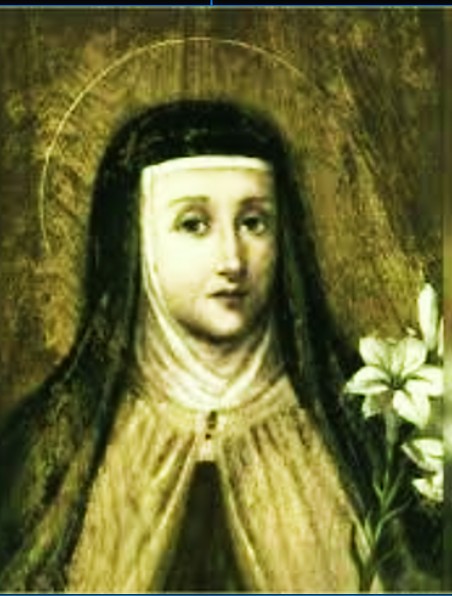
The first Holy Medal of the Holy Face was given to Ven Pope Pius XII, who approved the Devotion and the Medal. In 1958 he formally declared the Feast of the Holy Face of Jesus as Shrove Tuesday for all Catholics.
https://anastpaul.com/2022/03/01/feast-of-the-holy-face/

Shrove Tuesday: Shrove is the past tense of the word Shrive, which means “to hear a confession, assign penance and absolve from sin.”
In the Middle Ages, especially in Northern Europe and England, it became the custom to confess one’s sins on the day before Lent began in order to enter the penitential season in a repentant spirit.

Notre-Dame de Bon-Port / Our Lady of Bon Port/Good Haven, Paimpol, France (1838) – 21 February:
HERE:

https://anastpaul.com/2021/02/21/the-first-sunday-of-lent-2021-our-lady-of-bon-port-good-haven-paimpol-france-1838-and-memorials-of-the-saints-21-february/

St Avitus II of Clermont
Bl Claudio di Portaceli
St Daniel of Persia
Bl Eleanora
St Ercongotha
St Felix of Metz
St George of Amastris
St Germanus of Granfield
St Gundebert of Sens

Blessed Noel Pinot (1747-1794) Priest and Martyr. During the French Revolution, he refused to take the oath of the Civil Constitution of the Clergy unlike his superio! He wore his Mass Vestments to execution and died reciting the opening words of the Mass. He was Beatified by Pope Pius XI on 31 October 1926.
His Life and Death:

https://anastpaul.com/2020/02/21/saint-of-the-day-21-february-blessed-noel-pinot-1747-1794-priest-and-martyr/

St Paterius of Brescia (Died 606) Bishop
St Pepin of Landen
St Peter Mavimenus
St Randoald of Granfield

Blessed Richard Henkes

St Robert Southwell SJ (1561-1595) Martyr, Priest of the Society of Jesus, Poet, Hymnodist, Writer, clandestine missionary – Additional Memorials: 25 October as one of the Forty Martyrs of England and Wales and 29 October as one of the Martyrs of Douai.
St Robert’s Biography
::
https://anastpaul.wordpress.com/2018/02/21/saint-of-the-day-21-february-st-robert-southwell-s-j-1561-1595-martyr/

St Severian of Scythopolis
St Severus of Syrmium

Blessed Thomas Pormort (c 1560-1592) Priest Martyr
His Life and Death:

https://anastpaul.com/2022/02/21/saint-of-the-day-21-february-blessed-thomas-pormort-c-1560-1592-priest-martyr/

St Valerius of San Pedro de Montes
St Verda of Persia

Martyrs of Sicily – 79 Saints: Sevent nine Christians Martyred together in the persecutions of Diocletian. They were Martyred in c 303 on Sicily.

Martyrs of Hadrumetum – A group of 26 Christians Martyred together by Vandals. We know little more than eight of their names – Alexander, Felix, Fortunatus, Saturninus, Secundinus, Servulus, Siricius and Verulus. c 434 at Hadrumetum (modern Sousse, Tunisia).
Posted in SAINT of the DAY

Quote of the Day – 10 February – St Scholastica

Quote of the Day – 10 February – St Scholastica (c482-543) Twin sister of St Benedict (c482-547)

“When she heard her brother refuse her request, the holy woman joined her hands on the table, laid her head on them and began to pray. As she raised her head from the table, there were such brilliant flashes of lightning, such great peals of thunder and such a heavy downpour of rain that neither Benedict nor his brethren could stir across the threshold of the place where they had been seated. Sadly he began to complain: “May God forgive you, sister. What have you done?” “Well,” she answered, “I asked you and you would not listen, so I asked my God and He did listen. So now go off, if you can, leave me and return to your Monastery.” …
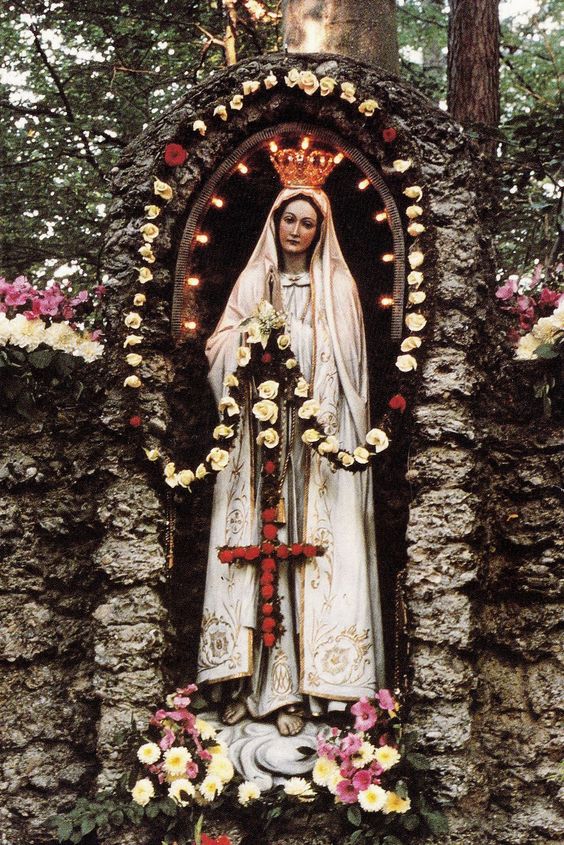
(St Pope Gregory the Great (540-604) on St Scholastica)

“I asked you and you would not listen,
so I asked my God and He did listen
.”

St Scholastica (c482-543)

Posted in SAINT of the DAY

Saint of the Day – 10 February – Blessed Hugh of Fosse OPraem (c1093-1164) Priest, Abbot

Saint of the Day – 10 February – Blessed Hugh of Fosse OPraem (c1093-1164) Priest of the Order of Canons Regular of Prémontré, also known as the Premonstratensians, the Norbertines and the White Canons. Hugh was one of St Norbert’s first disciples and later became the first Abbot of Prémontré, Born at Fosse, Belgium and died in 1164 of natural causes. Also known as – Hugues. Beatified on 13 July 1927 by Pope Pius XI.

He was born at Fosses-la-Ville in what is now Belgium around the year 1093. He seems to have been orphaned early in life and was educated at the collegiate Church of St Feuillien at Fosses. Upon Ordination, he was made Secretary to Burchard, the Bishop of Cambrai. Whilst accompanying the Bishop through Valenciennes, Hugh and Burchard happened upon St Norbert who was there preaching. St Norbert came to visit the Bishop and was led into the Episcopal presence by a Cleric.

The Bishop, looking at him standing there with bare frozen feet and dressed in rough clothing, absolutely amazed and dumbfounded, fell upon his neck with a gasp and cried out: “Oh Norbert, who would ever have believed or even thought this of you!” The Cleric who had admitted Norbert, wondered about the Bishop’s affection for him and asked the reason. The Bishop answered: “This man whom you see, was brought up with me in the Court of the King, a man noble and abounding in delights, to such a degree that he refused my Bishopric when it was offered to him.” Hearing this, the Cleric’s eyes filled with tears, both because he saw his master weeping but also because, he longed for a similar way of life. Secretly he discovered when and where Norbert would be continuing his journey.

But Norbert was suddenly seized by a serious illness while still in the City. The Bishop kindly tended his illness, daily visiting him, both himself and through the members of his Court. The aforementioned Cleric was among those visitors and when Norbert grew stronger he approached him and promised to accompany him in his profession and journey. Norbert thanked God thinking that the man was going to set out with him right away. But when the Cleric stated that he first wanted to set his affairs in order, Norbert was troubled at his words and said only: “Ah, brother, if this is of God, it will not be undone.” The Cleric left, promising to return and, disposing of his possessions, a little later did return, henceforth to follow the man of God. The name of that cleric was Hugh.

After returning to Norbert’s side, Hugh followed St Norbert on his many journeys over northern Europe and was present at the foundation of Prémontré in 1120. Hugh was made the first Prior of the Abbey and when Norbert took up his appointment of Archbishop of Magdeburg, Hugh became the first Abbot.

As Abbot, Hugh laid the foundations of the legislative and liturgical life of the Order. He organised the system of General Chapters, wrote the first Statutes of the Order and organised the various liturgical offices. He was also devoted to the education and training of his clerics and governed the Order during those early years of rapid expansion.

Known especially for his humility, Hugh never signed his name with ‘Abbot’ but only as ‘Servant of God and Norbert.’ Having laboured so hard for the good of the Order, Hugh died at Prémontré on 10 February 1164. In 1279 his Relics were moved to the High Altar of the Abbey Church of Prémontré and in 1660, given more elaborate furnishings. With the coming of the Revolution Hugh’s Relics were safely hidden in a number of locations until they found a place at the Abbey of Bois-Seigneur-Isaac.

In 2010, his Relics finally found a permanent home in Rome, at the Generalate of the Order. How appropriate that the first Abbot of Prémontré, should now ever be close to his successors.

Prayer:
Almighty eternal God, Who always calls new men, so that they might make Thy way known to others, we humbly entreat Thee, through the merits and intercession of Thy Abbot, Blessed Hugh that by praying and working, we may build up Thy people into one. We ask this through our Lord Jesus Christ, Thy Son, Who lives and reigns with Thee in the unity of the Holy Ghost, one God forever and ever. Amen.

Posted in MARIAN TITLES, SAINT of the DAY

Nostra Signora delle Colombe / Our Lady of the Doves (Bologna, Italy), St Benedict’s twin sister, St Scholastica and Memorials of the Saints – 10 February

Nostra Signora delle Colombe / Our Lady of the Doves (Bologna, Italy) – 10 February:
HERE:

https://anastpaul.com/2021/02/10/our-lady-of-the-doves-bologna-italy-and-memorials-of-the-saints-10-february/

St Scholastica (c482-547) Virgin Nun.
About this twin of St Benedict:

https://anastpaul.wordpress.com/2017/02/10/saint-of-the-day-10-february-st-scholastica/

Bl Alexander of Lugo
St Andrew of Bethlehem
St Aponius of Bethlehem

St Austrebertha of Pavilly OSB (630–704) Abbess, Benedictine Nun and Abbess of Pavilly, France, miracle-worker.
Her Life:

https://anastpaul.com/2021/02/10/saint-of-the-day-10-february-saint-austrebertha-of-pavilly-osb-630-704/

St Baldegundis
St Baptus of Magnesia
St Charalampias

Blessed Clare Agolanti of Rimini OSC (1282-1346) Married, Widowed, Nun, Penitent, Mystic.
Blessed Clare’s Life:

https://anastpaul.com/2022/02/10/saint-of-the-day-10-february-blessed-clare-agolanti-of-rimini-osc-1282-1346/

St Desideratus of Clermont
St Erluph of Werden
Blessed Hugh of Fosse OPraem (c1093-1164) Priest of the Order of Canons Regular of Prémontré, also known as the Premonstratensians, the Norbertines and the White Canons.
Bl Paganus
Bl Paul of Wallachia
Bl Pierre Frémond
St Porfirio
St Prothadius of Besançon
St Salvius of Albelda
St Silvanus of Terracina
St Soteris the Martyr
St Troiano of Saintes
St Trumwin of Whitby

St William the Hermit (Died 1157) Hermit, Penitent, Spiritual Director, Miracle-worker, gifted with the charism of Prophecy.
About St William:

https://anastpaul.com/2020/02/10/saint-of-the-day-10-february-saint-william-the-hermit-died-1157/

Martyred Soldiers in Rome: A group of ten Christian soldiers who were Martyred together for their faith. We know little more about them but four of their names – Amantius, Hyacinth, Irenaeus and Zoticus. • 120 at Rome, Italy. They were buried on the Via Lavicana outside RomeAmantius, Hyacinth, Irenaeus, Zoticus.

Posted in AUGUST - The Immaculate Heart of Mary, CHRIST the LIGHT, DOCTORS of the Church, FATHERS of the Church, MARIAN PRAYERS, MOTHER of GOD, Our MORNING Offering, QUOTES of the SAINTS, SAINT of the DAY, The IMMACULATE CONCEPTION, The INCARNATION

Our Morning Offering – 9 February – Hail, O Mary, Mother of God By St Cyril of Alexandria

Our Morning Offering – 9 February – Feast of St Cyril of Alexandria (376-444) “The Pillar of Faith” “Doctor of the Incarnation”& “Seal of all the Fathers” Bishop,Confessor, Father and Doctor, of the Church.

Hail, O Mary, Mother of God
By St Cyril of Alexandria (376-444)
Father & Doctor of the Church

Hail, O Mary, Mother of God,
Virgin and Mother!
Morning Star, perfect vessel.
Hail, O Mary, Mother of God,
Holy Temple in which God Himself was conceived.
Hail, O Mary, Mother of God,
Chaste and pure dove.
Hail, O Mary, Mother of God,
who enclosed the One Who cannot be encompassed
in your sacred womb.
Hail, O Mary, Mother of God,
From you flowed the true light, Jesus Christ, our Lord.
Hail, O Mary, Mother of God,
Through you the Conqueror
and triumphant Vanquisher of hell, came to us.
Hail, O Mary, Mother of God,
Through you, the glory of the Resurrection blossoms.
Hail, O Mary, Mother of God,
You have saved every faithful Christian.
Hail, O Mary, Mother of God,
Pray for us sinners now
and at the hour of our death.
Amen

Adapted from a sermon preached by St Cyril, Archbishop of Alexandria (444), presiding as representative of the Holy See at the Ecumenical Council of Ephesus, in 431. In refuting Nestorianism, he is called “Doctor of the Incarnation.”

Posted in DOCTORS of the Church, FATHERS of the Church, SAINT of the DAY

Saint of the Day – 9 February – St Cyril of Alexandria (376-444) Bshop, Confessor, Father and Doctor, of the Church.

Saint of the Day – 9 February – St Cyril of Alexandria (376-444) “The Pillar of Faith” “Doctor of the Incarnation” – Bshop, Confessor, Father and Doctor, of the Church.

St Cyril of Alexandria
From the Roman Breviary

The praises of Cyril of Alexandria have been celebrated, not only by one writer or another but have even been registered in the acts of the Ecumenical Councils of Ephesus and Chalcedon. He was born of distinguished parents and was the nephew of Theophilus, Bishop of Alexandria. While he was still young, he gave clear proof of his excellent understanding. After giving a deep study to letters and science, he betook himself to John, Bishop of Jerusalem, to be perfected in the Christian Faith. After his return to Alexandria, and the death of Theophilus, he was raised to that See. In this Office, he kept ever before his eyes, the type of the Shepherd of souls described by the Apostle and, by ever adhering thereto, deservedly earned the glory of a holy Bishop.

He burned with zeal for the salvation of souls and took all care to keep the flock entrusted to him in purity of faith and lif, and to guard them from the poisonous pastures of heresy and infidelity. Hence, in accordance with law, he caused the followers of Novatus to be expelled from the City and procured the punishment of the Jews, whose rage had led them to plan a massacre of the Christians. Cyril’s singular care for the preservation of the Catholic Faith shone forth, especially in his conflict with Nestorius, Bishop of Constantinople, who declared that Jesus Christ had been born of the Virgin Mary as Man only and not as God and, that the Divinity had been bestowed upon Him because of His merits. Cyril in vain attempted to convert Nestorius and then denounced him to Pope St. Celestine.

A delegate of Pope Celestine, Cyril presided at the Council of Ephesus where the Nestorian heresy was absolutely proscribed. Nestorius was condemned and deprived of his See and the Catholic Doctrine, as to the unity of Person in Christ and the Divine Motherhood of the glorious Virgin Mary, was laid down amid the rejoicings of all the people, who escorted the Bishops to their lodgings with a torch-light procession. For this reason Nestorius and his followers, made Cyril the object of slanders, insults and persecutions which he bore with profound patience, for he cared only for the Faith and paid no attention to what the heretics might do or say against himself.

At length he died a holy death, in the year of salvation 444, the thirty-second of his Episcopacy, after having performed great labours for the Church of God and having composed numerous works, both in refutation of paganism and heresy, in exposition of Sacred Scripture and in explanation of Catholic Dogmas.

St Cyril of Alexandria, at St Nicholas’ Church, Prague
Posted in MARIAN TITLES, SAINT of the DAY

Notre-Dame-des-Cloches / Our Lady of the Bells, France, St Cyril of Alexandria and Memorials of the Saints – 9 February

Notre-Dame-des-Cloches / Our Lady of the Bells, Cathedral of Saintes, France – 9 February:
HERE
:
https://anastpaul.com/2021/02/09/our-lady-of-the-bells-cathedral-of-saintes-france-and-memorials-of-the-saints-9-february/

St Cyril of Alexandria (376-444) “The Pillar of Faith” & “Seal of all the Fathers,”, Bishop, Confessor, Father and Doctor, Doctor Incarnationis (Doctor of the Incarnation) Added by Pope Leo XIII in 1883.
St Cyril’s Feast Day is today 9 February (1882–1969 – moved after Vatican II to 27 June).
https://anastpaul.com/2017/06/27/saint-of-the-day-27-june-st-cyril-of-alexandria-doctor-father-of-the-church-the-pillar-of-faith-seal-of-all-the-fathers-doctor-incarnationis-doctor-of-the-incarnation/

St Apollonia of Alexandria (Died c249) Virgin Martyr, Deaconess.
St Apollonia’s Life and Death:

https://anastpaul.com/2019/02/09/saint-of-the-day-9-february-st-apollonia-of-alexandria-died-c-249/

St Alexander of Rome
St Alexander of Soli
St Alto of Altomünster
St Ammon of Membressa
St Ammonius of Soli
St Ansbert of Rouen
St Attracta of Killaraght
St Brachio of Auvergne
St Cuaran the Wise
St Didymus of Membressa
St Donatus the Deacon
St Eingan of Llanengan
St Emilian of Membressa
Bl Erizzo
Bl Francisco Sanchez Marquez
Bl Godeschalk of Želiv
St Lassa of Membressa
Bl Marianus Scotus
St Maro
St Nebridius of Egara
St Nicephorus of Antioch
St Poëmus of Membressa
St Primus the Deacon

St Raynald of Nocera (c1150-1217) Bishop of Nocera, Umbria, Italy, Hermit, Monk, Abbot. His body is incorrupt.
The Roman Martyrology reads: “In Nocera Umbra, St. Rainaldo, Bishop, formerly a Camaldolese Monk of Fonte Avellana, who, while carrying out the Episcopal office, firmly preserved the habits of monastic life.”
Biography:

https://anastpaul.com/2022/02/09/saint-of-the-day-9-february-saint-raynald-of-nocera-c-1150-1217/

St Romanus the Wonder Worker
St Ronan of Lismore
St Sabino of Abellinum

St Sabinus of Canosa (c461–566) Bishop, Confessor, Benedictine Monk, Papal Legate, miracle-worker, graced with the charism of prophecy, Defender of the Faith against heretics, friend of Saint Benedict of Nursia, builder of Churches and Monasteries, following the Benedictine discipline of Ora et labora.
His Life:

https://anastpaul.com/2021/02/09/saint-of-the-day-9-february-saint-sabinus-of-canosa-c-461-566-bishop/

St Teilo of Llandaff

Martyrs of Alexandria: An unknown number of Christians who were massacred inthe 4th Century Alexandria, Egypt by Arian heretics for adhering to the true Faith.

Martyrs of Membressa: A group of 44 Christians Martyred together. We know little else about them some names – Ammon, Didymus, Emilian, Lassa, Poemus
They were Martyred in Membressa in Africa.

Posted in POETRY, SAINT of the DAY

Quote of the Day – 8 February – The Mantle of St John de Matha – A Legend of “The Red, White and Blue”

Quote of the Day – 8 February –St John of Matha O.SS.T (1160-1213) Confessor, Priest, Founder of The Order of the Most Holy Trinity and of the Captives

Excerpt from
The Mantle of St John de Matha
A Legend of “The Red, White and Blue”
(1154–1864)

By John Greenleaf Whittier (1807–1892).

A STRONG and mighty Angel,
Calm, terrible and bright,
The Cross in blended red and blue
Upon his mantle white!

Two captives by him kneeling,
Each on his broken chain,
Sang praise to God who raiseth
The dead to life again?

Dropping his Cross-wrought mantle,
“Wear this” the Angel said;
“Take thou, O Freedom’s Priest, its sign,—
The white, the blue and red.”

Then rose up John de Matha
In the strength the Lord Christ gave,
And begged through all the land of France
The ransom of the slave.

The gates of tower and castle
Before him open flew,
The drawbridge at his coming fell,
The door-bolt backward drew.

For all men owned his errand
And paid his righteous tax;
And the hearts of lord and peasant
Were in his hands as wax.

At last, outbound from Tunis,
His bark her anchor weighed,
Freighted with seven-score Christian souls
Whose ransom he had paid!

Posted in Of BACHELORS, Of BEGGARS, the POOR, against POVERTY, SAINT of the DAY

Saint of the Day – 8 February – Saint Cuthman of Steyning (Died 8th Century)

Saint of the Day – 8 February – Saint Cuthman of Steyning (Died 8th Century) Hermit, builder of Churches, Miracle-worker. Born in c681 at Chidham, near Bosham, Sussex (some legends say Devon or Cornwall) in England and diedin the 8th Century at Steyning, Sussex, England. Patronages – against poverty, bachelors, poor people, shepherds, of Steyning, England. Also known as – Cuthmann, Cutmano, Cutmanus.

Modern statue of St Cuthman by Penny Reeve, looking over the road to the Church he founded at Steyning.

The earliest surviving written record of Cuthman’s life is a volume of the Acta Sanctorum, published by the Bollandists at Antwerp in 1658. According to the story, Cuthman was a shepherd who grew up either in the West Country or at Chidham, near Chichester. He was probably born in the late seventh century and may have been Baptised by St Wilfrid himself, the ‘Apostle of Sussex.’

Even as a young boy, Cuthman showed signs of his closeness to God. One day, while tending his sheep, he drew a line around them with his staff so that he could get away to collect food. On his return, he found that the flock had not left the invisible boundary. This miracle may have taken place in a field near Chidham, which, for centuries was known as ‘St Cuthman’s Field’ or ‘St Cuthman’s Dell.’ It was said that a large stone in the field, ‘on which the holy shepherd was in the habit of sitting,’ held miraculous properties.

A turning point in Cuthman’s life was the death of his father, which left both him and his mother destitute. They decided to leave their home and journey eastwards – in the direction of the rising sun. By this time, Cuthman’s mother was an invalid and so he had to push her in a wheeled wooden cart. A rope that stretched from the handles to the Saint’s shoulders helped carry the burden. When the rope snapped, he made a new one out of withies (willow tree branches used for basketry). The local haymakers laughed at Cuthman’s rather pathetic efforts but Providence soon responded to their merriment by sending a sudden rainstorm, destroying their harvest. Later versions of the story say that, from that moment onwards, it always rained in that field during the haymaking season!

Cuthman decided that once this replacement rope made of withies broke, it would be a sign from God to settle at that place and build a Church. This happened at Steyning, which, according to the Acta Sanctorum, was ‘a place lying at the base of a lofty hill, then woody, overgrown with brambles and bushes but now rendered by agriculture fertile and fruitful, enclosed between two streams springing from the hill above. The Bollandist Monks have also provided us with Cuthman’s prayer as he reached this blessed spot:

“Father Almighty, Thou hast brought my wanderings to an end; now enable me to begin this work. For who am I, Lord, that I should build a house to Thy Name? If I rely on myself, it will be of no avail but it is Thou Who will assist me. Thou hast given me the desire to be a builder; make up for my lack of skill and bring the work of building this holy house to its completion.”

And so, this unlikely builder began constructing a worthy Sanctuary in honour of the One who had guided him safely along his journey ad orientem. Many of the local inhabitants helped him in this great task and on one occasion, according to the legend, he even received Divine assistance. The builders were having trouble with a roof-beam, when a stranger appeared and provided them with a solution. When asked his name, the newcomer replied: ‘I am He in Whose name you are building the Church.‘

He built a wooden Chapel in Steyning, probably on the site of the present Church of St Andrew’s. This building was certainly well established by 857, when King Ethelwulf (father of St Alfred the Great) was buried there.

It seems that pilgrims visited the Tomb of St Cuthman and that his intercession led to many miraculous cures. During the reign of St Edward the Confessor, the Church at Steyning was given to the Abbey of the Holy Trinity at Fécamp, Normandy. This Benedictine house, founded in the seventh century, is famous for its ‘Benedictine’ liqueur, which today is commercially produced in the grounds of the old Abbey. It was to this Monastery that the Black Monks took the body of St Cuthman and his Feast (8 February) was celebrated at many of the religious houses of Normandy. Thus, St Cuthman became well known on the continent – as can be seen in a mid fifteenth century German engraving of the saint by Martin Schongauer and in the writings of the seventeenth century Bollandists.

Meanwhile, the Church at Steyning was rebuilt and dedicated to St Andrew. However, St Cuthman was not forgotten in his beloved land. A ‘Guild of St Cuthman’ was in existence at Chidham on the eve of the Reformation and a misericord in Ripon Cathedral depicts him pushing his mother in a three-wheeled barrow. There are quite a few Churches dedicated to St Cuthman in England but in Steyning, he is particularly loved and venerated.

St Andrew’s Church in Steyning

The colourful tale of St Cuthman presents us with a charming example of filial piety, prayer, evangelisation and Church building in Saxon England. In the words of Christopher Fry:

It is there in the story of Cuthman, the working together
Of man and God like root and sky; the son
Of a Cornish shepherd, Cuthman, the boy with a cart,
The boy we saw trudging the sheep-tracks with his mother
Mile upon mile over five counties; one
Fixed purpose biting his heels and lifting his heart.
We saw him; we saw him with a grass in his mouth, chewing
And travelling. We saw him building, at last,
A Church among whortleberries…

Posted in MARIAN TITLES, SAINT of the DAY

Abbey of Notre-Dame du Lys / Our Lady of the Lily, France (13th Century), St John of Matha and Memorials of the Saints – 8 February

Abbey of Notre-Dame du Lys / Our Lady of the Lily, Melun, France (13th Century) – 8 February:
HERE:

https://anastpaul.com/2021/02/08/abbey-of-our-lady-of-the-lily-melun-france-13th-century-and-memorials-of-the-saints-8-february/

St John of Matha O.SS.T (1160-1213) – Priest, Founder of The Order of the Most Holy Trinity and of the Captives, also known as the Order of the Most Holy Trinity or the Trinitarians,
Feast day is today – moved in 1969 to 17 December.
Biography:

https://anastpaul.com/2018/12/17/saint-of-the-day-17-december-st-john-of-matha-o-ss-t-1160-1213/

St Cointha of Alexandria
of Steyning

St Cyriacus of Rome
St Dionysus of Armenia
St Elfleda of Whitby
St Emilian of Armenia
St Giacuto
St Gisela
St Honoratus of Milan
St Inventius of Pavia
Bl Jacoba de Settesoli
St Kigwe
St Laureatus of Rome
St Lucius of Rome
St Meingold
St Mlada of Prague
St Nicetius of Besançon
St Oncho of Clonmore
St Paul of Rome

St Paul of Verdun (c576-c648) Bishop of Verdun, in the Lorraine region of France from 630 until his death., Abbot. The Roman Martyrology states: “At Verdun in France, St Paulus, Bishop renowned for miracles.”
His Life:

https://anastpaul.com/2022/02/08/saint-of-the-day-8-february-st-paul-of-verdun-c-576-c-648/

Blessed Pietro Igneus OSB Vall. (c1020 – 1089) Cardinal Bishop of Albano, Reformer – particularly against simony, Papal Legate and peace-maker.
His Life:

https://anastpaul.com/2021/02/08/saint-of-the-day-8-february-blessed-pietro-igneus-osb-vall-c-1020-1089-cardinal-bishop/

St Sebastian of Armenia
St Stephen of Muret (c1046-1124) Abbot

Martyrs of Constantinople: Community of 5th Century Monks at the Monastery of Saint Dius at Constantinople. Imprisoned and Martyred for loyalty to the Vatican during the Acacian Schism. 485 in Constantinople.

Martyrs of Persia: An unknown number of Christians murdered in early 6th-century Persia. Legend says that so many miracles occurred through the intercession of these Martyrs that the King decreed an end to the persecution of Christians.