Santa Maria alla Porta Luigi / Our Lady of Port Louis, Milan, Italy – 4 November:
The ancient City of Milan, Italy, has had three completely different systems of walls defending the City throughout the ages. The oldest walls were Roman, built in the Republican and Imperial eras. The second wall was built in the 12th century, shortly after the City was razed by Frederick Barbarossa. The third, and final wall system was built in the 16th century by the Spanish rulers of Milan. Even though in most places there is little left of the walls, the gates, or “ports” contributed to the layout of the City as the streets passed through the gates from a central hub. The Roman gates were Porta Romana, Porta Ticinese, Porta Vercellina and so on, with each wall having gates with a variety of names. None of them, however, has had the name of Porta Luigi There is no Church in Milan to St. Louis and I can find no reference to this feast of Mary, that was once famous enough to have a date on the calendar. (https://www.roman-catholic-saints.com/our-lady-of-port-louis.html).
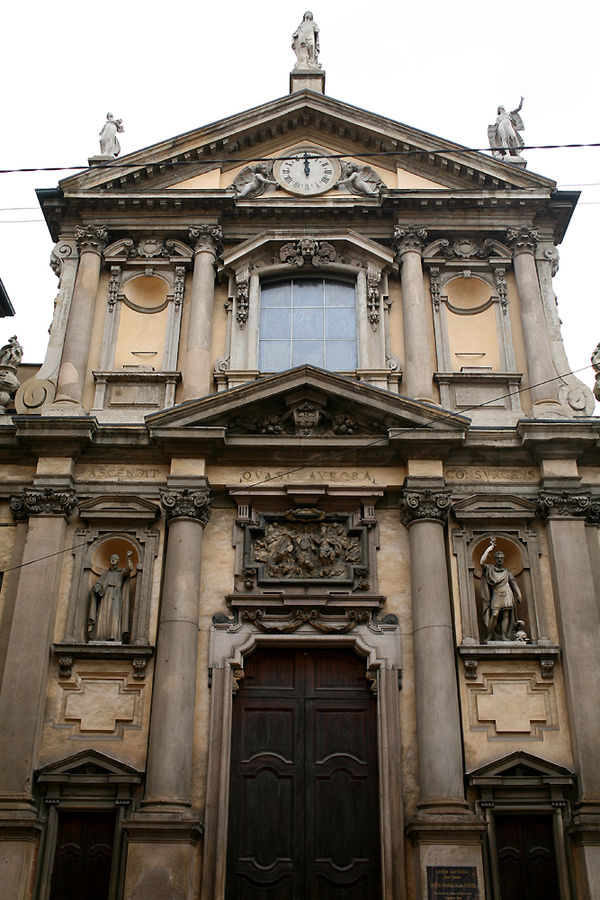
I (Ana) have found a Church called “Santa Maria alla Porta” (Holy Mary at the Gate), see below, which dates from very early times, certainly before the 12th Century. Although a Church already stood in the same Milanese location since before the year 1105, the present Church was erected in 1652 under Spanish rule.
St Agricola of Bologna St Amandus of Avignon St Amandus of Rodez St Birstan St Clarus the Hermit St Clether St Emeric of Hungary (c 1007-1031) Confessor, Prince and heir to the Hungarian Throne, Son of St Stephen, King of Hungary
Bl Frances d’Amboise St Gerard de Bazonches St Gregory of Burtscheid Bl Helen Enselmini Bl Henry of Zweifalten St Hermas of Myra Bl Joan Antoni Burró Mas St Joannicus of Mount Olympus St John Zedazneli St Modesta of Trier St Nicander of Lycia St Patrobas St Perpète St Philologus St Pierius St Proculus of Autun Bl Teresa Manganiello St Vitalis of Bologna
Dedication of the Church of Our Lady of Milan (1417) by Pope Martin V – 16 October:
The Abbot Orsini wrote: “Dedication of Our Lady of Milan, by Pope Martin V, in the year 1417. This Church was built in 1388 by John Galleas, Duke of Milan.”
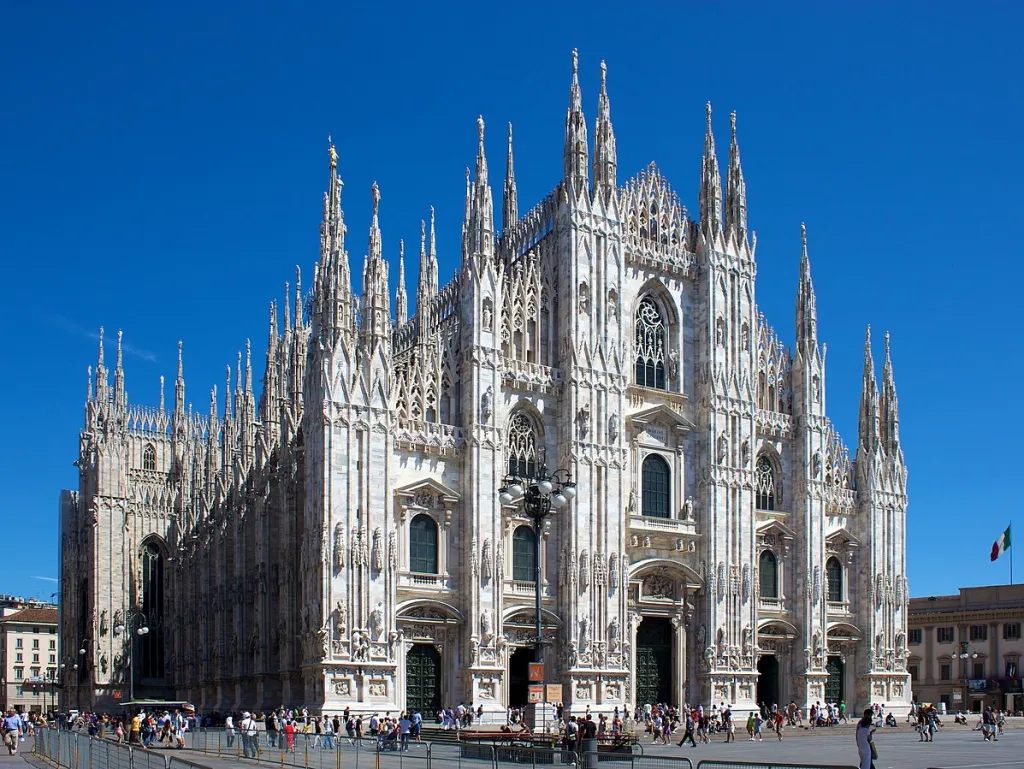
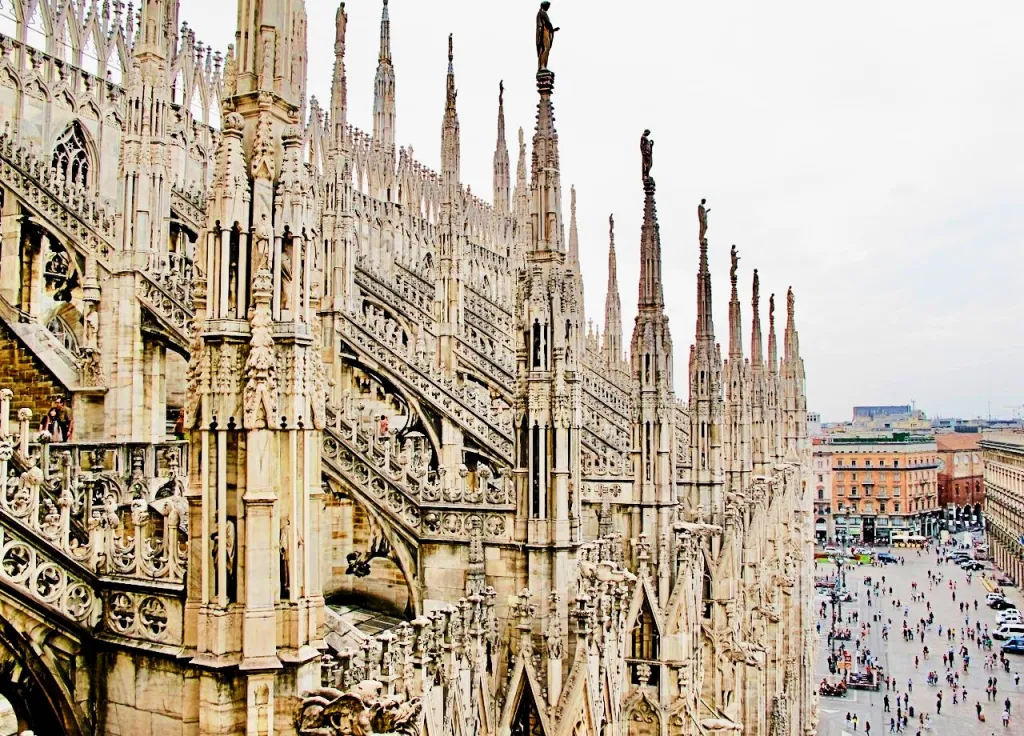
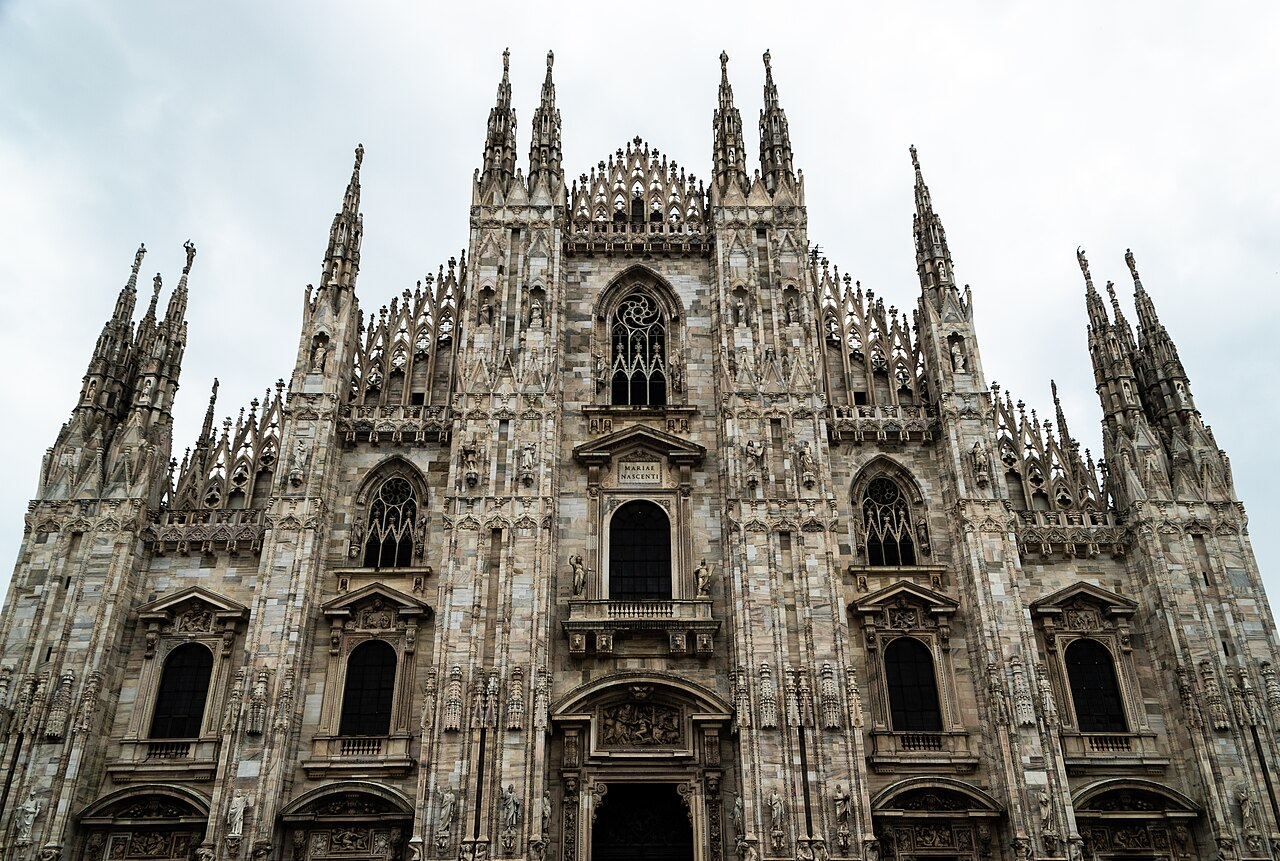
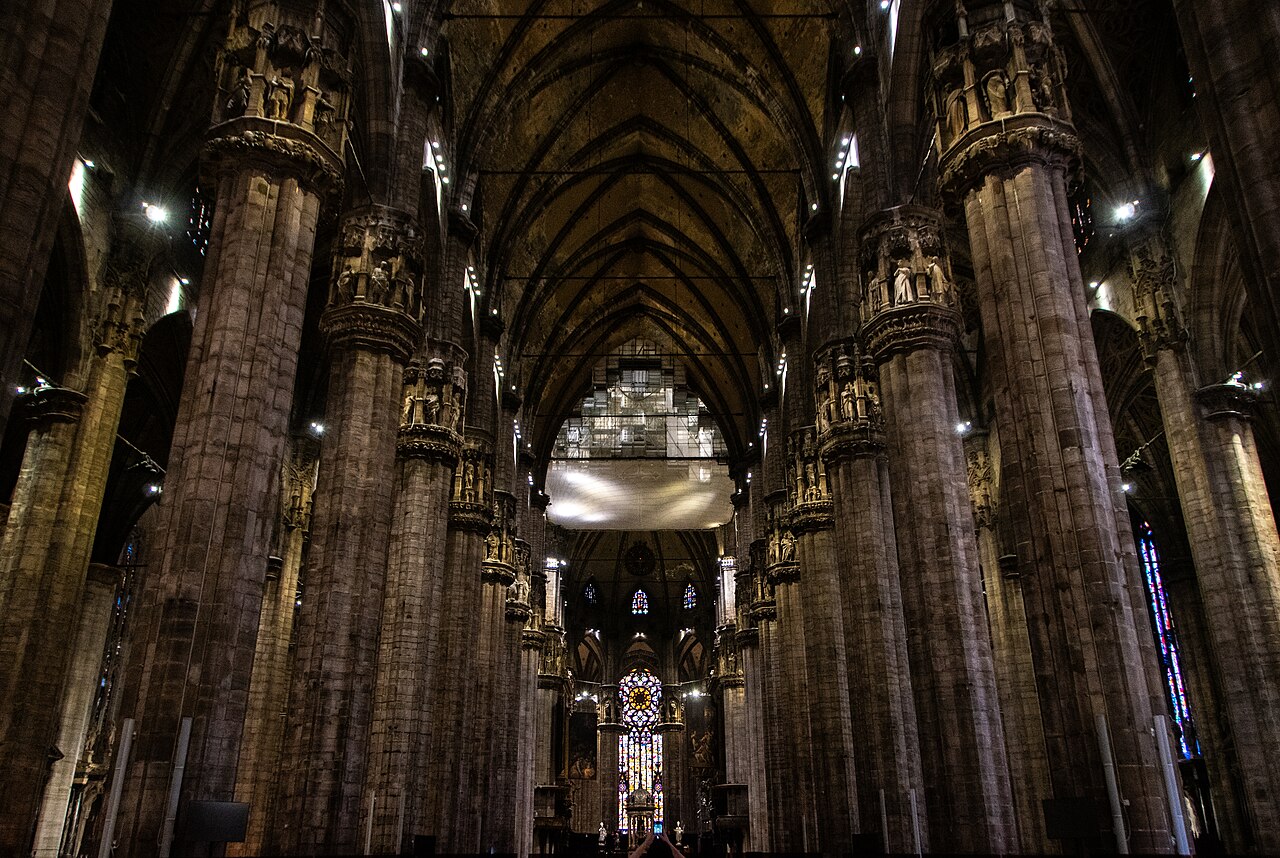
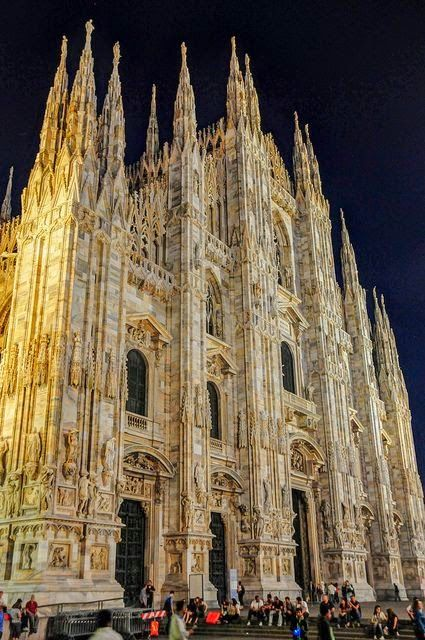
The magnificent Milan Cathedral is a Gothic Cathedral that has its roots in the fourth centurY. Today it is one of the most famous and celebrated structures in all of Europe. It is the second largest Church in Italy after St Peter’s Basilica in Rome and the third largest Catholic Church in the world.
Dedicated to the Mother of God, the present Cathedral was begun in the 14th century but was not completed until the 20th century when the last gate was finally installed in 1965. Emperor Napoleon Bonaparte himself ordered that the façade be finished in the year 1805, as he desired to see the beautiful structure completed. He guaranteed that the French would pay for the work, although they never actually did. Even so, it took seven years to complete the work. There were other additions that followed, including stained glass windows and various arches and lace-like spires. In the end it can be said, that the Cathedral required 6 centuries to complete and is one of the largest Cathedrals in the entire world.
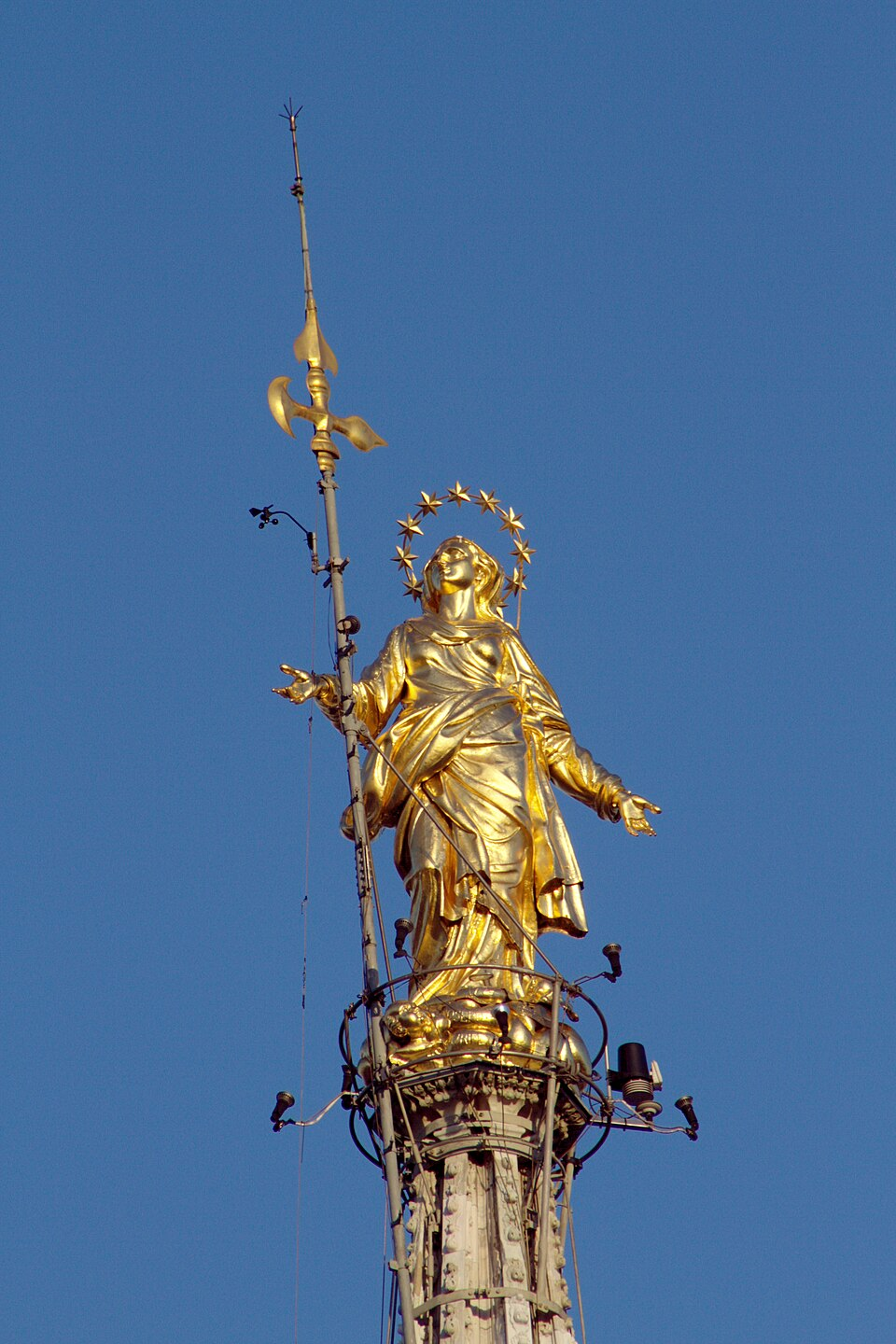
The Madonnina Spire or guglia del tiburio (“lantern spire“), one of the main features of the Cathedral, was erected in 1762 at the height of 108.5 m (356 ft), as designed by Francesco Croce. At the top of the spire is the polychrome Madonnina Statue, designed and built by Carlo Pellicani in 1774, during the episcopacy of Bishop Giuseppe Pozzobonelli who supported the idea to place the Madonnina at the top of the Cathedral, By tradition, no building in Milan may be higher than the Madonnina.
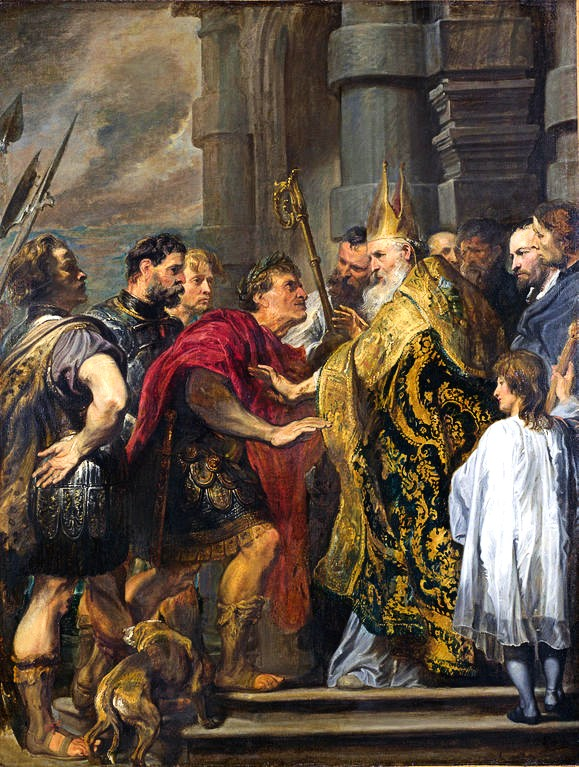
The first Church thought to occupy the location was built by Saint Ambrose, although there is an old baptistery which was constructed in about 335. The good Abbot appears to have been incorrect in dating the Cathedral from 1388, as there is a plate attached to a stone on the Church which states: “El Principio del Duomo di Milano Nel Anno 1386.”
St Ambrose barring Theodocius from Milan Cathedral
The Milan Cathedral houses a Holy Nail which was used to Crucify Christ. It is marked by a tiny red light located in the dome above the apse. There are more Statues on this Cathedral than any other in the world, 3159 in total. 2245 of these are on the exterior together with 96 gargoyles and 135 spires. It is said that if the Statues were placed on top of each other, they would reach a height of about 5,300 meters (3.3 miles).
The Cathedral is 158.5 meters (520 feet) long, 92 meters (302 feet) wide. It has a cruciform plan in the form of a Latin cross that covers nearly 12,000 square meters. 40,000 people can fit comfortably within. Its construction was up five naves, a central and two lateral on each side, resting on 40 columns of 24.50 meters (80 feet) each.
St Margaret Mary Alacoque VHM (1647-1690) Virgin, Nun of the Order of the Visitation of Holy Mary, Mystic, Saint and Apostle of the Sacred Heart
St Gall (c 550–c 646) “Apostle of Switzerland,” Monk, Missionary, Hermit – he was a disciple and one of the traditional twelve companions of Saint Columbanus on his mission from Ireland to the continent.
St Gerard Majella CSsR (1726-1755) Religious Lay Brother of the Congregation of the Holy Redeemer, better known as the Redemptorists, Apostle of the Holy Eucharist, Apostle of Charity, known as a Thaumaturge.
Bl Gerald of Fossanuova St Hedwig of Andechs (1174-1243) Mother, Widow, High Duchess of Poland Bl Jesús Villaverde Andrés Bl Józef Jankowski St Junian St Lull St Magnobodus of Angers
St Martinian of Mauretania St Mummolinus St Saturian of Mauretania St Silvanus of Ahun St Victor of Cologne St Vitalis of Noirmoutier — Martyrs in Africa – 220 saints: A group of 220 Christians martyrs about whom we know nothing but that they died for their faith.
Martyrs of North Africa – 365 saints: A group of 365 Christians who were martyred together in the persecutions of the Vandal king Genseric. The only details that have survived are the names of two of the martyrs – Nereus and Saturninus. 450 in North Africa.
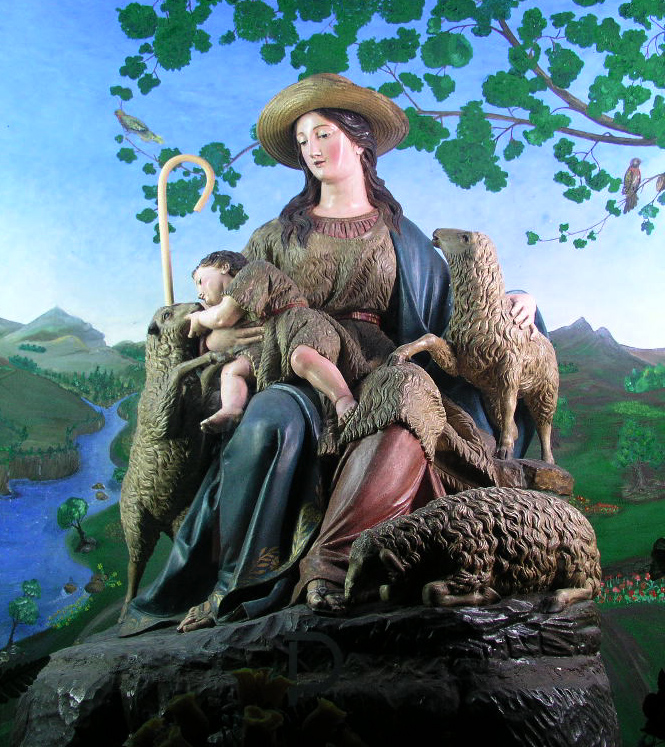
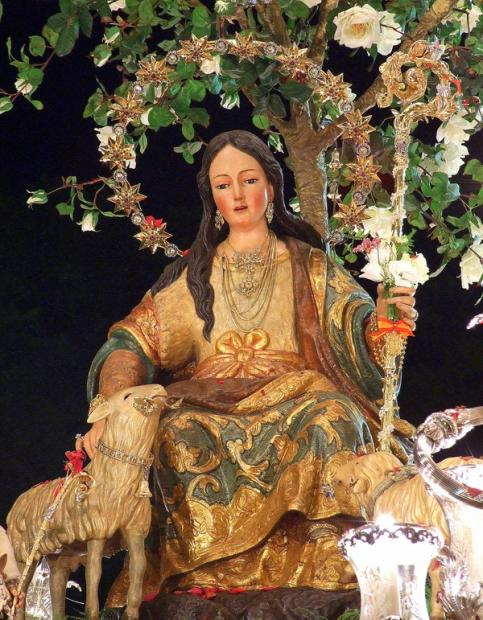
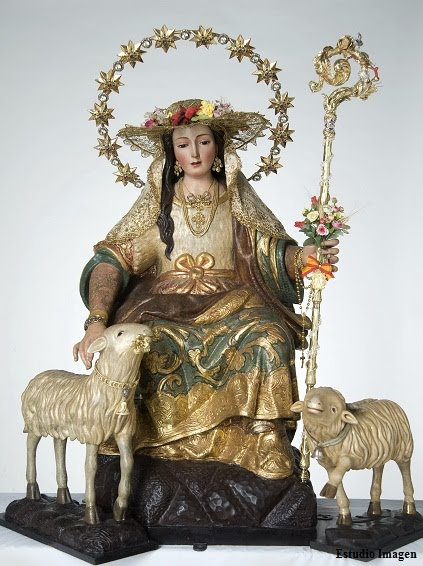
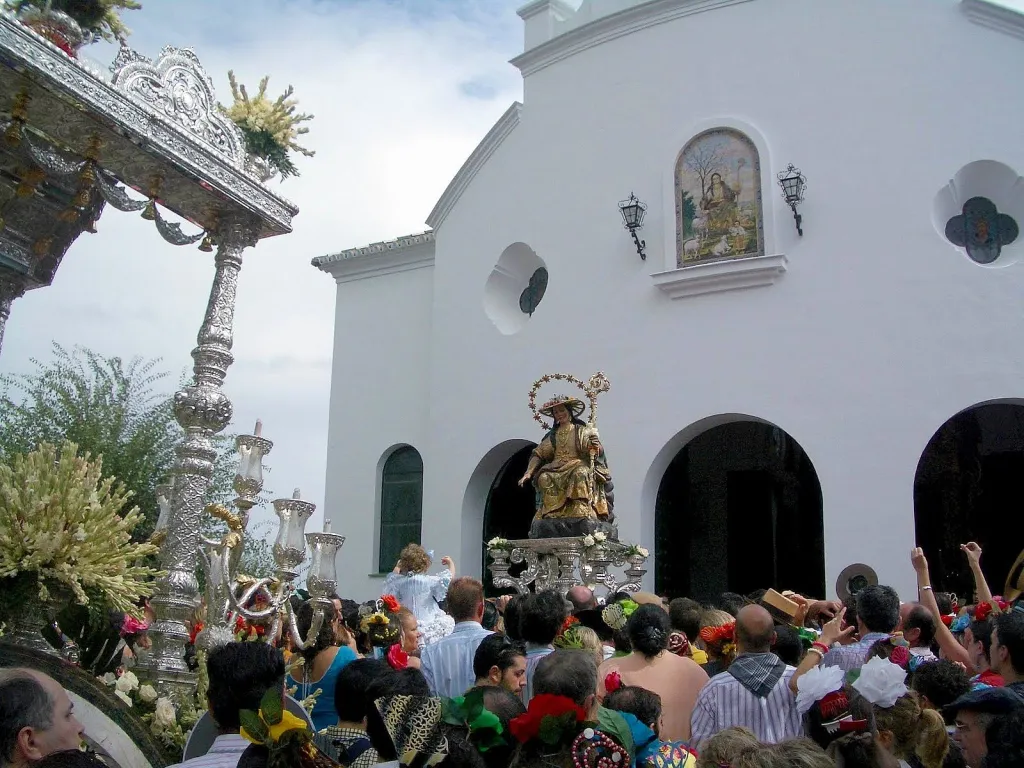
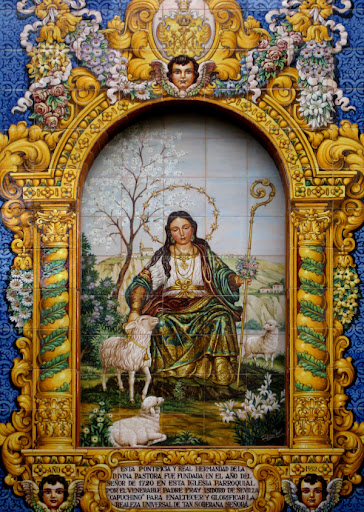
Divina Pastora de las Almas ‘ The Divine Shepherdess of Souls, Cantillana, Sevilla, Andalucía, Spain (1703)
St. Isidore of Seville (560-636) Bishop of Seville, Father and Doctor of the Church, spread devotion to the Divine Shepherdess of Souls. The first image of the Divina Pastora in Cantillana was a banner, attributed to the painter Germán Llorente, carried in Rosary.
In 1800 a yellow fever epidemic ravaged the area,but Cantillana was largely spared, for which people thanked the Divine Shepherdess of Souls. Soon thereafter, the Hermandad de la Divina Pastora was chartered, a Rosary apostolate or brotherhood. The Brotherhood’s processional image is a seated statue, attributed to Francisco Antonio Ruiz Gijón (1653-1705).
For special occasions, of which there are many, she wears a large sombrero. On 31 August, a grand procession fetches the Statue from its Sanctuary into the Town, for celebrations leading up to the fiesta from 8 September. On the last weekend in September, with equal splendour and devotion, the Divine Shepherdess returns to her Shrine. A procession accompanies her canopied float on Saturday. On Sunday, there is Mass and music and then an all-night exposition of the Statue with devotions lasting into Monday morning.
St Anacharius of Auxerre St Aurelia of Macerata St Caian of Tregaian St Ceolfrid St Cleopas St Egelred of Crowland St Ermenfridus of Luxeuil
St Firminus of Amiens St Fymbert St Herculanus the Soldier
Blessed Herman of Reichenau/the Cripple (1013–1054) Benedictine Monk, Confessor, Scholar, Scientist, Writer, Hymnist, Poet, Musical Composer, Teacher. In his own day, the heroic cripple who achieved learning and holiness was called ‘The Wonder of His Age.’. Composer of the “Salve Regina” Hail Holy Queen, “Veni Sancte Spiritus” Come Holy Spirit and “Alma Redemptoris Mater” amongst many others.
Bl Marco Criado St Mewrog St Neomisia of Mecerata St Paphnutius of Alexandria St Principius of Soissons St Sergius of Moscow St Solemnis of Chartres
Martyrs of Damascus: A Christian family of six who were tortured to death in a persecution by Roman authorities. They were: Eugenia, Maximus, Paul, Rufus, Sabinian and Tatta. They were tortured to death in Damascus, Syria, date unknown.
Martyred in the Spanish Civil War: • Blessed Jose María Bengoa Aranguren • Blessed Josep Maria Vidal Segú • Blessed Juan Agustín Codera Marqués • Blessed Julio Esteve Flors • Blessed Pedro Leoz Portillo • Blessed Rafael Pardo Molina • Blessed Tomás Gil de La Cal
Feast of the Holy Bishops of Milan – a 1st Century Diocese!
Imagine being part of a Diocese in which 36 of your past Bishops are saints and some are also Doctors of the Church and Popes (and others being considered for sanctity)! The latest addition to this illustrious role-call, is Pope Paul VI. Today, the Church in Milan commemorates these holy Bishops. They are: • Blessed Alfredo Ildefonso Schuster • Blessed Andrea Carlo Ferrari • Pope Pius XI • Saint Ambrose of Milan • Saint Ampelius of Milan • Saint Anathalon of Milan • Saint Antoninus of Milan • Saint Auxanus of Milan • Saint Benedict Crispus of Milan • Saint Benignus of Milan • Saint Calimerius of Milan • Saint Castritian of Milan • Saint Charles Borromeo • Saint Datius of Milan • Saint Dionysius of Milan • Saint Eugene of Milan • Saint Eusebius of Milan • Saint Eustorgius II of Milan • Saint Eustorgius of Milan • Saint Gaius of Milan • Saint Galdinus of Milan • Saint Geruntius of Milan • Saint Glycerius of Milan • Saint Honoratus of Milan • Saint John Camillus the Good • Saint Lazarus of Milan • Saint Magnus of Milan • Saint Mansuetus of Milan • Saint Marolus of Milan • Saint Martinian of Milan • Saint Mirocles of Milan • Saint Mona of Milan • Saint Natalis of Milan
• Saint Protasius of Milan • Saint Senator of Milan • Saint Simplician of Milan • Saint Venerius of Milan


You must be logged in to post a comment.