Posted in SAINT of the DAY

Saint of the Day – 20 September – St. Fausta and Evilasius of Cyzicum

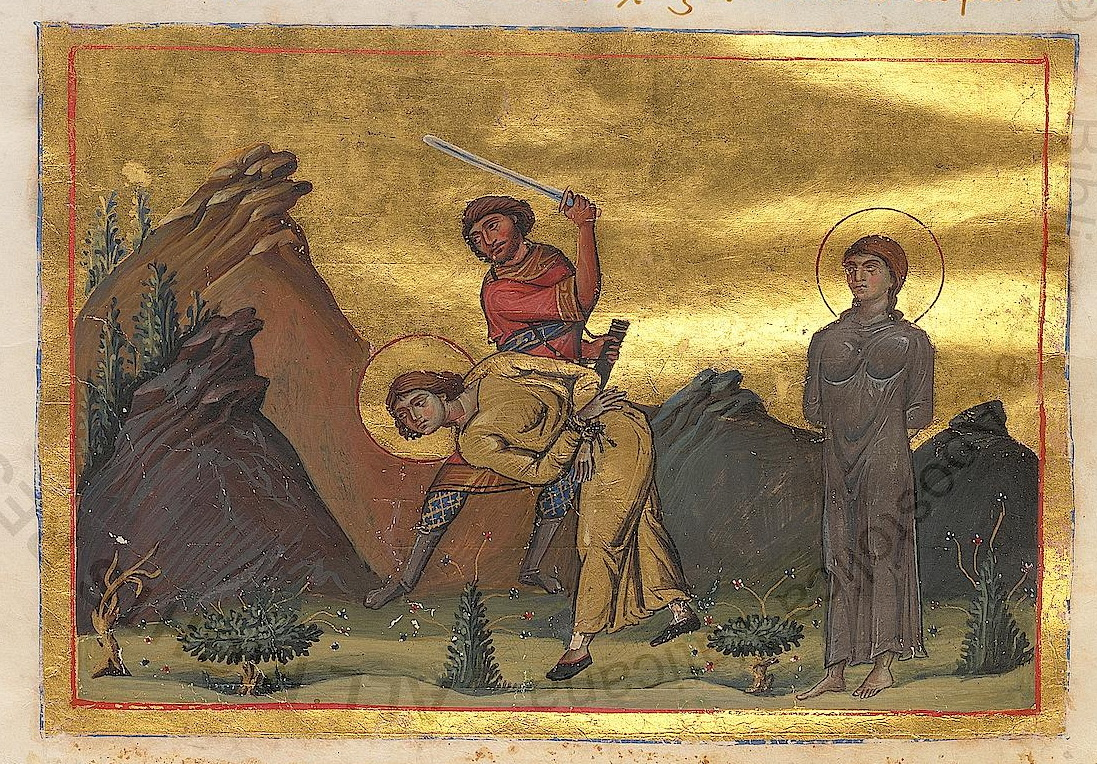
Saint Fausta of Cyzicus also known as Saint Fausta, was a thirteen year old girl born in 298, in modern-day Turkey. At the age of 13, she was arrested, tortured, and executed for being a Christian in the year 311. A pagan priest, Saint Evilasius was the one responsible for torturing and executing her. Seeing her courage, and moved by her prayers, he converted, and died with her in a cauldron of boiling water.

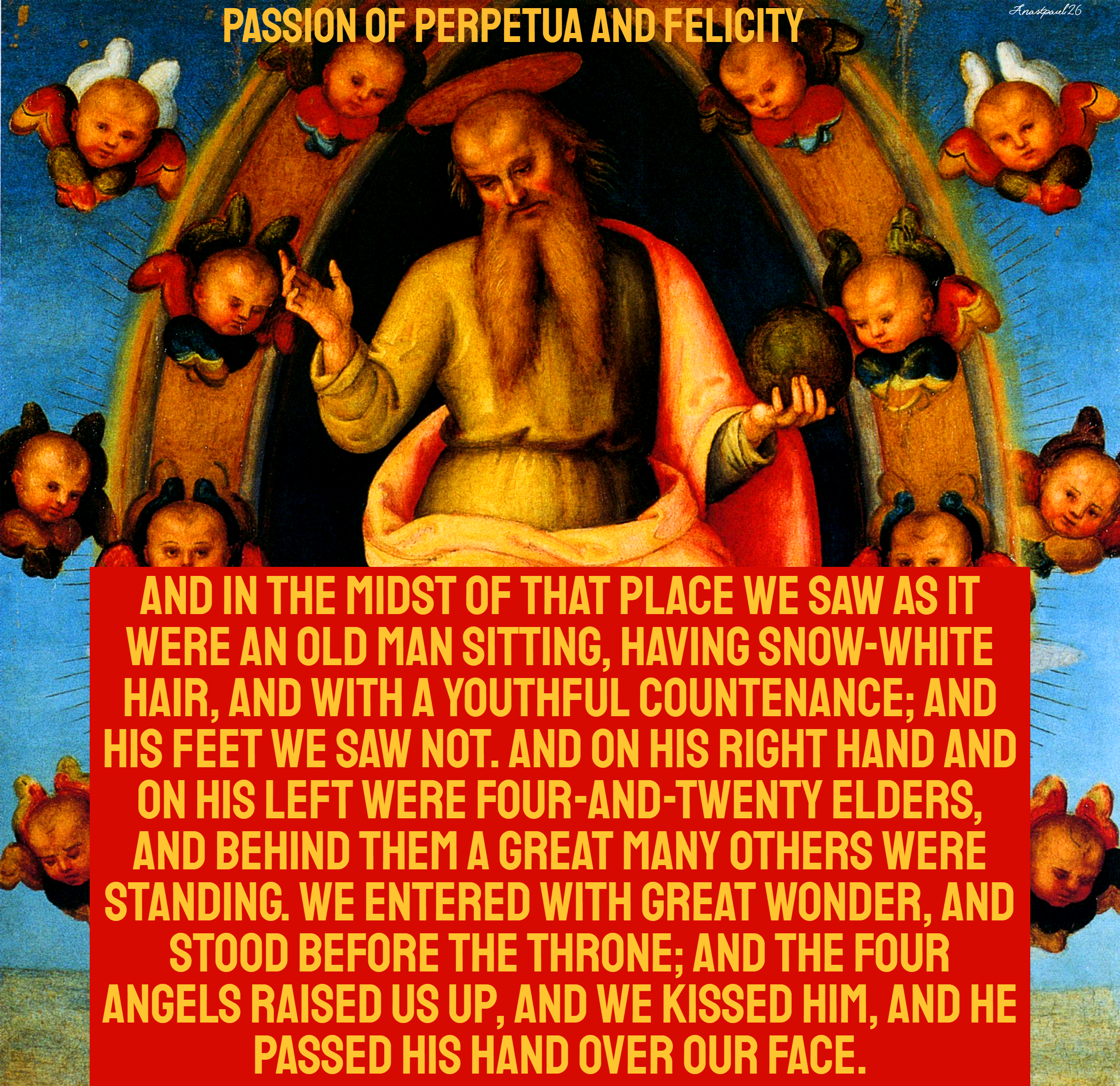
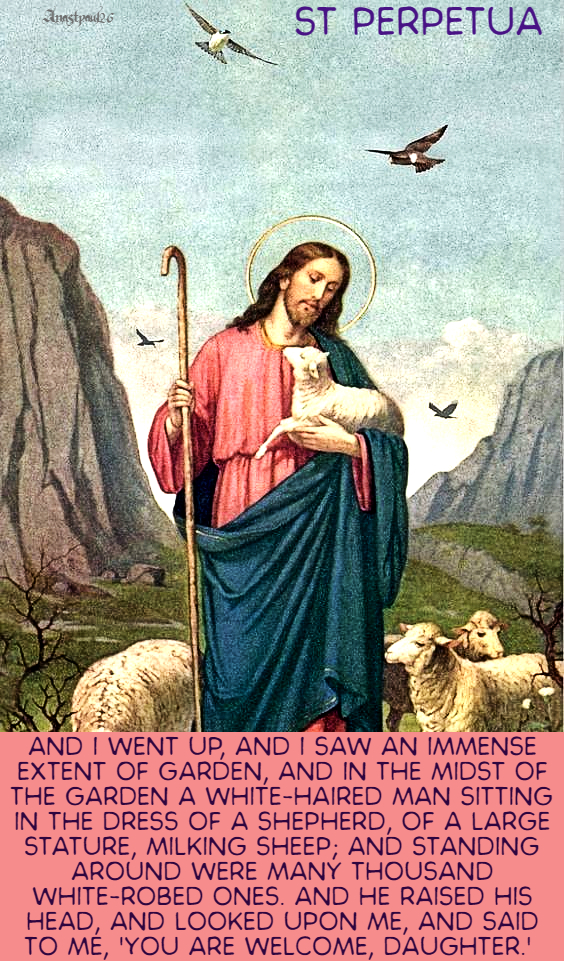
And I went up, and I saw an immense extent of garden, and in the midst of the garden a white-haired man sitting in the dress of a shepherd, of a large stature, milking sheep; and standing around were many thousand white-robed ones. And he raised his head, and looked upon me, and said to me, ‘You are welcome, daughter.’

St Perpetua

Posted in SAINT of the DAY

Saint of the Day – 18 September – Saint Ariadne of Phrygia 

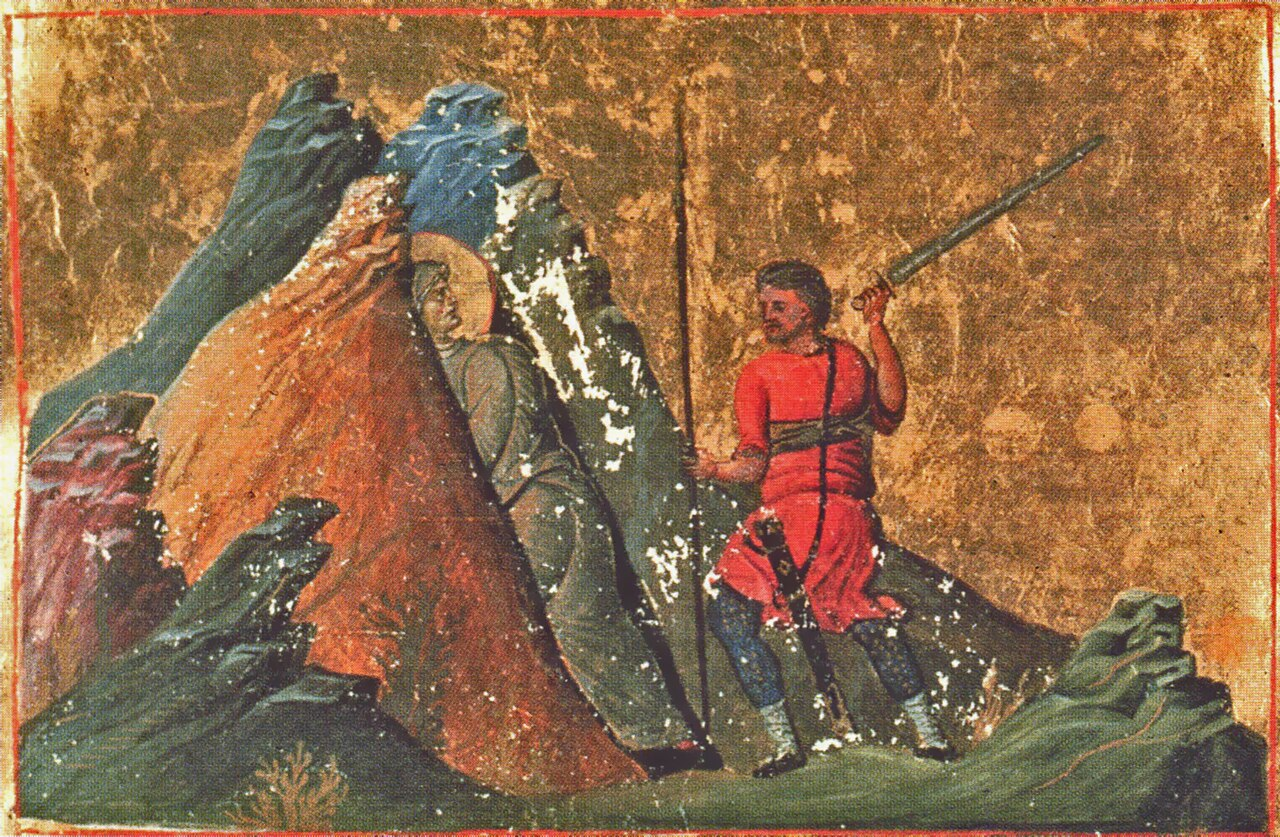
Saint Ariadne of Phrygia, also known as Ariadna, Ariane, Arianna, was a martyr and slave woman in the the 2nd century, who was owned by a Phrygian prince called Tertullus. When by an edict of emperors Hadrian and Antoninus, Christianity was outlawed. When she refused to partake in the pagan rituals on the birthday of Tertullus’ son, she was punished and her case became known to the provincial governor, Gordios.

Both she and Tertullus were convened before a tribunal where Tertullus was acquitted while she was condemned to be crucified. The people of Prymnessus intervened on her behalf to give her three days of repentance in which she then escaped the Roman authorities, fleeing into the nearby mountains where she was saved from her pursuers by a rock which opened miraculously before her and closed behind her, providing her with a tomb.

Posted in SAINT of the DAY

Saint of the Day – 14 August – St Marcellus of Apamea

St Marcellus of Apamea, bishop and martyr. Marcellus was born in Cyprus and martyred in Syria in the year 389. Having been raised strongly in the Faith by an illustrious Cypriot family, and after the reception of a great education, Saint Marcellus became a high ranking civil magistrate noted for his possessing all the virtues. In the year 375, when his wife died and his children were provided for, he left the island and devoted himself to a monastic life in Syria. Whilst there the people of Apamea chose him as their bishop. As bishop, he worked with evangelical fervor to bring pagans to Christ.

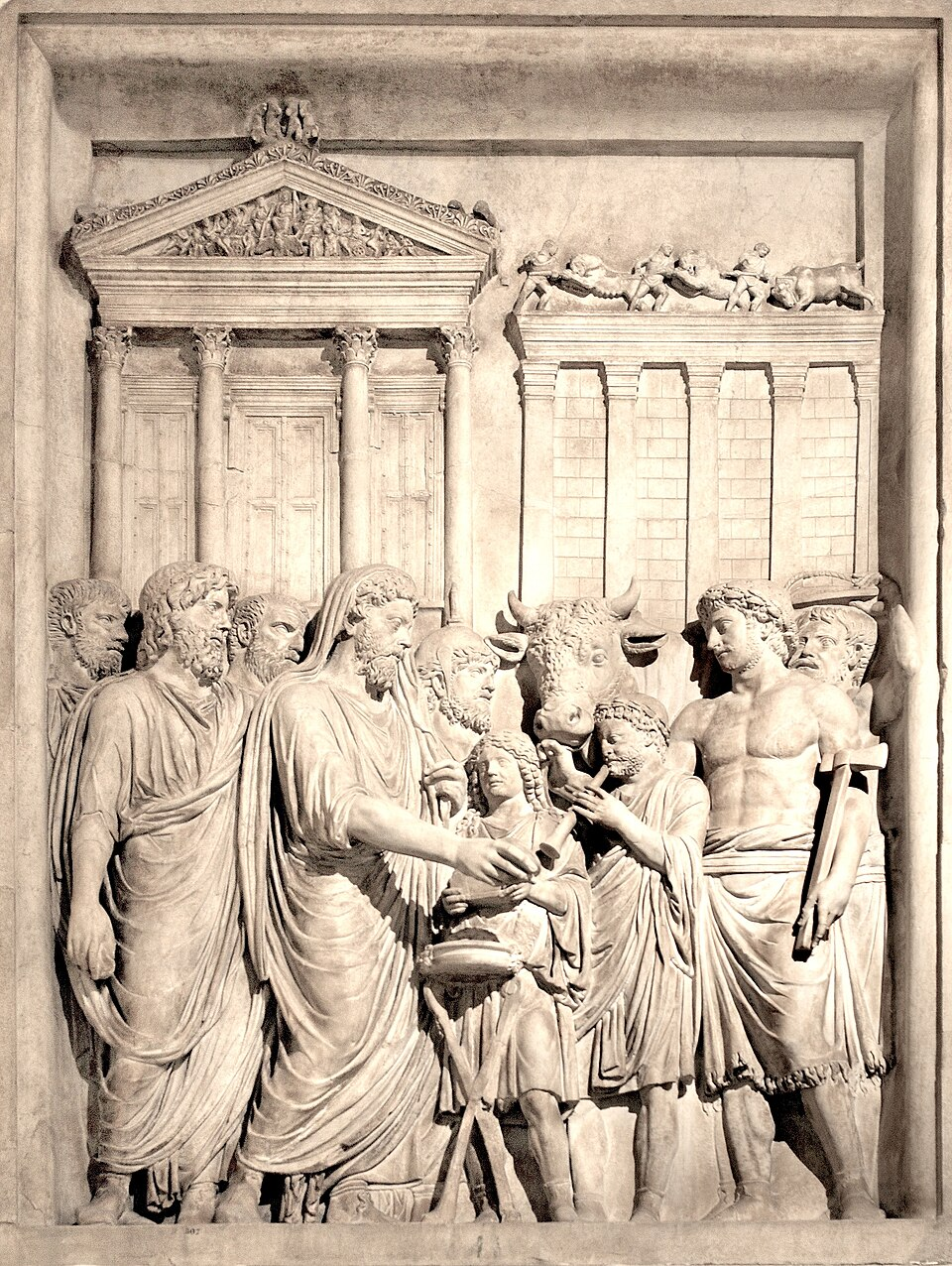
Saint Marcellus received permission from the emperor Theodosius the Great to destroy a temple of Jupiter at Apamea, but the demon inhabiting it resisted all attempts to demolish its lair. Saint Marcellus blessed some water and commanded that this be sprinkled around the wood used as leverage to undermine the great stone columns of the temple. After this, the wood burned fast, the columns fell down and the whole pagan temple collapsed in upon itself.

The Temple of Jupiter on the Capitolium

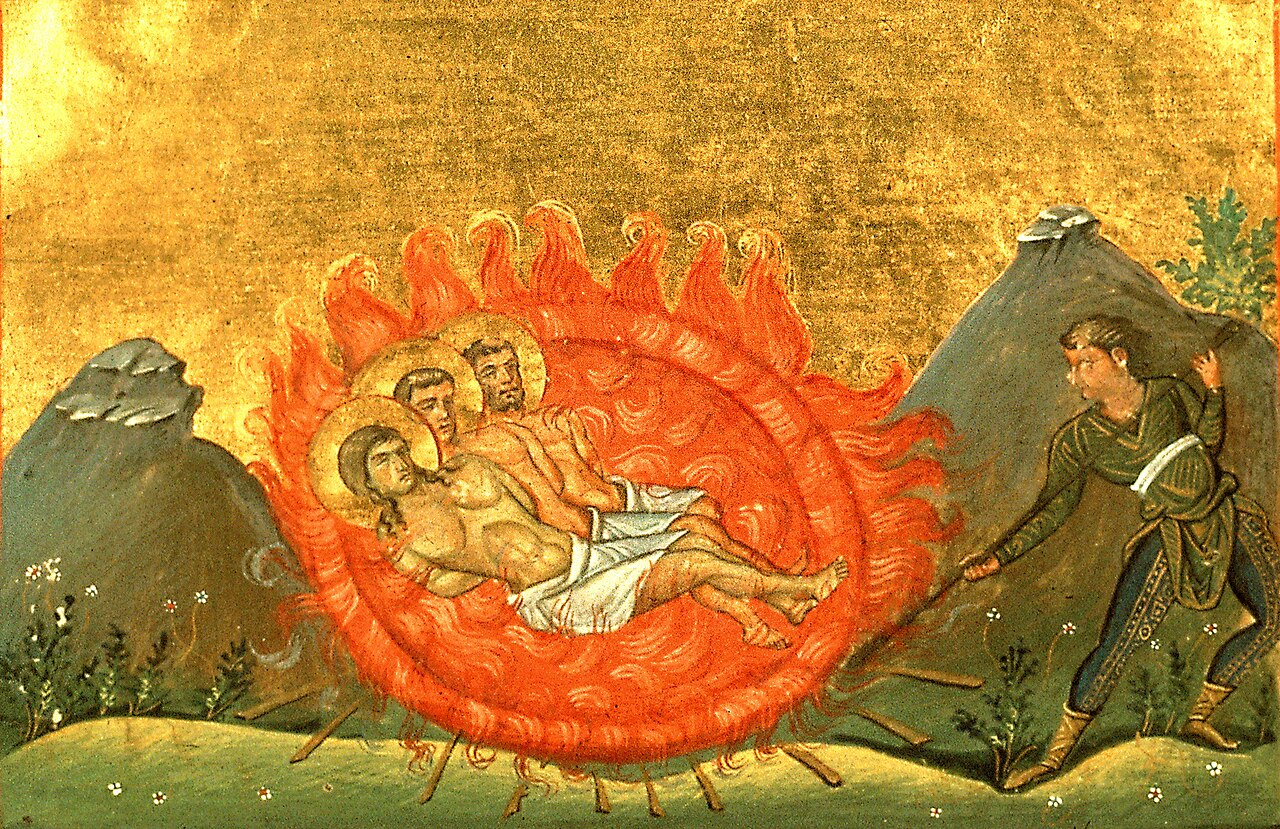
When the Roman soldiers sent to assist him, demolished another pagan temple, the saint was seized by furious pagans and thrown into a fire, where he died.