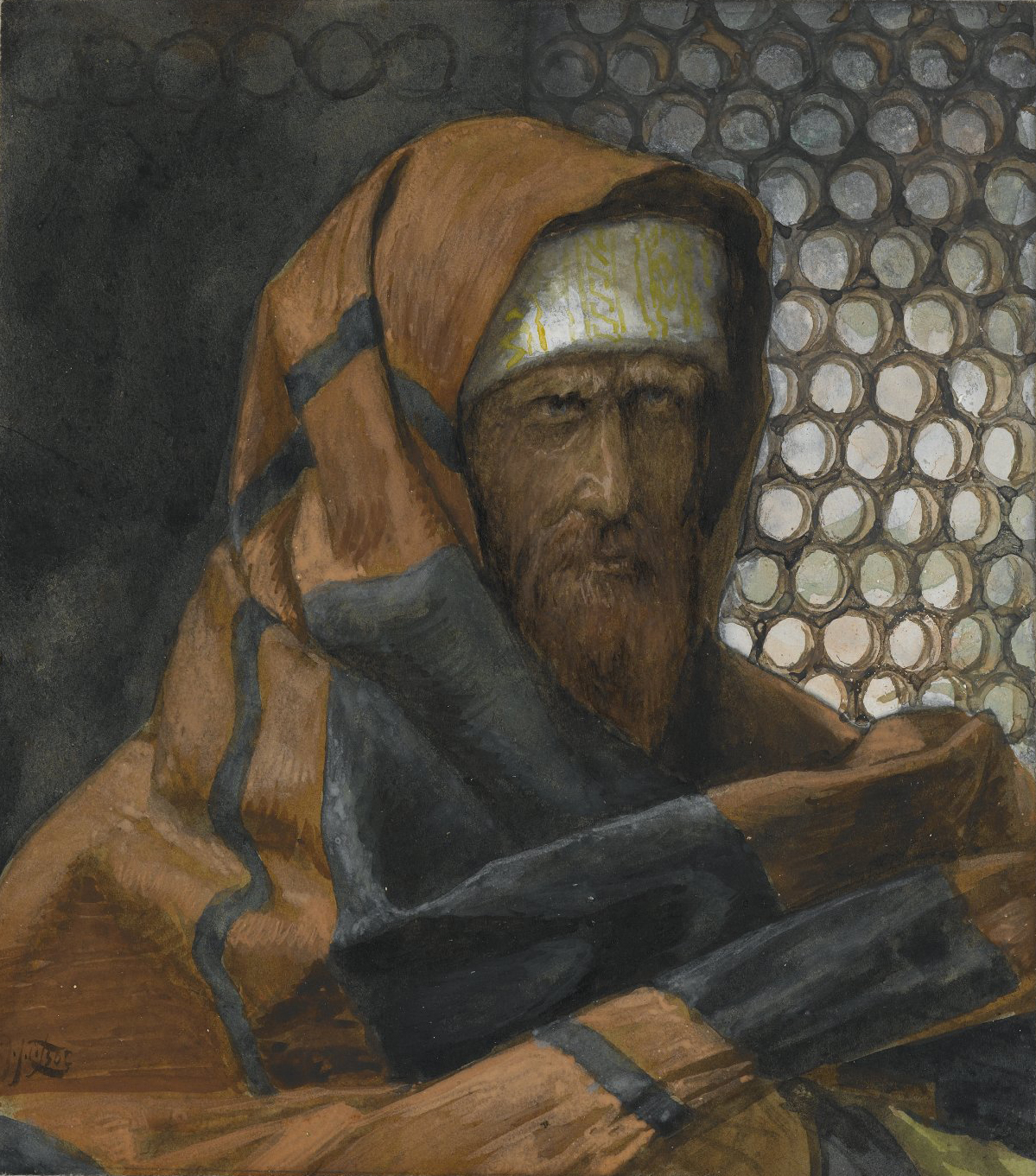
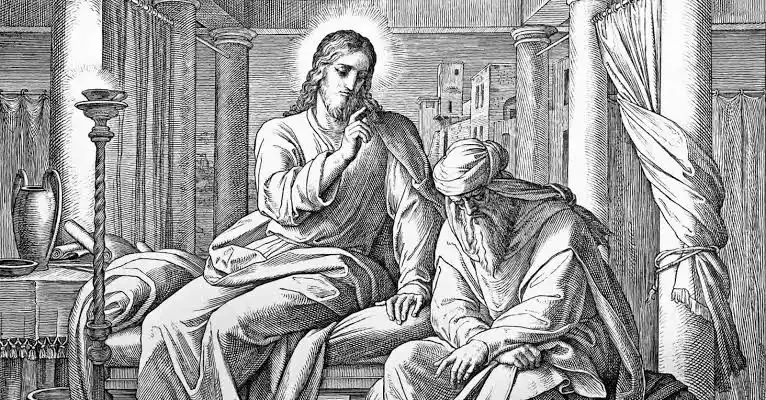
Saint Nicodemus was a Pharisee, a ruler of the Jews, a teacher of Israel, and a member of the Sanhedrin. He went in the secrecy of the night to learn from Jesus, whom he professed as a teacher sent by God. Owing to his insistence on a hearing for Jesus according to Jewish law, Nicodemus is called “defender of Jesus”. In return, the chief priests and his fellow pharisees mocked him by saying that no prophet comes from Galilee.
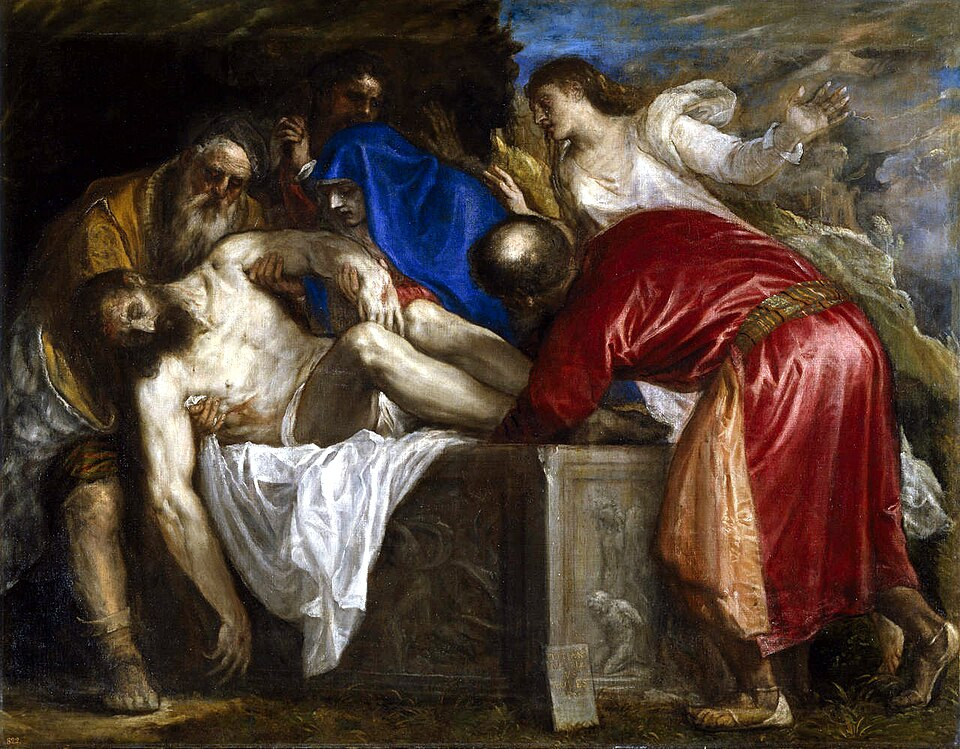
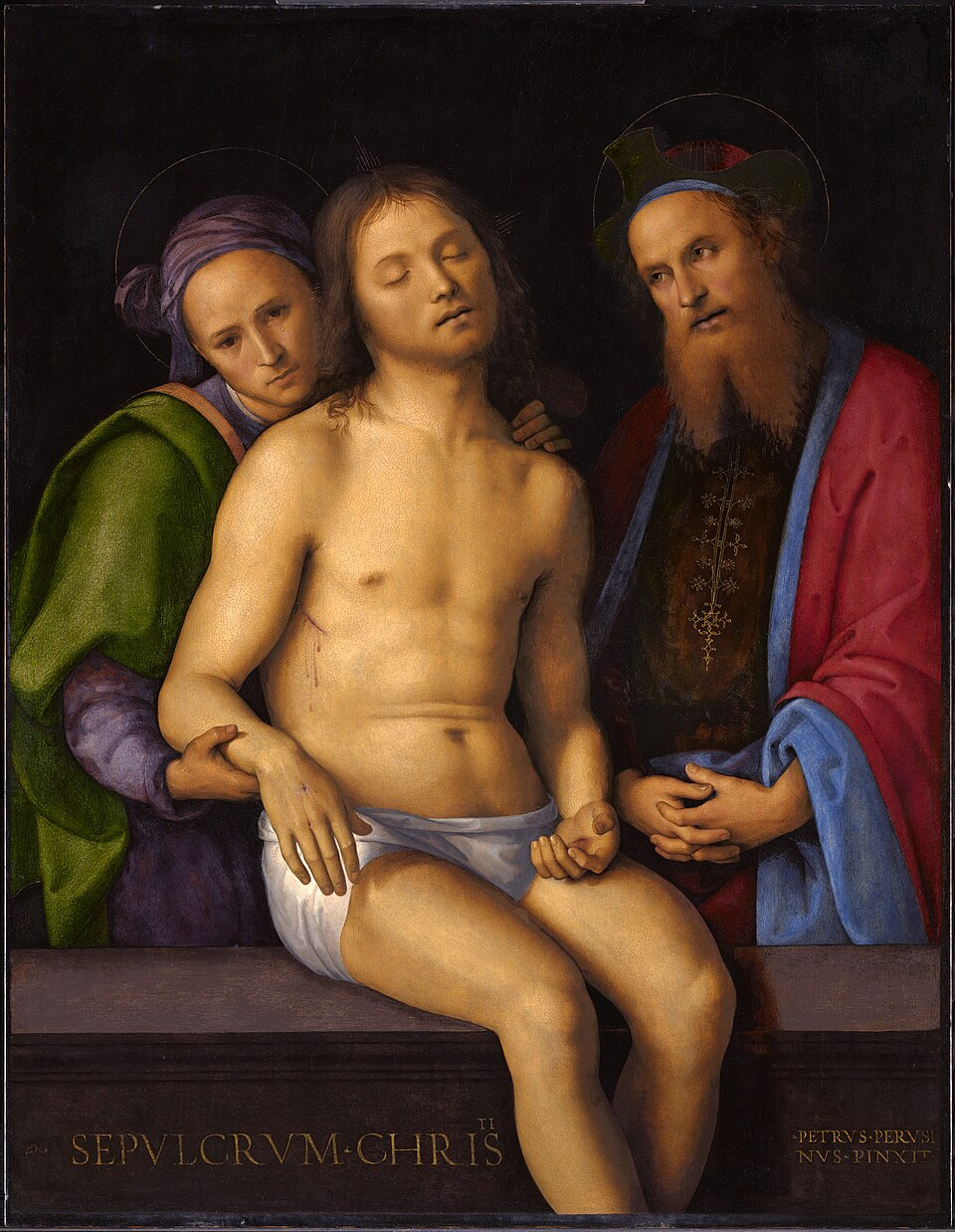
He sought to understand from Jesus how a person might be born again after having left his mother’s womb. After Jesus’ crucifixion, Nicodemus assisted Joseph of Arimathea in laying Jesus’ body in a nearby tomb. He brought a royal, thirty-three kilogramme mixture of myrrh and aloe to anoint the Saviour of the world, thus testifying to his faith and Mary Magdalene-esque devotion.
Later, he was ostracized by the Pharisees for his Christianity. He lived the remainder of his life in the home of Gamaliel, another member of the Sanhedrin. Their relics were housed and venerated together in the 5th century, along with those of St. Stephen the martyr.
He carved both the Holy Face of Lucca and the Batlló Crucifix, receiving angelic assistance with the face in particular.
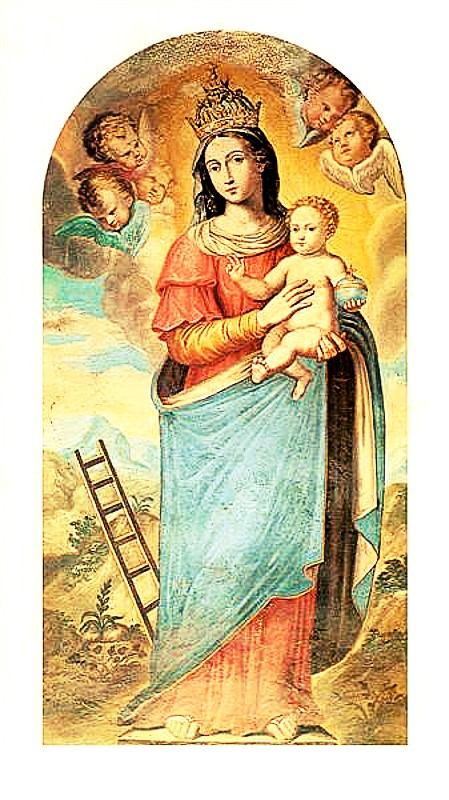
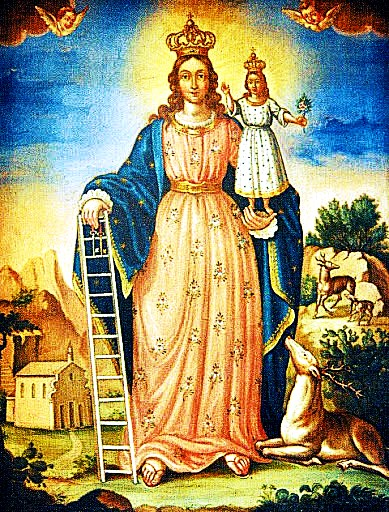
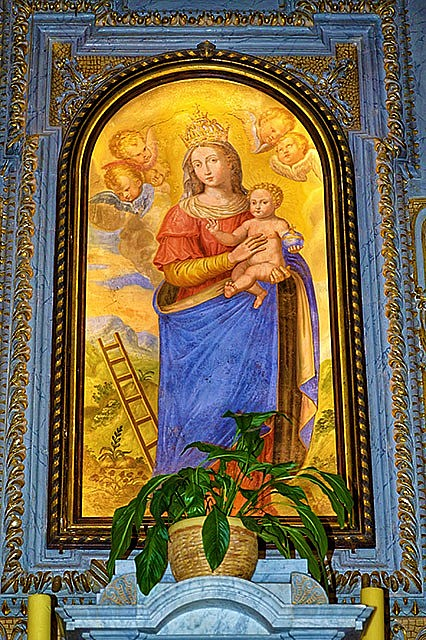
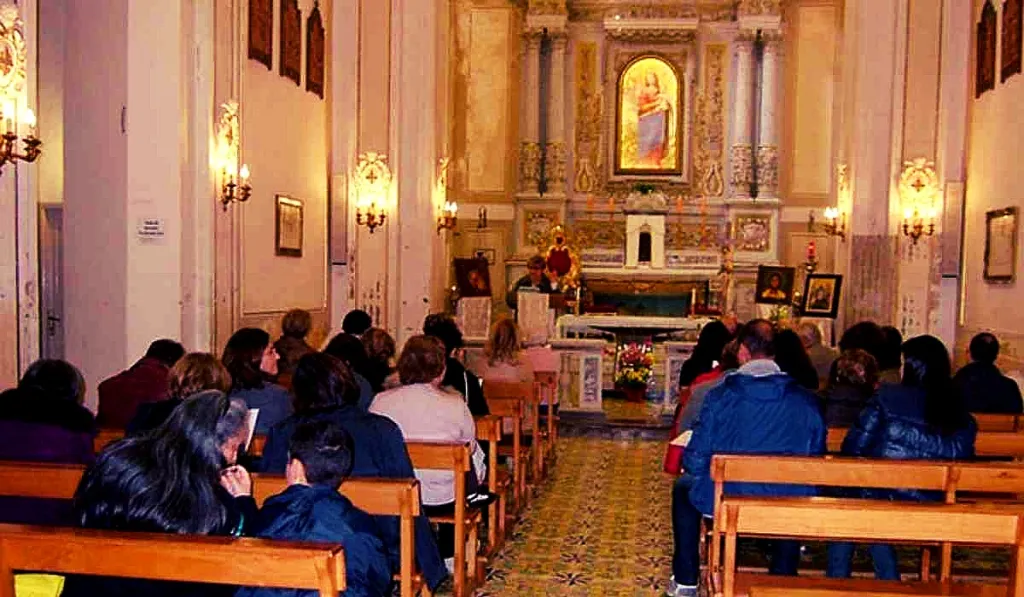
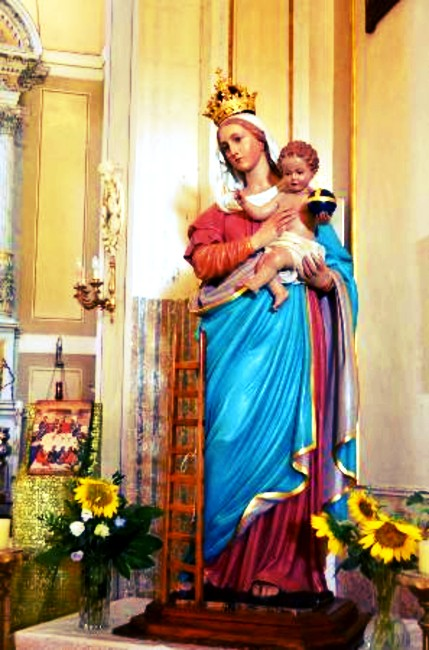
Maria Santissima Scala del Paradiso / Holy Mary, Ladder to Paradise, Noto, Siracusa, Sicily, Italy (1498) – 3 August:
Local tradition holds that Angels frescoed the image of the Madonna, Ladder to Paradise, on a rock wall in the countryside before St. Corrado di Fuori’s arrival in 1340 and, that it was discovered there on 3 August 1498. However, the Diocese of Noto, of which the Madonna della Scala is the Patron, suggests that an unknown artist created the fresco in the late 1500s or early 1600s, a period more in keeping with its style.
In any case, by the time of the earthquake that destroyed the City of Noto on 11 January 1693, popular devotion had grown around the image, surrounding it with votive lamps, ex votos left in thanksgiving for answered prayers, and eventually, an Oratory. The earthquake demolished the chapel but the image remained intact.
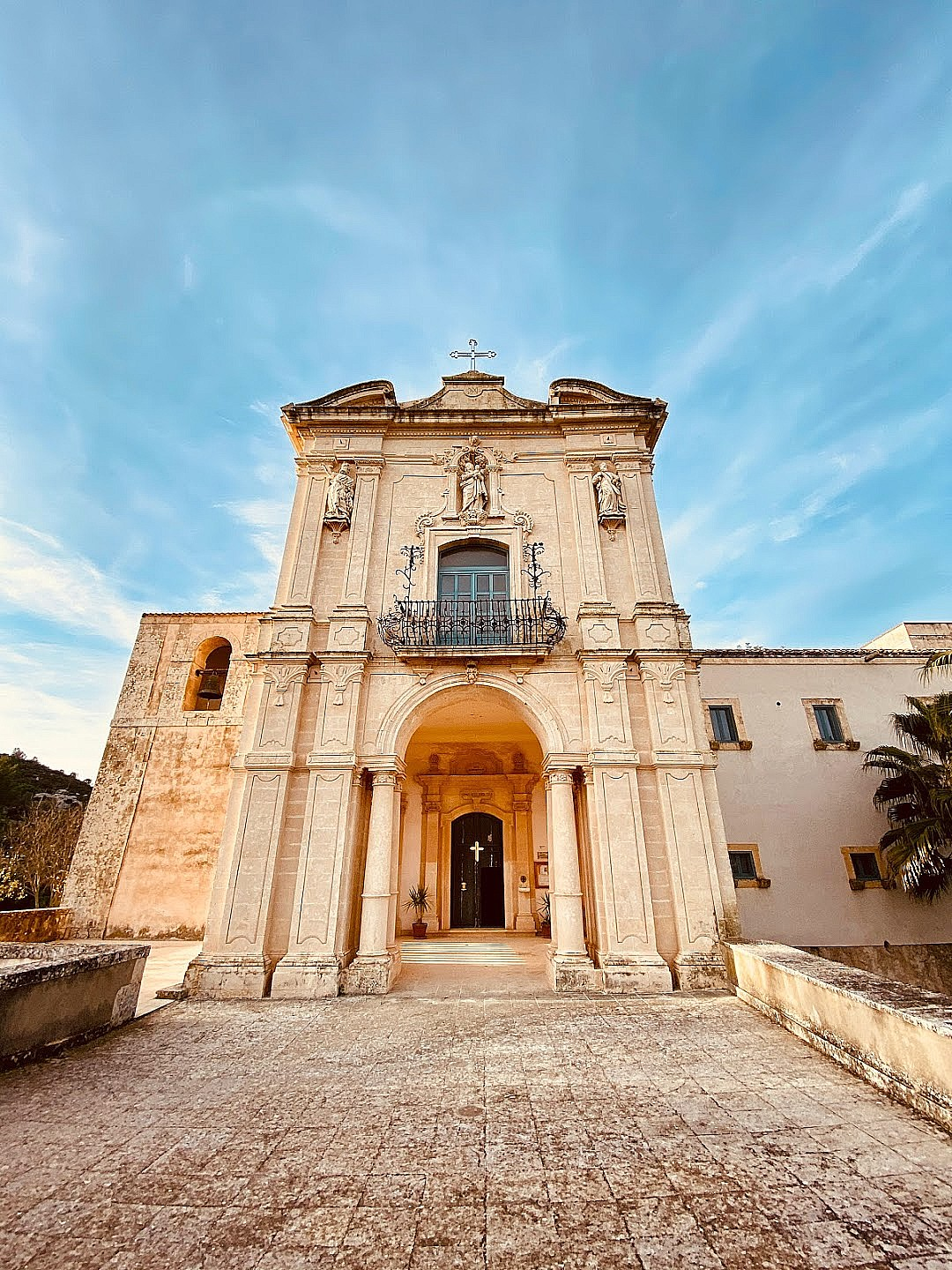
In 1708, a group of Carmelite Hermits took over the site and undertook the building of another church, which was blessed the following year. In 1712, Ven. Girolamo Terzo, recently appointed the group’s Superior, hired an expert to detach the fresco from its rock and arranged its spectacular transfer to the church, pulled by a team of untamed oxen. Ven. Girolamo promoted devotion to the Madonna of the Ladder by distributing copies of the image on evangelical visits throughout the region.
With a reputation for cures and other miracles, the Hermitage became a place of pilgrimage, particularly on the Feast of the Nativity of Mary, 8 September. The Sanctuary suffered damage during World War I.
Afterwards it was restored and in 1919 the Catholic Church gave the Madonna, Ladder to Paradise, her own liturgical feast day, 3 August. An annual festa on this date draws the people of Noto to the Shrine seven miles distant, where after Mass in the Carmelite Chapel a statuary version of the image goes in procession through all the neighbouring districts.
The image of the “Ladder to Paradise” echoes the story of Jacob (Genesis 28:12) and St John Climacus’s Ladder of Ascent, a guide to the spiritual life written in Greek in the 600s, which became popular among Western religious after its translation into Latin in the 1500s (Scala Paradisi). Here, the Virgin is identified with the way to heaven because of her role in bringing Christ to humanity and her ongoing help to all who follow Him.
St Abibas St Aspren (1st Century) Bishop of Naples
Blessed Augustine Gazotich OP (1262-1323) Bishop of Lucera, Croatia, Of the Order of Preachers. He was also noted for being the guide for Dante Alighieri as the poet travelled through Croatia. His reputation for personal holiness remained noted long after his death; this resulted in Pope Innocent XII confirming the late Bishop’s beatification in 1700.
St Dalmatius St Euphronius of Autun St Gamaliel St Gaudentia Bl Godfrey of Le Mans Bl Gregory of Nonantula St Hermellus St Nicodemus St Senach of Clonard (Died 6th Century) One of the Twelve Apostles of Ireland St Trea of Ardtree
Martyred in the Spanish Civil War: Biandrés Avelino Gutiérrez Moral Bl Antonio Isidoro Arrué Peiró Bl Eleuterio Mancho López Bl Geronimo Limón Márquez Bl Patricio Beobide Cendoya The Story of these around 10000 Martyrs of Spain:
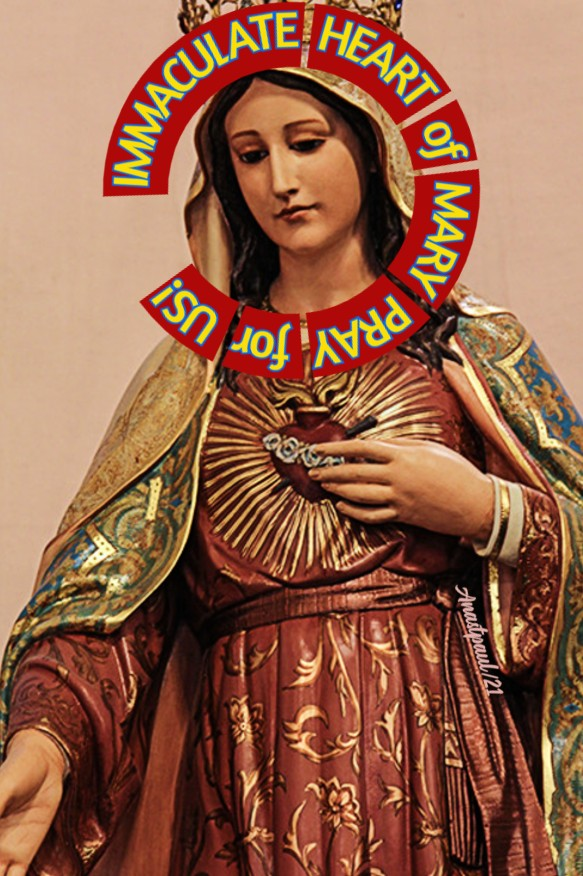
Our Morning Offering –3 August – “Month of the Immaculate Heart of Mary”
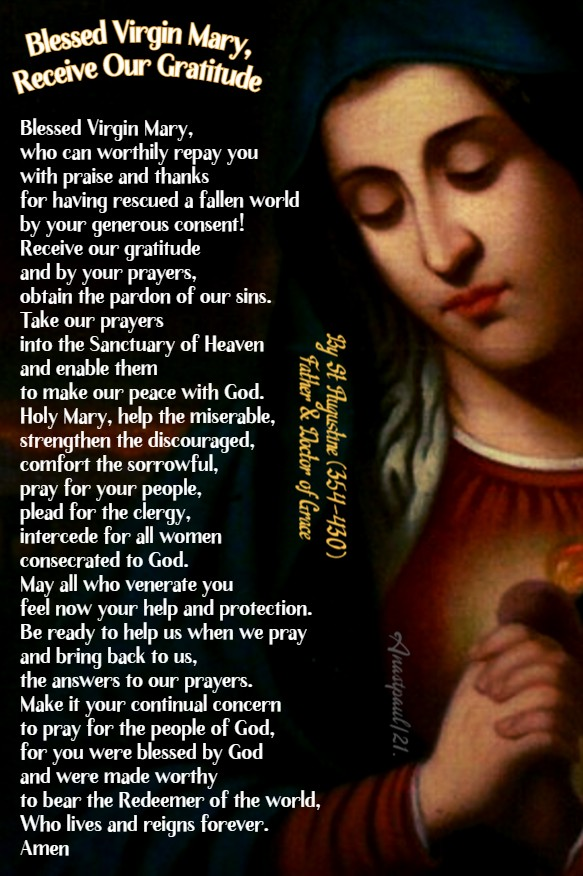
Blessed Virgin Mary, Receive Our Gratitude By St Augustine (354-430) Father & Doctor of Grace
Blessed Virgin Mary, who can worthily repay you with praise and thanks for having rescued a fallen world by your generous consent! Receive our gratitude and by your prayers, obtain the pardon of our sins. Take our prayers into the Sanctuary of Heaven and enable them to make our peace with God. Holy Mary, help the miserable, strengthen the discouraged, comfort the sorrowful, pray for your people, plead for the clergy, intercede for all women consecrated to God. May all who venerate you feel now your help and protection. Be ready to help us when we pray and bring back to us, the answers to our prayers. Make it your continual concern to pray for the people of God, for you were blessed by God and were made worthy to bear the Redeemer of the world, Who lives and reigns forever. Amen
One Minute Reflection – 3 August – “Month of the Immaculate Heart of Mary” – Readings: Ps 54:17-20; 54:23, Ps 54:2-3, 1 Cor. 12:2-11, Luke 18:9-14
At that time, Jesus spoke this parable to some who trusted in themselves as being just and despised others.
Luke 18:9-14
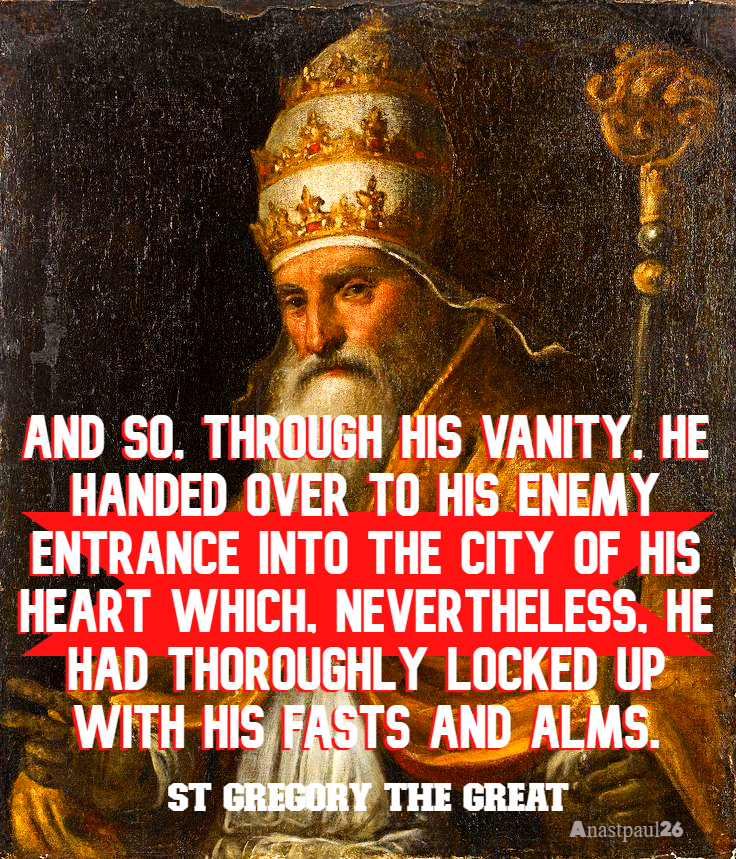
REFLECTION – With what precaution the Pharisee, who went up to the Temple to pray and who had fortified the citadel of his soul, claimed to fast twice a week and give the tenth of all he earned. When he said: “My God, I thank you,” it is very clear he had brought along every imaginable precaution with which to defend himself. However, he leaves one place open and exposed to the enemy by adding: “Because I am not like this publican here”. And so, through his vanity, he handed over to his enemy entrance into the city of his heart which, nevertheless, he had thoroughly locked up with his fasts and alms.
All other precautions are useless, then, when there remains in us some opening by which the enemy might enter. That Pharisee had conquered gluttony with abstinence; he had overcome avarice with generosity. But how much work for the sake of this victory had been made useless by a single vice? by the breach of a single sin?
This is why we ought not simply to think about doing good but watch carefully over our thoughts to keep them pure in our good deeds.For if they are a source of vanity or pride in our hearts then we are only fighting for a glory that is vain, not for that of our Creator.
Saint Gregory the Great (Moralia 76)
PRAYER – Lord our God, the Light and Creator of Light, grant that faithfully pondering on all that is holy, we may ever live in the splendour of Your presence. May we live in Your Presence, withstand the winds of the world and grow daily in faith. By the help and intercession of athe loving and Immaculate Heart of Mary You may never permit us to separate ourselves from You and thus we may come, to completion in You, Through Jesus Christ with the Holy Spirit, one God forever, amen.
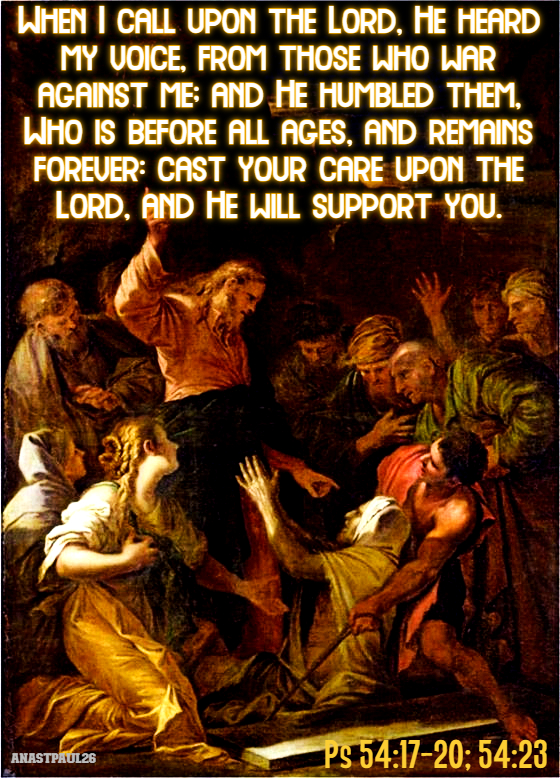
When I call upon the Lord, He heard my voice, from those who war against me; and He humbled them, Who is before all ages, and remains forever: cast your care upon the Lord, and He will support you.
Ps 54:17-20; 54:23
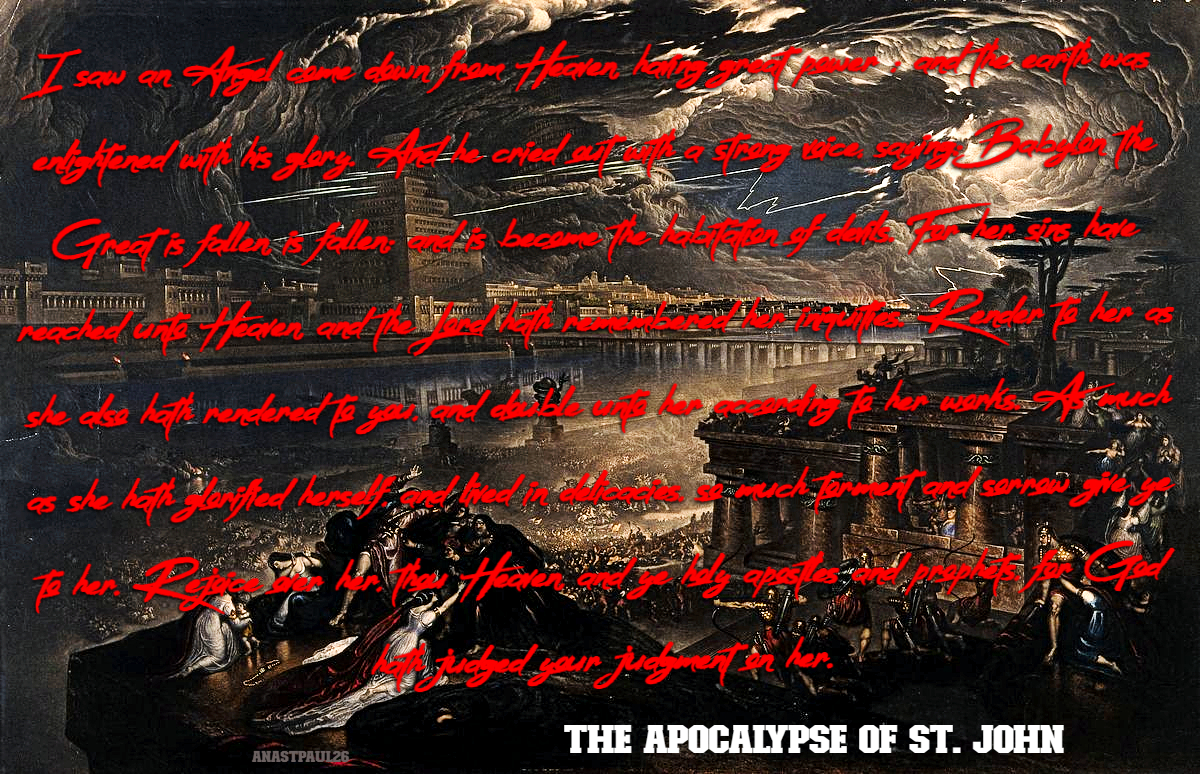
I saw an Angel come down from Heaven, having great power ; and the earth was enlightened with his glory. And he cried out with a strong voice, saying: Babylon the Great is fallen, is fallen: and is become the habitation of devils. For her sins have reached unto Heaven, and the Lord hath remembered her iniquities. Render to her as she also hath rendered to you, and double unto her according to her works. As much as she hath glorified herself, and lived in delicacies, so much torment and sorrow give ye to her. Rejoice over her, thou Heaven, and ye holy apostles and prophets, for God hath judged your judgment on her.
The Apocalypse of St John
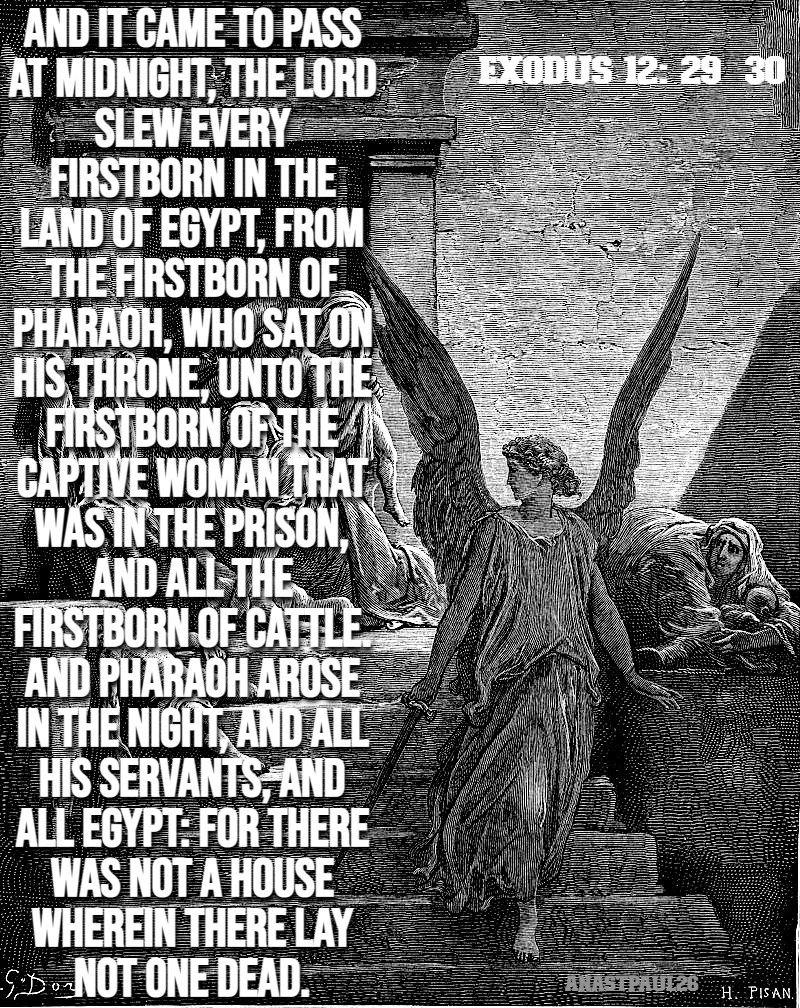
And it came to pass at midnight, the Lord slew every firstborn in the land of Egypt, from the firstborn of Pharaoh, who sat on his throne, unto the firstborn of the captive woman that was in the prison, and all the firstborn of cattle. And Pharaoh arose in the night, and all his servants, and all Egypt: for there was not a house wherein there lay not one dead.
Exodus 12: 29-30
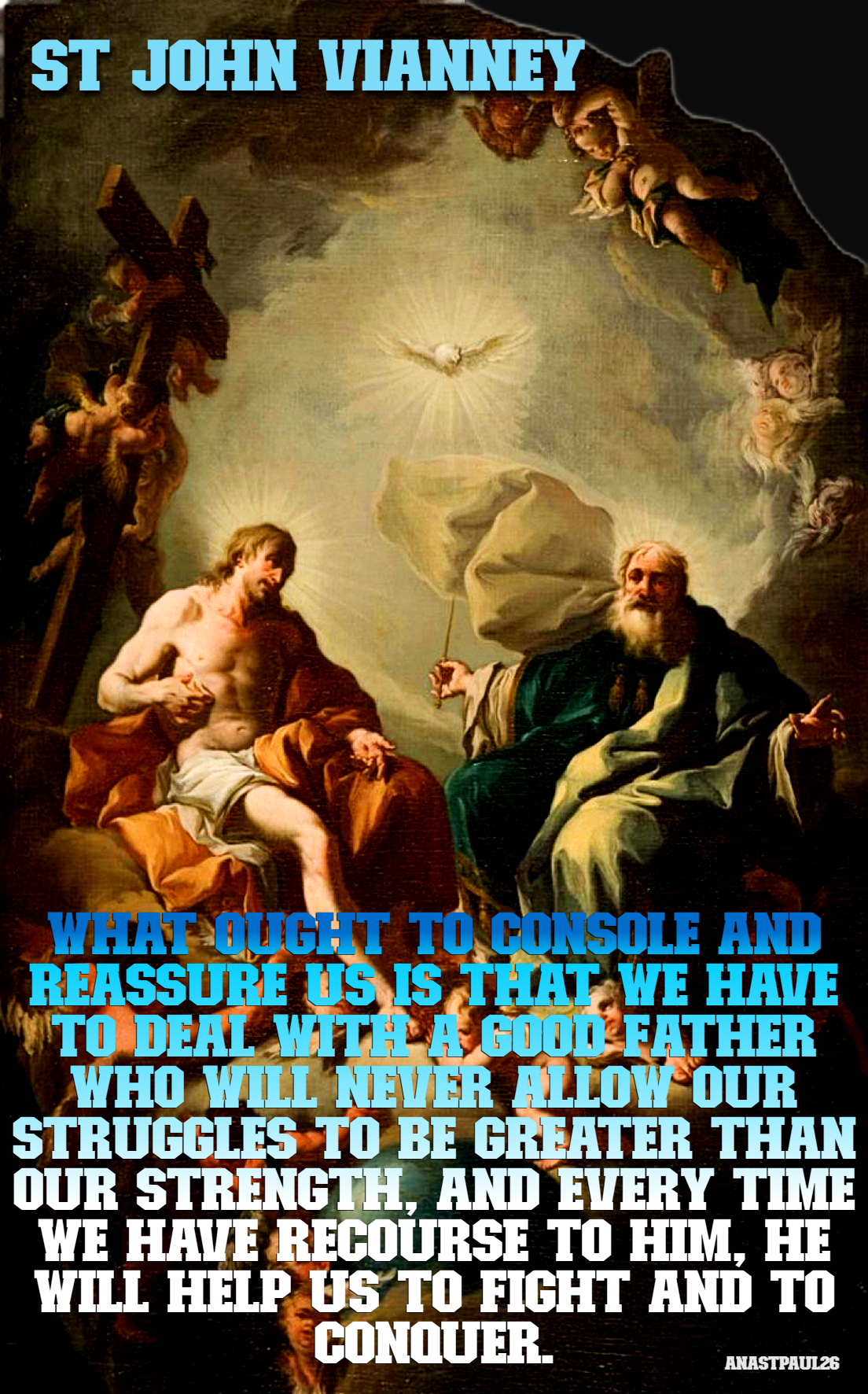
Alas, my dear brethren, some of us do not even know what it is to be tempted because we hardly ever, or very rarely, resist. Which one of us can expect to escape from all these dangers? Which one of us will be saved? Anyone who wanted to reflect upon all these things could hardly go on living, so greatly terrified would he be! However, my dear brethren, what ought to console and reassure us is that we have to deal with a good Father Who will never allow our struggles to be greater than our strength, and every time we have recourse to Him, He will help us to fight and to conquer.
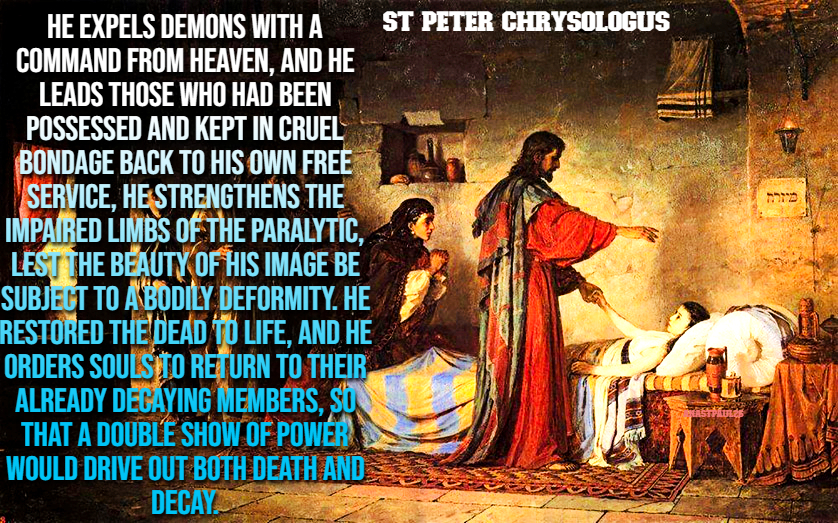
He expels demons with a command from heaven, and he leads those who had been possessed and kept in cruel bondage back to his own free service, he strengthens the impaired limbs of the paralytic, lest the beauty of his image be subject to a bodily deformity. He restored the dead to life, and he orders souls to return to their already decaying members, so that a double show of power would drive out both death and decay.
St Peter Chrysologus
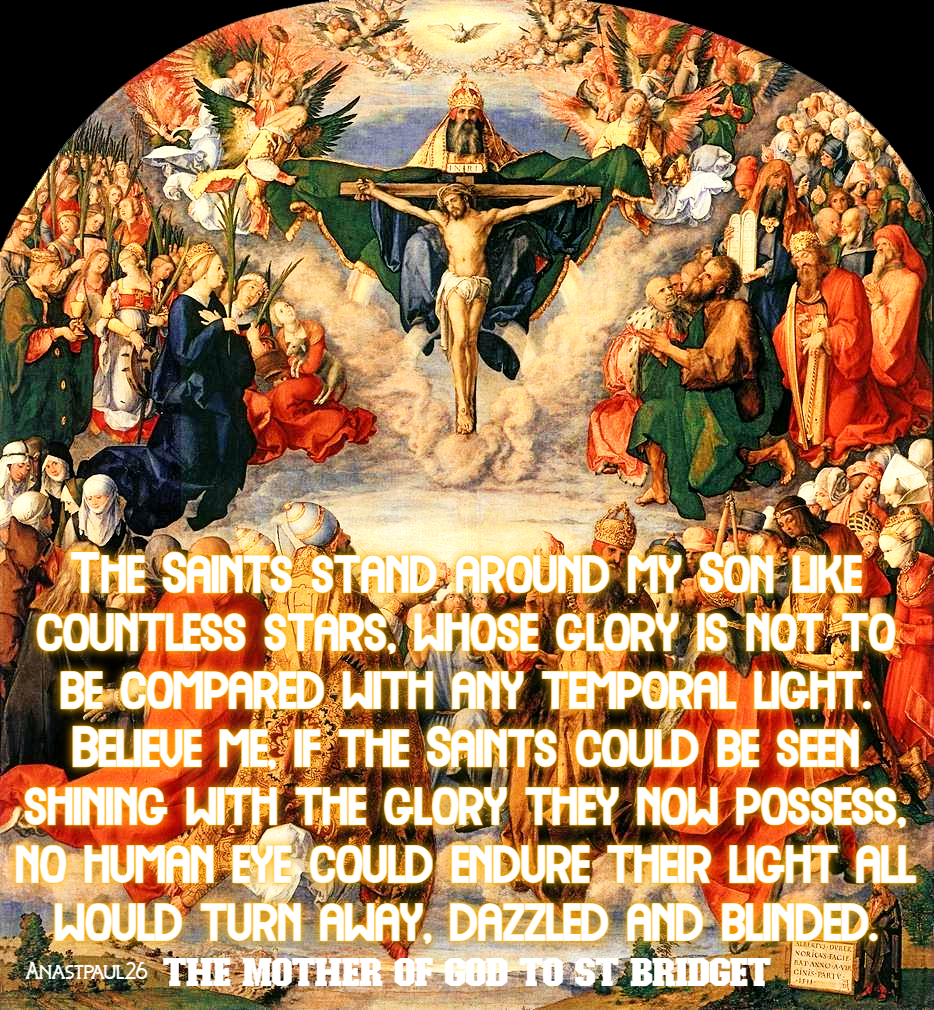
The Saints stand around my Son like countless stars, whose glory is not to be compared with any temporal light. Believe me, if the Saints could be seen shining with the glory they now possess, no human eye could endure their light all would turn away, dazzled and blinded.
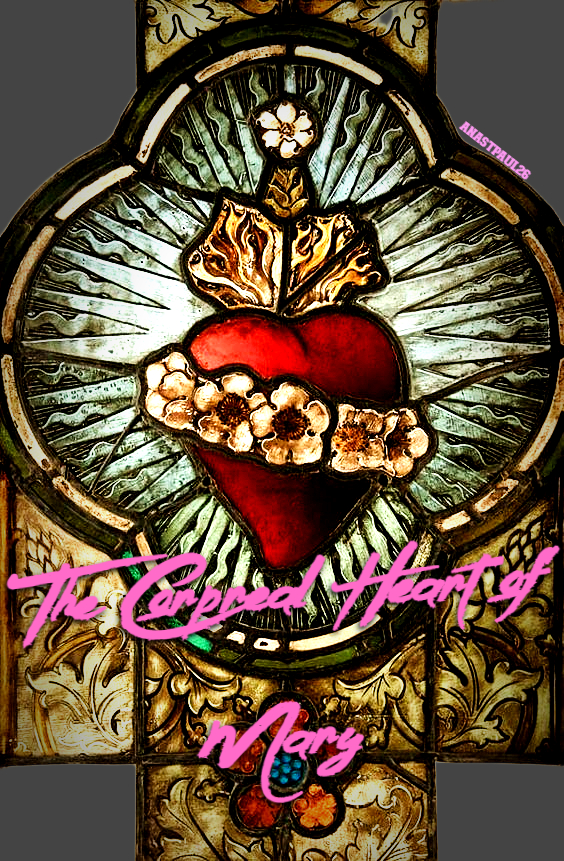
Just as everything in Our Lord Jesus Christ is great and admirable, so also everything that concerns Mary, His holy Mother, is replete with grandeur and marvels. Every part of the sacred humanity of the Son of God is deified and raised to an infinite dignity through its union with the Divinity; so likewise everything in the Blessed Virgin Mary is ennobled and sanctified by her divine maternity. There is no part of the sacred body of the God-Man that is not worthy of the eternal admiration of angels and men, and there is nothing in the virginal body of the Mother of God that is unworthy of the eternal praise of all creatures.
There are five marvellous prerogatives of the corporeal heart of Mary which render it forever worthy to receive the veneration of men and angels.
The first prerogative consists in the fact that the heart is the principle of the life of our holy Mother. It is the principle of all the functions of her bodily, material life, ever holy in itself and in its every function and employment. It is the source of the life of the Mother of God, the life of her who gave birth to the only Son of God, the life of the woman through whom God gave life to all the children of Adam, sunk as they were in the abyss of eternal death. Finally, her heart is the source of a life so holy, so noble, so sublime that it is more precious in the sight of God than the lives of all the angels and men.
The second prerogative of the corporeal heart of Mary is that it produced the virginal blood with which the sacred body of the God-Man was formed in the chaste womb of His blessed Mother.
The third prerogative of Mary’s heart of flesh is that it was the source of the human, material life of the Infant Jesus during the nine months that He dwelt in Mary’s sacred womb. While the infant is in its mother’s bosom, the mother’s heart is to such an extent the source of the infant’s life that both mother and infant can be said to depend upon it for their existence. Mary’s admirable heart was therefore the source of the two most noble and precious lives, at once the source of the holy life of the Mother of God and of her only son, the humanly divine as well as the divinely human life of the God-Man.
The fourth prerogative of the amiable heart of Mary to Jesus, who is her Son and her Father, her Brother and her Spouse: “Our bed is flourishing,” that is, our bed is covered and perfumed with flowers. What is this bed? It is the pure heart of the Blessed Virgin where the divine Infant so gently rested?
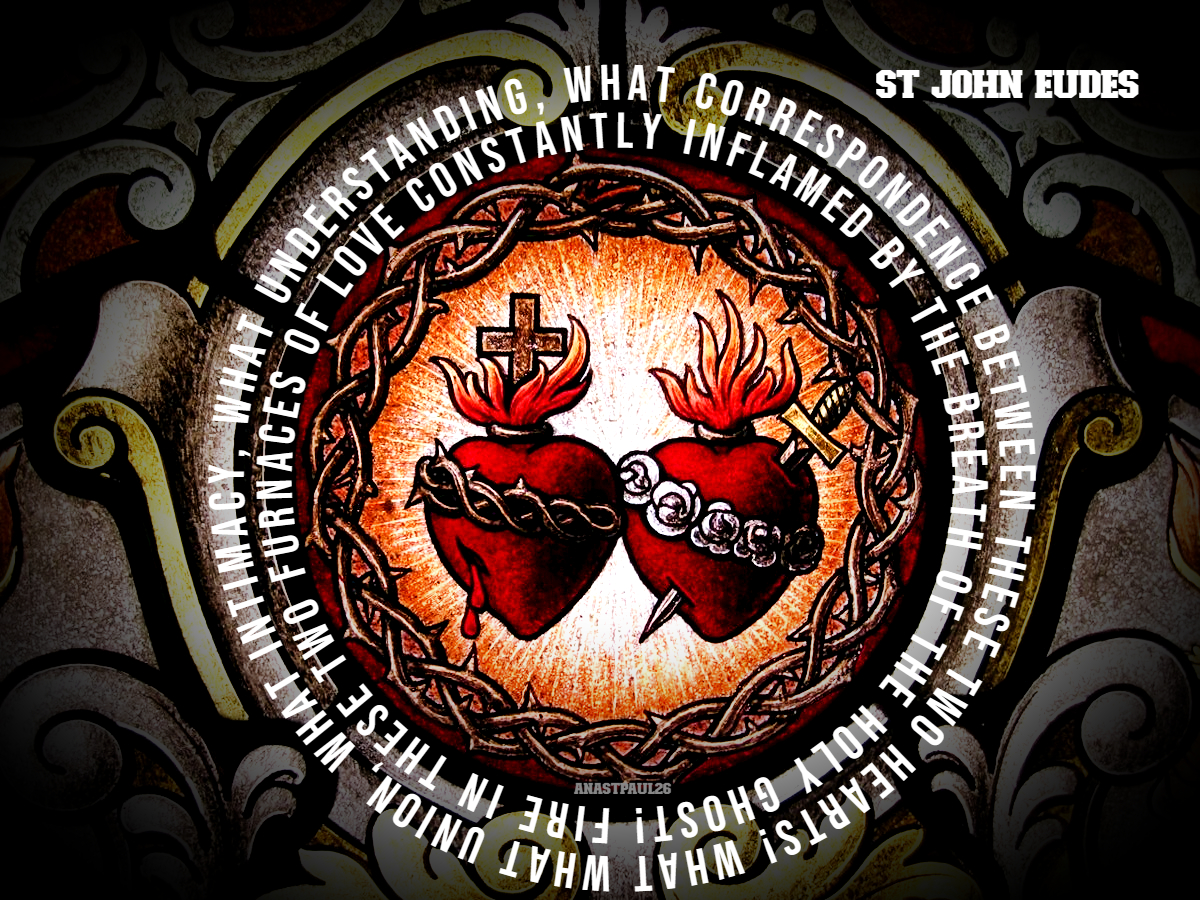
It was a great privilege for St. John, the beloved disciple, to have rested once on the Saviour’s adorable breast, from which he drew such great light and derived the knowledge of so many marvellous secrets. But not only once but many times did our divine Saviour rest on the virginal heart of His dearest Mother.What abundance of lights, of grace and of blessings the Eternal Sun, the very source of light and grace, must have poured into that maternal heart, on which He rested so often! Her heart never interposed the slightest obstacle to divine grace. On the contrary, she was always disposed to welcome every celestial favor. Our Lord loved her heart more than all other hearts put together, and was in turn loved by it more perfectly than by the hearts of all the Seraphim. What union, what intimacy, what understanding, what correspondence between these two Hearts! What fire in these two furnaces of love constantly inflamed by the breath of the Holy Ghost!
And now we come to the fifth prerogative of this holy heart. It is the altar upon which a great and perpetual sacrifice, most agreeable to God, is constantly offered. On it are immolated all the natural passions which reside in the human heart.
We may consider the most pure body of Mary as a sacred temple, indeed as the most august temple that ever was or will be, next to the temple of the sacred humanity of Jesus Christ, her divine Son.



You must be logged in to post a comment.