Posted in CATHOLIC Quotes

Quote/s of the Day – 9 August – St John Vianney

Quote/s of the Day  – 9 August – “Month of the Immaculate Heart” – The Memorial of St John Marie Baptiste Vianney (1786-1859) – Readings: Ps 111:9, Ps 111:1, Ecclus 51:1-8, 12, Matt 16:24-27
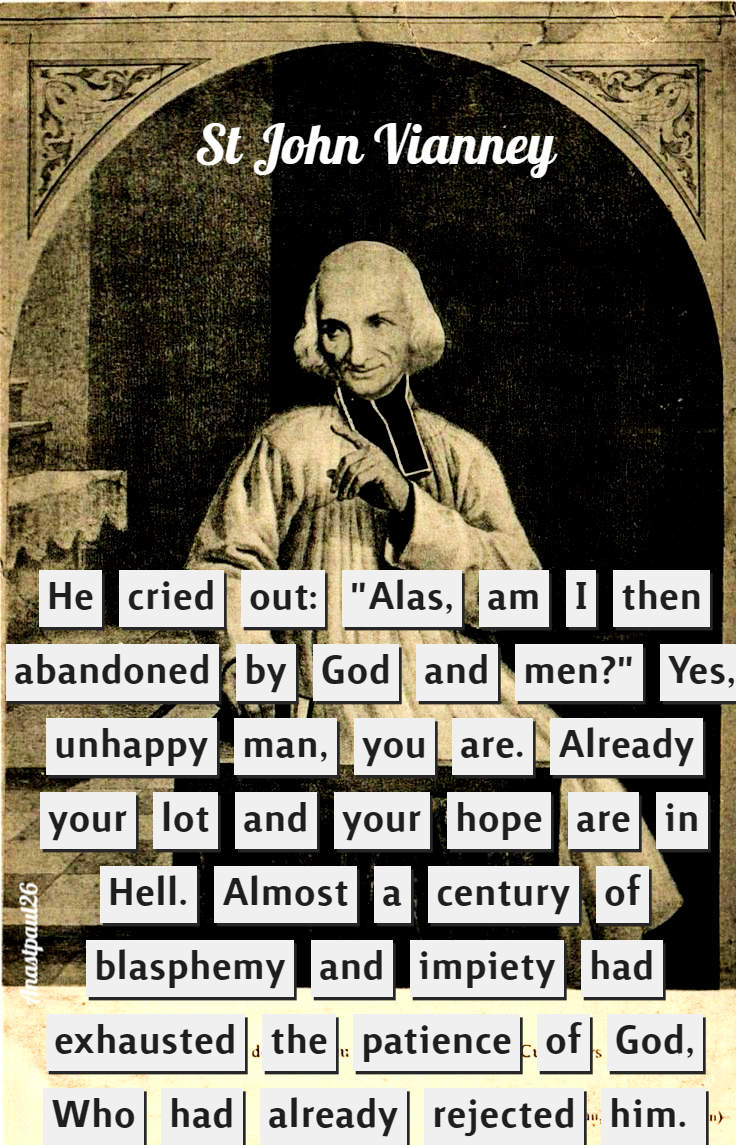
Voltaire, realising that he was ill, began to reflect upon the state of the sinner who dies with his conscience loaded with sins. He wished to examine his conscience and to see whether God would be willing to pardon him all the sins of his life, which were very great in number. He counted upon the mercy of God, which is infinite, and with this comforting thought in mind, he had brought to him one of those priests whom he had so greatly outraged and calumniated in his writings. He threw himself upon his knees and made a declaration to him of his sins and put into his hands the recantation of all his impieties and his scandals. He began to flatter himself on having achieved the great work of his reconciliation. But he was gravely mistaken. God had abandoned him; you will see how. Death anticipated all spiritual help. Alas! This unfortunate blasphemer felt all his terrors reborn in him. He cried out: “Alas, am I then abandoned by God and men?” Yes, unhappy man, you are. Already your lot and your hope are in Hell. Almost a century of blasphemy and impiety had exhausted the patience of God, Who had already rejected him.  He was no more than a victim which the wrath of God fattens for the eternal flames. The priests whom he had so derided but whom, in this moment he so desired, were not there.
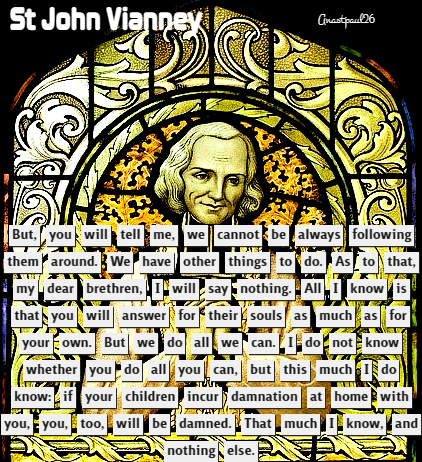
But, you will tell me, we cannot be always following them around. We have other things to do. As to that, my dear brethren, I will say nothing. All I know is that you will answer for their souls as much as for your own. But we do all we can. I do not know whether you do all you can, but this much I do know: if your children incur damnation at home with you, you, too, will be damned. That much I know, and nothing else. You may go on saying “No” to that, saying that I go too far. You will agree with it if you have not entirely lost your faith. That alone should suffice to cast you into a state of despair from which you could not emerge. But I know well that you will not take another step to fulfil any better your duties to your children. You are not at all disturbed, and you are almost right, for you will have plenty of time to torment yourselves during all eternity.
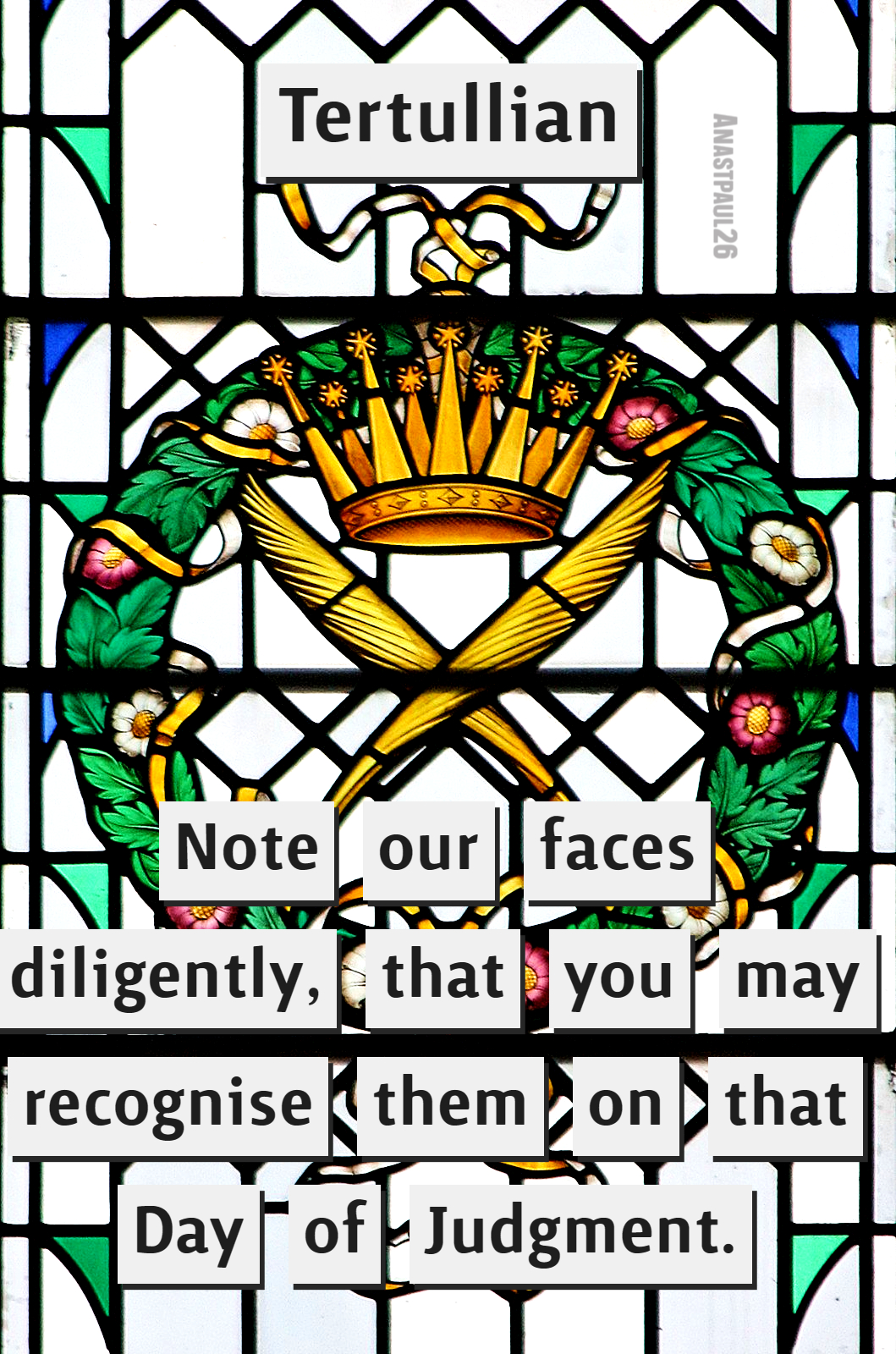
We will wait until the Judgment, and you will be obliged to recognise what you do not wish to recognise today. 
Tell me, unhappy people, would it not be better for you to take your places among the savage beasts? Where is your religion, then, and your anxiety to do your duty? Alas! As far as religion is concerned, you have none. As for your duties, have you ever known what they were? That you have not, you give proof every day. Ah, poor children, how unfortunate you are to belong to such parents!
Go away, you wretched sinners, and watch a little more carefully over your children.
I tell you: 1. That as soon as a woman is pregnant, she should say some prayers or give some alms. Better still, if she can do so, she should have a Mass said to ask the Blessed Virgin to take her under her protection, so that she may obtain from God the blessing that this little child may not die without having received holy Baptism. If a mother truly had the religious spirit, she would say to herself: “Ah! If I could only be sure of seeing this little child becoming a saint, of seeing him for all eternity by my side, singing the praises of God! What a joy that would be for me!” But no, my dear brethren, that is not the thought which occupies the mind of an expectant mother. She will experience, rather, a devouring resentment on beholding herself in this state and perhaps the thought of even destroying the fruit of her womb will come to her. Oh, dear God! Can the heart of a Christian mother conceive such a crime? Yet we shall see some of them who unashamedly will have entertained such homicidal thoughts! 
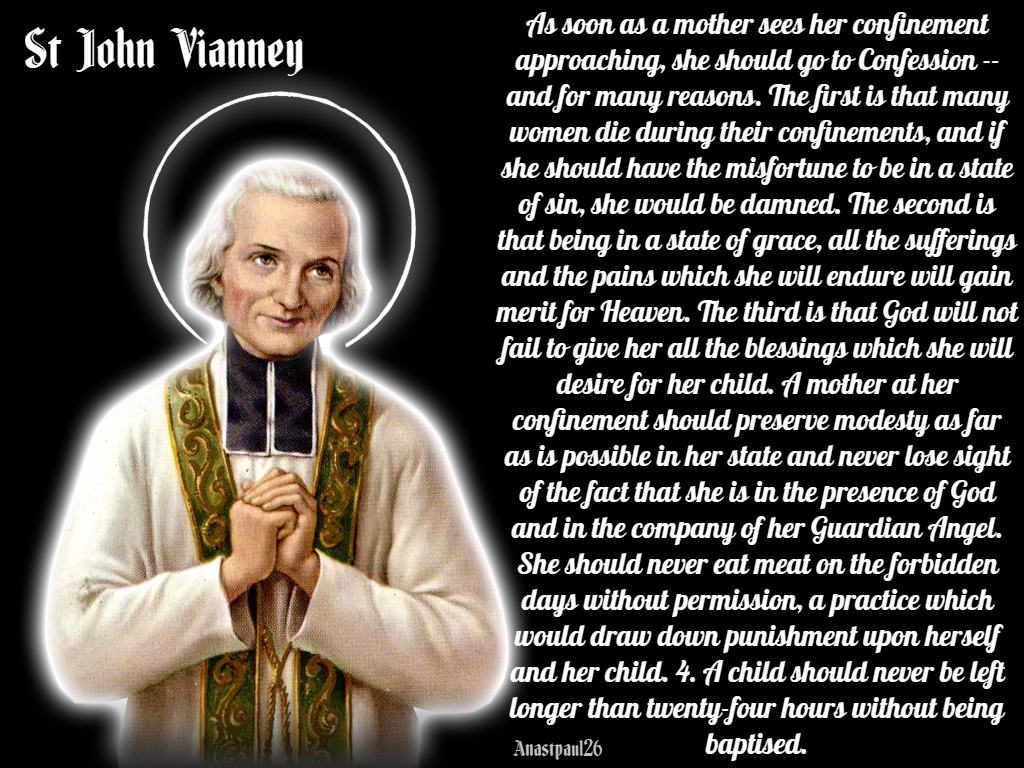
As soon as a mother sees her confinement approaching, she should go to Confession — and for many reasons. The first is that many women die during their confinements, and if she should have the misfortune to be in a state of sin, she would be damned. The second is that being in a state of grace, all the sufferings and the pains which she will endure will gain merit for Heaven. The third is that God will not fail to give her all the blessings which she will desire for her child. A mother at her confinement should preserve modesty as far as is possible in her state and never lose sight of the fact that she is in the presence of God and in the company of her Guardian Angel. She should never eat meat on the forbidden days without permission, a practice which would draw down punishment upon herself and her child. 4. A child should never be left longer than twenty-four hours without being baptised.

MORE:
Posted in SAINT of the DAY

Saint of the Day – 8 August – Saint Hormisdas of Persia

St Hormisdas of Persia (or Hormizd) was the son of a governor and a Persian martyr who died in the fifth century. At the time Christians were being persecuted by the Persian kings, and the tortures and method of murder inflicted upon them ws so cruel and horrible that according to sources from the period, it was difficult to even put it into words. Even worse than threat of pain, the Persian kings offered barbarism in one hand, and offers of power in the other. Despite this dual onslaught against weak human nature, the most terrible possible, many Christians stood fast to the Faith.

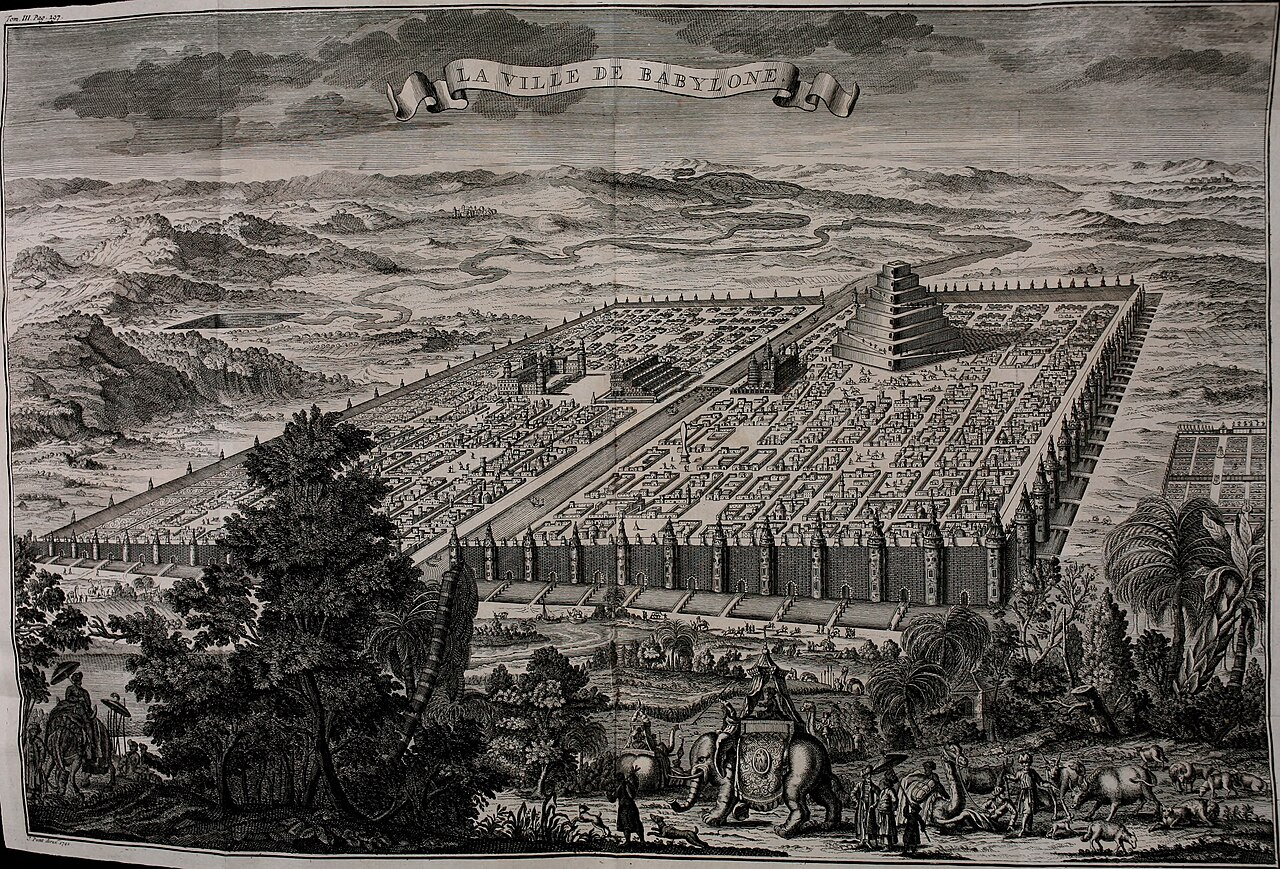
Babylon

High status and power were taken from Hormisdas because of his strict allegiance to Christianity. From a nobleman, he was stripped of everything, including most of his clothes, and made to take care of the royal camels.

In answer to the king’s demand that he renounce Christ, Hormisdas refused, saying that such a denial would offend God, and that a man willing to violate the supreme law of the sovereign Lord of all could not be trusted to remain faithful even to his earthly king. He added that if treason against an earthly sovereign is punishable by death, “what must it be to renounce the God and ruler of the universe?”

After a long time suffering humiliation, the king pitied the saint, gave Hormisdas a tunic and offered him clemency if he would “renounce the Carpenter’s Son.” In response, Hormisdas stripped off the tunic, asking the emperor how he could have believed it would persuade him to abandon the law of God. He was executed in the year 420 by Bahram V.

Posted in MARIAN TITLES

Santa Maria della Querce / Our Lady of the Oak, Lucignano, Arezzo, Tuscany, Italy (1417) and Memorials of the Saints – 8 August

Santa Maria della Querce / Our Lady of the Oak, Lucignano, Arezzo, Tuscany, Italy (1417) – 8 August, Third Saturday of September:
In 1417 Feliciano Batone painted a fresco of the Pietà on a wayside Shrine beneath a great oak . Fifty years later, there was a surge in devotion to the Madonna of the Oak after the story circulated that on 8 August 1467, a man from Siena, running from his enemies, stopped there to pray to Mary, who made him invisible to his pursuers.

A small wooden Chapel was built to protect the image and Consecrated that year. Located on a hill northeast of the old City centre, beyond the Medici Fortress and the cemetery, the present Church was designed by Giorgio Vasari in 1558 and Consecrated in 1617.

On the third Sunday of September, near the feast of the Sorrowful Mother on S15 September, Lucignano celebrates St. Mary of the Oak with religious services, food, games and fireworks.

St Aemilian of Cyzicus
St Altman of Passau (c 1020 – 1091) Bishop

Ven Antonio/Margil of Jesus OFM (1657-1726)

St Cyriacus/Cyriac the Martyr (Died c 303) Deacon, Miracle-worker. One of the Fourteen Holy Helpers.

St Eleutherius of Constantinople
St Ellidius
St Famianus of Compostela
St Gedeon of Besancon
St Hormisdas of Persia
Bl John Felton

Bl John Fingley
St Largus
St Leobald of Fleury
St Leonidas of Constantinople
St Marinus of Anzarba

St Mummolus of Fleury
St Myron the Wonder Worker
St Paulus Ge Tingzhu
St Rathard of Diessen
St Severus of Vienne
St Sigrada
St Smaragdus
St Ternatius of Besançon
St Ultan of Crayke
Bl William of Castellammare di Stabia
Bl Wlodzimierz Laskowski
—
Martyrs of Albano – 4 saints: Four Christians who were martyred together, and about we today know little more than their names – Carpóforo, Secondo, Severiano and Vittorino. They were martyred in Albano, Italy – their remains are interred in the San Senator cemetery, on the Appian Way, 15 miles from Rome, Italy.

Martyrs of Rome – 5 saints: Five Christians martyred together; we know nothing else about them but the names – Ciriaco, Crescenziano, Giuliana, Memmia and Smaragdus. They were martyred at the 7 mile marker, on the Via Ostia, Rome, Italy.

Martyred in the Spanish Civil War – Martyrs of El Saler – 5 beati: Five nuns, all members of the Sisters of the Pious Schools, all teachers, and all martyred together in the Spanish Civil War.
• Antonia Riba Mestres
• Maria Baldillou Bullit
• María Luisa Girón Romera
• Nazaria Gómez Lezaun
• Pascuala Gallén Martí
They were martyred on 8 August 1936 in El Saler, Valencia, Spain.

Martyred in the Spanish Civil War:
Bl Cruz Laplana Laguna
Bl Fernando Español Berdie
Bl Leoncio López Ramos
Bl Manuel Aranda Espejo
Bl Mariano Pina Turón
Bl Pedro Álvarez Pérez

Posted in SAINT of the DAY

Saint of the Day – 7 August – Saint Afra of Augsburg

Saint Afra, martyr and penitent, listed in some records as the daughter of the king of Cyprus. In the late 3rd century, her pagan family journeyed from Cyprus to Augsburg. Afra was dedicated to the service of the goddess Venus by her mother, Hilaria, a service which involved ritual prostitution.

When the persecutions started in Augsburg, Bishop Narcissus of Gerona, Spain, arrived in the city and took lodging with Afra and her mother, not knowing their profession. His holiness and the doctrine of redemption he brought converted the women, who were baptised, and Afra’s uncle Dionysius was ordained as a bishop. She immediately began to give liberally to the poor. When officials came looking for the bishop, Afra hid him under a pile of flax.

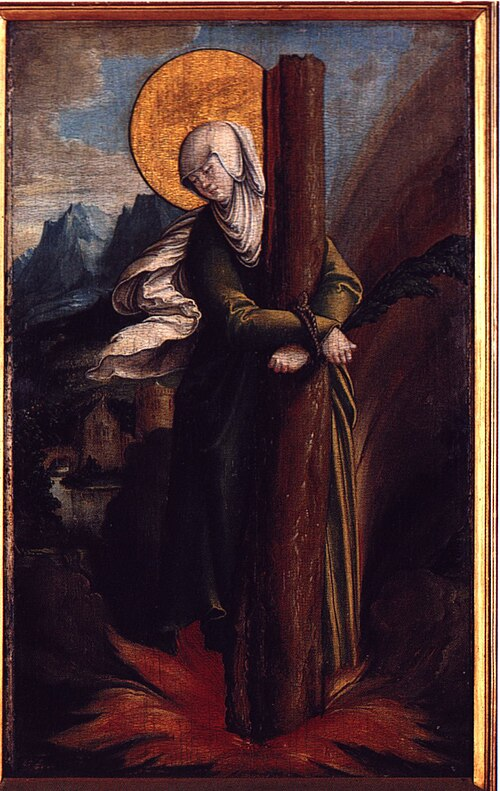
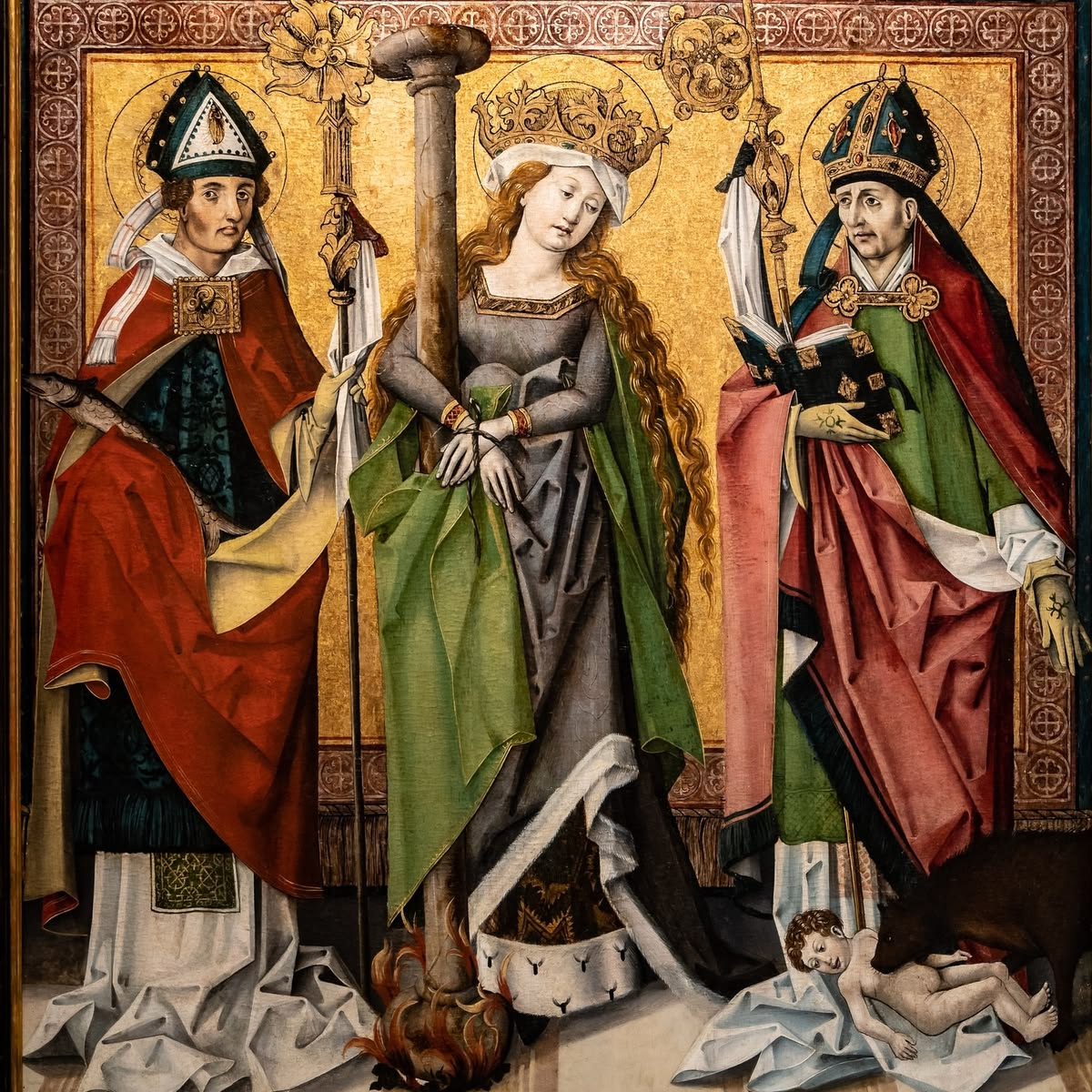
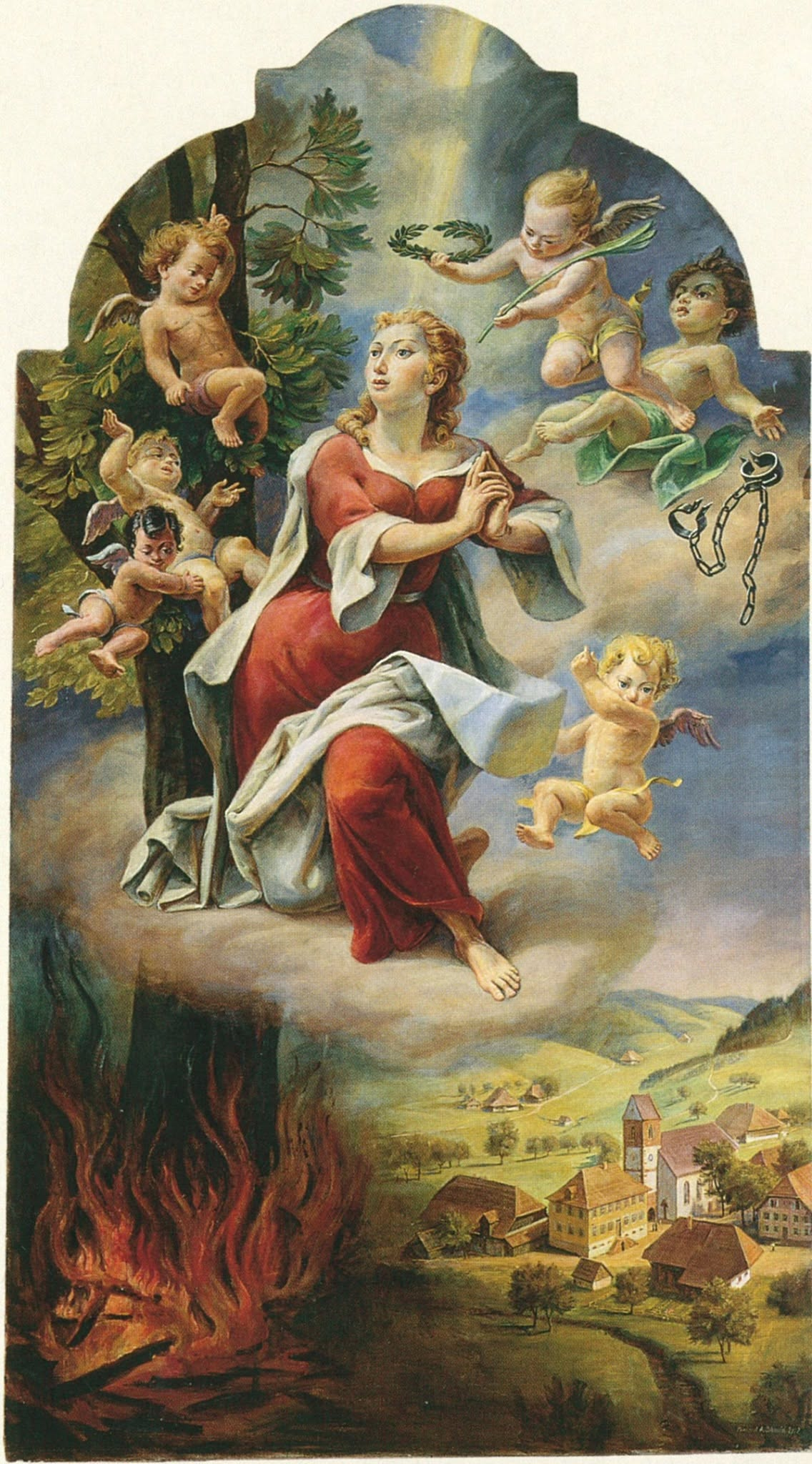
Arrested for being a Christian and refusing to participate in pagan rites, she was burned to death, tied to a tree on the small island of Lech. She was buried in Augsburg and her mother erected a chapel for her tomb. Soon after, Hilaria and her serving women were also martyred, burned alive in their house. Afra’s remains were buried in a church named after her. Pilgrims visited her shrine as early as 565. In 1012, the Benedictine monastery of St. Ulrich and St. Afra displayed her sarcophagus. The Acts of Afra give an account of her martyrdom.

The judge, Gaius, said to her: “Come now, sacrifice to the gods; it is better to live than to die amid torments.”

The saint replied: “The sins which I have committed before I knew the true God are sufficient; wherefore I cannot now do that which thou commandest. I never will do so: it would be adding a new insult to my God.”

The judge having ordered her to repair to the temple, she answered with great courage: “My temple is Jesus Christ, whom I have continually before mine eyes, and to whom I every day confess my sins. Since I am unworthy to offer him any other sacrifice, I am anxious to sacrifice myself, in order that this body, with which I have offended him, may be purified by torments; this reflection shall make me suffer most willingly.”

“Since, therefore,” said Gaius, “by reason of thy wicked life thou hast nothing to expect from the God of the Christians, thou hadst better sacrifice to our gods.”

The saint replied: “My Lord Jesus Christ has said that he descended from heaven to save sinners. We read in the Gospel that a sinful woman, having washed his feet with her tears, obtained from him the forgiveness of all her offences; and, moreover, that he never rejected sinful creatures nor publicans; but, on the contrary, condescended to converse and even to eat with them.”

The iniquitous judge was not ashamed to counsel her to return to her infamous practices, in order that she might gain the favor of the gallants, and enrich herself.

“I renounce,” said the penitent Saint Afra, “that execrable gain, and look upon it with horror. That which I had, I have cast from me and given to the poor, imploring them to accept it; how, then, can I consent to earn it again?”

Afra’s martyrdom deeply influenced the Christian community in Augsburg. A church was built over her burial site, and she became the patron saint of the city. Over the centuries, her veneration grew beyond Germany, and she became known in other parts of Europe. During the Middle Ages, pilgrims visited her shrine, and her cult was promoted by the Benedictine monks who cared for the church bearing her name—St. Ulrich and Afra Abbey. Her remains are still there.

Posted in SAINT of the DAY

Saint of the Day – 6 August – Blessed Octavian of Savona

Blessed Octavian of Savona, also known as Ottaviano, was born in 1060 in Quingey, in France. He was the brother of Pope Saint Callistus II. Educated by the Benedictines, he became a monk at the Benedictine community at Saint Peter’s Abbey in Pavia, Italy. His devotion and commitment to the monastic way of life meant he rose through the ranks of the Benedictine order. In 1129, Octavian was appointed the Bishop of Savona, in northern Italy.

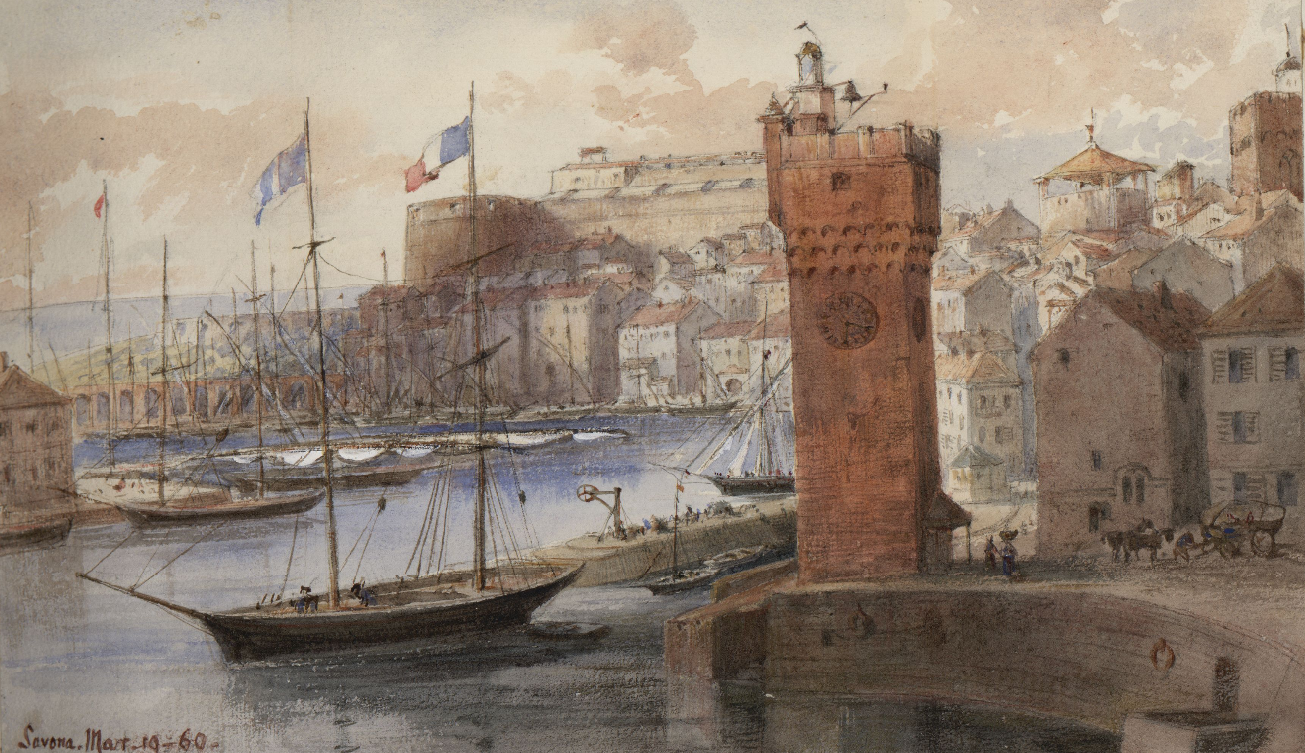
Savona, 1860

He was venerated for his deep devotion and strong faith, in only a short time becoming an extremely powerful force for good in the lives of those around him by inspiring them to follow Christ more diligently. He died peacefully in 1132, of natural causes. In recognition of his virtues and the impact he had on the lives of others, Octavian was beatified by Pope Pius VI in 1793, confirming his cultus and recognizing him as a blessed.

Posted in MARIAN TITLES

Feast of the Transfiguration of Our Lord, Nossa Senhora das Graças / Our Lady of Graces, Pesqueira, Pernambuco, Northeast, Brazil (1936) and Memorials of the Saints – 6 August

Transfiguration of Our Lord (Feast)

AND

Nossa Senhora das Graças / Our Lady of Graces, Pesqueira, Pernambuco, Northeast, Brazil (1936) – 6 August :

On 6 August 1936, Maria da Luz Teixeira, 13, and Maria da Conceição, 16 (a poor girl living with the Teixeira family), were gathering castor beans on Guarda mountain in the Cimbres district, 15 miles from Pesqueira. There was a flash of light and then Maria da Conceição said, “Look, there’s an image that looks like Our Lady.” Maria da Luz saw it too, up on a rock. They ran home and told Maria da Luz’s parents. At her mother’s insistence, Artur Teixeira climbed the hill with the girls, who reached the spot long before he struggled up through the brush. He saw nothing unusual but, at his suggestion, the girls together asked the image, “Who are you?” “I am Grace.” They asked what she wanted. “I’ve come to warn of three punishments sent by God. Tell the people to pray much and do penance.”

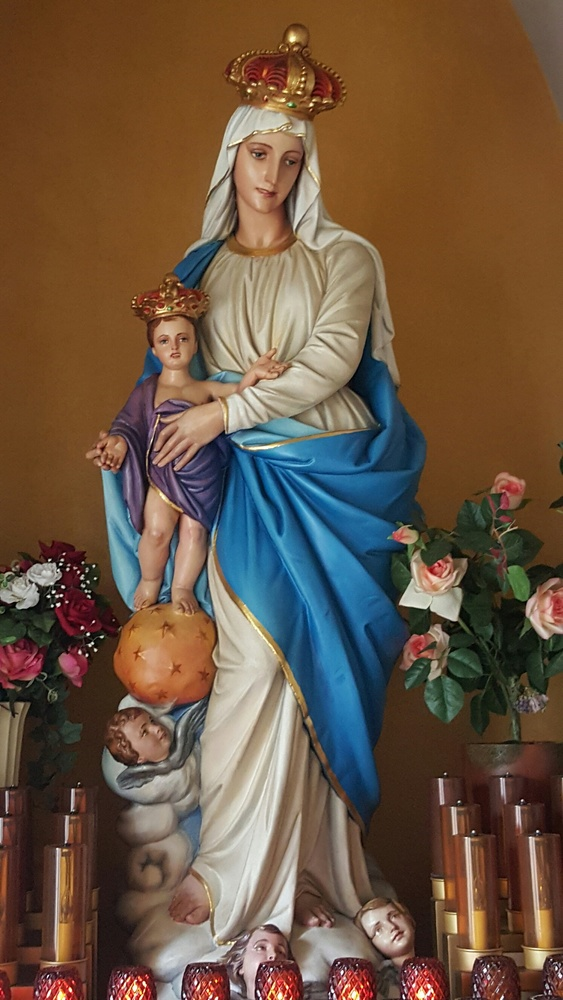
After this the girls returned to the site daily, where they prayed with a growing crowd of pilgrims. On 9 August, the crowd demanded a sign; reluctantly, the girls asked for one. The next day, they found water flowing from the rock and two sets of footprints embedded in stone, one an adult’s and one a child’s. The apparition confirmed they belonged to her and her son. The Bishop conducted an investigation. Maria da Luz described Our Lady of Grace as “similar to Our Lady of Mount Carmel in Pesqueira Cathedral but her mantle is blue and her dress cream, with a belt. She has a little child in her left arm and both have very beautiful crowns on their heads.”

Eventually the Virgin told her that the people’s response had been sufficient to avert the three chastisements, sometimes identified as armed bandits (particularly the notorious Lampião, killed by police in 1938) and the coming of World War II or a Communist regime to Brazil. Maria da Conceição died young. In 1940, Maria da Luz joined the Religious of Christian Instruction, taking the name Sister Adélia. In her absence, pilgrims continued to visit the Shrine at the apparition site, where 296 carved stone steps lead to a Statue of Our Lady of Grace (as depicted on the Miraculous Medal, without the Child, not as the girls saw her) and to report miracles there.

Bl Gezelin of Schlebusch
St Gislain of Luxemburg
St Glisente of Brescia
Bl Goderanno
Bl Guillermo Sanz
St Hardulf of Breedon

St Pope Hormisdas (c 450-523) Bishop of Rome from 514 until his death in 523. A talented diplomat, arbitrator and negotiator.

St James the Syrian

St Justus and St Pastor of Alcala – Holy Martyred Children (Died 304) Saints Justus and Pastor of Alcala were two brothers, who in their tender age overcame, with an heroic courage, the rage and power of Dacian, armed with all the instruments of cruelty.

Bl Octavian of Savona
St Pope Sixtus II (Died 258) Pope and Martyr

St Stephen of Cardeña
Bl Tadeusz Dulny
Bl William of Altavilla
—
Martyrs of Cardeña: Two hundred Benedictine monks at the Saint Peter of Cardegna monastery, Burgos, Spain who were martyred in the 8th century by invading Saracens. They were buried by local Christians in a nearby churchyard in Burgos, Spain and Beatified in 1603 by Pope Clement VIII (cultus confirmed).

Martyred in the Spanish Civil War: 10 Beati
• Blessed Alejandro Casare Menéndez
• Blessed Andrés Soto Carrera
• Blessed José González Ramos Campos
• Blessed José María Recalde Magúregui
• Blessed Juan Silverio Pérez Ruano
• Blessed Saturnino Ortega Montealegre

Posted in SAINT of the DAY

Saint of the Day – 5 August – Saint Paris of Teano

Saint Paris or Paris of Teano or Paride. A dragon slayer. From Athens, Greece, he was the apostle and first bishop of Teano. Upon arriving in town, his eyes were greeted with a procession of the locals, including young women carrying food and votive offerings. When asked by the saint what what they were doing, they replied they were honouring a serpent god living in a cave nearby. Holy indignation filled Saint Paris’ breast, and as soon as the monster emerged from its lair, the saint crushed its head with a stick. Then he dragged it to the river, where it drowned. For this holy deed the inhabitants of the town threw him to the hungry lions in the arena, but the animals refused to touch him. The miracle converted the entire town, and Paris was appointed the much beloved bishop.

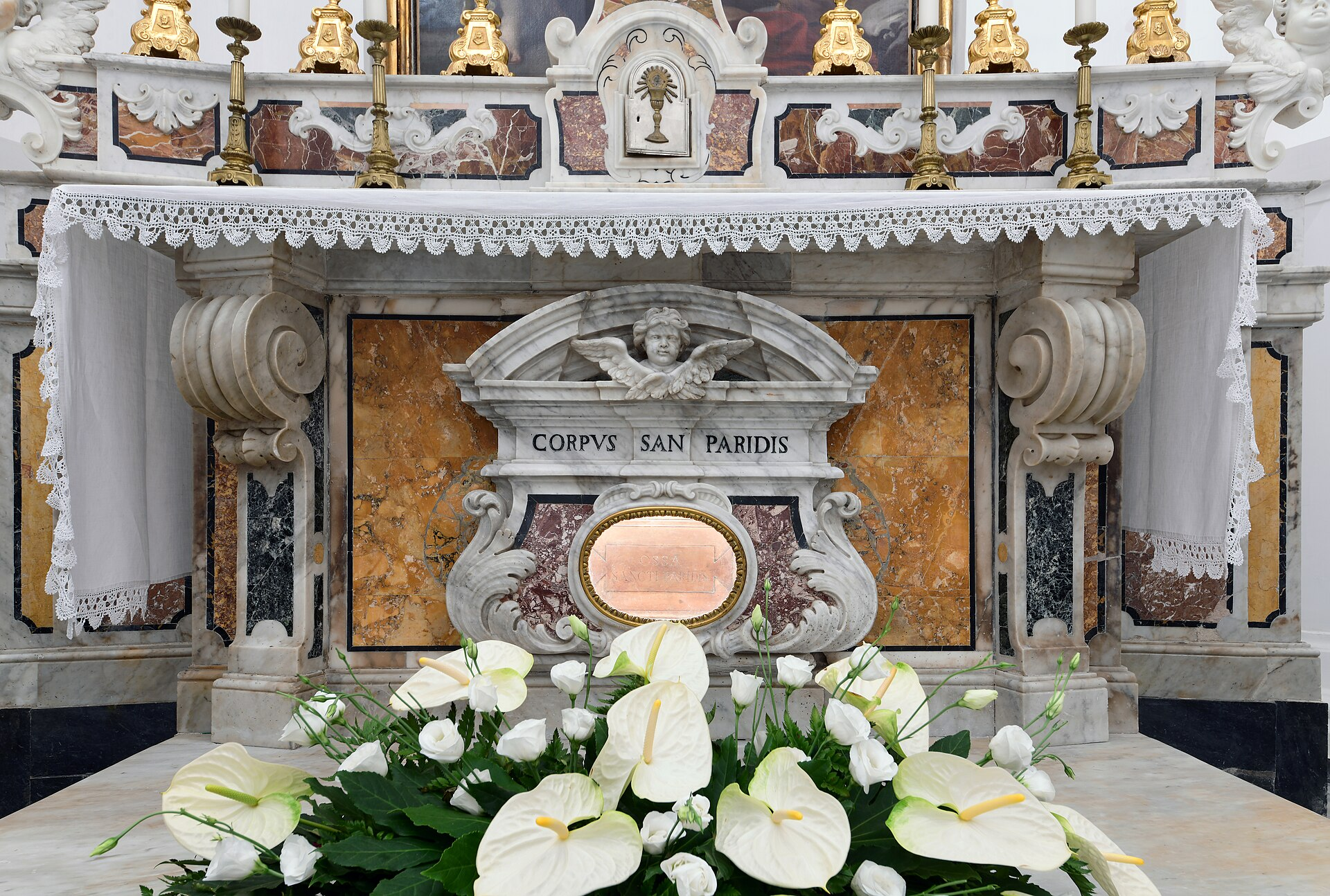
Saint Paris’ Tomb

The original cathedral, San Paride ad Fontem (“Saint Paris at the Spring”) was erected at the location of his heroic deed, and dedicated to him. Built over a Roman cistern, it was named ad Fontem because the low ground once had a spring at which Paris preached.

San Paride ad Fontem

Paris died at Teano in 346. His remains lie in a chapel in the later Cathedral of San Clemente.

Posted in MARIAN TITLES

Dedication of the Basilica of Saint Mary Major / Our Lady of the Snows, Our Lady of the Snow, Adro, Italy (1519) and Memorials of the Saints – 5 August

Dedication of the Basilica of Saint Mary Major / Our Lady of the Snows (Optional Memorial)

Nostra Signora della Neve / Our Lady of the Snow, Adro, Italy (1519) – 5 August, 8 July:

St Abel of Rheims
St Addai
St Aggai of Edessa
Bl Arnaldo Pons
St Cantidianus
St Cantidius
St Cassian of Autun
St Casto of Teano
Bl Corrado of Laodicea
St Emygdius (Died c 303) Bishop Martyr
St Eusignius
St Gormeal of Ardoilen
Bl James Gerius
St Margaret the Barefooted
St Mari
St Memmius of Châlons-sur-Marne
St Nonna

St Oswald of Northumbria (604-642) Martyr and King.

St Paris of Teano
Bl Pierre-Michel Noël

St Sobel
St Theodoric of Cambrai-Arras
St Venantius of Viviers
St Viator
—
Martyrs of Fuente la Higuera: A group of Augustinian priests and clerics who were martyred together in the Spanish Civil War. 5 August 1936 in Fuente la Higuera, Valencia, Spain:
• Anastasio Díez García
• Ángel Pérez Santos
• Cipriano Polo García
• Emilio Camino Noval
• Felipe Barba Chamorro
• Gabino Olaso Zabala
• Luciano Ramos Villafruela
• Luis Blanco Álvarez
• Ubaldo Revilla Rodríguez
• Victor Gaitero González

Martyrs of the Salarian Way: Twenty-three Christians who were martyred together in the persecutions of Diocletian.
303 on the Salarian Way in Rome, Italy.

Martyred in the Spanish Civil War:
Bl Eduardo González Santo Domingo
Bl Jaume Codina Casellas
Bl José Trallero Lou
Bl Lluís Domingo Mariné
Bl Manuel Moreno Martínez
Bl Maximino Fernández Marinas
Bl Victor García Ceballos

Posted in CATHOLIC Quotes

Quote/s of the Day – 5 August – The full assembly of Saints

Quote/s of the Day – 5 August – “Month of the Immaculate Heart of Mary” – Readings: Sedulius, Ps 44:2, Ecclus 24:14-16, Luke 11:27-28

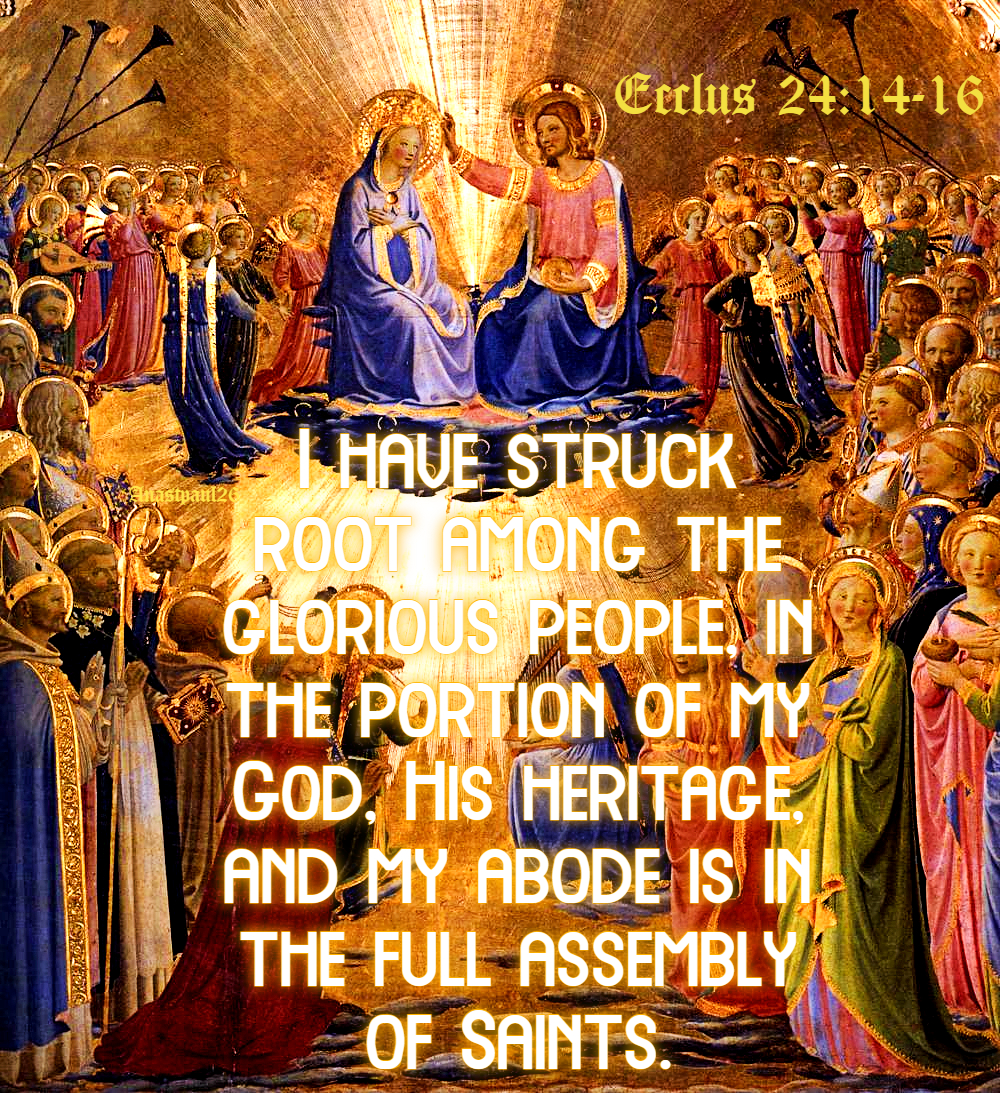
I have struck root among the glorious people, in the portion of my God, His heritage, and my abode is in the full assembly of Saints.

Ecclus 24:14-16

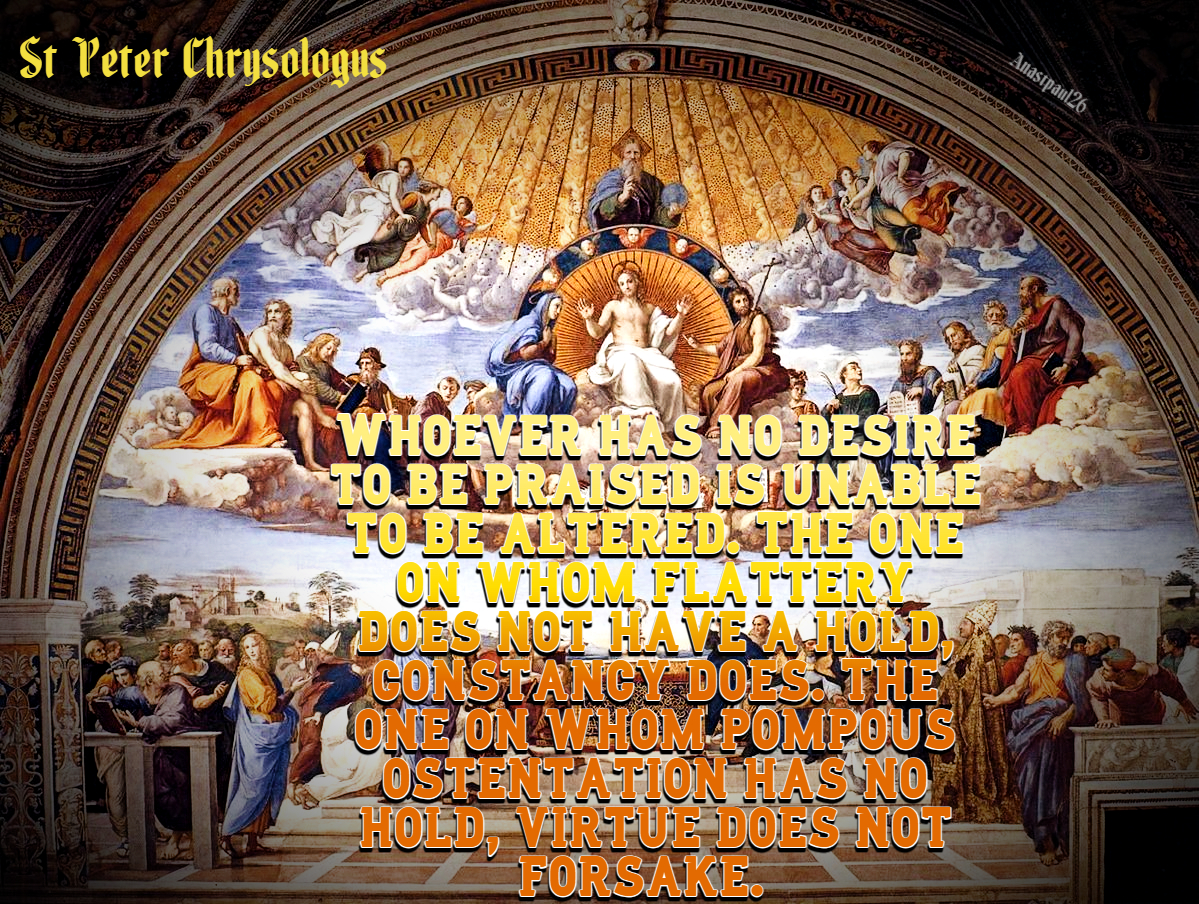
Whoever has no desire to be praised is unable to be altered. The one on whom flattery does not have a hold, constancy does. The one on whom pompous ostentation has no hold, virtue does not forsake.  

St Peter Chrysologus

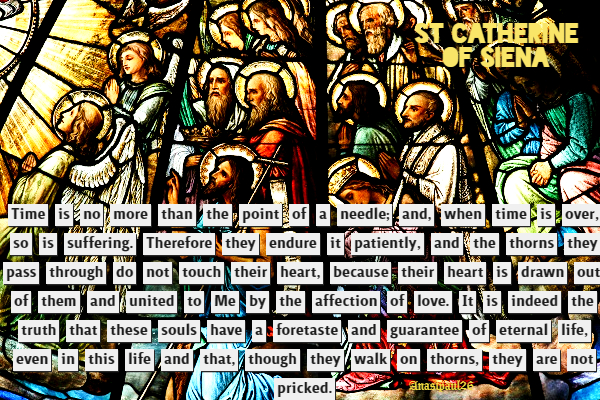
They deem themselves favored because I wish to punish them in this life, and in this finite time; they drive away sin with contrition of heart, and with perfect patience do they merit, and their labors are rewarded with infinite good. Hereafter they learn that all suffering in this life is small, on account of the shortness of time. Time is no more than the point of a needle; and, when time is over, so is suffering – so you see how small it is. Therefore they endure it patiently, and the thorns they pass through do not touch their heart, because their heart is drawn out of them and united to Me by the affection of love. It is indeed the truth that these souls have a foretaste and guarantee of eternal life, even in this life and that, though they walk on thorns, they are not pricked.

God to St Catherine of Siena

As, therefore, we speak justly when we say concerning any teacher of literature who is alone in a city, He teaches literature here to everybody — not that all men learn, but that there is none who learns literature there who does not learn from him — so we justly say, God teaches all men to come to Christ, not because all come, but because none comes in any other way. 

St Augustine (On the Predestination of the Saints)

Hades and the devil have been despoiled, and stripped of their ancient armour, and cast out of their peculiar power. And even as Goliath had his head cut off with his own sword, so also is the devil, who has been the father of death, put to rout through death; and he finds that the selfsame thing which he was wont to use as the ready weapon of his deceit, has become the mighty instrument of his own destruction. Yea, if we may so speak, casting his hook at the Godhead, and seizing the wonted enjoyment of the baited pleasure, he is himself manifestly caught while he deems himself the captor, and discovers that in place of the man he has touched the God. By reason thereof do the martyrs leap upon the head of the dragon, and despise every species of torment.

St. Gregory Thaumaturgus (On All the Saints)

There are things which, in your extreme ignorance, you had never read, and therefore you neglected the whole range of Scripture and employed your madness in outraging the Virgin, like the man in the story who being unknown to everybody and finding that he could devise no good deed by which to gain renown, burned the temple of Diana: and when no one revealed the sacrilegious act, it is said that he himself went up and down proclaiming that he was the man who had applied the fire. The rulers of Ephesus were curious to know what made him do this thing, whereupon he replied that if he could not have fame for good deeds, all men should give him credit for bad ones. Grecian history relates the incident. But you do worse. You have set on fire the temple of the Lord’s body, you have defiled the sanctuary of the Holy Spirit from which you are determined to make a team of four brethren and a heap of sisters come forth.

St Jerome (The Perpetual Virginity of Mary)

Posted in SAINT of the DAY

Saint of the Day – 4 August – Saint Sithney

Saint Sithney (or Setna) was one of a group of Irish monks who travelled to western Cornwall, and from there he moved to Guic-Sezni in Brittany, where he founded a monastery. He was a native of Munster, the son of Erc and Magna – a sister of St. David. Sithney had two brothers, Saint Govan and Multos. He may be the Setna, a deaf and mute boy who kept cows on Slieve-Bloom. Saint Columba of Terryglass pitied the child and blessed him. He not only recovered hearing and speech, but also acquired the gift of prophecy.

When God chose Sithney to be the patron of girls seeking husbands; the saint recoiled, saying he would never get to rest in that case, and that he would rather take care of mad dogs than women. Ever since, sick or mad dogs have been given water from Sithney’s well as a tonic.

He died in 529, of natural causes. William Worcester recorded in 1478 that the body of the saint lay within the church of Saint Sithney.

Saint Sithney church

Patronages: Against hydrophobia, against rabies, against mad dogs, Sithney, Cornwall, England

Posted in MARIAN TITLES

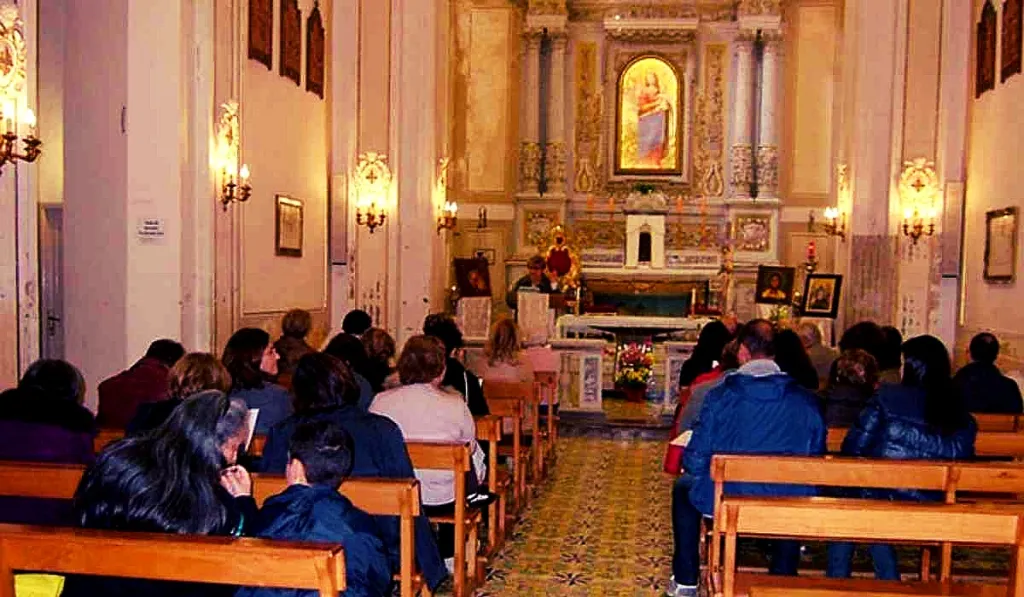
Madonna dell’Apparizione / Our Lady of the Apparition, Pellestrina, Italy (1716) and Memorials of the Saints – 4 August

Madonna dell’Apparizione / Our Lady of the Apparition, Pellestrina, Italy (1716) – 4 August:

The Sanctuary of Madonna dell’Apparizione in Pellestrina was built in July 1717, a year after the appearance of the Madonna on the island. The event of 4 August 1716, the Feast day of St Dominic, was in fact confirmed true by canonical process: – a young boy from Pellestrina met a woman who advised him to tell the parish priest to celebrate Mass and to pray for the salvation of Venice, which, at that time, was besieged by the Turks. The following day, at the same hour of the Apparition, the Venetians won the Battle of Petrovaradin against the Turks.

Throughout the entire year the Sanctuary is a destination for many pilgrims and devotees in search of grace and even today, on 4 August in Pellestrina, the Madonna dell’Apparizione and the victory of Venice is celebrated over three days.

St Dominic de Guzman OP (1170-1221) (Memorial) Founder of the Dominican Order of Preachers – Priest, Founder, Confessor, Teacher, Preacher, Mystic, Miracle-Worker, Apostle of the Holy Rosary. At Dominic’s baptism, Blessed Joan, his Mother, saw a star shining from his chest, which became another of his symbols in art, and led to his patronage of astronomy. The Roman Martyrology states today: “At Bologna, St Dominic, Confessor, Founder of the Order of Friars Preachers, most renowned for sanctity and learning. He preserved his chastity unsullied to the end of his life and by his great merits, raised three persons from the dead. After having repressed heresies by his preaching and instructed many in the religious and Godly life, he rested in peace on the 6th of this month. His Feast, however, is celebrated on this day by decree of Pope Paul IV.

St Agabius of Verona
St Aristarchus of Thessalonica (1st Century)
St Crescentio of Rome
St Eleutherius of Bithynia
St Epiphanes of Besançon
St Euphronius of Tours (c 530-573) Bishop
St Francesc Mercader Rendé

St Hyacinth of Rome
St Ia of Persia
St Isidore of Besançon
St Lua of Limerick
St Onofrio of Panaia
St Perpetua of Rome
St Protasius of Cologne
St Rainerio of Split
St Sithney (Died c 529)
St Tertullinus of Rome
Bl William Horne

Posted in SAINT of the DAY

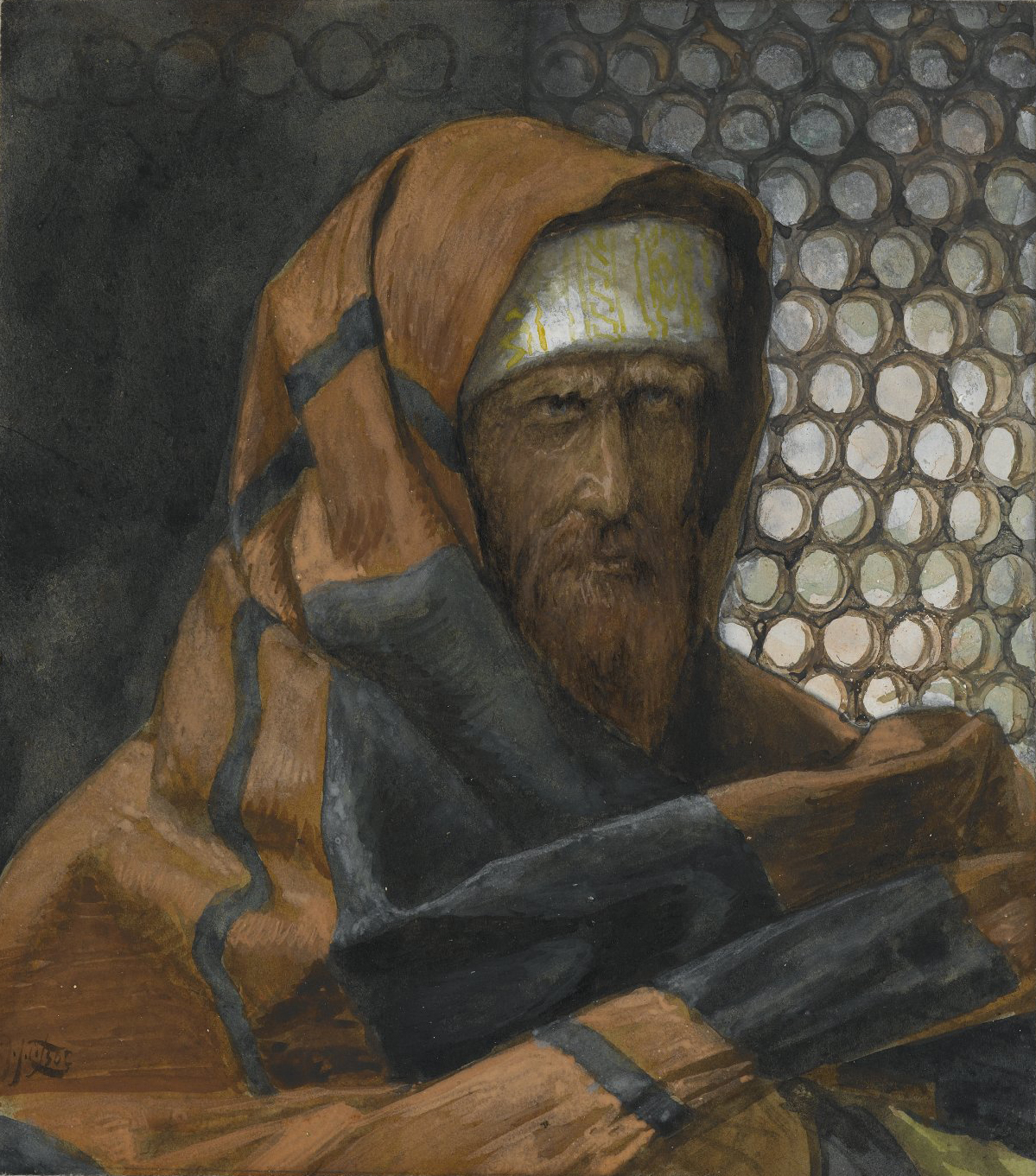
Saint of the Day – 3 August – Saint Nicodemus

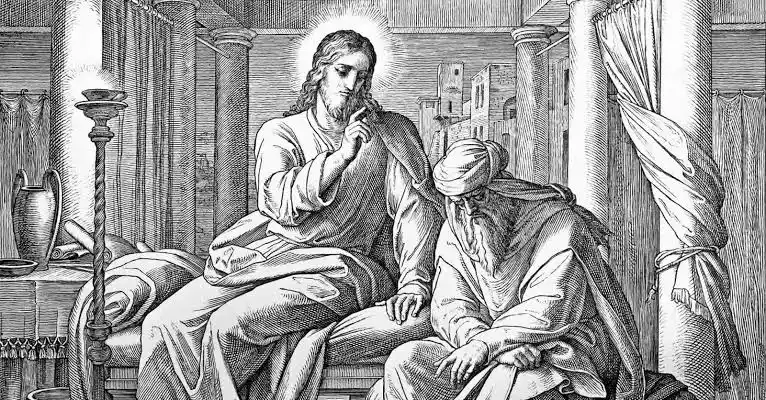
Saint Nicodemus was a Pharisee, a ruler of the Jews, a teacher of Israel, and a member of the Sanhedrin. He went in the secrecy of the night to learn from Jesus, whom he professed as a teacher sent by God. Owing to his insistence on a hearing for Jesus according to Jewish law, Nicodemus is called “defender of Jesus”. In return, the chief priests and his fellow pharisees mocked him by saying that no prophet comes from Galilee.

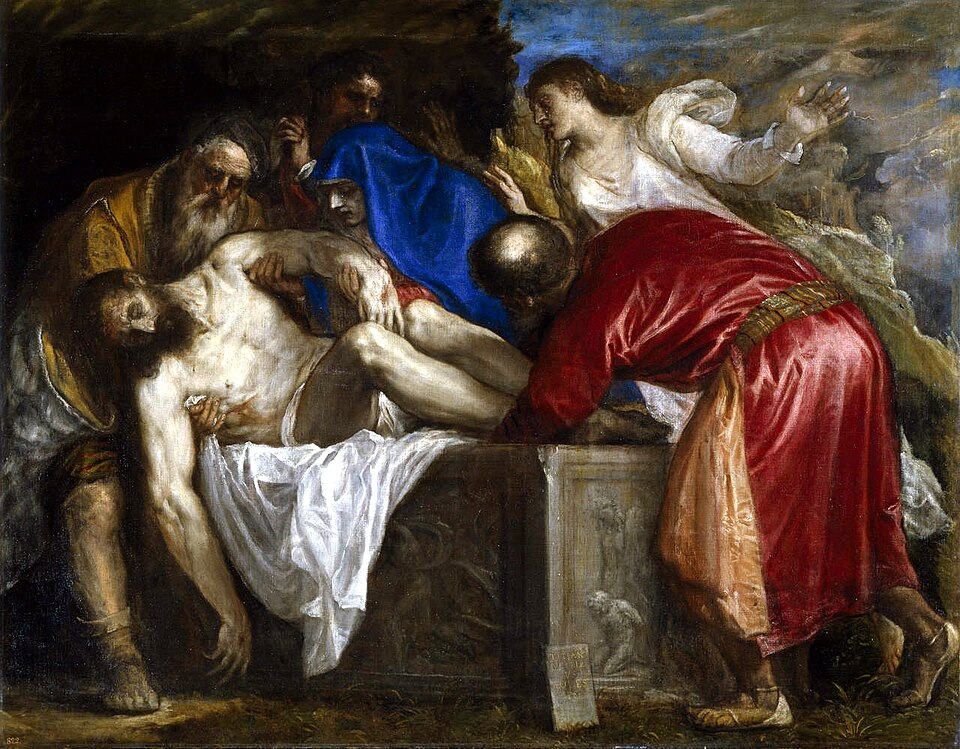
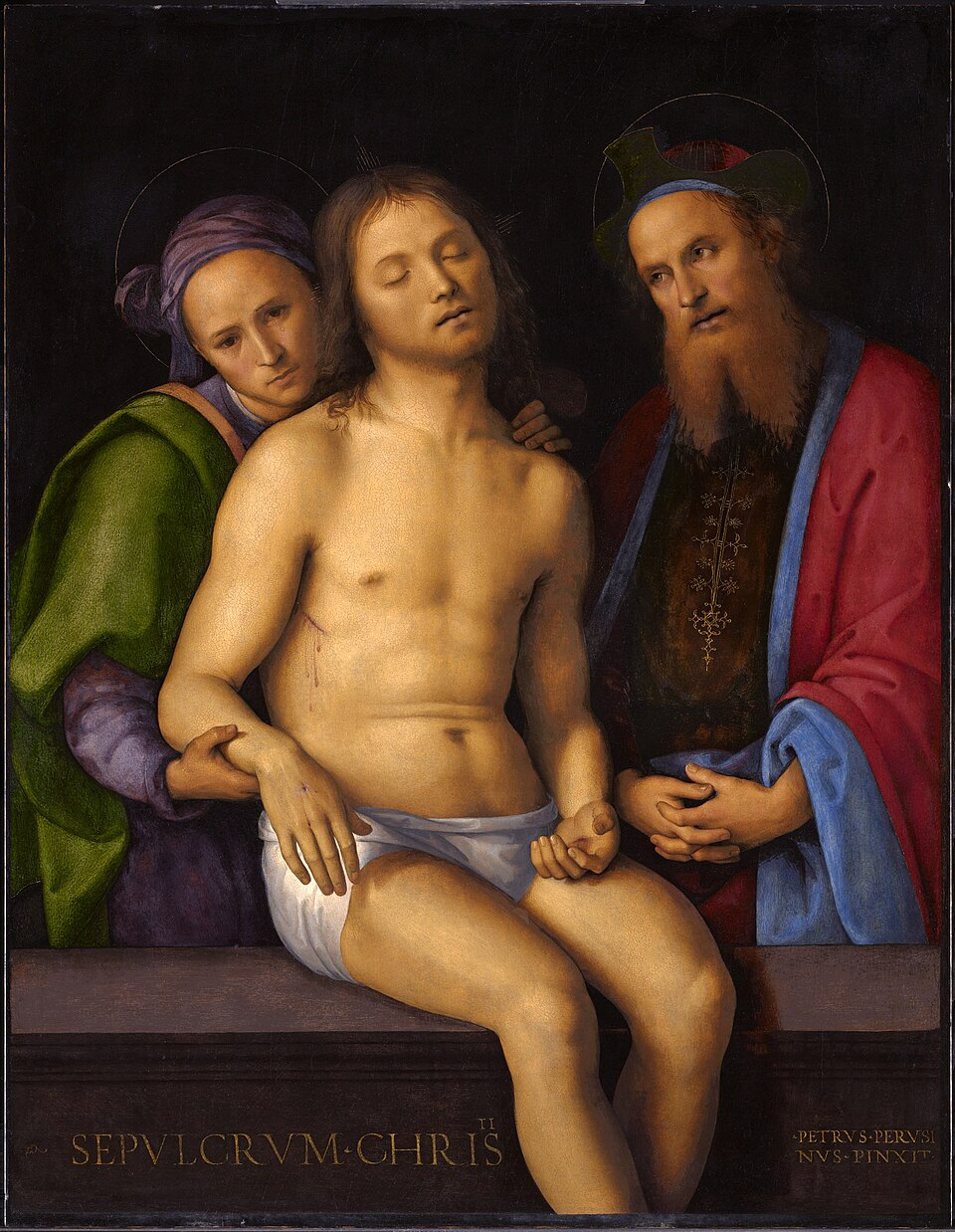
He sought to understand from Jesus how a person might be born again after having left his mother’s womb. After Jesus’ crucifixion, Nicodemus assisted Joseph of Arimathea in laying Jesus’ body in a nearby tomb. He brought a royal, thirty-three kilogramme mixture of myrrh and aloe to anoint the Saviour of the world, thus testifying to his faith and Mary Magdalene-esque devotion.

Later, he was ostracized by the Pharisees for his Christianity. He lived the remainder of his life in the home of Gamaliel, another member of the Sanhedrin. Their relics were housed and venerated together in the 5th century, along with those of St. Stephen the martyr.

He carved both the Holy Face of Lucca and the Batlló Crucifix, receiving angelic assistance with the face in particular.

Posted in MARIAN TITLES

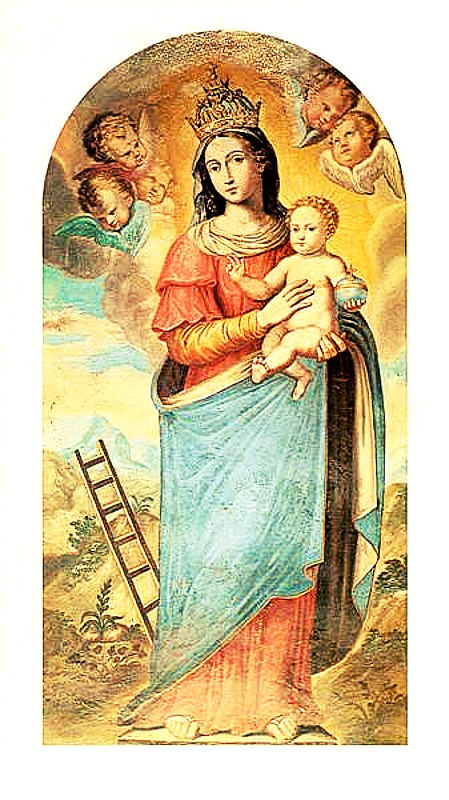
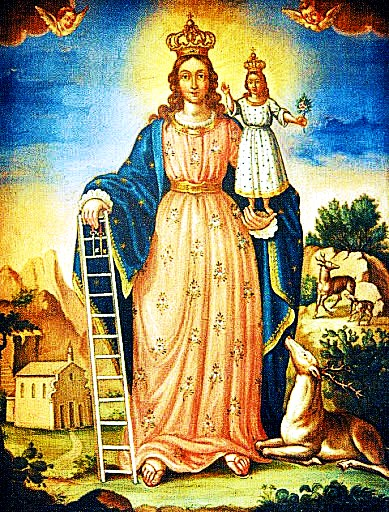
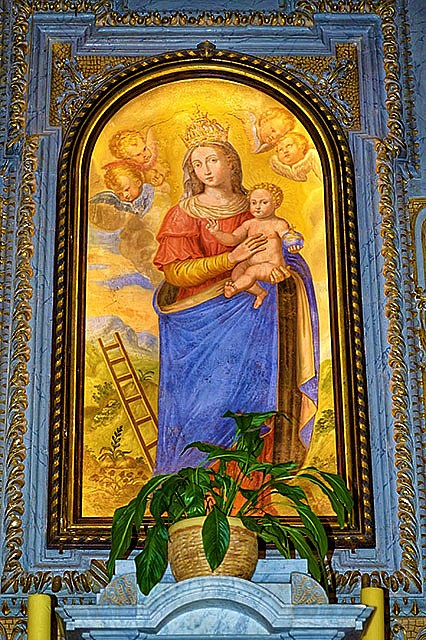
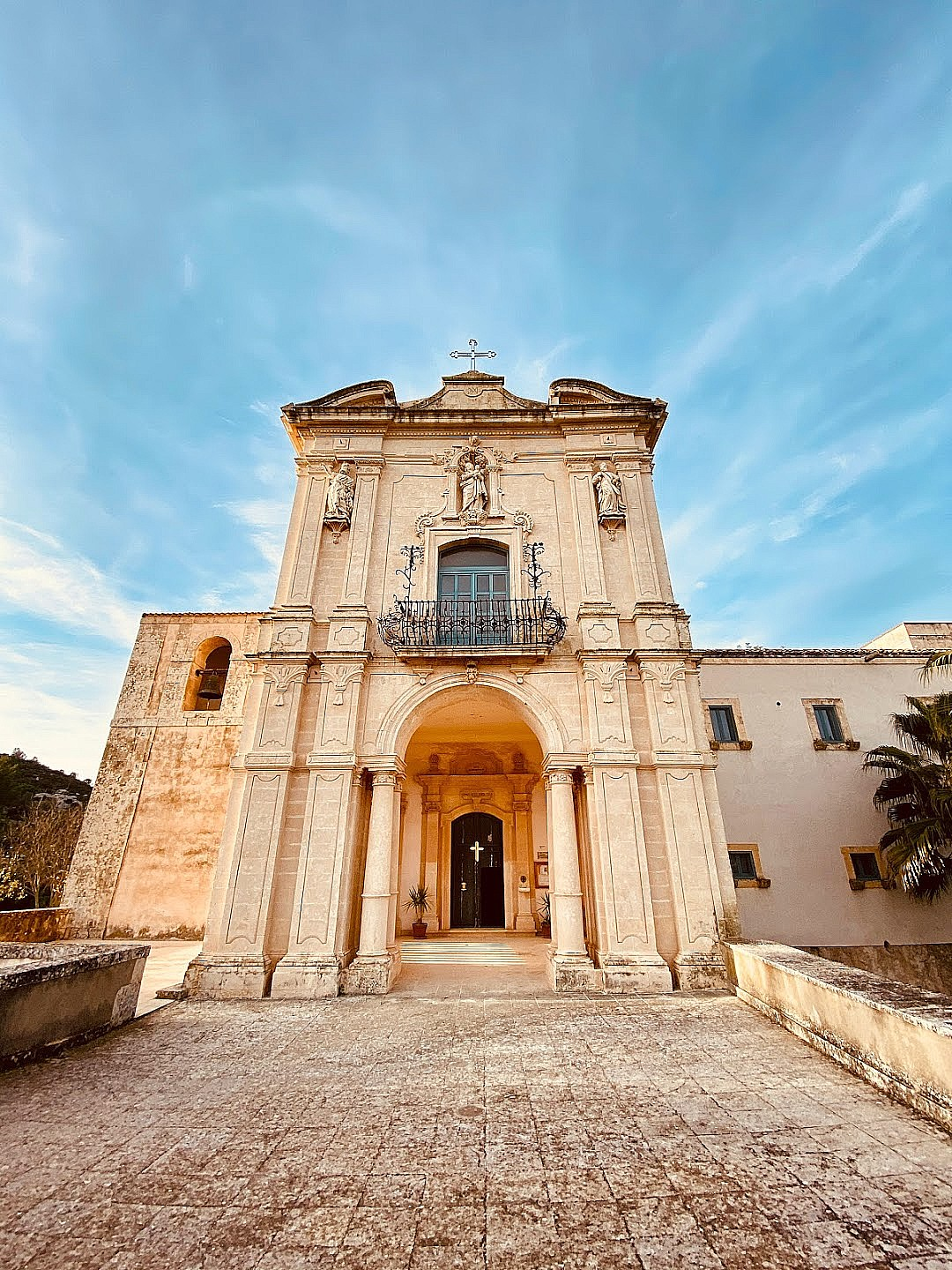
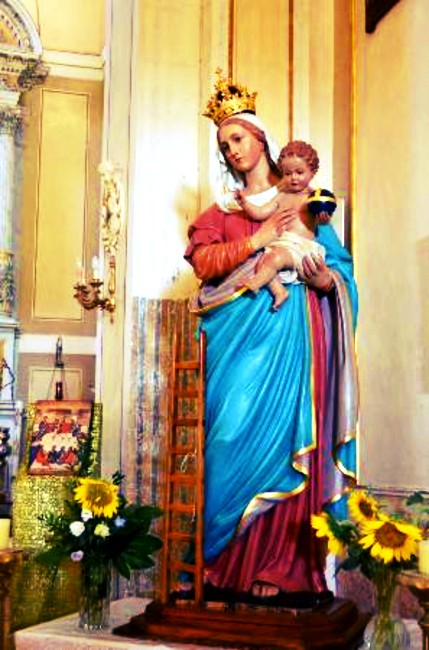
Maria Santissima Scala del Paradiso / Holy Mary, Ladder to Paradise, Noto, Siracusa, Sicily, Italy (1498) and Memorials of the Saints

Finding of the Body of St Stephen, Protomartyr

Maria Santissima Scala del Paradiso / Holy Mary, Ladder to Paradise, Noto, Siracusa, Sicily, Italy (1498) – 3 August:

Local tradition holds that Angels frescoed the image of the Madonna, Ladder to Paradise, on a rock wall in the countryside before St. Corrado di Fuori’s arrival in 1340 and, that it was discovered there on 3 August 1498. However, the Diocese of Noto, of which the Madonna della Scala is the Patron, suggests that an unknown artist created the fresco in the late 1500s or early 1600s, a period more in keeping with its style.

In any case, by the time of the earthquake that destroyed the City of Noto on 11 January 1693, popular devotion had grown around the image, surrounding it with votive lamps, ex votos left in thanksgiving for answered prayers, and eventually, an Oratory. The earthquake demolished the chapel but the image remained intact.

In 1708, a group of Carmelite Hermits took over the site and undertook the building of another church, which was blessed the following year. In 1712, Ven. Girolamo Terzo, recently appointed the group’s Superior, hired an expert to detach the fresco from its rock and arranged its spectacular transfer to the church, pulled by a team of untamed oxen. Ven. Girolamo promoted devotion to the Madonna of the Ladder by distributing copies of the image on evangelical visits throughout the region.

With a reputation for cures and other miracles, the Hermitage became a place of pilgrimage, particularly on the Feast of the Nativity of Mary, 8 September.
The Sanctuary suffered damage during World War I.

Afterwards it was restored and in 1919 the Catholic Church gave the Madonna, Ladder to Paradise, her own liturgical feast day, 3 August. An annual festa on this date draws the people of Noto to the Shrine seven miles distant, where after Mass in the Carmelite Chapel a statuary version of the image goes in procession through all the neighbouring districts.

The image of the “Ladder to Paradise” echoes the story of Jacob (Genesis 28:12) and St John Climacus’s Ladder of Ascent, a guide to the spiritual life written in Greek in the 600s, which became popular among Western religious after its translation into Latin in the 1500s (Scala Paradisi). Here, the Virgin is identified with the way to heaven because of her role in bringing Christ to humanity and her ongoing help to all who follow Him.

St Abibas
St Aspren (1st Century) Bishop of Naples

Blessed Augustine Gazotich OP (1262-1323) Bishop of Lucera, Croatia, Of the Order of Preachers. He was also noted for being the guide for Dante Alighieri as the poet travelled through Croatia. His reputation for personal holiness remained noted long after his death; this resulted in Pope Innocent XII confirming the late Bishop’s beatification in 1700.

St Dalmatius
St Euphronius of Autun
St Gamaliel
St Gaudentia
Bl Godfrey of Le Mans
Bl Gregory of Nonantula
St Hermellus
St Nicodemus
St Senach of Clonard (Died 6th Century) One of the Twelve Apostles of Ireland
St Trea of Ardtree

St Waltheof of Melrose O.Cist. (c 1095-1159) Monk, Abbot, Apostle of charity, Mystic.

Martyred in the Spanish Civil War:
Biandrés Avelino Gutiérrez Moral
Bl Antonio Isidoro Arrué Peiró
Bl Eleuterio Mancho López
Bl Geronimo Limón Márquez
Bl Patricio Beobide Cendoya
The Story of these around 10000 Martyrs of Spain:

Posted in CATHOLIC Quotes

Quote/s of the Day – 3 August – He heard my voice

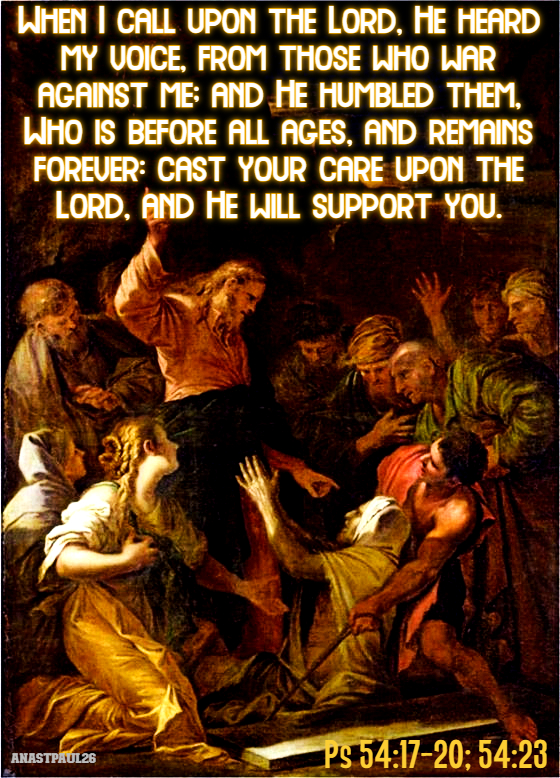
When I call upon the Lord, He heard my voice, from those who war against me; and He humbled them, Who is before all ages, and remains forever: cast your care upon the Lord, and He will support you.

Ps 54:17-20; 54:23

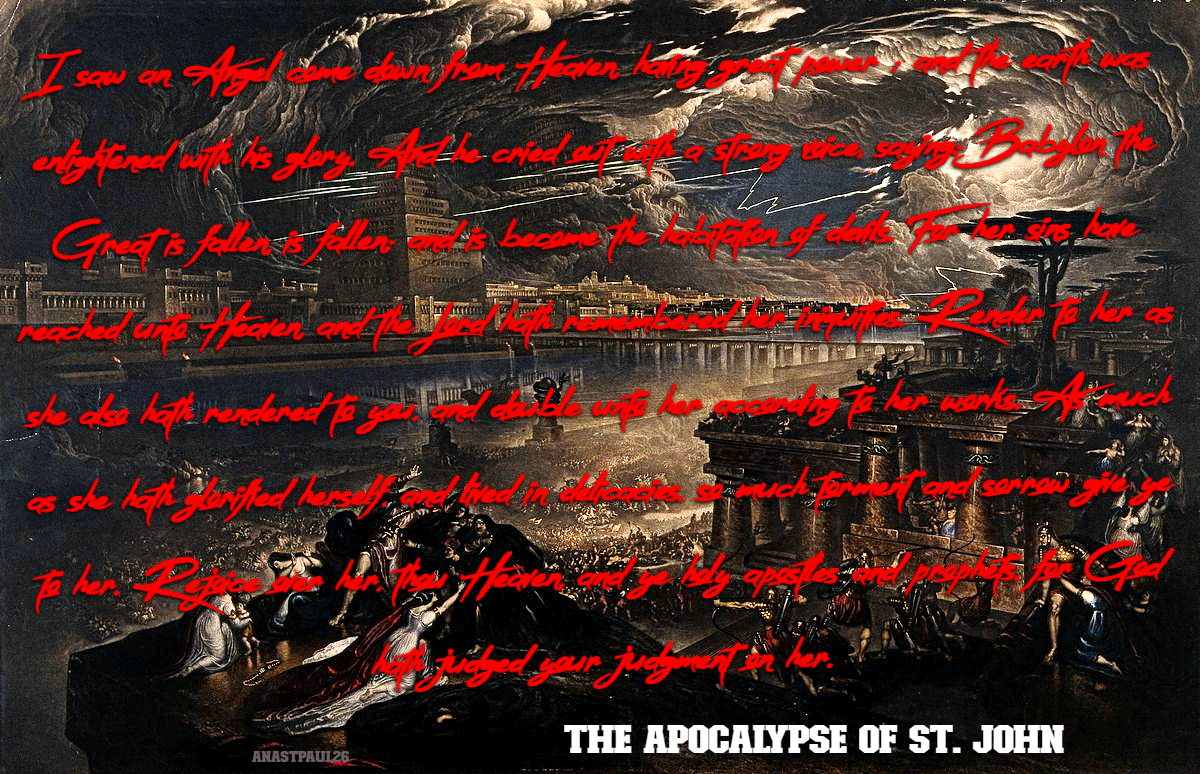
I saw an Angel come down from Heaven, having great power ; and the earth was enlightened with his glory. And he cried out with a strong voice, saying: Babylon the Great is fallen, is fallen: and is become the habitation of devils. For her sins have reached unto Heaven, and the Lord hath remembered her iniquities. Render to her as she also hath rendered to you, and double unto her according to her works. As much as she hath glorified herself, and lived in delicacies, so much torment and sorrow give ye to her. Rejoice over her, thou Heaven, and ye holy apostles and prophets, for God hath judged your judgment on her.

The Apocalypse of St John

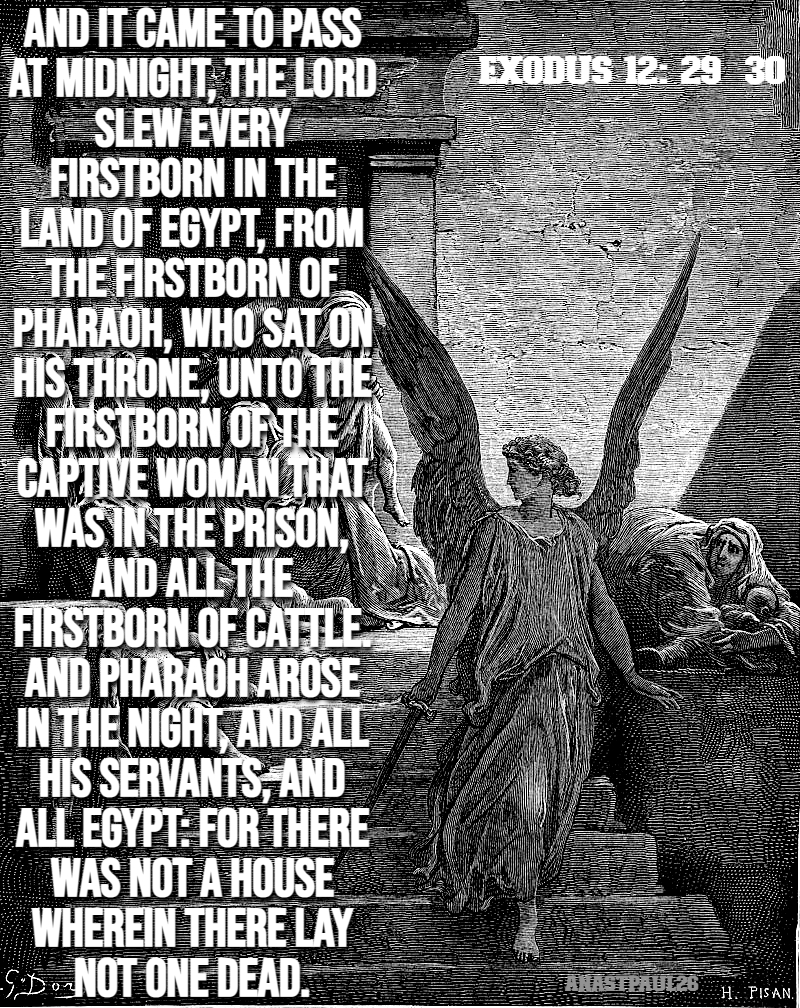
And it came to pass at midnight, the Lord slew every firstborn in the land of Egypt, from the firstborn of Pharaoh, who sat on his throne, unto the firstborn of the captive woman that was in the prison, and all the firstborn of cattle. And Pharaoh arose in the night, and all his servants, and all Egypt: for there was not a house wherein there lay not one dead.

Exodus 12: 29-30

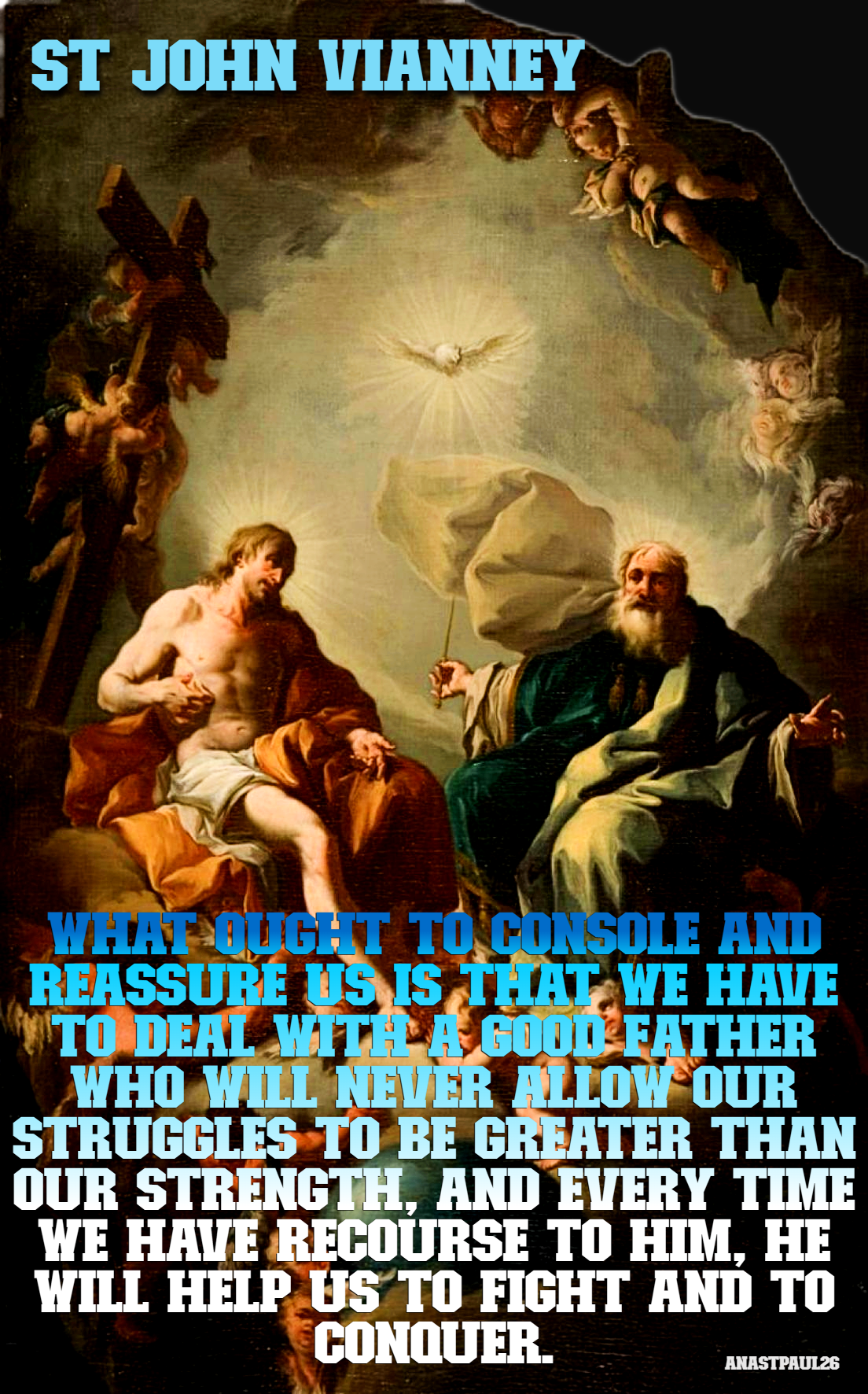
Alas, my dear brethren, some of us do not even know what it is to be tempted because we hardly ever, or very rarely, resist. Which one of us can expect to escape from all these dangers? Which one of us will be saved? Anyone who wanted to reflect upon all these things could hardly go on living, so greatly terrified would he be! However, my dear brethren, what ought to console and reassure us is that we have to deal with a good Father Who will never allow our struggles to be greater than our strength, and every time we have recourse to Him, He will help us to fight and to conquer.

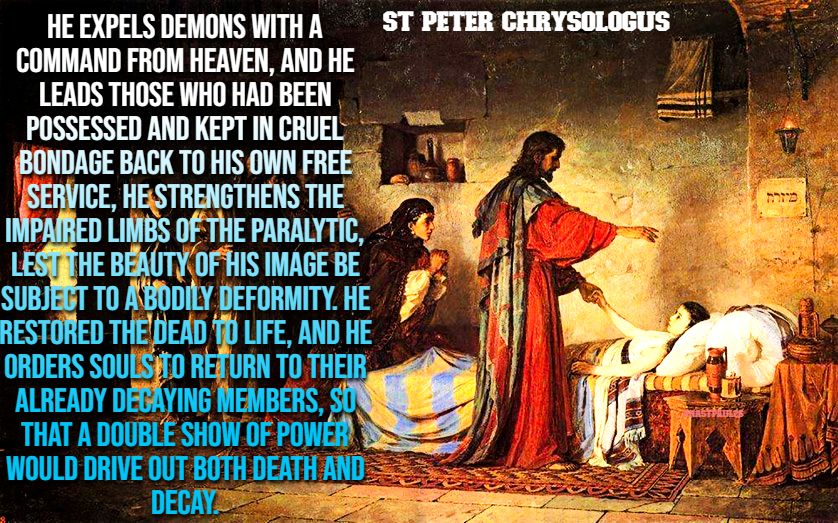
He expels demons with a command from heaven, and he leads those who had been possessed and kept in cruel bondage back to his own free service, he strengthens the impaired limbs of the paralytic, lest the beauty of his image be subject to a bodily deformity. He restored the dead to life, and he orders souls to return to their already decaying members, so that a double show of power would drive out both death and decay.

St Peter Chrysologus

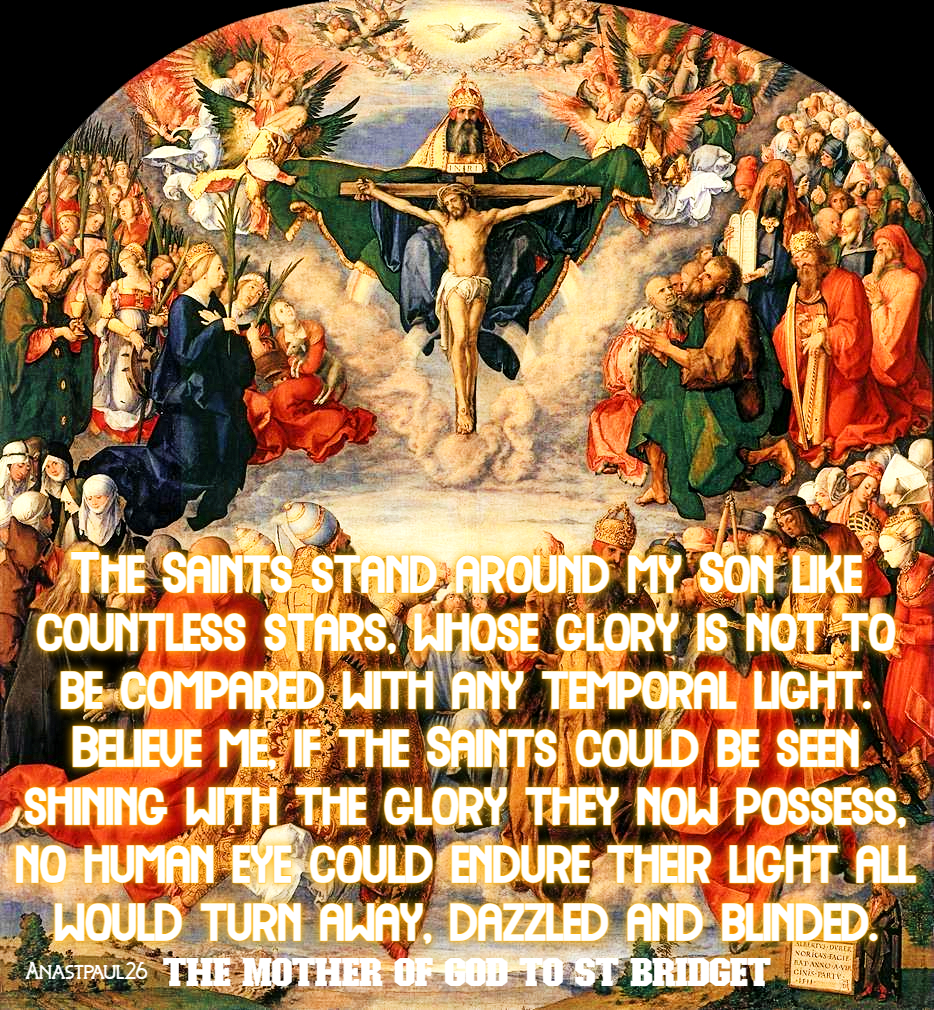
The Saints stand around my Son like countless stars, whose glory is not to be compared with any temporal light. Believe me, if the Saints could be seen shining with the glory they now possess, no human eye could endure their light all would turn away, dazzled and blinded.

The Blessed Mother of God to St Bridget

Posted in MARIAN TITLES

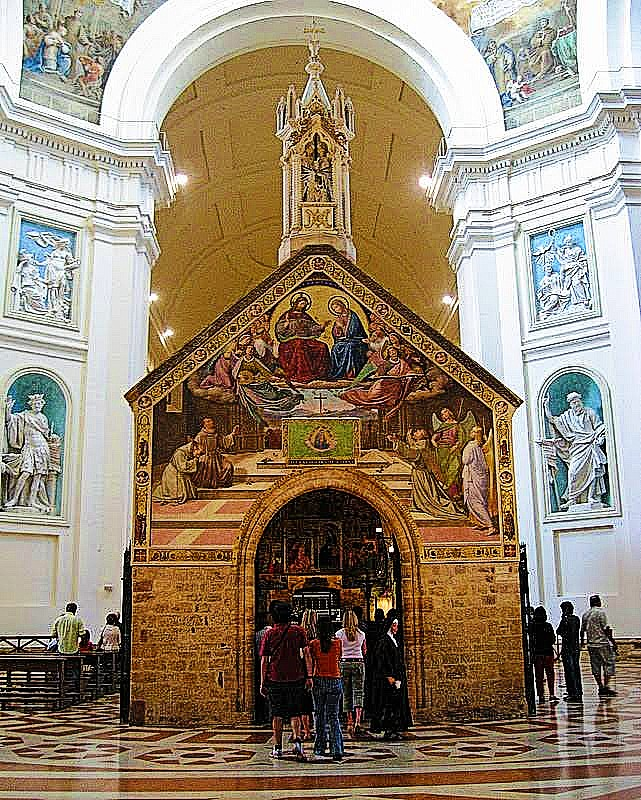
Santa Maria degli Angelis / Our Lady of Angels, Assisi, Italy (13th Century) Feast Day and Portiuncula Indulgence and Memorials of the Saints – 2 August

Santa Maria degli Angelis / Our Lady of Angels, Assisi, Italy (13th Century) Feast Day and Portiuncula Indulgence: 2 August

Our Lady of Angels, or of the Portiuncula, is located on the outskirts of the City of Assisi, in Italy. It was a desolate locality and apparently an unsettled one where robbers and the lawlessness flourished, for the Benedictines who had lived at the Monastery felt it was too hazardous to remain there. They abandoned the Monastery, relocating to Mount Subasio, which was a fortified Monastery.

The original chapel is thought to date from the 4th Century and was built by holy hermits who had come from the Valley of Josaphat. It is said that they brought relics of the Blessed Virgin with them to the region when they constructed the chapel.

The history of the feast is inspiring. St Francis of Assisi, in the early days of his conversion, while he was still uncertain as to what path to pursue, was praying earnestly for enlightenment before the Crucifix at the Church of San Damiano, when he heard within himself the command of the Crucified: “Build up my house, for it is nearly falling down.” Taking the words literally, Francis began to restore San Damiano and other dilapidated Churches in and near Assisi. The most famous of these was the Church of Our Lady of the Angels.

Some time after the restoration of this little chapel, an angel told St Francis to come to the church of Our Lady of Angels, or Portiuncula. There he found Our Lord, His Blessed Mother and the Angels waiting for him. Our Lord commended Francis because of his zeal for the salvation of souls and promised to grant him whatever he should ask on behalf of sinners. St Francis asked for this great favour – that all those who came to this church to pray and, truly sorry for their sins, confessed them, should “Obtain in perpetuity a Plenary Indulgence” so that they would have nothing to account for when God called them. This was the great favour he asked, but Our Lord granted it to him through Mary.

When Saint Francis came upon the little, run down and abandoned chapel of Our Lady of Angels, or Santa Maria degli Angelis, in the year 1208, it was almost completely hidden in shrubs and bush. Saint Francis entered the hidden church, which measured only (7 x 4 metres) twenty-two feet by thirteen feet and saw the ancient fresco that had been placed above the main Altar. It was an image of the Assumption of the Blessed Virgin surrounded by Angels. Some say that this is why the chapel was named Our Lady of Angels, although there are also legends that Angels could often be heard singing there.

The place took its name, the Little Portion, or Portiuncula in the native Italian, from the small section of fertile land that was gifted to the Monks to work for their support. It is said that this was the place where Saint Francis first understood his vocation, received visions and was also where the saint desired to live. The Benedictines had lived at that location for hundreds of years but the Benedictine Monks gave this Chapel to Saint Francis upon his request. It was certainly here that the Franciscan Order was founded.

At first Saint Francis wished the convent which he built there to be the principal one of his Order. He assembled the first General Chapter there, where there were five thousand religious. It was also where he yielded up his spirit on 3 October 1226, the twentieth of his conversion and the forty-fourth of his age. The cell in which the poor man of Assisi died can still be seen where it rests against one of the columns of the cupola under the choir bay.

St Alphonsus Maria de Liguori (1696-1787) Doctor of the Church (Memorial)

The Roman Martyrology states of St Alphonsus today: “At Nocera-de-Pagani, Saint Alphonsus Maria de Liguori, Bishop of St Agatha of the Goths and Founder of the Congregation of the Most Holy Redeemer (the Redemptorists), distinguished by his zeal for the salvation of souls, by his writings, his preaching and his example.

He was inscribed on the Calendar of the Saints by Pope Gregory XVI in the year 1839, the 52nd after his happy death and , in 1871, was declared Doctor of the Universal Church by Pius IX, according to a decree of the Sacred Congregation of Rites.“

St Eusebius of Vercelli (c 283-371) Bishop (Optional Memorial) Bishop, Confessor, Founder of monasticism in his region of Italy.

St Peter Julian Eymard SSS (1811-1868) – “Apostle of the Eucharist”Priest, Founder of two religious institutes, Congregation of the Blessed Sacrament Fathers and Brothers and the Servants of the Blessed Sacrament.

St Auspicius of Apt
St Betharius of Chartres
St Centolla of Burgos
St Etheldritha of Croyland
Bl Frederic Campisani
Bl Giustino Maria Russolillo
Bl Gundekar of Eichstätt
Bl Joanna of Aza
Bl John of Rieti
St Maximus of Padua
St Pedro de Osma

St Peter Faber SJ (1506-1546) the “Second Jesuit” – as co-Founder with St Ignatius. He was the first Priest and theologian of the Order.

St Plegmund
St Rutilius
St Serenus of Marseilles (Died c 606) Bishop of Marseilles
St Sidwell
St Pope Stephen I
—
Martyred in the Spanish Civil War:
Bl Fernando Olmedo Reguera
Bl Miguel Amaro Rodríguez

Posted in SAINT of the DAY

Saint of the Day – 2 August – Saint Sidwell

Saint Sidwell, also known as Sidwella, was a virgin saint from Devon, in England. She is the patroness of Exeter and sister of Saint Urith and Saint Juthwara. A Saxon living in Exeter in the 8th century, her father was a wealthy landowner named Benna, who died leaving his daughter in the care of a cruel stepmother, who was jealous of her beauty and virtue and coveted her inheritance.

The girl often left the city to bring food to the villagers working the fields outside the city walls. The Catalogus Sanctorum Pausantium in Anglia says she was beheaded by a couple of corn reapers, hired to do so by her stepmother. They cut off her head with a scythe, and where her head came to rest, water sprang up. A shaft of light shone over the site for three nights. She was buried at St Sidwells. Her ghost was seen carrying her severed head and putting it back on her shoulders at the spot where she was later buried. The spring became the Well of St Sidwell, and was a place of pilgrimage in Anglo-Saxon and Norman England. 

The Church of St Sidwell, located just outside the site of Exeter’s east gate, still exists, and one of the main streets in Exeter is Sidwell Street.

Posted in MARIAN TITLES

Feast Saint Peter in Chains, the Portiuncula Indulgence, Nuestra Señora de las Mercedes / Our Lady of Mercy, Barcelona, Spain (1218) and Memorials of the Saints – 1 August

Month of the Immaculate Heart of Mary

Feast Saint Peter in Chains

Portiuncula Indulgence:
An Indulgence which may be gained in any Church so designated by the Bishop, by all the faithful who, after Confession and Holy Communion, visit such Churches between noon of 1 August and midnight of 2 August, or on the Sunday following. The Indulgence is toties quoties and is applicable to the souls in Purgatory.

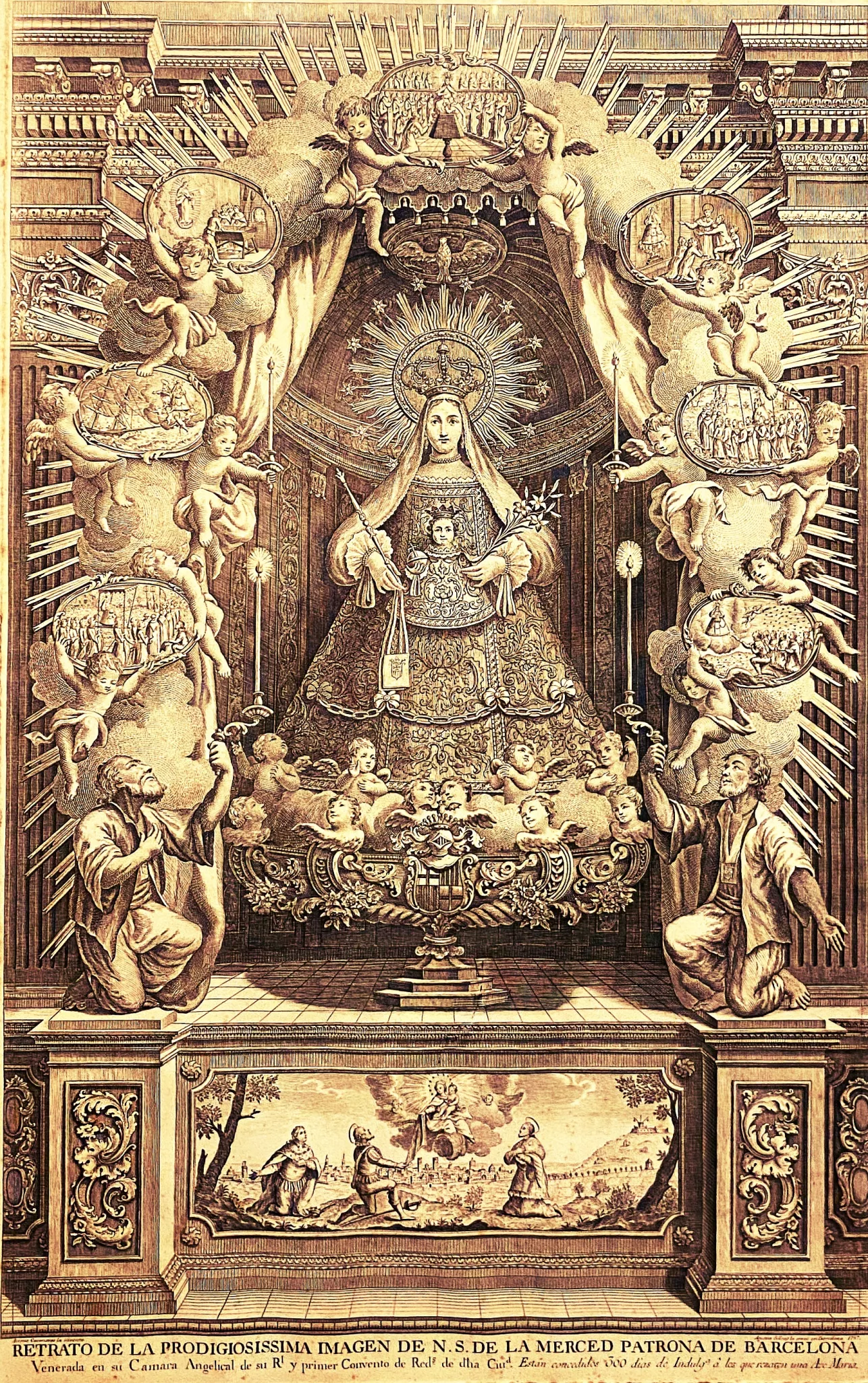
Nuestra Señora de las Mercedes / Our Lady of Mercy, Barcelona, Spain (1218,) Founding of the Mercedarian Order – 1 August, 24 September :

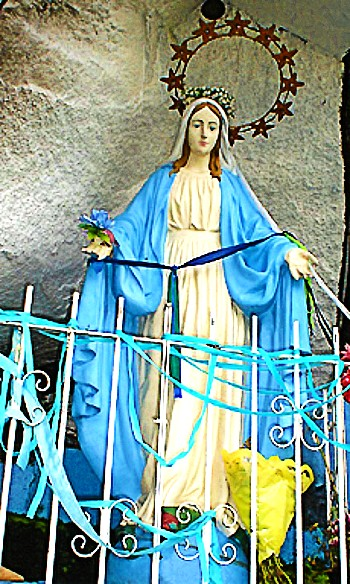
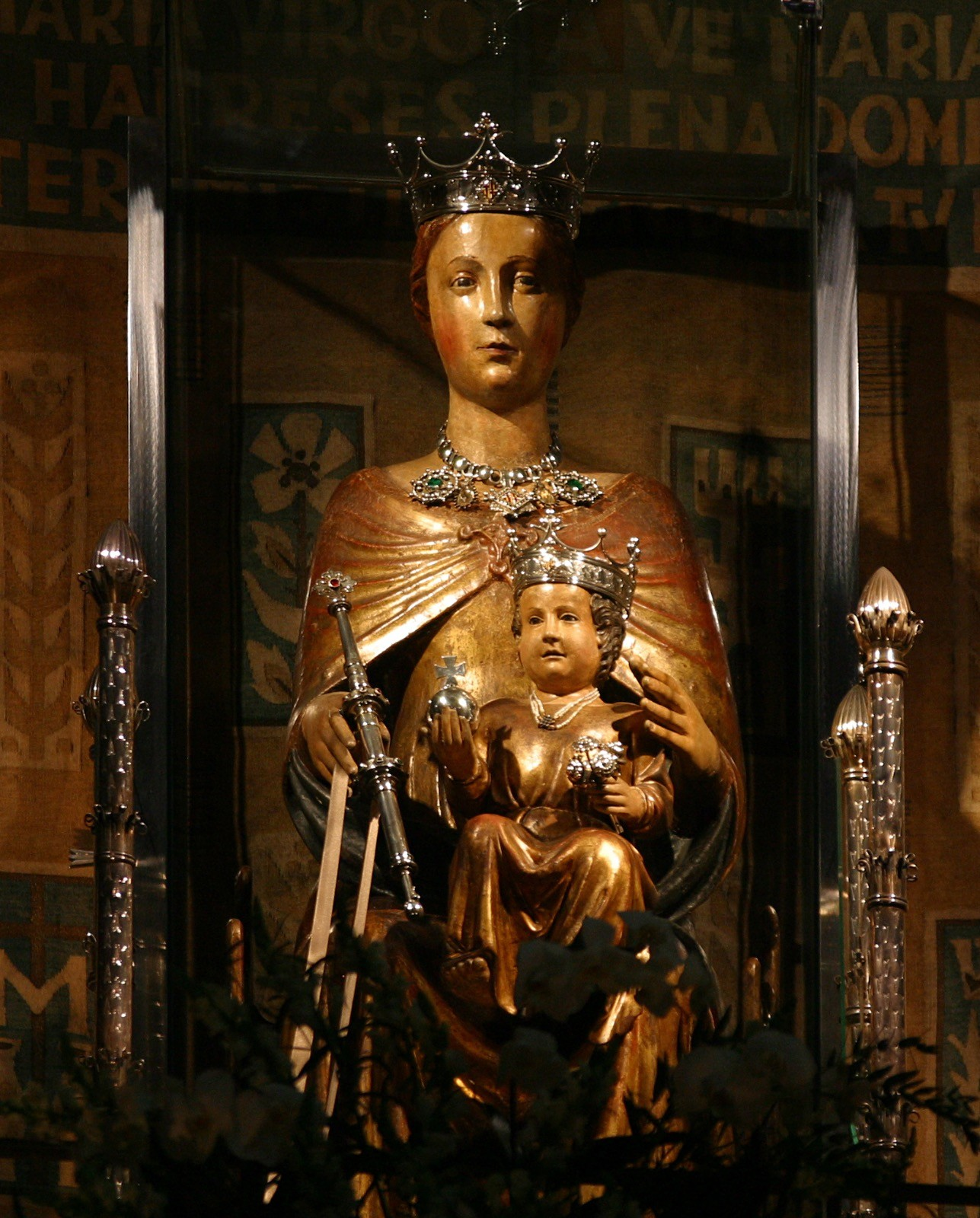
On 1 August of 1218, St Peter Nolasco, St Raymund of Penafort and James, King of Aragon, each had a vision of the Virgin Mary asking them to found a religious Order devoted to freeing Christian captives from the Muslims, who still held much of Spain. The Order of the Blessed Virgin Mary of Mercy grew quickly, collecting alms for ransom and sometimes offering themselves in exchange for prisoners. The Statue of the Mother of God of Mercy in Barcelona (below) dates from the 1300s. She became the City’s Patron after saving it from a plague of locusts in 1687. Before the counter-reformation, the Mercedarian Order celebrated the Feast of Our Lady of Ransom on 1 August, the date when she showed St. Peter Nolasco their white habit. The Vatican changed the date to 24 September when it extended the feast to entire Church in 1696. Since Vatican II, Catholic observance of Our Lady of Mercy’s day is limited to places and organisations that claim her as Patron.

Meanwhile, the Mercedarians have changed their mission to teaching and chaplaincy and the Barcelona soccer team visits the Basilica of La Mercè after victories in thanksgiving for her help. Her fiesta in Barcelona is a spectacular sequence of processions, dances, music, games and fireworks.

St Adela Mardosewicz
Bl Aleksy Sobaszek
St Alexander of Perga
St Almedha
St Arcadius
St Attius of Perga
St Buono
St Brogan
St Charity
St Ethelwold of Winchester (c 912-984) Bishop
St Exuperius of Bayeux
St Faith
St Faustus
St Felix of Gerona
St Friard
Bl Giovanni Bufalari
St Hope
St Jadwiga Karolina Zak
St Jonatus
St Justin of Paris
St Kenneth of Wales
St Leontius of Perga
St Maur
St Nemesius of Lisieux
Bl Orlando of Vallombrosa
St Peregrinus of Modena
St Rioch
Bl Rudolph
St Secundel
St Secundus of Palestrina
St Sophia
St Verus of Vienne

Holy Maccabees: Jewish dynasty which began with the rebellion of Mathathias and his five sons against the Syrian king, Antiochus IV (168 BC) and ruled the fortunes of Israel until the advent of Herod the Great. Syrian attempts to force Greek paganism on the Jews, the profanation of the Temple at Jerusalem and the massacre which followed, brought the nation to arms under Mathathias, a priest of the sons of Joarib. At the death of Mathathias, Judas Machabeus, his third son, drove the Syrians and Hellenists out of Jerusalem, rededicated the Temple and began an offensive and defensive alliance with the Romans. Before the treaty was concluded, however, Judas, with 800 men, risked battle at Laisa with an overwhelming army of Syrians under Bacchides, and was slain. He was succeeded in command by his youngest brother, Jonathan (161 BC). Jonathan defeated Bacchides, revenged the death of his brother and made peace with Alexander who had usurped the throne of Demetrius, the successor to Antiochus. A period of peace followed in which Jonathan ruled as high priest in Jerusalem but Tryphon, who was plotting for the throne of Asia, treacherously captured him at ptolemais and later put him to death. The captaincy of the armies of Israel then fell to Simon, the second son of Mathathias. Under him the land of Juda flourished exceedingly. He obtained the complete independence of the country and a grateful people bestowed upon him the hereditary kingship of the nation. His rule marked five years of uninterrupted peace. He was treacherously slain by his son-in-law, Ptolemy, about the year 135 BC After Simon the race of the Machabees quickly degenerated. In 63 BC the Romans thought it necessary to interfere in the fratricidal war between Hyrcanus II and Aristobulus II. With this interference and the advent of Herod the Great the sceptre passed forever from the land of Juda. The story of the Machabees is written in the two books of the Old Testament which bear that name.

Martyrs of Nowogrodek – 11 beati: A group of eleven Holy Family of Nazareth nuns who were murdered by the Nazi Gestapo in exchange for 120 condemned citizens of Nowogrodek, Belarus who were scheduled for revenge killings. They are –
• Adela Mardosewicz
• Anna Kukolowicz
• Eleonora Aniela Józwik
• Eugenia Mackiewicz
• Helena Cierpka
• Jadwiga Karolina Zak
• Józefa Chrobot
• Julia Rapiej
• Leokadia Matuszewska
• Paulina Borowik
• Weronika Narmontowicz
They were machine-gunned by firing squad on 1 August 1943 by the Gestapo about three miles outside Novogrudok (Nowogródek), Hrodzyenskaya voblasts’, in Nazi occupied Belarus and buried on the site of the execution in a common grave. One of their surviving sisters, Maria Malgorzata Banas, located the grave on 19 March 1945 and tended to it until her death in 1966. Their relics have since been re-interred in a common sarcophagus in the chapel of the Novograd Farny Church (the Church of the Transfiguration, also known as Biala Fara or the White Church).

Posted in SAINT of the DAY

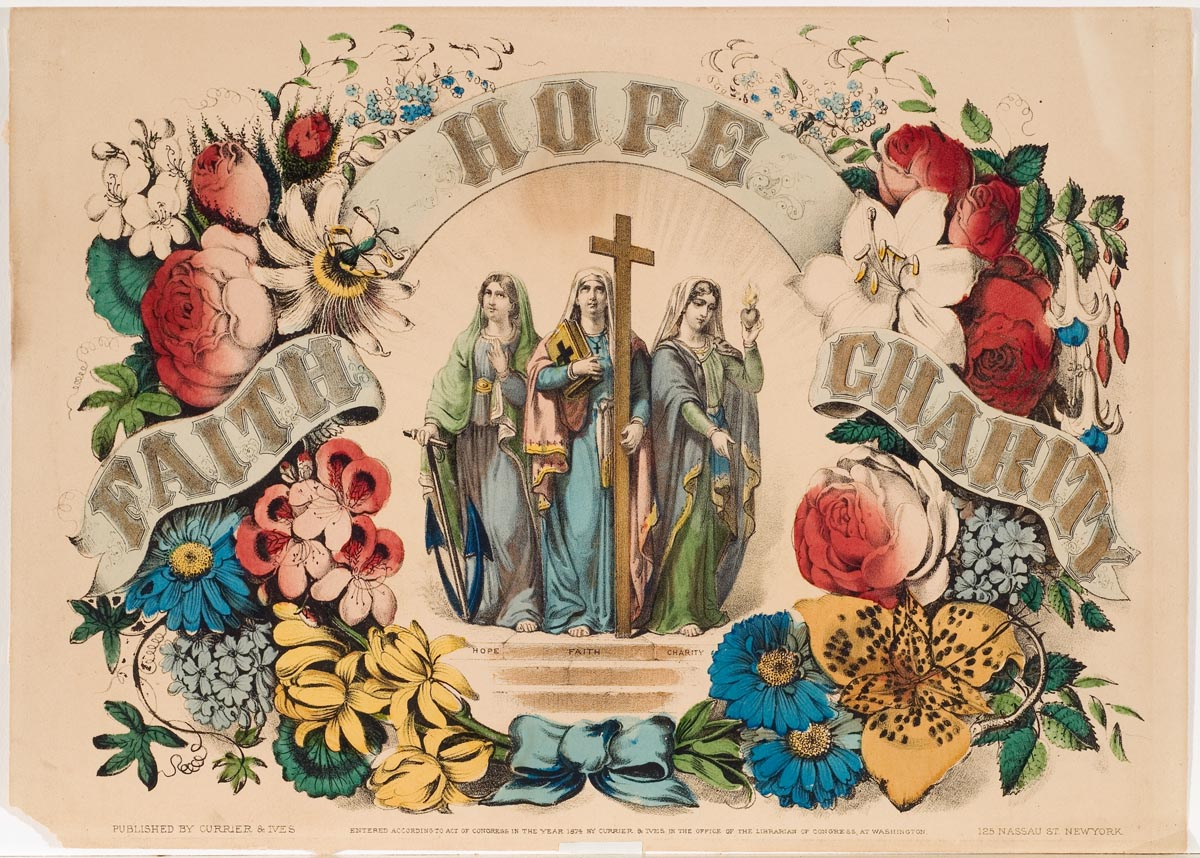
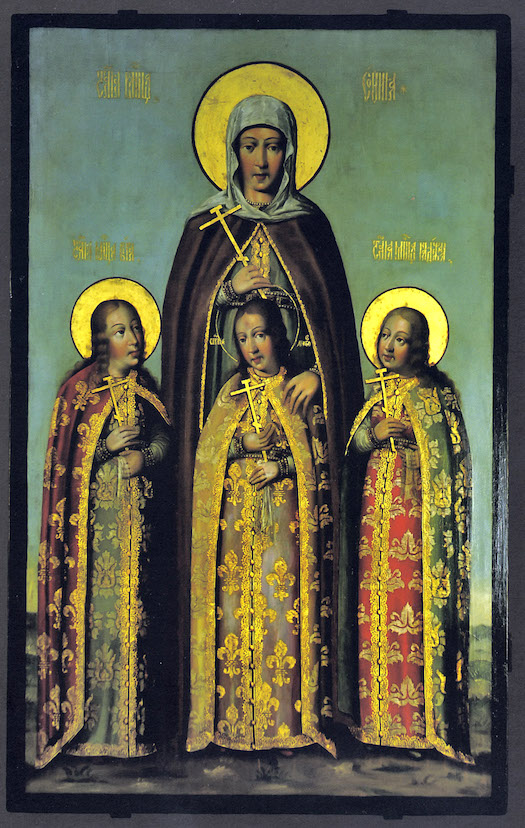
Saints of the Day – 1 August – Saints Faith, Hope, Charity and Sophia

Saints Faith, Hope and Charity were the daughters of Saint Sophia (Wisdom). Sophia was a widow of Milan who gave away her possessions and moved to Rome with her daughters. Her daughters were martyred before her and she buried them at Via Appia. She died a natural death three days later while praying at their grave. Their tomb in a crypt beneath the church afterwards erected to Saint Pancratius was long a place of pilgrimage, as detailed in various documents of the seventh century. Oils were gathered from their tombs and sent to Queen Theodelinda in the time of Gregory the Great.

Early Christians from the 4th century often took in baptism mystical names indicative of Christian virtues, and Sophia, Sapientia, and Fides are attested as names of Christian women in Catacomb inscriptions. While still children, the daughters were tortured and martyred in the persecutions of Hadrian. They were scourged, thrown into a fire, and then beheaded.

Posted in SAINT of the DAY

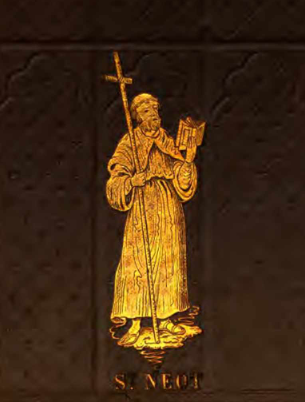
Saint of the Day – 31 July – Saint Neot

Saint Neot, also known as the Pygmy Saint. Related to King Alfred the Great, who visited him for counsel, Neot was an English monk born in the first half of the ninth century. He lived as a monk at Glastonbury Abbey and preferred to perform his religious devotions privately, fearing the creeping in of pride that came from acclaim. He later went to live an isolated life in Cornwall, near the village now called St Neot. There he lived as if he was a novice in religion; he fasted, he watched, he prayed for long hours, because he had not lived before this in any hermitical strictness.

His wisdom and religious dedication earned him admiration from the monks. He visited the Pope in Rome, who instructed him to found a monastery in Cornwall, saying “scatter the word of God among the people”. He did so, and because of his great piety, he became famous, and attracted large numbers of pilgrims. A number of miracles took place involving him. King Alfred visited numerous times and Neot repeatedly rebuked the King for his unbridled ambition. He warned that Alfred could expect greater misfortunes from the Viking invasions. Alfred had failed, Neot said, to attend to his people’s complaints and petitions.

He was very short, and described as being anything from 4 foot tall down to a mere 15 inches. He was so small that he needed to stand on a stool in order to say Mass. He spent much of his day up to his neck in a well during his devotions. Neot had a way with animals and birds, and worked miracles with them. He died of natural causes in 877, and the, because he was so popular, his body was stolen by other monks and taken to their priory in order to gain donations from pilgrims, and finally his remains were lost during the Dissolution of the Monasteries. Relics remain in Saint Neot’s church, Cambridgeshire, England, and at the abbey of Bee, Normandy, France.

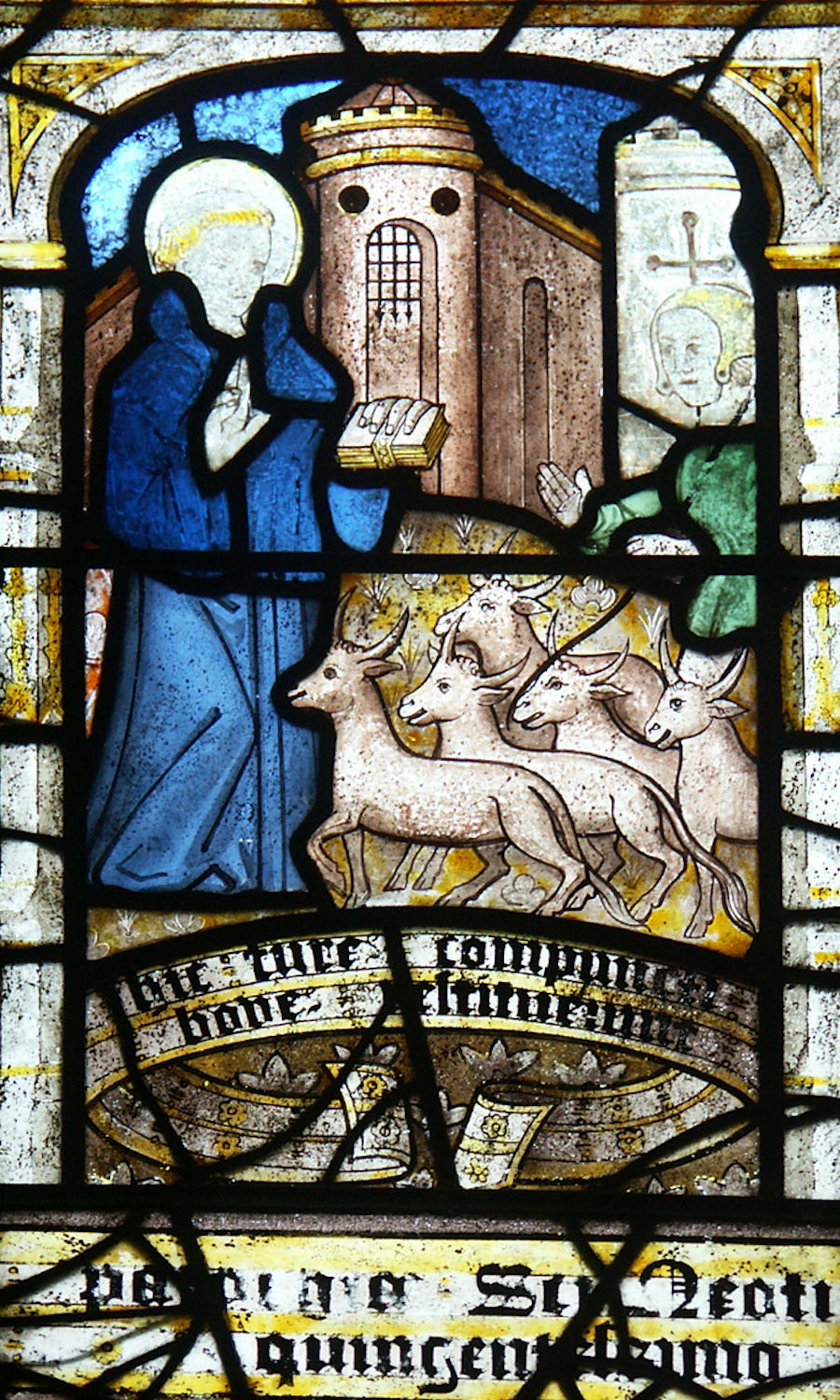
St Neot is the patron saint of fish; the reason being that there was a holy well which contained three fish. An angel told Neot that as long as he ate only one fish a day, there would always be three in the well. But when Neot fell ill his servant cooked two of them. Saint Neot prayed for forgiveness and ordered that the fish be taken back to the well. When the cooked fish returned to the water, they miraculously returned to life. The Holy Well of St Neot is still there today.

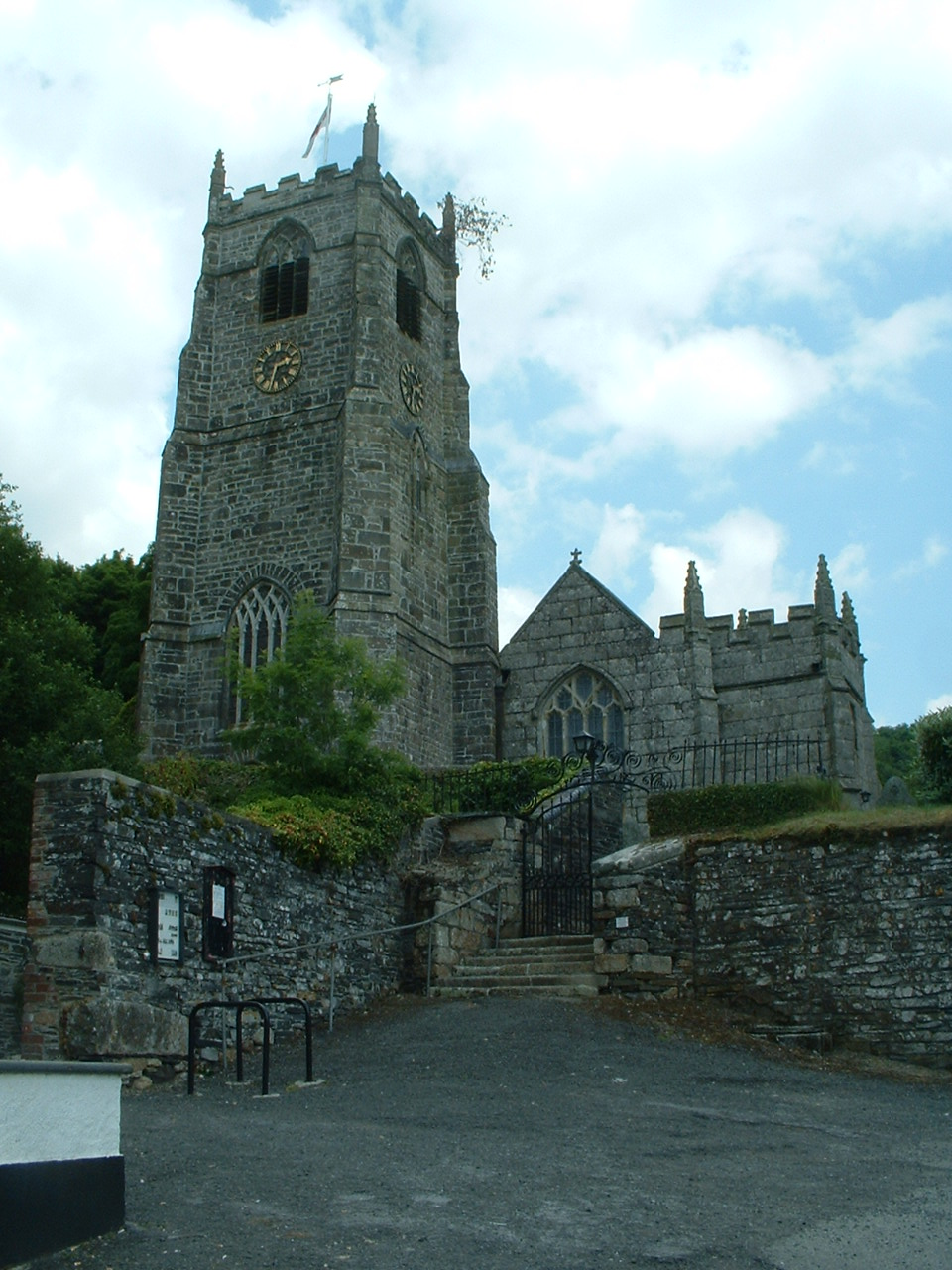
St Neot Church, Cornwall

Posted in MARIAN TITLES

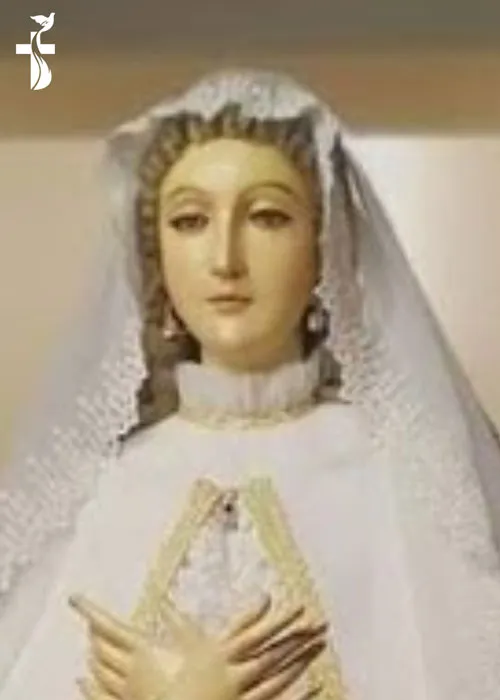
Memorials of the Saints and Feast of Our Lady of the Slain – 31 July

Our Lady of the Slain, also known as Our Lady of the Murdered, is located at a Cistercian monastery in Ceica, near Lorban, in the country of Portugal.

It is believed that this image was brought directly from heaven to be given to the Abbot John, who was the uncle of King Afonso I of Portugal. The statue earned its unique title through many spectacular miracles. It is best known for the fact that life was restored to several persons who had been murdered. In memory of these miracles, those who had been raised from the dead would bear from that time forward, a red mark upon their throats, like that which was seen on the throat of the image.

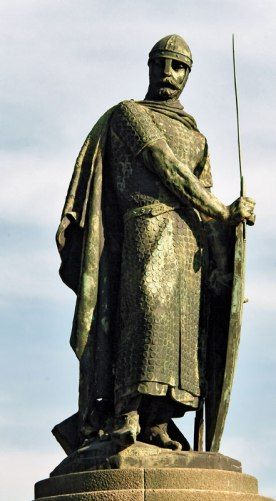
King Afonso I, the Conqueror, (also known as Afonso Henriques), was the first king of Portugal and a lifelong sworn opponent of Islam. He spent 46 years as king of Portugal waging war against the Moors in order to drive the invaders from his land. He was also known for his piety and great love for God. A relative of Saint Bernard of Clairvaux, he bestowed many privileges and benefits to the religious orders and built Alcobaca Monastery for the Cistercian Order. He was responsible for the foundation of several monasteries and convents, and was favorable especially toward the Cistercians.

St Ignatius of Loyola SJ (1491-1556) (Memorial) Inigo Lopez de Loyola – Priest, Mystic Founder of the Society of Jesus and Theologian, Author of the Spiritual Exercises.

St Calimerius of Milan
Bl Cecilia Schelingov
Bl Everard Hanse
St Fabius of Caesarea
St Firmus of Tagaste

St Germanus of Auxerre (c 378 – c 448) Bishop of Auxerre (c 378 – c 448), Lawyer, Missionary, Reformer, Exorcist, Miracle-Worker.

Blessed Giovanni Colombini (1300-1367) Layman, Husband and Father, Founder of the Apostolic Clerics of Saint Jerome (the Jesuati).

St Giustino de Jacobis CM (1800-1860) Bishop, Apostolic Vicar of Abyssinia, Missionary of the Congregation of the Mission.

St Helen of Skofde
Bl Jean-François Jarrige de La Morelie de Breuil
St Marcel Denis
St Neot
—
Martyrs of Syria – 350 saints: 350 monks massacred by heretics for their adherence to orthodox Christianity and the decrees of the Council of Chalcedon. 517 in Syria.

Martyrs of Synnada: 3 Saints
Democritus
Dionysius the Martyr
Secundus

Martyred in the Spanish Civil War: Thousands of people were murdered in the anti-Catholic persecutions of the Spanish Civil War from 1934 to 1939.
• Blessed Ciriaco Olarte Pérez de Mendiguren
• Blessed Dionisio Vicente Ramos
• Blessed Francisco Remón Játiva
• Blessed Miguel Goñi Ariz
• Blessed Miguel Francisco González-Díez González-Núñez
• Blessed Agapito Alcalde Garrido
• Blessed Ciriaco Olarte Pérez de Mendiguren
• Blessed Dionisio Vicente Ramos
• Blessed Francisco Remón Játiva
• Blessed Jaume Buch Canals
• Blessed Maria Roqueta Serra
• Blessed Miguel Goñi Ariz
• Blessed Miguel Francisco González-Díez González-Núñez
• Blessed Prudencio Gueréquiz y Guezuraga
• Blessed Segundo de Santa Teresa
• Blessed Teresa Subirà Sanjaume
• Blessed Vicenta Achurra Gogenola
• Blessed Francisca Pons Sardá

Posted in CATHOLIC Quotes

Quote/s of the Day – 31 July – St Ignatius Loyola

Quote/s of the Day – 31 July – “Month of the Precious Blood” and the Memorial of St Ignatius Loyola (1491-1556)

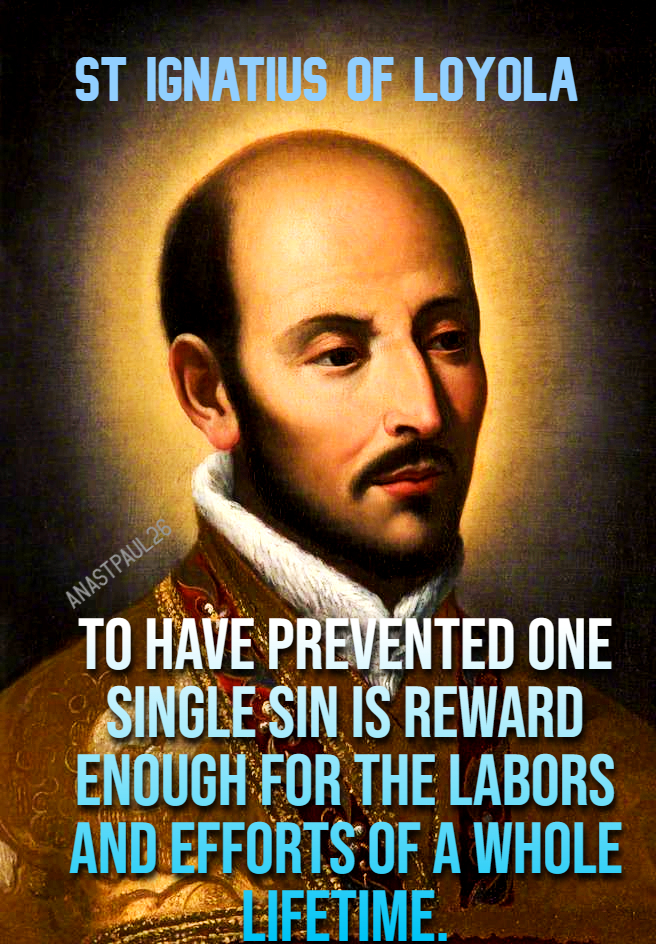
To have prevented one single sin is reward enough for the labors and efforts of a whole lifetime.

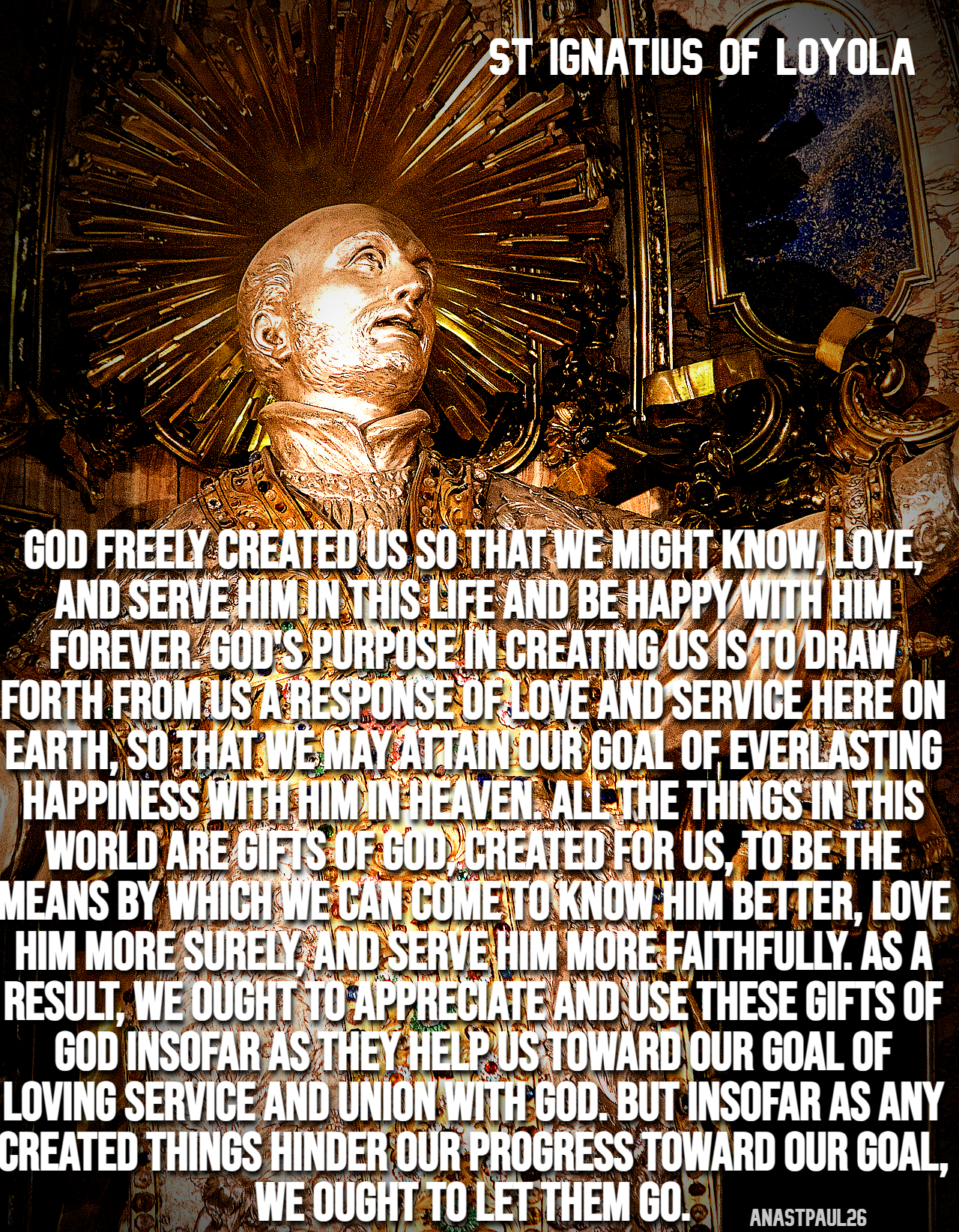
God freely created us so that we might know, love, and serve him in this life and be happy with him forever. God’s purpose in creating us is to draw forth from us a response of love and service here on earth, so that we may attain our goal of everlasting happiness with him in heaven. All the things in this world are gifts of God, created for us, to be the means by which we can come to know him better, love him more surely, and serve him more faithfully.
As a result, we ought to appreciate and use these gifts of God insofar as they help us toward our goal of loving service and union with God. But insofar as any created things hinder our progress toward our goal, we ought to let them go.

Laugh and grow strong.

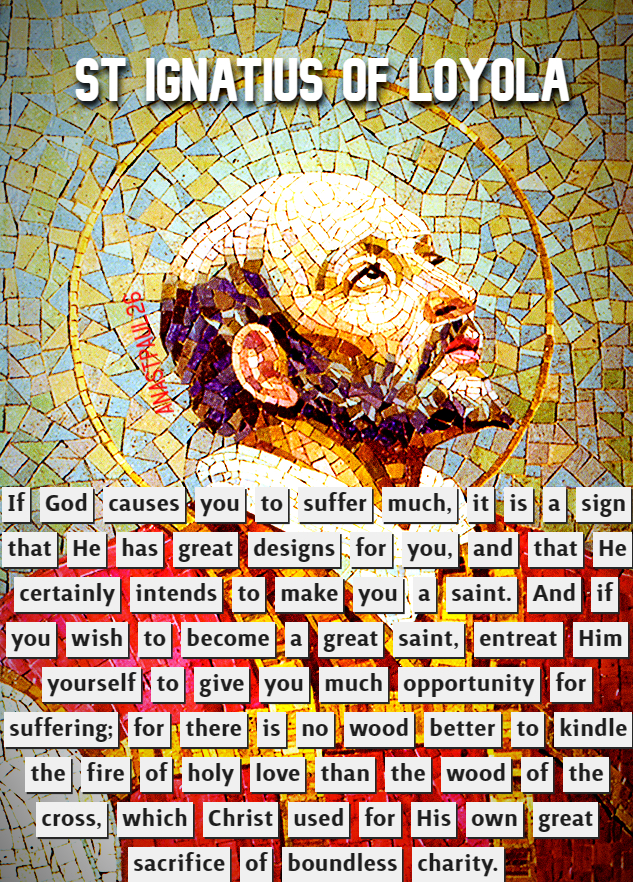
If God causes you to suffer much, it is a sign that He has great designs for you, and that He certainly intends to make you a saint. And if you wish to become a great saint, entreat Him yourself to give you much opportunity for suffering; for there is no wood better to kindle the fire of holy love than the wood of the cross, which Christ used for His own great sacrifice of boundless charity.

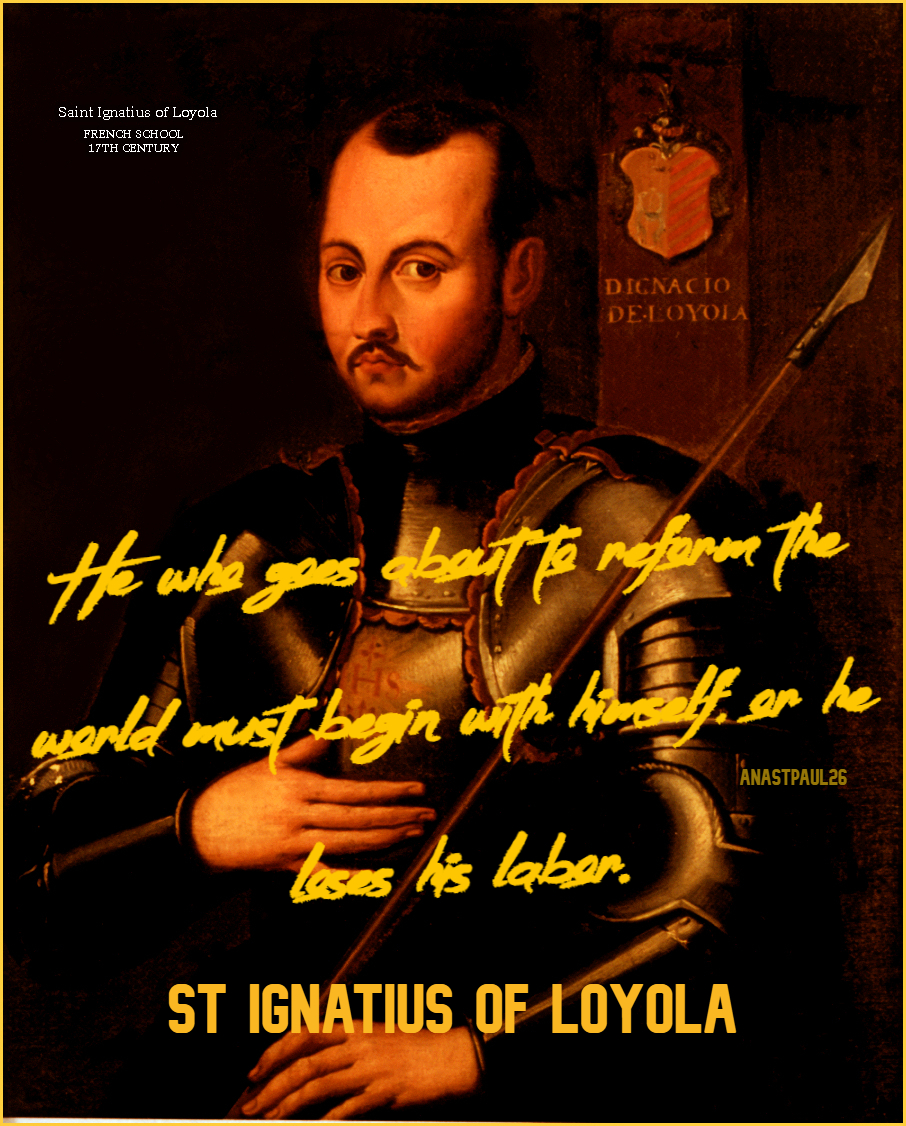
He who goes about to reform the world must begin with himself, or he loses his labor.

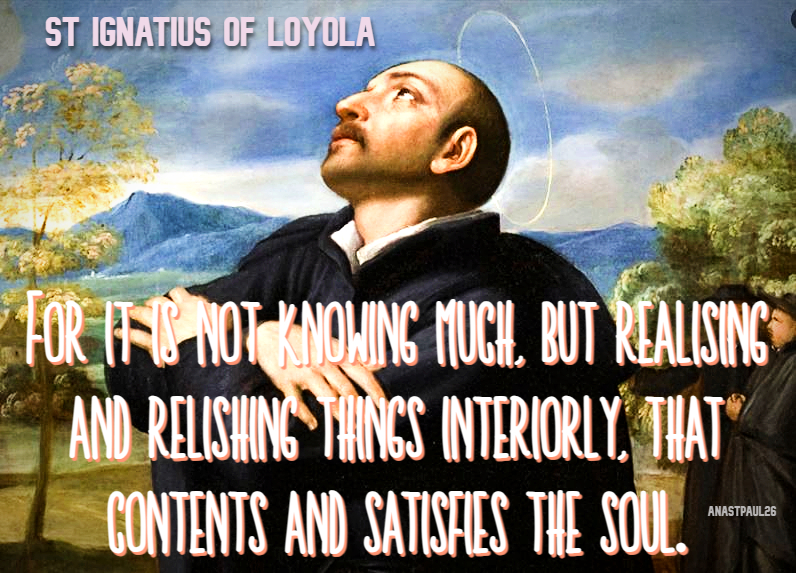
For it is not knowing much, but realising and relishing things interiorly, that contents and satisfies the soul.

Posted in JULY - The MOST PRECIOUS BLOOD

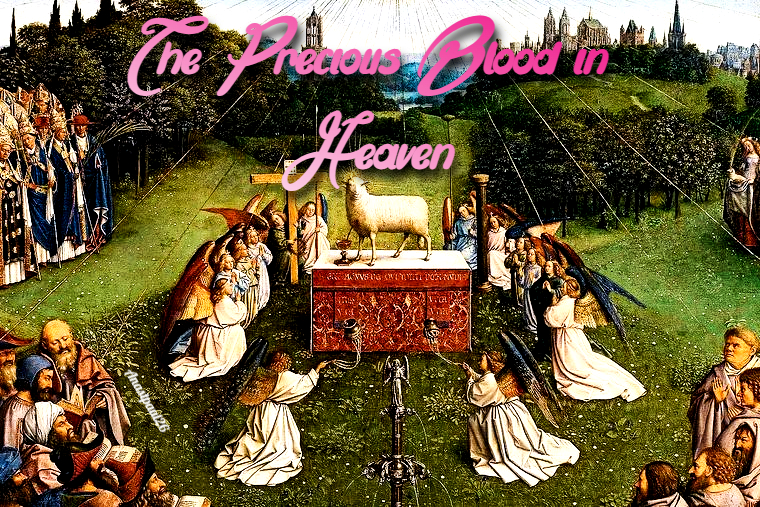
Thought for the Day – 31st July – The Precious Blood in Heaven

The Precious Blood – Short Meditations for July

By Rev. Richard F. Clarke

31st Day – The Precious Blood in Heaven

In heaven the Precious Blood of Jesus will not only share the glory of His sacred humanity, but it will be the source of its divine beauty, for the glory of Jesus will then consist in having bought us with a great price, and that price was none other than His Precious Blood. It will be a continual source of joy and thanksgiving to us, and will ever remind us of our ransom from sin and hell, and of the unspeakable blessings we shall then enjoy. Grant, O Lord, that I may share that joy!

The special glory of the Precious Blood appears to be ever present in the minds of the redeemed in heaven, and to form the subject of their songs and praise. ‘Worthy is the Lamb that was slain to receive honour and glory and power.’ ‘Thou wast slain and hast redeemed us to God in Thy blood.’ ‘We have washed our robes and made them white in the blood of the Lamb.’ If this is to be the continual song of heaven we must try to anticipate it on earth by cultivating a devotion to the Precious Blood of Jesus.

The Precious Blood will also receive the unceasing homage of the blessed in heaven on account of its having won for them all their graces. It purchased for them the glory that they now enjoy. In the overflowing of their hearts they will recognise it as the fount of all those delights that will inebriate their souls. Through it they drink of the waters of life, through it they gaze in ecstasy on the glory of Jesus, through it they are absorbed in the beatific vision. O my Lord! it is to Thy Precious Blood that I owe everything in this life, and shall owe my eternal happiness in the life to come. Oh, fill me with unspeakable gratitude to Thee now and forever!

Posted in Uncategorized

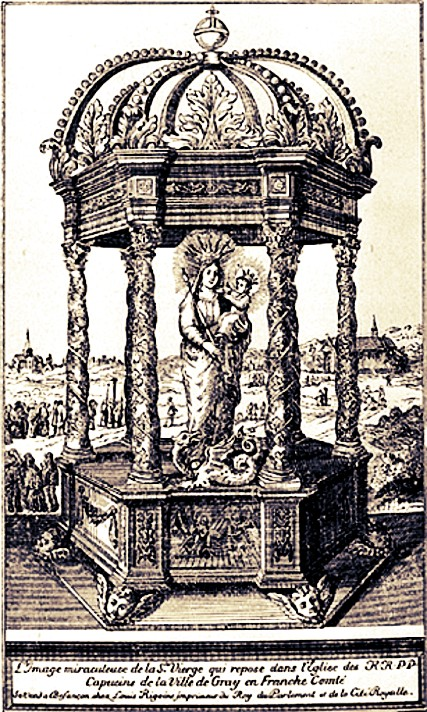
Notre-Dame-de-Gray / Our Lady of Gray, France (1602) and Memorials of the Saints – 30 July

Notre-Dame-de-Gray / Our Lady de Gray, France (1602) – 30 July:

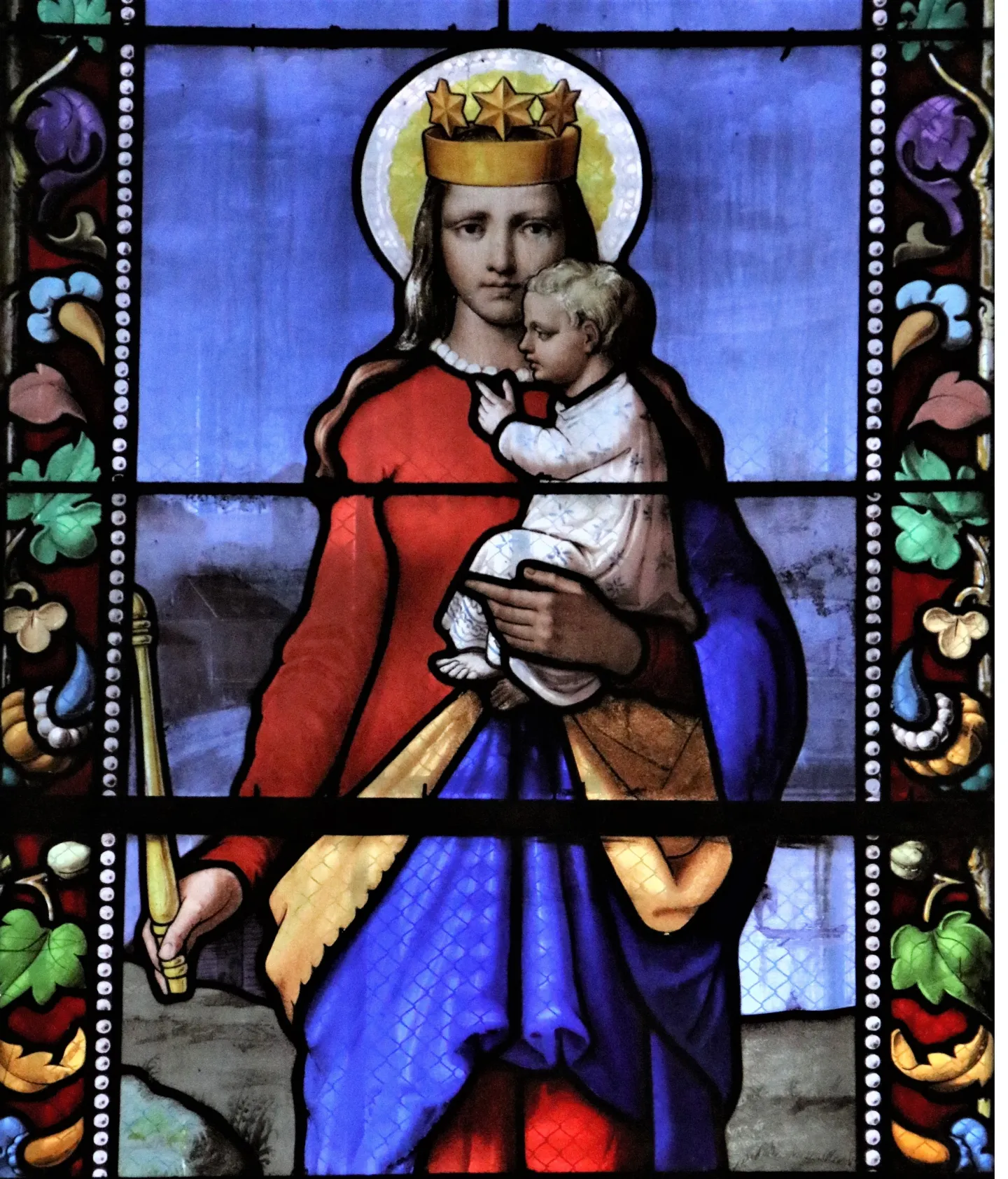
The Shrine of Notre-Dame-de-Gray, or Our Lady of Gray, is located near Besancon in Northern France near Franche-Comte. The Statue of Our Lady of Gray is made of an oak tree from Montaigu, has a dark wooden colour and is only 14.5 centimeters tall. It is much honoured in the country and there are many miracles and graces granted to petitioners that are attributed to Our Lady’s intercession at this shrine.

About five centuries ago, on a hill near Montaigu, a pious person placed a small statue of the Blessed Virgin Mary upon an old oak tree. The tree itself is believed to date from the time of the Druids and crested one of the hills in the Diocese of Malines. Soon the faithful began to come in crowds from throughout the region, for there were miraculous cures and various miracles granted to the pilgrims who invoked Mary under the name of Our Lady of the Oak.

In the year 1602 a small wooden chapel was built on the hill of Montaigu. The oak upon which the statue of Our Lady had once been displayed was now cut up into small pieces and carved by a local craftsman into statuettes of the same image. These statues were presented as a mark of respect to patrons of the shrine. Even the wood of the oak was considered almost a precious relic, for it had once touched the miraculous statue of the Blessed Virgin.
Wherever they went these figures were enshrined with honour and it seemed as if Our Lady of Montaigu sent her favour, for her miraculous power went with them.

In the year 1613, a poor, seventy year old widow named Jeanne Bonnet de Salins made a pilgrimage to the shrine. She obtained a piece of the venerable old oak and took it to a sculptor named Jean Brange to carve into a statue similar to that of the original. On 4 April 1613, the Archbishop of Besancon blessed the Statue and allowed it to be exhibited for public veneration.

It is reported, that Jeanne Bonnet was rewarded by signal graces she obtained through Our Lady’s intercession. She intended to give the statue to a local church but, in 1616, yielded to the repeated entreaties of Father Gabriel Appremont, who wanted to have the image for the Capuchins of Gray. A special chapel was richly decorated to receive it. The news soon spread in the region of Gray and the faithful flocked to pay their respects to the new Madonna, Our Lady of Gray.

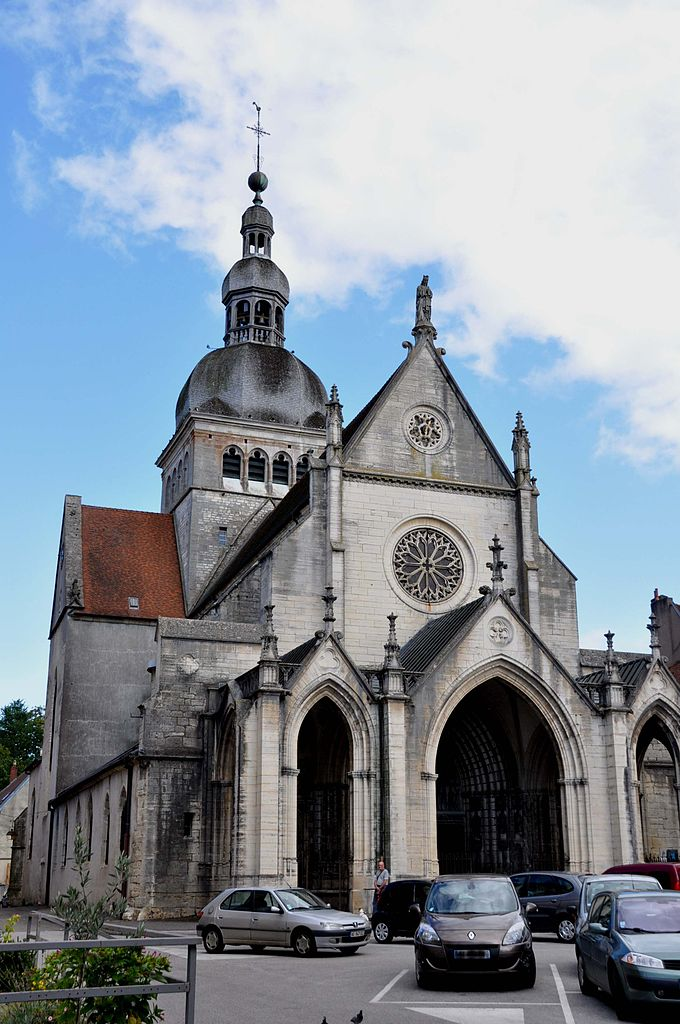
Our Lady of Gray holds in her right hand a gleaming sceptre of gold that a parishioner donated in the year 1807. It was at this time that the chapel – now a Basilica (see below), was undergoing reconstruction after the ravages of the French Revolution. There are also three semi-precious stones set in the front of the base of the statue that were given by grateful petitioners to the Blessed Virgin. Finally, the two gold crowns were created in 1909 on the occasion of the celebration of the coronation of the statue of Our Lady of Gray.

St Peter Chrysologus (c 400-450) (Optional Memorial) “Golden Words,” Father and “Doctor of Homilies” of the Church

St Abdon
Bl Antonio di San Pietro
Bl Edward Powell
St Ermengyth
St Hatebrand
St Julitta of Caesarea
Blessed Manés de Guzmán OP (c 1168-1235) Dominican Priest and Friar, Brother of Saint Dominic

Bl Richard Featherstone
St Rufinus of Assisi
St Senen
St Tatwine of Canterbury
St Terenzio of Imola
Bl Thomas Abel
St Ursus of Auxerre
Bl Vicenta Chavez-Orozco
—
Martyrs of Castelseras: Three Dominicans, two of them priests, one a novice, who were martyred together in the Spanish Civil War for refusing to renounce Christianity.
• Joaquín Prats Baltueña
• José María Muro-Sanmiguel
• Zosimo Izquierdo Gil
They were shot on 30 July 1936 at a farm house outside Castelserás, Teruel, Spain.

Martyrs of Tebourba – 3 saints: Three girls martyred together in the persecutions of Diocletian. We know little else about them but the names – Donatilla, Maxima and Secunda. 304 at Tebourba in North Africa.

The Martyrs of the Spanish Civil War:
Bl Alejandro González Blanco
Bl Eugenio García Tribaldos
Bl Guillermo Álvarez Quemada
Bl Juan Lanz Palanca
Bl Luis Herrero Arnillas
Bl Miguel Solas del Val
Bl Pablo Díaz de Zárate y Ortiz de Zárate
Bl Racardo Pla Espí
Bl Sergio Cid Paz

Posted in SAINT of the DAY

Saint of the Day – 29 July – Saint Olaf II

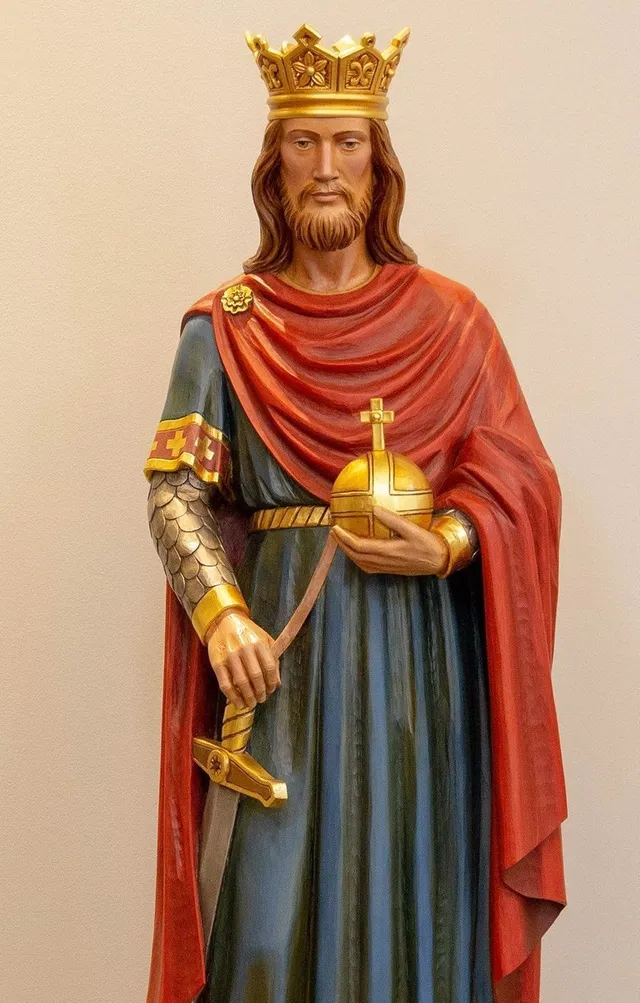
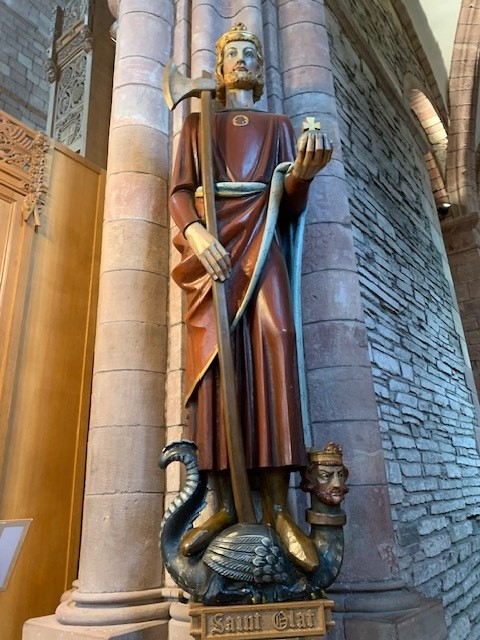
Saint Olaf Haraldsson (995 – 29 July 1030), also called Saint Olaf, Olaf the Holy, Olaf II, and Olaf the Stout, was King of Norway from 1015 to 1028. A viking and convert to Christianity, he was baptised in Rouen, Normandy, in 1010. The son of Harald Grenske, a petty king in Vestfold, Norway. Olaf was a great-great-grandson in the male line of the founder of the Norwegian kingdom. His father died when his mother was pregnant with him. She later married Sigurd Syr, with whom she had other children, including Harald Hardrada, who later reigned as king of Norway, and who claimed the English throne.

He helped King Ethelred of England (‘The Unready’) against pagan Danish invaders and brought missionaries, including Blessed Theodgar of Vestervig, to Norway to evangelize his people. He tried to force Christianity on them, so they revolted in 1029, and drove him first to Sweden and then to Kiev, in Russia. There he gathered his forces, and in 1030 attempted to re-take his throne. He was killed in battle, and regarded by Norwegians as the great champion of national independence. Many miracles were attributed to him. One such is that on the day of his death, a blind man regained his sight after rubbing his eyes with hands stained with Olaf’s blood. His cult spread extremely quickly, including across the sea to England.

St. Olaf in Orkney Cathedral, Kirkwall, Scotland

His remains were enshrined in Nidaros Cathedral, built over his burial site. His sainthood encouraged the widespread adoption of Christianity by Scandinavia’s Norsemen. Pope Alexander III confirmed Olaf’s local canonisation in 1164. He was posthumously given the title Rex Perpetuus Norvegiae (Eternal King of Norway). Olaf is symbolised by the axe in Norway’s coat of arms, and many Christian institutions with Scandinavian links, as well as Norway’s Order of St. Olav, are named after him.

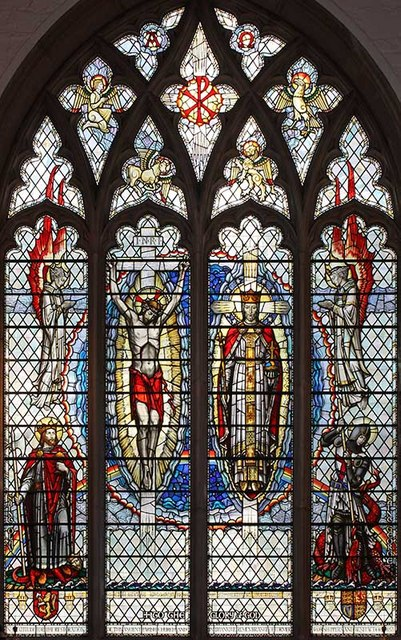
St. Olaf in stained-glass window at St Olave’s Church, in London

Patronage: Carvers, difficult marriages, kings, Norway

Posted in MARIAN TITLES

Madonna dei Miracoli / Holy Mary of Miracles, Morbio Inferiore, Ticino, Switzerland (1594) and Memorials of the Saints – 29 July

Madonna dei Miracoli / Holy Mary of Miracles, Morbio Inferiore, Ticino, Switzerland (1594) – 29 July:

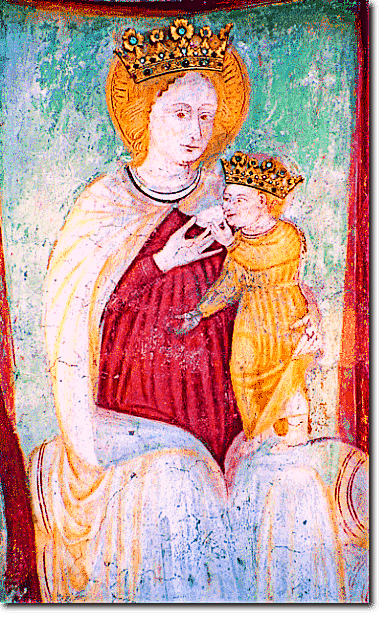
Where the Sanctuary of Morbio now stands, a castle stood centuries ago, attested in 1198 and destroyed in the first half of the sixteenth century. Only the ruins of a Chapel, dedicated to St Bernardino of Siena, transformed over time into a pile of rubble, buried by weeds, brambles and thorns., remained. Surrounded by ivy and fortunately well preserved, remained the Fresco in the Chapel, depicting the Virgin with the Child.

The history of the Sanctuary of Holy Mary of Miracles began on 29 July 1594. It was a Friday when the two mothers with their daughters, Catherine and Angela , respectively ten and seven years old, travelled to Morbio to entreat the assistance of Fr Gaspare Basbetrini. They were sick girls, tormented by the devil and had travelled to Morbio, to ask for the blessing of Don Gaspare Barberini, the assistant Priest at Morbio, who was well-known as an Exorcist. However, sadly for the pilgrims, Fr Basbetrini was absent.

To the tiredness of the journey and the sadness of illness, the bitterness of disappointment was added. Among the ruins of the ancient castle the little group of supplicants waited and discovered on the crumbling and crumbling walls, the faded remains of a fresco depicting the Virgin in a deeply maternal position nursing Baby Jesus.

The two mothers knelt before the Virgin with their daughters and prayed in deep sadness and devotion for the intercession of the Holy Mother to come to the aid of the sick children.

And then the miracle happened. Those two poor simple and innocent creatures were cured. This is Morbio’s miracle – the Madonna appeared to the two little girls and cureds them of all their illnesses, dispelling any demonic presence within them.

Our Lady spoke to the elder girl, Catherine and instructed her to tell the Bishop that the Church should be rebuilt and that the Holy Rosary must be said everyday.

Eight days after the event, on 5 August 1594, the episcopal curia of Como, whose ecclesiastical jurisdiction also extended to the southern regions of Ticino, instructed the regular canonical process, which recognized, upon the sworn deposition of the main eyewitnesses, the truth of what happened and their prodigious and supernatural nature.

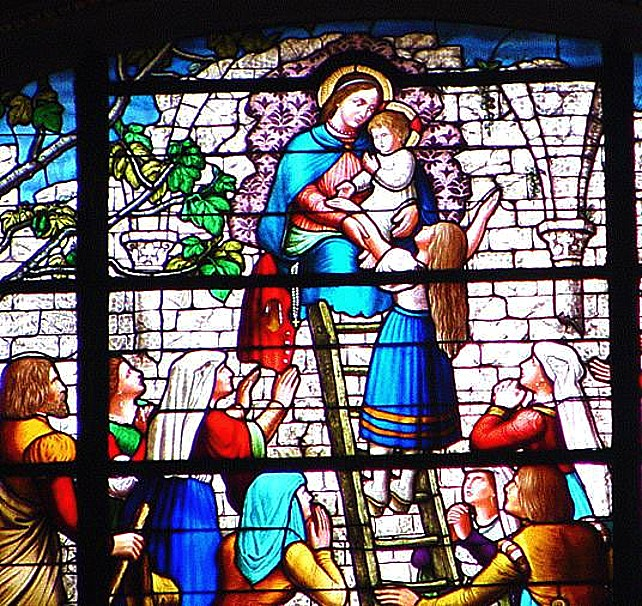
A stained-glass window, located at the top of the apse and placed at the beginning of this century, illustrates and reminds those who enter the Sanctuary of this miracle. Catherine is depicted on a ladder, with her arms outstretched, listening in front of the image of the Madonna dei Miracoli. At the foot of the ladder, Angela, the other sick girl, is lying asleep.

In a short while an Oratory was built on the site to recite the Rosary and celebrate Mass there, as the Madonna had said to Catherine, while on 29 July 1595, the Anniversary of the apparition and the miracle, the first stone was blessed and laid for the construction of the Sanctuary, Consecrated on 16 May 1631 by the Bishop of Como, Msgr Filippo Archinti.

St Martha (Memorial) – Sister of Saint Lazarus and Saint Mary of Bethany. Friend of Jesus and hostess to Him in her house. May have been part of an early mission to France.

St Antony
St Beatrix of Rome
Bl Beatrix of Valfleury
St Callinicus of Paphlagonia
Bl Charles-Antoine-Nicolas Ancel
St Faustinus of Rome
St Faustinus of Spello
St Felix of Rome
St John Baptist Luo Tingyin
St John the Soldier
Bl José Calasanz Marqués
St Joseph Zhang
St Kilian of Inishcaltra
St Lek Sirdani
Bl Luis Bertran
St Lupus of Troyes
Bl Mancius of the Cross
St Martha Wang
St Olaf II
St Olaus of Sweden
St Paulus Chen Changpin
Bl Petrus of Saint Mary
St Pjetër Çuni
St Prosper of Orleans
St Rufo of Rome
St Seraphina
St Serapia of Syria
St Simplicius of Rome
St Sulian

Blessed Pope Urban II (c 1035-1099) Bishop of Rome from 1088 until his death, Carthusian Abbot, Confessor

St William Pinchon of Saint Brieuc (1180-1234) Bishop of Saint Brieuc, Confessor
—
Four Anonymous Martyrs

Martyrs of Calanda – 8 beati: A group of Dominican priests and friars who were martyred over the course of a day in the same town by the same group of anti-Christian forces in the Spanish Civil War.
• Antonio Manuel López Couceiro
• Felicísimo Díez González
• Gumersindo Soto Barros
• Lamberto María de Navascués de Juan
• Lucio Martínez Mancebo
• Matías Manuel Albert Ginés
• Saturio Rey Robles
• Tirso Manrique Melero
They were martyred on 29 July 1936 in Calanda, Teruel, Spain I.

Martyrs of Lleida – 12 beati: Carmelites of the Ancient Observance novices, friars and priests who were all martyred together in the Spanish Civil War.
• Àngel Prat Hostench
• Eliseo Maneus Besalduch
• Gabriel Escoto Ruiz
• Ginés Garre Egea
• Joan Maria Puigmitjà Rubió
• Joan Prat Colldecarrera
• Josep Solé Rovira
• Lluis Fontdecava Quiroga
• Manuel Serrano Buj
• Miquel Soler Sala
• Pere Dorca Coromina
• Pere Ferrer Marín
They were martyred on 29 July 1936 in Clot dels Aubens, Cervera, Lleida, Spain.

Martyred in the Spanish Civil War: Thousands of people were murdered in the anti-Catholic persecutions of the Spanish Civil War from 1934 to 1939.
• Blessed Bartolomé Rodríguez Soria

Martyrs of Rome – 23 saints
Eugene
Flora the Martyr
Lucilla
Theodore

Posted in SAINT of the DAY

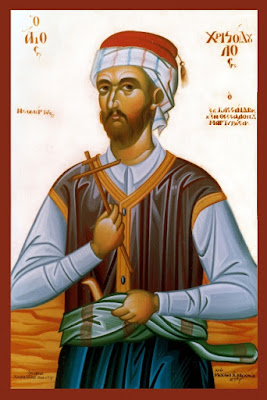
Saint of the Day – 28 July – Blessed Christodoulos

Blessed Christodoulus was born in the village of Kassandra in Halkidiki, Macedonia. He was a young tailor in Thessaloniki during a period of occupation by Ottoman Turks. Seeing local Christians giving in to pressure and proclaiming themselves Muslim, Christodoulus took a cross and went into the streets to encourage Christians, as well as into the coffee shops were the ‘ceremony’ of conversion would take place, and offered them the cross to kiss as a sign of their faith, urging them to recover, repent, and stand strong in the love of Christ. Most courageously, he would make the Sign of the Cross over crowds of Turks as well as the dreaded Janissaries, the most fanatical muslim warriors of all, the elite bodyguard of the Sultan. Janissaries who were themselves once Christian, before being enslaved by the Ottoman emperors as youth.

Enraged by this, the Turks imprisoned and tortured Christodoulus. They urged him to deny the Faith, but in return he urged them to turn away from the false religion of Islam. Driven to an excess of hatred by this, the Turks tortured him gruesomely and then hung him in front of a church in 1777.

Posted in MARIAN TITLES

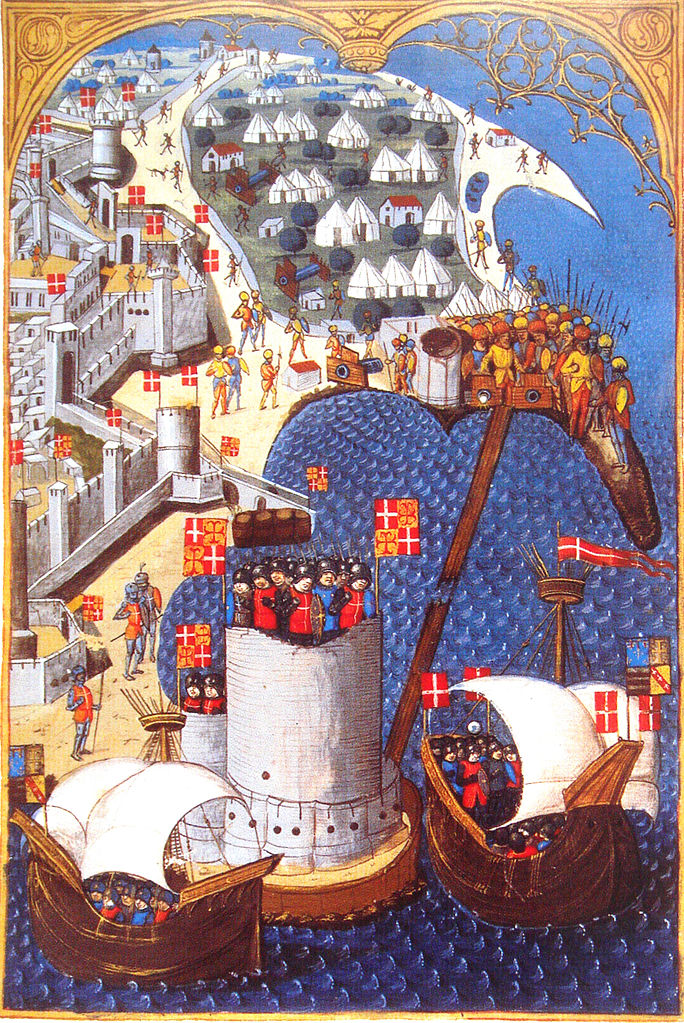
The Siege of Rhodes. Victory over the Turks by the Knights Hospitaller at Rhodes in 1480 through the intercession of Our Lady and Memorials of the Saints – 28 July

The Siege of Rhodes. Victory over the Turks by the Knights Hospitaller at Rhodes in 1480 through the intercession of Our Lady, final battle 27 July 1480 – commemorated on 28 July:

Constantinople, the capital of the Byzantine Empire, the last remnant of the Holy Roman Empire, fell to the “Scourge of Europe,” the Sultan Mehmet II, in the year 1453. This dire news was almost impossible to believe in the rest of Christendom but, it was sadly true and Constantinople was made into the new seat of the Ottoman Empire.

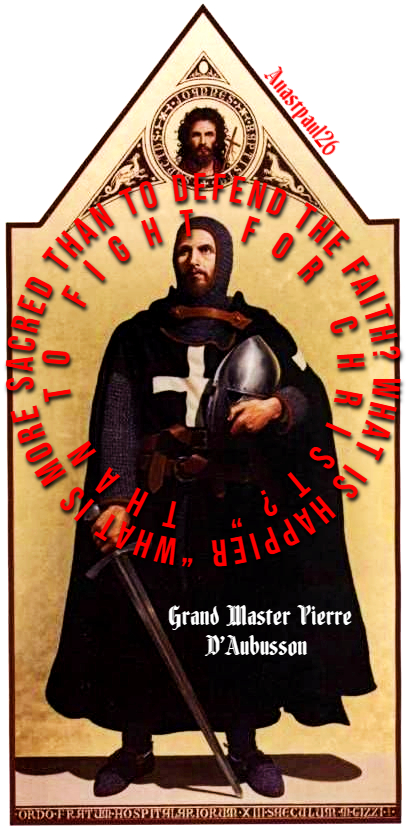
A few short years later, Pierre D’Aubusson was Grand Master of the Hospitallers, the Knights of Saint John, living on the island of Rhodes. He and his Knights were untiring opponents of Islam, sworn to do everything in their power to fight against them. Having made the island of Rhodes their home, the Knights harassed Ottoman shipping lanes and assisted with attacks against the Ottoman Empire.

In the year 1479, D’Aubusson refused to pay tribute to Mehmet in exchange for peace and furthermore, had the audacity to continue harassing the sultan’s shipping lanes. The Grand Master continued to work on the massive fortifications on Rhodes as he awaited the siege of Rhodes that he knew would soon come. His walls were strong but the Grand Master had only a few hundred Knights and about 2,000 natives to defend them.

Mehmet was not intimidated by the Christian defenses on Rhodes, for he had huge cannons and basilisks which had blasted holes in the stout walls of Constantinople. He also had over 70,000 men in his army, and he was determined to wipe out “that abode of the sons of Satan,” as he referred to the Catholic Knights of Rhodes.

The Siege of Rhodes began with a tremendous bombardment on the Tower of Saint Nicholas. Grand Master Pierre D’Aubusson was not intimidated as he asked: “What is more sacred than to defend the Faith? What is happier than to fight for Christ?”

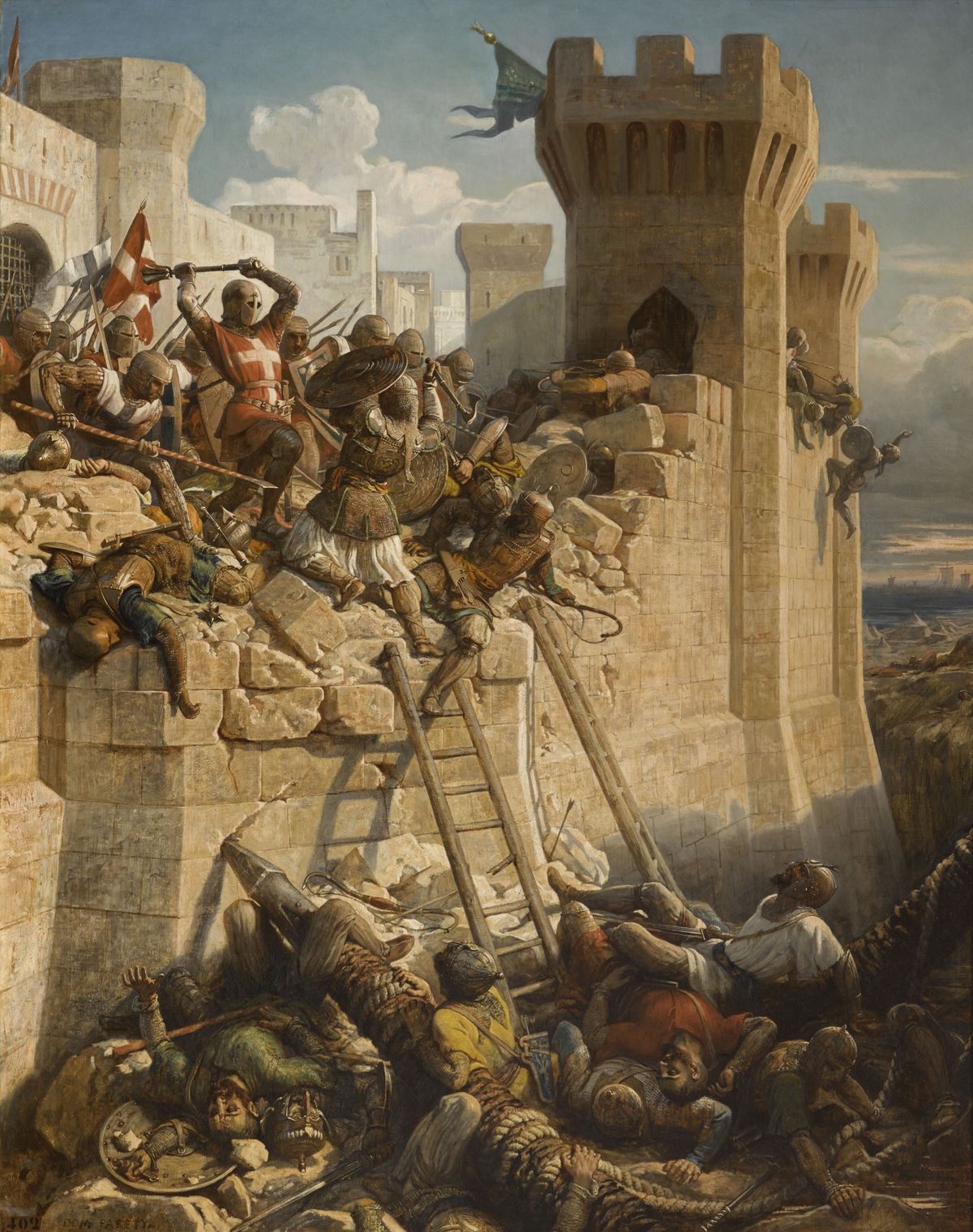
Breaches were eventually made in the walls and the Muslim’s unremittingly attempted to rush through the breaches. Many of the Turks had to be forced to attack the defenses, as their commanders lashed them forward with whips and chains. The Janissaries, however, did not have to be urged, for they were the sultan’s finest troops. They were warriors to the core and advanced over the fallen bodies of their comrades, anxious to cross swords with the Catholic Knights.

Finally, the Tower of Italy began to crumble from the terrific assault, and large breaches opened in the wall. The Bashi-Bazouks and Janissaries rushed into the breach, placing the standard of Islam above the Tower.

On witnessing this act, the Grandmaster rushed into the breach together with a few of his excellent Knights. Howling and raging like madmen, the Janissaries pressed the assault, for the Knights seemed too few to stand against their wave after wave of thousands of elite warriors. Yet, the Grandmaster stood, insensible of any wounds he received in return for the carnage he wreaked among the fanatical Muslim warriors.

Fighting with broken blades and notched axes, the Knights of Saint John continued to hold the breach, cutting down any who approached them, until a huge Janissary rose up and hurled a spear with all his might directly at the Grand Master. Propelled at incredible speed, the sharp steel tip easily pierced D’Aubusson’s breastplate, puncturing a lung. The Grand Master went down beneath a torrent of hacking blades as the Knights struggled to drag his body from the fray.

By his courageous stand D’Aubusson had proven he was at least the equal of any Grand Master in history, but now, he was wounded unto death and could do no more. The siege of Rhodes appeared to be lost as D’Aubusson’s Knights struggled to haul him to safety. Thousands of Jannisaries were rushing into the breach with no-one to stop them and at this point the Knights knew, it would take a miracle to keep Rhodes from being overrun.

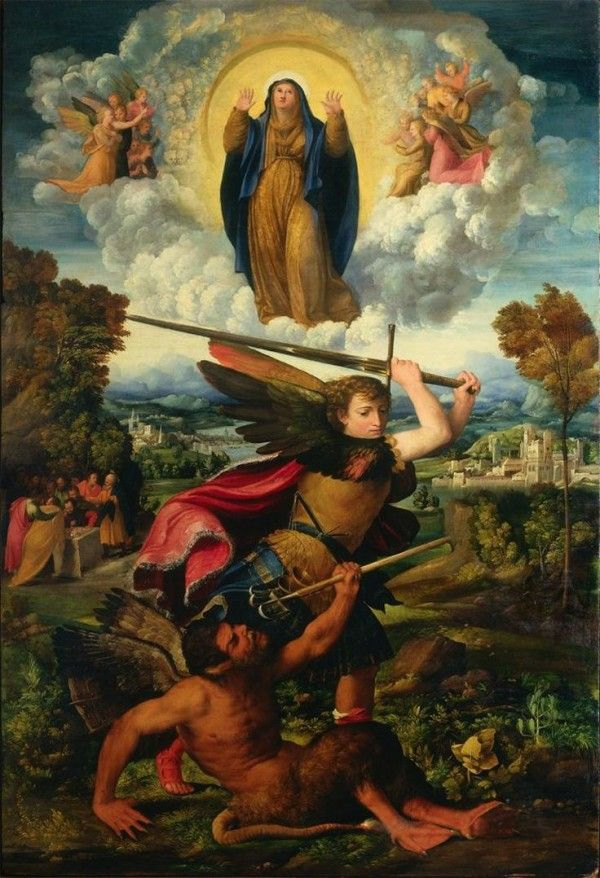
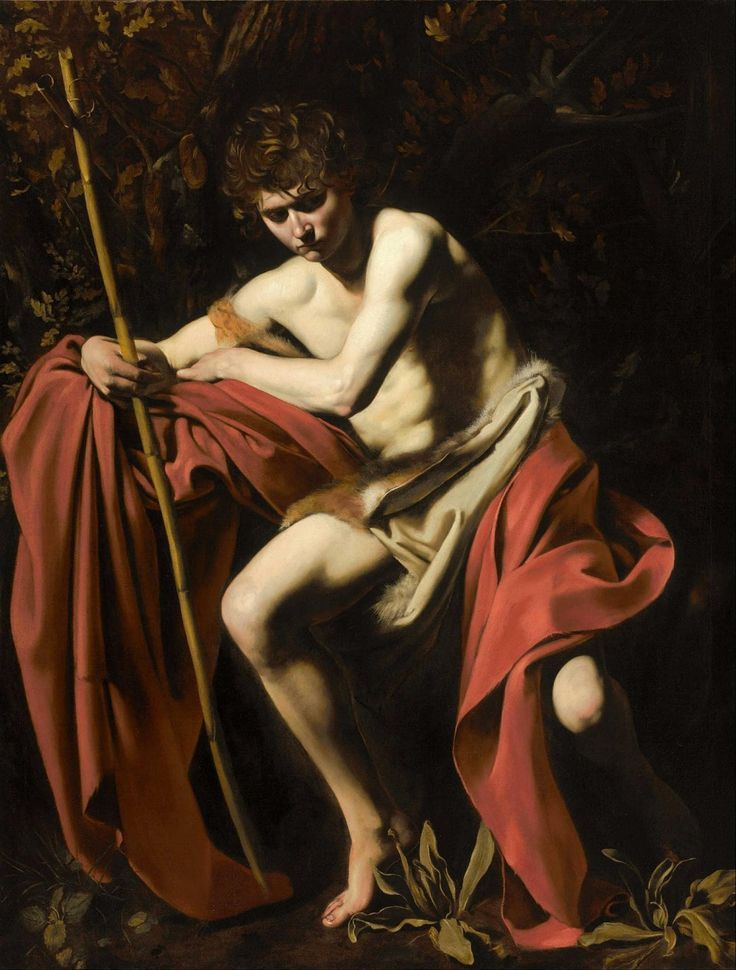
A miracle is exactly what they got. Suddenly there appeared in the sky “a refulgent cross of gold, by the side of which stood a beautiful woman clothed in garments of dazzling white, a lance in her hand and a shield on her arm, accompanied by a man dressed in goatskins and followed by a band of heavenly warriors armed with flaming swords.” It was the glorious figures of Saint John the Baptist, the Patron Saint of the Order of Saint John, Saint Michael the Archangel brandishing his unsheathed sword and the Queen of Heaven, the Blessed Virgin Mary herself, dressed in battle array!

The Turks turned at the sight and ran in panic-stricken flight. Thousands fell as they fled, cut down and pursued through the breaches by the Knights of Rhodes and their heavenly allies. Chased all the way back to their camp, it was now the defeated Muslims who suffered the insult of having their sultan’s own standard captured.

The siege of Rhodes had ended, and Grandmaster D’Aubusson later recovered of his wounds. He had lost 231 of his Knights but that was nothing compared to the thousands upon thousands of Muslim warriors who lay dead upon his shores.

It was in the year of Our Lord 1480 that the Knights of Rhodes had gained this signal victory over the Turks, by the help of the Blessed Virgin, whom the Knights regarded ever after as Our Lady of Victory. They renewed their dedication to her who had appeared on the walls during the siege of Rhodes holding a lance in her hand to defend them, bringing with her Saint Michael the Archangel and a heavenly army. She, the Patroness of the Sovereign and Military Order of Hospitallers, had turned the formerly obstinate enemy, who retired in disorder, to lose the greater part of their army. Thanks BE to Our Lady of Victory, the all-conquering sword of Mehmet II had shattered upon the walls of Rhodes!

St Acacius of Miletus

St Arduinus of Trepino
St Botwid of Sudermannland
St Camelian of Troyes
St Celsus of Rome
Bl Christodoulos
Bl Davíd Carlos-Marañon
St Eustathius of Galatia
St Pope Innocent I (Died 417)
St Irene of Cappadocia
Bl John Soreth
St José Caselles-Moncho
Bl José Melchór García-Sampedro Suárez
Bl Josep Castell-Camps
St Longinus of Satala
St Lucidius of Aquara
St Lyutius
Bl Manuel Segura-López
St Nazarius of Rome

St Peregrinus
St Samson of York

St Pope Victor I (Died c 199) The 14th Bishop of Rome, Martyr.

Martyrs of Laodicea – 8 saints

Martyred in the Spanish Civil War – Thousands of people were murdered in the anti-Catholic persecutions of the Spanish Civil War from 1934 to 1939.

Martyrs of Fernán Caballero – 14 beati: Fourteen Claretian clerics who were martyred together in the Spanish Civil War. – 28 July 1936 in Fernán Caballero, Ciudad Real, Spain.
Bl Antolín Astorga Díez
Bl Enrique Serra Chorro
Bl Gregorio Charlez Ribera
Bl Joan Ayats Plantalech
Bl Joan Bover Teixidor
Bl Joan Costa Canal
Bl José Aurelio Calleja de Hierro
Bl José Gutiérrez Arranz
Bl Josep Camí y Camí
Bl Josep Martí Coll
Bl Lluis Casanovas Vila
Bl Lorenzo Arribas Palacio
Bl Manuel Collellmir Sentíes
Bl Miguel Léibar Garay
Bl Narcís Felíu Costa
Bl Pedro Alonso Fernández
Bl Pelagi Ayats Vergés
Bl Pere Vilar Espona
Bl Primitivo Sandín Miñambres
Bl Ramon Gros Ballbé
Bl Vicente Toledano Valenciano

Posted in ONE Minute REFLECTION

One Minute Reflection – 28 July – “Not a hair on your head will be destroyed”

But you will be delivered up by your parents and brothers and relatives and friends; and some of you they will put to death. And you will be hated by all for My name’s sake; yet not a hair of your head shall perish. By your patience you will win your souls.

Luke 21:9-19

REFLECTION – Persevere with strength and constancy in witnessing to divine grace … ; press on to receive the crown in the power of the Spirit. The Lord will be your protector and guide, as he has said: “Lo, I am with you always, to the close of the age”. Happy the prison which despatches the men of God to heaven!

Let there be nothing in your hearts and minds now except God’s words. It is by these that the Holy Spirit has all along strengthened you for suffering. Let no one think of death, but rather of immortality; do not think of the passing pain but of everlasting glory, as it is written: “Precious in the eyes of the Lord is the death of his faithful”. Again, when scripture speaks of the sufferings which consecrate the martyrs to God … “Though in the sight of men they were punished, their hope is full of immortality! They will govern nations and rule over peoples, and the Lord will reign over them for ever”. When you reflect that you will be judges and will reign with Christ the Lord, you must rejoice. In the light of the joy that is to come, you must trample on present sufferings.

The Lord made himself a model of all this. He taught us that no one can come to his kingdom except those who followed him on his way, when he said: “He who loves his life will lose it. And he who hates his life in this world will keep it for eternal life”, Saint Paul, too, exhorts us that if we wish to attain the Lord’s promises, we should imitate the Lord in everything: “We are children of God,” he says, “and if children, then heirs, heirs of God and fellow heirs with Christ, provided we suffer with him in order that we may also be glorified with him”.

PRAYER – Remember Lord, Your solemn Covenant, renewed and consecrated by the Blood of the Lamb, so that Your people may obtain forgiveness for their sins and continued growth by grace. May the Blessed Virgin, the Mother of Christ, our Treasure, intercede for our salvation. We make our prayer through Jesus Christ Your Son, in the unity of the Holy Spirit, one God with You Father, now and forever, amen.

Posted in QUOTES on JUSTICE

Quote/s of the Day – 28 July – God gave the holy ones the recompense of their labors

Quote/s of the Day – 28 July – “Month of the Most Precious Blood” – Readings: Ps 78:11; 78:12; 78:10, Ps 78:1, Wis 10:17-20, Luke 21:9-19

God gave the holy ones the recompense of their labors, conducted them by a wondrous road, and became a shelter for them by day and a starry flame by night. He took them across the Red Sea and brought them through the deep waters – but their enemies He drowned in the sea, and cast them up from the bottom of the depths.

Wis 10:17-20

If we speak of legal justice, it is evident that it stands foremost among all the moral virtues, for as much as the common good transcends the individual good of one person. On this sense the Philosopher declares that “the most excellent of the virtues would seem to be justice, and more glorious than either the evening or the morning star.” But, even if we speak of particular justice, it excels the other moral virtues for two reasons. The first reason may be taken from the subject, because justice is in the more excellent part of the soul, viz. the rational appetite or will, whereas the other moral virtues are in the sensitive appetite, whereunto appertain the passions which are the matter of the other moral virtues. The second reason is taken from the object, because the other virtues are commendable in respect of the sole good of the virtuous person himself, whereas justice is praiseworthy in respect of the virtuous person being well disposed towards another, so that justice is somewhat the good of another person.

St Thomas Aquinas (Summa Theologica, Question 58 – Justice)

It seems as if from Bethlehem and Nazareth we were to be continually looking on to the end of all things, and reminding ourselves that that sweet and gentle Child, around Whose opening days are clustered so many tender thoughts of thankfulness and hopefulness and love, is to come hereafter, terrible to His enemies, a fire going before His face, Heaven and earth rolling up like a scroll before Him, & ‘with the voice of an Archangel and the trumpet of God’ calling on the dead to arise and come to judgment.

Fr Coleridge SJ. 1822 -1893 (The Return of the King)

Cruelty lies not only in allowing the bad to do what they will, but in another thing too quite as much; to overlook, and leave uncared for, him who has done no wrong, but who is without cause or reason suffering ill. For tell me; were any one to gather together wicked men from all quarters, and arm them with swords, and bid them go about the whole city, and massacre all that came in their way, could there be anything more like a wild beast than he? And what if some other should bind, and confine with the utmost strictness those whom that man had armed, and should snatch from those lawless hands them, who were on the point of being butchered; could anything be greater humanity than this?

St John Chrysostom (Homily 16 on Matthew)

Do not suppose, my sisters, that because you do not seek favour with the world you will be left to starve; I can reassure you about that. Never try to sustain yourselves by any human artifice, or you will perish of famine as you would deserve. Look to your Spouse; He must maintain you: if He is pleased with you, those who like you least will give you food even against their will, as you have learnt by experience.

St Teresa of Avila (The Way of Perfection)

Oh grateful and delightsome service of God, whereby man is made truly free and holy! Oh sacred condition of the religious servant, which maketh man equal to the Angels, well-pleasing unto God, terrible to evil spirits, and acceptable to all faithful ones! Oh service to be embraced and ever desired, in which the highest good is promised, and joy is gained which shall remain for evermore!

Thomas a Kempis (The Imitation of Christ)

Posted in SAINT of the DAY

Saint of the Day – 27 July – Saint Anthusa of Mantinea

Saint Anthusa of Mantinea or the Confessor. She is easily confused with Saint Anthusa the daughter of the iconoclast emperor Constantine V, but it was Saint Anthusa of Mantinea whom he summoned to ask for prayers for the labouring mother of Saint Anthusa of Constantinople, the infant daughter who was subsequently named after her.

She was an anchoress and abbess in Constantinople during the 8th century.

After the death of her parents while still very young, the saint distributed her inheritance, left her family home, and withdrew to a cave. Ninety virgins gathered around her, entrusted themselves to her guidance, and followed her example. She founded two monasteries, one for men and the other for women, and became abbess of the monastery for nuns, who “were known for their obedience to their abbess and for their spiritual discipline”.

She openly defied Emperor Constantine V’s iconoclastic prohibitions, so she, her nuns, and her nephew, who was abbot of the second monastery, were arrested and tortured. When Anthusa correctly prophesied that the emperor’s wife, who was close to death from childbirth, would safely deliver twins, a boy and a girl, the empress intervened. Anthusa’s life was spared, and the empress donated several estates to her. The empress’ daughter was named after Anthusa, educated by her, and also became a saint, founding the first orphanage in the Christian world.

Saint Anthusa of Constantinople, daughter of the emperor

Anthusa returned to her monastery, where she lived to old age. She died in 759 and was buried in her cell.