
Saint Cucuphas, also known as Cobad, Cocoba, Cucufate (and many more). His name is said to be of Phoenician origin with the meaning of “he who jokes, he who likes to joke.”
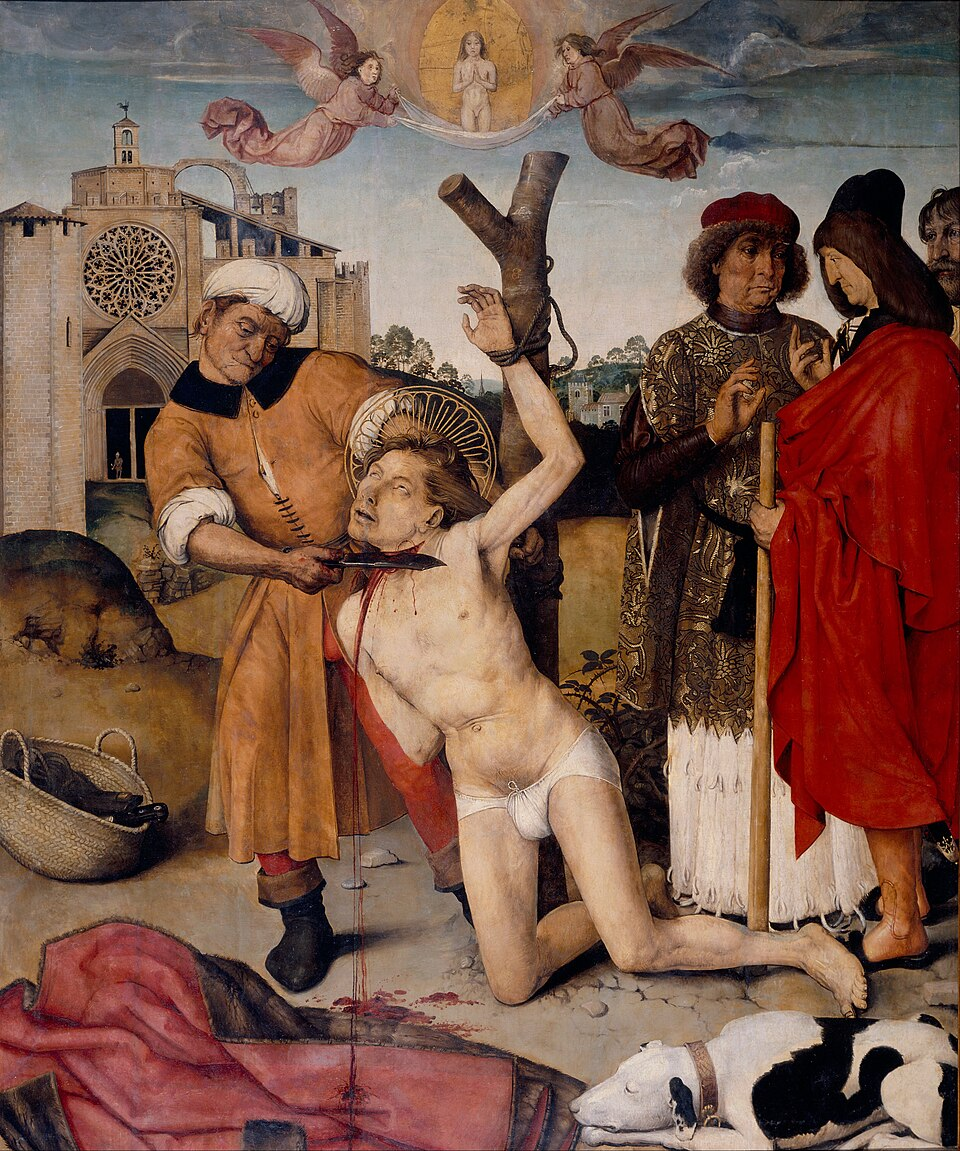
Cucuphas was born into a noble Christian family in Scillis, North Africa. He and Saint Felix were deacons in Carthage and they later arrived at Barcelona to evangelize. Cucuphas lived as a merchant in Barcelona while preaching the Faith, baptizing converts, and aiding the Christian community there. He was generous with the poor and a worker of miracles.
He was martyred near Barcelona during the persecution of Diocletian. He suffered many torments. He was handed over to twelve strong soldiers, who were ordered to whip him and tear his skin with iron nails and scorpions. He was then roasted alive after being covered in vinegar and pepper, but was miraculously saved him from death and injury. A great bonfire also failed to kill him and instead killed his would-be executioners. His jailers then converted to Christianity after they found Cucuphas in his cell illuminated by a heavenly light. The next day, he was flagellated with iron whips. Divine intervention slew the prefect Maximianus when his carriage caught on fire. Rufus, the new prefect, having learnt from the experiences of his predecessor, did not dare practice torture of any kind on the saint, and instead ordered his immediate execution by sword, ordering his throat to be cut.
Two Christian women, Juliana and Semproniana, buried his body and were subsequently martyred as well. The Benedictine abbey of Sant Cugat del Vallès is situated on the site of his martyrdom.
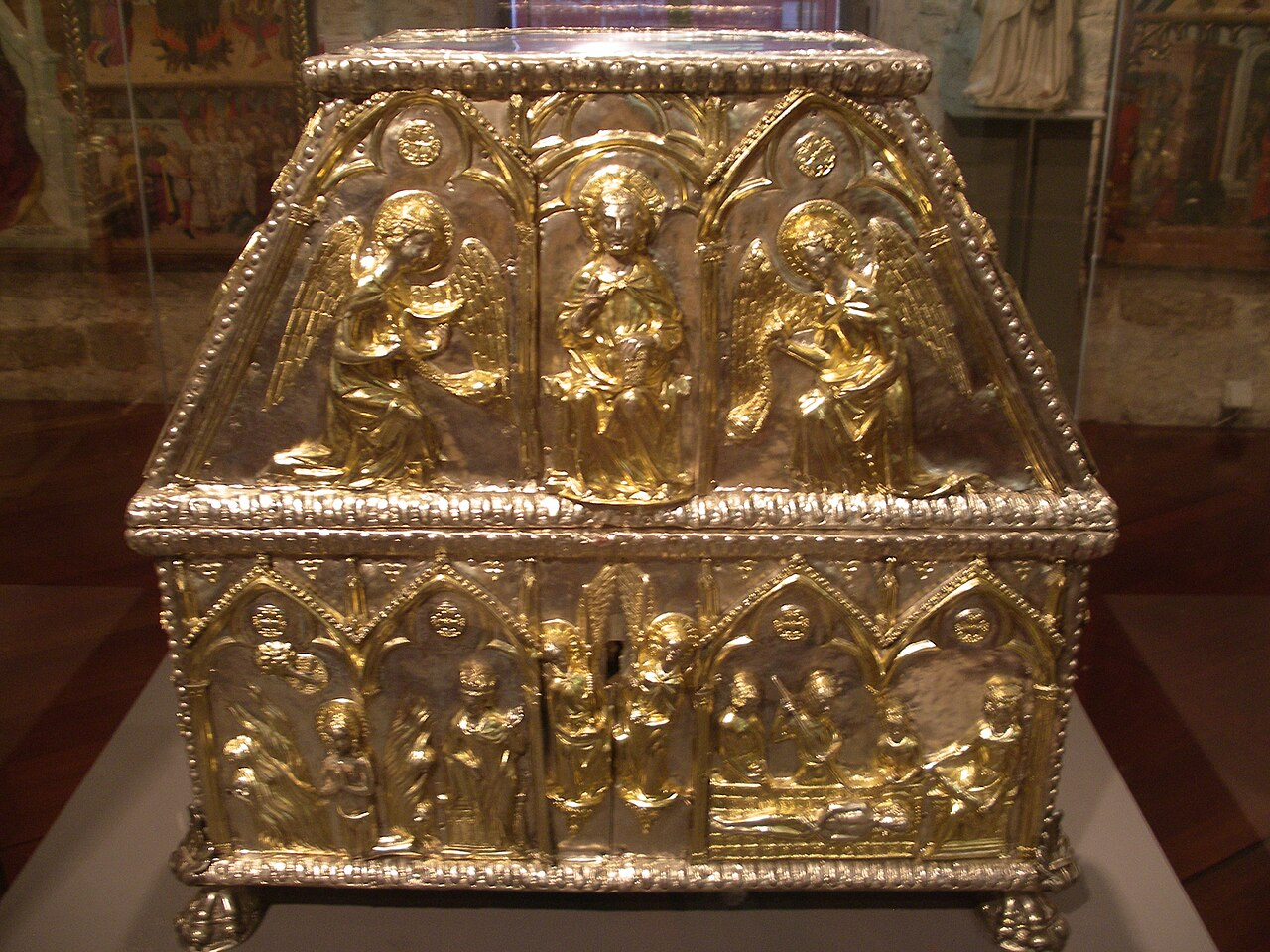
Reliquary casket of Saint Cucuphas
The poet Prudentius honored him in a hymn. Cucuphas is mentioned in the Hieronymian Martyrology; the Prayer Book of Verona; in a hymn called Barcino laeto Cucufate vernans, which says: “Barcino bursts into the vernal joy,of Saint Cucuphas, honoring his remains, and spreads privet branches on the burial mound and on the tomb”.
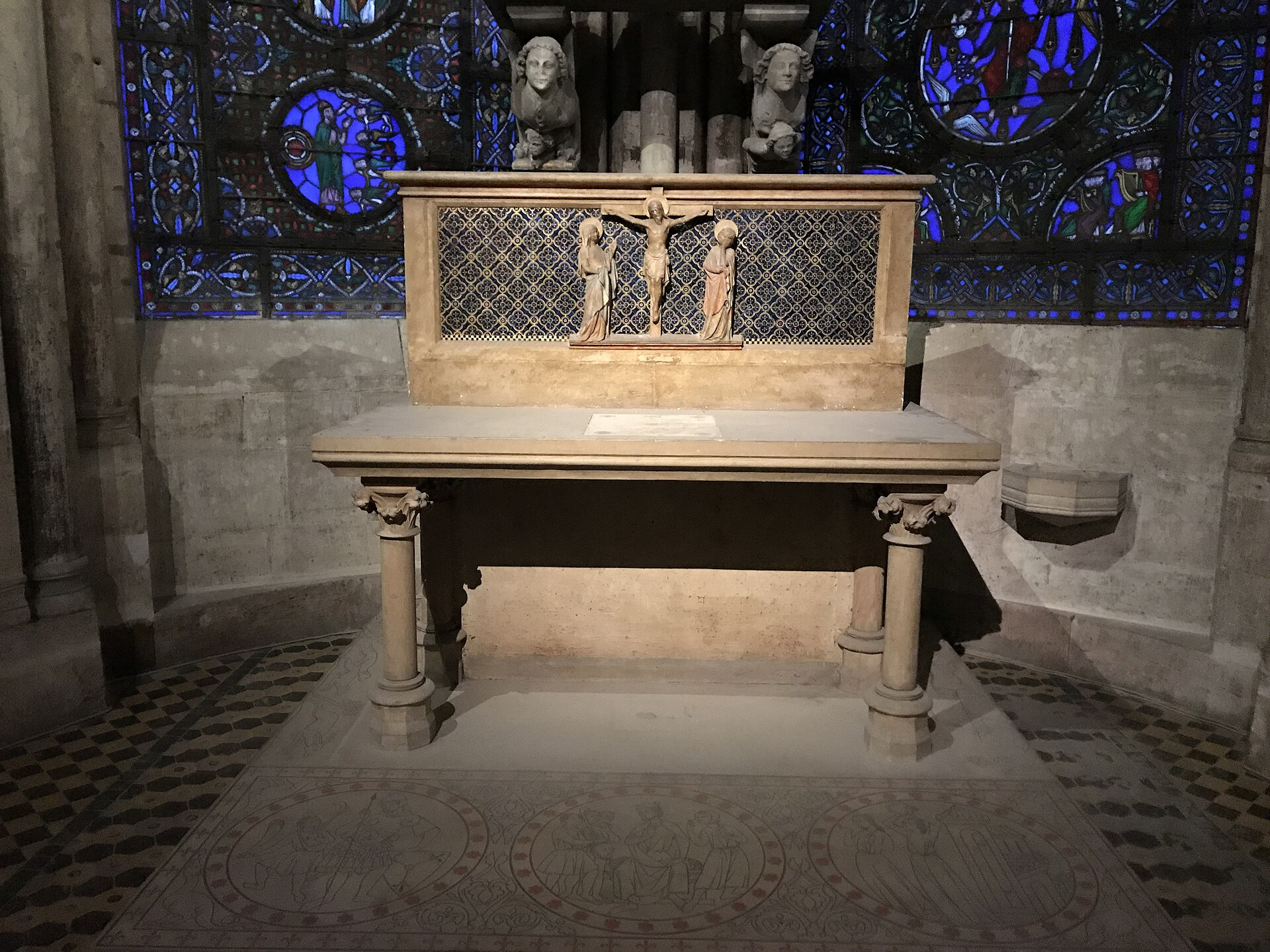
Saint Cucuphas Chapel Basilica Saint Denis
Since the eighth century, Sant Cugat has claimed Cucuphas’ relics. In the eighth century, Saint Fulrad took a relic of Cucuphas from Sant Cugat to Saint-Denis. The relics of Cucuphas occupy a place of honor in the apse to the right of Saint Denis to this day. Many churches in Europe claim his relics, including Reichenau; the cathedrals of Braga, Oviedo; and Lièpvre.
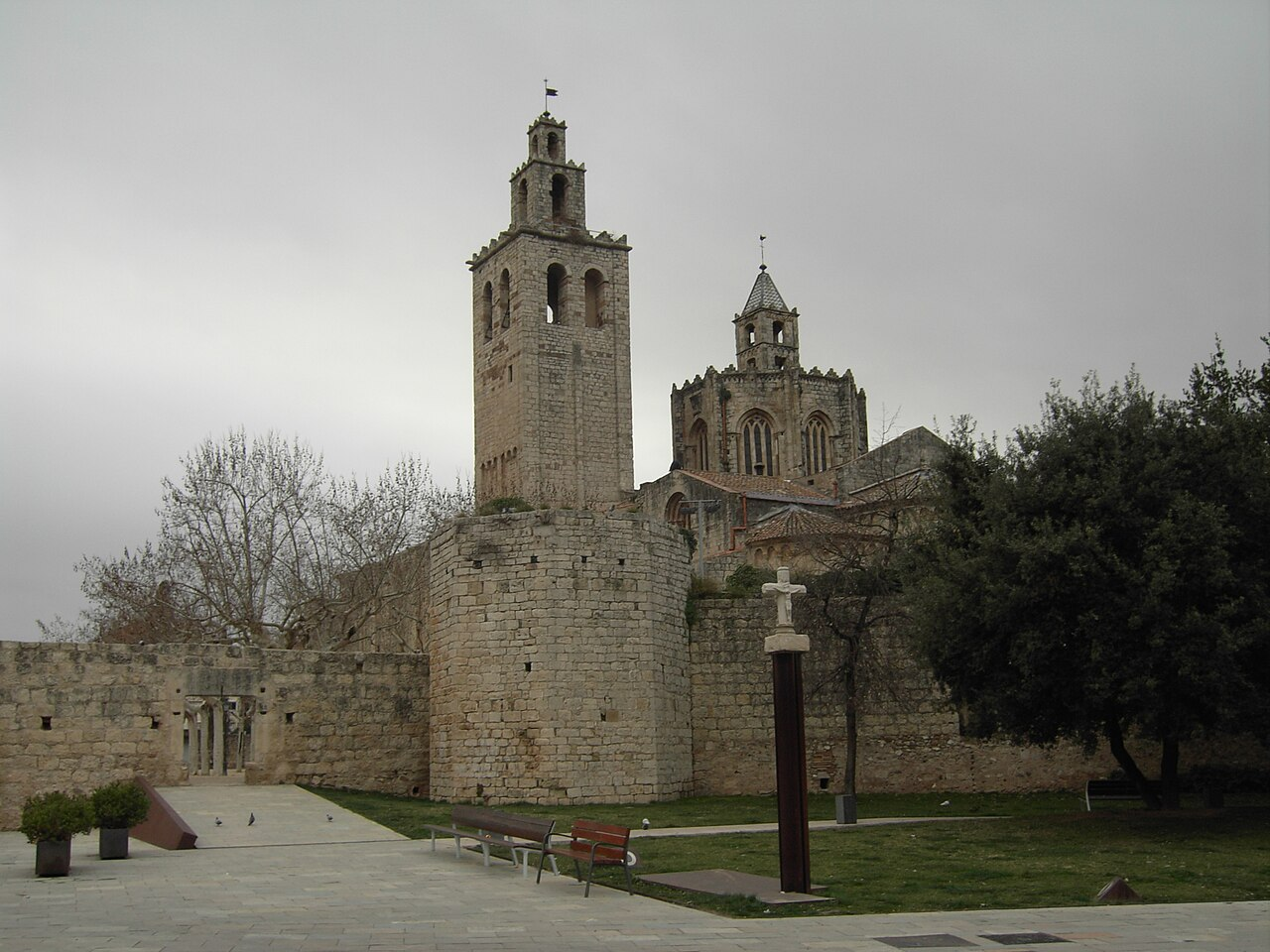
Sant Cugat monastery


One thought on “Saint of the Day – 25 July – Saint Cucuphas”