Our Lady of Czestochowa, Queen of Poland– Our Lady of Czestochowa is a revered icon of the Virgin Mary housed at the Jasna Góra Monastery in Częstochowa, Poland. Several Pontiffs have recognised the venerated icon, beginning with Pope Clement XI who issued a Canonical Coronation to the image on 8 September 1717 via the Vatican Chapter. Patron of Poland. According to tradition, the Icon of Jasna Góra (Bright Mountain) was painted by St Luke the Evangelist on a tabletop built by Jesus Himself and the Icon was discovered by St Helen, mother of Emperor Constantine and collector of Christian Relics, in the Holy Land.
St Pope Zephyrinus (died 217) Martyr, he was Bishop of Rome or Pope from 199 to his death in 217. He was born in Rome. He is known for combatting heresies and defending the Divinity of Christ.
St Jeanne Elisabeth des Bichier des Anges FC (1773-1838) (commonly referred to as St Elisabeth Bichier) and known as “the Good Sister” – Religious and co-Founder with Saint André Hubert Fournet (whom we celebrate on 13 May) of the Sisters of the Cross, Sisters of St Andrew, a religious congregation which was established for the care of the poor and the instruction of rural children in the Diocese of Poitiers in 1807. She also helped to inspire the founding of a community of Priests dedicated to Missionary service, the St Elisabeth died in 1838, at which time there were about 600 Daughters of the Cross serving in some 100 communities. She was Beatified by Pope Pius XI in 1934 and Canonised by Pope Pius XII in 1947.
Bl Jean Bassano Bl Jean of Caramola Bl Juan Urgel Bl Margaret of Faenza St Maximilian of Rome St Melchizedek the Patriarch St Orontius of Lecce St Pandwyna St Rufinus of Capua St Secundus the Theban St Victor of Caesarea St Victor the Martyr St Vyevain of York
Martyrs of Celano – 3 Saints: Three Christians, Constantius, Simplicius and Victorinus, Martyred in the same area at roughly the same time. They were Martyred in c 159 in the Marsica region of Italy. At some point their relics were interred under the main Altar of the San Giovanni Vecchio Church in the Collegiata di Celano and were authenticated in 1057 by Pope Stephen IX. The city was depopulated in 1222; when it was re-built, the relics were re-enshrined in the Church.
Martyred in the Spanish Civil War:
Bl Emilio Serrano Lizarralde Bl Francesc Casademunt Ribas Bl Josep Maria Tolaguera Oliva Bl Luis Valls Matamales Bl María de Los Ángeles Ginard Martí Bl Pere Sisterna Torrent
In the year 981 Saracens came ashore with a raiding party near the Italian town of Rossano. Seeking to surprise the slumbering inhabitants of the town, they snuck up to the walls and silently placed their ladders against them and began to climb. When the first of them reached the top, they were met and repulsed by Our Lady, who appeared attired in purple, while holding in her hand a lighted torch. The sight of the glory of the heavenly Queen so terrified the invaders that they advanced no further and took to flight. Thus, the Muslims were driven from the walls by Our Lady of Rossano, who appeared to save the people of this town located in southern Italy in the province of Calabria.
Rossano, or Roscianum as it was known in Roman times when it was an outpost of the budding empire, was thought to have actually been founded well over a millennium before the time of Christ. The town experienced attacks from the Visigoths, Ostrogoths, and Lombards when the Roman Empire fell in the west, although it was never subjugated by any enemy. The town reached its peak of wealth and influence during the 6th through the 11th century when it was ruled by Byzantium. Located near the Gulf of Taranto, and being close to the water, Rossano was subject to Muslim raids over the following centuries.
The image of Maria Achiropita in Rossano cathedral
St Louis IX (1214-1270) King of France Confessor, King, Reformer, Apostle of Charity.
St Alessandro Dordi St Andreas Gim Gwang-Ok St Aredius of Limoges St Ebbe the Elder St Eusbius of Rome St Genesius of Arles St Genesius of Brescello St Genesius of Rome St Gennadius of Constantinople St Geruntius of Italica St Ginés de la Jara St Gregory of Utrecht St Gurloes of Sainte Croix St Hermes of Eretum St Hunegund of Homblieres St Julian of Syria St Julius of Eretum Bl Ludovicus Baba Bl Ludovicus Sasada Bl Luis Cabrera Sotelo St Maginus St Marcian of Saignon
St Maria Micaela of the Blessed Sacrament (1809-1865) “Mother Sacramento” was a Spanish professed Religious and the Founder of the Handmaids of the Blessed Sacrament, Apostle and martyr of charity. In 1922, Pope Pius XI, proclaimed Mother Sacramento’s heroic virtues. On 25 July 1925, he Beatified her and on 4 March 1934, he Canonised her.
St Menas of Constantinople Bl Miguel Carvalho St Nemesius of Rome St Patricia of Naples Bl Pedro de Calidis Bl Pedro Vázquez St Peregrinus of Rome St Petrus Gim Jeong-Duk St Pontian of Rome
St Philip Benizi OSM (1233-1285) Confessor, Co-Founder (one of the Seven Holy Founders of the Order of Servants of Mary) OSM, Servite Priest Genera\Superior, Reformer, Preacher, Medical Doctor. St Philip was Beatified on 8 October 1645 by Pope Innocent X and Canonised on 12 April 1671 by Pope Clement X – he was first Servite to be Canonised.
Notre-Dame de la Victoire de Valois / Our Lady of Victory of Valois, France (1328) – 23 August:
The Feast of Our Lady of Victory of Valois concerns Our Lady’s intercession in the Battle of Cassel, which was fought between the French, under Philip of Valois and the Flemish near Mount Cassel on 23 August in the year 1328. Philip of Valois, or King Philip VI, “Philip the Fortunate,” was the King of France beginning that year until his death in 1350.
Philip led his army against the band of Flemish rebels under Nicolas Zannekin, who were seeking independence from French rule. Having refused to pay what they considered to be excessive taxes to the Count of Flanders, they eventually imprisoned the King’s representative and captured several French towns. The Pope asked Philip to do what he could with the rebels but after having restored the Flemish aristocracy, the Flemish rebels had turned even on them, killing many of them.
Philip was certain of victory, taking 2,500 knights and 12,000 infantry and archers with him into battle. Not knowing where he would attack, the Flemish rebels would have to divide their forces to protect their territory. Even so, the Flemish under Zannekin brought 15,000 soldiers into the field at Cassel.
For three days the two armies did nothing but taunt each other, although the Flemish commenced a direct attack on the French on the third day. Apparently, the French were caught off-guard, for many of them had taken off their armour because of the extreme heat that day. Fleeing in panic, the knights left the field, while much of the French nobility, who stood their ground were wounded. The Duke of Lorraine was slain and the situation appeared desperate.
It is recorded that Philip of Valois, being surrounded by Flemish soldiers as the flower of his nobility fell, had recourse to the Blessed Virgin, who immediately delivered him from that danger. The Dauphin of Vienne, Guigues VIII de la Tour-du-Pin, had been given the command of Philip’s 7th Corps. He led a counter attack which shattered the Flemish assault, while the knights regrouped and attacked the Flemish from the rear. The Flemish were defeated and victory assured by Our Lady of Victory of Valois.
Our of gratitude for this favour, when he made his entry into Paris, Philip went straight to Notre Dame Cathedral. Going into the Church on horseback, he proceeded the whole length of the nave to the Crucifix and there, laid down his arms. The picture of this Monarch on horseback, was, for a long time, to be seen in that Church, to which Philip gave a revenue of 100 livres, to be levied on his domain of Gatinais.
St Abbondius of Rome St Altigianus St Apollinaris of Rheims St Archelaus of Ostia St Asterius of Aegea St Claudius of Aegea St Domnina of Aegea St Eleazar of Lyons St Eonagh St Flavian of Autun Bl Franciszek Dachtera Bl Giacomo Bianconi of Mevania St Hilarinus St Ireneus of Rome Bl Jean Bourdon St Lupo of Novi St Luppus St Maximus of Ostia St Minervius of Lyons St Neon of Aegea St Quiriacus of Ostia St Theonilla of Aegea St Timothy of Rheims
St Tydfil (Died c 480) Martyr of Wales, Confessor, Princess, Apostle of Mercy to the sick and the needy.
Martyrs of Agea – 4 Saints: A group of Christian brothers, Asterius, Claudius and Neon, denounced by their step-mother who were then tortured and Martyred in the persecutions of Pro-consul Lysias. They were crucified in 285 outside the walls of Aegea, Cilicia (in Asia Minor) and their bodies left for scavengers.
St Andrew of Fiesole St Anthusa of Seleucia St Antoninus of Rome St Arnulf of Eynesbury St Athanasius of Tarsus Bl Bernard Perani St Dalmau Llebaría Torné St Epictetus of Ostia St Ethelgitha of Northumbria St Fabrician of Toledo St Felix of Ostia
Blessed Giacomo/James Bianconi OP (1220–1301) Confessor, Priest and Friar of the Order of Preachers, Spiritual Advisor, founder and restorer of Convents and Churches. Pope Urban VIII Beatified the Blessed Giacomo in 1641.
St Joan Farriol Sabaté
St John Kemble (1599 – 1679) Martyr, Priest. Ordained in 1625, he returned to Monmouthshire and served more than 50 years as an itinerant Priest, winning admirers even among Protestants. After being dragged on a hurdle to Widemarsh Common, Kemble declared on the scaffold that he died for the religion that had made this country Christian and that he forgave all his enemies. He was then obliged to encourage the executioner, who had no stomach for his task.
St John Wall St Josep Roselló Sans St Julio Melgar Salgado St Maprilis of Ostia St Martial of Ostia St Maurus of Rheims St Narciso de Esténaga y Echevarría St Philibert of Toledo Bl Richard Kirkman St Saturninus of Ostia Bl Simeon Lukach St Sigfrid of Wearmouth St Symphorian of Autun
Blessed Timoteo da Monticchio OFM (1444-1503) Priest of the Order of the Friars Minor, he was endowed with mystical gifts, especially of the Blessed Virgin and of St Francis of Assisi. On 10 March 1870, his Beatification was confirmed by Pope Pius IX. His body is incorrupt.
St Thomas Percy St Timothy of Rome Bl William Lacey
The Apparition in County Mayo in Ireland of Our Lady of Knock is reported to have occurred on the evening of 21 August 1879, the Vigil of the Octave of the Feast of the Assumption. Those who witnessed the miracle, ranged in age from five years old to seventy five.
The Apparition was described as follows: “Our Lady was wearing a large, brilliant crown and clothed in white garments. On her right was Saint Joseph, his head inclined toward her and on her left Saint John the Evangelist. To the left of Saint John was an Altar on which stood a Crucifix and a lamb.”
Standing only a few feet off the ground, the Blessed Virgin wore a white cloak and was described by witnesses as being incredibly beautiful. She wore a bright golden crown and appeared to be praying with her eyes looking toward Heaven with her arms bend in front of her with her palms facing inward.”
Fifteen parishioners stood, before the Apparition, for two hours as they recited the Rosary. Although it was daylight when the Apparition began, the weather changed and it began to rain heavily. The area around the Apparition appeared unaffected, however, as the ground remained dry, as long as the vision lasted. Our Lady did not speak but the gable of the Church where the Apparition occured was covered with a cloud of light.
Saint Joseph, also wore white robes and stood on the Virgin’s right. He inclined his head respectfully toward the Blessed Virgin. Saint John the Evangelist wore a miter and appeared to be preaching as he held a book in his left hand.
Since then thousands of people have made pilgrimages to Knock to pray to Our Lady. Their prayerful, penitential and reverential spirit, has been commended again and again by visitors from other lands. No sign of commercialism detracts from the purely religious atmosphere of that hallowed spot. People from all walks of life kneel in humble supplication before the Shrine of Our Lady, fully confident that she has sanctified that spot by her appearance there.
Organised pilgrimages from various Diocese are conducted frequently to the Shrine The Holy Rosary comprises the main portion of the devotion – the Shrine is, therefore, appropriately called the Rosary Shrine. The “Knock Shrine Annual” relates many wonderful accounts of cures and conversions effected at the Shrine.
St Jane Frances de Chantal VHM (1572-1641) – Mother, Widow, Foundress of the Congregation of the Visitation. Close friend of St Francis de Sales and St Vincent de Paul, both of whom guided and assisted her and her foundation, spiritually.
St Abraham of Smolensk (Died c 1222) Monk, Abbot, Priest, apostle of the poor, Preacher, Biblical scholar and spiritual adviser.
St Agapius of Edessa St Agathonicus of Constantinople St Anastasius Cornicularius St Aria of Rome St Avitus I of Clermont St Bassa of Edessa Bl Beatrice de Roelas St Bernhard of Lérida St Bernard de Alziva St Bonosus St Camerinus of Sardinia St Cameron St Cisellus of Sardinia St Cyriaca St Euprepius of Verona St Fidelis of Edessa Bl Gilbert of Valenciennes St Gracia of Lérida St Hardulph St Joseph Nien Vien Bl Ladislaus Findysz St Leontius the Elder St Luxorius of Sardinia St Maria of Lérida St Maximianus the Soldier St Maximilian of Antioch St Natale of Casale Monferrato St Paternus of Fondi St Privatus of Mende St Quadratus of Utica
St Sidonius Apollinaris (c 430 – 489) Bishop, Copnfessor, Poet, Diplomat, Writer, Scholar, Apostle of the poor and of exiles.
St Theogonius of Edessa St Zoticus the Philosopher
Victory of the King of France (Philip the Fair), imploring the help of Our Lady of Chartres (1304) – 17 August:
It was on this day in the year 1304 that “Philip the Fair” gained a signal victory over the Flemish after recommending himself to Our Lady of Chartres.
The eldest son of King Philip and Isabella of Aragon, he was nicknamed Philip the Fair while yet a Prince for his handsome features. He became King of France at only 17 years of age and married Joan of Navarre in 1284, which enlarged his Kingdom.
In the year 1302, Philip sent an inadequate army into Flanders to suppress the Flemish, who were making incursions into his realm at will. His army was soundly defeated at the Battle of the Golden Spurs. Philip responded by winning a naval victory over the Flemish at Zierichzee and then met the Flemish army at the Battle of Mons-en-Pevele, also known as Mons-en-Puelle, on 17 August 1304.
The battle was furious, lasting all day in extreme heat. Eventually the majority of the French army fled the field, leaving Philip alone with only ten Knights fighting desperately to save themselves and their King. Philip’s horse collapsed, having been killed under him and his life was in great danger of being lost. At that moment, while facing death and certain defeat in battle, Philip turned to the Queen of Heaven, Our Lady of Chartres, begging her assistance to save the day and his life.
Suddenly the French Knights, who had been fleeing the field, turned and saw the King’s Royal Standard still stood, and that he, himself, fought like a Knight of great renown amidst a sea of raging enemies. Racing to the scene with their swords and lances, they turned the Flemish and drove them from the field in what became a resounding victory for the King of France. The Battle of the Golden Spurs was well compensated.
In gratitude for this victory and favour of Our Lady of Chartres, King Philip went at once to do homage to the Virgin Mary at her Cathedral. He took off his own armour and gave it to the cathedral at the Altar. He also gave to it, in perpetuity, the land and lordship of Barrus, founded a daily Mass forever and left to this church ,all of the other accoutrements which he had worn on that day of victory. This feast is kept in the Church of Notre Dame, at Paris, on the following day, the 18th and the office is double. This armour is formerly exhibited in the church, on the Anniversary of the battle.
St Benedicta of Lorraine St Carloman St Cecilia of Lorraine
St Clare of the Cross of Montefalco (c 1269-1308) Augustinian Nun and Abbess, before becoming a nun, St Clare was a member of the Third Order of St Francis (Secular), Mystic, Penitent, Spiritual adviser.
St Donatus of Ripacandida St Drithelm St Elias the Younger Bl Enric Canadell Quintana Bl Eugenio Sanz-Orozco Mortera St Pope Eusebius St Eusebius of Sicily
St Hyacinth OP (1185-1257) ) “Apostle of Poland” and “Apostle of the North” also known as “the Polish St Dominic”– Religious Priest of the Order of Preachers, Confessor, Doctor of Law and Divinity, Missionary, Preacher, Miracle Worker, Mystic.
St Jeroen of Noordwijk St Juliana of Ptolemais St Leopoldina Naudet St Mamas Bl Marie-Élisabeth Turgeon St Michaël Kurobyoie St Myron of Cyzicus
St Nicolò Politi (1117-1167) Basilian Monk and Hermit. He was known for his miracles even during his childhood and was Venerated as a saint even before his death.
Bl Noël-Hilaire Le Conte St Paul of Ptolemais St Theodore of Grammont — Martyred in the Spanish Civil War: Bl Antoni Carmaniú Mercarder, Bl Facundo Escanciano Tejerina, Bl Eugenio Sanz-Orozco Mortera, Bl Enric Canadell Quintana, Florencio López Egea and see below – Martyrs of Malaga – 8 beati: A priest and seven brothers, all members of the Hospitallers of Saint John of God, all martyred together in the Spanish Civil War.
Nuestra Señora de las Gracias de Torcoroma / Our Lady of Graces of Torcoroma, Ocaña, Norte de Santander, Colombia (1711) – 16 August:
The holy apparition took place on 16 August, 1711. At that time, there lived in the Mountains of Torcoroma in the Ocaña region, a peasant family dedicated mainly to the cultivation of cane with which they made sweets. The family consisted of Don Cristóbal Melo, his wife Pascuala Rodríguez and their two children, José and Felipe. According to their contemporaries, the Melo-Rodríguez were people of good morals and a life consecrated to the Christian Faith.
One morning Don Cristóbal sent his children to cut down a tree, that had wood good enough to carve the box or “canoe” with which he made his sweets. The young boys went into the mountain and as they entered the thick of the forest, they marked the oaks that were suitable for their purpose. Until they found one that was a “wonder” and despite the fact that it was summer, it had fragrant red flowers. Such was the perfume that it could be perceived from afar.
Excited about the great find, they proceeded to cut down the tree. Given its complicated location, when cutting its base, the main part fell into a ravine. It was dusk and the boys resolved to return home and discuss the event with their father. The next day they restarted their search for the appropriate tree, but not finding one that suited their purposes, they determined to use the one already felled and went to the place where it had fallen.
They began to carve the “canoe” right there and shortly after taking the first ax blows, a light so intense came out that it reached out and illumined the lush forest. When the father realised what was lying in the middle of the splinters of the trunk, he, without thinking for a second, put his hands where his sons were preparing to take the next blow, stopping them suddenly. The father and his children were astonished when they saw, in the heart of the trunk, the image of the Virgin, with her hands together and placed on her chest, with the action of her face “as if directed to heaven,” shining with a great light and with an intense and aromatic perfume.
The news of the holy apparition quickly spread through the Ocaña region. Upon reaching the ears of the Priest and Vicar of the City, Fr.Diego Gabino Quintero, he asked Cristóbal Melo to present himself with the image of the Virgin. After carefully examining it and having listened to numerous testimonies that affirmed the divinity of the image, the Priest authorised its private worship.
In 1716 Fray Antonio Monroy y Meneses, Bishop of Santa Marta, came on a pastoral visit and after a rigorous analysis of the image that appeared and the testimony of the witnesses, he granted permission for a Chapel to be erected on the site of the appearance and ordered that the image be brought to the city to place it on the Altar of the main Church, today the Cathedral of Santa Ana. The image would rest in the Church for several years while awaiting the Chapel, which was only built in 1882 thanks to the financing of Bogota parishioners. Finally, at the beginning of the 20th century, the image would be definitively transferred to the Sanctuary, where it is visited not only by its faithful but by thousands of pilgrims every year.
St Stephen of Hungary (c 975- 1038) King of Hungary (Optional Memorial) “Apostle of Hungary,” King and Confessor, Marian devotee, Apostle of Charity, Evangeliser and Missionary.
Blessed Angelo Agostini Mazzinghi O.Carm. (1385-1438) was an Italian Priest and a professed member of the Carmelite Order. He was a noted preacher, prior and reformer, teacher of theology and was known for his pious devotion to the Holy Eucharist, the Blessed Virgin Mary and the Carmelite Rule of Life and to the profession of the Gospel.
St Armel of Brittany (Died c 570) Priest, Monk, Missionary, Confessor, Evangeliser, spiritual adviser, Miracle-worker
St Arsacius of Nicomedia St Frambaldo Bl Iacobus Bunzo Gengoro Bl Jean-Baptiste Menestrel Bl John of Saint Martha Bl Laurence Loricatus Bl Magdalena Kiyota Bokusai Bl Maria Gengoro Bl Ralph de la Futaye
St Roch (1295-1327) “Pilgrim,” Confessor, Hermit, Apostle of the Sick, Miracle Worker.
St Serena Bl Simon Kiyota Bokusai Bl Thomas Gengoro St Titus the Deacon St Ugolina of Vercelli (c 1239-c 1300) Anchorite, Recluse — Martyrs of Palestine – 33 saints: Thirty-three Christians martyred in Palestine; they are commemorated in old martyrologies, but the date and exact location have been lost.
Martyred in the Spanish Civil War: Bl Amadeu Monje Altés Bl Antonio María Rodríguez Blanco Bl José María Sanchís Mompó Bl Laurentí Basil Matas Bl Plácido García Gilabert
Madonna del Bosco / Our Lady of the Woods, Montemilone, Potenza, Basilicata, Italy(13th Century) – 12 August:
The shrine of the Glorious Virgin was built on the slopes of a hill, about 400 meters above sea level, at the behest of the Basilian Monks, who preferred to raise their convents and shrines on the banks of rivers or on the mountain ranges, with the intention to raise, more and more, the spirit to Heaven. The site is located about 3 kilometers from the Town centre. the church was built on the design of the brothers Luigi and Ruggiero Sarolo , sculptors of Muro Lucano, which began construction in 1187 and finished in 1189 . The sanctuary, to see it from a distance, has something magical with its stand on the slope of the hill.
The statue, which was recently restored, is roughly made but expressive and full of solemn majesty. The Virgin seated on a throne in the chest holds the Divine Child. The peculiar characteristics of the statue and , particularly , the crowns of the Virgin and Child, recall those of the French art of the post- Carolingian period but the clothes and painted decorations are purely Byzantine and Byzantine unmistakably is the posture of the blessing hand of the Child – the two fingers, the index and middle fingers open and the other closed.
St Jeanne de Chantal/Jane Frances de Chantal (1572-1641) Mother, Widow, Foundress of the Congregation of the Visitation with the assistance and guidance of St Francis de Sales, whose great friend and collaborator she was. St Vincent de Paul served as her spiritual director after St Francis de Sales’ death. Her favourite devotions were the Sacred Heart of Jesus and the Immaculate Heart of Mary. St Jane was buried in the Annecy Convent next to St Francis de Sales. Canonised on 16 July 1767 by Pope Clement XIII .(Optional Memorial)
Blessed Pope Innocent XI (1611-1689) Lawyer, Apostle of Charity, Reformer, Administrator. He is known in Budapest as the “Saviour of Hungary” and “Father of the Poor”
St Jambert of Canterbury St Julian of Syria
St Macarius of Syria St Merewenna St Micae Nguyen Huy My St Murtagh of Killala St Photinus of Marmora
St Pedro del Barco (1088-1155) Hermit, Penitent, Canon, Apostle of the needy, he is regarded as the father of the agricultural industry in Avila, Spain.
St Porcarius of Lerins St Simplicio of Vercelli St Ust — Martyrs of Augsburg – 4 saints: The mother, Hilaria, and three friends of of Saint Afra of Augsburg. While visiting the tomb of Saint Afra who were seized by the authorities and martyred when they visited Afra’s tomb – Digna, Eunomia, Euprepia and Hilaria. They were burned alive c 304.
Martyrs of Rome – 5 saints: A group of Christians martyred together in the persecutions of Diocletian. We know little more than their names – Crescentian, Juliana, Largio, Nimmia and Quiriacus. • c.304 in Rome, Italy • buried on the Ostian Way outside Rome.
Our Lady’s Veil was given by the Byzantine Empress Irene as a gift to the Emperor Charlemagne. In 876, Charles the Bald, Charlemagne’s grandson, donated the unfathomably precious relic to Chartres, where it remains. One of the many miracles which it has performed, is the saving of Chartres from pagan Viking invaders. Rollo, the Norsemen’s chieftain, besieged the city, but when the bishop of Chartres processed with Our Lady’s veil around the city walls, the Christian army rallied and launched a ferocious counter attack, while the Vikings suddenly lost courage and fled in terror.
Later that same year, Rollo was baptised and granted Normandy as his fiefdom. The time of the Vikings was almost over.
Our Lady’s Veil at Chartres CathedralRollo’s grave within Rouen Cathedral
St Cassian of Benevento St Chromatius the Prefect St Digna of Todi St Equitius of Valeria
St Géry/Gaugericus of Cambrai (c 550 – 626), Bishop of Cambrai, France, Founder of Monasteries, Churches and of St Géry Island off Belgium, Géry devoted himself to the fight against paganism, Miracle-worker.
Bl Jean-Georges Rehm Bl John Sandys St Lelia St Rusicola of Arles St Rufinus of Marsi Bl Theobald of England and Companion St Taurinus of Evreux Bl William Lampley
Virgen de la Peña / Our Lady of the Crag, Bogotà, Colombia (1685 )– 10 August:
On 10 August 1685, Bernardino Rodríguez de León“saw a great and unusual radiance that was not the natural light of day” in the peaks east of Bogotá. On drawing near, he realised the light was coming from an image of an Angel, the Virgin and Child and St Joseph, outlined in the living rock.
News of the discovery soon spread throughout the capital and after an investigation, the Archbishop authorised the construction of a chapel on the mountainside and public veneration on the Sunday before Ash Wednesday of 1686. The thatched chapel collapsed in 1714 and a sturdier stone building took its place. Mysteriously, people began to see Our Lady’s face change expression – sad, tearful, joyous. On 8 May 1716, the left wall of the chapel collapsed to its foundation, after only 150 days. It was decided to move the images from the mountain. In early June, stonemason Luis de Herrera began separating the images from the underlying rock. Legend relates that when he finished, a bird flew out. The images were cleaned, polished and touched up to make the figures and clothing more distinct. They still weighed 750 pounds. In November, men carried them on their shoulders to the plain, where they were greeted with rejoicing and dancing. Another straw shelter protected the statues until completion of a new chapel in 1722. Now a national monument, Our Lady of the Crag is still a very active church and an Archdiocesan Sanctuary.
St Lawrence (Died 258) Martyr (Feast) “Keeper of the Treasures of he Church,” Martyr, Archdeacon. St Lawrence was one of the seven Deacons of the City of Rome under Pope St Sixtus II, who were martyred in the persecution of the Christians by decree of the Roman Emperor Valerian.
St Agathonica of Carthage St Agilberta of Jouarre
Blessed Amadeus of Portugal OFM (1420–1482) Friar of the Order of Friars Minor, Reformer, Miracle-Worker and Confessor
Bl Claude-Joseph Jouffret de Bonnefont St Deusdedit the Cobbler Bl Edward Grzymala Bl Franciszek Drzewiecki Bl Francois François St Gerontius Bl Hugh of Montaigu Bl Lazare Tiersot St Paula of Carthage St Thiento of Wessobrunn — Martyrs of Alexandria – 260+ saints: A large number of Christians who died in Alexandria, Egypt between 260 and 267 in the persecutions of Decius and Valerian, whose names have not come down to us and who are commemorated together.
Martyrs of Rome – 165 saints: Group of 165 Christians martyred in the persecutions of Aurelian. 274 in Rome, Italy.
Martyred in the Spanish Civil War: • Blessed Antonio González Penín • Blessed José Toledo Pellicer • Blessed José Xavier Gorosterratzu Jaunarena • Blessed Juan Martorell Soria • Blessed Pedro Mesonero Rodríguez • Blessed Victoriano Calvo Lozano
There is no image or other information on this image, but it is connected with Blessed Marie of Oignies and the Treasure of Oignies, which consists of thirty reliquaries, crosses, and other precious items dating from the 13th century. Oegnies, also spelled Oignies and known as Ongniacume in ancient times, is a village located in the north of France. It is thought to be the birthplace of Mary of Oegnies, who visited the holy image of Our Lady of Oegnies once every year, even walking barefoot to the shrine during the severe rigors of winter.
Bl John Talbot St Marcellian of Civitavecchia St Maurilio of Rouen (c.1000–1067) Bishop Bl Michal Tomaszek St Nathy St Numidicus of Carthage St Phelim Bl Richard Bere St Romanus Ostiarius St Rusticus of Sirmium St Rusticus of Verona St Secundian of Civitavecchia St Stephen of Burgos Bl Thomas Palaser St Verian of Civitavecchia Bl Zbigniew Adam Strzalkowski — Martyrs of Civitavecchia: Three Christians martyred together in the persecutions of Decius. We know little more than the names – Marcellian, Secundian and Verian. 250 near Civitavecchia, Italy.
Martyrs of Constantinople: 10 saints: A group of ten Christians who were arrested, tortured and executed for defending an icon of Christ in defiance of orders from Emperor Leo the Isaurian. We know the names of three, but nothing else about them – Julian, Marcian and Mary. They were beheaded in Constantinople.
Martyred in the Spanish Civil War: Bl Antonio Mateo Salamero Bl Faustino Oteiza Segura Bl Florentín Felipe Naya Bl Florentino Asensio Barroso Bl Francisco López-Gasco Fernández-Largo Bl Guillermo Plaza Hernández Bl Joan Vallés Anguera Bl José María Garrigues Hernández Bl Josep Figuera Rey Bl Josep Maria Aragones Mateu Bl Julián Pozo Ruiz de Samaniego Bl Mateo Molinos Coloma Bl Narcís Sitjà Basté
Santa Maria della Querce / Our Lady of the Oak, Lucignano, Arezzo, Tuscany, Italy (1417) – 8 August, Third Saturday of September:
In 1417 Feliciano Batone painted a fresco of the Pietà on a wayside Shrine beneath a great oak . Fifty years later, there was a surge in devotion to the Madonna of the Oak after the story circulated that on 8 August 1467, a man from Siena, running from his enemies, stopped there to pray to Mary, who made him invisible to his pursuers.
A small wooden Chapel was built to protect the image and Consecrated that year. Located on a hill northeast of the old City centre, beyond the Medici Fortress and the cemetery, the present Church was designed by Giorgio Vasari in 1558 and Consecrated in 1617.
On the third Sunday of September, near the feast of the Sorrowful Mother on S15 September, Lucignano celebrates St. Mary of the Oak with religious services, food, games and fireworks.
St Eleutherius of Constantinople St Ellidius St Famianus of Compostela St Gedeon of Besancon St Hormisdas of Persia Bl John Felton
Bl John Fingley St Largus St Leobald of Fleury St Leonidas of Constantinople St Marinus of Anzarba
St Mummolus of Fleury St Myron the Wonder Worker St Paulus Ge Tingzhu St Rathard of Diessen St Severus of Vienne St Sigrada St Smaragdus St Ternatius of Besançon St Ultan of Crayke Bl William of Castellammare di Stabia Bl Wlodzimierz Laskowski — Martyrs of Albano – 4 saints: Four Christians who were martyred together, and about we today know little more than their names – Carpóforo, Secondo, Severiano and Vittorino. They were martyred in Albano, Italy – their remains are interred in the San Senator cemetery, on the Appian Way, 15 miles from Rome, Italy.
Martyrs of Rome – 5 saints: Five Christians martyred together; we know nothing else about them but the names – Ciriaco, Crescenziano, Giuliana, Memmia and Smaragdus. They were martyred at the 7 mile marker, on the Via Ostia, Rome, Italy.
Martyred in the Spanish Civil War – Martyrs of El Saler – 5 beati: Five nuns, all members of the Sisters of the Pious Schools, all teachers, and all martyred together in the Spanish Civil War. • Antonia Riba Mestres • Maria Baldillou Bullit • María Luisa Girón Romera • Nazaria Gómez Lezaun • Pascuala Gallén Martí They were martyred on 8 August 1936 in El Saler, Valencia, Spain.
Martyred in the Spanish Civil War: Bl Cruz Laplana Laguna Bl Fernando Español Berdie Bl Leoncio López Ramos Bl Manuel Aranda Espejo Bl Mariano Pina Turón Bl Pedro Álvarez Pérez
Our Lady of Schiedam is a statue of Our Lady in Holland, the Netherlands. A merchant stole this image with the intention of selling it at a fair at Antwerp, but no matter what he attempted, he could never leave port. Frightened by this miracle, he restored the image, and it was solemnly transported to the Church of St. John the Baptist.
Our Lady of Schiedam in the boat and church
It was at the shrine of Our Lady of Schiedam that the mystic, St. Lidwina spent whole nights in prayer. Early in her life, Lidwina was drawn toward the Mother of God and prayed a great deal before this miraculous image. The Mother of God revealed to her the extent of suffering Christ would ask her to endure, but likewise assured her that she, Mary, would sustain her through her grace and intercessory power. The Blessed Virgin was true to her word, as was St. Lidwina in accepting the will of God in imitation to Our Lady’s Fiat.
St Cajetan (1480-1547) (Optional Memorial) Known as the “Father of Providence” and the “Huntsman of Souls” – Founder of the Theatine Order – Priest, Confessor, Reformer, Doctor of Civil and Canon Law, Diplomat, Mystic, Miracle Worker, apostle of the sick and the poor.
St Albert of Trapani O.Carm. (c 1240-1307) Carmelite Priest, Confessor, Preacher, Evangeliser, apostle of prayer and a devout servant of the Blessed Virgin and the Passion of Christ. St Teresa of Jesus (1515-1582) and St Mary Magdalene de Pazzi (1566-1607) were especially devoted to him, the Bl Baptist Spagnoli (1447–1516) composed a sapphic ode in his honour.
Bl Cassian Vaz Lopez-Neto St Claudia of Rome St Donat St Donatian of Chalons-sur-Marne
St Donatus of Arezzo (Died 362) Bishop and possibly a Martyr, Confessor, Miracle-worker.
St Donatus of Besancon Bl Edmund Bojanowski Bl Edward Bamber St Faustus of Milan St Hilarinus of Ostia St Hyperechios Bl John Woodcock Bl Jordan Forzatei St Julian of Rome St Miguel de la Mora Bl Nicholas Postgate St Peter of Rome Bl Thomas Whitaker Blessed Vincent de L’Aquila OFM (c 1435-1504) St Victricius of Rouen — Martyred Deacons of Rome – 6 saints: A group of deacons who were martyred with Pope Saint Sixtus II. We know nothing about them but their names and their deaths – Agapitus, Felicissimus, Januarius, Magnus, Stephen and Vincent. They were beheaded on 6 August 258 in a cemetery on the Appian Way, Rome, Italy.
Martyrs of Como – 6 saints: A group of Christian soldiers in the imperial Roman army. Martyred in the persecutions of Maximian. We know little else but the names – Carpophorus, Cassius, Exanthus, Licinius, Secundus and Severinus. c.295 on the north side of Lake Como, near Samolaco, Italy. Their relics in the church of San Carpoforo, Como, Italy.
Martyred in the Spanish Civil War: 10 Beati Bl Dalmacio Bellota Perez Bl Diodorus Hernando Lopez Bl Francisco Gargallo Gascón Bl Luis Villanueva Montoya Bl María del Carmen Zaragoza y Zaragoza Bl María Rosa Adrover Martí Bl Rafaél Severiano Rodríguez Navarro Bl Tomás Carbonell Miquel
Nossa Senhora das Graças / Our Lady of Graces, Pesqueira, Pernambuco, Northeast, Brazil (1936) – 6 August :
On 6 August 1936,Maria da Luz Teixeira, 13, and Maria da Conceição, 16 (a poor girl living with the Teixeira family), were gathering castor beans on Guarda mountain in the Cimbres district, 15 miles from Pesqueira. There was a flash of light and then Maria da Conceição said, “Look, there’s an image that looks like Our Lady.” Maria da Luz saw it too, up on a rock. They ran home and told Maria da Luz’s parents. At her mother’s insistence, Artur Teixeira climbed the hill with the girls, who reached the spot long before he struggled up through the brush. He saw nothing unusual but, at his suggestion, the girls together asked the image, “Who are you?”“I am Grace.” They asked what she wanted. “I’ve come to warn of three punishments sent by God. Tell the people to pray much and do penance.”
After this the girls returned to the site daily, where they prayed with a growing crowd of pilgrims. On 9 August, the crowd demanded a sign; reluctantly, the girls asked for one. The next day, they found water flowing from the rock and two sets of footprints embedded in stone, one an adult’s and one a child’s. The apparition confirmed they belonged to her and her son. The Bishop conducted an investigation. Maria da Luz described Our Lady of Grace as “similar to Our Lady of Mount Carmel in Pesqueira Cathedral but her mantle is blue and her dress cream, with a belt. She has a little child in her left arm and both have very beautiful crowns on their heads.”
Eventually the Virgin told her that the people’s response had been sufficient to avert the three chastisements, sometimes identified as armed bandits (particularly the notorious Lampião, killed by police in 1938) and the coming of World War II or a Communist regime to Brazil. Maria da Conceição died young. In 1940, Maria da Luz joined the Religious of Christian Instruction, taking the name Sister Adélia. In her absence, pilgrims continued to visit the Shrine at the apparition site, where 296 carved stone steps lead to a Statue of Our Lady of Grace (as depicted on the Miraculous Medal, without the Child, not as the girls saw her) and to report miracles there.
St Justus and St Pastor of Alcala – Holy Martyred Children (Died 304) Saints Justus and Pastor of Alcala were two brothers, who in their tender age overcame, with an heroic courage, the rage and power of Dacian, armed with all the instruments of cruelty.
St Stephen of Cardeña Bl Tadeusz Dulny Bl William of Altavilla — Martyrs of Cardeña: Two hundred Benedictine monks at the Saint Peter of Cardegna monastery, Burgos, Spain who were martyred in the 8th century by invading Saracens. They were buried by local Christians in a nearby churchyard in Burgos, Spain and Beatified in 1603 by Pope Clement VIII (cultus confirmed).
Martyred in the Spanish Civil War: 10 Beati • Blessed Alejandro Casare Menéndez • Blessed Andrés Soto Carrera • Blessed José González Ramos Campos • Blessed José María Recalde Magúregui • Blessed Juan Silverio Pérez Ruano • Blessed Saturnino Ortega Montealegre
St Sobel St Theodoric of Cambrai-Arras St Venantius of Viviers St Viator — Martyrs of Fuente la Higuera: A group of Augustinian priests and clerics who were martyred together in the Spanish Civil War. 5 August 1936 in Fuente la Higuera, Valencia, Spain: • Anastasio Díez García • Ángel Pérez Santos • Cipriano Polo García • Emilio Camino Noval • Felipe Barba Chamorro • Gabino Olaso Zabala • Luciano Ramos Villafruela • Luis Blanco Álvarez • Ubaldo Revilla Rodríguez • Victor Gaitero González
Martyrs of the Salarian Way: Twenty-three Christians who were martyred together in the persecutions of Diocletian. 303 on the Salarian Way in Rome, Italy.
Martyred in the Spanish Civil War: Bl Eduardo González Santo Domingo Bl Jaume Codina Casellas Bl José Trallero Lou Bl Lluís Domingo Mariné Bl Manuel Moreno Martínez Bl Maximino Fernández Marinas Bl Victor García Ceballos
Madonna dell’Apparizione / Our Lady of the Apparition, Pellestrina, Italy (1716) – 4 August:
The Sanctuary of Madonna dell’Apparizione in Pellestrina was built in July 1717, a year after the appearance of the Madonna on the island. The event of 4 August 1716, the Feast day of St Dominic, was in fact confirmed true by canonical process: – a young boy from Pellestrina met a woman who advised him to tell the parish priest to celebrate Mass and to pray for the salvation of Venice, which, at that time, was besieged by the Turks. The following day, at the same hour of the Apparition, the Venetians won the Battle of Petrovaradin against the Turks.
Throughout the entire year the Sanctuary is a destination for many pilgrims and devotees in search of grace and even today, on 4 August in Pellestrina, the Madonna dell’Apparizione and the victory of Venice is celebrated over three days.
St Dominic de Guzman OP (1170-1221) (Memorial) Founder of the Dominican Order of Preachers – Priest, Founder, Confessor, Teacher, Preacher, Mystic, Miracle-Worker, Apostle of the Holy Rosary. At Dominic’s baptism, Blessed Joan, his Mother, saw a star shining from his chest, which became another of his symbols in art, and led to his patronage of astronomy. The Roman Martyrology states today: “At Bologna, St Dominic, Confessor, Founder of the Order of Friars Preachers, most renowned for sanctity and learning. He preserved his chastity unsullied to the end of his life and by his great merits, raised three persons from the dead. After having repressed heresies by his preaching and instructed many in the religious and Godly life, he rested in peace on the 6th of this month. His Feast, however, is celebrated on this day by decree of Pope Paul IV.
St Hyacinth of Rome St Ia of Persia St Isidore of Besançon St Lua of Limerick St Onofrio of Panaia St Perpetua of Rome St Protasius of Cologne St Rainerio of Split St Sithney (Died c 529) St Tertullinus of Rome Bl William Horne
Maria Santissima Scala del Paradiso / Holy Mary, Ladder to Paradise, Noto, Siracusa, Sicily, Italy (1498) – 3 August:
Local tradition holds that Angels frescoed the image of the Madonna, Ladder to Paradise, on a rock wall in the countryside before St. Corrado di Fuori’s arrival in 1340 and, that it was discovered there on 3 August 1498. However, the Diocese of Noto, of which the Madonna della Scala is the Patron, suggests that an unknown artist created the fresco in the late 1500s or early 1600s, a period more in keeping with its style.
In any case, by the time of the earthquake that destroyed the City of Noto on 11 January 1693, popular devotion had grown around the image, surrounding it with votive lamps, ex votos left in thanksgiving for answered prayers, and eventually, an Oratory. The earthquake demolished the chapel but the image remained intact.
In 1708, a group of Carmelite Hermits took over the site and undertook the building of another church, which was blessed the following year. In 1712, Ven. Girolamo Terzo, recently appointed the group’s Superior, hired an expert to detach the fresco from its rock and arranged its spectacular transfer to the church, pulled by a team of untamed oxen. Ven. Girolamo promoted devotion to the Madonna of the Ladder by distributing copies of the image on evangelical visits throughout the region.
With a reputation for cures and other miracles, the Hermitage became a place of pilgrimage, particularly on the Feast of the Nativity of Mary, 8 September. The Sanctuary suffered damage during World War I.
Afterwards it was restored and in 1919 the Catholic Church gave the Madonna, Ladder to Paradise, her own liturgical feast day, 3 August. An annual festa on this date draws the people of Noto to the Shrine seven miles distant, where after Mass in the Carmelite Chapel a statuary version of the image goes in procession through all the neighbouring districts.
The image of the “Ladder to Paradise” echoes the story of Jacob (Genesis 28:12) and St John Climacus’s Ladder of Ascent, a guide to the spiritual life written in Greek in the 600s, which became popular among Western religious after its translation into Latin in the 1500s (Scala Paradisi). Here, the Virgin is identified with the way to heaven because of her role in bringing Christ to humanity and her ongoing help to all who follow Him.
St Abibas St Aspren (1st Century) Bishop of Naples
Blessed Augustine Gazotich OP (1262-1323) Bishop of Lucera, Croatia, Of the Order of Preachers. He was also noted for being the guide for Dante Alighieri as the poet travelled through Croatia. His reputation for personal holiness remained noted long after his death; this resulted in Pope Innocent XII confirming the late Bishop’s beatification in 1700.
St Dalmatius St Euphronius of Autun St Gamaliel St Gaudentia Bl Godfrey of Le Mans Bl Gregory of Nonantula St Hermellus St Nicodemus St Senach of Clonard (Died 6th Century) One of the Twelve Apostles of Ireland St Trea of Ardtree
Martyred in the Spanish Civil War: Biandrés Avelino Gutiérrez Moral Bl Antonio Isidoro Arrué Peiró Bl Eleuterio Mancho López Bl Geronimo Limón Márquez Bl Patricio Beobide Cendoya The Story of these around 10000 Martyrs of Spain:
Santa Maria degli Angelis / Our Lady of Angels, Assisi, Italy (13th Century) Feast Day and Portiuncula Indulgence: 2 August
Our Lady of Angels, or of the Portiuncula, is located on the outskirts of the City of Assisi, in Italy. It was a desolate locality and apparently an unsettled one where robbers and the lawlessness flourished, for the Benedictines who had lived at the Monastery felt it was too hazardous to remain there. They abandoned the Monastery, relocating to Mount Subasio, which was a fortified Monastery.
The original chapel is thought to date from the 4th Century and was built by holy hermits who had come from the Valley of Josaphat. It is said that they brought relics of the Blessed Virgin with them to the region when they constructed the chapel.
The history of the feast is inspiring. St Francis of Assisi, in the early days of his conversion, while he was still uncertain as to what path to pursue, was praying earnestly for enlightenment before the Crucifix at the Church of San Damiano, when he heard within himself the command of the Crucified: “Build up my house, for it is nearly falling down.” Taking the words literally, Francis began to restore San Damiano and other dilapidated Churches in and near Assisi. The most famous of these was the Church of Our Lady of the Angels.
Some time after the restoration of this little chapel, an angel told St Francis to come to the church of Our Lady of Angels, or Portiuncula. There he found Our Lord, His Blessed Mother and the Angels waiting for him. Our Lord commended Francis because of his zeal for the salvation of souls and promised to grant him whatever he should ask on behalf of sinners. St Francis asked for this great favour – that all those who came to this church to pray and, truly sorry for their sins, confessed them, should “Obtain in perpetuity a Plenary Indulgence” so that they would have nothing to account for when God called them. This was the great favour he asked, but Our Lord granted it to him through Mary.
When Saint Francis came upon the little, run down and abandoned chapel of Our Lady of Angels, or Santa Maria degli Angelis, in the year 1208, it was almost completely hidden in shrubs and bush. Saint Francis entered the hidden church, which measured only (7 x 4 metres) twenty-two feet by thirteen feet and saw the ancient fresco that had been placed above the main Altar. It was an image of the Assumption of the Blessed Virgin surrounded by Angels. Some say that this is why the chapel was named Our Lady of Angels, although there are also legends that Angels could often be heard singing there.
The place took its name, the Little Portion, or Portiuncula in the native Italian, from the small section of fertile land that was gifted to the Monks to work for their support. It is said that this was the place where Saint Francis first understood his vocation, received visions and was also where the saint desired to live. The Benedictines had lived at that location for hundreds of years but the Benedictine Monks gave this Chapel to Saint Francis upon his request. It was certainly here that the Franciscan Order was founded.
At first Saint Francis wished the convent which he built there to be the principal one of his Order. He assembled the first General Chapter there, where there were five thousand religious. It was also where he yielded up his spirit on 3 October 1226, the twentieth of his conversion and the forty-fourth of his age. The cell in which the poor man of Assisi died can still be seen where it rests against one of the columns of the cupola under the choir bay.
The Roman Martyrology states of St Alphonsus today: “At Nocera-de-Pagani, Saint Alphonsus Maria de Liguori, Bishop of St Agatha of the Goths and Founder of the Congregation of the Most Holy Redeemer (the Redemptorists), distinguished by his zeal for the salvation of souls, by his writings, his preaching and his example.
He was inscribed on the Calendar of the Saints by Pope Gregory XVI in the year 1839, the 52nd after his happy death and , in 1871, was declared Doctor of the Universal Church by Pius IX, according to a decree of the Sacred Congregation of Rites.“
St Eusebius of Vercelli (c 283-371) Bishop (Optional Memorial) Bishop, Confessor, Founder of monasticism in his region of Italy.
St Peter Julian Eymard SSS (1811-1868) – “Apostle of the Eucharist”Priest, Founder of two religious institutes, Congregation of the Blessed Sacrament Fathers and Brothers and the Servants of the Blessed Sacrament.
St Auspicius of Apt St Betharius of Chartres St Centolla of Burgos St Etheldritha of Croyland Bl Frederic Campisani Bl Giustino Maria Russolillo Bl Gundekar of Eichstätt Bl Joanna of Aza Bl John of Rieti St Maximus of Padua St Pedro de Osma
St Peter Faber SJ (1506-1546) the “Second Jesuit” – as co-Founder with St Ignatius. He was the first Priest and theologian of the Order.
Portiuncula Indulgence: An Indulgence which may be gained in any Church so designated by the Bishop, by all the faithful who, after Confession and Holy Communion, visit such Churches between noon of 1 August and midnight of 2 August, or on the Sunday following. The Indulgence is toties quoties and is applicable to the souls in Purgatory.
Nuestra Señora de las Mercedes / Our Lady of Mercy, Barcelona, Spain (1218,) Founding of the Mercedarian Order – 1 August, 24 September :
On 1 August of 1218, St Peter Nolasco, St Raymund of Penafort and James, King of Aragon, each had a vision of the Virgin Mary asking them to found a religious Order devoted to freeing Christian captives from the Muslims, who still held much of Spain. The Order of the Blessed Virgin Mary of Mercy grew quickly, collecting alms for ransom and sometimes offering themselves in exchange for prisoners. The Statue of the Mother of God of Mercy in Barcelona (below) dates from the 1300s. She became the City’s Patron after saving it from a plague of locusts in 1687. Before the counter-reformation, the Mercedarian Order celebrated the Feast of Our Lady of Ransom on 1 August, the date when she showed St. Peter Nolasco their white habit. The Vatican changed the date to 24 September when it extended the feast to entire Church in 1696. Since Vatican II, Catholic observance of Our Lady of Mercy’s day is limited to places and organisations that claim her as Patron.
Meanwhile, the Mercedarians have changed their mission to teaching and chaplaincy and the Barcelona soccer team visits the Basilica of La Mercè after victories in thanksgiving for her help. Her fiesta in Barcelona is a spectacular sequence of processions, dances, music, games and fireworks.
St Adela Mardosewicz Bl Aleksy Sobaszek St Alexander of Perga St Almedha St Arcadius St Attius of Perga St Buono St Brogan St Charity St Ethelwold of Winchester (c 912-984) Bishop St Exuperius of Bayeux St Faith St Faustus St Felix of Gerona St Friard Bl Giovanni Bufalari St Hope St Jadwiga Karolina Zak St Jonatus St Justin of Paris St Kenneth of Wales St Leontius of Perga St Maur St Nemesius of Lisieux Bl Orlando of Vallombrosa St Peregrinus of Modena St Rioch Bl Rudolph St Secundel St Secundus of Palestrina St Sophia St Verus of Vienne
Holy Maccabees: Jewish dynasty which began with the rebellion of Mathathias and his five sons against the Syrian king, Antiochus IV (168 BC) and ruled the fortunes of Israel until the advent of Herod the Great. Syrian attempts to force Greek paganism on the Jews, the profanation of the Temple at Jerusalem and the massacre which followed, brought the nation to arms under Mathathias, a priest of the sons of Joarib. At the death of Mathathias, Judas Machabeus, his third son, drove the Syrians and Hellenists out of Jerusalem, rededicated the Temple and began an offensive and defensive alliance with the Romans. Before the treaty was concluded, however, Judas, with 800 men, risked battle at Laisa with an overwhelming army of Syrians under Bacchides, and was slain. He was succeeded in command by his youngest brother, Jonathan (161 BC). Jonathan defeated Bacchides, revenged the death of his brother and made peace with Alexander who had usurped the throne of Demetrius, the successor to Antiochus. A period of peace followed in which Jonathan ruled as high priest in Jerusalem but Tryphon, who was plotting for the throne of Asia, treacherously captured him at ptolemais and later put him to death. The captaincy of the armies of Israel then fell to Simon, the second son of Mathathias. Under him the land of Juda flourished exceedingly. He obtained the complete independence of the country and a grateful people bestowed upon him the hereditary kingship of the nation. His rule marked five years of uninterrupted peace. He was treacherously slain by his son-in-law, Ptolemy, about the year 135 BC After Simon the race of the Machabees quickly degenerated. In 63 BC the Romans thought it necessary to interfere in the fratricidal war between Hyrcanus II and Aristobulus II. With this interference and the advent of Herod the Great the sceptre passed forever from the land of Juda. The story of the Machabees is written in the two books of the Old Testament which bear that name.
Martyrs of Nowogrodek – 11 beati: A group of eleven Holy Family of Nazareth nuns who were murdered by the Nazi Gestapo in exchange for 120 condemned citizens of Nowogrodek, Belarus who were scheduled for revenge killings. They are – • Adela Mardosewicz • Anna Kukolowicz • Eleonora Aniela Józwik • Eugenia Mackiewicz • Helena Cierpka • Jadwiga Karolina Zak • Józefa Chrobot • Julia Rapiej • Leokadia Matuszewska • Paulina Borowik • Weronika Narmontowicz They were machine-gunned by firing squad on 1 August 1943 by the Gestapo about three miles outside Novogrudok (Nowogródek), Hrodzyenskaya voblasts’, in Nazi occupied Belarus and buried on the site of the execution in a common grave. One of their surviving sisters, Maria Malgorzata Banas, located the grave on 19 March 1945 and tended to it until her death in 1966. Their relics have since been re-interred in a common sarcophagus in the chapel of the Novograd Farny Church (the Church of the Transfiguration, also known as Biala Fara or the White Church).
Our Lady of the Slain, also known as Our Lady of the Murdered, is located at a Cistercian monastery in Ceica, near Lorban, in the country of Portugal.
It is believed that this image was brought directly from heaven to be given to the Abbot John, who was the uncle of King Afonso I of Portugal. The statue earned its unique title through many spectacular miracles. It is best known for the fact that life was restored to several persons who had been murdered. In memory of these miracles, those who had been raised from the dead would bear from that time forward, a red mark upon their throats, like that which was seen on the throat of the image.
King Afonso I, the Conqueror, (also known as Afonso Henriques), was the first king of Portugal and a lifelong sworn opponent of Islam. He spent 46 years as king of Portugal waging war against the Moors in order to drive the invaders from his land. He was also known for his piety and great love for God. A relative of Saint Bernard of Clairvaux, he bestowed many privileges and benefits to the religious orders and built Alcobaca Monastery for the Cistercian Order. He was responsible for the foundation of several monasteries and convents, and was favorable especially toward the Cistercians.
St Calimerius of Milan Bl Cecilia Schelingov Bl Everard Hanse St Fabius of Caesarea St Firmus of Tagaste
St Germanus of Auxerre (c 378 – c 448) Bishop of Auxerre (c 378 – c 448), Lawyer, Missionary, Reformer, Exorcist, Miracle-Worker.
Blessed Giovanni Colombini (1300-1367) Layman, Husband and Father, Founder of the Apostolic Clerics of Saint Jerome (the Jesuati).
St Giustino de Jacobis CM (1800-1860) Bishop, Apostolic Vicar of Abyssinia, Missionary of the Congregation of the Mission.
St Helen of Skofde Bl Jean-François Jarrige de La Morelie de Breuil St Marcel Denis St Neot — Martyrs of Syria – 350 saints: 350 monks massacred by heretics for their adherence to orthodox Christianity and the decrees of the Council of Chalcedon. 517 in Syria.
Martyrs of Synnada: 3 Saints Democritus Dionysius the Martyr Secundus
Martyred in the Spanish Civil War: Thousands of people were murdered in the anti-Catholic persecutions of the Spanish Civil War from 1934 to 1939. • Blessed Ciriaco Olarte Pérez de Mendiguren • Blessed Dionisio Vicente Ramos • Blessed Francisco Remón Játiva • Blessed Miguel Goñi Ariz • Blessed Miguel Francisco González-Díez González-Núñez • Blessed Agapito Alcalde Garrido • Blessed Ciriaco Olarte Pérez de Mendiguren • Blessed Dionisio Vicente Ramos • Blessed Francisco Remón Játiva • Blessed Jaume Buch Canals • Blessed Maria Roqueta Serra • Blessed Miguel Goñi Ariz • Blessed Miguel Francisco González-Díez González-Núñez • Blessed Prudencio Gueréquiz y Guezuraga • Blessed Segundo de Santa Teresa • Blessed Teresa Subirà Sanjaume • Blessed Vicenta Achurra Gogenola • Blessed Francisca Pons Sardá
Madonna dei Miracoli / Holy Mary of Miracles, Morbio Inferiore, Ticino, Switzerland (1594) – 29 July:
Where the Sanctuary of Morbio now stands, a castle stood centuries ago, attested in 1198 and destroyed in the first half of the sixteenth century. Only the ruins of a Chapel, dedicated to St Bernardino of Siena, transformed over time into a pile of rubble, buried by weeds, brambles and thorns., remained. Surrounded by ivy and fortunately well preserved, remained the Fresco in the Chapel, depicting the Virgin with the Child.
The history of the Sanctuary of Holy Mary of Miracles began on 29 July 1594. It was a Friday when the two mothers with their daughters, Catherine and Angela , respectively ten and seven years old, travelled to Morbio to entreat the assistance of Fr Gaspare Basbetrini. They were sick girls, tormented by the devil and had travelled to Morbio, to ask for the blessing of Don Gaspare Barberini, the assistant Priest at Morbio, who was well-known as an Exorcist. However, sadly for the pilgrims, Fr Basbetrini was absent.
To the tiredness of the journey and the sadness of illness, the bitterness of disappointment was added. Among the ruins of the ancient castle the little group of supplicants waited and discovered on the crumbling and crumbling walls, the faded remains of a fresco depicting the Virgin in a deeply maternal position nursing Baby Jesus.
The two mothers knelt before the Virgin with their daughters and prayed in deep sadness and devotion for the intercession of the Holy Mother to come to the aid of the sick children.
And then the miracle happened. Those two poor simple and innocent creatures were cured. This is Morbio’s miracle – the Madonna appeared to the two little girls and cureds them of all their illnesses, dispelling any demonic presence within them.
Our Lady spoke to the elder girl, Catherine and instructed her to tell the Bishop that the Church should be rebuilt and that the Holy Rosary must be said everyday.
Eight days after the event, on 5 August 1594, the episcopal curia of Como, whose ecclesiastical jurisdiction also extended to the southern regions of Ticino, instructed the regular canonical process, which recognized, upon the sworn deposition of the main eyewitnesses, the truth of what happened and their prodigious and supernatural nature.
A stained-glass window, located at the top of the apse and placed at the beginning of this century, illustrates and reminds those who enter the Sanctuary of this miracle. Catherine is depicted on a ladder, with her arms outstretched, listening in front of the image of the Madonna dei Miracoli. At the foot of the ladder, Angela, the other sick girl, is lying asleep.
In a short while an Oratory was built on the site to recite the Rosary and celebrate Mass there, as the Madonna had said to Catherine, while on 29 July 1595, the Anniversary of the apparition and the miracle, the first stone was blessed and laid for the construction of the Sanctuary, Consecrated on 16 May 1631 by the Bishop of Como, Msgr Filippo Archinti.
St Antony St Beatrix of Rome Bl Beatrix of Valfleury St Callinicus of Paphlagonia Bl Charles-Antoine-Nicolas Ancel St Faustinus of Rome St Faustinus of Spello St Felix of Rome St John Baptist Luo Tingyin St John the Soldier Bl José Calasanz Marqués St Joseph Zhang St Kilian of Inishcaltra St Lek Sirdani Bl Luis Bertran St Lupus of Troyes Bl Mancius of the Cross St Martha Wang St Olaf II St Olaus of Sweden St Paulus Chen Changpin Bl Petrus of Saint Mary St Pjetër Çuni St Prosper of Orleans St Rufo of Rome St Seraphina St Serapia of Syria St Simplicius of Rome St Sulian
Blessed Pope Urban II (c 1035-1099) Bishop of Rome from 1088 until his death, Carthusian Abbot, Confessor
Martyrs of Calanda – 8 beati: A group of Dominican priests and friars who were martyred over the course of a day in the same town by the same group of anti-Christian forces in the Spanish Civil War. • Antonio Manuel López Couceiro • Felicísimo Díez González • Gumersindo Soto Barros • Lamberto María de Navascués de Juan • Lucio Martínez Mancebo • Matías Manuel Albert Ginés • Saturio Rey Robles • Tirso Manrique Melero They were martyred on 29 July 1936 in Calanda, Teruel, Spain I.
Martyrs of Lleida – 12 beati: Carmelites of the Ancient Observance novices, friars and priests who were all martyred together in the Spanish Civil War. • Àngel Prat Hostench • Eliseo Maneus Besalduch • Gabriel Escoto Ruiz • Ginés Garre Egea • Joan Maria Puigmitjà Rubió • Joan Prat Colldecarrera • Josep Solé Rovira • Lluis Fontdecava Quiroga • Manuel Serrano Buj • Miquel Soler Sala • Pere Dorca Coromina • Pere Ferrer Marín They were martyred on 29 July 1936 in Clot dels Aubens, Cervera, Lleida, Spain.
Martyred in the Spanish Civil War: Thousands of people were murdered in the anti-Catholic persecutions of the Spanish Civil War from 1934 to 1939. • Blessed Bartolomé Rodríguez Soria
Martyrs of Rome – 23 saints Eugene Flora the Martyr Lucilla Theodore
The Siege of Rhodes. Victory over the Turks by the Knights Hospitaller at Rhodes in 1480 through the intercession of Our Lady, final battle 27 July 1480 – commemorated on 28 July:
Constantinople, the capital of the Byzantine Empire, the last remnant of the Holy Roman Empire, fell to the “Scourge of Europe,” the Sultan Mehmet II, in the year 1453. This dire news was almost impossible to believe in the rest of Christendom but, it was sadly true and Constantinople was made into the new seat of the Ottoman Empire.
A few short years later, Pierre D’Aubusson was Grand Master of the Hospitallers, the Knights of Saint John, living on the island of Rhodes. He and his Knights were untiring opponents of Islam, sworn to do everything in their power to fight against them. Having made the island of Rhodes their home, the Knights harassed Ottoman shipping lanes and assisted with attacks against the Ottoman Empire.
In the year 1479, D’Aubusson refused to pay tribute to Mehmet in exchange for peace and furthermore, had the audacity to continue harassing the sultan’s shipping lanes. The Grand Master continued to work on the massive fortifications on Rhodes as he awaited the siege of Rhodes that he knew would soon come. His walls were strong but the Grand Master had only a few hundred Knights and about 2,000 natives to defend them.
Mehmet was not intimidated by the Christian defenses on Rhodes, for he had huge cannons and basilisks which had blasted holes in the stout walls of Constantinople. He also had over 70,000 men in his army, and he was determined to wipe out “that abode of the sons of Satan,” as he referred to the Catholic Knights of Rhodes.
The Siege of Rhodes began with a tremendous bombardment on the Tower of Saint Nicholas. Grand Master Pierre D’Aubusson was not intimidated as he asked: “What is more sacred than to defend the Faith? What is happier than to fight for Christ?”
Breaches were eventually made in the walls and the Muslim’s unremittingly attempted to rush through the breaches. Many of the Turks had to be forced to attack the defenses, as their commanders lashed them forward with whips and chains. The Janissaries, however, did not have to be urged, for they were the sultan’s finest troops. They were warriors to the core and advanced over the fallen bodies of their comrades, anxious to cross swords with the Catholic Knights.
Finally, the Tower of Italy began to crumble from the terrific assault, and large breaches opened in the wall. The Bashi-Bazouks and Janissaries rushed into the breach, placing the standard of Islam above the Tower.
On witnessing this act, the Grandmaster rushed into the breach together with a few of his excellent Knights. Howling and raging like madmen, the Janissaries pressed the assault, for the Knights seemed too few to stand against their wave after wave of thousands of elite warriors. Yet, the Grandmaster stood, insensible of any wounds he received in return for the carnage he wreaked among the fanatical Muslim warriors.
Fighting with broken blades and notched axes, the Knights of Saint John continued to hold the breach, cutting down any who approached them, until a huge Janissary rose up and hurled a spear with all his might directly at the Grand Master. Propelled at incredible speed, the sharp steel tip easily pierced D’Aubusson’s breastplate, puncturing a lung. The Grand Master went down beneath a torrent of hacking blades as the Knights struggled to drag his body from the fray.
By his courageous stand D’Aubusson had proven he was at least the equal of any Grand Master in history, but now, he was wounded unto death and could do no more. The siege of Rhodes appeared to be lost as D’Aubusson’s Knights struggled to haul him to safety. Thousands of Jannisaries were rushing into the breach with no-one to stop them and at this point the Knights knew, it would take a miracle to keep Rhodes from being overrun.
A miracle is exactly what they got. Suddenly there appeared in the sky “a refulgent cross of gold, by the side of which stood a beautiful woman clothed in garments of dazzling white, a lance in her hand and a shield on her arm, accompanied by a man dressed in goatskins and followed by a band of heavenly warriors armed with flaming swords.” It was the glorious figures of Saint John the Baptist, the Patron Saint of the Order of Saint John, Saint Michael the Archangel brandishing his unsheathed sword and the Queen of Heaven, the Blessed Virgin Mary herself, dressed in battle array!
The Turks turned at the sight and ran in panic-stricken flight. Thousands fell as they fled, cut down and pursued through the breaches by the Knights of Rhodes and their heavenly allies. Chased all the way back to their camp, it was now the defeated Muslims who suffered the insult of having their sultan’s own standard captured.
The siege of Rhodes had ended, and Grandmaster D’Aubusson later recovered of his wounds. He had lost 231 of his Knights but that was nothing compared to the thousands upon thousands of Muslim warriors who lay dead upon his shores.
It was in the year of Our Lord 1480 that the Knights of Rhodes had gained this signal victory over the Turks, by the help of the Blessed Virgin, whom the Knights regarded ever after as Our Lady of Victory. They renewed their dedication to her who had appeared on the walls during the siege of Rhodes holding a lance in her hand to defend them, bringing with her Saint Michael the Archangel and a heavenly army. She, the Patroness of the Sovereign and Military Order of Hospitallers, had turned the formerly obstinate enemy, who retired in disorder, to lose the greater part of their army. Thanks BE to Our Lady of Victory, the all-conquering sword of Mehmet II had shattered upon the walls of Rhodes!
St Acacius of Miletus
St Arduinus of Trepino St Botwid of Sudermannland St Camelian of Troyes St Celsus of Rome Bl Christodoulos Bl Davíd Carlos-Marañon St Eustathius of Galatia St Pope Innocent I (Died 417) St Irene of Cappadocia Bl John Soreth St José Caselles-Moncho Bl José Melchór García-Sampedro Suárez Bl Josep Castell-Camps St Longinus of Satala St Lucidius of Aquara St Lyutius Bl Manuel Segura-López St Nazarius of Rome
Martyred in the Spanish Civil War – Thousands of people were murdered in the anti-Catholic persecutions of the Spanish Civil War from 1934 to 1939.
Martyrs of Fernán Caballero – 14 beati: Fourteen Claretian clerics who were martyred together in the Spanish Civil War. – 28 July 1936 in Fernán Caballero, Ciudad Real, Spain. Bl Antolín Astorga Díez Bl Enrique Serra Chorro Bl Gregorio Charlez Ribera Bl Joan Ayats Plantalech Bl Joan Bover Teixidor Bl Joan Costa Canal Bl José Aurelio Calleja de Hierro Bl José Gutiérrez Arranz Bl Josep Camí y Camí Bl Josep Martí Coll Bl Lluis Casanovas Vila Bl Lorenzo Arribas Palacio Bl Manuel Collellmir Sentíes Bl Miguel Léibar Garay Bl Narcís Felíu Costa Bl Pedro Alonso Fernández Bl Pelagi Ayats Vergés Bl Pere Vilar Espona Bl Primitivo Sandín Miñambres Bl Ramon Gros Ballbé Bl Vicente Toledano Valenciano
Notre-Dame-de-Foy / Our Lady of Faith,Gravelines, Liege, France (1616) – 27 July:
Not far from the small town of Dinant, in Liege near a home belonging to the Lord of Celles, two magnificent oaks once grew. One of the two venerable old trees was felled in the year 1609 by a man named Gilles, a lumberjack. The worker who inspected the tree found a small terracotta statue of the Mother of God, enthroned, as it were, with three iron bars that served as a trellis. The old oak stood on the edge of a path taken by pilgrims travelling to St Hubert. Apparently, at some time in the distant past, some pious Christian soul had placed the holy image in a hollow of the oak, as if in a niche. Then, over a period of time, the opening the tree had made while it was still young gradually closed and as it grew, the tree hid in its womb, the precious figure. Over the years the bark of the tree closed upon it and, as the road became less frequented, the existence of the Statue was completely forgotten.
To honour the Virgin, the Statue was subsequently displayed on the other oak, once again behind an iron grating, by order of the Baron of Celles. In this new Sanctuary, the Mother of God was honoured with the title of Our Lady of Faith. Those passing by did not fail to venerate the Statue;and there were many unexpected miracles. Graces of all kinds multiplied,and soon pilgrims began to flock to the area because of the dazzling miracles and very quickly a spontaneous cult grew.
The Statue was first placed in another oak but it was almost thrown away by servants who thought it had no value. The local Baron placed it near the door to his oratory at the Castle of Veves as pilgrims began to flock there. In this new Sanctuary, the image of Our Lady was honoured under the title of Our Lady of Faith, which was the name of the farm.
The first miracle occurred in 1616. As a result of the intercession of the Blessed Virgin Mary an old man was healed from a painful and debilitating hernia. The canonical investigation prescribed by the Bishop of Liege, was positive in its conclusion.
A Priest of the Society of Jesus had recently been sent to Gravelines. He worked diligently to cultivate souls, as if upon a fruitful vine and by his sermons excited the people of the region to a greater love for the Mother of God. Seeing that this devotion had taken root, he met with the local Magistrate to discuss how to maintain and increase the piety of the people. It was decided that they should make replicas of the Statue of Our Lady of Faith, made from the wood of the first oak. When the first was completed, the image was observed to have a great resemblance to the original. Received with great joy, it was placed in a large reliquary above the high Altar in the Parish Church.
St Aetherius of Auxerre St Anthusa of Constantinople St Arethas St Aurelius of Cordoba St Benno of Osnabruck (c 1020-1088) Bishop Bl Berthold of Garsten
St Pope Celestine I (Died 432) called “the Heresy Fighter.” Much is unknown about Celestine, including his birthday. But his reign as Pope – from 422 to his death in 432 – is credited with many achievements.
St Ecclesius of Ravenna Bl Felipe Hernández Martínez St Felix of Cordoba St Galactorio of Lescar St George of Cordoba St Hermippus St Hermocrates St Hermolaus Bl Jaime Ortiz Alzueta Bl Joaquín Vilanova Camallonga Bl José María Ruiz Cano St Juliana of Mataró St Lillian of Cordoba Bl Lucy Bufalari St Luican
Bl Maria Klemensa Staszewska Blessed Maria Magdalena Martinengo OSC Cap (1687-1737) Nun St Maurus of Bisceglia Bl Modesto Vegas y Vegas St Natalia of Cordoba Bl Nevolone of Tavenisa St Pantaleimon
St Pantaleon (Died c 305) Martyr, Lay Physician, one of the Fourteen Holy Helpers.
Bl Rudolf Aquaviva S.J. Bl Robert Sutton St Semproniana of Mataró St Sergius of Bisceglia Bl William Davies Bl Zacarías Abadía Buesa
Martyrs of Nicomedia – 3 saints: Three Christians martyred together. The only other information to survive are their names – Felix, Jucunda and Julia. Nicomedia, Asia Minor.
Seven Sleepers of Ephesus: A group of seven young Christian men who hid in a cave in hopes of avoiding the persecution of Decius in the year 250. Found and arrested, they were ordered by the pro-consul in Ephesus to renounce their faith; they refused and were sentenced to die. Legend says that they were walled up in their hiding cave, guarded by the dog Al Rakim; when the cave wall was breached in 479 – they all woke up!
It is likely that the youths were tortured to death in various ways and buried in the cave. The resurrection story confusion came from the phrase “went to sleep in the Lord” which was used to describe the death of Christians and 479 is when their relics were discovered. Their names were Constantinus, Dionysius, Joannes, Malchus, Martinianus, Maximianus and Serapion. They were martyred in 250 in Ephesus (in modern Turkey); tradition says that they were walled up in a cave to suffocate but other records indicate that they were tortured to death in various ways. Their relics discovered in 479 and translated to Marseilles, France and enshrined in a large stone coffin.
Madonna del Faggio (Our Lady of the Beech Tree), Castelluccio, Bologna, Emilia Romagna, Italy (1672) – 26 July, Ascension Thursday:
In 1672 the Blessed Virgin appeared to a shepherd boy and told him that she wished to be venerated at a certain place in the beech woods near Castelluccio in central Italy. The child , following the directions to the site, discovered a terracotta Madonna affixed to one of the trees. The tiny Statue, barely 18 centimetres tall (7 inches) was moved to a wayside Shrine and then, in 1722, to its own mountain Sanctuary. Until 1964 a caretaker lived in the hermitage there. Since then a volunteer opens the Chapel only in summer on Sundays. In 1975 the sacred image was stolen and a copy was made to replace it.
Since 1756, an annual pilgrimage on Ascension Day brings the image to the Town and back again, and on St Anne’s day, 26 July, a procession goes to the site of the beech tree where the Statue had been originally found, although the tree itself is no longer there as it fell during a storm.
The Sanctuary’s holy card, shown above, does not seem to depict the terracotta image. It may represent one of the paintings of Lorenzo Pranzini, who decorated the interior of the Chapel in the 1800s.
St Benigno of Malcestine Bl Camilla Gentili St Charus of Malcestine Bl Edward Thwing Bl Élisabeth-Thérèse de Consolin St Erastus Bl Évangéliste of Verona St Exuperia the Martyr Bl George Swallowell St Gérontios Bl Giuseppina Maria de Micheli St Gothalm St Hyacinth Bl Jacques Netsetov Bl John Ingram St Joris Bl Marcel-Gaucher Labiche de Reignefort Bl Marie-Claire du Bac Bl Marie-Madeleine Justamond Bl Marie-Marguerite Bonnet St Olympius the Tribune St Parasceva of Rome (Died c 180) Virgin Martyr, Confessor St Pastor of Rome Bl Pérégrin of Verona Bl Pierre-Joseph le Groing de la Romagère
St Simeon of Padolirone St Symphronius the Slave St Theodulus the Martyr
Blessed Titus Brandsma OCD (1881-1942) Martyr of the Faith, Carmelite Religious Priest, Mystic, Philosopher, Lecturer, Writer, Editor, Preacher, Linguist, Social Activist.
St James the Greater (Feast) – Son of Zebedee and Salome, brother of Saint John the Apostle. He is called “the Greater” simply because he became an Apostle before Saint James the Lesser.
Notre-Dame du Saguenay / Our Lady of Lac Bouchet, Quebec (1920) – 25 July:
The Saguenay Fjord is an ancient glacial valley that has been overrun with sea water. In the year 1828 a surveyor, Joseph Bouchette, ventured into the region for the purpose of collecting data for topographical maps. It was during this expedition that he found a suitable site for a future village, which Pascal Dumais and his family later settled. This marked the founding of the village of Lac-Bouchette, with more and more people coming to settle in the area until the village had 300 inhabitants by 1888.
Our story actually begins with a man named Charles Napoleon Robitaille, a salesman who travelled the roads in and around Quebec. During the winters he would have to cross frozen rivers and it was in the winter of 1878 while trying to cross the Saguenay River that the ice broke under the weight of his horse and sleigh. Pulled beneath the surface of the icy waters, Charles was alone and completely helpless. Knowing he was dying, he implored the Blessed Virgin Mary to save him.
Charles miraculously survived, and managed to escape from the river with his life. He knew the Virgin had assisted him and so to honour Mary and her recent apparition at Lourdes, he asked Louis Jobin to create a huge Statue of the Blessed Virgin sculpted in the image of Our Lady of Lourdes, the Immaculate Conception. He envisioned the Statue in the heights overlooking the mouth of the river. The Statue Jobin sculpted became known as Notre-Dame du Saguenay.
The finished Statue is an impressive more than 10,5 metres high and weighs 3 tons. Sculpted of solid white pine, it was then sheathed in lead to protect it from the harsh weather. Hauling such a huge Statue into place was a difficult task in the late nineteenth century. After being constructed, it was broken down into 14 separate pieces and then hoisted into place and rebuilt. The Statue made Louis Jobin the most famous sculptor of the time, and it has become a regional landmark, with visitors from all over the world assembling at her feet to sing the Ave Maria.
In 1889 the mission Church of Saint Thomas Aquinas was built and the next year Father Joseph Ironwood became the first Priest there A second Church was soon built, in 1898, as the population increased dramatically. Now, on the north shore of Lake Bouchet, in the Province of Quebec, there stand the buildings of a Friary and the Sanctuary of Our Lady of the Saguenay. In 1920, Father Elzear Delamarre built a house and a private Chapel dedicated to Saint Anthony of Padua on the site, which later became known as the hermitage of Saint Anthony and is one of the national Shrines in Quebec. So began the pilgrimage-shrine that has since grown steadily in popularity.
After Father de Lamarre’s death in 1925, the Capuchin Franciscans took over the property, built their house and Church there and minister to the thousands of pilgrims who visit the Blessed Mother at her Sanctuary.
Bl Alexius Worstius
Blessed Antonio Lucci OFM.Conv. (1682-1752) Bishop of Bovino, Franciscan Friar, Theologian, Professor, Writer, Apostle of Charity and Marian devotee.
Bl Antonio of Olmedo St Bantu of Trier St Beatus of Trier
St Cugat del Valles Bl Darío Acosta Zurita St Ebrulfus St Fagildo of Santiago St Felix of Furcona St Florentius of Furcona St Glodesind of Metz St Magnericus of Trier (c 520-596) Bishop and Confessor Bl Michel-Louis Brulard Bl Mieczyslawa Kowalska St Mordeyren St Nissen of Wexford St Olympiad of Constantinople St Paul of Palestine
Blessed Pietro Corradini OFM (1435–1490) Priest of the Franciscan Friars Minor, Confessor, Preacher, Spiritual Director
St Theodemir of Cordoba — Martyrs of Caesarea – 3 saints: Three Christians martyred together in the persecutions of emperor Maximilian and governor Firmilian – Paul, Tea and Valentina. 309 in Caesarea, Palestine.
Martyrs of Cuncolim – 20 saints: On 15 July 1583 the group met at the church of Orlim, and hiked to Cuncolim to erect a cross and choose land for a new church. Local anti-Christian pagans, seeing the unarmed Christians, gathered their weapons and marched on them. One of the parishioners, a Portuguese emigre named Gonçalo Rodrigues, carried a firearm, but Father Alphonsus Pacheco stopped him from using it. The pagans then fell upon them, and killed them all without mercy. They were – • Alphonsus Pacheco • Alphonsus the altar boy • Anthony Francis • Dominic of Cuncolim • Francis Aranha • Francis Rodrigues • Gonçalo Rodrigues • Paul da Costa • Peter Berno • Rudolph Acquaviva • ten other native Christian converts whose names have not come down to us They were martyred on Monday 25 July 1583 at the village of Cuncolim, district of Salcete, territory of Goa, India. Beatified on 30 April 1893 by Pope Leo XIII.
Foundation of Our Lady of Cambron, France (1148) – 24 July:
This feast day celebrates the Foundation of the Abbey of Our Lady of Cambron, near Mons, in Hainault, Belgium, by Anselm de Trasigny, Lord of Peronne and Canon of Soignies, in the year 1148.
The Abbey of Cambron was founded on the River Blanche and was a daughter house of Saint Bernard of Clairvaux. It was situated some distance from Mons in Cambron-Casteau in Hainaut, Belgium and took its name from the land on which it was built. Cambron, in its turn, had daughter houses in the Abbeys of Fontenelle at Valenciennes and six other sites. The image of Our Lady formerly honoured at Cambron was famous for a great number of miraculous cures. A Chapel dedicated to Our Lady of Cambron, was built at Mons in 1550 in a part of the Prince’s park.
In the following centuries the magistrates of Mons had a beautiful door built for the Shrine and added other embellishments. There was a small but well honoured and visited Oratory. In 1559, thieves broke into the Chapel and stole everything of value.
After the French Revolution when the State took over all properties belonging to the Church, this Chapel of Our Lady of Cambron was also taken. It was demolished after all the wood, iron and lead was removed. The Statue of the Blessed Virgin which decorated the Altar was then placed in the Church of Saint Elizabeth at Mons. The Abbey of Cambron was rebuilt in the 18th Century but was ordered to be vacated in 1783 by the Holy Roman Emperor Joseph II. It was later sold to a wealthy Count who built a mansion on the property and the land remained in his family’s hands until it was sold in 1993 to a family, who turned the holy and once revered site, into the location of a public zoo known as the Pairi Daiza.
Verneration of Our Lady of Cambron: “In 1322 there was a serious incident at Cambron. An image of the Virgin Mary was profaned. The widely held suspicion was that a Jewish perpetrator had falsified conversion to Christianity to gain access to the image. The affair caused significant unrest and provoked the sympathy of many Christians. There were prayers and devotions held to repair the image. Thus the devotion to Our Lady of Cambron was begun. After a request by the King of France Philip of Valois, Pope Benedict XII issued a Papal Bull granting indulgences to pilgrims to Cambron. The pilgrimage to the Virgin of Cambron was thus begun. A solemn procession takes place each year on the third Sunday of Easter.”
Among the pilgrims and visitors were several important figures, including the Emperor Maximilian I, who, passing through Belgium in the early 16th century, visited the Sanctuary of Our Lady of Cambron. He gave the Abbey sufficient funds to commission the restoration of the painted image.
St Charbel Makhluf OLM (1828-1898) (Optional Memorial) Monk, Priest, Hermit, Miracle Worker – The holy monk whose dead body radiated white light.
St Aliprandus of Pavia St Antinogenes of Merida St Aquilina the Martyr St Arnulf of Gruyere Bl Balduino of Rieti St Boris of Kiev St Capito
Martyred in England: John Boste Joseph Lambton Nicholas Garlick Richard Simpson Robert Ludlam
Martyred in the Spanish Civil War: Bl Cándido Castán San José Bl Cecilio Vega Domínguez St Ignacio González Calzada St Jaime Gascón Bordas Bl José Joaquín Esnaola Urteaga Bl José Máximo Moro Briz St Josep Guillamí Rodo St Marcos Morón Casas Bl Maria Angeles of Saint Joseph Bl Maria Mercedes Prat Bl Maria Pilar of Saint Francis Borgia Bl Teresa of the Child Jesus and of Saint John of the Cross St Xavier Bordas Piferrer
Madonna di Altino / Our Lady of Altino, Albino, Bergamo, Lombardy, Italy (1496) – 23 July:
On 23 July 1496, during a heatwave and drought,Quinto Foglia and his two little boys were walking from their home in Vall’Alta to the wooded slopes of Monte Altino, where they worked making charcoal. Stricken with thirst and afraid for his children, Quinto prayed to the Madonna. She appeared and told him to strike a rock with his staff. When he did, a spring surged forth. The next day, people began building a little Chapel, which was completed on 5 September 1496. In 1865 a statuary group depicting the apparition was installed in the Sanctuary. On 23 July 1919, in thanksgiving for her protection during World War I, the Madonna’s Statue was solemnly crowned. The Shrine celebrates its feast with an evening procession on 22 July and solemn Mass on 23 July, the anniversary of both the apparition and the crowning.
St Anne of Constantinople
St Apollonaris (1st Century) Bishop Martyr, Disciple of St Peter
Bl Beaudoin of Beaumont St Conan of Cornwall Bl Emilio Arce Díez St Eugene of Rome St Herundo of Rome Blessed Giovanna of Orvieto OP (c 1264-1306) Virgin, Tertoary of the Order of Preachers, Mystic, Stigmatist
St John Cassian (c 360- c 435) Priest, Monk, Theologian, Writer, Founder., Father of the Church.
Bl Josep Sala Picó Bl Juan de Luca Bl Juan de Montesinos Bl Leonard da Recanati
Bl Pedro Ruiz de los Paños Angel St Phocas the Gardener St Primitiva of Rome St Rasyphus of Macé St Rasyphus of Rome St Ravennus of Macé St Redempta of Rome St Romula of Rome St Severus of Bizye St Theophilus of Rome St Trophimus of Rome St Valerian of Cimiez Bl Wojciech Gondek — Martyrs of Barcelona – 7 beati: Seven Christians, some lay people, some members of the Missionaries of the Sacred Hearts of Jesus and Mary and some of the Franciscan Daughters of Mercy, who were martyred in two groups on the same day in the Spanish Civil War. • Catalina Caldés Socías • Francesc Mayol Oliver • Miquel Pons Ramis • Miquela Rul-Làn Ribot • Pau Noguera Trías • Prudència Canyelles Ginestà de Aguadé • Simó Reynés Solivellas 23 July 1936 in Barcelona, Spain. They were Beatified on 28 October 2007 by Pope Benedict XVI.
Martyrs of Bulgaria: An unknown number of Christians killed for their faith during the 9th century war between the Greek Emperor Nicephorus and the Bulgars.
Martyrs of Carabanchel Bajo – 9 beati: A group of nine Passionist priests, brothers and clerics who were martyred together in the Spanish Civil War. • Anacario Benito Nozal • Felipe Ruiz Fraile • Felipe Valcobado Granado • José Osés Sainz • José Ruiz Martinez • Julio Mediavilla Concejero • Laurino Proaño Cuesta • Manuel Pérez Jiménez • Maurilio Macho Rodríguez 22 July 1936 in Carabanchel Bajo, Madrid, Spain.
Martyrs of Horta – 10 beati: A lay woman and nine Minim nuns who were martyred together in the Spanish Civil War. • Ana Ballesta Gelmá • Dolors Vilaseca Gallego • Josefa Pilar García Solanas • Josepa Panyella Doménech • Lucrecia García Solanas • Maria Montserrat Ors Molist • Mercè Mestre Trinché • Ramona Ors Torrents • Teresa Ríus Casas • Vicenta Jordá Martí 23 July 1936 at the Sant Genís dels Agudells highway, Horta, Barcelona, Spain.
Martyrs of Manzanares – 5 beati: Five Passionist clerics who were martyred together in the Spanish Civil War. • Abilio Ramos y Ramos • Epifanio Sierra Conde • José Estalayo García • Vicente Díez Tejerina • Zacarías Fernández Crespo They were shot on 23 July 1936 in Manzanares, Ciudad Real, Spain
Notre-Dame-de-Verdun / Our Lady of Verdun, Lorraine , France (5th Century) – 21 July:
The present Cathedral of Notre-Dame-de -erdun is both a Cathedral and a national monument of France. It has a long and ancient history. It was in the year 330 when Saint Sanctinus, a disciple of Saint Denis, converted the City of Verdun to the True Faith and later made it an Episcopal City when he became its first Bishop. He built a Church there in honour of Saints Peter and Paul.
In the year 457 Saint Pulchrone, built the first Church located at the site where Our Lady of Verdun is presently located. The fifth Bishop of Verdun, Saint Pulchrone, built the Church inside the walls of the City on ancient Roman ruins. This Church was actually named to honour of the Blessed Virgin Mary as Mother of God, a title that had recently been confirmed at the Councils of Ephesus and Chalcedon. It was at the Council of Ephesus in 431 that Mary was formally affirmed to be Theotokos, “God-bearer,” or “the one who gives birth to God.” At Chalcedon, the nature of Christ was formally defined, teaching that He was God and man, “one and the same Christ, Son, Lord, Only-begotten, known in two natures, without confusion, without change, without division, without separation.” With this definition Mary was shown to be the Mother of God and not just of Our Lord in His human nature. The Church and Our Lady of Verdun was celebrated for numerous miracles. In the year 990, Bishop Heimon built a new Cathedral to Our Lady of Verdun, and in the 12th century a choir and two portals were added. In 997, the Emperor Otto III conferred on this Bishop Heimon, or Haymon, the title of Count, making him and his successors Episcopal Counts.
The Cathedral was consecrated by Pope Eugene III in 1147. In the 14th century the flat wooden ceiling was replaced with a vaulted ceiling and side-Chapels were added to the nave. Another side Chapel, dedicated to the Blessed Virgin of the Assumption, was built in the 16th century. In 1755 the roof and towers were hit by lightning, which set them both on fire, which did significant damage to the Church. In 1760 the Church was repaired and rebuilt in the Neo-Classical style.
The Cathedral was once again severely damaged in World War I, as it was hit by artillery rounds in the Battle of Verdun, which destroyed the towers. The crypt was rediscovered during the renovation that went on until the year 1936 and a re-inauguration took place in 1935. The millennial celebration of the Cathedral took place in 1990.
The Arbennes family were the Counts of Verdun, and Godfrey of Bouillon was a member of that family. Godfrey gave up his right to the title before leaving on the First Crusade.
St Lawrence of Brindisi OFM Cap (1559-1619)Doctor of the Church (Optional Memorial) St Lawrence is known as the “Franciscan Renaissance Man” – he was a Religious member of the Franciscan Friars Minor Capuchin, a Priest, Theologian, Vicar General of the Franciscans, Language scholar, Apologist of immense and calm resources, Humanist, Philosopher, Biblicist, Preacher, Missionary, Professor, International Administrator, Confidant of Popes, Emperors, Kings and Princes, Diplomatic envoy, Army Chaplain, Military Strategist and Morale builder, Polemicist, Prolific writer.
Bl Agrícola Rodríguez García de Los Huertos Bl Alberic Crescitelli
Blessed Angelina of Marsciano TOR (1357-1435) – Abbess, Foundress of the Franciscan Sisters of Blessed Angelina who work with the poor and the sick.
St Arbogast of Strasbourg (Died c 678) Bishop St Barhadbescialas St Benignus of Moyenmoutier Bl Claudius of Avignon St Claudius of Troyes St Corona of Marceille Bl Cristóbal López de Valladolid Orea Bl Daniel Molini St Daniel the Prophet St Eleutherius of Marseille St Eternus of Evreaux Bl Gabriel Pergaud St Iosephus Wang Yumei St John of Edessa St John of Moyenmoutier Bl Juan de Las Varillas Bl Juan de Zambrana St Jucundinus of Troyes St Julia of Troyes St Justus of Troyes Bl Parthenius of Thessaly St Praxides of Rome St Simeon Salus
St Wastrada St Zoticus of Comana — Martyrs of Africa – 6 saints: Six Christians who were martyred together. We know no other details about them but the names – Emilian, Hugal, Motanus, Saphus, Stercorius and Victor. They were martyred in an unknown location in Africa, date unknown.
Nuestra Señora de Zocueca / Our Lady of Zocueca, Bailén, Jaén, Andalucía, Spain (1808 – 20 July:
Around 1150, Mozarabic Christians built a rudimentary Chapel near the Rumblar River, the Guadalquivir tribuitary that waters this region in southern Spain, at a place called Zocueca. When Alfonso VII reconquered the area in 1155, people gave thanks to the Virgin at the Shrine. In the 1400s it was was rebuilt, and from this period the graceful, standing Gothic Statue of the Mother and Child seems to date, although tradition holds it to be older than the first Chapel.
During the cholera epidemic of 1681, the people vowed to hold an annual feast in honour of the Virgin, preceded by a day of fasting, if she would save them. The promise has been kept on 5 August ever since. The Chapel was re-decorated in Baroque style in the 1700s.
In 1808, people again thanked the Virgin of Zocueca for her help during the Battle of Bailén, the first Spanish victory against Napoleon. Annually since 1810, the municipality commemorates the battle with a series of civil, patriotic, and religious events from 17-22 July, reaching their greatest splendour on the 20th, when the Patroness, the Virgin of Zocueca, goes through the City streets in procession. Another event in her honour, the romería or pilgrimage, takes place on the last Sunday in September in thanks for her help in ending a plague of locusts which threatened the region’s crops in the late 1800s. Men carry the Statue, bristling with decorations, on their shoulders from its usual home in the Church of the Incarnation in Bailén, to the Sanctuary four miles distant, where overnight vigil is kept before a sunrise Mass. In 1925, the Virgin of Zocueca was proclaimed “Captain General” and her Statue given a military sash. After the Statue burned in the Civil War, religious sculptor Jose Maria Alcacer made a replica, blessed on 5 August1954.
Bl Anne Cartier St Ansegisus St Aurelius of Carthage St Cassian of Saint Saba St Chi Zhuze St Elijah the Prophet
St Elswith
Blessed Gregory Lopez (1542-1596) “The Mystery Man” – Hermit, Spiritual Advisor, Writer. Around 1585, word of a “Mystery Man” began to leak into Mexico City, a strange hermit who lived out in the lonely valley of Guesteca, who walked miles to go to Mass, lived totally subject to “Lady Poverty” and had travelled from the Shrine of Our Lady of Guadalupe in Spain (which dates from 712), to her Shrine in Mexico (which dates from 1531).
St Margaret of Antioch (3rd century) Virgin Martyr. Margaret is one of the Fourteen Holy Helpers and is one of the Saints who spoke to St Joan of Arc.
St Maria Fu Guilin St Mère St Paul of Saint Zoilus St Rorice of Limoges St Severa of Oehren St Severa of Saint Gemma St Wulmar
Martyrs of Corinth – 22 saints: 22 Christians who were martyred together. We know nothing else about them but the names – • Appia • Calorus • Cassius • Celsus • Cyriacus • Donatus • Emilis • Felix • Fructus • Magnus • Maximus • Nestita • Partinus • Pasterus • Paul • Romanus • Spretus • Tertius • Theodolus • Ueratia • Valerian • Victor. They were martyred in Corinth, Greece.
Martyrs of Damascus – 16 saints: 16 Christians who were martyred together. We know the names of six of then, but no details about any of them – Cassia, Julian, Macrobius, Maximus, Paul and Sabinus. They were martyred in Damascus, Syria, date unknown.
Martyrs of Seoul – 8 saints: Eight lay native Koreans in various states of life who were murdered together for their faith. • Anna Kim Chang-gum • Ioannes Baptista Yi Kwang-nyol • Lucia Kim Nusia • Magdalena Yi Yong-hui • Maria Won Kwi-im • Martha Kim Song-im • Rosa Kim No-sa • Theresia Yi Mae-im They were martyred on 20 July 1839 at the Small West Gate, Seoul, South Korea
Martyrs of Zhaojia – 3 saints: Married lay woman and her two daughters in the apostolic vicariate of Southeastern Zhili, China. During the persecutions of the Boxer Rebellion, the three of them hid in a well to avoid being raped. They were found, dragged out, and killed for being Christian. Martyrs. They were – Maria Zhao Guoshi (mother), Maria Zhao and Rosa Zhao (sisters). They were martyred in late July 1900 in Zhaojia, Wuqiao, Hebei, China.
Martyrs of Zhujiahe – 4 saints: Two Jesuit missionary priests and two local lay people who supported their work who were martyred together in the Boxer Rebellion during and immediately after Mass. • Léon-Ignace Mangin • Maria Zhu Wushi • Paul Denn • Petrus Zhu Rixin They were martyred on 20 July 1900 in church in Zhujiahe, Jingxian, Hebei, China
Martyred in the Spanish Civil War: • Blessed Abraham Furones y Furones • Blessed Antoni Bosch Verdura • Blessed Francisca Aldea y Araujo • Blessed Jacinto García Riesco • Blessed Joan Páfila Monllaó • Blessed Josep Tristany Pujol • Blessed Matías Cardona-Meseguer • Blessed Rita Josefa Pujalte y Sánchez • Blessed Vicente López y López
Nuestra Señora del Milagro / Our Lady of the Miracle, Lima, Peru (1630) – 19 July and 27 November:
The Franciscan Friars who accompanied the Conquest to Peru hung an image of the Immaculate Conception over the door of their first Church in Lima. On missionary journeys around the region, they would take the image, “La Misionera,” with them. They were in Cusco, the Inca capital, on 23 May 1536 when, during the rebellion of Manco Inca against the two-year Spanish regime, natives trapped many Spaniards in a hut and set fire to the straw roof. La Misionera was seen by all to leave her place inside and to appear above the burning building together with Santiago (St.James the Greater). The fire ceased and all were saved. In honour of this event, the Spanish built the Church of the Triumph, now an adjunct of the Cusco Cathedral.
Back in Lima, after the Franciscans surrounded the little Chapel with a big Monastery complex, the image over the door was gradually forgotten. By the 1600s, it had one regular devotee, a poor woman. One day she heard the Virgin speak: “You alone, daughter, among all the people here, visit me and pray to me. One day I will repay you.” After the woman told saintly Brother Juan Gomez, he often remarked, “Lima does not recognise the great good it has in this miraculous image, but soon it will know.”
On 27 November 1630, when most of the people of Lima were attending a bullfight in the main plaza, a violent earthquake struck the City. All were terrified, for it seemed certain that they would perish. But those near the Franciscan Church saw the image of Our Lady turn in the direction of the Blessed Sacrament, with her hands held in suppliant gesture. Abruptly, the earthquake stopped.
Several hours later, at vespers that evening, while the populace was leaving the Church, the image, in full view of all present, returned to its original position, when the Marian hymn Tota Pulchra was intoned. This painting shows the Virgin kneeling in prayer, with her arms crossed upon her breast, presumably interceding for Lima.
Now called “Our Lady of the Miracle,” the image was given a magnificent new Church. In 1835, the church burned down. Only the image remained intact. On J19 une 1953, the Papal Nuncio crowned the miraculous image The feast of Our Lady of the Miracle is on 27 November the anniversary of the 1630 earthquake and today the Crowning is honoured each year.
St Ambrose Autpertus Bl Antonio of Valladolid St Aurea of Cordoba St Arsenius the Great (c 354-c 449) Deacon, Hermit, Desert Father. Bl Bernhard of Rodez St Daria of Constantinople St Epaphras of Colosse St Felix of Verona
St John Plessington (c 1637-1679) Martyr, Priest. Also celebrated on 25 October as one of the Forty Martyrs of England and Wales.
St Macrina the Younger (c 327-379) Virgin, Ascetic. With charm and grace, St Macrina ruled the roost in a family of saints. St Basil the Elder and St Emmelia, her parents, had ten children including the younger St Basil the Great (329-379) Father and Doctor of the Church, St Gregory of Nyssa (c 335–C 395) Father of the Church and St Peter of Sebaste Bishop (c 340–391). As the eldest child, Macrina exercised a formative influence on her more famous brothers and even on her mother.
St Martin of Trier St Michael the Sabaitè Bl Pascasio of Lyon
St Peter Crisci of Foligno TOSF (c 1243-1323) called a “Fool for Christ” – Franciscan Tertiary, Penitent, Hermit, Pilgrim, Beggar, Preacher.
St Romain of Ryazan St Pope Symachus St Vicente Cecilia Gallardo — Martyrs of Meros – 3 saints: Three Christians tortured and martyred together in the persecutions of emperor Julian the Apostate and governor Almachio. We know nothing else about them but the names – Macedoniuis, Tatian and Theodule. They were burned to death on an iron grill in Meros, Phrygia (in modern Turkey).
Martyrs of China: 3 Beati Elisabeth Qin Bianshi Elisabeth Ioannes Baptista Zhu Wurui Simon Qin Chunfu
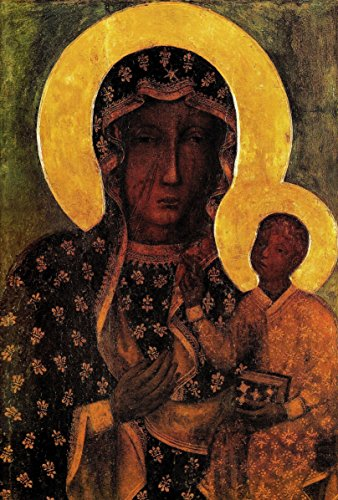


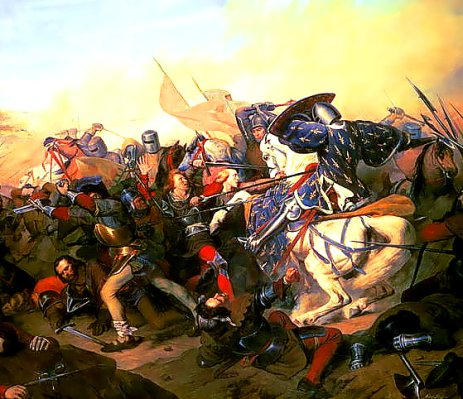


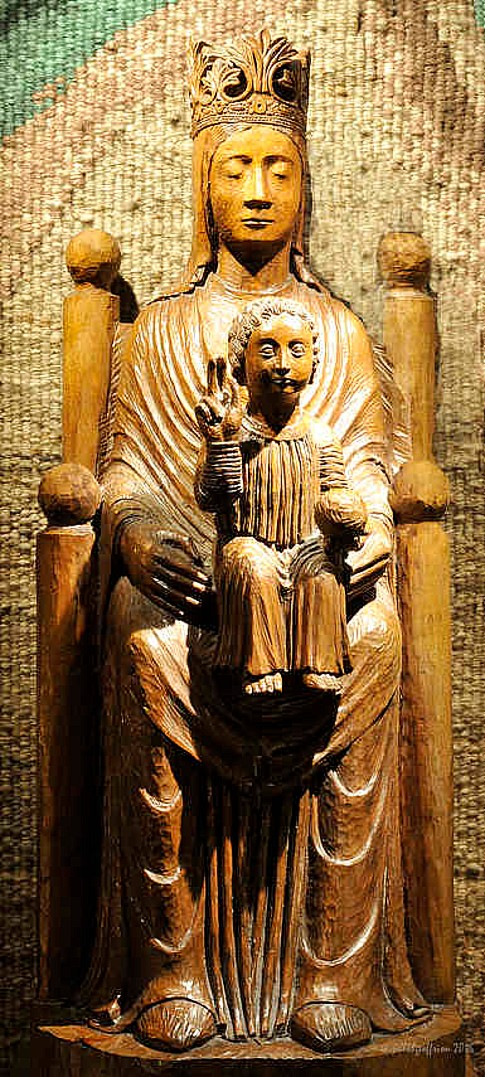
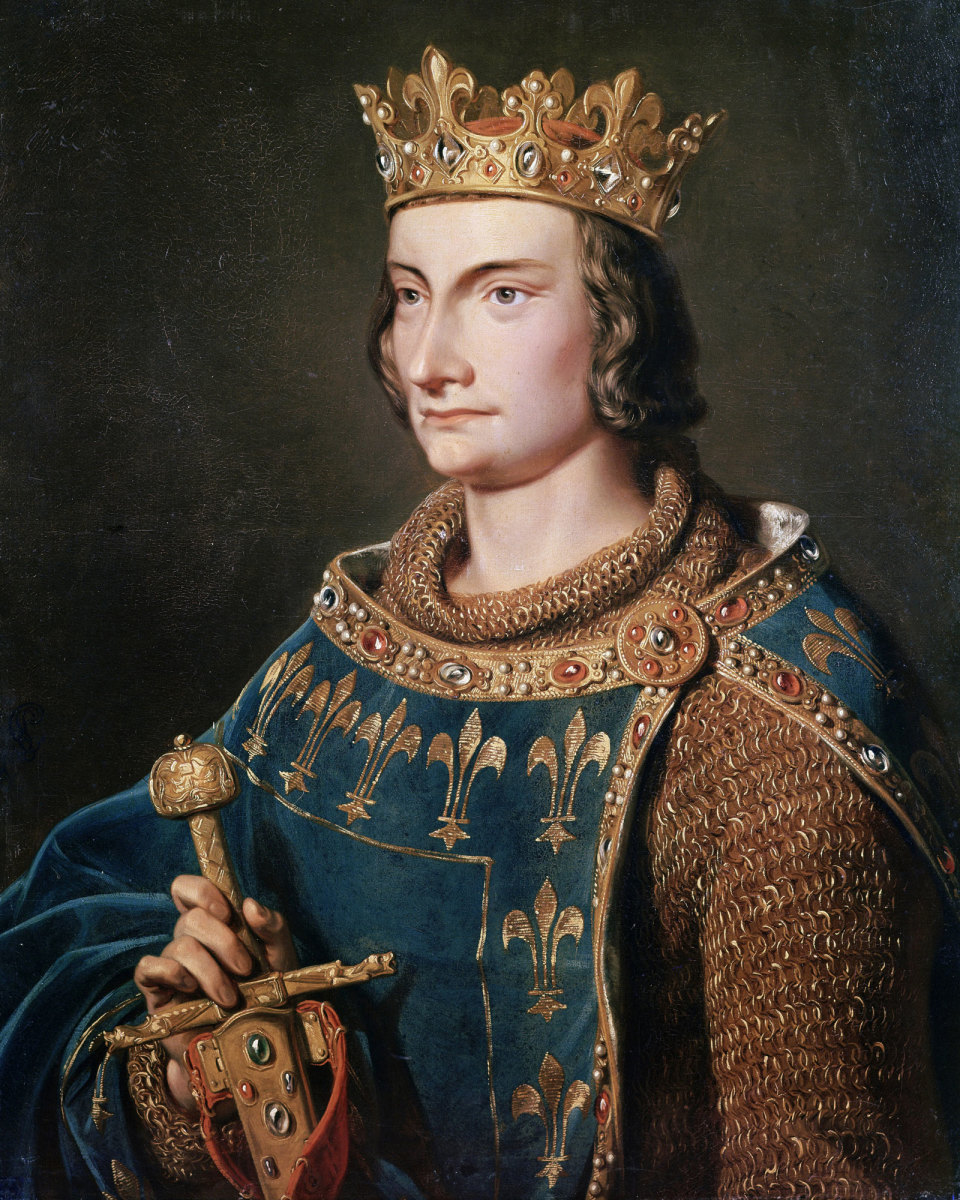
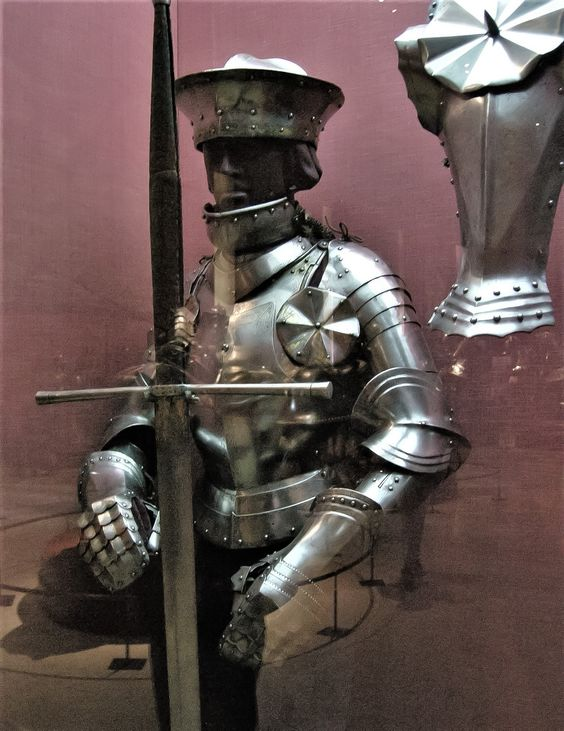
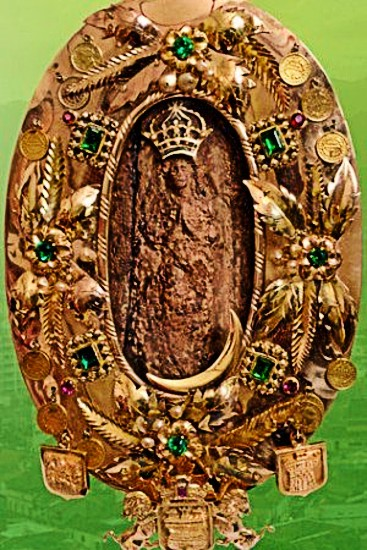
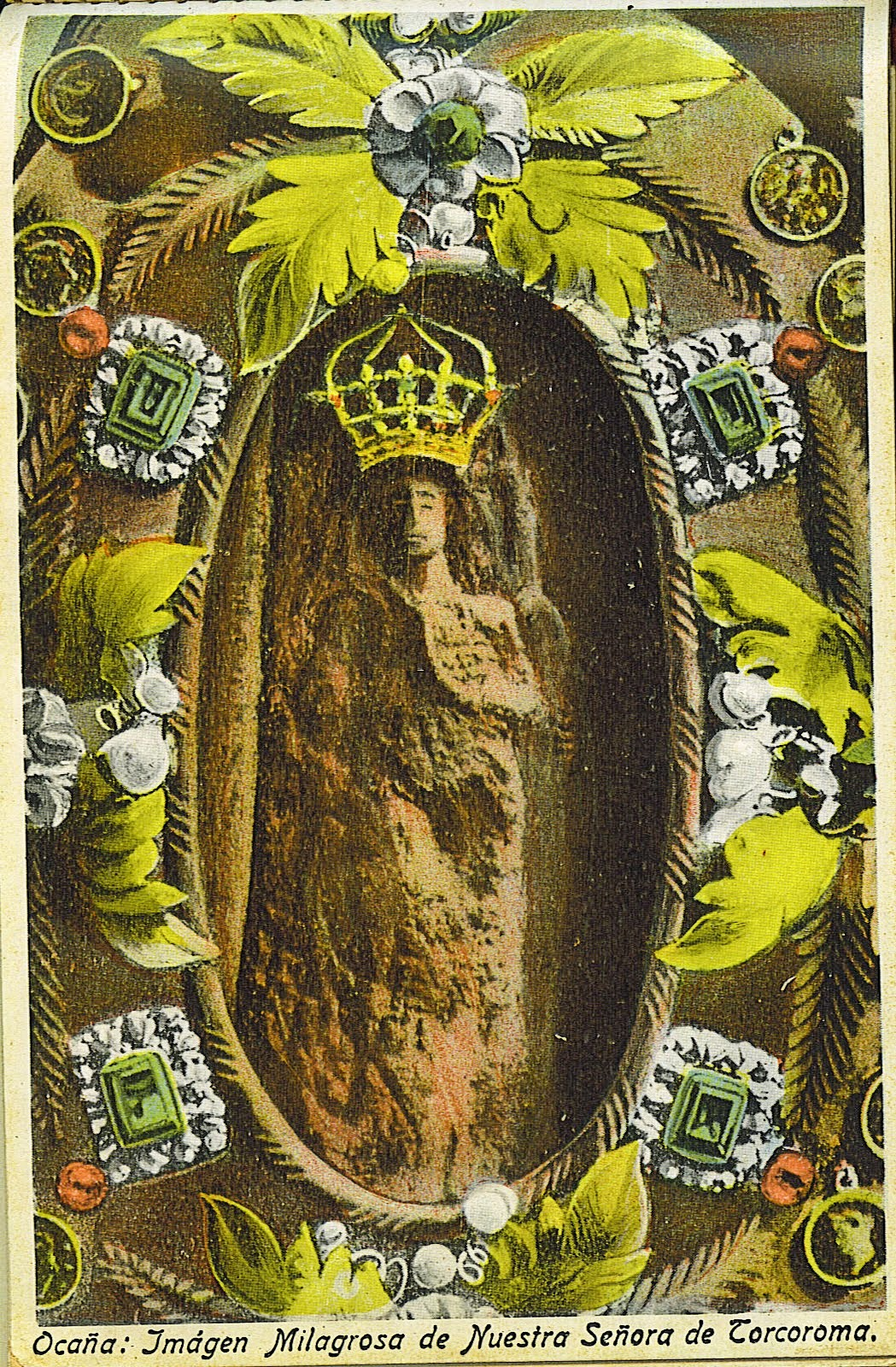
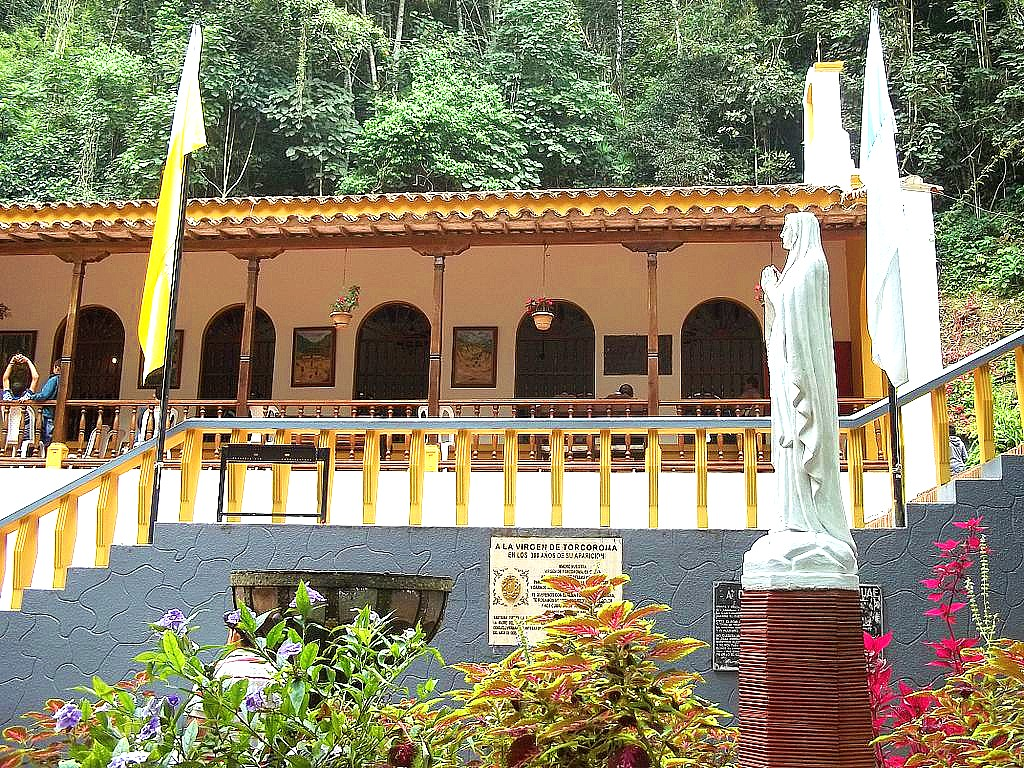


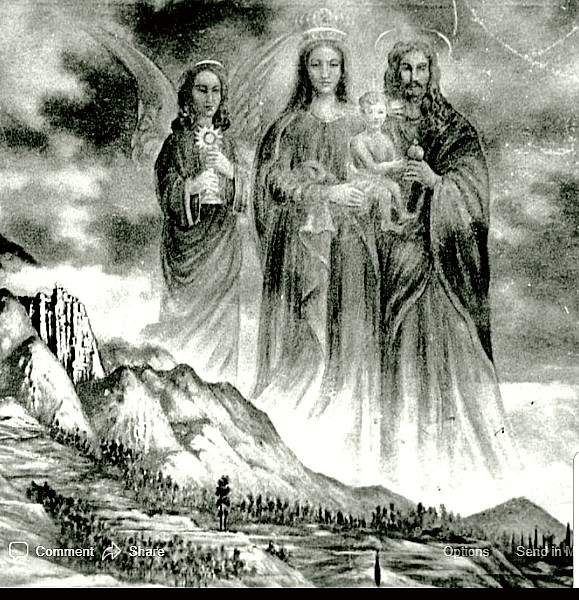
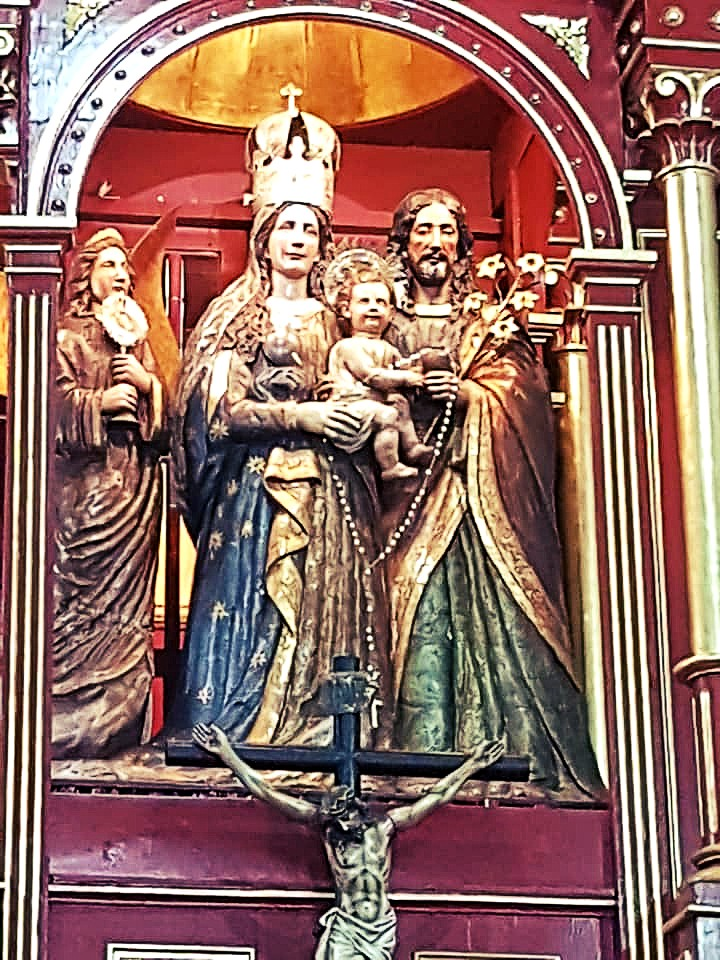
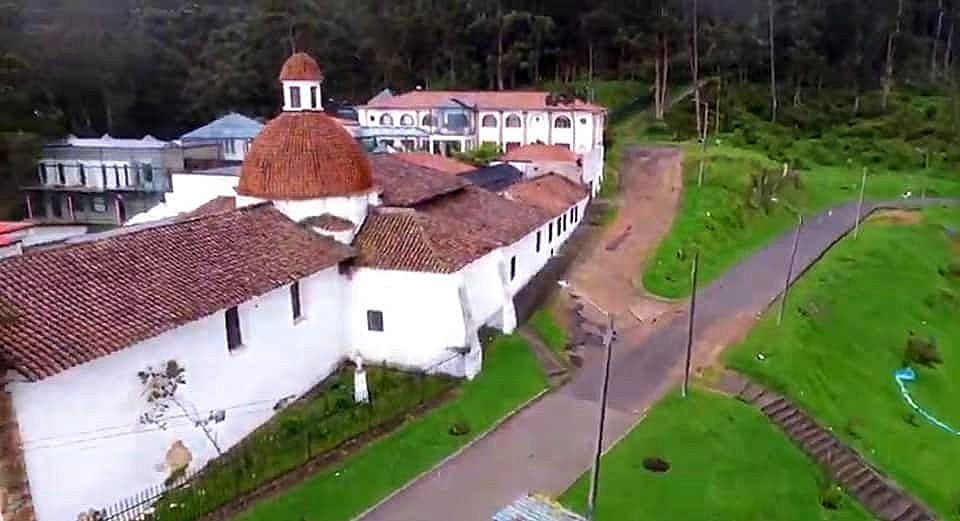
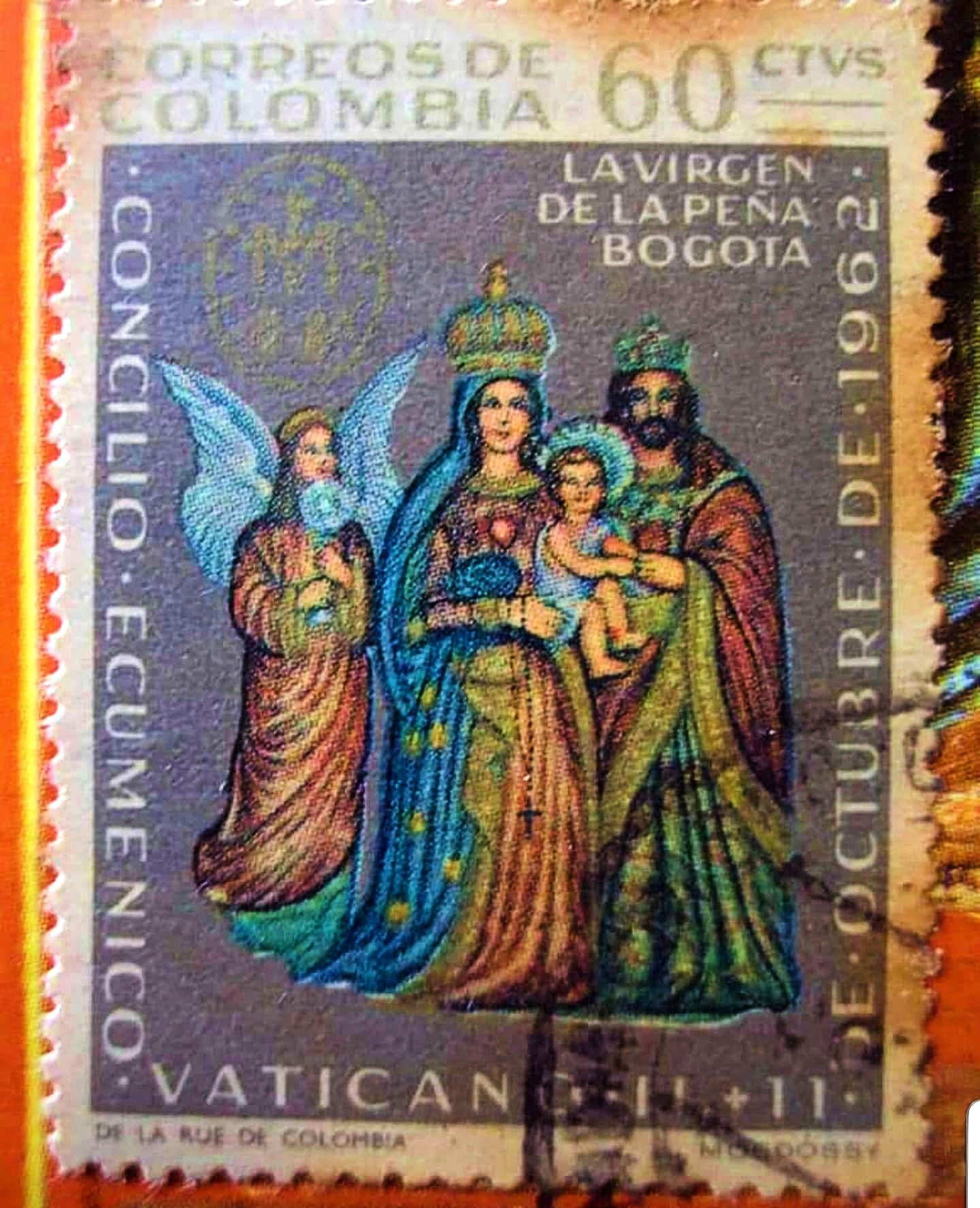

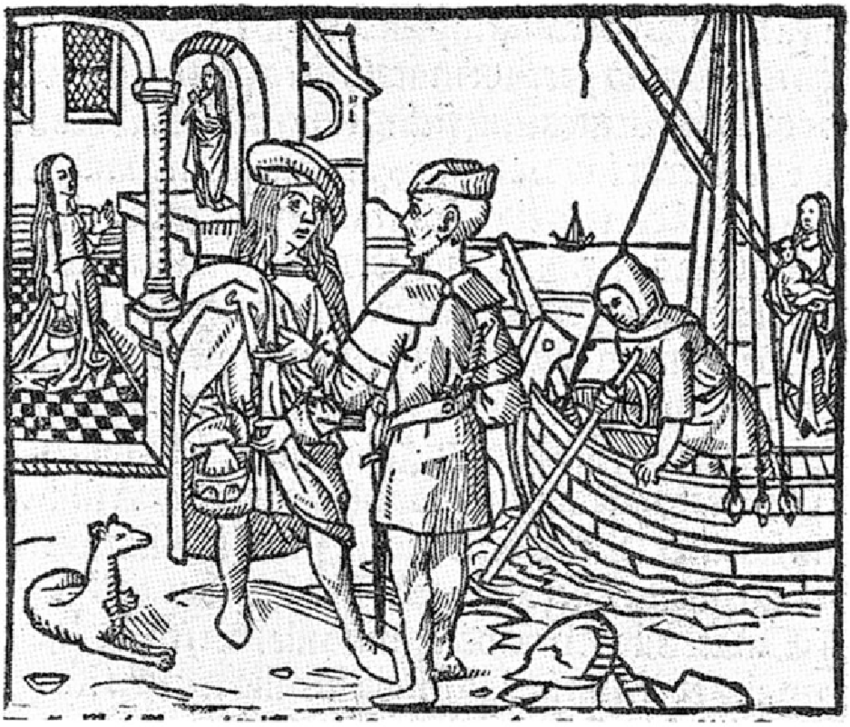
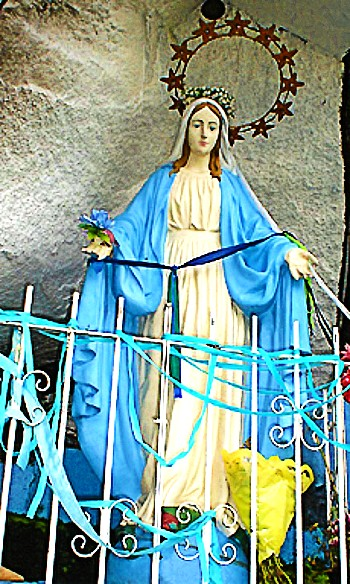


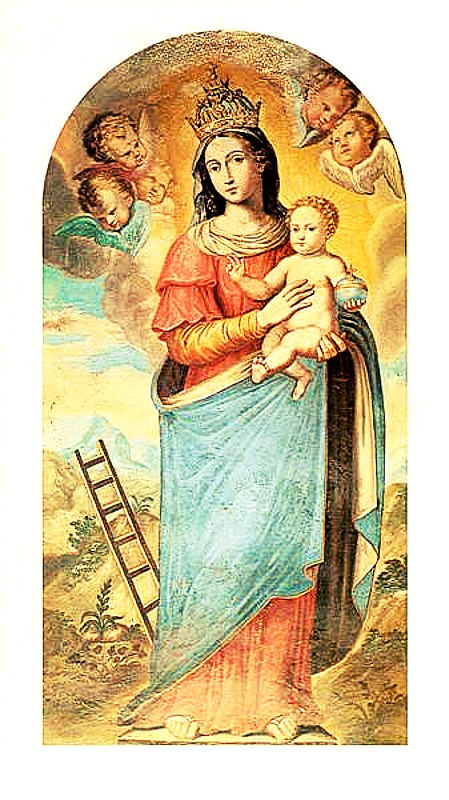
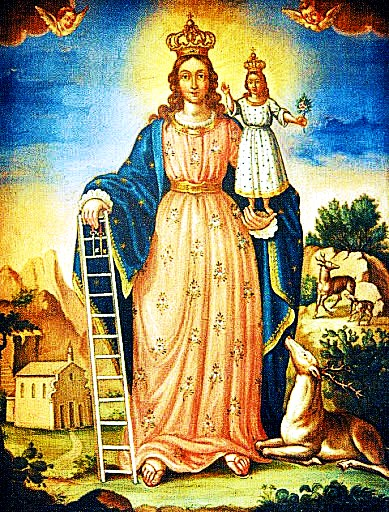
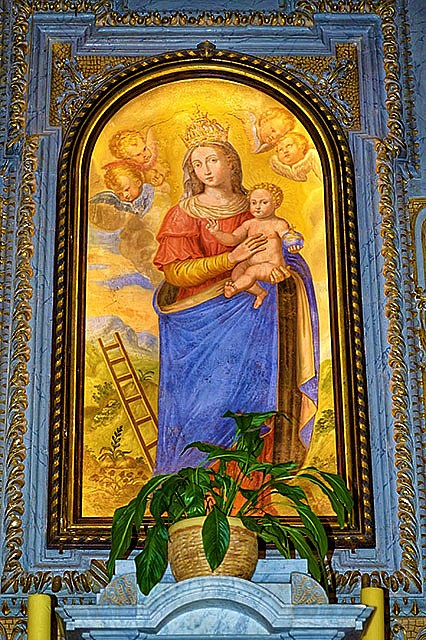
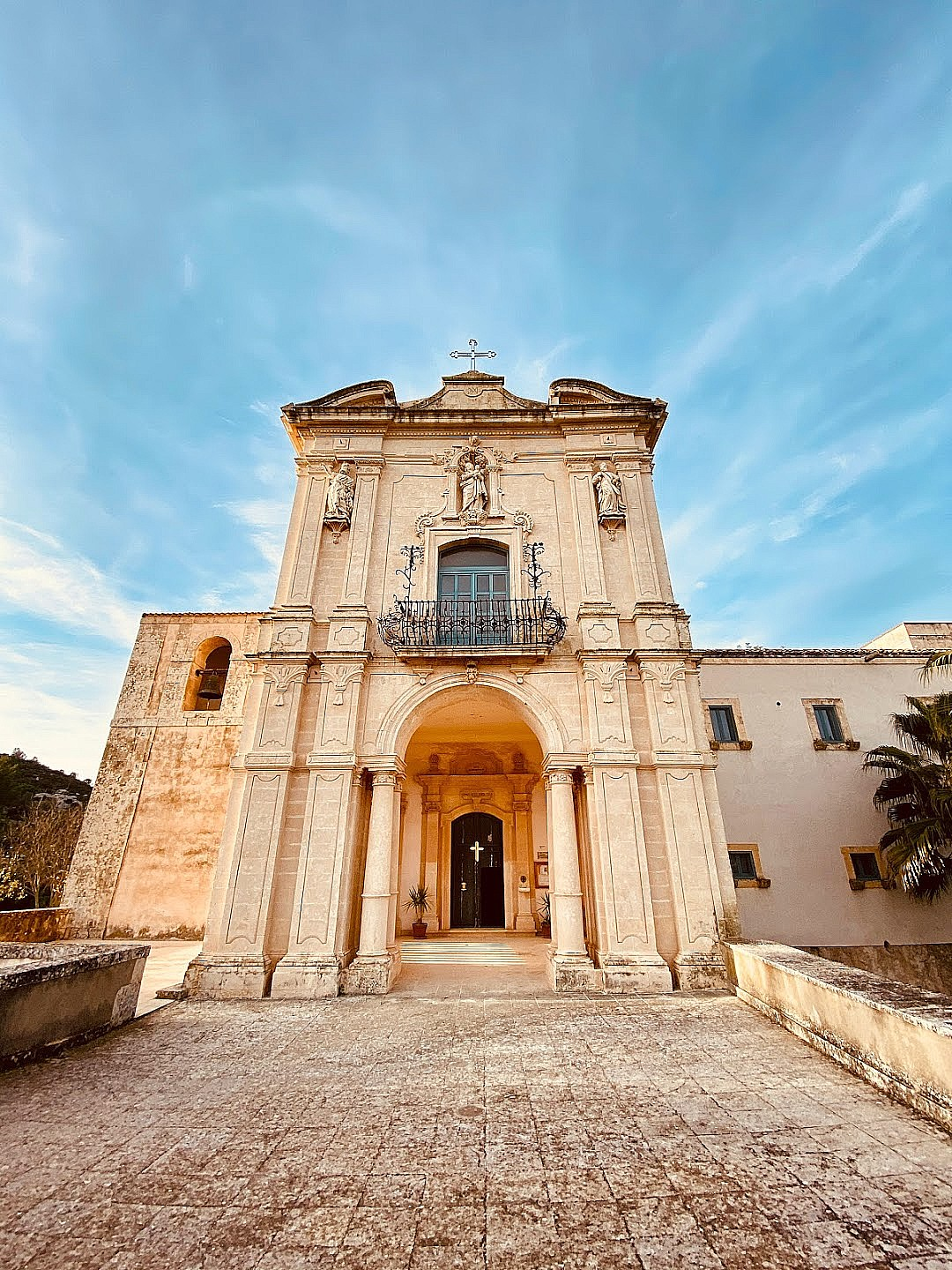
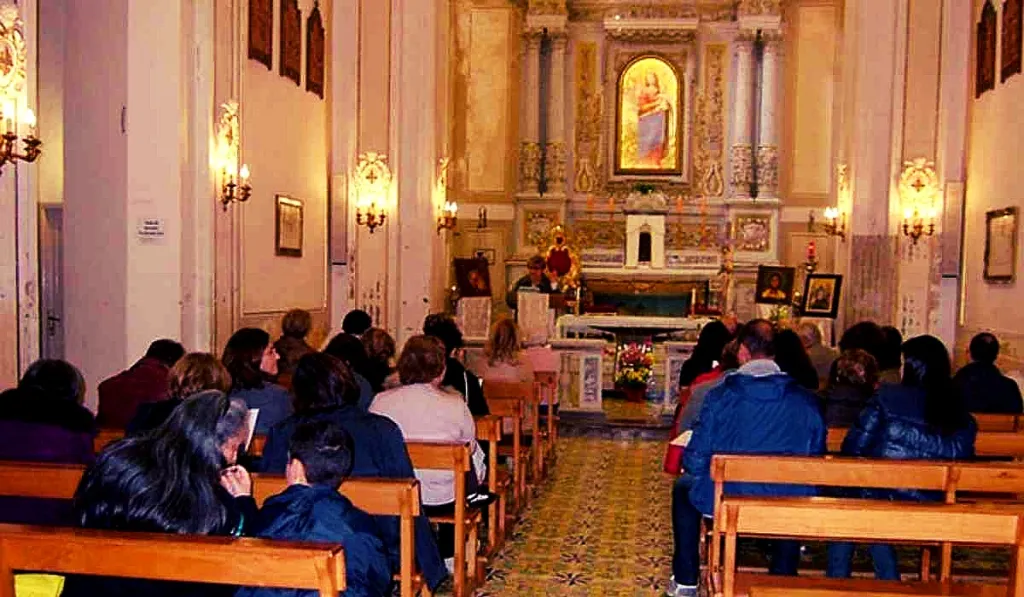
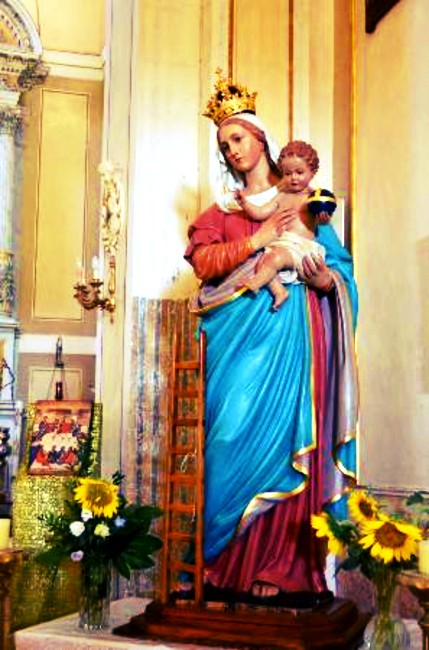
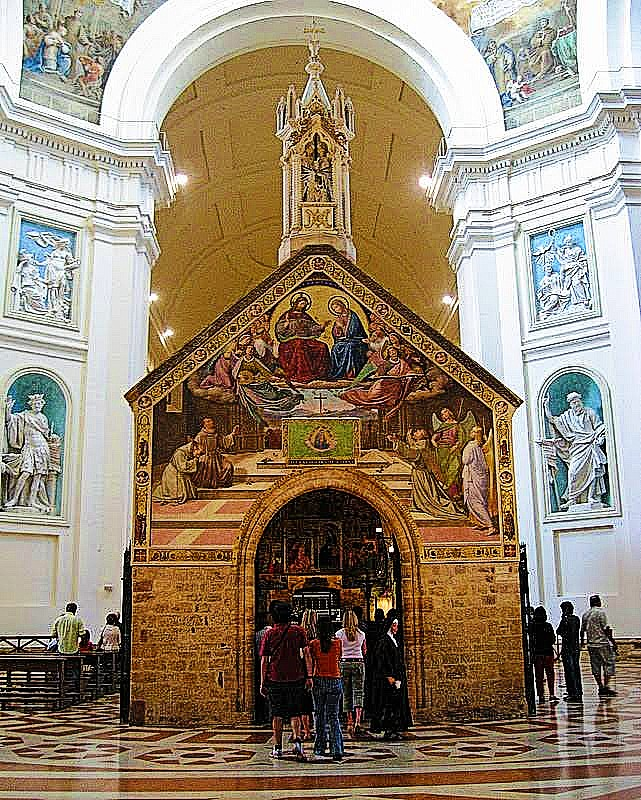

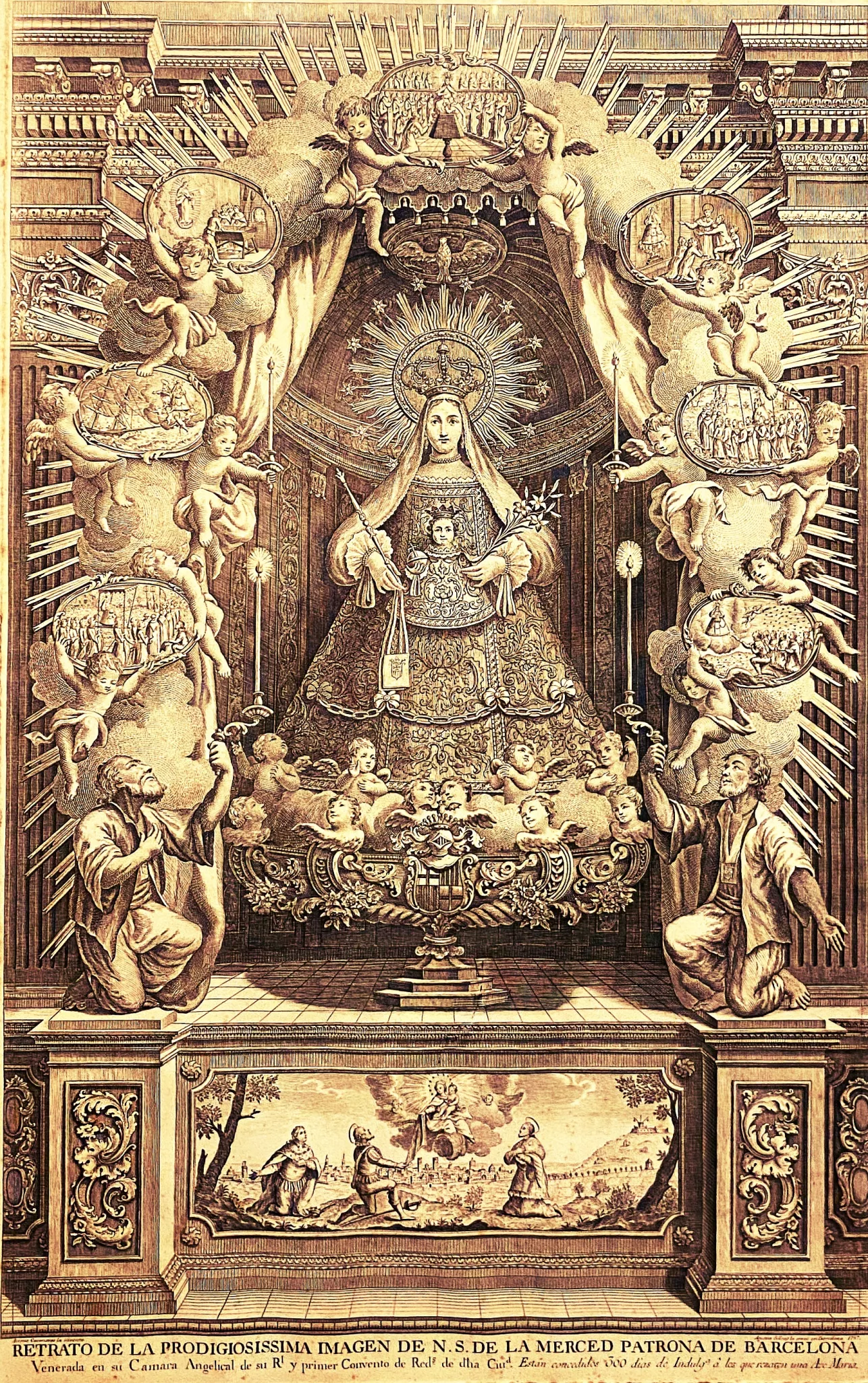
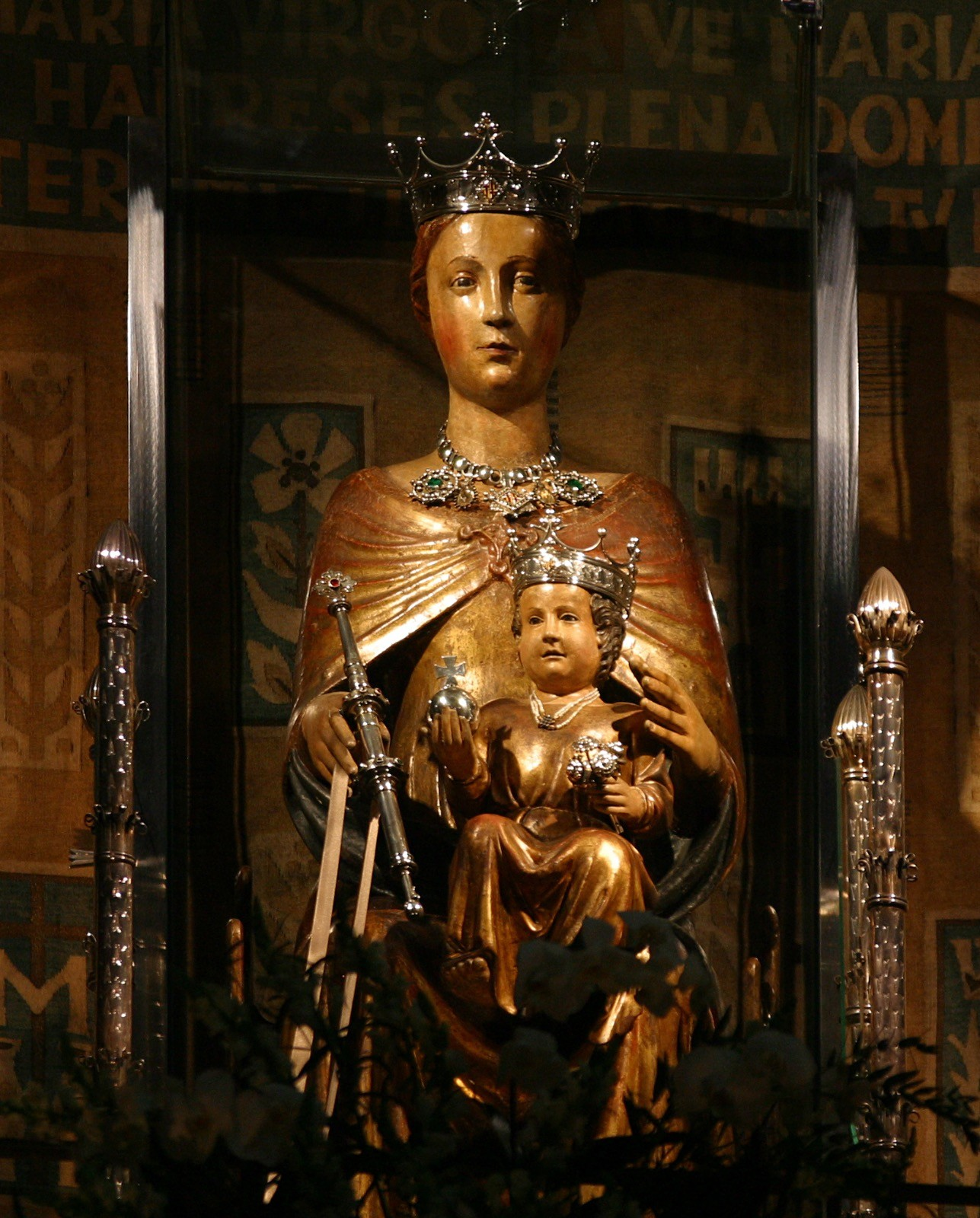


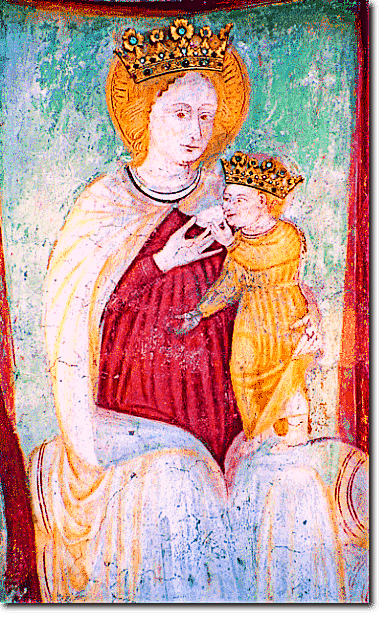
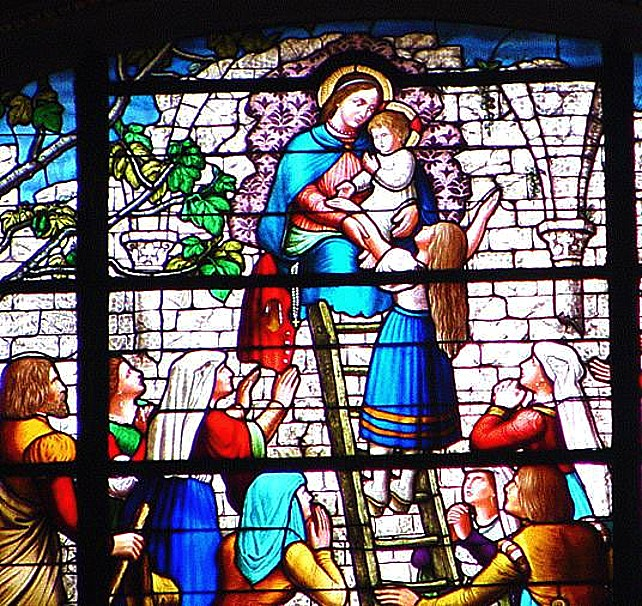
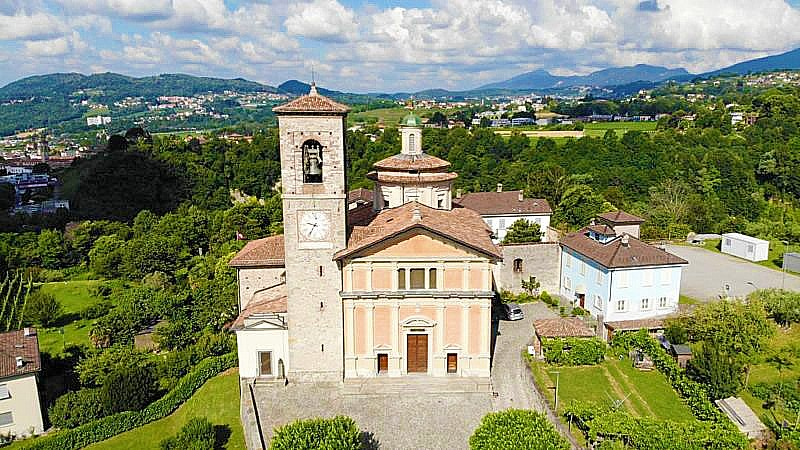
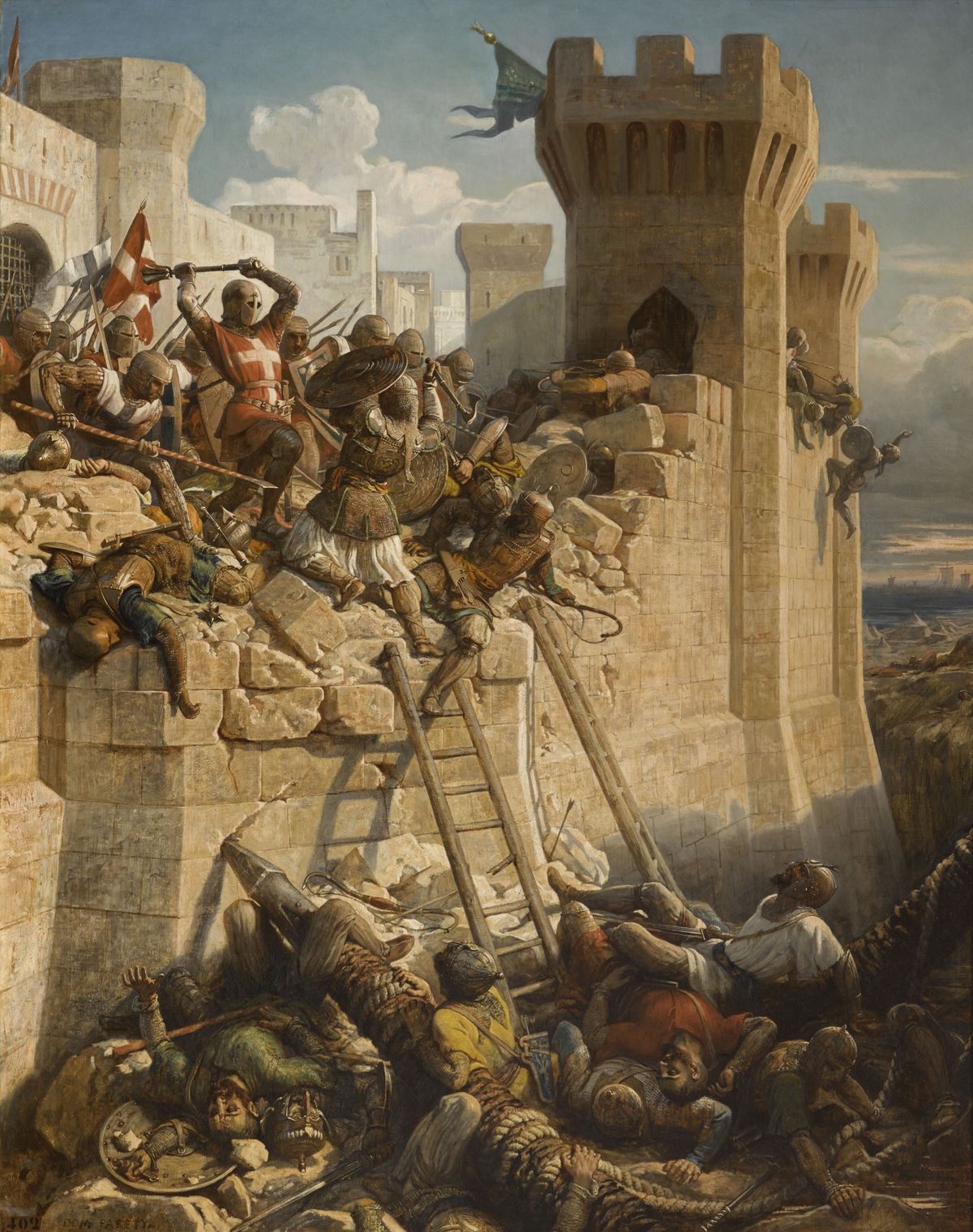
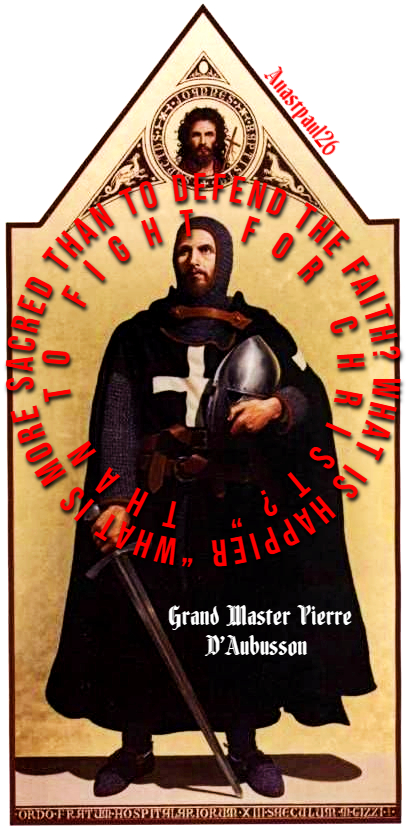
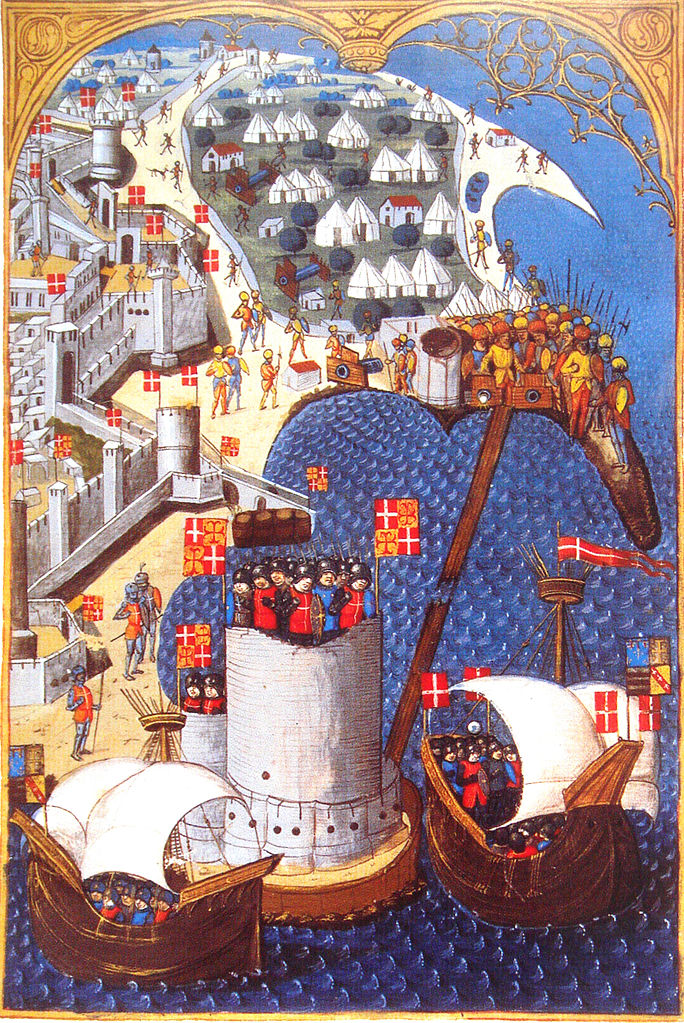
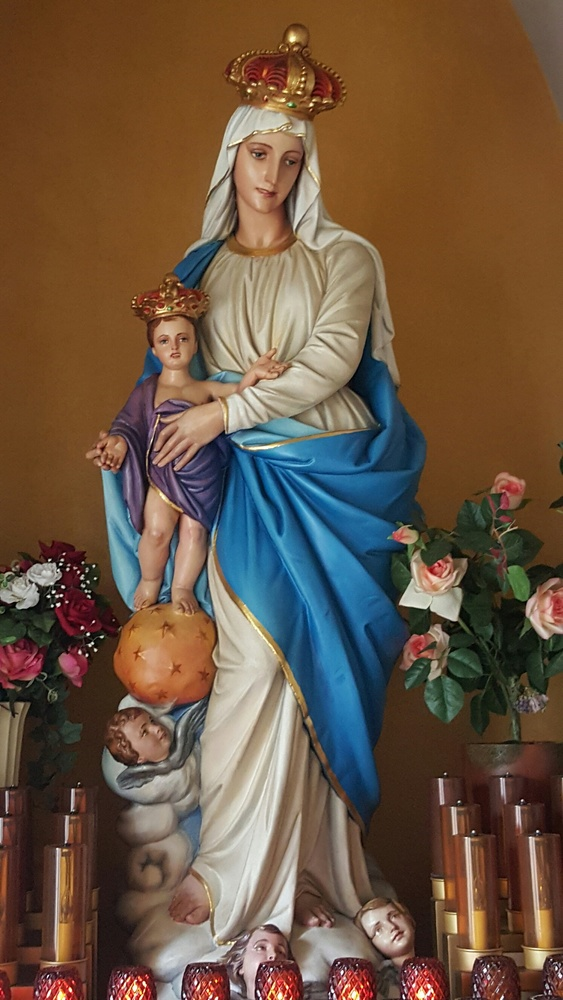
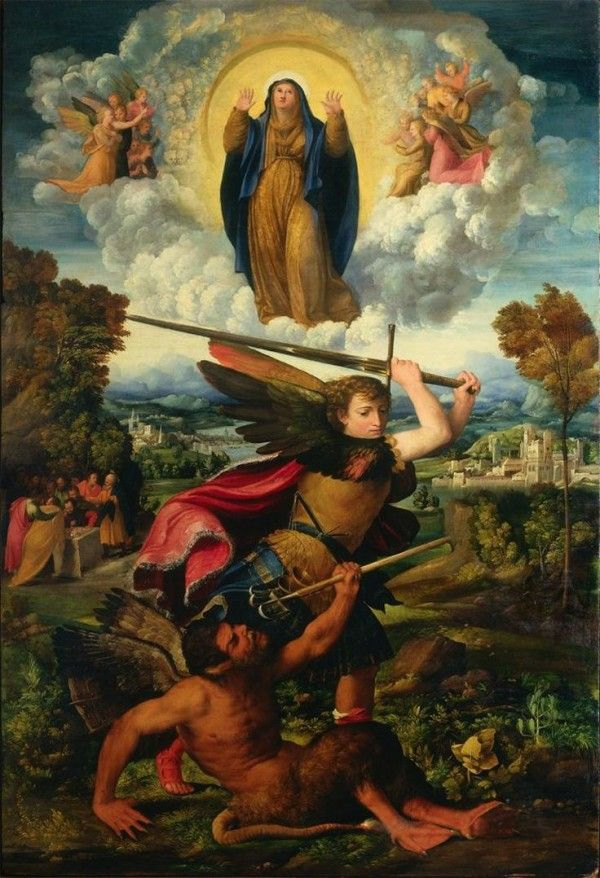
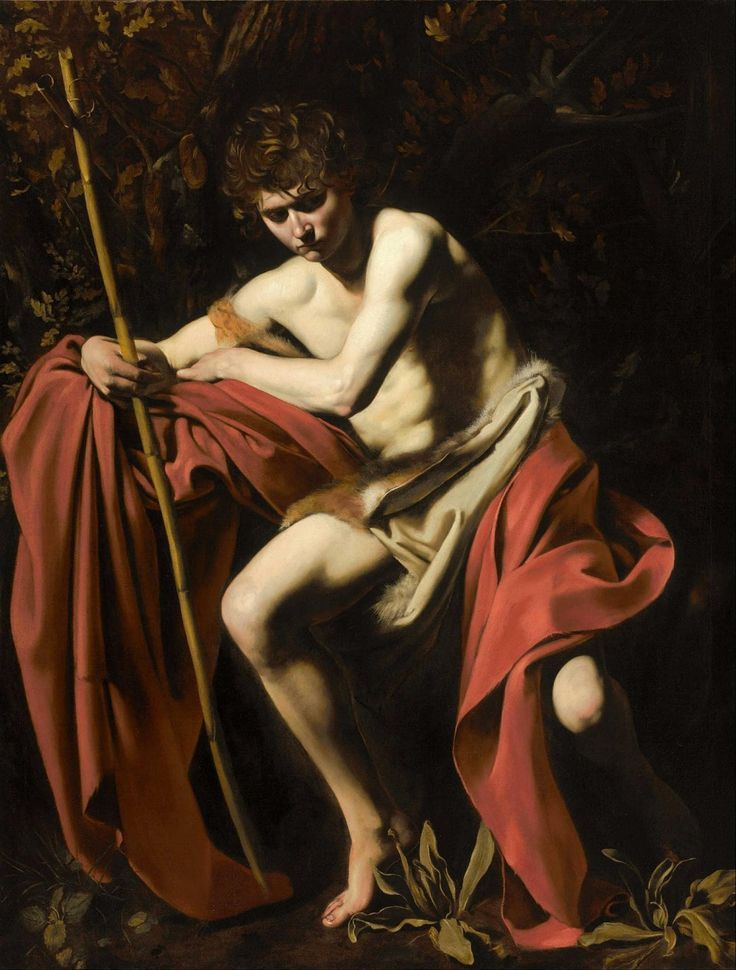
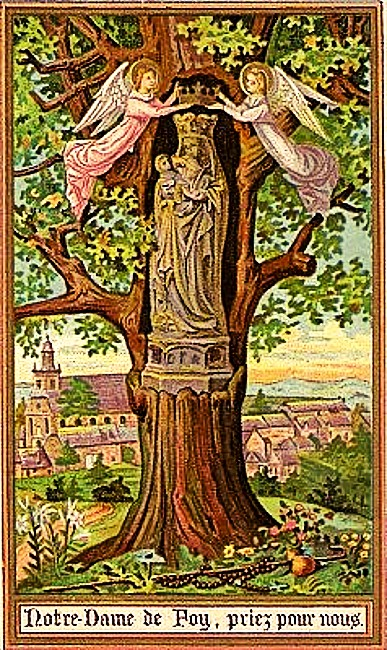
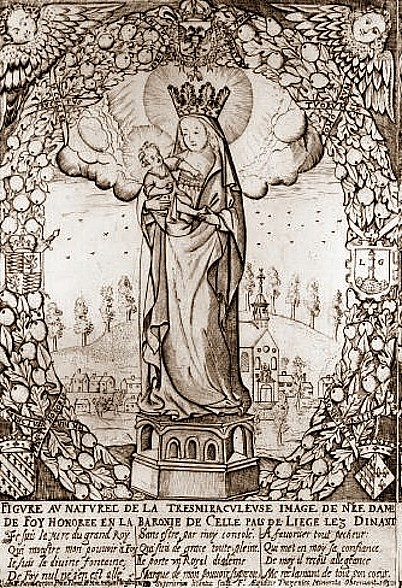
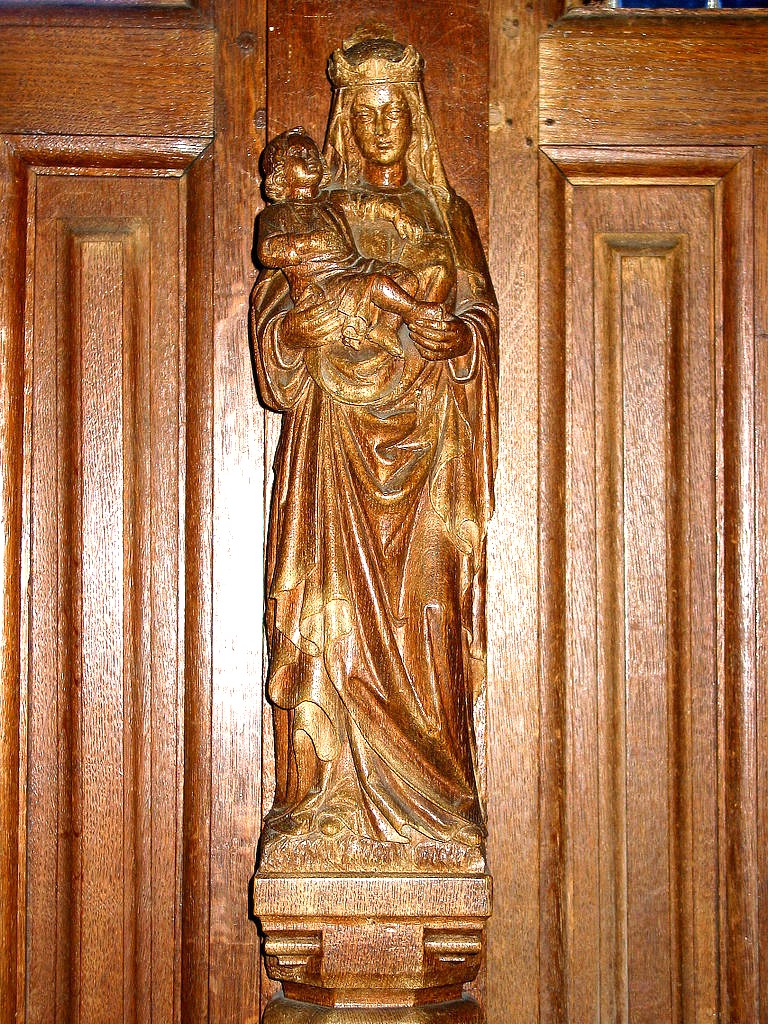
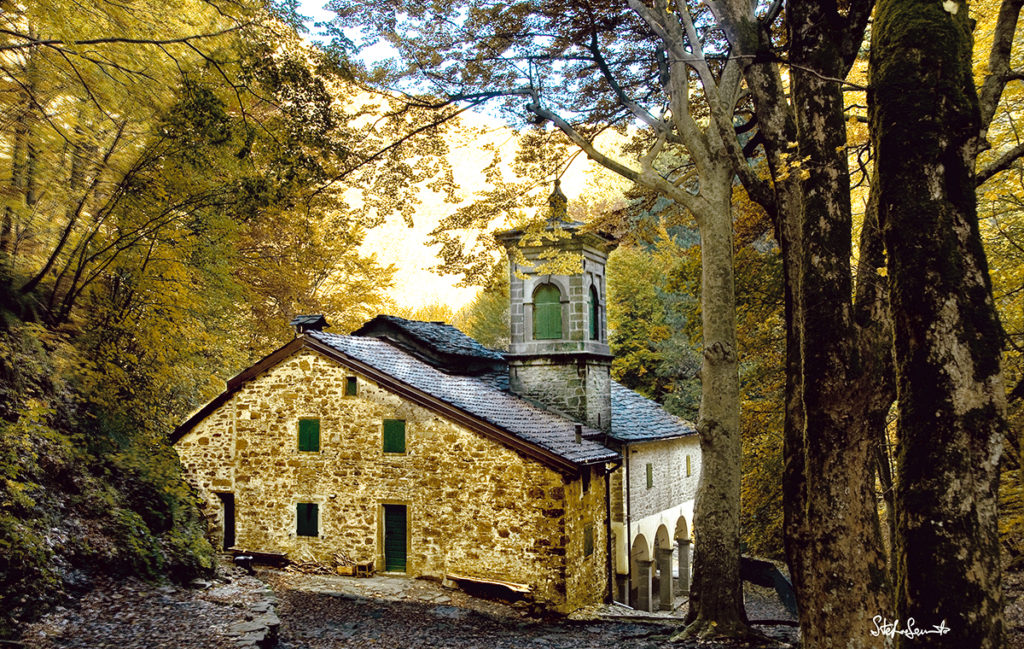
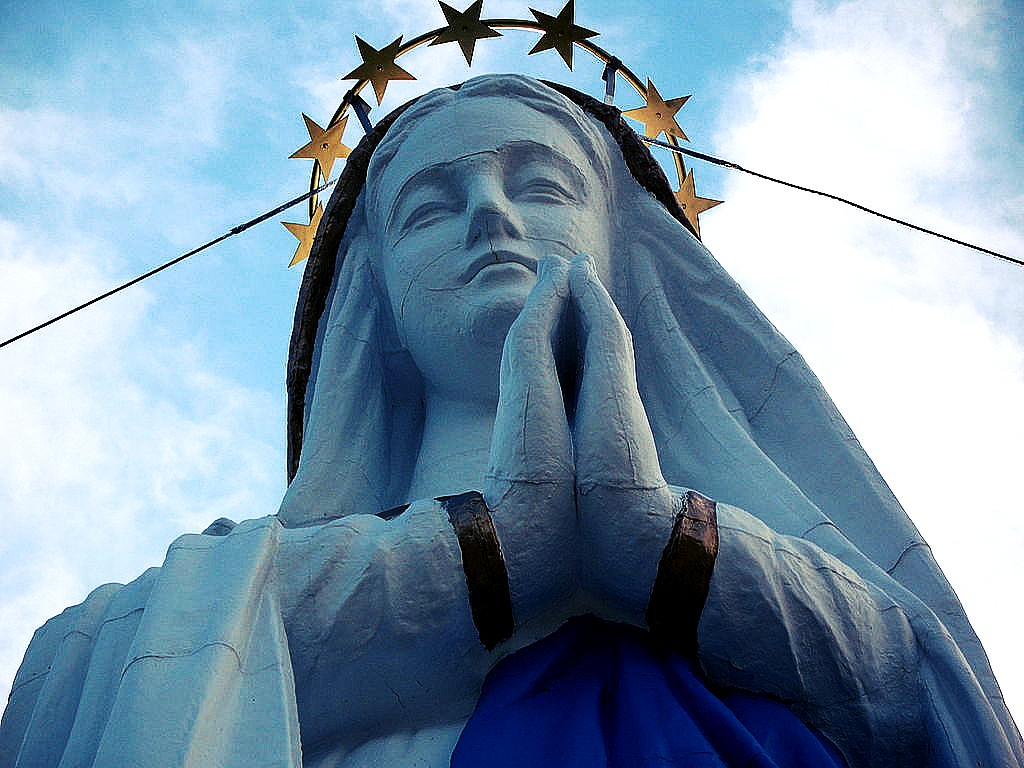
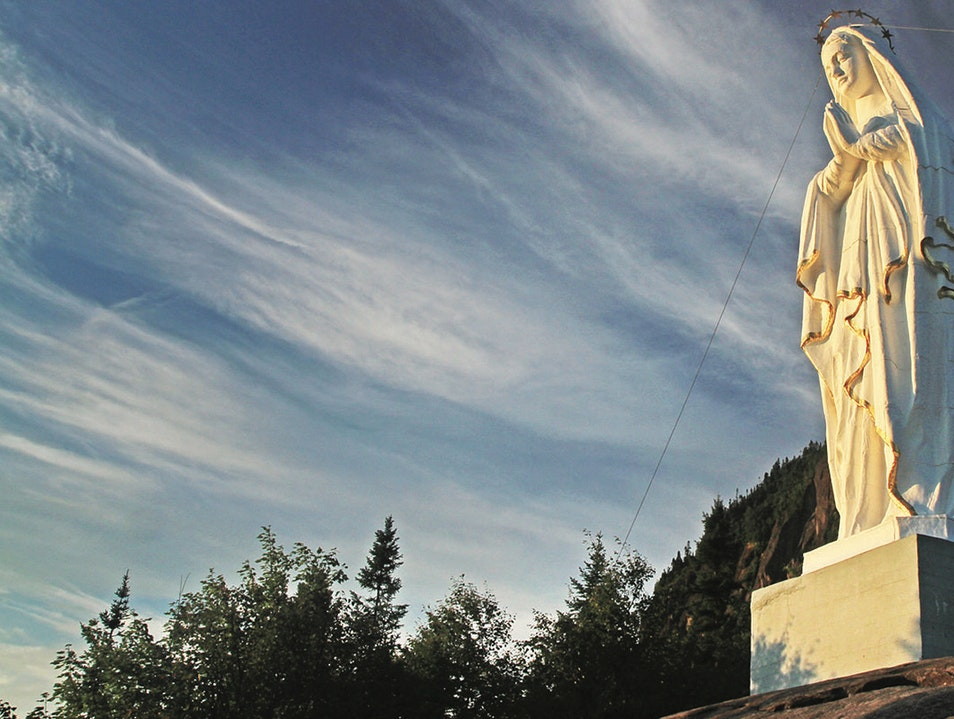
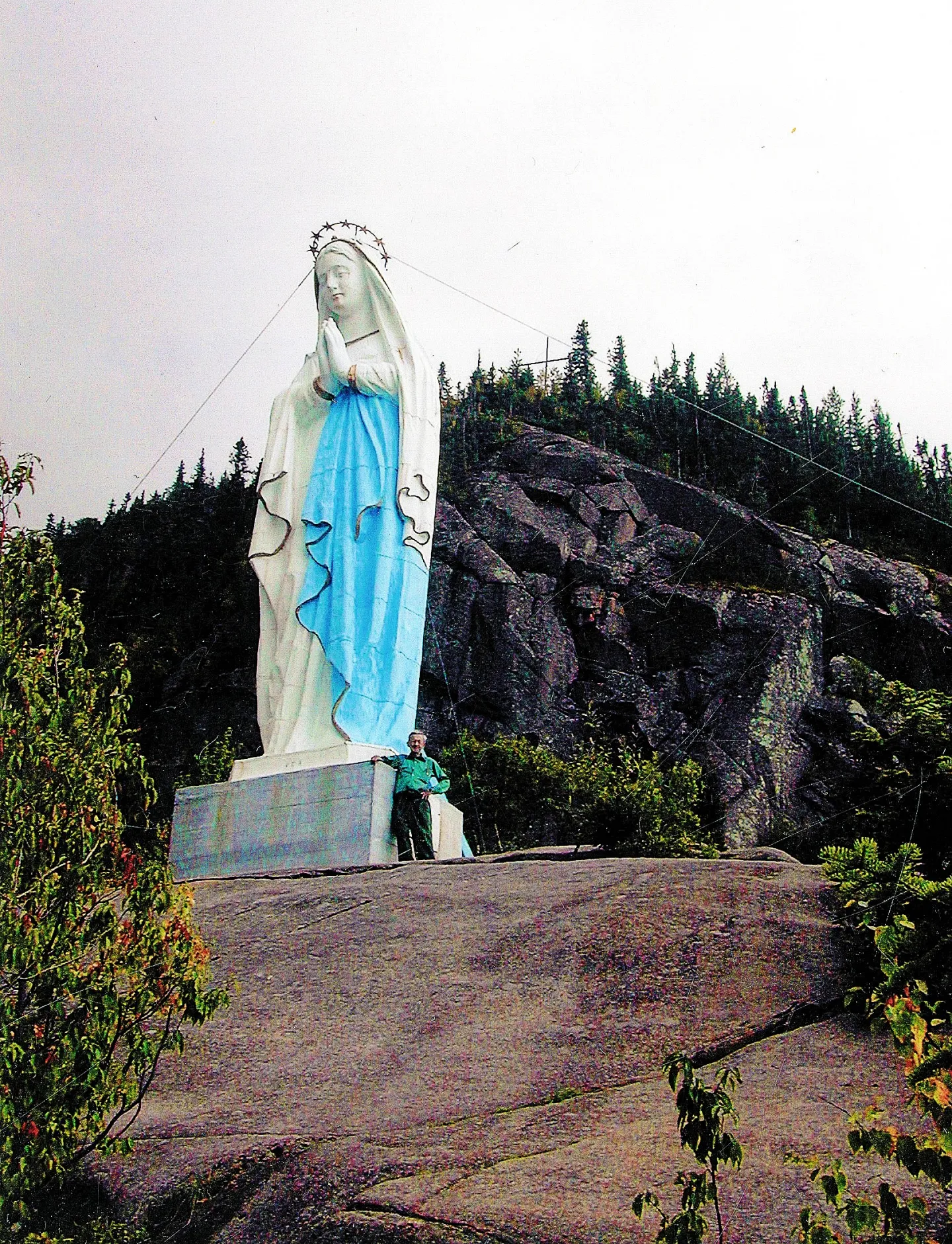
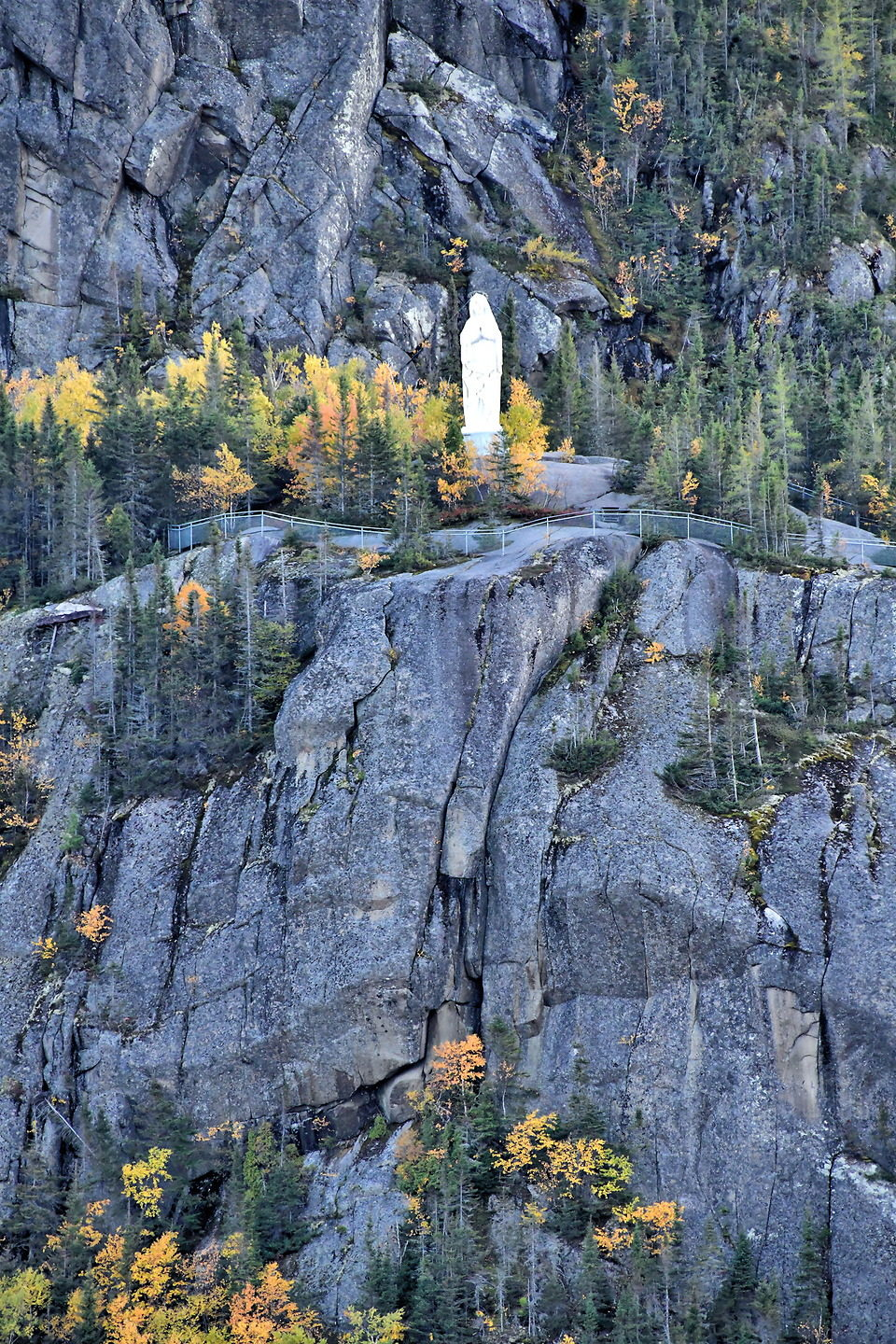
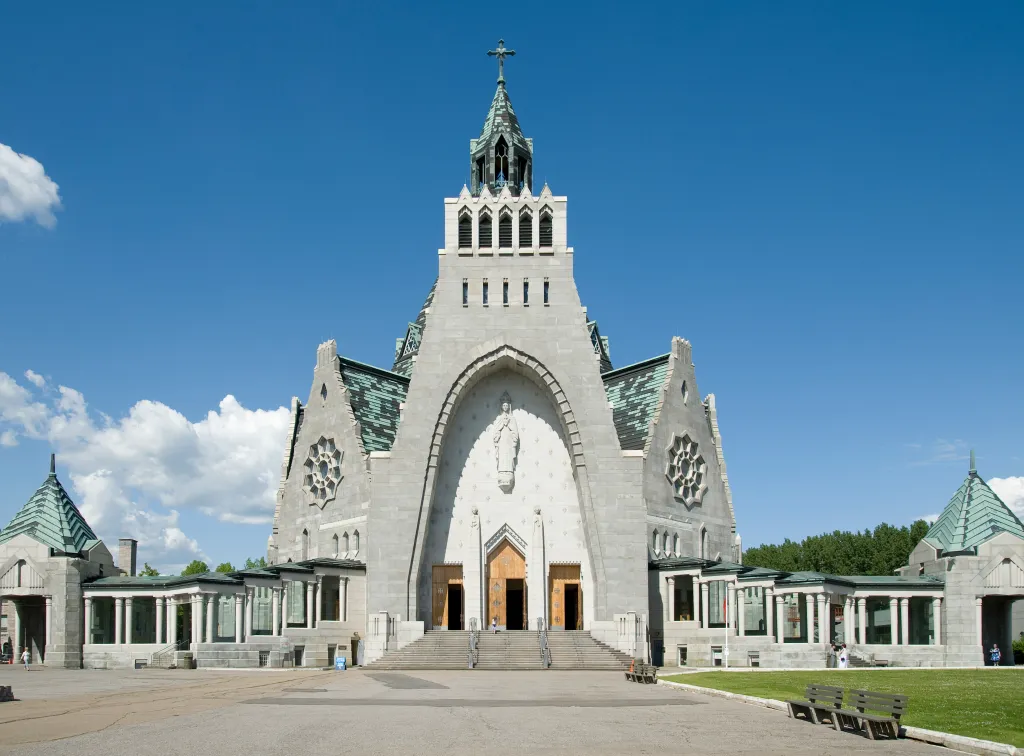
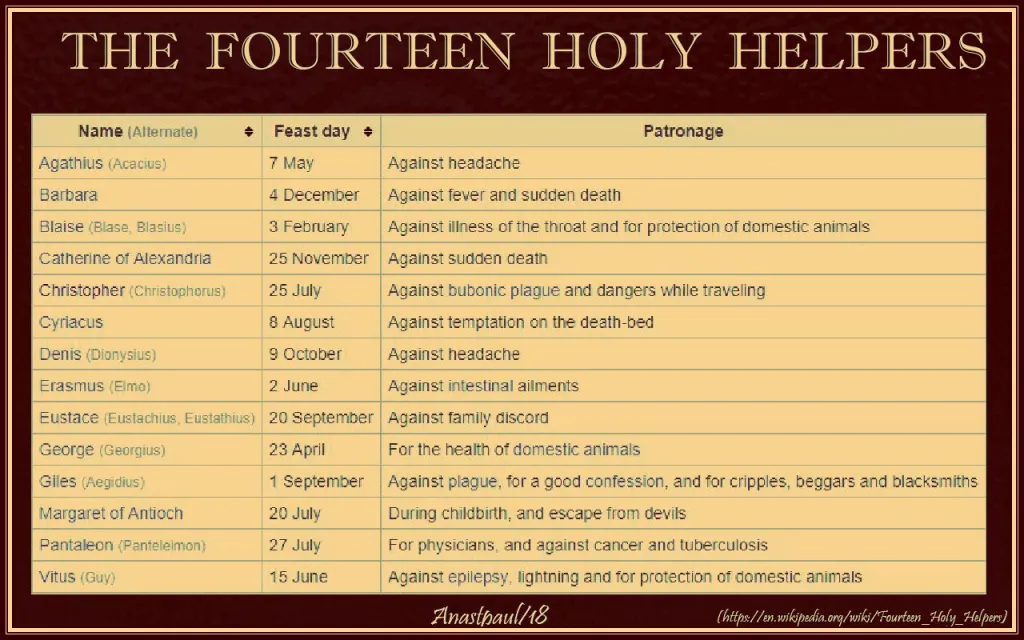
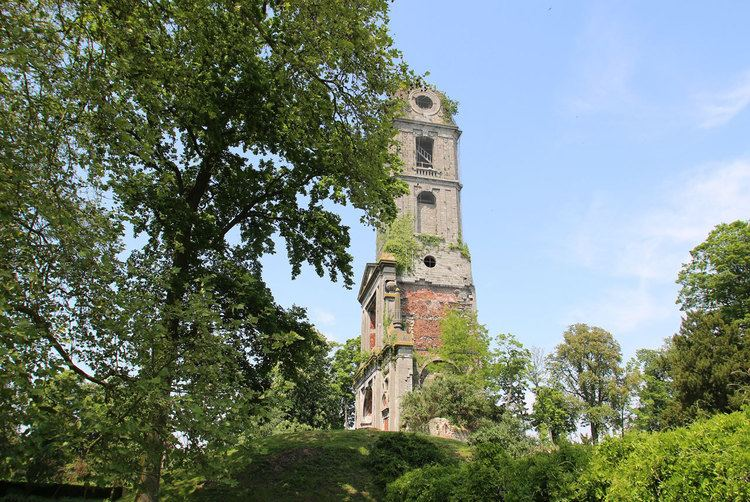
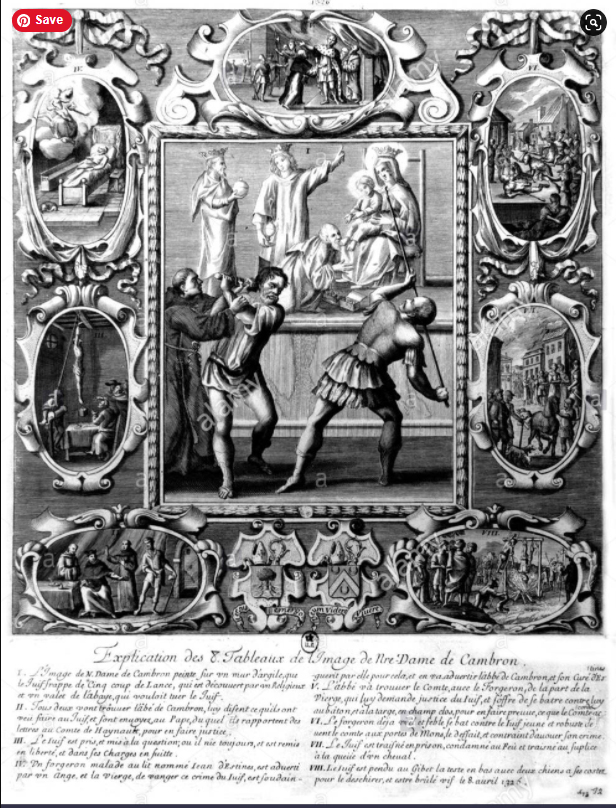
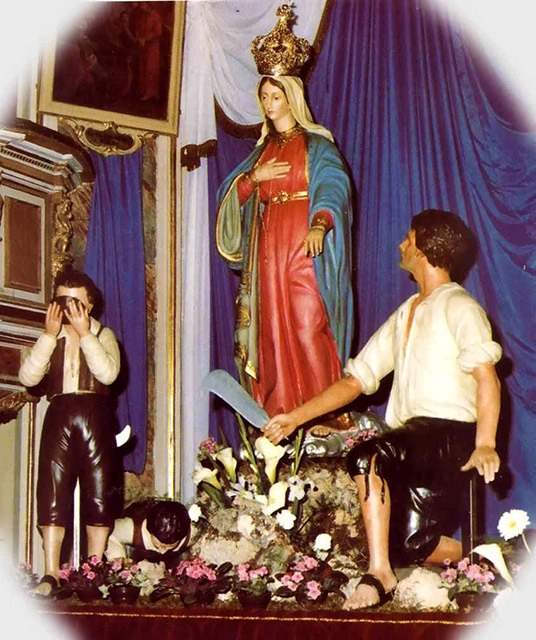
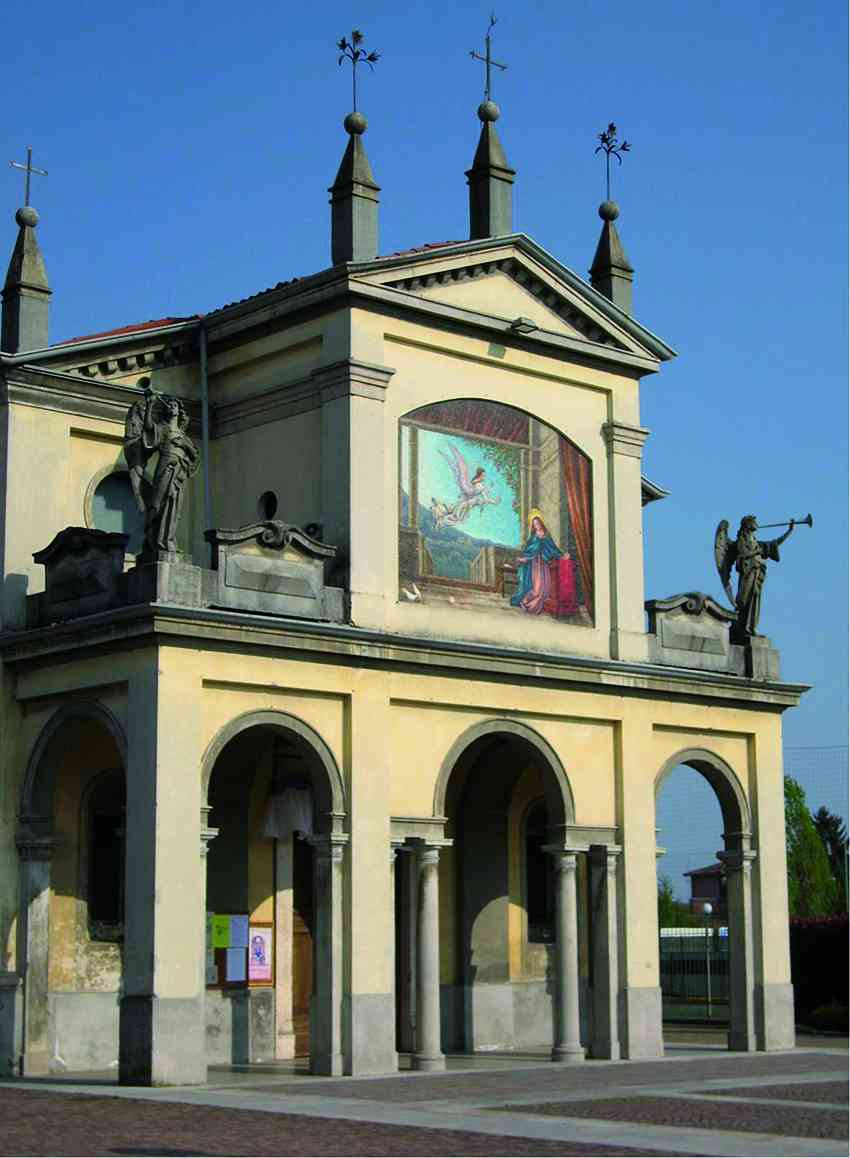
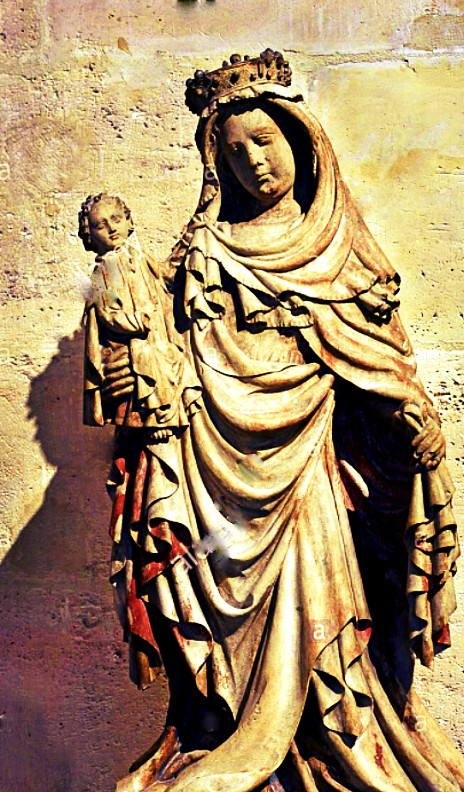
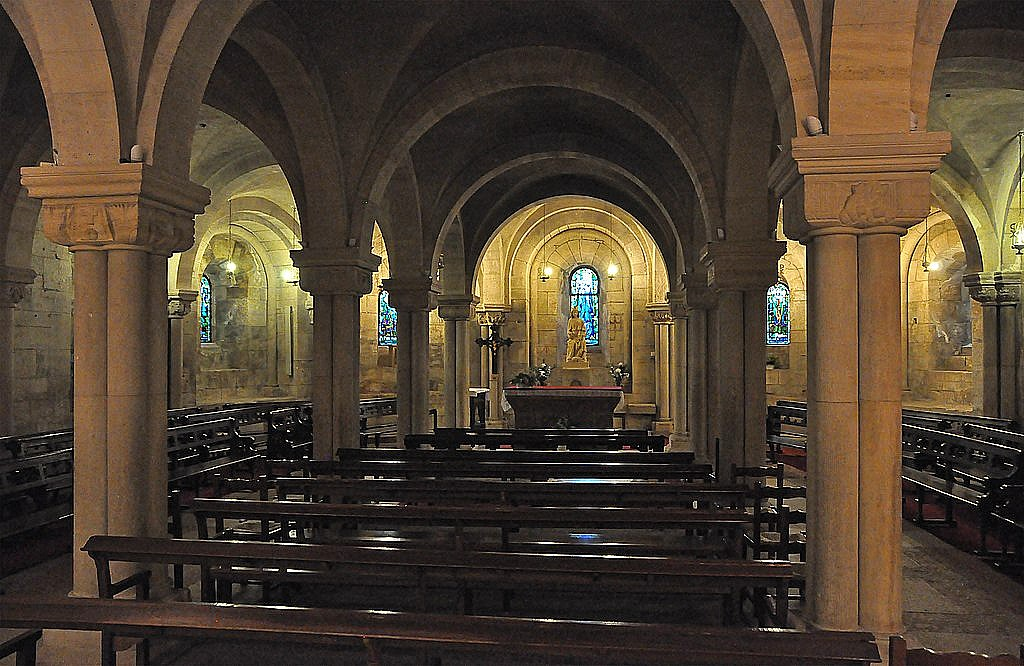
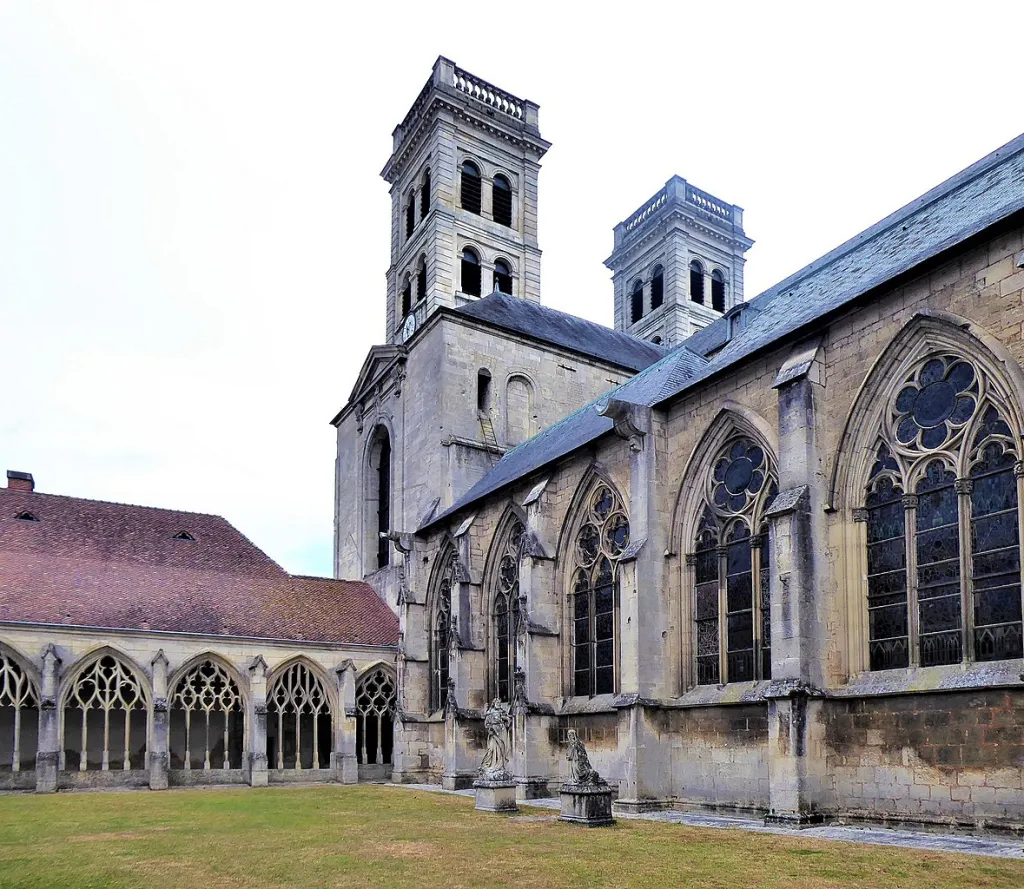
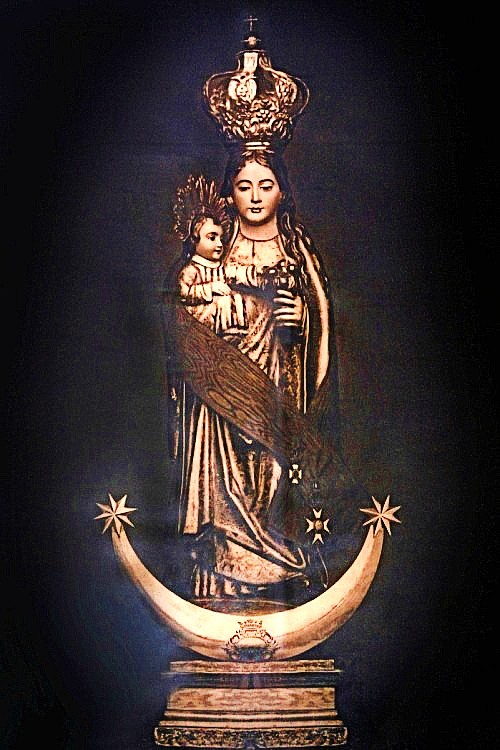
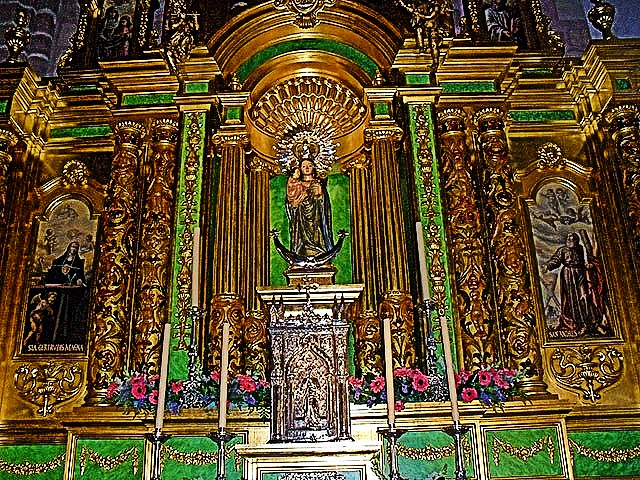
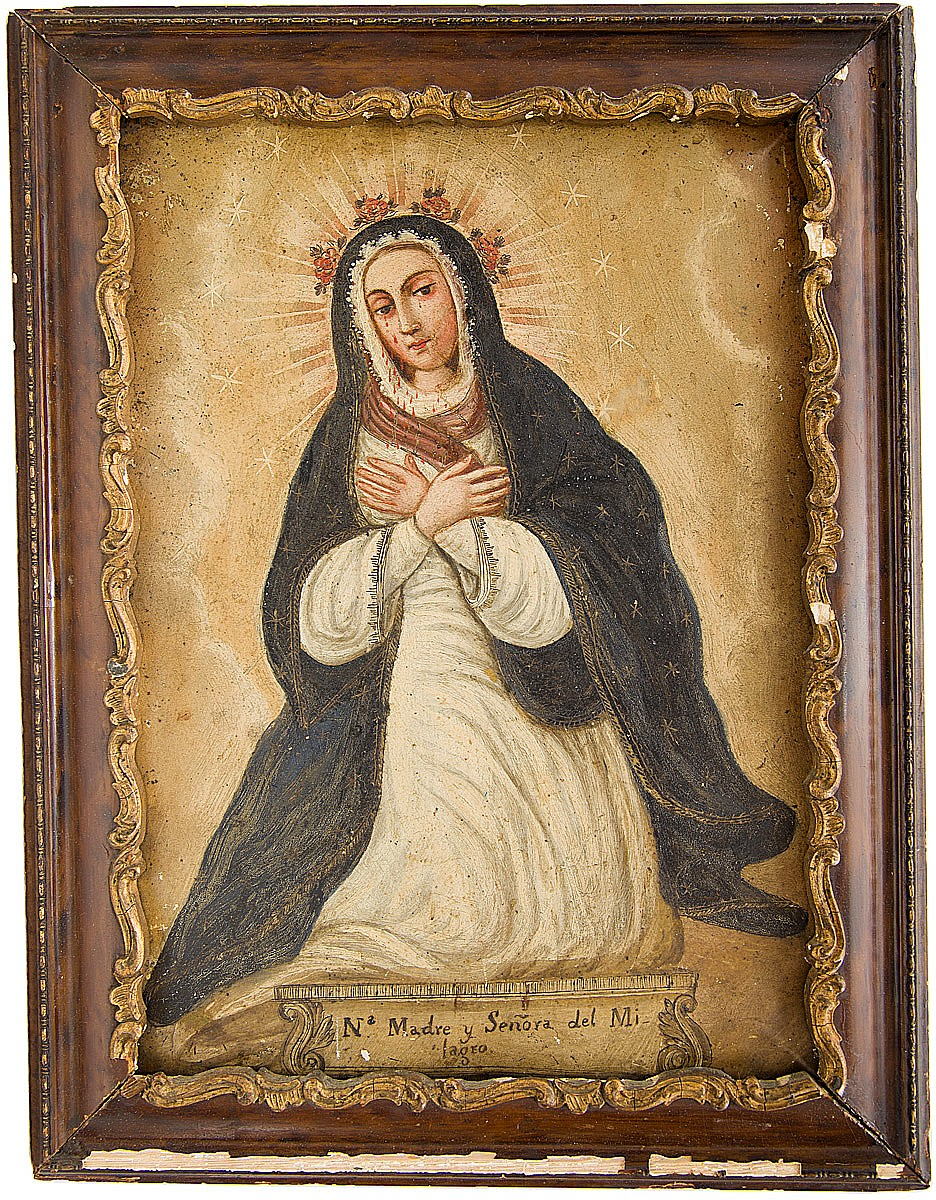
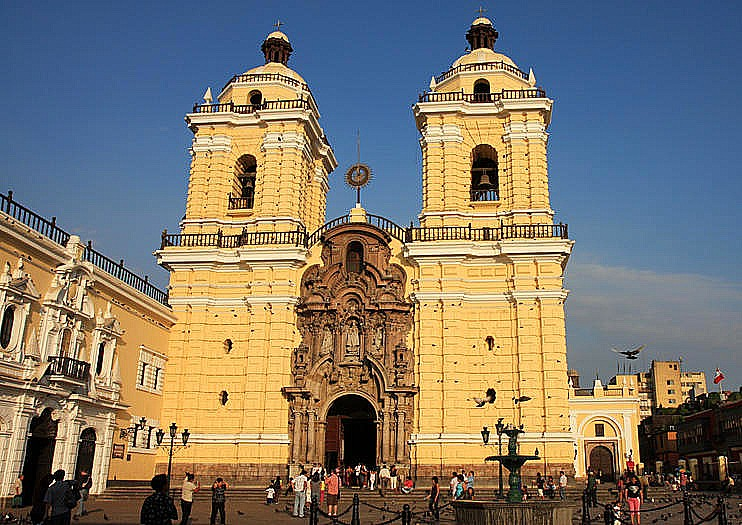


You must be logged in to post a comment.